
Custom Clothing Trims Supplier for Repeatable Apparel
EDVORIN coordinates labels, patches, hardware, and packaging with apparel development from 200 pieces per style.
Apparel Programs Supported by Integrated Trim Development
Why a Custom Clothing Trims Supplier Protects Your Collection
EDVORIN coordinates the details that connect product development, decoration and bulk production into one repeatable standard.
Material-Matched Trims
Select labels, hardware, drawcords and finishing details that complement garment weight, hand feel, construction and intended wear.
Decoration Compatibility
Coordinate trims with printing, embroidery, washing and heat applications so visual details perform correctly on the selected base fabric.
Documented Specifications
Record approved trim materials, colors, dimensions, placements and attachment methods to reduce interpretation gaps from sample through production.
Private-Label Flexibility
Develop branded labels, patches, hardware and packaging around your collection identity, whether you bring a tech pack or early concept.
Sample-to-Bulk Control
Use approved samples as the production reference, with coordinated checks that help keep trim details consistent across the full order.
Apparel Built for Repeat Production
From single styles to coordinated programs, EDVORIN develops category-specific construction, materials, decoration, and quality standards for men’s and women’s apparel.
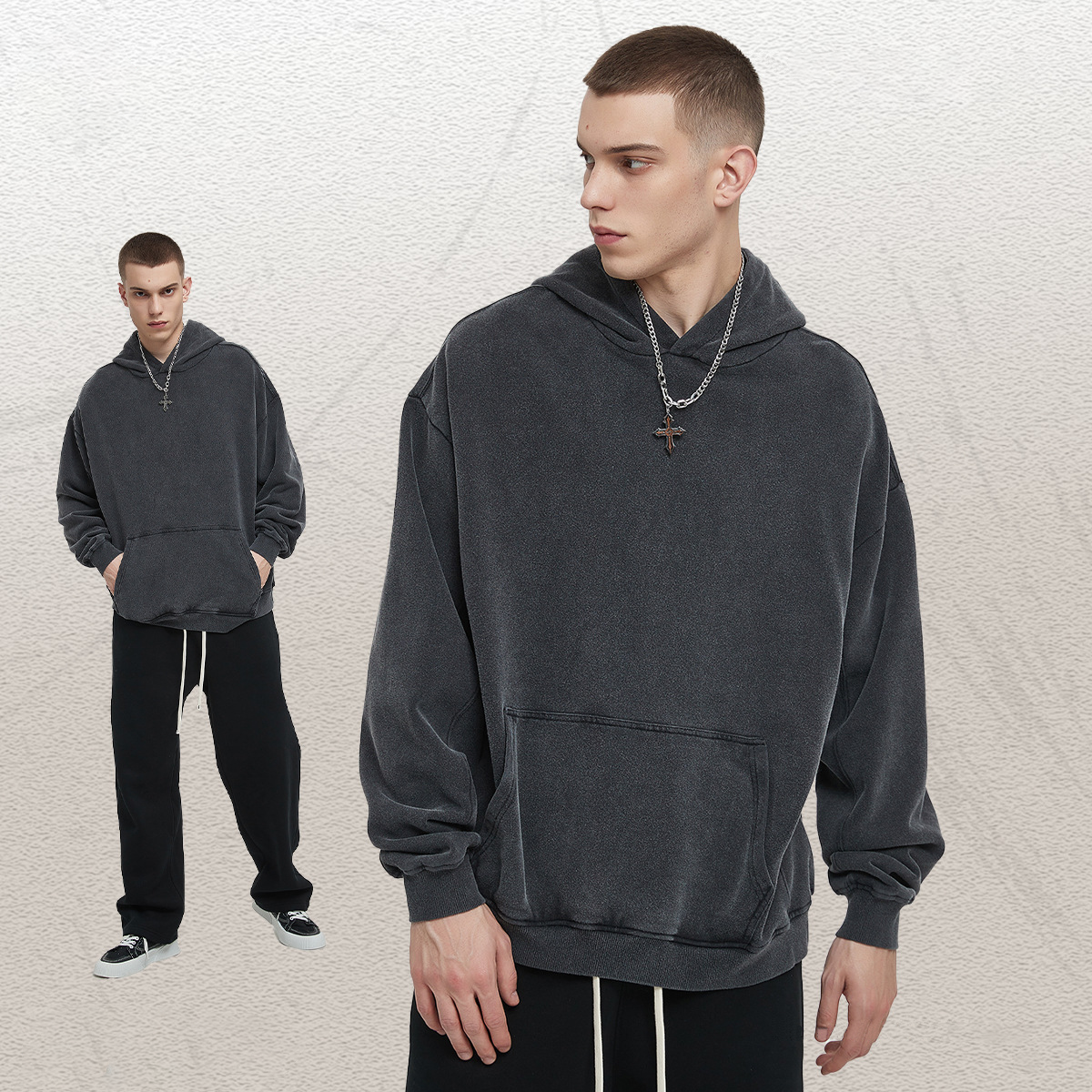
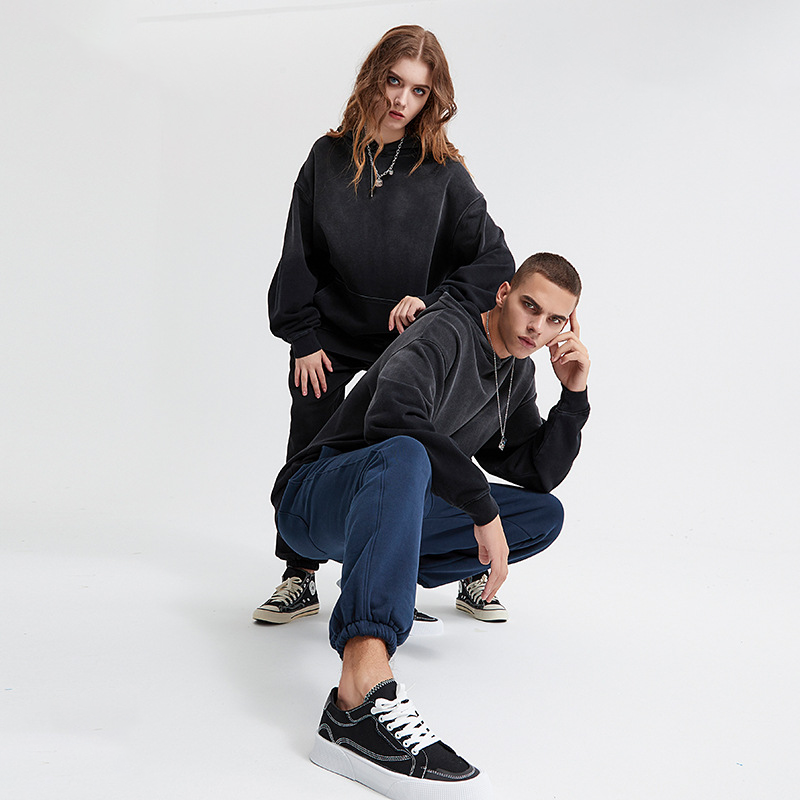
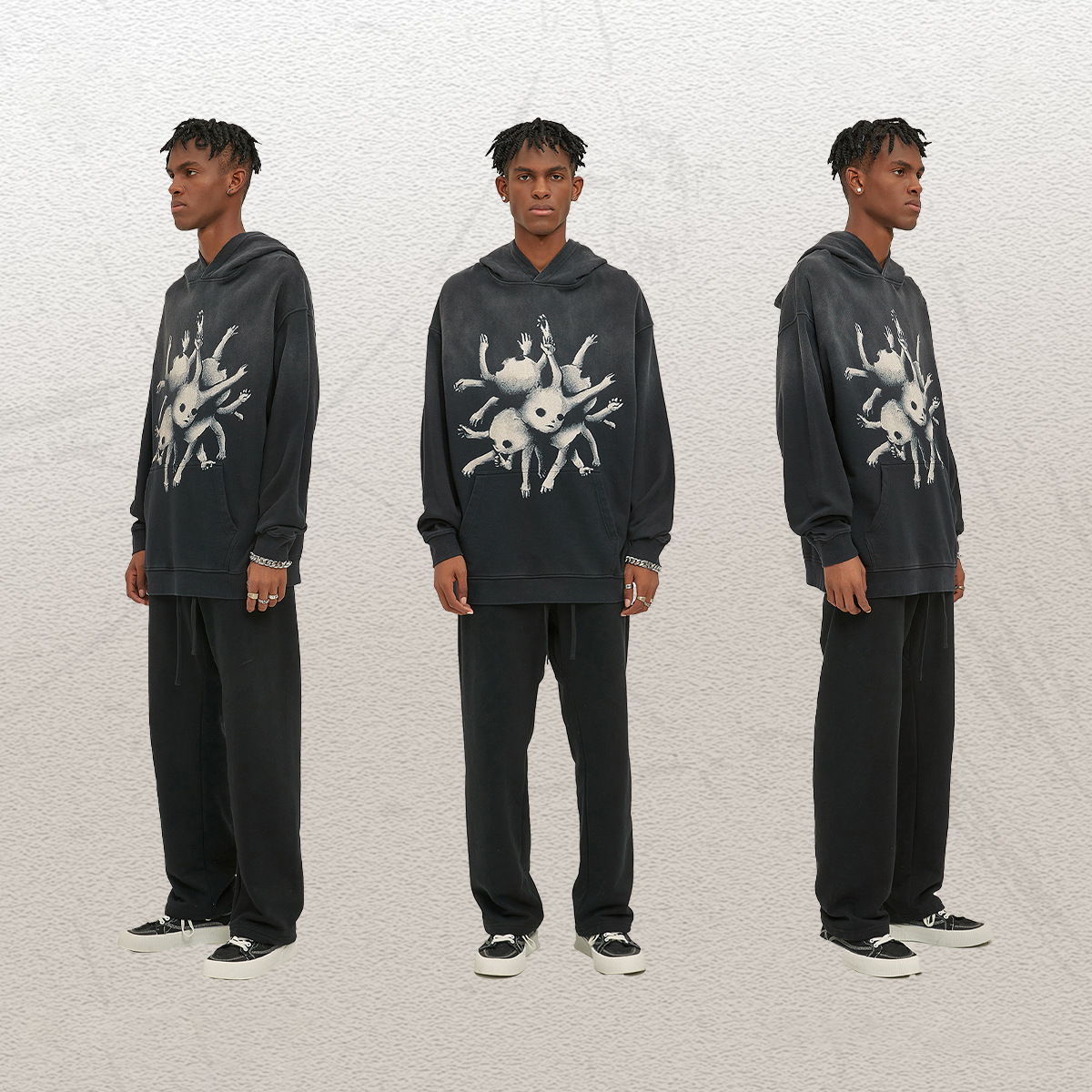
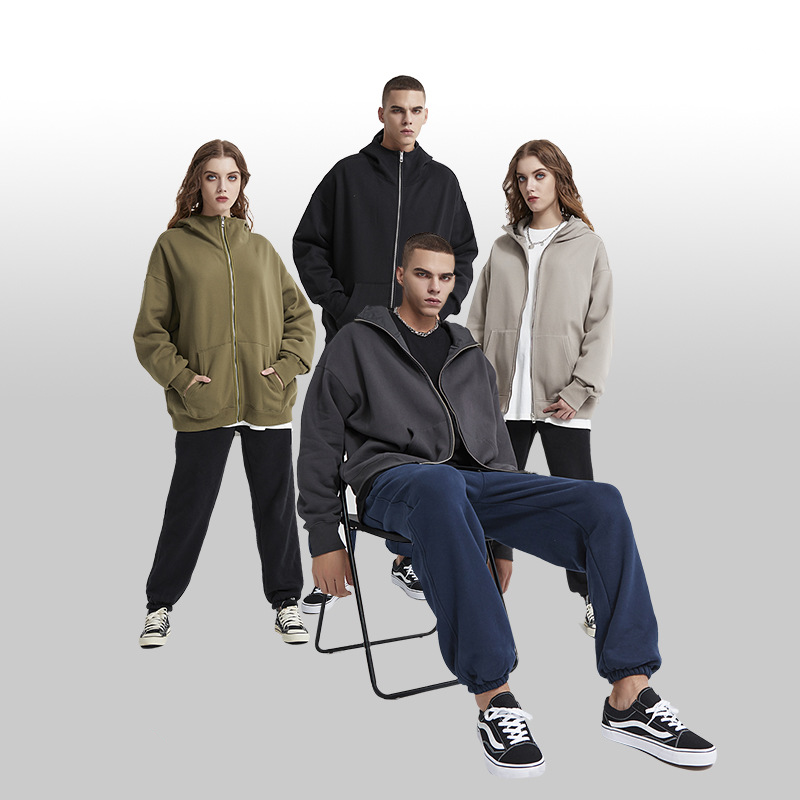
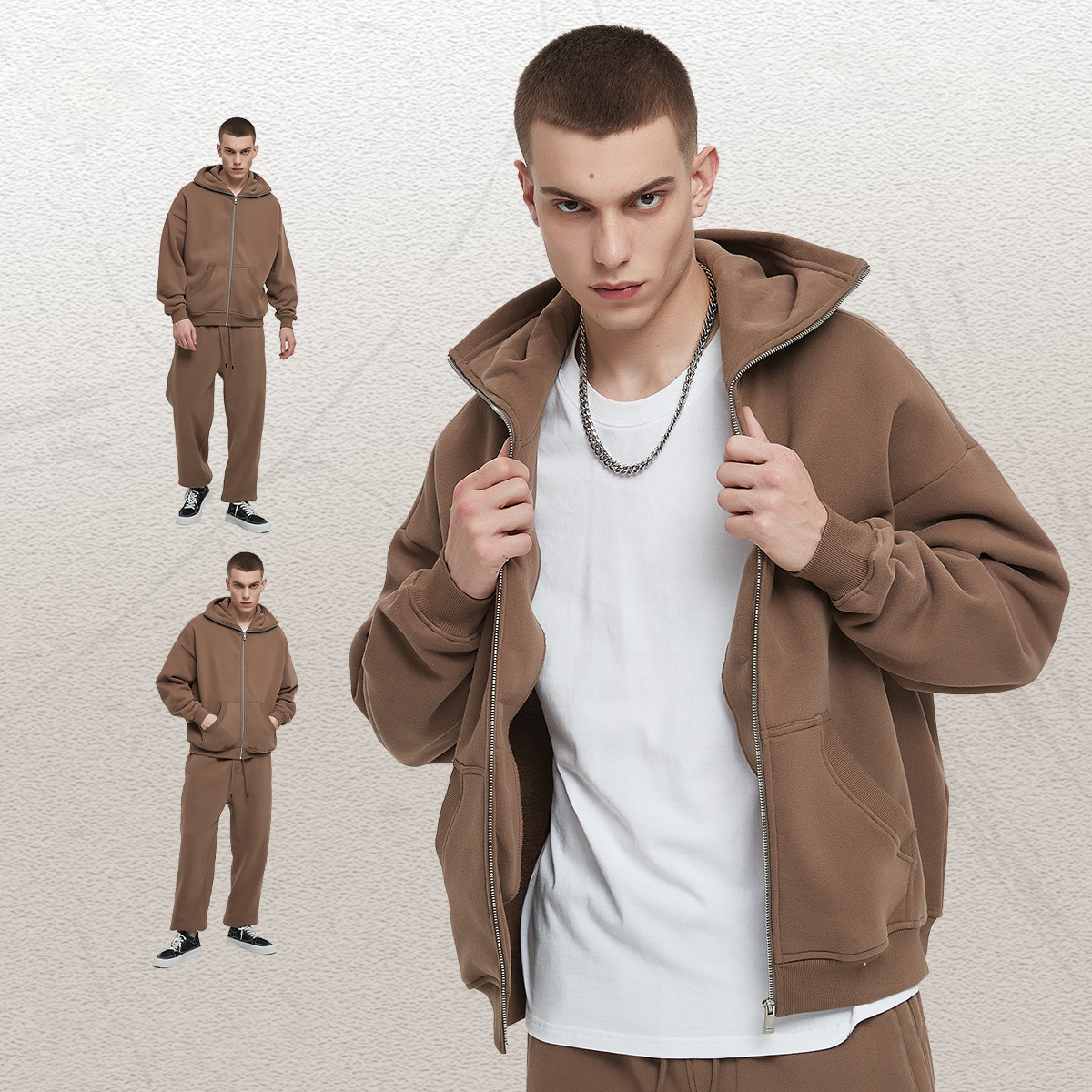
Custom Hoodies
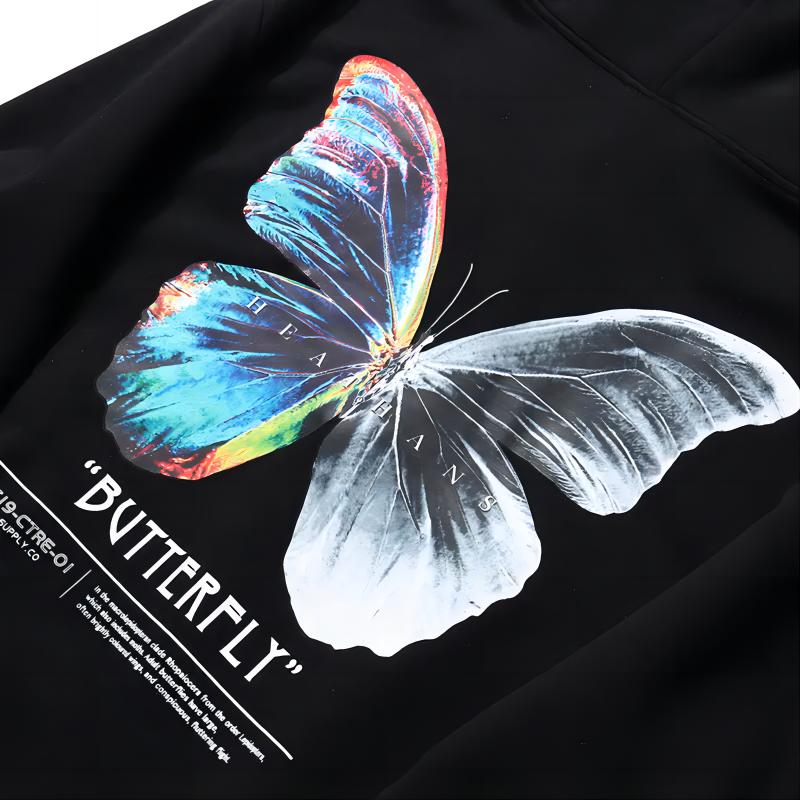
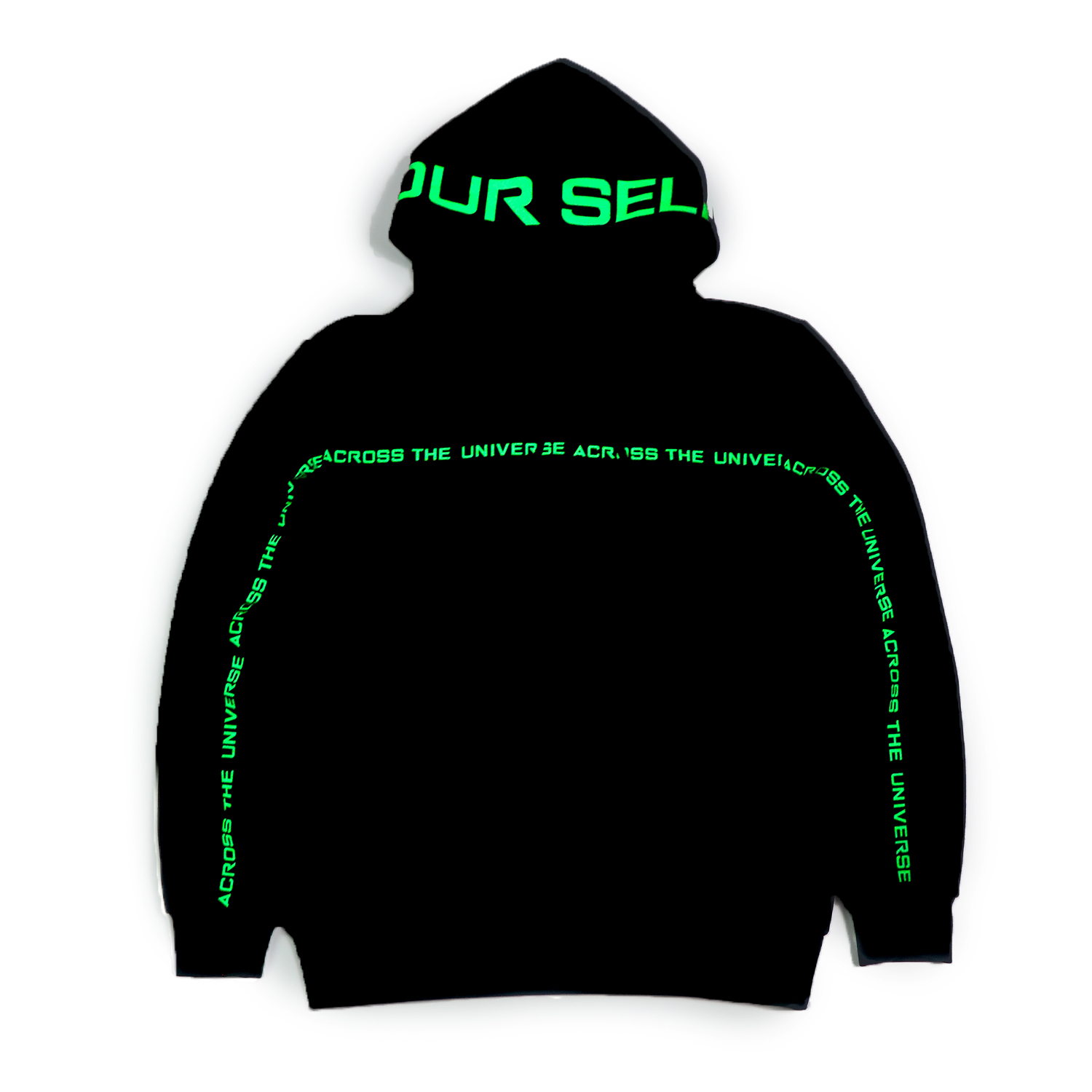
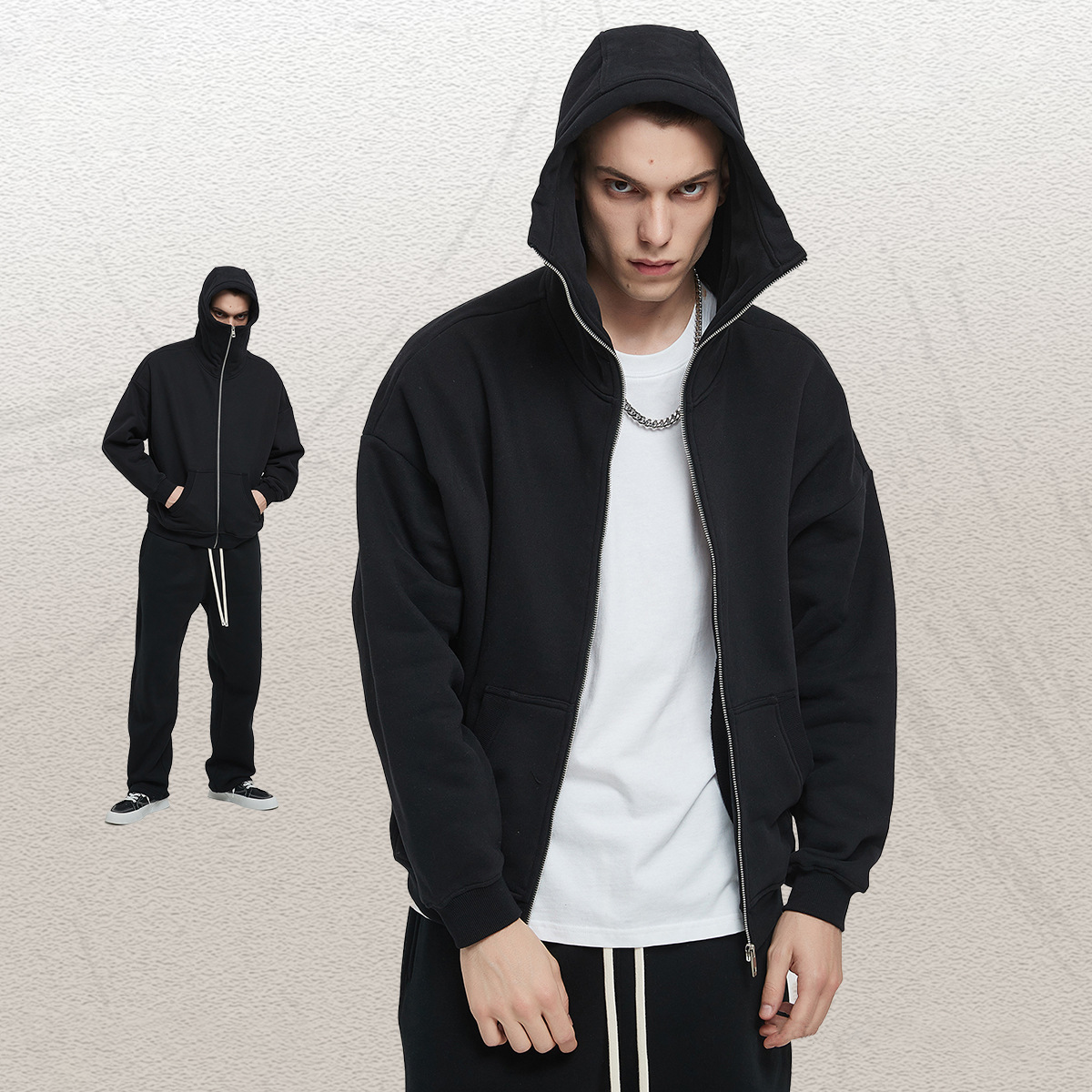
EDVORIN develops custom hoodies with selected fleece weights, fit blocks, rib specifications, hood construction, drawcords, pockets, labels, prints, embroidery, and wash effects. Each custom hoodie manufacturer program moves from approved sample to controlled bulk production.
Get a Quote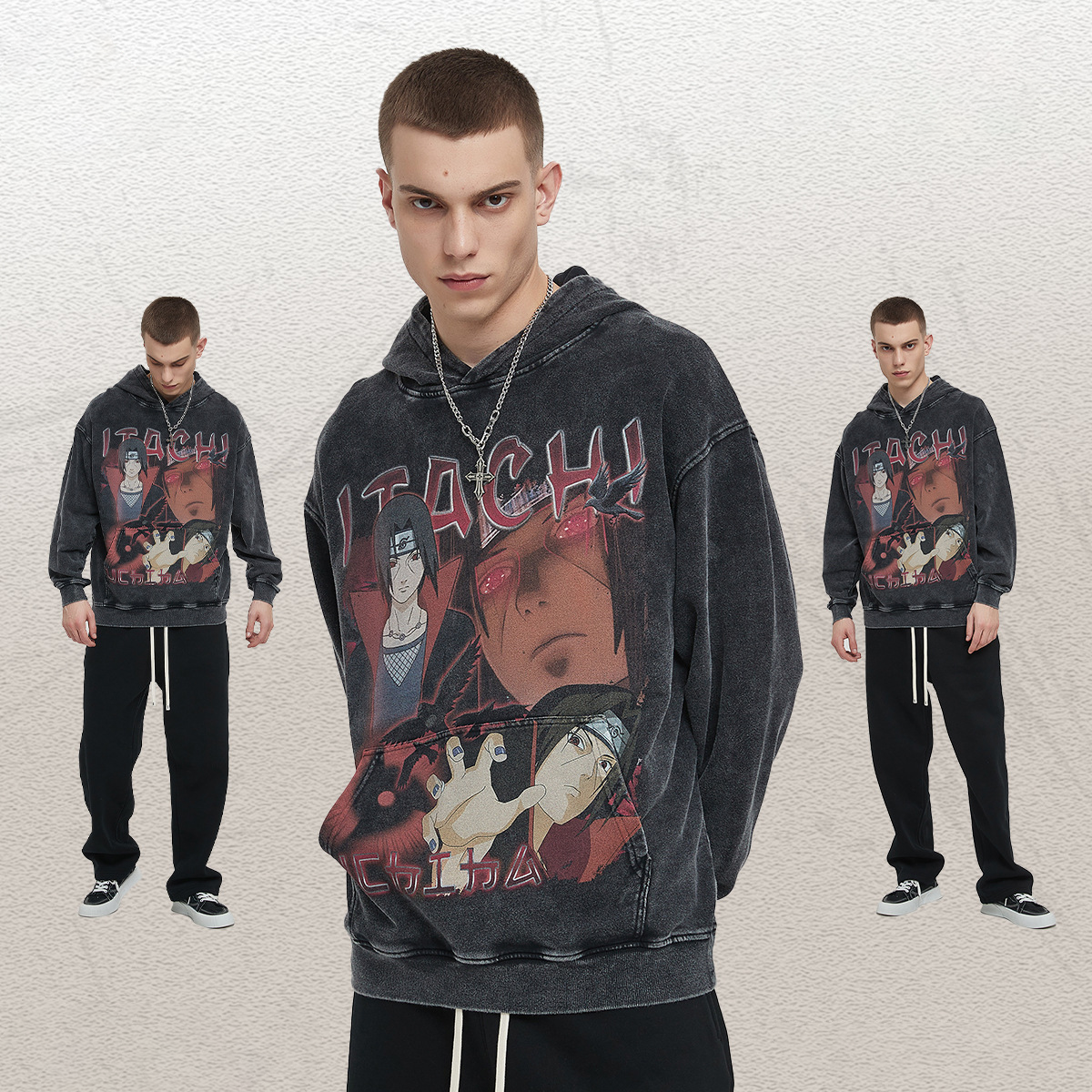
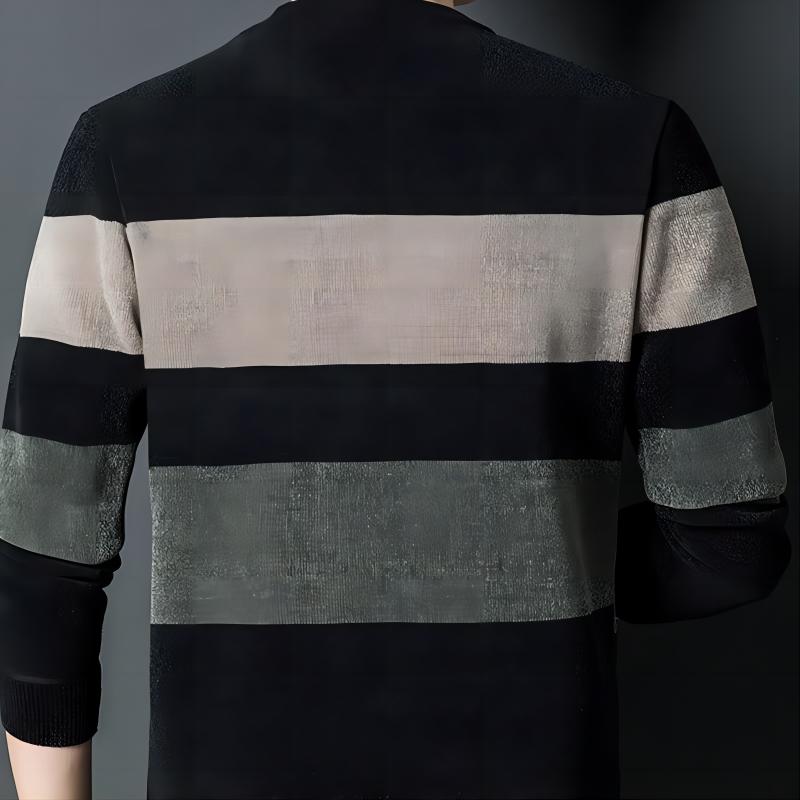
Pullover Sweatshirts
As a sweatshirt manufacturer, EDVORIN produces pullover styles with defined body weight, neckline, cuffs, hems, seam construction, and decoration placement. Men’s and women’s fits can be developed separately, with measurement standards documented for repeat orders.
Get a Quote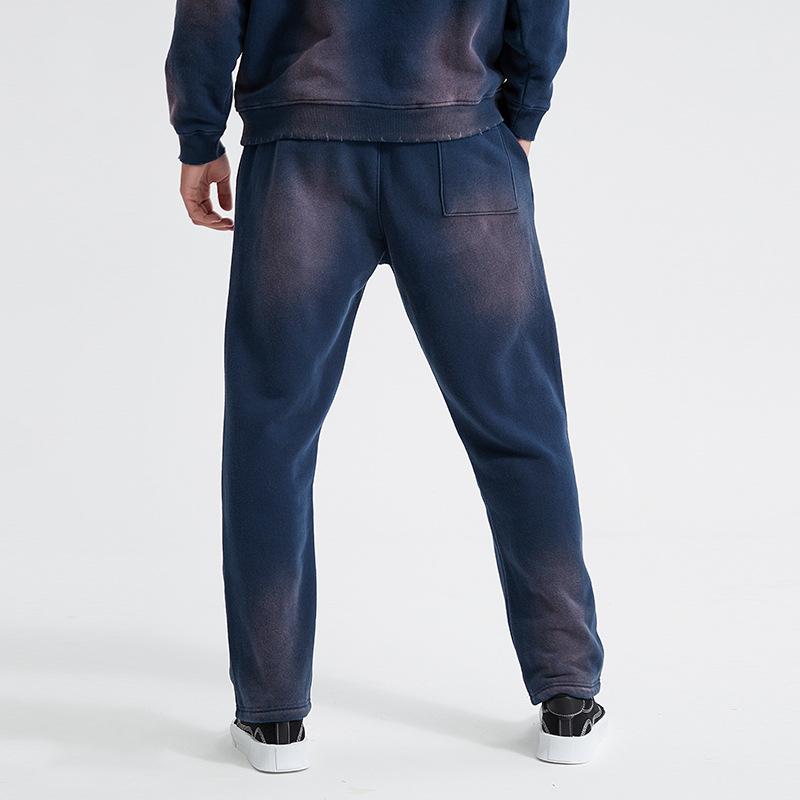
Sweatpants & Joggers
EDVORIN supports sweatpants and joggers with fleece or jersey fabric selection, elastic waistbands, drawcords, pocket configurations, cuff options, embroidery, printing, and wash treatments. As a sweatpants manufacturer, the team records approved measurements and construction details for bulk consistency.
Get a Quote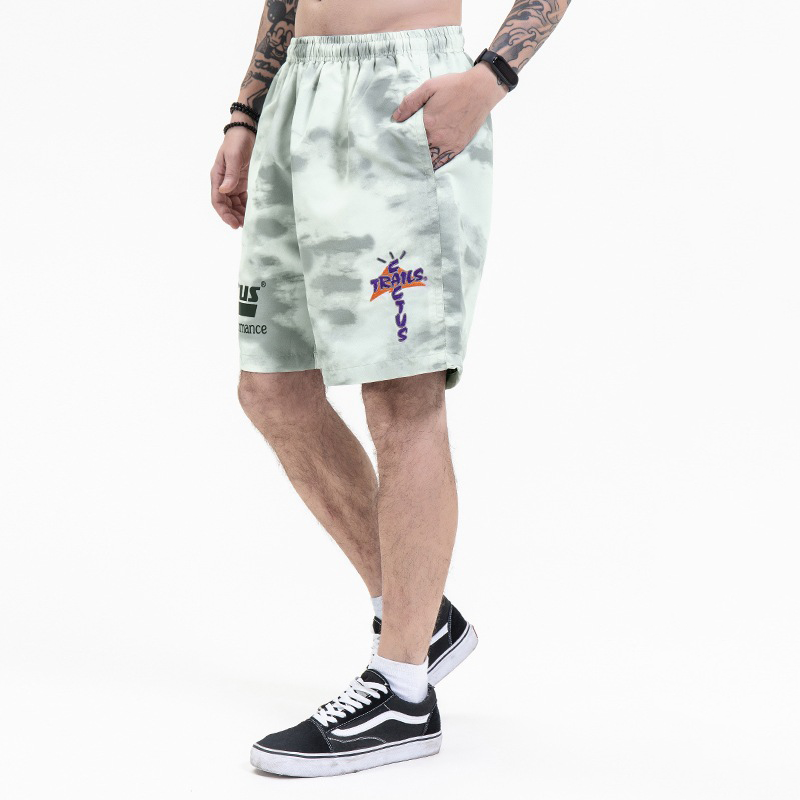
Custom Shorts
As a custom shorts manufacturer, EDVORIN develops fleece, jersey, woven, performance, and utility styles. We coordinate inseam, waistband, pockets, mesh lining, drawcords, labels, prints, embroidery, and packaging for the intended retail or teamwear application.
Get a Quote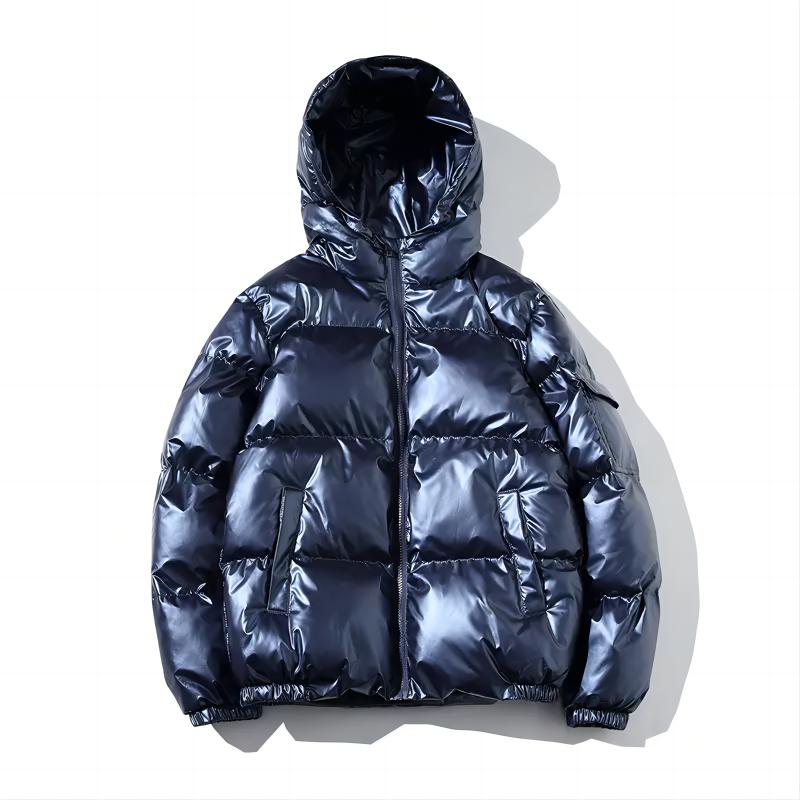
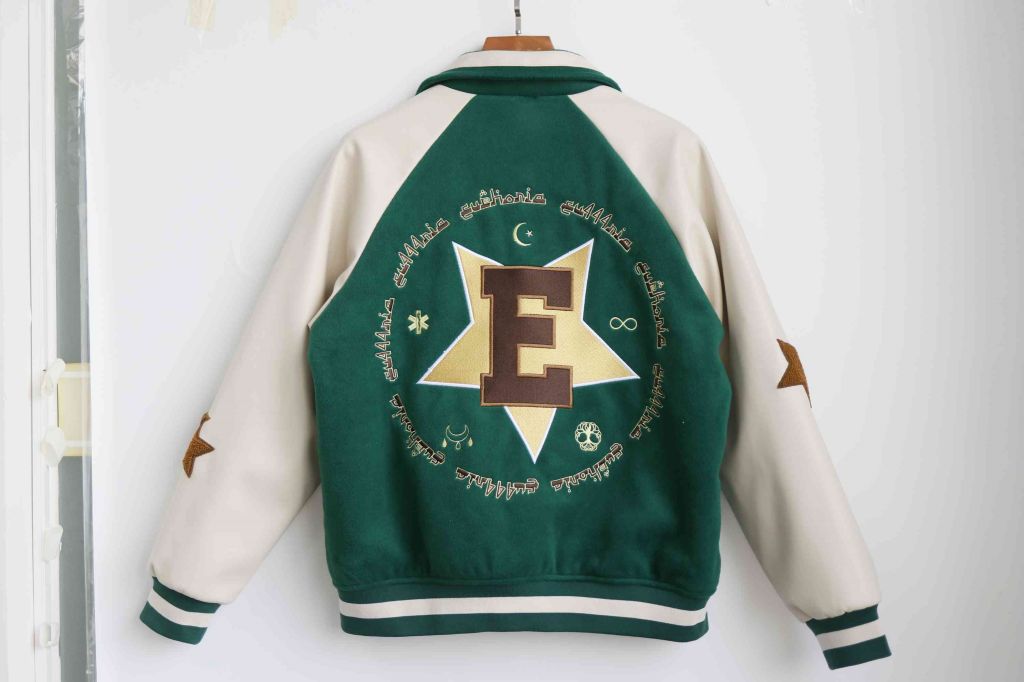
Varsity & Baseball Jackets
EDVORIN develops varsity and baseball jackets by coordinating body fabric, sleeves, lining, rib, snaps or zippers, chenille patches, embroidery, appliqué, and labels. Each varsity jacket manufacturer project is sampled to confirm fit, balance, and decoration before production.
Get a Quote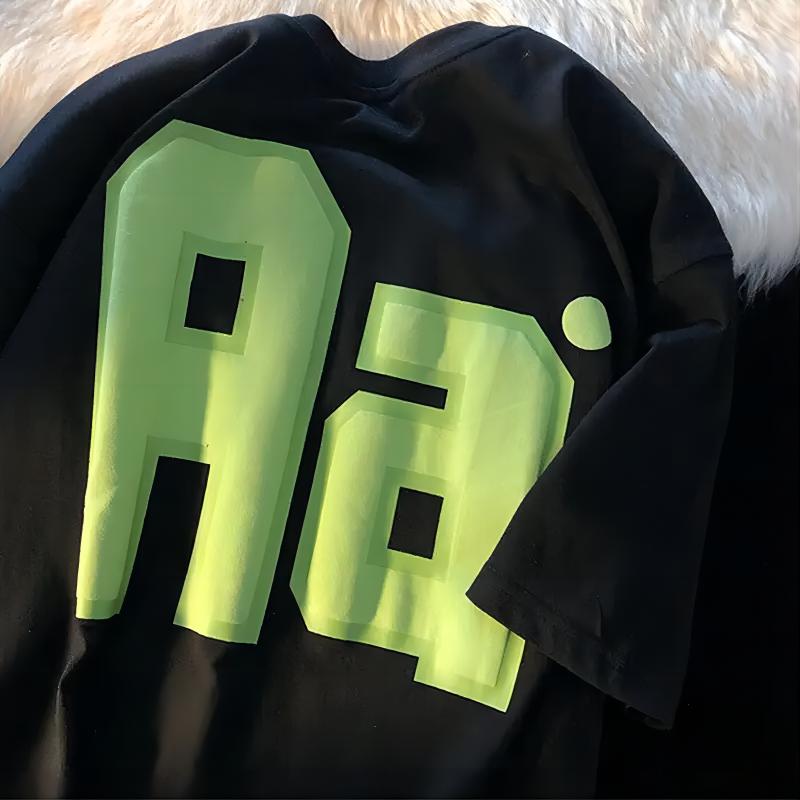
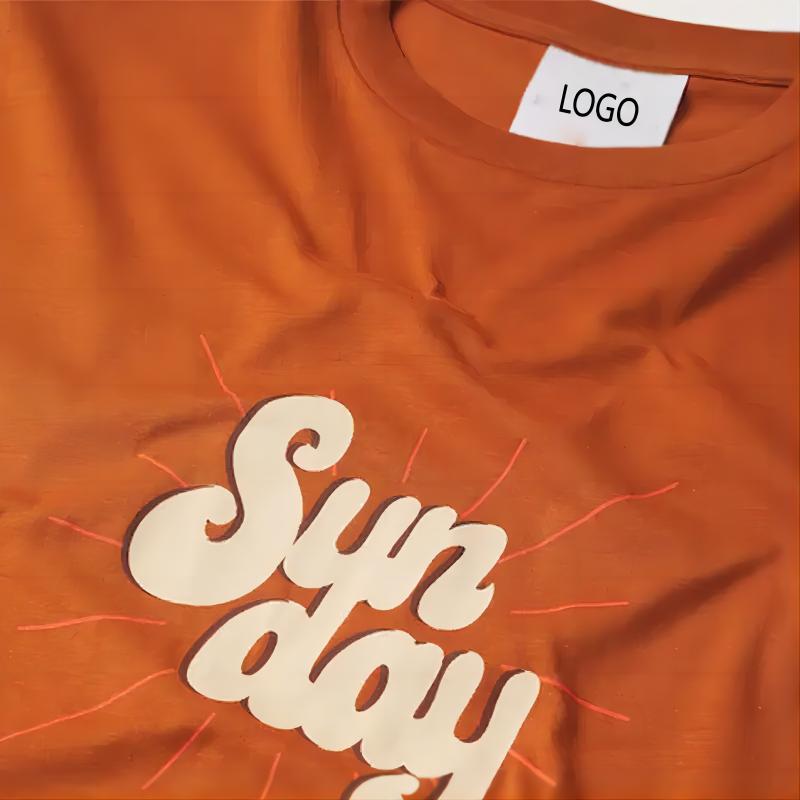
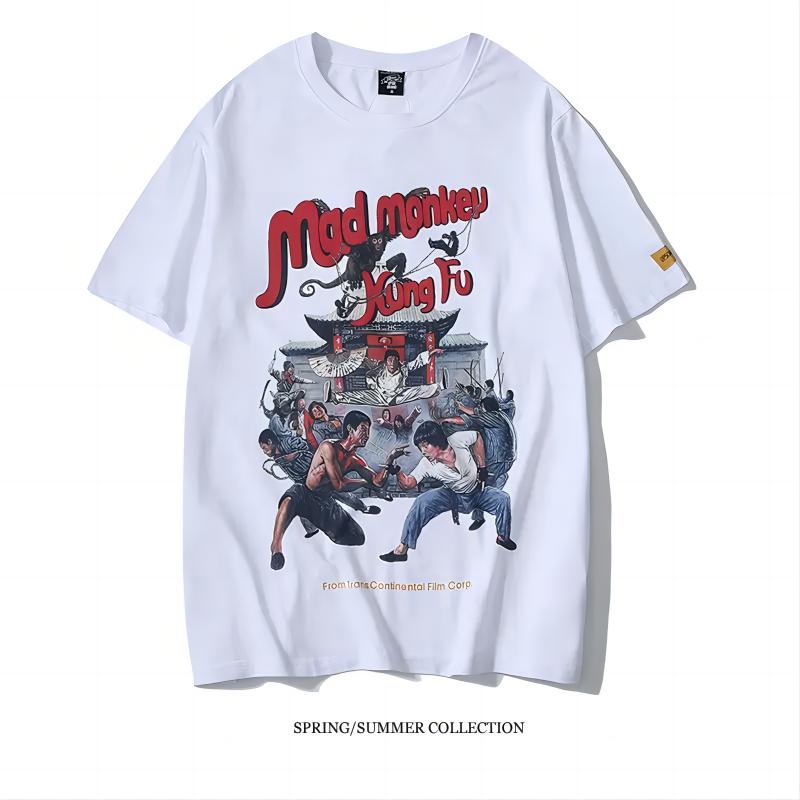
Custom T-Shirts
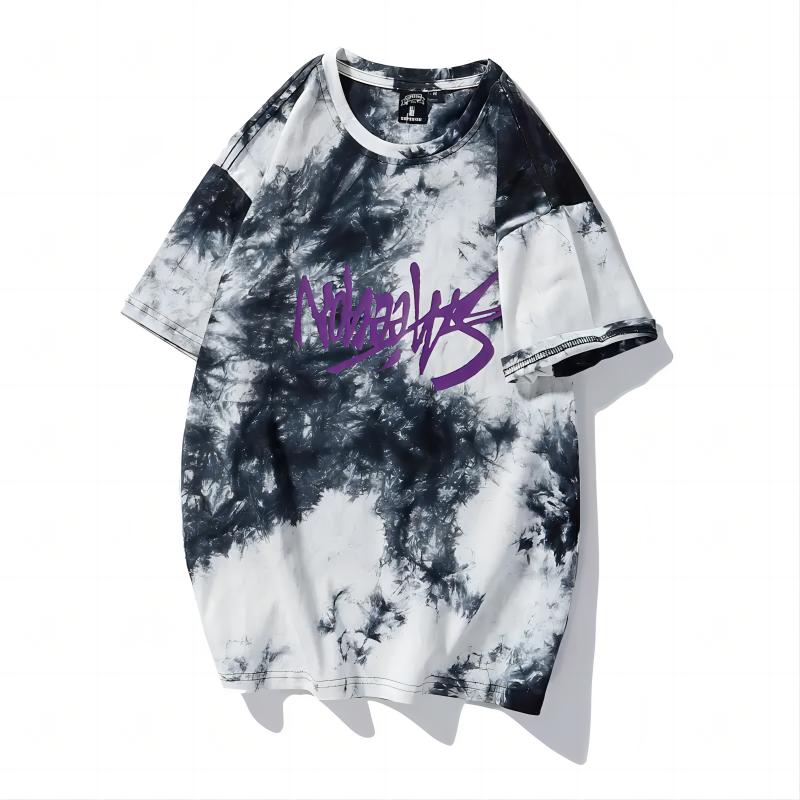
As a custom T-shirt manufacturer, EDVORIN develops tees across cotton, blends, heavyweight jersey, and performance fabrics. Neck rib, shoulder construction, fit, print method, embroidery, wash, labels, and packaging are specified around the brand’s target market.
Get a Quote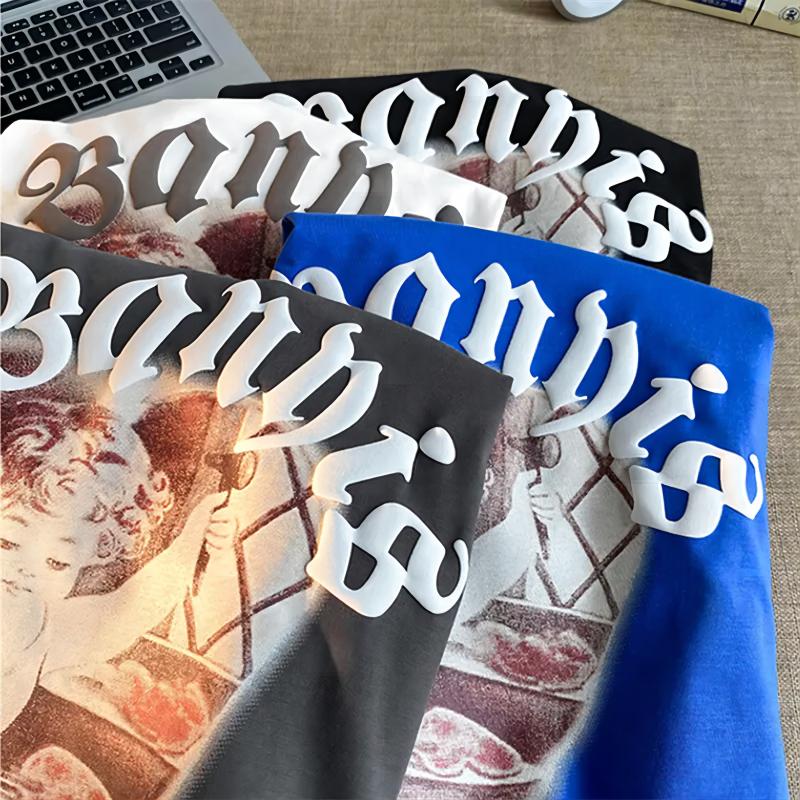
Custom Polo Shirts
As a polo shirt manufacturer, EDVORIN develops custom polo shirts for corporate, school, sports, and private-label programs. Options include piqué or performance fabrics, flat-knit collars, plackets, buttons, contrast details, embroidery, printed logos, and men’s or women’s fit development.
Get a Quote
Windbreaker Jackets
As a windbreaker manufacturer, EDVORIN develops lightweight, water-resistant, and teamwear-oriented programs with shell fabric, lining or mesh, zipper systems, pockets, hoods, cuffs, and print or embroidery placement matched to the use case.
Get a Quote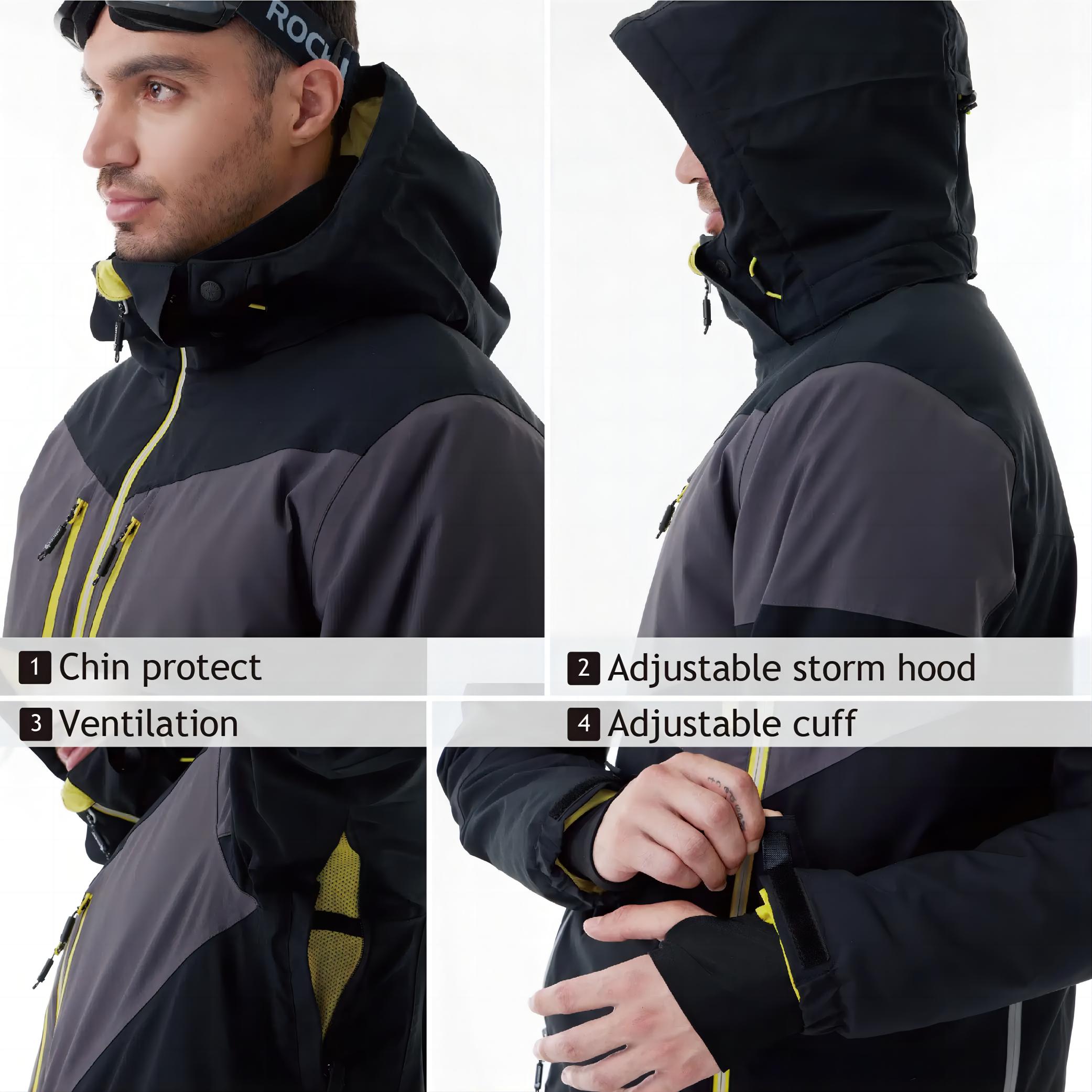
Quilted Jackets
As a quilted jacket manufacturer, EDVORIN aligns shell fabric, insulation, lining, quilt pattern, collar, closures, pockets, and branding details. Sample review confirms warmth, bulk, stitch performance, and fit before bulk production.
Get a Quote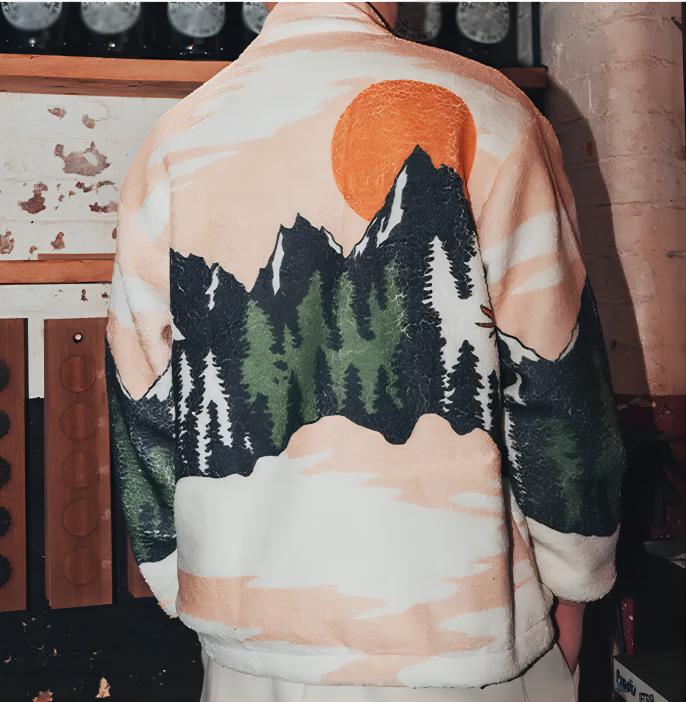
Bomber Jackets
As a bomber jacket manufacturer, EDVORIN coordinates shell, lining, rib, zipper or snap closure, pocket construction, patches, embroidery, and print applications. Development focuses on balanced proportions and a documented standard that can be reproduced across bulk orders.
Get a Quote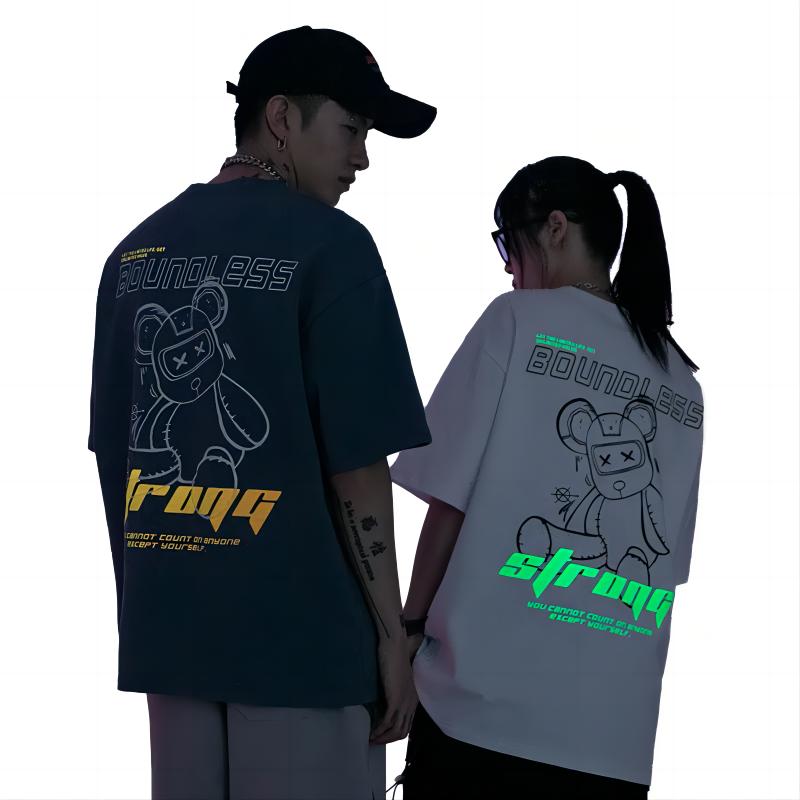
Custom Shirts
As a custom woven shirt manufacturer, EDVORIN develops casual, workwear, uniform, and private-label programs with specified fabric, collar and cuff construction, plackets, buttons, pocket details, grading, labels, and packaging for men’s and women’s ranges.
Get a Quote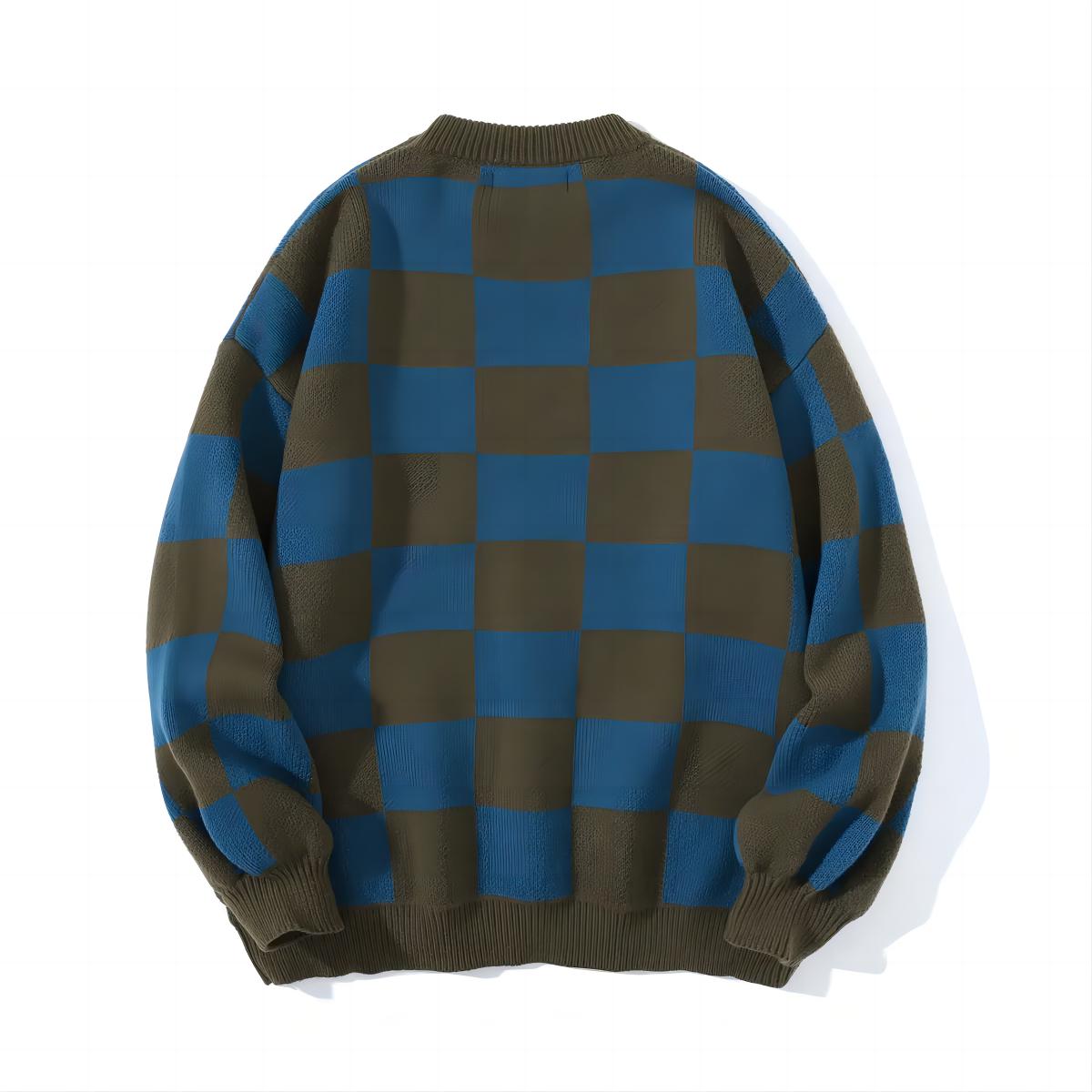
Custom Jerseys
As a custom jersey manufacturer, EDVORIN develops breathable jerseys with color-blocking, panels, neckline construction, sublimation, screen printing, embroidery, names, numbers, and size-set control. Production standards keep team identification and fit consistent across the order.
Get a Quote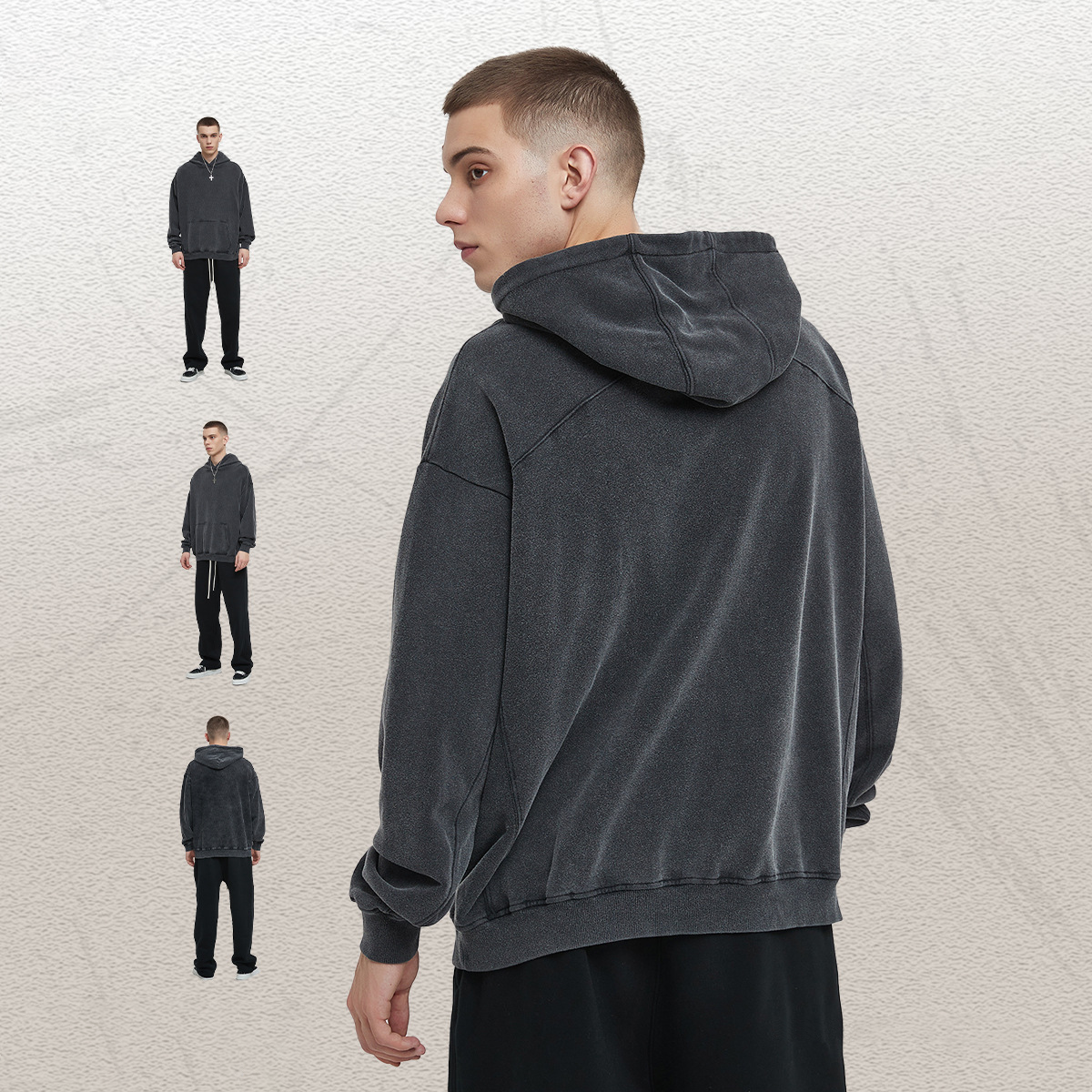
Tank Tops
Tank top development can include cotton jersey, rib, mesh, or performance materials for casualwear, sportswear, and promotional programs. EDVORIN specifies armhole and neckline finishing, fit, print placement, labels, and packaging for each custom tank top style.
Get a Quote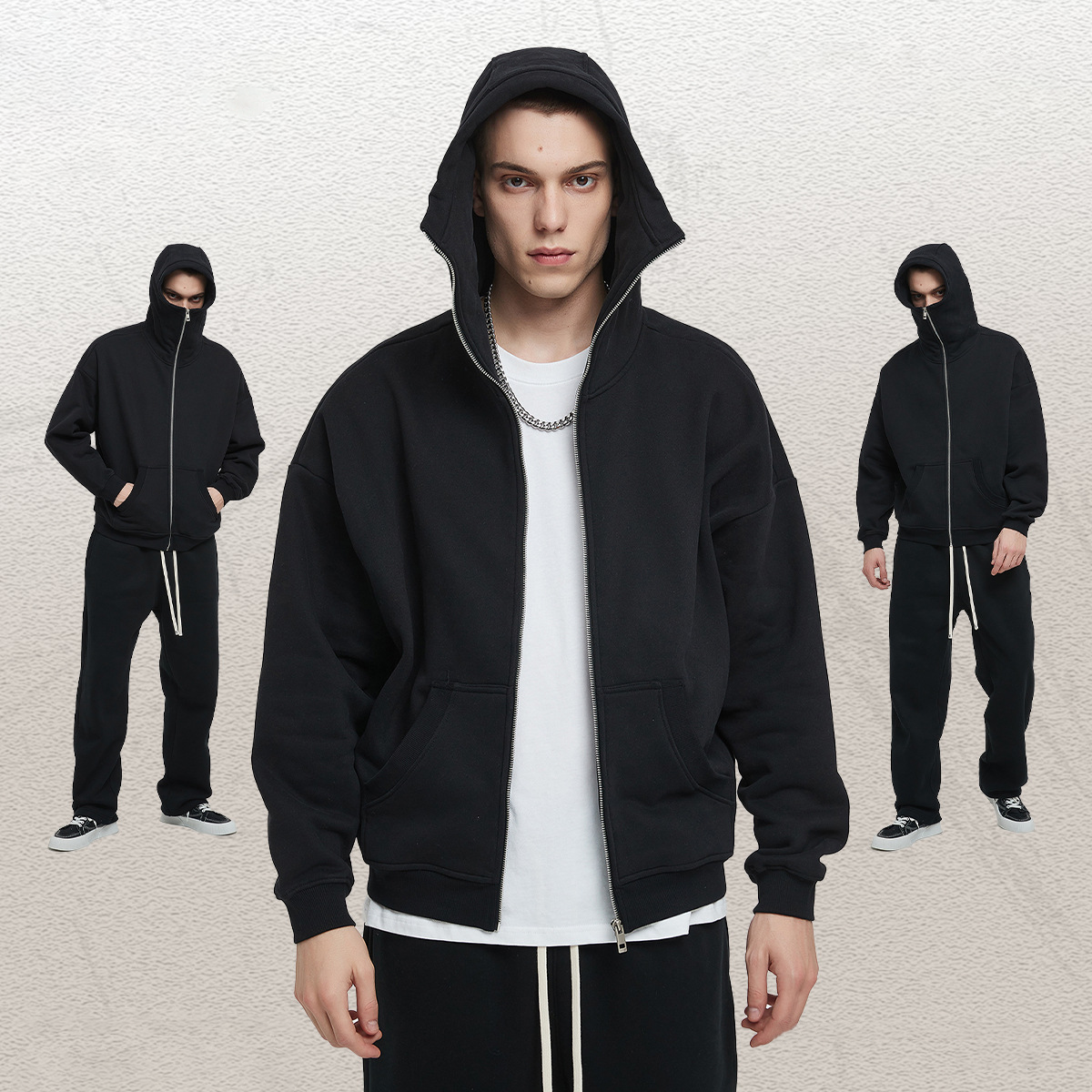
Soccer Uniforms
As a soccer uniform manufacturer, EDVORIN develops jersey, shorts, and optional training-layer programs with performance fabrics, color control, club crests, sponsor graphics, player names, and numbers. We manage size grading and decoration records for organized team and repeat-season orders.
Get a Quote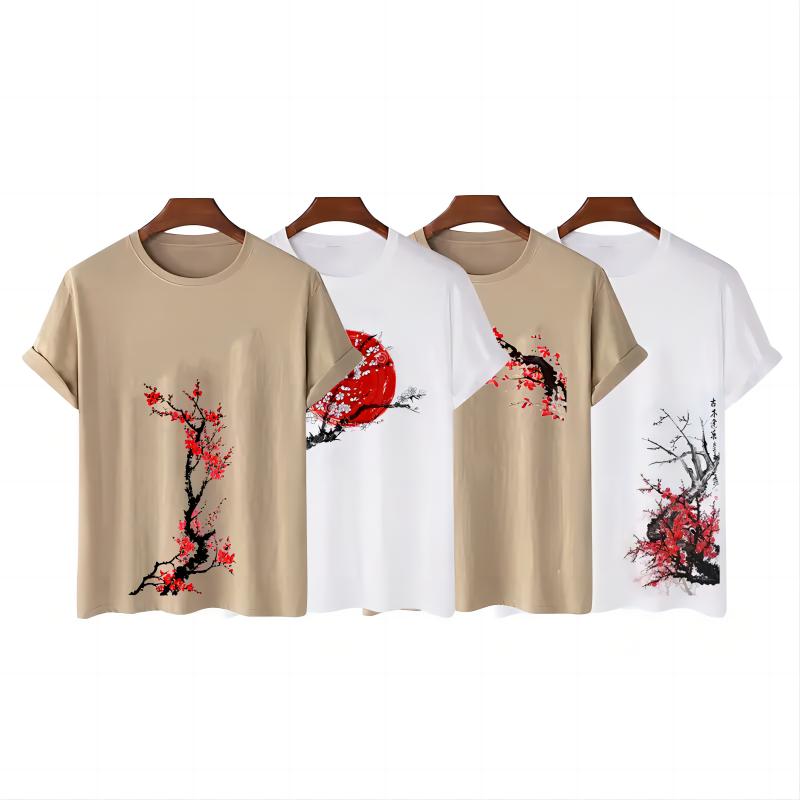
Basketball Uniforms
As a basketball uniform manufacturer, EDVORIN develops lightweight performance uniforms with reversible or single-layer construction, contrast panels, neck and armhole binding, team graphics, names, and numbers. Each order is checked against approved color, artwork, and measurement standards.
Get a Quote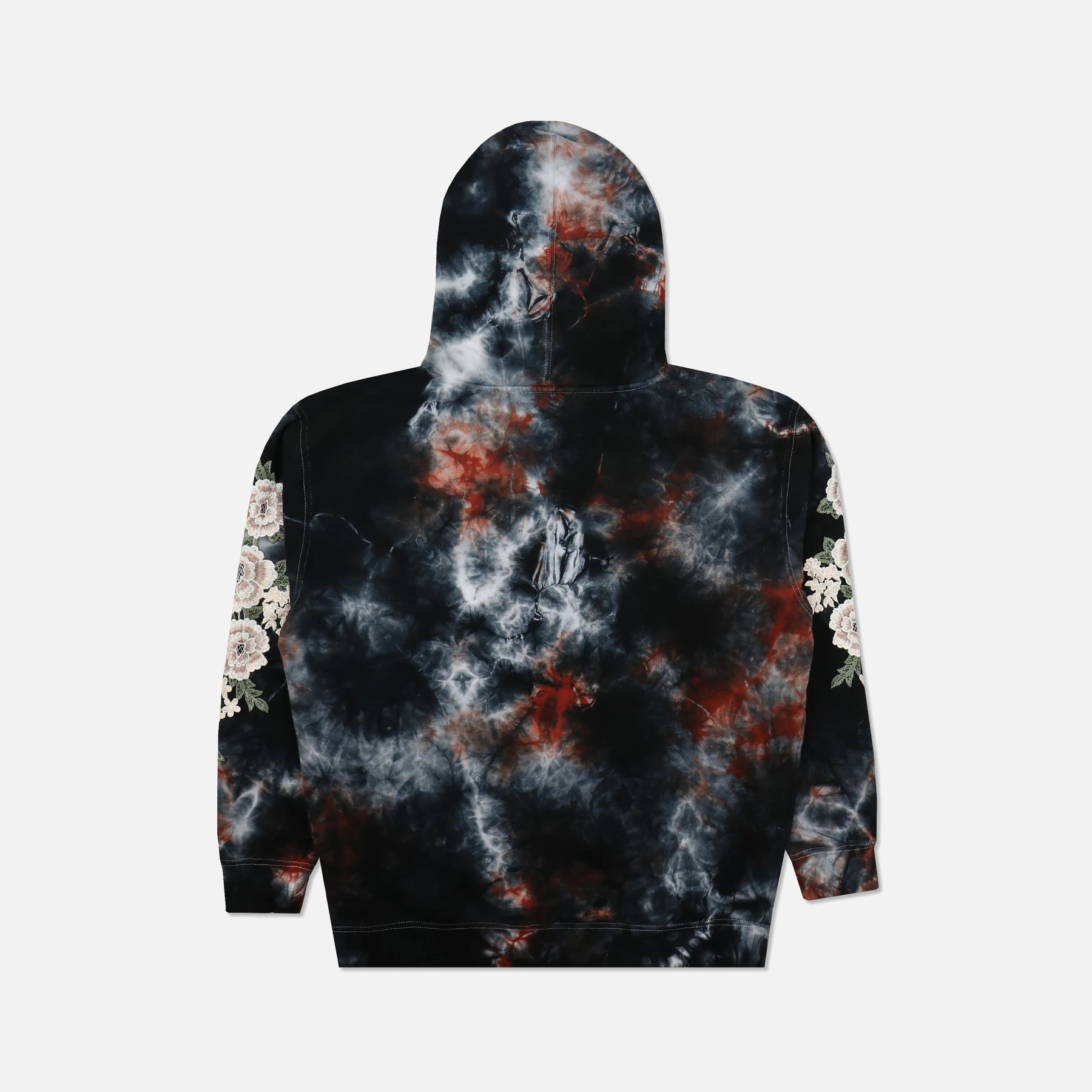
Streetwear Collections
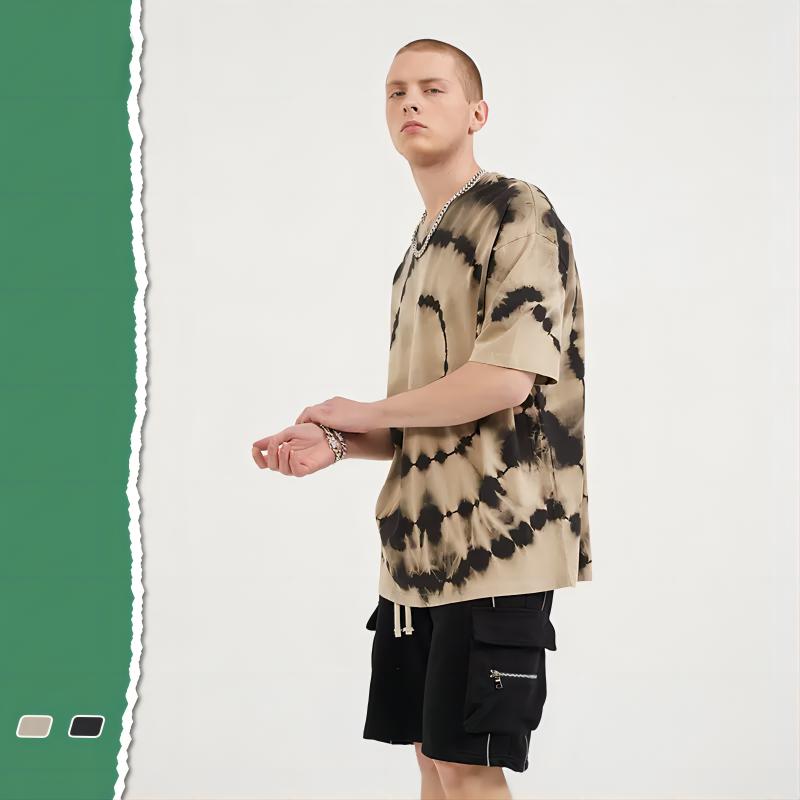
EDVORIN supports streetwear collections across hoodies, tees, sweatpants, outerwear, woven styles, and coordinated sets. As a streetwear clothing manufacturer, the team coordinates fabrics, trims, graphics, embroidery, washes, labels, and packaging under one production workflow.
Get a QuoteAbout EDVORIN, Your Custom Clothing Trims Supplier
Founded by Edvorin Zeng in 2000, EDVORIN helps apparel buyers turn concepts into production-ready standards. As a custom clothing trims supplier and manufacturing partner, we coordinate labels, hardware, drawcords, packaging, fabrics, patterns and decoration so the details support the garment rather than create gaps in production.
Our OEM, ODM and private-label capabilities cover casualwear, streetwear, outerwear and teamwear for men’s and women’s programs. From a first sketch or complete tech pack, we develop samples and document approved specifications for bulk production, with MOQ starting at 200 pieces per style.
What makes EDVORIN different is connected accountability. Trim choices are reviewed alongside construction, print or embroidery, wash, fit, quality control and packing, giving brands a clearer path from approved sample to repeatable collection.
Custom Clothing Trims Supplier: Details Built to Repeat
Labels With Clear Specifications
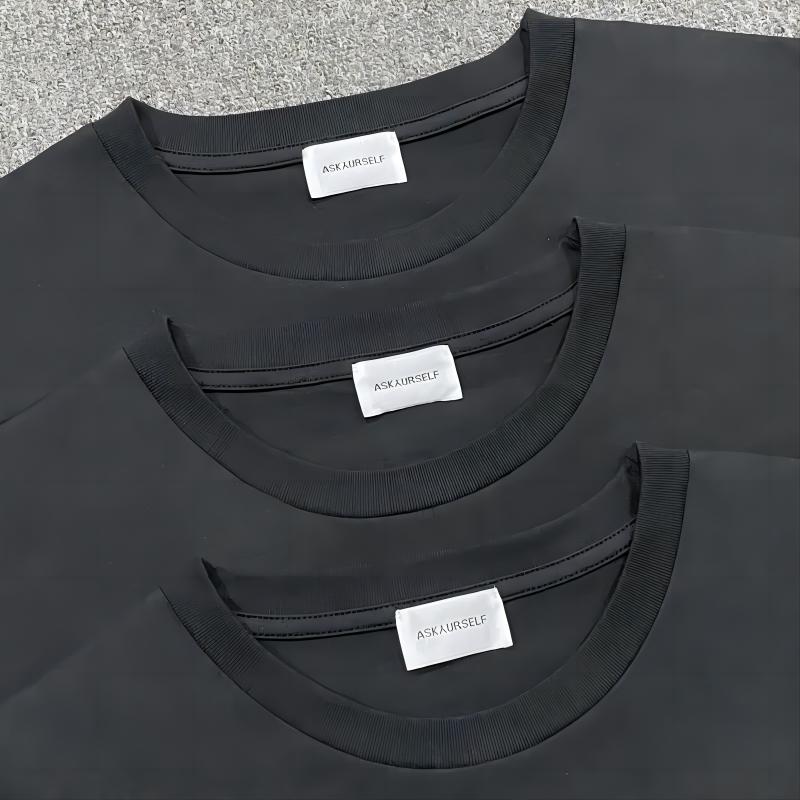
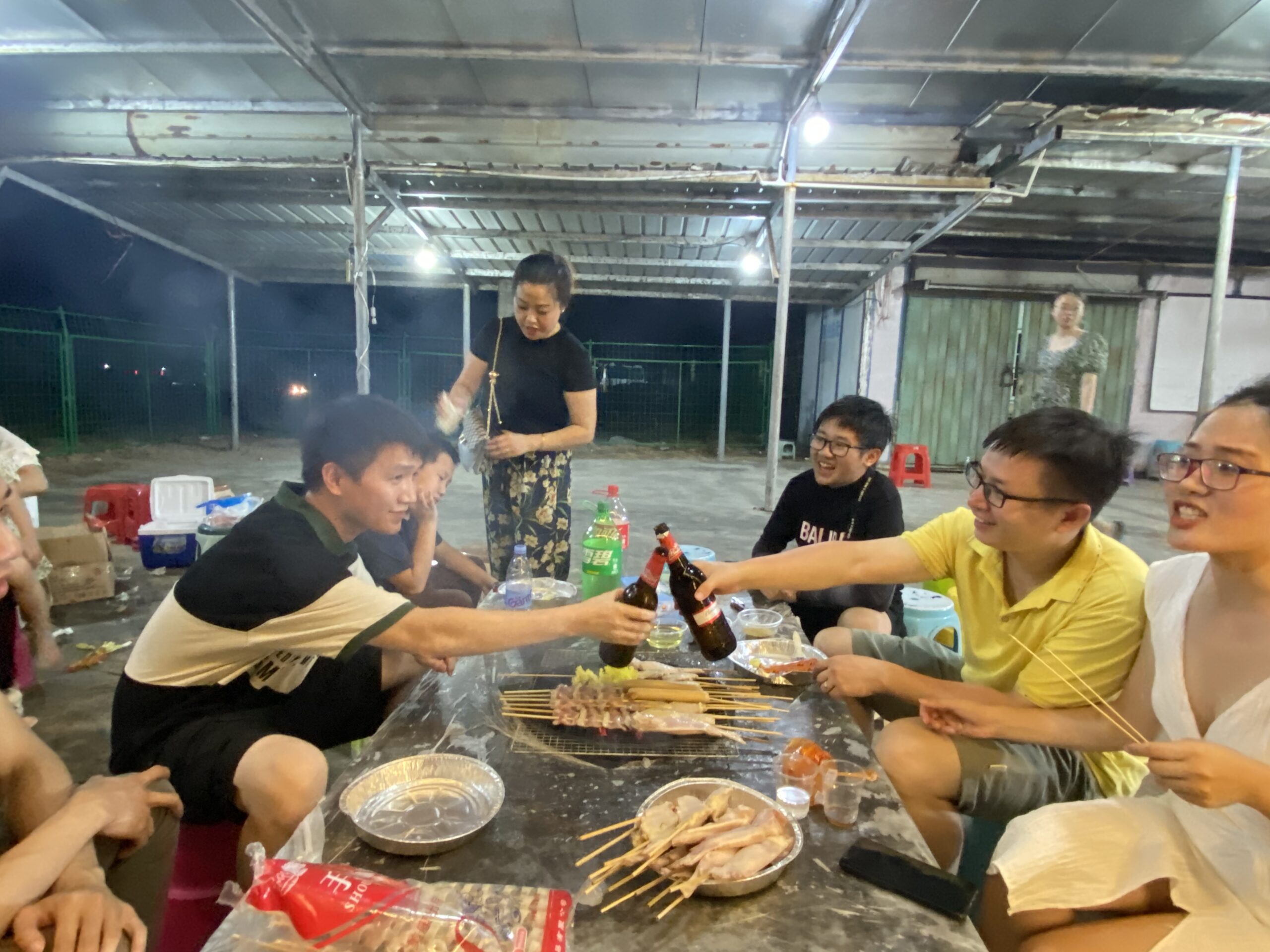
EDVORIN develops woven, printed and care-label systems around fabric feel, fold method, placement and required information, then records the approved construction for bulk. The result is brand identification that remains consistent across men’s and women’s styles, sizes and repeat orders.
- Main, size and care-label coordination
- Material, weave, fold and placement standards
- Artwork and information reviewed before sampling
- Approved details carried into bulk production
Hardware That Supports the Garment
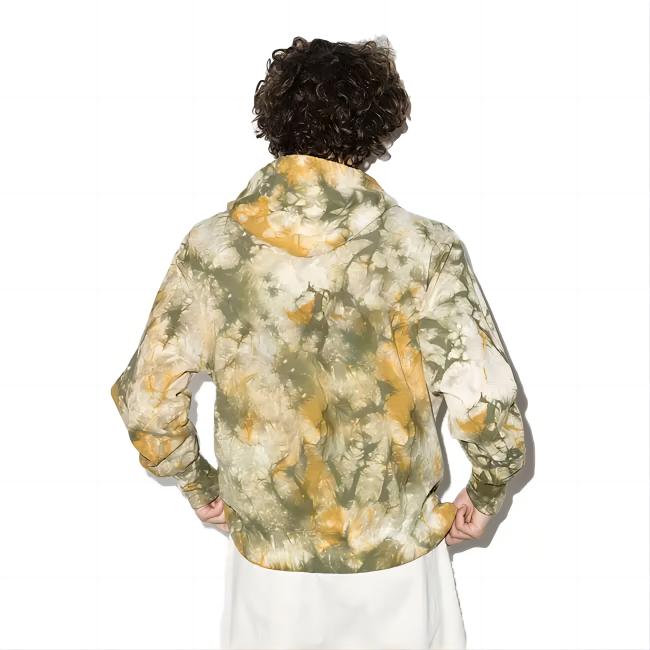
Drawcords, zipper pulls, snaps, rivets and other branded hardware are specified alongside the garment—not after it. EDVORIN aligns finish, function and attachment method with the intended category, whether a heavyweight hoodie, varsity jacket, windbreaker or teamwear program.
- Hardware matched to garment use
- Finish and logo details reviewed early
- Attachment points considered in construction
- Coordinated with samples and production
Patches and Transfers Planned Early
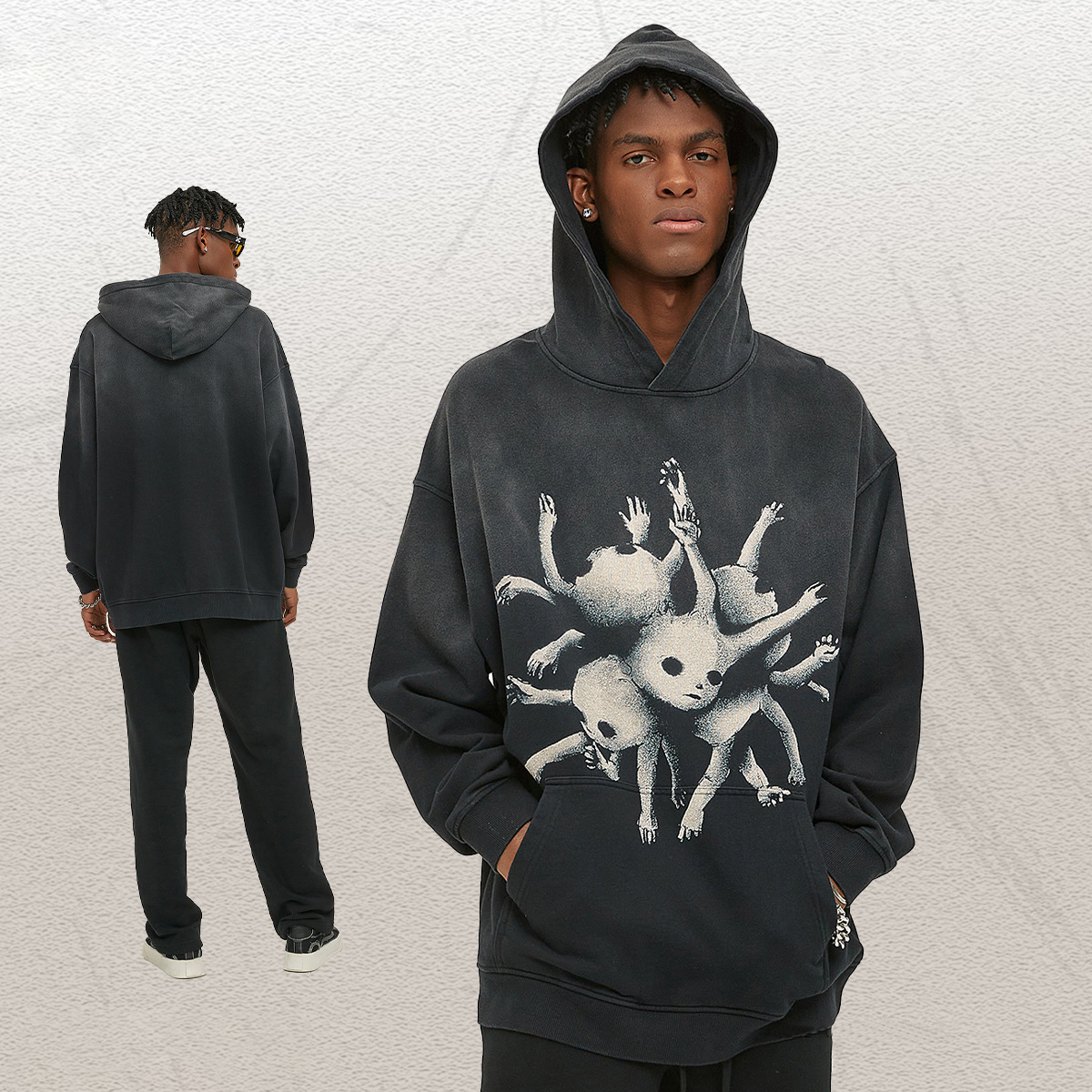
Embroidery, woven badges, silicone patches and heat transfers need to work with the base fabric, garment stretch and intended placement. EDVORIN tests decoration decisions during development, documenting scale and position so the approved visual standard can be reproduced throughout the order.
- Decoration selected for fabric compatibility
- Placement measurements recorded clearly
- Scale and color reviewed on samples
- Bulk checks reference approved artwork
Packaging Ready for Retail
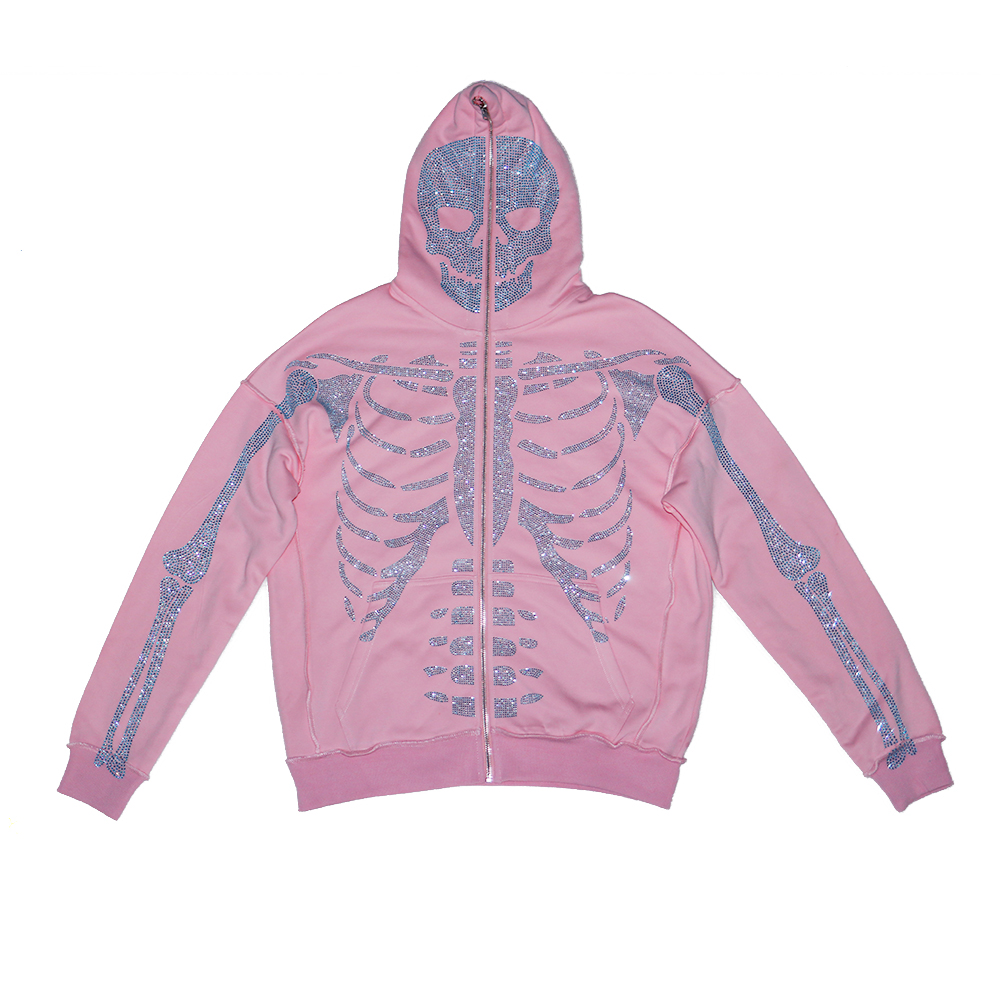
Hangtags, barcode requirements, polybags, size stickers and folding instructions are coordinated as part of the finished apparel program. For brands using a custom clothing trims supplier, this keeps presentation details connected to the same accountable path as garment production and final packing.
- Hangtag and string specifications coordinated
- Barcode and size-sticker requirements organized
- Folding and packing instructions documented
- Final inspection checks packed presentation
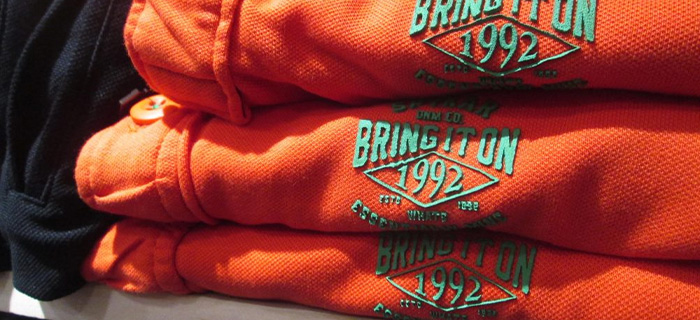
A Custom Clothing Trims Supplier Built for Production
EDVORIN coordinates trim decisions with garment development, approved samples and bulk quality control—so brand details stay consistent from concept through packing.
← Swipe left or right to view →
Our Custom Clothing Trims Supplier Workflow
EDVORIN coordinates trim decisions with garment development, so approved details stay controlled from sample through final packing.
Review Artwork and Specifications
We review logos, measurements, colors, materials, application methods and garment requirements, then identify details that need clarification before sampling begins.
Source Materials and Develop
Our team aligns selected trims with fabric, construction and decoration requirements, developing samples that reflect the intended look, hand feel and performance.
Approve the Production Standard
You review trim samples alongside the garment. Approved colors, placement, dimensions and finishing details become the documented standard for bulk production.
Coordinate Bulk Production
We coordinate trims with cutting, sewing, printing, embroidery and washing so materials arrive at the right stage of the apparel production path.
Inspect and Pack Orders
In-line checks compare bulk work against approved standards before final inspection, labeling, packaging, and packing for delivery.
How to Work With a Custom Clothing Trims Supplier
Share your requirements, approve a clear standard, and move forward with coordinated trim and apparel production.
Share Your Program Details
Send tech packs, artwork, material references, trim specifications, placement measurements, and target quantities so EDVORIN can clarify the production requirements.
Review Quote and Samples
Review the proposed construction, materials, decoration, pricing, and sample plan together, then evaluate physical samples before confirming the final direction.
Approve Production Standards
Confirm approved samples, colors, dimensions, artwork placement, labels, hardware, and packaging details to create a documented standard for repeatable bulk production.
Launch Coordinated Bulk Production
EDVORIN coordinates trims with garment production, performs in-line and final quality checks, and prepares your order for organized delivery.
Trim Programs Built for Brand Consistency
EDVORIN matched our woven label artwork and rubber patch colors across a 12-style streetwear drop. The placement sheets made approval simple, and all 3,600 pieces arrived with the same brand details we signed off on.
For our varsity program, EDVORIN helped us align snaps, rib, chenille patches, and care labels with the jacket construction before bulk. We reduced sample revisions from four rounds to two and kept the final 800 jackets consistent.
Our teamwear order needed player names, numbers, neck labels, and packaging tracked across 18 size sets. EDVORIN organized every specification in one approval file, and our 1,250-piece delivery was sorted and ready for distribution.
Custom Clothing Trims Supplier FAQs
Clear answers for brands aligning labels, hardware, packaging and garment production into one repeatable standard.
What is the MOQ for a custom clothing trims supplier?
Can a custom clothing trims supplier make samples before bulk production?
What artwork files should I send to a custom clothing trims supplier?
Can you coordinate labels, hardware and packaging with my clothing order?
How do I specify custom labels, zippers, buttons or drawcords?
Which trim materials work best for streetwear, outerwear and teamwear?
Can a custom clothing trims supplier support certification-program requirements?
How should I plan lead time for custom clothing trims and apparel production?
The Complete Custom Clothing Trims Supplier Buyer’s Guide
Use this practical framework to compare trim options, assess supplier capabilities, control quality and costs, and avoid sourcing mistakes before placing your next custom order.
1. What Is a Custom Clothing Trims Supplier?
4 trim roles shape a finished garment: function, compliance information, product identification, and brand presentation. Zippers, snaps, elastics, drawcords, labels, care content, hangtags, and patches must work with the garment construction as well as communicate the collection.
1 manufacturer makes specified trim products and controls development, samples, and production for those categories. A trading company primarily buys from factories, while a sourcing partner coordinates suppliers and specifications without necessarily producing the trims.
200-piece apparel programs often need several trim types released against one sample and delivery plan. The central buyer question is whether a custom clothing trims supplier can align artwork, Pantone references, care-label information, sample approvals, packing quantities, and factory-ready delivery across the collection.
2. Evolution of Custom Clothing Trims Suppliers
19th-century industrial garment production standardized buttons, fasteners, and sewn-in labels as practical components for closure, identification, and care. As ready-to-wear expanded, trims also became repeatable visual markers—woven labels, patches, zipper pulls, and hangtags carrying a collection’s identity.
1970s onward, retail and regulatory demands added size, fiber-content, country-of-origin, care, and barcode information to the trim system. QR codes and RFID can now connect a physical item to product details, authentication, or post-purchase content; each requires controlled variable data and scan testing.
2020s buyers increasingly specify recycled polyester, FSC-certified paper, organic cotton, or lower-impact alternatives alongside durability and compliance requirements. A custom clothing trims supplier must therefore coordinate approved artwork, color references, material specifications, revision control, and shipment allocation so private-label programs remain consistent across multiple factories.
3. Types From a Custom Clothing Trims Supplier
Six trim families cover most apparel programs. A custom clothing trims supplier should match each item’s function, branding role, and attachment method to the garment’s construction.
Labels, Care, And Hangtags
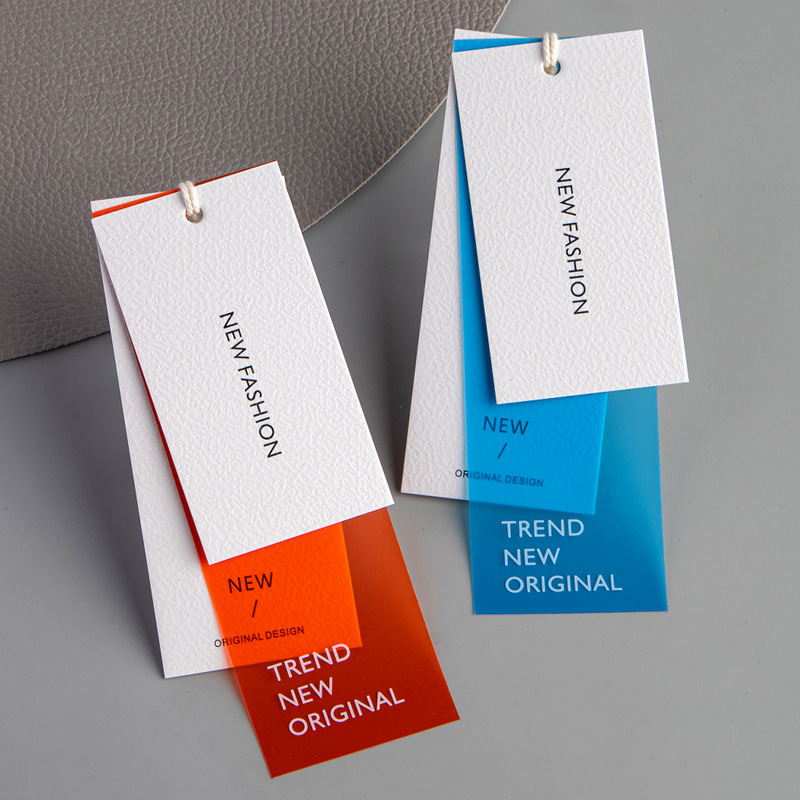
Two label formats—woven and printed—cover neck branding, hem flags, and size identification; specify dimensions, fold, ground color, and edge finish. Care labels and hangtags need approved fiber content, symbols, barcode data, stock, string, and attachment point.
Patches, Transfers, And Hardware
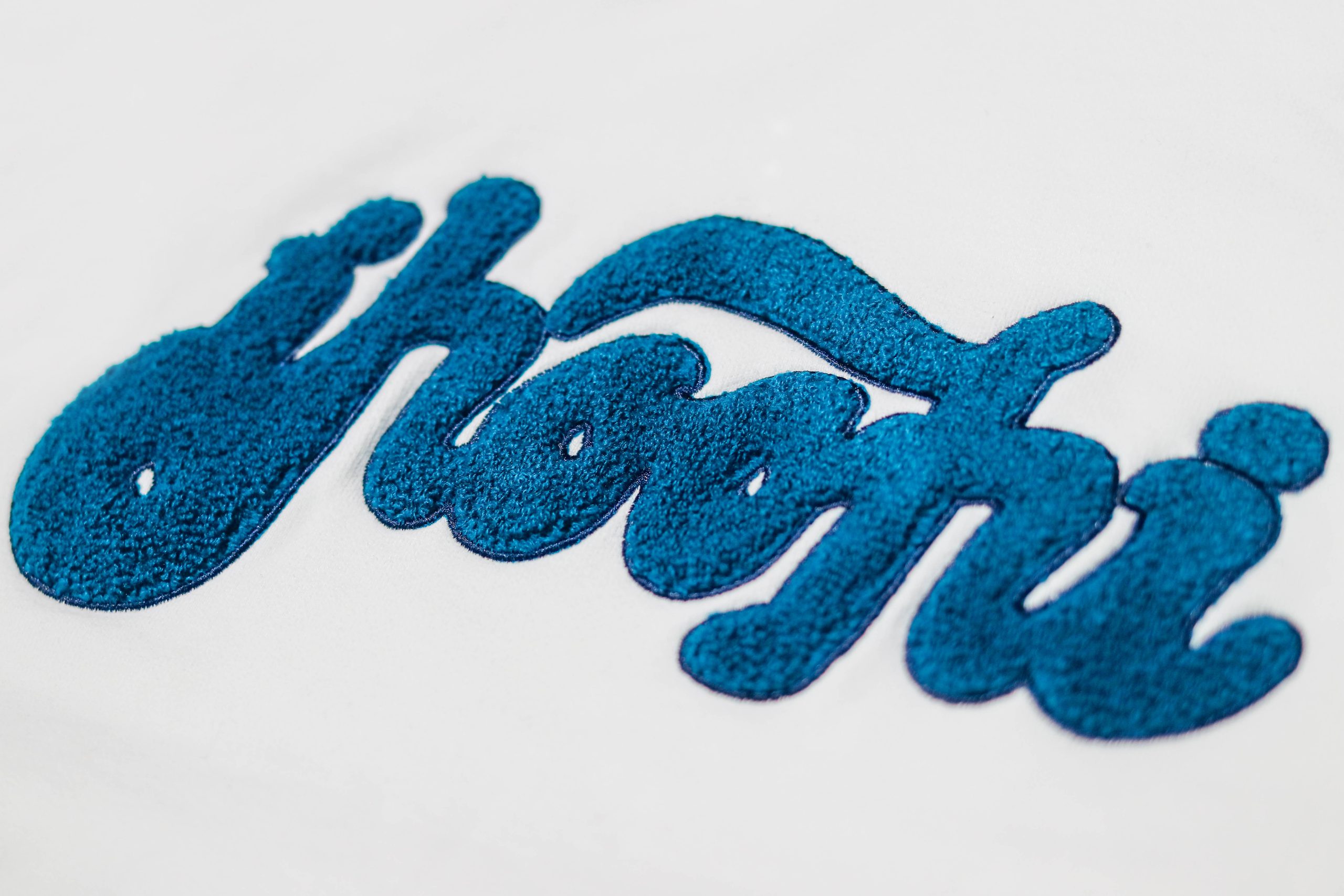
Three decoration routes—embroidered patches, woven patches, and heat transfers—suit jackets, jerseys, and performance apparel; define artwork scale, backing, stitch coverage, or transfer finish. Buttons, snaps, rivets, and metal hardware require diameter, finish, logo tooling, pull strength, and corrosion expectations.
Zippers, Tapes, And Packaging
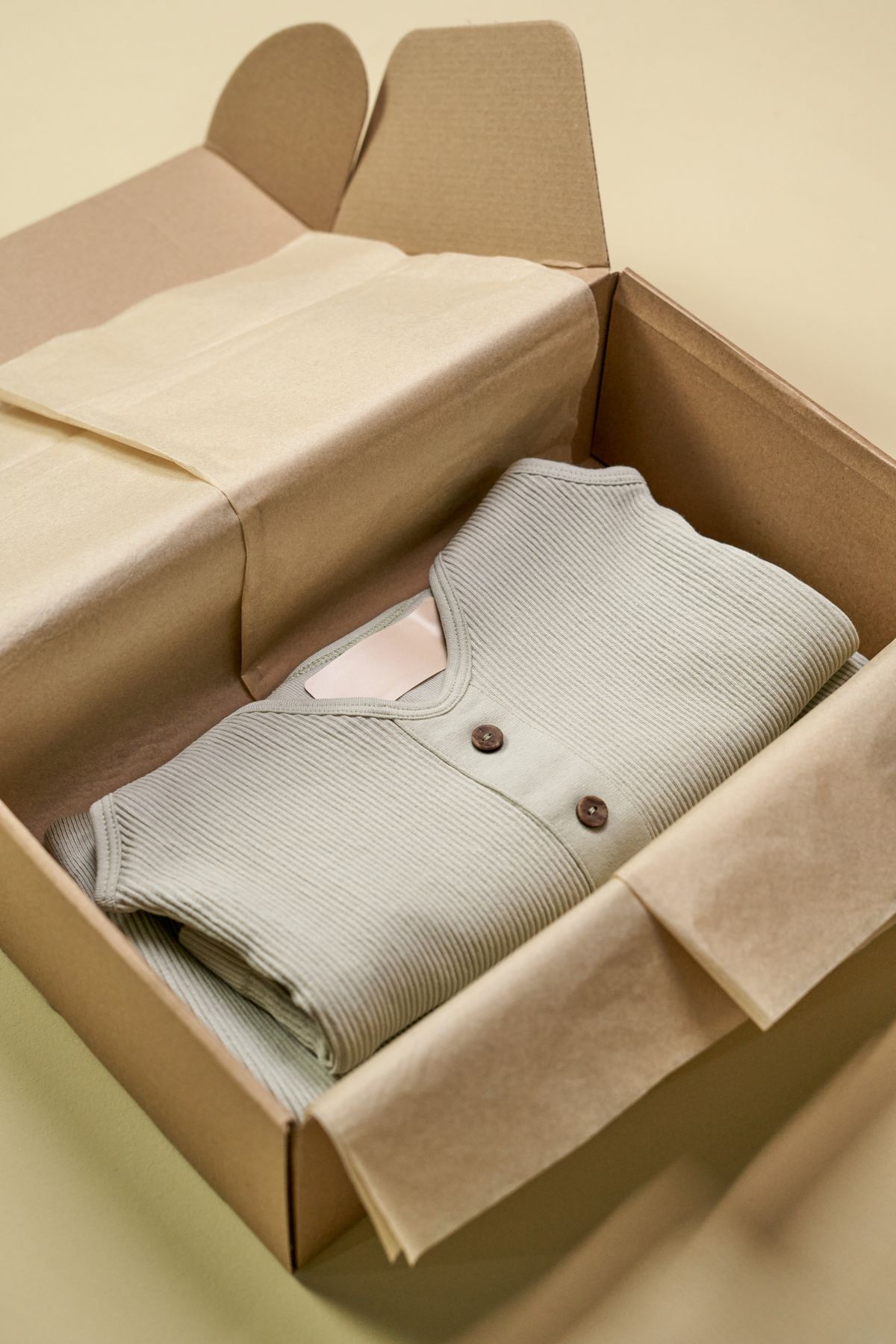
Two zipper decisions—coil versus molded tooth and standard versus branded pull—affect outerwear function and perceived value; record length, gauge, color, lock type, and pull artwork. Tapes, elastics, cords, and packaging need width, recovery, print repeat, color reference, and folding or packing instructions.
4. Materials for Custom Clothing Trims Supplier Orders
Nine trim materials cover most label, patch, hardware, elastic, and packaging decisions. A custom clothing trims supplier should match hand feel and appearance to wash exposure, then document the claim before sampling.
| Material | Best Application | Strength | Limitation | Buyer Check |
|---|---|---|---|---|
| Polyester | Woven labels | Colorfast | Synthetic | GRS evidence |
| Cotton | Printed labels | Soft hand | Shrinkage | Fiber content |
| Nylon | Care labels | Tough | Less soft | Wash test |
| Paper | Hangtags | Printable | Moisture-sensitive | FSC evidence |
| Leather alternative | Patches | Premium look | Variable wear | Composition |
| Silicone | Sports patches | Flexible | Heat-sensitive | Wash test |
| PVC alternative | Rubber badges | Graphic detail | Material varies | Restricted-substance declaration |
| Zinc alloy | Pulls and snaps | Detailed casting | Can oxidize | Finish test |
| Brass | Premium hardware | Durable | Higher cost | REACH declaration |
Soft Goods And Labels
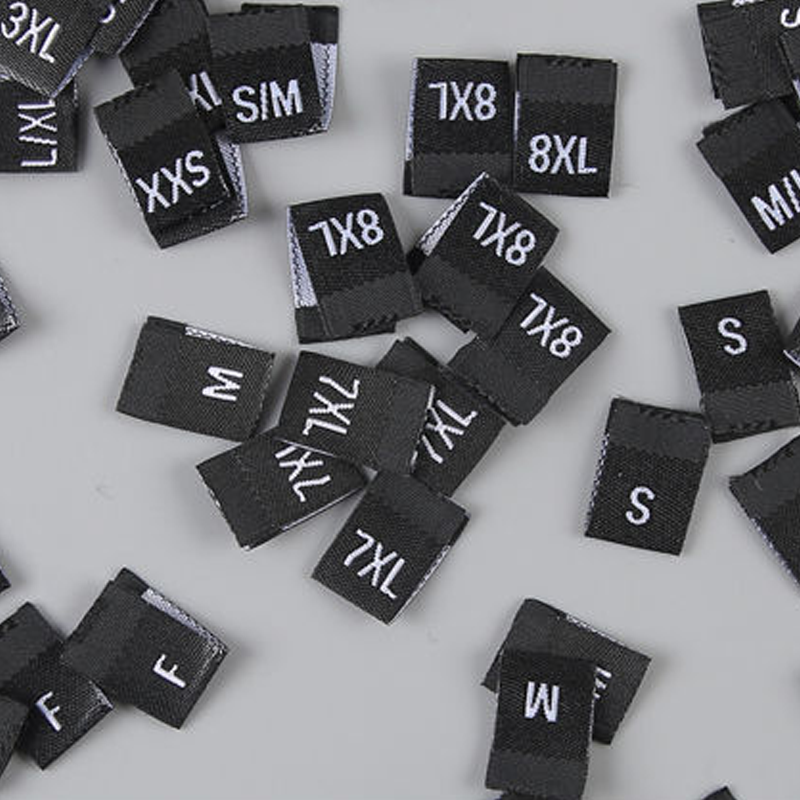
Polyester is color-stable and wash-resistant for woven labels and elastics; cotton feels softer but can shrink or fade. Nylon suits tough printed care labels, while silicone gives flexible, raised sports branding.
Tags And Leather Looks
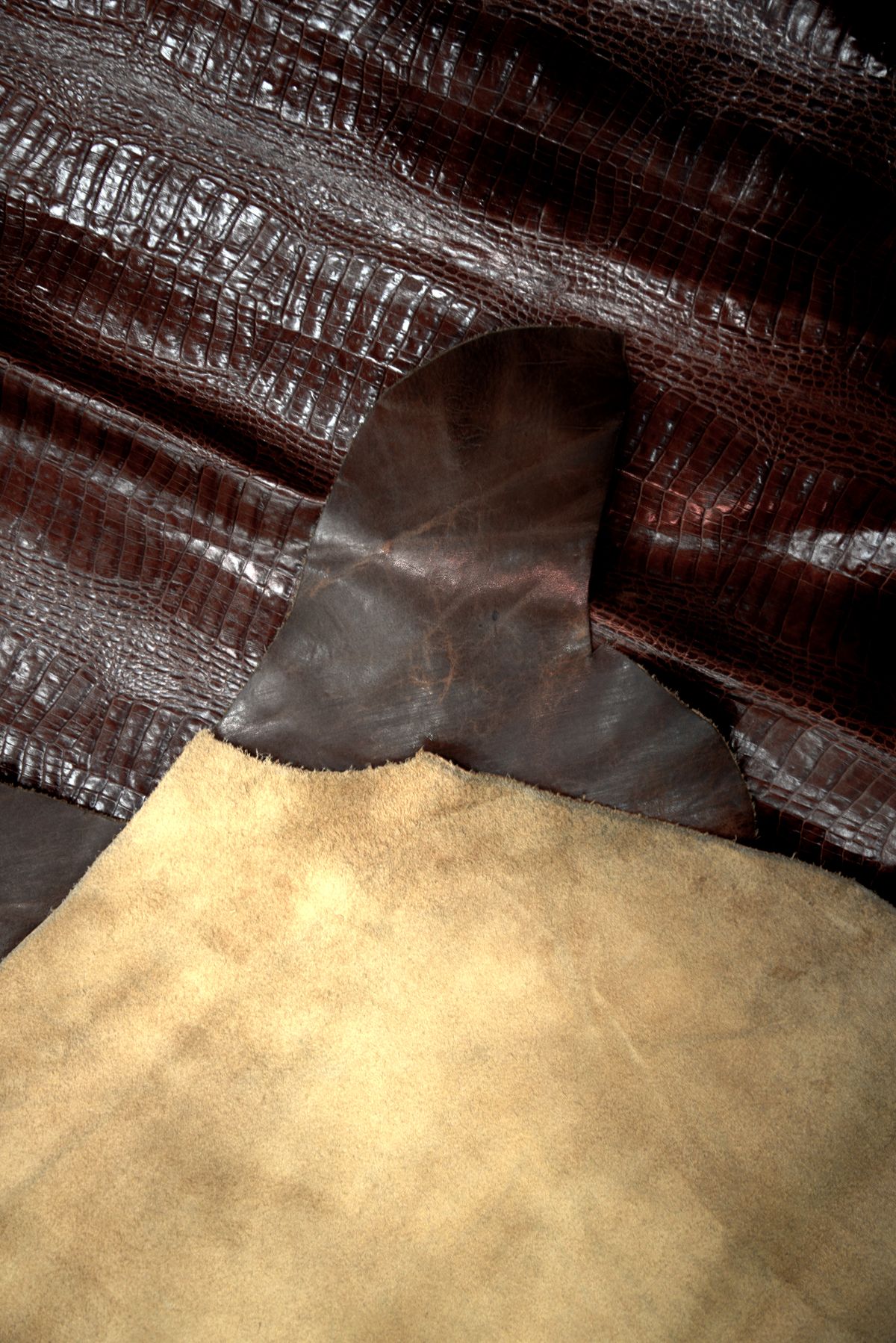
Paper creates a tactile hangtag at low weight; leather alternatives provide a premium look without animal hide. Request FSC or recycled-content documentation for paper and material composition evidence for alternatives.
Material Selection Matrix
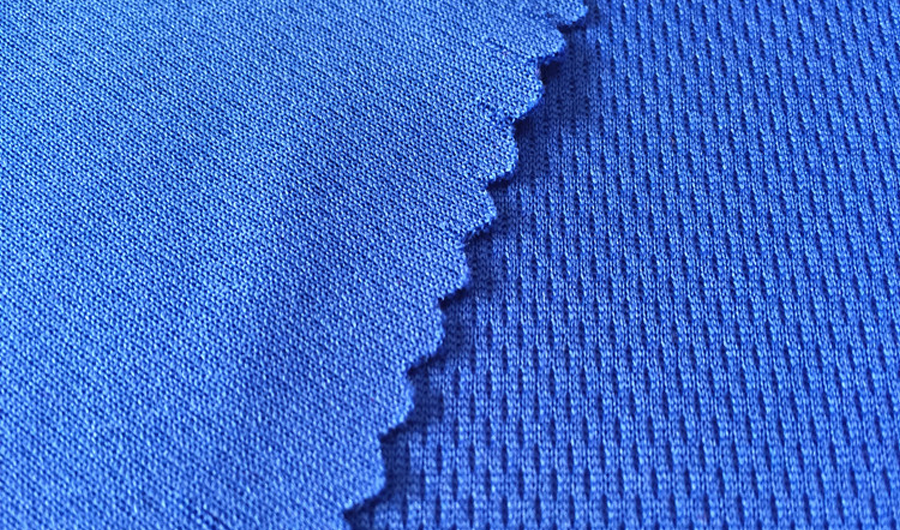
Zinc alloy enables detailed cast pulls; brass develops a warmer premium finish but costs more. For every metal component, request finish samples, corrosion testing details, and applicable REACH declarations.
5. Customization Options From Your Trim Supplier
A custom clothing trims supplier should translate artwork into a technique, not merely a logo. Detail size, contrast, hand feel, wash exposure, and attachment point determine the usable specification.
| Technique | Best Use | Cost Effect |
|---|---|---|
| Woven | Fine branding labels | Higher detail cost |
| Heat transfer | Performance sportswear | Low profile |
| Embroidery | Streetwear patches | More stitches cost |
Choose The Decoration Method
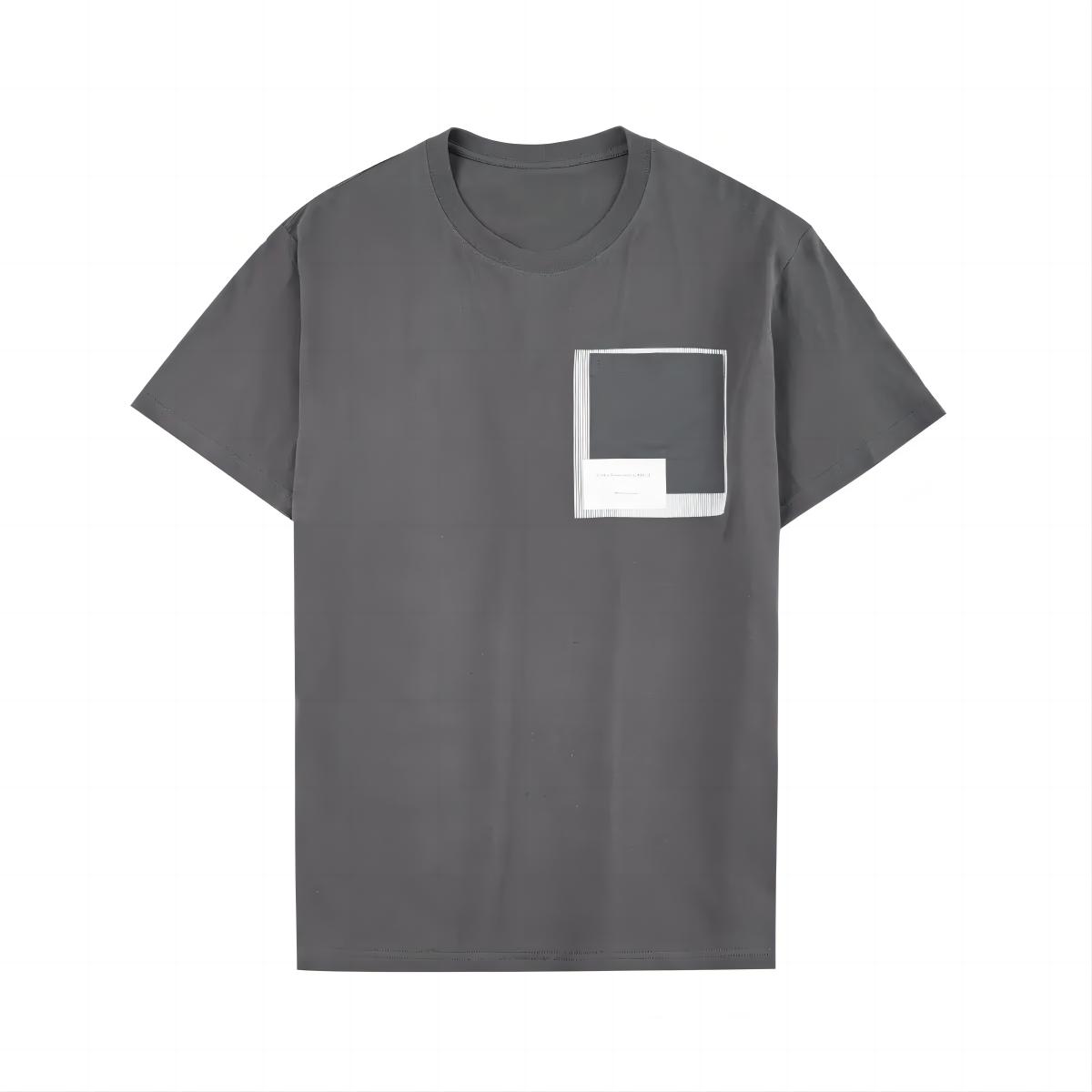
Woven labels preserve small type and fine linework better than embroidery, while printed labels suit care copy and QR data.
Heat transfers keep sports jerseys and technical shells low-profile; embroidery adds dimension for streetwear patches but increases stitch cost.
Build For Use Conditions
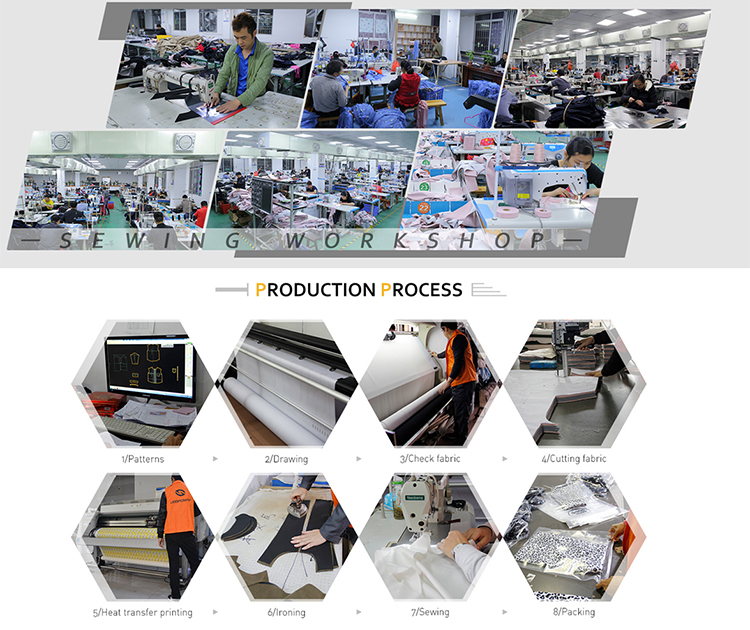
Pantone references should govern color approval across woven yarns, ink, silicone, and coated metal because substrates shift perceived shade.
Laser marking, debossing, embossing, and foil work best on stable leather, PU, paper, or metal surfaces; request contrast checks before approval.
Specify Shape And Attachment
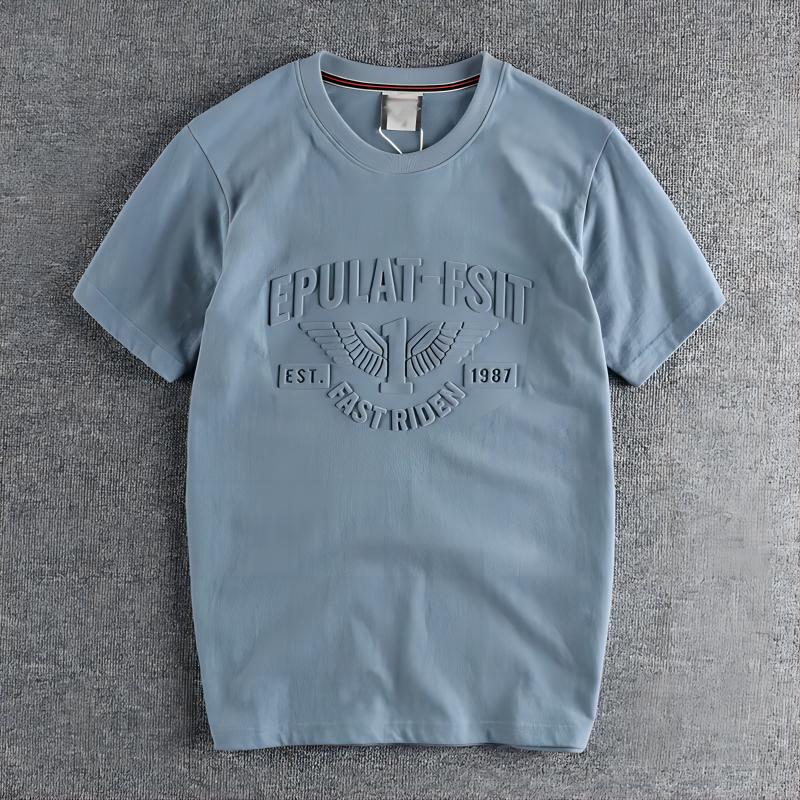
Two fold options—center fold and end fold—change label visibility and seam handling. Sew-on, heat-seal, adhesive, hook-and-loop, and riveted backings must match the garment’s fabric and laundering demands.
6. Construction and Quality Checks
A custom clothing trims supplier should approve performance, not just appearance, before bulk release. EDVORIN records measurable trim requirements alongside the approved garment sample so repeat orders have a visible production standard.
Dimensions And Finish
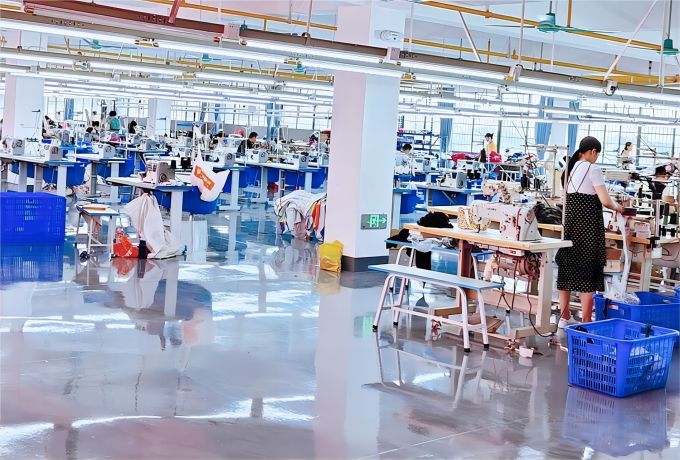
A ±1 mm size tolerance can be appropriate for small labels or hardware when the specification sheet defines the measurement points. Pantone reference, edge sealing, stitch density, plating color, and coating coverage should be approved against the intended fabric and use case.
Wear Performance
Five wash cycles can expose fading, edge fray, transfer lifting, or coating damage before a trim enters bulk production. Pull-strength checks for snaps, drawcord ends, and sewn patches, plus abrasion testing for prints and metal finishes, should reflect the garment’s expected wear.
Bulk Control Points
One approved sample should be matched to a revision-controlled specification sheet before pre-production sampling. EDVORIN can use incoming, in-line, and final inspection checkpoints to verify readable care information, secure attachment, placement, and adhesion before packing.
7. Choosing a Custom Clothing Trims Supplier
Three supplier checks prevent most trim-program surprises: capability, control, and delivery. A custom clothing trims supplier should be assessed against the garment category and production calendar, not a catalog alone.
Verify Relevant Capability
EDVORIN’s MOQ starts at 200 pieces per style. First, match category coverage to the actual program: woven labels, patches, hardware, heat transfers, packaging, or coordinated sets. Ask for comparable samples, artwork-preflight support, sampling revisions, MOQ by SKU or color, and a dated lead-time plan.
Audit Control Evidence
Second, request the control trail: material specification, approved color reference, incoming inspection, in-process checks, and final packing audit. Ask which lot identifiers are retained, what test reports or compliance documents apply, and how a failed result is contained.
Compare Total Readiness
Third, compare landed readiness rather than unit price alone. Confirm response ownership, carton marks, polybag or hanger requirements, shipment consolidation, Incoterms, and delivery handoff; price tooling, sample charges, rejects, freight, and reorder exposure separately.
8. Common Custom Clothing Trims Supplier Mistakes
One approved digital proof cannot confirm woven density, plating, edge feel, or attachment performance. A 1–2 mm placement tolerance and named Pantone reference should appear on the signed physical sample and purchase order.
Approve Physical Standards
Two physical approvals—trim swatch and garment-attached sample—prevent artwork-only decisions. Record dimensions, Pantone code, acceptable shade variation, and wash-test method before bulk release.
Match Trim To Garment Care
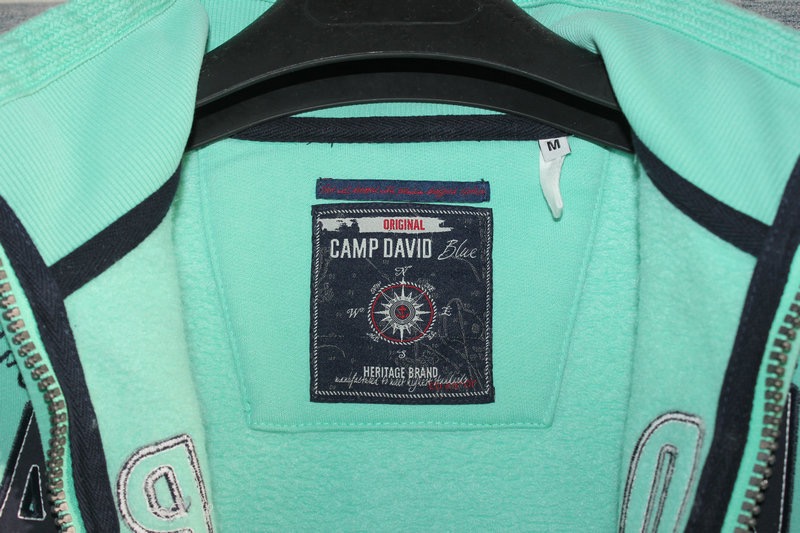
Five wash cycles can expose shrinkage, dye bleed, adhesive failure, or corrosion. Specify the garment’s care label first, then test the selected trim and attachment method on the actual shell fabric.
Control Compliance And Schedule
Three documents prevent expensive assumptions: a current certificate scope, tooling-ownership statement, and production calendar. Confirm certification applies to the exact material, define mold custody, and reserve buffer time for sampling, approval, and freight.
9. Launching Your Trim Program
A 6-step trim launch reduces late changes between design, purchasing, and sewing. EDVORIN can align each handoff with the garment’s approved sample and factory delivery date.
Define The Assortment
1 assortment sheet should list every label, patch, cord, hardware item, hangtag, and packaging component by style and colorway. Include quantities by size run, garment factory, and delivery split.
Lock Artwork And Specifications

1 controlled artwork file should carry a revision code, Pantone references, dimensions, placement, material, finish, attachment method, and tolerance. Send the same revision to EDVORIN, the garment factory, and the buyer’s approval owner.
Sample, Test, And Release
2 sample stages—trim approval and finished-garment trial—reveal issues such as abrasion, dye migration, heat-transfer adhesion, or zipper compatibility. Approve a signed production standard, schedule in-line and final inspections, then confirm carton marks and factory delivery windows.
10. Custom Clothing Trims Supplier Pricing
Three quote components should be separated: unit trim cost, one-time setup or tooling, and freight-related charges. Higher quantities often spread fixed setup across more units, while woven labels, metal hardware, custom molds, and multi-color decoration can raise development cost.
One landed-cost worksheet should add trim price, sampling, tooling, inspection, packing, freight, duty, and local delivery, then divide by sellable units. Request quotes against the same artwork, dimensions, material, color count, attachment method, quantity tiers, Incoterm, and target delivery date so a custom clothing trims supplier is quoting the same specification.
| Order profile | Main price drivers | Planning lead-time consideration |
|---|---|---|
| 200–500 units | Setup share, material minimums, color changes | Allow sampling and approval before bulk |
| 500–2,000 units | Repeat efficiency, decoration complexity | Confirm material availability and production slot |
| 2,000+ units | Volume leverage, tooling amortization | Reserve capacity for phased deliveries |
Ready to Specify the Details That Define Your Brand?
Send your artwork, tech pack, or trim references to EDVORIN to request a quote and discuss sampling.