
Custom Clothing Labels Manufacturer for Production-Ready Apparel
EDVORIN coordinates custom clothing labels with garment development, decoration, and packaging for consistent hoodies, jerseys, jackets, and more.
Featured Apparel for Integrated Label Development
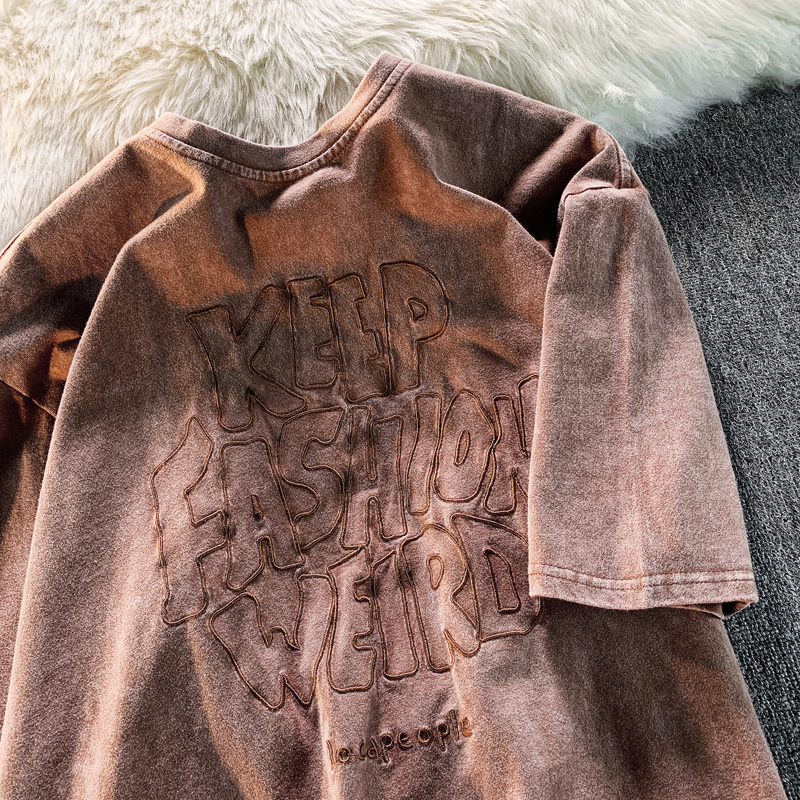
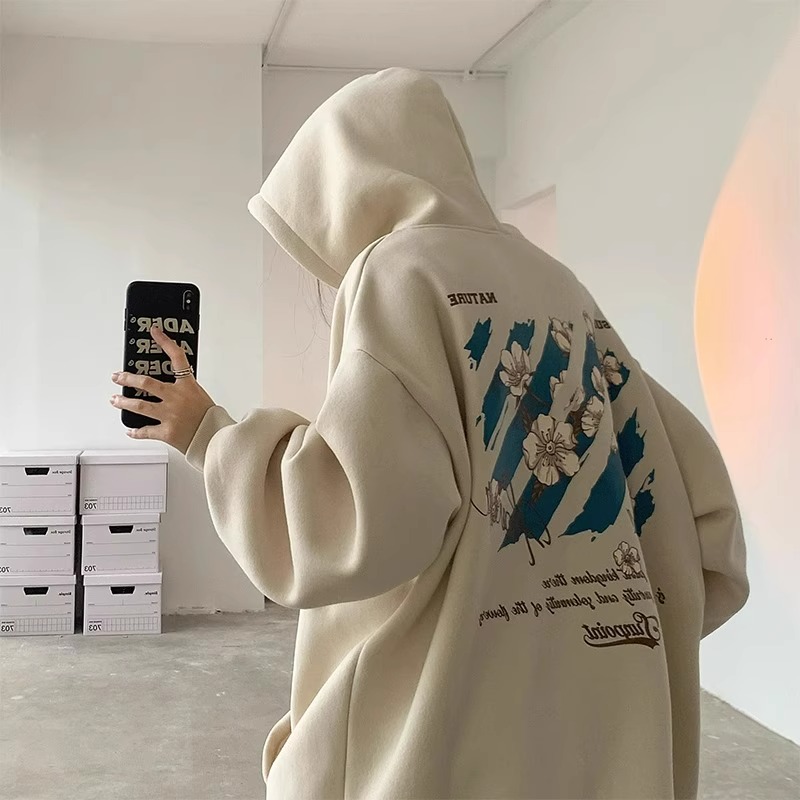
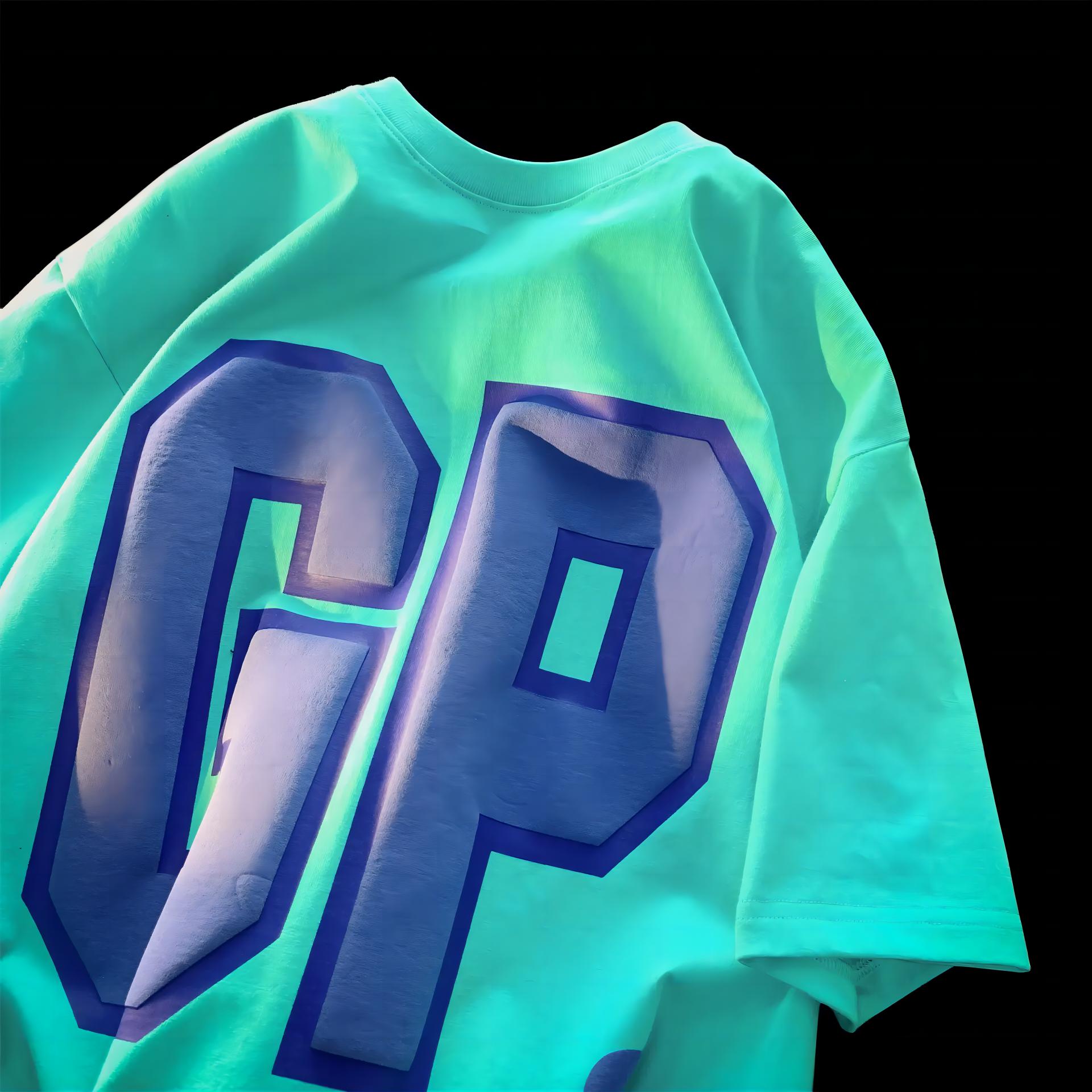
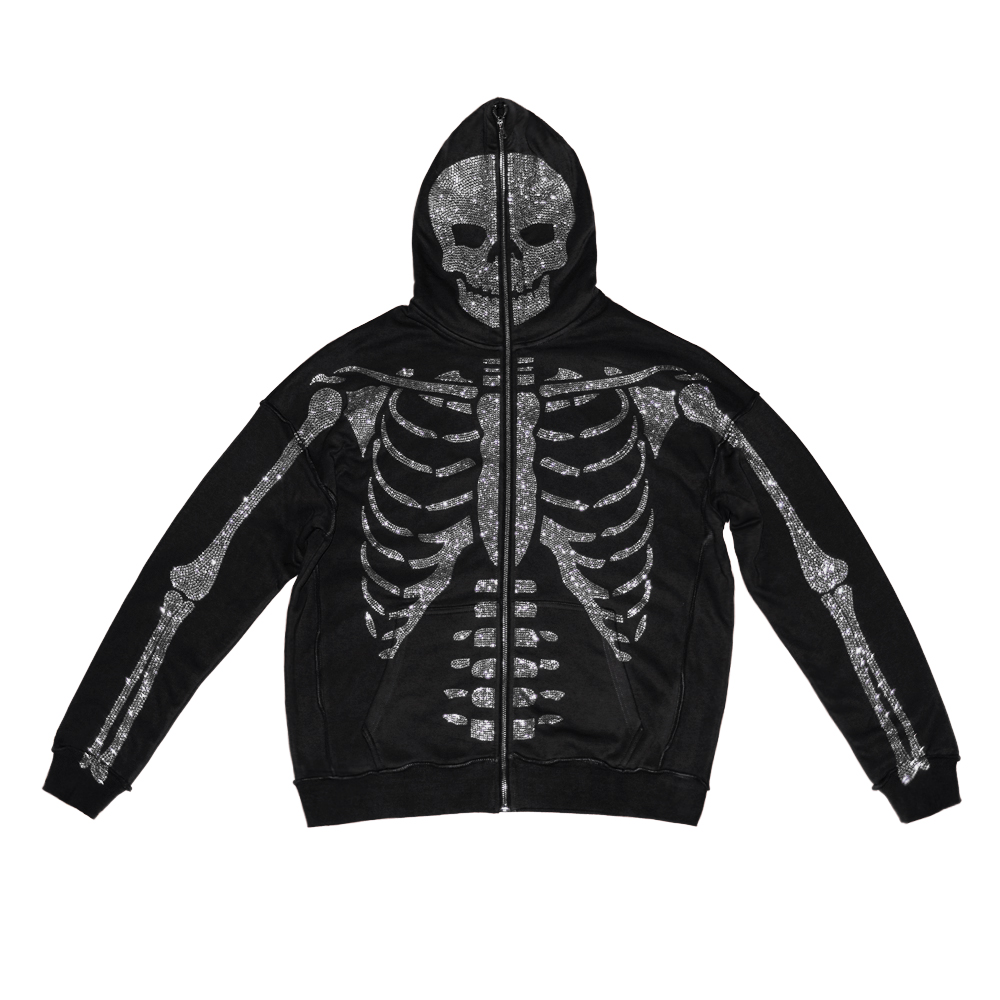
Why Choose a Custom Clothing Labels Manufacturer for Your Order
EDVORIN coordinates label details with garment development so brand presentation stays aligned from approved sample through packed production.
Garment-First Label Planning
Plan label type, placement and construction alongside fabrics, patterns and trims, so each detail suits the garment before bulk production begins.
Placement You Can Repeat
Record artwork position, label measurements and attachment details against approved standards to help maintain consistent presentation across every production run.
Wash-Ready Material Matching
Coordinate label materials and print or embroidery methods with garment fabrics, washing plans and intended wear requirements for a considered finished product.
One Connected Production Path
Keep labels, decoration, packaging and garment specifications within one accountable workflow, reducing handoffs and helping production teams work from clear approvals.
Flexible Private-Label Support
Develop private-label label programs for emerging brands, wholesale programs and established buyers, with MOQ starting at 200 pieces per style.
Sample-to-Bulk Control
Use approved samples as the reference for label details, then coordinate in-line checks and final inspection before garments are packed.
Related Apparel, Labels and Trims
Coordinate garment development, branded labels, decoration and packaging across the categories in your production brief.
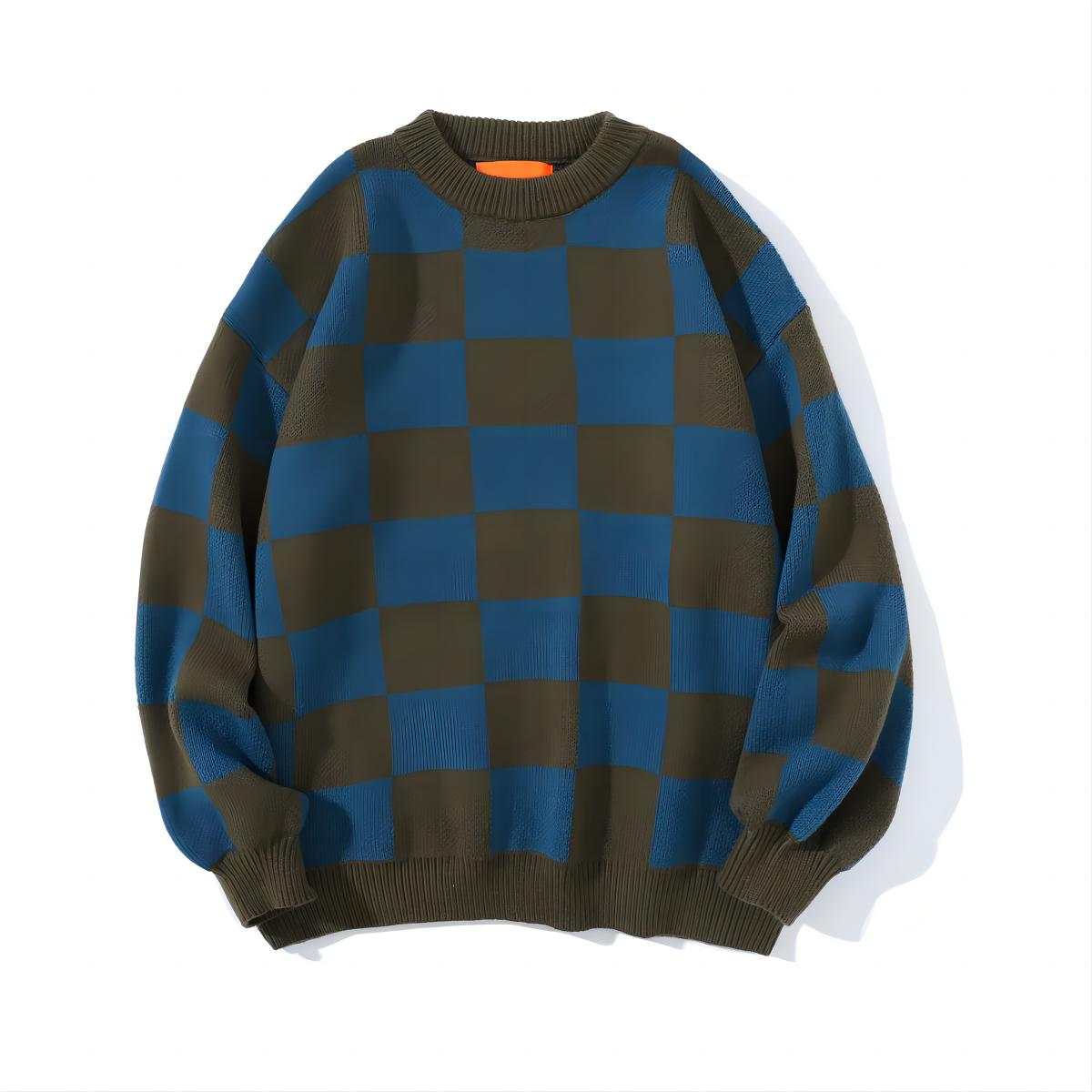
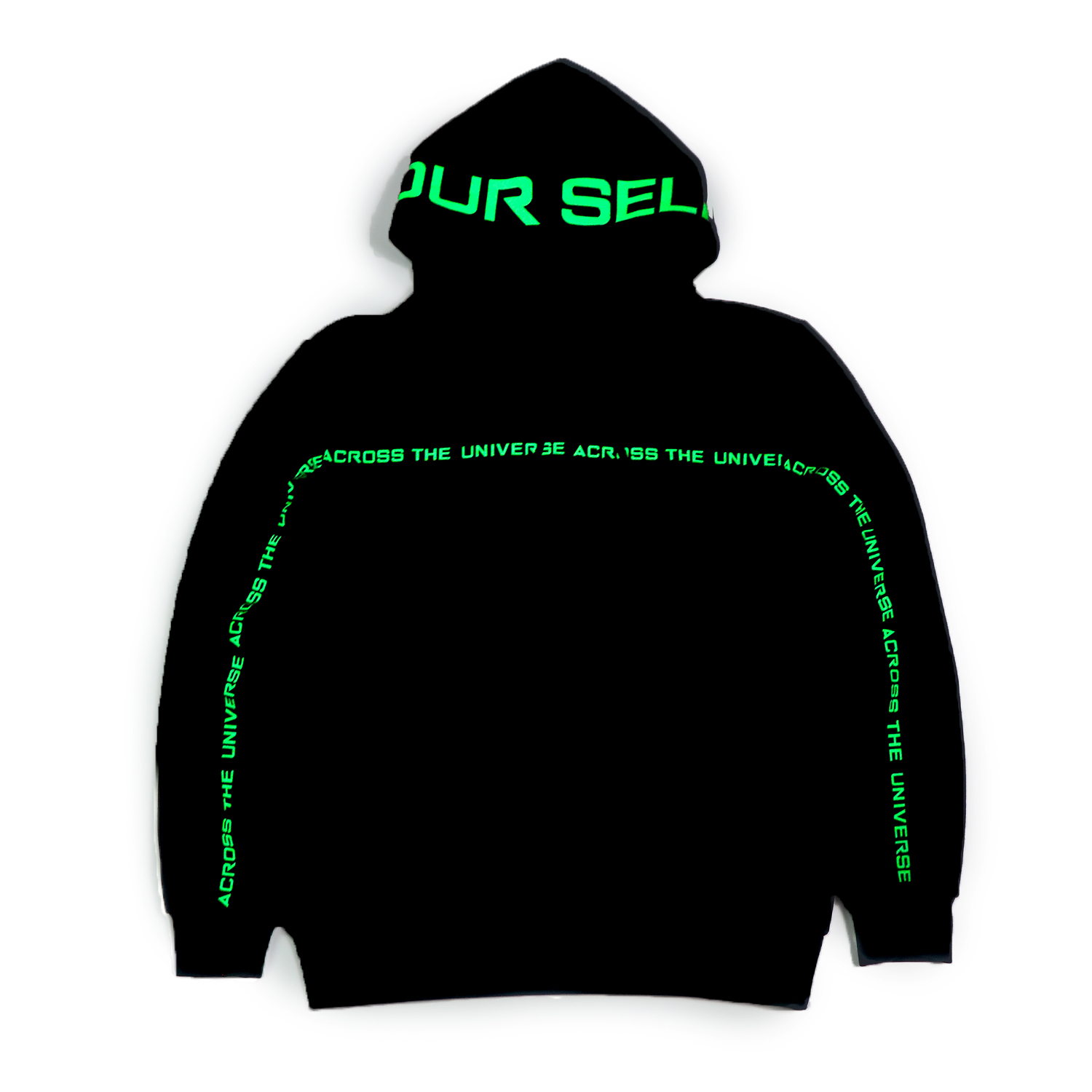
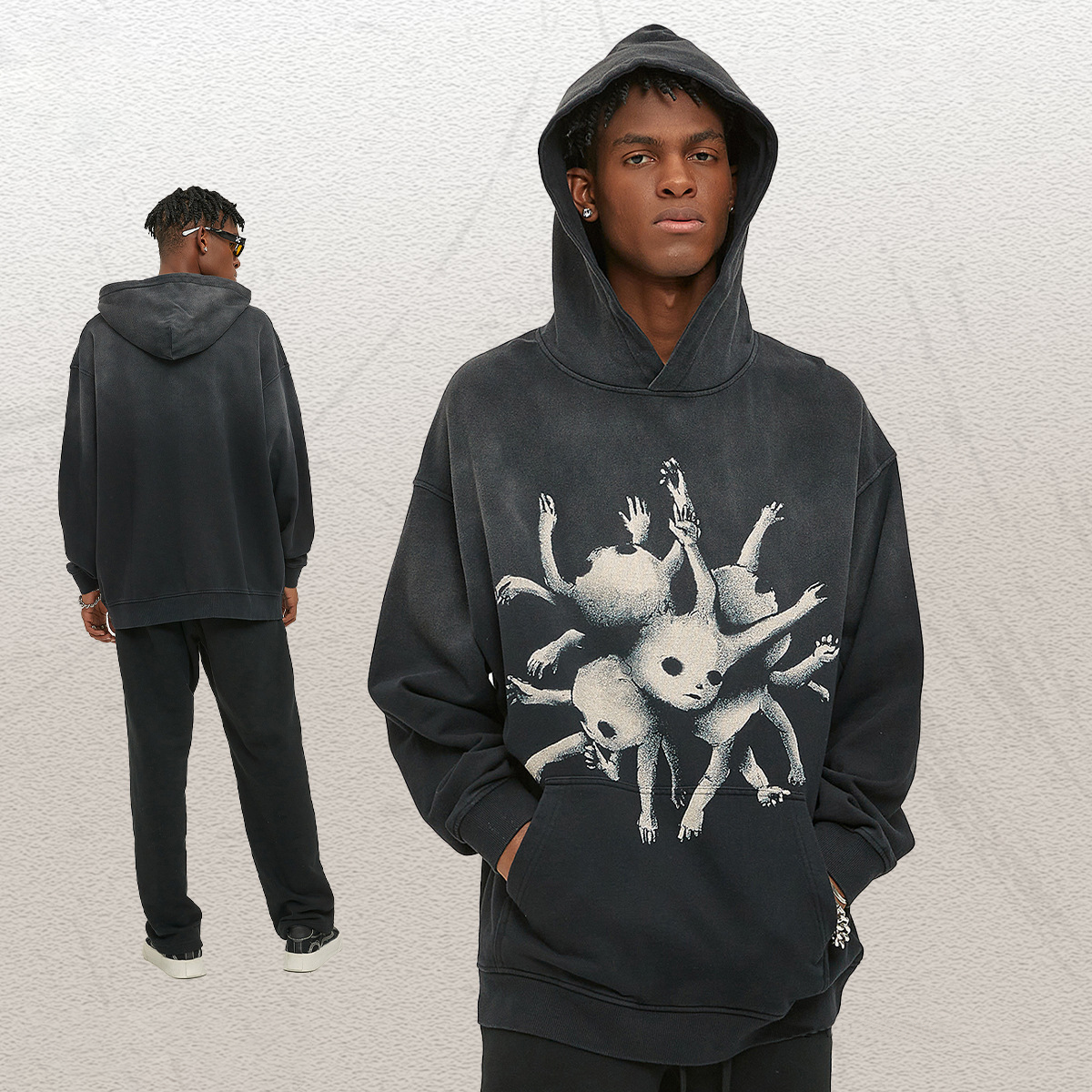
Custom Hoodies
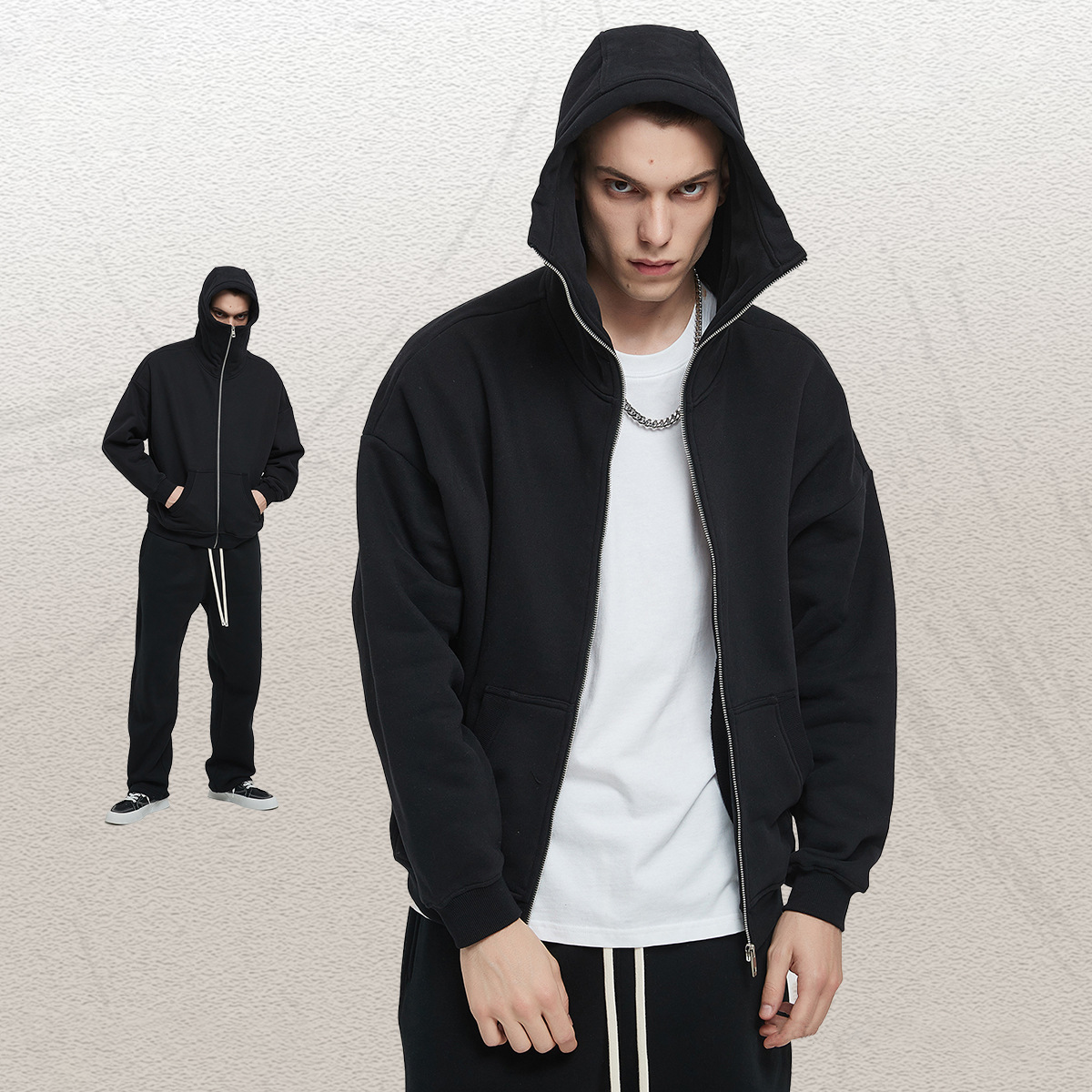
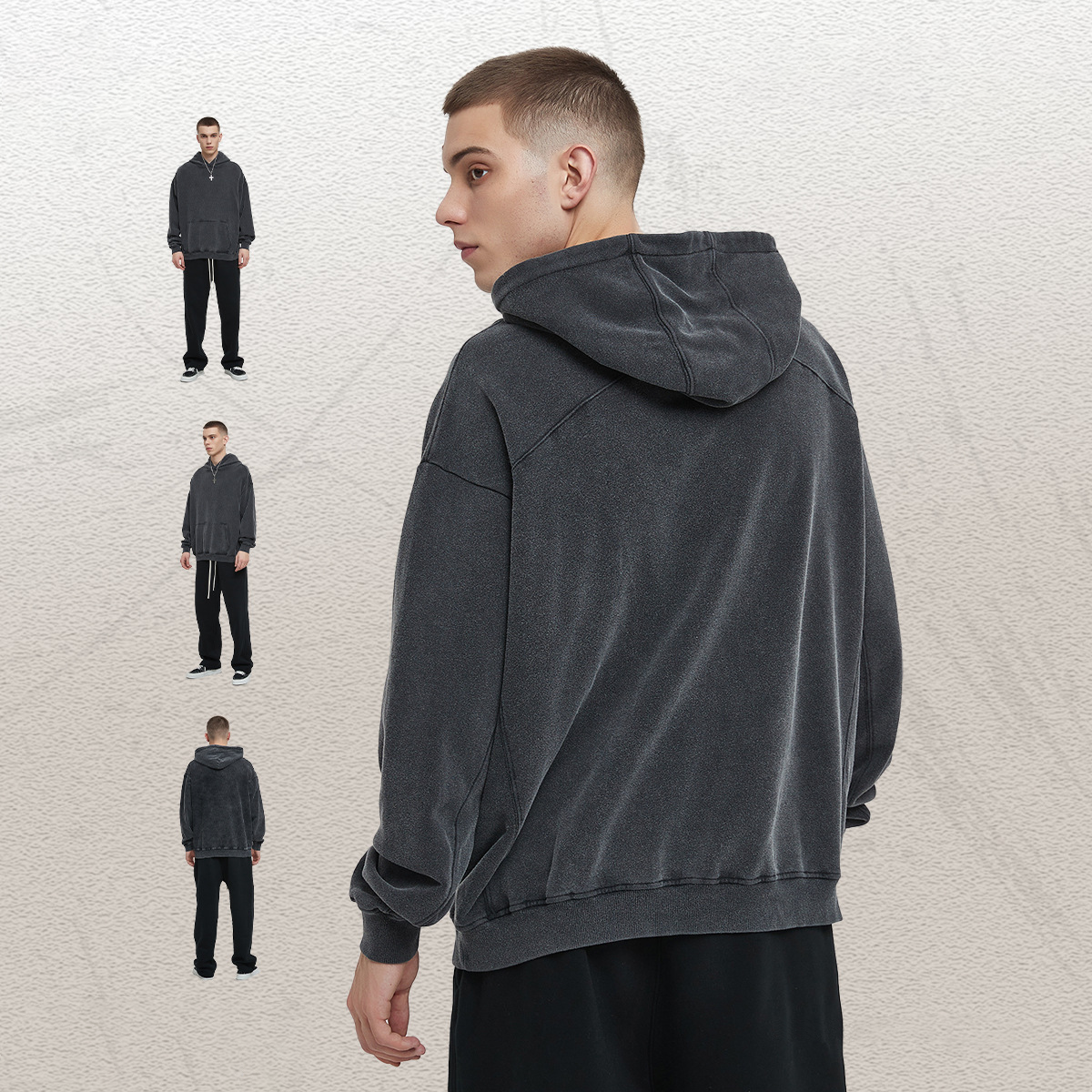
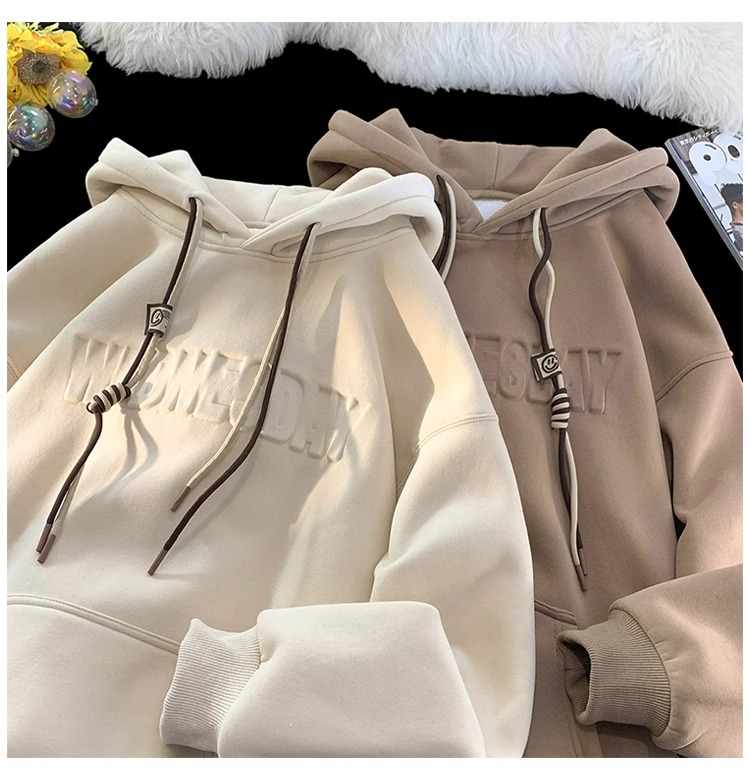
Develop custom hoodies with fleece weight, fit blocks, rib construction, drawcords, pockets, labels and decoration specified for repeat bulk production. Men’s and women’s programs can be developed from a tech pack, sketch or reference garment.
Get a Quote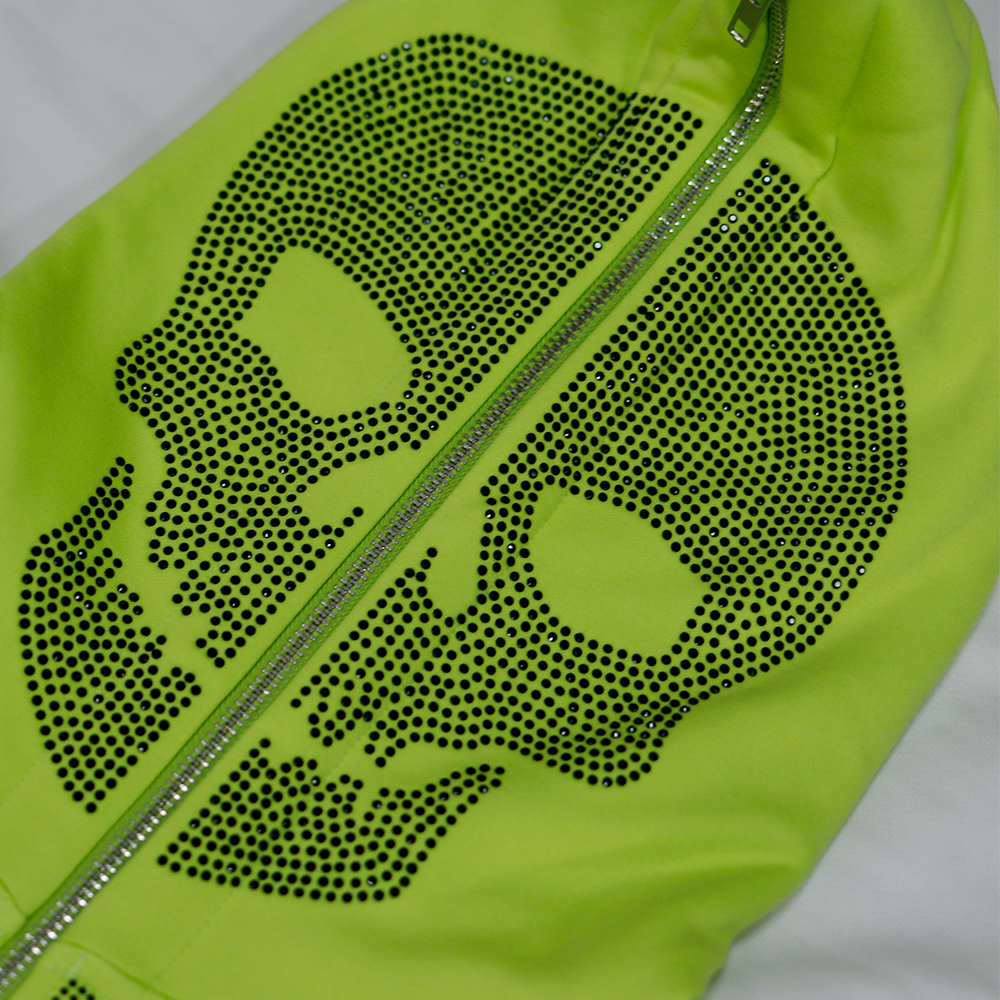
Pullover Sweatshirts
Work with a sweatshirt manufacturer on pullover construction, fabric weight, neck rib, cuffs, hem, brushing, washing and artwork placement. Approved samples establish the standard for sizing, materials and finishing before bulk production.
Get a Quote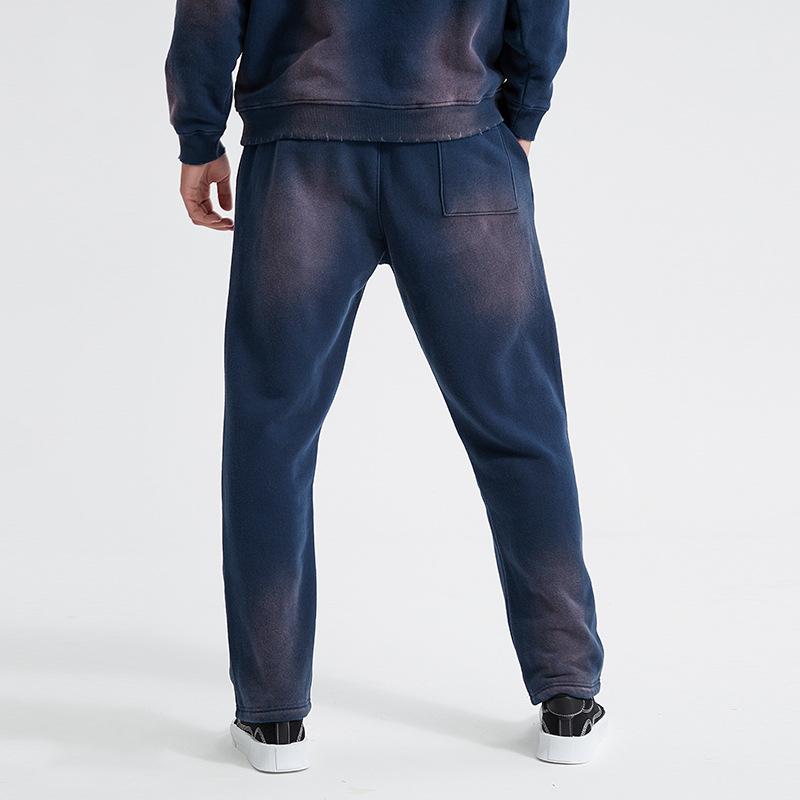
Sweatpants & Joggers
Build sweatpants and joggers with coordinated fleece, waistband, drawcord, pocket, cuff and leg-fit specifications. EDVORIN supports matching sets, private-label trims and sample-to-bulk controls for men’s and women’s programs.
Get a Quote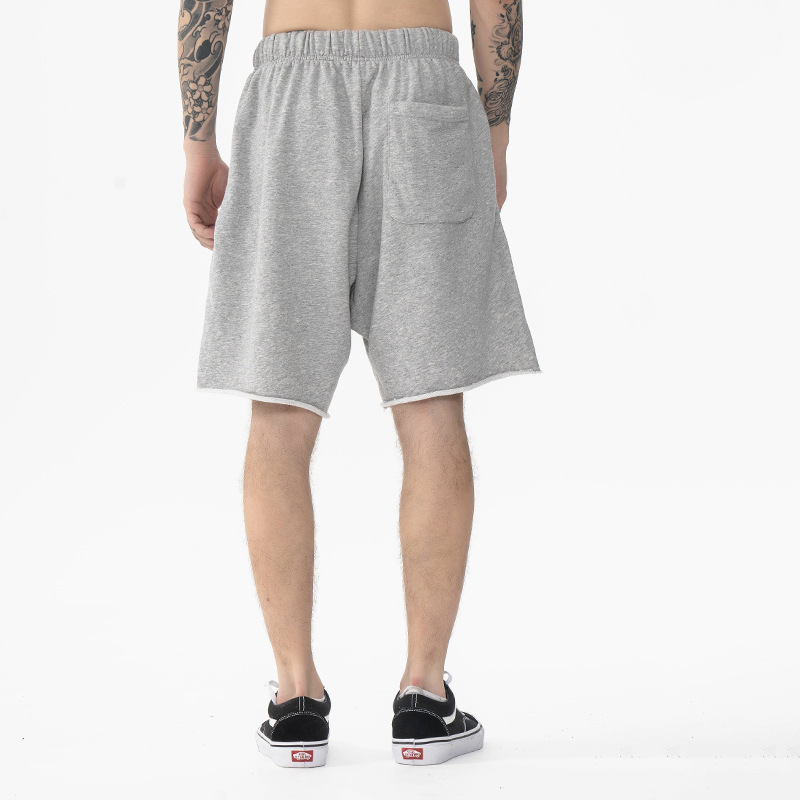
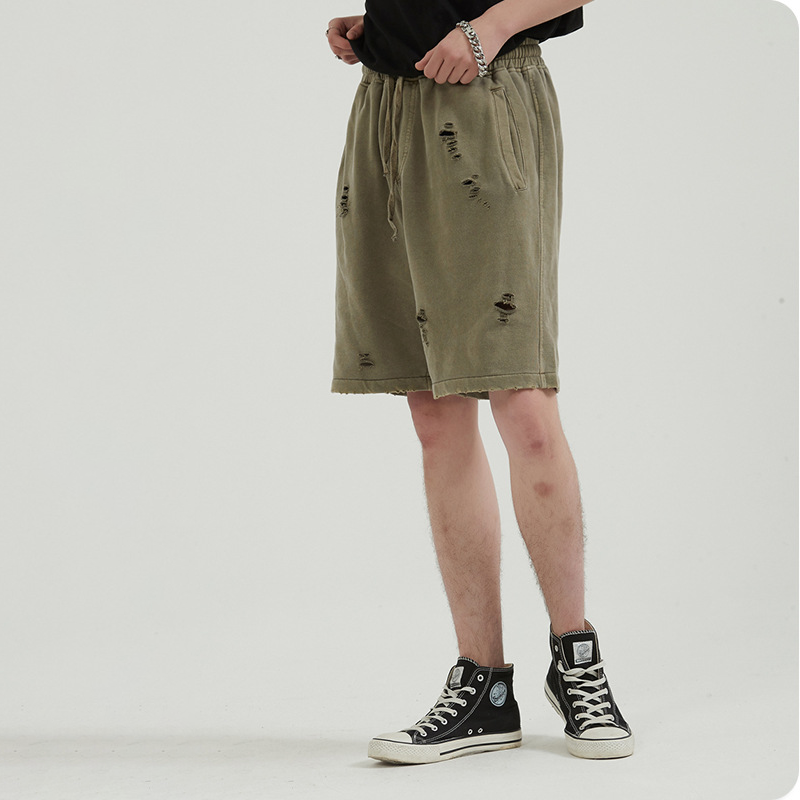
Custom Shorts
Create custom shorts for casualwear, streetwear or team programs with defined inseam, waistband, pocket layout, mesh or woven fabric, lining, labels and decoration. Development can align shorts with matching tops and branded packaging.
Get a Quote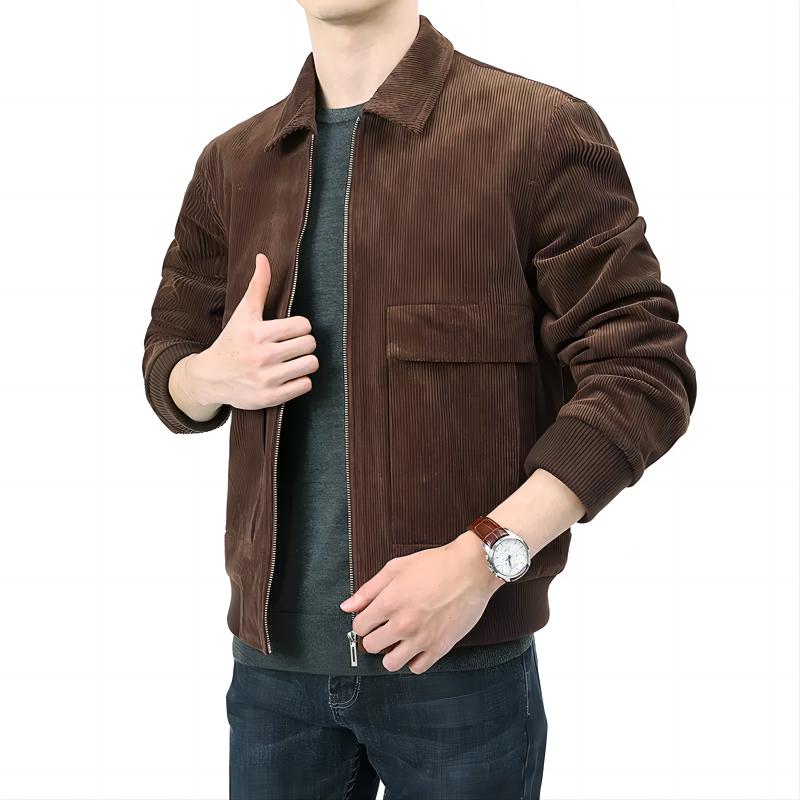
Varsity & Baseball Jackets
Develop varsity and baseball jackets with balanced body fabric, sleeves, lining, rib, snaps, patches, embroidery and labels. Construction details are documented during sampling so the approved look can be repeated across bulk orders.
Get a Quote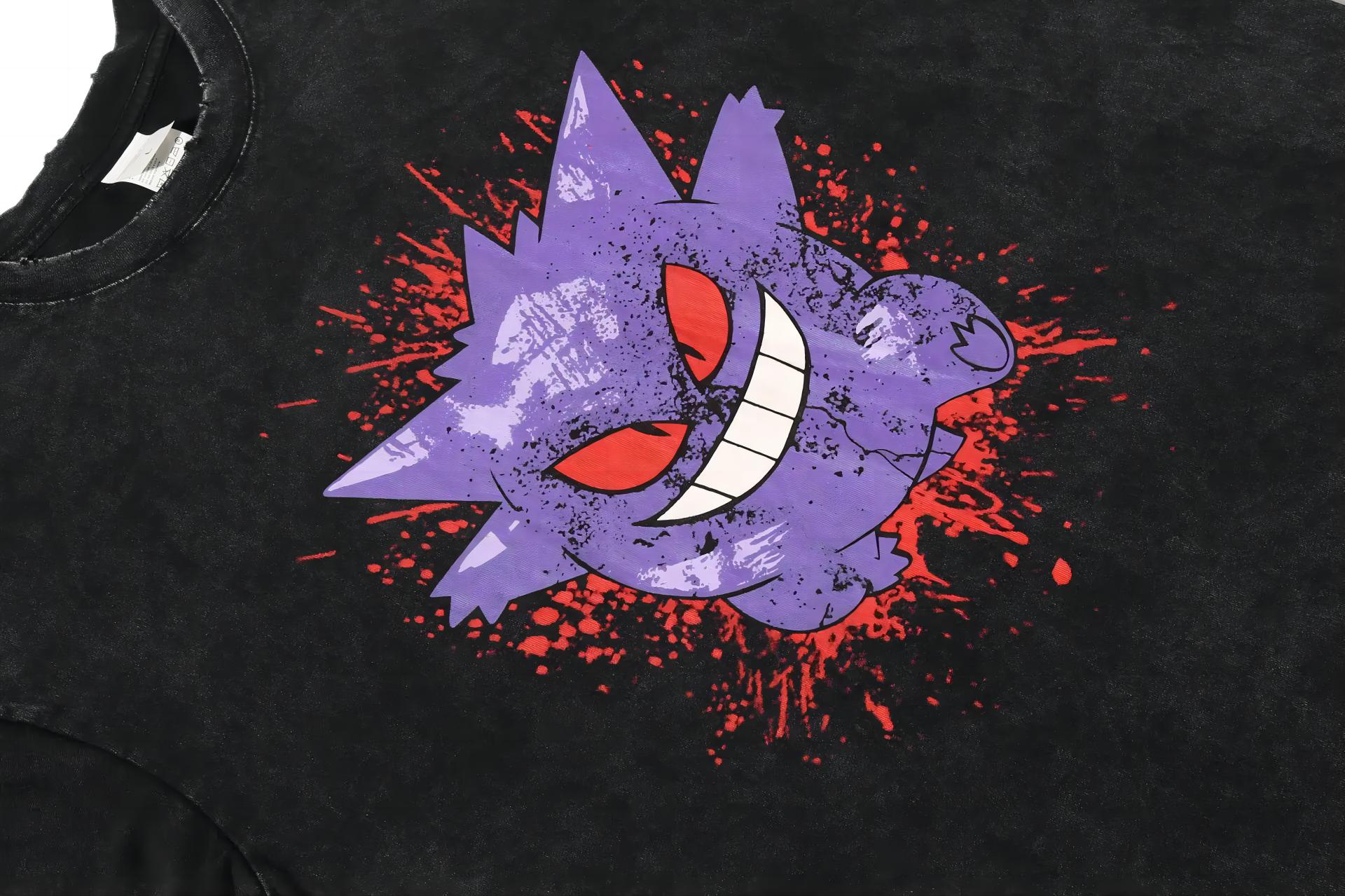
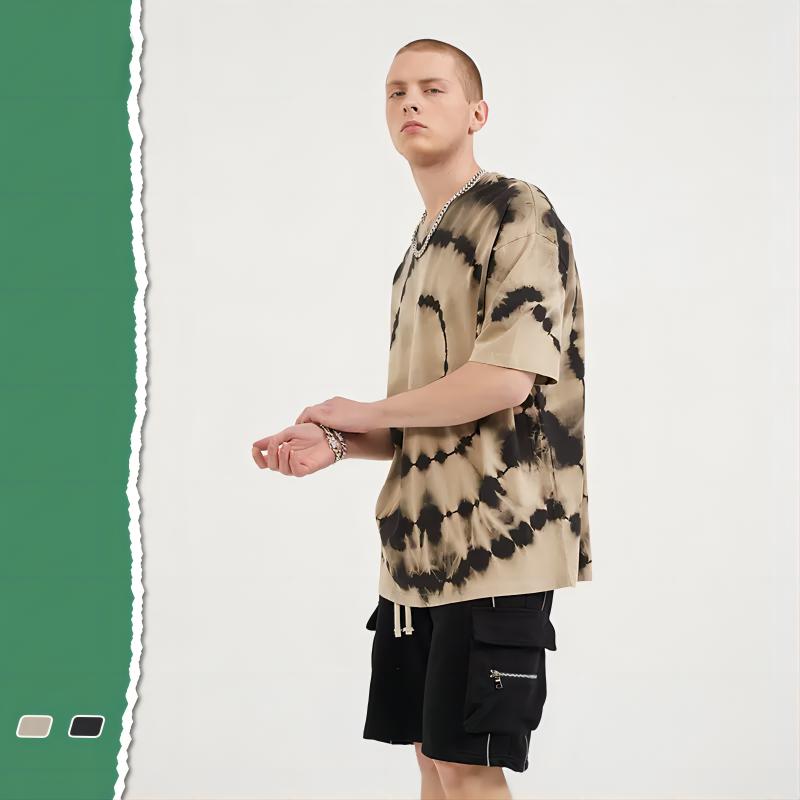
Custom T-Shirts
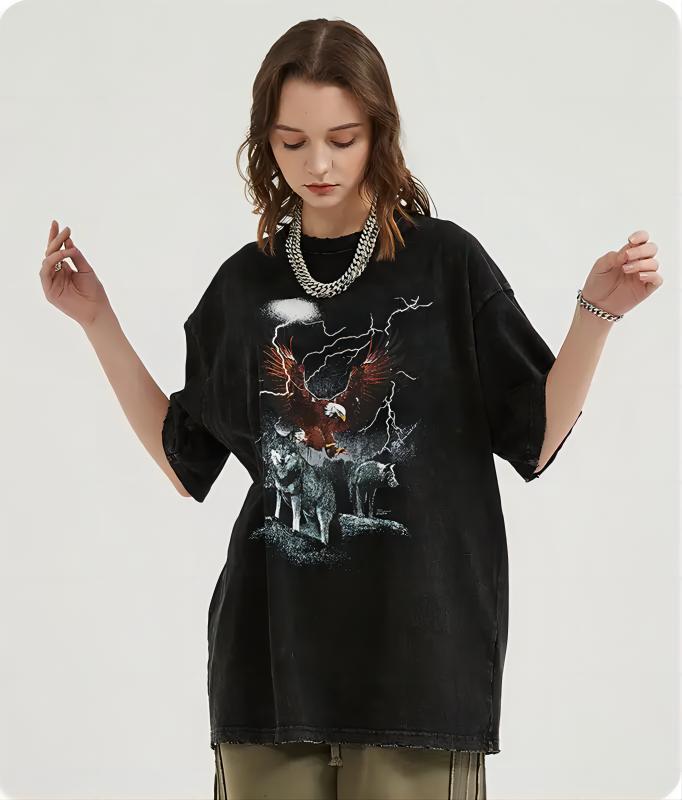
Source and develop custom T-shirts with selected jersey weight, fit, collar rib, seams, print method, embroidery, wash effect and private-label components. Specifications can be adjusted for men’s, women’s, retail or promotional programs.
Get a Quote
Custom Polo Shirts
Work with a polo shirt manufacturer on piqué or jersey fabric, collar shape, placket, buttons, cuff construction, embroidery placement and labels. Suitable for corporate uniforms, clubs, wholesale ranges and private-label collections.
Get a Quote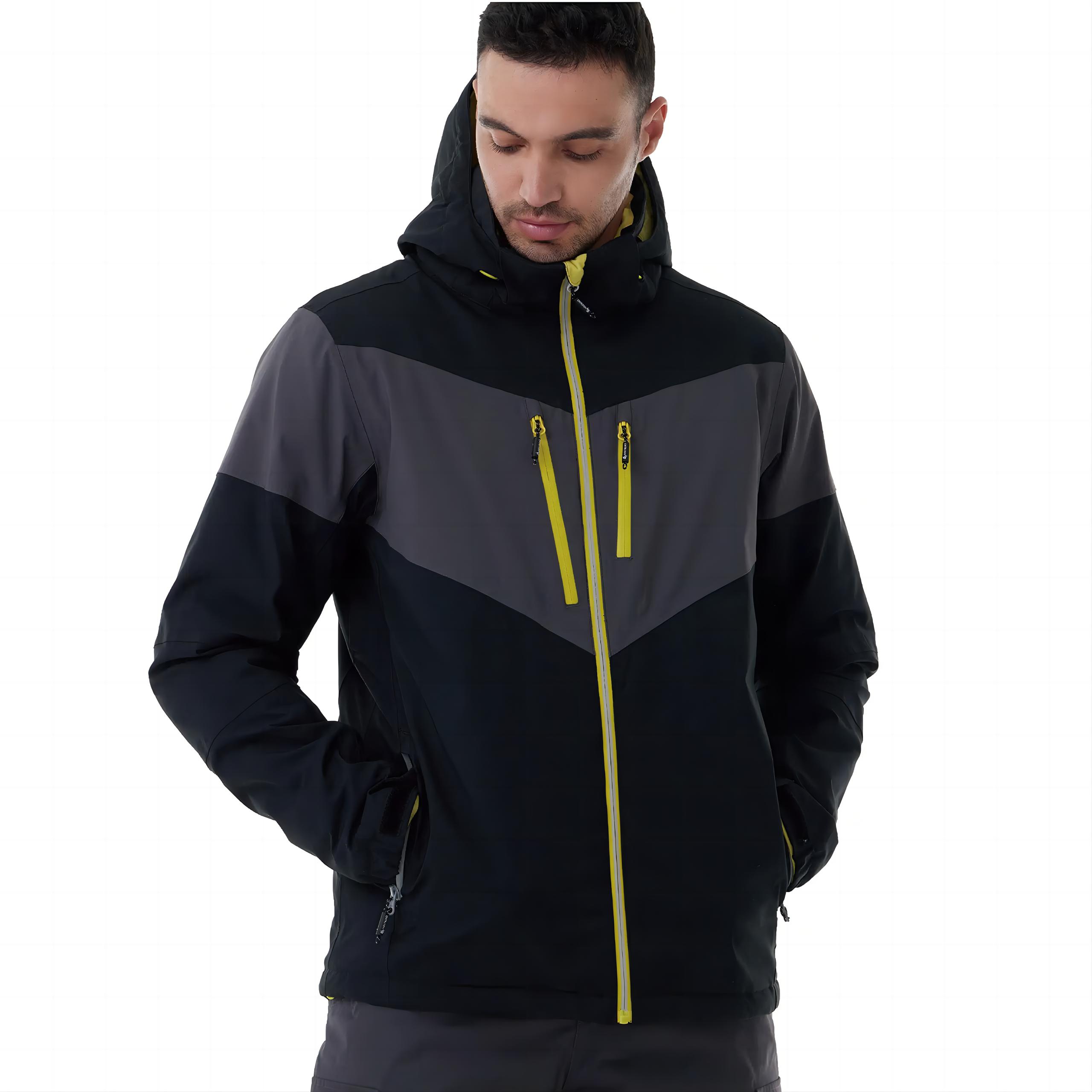
Windbreaker Jackets
Develop windbreaker jackets with shell fabric, lining, ventilation, zipper, hood, pocket and print or embroidery requirements matched to the intended weather use. Samples verify construction, fit and decoration before production.
Get a Quote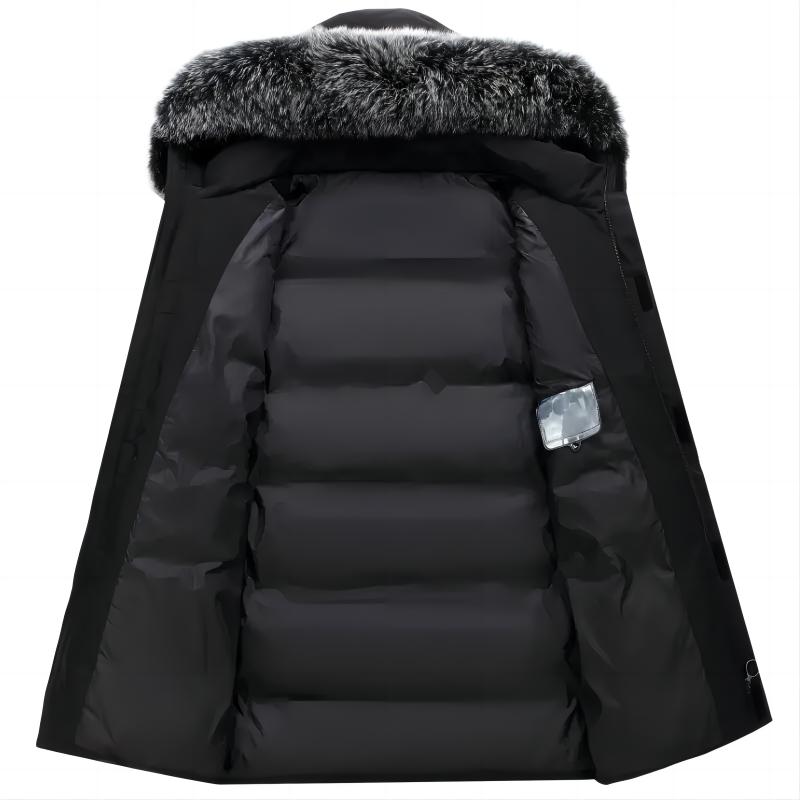
Quilted Jackets
Build quilted jackets with coordinated shell, lining, insulation, quilting pattern, zipper, pockets, cuffs and labels. EDVORIN manages the material and construction choices needed to retain shape, warmth and consistent finishing in bulk.
Get a Quote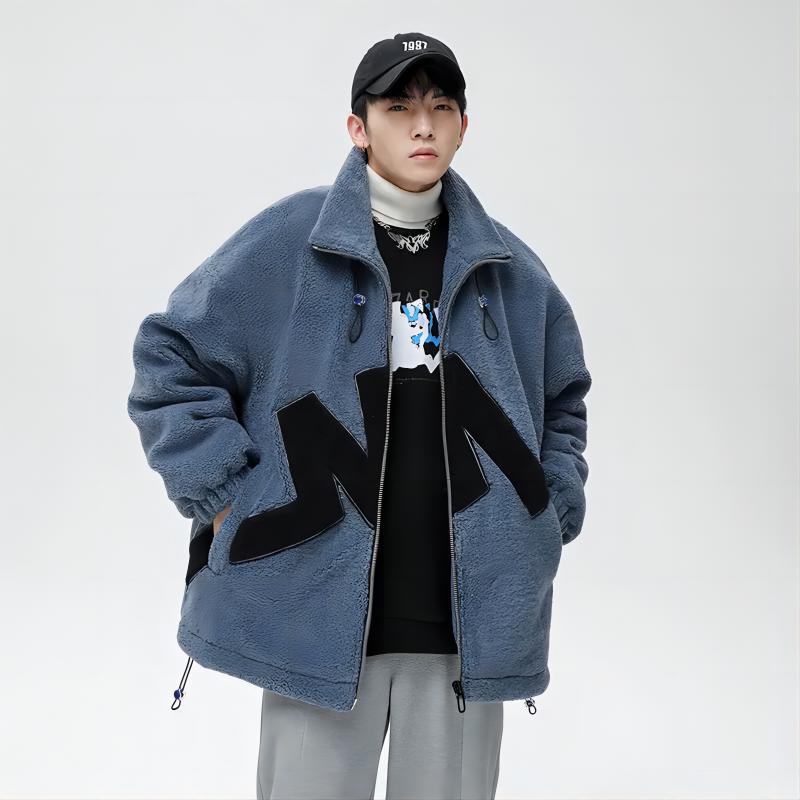
Bomber Jackets
Develop bomber jackets with defined shell fabric, lining, rib, zipper, pocket construction, embroidery, patches and wash details. Each approved sample records the specifications needed for consistent repeat production.
Get a Quote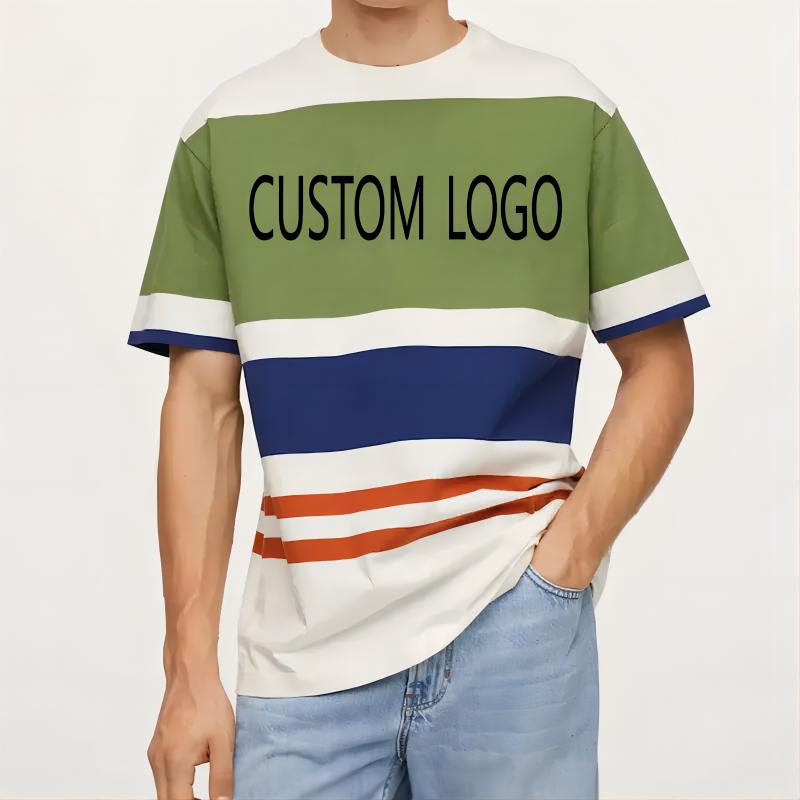
Custom Shirts
Create custom woven shirts with selected fabric, collar, placket, cuffs, buttons, pocket details, fit and branding components. Development supports men’s and women’s assortments, from clean corporate styles to layered streetwear pieces.
Get a Quote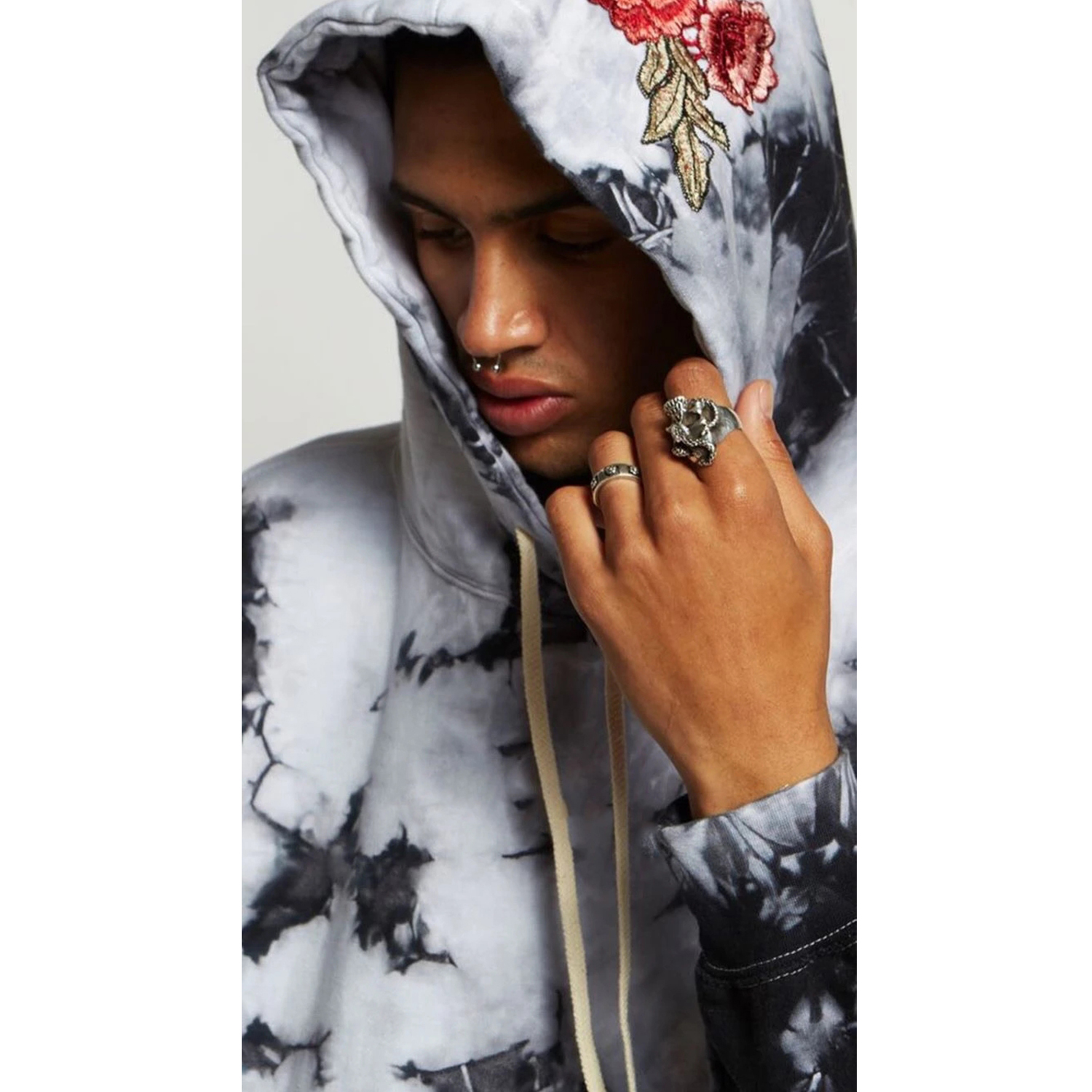
Custom Jerseys
Produce custom jerseys with breathable fabrics, stable color matching, panel construction, logos, names, numbers and size grading documented for the full order. Suitable for clubs, schools, academies and branded athletic programs.
Get a Quote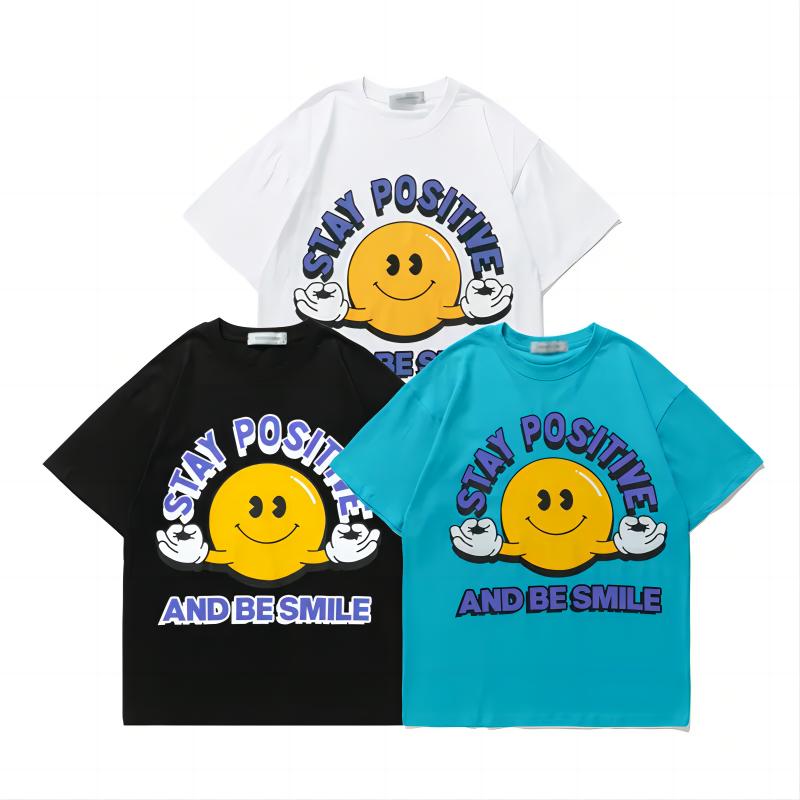
Tank Tops
Develop tank tops with jersey, mesh or performance fabric options, armhole and neckline proportions, binding, fit, printing and labeling details. Programs can be coordinated with shorts, jerseys or broader casualwear collections.
Get a Quote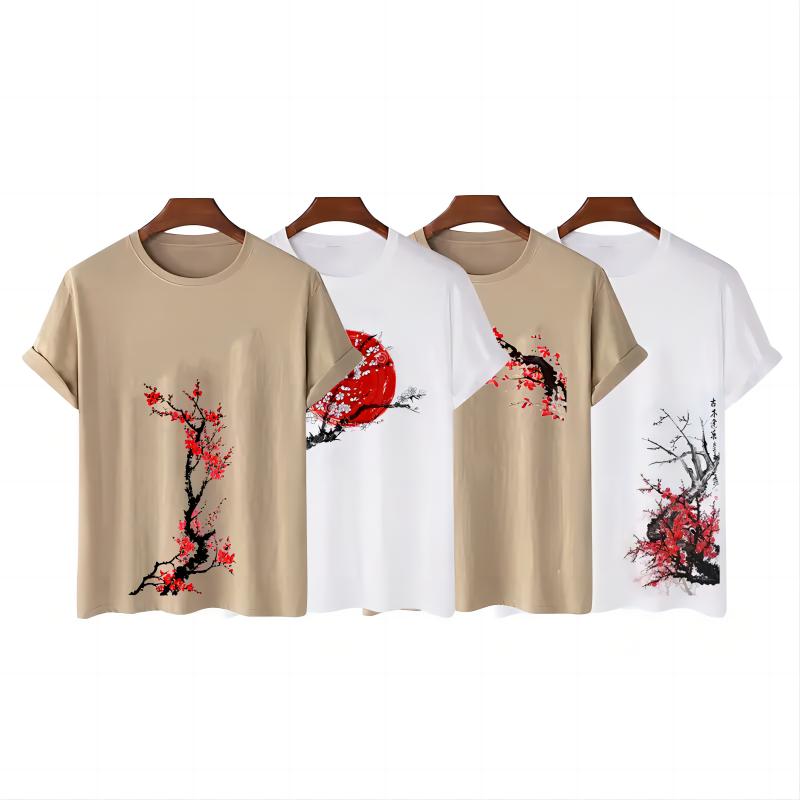
Soccer Uniforms
Build soccer uniforms with moisture-management fabrics, coordinated jersey and short specifications, team colors, badges, sponsor artwork, player names and numbers. Size sets and decoration placement are controlled against approved production standards.
Get a Quote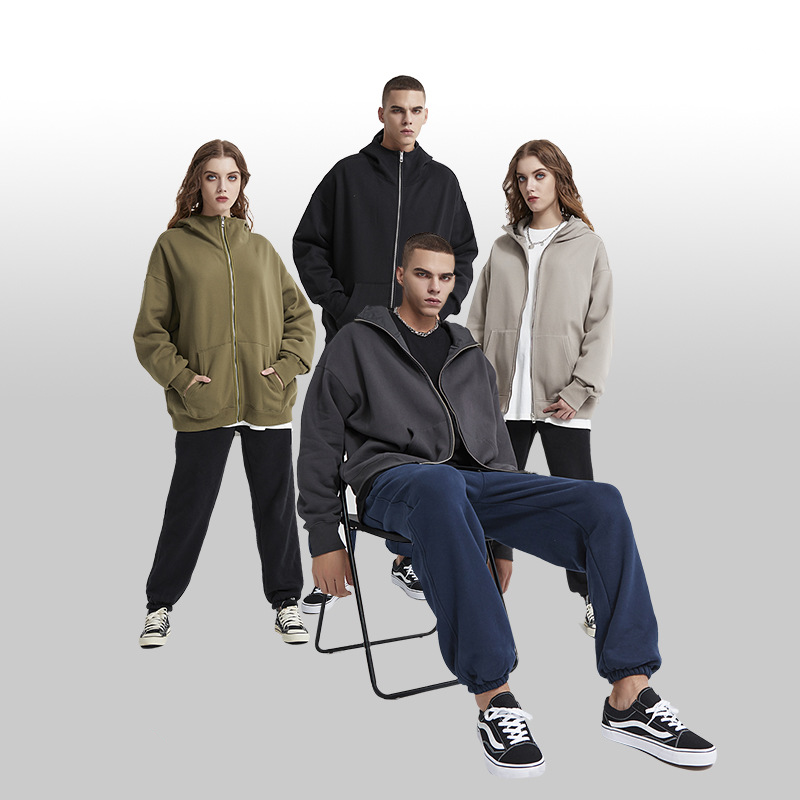
Basketball Uniforms
Develop basketball uniforms with breathable fabric, jersey and short coordination, reversible or layered options, team colors, names, numbers and logo placement. EDVORIN supports organized sizing, decoration control and repeat team orders.
Get a Quote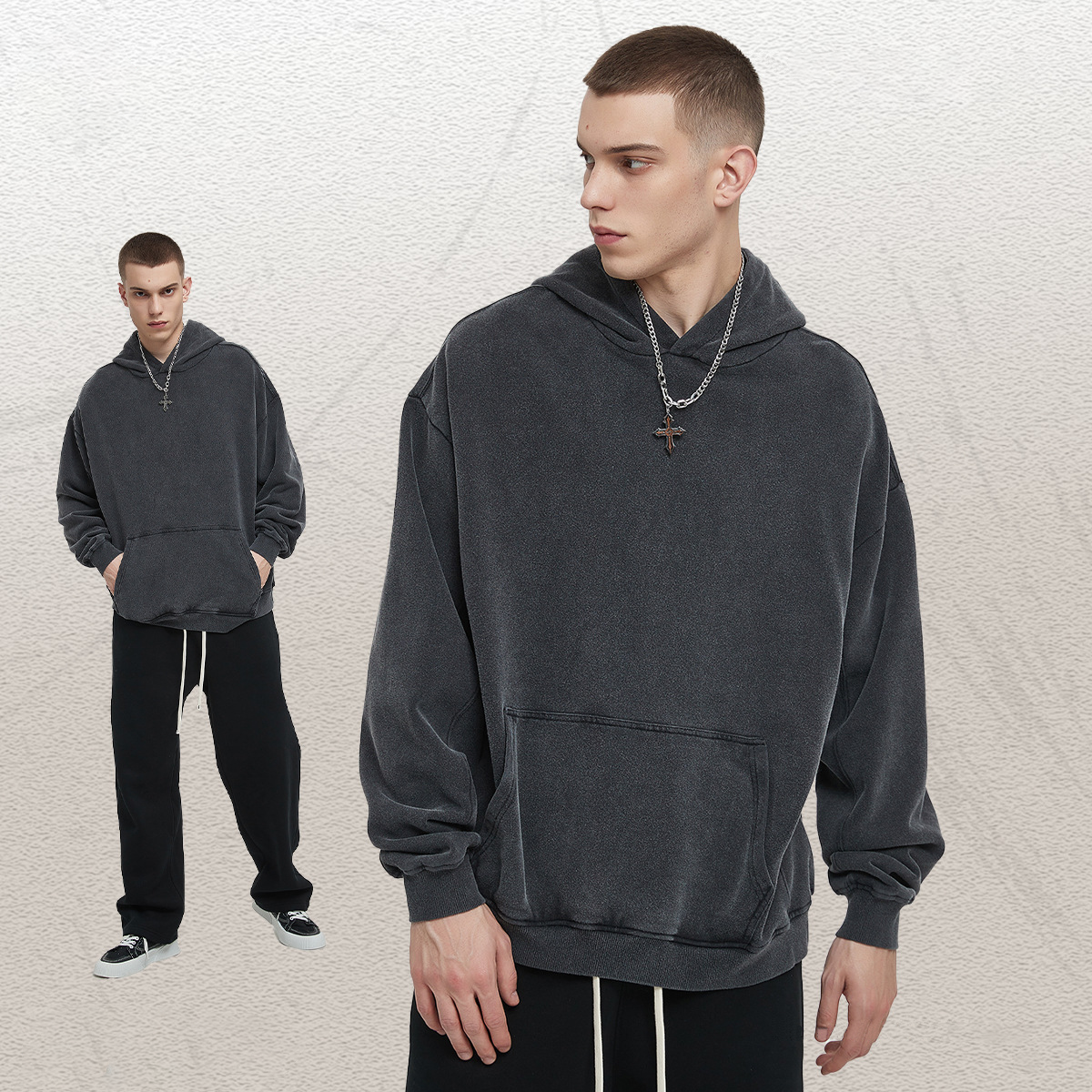
Streetwear Collections
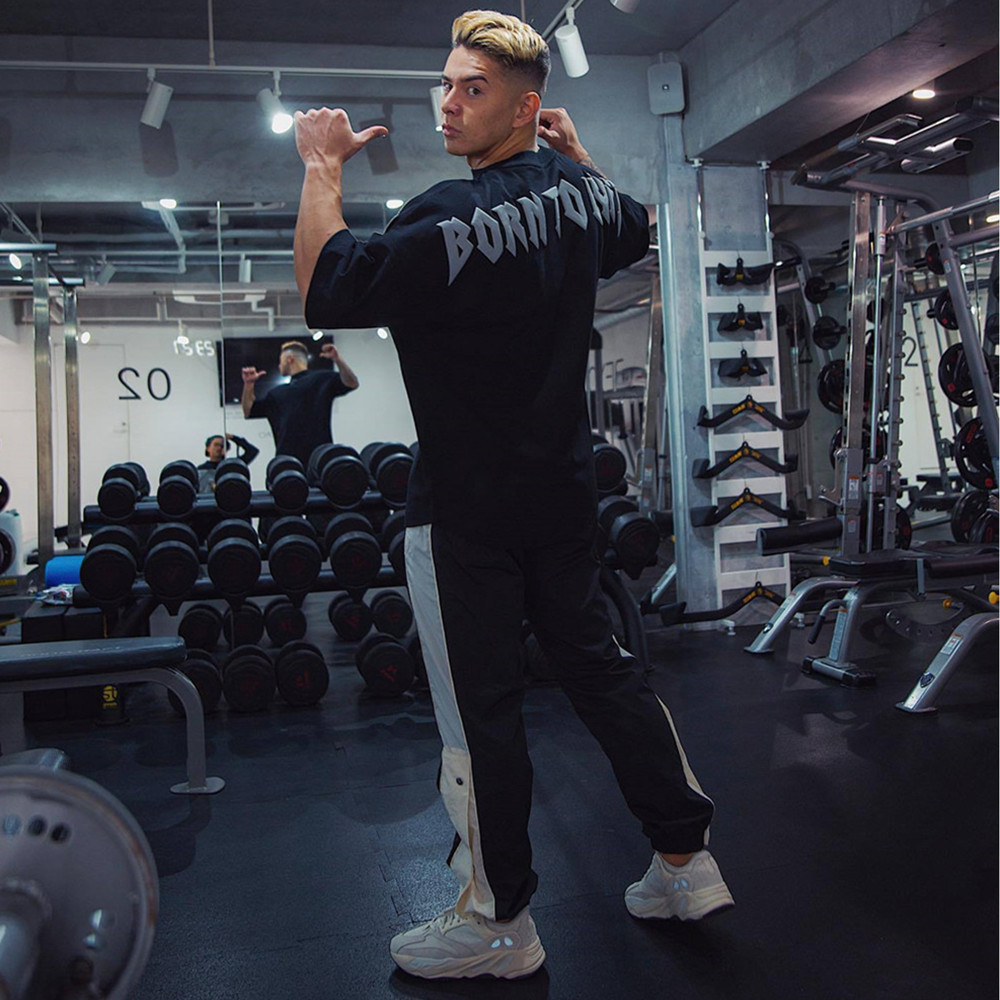
Develop streetwear collections across hoodies, T-shirts, sweatpants, jackets, shirts and shorts under one production brief. Fabric, trims, labels, printing, embroidery, washing and packaging are coordinated to protect a consistent brand language.
Get a QuoteCustom Clothing Labels Manufacturer Since 2000
Founded by Edvorin Zeng in 2000, EDVORIN helps brands turn apparel concepts into production-ready collections. As an integrated OEM clothing manufacturer, ODM apparel manufacturer and private label clothing manufacturer, we coordinate labels alongside fit, fabric, trims, decoration and packaging—not as an afterthought.
Our team supports casualwear, streetwear, outerwear and teamwear programs for men and women, from sketches and reference garments to approved samples and bulk production. MOQ starts at 200 pieces per style, giving emerging labels, wholesale buyers and established programs a practical route to controlled development.
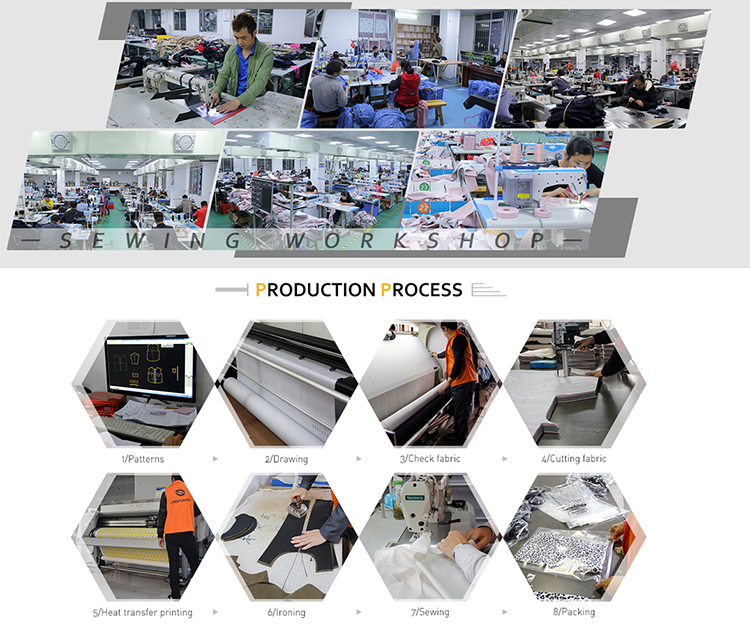
What makes EDVORIN different is the production path behind every label. We document placement, artwork, materials and trims against approved standards, then connect in-line checks and final inspection to packing—so your branding remains consistent across the first run and the next.
Label Construction and Application Details
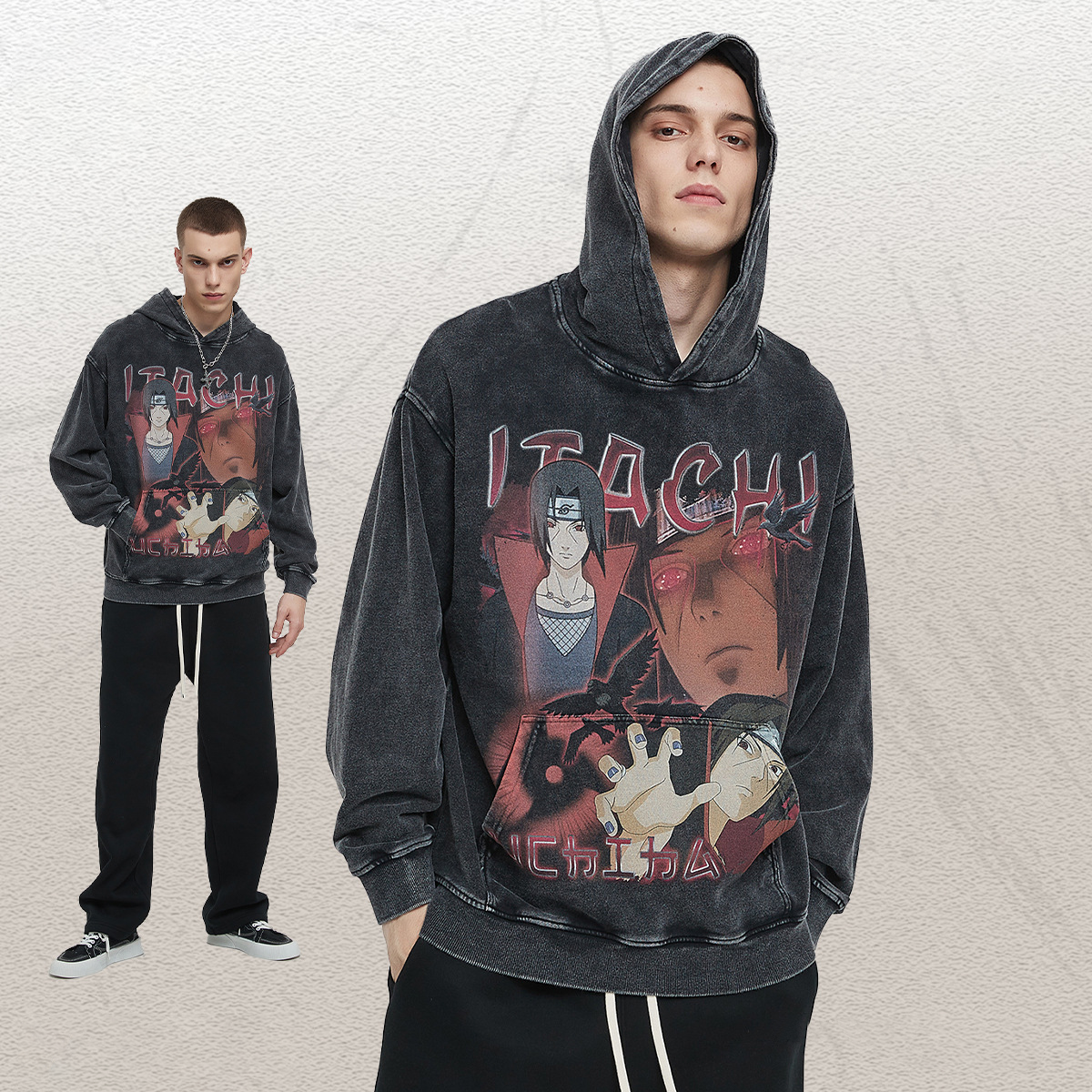
Choose Materials for the Garment
A label should suit the garment’s hand, construction and intended use. EDVORIN coordinates label material with fabric weight, neckline feel, wash requirements and the overall product position, helping fashion, streetwear and teamwear programs retain a considered finish from sample through bulk production.
- Woven, printed and care-label options matched to garment needs
- Material choices reviewed alongside fabric and wash specifications
- Men’s and women’s programs developed to their own fit and comfort requirements
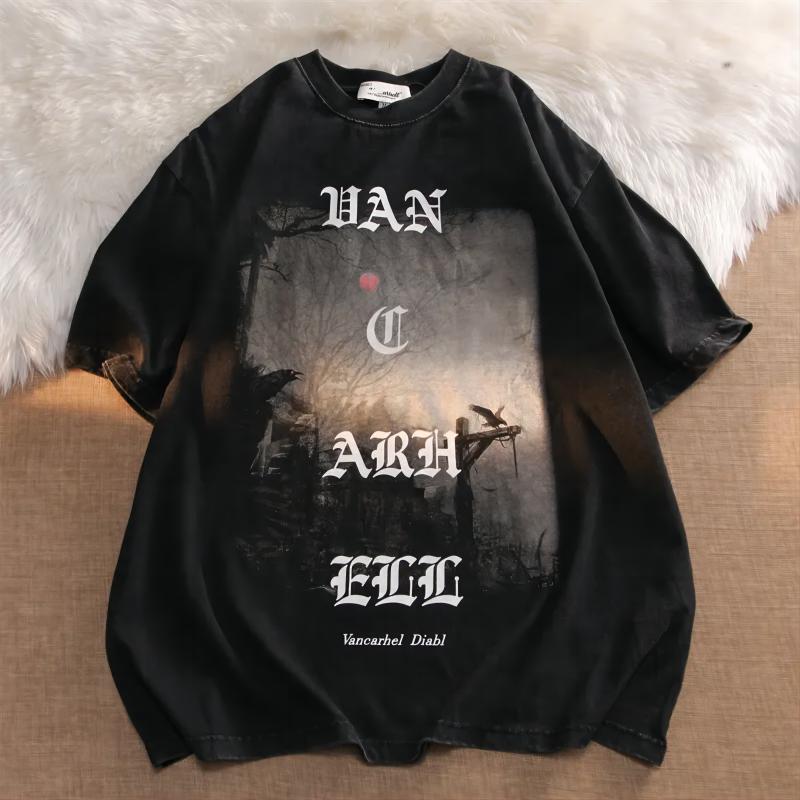
Specify Fold and Finish
Fold style affects how a label sits, feels and performs after repeated wear. We document dimensions, cut type, fold direction and seam allowance so the approved label can be applied consistently across production, whether it is a neck label, side seam label or branded hem detail.
- Straight-cut, center-fold and end-fold specifications
- Size, seam allowance and orientation recorded for production
- Finish selected to support comfort and clean garment presentation
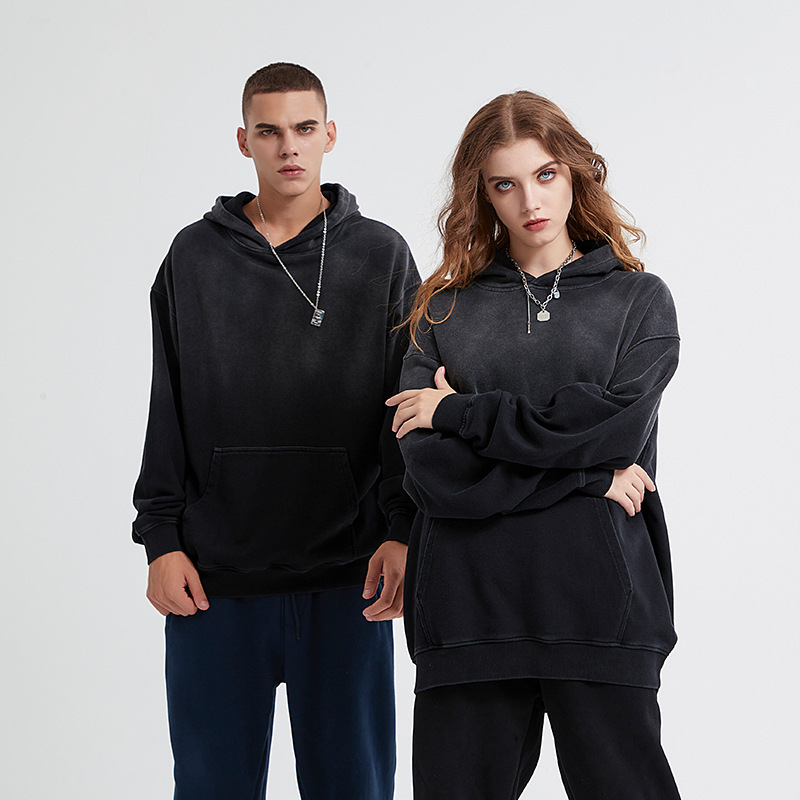
Protect Artwork Clarity
Small artwork, type and care information need a production-ready approach before labels are made. EDVORIN reviews artwork placement, color references and readable information with the selected label method, then carries approved details into the manufacturing standard used for repeat orders.
- Artwork scaled for the selected label construction
- Color and placement references documented with approval
- Care, size and brand information organized for clarity
Control Placement and Attachment
As a custom clothing labels manufacturer within an integrated apparel workflow, EDVORIN coordinates label location and attachment with cutting, sewing and final inspection. This helps protect alignment, stitch quality and garment appearance across a complete run rather than treating labels as a separate afterthought.
- Attachment method coordinated with garment construction
- Placement measurements set against approved samples
- In-line and final checks compare labels with production standards
- Labels and packaging managed within one accountable production path
Sewn-In Woven Labels vs. Heat-Transfer Labels
Compare sewn-in labels with tagless transfers to match your collection’s feel, construction and repeat-production needs.
← Swipe left or right to view →
Label Production Flow
EDVORIN documents each label specification before coordinating finished accessories with your approved apparel program.
Confirm Label Specifications
We review artwork, label type, dimensions, fold style, color references, placement, care-content requirements, and attachment method against the garment’s approved construction and packing plan.
Prepare Production Artwork
Artwork is checked for legibility, thread-count limits, fine-line detail, size symbols, and required copy; woven-label designs are translated into jacquard-ready production instructions.
Approve Label Proof
Buyers review the digital proof and sample details for logo clarity, thread or print colors, fold position, edge treatment, backing, and readable care information before release.
Make Labels and Patches
For woven labels, approved files guide jacquard weaving; printed labels use the specified print process. Production controls color consistency, material feel, registration, and repeat detail.
Cut Fold and Finish
Labels are die-cut or heat-cut to the approved size, then folded, edge-finished, or backed as specified. We verify clean edges, fold accuracy, and stable construction.
Inspect and Coordinate Packing
Finished labels are checked against approved samples for dimensions, color, copy, folds, and defects, then counted and coordinated with the corresponding garment order for application or packing.
How Labels Move Through Your Apparel Order
Coordinate labels with your garment development so approved branding details move into bulk production alongside the collection.
Submit Your Brand Assets
Send your logo files, label artwork, content requirements and preferred construction, whether woven, printed or heat-transfer, with the garment style information.
Confirm Size and Placement
Review label dimensions, fold style, attachment method and exact placement on each garment so branding, comfort and production requirements are clearly documented.
Approve Sample Details
Check the developed sample details against your artwork, materials and placement specifications, then confirm revisions before the approved standard guides bulk production.
Produce Labels With Garments
Coordinate approved labels with cutting, sewing, decoration, quality control and packaging, keeping your branding program aligned with the garment production run.
How Buyers Use Labels to Complete Their Collections
EDVORIN aligned our neck labels, size labels and packaging across a 14-style streetwear drop. The approved placement specs carried into bulk production, so every hoodie, tee and jogger arrived ready for retail without a separate labeling supplier.
For our academy uniform program, the labels remained clear through our wear testing. EDVORIN coordinated them with the jersey production schedule, which helped us receive complete kits in one organized delivery.
We needed our women’s and men’s private-label joggers to carry the same branded standard across two fits. EDVORIN documented the label positions and care details during sampling, then repeated them across our order without last-minute relabeling work.
Custom Clothing Labels Manufacturer FAQ
Answers for brands coordinating labels, trims and packaging within a production-ready apparel program.
What label materials do you recommend?
Which certification programs can support my apparel order?
Which label fold and placement should I choose for my garments?
What artwork files should I send for custom clothing labels?
Will labels hold up through washing and regular wear?
EDVORIN’s MOQ starts at 200 pieces per style. What is the minimum order quantity for an apparel program with custom labels?
Can I combine custom labels with hangtags, packaging and other trims?
Can you support labels for both men’s and women’s apparel collections?
The Complete Buyer’s Guide to Custom Clothing Labels
Use this practical framework to compare label formats, materials, finishing, quality controls, pricing, and supplier capabilities—so you can select confidently, protect your brand standards, and avoid costly production mistakes.
1. What Is a Custom Clothing Labels Manufacturer?
Four core trim groups define a label program: brand labels, care/content labels, size tabs, and attachment or presentation trims such as hangtags, seals, and woven patches. A custom clothing labels manufacturer converts approved artwork and specifications into production-ready components, controlling material, dimensions, color references, fold, edge finish, and inspection standards.
One reseller may coordinate an order without operating the production process; a garment factory may sew labels supplied by someone else; a packaging supplier focuses on cartons, bags, and retail presentation. EDVORIN’s value is coordinating labels and related trim within the garment development path, so placement, construction, decoration, and packing can be reviewed against the approved sample.
Before quotation, buyers should provide 1 clear label schedule for every style: artwork, Pantone references, label type, finished size, fold, placement, language, fiber-content and care copy, quantities, and packaging requirements. The key question is not simply who can make a label, but who owns specification control, sample approval, bulk consistency, and delivery coordination.
2. Evolution of Custom Clothing Labels Manufacturing
Apparel labels once served primarily as identification tags; modern programs also carry brand, care, fiber-content, size and origin information. That shift makes label artwork a production specification, not a finishing detail.
Three core production routes cover most buyer needs: woven damask for durable logos, printed satin or nylon for care data, and heat transfers for tagless comfort. Fine-denier weaving can improve small text, while printed or heat-transfer methods can suit full-color artwork on appropriate bases.
Smaller launches and shorter seasonal drops increase the need for digitally prepared artwork, controlled color references and repeatable placement files. For fashion labels, teams, schools and private-label programs, label specifications should connect to garment construction, compliance copy and bulk inspection.
3. Types of Custom Clothing Labels Manufacturer Products
Six label components cover identity, compliance, fit, and retail presentation. A custom clothing labels manufacturer should specify each against garment placement, skin contact, laundering, and buyer channel.
| Component | Typical Placement | Best Fit | Tradeoff |
|---|---|---|---|
| Woven label | Neck or hem | Premium branding | More bulk |
| Printed care label | Side seam | Compliance details | Less textured identity |
| Heat transfer | Inside neck | Tees and jerseys | Needs wash validation |
| Size tab | Main-label edge | Large size runs | Limited branding space |
| Patch | Chest or sleeve | Outerwear and teams | Adds thickness |
| Hang tag | Retail attachment | Store presentation | Removed by wearer |
Brand And Care Labels
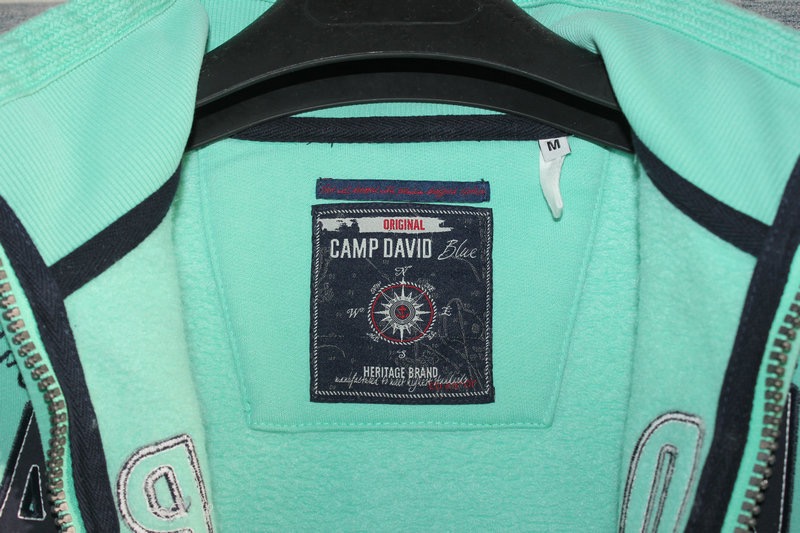
1 woven brand label at the back neck, side seam, or hem gives fashion and streetwear programs durable identity; folded edges improve comfort.
2 printed care labels at the side seam carry fiber and care information with less bulk, making them practical for private-label and wholesale assortments.
Neck And Size Identification
1 heat-transfer neck label suits lightweight tees and jerseys because it removes a sewn neck tag; abrasion and wash testing remain essential.
2 size tabs sit beside the main label or waistband and help schools, teams, and distributors sort repeated size runs quickly.
Patches And Hang Tags
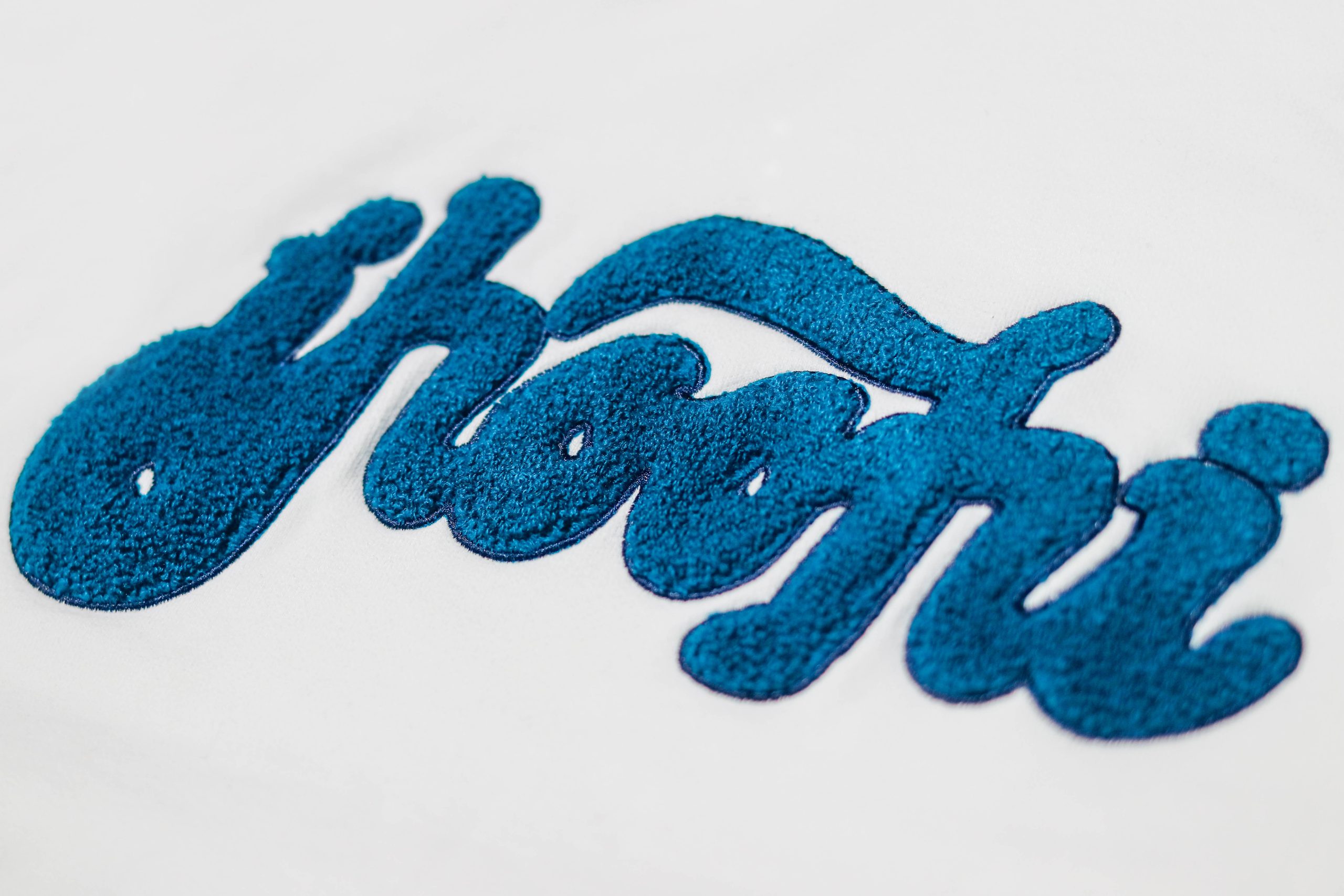
1 embroidered or woven patch adds a visible chest, sleeve, or hem signature, best for outerwear, varsity pieces, and club merchandise.
2 hang tag attaches at retail packing and supports storytelling, SKU, barcode, or price workflows; it is removed before wear.
4. Materials From a Custom Clothing Labels Manufacturer
Seven material options create different comfort, detail, and durability outcomes. A custom clothing labels manufacturer should match the substrate to garment contact, laundering, and artwork density before approving samples.
| Material | Hand Feel | Detail | Wash | Fray | Best Use |
|---|---|---|---|---|---|
| Damask | soft | excellent | high | low | neck brands |
| Satin | smooth | good | medium | low | care labels |
| Taffeta | crisp | fair | high | medium | budget brands |
| Cotton | natural | fair | medium | high | heritage apparel |
| Recycled polyester | soft | good | high | low | activewear |
| Nylon | smooth | excellent | high | low | care labels |
| Heat-transfer film | no label | excellent | high | none | jerseys |
Choose By Wearer Contact
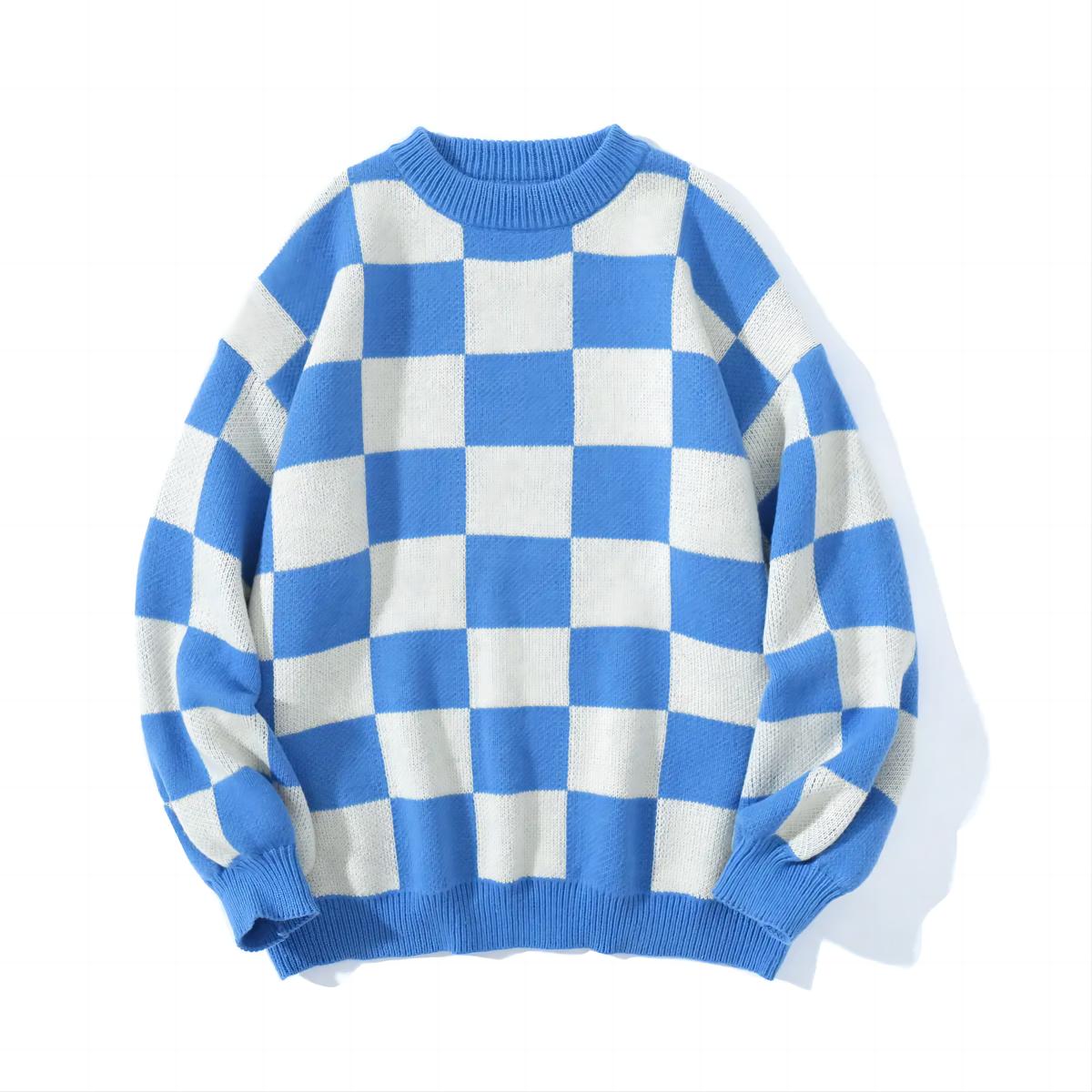
Two decision points matter most: neck-contact softness and wash exposure. Woven damask favors detailed branding; printed nylon or satin suits dense care copy.
One preproduction wash test should check edge fray, print legibility, and attachment security on the actual garment fabric.
5. Custom Clothing Labels Manufacturer Customization Options
A custom clothing labels manufacturer turns brand artwork into dimensions, color references, construction, and attachment instructions. EDVORIN records those decisions with the approved sample so repeats remain recognizable.
| Method | Best For | Production Note |
|---|---|---|
| Woven | Durable logos | Limit tiny detail |
| Printed | Care information | Supports fine type |
| Heat transfer | No-sew branding | Test fabric adhesion |
Build The Label Specification
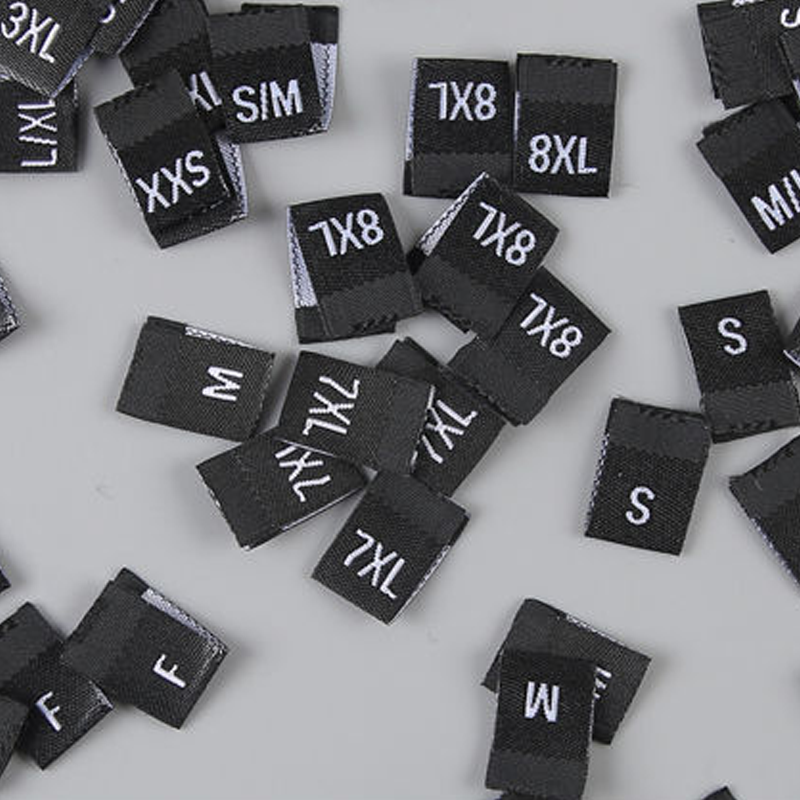
10–60 mm widths suit most neck, hem, and side-seam labels. Specify weave density, thread or print colors, logo minimum line weight, fold style, cut edge, and sew-on or adhesive application.
Match Decoration To Artwork
1-color wordmarks often suit woven construction; dense weaving gives a durable, tactile result. Full-color gradients or very fine graphics usually reproduce more clearly as printed or heat-transfer decoration.
Protect Repeat Consistency
1 approved artwork file should include Pantone references, finished size, safe margins, placement, and fold direction. EDVORIN can review simplification before sampling, preventing thread-filled gaps, unreadable type, or inconsistent reorders.
6. Quality Elements That Protect Garment Performance
Two controls matter before bulk work: a physical approval standard and a documented inspection plan. For a custom clothing labels manufacturer, performance is proven at garment use, not only at artwork proof.
Legibility And Color
1 mm letterforms and care symbols should remain readable at the approved viewing distance; inspect actual woven or printed samples.
Pantone references, thread or ink approvals, and comparison under consistent lighting help control color across reorders.
Edges, Folds, And Attachment
2 finished edges should feel smooth against the neck, waist, or side seam, especially for children’s garments and activewear.
1 fold sample should confirm fold position, label orientation, stitch coverage, or adhesive bond before sewing-line release.
Wash And Batch Control
3 wash cycles on the intended garment fabric can reveal fading, edge fray, lifting transfers, or distortion before production.
100% of first-run samples should be checked against approved dimensions; then compare production batches for tolerance, placement, and repeatable construction.
7. How to Choose a Custom Clothing Labels Manufacturer
A capable custom clothing labels manufacturer turns artwork, garment construction, and delivery requirements into documented production standards. Compare suppliers against the program you need now and the repeat orders you expect later.
Match Capability to Program
EDVORIN’s MOQ starts at 200 pieces per style. Startups need practical MOQ options, artwork cleanup, and a clear proof-to-sample path. Wholesalers and private-label buyers need capacity planning, consistent color references, and repeatable label specifications across SKUs.
Verify Production Controls
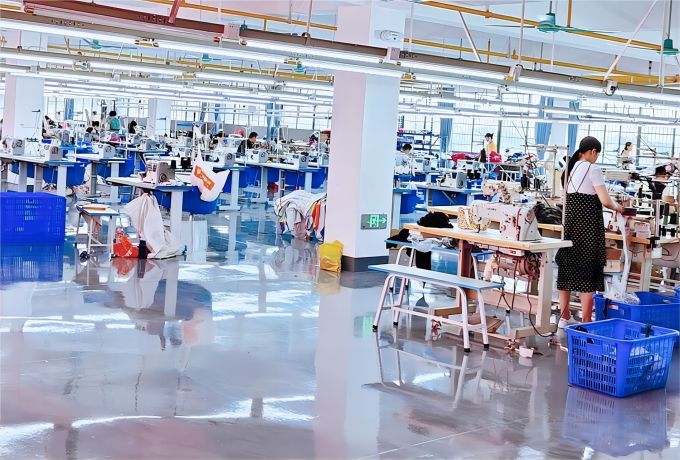
One approved sample is not enough; request measurement tolerances, artwork-placement records, trim specifications, and final-inspection documentation. EDVORIN connects development, sampling, production, labeling, and packing so approved decisions can guide bulk work.
Request Comparable Quotes
A complete request makes lead-time and shipping comparisons meaningful. Ask each supplier to state what starts the production clock and how revisions affect delivery.
- Label type, size, fold, and quantity
- Artwork file and Pantone references
- Garment attachment method and placement
- Sample requirement, target date, and ship-to location
- MOQ, unit price, lead time, and shipping terms
8. Common Custom Label Buying Mistakes
Three preventable decisions—price-only sourcing, unreadable artwork, and rough label materials—can turn a finished garment into a return risk. A custom clothing labels manufacturer needs production-ready instructions, not just a logo file.
Price Is Not The Specification

One low unit price can conceal unsuitable yarn, weak edges, or rework charges. Compare material, finish, fold, sampling, and inspection scope before awarding production.
Two quantity forecasts prevent repeated urgent orders and inconsistent replenishment. Share launch volume plus a 3–6 month estimate before quoting.
Artwork And Placement Failures
One unreadable care symbol or undersized woven character creates compliance and customer-service problems. Approve artwork at final label dimensions, including font size, color, and care copy.
Two details—fold type and placement measurement—must be written into the tech pack. Specify center-back, side seam, or hem location and seam allowance before cutting.
Sampling And Comfort Are Essential
One skipped physical sample leaves softness, edge feel, stitch method, and wash performance untested. Fit the label into the actual garment and approve a retained reference before bulk production.
Two weeks of buffer is safer than assuming labels arrive with garments. Confirm production, sampling, freight, and application timing; treat fiber and care information as controlled product data.
9. Steps to Launch a Branded Label Program
One controlled label program begins before the first purchase order. EDVORIN aligns the designer, custom clothing labels manufacturer, and garment producer around one production-ready specification.
Define The Brief
First, record label type, finished size, fold, placement, color reference, quantity, and intended garment. Fashion launches need brand and care content; teams and schools also need size-set and roster-change rules.
Prepare Artwork And Construction
Second, supply vector artwork, Pantone references, and readable care copy at final scale. Select woven, printed, or heat-transfer construction against fabric, seam method, and skin-contact location before requesting a quote.
Approve And Apply
Third, approve the digital proof and physical sample against the garment, then freeze revision numbers. The garment producer needs placement measurements, stitch method, and application sequence before bulk sewing; inspect packed units against the approved sample.
Retain The Reorder File
Finally, retain artwork, material, dimensions, thread or ink colors, fold, placement, supplier code, and inspection notes. Private-label buyers can reuse this controlled file across repeat orders and new sizes.
10. Custom Clothing Label Pricing and Cost
EDVORIN’s MOQ starts at 200 pieces per style. Label orders can carry a higher unit cost at lower quantities because artwork preparation, loom or print setup, cutting and inspection are spread across fewer labels. Treat the bands below as illustrative budgeting guidance only; they are not an EDVORIN quote and do not represent the apparel-program MOQ.
A practical planning range is 7–21 business days after artwork and sample approval; sampling, freight method, duties and destination determine landed cost. Material, dimensions, thread or print color count, fold, edge finish and order volume must be fixed before comparison.
| Quantity tier | Illustrative unit-price band | Setup and cost drivers | Typical production lead time |
|---|---|---|---|
| 100–299 | US$0.40–1.20 | Small-run setup; custom fold increases handling | 10–21 business days |
| 300–999 | US$0.15–0.55 | Damask, size, colors, cut and fold drive price | 7–18 business days |
| 1,000–4,999 | US$0.08–0.30 | Higher volume spreads setup; sampling remains separate | 7–15 business days |
| 5,000+ | US$0.04–0.16 | Consolidated runs and shipping can lower landed cost | 10–21 business days |
Choose a Custom Clothing Labels Manufacturer for Production
Send your garment brief, logo artwork and label requirements for an integrated quote built around your approved production standards.