
Custom Branded Elastic for Apparel Programs
Add branded elastic to waistbands, cuffs, straps and trims through an integrated apparel manufacturing partner built for production-ready programs.
Apparel Programs with Branded Elastic Details
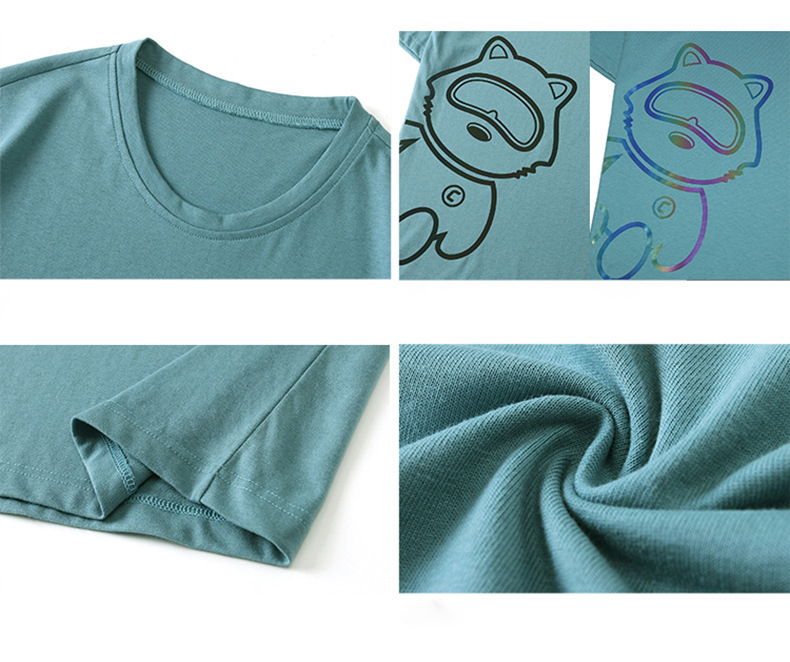
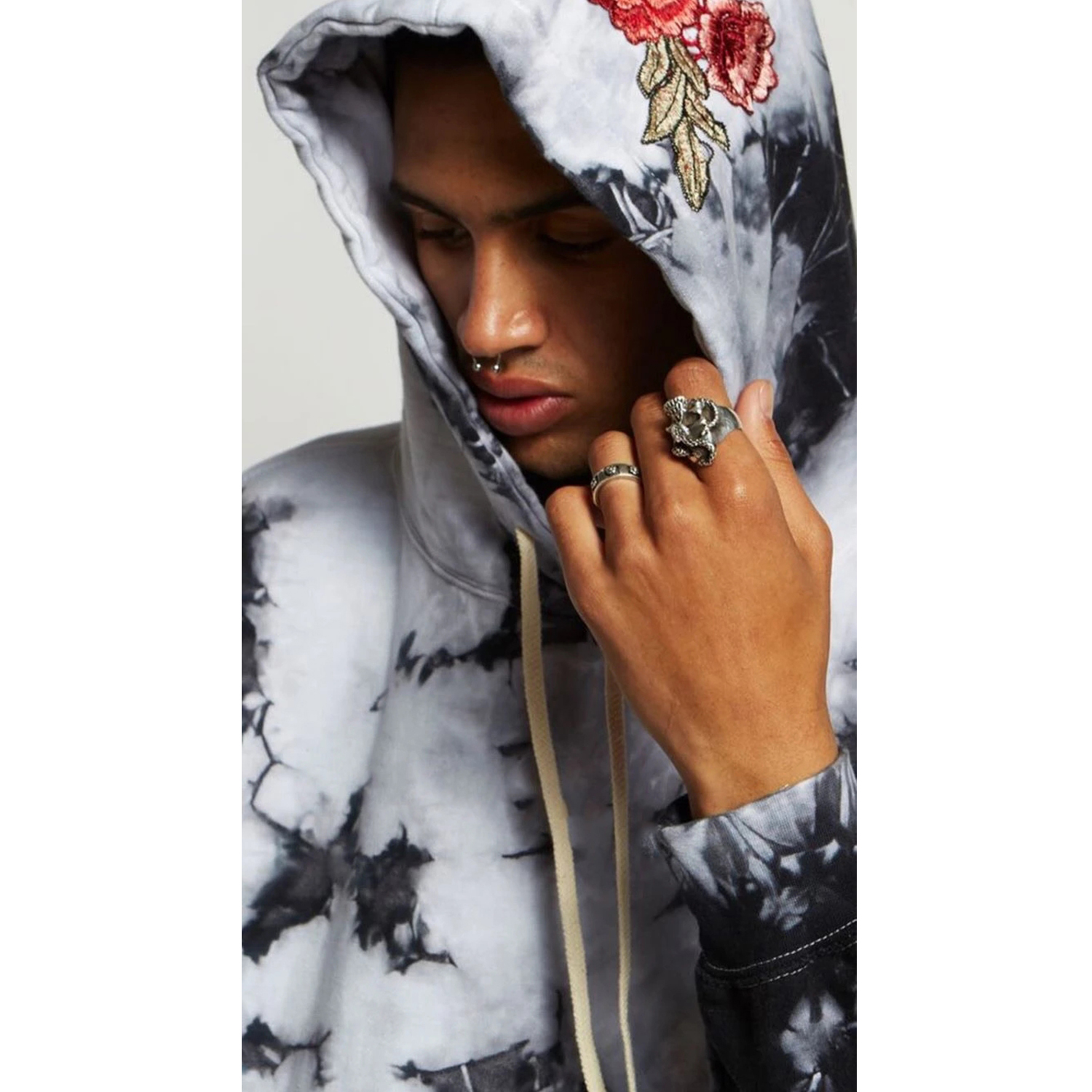
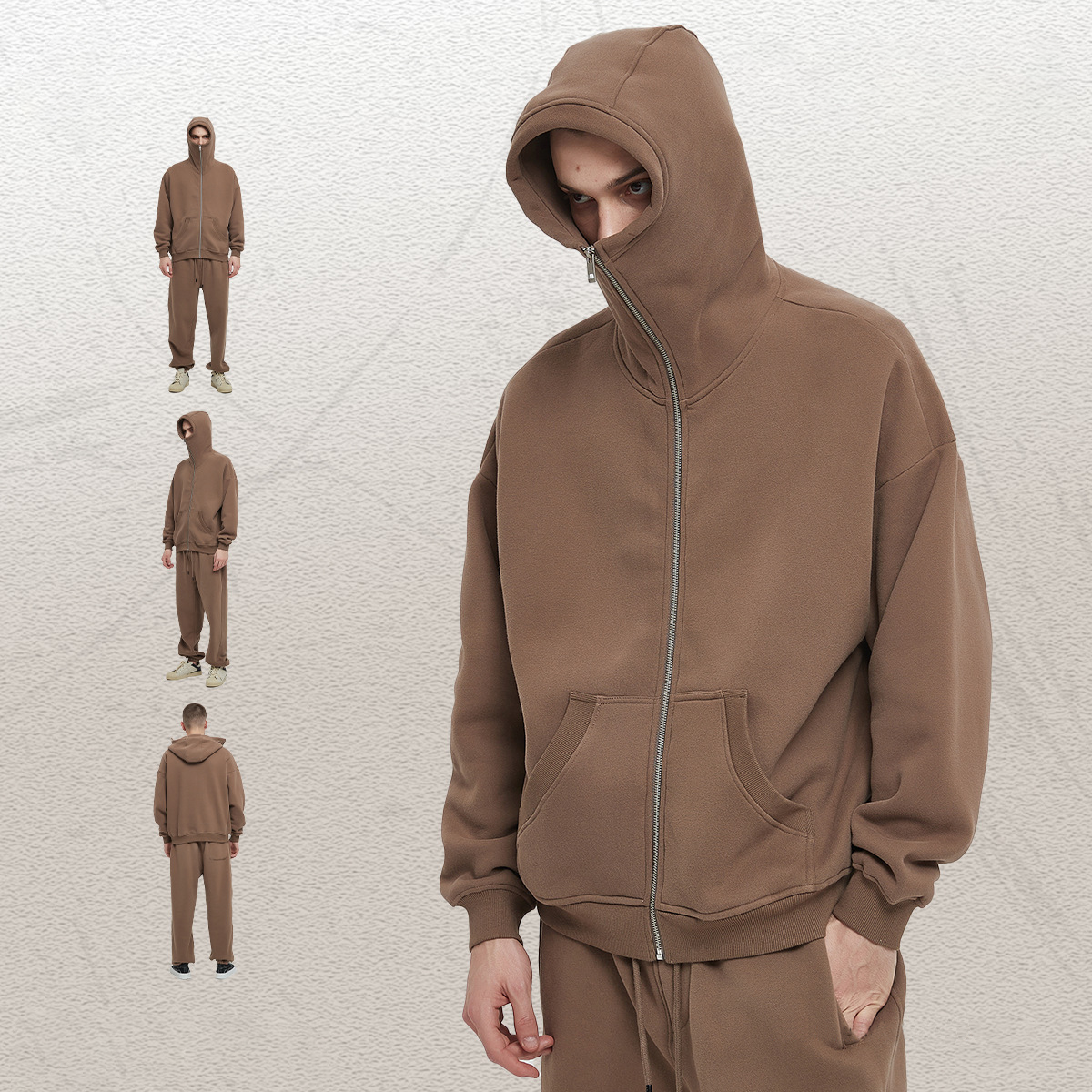
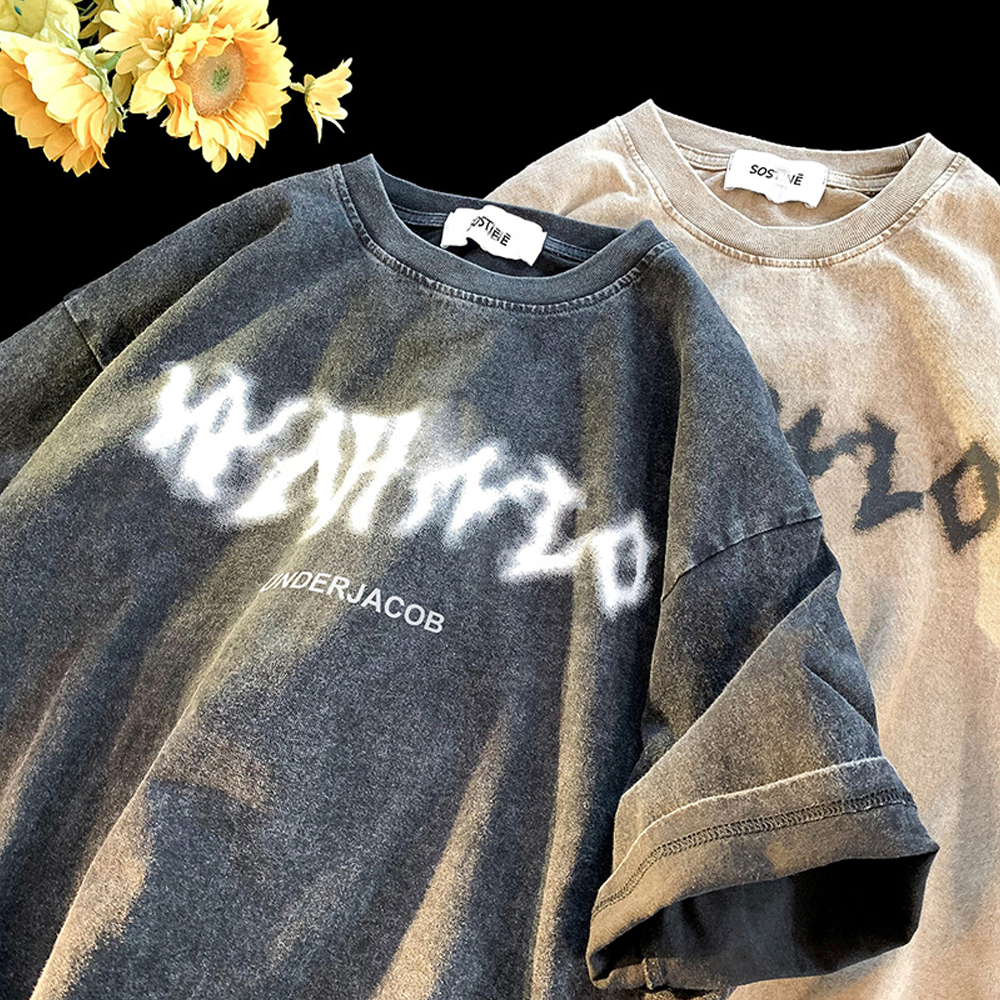
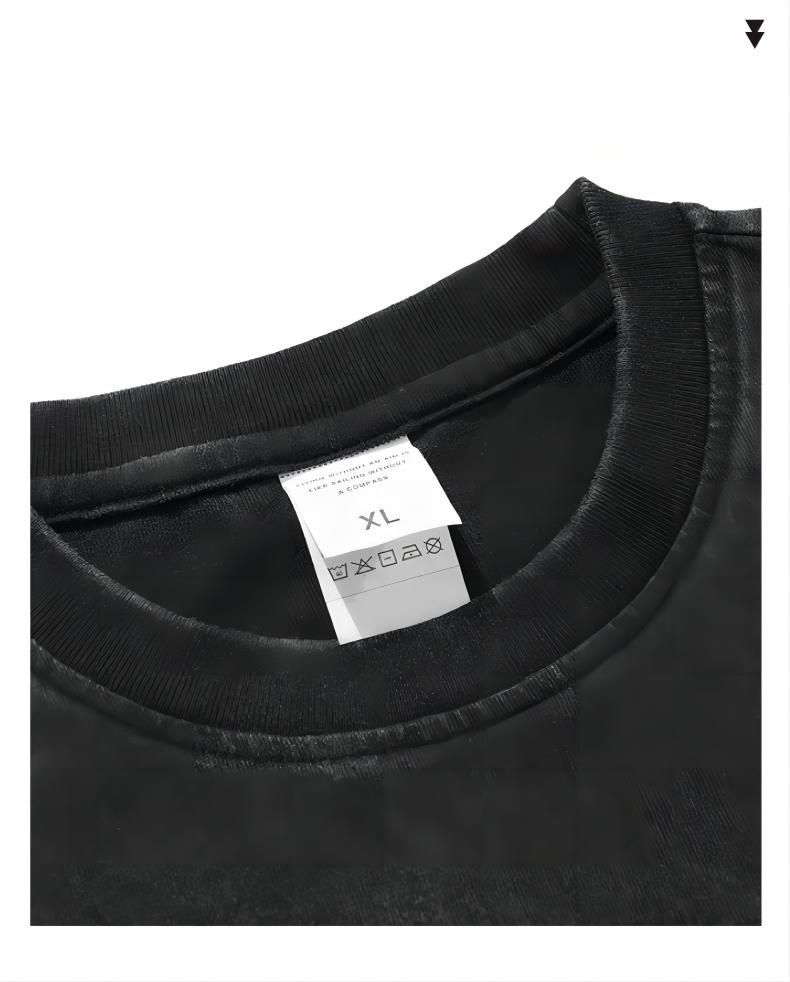
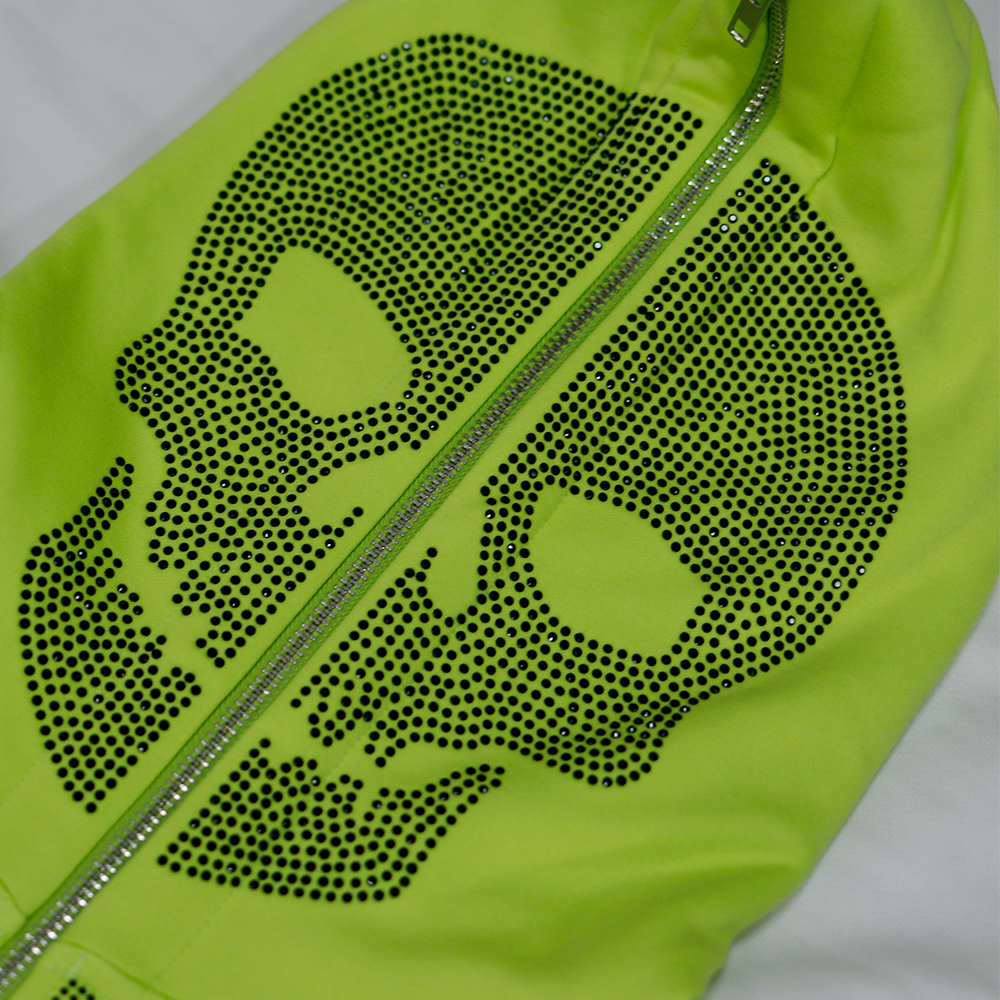
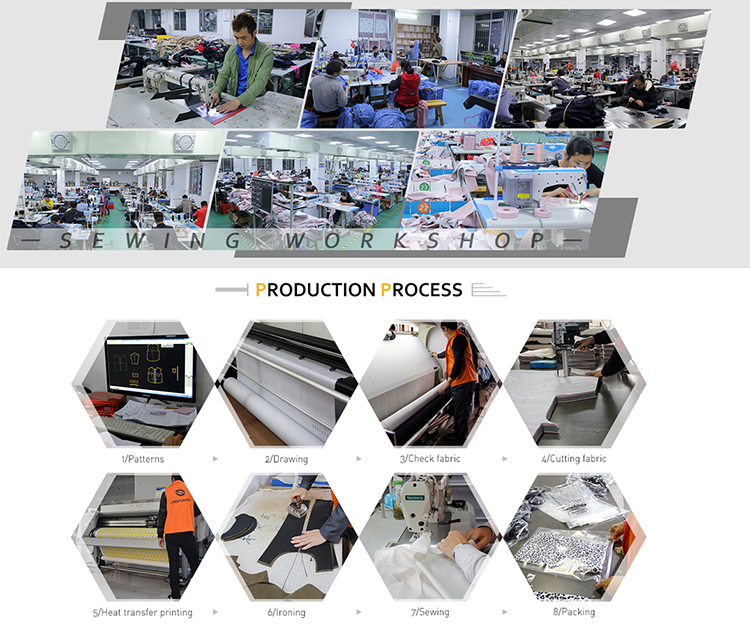
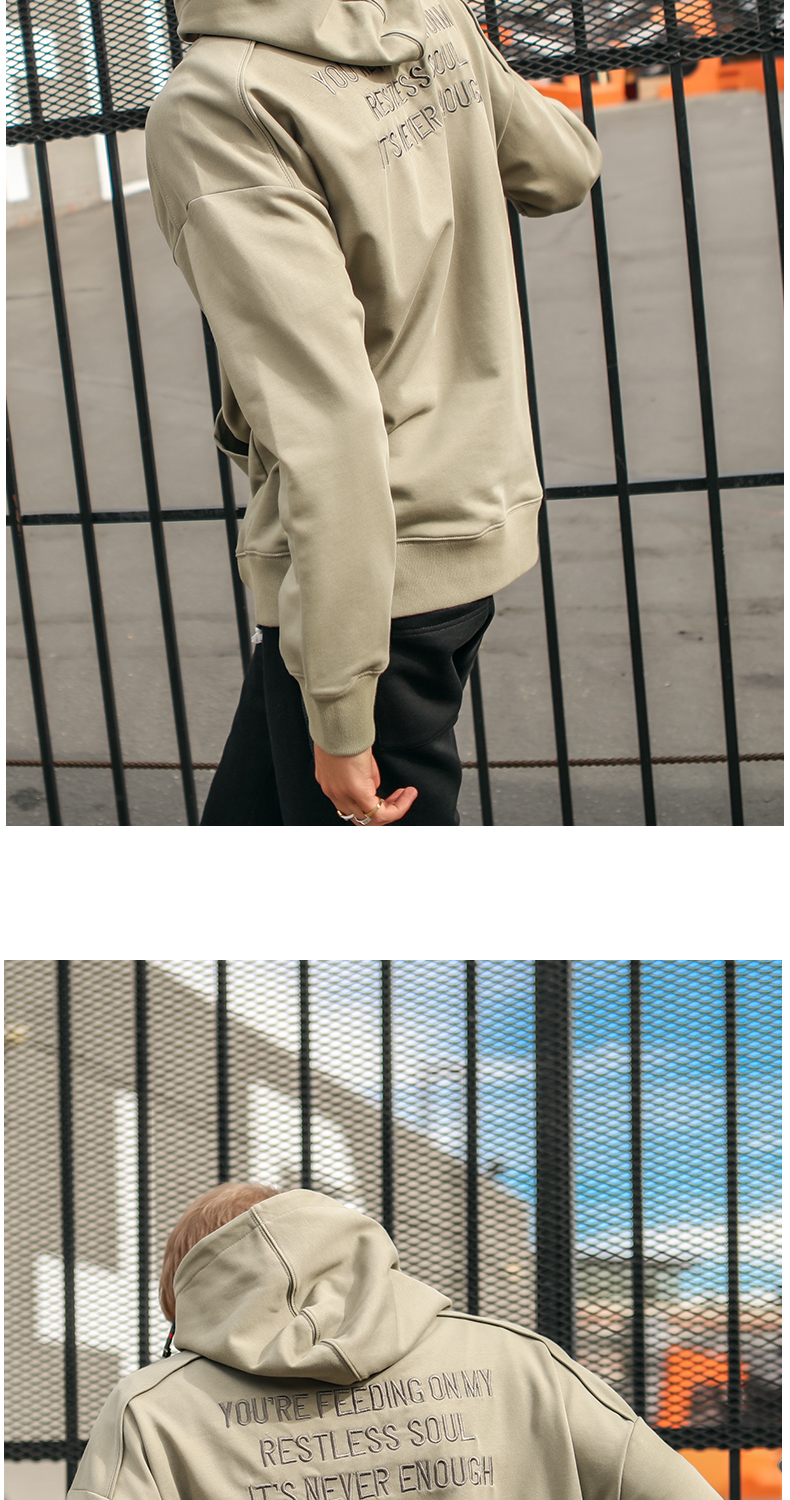
Why Add Custom Clothing Elastic to Your Collection?
Turn a functional trim into a controlled brand detail, developed to support fit, comfort and repeatable garment production.
Reliable Stretch Recovery
Specify elastic performance to help waistbands, cuffs and straps return to shape through wear, washing and repeat production.
Comfort-First Fit
Coordinate width, feel and garment construction so elastic supports a secure fit without distracting from everyday comfort.
Visible Brand Detail
Bring logos, lettering or graphic direction into waistbands and exposed trims for a recognizable finish across your collection.
Controlled Color Matching
Align elastic color with fabric, rib, labels and decoration references to create a more unified product presentation.
Construction-Ready Development
EDVORIN coordinates materials, patterns, samples and trim placement so approved elastic details can move confidently into bulk production.
Apparel and Trim Manufacturing
Coordinate elastic, labels, drawcords, packaging, and garment construction across the product categories your program requires.
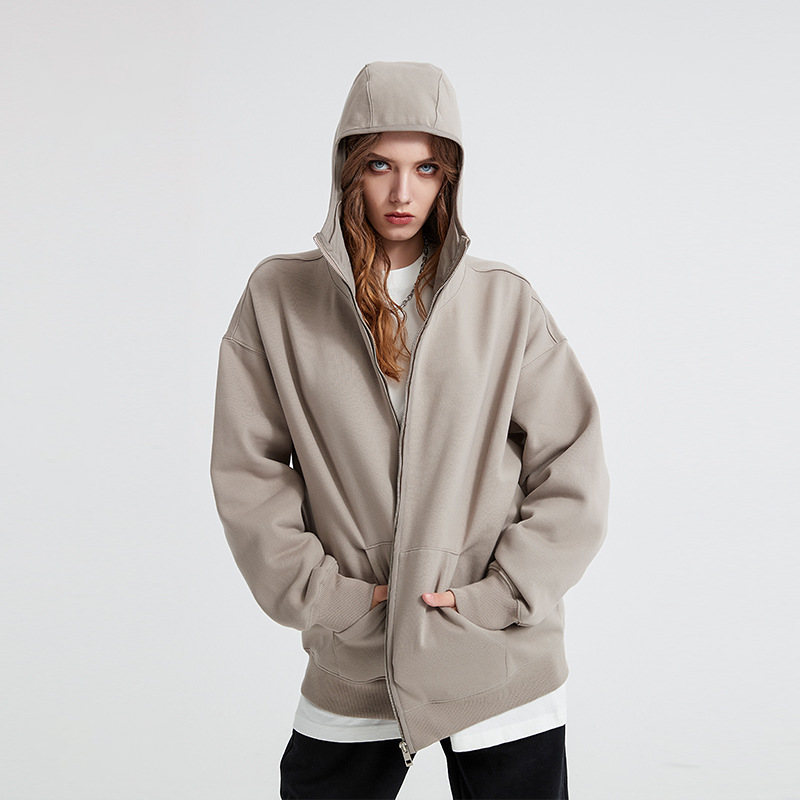
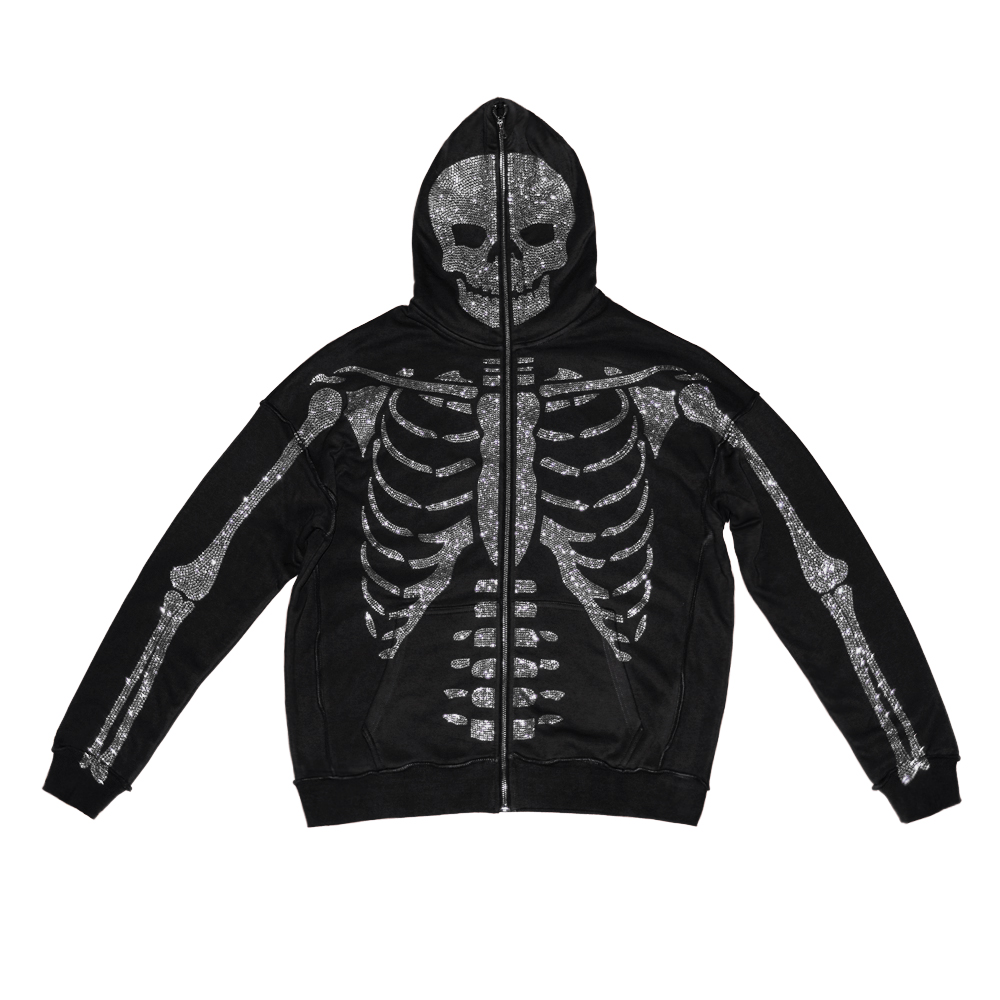
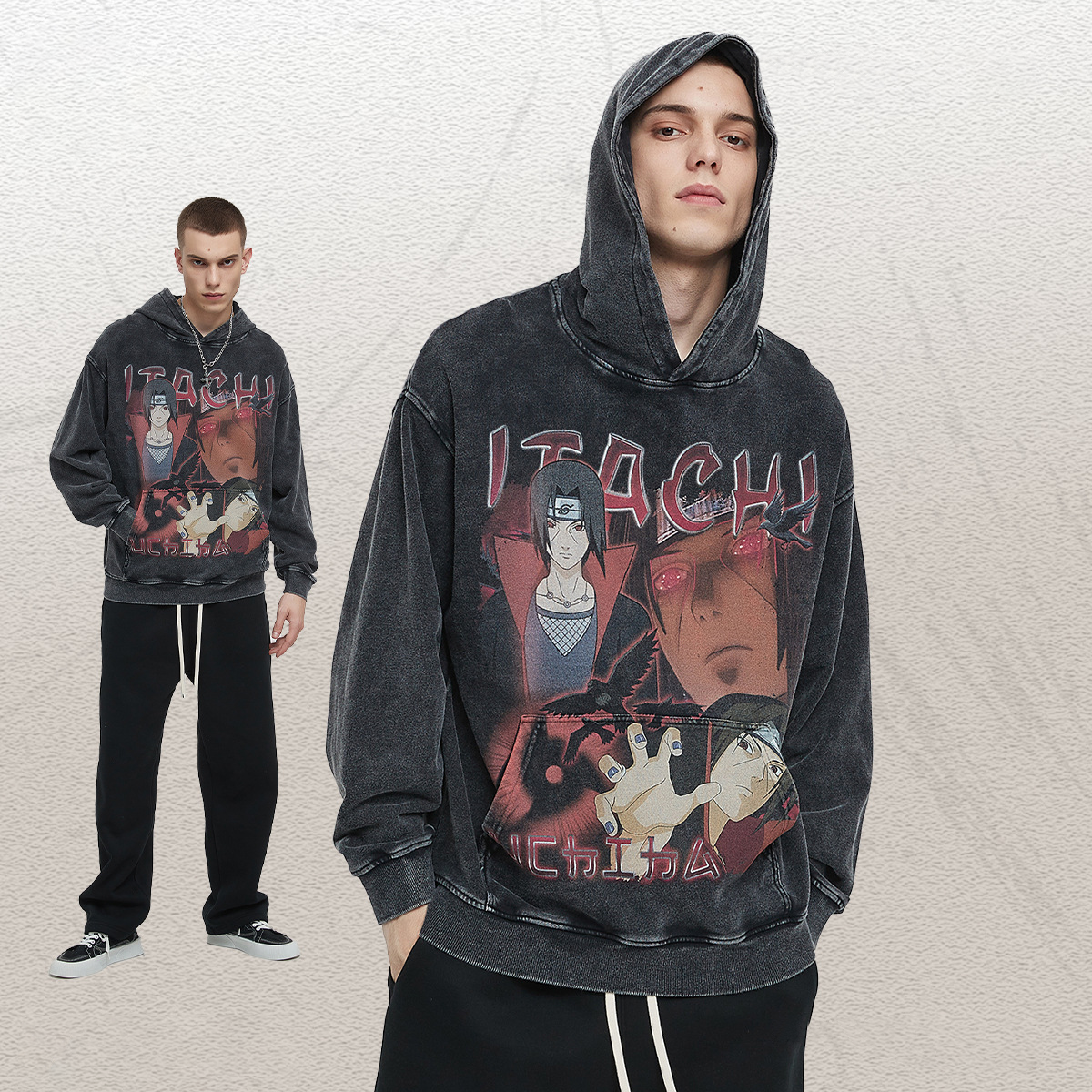
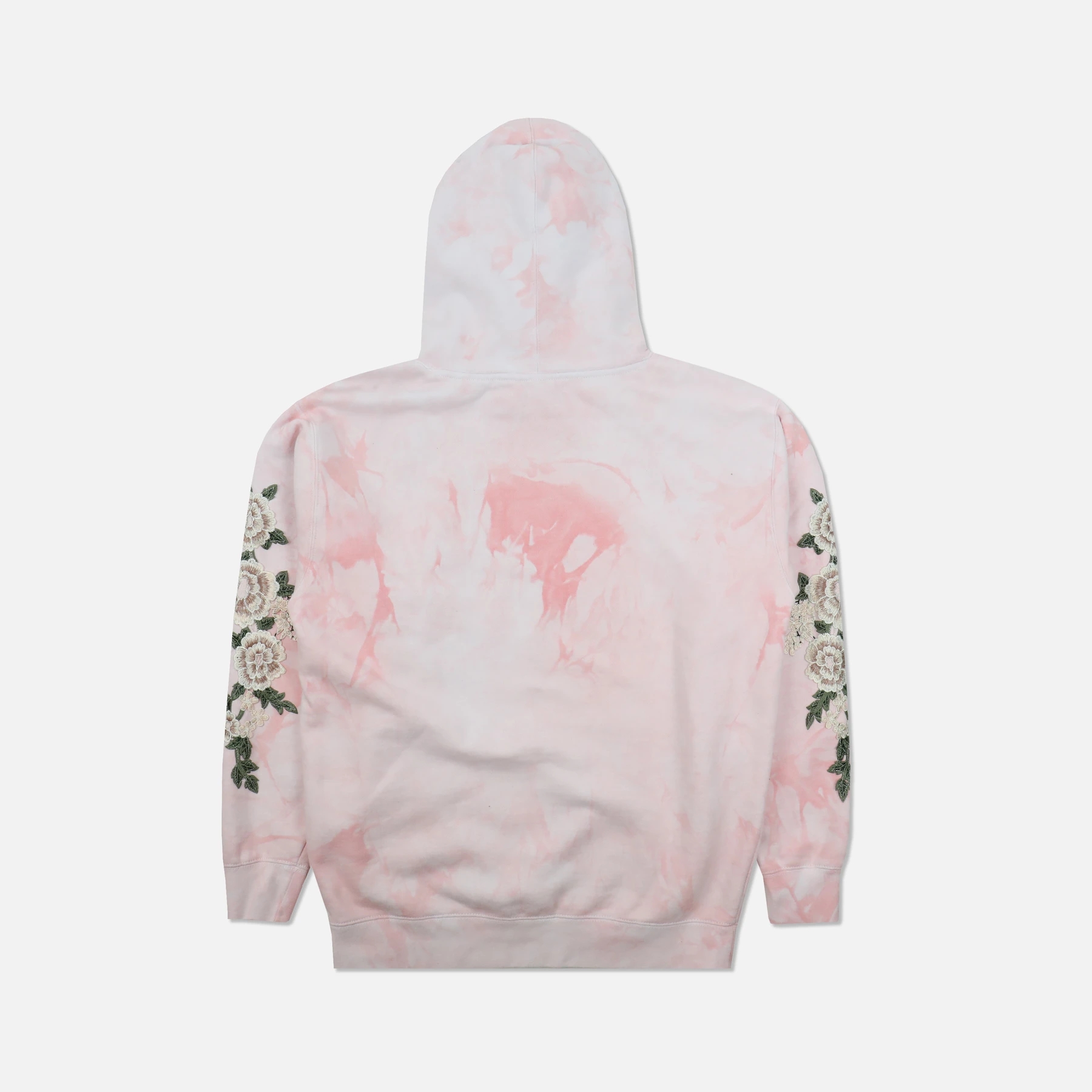
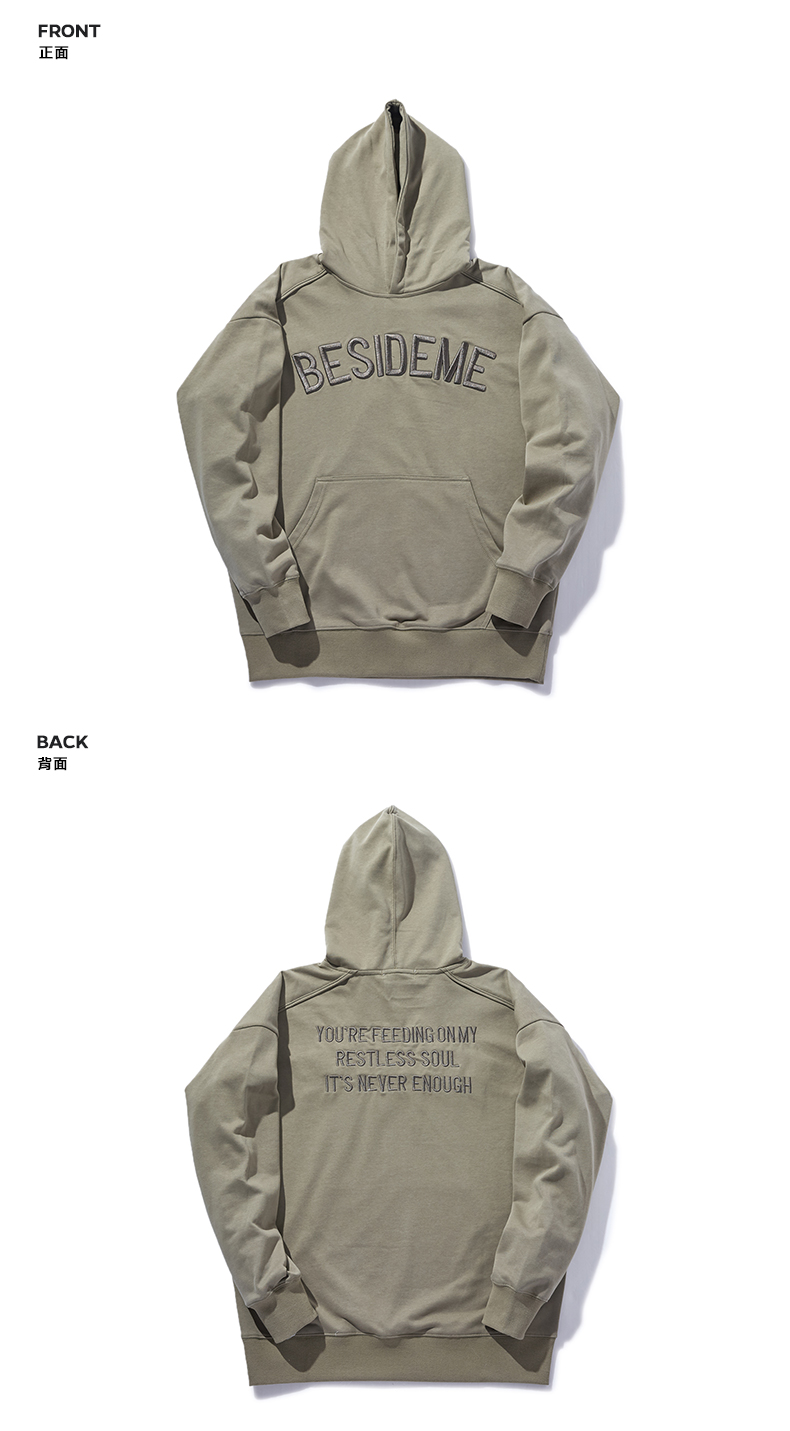
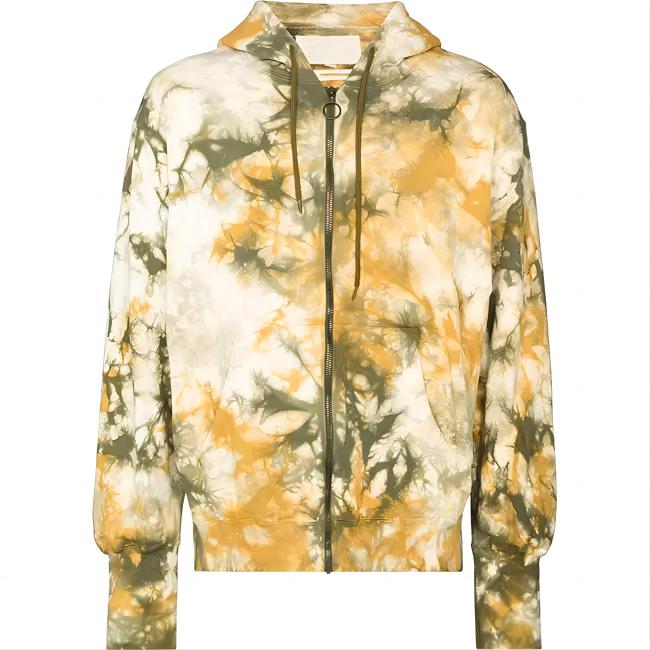
Custom Hoodies
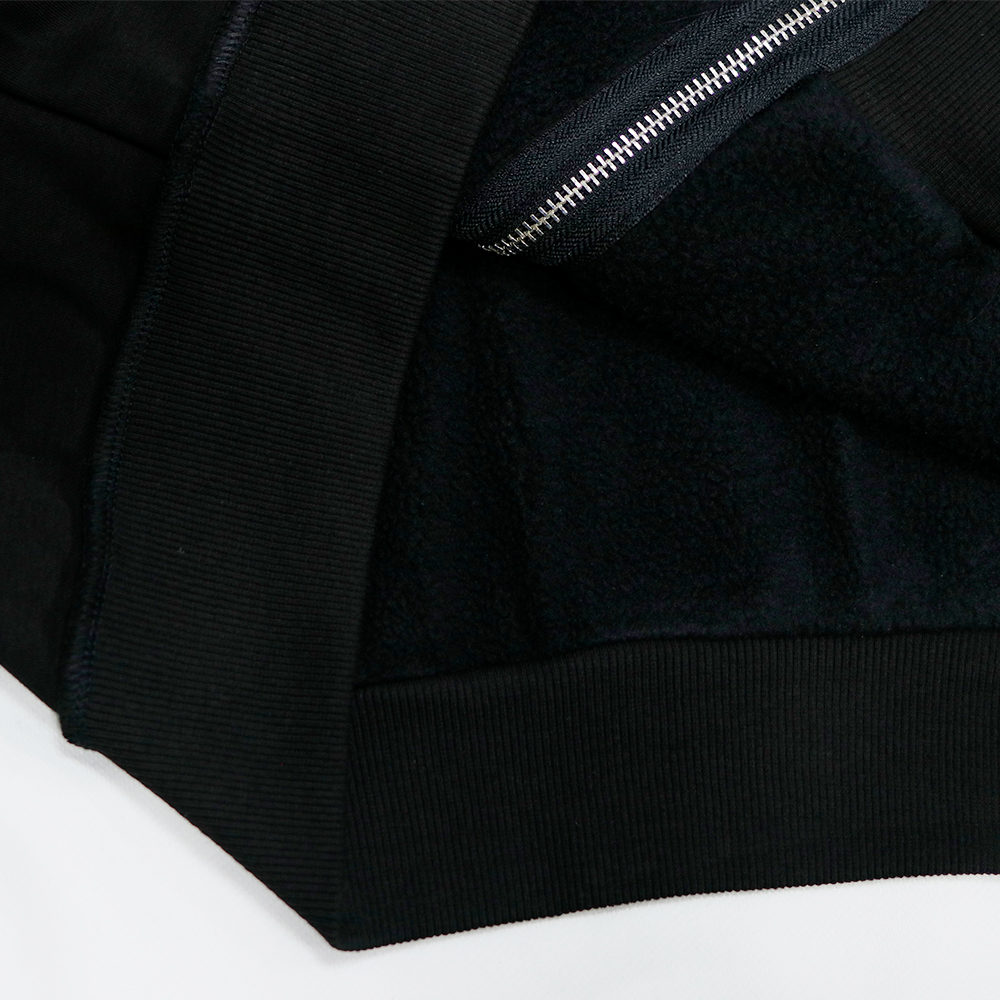
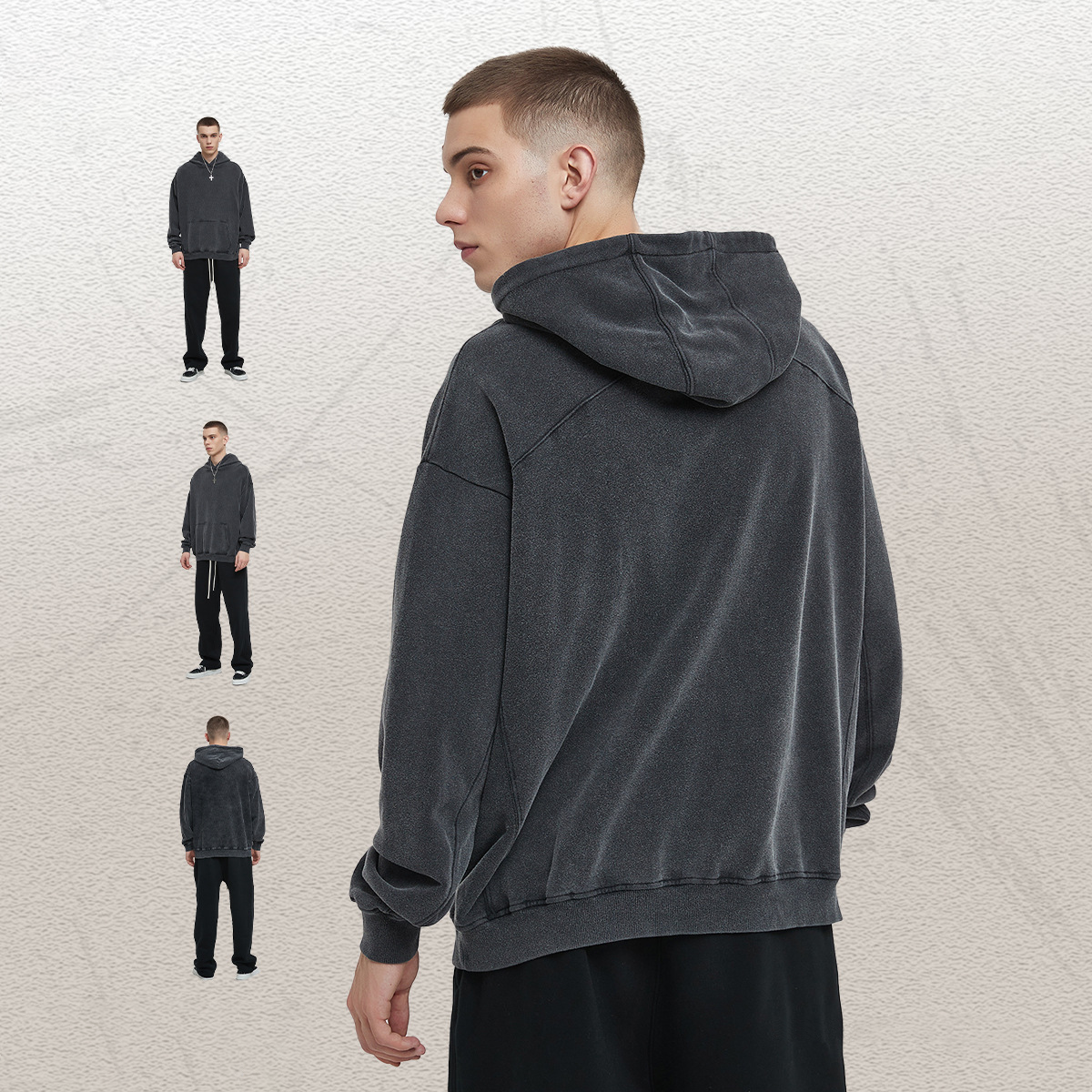
EDVORIN develops custom hoodies with coordinated fleece, rib, drawcords, eyelets, labels, prints, embroidery, washing, and packaging. As a custom hoodie manufacturer, we document approved specifications so bulk production follows the sample standard.
Get a Quote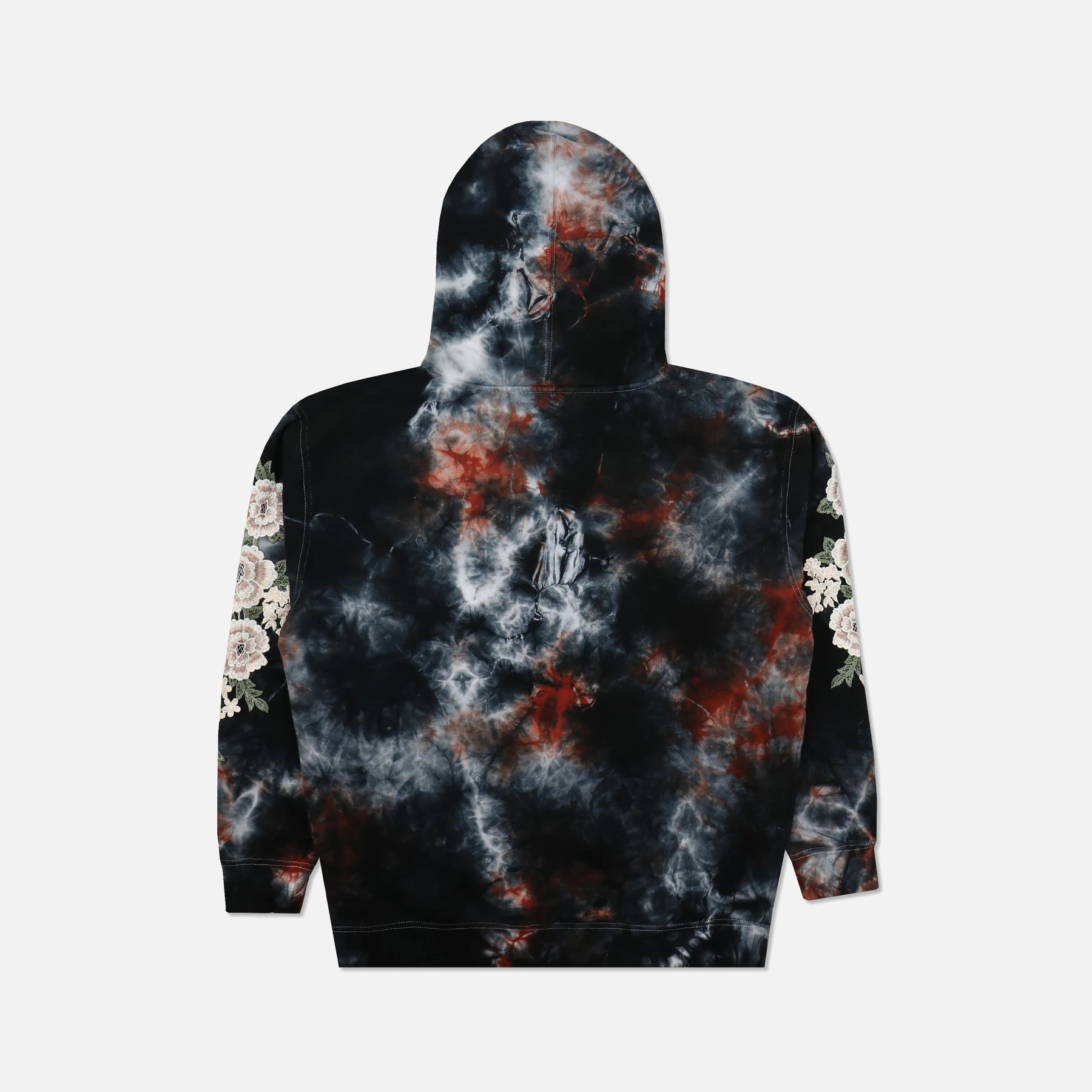
Pullover Sweatshirts
Our pullover sweatshirt programs cover fabric weight, neckline rib, cuffs, hems, fit blocks, grading, decoration, labels, and packing. Sweatshirt manufacturer support is available for men’s and women’s collections from sample development through repeat bulk orders.
Get a Quote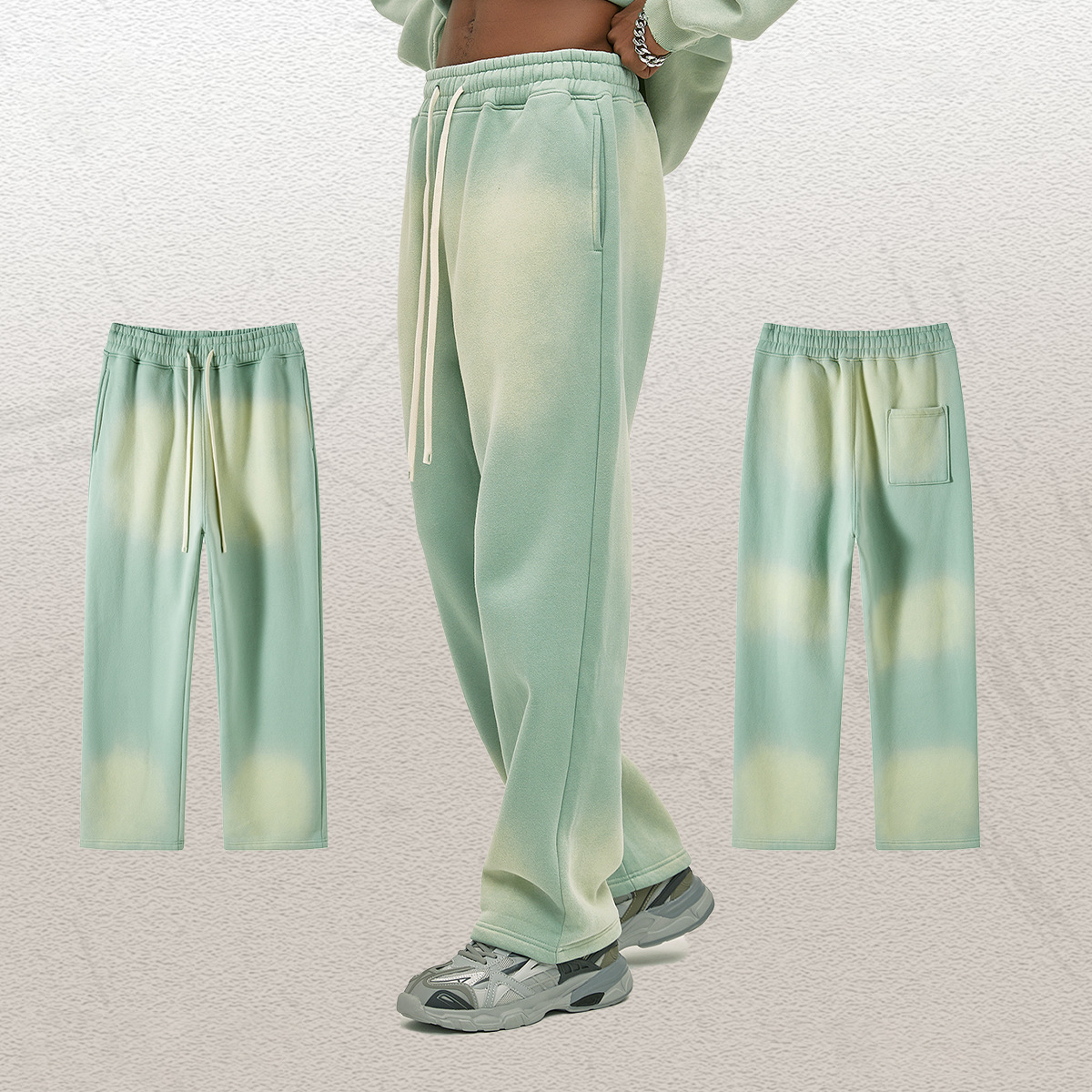
Sweatpants & Joggers
Custom sweatpants and joggers are developed around fleece or knit selection, waistband elastic, drawcord construction, pocket details, cuff options, fit, grading, and decoration. As a sweatpants manufacturer, EDVORIN coordinates trims with approved production specifications.
Get a Quote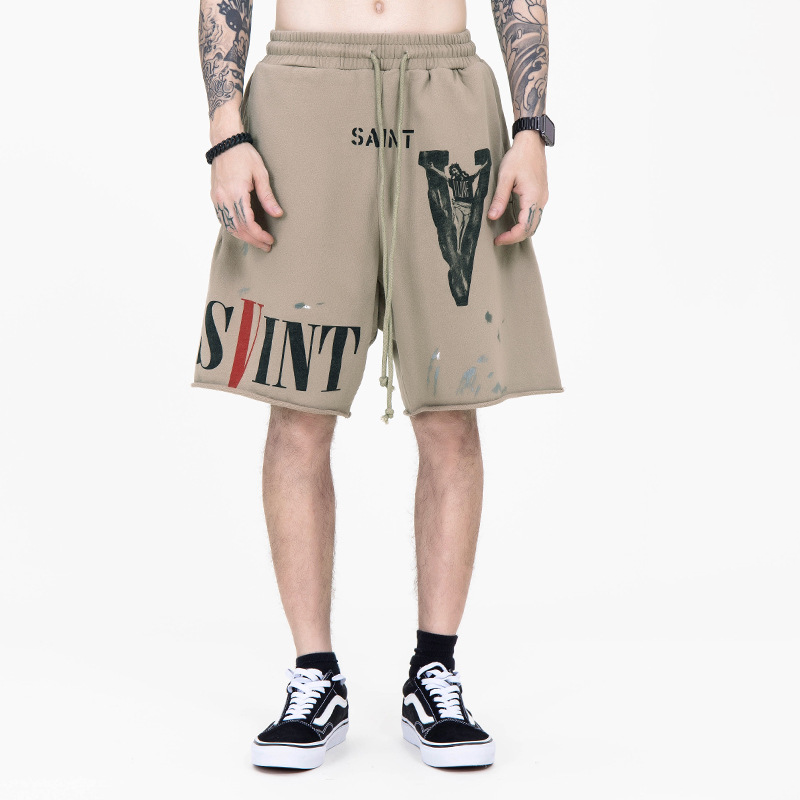
Custom Shorts
For custom shorts, we align fabric, inseam, waistband elastic, drawcords, pockets, liners where required, prints, labels, and packaging. Custom shorts manufacturer support includes men’s and women’s fit development, samples, and controlled bulk production.
Get a Quote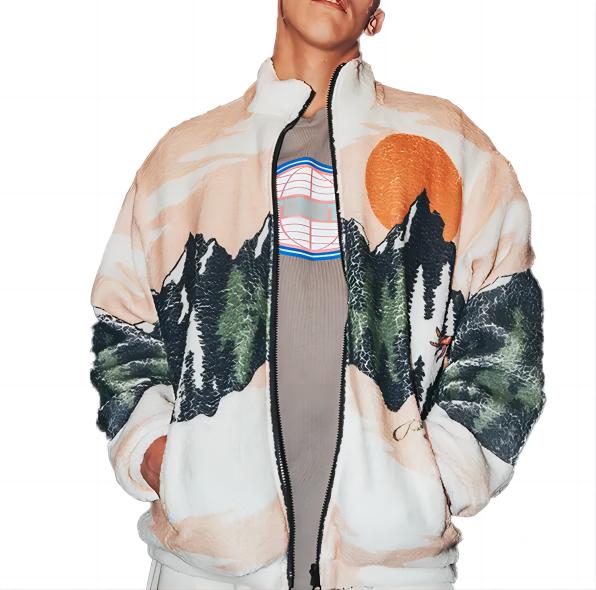
Varsity & Baseball Jackets
Varsity and baseball jackets require coordination between body fabric, sleeves, lining, rib, snaps, patches, embroidery, and labels. As a varsity jacket manufacturer, EDVORIN develops each component against an approved sample and construction standard.
Get a Quote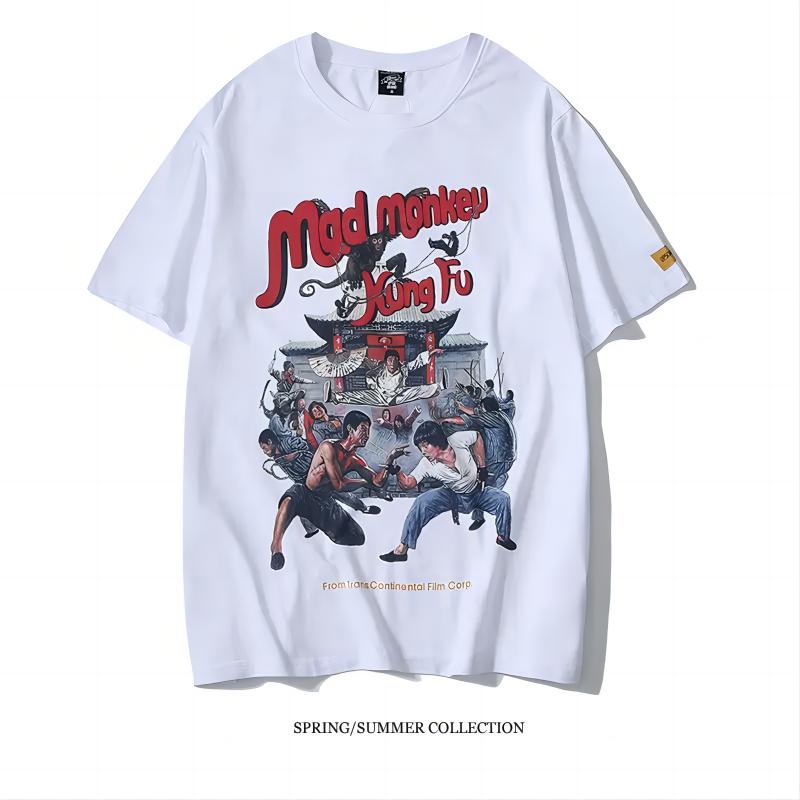
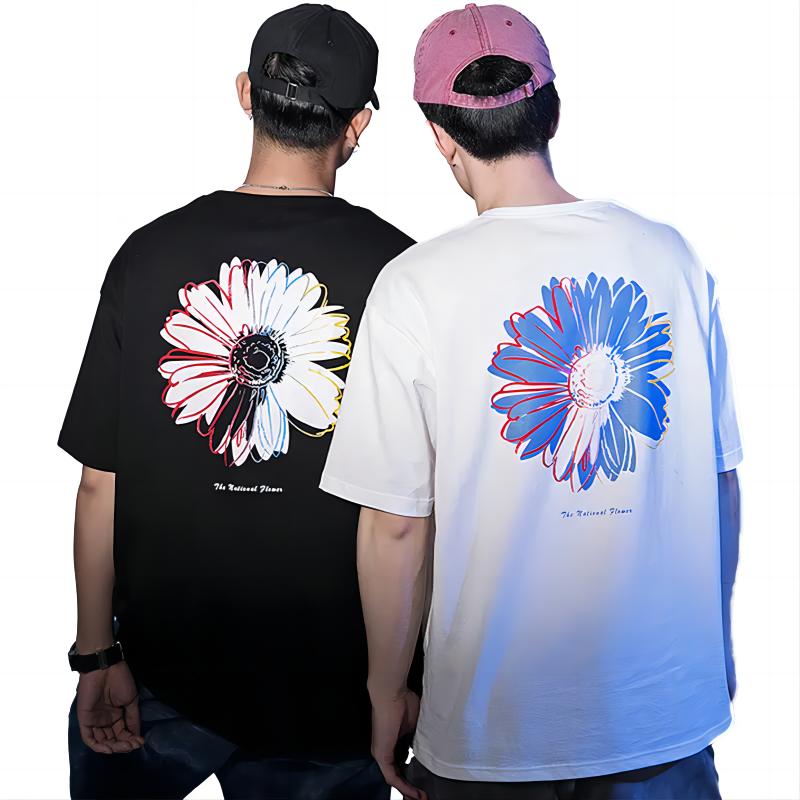
Custom T-Shirts
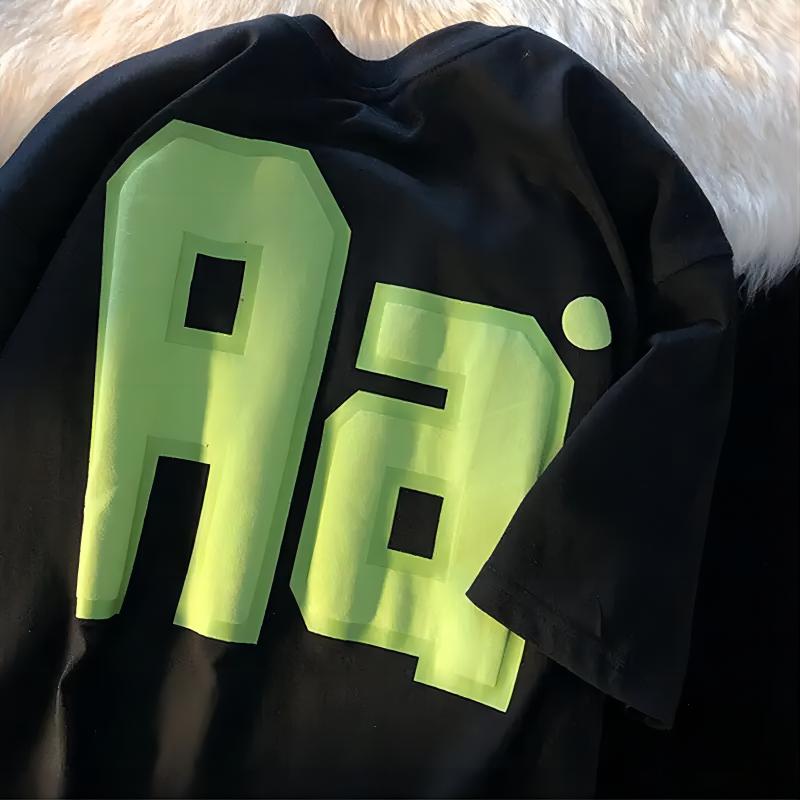
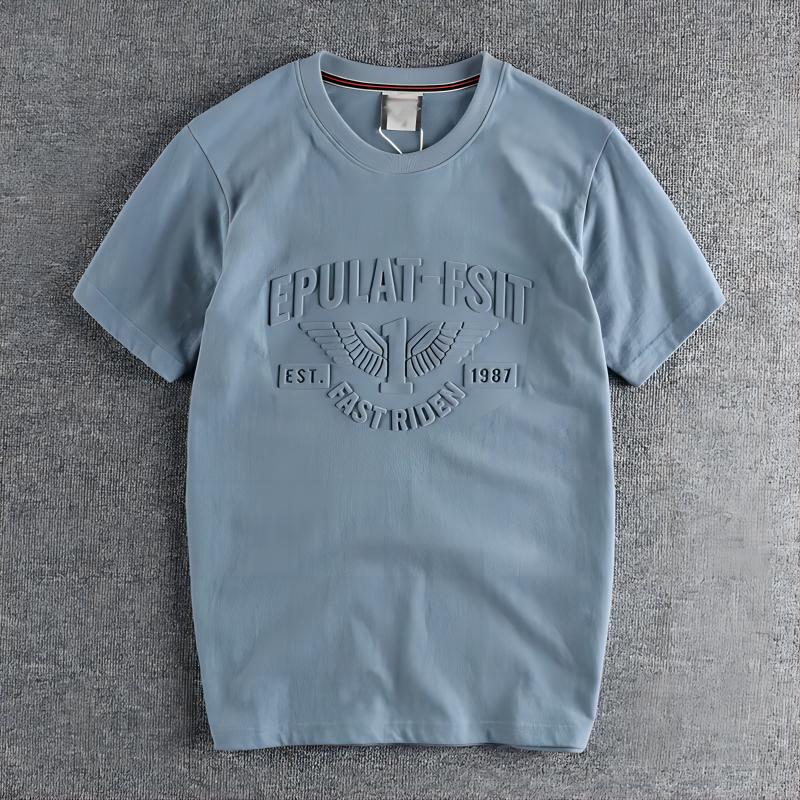
EDVORIN produces custom T-shirts with specified jersey weight, neck rib, fit, grading, print method, embroidery, wash treatment, labels, and packing. Our custom T-shirt manufacturer process supports individual styles and coordinated collection programs.
Get a Quote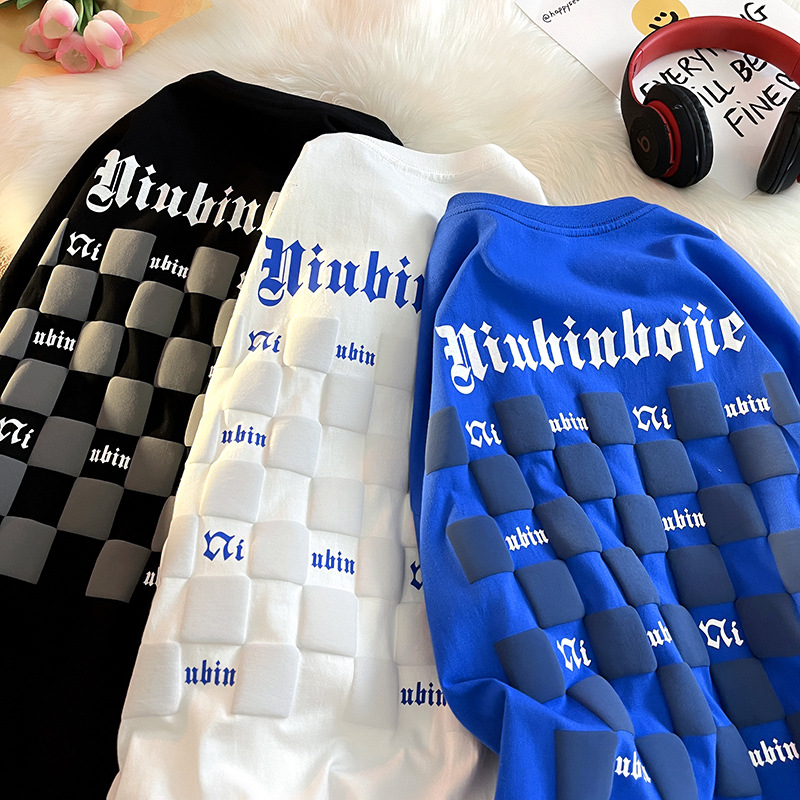
Custom Polo Shirts
Custom polo shirt development includes piqué or jersey selection, collar and cuff construction, plackets, buttons, embroidery, fit, grading, labels, and packaging. As a polo shirt manufacturer, EDVORIN records the details needed for repeatable production.
Get a Quote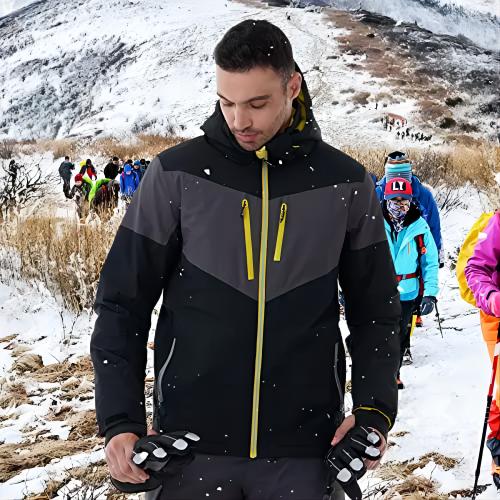
Windbreaker Jackets
Windbreaker jackets are developed with shell fabric, lining or mesh, zipper and pocket construction, elastic or cuff details, print or embroidery placement, and packing requirements. As a windbreaker manufacturer, EDVORIN manages technical details from sample to bulk.
Get a Quote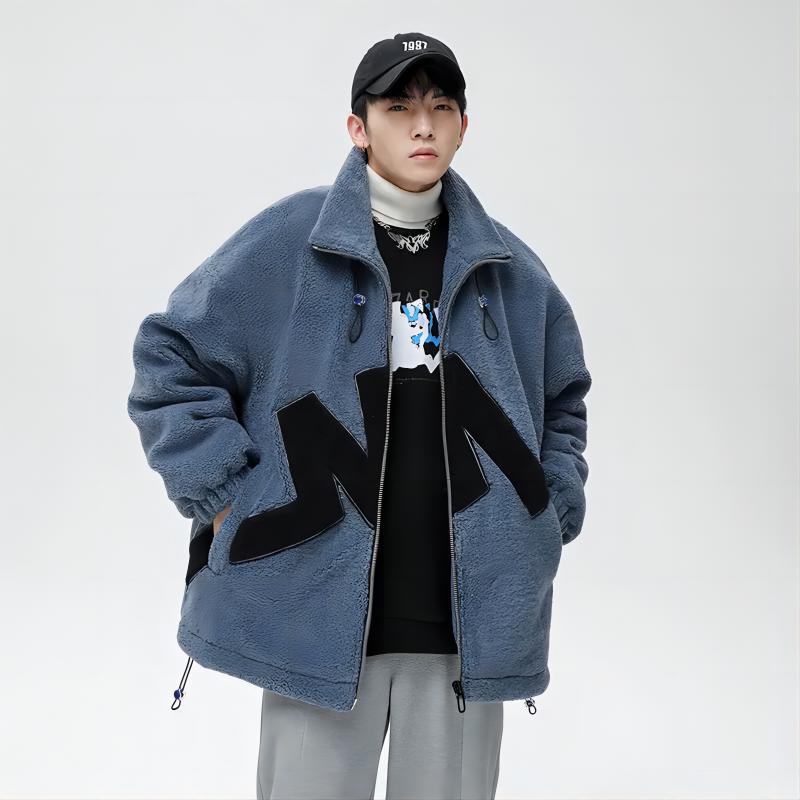
Quilted Jackets
Quilted jacket programs coordinate shell fabric, lining, insulation, quilting layout, zippers, pockets, trims, labels, and packaging. As a quilted jacket manufacturer, EDVORIN confirms construction and material standards before bulk production begins.
Get a Quote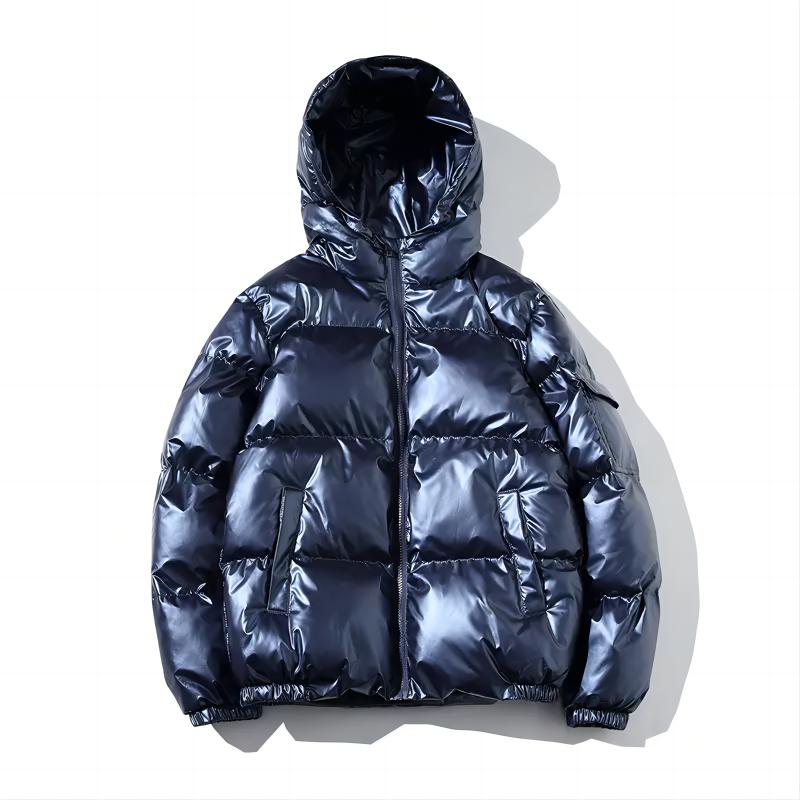
Bomber Jackets
Bomber jackets combine shell, lining, rib, zippers, pockets, insulation where needed, embroidery, patches, and labels. Our bomber jacket manufacturer process translates the approved sample into documented specifications for consistent repeat orders.
Get a Quote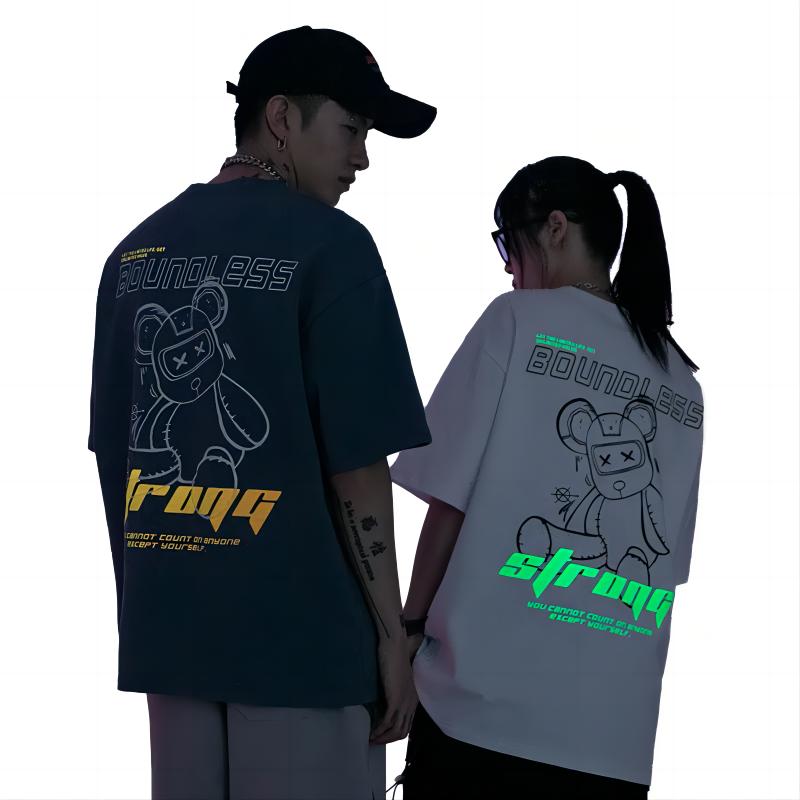
Custom Shirts
Custom woven shirts are developed around fabric, collar shape, placket, buttons, cuffs, pockets, seam construction, fit, grading, labels, and packaging. As a custom woven shirt manufacturer, EDVORIN supports men’s and women’s programs.
Get a Quote
Custom Jerseys
Custom jerseys require controlled fabric selection, color matching, panel construction, name and number application, logo placement, sizing, and packing. As a custom jersey manufacturer, EDVORIN creates clear standards for team, club, school, and promotional programs.
Get a Quote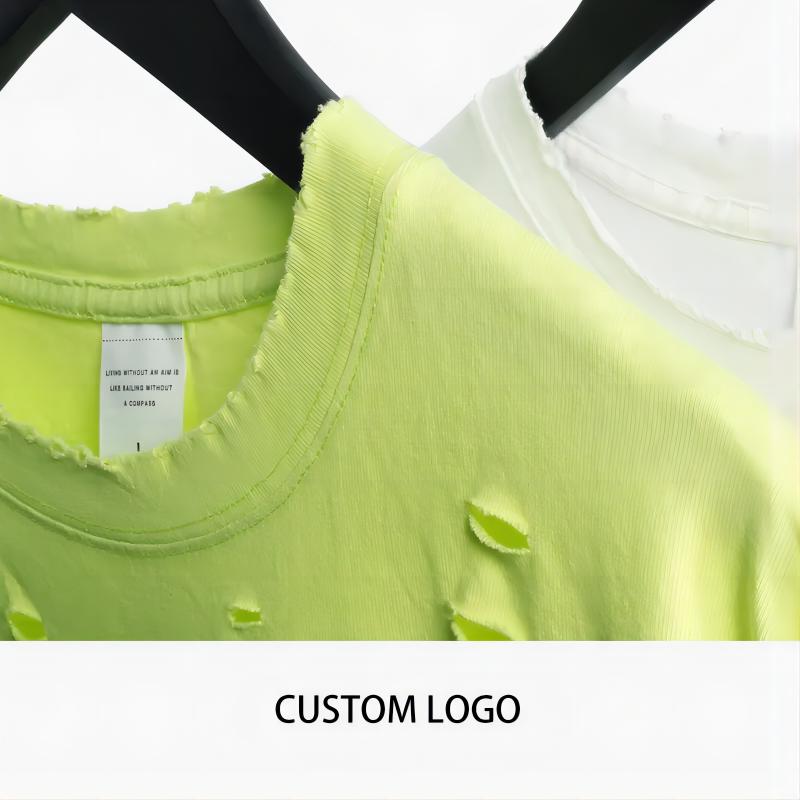
Tank Tops
Tank top production covers knit fabric, armhole and neckline finishing, fit, grading, prints, embroidery, labels, and packing. EDVORIN works as a custom tank top manufacturer for men’s and women’s casualwear, fitness, and team-related programs.
Get a Quote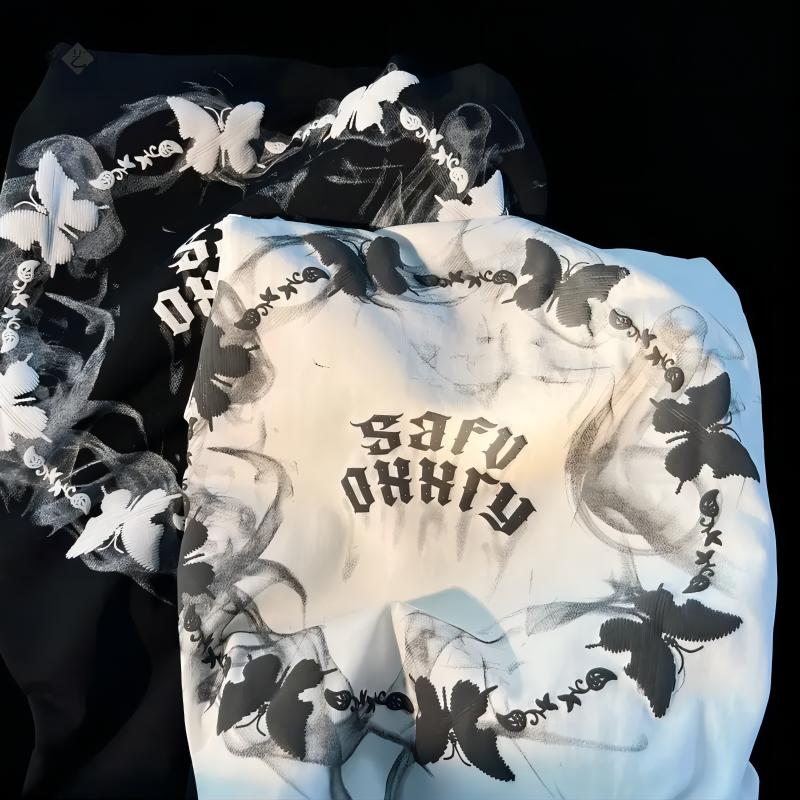
Soccer Uniforms
Soccer uniforms are developed with breathable fabrics, coordinated jersey and short construction, color matching, badge placement, names, numbers, sizing, and packaging. As a soccer uniform manufacturer, EDVORIN supports organized team and club orders.
Get a Quote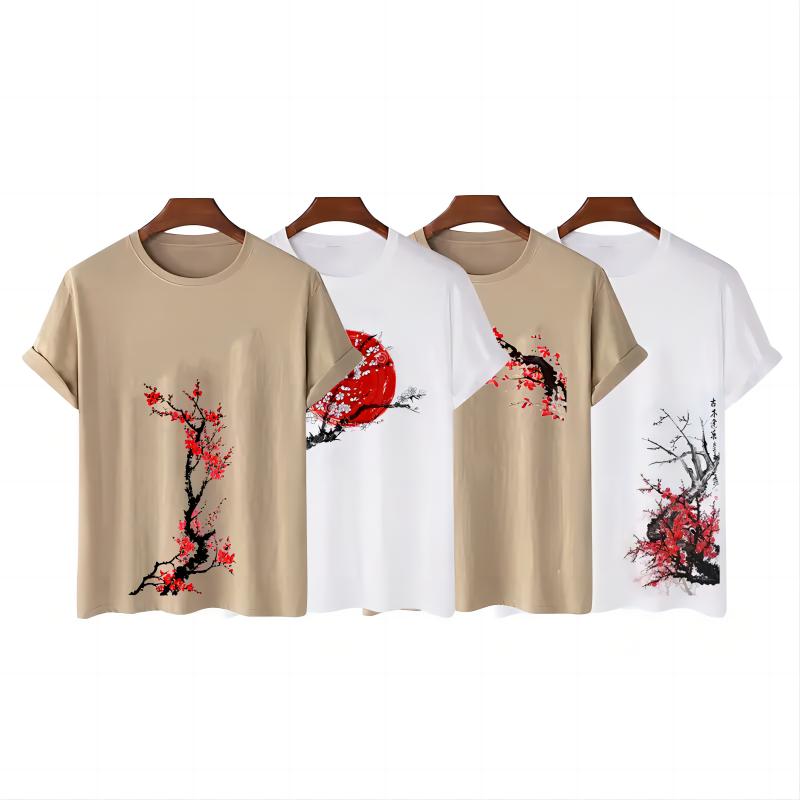
Basketball Uniforms
Basketball uniforms require lightweight performance fabrics, jersey and short coordination, color control, trim details, name and number application, size sets, and packing. As a basketball uniform manufacturer, EDVORIN builds production standards around the approved sample.
Get a Quote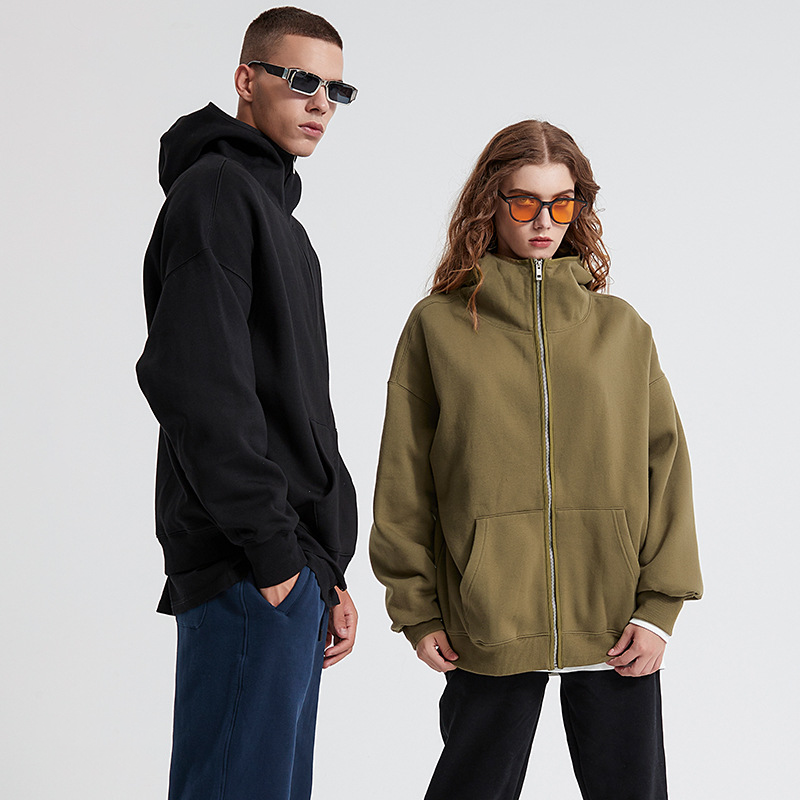
Streetwear Collections
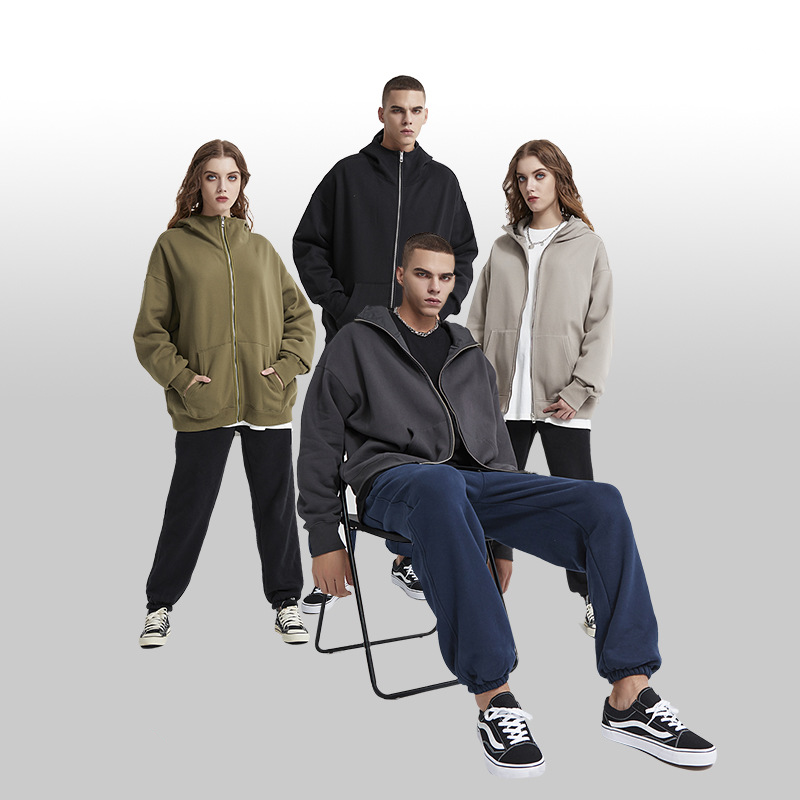
Streetwear collections bring hoodies, T-shirts, sweatpants, jackets, shorts, trims, decoration, washes, labels, and packaging into one managed program. As a streetwear clothing manufacturer, EDVORIN supports OEM, ODM, and private-label development from concept to bulk.
Get a QuoteCustom Clothing Elastic Supplier Since 2000
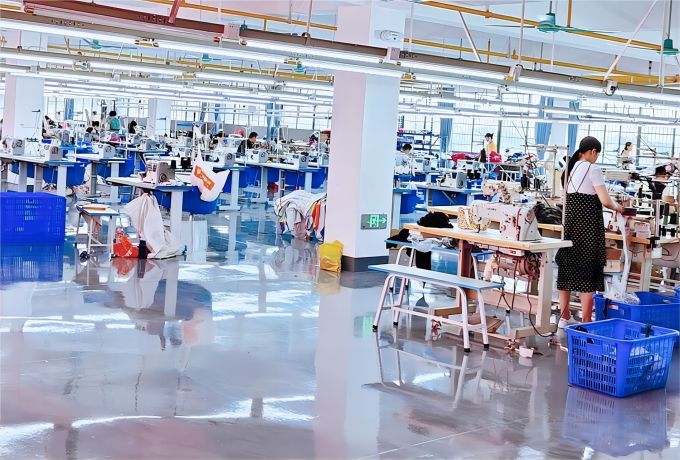
Founded by Edvorin Zeng in 2000, EDVORIN helps brands turn apparel ideas into repeatable production standards. As a custom clothing elastic supplier within an integrated manufacturing system, we coordinate elastic details alongside fabric, patterns, fit, decoration and trims so each component supports the finished garment.
From early sourcing and sample development through bulk production, labeling and packing, our team keeps garment specifications connected. We develop casualwear, streetwear, outerwear and teamwear for men’s and women’s programs, aligning elastic placement, recovery and visual branding with the construction and intended use of every style.
What distinguishes EDVORIN is accountable follow-through after sample approval. We document materials, measurements, artwork placement and trim details, then use in-line and final quality checks to protect the approved standard. With OEM, ODM and private-label support, we serve emerging labels, wholesale programs and established buyers from 200 pieces per style.
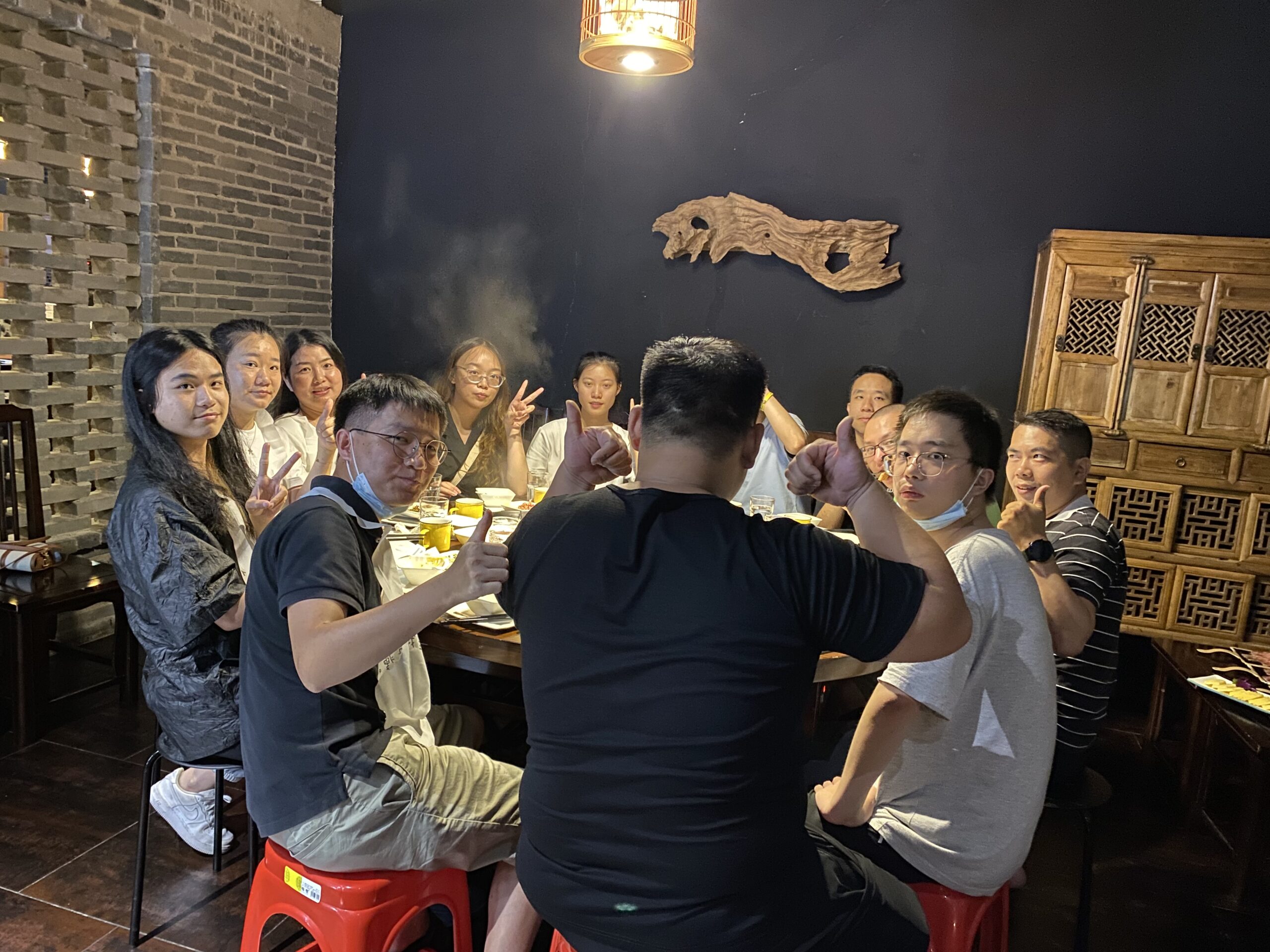
Elastic Construction Details That Shape Performance
Yarn and Recovery Selection
As a custom clothing elastic supplier, EDVORIN helps define yarn composition, stretch range and recovery against the garment’s intended use. We align hand feel and holding power with fashion waistbands, activewear, cuffs or teamwear applications before sample approval.
- Specify comfort, stretch and recovery targets
- Match elastic behavior to garment movement
- Review material performance in the development sample
- Coordinate elastic selection with the base fabric
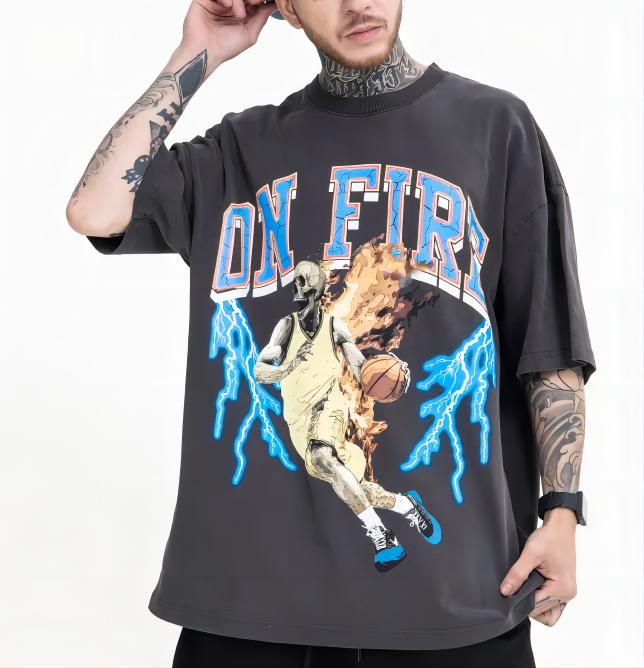
Width and Logo Engineering
Width, repeat scale and logo placement must work together at the finished garment size. EDVORIN develops branded elastic details around the wearer, pattern and application, so identity remains legible without compromising the balance, stretch or construction of the finished piece.
- Set width by garment function and proportion
- Plan logo repeats for each size range
- Choose a logo approach suited to the design
- Approve placement with the full garment sample
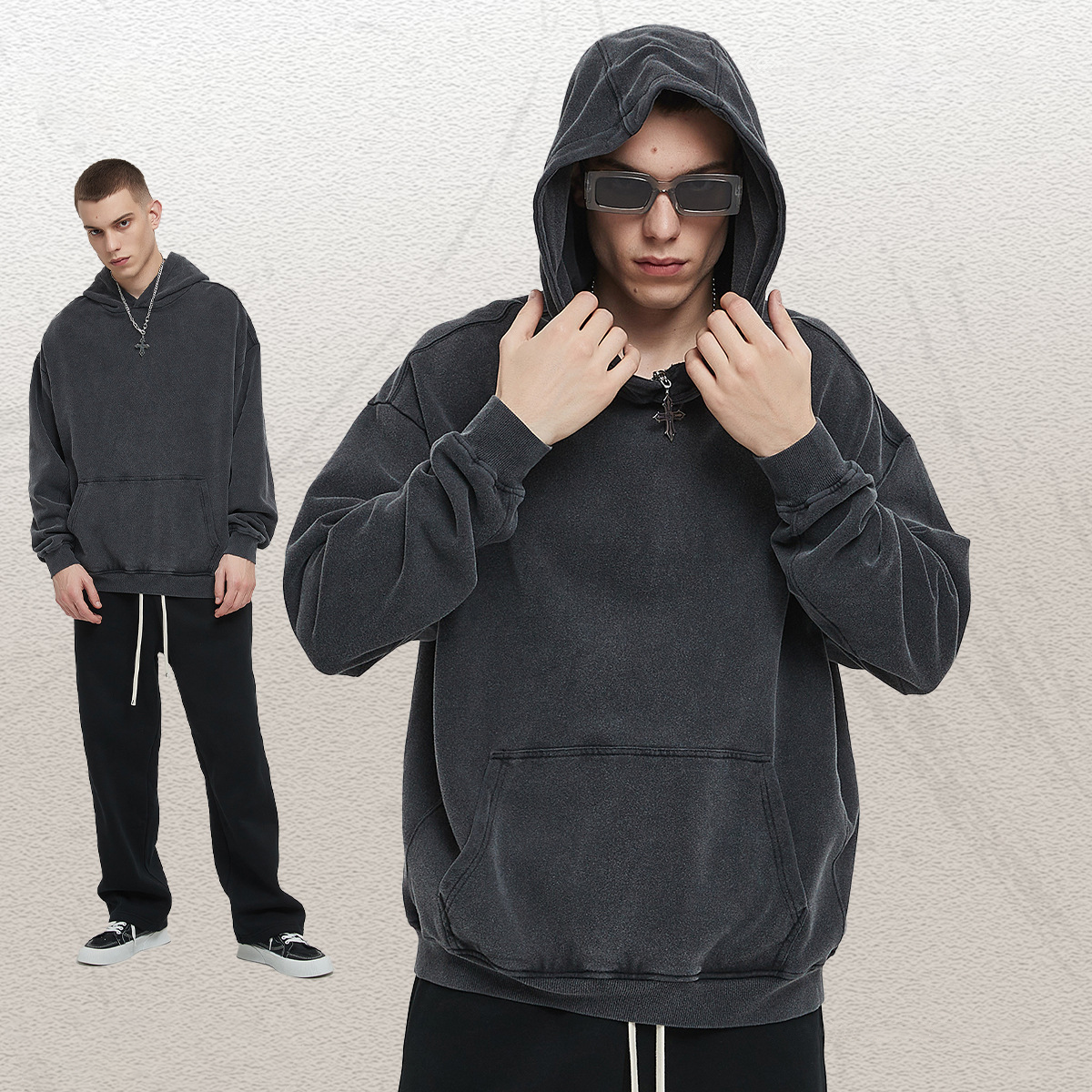
Edges and Attachment Methods
A well-specified elastic detail depends on how its edges finish and how it joins the garment. EDVORIN coordinates attachment methods with seam construction, fabric weight and intended wash conditions, documenting approved details so bulk production follows one clear standard.
- Define edge feel and visible finish
- Match attachment to seam construction
- Consider wash and wear requirements early
- Record approved construction for bulk production
Custom Clothing Elastic Supplier vs. Drawcords
Compare branded stretch trims with drawcord details when building repeatable waist, cuff and hem specifications.
← Swipe left or right to view →
How a Custom Clothing Elastic Supplier Produces Branded Trim
EDVORIN aligns artwork, stretch performance and apparel integration before elastic moves into your approved production standard.
Approve Artwork and Color
We review logo scale, repeat layout, base color, contrast yarns, width, handfeel and intended use so branding remains legible across the finished elastic.
Set Yarn and Recovery
Yarn type, elastic core, cover construction and target stretch are selected for the garment application, then checked against waistband, cuff, strap or hem requirements.
Prepare Colors and Loom
Approved color references guide yarn preparation, while jacquard files and loom settings define logo repeat, pattern density, edge structure and finished width.
Weave or Print Elastic
Jacquard elastic is woven to the approved construction; printed elastic follows approved artwork placement and color setup, with repeat alignment monitored during production.
Finish and Stabilize
Elastic is cut, heat-set or finished as specified to stabilize width and surface appearance, while edges are reviewed for comfort, durability and clean sewing performance.
Test Recovery and Inspect
Samples are checked for stretch, recovery, width consistency, color appearance, logo clarity and defects before packing, using the approved standard as the final reference.
Add Custom Clothing Elastic to Your Apparel Order
Bring branded elastic into the same controlled development path as your garment, from artwork and performance requirements through approved sample and coordinated bulk production.
Share Artwork and Dimensions
Send your logo artwork, preferred elastic width, repeat layout, color references, garment category and intended placement so our team can review the trim within your apparel specification.
Confirm Stretch and Placement
Define stretch recovery, hand feel, edge finish and placement measurements against the garment pattern, helping the elastic perform correctly in waistbands, cuffs, straps or hems.
Approve the Sample
Review the developed sample with the garment to confirm logo clarity, color, proportion, comfort and construction before the approved result becomes the production reference.
Produce With Your Garments
Coordinate elastic production alongside your main apparel order, aligning trim delivery, sewing requirements, in-line checks, labeling and packing with the approved bulk standard.
Brands That Added Elastic Details with Confidence
EDVORIN helped us turn our logo waistband into a repeatable specification. Across our 1,200-piece jogger run, placement and stretch feel stayed consistent, and the branded elastic gave the collection a much more finished identity.
For our academy training shorts, the custom clothing elastic held its recovery after 20 wash tests. EDVORIN coordinated the fabric, waistband and heat-applied marks, which made sample approval much faster for our 640-piece order.
We needed matching branded elastic across women’s leggings and men’s base-layer shorts. EDVORIN documented the trim and color references clearly, then delivered both styles together for our 2,000-piece private-label launch.
Custom Clothing Elastic Supplier FAQs
Practical answers for adding branded elastic to an apparel program with clear development and production controls.
What can a custom clothing elastic supplier customize for my garment?
Can a custom clothing elastic supplier add my logo to waistbands and cuffs?
How do I send artwork and Pantone colors for custom clothing elastic?
Can custom elastic be used on sportswear, streetwear and casualwear?
How is custom elastic attached to a garment?
Will printed or branded elastic hold up after washing?
Can I combine branded elastic with labels, drawcords and other trims?
How does elastic development fit into the apparel production timeline?
The Complete Custom Clothing Elastic Supplier Buyer’s Guide
Use this decision framework to specify elastic performance, compare customization methods, vet OEM-ready supplier capabilities, and avoid costly sampling, quality, pricing, and production mistakes before placing your order.
1. What Is a Custom Clothing Elastic Supplier?
4 trim applications define a custom clothing elastic supplier’s job: translate a garment requirement into a specified waistband, cuff, strap, or binding with agreed width, stretch, recovery, color, handfeel, and construction.
3 supplier models serve different needs. Stock sellers supply standard rolls quickly; converters cut, print, or finish purchased elastic; OEM manufacturers develop the elastic specification and coordinate it with the garment’s pattern, sample, branding, and bulk-production controls.
1 low quotation is not a sourcing decision. Buyers should assess whether a custom clothing elastic supplier can reproduce Pantone color and logo artwork, meet required quantities, document quality standards, and deliver trims when cutting and sewing need them; a custom printed-elastic retailer notes sublimation may leave the reverse side white (https://elasticbandco.com/products/custom-printed-garment-elastic).
2. How Custom Clothing Elastic Evolved
8-shaped warp paths in traditional braided elastic reflect its original job: holding cuffs, waists, and openings in position with compact stretch. As apparel styling became more visible, elastic moved from a concealed functional component to a trim that could carry color and pattern; https://www.primeelastic.com/product/custom-elastic-bands-for-clothing.html.
2 decoration routes now shape many branded programs: woven jacquard builds a logo or repeat into the structure, while printing places artwork on the surface. Sublimation can reproduce multicolor artwork but is typically applied to white elastic and leaves a white reverse, a limitation worth confirming during development; https://elasticbandco.com/products/custom-printed-garment-elastic.
8–200 mm is a commercially offered width range, illustrating why end use now drives specification rather than a one-size choice; https://www.primeelastic.com/product/custom-elastic-bands-for-clothing.html. Fashion and private-label buyers may prioritize logo legibility, sportswear and uniforms recovery and abrasion resistance, while intimates require soft hand and skin-contact comfort; a custom clothing elastic supplier should match fiber, construction, width, and decoration to that use.
3. Types of Custom Clothing Elastic Supplier Products
A custom clothing elastic supplier should match construction to recovery, hand feel, and sewing method. Specify the end use before approving a width or branded treatment.
| Type | Construction and Feel | Stretch | Width | Best Uses |
|---|---|---|---|---|
| Knitted | Soft, flat knit | High | 6–50 mm | Underwear, activewear |
| Woven | Firm woven web | Controlled | 20–100 mm | Waistbands, schoolwear |
| Braided | Narrow cordlike braid | High; narrows | 3–20 mm | Cuffs, sleeves |
| Jacquard | Woven-in logo/pattern | Controlled | 25–100 mm | Branded waistbands |
| Printed | Surface-printed elastic | Base-dependent | 15–75 mm | Promotional apparel |
| Fold-over | Foldable edge binding | Light | 10–20 mm | Swimwear, lingerie |
| Buttonhole | Slotted woven elastic | Adjustable | 15–25 mm | Schoolwear, children’s |
| Performance | Grip, silicone, quick-dry | Purpose-built | 10–50 mm | Sportswear, swimwear |
Soft Body Contact
Knitted, fold-over, and buttonhole elastic suit garments where comfort or adjustment matters.
Structured Waistband Options
Woven, braided, and jacquard elastic give waistbands and cuffs a more defined edge.
Branding And Performance
Printed and specialty performance elastic add visible identity or sport-specific function.
4. Custom Clothing Elastic Supplier Material Choices
Three specifications—face yarn, elastic core, and skin-contact finish—determine how branded elastic performs after repeated wear. A custom clothing elastic supplier should confirm composition before sampling, since similar-looking bands can recover and dye differently.
| Construction | Hand Feel | Best Application | Key Tradeoff |
|---|---|---|---|
| Polyester face + elastane | Smooth, resilient | Sportswear, printed bands | Less natural feel |
| Nylon face + latex | Soft, strong | Underwear, waistbands | Declare latex exposure |
| Cotton blend + elastane | Natural, soft | Loungewear, schoolwear | Higher moisture absorption |
| Latex-free synthetic core | Variable by face yarn | Sensitive-skin programs | Verify recovery after washing |
Face Yarn Tradeoffs
Polyester feels smooth, resists abrasion and handles moisture well; it suits sublimation and durable jacquard. Nylon is softer with strong wet abrasion resistance but can show dye variation.
Cotton-blend faces feel natural against skin but absorb moisture and may recover less cleanly than synthetics.
Core Selection
Spandex or elastane cores provide controlled stretch and recovery for activewear waistbands. Rubber or latex cores offer firm power but require declared latex content.
Latex-free synthetic-rubber or elastane constructions reduce sensitivity concerns for skin-contact programs.
Composition Confirmation
100% composition disclosure lets buyers approve dye, print, wash, recovery, and skin-contact risk against the intended garment. EDVORIN can record the approved specification with the sample for repeat production.
5. Customization and Logo Decoration Options
EDVORIN converts approved brand artwork into a controlled elastic specification, from logo repeat to garment-ready cuts. Select the process by the required hand feel, reverse appearance, wear exposure, and program volume.
| Method | Detail / Reverse | Durability | Setup / Volume |
|---|---|---|---|
| Jacquard | Woven; often two-sided | High | Loom setup; repeat programs |
| Screen print | Surface; reverse plain | Moderate | Screens; mid-volume |
| Sublimation | Full color; reverse often white | Moderate | Artwork setup; flexible runs |
| Silicone raised | Tactile surface; reverse plain | High with testing | Mold or screen; larger runs |
Choose The Decoration Method
Jacquard builds the logo into the band and suits durable, two-sided branding. Screen print, sublimation, and silicone add surface graphics; sublimation commonly leaves a white reverse side.
Specify Visual Details
Pantone references control ground, stripe, and logo colors; metallic yarns add shine but should be sampled under the intended lighting. State finished width, repeat dimension, logo orientation, and individual cut length.
Supply Production-Ready Artwork
AI, EPS, or editable PDF artwork preserves clean logo edges. Include a scaled placement drawing, repeat start point, color callouts, and whether the logo must read correctly on both faces.
6. Quality Elements in Custom Clothing Elastic
A custom clothing elastic supplier should convert appearance and feel into measurable controls before bulk cutting. EDVORIN records the approved sample as the reference for dimensions, tension, decoration, and sewing behavior.
Dimensional Consistency
1 mm width and thickness tolerances should be agreed by elastic type and garment use.
100% roll checks should flag waviness, uneven edges, joins, holes, and contamination before cutting.
Stretch And Recovery
50% extension is a practical sample checkpoint: measure extension, release, then compare recovery and surface distortion.
3 sewn waistband trials should confirm even tension, soft edges, no seam puckering, and no yarn breakage.
Color And Logo Control
Pantone references and an approved artwork strike-off should define shade, repeat, logo legibility, and registration.
1 wash-and-dry trial per construction should review shrinkage, abrasion, color transfer, cracking, and logo readability.
7. Choosing a Custom Clothing Elastic Supplier
Three checks matter before selecting a custom clothing elastic supplier: capability, repeatability, and documentation. EDVORIN recommends treating supplier claims as provisional until physical samples and records confirm them.
Match The Product Scope
Two questions expose specialization: Which elastic constructions have you produced for this end use, and can you show comparable samples? Verify width, yarn content, recovery, logo method, and edge feel on actual swatches.
Audit The Development Process
One approved sample should be supported by a specification sheet, Pantone references, measurement tolerances, and revision history. Ask who approves artwork, controls bulk shade variation, performs inspection, and owns corrective action.
Compare Quotes Like For Like
EDVORIN’s MOQ starts at 200 pieces per style. Four quote inputs must match: construction, width, material composition, and ordered meters. Confirm MOQ, sampling timing, production capacity, roll length, carton labeling, shipping terms, and whether tooling, testing, or freight are excluded.
8. Common Custom Clothing Elastic Sourcing Mistakes
Eight recurring errors turn a low trim price into delayed fit approvals, rework, and inconsistent bulk garments. A custom clothing elastic supplier should receive measurable, production-ready requirements.
Price Before Performance
EDVORIN’s MOQ starts at 200 pieces per style. A $0.02-per-meter saving can disappear in rejected waistbands. Compare recovery, abrasion, width tolerance, and delivered MOQ before awarding.
Missing Stretch Specifications

20% extension and recovery requirements prevent subjective approval. State test length, target extension, recovery time, and allowable variance in the tech pack.
Artwork Without Sampling
One physical sewn sample reveals logo scale, reverse-side appearance, and seam behavior that digital artwork cannot. Approve it against the actual garment fabric.
Late Production Changes
EDVORIN’s MOQ starts at 200 pieces per style. 500-meter custom runs are common supplier minimums; confirm MOQ and critical-path lead time before launch. Freeze Pantone, width, construction, and logo repeat after approval.
9. Launching a Branded Elastic Program
A branded elastic launch needs one controlled approval path, from intended garment use through replenishment. EDVORIN can translate the approved specification into records that protect repeatability across collections or teamwear.
Define The Production Brief
First, confirm garment location, finished width, stretch target, recovery expectation, color reference, and seam construction. Product development and the buyer’s technical lead should approve the tech pack, measurement points, and use-case requirements.
Approve Materials And Artwork
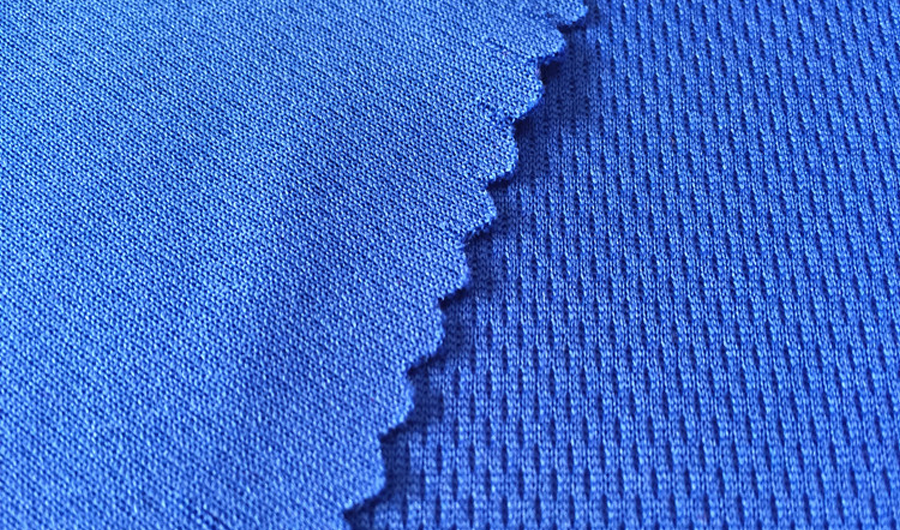
Next, select the elastic construction and fiber mix against wear, hand feel, and decoration needs. The buyer should approve Pantone references, vector artwork, repeat layout, logo scale, and an identified artwork revision.
Control Samples Through Reorders
Before bulk cutting, review a prototype in the finished garment and test fit through extension and recovery. Merchandising, technical, and quality sign-offs should retain the approved sample, specification revision, inspection criteria, lot records, and replenishment forecast.
10. Custom Clothing Elastic Pricing and Costs
Three illustrative order tiers show why comparable specifications matter before requesting quotations. These ranges are planning guides, not EDVORIN prices or delivery commitments.
Eight variables determine landed cost: width, fiber and elastic core, weave, Pantone color count, logo detail, cut or finished ends, packaging, and freight. Wider jacquard elastic with multiple colors generally carries more yarn use, setup, and production time than a simple narrow solid-color construction.
| Order tier | Likely setup impact | Unit-cost direction | Planning lead time |
|---|---|---|---|
| 100–499 meters | Setup spread across few units | Highest | 2–4 weeks |
| 500–2,999 meters | Setup impact moderates | Declining | 3–5 weeks |
| 3,000+ meters | Setup spread broadly | Lowest relative | 4–7 weeks |
Make EDVORIN Your Custom Clothing Elastic Supplier
Send your artwork, placement details, and product brief for a coordinated elastic quote or production-ready mockup.