
Garment Washing Manufacturer for Repeatable Collections
EDVORIN coordinates wash development, sampling, and bulk production for fashion, streetwear, teamwear, and private-label programs from 200 pieces per style.
Washed Apparel Development Across Product Categories
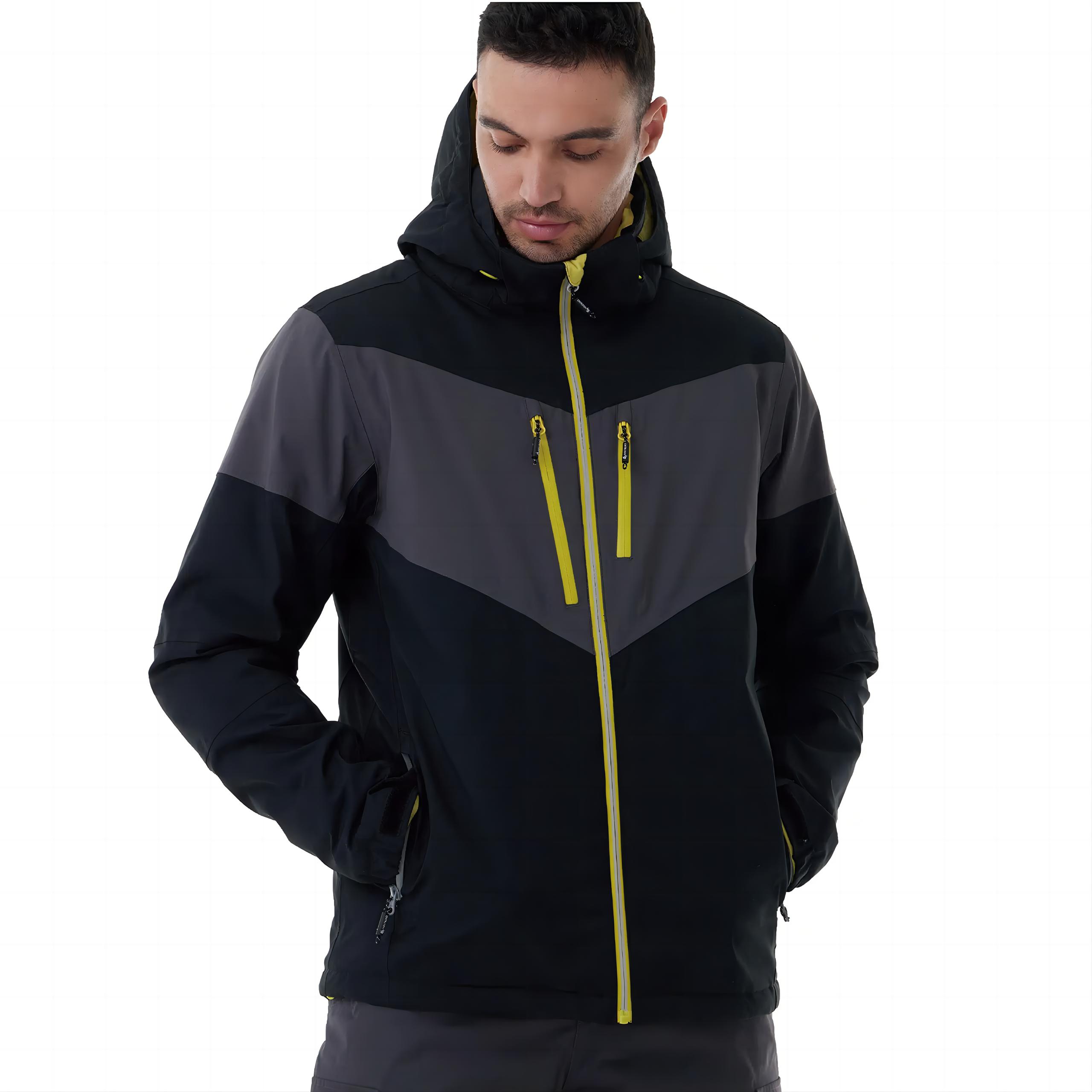
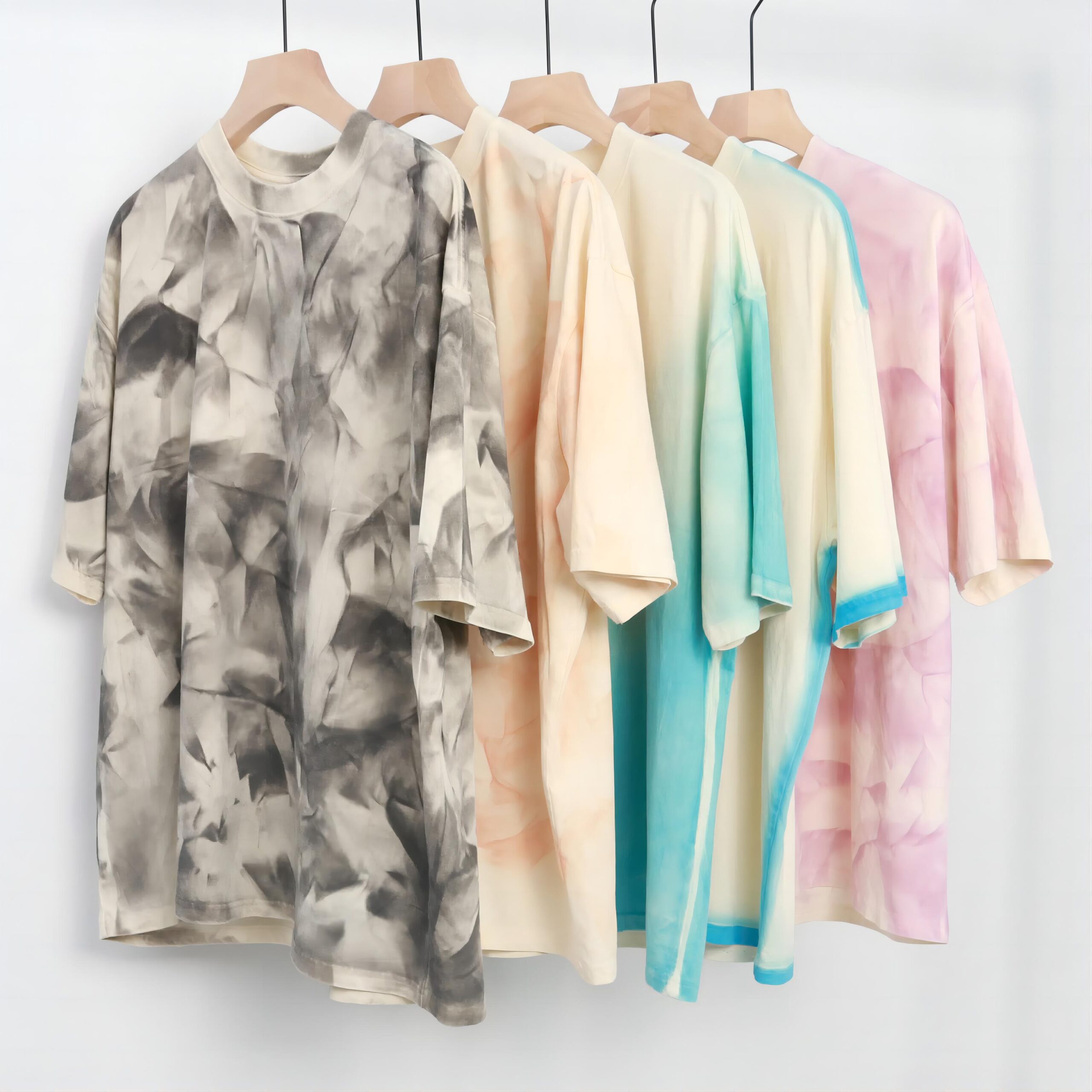
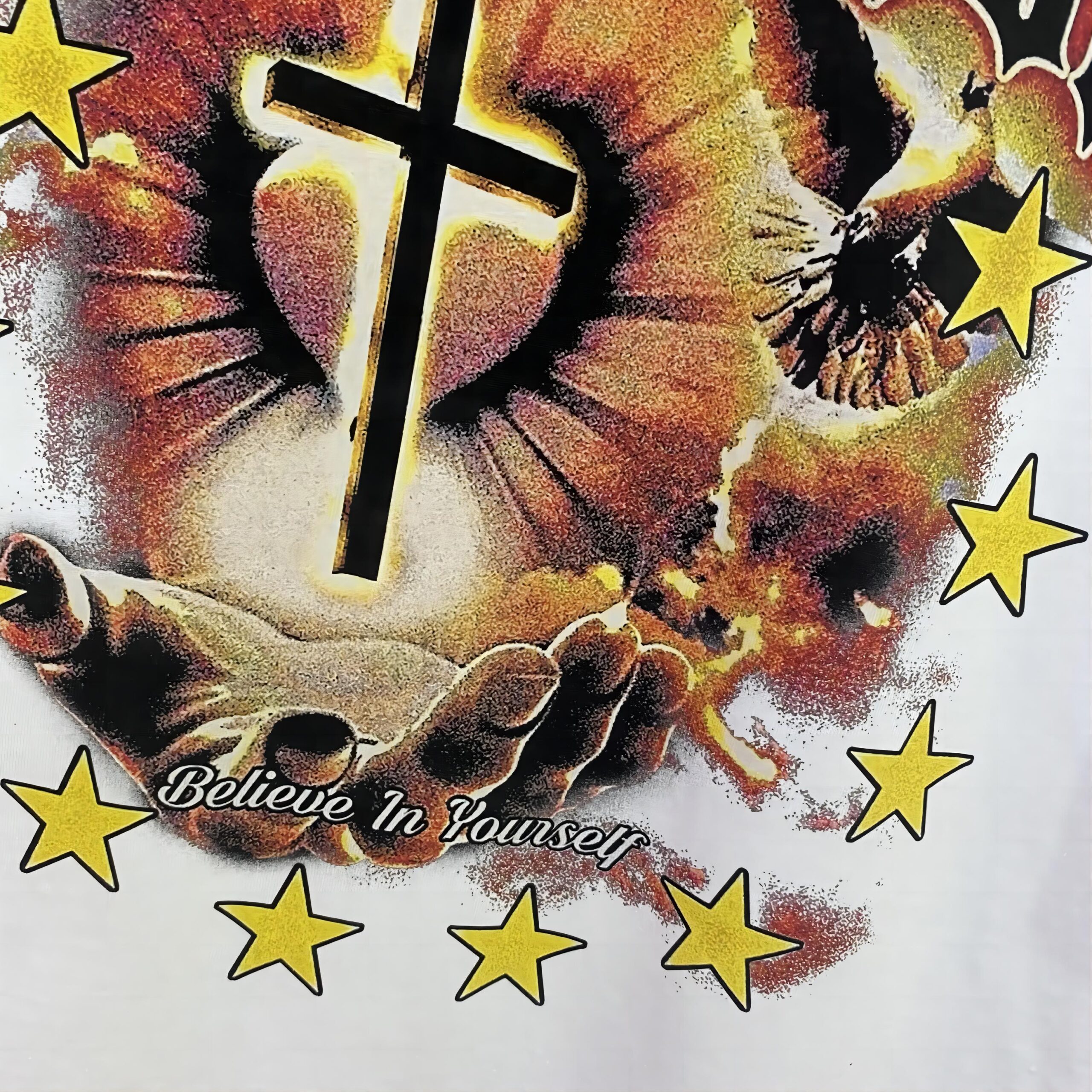




Garment Washing Manufacturer Advantages for Controlled Finishing
EDVORIN aligns wash development, material review, approved samples and bulk checks so each finish supports the original garment design.
Reference-Led Wash Development
Wash effects are developed against approved references, giving your team a clear visual benchmark before bulk production begins.
Fabric Compatibility Review
We review fabric weight, construction and decoration methods together to help protect color, hand feel and garment performance.
Decoration-Safe Planning
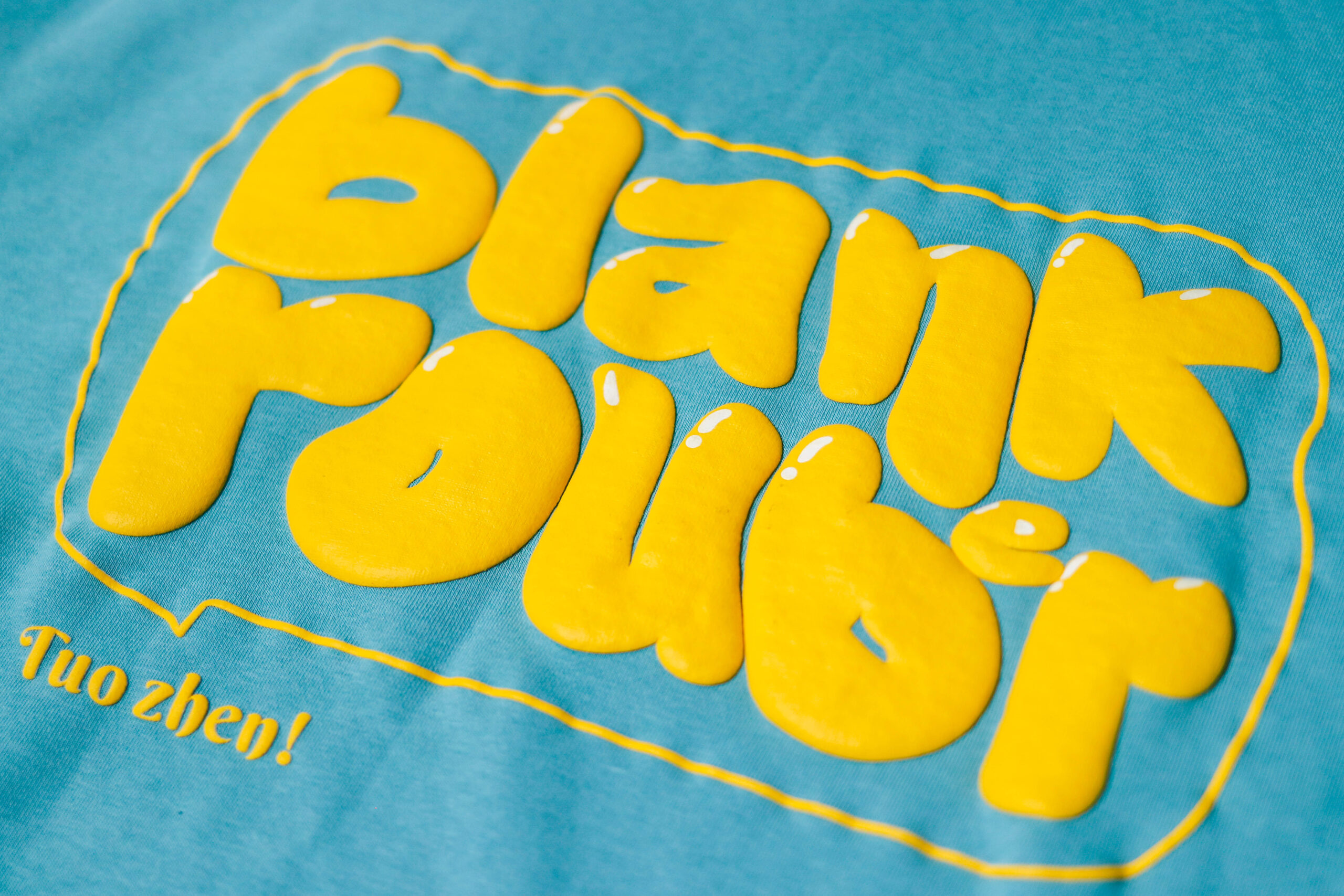
Prints, embroidery, labels and trims are considered before washing, reducing avoidable conflicts between finishing and applied details.
Approved Sample Standards
Confirmed samples document the target effect, measurements and construction details, creating a repeatable standard for production teams.
Bulk Inspection Alignment
In-line and final checks compare finished garments with approved standards, helping keep wash character and overall quality aligned.
Apparel Built for Repeat Production
Developed for fashion, streetwear, teamwear and private-label programs, with category-specific materials, construction, decoration and quality controls.
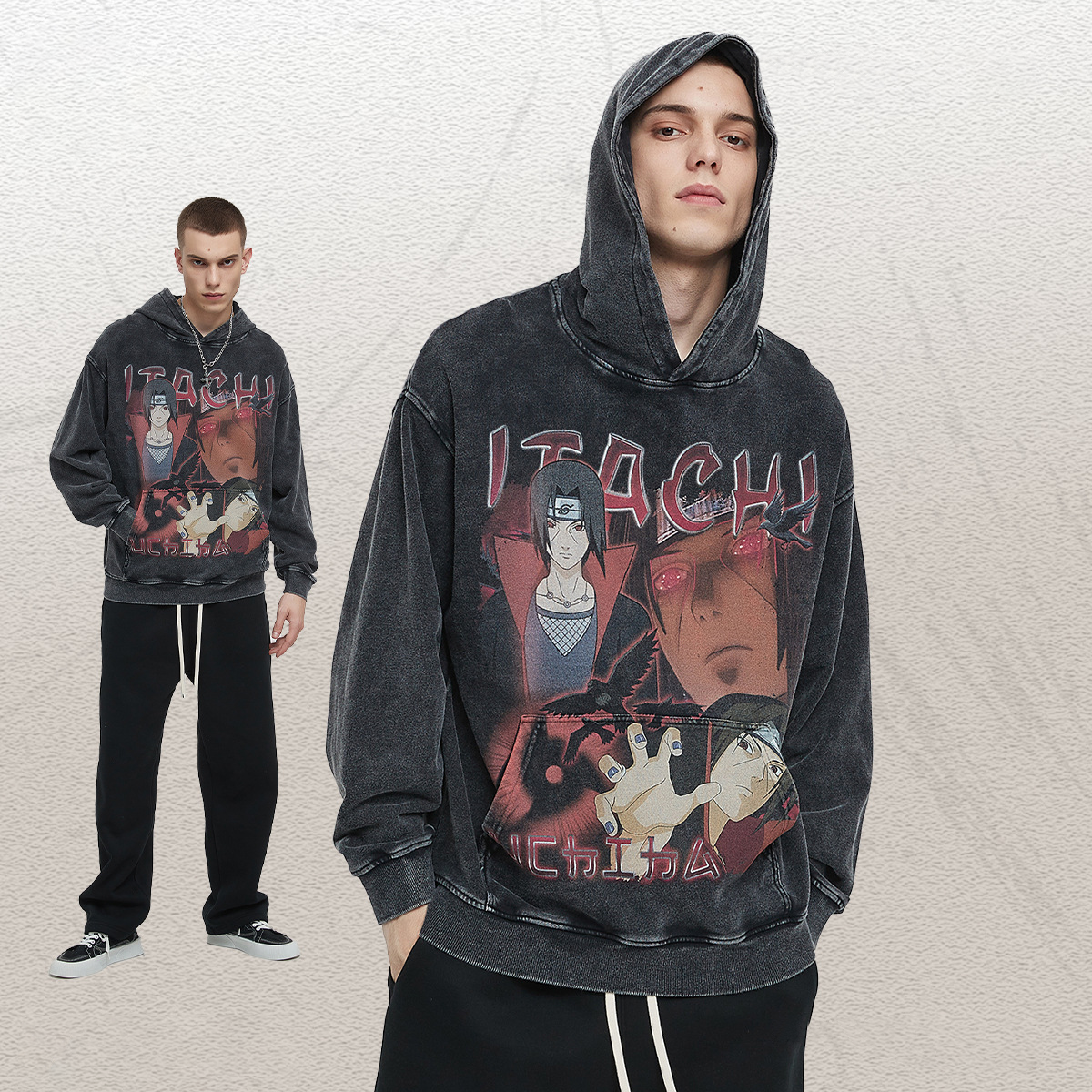
Custom Hoodies
Custom hoodies developed around fleece weight, fit block, rib recovery, hood construction and decoration requirements. Suitable for men’s and women’s fashion, streetwear and promotional programs, with options for screen printing, embroidery, washes, labels and coordinated packaging.
Get a Quote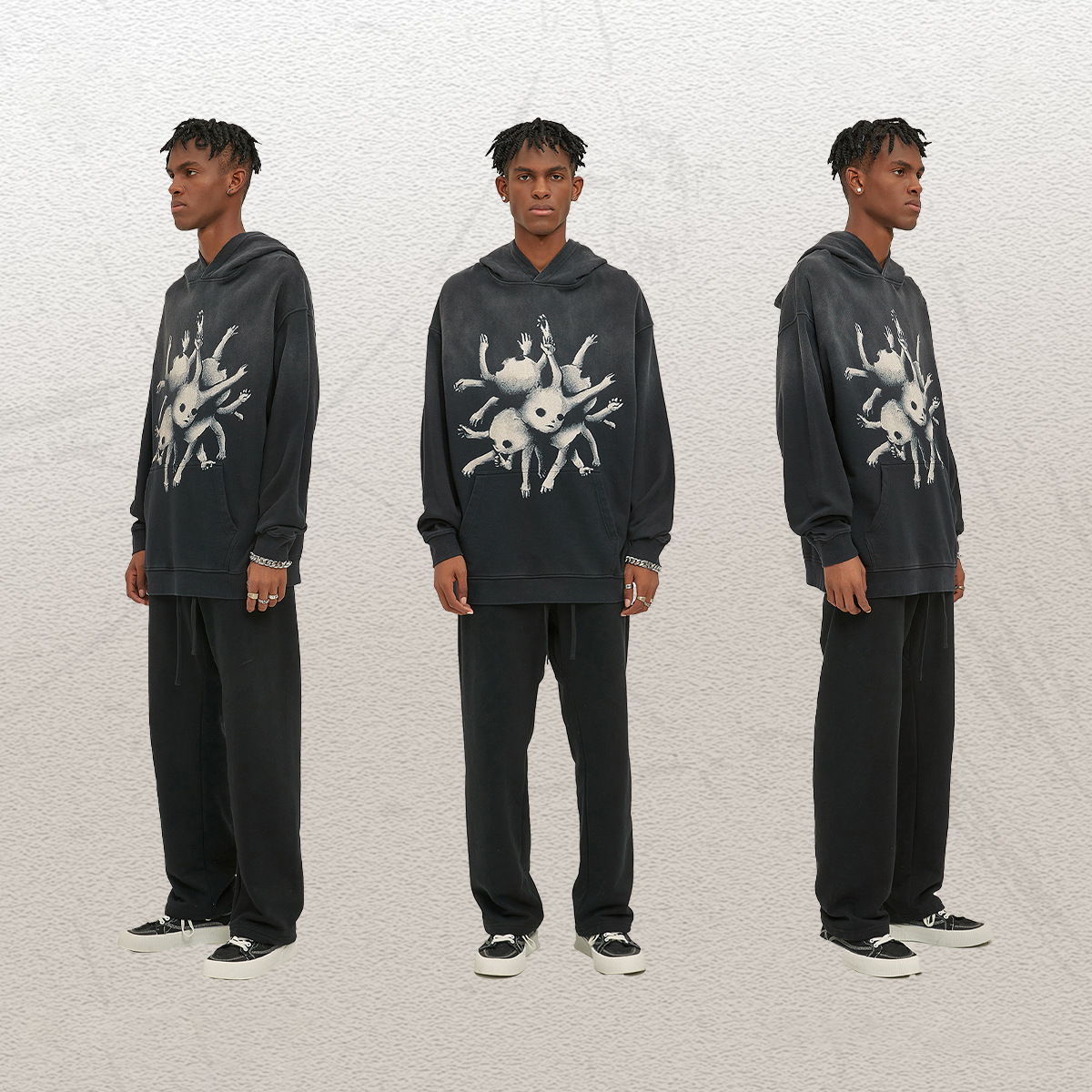
Pullover Sweatshirts
Pullover sweatshirts produced with defined body weight, neckline, cuff construction and grading for reliable repeat orders. EDVORIN supports crewneck and quarter-zip programs for men’s and women’s collections, coordinating fabric, trims, print placement, embroidery and bulk inspection.
Get a Quote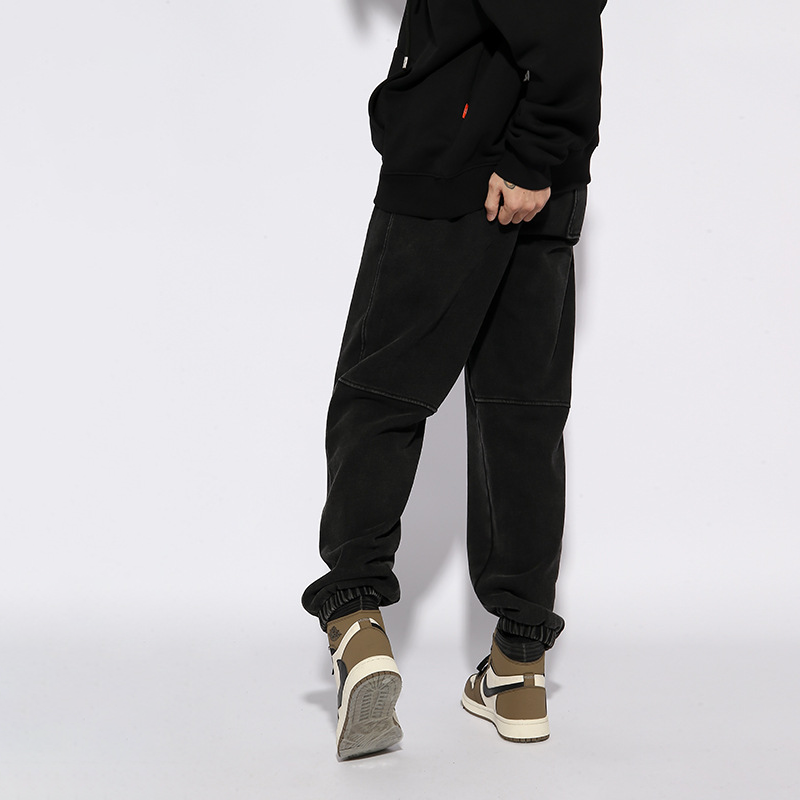
Sweatpants & Joggers
Sweatpants and joggers developed with considered fit, waistband construction, pocket details, cuff options and fabric weight. Suitable for casualwear, streetwear and coordinated sets, with men’s and women’s grading, garment washes, prints, embroidery and private-label finishing.
Get a Quote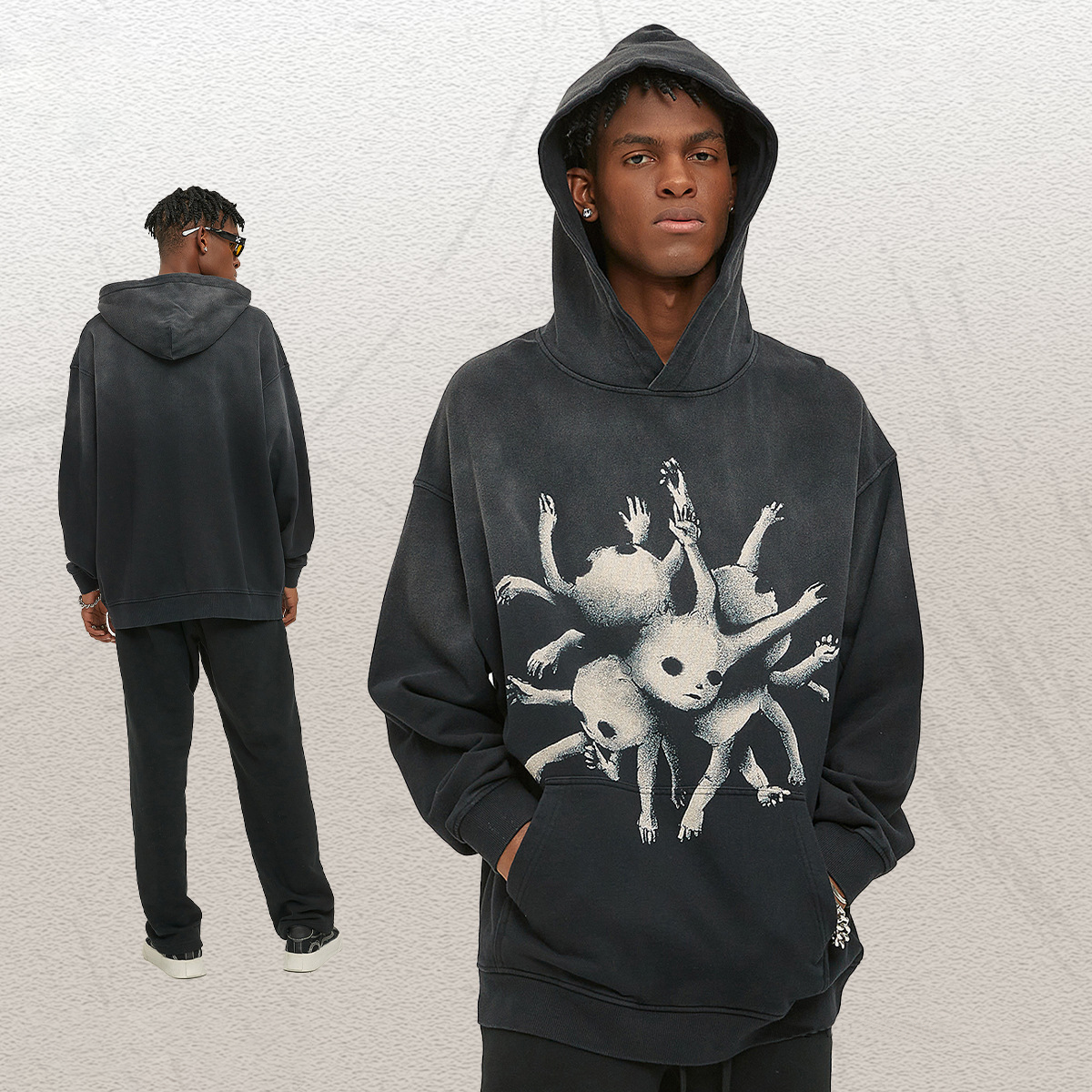
Custom Shorts
Custom shorts built for seasonal collections, active casualwear and coordinated apparel programs. Development can include fleece, jersey, woven or performance fabrics, with inseam options, waistband specifications, pockets, decoration and grading tailored to the intended wearer.
Get a Quote
Varsity & Baseball Jackets
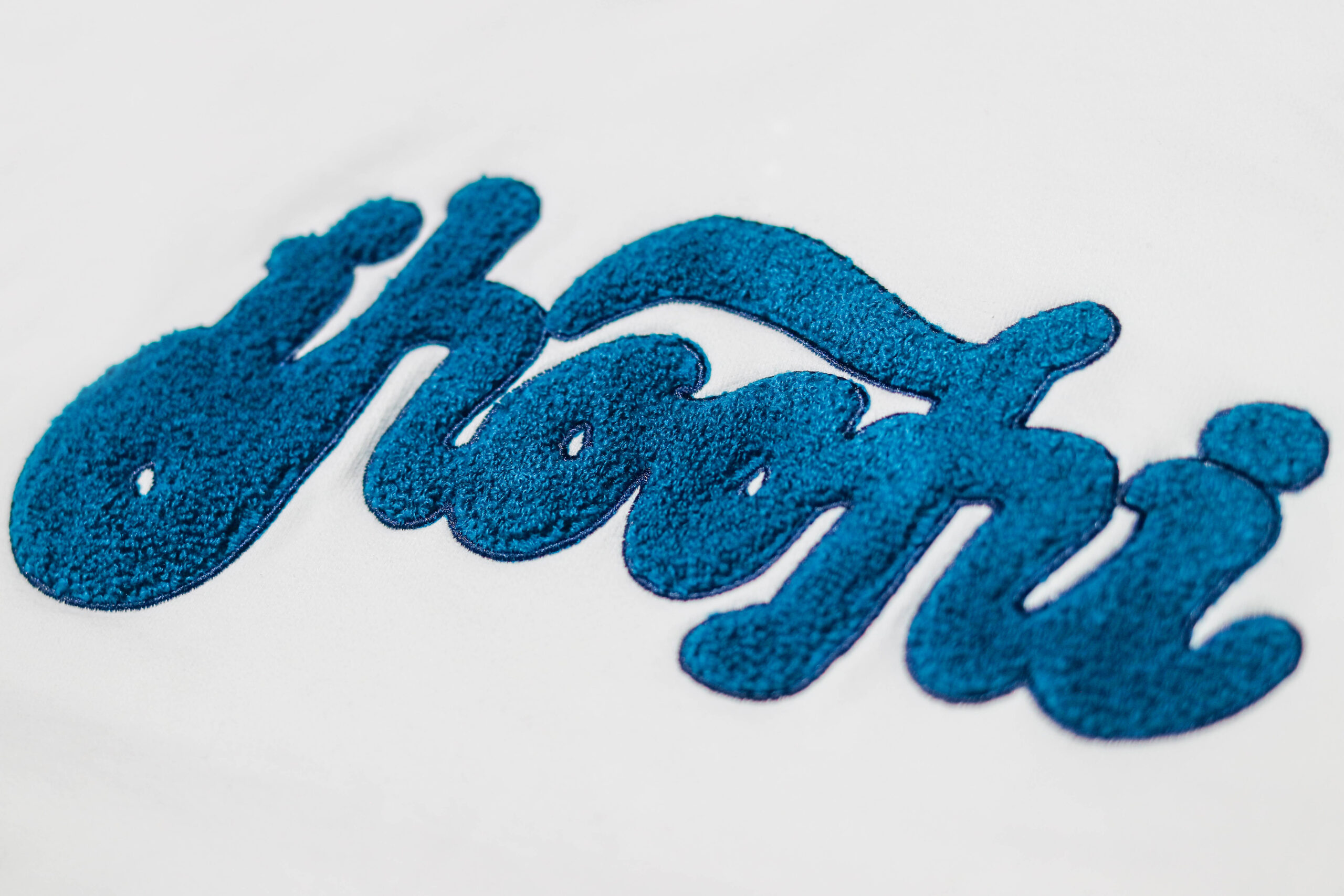
Varsity and baseball jackets require balanced control of body fabric, sleeves, rib, snaps, lining and patches. EDVORIN develops these elements as one production standard for fashion, school, club and streetwear programs, including embroidery, chenille and appliqué details.
Get a Quote
Custom T-Shirts
Custom T-shirts developed from fabric selection through neckline, fit, sleeve proportions and decoration method. Suitable for branded basics, event merchandise and fashion collections, with men’s and women’s blocks, screen printing, embroidery, garment dye, washes, labels and packaging.
Get a Quote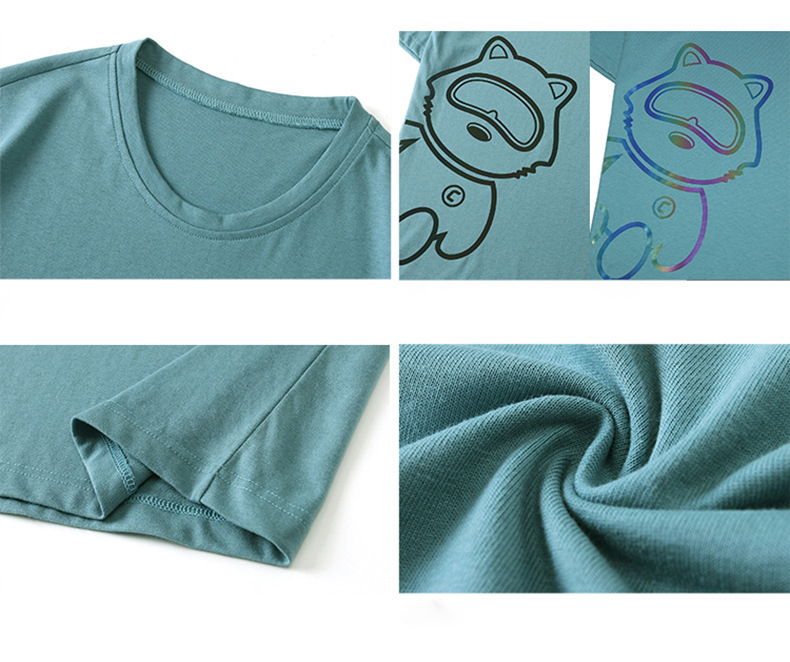
Custom Polo Shirts
Custom polo shirts produced for corporate, school, club and private-label programs requiring a more structured presentation. Options include piqué or jersey fabrics, collar construction, plackets, cuff details, embroidery, color blocking and size grading for men’s and women’s ranges.
Get a Quote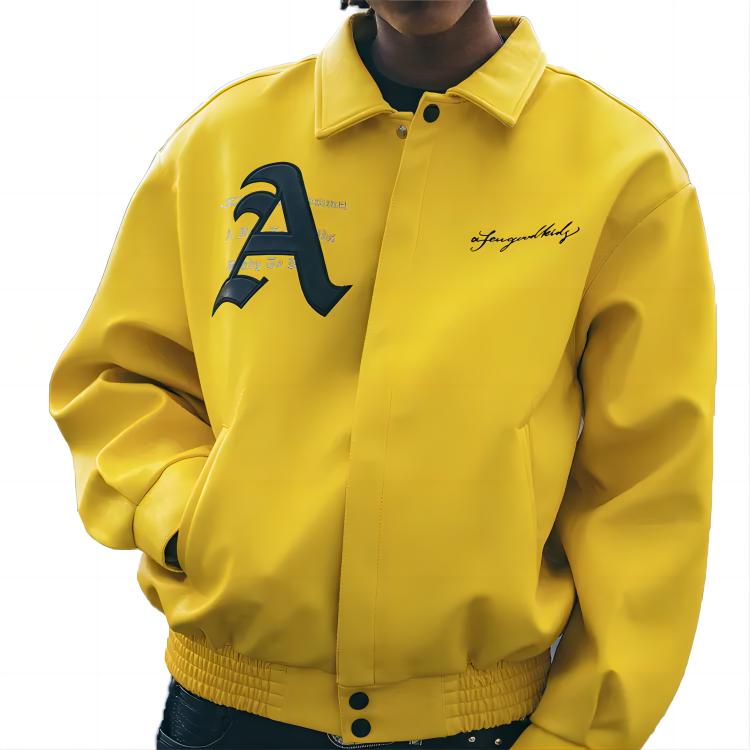
Windbreaker Jackets
Windbreaker jackets developed around shell performance, lining, ventilation, zipper specifications, hood construction and packability. Suitable for teamwear, outdoor-inspired streetwear and promotional programs, with coordinated printing, embroidery, reflective details and repeatable production documentation.
Get a Quote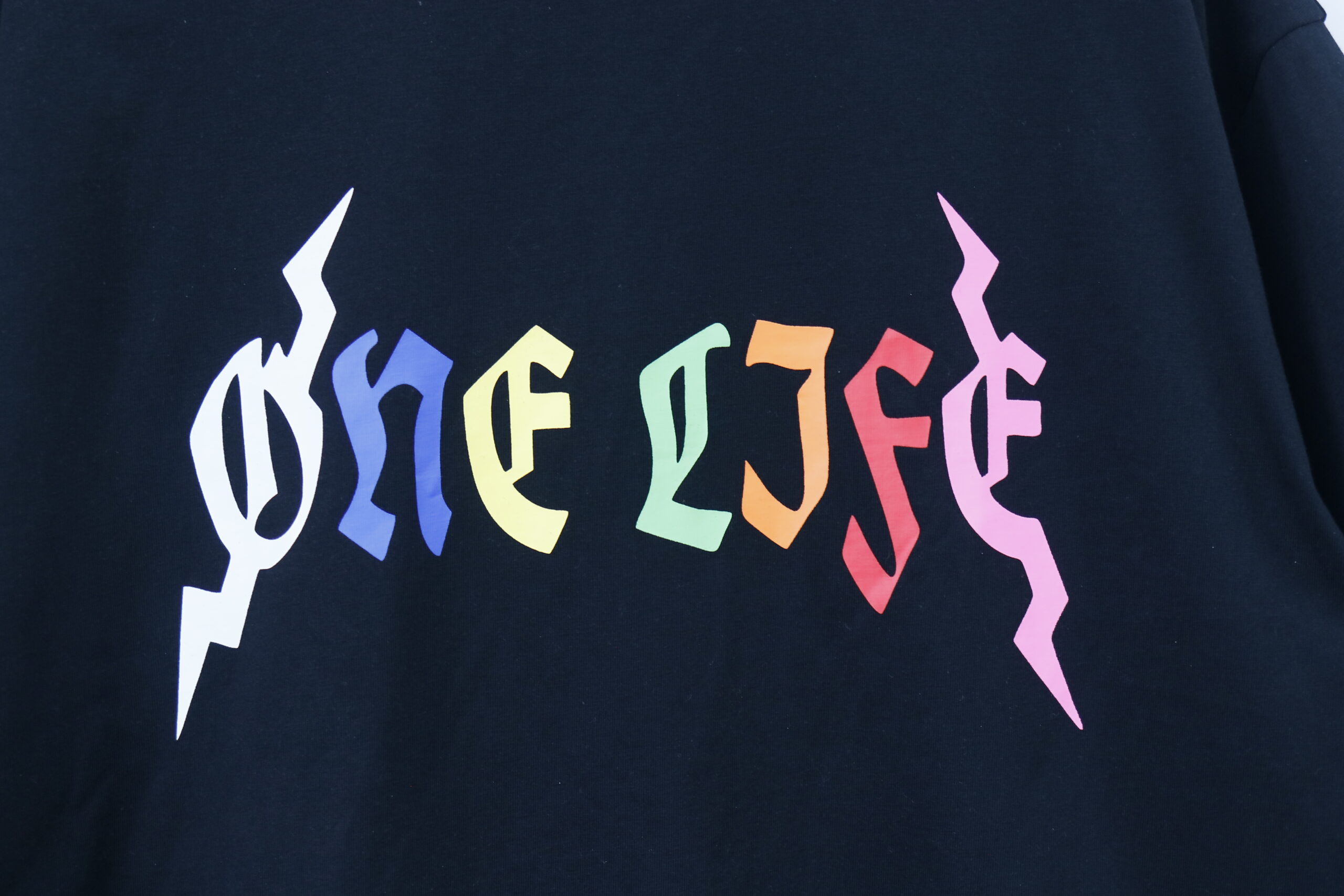
Quilted Jackets
Quilted jackets require coordinated control of shell fabric, insulation, lining, quilting layout and hardware. EDVORIN develops outerwear specifications for fashion and private-label programs, including warmth targets, pocket construction, labels, embroidery and final packing requirements.
Get a Quote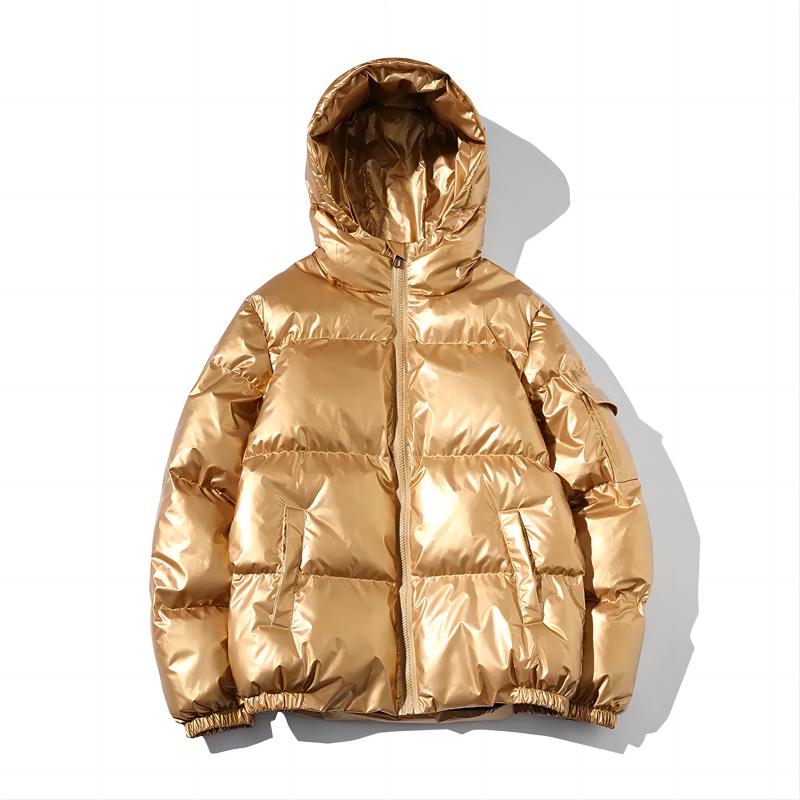
Bomber Jackets
Bomber jackets developed with proportioned body and sleeve construction, rib details, lining, zippers and pockets. Suitable for fashion, streetwear and uniform programs, with options for woven shells, quilted linings, patches, embroidery and controlled size grading.
Get a Quote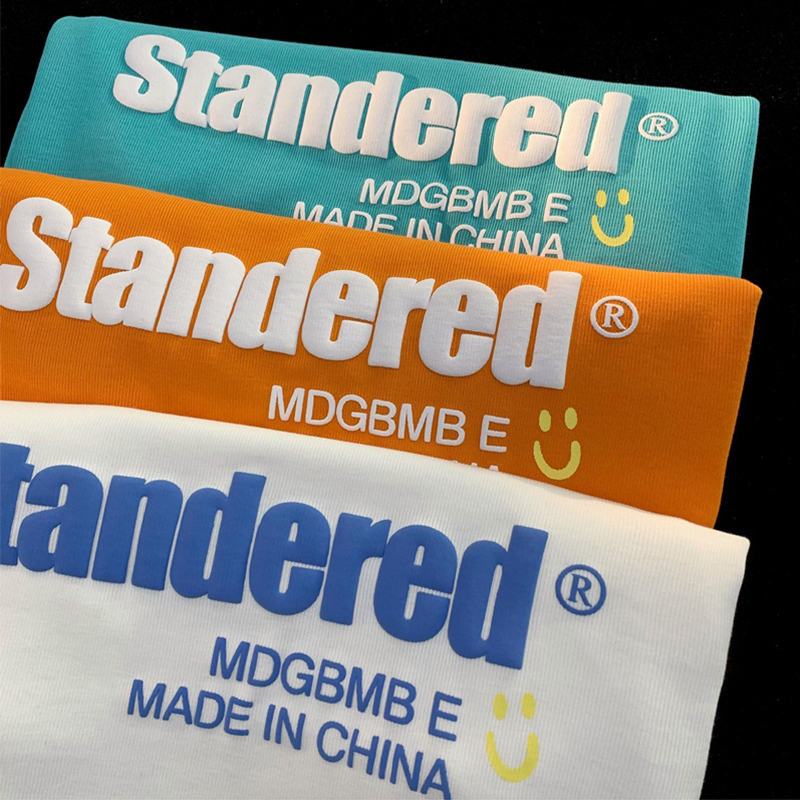
Custom Shirts
Custom woven shirts produced with attention to fabric handfeel, collar shape, placket construction, cuff details and fit. Appropriate for fashion, workwear and private-label assortments, with men’s and women’s development, printed fabrics, embroidery, labels and packaging coordination.
Get a Quote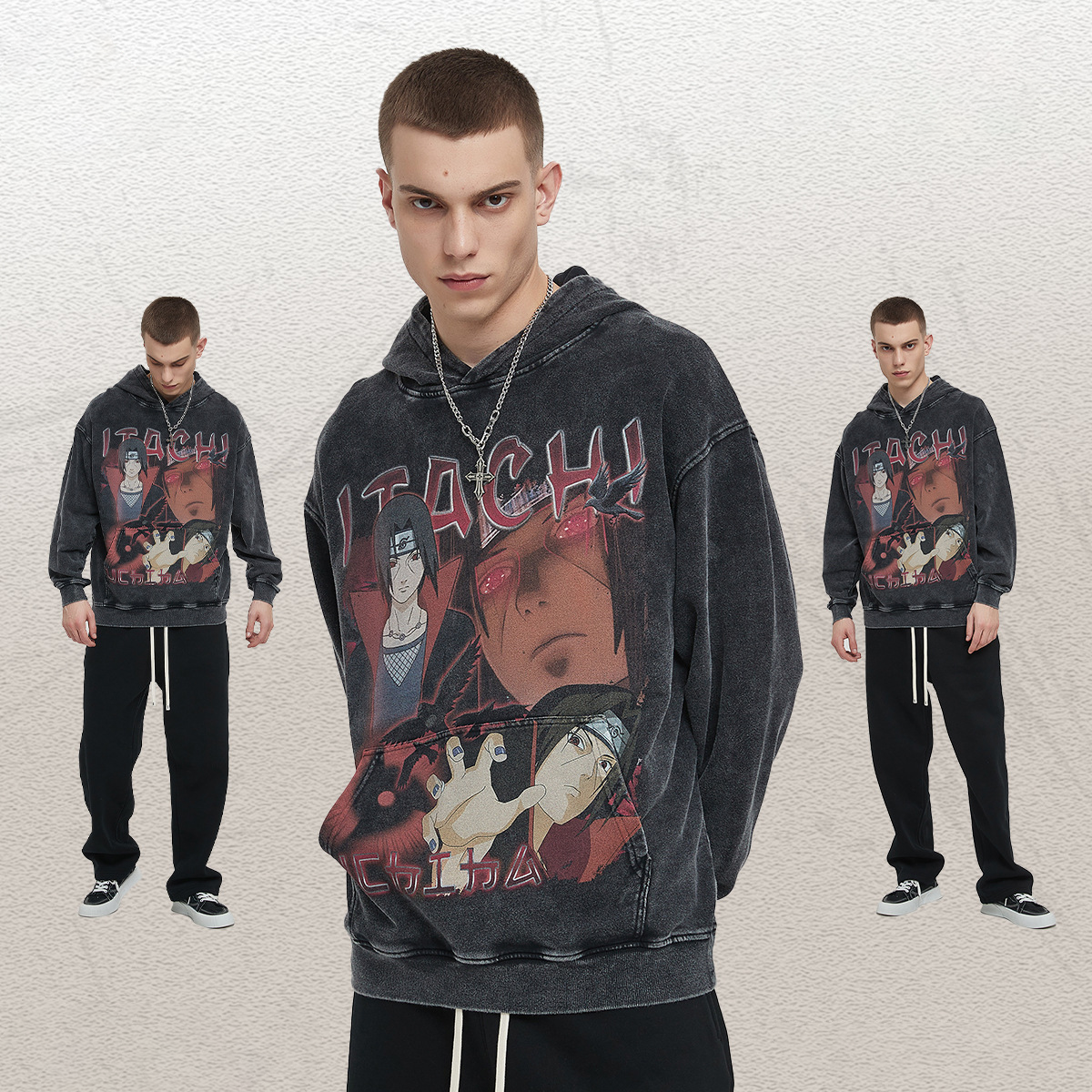
Custom Jerseys
Custom jerseys developed for team, club, fanwear and branded performance programs. Fabric, neckline, panel construction, color matching, names, numbers and decoration placement are documented to support consistent size sets and repeat orders across the full roster.
Get a Quote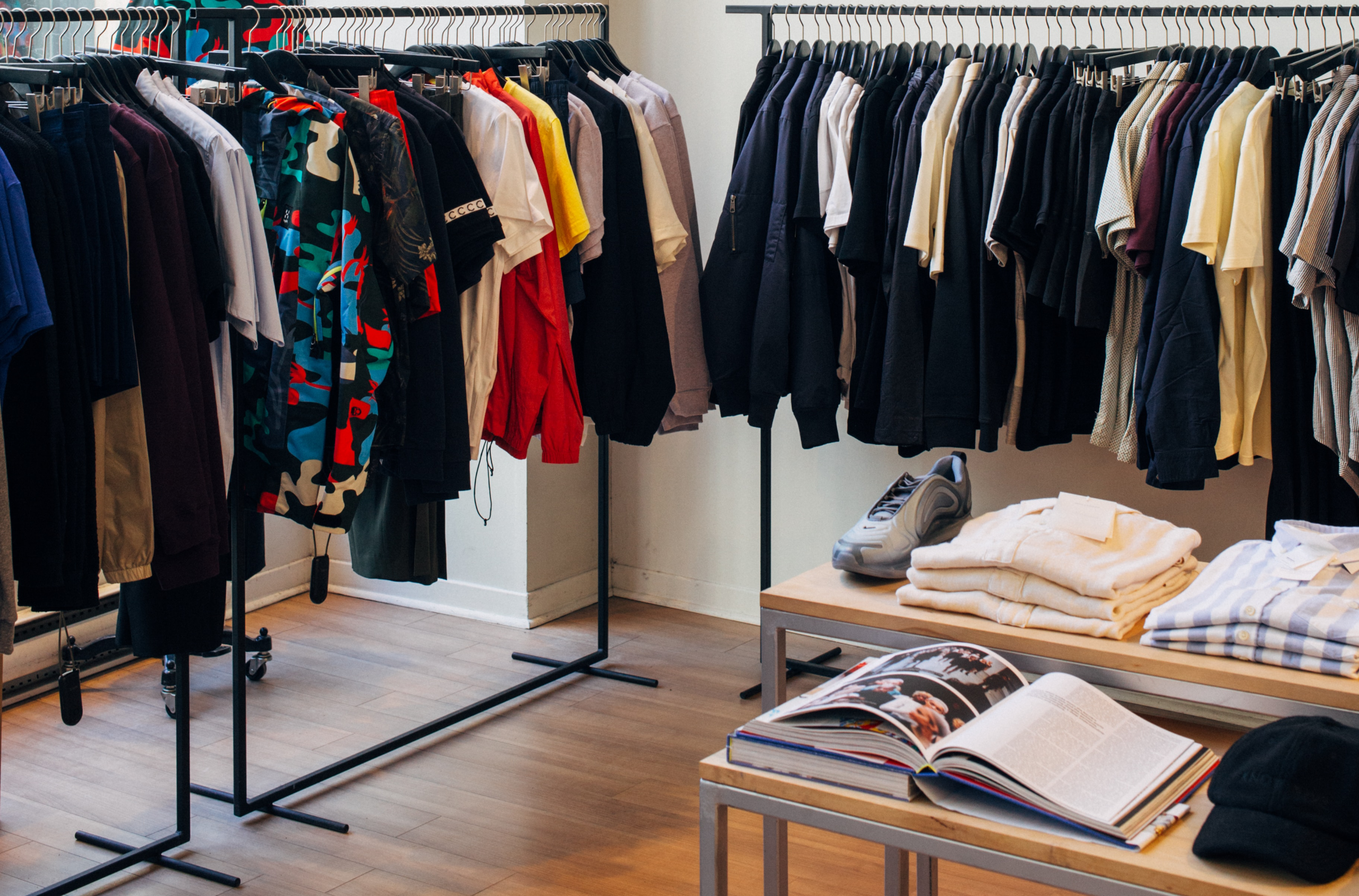
Tank Tops
Tank tops developed for casualwear, fitness, teamwear and warm-weather collections. EDVORIN coordinates fabric weight, armhole shape, neckline binding, fit and decoration for men’s and women’s programs, including prints, embroidery, labels and color-specific production standards.
Get a Quote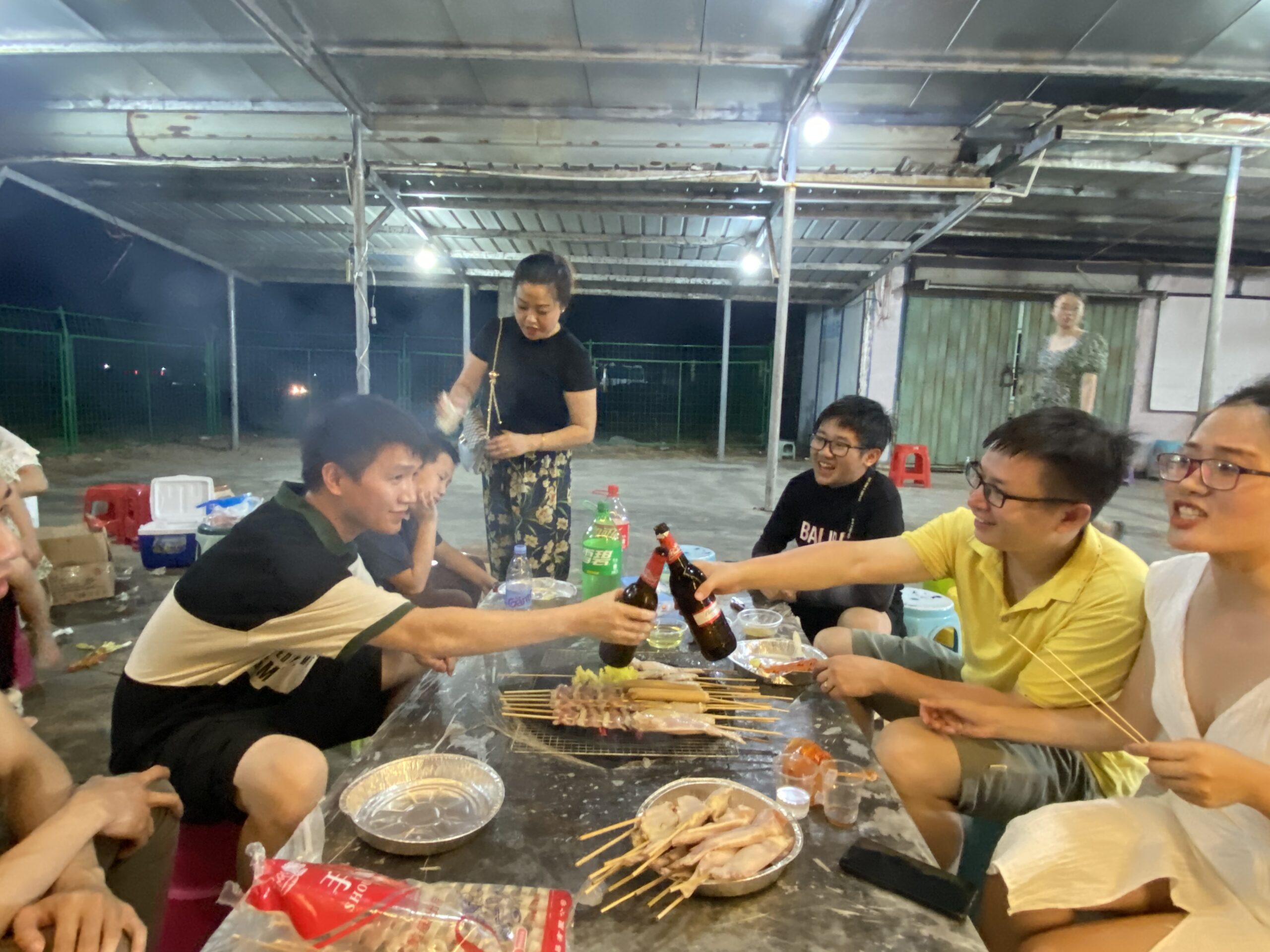
Soccer Uniforms
Soccer uniforms developed for movement, breathability and organized team identification. Programs can include jerseys, shorts and socks, with moisture-management fabrics, color matching, crests, sponsor graphics, player names and numbers controlled across complete squad size runs.
Get a Quote
Basketball Uniforms
Basketball uniforms developed with breathable fabric options, mobility-focused cuts and dependable color matching for team programs. EDVORIN coordinates jerseys and shorts, including contrast panels, sublimation, screen printing, crests, names, numbers and graded size sets for repeat orders.
Get a Quote
Streetwear Collections
Streetwear collections developed as connected product programs rather than isolated styles. EDVORIN coordinates hoodies, tees, bottoms, jackets and accessories through shared fabrics, fit direction, washes, decoration, labels and packaging, helping brands move from concept and samples into controlled bulk production.
Get a QuoteWhy Choose EDVORIN for Garment Washing
EDVORIN has been translating apparel ideas into production-ready standards since 2000. As a founder-led garment washing manufacturer, we connect material sourcing, construction, decoration and wash development early, so the intended hand feel, color character and garment proportions can be tested before bulk production.
Our OEM, ODM and private-label workflow supports casualwear, streetwear, outerwear and teamwear for men’s and women’s programs. From samples through packing, fabric, trims, printing, embroidery, washing and labeling are coordinated in one accountable production path, with MOQ starting at 200 pieces per style. Certification programs include ISO 9001, BSCI, WRAP, SEDEX, OEKO-TEX Standard 100, GRS and GOTS.
What makes EDVORIN different is the discipline behind repeatability. Approved samples, documented specifications, in-line checks and final inspection give each wash program a clear reference, helping brands protect the design details that distinguish their collection across current and future orders.
Garment Washing Manufacturer for Design-Protected Development
Choose Fabric for the Effect
EDVORIN starts with the intended hand feel, color character, weight and wear-in effect, then aligns fabric construction with the wash direction. This helps fashion, streetwear and teamwear buyers avoid a finish that compromises the garment’s original purpose.
- Review fabric weight, fiber content and surface character
- Match wash direction to the desired hand feel
- Assess shrinkage and shape retention during sampling
- Adjust men’s and women’s fit requirements early
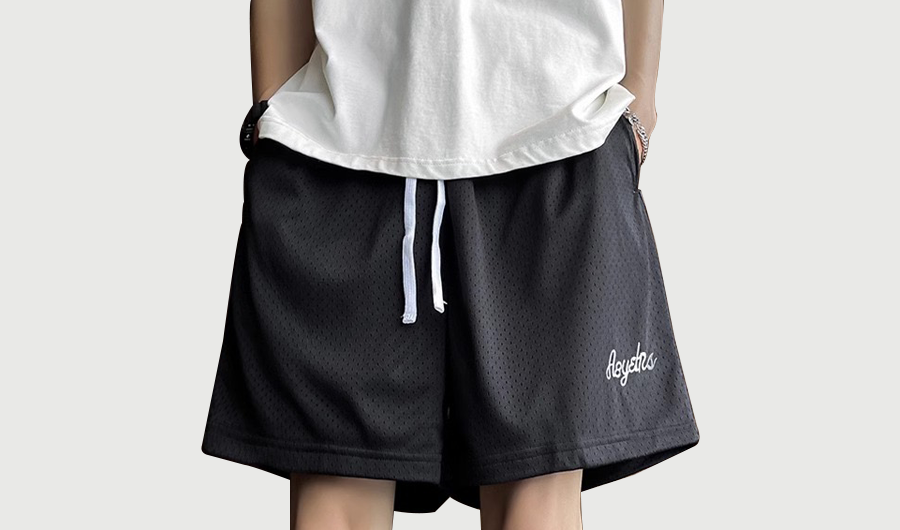
Coordinate Decoration Before Washing
Prints, embroidery, patches, trims and washing must work as one specification. EDVORIN evaluates how decoration placement, material compatibility and finishing sequence support the intended appearance, so expressive details remain considered rather than becoming an afterthought in production.
- Plan print, embroidery and patch placement precisely
- Check trim compatibility with the selected wash
- Define the appropriate decoration and finishing sequence
- Review the complete sample before bulk approval
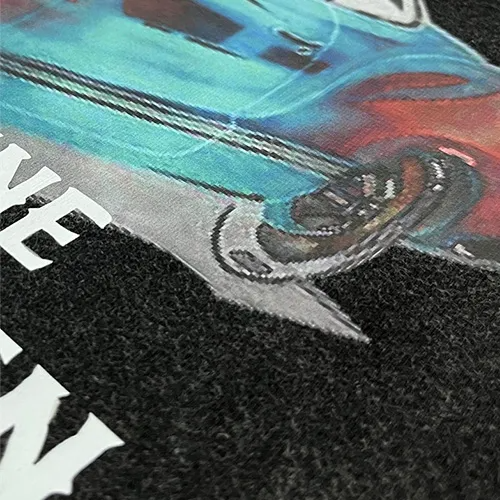
Turn Samples Into Standards
An approved sample becomes more useful when its key decisions are recorded clearly. EDVORIN documents the accepted wash character alongside construction, measurements, artwork placement, trims and labeling, creating a practical reference for repeatable bulk production and future reorders.
- Use the approved sample as the production benchmark
- Record wash appearance and garment measurements
- Capture construction, artwork and trim specifications
- Align labels and packaging with the final standard
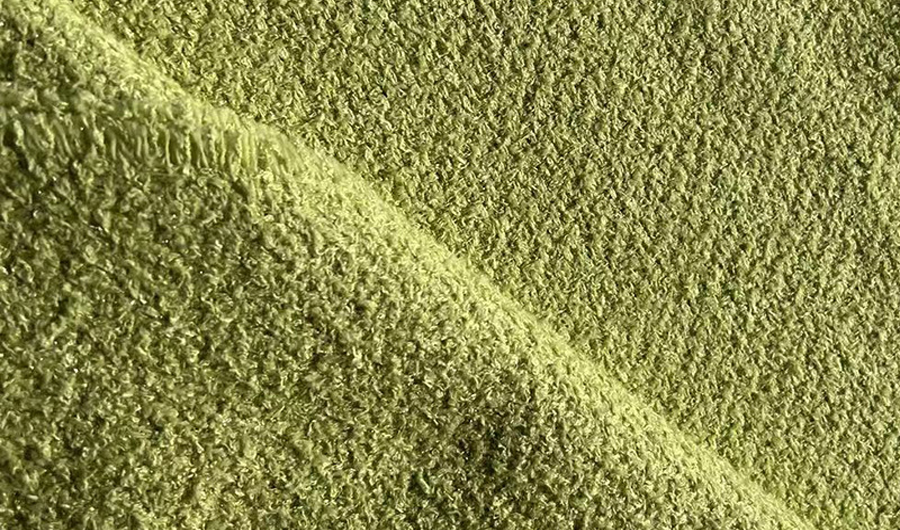
Check Consistency Through Bulk
Garment washing can change color, feel, dimensions and visual character, so control continues beyond sample approval. EDVORIN organizes in-line and final checks around the approved standard, helping buyers assess whether packed garments remain aligned with the collection’s intended finish.
- Compare production pieces with the approved sample
- Monitor dimensions, color character and overall appearance
- Identify variation during in-line quality checks
- Confirm finished garments before packing
Why EDVORIN Is the Garment Washing Manufacturer for Repeatable Programs
One accountable path from wash development and approved samples through bulk production, inspection, labeling, and packing.
← Swipe left or right to view →
Garment Washing Manufacturer Production Process
EDVORIN turns approved wash direction into a documented, repeatable production standard for apparel programs starting at 200 pieces per style.
Review Fabric and Artwork
We assess fabric composition, garment construction, artwork, trims, and intended wash character to identify development requirements before processing begins.
Develop Wash References
Our team creates wash references that define the target color, hand feel, fading, distressing, and overall visual direction for buyer review.
Make and Approve Samples
Sample garments are washed and finished for evaluation, allowing fit, decoration performance, and wash appearance to be approved together.
Record Production Specifications
Approved results are translated into clear washing, finishing, placement, and quality specifications that guide the bulk production team consistently.
Run Bulk Washing and Finishing
Bulk garments move through the approved wash and finishing sequence, coordinated with construction, decoration, trims, labels, and packaging requirements.
Inspect, Pack, and Release
Final checks compare washed garments with the approved standard before labeling, packing, and release for shipment to your brand program.
How to Work With a Garment Washing Manufacturer
Bring a tech pack, reference garment, wash target, or early concept. EDVORIN turns the approved direction into a controlled, repeatable production standard.
Share Your Wash Brief
Send your tech pack, reference garment, target wash effect, fabric details, artwork, size range, and order requirements so our team can assess the production path.
Review Quote and Sample
EDVORIN’s MOQ starts at 200 pieces per style. Confirm construction, materials, trims, decoration, wash direction, MOQ, and pricing. We develop a sample to test the garment’s appearance, hand feel, fit, and wash response.
Approve the Production Standard
Review the sample and record approved measurements, color references, wash character, artwork placement, trims, and packaging details before bulk production begins.
Track Production to Delivery
Receive production updates while EDVORIN coordinates cutting, sewing, decoration, washing, and inspection. Final checks compare packed garments with the approved standard before delivery.
Garment Washing Manufacturer Results for Brand Programs
EDVORIN matched our approved vintage wash across 1,200 heavyweight tees while keeping the front print crisp. The hand feel stayed soft, and the bulk delivery landed two days ahead of our launch schedule.
Our washed hoodie program needed a consistent fade without affecting embroidery placement. EDVORIN documented the sample standard, then delivered all 680 units with the same look and measurements we approved.
For our club warm-up sets, the wash had to soften the fabric while preserving team colors and numbers. EDVORIN completed 24 size-and-color combinations on plan, giving us a reliable result for reorders.
Garment Washing Manufacturer FAQ
Clear answers for brands planning washed apparel programs from sample development through repeat bulk production.
What fabrics can a garment washing manufacturer wash?
Can a garment washing manufacturer combine washes with screen printing or embroidery?
What do I need to send a garment washing manufacturer for a sample?
Will every washed garment look exactly the same?
What is the MOQ for custom garment washing?
How long does a garment washing manufacturer take from sample to bulk order?
Can you make men’s and women’s washed apparel?
Can EDVORIN develop a washed hoodie, T-shirt, denim piece, or streetwear collection from a reference garment?
The Complete Buyer’s Guide to garment washing manufacturer
Use this decision framework to compare wash capabilities, fabric compatibility, quality controls, sampling, pricing, and supplier fit—while avoiding costly specification, color, durability, and lead-time mistakes.
1. What Is a Garment Washing Manufacturer?
EDVORIN treats garment washing as a production finish: sewn garments are processed to achieve an approved handfeel, color cast, shrinkage response, and surface character before packing. A garment washing manufacturer develops and reproduces that post-sewing result rather than simply cleaning goods.
200-piece programs benefit from a specialist when the wash is central to the product identity or must repeat across sizes and reorders. A garment factory cuts and sews; a commercial laundry cleans returned textiles; a dye house primarily colors fabric or garments.
280 GSM fleece hoodies and garment-dyed tees need coordinated sampling when washing can alter measurements, color, print compatibility, or trim performance. Integrated manufacturing and washing control is most useful when one approved sample must govern sourcing, construction, decoration, wash, inspection, and packing.
2. Evolution of Garment Washing
1950s denim finishing made washing a production tool for controlling shrinkage, removing stiffness, and creating a worn appearance before garments reached retail. Stone washing, bleaching, and enzyme treatments later expanded the usable surface effects.
1980s fashion shifted washing from correction to design: pigment-dyed fleece, mineral effects, softeners, and targeted fading gave sweatshirts and tees distinct color, handfeel, texture, and vintage character. The same wash can change measurements, seam twist, rib recovery, and decoration performance.
200-piece programs now require an approved wash standard, retained reference sample, documented recipe, and lot-level records—not a subjective request for a faded look. A capable garment washing manufacturer evaluates water, chemistry, energy, wastewater controls, and batch consistency so a successful sample can be repeated across scalable bulk orders.
3. Types of Garment Washing Manufacturer Services
A garment washing manufacturer may combine wet processing, dyeing, and manual effects, but each creates a different approval burden. Specify the target appearance on an approved sample, not only by wash name.
| Service | Visual Result | Best For | Approval Risk |
|---|---|---|---|
| Rinse/softener | Clean, softer hand | Tees, fleece | Shrinkage |
| Enzyme/stone | Worn abrasion | Sweatwear, denim | Uneven fading |
| Pigment/dye | Washed color depth | Cotton sets | Shade variation |
| Acid/mineral | Mottled contrast | Streetwear | Effect inconsistency |
| Denim/hand finish | Localized fading | Jeans, jackets | Placement variation |
Rinse And Softening
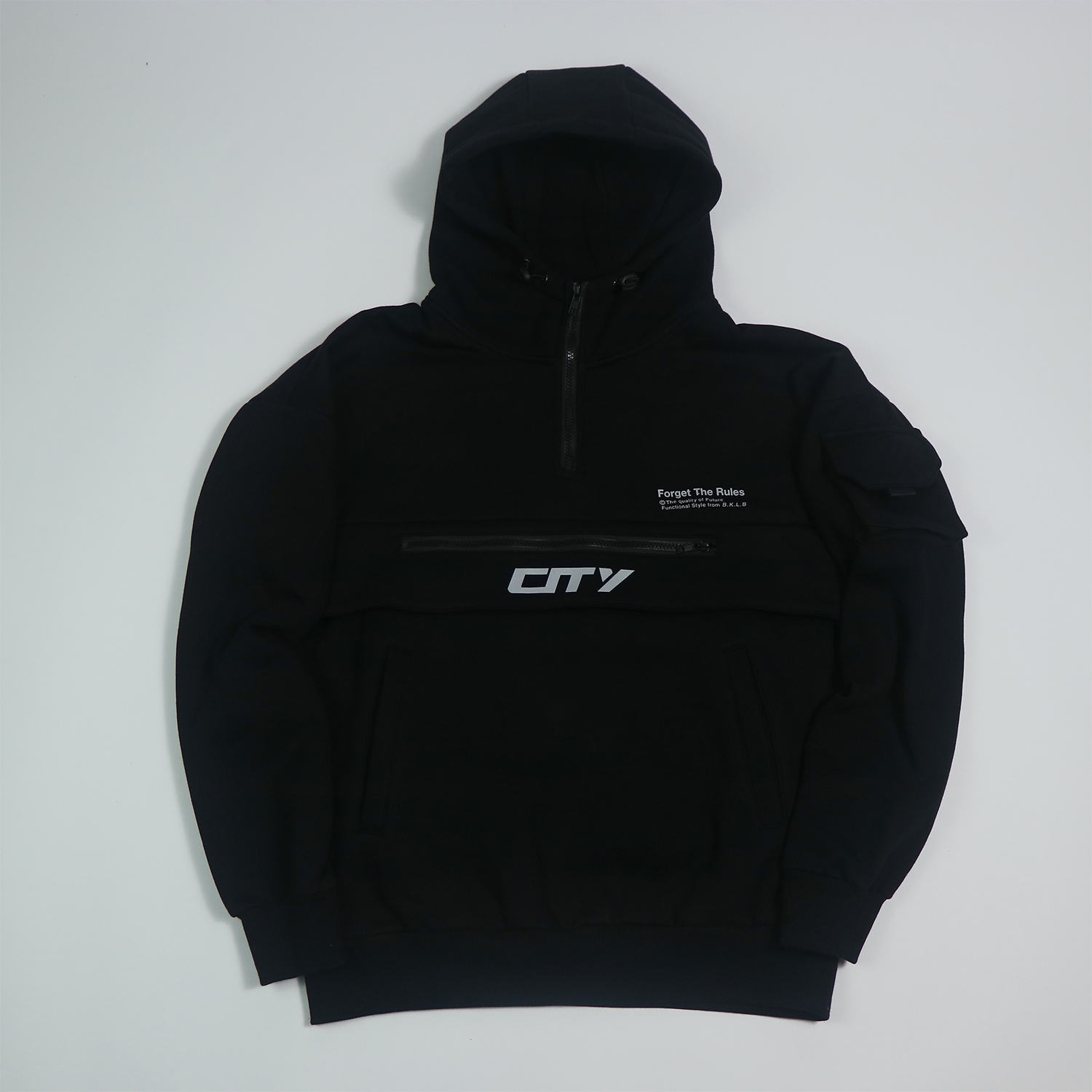
1 rinse or silicone-softener cycle gives tees, fleece, and uniforms a cleaner hand with limited color change. Approve shrinkage, hand feel, and seam appearance.
Enzyme, Stone, And Dye
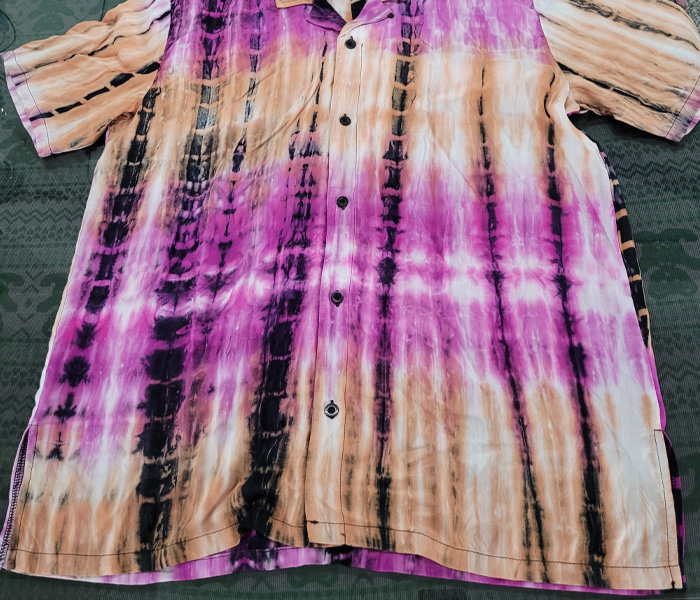
Enzyme or stone washing builds abrasion and a worn surface on cotton sweatwear and denim. Pigment or garment dyeing creates color variation, so approve lab dips and shade range.
Acid, Denim, And Distress
Acid or mineral effects create irregular contrast, while denim wet processes add fading. Hand sanding, whiskers, and tears require placement standards because variation is inherent.
4. Fabrics for Garment Washing Manufacturer Projects
A garment washing manufacturer should select fabric before selecting a wash. Fiber, construction, GSM, shade, trims, and thread determine shrinkage, abrasion, and color response.
| Fabric | Recommended Wash | Likely Effect | Buyer Watch-Out |
|---|---|---|---|
| 100% cotton | Enzyme, pigment | Softer vintage hand | 3–5% shrinkage |
| Cotton blend | Light enzyme | Stable casual fade | Uneven fiber response |
| Denim | Enzyme, stone | Worn contrast | Indigo color loss |
| French terry | Enzyme, garment dye | Relaxed surface | Rib shrinkage |
| Fleece | Softener, light enzyme | Plush hand | Pilling |
| Rayon/Tencel blend | Gentle enzyme | Fluid drape | Strength loss |
| Synthetics | Low-temperature rinse | Minimal fade | Heat-sensitive trims |
Construction Sets The Result
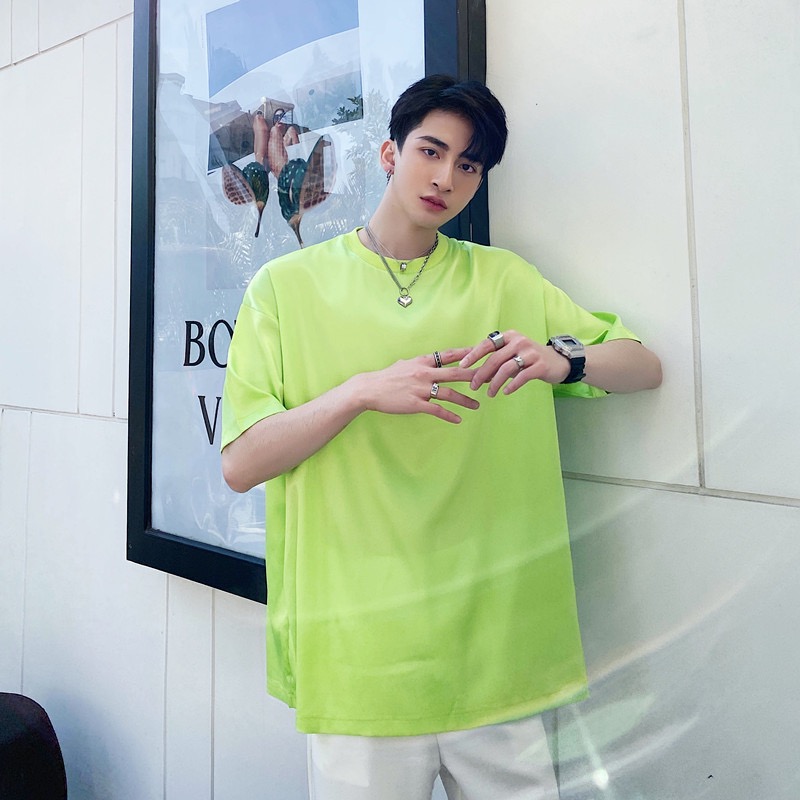
280–360 GSM French terry usually tolerates enzyme or garment-dye programs better than brushed fleece, whose surface can pill under aggressive abrasion.
2–5% elastane, contrast rib, plastic snaps, and polyester thread need wash trials; cotton thread and reactive-dyed shells may change tone differently.
5. Customization and Decoration After Washing
Two production sequences are common: decorate before washing for integrated fade, or decorate afterward for cleaner edges. A garment washing manufacturer should sample the exact sequence, artwork scale, and trim set together.
| Decoration | Preferred Sequence | Key Risk |
|---|---|---|
| Screen print | Before or after wash | Cracking or coverage loss |
| Embroidery | Usually after wash | Puckering |
| Patches and appliqué | After wash | Edge abrasion |
| Metal trims | Before wash only if tested | Corrosion |
Choose The Decoration Sequence
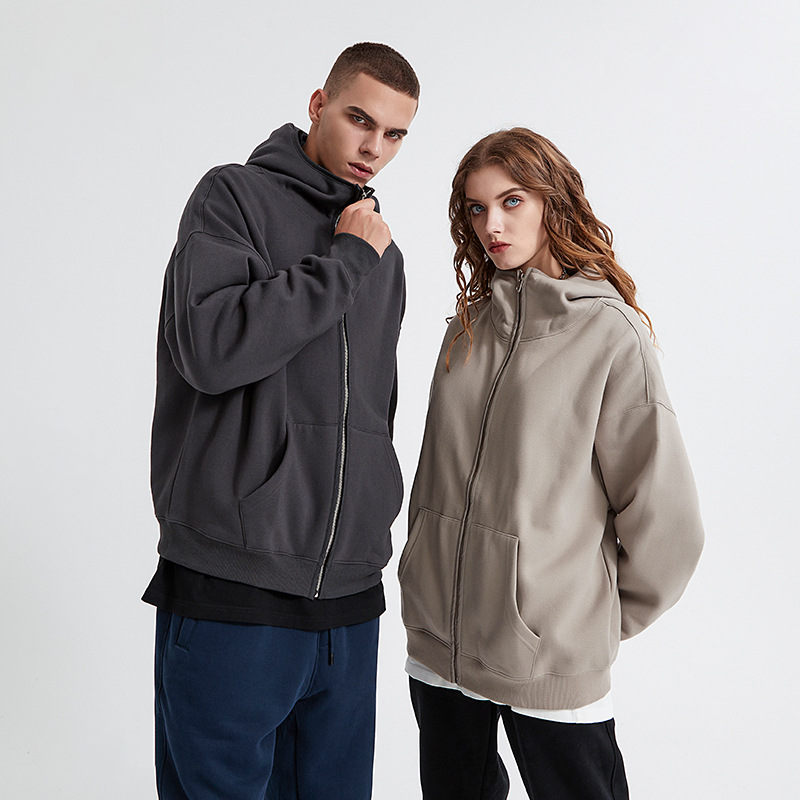
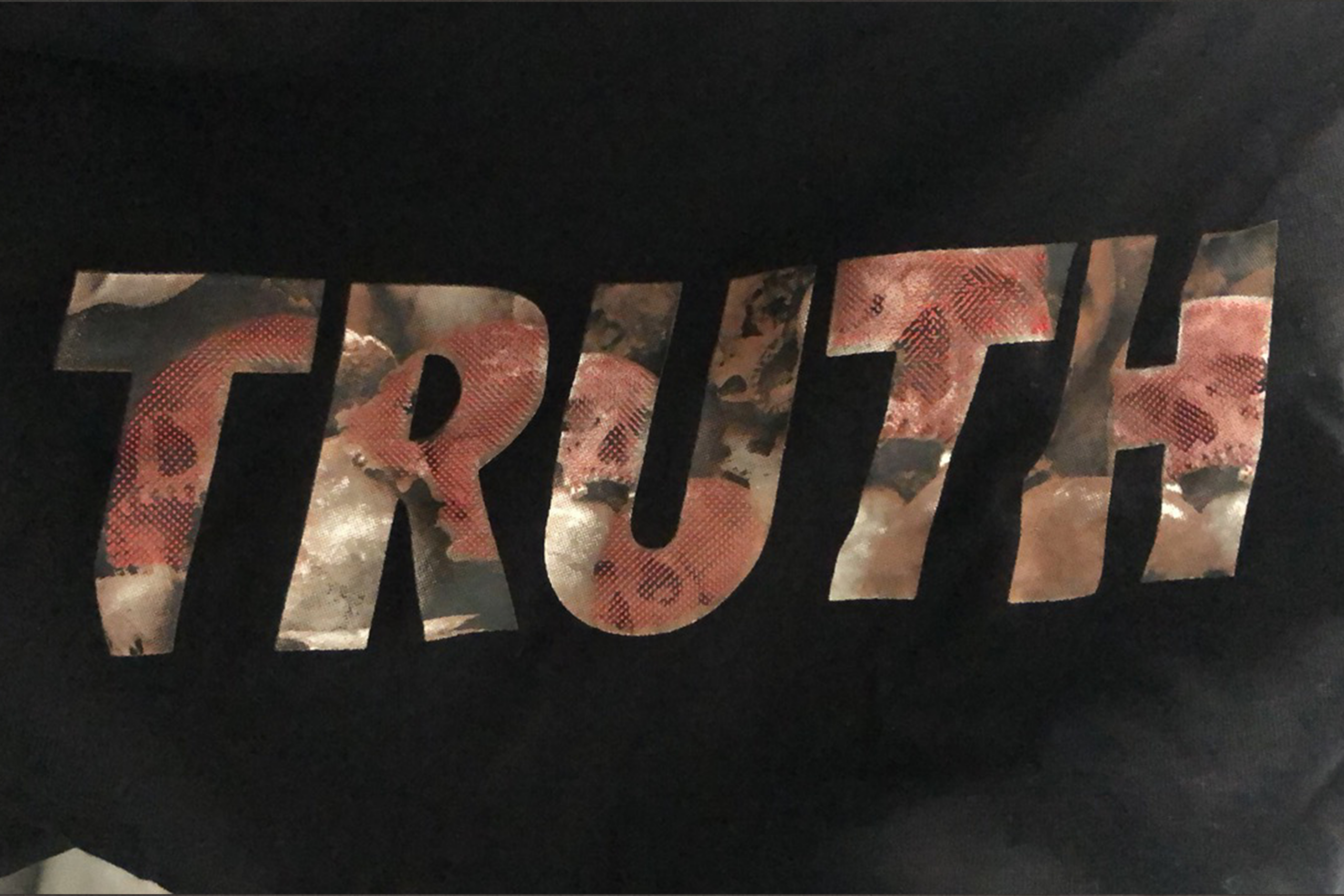
Screen prints applied before enzyme or pigment washing can soften or crack with the garment; post-wash prints retain sharper coverage. Embroidery, heat transfers, patches, and appliqué need wash-compatibility testing on the approved fabric.
Lock Placement Before Sampling
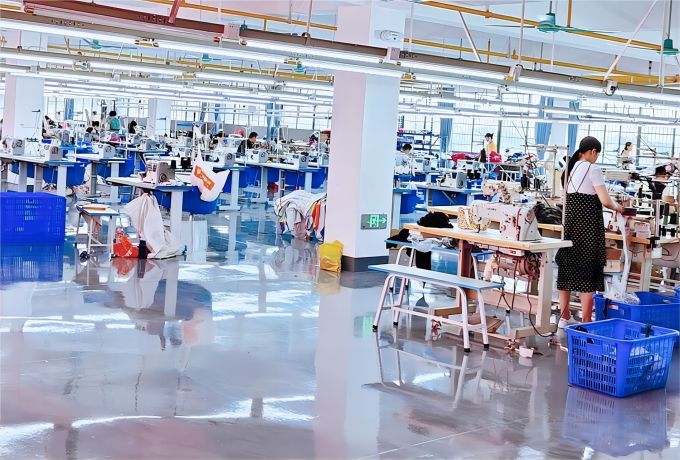
10 mm placement shifts become conspicuous beside a distressed panel, pocket, or seam. Record artwork coordinates from fixed construction points, plus acceptable cracking, puckering, and abrasion boundaries.
Specify Trims And Labels
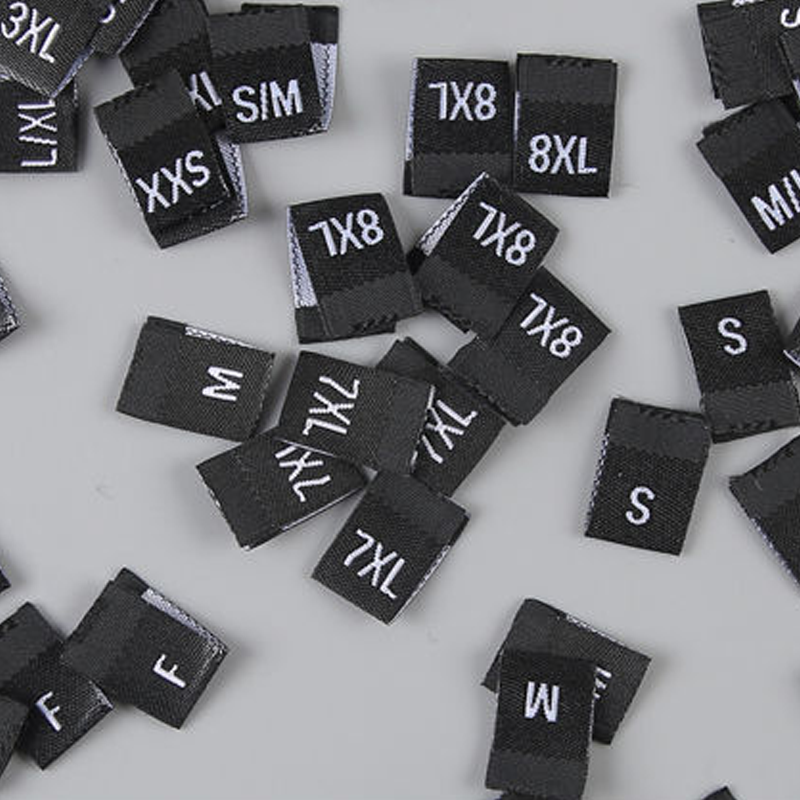
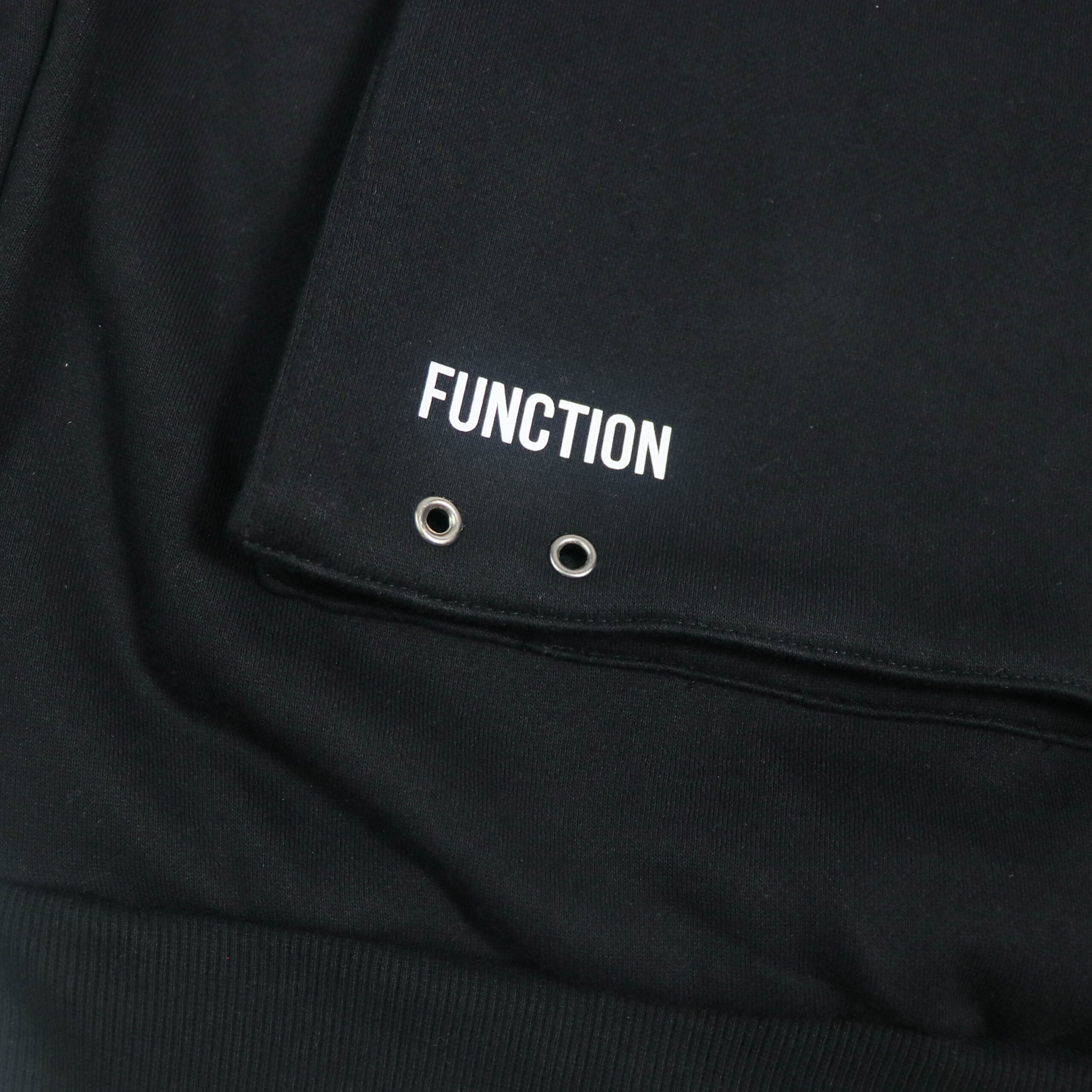
Metal eyelets, snaps, and zipper pulls require corrosion-resistant specifications when wet processing is planned. Woven labels, care labels, and specialty finishes should be approved after the final wash because color and handfeel can change.
6. Construction Quality Checks for Washed Apparel
A full post-wash review of the approved sample should define the standard before bulk production begins. A garment washing manufacturer should inspect the finished garment, not only the pre-wash shell.
Measure After Washing
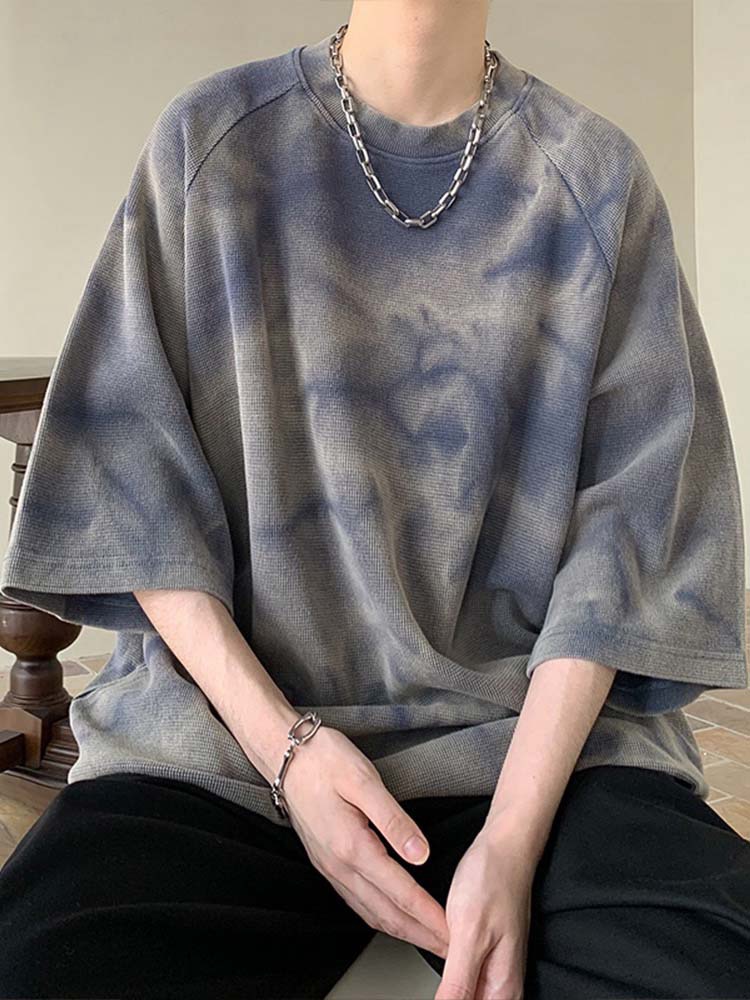
3-point measurement checks should cover body length, chest, inseam, rise, sleeve length, and tolerance after wash and drying. Compare shrinkage, leg or side-seam twisting, and size-to-size grading against the approved specification.
Check Seams And Surfaces
10 to 15 garments per inline check can reveal seam slippage, popped stitches, holes, excessive abrasion, and uneven distressing before finishing spreads across the order. Inspect high-stress points: pocket corners, crotch seams, cuffs, hems, and neck ribs.
Approve Final Finish
2 retained wash-test standards should document color tone, hand feel, odor, trim performance, and acceptable variation under consistent lighting. Final inspection should use an agreed AQL-style sampling plan, checking labels, hardware, stains, damage, and packed-piece appearance.
7. How to Choose a Garment Washing Manufacturer
Choose a garment washing manufacturer by testing whether its development controls can survive bulk production. EDVORIN coordinates product development, sourcing, sampling, washing, quality control, labeling, and packaging as one documented path.
Match The Wash Portfolio
3 approved swatches should show the target shade, hand feel, abrasion, and placement variation on the actual fabric and garment construction.
Ask for comparable production references, wash recipes by process stage, and a bulk-to-sample acceptance standard.
- Request before-and-after wash swatches
- Confirm wash suitability for trims and prints
- Review size and color-range references
Verify Documentation And Capacity
EDVORIN’s MOQ starts at 200 pieces per style. 200-piece programs need a supplier that states MOQ, sampling timing, production capacity, and written measurement and shade tolerances before deposit.
Ask for wash test reports, inspection records, escalation contacts, and an approval trail for every revision.
- Written measurement tolerances
- Shade-band approval method
- In-line and final inspection records
Assess Export-Ready Coordination
1 accountable production path should connect fabric sourcing, washing, labels, carton markings, and export documentation rather than treating each handoff separately.
Ask how wastewater-process information is shared, how packing is approved, and which markets the supplier has shipped to.
- Fabric and wash compatibility review
- Packaging sample before bulk packing
- Export document checklist
8. Common Garment Washing Manufacturer Mistakes
A garment washing manufacturer should turn approvals into measurable production standards. Most costly errors begin when a visual effect is approved without a physical, repeatable reference.
Approve Physical Standards
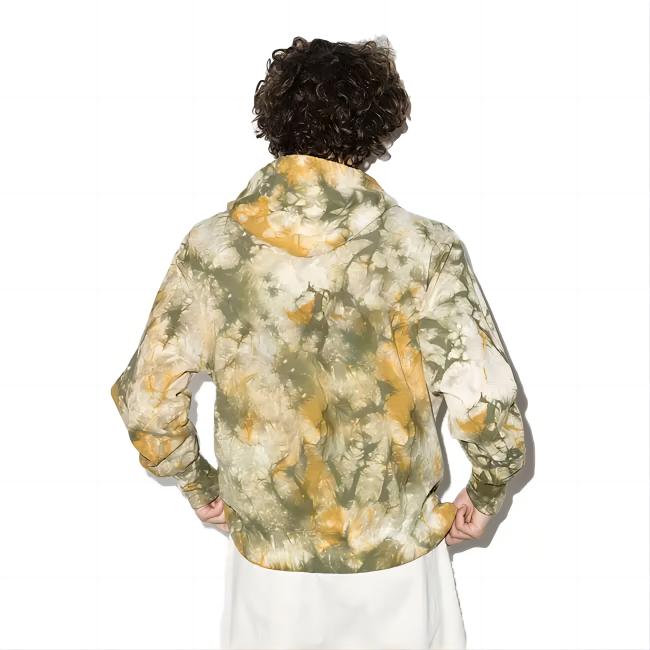
One photo cannot confirm hand feel, shade, or seam abrasion. Approve a washed size-set sample; this protects the sellable look and fit.
Two retained samples—buyer and factory—create a production reference. Record wash sequence, temperature, time, liquor ratio, and target appearance; this protects repeatability.
Control Change And Compatibility
Three measurements can change after washing: chest, body length, and inseam. Measure before and after wash, then revise patterns; this protects graded fit.
Four components need wash trials: prints, embroidery, zippers, and labels. Test compatible inks, threads, and trims on the actual fabric; this protects decoration durability.
Plan Variation And Timing
Five batch risks include shade drift, abrasion differences, and uneven fading. Approve a Pantone standard, shade bands, and pilot lot; this protects color acceptance.
Six production stages affect delivery: sewing, washing, drying, rework, inspection, and packing. Build each into the critical path; this protects launch dates.
9. Steps to Launch a Washed Apparel Program
A 200-piece launch should begin with a reference garment or clear concept, then convert visual intent into measurable production instructions. A garment washing manufacturer needs approvals that survive the first run and guide replenishment.
Define The Development Standard
One tech pack should record fabric composition, GSM, garment measurements, Pantone targets, wash recipe direction, trim list, and placement artwork. Retain dated reference photos and a revision log before sampling.
- Reference garment photos
- Measurement chart and grading
- Artwork and trim specifications
Approve Color And Wash
One lab dip or strike-off confirms the target shade before a full wash trial. Approve the washed sample against dry and washed reference photos, noting tone, handfeel, shrinkage, and acceptable variation.
- Signed wash standard
- Lab-dip or strike-off record
- Wash test and shrinkage results
Lock Bulk And Reorders
One size-set sample verifies grading after washing; a pre-production sample becomes the bulk standard. Monitor first-off pieces and final inspection, then retain the approved sample, QC report, wash recipe, and packing file for reorders.
- Size-set approval
- Pre-production approval
- Final inspection report
10. Garment Washing Manufacturer Pricing and Costs
200 pieces is a practical planning tier, but a garment washing manufacturer should quote from an approved specification, not a target unit price. Fabric weight, garment construction, wash recipe, color standard, artwork, labels, and packing method all change the cost basis.
1 approved pre-production sample is the control point for bulk pricing. Confirm shrinkage tolerance, wash appearance, handwork placement, decoration durability, testing scope, carton pack, Incoterms, and destination before comparing quotations.
| Cost element | Lower-complexity scenario | Higher-complexity scenario | Quantity effect |
|---|---|---|---|
| Garment base | Standard fabric and construction | Heavier fabric, special trims, complex sewing | Unit cost usually falls as quantity rises |
| Wash and dye | Rinse or enzyme wash | Garment dye, pigment, bleach, or multi-step effects | Setup costs spread across more units |
| Handwork and decoration | No handwork; one-color print | Whiskers, distressing, embroidery, multi-color print | Labor and setup remain style-specific |
| Development and delivery | Sample, basic packing, consolidated freight | Multiple samples, testing, custom packaging, expedited freight | Freight depends on volume, route, and Incoterms |
Partner With a Garment Washing Manufacturer
Send your wash references, artwork and product specifications to EDVORIN for a quote and sample-development discussion.