
Organic Cotton Shirt Manufacturer for OEM and Private Label
As your organic cotton shirt manufacturer, EDVORIN takes concepts from development to controlled bulk production, starting at 200 pieces per style.
Featured Products and Production Capabilities
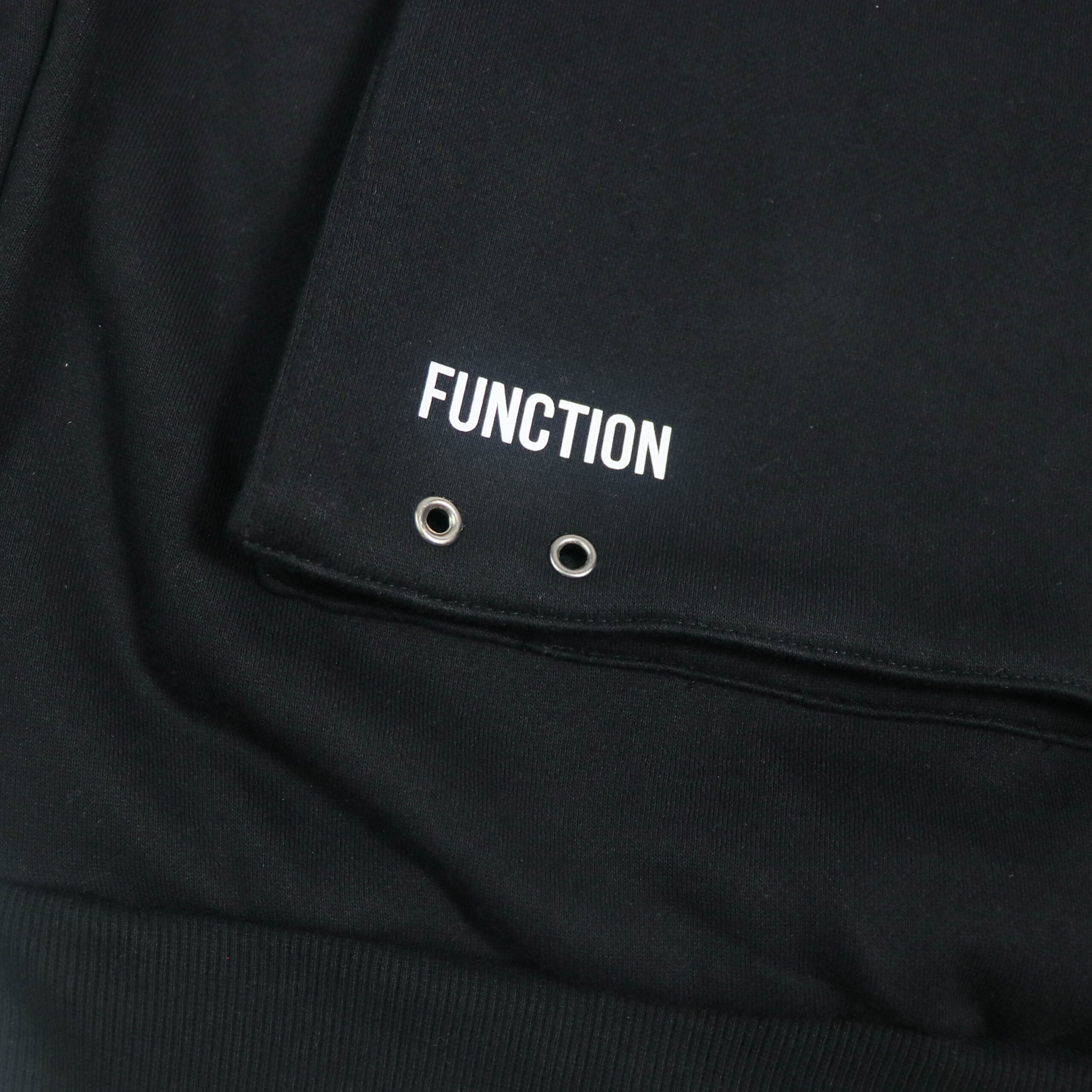
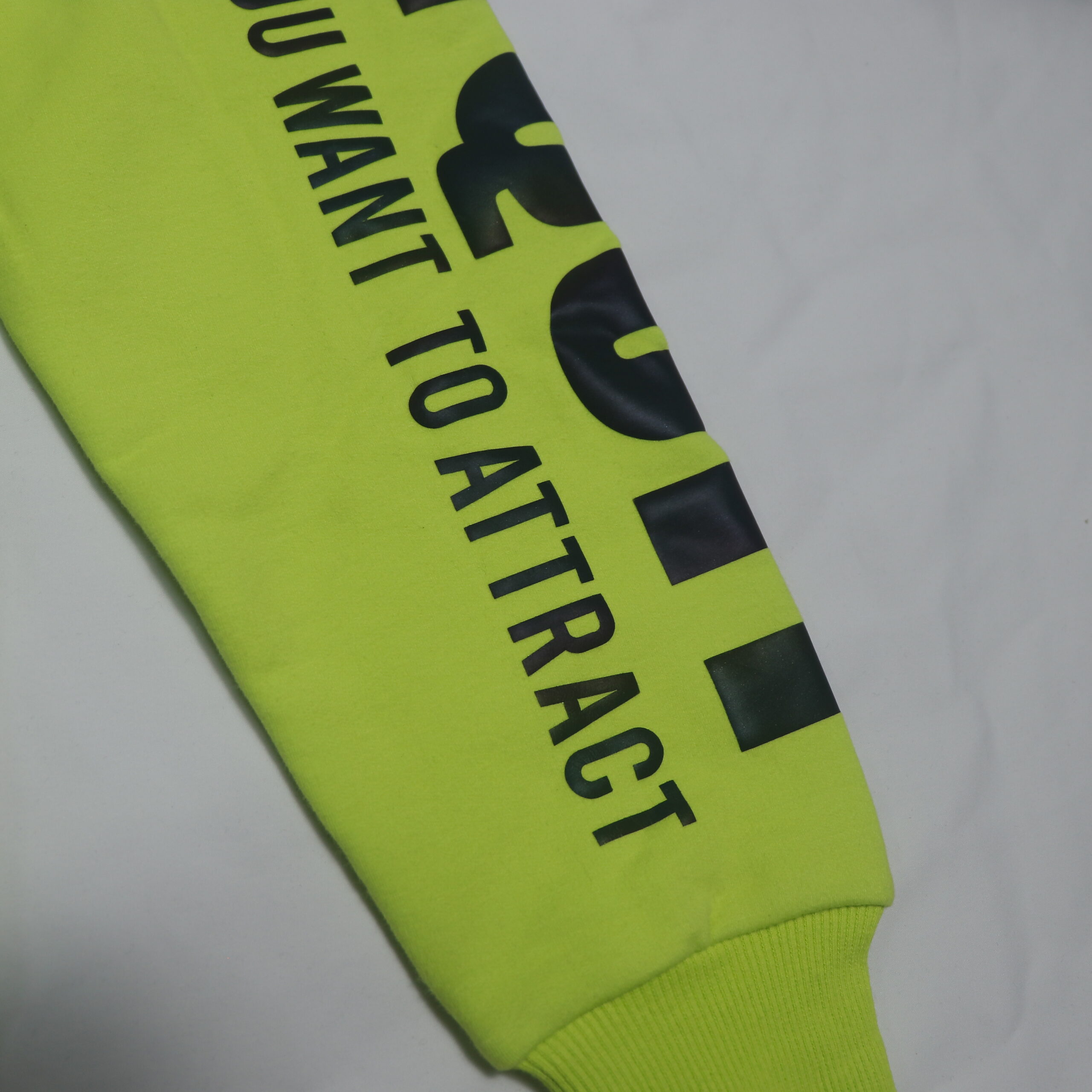
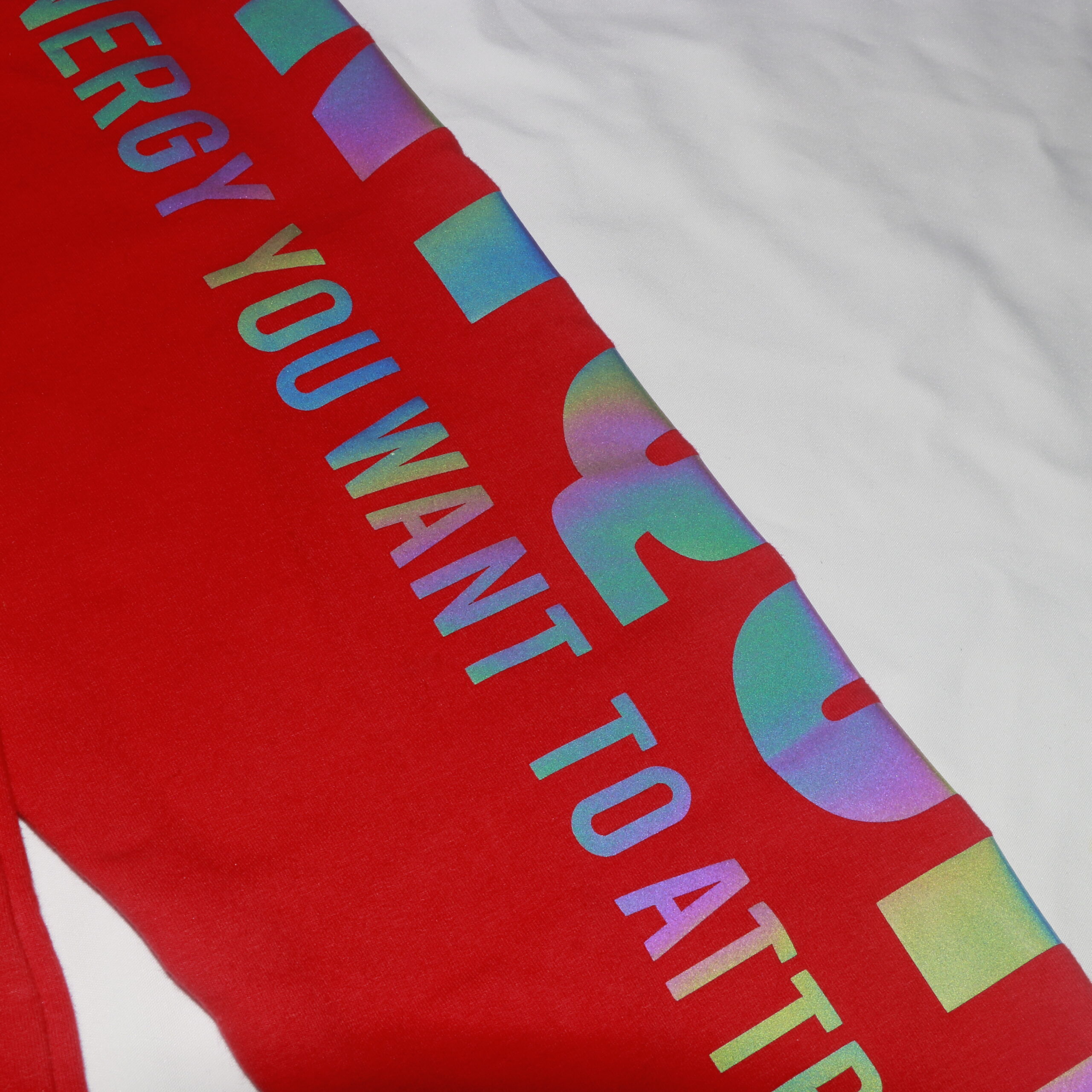
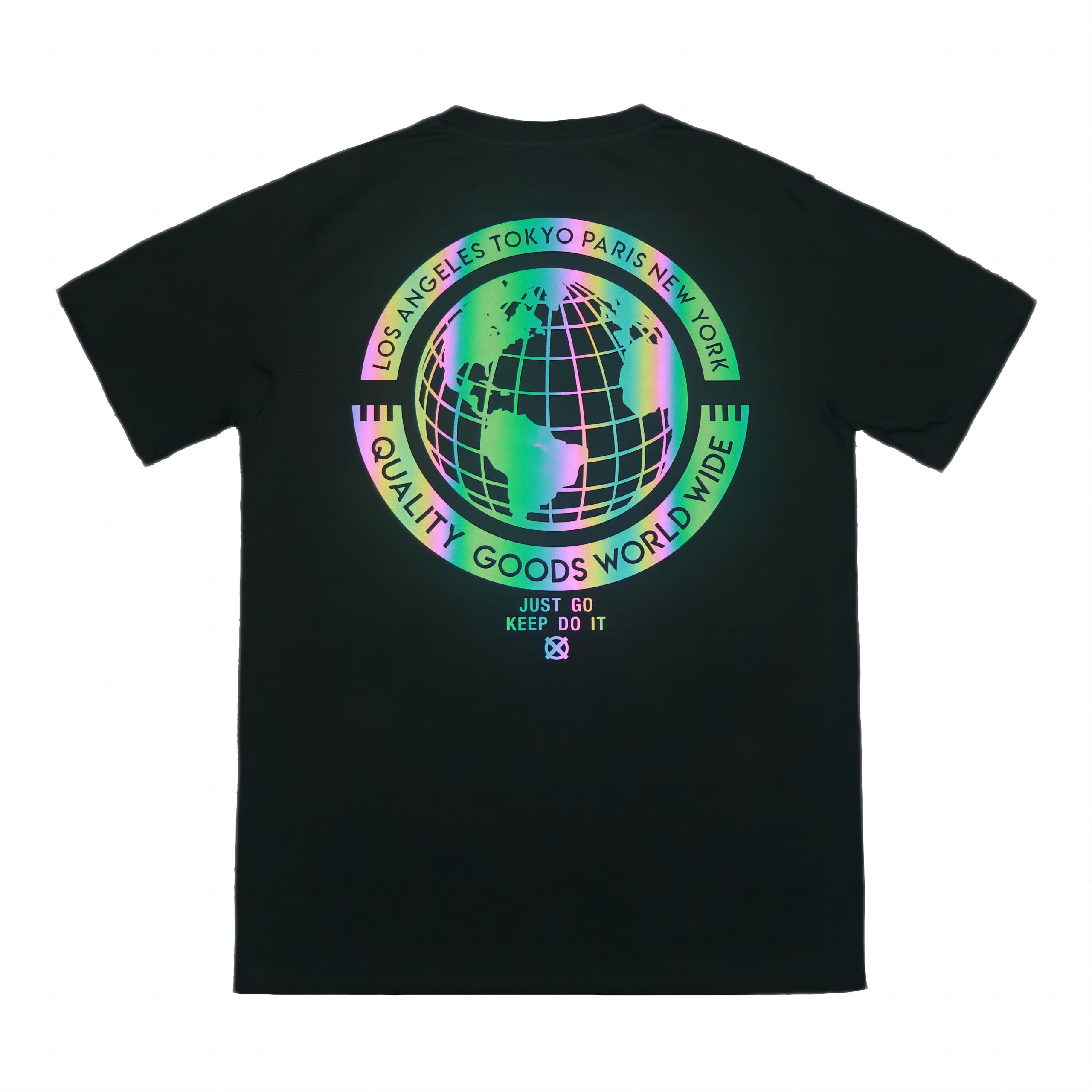
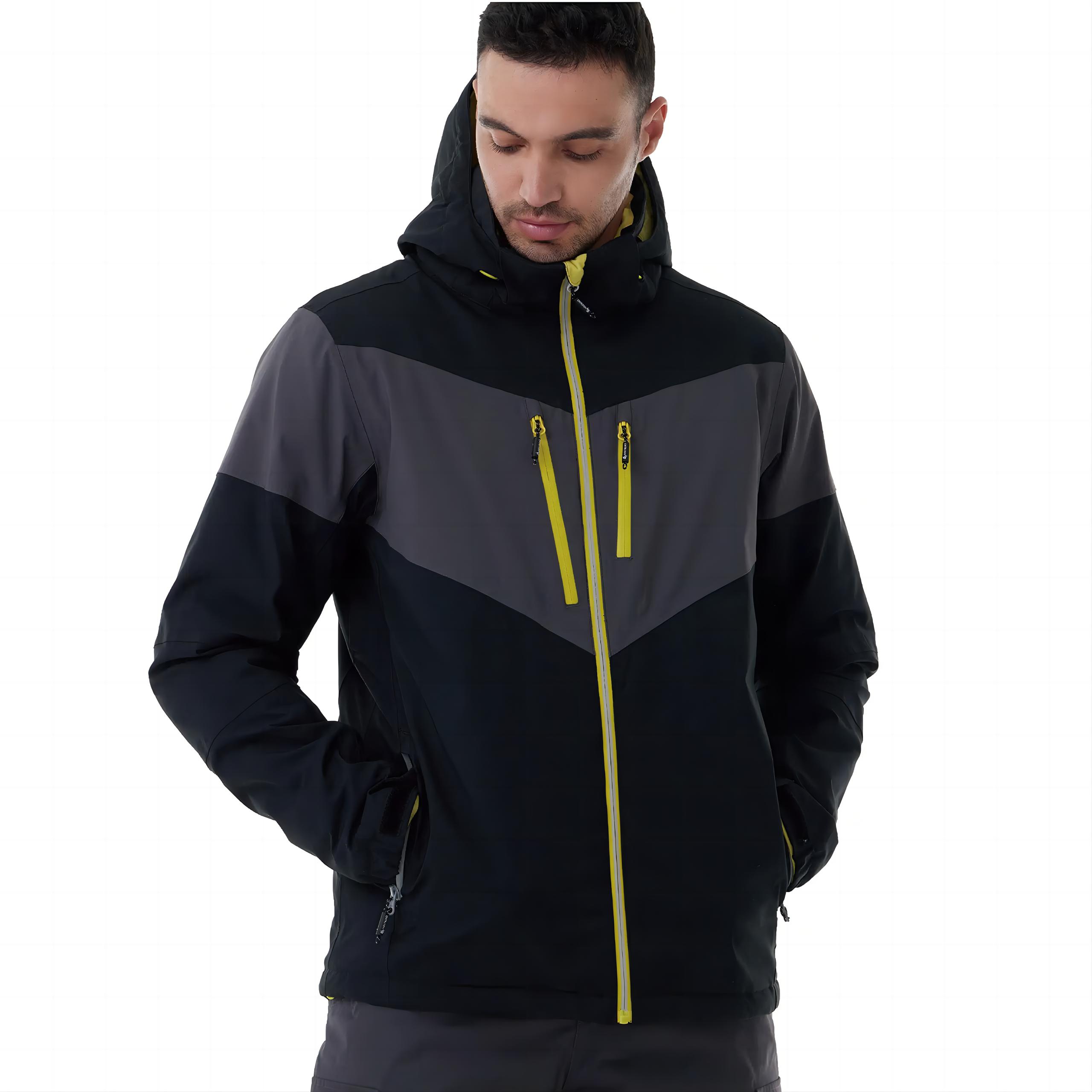
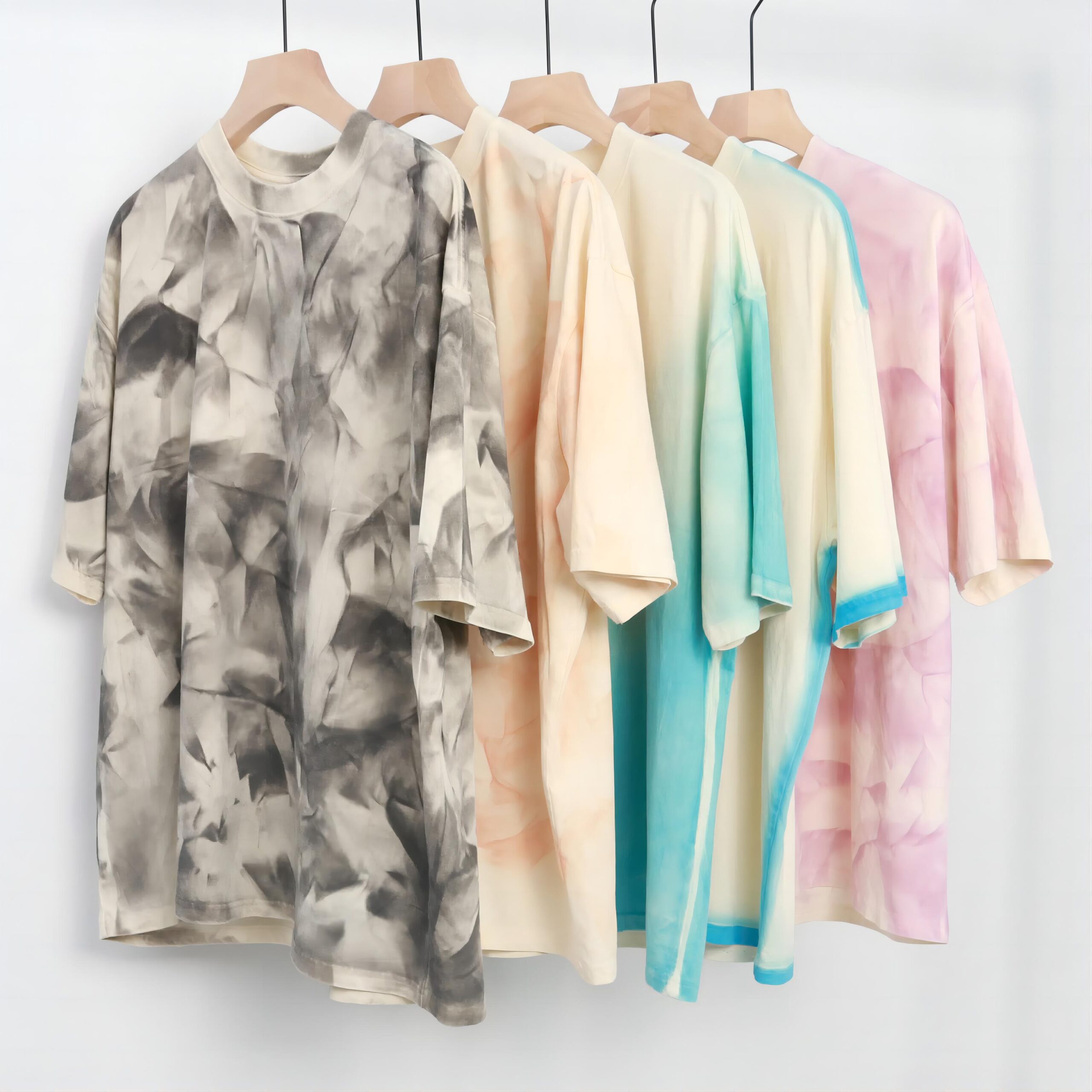
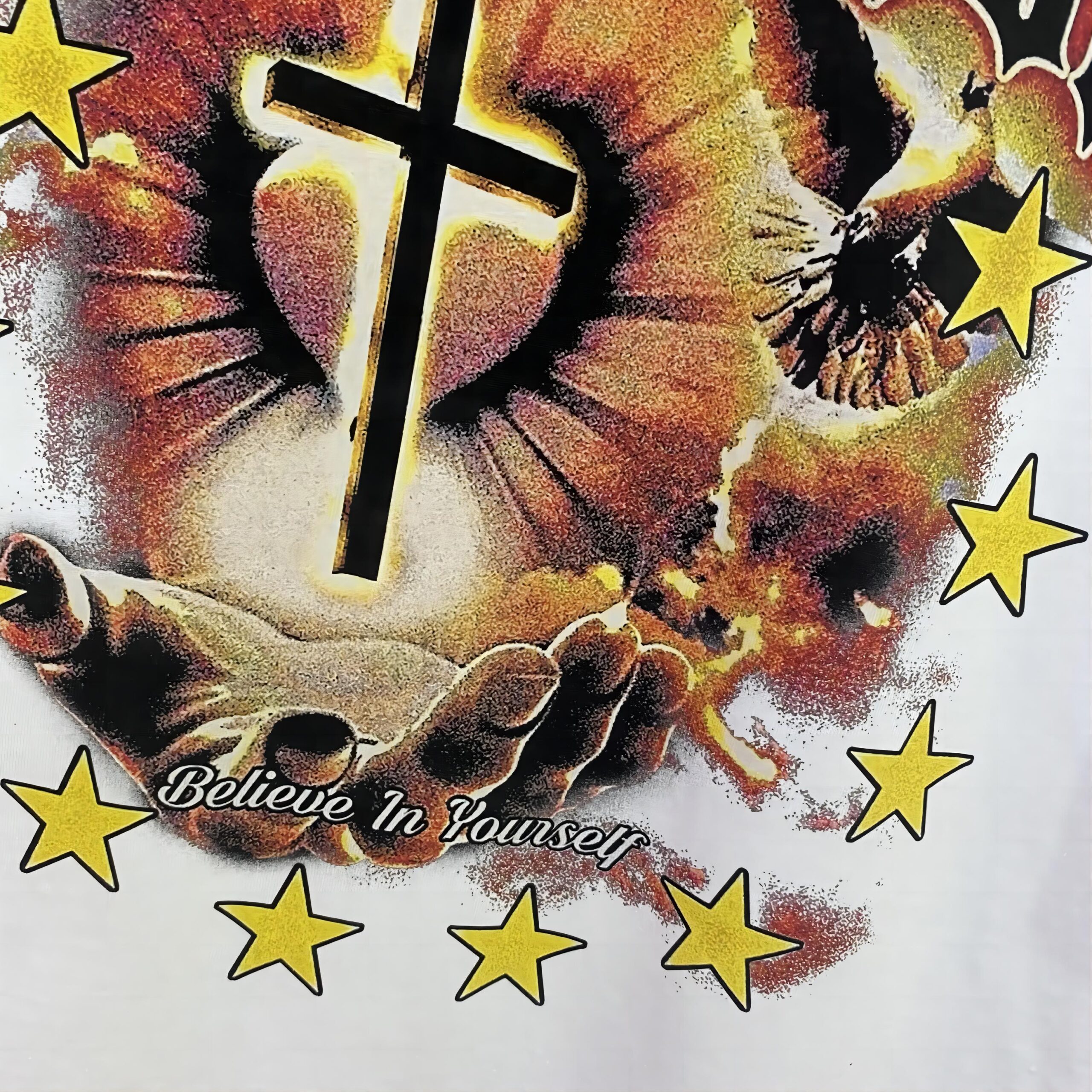



Organic Cotton Shirt Manufacturer Built to Repeat
Founder-led development and production controls help turn approved shirt concepts into dependable private-label programs.
Founder-Led Since 2000
Work with a manufacturer shaped by production-floor experience, direct accountability, and a long-term view of your apparel program.
Flexible OEM and ODM
Bring a complete tech pack or an early concept; EDVORIN helps define materials, fit, construction, trims, and packaging.
Category-Aware Development
Shirt programs are developed around intended fit, fabric behavior, styling details, grading, and wearer requirements for men’s and women’s collections.
Coordinated Brand Decoration
Printing, embroidery, labels, washing, and placement details are aligned with the garment specification before bulk production begins.
Sample-to-Bulk Control
Approved samples become clear production standards, supporting measurement checks, artwork consistency, in-line inspection, and final order review.
Organic Cotton Programs, Built to Repeat
From shirts and fleece to outerwear and teamwear, EDVORIN develops category-specific specifications that carry approved standards from sample through bulk production.
Custom Hoodies
As a custom hoodie manufacturer, EDVORIN develops organic cotton and cotton-blend fleece hoodies with defined fabric weight, fit blocks, rib recovery, hood construction, drawcords, prints, embroidery, labels and packing specifications for repeatable production.
Get a Quote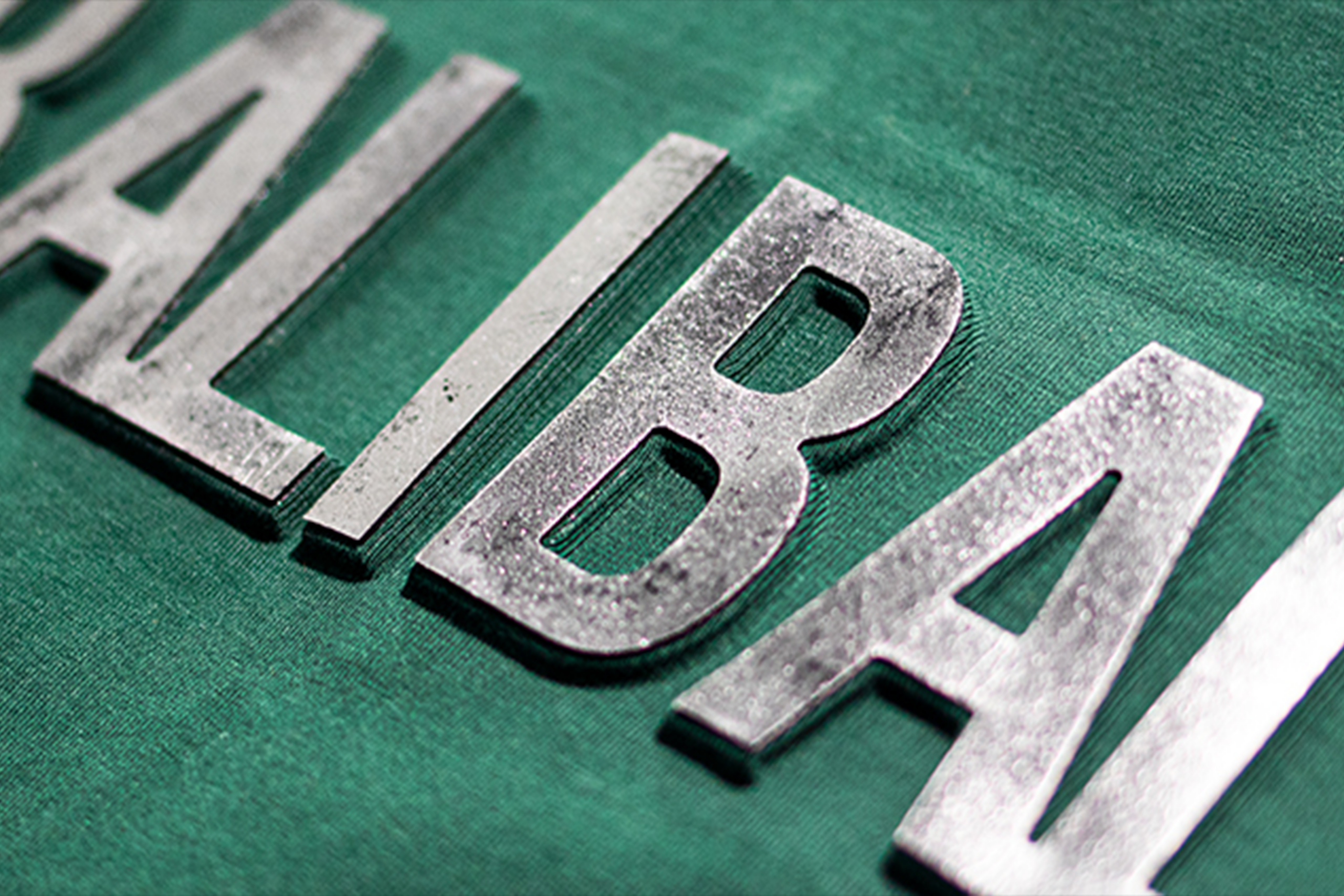
Pullover Sweatshirts
EDVORIN supports pullover sweatshirt programs with organic cotton fleece options, crewneck construction, collar and cuff rib specifications, measurement control, decoration planning and wash testing. Each approved sample becomes the reference for consistent bulk production.
Get a Quote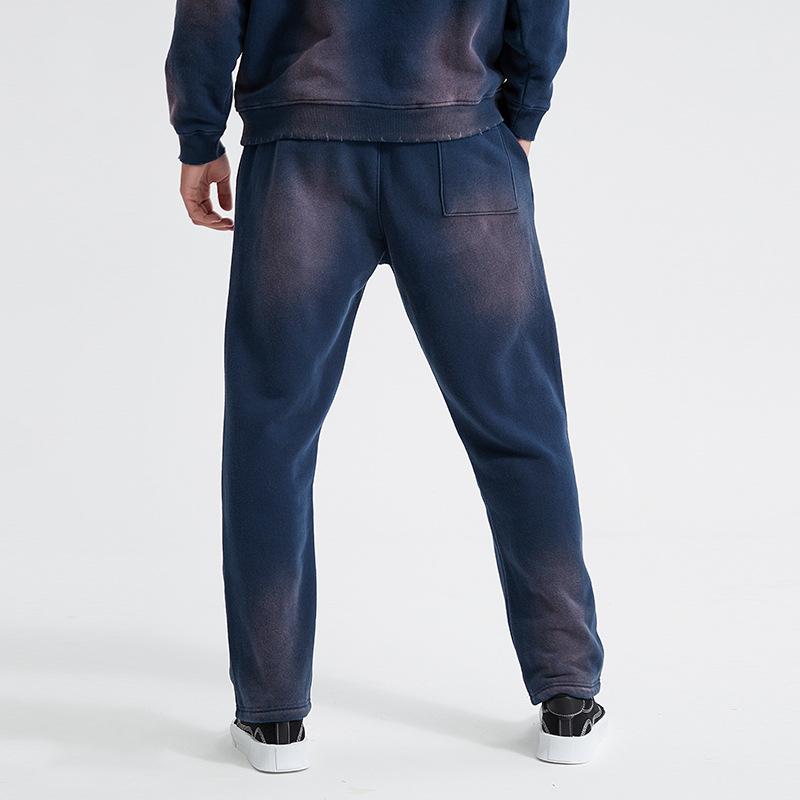
Sweatpants & Joggers
For sweatpants and joggers, EDVORIN coordinates organic cotton fleece, waistband and cuff construction, pocket placement, drawcord details, fit grading and decoration. Men’s and women’s blocks can be developed separately for retail, wholesale and uniform programs.
Get a Quote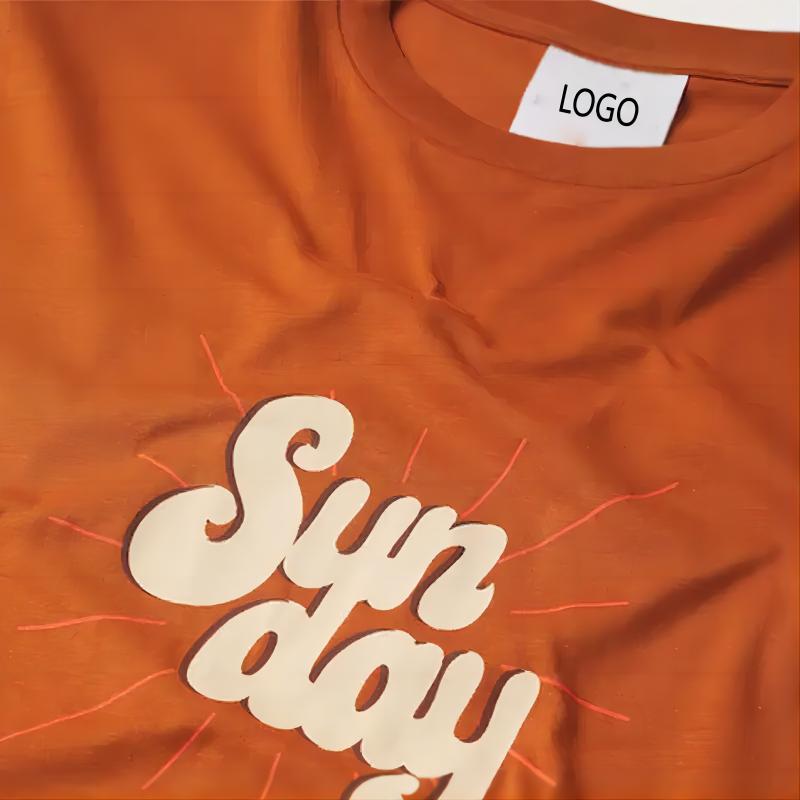
Custom Shorts
Custom shorts programs are developed around intended use, from organic cotton jersey and fleece styles to woven performance options. EDVORIN specifies inseam, waistband, pockets, lining, trims, prints and grading to maintain consistency across size runs and repeat orders.
Get a Quote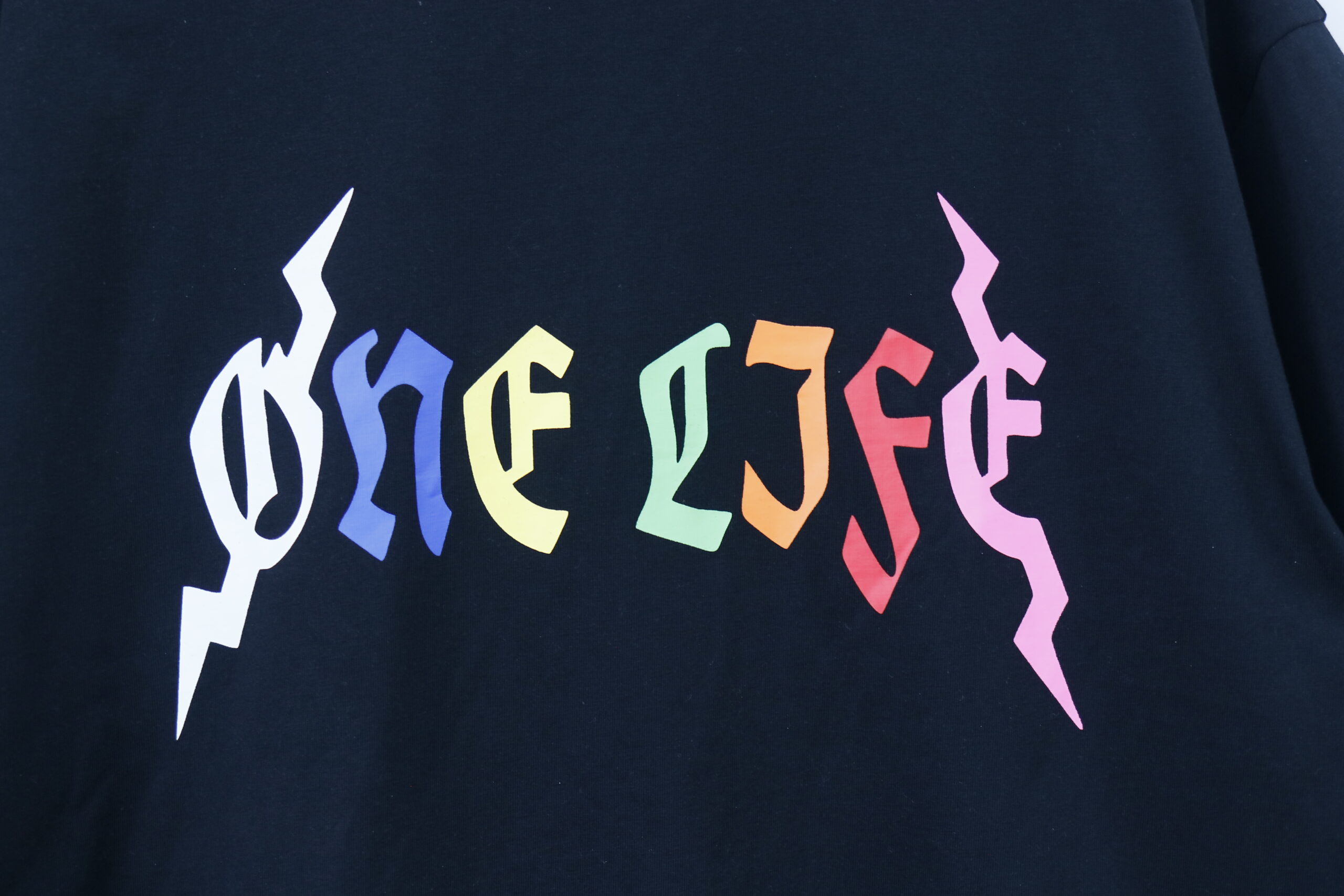
Varsity & Baseball Jackets
EDVORIN develops varsity and baseball jackets by coordinating body and sleeve materials, rib, snaps, lining, patches, embroidery and color placement. Construction and decoration details are documented before bulk production for schools, teams, brands and private-label buyers.
Get a Quote
Custom T-Shirts
As a custom T-shirt manufacturer, EDVORIN develops organic cotton jersey programs with defined yarn, weight, neck rib, shoulder construction, fit, grading and print compatibility. Men’s and women’s T-shirts can be built from approved specifications for dependable replenishment.
Get a Quote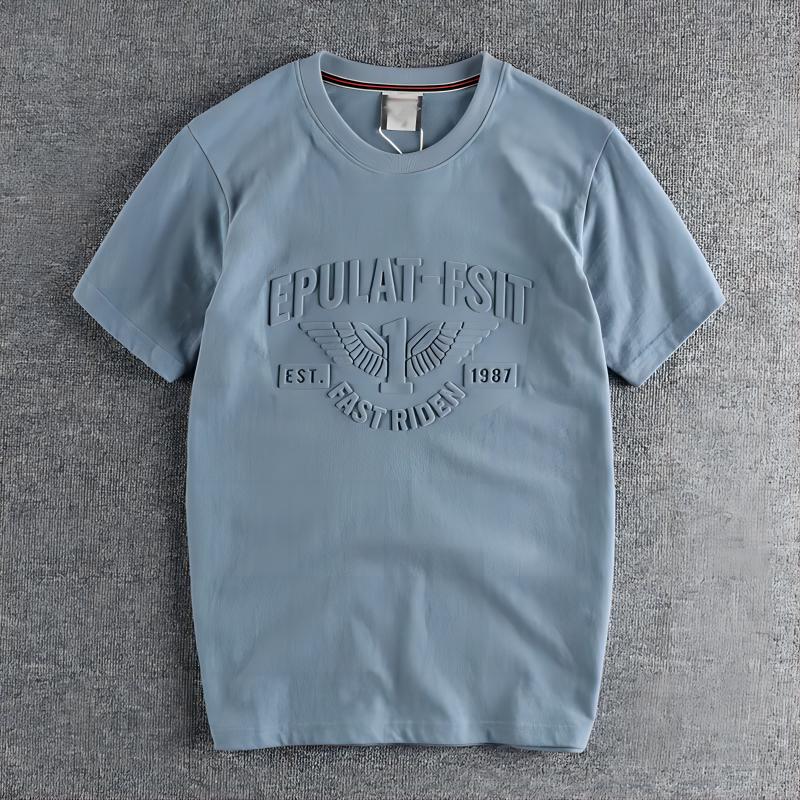
Custom Polo Shirts
Polo shirt development combines organic cotton piqué or jersey selection with collar structure, placket construction, buttons, sleeve finish, embroidery placement and wash performance. EDVORIN supports corporate, school, wholesale and branded uniform programs from sample to bulk.
Get a Quote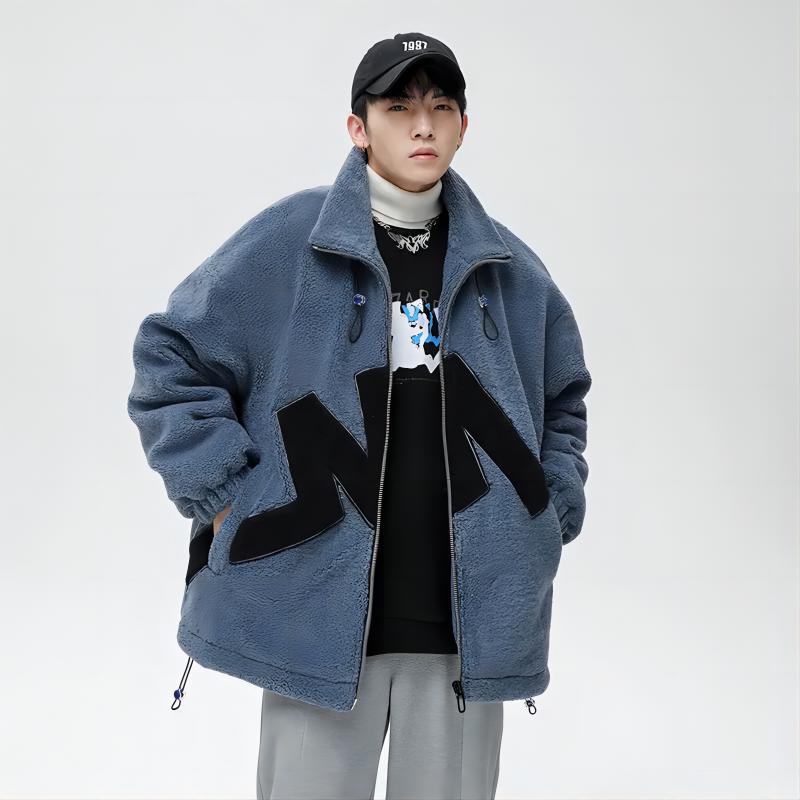
Windbreaker Jackets
Windbreaker jackets require coordination between shell fabric, lining or mesh, zipper systems, hood construction, ventilation, elastic or cuff details and print placement. EDVORIN records these specifications to help buyers reproduce lightweight outerwear accurately across production runs.
Get a Quote
Quilted Jackets
For quilted jackets, EDVORIN manages shell and lining selection, insulation weight, quilting layout, stitch density, pocket construction, zippers and labeling. Development focuses on maintaining loft, shape and consistent construction from approved sample through bulk order.
Get a Quote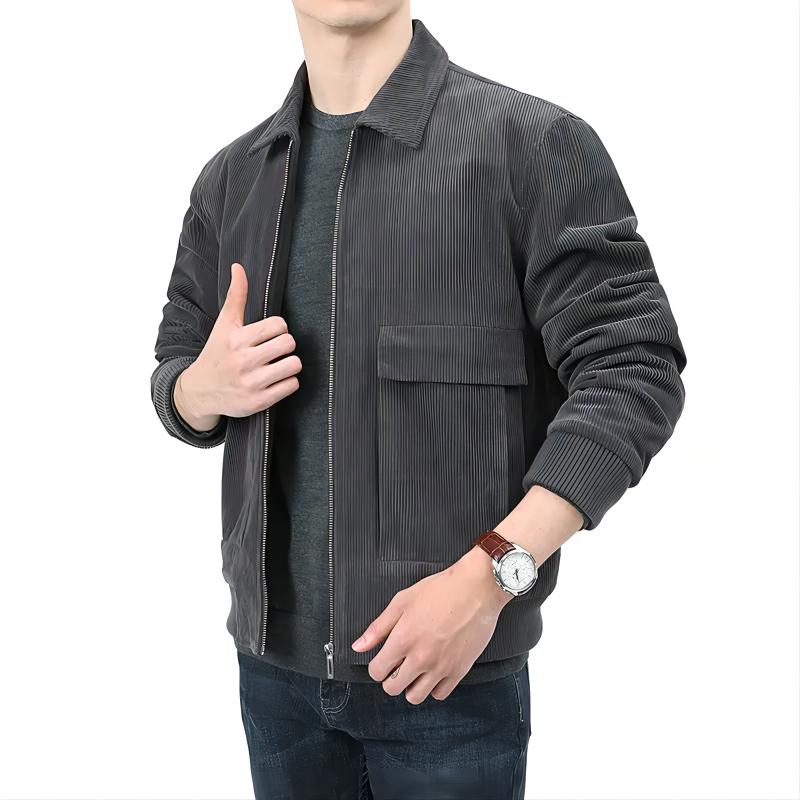
Bomber Jackets
Bomber jacket programs are developed around shell fabric, lining, rib, zipper, pocket construction, padding and decoration requirements. EDVORIN aligns these components with the target fit and use case, then controls the approved standard through production.
Get a Quote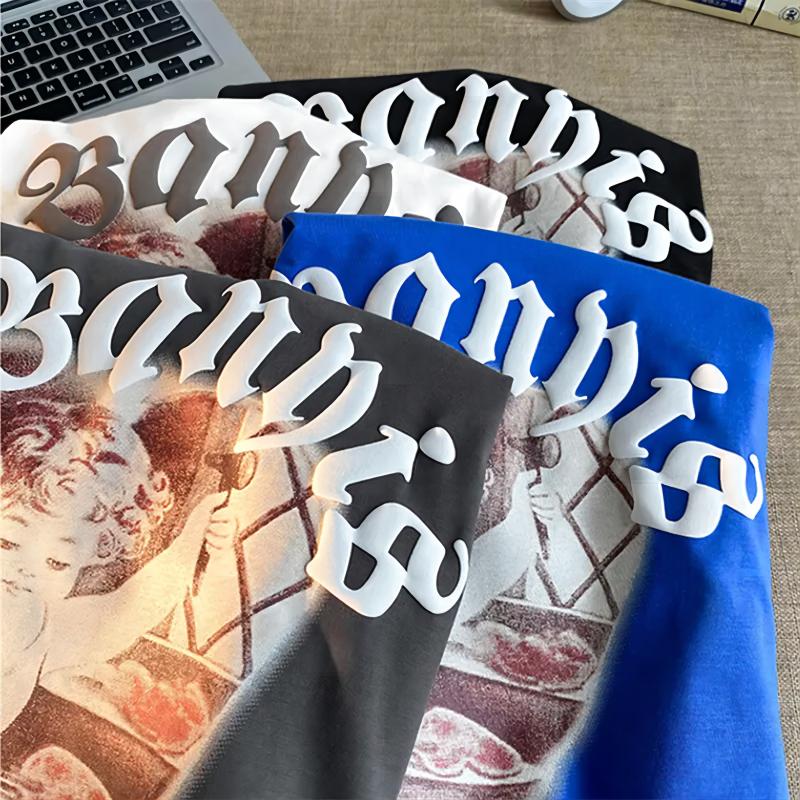
Custom Shirts
EDVORIN develops custom woven shirts using organic cotton and other selected woven fabrics, with defined collar shape, placket, cuff, seam construction, fit, grading and branding details. Specifications support fashion, corporate, school and private-label programs.
Get a Quote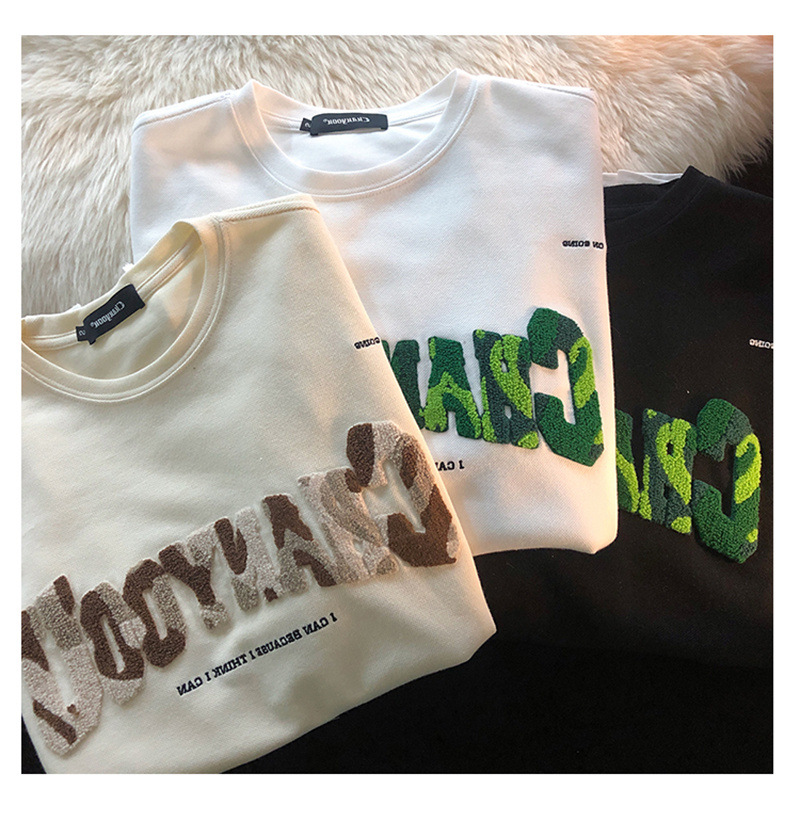
Custom Jerseys
Custom jersey development covers fabric performance, panel construction, color control, neck finish, player names, numbers, logos and size sets. EDVORIN documents artwork placement and production standards for teams, clubs, schools and branded athletic programs.
Get a Quote
Tank Tops
Tank top programs can use organic cotton jersey, cotton blends or performance fabrics depending on the intended wearer and activity. EDVORIN controls armhole shape, neck binding, fit, grading, decoration and wash requirements for men’s and women’s ranges.
Get a Quote
Soccer Uniforms
Soccer uniform programs coordinate breathable fabric, panel layout, color matching, crest application, sponsor graphics, names, numbers, shorts and size grading. EDVORIN develops clear production standards for organized team sets and repeat club orders.
Get a Quote
Basketball Uniforms
Basketball uniform development includes lightweight performance fabric, jersey and short proportions, contrast panels, binding, logo placement, names, numbers and size-set control. EDVORIN helps teams and schools maintain a consistent look across complete player orders.
Get a Quote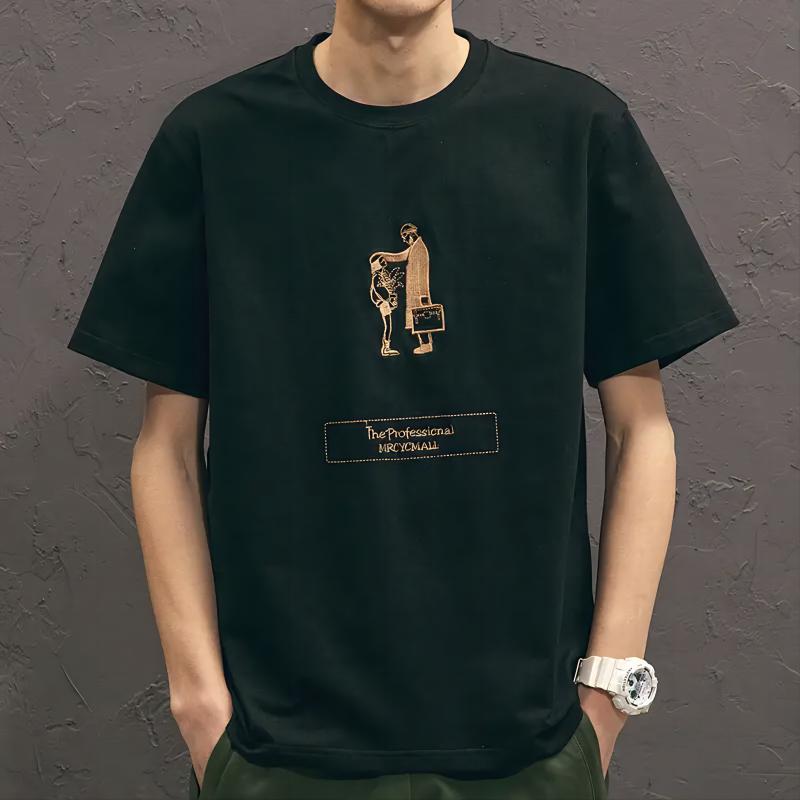
Streetwear Collections
EDVORIN supports streetwear collections across organic cotton shirts, fleece, outerwear and coordinated bottoms. Product development connects fabric, pattern, wash, trims, prints, embroidery and packaging so each approved design can move into repeatable production.
Get a QuoteOrganic Cotton Shirt Manufacturer Fabric Options
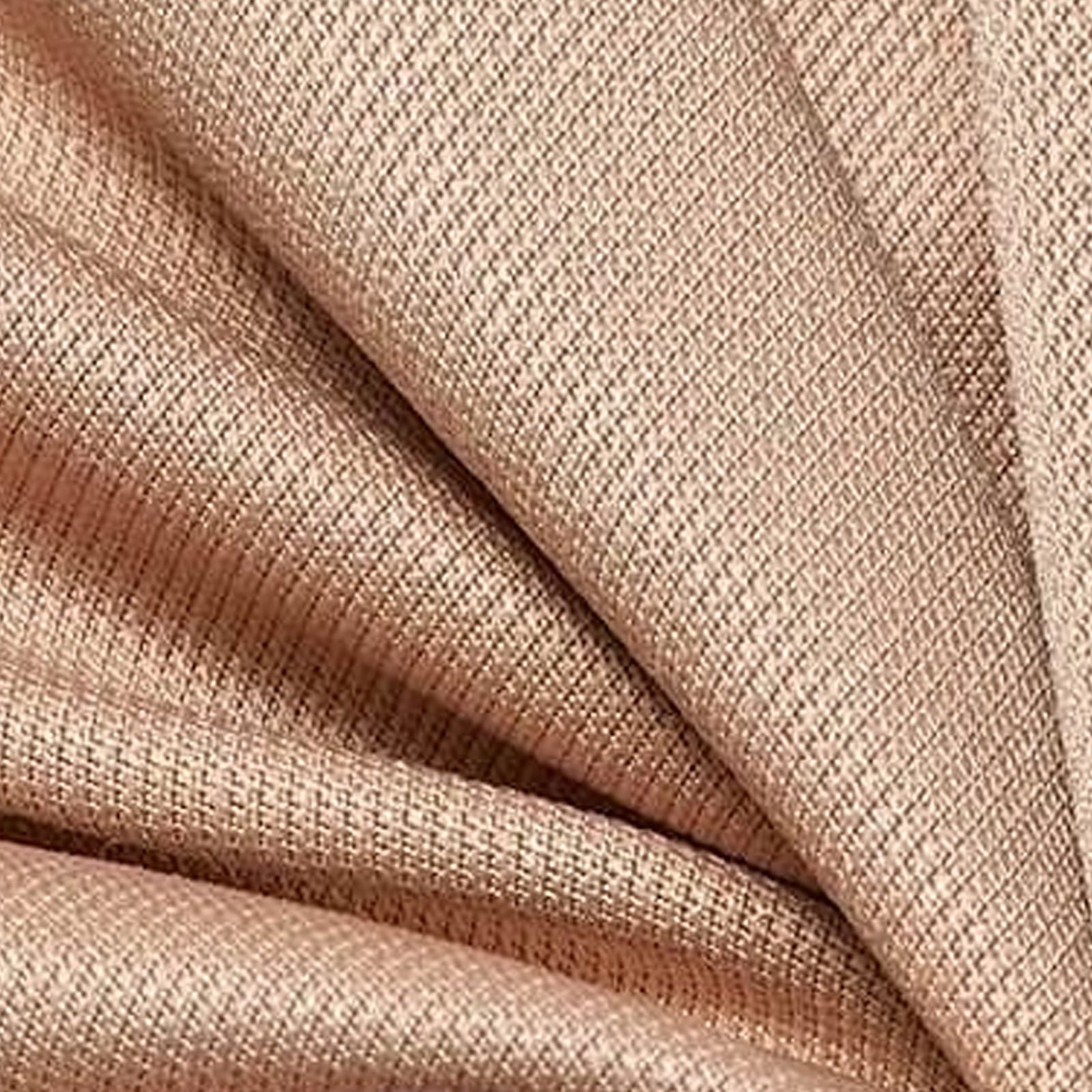
Organic Cotton Jersey
Soft, breathable knit for everyday T-shirts, long sleeves and lightweight jersey shirts. A smooth face supports clean printing, while adaptable weight selection helps balance drape, coverage and a comfortable hand-feel.
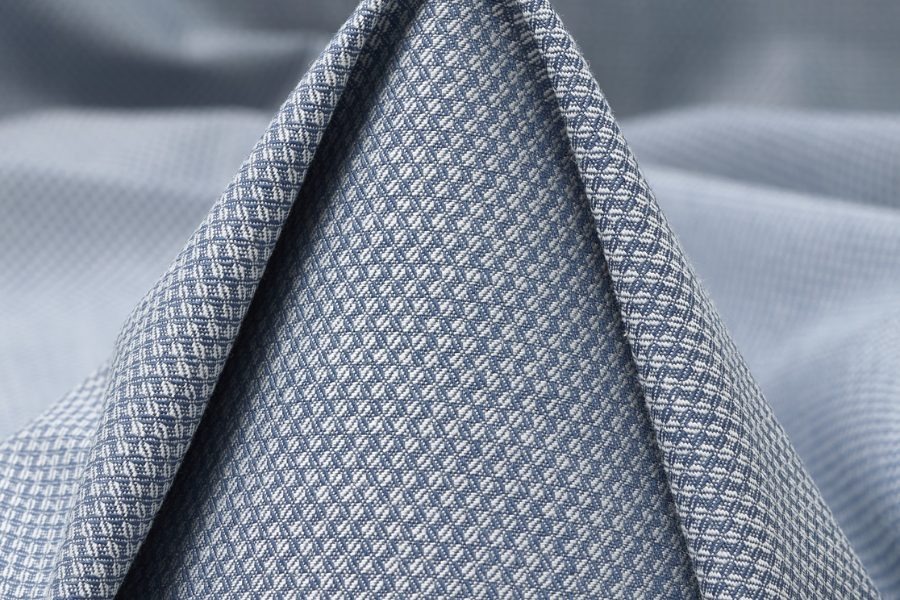
Organic Cotton Piqué
Textured and breathable knit suited to polos and smart-casual shirt programs. Its raised knit structure adds visual depth and airflow, with enough body to hold a cleaner collar and placket shape.
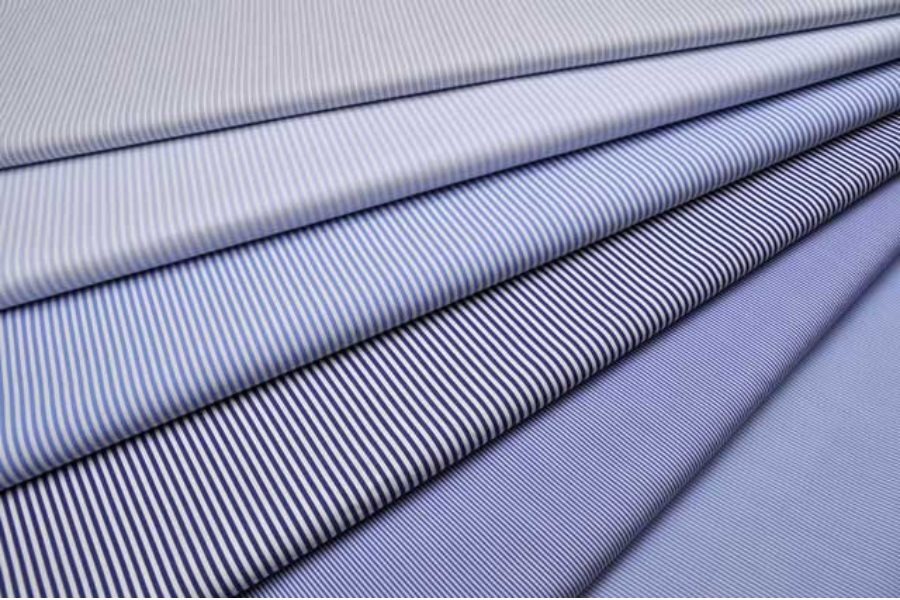
Cotton Poplin
Crisp woven fabric for button-down shirts, overshirts and uniform-inspired styles. The smooth, lightweight construction delivers a neat surface for embroidery and labels while maintaining a clean, structured appearance.
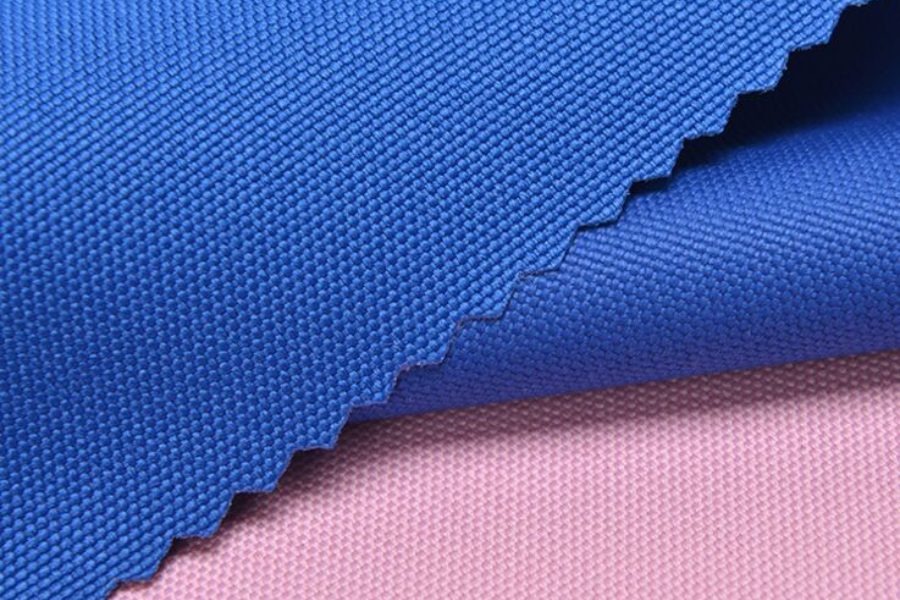
Cotton Oxford
A durable, lightly textured woven option for workwear-inspired and collegiate shirts. Its basket-style weave creates a fuller hand-feel and dependable structure for button-down collars, pockets and repeat wear.
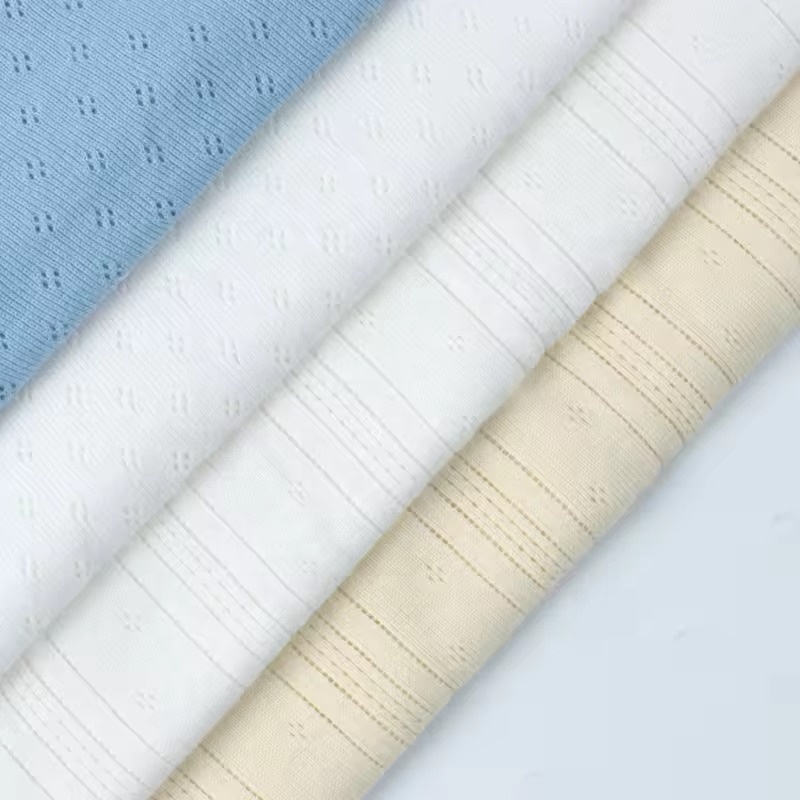
Cotton Stretch Blend
A flexible fabric option for fitted polos, active-inspired shirts and movement-focused uniforms. Added stretch improves recovery and comfort, while cotton keeps the surface familiar, breathable and suitable for branded decoration.
Custom Apparel Printing, Embroidery and Shirt Finishing
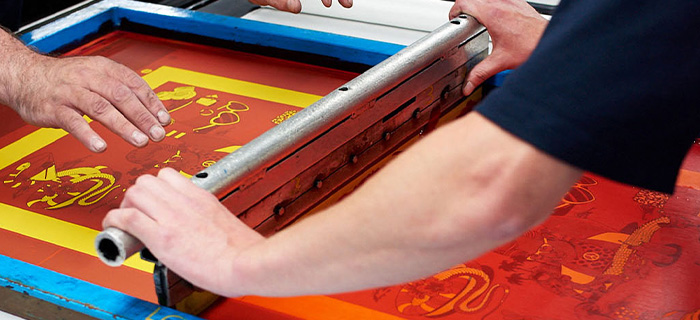
Screen Printing
Screen printing delivers clear color coverage and repeatable artwork placement for logo tees, event shirts and streetwear graphics. Ink, mesh and curing specifications are matched to the selected fabric for a durable, consistent finish.
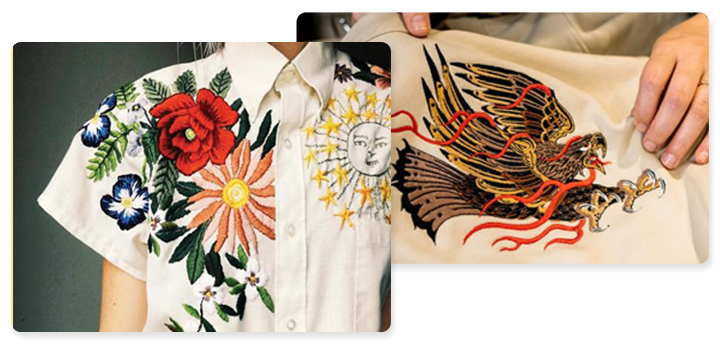
Embroidery Application
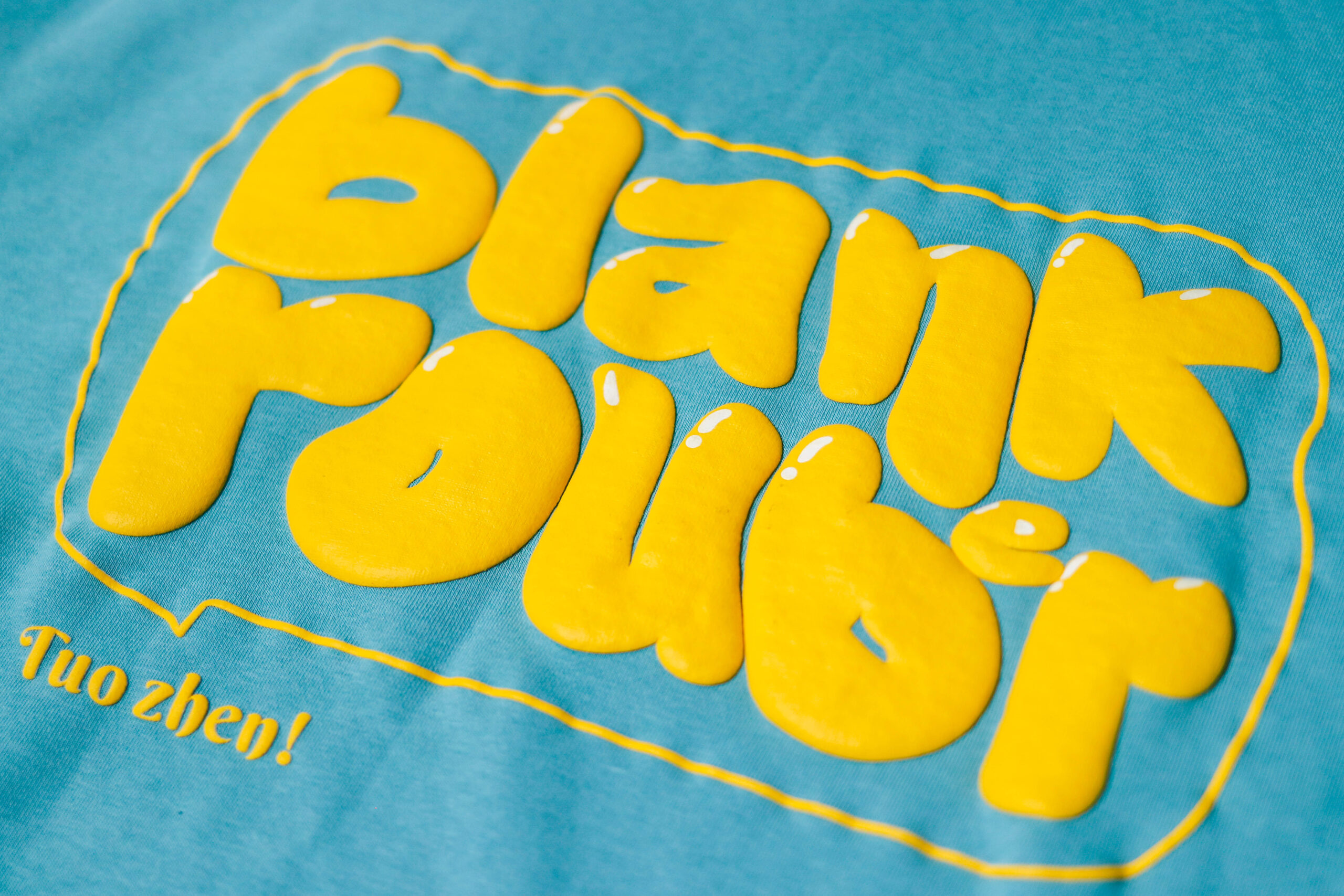
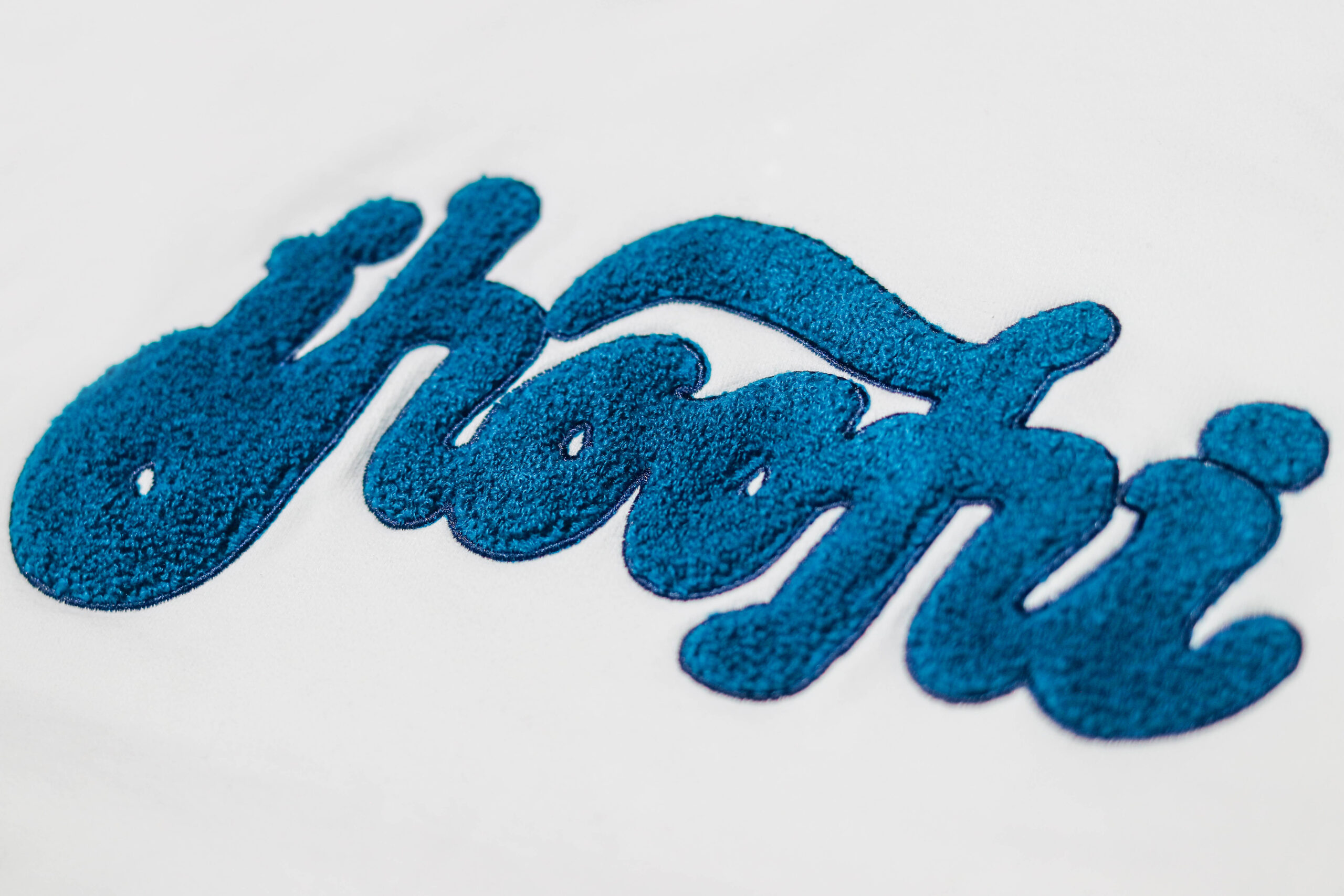
Embroidery adds dimension and a premium tactile finish to chest logos, sleeve marks and small branded details. Stitch density, backing and placement are reviewed against the shirt fabric to help protect shape and wearing comfort.
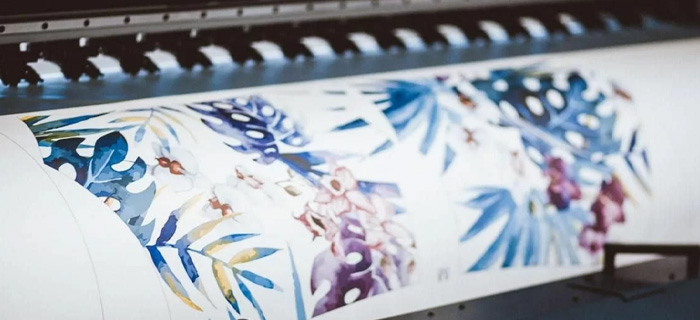
Sublimation Printing
For suitable performance-fabric shirt programs, sublimation supports all-over color, team graphics and detailed artwork with a smooth hand feel. Artwork placement and color references are controlled during sampling before bulk production begins.
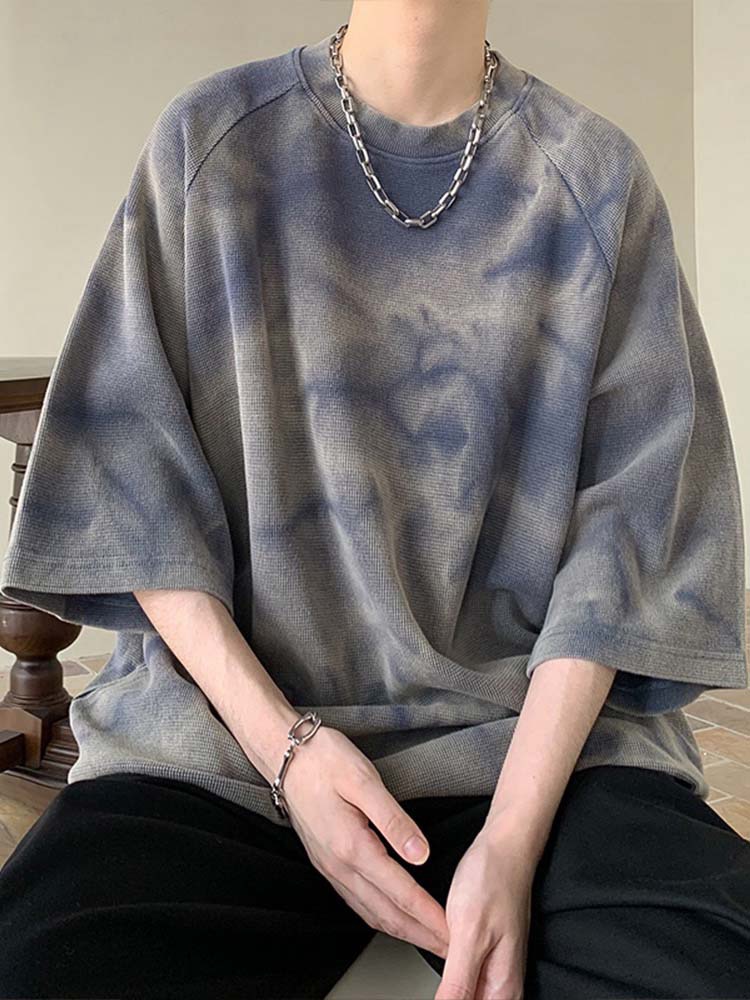
Garment Wash Services
Garment washing can create a softer hand, lived-in color or distinctive streetwear character. EDVORIN develops the wash effect during sampling and records the approved result to guide repeatable bulk finishing.
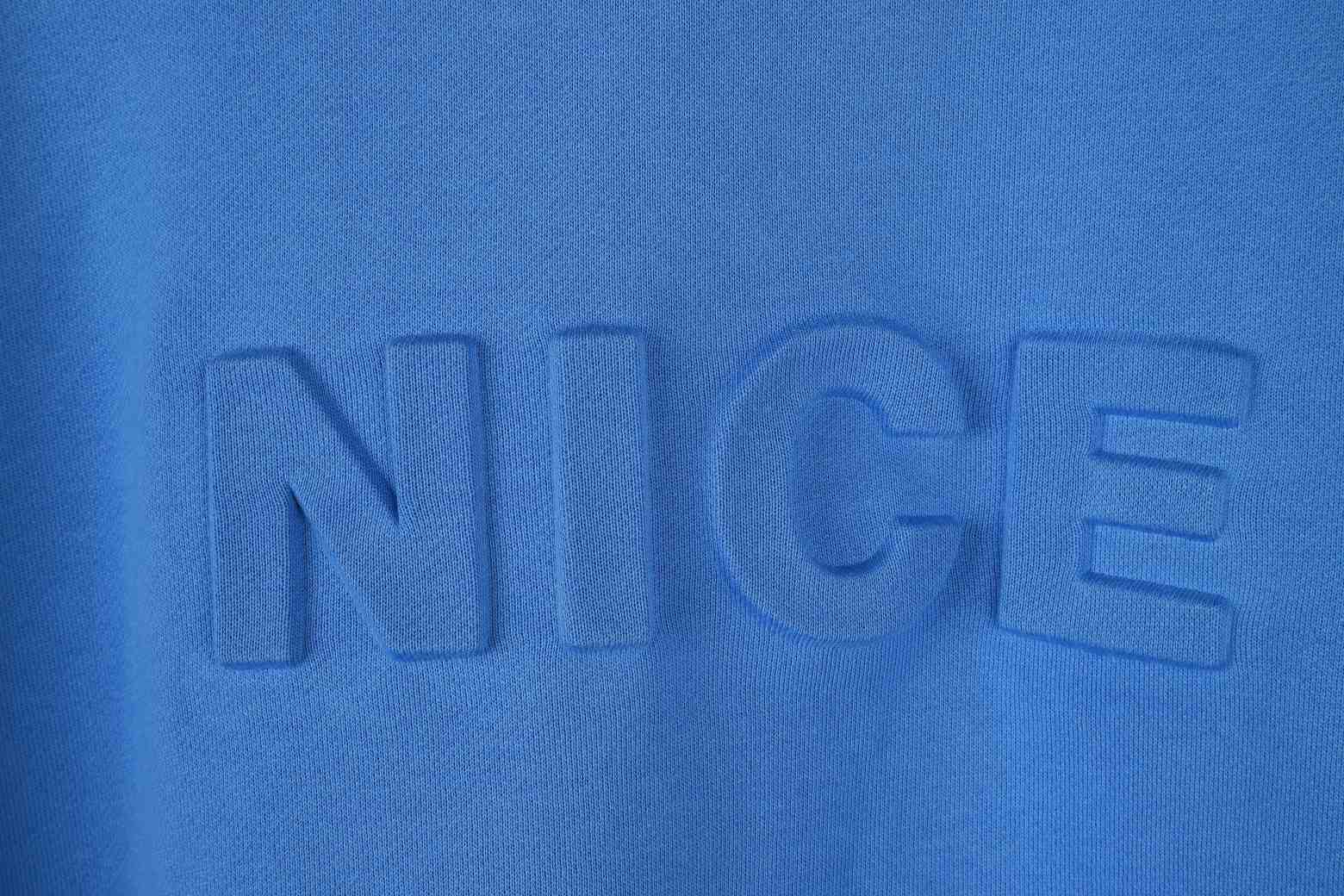
Specialty Finishing
Specialty finishes, including textured prints, patches and coordinated branded details, give a shirt program greater visual distinction. EDVORIN aligns each application with fabric behavior, artwork placement and the approved sample standard.
Custom Clothing Labels and Packaging for Private-Label Shirts
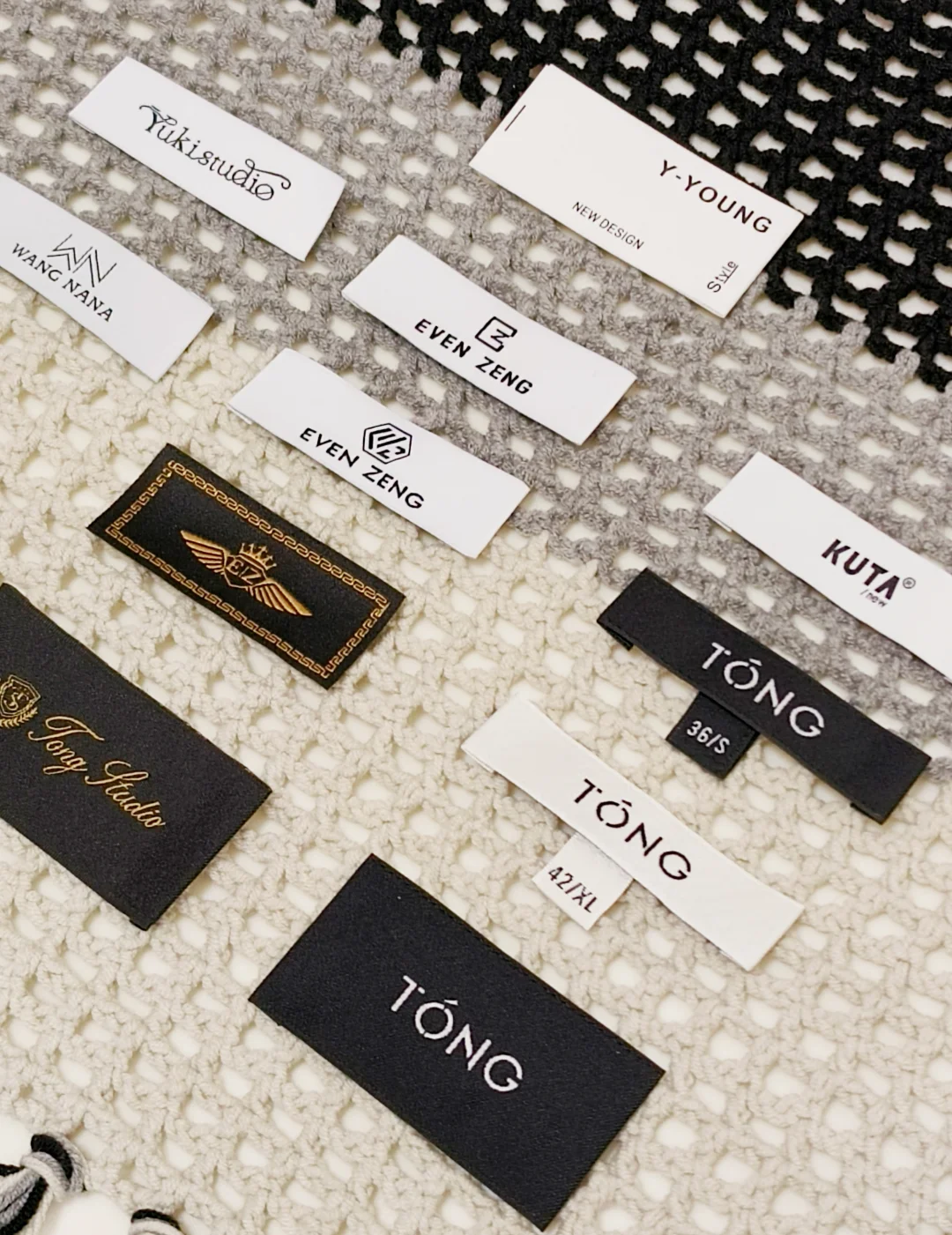
Woven Brand Labels
Custom woven neck, hem, and side-seam labels give each shirt a finished brand identity. As your organic cotton shirt manufacturer, EDVORIN can align label placement, fold type, color, and care information with approved specifications.
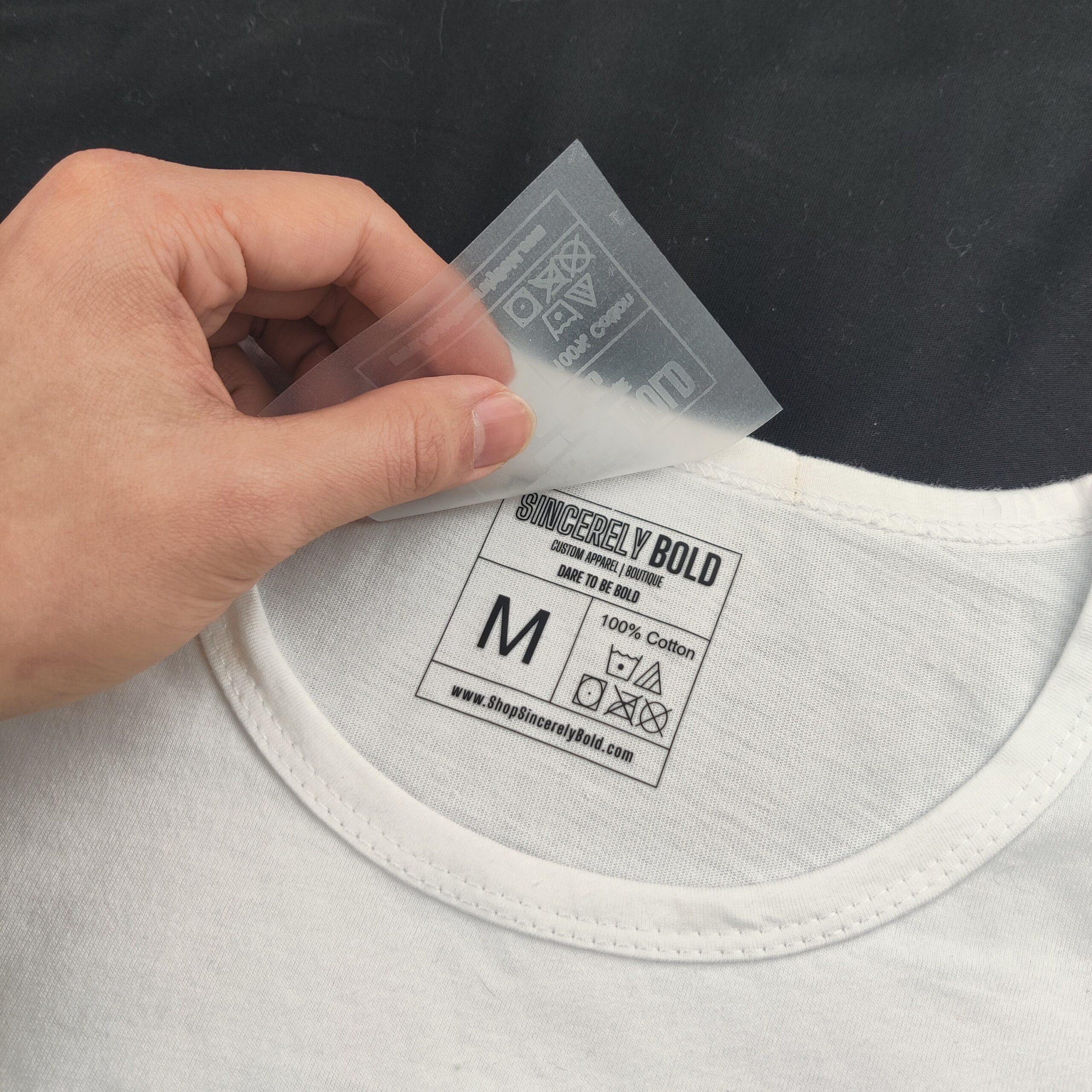
Printed Neck Labels
Printed neck labels create a clean, low-bulk finish for T-shirts and lightweight shirts. Artwork, size information, care instructions, and placement can be documented during sampling to help maintain consistency through bulk production.
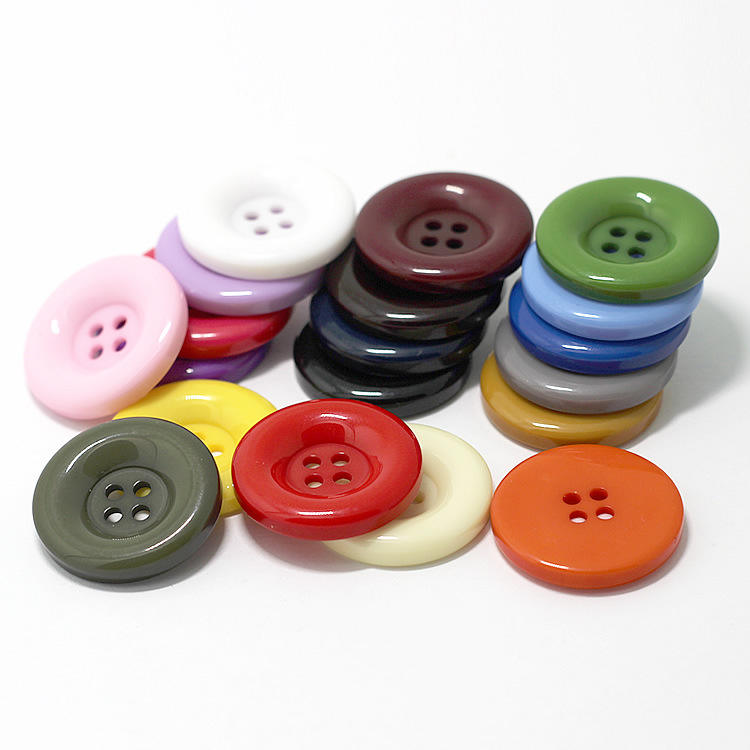
Branded Buttons
Custom buttons help define polo shirts, woven shirts, and overshirts. Material, size, color, logo treatment, and attachment method are coordinated with the fabric and construction so the detail supports both appearance and reliable wear.
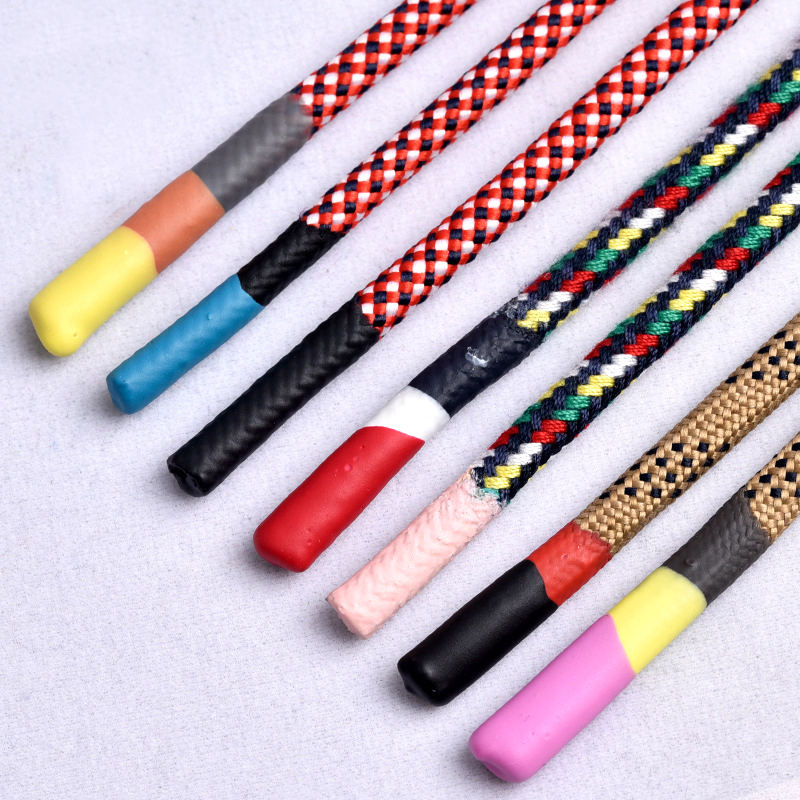
Drawcord Details
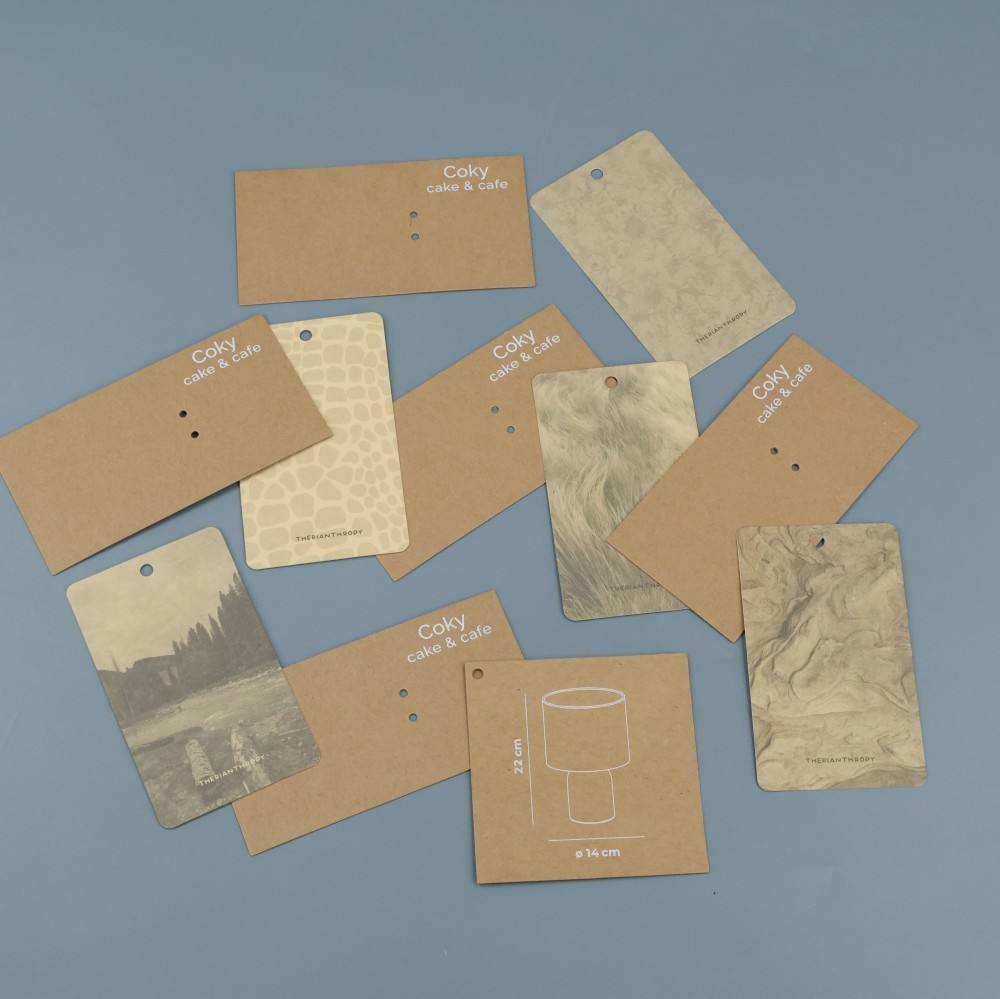
Collar labels, hem labels, side-seam labels, hangtags, and packaging details can be specified by color, material, fold, finish, and placement as part of the approved production standard.
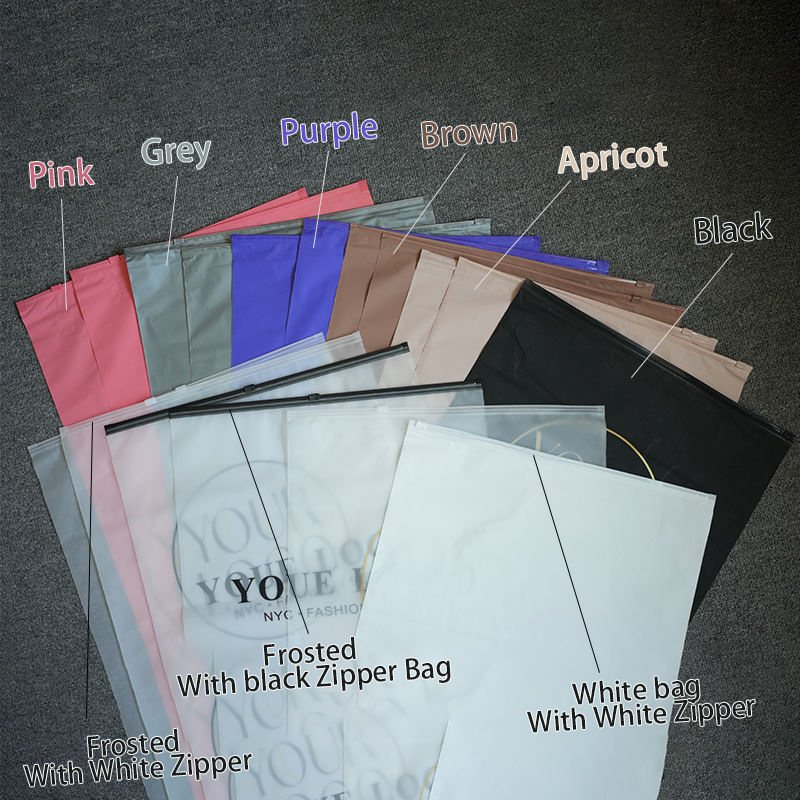
Custom Packaging
Fold bags, size stickers, tissue, carton marks, and branded inserts can be coordinated for a more organized delivery. Packaging specifications help wholesalers, retailers, and private-label buyers receive products ready for their intended channel.
About EDVORIN, Your Organic Cotton Shirt Manufacturer
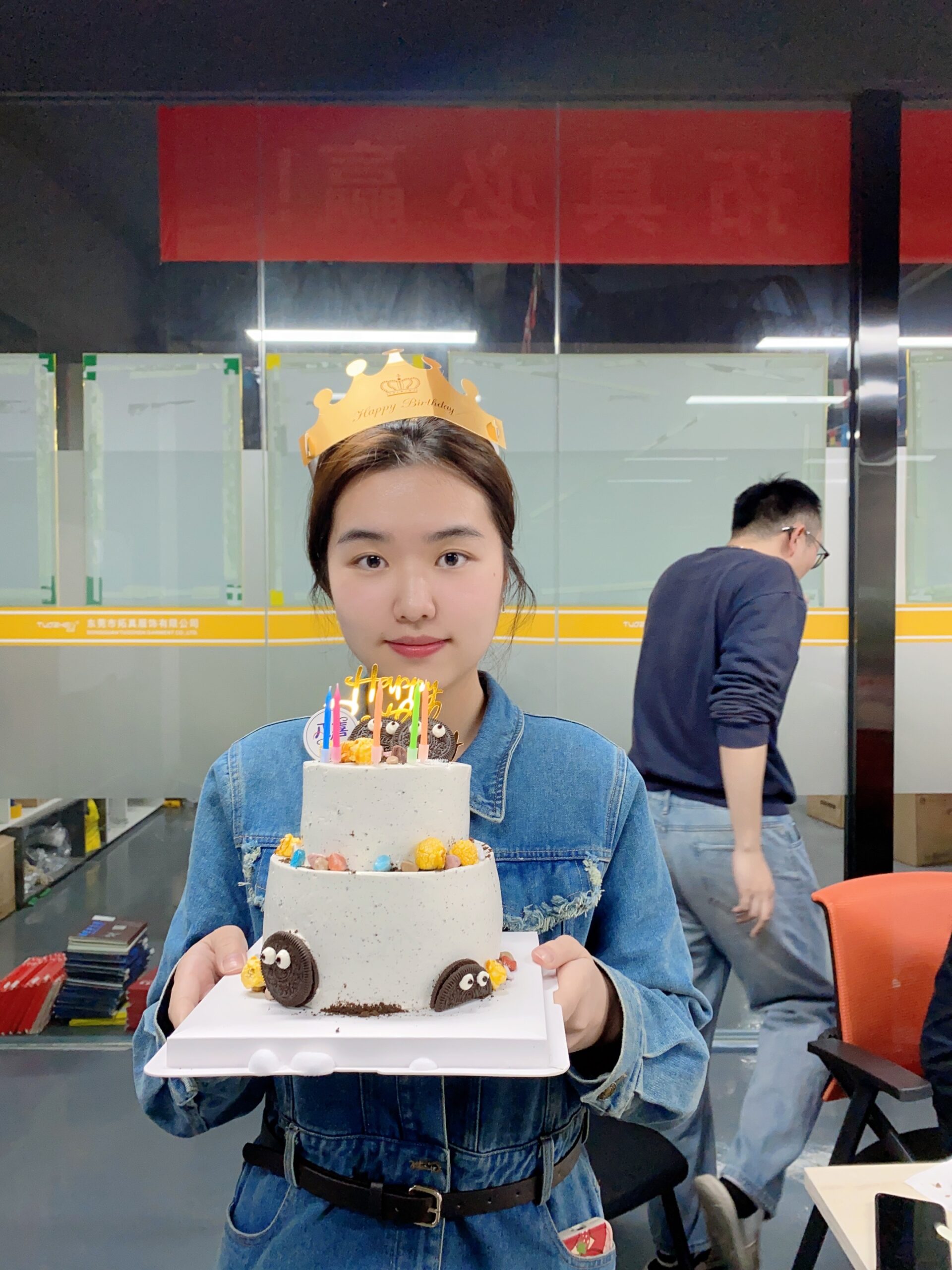
EDVORIN was founded in 2000 by Edvorin Zeng with a workshop-level belief: a strong apparel idea must be translated into a standard that production can repeat. As an organic cotton shirt manufacturer, we help buyers turn references, sketches, and tech packs into production-ready shirt programs.
Our connected OEM, ODM, and private-label workflow brings fabric and trim sourcing, pattern development, sampling, printing or embroidery, washing, bulk production, labeling, and packaging under one accountable path. Men’s and women’s shirt programs are developed around their intended fit, material, styling, and market requirements.
EDVORIN’s MOQ starts at 200 pieces per style. What makes EDVORIN different is the discipline after sample approval. We document measurements, artwork placement, construction details, and material specifications, then use approved standards to guide in-line and final quality checks. This helps fashion labels, teams, wholesalers, and growing brands build consistent repeat orders from a 200-piece MOQ per style.
Organic Cotton Shirt Manufacturer: From Concept to Controlled Bulk Production
Technical Development First
EDVORIN develops each organic cotton shirt program into a production-ready standard, whether you bring a detailed tech pack or an early concept. Fit, measurements, construction details, and revisions are clarified before bulk decisions begin.
- Men’s and women’s fit blocks tailored to the intended market
- Patterns, measurement charts and sample revisions documented clearly
- Construction details reviewed before bulk production
- MOQ starts at 200 pieces per style
Materials and Trims Aligned
Fabric selection is coordinated with the shirt’s intended hand feel, weight, silhouette and decoration method. EDVORIN also brings labels, neck tape, buttons, cuffs, packaging and other trims into the same specification, so details support the approved sample.
- Organic cotton fabric options matched to product requirements
- Labels, trims and packaging specified with the garment
- Material choices reviewed alongside print or embroidery needs
- Private-label details coordinated across the program
Decoration Built for Shirts
A shirt graphic, logo or team identity needs a method that works with both the fabric and the garment construction. EDVORIN coordinates printing, embroidery and finishing with placement requirements, helping protect the visual result through repeat production.
- Artwork placement recorded against approved measurements
- Printing and embroidery considered with fabric behavior
- Category-specific decoration for casualwear, streetwear and teamwear
- Wash and finishing options coordinated when applicable
Approved Standards, Checked Again
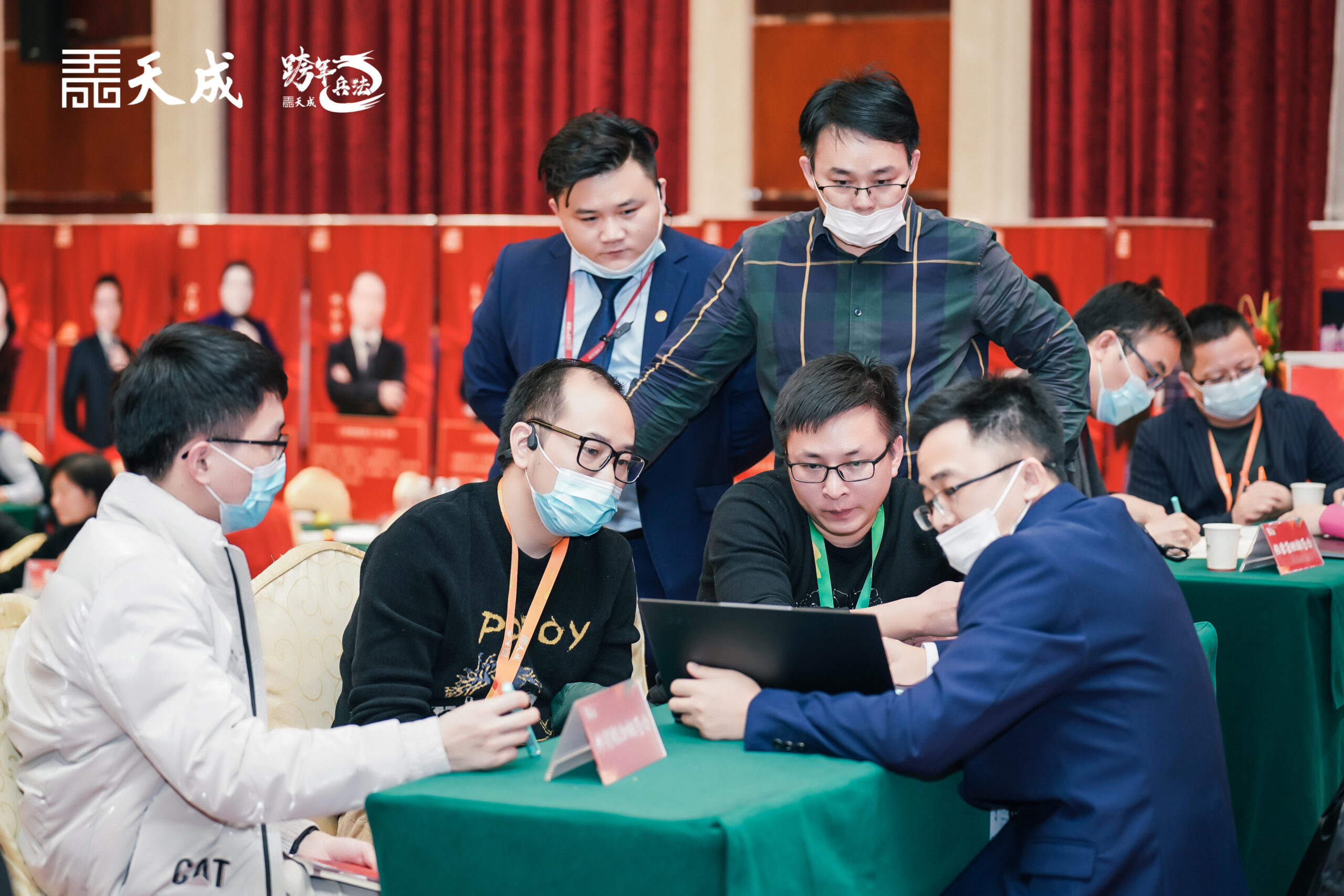
EDVORIN treats the approved sample as a working production reference, not a one-time milestone. Materials, measurements, decoration and finishing are checked through production and before packing, helping each organic cotton shirt order remain aligned with the agreed standard.
- Approved samples guide bulk production decisions
- In-line checks address variation before final packing
- Final inspection confirms garment and presentation details
- One accountable path from sample approval to packed order

Why Buyers Choose EDVORIN as Their Organic Cotton Shirt Manufacturer
A documented path from development to repeatable bulk production.
← Swipe left or right to view →
Organic Cotton Shirt Manufacturer: From Material to Shipment
A controlled, buyer-visible process that carries approved specifications from sourcing through final packing.
Confirm Materials and Specifications
Align organic cotton fabric, weight, color, fit, measurement chart, trims, artwork, labels, packaging, and approved references before development moves forward.
Develop Patterns and Samples
Create or refine patterns, build samples, review construction and decoration compatibility, then record approved revisions as the production standard.
Prepare Bulk Production
Confirm bulk materials, cutting plans, size grading, color references, artwork placement, and line instructions so each shirt follows the approved sample.
Cut, Sew, and Decorate
Cut panels, assemble garments, and coordinate printing, embroidery, washing, or other selected decoration methods according to documented production requirements.
Inspect, Pack, and Ship
Conduct in-line and final checks against approved standards, then complete labeling, folding, packing, carton marking, and shipment preparation for your order.
Work With an Organic Cotton Shirt Manufacturer
Move from concept to packed goods through one accountable OEM development and production path.
Share Your Brief
Send a tech pack, measurement chart, reference garment, or collection concept. EDVORIN reviews construction, fit, fabric, decoration, quantities, and target market requirements.
Align Quote and Sample
EDVORIN’s MOQ starts at 200 pieces per style. Confirm specifications, MOQ, materials, trims, and decoration before sampling. Your organic cotton shirt manufacturer then develops a sample for fit, workmanship, and design review.
Approve Production Standards
Review the sample and finalize revisions. Approved measurements, materials, color references, artwork placement, labels, and packaging become the documented standard for bulk production.
Launch Bulk Production
EDVORIN coordinates sourcing, cutting, sewing, decoration, finishing, and in-line checks against the approved standard, keeping critical details visible throughout the production run.
Receive Packed Goods
Final inspection verifies finished garments before labels, folding, and packing are completed. Your order is prepared as a repeatable foundation for future shirt programs.
Certified Standards for Responsible Apparel Production


What Buyers Say About EDVORIN, an Organic Cotton Shirt Manufacturer
Verified customer quote pending. Add a confirmed buyer statement describing a measurable development, repeat-order, or production-coordination outcome.
Verified customer quote pending. Add a confirmed buyer statement with a specific result, such as sample revisions reduced or an on-time repeat order completed.
Verified customer quote pending. Add a confirmed buyer statement showing how EDVORIN supported fabric, decoration, labeling, or bulk-production coordination.
Organic Cotton Shirt Manufacturer FAQ
Clear answers for buyers planning custom organic cotton shirt programs with EDVORIN.
What is your MOQ for custom organic cotton shirts?
How long does an organic cotton shirt manufacturer take to make samples and bulk orders?
Can an organic cotton shirt manufacturer help if I only have a sketch or reference garment?
What organic cotton material options can EDVORIN source for shirts?
Do I need to approve a sample before bulk production begins?
How are sampling costs and payment terms handled?
Can you ship custom organic cotton shirts internationally?
How does EDVORIN protect my designs and private-label details?
The Complete organic cotton shirt manufacturer Buyer’s Guide
Use this practical framework to compare supplier capabilities, verify organic material claims, plan customization, estimate costs, and avoid sourcing mistakes before placing your first or next production order.
1. What Is an organic cotton shirt manufacturer?
200-piece programs commonly need more than a logo on a stock tee. An organic cotton shirt manufacturer acts as a cut-and-sew private-label partner, translating a buyer’s design, fit, fabric, and trim requirements into an approved production standard.
8 linked responsibilities typically sit within that path: organic-fabric sourcing, pattern development, samples, cutting and sewing, labels, decoration coordination, quality control, and shipment preparation. For an organic cotton shirt manufacturer, the buyer should receive documented measurements, artwork placement, material specifications, and packing instructions—not a garment assembled from assumptions.
1 blank-garment wholesaler supplies pre-made inventory for later branding, while a print-only vendor decorates garments supplied by the buyer or distributor. EDVORIN coordinates development through packed bulk goods, so fashion labels and private-label buyers can keep construction, decoration, and final inspection aligned to one approved sample.
2. The Evolution of Organic Cotton Shirts
EDVORIN’s MOQ starts at 200 pieces per style. 2000 marks EDVORIN’s founding, when many shirt programs were still sourced as conventional commodity basics with limited documentation beyond fabric composition, color, and size. As private-label buyers added custom fits, labels, and decoration, an approved sample became a more useful production reference than a generic blank.
100% organic cotton is now often paired with chain-of-custody and certification requests, so buyers should distinguish a fabric supplier’s document from a claim covering the finished garment. GOTS is commonly used in this conversation; its scope and requirements should be verified against the current standard (https://global-standard.org/the-standard/gots-key-features).
200-piece launches make disciplined supplier selection especially important: confirm MOQ by color and size, fabric availability, sample revision rules, shrinkage testing, and repeat-order records. An organic cotton shirt manufacturer should translate these checks into a traceable specification, rather than treating responsible-material language as proof of durability or transparency.
3. Types of organic cotton shirt manufacturer Programs
Five production models let buyers balance launch speed against specification control. An organic cotton shirt manufacturer should match the route to approved artwork, demand certainty, and the buyer’s ability to manage development.
| Program | Flexibility | Speed | MOQ Impact | Best Fit | Limitation |
|---|---|---|---|---|---|
| Ready-made blanks | Low | Fastest | Lowest | Events, testing | Fixed garment |
| Stock customization | Moderate | Fast | Low to mid | Corporate orders | Stock-dependent |
| Private label | Moderate | Mid | Mid | Growing wholesalers | Base pattern retained |
| Custom cut-and-sew | Highest | Slowest | Higher | Fashion labels | Sampling required |
| Team uniforms | High | Mid | Mid | Schools, clubs | Roster control needed |
Blank And Stock Routes
Ready-made blanks offer the fastest route for events and testing, but fit, fabric, and color choices are fixed.
Stock customization adds prints, embroidery, or relabeling; it suits corporate buyers needing rapid, lower-risk orders.
Private Label Programs
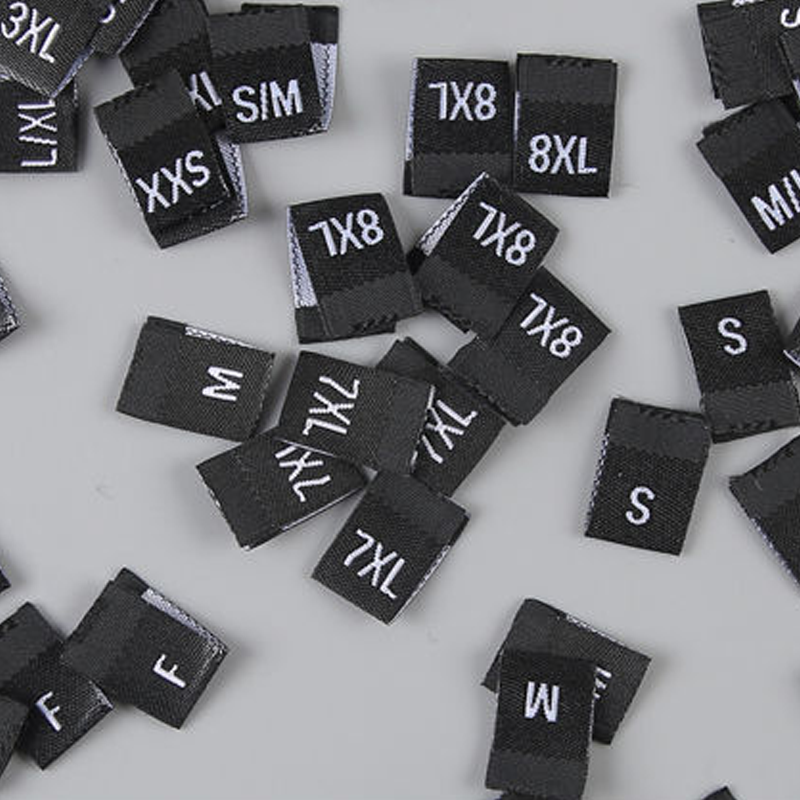
Made-to-order private label changes labels, packaging, and selected specifications while retaining an established base pattern.
This route suits wholesalers and growing labels; custom fabric or silhouette changes remain limited.
Custom And Team Programs
Fully custom cut-and-sew controls pattern, grading, fabric, and construction, but needs sampling and larger commitments.
Team programs prioritize repeatable color, names, numbers, and size control for clubs, schools, and academies.
4. Organic Cotton Fabrics and Shirt Weights
140–180 GSM fabrics create lighter shirts with more drape, while 200–260 GSM constructions feel denser and usually show less opacity. An organic cotton shirt manufacturer should approve shrinkage and hand feel after the intended wash process.
| Construction | Typical Weight | Recommended Application |
|---|---|---|
| Single jersey | 140–180 GSM | Lightweight tees |
| Single jersey | 180–220 GSM | Core retail tees |
| Interlock | 200–260 GSM | Premium structured tees |
| Pique | 180–240 GSM | Polo shirts |
Yarn And Finish
Ring-spun yarn generally gives a smoother hand than open-end yarn. Enzyme washing can soften the surface, but buyers should test pilling and dimensional change.
Construction Controls Use
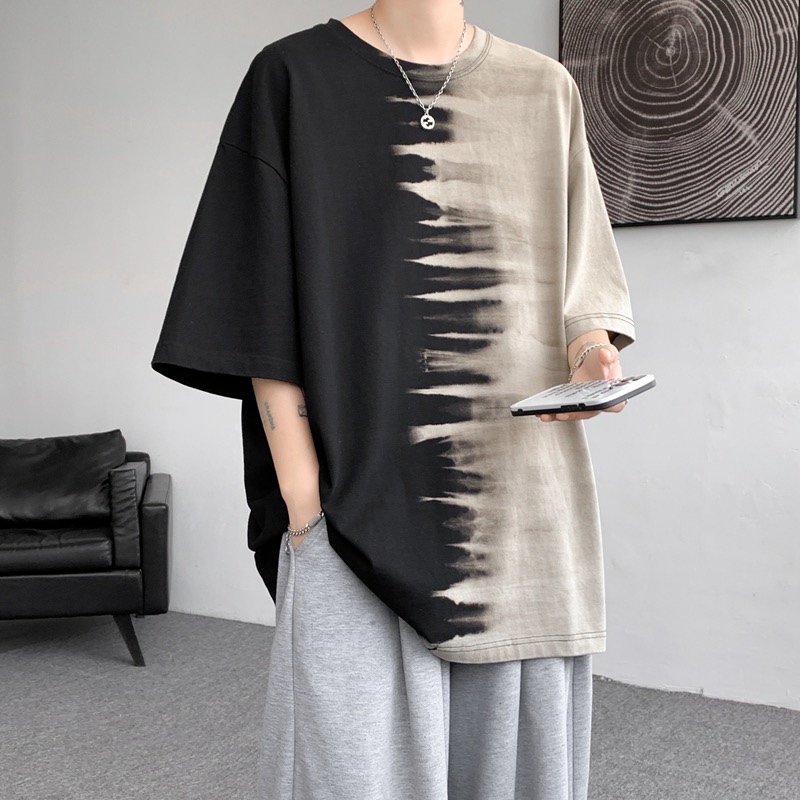
Single jersey drapes readily, whereas interlock adds structure and opacity. Rib suits neckbands and fitted tops; pique provides a textured polo surface.
5. Customization Options for Organic Cotton Shirts
Customization should be locked into the approved sample, not inferred on the sewing line. An organic cotton shirt manufacturer needs the fit block, Pantone reference, artwork scale, and trim pack before bulk release.
| Method | Visual Effect | Placement Limits | Volume And Care |
|---|---|---|---|
| Screen print | Opaque, durable color | Broad chest or back | Best for repeat runs; wash inside out |
| DTG | Fine tonal detail | Flat printable panels | Smaller runs; gentle wash |
| Embroidery | Raised texture | Avoid heavy chest areas | Mid-to-large runs; stabilize fabric |
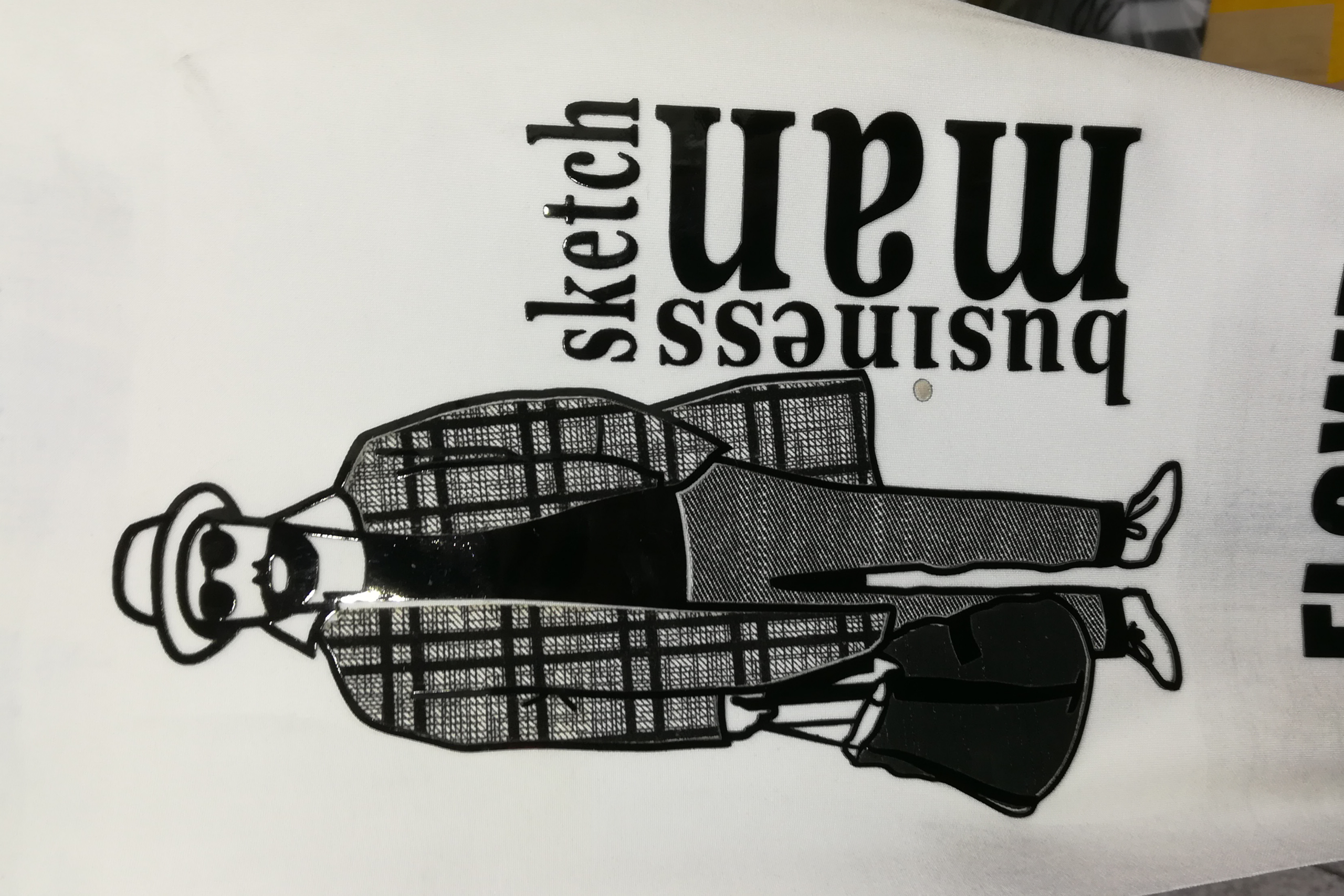
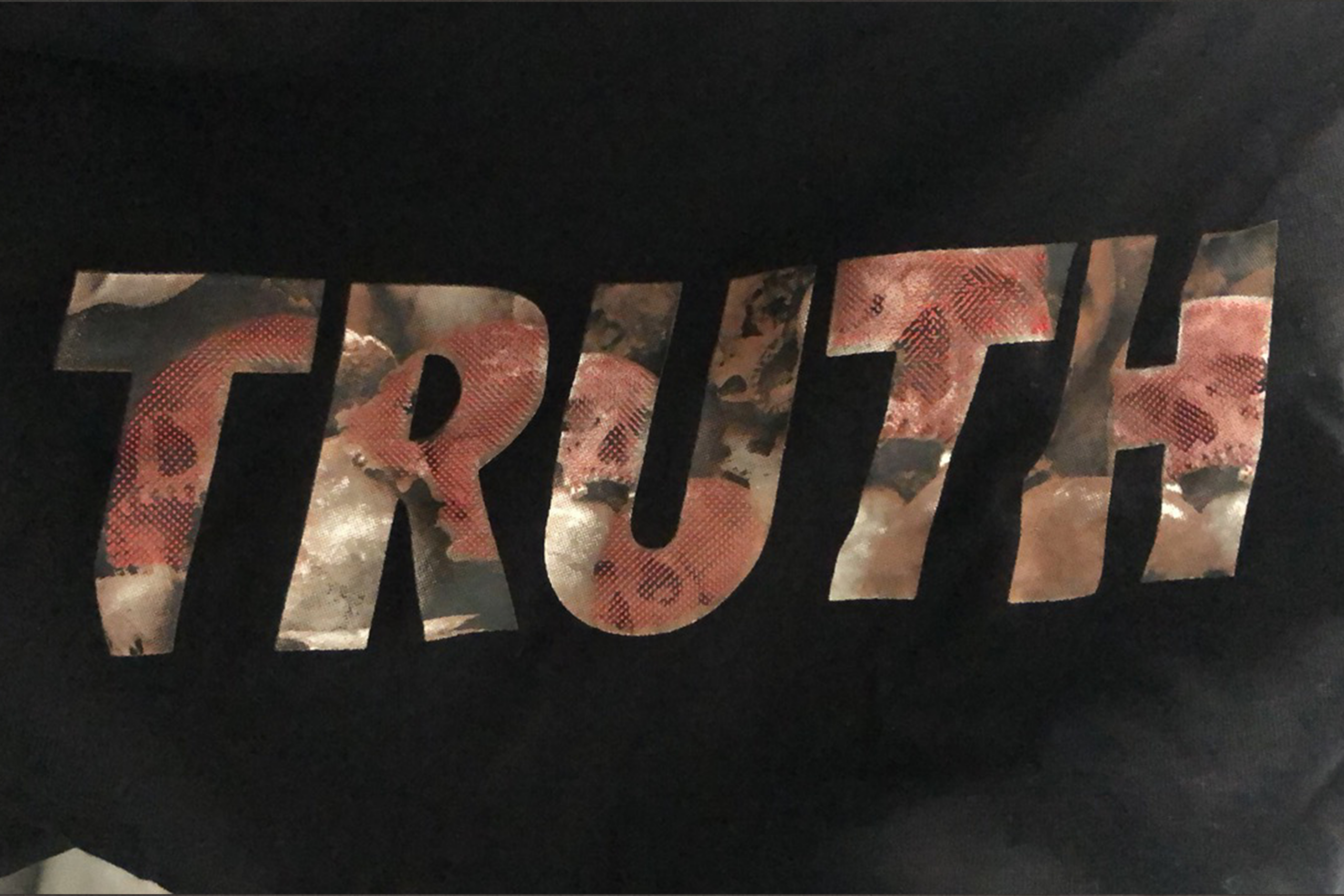
| Transfers | Sharp multicolor graphics | Flat areas only | Flexible volumes; avoid high heat |
| Appliqué | Layered, varsity look | Limited by seam bulk | Best for simple shapes; inspect edges |
Fit, Color, And Branding
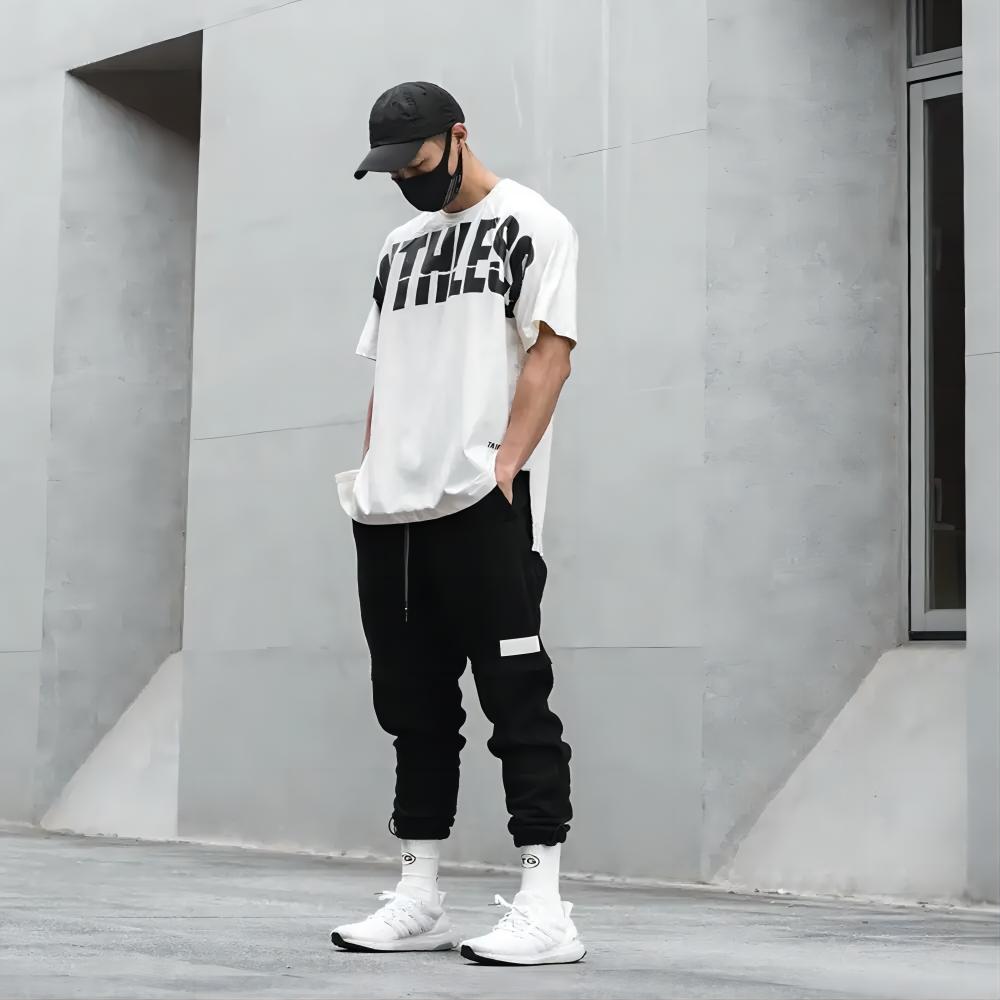
Two fit directions—regular and oversized—change body length, sleeve shape, and grading. Approve the measurement chart and dyed fabric swatch before cutting.
Three brand touchpoints—neck label, hem label, and hangtag—need artwork, material, fold, and placement approval. Packaging artwork should be approved separately.
Choose Decoration By Use
Four decoration routes create different hand feel and production constraints. Confirm strike-offs or sew-outs, placement measurements, and wash expectations before bulk production.
6. Construction Details That Signal Quality
Construction quality appears in repeatable, inspectable details rather than one premium feature. An organic cotton shirt manufacturer should turn the approved sample into measurable workmanship and wash-performance requirements.
Collar And Shoulder Control
Two-ply neck rib should recover after stretching without waviness. Check rib width, neckline shape, and coverstitch alignment on the sample.
Shoulder-to-shoulder tape or another reinforcement method should be specified where the design requires it. Record tape width, seam allowance, and acceptable twisting.
Seams And Hem Finish
Flatlock, overlock, and coverstitch seams create different appearance, bulk, and stretch behavior. Inspect stitch density, skipped stitches, loose thread ends, and side-seam alignment.
Double-needle hems should sit flat without tunneling or roping. State seam type, stitch count where applicable, hem width, and allowable visual defects in the purchase order.
Grading And Wash Approval
One approved size set should confirm chest, body length, sleeve length, and grade consistency before bulk cutting. List point-of-measure locations and tolerances by size.
After agreed wash testing, compare shrinkage, collar recovery, seam torque, and color change against the approval standard. Define the wash method, number of cycles, and pass-fail criteria in the purchase order.
7. How to Choose an organic cotton shirt manufacturer
EDVORIN’s MOQ starts at 200 pieces per style. A 200-piece MOQ is only useful when the supplier can repeat the approved standard. Evaluate the organic cotton shirt manufacturer against one identical brief, not a headline unit price.
Match Product Capability
A 180 GSM jersey tee and a 260 GSM heavyweight tee require different shrinkage, neck-rib, and sewing controls. Ask: Which comparable shirts have you made, and can you provide a graded measurement spec?
Standardize Quote Requests
EDVORIN’s MOQ starts at 200 pieces per style. One quote sheet should state style, GSM, composition, colors, sizes, decoration, labels, packing, MOQ, Incoterm, and delivery destination. Request the same pre-production sample, fabric swatch, and timeline from every candidate.
Verify Control And Communication
Three checkpoints—material approval, pre-production sample, and final inspection—reduce avoidable variation. Ask for fabric transaction documentation, defect-reporting process, weekly update cadence, capacity reservation, and whether shipping is EXW, FOB, or DDP.
8. Common Organic Shirt Sourcing Mistakes
Seven recurring errors turn an otherwise viable organic shirt program into rework, delays, or unexpected cost. An organic cotton shirt manufacturer should convert every claim, approval, and quote into a testable production requirement.
Verify Organic Claims
100% organic is not enough without the applicable transaction and scope documentation; request it before fabric booking. GOTS explains its certification system at https://global-standard.org/.
1 approved fabric reference, composition, color standard, and trim list should accompany the purchase order.
Approve Production-Ready Samples
2 wash tests should check shrinkage, twisting, shade change, and print performance before bulk approval. Record after-wash measurements and Pantone references, not only sample photos.
180 GSM alone cannot define handfeel, opacity, knit structure, yarn quality, or recovery. Specify ring-spun/open-end yarn, finish, and target performance.
Control Complexity And Quotes
EDVORIN’s MOQ starts at 200 pieces per style. ±1 cm tolerances, grade rules, and artwork placement measurements prevent subjective inspection disputes. Limit early orders to proven colorways and sizes before expanding variants.
3 quotes are comparable only when fabric, GSM, certification documentation, decoration, labels, packing, MOQ, and delivery terms match. Normalize those inputs in one quote sheet before selecting a supplier.
9. Launching Your Organic Cotton Shirt Line
EDVORIN’s MOQ starts at 200 pieces per style. A 200-piece MOQ can support a focused first drop or a branded organization order. Lock decisions at each approval gate so EDVORIN can translate the approved shirt into a repeatable production standard.
Brief And Assortment
1 launch brief should define wearer, fit, size range, colors, target retail position, and delivery date. Private labels can start with one core silhouette; established teams should confirm logo use, roster quantities, and reorder ownership.
Development And Approval
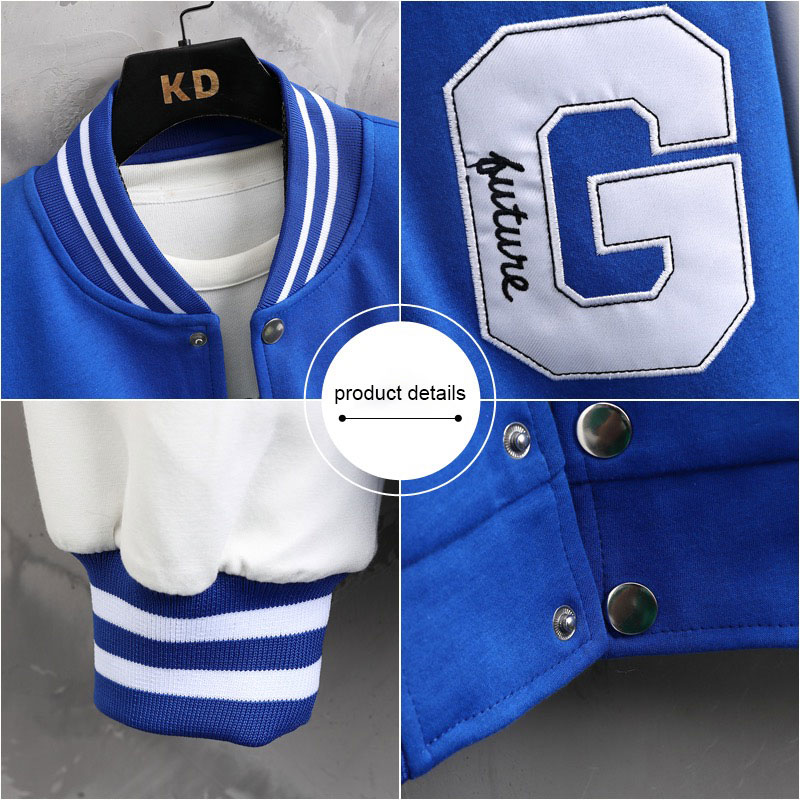
1 tech pack should freeze measurements, construction, labels, packaging, and Pantone references before quoting. Approve fabric handfeel, GSM, color, and a physical sample; then sign off artwork size, placement, and decoration method before bulk cutting.
Production To Reorder
1 bulk approval releases material booking, production, in-line checks, final inspection, packing, and freight planning. Record approved sample details, size sales, defects, and lead-time needs to set replenishment quantities before stock runs low.
10. Organic Cotton Shirt Pricing and Cost
200 pieces is a practical starting tier for a custom shirt program, but it does not create a universal unit price. EDVORIN quotes against the approved fabric, pattern, colorway, decoration, trims and packing standard.
160–260 GSM fabric weight, custom Pantone dyeing, multi-location screen print or embroidery, woven labels, individual packaging, sampling, freight and construction complexity each change cost. Final pricing requires a defined specification, order quantity, destination and production requirements.
| Quantity tier | Illustrative cost position | Typical production lead time |
|---|---|---|
| 200–499 pieces | Highest unit cost; sampling and setup spread across fewer units | 30–45 days after approvals |
| 500–999 pieces | Better fabric and decoration efficiency | 30–45 days after approvals |
| 1,000–2,999 pieces | Lower unit cost; color and size planning matter | 35–50 days after approvals |
| 3,000+ pieces | Program pricing depends on capacity, colorways and packing | 40–60 days after approvals |
The Complete Organic Cotton Shirt Manufacturer Buyer’s Guide
Send your tech pack or concept to EDVORIN for a production-ready OEM quote, with flexible support from sample development through bulk manufacturing.