
Clothing Fabric Sourcing Service for Repeatable Production
EDVORIN’s clothing fabric sourcing service aligns fabric, trims, sampling, and production standards for apparel programs built to repeat.
Products We Source and Develop
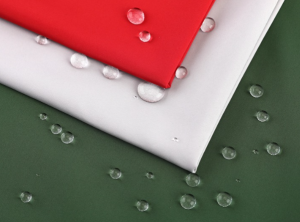
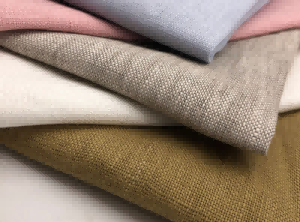
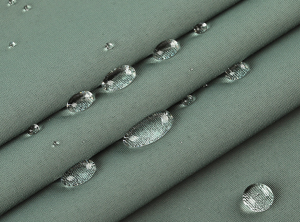
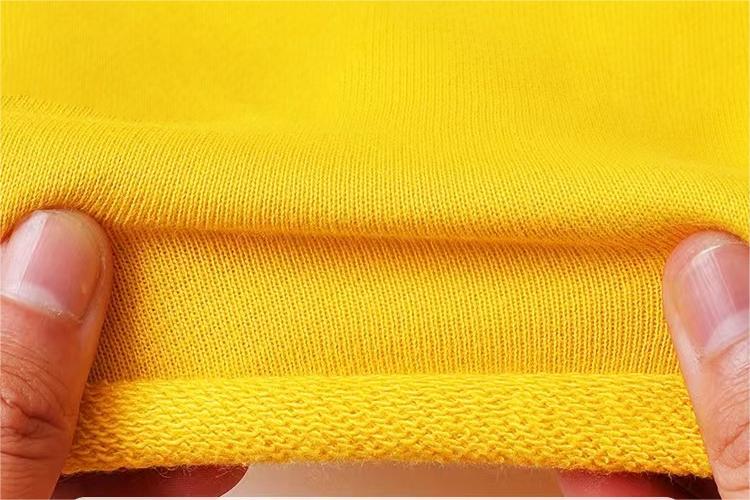
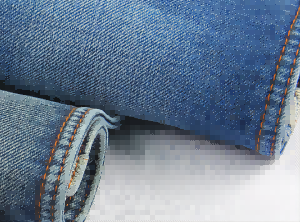
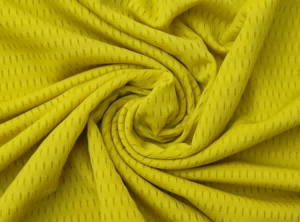
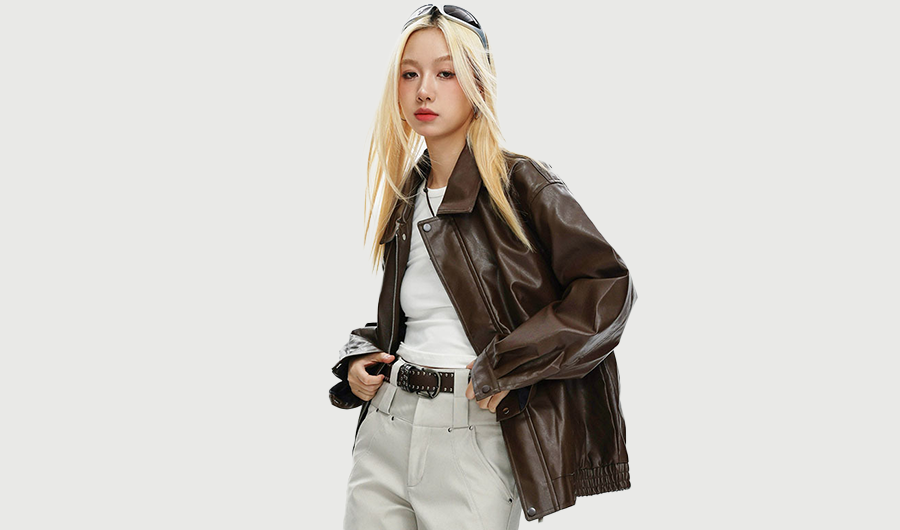
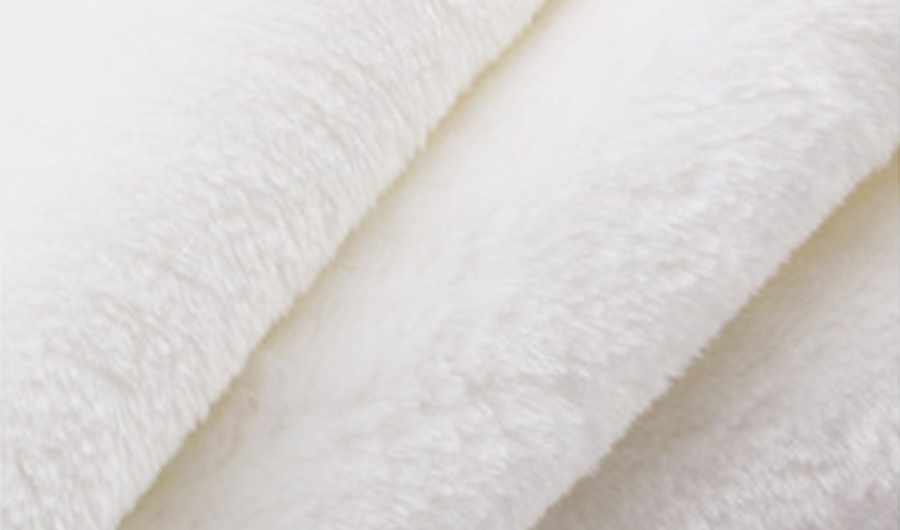
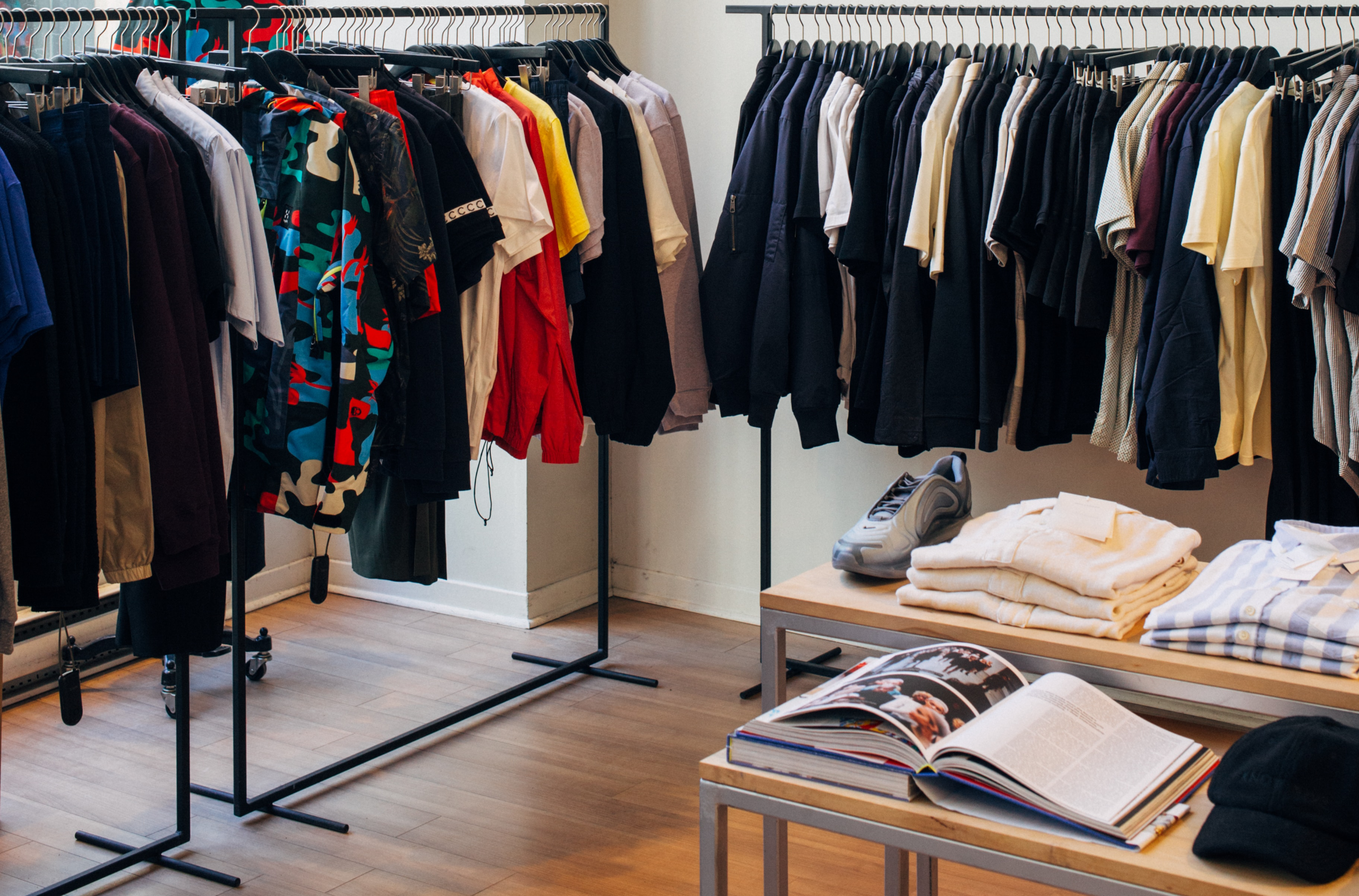
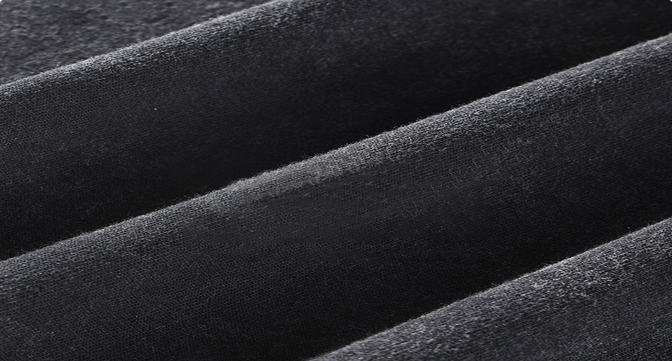
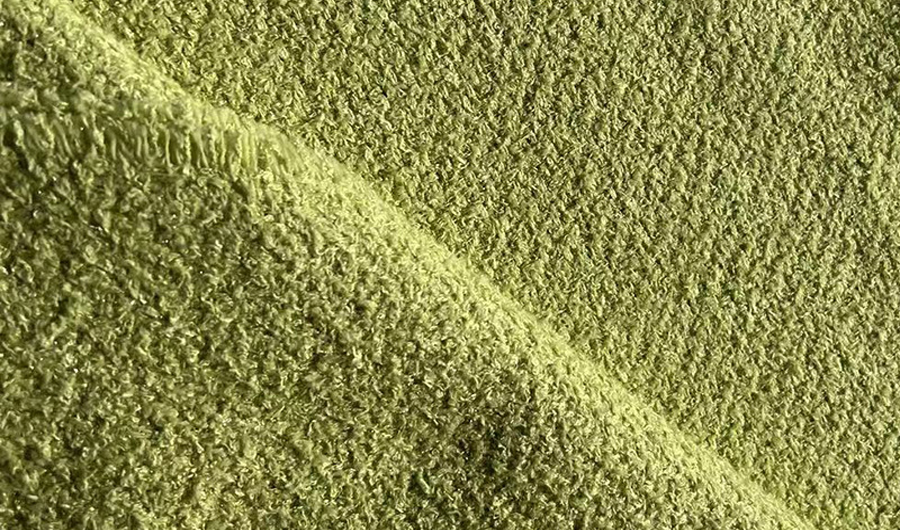
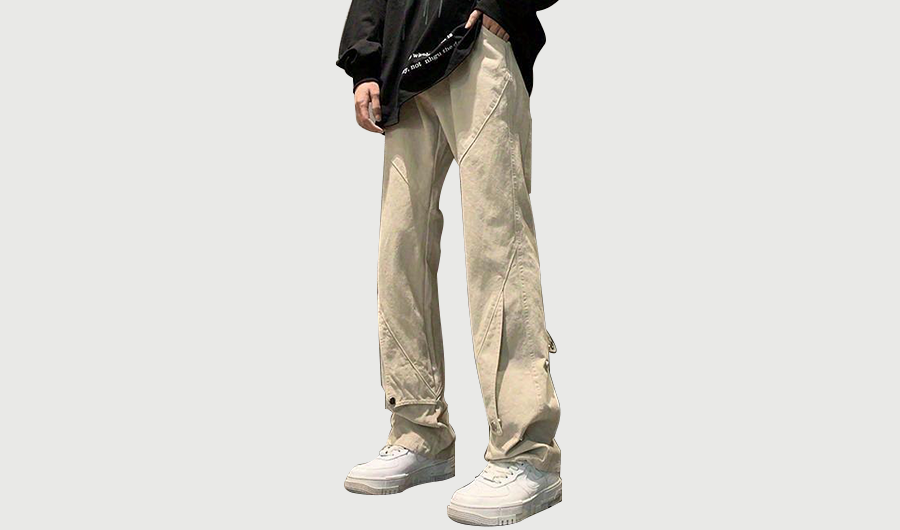
What Sets Our Clothing Fabric Sourcing Service Apart
EDVORIN connects fabric, trims, construction and approved sample standards so each apparel program is ready to repeat in bulk.
Product-Matched Fabrics
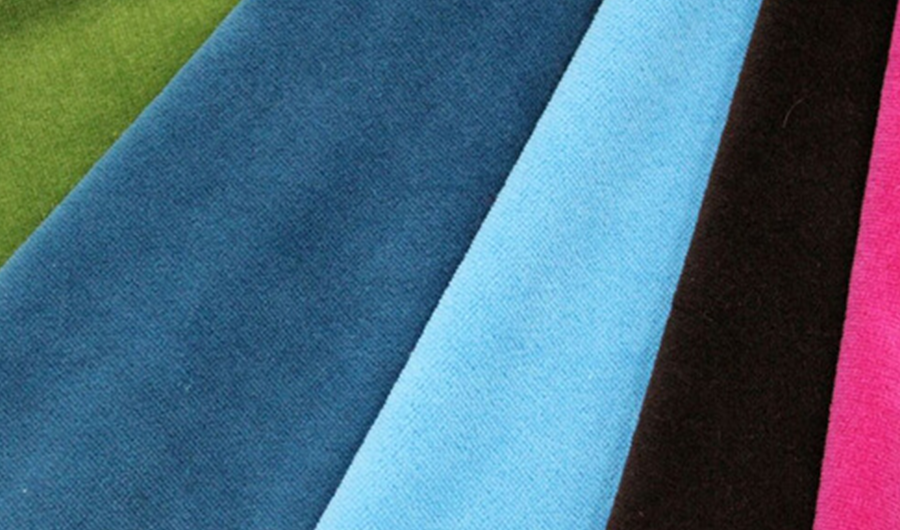
We align weight, hand feel, stretch and construction with the intended hoodie, jersey, jacket or other garment category.
Coordinated Trims
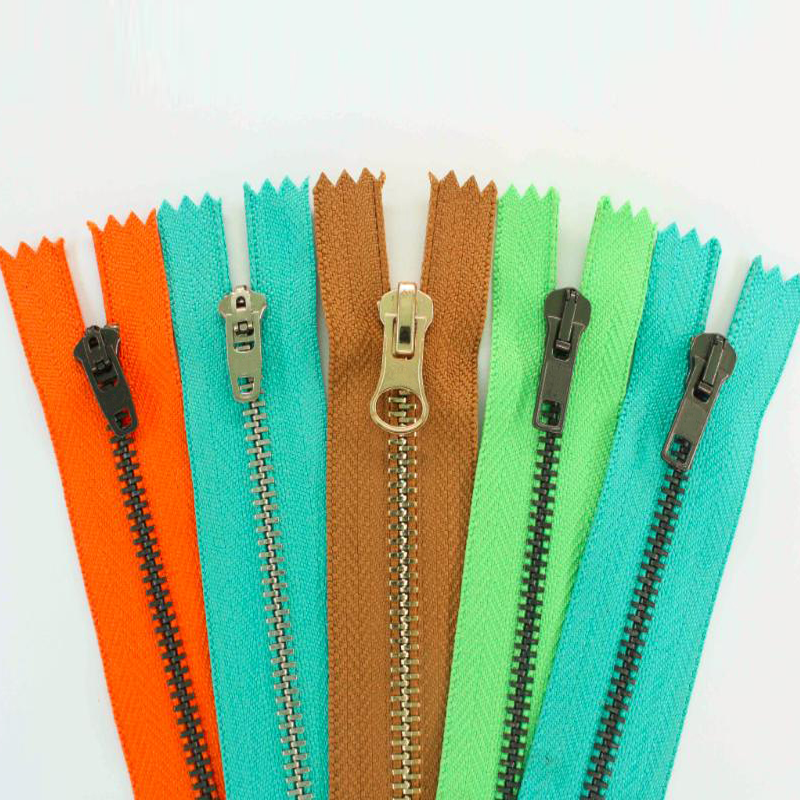
Ribs, drawcords, zippers, labels and other trims are considered alongside the fabric to support cohesive construction and finish.
Performance Requirements
Material choices are reviewed against practical needs such as breathability, recovery, durability and wash behavior before production specifications are finalized.
Sample-Led Decisions
Fabric selections are tested through sampling, giving buyers a physical reference for fit, construction, decoration and finishing approval.
Repeat-Order Standards
Approved material, trim and construction details are documented to help maintain consistency from bulk production through future repeat orders.
Flexible Production Support
From early concepts to established programs, EDVORIN supports OEM, ODM and private-label development with MOQs starting at 200 pieces per style.
Apparel Development Across Core Categories
Explore product categories supported by coordinated development, material sourcing, decoration, sampling and repeatable bulk production.
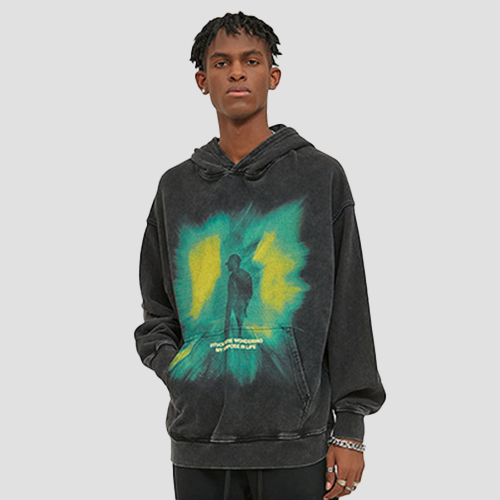
Custom Hoodies
Custom hoodie development covers fleece selection, fit blocks, rib construction, hoods, drawcords, pockets, labels and decoration. As a custom hoodie manufacturer, EDVORIN documents approved details so men’s and women’s programs can move consistently from sample to bulk.
Get a Quote
Pullover Sweatshirts
Pullover sweatshirts are developed around fabric weight, brushed or loopback finishes, neckline and rib recovery, fit, seams and decoration compatibility. EDVORIN supports private-label sweatshirt programs with approved measurements, trims, artwork placement and production specifications.
Get a Quote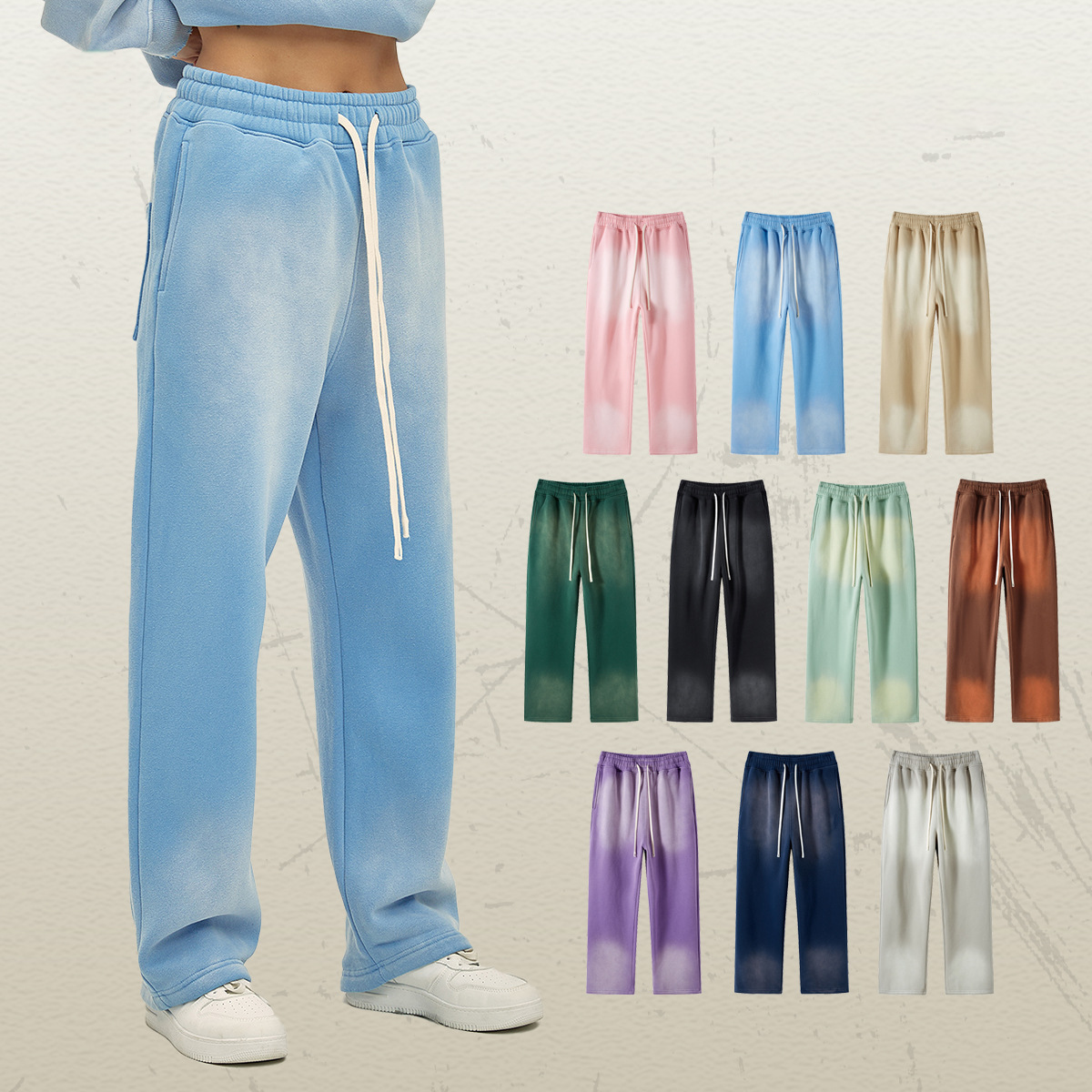
Sweatpants & Joggers
Sweatpants and joggers require attention to fabric weight, rise, leg shape, waistband recovery, pockets, cuffs and print or embroidery placement. EDVORIN develops coordinated men’s and women’s bottoms for casualwear, wholesale and matching-set programs.
Get a Quote
Custom Shorts
Custom shorts can be developed in fleece, jersey, woven or performance fabrics, with specifications for inseam, waistband, pockets, lining, trims and decoration. Material selection and fit are aligned to the intended use, from casual collections to teamwear.
Get a Quote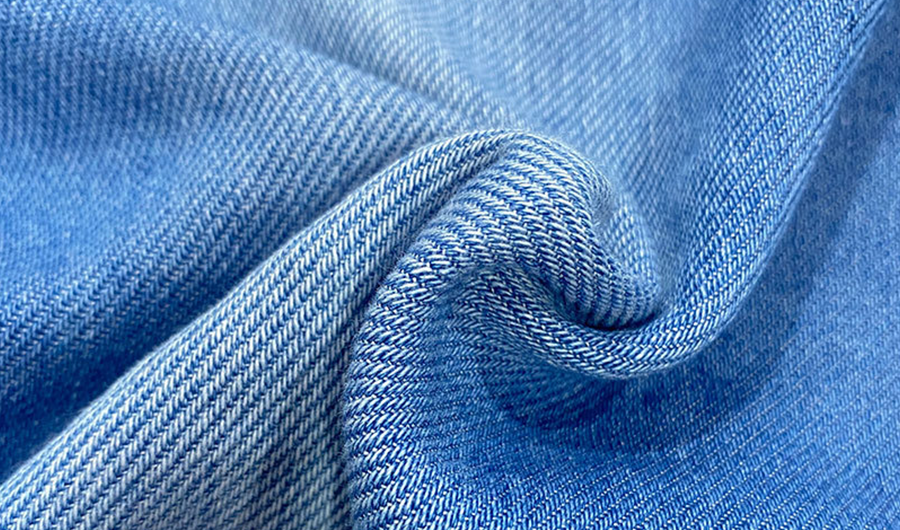
Varsity & Baseball Jackets
Varsity and baseball jackets combine body fabric, sleeves, rib, lining, snaps, patches, embroidery and appliqué. EDVORIN coordinates these components during sampling to establish a balanced construction standard for repeatable jacket production.
Get a Quote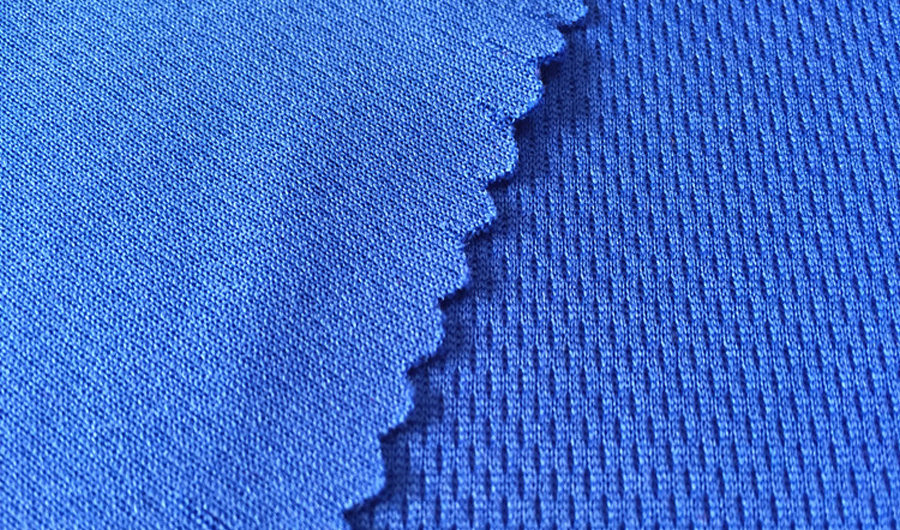
Custom T-Shirts
Custom T-shirt programs can include jersey selection, garment weight, collar construction, fit, grading, wash effects, labels and print methods. EDVORIN helps brands translate reference garments or tech packs into clear specifications for repeat orders.
Get a Quote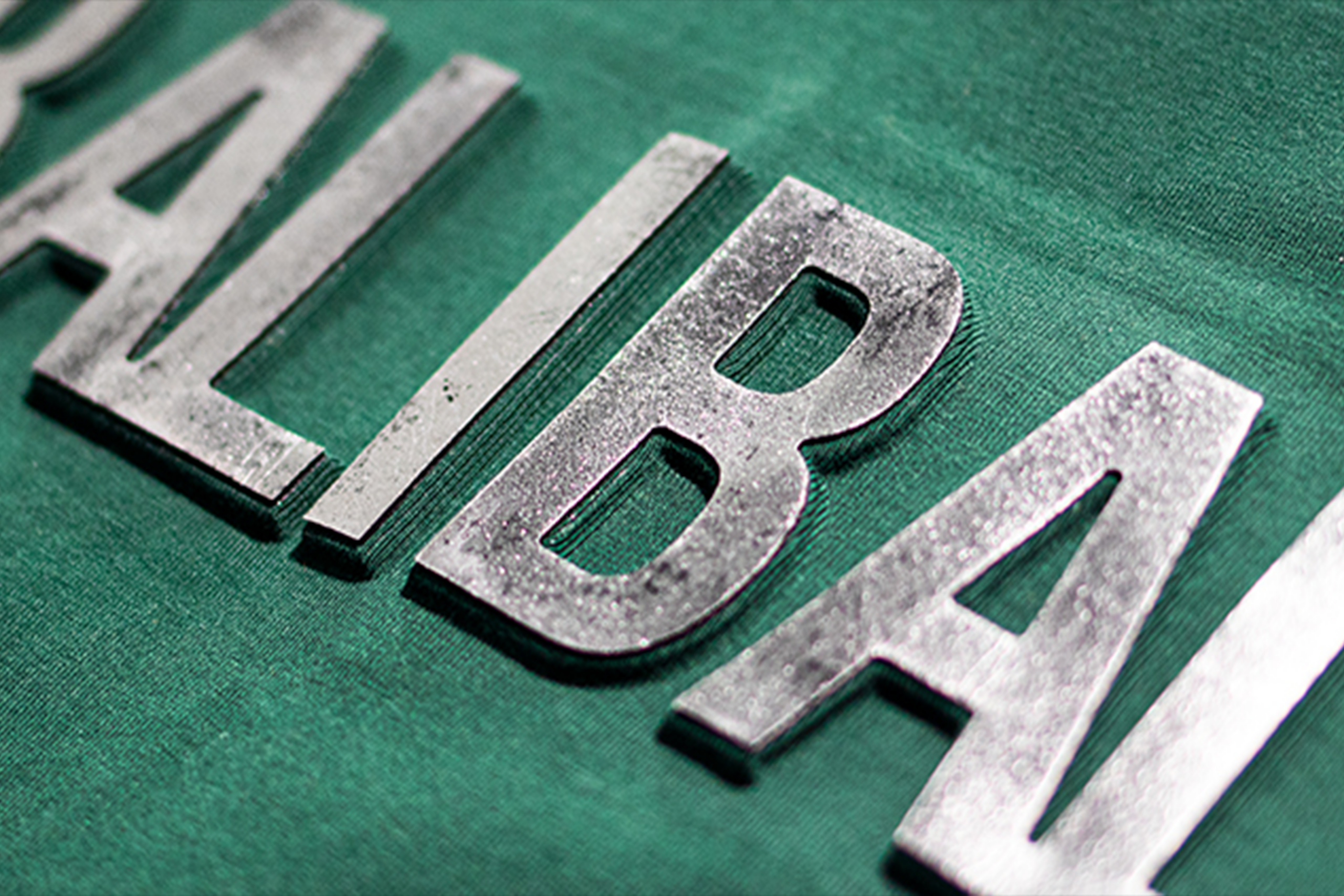
Custom Polo Shirts
Custom polo shirts are developed with piqué, jersey or performance fabrics, collar and placket construction, buttons, cuffs, embroidery placement and fit requirements. EDVORIN supports branded uniforms, corporate apparel and private-label polo programs.
Get a Quote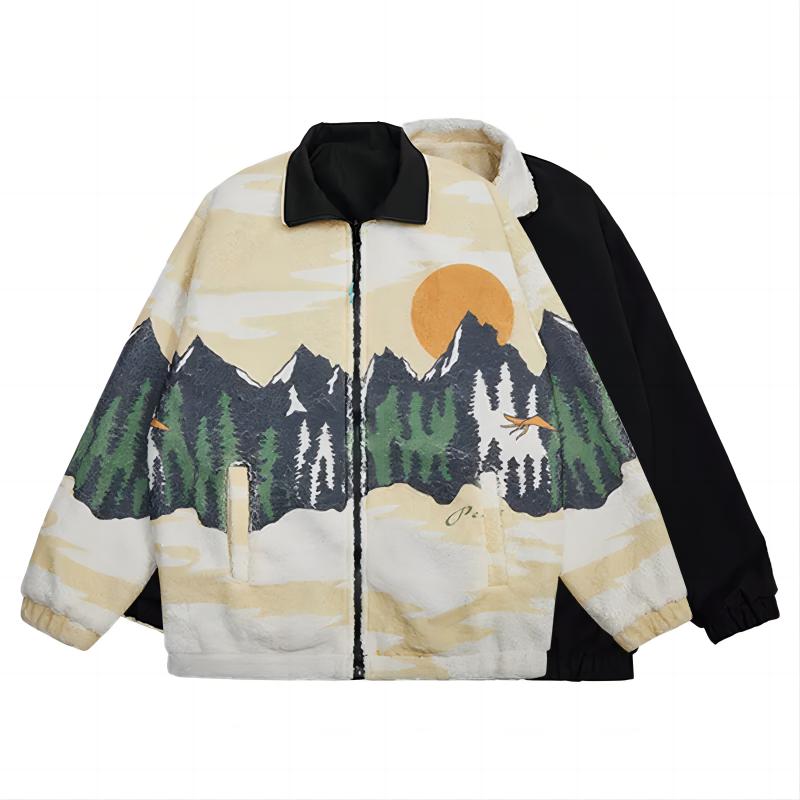
Windbreaker Jackets
Windbreaker jackets are specified around shell fabric, lining or mesh, water resistance, ventilation, zippers, elastic or cuff details and print or embroidery methods. Development accounts for movement, weather use and consistent branding across size runs.
Get a Quote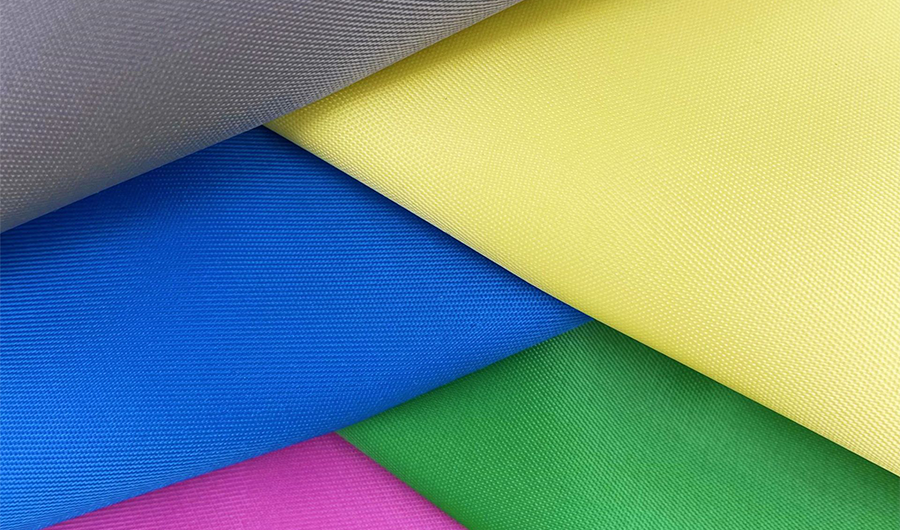
Quilted Jackets
Quilted jackets require coordinated decisions on shell, lining, insulation, quilting pattern, stitch density, hardware and finishing. EDVORIN develops samples that verify warmth, shape and construction before bulk production begins.
Get a Quote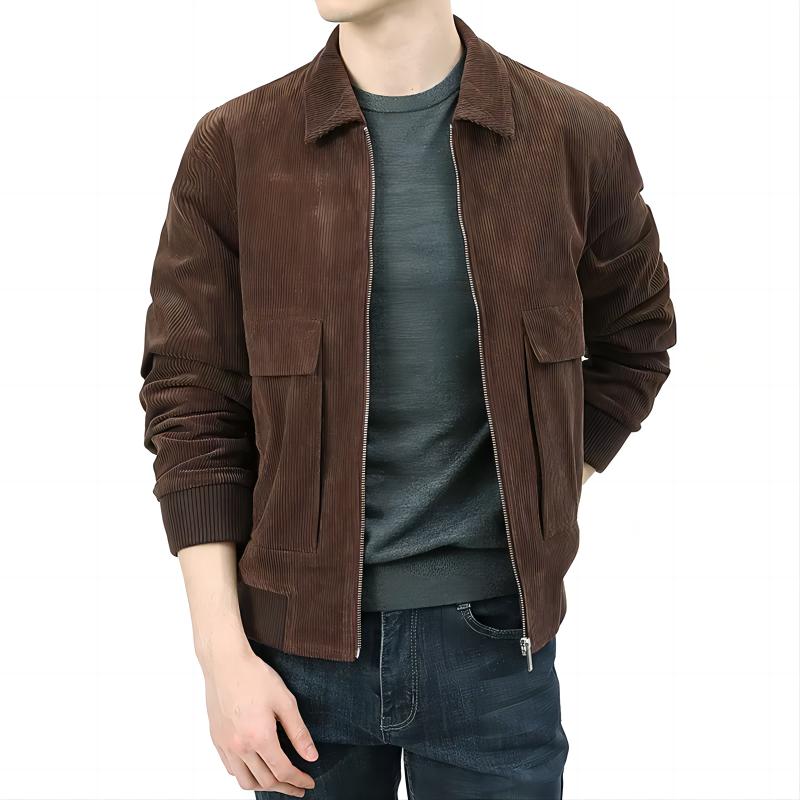
Bomber Jackets
Bomber jacket development covers shell and lining materials, rib components, zipper selection, pocket construction, padding, patches and embroidery. EDVORIN records approved material and construction details to maintain consistency across production runs.
Get a Quote
Custom Shirts
Custom woven shirts are developed around fabric composition, weave, collar and cuff construction, plackets, buttons, pocket details, fit and finishing. EDVORIN supports men’s and women’s woven shirt programs from initial sampling through private-label packing.
Get a Quote
Custom Jerseys
Custom jerseys are built around breathable performance fabrics, color control, panel construction, sublimation or decoration, player names, numbers and grading. EDVORIN organizes artwork and placement standards for reliable team, club and promotional orders.
Get a Quote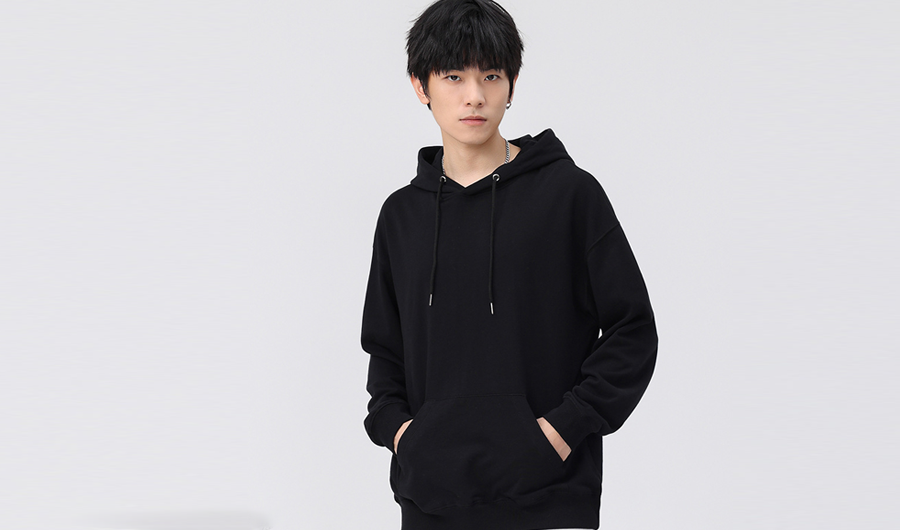
Tank Tops
Tank tops can be developed in cotton jersey, performance knits or rib fabrics, with specifications for armholes, neck binding, fit, labels and decoration. Men’s and women’s proportions are developed according to the intended market and activity.
Get a Quote
Soccer Uniforms
Soccer uniforms combine lightweight, breathable fabrics with coordinated jerseys, shorts, colors, crests, sponsor artwork, names and numbers. EDVORIN develops size sets and decoration standards that support organized club, academy and team reorders.
Get a Quote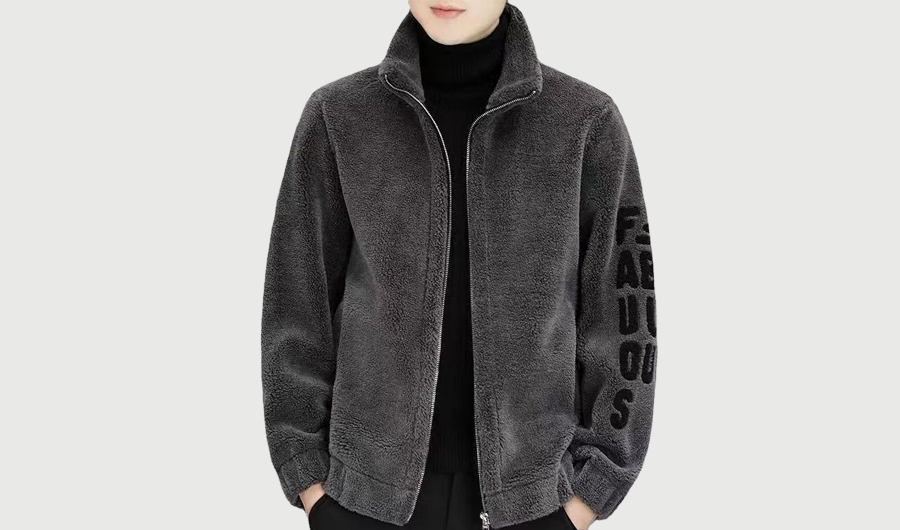
Basketball Uniforms
Basketball uniforms are developed with performance mesh or knit fabrics, reversible or single-layer construction, shorts coordination, color blocking, names and numbers. EDVORIN manages material, fit and decoration specifications for consistent team uniform production.
Get a Quote
Streetwear Collections
Streetwear collections bring together hoodies, tees, bottoms, outerwear and coordinated trims, washes and decoration. EDVORIN supports streetwear clothing development from reference concepts and samples to documented, production-ready standards for repeatable releases.
Get a QuoteFounder-Led Material Sourcing Since 2000
Founded by Edvorin Zeng in 2000, EDVORIN was built from the production floor outward. We help fashion, streetwear, teamwear and private-label buyers translate an apparel idea into a material and construction standard that can be sampled, approved and produced with confidence.
Our fabric sourcing service connects fabric selection with trims, patterns, custom apparel printing, custom apparel embroidery, garment wash services, and custom clothing labels and packaging. Whether you arrive with an approved tech pack or an early concept, our team considers how each material will perform through cutting, sewing, decoration and wear.
What makes EDVORIN different is the connection between development and bulk control. Approved samples, material references, measurements and artwork placements become the standards used to guide production, helping buyers protect consistency from first sample through repeat orders. MOQ starts at 200 pieces per style. Certification programs include ISO 9001, BSCI, WRAP, SEDEX, OEKO-TEX Standard 100, GRS and GOTS.
How Material Decisions Protect Bulk Quality
Match Fabric to End Use
EDVORIN evaluates fabric against the garment’s intended role before development moves forward, balancing hand feel, weight, stretch, breathability, durability and construction needs for casualwear, streetwear, outerwear or teamwear programs.
- Define fiber, construction, weight and usable width
- Align performance needs with the intended wearer
- Consider fit, drape and recovery with the pattern
- Review material choices for men’s and women’s programs

Coordinate Color and Components
Material decisions are coordinated with ribs, linings, drawcords, labels, hardware and decoration so the finished garment works as one system. This helps protect visual consistency when a hoodie, jacket or uniform moves from a sample into bulk production.
- Match trims to the selected base material
- Plan print or embroidery around fabric behavior
- Record color references and placement details
- Coordinate washing and finishing requirements
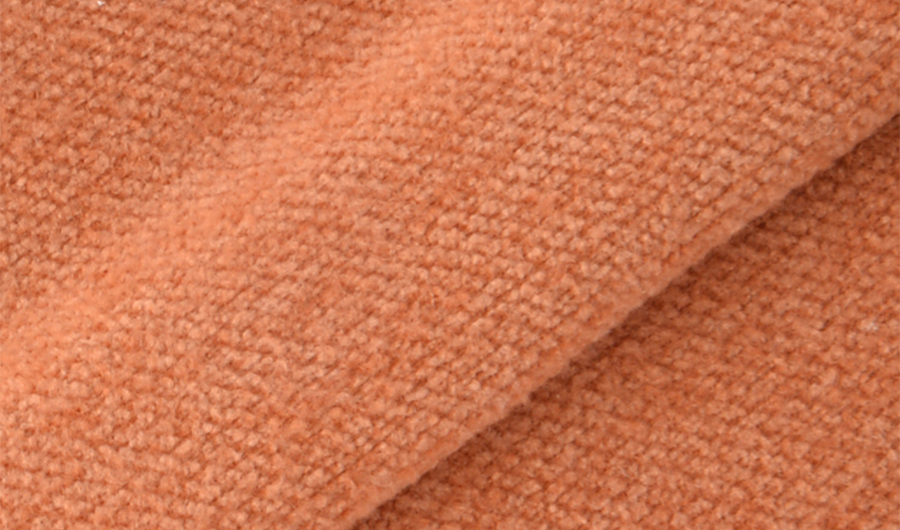
Document the Approved Standard
A successful clothing fabric sourcing service creates a production reference, not simply a swatch selection. EDVORIN carries approved material, construction and decoration decisions into sample review and bulk quality control, reducing room for avoidable interpretation on the production floor.
- Keep approved sample details visible to production
- Confirm measurements, material and trim specifications
- Use sample approval as the bulk-production benchmark
- Check in-line work against documented requirements
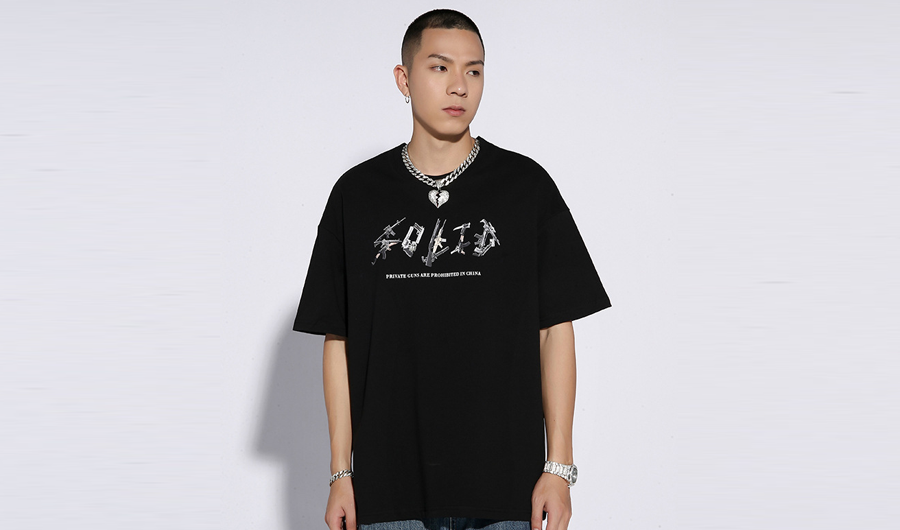
Clothing Fabric Sourcing Service vs. Material Development Support
Choose fabric sourcing for established materials; add material development when your concept requires a new construction, finish, or performance target.
← Swipe left or right to view →
A Documented Path From Fabric Brief to Bulk
A documented material path that connects fabric choices with sampling, approval and repeatable bulk production.
Review Brief and References
We assess your garment category, target hand feel, weight, performance needs, color direction, price target and supplied swatches or reference garments.
Build Material Options
EDVORIN aligns fabric, rib, lining and trims with construction and decoration requirements, presenting viable options for casualwear, streetwear, outerwear or teamwear programs.
Develop and Test Samples
Selected materials move into sample development so fit, hand feel, wash response, print compatibility and construction can be evaluated together before bulk commitment.
Record Approved Standards
Approved fabric details, color references, measurements, trim specifications and artwork placements are documented to give production a clear, repeatable manufacturing standard.
Coordinate Bulk Production
Material readiness is coordinated with cutting, sewing, decoration, quality checks, labeling and packing so the approved standard carries through to finished orders.
Bring Your Fabric Brief to Production
Share the details that guide faster, production-ready material recommendations for your collection.
Define Your Garment Brief
Specify the garment category, intended wearer, target hand feel, performance needs, quantity, price target, and any reference garments or samples.
Review Material Directions
EDVORIN evaluates fabric options alongside construction, color direction, trims, decoration, wash requirements, and the realities of your planned production program.
Approve Samples and Standards
Review selected materials in sampling, then confirm the approved fabric, color, performance, and construction details before bulk production specifications are finalized.
Move Into Production
With approvals documented, EDVORIN coordinates material purchasing, production, quality control, labeling, and packaging for a repeatable apparel program from 200 pieces per style.
Buyer Results From Material-to-Bulk Coordination
EDVORIN helped us align fleece weight, rib recovery, and wash testing before sampling. We approved the second sample round and carried the same hoodie specification into a 3-color repeat order without reopening the construction details.
For our academy uniform program, the material choices and color references were documented clearly from the start. Across 420 jerseys, the team kept names, numbers, and fabric performance coordinated through sample approval and bulk production.
We came with reference garments, not a finished tech pack. EDVORIN narrowed the fabric and trim decisions into an approved standard in 4 weeks, giving us a practical base for our first 200-piece private-label jogger run.
Fabric Sourcing FAQ
Clear answers for brands moving from material selection to approved, repeatable apparel production.
What does EDVORIN’s clothing fabric sourcing service include?
Which garment categories can use your clothing fabric sourcing service?
Can your clothing fabric sourcing service coordinate fabric with trims and decoration?
Can I start with a sketch or reference garment instead of a finished tech pack?
What information should I provide to begin fabric sourcing?
What is the minimum order quantity for an apparel program?
How do approved fabric and sample decisions transfer into bulk production?
Clothing Fabric Sourcing Buyer’s Guide
EDVORIN’s MOQ starts at 200 pieces per style. Use this decision framework to define fabric requirements, compare supplier routes, evaluate quality and costs, and avoid the sampling, MOQ, compliance, and lead-time mistakes that can derail an apparel program.
1. What Is a Clothing Fabric Sourcing Service?
EDVORIN’s MOQ starts at 200 pieces per style. 200-piece programs still need a fabric decision that production can repeat. A clothing fabric sourcing service translates a garment brief into qualified options, then documents fiber content, construction, GSM, usable width, color, finish, cost, MOQ, and delivery terms before bulk commitment.
6–10 weeks is a common made-to-order window for weaving and finishing, so swatches alone are not approval. The process includes supplier search, physical swatch review, specification verification, sample and wash testing, and confirmation that the quoted article remains available for the required color and quantity.
1 buyer can source independently when an approved mill article, color standard, order volume, and delivery window are already known. Outside support is most useful when a sketch or reference must become a production specification, suppliers must be compared, or fabric, sample, and bulk production need one accountable handoff.
2. How Fabric Sourcing Became Strategic
EDVORIN’s MOQ starts at 200 pieces per style. Before digital catalogs, apparel buyers commonly relied on local merchants, trade-show swatches, and established mill representatives; procurement was relationship-led and geographically limited. A mill-direct color commitment can still begin at roughly one 100-meter roll, while weaving and finishing often add 6–10 weeks (https://www.shopify.com/blog/how-to-source-fabric).
By the 2000s, global mill networks, converters, and online supplier discovery widened access to knits, wovens, recycled inputs, and technical finishes. Performance development made sourcing more product-specific: moisture management, stretch recovery, abrasion resistance, and water repellency must be evaluated against the garment’s end use.
Today, a clothing fabric sourcing service is strategic because a searchable supplier list does not protect a repeat order. Buyers need a documented article number, fiber content, GSM, usable width, color standard, test requirements, MOQ, and replenishment lead time; those records shorten decisions and make restocks more dependable (https://www.shopify.com/blog/how-to-source-fabric).
3. Types of Clothing Fabric Sourcing Service
Five sourcing routes trade control, speed, and coordination differently. A clothing fabric sourcing service should match the buyer’s order scale, customization needs, and ability to manage technical approvals.
| Route | Customization | MOQ And Speed | Best Fit |
|---|---|---|---|
| Mill-direct | Highest | High MOQ; slower | Established labels |
| Converter | Color or print | Medium MOQ; moderate | Fashion collections |
| Merchant/jobber | Low | Low MOQ; fastest | Schools, samples |
| Sourcing agent | Varies | Varies; managed | Overseas buyers |
| Integrated manufacturer | Garment-led | 200-piece programs; coordinated | Teams, brands, wholesalers |
Mill-Direct Programs
1,000-meter-plus commitments commonly suit custom yarn, knit, dye, or finish development. Fashion labels and wholesalers gain specification control but must manage mill communication and longer approvals.
Fast Stock Solutions
1-roll purchases from merchants or jobbers support samples, schoolwear, and quick team replenishment. Available goods move faster, but color continuity and exclusive development are limited.
Managed Production Routes
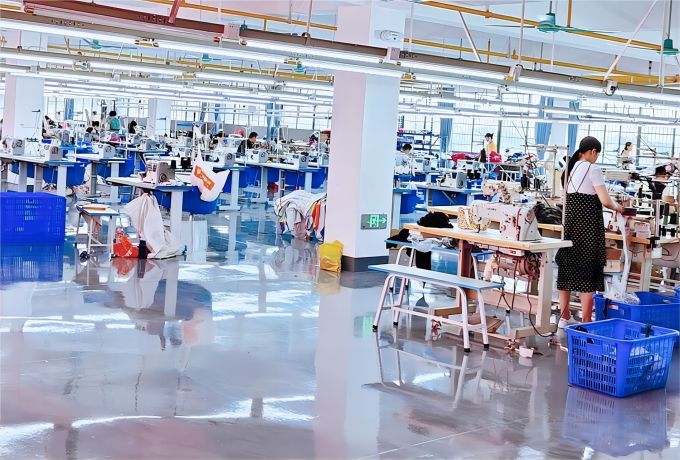
200-piece garment programs benefit when one manufacturing partner coordinates fabric, patterns, decoration, and bulk checks. EDVORIN suits buyers whose product complexity makes separate supplier management inefficient.
4. Clothing Fabric Sourcing Service Material Choices
Start with end use: a clothing fabric sourcing service should rank recovery, abrasion, moisture handling and wash care before surface appeal. Record GSM and cuttable width on every candidate.
| Material | Structure | Typical Use |
|---|---|---|
| Cotton jersey | Knit; 160–220 GSM | T-shirts |
| Polyester pique | Knit; durable | Uniform polos |
| Nylon twill | Woven; abrasion resistant | Outerwear |
Match Fiber To Use
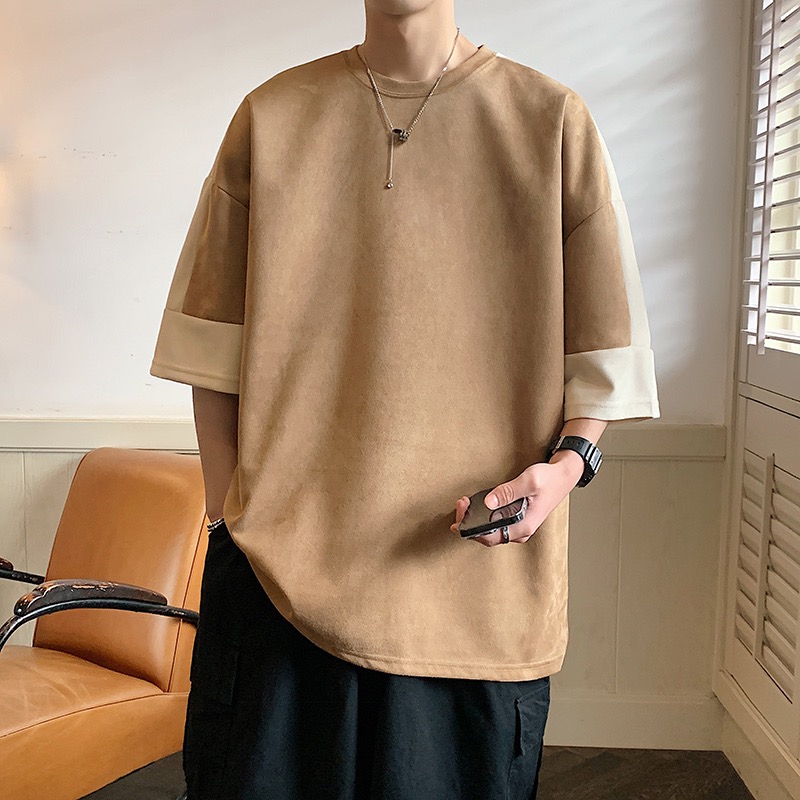
100% cotton suits soft tees; polyester improves quick drying for uniforms. Cotton-poly balances hand feel, durability and easier care.
Choose Construction Deliberately
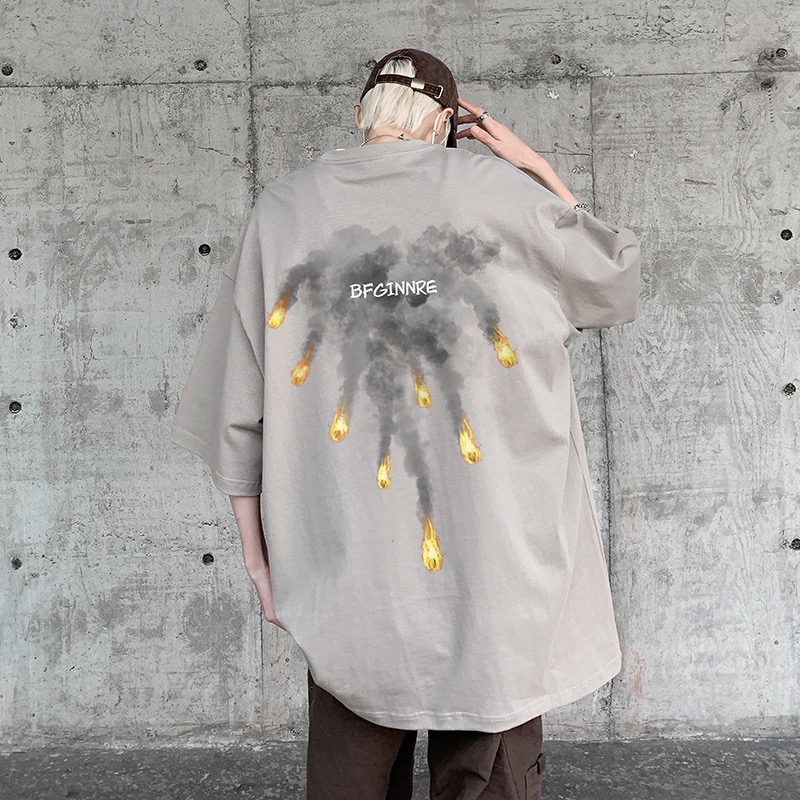
160–220 GSM jersey works for tees, while pique adds structure for polos. Twill supports woven shirts and workwear; fleece adds warmth for hoodies.
Screen Performance Options
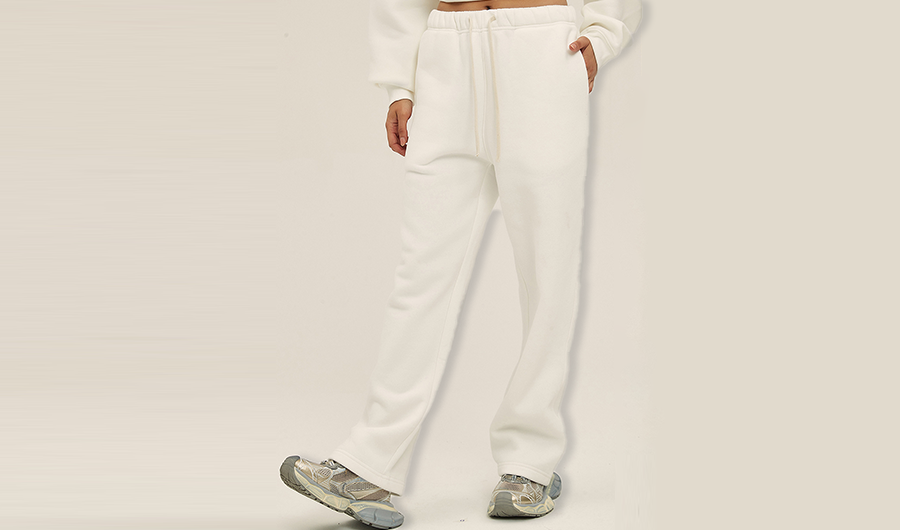
Nylon provides abrasion resistance for outerwear, while viscose adds drape. Performance knits for activewear need stretch, recovery and moisture-management testing before approval.
5. Customization Through Clothing Fabric Sourcing Service
EDVORIN’s MOQ starts at 200 pieces per style. At a 200-piece MOQ, a clothing fabric sourcing service can tailor the material before cutting—not merely decorate a finished garment. EDVORIN aligns color, weight, construction, finish and intended decoration in the development brief.
| Choice | Appearance Effect | Production Consideration |
|---|---|---|
| Lab dip | Controls shade | Approve before dyeing |
| GSM change | Changes structure | Affects yield and cost |
| Finish | Changes hand or performance | Wash-test before bulk |
Build The Base Fabric
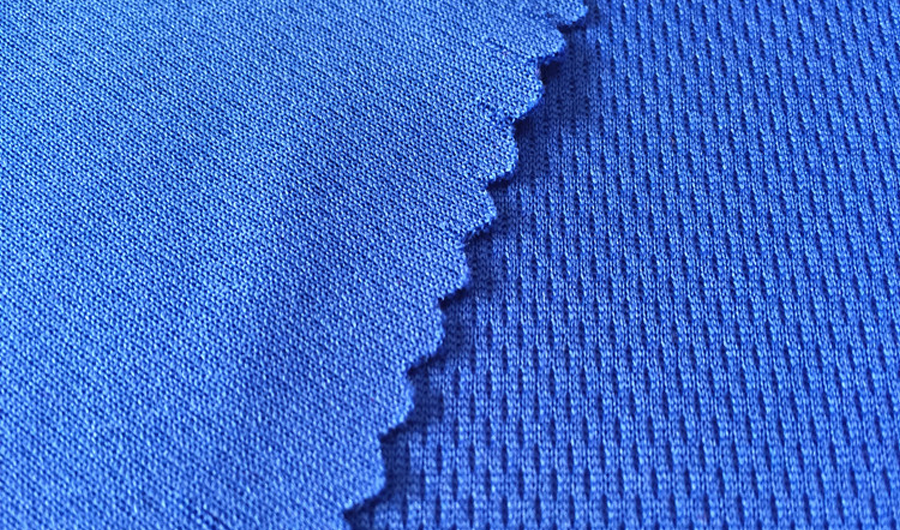
Pantone references and lab dips establish color before dyeing; approve the physical dip under agreed lighting. Fiber blends, GSM, French terry versus brushed fleece, or jersey versus woven construction change handfeel, drape and garment cost.
- Cotton-poly blends balance softness and recovery
- Higher GSM adds structure and material consumption
- Enzyme wash, water repellency and moisture wicking need testing
Separate Fabric From Decoration
Screen print, embroidery, heat transfer and patches are garment decoration, while yarn, dye, knit and finishing decisions belong to fabric development. Smooth jersey favors fine print detail; heavy fleece supports embroidery, while stretch or textured surfaces may raise application risk and cost.
Approve Before Bulk
Three checkpoints protect repeatability: approve the lab dip, fabric swatch with weight and finish, then a wash-tested decorated sample. Record fabric article, fiber content, GSM, usable width, shade standard and approved artwork placement before bulk production.
6. Fabric Construction and Quality Checks
Three measurable specifications—fiber content, finished GSM, and cuttable width—should be confirmed before a fabric is released for branded apparel or uniforms. A clothing fabric sourcing service should convert approved swatches into measurable bulk controls.
Verify Physical Specifications

±5% GSM tolerance is a practical starting point for many knit programs, but the purchase order should state the agreed tolerance. Confirm fiber composition, usable width, stretch, recovery, skew or spirality, and surface defects against the approved article.
Test Wear And Washing
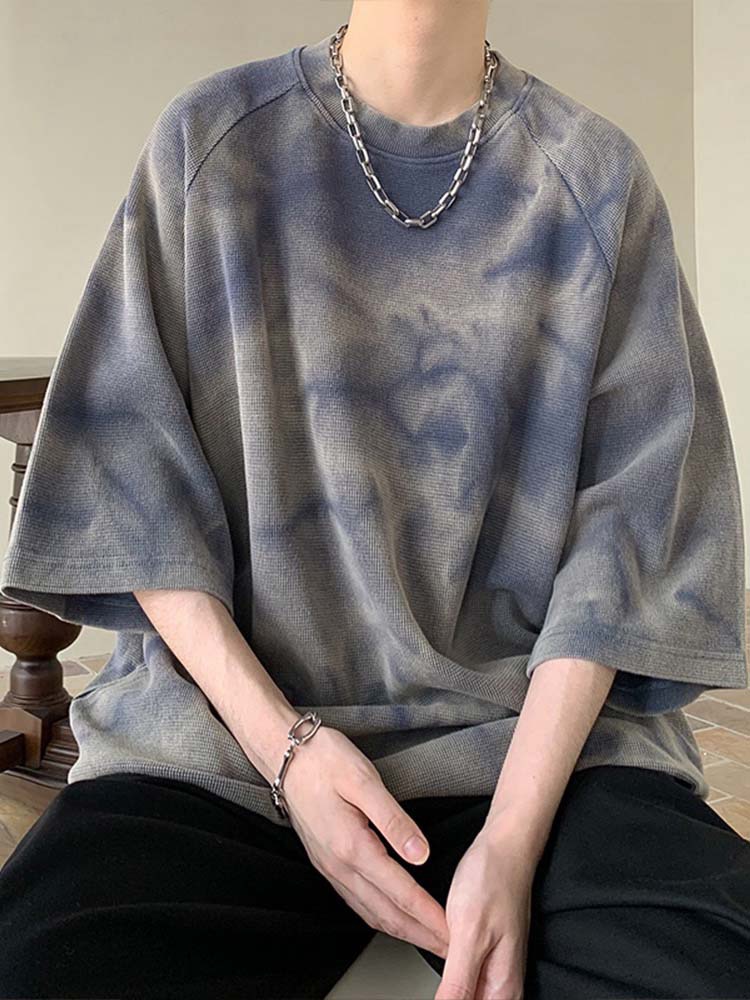
1 wash test can expose shrinkage, torque, pilling, color bleeding, and print incompatibility before cutting. For clubwear and team uniforms, request relevant colorfastness, abrasion, and stretch-recovery reports for the intended use.
Lock The Bulk Standard
1 signed bulk standard should include the swatch, shade reference, test results, and acceptance notes. Compare each delivery lot against it, especially for repeat-order hoodies, jerseys, and private-label color programs.
7. Choosing a Clothing Fabric Sourcing Service Partner
A capable clothing fabric sourcing service partner turns a fabric brief into a controlled bulk standard. Evaluate the partner’s category knowledge, documentation discipline, and ability to repeat an approved result at your required scale.
Match Category Expertise
Hoodies, jerseys, and outerwear require different fabric, trim, and decoration decisions. Ask for comparable sample experience and assess whether recommendations reflect the garment’s use, fit, and wash requirements.
Verify Control Before Ordering
EDVORIN’s MOQ starts at 200 pieces per style. One approved sample should be supported by a traceable fabric article, composition, GSM, usable width, color reference, and test or wash notes. Confirm MOQ, development and bulk lead times, available capacity, inspection stages, and transparent costing before issuing a purchase order.
Send A Complete RFQ
Nine inputs make quotations comparable and reduce assumptions between development and production.
- Garment use and fabric reference or swatch
- Composition, target GSM, and required colors
- Quantity, target price, and delivery destination
- Launch date and any repeat-order forecast
8. Common Fabric Sourcing Mistakes to Avoid
A 200-piece order can magnify a vague fabric decision into delayed delivery, excess cost, or inconsistent fit. EDVORIN’s clothing fabric sourcing service treats approval as a documented production control, not a swatch selection.
Specify Beyond Reference Images
One reference image cannot define fiber content, GSM, usable width, stretch, or finish. Issue an article brief with measurable requirements; this reduces wrong-handfeel and underperforming-garment risk.
Wash Test Before Approval
One unwashed sample can conceal shrinkage, twisting, pilling, or color change. Approve a washed garment and record tolerances; this reduces fit variance after customer laundering.
Confirm Bulk Supply And Yield
Two availability checks matter: sample stock and bulk capacity are not the same. Confirm roll quantity, dye-lot timing, cuttable width, yield, and shrinkage; this reduces shortages and unplanned fabric buys.
Document Commercial Controls
EDVORIN’s MOQ starts at 200 pieces per style. One low unit price can become costly through rejects, shade variation, or missed delivery. Compare landed cost, require Pantone lab dips and lot controls, and confirm MOQ, testing, and delivery terms in writing; this reduces margin and schedule risk.
9. Steps to Launch a Fabric-Ready Collection
A fabric-ready collection moves through approval gates, not informal handoffs. EDVORIN can coordinate development and production, while the buyer retains approval of commercial and brand-critical decisions.
Define The Product Brief
1 product brief should state end use, fit, fiber content, GSM, cuttable width, target cost, color standard, decoration, quantity, and delivery date. The buyer owns commercial targets; EDVORIN translates them into technical requirements.
Shortlist And Test Materials
EDVORIN’s MOQ starts at 200 pieces per style. 3 to 5 viable fabric options give the team a practical comparison set. Review swatches, confirm article numbers and MOQ, then make a sample garment; lock the fabric article and color only after wash, wear, shrinkage, and appearance approval.
Commit Production Controls
2 quotations should be compared by fabric yield, trim assumptions, lead time, payment terms, and inspection scope—not unit price alone. The buyer issues the purchase order after pre-production confirmation; EDVORIN records approved measurements, artwork placement, and packing requirements for bulk inspection and delivery planning.
10. Clothing Fabric Sourcing Service Pricing
200 units is a practical starting point for a made-to-order apparel program, but it does not guarantee mill-level color or fabric minimums. A clothing fabric sourcing service should quote the garment and material plan together, separating fabric, trims, development, testing, and freight.
6 variables usually change the final quote: fiber blend, GSM, construction, color or print, finishing, and required testing. EDVORIN should confirm the approved specification, usable width, quantity by color, and delivery destination before issuing final pricing.
| Order quantity | Fabric or complexity | Unit-price direction | Development or setup | MOQ implication | Lead-time consideration |
|---|---|---|---|---|---|
| 200–499 units | Stock knit; limited colors | Higher | Sampling and decoration setup may apply | Stock availability can govern | Allow approval before bulk booking |
| 500–999 units | Custom dye; fleece or French terry | Improves | Lab-dips or print screens may add cost | Color minimums may apply | Allow dye and sample approval |
| 1,000+ units | Engineered knit, print, or performance finish | Often improves | Testing and specialized setup may add cost | Better fit for custom material minimums | Confirm mill, production, and freight timing |
Plan Your Fabric Sourcing Program
Send your references, material requirements, or tech pack. EDVORIN will help align fabric, trims, sampling, and production for your next collection.