
Baggy Streetwear Clothing Manufacturer for Repeatable OEM Collections
As a baggy streetwear clothing manufacturer, EDVORIN turns concepts into repeatable OEM/ODM collections with fit, decoration and bulk production support.
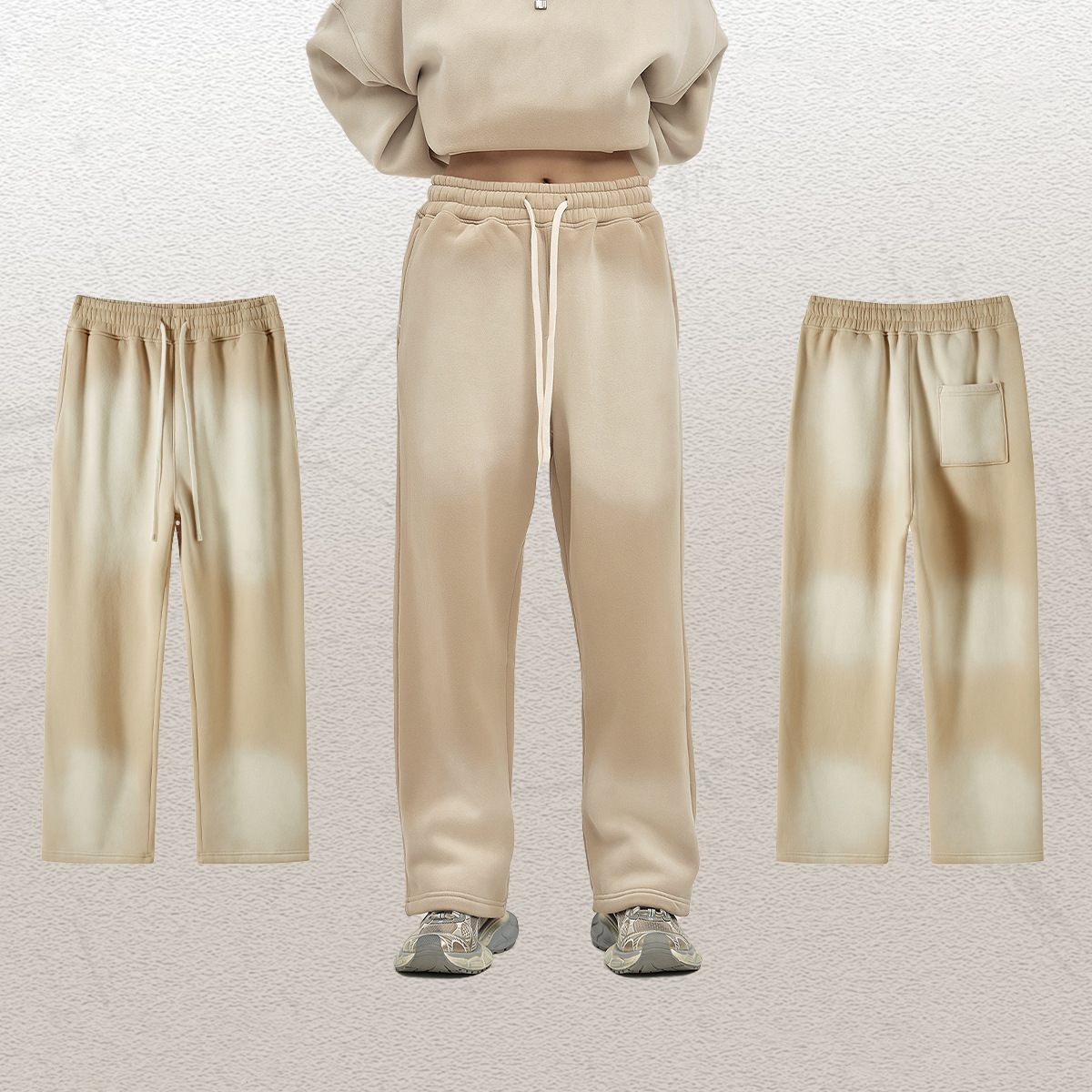
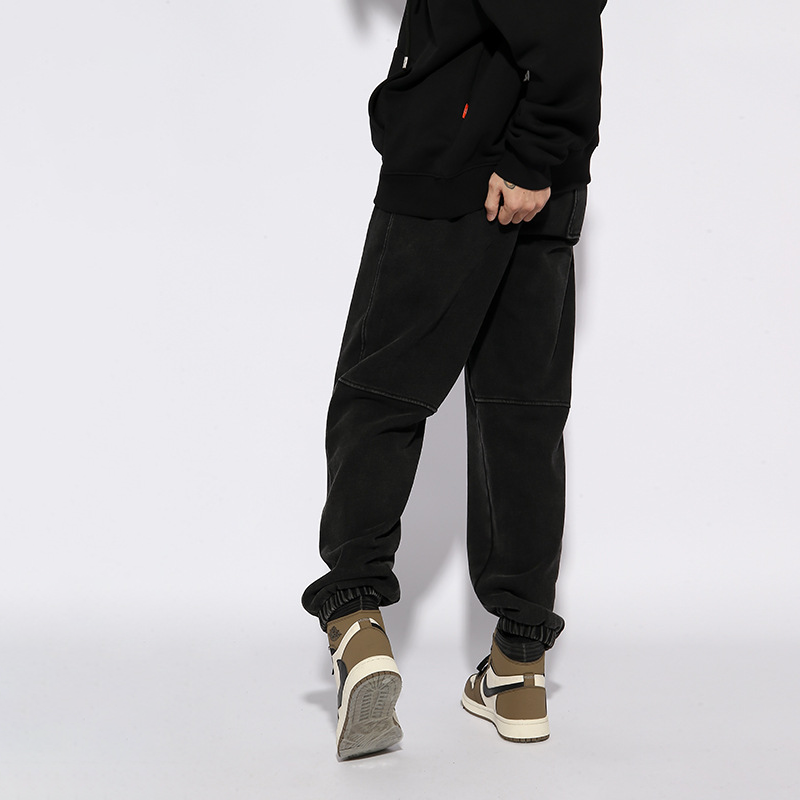
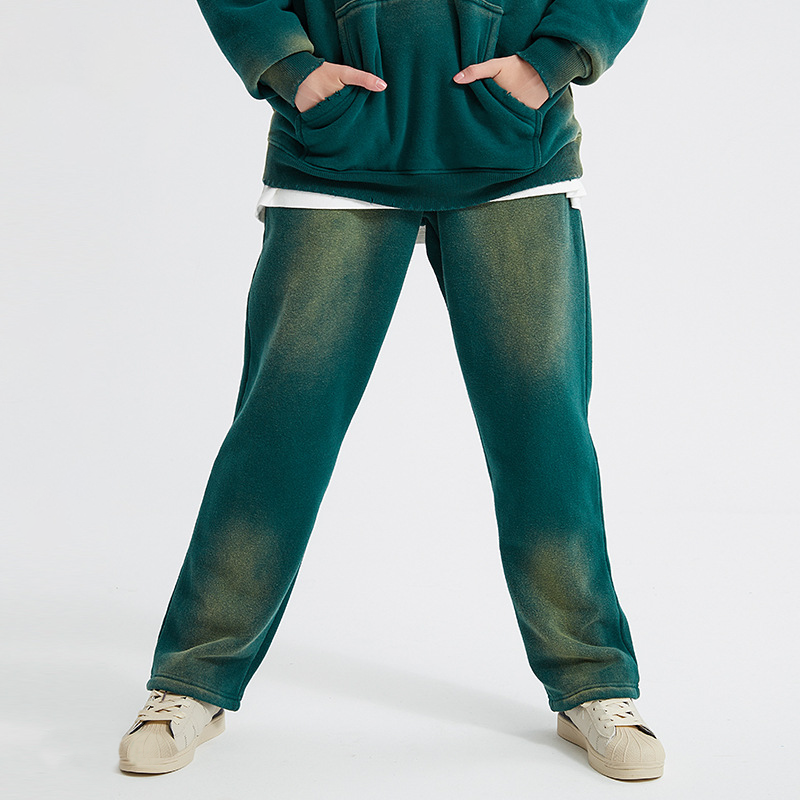
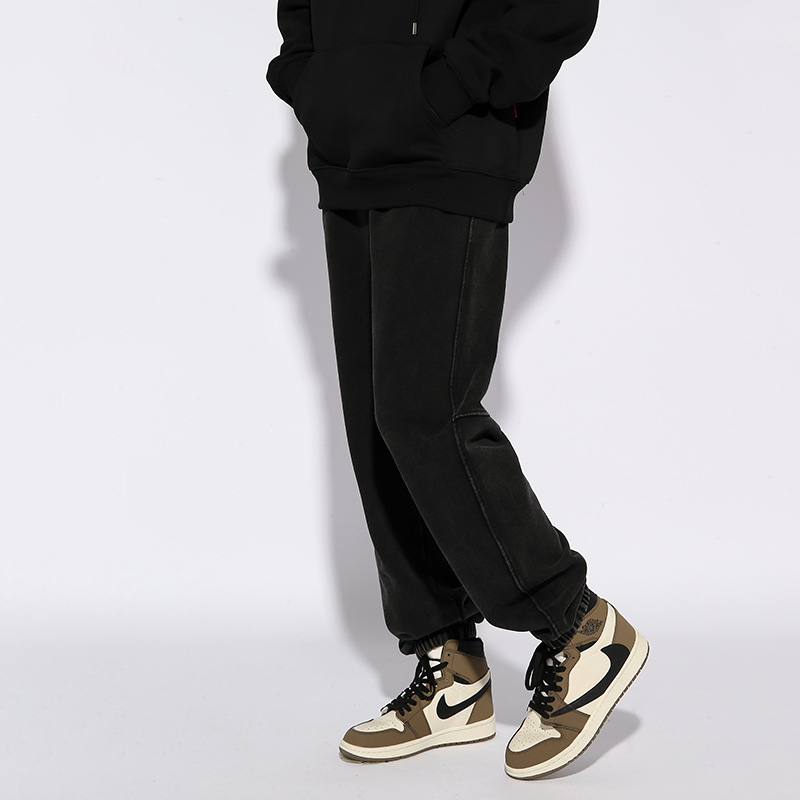
Featured Streetwear Styles for Development
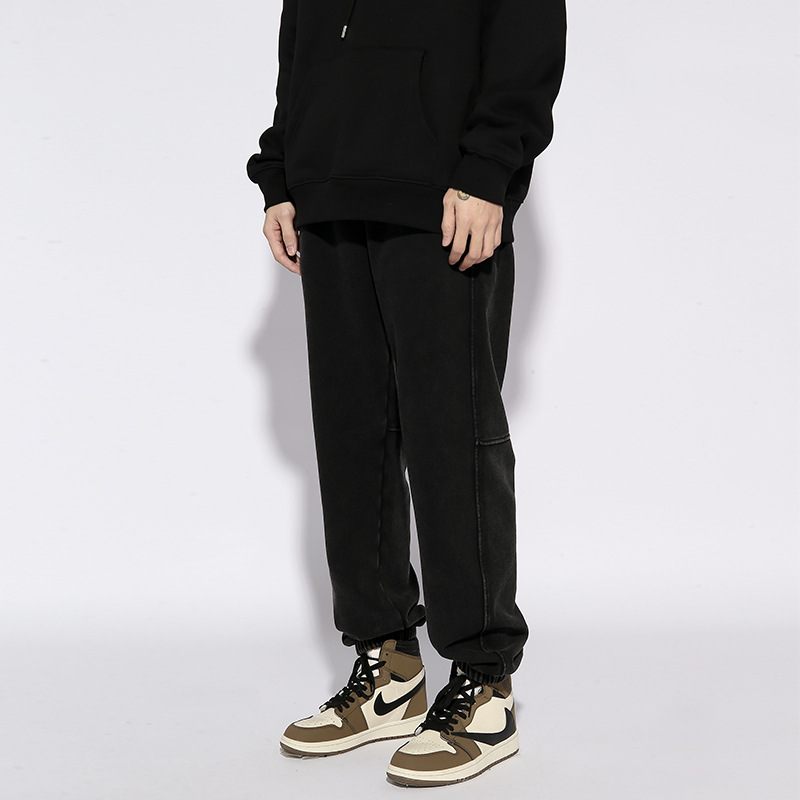
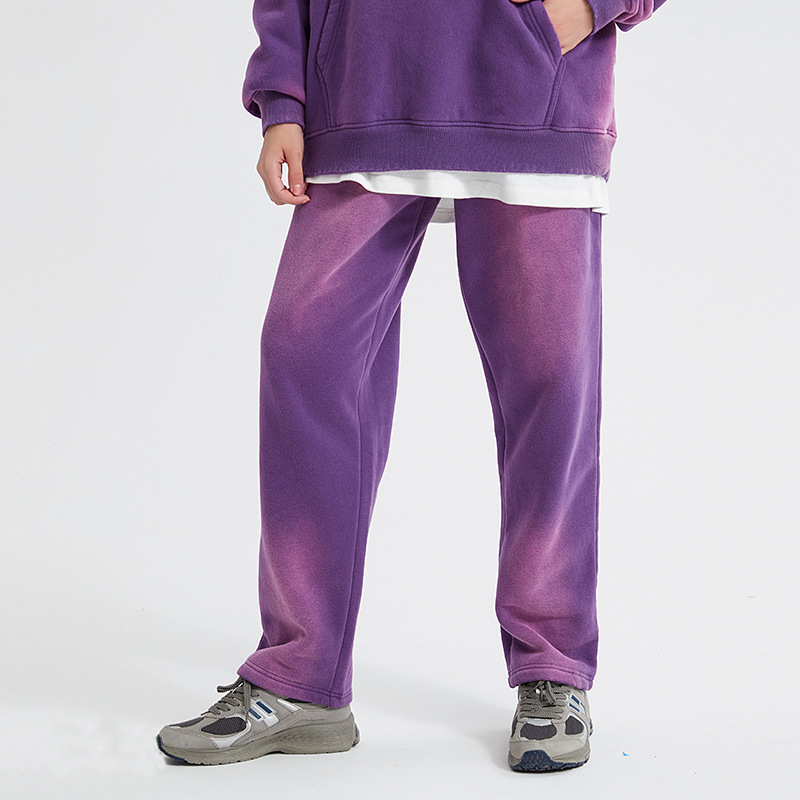
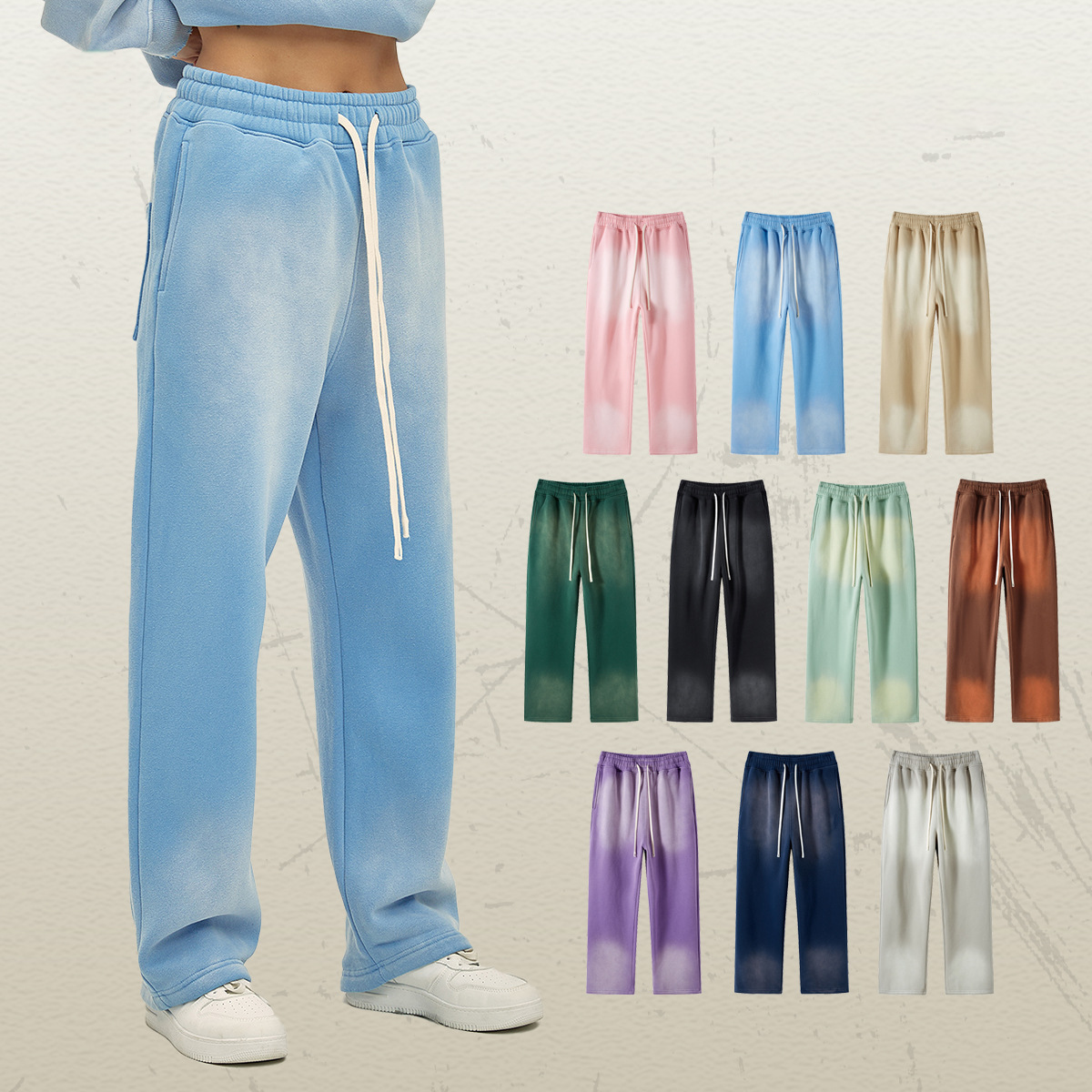
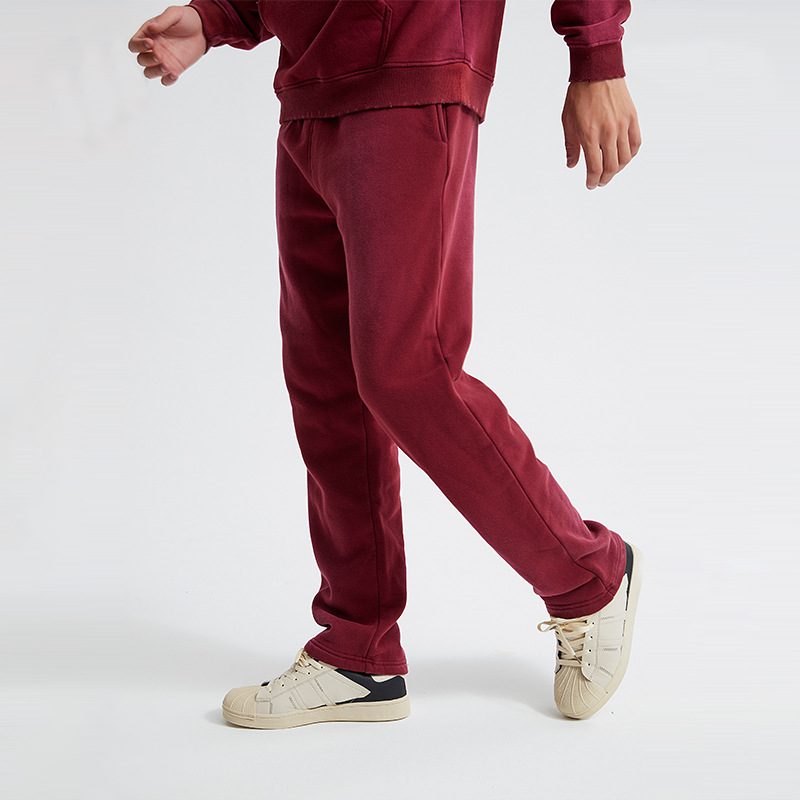
Why Brands Choose EDVORIN for Repeatable Apparel Production
Built to repeat, EDVORIN connects product development, decoration and quality control for dependable streetwear collections at every growth stage.
Founder-Led Since 2000
Founder-led apparel manufacturing since 2000 brings practical garment knowledge and accountable decisions to every baggy streetwear production program.
Sample-to-Bulk Control
Approved samples, measurement records and in-line checks help protect fit, construction and decoration consistency from development through bulk production.
Flexible OEM and ODM
EDVORIN supports sketches, reference garments and complete tech packs with OEM, ODM and private-label development matched to your production stage.
Coordinated Decoration
Coordinate fabric, trims, printing, embroidery, washing, labels and packaging through one accountable workflow for cohesive streetwear collections.
Accessible Starting MOQ
Start at 200 pieces per style, giving emerging labels, wholesale programs and established buyers room to test and scale collections.
Streetwear, Teamwear and Private-Label Categories
Develop repeatable apparel programs across casualwear, outerwear, teamwear and coordinated collections, with product development, decoration and sample-to-bulk quality control aligned to approved standards.
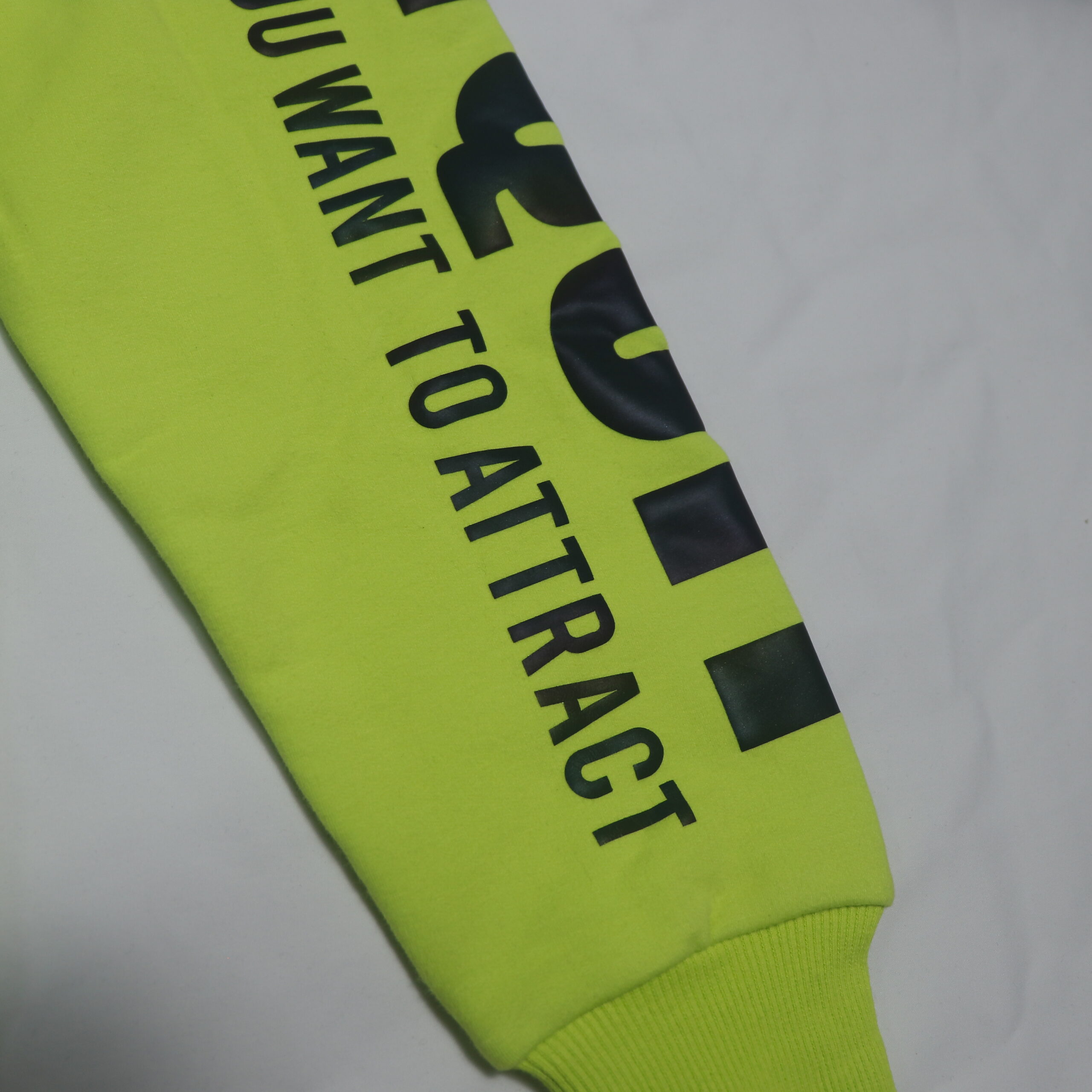
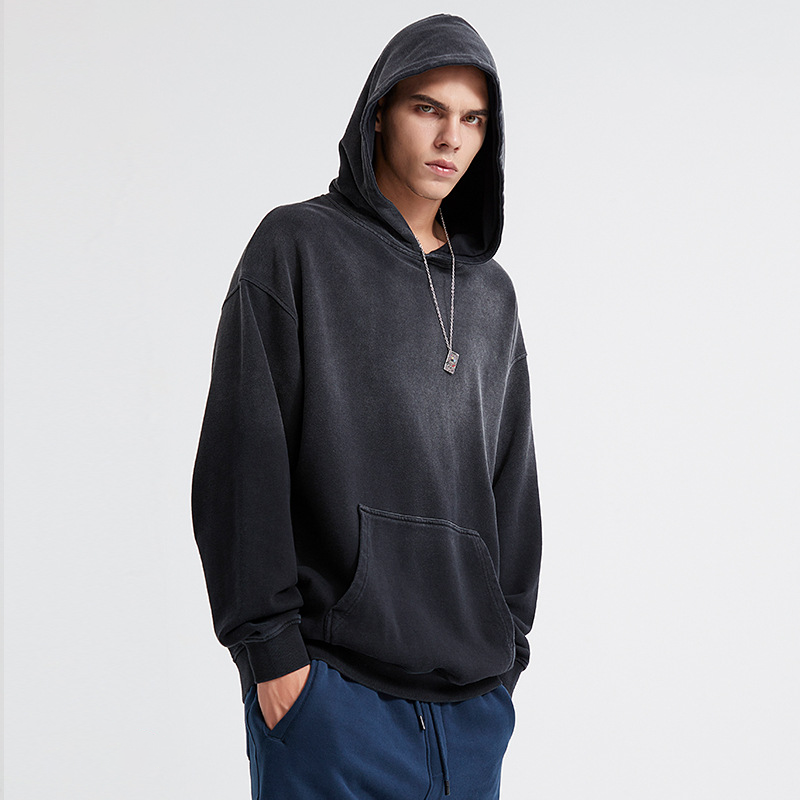
Custom Hoodies
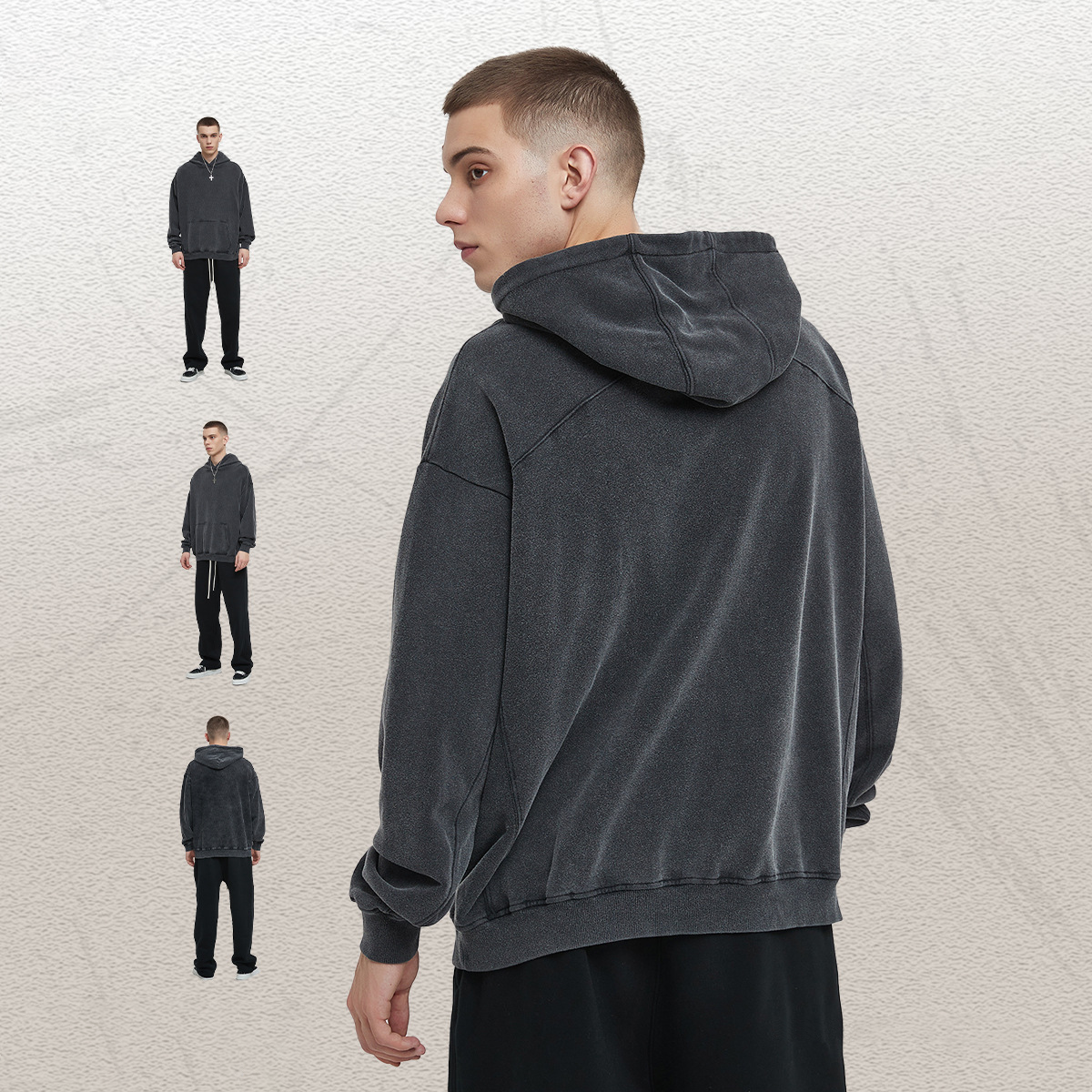
EDVORIN develops custom hoodies from concept, reference garment or tech pack through fabric selection, pattern development, sampling and bulk production. Fleece weight, rib recovery, drawcords, labels, printing and embroidery are coordinated for repeatable men’s and women’s streetwear or private-label programs.
Get a Quote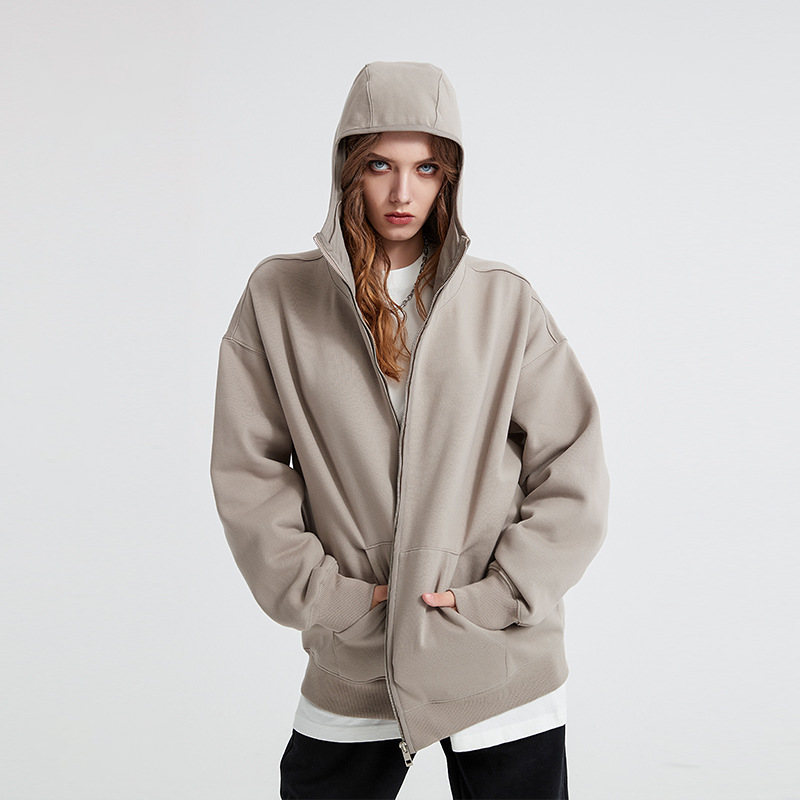
Pullover Sweatshirts
Pullover sweatshirts are developed around fabric weight, brushed or unbrushed fleece, neckline construction, cuffs, hem and fit requirements. EDVORIN coordinates sampling, decoration, labeling and packaging so approved sweatshirt specifications can be reproduced across wholesale, fashion and private-label orders.
Get a Quote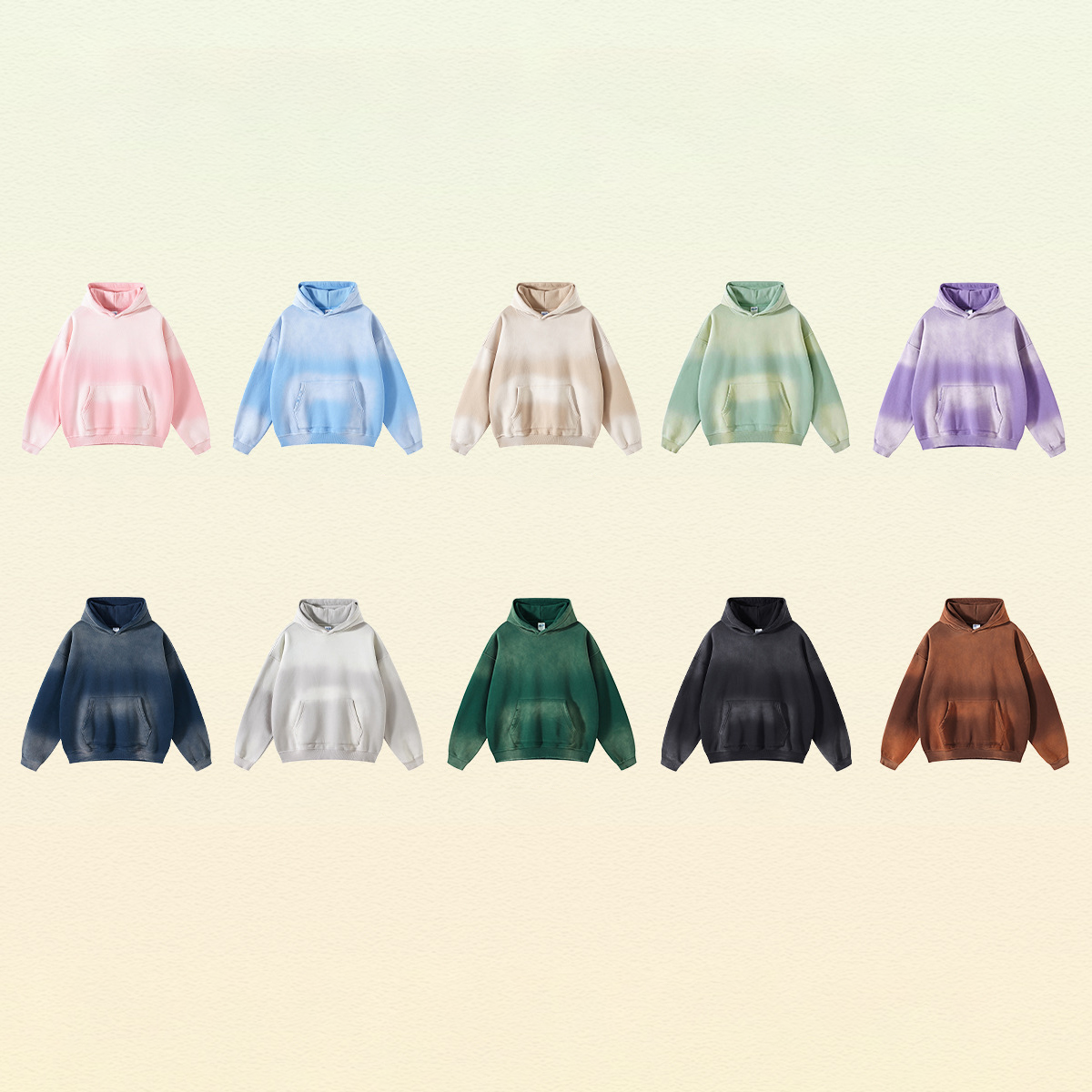
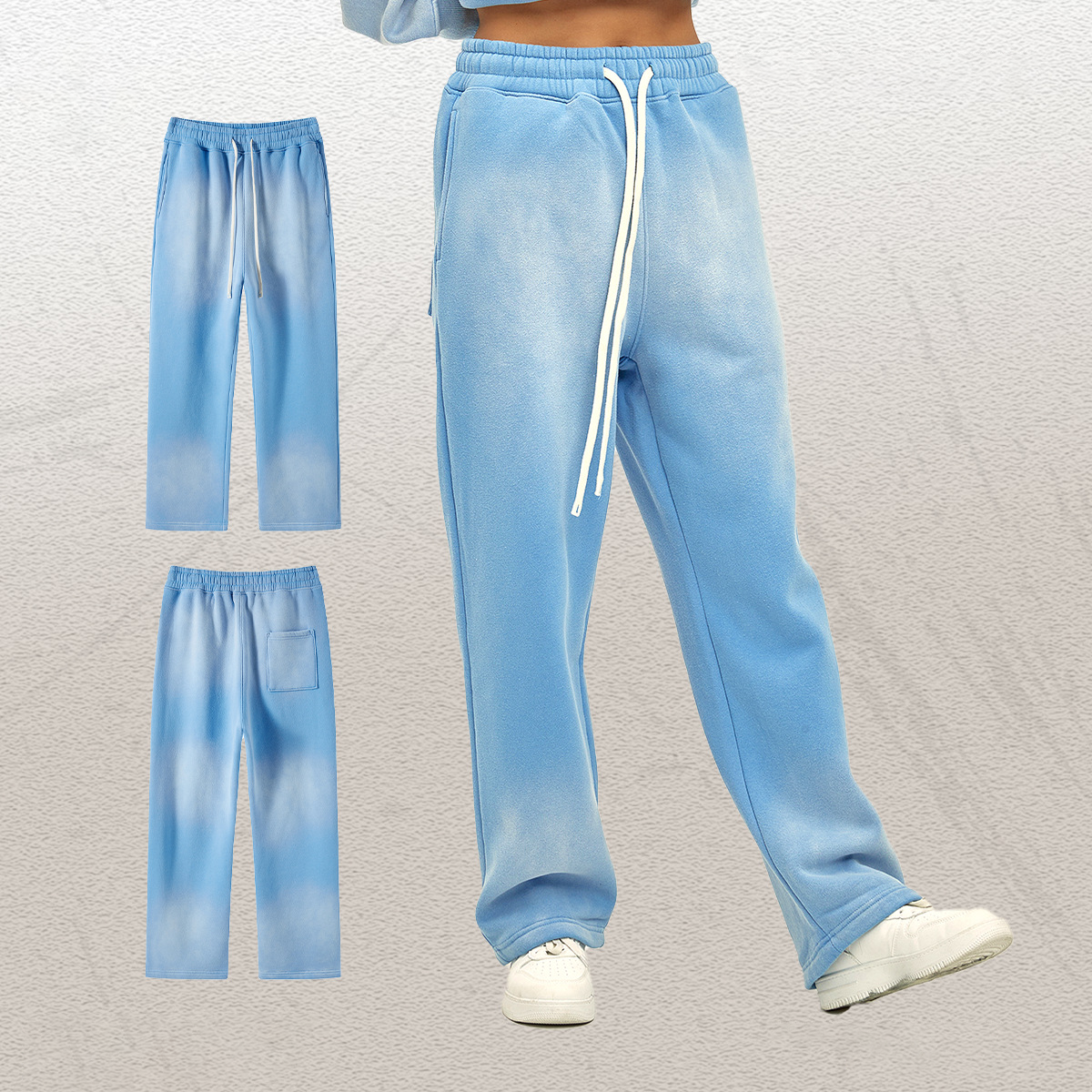
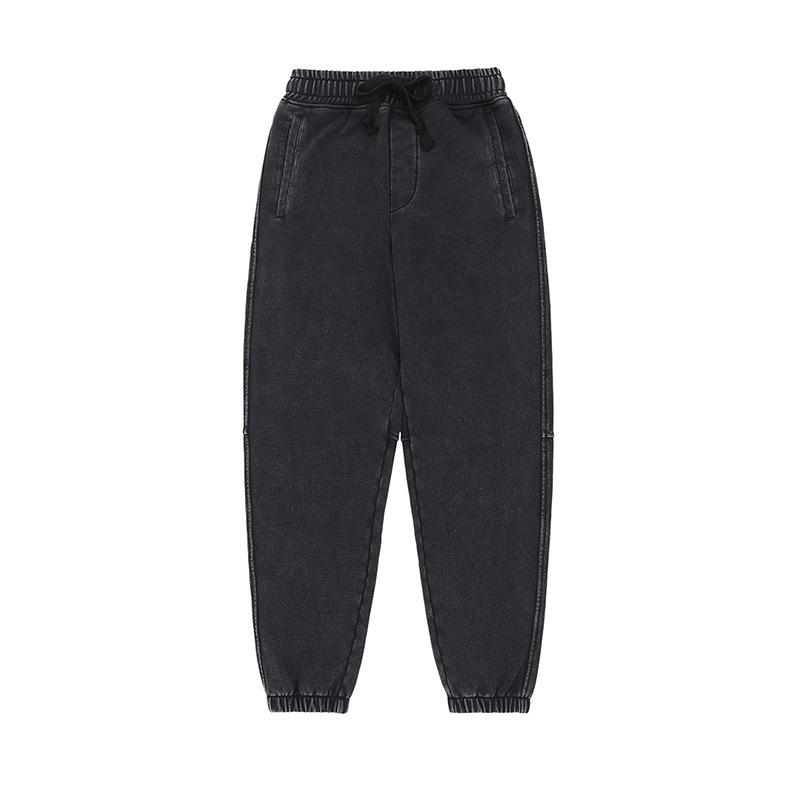
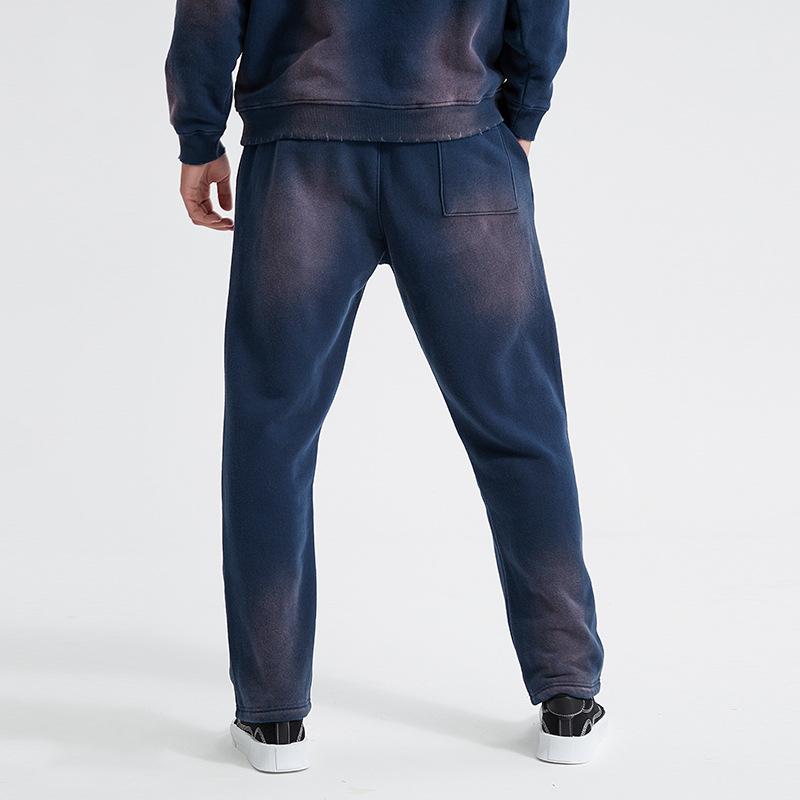
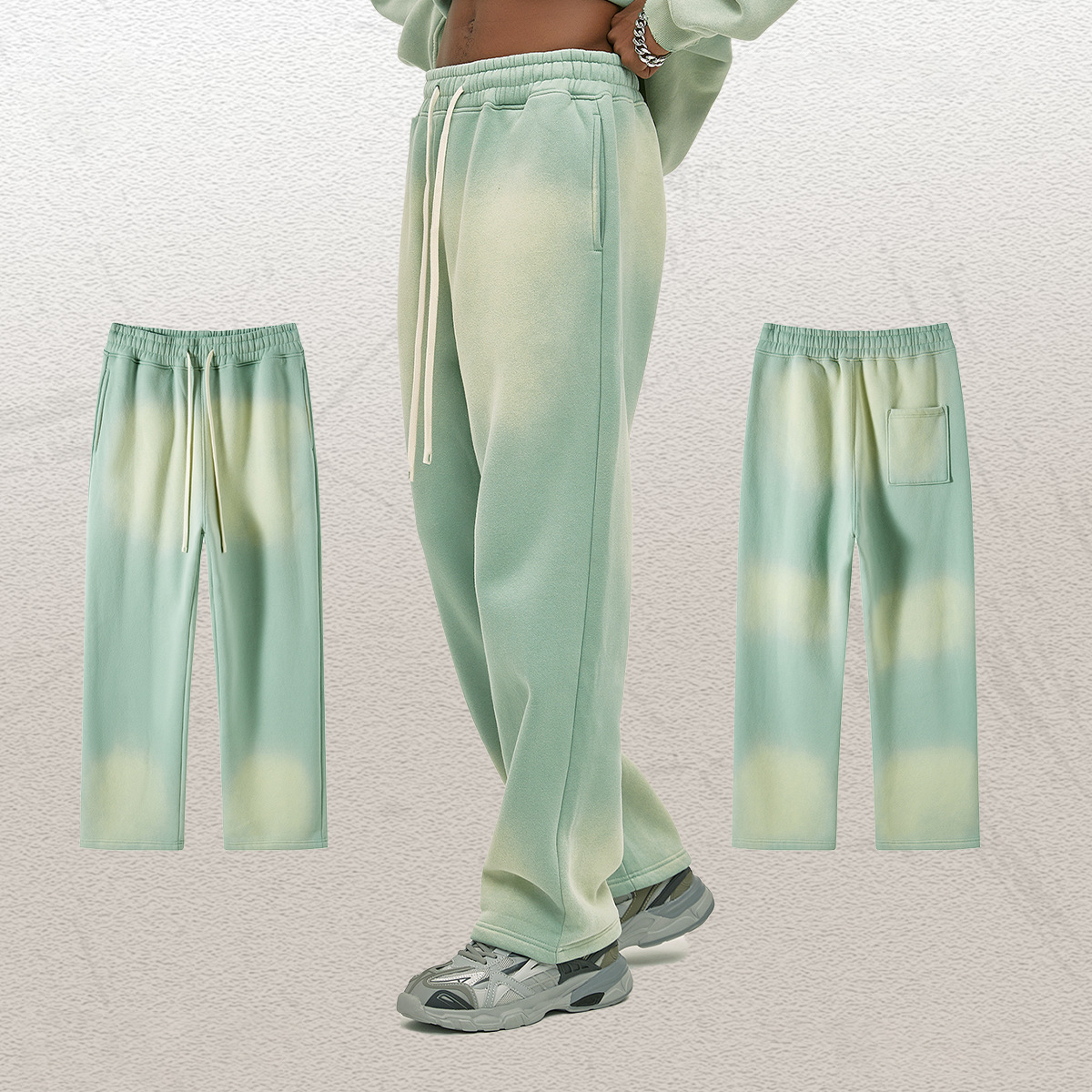
Sweatpants & Joggers
EDVORIN develops sweatpants and joggers with attention to fleece or jersey weight, waistband recovery, rise, leg shape, cuffs, pockets and drawcord construction. Men’s and women’s blocks, grading, decoration and wash requirements are documented before bulk production for consistent repeat orders.
Get a Quote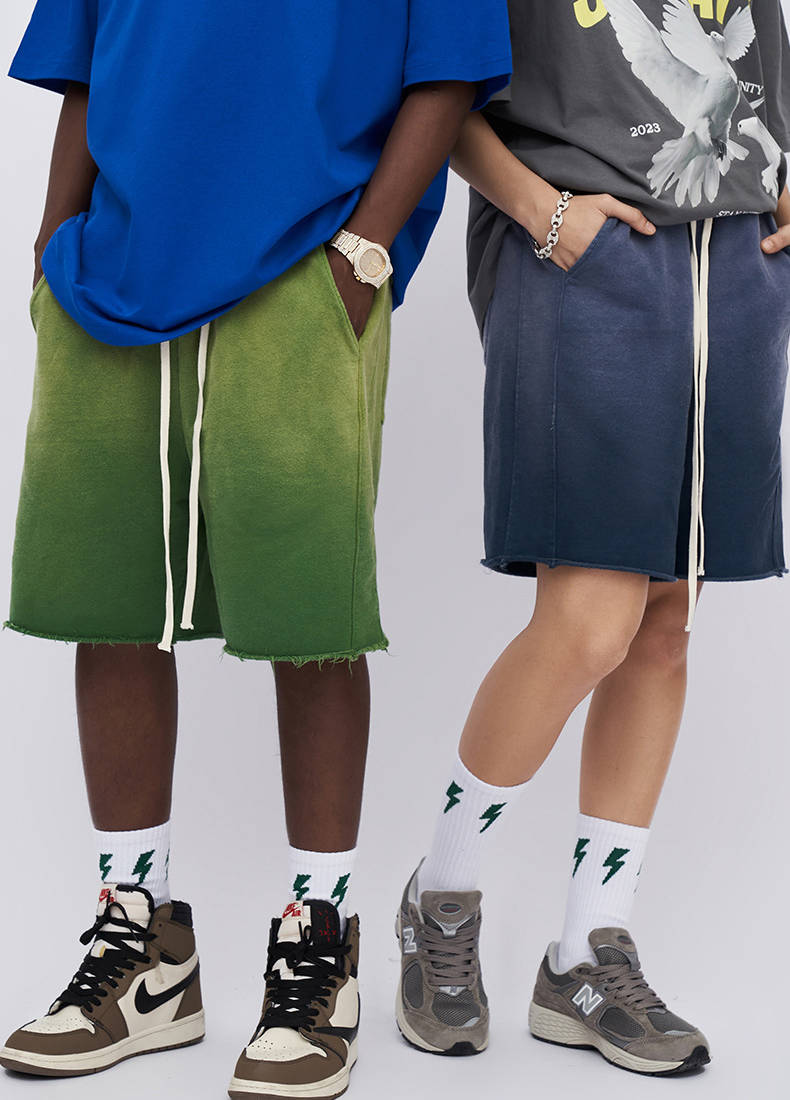
Custom Shorts
Custom shorts are developed for casualwear, streetwear, sports and private-label programs, with construction matched to the intended use. EDVORIN coordinates fabric, waistband or elastic details, pocket design, lining, artwork placement, sizing and packaging from approved sample through bulk.
Get a Quote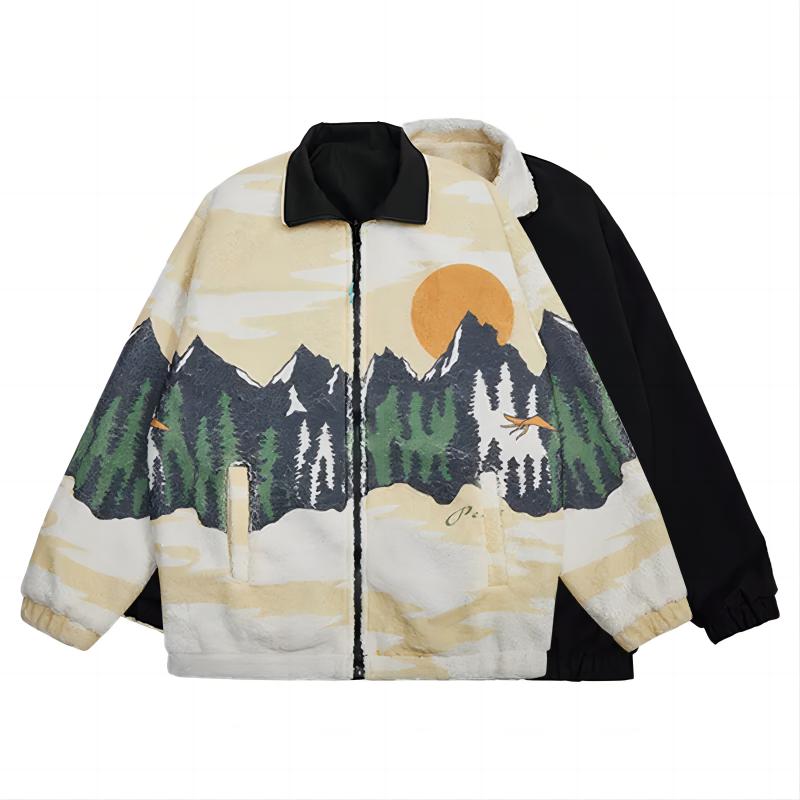
Varsity & Baseball Jackets
Varsity and baseball jackets require coordination between body fabric, sleeves, rib, snaps, lining, patches and embroidery. EDVORIN develops the construction and fit for men’s and women’s programs, then records materials, trim specifications and decoration placement for controlled repeat production.
Get a Quote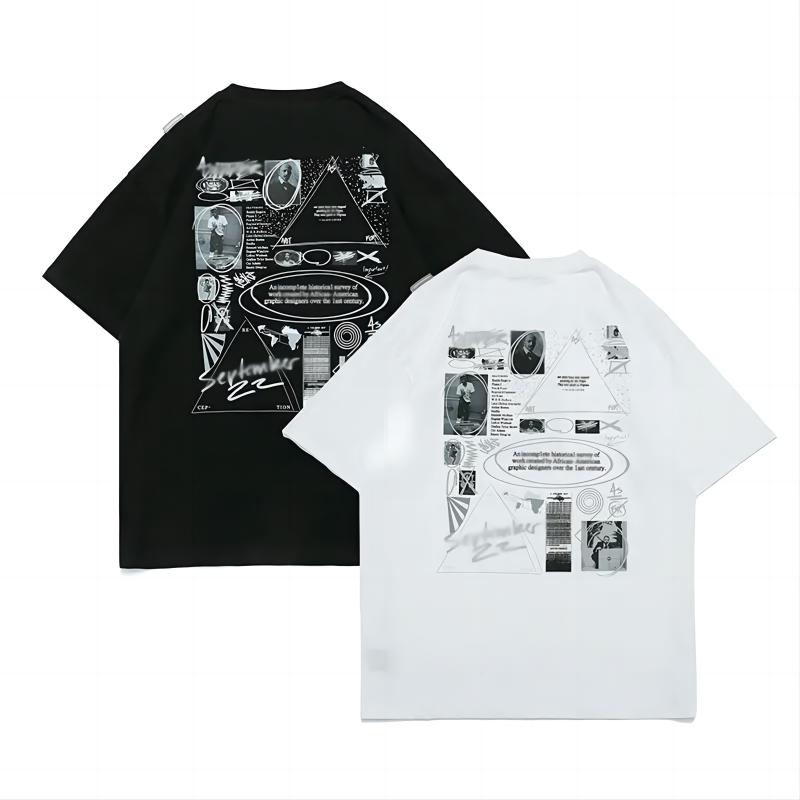
Custom T-Shirts
Custom T-shirts are developed with the required jersey weight, fiber composition, fit block, neckline, seams and finishing. EDVORIN supports screen printing, digital decoration, embroidery and labeling, with artwork placement, measurements and approved samples used to control consistency across private-label and wholesale orders.
Get a Quote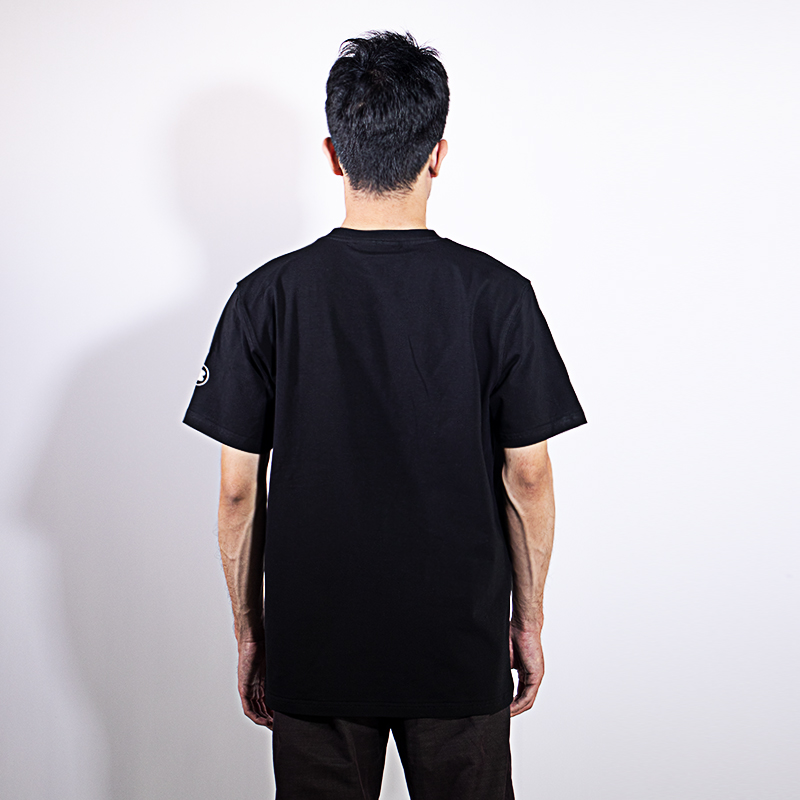
Custom Polo Shirts
Custom polo shirts are developed around pique or jersey fabric, collar and cuff construction, plackets, buttons, fit and finishing. EDVORIN coordinates embroidery or print decoration, material sourcing, size grading and packaging for corporate apparel, uniform programs, fashion labels and private-label collections.
Get a Quote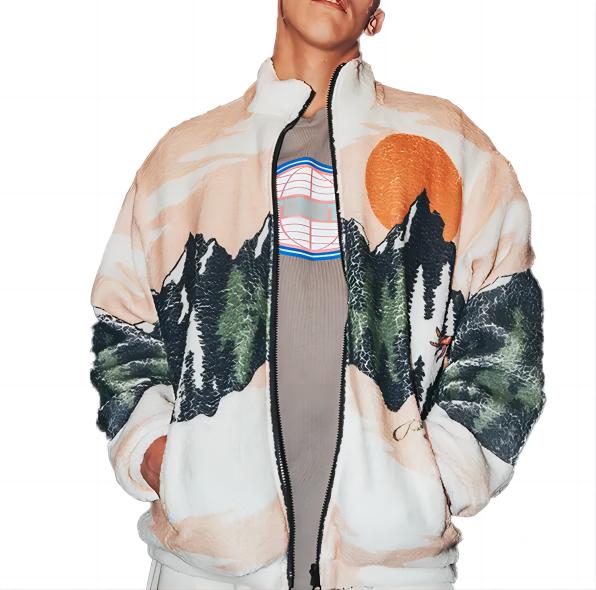
Windbreaker Jackets
Windbreaker jackets are developed for lightweight outerwear programs requiring suitable shell fabric, lining, closures, pockets, cuffs and weather-oriented finishing. EDVORIN coordinates patterns, trims, decoration and quality checks so the approved construction remains consistent across fashion, streetwear, team and private-label orders.
Get a Quote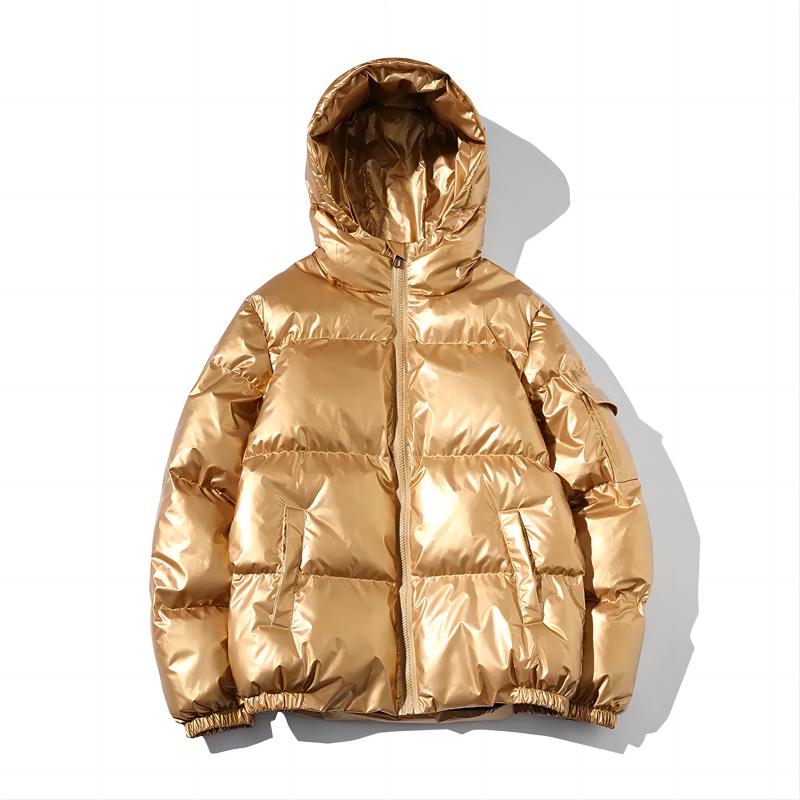
Quilted Jackets
Quilted jackets are developed by coordinating shell fabric, lining, insulation, quilting pattern, panels, closures and pocket construction. EDVORIN manages sampling and bulk standards for men’s and women’s outerwear, including trim selection, labeling, packaging and inspection of appearance, dimensions and finishing.
Get a Quote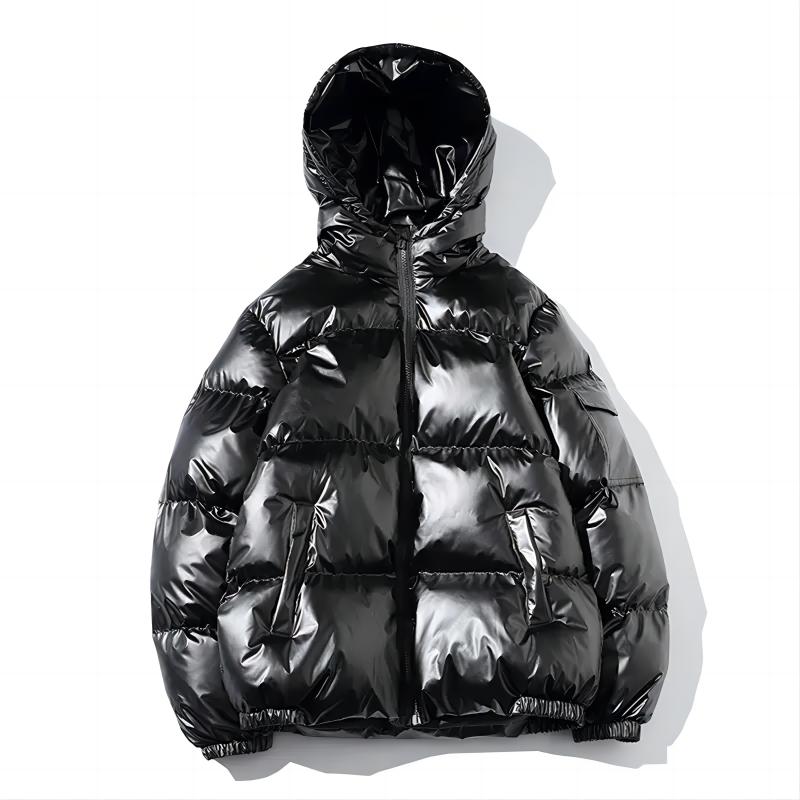
Bomber Jackets
Bomber jackets are developed around shell and lining materials, rib collar, cuffs and waistband, zipper or snap details, pockets and decoration. EDVORIN converts the approved design into documented construction and measurement standards for repeatable streetwear, fashion, team or private-label production.
Get a Quote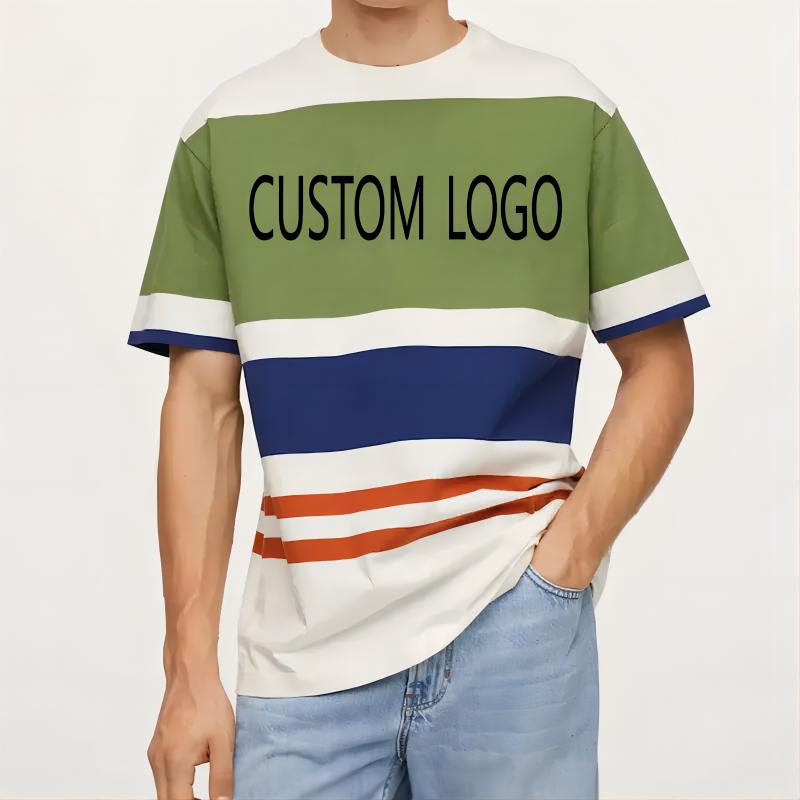
Custom Shirts
Custom woven shirts are developed with attention to fabric hand, collar, placket, cuffs, buttons, seam construction and intended fit. EDVORIN supports men’s and women’s programs from pattern and sample development through printing, embroidery, labeling, packaging and bulk quality control.
Get a Quote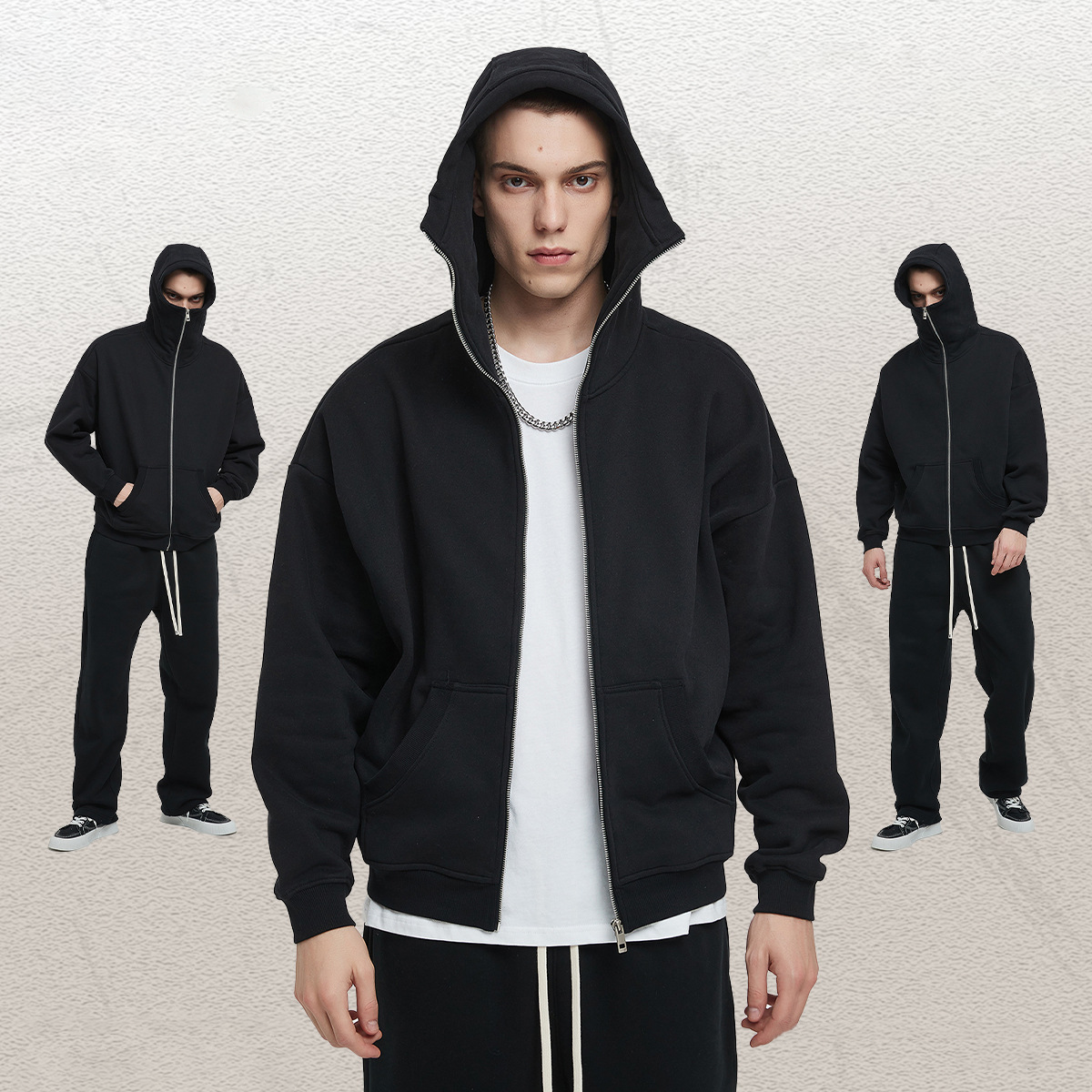
Custom Jerseys
Custom jerseys are developed for fashion, sports and teamwear programs using performance fabrics, breathable constructions, color standards and required graphics. EDVORIN coordinates sublimation, printing, embroidery, names, numbers, sizing and approved samples to support accurate repeat orders and organized size sets.
Get a Quote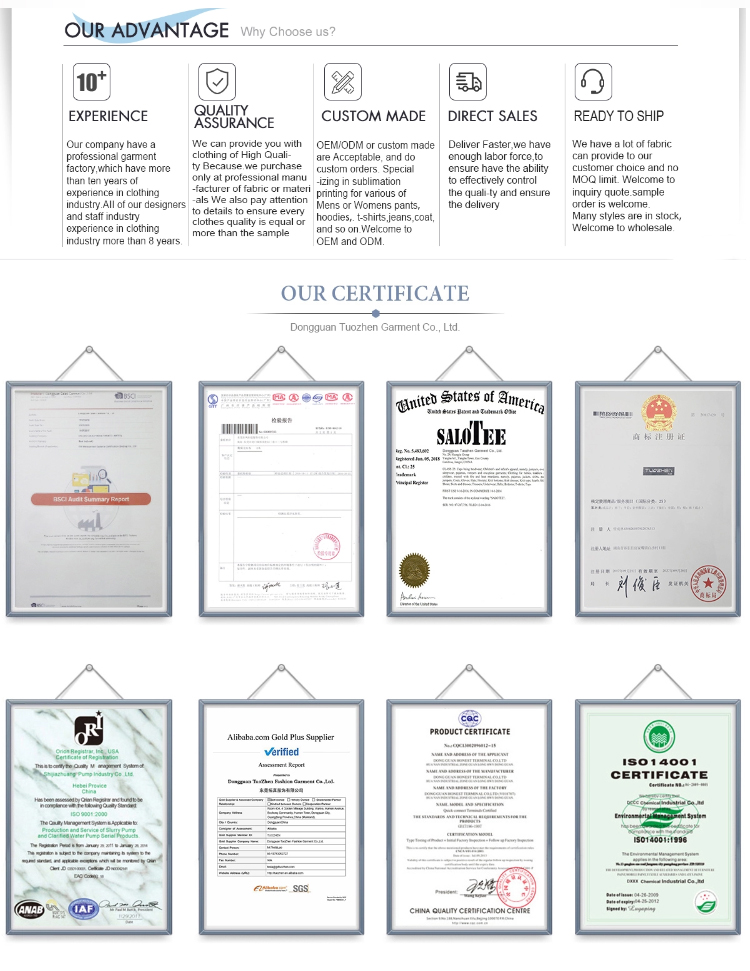
Tank Tops
Tank tops are developed for casualwear, streetwear, training and private-label programs, with fabric selection matched to drape, stretch, breathability and intended fit. EDVORIN coordinates armhole and neckline construction, artwork placement, grading, labels and packaging for men’s and women’s collections.
Get a Quote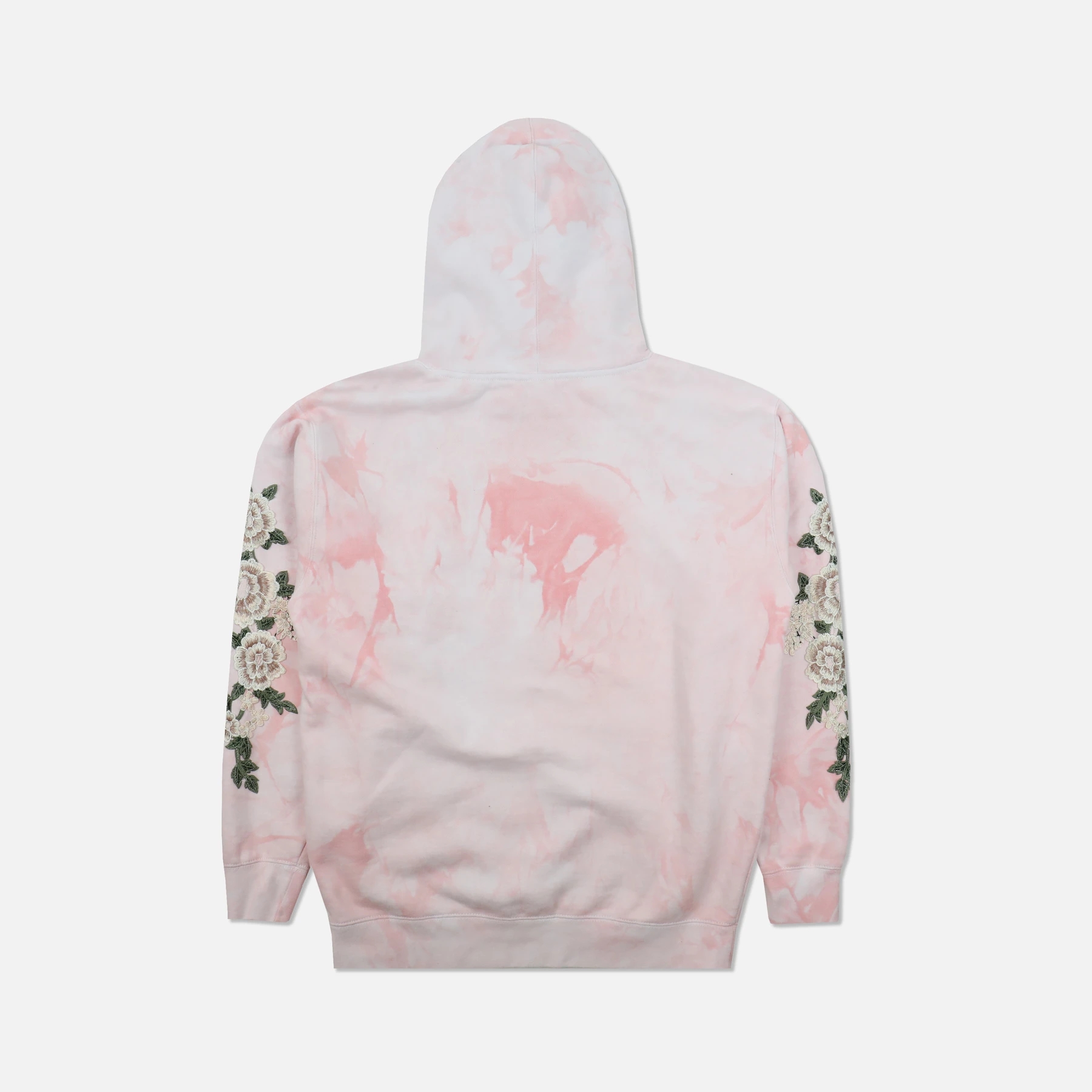
Soccer Uniforms
Soccer uniforms are developed with performance fabric, breathable construction, stable team colors and coordinated shirt, short and sock requirements. EDVORIN manages names, numbers, badges, sponsor graphics, size grading and approved standards so clubs, academies, wholesalers and repeat team orders can be handled accurately.
Get a Quote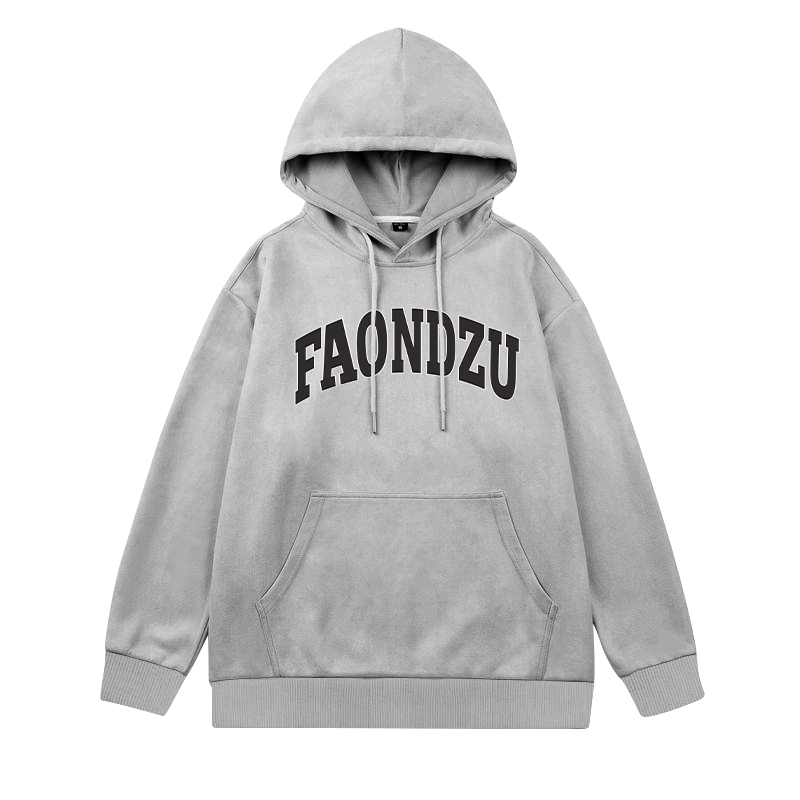
Basketball Uniforms
Basketball uniforms are developed around lightweight performance fabrics, mobility, panel construction, color control and coordinated jersey and short specifications. EDVORIN coordinates names, numbers, logos, decoration, size sets and packaging, supporting repeatable programs for sports clubs, schools, academies and teamwear distributors.
Get a Quote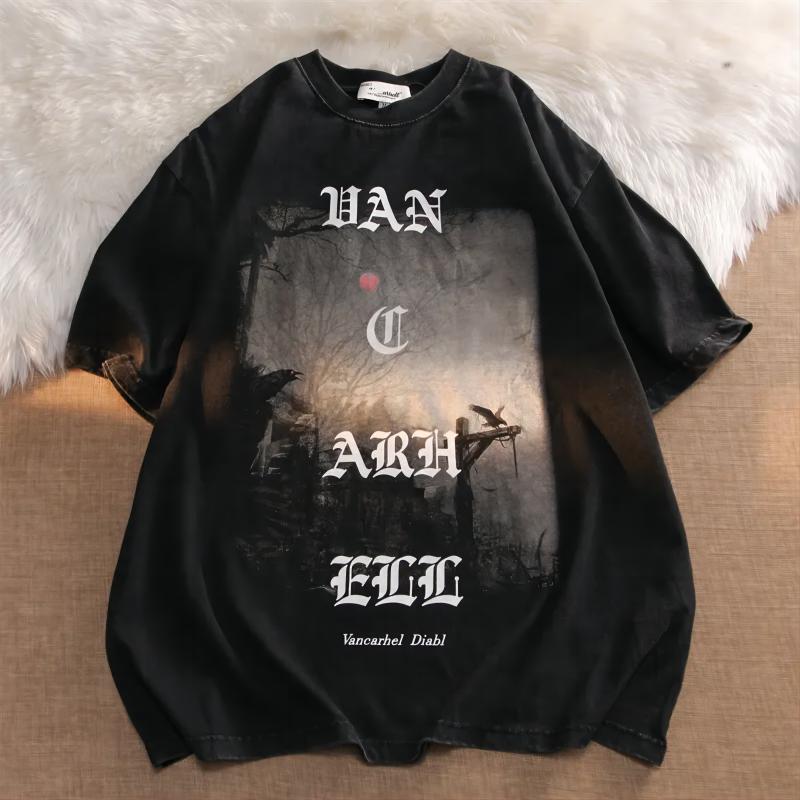
Streetwear Collections
Streetwear collections are developed as coordinated programs rather than isolated garments, combining hoodies, T-shirts, joggers, jackets, woven shirts and decoration. EDVORIN aligns fabrics, fit blocks, colors, trims, artwork placement, labeling, packaging and sample approvals across the collection for repeatable private-label production.
Get a QuoteMaterials for Baggy Streetwear and Teamwear Programs
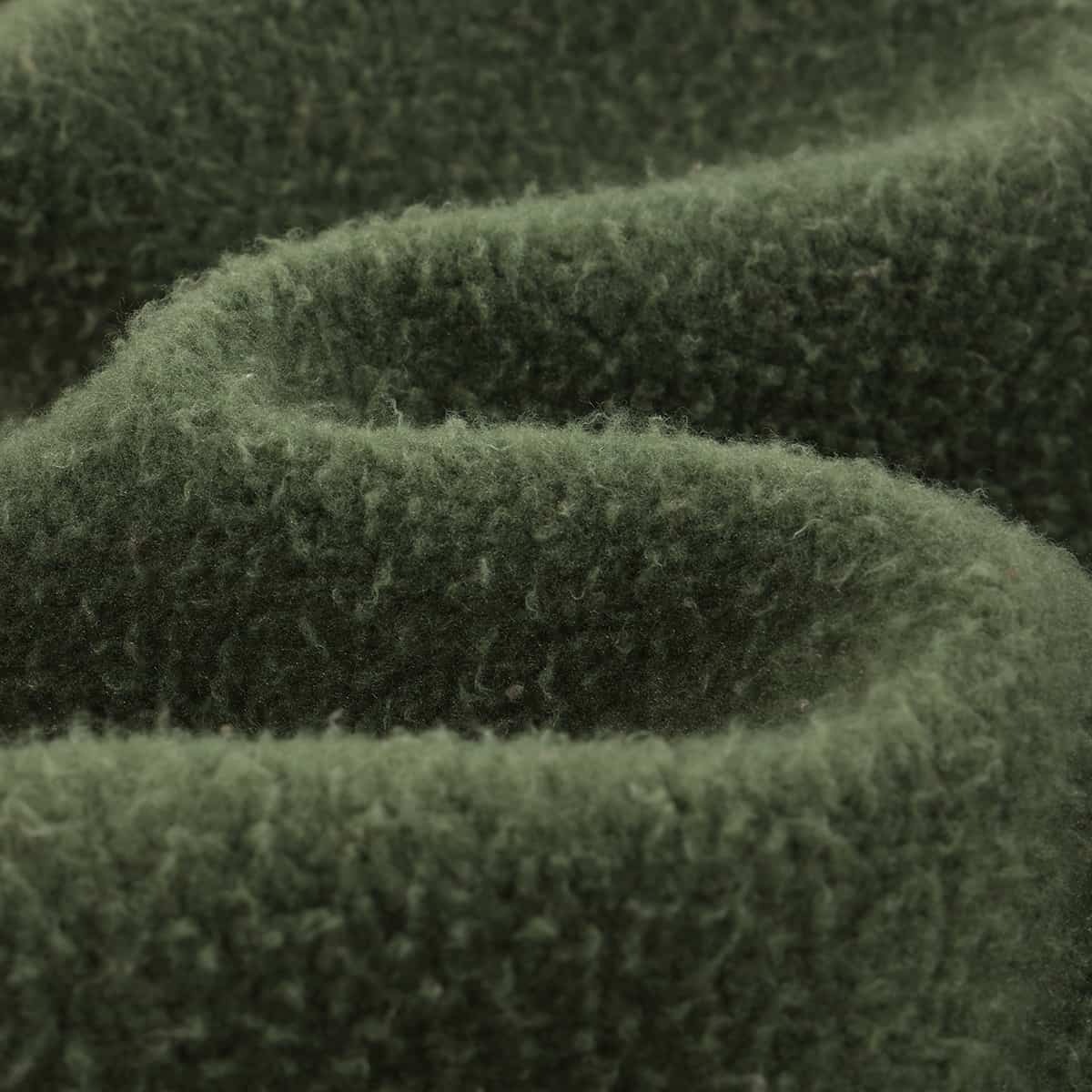
Heavyweight Cotton Fleece
Soft, structured and warm, heavyweight cotton fleece suits oversized hoodies, sweatshirts and relaxed joggers. Its brushed inner face adds comfort, while substantial fabric weight helps boxy silhouettes hold shape through sampling, washing and repeat bulk production.
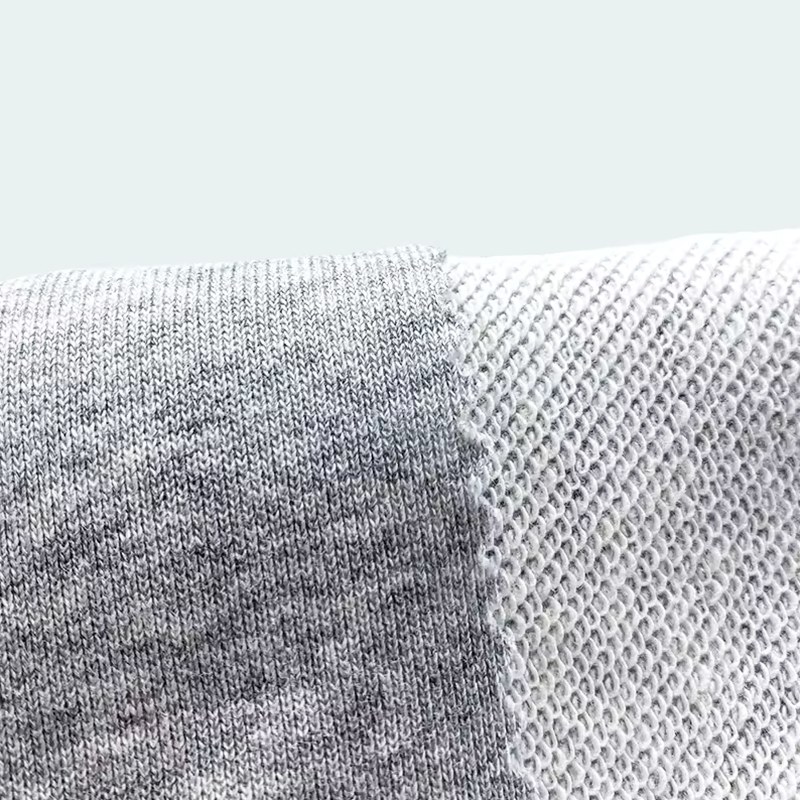
French Terry
Breathable with a looped inner surface, French terry offers a lighter hand feel for hoodies, sweatpants, shorts and transitional layers. Its moisture-friendly construction balances comfort and structure for oversized casualwear and adaptable streetwear collections.
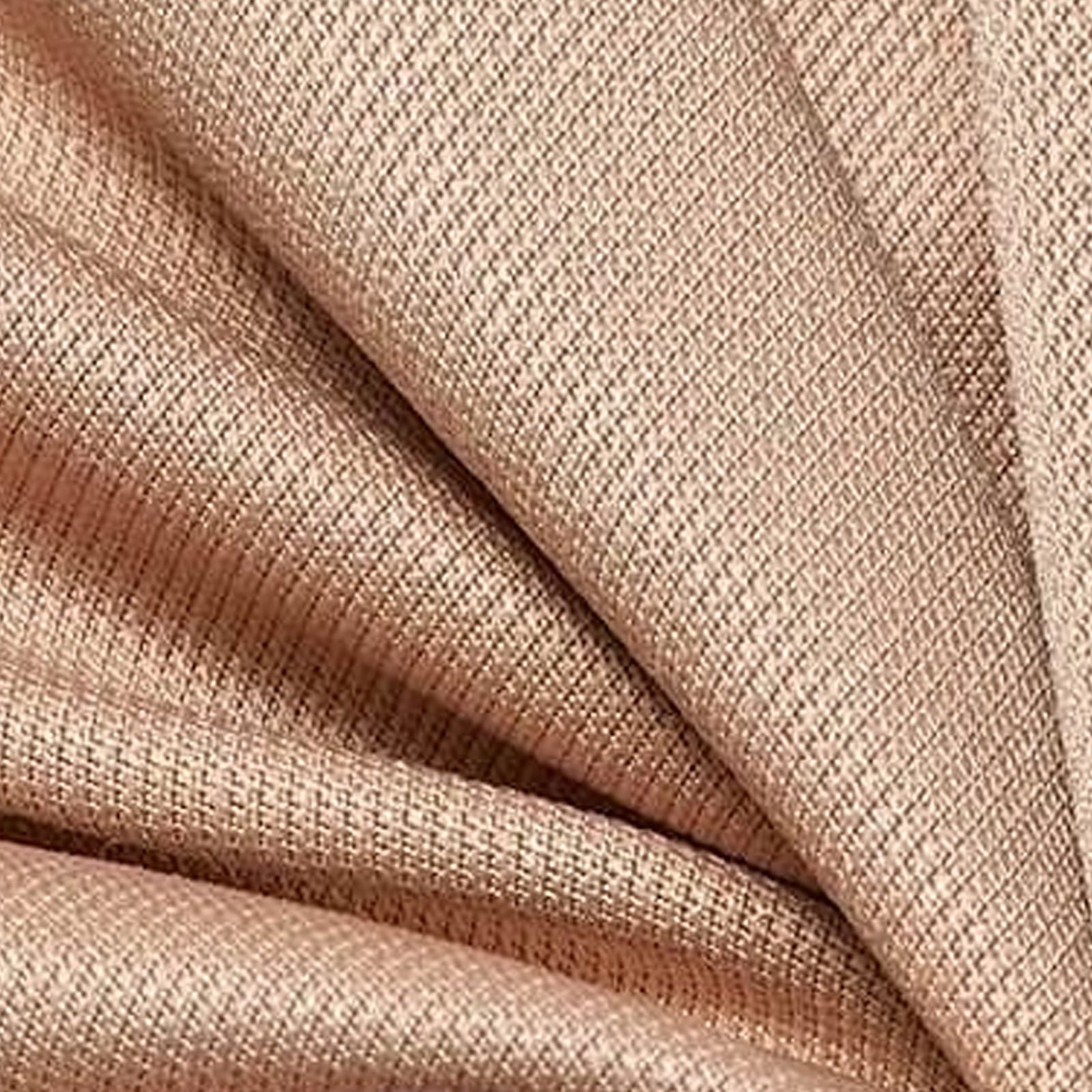
Heavyweight Cotton Jersey
Smooth on the outside and dependable for decoration, heavyweight cotton jersey works well for oversized T-shirts, tanks and coordinated basics. A firm hand feel supports graphic printing, embroidery placement and consistent drape across men’s and women’s fits.
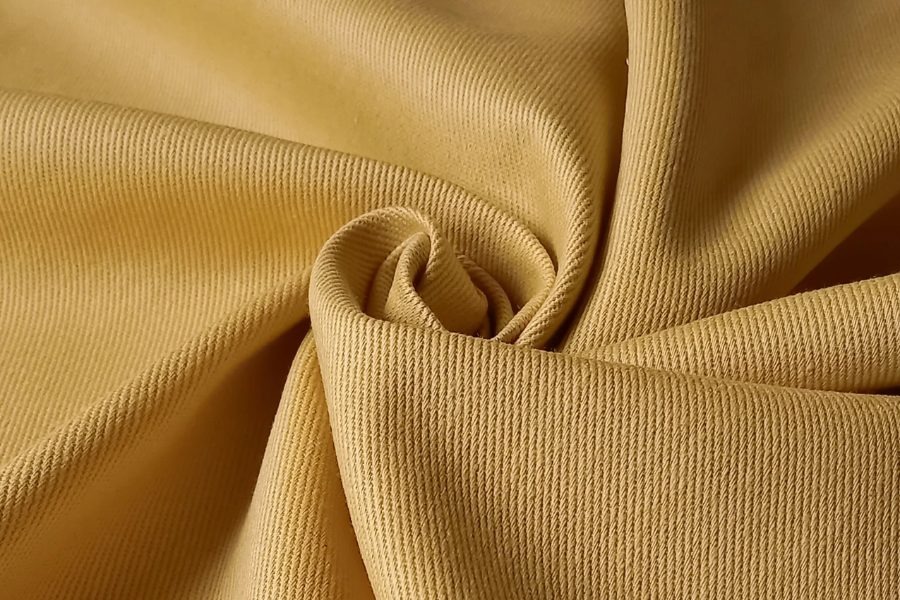
Heavyweight Twill
Dense and durable, heavyweight twill brings structure to cargo pants, overshirts, varsity jackets and workwear-inspired streetwear. Its stable weave resists distortion, giving patterns, pockets and trims a reliable base for repeated production and branded details.
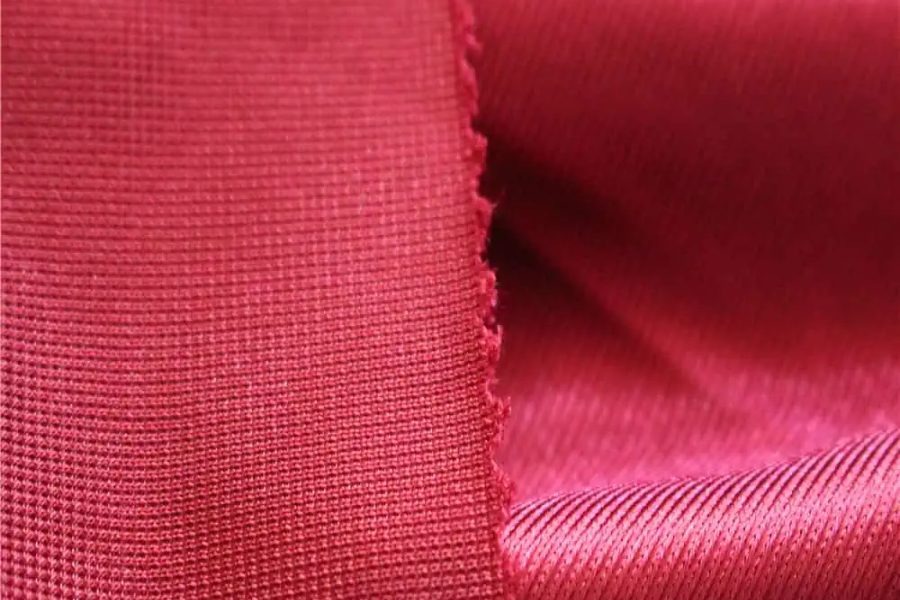
Polyester Tricot
Smooth, flexible and quick-drying, polyester tricot supports jerseys, warm-up tops and teamwear sets. Its lightweight construction allows comfortable movement, while stable color and surface performance help maintain consistent numbers, names and decoration across organized orders.
Decoration and Garment Finishing
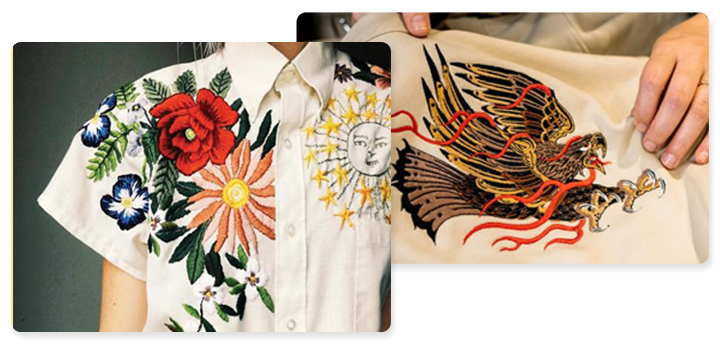
Embroidery Application
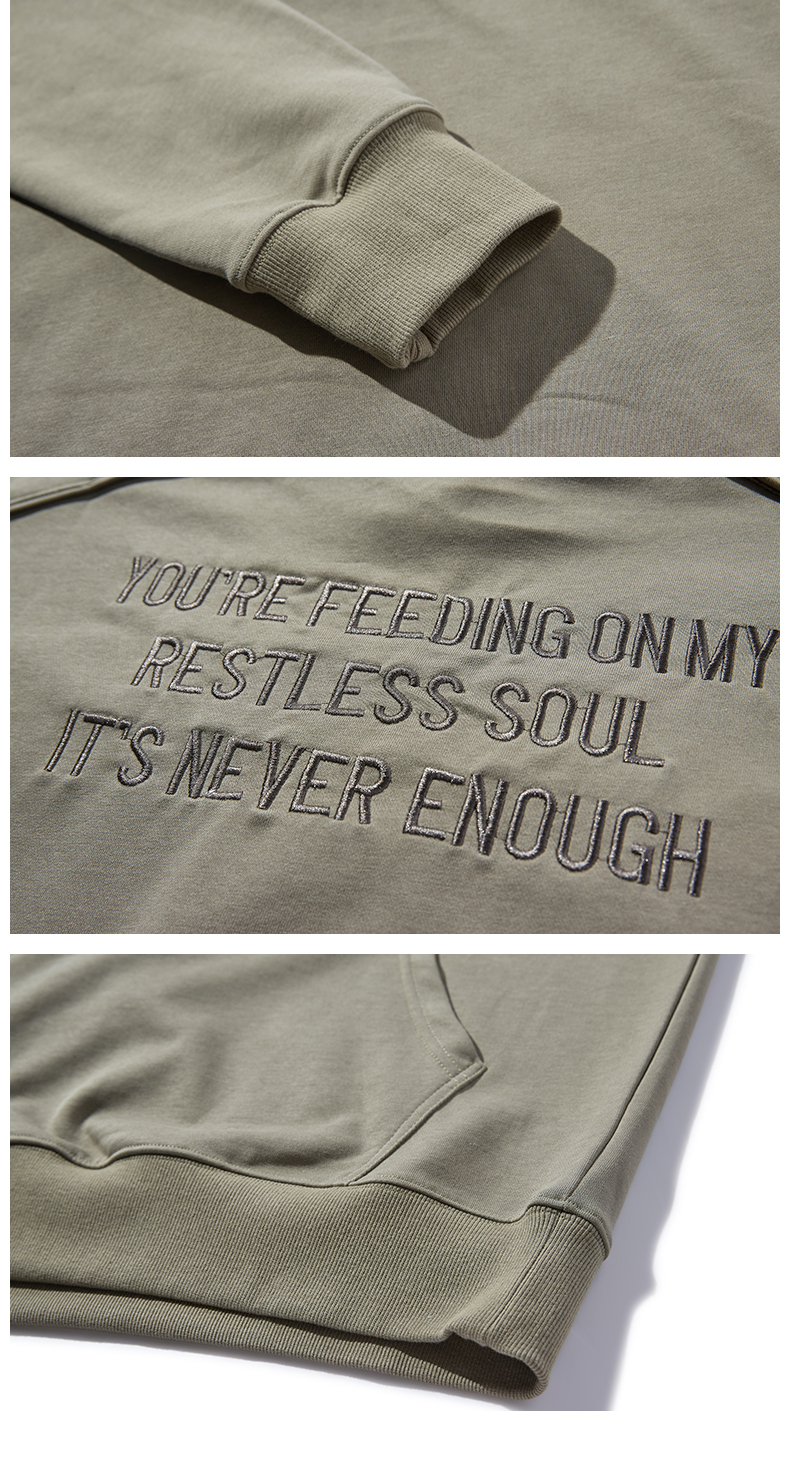
Embroidery adds durable stitched branding, logos and artwork to hoodies, jackets, polos and teamwear. EDVORIN coordinates thread selection, placement and stitch execution for a dimensional finish that remains visually consistent across approved bulk production.
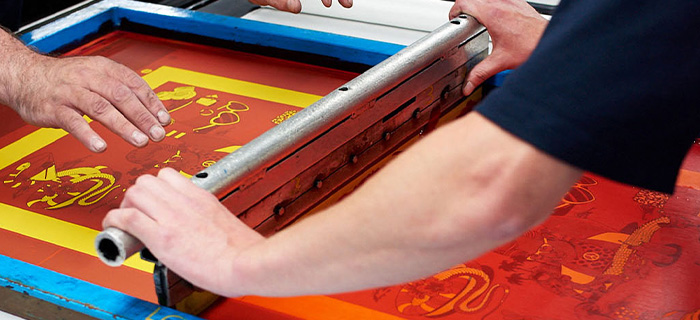
Screen Printing
Screen printing applies bold graphics and brand artwork directly to suitable apparel surfaces. Ink selection, placement and curing are coordinated with the garment material to support clear definition, dependable wear and consistent results across repeat orders.
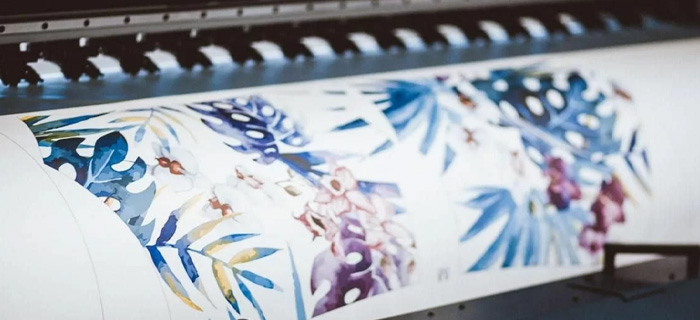
Sublimation Printing
Sublimation integrates artwork into compatible performance fabrics, supporting vibrant color and detailed graphics for jerseys, uniforms and teamwear. EDVORIN coordinates artwork preparation, color control and placement so the finished design remains consistent across sizes.
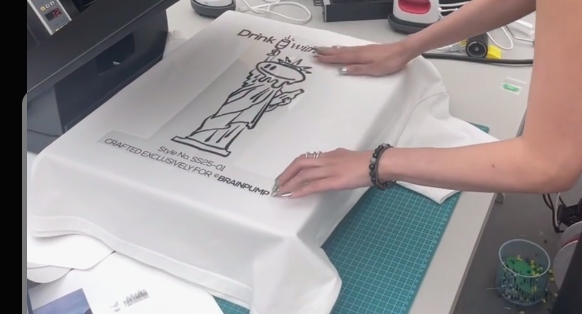
Heat Transfer
Heat transfer applies names, numbers, logos and selected graphics using a controlled film or transfer process. It supports personalized teamwear and targeted branding while helping maintain clean edges, accurate placement and repeatable decoration standards.
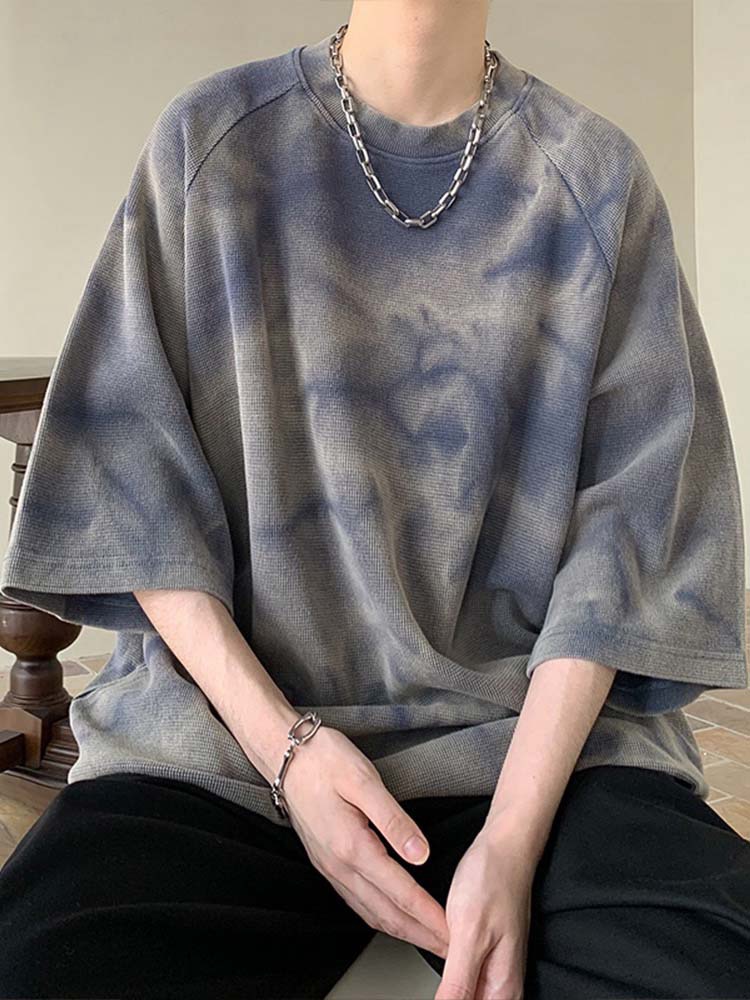
Wash Finishing
Wash finishing develops the intended hand feel, color character and worn appearance of selected streetwear garments. EDVORIN coordinates washing requirements with fabric, construction and approved samples to help preserve the collection’s visual direction in bulk.
Custom Trims and Branding Details
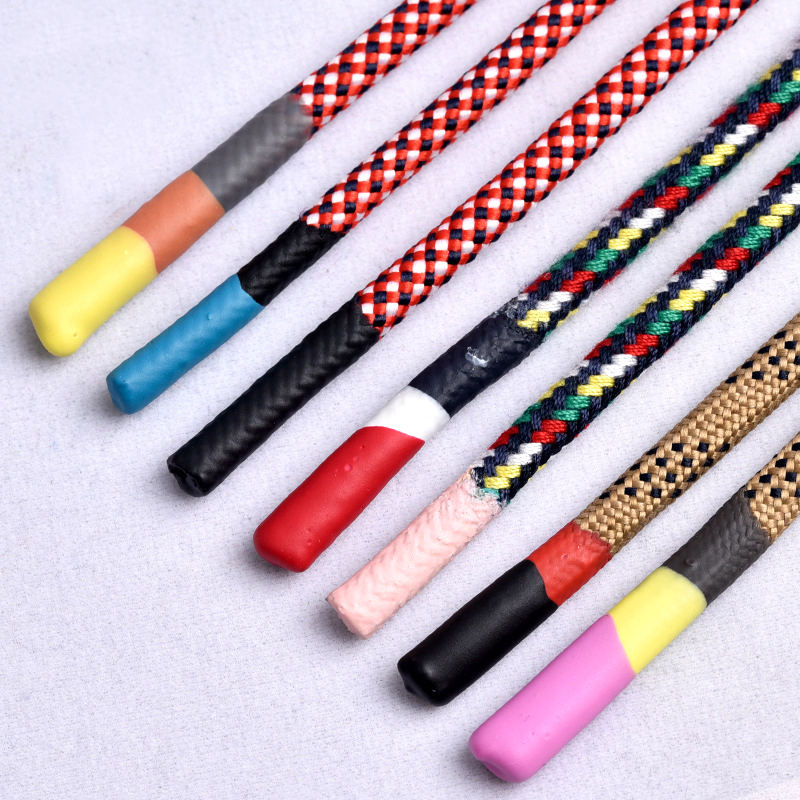
Drawcord & Tipping
Custom drawcords and matching tipped ends add function and visual detail to hoodies, sweatpants and joggers. EDVORIN coordinates length, color, finish and placement to support a consistent fit across repeat orders.
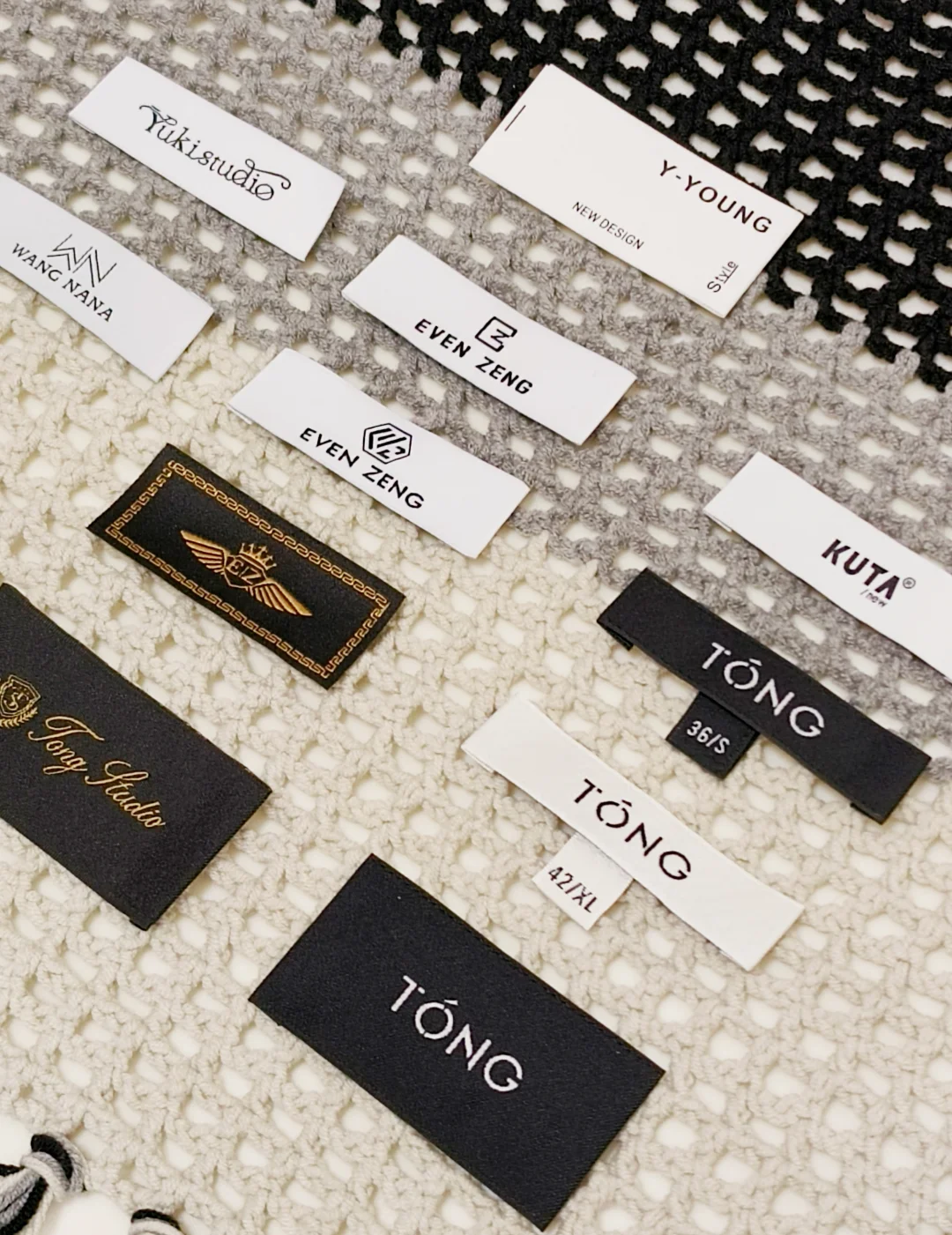
Woven Labels
Woven neck labels, size labels and side tabs identify your brand while keeping product information clear. They can be developed for hoodies, tees, jackets and coordinated collections with placement recorded for repeatable production.
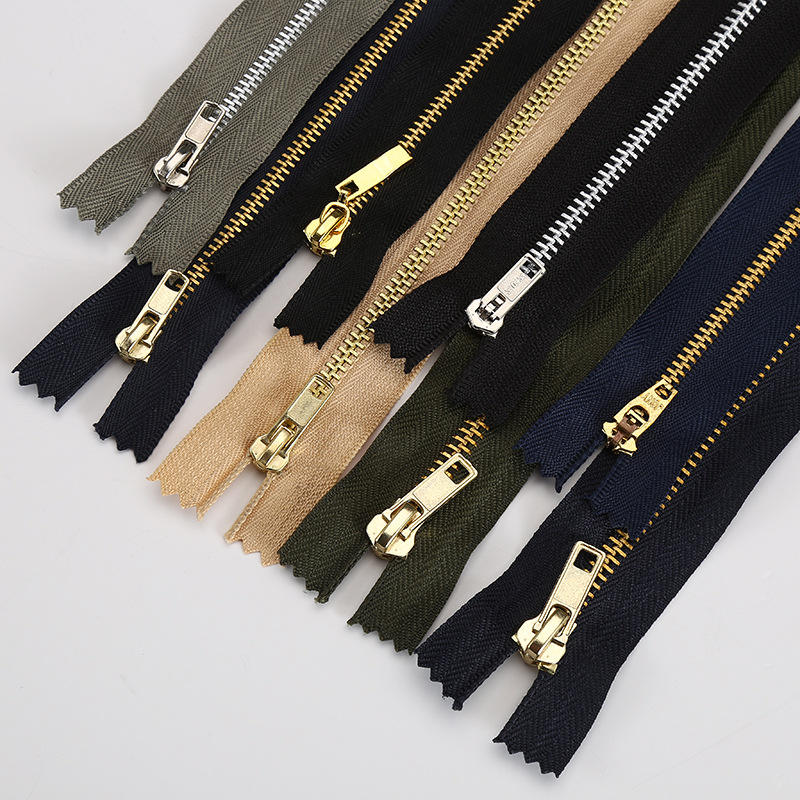
YKK Zippers
Zippers support reliable opening, closure and everyday durability on zip hoodies, windbreakers, bomber jackets and outerwear. EDVORIN coordinates zipper type, tape color, puller details and construction with the garment design.
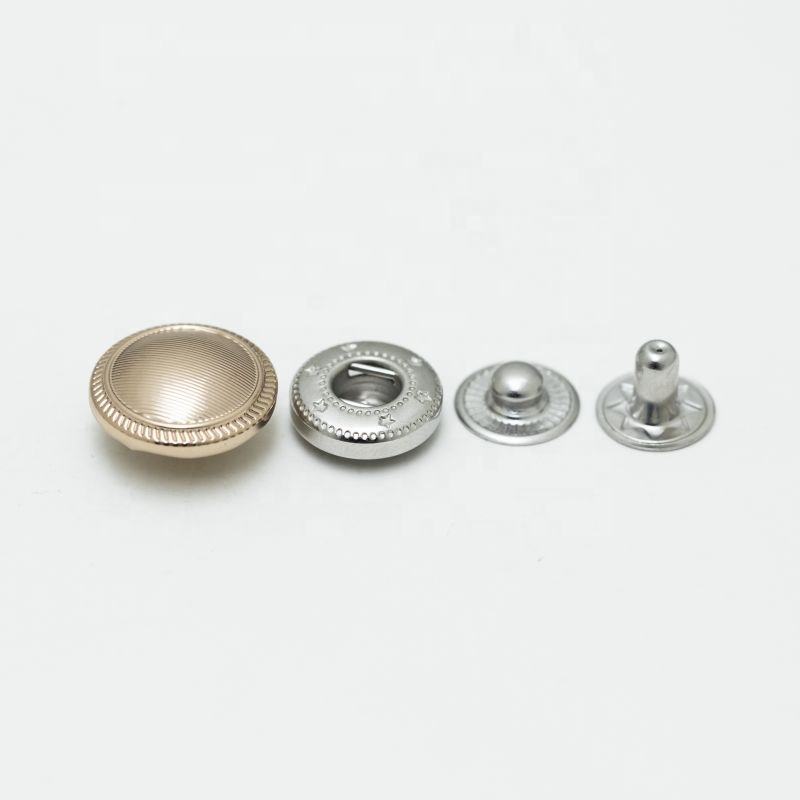
Snap Buttons
Snap buttons provide practical closure and a defined finish for varsity jackets, overshirts and lightweight outerwear. Selection can be matched to garment weight, styling direction and repeated fastening requirements across the approved sample.
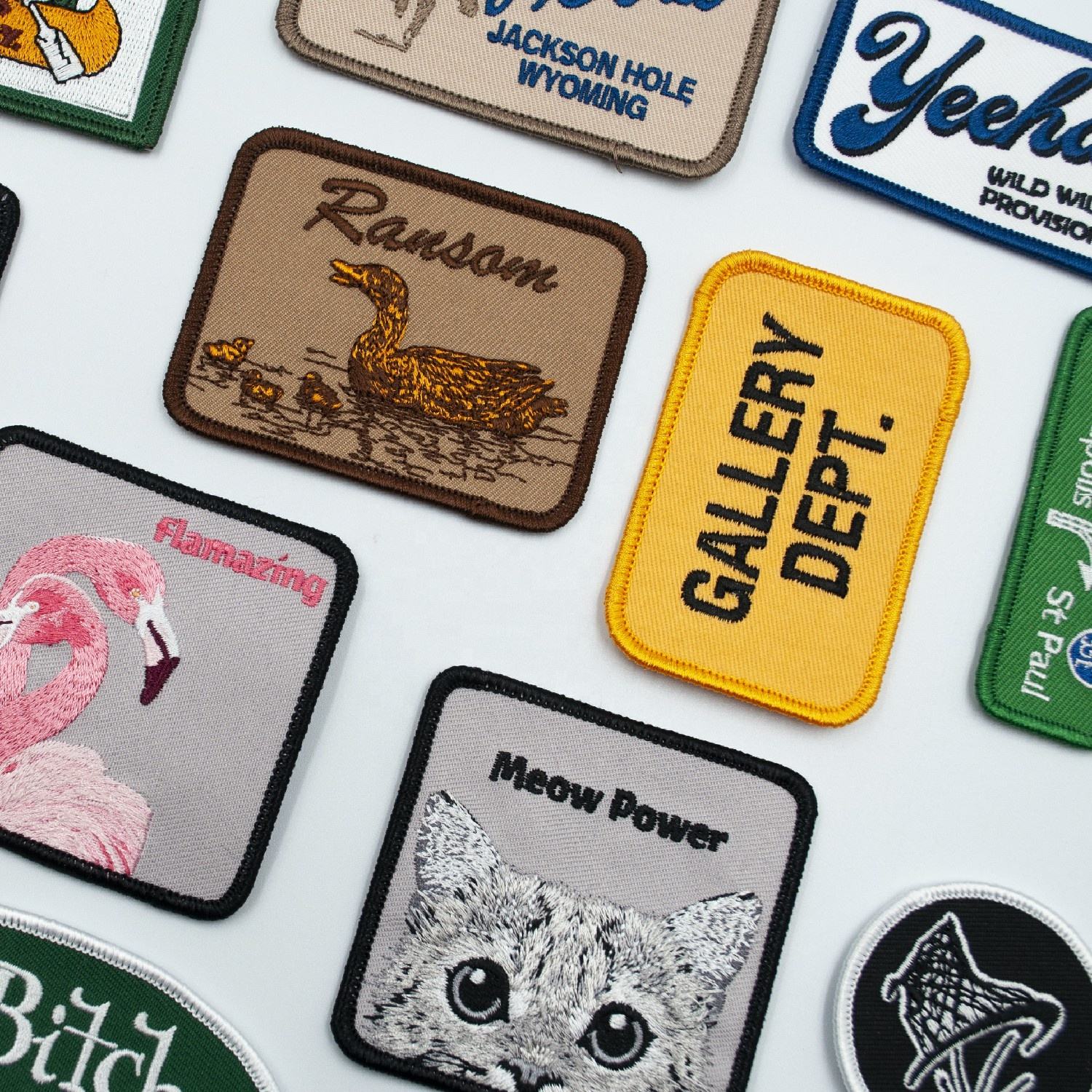
Custom Patches
Embroidered, woven or applied patches add team identity, streetwear character or collection branding to jackets, hoodies and uniforms. Artwork size, backing, placement and attachment method are documented before bulk production begins.
About EDVORIN: A Baggy Streetwear Clothing Manufacturer
Founded by Edvorin Zeng in 2000, EDVORIN was built around a practical mission: help apparel ideas survive the transition from concept to consistent production. Today, as a baggy streetwear clothing manufacturer, EDVORIN supports fashion brands, streetwear labels, teams, schools, wholesalers and private-label buyers from sketches and tech packs through approved samples and bulk orders.
EDVORIN connects product development, material sourcing, pattern making, sampling, decoration, washing, quality control, labeling and packaging within one accountable production system. Hoodies, sweatpants, jackets, jerseys and coordinated collections can be developed for men’s and women’s programs, with fit, fabric, trims and finishing adjusted to the intended market.
What makes EDVORIN different is the attention given after sampling. Approved measurements, artwork placement, material specifications and construction details become repeatable production standards, while in-line and final inspections help protect consistency. With OEM, ODM and private-label support, EDVORIN gives emerging brands and established buyers a clearer path from first idea to dependable reorders.
About EDVORIN: Built to Repeat, Made to Grow
Technical Development That Scales
EDVORIN turns sketches, reference garments and tech packs into production-ready specifications. Every style is refined through fit, construction and grading decisions so men’s, women’s and unisex baggy streetwear programs can move from approved sample to repeatable bulk production.
- Pattern development and fit block refinement
- Measurement charts, grading and construction details
- Men's and women's development across listed categories
- Pre-production samples for buyer approval
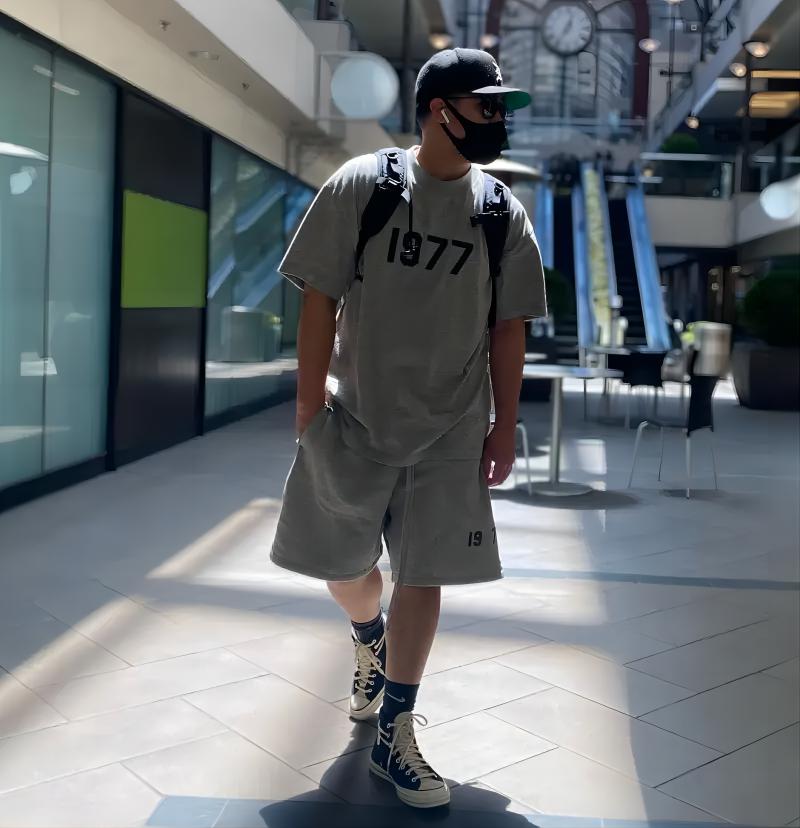
Materials And Trims Coordinated
A distinctive oversized garment depends on more than its silhouette. EDVORIN coordinates fabric, rib, drawcords, hardware, labels and packaging around the intended hand feel, durability and brand standard, helping buyers control the details that shape a consistent collection.
- Fabric sourcing for fleece, French terry, jersey and outerwear
- Trim and hardware specification by product category
- Custom labels, hang tags and packaging coordination
- Material decisions documented for repeat orders
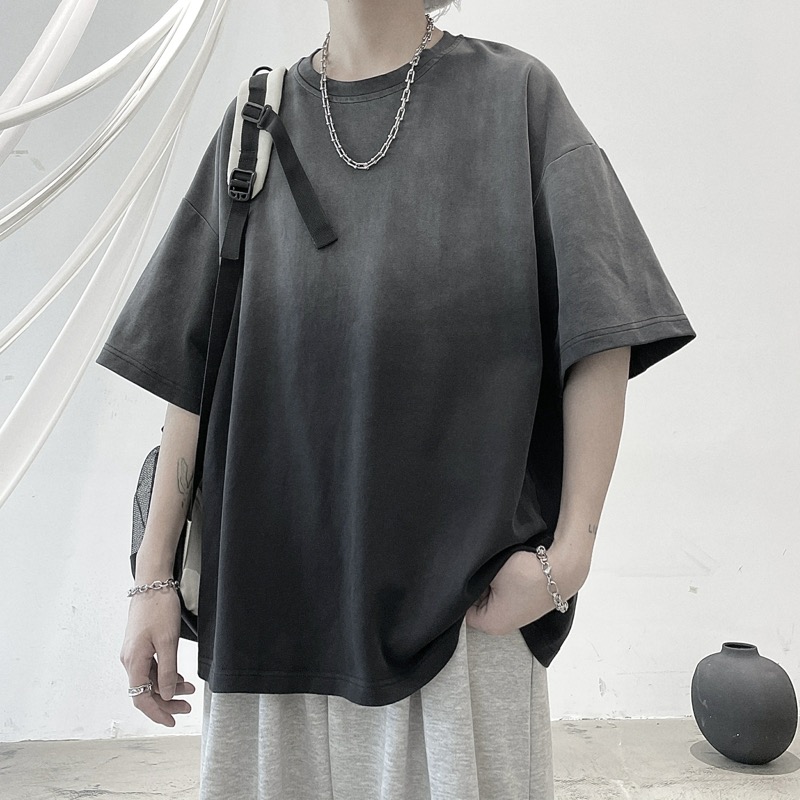
Decoration Built Into Development
Print, embroidery, washing and other finishing choices are evaluated alongside the garment construction. EDVORIN helps streetwear brands align artwork, placement, technique and base material before bulk production, protecting the visual identity of each hoodie, sweatshirt, jacket or coordinated collection.
- Printing and embroidery matched to garment materials
- Artwork placement and scale recorded for production
- Wash and finishing effects reviewed during sampling
- Decoration options tailored to fashion, streetwear and teamwear
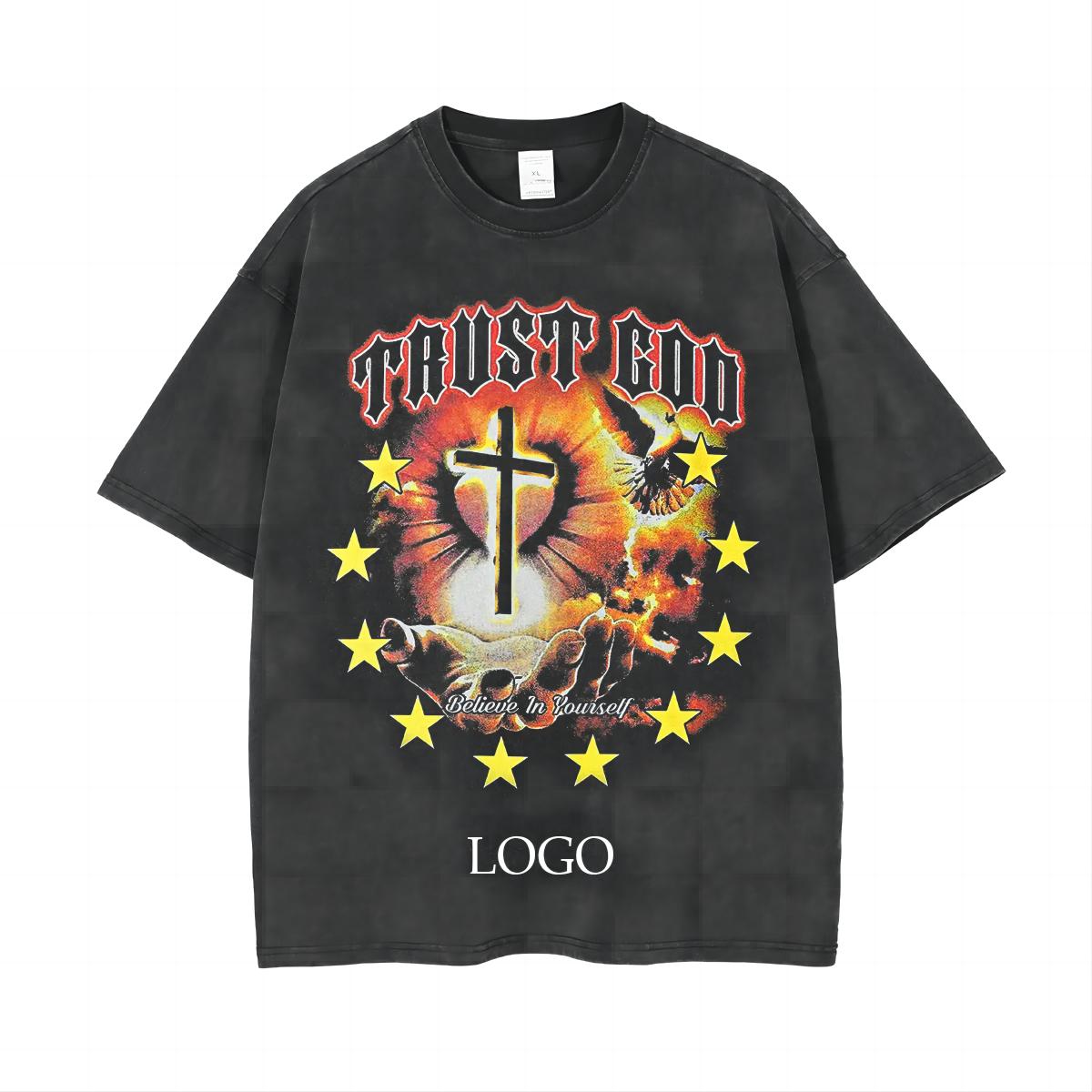
Sample-To-Bulk Quality Control
EDVORIN treats the approved sample as a working manufacturing standard, not a one-time milestone. Material checks, measurement controls, in-line inspections and final inspection help keep the finished order aligned with the approved fit, decoration, construction and packaging requirements.
- Approved samples used as bulk production references
- In-line checks to identify variation early
- Final inspection before labeling and packing
- MOQ starting at 200 pieces per style
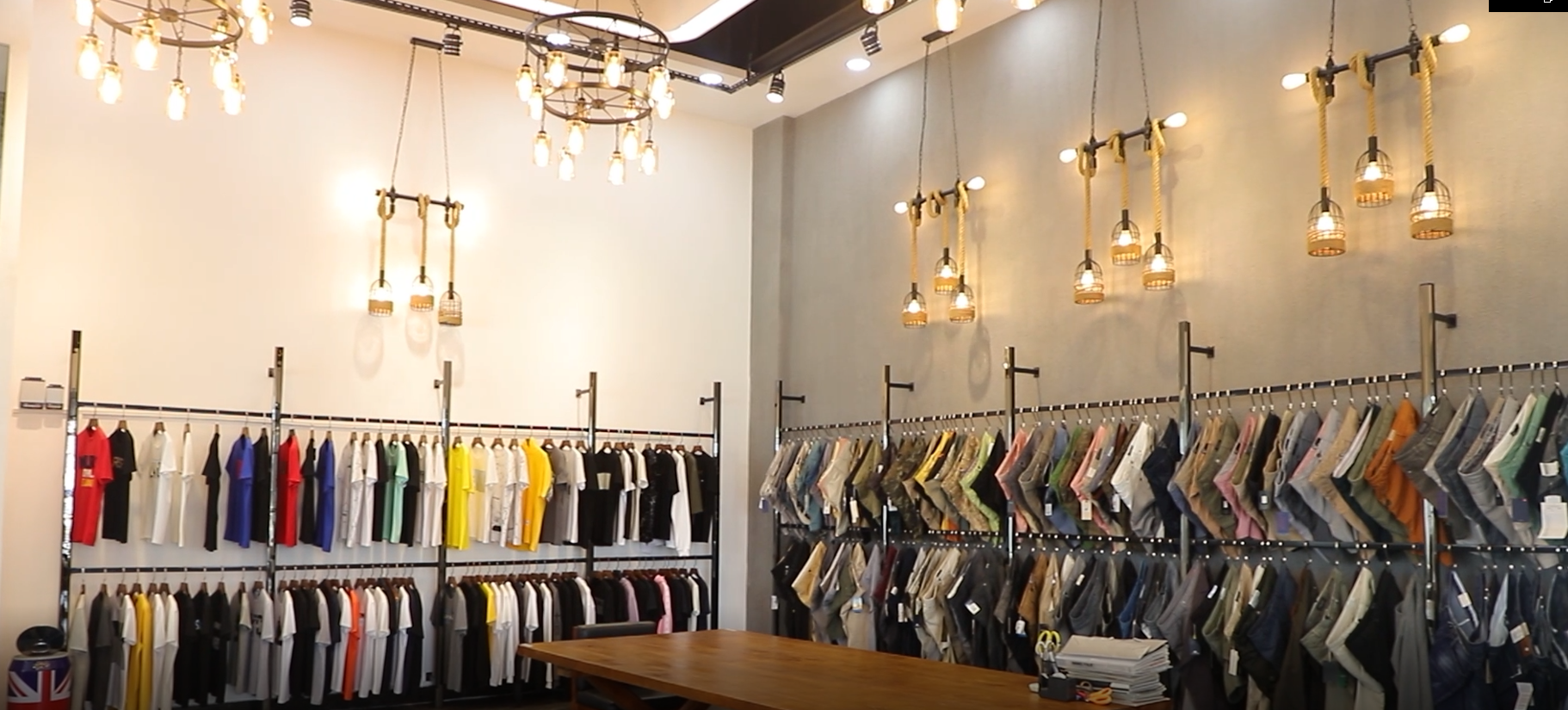
Production Expertise for Custom Apparel Programs
Compare the accountable production path behind repeatable OEM and ODM streetwear collections.
← Swipe left or right to view →
EDVORIN’s Repeatable Production Advantage
A controlled production timeline that turns your streetwear concept into an approved, repeatable and shipment-ready collection.
Brief and Materials
Review the tech pack, sketch or reference garment, then confirm fit intent, fabrics, trims, artwork requirements and target standards before development begins.
Source and Develop
Coordinate fabric and trim sourcing, create patterns and size grading, and prepare the first sample to test silhouette, construction, proportions and decoration placement.
Approve and Refine
Review sample measurements, hand feel, wash results and graphics; consolidate revisions into an approved standard that production teams can follow consistently.
Produce and Decorate
Cut approved materials, then manage printing, embroidery, washing, sewing and finishing as coordinated steps across the baggy streetwear clothing manufacturer workflow.
Inspect and Ship
Complete in-line and final inspections, verify labels, packaging and size sets, then prepare the order for organized packing and shipment to your destination.
From Concept to Bulk: The EDVORIN Production Process
Move from concept to repeatable OEM or ODM production through a clear process for streetwear, teamwear and private-label apparel programs.
Submit Your Concept
Share a tech pack, sketch, reference garment or collection brief so EDVORIN can define materials, fit, construction, decoration and production requirements.
Review Your Quote and Samples
Review the proposed costs, development details and samples, then assess fabric, fit, measurements, trims, artwork placement and finishing before approval.
Approve the Production Standard
Confirm the approved sample, specifications, color references, labels, packaging and quality checkpoints so your baggy streetwear clothing manufacturer has a clear repeatable standard.
Begin Bulk Production
EDVORIN coordinates sourcing, cutting, sewing, decoration, washing, inspection, labeling and packaging before completing your approved bulk apparel order.
Certified Standards for Responsible Apparel Production



Results from a Baggy Streetwear Clothing Manufacturer Built to Repeat
EDVORIN helped us turn a loose hoodie concept into an approved, production-ready style. Starting at 200 pieces per style gave our emerging label room to test the fit, fabric, decoration and packaging before committing to a larger collection.
The biggest improvement was repeatability. Our teamwear order required consistent colors, names, numbers and grading across the full size range, and EDVORIN kept those details connected from sample approval through bulk production.
We came with several references instead of a finished tech pack. EDVORIN coordinated fabric, trims, embroidery, washing and labels into one clear development path, helping us build a coordinated baggy streetwear collection for wholesale buyers.
EDVORIN gave our private-label program a dependable standard to work from. The approved sample, recorded decoration placement and production checks made it easier to review repeat orders and protect the collection details buyers had already accepted.
Baggy Streetwear Clothing Manufacturer FAQ
Clear answers for brands planning custom baggy streetwear collections with EDVORIN.
EDVORIN’s MOQ starts at 200 pieces per style. What is the MOQ for a baggy streetwear clothing manufacturer order?
How does a baggy streetwear clothing manufacturer handle samples and sample costs?
How long does a baggy streetwear clothing manufacturer take to produce bulk orders?
Can EDVORIN provide printing, embroidery and other baggy streetwear decoration?
What payment terms and shipping options are available for custom streetwear orders?
How does a baggy streetwear clothing manufacturer support repeat orders?
Can EDVORIN protect my designs and intellectual property?
Can a baggy streetwear clothing manufacturer develop both men’s and women’s fits?
The Complete Guide to a baggy streetwear clothing manufacturer
Use this decision framework to compare baggy streetwear suppliers, evaluate fabrics, construction, customization, pricing, and production readiness, while avoiding common sourcing mistakes that can delay launches, inflate costs, or weaken your brand experience.
1. What Is a Baggy Streetwear Clothing Manufacturer?
5 operating models commonly appear in this category. A baggy streetwear clothing manufacturer turns a concept, reference garment, or tech pack into oversized apparel: OEM follows the buyer’s specifications, while ODM adapts an existing factory-developed base; private label adds the buyer’s branding, cut-and-sew builds components from fabric, and wholesale supplies ready-made styles for resale. 2000 marked EDVORIN’s founding and its production-led approach. Fashion brands usually need OEM or ODM development, private-label buyers need branding control, and wholesalers need repeatable wholesale styles; teams, schools, and corporate programs typically require coordinated garments, size grading, decoration, and dependable replenishment.
2. Evolution and History of Baggy Streetwear Manufacturing
1900s workwear established the practical roots of relaxed clothing: durable fabrics, functional room and movement-friendly proportions. From the 1970s through the 1990s, hip-hop, skateboarding and youth subcultures enlarged those proportions into recognizable cultural uniforms, while sportswear added team graphics, performance details and coordinated sets. 2000s streetwear translated these influences into commercial collections built around oversized hoodies, boxy T-shirts, loose trousers and layered outerwear. For a baggy streetwear clothing manufacturer, that history creates concrete specifications: heavyweight fleece or French terry, reinforced seams, drop shoulders, controlled graphic placement and washed finishes must support the intended attitude without undermining fit or durability. Today, unisex sizing is commercially useful only when grading, sleeve balance, rise, body length and proportions are deliberately engineered.
3. Types of Baggy Streetwear Clothing Manufacturer
Six manufacturer types serve different launch stages, control requirements, and order profiles.
Full-Package OEM/ODM Factories
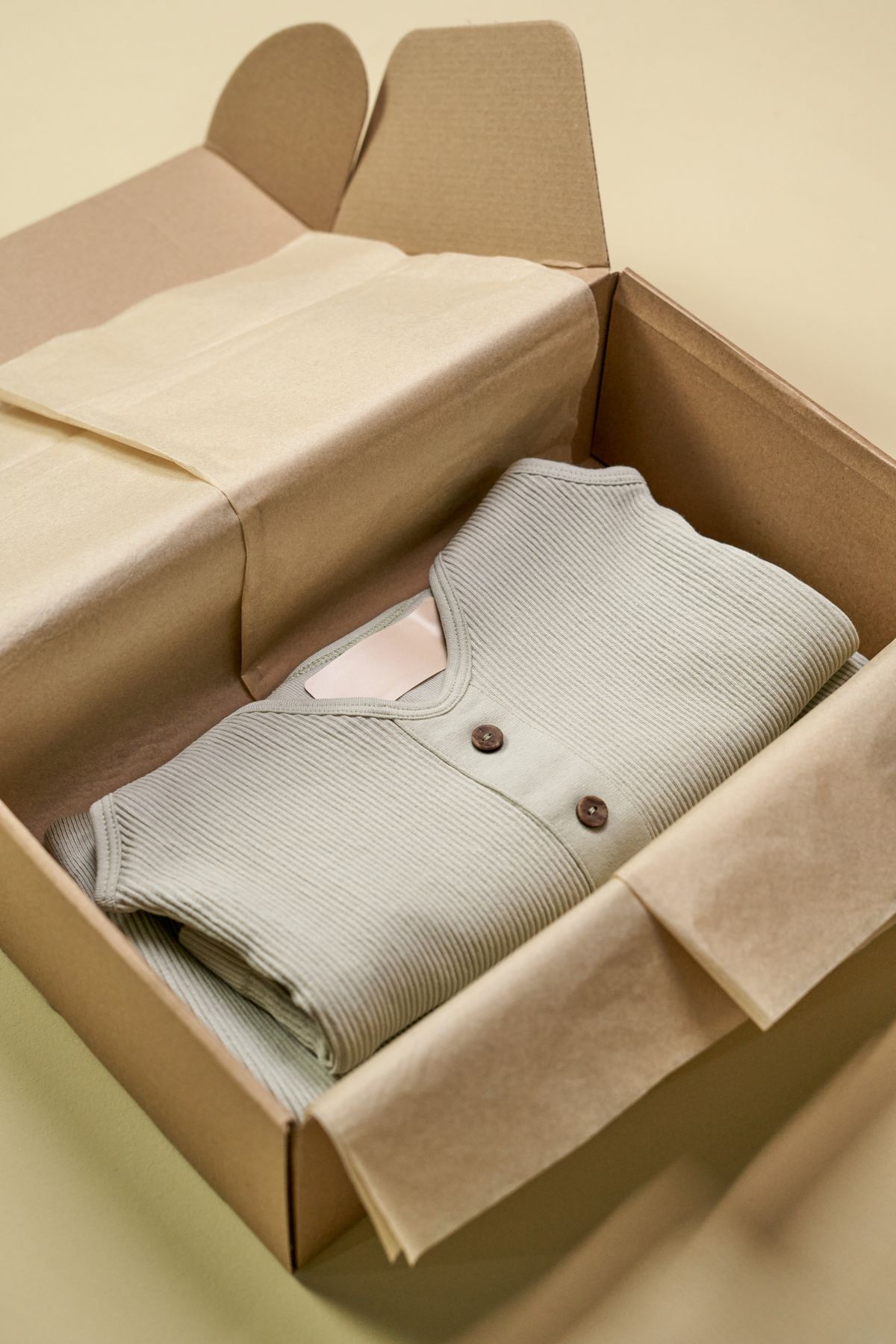
Tech packs, sourcing, patterns, sampling, decoration, washing, packaging, and bulk production can sit within one workflow. This suits established brands or complex capsules needing strong control over fit, materials, and branding.
Cut-And-Sew And Private Label
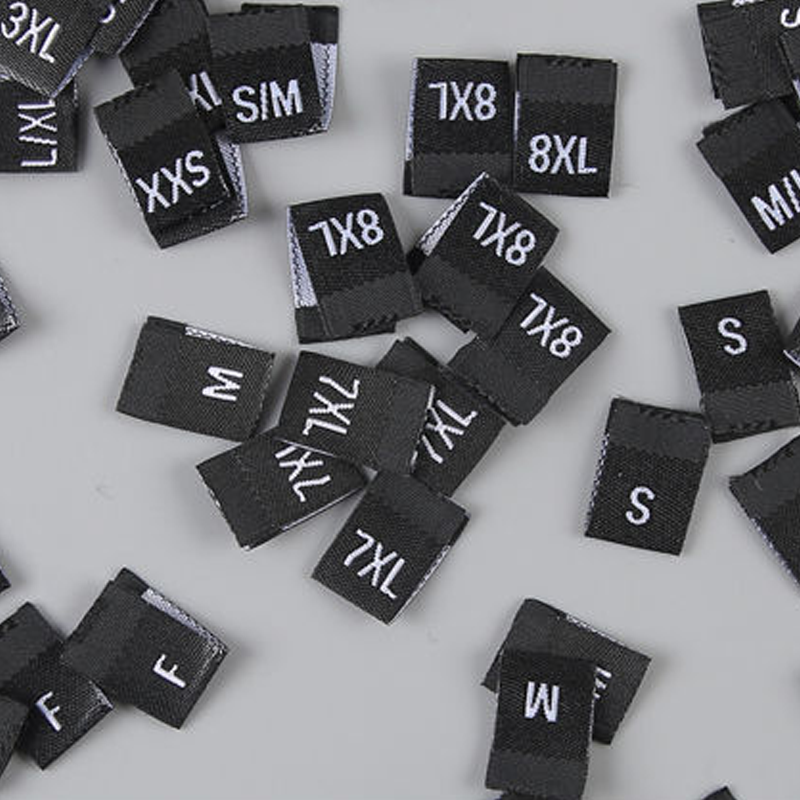
Cut-and-sew specialists are strongest when silhouette, panels, proportions, or construction differ from stock garments. They suit brands supplying sketches or reference pieces that require technical development. Private-label suppliers typically add labels, hang tags, and packaging to existing or adapted styles.
Low-MOQ, Wholesale, And Teamwear
EDVORIN’s MOQ starts at 200 pieces per style. Low-MOQ producers fit market tests and small drops; wholesale-ready vendors fit buyers selecting repeatable styles from a defined range. Their advantages are order flexibility and faster assortment building, with less exclusivity.
4. Materials and Fabrics for Baggy Streetwear
GSM sets the starting point for how baggy garments hang, hold shape and feel in hand.
| Fabric | Typical GSM | Best Use |
|---|---|---|
| Cotton jersey | 160–240 | Oversized tees |
| French terry | 280–420 | Sweatshirts, joggers |
| Fleece | 300–500 | Warm hoodies |
| Blend | 220–350 | Recovery-focused bottoms |
| Nylon | 70–180 | Windbreakers, cargos |
| Twill | 180–320 | Structured cargos |
| Denim | 300–500 | Baggy jeans |
Match Fabric To Silhouette
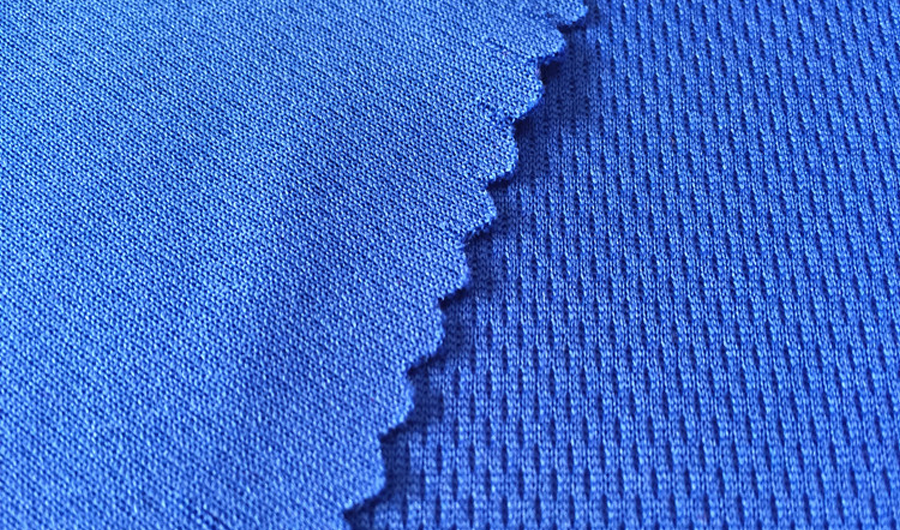
180–240 GSM cotton jersey suits oversized tees with soft drape; ring-spun yarns improve hand feel, while open-end yarns can support a more economical program.
Balance Performance And Wear
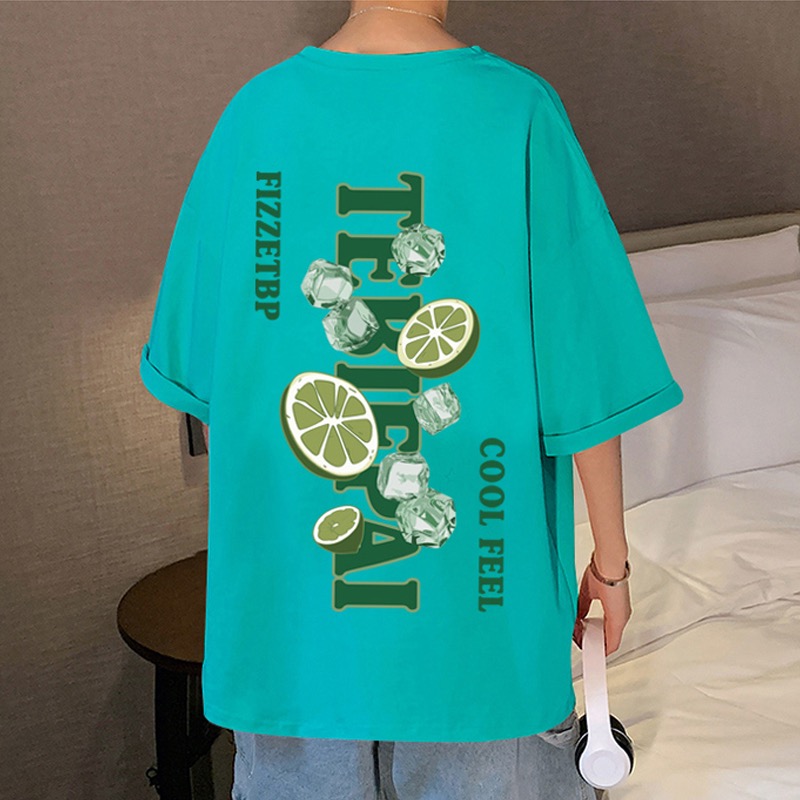
220–350 GSM cotton-polyester blends reduce shrinkage and improve recovery in joggers and sweatshirts, but fiber ratios change softness, pilling and perceived value. Nylon supports lightweight windbreakers and cargos; twill adds body and abrasion resistance.
Specify And Test The Standard
A buyer’s specification should record GSM, fiber percentages, color reference, finish and garment-wash method. Shrinkage, spirality, colorfastness, pilling and seam performance should be tested before bulk approval.
5. Customization Options from a Baggy Streetwear Manufacturer
2000 marked EDVORIN’s start as a production partner translating concepts into repeatable garments.
Fit, Color And Wash Development
A 2–4 inch ease change can alter an oversized silhouette, so EDVORIN adjusts patterns, proportions, grading and men’s, women’s or unisex blocks before approval.
- Confirm base measurements before grading.
- Test wash effects on production fabric.
- Record approved color and shrinkage standards.
Decoration Method Selection
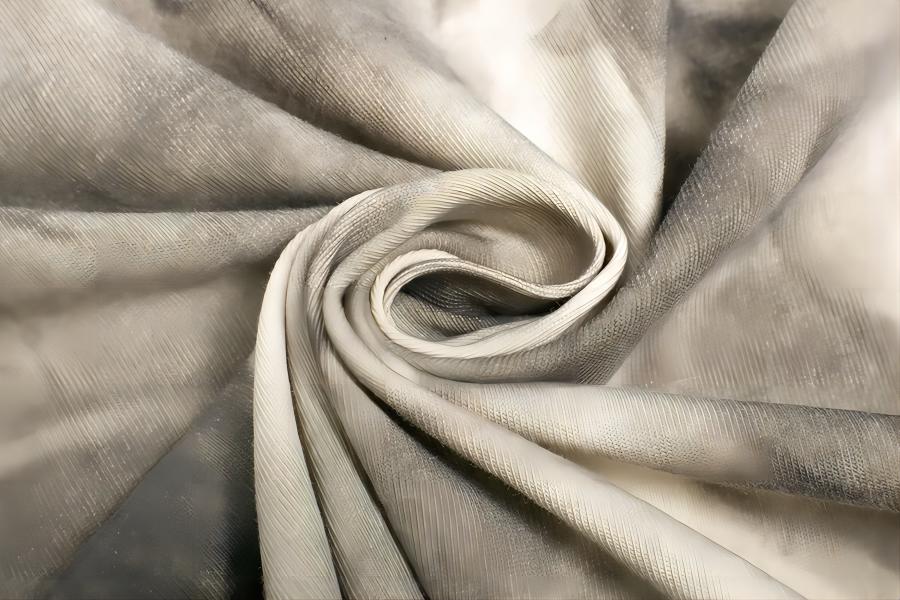
Three production variables—fabric surface, artwork scale and order quantity—usually determine the decoration route. Screen printing, DTG, DTF, puff print, embroidery and patches each create a different branded signature.
| Method | Visual effect | Durability | Minimums/setup | Suitable fabrics |
|---|---|---|---|---|
| Screen print | Flat, bold | High | Screens; batch-friendly | Cotton jersey, fleece |
| DTG / DTF | Detailed graphics | Medium-high | Digital; flexible runs | Cotton / blends |
| Puff, embroidery, patches | Raised or dimensional | High | Special setup; higher labor | Fleece, twill, outerwear |
Branding And Pack-Out
One approved blank becomes recognizable through woven or printed labels, hangtags, branded drawcords, patches and size-specific packaging. EDVORIN can document these components alongside care labels and carton requirements.
- Specify neck, hem and care-label positions.
- Approve hangtag attachment and folding method.
- Match packaging to wholesale or retail delivery.
6. Key Construction Quality Elements to Inspect
A first sample should establish the garment’s intended balance, not merely its appearance.
Check Silhouette And Fit
Three points define a baggy silhouette: body proportion, shoulder drop and sleeve geometry. Compare front, back and side views, then check neckline recovery, rib width, pocket placement and measurement tolerances against the size chart. A sample should also be measured after washing when wash treatment is specified.
Inspect Closures And Decoration
Two zipper checks matter: smooth travel and stable alignment through the full opening. Examine pocket openings, zipper tape, stops and rib construction for twisting, waviness or uneven tension. Decoration should be checked at actual production scale.
Verify Bulk Consistency
Pre-shipment checks should compare packed garments with the approved sample, size set and color reference. Review color consistency across panels, lots and trims, including rib and thread where contrast is intentional. Use a documented measurement sheet to inspect representative sizes and quantities.
7. How to Choose a Baggy Streetwear Clothing Manufacturer
Three checks separate a dependable baggy streetwear clothing manufacturer from a low quote: relevant product evidence, documented controls and transparent commercial terms.
Verify Product And Communication Fit
Ask for recent hoodies, sweatpants, oversized tees or teamwear comparable to your target fit, then request references, response times and revision procedures. Confirm whether EDVORIN can develop from a tech pack, sketch or reference garment. Require written answers covering fabrics, decoration, labels, packaging and escalation ownership.
Audit Development And Production Control
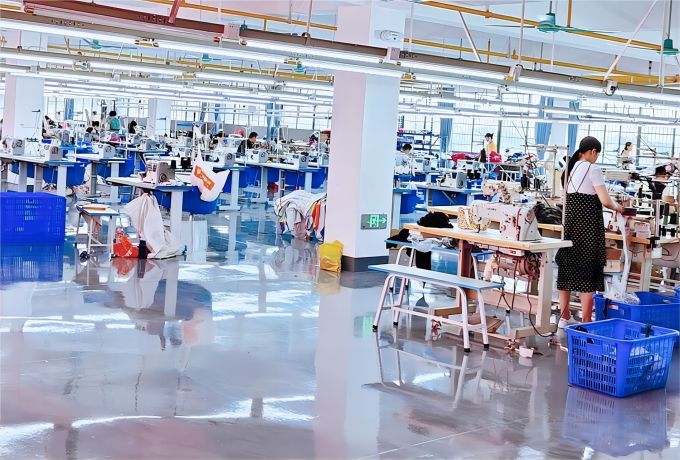
EDVORIN’s MOQ starts at 200 pieces per style. Before approval, request the tech pack, graded measurement chart, material specifications, artwork placements, size set, pre-production sample and revision log. Check shrinkage, color, print or embroidery durability, seam construction and fit across sizes. Ask for MOQ by style and color, monthly capacity, production lead time, inspection checkpoints and defect-resolution procedures.
Compare Commercial And Delivery Risk
Obtain itemized quotes showing sampling, trims, decoration, washing, packaging, freight and duties separately. Compare deposits, balance timing, payment protection, incoterms, shipment method, customs responsibility and realistic delivery windows across local, regional and overseas suppliers. Ask what happens after delivery: claims deadline, replacement or credit policy, shortage handling and repeat-order pricing.
8. Common Mistakes Buyers Make When Sourcing Baggy Apparel
Nine checkpoints prevent most sourcing failures for a baggy streetwear clothing manufacturer.
Define Fit And Test Wear
A single reference photo cannot define a baggy silhouette; record garment measurements, drop-shoulder position, rise, hem width and intended ease. Confirm men’s, women’s or unisex blocks separately.
Control Fabric, Shrinkage, And Grading
Fabric price alone ignores recovery, weight and shrinkage. Specify composition, construction, target GSM, shade standard and allowable dimensional change, then test the actual bulk lot before cutting.
Approve Decoration And Delivery Details
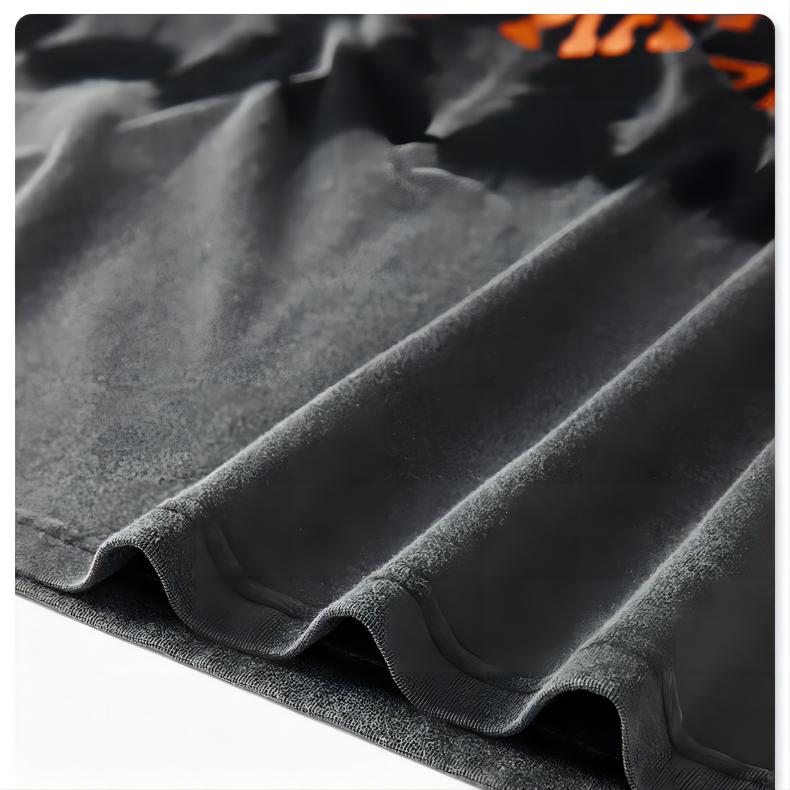
Unwashed screen printing, embroidery or puff effects can crack, distort or bleed after laundering. Require wash testing on the production fabric and approve placement, artwork scale, thread or ink, and rejection limits. Packaging and Incoterms also affect landed cost and sell-through.
9. Steps to Launch a Baggy Streetwear Brand Collection
A 4-stage launch gate keeps a baggy streetwear collection commercially clear and production-ready.
Define The Collection
Stage 1 starts with customer type, target wearer, assortment, moodboard, and launch quantity. Fashion labels prioritize silhouette and storytelling; clubs and schools confirm colors, logos, size ranges, and delivery dates.
- Wholesalers confirm size depth, packaging, and repeatable core colors.
- Private-label buyers confirm labels, hang tags, and channel requirements.
Develop And Test Samples
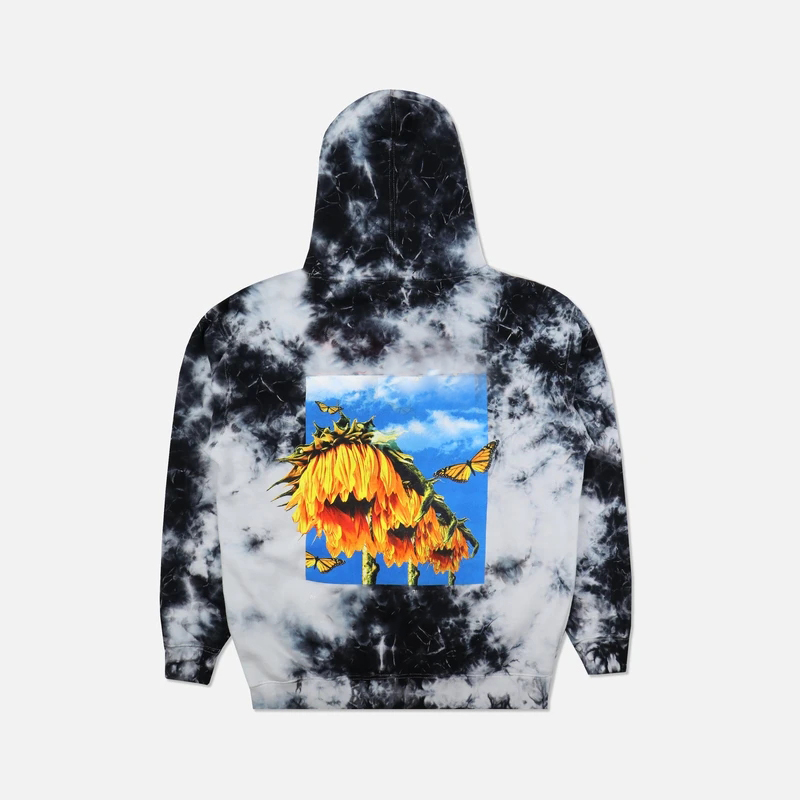
Stage 2 converts the approved concept into a technical pack covering measurements, grading, fabric, trims, artwork, construction, and packaging. Shortlist suppliers only after confirming relevant baggy experience, sample communication, and production scope.
- Check drop shoulders, rise, sleeve length, rib recovery, and shrinkage.
- Require revised samples when fit or decoration misses the standard.
Cost And Approve Production
Stage 3 locks fabric selection, decoration method, quantities, and costing after revisions. EDVORIN can coordinate materials, patterns, samples, printing, embroidery, washing, and labeling into one reviewable manufacturing standard. The pre-production gate requires an approved sample, artwork, measurement chart, trim list, and packing instructions.
- Fashion labels confirm margin and launch-date tolerance.
- Teams and schools confirm roster personalization and size-set accuracy.
Manufacture, Inspect, Reorder
Stage 4 covers bulk manufacturing, in-line checks, final inspection, packing, and fulfillment against the approved standard. Wholesalers prioritize carton accuracy and repeatable assortments; private-label programs verify labels, hang tags, and channel-ready packaging. A reorder gate records sell-through, defects, popular sizes, fabric availability, and revision notes.
- Inspect measurements, stitching, decoration, color, stains, and packaging.
- Archive approval records so repeat orders reproduce the accepted result.
10. Baggy Streetwear Manufacturer Pricing and Cost Planning
300–600 GSM fabric can materially change unit cost through yarn, weight, consumption, and recovery. A hoodie, jogger, jacket, or team uniform also carries different labor, trim, and freight assumptions, so compare like-for-like specifications. 4 cost layers commonly require separate review: pattern complexity and revisions; decoration, washes, labels, hang tags, and packaging; sampling; and bulk production. Zippers, snaps, drawcords, patches, embroidery, and special finishes should be priced as specified, while freight, duties, and destination charges remain separate landed-cost items.
| Quantity Tier | Indicative Cost Category | Lead-Time Factors |
|---|---|---|
| 1–3 samples | Highest unit cost; pattern, sourcing, revisions, and decoration setup concentrated in few pieces | Development and approval timing; allow fit and wash revisions |
| 50–199 units | Small-run premium; trims, labels, packaging, and setup spread across limited volume | Material availability and size-color assortment can extend scheduling |
| 200–999 units | Balanced cost tier; standard fabrics and repeatable decoration improve efficiency | Bulk booking, inspection, and production-line capacity |
| 1,000+ units | Best potential unit economics; freight and duties still require landed-cost review | Material reservations, color approvals, QC, packing, and shipment coordination |
Start Your Collection With a Baggy Streetwear Clothing Manufacturer
Send your tech pack, sketch, or reference garment to EDVORIN and request an OEM/ODM quote or begin sampling.