
Garment Dyed Streetwear Manufacturer for OEM-Ready Collections
EDVORIN is a garment dyed streetwear manufacturer turning concepts into repeatable OEM/ODM collections through controlled development, dyeing and production.
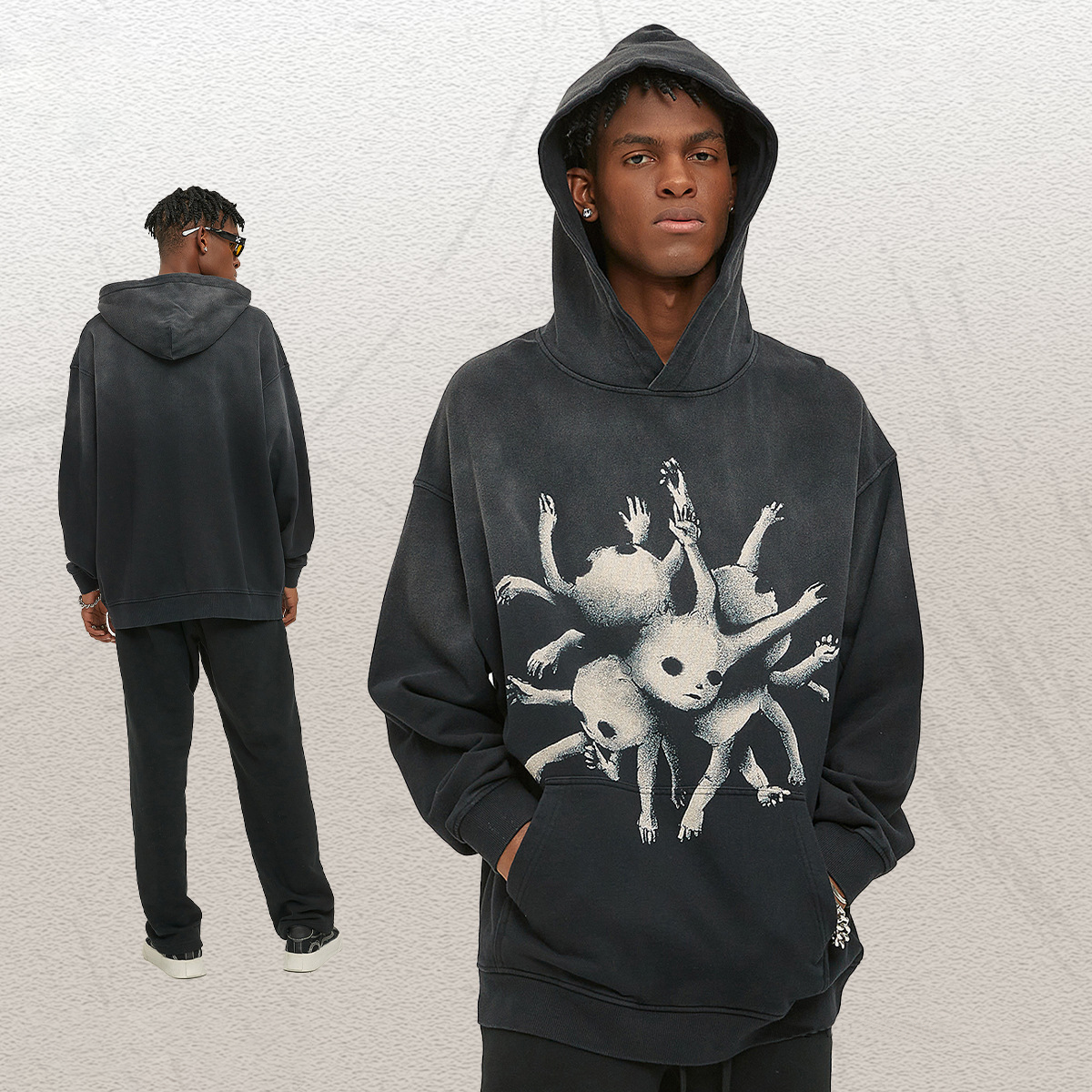
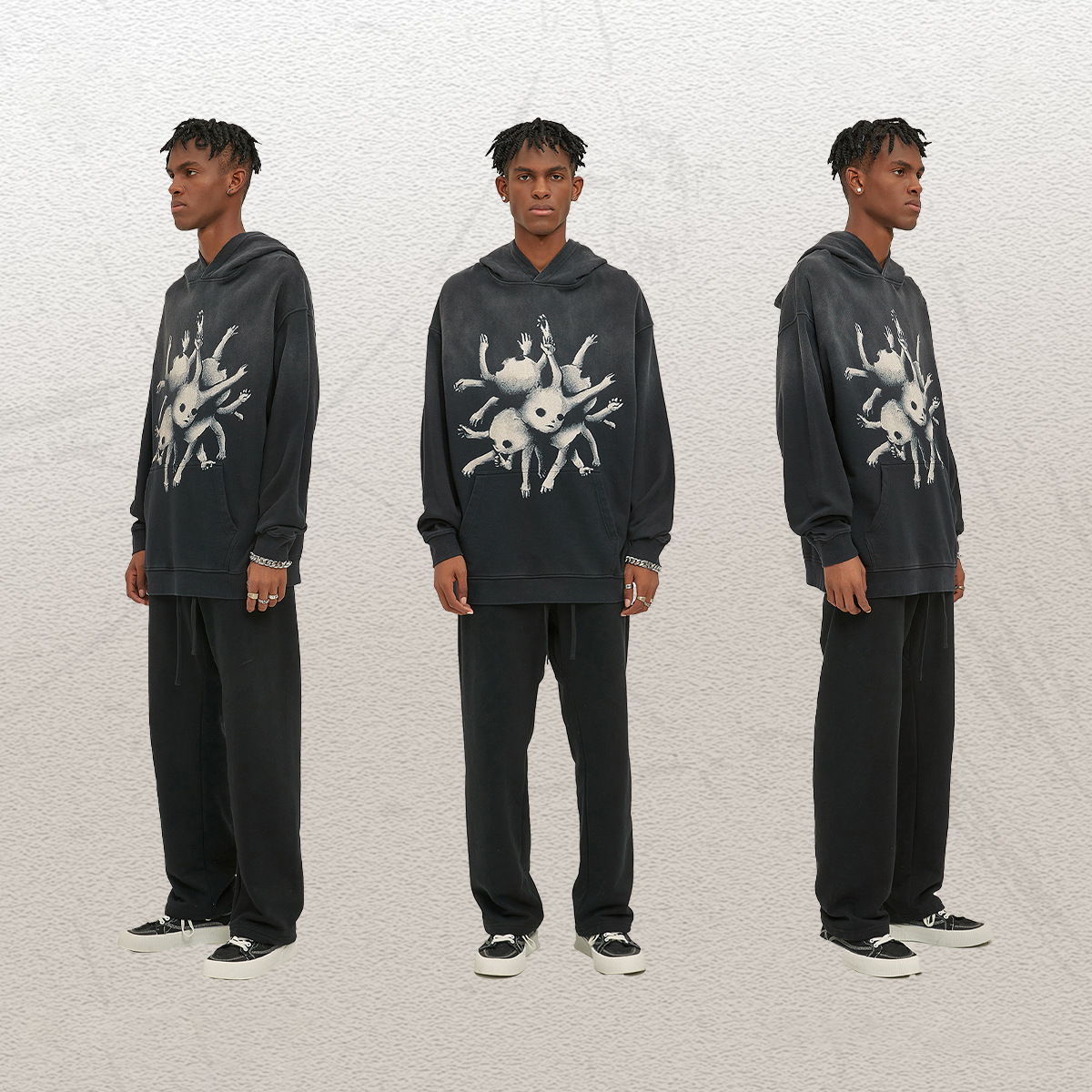
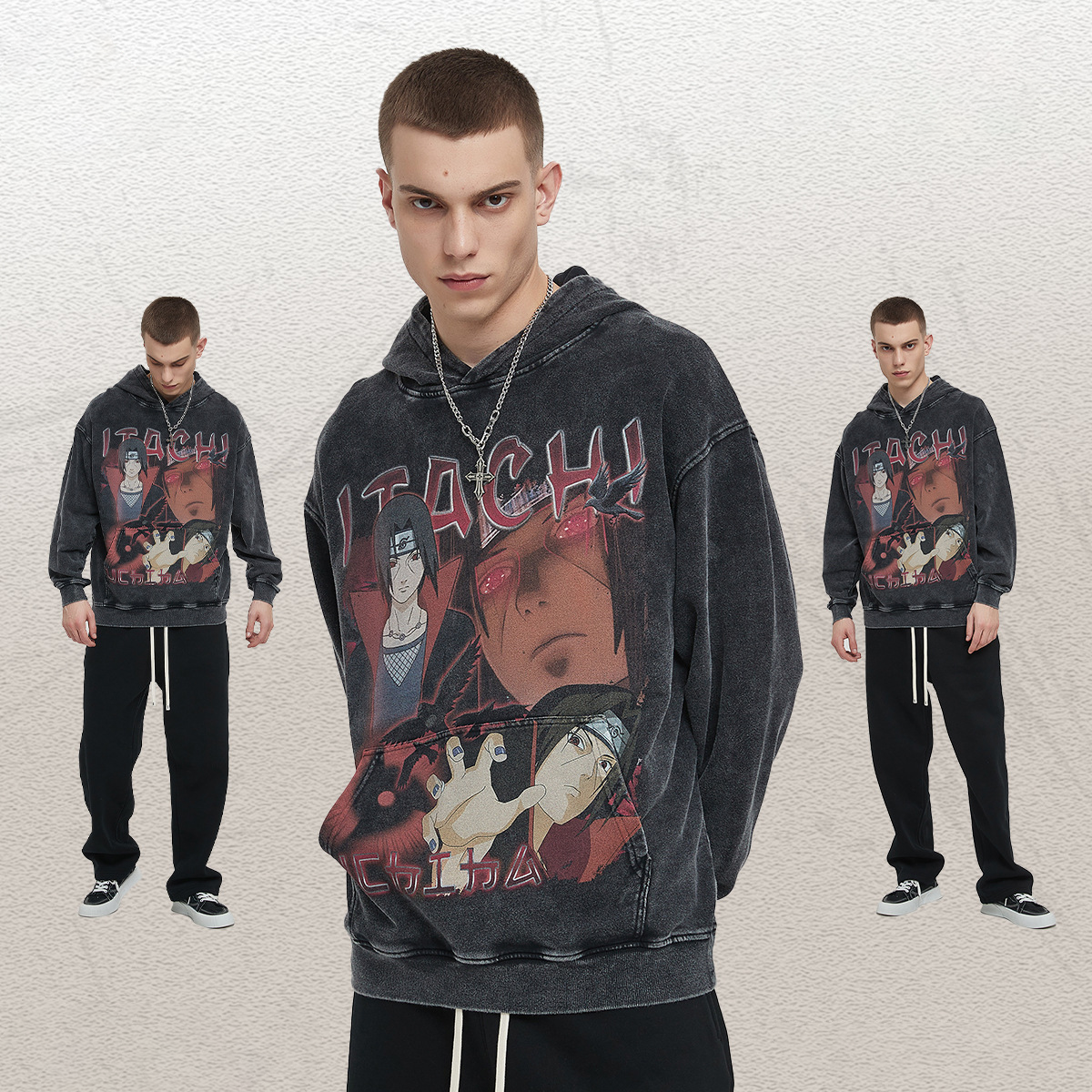
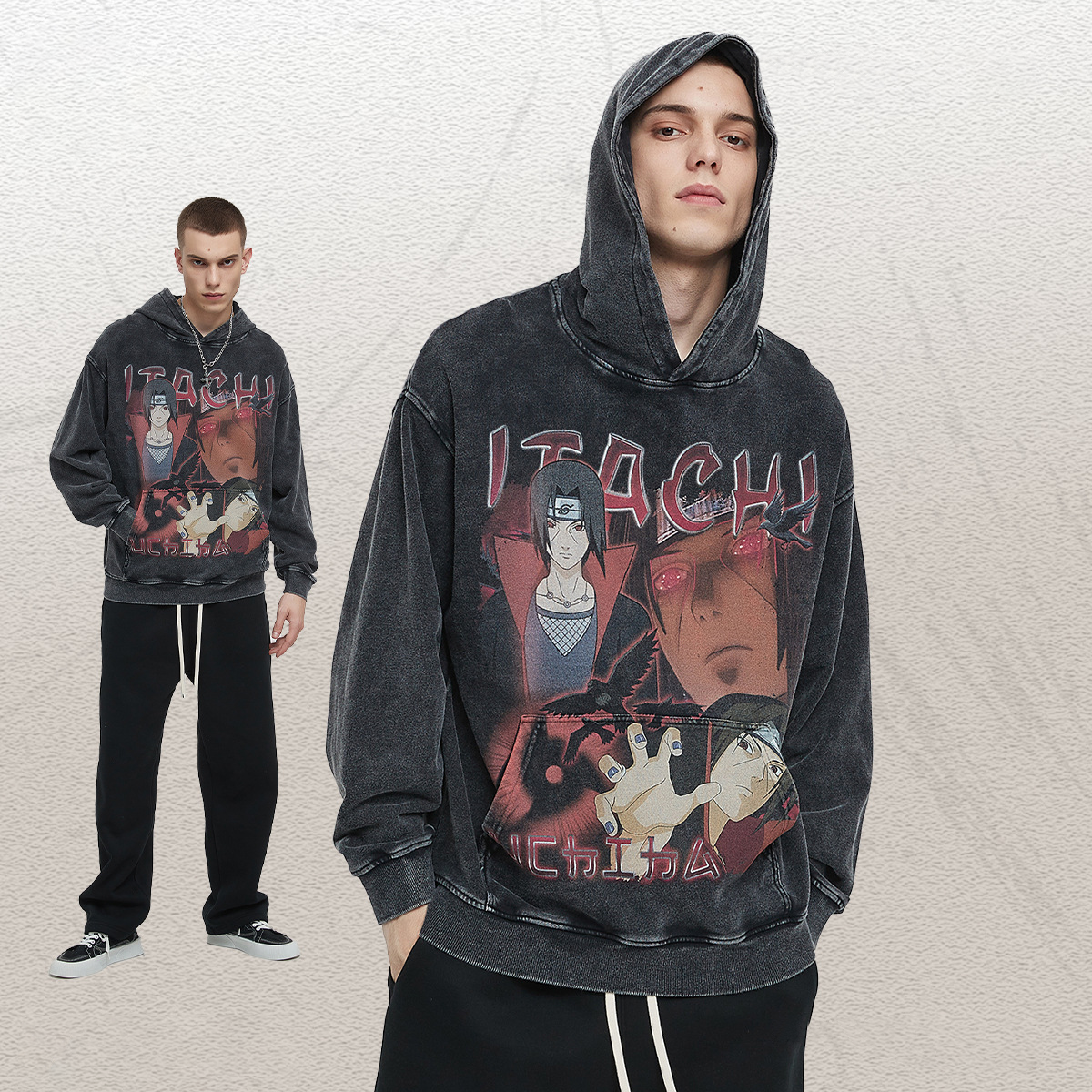
Featured Garment-Dyed Streetwear Products
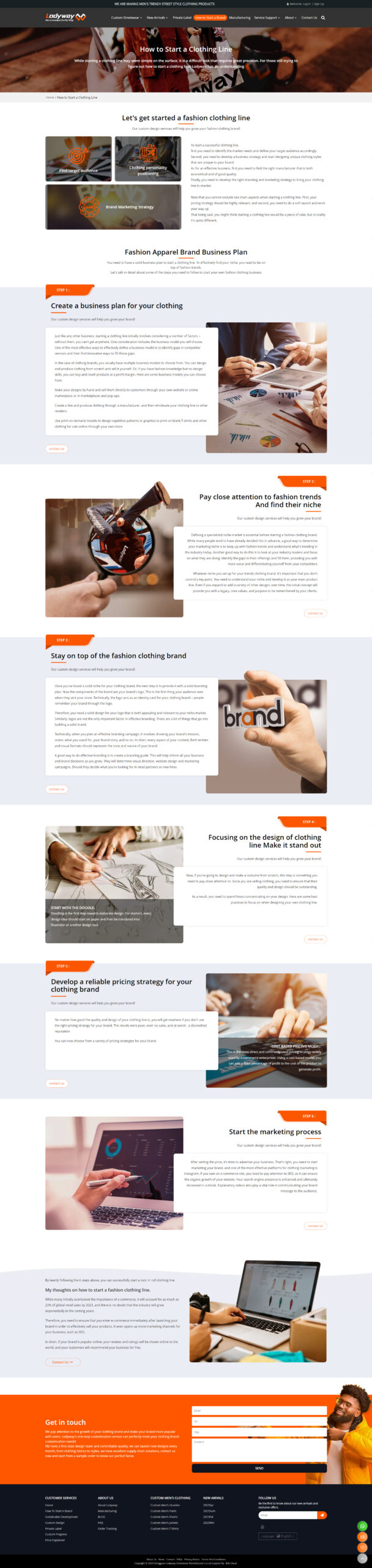
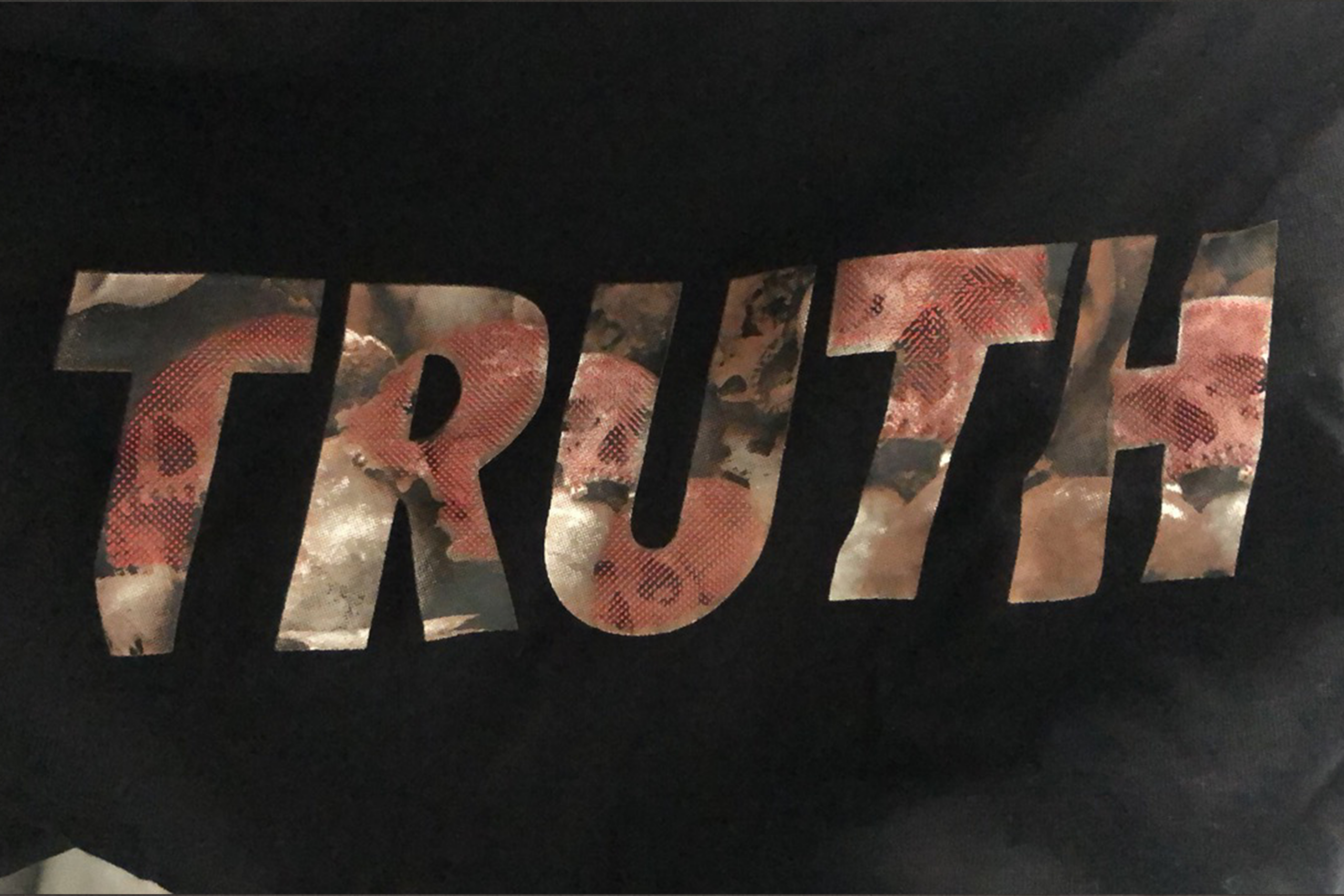

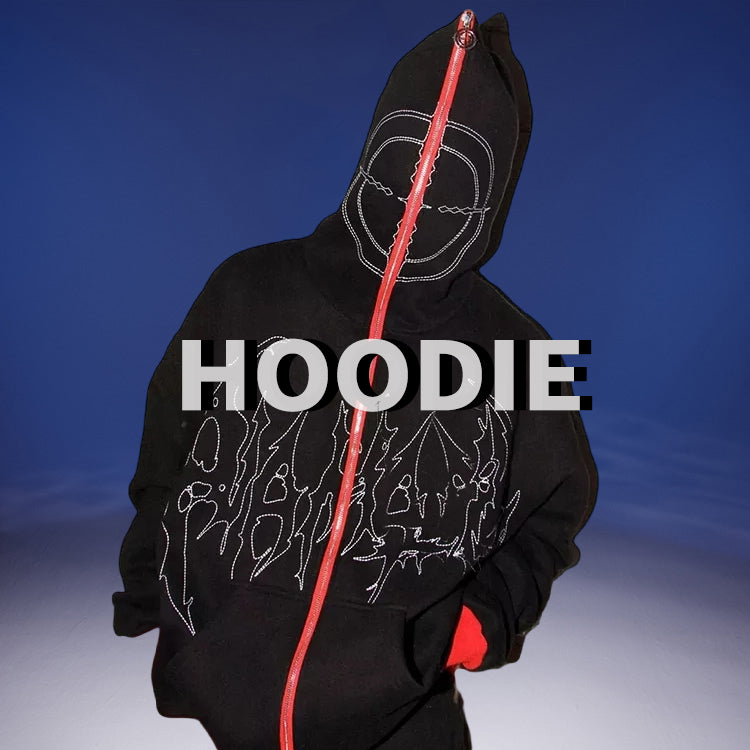
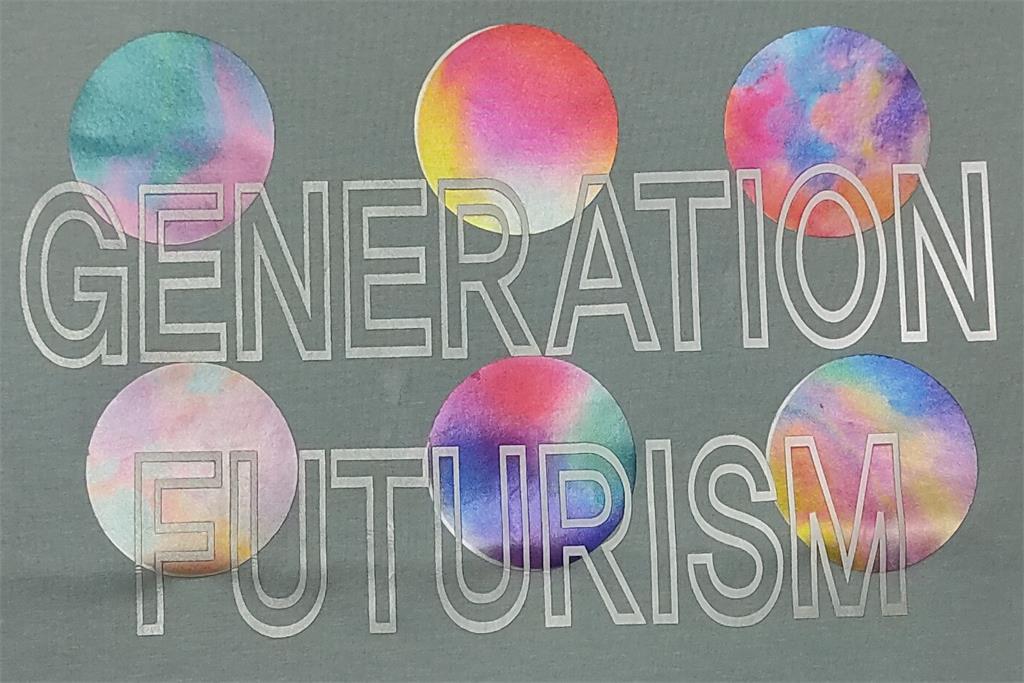
Why Brands Choose EDVORIN for Repeatable Apparel Production
EDVORIN connects product development, decoration and quality control to support repeatable apparel collections.
Founder-Led Experience
Founder-led apparel manufacturing since 2000 keeps product decisions close to experienced production expertise, from first concept through repeat bulk orders.
Coordinated Product Development
Develop hoodies, tees, joggers and coordinated collections through OEM, ODM and private-label support tailored to men’s and women’s programs.
200-Piece MOQ
EDVORIN’s MOQ starts at 200 pieces per style. A 200-piece MOQ per style supports emerging labels, wholesale programs, sports teams and established buyers planning controlled product launches.
One Production Workflow
Coordinate fabric, trims, printing, embroidery, garment washing, labels and packaging within one accountable development and production workflow.
Sample-to-Bulk Control
Approved samples, documented specifications and in-line plus final checks help protect fit, color, decoration and consistency from sample to bulk.
Custom Apparel Categories for Streetwear, Teamwear and Private Label
Developed from concept to approved sample and repeatable bulk production, with coordinated materials, decoration, fit, labeling and packaging.
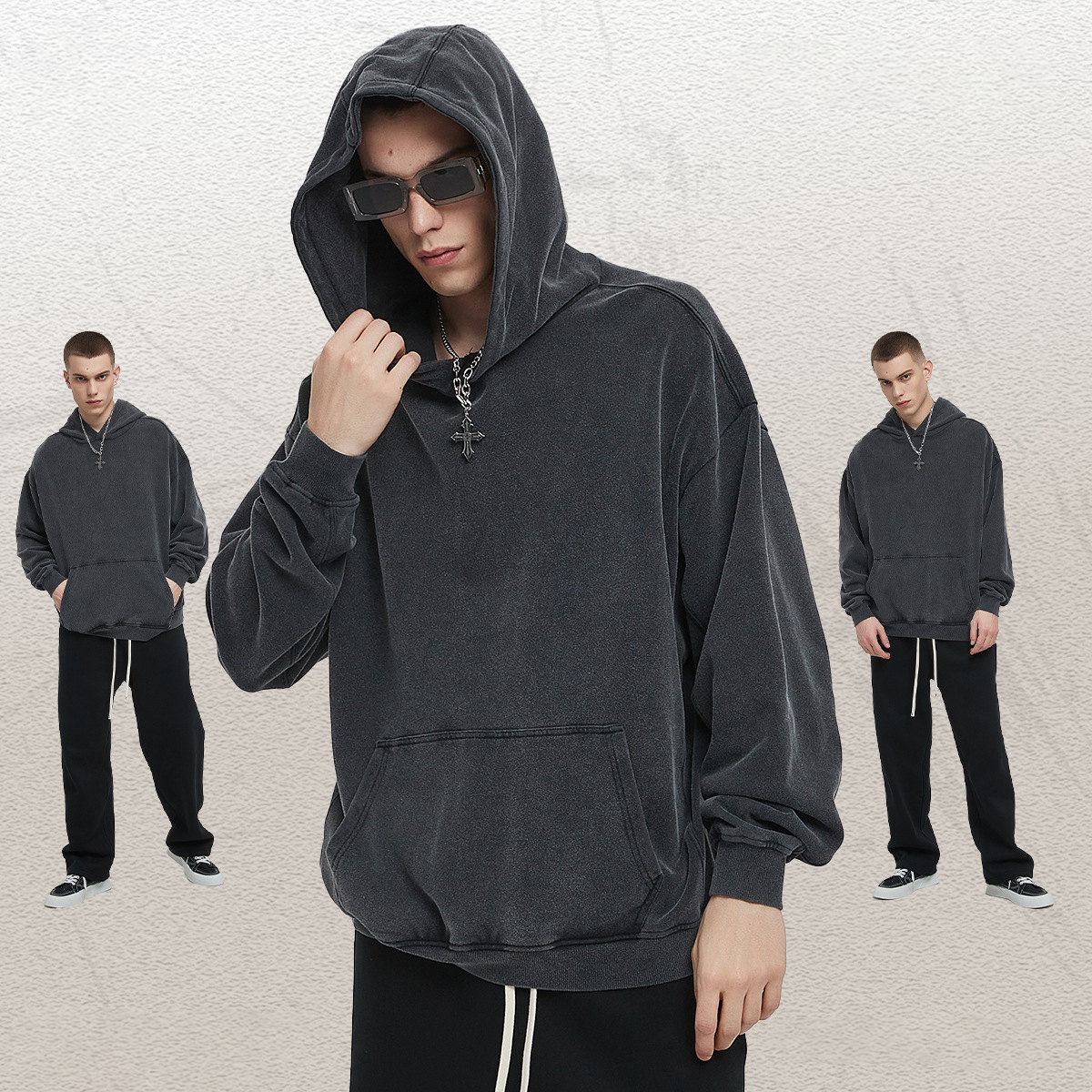
Custom Hoodies
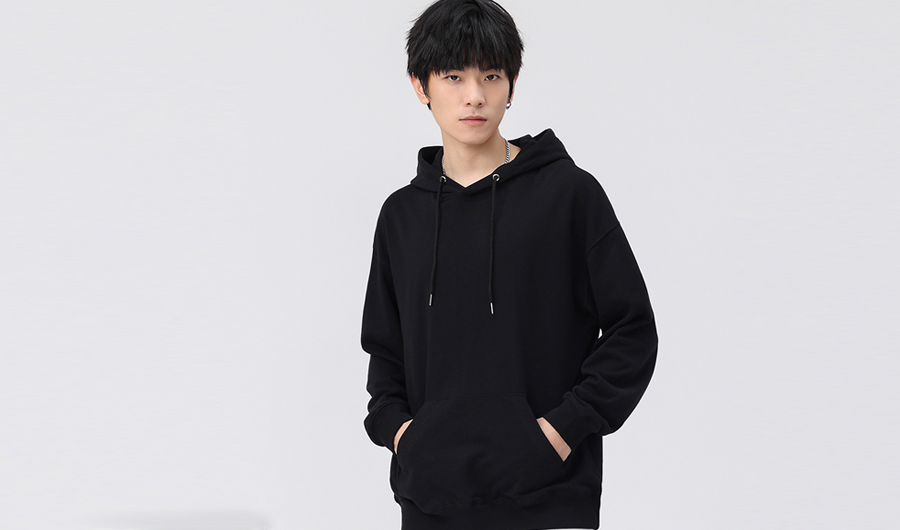
As a custom hoodie manufacturer, EDVORIN develops fleece weights, fit blocks, rib, drawcords, pockets and decoration for men’s and women’s programs. Samples establish construction, artwork placement and measurements before bulk production, helping brands maintain consistent fit and finish across repeat orders.
Get a Quote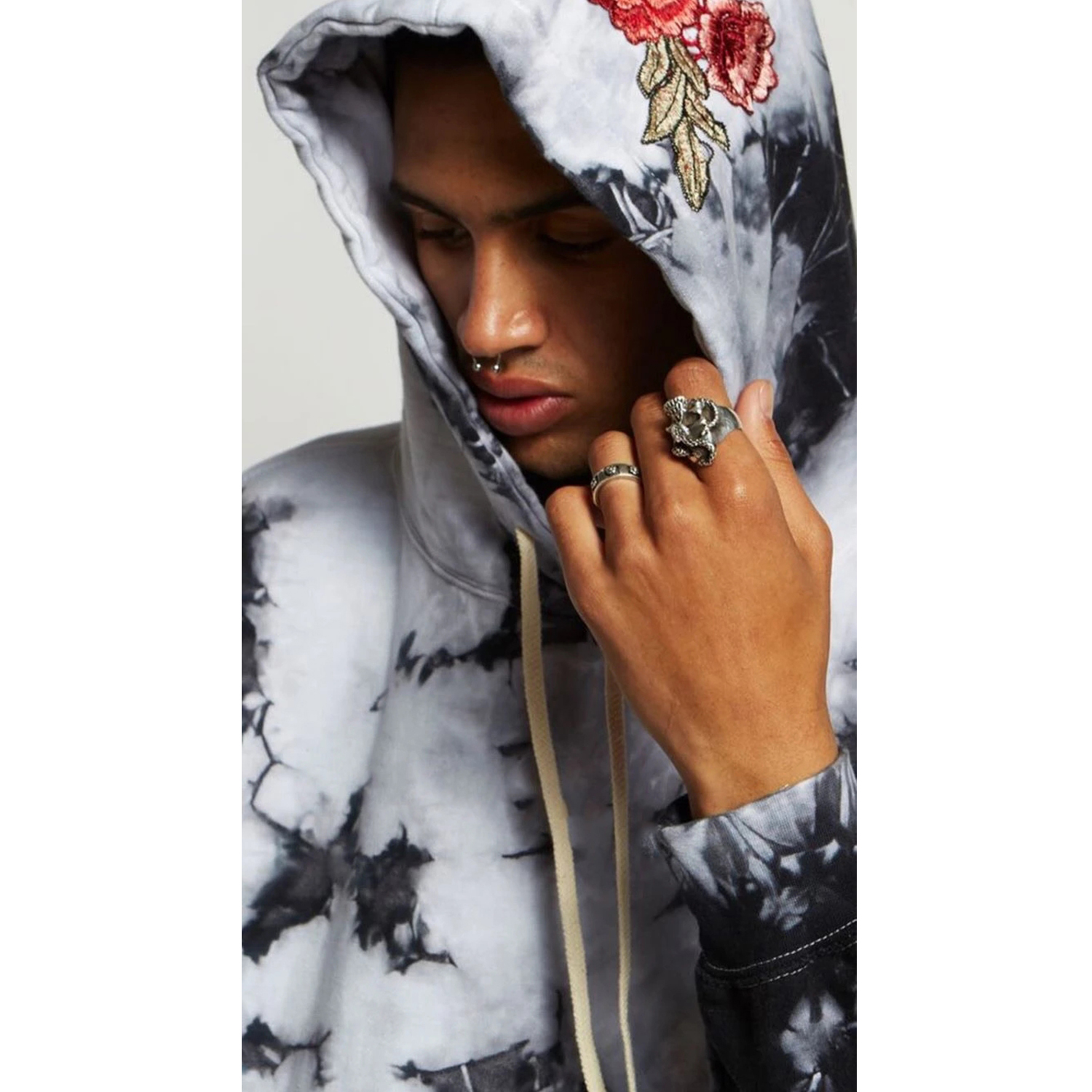
Pullover Sweatshirts
EDVORIN supports sweatshirt programs with fabric sourcing, pullover construction, rib specifications, grading and decoration coordination. As a sweatshirt manufacturer, the company converts sketches, reference garments or tech packs into approved samples and documented standards for consistent men’s and women’s production.
Get a Quote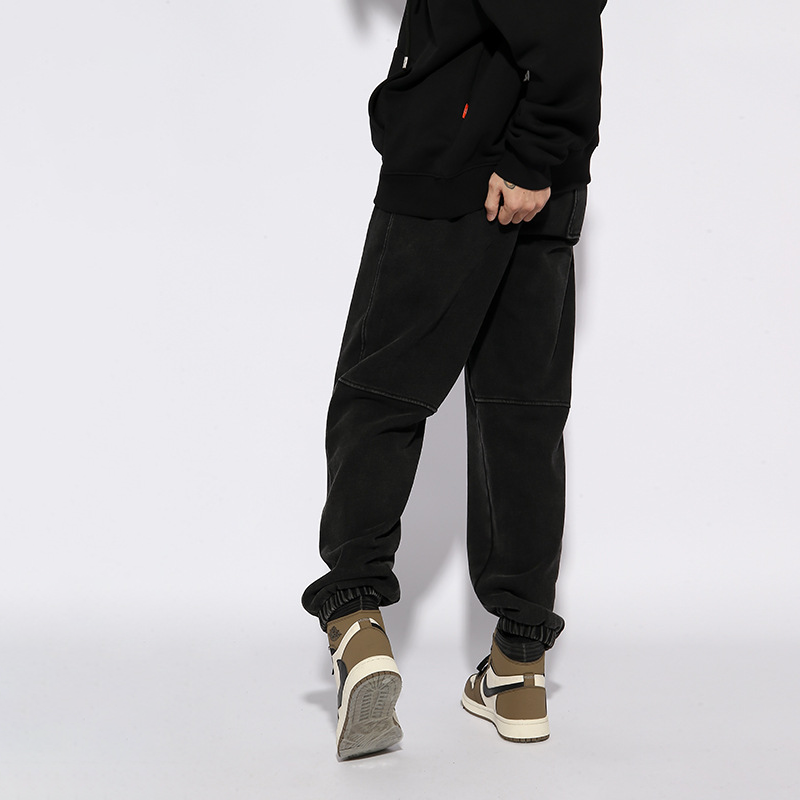
Sweatpants & Joggers
As a sweatpants manufacturer, EDVORIN develops joggers and sweatpants around fabric weight, rise, inseam, waistband recovery, cuffs, pockets and fit. Pattern adjustments, size grading, embroidery or printing and sample-to-bulk checks help brands control comfort, proportions and repeatability.
Get a Quote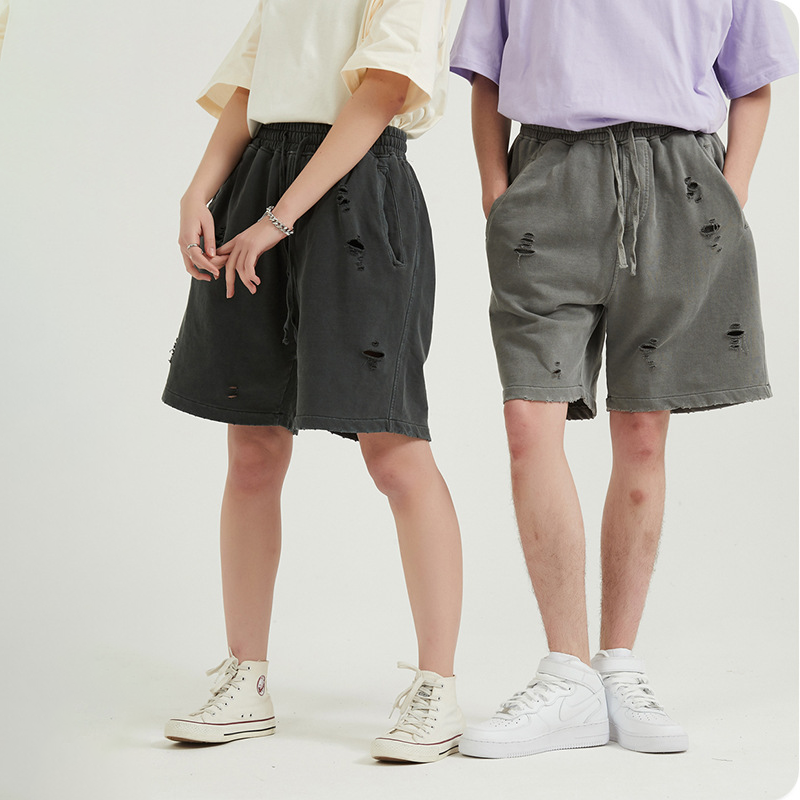
Custom Shorts
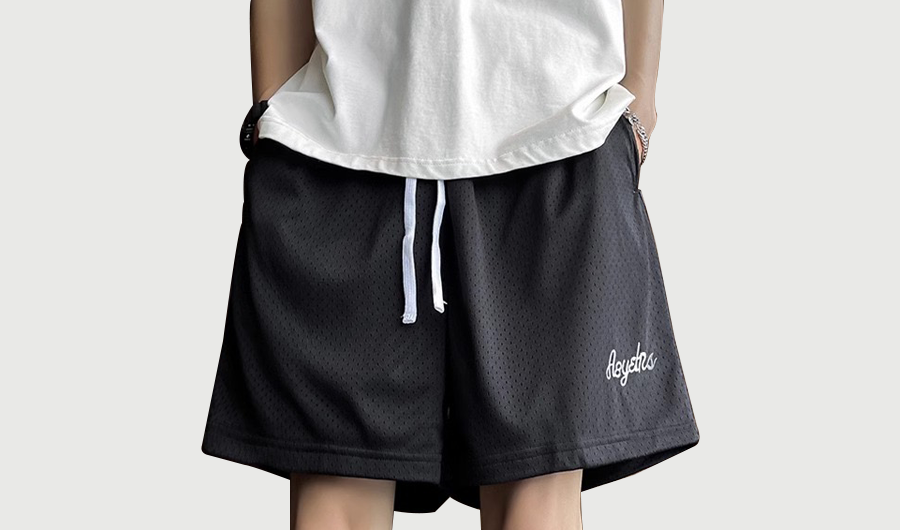
EDVORIN develops custom shorts for streetwear, casualwear, sports and private-label programs, coordinating shell fabrics, lining, waistbands, drawcords, pockets, trims and decoration. Fit blocks and grading can be adjusted for men’s and women’s ranges, with approved samples guiding bulk consistency.
Get a Quote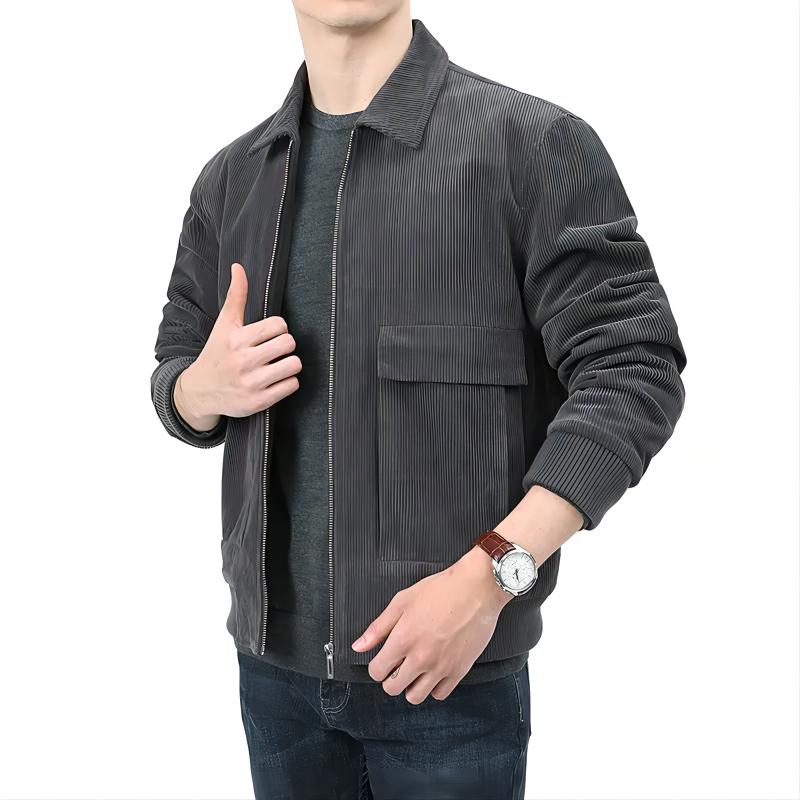
Varsity & Baseball Jackets
As a varsity jacket manufacturer, EDVORIN coordinates body fabric, sleeves, lining, insulation, rib, snaps, patches, embroidery and appliqué. Baseball jacket variations can be developed from the same disciplined process, with construction details and decoration placement recorded for reliable repeat production.
Get a Quote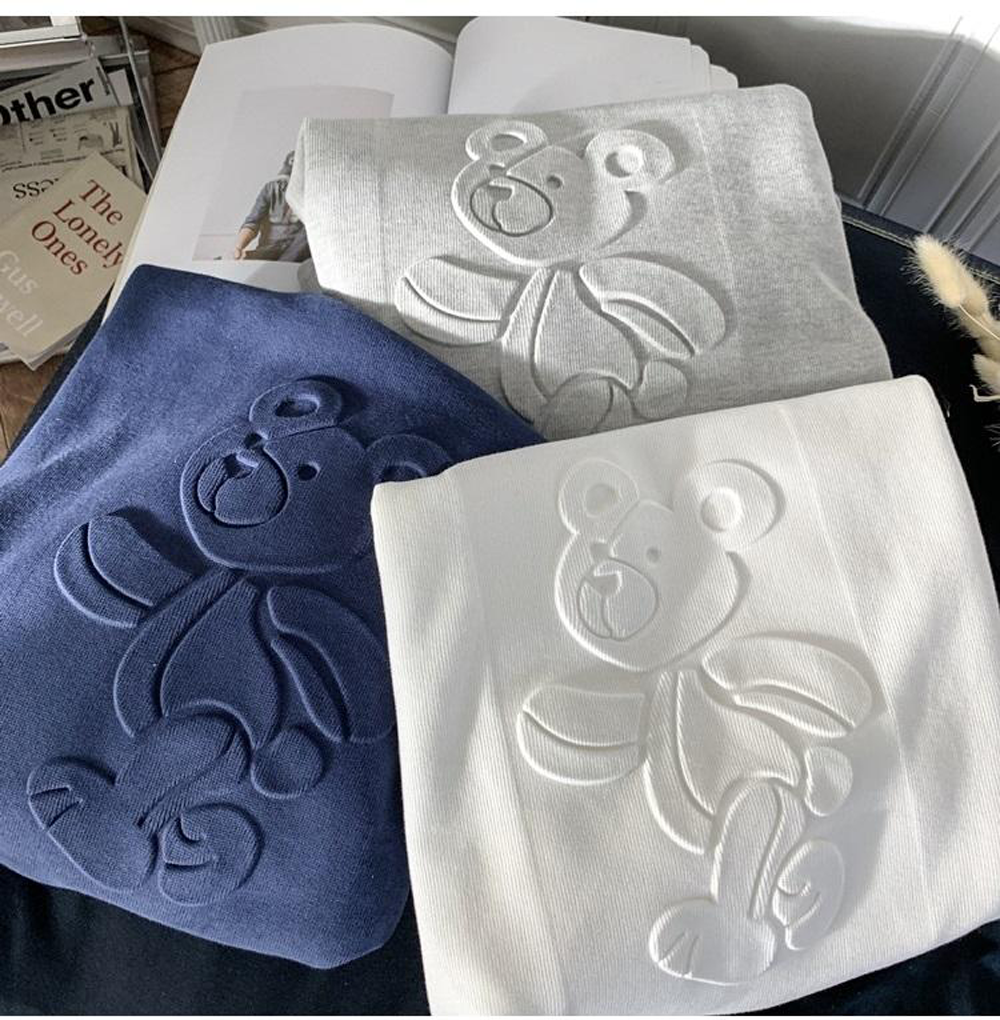
Custom T-Shirts
EDVORIN develops custom T-shirts with fabric selection, weight, neckline, fit, grading and print or embroidery requirements defined during sampling. As a custom T-shirt manufacturer, the company supports men’s and women’s basics, graphic programs and private-label collections with documented standards for bulk orders.
Get a Quote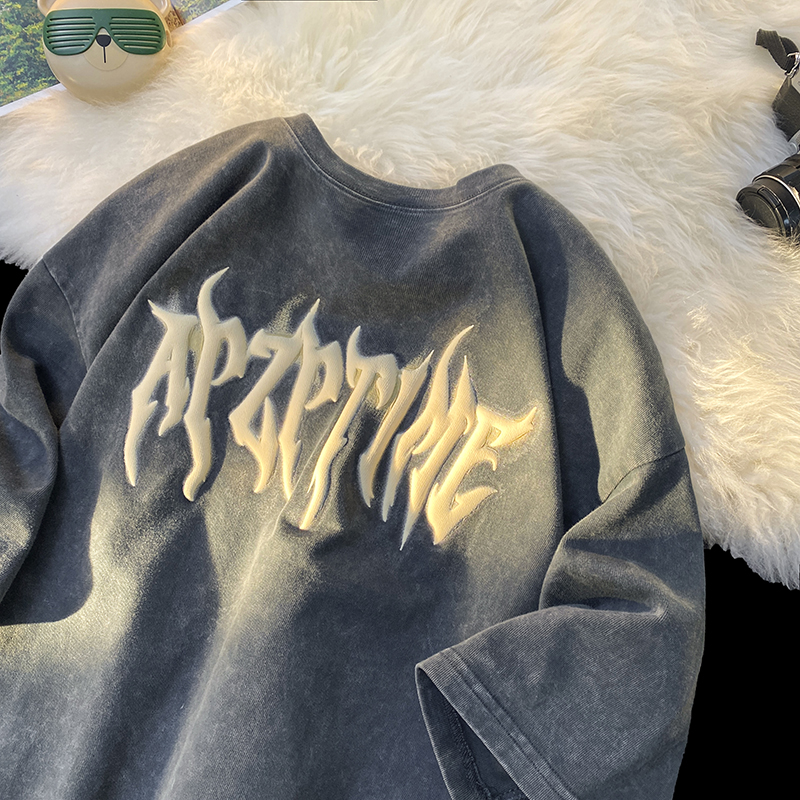
Custom Polo Shirts
As a polo shirt manufacturer, EDVORIN coordinates pique or performance fabrics, collars, plackets, cuffs, buttons, fit blocks and decoration. Development can address casualwear, corporate apparel, school programs and team use, with approved measurements and materials supporting consistent men’s and women’s production.
Get a Quote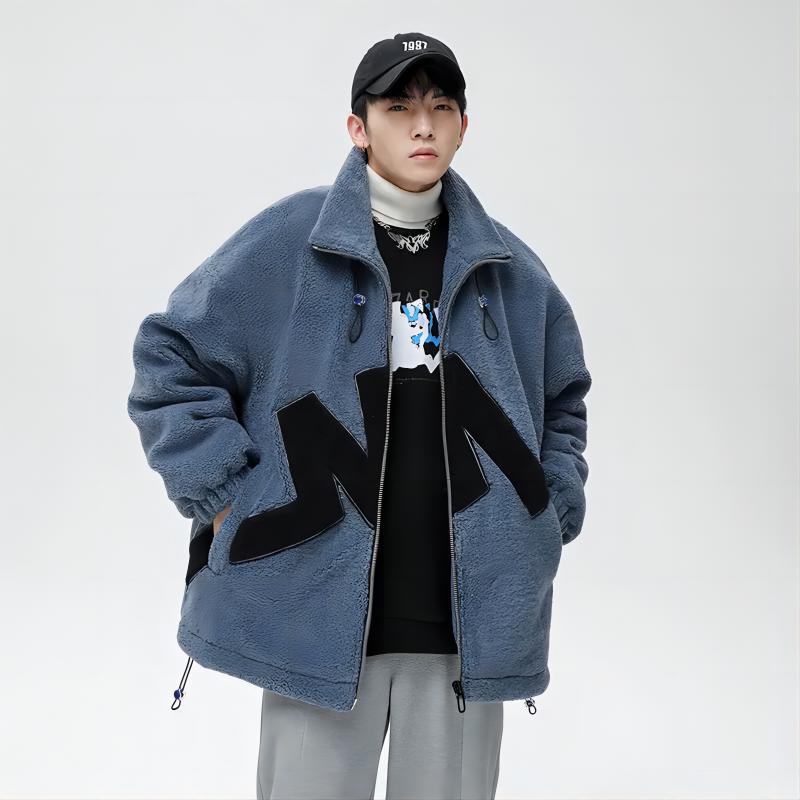
Windbreaker Jackets
EDVORIN develops windbreaker jackets around shell fabric, lining, hood construction, zippers, elastic details, pockets and water-resistant finishing requirements. As a windbreaker manufacturer, the company coordinates decoration, labeling and packaging while documenting fit and construction standards for private-label, streetwear and team programs.
Get a Quote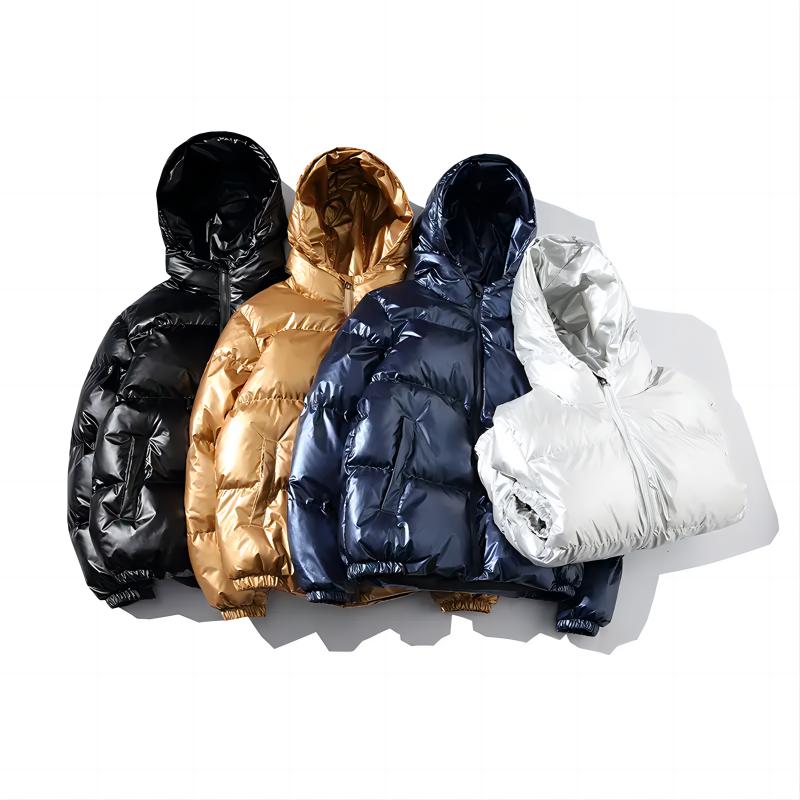
Quilted Jackets
As a quilted jacket manufacturer, EDVORIN manages shell fabric, lining, insulation, quilting pattern, binding, hardware and finishing details. Product development covers fit, warmth and proportion for men’s and women’s outerwear, with material approvals and inspections helping maintain consistency through bulk production.
Get a Quote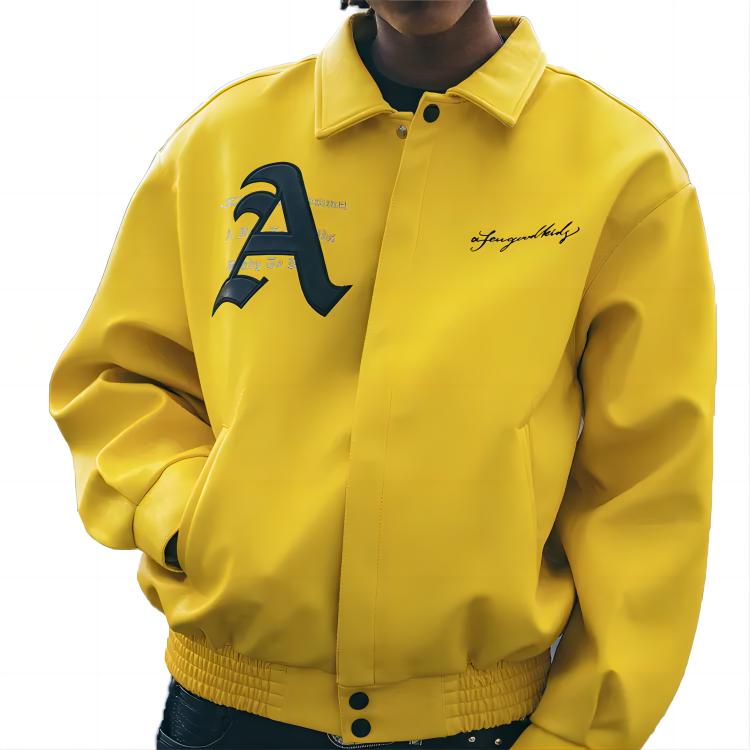
Bomber Jackets
EDVORIN develops bomber jackets with coordinated shell, lining, insulation, rib, zipper, pocket and trim specifications. As a bomber jacket manufacturer, the company supports streetwear, fashion and private-label buyers by translating design references into approved construction, fit and decoration standards for repeat orders.
Get a Quote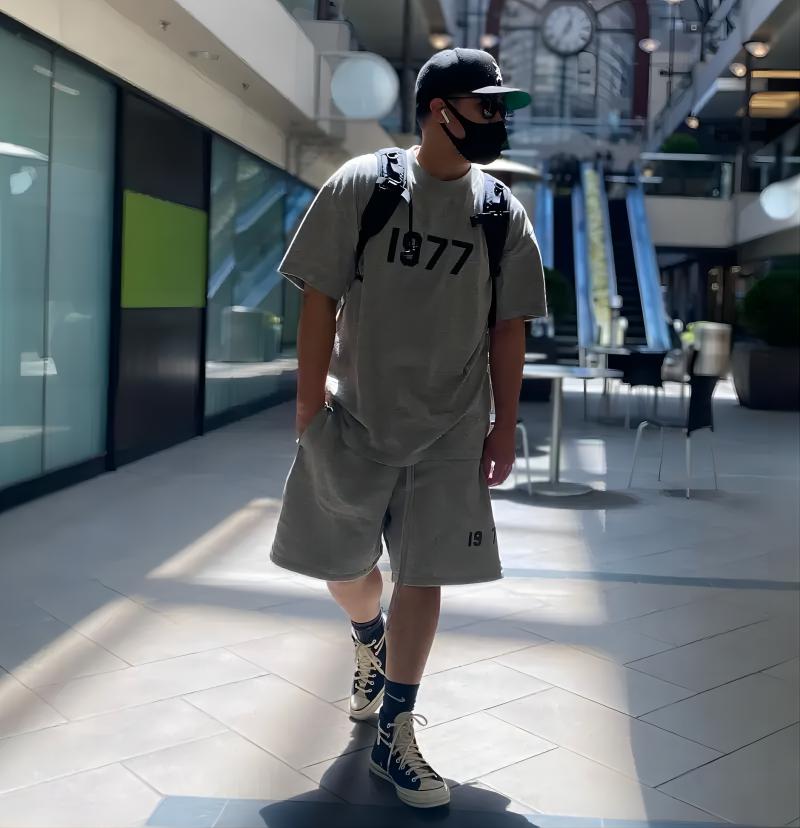
Custom Shirts
As a custom woven shirt manufacturer, EDVORIN develops shirts using defined fabric composition, weight, weave, collar, cuff, placket, button and finishing specifications. Men’s and women’s fit blocks, grading, labels and packaging can be coordinated from sample approval through quality-controlled bulk production.
Get a Quote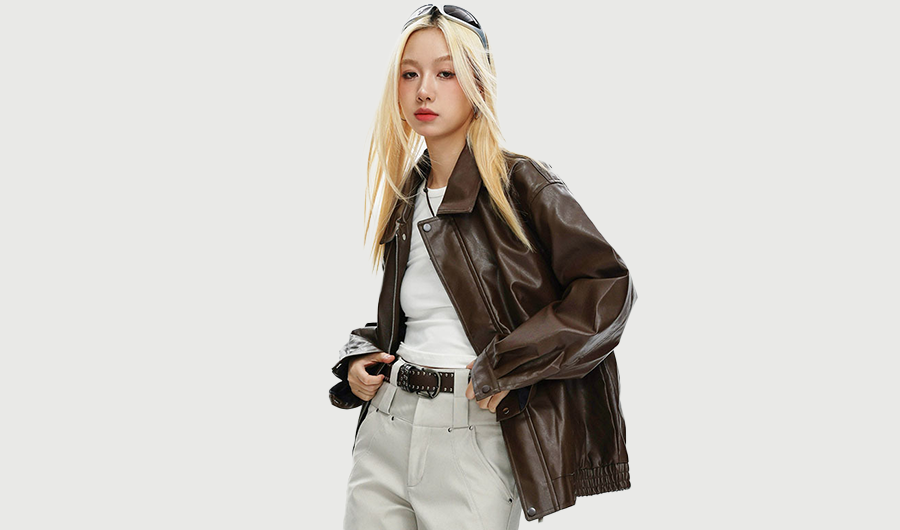
Custom Jerseys
EDVORIN develops custom jerseys for clubs, teams, schools and sports brands, coordinating breathable fabrics, panels, collars, cuffs, sublimation or other decoration, names, numbers and sponsor artwork. As a custom jersey manufacturer, the company records color, placement and size-set requirements for repeatable team orders.
Get a Quote
Tank Tops
As a custom tank top manufacturer, EDVORIN develops fabric weight, armhole shape, neckline, body length, fit and decoration for casualwear, streetwear, training and team programs. Men’s and women’s patterns can be adjusted by market, with approved samples controlling measurements and finishing during bulk production.
Get a Quote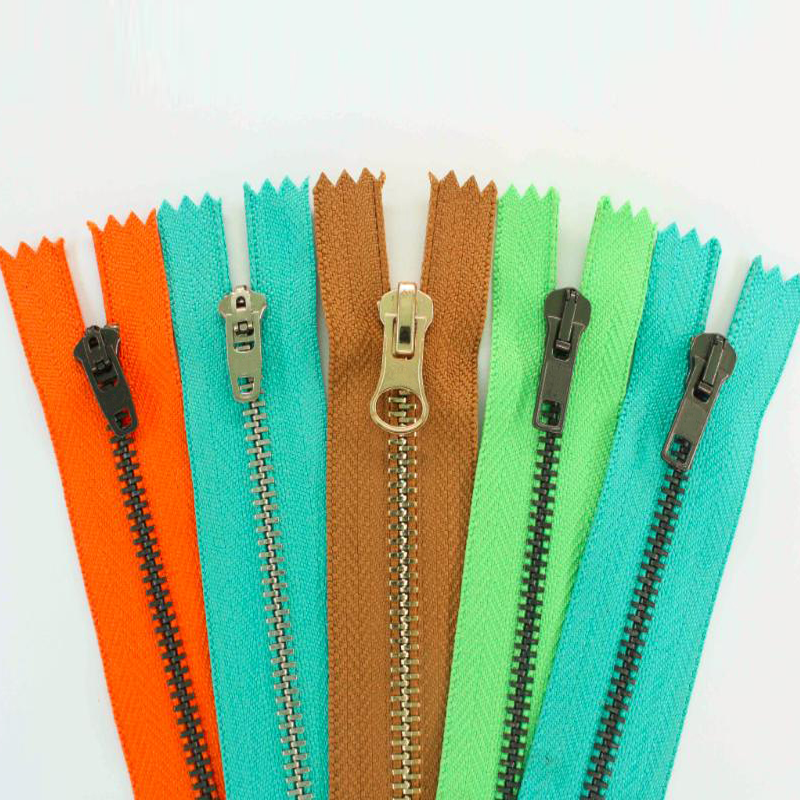
Soccer Uniforms
EDVORIN develops soccer uniforms with coordinated jerseys, shorts and optional socks, using performance fabrics, breathable construction, team colors, numbers, names, badges and sponsor graphics. As a soccer uniform manufacturer, the company manages size grading and decoration records to support organized repeat orders for clubs and academies.
Get a Quote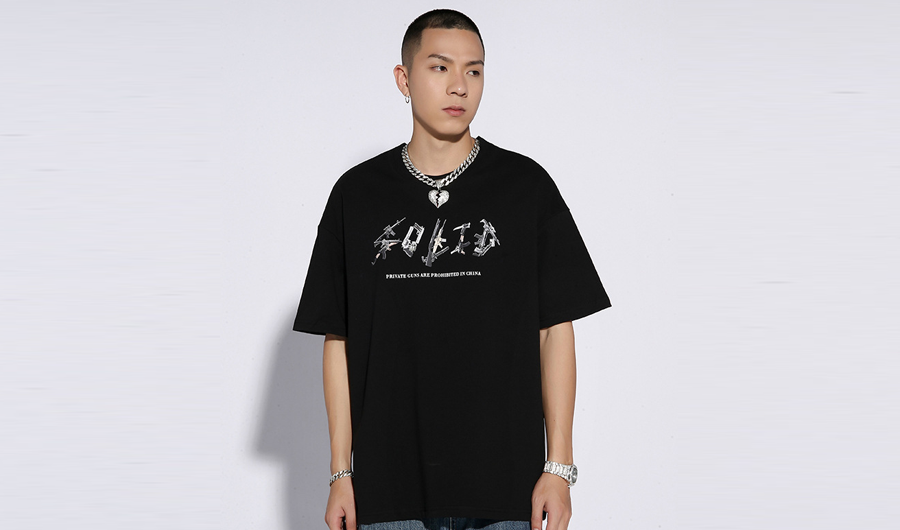
Basketball Uniforms
As a basketball uniform manufacturer, EDVORIN develops performance jerseys and shorts with fabric selection, ventilation, fit, trim, team colors, numbers, names and logos defined for production. Size sets, artwork placement and approved samples help schools, clubs and sports organizations receive consistent uniforms across player ranges.
Get a Quote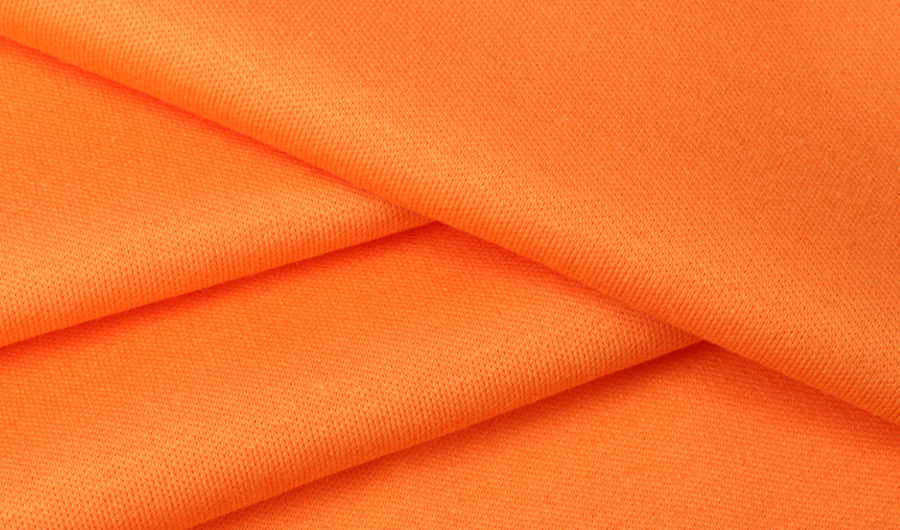
Streetwear Collections
EDVORIN builds streetwear collections by coordinating hoodies, sweatshirts, T-shirts, pants, shorts, jackets and woven pieces under one development and production system. As a streetwear clothing manufacturer, the company supports fabric, trims, washes, decoration, labeling and packaging while aligning fit and visual standards across the range.
Get a QuoteMaterials for Garment-Dyed Streetwear Programs
Cotton Terry
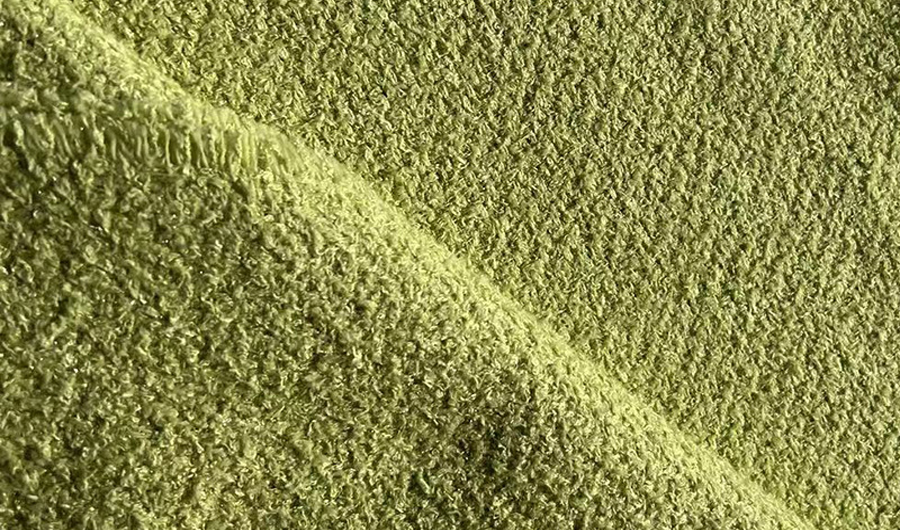
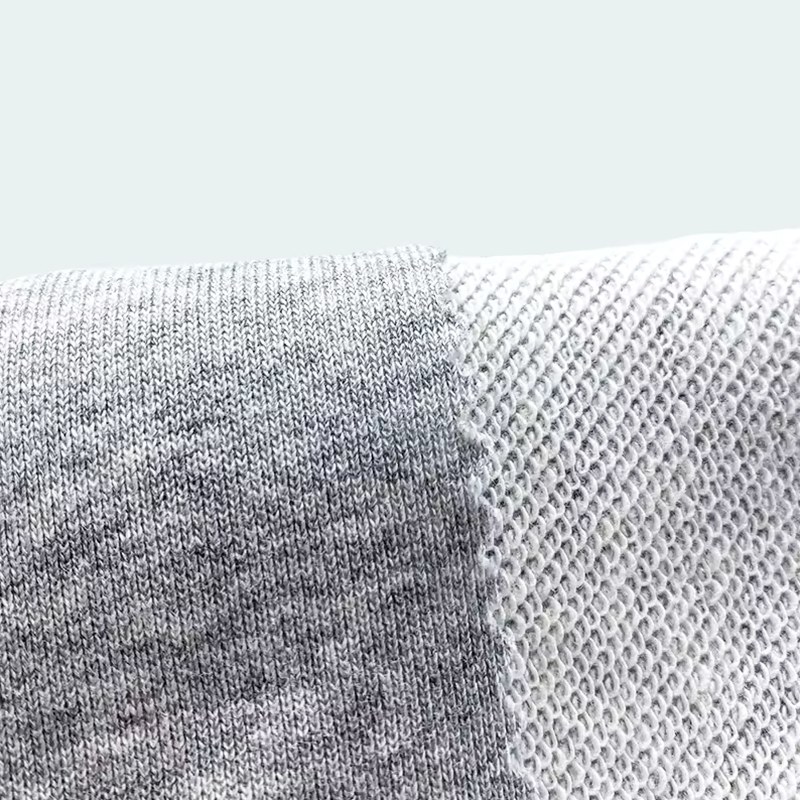
Soft with a stable looped interior, cotton terry suits garment-dyed hoodies, sweatshirts and relaxed sets. Its breathable hand feel supports everyday streetwear, while medium-to-heavy weights provide structure for repeatable production.
French Terry
French terry offers a smooth face and lightly looped back for comfortable hoodies, joggers and shorts. The fabric balances softness, breathability and moderate structure, making it practical for casualwear and coordinated streetwear programs.
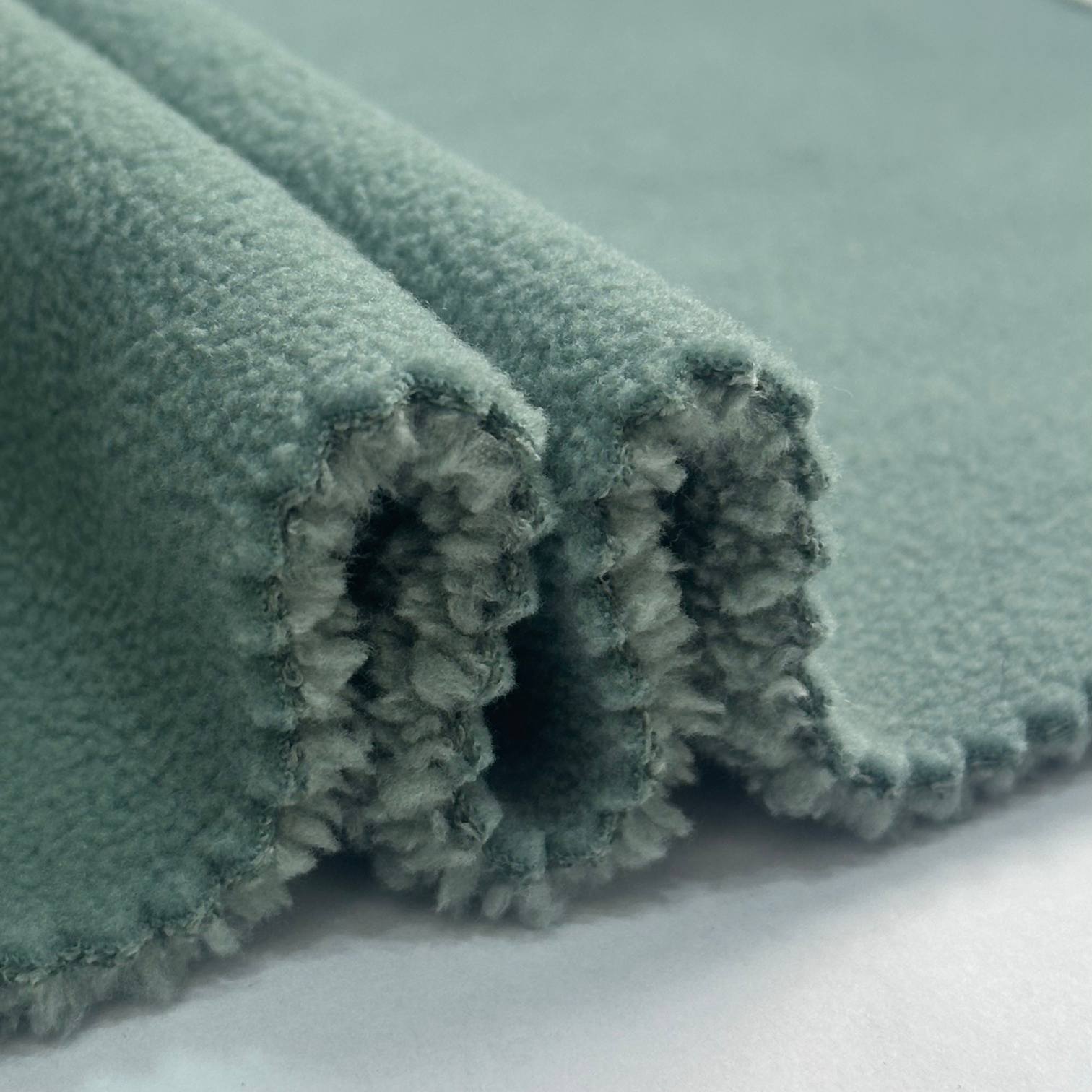
Polar Fleece
Warm and plush, polar fleece is suited to hoodies, sweatshirts and cold-weather layers requiring insulation without excessive weight. Its brushed hand feel creates comfort, while stable construction supports dependable sizing and bulk consistency.
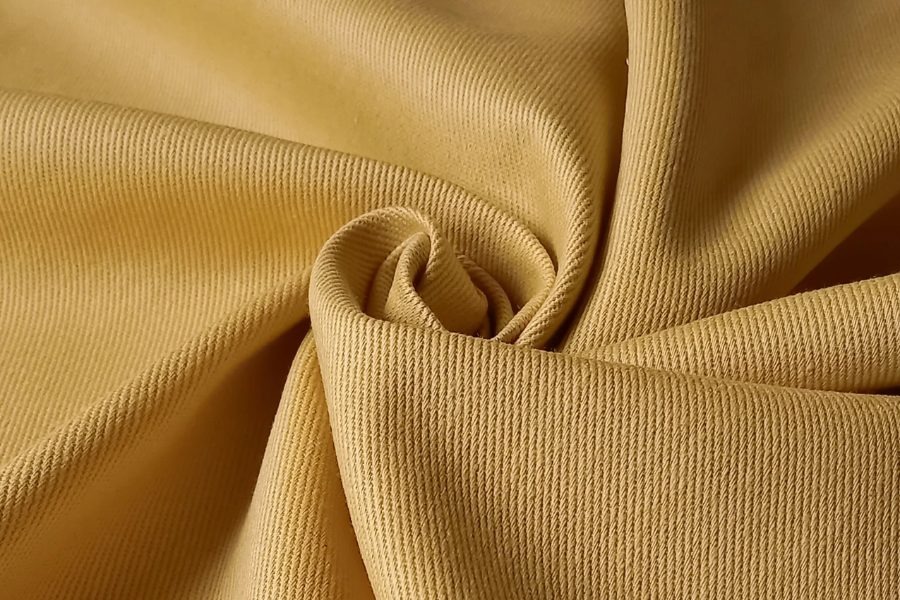
Heavyweight Twill
Heavyweight twill provides a firm, durable hand for overshirts, cargo styles, varsity jackets and structured outerwear. Its dense weave helps garments hold their shape and gives embroidery, patches and hardware a dependable base.
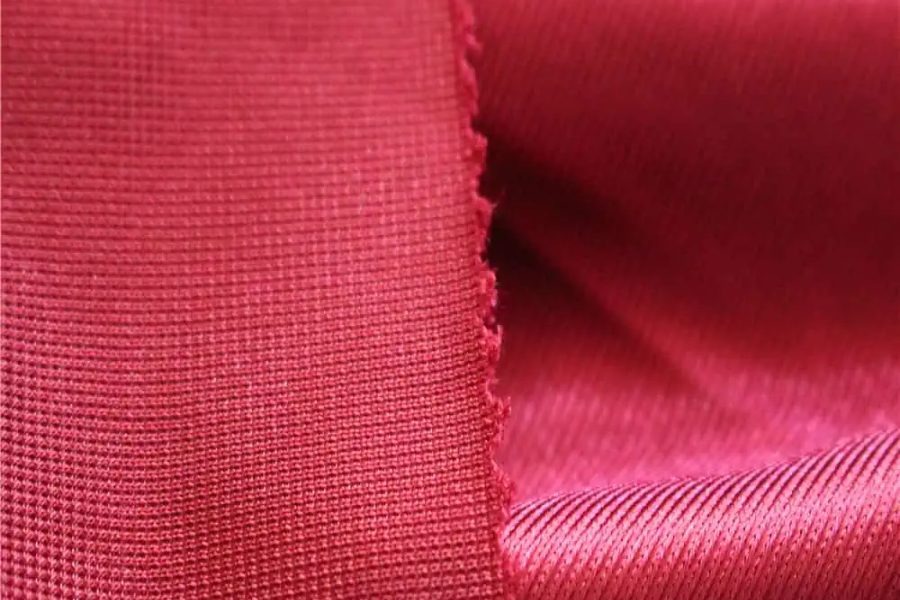
Polyester Tricot
Smooth and flexible polyester tricot works well for jerseys, soccer uniforms, basketball uniforms and coordinated teamwear. Its lightweight stretch and moisture-managing performance support active movement, repeated decoration and organized size-set production.
Garment Dyeing, Washing and Decoration Processes
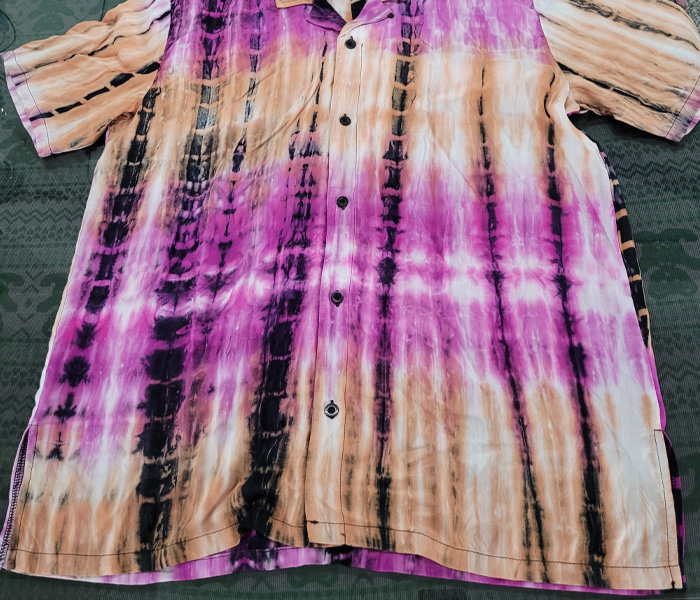
Garment Dyeing
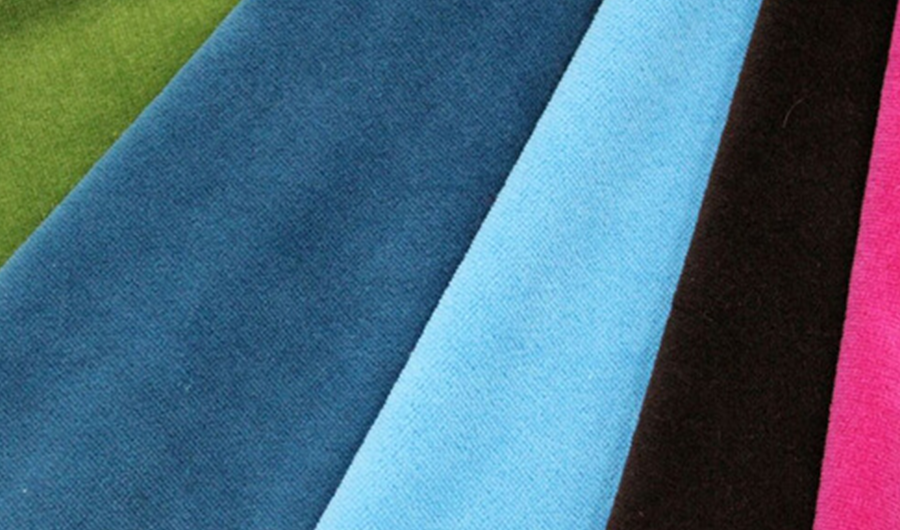
Garment dyeing adds color after cut-and-sew construction, creating a developed, lived-in appearance across hoodies, T-shirts, sweatshirts and joggers. It suits brands seeking depth, character and a distinctive garment-dyed streetwear finish.
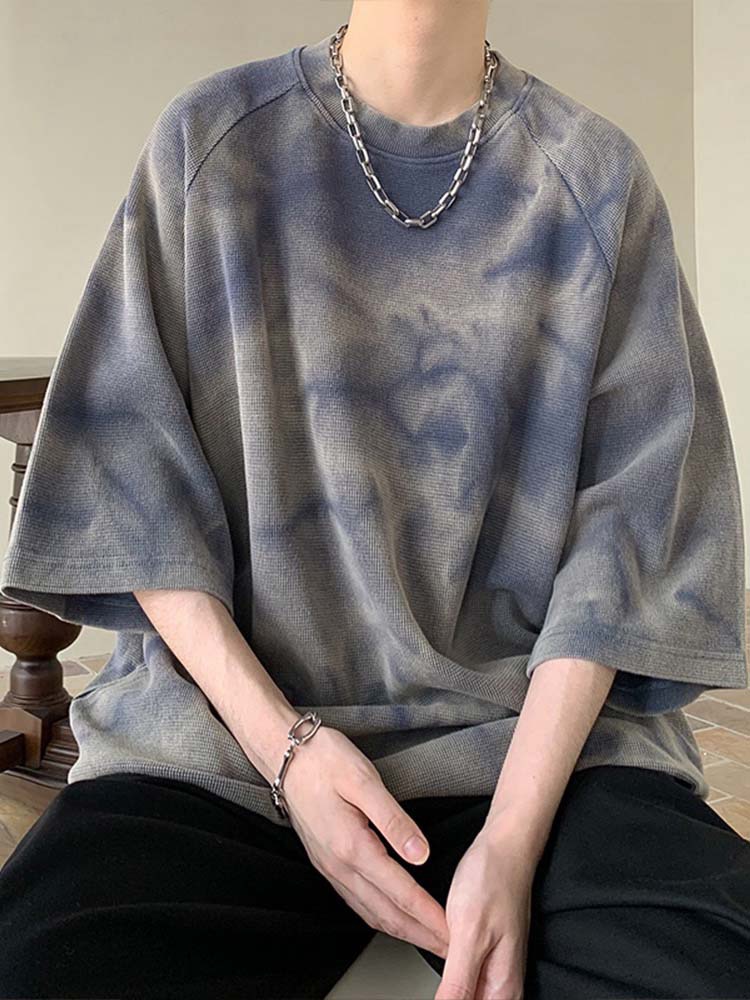
Wash Finishing
Garment washing adjusts hand feel, softness, shade variation and surface character after construction. Options can support vintage, faded or worn-in aesthetics, provided fabric, measurements, trims and shrinkage are reviewed during sampling.
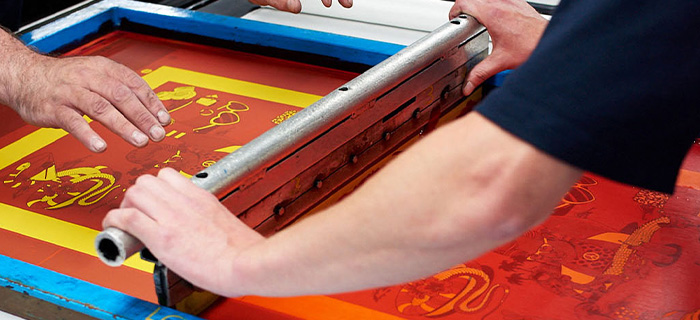
Screen Printing
Screen printing applies opaque, durable artwork to selected garment areas and works well for bold logos, graphics, slogans and coordinated streetwear drops. Artwork, ink selection, placement and curing are confirmed before bulk production.
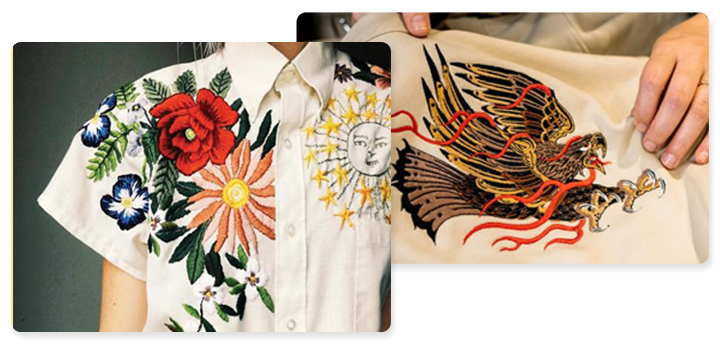
Custom Embroidery
Custom embroidery builds a raised, tactile brand mark using thread stitched directly into the garment or a prepared patch. It fits caps, jackets, hoodies, polos and premium streetwear details requiring durable dimensional decoration.
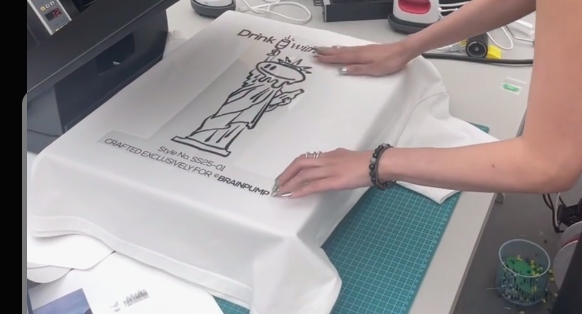
Heat Transfer
Heat transfer decoration places printed or cut artwork onto the garment surface using controlled heat and pressure. It is useful for detailed graphics, names, numbers and smaller production runs where precise placement matters.
Custom Trims, Labels and Packaging
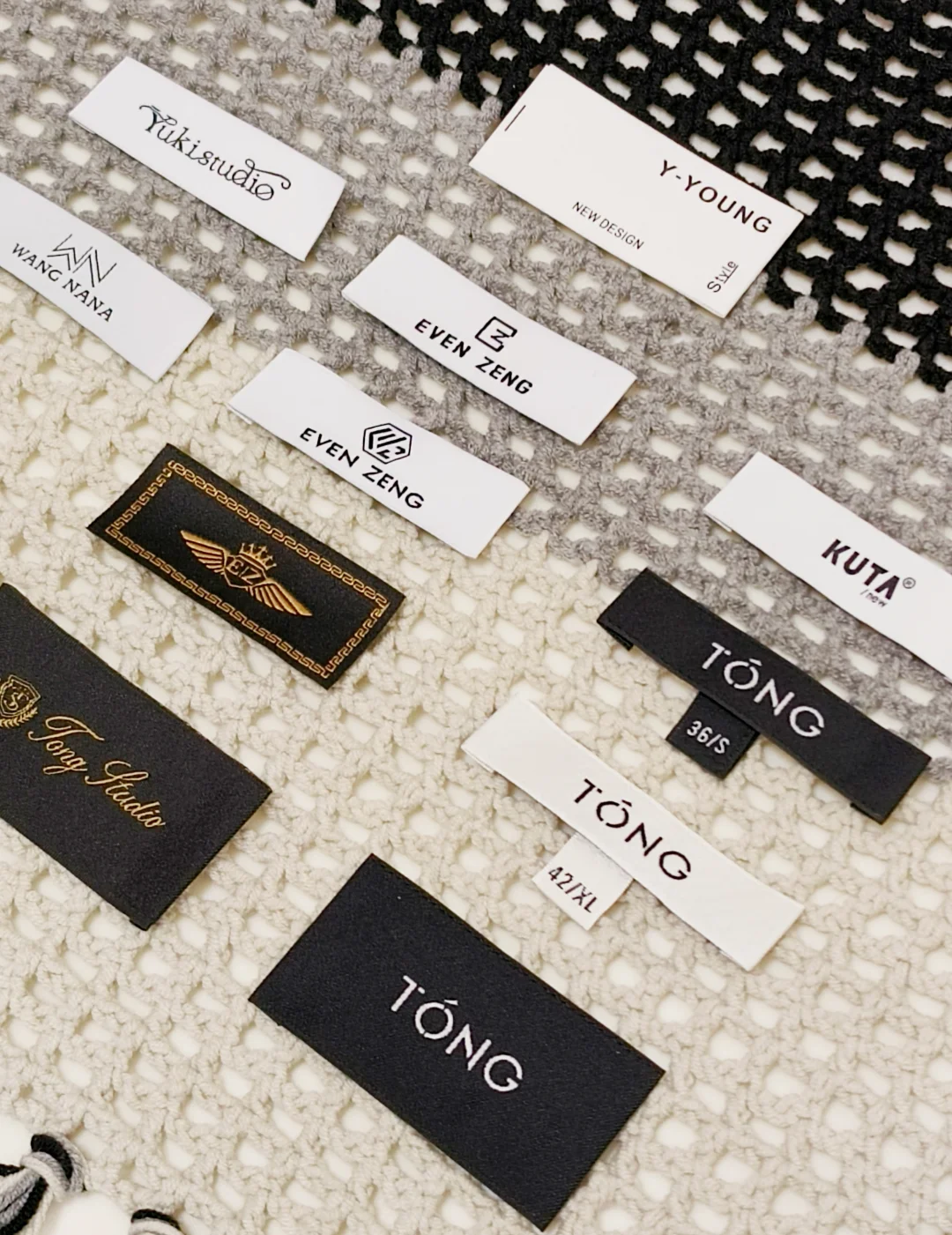
Woven Labels
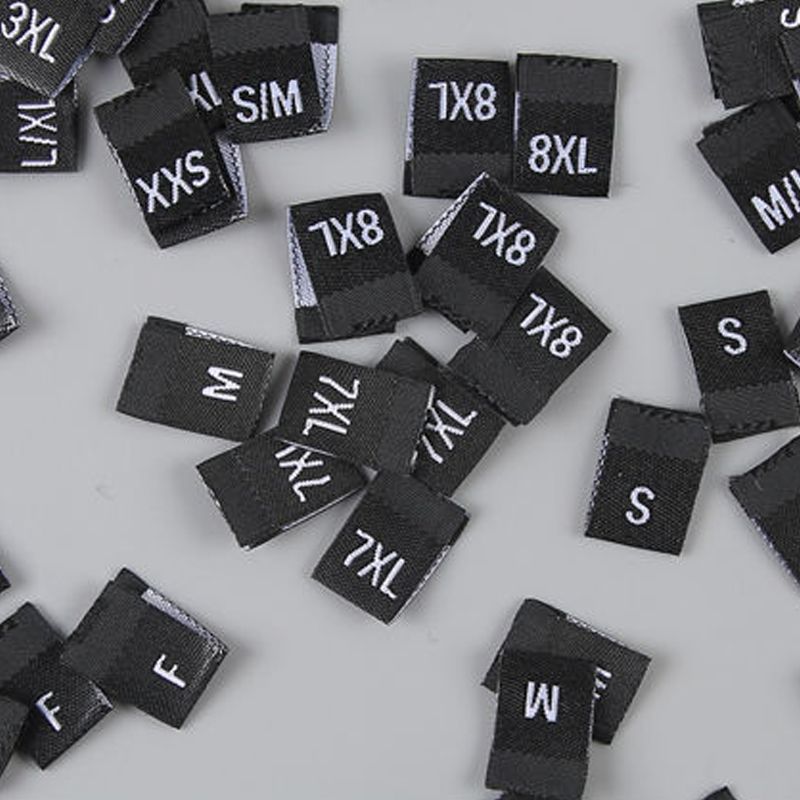
Add custom woven labels to hoodies, T-shirts, jackets and teamwear for clear brand identification. EDVORIN can coordinate label artwork, sizing, placement and stitching with the approved garment construction.
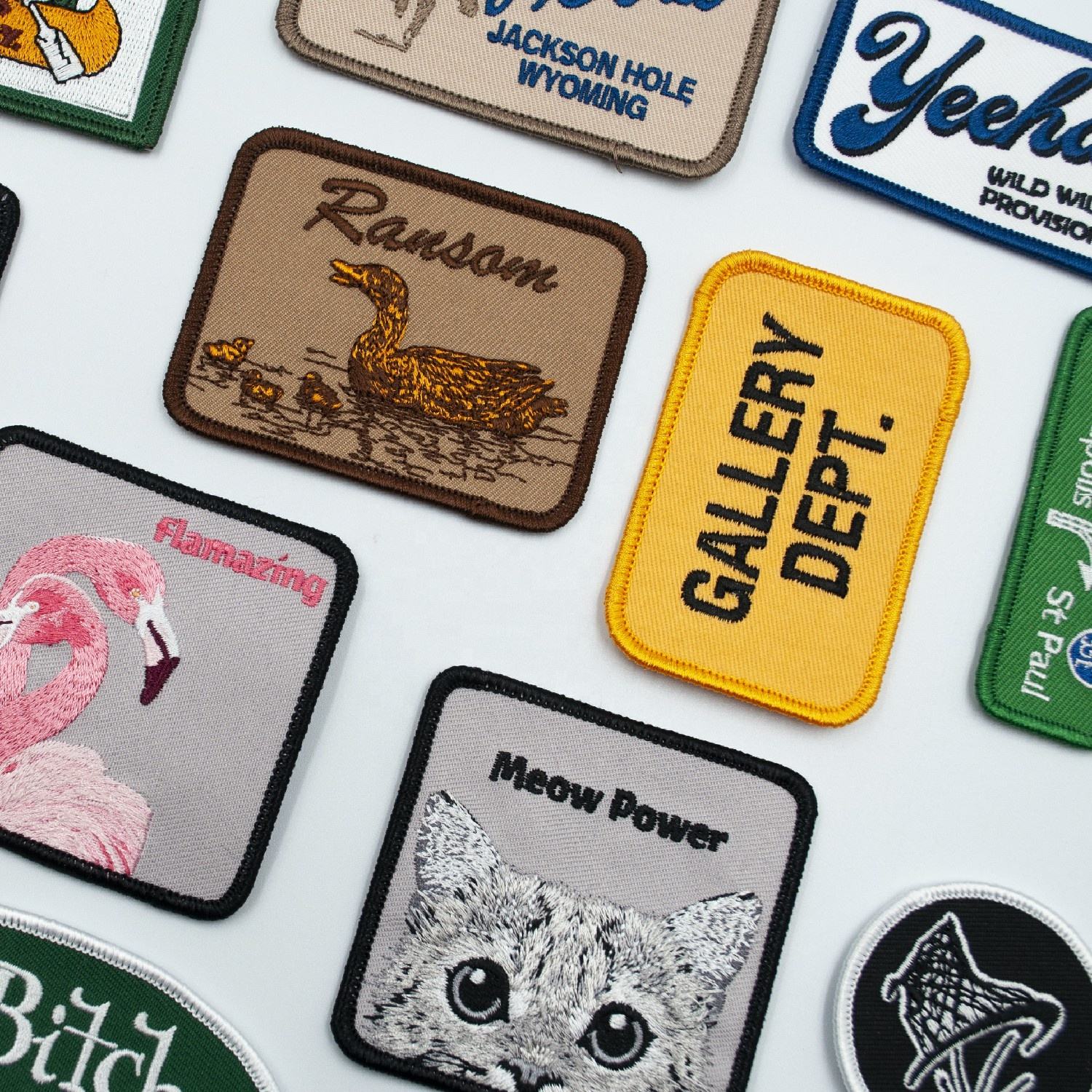
Custom Patches
Use embroidered, woven or printed patches to build recognizable streetwear details on jackets, sweatshirts, bags and uniforms. Patch size, backing, placement and attachment method are reviewed during development.
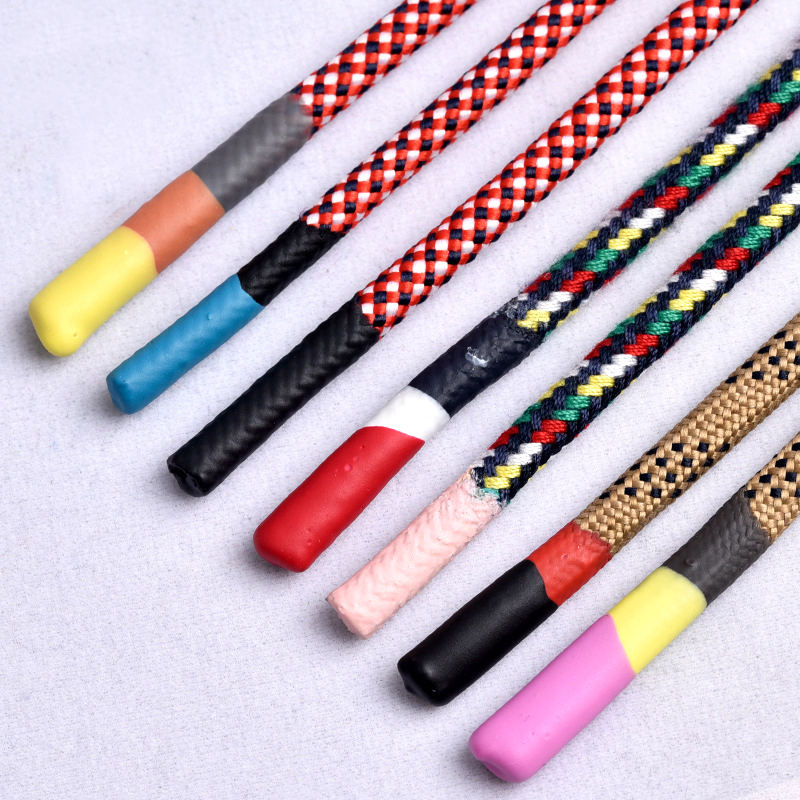
Drawcord Tipping
Finish hoodie and jogger drawcords with coordinated tips that support the intended look and function. Metal, rubber or custom options can be matched to color, cord construction and garment styling.
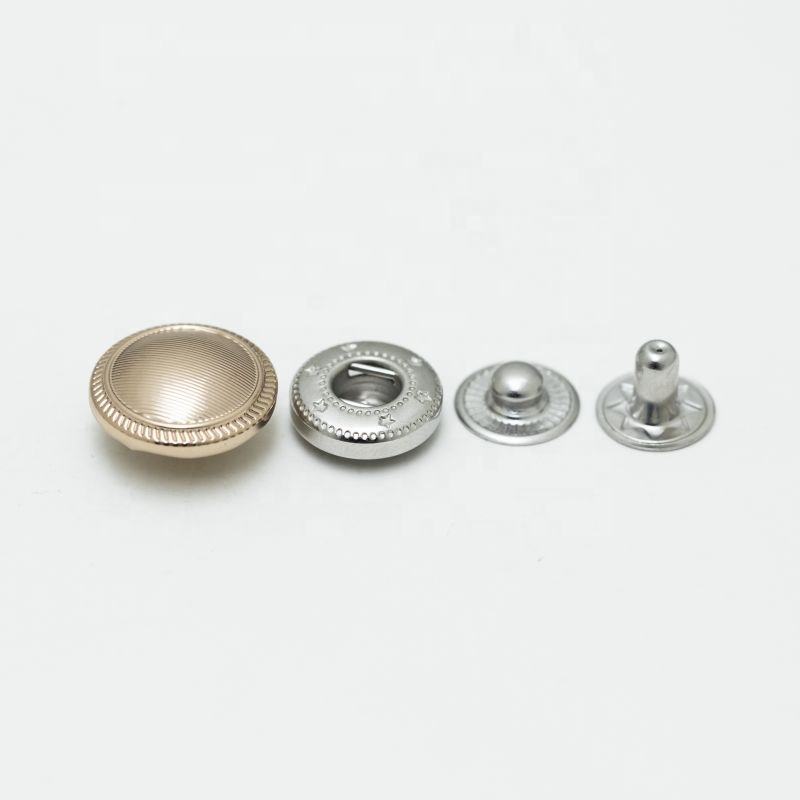
Snap Buttons
Specify snap buttons for varsity jackets, overshirts, outerwear and utility-inspired pieces. EDVORIN coordinates finish, size, placement and attachment requirements so the hardware complements both design and wear performance.
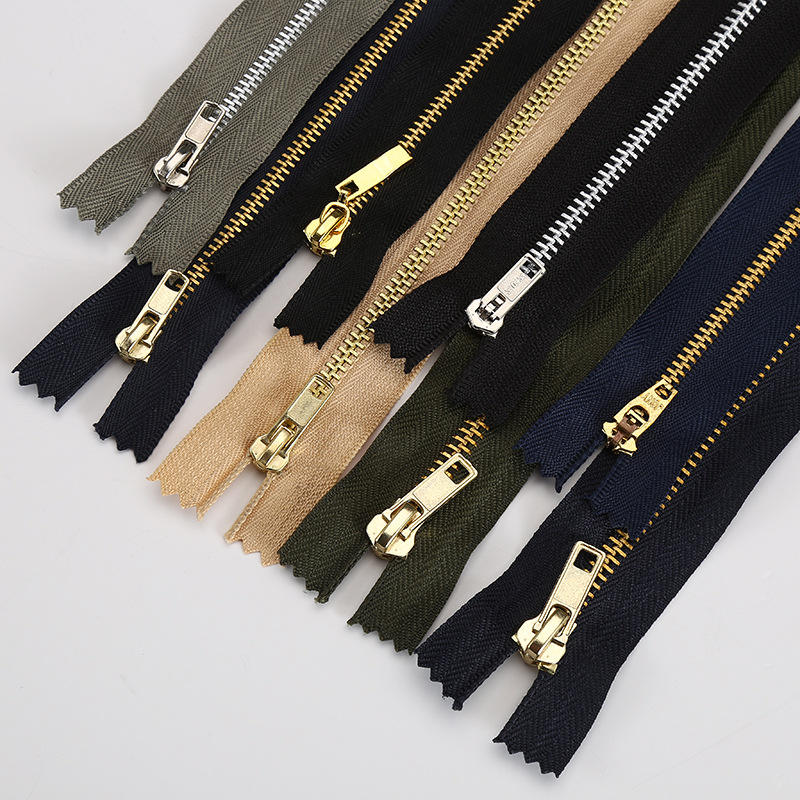
YKK Zippers
Add dependable zipper systems to hoodies, jackets, windbreakers and bags, with options selected around garment weight and construction. Zipper color, puller design, length and placement remain part of the production standard.
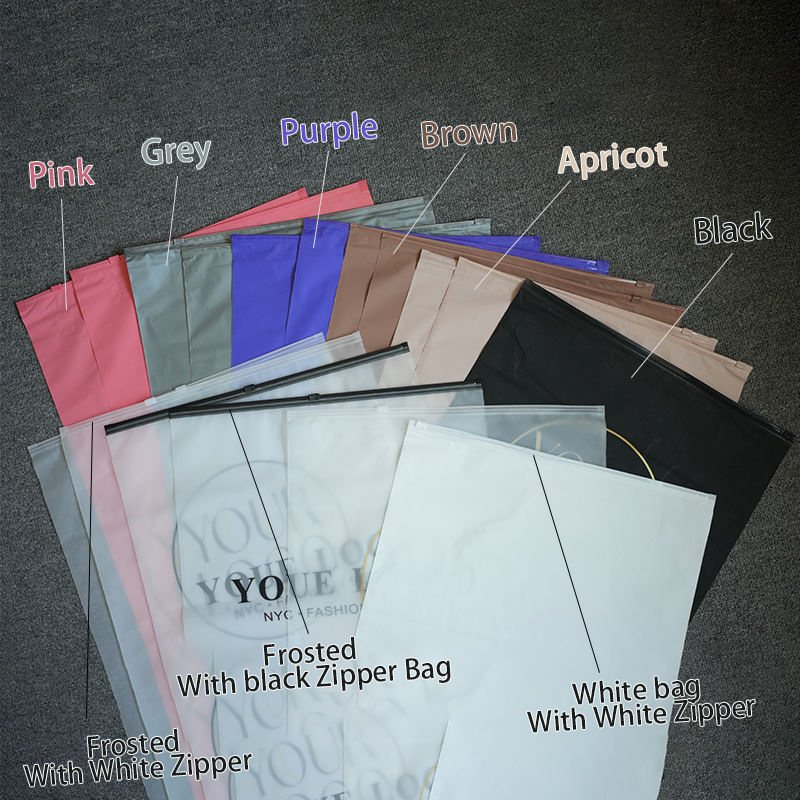
Branded Packaging
Carry the collection identity through hangtags, care labels, polybags and shipping presentation. Packaging specifications can be coordinated with garment labeling, folding requirements and the needs of wholesale or private-label distribution.
About EDVORIN: Founder-Led Apparel Manufacturing Since 2000
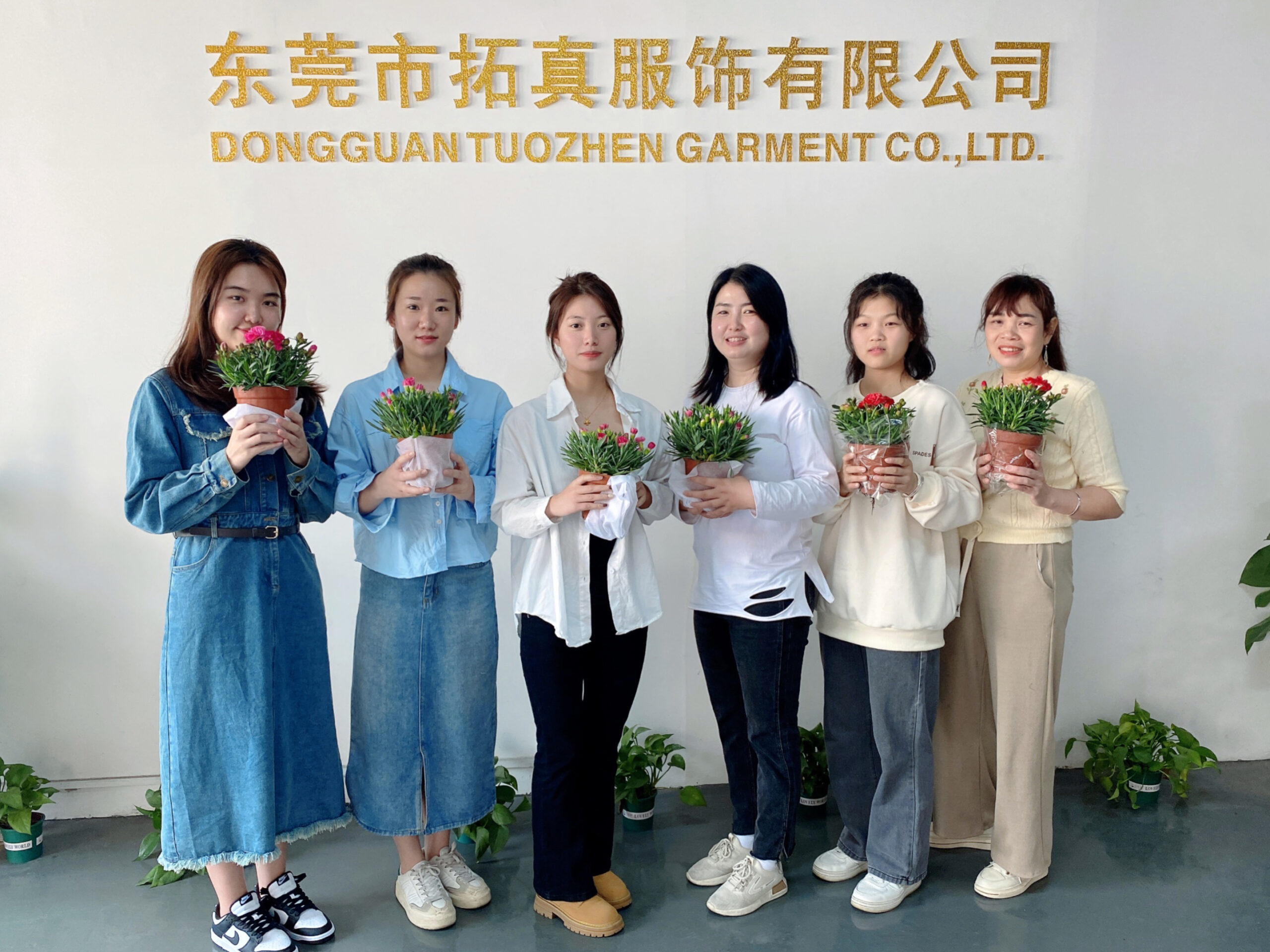
EDVORIN was founded by Edvorin Zeng in 2000 with a production-floor focus on garment construction, fabric behavior, fit and decoration. That practical foundation still shapes how the company works today: clarify the concept, test the important details during development and establish an approved standard that can guide reliable bulk production.
Today, EDVORIN supports fashion brands, streetwear labels, sports teams, schools, wholesalers and private-label buyers through OEM and ODM development. Hoodies, sweatshirts, joggers, jackets, T-shirts, jerseys and coordinated collections are managed through one connected system covering materials, patterns, samples, garment dyeing, printing, embroidery, washing, labeling, packaging and quality control.
What makes EDVORIN different is the accountability between sample and shipment. Measurements, shade, trims, artwork placement and construction details are documented before production, while in-line and final checks protect the approved result. With MOQ starting at 200 pieces per style, EDVORIN gives emerging and established buyers a structured path from apparel idea to repeatable collection.
EDVORIN’s Production System
Develop the Product Standard
EDVORIN turns sketches, reference garments and tech packs into production-ready specifications. Product development aligns fit, grading, construction, proportions and decoration requirements for men’s and women’s programs, giving every approved garment a clear standard that production teams can reproduce.
- Tech pack review and technical development
- Pattern, fit block and grading adjustments
- Sample development for approval
- Men’s and women’s product programs
Coordinate Fabric and Trims
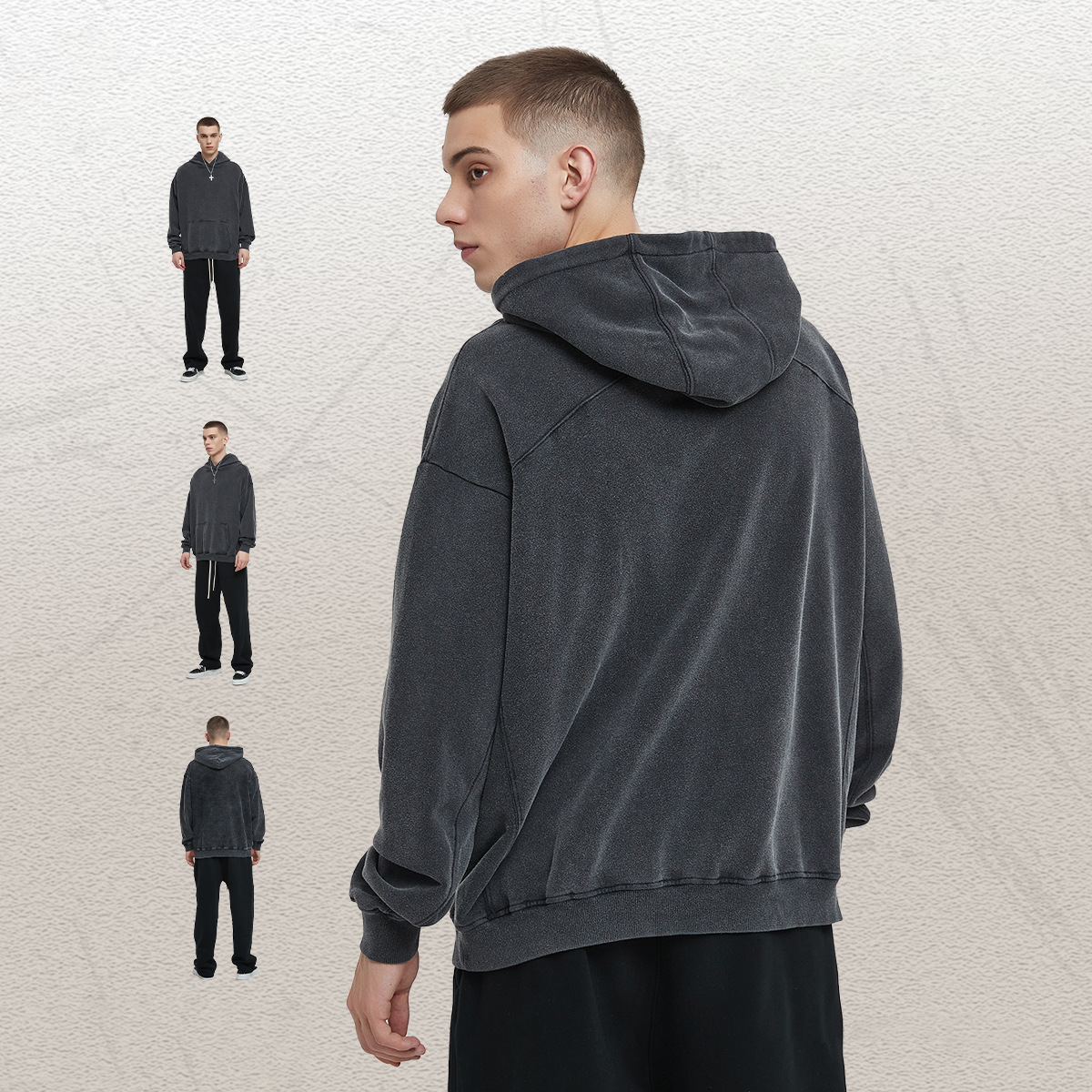
A garment dyed streetwear manufacturer must coordinate the base fabric with trims, labels and construction details from the start. EDVORIN reviews material selection, rib, drawcords, hardware, labels and packaging so the finished product supports the intended hand feel and appearance.
- Fabric selection and sourcing coordination
- Trim, label and hardware specification
- Construction planning for garment dyeing
- Packaging and private-label requirements
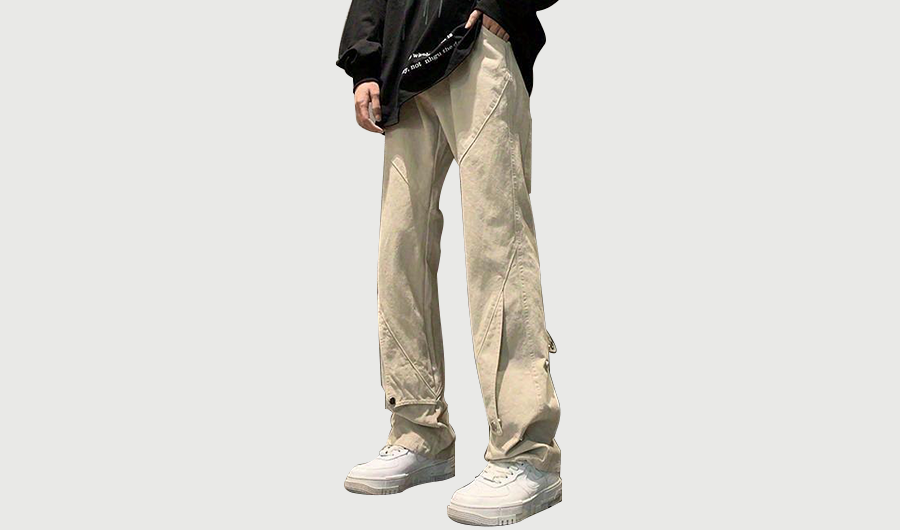
Control Wash and Decoration
Garment dyeing, washing and decoration affect one another. EDVORIN coordinates printing, embroidery, wash direction and artwork placement around the selected garment, helping brands protect color, texture, visual balance and the approved appearance across streetwear, casualwear and teamwear collections.
- Garment dye and wash planning
- Printing and embroidery coordination
- Artwork placement documentation
- Decoration checks against approved samples
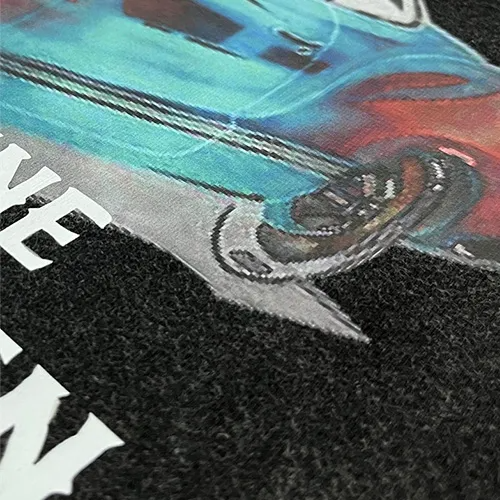
Connect Sample to Bulk
EDVORIN’s MOQ starts at 200 pieces per style. EDVORIN carries the approved standard into bulk production through documented measurements, material controls, decoration references, in-line inspections and final checks. This sample-to-bulk quality system helps emerging brands, wholesale programs and established buyers build repeatable orders from a 200-piece MOQ.
- Approved sample used as the production reference
- Measurement and material checks during production
- In-line quality inspections before issues spread
- Final inspection, labeling and packing review
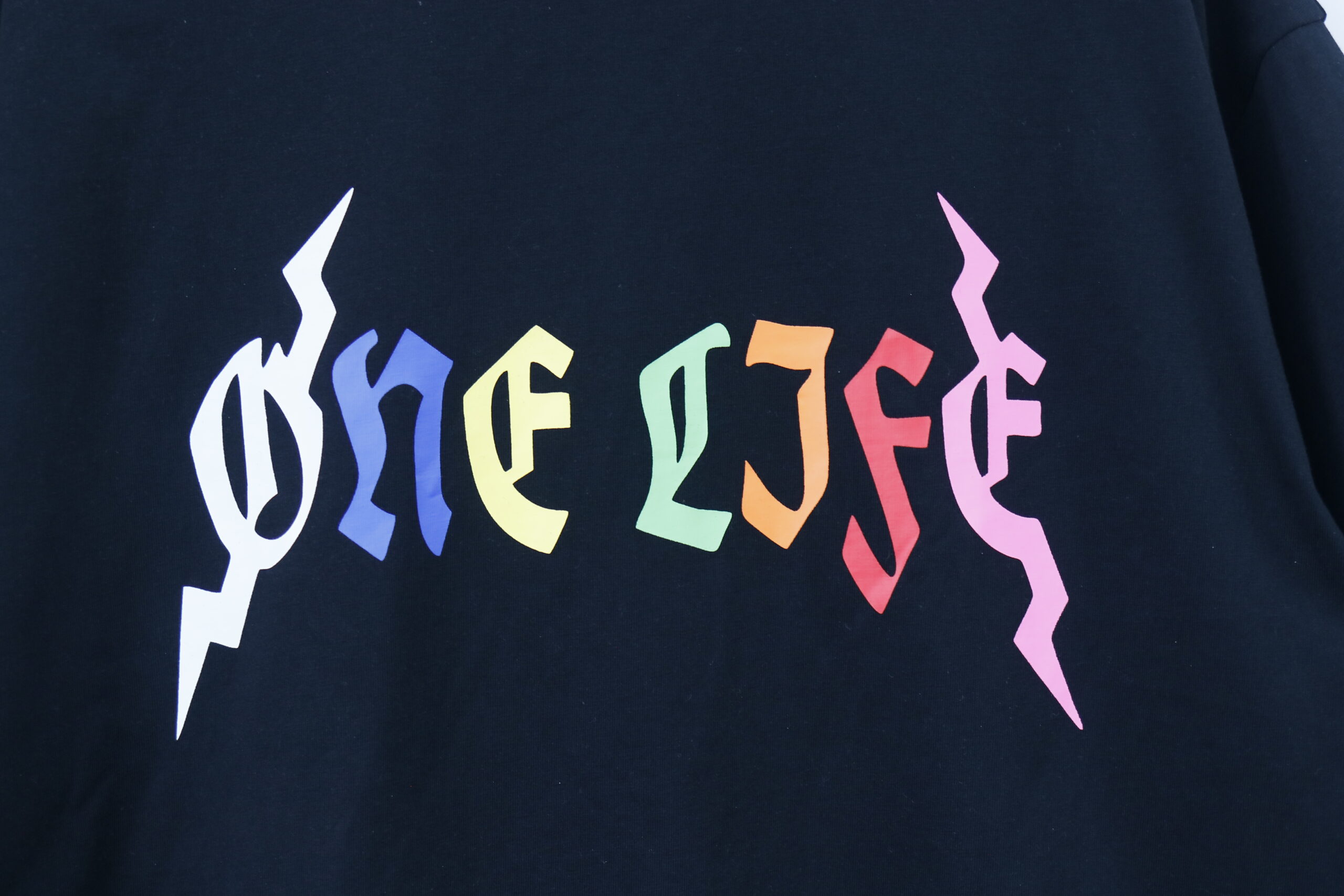
Why Buyers Choose EDVORIN for Repeatable Production
Compare the production controls behind repeatable garment dyed streetwear collections.
← Swipe left or right to view →
From Concept to Packed Order: EDVORIN’s Production Workflow
From technical review to final shipment, EDVORIN coordinates development, materials, decoration, construction and quality checks around your approved production standard.
Review and Source
We review your tech pack, sketches or reference garment, then align fabrics, trims, dye requirements, measurements and construction details with the collection brief.
Develop the Pattern
Our product team refines patterns, fit blocks and grading for men’s or women’s programs, preparing samples that reflect your intended silhouette and market.
Approve the Sample
We produce development samples and confirm fabric response, garment-dye appearance, decoration placement, measurements, trims and finishing before the bulk standard is approved.
Cut, Decorate and Sew
Approved materials move through cutting, printing, embroidery, washing and sewing, with production instructions connecting each operation to the confirmed sample.
Inspect and Correct
In-line and final quality checks review shade, measurements, stitching, artwork, labels, trims and finishing so issues are addressed before the order is packed.
Pack and Ship
Finished garments are labeled, folded, packed and checked against your order requirements, then prepared for shipment to your warehouse, stores or distribution partners.
How EDVORIN Develops and Produces Your Collection
Move from concept or tech pack to an approved, repeatable streetwear collection through a clear development and production workflow.
Send Your Concept
Send your tech pack, sketches or reference garments with target fabrics, measurements, decoration, wash direction and quantities. EDVORIN reviews requirements and identifies development needs.
Review the Quotation
Review the quotation covering development, materials, sampling, decoration, MOQ starting at 200 pieces per style, and production details with clear assumptions.
Approve the Sample
Approve the sample after fit, fabric, shade, wash effect, artwork placement, trims and packaging are checked against the intended production standard.
Authorize Bulk Production
Authorize bulk production, then coordinate in-line quality checks, final inspection, labeling, packing and delivery scheduling through one accountable EDVORIN production path.
Certified Standards for Responsible Apparel Production



Buyer Feedback
EDVORIN’s MOQ starts at 200 pieces per style. Verified customer quote pending. Add a buyer-confirmed result covering garment-dyed development, approved sampling, MOQ, repeat production, or delivery performance.
Verified customer quote pending. Add specific evidence such as a 200-piece launch, successful shade approval, repeat order, or improved production consistency.
Verified customer quote pending. Add feedback from a fashion brand, streetwear label, teamwear buyer, wholesaler, or private-label customer after approval and production.
Garment-Dyed Streetwear Manufacturer FAQ
Clear answers for fashion brands, streetwear labels, teamwear buyers and private-label programs planning repeatable production with EDVORIN.
What is EDVORIN’s MOQ per style?
How does EDVORIN handle product samples?
What affects production lead time?
What payment terms does EDVORIN offer for garment-dyed streetwear production?
Can EDVORIN coordinate shipping for custom streetwear orders?
What decoration options are available for garment-dyed streetwear?
How does a garment dyed streetwear manufacturer protect my designs and brand details?
Can EDVORIN support both small brands and repeat wholesale programs?
The Complete Guide to Choosing a Garment-Dyed Streetwear Manufacturer
Use this practical decision framework to compare garment-dyed suppliers, fabrics, construction, decoration, pricing, and production controls—while avoiding common sourcing mistakes that can undermine consistency, margins, launch timing, and customer expectations.
1. What Is a Garment Dyed Streetwear Manufacturer?
1 process defines garment dyeing: the finished cut-and-sewn garment is immersed in dye, allowing color to reach the assembled body, seams, rib and trims. Piece dyeing colors fabric before cutting and sewing; yarn dyeing colors fibers before knitting or weaving; post-production washing changes handle, shade or surface after dyeing but is not itself a dyeing method. 6 production stages commonly sit with a capable garment dyed streetwear manufacturer: fabric selection, pattern and cut-and-sew development, garment dyeing, finishing, labeling and packing. EDVORIN coordinates these decisions with sample approval, shade references, measurement checks and inspection before delivery, because construction, shrinkage and color tolerance must be assessed together.
2. Evolution and History of Garment-Dyed Streetwear
EDVORIN’s MOQ starts at 200 pieces per style. Early 20th-century workwear established garment dyeing as a practical route to soften finished cotton and create functional, lived-in color. As the method moved into casual basics, buyers began valuing broken-in hand feel, muted shades and the subtle irregularity that fabric construction and washing can produce. 1960s and 1970s counterculture helped turn faded color, relaxed proportions and vintage character into recognizable style signals. Later, oversized hoodies, heavyweight fleece, pigment tones and washed T-shirts made garment dyeing central to contemporary streetwear, where softness and controlled imperfection communicate authenticity. 200-piece MOQ programs still require commercial discipline.
3. Types of Garment Dyed Streetwear Manufacturers
Six manufacturer models cover most garment-dyed streetwear programs, from development-focused partners to high-volume facilities.
Cut-And-Sew OEM Factories
Tech packs, patterns, sampling and sewn construction are the core services. This model suits fashion brands, streetwear labels and teams requiring custom fits, panels, trims or coordinated garments.
Full-Package Manufacturing
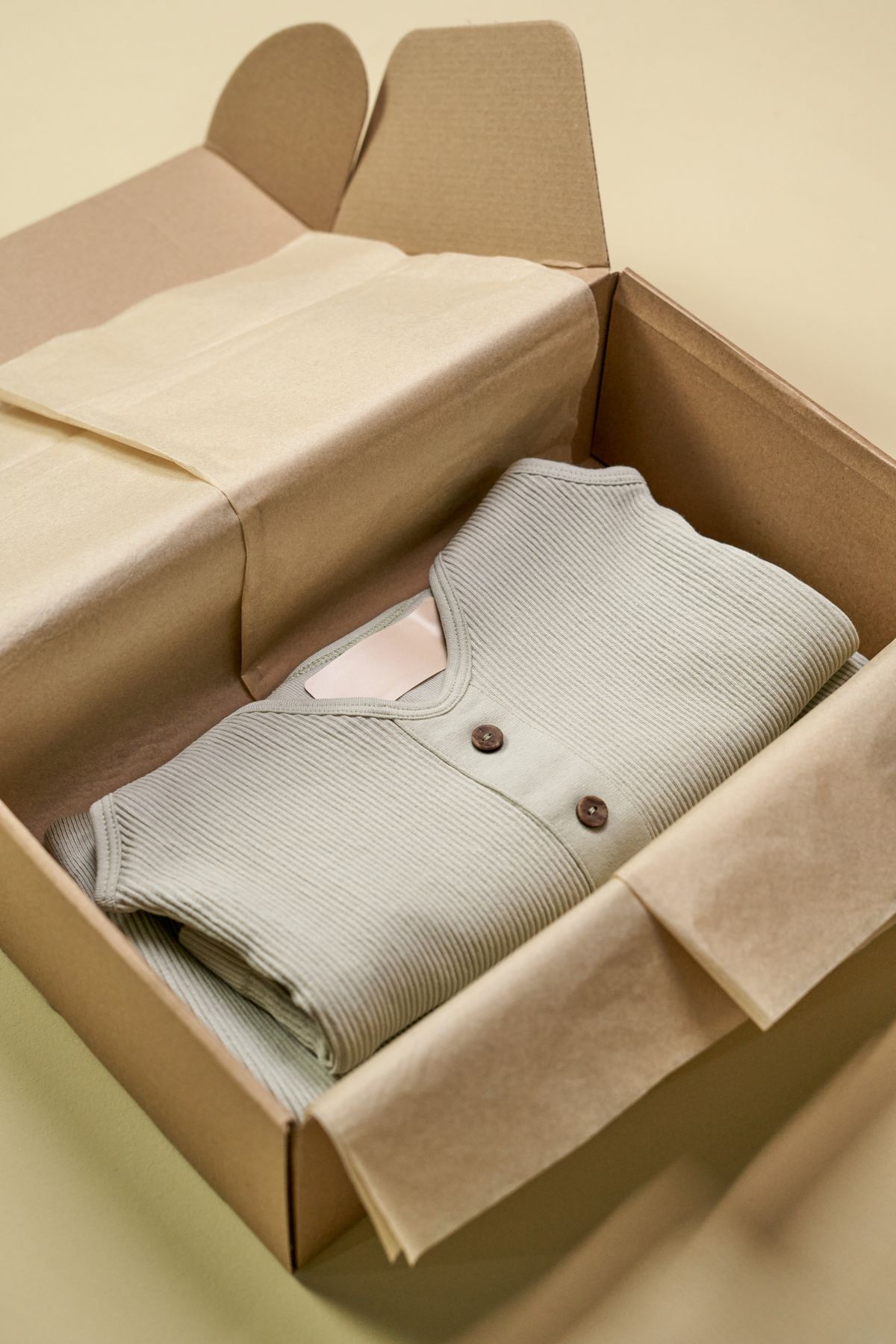
One accountable partner manages material sourcing, development, decoration, washing, production and packing. Full-package manufacturing is practical for private-label buyers, wholesalers and brands that need fewer handoffs.
Blanks And Wash Specialists
Blank suppliers prioritize repeatable base garments, while wash-and-dye specialists focus on pigment dye, garment dye, acid wash or vintage effects. They fit merch programs, distributors and buyers needing faster customization around established bodies.
Low-MOQ And Scale Facilities
EDVORIN’s MOQ starts at 200 pieces per style. Low-MOQ development partners are suited to new labels testing limited drops, while larger facilities support repeat programs, wholesale replenishment and team orders with more substantial volume.
4. Materials and Fabrics for Garment-Dyed Streetwear
100% cotton usually absorbs garment dye most evenly, while blends and dense structures create different shade depth and hand feel.
| Fabric | GSM / Uses | Advantages | Limitations | Testing Question |
|---|---|---|---|---|
| Cotton jersey | 180–240 / tees | Soft, even uptake | Can shrink | Wash shrinkage? |
| Fleece | 280–450 / hoodies | Warm, substantial | Brushing variation | Pilling after wash? |
| French terry | 260–420 / sweats | Loopback, breathable | Less warm | Loop stability? |
| Twill | 300–500 / jackets | Structured, durable | Stiffer hand | Seam torque? |
| Cotton blend | 200–450 / mixed | Lower shrinkage | Mixed shade depth | Blend ratio verified? |
Fiber And Dye Response
100% cotton generally gives strong uptake and a soft, broken-in surface. Polyester blends resist cotton-reactive dye, producing heathering or contrast that must be approved. 2%–5% elastane can improve stretch but may react differently during washing.
Knits, Fleece, And Terry
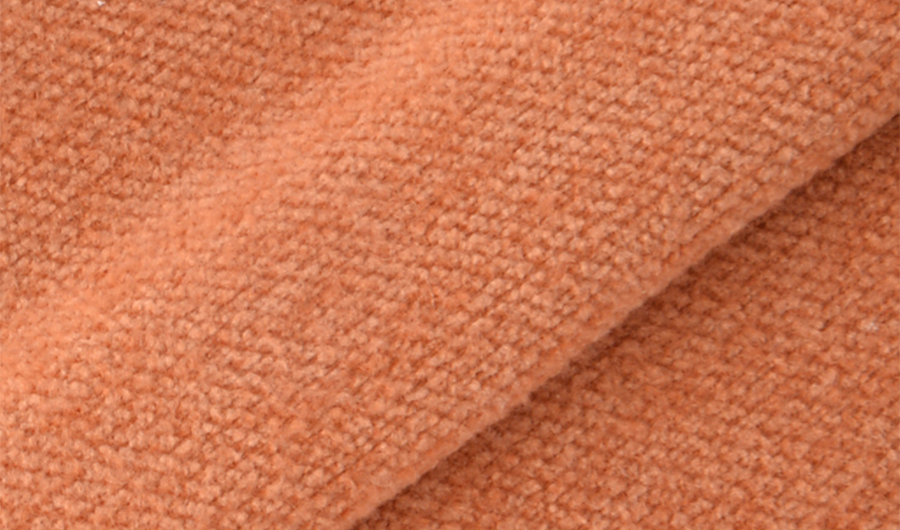
180–240 GSM jersey suits T-shirts, while 280–450 GSM fleece supports hoodies and sweatpants. French terry exposes loops inside; fleece is brushed for greater warmth and a fuller hand.
Buyer Testing Checklist
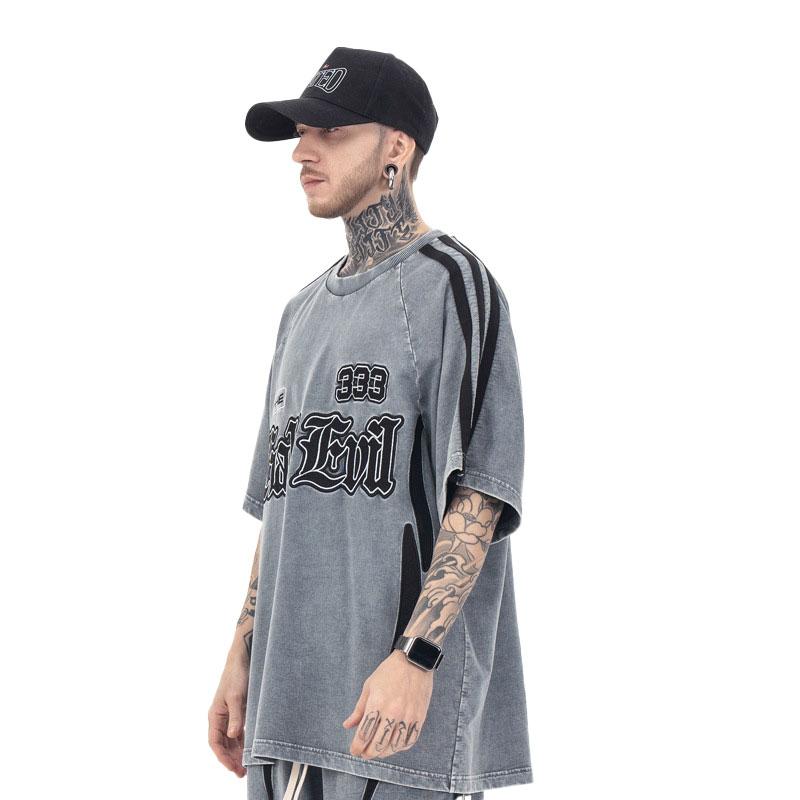
300–500 GSM twill and heavyweight fleece add structure for overshirts, jackets, and oversized streetwear. Pre-shrinking, enzyme treatment, and wash recipes affect softness, dimensional stability, and shade consistency.
5. Customization and Decoration Options
Garment dyeing changes how decoration behaves, so artwork, trims and finishing must be approved as one production system.
| Method | Visual Effect | Main Risk | Best Fit |
|---|---|---|---|
| Screen print | Bold graphic | Cracking or shade shift | Volume drops |
| Embroidery | Raised, durable detail | Puckering or distortion | Premium logos |
| Patch or appliqué | Layered identity | Edge lifting | Varsity and streetwear |
| Discharge or water-based | Soft, integrated print | Color interaction | Vintage effects |
Match Decoration To The Desired Effect
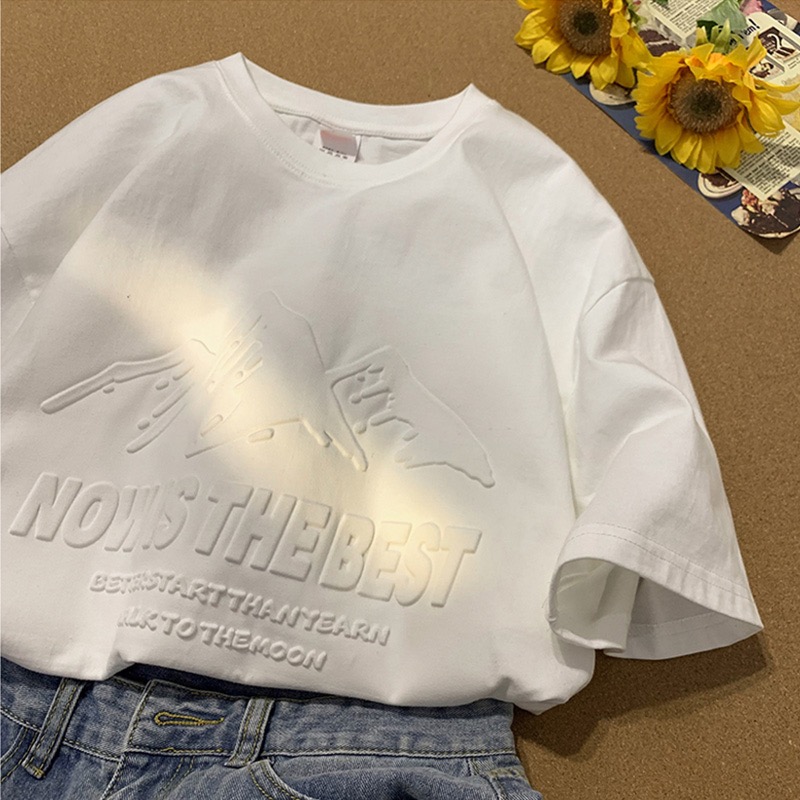
Screen printing suits bold graphics and larger runs; water-based and discharge effects create softer, integrated color but depend on base-dye chemistry and fabric response. Puff details add raised texture but require controlled artwork and curing.
Control Sequence, Color, And Tolerance
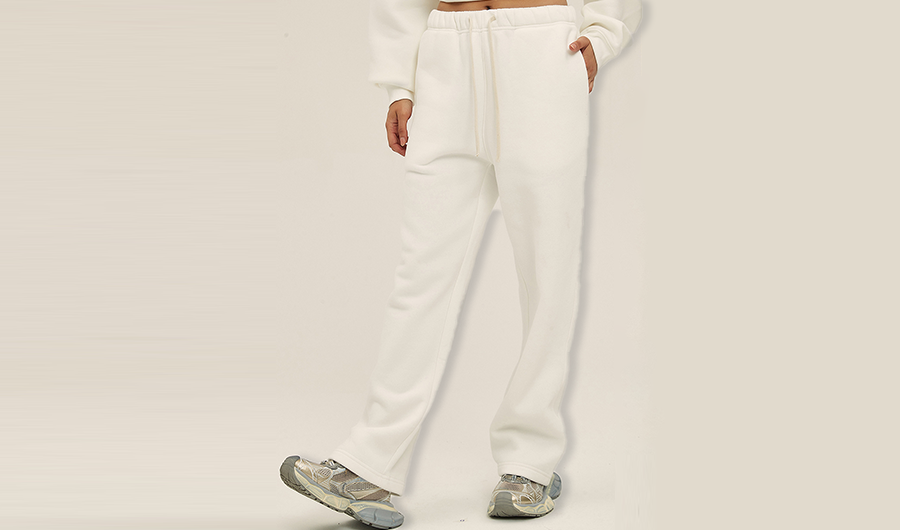
Three variables require written approval: whether decoration occurs before or after dyeing, how the base shade alters ink or thread color, and the acceptable placement tolerance. Distressing can expose decoration edges or weaken attachment points.
Choose By Volume And Performance
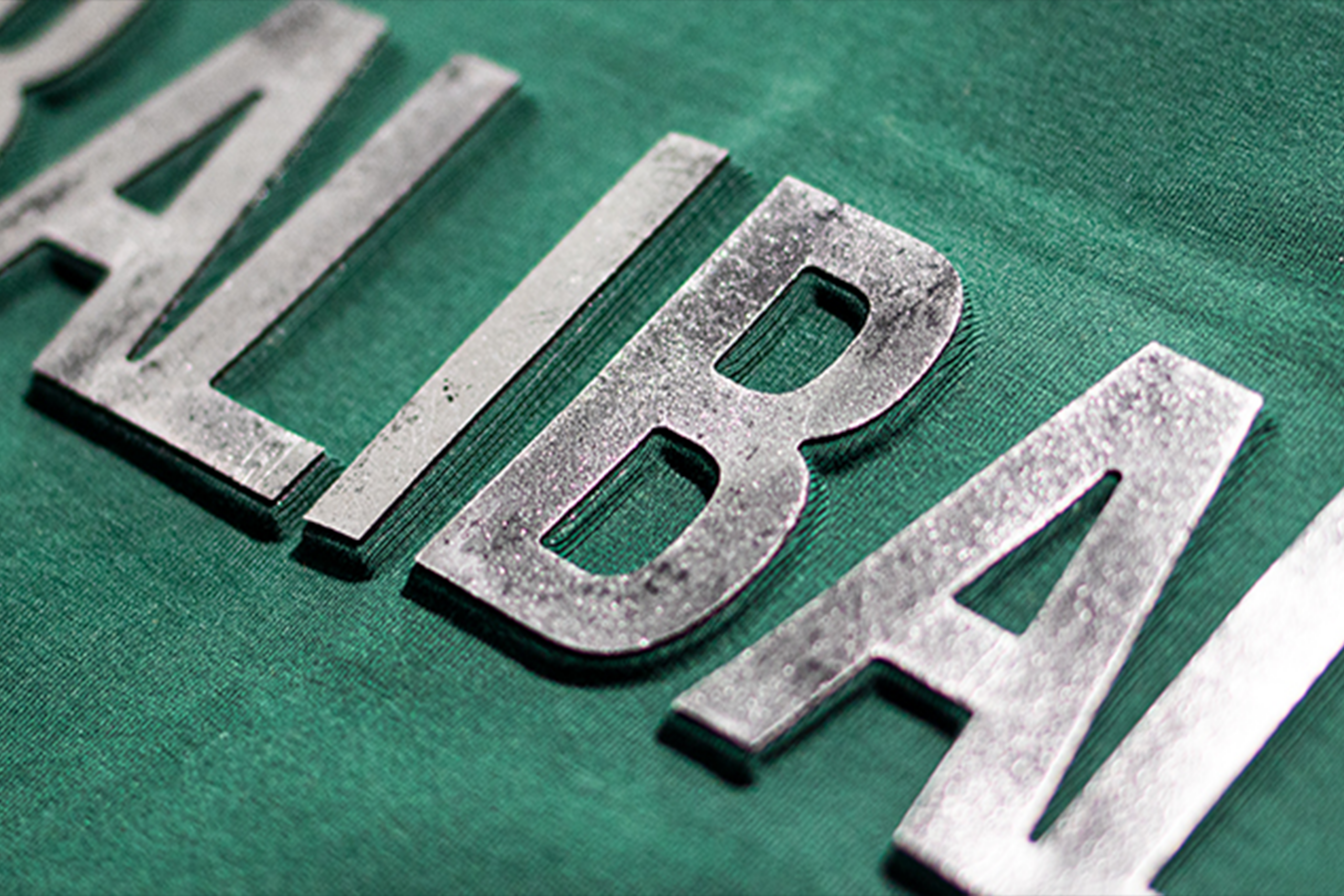
Screen print and simple labels are usually efficient for higher-volume graphics; embroidery, appliqué and custom patches add labor but support premium positioning. Water-based and discharge finishes favor a softer hand, while silicone or puff effects prioritize visual impact.
6. Key Construction Quality Elements
Premium feel starts with balance: pattern proportions, seam engineering and wash response must work together before bulk approval.
Pattern And Seam Integrity

A balanced pattern keeps oversized shoulders, sleeve pitch, body length and pocket placement intentional rather than sloppy. Seams should use consistent stitch density, secure bartacks and adequate seam allowance at stress points.
- Confirm shoulder, sleeve and body proportions
- Inspect bartacks at pocket and drawcord stress points
- Review post-wash measurements against tolerances
Rib, Neckline And Hardware
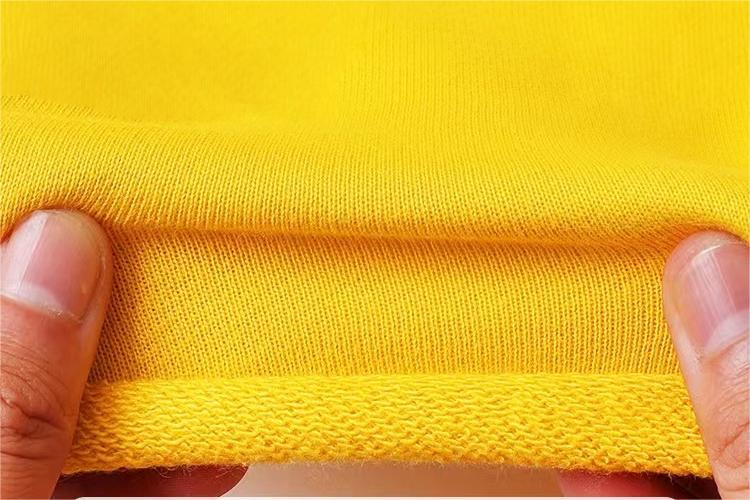
Two practical tests expose weak finishing: rib recovery after stretching and neckline stability after laundering. Cuffs, waistband and neck rib should return without rolling, waviness or excessive growth. Specify zipper supplier or grade, puller dimensions, snaps, eyelets and drawcord hardware.
- Test rib recovery after repeated stretch
- Check neckline stability after laundering
- Approve zipper, snap and eyelet specifications
Wash And Final Inspection
Garment dyeing makes shrinkage, shade variation and measurement control inseparable from construction approval. Compare sealed shade standards, wash-test results and size-set measurements before bulk cutting. Require documented in-line and final checkpoints covering shade consistency, stitching, dimensions, stains, decoration placement and packing.
- Approve shade standard and wash-test report
- Verify size-set measurements and tolerances
- Review in-line and final inspection records
7. How to Choose a Garment Dyed Streetwear Manufacturer
A 200-piece order tests whether a garment dyed streetwear manufacturer can control development, shade variation, communication and delivery at commercial scale.
Match Capability To Product
Review at least three comparable products: washed hoodies, tees, joggers or jackets. Ask which fabrics, dye methods, trims and decoration techniques were used, and request pre- and post-wash measurements.
Test Development And Communication
Request an RFQ covering tech-pack review, sample lead time, garment-dye testing, shade tolerance, artwork placement, labels, packaging and delivery terms. Ask who owns approvals and how revisions are logged. Compare response clarity, development support and realistic lead times.
Verify Quality And Compliance
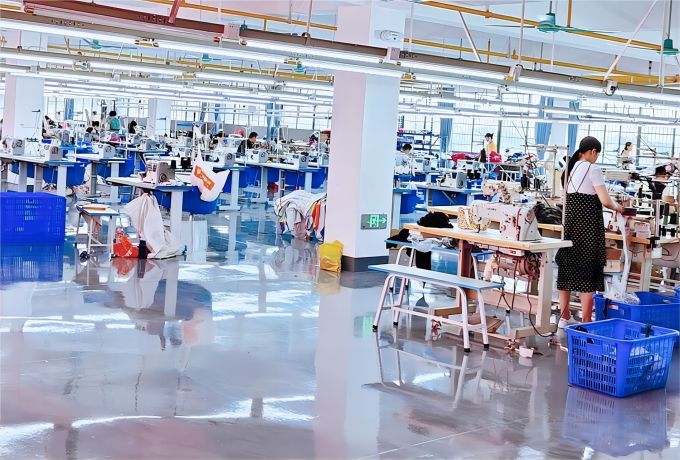
Use the approved sample as the bulk reference, then ask for in-line inspection points covering measurements, shade, shrinkage, seams, decoration and packing. Confirm how rejected units, rework and after-sales claims are handled.
Compare Total Landed Cost
Calculate unit price plus sampling, dye loss, testing, decoration, labels, packaging, freight, duties, payment fees and expected rework. Compare the same Incoterm, quantity, size ratio and delivery date across suppliers.
8. Common Mistakes Buyers Make
Nine sourcing gaps can turn an approved concept into costly rework, rejected stock, or missed launch dates.
Cost-First Decisions Create Expensive Rework
A low quote can conceal weaker fabric, extra approvals, or poor process control; the commercial result is inconsistent goods and margin loss. Compare total landed cost, defect risk, and repeat-order reliability—not unit price alone.
One Sample Is Not A Standard
One approved sample cannot define production tolerance. Specify measurement tolerances, shade range, artwork placement, decoration sequence, and post-wash dimensions; otherwise, acceptable variation becomes a dispute. Decoration must be sequenced around washing and construction.
Incomplete Specifications Hide Commercial Risk
A missing tech-pack detail—fabric composition, GSM, trims, grading, labels, packaging, or shrinkage allowance—forces assumptions that can affect fit, compliance, and sell-through. Include measurement charts, artwork files, Pantone references, trim compatibility checks, and wash results.
9. Steps to Launch Your Brand
A launch starts with a defined customer, use case, product brief, and delivery date.
Define The Product Brief
200 pieces is the stated MOQ for this program, so confirm target customer, channel, size range, color count, and launch quantity before development. Brands may prioritize identity; teams and schools need roster accuracy; wholesalers need repeatable commercial basics. A complete tech pack records measurements, construction, artwork placement, labels, packaging, and tolerance.
Prototype, Test, And Cost
One prototype establishes construction, while wash and decoration tests reveal shade change, shrinkage, print adhesion, embroidery distortion, and trim behavior. Approve revisions before ordering a size set across the intended men’s or women’s grading.
Approve, Produce, And Replenish
A signed pre-production sample, confirmed artwork, size set, color standard, and purchase order become the bulk reference. EDVORIN then coordinates manufacturing, in-line checks, final inspection, packing, and shipping against that approval. Replenishment is faster when the original specifications, fabric details, wash recipe, grading, and inspection notes are retained.
10. Pricing and Cost for Garment-Dyed Streetwear
EDVORIN’s MOQ starts at 200 pieces per style. 200-piece MOQ programs usually spread development, dyeing, washing, decoration, labels, packaging, inspection, freight and duties across fewer units, so unit cost is higher than at scale. Fabric choice—such as ring-spun cotton, open-end cotton, French terry or fleece—plus GSM, pattern development and sample revisions materially changes the quote.
| Quantity Tier | Estimated Cost Category | Lead-Time Impact | MOQ Considerations |
|---|---|---|---|
| 200 pieces | Highest unit-cost exposure; development, sampling, dyeing, washing and inspection are less diluted | Typically longest planning sensitivity | EDVORIN page MOQ; confirm color and size split |
| 500–1,000 pieces | Moderate unit cost; fabric, labels, packaging and setup spread further | More efficient bulk scheduling | Confirm per-color, per-style and size-break requirements |
| 2,000+ pieces | Lower unit-cost potential; freight and duties may be optimized by shipment volume | Production slot may be easier to reserve | Confirm capacity, shade tolerance and repeat-order standards |
Start With a Garment Dyed Streetwear Manufacturer Built to Repeat
Send your tech pack, sketch or collection brief for an EDVORIN quote on repeatable OEM, ODM or private-label production.