
Custom Apparel Printing Manufacturer for Repeatable Collections
Founder-led OEM, ODM, and private-label support for fashion, streetwear, and teamwear programs from 200 pieces per style.
Featured Products for Decoration-Led Apparel Development
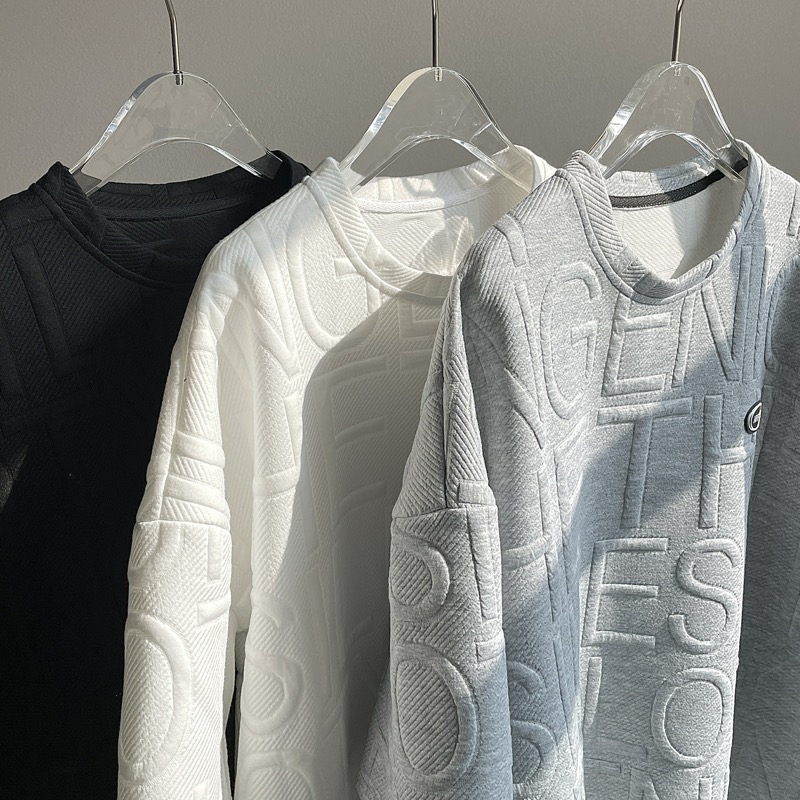
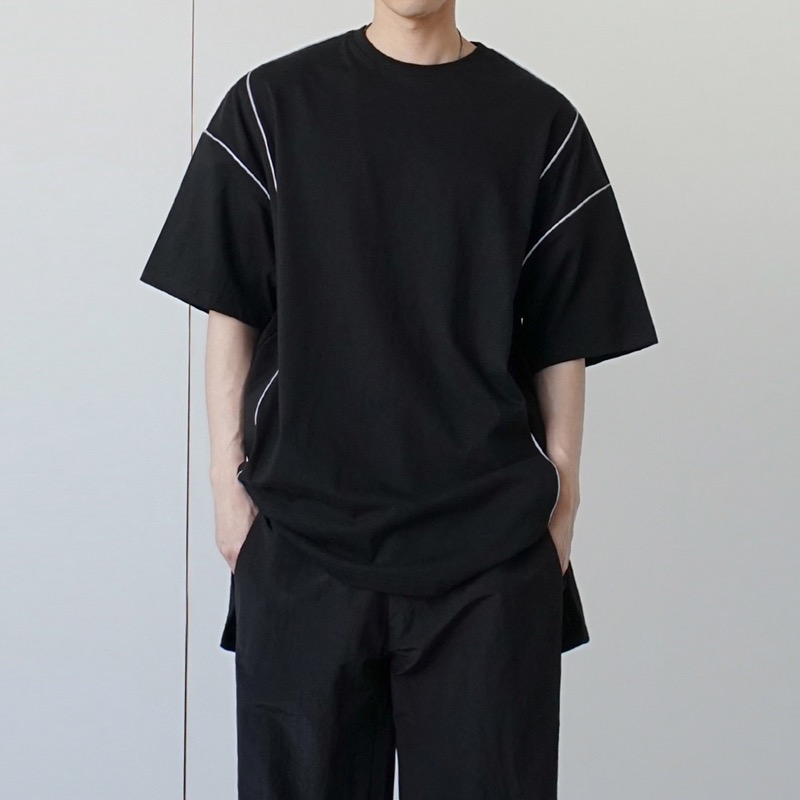
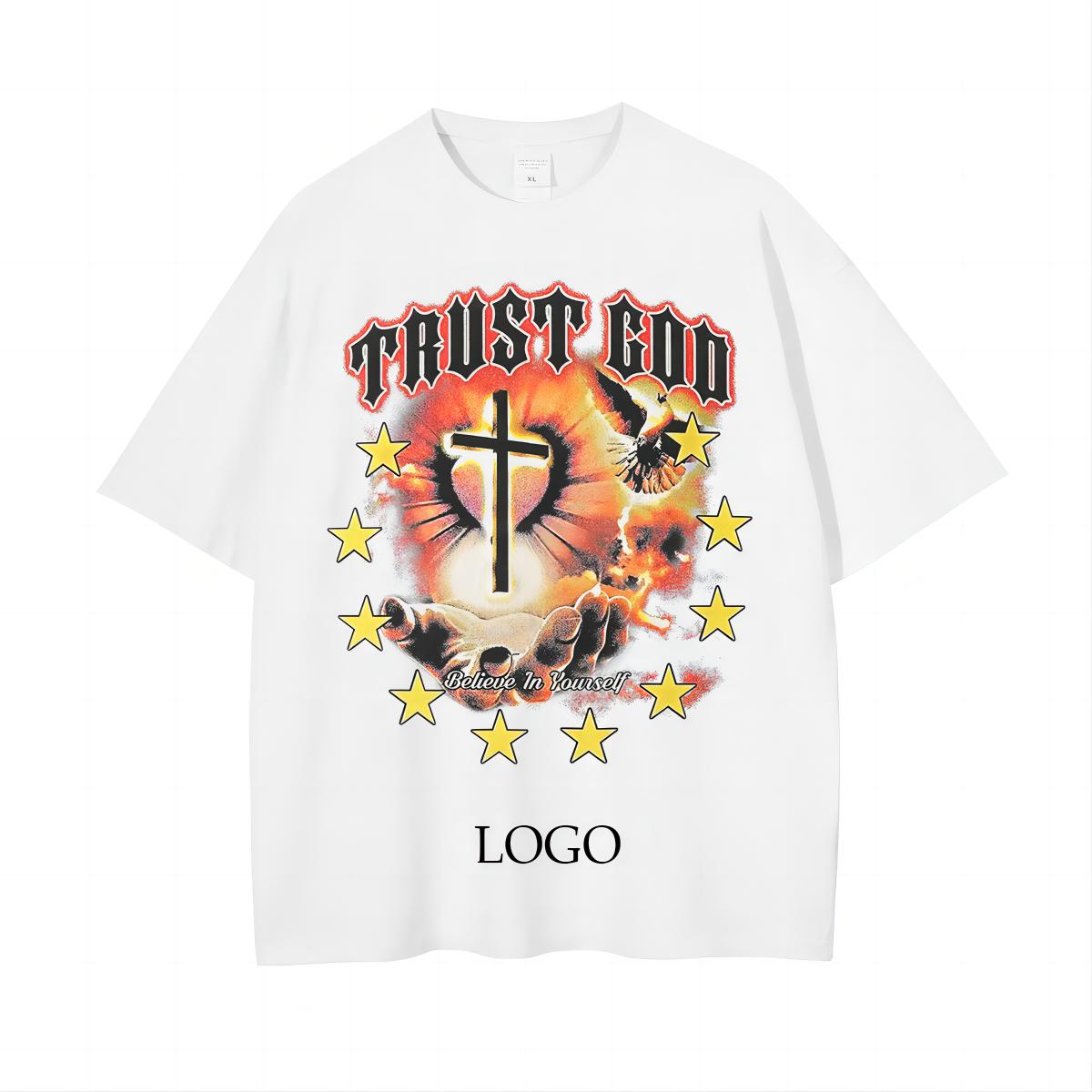
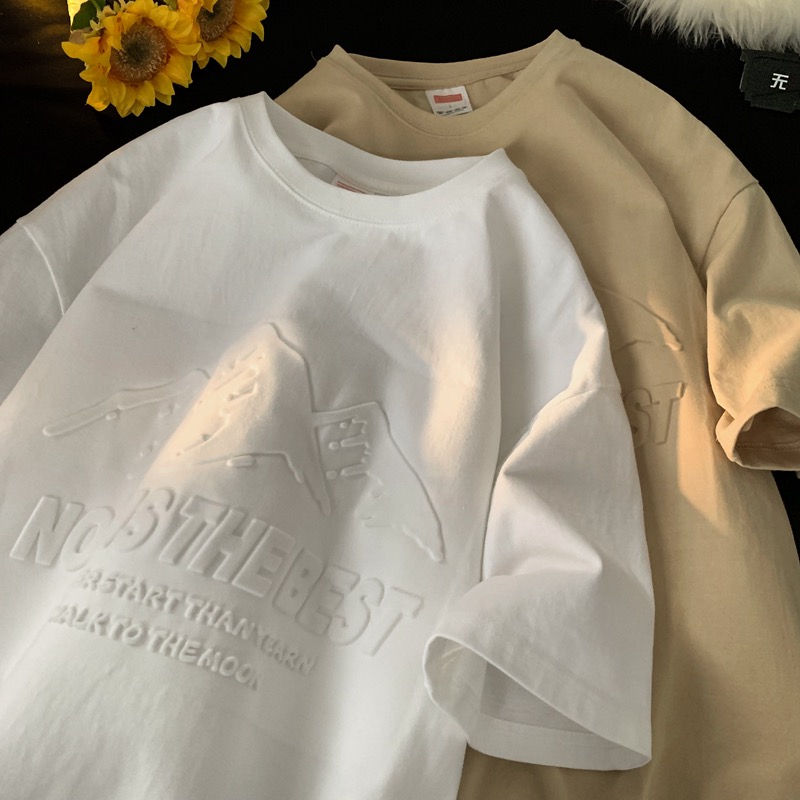
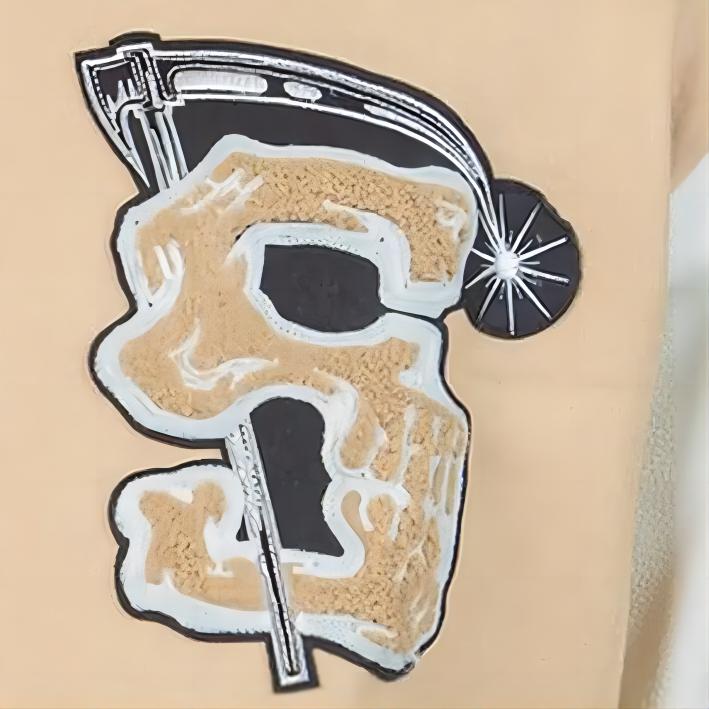
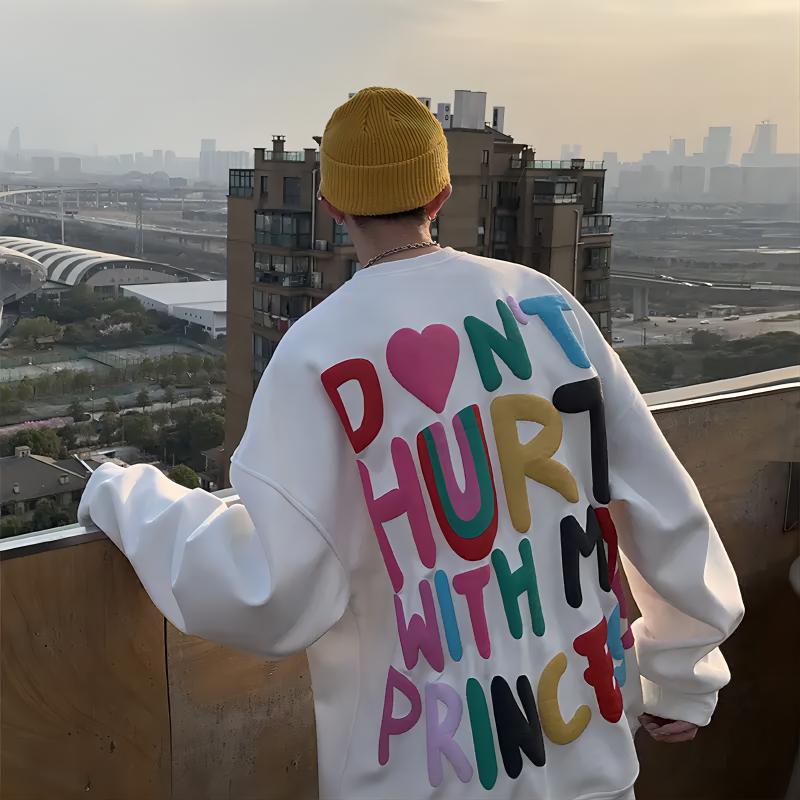
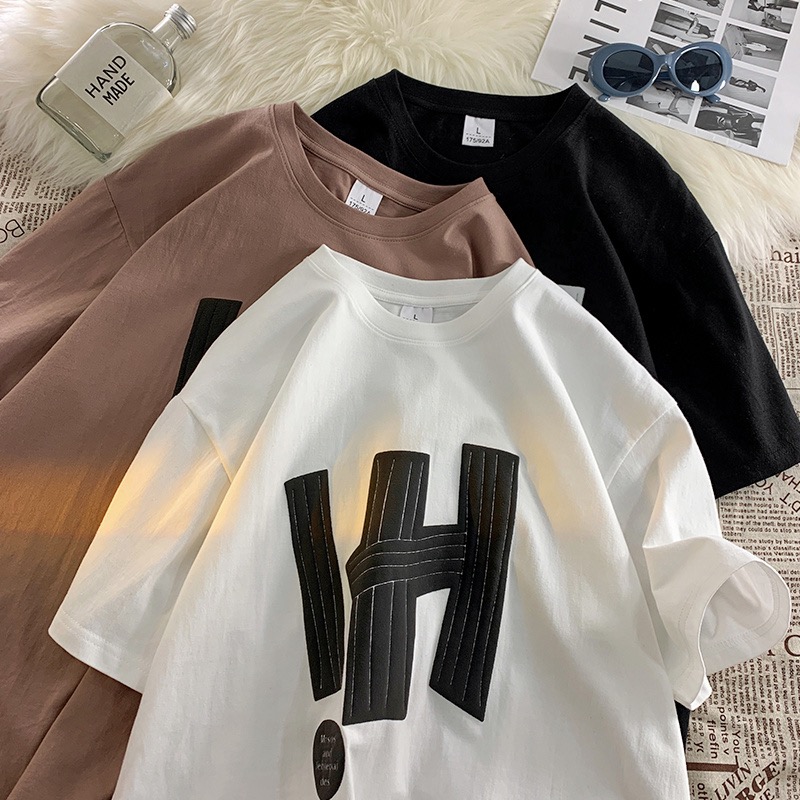
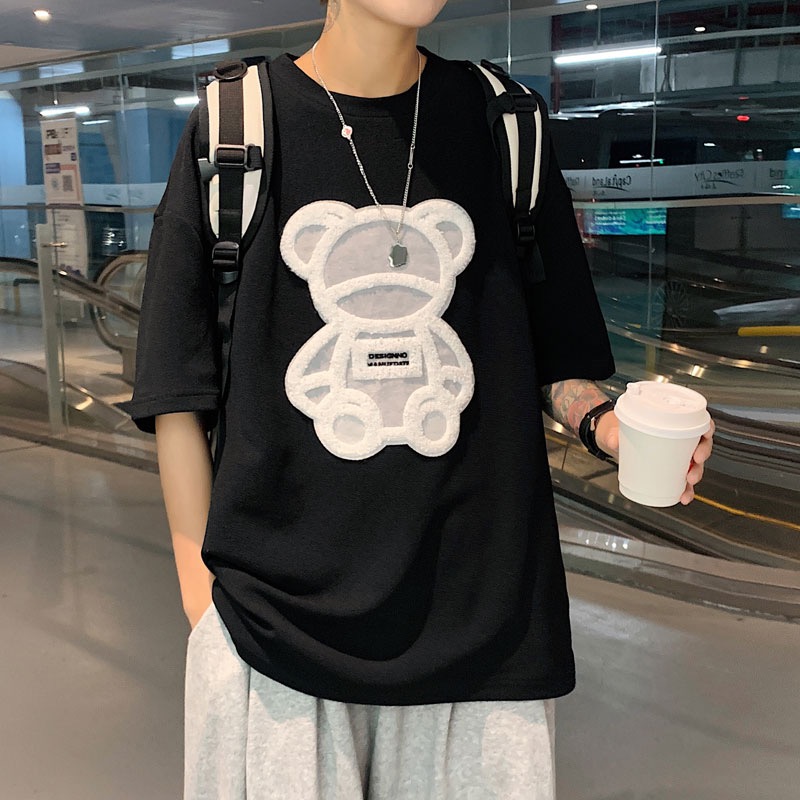
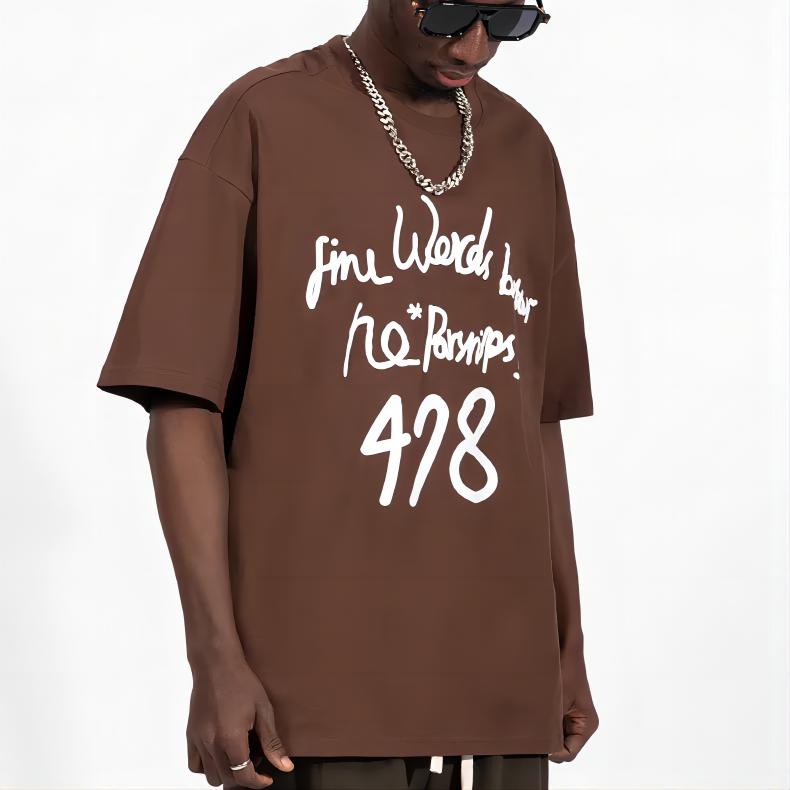
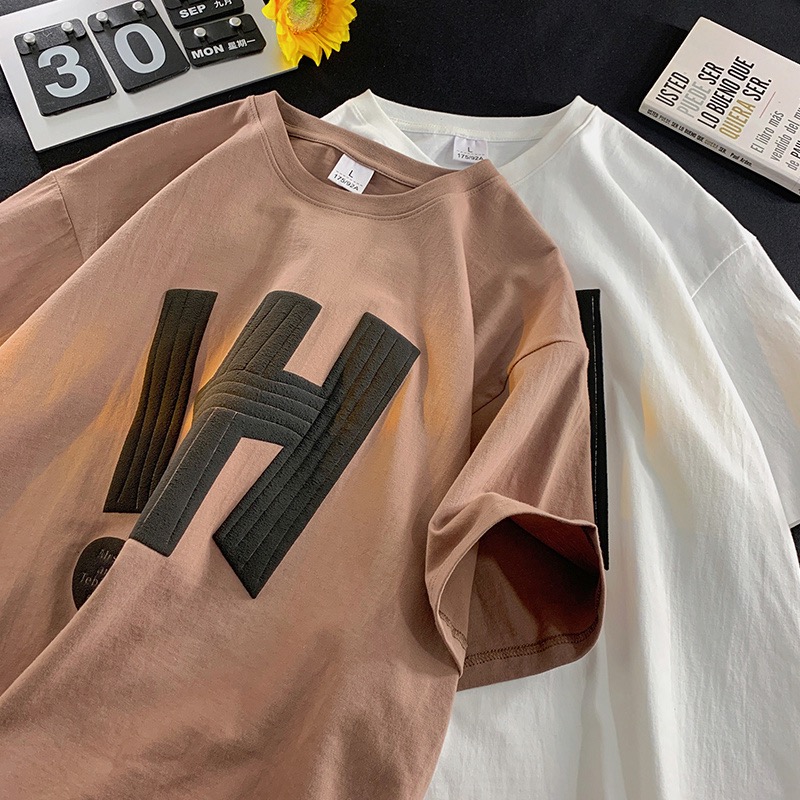
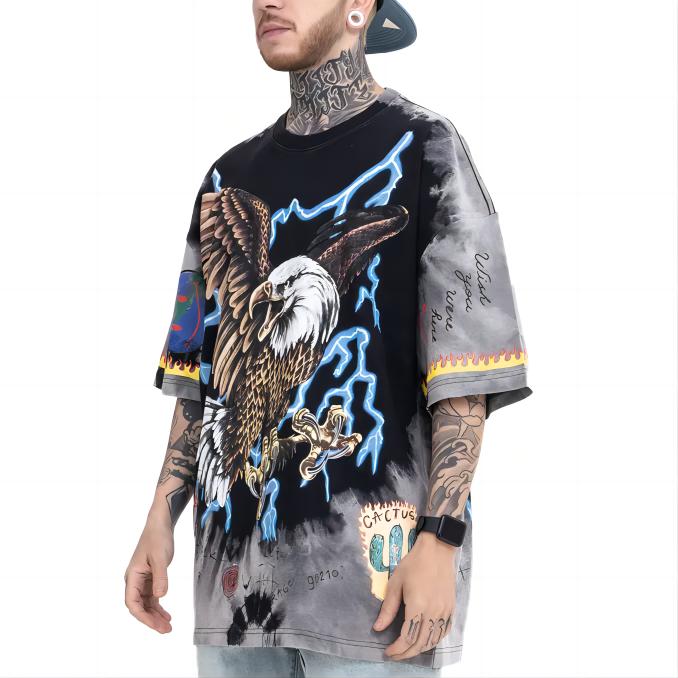
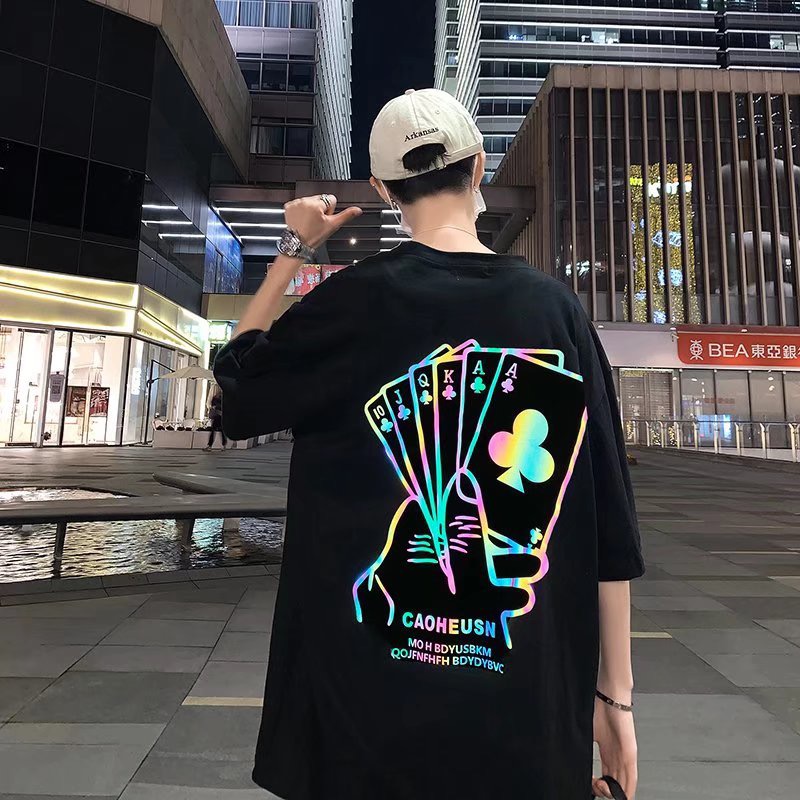
Apparel Manufacturing Built Around Garments, Artwork, and Scale
EDVORIN connects decoration decisions to construction, approval records, and repeatable bulk production.
Fabric-Matched Decoration
Printing and embroidery methods are selected around fabric weight, stretch, surface, and intended wear so the finished garment performs as designed.
Recorded Artwork Placement
Placement measurements, size references, color details, and artwork approvals are documented to help protect visual consistency from sample through bulk production.
Coordinated Finishing Details
Trims, labels, washes, and packaging are coordinated with decoration requirements, keeping each collection aligned across development and final presentation.
Approved Sample Standards
Samples establish a tangible production reference, helping teams check construction, decoration, measurements, and finishing against the approved result during bulk manufacturing.
Multi-Category Production Support
Develop casualwear, streetwear, outerwear, and teamwear through one accountable workflow, with category-specific construction and decoration considerations managed together.
Decoration Options Built for Every Category
Coordinate print, embroidery, appliqué, patches and finishing methods with each garment’s fabric, construction and intended use.
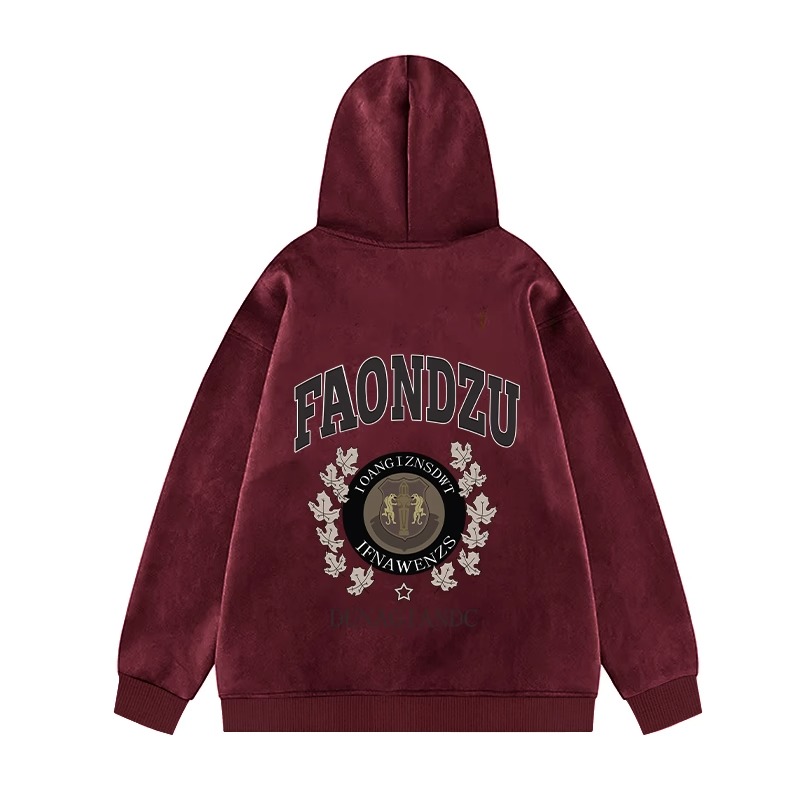
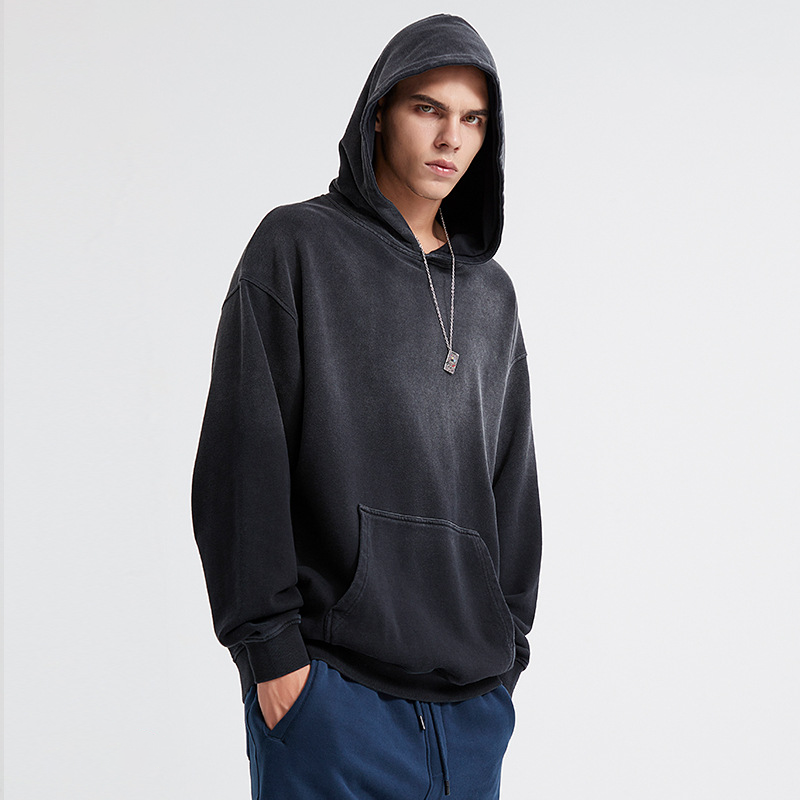
Custom Hoodies
Develop custom hoodies with screen printing, puff ink, embroidery, appliqué, chenille patches or garment washing. Fleece weight, rib construction, hood shape and decoration placement are reviewed together so artwork performs consistently from approved sample through bulk production.
Get a Quote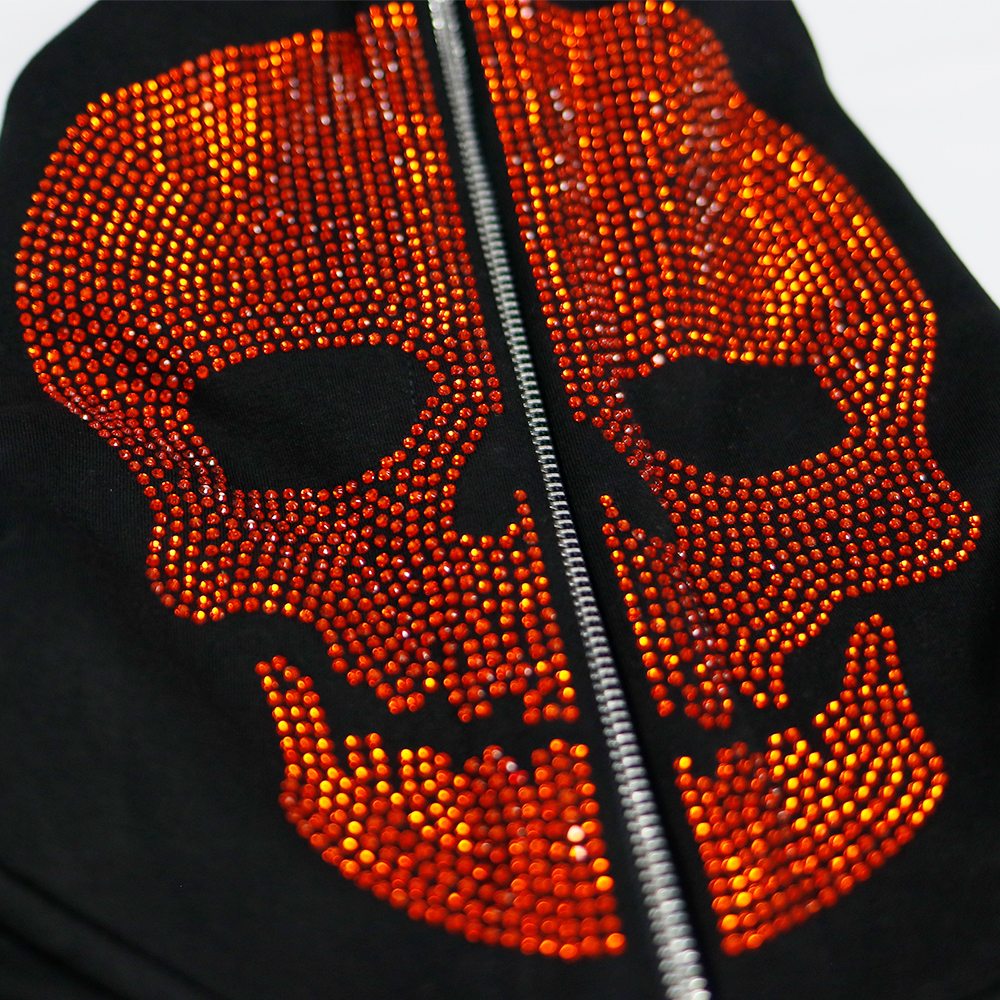
Pullover Sweatshirts
Pullover sweatshirts can be developed for clean chest prints, oversized back graphics, tonal embroidery, patches and wash effects. EDVORIN aligns fabric composition, surface texture and print method to protect detail, hand feel and repeatability across size runs.
Get a Quote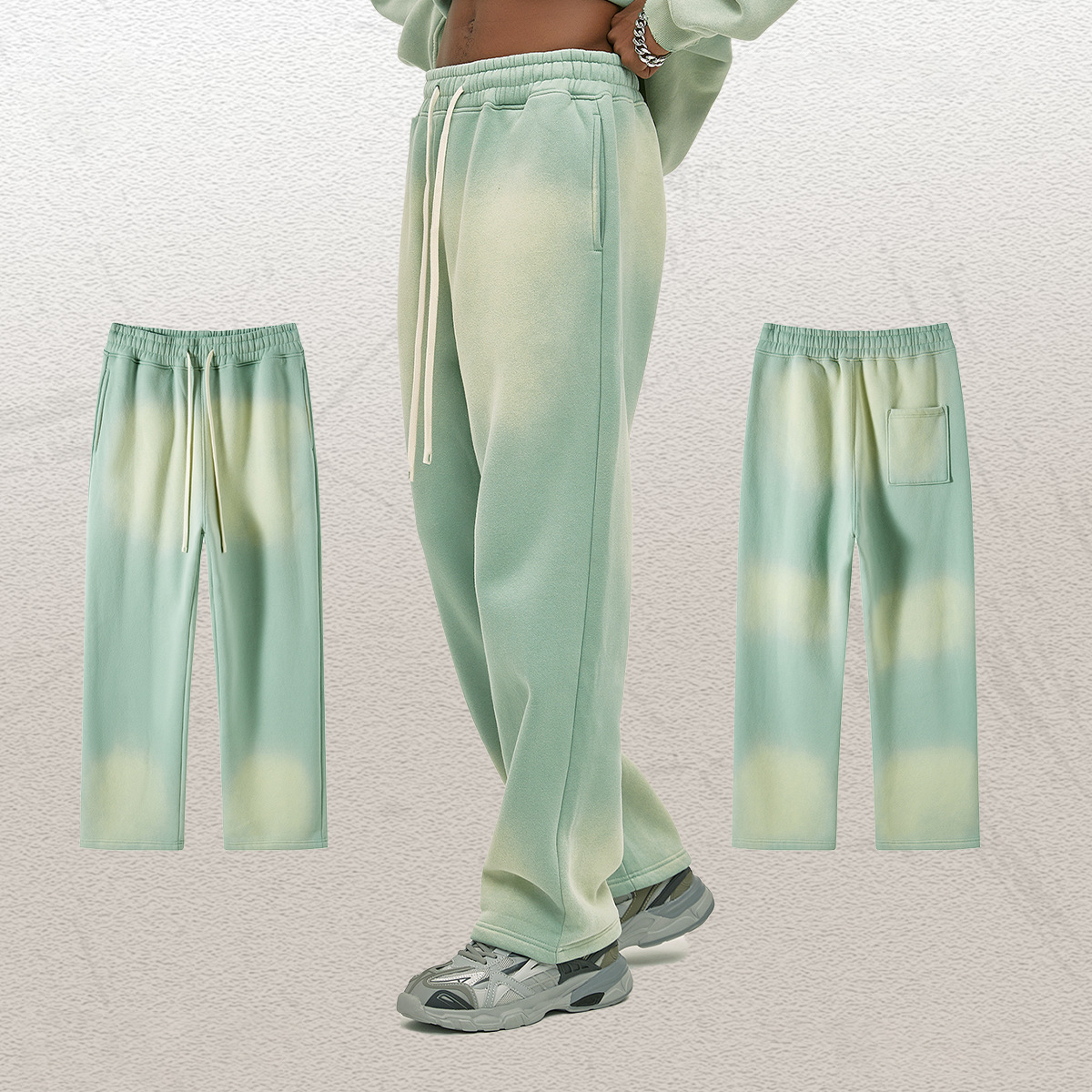
Sweatpants & Joggers
For sweatpants and joggers, decoration can include leg prints, embroidery, appliqué, woven labels and small placement details near pockets or cuffs. Pattern layout, seam positions and stretch recovery are considered before artwork is approved for production.
Get a Quote
Custom Shorts
Custom shorts support screen print, embroidery, heat-applied graphics, patches and branded trims for casualwear, sport or streetwear programs. Decoration placement is planned around inseams, pockets, elastic waists and fabric movement to maintain a balanced finished garment.
Get a Quote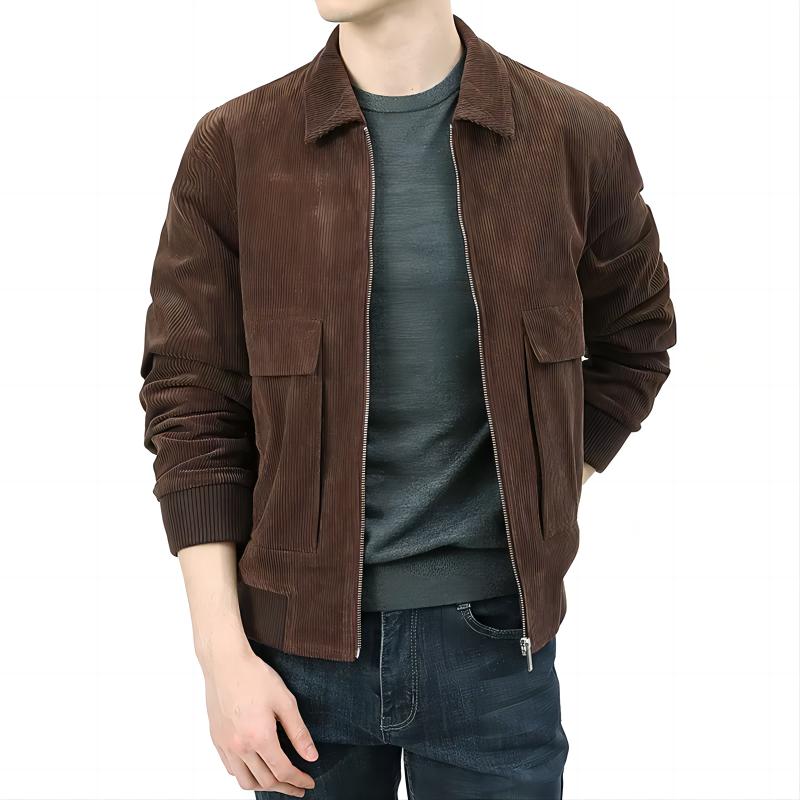
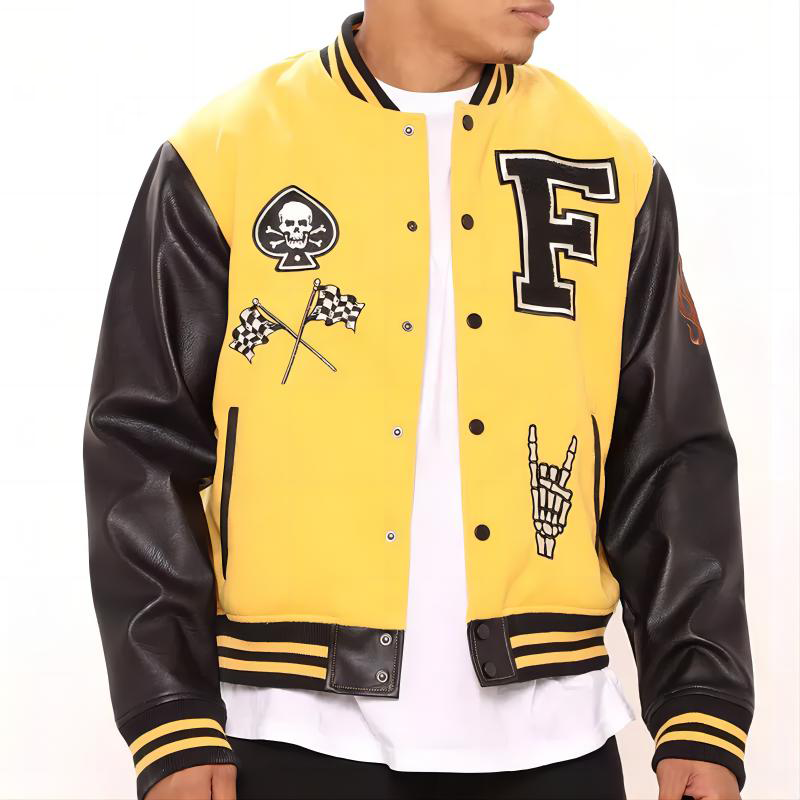
Varsity & Baseball Jackets
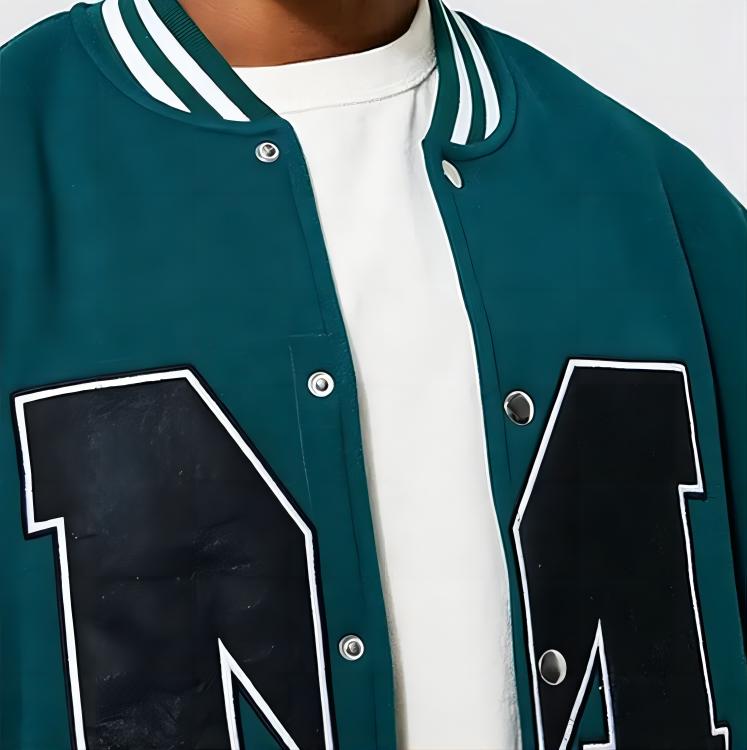
Varsity and baseball jackets combine materials and decoration methods such as chenille, embroidery, tackle twill, woven patches and direct appliqué. Body fabric, sleeve material, rib, snaps and patch dimensions are coordinated during sampling to create a stable production standard.
Get a Quote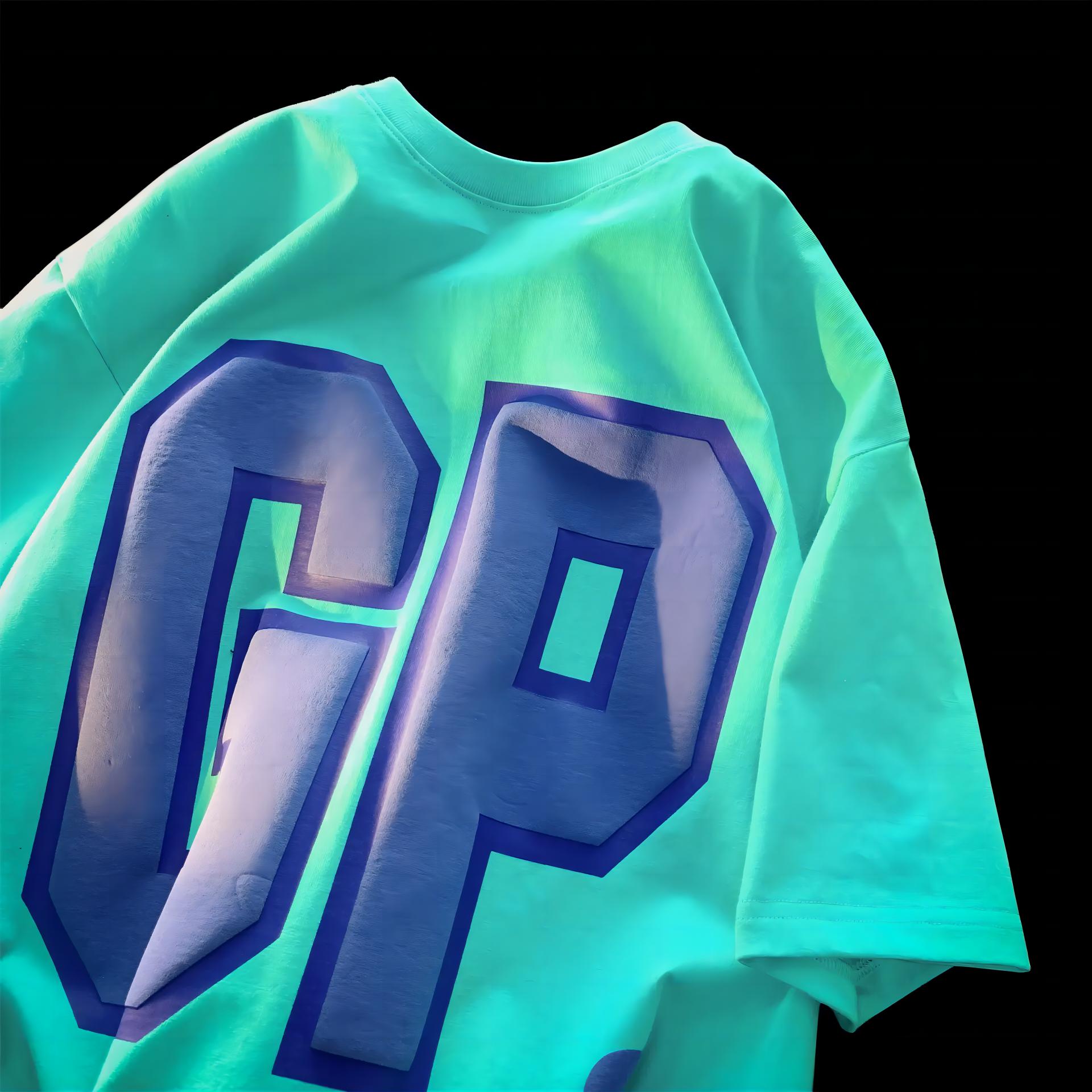
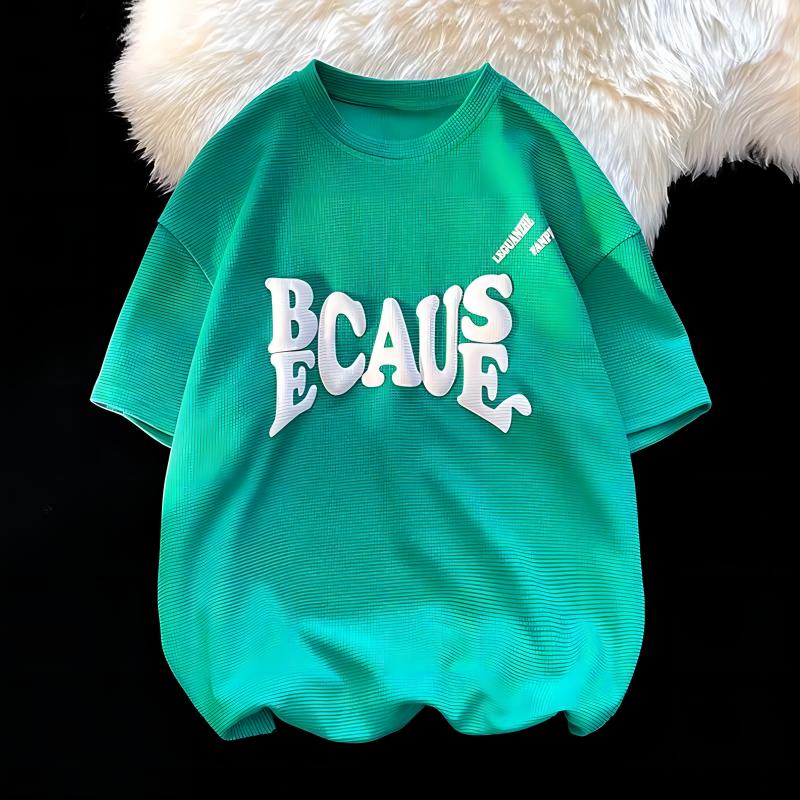
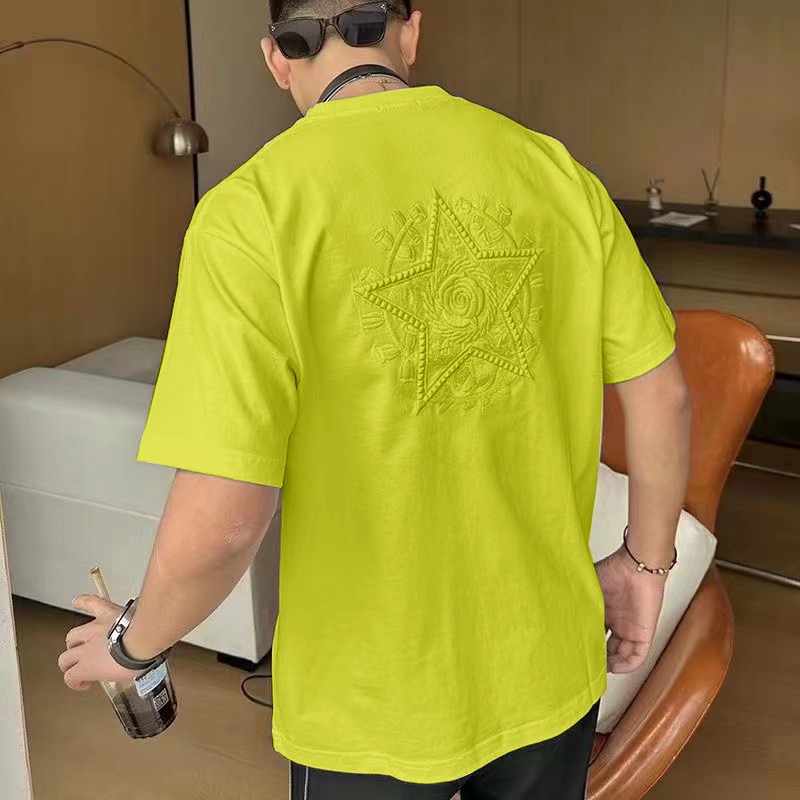
Custom T-Shirts
Custom T-shirts can carry water-based prints, plastisol, discharge, puff ink, embroidery, transfers or specialty finishes. Fabric weight, fiber content, color and desired hand feel determine the suitable method, while placement specifications keep graphics consistent across sizes.
Get a Quote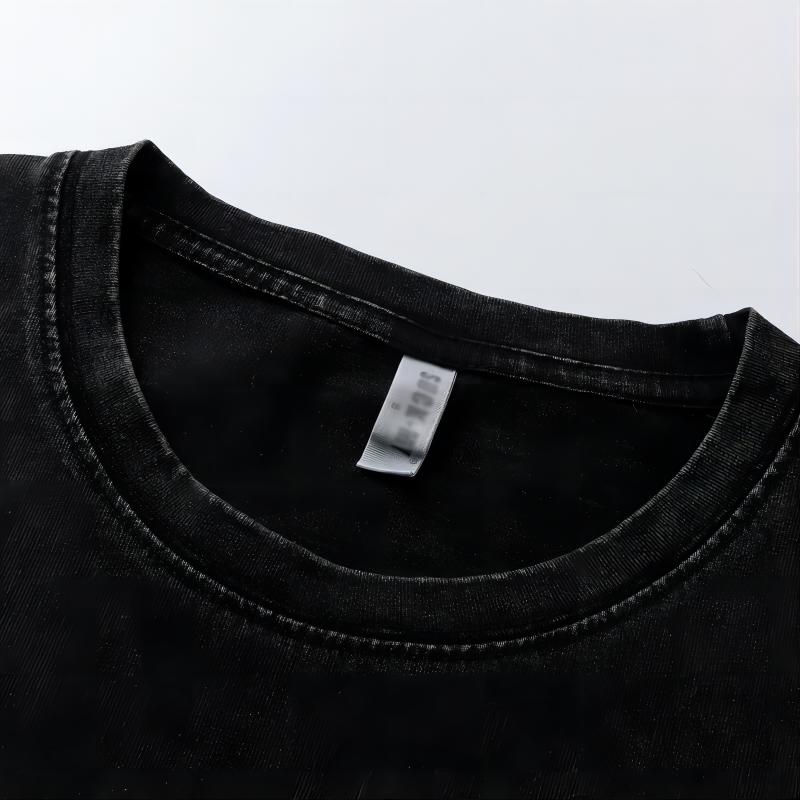
Custom Polo Shirts
Custom polo shirts are suited to chest embroidery, woven badges, sleeve logos, heat transfers and contrast trims. EDVORIN reviews pique or jersey fabric, placket construction and logo scale to ensure decoration remains clear without affecting comfort or garment structure.
Get a Quote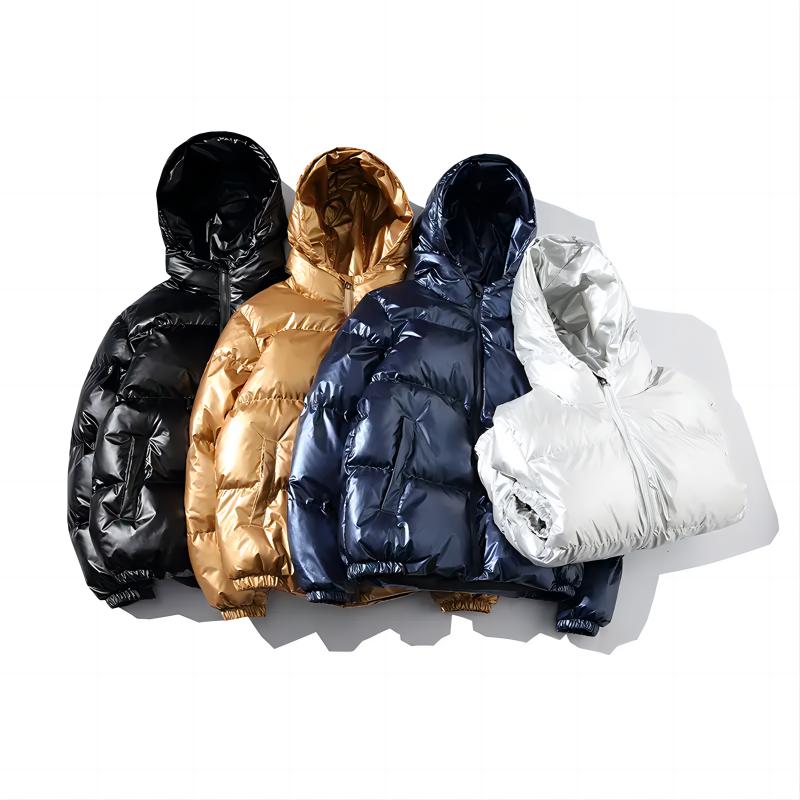
Windbreaker Jackets
Windbreaker jackets can use embroidery, screen printing, transfers, reflective details and patches, depending on shell fabric and end use. Decoration testing is important because lightweight coated fabrics, seam locations and water-resistance requirements can affect adhesion and appearance.
Get a Quote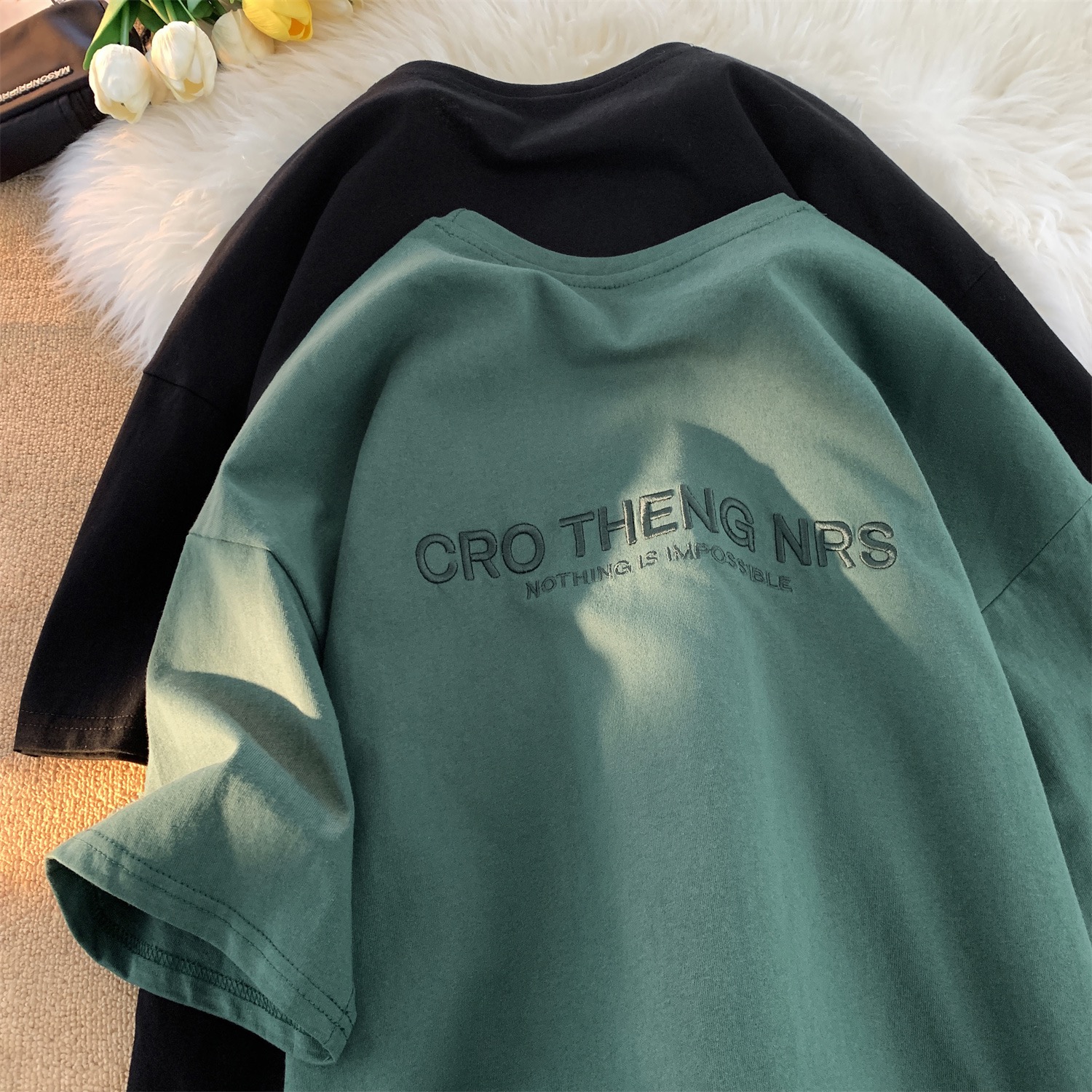
Quilted Jackets
Quilted jackets require decoration planning around insulation, quilting lines, lining and shell fabric. Embroidery, patches, prints and branded hardware can be applied in selected zones, with samples used to confirm that decoration does not compromise loft, balance or construction.
Get a Quote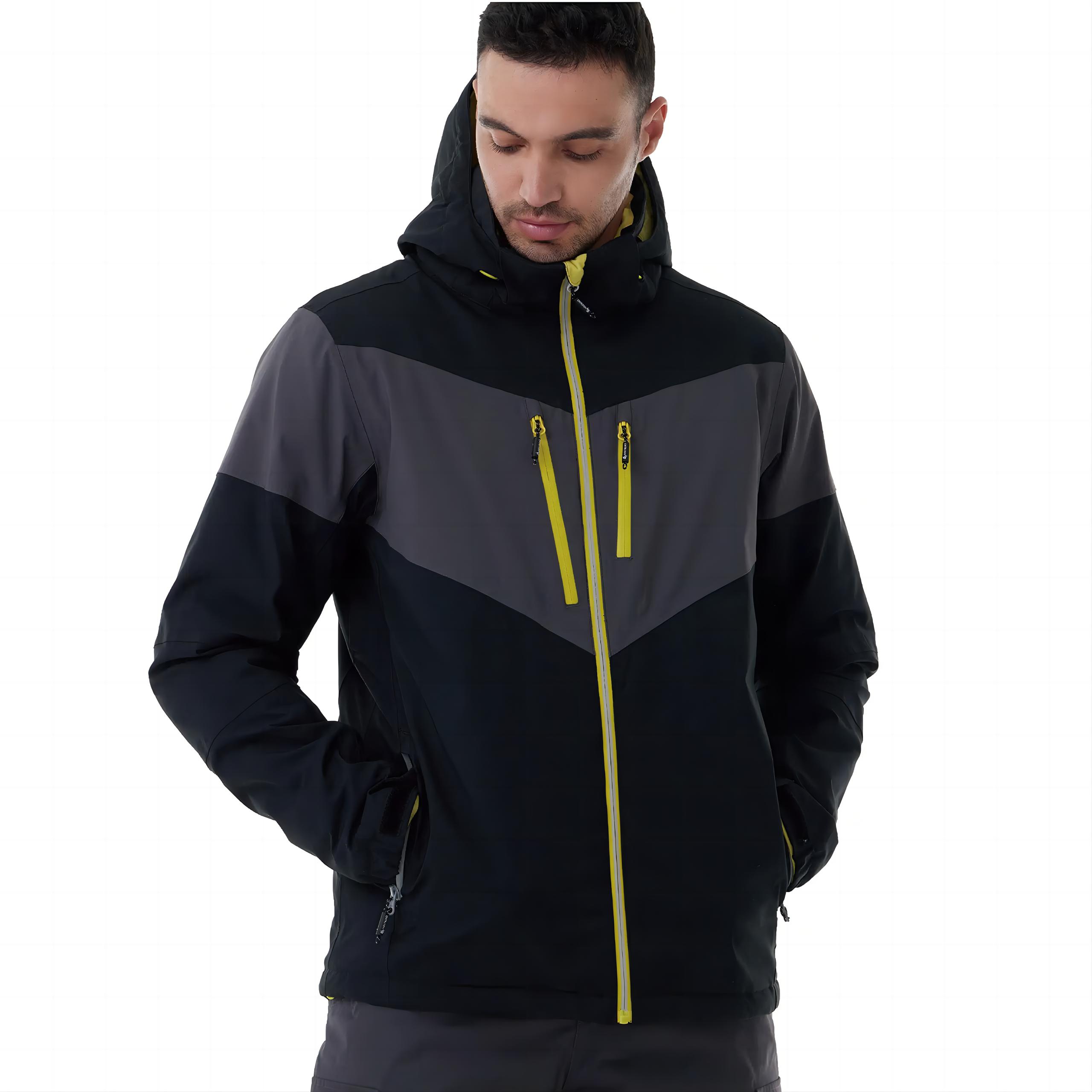
Bomber Jackets
Bomber jackets support embroidery, chenille, patches, screen prints and applique across nylon, polyester, satin or woven shells. Placement is evaluated around sleeves, pockets, rib and lining so decorative elements remain durable and proportionate in bulk production.
Get a Quote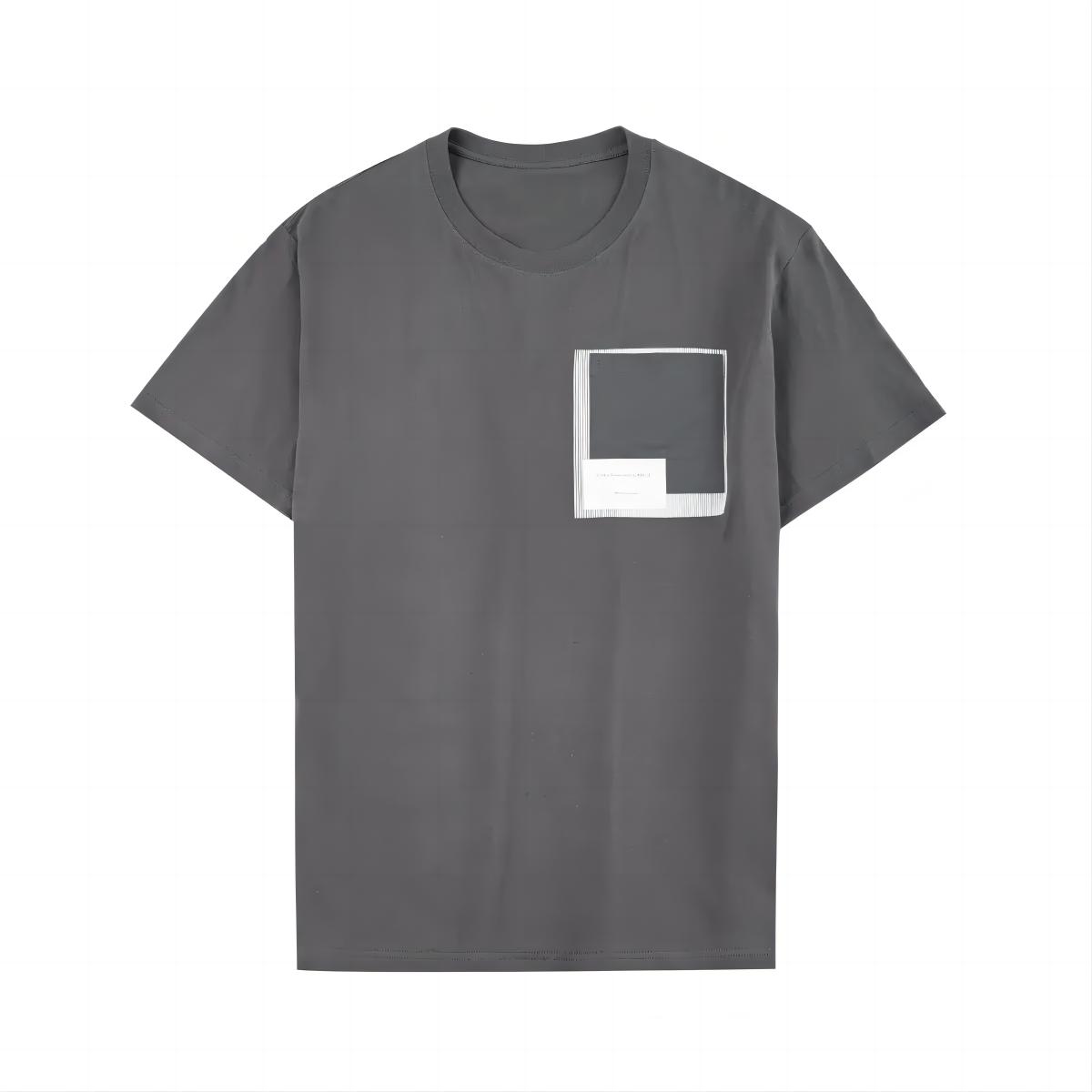
Custom Shirts
Custom woven shirts can be finished with embroidery, woven labels, printed details, patches and branded buttons. Collar, placket, pocket and cuff construction guide artwork placement, while fabric weight and weave determine the most appropriate decoration technique.
Get a Quote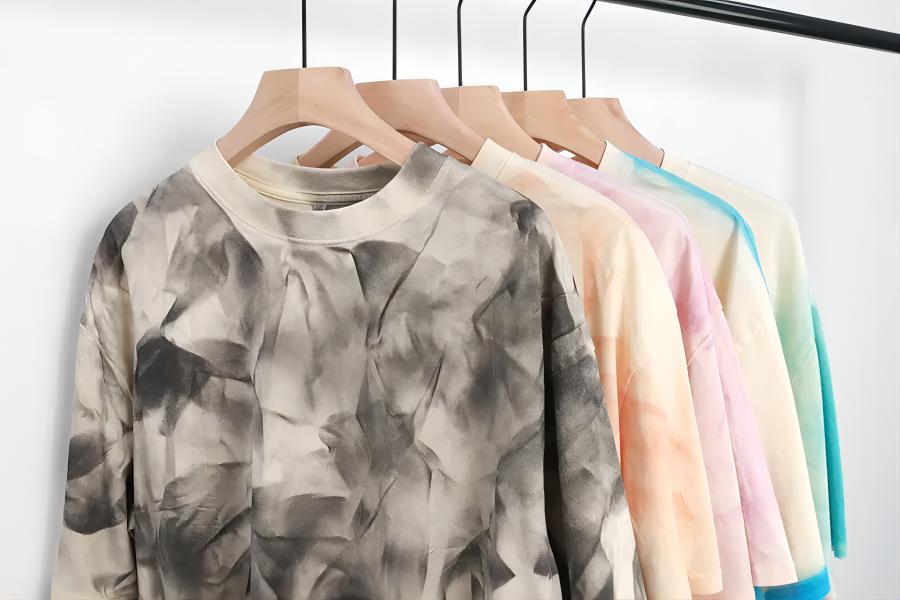
Custom Jerseys
Custom jerseys are developed for team identity, training programs and branded performance collections using prints, heat transfers, embroidery or appliqué. Numbering, names, color matching and repeat placement are documented clearly to support organized size sets and replenishment orders.
Get a Quote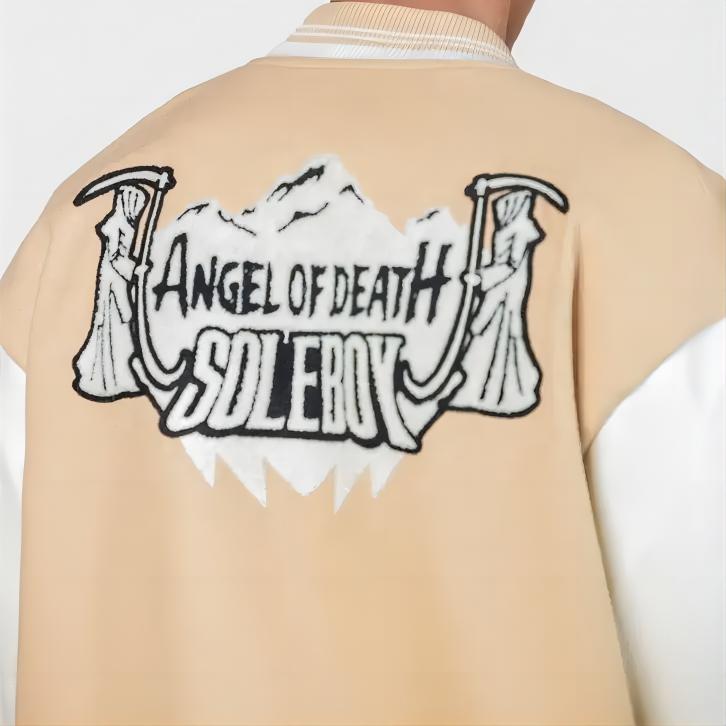
Tank Tops
Tank tops can feature screen prints, heat transfers, embroidery, patches and subtle labels for sportswear, casualwear or streetwear. Armhole shape, side seams, fabric stretch and lightweight construction are reviewed to keep decoration aligned and comfortable during wear.
Get a Quote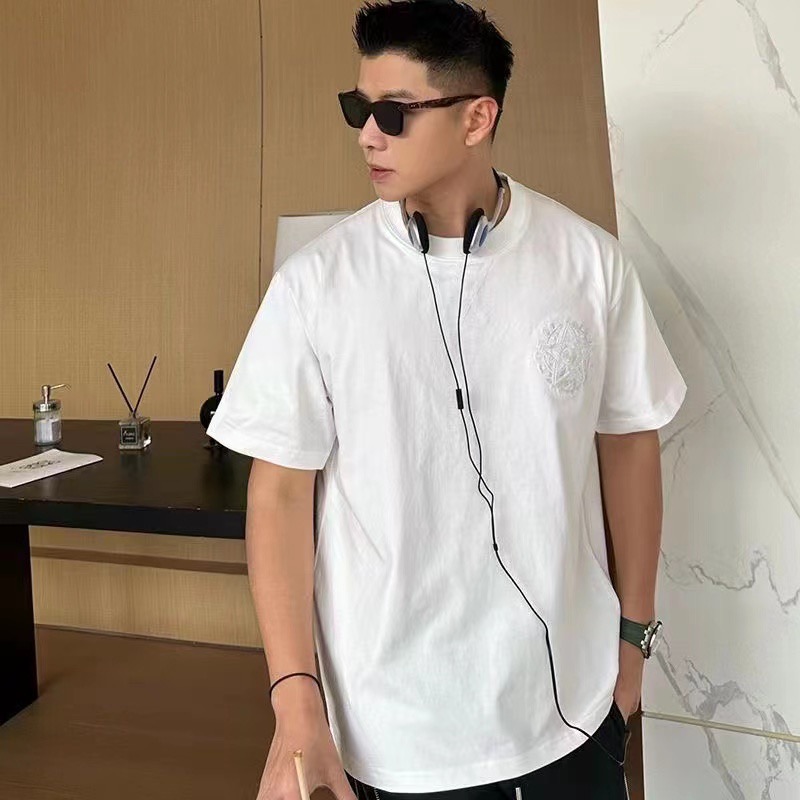
Soccer Uniforms
Soccer uniforms require coordinated jerseys, shorts and optional training pieces with stable colors, names, numbers, crests and sponsor graphics. EDVORIN matches decoration methods to breathable performance fabrics and records placement standards for complete team orders and future repeats.
Get a Quote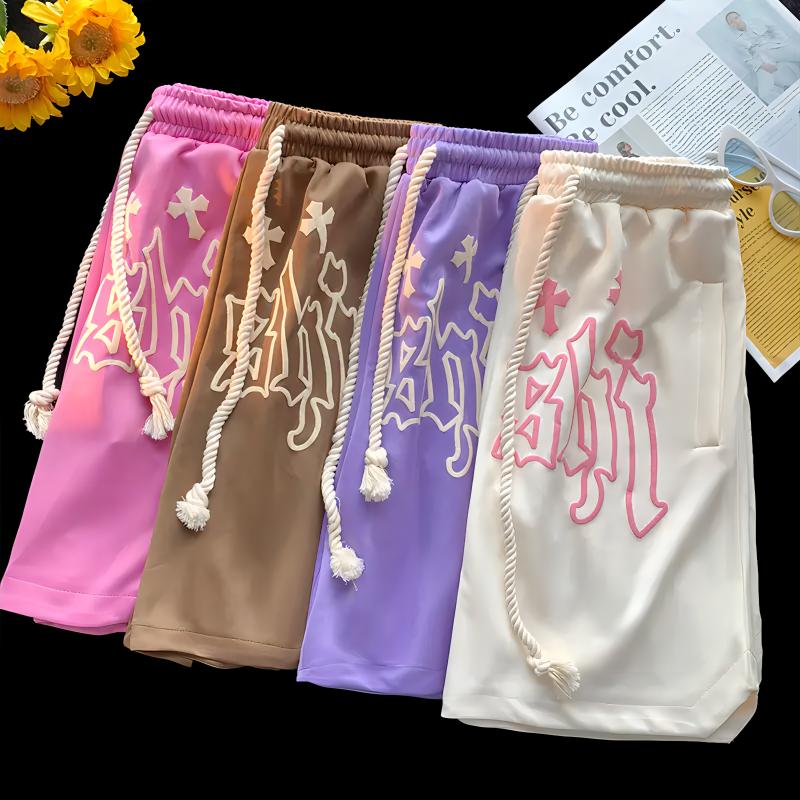
Basketball Uniforms
Basketball uniforms are developed with player numbers, names, team marks, sponsor graphics and coordinated shorts. Sublimation, heat transfer or other suitable methods are selected around mesh or performance fabric requirements, with grading and placement controlled across the full roster.
Get a Quote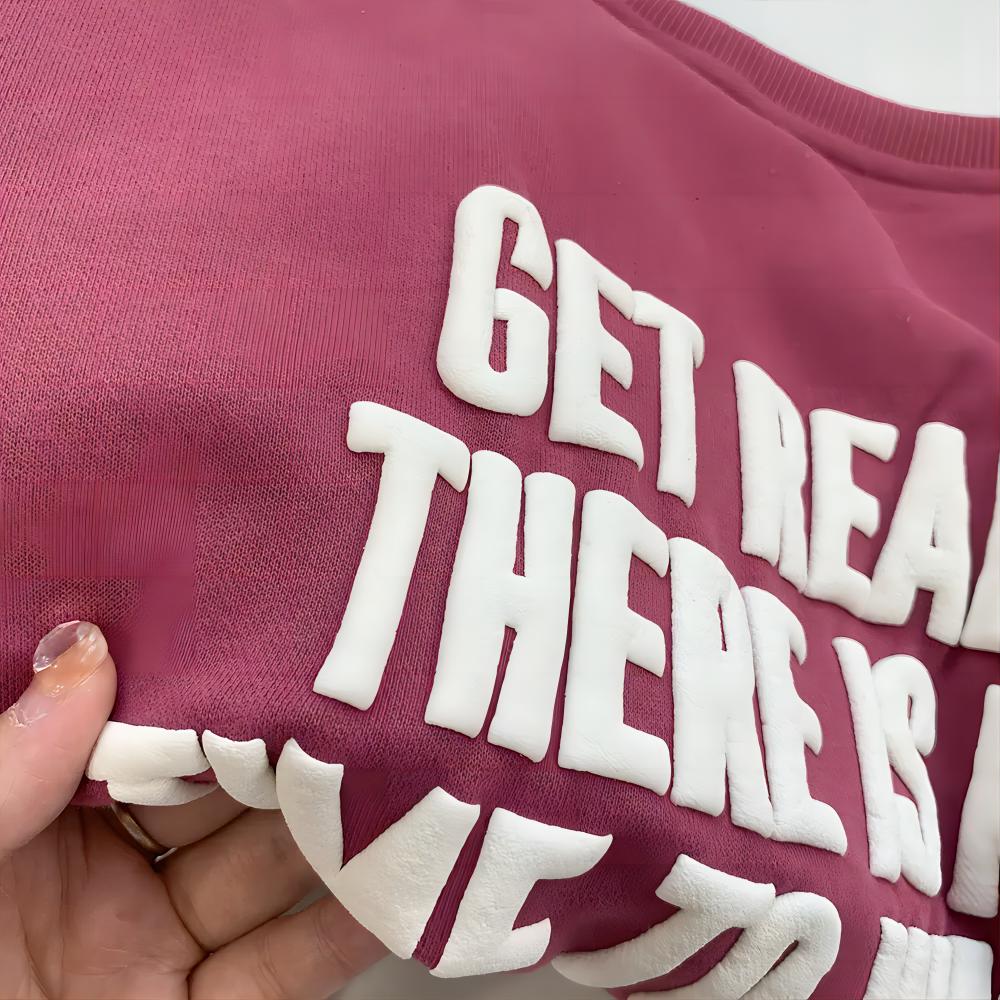
Streetwear Collections
Streetwear collections can combine heavyweight tees, hoodies, sweatpants, outerwear and accessories under one decoration plan. Prints, embroidery, patches, washes, labels and packaging are coordinated with product development, enabling brands to convert collection concepts into repeatable production standards.
Get a QuoteProduction Controls That Protect Your Design
Founded in 2000 by Edvorin Zeng, EDVORIN helps fashion, streetwear, teamwear, and private-label buyers turn apparel ideas into production-ready standards. As a custom apparel printing manufacturer, we bring product development, fabric and trim sourcing, patterns, sampling, and decoration decisions into one accountable workflow.
Our capabilities span casualwear, outerwear, and coordinated team collections for men’s and women’s programs. We coordinate printing, embroidery, washing, labeling, packaging, and bulk production around each garment’s material, construction, artwork, and intended wearer. MOQ starts at 200 pieces per style, supporting emerging labels and established programs alike.
What sets EDVORIN apart is control after sample approval. We record measurements, artwork placement, material specifications, and trim details so the approved result can guide repeatable production. In-line inspections and final quality checks help protect the standard from development through packed order, with certification programs including ISO 9001, BSCI, WRAP, SEDEX, OEKO-TEX Standard 100, GRS, and GOTS.
Custom Apparel Printing Manufacturer Controls That Protect Your Design
Placement Standards Recorded
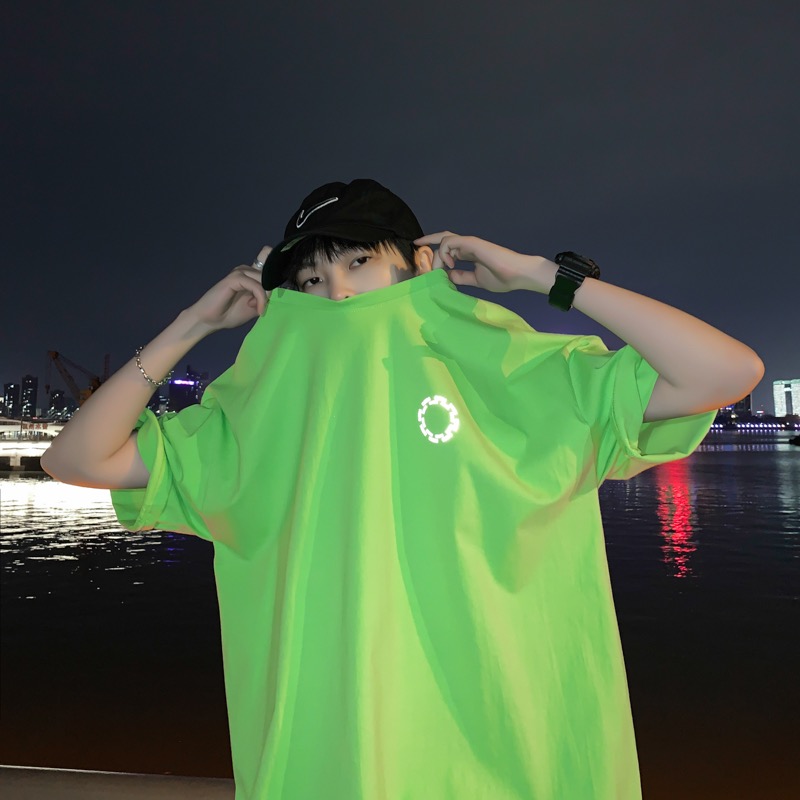
EDVORIN turns artwork placement into measurable production instructions, so a chest print, back graphic, sleeve detail, or jersey number is positioned consistently across sizes and repeat orders rather than relying on visual judgment alone.
- Placement points defined from stable garment references
- Size-specific placement rules reviewed during development
- Artwork scale checked against garment proportions
- Approved locations carried into bulk production records
Fabric and Decoration Matched
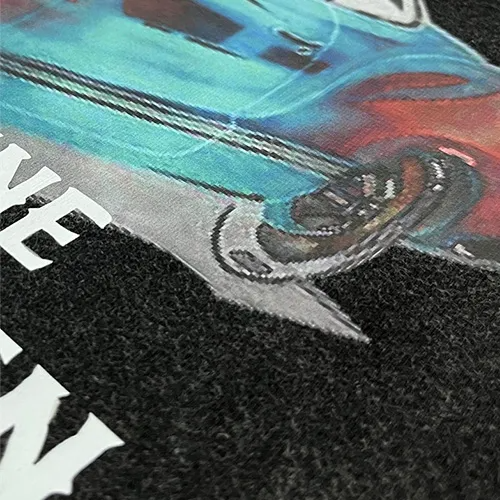
As a custom apparel printing manufacturer, EDVORIN evaluates the garment and decoration together. Fabric weight, stretch, texture, color, wash effect, and intended wear all influence the appropriate print, embroidery, or finishing approach.
- Decoration considered alongside fabric selection
- Stretch and surface texture assessed before sampling
- Print and embroidery choices aligned with garment use
- Wash effects planned around artwork performance
Approved Samples Guide Bulk
The approved sample becomes the working standard for production, not simply a presentation piece. EDVORIN records the confirmed materials, colors, measurements, decoration details, and finishing expectations to keep bulk output aligned with buyer approval.
- Sample revisions resolved before bulk release
- Approved artwork and color references documented
- Construction and decoration details linked together
- In-line checks compare work against approved standards
Finishing Managed as One System
Decoration is coordinated with labels, trims, washing, folding, and packaging so the finished garment arrives as a cohesive private-label product. This connected approach helps fashion, streetwear, and teamwear buyers protect both presentation and repeatability.
- Labels and trims coordinated with garment styling
- Wash and finishing considered before production
- Folding and packaging specified for the program
- MOQ starts at 200 pieces per style
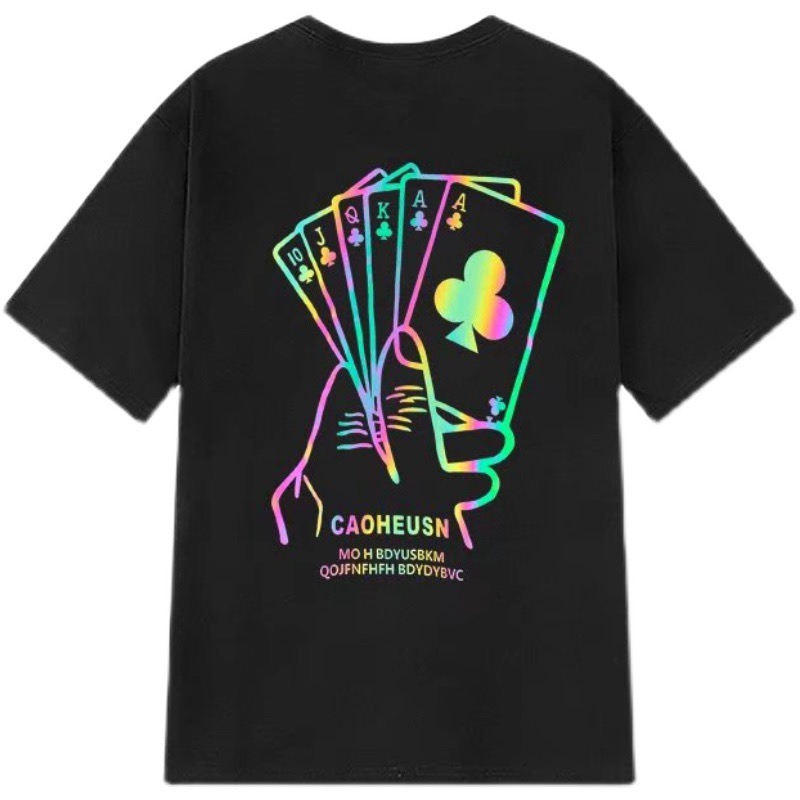
Custom Apparel Printing Manufacturer, Not Just a Print Shop
EDVORIN converts each approved design into a documented, repeatable production standard.
← Swipe left or right to view →
From Artwork Approval to Packed Apparel
EDVORIN converts each approved design into a documented, repeatable production standard for custom apparel printing manufacturer programs.
Review Brief and Tech Pack
We review your artwork, garment specifications, sizing, quantity, target market, and references to identify development requirements before production decisions are made.
Plan Materials and Decoration
Fabric, trims, color standards, print or embroidery methods, placement, wash effects, and performance needs are coordinated around the intended garment.
Develop and Refine Samples
Patterns, materials, construction, and decoration are tested in samples, giving your team a physical reference for fit, hand feel, color, and placement.
Document Approved Production Standards
Approved measurements, artwork placements, color references, trims, labels, and finishing details are recorded clearly so bulk teams work from one standard.
Produce With In-Line Checks
During bulk production, teams monitor material consistency, construction, measurements, and decoration execution to identify variation before it affects the full order.
Inspect, Pack, and Release
Final checks verify the finished order against approved standards before labels, folding, packaging, and shipment preparation are completed for your program.
Why Buyers Choose EDVORIN for Repeatable Apparel Production
Give EDVORIN the details needed to turn your concept into an approved, repeatable production standard.
Share Your Product Direction
Send a tech pack, sketch, reference garment, or collection brief with target styles, quantities, intended wearer, and men’s or women’s size requirements.
Define Artwork and Materials
Provide print-ready artwork, placement measurements, color references, fabric preferences, trims, and decoration goals so each garment specification can be reviewed accurately.
Review Your Production Quote
EDVORIN aligns development, sourcing, printing, and packaging requirements into a clear quotation, with MOQ starting at 200 pieces per style.
Approve the Development Sample
Review fit, construction, color, artwork placement, and decoration performance on the sample, then document revisions before bulk manufacturing begins.
Confirm Bulk Production Standards
After approval, EDVORIN coordinates production, in-line checks, final inspection, labeling, and packing against the approved sample and documented specifications.
Custom Apparel Printing FAQ
Our artwork was translated into clear placement standards before bulk production, so the print position stayed consistent across the full size run. That gave our team a more reliable reference for future reorders.
EDVORIN helped us match the fabric, garment construction, and decoration approach during sampling. The approved sample became a practical production standard instead of a one-off piece that could not be repeated at scale.
For our teamwear program, names, numbers, colors, and artwork placement needed to remain organized across multiple sizes. The sample-to-bulk process gave us confidence that the finished order would follow the approved specifications.
Custom Apparel Printing Buyer’s Guide
Answers for brands planning decoration-led apparel programs from sample approval through repeatable bulk production.
What should I look for in a custom apparel printing manufacturer?
Which decoration methods work best for hoodies, jerseys, and outerwear?
Can a custom apparel printing manufacturer combine printing and embroidery on one garment?
What artwork and placement information do I need to provide?
Does a custom apparel printing manufacturer develop men’s and women’s styles separately?
EDVORIN’s MOQ starts at 200 pieces per style. What is the minimum order quantity for custom printed apparel?
Can I approve a sample before bulk production begins?
How do you keep print and embroidery quality consistent in bulk production?
The Complete Custom Apparel Printing Manufacturer Buyer’s Guide
Use this decision framework to compare production models, fabrics, decoration methods, quality controls, pricing, and supplier fit—while avoiding specification, sampling, and sourcing mistakes that can delay a successful apparel launch.
1. What Is a Custom Apparel Printing Manufacturer?
Since 2000, EDVORIN has operated as a custom apparel printing manufacturer: a partner that connects product development, fabric sourcing, pattern work, sampling, decoration, bulk production, quality control, labeling, and packing.
Three supplier models solve different problems. A print shop decorates buyer-selected blanks; a blank-apparel distributor supplies ready-made garments; and a cut-and-sew factory builds garments but may leave printing, trims, or packaging to separate vendors.
One buying decision should be made before requesting quotes: choose decorated stock garments for speed, fully developed private-label products for proprietary fit and construction, or an integrated partner when those decisions must remain controlled through production. For a 200-piece program, recorded artwork placement, material specifications, measurements, and approved samples are the production standard—not informal references.
2. Evolution of Custom Apparel Printing Manufacturing
Four-color screen printing made repeat graphics economical once screens were set up, while contract garment production often split patternmaking, sewing, decoration, and packing among separate vendors. That model suited larger standardized runs but made revisions and small personalized orders slower to control.
Since 2000, EDVORIN has worked through the transition toward connected development and production, where digital artwork, placement records, and sample approvals travel with the garment specification. Digital decoration and transfer workflows now let buyers test color-complex artwork, variable names, and smaller launches before committing to a broader program.
One production record should connect the approved sample, Pantone references, measurement chart, trims, decoration placement, labels, and packing instructions. For a custom apparel printing manufacturer, that traceability supports faster reorders while preserving the standards needed as a 200-piece program grows.
3. Types of Custom Apparel Printing Manufacturer
Five supplier models divide apparel work differently. Match the model to ownership of fit, sourcing, decoration, inventory, and the 200-piece program rather than choosing solely on unit price.
Decoration-Only Shops
24-piece minimums are common for decorated blanks. Teams, schools, and corporate buyers gain speed but have little control over garment construction.
Full-Package Private Label
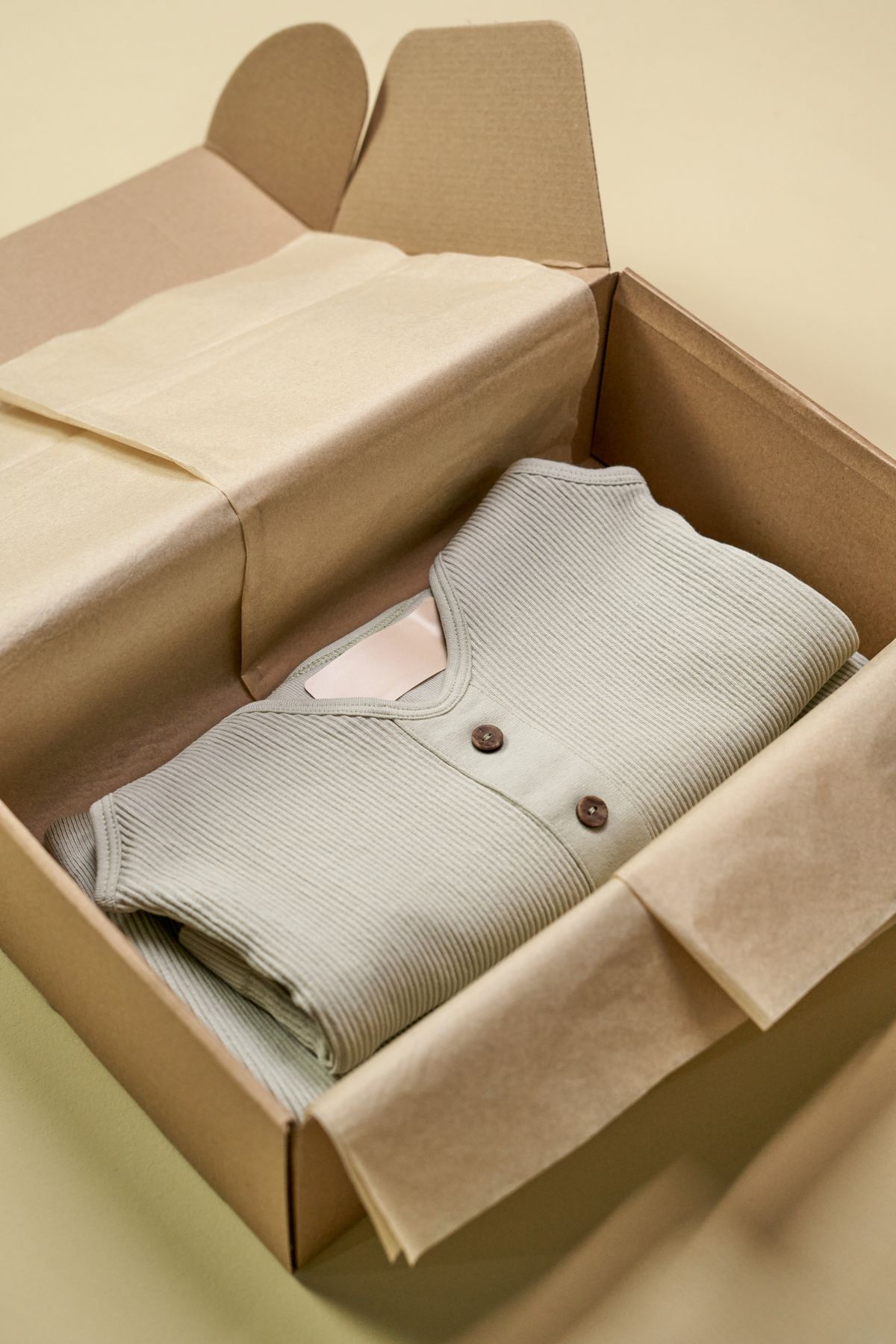
200-piece programs can combine development, sourcing, labels, and packing. Fashion labels and distributors gain coordinated control, with longer approval cycles.
Cut-And-Sew With Printing
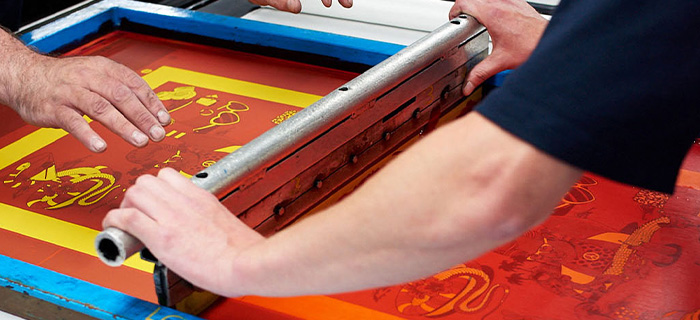
1 approved sample anchors custom patterns, fabrics, sewing, and print placement. Streetwear brands gain the most design control; MOQs are usually higher.
Print-On-Demand Partners
1-unit fulfillment removes inventory risk. Corporate campaigns can test demand, but per-unit cost and garment customization are limited.
Sourcing Agents
2 or more factories may be coordinated by an agent. Buyers gain supplier access but must define inspection authority and communication ownership.
4. Fabrics for Custom Apparel Printing Manufacturer Projects
Fabric is the print system’s foundation: it determines ink behavior, coverage, recovery, and wear life. EDVORIN matches construction and weight to the collection’s intended use before sampling.
| Fabric | Print Result | Best Use |
|---|---|---|
| Cotton | Soft, opaque color | Merch tees |
| Cotton-poly blend | Balanced durability | Uniforms |
| Performance knit | Breathable, low moisture retention | Sportswear |
| Fleece | Stable large artwork base | Streetwear hoodies |
Base Fabric Choices
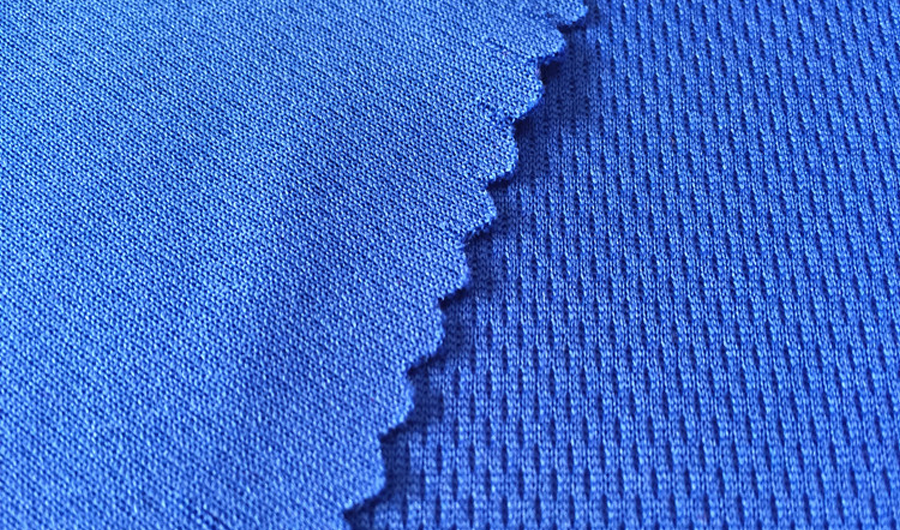
100% ring-spun cotton gives a soft hand and reliable print opacity for merch and streetwear; allow for shrinkage testing. Polyester moves moisture and resists shape change, but requires dye-migration control on dark jerseys.
Weight, Knit, And Fit
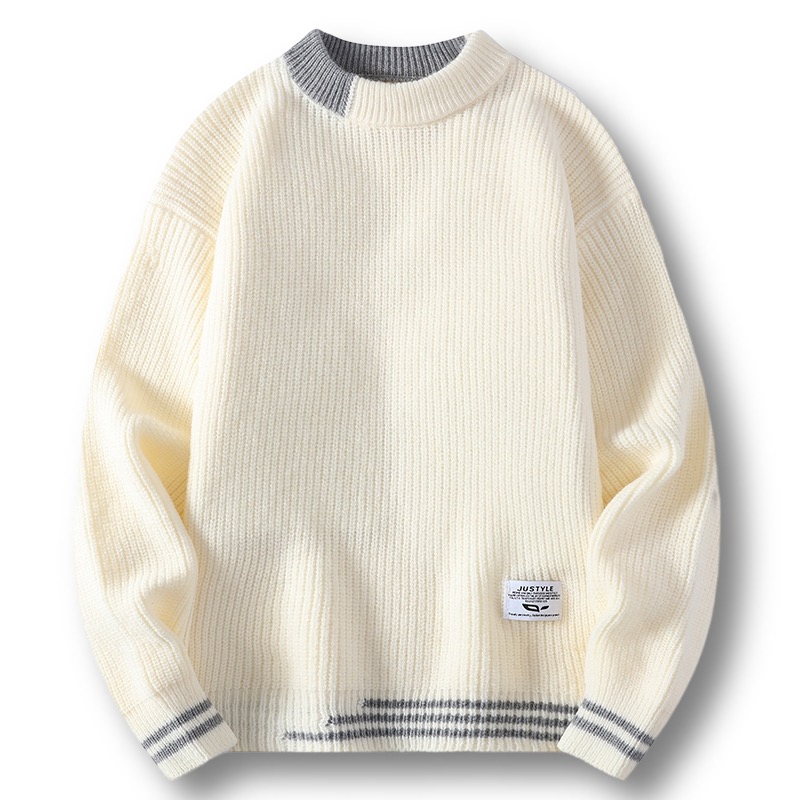
180–220 GSM jersey suits tees, while 280–400 GSM French terry or fleece supports structured hoodies. Rib, pique, mesh, and interlock change stretch and surface texture, so placement must be approved on the actual fit block.
5. Custom Apparel Printing Manufacturer Decoration Options
EDVORIN’s MOQ starts at 200 pieces per style. At a 200-piece MOQ, decoration choice should follow artwork, garment fiber, and repeatability. EDVORIN records approved placement, color references, and finish standards before bulk production.
| Method | Best Use | Fabric And Setup | Durability |
|---|---|---|---|
| Screen print | 200+ simple graphics | Cotton/blends; screens | High when cured |
| DTG | Detailed small runs | Cotton; pretreat | Good with care |
| DTF | Full-color mixed fibers | Transfer film; low setup | Good; test stretch |
| Sublimation | Polyester teamwear | White/light polyester | Excellent; no crack |
| Heat transfer | Names, numbers | Most fabrics; per-piece | Good; avoid overheating |
| Embroidery | Logos, polos, outerwear | Stable fabrics; digitizing | Very high |
| Patches | Badges, varsity looks | Sew or heat application | Depends on attachment |
| Specialty finishes | Puff, foil, reflective | Method-specific testing | Varies by finish |
Volume And Color
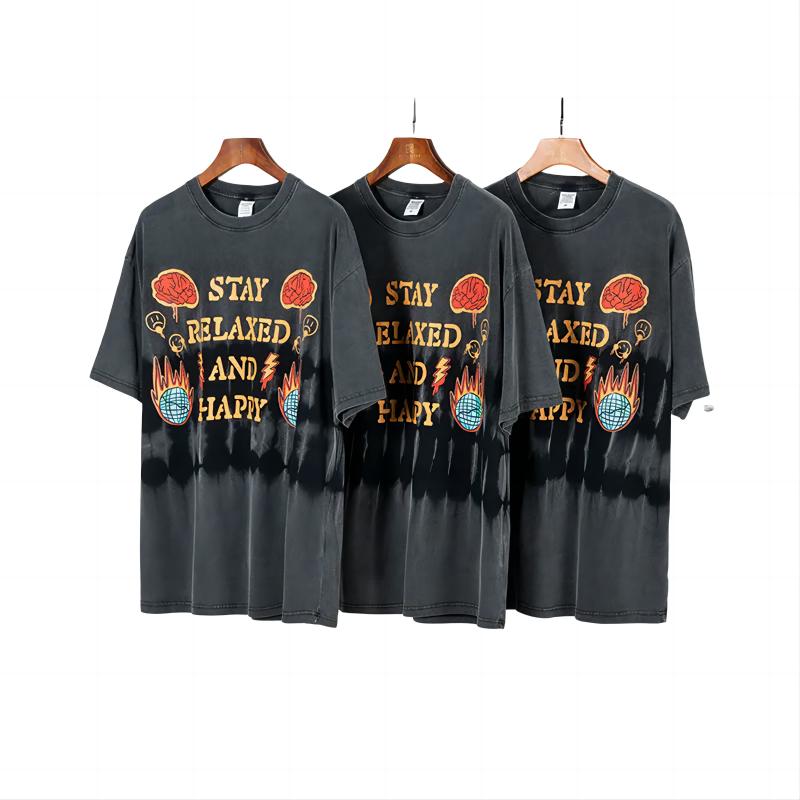
1-color logos suit screen print or embroidery.
4-color artwork needs separations; test print opacity on dark garments.
Personalization And Performance
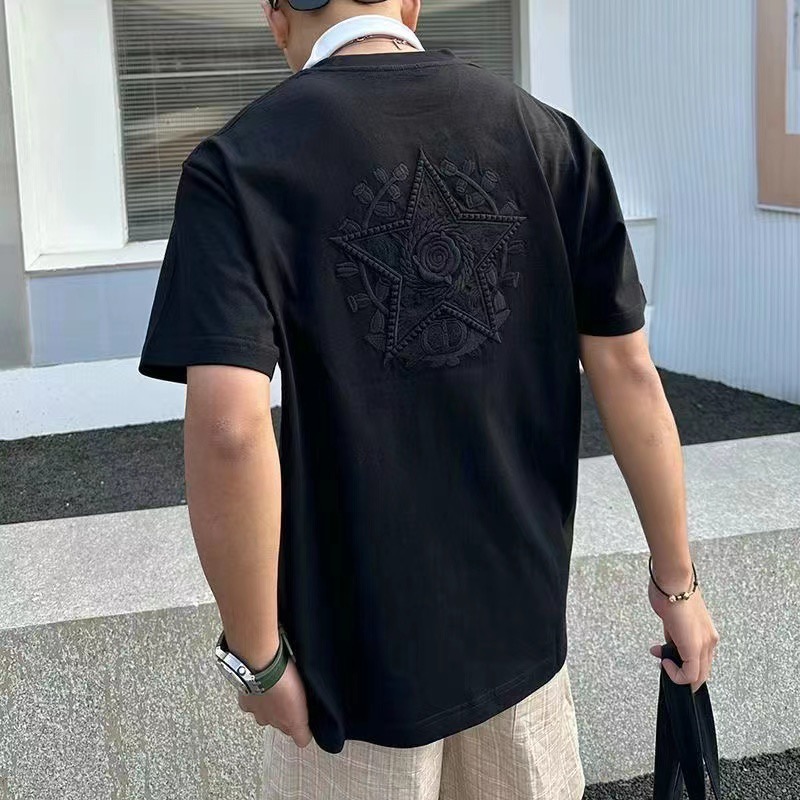
1-off names and numbers favor heat transfer or DTF.
100% polyester jerseys suit sublimation when artwork covers the panel.
Texture And Premium Detail
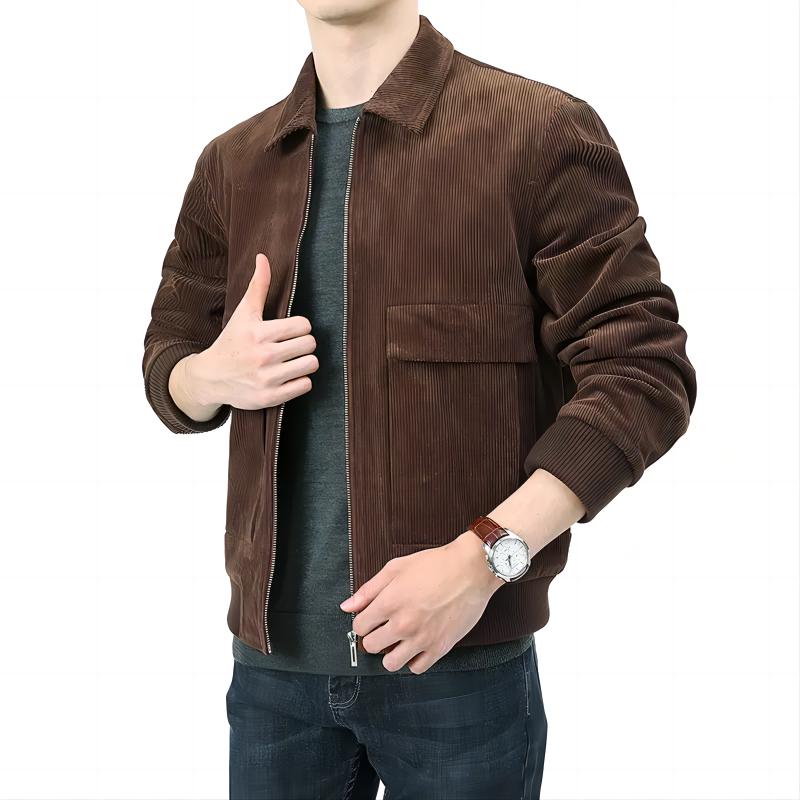
3D finishes add hand feel but require wash testing.
100% embroidered areas need stabilizer and may affect lightweight knits.
6. Construction and Print Quality Checks
Bulk approval should test the physical garment and its decoration as one standard. A pre-production sample, signed measurement chart, color reference, and defect rules give a custom apparel printing manufacturer an auditable bulk target.
Garment Construction
Fabric lots should match the approved hand feel, weight, shade, and shrinkage expectation before cutting.
Measurements need stated tolerances; inspect seam security, rib recovery, label attachment, and left-to-right symmetry.
- Check fabric shade across size sets
- Measure key points against specifications
- Inspect seams, ribs, labels, and trims
Print And Embroidery
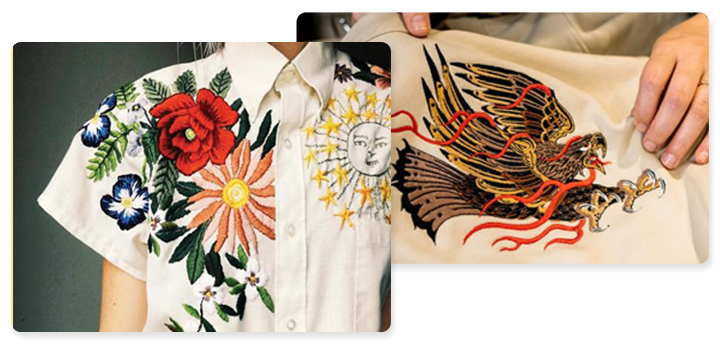
Pantone references and placement measurements should accompany approved artwork, including distance from neckline or center front.
Screen prints require clean registration and full curing; wash testing should check cracking, color loss, and adhesion. Embroidery needs appropriate backing without puckering.
- Match print colors to approved references
- Verify placement on every size
- Wash-test decorated sample garments
Packing And Defects
Packaging specifications should define folding, polybags, size stickers, barcode labels, and carton assortment.
Defect handling should state inspection level, acceptable defects, rework process, and evidence required for claims; documented approval criteria reduce avoidable disputes.
- Approve a packed sample
- Define defect and rework rules
- Record inspection findings by carton
7. How to Choose a Custom Apparel Printing Manufacturer
EDVORIN’s MOQ starts at 200 pieces per style. A 200-piece MOQ makes supplier selection a production decision, not a catalog comparison. Assess whether the custom apparel printing manufacturer can document the same product category, decoration, and repeat-order requirements.
| Quote Check | Ask For | Why It Matters |
|---|---|---|
| Materials | Composition and source | Protects specification |
| Quality | Inspection standard | Defines acceptance |
| Delivery | Lead time and Incoterm | Reveals landed cost |
Match Relevant Experience
200 units of hoodies, jerseys, or outerwear require category-specific construction knowledge. Ask for comparable samples, measurement tolerances, wash testing, and artwork-placement records before approving development.
Test The Working Process
1 approved pre-production sample should become the bulk standard. Ask who checks Pantone artwork, manages revisions, confirms capacity, and provides dated milestones for sampling, production, inspection, and shipment.
Compare Total Program Cost
3 quotes can share a unit price yet differ materially in fabric, labels, packing, freight terms, defect handling, and reorders. Confirm material sourcing, fulfillment scope, payment schedule, intellectual-property ownership, inspection rights, and remedy terms in writing.
8. Common Custom Apparel Printing Manufacturer Mistakes
Eight recurring errors usually begin before production, when assumptions remain undocumented. A custom apparel printing manufacturer can prevent surprises only when the buyer supplies comparable, approval-ready inputs.
Incomplete Product Specifications
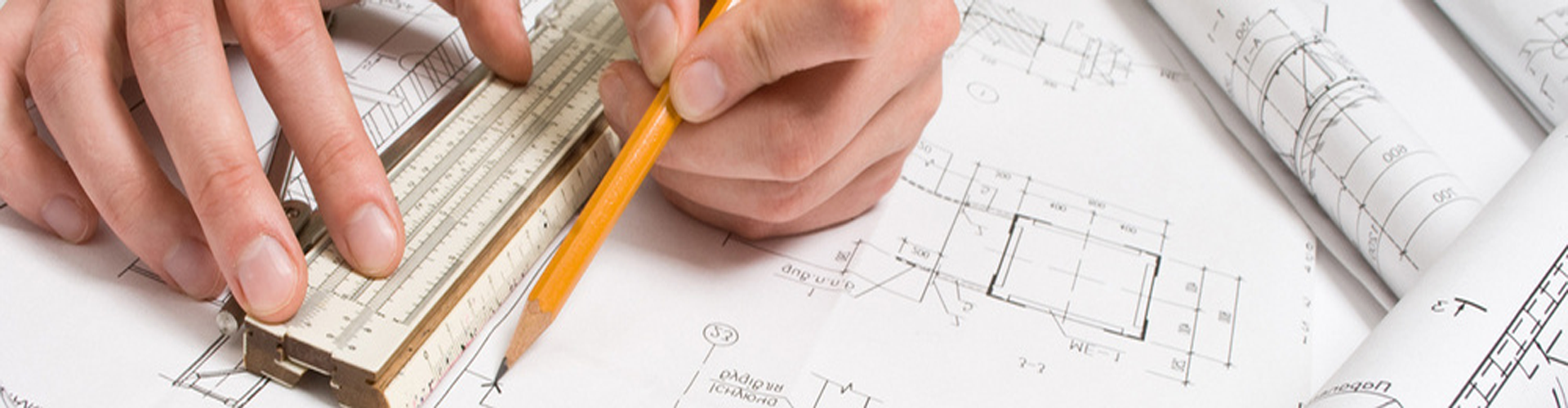
1. Unclear tech packs omit measurements, placement, colors, trims, and revision control; a sketch alone cannot govern bulk production.
2. Prevention: issue one dated specification sheet and record every approved change against the sample.
Fabric And Print Mismatch
1. Choosing fabric before decoration can produce dye migration on polyester or poor ink behavior on textured fleece.
2. Prevention: select fabric, print method, and intended wash performance together, then test the actual combination.
Mockup-Only Approval
1. Digital mockups cannot confirm print-area limits, hand feel, color on fabric, or placement across graded sizes.
2. Prevention: approve a physical pre-production sample with measured artwork placement before bulk cutting.
Unmatched Commercial Comparisons
1. Lead time, size curves, quality terms, and quotes become misleading when fabric weight, decoration, packing, and inspection scope differ.
2. Prevention: compare line-item quotes and define acceptable defects, measurement tolerance, delivery date, and size breakdown in writing.
9. Steps to Launch Your Apparel Program
A 200-piece program starts with a defined customer, channel, target price, and delivery date. EDVORIN can translate a sketch or complete tech pack into one reviewable production standard.
Build The Production Brief
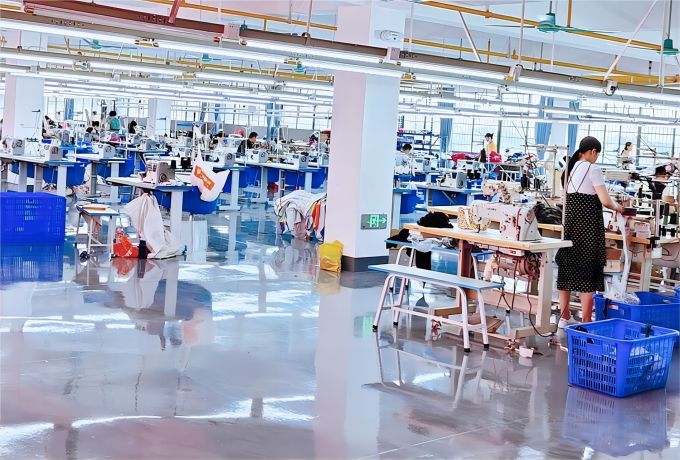
1 brief should state garment type, men’s or women’s fit block, size range, fabric weight, Pantone colors, trims, labels, packaging, and decoration locations.
2 artwork files should be vector-based where possible, with print size and placement measured from fixed garment points.
Quote, Sample, Approve
200 pieces is the stated MOQ, so request pricing by style, color, size ratio, decoration, and delivery destination. Confirm sampling cost, revision timing, payment terms, and freight responsibility.
1 approved sample must lock measurements, construction, material, color, artwork, print method, trim specifications, labels, and packing before bulk cutting.
Control Bulk And Reorders
3 checkpoints—pre-production, in-line, and final inspection—should compare bulk goods against the approved sample. Confirm carton marks, folding, polybags, assortment, shipping documents, and shipment date before dispatch.
1 digital production folder should retain graded specs, approved artwork, Pantone references, sample photos, inspection records, size sell-through, and reorder notes. This record makes the next run easier to reproduce.
10. Custom Apparel Printing Manufacturer Pricing
200 pieces is a practical point at which fixed screen, digitizing, and sample costs can be spread across an order; it is not a universal minimum or price promise. A final quote from a custom apparel printing manufacturer depends on garment choice, fabric, print method, colors, placements, personalization, packaging, freight, and destination.
7–10 production days is a commonly quoted window for standard decoration services, but custom fabric, approvals, and multi-step finishing can extend the critical path; verify it before launch (https://www.frenchpresscustom.com/services). Treat this table as an indicative cost model, not EDVORIN pricing.
| Quantity tier | Main unit-cost drivers | Typical setup impact | Lead-time effect |
|---|---|---|---|
| 200–499 | Garment, fabric, color count | Highest per unit; setup spread over fewer pieces | Sampling and approvals matter most |
| 500–999 | Print method, placements, trims | Lower setup allocation per unit | More efficient line scheduling |
| 1,000+ | Material yield, personalization, packing | Best setup absorption; added colors still raise cost | Capacity booking and freight planning become critical |
Custom Apparel Printing Manufacturer: Request Your Production Quote
Share your tech pack, artwork, garment category, quantity, and decoration requirements. EDVORIN will assess the production path and prepare a clear quote.