
Screen Printing Clothing Manufacturer for Repeatable Custom Apparel
EDVORIN is a screen printing clothing manufacturer turning approved artwork and garment specifications into consistent fashion, streetwear, teamwear, and private-label production.
Featured Screen-Printed Apparel Programs
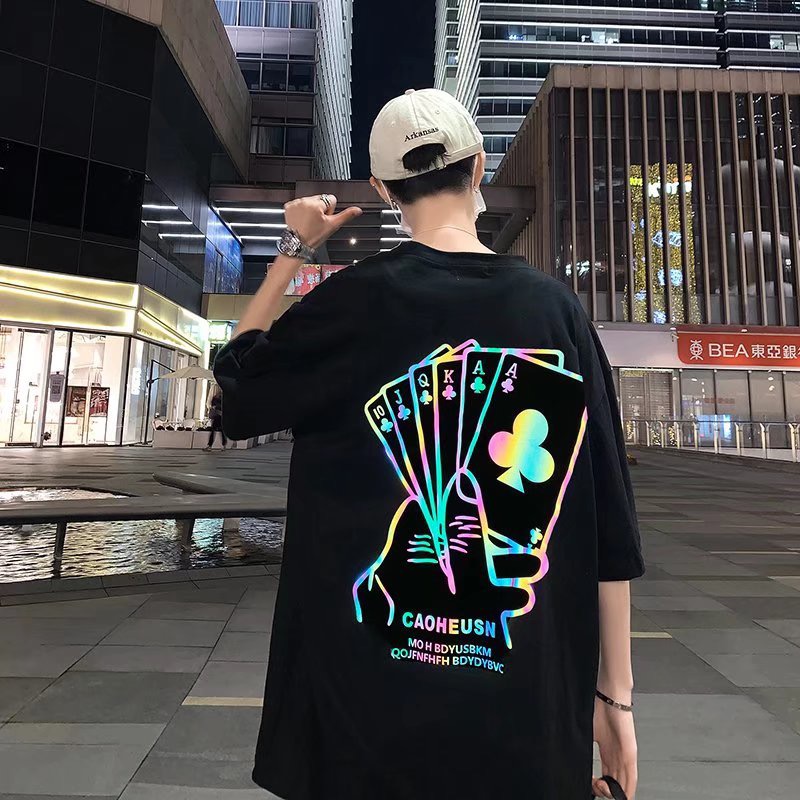
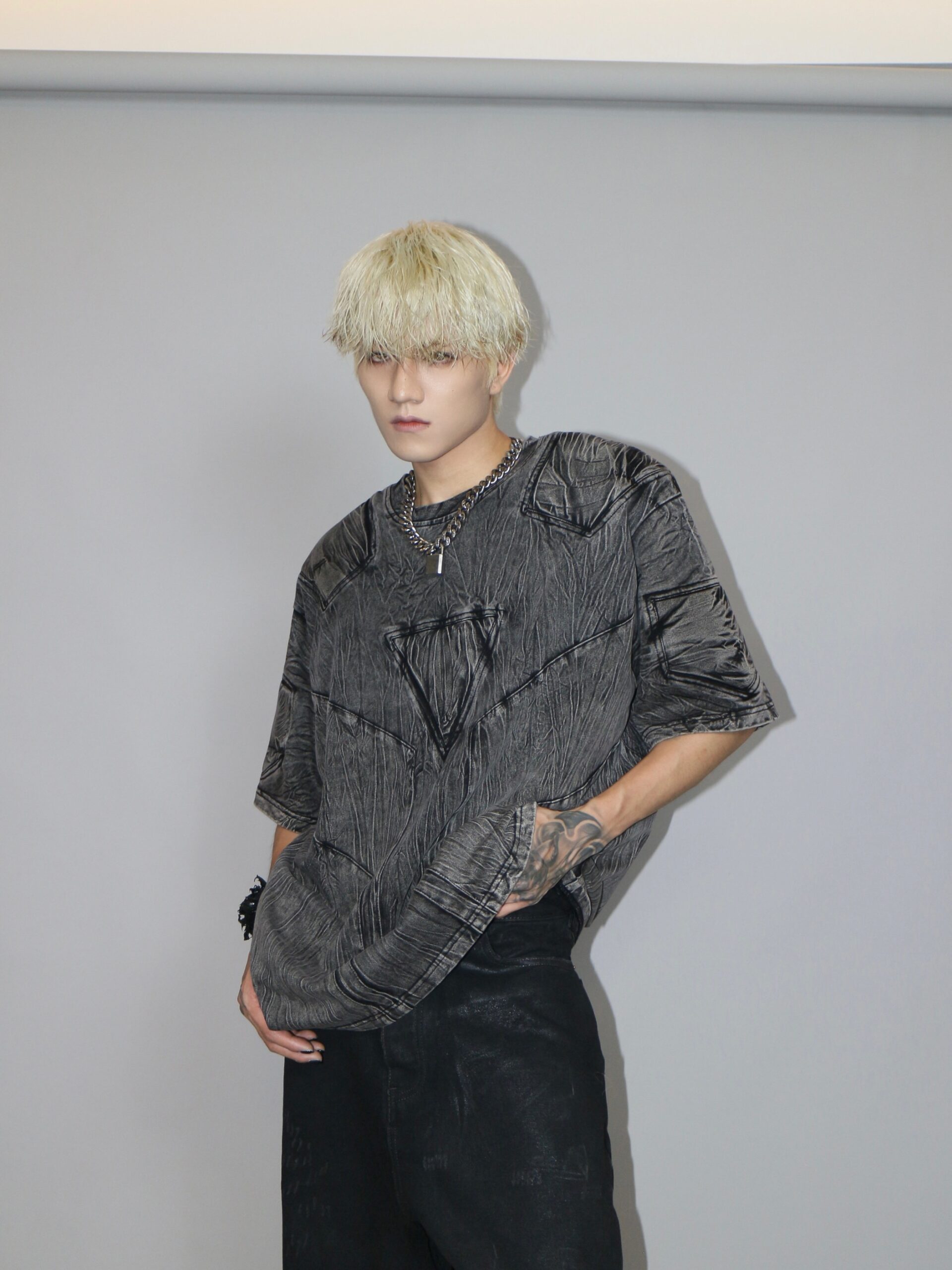
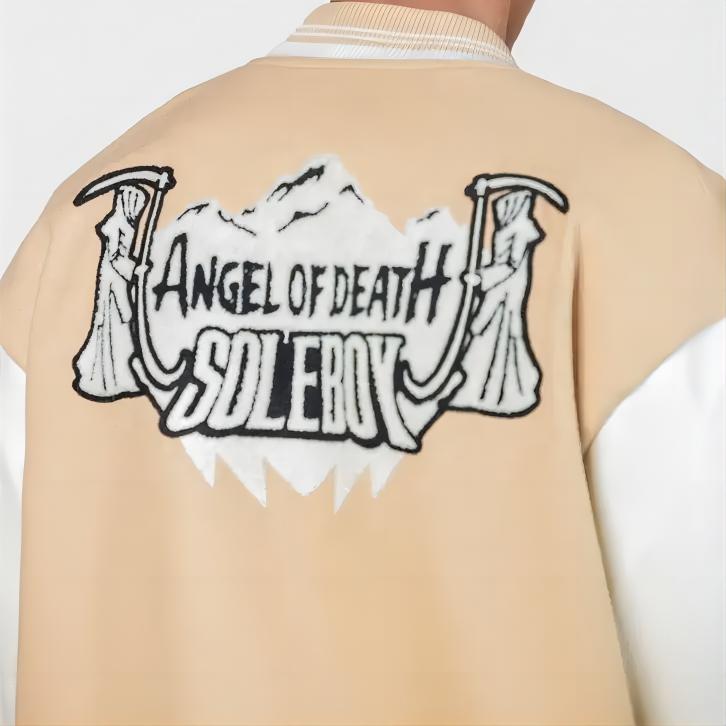
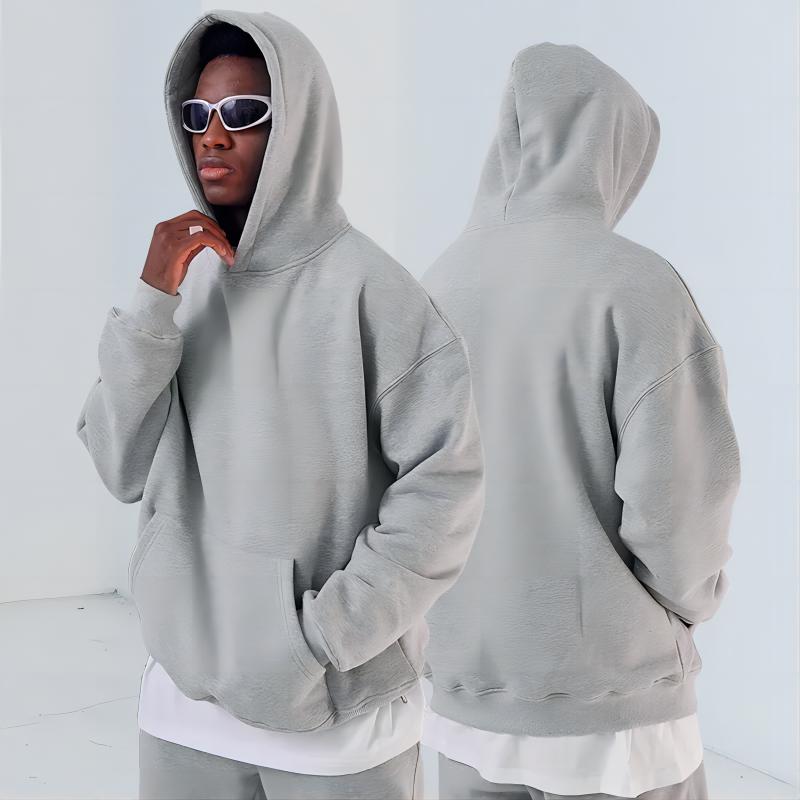
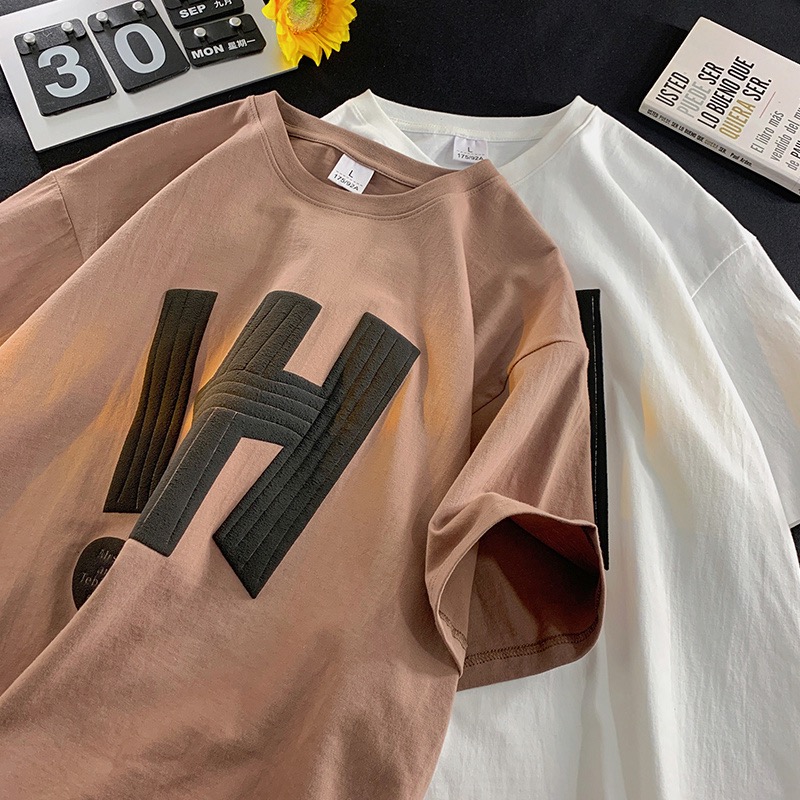
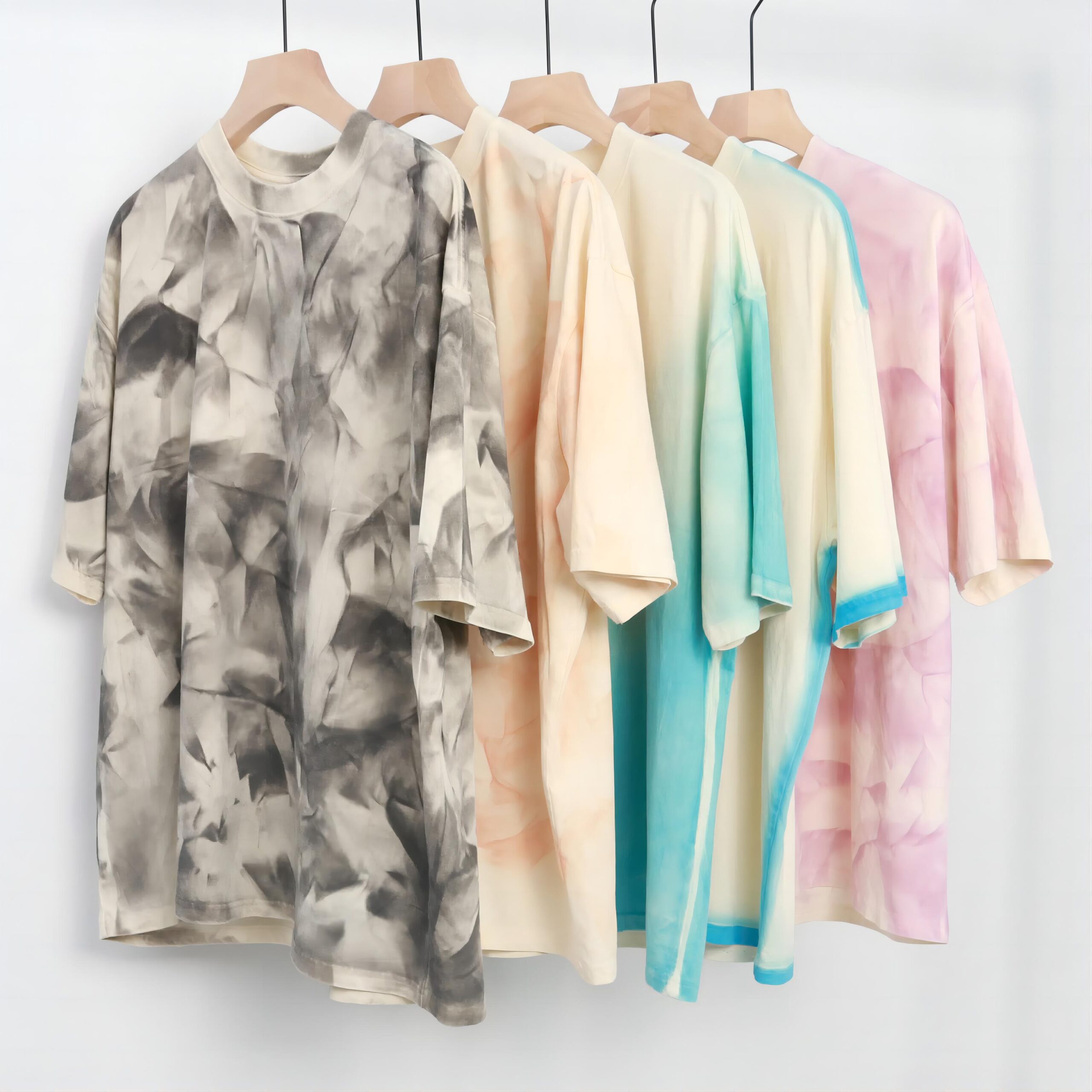
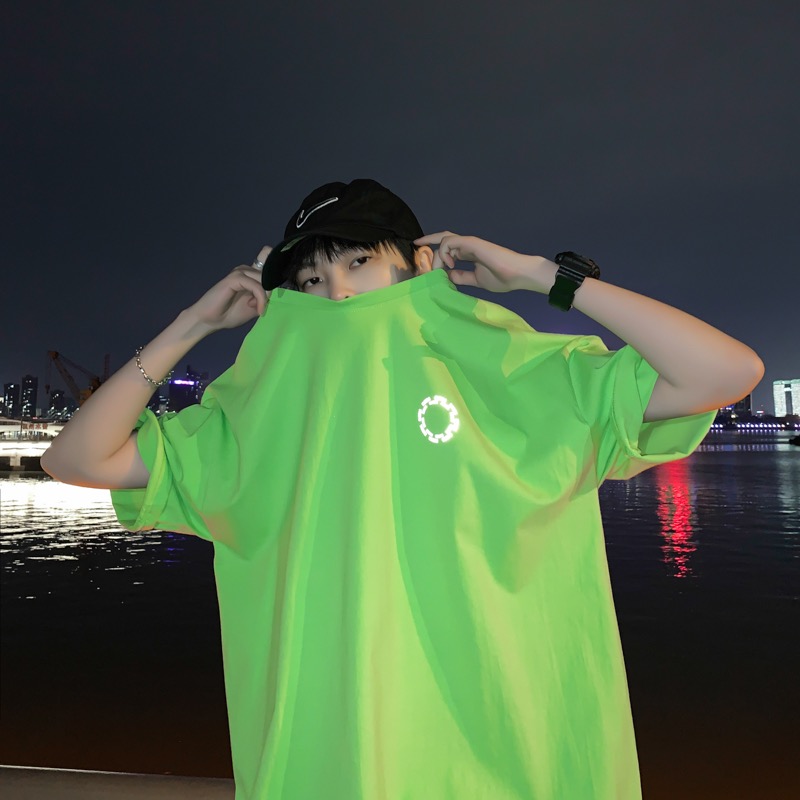
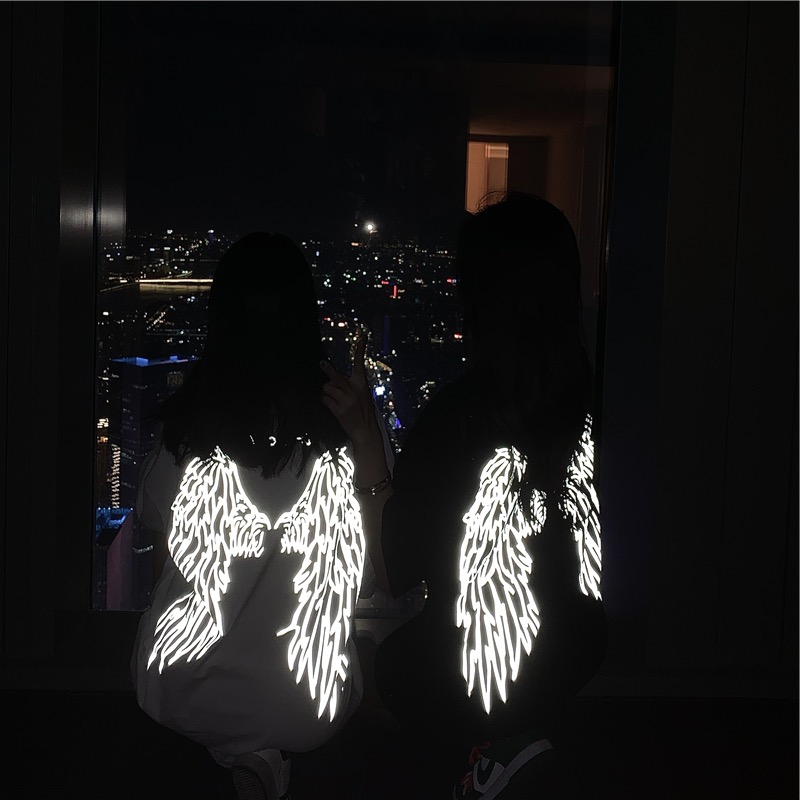
Why Choose a Screen Printing Clothing Manufacturer
EDVORIN coordinates artwork, garment construction and bulk controls to make screen-printed apparel repeatable across fashion, streetwear and teamwear programs.
Strong Color Coverage
Build bold artwork with ink, fabric and color choices reviewed for the selected garment, helping graphics retain their intended visual impact.
Repeatable Artwork Placement
Approved placement measurements, artwork references and sample standards give production teams a clear target for consistent print positioning throughout bulk orders.
Scalable Bulk Output
Screen printing supports organized production for ongoing collections, teamwear and wholesale programs, with MOQ starting at 200 pieces per style.
Category-Specific Coordination
From T-shirts and hoodies to jerseys and jackets, EDVORIN aligns print requirements with fabric behavior, construction details and intended wear.
Sample-to-Bulk Control
Development testing and approved samples create accountable standards for artwork, materials and finishing before the order moves into bulk production.
Private-Label Ready
Pair screen-printed garments with coordinated labels, trims, packaging and fit development for men’s and women’s programs built around your brand.
Explore Decoration and Apparel Manufacturing
Compare product categories, decoration routes and private-label development options for programs built from approved samples through repeat bulk production.
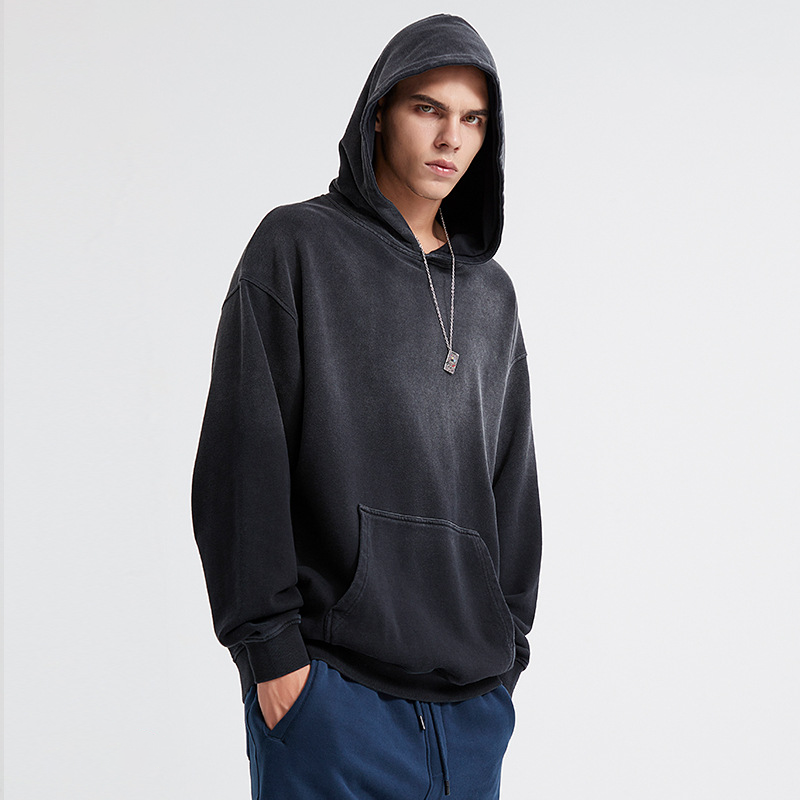
Custom Hoodies
Develop custom hoodies with fleece selection, fit blocks, rib specifications, drawcords, pockets and screen-print placement documented for repeatable bulk production. Men’s and women’s programs can be developed from a tech pack, reference garment or early concept.
Get a Quote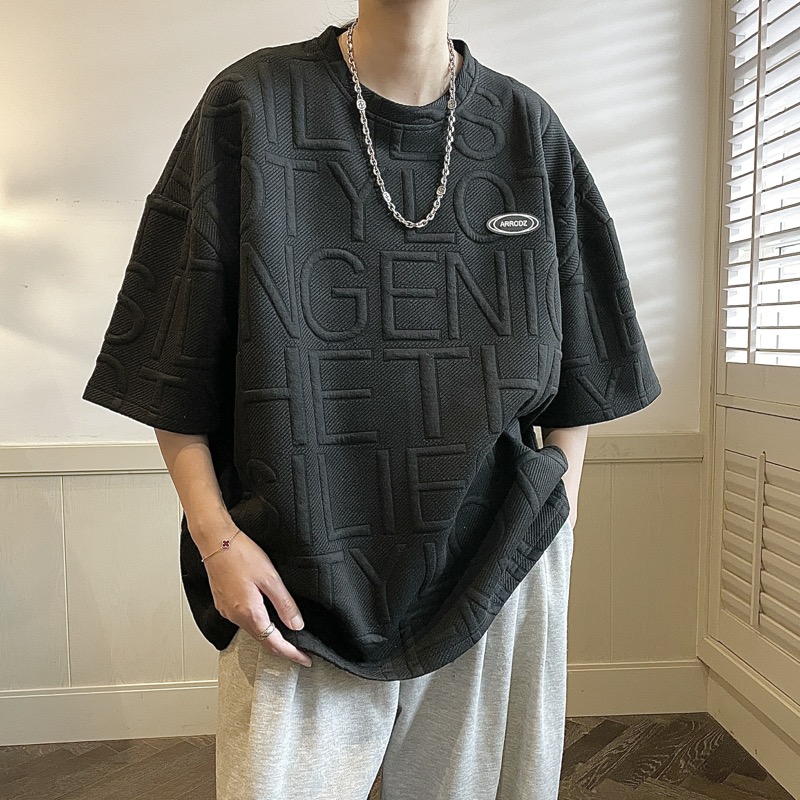
Pullover Sweatshirts
Build pullover sweatshirts around fabric weight, neckline construction, rib recovery, grading and decoration requirements. EDVORIN supports screen printing, embroidery, washes, labels and packaging while turning approved samples into clear production standards.
Get a Quote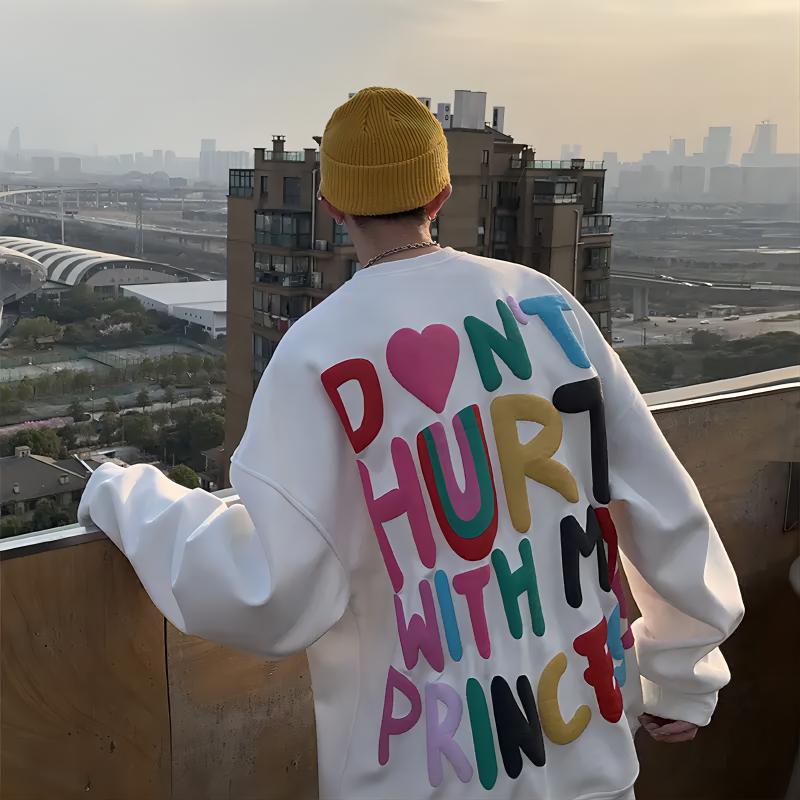
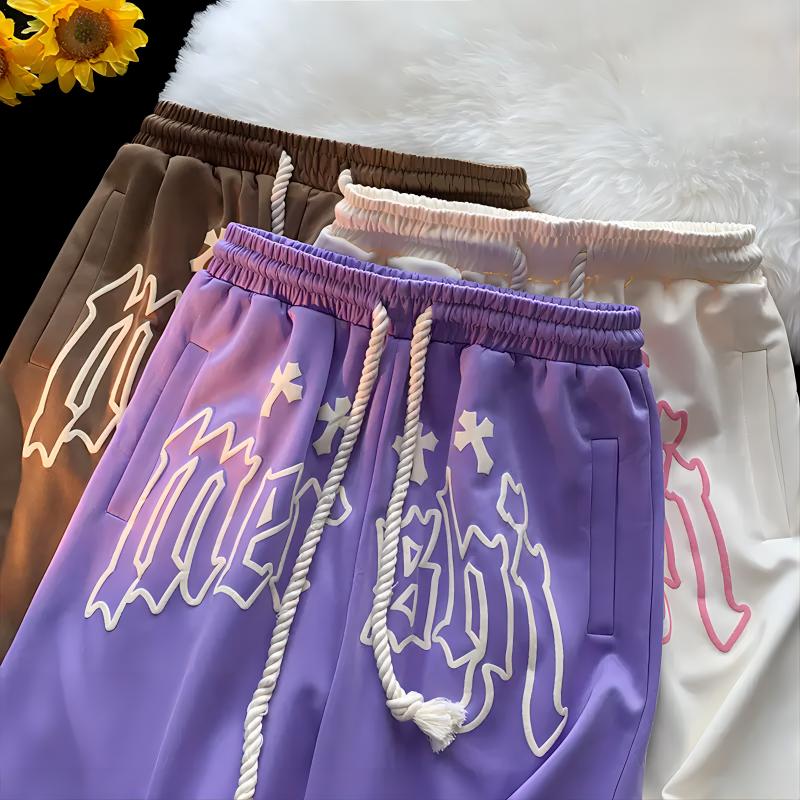
Sweatpants & Joggers
Produce sweatpants and joggers with coordinated fabric, waistband, cuff, pocket and drawcord specifications. Suitable for casualwear, teamwear and private-label programs requiring matched sets, stable sizing and repeatable decoration placement.
Get a Quote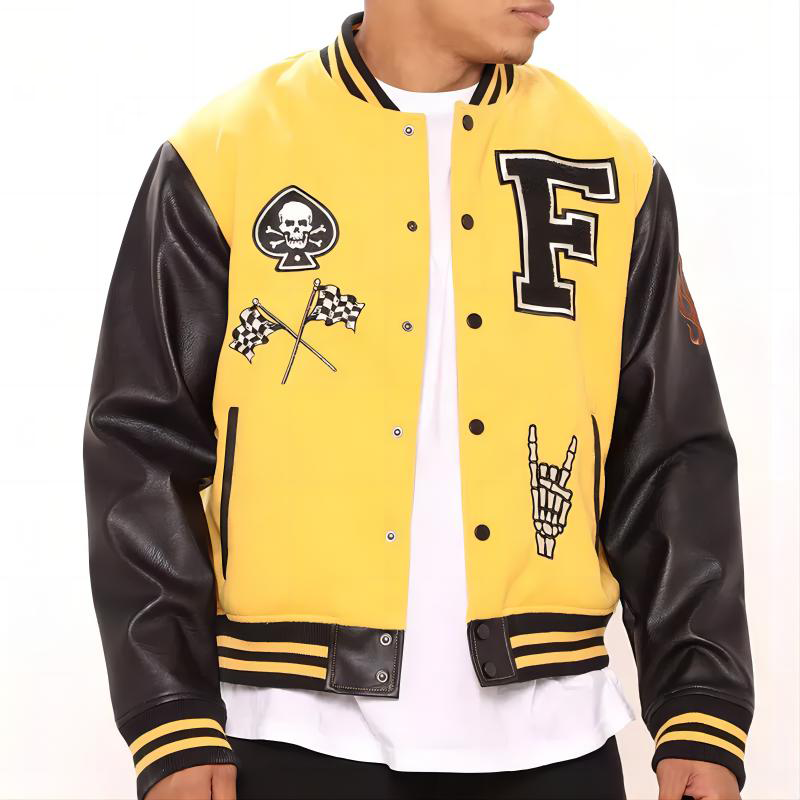
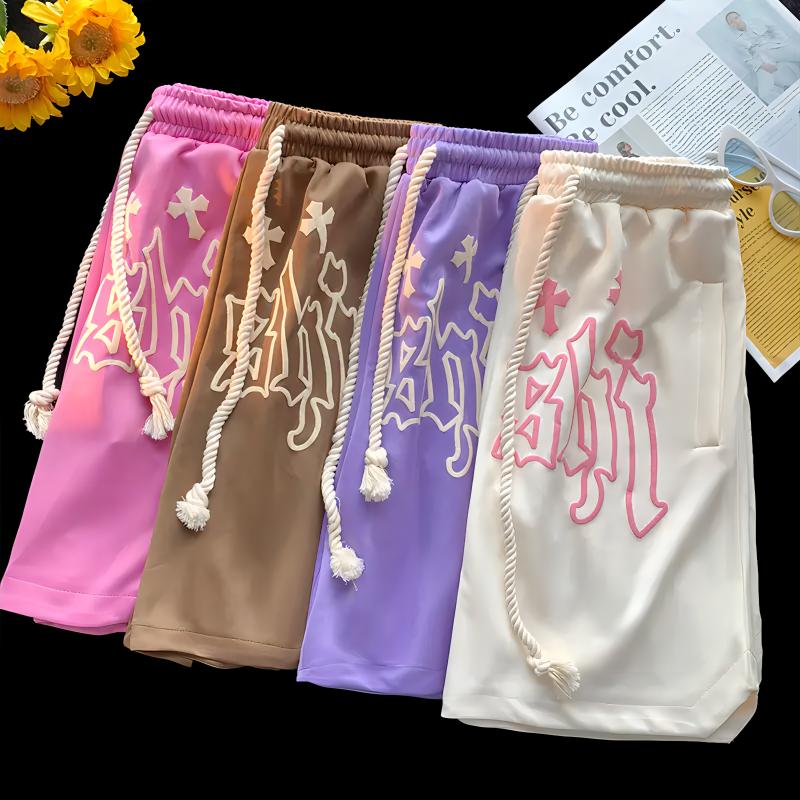
Custom Shorts
Develop custom shorts for fleece, jersey, woven or performance applications. Specify inseam, rise, waistband, pockets, lining and print or embroidery details to suit fashion, streetwear, sports and promotional product programs.
Get a Quote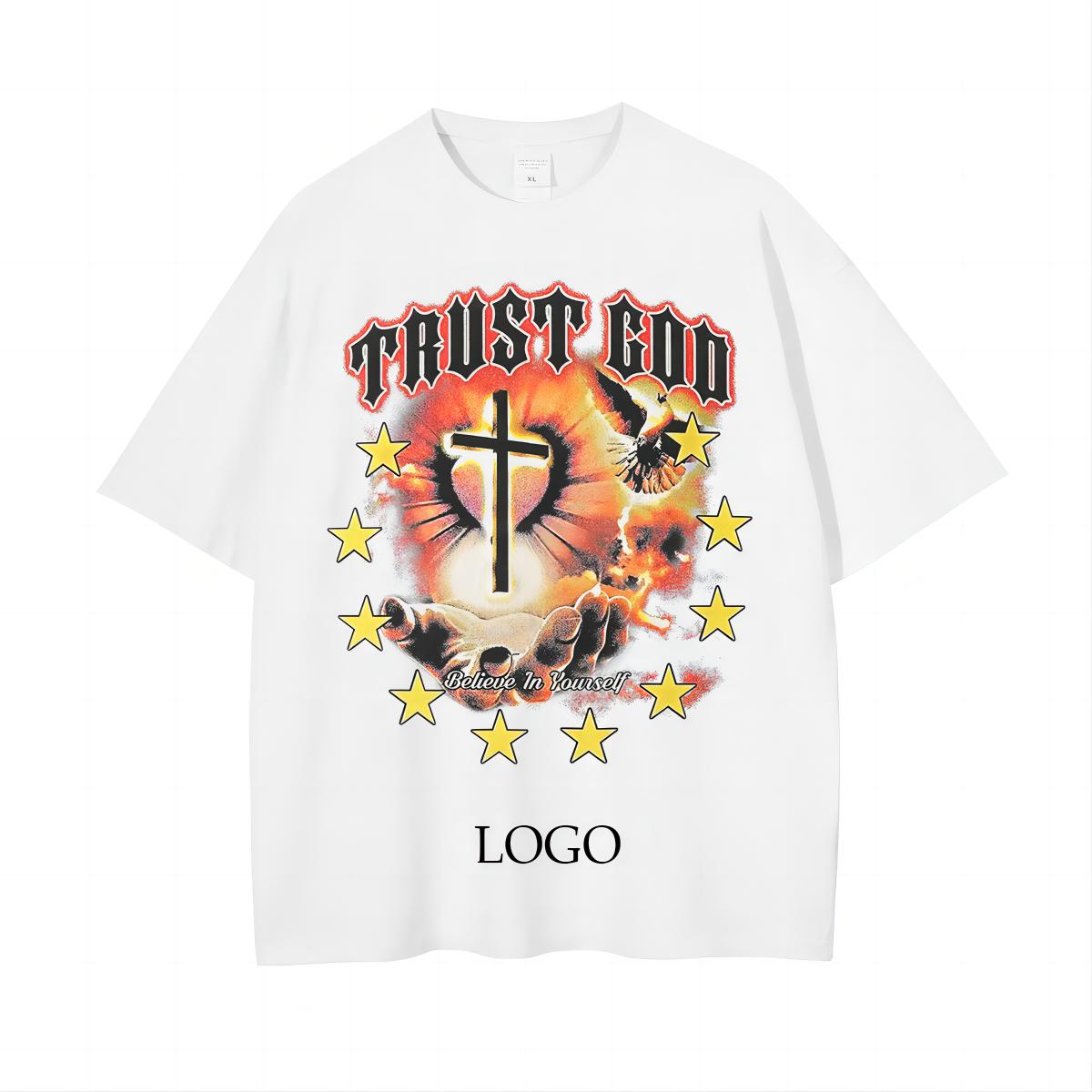
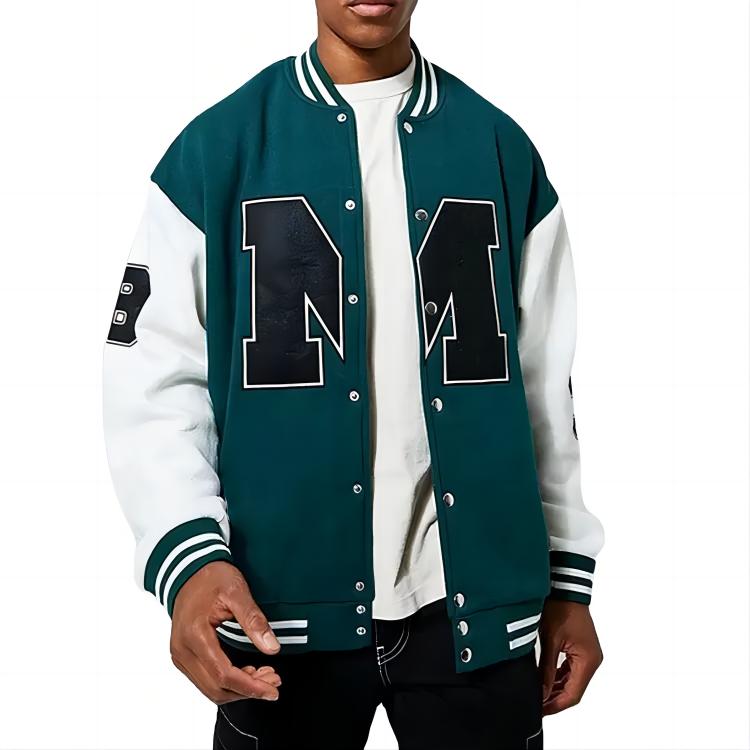
Varsity & Baseball Jackets
Create varsity and baseball jackets with balanced body fabric, sleeves, rib, snaps, lining, patches and embroidery. Construction and decoration are coordinated during sampling so approved details can be carried consistently into bulk production.
Get a Quote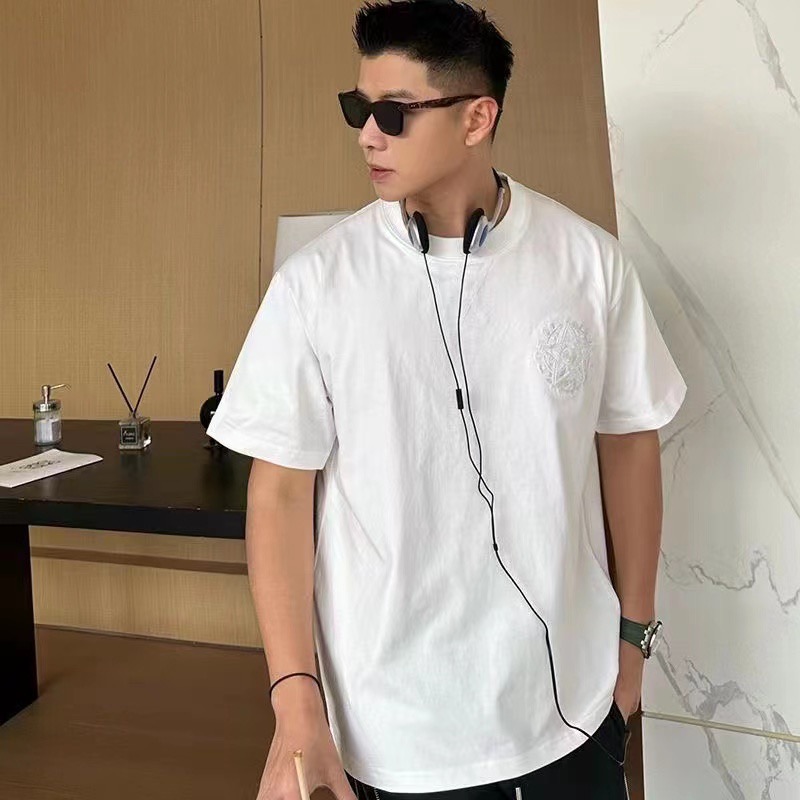
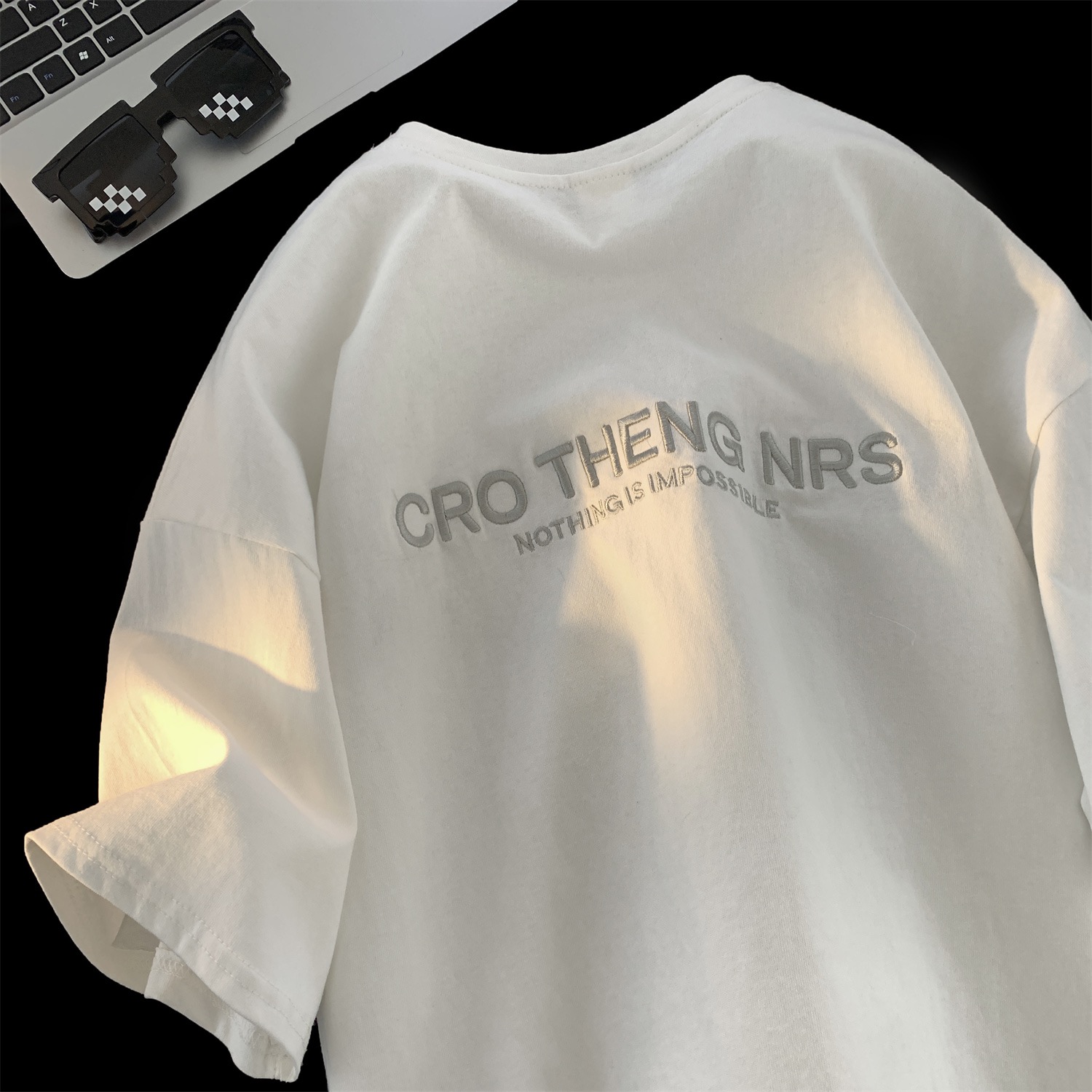
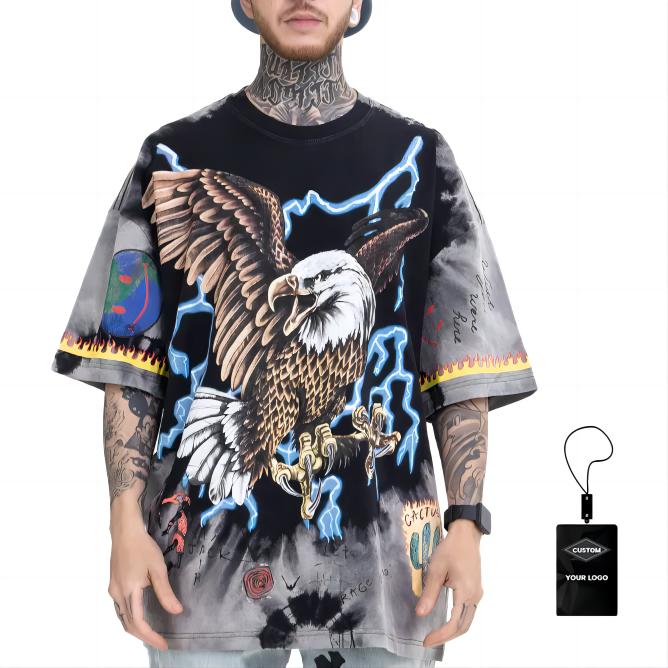
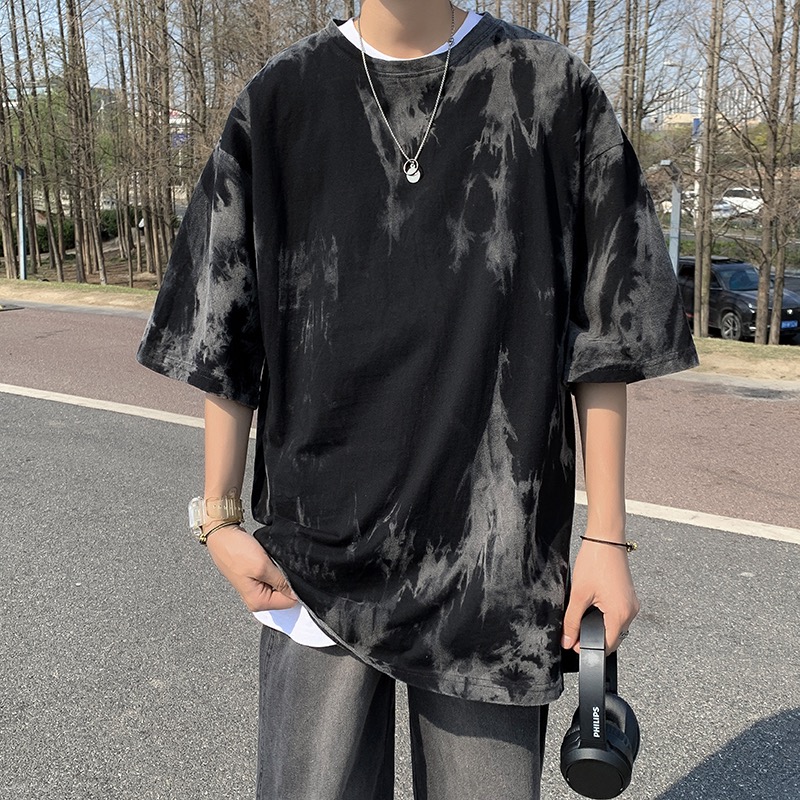
Custom T-Shirts
Manufacture custom T-shirts with selected jersey weight, fit, collar construction and screen-print method matched to the artwork and fabric. Available for men’s and women’s collections, wholesale programs and private-label product launches.
Get a Quote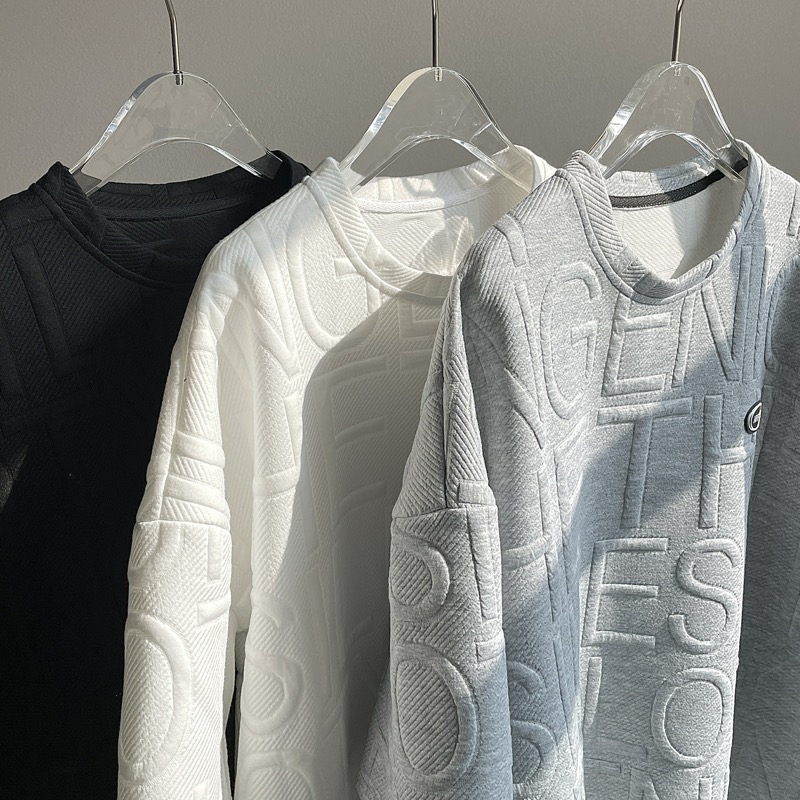
Custom Polo Shirts
Develop polo shirts with piqué or jersey fabric, collar and placket construction, cuff details, embroidery or print placement and labeling. Suitable for uniforms, corporate programs, sports organizations and branded retail collections.
Get a Quote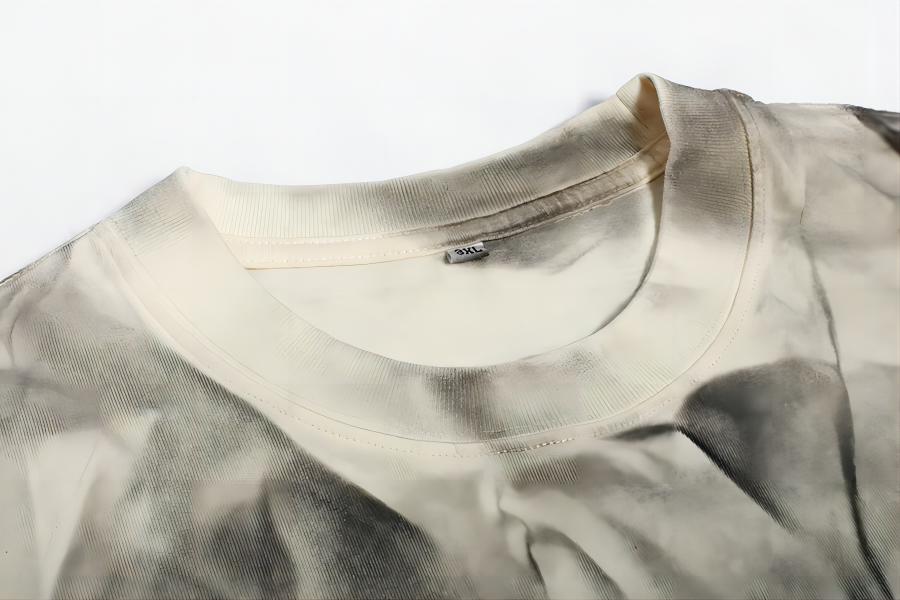
Windbreaker Jackets
Produce windbreaker jackets with shell fabric, lining, zipper, hood, pocket and ventilation specifications matched to the intended weather protection and wear use. Decoration, labels and packaging are planned alongside garment construction.
Get a Quote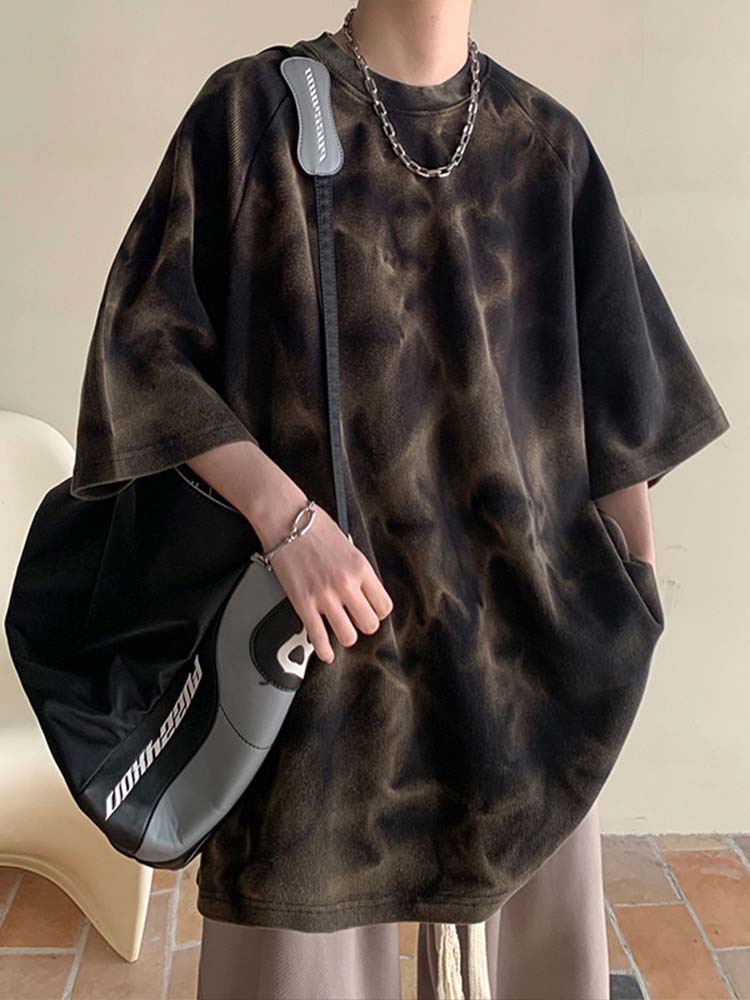
Quilted Jackets
Develop quilted jackets with coordinated shell, lining, insulation, quilting pattern, hardware and finishing requirements. Sampling helps confirm bulk performance, proportions and decoration placement before production begins.
Get a Quote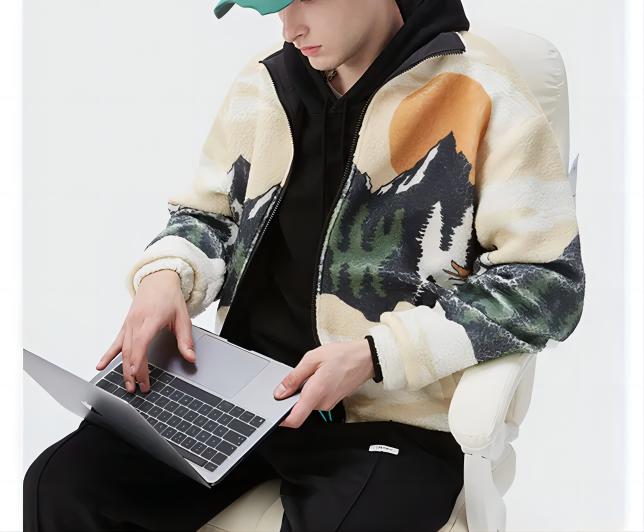
Bomber Jackets
Manufacture bomber jackets with shell and lining materials, rib components, zipper selection, pockets, padding and embroidery or patch details recorded to an approved standard. Programs can be developed for men’s or women’s collections.
Get a Quote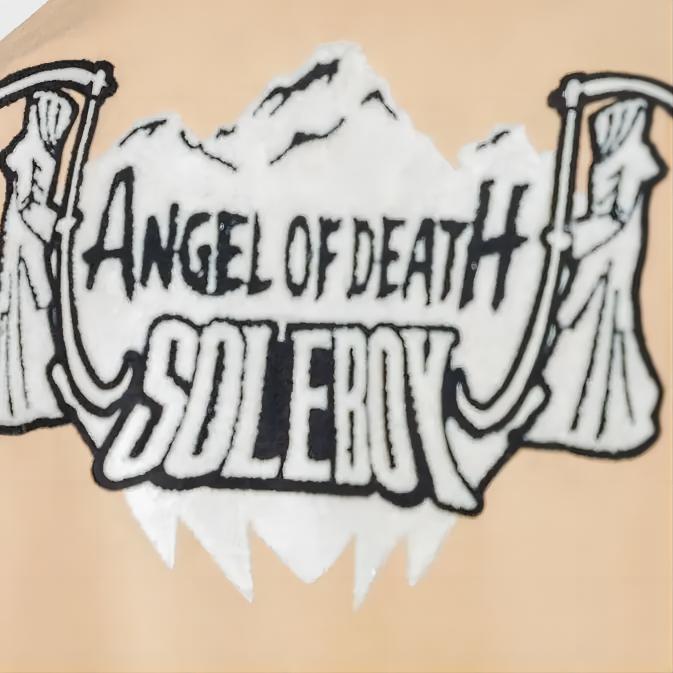
Custom Shirts
Create custom woven shirts with fabric sourcing, collar, placket, cuff, pocket, fit and labeling details defined for your target market. EDVORIN supports OEM, ODM and private-label development from references through bulk production.
Get a Quote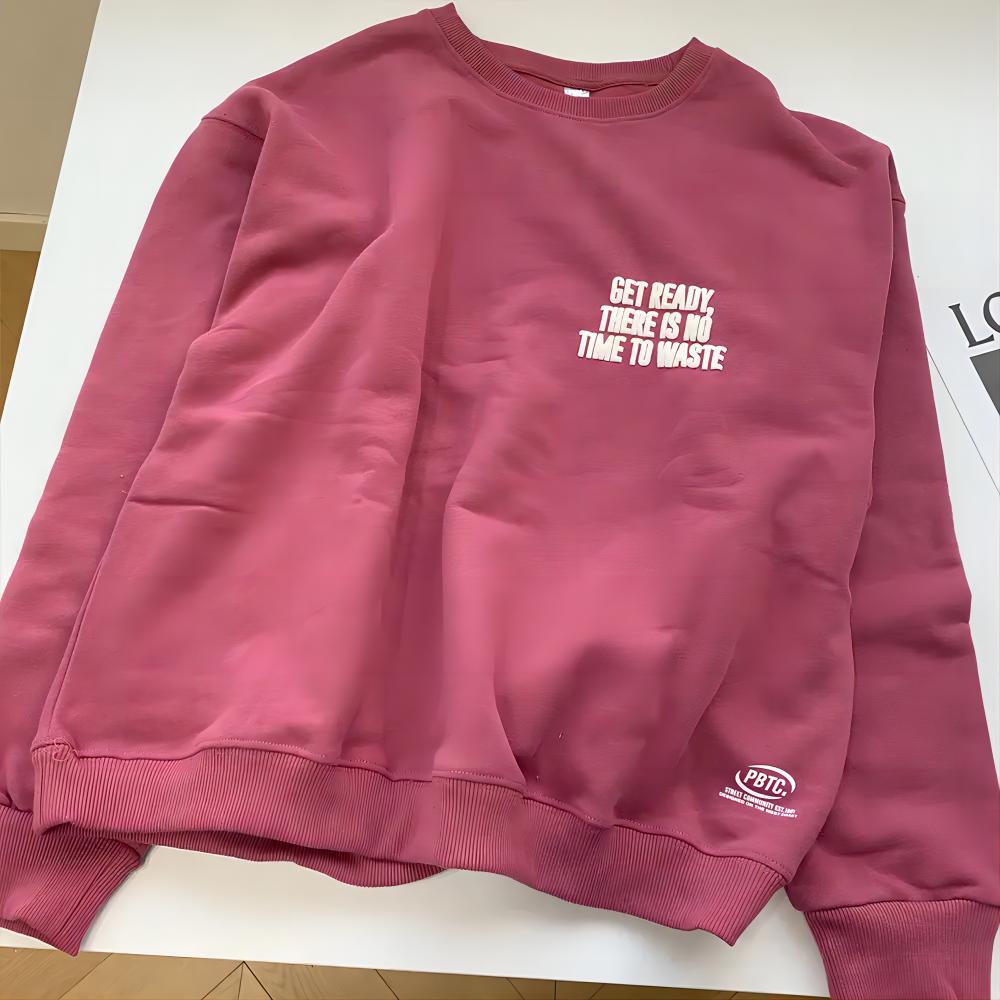
Custom Jerseys
Develop custom jerseys with breathable fabric, color control, panel construction, names, numbers and sponsor artwork managed across size sets. Suitable for clubs, schools, academies and branded teamwear programs requiring organized repeat orders.
Get a Quote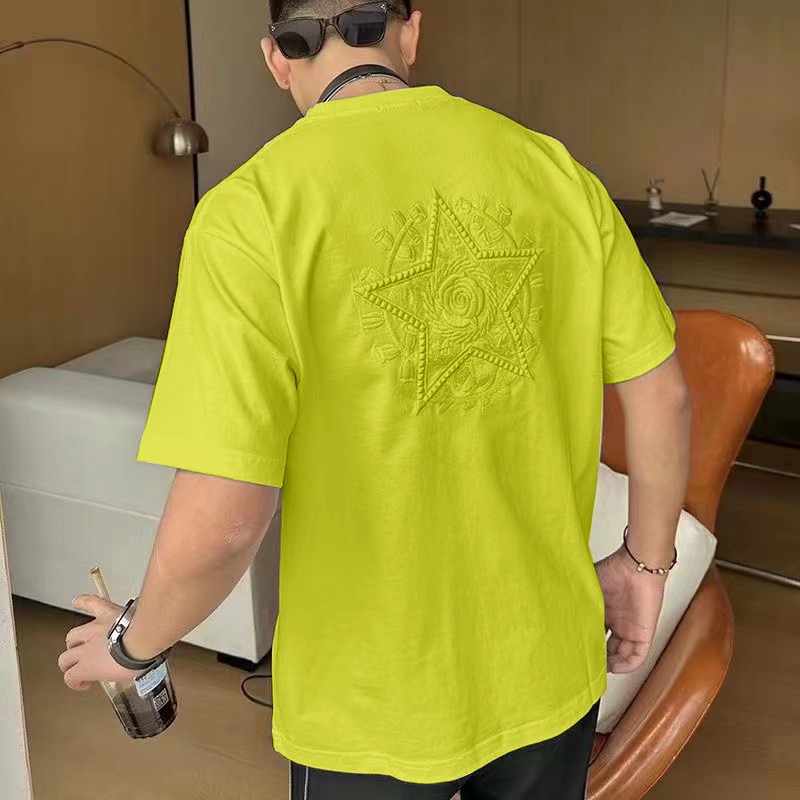
Tank Tops
Produce custom tank tops in jersey, mesh or performance fabrics with fit, armhole, neckline, binding and decoration requirements tailored to the intended wearer. Men’s and women’s programs can be developed and graded separately.
Get a Quote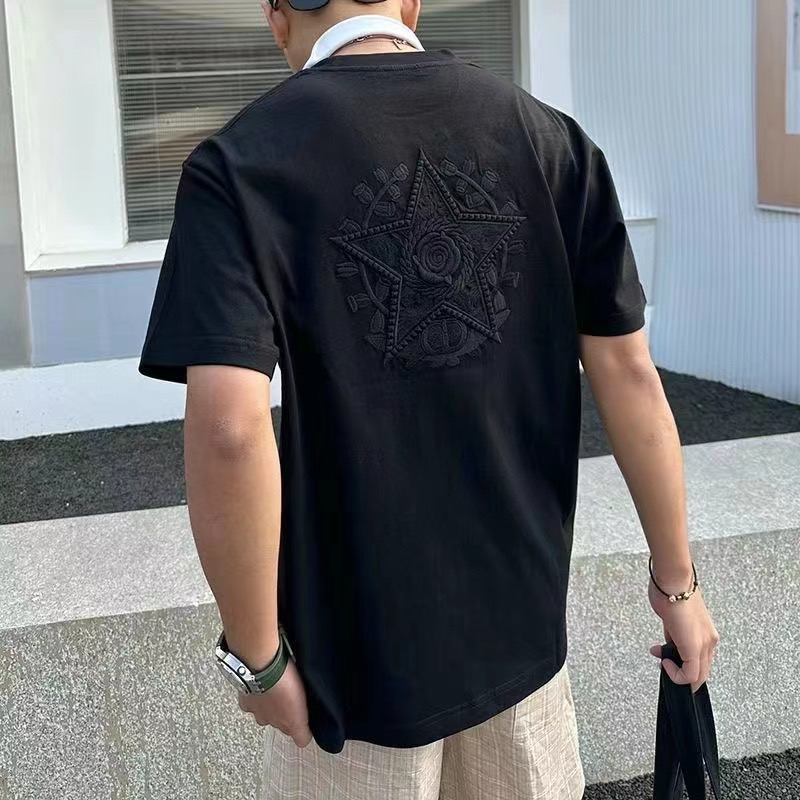
Soccer Uniforms
Manufacture soccer uniforms with coordinated jerseys, shorts and optional training pieces. Fabric performance, color matching, player names, numbers, badges and size-set control are documented to support club, school and academy orders.
Get a Quote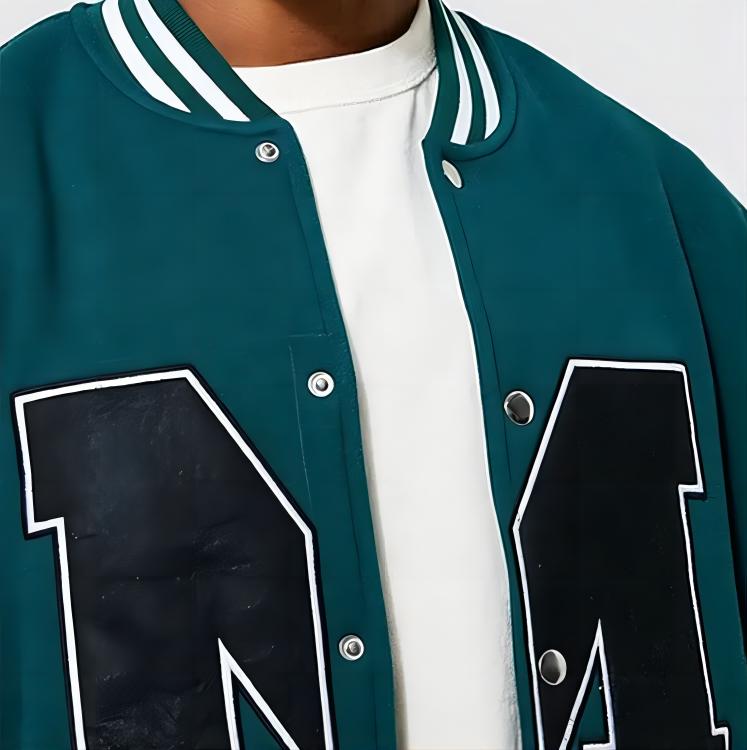
Basketball Uniforms
Develop basketball uniforms with breathable fabrics, jersey and short construction, color blocking, names, numbers and team graphics. EDVORIN coordinates samples and bulk quality control around the approved teamwear specification.
Get a Quote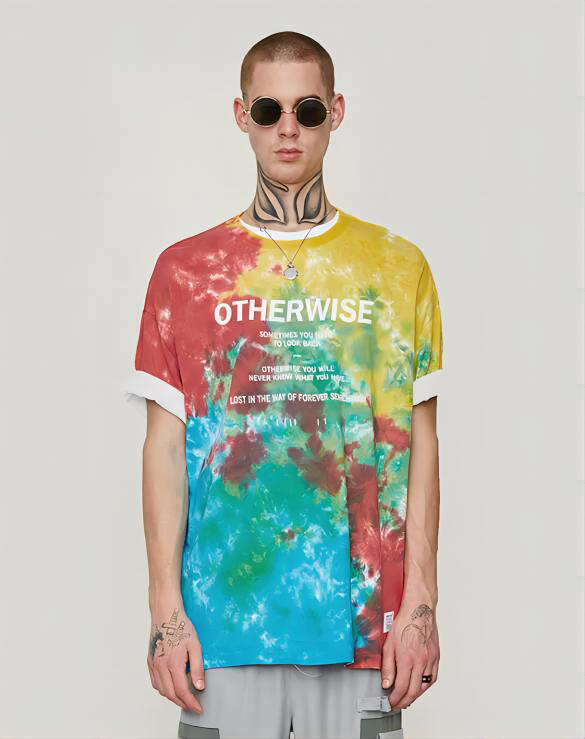
Streetwear Collections
Build streetwear collections across hoodies, T-shirts, sweatpants, outerwear and woven pieces under one production system. Fabric, trims, screen printing, embroidery, washing, labels and packaging are coordinated for cohesive private-label releases.
Get a QuoteScreen Printing Clothing Manufacturer Since 2000
Founded by Edvorin Zeng in 2000, EDVORIN helps fashion, streetwear and teamwear buyers turn apparel concepts into production-ready collections. As a screen printing clothing manufacturer, we connect product development with material selection, pattern work and sampling so each design has a clear path to repeatable bulk production.
Our OEM, ODM and private-label capabilities span T-shirts, hoodies, sweatpants, jackets, jerseys and coordinated collections for men’s and women’s programs. Fabric, trims, screen printing, embroidery, wash effects, labels and packaging are coordinated through one accountable production system, with MOQ starting at 200 pieces per style. Certification programs include ISO 9001, BSCI, WRAP, SEDEX, OEKO-TEX Standard 100, GRS and GOTS, with applicable scope confirmed for each program.
What distinguishes EDVORIN is the discipline after sample approval. We record approved measurements, artwork placement, materials and finishing details, then use in-line and final quality checks to protect that standard through bulk production. The result is apparel buyers can confidently reorder, refine and grow.
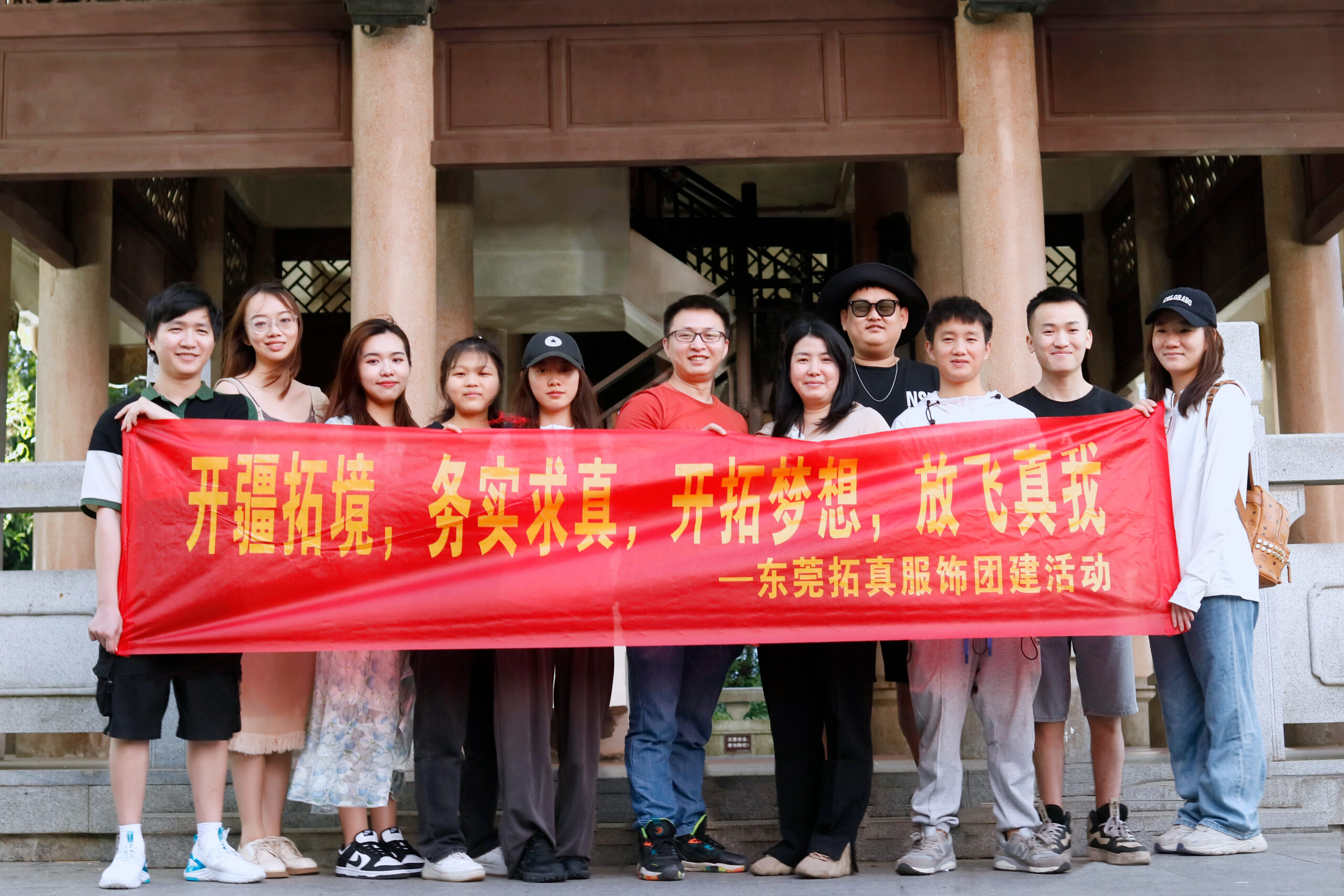
Artwork Controls for Repeatable Screen Printing
Artwork Separated for Production
EDVORIN reviews artwork as a production file, separating colors and confirming the print approach before sampling. This creates a clear reference for screen setup, color sequence and expected visual detail across repeat orders.
- Color separations reviewed before screen preparation
- Print sequence aligned with artwork requirements
- Fine details assessed for practical reproduction
- Approved artwork retained as a production reference
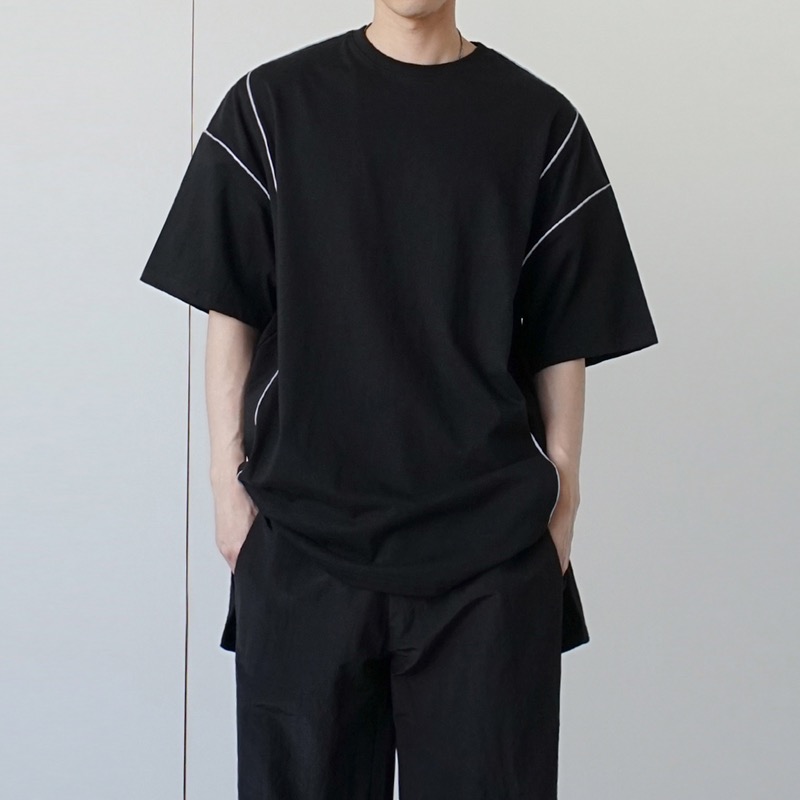
Fabric and Ink Matched
Ink performance is considered alongside the garment fabric, weight, color and intended use. For a screen printing clothing manufacturer, this early coordination helps protect opacity, hand feel, stretch behavior and the character of the finished apparel.
- Base fabric evaluated before print selection
- Ink approach matched to garment construction
- Dark and light garment requirements considered
- Wash and wear expectations discussed during development
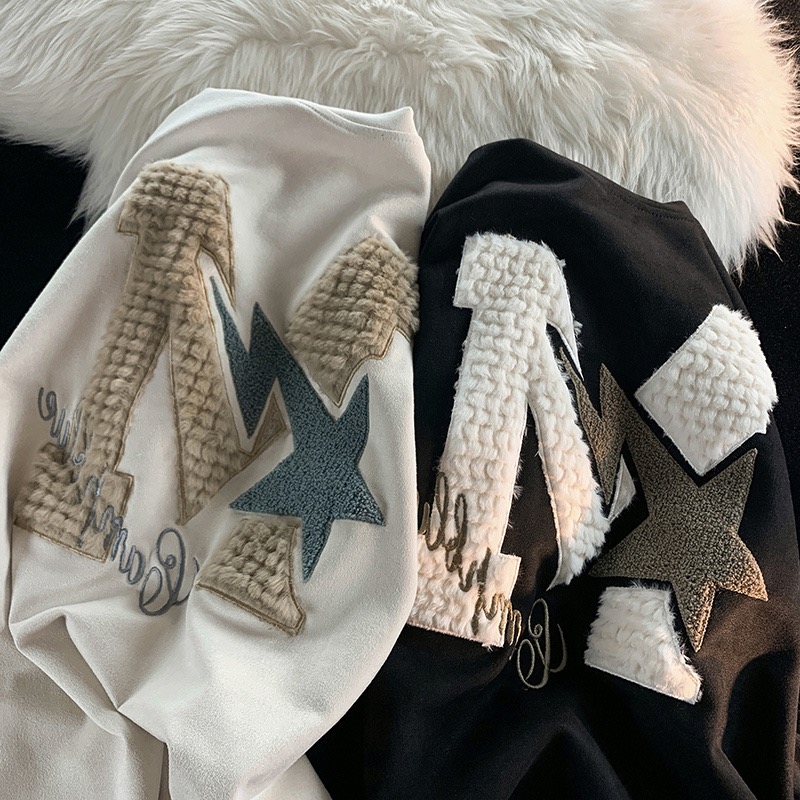
Placement Set to Standards
Print placement is recorded against garment measurements instead of relying on visual judgment alone. EDVORIN uses approved samples and placement references to keep chest prints, back graphics, sleeve details and teamwear artwork consistent through bulk production.
- Placement measurements documented by location
- Approved sample guides bulk production
- Size grading considered for artwork positioning
- Artwork locations checked during production
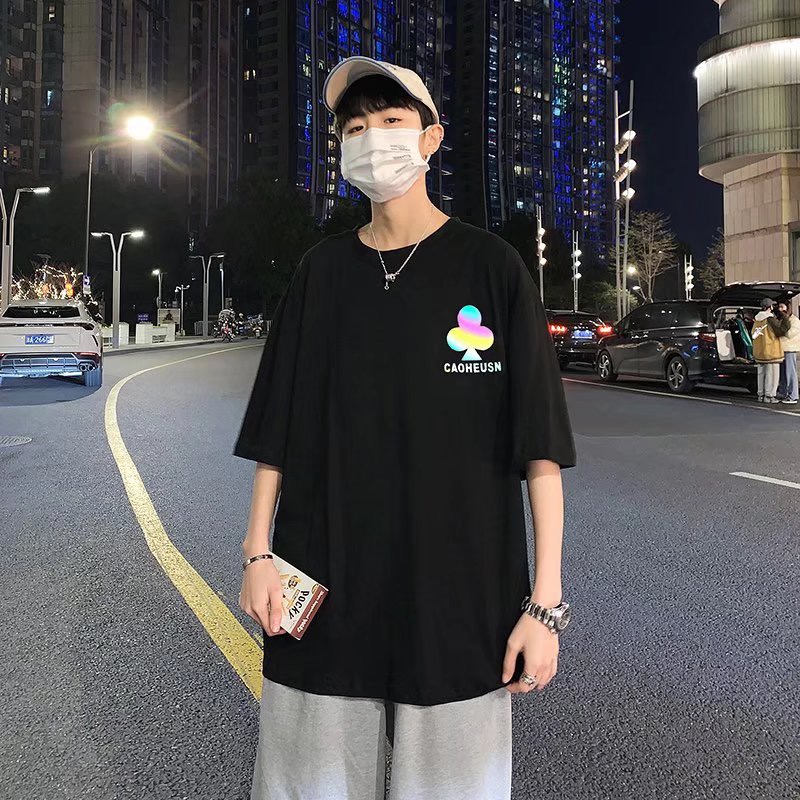
Registration and Curing Verified
Before bulk output moves forward, screen registration and curing conditions are checked against the approved standard. These controls help maintain clean color alignment and support a finished print that remains consistent with the sample through packing.
- Registration checked before production runs
- Color alignment reviewed during in-line checks
- Curing conditions monitored for the print system
- Final inspection compares output with approval
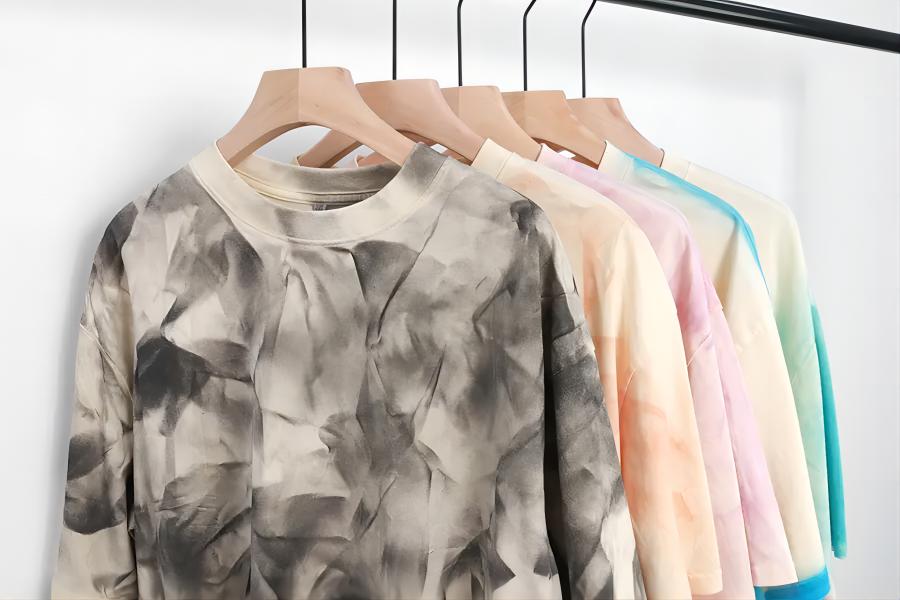
Screen Printing vs. DTF Printing
Choose the decoration route that matches your fabric, artwork, order structure, and repeat-production goals.
← Swipe left or right to view →
From Artwork Approval to Packed Order
EDVORIN documents each approved decision so your artwork, color and placement standards carry consistently from sample through bulk production.
Review Artwork and Garment
We review artwork, print locations, color references, garment fabric and intended finish, then confirm details needed to prepare a production-ready decoration specification.
Separate Colors and Test
Artwork is separated by print color and prepared for the selected fabric. A strike-off verifies color balance, detail, coverage and hand feel before approval.
Prepare Screens and Registration
After approval, screens are prepared and aligned to documented placement measurements. Registration is checked to ensure colors meet accurately across the complete artwork.
Print and Cure Production
The production team prints approved garments using the confirmed screen setup, then cures the ink under controlled conditions for a stable finished print.
Inspect Pack and Release
Final checks review print appearance, placement, garment construction, measurements and packing details against the approved standard before the order is released for shipment.
How to Start Your Screen-Printed Apparel Program
Give EDVORIN the specifications needed to turn your artwork and garment concept into a documented, repeatable production standard.
Share Your Garment Brief
Send your tech pack, sketch, or reference garment with style, quantities, fit requirements, fabric preferences, and target market so EDVORIN can define development needs.
Provide Artwork Specifications
Provide print-ready artwork, Pantone references, placement dimensions, and colorway details. We confirm how the graphic, ink approach, and garment construction work together before sampling.
Review the Production Sample
Review the developed sample for fit, fabric, print color, placement, and finishing. Record any revisions, then approve a physical standard that guides bulk production.
Confirm Bulk Order Details
Confirm quantities, size breakdowns, labels, packaging, and delivery requirements. With an approved standard, EDVORIN coordinates materials, decoration, production checks, and final packing.
Results for Brand and Teamwear Buyers
EDVORIN helped us lock in a four-color chest print and sleeve placement for 1,200 heavyweight tees. The approved sample translated cleanly into bulk, and the color stayed consistent across all three garment sizes.
For our academy kit program, EDVORIN coordinated 860 training tops with names, numbers and sponsor artwork. Their placement records made the repeat order much easier, and every team received matching print alignment.
We started with a 240-piece hoodie run and needed soft-hand prints that would hold up after washing. The team tested the artwork on our fleece first, then delivered a finished collection ready for our wholesale launch.
Screen Printing FAQs
Practical answers for brands, teams and private-label buyers planning custom screen-printed apparel.
What fabrics can a screen printing clothing manufacturer print on?
How many colors and how large can my screen-printed design be?
Can a screen printing clothing manufacturer combine screen printing with embroidery or patches?
How durable is screen printing after washing?
EDVORIN’s MOQ starts at 200 pieces per style. What is the MOQ for a screen printing clothing manufacturer?
Do I need a complete tech pack before starting screen-printed apparel production?
What artwork files should I send for screen printing?
How long do screen-printing samples and bulk orders take?
The Complete Screen Printing Clothing Manufacturer Buyer’s Guide
Use a practical decision framework to compare supplier types, fabrics, print methods, quality controls, pricing, and production readiness—while avoiding costly sourcing mistakes before placing your apparel order.
1. What Is a Screen Printing Clothing Manufacturer?
2000 marks EDVORIN’s founding as a B2B partner that can turn a brand concept or technical pack into decorated apparel, from development and sourcing through samples, bulk production, quality control, labeling, and packing. A screen printing clothing manufacturer coordinates the garment and its print as one production standard.
1 printer generally applies artwork to buyer-supplied or stock garments; it may not control patterns, fabric, sewing, or repeatable construction. A blank-apparel distributor supplies finished undecorated styles, while a full-service manufacturer can develop the silhouette, material, trims, decoration placement, and retail-ready presentation.
200 pieces is the relevant EDVORIN starting MOQ for buyers assessing a custom program. The core decision is whether the supplier can match the required garment, print definition and durability, customization level, production volume, and fulfillment scope—not simply whether it can put ink on a T-shirt.
2. Evolution of Screen Printing Clothing Manufacturing
One screen carries one color, a limitation inherited from hand-cut stencils and early manual presses. Those methods suited simple graphics and small batches, but operator technique could introduce variation in registration, ink deposit, and placement.
Six- to 12-color automatic presses changed the production model by holding garments and screens in repeatable positions through long runs. For a screen printing clothing manufacturer, standardized screen tension, approved Pantone references, and documented flash or cure settings now matter as much as the artwork.
Two production paths remain practical: manual printing for prototypes, limited colorways, and short runs; automated printing for repeatable volume once setup is justified. Specialty choices—puff, high-density, metallic, water-based, or discharge inks—should be tested on the approved fabric, because print character, opacity, and wash performance vary by substrate.
3. Types of Screen Printing Clothing Manufacturer
Five supplier models differ most in who controls the garment before ink reaches it. A screen printing clothing manufacturer should match the buyer’s product complexity, branding ownership, and reorder plan.
| Model | Best Fit | Control | Typical MOQ | Communication Trade-Off |
|---|---|---|---|---|
| Local printer | Teams, events | Low garment control | 24–100 | Fast, local; limited development |
| Blank decorator | Startup drops | Print, label options | 50–200 | Choose stocked blanks first |
| Private-label partner | Growing brands | Labels, packaging | 100–300 | Confirm trim approvals |
| Cut-and-sew printer | Established labels | Full garment control | 200+ | Tech-pack discipline required |
| Sourcing or fulfillment | Wholesale programs | Broadest service scope | Varies | Coordinate inventory and shipping |
Fast Local Runs
Local contract printers suit event teams and urgent replenishment. Expect fast approval cycles but limited garment-development control.
Brand-Control Options
Blank decorators add prints to stocked garments; private-label partners add labels and packaging. Both suit startups testing demand, but stock colors and fit blocks limit differentiation.
Development-Led Programs
Cut-and-sew printing combines patterns, fabric, construction, and decoration. EDVORIN uses this accountable path when established labels need repeatable specifications across bulk production.
4. Fabrics for Screen Printed Apparel
180–220 GSM jersey suits retail tees, while 280–450 GSM fleece builds warmer streetwear. A screen printing clothing manufacturer should approve fabric, color, fit, and wash target before selecting inks.
| Fabric | Print Consideration | Best Use |
|---|---|---|
| Cotton jersey | Soft hand, strong opacity | Retail basics |
| Ring-spun cotton | Smooth surface | Premium tees |
| Polyester | Low-bleed ink | Uniforms |
| Cotton-poly blend | Balance softness and durability | Promotional programs |
| Fleece | Higher ink deposit | Streetwear hoodies |
| Performance knit | Flexible ink | Activewear |
Cotton And Ring-Spun Jersey
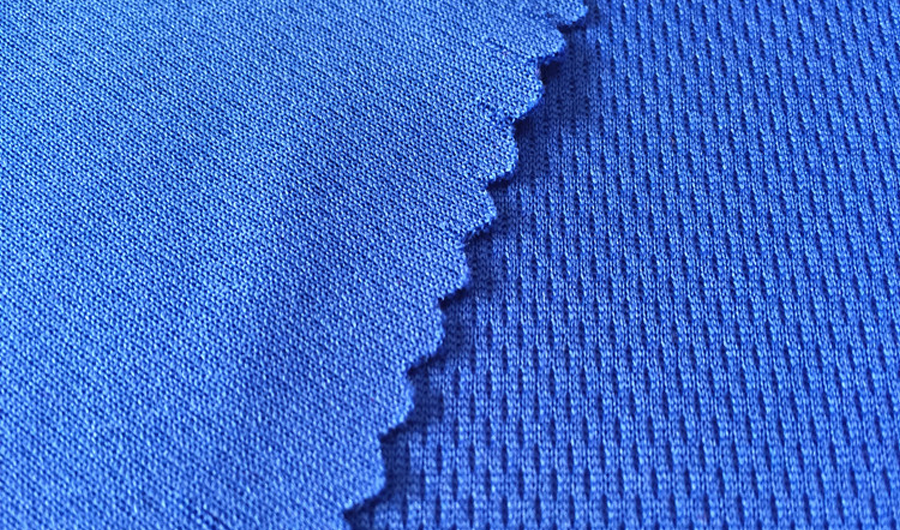
100% cotton accepts water-based and plastisol inks well; ring-spun yarn gives a smoother, softer print surface. Choose 180–260 GSM jersey for retail basics and promotional tees.
30/1 ring-spun cotton generally feels finer than open-end cotton. Pre-shrinking and wash tests protect fit and print appearance.
Polyester And Blends
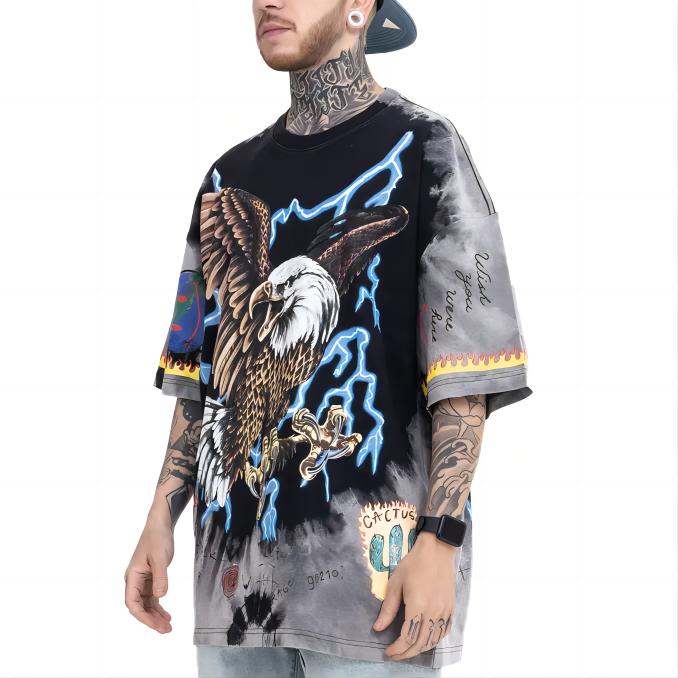
100% polyester needs low-bleed inks because heat can trigger dye migration, especially on deep reds, navies, and blacks. It suits durable team uniforms and activewear.
50/50 cotton-poly balances opacity, softness, and stability. Confirm print cure temperature against color migration risk.
Fleece And Performance Fabrics
280–450 GSM brushed fleece supports bold hoodies, but its raised surface can increase ink deposit and hand feel. French terry offers a cleaner face for streetwear graphics.
Stretch performance knits require flexible inks and repeated wash testing. Match recovery, breathability, and athletic fit to the end use.
5. Screen Printing Clothing Manufacturer Customization Options
A complete specification records every print location, ink system, color count, and retail finish before sampling. EDVORIN can coordinate decoration with labels, packaging, folding, and individual fulfillment requirements.
| Ink System | Visual Impact | Best Fabric | Production Implication |
|---|---|---|---|
| Plastisol | Opaque, vivid | Cotton blends | Reliable coverage; screen per color |
| Water-based | Soft hand | Cotton | Fabric shade affects opacity |
| Discharge | Vintage-soft | Dischargeable cotton | Test dye reaction before bulk |
| Specialty effects | Textured or reflective | Method-dependent | Extra testing and controlled curing |
Print Placement And Colors
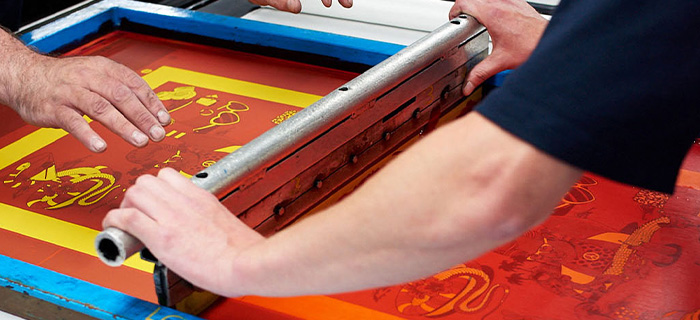
Three common locations are left chest, full front, and full back; sleeves and oversized placements need measured artwork. Each spot color generally requires its own screen, so color count affects setup and reorder control.
Ink And Effect Selection
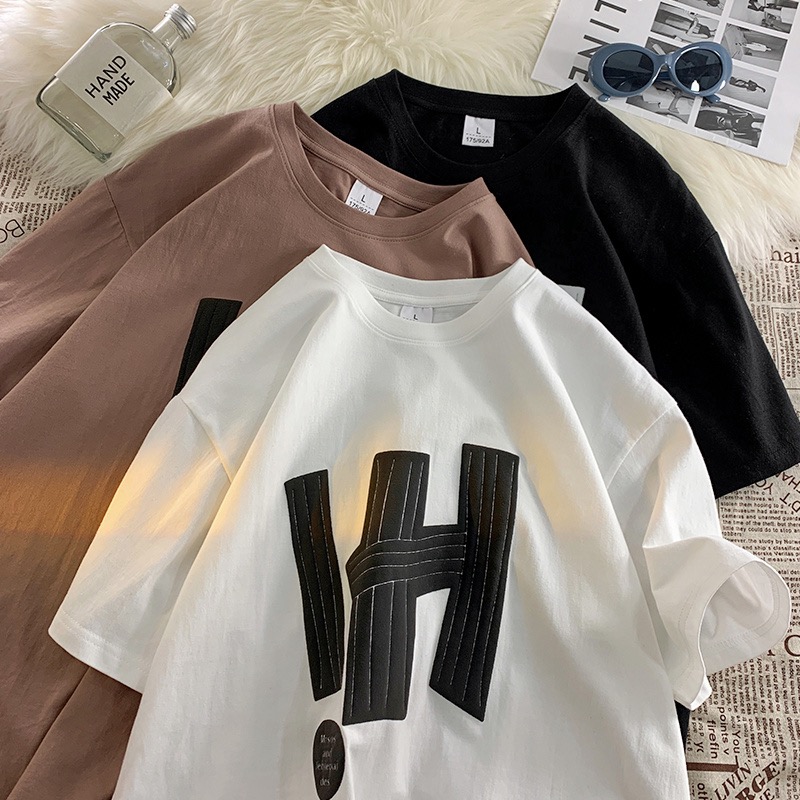
100% cotton is the usual starting point for water-based or discharge inks, while plastisol suits broad fabric compatibility. Puff, metallic, high-density, and glow effects require approved strike-offs because feel, opacity, and cure behavior change.
Retail Finishing Details
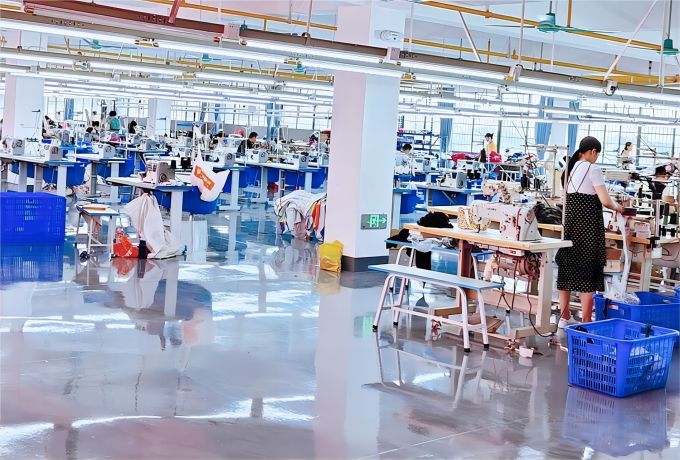
One production file should specify neck prints, woven labels, hangtags, polybags, folding method, carton marks, and SKU allocation. Individual fulfillment adds pick-pack accuracy and address-level shipping requirements.
6. Construction and Print Quality Essentials
A production approval should convert appearance into measurable pass/fail criteria. EDVORIN records the approved garment and print standard before bulk cutting and decoration begin.
Garment Construction Checks
±1 cm is a common tolerance to define by measurement point, size, and grade. Specify stitch type, SPI, collar rib recovery, fabric weight tolerance, and post-wash shrinkage limits in the tech pack.
Print Approval Controls
100% of artwork locations need a placement measurement from fixed garment landmarks. List Pantone references, color order, registration tolerance, ink coverage, curing requirement, and approved print hand-feel on the artwork sheet.
Proof And Wash Testing
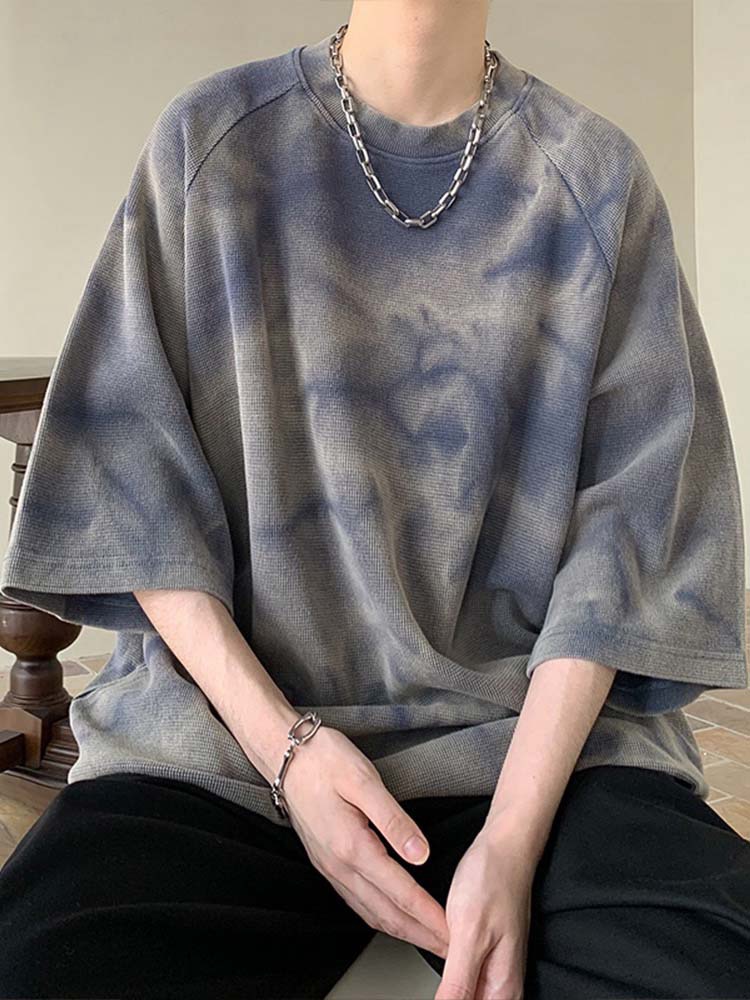
1 physical pre-production sample or strike-off exposes issues a digital proof cannot: fabric variation, print opacity, collar behavior, and registration. Require wash testing, retain the approved sample, and define defect photos, rework rules, and final-inspection acceptance criteria.
7. Choosing a Screen Printing Clothing Manufacturer
EDVORIN’s MOQ starts at 200 pieces per style. A 200-piece MOQ is only useful when the supplier can document the same product, print, and delivery standard in bulk. Evaluate a screen printing clothing manufacturer against your launch date, reorder volume, budget, and required visibility.
| Option | Best Fit | Watchpoint |
|---|---|---|
| Domestic | Urgent, smaller runs | Higher unit cost |
| Overseas | Planned volume | Longer logistics |
| Hybrid | Core reorders | Two supply paths |
Verify Product Fit
Two comparable programs should be reviewed: ask for relevant hoodie, teamwear, or streetwear samples, print wash results, artwork separation support, and fabric sourcing details.
200 pieces may suit a focused launch; confirm capacity, size breakdowns, colorways, and whether the quoted minimum applies per style, color, or artwork.
Audit Production Control
One approved sample should become the production reference. Ask who records Pantone targets, placement tolerances, in-line inspections, final checks, label approval, and corrective action.
Required markets may need OEKO-TEX, GOTS, WRAP, or BSCI documentation; request the applicable scope and validity before ordering.
Compare Sourcing Models
7-day domestic replenishment can justify higher unit cost when oversight and deadline recovery matter. Overseas production can better fit larger planned volumes, provided development, freight, customs, and communication time are built into the calendar.
One itemized quote should separate garment, screens, print colors, trims, packaging, sampling, freight terms, duties, and payment milestones.
8. Common Screen Printing Sourcing Mistakes
One approved sample cannot protect a bulk order if artwork, costing, and delivery terms remain undefined. A screen printing clothing manufacturer needs production-ready inputs before capacity is reserved.
Price Before Total Cost
A 1-color quote can exclude screen setup, labels, polybags, cartons, and freight. Request a landed-cost breakdown; this prevents margin loss and surprise invoices.
Unapproved Print Specifications
300-DPI artwork, Pantone references, print dimensions, and placement from seams should be approved before sampling. Test the selected ink on the actual fabric; this avoids blurred art, dye migration, poor adhesion, and inconsistent reorders.
One pre-production sample should be signed against a measurement chart with stated tolerances. Skipping it risks bulk fit or print variation with no agreed acceptance standard.
Undefined Production Scope
200-piece minimums may apply per garment style, colorway, or print setup rather than across mixed tees and hoodies. Confirm the allocation in writing; this prevents rejected quantities or higher unit costs.
Two dated milestones—sample approval and ex-factory date—should replace a vague lead-time promise. Confirm packing method, carton data, and freight responsibility; this protects launch dates and delivery budgets.
9. Launching With a Screen Printing Clothing Manufacturer
A first drop needs a locked customer, garment list, price target and delivery date before a screen printing clothing manufacturer can quote comparably. Build contingency time around sampling, approvals and freight rather than treating the purchase order as the launch date.
Lock The Production Brief
200 pieces is a workable opening MOQ when colors, size curve and decoration locations are fixed. Supply print-ready vector art, Pantone references, placement measurements and a size-by-size order breakdown.
1 owner should retain editable artwork, source files and written approval records. Freeze fabric, fit, print method, labels and packaging at the sample-approval gate.
Quote And Sample Consistently
3 comparable quotes should use the same garment, GSM, color count, print locations, quantity, labeling and delivery terms. Separate one-time screen, sampling and shipping charges from unit cost.
1 approved pre-production sample should match the signed specification before bulk cutting. Record revisions by date so verbal feedback cannot override the approved standard.
Control Launch And Reorders
2 inspections—during production and before packing—should check measurements, placement, color, defects and carton counts. Release the balance only against the agreed inspection and packing standard.
30 days before delivery, confirm freight routing, receiving capacity and launch inventory. Reserve reorder fabric or document approved substitutes, then retain the sample and final size sell-through for the next buy.
10. Screen Printing Clothing Manufacturer Pricing
200 pieces is the stated MOQ for this program; per-unit economics typically improve as fixed screens, sampling, and development are spread across more garments. Request separate lines for garment cost, each print location and color, setup, specialty ink, labels, packaging, freight, and duties.
1 landed-unit calculation keeps bids comparable: (production + setup + samples + packaging + freight + duties) ÷ shipped units. Compare quotes only when fabric, GSM, size mix, Pantone targets, placements, Incoterm, inspection level, and delivery date match; rush scheduling can increase cost or constrain capacity.
| Cost driver | Lower complexity | Higher complexity |
|---|---|---|
| Quantity | 200-unit run | Larger repeat run |
| One color, one location | Multiple colors or locations | |
| Add-ons | Standard ink, polybag | Specialty ink, labels, custom pack |
| Timing | Normal production window | Rush or split shipment |
Get a Quote From a Screen Printing Clothing Manufacturer
Send your artwork, garment requirements, and target quantities. EDVORIN will recommend the right print route and prepare a production-focused quote.