
Reflective Print Clothing Manufacturer for High-Visibility Details
EDVORIN develops light-reactive logos, graphics, and trims into repeatable OEM apparel programs, from sampling through bulk production.
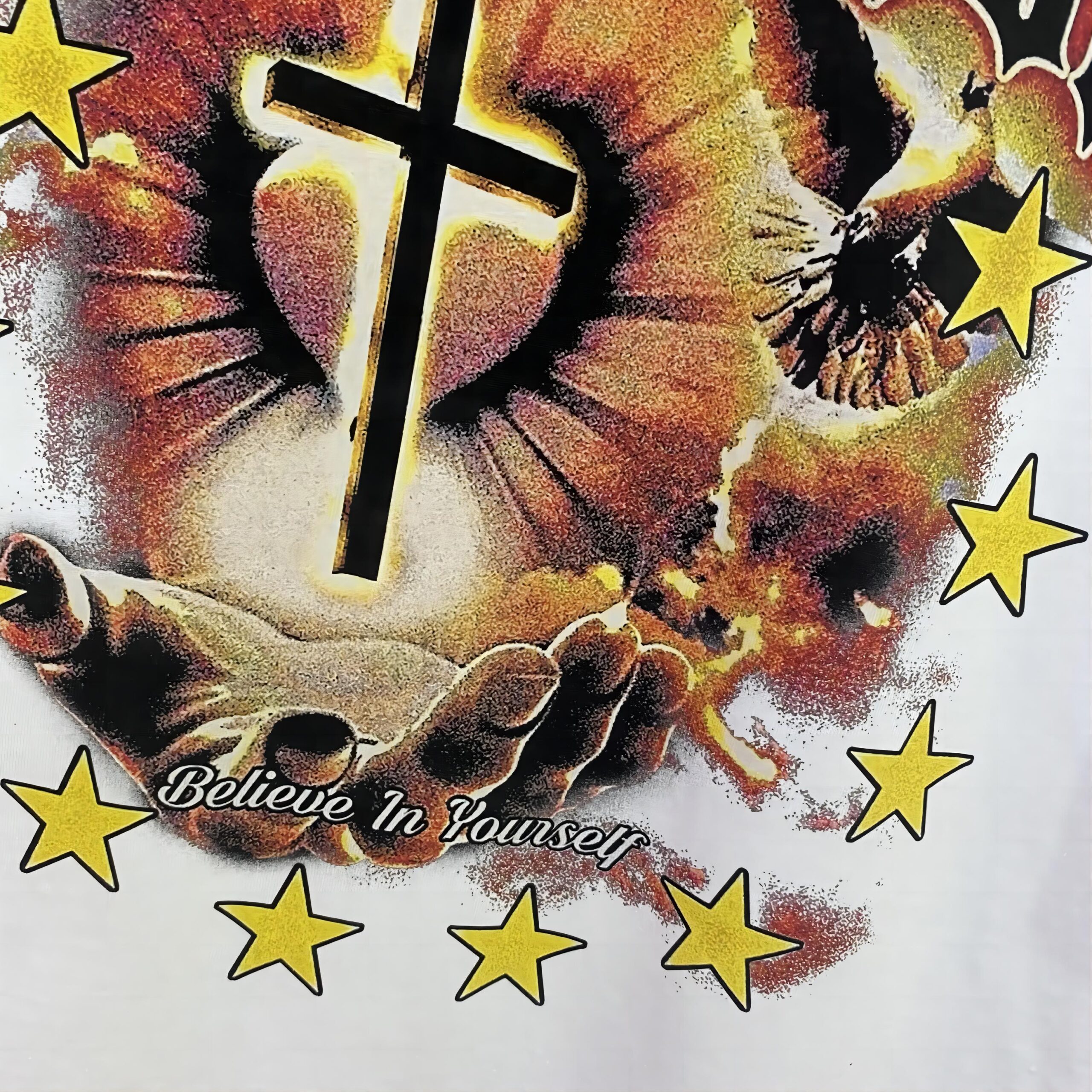
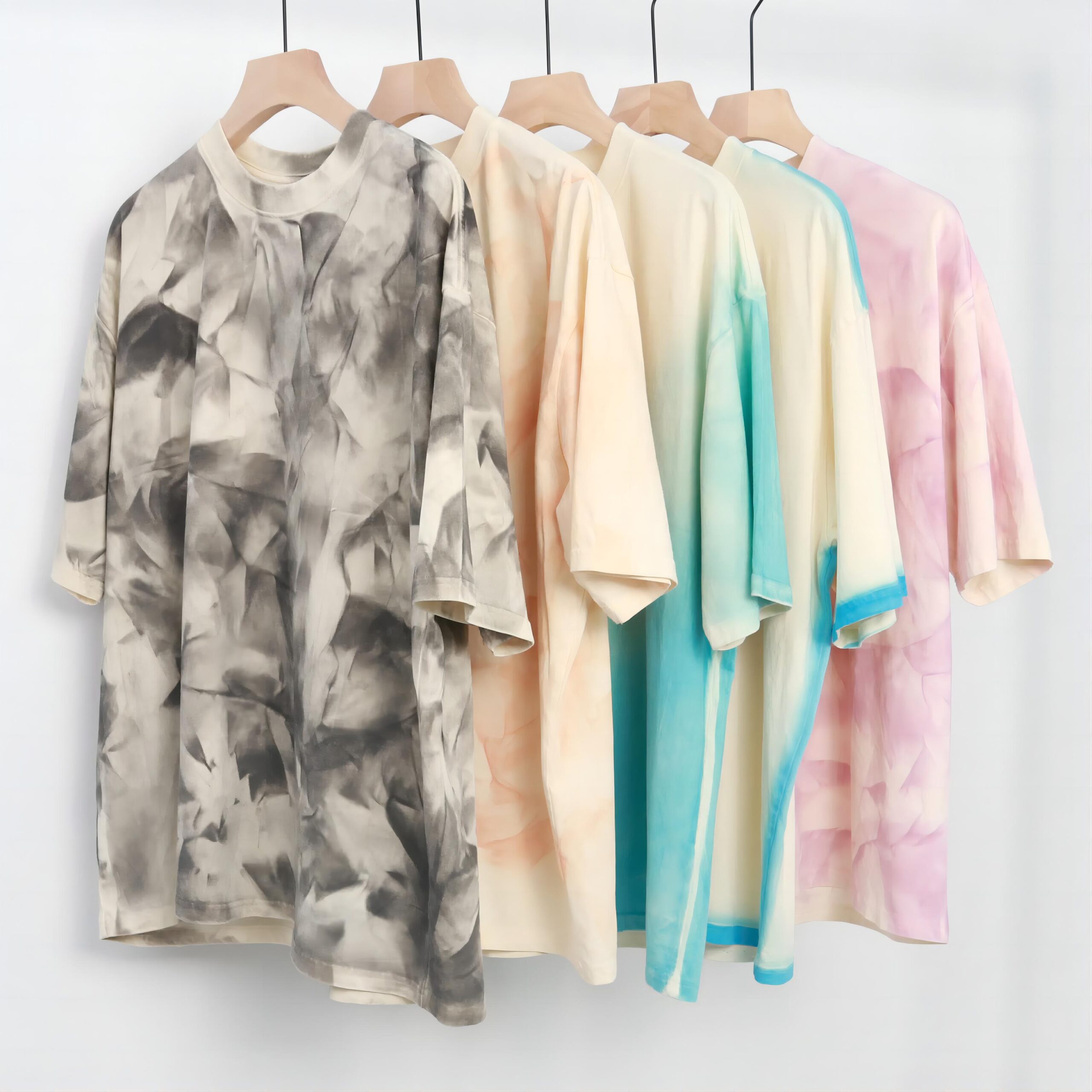
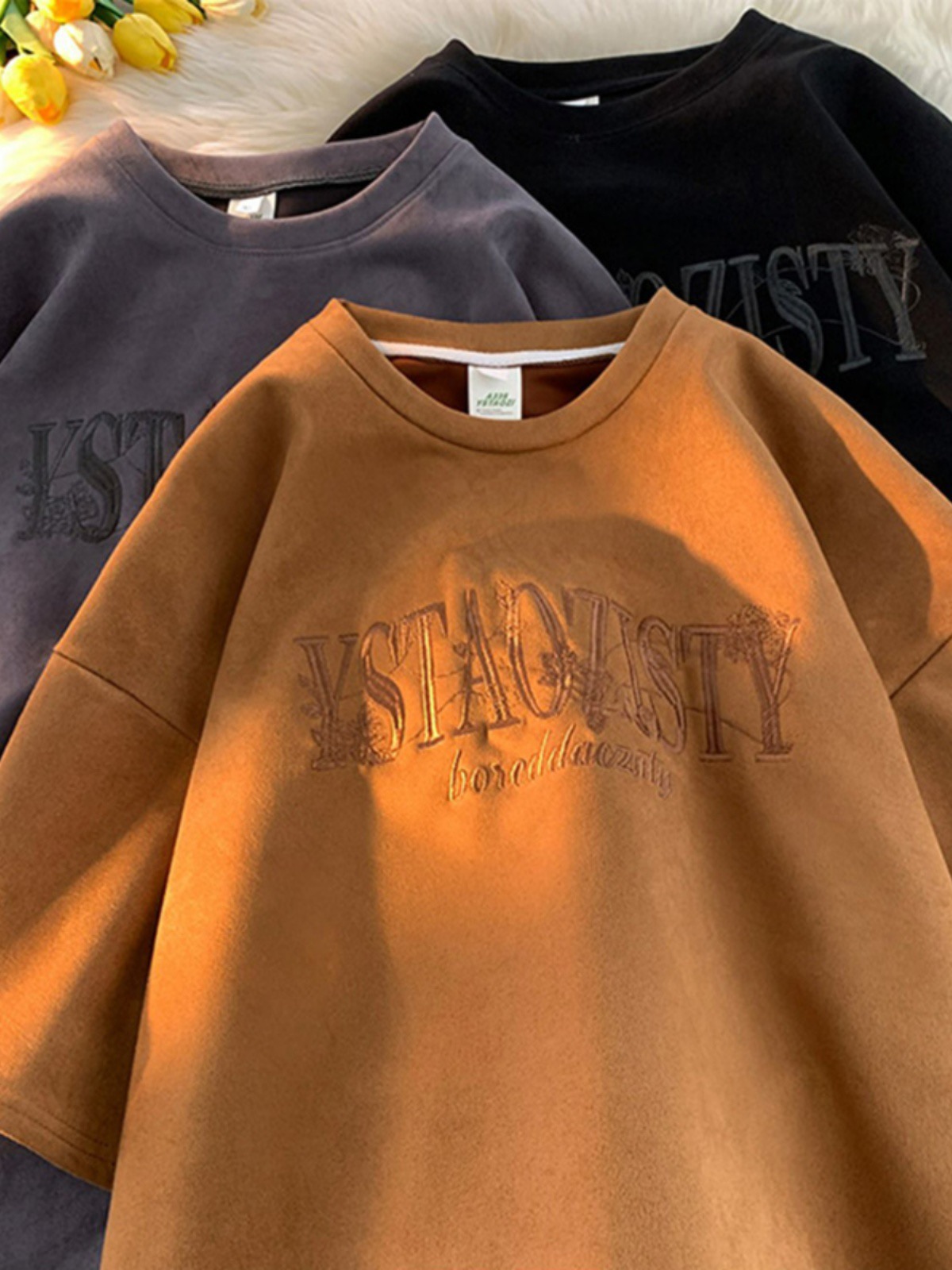
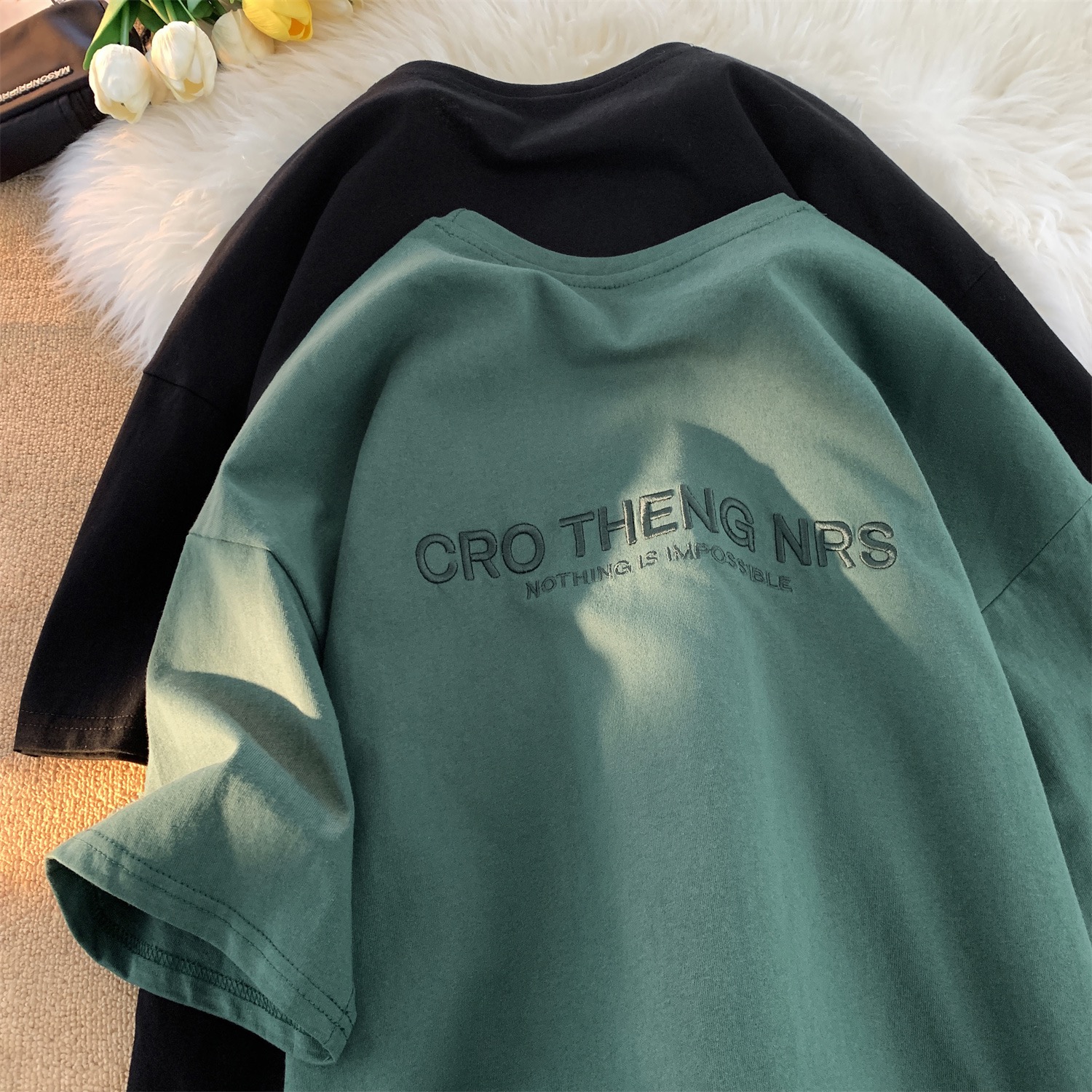
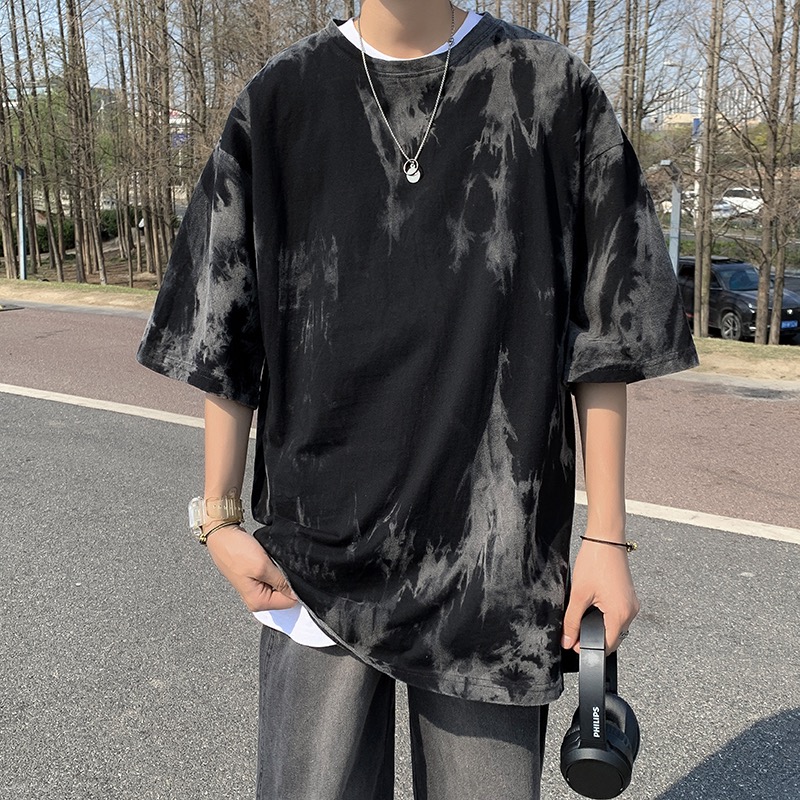
Featured Reflective-Print Apparel Programs
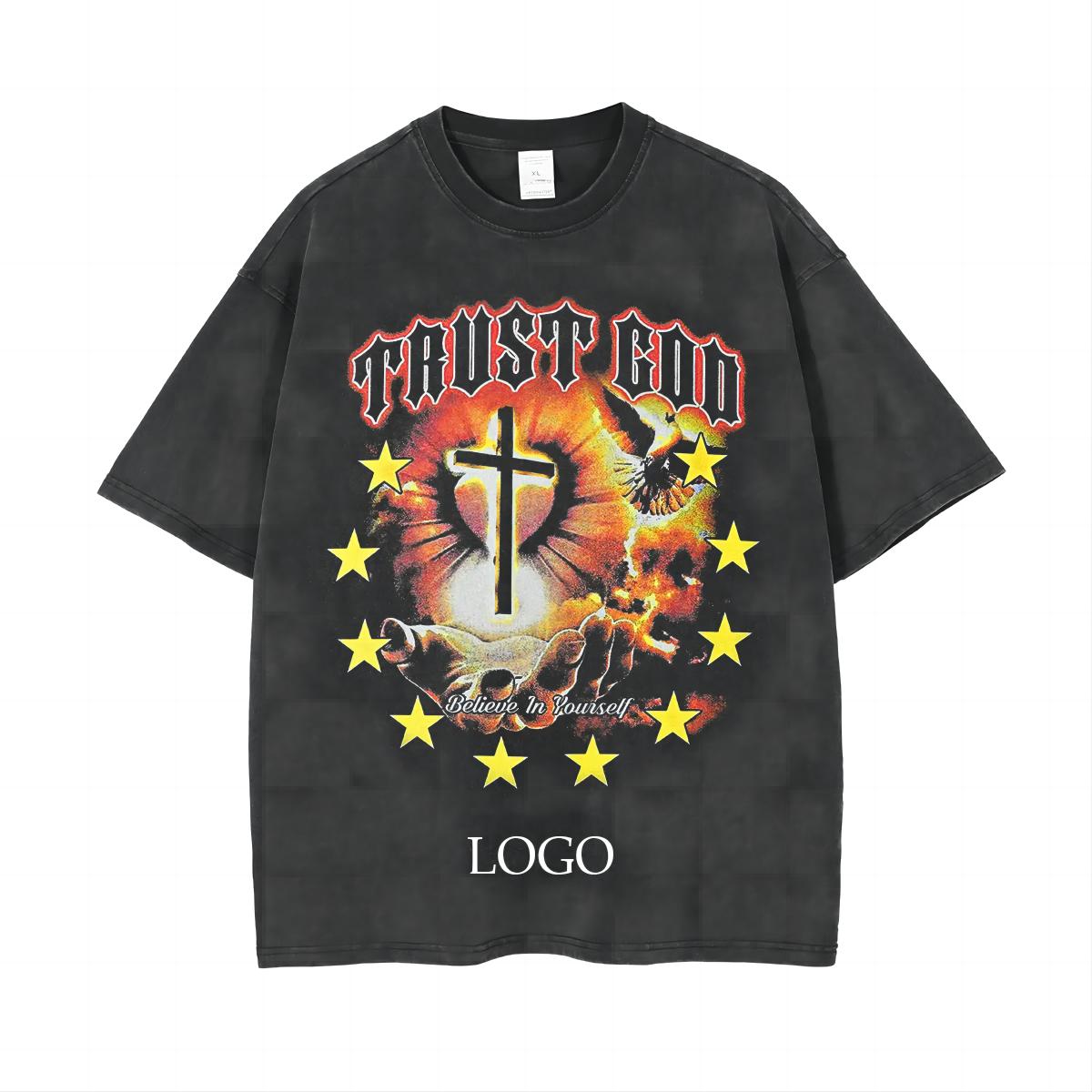
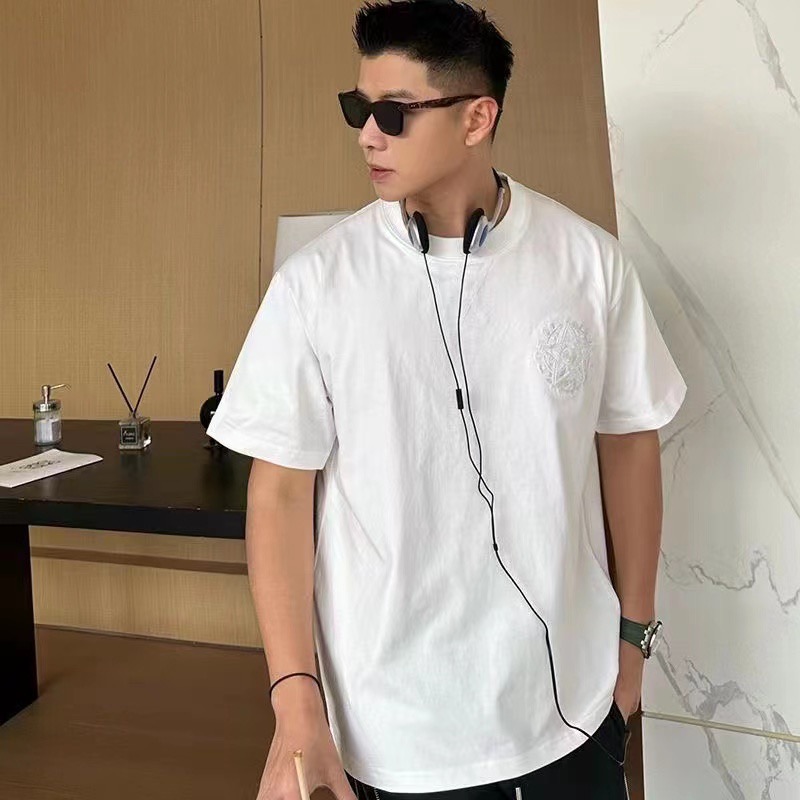

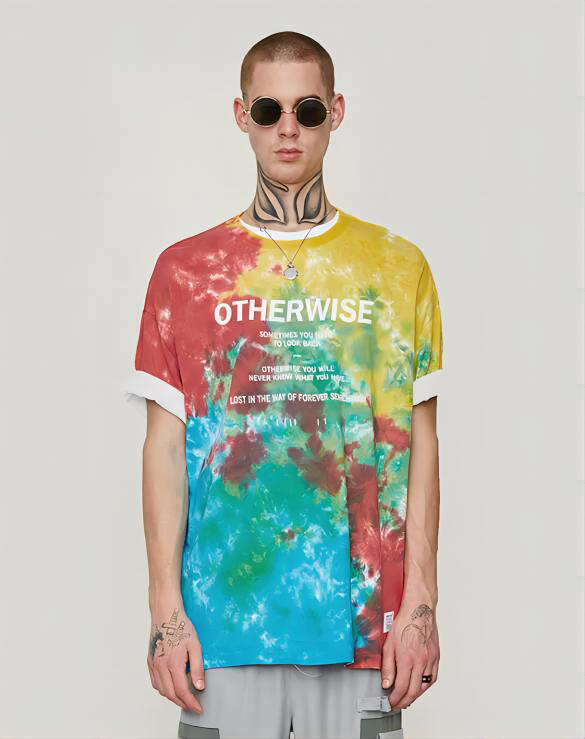
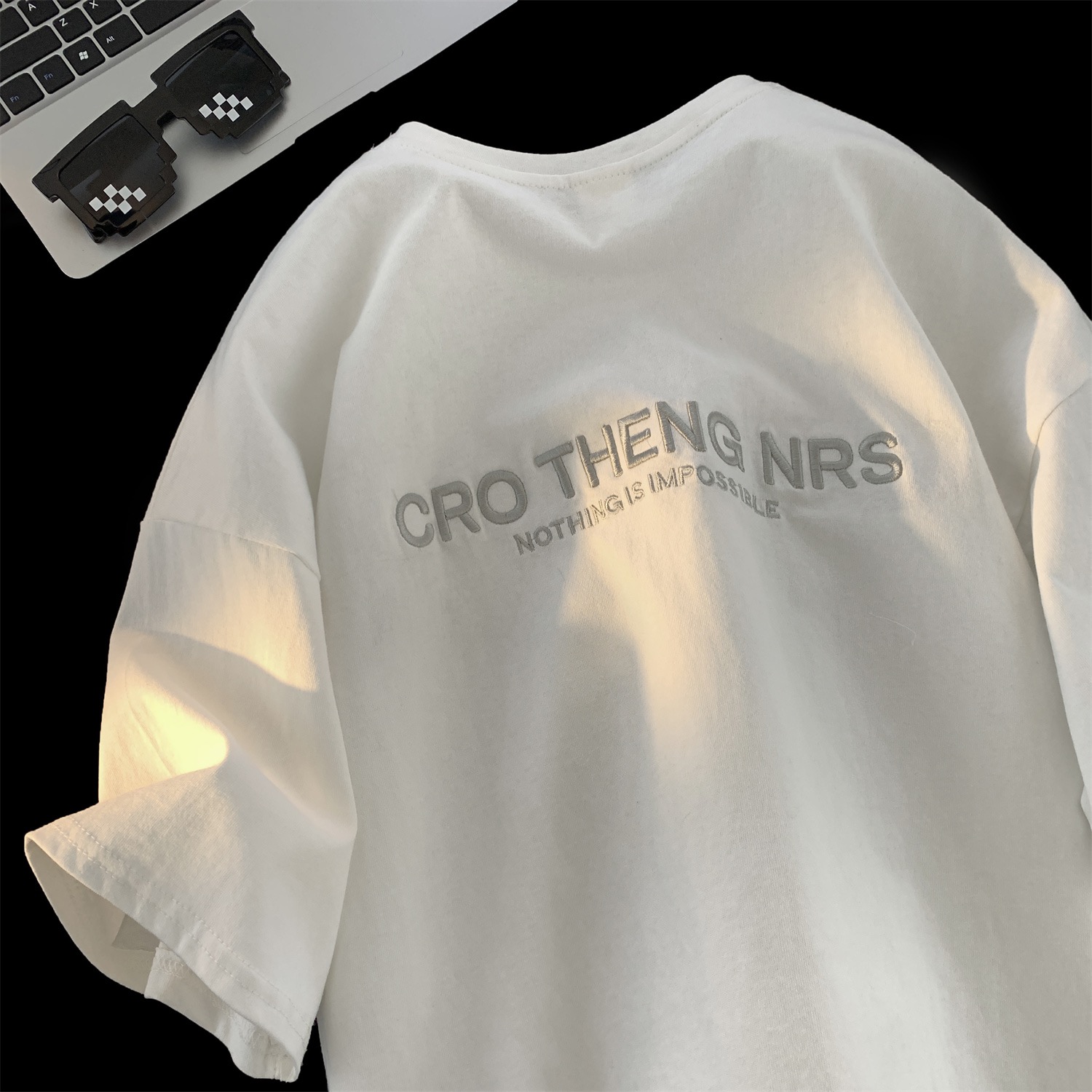
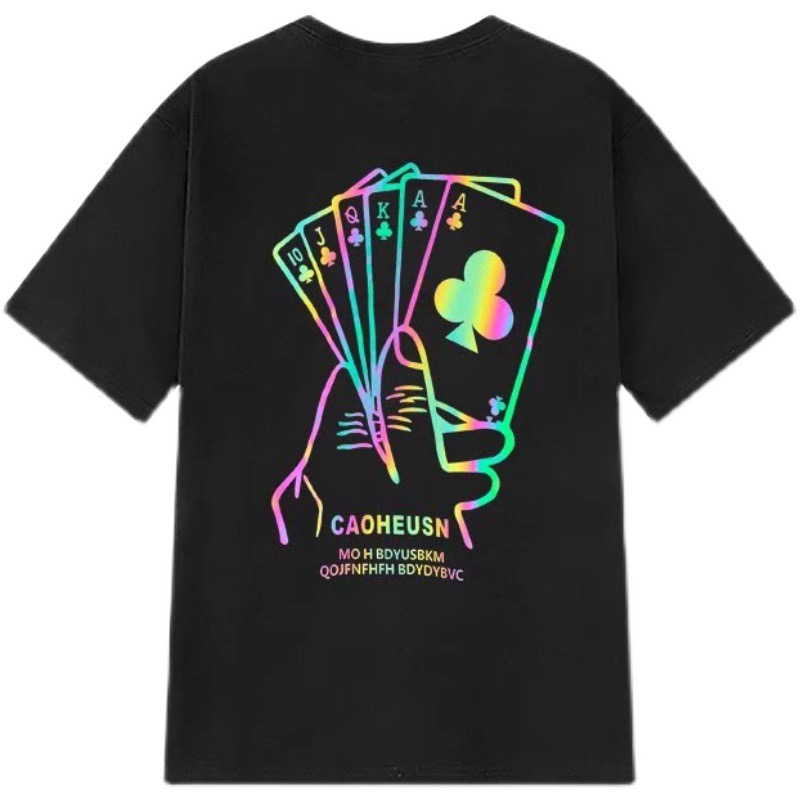
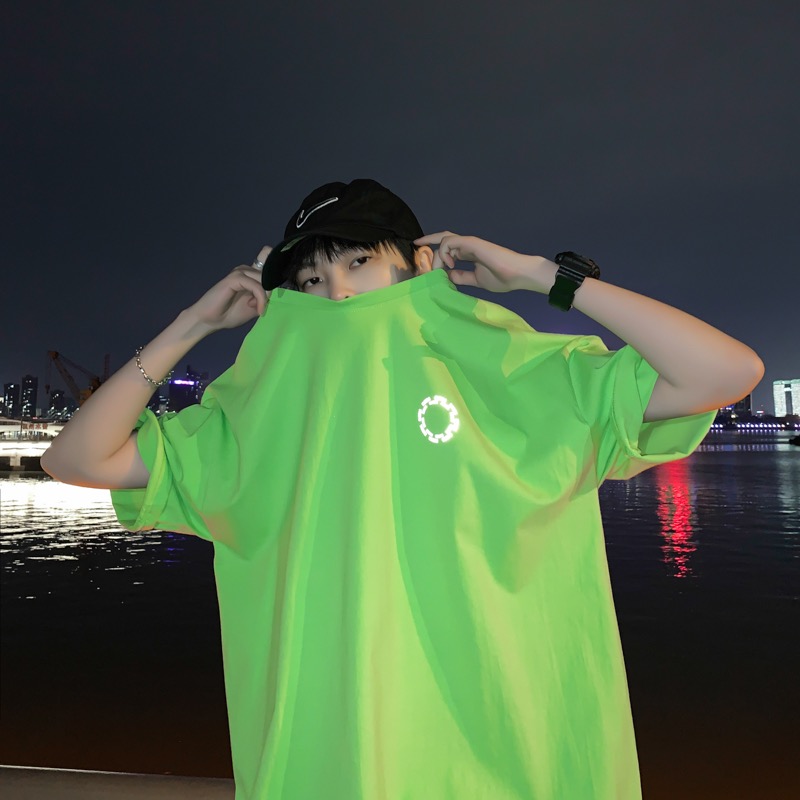
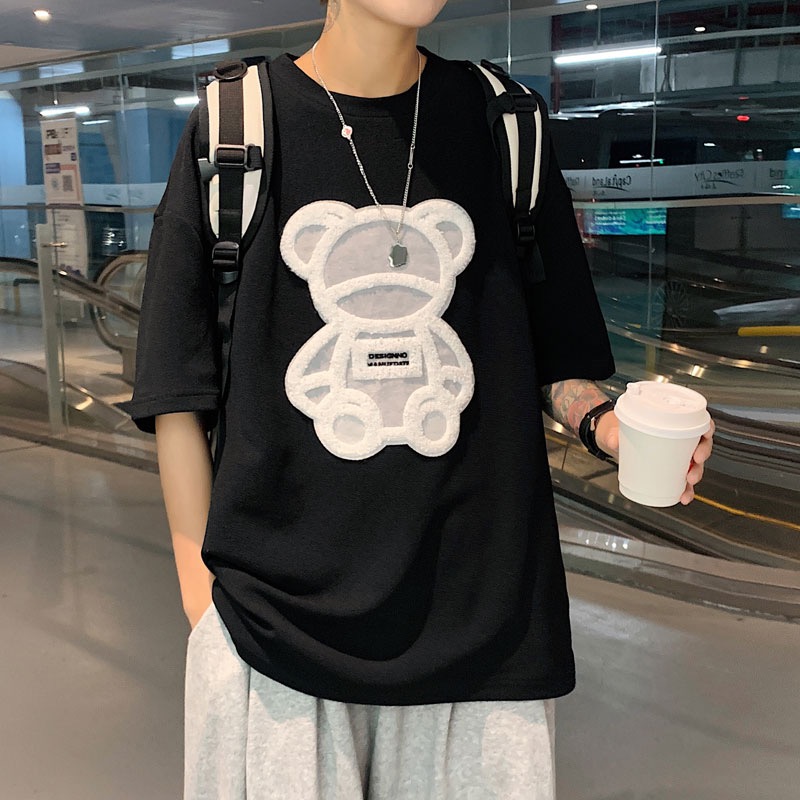
Why Buyers Choose a Reflective Print Clothing Manufacturer
EDVORIN coordinates reflective print details with garment construction, branding placement, and repeatable production standards for collection-ready apparel.
Low-Light Visual Impact
Reflective graphics add a distinctive response under directed light, helping fashion, streetwear, and teamwear programs create a stronger after-dark identity.
Controlled Logo Placement
Artwork positions, dimensions, and garment reference points are documented during development to keep logos and details consistent from approved sample through bulk production.
Garment-Matched Development
As a reflective print clothing manufacturer, EDVORIN reviews fabric, stretch, construction, and intended wear before confirming a decoration approach.
Collection-Wide Coordination
Reflective details can be planned across hoodies, jackets, joggers, jerseys, and T-shirts to give coordinated collections a clear, connected visual language.
Production-Ready Standards
Samples turn approved artwork, placements, trims, and finishing details into clear references that support dependable repeat orders and private-label programs.
Explore Apparel Decoration and Manufacturing
Connect decoration methods with the apparel categories, materials, construction details and production controls needed to carry approved designs into repeatable bulk orders.
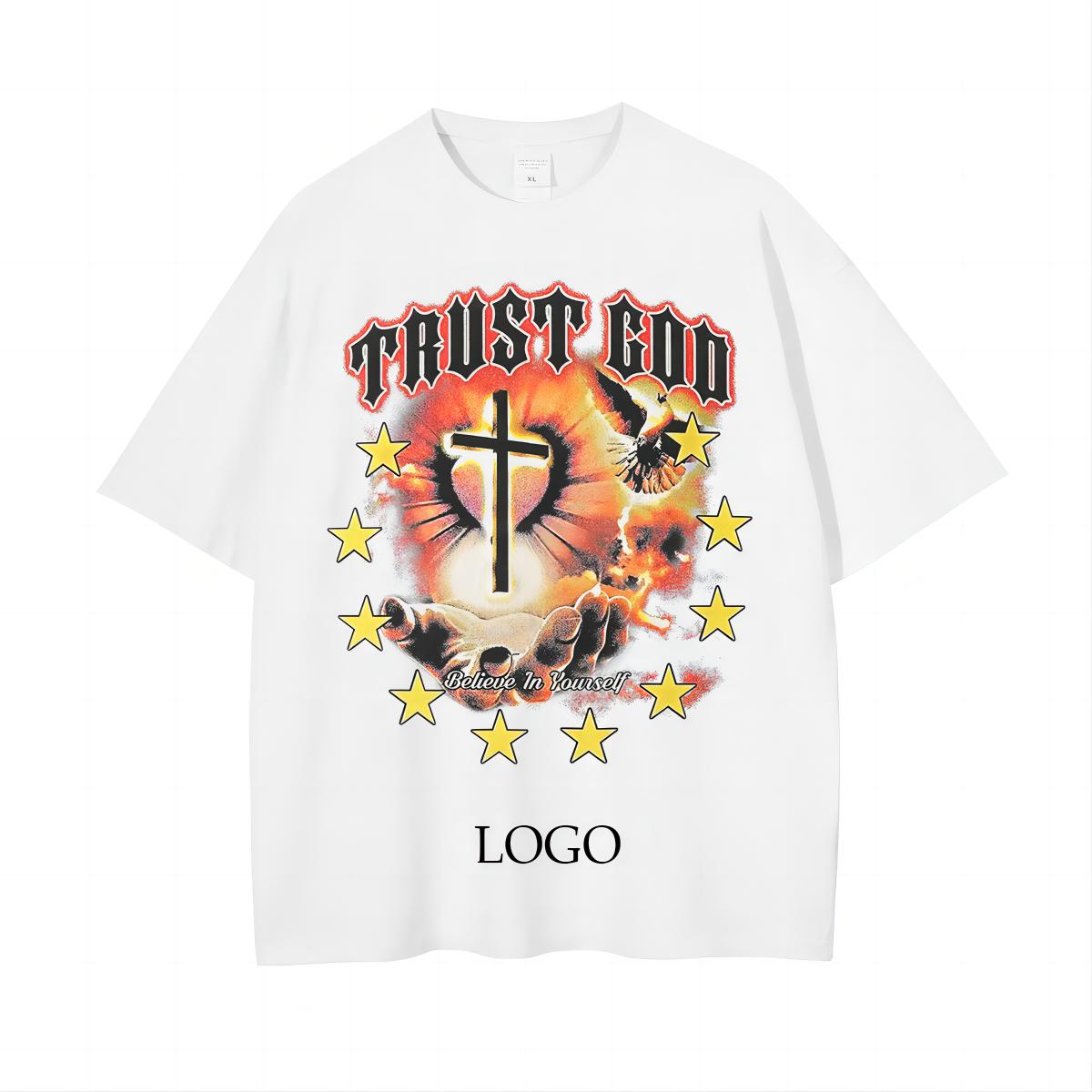
Custom Hoodies
Develop custom hoodies with fleece selection, rib specifications, hood construction, drawcords, labels and decoration planned together. Screen printing, heat transfer, embroidery and wash options are coordinated against the garment’s fabric weight and intended finish.
Get a Quote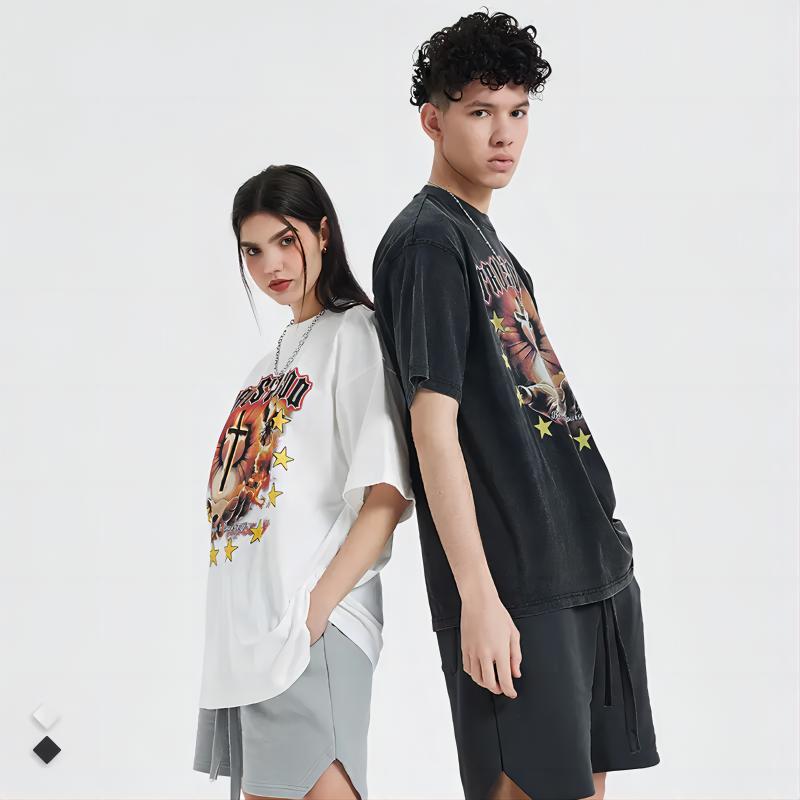
Pullover Sweatshirts
Build pullover sweatshirts around fit blocks, fleece or French terry weights, neck rib recovery and cuff construction. Decoration placement and method can be specified during sampling, then documented for consistent bulk production.
Get a Quote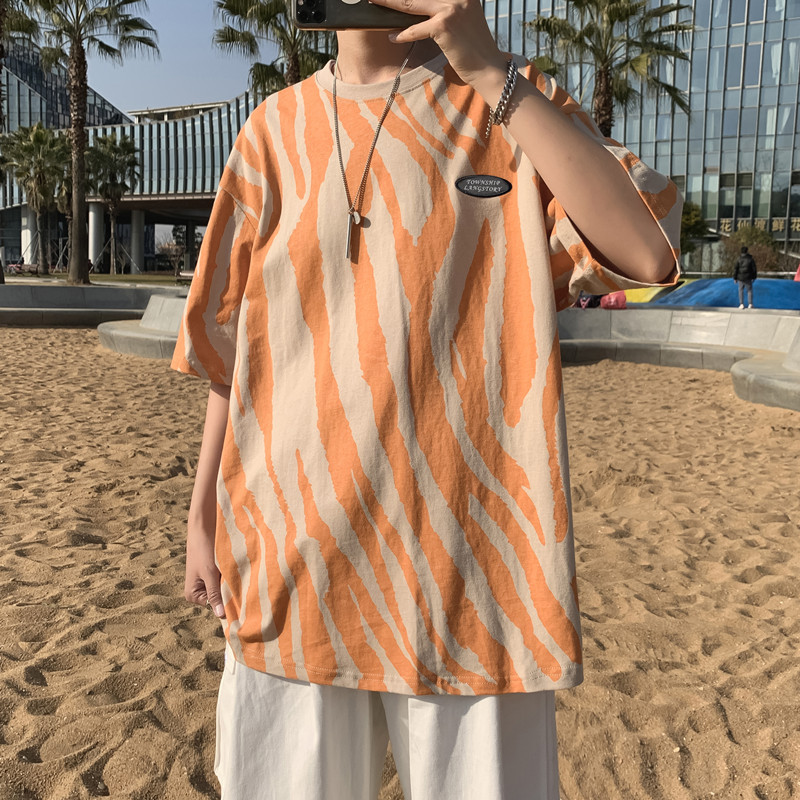
Sweatpants & Joggers
Produce sweatpants and joggers with coordinated fabric, waistband, drawcord, pocket and cuff specifications. Printing, embroidery and heat-applied graphics are matched to the garment construction and placement requirements before bulk approval.
Get a Quote
Custom Shorts
Develop custom shorts for casualwear, sports programs or coordinated sets, with fabric, inseam, waistband, pockets and finishing defined to suit the use case. Decoration methods are selected according to material and artwork requirements.
Get a Quote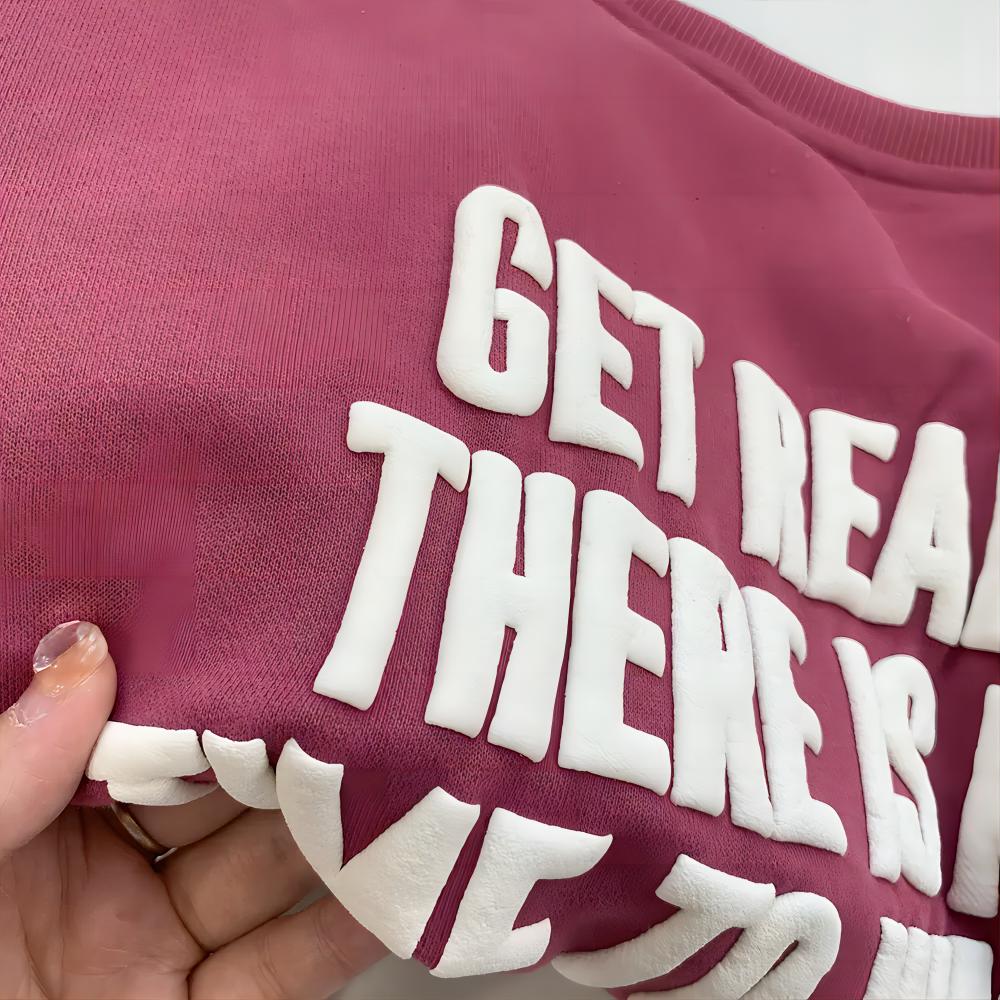
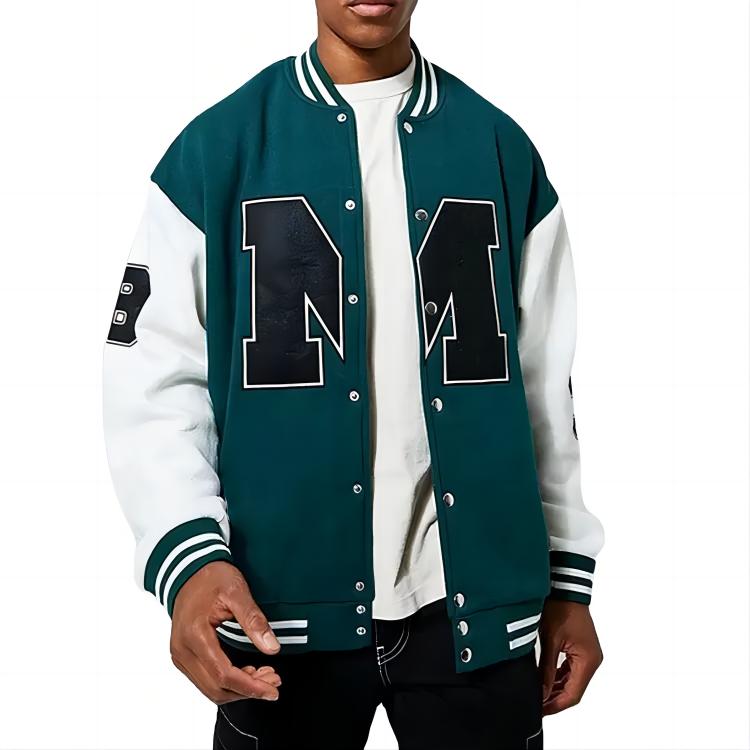
Varsity & Baseball Jackets
Manufacture varsity and baseball jackets with coordinated body fabrics, sleeves, rib, snaps, lining, patches and embroidery. Samples help confirm the balance between construction details and decoration before the order moves into bulk production.
Get a Quote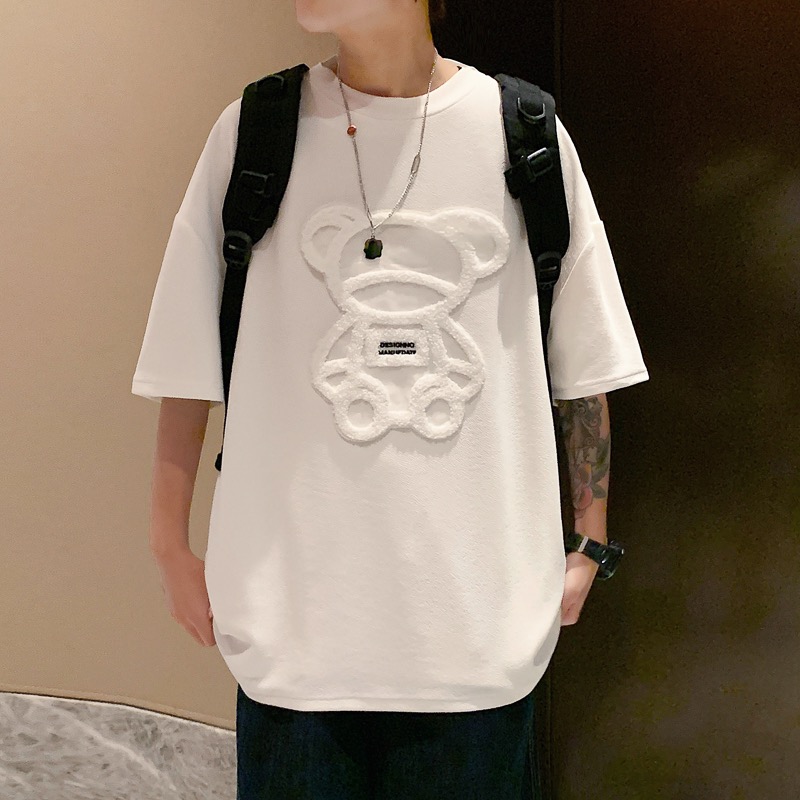
Custom T-Shirts
Develop custom T-shirts with fabric weight, fit, collar construction, stitching and print placement specified for the target market. Screen printing, heat transfer, embroidery and wash effects can be tested during the sampling process.
Get a Quote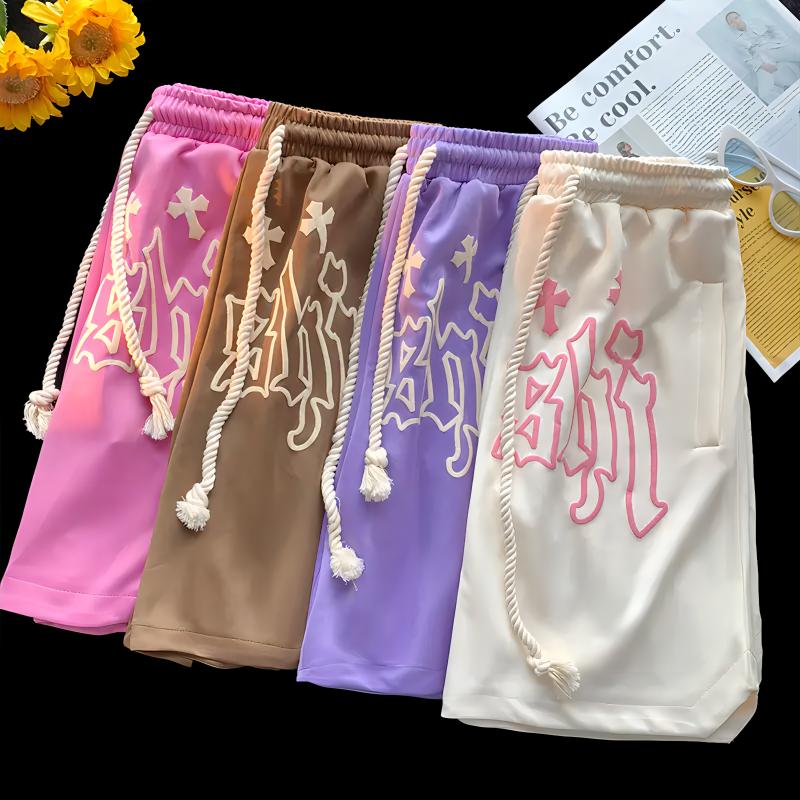
Custom Polo Shirts
Produce custom polo shirts with knit fabric selection, collar and placket construction, buttons, rib details and logo application defined by the program. Suitable for corporate, school, team and private-label requirements.
Get a Quote
Windbreaker Jackets
Manufacture windbreaker jackets with shell fabric, lining, zipper, hood, pocket and elastic details coordinated for the intended level of weather protection. Decoration placement is reviewed against seams, panels and fabric performance.
Get a Quote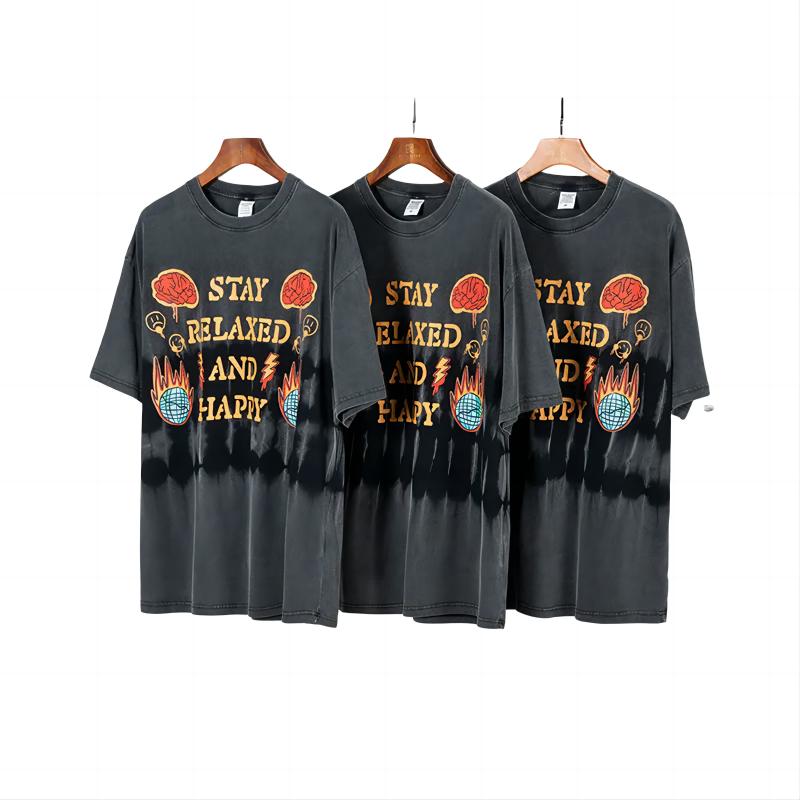
Quilted Jackets
Develop quilted jackets by coordinating shell fabric, lining, insulation, quilting pattern, hardware and labeling. Embroidery, patches and other decoration methods are planned with panel construction and material thickness in mind.
Get a Quote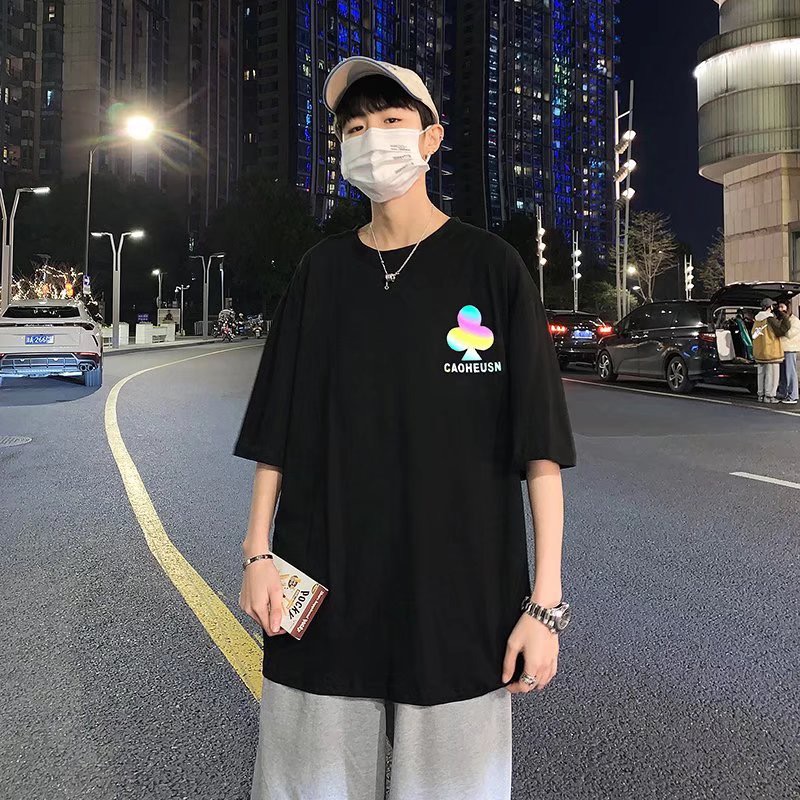
Bomber Jackets
Produce bomber jackets with shell and lining selection, rib trim, zippers, pockets and fit requirements documented for repeat orders. Embroidery, patches and printed details are developed around the jacket’s construction zones.
Get a Quote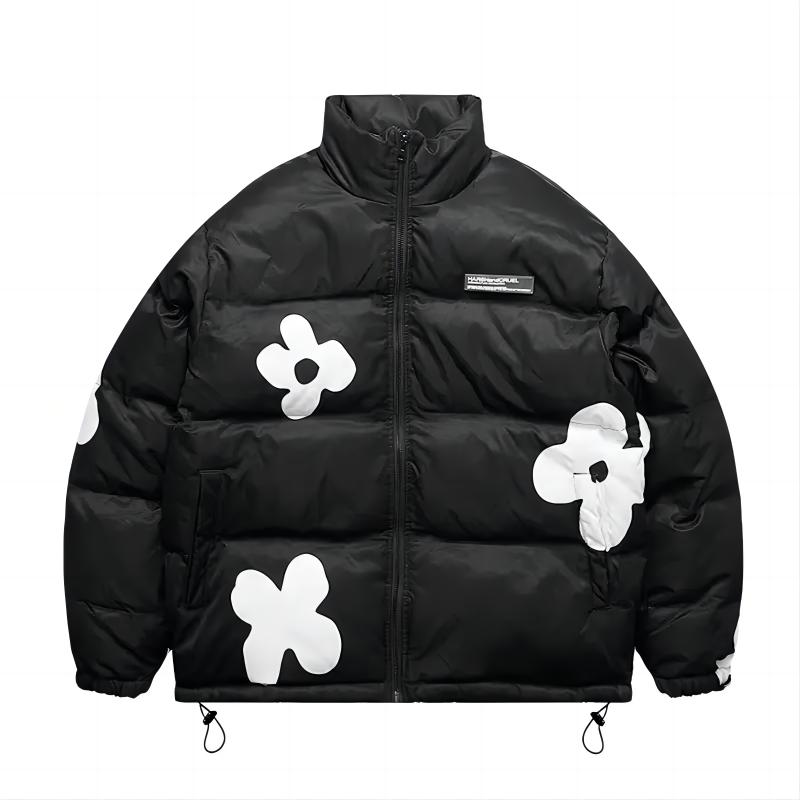
Custom Shirts
Manufacture custom woven shirts with fabric, collar, placket, cuffs, pockets and seam finishing specified for the collection. Embroidery, labels and subtle decoration details can be integrated during development and sampling.
Get a Quote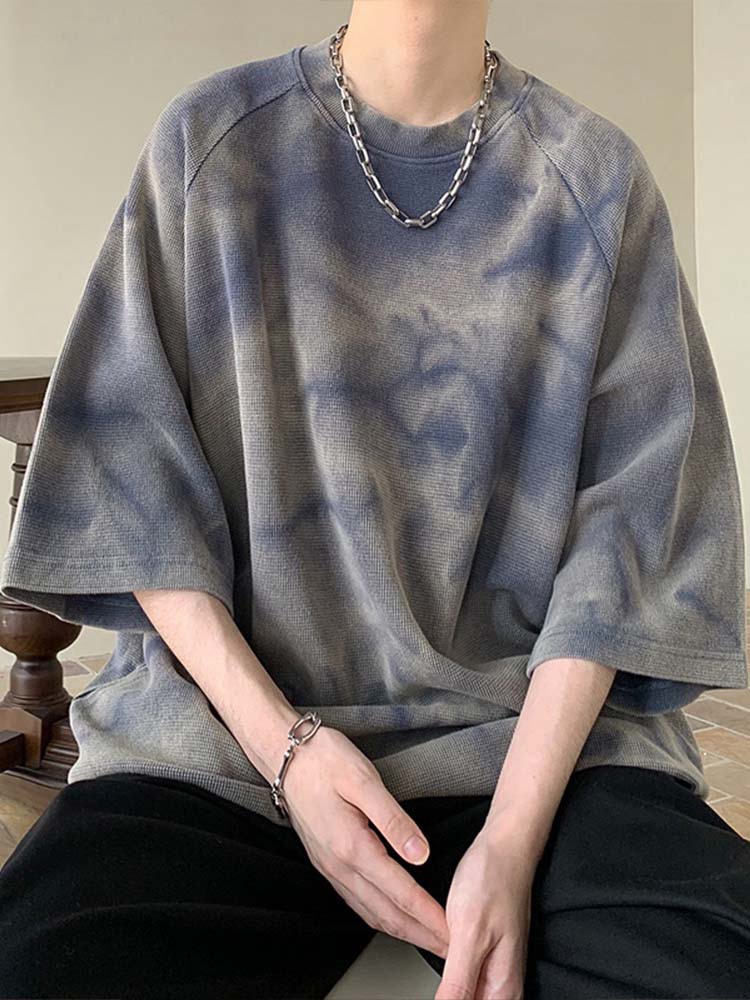
Custom Jerseys
Develop custom jerseys with breathable fabric options, panel construction, color control, names, numbers and logo decoration managed as one program. Approved artwork placement and size grading provide a clear standard for team or retail orders.
Get a Quote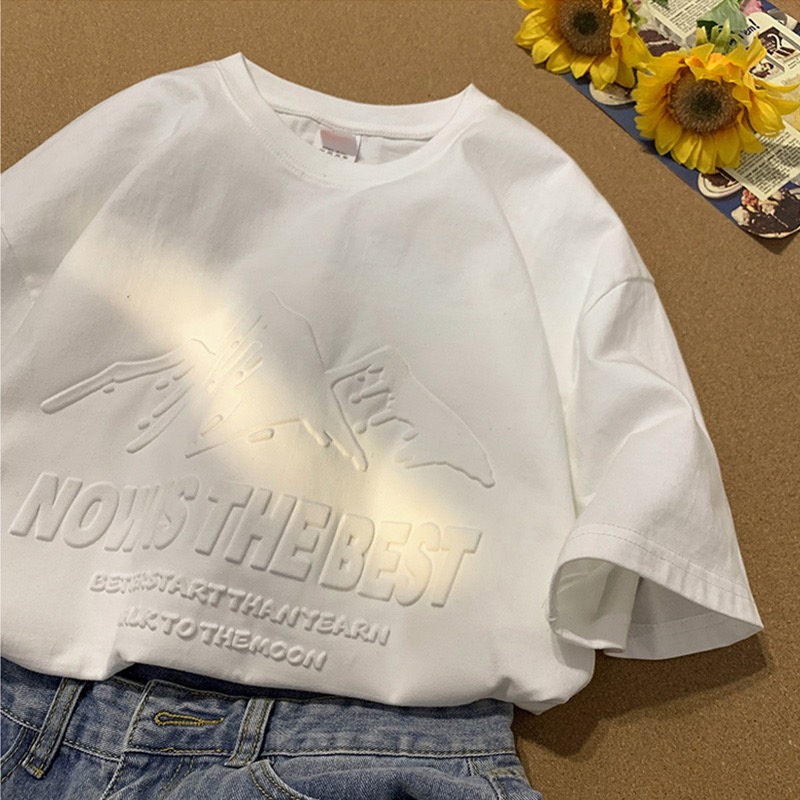
Tank Tops
Produce tank tops with fit, armhole shape, neckline, fabric weight and binding construction adjusted for men’s or women’s programs. Prints, heat transfers and embroidery are assessed for fabric compatibility and placement accuracy.
Get a Quote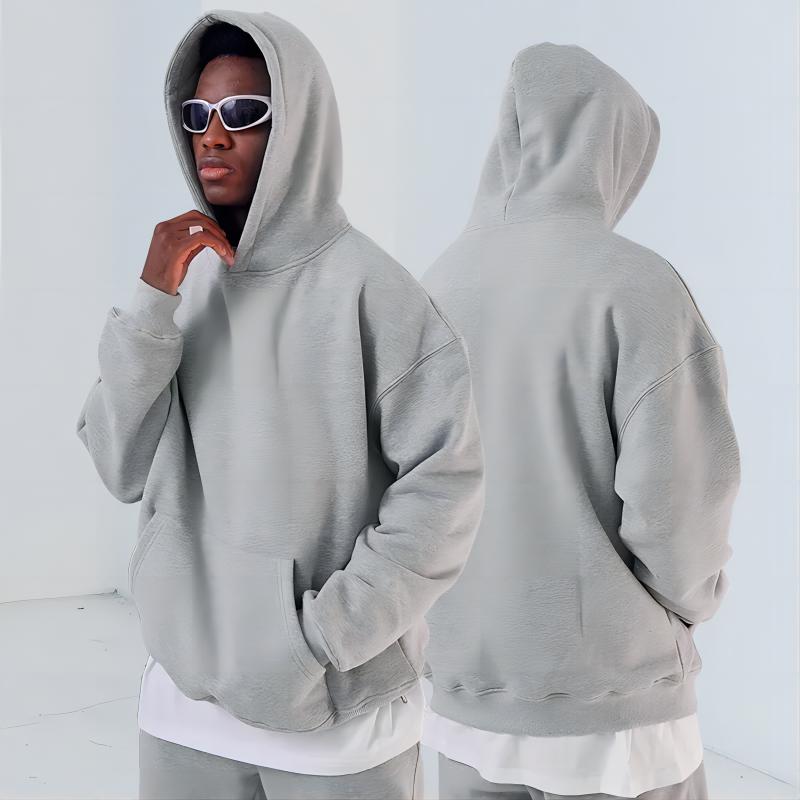
Soccer Uniforms
Manufacture soccer uniforms with performance fabric, color matching, jersey construction, shorts coordination, names, numbers and crest application controlled across the order. Size sets and approved samples support consistent team issue and repeat production.
Get a Quote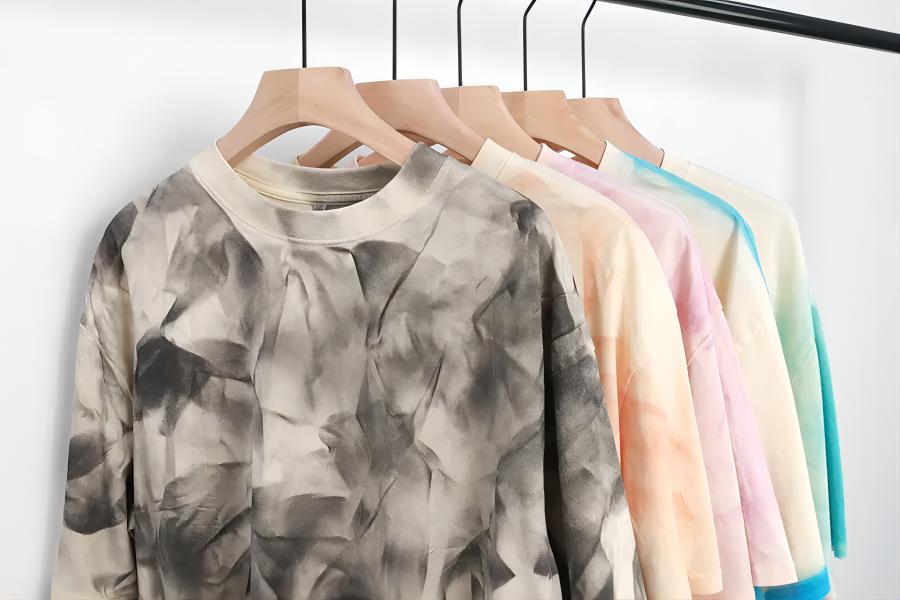
Basketball Uniforms
Develop basketball uniforms with jersey and short specifications, breathable materials, color panels, number placement and team branding documented before bulk production. Decoration methods are selected to maintain clarity, durability and coordinated sizing.
Get a Quote
Streetwear Collections
Build streetwear collections across hoodies, tees, sweatpants, jackets and woven pieces under one production system. Fabric, trims, print techniques, embroidery, washes, labels and packaging are coordinated from concept development through bulk quality control.
Get a QuoteReflective Print Clothing Manufacturer Experience
EDVORIN is a founder-led reflective print clothing manufacturer built around the point where an apparel idea becomes a repeatable production standard. Since 2000, we have helped brands translate concepts into developed garments, aligning fabric, construction, artwork placement and reflective decoration before production begins.
Our OEM, ODM and private-label teams develop casualwear, streetwear, outerwear and teamwear for men’s and women’s programs. From material and trim sourcing through patterns, samples, printing, embroidery, washing, labeling and packaging, each decision is coordinated within one accountable manufacturing path. Certification programs include ISO 9001, BSCI, WRAP, SEDEX, OEKO-TEX Standard 100, GRS and GOTS.
EDVORIN’s MOQ starts at 200 pieces per style. What distinguishes EDVORIN is control after the sample is approved. We record the approved standard, test reflective print choices against the intended garment, communicate placement and construction details clearly, and use in-line and final checks to protect consistency from a 200-piece style MOQ through bulk delivery.
Reflective Print Systems vs. Reflective Heat-Transfer Film
Artwork Placement, Recorded
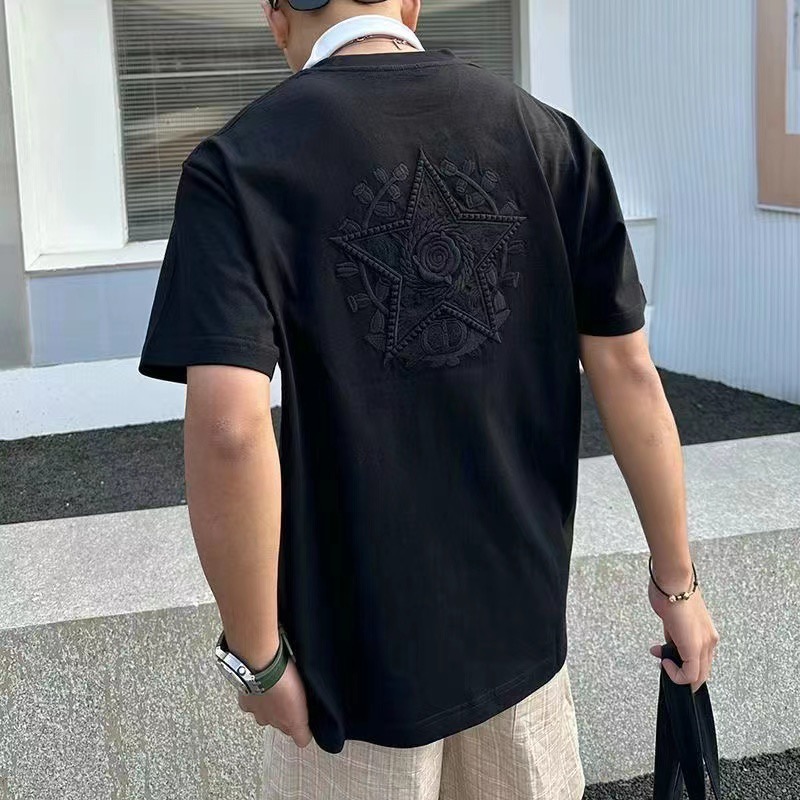
As a reflective print clothing manufacturer, EDVORIN converts approved artwork into production-ready placement standards. Print dimensions, distances from seams, panel alignment and size-specific positioning are documented so the reflective detail supports the garment’s silhouette across the full size range.
- Placement measurements tied to garment construction points
- Size-set positioning reviewed before bulk release
- Artwork scale checked across men’s and women’s fits
- Logo, seam and pocket interactions clarified early
Fabric and Print Compatibility
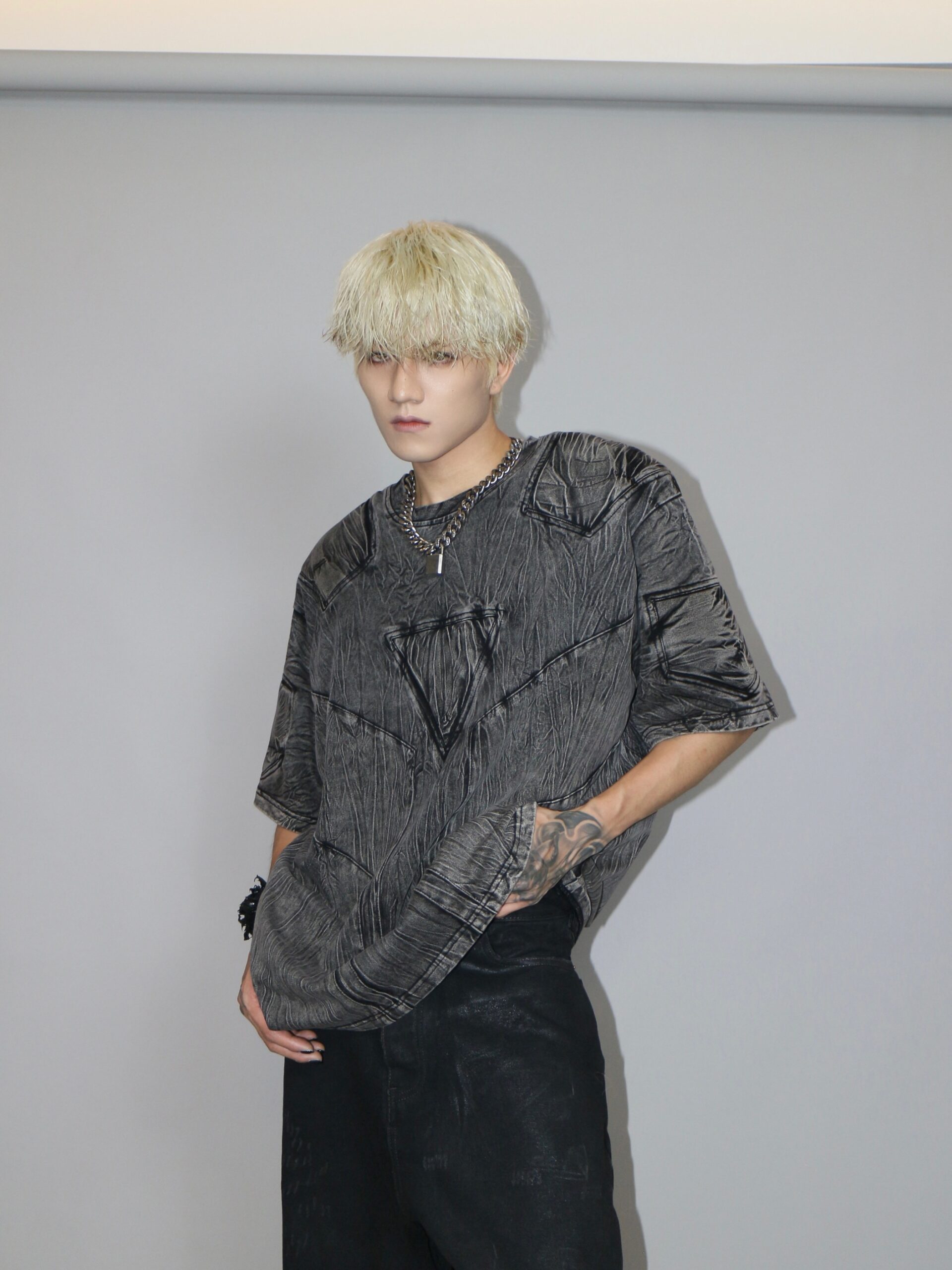
Reflective finishes must be matched to the actual base fabric, stretch level and garment use. EDVORIN coordinates material selection and decoration trials during development, helping buyers assess surface appearance, hand feel, adhesion and how the detail performs within the intended apparel category.
- Trials on the selected production fabric
- Consideration for knit, woven and stretch constructions
- Decoration approach aligned with garment end use
- Wash testing included in sample evaluation
Approved Samples Set Standards
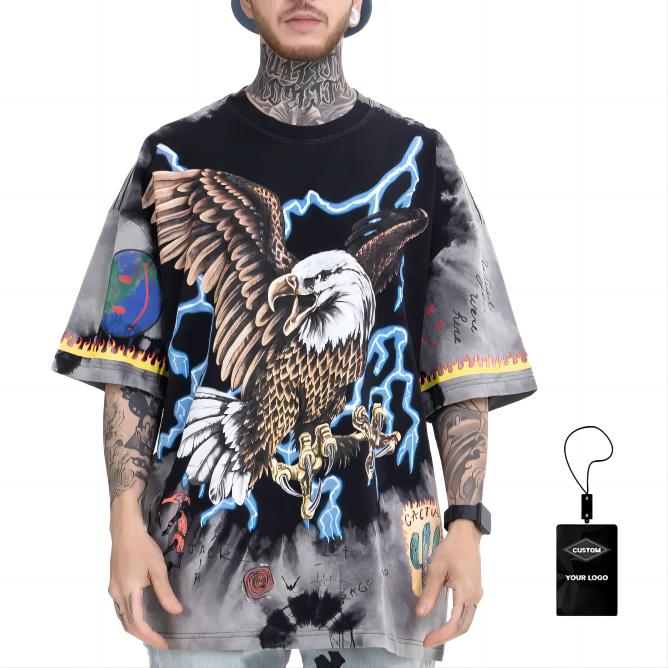
A sample is the point where design decisions become accountable production references. EDVORIN uses approved garments, artwork files and construction details to align printing, sewing, trims and finishing before bulk production, reducing reliance on verbal interpretation between development and the line.
- Approved sample retained as a production reference
- Artwork revisions controlled before production
- Construction and decoration reviewed together
- Buyer feedback translated into clear specifications
Bulk Output, Kept Consistent
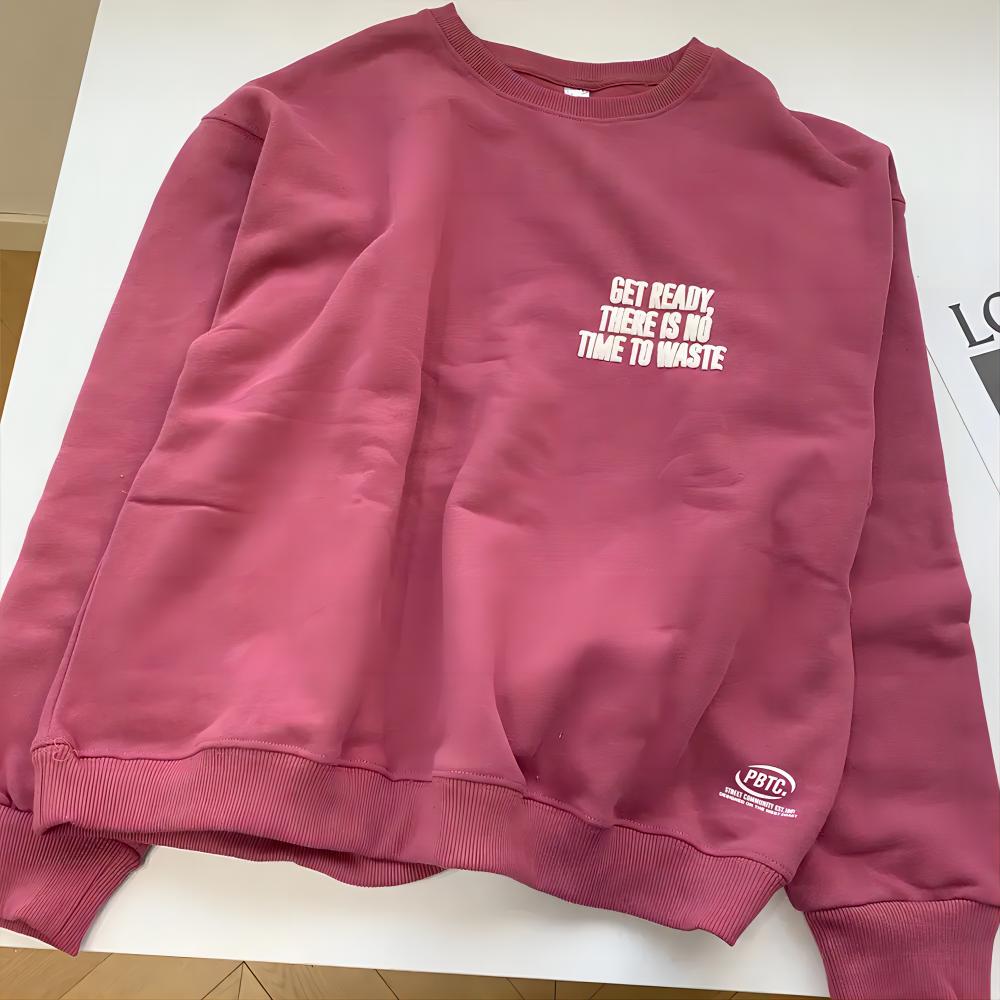
Repeatable reflective print clothing depends on visible specifications and checks throughout production. From print placement and color reference to garment measurements and final packing, EDVORIN organizes the approved standard into one controlled path for OEM, ODM and private-label orders starting at 200 pieces per style.
- In-line checks against approved requirements
- Print placement reviewed during production
- Measurement and finishing checks before packing
- Specifications retained for repeat orders
Reflective Print Clothing Manufacturer vs. Reflective Heat-Transfer Film
Choose the decoration route around artwork, garment substrate, wear testing, and the final visual effect.
← Swipe left or right to view →
Reflective Print Clothing Manufacturer Production Process
EDVORIN turns approved reflective-print details into documented, repeatable production standards for fashion, streetwear and teamwear programs.
Review Artwork and Garment
We assess artwork, print areas, garment construction and intended wear to identify practical decoration requirements before sampling begins.
Test Fabric and Print
Reflective print options are tested on the selected fabric to evaluate adhesion, finish, stretch response and wash performance.
Approve Placement and Sample
We confirm artwork scale, placement measurements, color references and sample appearance, creating a clear standard for bulk production.
Apply Prints in Production
Production teams follow approved artwork and process settings while coordinating garment sewing, reflective application and finishing across the order.
Inspect, Label and Pack
In-line and final checks compare garments against approved standards before labeling, packaging and shipment preparation for your program.
How to Order Custom Reflective Print Clothing
Move from reference and artwork to an approved, repeatable reflective print program with clear specifications at every stage.
Share Your Product Direction
Send a tech pack, reference garment, sketch, or collection brief with target category, fit, fabric expectations, and intended market for men’s or women’s development.
Provide Production-Ready Artwork
Supply vector artwork, color references, print placement dimensions, and desired reflective effect so EDVORIN can assess decoration compatibility with the selected base fabric.
Review the Development Sample
Evaluate the sample for garment construction, fit, artwork position, reflective print appearance, and material balance; record revisions before approving the production standard.
Approve Bulk Production Details
Confirm approved samples, measurement standards, labels, trims, packaging, size breakdowns, and order quantities before the reflective print clothing manufacturer begins controlled bulk production.
Receive Checked Finished Orders
EDVORIN coordinates in-line and final quality checks against the approved standard, then prepares your order for packing and repeatable future production.
Reflective Print Clothing Programs Built to Repeat
EDVORIN matched the reflective chest graphic placement across 1,200 hoodies and joggers. Our second order used the same approved standard, which made launch planning far more predictable.
We developed a 240-piece night-training capsule with reflective sleeve prints. The sample revisions clarified every placement measurement, and the final delivery arrived in time for our preseason team shop.
The reflective logo held its intended look after our wash testing, and EDVORIN documented the artwork and fabric details for repeat production. We have since reordered the style in two additional colorways.
Complete Guide to Reflective-Print Clothing Manufacturing
Clear answers on materials, artwork, sampling and production planning for custom reflective print programs.
What fabrics work best for reflective print clothing?
Can a reflective print clothing manufacturer print on hoodies, T-shirts, jerseys and jackets?
How large can a reflective print design be, and how many colors can it include?
Can I combine reflective printing with embroidery, patches or other decoration?
What artwork files does a reflective print clothing manufacturer need?
What is the MOQ for custom reflective print clothing?
How does sampling work with a reflective print clothing manufacturer?
How long does reflective print clothing production take?
Complete Guide to a reflective print clothing manufacturer
Use this decision framework to compare reflective print methods, fabrics, quality controls, supplier capabilities, and cost drivers—so you can source confidently, protect your brand, and avoid expensive sampling and production mistakes.
1. What Is a Reflective Print Clothing Manufacturer?
200-piece programs often begin with a reflective print clothing manufacturer translating artwork into repeatable retroreflective graphics, heat transfers, tape, piping, or labels. The manufacturing scope connects fabric selection, pattern placement, sampling, decoration settings, wash testing, and bulk inspection so the approved visual effect can be reproduced.
2 distinct product paths must be separated at briefing: fashion reflective decoration creates a light-reactive logo or accent, while high-visibility safety apparel is engineered and tested to a specified standard such as ANSI/ISEA 107 or EN ISO 20471. A shiny print alone does not make a garment compliant.
4 buyer priorities should be ranked before sampling: daytime design impact, nighttime conspicuity, regulatory compliance, and wash-life. EDVORIN can document the selected material, artwork location, and approved sample as the production reference, while compliance claims require the appropriate certified materials and finished-garment program.
2. Evolution of Reflective Apparel Printing
1972 marked the U.S. adoption of early high-visibility guidance, when reflective trims were specified chiefly for workwear visibility rather than brand expression. That safety-first legacy still matters: a reflective print clothing manufacturer should separate certified performance components from decorative graphics.
1990s sportswear and teamwear broadened the use of retroreflective piping, logos, and heat-applied films, giving buyers more placement control on lightweight knits and outerwear. Source: https://www.safetyvestsandmore.com/collections/buy-reflective-apparel
2020s digital graphics, printable transfer films, and reflective inks allow small logos, multicolor artwork, and collection-specific effects without relying only on sewn tape. Buyers should now approve artwork, substrate, application settings, stretch, and wash testing together, because visual impact and compliant visibility remain different specifications.
3. Types of Reflective Print Clothing Manufacturer Services
Service model determines who owns specifications, sourcing, and execution. For reflective programs, assign artwork, materials, labels, packaging, and shipment responsibility before sampling.
| Model | Typically Covers | Best Fit |
|---|---|---|
| OEM | Development through bulk | New or growing brands |
| Private label | Branding and repeat orders | Institutions, distributors |
| CMT | Cut, make, trim | Established labels |
| Full package | Sourcing through shipment | Hands-off buyers |
| Stock customization | Existing garment plus decoration | Fast launches |
OEM Development
OEM development starts with a tech pack, sketch, or reference garment. EDVORIN can convert the approved direction into patterns, sourced materials, samples, and bulk standards.
Private Label Programs
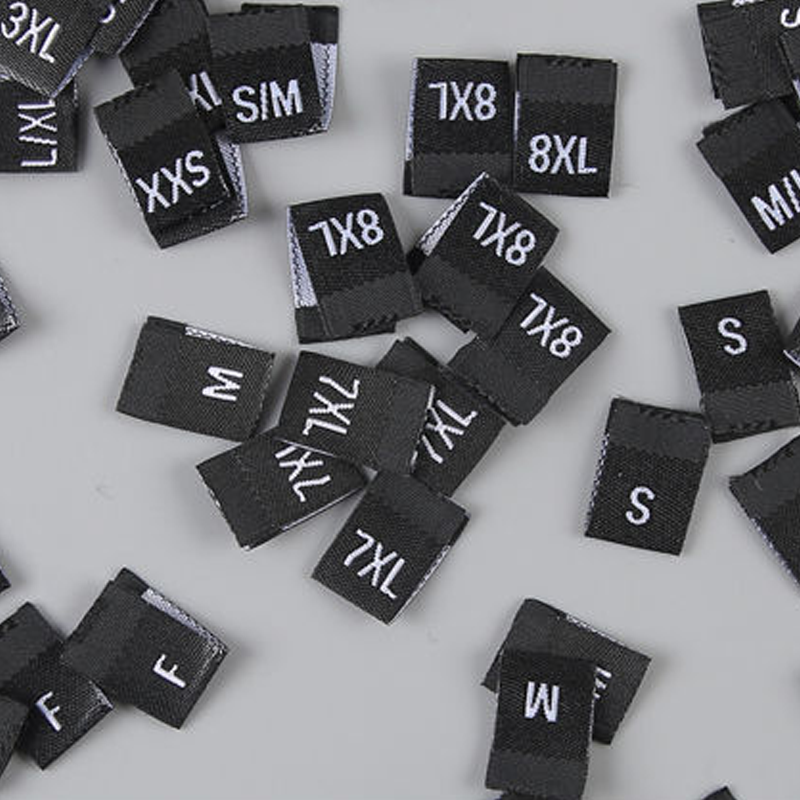
Private label adds the buyer’s neck labels, care labels, hangtags, packaging, and reflective artwork to a defined product program. It suits institutions and distributors needing consistent branded replenishment.
Production-Only And Stock Options

CMT uses buyer-supplied fabrics and trims, while full-package production manages them from sourcing through shipment. Stock-garment customization is fastest when fit and base color are already acceptable.
4. Reflective Print Clothing Manufacturer Product Types
A reflective print clothing manufacturer should match the garment to its wear window before selecting artwork. EDVORIN develops men’s and women’s programs around silhouette, fabric behavior, visibility zones, and decoration access.
Tees And Hoodies
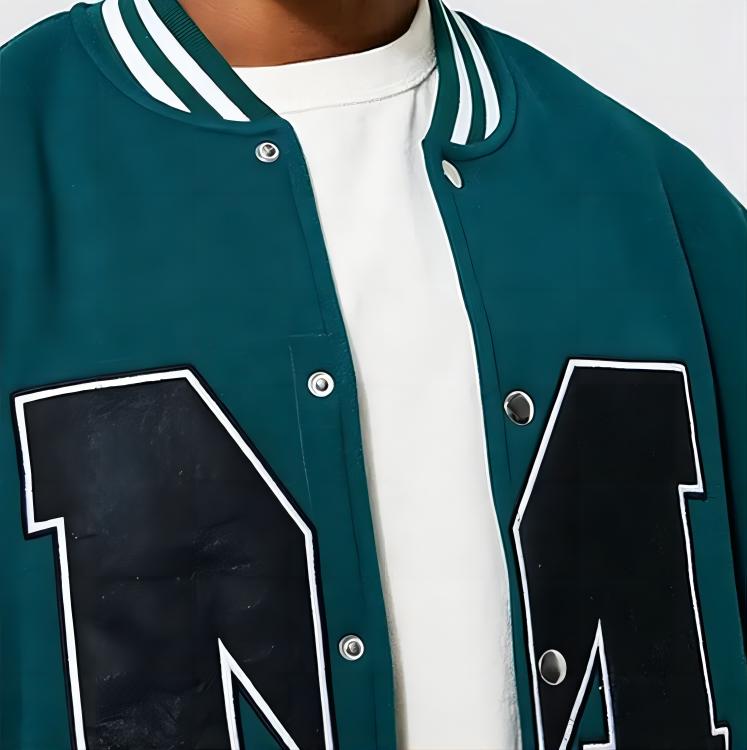
180–260 GSM T-shirts suit event merchandise and warm-weather streetwear; chest, back, and sleeve prints remain accessible. 320–450 GSM fleece hoodies add a cool-season canvas, but kangaroo pockets and rib hems restrict continuous artwork.
Activewear And Uniforms
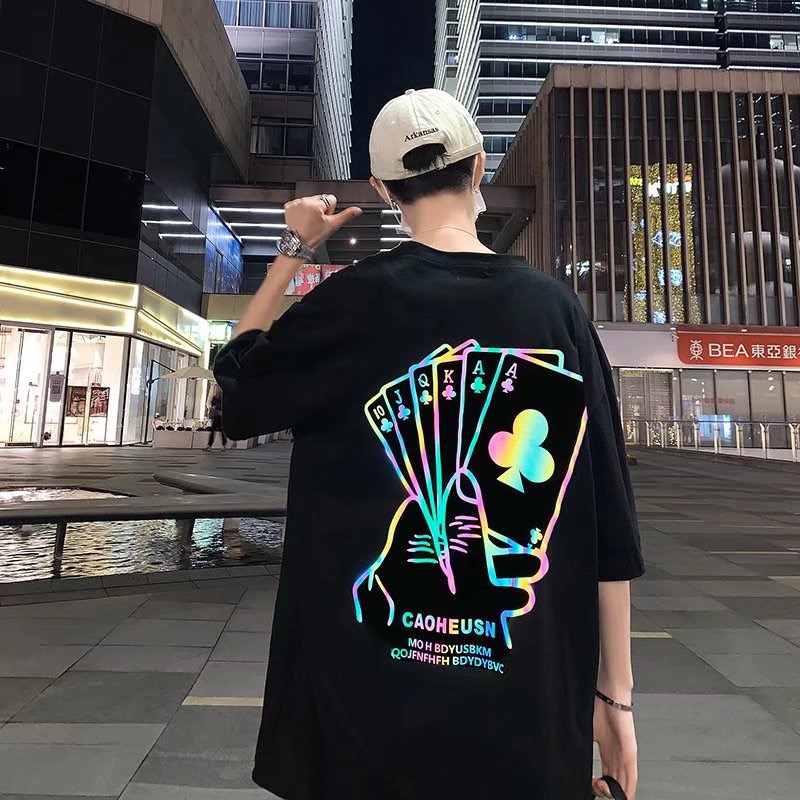
150–220 GSM stretch jerseys serve runners, cyclists, clubs, and academies needing movement and low-light recognition. Keep reflective marks away from high-stretch seams, number zones, and abrasion points such as underarms.
Jackets And Accessories
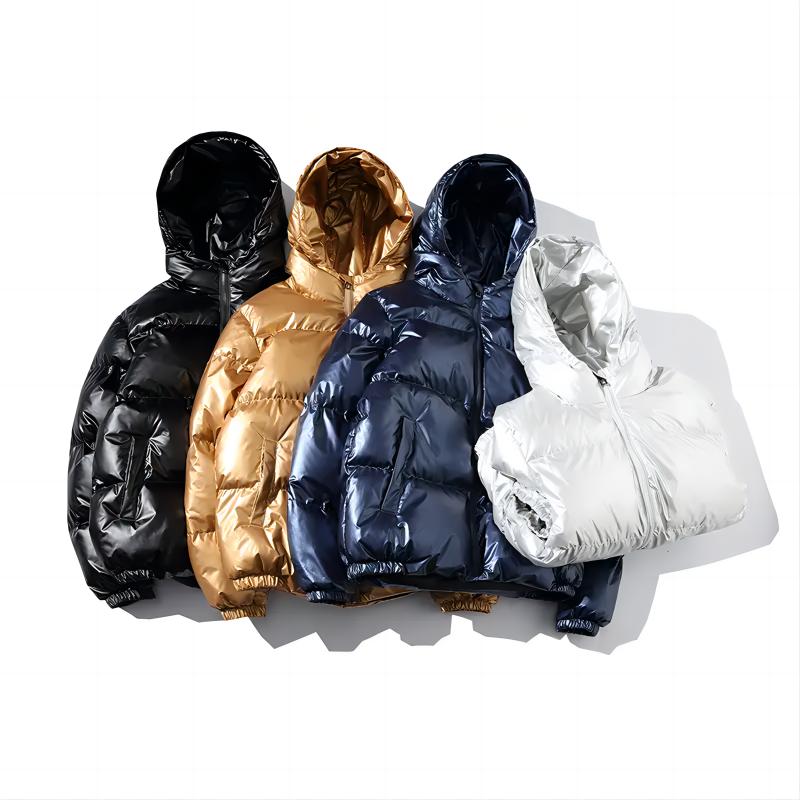
Windbreakers, bombers, and quilted outerwear give commuters and streetwear labels high-impact night visibility across yokes, sleeves, and back panels. Bags, caps, and armbands need smaller graphics because curved surfaces, seams, and hardware limit flat print areas.
5. Fabrics and Reflective Materials to Specify
150–220 GSM polyester and stretch knits suit active programs; 280–360 GSM fleece supports warmer streetwear. A reflective print clothing manufacturer should approve fabric and decoration together, not after sampling.
| Fabric | Reflective Option | Practical Benefit | Recommended Application |
|---|---|---|---|
| Polyester | Heat-transfer film | Moisture management; smooth adhesion | Jerseys, running tops |
| Cotton-blend fleece | Reflective ink or patch | Soft hand; casual finish | Hoodies, joggers |
| Nylon softshell | Tape or piping | Durable edge visibility | Windbreakers |
| Stretch knit | Elastic transfer vinyl | Moves without cracking | Training wear |
Match Fabric And Adhesive
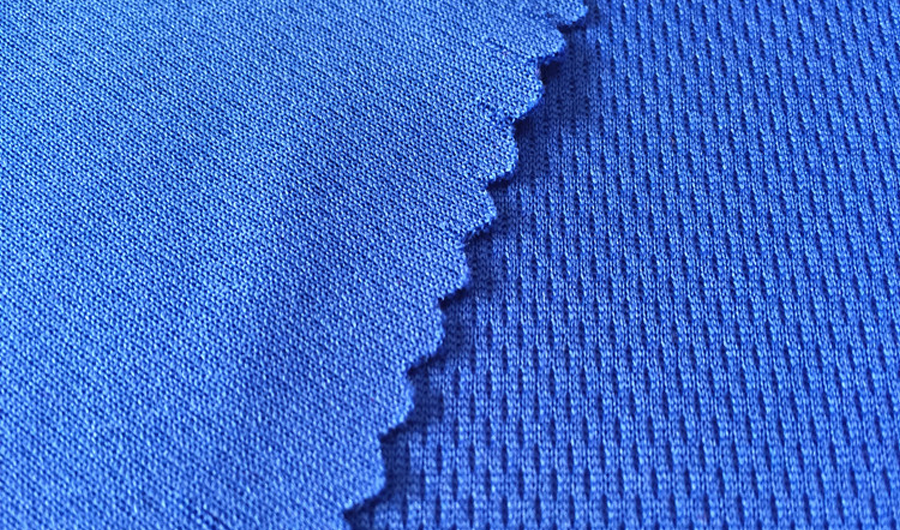
180–220 GSM polyester manages moisture and accepts film cleanly. Nylon and softshell need adhesion trials because coatings and face finishes vary.
Protect Stretch And Hand Feel
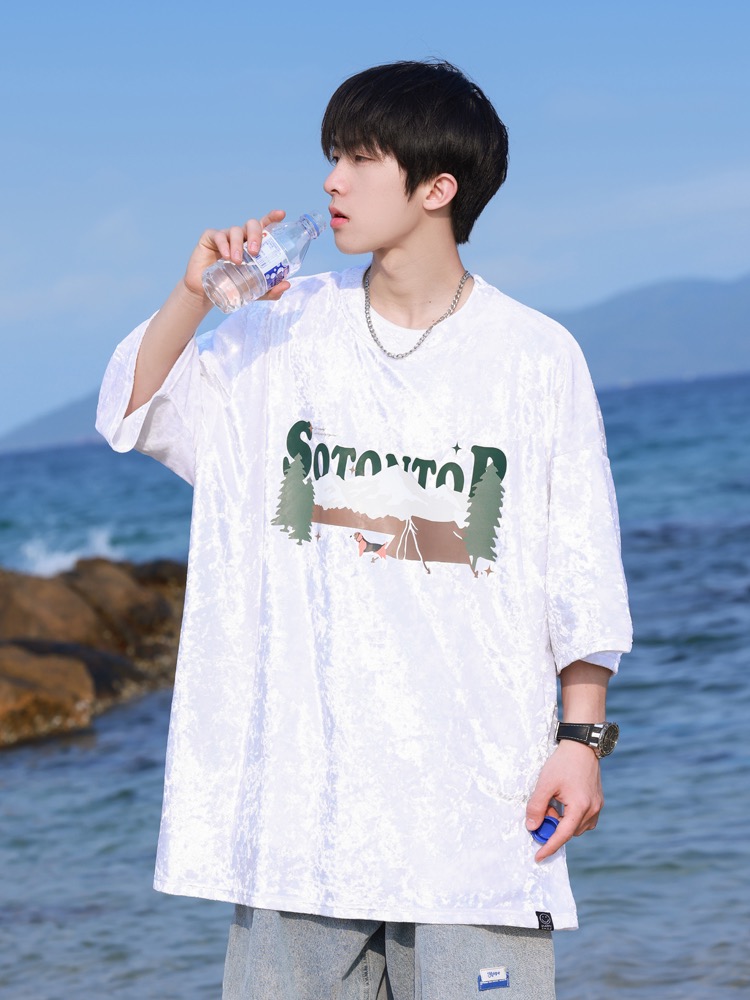
300 GSM cotton-blend fleece gives a softer hand but may need a compatible transfer adhesive. Stretch knits require elastic film or tape to avoid cracking.
Set Wash-Test Standards
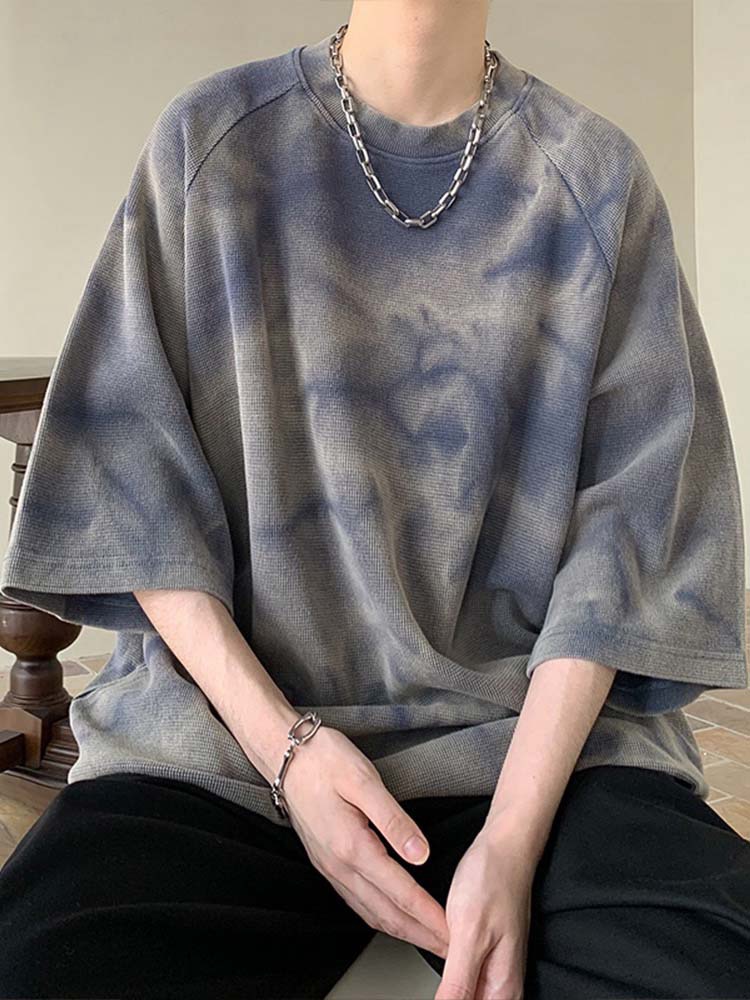
25 wash cycles is a practical internal test checkpoint, alongside peel, stretch, and appearance review. Reflective ink favors soft branding; tape, piping, and patches create defined accents.
6. Customization Options for Reflective Garments
Two artwork views—daylight and flash-lit—help EDVORIN translate a reflective concept into production specifications. A reflective print clothing manufacturer should record placement, color references, trims, and packaging before sampling.
| Option | Design Freedom | Production Trade-Off |
|---|---|---|
| Small logo | Low risk | Lower impact |
| Oversized graphic | High impact | More alignment control |
| Multi-location print | More branding | Higher handling cost |
| Print plus embroidery | Textured finish | More process complexity |
Placement And Graphic Scale
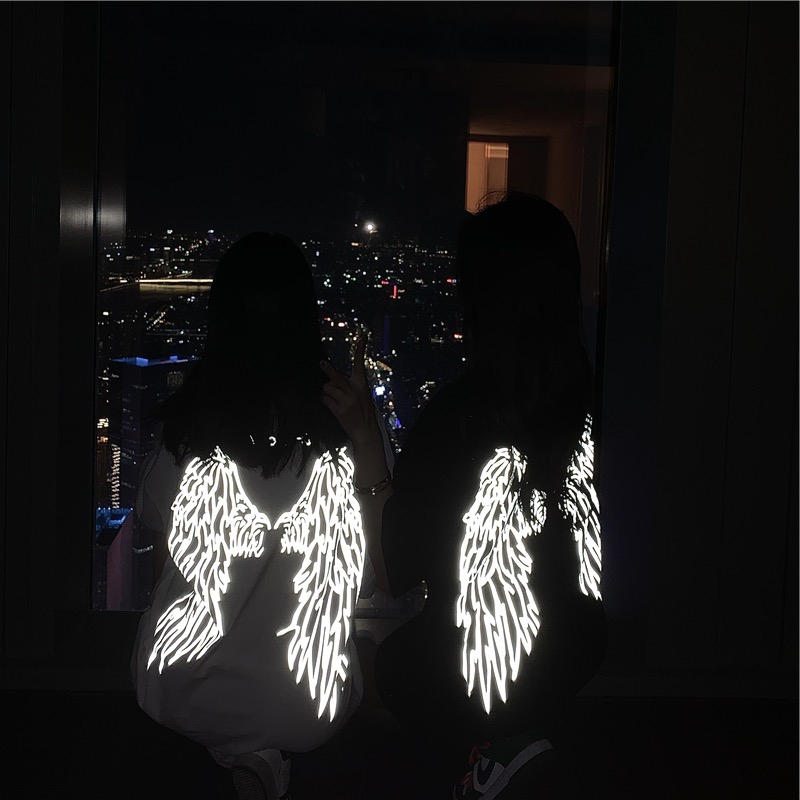
3 placement dimensions from fixed garment points prevent chest logos, oversized backs, and sleeve prints from drifting. Keep artwork clear of seams, pockets, zippers, and high-stretch panels, where adhesion and visual continuity can suffer.
Branding And Finishing
4 coordinated elements can combine reflective prints with embroidery, woven labels, heat-transfer neck labels, Pantone color references, custom hangtags, and private-label bags. Each added process increases handling, cost, and approval points.
Sample Before Bulk
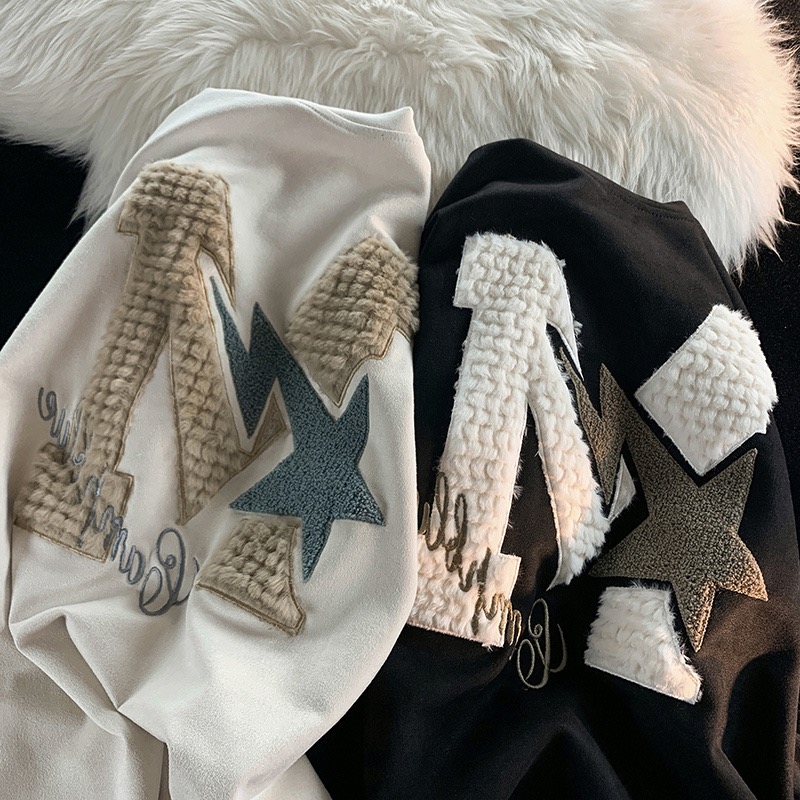
1 pre-production sample verifies daytime tone, nighttime return, artwork edge quality, embroidery interaction, and label placement on the actual fabric. EDVORIN can use that approved sample as the reference for bulk decoration and packing.
7. Construction and Quality Controls That Matter
A reflective print clothing manufacturer should convert an approved sample into measurable bulk standards. EDVORIN records material, placement, fit, and decoration criteria so inspections compare production with one agreed reference.
Set Measurable Tolerances
±5% fabric-weight tolerance, agreed color standard, and measurement tolerances by point of measure should appear on the sample approval sheet. Specify seam type, stitch density, print placement, and stretch-recovery expectations.
100% of critical measurements should be checked on the size set before bulk cutting. Record acceptable print registration shift in millimeters rather than approving it by appearance alone.
Inspect Reflective Performance
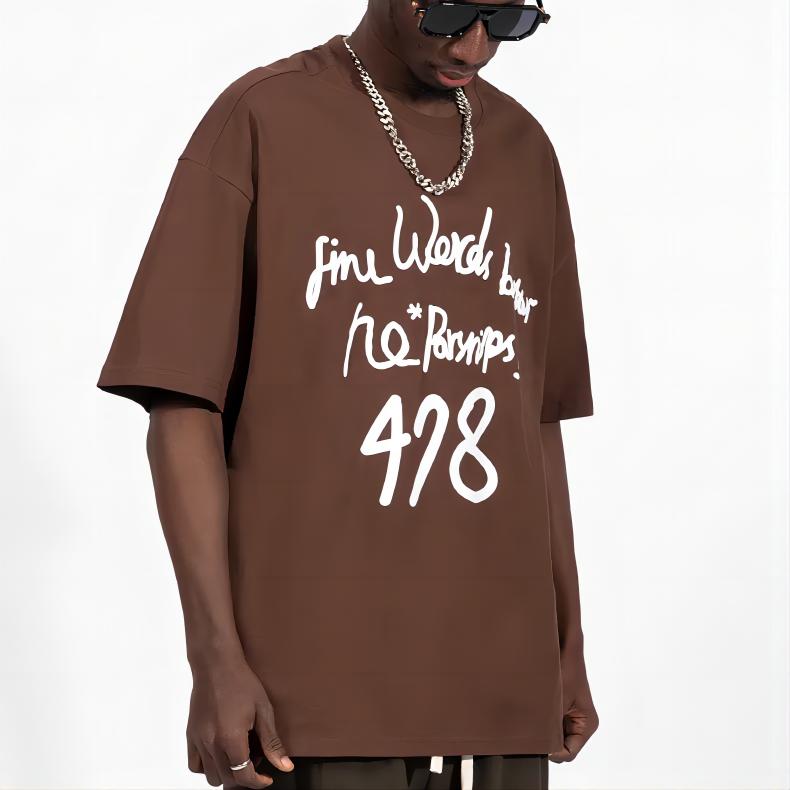
45-degree incident light and a fixed viewing distance create a repeatable reflective check; ordinary room light cannot reveal uneven retroreflection. Compare every approved print area against the sealed sample under the same low-light setup.
3 checkpoints—pre-production, in-line, and final inspection—help isolate variation before packing. Check adhesion after the agreed wash method and inspect stretched graphics for cracking, lifting, or dull patches.
Control Color And Construction
Pantone references, approved lab dips, and a retained shade band reduce color drift between fabric lots. Inspect seam strength at stress points including pocket corners, crotch joins, and sleeve attachments.
10-piece wash-test sets are practical for confirming shrinkage, print adhesion, and reflective uniformity before release. EDVORIN can document results against buyer-set acceptance criteria for the production file.
8. How to Choose a Reflective Print Clothing Manufacturer
A capable reflective print clothing manufacturer proves repeatability before bulk booking. Compare documented category experience, development control, and export readiness against your garment’s intended use.
Request Comparable Evidence
2 physical samples should show reflective placement, hand feel, stretch, and wash condition. Request comparable hoodies, jerseys, or outerwear—not only a photo gallery.
- Approved sample and revision record
- Material and reflective-component specifications
- Relevant wash or performance reports
Verify Factory Controls
1 factory profile should identify production scope, quality checkpoints, and export documentation. Treat OEKO-TEX, WRAP, BSCI, or safety-standard claims as unverified until current certificates and applicable test reports are supplied.
- In-line and final inspection process
- Traceable material purchase records
- Export-market shipping experience
Compare Commercial Fit
EDVORIN’s MOQ starts at 200 pieces per style. 200-piece MOQ may suit a focused launch, but confirm sizing, color, and artwork splits in writing. Request a line-item quotation covering development, materials, decoration, packaging, lead time, and payment terms.
- Sample timeline and approval gates
- Bulk capacity and booking window
- Named communication contact
9. Common Reflective Apparel Sourcing Mistakes
Reflective details fail most often at specification and approval, not sewing. A reflective print clothing manufacturer should turn every visual, performance, and cost assumption into a pre-bulk checkpoint.
Material And Safety Confusion
Two questions prevent material mismatch: Which retroreflective material, test method, and end use are required? Is the decoration aesthetic only, or must the finished garment meet a named safety standard?
Unproven Artwork And Stretch
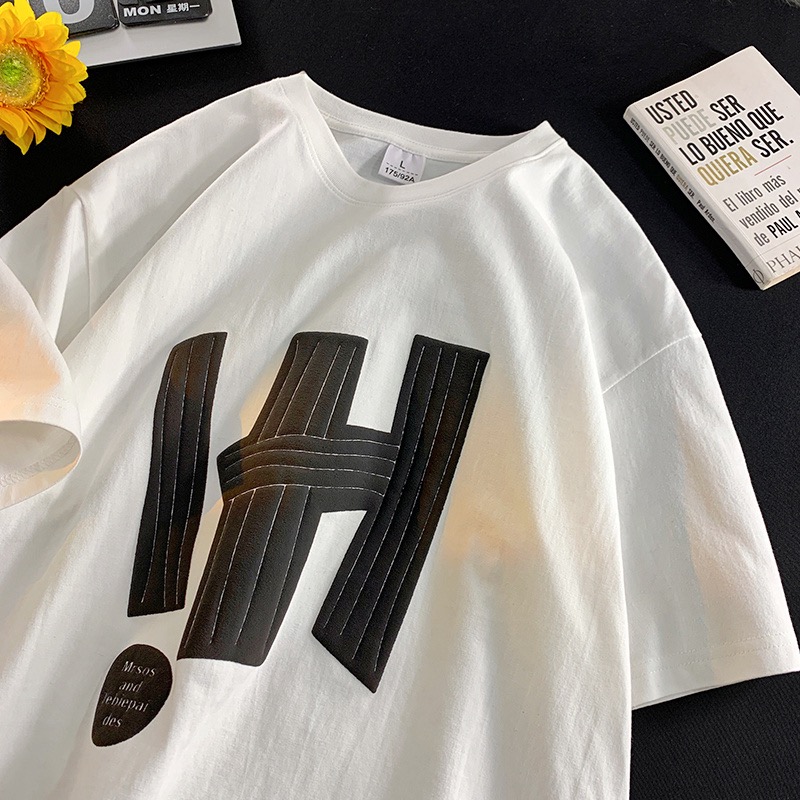
One night-view approval should accompany the daylight strike-off, using the intended viewing angle and garment color. On stretch knits, approve artwork after extension and recovery: What percent stretch must the print tolerate without cracking?
Price Before Performance
Three controls protect the lowest-cost quote: specify wash cycles, drying method, placement tolerance, and reflectivity acceptance criteria. Before PO release, ask for a signed bulk standard and defined tolerances for size, artwork position, and shade.
10. Launch Steps, MOQ, and Pricing
200 pieces is a practical opening MOQ for a custom reflective print clothing manufacturer program; send a brief, tech pack, size chart, Pantone references, and vector artwork first. EDVORIN then aligns fabric, print area, placement, labels, and packaging before sampling.
1 approved sample should record measurements, reflective-material specification, artwork scale, and wash-test expectations. Revisions close before bulk approval, followed by material confirmation, production, in-line inspection, final inspection, and delivery planning.
15–45 production days is a planning range after approvals, while sampling, specialty films, color matching, and destination affect the calendar. Final quotes depend on garment specification, print area, material, volume, and freight destination.
| Quantity tier | Illustrative unit-price position | Typical timing variable |
|---|---|---|
| 200–499 | Highest; setup spread over fewer units | Sampling and material availability |
| 500–999 | Lower; better setup absorption | Print area and color/film choice |
| 1,000+ | Most efficient; subject to specification | Production slot and destination freight |
Start Your Reflective Print Clothing Manufacturer Project
Send your artwork or concept to discuss materials, sampling, and scalable OEM production for your fashion, teamwear, or private-label program.