
Plastisol Printing Clothing Manufacturer for Bold, Durable Graphics
EDVORIN is a plastisol printing clothing manufacturer turning approved artwork into repeatable custom apparel, from sampling through bulk production.
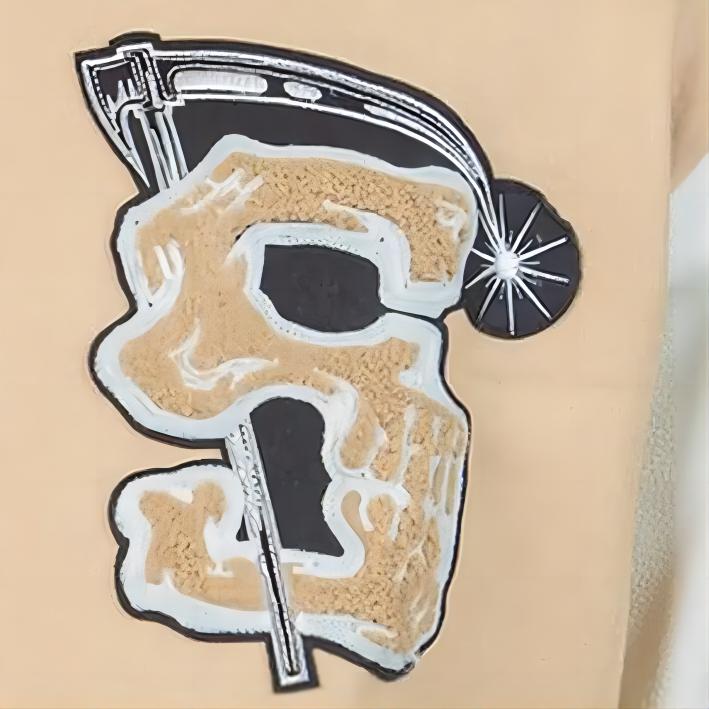
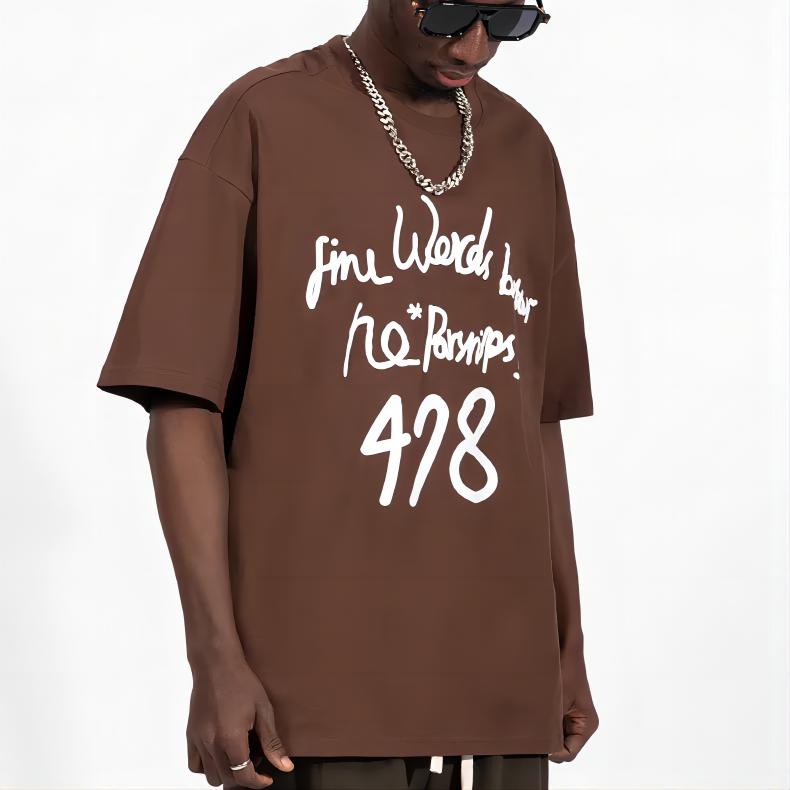
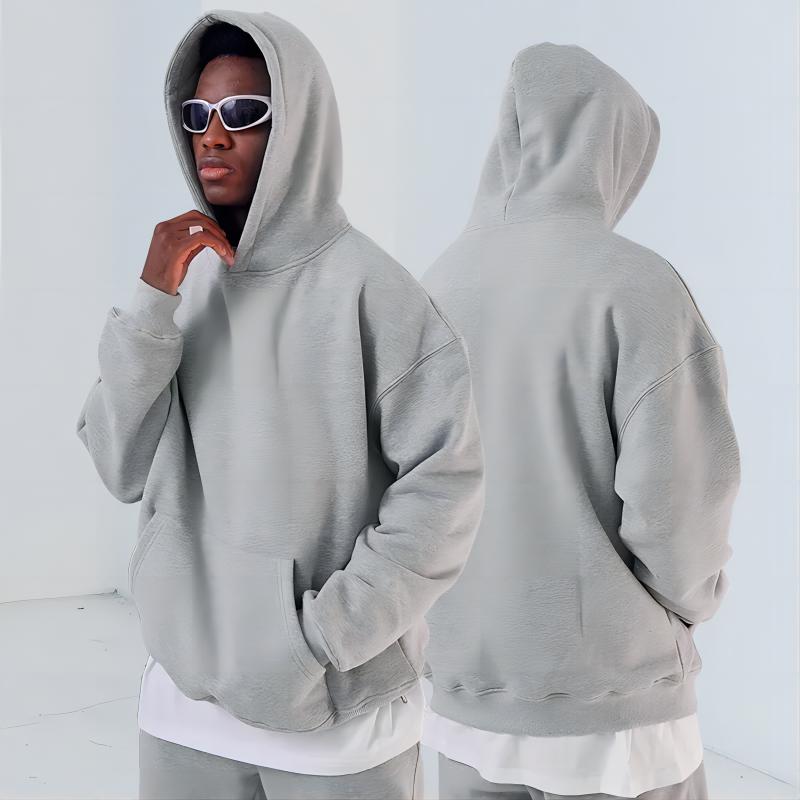
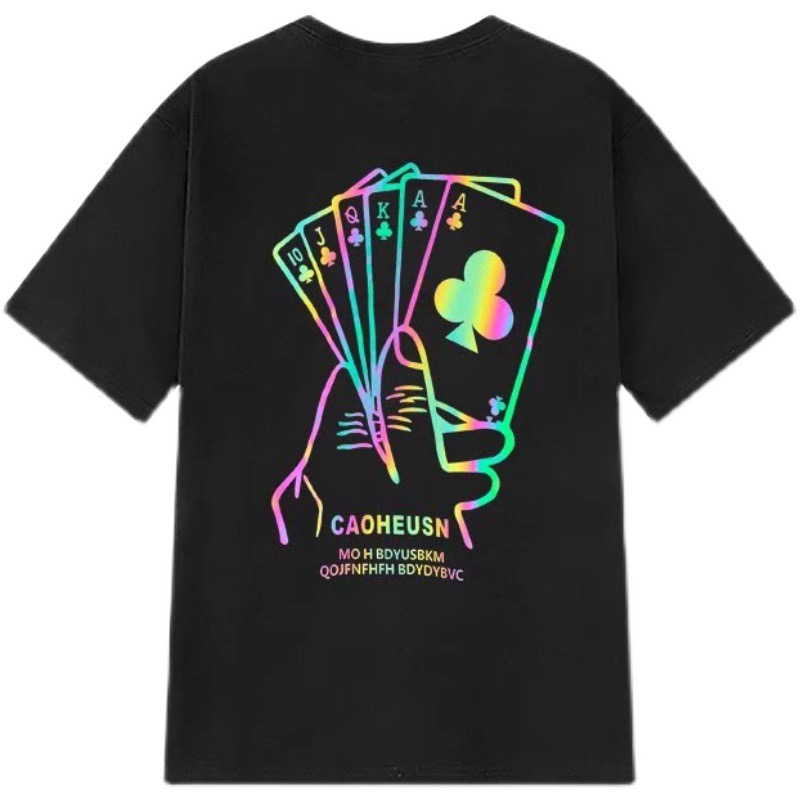
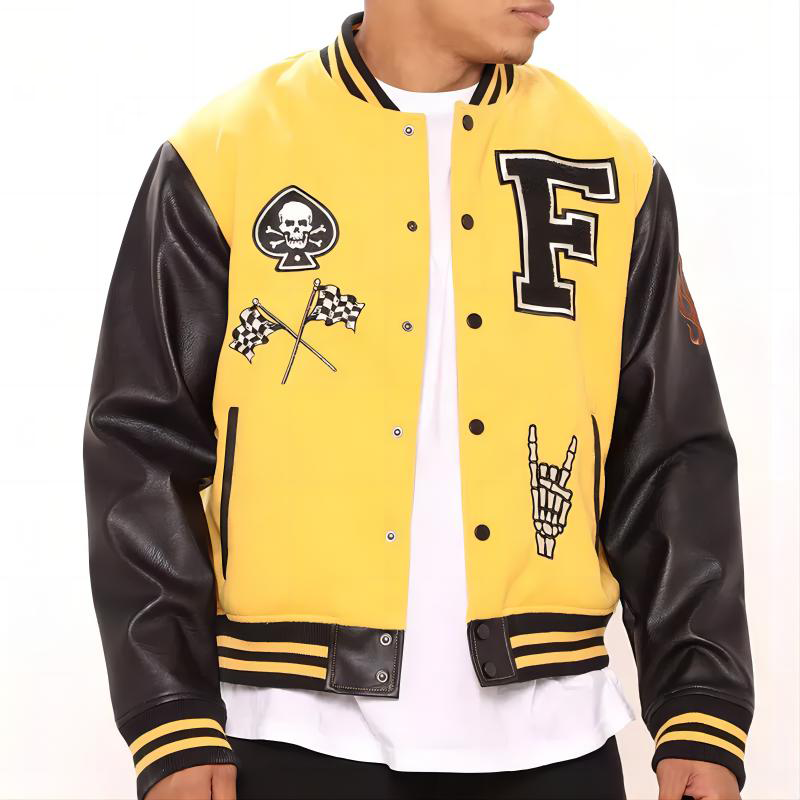
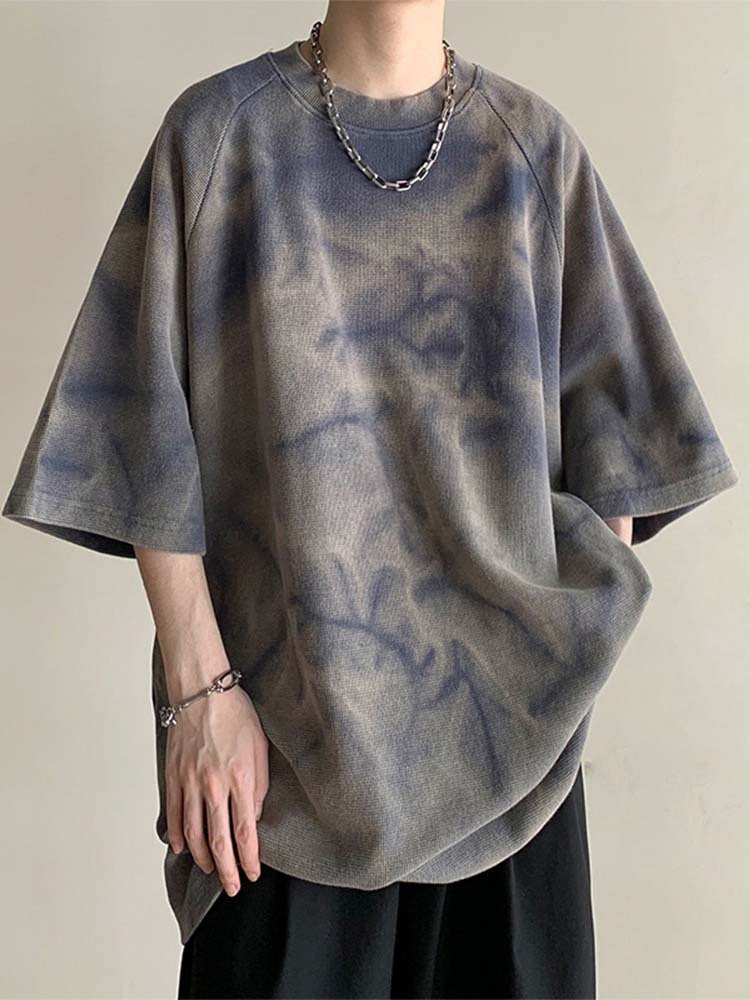
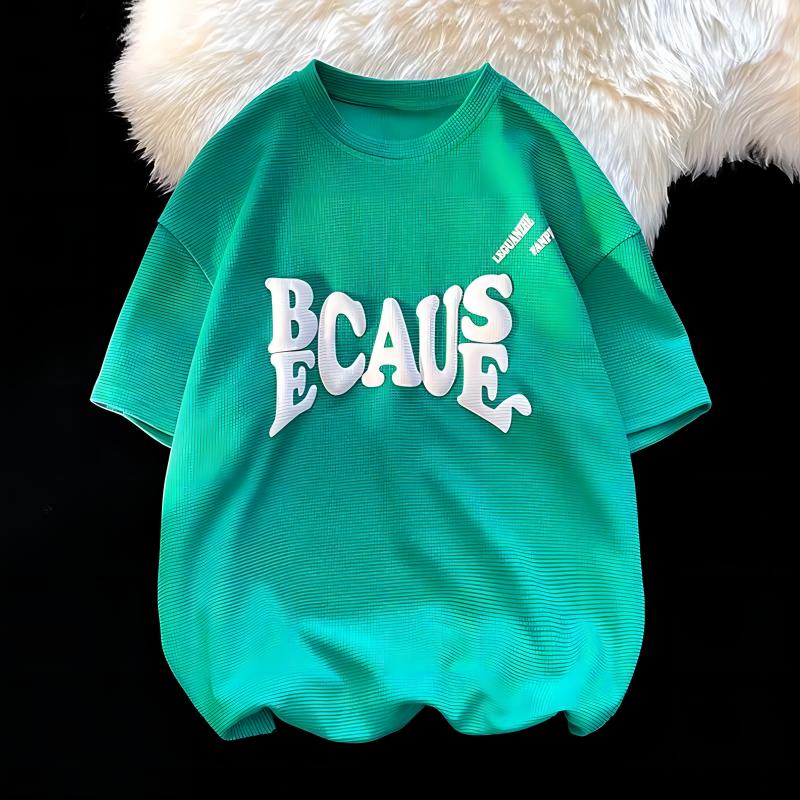
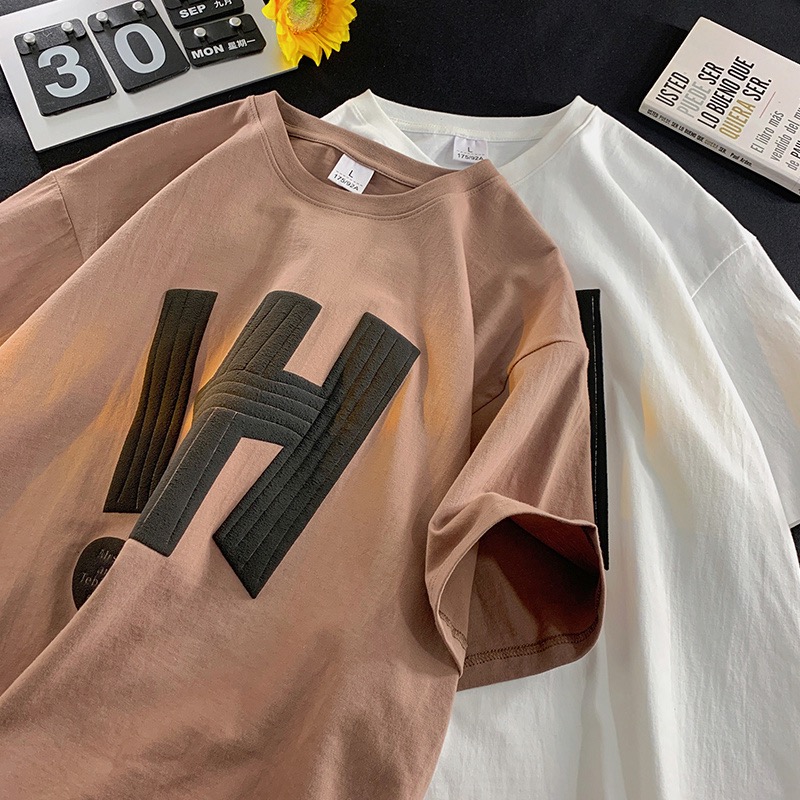
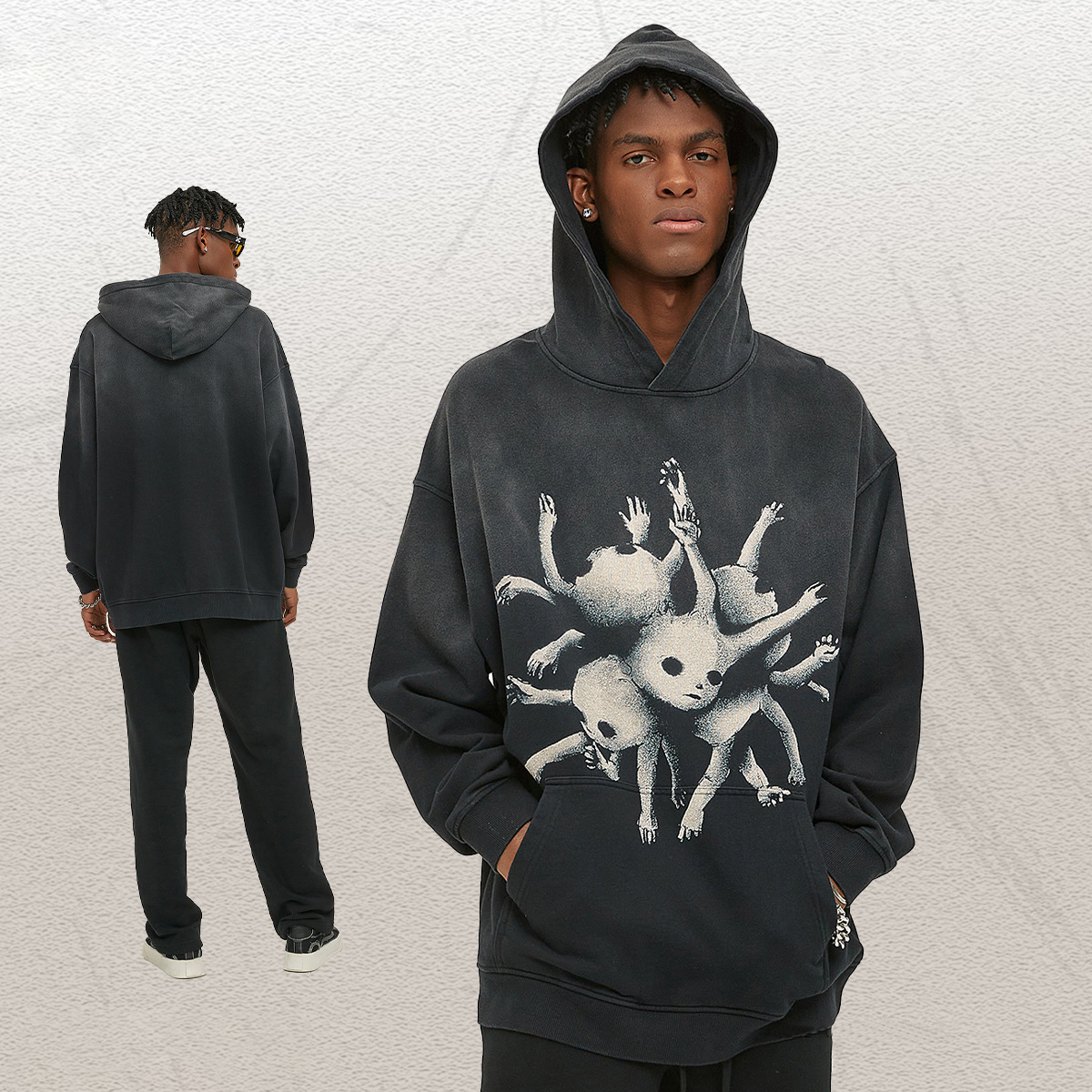
Featured Apparel for Plastisol Print Development
Why Choose a Plastisol Printing Clothing Manufacturer
Built for bold collection graphics, EDVORIN coordinates garment development and plastisol screen printing into repeatable approved production standards.
Opaque Dark-Garment Coverage
Build high-visibility logos and artwork on dark tees, hoodies, fleece, and uniforms with controlled ink coverage and clear color separation.
Vivid Color Impact
Use plastisol printing for saturated brand colors, sharp graphic contrast, and layered artwork developed to match your approved visual direction.
Defined Surface Feel
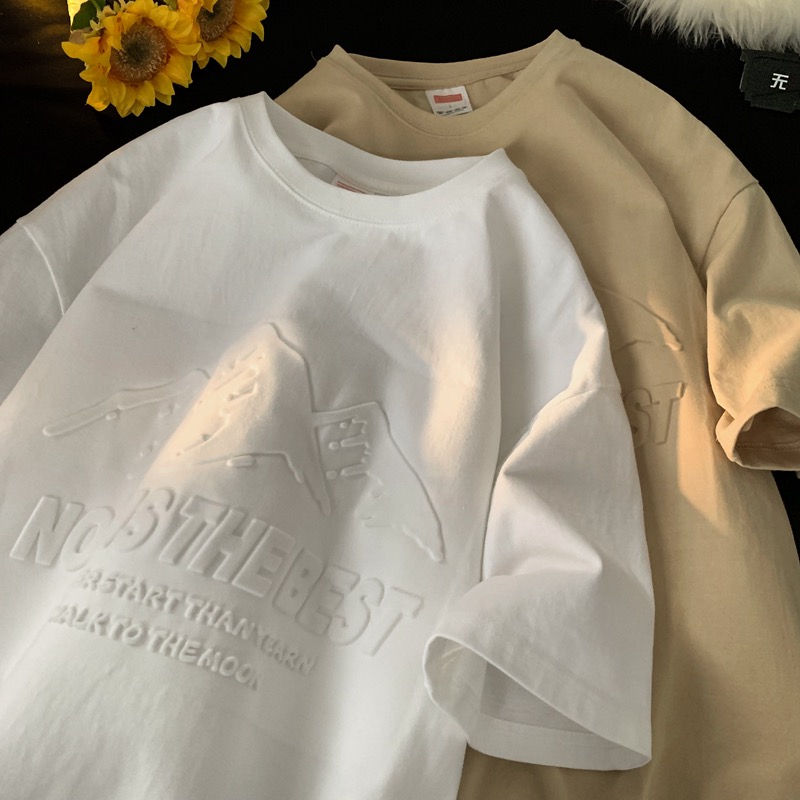
Create a deliberate printed surface that gives graphics presence, from smooth standard applications to dimensional details for streetwear-focused collections.
Wash-Ready Print Standards
Align ink selection, curing, fabric choice, and approved samples so print performance can be checked before bulk production moves forward.
Flexible Fabric Pairing
Coordinate plastisol printing with cotton, blends, fleece, and selected performance fabrics while reviewing bleed risk, hand feel, and artwork requirements.
Specialty Effect Options
Develop puff, metallic, high-density, or other specialty looks when the artwork, garment construction, and production standard support the intended effect.
Explore Apparel and Decoration Capabilities
Compare product categories, fabric options and decoration methods to build production-ready collections around your artwork, fit and repeat-order requirements.
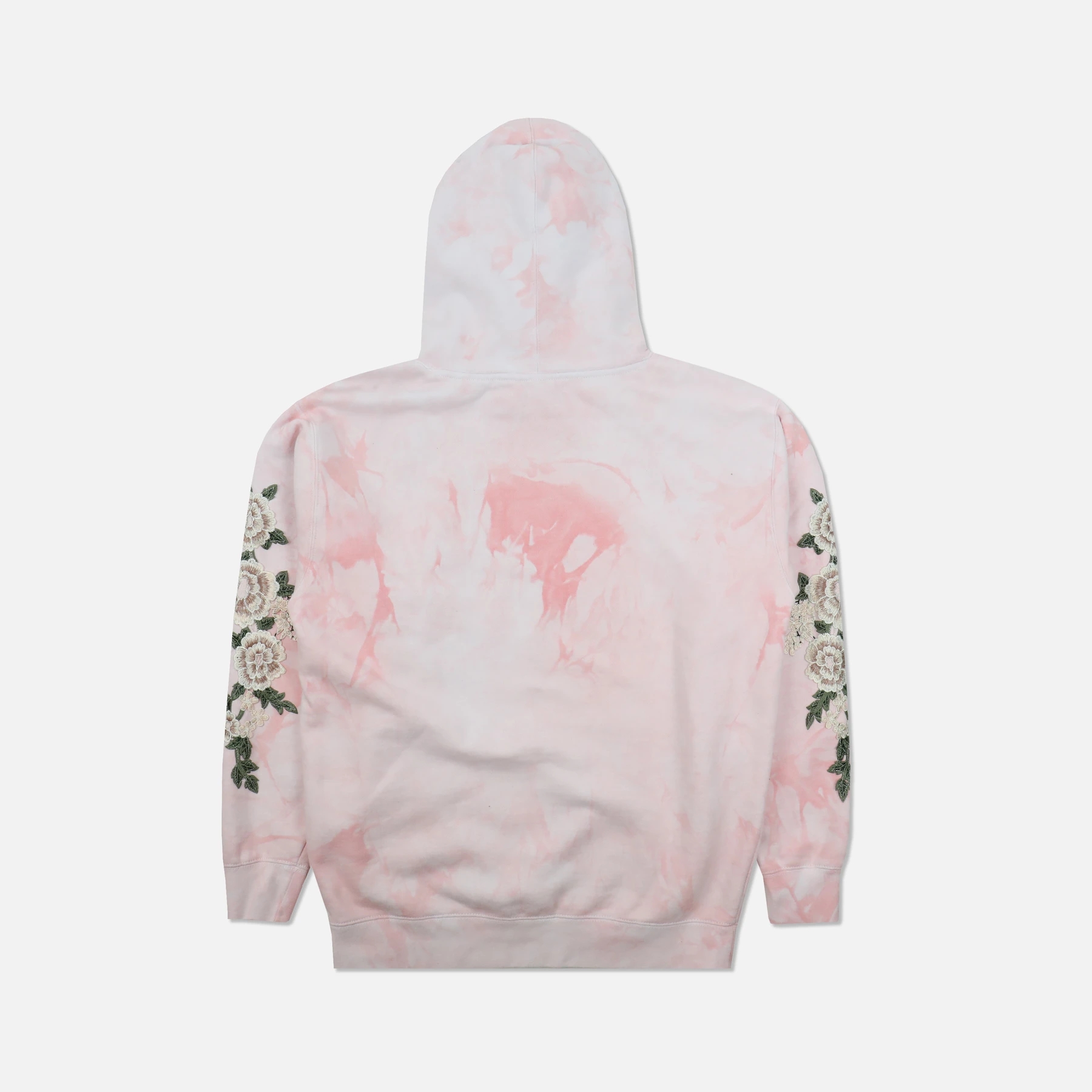
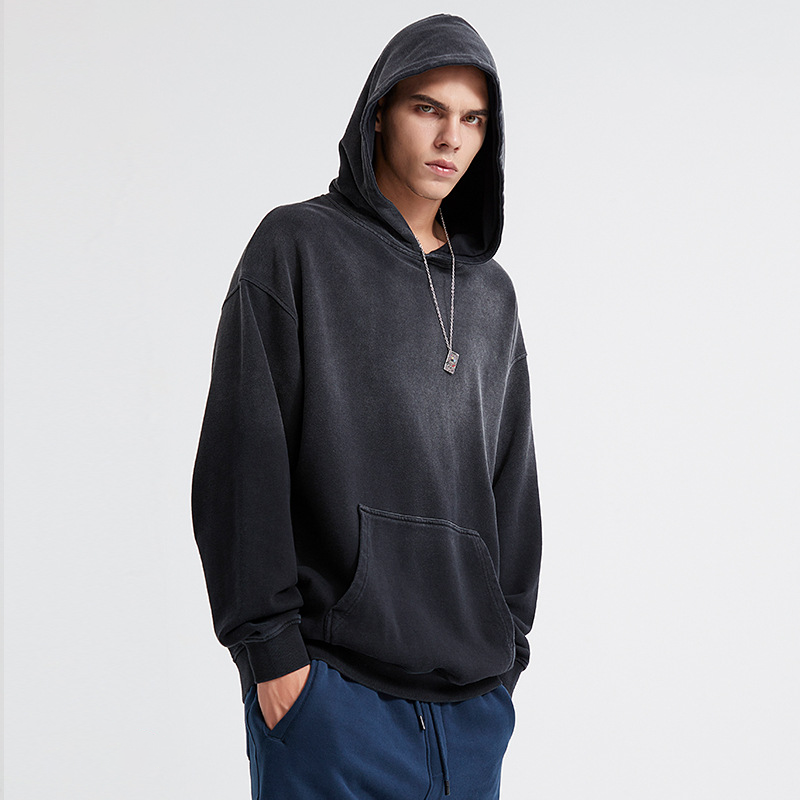
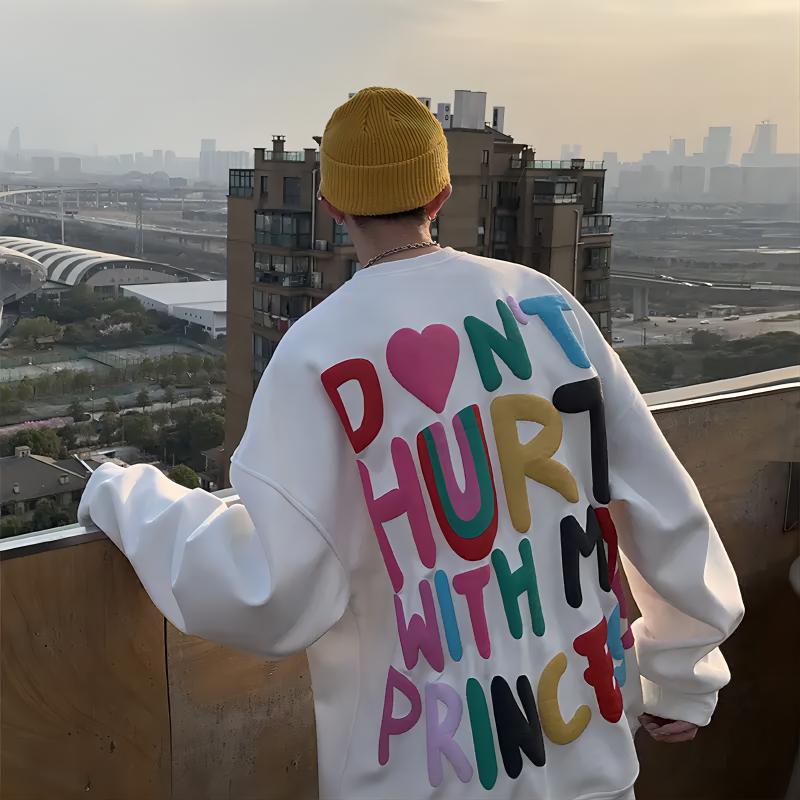
Custom Hoodie Manufacturer
Develop custom hoodies with fleece weight, rib recovery, drawcords, pockets, labels and screen print placement specified for your brand. EDVORIN supports men’s and women’s fits from sample development through repeatable bulk production.
Get a Quote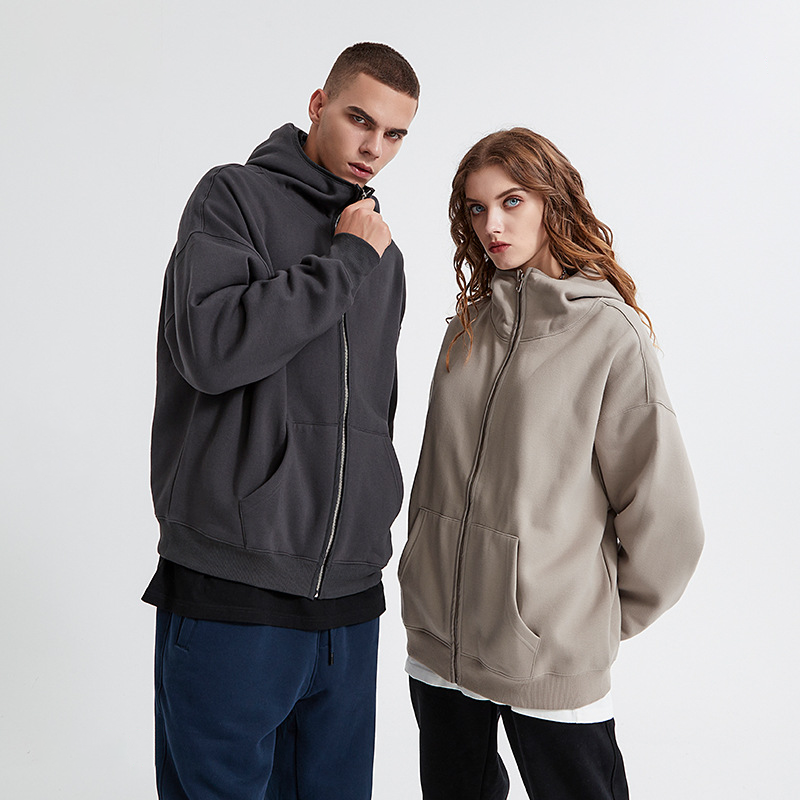
Pullover Sweatshirts
Build pullover sweatshirts around your preferred fleece, silhouette, neck rib, cuffs and decoration method. As a sweatshirt manufacturer, EDVORIN documents approved measurements, materials and artwork placement so bulk production follows the approved sample.
Get a Quote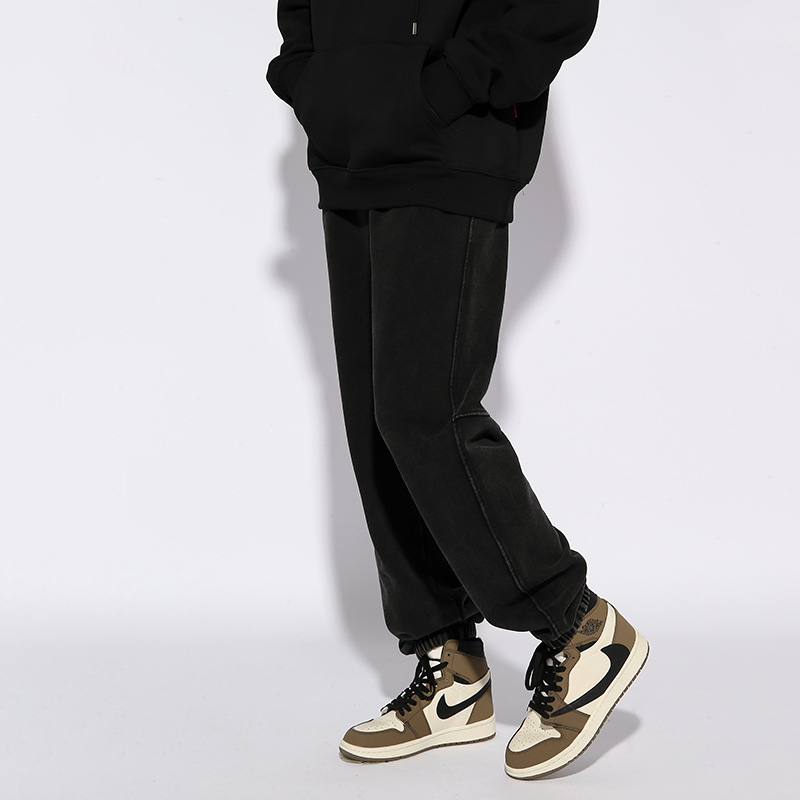
Sweatpants Manufacturer
Source sweatpants and joggers with coordinated fleece, waistband construction, cuffs, pockets and print or embroidery details. EDVORIN develops men’s and women’s fit blocks and supports matching programs with hoodies, sweatshirts and shorts.
Get a Quote
Custom Shorts Manufacturer
Produce custom shorts for casualwear, streetwear, training or coordinated sets. Fabric weight, inseam, pocket layout, waistband, lining and artwork placement are defined during development to create a clear standard for production.
Get a Quote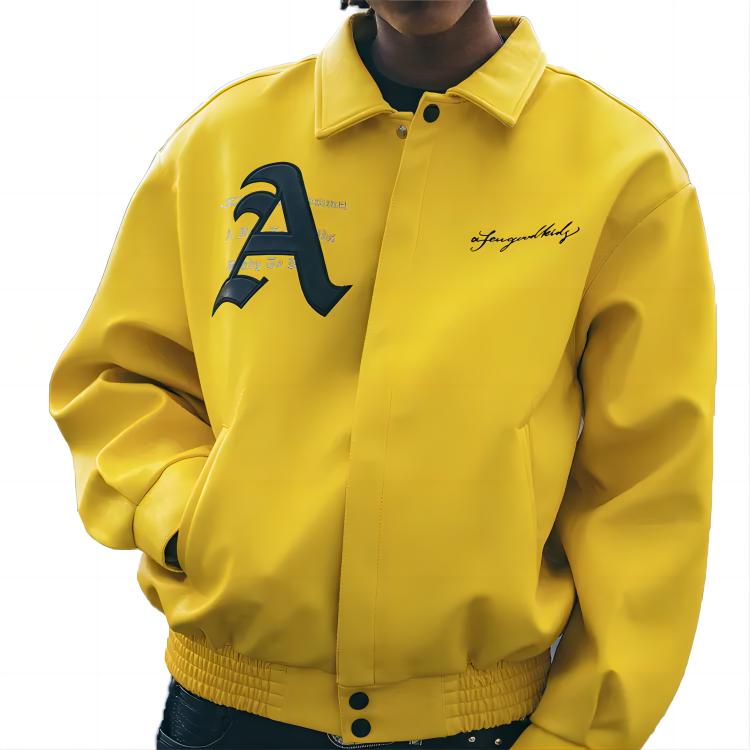
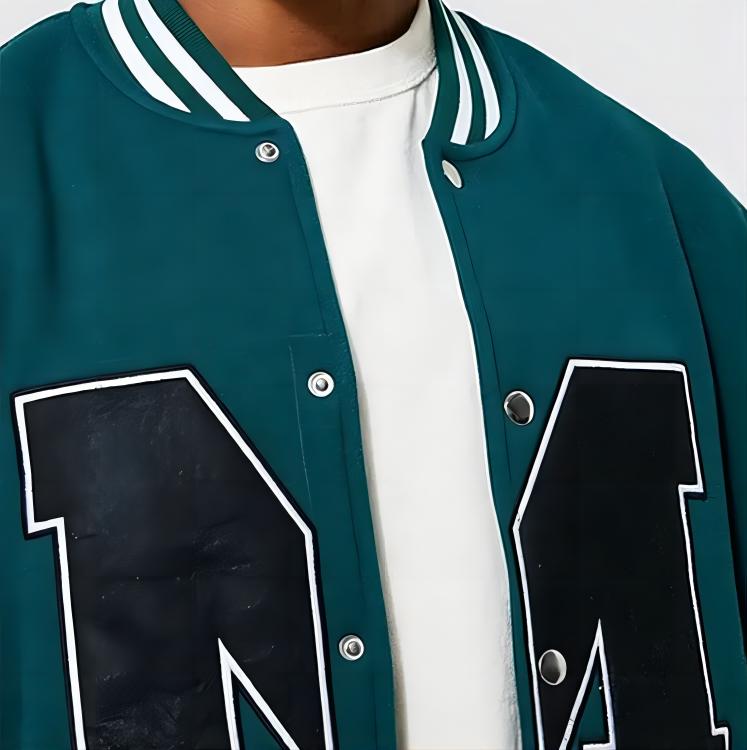
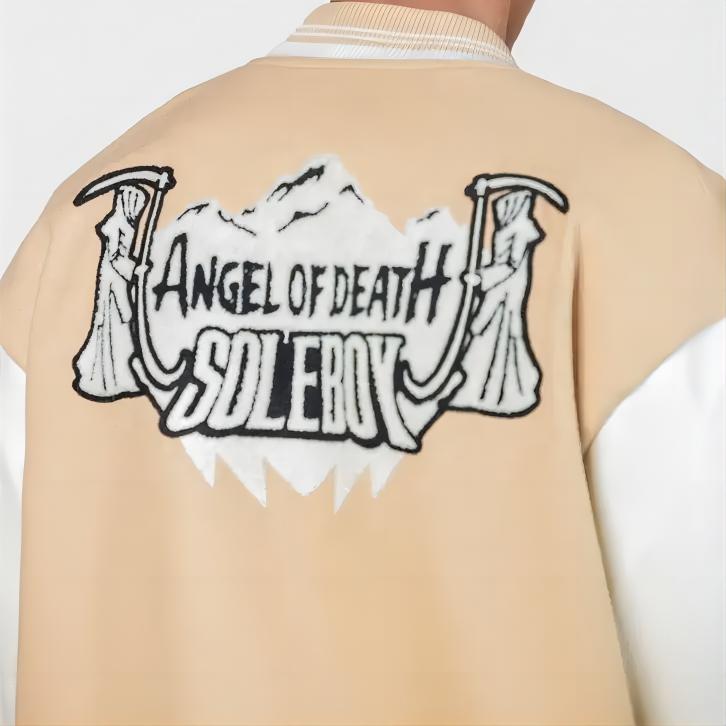
Varsity Jacket Manufacturer
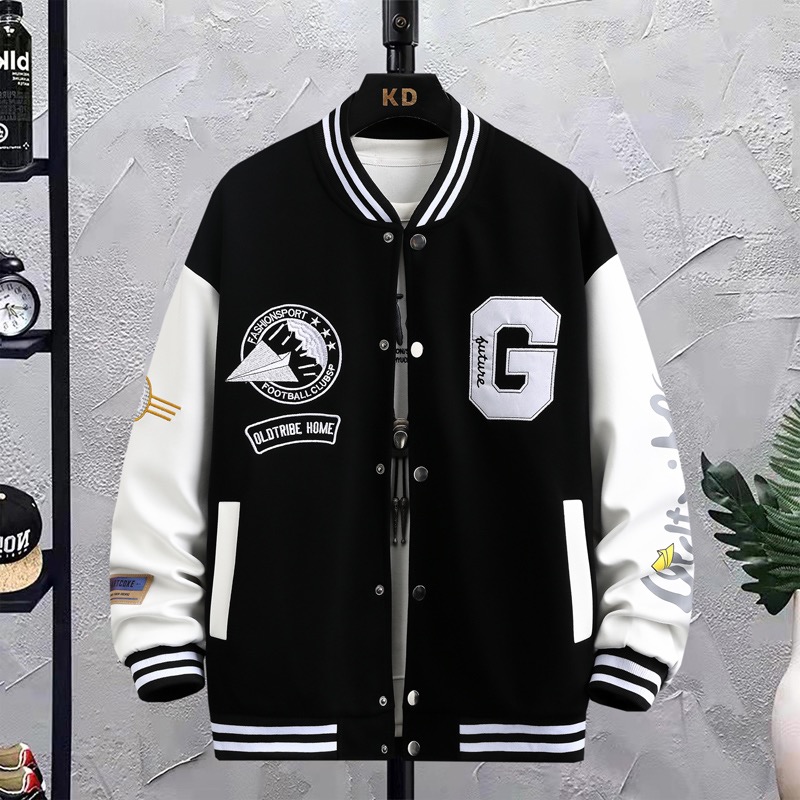
Develop varsity and baseball jackets with balanced body fabric, sleeves, rib, snaps, patches, embroidery and lining. EDVORIN coordinates these components into an approved specification that can be reproduced across seasonal or team programs.
Get a Quote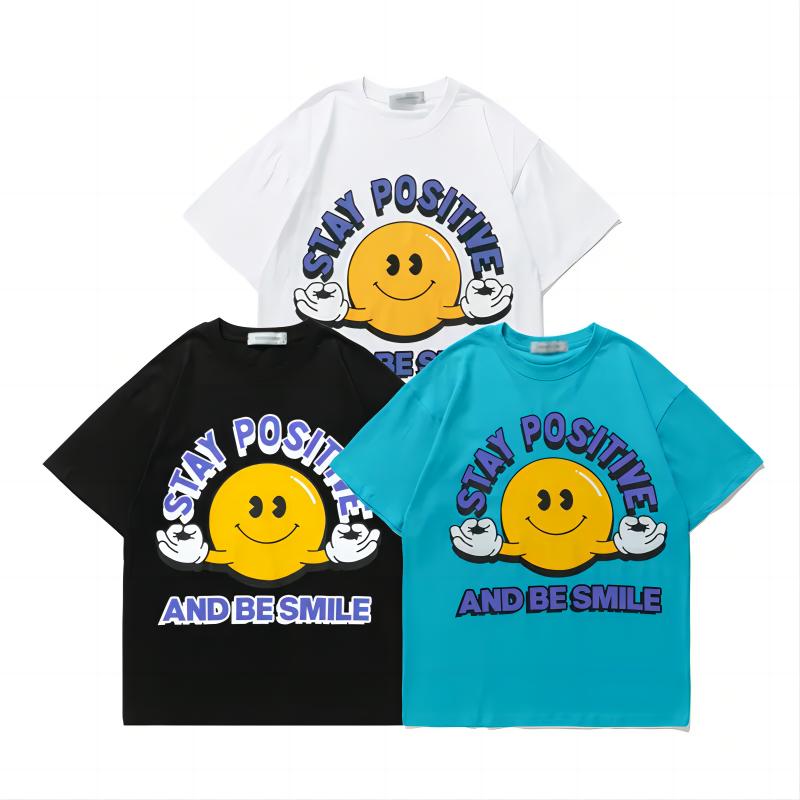
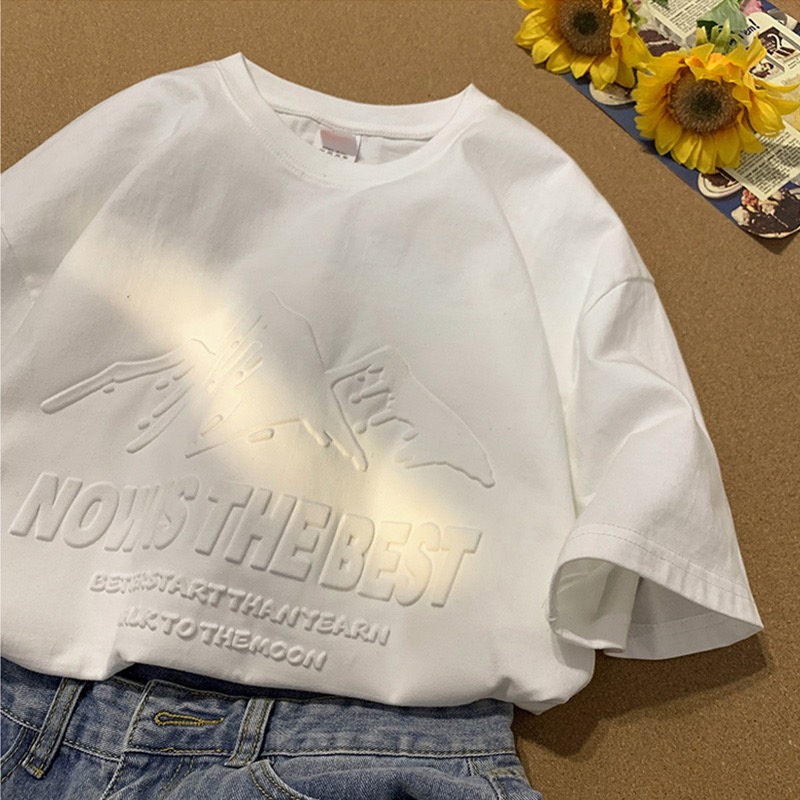
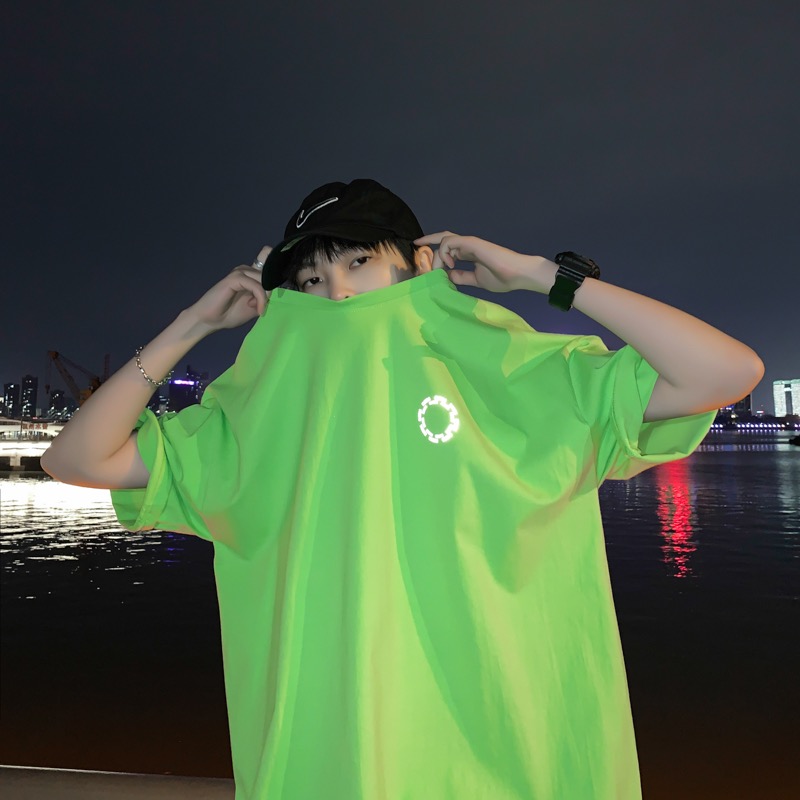
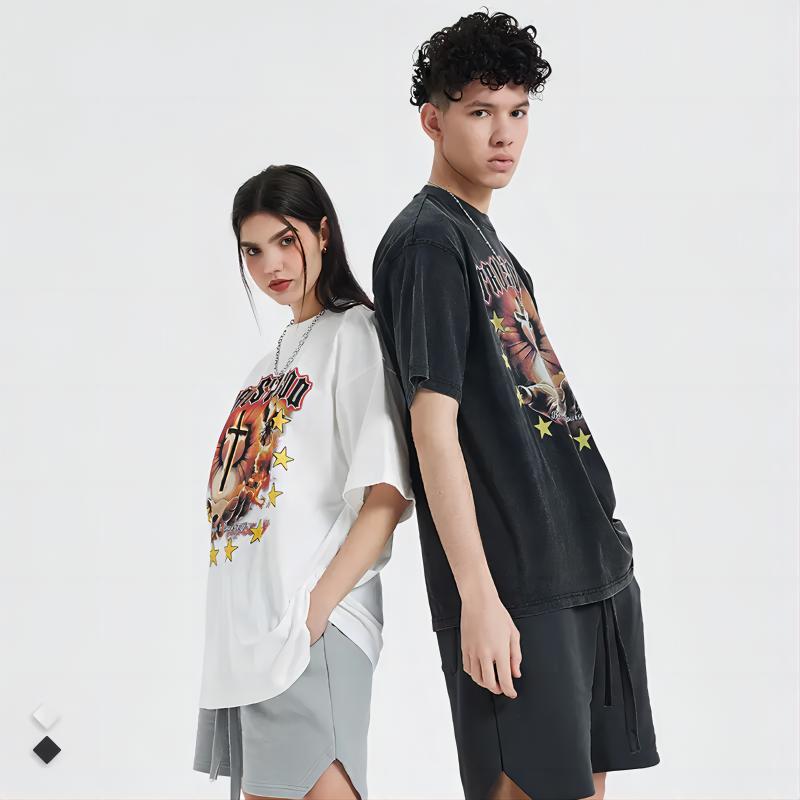
Custom T-Shirt Manufacturer
Create custom T-shirts with the right jersey weight, fit, collar construction, wash effect and screen printing approach for the artwork. EDVORIN supports men’s and women’s programs, from basic blanks to detailed private-label styles.
Get a Quote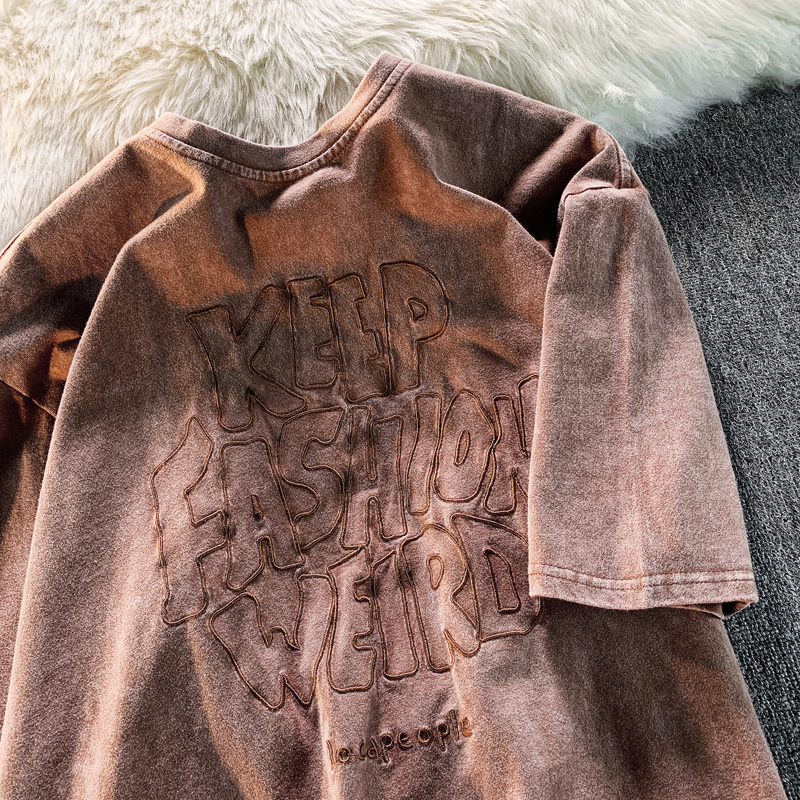
Polo Shirt Manufacturer
Manufacture custom polo shirts with selected knit fabric, collar construction, placket, buttons, embroidery and labeling. Suitable for corporate uniforms, clubs, schools and private-label collections requiring consistent sizing and repeat orders.
Get a Quote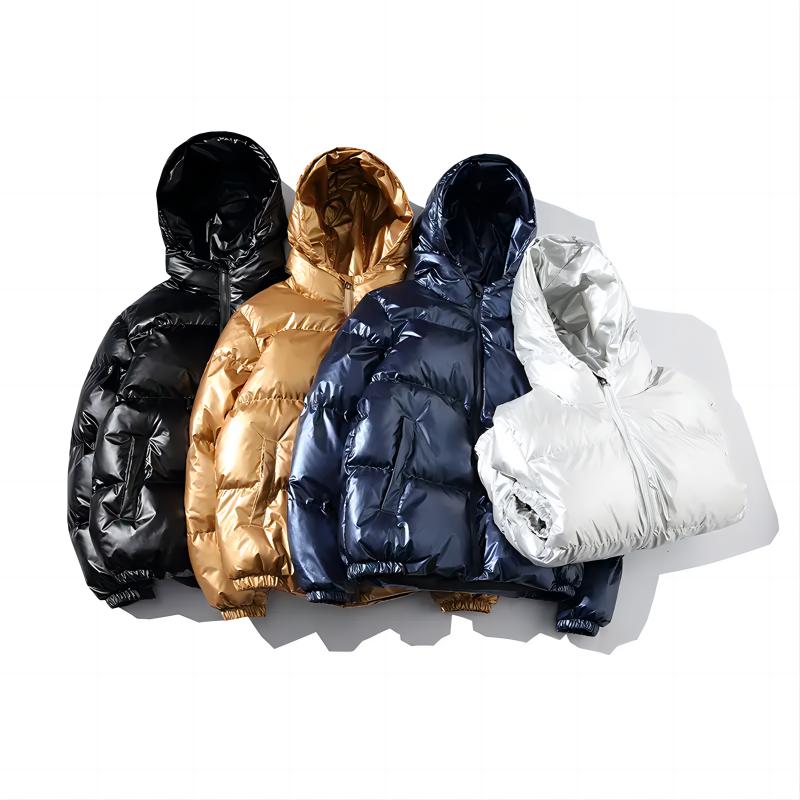
Windbreaker Manufacturer
Develop windbreaker jackets with shell fabric, lining, zippers, pockets, ventilation and decoration selected for the intended use. EDVORIN helps translate performance and styling requirements into production-ready outerwear specifications.
Get a Quote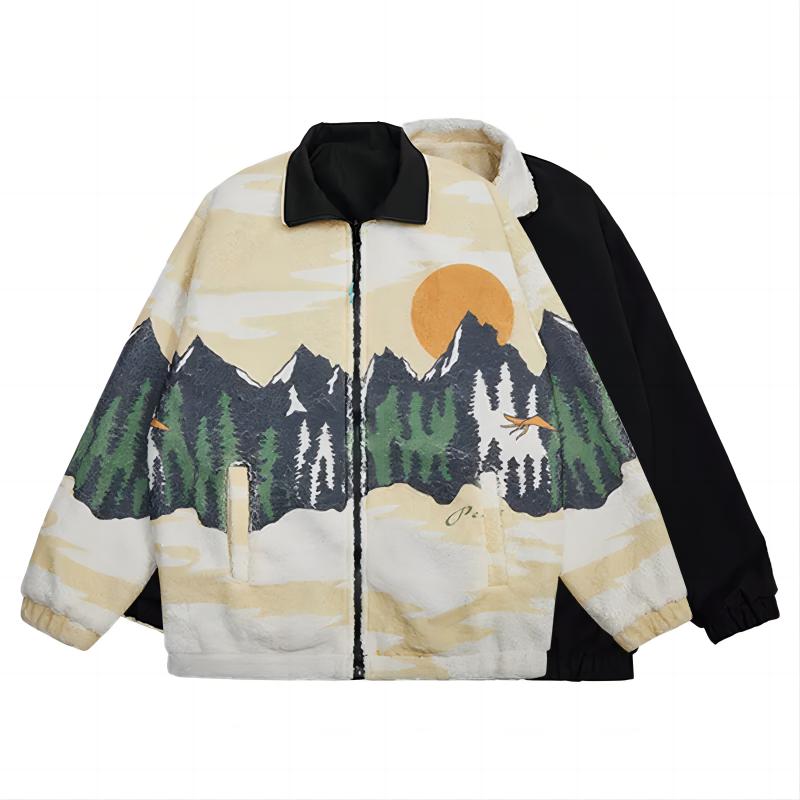
Quilted Jacket Manufacturer
Produce quilted jackets with coordinated shell, insulation, lining, quilting pattern, hardware and labeling. Sampling verifies warmth, construction and fit before bulk production, helping buyers maintain a consistent outerwear standard.
Get a Quote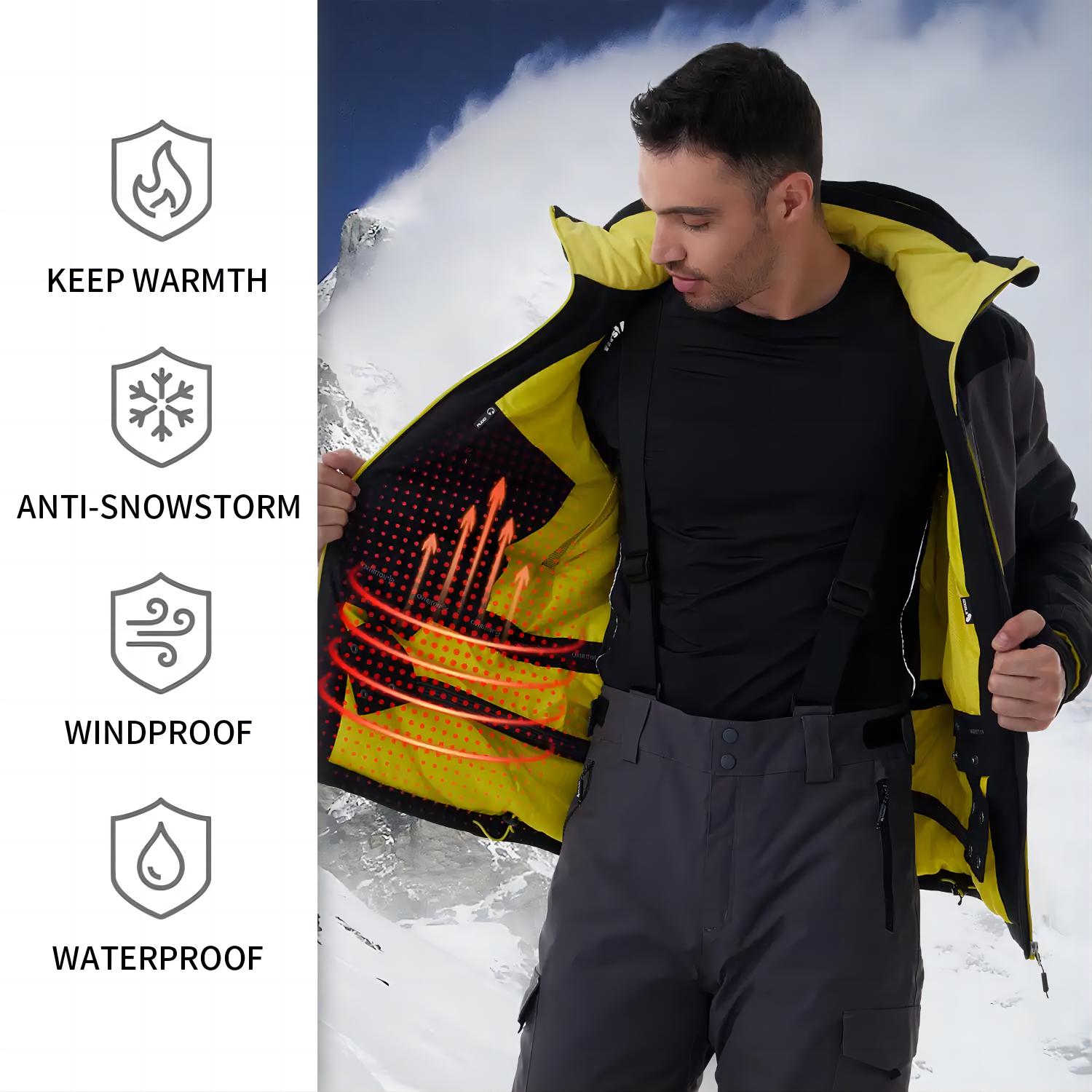
Bomber Jacket Manufacturer
Build bomber jackets around shell fabric, lining, rib, zipper, pockets, padding and embroidery or patch details. EDVORIN documents each approved component for controlled production across men’s and women’s collections.
Get a Quote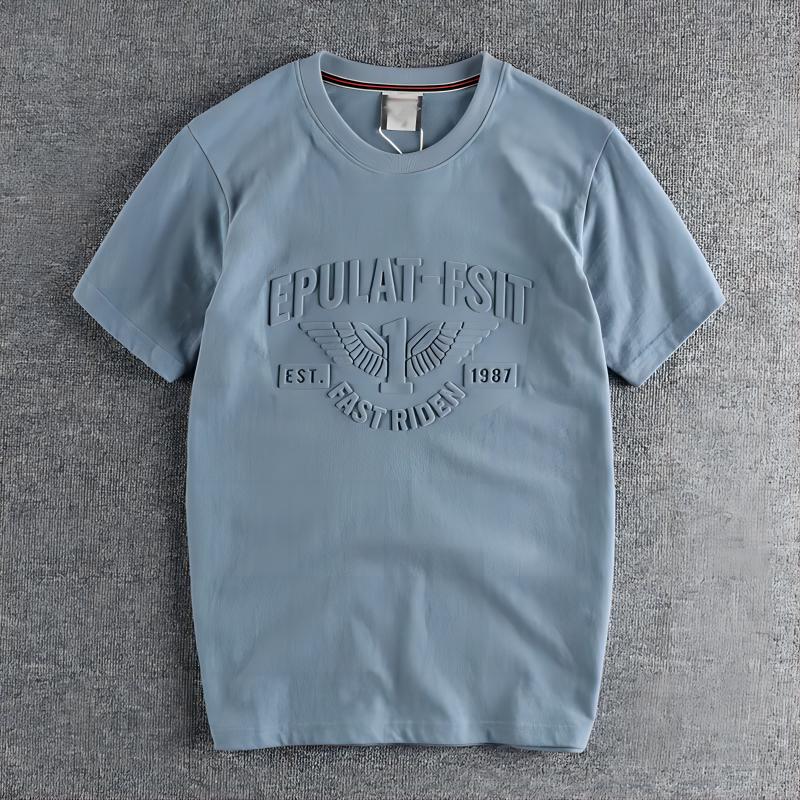
Custom Woven Shirt Manufacturer
Manufacture custom woven shirts with chosen fabric, collar, placket, cuffs, pocket details, trims and embroidery. EDVORIN develops the pattern and grading around the intended market rather than applying a single universal fit.
Get a Quote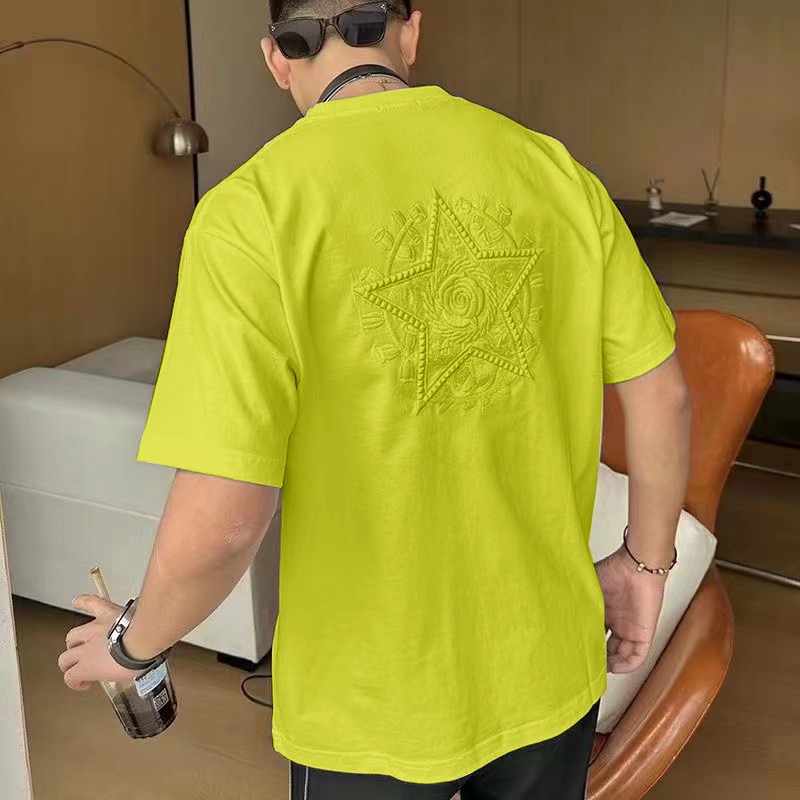
Custom Jersey Manufacturer
Create custom jerseys with breathable fabrics, color control, team marks, names, numbers and size-set coordination. EDVORIN supports decoration and construction requirements for club, school, sports organization and private-label programs.
Get a Quote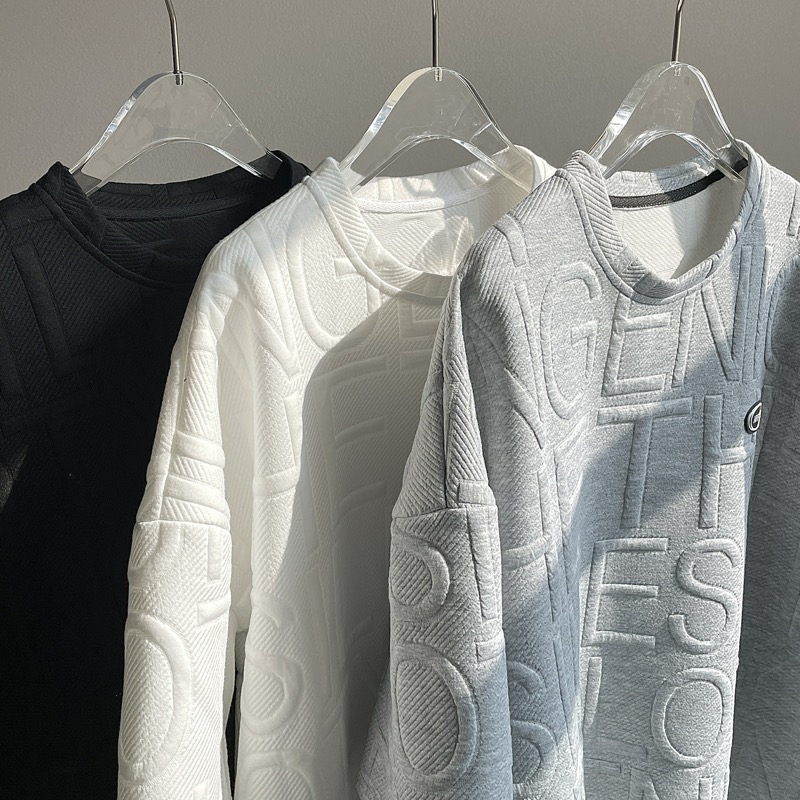
Tank Tops
Develop custom tank tops with selected knit fabric, armhole and neckline binding, fit, color and decoration placement. Suitable for active, teamwear, casualwear and streetwear programs in men’s and women’s size ranges.
Get a Quote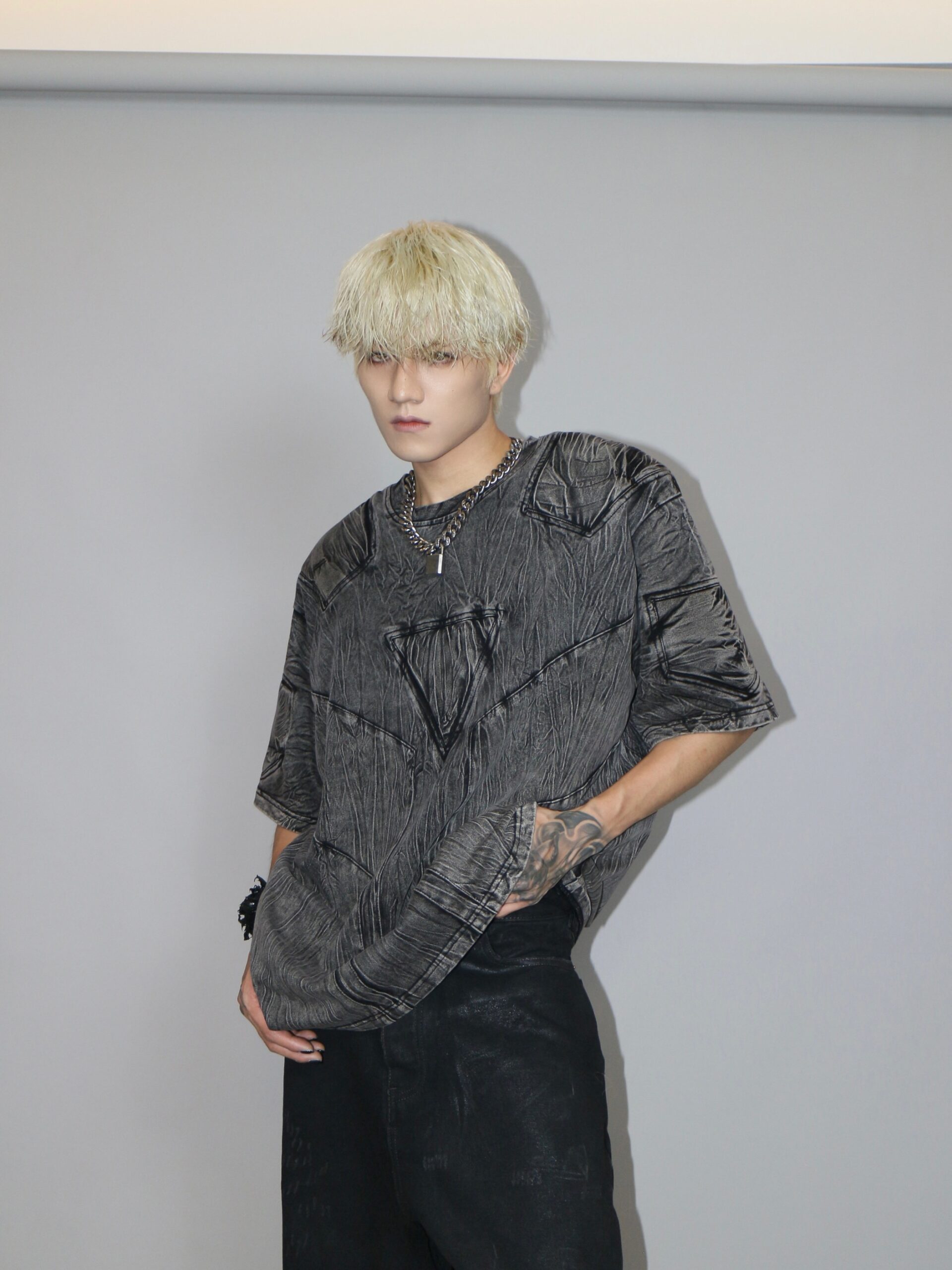
Soccer Uniform Manufacturer
Produce soccer uniforms with performance fabrics, jersey and short coordination, color references, crests, names and numbers. EDVORIN establishes approved standards for placement, sizing and repeat orders across teams, academies and clubs.
Get a Quote
Basketball Uniform Manufacturer
Manufacture basketball uniforms with breathable jersey fabric, coordinated shorts, contrast panels, piping, team graphics, names and numbers. Development covers movement, fit, color consistency and decoration control before the order moves into bulk production.
Get a Quote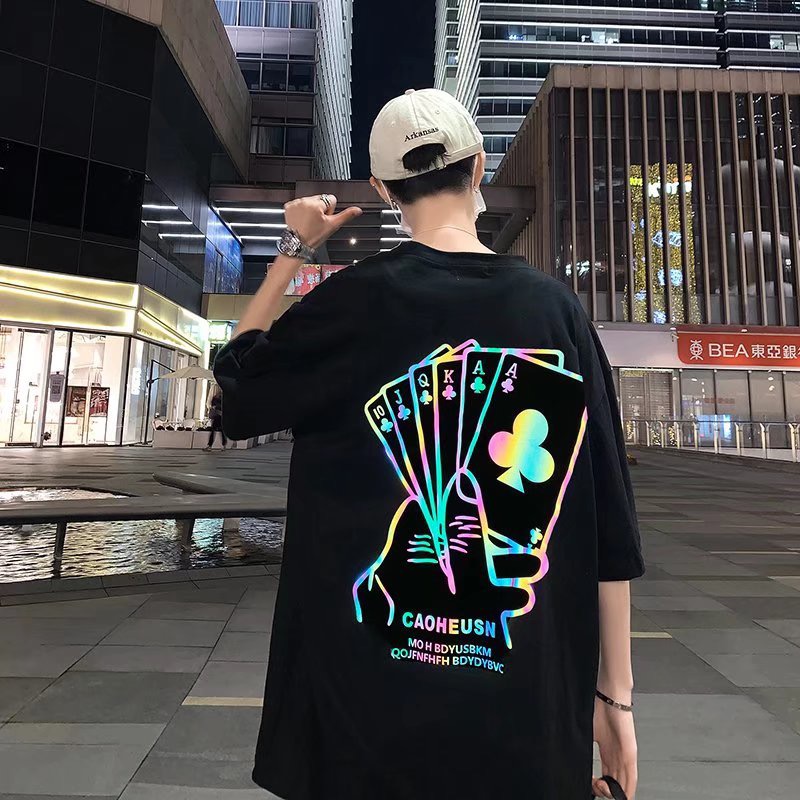
Streetwear Collections
Develop complete streetwear collections across hoodies, tees, sweatpants, shorts, jackets and woven styles. EDVORIN coordinates fabric, trims, custom apparel printing, custom apparel embroidery, garment wash services, and custom clothing labels and packaging under one production workflow.
Get a QuoteFounder-Led Apparel Manufacturing Since 2000
Founded by Edvorin Zeng in 2000, EDVORIN helps brands turn apparel concepts into production-ready collections. As a plastisol printing clothing manufacturer, we coordinate product development, fabric and trim sourcing, pattern work, sampling, decoration, labeling, and packaging through one accountable workflow.
As an OEM clothing manufacturer, ODM apparel manufacturer, and private label clothing manufacturer, EDVORIN supports casualwear, streetwear, outerwear, and teamwear programs for men and women. As a low MOQ clothing manufacturer, we start at 200 pieces per style for emerging labels, wholesale programs, and established buyers. Our certification programs include ISO 9001, BSCI, WRAP, SEDEX, OEKO-TEX Standard 100, GRS, and GOTS.
What makes EDVORIN different is the control applied after a sample is approved. We record materials, measurements, artwork placement, trims, and finishing requirements so bulk production follows a visible standard, with in-line and final checks designed to protect repeatability.
Plastisol Printing Clothing Manufacturer Quality Controls
Artwork Separation and Placement
EDVORIN reviews color separations, artwork scale, and placement references before production so the approved graphic can be communicated clearly from sample through bulk apparel. This creates a usable standard for hoodies, T-shirts, jerseys, and coordinated collection pieces.
- Color-by-color separation review for screen-ready artwork
- Placement measurements recorded against the garment specification
- Sample revisions documented before bulk approval
- Artwork aligned with fit, panel construction, and print area
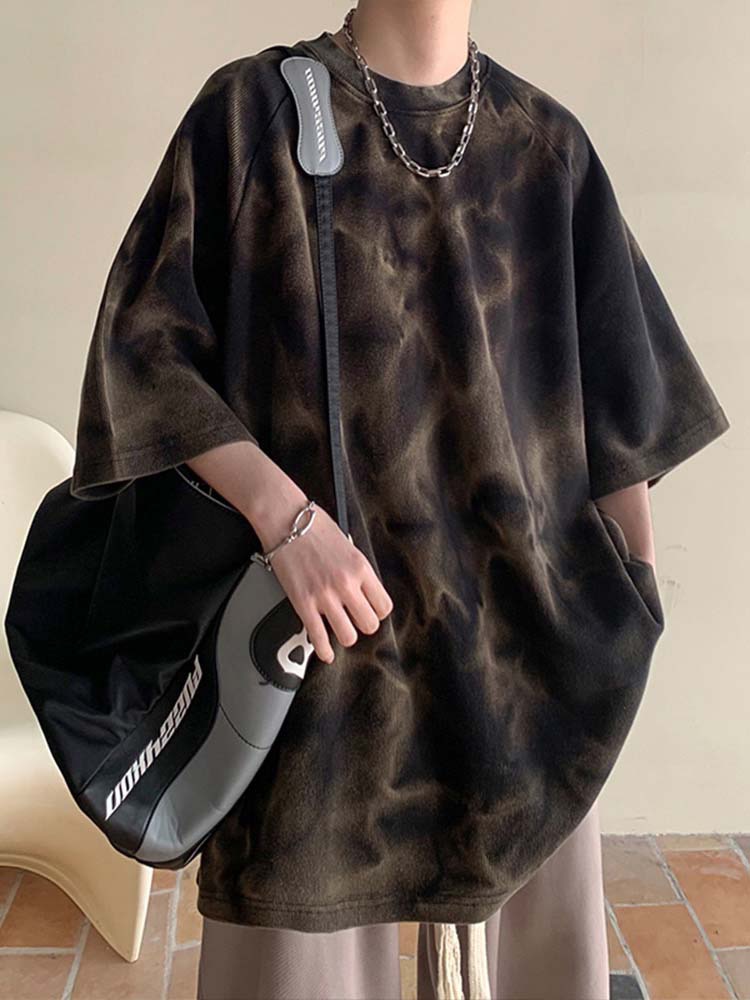
Opacity and Registration Control
For bold graphics, EDVORIN evaluates how ink coverage and color alignment work on the selected garment. The production team coordinates fabric color, artwork layers, and print sequence to help preserve crisp edges, intended contrast, and repeatable visual impact across the order.
- Base garment color considered during print planning
- Layer sequence reviewed for multi-color artwork
- Registration checked against approved graphic references
- Print expectations matched to the chosen fabric and design
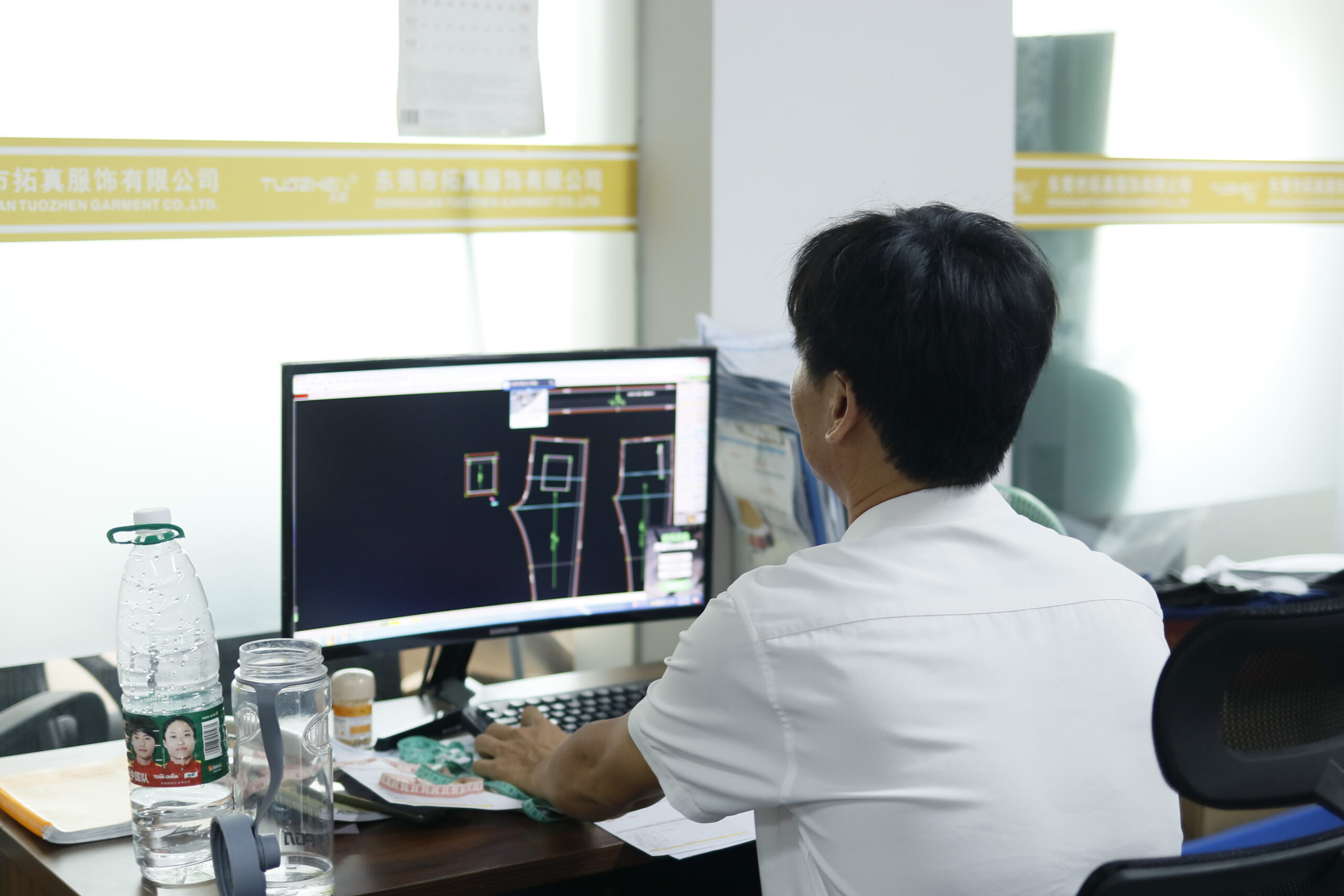
Fabric and Ink Compatibility
A plastisol printing clothing manufacturer must consider the garment before finalizing the print approach. EDVORIN coordinates fabric selection, garment construction, and decoration requirements during development, helping buyers assess the right path for cotton, blends, fleece, jersey, and teamwear programs.
- Fabric composition reviewed alongside the artwork
- Decoration planning integrated with product development
- Men’s and women’s fit programs developed to their requirements
- Material and trim decisions coordinated in one production path
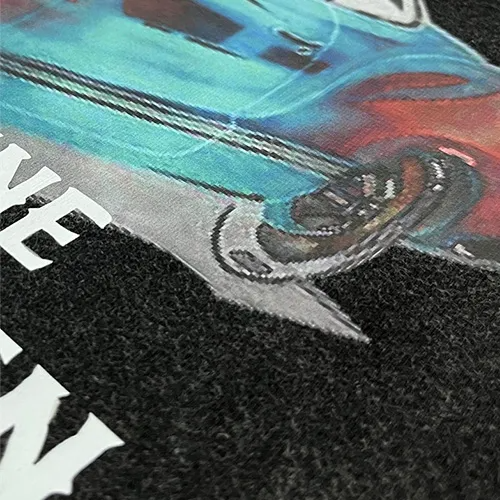
Curing and Wash Review
EDVORIN treats the approved sample as the reference for bulk quality control. Print appearance, placement, and garment condition are reviewed through production and before packing, helping ensure the finished order reflects the documented standard rather than relying on memory or assumptions.
- Approved samples guide bulk production checks
- In-line inspection helps identify variation early
- Final review covers print appearance and placement
- Packing follows the confirmed product specification
Plastisol Printing Clothing Manufacturer vs. Water-Based Screen Printing
Choose the print system around garment color, fabric, hand feel, artwork, and the finish your collection needs to repeat at bulk scale.
← Swipe left or right to view →
Our Plastisol Screen Printing Production Process
EDVORIN documents each approved detail so your graphic, garment and finishing standard can move reliably from sample to bulk production.
Review Artwork and Garment
We review artwork, print size, placement, colors, fabric and intended hand feel, then confirm the decoration plan against your garment specification.
Separate Colors and Prepare
Artwork is separated into production-ready color layers, with screen requirements, underbase needs and registration details documented before screens are prepared.
Set Screens and Register
Our team aligns screens and establishes print registration on approved garment panels, checking placement, edge definition and color relationships before production begins.
Print and Cure Samples
We produce test prints and verify opacity, coverage, alignment and curing performance, using the approved result as the reference for the bulk run.
Inspect, Pack and Release
In-line and final checks review print placement, color consistency, garment condition and packing details before finished apparel is prepared for shipment.
Order With a Plastisol Printing Clothing Manufacturer
Build a clear production standard with EDVORIN, from garment specification and print artwork through approved samples, controlled bulk production and packing.
Define Your Garment
Share your tech pack, sketch or reference garment, including fabric, fit, sizes, colorway, trims, labels, packaging and target quantity for your collection.
Prepare Print Artwork
Provide vector artwork, Pantone references, print dimensions and exact placement measurements. EDVORIN reviews color separations, garment compatibility and decoration details before sampling begins.
Approve the Sample
Review the developed garment and plastisol print sample for construction, color, placement, hand feel and overall finish. Record approved revisions as the bulk production standard.
Launch Controlled Production
After approval, EDVORIN coordinates materials, cutting, sewing, printing, inspections, labeling and packing against the approved standard, then prepares your completed order for delivery.
Results with Our Plastisol Printing Clothing Manufacturer Programs
Our black hoodie launch required crisp white artwork across 1,200 units. EDVORIN matched the approved placement and coverage from the first bulk carton through final packing, giving us a graphic that stayed bold after repeated wash testing.
For a 640-piece teamwear order, color consistency and delivery timing mattered as much as the print itself. EDVORIN kept the crest, numbers, and navy base aligned across every size, and the order arrived before our tournament deadline.
We moved from sampling to a 300-piece private-label sweatshirt run with clear print placement records and responsive revisions. The plastisol graphics retained their coverage after 20 wash cycles, which gave our wholesale team confidence to reorder.
Complete Guide to Plastisol Apparel Printing
Practical answers for brands developing repeatable plastisol-printed apparel with EDVORIN.
What fabrics work best with a plastisol printing clothing manufacturer?
Can a plastisol printing clothing manufacturer print on dark polyester or teamwear?
How many colors and how large can my plastisol print be?
Can I combine plastisol prints with embroidery, patches, or other decorations?
What is the minimum order for plastisol-printed clothing?
What files should I send to a plastisol printing clothing manufacturer?
How long do plastisol samples and bulk orders take?
How should customers care for plastisol-printed apparel?
Complete Guide to plastisol printing clothing manufacturer
Use this decision framework to match plastisol printing requirements with garment, quality, supplier, and cost criteria—while avoiding artwork, fabric, sampling, compliance, and production-planning mistakes that can derail a branded apparel order.
1. What Is a plastisol printing clothing manufacturer?
200 pieces is a practical planning point for a plastisol program: it can spread screen setup, color separations, approvals, and handling across a meaningful run, but the final minimum depends on garment, color count, placements, and supplier workflow.
A plastisol printing clothing manufacturer coordinates the garment itself—sourced blanks or cut-and-sew development—then artwork separation, screen setup, ink application, heat curing, inspection, labeling, packing, and delivery. Plastisol forms an opaque print layer on the fabric, so curing must be controlled before garments enter final packing.
Since 2000, EDVORIN has positioned its work around connecting development, sourcing, production, decoration, and quality control. That integrated route best serves brands, teams, schools, and private-label buyers needing custom fit, repeatable specifications, coordinated trims, and one accountable production path; a print-only shop generally decorates buyer-supplied blanks.
2. How Plastisol Printing Evolved
1950s-era plastisol chemistry made screen printing practical for branded apparel because its opaque film could cover dark garments and remain workable on press. Heat curing—typically 320–338°F—then fused the deposited layer into a wash-resistant print. https://athleisurebasics.com/pages/plastisol-ink-for-custom-apparel-printing
320–338°F curing workflows now use controlled conveyor-dryer time and temperature, rather than treating heat as an afterthought. Low-bleed formulations help manage dye migration on polyester, while puff, metallic, glow, and high-density inks widened the design options for streetwear and team programs. https://athleisurebasics.com/pages/plastisol-ink-for-custom-apparel-printing
1 approved standard should govern every reorder: Pantone target, fabric color and fiber content, screen separations, underbase, placement, and cure test. When evaluating a plastisol printing clothing manufacturer, buyers should require those records because repeatable color and durable prints depend on controlling the full production setup, not just matching a sample.
3. Types of plastisol printing clothing manufacturer
Five supplier models separate a fast logo order from a developed collection. A plastisol printing clothing manufacturer may control only decoration, or the full path from pattern to packed garment.
| Model | Best For | Fit And Branding Control | Main Trade-Off |
|---|---|---|---|
| Print-only | Logo orders | Low | Buyer supplies blanks |
| Blank plus print | Fast merch | Low | Stock limits options |
| Private label | Branded basics | Medium | Existing blocks constrain fit |
| Cut-and-sew | Distinct collections | High | Longer development |
| Vertical partner | Repeat programs | High | Requires clear approvals |
Print-Only Decorators
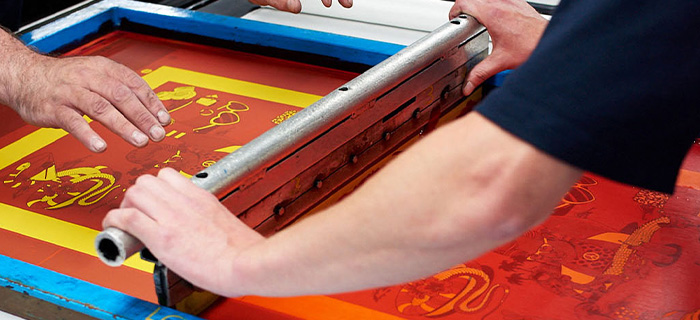
One approved blank and print-ready art suit decorators. Ask about screen setup, curing tests, placement tolerance, and reprint policy.
Blank Plus Print Suppliers
Stock blanks shorten launches for events and merch. Ask which sizes, colors, fibers, and replenishment dates are actually available.
Private Label To Vertical Partners
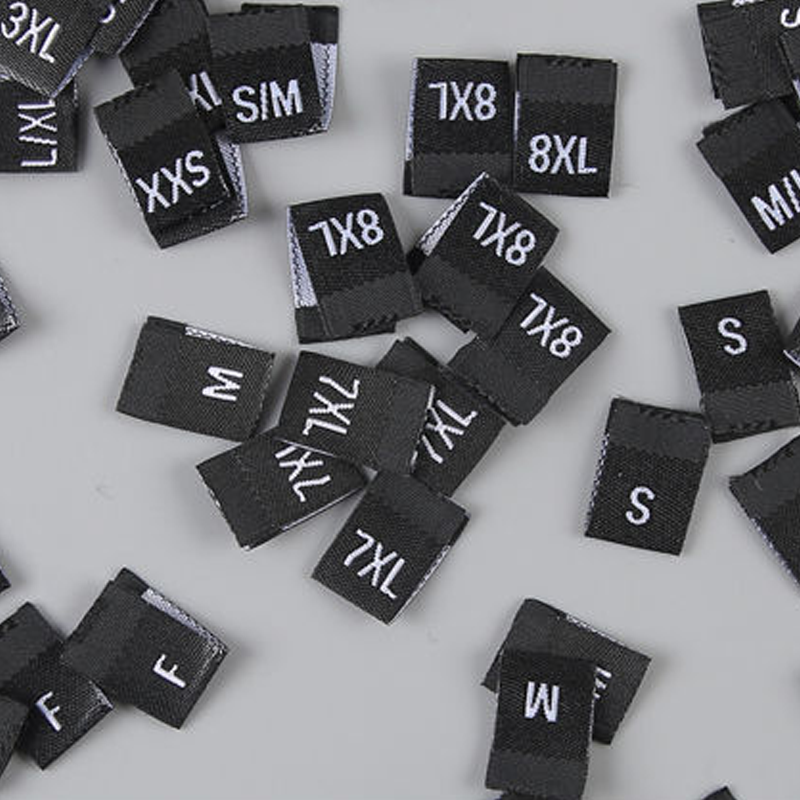
Custom labels add brand ownership; cut-and-sew adds fit control. Vertically coordinated partners connect development, sourcing, decoration, QC, and packing.
4. Fabrics for plastisol printing clothing manufacturer
Fabric choice sets opacity, print hand, curing window, and repeatability before screens are made. EDVORIN reviews weight, garment color, surface texture, and finishing against the artwork before approving a plastisol print route.
| Fabric | Opacity | Hand Feel | Migration/Heat | Best Use |
|---|---|---|---|---|
| Cotton | High | Balanced | Low / broad | Tees, basics |
| Ring-spun cotton | High | Softer | Low / broad | Premium detail |
| Cotton-poly blend | High | Moderate | Medium / test | Hoodies, crews |
| Polyester | High with low-bleed | Smooth | High / lower cure | Teamwear |
| Fleece | High | Textured | Blend-dependent | Heavy hoodies |
| French terry | High | Looped | Blend-dependent | Lighter sweats |
| Performance fabric | High with low-bleed | Technical | High / lower cure | Athletic jerseys |
Fiber And Surface
100% cotton accepts opaque ink with low dye-migration risk; ring-spun cotton gives a smoother, softer base for fine detail.
Fleece has a brushed face, while French terry’s loops can interrupt tiny lines and require artwork simplification.
Heat And Dye Control
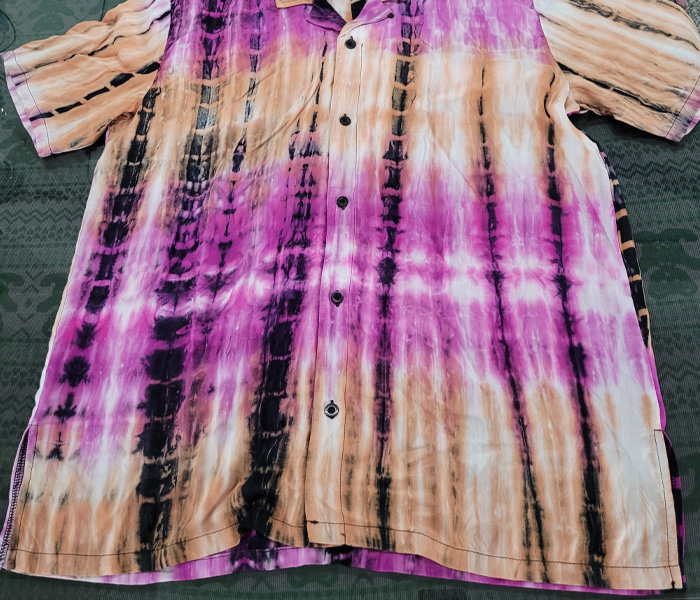
Plastisol commonly cures around 320–338°F; polyester and performance fabrics need a lower-temperature cure plan to limit scorching and migration. Source: https://athleisurebasics.com/pages/plastisol-ink-for-custom-apparel-printing
Low-bleed ink tests are essential for dark polyester, red, maroon, navy, sublimated, and recycled-poly garments before bulk approval.
Specify The Print Base
180–220 GSM tees suit crisp logos; 280–400 GSM fleece supports bold graphics but can increase perceived print weight. Silicone softeners, water-repellent finishes, and heavy lint must be tested because they can reduce adhesion or alter surface texture.
5. Plastisol Customization and Decoration Options
200-piece programs make spot-color plastisol practical when artwork repeats across a collection. EDVORIN records Pantone targets, placement measurements, mesh choices, and approved strike-offs before bulk production.
| Method | Best Fit | Constraint |
|---|---|---|
| Plastisol | Opaque dark-garment graphics | Texture increases with layers |
| Water-based | Soft cotton prints | Less opaque on darks |
| DTG or DTF | Short-run full color | Different hand and durability tests |
| Sublimation | Polyester all-over panels | Requires suitable polyester |
| Embroidery | Dimensional logos | Not suited to tiny detail |
Build The Print Stack
1 underbase can make white and bright colors opaque on dark fleece, but adds hand feel and cure control. Simulated process handles tonal art; each extra separation raises registration risk.
6 spot colors are usually easier to control than dense photorealistic separations. Fine lines, halftones, and large chest prints need testing on the actual fabric.
Specify Specialty Effects
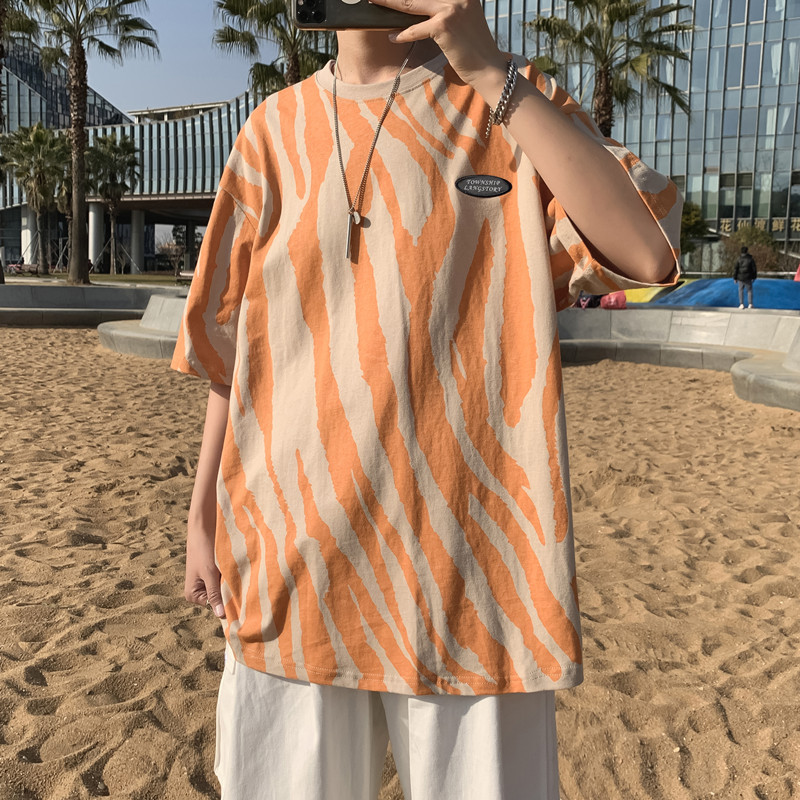
3D high-density, puff, metallic, shimmer, glow, and gel plastisols add texture rather than merely color. Thick deposits can obscure micro-detail, feel stiffer, and require wash-tested curing.
1 print location should be defined from seams, pockets, zippers, and rib edges. EDVORIN can sample effect prints before approving a repeatable bulk standard.
Choose The Better Method
100% cotton light tees may suit water-based ink when a softer hand matters more than opacity. DTG or DTF can suit short runs and full-color artwork; sublimation suits polyester panels, while embroidery suits durable dimensional logos.
6. Construction and Print Quality Checks
Quality control begins before the production line, when the approved garment and print become measurable standards. A plastisol printing clothing manufacturer should verify both construction and decoration against them.
Garment Construction Standards
1 measurement chart should state POMs, graded sizes, and tolerances before cutting.
2 seam checks should cover stitch density, seam security, rib recovery, shrinkage, and shade consistency after washing.
Print Performance Checks
1 Pantone reference and approved strike-off establish color, opacity, screen registration, and placement.
160–170°C curing targets must be validated for the ink system; stretch and wash tests should reveal cracking, adhesion loss, or dye migration.
Pre-Production Approval
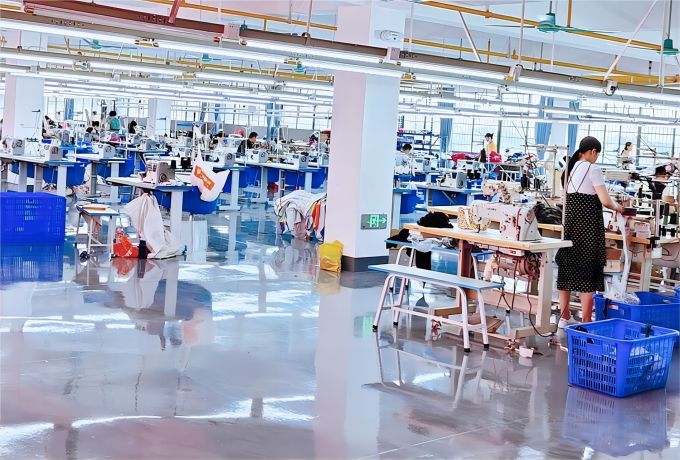
1 pre-production sample should record fabric, trims, measurements, artwork dimensions, placement points, and packing method.
1 written checklist should define inspection points, defect limits, carton counts, size ratios, labels, folding, and final packing accuracy.
7. Choosing a plastisol printing clothing manufacturer
Choose a plastisol printing clothing manufacturer by testing whether its documented process matches your garment, order size, and repeat-order plan—not just its quoted unit price.
| Comparison Point | Ask For | Value Signal |
|---|---|---|
| MOQ | Per-style and per-color basis | Fits launch quantity |
| Sampling | Approval steps and timing | Fewer bulk surprises |
| Shipping | Incoterm and inclusions | Comparable landed cost |
Verify Product Fit
200 pieces is a practical checkpoint: ask for comparable hoodies, jerseys, or tees, fabric options, artwork separations, and a pre-production sample. Confirm whether the MOQ applies per color, style, or total order.
- Which comparable products have you produced?
- Can you source the specified GSM and composition?
- Who approves placement and Pantone references?
Compare Production Evidence
3 checkpoints matter: request a sample timeline, in-line inspection records, final QC evidence, and stated production capacity. Ask for the planned cure test and how defects, reprints, and measurement tolerances are handled.
- What is the sample-to-bulk lead time?
- What QC records accompany shipment?
- What capacity is reserved for reorders?
Price The Complete Order
1 quotation should separate garment, screens, printing, labels, packaging, freight, duties, and shipping terms. A lower unit price can lose value when approvals, artwork support, or delivery accountability are excluded.
- Request Incoterm and destination charges.
- Compare sample, setup, and reorder costs.
- Confirm carton marking and private-label options.
8. Common Buyer Mistakes to Avoid
Most bulk-print failures start before a press is scheduled. A plastisol printing clothing manufacturer needs approved artwork, garment specifications, and packing instructions—not assumptions—to convert a concept into a repeatable production standard.
Artwork, Fabric, And Colors
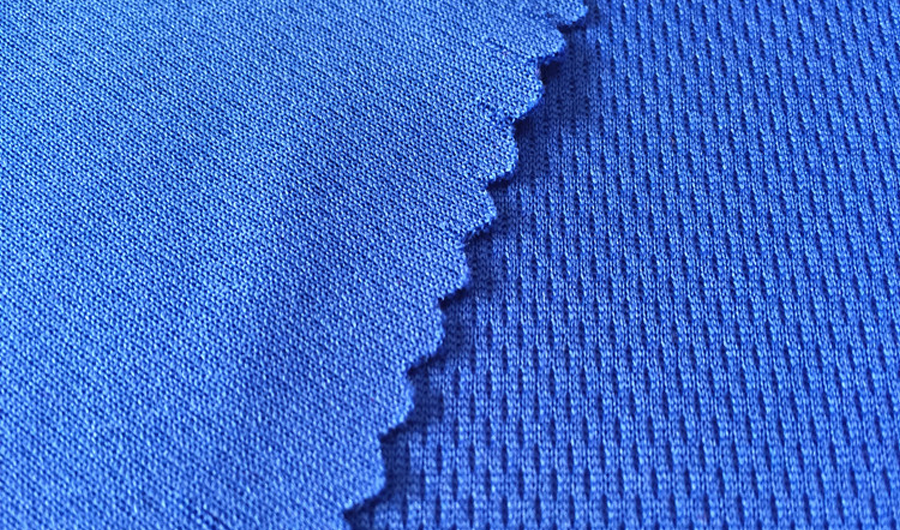
300 dpi artwork is not automatically screen-ready; blurred edges or unseparated colors cause weak detail and registration problems. Submit vector files or final separations, then approve the production proof.
50/50 fleece or polyester can dye-migrate under heat, while each spot color needs a screen and setup. Confirm fabric, low-bleed ink, color count, and underbase before approving cost or sampling.
Placement And Sample Control
1–2 cm of unrecorded placement variation can make a chest logo look off-center across a size run. Specify placement from fixed garment points and define tolerances on the tech pack.
1 approved sample is the physical reference for hand feel, opacity, cure, and wash performance. Do not release bulk production until its artwork, measurements, and revisions are signed off.
Schedule, Packing, And Quotes
2–4 weeks can disappear into sourcing, sampling, artwork approval, and correction cycles. Build approval time into the launch calendar instead of treating bulk sewing and printing as the entire lead time.
1 quote may omit labels, polybags, size stickers, screens, freight, or testing. Compare like-for-like specifications and confirm folding, carton marks, assortments, and every included charge before issuing a purchase order.
9. Launching Your Printed Apparel Collection
A 200-piece launch works best when positioning, price target, and garment use are defined before development. Treat the approved sample as the operating standard for a repeatable collection, not merely a visual preview.
Build The Production Brief
Start with target customer, retail price, fit block, colorway count, and size run. Specify neck labels, hangtags, care labels, folded presentation, and polybag requirements in the tech pack.
Lock garment measurements, fabric, Pantone references, placement dimensions, artwork separations, ink colors, and print locations before screens or bulk blanks are prepared.
Approve Before Bulk
At the quotation stage, confirm quantities by color and size, decoration count, packaging, sample timing, and delivery destination. A plastisol printing clothing manufacturer needs production-ready vector artwork and an approved placement proof.
Approve the fit sample and print strike-off against documented tolerances. Record every revision; verbal approvals leave too much room for bulk variation.
Plan Delivery And Reorders
During bulk production, inspect fabric shade, print registration, cure performance, measurements, labels, and packing against the approved standard. Confirm carton marks, polybag warnings where required, and shipping documents before dispatch.
Forecast replenishment using sell-through by size and color, not total units alone. Retain approved artwork, color standards, sample notes, and final size ratios for the next order.
10. Plastisol Printing Costs and MOQ Planning
200 pieces is a practical MOQ because screen, color-separation, sample, and line-change work is spread across more garments; those are setup costs, while blanks, ink, sewing, labels, packaging, and freight recur per unit. Each additional color normally needs its own screen, so a four-color chest print costs differently from a one-color logo.
3 quote inputs prevent misleading comparisons: a print-ready vector file or color-separated artwork, Pantone references, exact placements and print dimensions; garment fabric, GSM, color, size ratio, labels, and packaging; plus sample requirements, destination, and required delivery date. A plastisol printing clothing manufacturer should separate development and setup from repeat-order costs.
| Quantity tier | Cost drivers to compare | Planning effect |
|---|---|---|
| 200–499 | 1–2 colors, one location, stock tee | Setup is spread across a limited run |
| 500–999 | 3–4 colors, front and back, hoodie or fleece | Higher color and garment costs; better setup absorption |
| 1,000+ | Specialty puff, metallic, or high-density effect; custom labels and packaging | Recurring unit costs dominate; confirm production and freight lead time |
| Any tier | Sample approval and rush lead time | Quote separately from bulk production |
Partner With a Plastisol Printing Clothing Manufacturer
Send your artwork, garment details, and quantity requirements for a production review and quotation tailored to your collection.