
DTG Clothing Manufacturer for Full-Color Apparel Built to Repeat
EDVORIN develops detailed DTG apparel for fashion, streetwear, teamwear, and private-label programs, with approved samples guiding every bulk order.
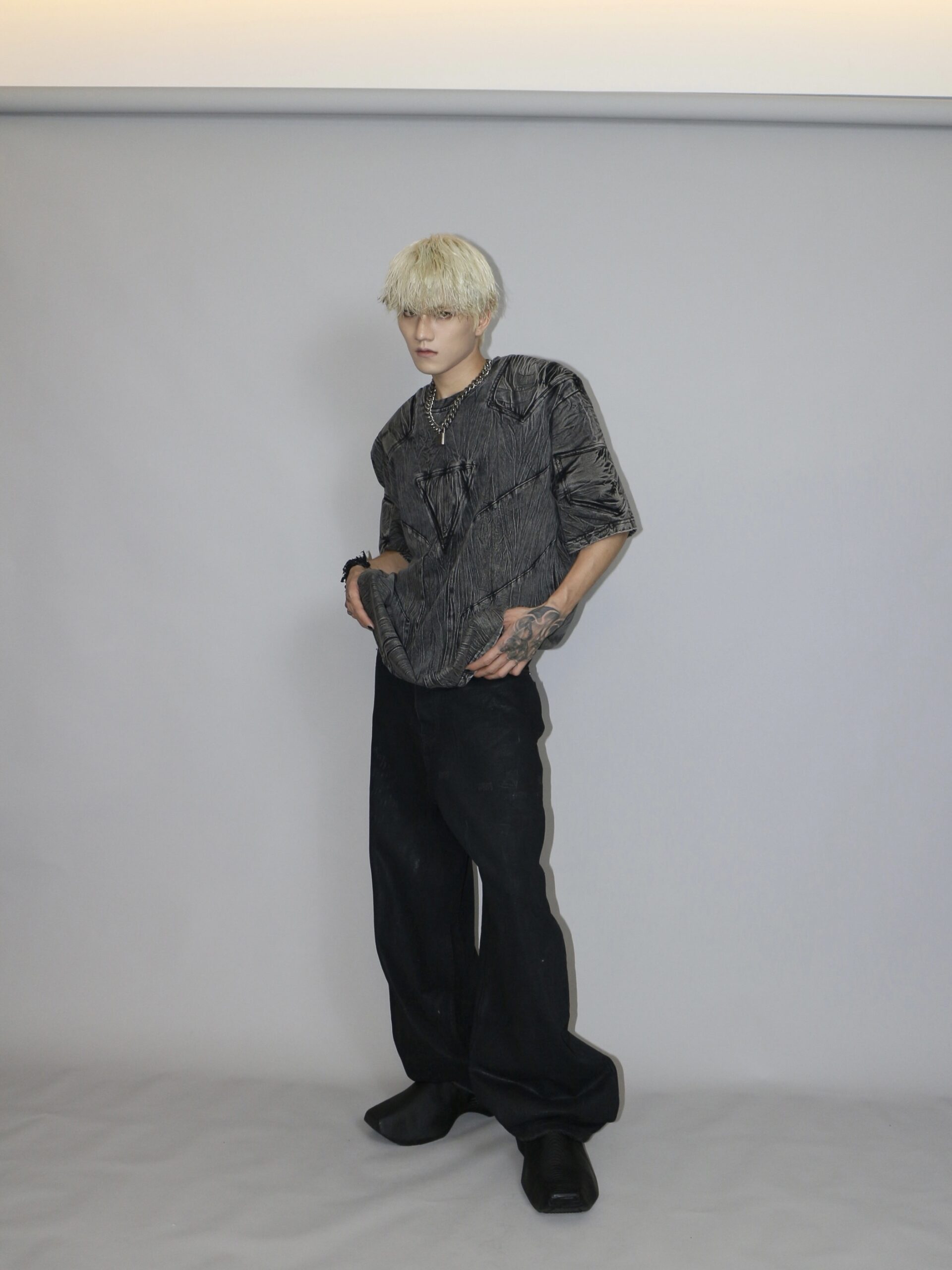
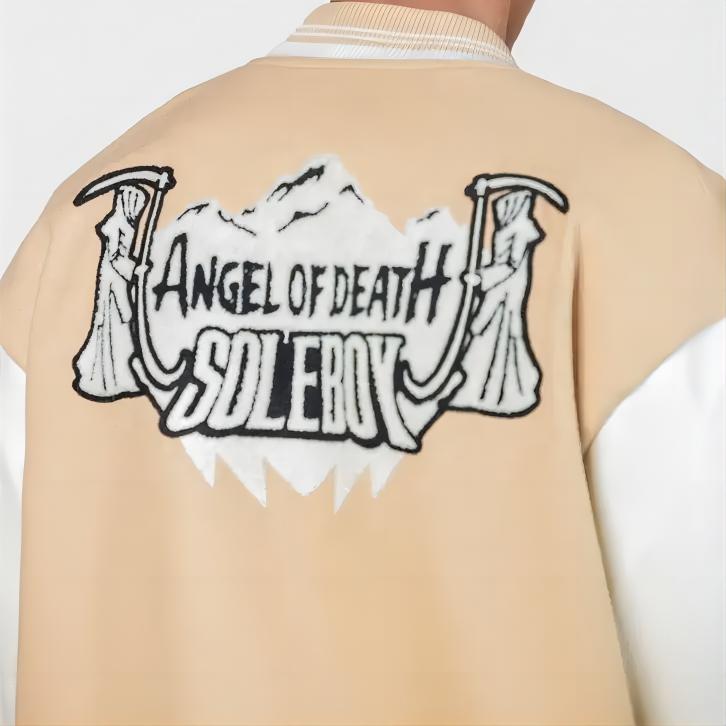
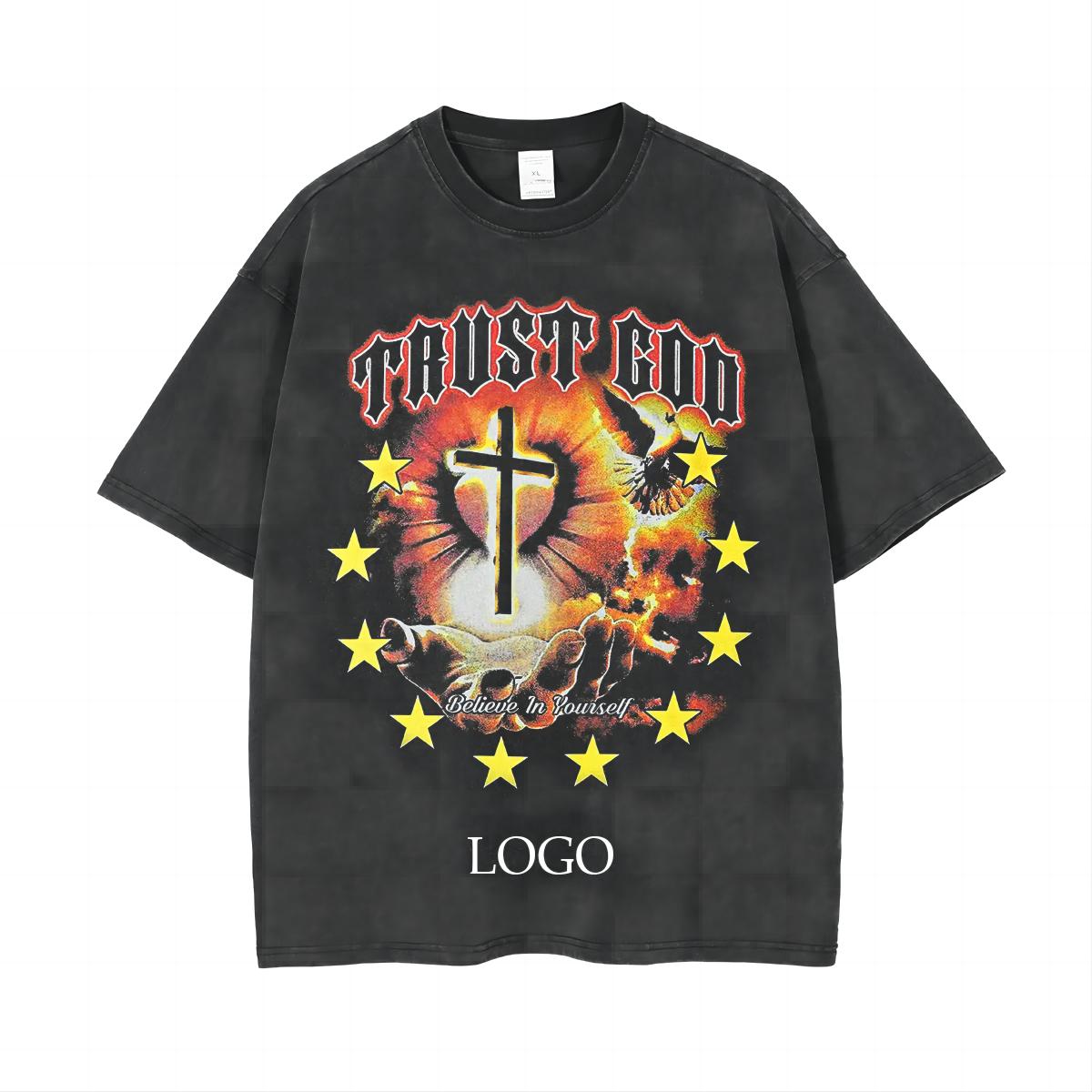
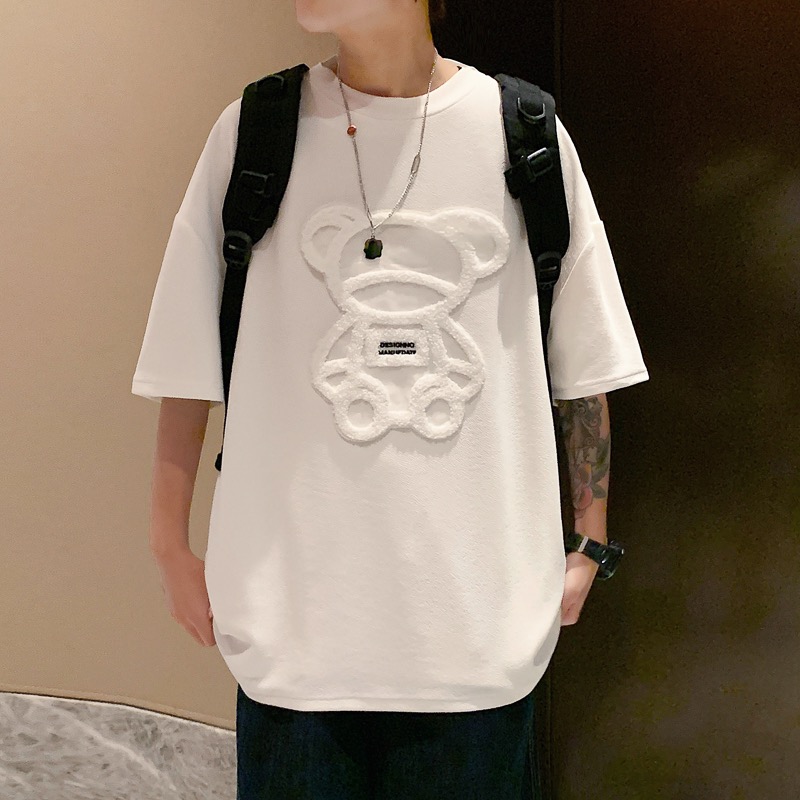
Featured DTG Apparel Programs
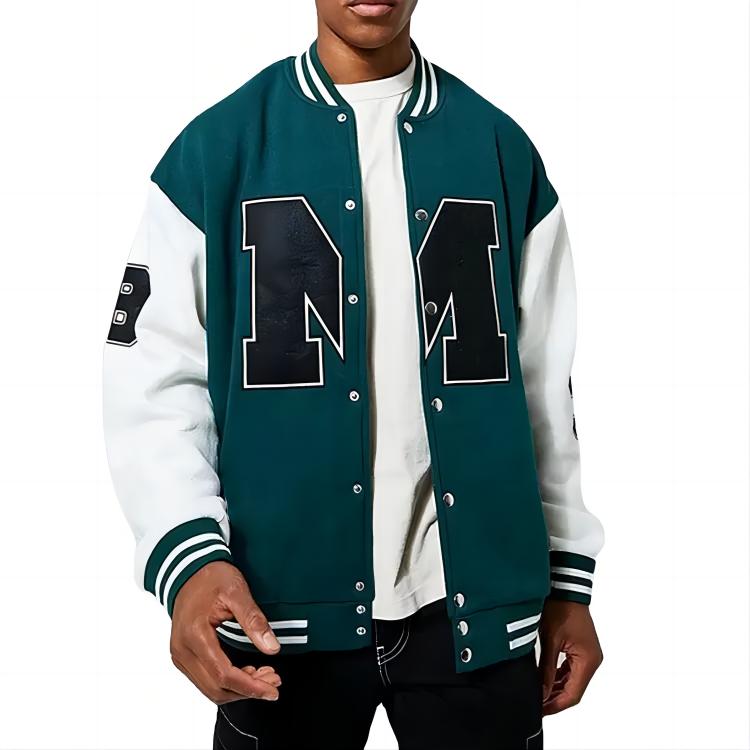
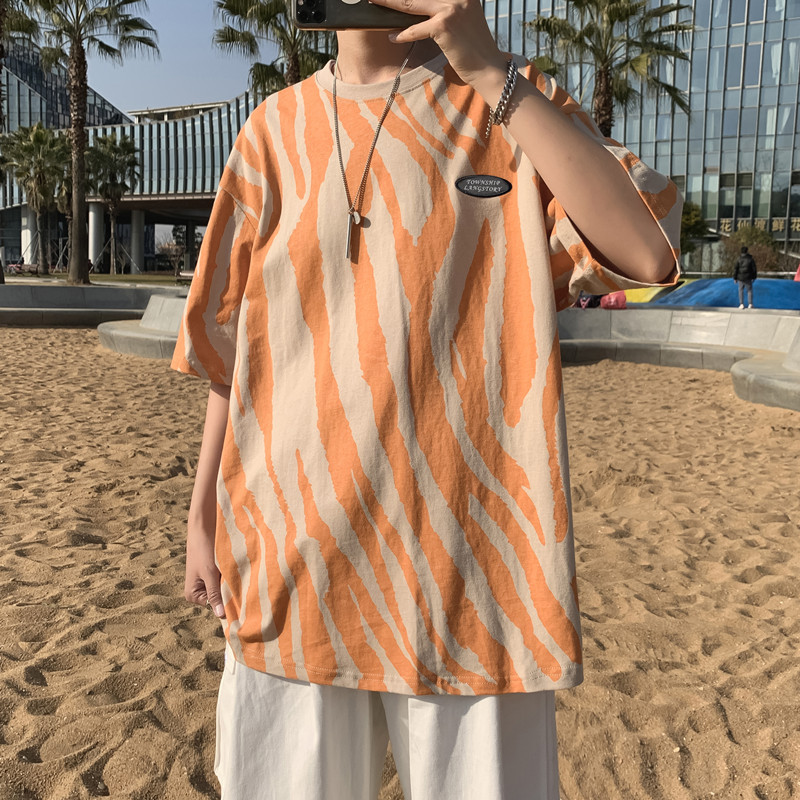
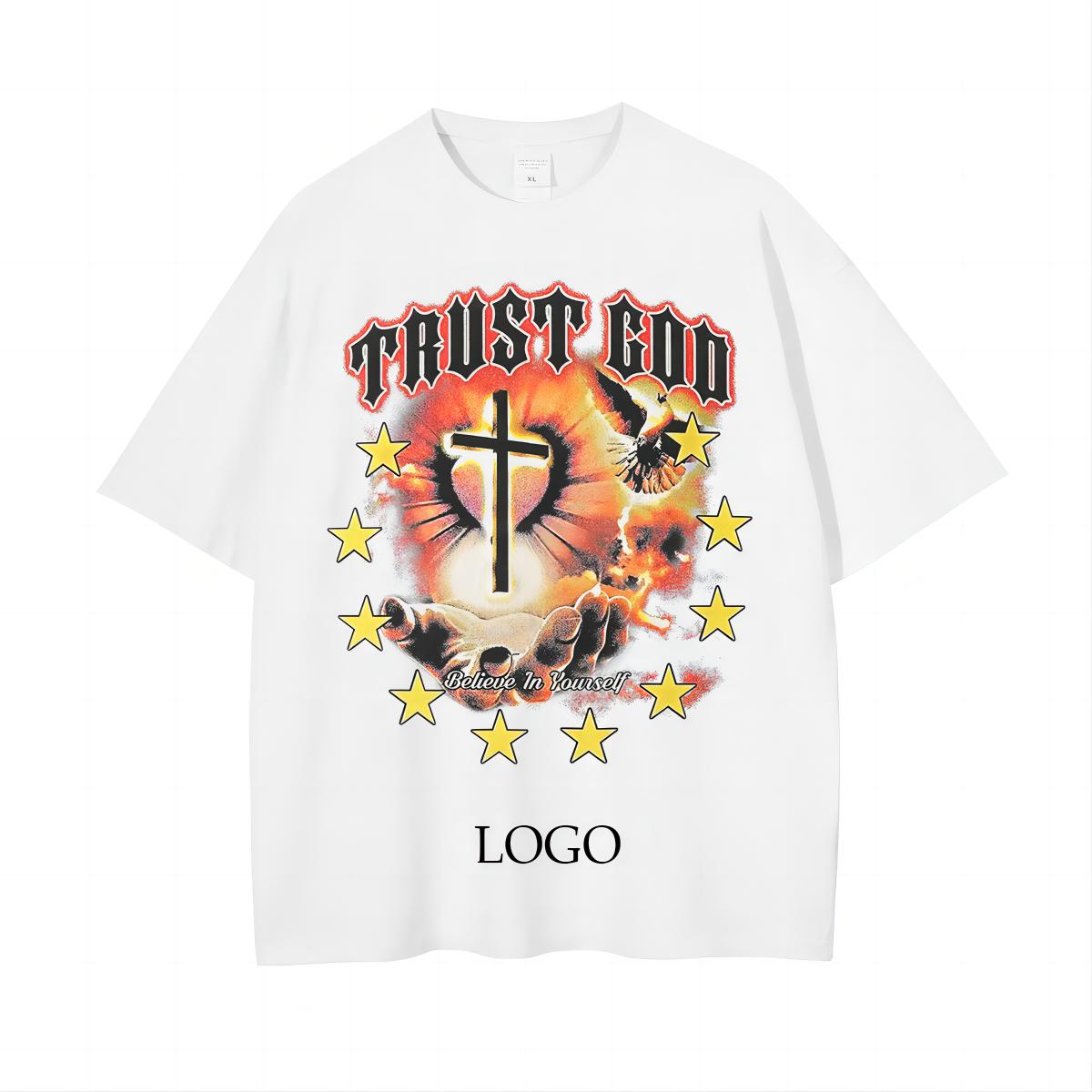
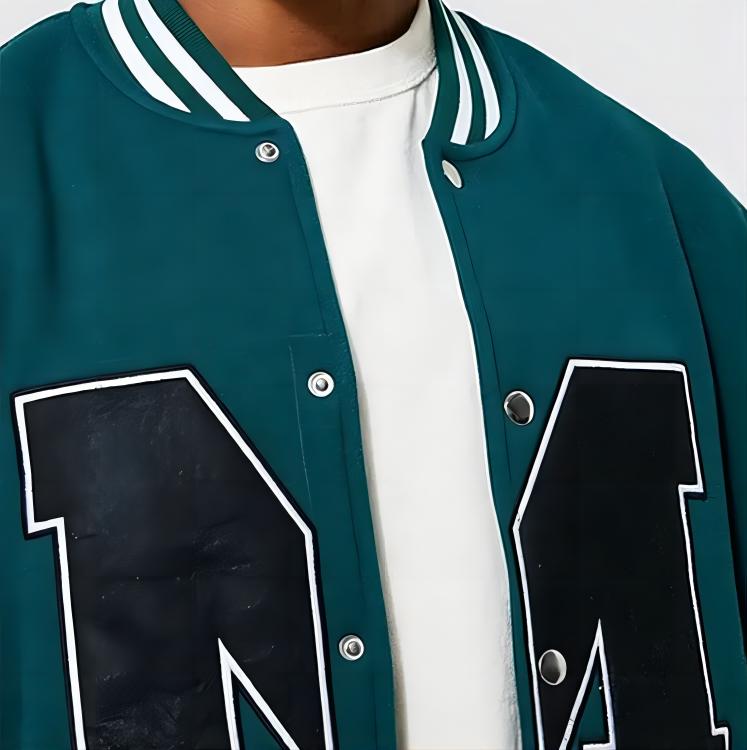
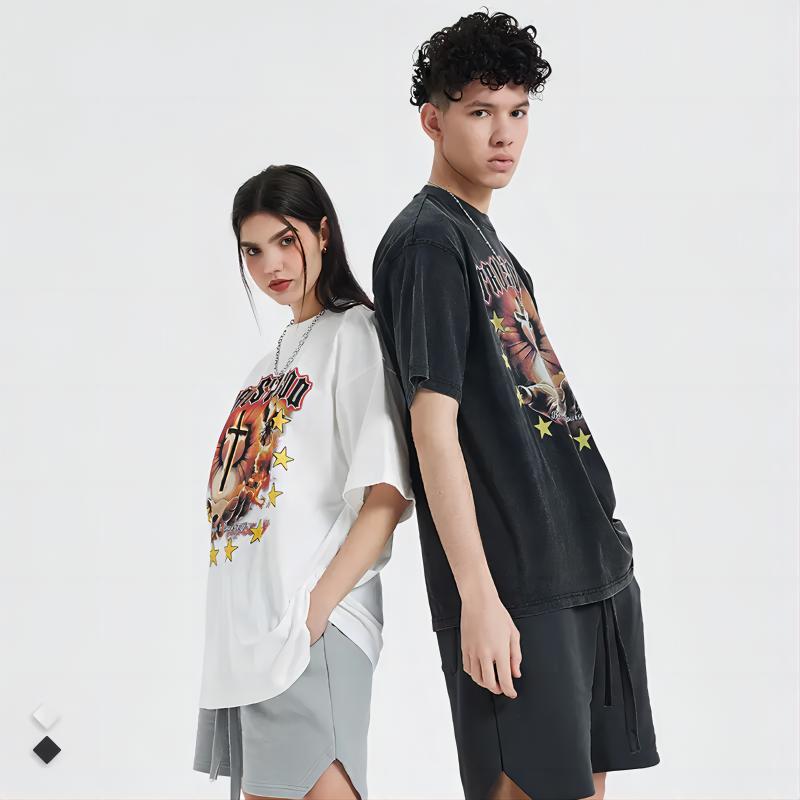
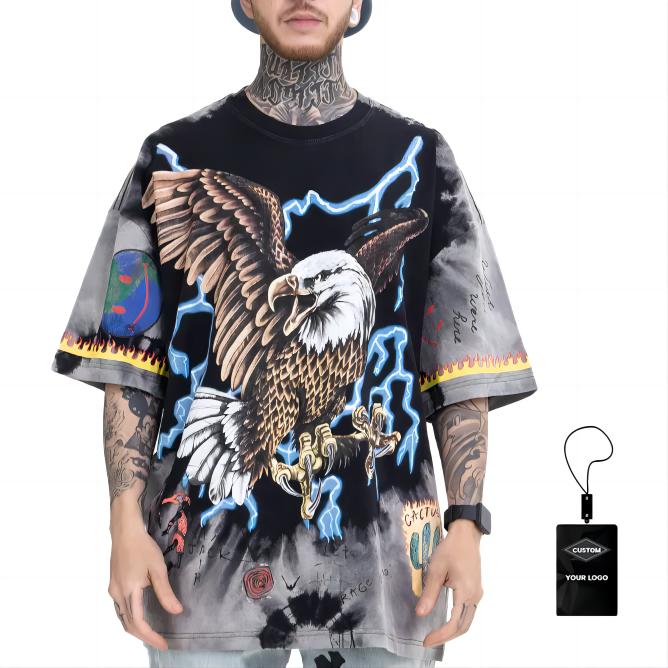
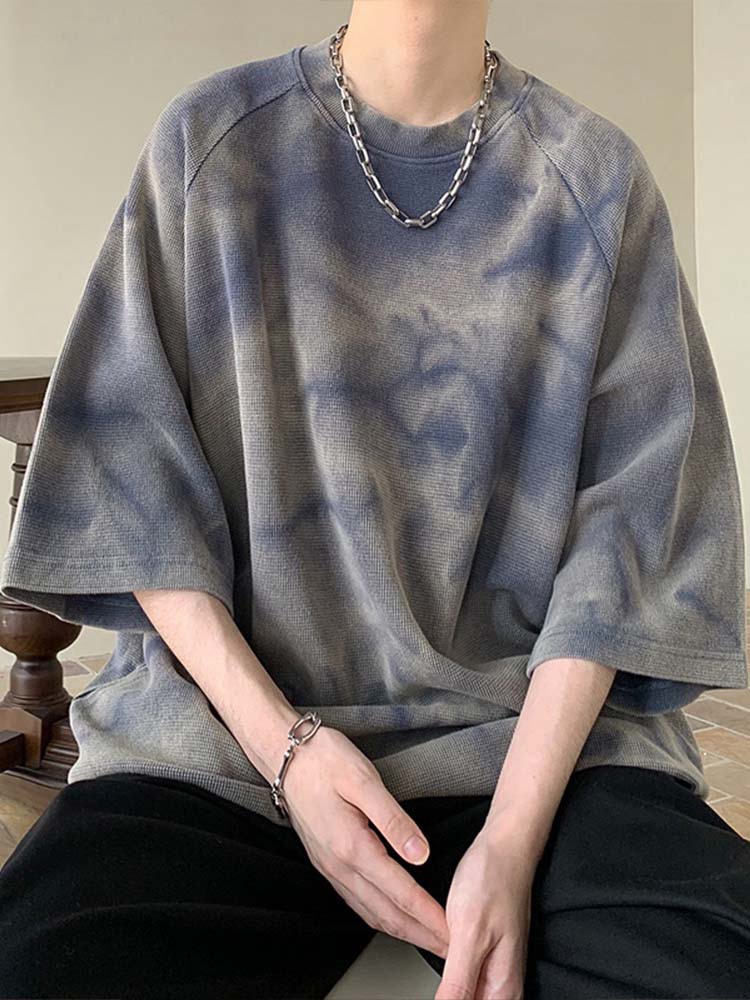
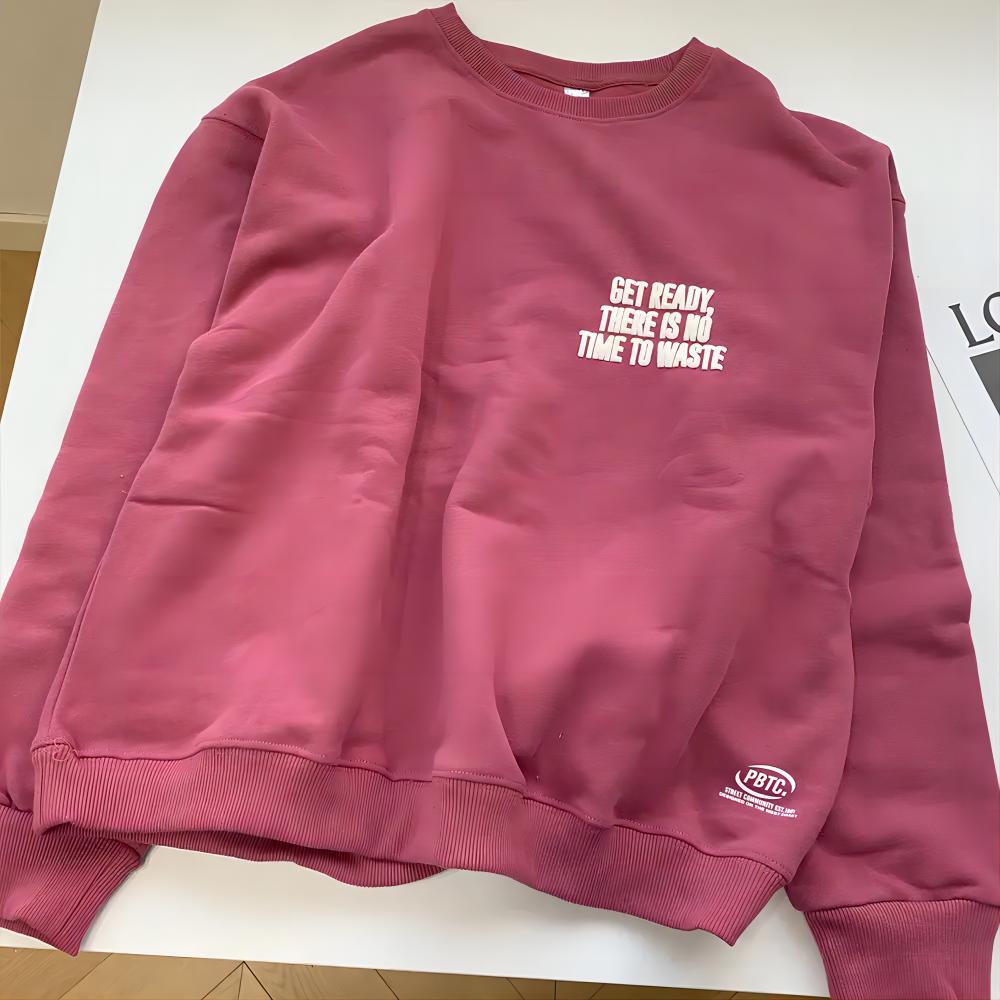
Why Choose a DTG Clothing Manufacturer for Artwork-Led Apparel?
EDVORIN coordinates garment development and DTG decoration so artwork, fabric, fit, and bulk standards work together from sample through production.
Full-Color Artwork
Translate multi-color graphics, gradients, and illustration-led concepts into production-ready apparel programs without separating the collection from its intended visual direction.
Fine Detail Control
Review artwork scale, placement, and garment surface during sampling, then document approved details for clearer execution across the bulk order.
Soft-Hand Potential
Match decoration choices with the garment and artwork requirements, helping your team evaluate feel, coverage, and the intended finished appearance.
Built Around Samples
EDVORIN turns approved samples into practical production references for materials, measurements, artwork placement, labeling, packing, and quality-control checks.
Flexible Brand Development
Develop men’s or women’s T-shirts, hoodies, and coordinated collections with OEM, ODM, and private-label support starting at 200 pieces per style.
One Accountable Workflow
Coordinate fabric, trims, patterns, DTG decoration, washing, and packaging through one production path designed to protect repeatability after approval.
Explore Apparel and Decoration Capabilities
Compare garment categories, construction requirements and decoration options to choose a production path suited to your collection, artwork and repeat-order needs.
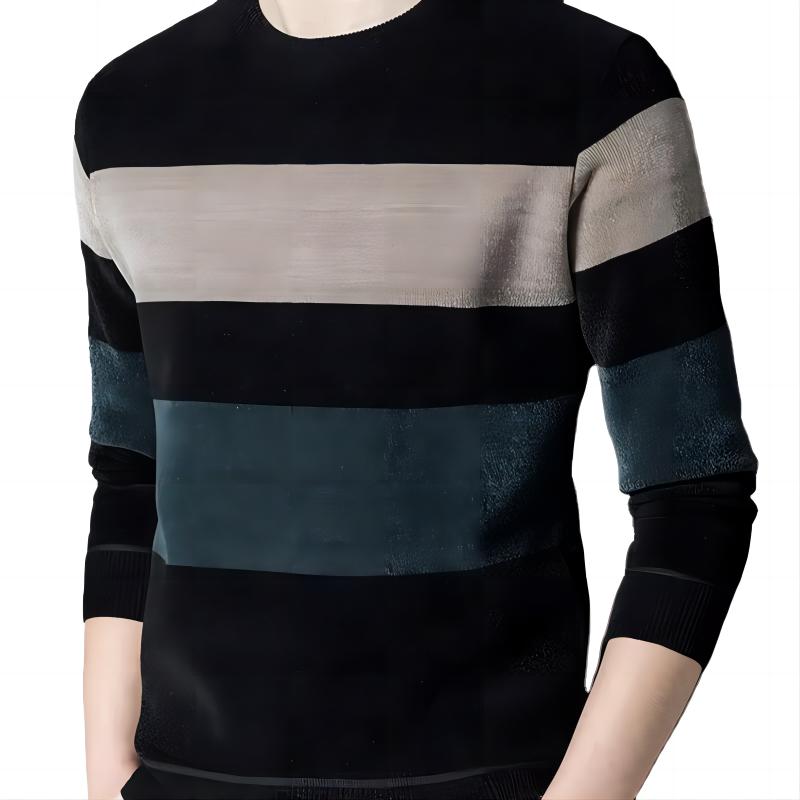
Custom Hoodies
EDVORIN develops custom hoodies with fit blocks, fleece weights, rib specifications, drawcord details and labeling coordinated for your market. Screen printing, embroidery, appliqué and wash treatments are evaluated against the fabric and intended design placement before bulk production.
Get a Quote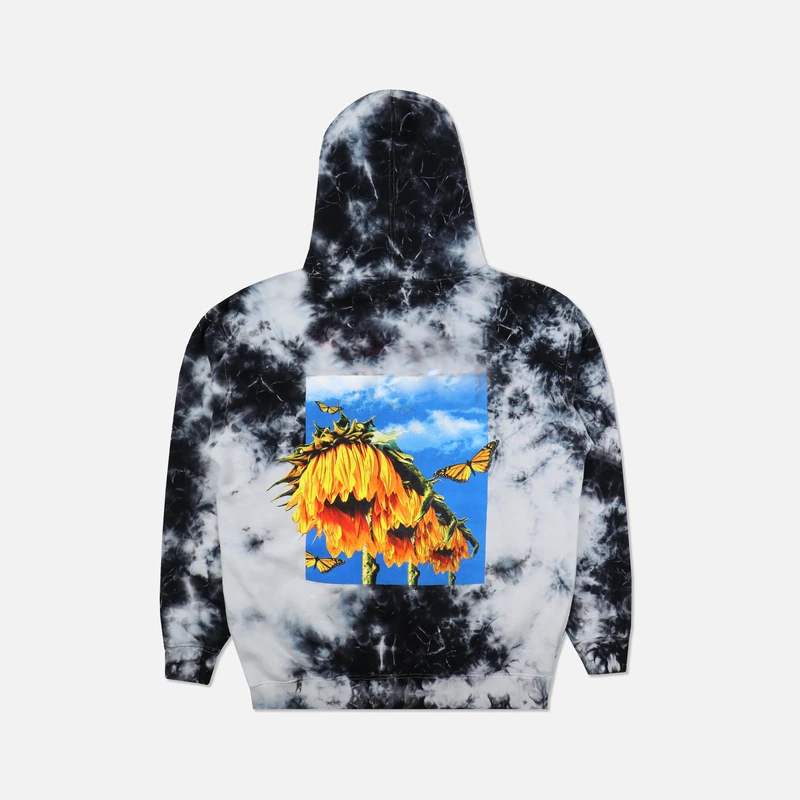
Pullover Sweatshirts
As a sweatshirt manufacturer, EDVORIN develops pullover styles around fabric weight, neckline, cuffs, hem rib and fit. Choose screen printing, embroidery, chenille or specialty finishes based on artwork detail, garment construction and planned order volume.
Get a Quote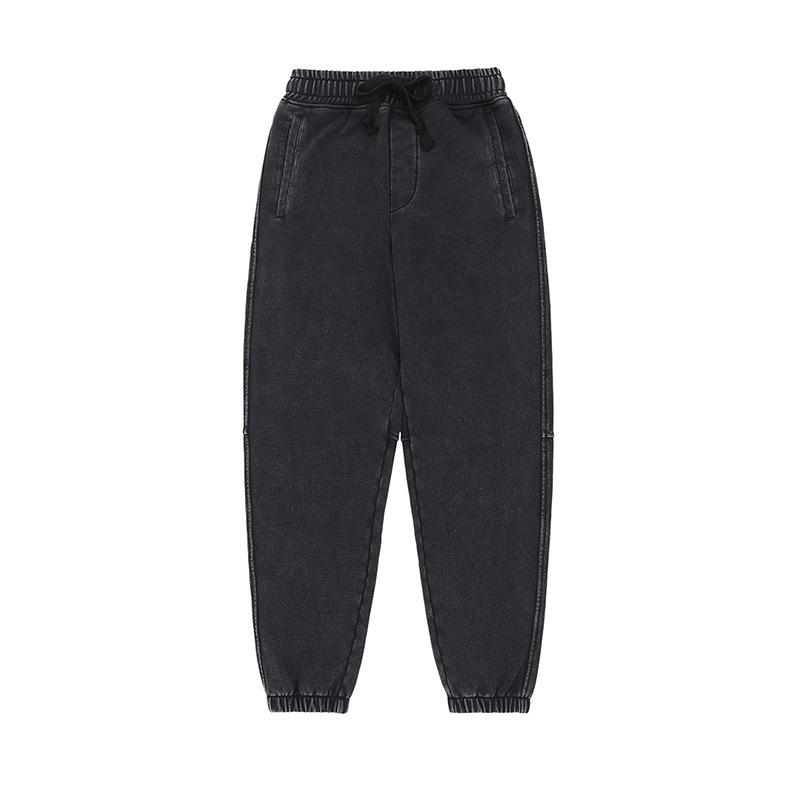
Sweatpants & Joggers
EDVORIN manufactures sweatpants and joggers with coordinated fabric, waistband, drawcord, pocket and cuff specifications. Decoration can include screen prints, embroidery, appliqué and woven labels, with placement documented to support consistent repeat production.
Get a Quote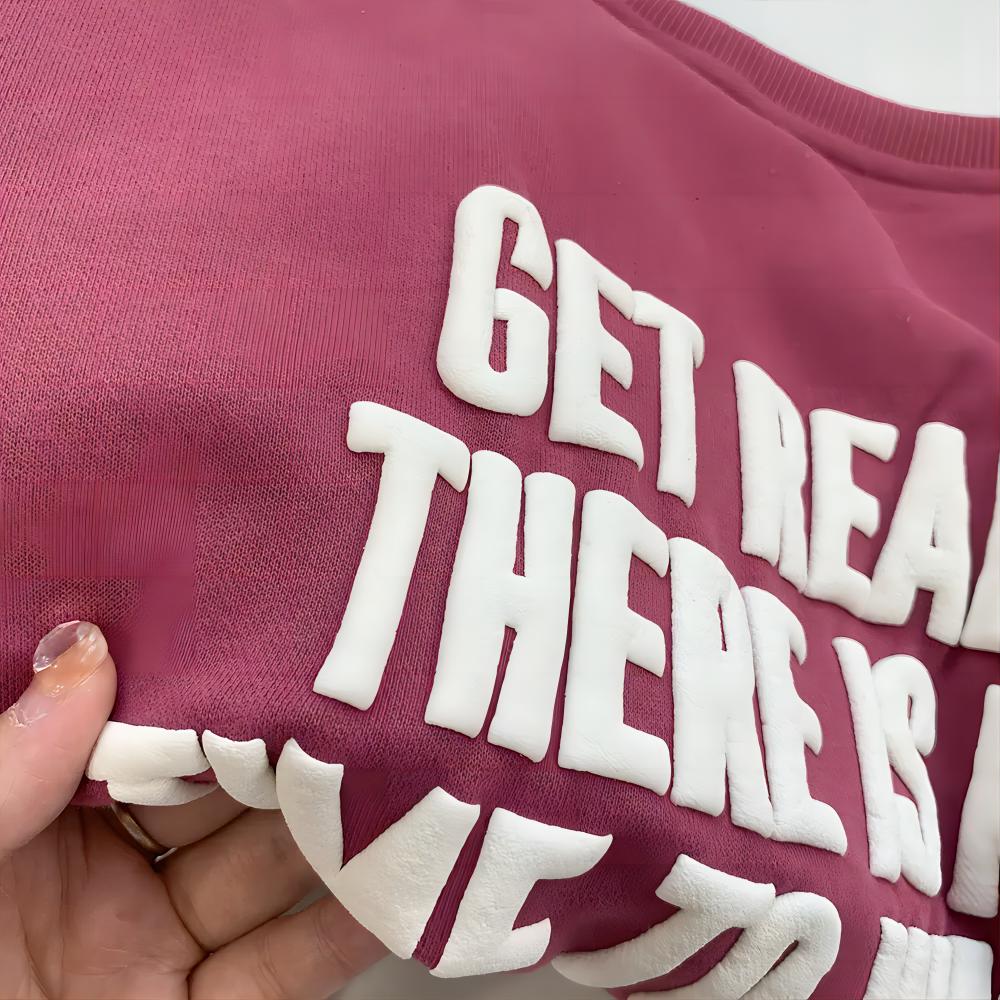
Custom Shorts
Custom shorts can be developed for casualwear, streetwear, training or coordinated sets. EDVORIN aligns inseam, pockets, waistband construction, fabric performance and decoration method, including prints, embroidery and heat-applied graphics, with the product’s use and material.
Get a Quote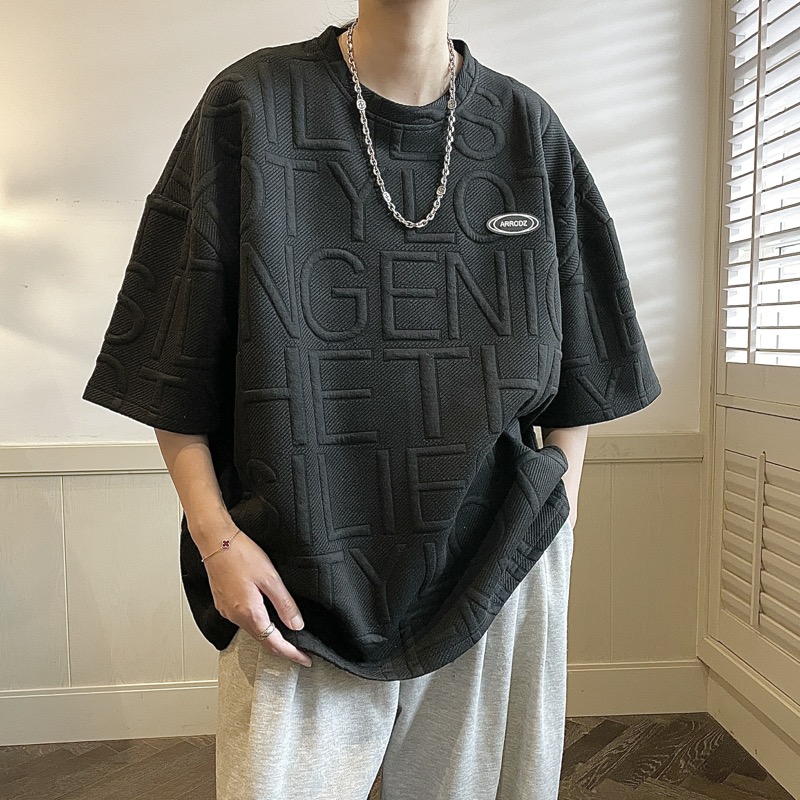
Varsity & Baseball Jackets
EDVORIN develops varsity and baseball jackets by coordinating body fabric, sleeves, rib, snaps, lining and patches. Embroidery, chenille, appliqué, screen printing and woven labels are specified together so decoration supports the jacket’s construction and identity.
Get a Quote
Custom T-Shirts
As a custom T-shirt manufacturer, EDVORIN helps select jersey weight, fit, collar construction and print method for the artwork. Options include screen printing, DTG, heat transfer, embroidery and wash finishes, tested against fabric composition and visual requirements.
Get a Quote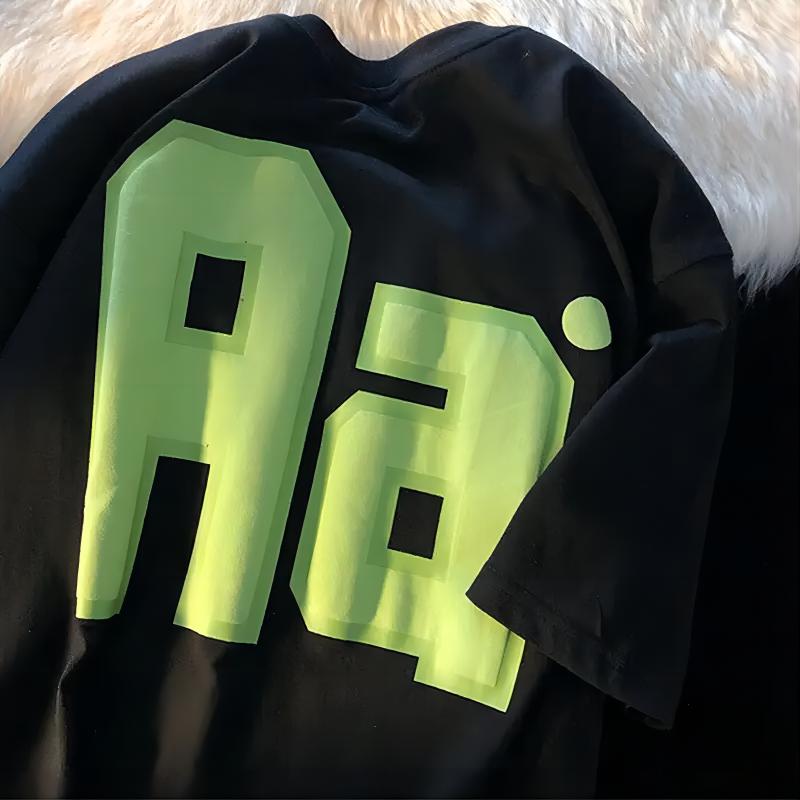
Custom Polo Shirts
EDVORIN manufactures custom polo shirts with piqué or jersey fabric, collar construction, plackets, cuffs and branding details matched to the program. Embroidery, screen printing and heat transfers are selected for logo scale, placement, durability and wearer use.
Get a Quote
Windbreaker Jackets
Windbreakers require coordination between shell fabric, lining, zippers, seams and weather-focused details. EDVORIN evaluates screen printing, embroidery, heat transfer and reflective applications for compatibility with lightweight woven materials and intended outdoor performance.
Get a Quote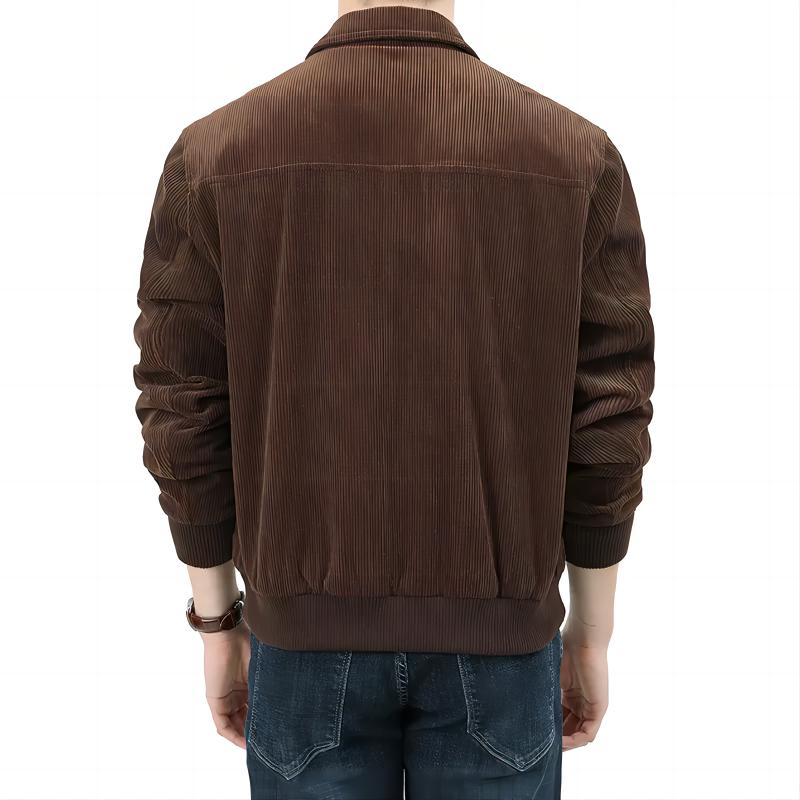
Quilted Jackets
EDVORIN develops quilted jackets with shell, lining, insulation, quilting layout and hardware planned as one specification. Decoration methods are chosen carefully around filled panels, seam lines and material behavior to maintain appearance and production consistency.
Get a Quote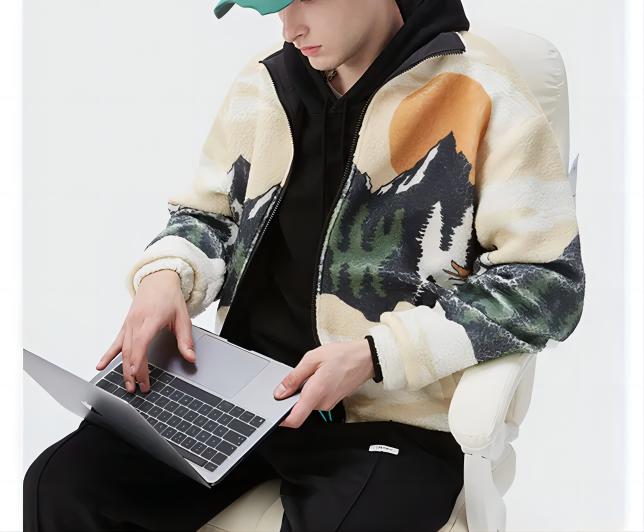
Bomber Jackets
As a bomber jacket manufacturer, EDVORIN coordinates shell fabric, lining, rib, zippers, pockets and finishing. Embroidery, patches, appliqué, screen printing and labels can be positioned around construction details and recorded against the approved sample.
Get a Quote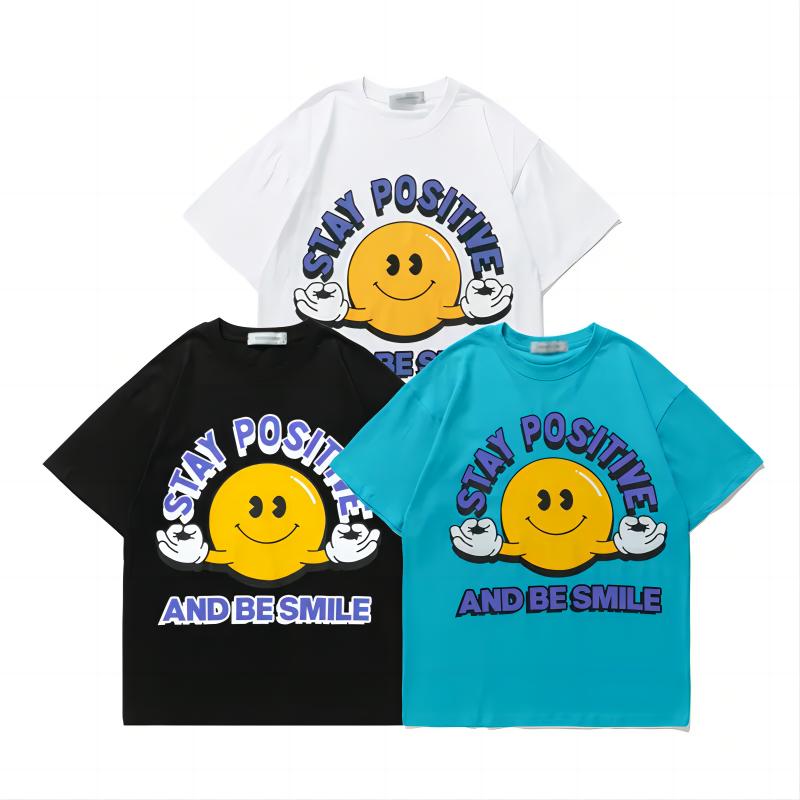
Custom Shirts
Custom woven shirts are developed with fabric selection, collar shape, placket, cuffs, pocket details and fit requirements defined for the target market. EDVORIN supports embroidery, screen printing, labels and subtle branded details suited to woven constructions.
Get a Quote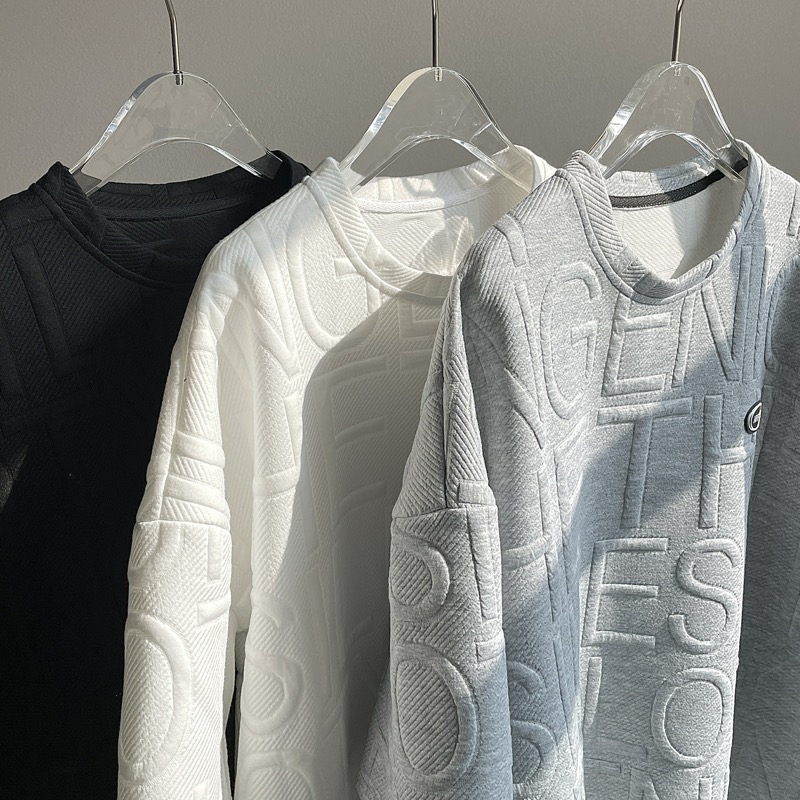
Custom Jerseys
EDVORIN manufactures custom jerseys with performance fabrics, color blocking, neckline, player identifiers and team branding managed together. Sublimation, screen printing, heat-applied names and numbers, and embroidery are selected according to fabric, artwork and reorder requirements.
Get a Quote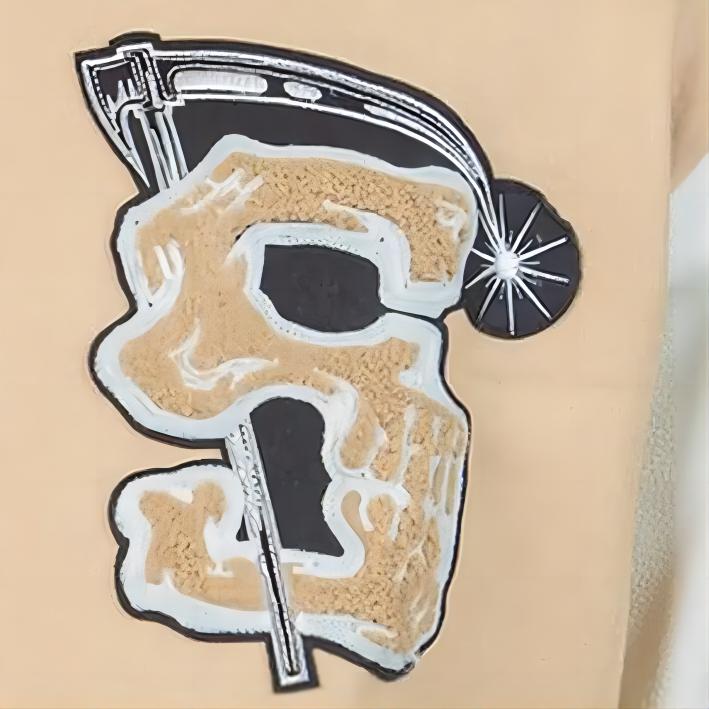
Tank Tops
Custom tank tops can be developed in cotton jersey, performance knits or blended fabrics for training, casualwear or team programs. EDVORIN coordinates armhole shape, binding, fit and decoration methods such as prints, embroidery and heat transfers.
Get a Quote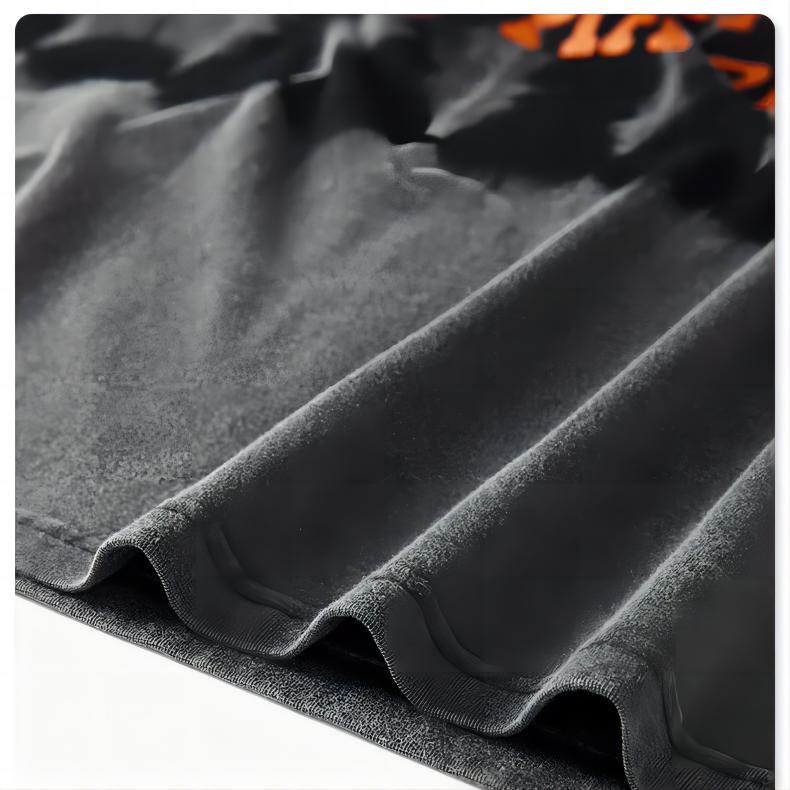
Soccer Uniforms
EDVORIN manufactures soccer uniforms with breathable fabric, team colors, jersey and short coordination, names, numbers and sponsor graphics. Sublimation, heat transfer, screen printing and embroidery are planned for color accuracy, movement and organized size-set production.
Get a Quote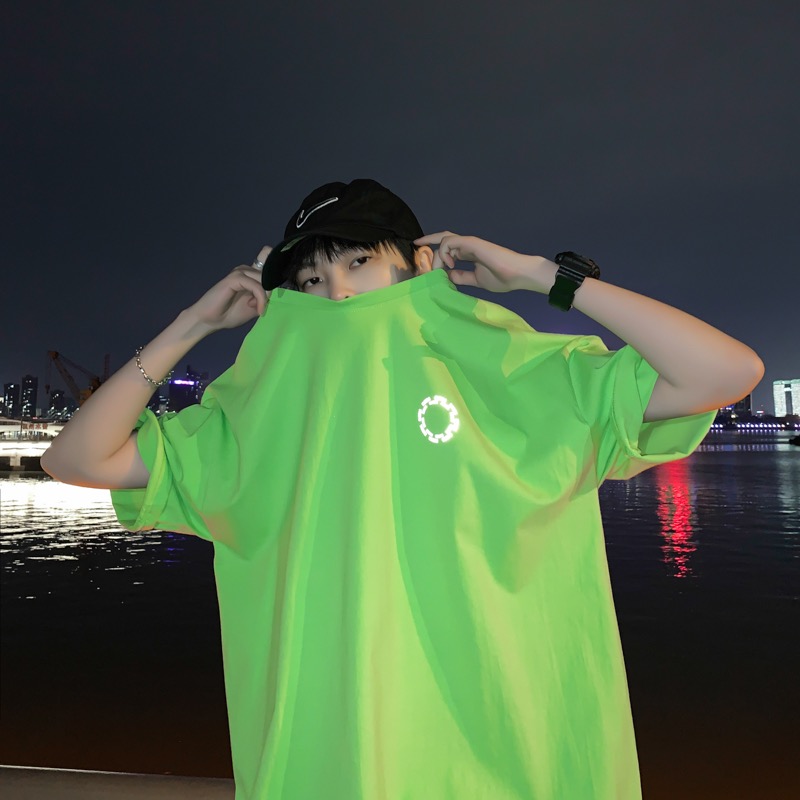
Basketball Uniforms
Basketball uniforms are developed around lightweight performance fabrics, jersey construction, shorts proportions, color blocking and player identification. EDVORIN manages sublimation, screen prints, heat-applied numbers and embroidery with repeatable artwork placement and team sizing.
Get a Quote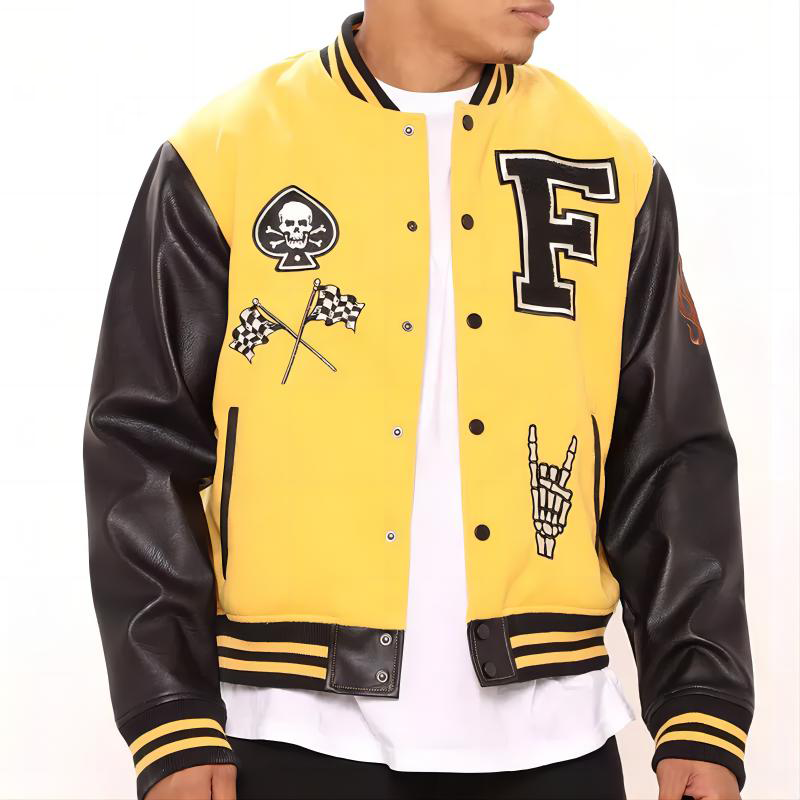
Streetwear Collections
As a streetwear clothing manufacturer, EDVORIN develops coordinated collections across hoodies, tees, bottoms, outerwear and layers. Fabric, construction, prints, embroidery, appliqué, wash effects, labels and packaging are aligned into production-ready standards for repeat releases.
Get a QuoteA DTG Clothing Manufacturer Built to Repeat
Founded in 2000 by Edvorin Zeng, EDVORIN helps brands turn apparel ideas into production-ready DTG programs. We develop the garment, coordinate materials and trims, prepare samples, and document the approved result so the original concept has a clear standard for bulk production.
As a DTG clothing manufacturer, we connect product development with decoration, washing, labeling, packaging, and quality control. Our team supports casualwear, streetwear, outerwear, and teamwear programs for men and women, whether you bring a complete tech pack or need help developing one. Certification programs include ISO 9001, BSCI, WRAP, SEDEX, OEKO-TEX Standard 100, GRS, and GOTS.
What makes EDVORIN different is accountability after the sample is approved. Artwork placement, measurements, print requirements, and finishing details are carried through the production workflow, with in-line checks designed to protect consistency from first cut to packed order.
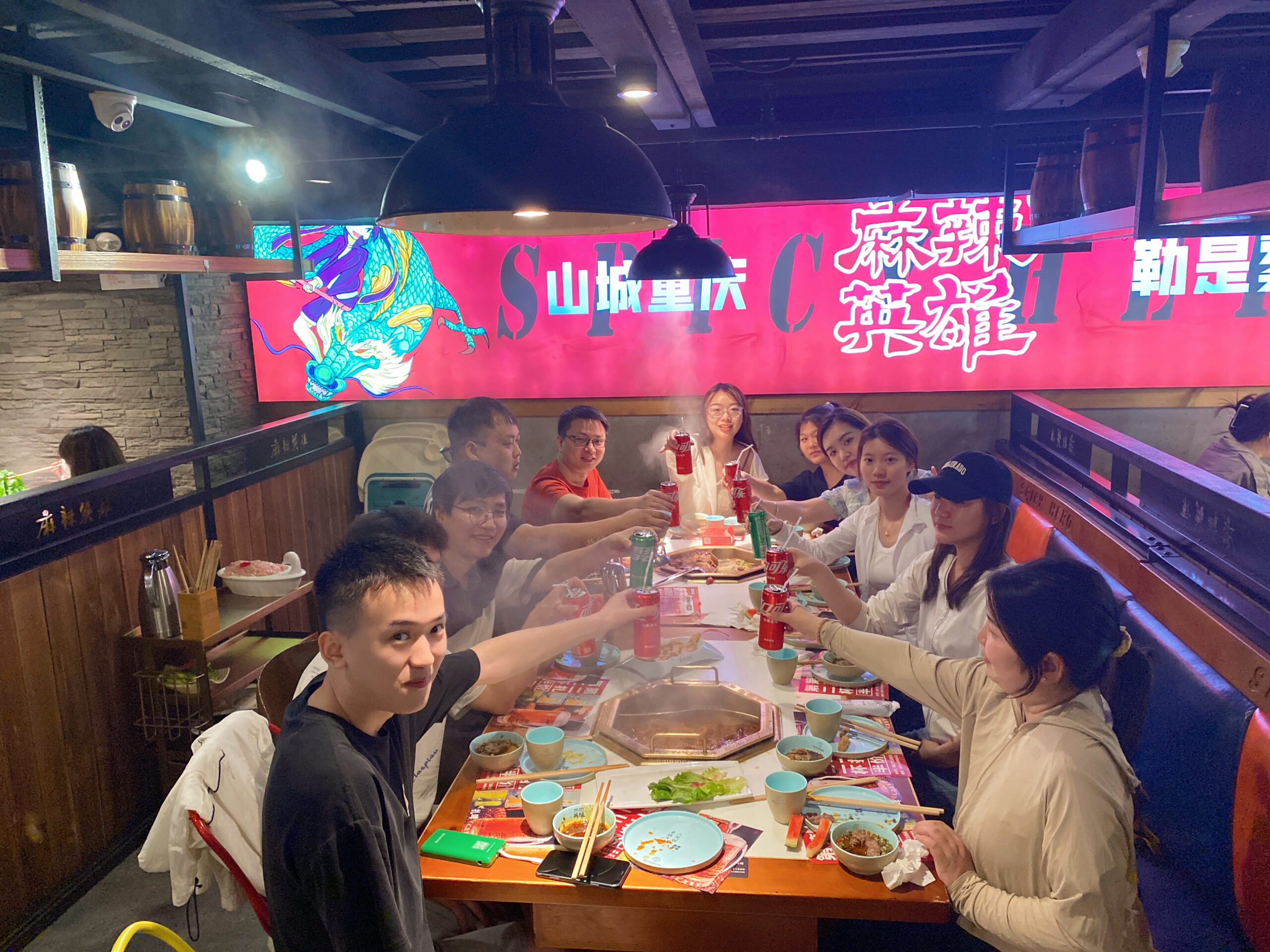
DTG Clothing Manufacturer Controls for Artwork Quality
Artwork Prepared for Print
EDVORIN reviews artwork before sampling to establish usable files, print scale, color intent, and placement references. This gives the DTG program a defined approval point before production decisions are carried into a larger apparel run.
- Confirm artwork resolution and print dimensions
- Record front, back, and sleeve placement measurements
- Review fine lines, gradients, and small text before sampling
- Align artwork versions with the approved tech pack
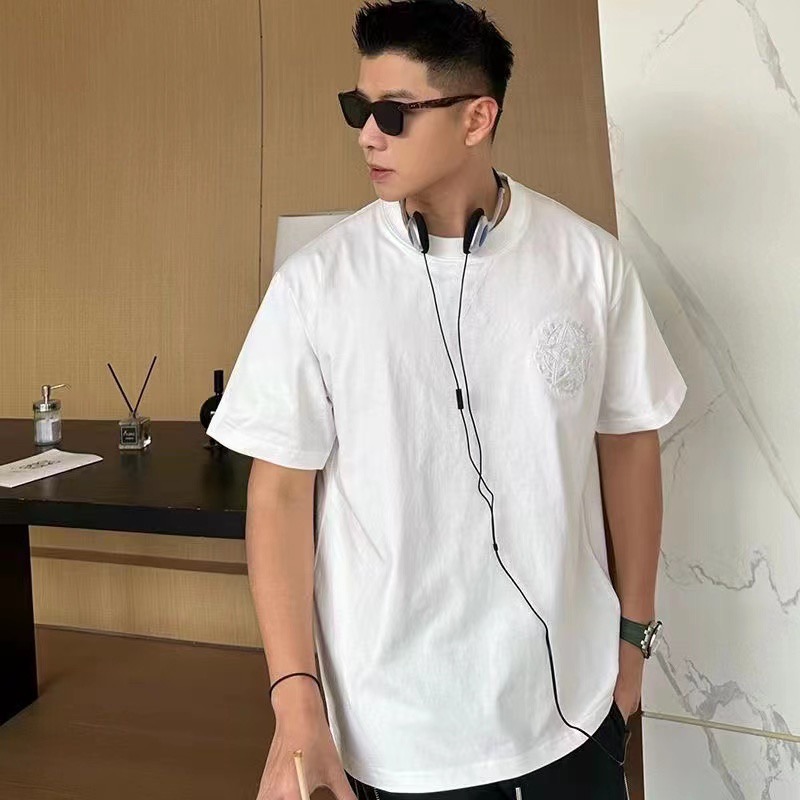
Garment Surfaces Made Ready
Print quality begins with the garment itself. EDVORIN coordinates fabric selection, garment color, panel construction, and surface readiness so the chosen DTG artwork is tested on the actual product standard, not evaluated separately from the finished apparel.
- Test DTG artwork on the intended fabric and colorway
- Check seams, pockets, and ribs against print locations
- Coordinate garment construction with decoration requirements
- Use approved samples as the production reference
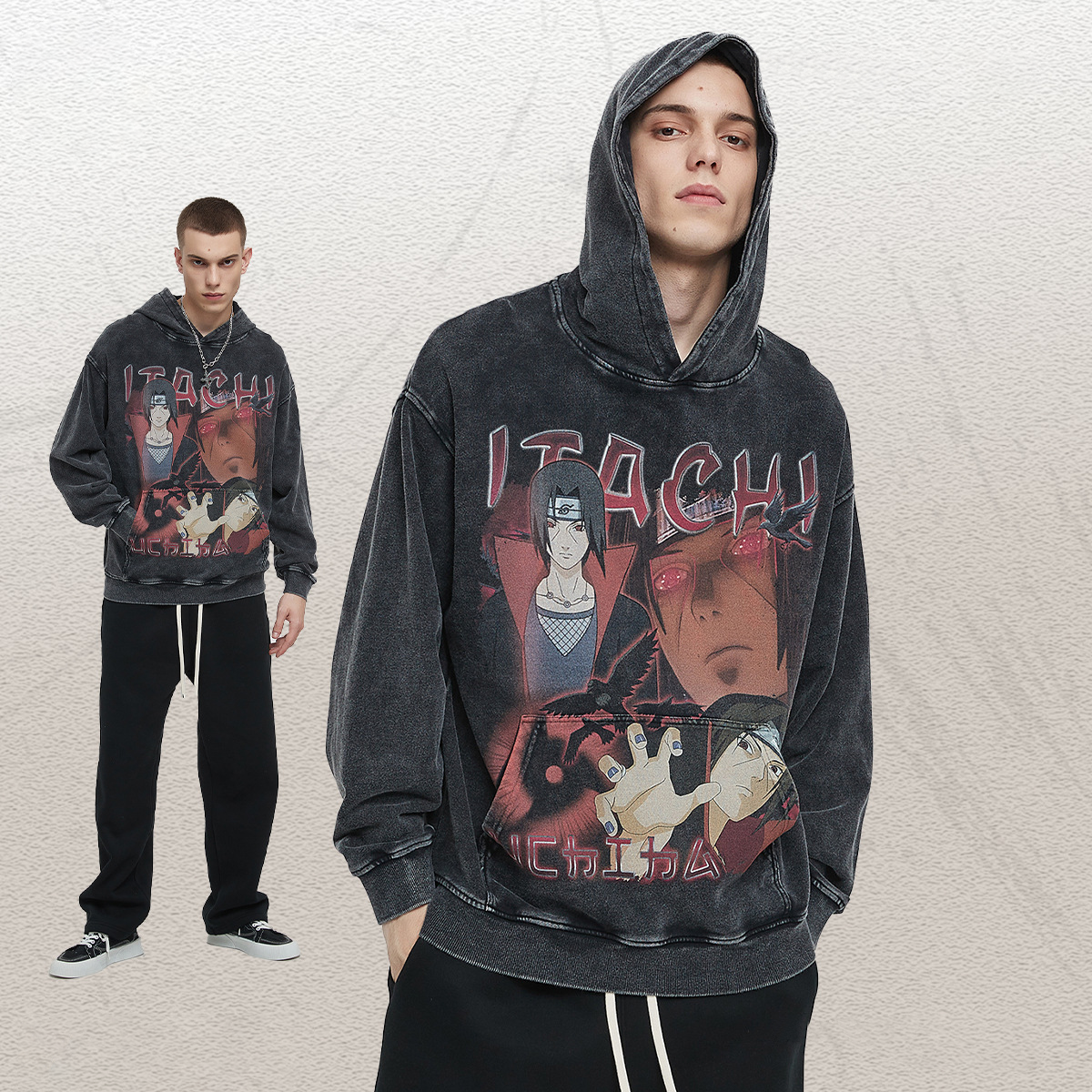
Color and Placement Controlled
A digital file alone does not define a repeatable print. EDVORIN uses approved samples and documented placement standards to guide production, helping buyers maintain visual consistency across sizes, colorways, and repeat orders within an OEM or private-label program.
- Approve color appearance on the selected garment base
- Document placement from consistent garment reference points
- Review size-specific placement where needed
- Keep approved artwork and sample standards connected
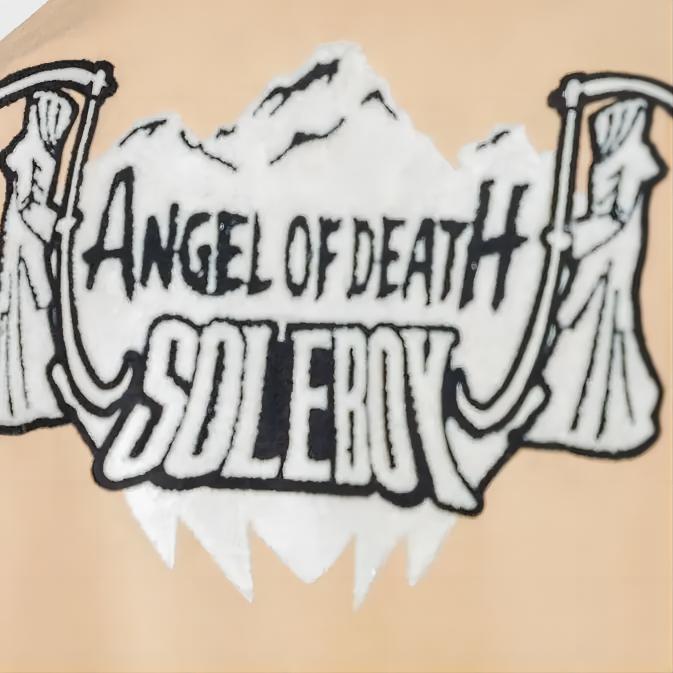
Curing Verified Before Packing
DTG decoration is checked as part of the finished-garment workflow, not as an isolated print step. EDVORIN coordinates curing verification, in-line review, and final inspection against the approved standard before labeling, folding, and packing for delivery.
- Verify curing within the production workflow
- Perform in-line checks against approved standards
- Inspect finished garments before packing
- Coordinate labels, folding, and packaging after quality review
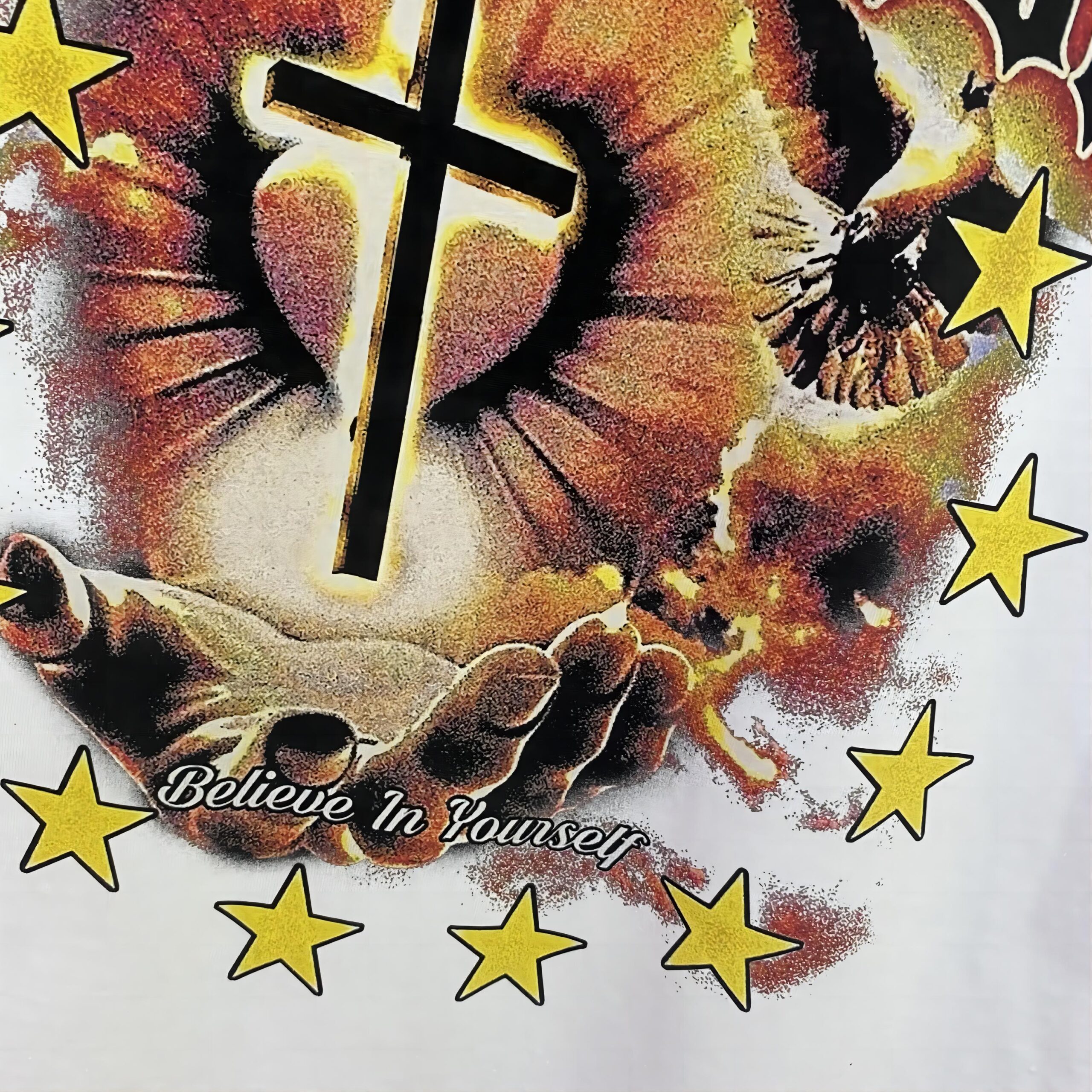
DTG Clothing Manufacturer vs. Screen Printing
Choose the decoration route that fits your artwork, fabric, color requirements, and production plan.
← Swipe left or right to view →
Our DTG Clothing Manufacturer Production Process
EDVORIN documents each approved decision so DTG artwork, garment construction, placement, curing and packing can be reproduced consistently from sample through bulk delivery.
Review Artwork and Garment
We review print files, color intent, placement, fabric choice, fit block and collection requirements to define a production-ready DTG apparel specification.
Develop and Approve Sample
A sample confirms garment construction, artwork scale, placement and print appearance, giving your team a physical standard before bulk production begins.
Prepare Production Print Files
Approved artwork is prepared for production, with placement measurements, color references and garment-specific instructions recorded for consistent execution across the order.
Run Placement and Curing Checks
During production, EDVORIN checks print positioning and curing results against the approved sample to protect artwork clarity and garment presentation.
Inspect, Pack and Deliver
Finished pieces are inspected against approved standards, then labeled, folded and packed to your requirements for organized bulk delivery and repeat ordering.
How to Start With a DTG Clothing Manufacturer
Share the production details that let EDVORIN translate your artwork into an approved, repeatable DTG apparel standard.
Share Your Artwork
Send print-ready artwork, desired print size, placement measurements, color references, and any notes on gradients, fine details, or intended visual finish.
Define the Garment
Specify the garment category, fabric preference, colorway, men’s or women’s fit direction, size range, labels, trims, and packaging requirements for your program.
Review the Tech Pack
Provide your completed tech pack, measurement chart, and approved references, or work with EDVORIN to document construction and decoration requirements before sampling.
Approve the Production Standard
Review the sample for fit, artwork placement, color appearance, and overall finish; approved details become the reference for controlled bulk production from 200 pieces per style.
Why Brand Buyers Choose EDVORIN as Their DTG Clothing Manufacturer
Our 320-piece launch used detailed full-color artwork across two T-shirt colors. The placement stayed consistent from the approved sample through packing, and the print retained its clarity after our 20-wash internal test.
EDVORIN helped us turn a layered graphic into a production-ready DTG program without losing the fine lines. We received 480 hoodies with the artwork matching the signed sample, including the specified chest placement.
For our academy merchandise order, color accuracy and repeat sizing mattered most. The 600-piece run arrived organized by size, with consistent print placement across youth and adult shirts. That made distribution much easier for our team.
Request a Quote for Your DTG Apparel Program
Clear answers for brands planning repeatable full-color apparel production.
What fabrics work best with a dtg clothing manufacturer?
Can a dtg clothing manufacturer print full-color artwork with gradients?
How durable are DTG prints after washing?
Can I combine DTG with embroidery, patches, or other decoration methods?
EDVORIN’s MOQ starts at 200 pieces per style. What is the minimum order quantity for a dtg clothing manufacturer?
Can a dtg clothing manufacturer make a sample before bulk production?
How long does DTG apparel production take?
What artwork files do I need for a DTG apparel order?
The Complete Buyer’s Guide to dtg clothing manufacturer
Use this practical framework to evaluate DTG production partners, compare garment and print requirements, control quality and costs, and avoid sourcing mistakes before committing to an OEM apparel order.
1. What Is a dtg clothing manufacturer?
200-piece OEM production is a useful benchmark: a dtg clothing manufacturer applies digital inkjet artwork directly to pre-sewn garments, then cures the print for wash performance. DTG is especially suited to detailed full-color graphics and variable files, such as individual names, numbers, or event-specific artwork.
A print shop typically decorates buyer-supplied blanks; a contract decorator prints for trade clients; a full-package manufacturer also manages development, sourcing, patterns, labels, and packing. An OEM supplier works to the buyer’s approved specification and repeatable production standard.
EDVORIN can connect DTG decoration to branded T-shirts, hoodies, teamwear, and private-label programs where artwork placement, fabric choice, trims, and packaging must remain controlled. This model fits test runs and personalized orders, but also repeat programs once the approved garment and print specifications are documented.
2. Evolution of dtg clothing manufacturer Services
2000s-era DTG made digital, full-color garment decoration practical without separate screens, but early workflows were strongest on light cotton. For buyers, the central advantage was artwork flexibility: photographic art, gradients, and version changes could move from file to sample without screen setup. https://ordant.com/what-is-direct-to-garment-printing
White ink, controlled pretreatment, RIP software, and calibrated curing expanded commercial DTG onto dark garments and made short-run sampling more useful. A dtg clothing manufacturer should retain the approved RIP file, pretreatment method, print placement, and cure settings; a visually similar sample is not enough to reproduce consistently.
200-piece OEM programs require realistic throughput planning, not an assumption that digital means unlimited capacity. Confirm platen size, artwork coverage, garment loading, white-ink maintenance, drying and curing capacity, then approve a wash-tested sample before bulk production; these steps determine both lead time and repeatability.
3. Types of dtg clothing manufacturer Models
Supplier models differ mainly in who owns the blank, controls product development, and ships the finished order. Match the model to your volume, branding control, and fulfillment responsibility before comparing print quality.
| Model | Blank Ownership | Development | MOQ Fit | Fulfillment | Best Fit |
|---|---|---|---|---|---|
| Print-on-demand | Supplier | Minimal | 1+ | Direct-to-customer | Store tests, corporate gifts |
| Contract DTG | Buyer | Limited | Small runs | Usually buyer-managed | Brands, distributors |
| Blank decorator | Supplier stock | Limited | 12–72 | Order packing | Schools, teams |
| Cut-and-sew OEM | Custom buyer program | Patterns and samples | About 200+ | Bulk packing | Streetwear brands |
| Full-package private label | Custom buyer program | End-to-end | About 200+ | Packaging and delivery | Repeat collections |
On-Demand And Contract Printers
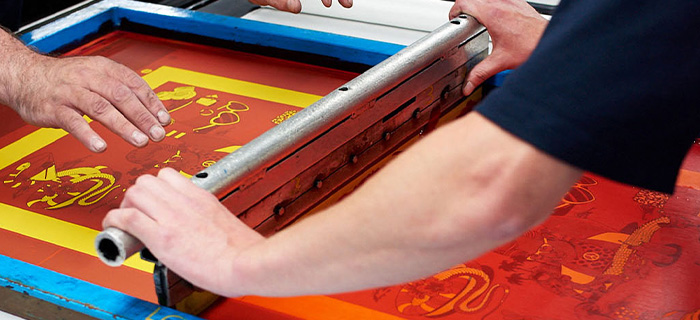
1-piece print-on-demand services own or source catalog blanks and usually ship single orders; they fit web-store tests and corporate gifting. Contract DTG printers decorate buyer-supplied blanks, offer limited development, and suit brands or distributors with established garments.
Blank Decorators
12–72-piece blank decorators sell stocked tees, fleece, and polos with DTG, often adding names or numbers. They suit schools, teams, and event programs needing fast, standardized apparel rather than proprietary fit.
OEM And Full-Package Partners
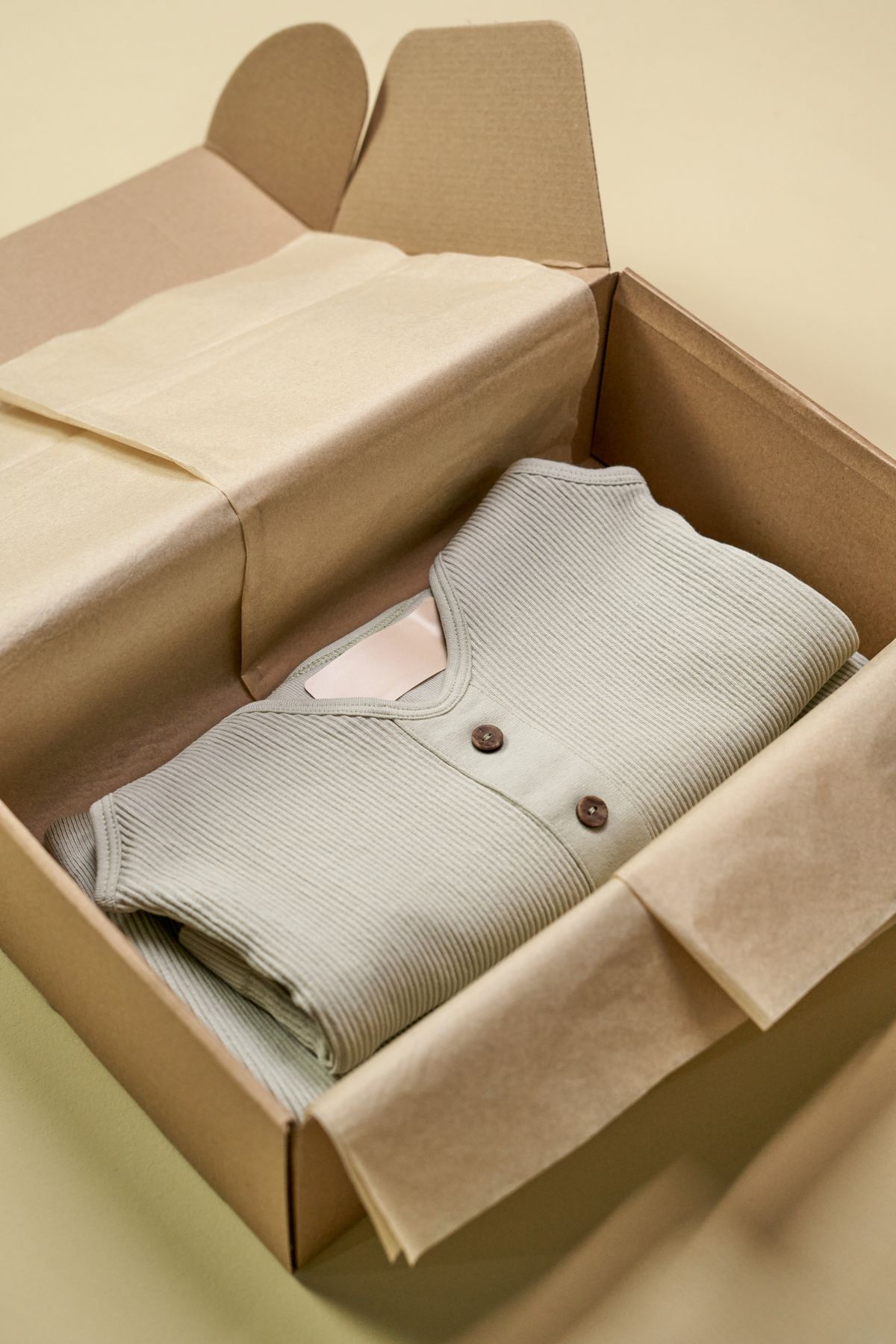
200-piece OEM partners develop custom blanks, patterns, samples, labels, and DTG specifications; this fits growing fashion and streetwear brands. Full-package private-label suppliers add sourcing, packaging, quality control, and coordinated delivery for repeat collections or distributor programs.
4. Best Fabrics for DTG Production
100% cotton remains the most predictable DTG base because it accepts water-based pigment well. A smooth, tightly knitted face improves detail, while darker goods need pretreatment and a white underbase.
| Fabric | Composition | Recommended Use | DTG Suitability | Buyer Watch-Out |
|---|---|---|---|---|
| Combed cotton | 100% cotton | Premium tees | Excellent | Confirm shrinkage |
| Ring-spun cotton | 100% cotton | Soft graphic tees | Excellent | Check knit smoothness |
| Cotton-rich blend | 50%+ cotton | Everyday fleece | Good | Print may look muted |
| Fleece | Cotton/poly | Hoodies | Conditional | Avoid uneven pile |
| Performance synthetic | Polyester | Teamwear | Limited | Use sublimation or DTF |
Fiber And Surface
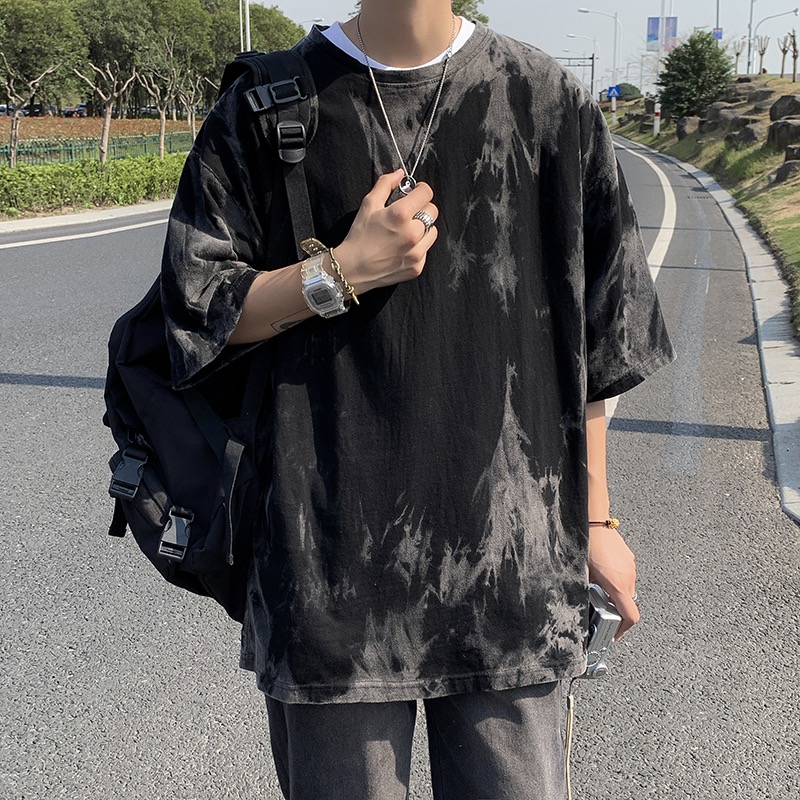
30/1 ring-spun or combed cotton usually yields a smoother print face and softer hand than coarse open-end yarn. Higher cotton content generally supports stronger color; cotton-rich blends can work, but test wash durability.
Color, Weight, And Knits
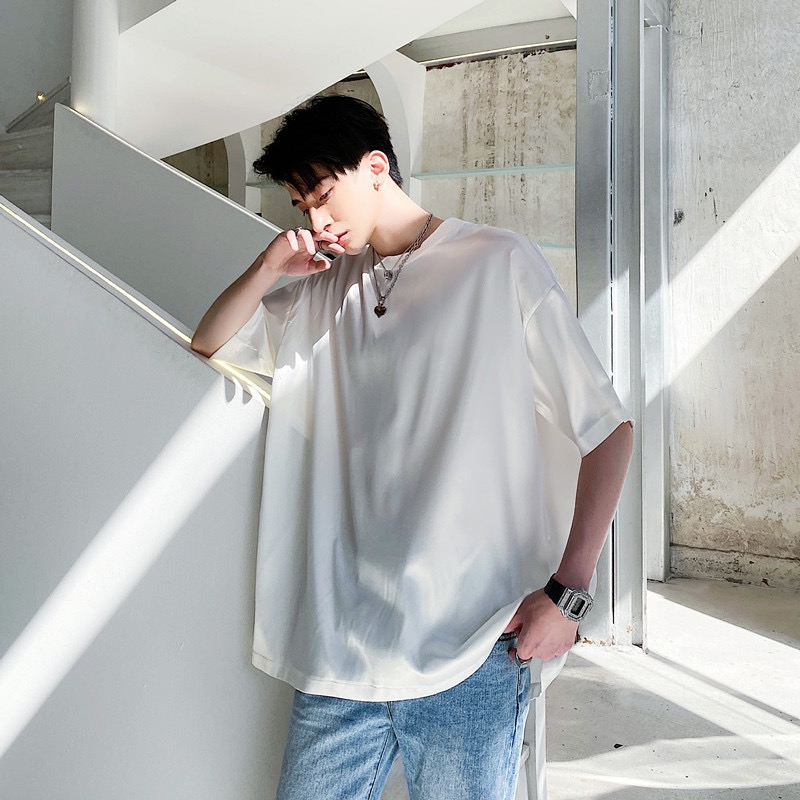
180–220 GSM jersey suits graphic tees; 280–400 GSM fleece supports hoodies but pile and seams can disrupt platen contact. Dark garments require consistent pretreatment, curing, and white-ink coverage before approving bulk.
5. DTG Customization and Branding Options
At 200-piece OEM scale, a dtg clothing manufacturer can reproduce full-color art, photographs, and variable names without changing garment construction. EDVORIN records decoration and finishing as separate production specifications.
| Method | Best Use | Production Note |
|---|---|---|
| DTG | Full-color art, photos, names | Best for detailed variable graphics |
| Embroidery | Logos and dimensional marks | Requires digitizing and stitch approval |
| Transfers | Numbers and small placements | Useful on difficult print areas |
| Screen Printing | Repeated simple artwork | Consider for stable higher-volume designs |
Print Files And Placement
300-dpi PNG artwork with transparency and final print dimensions reduces RIP and placement ambiguity. Submit a CMYK reference plus the intended garment color.
Three placement references—front, back, and sleeve—should show distance from neck, seam, or centerline. Record each size separately when artwork scales by garment size.
Branding Beyond Ink
Three branding components—neck labels, hem labels, and hangtags—require separate label development or finishing, not DTG decoration. DTG applies artwork to the garment surface.
200-piece packing instructions should specify folding, polybag type, barcode position, and private-label inserts. Approve these details alongside the production sample.
6. Quality Controls for a dtg clothing manufacturer
A 200-piece OEM run needs a written control standard before printing begins. A dtg clothing manufacturer should treat the approved sample, tolerance sheet, and final checklist as the same production reference.
Lock The Blank Standard
Each approved blank should record fabric composition, GSM, color, size chart, seam alignment, and key measurements. A tolerance sheet should define acceptable variation by point of measure, rather than relying on a verbal fit approval.
Verify Print Performance
One preproduction sample should show artwork resolution, Pantone-referenced color intent, print placement, pretreatment coverage, and white-underbase behavior on the actual garment color. DTG ink adhesion and wash durability depend on pretreatment and curing control; document the wash-test method and approved appearance after testing. https://ordant.com/what-is-direct-to-garment-printing
Inspect Before Packing
Every final inspection checklist should compare bulk units against the sealed sample and approved artwork file. Inspect print defects, placement, measurements, seams, stains, labels, and packing quantity before cartons are released.
7. How to Choose a dtg clothing manufacturer
A capable dtg clothing manufacturer converts a 200-piece brief into measurable material, artwork, and delivery requirements. Start with the garment, colorways, size curve, decoration locations, and reorder forecast.
Test The Actual Product
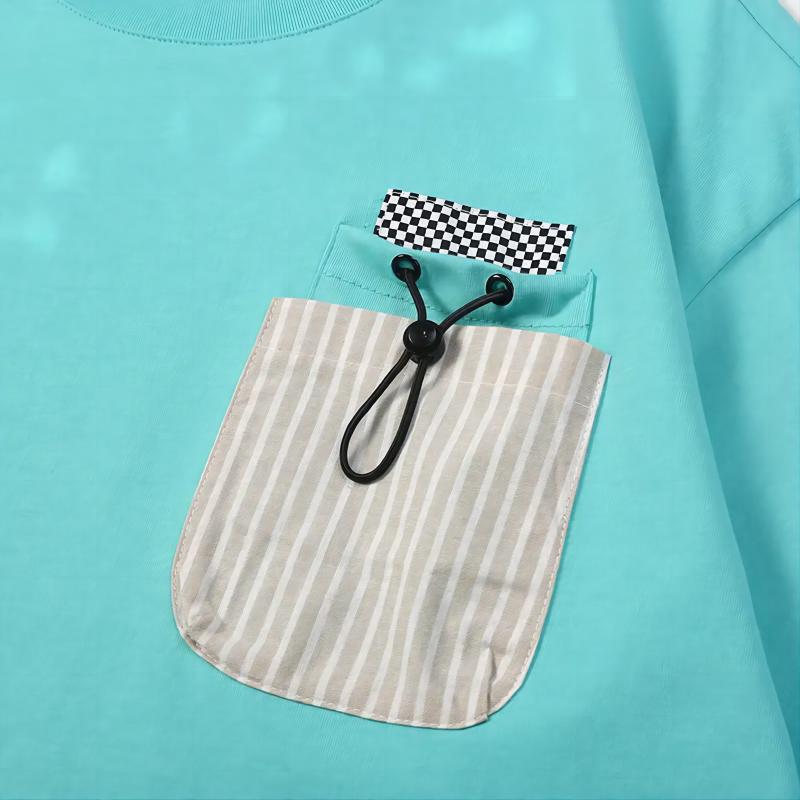
1 approved sample should match the intended fabric weight, color, print size, and wash method—not a generic tee.
Ask a first-time brand how pattern, grading, and revisions are controlled; ask private-label buyers how labels and packaging are recorded.
Compare Production Readiness
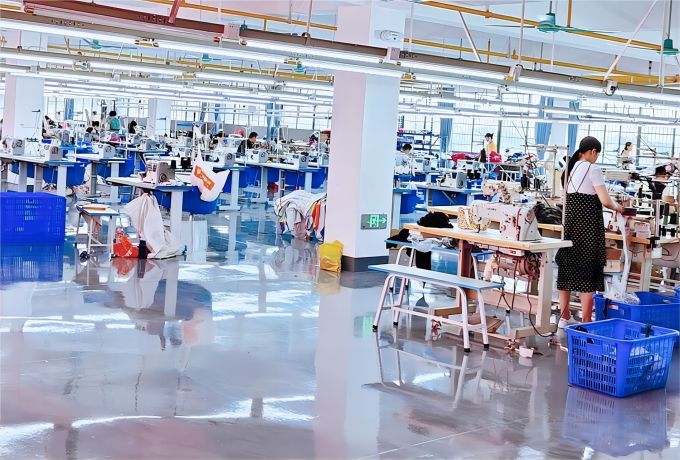
200 pieces is a useful threshold for testing whether MOQ, capacity, and fabric availability fit the program.
Ask wholesalers about repeat-order capacity and shade consistency; ask teams and schools how names, numbers, and size-set changes are managed.
Lock The Operating Standard
7–10 working days may describe decoration only, so confirm sampling, material, production, inspection, and shipping dates separately.
Require Pantone references, print-placement measurements, approval owners, defect criteria, and one named contact for artwork changes and production updates.
8. Common DTG Sourcing Mistakes
A 200-piece DTG order magnifies small approval gaps into costly rework. Treat the quote, sample, artwork, wash test, and shipment specification as one controlled decision set.
Price Before Production Control
A low unit price can exclude pretreatment, inspection, labeling, or freight terms. Compare like-for-like quotes and lock Incoterms, carton packing, delivery date, and defect handling before placing the PO.
Mockups Instead Of Samples
A digital mockup cannot confirm hand feel, print placement, white-ink coverage, or shrinkage. Approve a physical pre-production sample on the actual fabric, then retain it as the bulk reference.
A 300 DPI, transparent-background artwork file protects edge detail better than a compressed screenshot. Supply final-size artwork, Pantone references where critical, and a placement measurement from a garment point.
Ignoring Fabric And Wash Tests
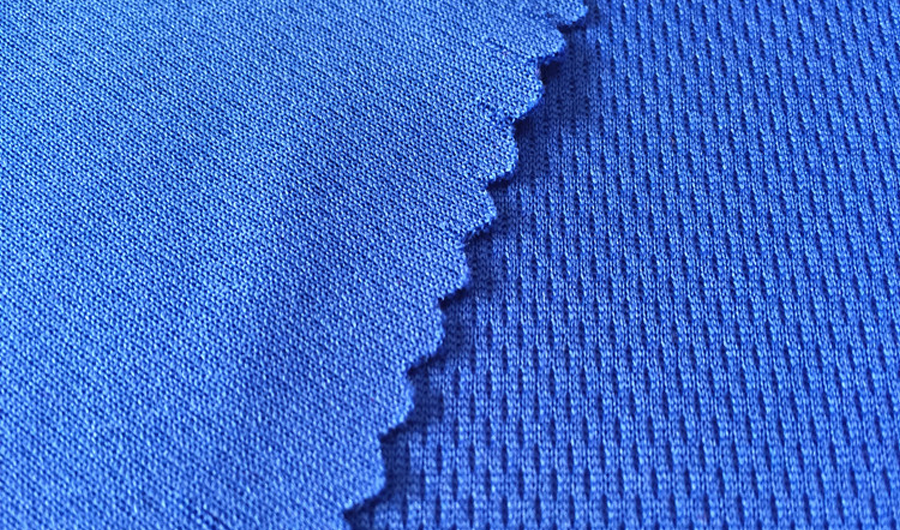
A 100% ring-spun cotton blank generally gives DTG ink a more suitable surface than low-cotton blends. Confirm fabric composition, GSM, and dark-garment pretreatment in sampling; white ink and garment color can shift the perceived color.
A 5-wash trial exposes fading, cracking, bleeding, and pretreatment marks before bulk release. Define the wash method and acceptance standard in writing, rather than assuming unlimited color accuracy or durability.
9. Launching Your DTG Apparel Program
A 200-piece OEM launch needs one controlled path from brief to reorder. EDVORIN can translate a sketch or full tech pack into documented production standards.
Build The Production Brief
1 product brief should lock garment type, fit block, fabric, Pantone colors, print locations, labels, and packaging before sampling.
300 DPI artwork at final print size, with transparent backgrounds where needed, prevents avoidable file revisions.
Phase The 200 Pieces
200 units can be phased as one approved style across 2 colors, with a size ratio matched to customer demand rather than equal quantities.
2 approval gates—pre-production sample and size-set confirmation—should close before materials are committed and production is booked.
Control Release And Reorders
100% of packed units should be checked against the approved sample, measurement tolerances, artwork placement, labels, and assortment count before release.
1 production file should retain the tech pack, approved artwork, color references, sample notes, inspection record, and packing list for replenishment or collection expansion.
10. dtg clothing manufacturer Pricing and Cost Factors
200 pieces is a practical quote point for comparing a dtg clothing manufacturer: specify garment style, colorway count, size ratio, artwork files, and destination before reviewing totals. EDVORIN can translate those inputs into a production specification rather than treating a DTG print as a stand-alone line item.
2 placements generally require more handling and print time than one, while dark garments may add pretreatment and white-ink consumption. Request sampling, private labels, hangtags, folding, polybags, carton marks, inspection level, and freight as separate quote lines so landed-cost decisions remain visible.
| Quote-dependent tier | Main unit-cost drivers | Indicative production planning |
|---|---|---|
| 50–99 units | Sample amortization, blank quality, print area, ink coverage | Confirm MOQ and lead time in quote |
| 100–199 units | Colorway splits, size range, front/back placements | Quote-dependent scheduling |
| 200–499 units | Order consolidation, labels, packaging, QC | Quote-dependent scheduling |
| 500+ units | Material commitment, repeat artwork, freight mode | Quote-dependent scheduling |
Request Your DTG Clothing Manufacturer Quote
Send your artwork, garment specifications and quantity for a DTG feasibility review, sampling guidance and a production quote from EDVORIN.