
Water-Based Apparel Printing for Soft-Hand Custom Clothing
EDVORIN develops breathable, fabric-integrated water-based prints for production-ready apparel, from sample approval through bulk manufacturing.
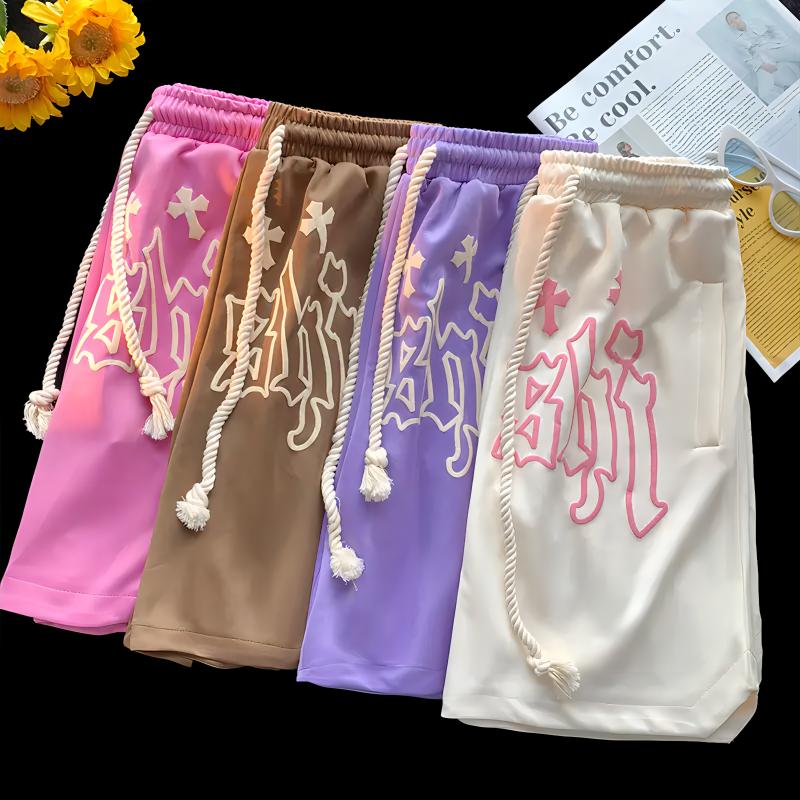
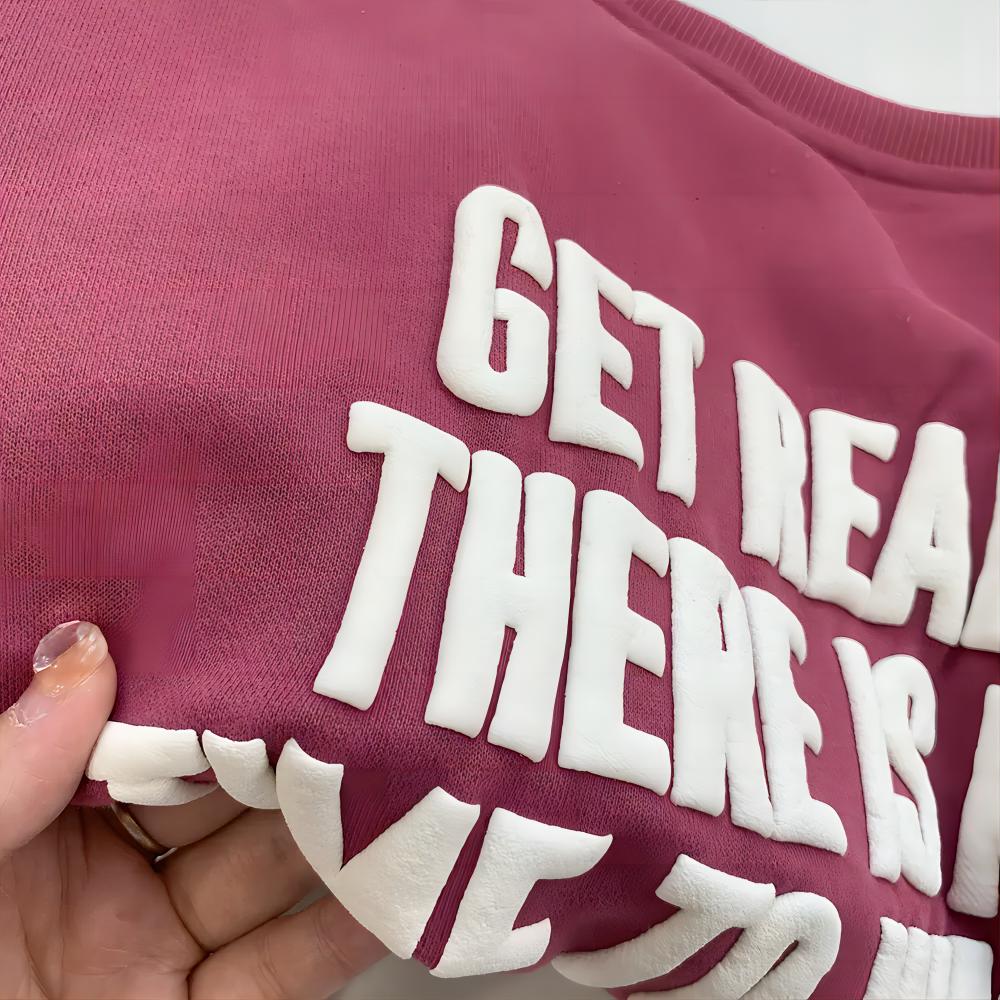
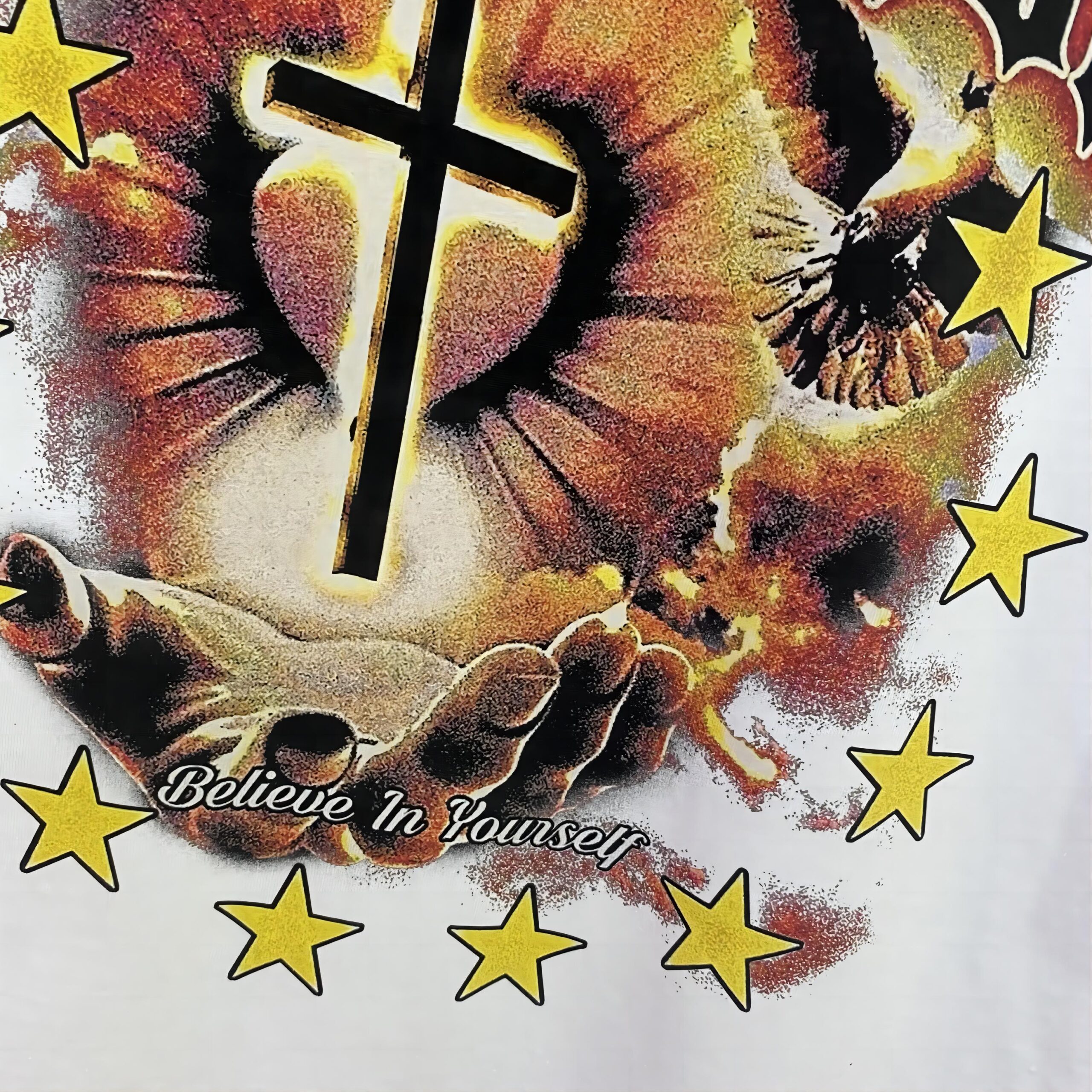
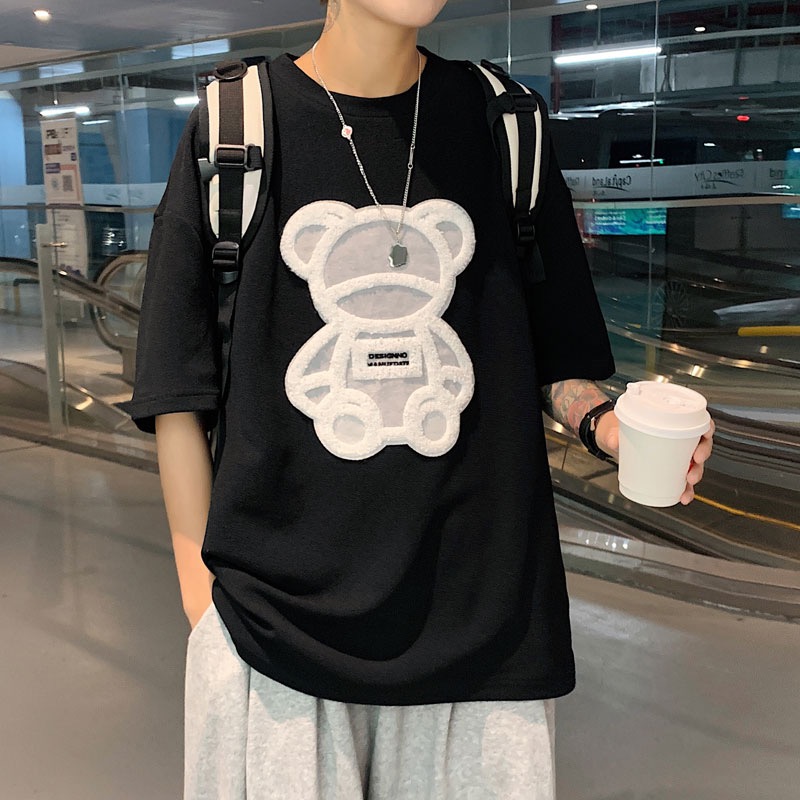
Featured Apparel for Water-Based Print Development
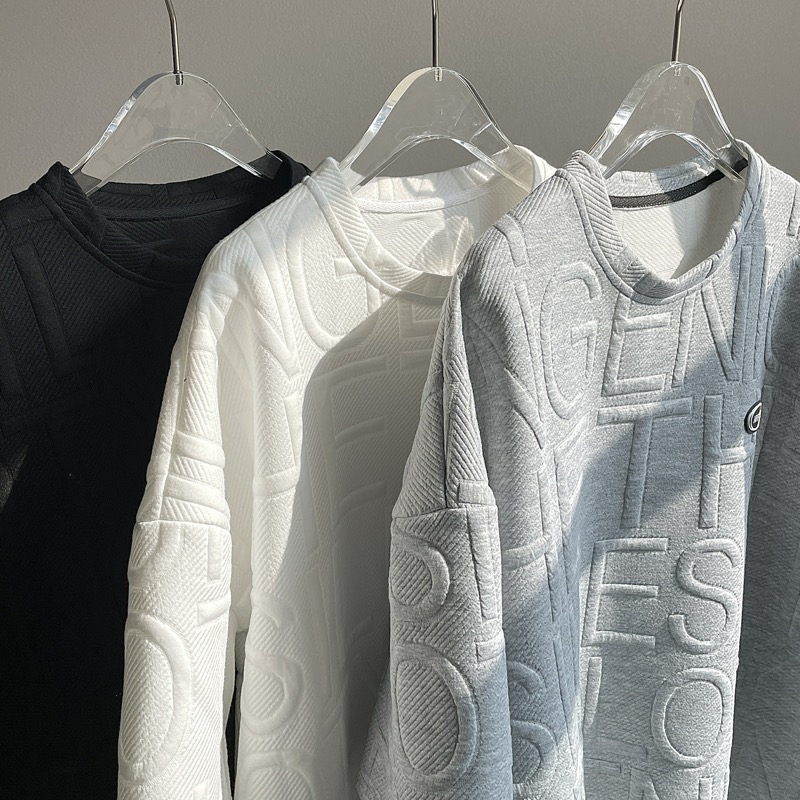
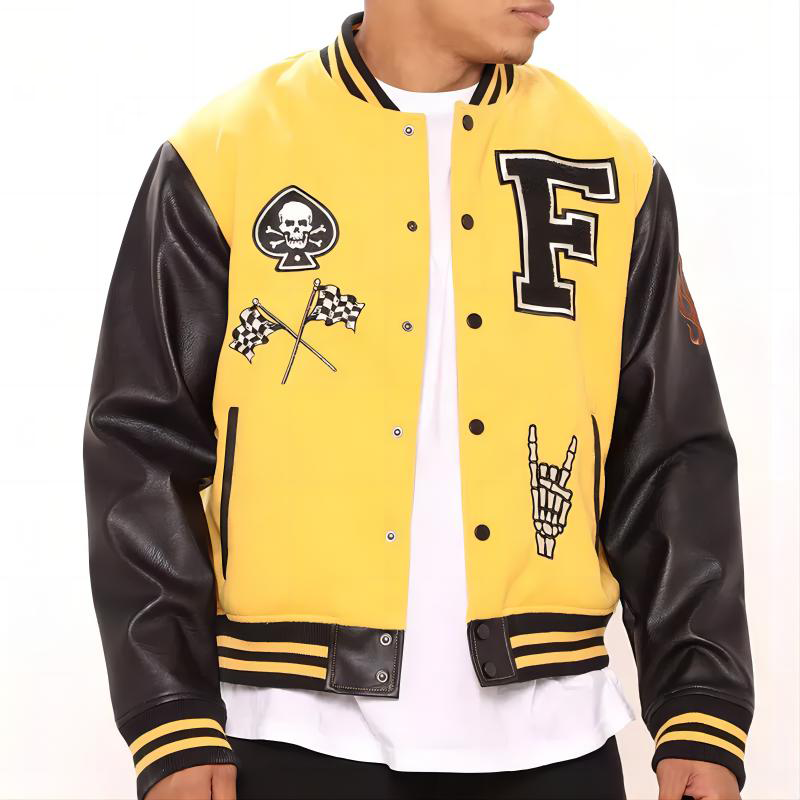
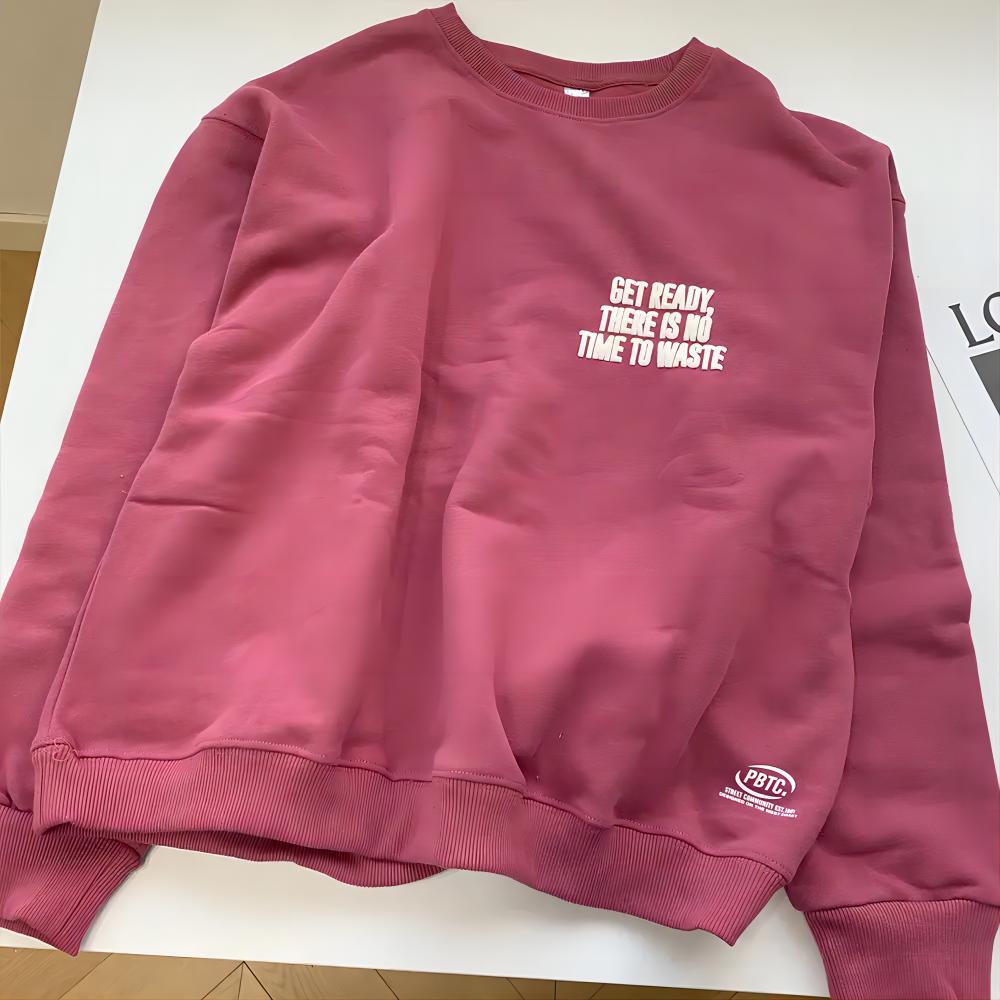
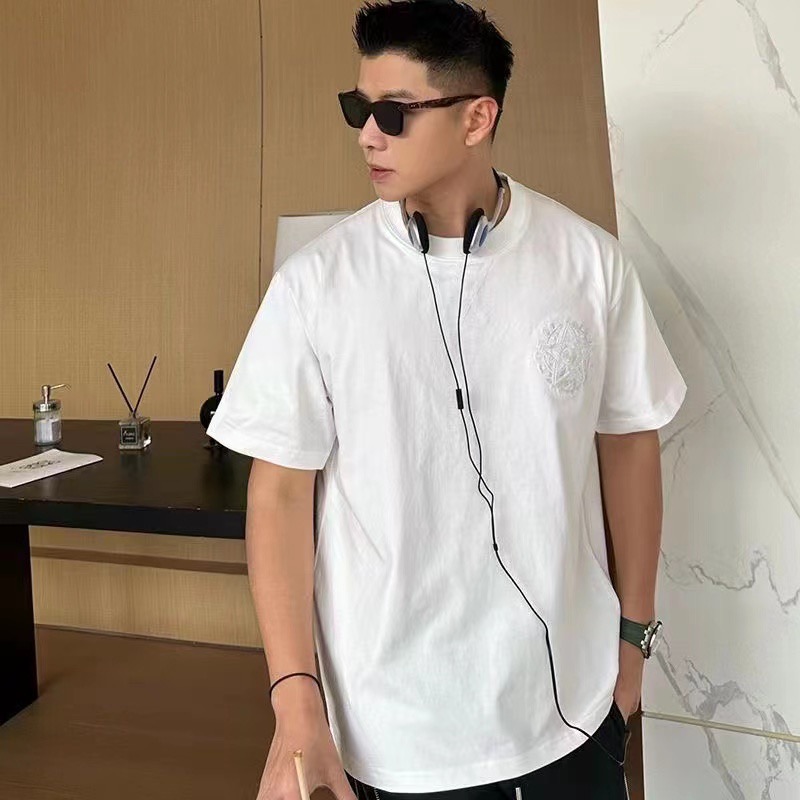
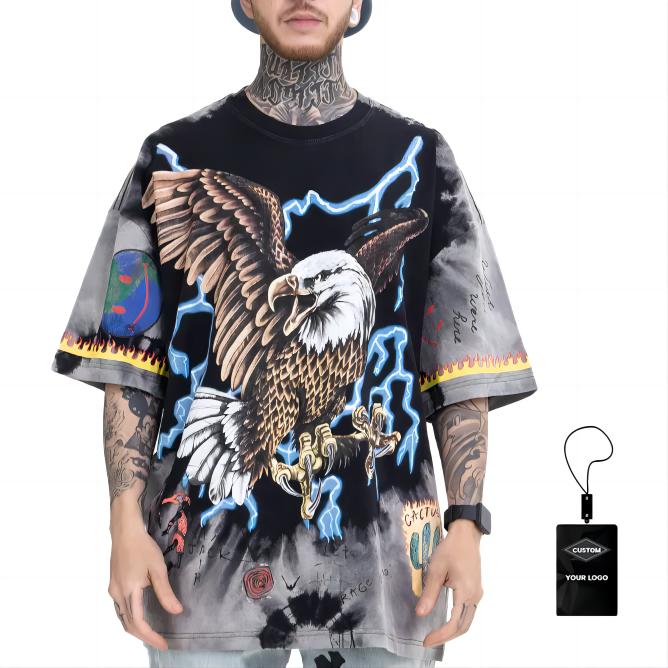
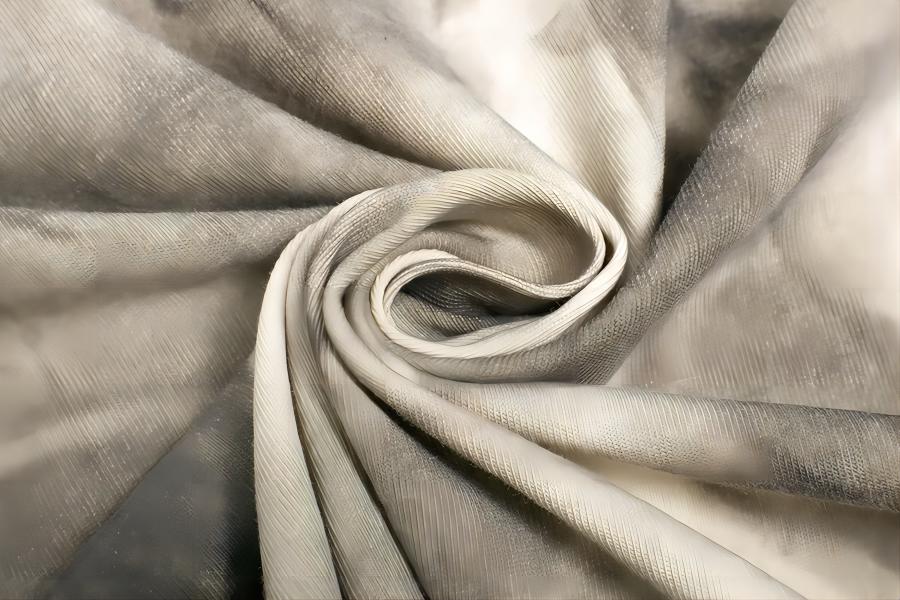
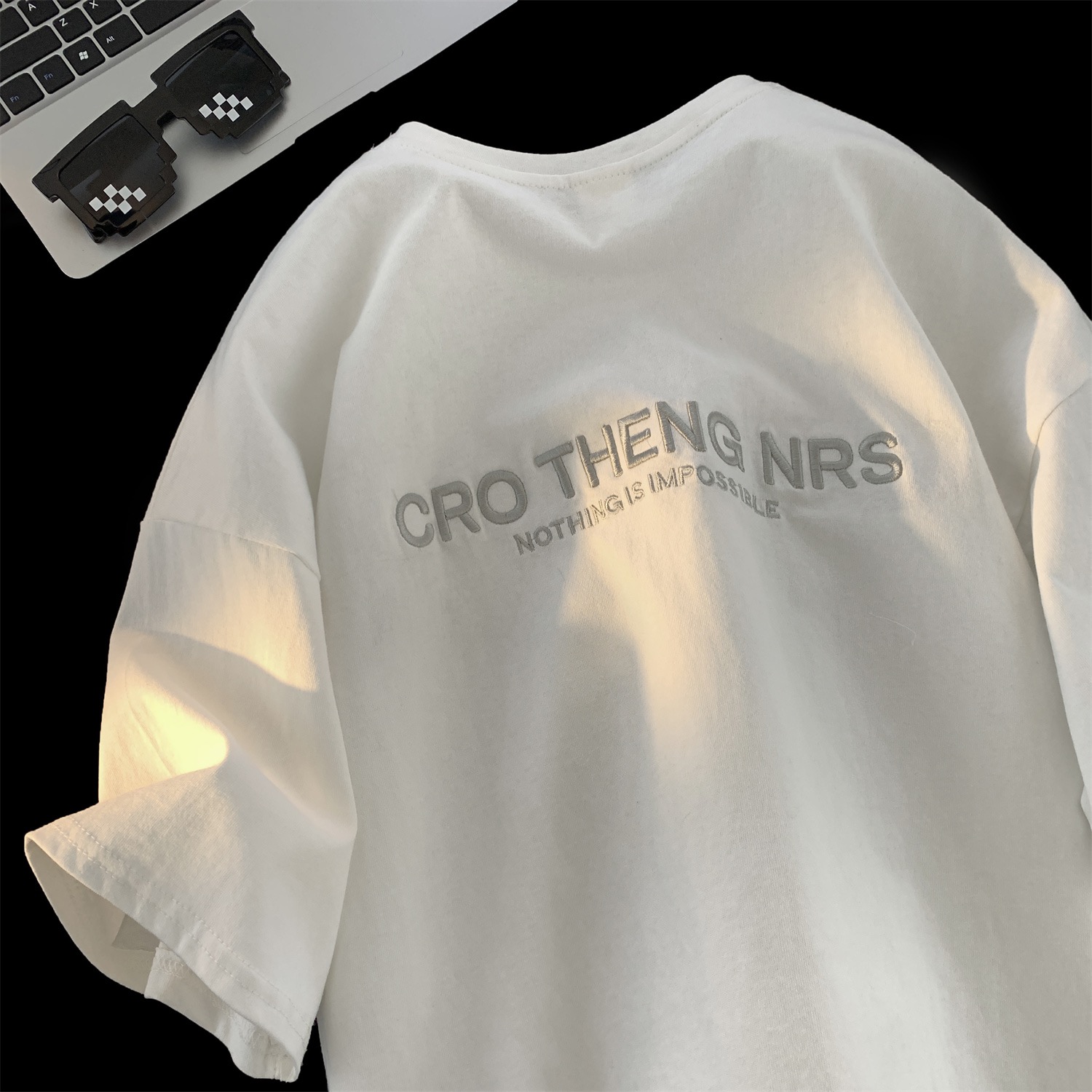
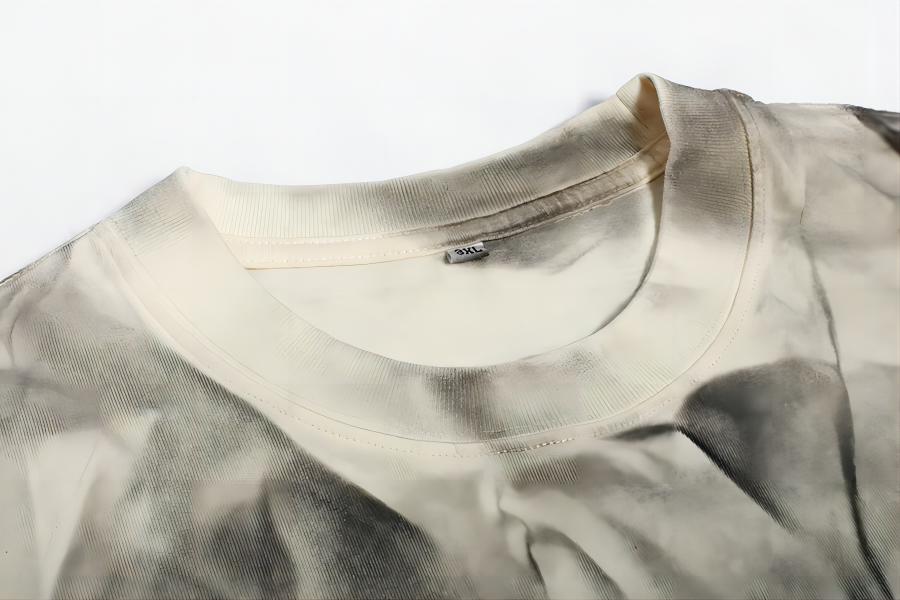
Why Choose Water-Based Apparel Printing
Build soft, breathable graphic apparel with a print approach selected around your fabric, garment color and intended finish.
Soft Hand Feel
Water-based ink is designed to absorb into suitable fabric fibers, helping graphics feel lighter and more integrated than a surface print.
Breathable Finish
A lighter ink deposit can help preserve the garment’s natural feel, making this approach well suited to comfort-led casualwear and fashion programs.
Fabric-Integrated Look
For selected fabrics and colors, water-based printing can create a refined, lived-in appearance that supports premium retail and streetwear aesthetics.
Best on Light Cotton
Water-based print development is commonly considered for light-colored cotton garments, where artwork, fabric behavior and desired opacity can be reviewed together.
Sample Before Bulk
EDVORIN tests fabric, artwork and curing during sampling, then records the approved result to guide more consistent repeat production.
Screen Printing and Apparel Manufacturing
Compare water-based printing with compatible garment categories, construction requirements, and production options for your next collection.
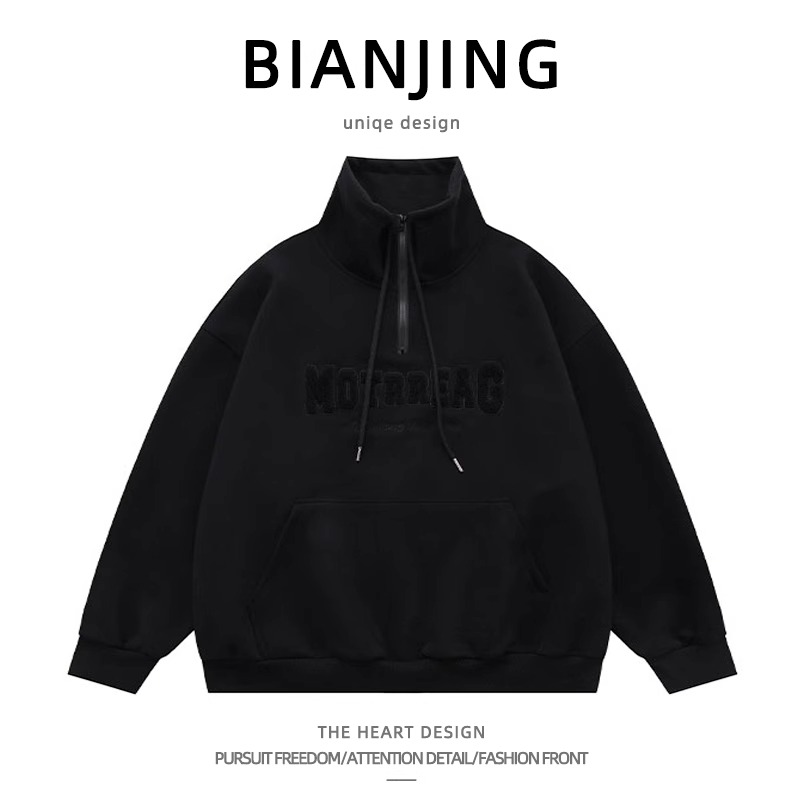
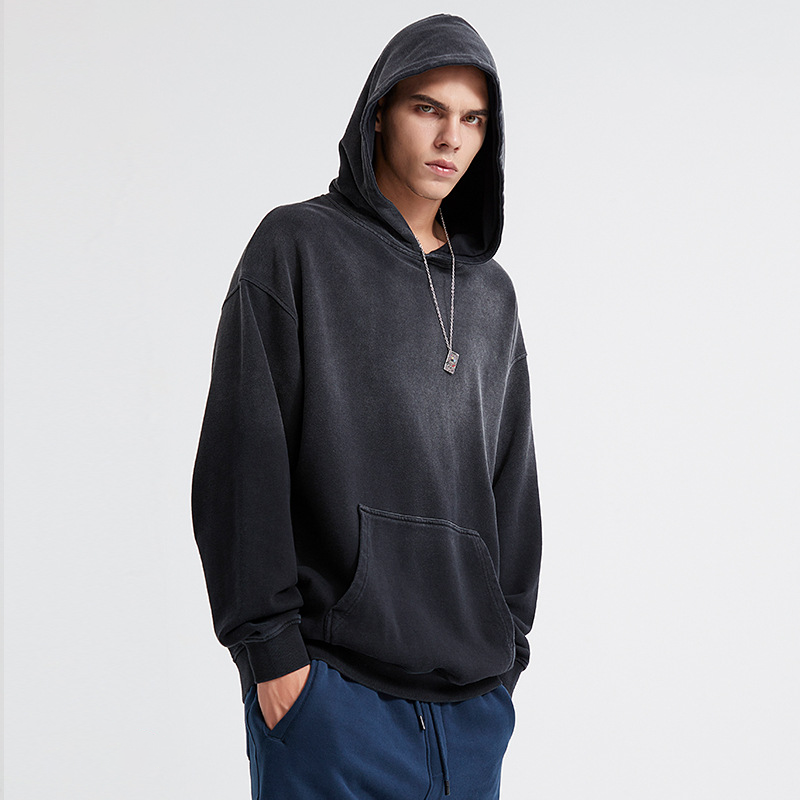
Custom Hoodies
As a custom hoodie manufacturer, EDVORIN develops fleece weight, rib construction, hood shape, drawcords and print placements around approved samples. Water-based printing can be evaluated against fabric color, surface texture and wash requirements before bulk production.
Get a Quote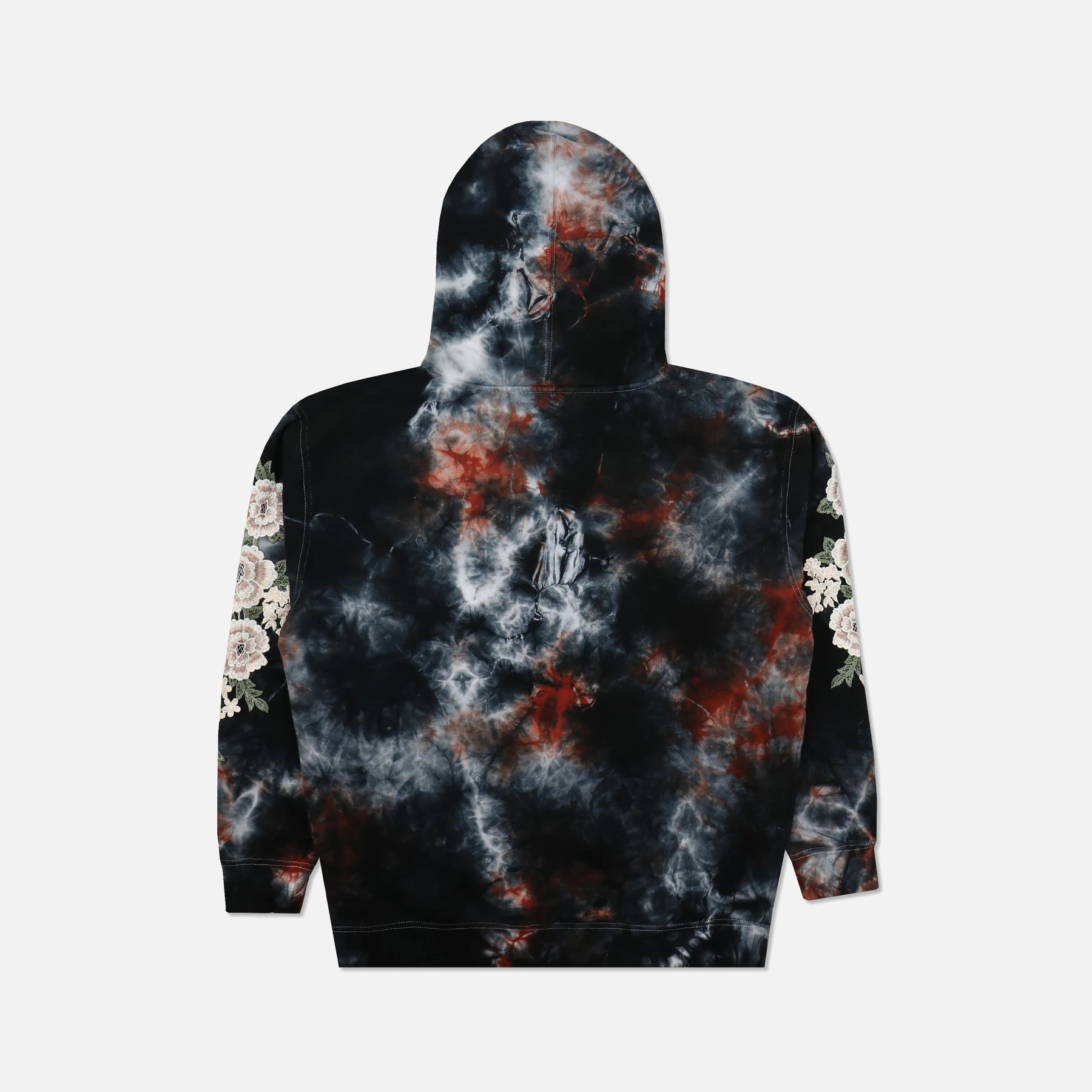
Pullover Sweatshirts
EDVORIN supports sweatshirt manufacturer programs with pullover construction, fit blocks, neck ribs, cuffs and hem specifications. Review water-based screen printing alongside fleece composition, garment color and intended artwork coverage to establish a repeatable production standard.
Get a Quote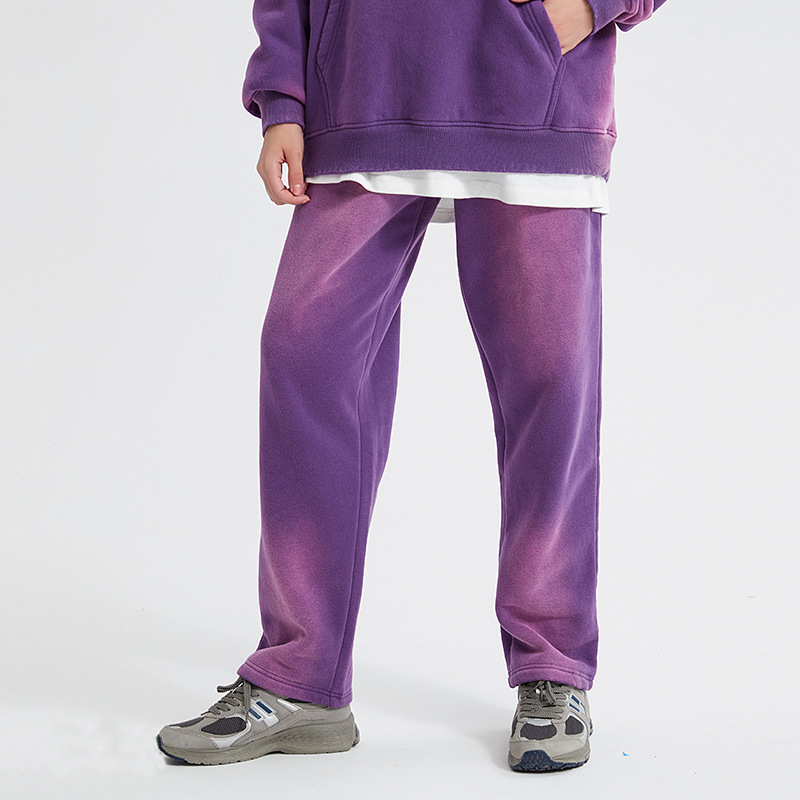
Sweatpants & Joggers
For sweatpants manufacturer projects, EDVORIN coordinates fabric, elastic waistbands, drawcords, pockets, cuffs and decoration placement. Water-based prints can be tested on relevant fleece or jersey fabrics before approval for matching jogger and coordinated set production.
Get a Quote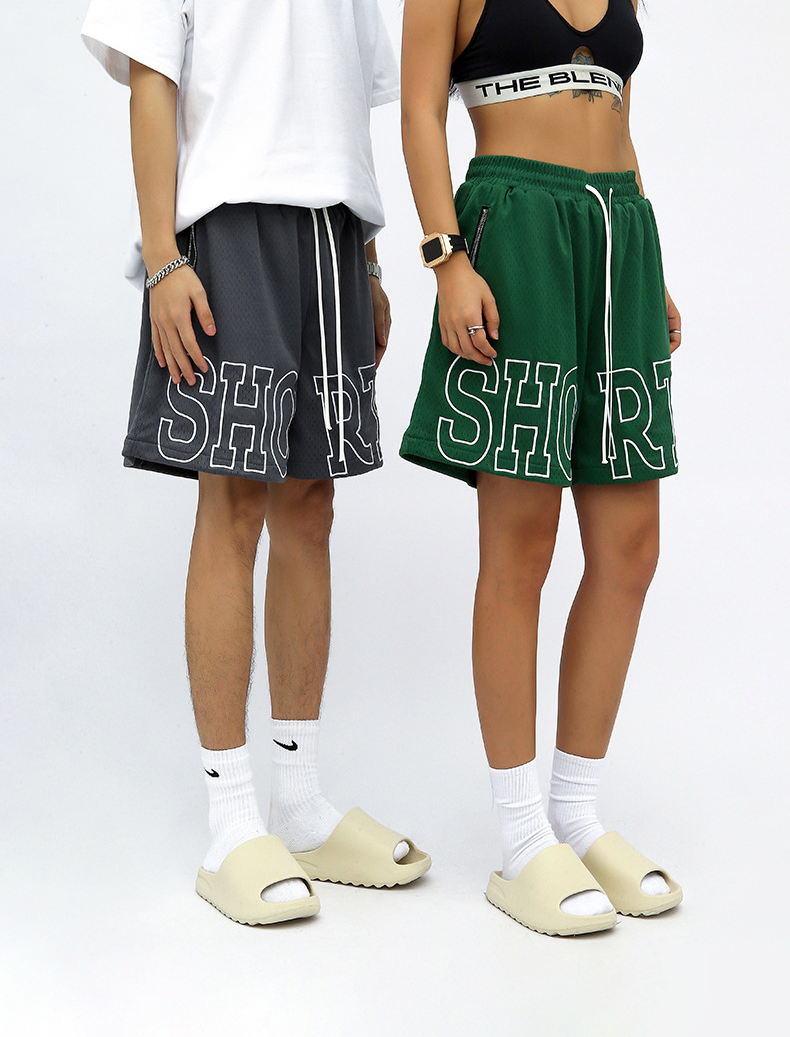
Custom Shorts
As a custom shorts manufacturer, EDVORIN develops knit and woven shorts with specified inseams, waist construction, pockets and trim details. Compare water-based printing with the base fabric, color and print location during sampling before releasing bulk quantities.
Get a Quote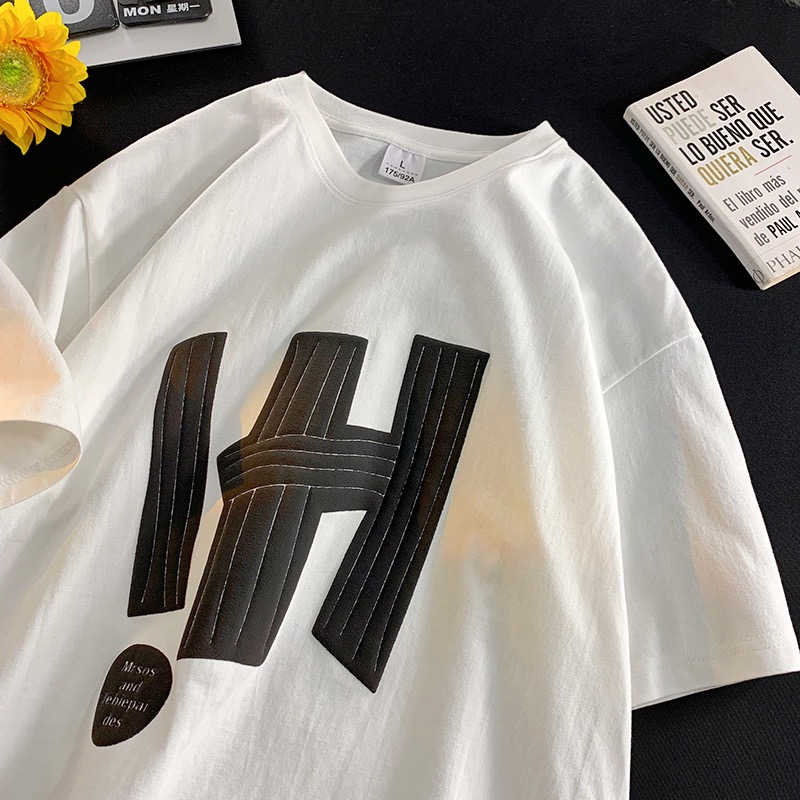
Varsity & Baseball Jackets
EDVORIN manages varsity jacket manufacturer programs across body fabric, sleeves, ribbing, snaps, lining, patches and embroidery. Water-based printing may suit selected panels or supporting graphics, while each decoration method is reviewed for material compatibility and durability.
Get a Quote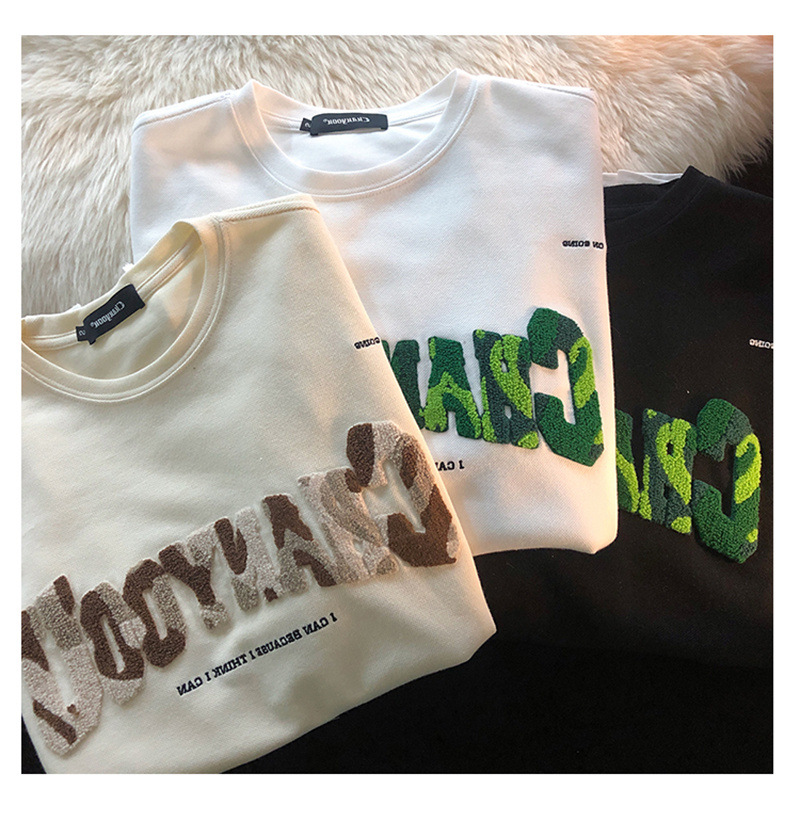
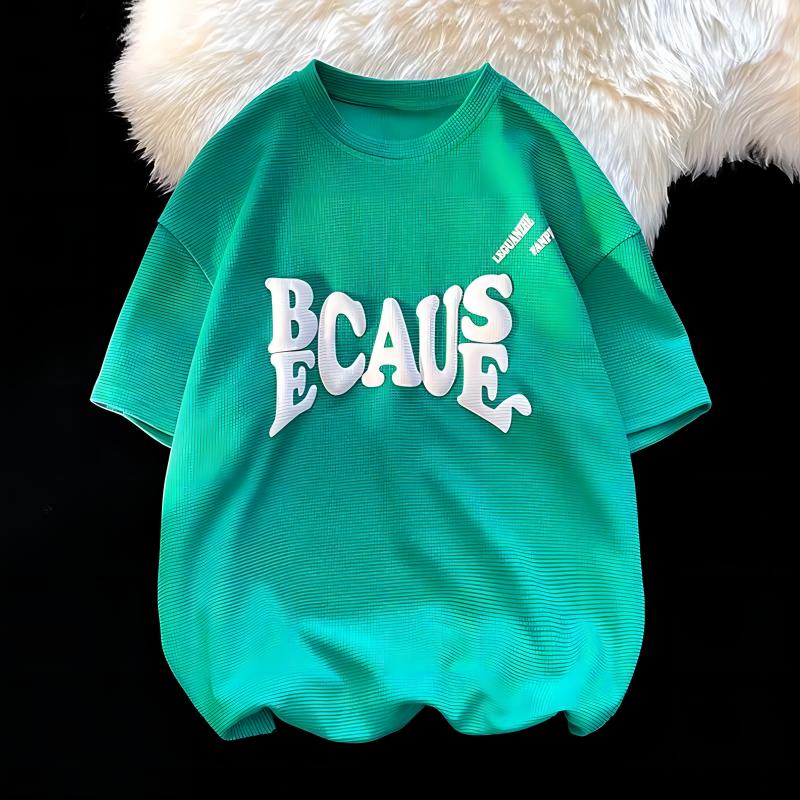
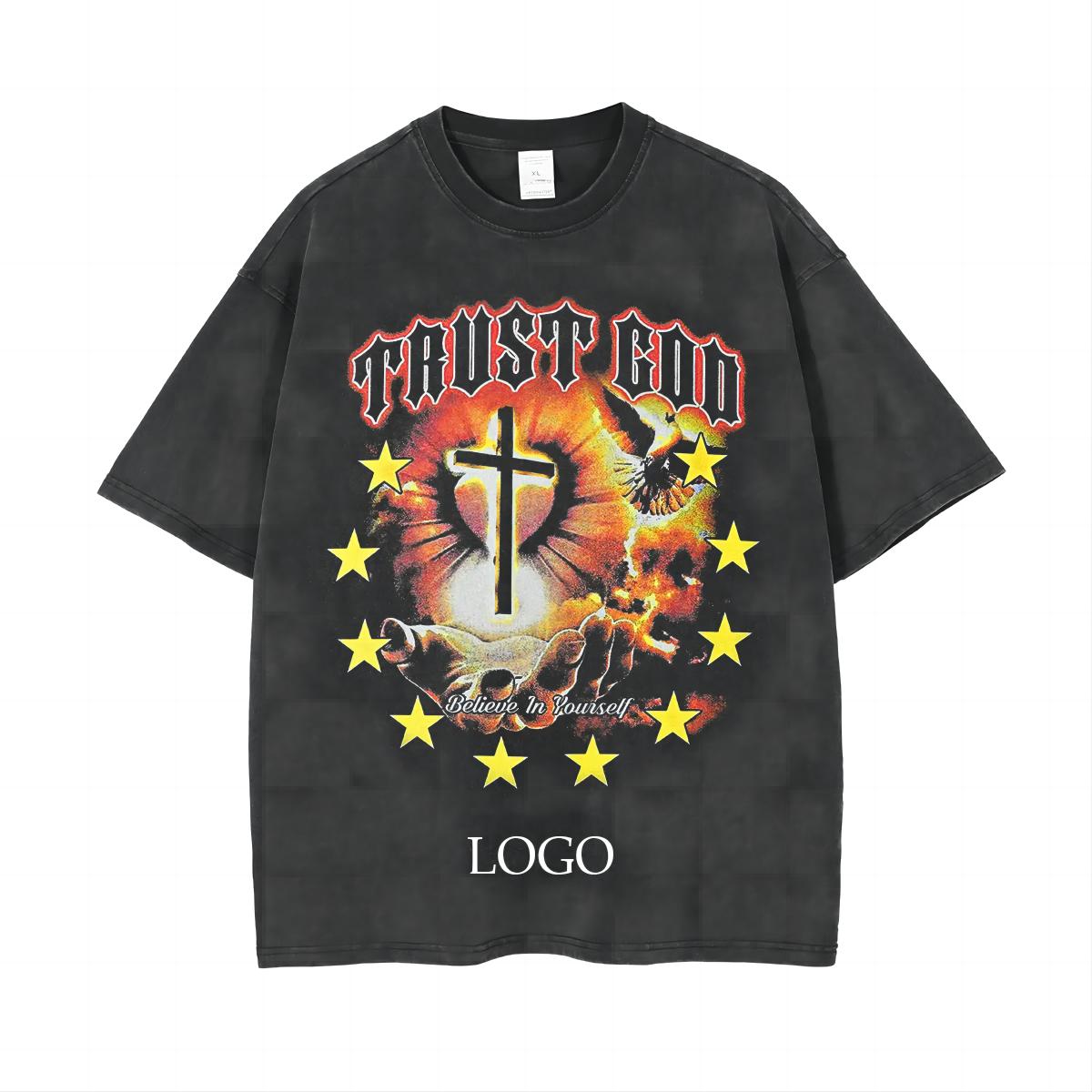
Custom T-Shirts
As a custom T-shirt manufacturer, EDVORIN develops fabric weight, fit, collar construction and print-ready surfaces for men’s and women’s programs. Water-based screen printing can be sampled for hand feel, color performance, artwork detail and wash durability.
Get a Quote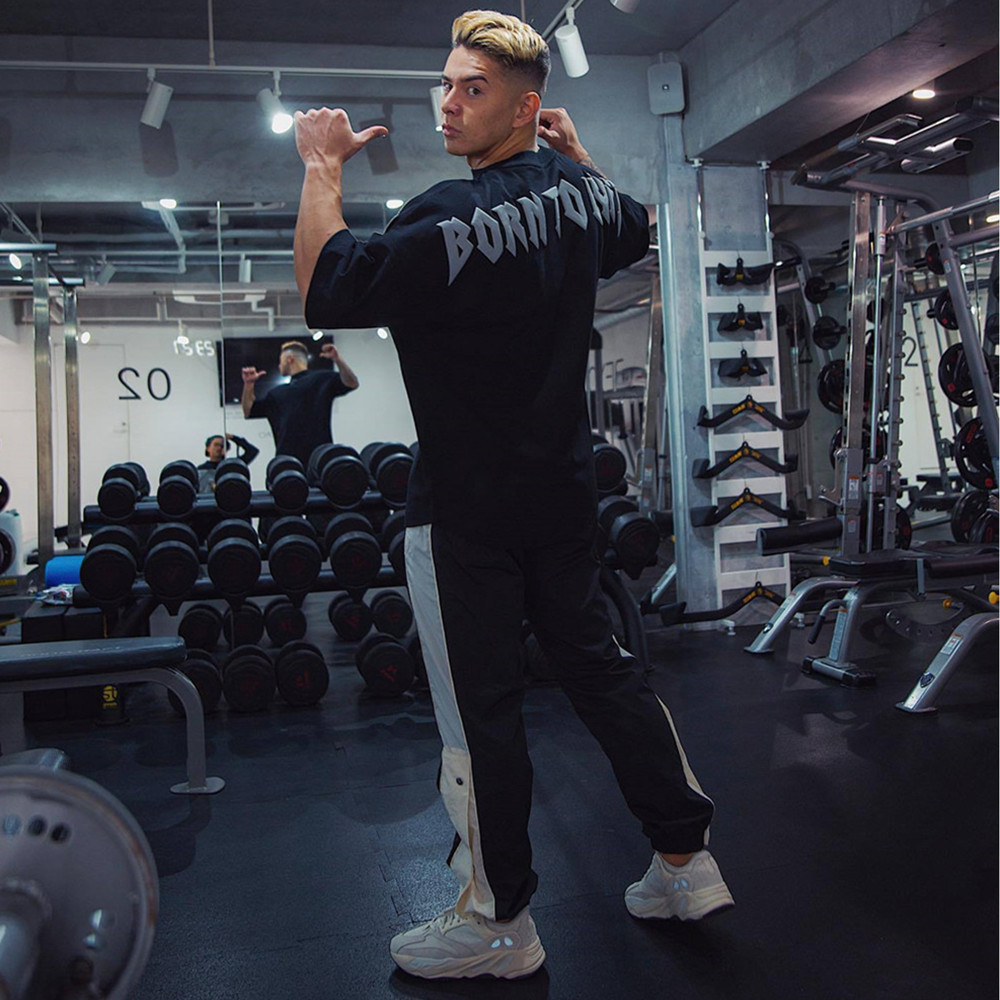
Custom Polo Shirts
EDVORIN supports polo shirt manufacturer requirements including piqué or jersey fabric, collars, plackets, cuffs, buttons and branding placement. Assess water-based printing alongside embroidery and other decoration options according to the garment’s fabric, color and intended use.
Get a Quote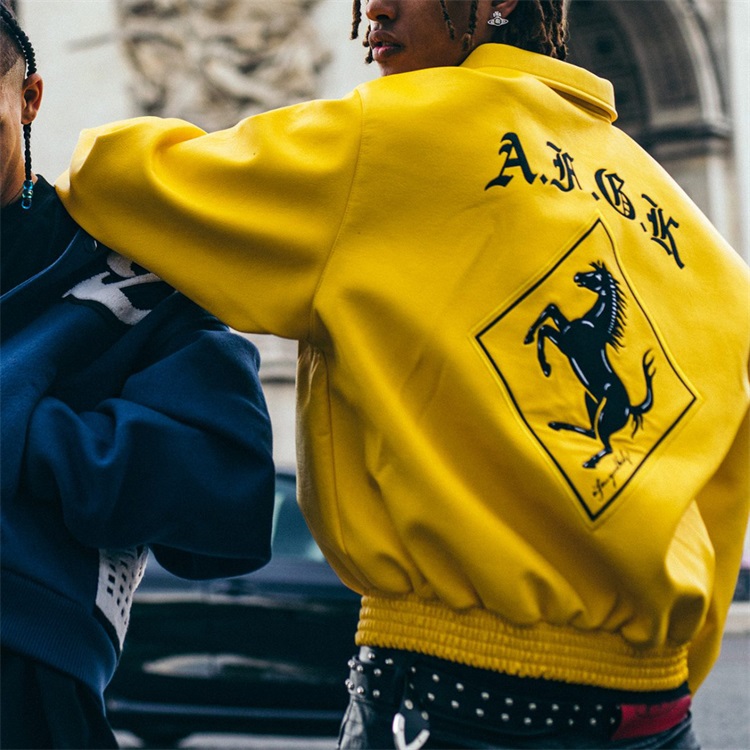
Windbreaker Jackets
For windbreaker manufacturer programs, EDVORIN coordinates shell fabric, lining, zippers, hoods, pockets and finishing. Water-based printing should be tested against the selected fabric coating and print area, with approved samples guiding production decisions.
Get a Quote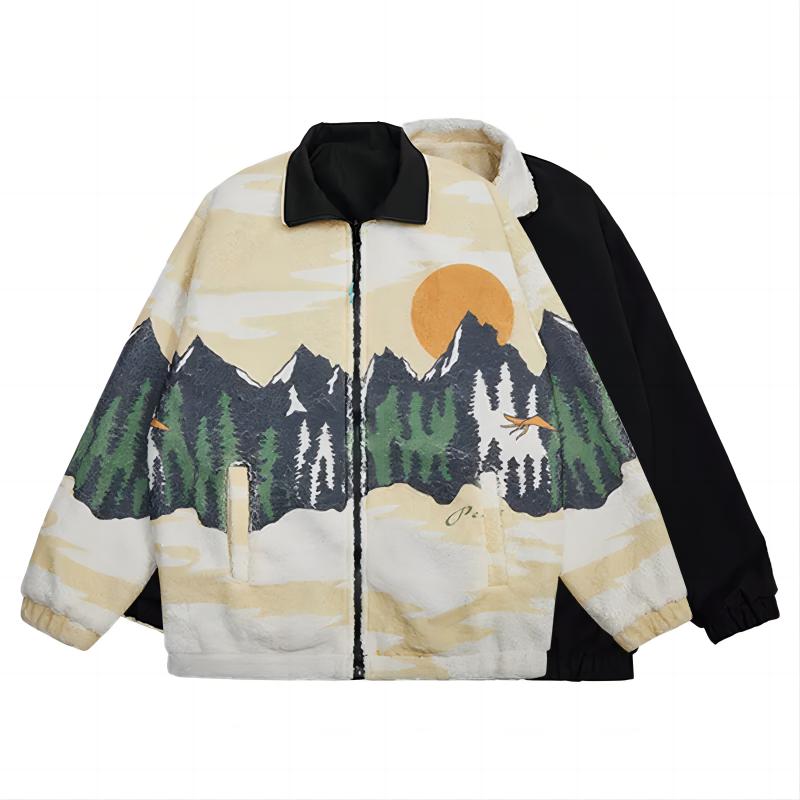
Quilted Jackets
As a quilted jacket manufacturer, EDVORIN develops shell fabric, insulation, lining, quilting patterns, hardware and labeling as one system. Decoration choices, including water-based printing where appropriate, are evaluated on the final panel materials before bulk production.
Get a Quote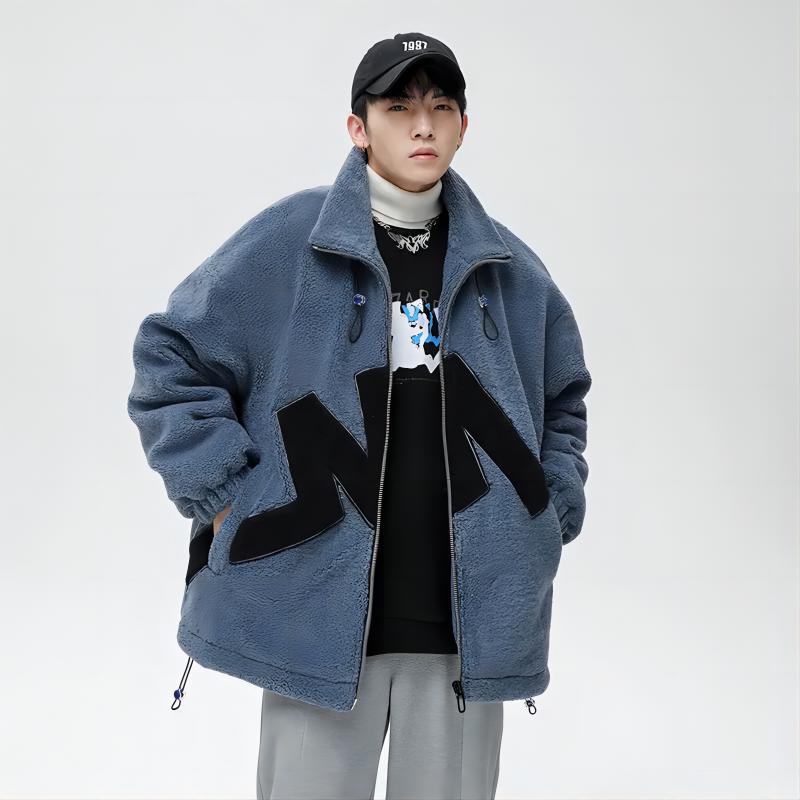
Bomber Jackets
EDVORIN handles bomber jacket manufacturer projects with shell fabrics, linings, rib trims, zippers, pockets and decoration placement defined during development. Water-based printing can be compared with embroidery, patches and other methods on approved production materials.
Get a Quote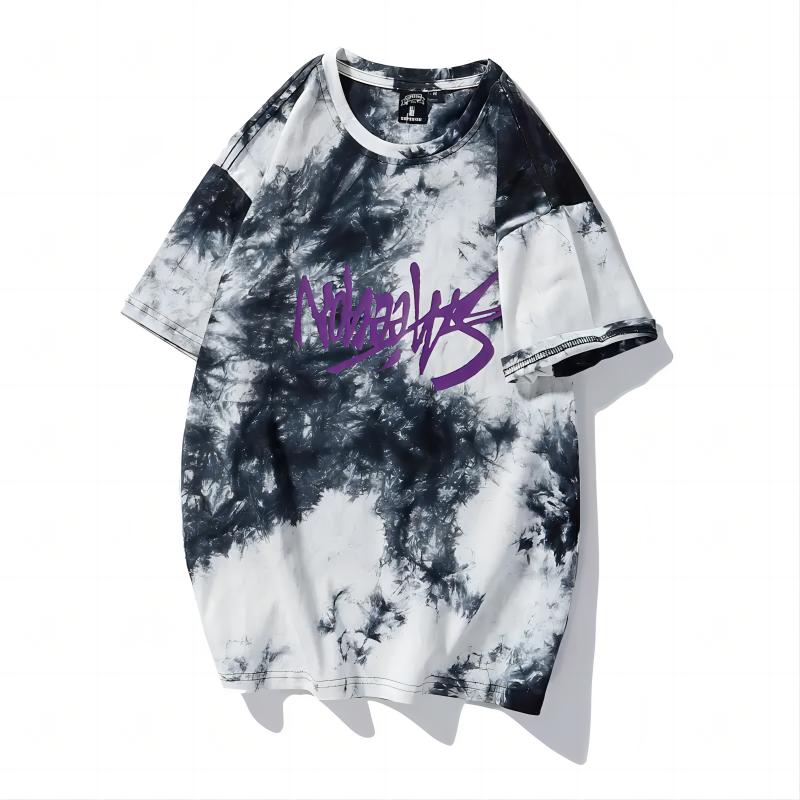
Custom Shirts
As a custom woven shirt manufacturer, EDVORIN develops fabric, collar, placket, cuffs, pocket details, fit and finishing for private-label programs. Water-based print suitability is reviewed against the woven construction, color and artwork requirements during sampling.
Get a Quote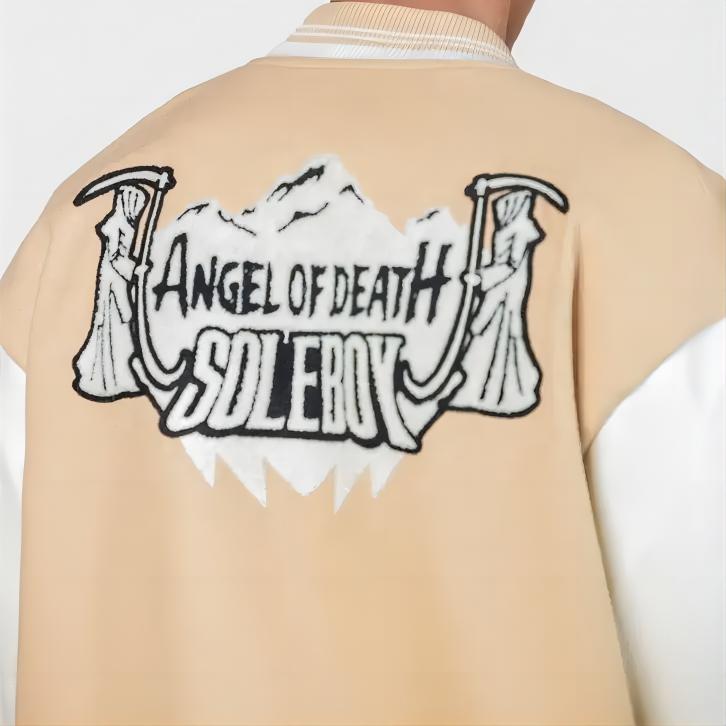
Custom Jerseys
EDVORIN supports custom jersey manufacturer programs with breathable fabrics, panel construction, color control, names, numbers and logo placement. Evaluate water-based printing alongside suitable teamwear decoration methods to confirm opacity, stretch performance and repeatability.
Get a Quote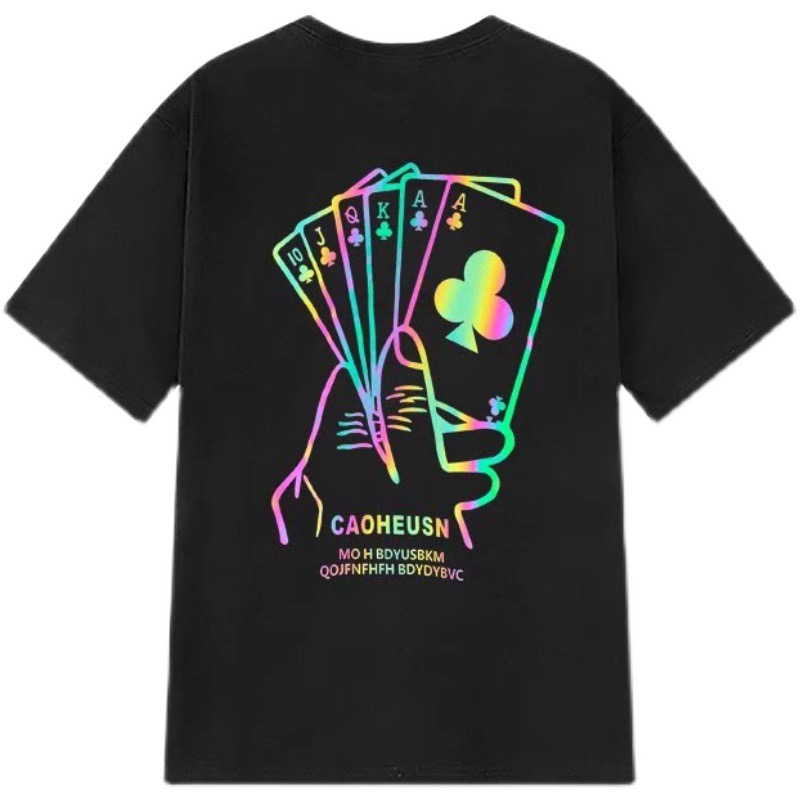
Tank Tops
For custom tank top manufacturer projects, EDVORIN develops jersey fabric, armhole and neckline finishing, fit proportions and graphic placement. Water-based screen printing can be sampled on the selected fabric to assess hand feel, coverage and wash results.
Get a Quote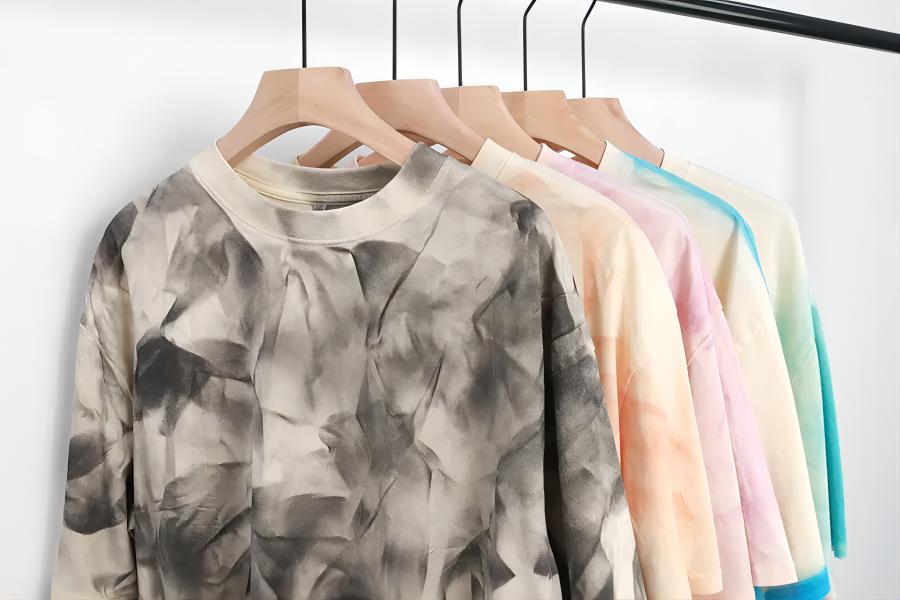
Soccer Uniforms
As a soccer uniform manufacturer, EDVORIN coordinates jerseys, shorts, team colors, size grading, player names, numbers and logos. Printing methods are selected and sampled for the fabric’s performance needs, placement accuracy and repeat-order consistency.
Get a Quote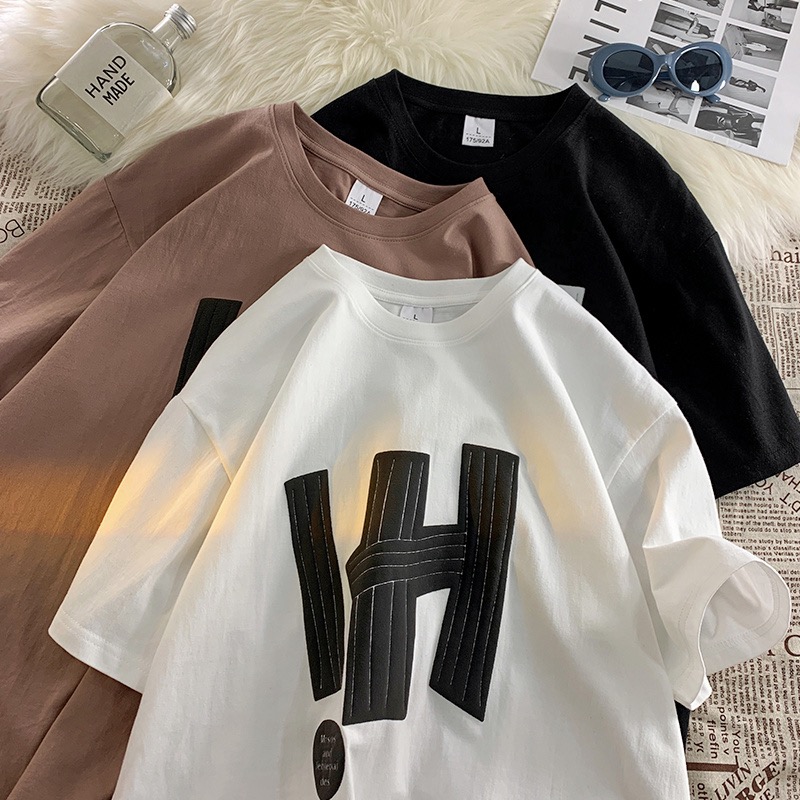
Basketball Uniforms
EDVORIN supports basketball uniform manufacturer programs with jerseys and shorts developed for movement, breathable materials, color consistency and personalized numbering. Water-based printing can be assessed against other decoration methods based on fabric stretch, opacity and performance requirements.
Get a Quote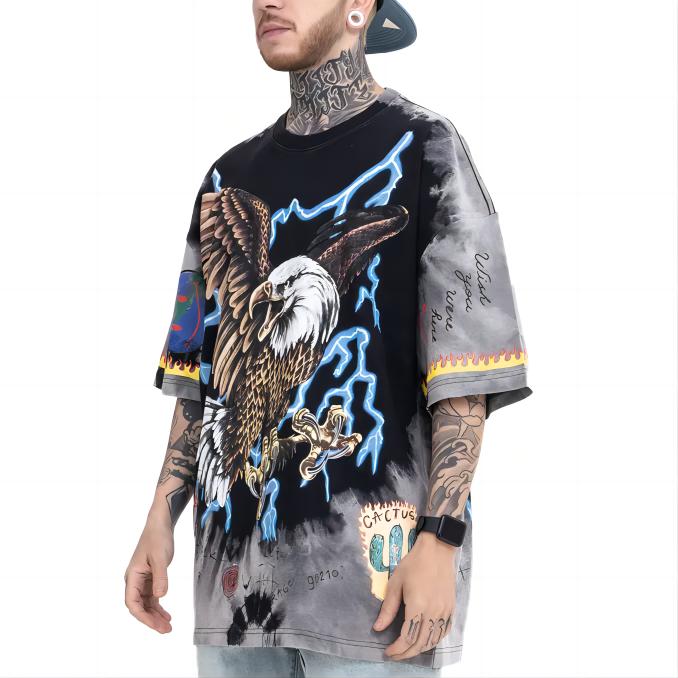
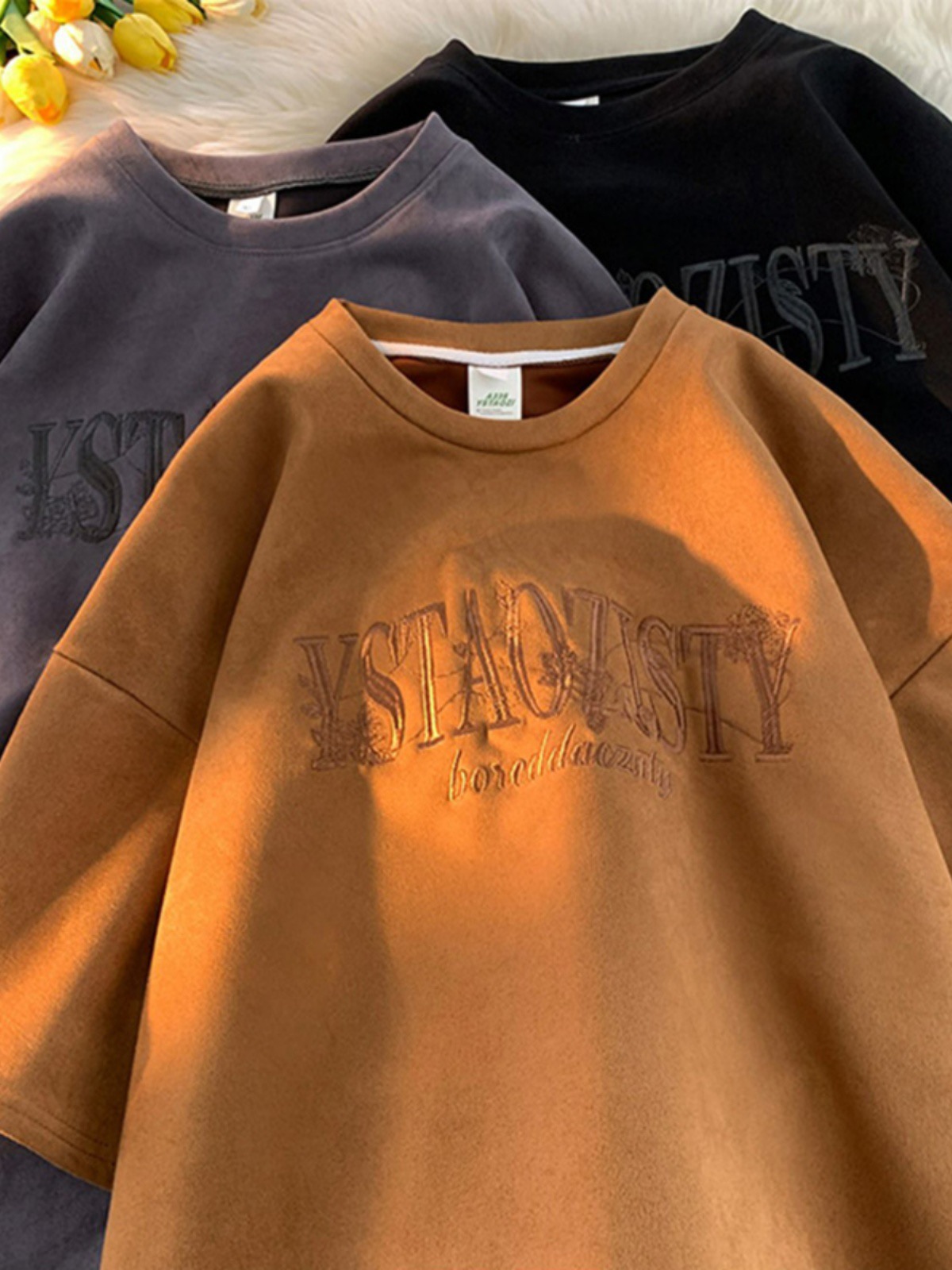
Streetwear Collections
As a streetwear clothing manufacturer, EDVORIN connects product development, fabric sourcing, patterns, washing, printing, embroidery, trims and packaging. Water-based screen printing can be evaluated alongside heavyweight tees, fleece, outerwear and coordinated collection components before bulk production.
Get a QuoteWater Based Printing Clothing Manufacturer Since 2000
EDVORIN was founded in 2000 by Edvorin Zeng to help apparel ideas survive the move from concept to production. As a water based printing clothing manufacturer, we coordinate product development, fabric selection, pattern work and samples so a soft-hand decoration is developed around the garment—not added as an afterthought.
Our OEM, ODM and private-label teams develop casualwear, streetwear, outerwear and teamwear for men’s and women’s programs. We coordinate fabric, trims, custom apparel printing, custom apparel embroidery, garment wash services, labels and packaging within one accountable production path. Our certification programs include ISO 9001, BSCI, WRAP, SEDEX, OEKO-TEX Standard 100, GRS and GOTS.
What makes EDVORIN different is the discipline after sample approval. We document approved materials, measurements, placements and finishing requirements, then use in-line and final quality checks to protect the standard through bulk production. With MOQs starting at 200 pieces per style, buyers can build repeatable collections with room to grow.
Water-Based Printing Quality Controls
Match Fabric to Ink
EDVORIN reviews fiber content, fabric weight, surface texture and garment color before recommending a water-based print approach. This early check helps align ink behavior with the intended soft hand, coverage and final appearance before sampling begins.
- Assess cotton content and fabric absorbency
- Review light and dark garment color requirements
- Test print feel on the selected base fabric
- Confirm compatible decoration direction before bulk approval
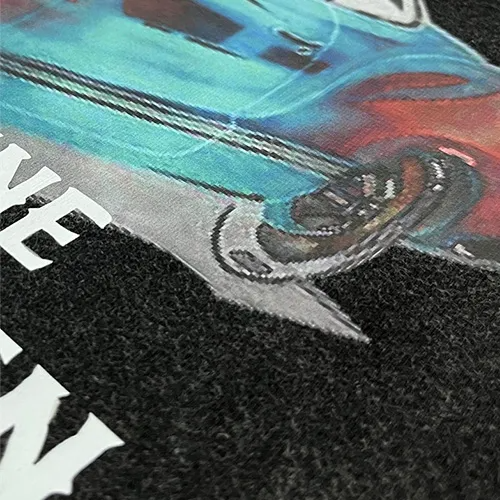
Prepare Artwork for Absorption
Water-based ink becomes part of the fabric surface rather than creating a heavy top layer. EDVORIN checks fine details, color separations and placement specifications so the approved artwork remains clear while supporting the softer character the garment requires.
- Check detail size and line definition
- Build clear color-separation instructions
- Record exact print placement measurements
- Approve artwork with the sample standard
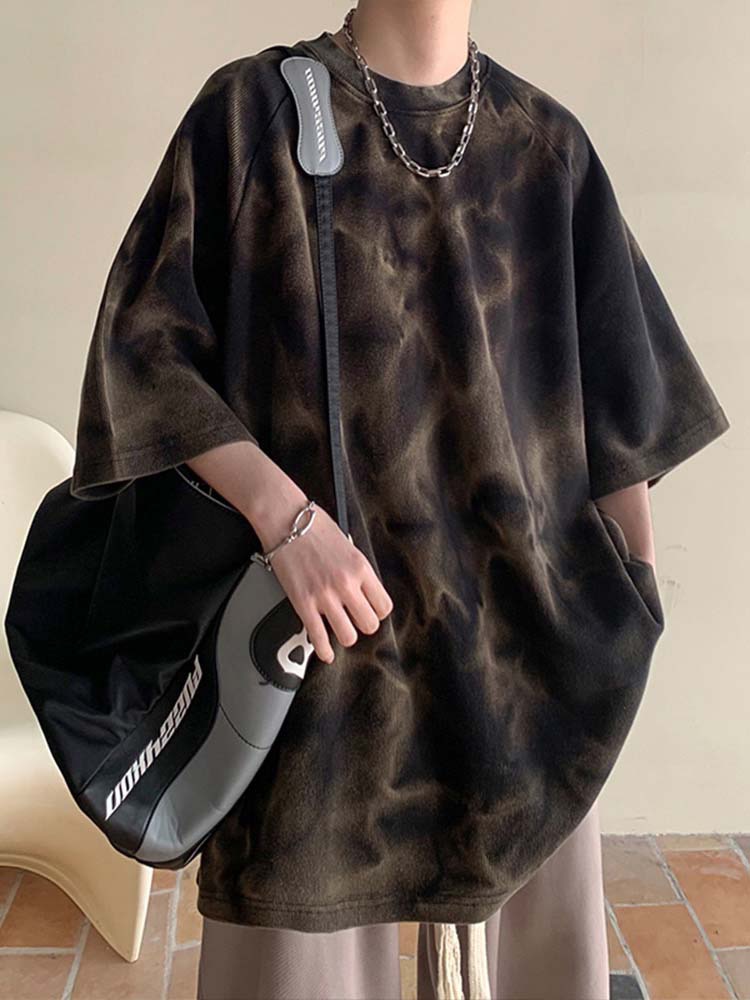
Control the Print Build
A consistent water-based result depends on more than the artwork. EDVORIN coordinates screen-printing setup, ink application and garment handling during sampling and production, documenting approved choices so repeat orders can follow the same manufacturing standard.
- Align print setup with fabric construction
- Review coverage and hand feel on samples
- Document approved colors and placement
- Keep decoration decisions connected to bulk production
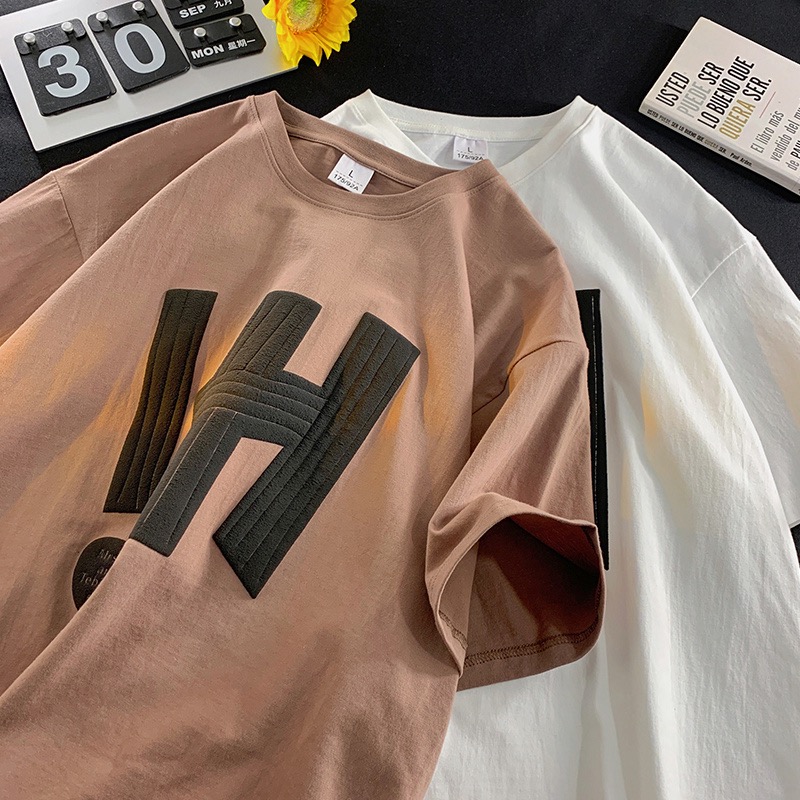
Verify Curing Before Packing
Curing is a critical point in water-based print production. EDVORIN includes print checks within its sample-to-bulk quality process, helping confirm that the finished decoration, garment construction and packed order reflect the approved standard.
- Check finished print appearance and feel
- Inspect garments during production
- Compare final pieces with approved samples
- Coordinate labels and packaging after quality checks
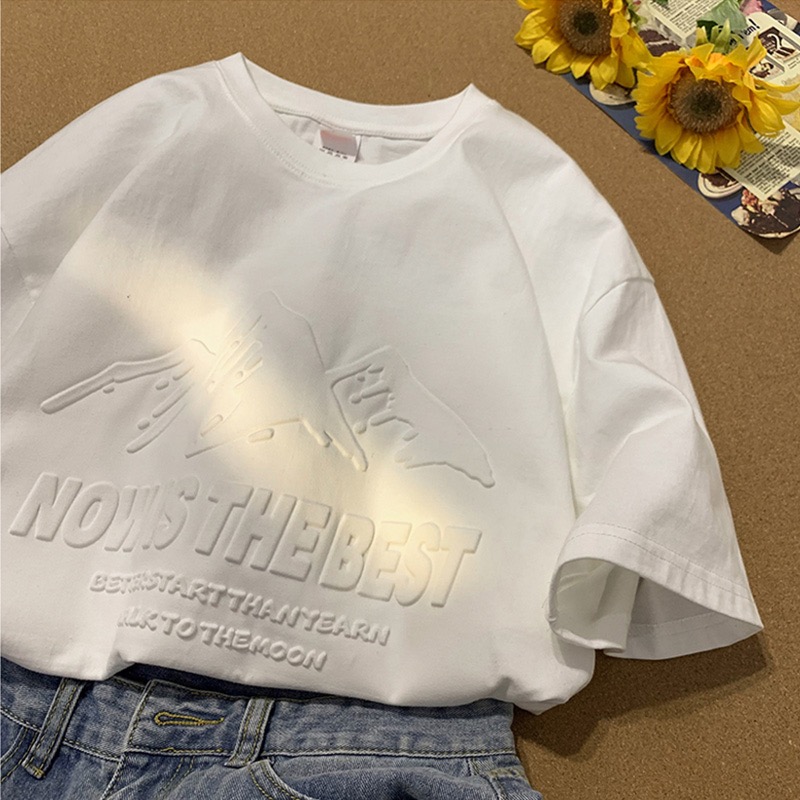
Water Based Printing Clothing Manufacturer vs. Plastisol
Choose the print system around fabric, artwork, opacity and intended wear. EDVORIN will review the appropriate process for your approved garment specification.
← Swipe left or right to view →
Water-Based Print Production Process
A controlled workflow that turns approved artwork and fabric choices into repeatable, soft-hand printed apparel.
Review Artwork and Fabric
We review artwork, color targets, garment fabric, placement and intended hand feel, then identify water-based print requirements before sampling begins.
Prepare Screens and Colors
Approved artwork is separated for production, screens are prepared, and ink colors are matched against the agreed visual standard and garment base.
Test Print Performance
Our team tests print coverage, registration, hand feel and fabric response on sample garments, documenting adjustments needed before bulk production.
Control Curing and Consistency
During production, print application and curing are monitored alongside placement and color checks to keep each run aligned with the approved sample.
Inspect and Release Bulk
Finished garments are inspected against approved standards for print quality, measurements, labeling and packing before the bulk order is released.
How to Order Water-Based Printed Apparel
Move from artwork and garment direction to an approved sample and controlled bulk production with one documented standard.
Share Your Product Brief
Send your tech pack, reference garment, sketches, size range, fabric preferences, target quantity, and intended market. We clarify construction and decoration requirements before development begins.
Provide Print Specifications
Supply vector artwork, color references, print dimensions, placement measurements, and garment colorways. EDVORIN reviews ink, fabric, and artwork choices for the intended soft-hand result.
Review the Development Sample
Assess the sample for fit, fabric, print appearance, placement, colors, trims, and finishing. Record revisions clearly so the approved version becomes the production reference.
Approve Bulk Production
Confirm the final sample, quantities, size breakdown, labels, packaging, and delivery requirements. Our team coordinates bulk production and quality checks against your approved standard.
What Apparel Buyers Say About EDVORIN
EDVORIN helped us move our 3-color cotton tee program into bulk with a noticeably softer print hand. After 25 wash tests, the artwork remained clear, and our first 600-piece delivery arrived ready for retail packing.
For our academy merchandise, the print colors stayed consistent across 14 sizes and two reorder batches. The team documented placement clearly, which cut our approval rounds from three samples to one final sign-off.
We needed a private-label supplier that could protect the soft feel of our premium tees without losing control of the artwork. EDVORIN delivered 1,200 units on schedule, with stable color and clean packaging for our wholesale accounts.
Water-Based Apparel Printing FAQ
Practical answers for sourcing soft-hand, production-ready printed apparel with EDVORIN.
What fabrics work best with a water based printing clothing manufacturer?
Can a water based printing clothing manufacturer print on black or dark garments?
How durable is water-based printing on clothing?
Can I combine water-based prints with embroidery, patches or other decoration?
EDVORIN’s MOQ starts at 200 pieces per style. What is the MOQ for a water based printing clothing manufacturer?
How long does water-based printed apparel production take?
What artwork files should I send for water-based screen printing?
Can a water based printing clothing manufacturer develop the garment as well as the print?
A Buyer’s Guide to Water-Based Apparel Printing
Use a practical framework to compare print methods, fabrics, quality controls, MOQs, pricing, and supplier capabilities—so you can source confidently, avoid costly sampling errors, and select the right production partner for your apparel program.
1. What Is a Water Based Printing Clothing Manufacturer?
200-piece programs need more than a printer: a water based printing clothing manufacturer coordinates garment development, fabric sourcing, patterning, decoration, sampling, bulk production, quality control, labeling, and packing. Unlike a standalone print shop that decorates buyer-supplied blanks, the manufacturer owns or manages the production path from approved specification to finished units.
1 artwork file is not yet a production standard. Buyers should provide vector artwork, intended print size and placements, Pantone references where applicable, garment colorways, size breakdown, labels, packaging requirements, and a target delivery market; the supplier should convert these into sample and bulk instructions.
200 pieces is a practical point to confirm whether the quote covers blanks only or full-package apparel. Ask who sources the fabric, whether water-based printing is managed in-house or by an approved partner, what sample approval controls bulk production, and how finished goods are packed and shipped.
2. Evolution of Water-Based Apparel Printing
EDVORIN’s MOQ starts at 200 pieces per style. 200-piece programs make screen printing the practical starting point: screens carry repeat artwork efficiently, while water-based systems gained demand as fashion buyers prioritized a softer hand and less surface build-up on tees and fleece.
100% cotton, especially light-color ring-spun jersey, remains the simplest water-based base because pigment can penetrate the fiber structure. On dark cotton, discharge may remove the garment dye before color is added, but results depend on the dye, fabric preparation, and wash testing.
4-color artwork at repeat volume usually favors separated screen prints, whereas detailed illustrations, short runs, and variable graphics can favor digital pigment printing. Polyester jerseys, dark garments, fine lines, opacity targets, and the 200-piece MOQ should be reviewed together before selecting a water based printing clothing manufacturer.
3. Types of Water Based Printing Clothing Manufacturer Services
A 200-piece launch can use several sourcing models, but responsibility shifts sharply between buyer, printer, and factory. Match the model to your control over blanks, specifications, inventory, and shipping.
| Model | Best Buyer | Material Ownership | 200-Piece Planning |
|---|---|---|---|
| Contract printing | Brand with blanks | Buyer | Confirm blank arrivals and reject policy |
| Cut-and-sew private label | Fit-led label | Factory sources to approval | Approve sample before cutting |
| Full package | New brand | Factory manages approved sourcing | Lock tech pack, labels, packaging |
| Print-on-demand | Test seller | Provider inventory | Higher unit cost; limited control |
| Fulfillment program | Multi-channel brand | Program-defined | Set SKU counts and pick-pack rules |
Contract Printing
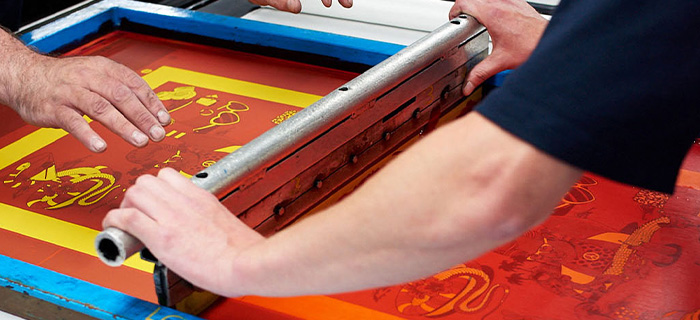
200 supplied blanks suit buyers with approved garments and a controlled color, size, and delivery plan. Ask who approves incoming blanks and replaces print rejects.
Cut And Sew Private Label
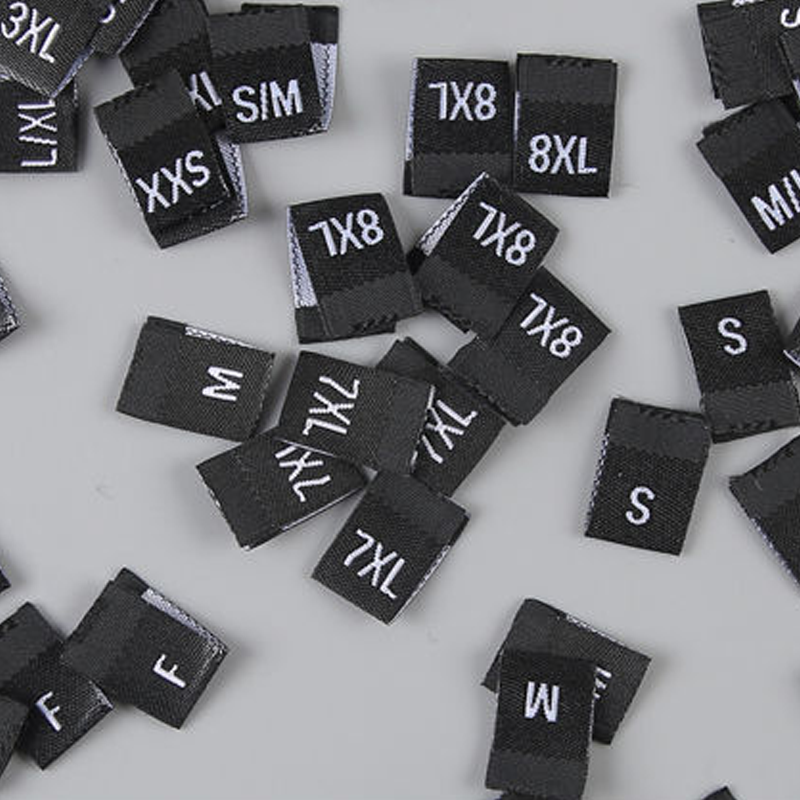
200 custom units suit labels needing proprietary fit, labels, and print placement from one production record. Ask whether fabric, patterns, and print strike-offs are buyer-approved before bulk cutting.
Launch Fit Questions
200 units require a size breakdown, artwork count, and delivery destination before quotations are comparable. Ask which party owns excess stock, failed units, and fulfillment accuracy.
4. Fabrics for Water-Based Printing
Fabric choice determines how deeply water-based ink absorbs, how soft it feels, and how much opacity is realistic. EDVORIN should approve fabric and print together before setting bulk standards.
| Fabric | Best Use | Print Consideration | Buyer Question |
|---|---|---|---|
| 100% cotton | Tees, fleece | Soft, strong absorption; best opacity on lights | Ring-spun or open-end? |
| Cotton-rich blend | Hoodies, joggers | Softer hand; test polyester migration | What is the exact blend? |
| Tri-blend | Vintage tees | Muted appearance; lower opacity | Is heather variation acceptable? |
| Polyester | Teamwear | Migration risk; test and pretreat | Will colors be heat-set? |
| Performance knit | Activewear | Stretch and wicking affect coverage | Test after stretch washes? |
Control Variables
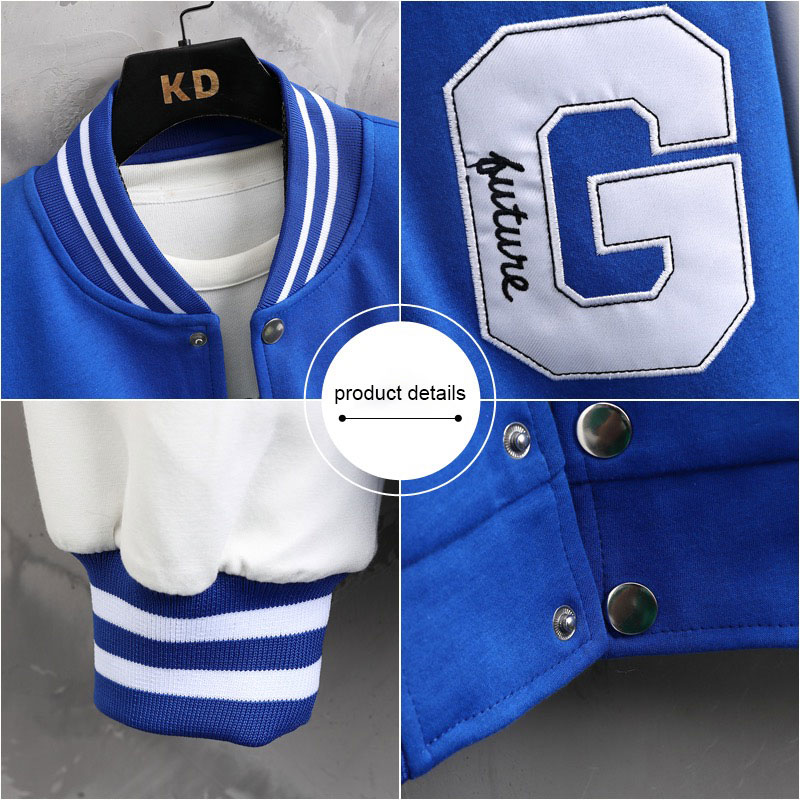
180–240 GSM jersey usually prints more evenly than unstable lightweight knits; French terry and brushed fleece require separate strike-off approval.
Dark garments need an opacity plan, while pretreatment and wash testing confirm adhesion, color change, and hand after curing.
Buyer Approval Questions
3 checkpoints prevent avoidable rework: specify fiber content, garment color, and target hand feel before sampling.
- Is dye migration acceptable after washing?
- Is a soft vintage look preferred?
- Will the artwork require bright white opacity?
5. Water-Based Print and Decoration Options
EDVORIN’s MOQ starts at 200 pieces per style. At a 200-piece MOQ, decoration should follow fabric color, artwork detail, and expected reorder volume. A capable water based printing clothing manufacturer documents the approved print method beside placement and color references.
| Method | Best Artwork | Color Limits | Hand Feel | Scale |
|---|---|---|---|---|
| Water-based screen | Simple spot art | Best on light grounds | Soft | Repeat bulk runs |
| High-solids water-based | Bold dark-ground art | Opaque colors need testing | Medium-soft | Bulk runs |
| Discharge-style | Vintage cotton art | Dye-dependent | Very soft | Sample first |
| Digital pigment | Photos, gradients | Broad gamut, test colors | Light | Short or complex runs |
Screen And High-Solids Inks
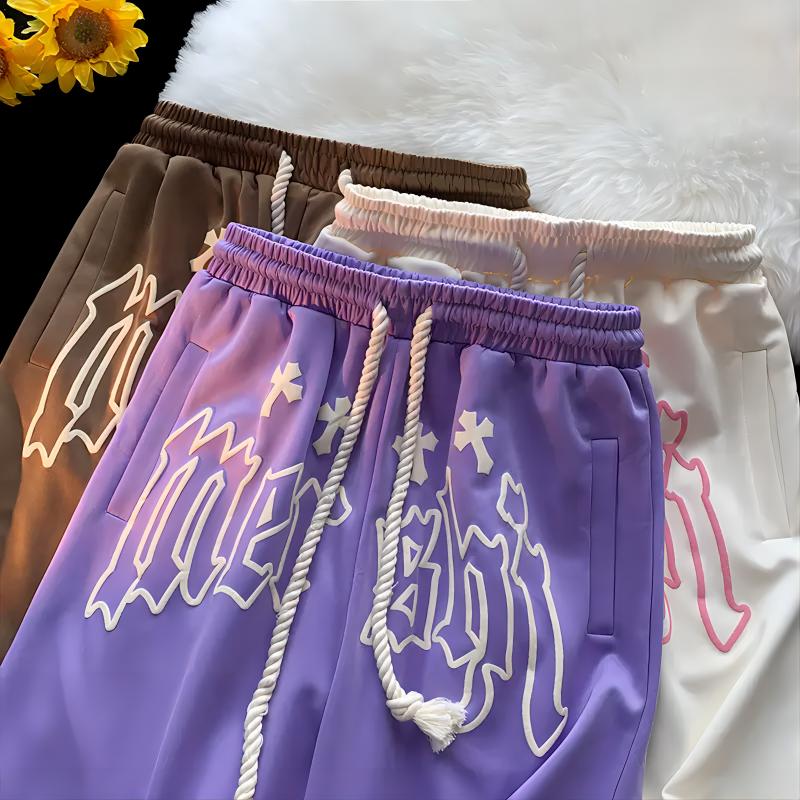
1–6 spot colors suit standard water-based screens on light cotton for a soft, breathable hand. High-solids water-based ink improves opacity on darker grounds but adds more surface feel.
Discharge And Digital Pigment
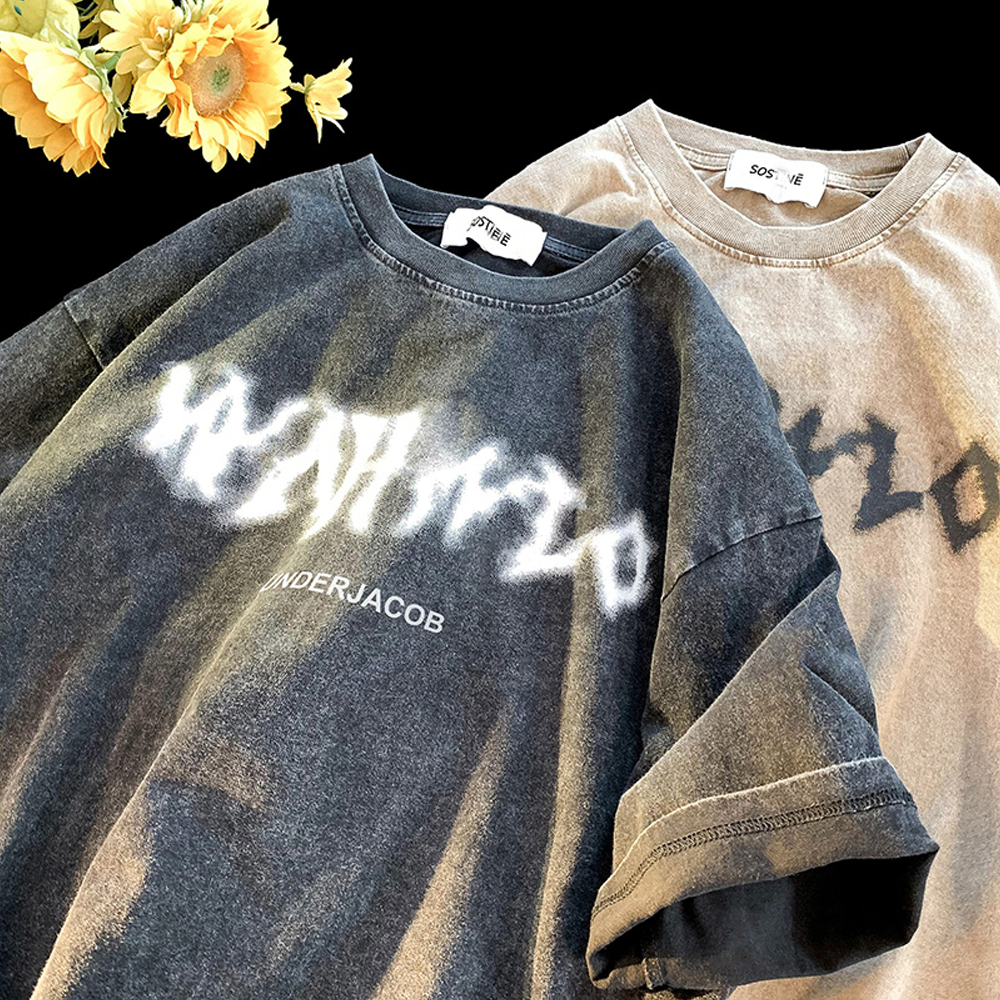
100% cotton is the usual starting point for discharge-style printing, which removes dye before color is added; results vary with garment dye and must be sampled. Digital water-based pigment printing suits photographic artwork and short color-rich runs.
Mixed Decoration Planning
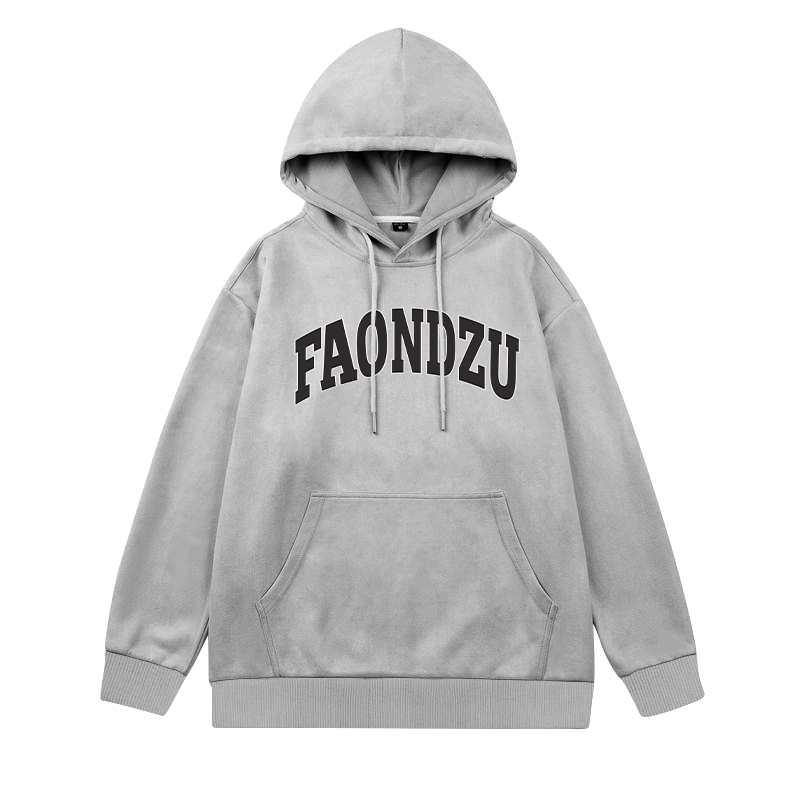
2 decoration zones can combine a chest print with embroidery, woven labels, or appliqué patches. Confirm needle density, patch edge finish, and print clearance on the pre-production sample.
6. Construction and Print Quality Checks
A 200-piece order needs a signed sample standard before cutting begins. Treat construction, decoration, and packing as measurable acceptance points rather than visual impressions.
Measure Construction First
At sample approval, record chest, body length, sleeve, inseam, and waistband measurements with stated tolerances. Inspect seam type, stitch density, skipped stitches, puckering, and fabric shade or weight consistency across size-set garments.
- Attach the approved measurement chart
- Photograph critical seams and trims
- Retain one sealed approval sample
Test The Printed Surface
After curing, compare artwork registration, edge sharpness, opacity, and placement against approved Pantone references and placement coordinates. Stretch printed areas and complete agreed wash testing; water-based inks absorb into fibers and require controlled heat curing (https://www.frenchpresscustom.com/blog/water-based-vs-plastisol-ink-which-screen-printing-ink-is-better).
- Check color-to-color registration
- Check cracks after stretch
- Record wash-test result and method
Set Bulk Acceptance Rules
Before bulk production, convert every approved observation into a checklist: measurement tolerance, print placement tolerance, allowable defects, folding method, polybag, size sticker, and carton marking. During in-line and final inspection, compare production units to that checklist and the retained sample.
- Define critical, major, and minor defects
- Approve packaging with packed sample
- Document corrective action before packing
7. Choosing a Water Based Printing Clothing Manufacturer
EDVORIN’s MOQ starts at 200 pieces per style. At a 200-piece MOQ, compare manufacturers against the same brief, not their sales language. A capable water based printing clothing manufacturer makes fabric, ink, color, sampling, and delivery decisions visible before bulk approval.
Request Relevant Proof
Three portfolio examples should match your garment type, print coverage, fabric weight, and target market.
Two production references should show approved artwork, placement records, wash results, and lot traceability.
Verify Production Controls
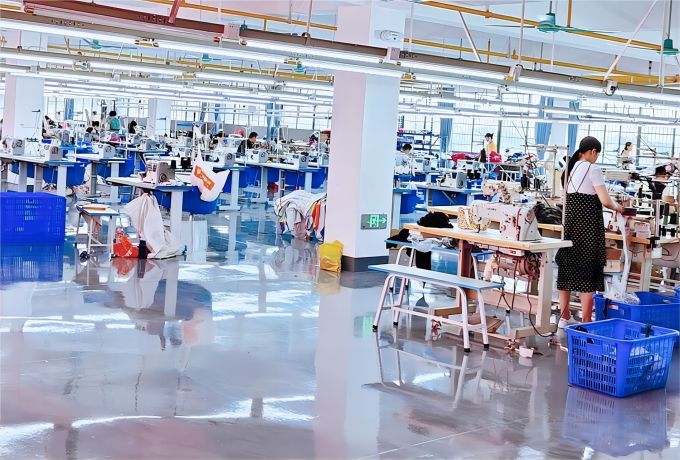
200-piece programs need a defined sample path: artwork check, strike-off, fit sample, pre-production approval, and bulk release.
Pantone targets, ink-to-fabric compatibility, wash testing, capacity, and dated lead-time updates should be documented in writing.
Ask Buyer-Specific Questions
Five buyer types need different proof; record every response in a comparable supplier scorecard.
24-hour responsiveness is a useful benchmark for revision, risk, and shipment questions.
- Fashion labels: Can you reproduce soft-hand prints across repeat fabric lots?
- Teams: How are names, numbers, sizes, and color sets checked?
- Schools: Can artwork approvals and delivery dates be controlled centrally?
- Wholesalers: What capacity and traceability support repeat replenishment?
- Corporate buyers: Who approves brand colors, packaging, and compliance records?
8. Common Water-Based Printing Buying Mistakes
Two approvals prevent most water-based print failures: the fabric-and-ink trial and the production sample. A water based printing clothing manufacturer should receive measurable standards before bulk booking.
Match Ink To Fabric
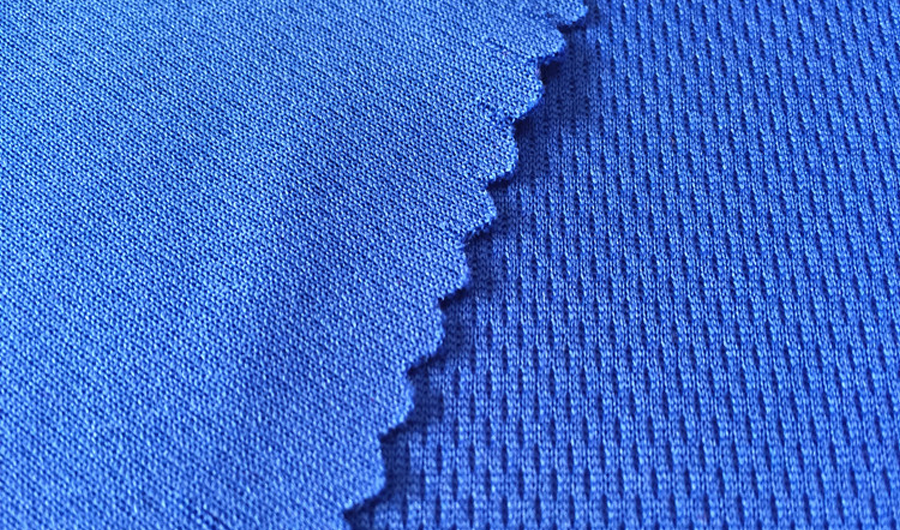
100% cotton, ring-spun jerseys and fleece often give more predictable water-based results than unknown blends. Submit the actual fabric, color and GSM for a strike-off before selecting ink.
Dark navy and black garments can mute water-based color or require a discharge-capable cotton base. Approve the desired opacity on the chosen garment rather than a digital mockup.
Test Before Bulk Approval
Three checks—wash, stretch and rub—should be completed on a physical pre-production sample. Record cure conditions, acceptable cracking and color-change limits.
1 approved sample should show artwork size, Pantone reference and placement from neck or side seam. Set tolerances in millimeters for every print location.
Supply Production-Ready Artwork
300 DPI raster files at final print size or vector artwork reduce separation errors. Provide spot colors, knockout layers, fonts outlined and a print-size specification.
2 placement dimensions are insufficient without a garment reference point. Mark chest, sleeve and back locations from fixed seams.
Compare Repeatable Specifications

200-piece quotes are comparable only when garment, GSM, color count, print locations, folding and packaging match. Request a line-item specification sheet with each quotation.
1 replenishment plan should retain approved fabric, Pantone references, screens or digital files, and sample records. Confirm what can be repeated before the first production run.
9. Launching with a Water Based Printing Clothing Manufacturer
A launch brief should identify the target wearer, channel, price position, garment category, and required delivery date before development begins. EDVORIN can translate that brief into one reviewable production path.
Lock The Production Standard
A complete tech pack should lock measurements, graded size chart, fabric composition and weight, color references, trims, labels, packaging, and placement dimensions. Vector artwork, Pantone references, and print size must be approved before screens or bulk materials are released.
Approve Samples Before Bulk
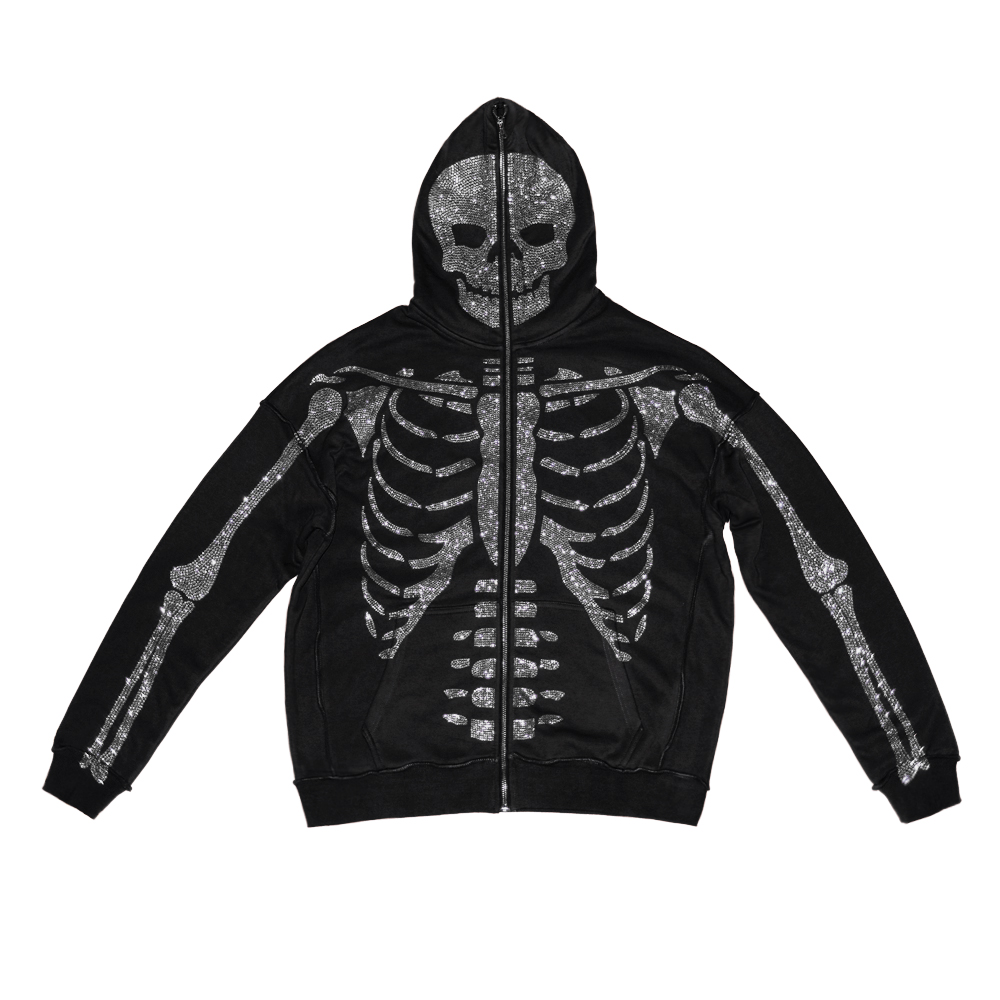
One prototype tests construction, fabric hand, and artwork interpretation; a revised sample should confirm fit and print appearance. One pre-production sample then becomes the bulk reference for sewing, decoration, measurements, and finishing.
Allocate The 200-Piece MOQ
A 200-piece order can be split across colors, sizes, or designs only after confirming the production plan. Purchase orders should state the approved allocation, ship window, inspection standard, and reorder forecast; bulk inspection should occur before packing and delivery.
- 100 black: S–XL core run
- 60 natural: S–L limited color
- 40 olive: one approved alternate design
10. Water-Based Printing Pricing and Cost
200 pieces is a practical starting tier for comparing water-based apparel quotes; unit cost normally falls as screen, setup, and line time spread across more garments. A water based printing clothing manufacturer should price each approved specification, not a reference photo.
2 matched quotes require the same garment fabric and GSM, color count, print locations and artwork size, plus named special techniques. State sampling, labels, packaging, freight terms, destination, currency, Incoterm, and whether screen/setup charges are included or separate.
| Quantity tier | Primary cost drivers | Unit-cost direction | Lead-time consideration |
|---|---|---|---|
| 200–499 | Screen/setup, 1–4 colors, fabric, sample | Highest baseline | Allow sample approval before bulk |
| 500–999 | Garment cost, print locations, labels | Moderate reduction | Confirm material and screen booking |
| 1,000–2,999 | Color count, discharge or specialty effects, packaging | Lower per unit | Plan production and packing window |
| 3,000+ | Freight, carton configuration, repeat screens | Best scale potential | Reserve capacity; confirm shipping cutoff |
Plan Your Water-Based Print Production
Send artwork, garment requirements, or a collection brief for a water-based print sample plan and production quote.