
Puff Print Clothing Manufacturer for Raised, Repeatable Apparel
Work with a puff print clothing manufacturer that coordinates development, sampling, and bulk production for tactile streetwear, teamwear, and private-label collections.
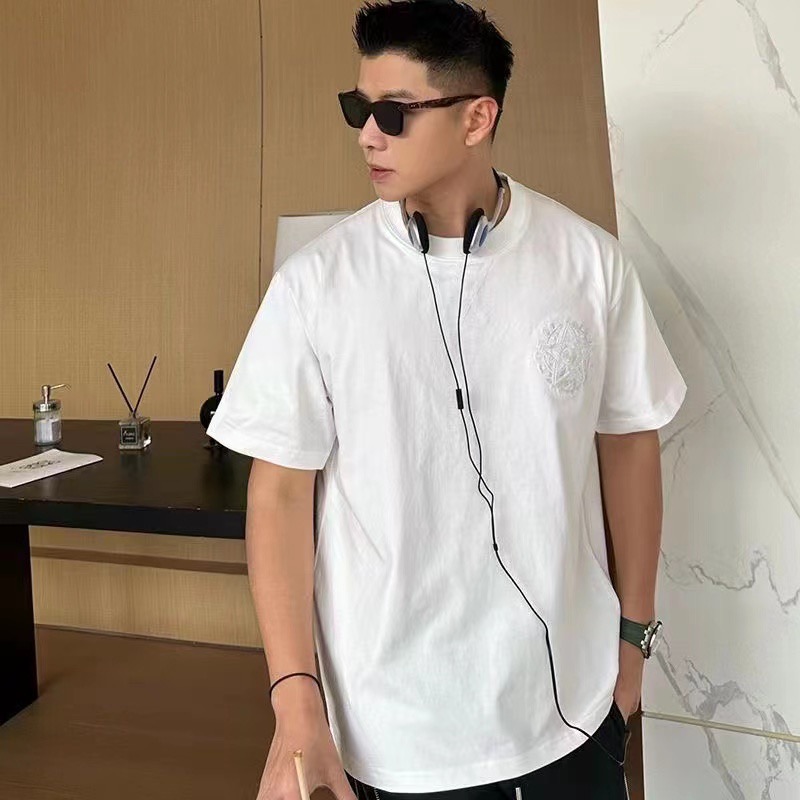
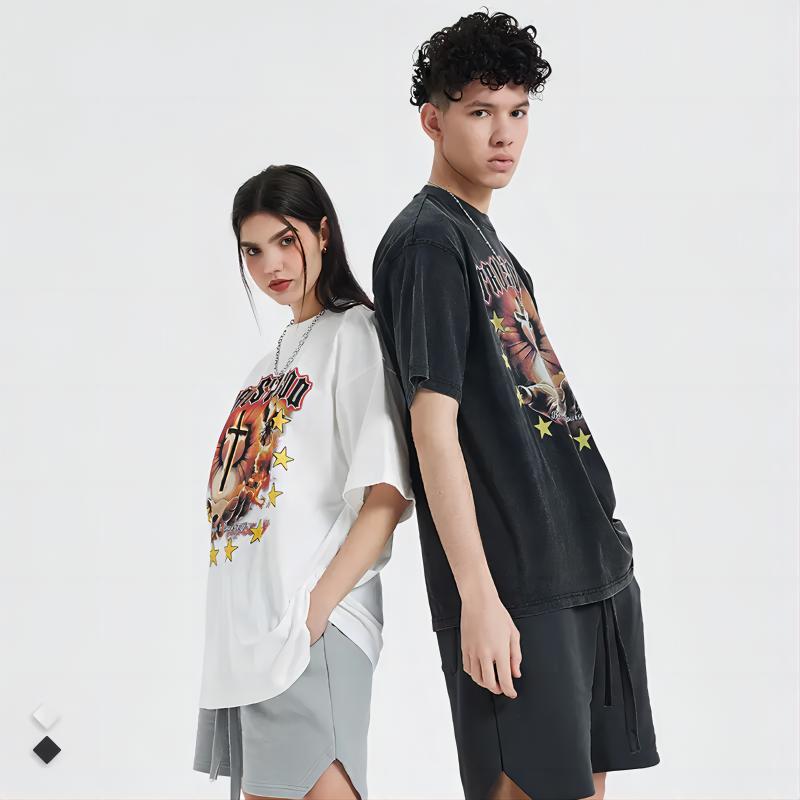
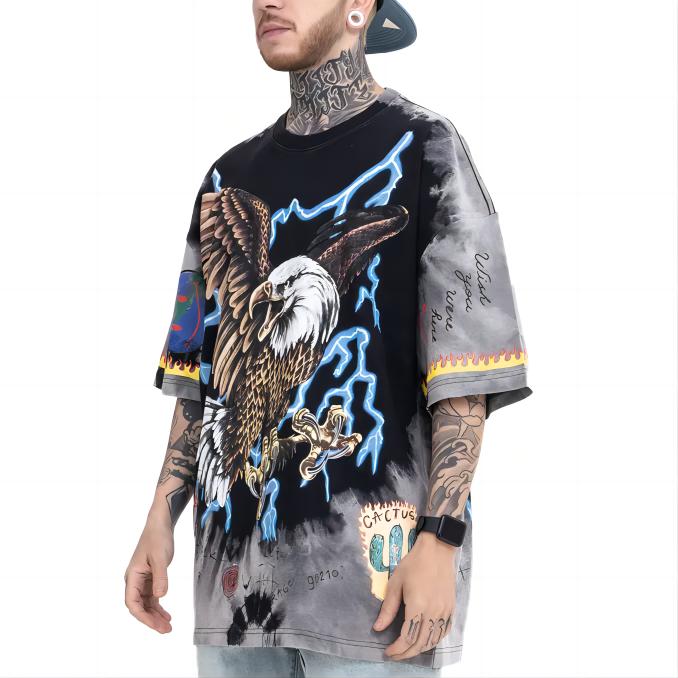
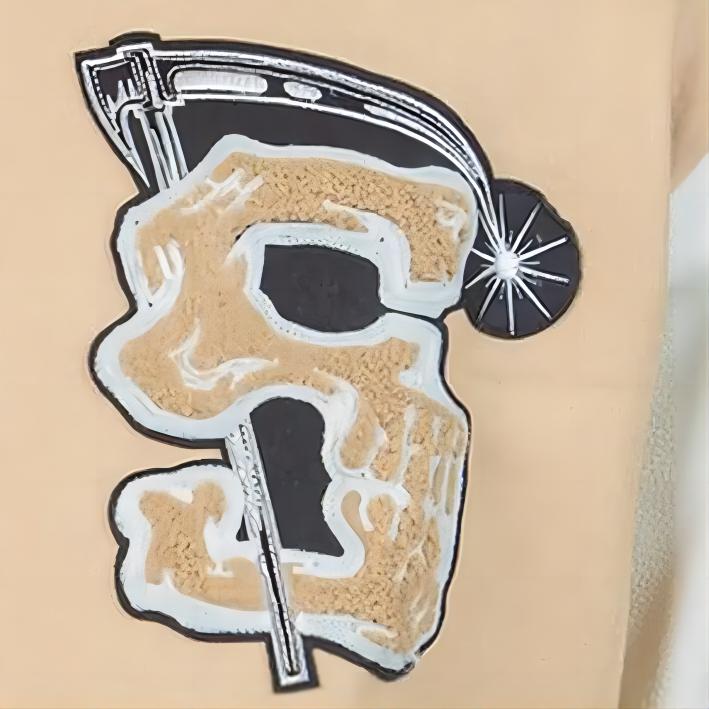
Featured Apparel for Puff-Print Development
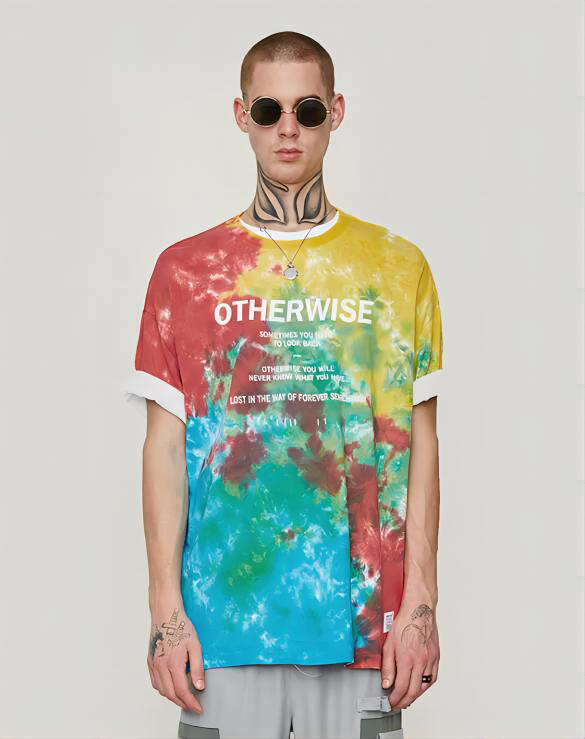
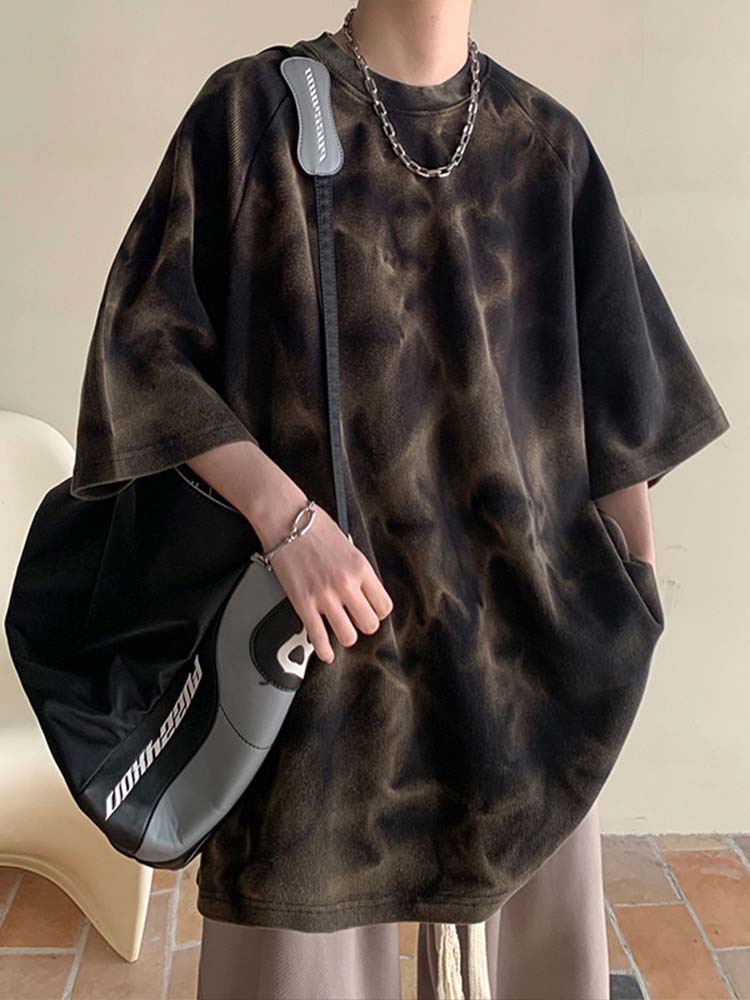
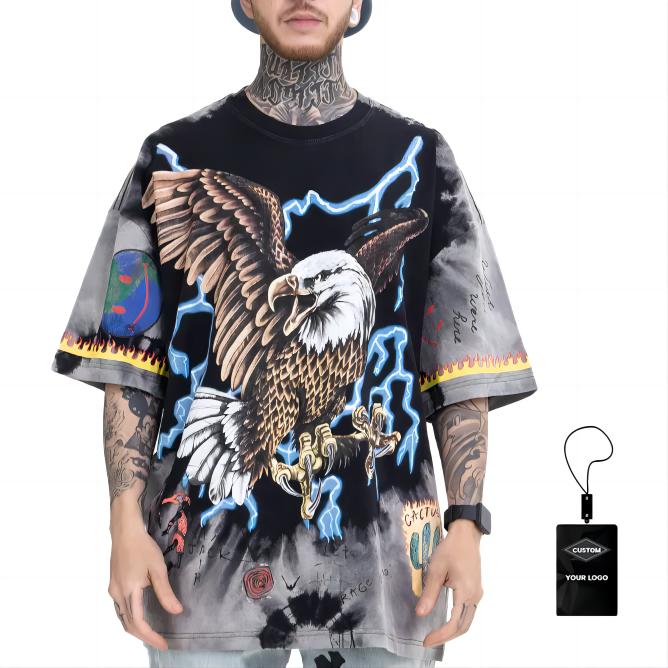
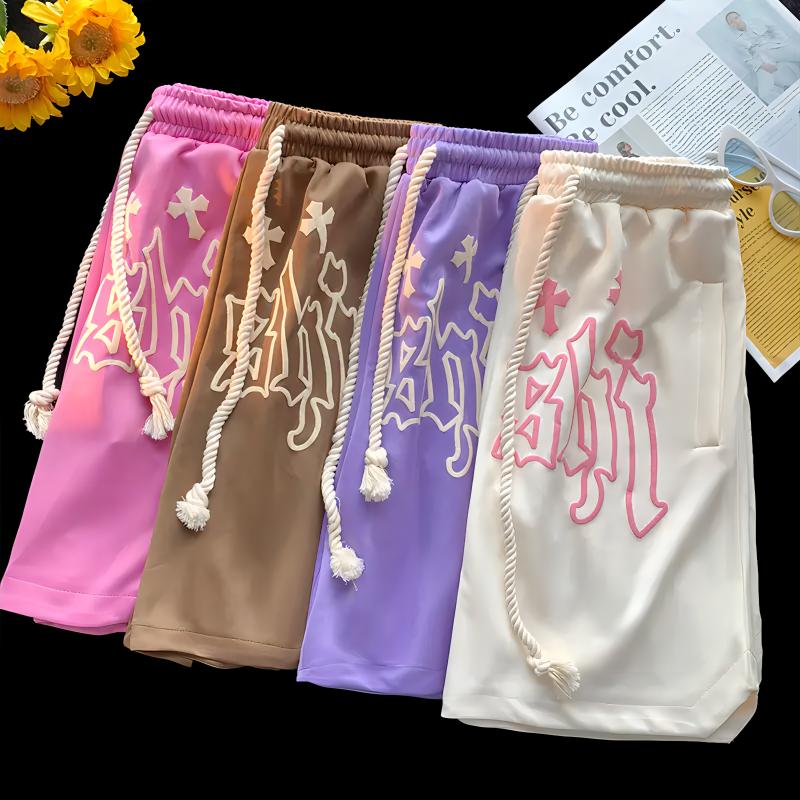
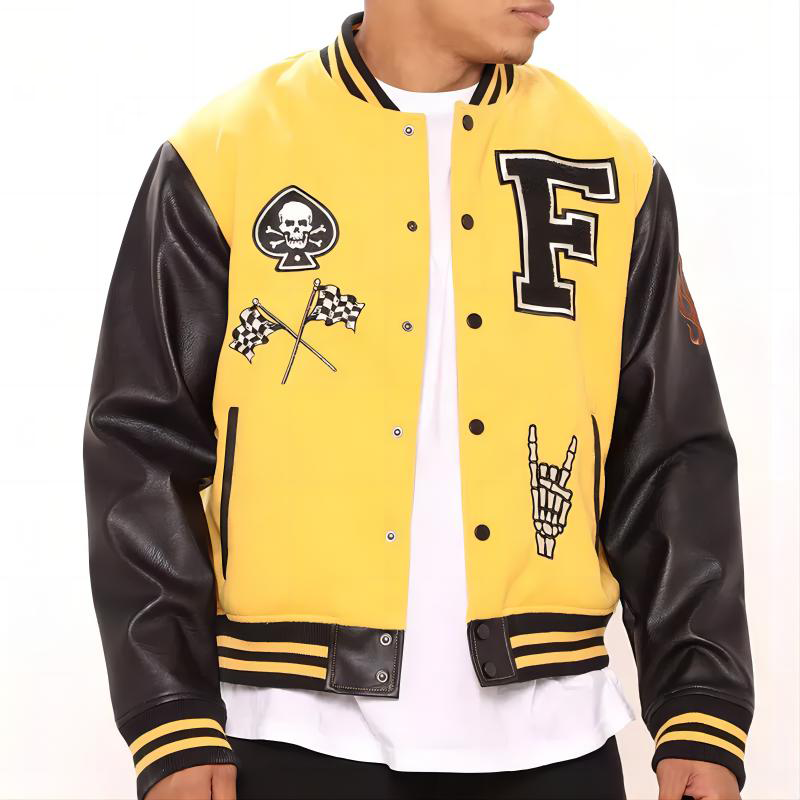
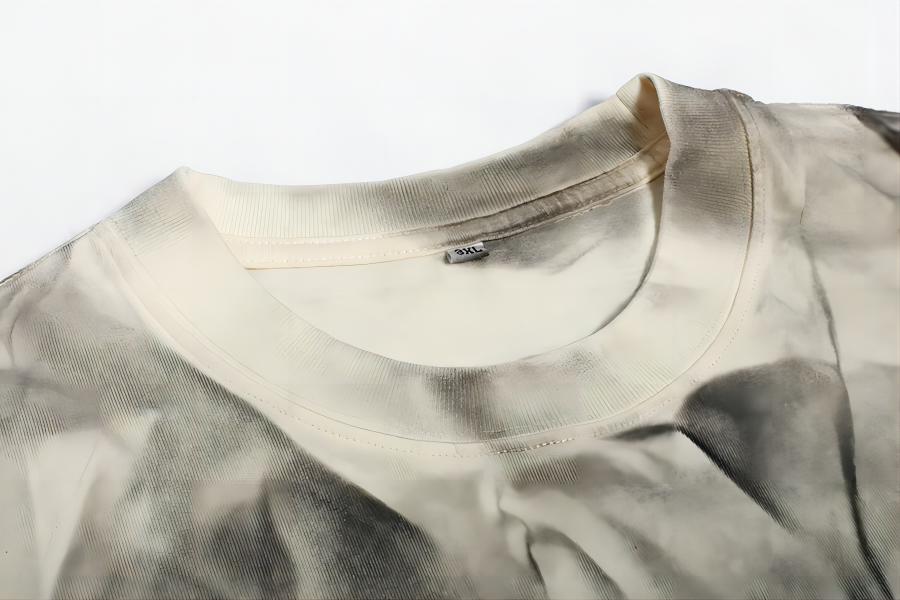
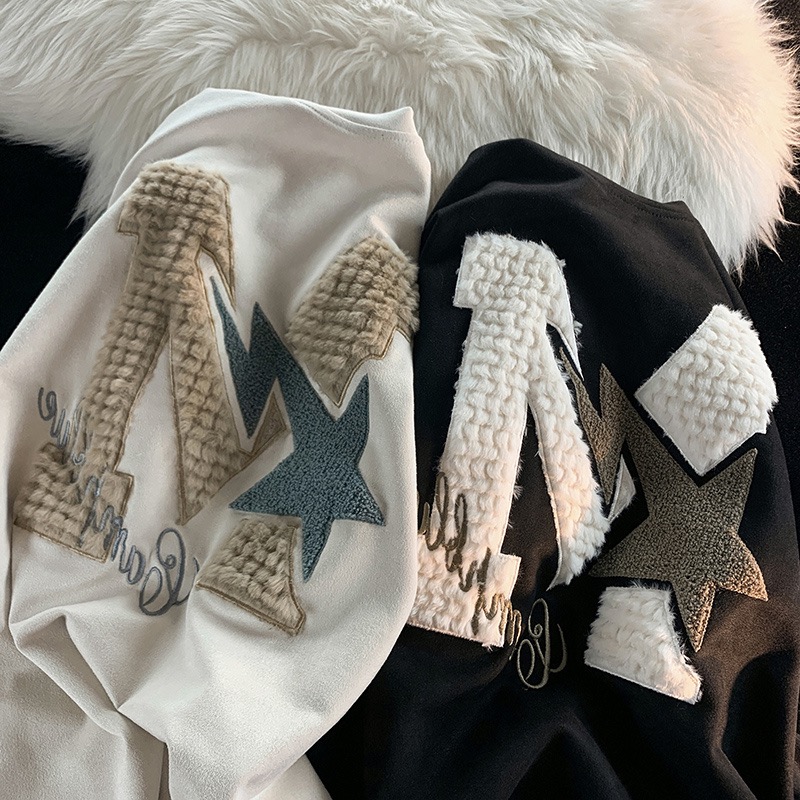
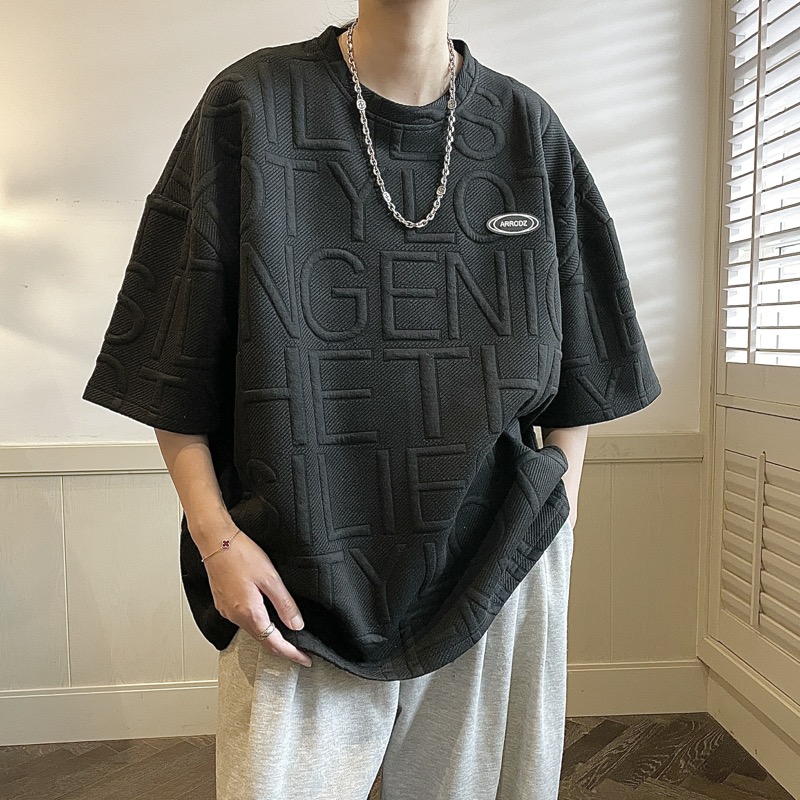
Why Puff Print Creates a Distinctive Apparel Finish
EDVORIN develops puff-print programs around artwork, fabric, and production standards so the raised effect supports a repeatable collection.
Dimensional Lift
Puff ink expands during curing to create a raised graphic surface that adds visible depth beyond standard flat screen printing.
Tactile Brand Detail
The textured finish gives hoodies, sweatshirts, and tees a touchable element that reinforces a considered, premium apparel experience.
Selective Graphic Accents
Use puff print on key lettering, logos, borders, or shapes while keeping finer supporting artwork in compatible flat-print layers.
Bold Artwork Focus
Simple forms and substantial linework give the raised effect room to read clearly, preserving the intended character of your graphic.
Contrast That Performs
EDVORIN considers garment color, ink color, and placement together so dimensional graphics stand out clearly.
Sample-to-Bulk Standards
Approved artwork placement, material choices, and decoration references are documented to help carry the intended puff finish into bulk production.
Puff-Print Applications Across Apparel Categories
Explore puff-print and complementary decoration options by fabric, garment construction, and collection requirements.
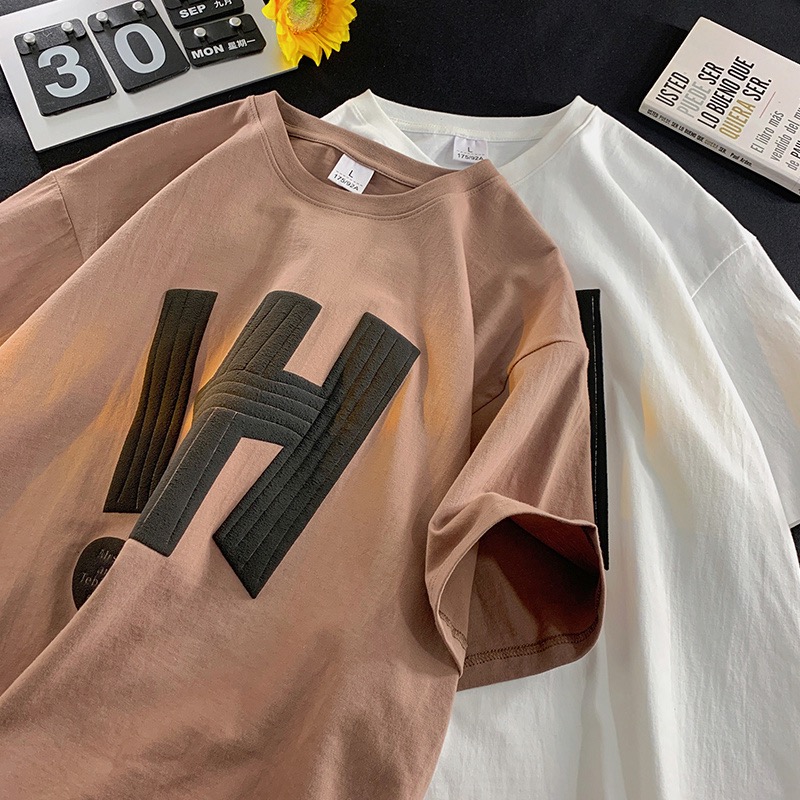
Custom Hoodies
Develop custom hoodies with screen prints suited to fleece weight, surface texture and artwork scale. As a custom hoodie manufacturer, EDVORIN coordinates print placement, rib, drawcords, labels and approved samples before bulk production.
Get a Quote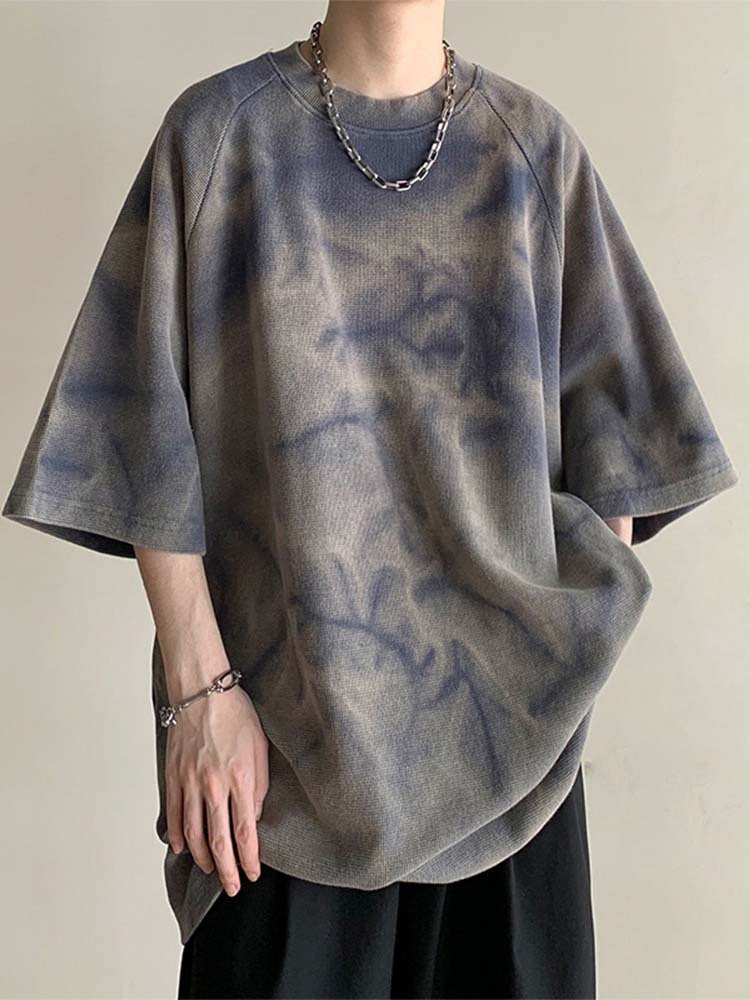
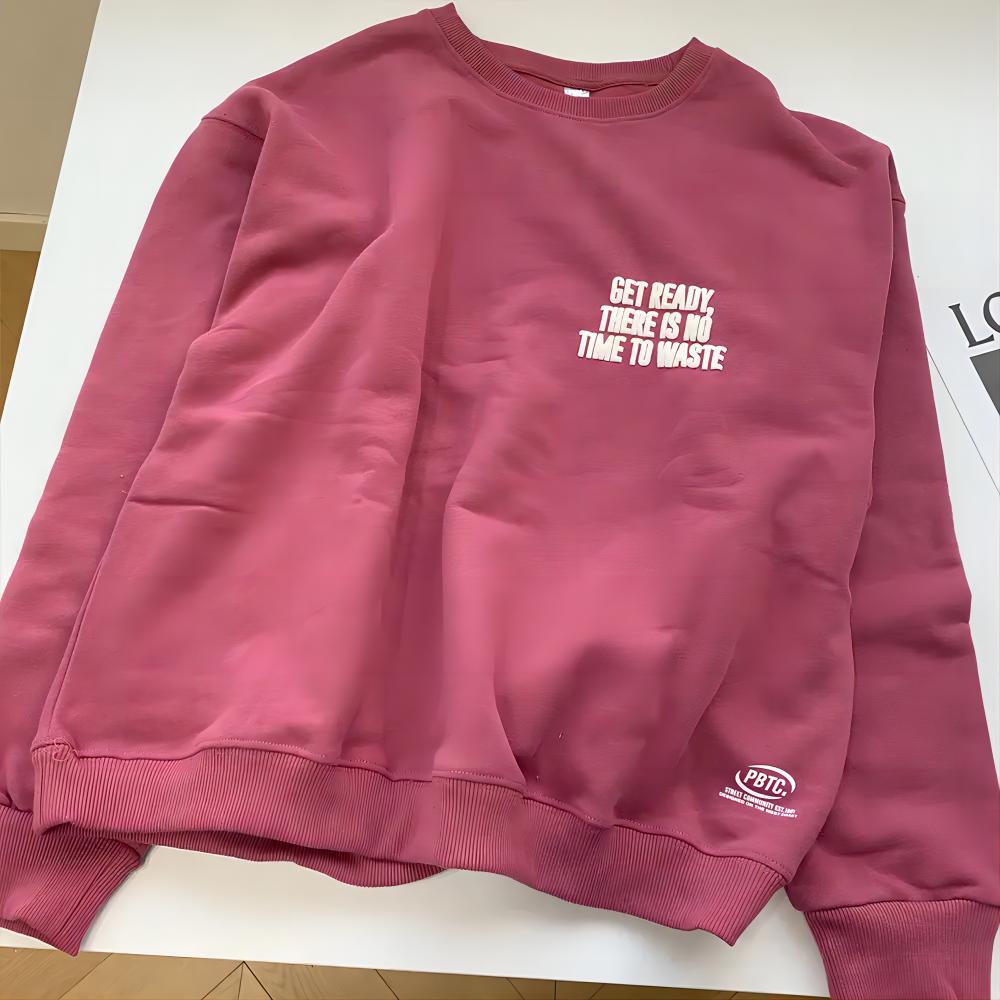
Pullover Sweatshirts
For pullover sweatshirts, screen printing is planned around brushed fleece, French terry or heavyweight cotton blends. Our sweatshirt manufacturer process records artwork size, placement and ink compatibility so repeat orders follow the approved standard.
Get a Quote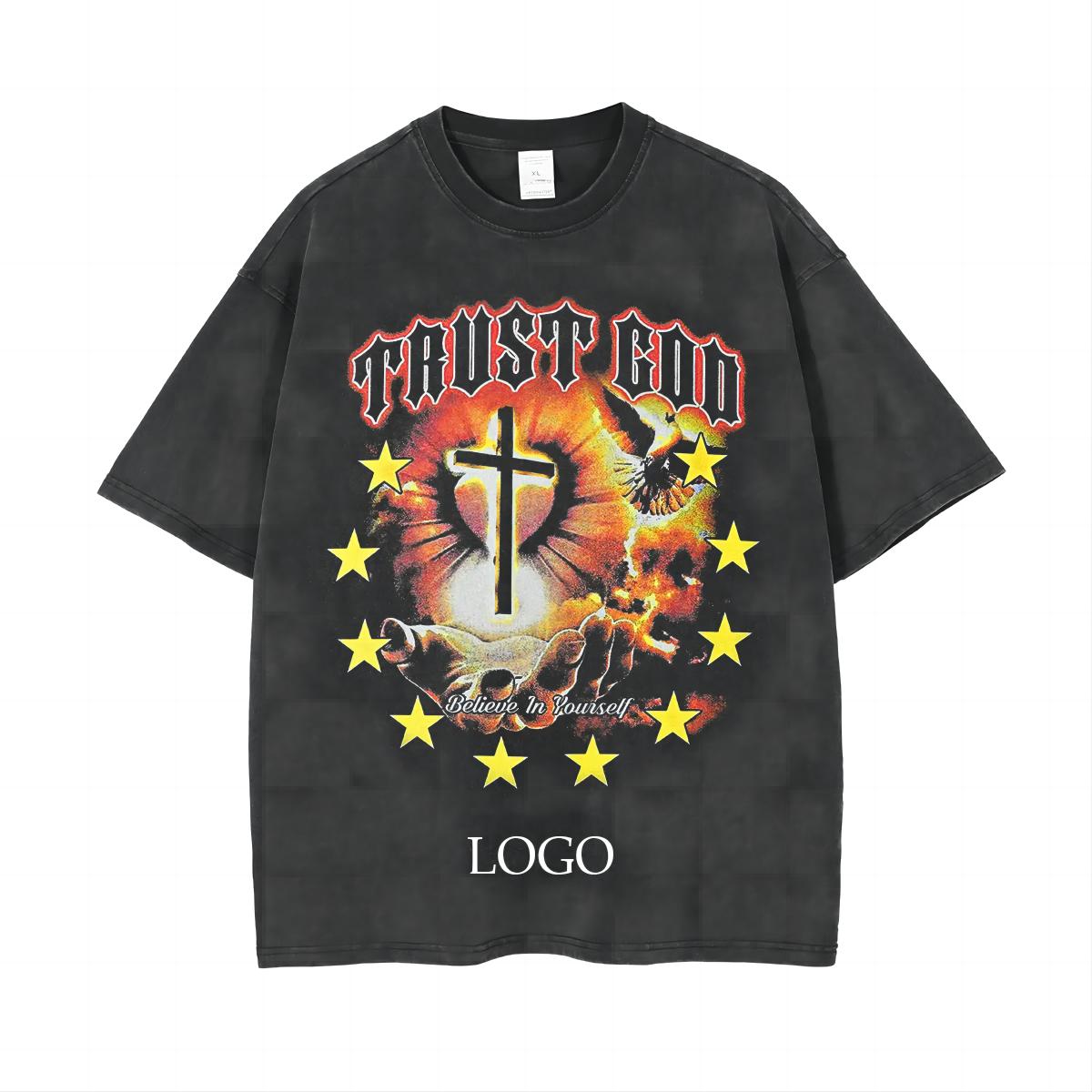
Sweatpants & Joggers
Build sweatpants and joggers with leg prints, pocket details, embroidery, or transfer graphics matched to the fabric and seam layout. As a sweatpants manufacturer, EDVORIN develops waistband, cuff, fit, and decoration specifications together for coordinated programs.
Get a Quote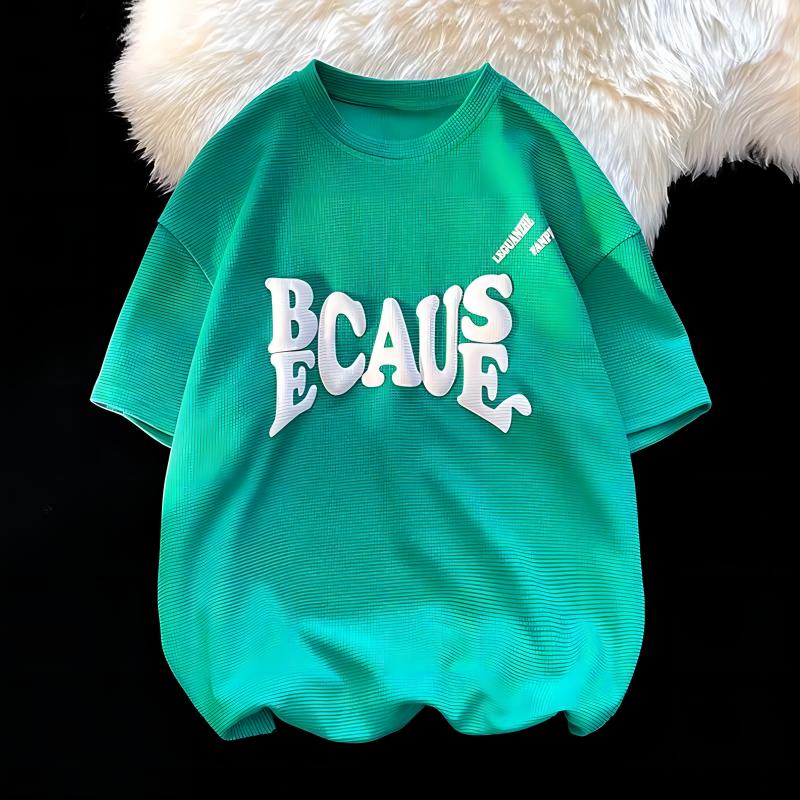
Custom Shorts
Custom shorts can carry screen prints, embroidery, appliqué or heat transfers depending on knit, woven or performance fabric. Each custom shorts program defines inseam, pocket construction, artwork placement and finishing before production begins.
Get a Quote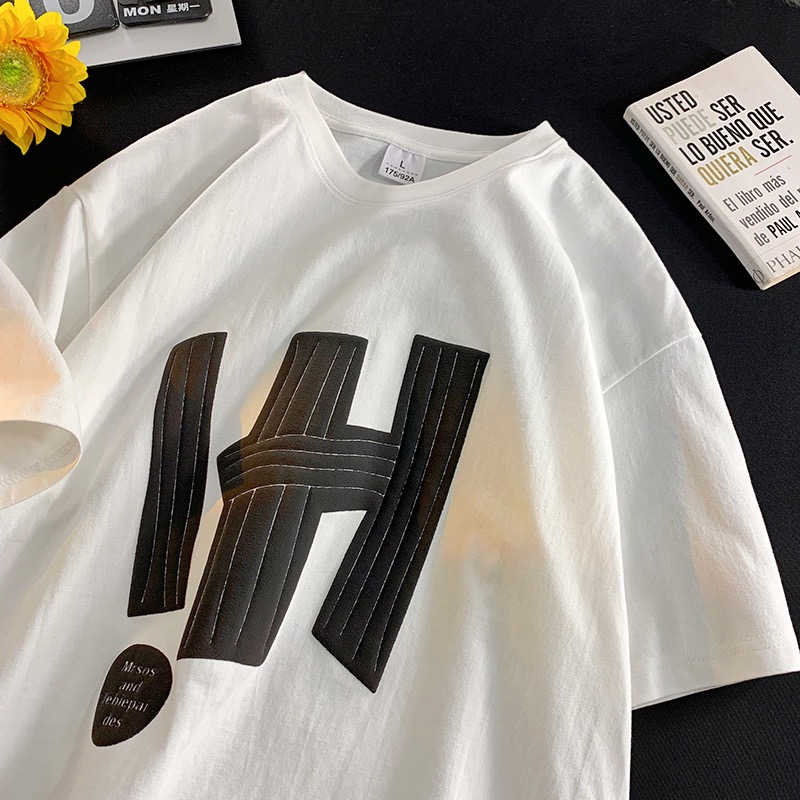
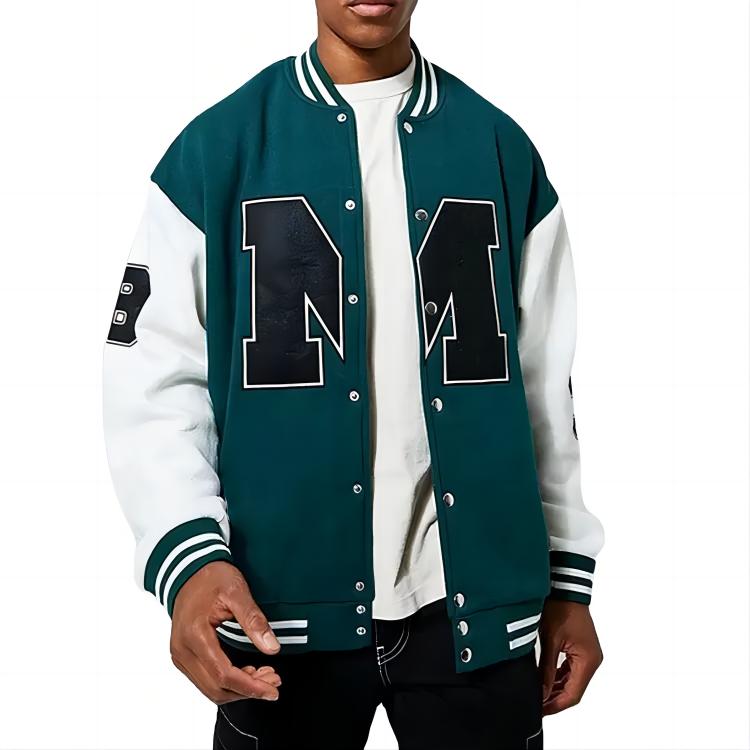
Varsity & Baseball Jackets
Varsity and baseball jackets often combine chenille, embroidery, patches, appliqué and printed details. As a varsity jacket manufacturer, EDVORIN coordinates body fabric, sleeves, rib, snaps, lining and decoration samples as one construction package.
Get a Quote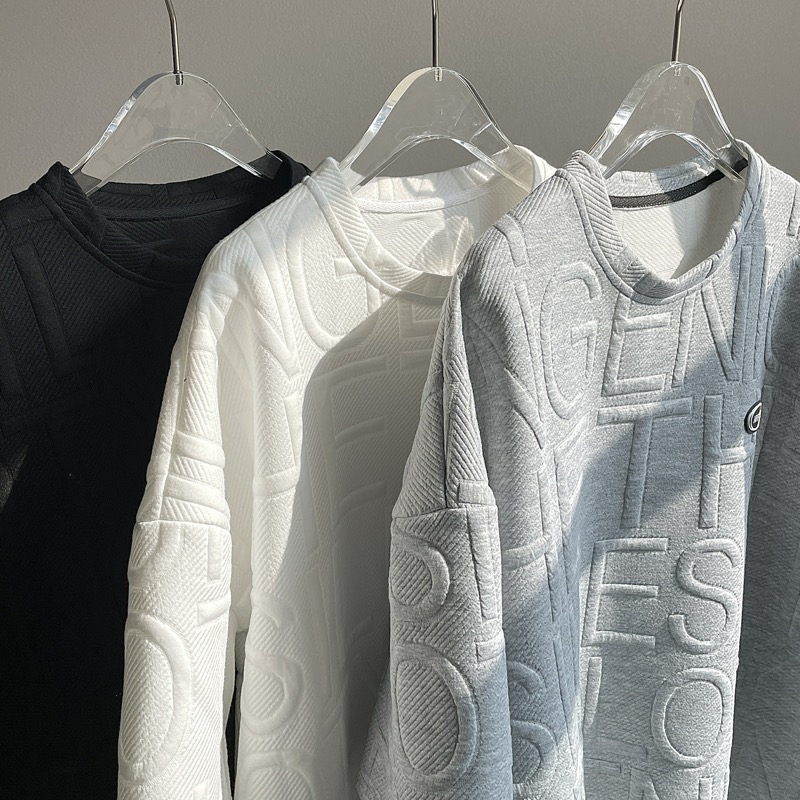
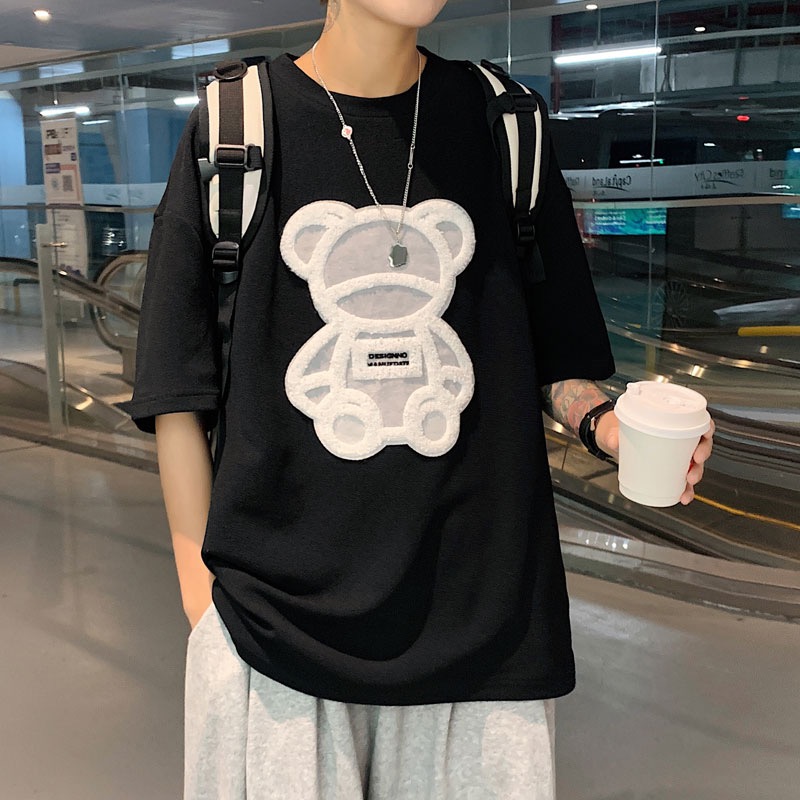
Custom T-Shirts
Custom T-shirts support screen printing across cotton, blends and performance fabrics, with ink systems selected for fabric behavior and artwork detail. EDVORIN confirms print placement, neck labels, fit blocks and wash testing before bulk approval.
Get a Quote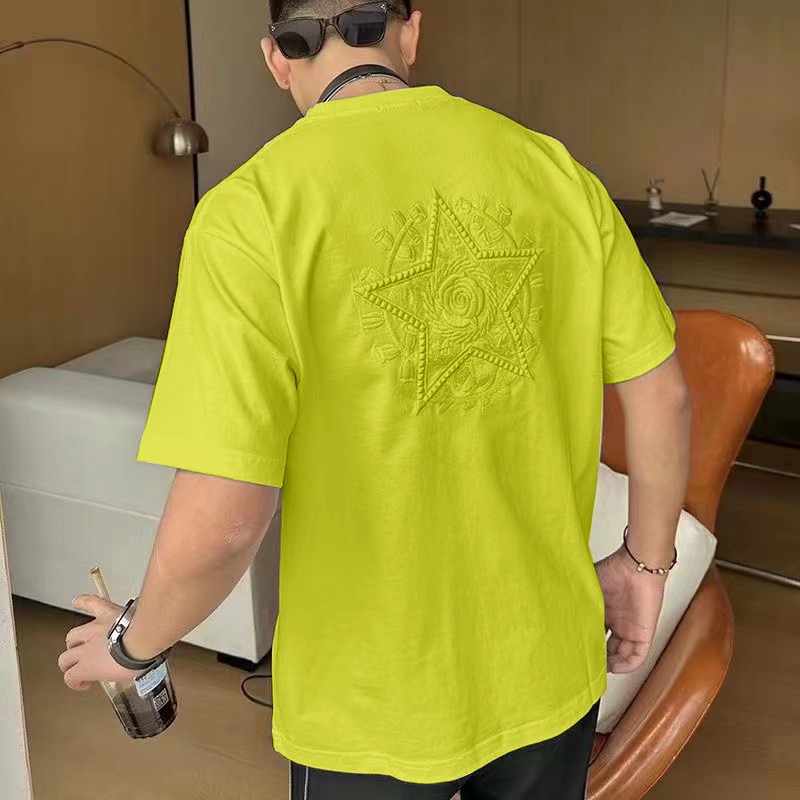
Custom Polo Shirts
For polos, decoration can include embroidery, screen print, transfers or woven badges, selected around pique, jersey or performance fabric. Our polo shirt manufacturer process considers collar construction, placket details and chest placement together.
Get a Quote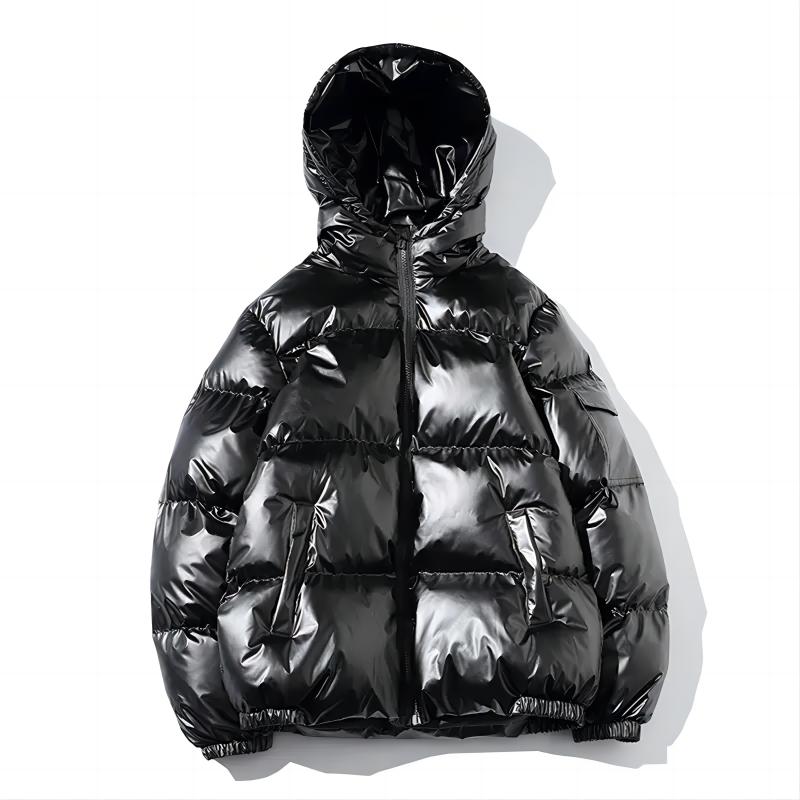
Windbreaker Jackets
Windbreaker jackets require decoration methods compatible with lightweight shells, coatings, and seam positions. As a windbreaker manufacturer, EDVORIN evaluates screen printing, transfers, embroidery, and patches while coordinating lining, zippers, hood details, and packability.
Get a Quote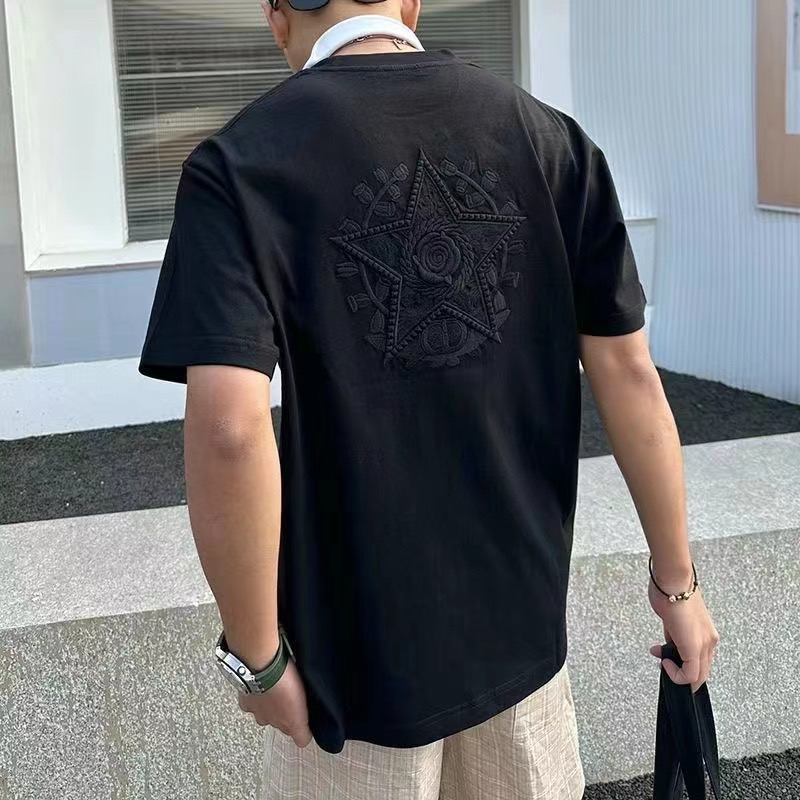
Quilted Jackets
Quilted jackets need decoration planned around shell fabric, insulation, lining and quilting channels. Our quilted jacket manufacturer process assesses suitable print, embroidery or patch locations without compromising construction or wearing comfort.
Get a Quote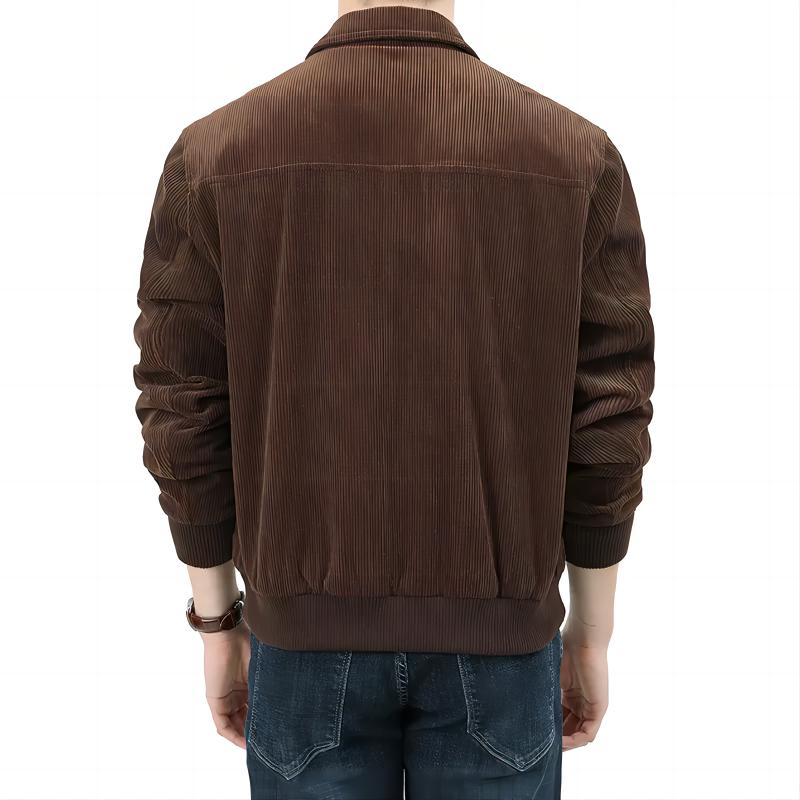
Bomber Jackets
Bomber jackets can combine embroidered logos, patches, appliqué, and selected print applications across nylon, satin, cotton, or blended shells. As a bomber jacket manufacturer, EDVORIN coordinates rib, lining, hardware, and artwork placement through sampling and bulk controls.
Get a Quote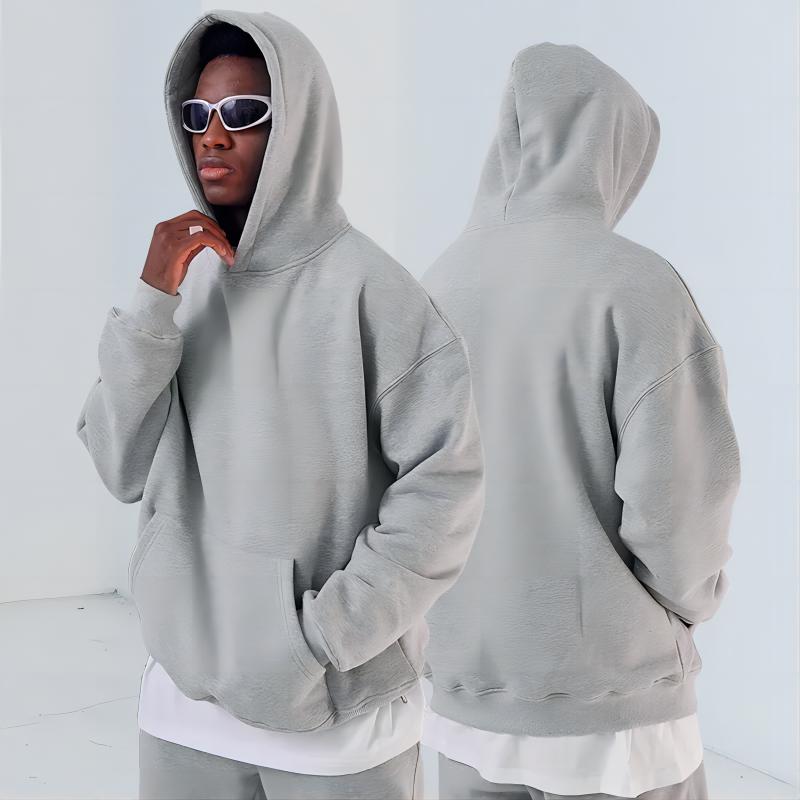
Custom Shirts
Custom woven shirts use embroidery, screen printing, transfers, or labels based on fabric weight, weave, and intended finish. As a custom woven shirt manufacturer, EDVORIN develops collars, plackets, cuffs, pockets, and placement references for consistent private-label production.
Get a Quote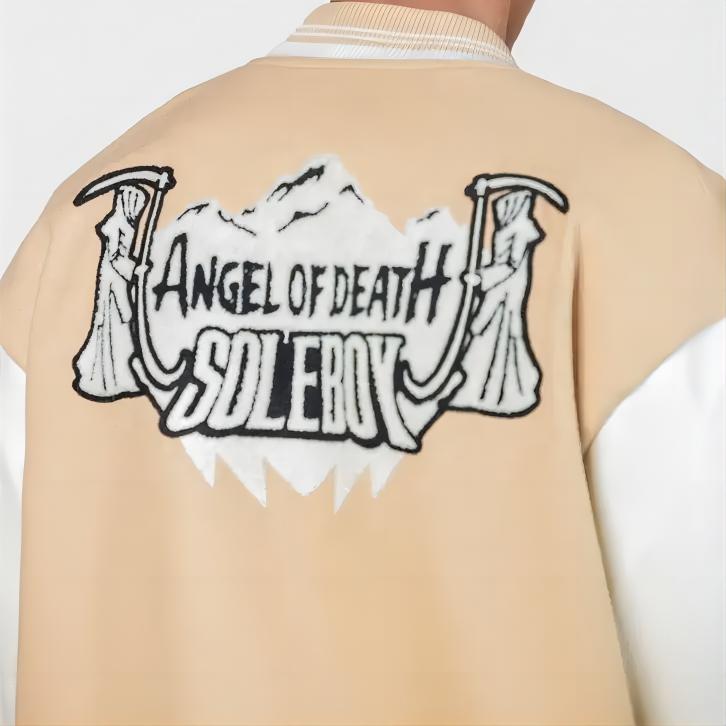
Custom Jerseys
Custom jerseys are developed with sublimation, screen printing, heat-applied names and numbers, embroidery, or badges according to fabric and use case. As a custom jersey manufacturer, EDVORIN controls color references, placement maps, size grading, and repeat-order records.
Get a Quote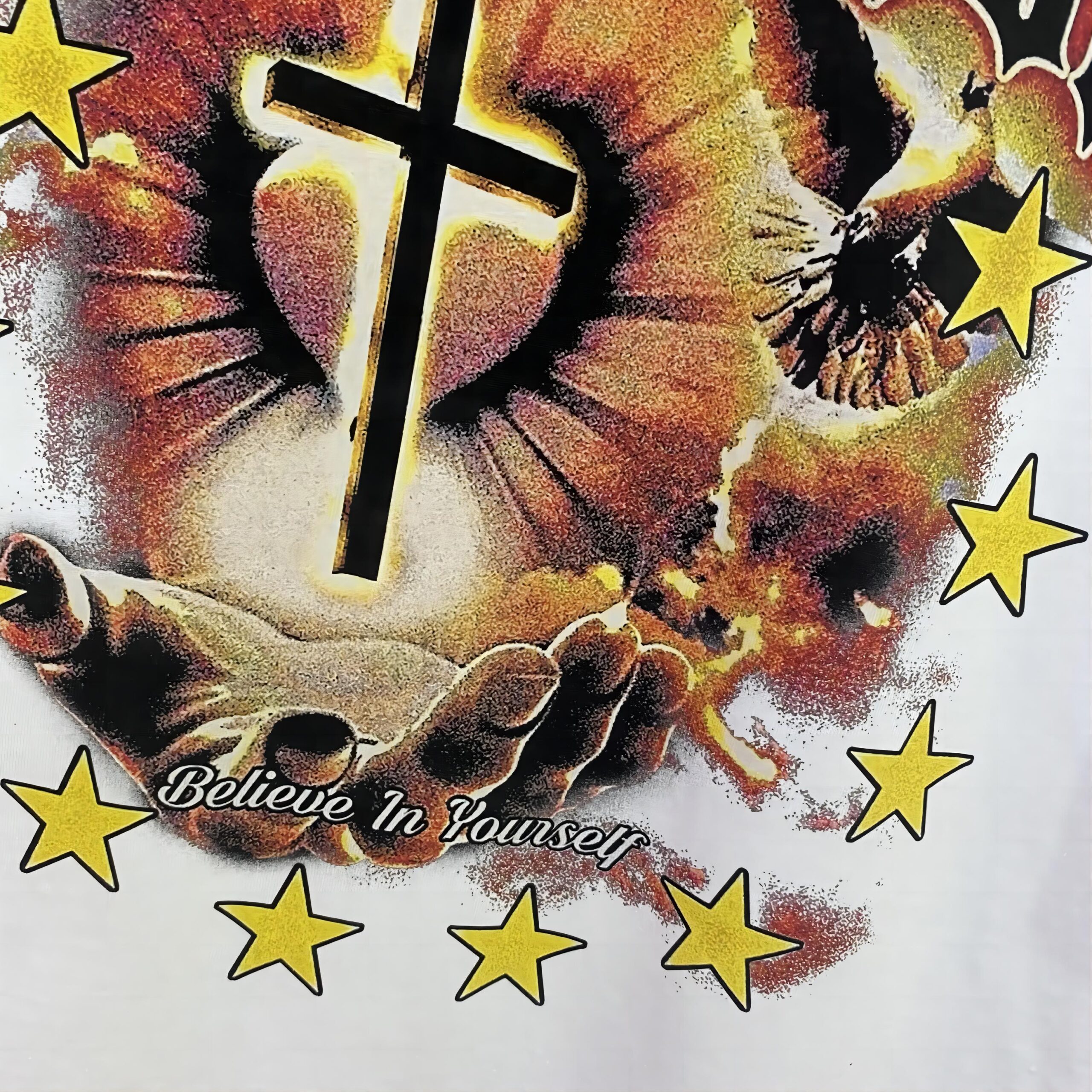
Tank Tops
Tank tops can be developed in cotton jersey, mesh or performance fabrics with screen prints, transfers or embroidery positioned around armholes and side seams. Each program includes fit, binding, label and decoration specifications.
Get a Quote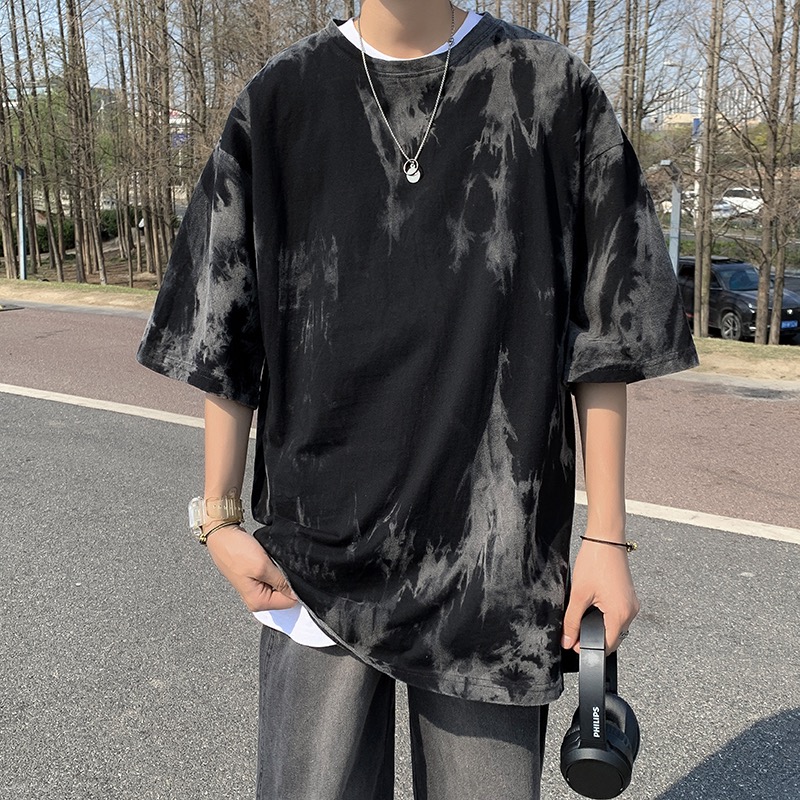
Soccer Uniforms
Soccer uniforms require breathable fabrics, stable color, team crests, sponsor graphics, names, and numbers. As a soccer uniform manufacturer, EDVORIN coordinates sublimation, transfers, embroidery, and screen printing with organized size sets and approved teamwear standards.
Get a Quote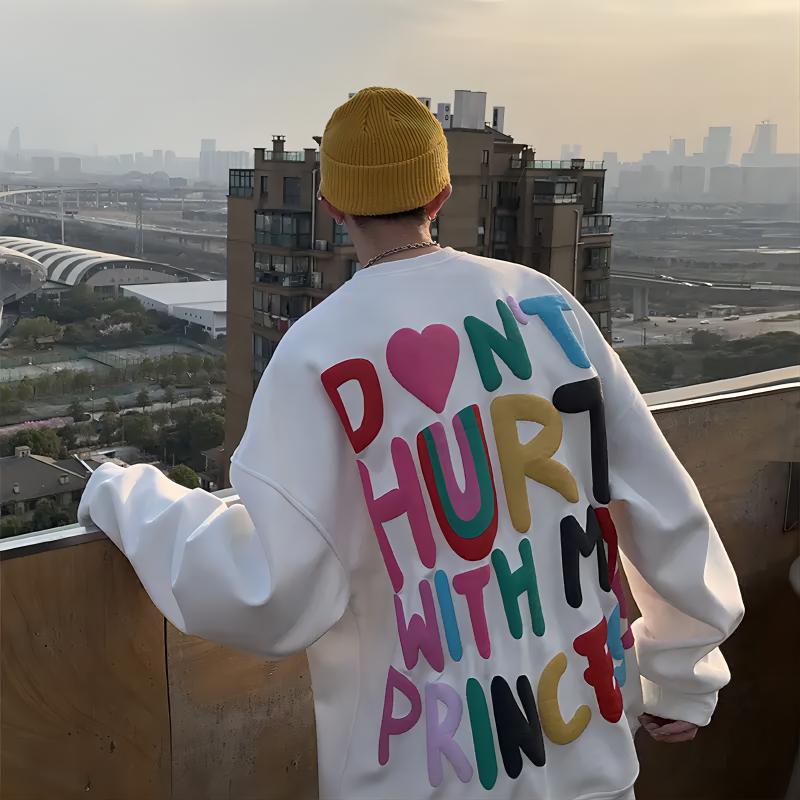
Basketball Uniforms
Basketball uniforms are planned around lightweight performance fabrics, reversible options, color blocking, names, numbers, and team logos. As a basketball uniform manufacturer, EDVORIN selects decoration methods suited to the construction and documents placement for reliable repeat production.
Get a Quote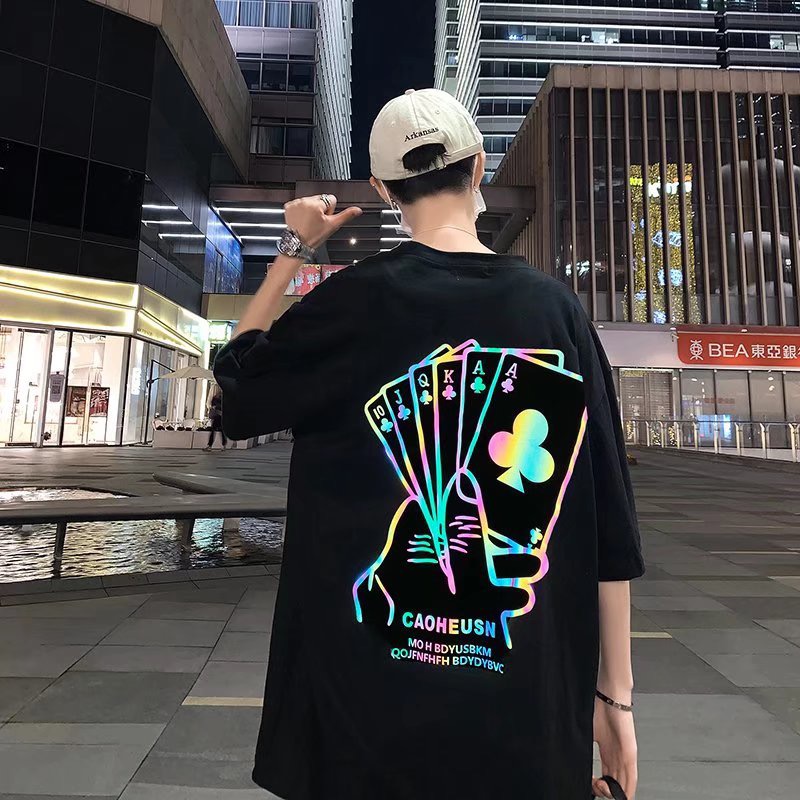
Streetwear Collections
Streetwear collections can combine oversized tees, hoodies, sweatpants, jackets and accessories with screen printing, embroidery, appliqué, patches and washes. As a streetwear clothing manufacturer, EDVORIN aligns materials, trims, artwork and sampling across the collection.
Get a QuotePuff Print Clothing Manufacturer Since 2000
Founded by Edvorin Zeng in 2000, EDVORIN helps brands turn apparel concepts into production-ready programs. As a puff print clothing manufacturer, we connect artwork, fabric selection, garment construction and decoration decisions early, so the approved sample becomes a practical standard for repeatable bulk production.
As an OEM clothing manufacturer, ODM apparel manufacturer, and private label clothing manufacturer, EDVORIN develops hoodies, sweatshirts, T-shirts, joggers, shorts, outerwear, and coordinated streetwear or teamwear collections. Men’s and women’s programs can be developed with fit, grading, materials, trims, labels, and packaging aligned to the intended market. Low MOQ clothing manufacturer support starts at 200 pieces per style.
What makes EDVORIN different is accountable coordination from development through final packing, including custom apparel printing, custom apparel embroidery, garment wash services, and custom clothing labels and packaging. We document approved materials, measurements, and artwork placement, then use in-line and final checks to help protect puff-print consistency across the order and on future reorders. Certification programs include ISO 9001, BSCI, WRAP, SEDEX, OEKO-TEX Standard 100, GRS, and GOTS.
Production Controls for Consistent Puff Prints
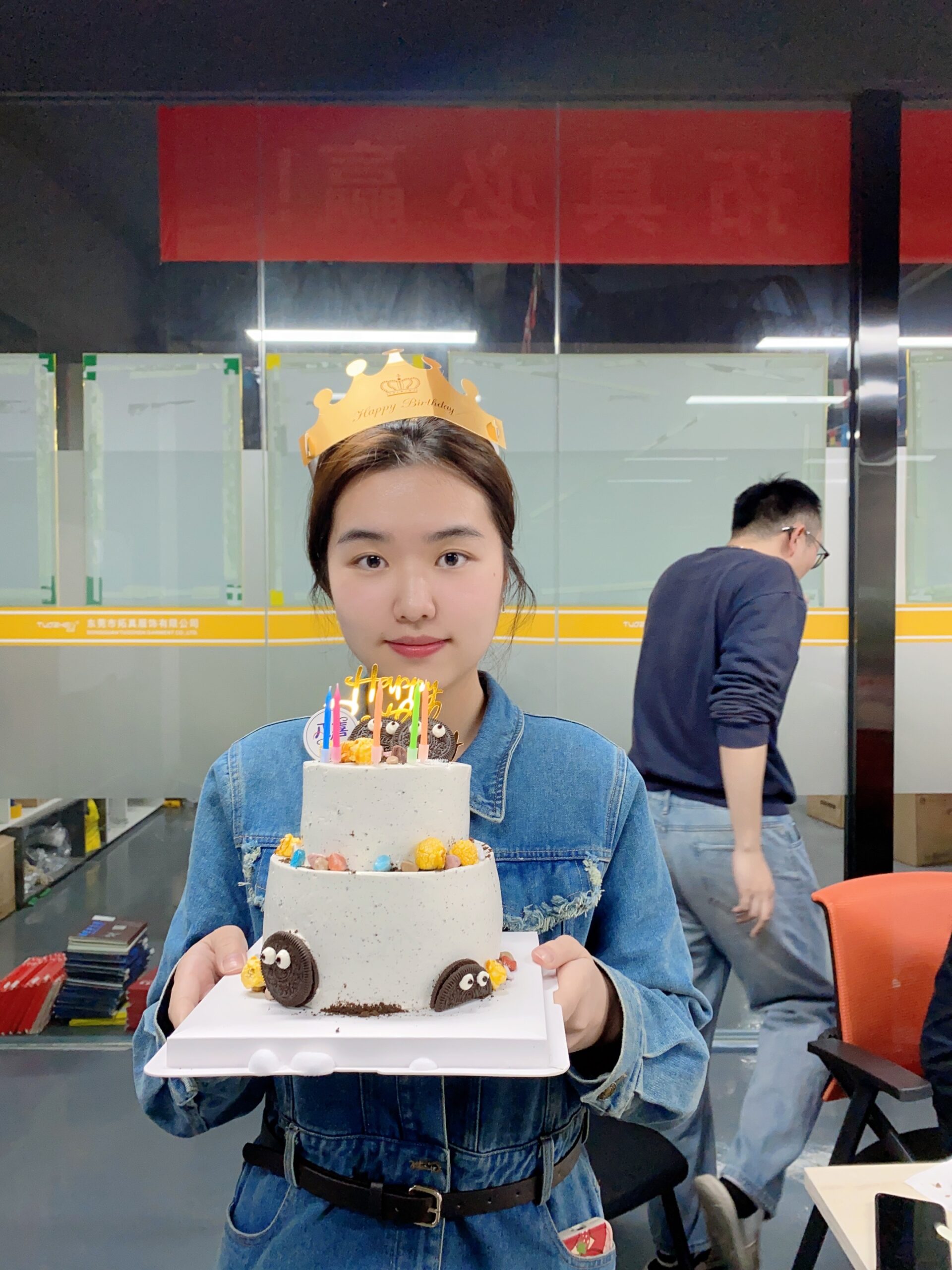
Artwork Built for Expansion
As a puff print clothing manufacturer, EDVORIN reviews line weight, spacing and shape before screens are prepared. Artwork is adjusted for controlled expansion so lettering stays readable and key forms retain their intended character after the print rises.
- Review bold areas, fine details and negative space
- Set placement measurements against the garment pattern
- Confirm artwork revisions before sample production
Fabric and Ink Alignment
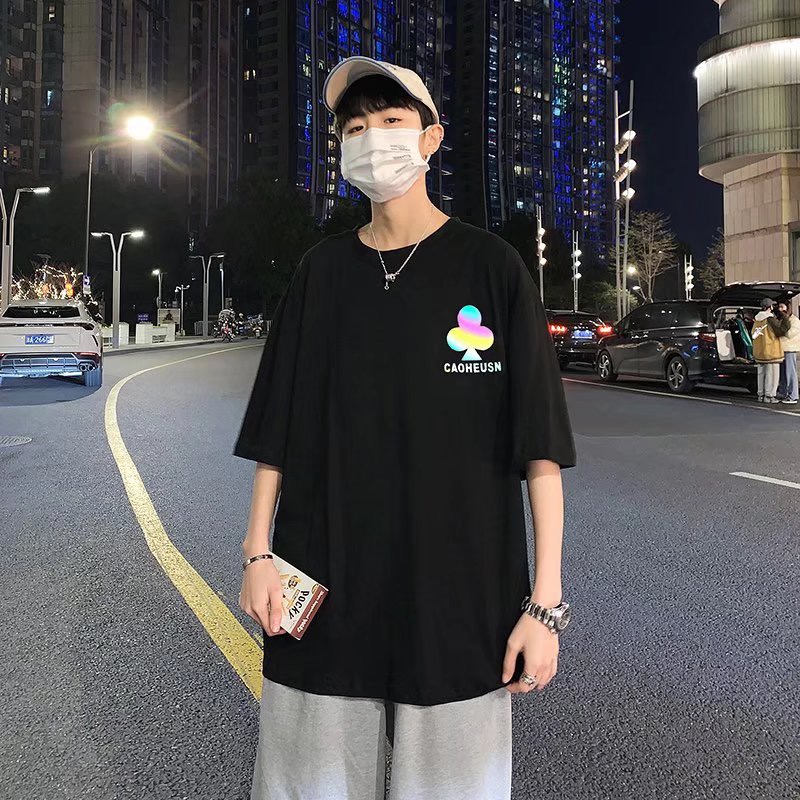
The base fabric affects how a raised print looks, feels and holds its shape. EDVORIN coordinates fabric weight, surface texture and ink selection during development, then evaluates the result on the actual garment construction rather than relying on artwork alone.
- Assess fleece, jersey or knit surface behavior
- Match ink approach to the intended raised effect
- Test decoration with the selected colorway and material
Placement and Curing Control
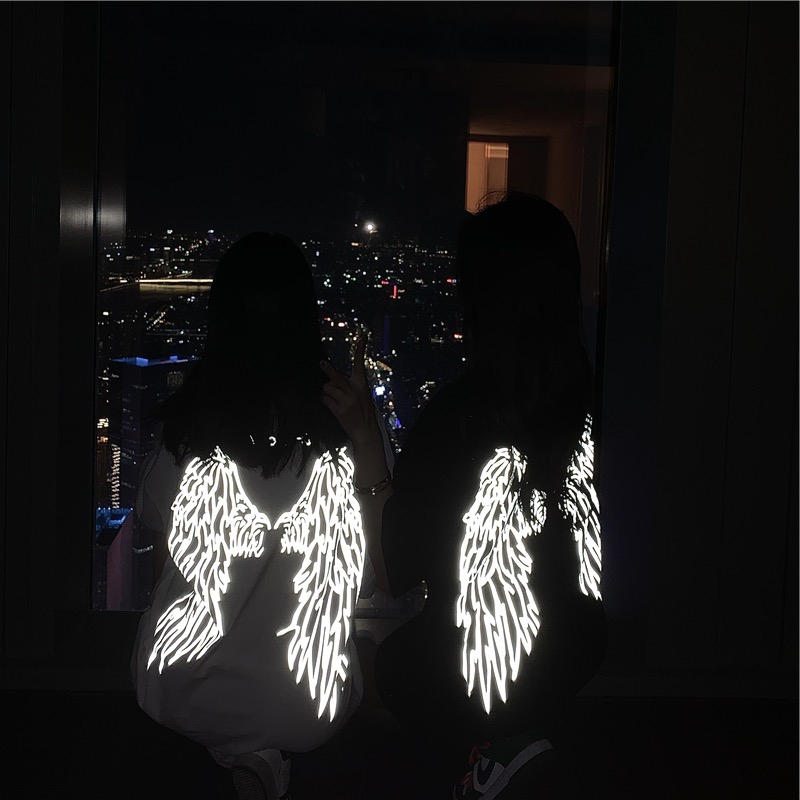
A consistent puff finish depends on more than the print itself. EDVORIN records approved placement, print conditions and finishing requirements so production teams can follow one defined standard from the first garment through bulk output.
- Record approved print location and artwork orientation
- Control curing as part of the decoration workflow
- Check finished garments against the approved sample
Approved Samples Guide Bulk
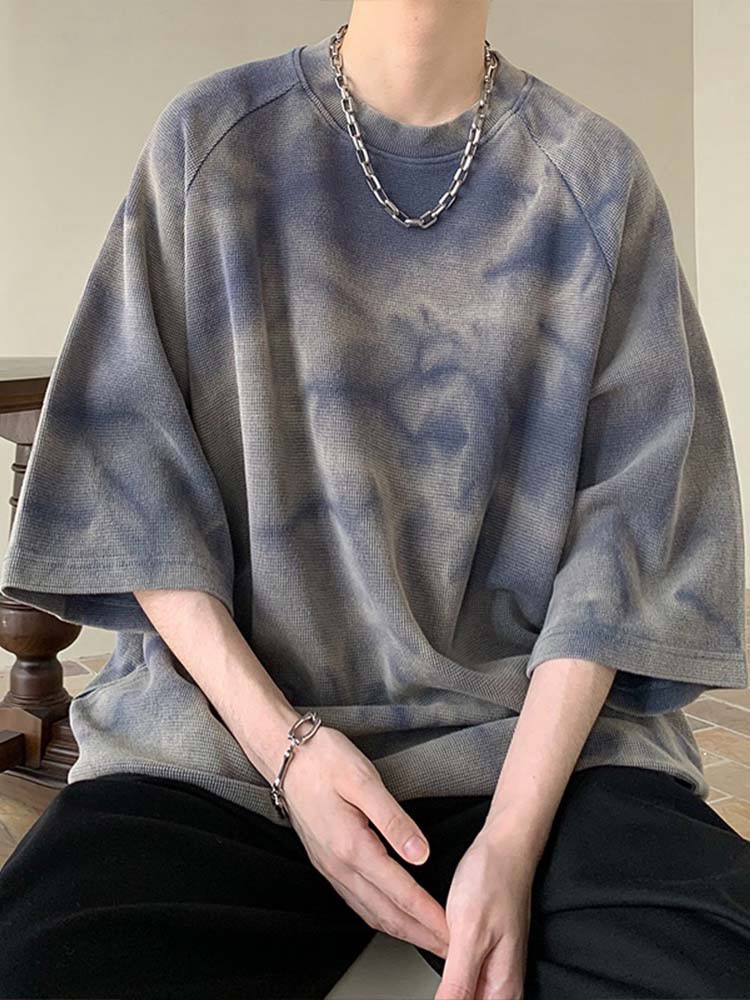
The approved sample becomes the working reference for a repeatable order. EDVORIN connects sample feedback, material details, decoration specifications and quality checks in one production path, helping private-label and wholesale programs protect the intended raised finish at scale.
- Document sample approvals and requested corrections
- Align production teams with defined decoration standards
- Use in-line and final checks before packing
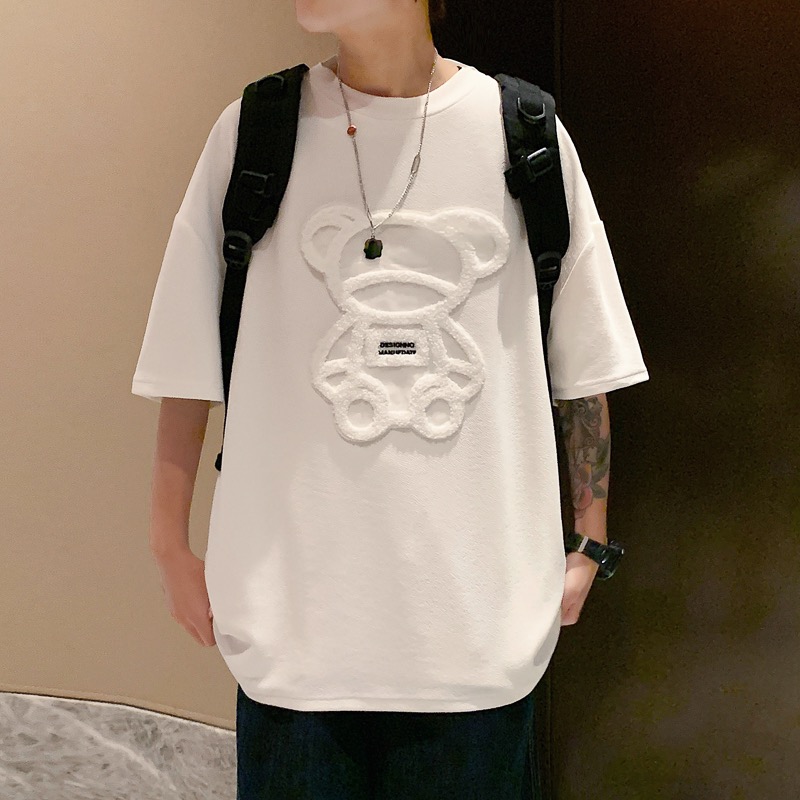
Puff Print vs. Flat Screen Print
Compare puff print for raised, tactile graphics with flat screen print for detailed, multi-color artwork.
← Swipe left or right to view →
How Puff-Print Apparel Programs Move to Bulk Production
EDVORIN converts approved artwork and garment specifications into a controlled puff-print workflow built for consistent raised finish, placement, and repeat orders.
Review Artwork and Garment
We review artwork, intended puff effect, garment fabric, fit, color, and placement requirements to identify production details before sampling or screen preparation begins.
Develop Screens and Ink
Approved artwork is prepared for screen setup while puff ink, color references, and print parameters are aligned with the selected fabric and construction.
Test Print Registration
The team checks screen registration, artwork placement, coverage, and edge definition on the garment, refining settings before the approved production standard is confirmed.
Control Curing and Finish
Puff prints are cured under controlled conditions so the raised effect, adhesion, texture, and overall appearance match the approved sample throughout bulk production.
Inspect, Label, and Pack
Final checks verify print placement, raised finish, garment measurements, labeling, and packaging before finished pieces are organized for delivery and future reorder reference.
Order Your Puff Print Clothing Manufacturer Program
Move from artwork and garment references to an approved production standard with clear documentation at every handoff.
Share Your Product Direction
Send a tech pack, sketch, reference garment, target quantity, and intended fit. EDVORIN reviews construction, fabric, and decoration requirements for your program.
Supply Production-Ready Artwork
Provide vector artwork, puff-print locations, size specifications, and color references. We confirm whether line weight, spacing, and artwork detail suit the raised finish.
Approve Materials and Samples
Review proposed fabrics, trims, color standards, and the finished sample. Revisions are documented so the approved garment becomes the reference for bulk production.
Release Bulk Production
After approval, EDVORIN coordinates cutting, sewing, puff printing, quality checks, labeling, and packaging. MOQ starts at 200 pieces per style for repeatable private-label production.
What Buyers Achieved with EDVORIN, a Puff Print Clothing Manufacturer
Our first 600-piece hoodie drop held a consistent raised logo across three sizes. EDVORIN refined the artwork before sampling, then documented placement and color so the approved result carried into bulk production.
We needed puff-print crewnecks that could withstand team travel and repeated washing. After 25 wash-test cycles, the raised lettering remained clear, and the 480-piece order arrived in time for our season launch.
EDVORIN matched our approved cream-and-brown color direction on 1,200 hoodies and joggers. Their sample revisions gave us confidence before bulk, and the finished collection was ready for our retail delivery window.
Puff Print Clothing Manufacturer FAQ
Clear answers for brands planning a raised-print apparel program from sample approval through repeat bulk production.
What fabrics work best for puff print clothing?
Can a puff print clothing manufacturer print fine lines and detailed artwork?
Which certification programs does EDVORIN support?
Can a puff print clothing manufacturer combine puff ink with embroidery or patches?
How should puff-printed garments be washed?
What is the MOQ for custom puff print apparel?
What files does a puff print clothing manufacturer need for a quote and sample?
How long do puff print samples and bulk production take?
The Complete Puff Print Clothing Manufacturer Buyer’s Guide
Use this decision framework to evaluate puff print production, garment quality, supplier capabilities, sampling, pricing, and launch readiness—while avoiding artwork, fabric, communication, and quality-control mistakes that can weaken your finished collection.
1. What Is a Puff Print Clothing Manufacturer?
A 200-piece OEM program typically requires more than applying a raised graphic to a purchased blank. A puff print clothing manufacturer develops or sources the garment, applies screen-printed ink formulated to expand during curing, and records the approved result for production.
The distinction matters: a print-only shop decorates buyer-supplied or stock blanks; a blank vendor supplies garments without owning the decoration workflow. A cut-and-sew OEM may build the garment but outsource printing, creating another handoff to control.
EDVORIN connects product development, fabric and trim sourcing, patterns, samples, puff printing, finishing, labeling, packing, quality control, and repeat-order documentation. The buyer’s core test is whether one accountable partner can preserve the approved fit, placement, ink effect, and presentation from first sample through replenishment.
2. How Puff Printing Evolved in Apparel
One-pass puff ink gave screen printers a practical way to create a raised effect without the multiple passes associated with high-density printing; it moved beyond specialty graphics as bold logos and lettering became central to streetwear. The dimensional surface catches light differently from a flat print, so buyers can use it to make a simple mark feel like a deliberate product feature. https://www.realthread.com/puff-print
Two common contemporary placements—chest marks and oversized back graphics—show why puff now fits hoodies, crews, tees, team spiritwear, promotional merchandise, and private-label capsules. Its tactile profile can support a higher-positioned garment, but it should complement the fabric weight, silhouette, and retail story rather than substitute for them. https://rapidsilkscreenprinting.com/page/custom-puff-print-hoodie
One-color puff elements remain a useful design discipline: broad type, solid shapes, and restrained logo forms preserve the raised edge more reliably than fine detail. A puff print clothing manufacturer should therefore review artwork as part of product development, often pairing dimensional focal elements with flat ink for smaller information. https://deerfieldcustomprints.com/puff-print-hoodies
3. Types of Puff Print Clothing Manufacturer Services
Supplier choice determines who owns garment development, decoration testing, and production coordination. A puff print clothing manufacturer may print supplied blanks or manage the garment from pattern through packing.
| Model | Best For | Buyer Responsibility | Tradeoff |
|---|---|---|---|
| Print on blanks | Fast runs | Select blank and art | Speed; low customization |
| Full-package OEM | Private label | Approve development | Control; higher MOQ |
| Cut and sew | New silhouettes | Specify construction | Depth; longer development |
| Domestic partner | Urgent replenishment | Coordinate local costs | Speed; higher unit cost |
| Overseas partner | Scaled programs | Plan earlier | MOQ; broader sourcing |
| Hybrid supplier | Phased launches | Choose workflow | Flexibility; handoffs |
Print-On-Blanks Providers
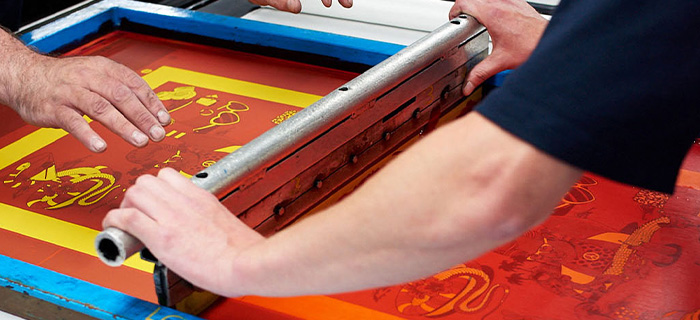
Stock-blank providers suit events, school spiritwear, and quick merchandise runs. Buyers choose the garment, artwork, and sizes; speed is high, while fit, fabric, and labeling control stay limited.
Full-Package OEM Partners
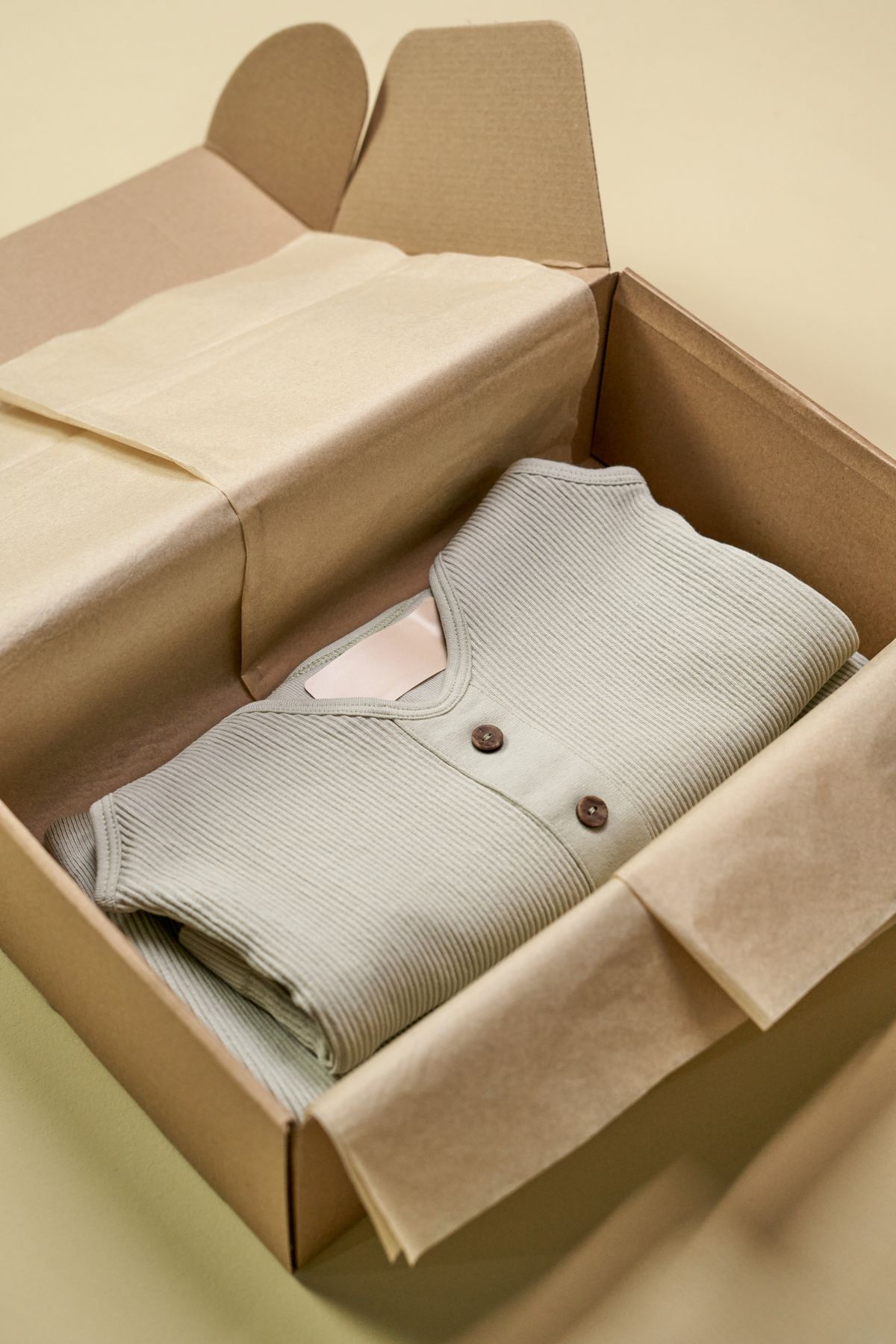
200-piece OEM programs suit brands needing custom fleece, patterns, labels, and coordinated packing. The manufacturer manages more development; buyers still approve tech packs, color standards, samples, and bulk references.
Cut-And-Sew And Hybrid Models
Cut-and-sew specialists suit distinctive blocks, panels, washes, or performance details. Hybrid suppliers combine blank printing with custom development, reducing complexity for buyers testing both fast drops and proprietary styles.
4. Fabrics for Puff Print Clothing Manufacturer Projects
Fabric selection determines whether puff rises cleanly or sinks into texture. A puff print clothing manufacturer should approve fabric, color, weight, stretch, and construction together before bulk cutting.
| Fabric | Typical Use | Suitability | Watch-Out |
|---|---|---|---|
| 100% cotton | T-shirts | High | Surface texture |
| Cotton-rich fleece | Hoodies | High | Nap variation |
| Polyester | Jerseys | Moderate | Dye migration |
| Performance blend | Teamwear | Conditional | Stretch distortion |
Surface And Weight
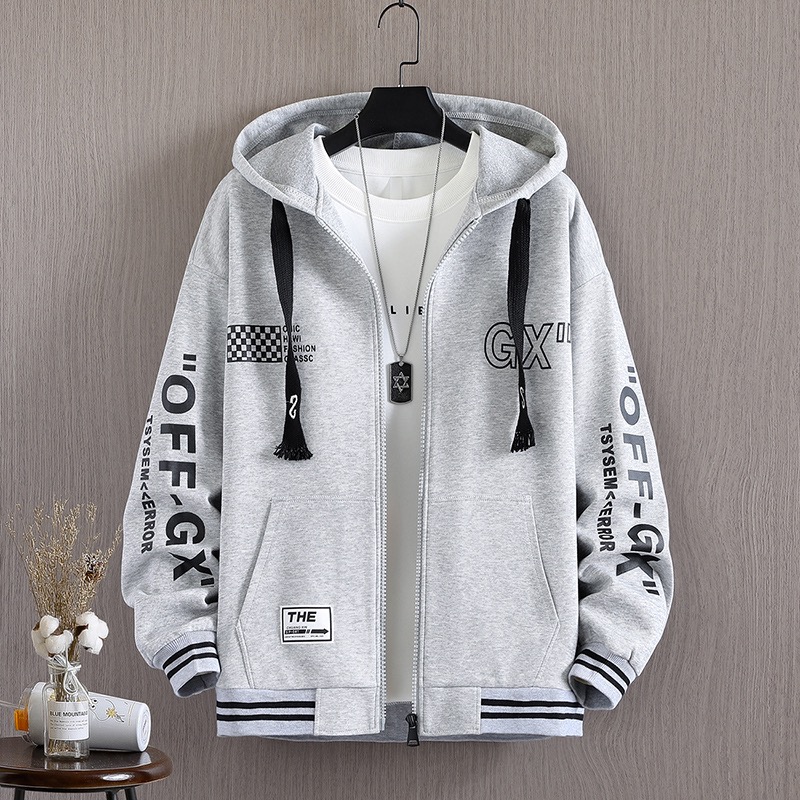
180–220 GSM smooth cotton jerseys give sharper edges than slubby or heavily brushed surfaces. 280–360 GSM cotton-rich fleece provides a stable, premium base for hoodie graphics.
Stretch And Color
5–10% elastane can distort a raised print when the garment is stretched. Dark garments need an opacity check, while dye migration risk is higher on polyester and some blends.
Samples And Wash Tests
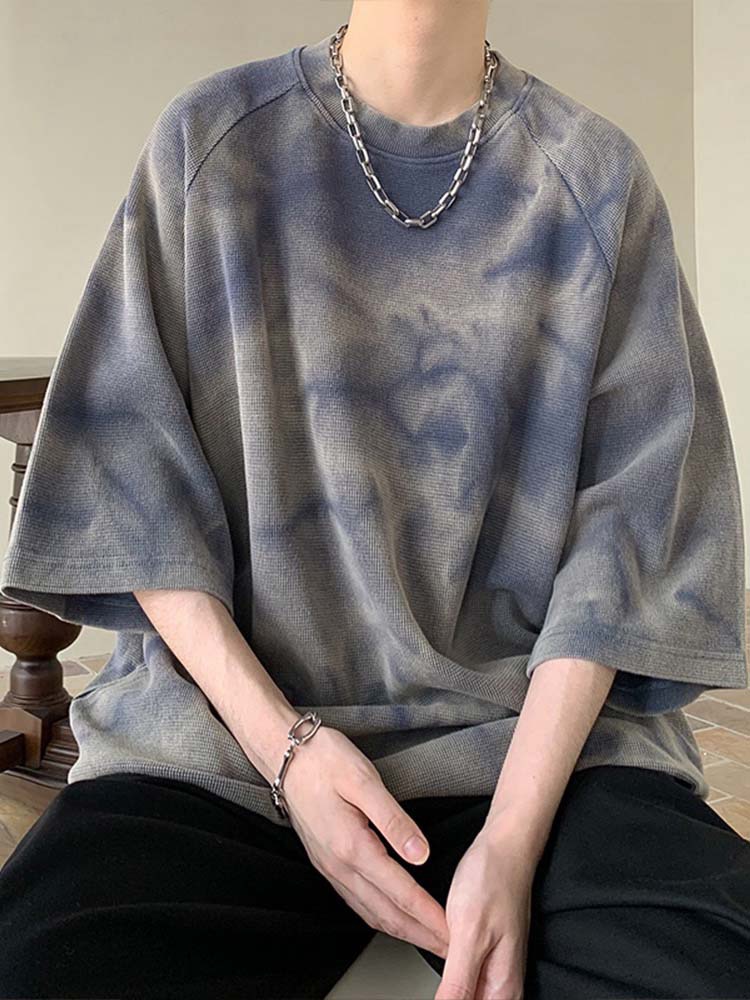
One pre-production sample should confirm height, edge definition, hand feel, and placement. Three to five wash cycles reveal cracking, flattening, shrinkage, or color bleed before approval.
5. Puff Print Customization and Decoration Options
Pantone references, placement measurements, and approved strike-offs turn a puff concept into a repeatable decoration standard. A puff print clothing manufacturer should document each location before bulk production.
| Option | Best Use | Buyer Control |
|---|---|---|
| Puff ink | Bold logos | Color and height |
| Flat ink | Fine detail | Color registration |
| Embroidery | Small emblems | Thread and placement |
| Labels and packaging | Brand presentation | Artwork and packout |
Ink, Placement, And Scale
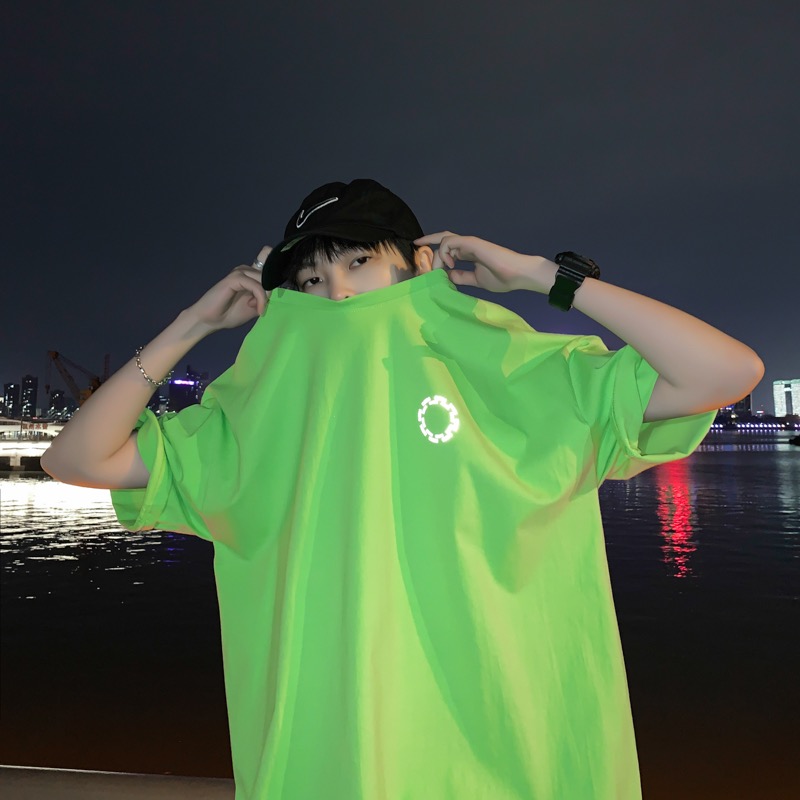
Pantone-matched puff ink can be specified for chest, back, sleeve, and leg placements. Large, bold marks usually retain a more even raised profile than dense artwork.
Puff And Flat Ink
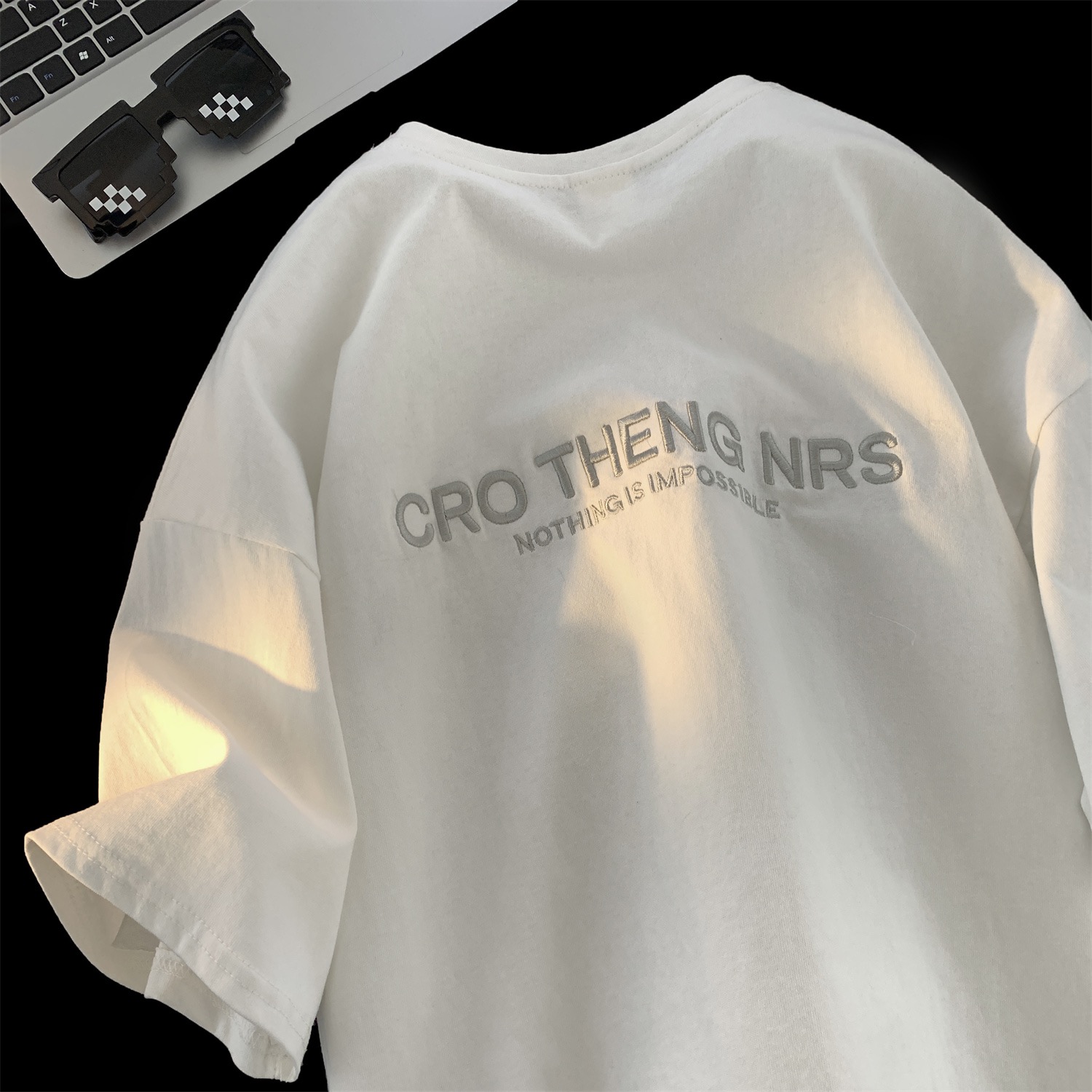
One-color puff is strongest when it carries the main logo or headline. Flat screen print keeps tiny type, linework, gradients, and dense illustration readable beside the raised element.
Branding And Packout
Custom woven labels, printed neck labels, hangtags, embroidery, size stickers, polybags, and cartons should be specified in the approval pack. Embroidery is often better for small durable emblems than puff ink.
6. Construction Quality Beyond the Puff Print
Two approvals are needed: one for the garment and one for the decoration. A puff print clothing manufacturer should record both against the approved sample before bulk cutting.
Fit And Construction
One graded size set should confirm chest, body length, sleeve pitch, and hood opening. Compare left and right seams, rib recovery, neckline shape, and hood-panel alignment against the measurement chart.
Fabric And Color Control
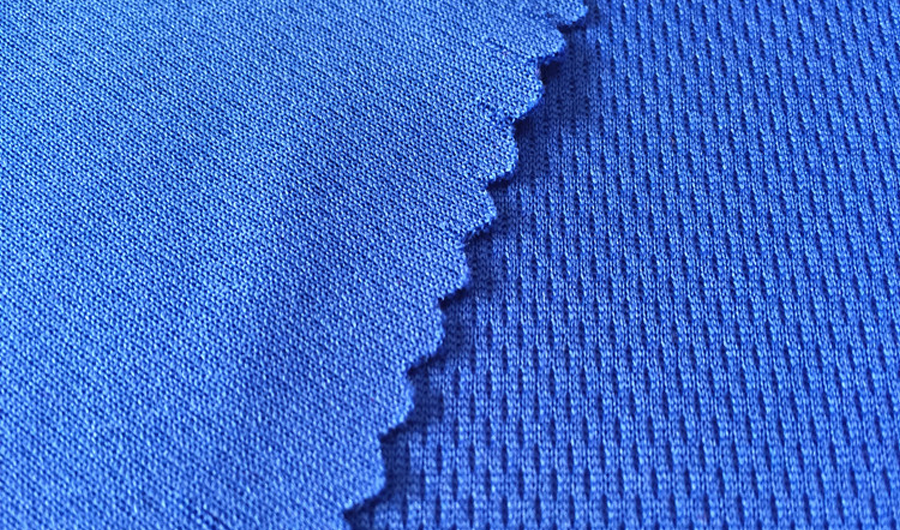
Fabric weight and shrinkage must be tested before production. Confirm GSM, shade lot, and post-wash measurements; inspect color consistency across panels, cuffs, and drawcords.
Approval And Wash Checks
Three checkpoints prevent late surprises: sample, pre-production, and finished goods. Verify label placement, print registration, cure adhesion, and wash performance on each approved standard.
7. Choosing a Puff Print Clothing Manufacturer
EDVORIN’s MOQ starts at 200 pieces per style. A 200-piece OEM MOQ should match the buyer’s size curve, color count, and launch risk. Two approved documents—artwork proof and production specification—should exist before any deposit.
| Check | Ask Before Deposit | Evidence |
|---|---|---|
| MOQ | By style, color, and size? | Written breakdown |
| Fabric | Source and approved swatch? | Composition record |
| Reorder | How is consistency controlled? | Retained sample |
Portfolio And Sampling
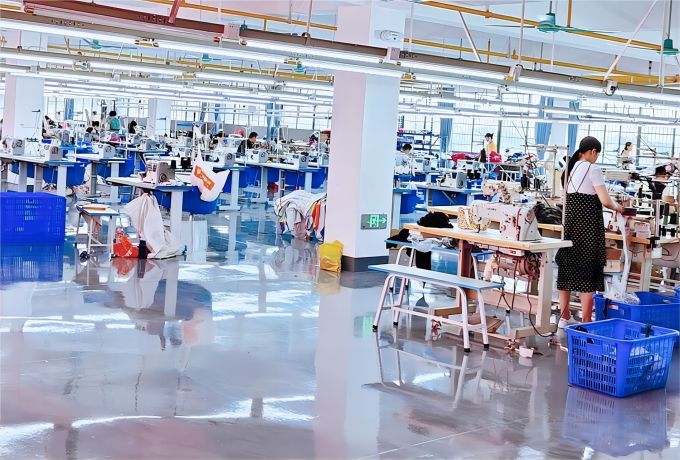
Three recent comparable garments should show raised-print edges, fabric choice, and wash results.
One pre-production sample should lock placement, color, handfeel, measurements, and construction.
- Request front, back, and close-up photos.
- Ask who approves artwork before screens.
- Confirm sample revisions and charges.
Capacity And Control
200 pieces is a practical point to confirm MOQ by style, color, and size.
Four checkpoints should cover incoming fabric, print approval, in-line sewing, and final packing.
- Ask for weekly production updates.
- Confirm defect handling and inspection standard.
- Verify reorder records retain approved specifications.
Commercial Questions
Two dates matter: sample approval and ex-factory completion.
One written quote should state Incoterms, freight responsibility, payment milestones, and reorder lead time.
- What can change after deposit?
- Which shipping term applies?
- How are Pantone and placement tolerances recorded?
8. Common Puff Print Buying Mistakes
Puff-print failures usually start before the production order. A puff print clothing manufacturer can control risk when approval criteria are written before materials, artwork, and delivery dates are locked.
Test Artwork And Fabric
One digital proof cannot show how fine lines will expand. Request a strike-off on the selected fabric and approve raised height, edge clarity, color, and wash behavior.
Two similar fleeces can print differently. Confirm the exact composition, weight, surface, and color before bulk cutting.
Match The Full Specification

Every quote should use the same garment, GSM, color count, print locations, artwork size, labels, packaging, quantity, and shipping terms. Compare like-for-like specifications, not headline unit prices.
One physical pre-production sample prevents assumptions. Record print dimensions and placement tolerances in millimeters before approving bulk production.
Define Delivery And Defects
Three production details are often omitted: dated milestones, label and packaging files, and an acceptance standard. Confirm sampling, material approval, bulk completion, inspection, and shipment dates in writing.
A defect standard should define allowable print cracking, misplacement, shade variation, stains, measurement variance, and inspection method. Set the remedy process before the order starts.
9. Launching a Puff Print Apparel Collection
A first drop should prove one clear customer promise before it expands. EDVORIN turns the approved concept into documented standards for repeatable bulk production.
Define The First Drop
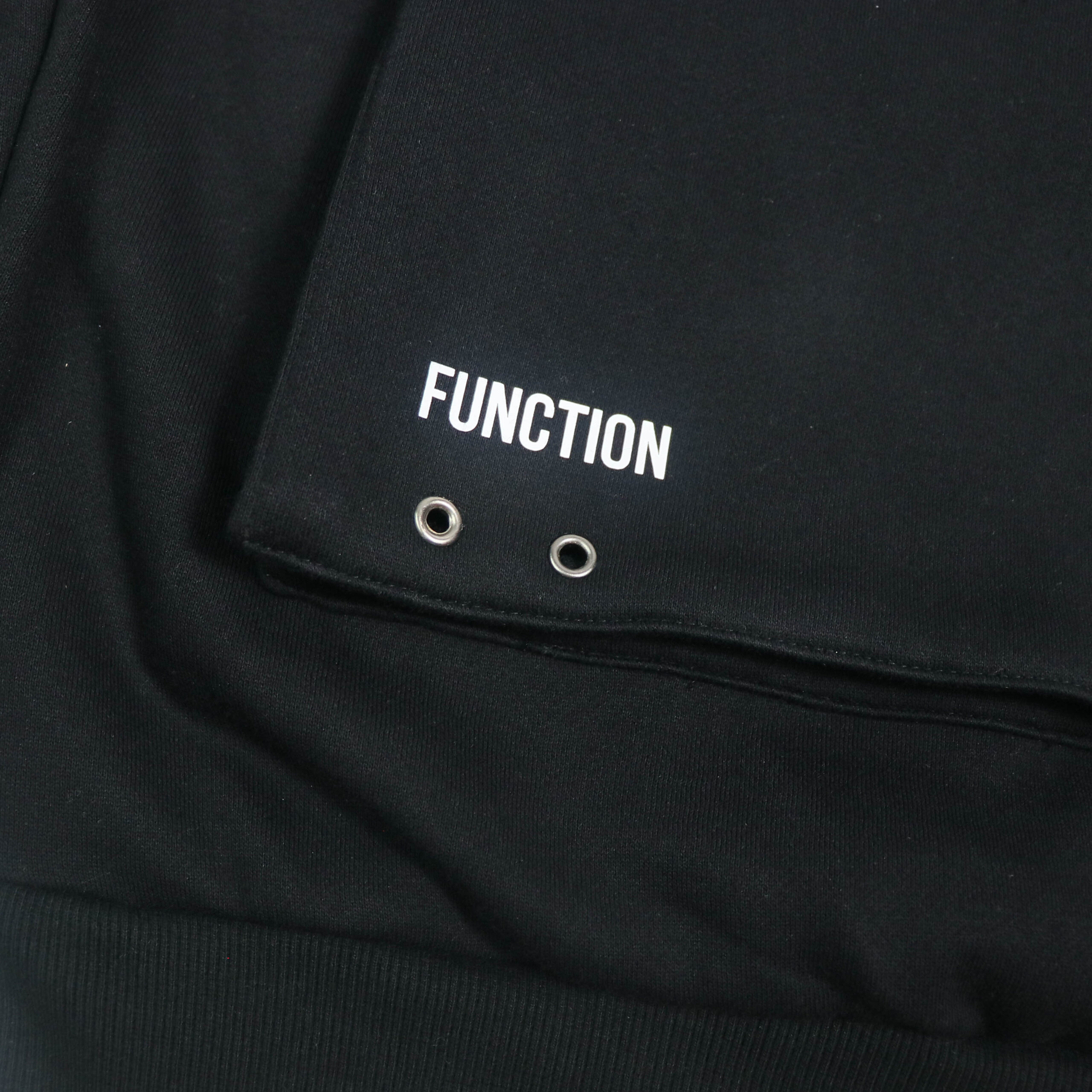
Two silhouettes—such as a hoodie and heavyweight T-shirt—can establish a focused launch without splitting inventory too widely. Set target wearer, price position, colorway count, and size curve before development.
Prepare And Approve
One production file should specify vector artwork, Pantone references, print location, maximum dimensions, fabric, measurements, labels, and packaging. Request a quotation and sample, then record every revision against the approved sample.
Lock Production And Reorders
EDVORIN’s MOQ starts at 200 pieces per style. A 200-piece OEM MOQ makes concentrated color and size planning especially important for emerging labels. Confirm the purchase order, production calendar, in-line checks, final inspection standard, carton marks, and delivery plan; retain approved artwork and sample records for reorders.
10. Puff Print Clothing Manufacturer Pricing
200 pieces is a practical OEM starting point because development, screens and setup are spread across more garments. Compare the garment base first: ring-spun cotton, 280–400 GSM French terry or fleece, custom cut-and-sew patterns, labels and packaging each change the landed cost.
1 puff color at one location is simpler than multi-location work, but coverage matters as much as color count. Large raised areas, artwork separation, sample revisions, Pantone matching, freight, duties and compressed lead times should appear as separate quote lines.
2 approvals usually matter more than chasing a low headline unit price: confirm the pre-production sample and the final landed-cost assumptions. A puff print clothing manufacturer should state whether pricing includes screens, setup, packing and destination terms.
| Quantity tier | Unit-cost direction | Typical cost considerations |
|---|---|---|
| 200–499 | Highest | Sampling, setup, development, screens |
| 500–999 | Lower | Fabric utilization, print locations, labels |
| 1,000+ | Lowest | Bulk material buying, freight consolidation |
Bring Your Puff Print Clothing Collection to Production
Send your artwork or collection brief for development, sampling and repeatable bulk manufacturing from a puff print clothing manufacturer built for growing brands.