
Silicone Print Clothing Manufacturer for Raised, Durable Apparel Details
EDVORIN is a silicone print clothing manufacturer for streetwear, teamwear, and private-label programs, coordinating development, samples, and repeatable bulk production.
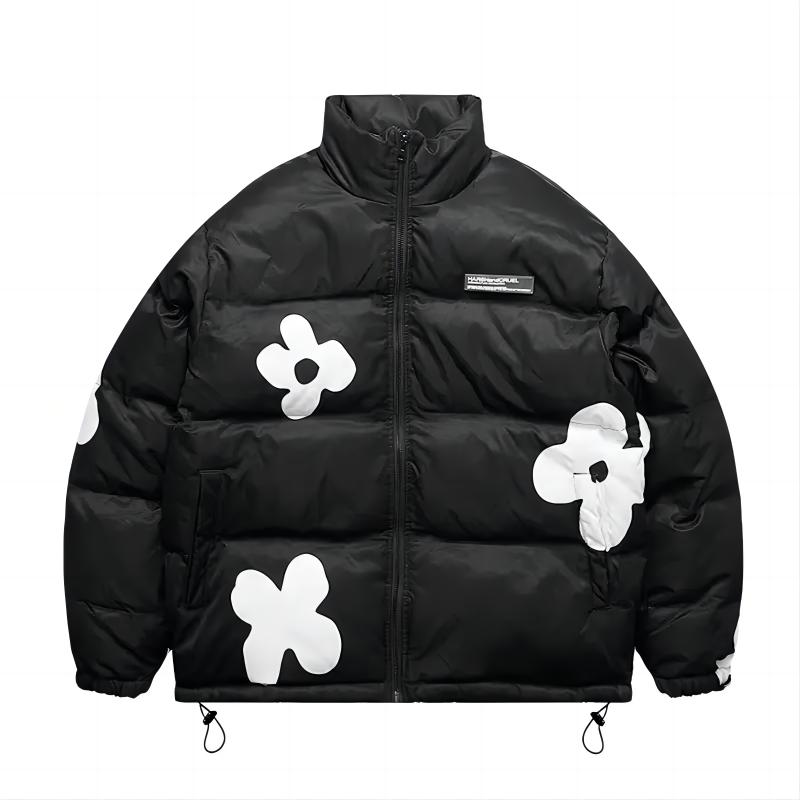
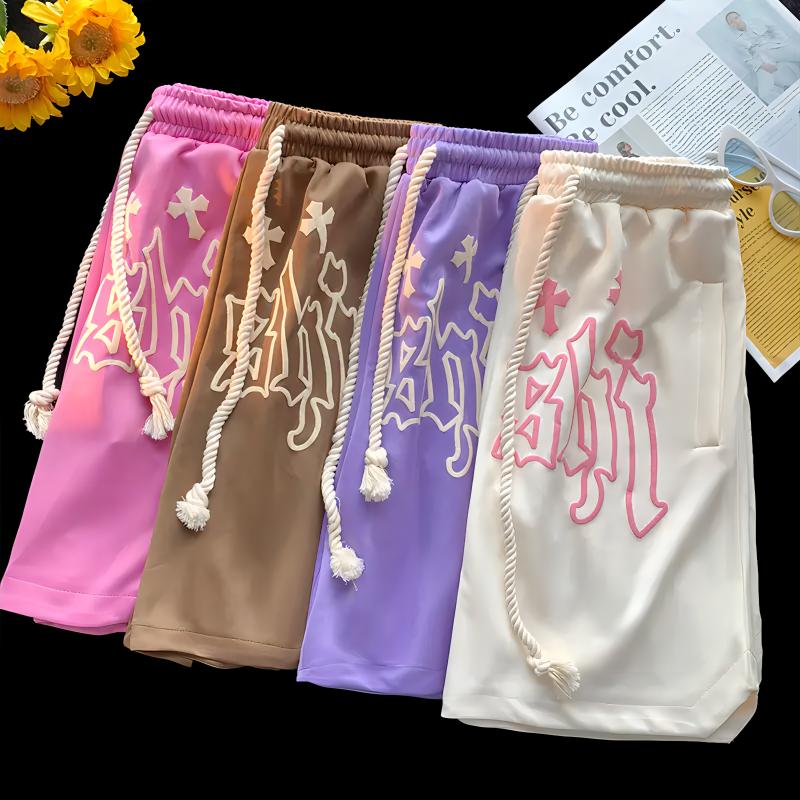
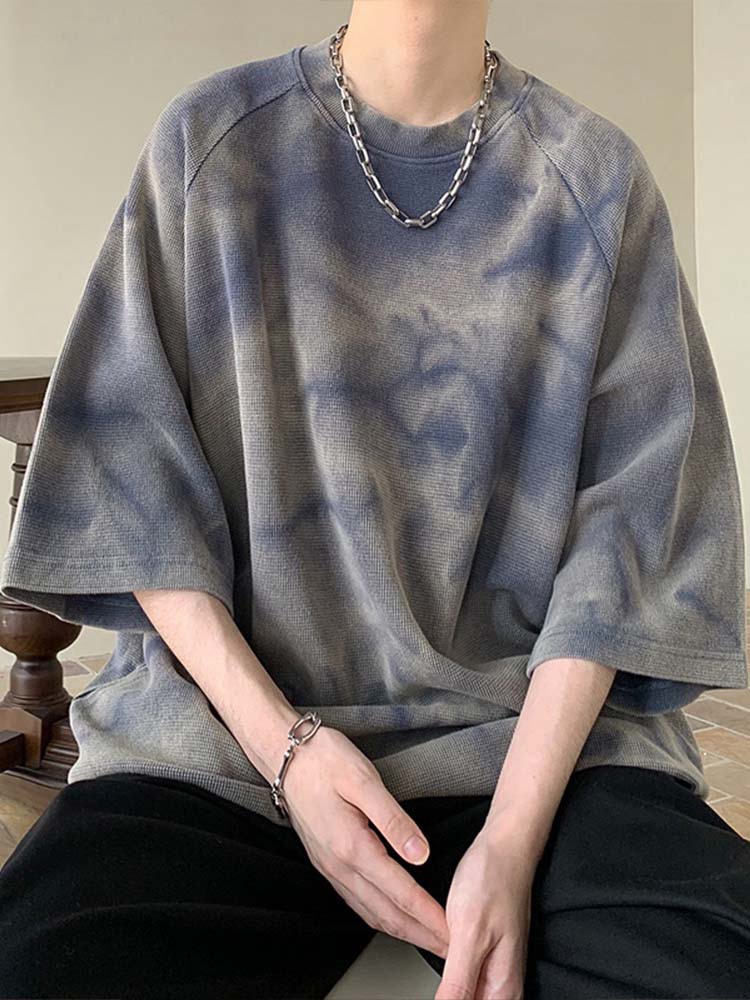
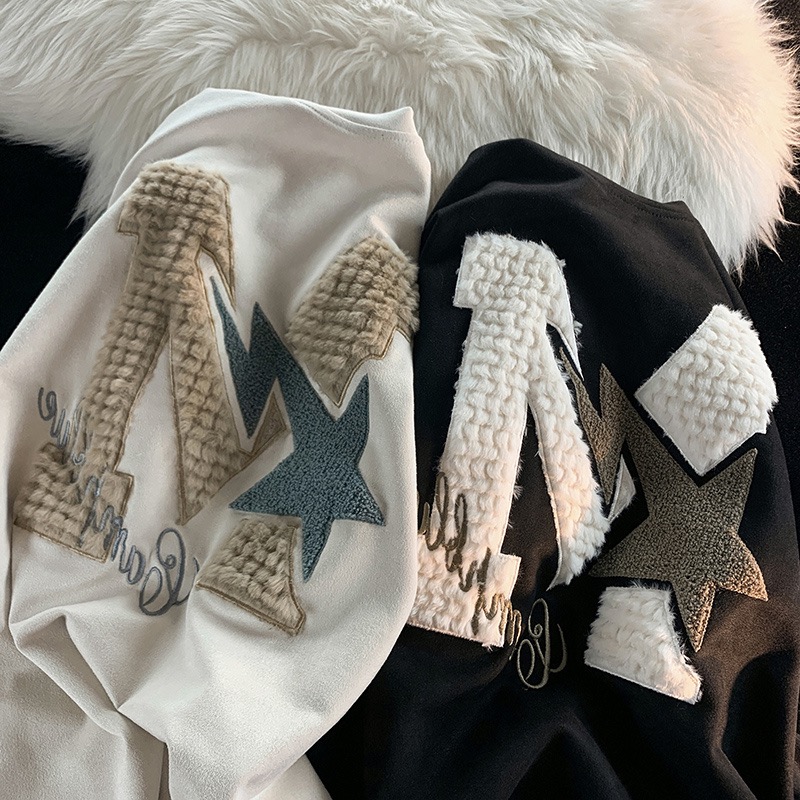
Featured Products for Silicone-Print Apparel Development
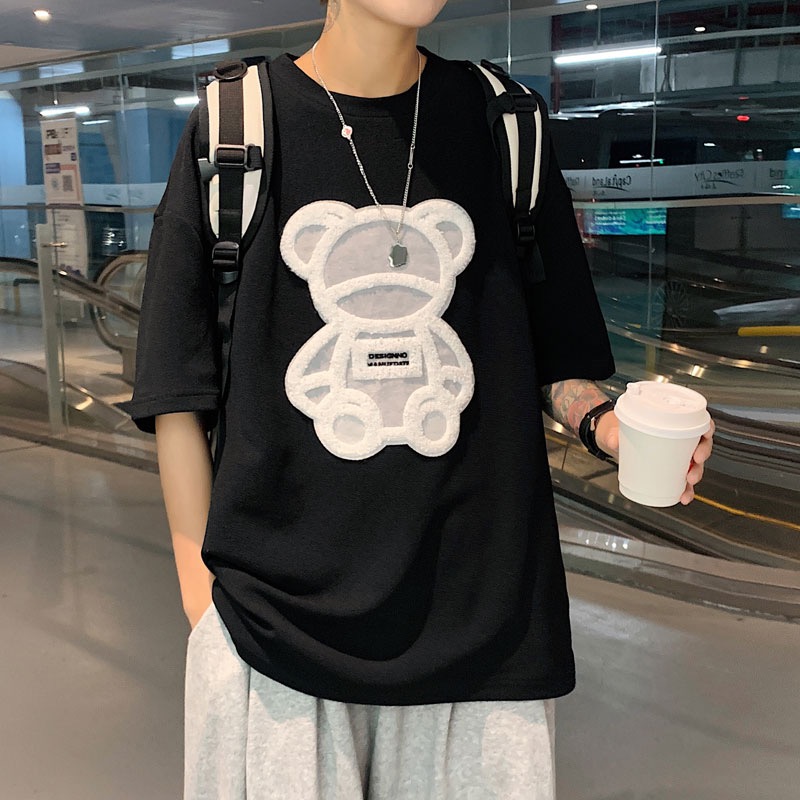
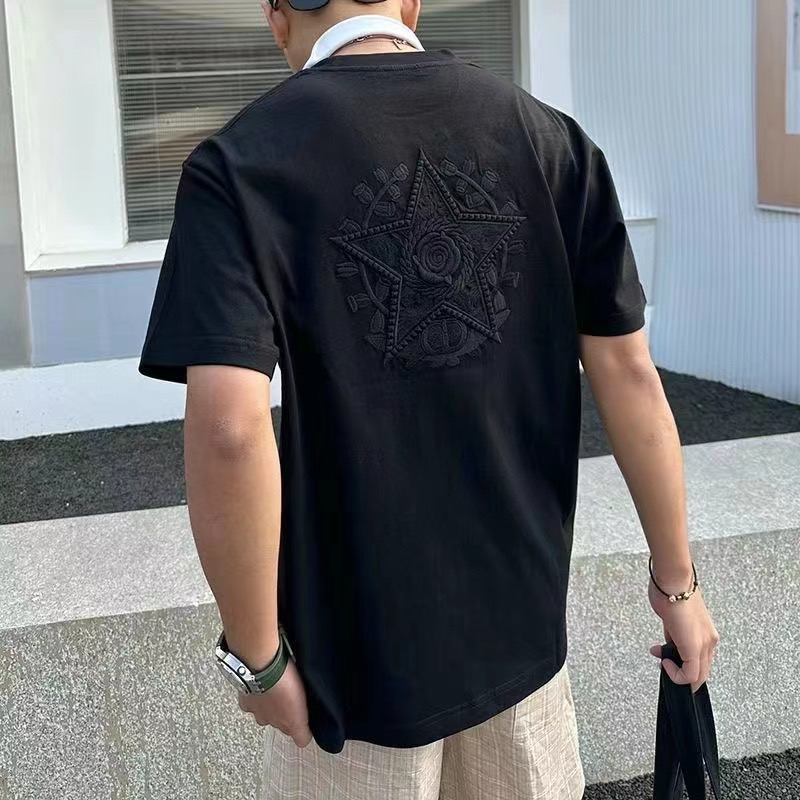

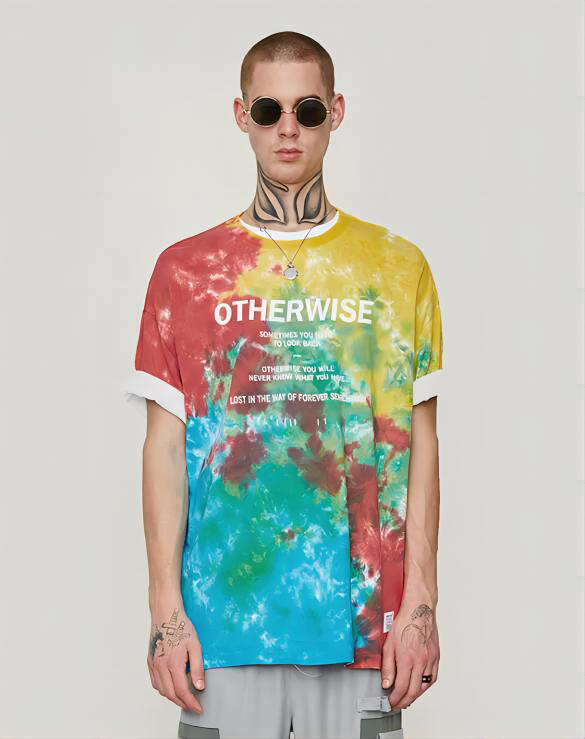
Why Silicone-Print Apparel Programs Stand Out
EDVORIN develops silicone-print apparel specifications that balance raised visual impact, tactile detail and repeatable production control.
Raised Visual Definition
Build dimensional logos, outlines and graphic details that give hoodies, tees and teamwear a clear, elevated appearance.
Tactile Brand Detail
Use silicone printing to add a distinct hand feel that reinforces logos, patches and design elements through touch.
Flexible Design Placement
Apply controlled artwork placement across apparel panels, helping collections maintain consistent logo positioning from approved sample through bulk production.
Fabric-Matched Development
Test print behavior with the selected fabric, garment construction and intended finish before confirming the production-ready decoration specification.
Repeatable Bulk Standards
Record approved artwork, placement measurements, and production details so bulk orders can be reviewed and reproduced consistently.
Decoration and Apparel Capabilities
Explore garment categories suited to silicone printing, plus production support for coordinating materials, fits, artwork, and repeat bulk orders.
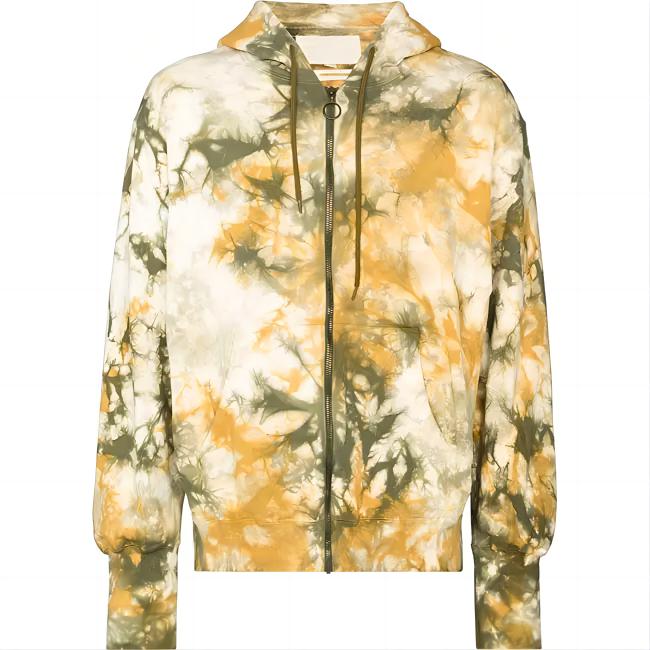
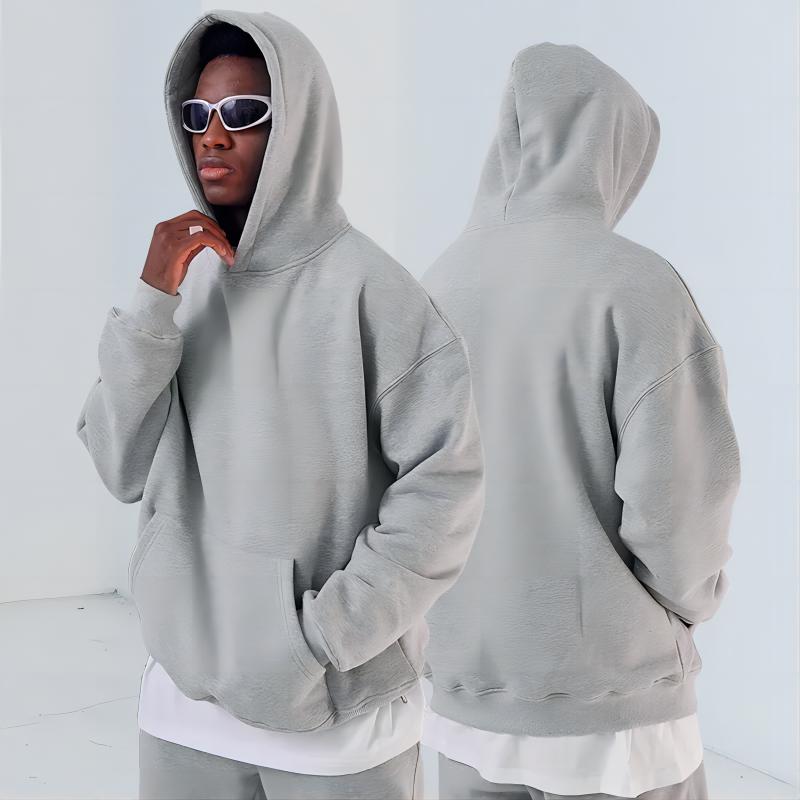
Custom Hoodies
As a custom hoodie manufacturer, EDVORIN develops fleece weight, rib construction, drawcords, labels, and print placements around the intended fit. Silicone prints can add raised logos or durable graphic details to hoodie programs after compatibility testing on the selected fabric.
Get a Quote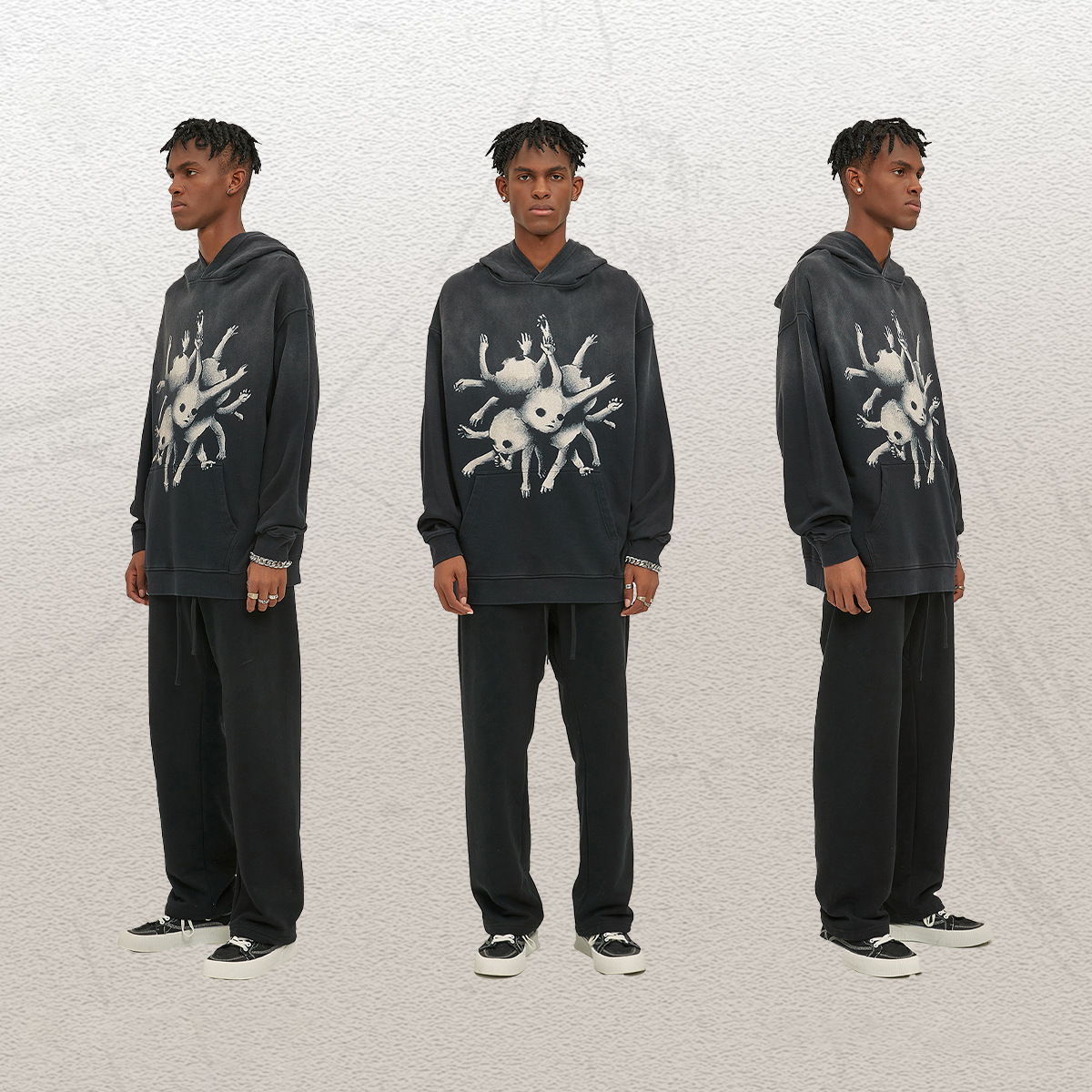
Pullover Sweatshirts
EDVORIN supports pullover sweatshirts with defined fit blocks, neck ribs, cuffs, hems, and fabric weights. Silicone printing is useful for dimensional chest marks, sleeve graphics, and controlled logo placement on brushed fleece or French terry, subject to sample approval.
Get a Quote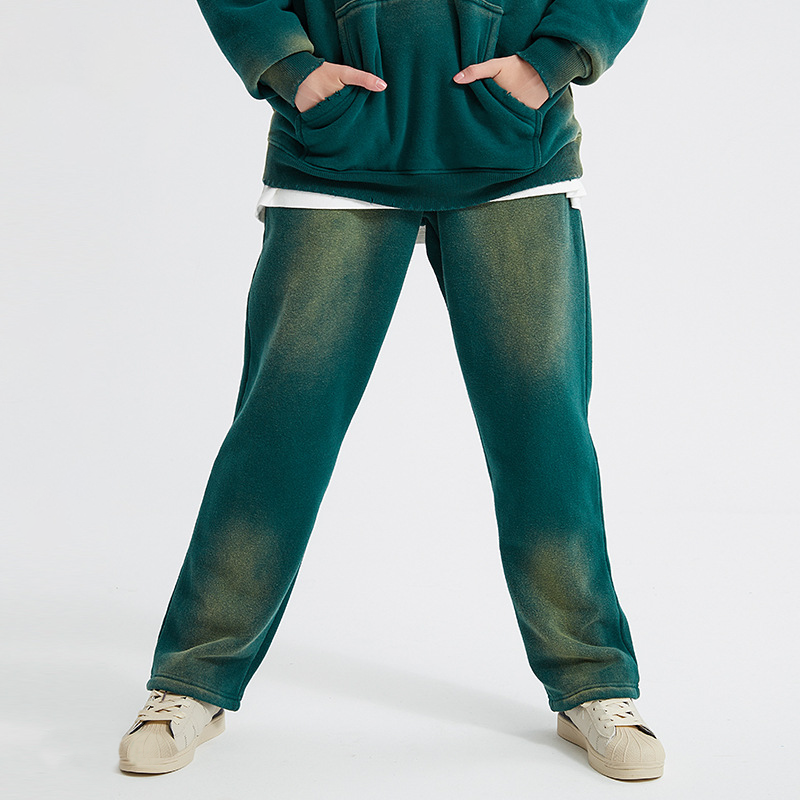
Sweatpants & Joggers
For sweatpants and joggers, EDVORIN coordinates fleece, waistband elastic, drawcords, pockets, cuffs, and grading. Silicone print can be specified for raised leg branding, pocket-area graphics, or small identity details, with placement documented for repeat production.
Get a Quote
Custom Shorts
EDVORIN develops custom shorts across fleece, jersey, woven, and performance constructions. Silicone prints can be applied to leg logos and compact graphics where a tactile finish is required, while inseams, waistbands, pockets, and print clearances are confirmed during sampling.
Get a Quote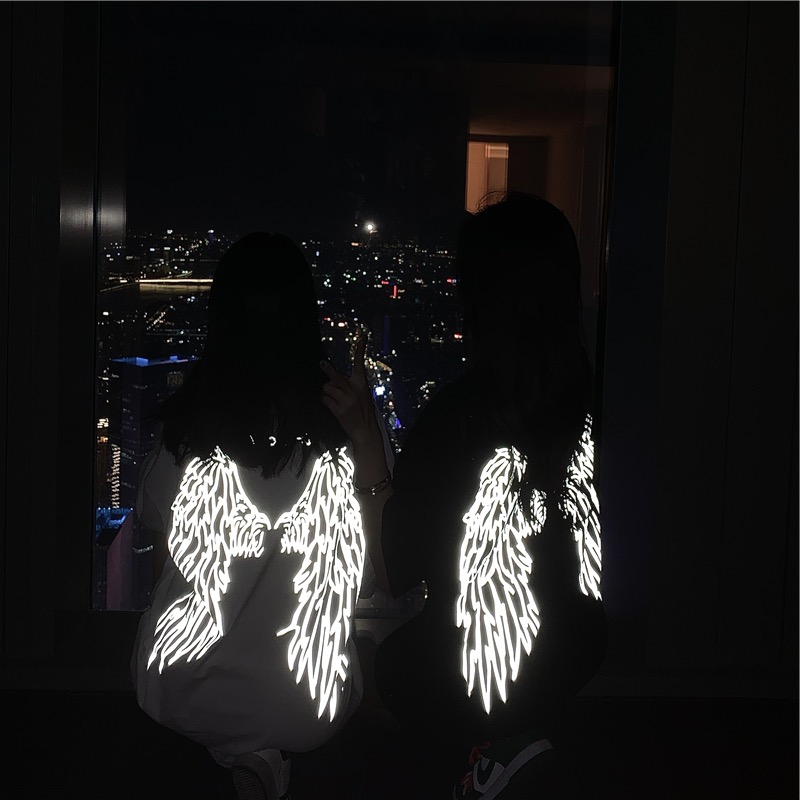
Varsity & Baseball Jackets
As a varsity jacket manufacturer, EDVORIN coordinates body fabric, sleeves, lining, rib, snaps, patches, and embroidery. Silicone printing can complement traditional decoration with controlled logo details on suitable panels, provided the shell material and application temperature are approved.
Get a Quote
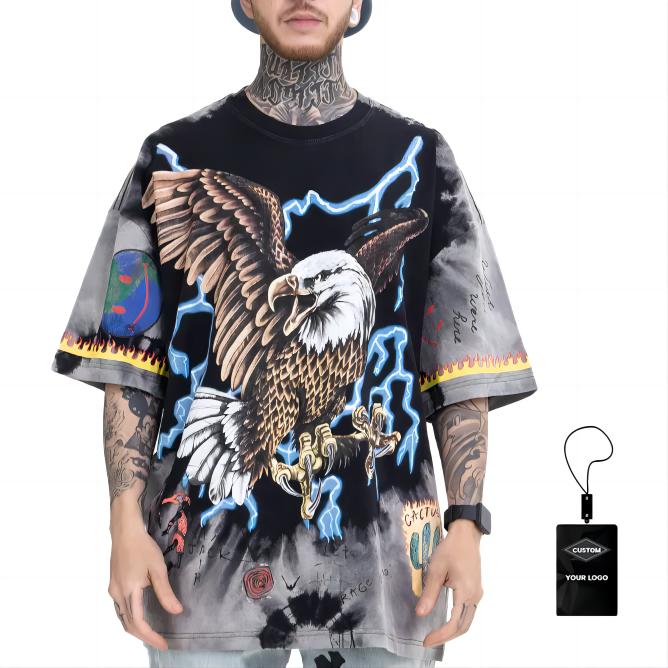
Custom T-Shirts
EDVORIN manufactures custom T-shirts with selected jersey weight, collar construction, fit, labels, and artwork placement. Silicone printing can create raised logos and high-definition graphic accents, especially for streetwear programs requiring a more tactile surface than standard screen printing.
Get a Quote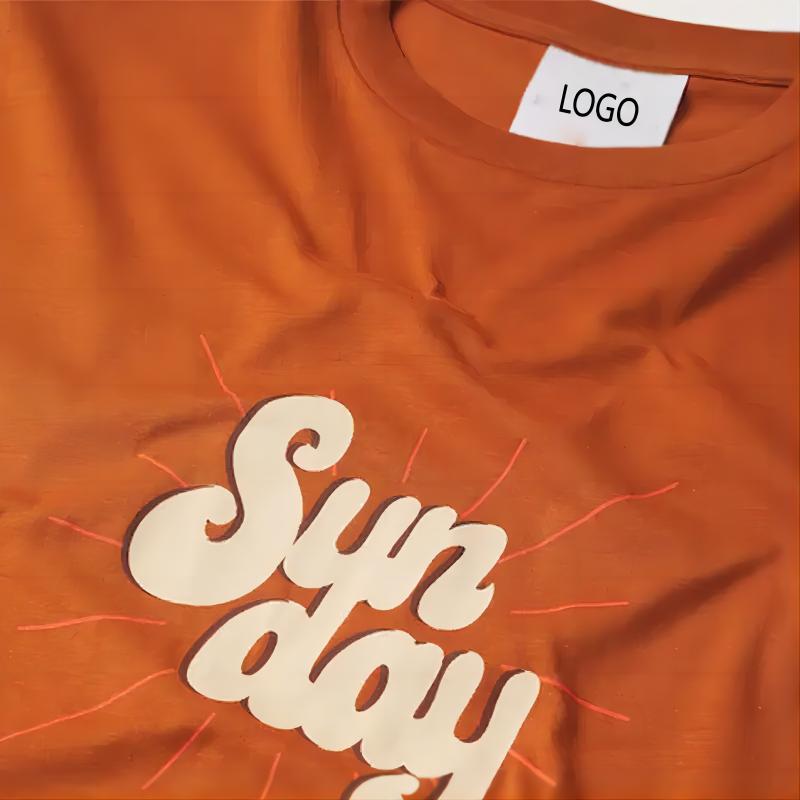
Custom Polo Shirts
For custom polo shirts, EDVORIN manages pique or jersey fabric, collars, plackets, buttons, cuffs, and size grading. Silicone prints may suit small chest logos or sleeve marks on compatible fabrics, with adhesion and hand feel reviewed before bulk production.
Get a Quote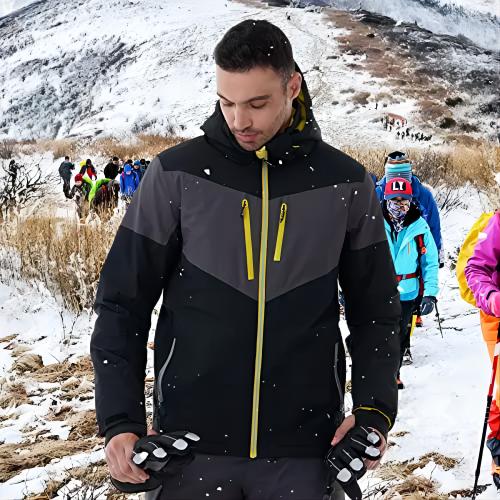
Windbreaker Jackets
EDVORIN develops windbreakers with shell fabric, lining, zippers, elastic details, hood construction, and packing requirements. Silicone printing can provide weather-resistant-looking branding on compatible panels, but application must be tested to avoid affecting lightweight coated fabrics or seam performance.
Get a Quote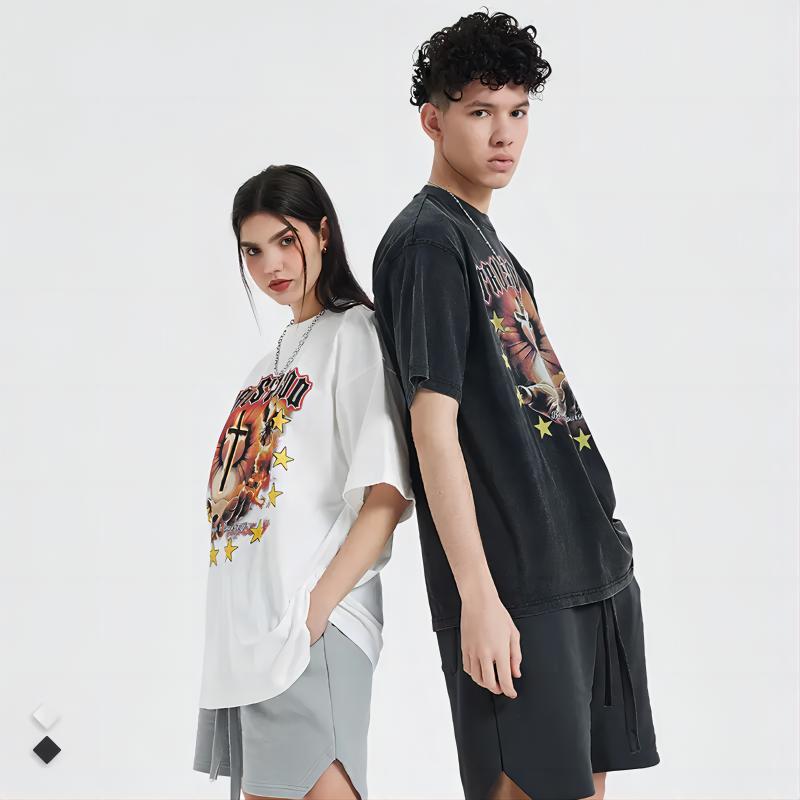
Quilted Jackets
As a quilted jacket manufacturer, EDVORIN coordinates shell, insulation, lining, quilting layout, hardware, and labeling. Silicone printing is best limited to stable, approved panels where heat application will not disturb insulation, quilting lines, or the shell finish.
Get a Quote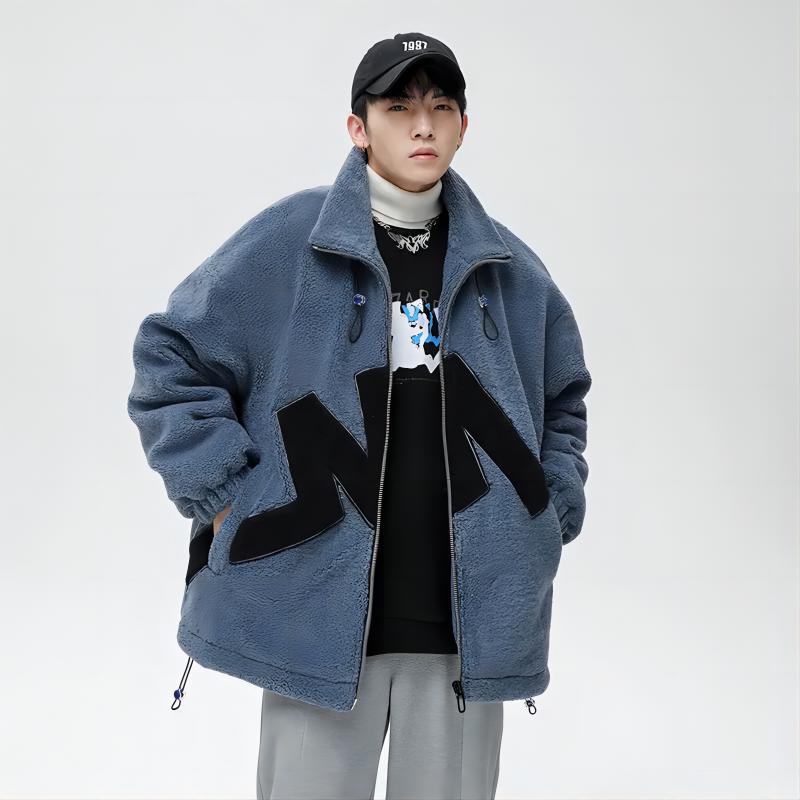
Bomber Jackets
EDVORIN supports bomber jacket programs with shell fabrics, lining, rib trims, zippers, pockets, and optional embroidery or patches. Silicone print can add dimensional branding to appropriate flat panels, with tests confirming adhesion, flexibility, and material compatibility.
Get a Quote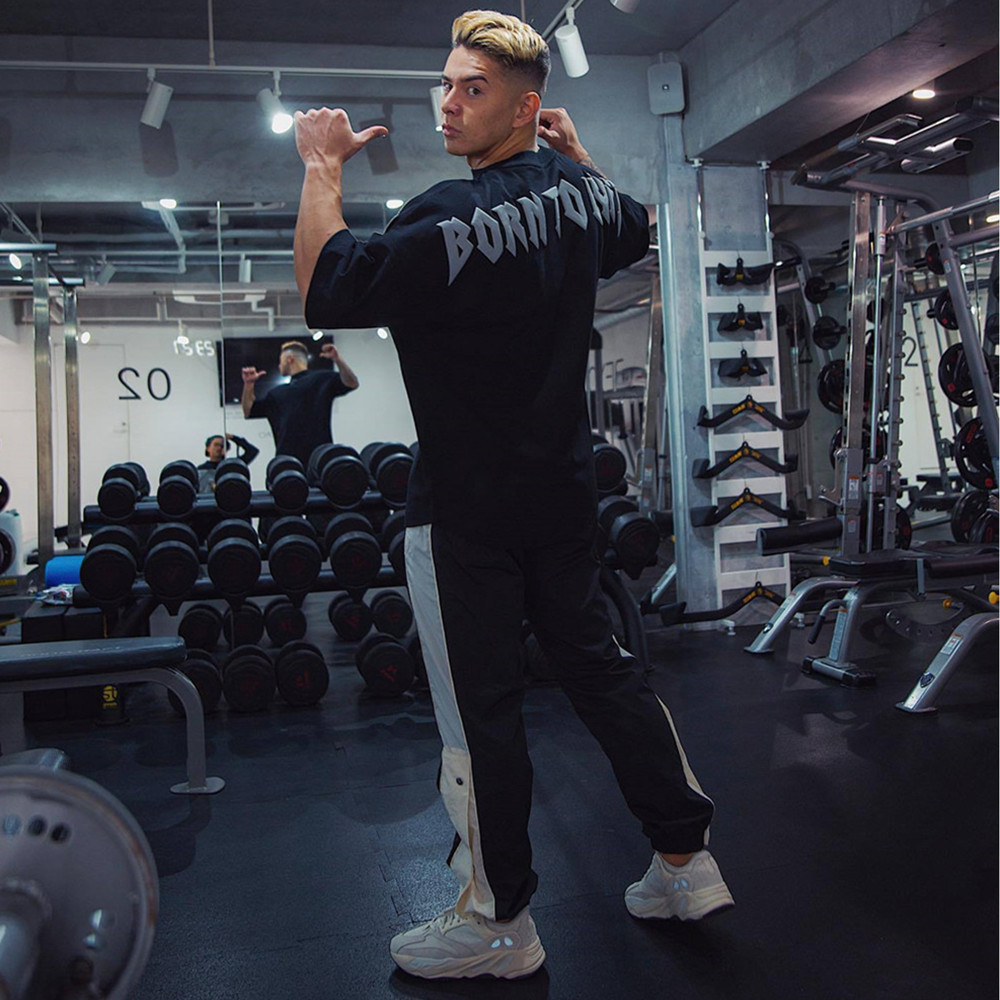
Custom Shirts
For custom woven shirts, EDVORIN develops fabric, collars, plackets, cuffs, pockets, and fit specifications for men’s and women’s programs. Silicone printing can be considered for restrained logos or graphic details on compatible fabric areas, subject to wash and hand-feel testing.
Get a Quote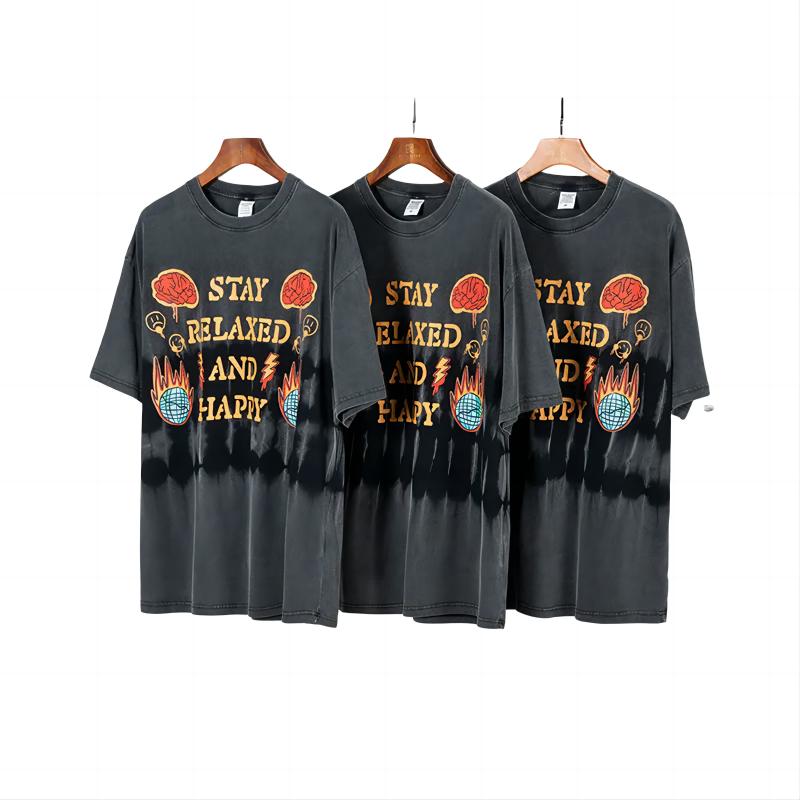
Custom Jerseys
EDVORIN produces custom jerseys with sport-specific fabrics, color blocking, player details, numbers, and size sets. Silicone printing can support raised crests, sponsor marks, or team branding where suitable, while artwork placement and repeat color control are recorded for bulk orders.
Get a Quote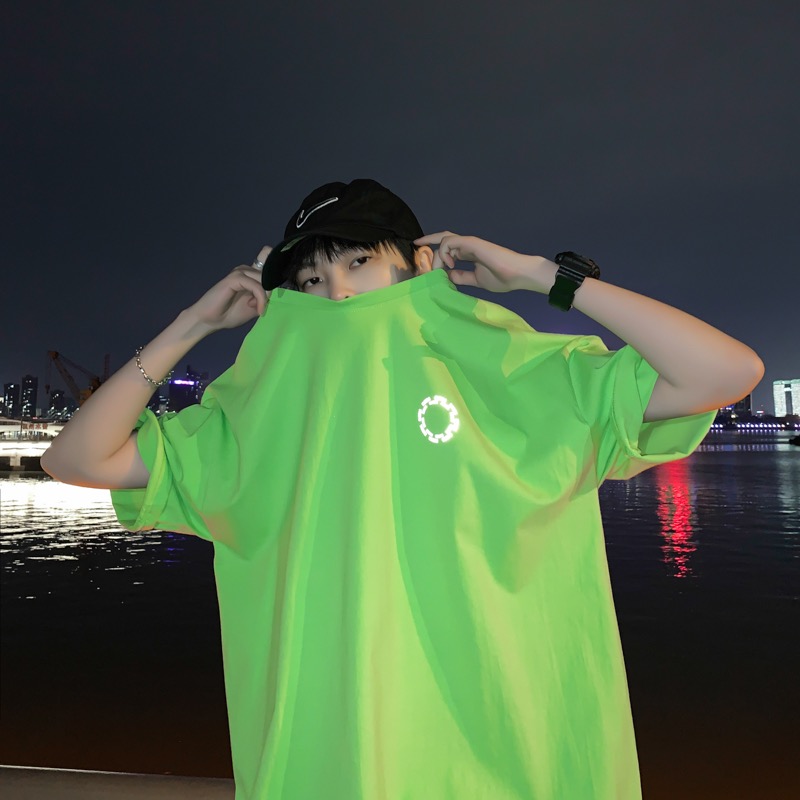
Tank Tops
As a custom tank top manufacturer, EDVORIN develops jersey or performance-knit tanks with armhole finishing, neckline construction, fit, and print zones. Silicone printing can add tactile chest or back branding without requiring large coverage, after stretch and wash testing.
Get a Quote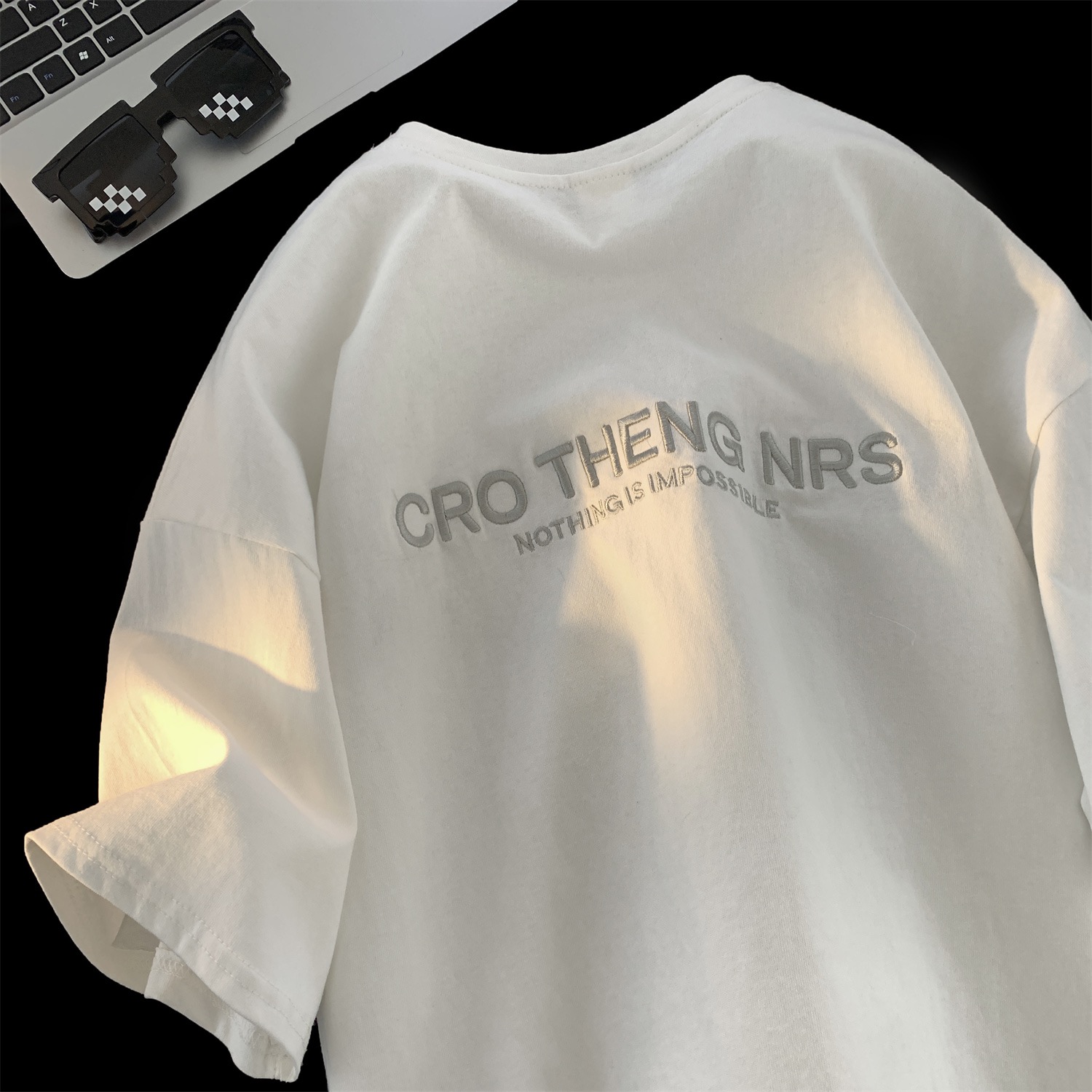
Soccer Uniforms
EDVORIN manufactures soccer uniforms with breathable fabrics, team colors, player names, numbers, badges, and coordinated shorts. Silicone printing can be used for selected crests or sponsor marks on compatible performance materials, with flexibility and durability evaluated during sample development.
Get a Quote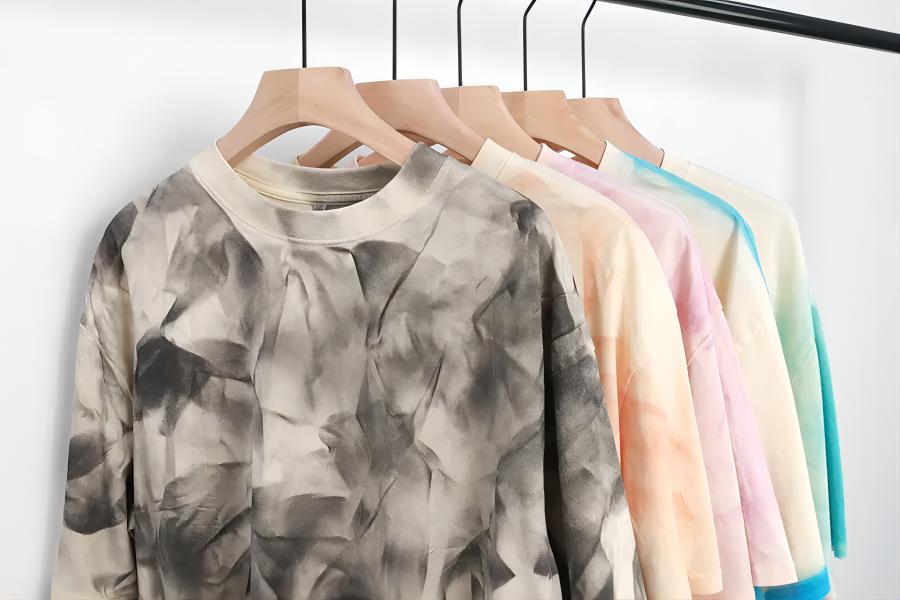
Basketball Uniforms
For basketball uniforms, EDVORIN coordinates lightweight performance fabric, jerseys, shorts, color blocking, names, numbers, and trim details. Silicone print can add raised team identifiers or sponsor graphics where the garment’s stretch, breathability, and movement requirements remain protected.
Get a Quote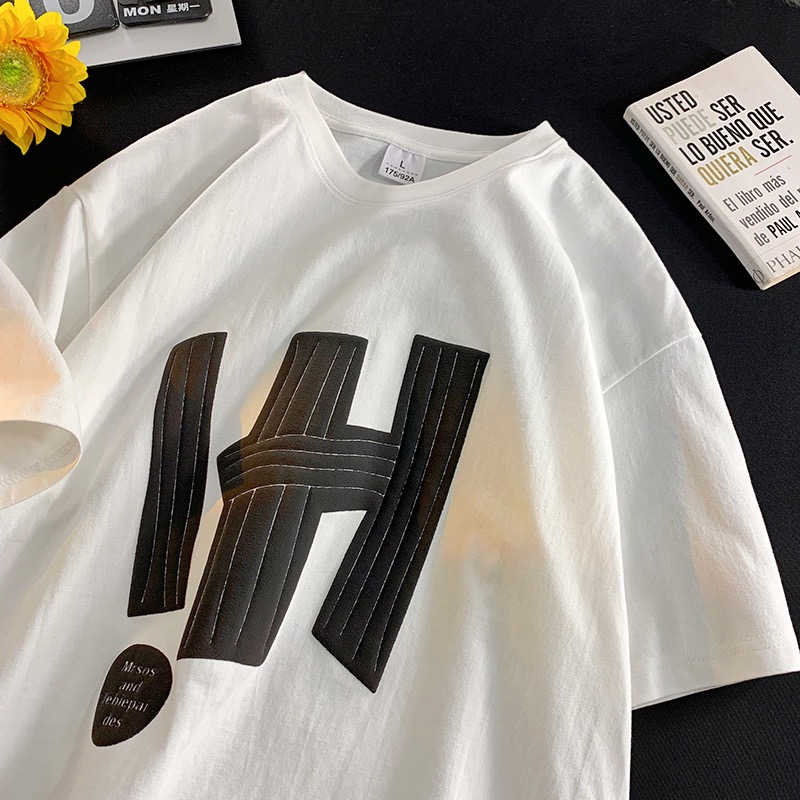
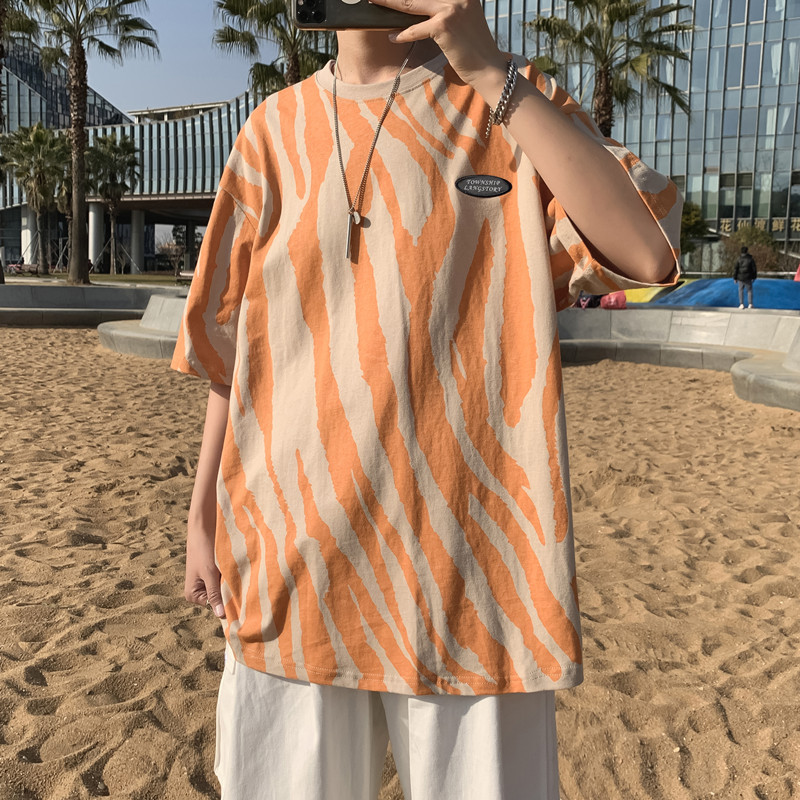
Streetwear Collections
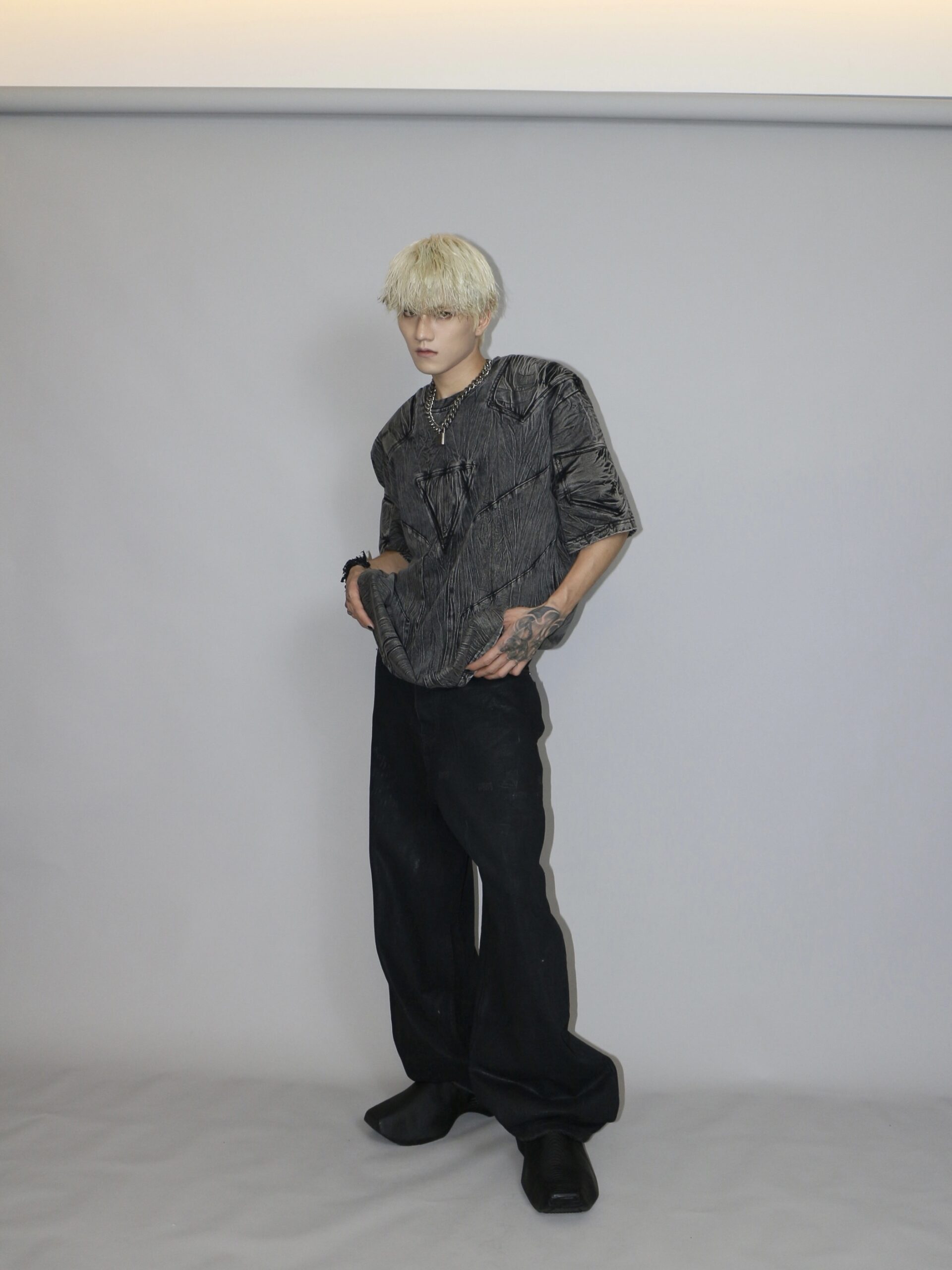
As a streetwear clothing manufacturer, EDVORIN develops coordinated hoodies, T-shirts, sweatpants, jackets, and shorts under one production system. Silicone printing can be specified alongside screen printing, embroidery, washing, labels, and packaging to maintain consistent collection-level standards.
Get a QuoteYour Silicone Print Clothing Manufacturer
Founded by Edvorin Zeng in 2000, EDVORIN helps fashion, streetwear and teamwear buyers turn concepts into production-ready apparel. As a silicone print clothing manufacturer, we coordinate product development, fabric and trim sourcing, patterns, samples, decoration, labeling and packaging through one accountable workflow.
Our difference is the discipline behind the approved sample. Silicone artwork, placement, fabric compatibility and garment construction are documented before bulk production, then checked in line and at final inspection. With OEM, ODM and private-label support, EDVORIN develops men’s and women’s programs across hoodies, T-shirts, jerseys, outerwear and coordinated collections.
Silicone-Print Quality Controls
Ink Build and Handfeel
EDVORIN reviews ink build, coverage, and tactile effect against the intended garment and artwork before bulk production. This helps fashion and streetwear buyers achieve a raised silicone detail that supports the design without overpowering the fabric’s natural character.
- Define the intended raised profile during sampling
- Assess opacity and edge coverage on the selected fabric
- Balance tactile impact with garment comfort
- Record approved print standards for bulk reference
Artwork Edges Stay Defined
Fine lines, small type, and close color separations need practical artwork review before they reach the screen. EDVORIN checks how the design will translate into silicone print, then uses the approved sample as the visual and placement standard for production.
- Review line weight and small-detail feasibility
- Confirm placement measurements and scale
- Check registration for multi-part artwork
- Approve a physical reference before bulk printing
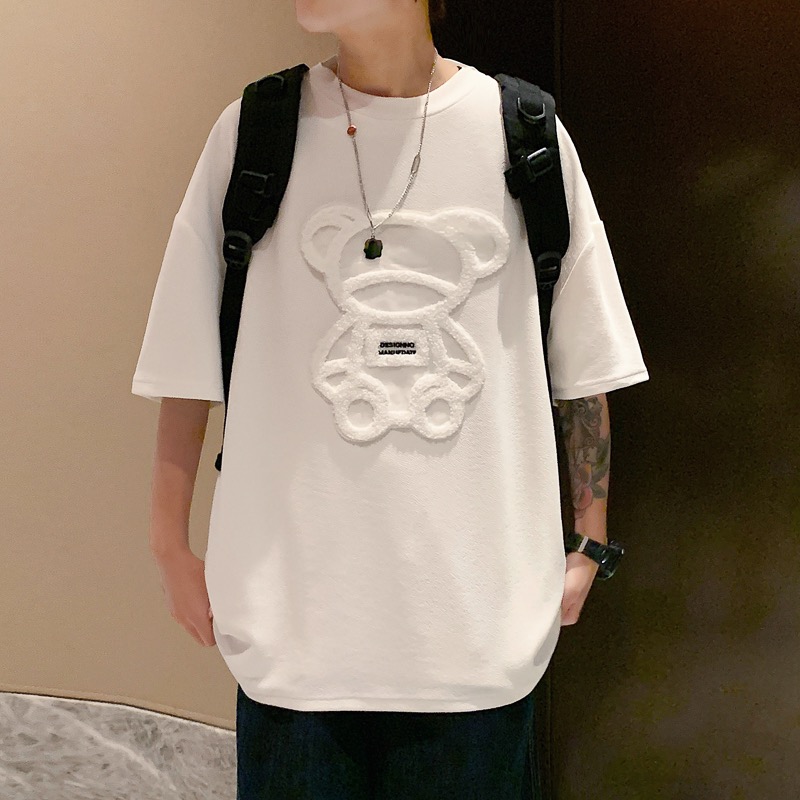
Fabric and Print Work Together
Silicone print behavior changes with fabric weight, texture, stretch, and garment construction. EDVORIN coordinates material selection and sample testing so the decorated area is considered alongside the hoodie, tee, jersey, or outerwear program it will become.
- Evaluate surface texture and fabric stability
- Consider stretch and recovery around printed areas
- Match decoration planning to each apparel category
- Develop men’s and women’s programs to their own specifications
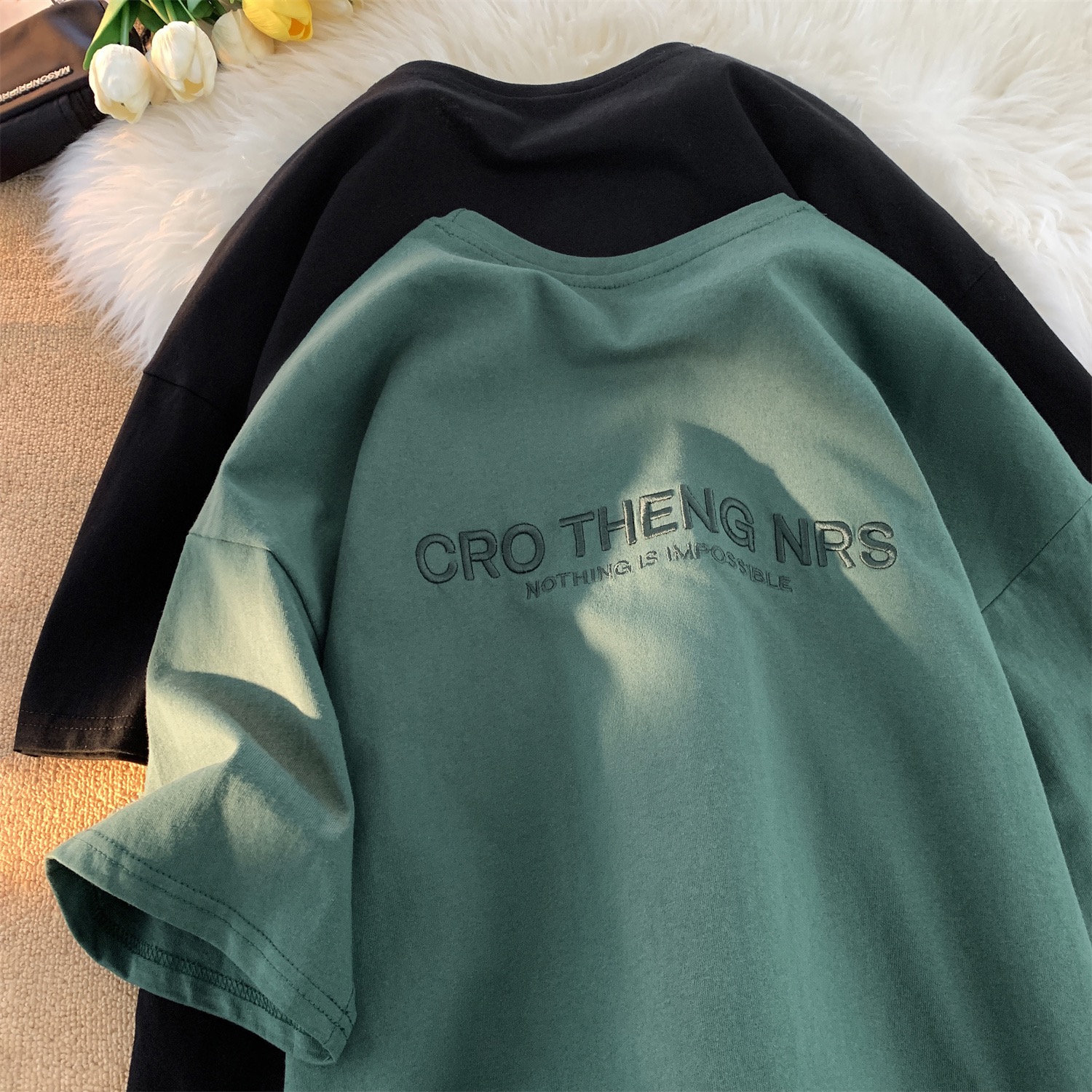
Curing Supports Repeatability
The final raised finish depends on controlled production conditions, not an approved sample alone. EDVORIN organizes sample-to-bulk checks around documented artwork, material, placement, and finish expectations, helping buyers protect consistency through packing and repeat orders.
- Use approved samples as production references
- Document print, material, and placement requirements
- Perform in-line checks before variation expands
- Complete final inspection before packing
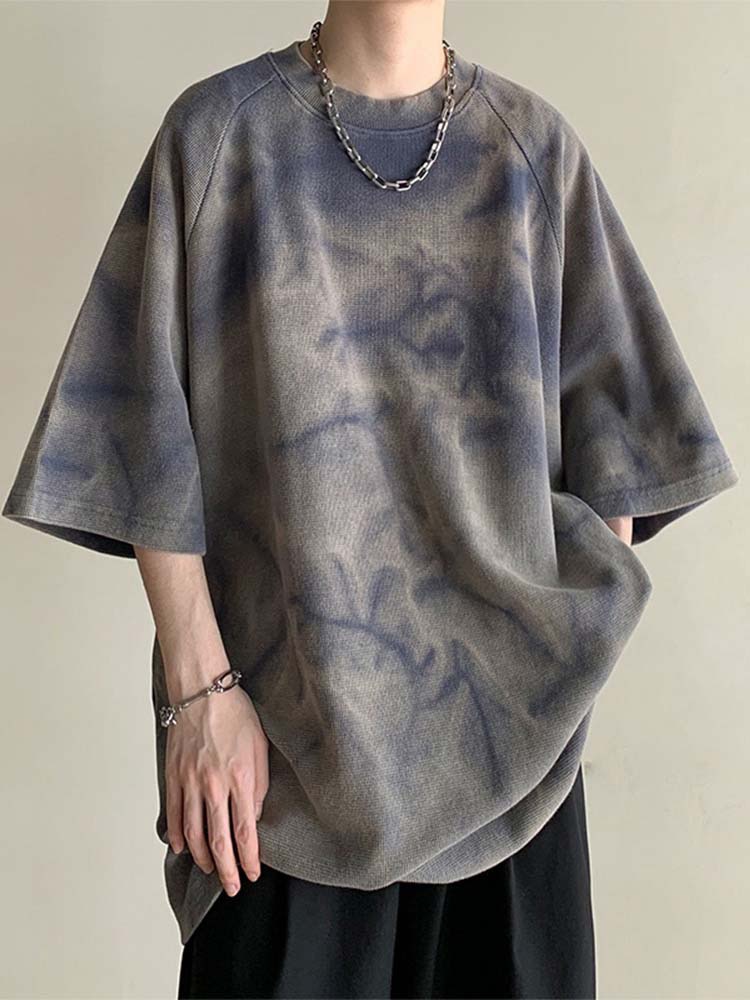
Silicone Print Clothing Manufacturer vs. High-Density Plastisol
Choose the raised-print process around fabric, hand feel, artwork, and the decoration combinations your collection requires.
← Swipe left or right to view →
Silicone-Print Production Flow
EDVORIN documents each silicone-print decision so approved artwork, fabric behavior, finish, and placement can be repeated consistently in bulk production.
Review Artwork and Garment
We review artwork, placement, color references, garment construction, and intended hand feel, then identify details requiring confirmation before sampling begins.
Test Fabric and Print
Silicone print trials are evaluated on the selected fabric to confirm adhesion, coverage, texture, stretch response, and compatibility with the garment surface.
Prepare Screens and Standards
Approved artwork guides screen preparation, color targets, placement measurements, and process notes, creating a clear reference for sample and bulk production.
Apply and Cure Prints
Print teams apply silicone in controlled layers and cure each garment according to the approved process, protecting raised detail and finish consistency.
Inspect Against Approval
Finished pieces are checked for placement, surface appearance, adhesion, color, and garment condition against the approved sample before production release.
Order Your Silicone-Print Apparel Program
Share the production details early so EDVORIN can turn your approved concept into a repeatable OEM or private-label apparel program.
Send Your Artwork
Provide editable vector artwork, print dimensions, placement measurements, color references, and notes on the desired silicone effect for each garment style.
Define the Garment
Confirm your garment category, fabric, fit, sizing, trims, labels, packaging, and men’s or women’s requirements before development begins.
Review the Sample
Assess the sample for hand feel, print height, color, placement, construction, and overall finish; record revisions before approving the production standard.
Approve Bulk Production
Once specifications are approved, move into coordinated bulk production from 200 pieces per style, with sample-to-bulk controls guiding decoration and final packing.
What Buyers Achieved With Silicone Print Apparel
EDVORIN translated our raised chest logo into a repeatable placement standard across 1,200 hoodies. The silicone print stayed crisp after our wash testing, and the bulk delivery arrived in time for our season launch.
For our academy program, the 3D silicone crest gave 480 training tops a more premium look without losing consistency between sizes. Artwork placement and color references were clear from sample approval through final packing.
We needed a silicone print clothing manufacturer that could carry an approved sample into a wholesale reorder. EDVORIN matched the raised sleeve branding across 850 units and kept the delivery date we committed to our retail partners.
Silicone Print Clothing Manufacturer FAQ
Clear guidance for planning silicone-printed apparel from artwork review through repeat bulk production.
What fabrics can a silicone print clothing manufacturer work with?
How large can a silicone print design be?
How many colors can silicone printing use?
Can a silicone print clothing manufacturer combine silicone printing with embroidery or patches?
Will silicone prints hold up after washing?
What is the MOQ for silicone-printed clothing?
What artwork files should I send for silicone printing?
How should I plan samples and bulk lead time with a silicone print clothing manufacturer?
Complete Guide to Choosing a Silicone Print Clothing Manufacturer
Use this decision framework to compare silicone print techniques, garment materials, customization options, quality controls, pricing variables, and supplier capabilities—while avoiding sourcing mistakes that can delay launches or weaken your brand’s finished product.
1. What Is a Silicone Print Clothing Manufacturer?
EDVORIN has built garment programs since 2000 around the connection between construction, decoration, and repeatable bulk standards. A silicone print clothing manufacturer develops the garment and manages silicone decoration within one production path, from fabric selection and pattern work through approved samples, labeling, and packing.
Unlike a print-only vendor, an OEM manufacturer can assess how silicone artwork will sit on a hoodie, jersey, or T-shirt before cutting and sewing are finalized. The buyer supplies vector artwork, Pantone references, print size and placement, desired finish, measurement specifications, and approval decisions; EDVORIN turns those inputs into documented sample and production standards.
Finished-product expectations matter: branded apparel should arrive with consistent placement, controlled hand feel, specified trims and packaging, and a bulk result traceable to the approved sample. Silicone printing is one controlled element of a complete private-label garment, not decoration added after garment decisions are fixed.
2. Evolution of Silicone Apparel Printing
Screen printing established the production route for depositing silicone-based inks through a mesh stencil, allowing controlled artwork placement and repeatable layers. Early applications prioritized durable logos and grippy details over elaborate surface variation.
High-density silicone printing expanded the visual vocabulary by building thickness through successive deposits. Matte, glossy, transparent, gel-like, and textured finishes now let designers specify contrast in both light reflection and hand feel; examples of these categories are documented at https://www.riddleapparel.com/2023/09/custom-silicone-print-clothing.html.
Streetwear programs use raised branding and tactile graphics, while sportswear and uniforms can apply silicone for flexible marks, grip zones, or dimensional identifiers. For a silicone print clothing manufacturer, private-label briefs should define the intended finish, height, placement, base fabric, and approved sample standard before bulk production.
3. Types of Silicone Print Clothing Manufacturer Services
Six silicone-print routes produce distinctly different height, gloss, and tactility. A silicone print clothing manufacturer should sample the selected route on the final garment fabric before bulk approval.
| Type | Visual And Hand | Best Garments | Artwork Limit | Approval Focus |
|---|---|---|---|---|
| Flat | Smooth, flexible | Tees, jerseys | Fine detail possible | Coverage, stretch |
| High-density | Crisp, raised | Hoodies, caps | Avoid micro-detail | Height, edge definition |
| Puff | Soft, expanded | Fleece, sweatshirts | Open shapes only | Expansion consistency |
| Clear | Glossy, translucent | Windbreakers, tees | Base texture shows | Opacity, color shift |
| Textured | Tactile pattern | Streetwear | Simplify small areas | Mold detail, adhesion |
| Multi-color | Layered color | Jerseys, collections | Registration-sensitive | Alignment, Pantone |
Relief And Texture Effects
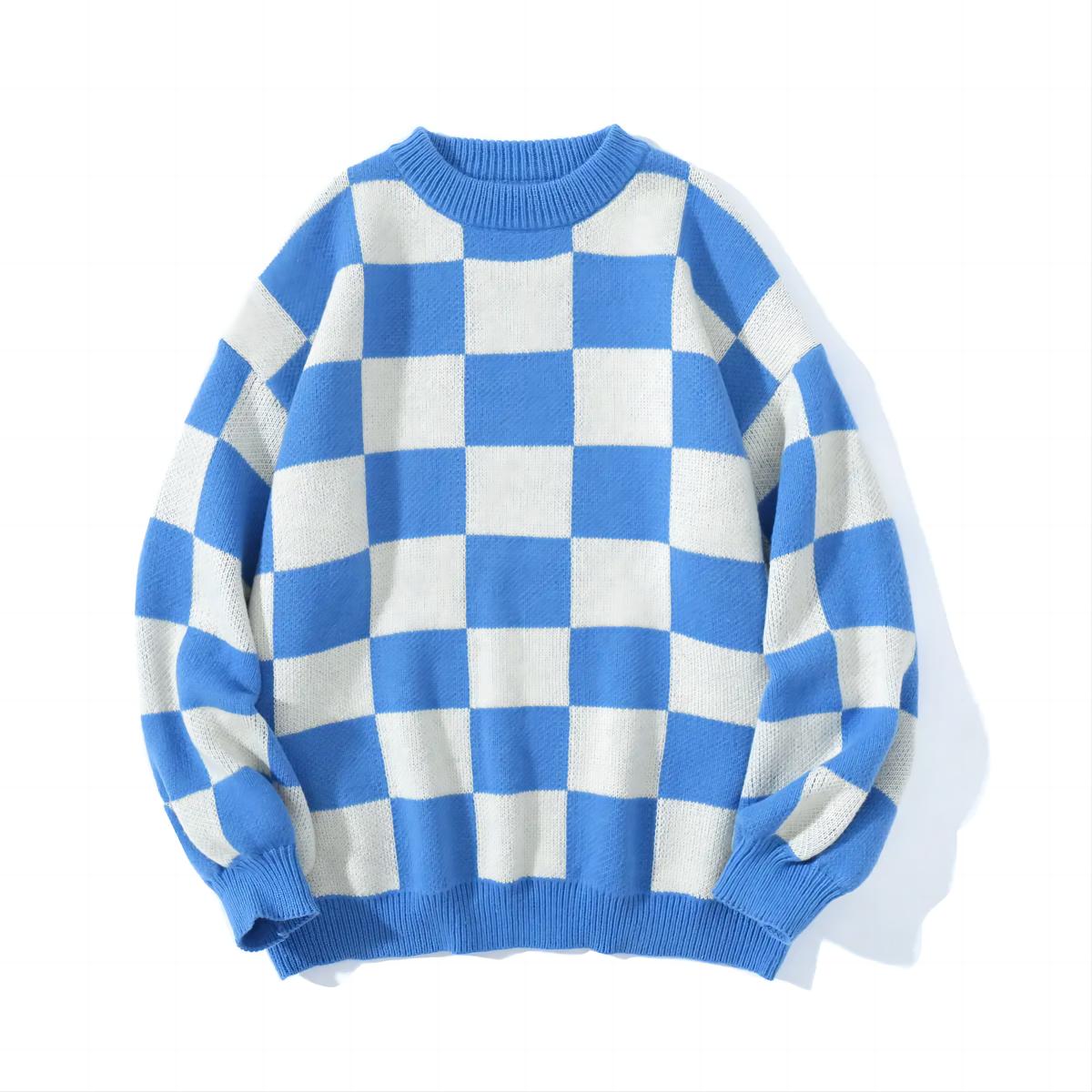
One high-density build creates defined 3D edges; puff expands into a softer raised profile.
Two textured options—matte grit or molded pattern—work best with bold, open artwork. Fine lines, tiny type, and tight negative spaces need strike-off approval.
Color And Transparency Choices
One flat silicone layer gives clean, flexible coverage for tees, jerseys, and fleece. Clear or translucent silicone preserves the base color but can reveal uneven fabric texture.
Two or more colors require registration checks on every sample. Approve Pantone targets, layer order, placement, and stretch performance before production.
4. Silicone Print Clothing Manufacturer Fabric Compatibility
Fabric choice determines whether silicone print bonds cleanly, stretches predictably, and survives washing. A silicone print clothing manufacturer should approve the fabric and print system together, not after bulk fabric is ordered.
| Fabric | Best Use | Print Consideration |
|---|---|---|
| Cotton jersey | Tees, streetwear | Smooth face; reliable adhesion |
| Cotton-poly blend | Hoodies, fleece | Check blend and surface texture |
| Polyester performance | Teamwear, jerseys | Test dye migration before bulk |
| Rib knit | Cuffs, fitted tops | Confirm recovery after stretch |
| Elastane blend | Activewear | Use flexible silicone; stretch-test |
Fiber And Surface
100% cotton jersey usually offers stable adhesion; ring-spun, smooth faces reproduce finer edges than open-end or slub surfaces.
280–400 GSM fleece provides a substantial base, but brushed or uneven surfaces require strike-off testing for detail loss.
Polyester And Stretch
100% polyester performance fabric carries the highest dye-migration risk, especially in dark sublimated colors; test the intended cure conditions.
5–10% elastane fabrics need a flexible silicone system and stretch-recovery testing so the print does not crack or distort.
Approval Testing
3 wash cycles before sample approval can expose lifting, color bleed, or hand-feel changes; confirm the buyer’s wash method and temperature.
1 approved strike-off should record fabric lot, print thickness, cure profile, placement, and stretch result for bulk control.
5. Customization and Decoration Options
Two approval stages—artwork and decorated sample—help buyers lock placement, scale, Pantone color targets, opacity, gloss, texture, and raised height before bulk production.
| Control | Buyer Decision | Production Impact |
|---|---|---|
| Color | Pantone target and opacity | Sample against garment shade |
| Surface | Matte, gloss, texture, height | May add layers and cost |
| Identity | Labels, tags, packaging | Approve packout with sample |
Artwork And Placement
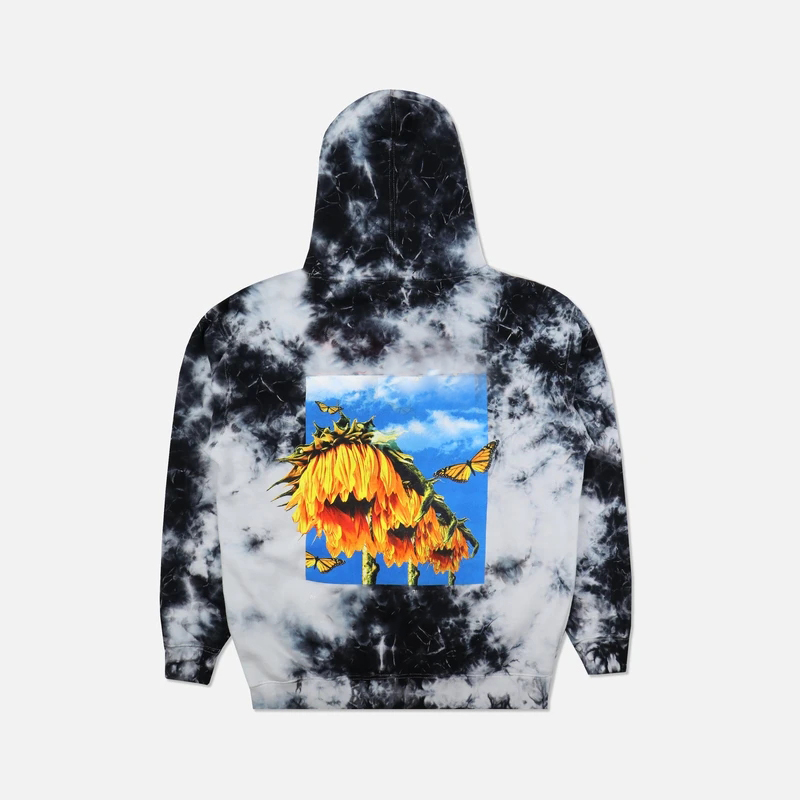
Millimeter placement callouts should reference seams, collars, or pocket edges. Print size, garment color, and layer order belong on the approved artwork.
Layers And Effects
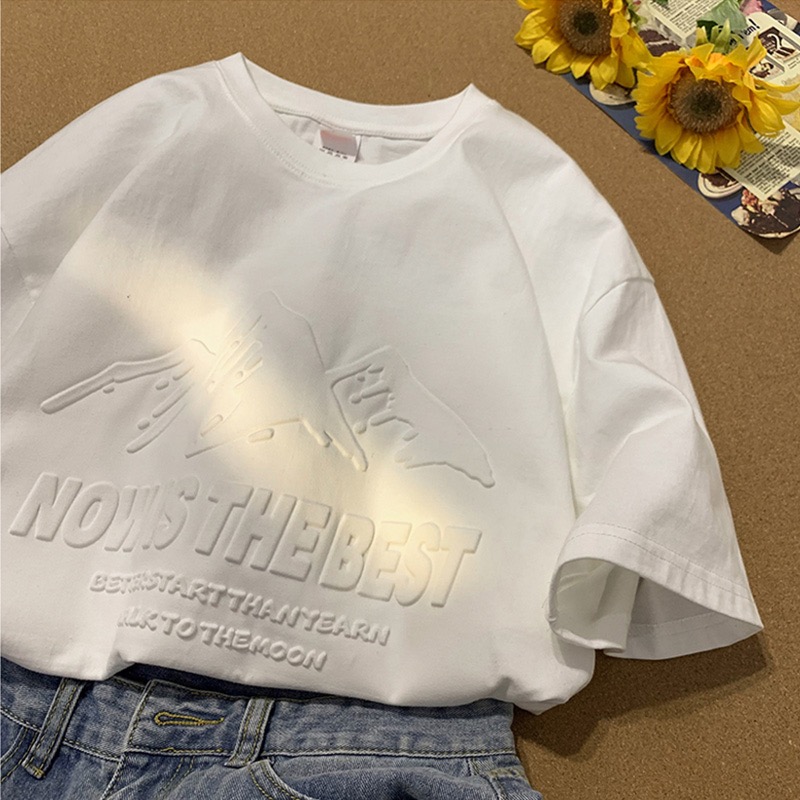
Three-layer artwork can require extra screens, curing steps, and sampling. Transparent, gloss, matte, textured, or high-build effects should be tested on the selected fabric because registration and consistency become more demanding.
Branding And Packout
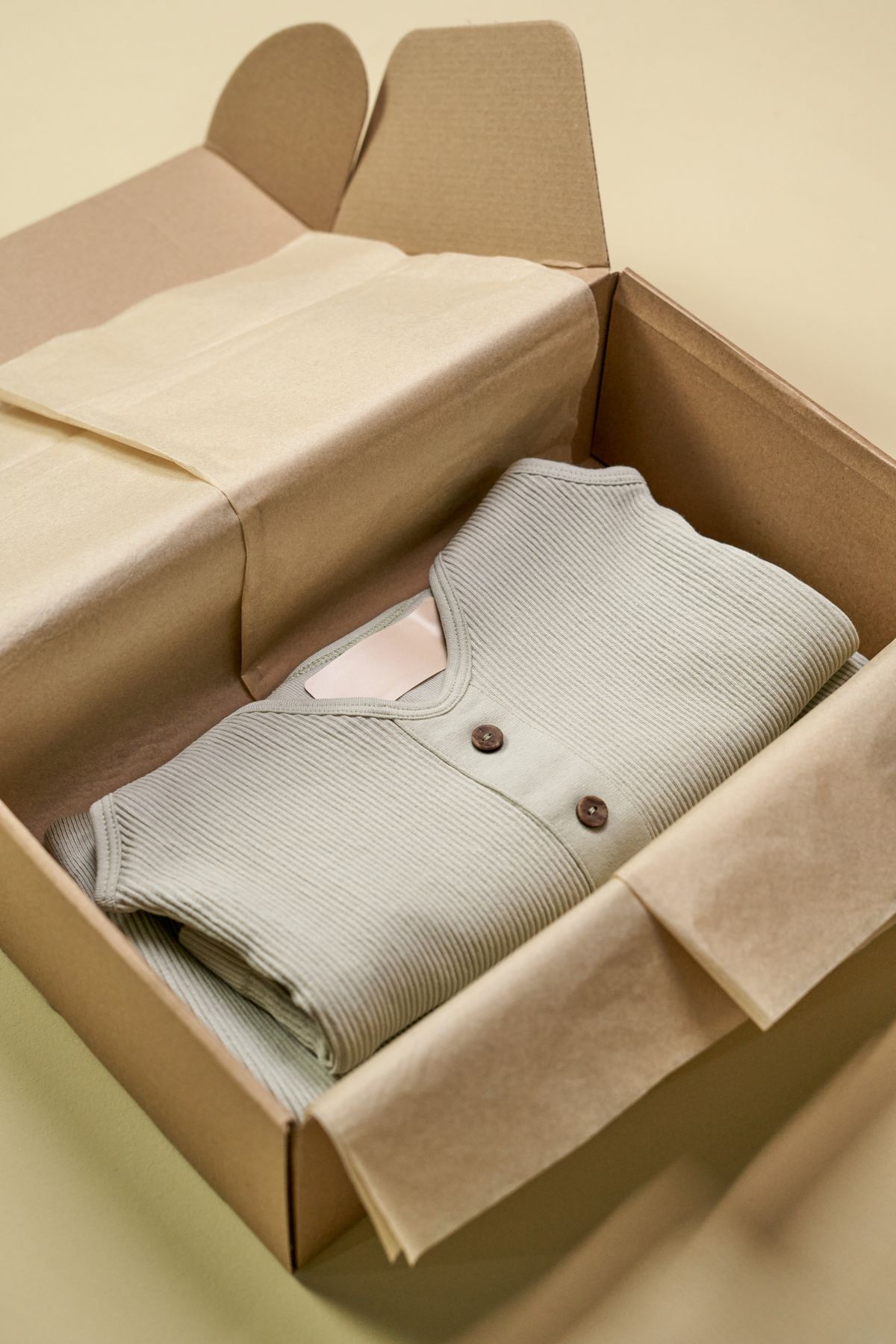
One finished specification should also cover neck labels, hangtags, folding, polybags, and carton marks. Embroidery, transfer, screen print, or woven patches can coordinate with silicone decoration when their placement does not compete.
6. Construction and Print Quality Controls
A silicone print clothing manufacturer should control print quality alongside garment construction. Approval must convert artwork, placement, curing, and inspection criteria into measurable production standards.
Artwork And Registration
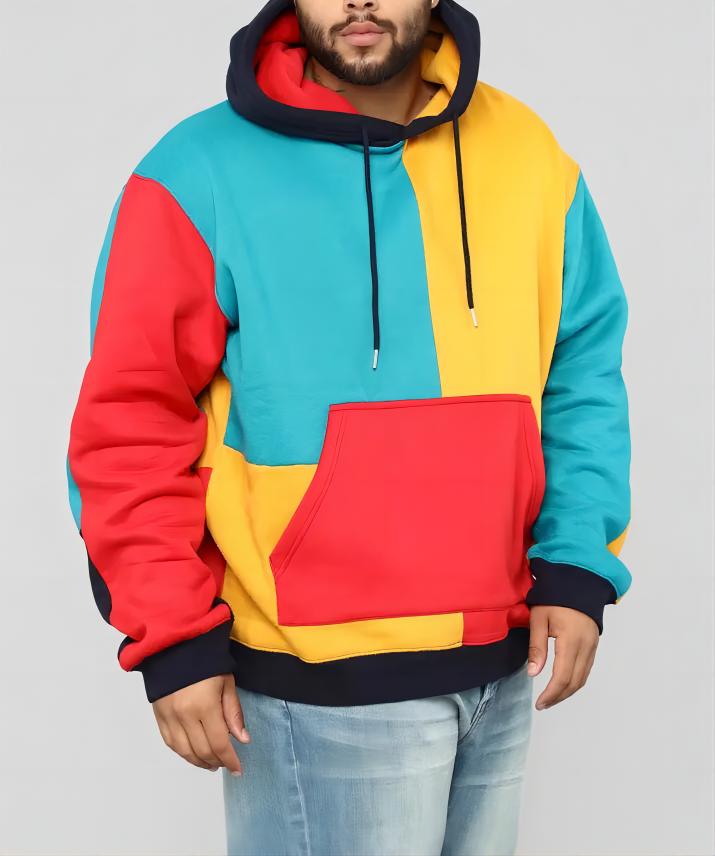
100% of approved artwork should match the production film for scale, Pantone reference, and placement measurements.
Two-color samples need clean registration, sharp edge definition, and uniform silicone deposit height across repeated logos.
- Check fine lines, enclosed spaces, and lettering
- Measure placement from stable garment points
- Compare left and right chest alignment
Stretch And Adhesion
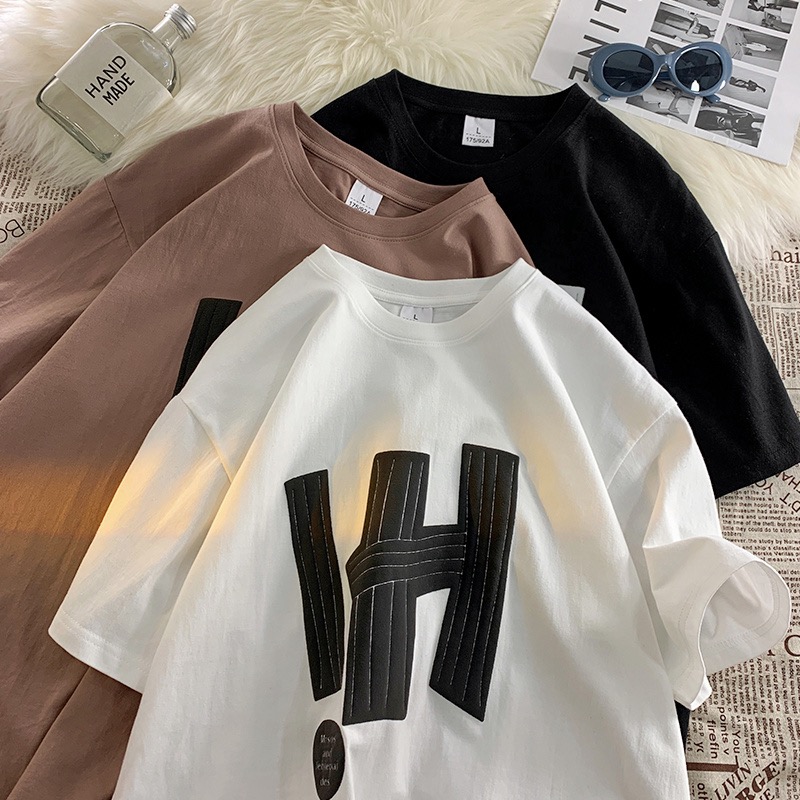
Three stretch cycles in sample review can expose cracking, lifting, or distortion before bulk cutting.
24-hour post-cure handling checks should confirm adhesion without fabric scorching, shine change, or unwanted stiffness.
- Stretch print in the garment’s main direction
- Inspect fleece pile and knit face for damage
- Reject tacky or unevenly cured surfaces
Pre-Production Inspection
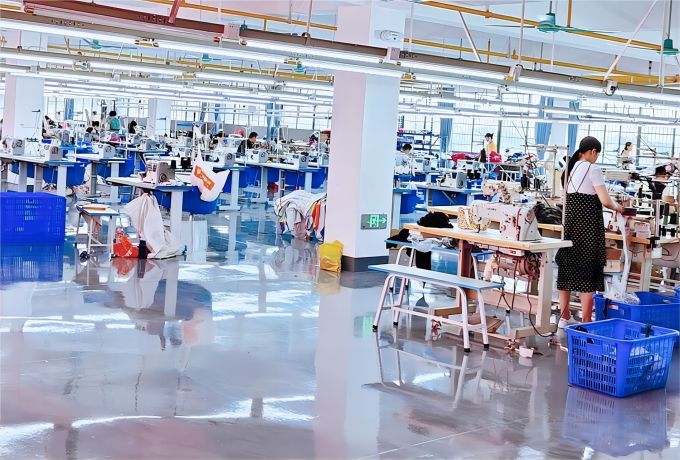
A sealed pre-production sample should document seam-safe placement, especially near ribs, pockets, zippers, and panel joins.
Wash-and-dry testing should be agreed with the buyer based on the garment, intended use, and care instructions. EDVORIN can record approved results in the production specification.
- Inspect under consistent lighting
- Photograph front, back, and detail views
- Approve tolerance and defect reference samples
7. How to Choose a Silicone Print Clothing Manufacturer
Choose a silicone print clothing manufacturer by testing whether its approved sample can become a documented bulk standard. Before a deposit, compare product experience, material traceability, communication, capacity, and delivery support.
| Check | Ask Before Deposit | Ask Before Bulk Approval |
|---|---|---|
| Sourcing | Which fabric, silicone system, and trims are specified? | Are substitutions prohibited without written approval? |
| Planning | What MOQ and lead-time assumptions apply? | What is the factory-ready delivery date? |
| Logistics | What packing and shipping support is included? | Who confirms carton marks and final quantities? |
Verify Development Control
Before sampling, ask for comparable hoodie, jersey, or outerwear experience and a fabric-and-print recommendation. Confirm who reviews artwork, Pantone references, placement measurements, and print thickness before strike-off approval.
Audit Bulk Readiness
Before bulk approval, request the inspection plan, measurement tolerances, wash-test method, defect-reporting process, and corrective-action owner. Ask how approved samples, artwork revisions, labels, and packaging instructions reach each production station.
Confirm Commercial Fit
EDVORIN’s MOQ starts at 200 pieces per style. Before paying a deposit, obtain MOQ by color and size, production capacity, sample timing, bulk lead time, packing specification, and shipping terms. Confirm one contact owns milestone updates and can flag material or schedule risks early.
8. Common Silicone Print Sourcing Mistakes
Eight recurring sourcing errors turn a promising sample into avoidable bulk risk. A silicone print clothing manufacturer needs a documented approval standard, not artwork approved only from a screen image.
Test Artwork On Real Fabric
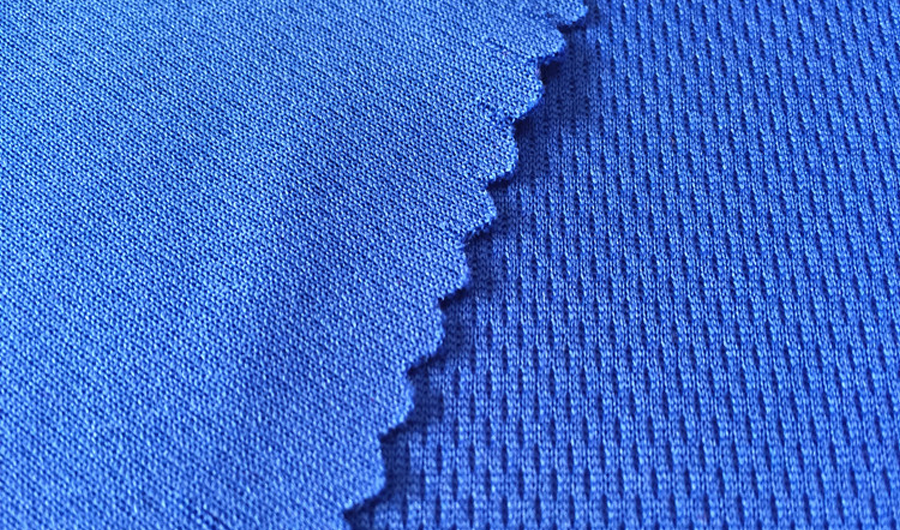
1 approved strike-off should use the production fabric, color, and print size. Request wash and stretch testing before bulk approval; revise fine lines, large solid areas, or weak adhesion first.
Specify Color And Placement
2 reference points prevent disagreements over color and location. Provide Pantone references where applicable, a placement measurement from a stable garment point, and an acceptable tolerance in the tech pack.
Match Effects And Quotations
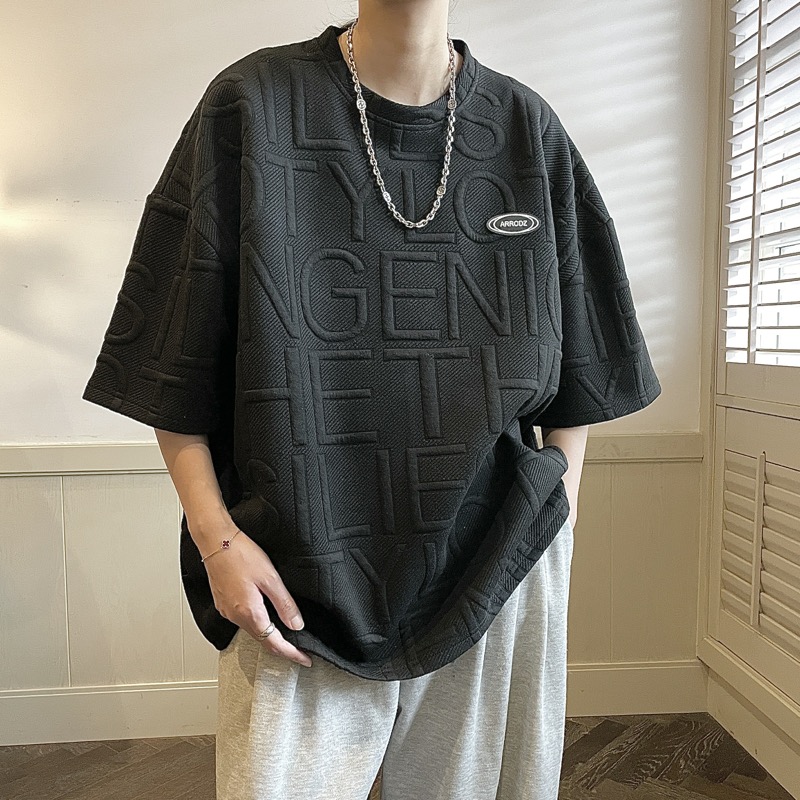
3D, gloss, matte, and high-build effects must suit the garment’s stretch, hand feel, and intended wear. Compare quotes only after matching artwork colors, print dimensions, fabric, quantities, test requirements, and setup timing.
9. Launching a Silicone Print Apparel Program
Stage 1 starts with a launch brief covering quantity, delivery date, price tier, wearer, and use case. A silicone print clothing manufacturer can turn that brief into a controlled development schedule before materials are committed.
Define The Product Standard
Stage 2 requires a tech pack, size chart, color references, logo files, placement measurements, and garment references. Brands should identify fit intent; teams and schools should supply roster, number, and name rules.
Approve Materials And Artwork
Stage 3 pairs fabric swatches with production-ready vector artwork, Pantone targets, print dimensions, and finish direction. Private-label buyers should confirm labels, packaging, care instructions, and required compliance information before prototyping.
Lock The Bulk Standard
Stage 4 moves through prototype, fit sample, print strike-off, and pre-production approval. Buyers should sign off on measurements, hand feel, stretch, placement, shade, packing ratio, inspection criteria, freight mode, and delivery destination before bulk production begins.
10. Silicone Print Clothing Manufacturer Pricing and Cost
Cost is driven by two layers: the base garment and the decoration. Construction, fabric weight, color, print area, color count, layers, raised effects, artwork preparation, labels, packaging, testing, and freight should be itemized separately.
An approved sample should lock the fabric, Pantone references, placement, and print build before bulk costing. A silicone print clothing manufacturer can then quote comparable options instead of masking setup or freight costs inside a unit figure.
| Quantity tier | Illustrative unit-cost direction | Typical production planning |
|---|---|---|
| 200–299 units | Highest; setup spread across fewer pieces | Allow sampling plus bulk scheduling |
| 300–999 units | Moderate; setup is distributed more efficiently | Confirm materials before bulk booking |
| 1,000+ units | Lower potential unit cost; freight and packaging still vary | Plan capacity, inspections, and shipment timing |
Start Your Silicone Print Clothing Manufacturer Program
Send your artwork or garment concept for a production-ready silicone print quote, with OEM and private-label support from sample through bulk.