
Chain Stitch Embroidery Manufacturer for Repeatable Raised Logo Programs
As your chain stitch embroidery manufacturer, EDVORIN develops textured logos for jackets, streetwear, and teamwear, then carries approved details into controlled OEM bulk production.
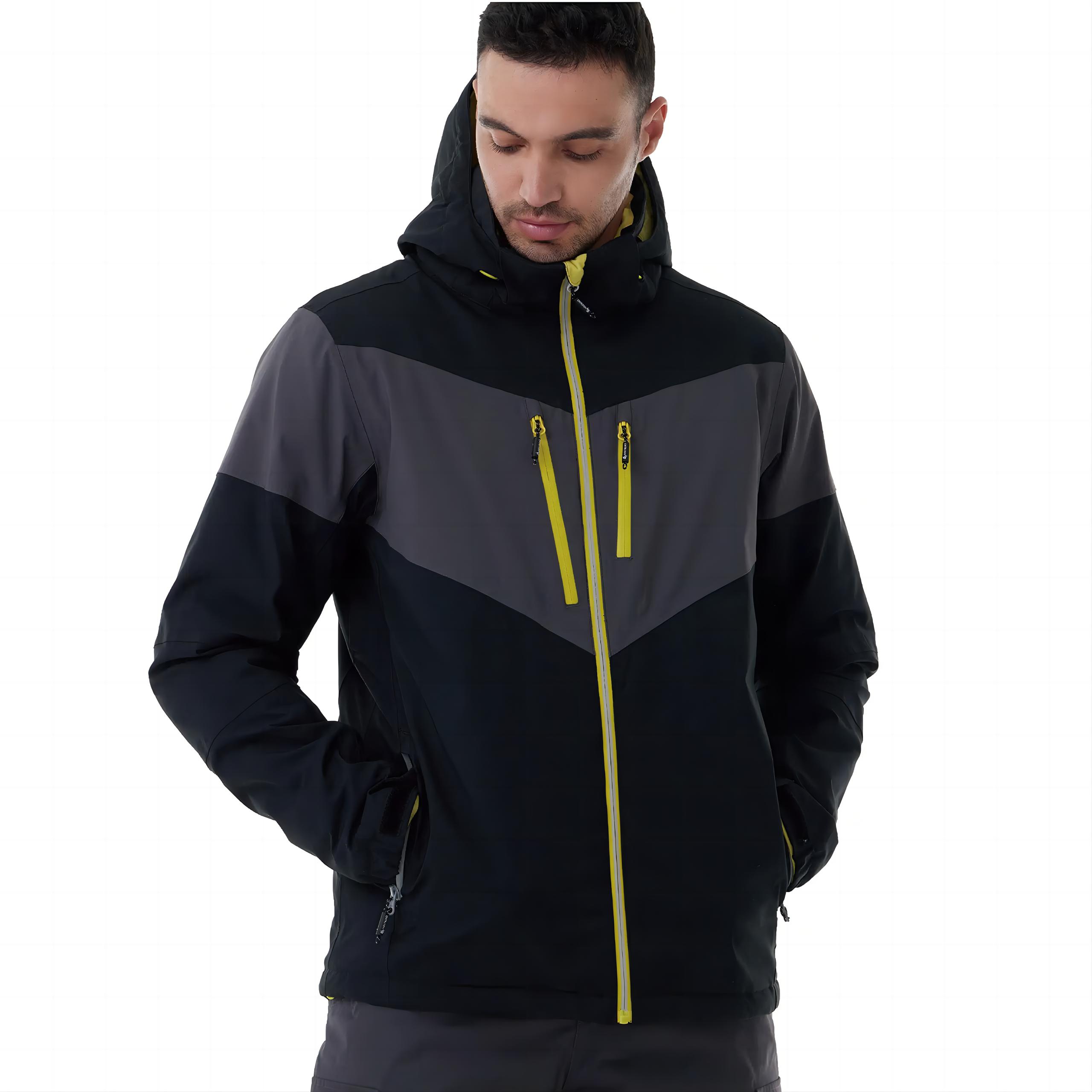
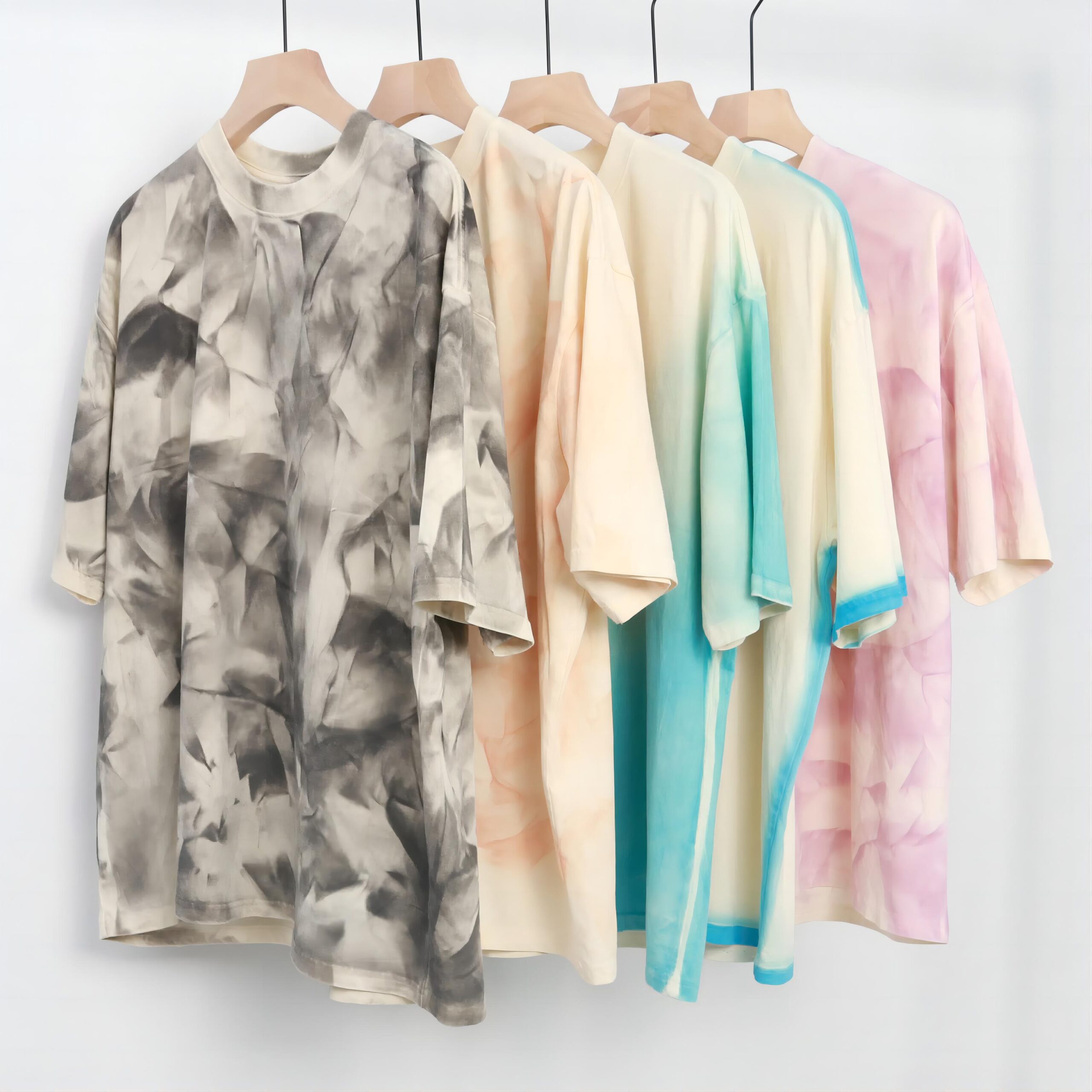
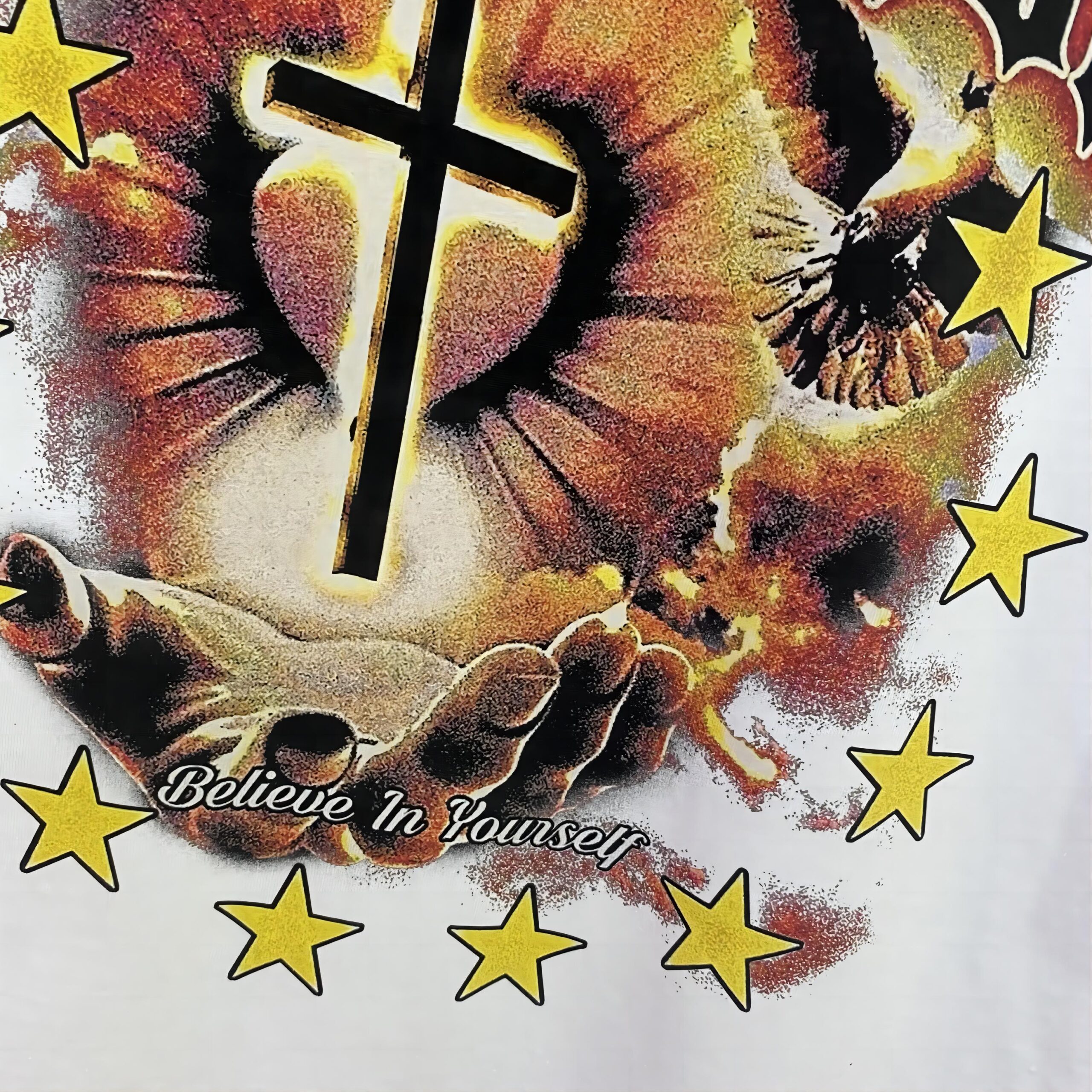
Featured Products for Chain Stitch Embroidery Development


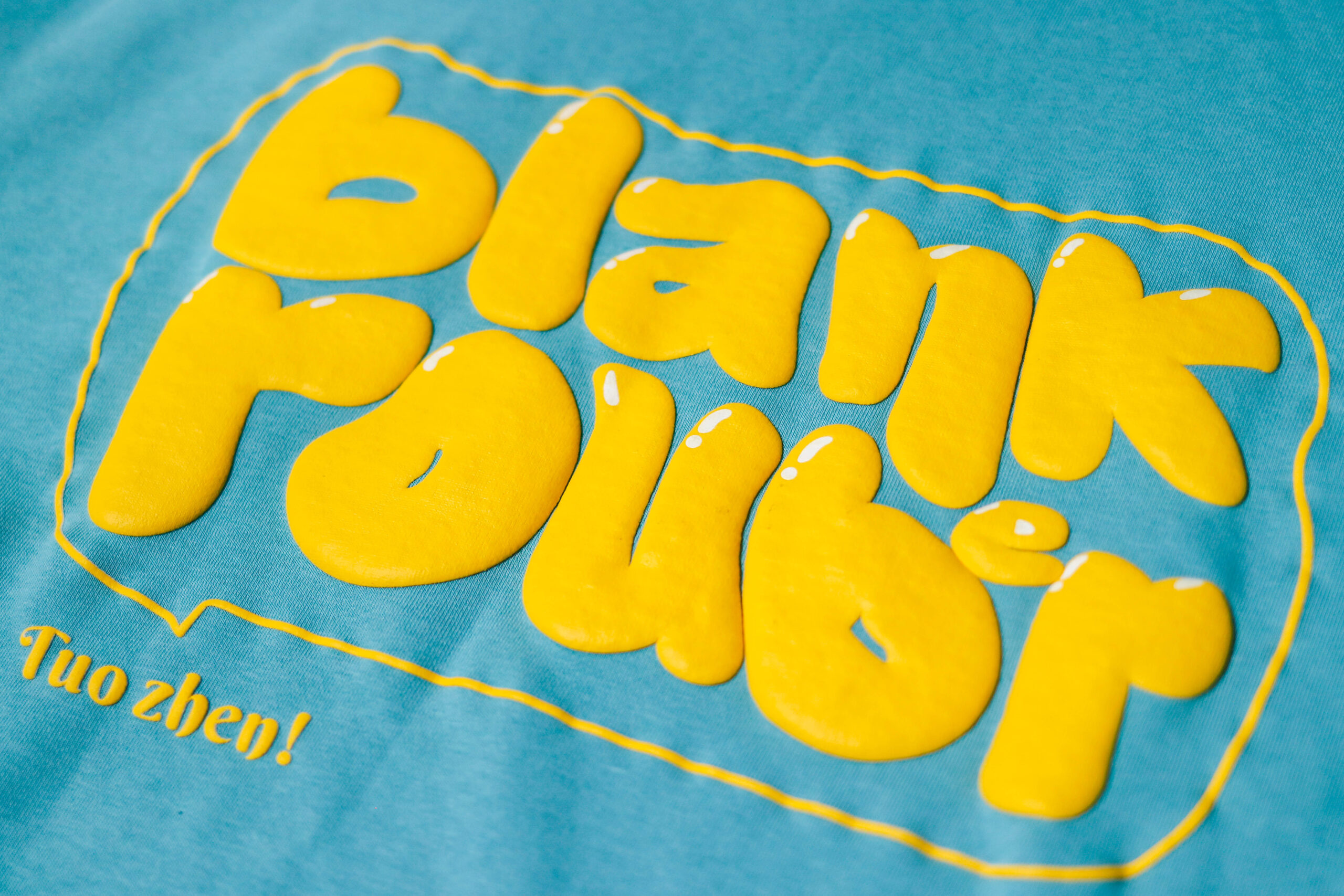
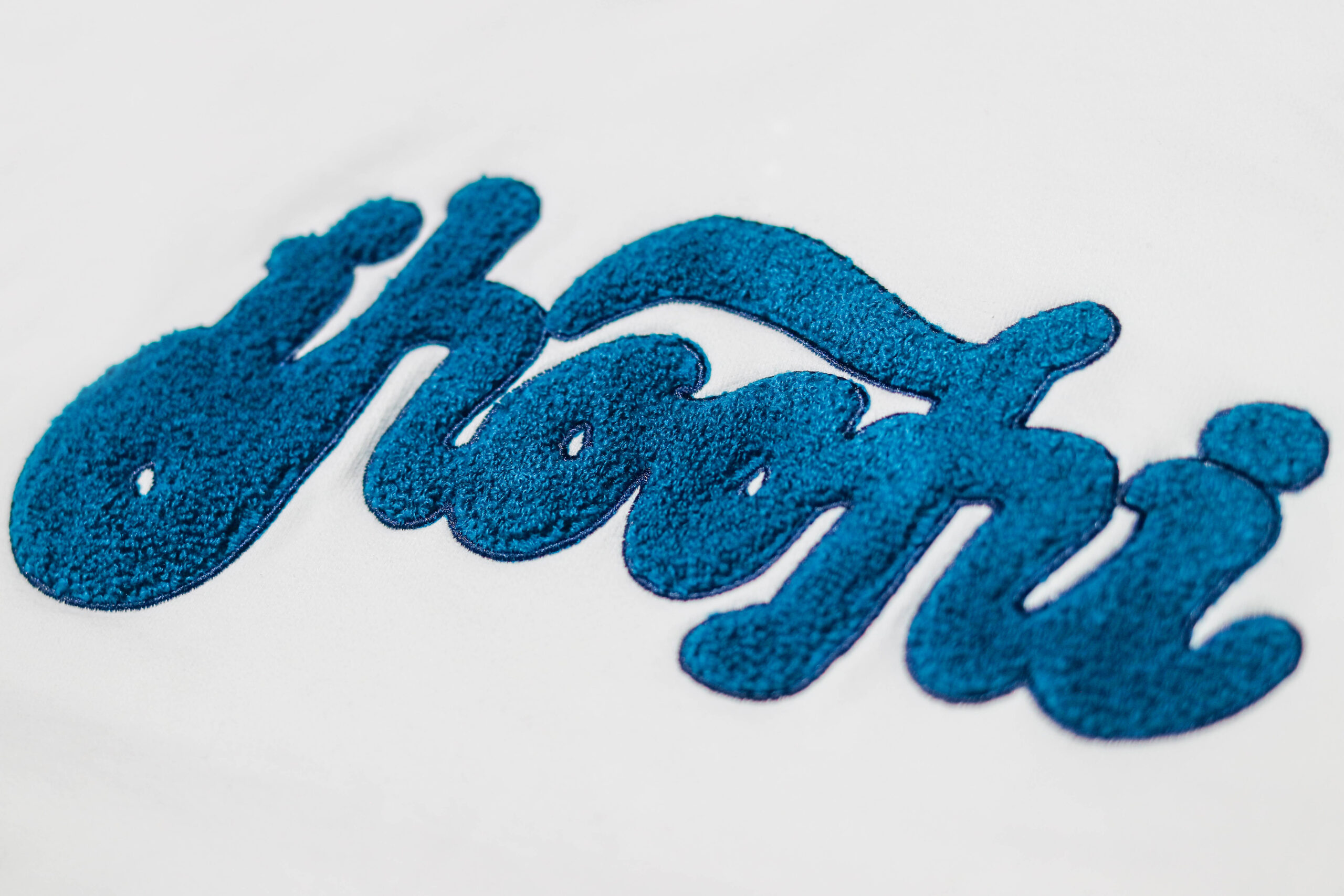
What Makes a Chain Stitch Embroidery Manufacturer Distinctive
Developed for apparel graphics that need visible texture, heritage character, and clear design definition.
Raised Rope-Like Texture
Continuous looped stitching creates pronounced, rope-like lines that lift logos, monograms, and lettering from the garment surface with tactile definition.
Heritage-Inspired Character
The dimensional stitch profile gives varsity, workwear, and streetwear programs a recognizable vintage influence without losing a polished production standard.
Bold Lettering and Borders
Chain stitch embroidery suits confident lettering, graphic outlines, and emblem borders where strong contours matter more than fine, intricate detail.
Structured Fabric Compatibility
Medium- and heavyweight bases help support the stitch dimension, making this technique a natural fit for jackets, fleece, and durable overshirts.
Repeatable Program Standards
EDVORIN records approved artwork, placement, thread direction, and garment specifications to help carry the intended chain stitch result into bulk production.
Explore Embroidery and Apparel Programs
See where chain stitch, dimensional embroidery, appliqué, and coordinated garment development fit across EDVORIN’s production categories.
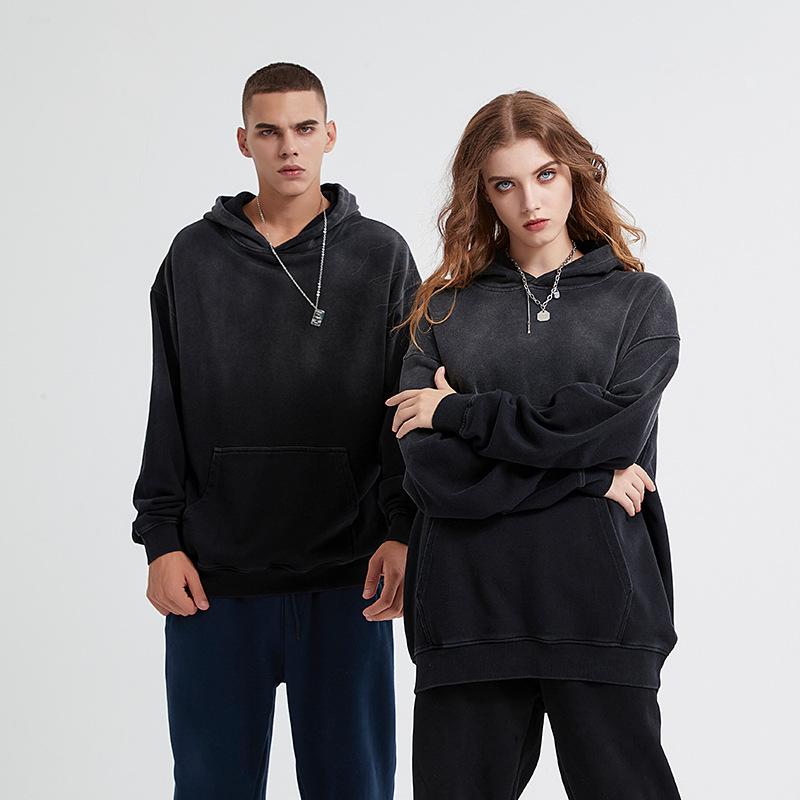
Custom Hoodies
Custom hoodie manufacturer support includes fleece selection, rib specifications, hood construction, drawcord details, and embroidery placement. Chain stitch can add textured logos, lettering, or heritage-style artwork across chest panels, sleeves, and back yokes.
Get a Quote
Pullover Sweatshirts
As a sweatshirt manufacturer, EDVORIN develops crewnecks and pullovers with defined fabric weight, fit, rib recovery, and decoration standards. Chain stitch, flat embroidery, or appliqué can be specified for collegiate graphics, brand marks, and limited collection details.
Get a Quote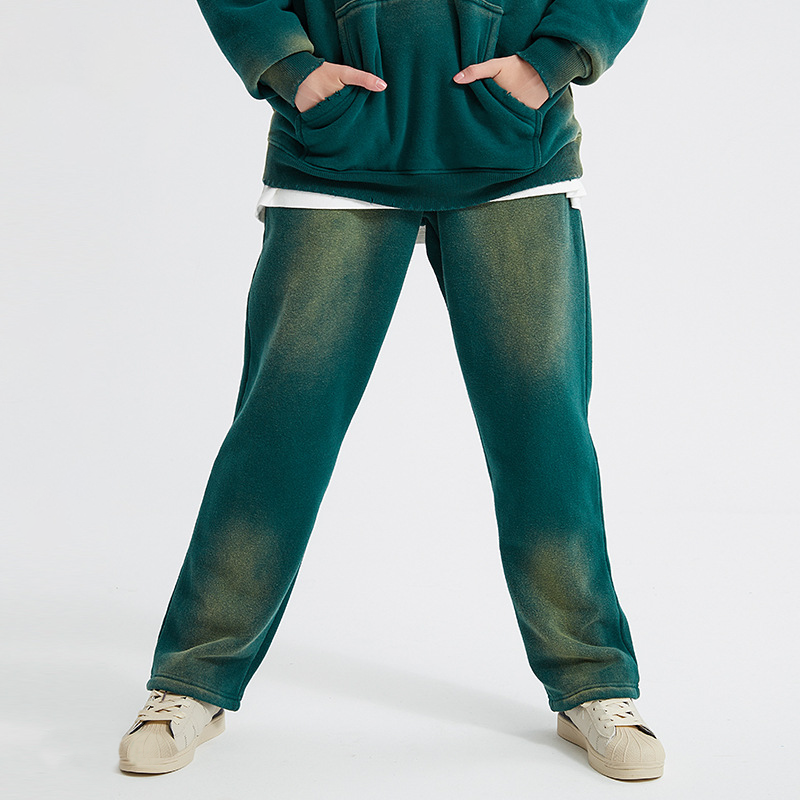
Sweatpants & Joggers
EDVORIN works as a sweatpants manufacturer for joggers and relaxed bottoms with controlled waistbands, cuffs, pockets, and grading. Chain stitch embroidery is suitable for leg logos, monograms, and coordinated sets paired with matching hoodies or sweatshirts.
Get a Quote
Custom Shorts
Custom shorts manufacturer programs can include fleece, jersey, woven, or performance constructions with approved inseams, pockets, waistbands, and trims. Chain stitch can be placed on hems or legs where a textured logo supports a coordinated casualwear or teamwear range.
Get a Quote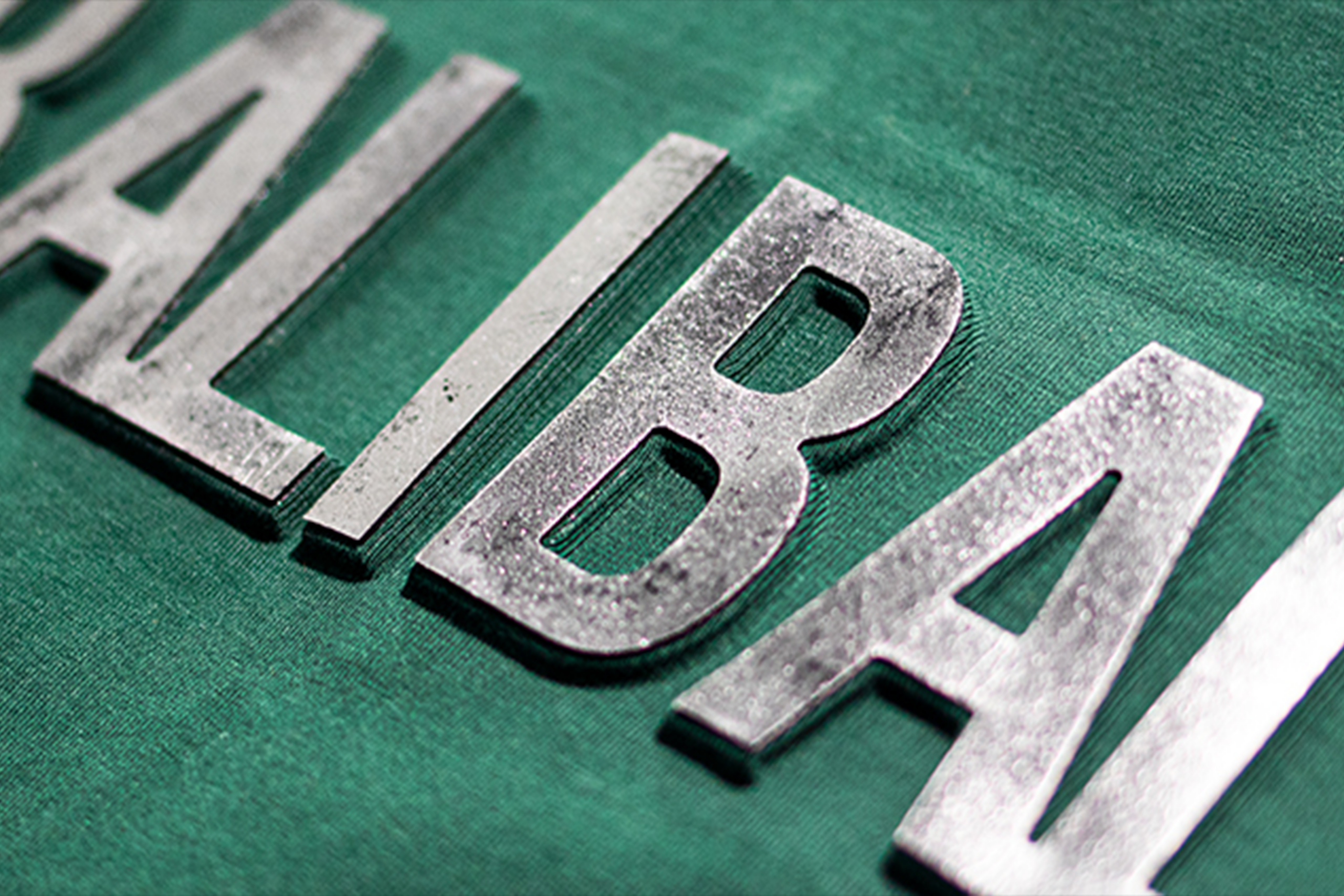
Varsity & Baseball Jackets
As a varsity jacket manufacturer, EDVORIN coordinates body fabric, sleeves, rib, lining, snaps, patches, and decoration. Chain stitch, chenille, appliqué, and flat embroidery can be combined to build traditional letterman or contemporary baseball jacket programs.
Get a Quote
Custom T-Shirts
Custom T-shirt manufacturer services cover jersey weight, collar construction, fit blocks, print compatibility, labels, and packing. Chain stitch embroidery can be used for compact chest marks or fashion details when the garment fabric and backing requirements are approved during sampling.
Get a Quote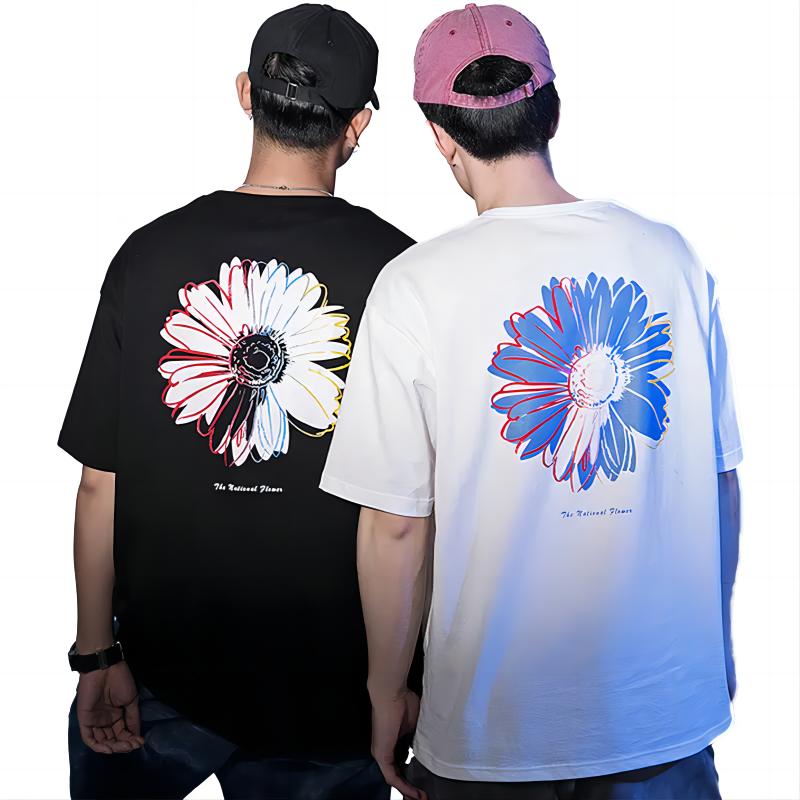
Custom Polo Shirts
As a polo shirt manufacturer, EDVORIN develops piqué or performance polo programs with collar structure, plackets, cuffs, and logo placement. Chain stitch or flat embroidery can be specified for chest branding, club crests, and corporate uniform applications.
Get a Quote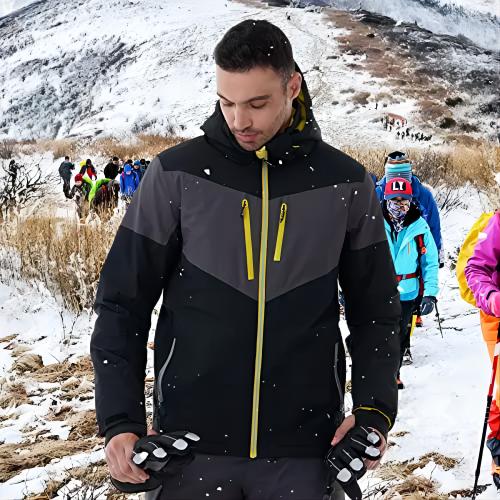
Windbreaker Jackets
Windbreaker manufacturer development addresses shell fabric, lining or mesh, zipper systems, hood construction, ventilation, and water-resistant finishes. Chain stitch embroidery can be evaluated for suitable panels, while flat embroidery may better support lightweight technical fabrics.
Get a Quote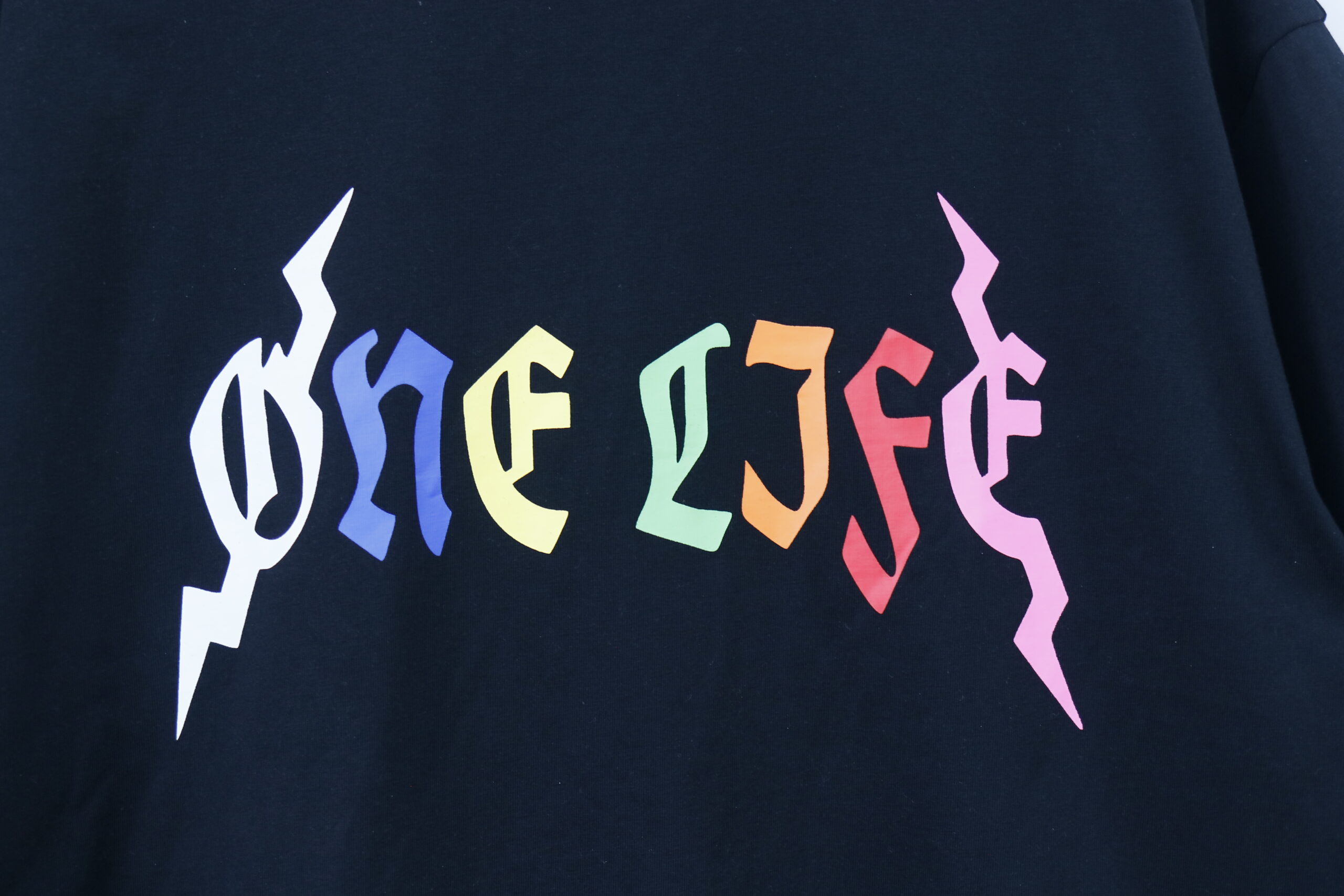
Quilted Jackets
As a quilted jacket manufacturer, EDVORIN coordinates shell, lining, insulation, quilting pattern, hardware, and labeling. Embroidery placement is planned around quilt lines and insulation, with chain stitch considered for stable, non-bulky decoration areas.
Get a Quote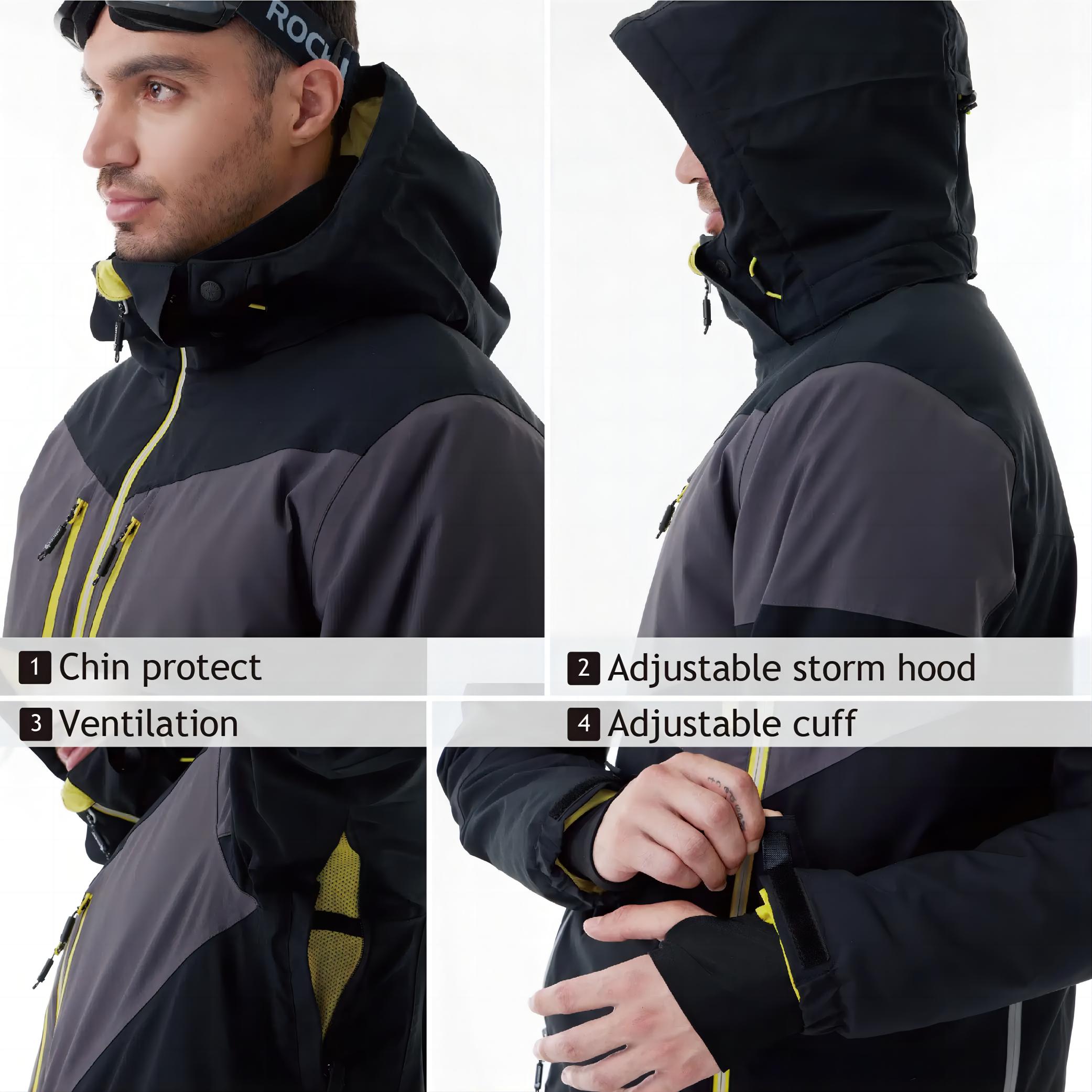
Bomber Jackets
Bomber jacket manufacturer programs include shell selection, lining, rib components, pockets, zippers, and insulation options. Chain stitch, appliqué, chenille, and embroidery can be developed for back graphics, chest insignia, and sleeve details with approved placement standards.
Get a Quote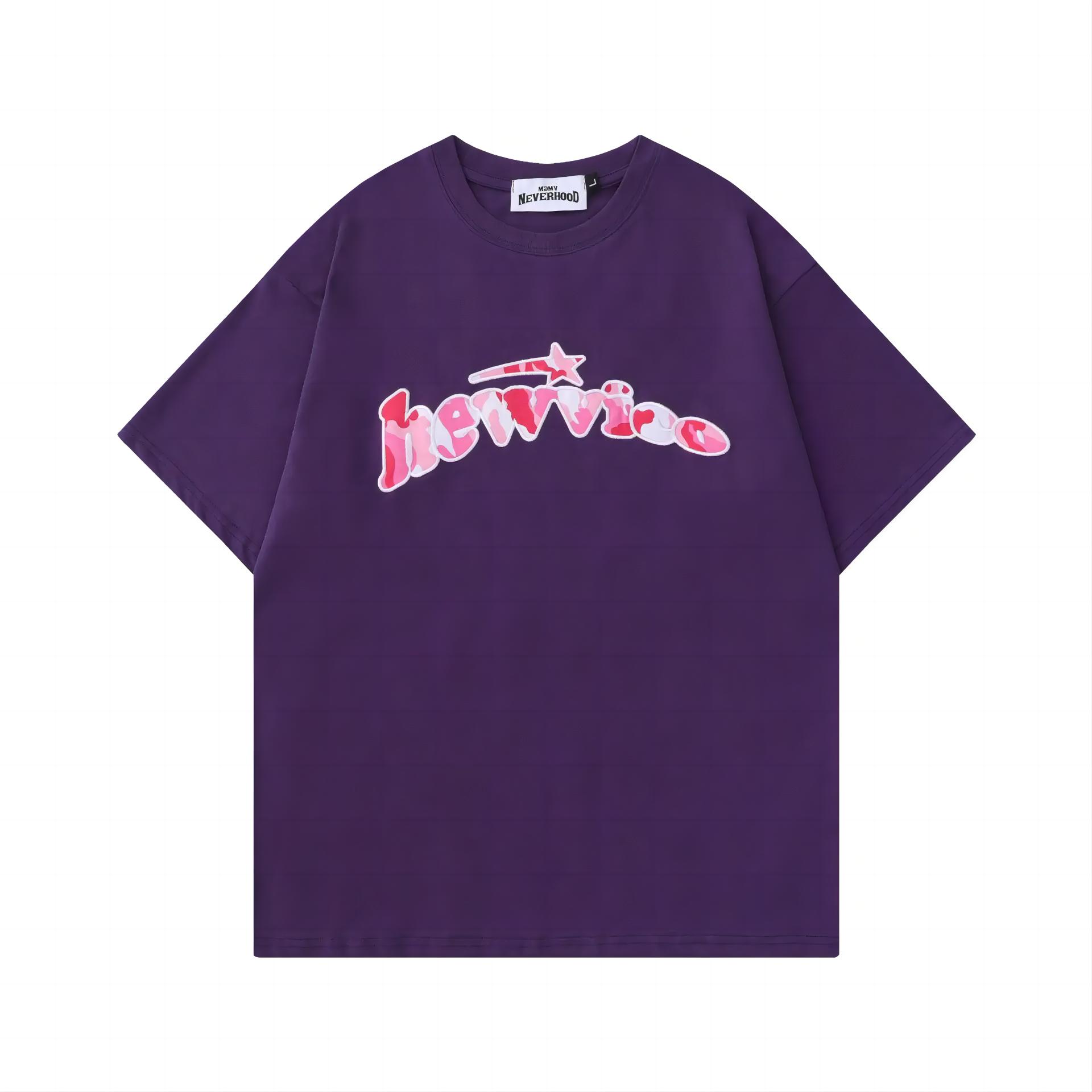
Custom Shirts
Custom woven shirt manufacturer services include fabric sourcing, collar and cuff construction, plackets, pocket options, fit, and finishing. Chain stitch can add a refined logo or scripted detail to chest pockets, yokes, or selected panels after sample review.
Get a Quote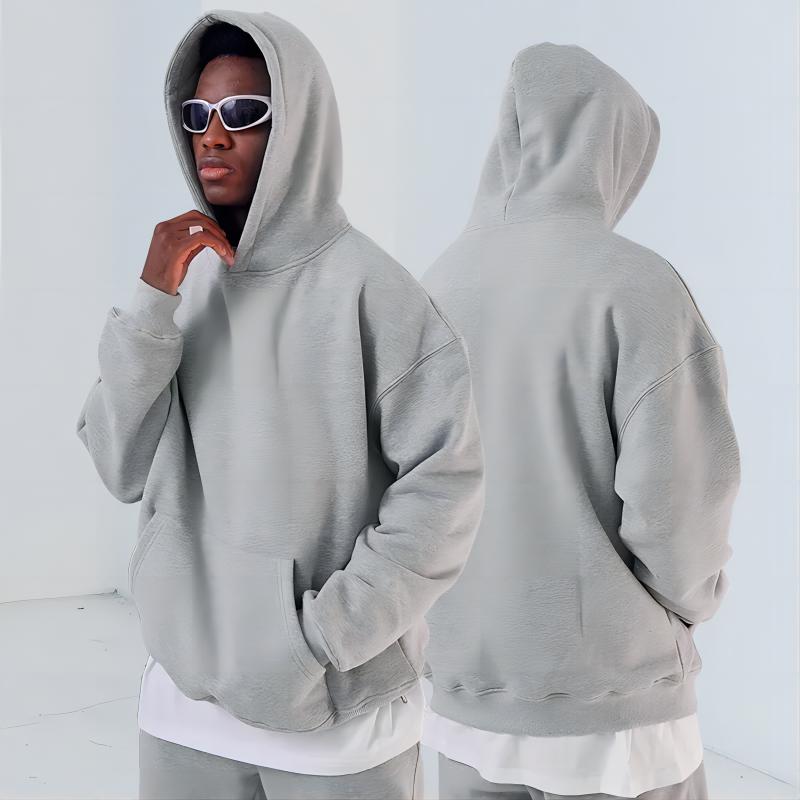
Custom Jerseys
As a custom jersey manufacturer, EDVORIN develops fabric performance, panel construction, color control, names, numbers, and decoration methods. Chain stitch may suit lifestyle or commemorative jersey programs, while embroidery and appliqué can support crest and patch applications.
Get a Quote
Tank Tops
Custom tank top manufacturer programs cover jersey or performance fabrics, armhole shape, neck binding, fit, and decoration placement. Chain stitch embroidery can be used for small chest logos or heritage-inspired details on appropriate fabric weights.
Get a Quote
Soccer Uniforms
As a soccer uniform manufacturer, EDVORIN coordinates breathable fabrics, team colors, player names, numbers, crests, and size sets. Embroidered or appliqué badges can be specified, while chain stitch is generally reserved for presentation or fanwear applications.
Get a Quote
Basketball Uniforms
Basketball uniform manufacturer programs include lightweight performance fabrics, reversible options, color blocking, player identification, and coordinated warm-ups. Chain stitch can support off-court team apparel, while jersey decoration is selected for durability, legibility, and movement.
Get a Quote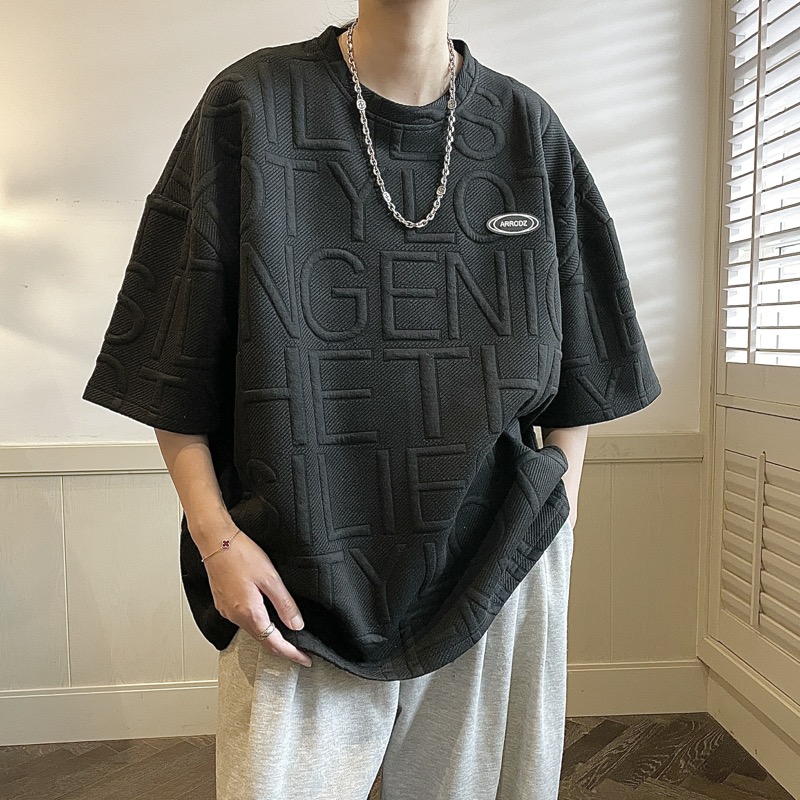
Streetwear Collections
As a streetwear clothing manufacturer, EDVORIN develops multi-style collections across hoodies, tees, bottoms, shirts, and outerwear. Chain stitch, 3D embroidery, chenille, appliqué, washes, trims, and packaging are coordinated into repeatable private-label production standards.
Get a QuoteYour Chain Stitch Embroidery Manufacturer
EDVORIN was founded in 2000 by Edvorin Zeng with a production-floor view of apparel: a strong design needs clear construction, compatible materials and documented standards to perform in bulk. As your chain stitch embroidery manufacturer, we help turn artwork and garment concepts into production-ready specifications.
Our integrated OEM, ODM and private-label apparel workflow connects fabric and trim sourcing, pattern development, sampling, embroidery coordination, washing, labeling and packaging. Certification programs include ISO 9001, BSCI, WRAP, SEDEX, OEKO-TEX® STANDARD 100, GRS and GOTS. We develop casualwear, streetwear, outerwear and teamwear for men’s and women’s programs, with MOQ starting at 200 pieces per style.
What differentiates EDVORIN is accountability after sample approval. Placement measurements, artwork references, material choices and finishing requirements are carried into production, while in-line and final checks compare bulk output with the approved standard. That gives brands a more controlled path to repeatable chain stitch programs.
Chain Stitch Embroidery Manufacturer Quality Controls
Artwork Built for the Stitch
EDVORIN reviews artwork, line weight, curves, lettering and intended scale before development, translating the visual direction into a practical stitch path that preserves the raised, vintage-inspired character on the finished garment.
- Artwork reviewed for readable detail at final size
- Stitch direction planned around curves and lettering
- Placement dimensions recorded against approved artwork
- Sample confirms texture before bulk release
Thread and Fabric Compatibility
Thread selection is considered alongside fabric weight, surface texture, stretch and garment use. This helps EDVORIN develop chain stitch embroidery that complements fleece, jersey, woven shells or teamwear materials without treating every base fabric the same.
- Thread color aligned with approved brand references
- Fabric behavior assessed during sample development
- Support materials selected for the garment construction
- Decoration coordinated with washing and finishing plans
Repeatable Placement and Finish
As a chain stitch embroidery manufacturer, EDVORIN turns the approved sample into a production reference for placement, scale, thread appearance and finishing. In-line checks help keep the decoration aligned as garments move through bulk sewing, inspection and packing.
- Approved sample guides bulk production standards
- Placement checked against defined garment points
- In-line inspection identifies variation early
- Final checks cover decoration and finished presentation
Chain Stitch Embroidery vs. Flat Embroidery
Choose the stitch structure that best supports your garment, artwork, and collection direction.
← Swipe left or right to view →
Our Chain Stitch Embroidery Production Process
EDVORIN translates approved artwork into a documented, repeatable embroidery standard for apparel programs starting at 200 pieces per style.
Review Artwork and Garment
We assess artwork, intended placement, stitch scale, fabric behavior, garment construction, and brand requirements before defining a workable chain stitch embroidery approach.
Develop Sample Specifications
Our team prepares digitization guidance, thread color references, stitch direction, density, backing, and placement measurements, then produces a sample for your review.
Approve Stitch and Placement
You review the physical sample for texture, color, coverage, placement, and garment compatibility. Approved details become the reference for bulk production.
Calibrate Bulk Production Setup
Before production begins, operators confirm embroidery settings, thread tension, stabilizer selection, positioning marks, and the approved sample standard for each garment style.
Inspect, Finish, and Pack
In-process checks monitor stitch formation, thread trims, placement, and garment condition. Final quality control verifies approved details before labeling, packaging, and shipment.
Order From a Chain Stitch Embroidery Manufacturer
Move from artwork and garment references to an approved production standard with one accountable development path.
Share Your Design Brief
Send a tech pack, reference garment, or collection concept with target apparel style, fit requirements, quantities, and any private-label or packaging details.
Provide Artwork Specifications
Supply vector artwork, placement dimensions, thread color references, and intended decoration areas so our team can review feasibility and document the chain stitch standard.
Approve the Production Sample
Review a physical sample for garment construction, stitch texture, placement, colors, and overall balance before confirming the approved reference for bulk manufacturing.
Confirm Bulk Production Details
Finalize size breakdowns, labels, packaging, delivery requirements, and order specifications. EDVORIN coordinates materials, decoration, in-line checks, and final inspection against the approved standard.
Chain Stitch Embroidery Manufacturer Results for Apparel Brands
EDVORIN helped us turn a hand-drawn collegiate logo into a textured chain stitch detail that held its character after 12 wash tests. The approved placement record also kept our 480-piece hoodie run consistent across every size.
For our first 260-piece varsity jacket drop, the team refined the thread colors and placement during sampling. The finished logo gave us the vintage depth we wanted, while the bulk order matched the approved sample closely.
We needed repeatable chain stitch lettering across two schoolwear colorways and 620 units. EDVORIN documented the artwork and measurements clearly, so our reorder moved forward without rebuilding the decoration specification from scratch.
Chain Stitch Embroidery Manufacturer FAQ
Clear answers for brands planning chain stitch decoration from sample development through repeat bulk production.
What fabrics work best for chain stitch embroidery?
Can a chain stitch embroidery manufacturer handle both men’s and women’s apparel?
How many colors and how large can a chain stitch embroidery design be?
Can I combine chain stitch embroidery with patches, prints or other decorations?
EDVORIN’s MOQ starts at 200 pieces per style. What is the minimum order quantity for chain stitch embroidery?
How does a chain stitch embroidery manufacturer protect wash durability?
What files do I need to request chain stitch embroidery sampling?
How long do sampling and bulk production take?
Complete Guide to Choosing a Chain Stitch Embroidery Manufacturer
Use a practical decision framework to compare chain stitch embroidery manufacturers, assess production and quality criteria, select suitable materials and customization options, estimate costs, and avoid sourcing mistakes before approving samples or bulk orders.
1. What Is a Chain Stitch Embroidery Manufacturer?
200-piece OEM programs need more than a decorator: a chain stitch embroidery manufacturer translates approved artwork into repeatable garment specifications, coordinating sampling, materials, placement, production, labeling, and packing.
One continuous loop forms the technique’s raised, rope-like line, making it well suited to bold lettering, logo outlines, monograms, and vintage athletic graphics on stable garments. Its visual character is distinct from flat embroidery; buyers should confirm that the intended fabric, artwork scale, and desired texture suit chain stitch before sampling. https://clubchainstitch.com/pages/chainstitch-embroidery
Three supplier models serve different needs: a production supplier supports bulk OEM or private-label apparel; a specialist studio prioritizes small-batch, freehand work; and a general embroidery vendor may offer chain stitch as one decoration option. For branded buyers, the core sourcing question is whether the supplier can reproduce the approved chain-stitch effect consistently on the chosen garment—not simply whether it can stitch a logo.
2. Chain Stitch Embroidery: Evolution and History
1850s-era Cornely-style machines helped establish the hand-guided chain-stitch look: a continuous, raised line shaped by an operator rather than a programmed needle path. That visible guidance created the natural turns and slight irregularity now associated with vintage lettering and decorative motifs. Source: https://embroiderylegacy.com/what-is-chenille-and-chain-stitch-embroidery
1950s varsity, souvenir, and workwear references helped keep chain stitch visually tied to athletic and heritage apparel. Current fashion, teamwear, and branded programs use that texture for bold names, crests, borders, and monograms where a deliberately crafted surface supports the garment concept.
1 production decision matters: hand-guided vintage-style work prioritizes character, but its operator time, lower throughput, and natural variation make exact repetition harder and usually costlier. Scalable machine-led methods improve placement consistency, production speed, and unit-cost control, while sacrificing some of the freehand irregularity buyers may want.
3. Types of Chain Stitch Embroidery Manufacturer Services
Two production routes shape the brief: hand-guided vintage chain stitch prioritizes expressive variation, while machine-produced work supports repeatable placement. Ask which route, operator controls, and approval standard will govern the sample.
Hand-Guided Vintage Work
One-at-a-time guidance suits script, mascots, and imperfect heritage lines; expect visible human variation rather than identical repeats. Ask for front-and-back sample photos, maximum daily output, and the acceptable variation range.
Source: https://clubchainstitch.com/pages/chainstitch-embroidery
Machine Chain Stitch
Digitized machine work suits 200-piece OEM runs, repeated logos, and controlled placements. Ask whether the file supports single-color outlines, multicolor thread changes, or dense fills, then approve a production-size strike-off.
Hybrid Decoration
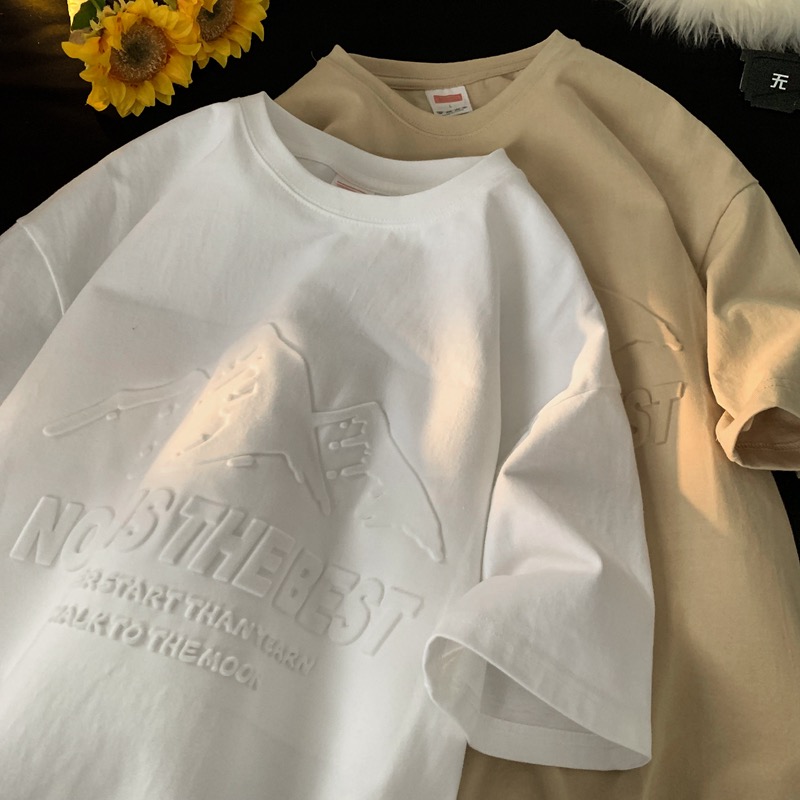
Two-process layouts pair chain-stitch outlines with appliqué for bold varsity forms or flat embroidery for small detail. Ask for seam sequence, appliqué edge method, color count, and a wash-tested sample before bulk approval.
4. Chain Stitch Embroidery Manufacturer Materials and Fabrics
Medium-to-heavy fabrics support the raised loop profile that buyers expect from chain stitch. Lighter or stretch constructions need stabilization before sampling and wash approval.
| Material | Typical Weight | Chain Stitch Result | Support |
|---|---|---|---|
| Fleece | 280–360 GSM | Dense, raised texture | Tearaway backing |
| Denim/canvas/twill | 300–450 GSM | Crisp, stable outlines | Light backing |
| Stretch/light knits | Under 250 GSM | Higher puckering risk | Cutaway stabilizer |
Match Fabric To Use
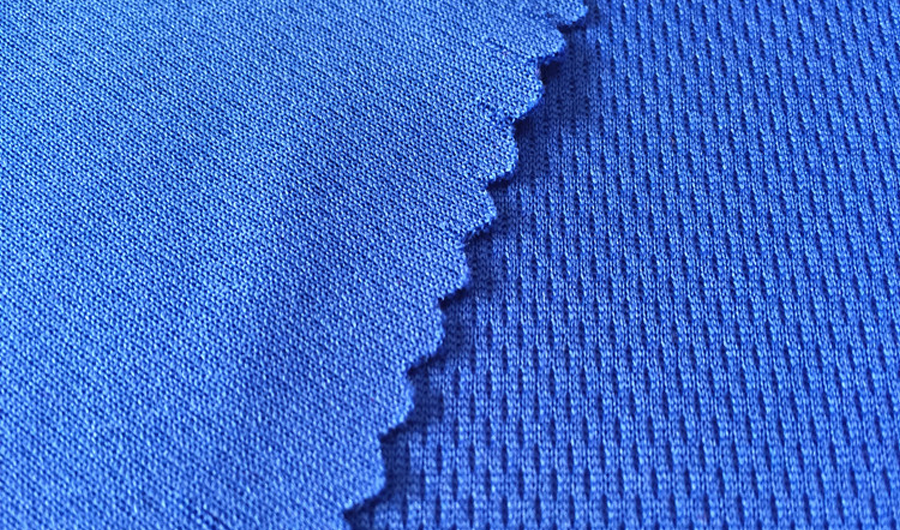
280–360 GSM fleece gives hoodies a dense, vintage-ready ground with limited distortion.
300–450 GSM denim, canvas, and twill hold bold lettering for jackets, workwear, and bags.
Control Stretch And Surface
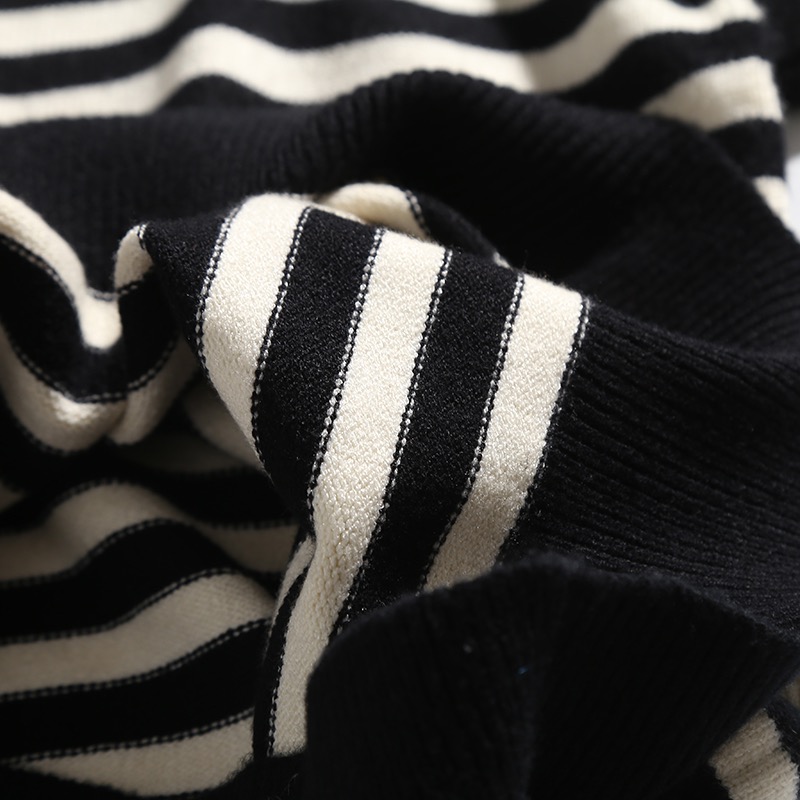
French terry’s looped back adds comfort, but its face should be smooth enough for even stitch tension.
Wool blends suit varsity applications; brushed, ribbed, lightweight, or high-stretch fabrics require cutaway backing or stabilizer.
Specify Thread And Laundering
40-weight polyester thread is a practical default for colorfast, abrasion-resistant programs.
1 approved wash test should confirm loop security, puckering, shrinkage, and thread-to-garment color stability.
5. Customization Options From a Chain Stitch Embroidery Manufacturer
A 200-piece OEM program should lock decoration decisions before sampling: location, finished width, thread palette, lettering, borders, and mixed techniques. EDVORIN converts those approvals into measurable production specifications.
| Use Case | Chain Stitch | Flat Embroidery |
|---|---|---|
| Bold lettering | High texture and visibility | Clean but less dimensional |
| Fine logo detail | Simplify or combine | Better definition |
| Appliqué border | Strong layered effect | Useful for precise accents |
Decoration Direction
One placement sheet should state center-front or left-chest position, distance from neckline, finished dimensions, and permitted tolerance.
Two-color to six-color artwork should include Pantone references; chain stitch favors bold names, varsity lettering, outlines, and border work.
- Define logo scale by finished millimeters
- Specify patch, appliqué, print, or chenille combinations
- Mark front, back, sleeve, and pocket placements
Technique Selection
Chain stitch adds raised, rope-like character to broad lettering and simplified logos. Flat embroidery is usually the clearer choice for tiny type, tight curves, fine linework, and detailed shading.
Garment And Brand Details
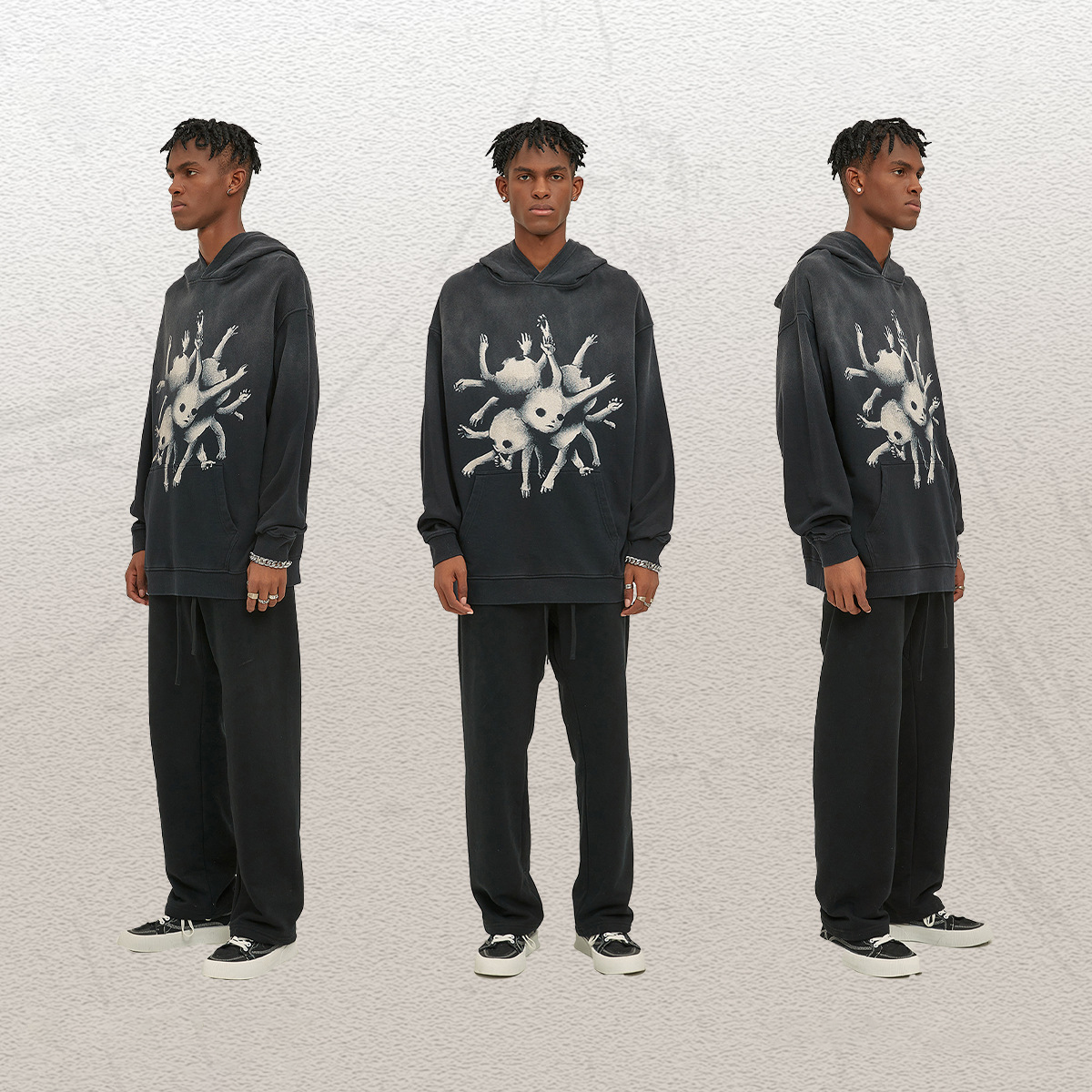
One approved garment-dye test should confirm thread appearance after the intended wash, since dye and vintage finishing can change visual contrast.
Two branding files—main label and care-label artwork—plus hangtag, size-label, polybag, and carton-mark requirements help a chain stitch embroidery manufacturer quote accurately.
6. Chain Stitch Construction and Quality Checks
A pre-production sample should be inspected under flat light and after a wash test before bulk release. For a chain stitch embroidery manufacturer, the approval sample becomes the visual and construction standard for every repeat run.
Loop And Tension Control
100% of visible loops should be continuous, evenly formed, and free of skipped stitches or loose tails. Thread tension must hold the raised line without pulling the face fabric into puckers.
3 mm clearance around clean starts, stops, and sharp turns helps prevent unraveling and makes a prominent logo look intentional.
Sample Approval Tolerances
±2 mm placement tolerance is a practical starting point for chest logos; agree a tighter target for center-front or high-visibility marks. Verify alignment against seams, plackets, pockets, and garment grain.
1 approved color standard should govern thread matching across all sizes and repeat orders. Record backing coverage, stitch density, artwork scale, and placement measurements on the sealed sample.
Wash And Repeat Checks
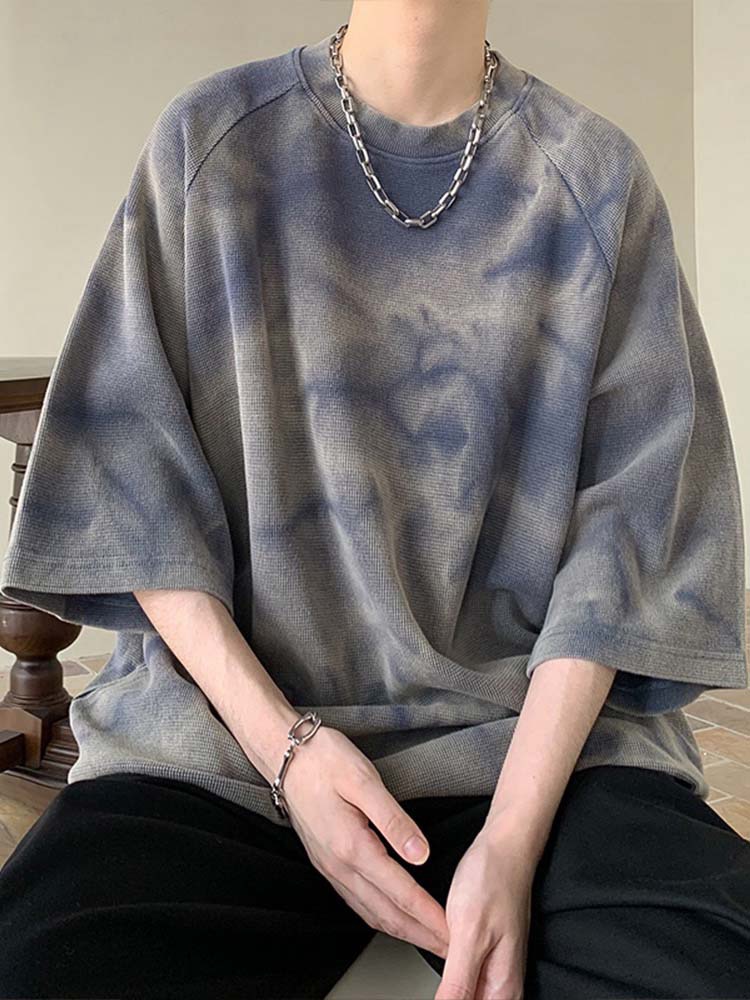
3 wash cycles using the agreed care method can reveal loosening, color bleed, distortion, or backing show-through before production. Compare the washed sample with the approved unwashed control.
100% of team uniform names, numbers, and crest placements require order-level verification. Retail programs also need random bulk checks for consistent loop texture, color, and logo orientation.
7. How to Choose a Chain Stitch Embroidery Manufacturer
Two suppliers can quote the same artwork yet deliver different repeatability. Assess evidence from comparable garments, approved samples, and the controls used to reproduce them at bulk scale.
Validate Relevant Experience
Three references should show comparable fabric weight, placement, and stitch density. Review a physical sample after washing, confirm artwork review procedures, and ask how tension, backing, and thread color are recorded.
Match Priorities To Buyer Type
Fashion labels should weight handfeel and design interpretation; schools and teams should weight color, names, size-set accuracy, and deadline reliability. Distributors and corporate buyers should prioritize capacity, documented consistency, replenishment, and post-delivery claim handling.
Request Comparable Quotations
One RFQ should require each supplier to price the same defined scope. State whether the quote includes sampling, digitizing, garment sourcing, packing, freight terms, and revisions.
- Artwork files and placement dimensions
- Garment, color, size ratio, and quantity
- Sample and bulk lead-time targets
- Wash-test, inspection, and defect-resolution process
8. Common Chain Stitch Embroidery Buying Mistakes
Three approval checkpoints prevent most avoidable decoration rework. A chain stitch embroidery manufacturer should convert artwork, materials, and pricing into signed bulk standards.
Tiny Details And Artwork
At 3 mm or smaller, chain-stitch loops can close counters and blur fine lettering. Use flat embroidery or simplify paths before sampling.
Before bulk, approve a stitched strike-off—not screen artwork alone. Ask: Which lines, gaps, and lettering remain legible at production size?
Materials, Color, And Washing
Two variables—backing and thread—control stability, coverage, and hand feel. Test the actual fabric, including stretch, pile, or garment-dye behavior.
Pantone references require physical thread review under agreed lighting. Ask: Which backing, thread, wash cycle, and pass/fail standard apply to bulk?
Quotes Without Matched Specifications

One low quote can exclude digitizing, stitch count, backing, thread changes, or wash testing. Compare like-for-like specification sheets, not decoration labels.
Before purchase order release, align placement, colors, fabric, and approved sample. Ask: What exact construction and services are included per unit?
9. Steps to Launch a Chain Stitch Embroidery Program
EDVORIN’s MOQ starts at 200 pieces per style. A 200-piece OEM MOQ changes the launch plan: lock commercial purpose before sampling. A private-label hoodie drop, team uniform, or promotional run needs one approved production record.
Define The Production Brief
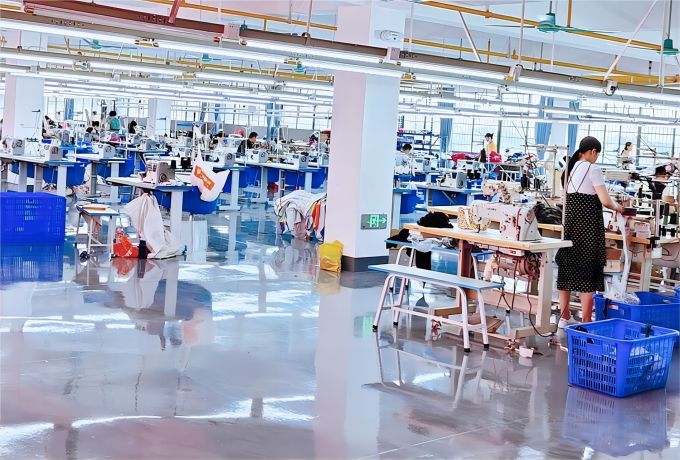
One brief should lock target wearer, garment, quantity, delivery date, sizes, and decoration locations. Retail drops need SKU and colorway counts; clubs need roster-number rules; promotional buyers need logo-use approval.
Prepare Artwork And Materials
At 1:1 scale, supply vector artwork, Pantone references, placement measurements, and approved thread colors. Select stable French terry, fleece, denim, canvas, twill, or wool-blend bases, then retain fabric composition, GSM, backing, and wash requirements.
Approve And Control Bulk
Before bulk, compare like-for-like quotes and approve a prototype, revised tech pack, and sealed pre-production sample. During production, inspect placement, loop security, thread color, measurements, and wash performance; archive the final artwork, sample photos, inspection report, labels, and packing specification for reorders.
10. Chain Stitch Embroidery Pricing and Cost Drivers
200-piece programs usually spread fixed digitization, sampling, and material-preparation work across more units; a chain stitch embroidery manufacturer should quote those items separately from garment cost.
1 matched-assumption comparison is essential: hold artwork size, stitch time, color changes, placements, backing, fabric, packaging, and delivery date constant before comparing quotes. Request an itemized project quote tied to the approved sample.
| Cost driver | Lower-cost scope | Higher-cost scope | Lead-time effect |
|---|---|---|---|
| Quantity | Higher volume | Small run | Setup spread changes |
| Stitch time | Simple outline | Dense fill or long lettering | More machine time |
| Colors and placements | One color, one location | Multiple changes or locations | Extra handling |
| Setup and sample | Existing approved file | New digitization, backing test, sample | Approval adds time |
Get a Quote for Your Chain Stitch Embroidery Program
Send your artwork or concept to EDVORIN for production-ready chain stitch embroidery across fashion, streetwear, teamwear, wholesale, and private-label programs.