
Pigment Dye Clothing Manufacturer for Vintage-Wash Apparel
EDVORIN develops pigment-dyed casualwear, streetwear and teamwear with controlled samples, wash coordination and repeatable bulk production.
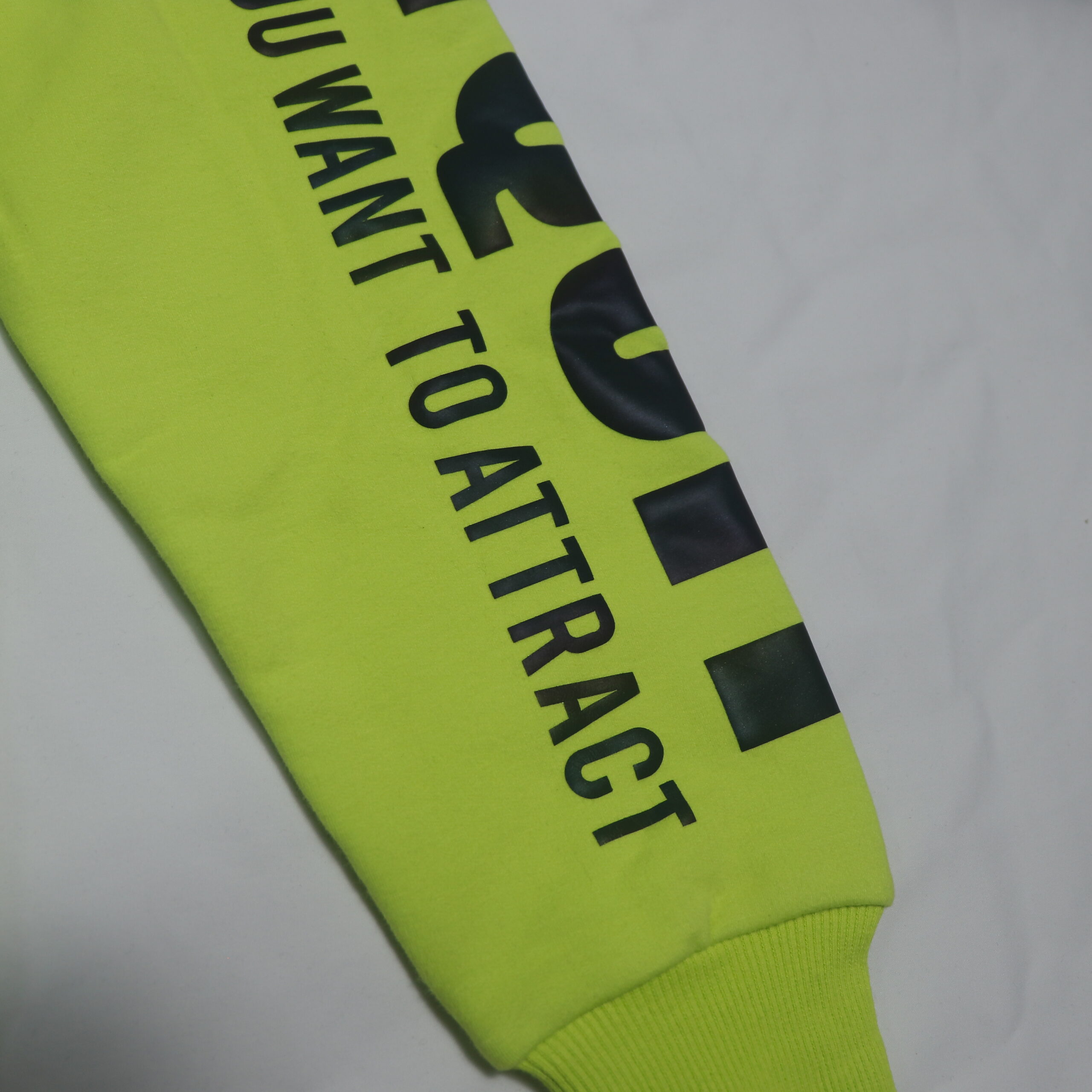
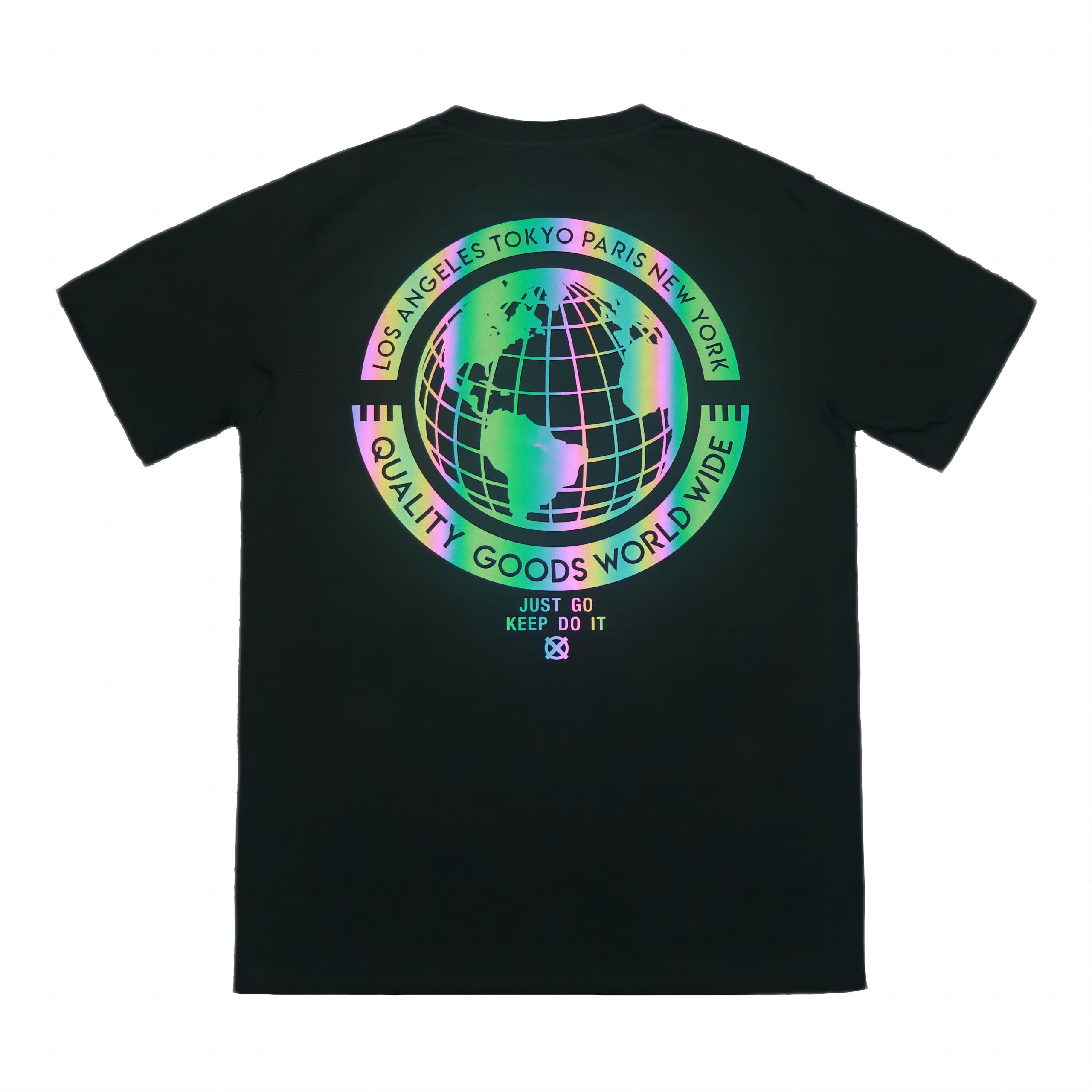
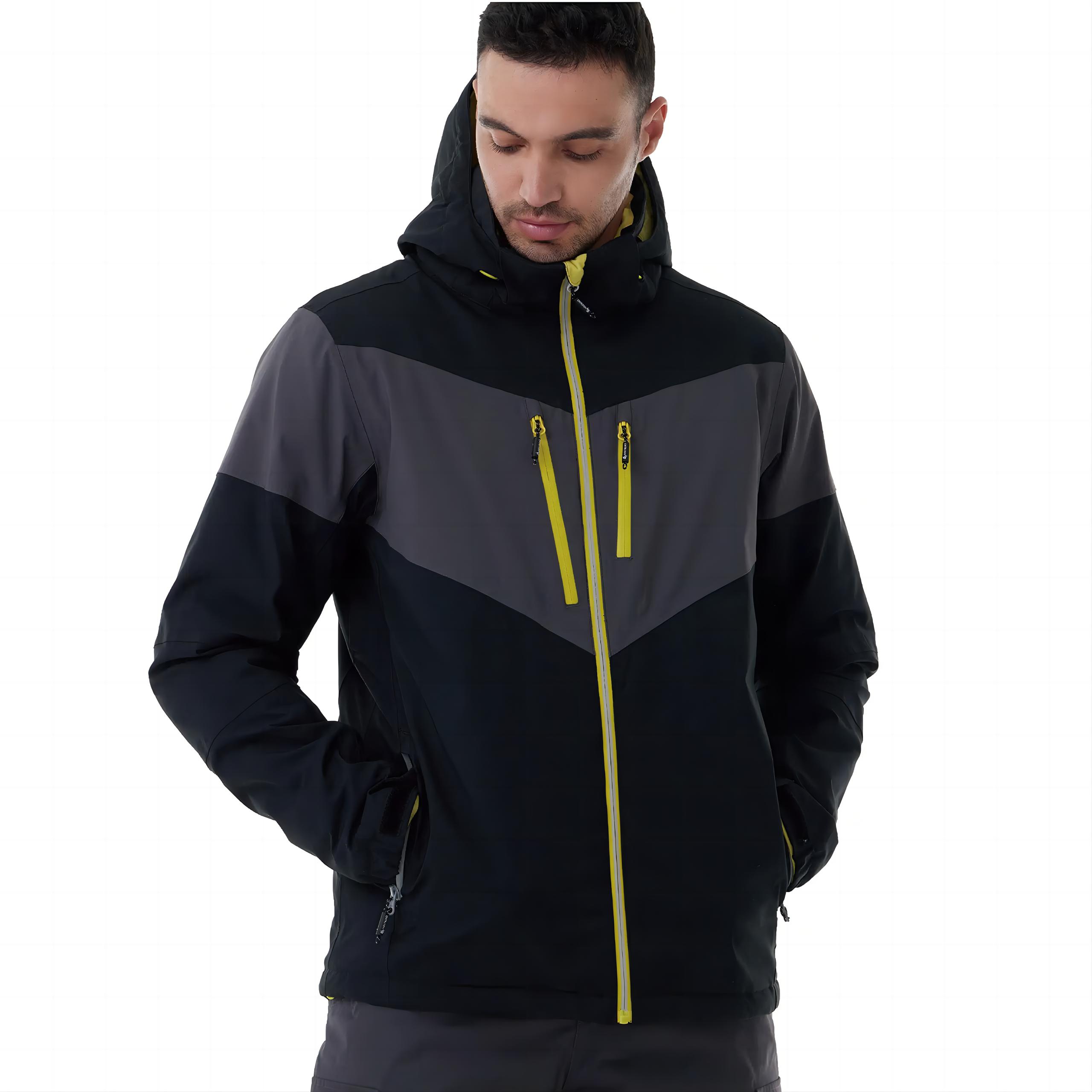
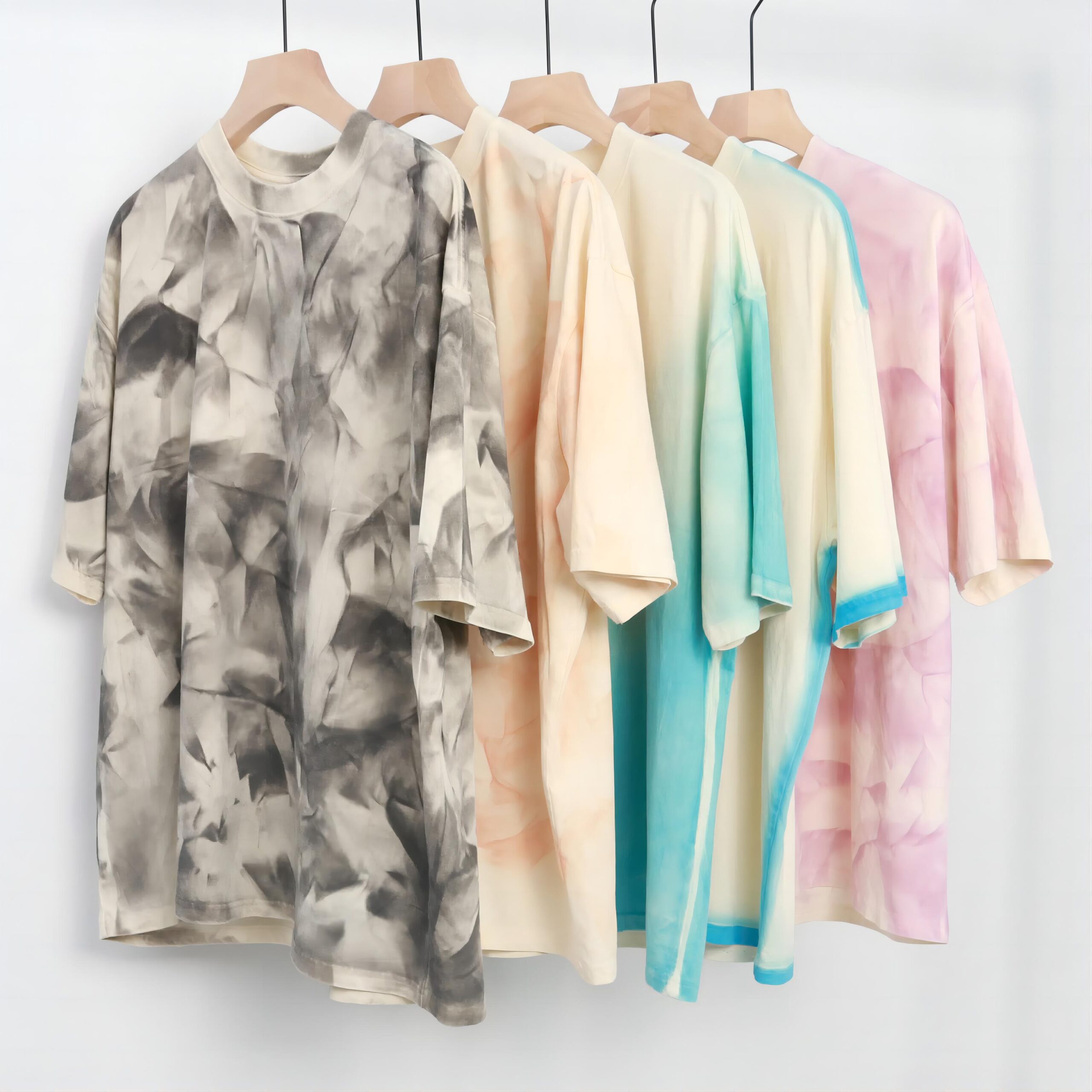
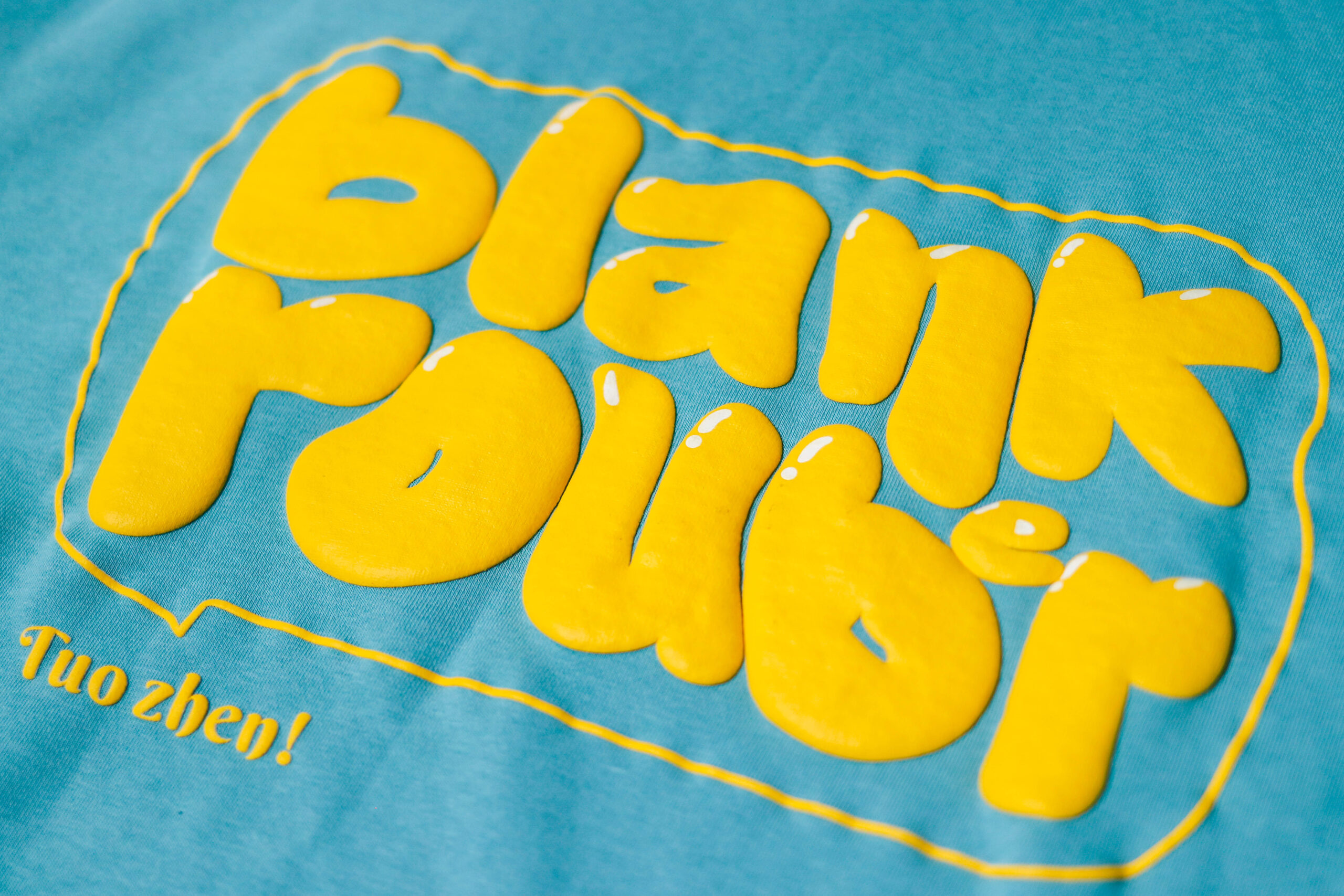
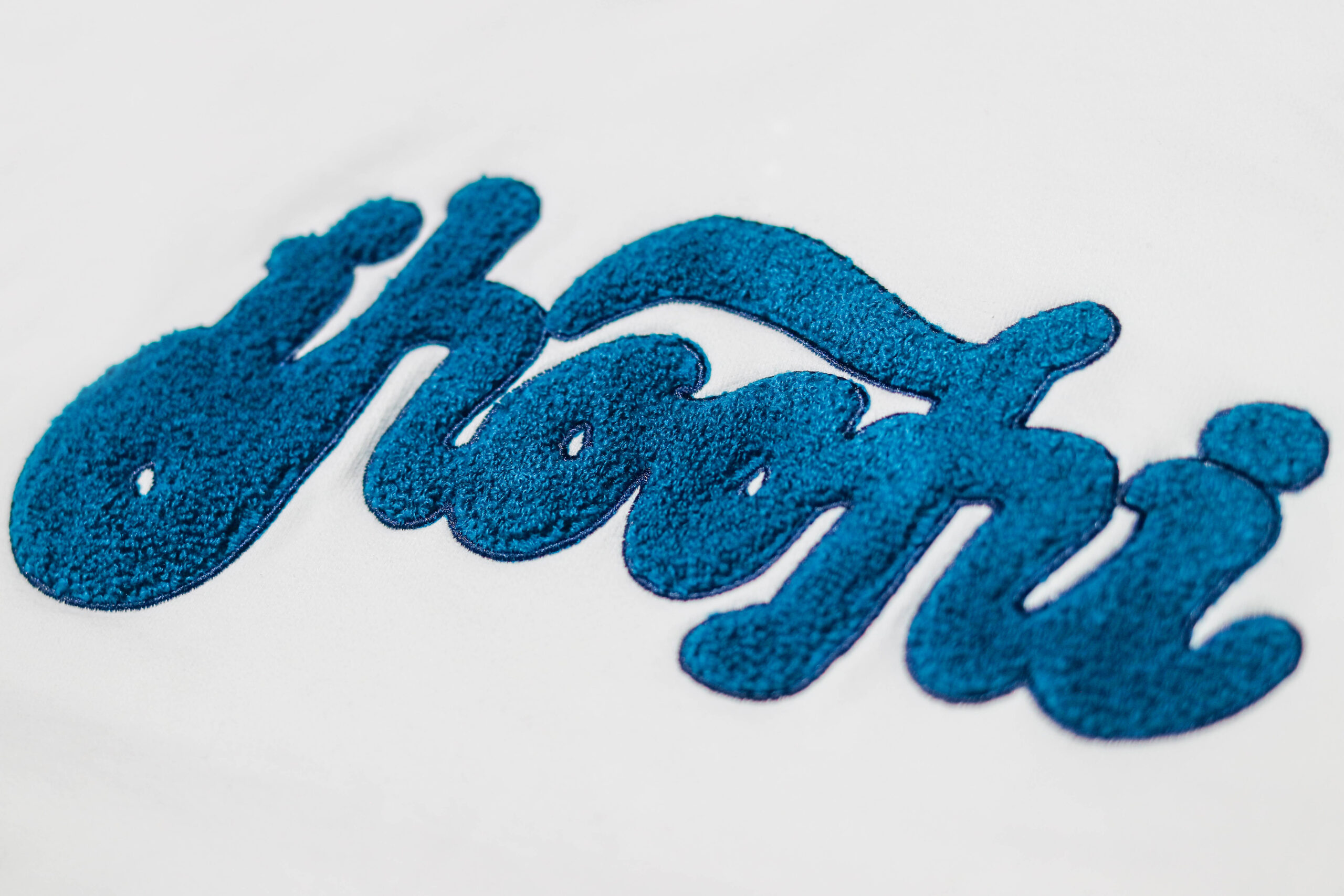
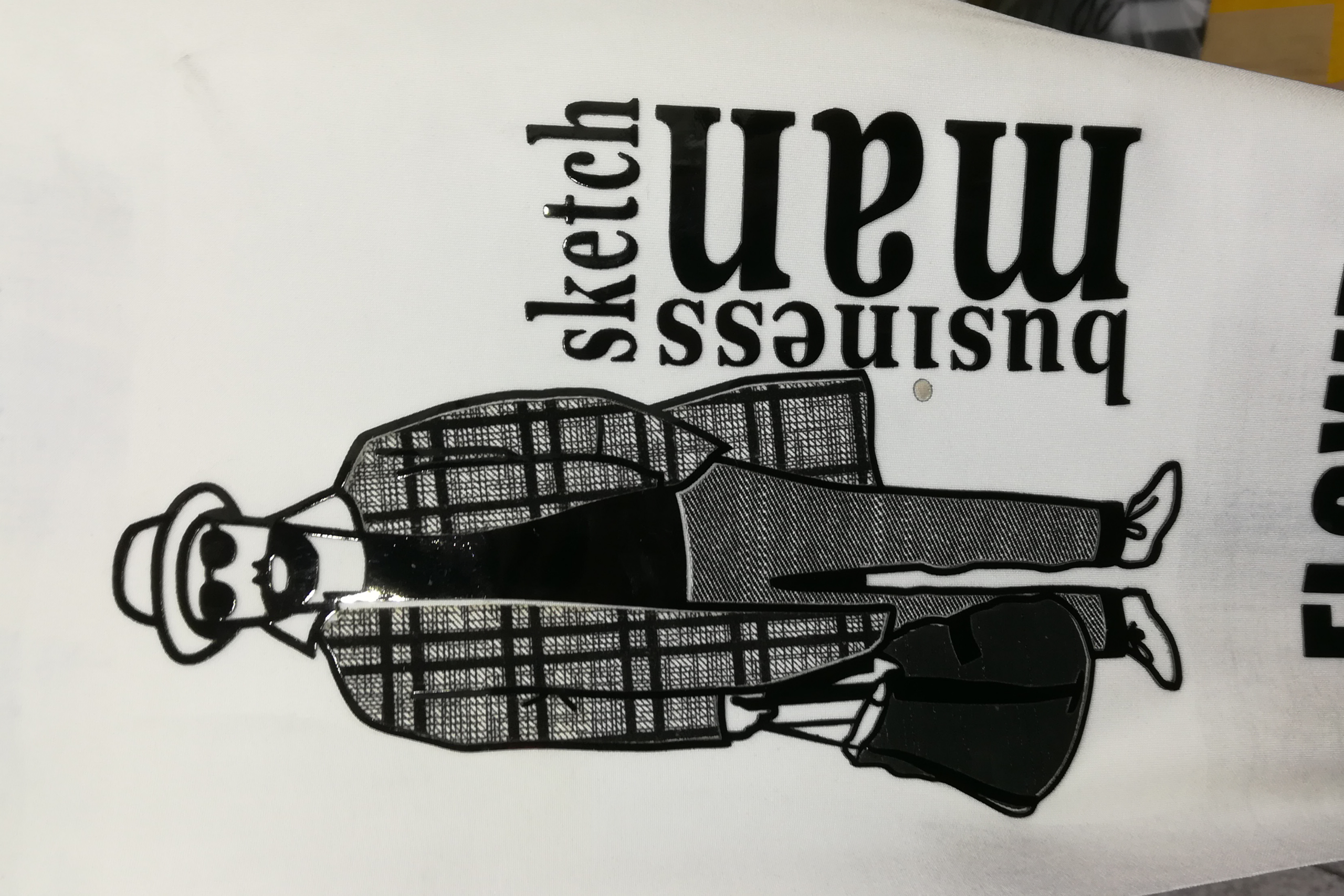
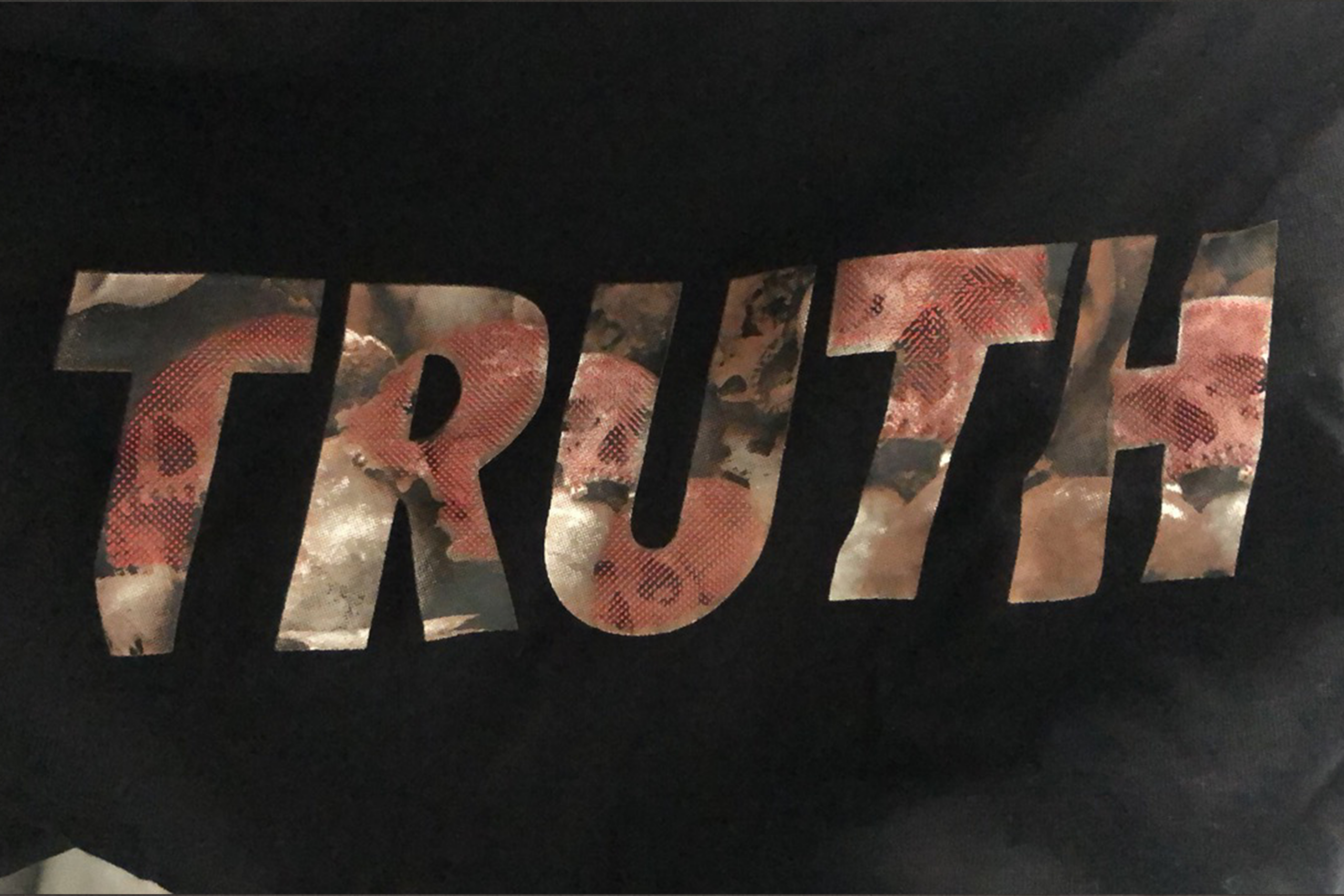
Featured Products for Pigment-Dyed Apparel Development
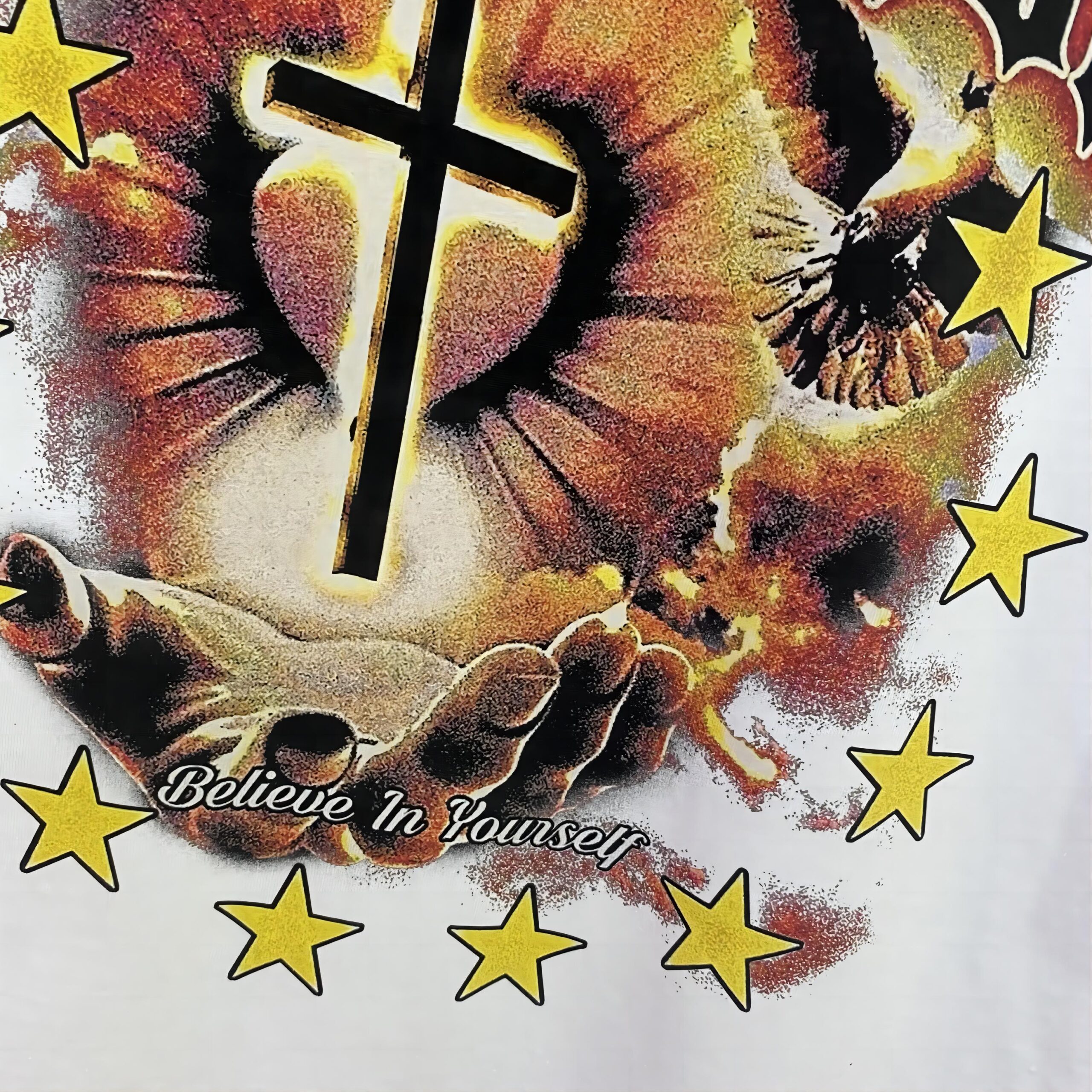


Why Choose Pigment Dye Clothing Manufacturing
Create soft, lived-in apparel with a finish that gives every piece its own character while remaining ready for repeatable collection development.
Lived-In Wash Character
Pigment dyeing creates a naturally worn visual depth that suits vintage-inspired T-shirts, hoodies, sweatshirts, joggers and coordinated streetwear collections.
Soft, Relaxed Hand Feel
The garment-washed finish supports a softer, broken-in feel, helping new apparel feel more familiar from the first wear.
Individual Color Variation
Subtle shade variation gives each garment a distinct appearance, adding visual personality without relying on identical flat-color uniformity.
Built for Brand Details
Coordinate pigment-dyed bases with approved prints, embroidery, labels, trims and packaging to preserve your collection’s intended visual direction.
Sample-to-Bulk Standards
EDVORIN documents approved materials, wash references, measurements and artwork placement to keep pigment-dyed styles production-ready.
Flexible Collection Development
From sketches to detailed tech packs, develop men’s or women’s pigment-dyed programs with OEM, ODM and private-label support from 200 pieces per style.
Explore Apparel Development and Finishing Options
From pigment-dyed casualwear to team uniforms and outerwear, EDVORIN develops production-ready programs with coordinated materials, decoration and quality control.
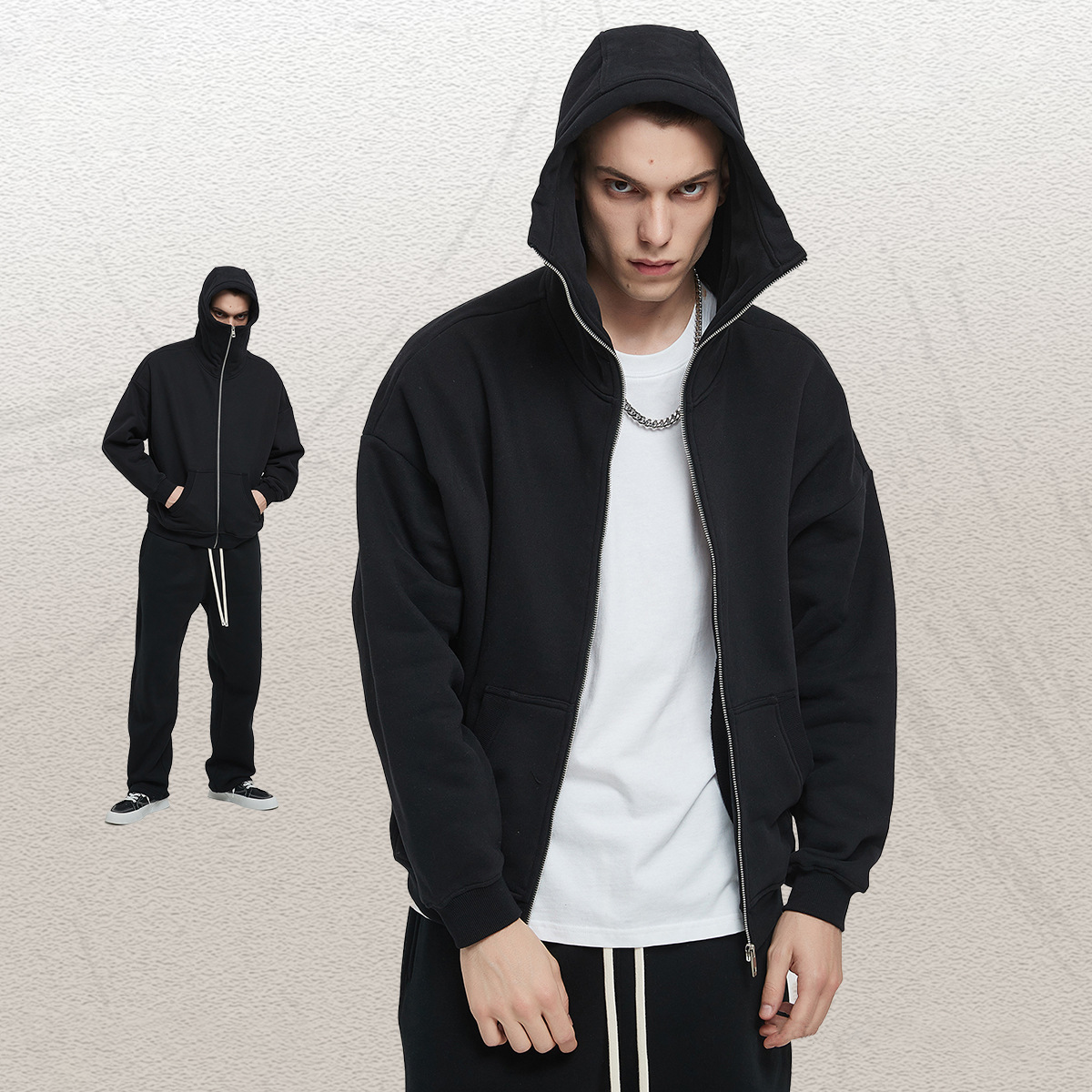
Custom Hoodies
Develop custom hoodies with fleece selection, pigment dyeing, garment washes, rib specifications, drawcords, labels and print or embroidery placement documented for repeat bulk production.
Get a Quote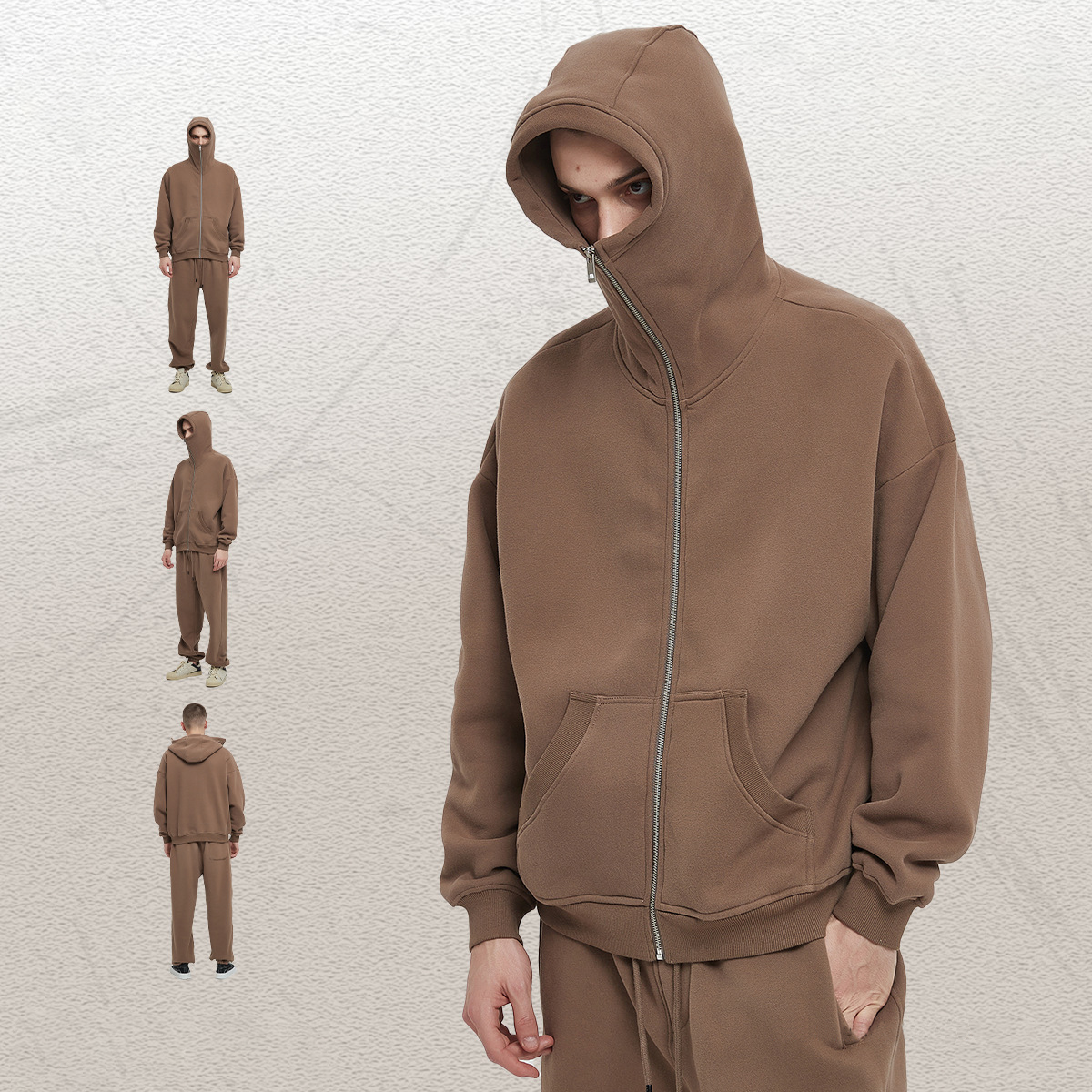
Pullover Sweatshirts
Build pullover sweatshirts around the right fabric weight, neck rib recovery, silhouette and finishing. EDVORIN supports pigment-dyed, washed, printed and embroidered sweatshirt programs from sample development through bulk delivery.
Get a Quote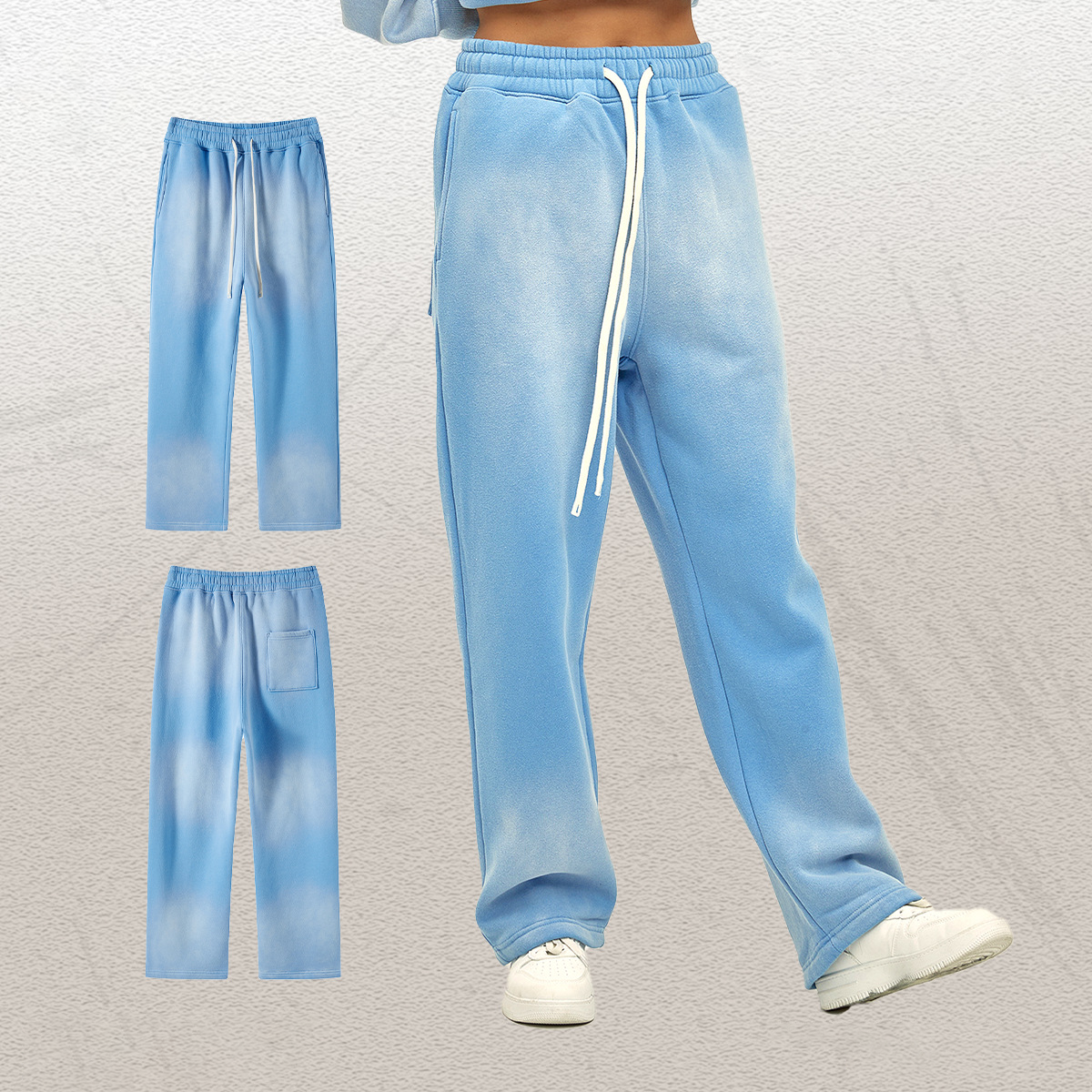
Sweatpants & Joggers
Develop sweatpants and joggers with coordinated fleece, waistband, cuffs, pockets, drawcords and wash effects. Fit blocks and grading can be tailored for men’s or women’s programs and repeat orders.
Get a Quote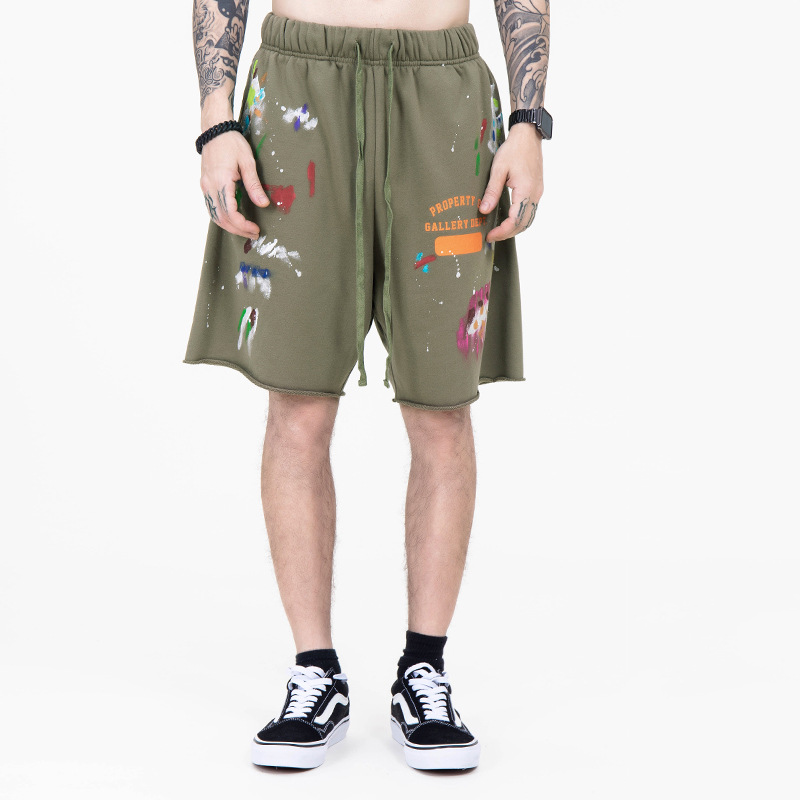
Custom Shorts
Create custom shorts for fleece, jersey, woven or performance applications. EDVORIN coordinates inseam, pocket construction, elastic waistbands, garment dyeing, decoration and packaging requirements for retail, team or private-label programs.
Get a Quote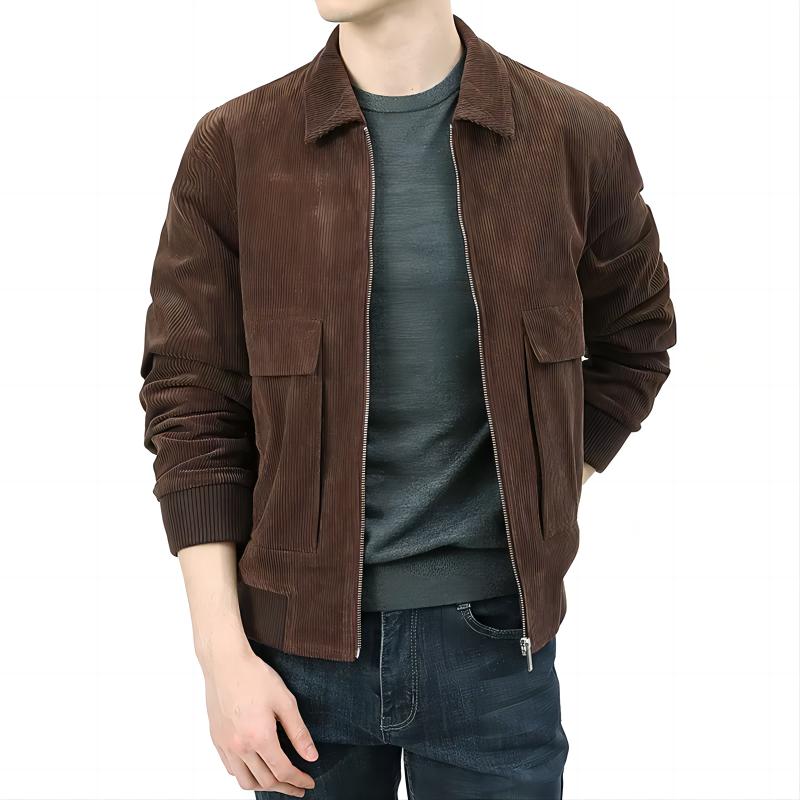
Varsity & Baseball Jackets
Develop varsity and baseball jackets with balanced body fabrics, sleeves, rib, snaps, lining, patches and embroidery. Samples establish construction, placement and color standards before the jacket moves into bulk production.
Get a Quote
Custom T-Shirts
Produce custom T-shirts with selected jersey weight, neckline, fit, pigment dyeing, garment washing and compatible print methods. Specifications are recorded to support consistent color, measurements and artwork placement across bulk runs.
Get a Quote
Custom Polo Shirts
Develop custom polo shirts with piqué or jersey fabrics, collar construction, plackets, cuffs, embroidery and branding details. EDVORIN can align fit, color and packaging requirements for corporate, wholesale and private-label programs.
Get a Quote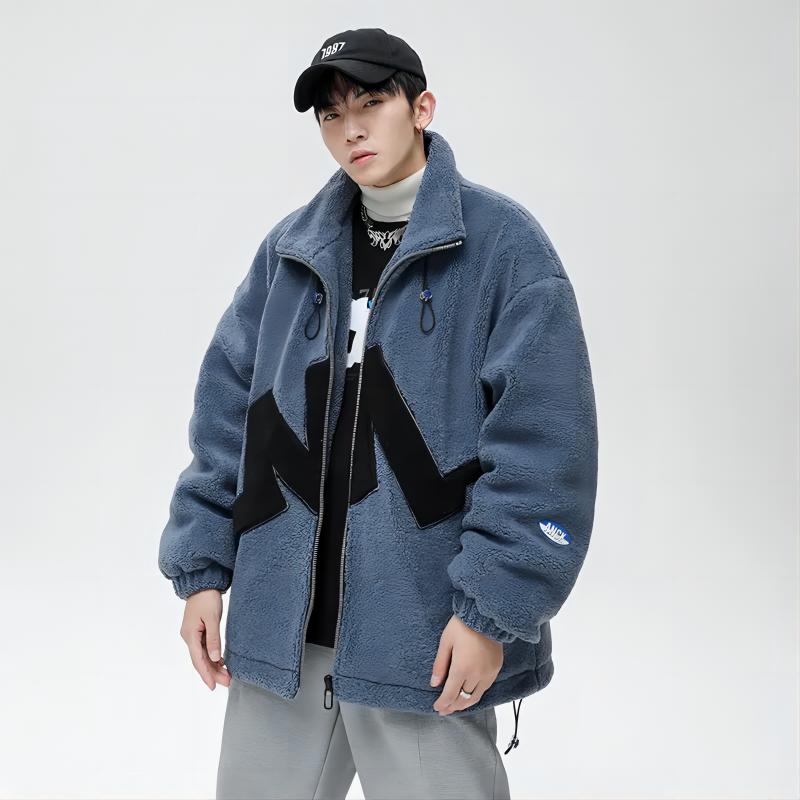
Windbreaker Jackets
Build windbreaker jackets with shell fabric, lining or mesh, zipper systems, pockets, hoods and print or embroidery applications matched to intended weather protection and wear conditions.
Get a Quote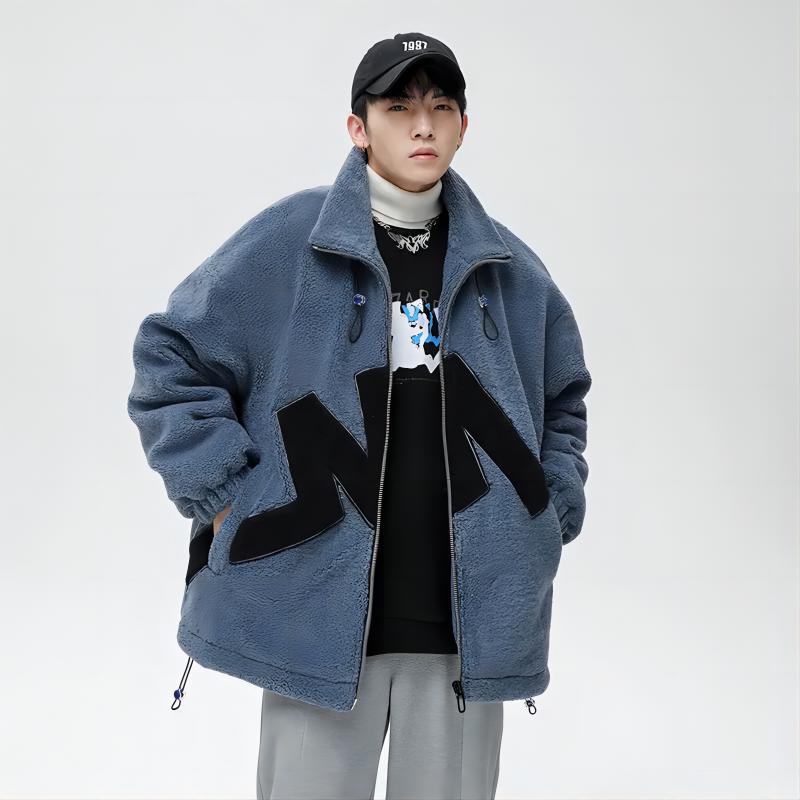
Quilted Jackets
Develop quilted jackets with coordinated shell, lining, insulation, quilting pattern, closures and trim details. EDVORIN samples the construction and warmth requirements before controlling the approved standard in bulk production.
Get a Quote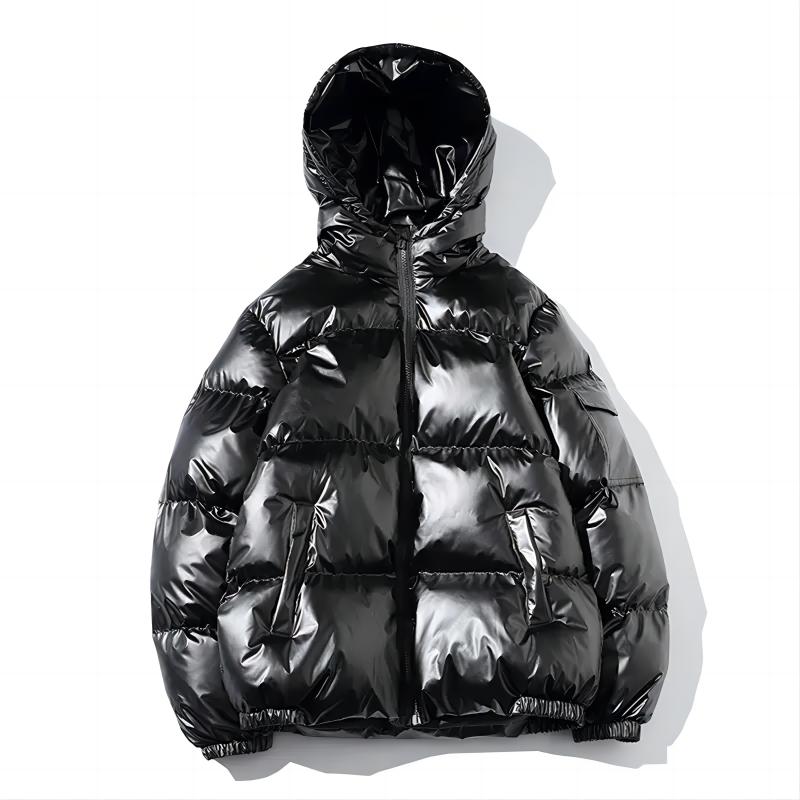
Bomber Jackets
Create bomber jackets with appropriate shell materials, lining, rib components, zipper hardware, pockets and decoration. Construction details, fit and finishing are developed for fashion, streetwear and branded outerwear programs.
Get a Quote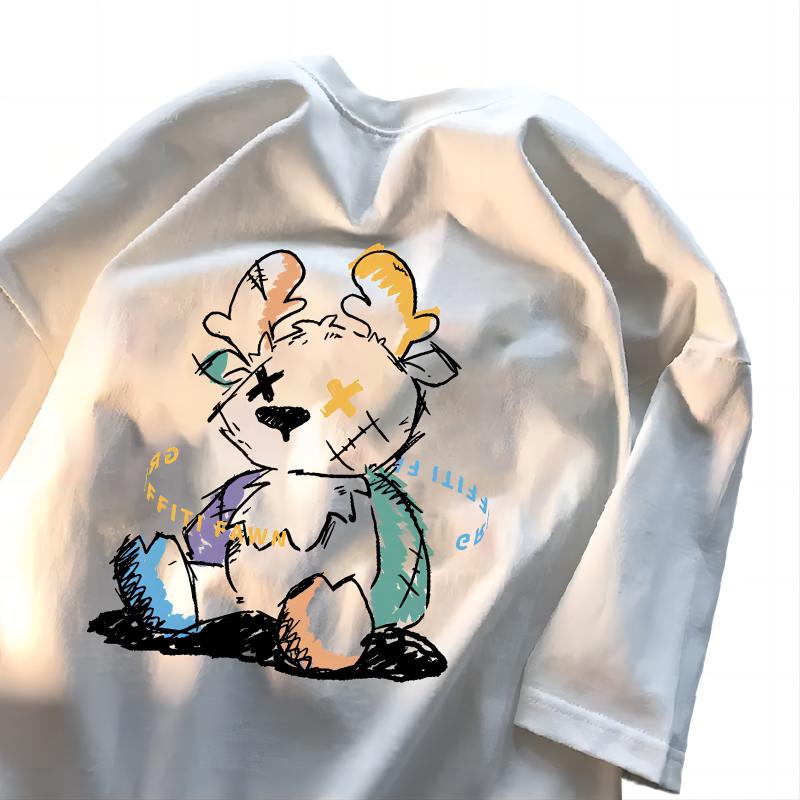
Custom Shirts
Produce custom woven shirts with fabric selection, collar and cuff construction, plackets, buttons, fit blocks and branding details. Men’s and women’s proportions can be developed separately for consistent production.
Get a Quote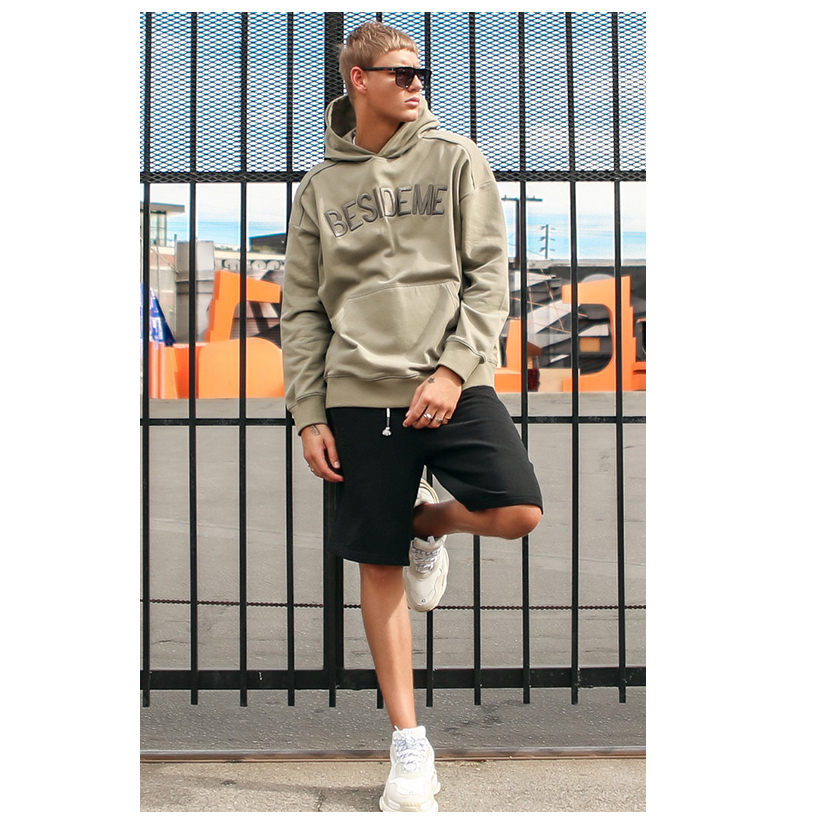
Custom Jerseys
Develop custom jerseys with breathable fabrics, color control, panel construction, names, numbers and decoration methods suited to the sport and order requirements. Size sets and artwork placement are managed against approved samples.
Get a Quote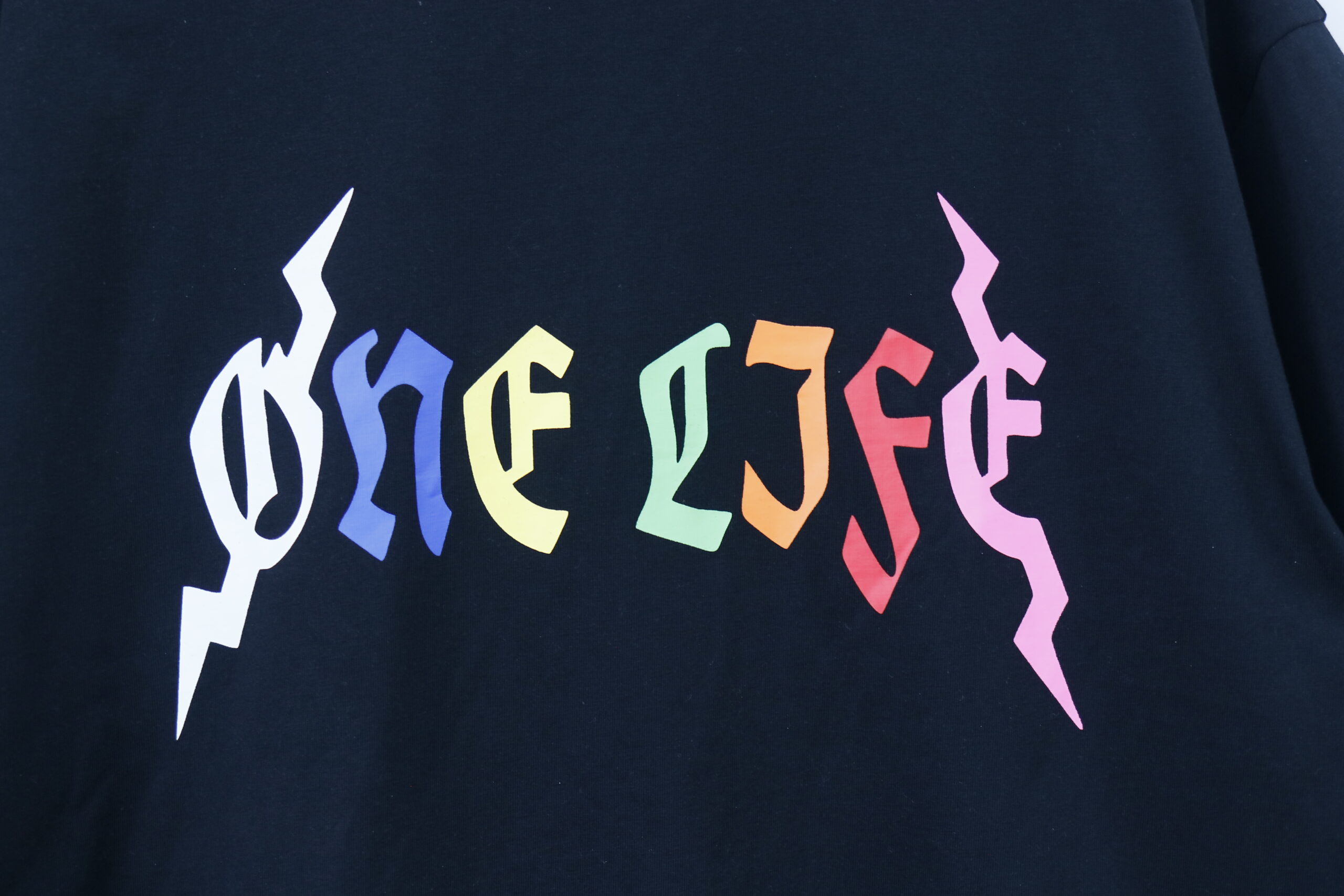
Tank Tops
Create custom tank tops in jersey, mesh or performance fabrics with targeted fit, armhole and neckline construction. EDVORIN coordinates dyeing, prints, labels and grading for men’s or women’s programs.
Get a Quote
Soccer Uniforms
Produce soccer uniforms with moisture-management fabrics, color-matched panels, team crests, player names and numbers. EDVORIN manages size grading, decoration control and coordinated shorts or training pieces.
Get a Quote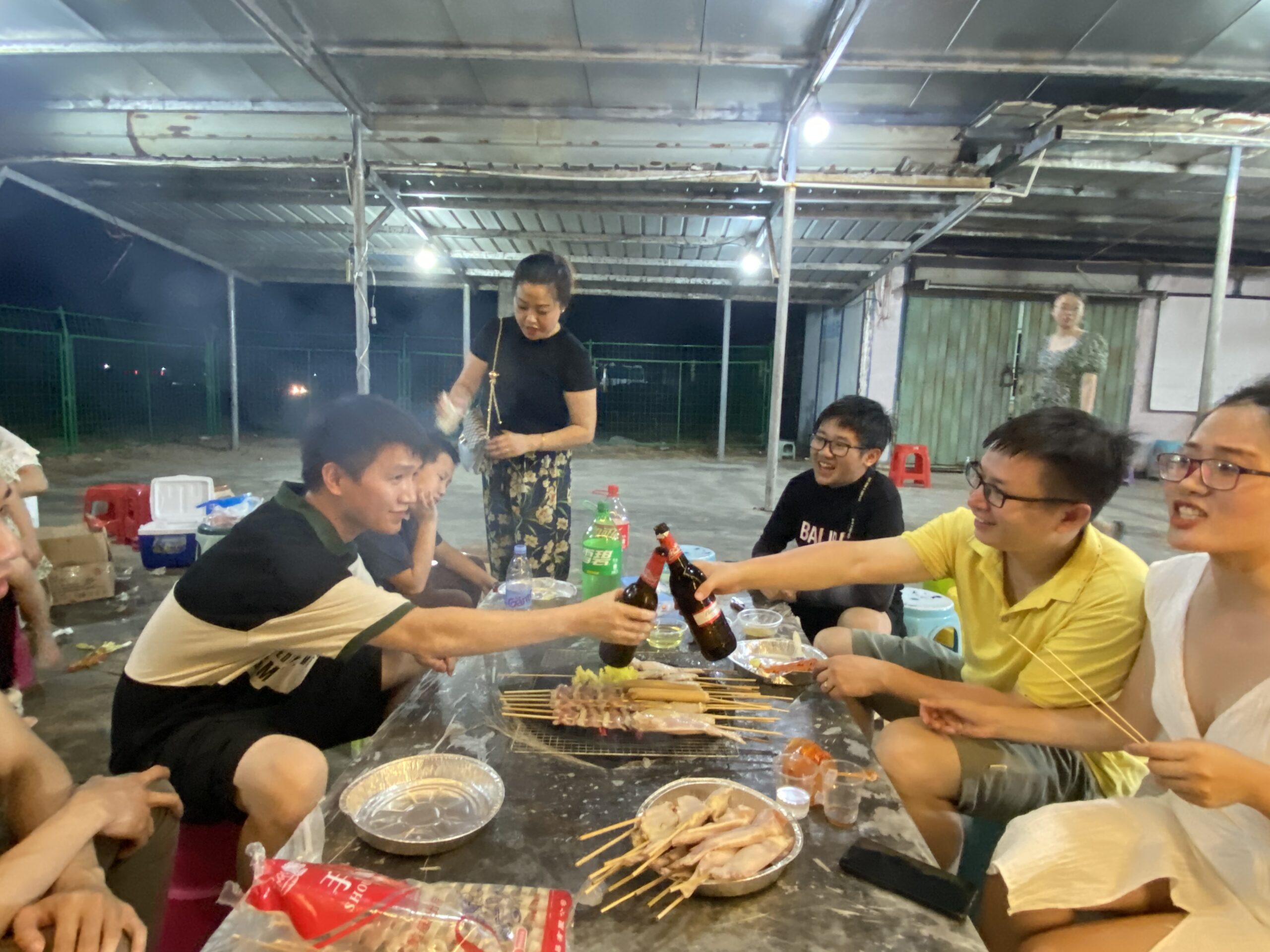
Basketball Uniforms
Develop basketball uniforms with lightweight performance fabrics, reversible or single-layer construction, color blocking, names, numbers and logo placement. Bulk production follows approved fit, artwork and color standards.
Get a Quote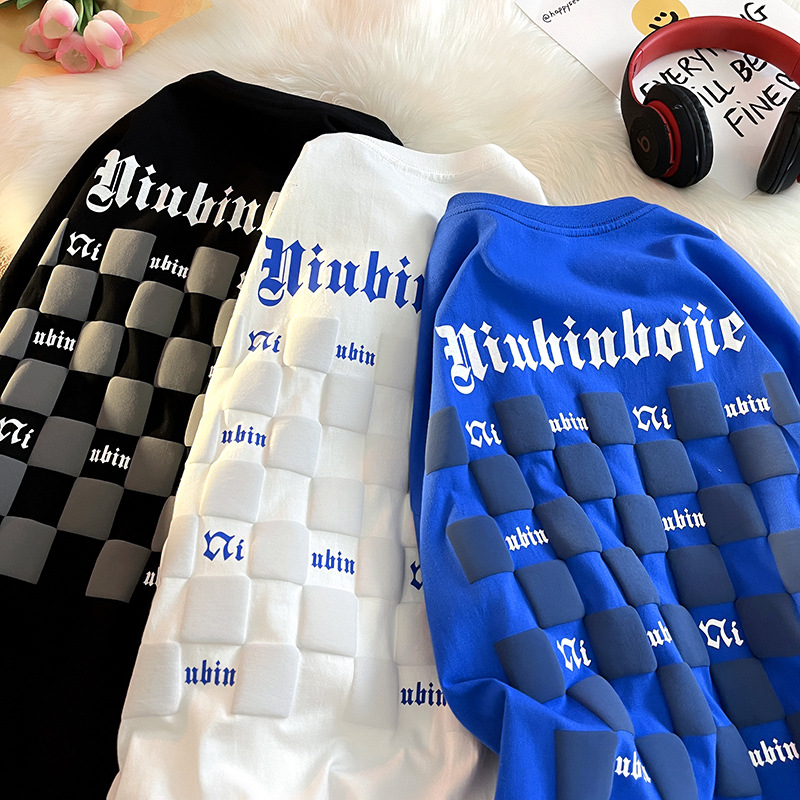
Streetwear Collections
Build coordinated streetwear collections across hoodies, tees, bottoms, jackets and accessories with shared fabrics, washes, trims, labels and packaging. EDVORIN supports OEM, ODM and private-label development from concept through repeatable production.
Get a QuotePigment Dye Clothing Manufacturer Since 2000
Founded by Edvorin Zeng in 2000, EDVORIN helps brands turn pigment-dyed apparel concepts into production-ready standards. Our founder-led approach connects fabric selection, garment construction, wash development and sampling so the intended vintage character is tested before bulk production begins.
As a pigment dye clothing manufacturer, we coordinate hoodies, T-shirts, sweatshirts, joggers and broader streetwear programs through OEM, ODM and private-label development. Men’s and women’s fit blocks, trims, artwork, labels and packaging are aligned within one accountable production path, with MOQs starting at 200 pieces per style.
What distinguishes EDVORIN is the discipline after sample approval. We record the approved material, wash appearance, measurements and decoration details, then use in-line and final checks to protect the standard across bulk production. That makes distinctive pigment-dyed collections easier to repeat as your program grows.
Pigment Dye Clothing Manufacturer Controls That Protect the Finish
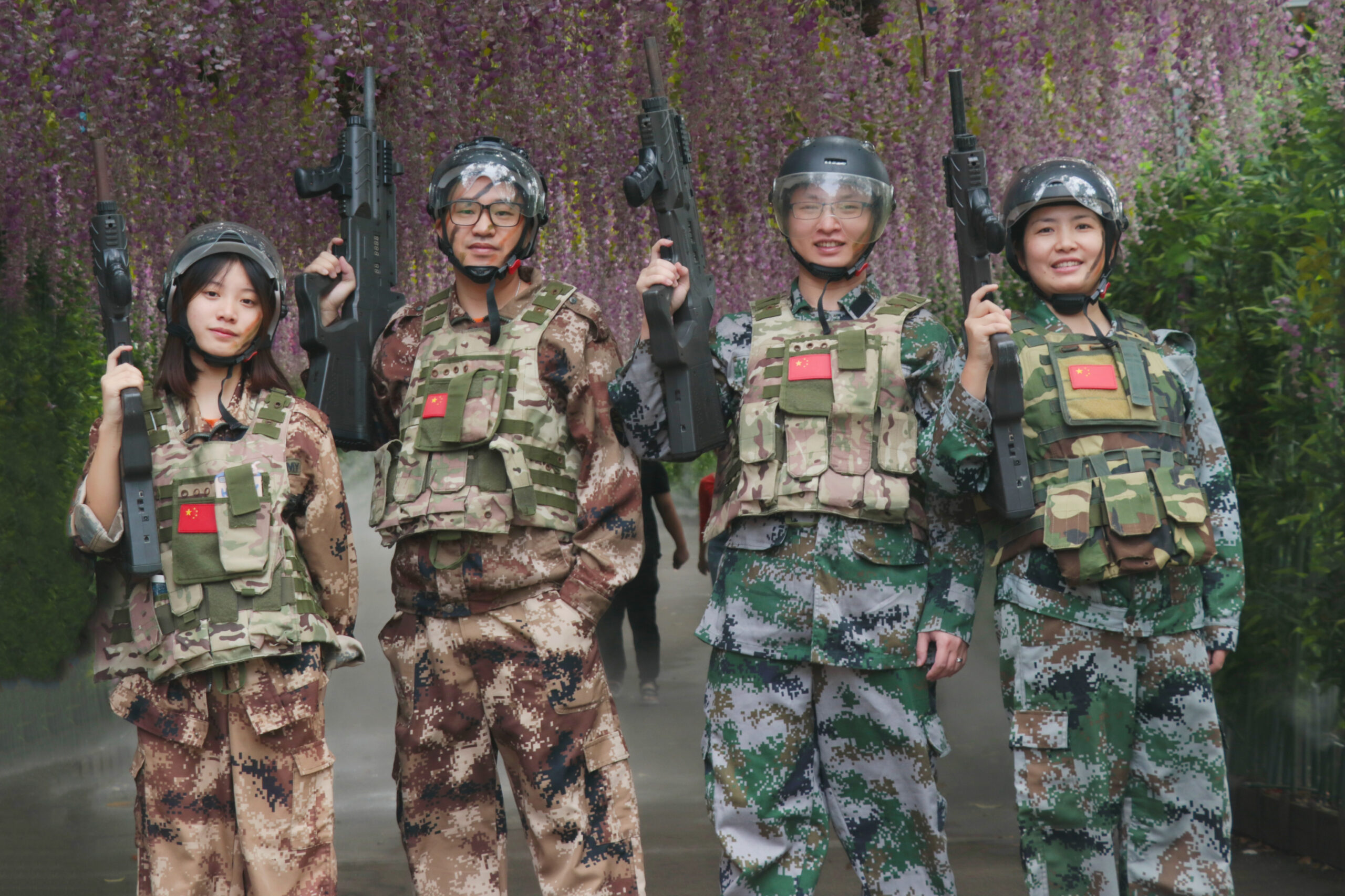
Choose the Right Base Fabric
Pigment dye results begin with the garment itself. EDVORIN reviews fabric composition, weight, surface character and construction alongside the intended silhouette, helping establish a base that supports the desired color depth, hand feel and worn-in character before sampling.
- Confirm fabric composition and weight before color development
- Match knit or woven construction to the garment category
- Review surface texture and expected hand feel
- Align men’s or women’s fit requirements with the fabric choice
Define Color and Wash References
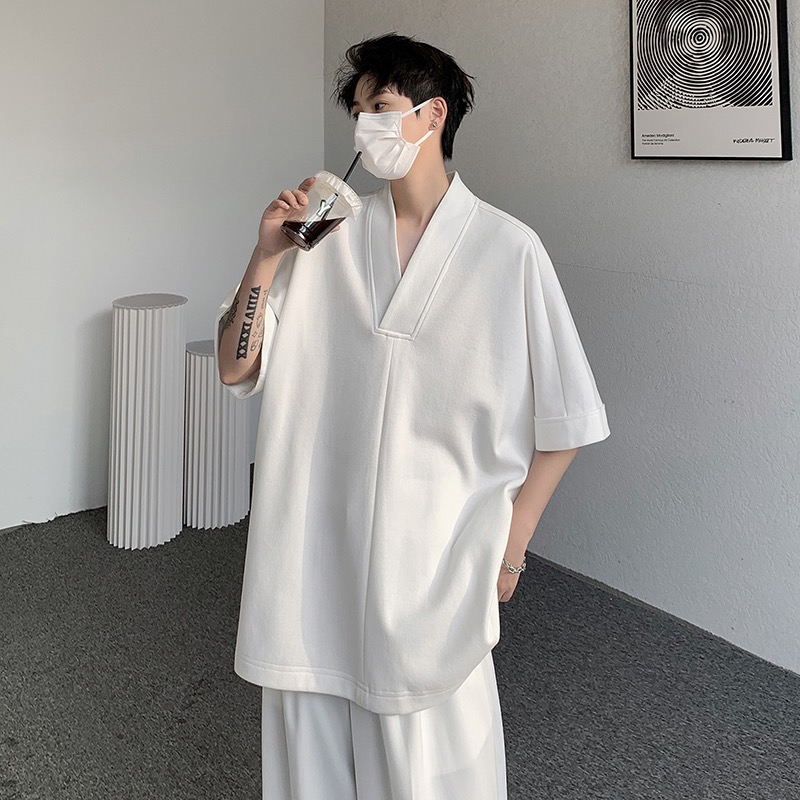
A pigment-dyed finish should be judged against clear visual references, not a broad color name alone. We document the target shade, wash character and degree of variation during development so the approved sample provides a practical standard for production review.
- Provide physical swatches, artwork or reference garments
- Set expectations for tonal variation and vintage character
- Review wash effect alongside color and garment construction
- Record approved revisions before bulk production
Approve the Complete Sample
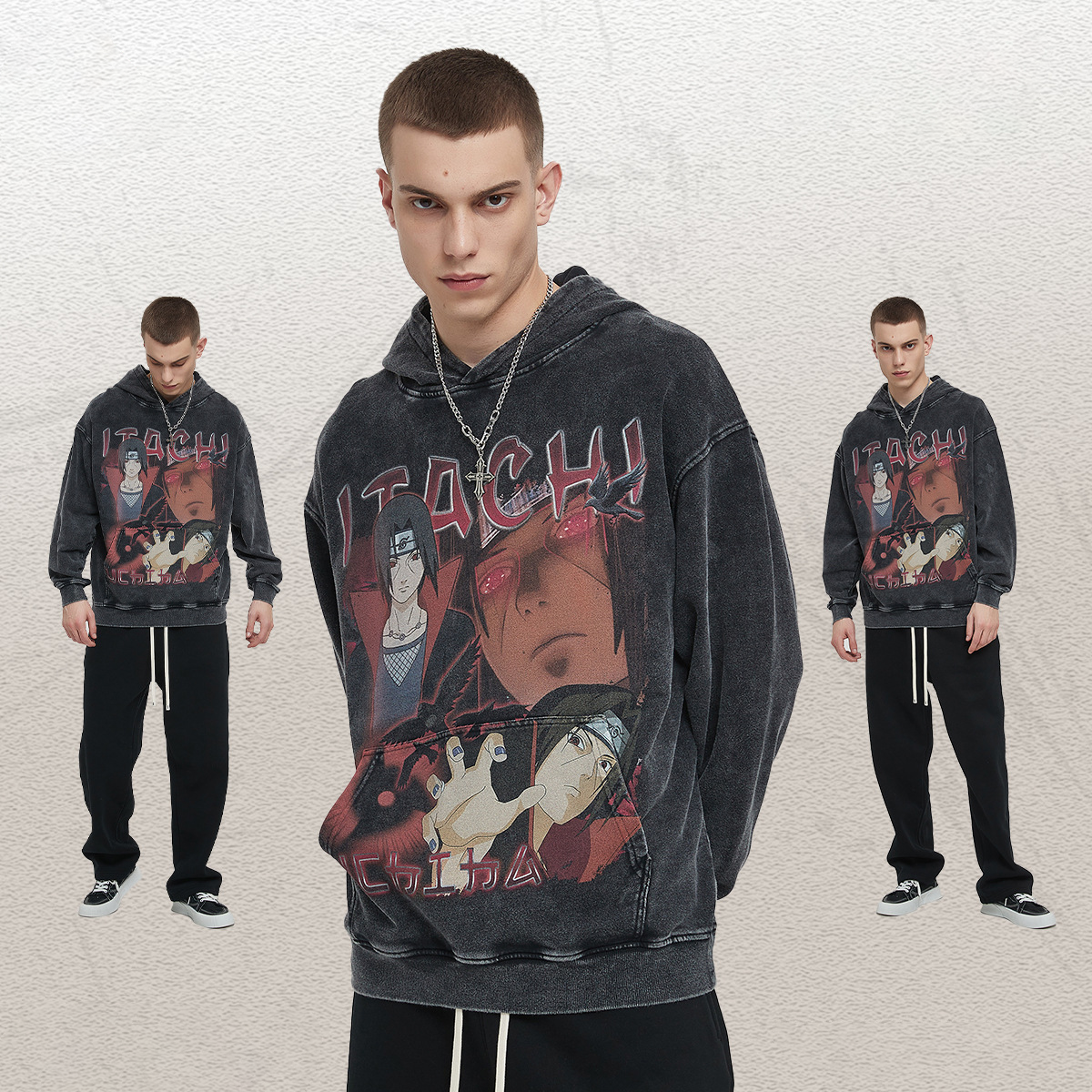
Color is only one part of a pigment-dyed garment. EDVORIN evaluates the developed sample as a complete product, including fit, measurements, seams, trims, decoration placement and finish, so the standard handed to bulk production reflects the collection your buyer approved.
- Check measurements and fit against the approved specification
- Assess trims, labels and packaging with the finished garment
- Confirm print or embroidery compatibility with the wash effect
- Use the approved sample as the bulk production reference
Control Bulk Production Consistency
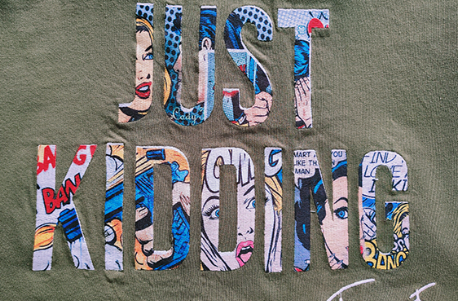
Repeatable pigment dye clothing manufacturing depends on making key decisions visible through production. EDVORIN coordinates material, construction, decoration and finish records with in-line and final quality checks, helping protect the approved appearance across a 200-piece style order and future repeats.
- Coordinate production details from approved standards
- Inspect key construction and finish points during production
- Verify final garments before packing
- Maintain clear specifications for repeat orders
Pigment Dyeing vs. Conventional Garment Dyeing
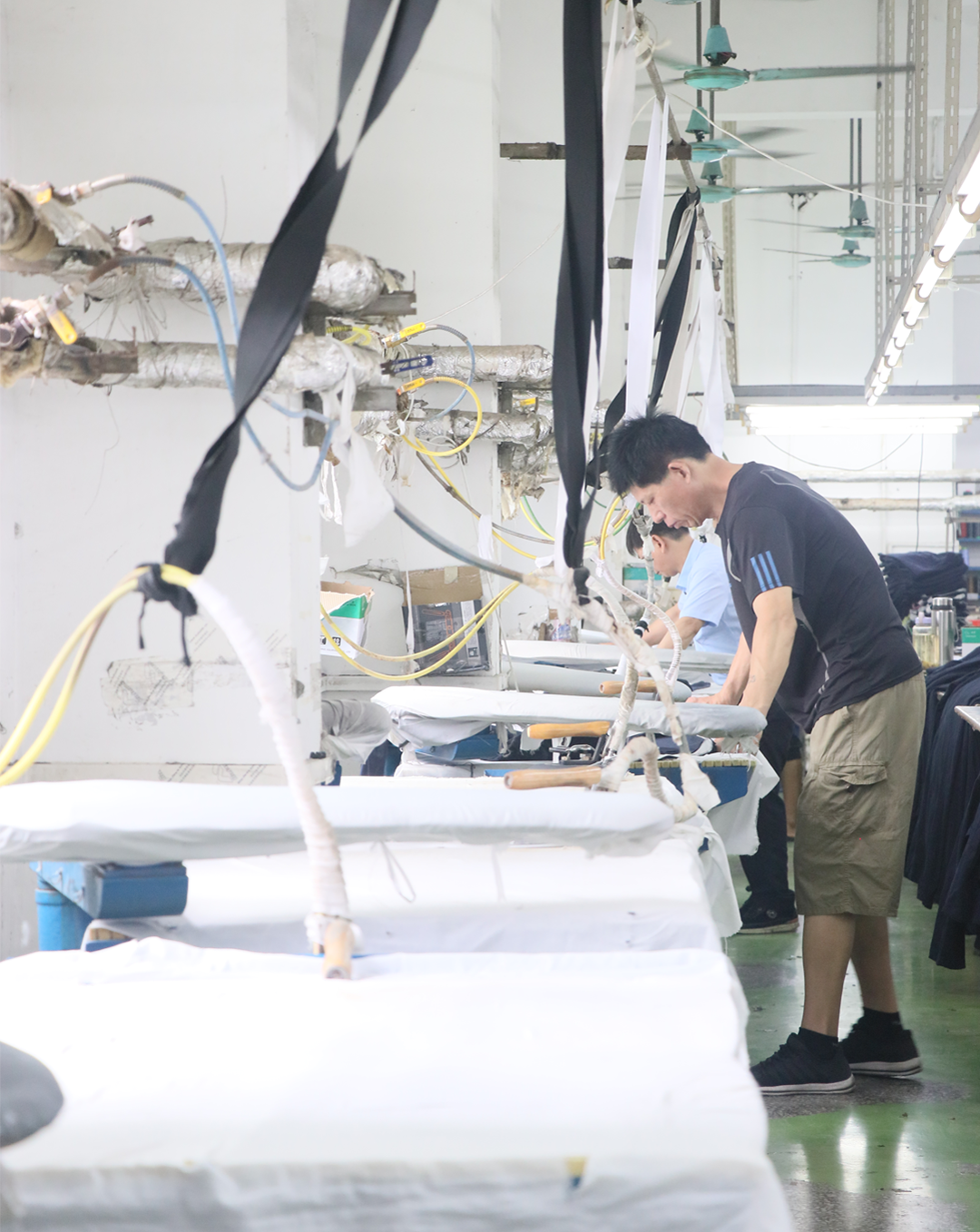
Choose the finish that supports your fabric, artwork, wash character, and repeat-production standard.
← Swipe left or right to view →
Our Pigment Dye Clothing Production Process
A controlled path that turns approved pigment-dyed apparel concepts into repeatable bulk production standards.
Review Design Requirements
We review your tech pack, reference garment or concept, then confirm fit, construction, artwork, labels, sizing and target wash character.
Select Fabric and Trims
Our team aligns base fabric, rib, thread, hardware and trims with the intended pigment-dye effect, garment construction and wear expectations.
Develop and Approve Samples
We create samples for fit, color, print or embroidery placement and finishing review, recording approved details before bulk production begins.
Control Dyeing and Production
During bulk production, we monitor shade variation, wash appearance, measurements, decoration and construction against the approved sample and documented specifications.
Inspect, Pack and Deliver
Final checks verify workmanship, measurements, labeling, packaging and overall finish before orders are prepared for shipment as a consistent production-ready collection.
How to Order Pigment-Dyed Clothing
EDVORIN’s MOQ starts at 200 pieces per style. Share your concept, approve the production standard, and move into bulk with a 200-piece-per-style MOQ.
Share Your Product Direction
Send a tech pack, sketch, reference garment, or collection brief with your intended silhouette, fabric preferences, decoration needs, and target market.
Define Color and Wash Targets
Review pigment color references, wash character, desired fade level, and artwork placement so development decisions are documented before sampling begins.
Confirm Sizes and Construction
Provide measurement charts and size ranges, or work with EDVORIN to refine fit blocks, grading, trims, labels, and packaging specifications.
Approve the Production Sample
Evaluate the sample for fit, fabric handfeel, color, wash outcome, and construction; approved details become the reference for bulk quality control.
Launch Your Bulk Order
Confirm quantities from 200 pieces per style, then EDVORIN coordinates materials, production, inspection, labeling, and packing for repeatable delivery.
Pigment Dye Clothing Manufacturer Client Results
EDVORIN helped us lock the washed-black direction after two sample rounds. The final hoodie run held the soft, lived-in character we approved across 1,200 pieces, and our launch delivery arrived on schedule.
Our club needed pigment-dyed crewnecks that felt distinctive without making each size run look random. EDVORIN documented the approved wash standard, and all 480 pieces matched the color range our committee signed off on.
We were expanding a vintage-inspired private-label program and needed repeatable results for a second order. EDVORIN reproduced the approved olive wash across 2,000 tees, with print placement and hand feel consistent with our first delivery.
Pigment Dye Clothing Manufacturer FAQ
Clear answers on fabric selection, finish variation, decoration, sampling and production planning.
What fabrics work best with a pigment dye clothing manufacturer?
Will every pigment-dyed garment have the same color?
Can a pigment dye clothing manufacturer add embroidery, patches or prints?
How does pigment dyeing perform after washing?
EDVORIN’s MOQ starts at 200 pieces per style. What is the minimum order quantity for pigment-dyed clothing?
What certification programs can EDVORIN support?
Can I get a pigment-dyed sample before placing a bulk order?
How long does pigment-dyed clothing production take?
The Complete Pigment Dye Clothing Manufacturer Buyer’s Guide
Use this decision framework to compare pigment-dyed apparel suppliers, evaluate fabrics and quality controls, plan customization, forecast costs, and avoid sourcing mistakes before placing a production order.
1. What Is a Pigment Dye Clothing Manufacturer?
A pigment dye clothing manufacturer manages the garment after it is cut and sewn, applying insoluble pigment color and a binder to create a washed, broken-in surface. The result is deliberately less uniform than conventional fabric dyeing, where yardage is colored before cutting.
200-piece programs can suit streetwear labels, fashion brands, teams, and private-label buyers seeking vintage character in T-shirts, hoodies, fleece, and sweatpants. EDVORIN can translate the intended shade, garment construction, wash effect, decoration, labels, and packing requirements into an approval standard for repeat production.
Each garment develops color variation at seams, edges, and high-contact areas, so buyers should approve a representative size set rather than expect perfectly identical pieces. Pigment-dyed garments are best specified around an acceptable visual range, because the irregularity is part of the product character, not automatically a defect.
2. Evolution of Pigment-Dyed Apparel
20th-century workwear established the visual language now associated with pigment-dyed apparel: broken-in color, softened surfaces, and variation from garment to garment. That character made a new piece feel less uniform than a conventional solid-dyed garment.
1990s streetwear helped turn the worn-in look into deliberate product positioning for T-shirts, fleece, and heavyweight cotton basics. A pigment dye clothing manufacturer should treat shade variation as an approved design characteristic, using a retained reference sample rather than promising exact Pantone-level uniformity.
2026 private-label, teamwear, and school programs can use the finish when a heritage or casual identity fits the brief. Buyers should specify the intended hand feel and acceptable wash-down range, because a softer, aged appearance may not suit formal uniforms or tightly matched replenishment orders.
3. Types of Pigment Dye Clothing Manufacturer Services
Five service models cover most pigment-dyed programs. The right choice depends on whether speed, original construction, wash control, or a single accountable production path matters most.
Blank-Stock Customization
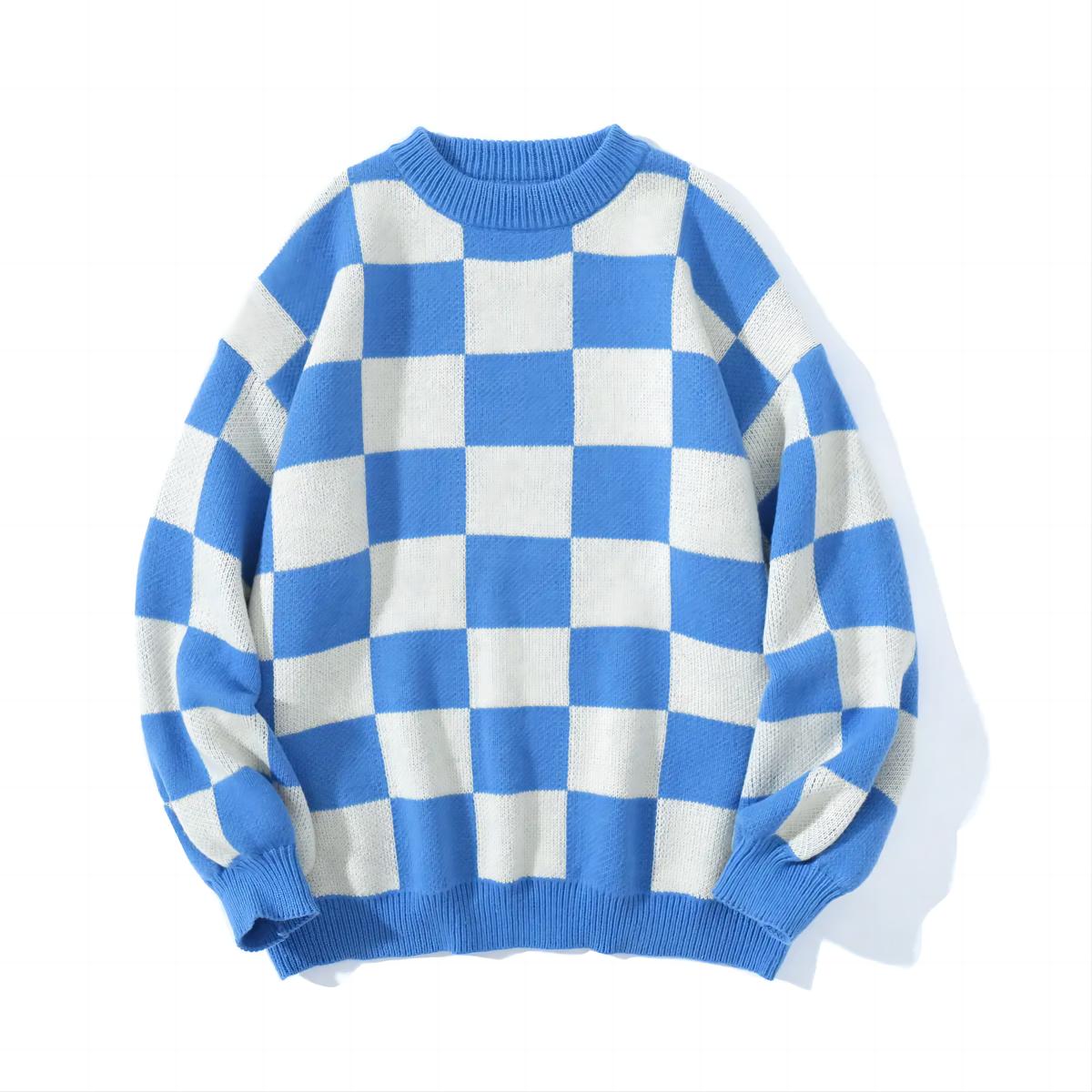
Blank-stock programs customize ready-made garments with prints, labels, or simple washes. They suit event drops and test orders, but limit fit control and color consistency between replenishments.
Cut-And-Sew Private Label
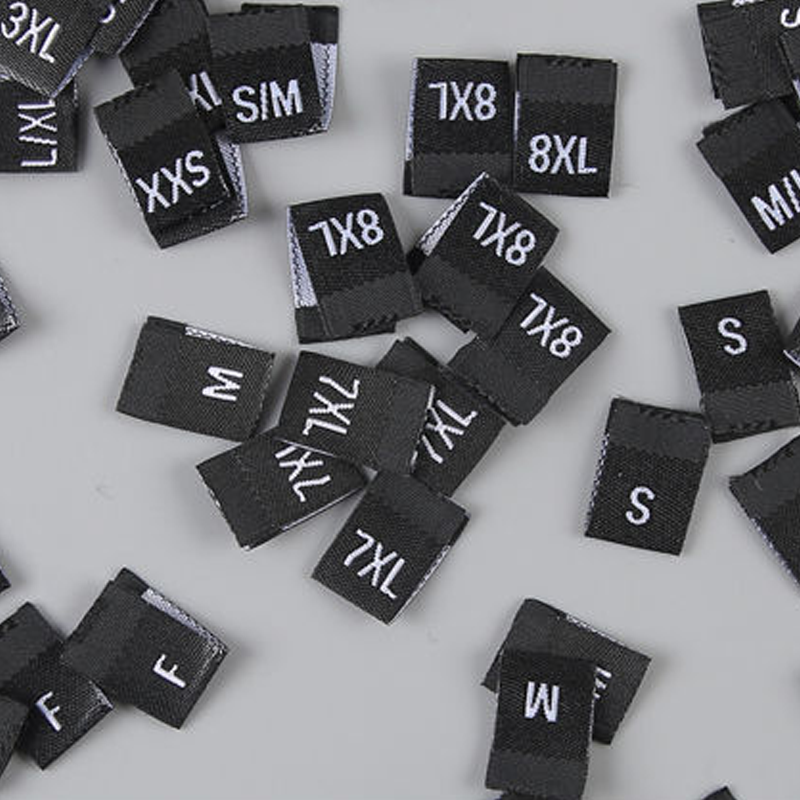
Cut-and-sew private label starts with buyer-approved patterns, fabrics, and trims. It offers the strongest design control, while samples and minimums usually take longer than blank customization.
Garment Dyeing
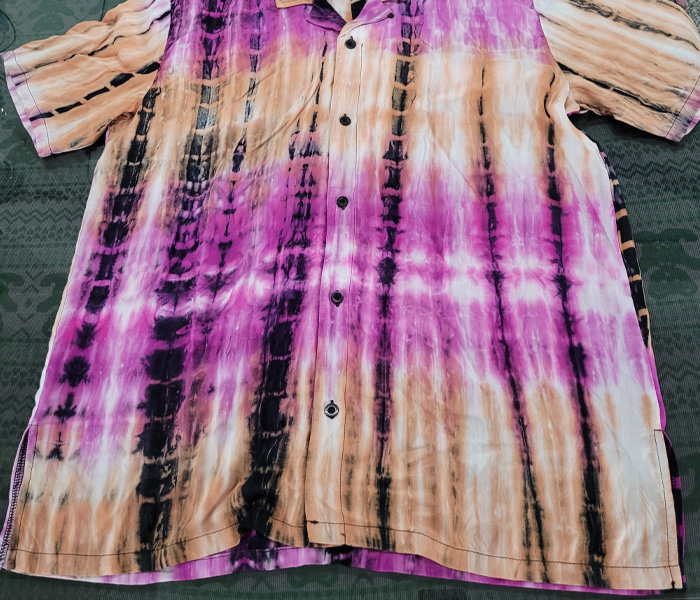
Garment dyeing colors sewn white goods after construction. It creates flexible color development, but seam, rib, and shrinkage testing must precede bulk approval.
Wash Development Programs
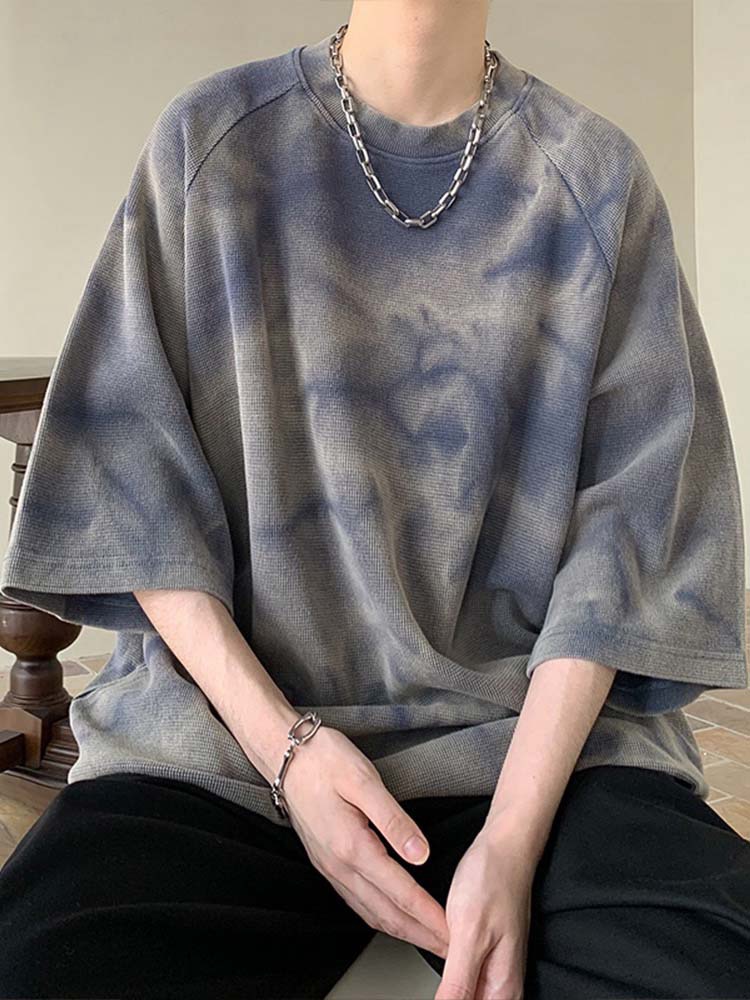
Wash-development programs test pigment recipes, enzyme effects, abrasion, and hand feel on sample garments. They improve repeatability, but each approved wash needs documented standards and added sampling time.
Full-Package Production
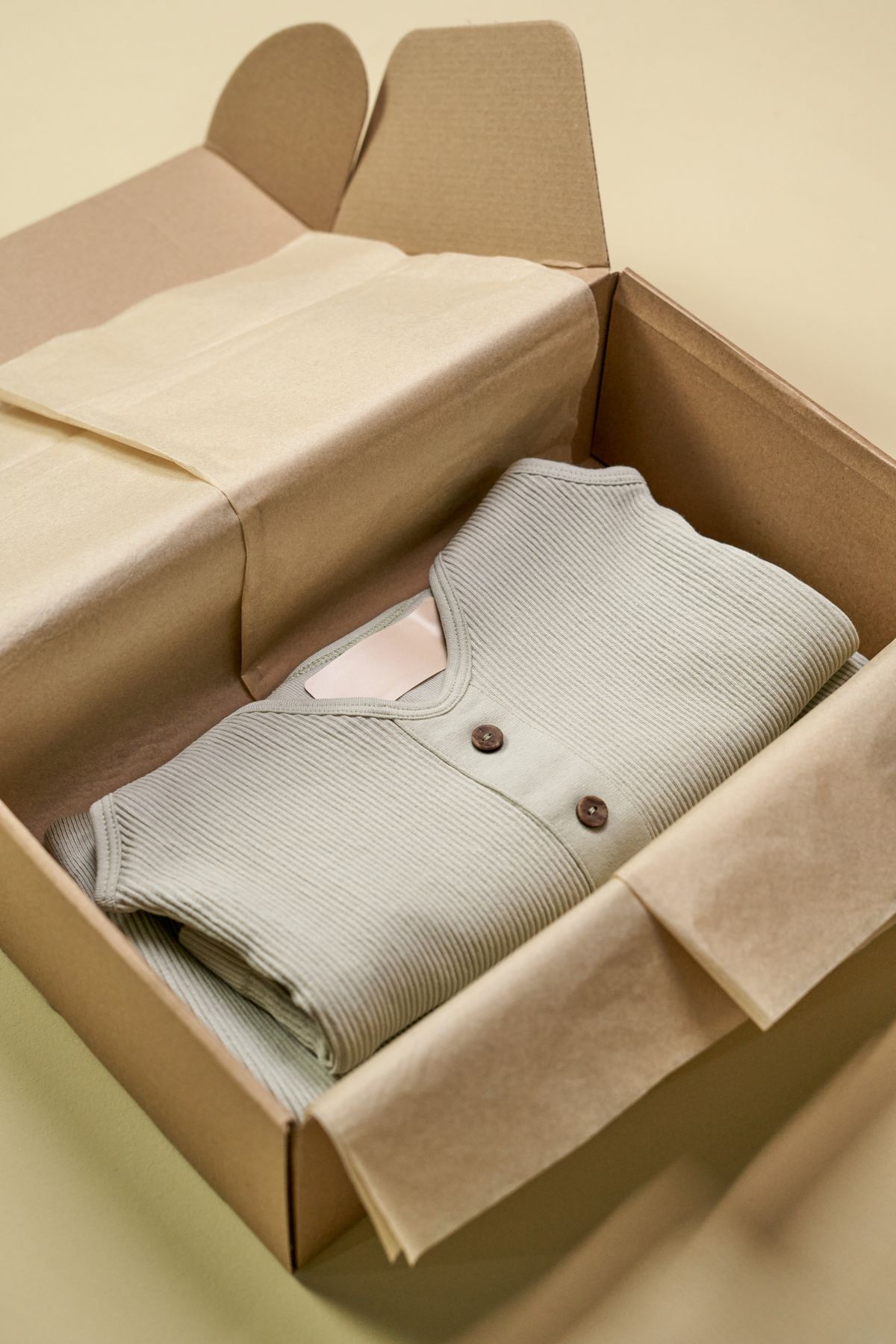
Full-package production connects development, sourcing, sampling, washing, production, inspection, labeling, and packing. It suits buyers needing one accountable partner, though decisions must be finalized earlier.
4. Pigment Dye Clothing Manufacturer Fabric Options
Fabric selection sets the pigment-dye result before color is chosen. A capable pigment dye clothing manufacturer should test absorbency, knit face, shrinkage, and hand feel against the approved wash standard.
| Base Fabric | Typical GSM | Best Use | Pigment-Dye Effect |
|---|---|---|---|
| Cotton jersey | 180–220 | T-shirts | Soft, uneven fade |
| French terry | 280–360 | Sweatshirts, shorts | Textured vintage depth |
| Brushed fleece | 320–450 | Hoodies, joggers | Dense, soft washed hand |
| Cotton-rich blend | 220–350 | Stretch styles | More controlled fade |
Absorbency And Surface
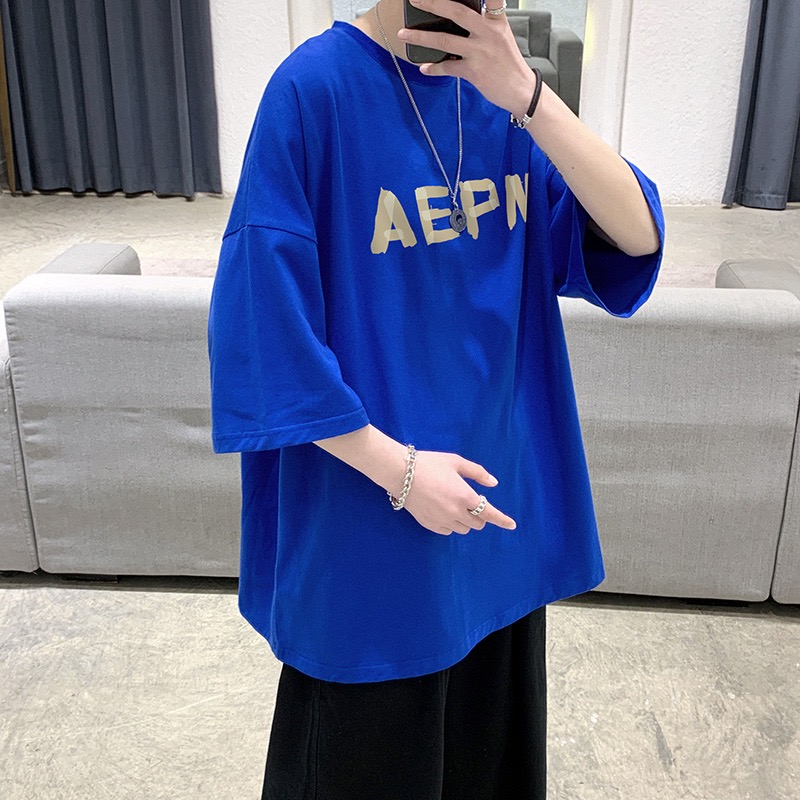
100% cotton gives pigments an irregular, broken-in fade; ring-spun jersey usually feels softer than open-end jersey. Cleaner knit faces show color more evenly, while textured faces create more visual variation.
Weight And Garment Use
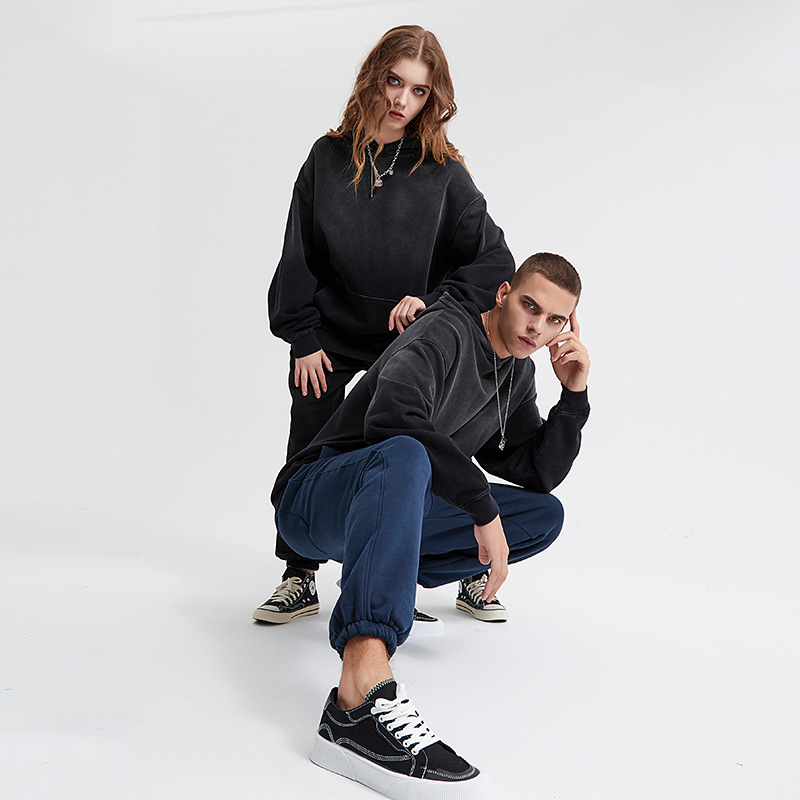
180–220 GSM jersey suits T-shirts, 280–360 GSM French terry suits transitional sweats, and 320–450 GSM fleece supports hoodies and joggers. Heavier fabrics generally produce deeper-looking color and a more substantial washed hand.
Blend And Shrinkage Control
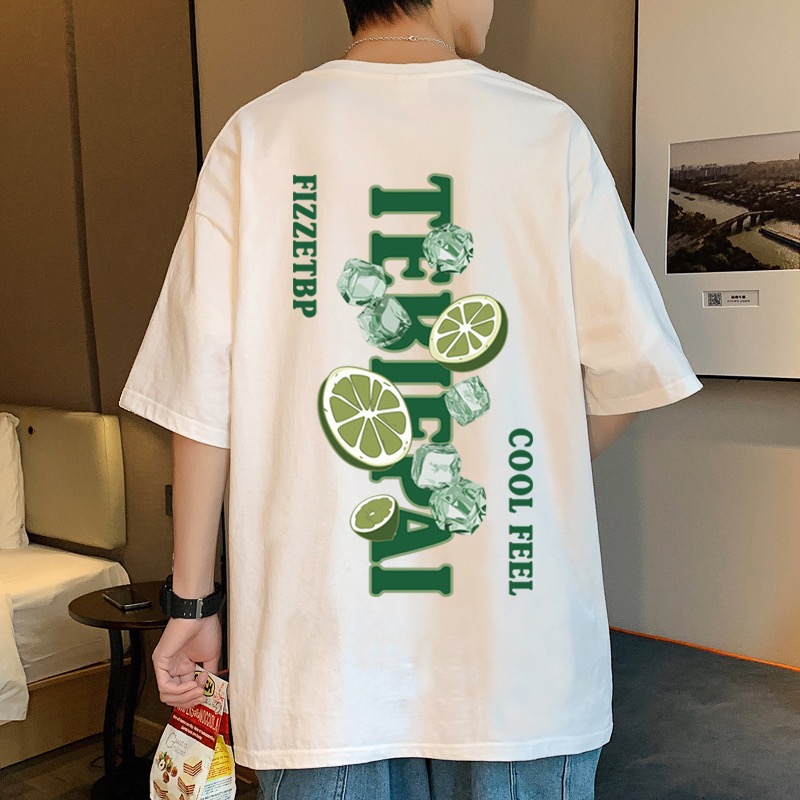
95/5 cotton-elastane can aid recovery, but reduced cotton content may soften the fade. Pre-shrink testing should confirm garment measurements after dyeing and laundering, especially on brushed fleece.
5. Customization and Decoration Options
A pigment dye clothing manufacturer should lock decoration after the wash standard is approved. The uneven ground makes artwork contrast, placement tolerances, and test samples essential.
| Method | Visual Effect | Durability | Setup | Best Fit |
|---|---|---|---|---|
| Screen print | Graphic and flat | Test after wash | Artwork screens | Large logos |
| Embroidery | Raised texture | High | Digitized file | Small chest marks |
| Patch | Layered badge | Stitch dependent | Patch sample | Varsity and teams |
Choose Decoration Methods
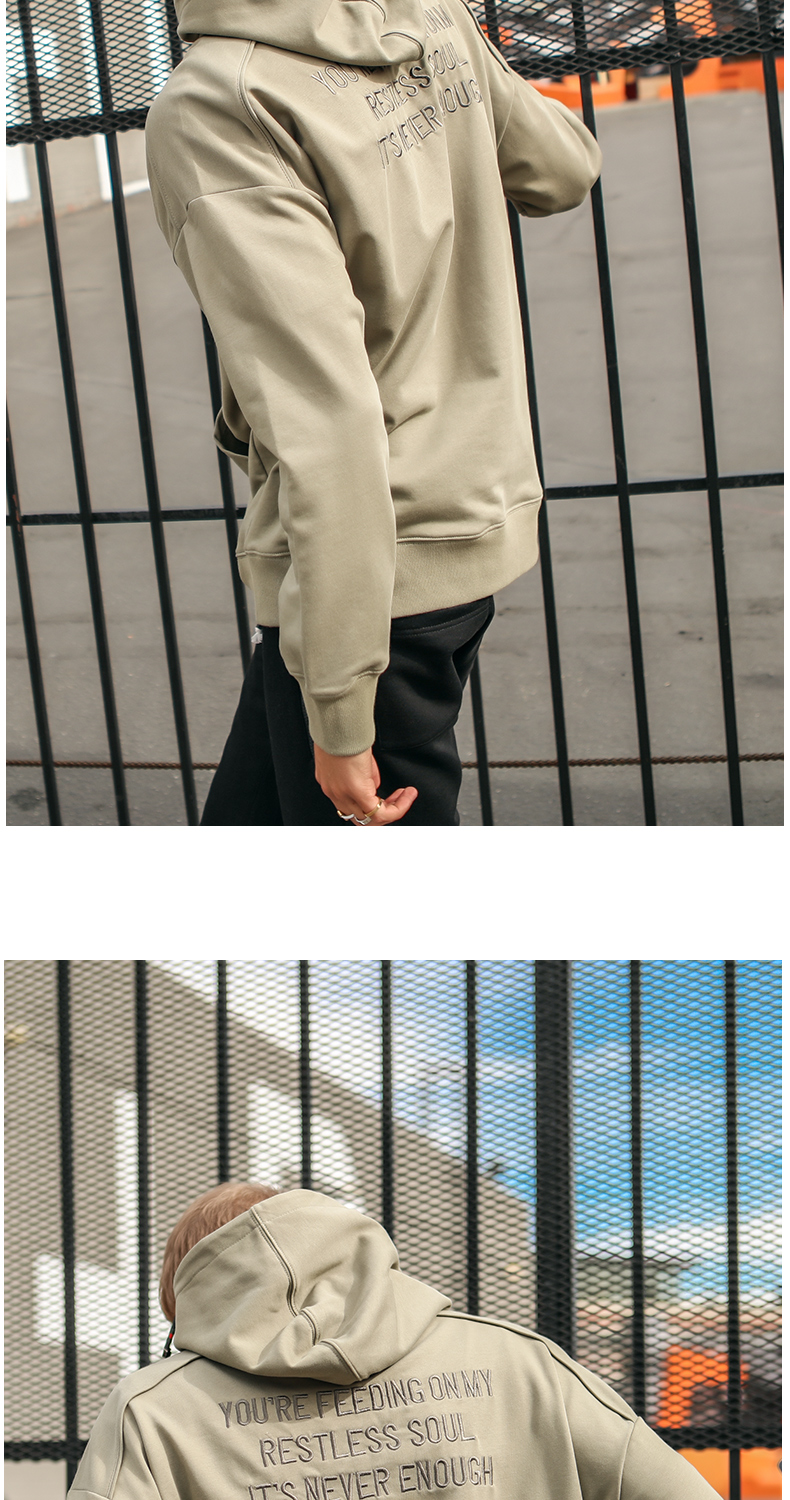
Screen print suits bold graphics; embroidery adds raised texture; patches create a layered identity. Select the method against fabric weight, artwork detail, and intended wear.
Control Color And Adhesion
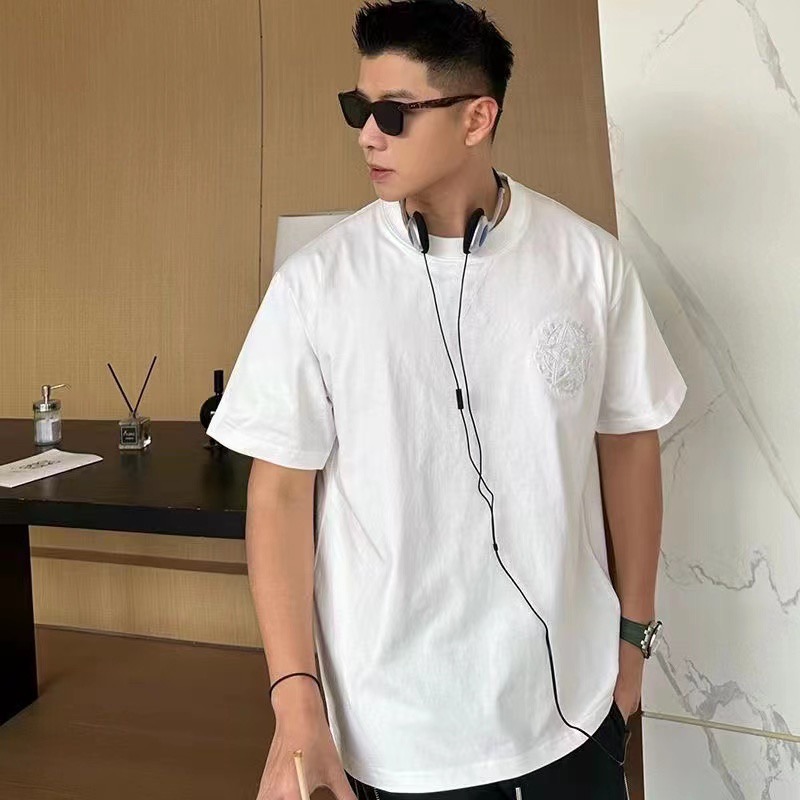
One production strike-off should confirm ink coverage and color contrast on the actual dyed ground. Test print adhesion after the approved wash sequence, not only on unwashed fabric.
Build The Brand Package
Neck labels, woven labels, hangtags, and packaging should be specified alongside placement measurements and artwork files. Record whether printing, embroidery, patches, and labels occur before or after washing.
6. Construction Quality for Pigment-Dyed Garments
Eight construction checkpoints matter more than the washed appearance alone. A capable pigment dye clothing manufacturer records them against the approved sample before bulk cutting.
Development Specifications
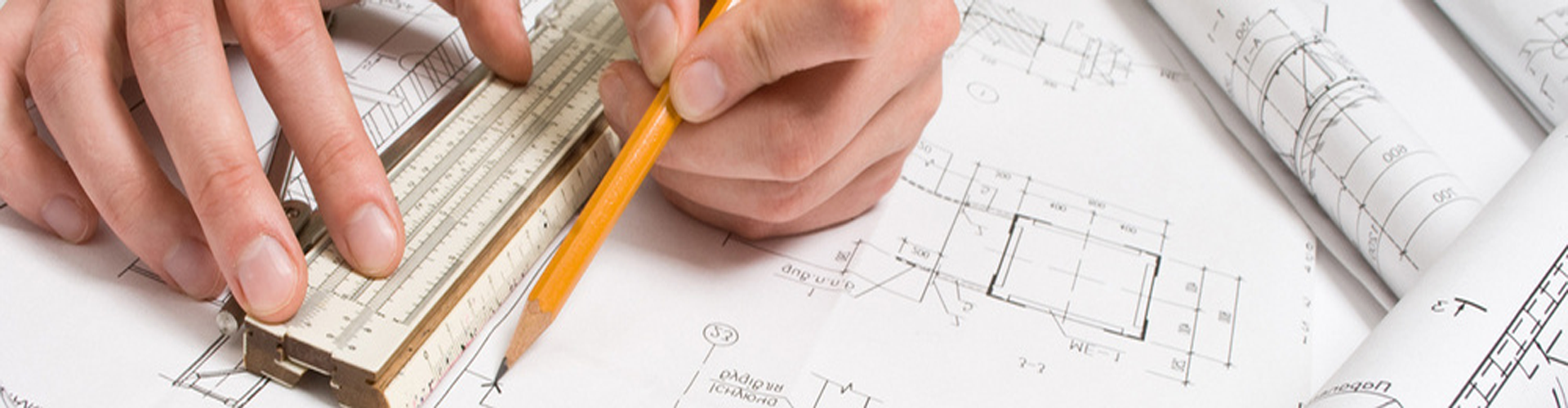
8–10 SPI is a practical starting point for many knit seams; specify the final stitch standard by seam and fabric weight.
2x reinforcement at pocket openings, crotch joins, and high-stress points should appear on the construction sheet.
- Set measurement tolerances by point of measure
- Define wash-shrinkage allowance before pattern release
- Specify rib composition, width, and recovery target
Sample Approval Checks
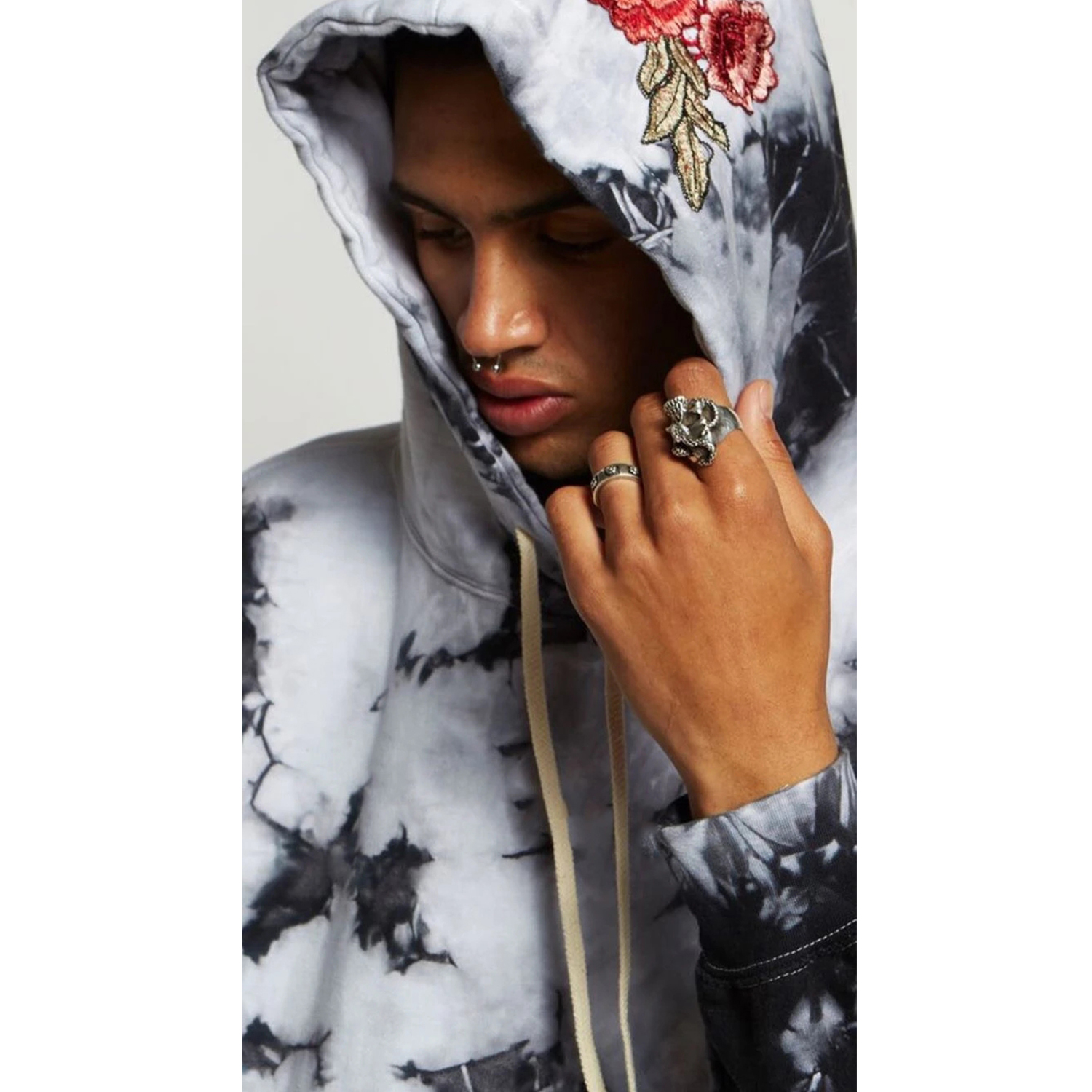
After 3 wash cycles, assess neck shape, rib recovery, seam twisting, and dimensional change against the approved measurements.
±0.5 inch pocket-placement tolerance should be confirmed on each graded size, not only the sample size.
- Measure neck opening and shoulder alignment
- Compare shade under agreed lighting
- Approve a sealed wash-test sample
Pre-Shipment Verification
Shade segregation helps prevent visibly different lots from being packed together. Inspect shade, measurements, pocket alignment, loose threads and reinforcement before final packing.
AQL sampling should be agreed in writing, with defect definitions and reinspection actions documented before production begins.
- Check wash-shrinkage results against tolerance
- Match production garments to sealed sample
- Record lot and carton traceability
7. How to Choose a Pigment Dye Clothing Manufacturer
Two approvals should precede a purchase order: a production-ready sample and written control plan. Choose a pigment dye clothing manufacturer through comparable-garment evidence, not a showroom assortment.
Verify Relevant Experience
Three comparable programs—hoodies, tees, or teamwear—show whether a factory understands wash behavior, grading, and decoration interaction.
One revised sample should confirm measurements, hand feel, shade range, and artwork placement after buyer comments.
- Which comparable pigment-dyed styles have you produced?
- How are sample revisions recorded?
Match MOQ And Controls
EDVORIN’s MOQ starts at 200 pieces per style. A 200-piece minimum may suit a launch but not a multi-size school order. Ask how MOQ applies across colors, sizes, and styles.
Two documents matter before bulk cutting: an approved measurement chart and an inspection plan covering shade, seams, prints, labels, and packing.
- Can size sets combine toward MOQ?
- Who signs off on bulk quality?
Test Delivery Transparency
Four dates should be stated separately: material arrival, sample approval, bulk completion, and shipment handoff. Capacity means little without those milestones.
One shipping plan should identify Incoterms, carton details, export documents, and the party responsible for freight booking.
- What delays are communicated immediately?
- Which shipping documents are supplied?
8. Common Pigment Dye Sourcing Mistakes
A pigment dye clothing manufacturer should treat approval as a controlled production decision, not a visual preference. Most avoidable claims begin before cutting, when color, fabric, wash, artwork, timing, or quotation details remain undefined.
Approving Color From Screens
Pantone references and physical lab dips outperform screen approvals because monitors vary. Approve a washed strike-off under agreed lighting; otherwise bulk shade and fade character can disappoint.
Expecting Uniform Results
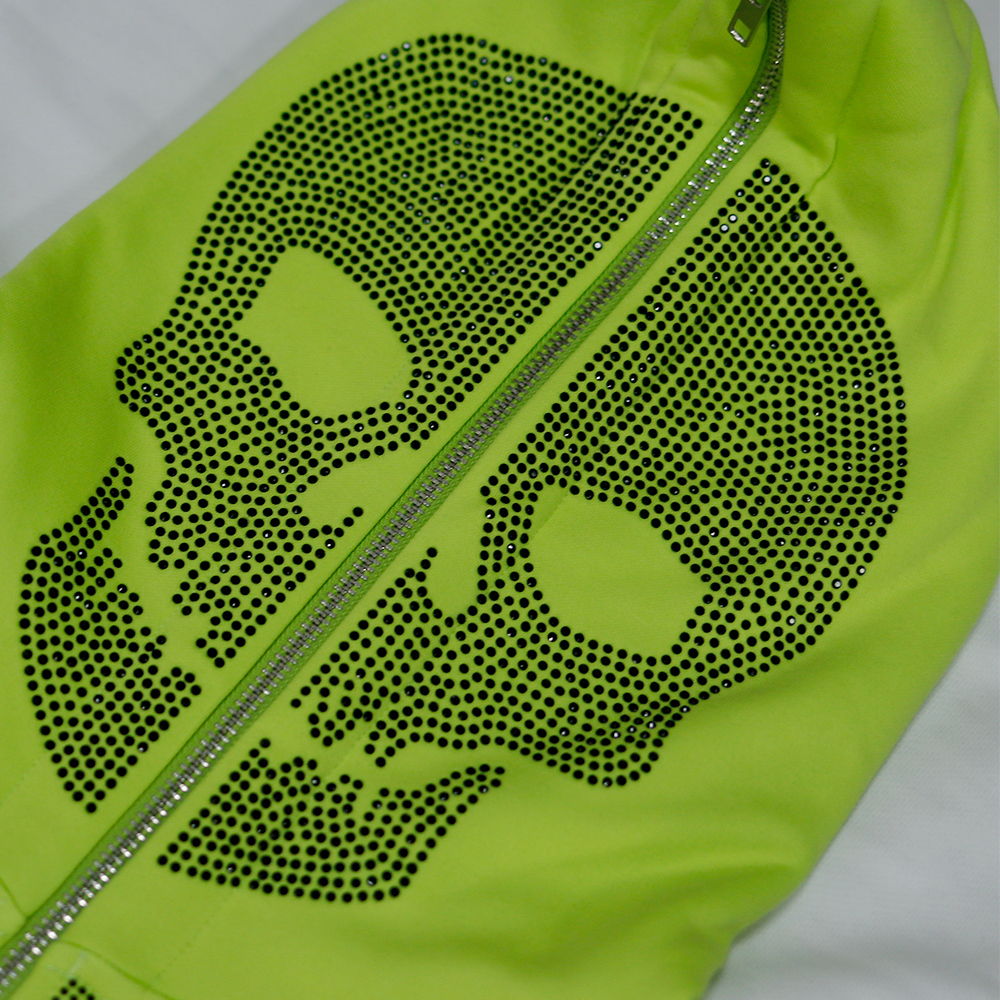
100% identical garments are unrealistic because pigment washing creates controlled variation. Define an acceptable vintage range, choose suitable ring-spun cotton or cotton-rich fabric, and review a size-set wash test before bulk.
Leaving Production Details Open
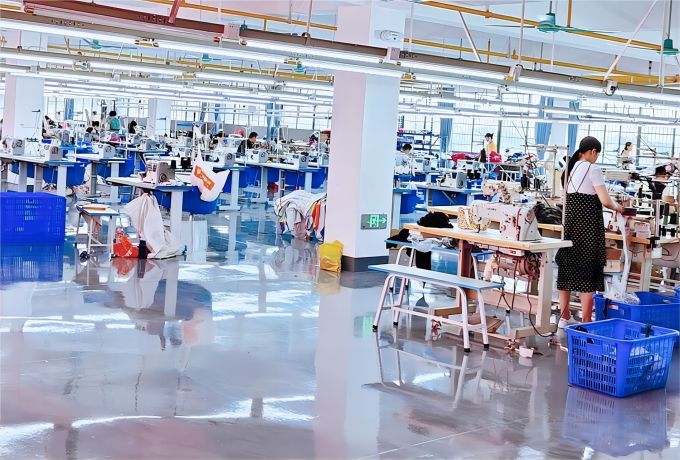
7 preventable gaps are skipped wash testing, incompatible decoration, rushed development, and unmatched quotes. Test print or embroidery after washing, allow sample revisions, and compare GSM, composition, trims, wash, quantities, packaging, and inspection scope line by line.
9. Launching With a Pigment Dye Clothing Manufacturer
A 200-piece launch needs dated approval gates, not a single final sign-off. Give a pigment dye clothing manufacturer one controlled specification before capacity and materials are committed.
Build The Production File
Day 1 starts with a tech pack: graded measurements, construction notes, artwork files, label copy, packing requirements, and target delivery date. Lock the silhouette, fabric composition, GSM, and approved Pantone reference before prototype cutting.
- Tech pack and measurement chart
- Pantone color reference
- Vector artwork and placement dimensions
Approve Physical Standards
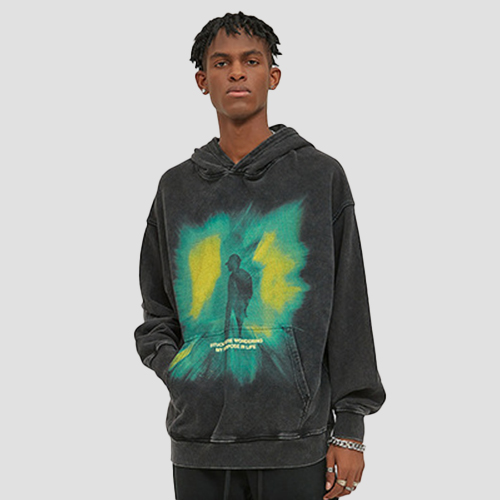
Round 1 should confirm the prototype, wash effect, hand feel, and decoration proof; changes here are normal. Approve a full size set before pre-production, then freeze measurements, thread, trims, placement, and packaging to prevent bulk rework.
- Prototype and wash swatch
- Size-set approval
- Decoration proof
Release Bulk With Controls
Bulk begins only after written pre-production approval and a final purchase order confirm quantities, color breakdown, and delivery terms. Inspect during sewing, after washing, and before packing against the approved sample; report defects before shipment is booked.
- Pre-production approval
- In-line inspection
- Final packing inspection
10. Pigment Dye Clothing Manufacturer Pricing and Costs
200-piece programs typically carry higher unit costs because development, dye setup and production preparation are spread across fewer garments. Ask each pigment dye clothing manufacturer to quote the same Incoterm, destination, currency and inspection standard.
280–450 GSM fleece, complex pockets or panels, custom dye development, wash effects, embroidery, labels and retail packaging can each change landed cost. Freight should remain a separate line because carton volume, route and duty treatment vary by market.
15–45 days is a practical planning range after approvals, with added time for lab dips, wash testing and custom trims. Submit a tech pack, graded size breakdown, Pantone target, decoration files, packaging specification and requested delivery date for comparable quotes.
| Illustrative order tier | Cost behavior | Planning lead time |
|---|---|---|
| 200–499 units | Highest setup allocation | 30–45 days |
| 500–999 units | Better setup absorption | 25–40 days |
| 1,000+ units | Confirm capacity and freight separately | 15–35 days |
Develop Your Pigment Dye Clothing Collection with EDVORIN
Send your artwork, reference garment, or tech pack for a production-ready quote from a pigment dye clothing manufacturer built for repeatable bulk orders.