
Enzyme Wash Clothing Manufacturer for Soft, Vintage-Ready Apparel
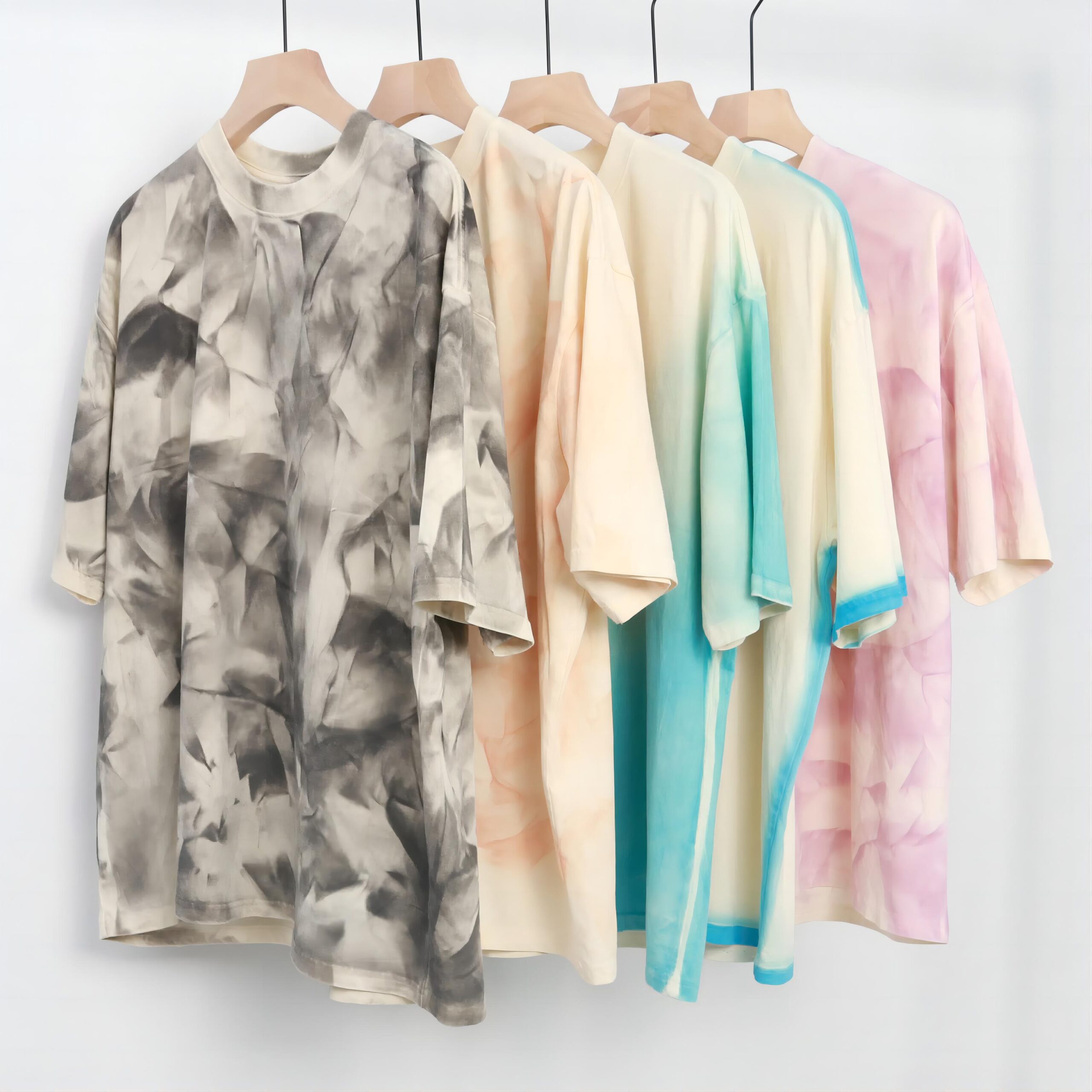
EDVORIN develops enzyme-washed apparel with controlled hand feel, finish, and repeatable bulk standards from sample to shipment.
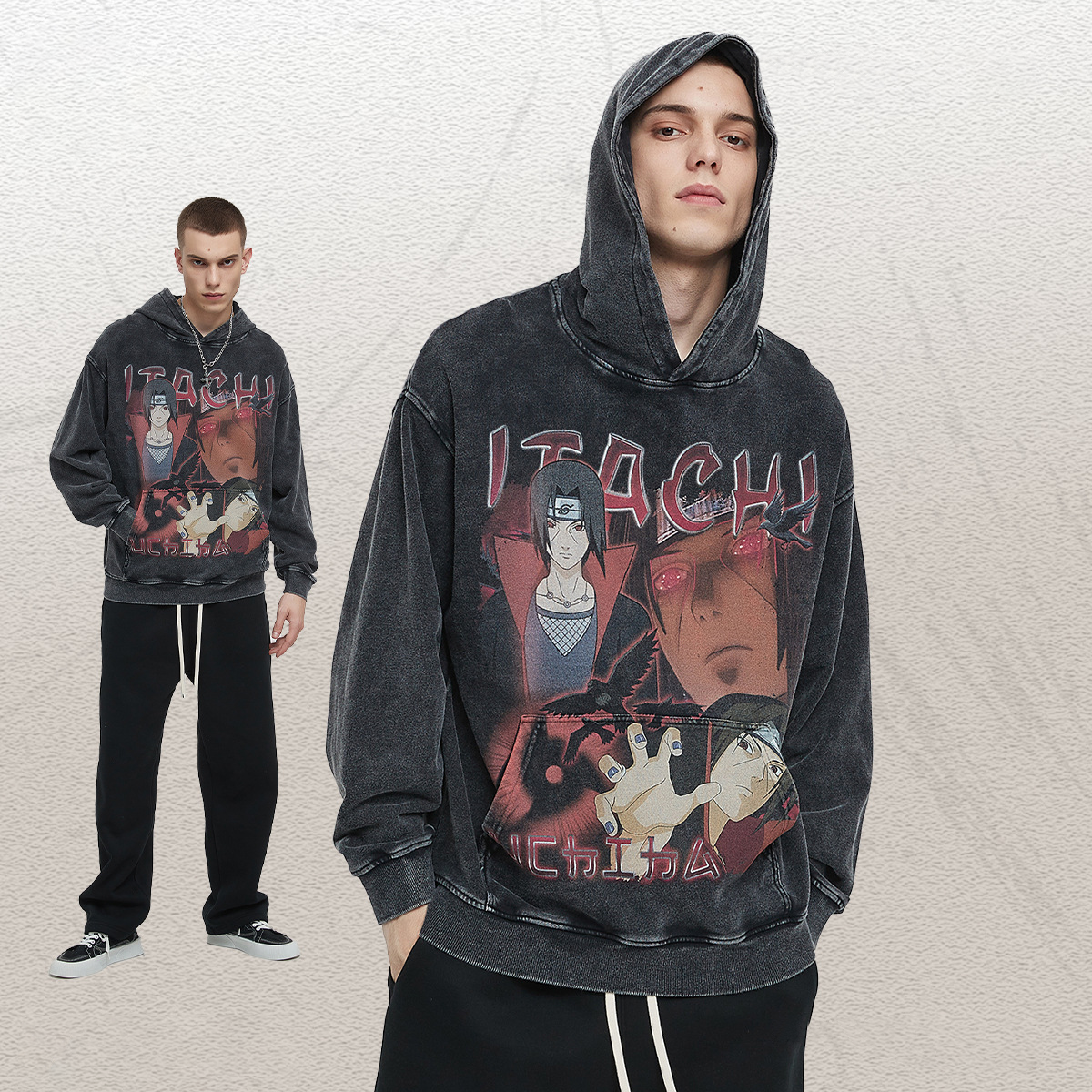
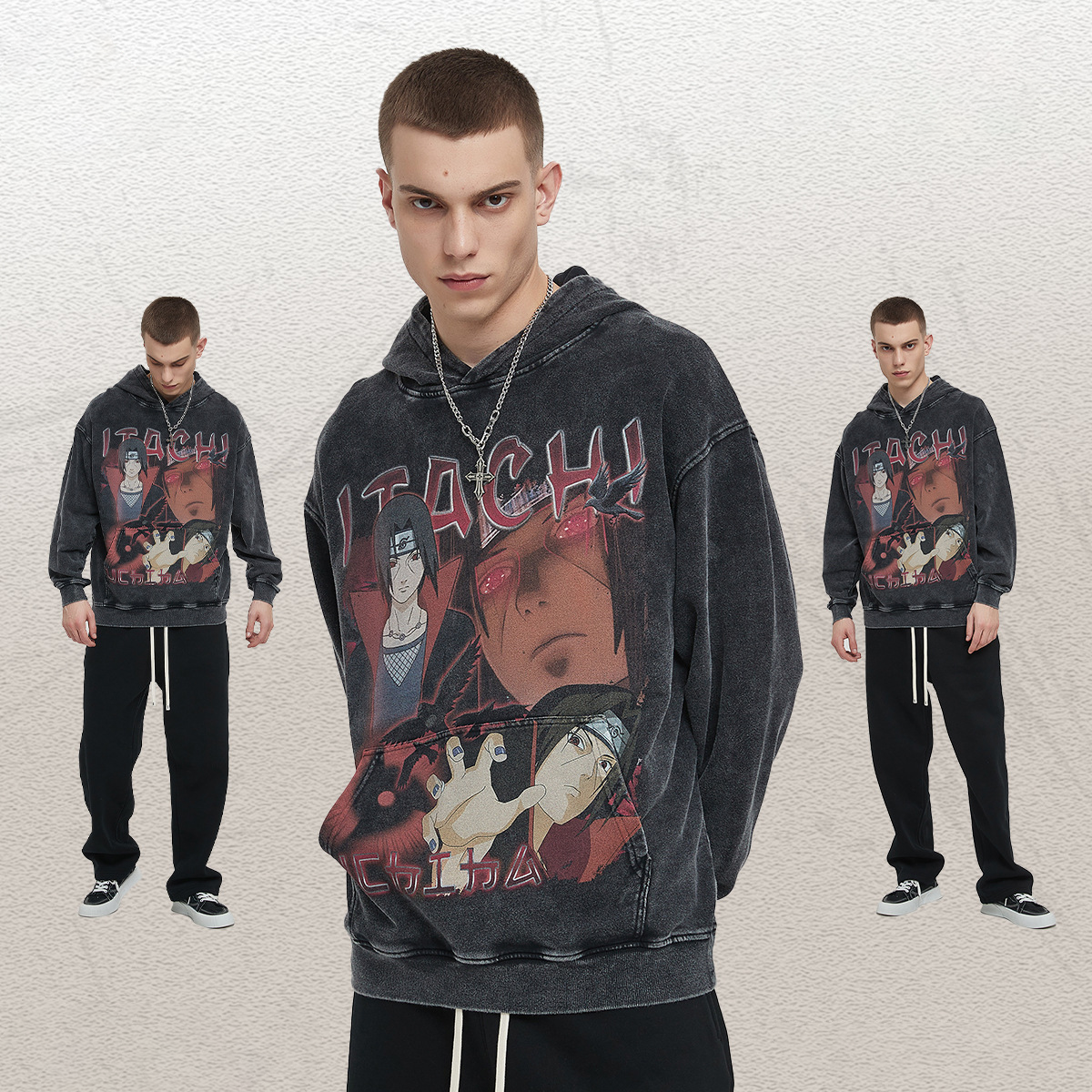
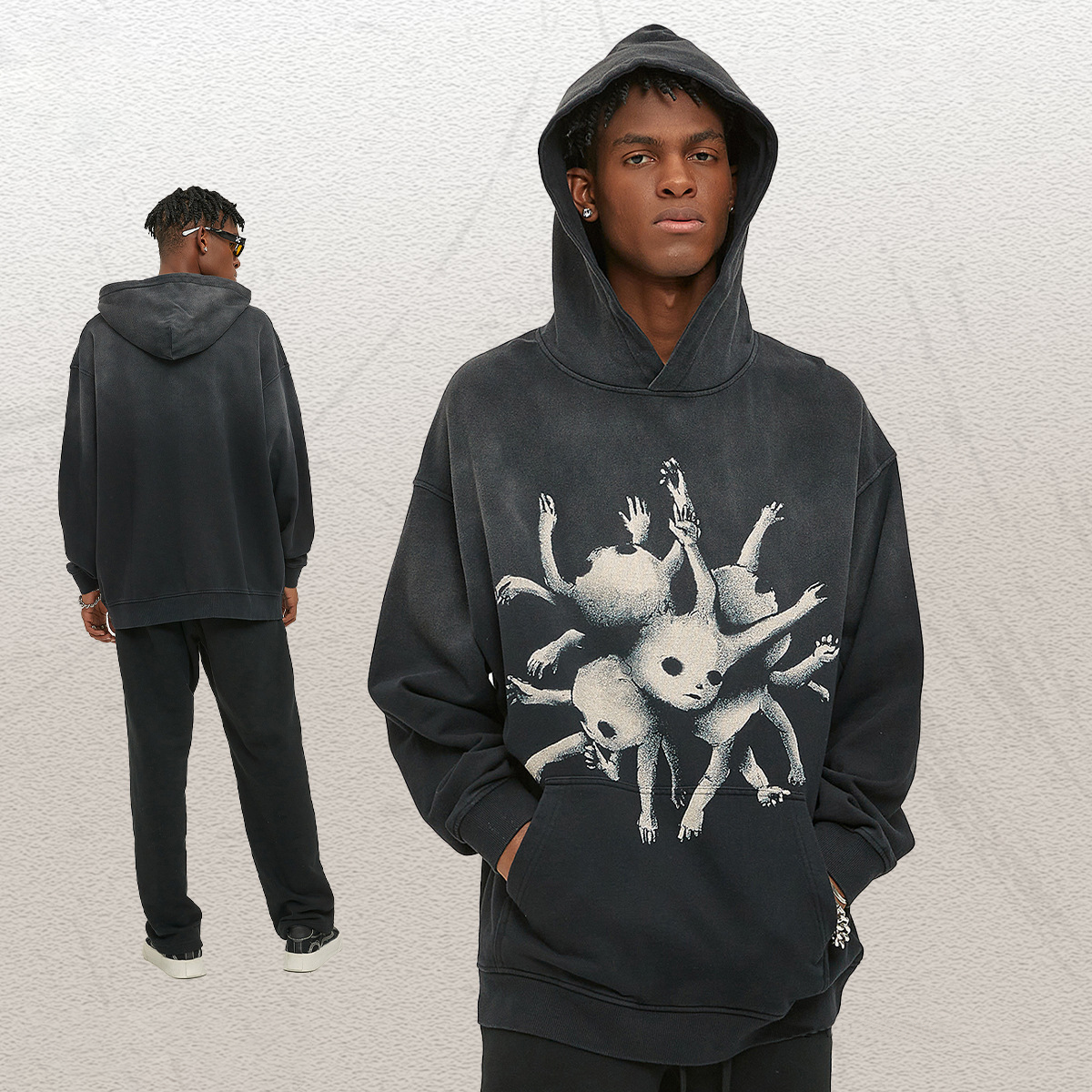
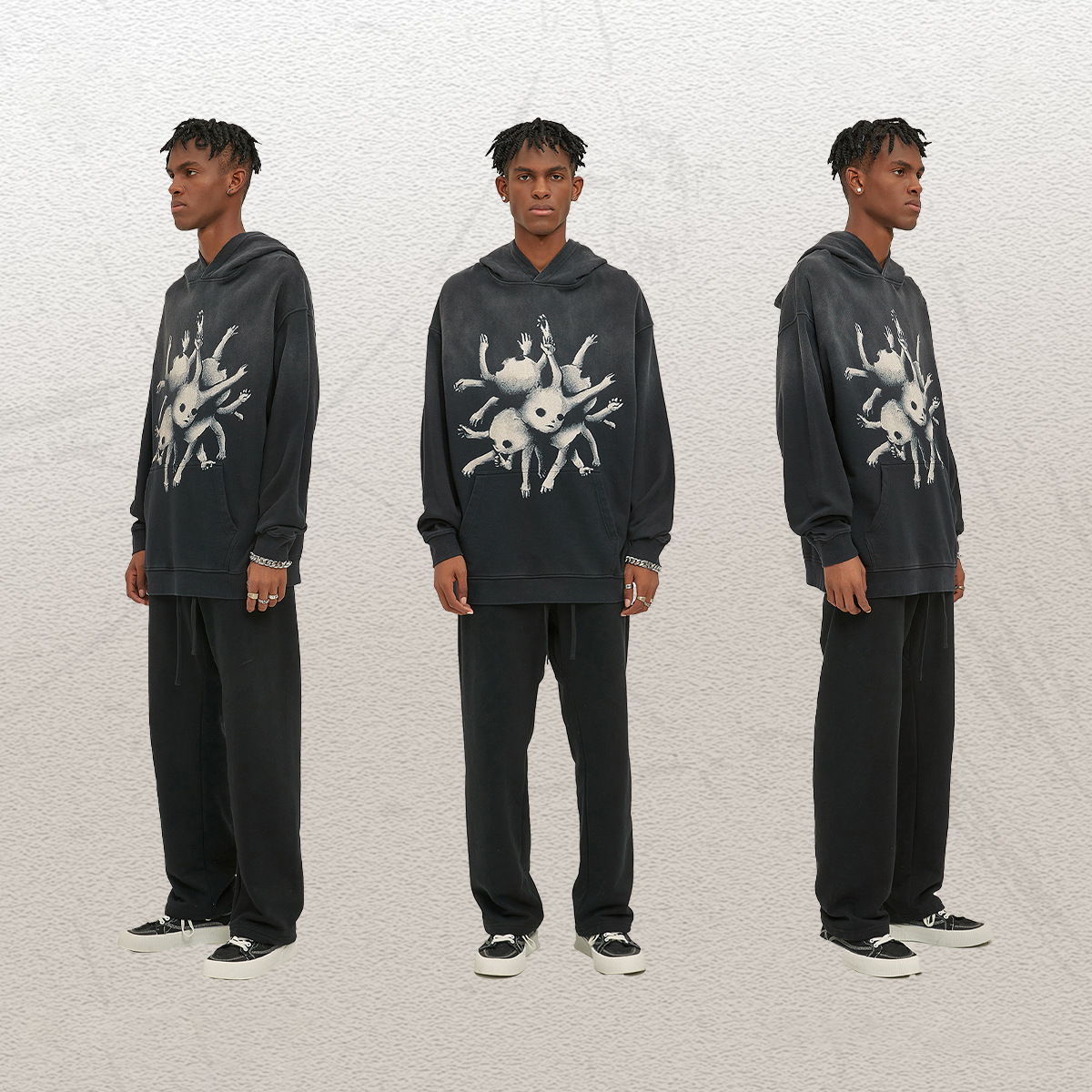
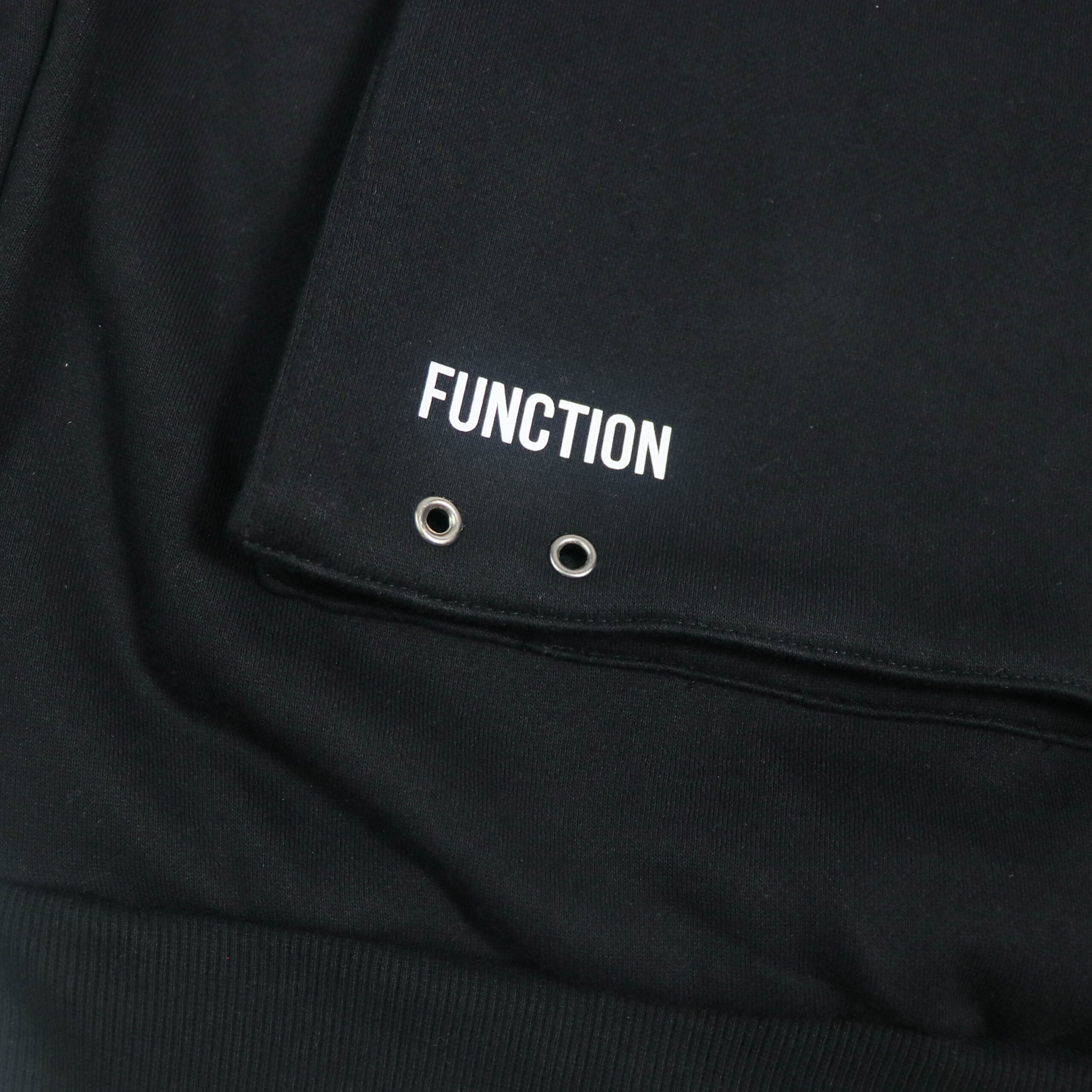
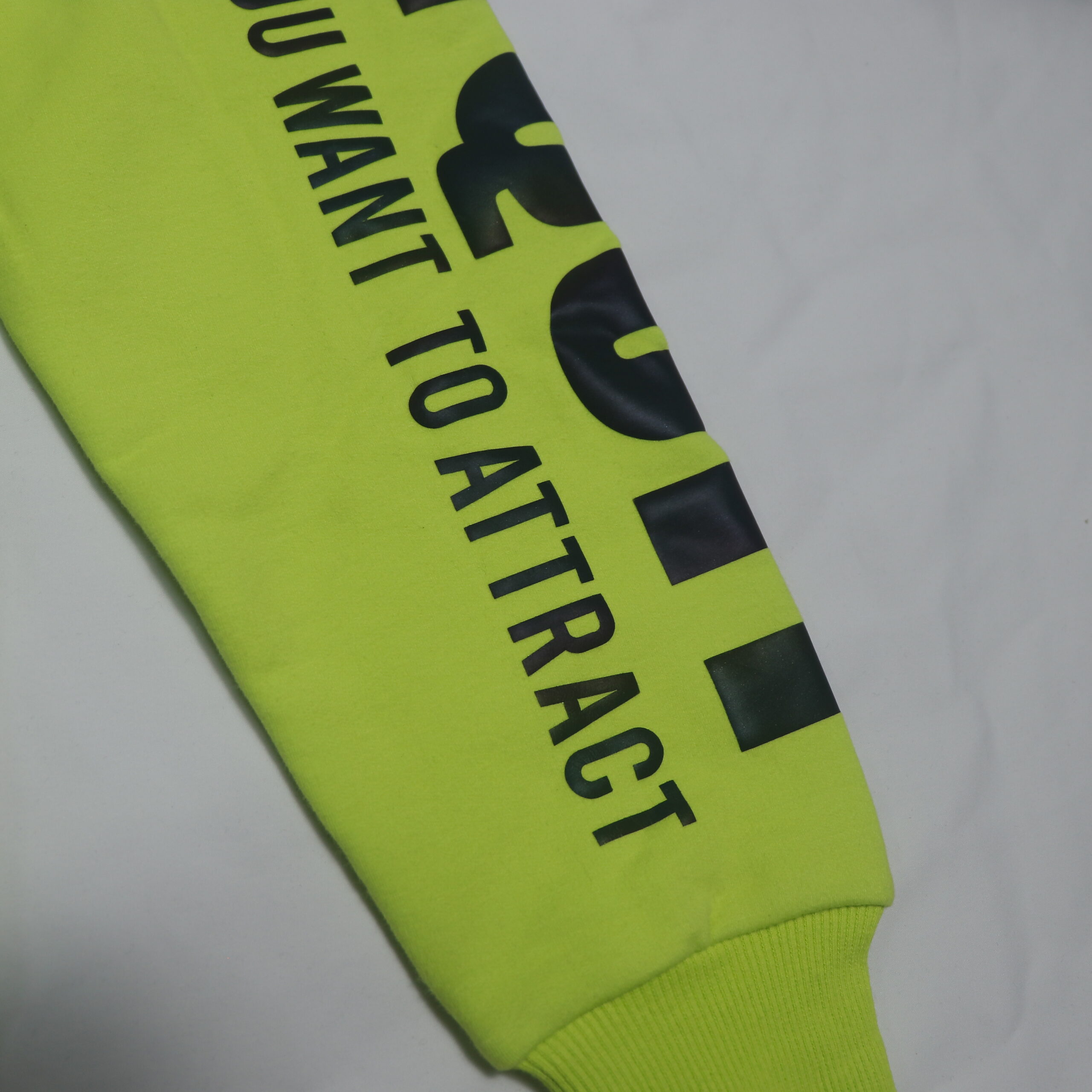
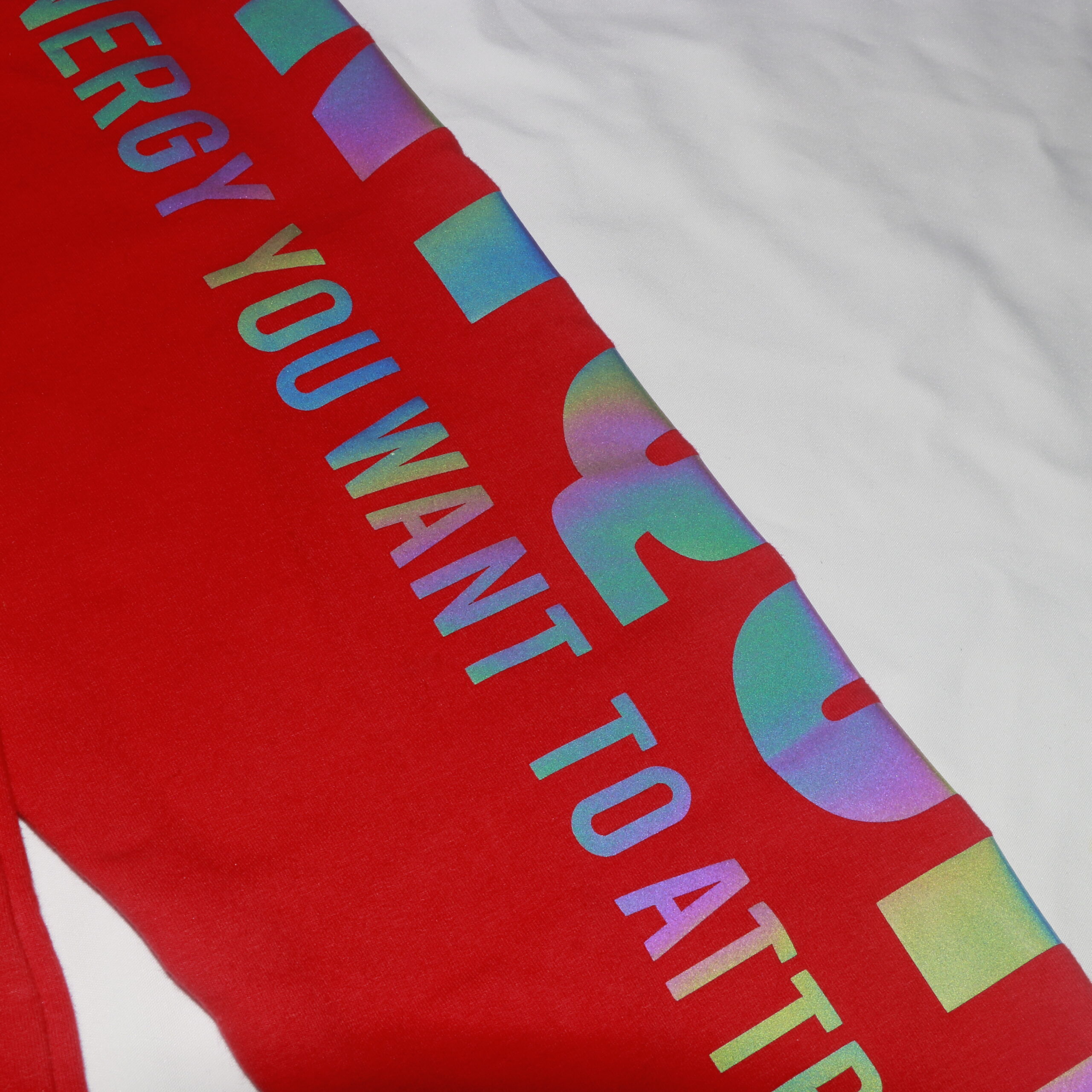
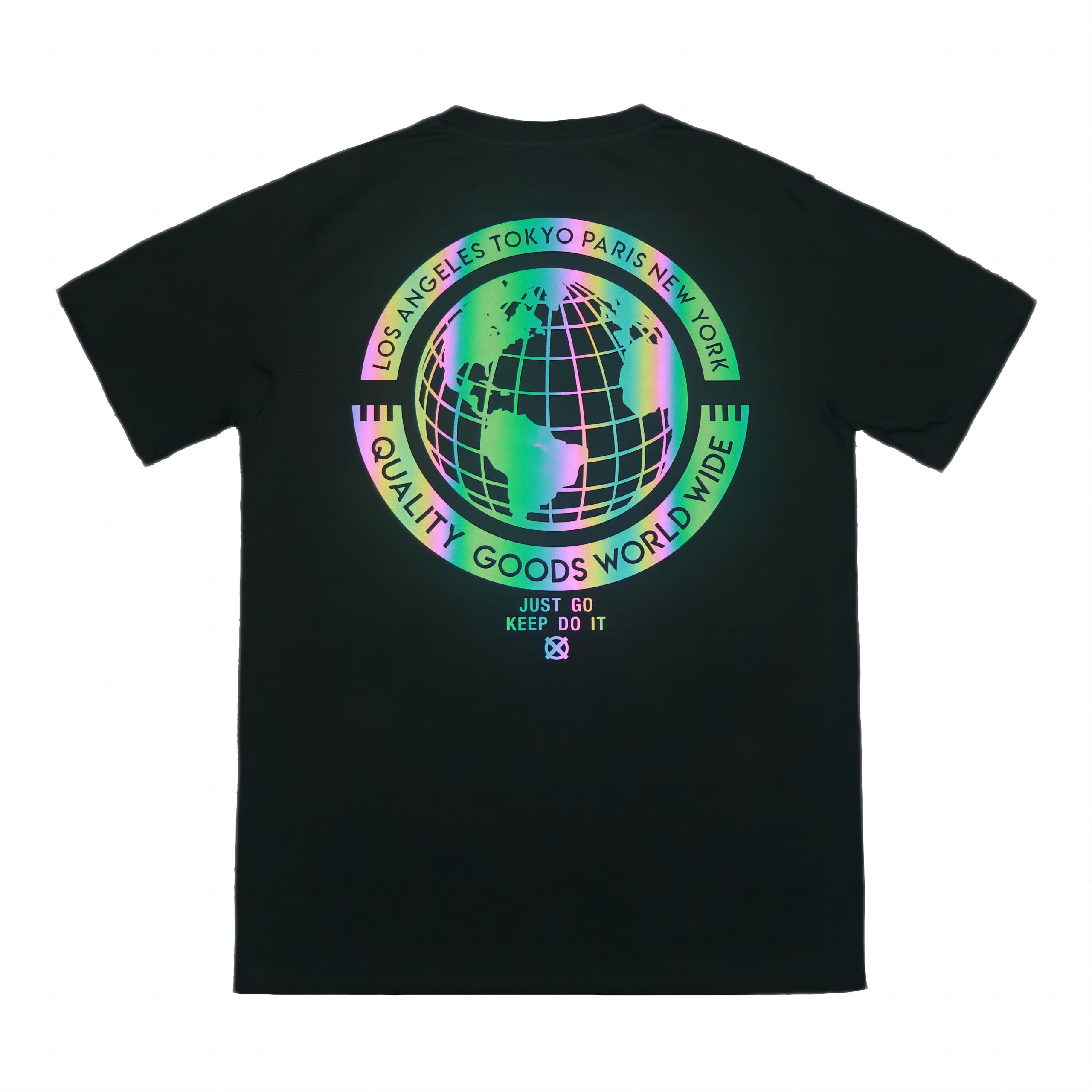
Featured Enzyme-Washed Apparel



What Makes an Enzyme Wash Clothing Manufacturer Distinctive
EDVORIN coordinates wash development with fabric, construction and decoration requirements so the approved finish can be repeated from sample through bulk production.
Softer Hand Feel
Controlled enzyme washing refines the fabric surface for a softer, broken-in hand feel suited to premium jerseys, fleece and casualwear.
Refined Surface Finish
The process targets loose surface fibers to create a cleaner appearance while preserving the garment character defined during development and sampling.
Subtle Vintage Character
Develop wash intensity for understated fading and lived-in depth, helping streetwear and fashion programs achieve a considered, wearable finish.
Decoration-Aware Development
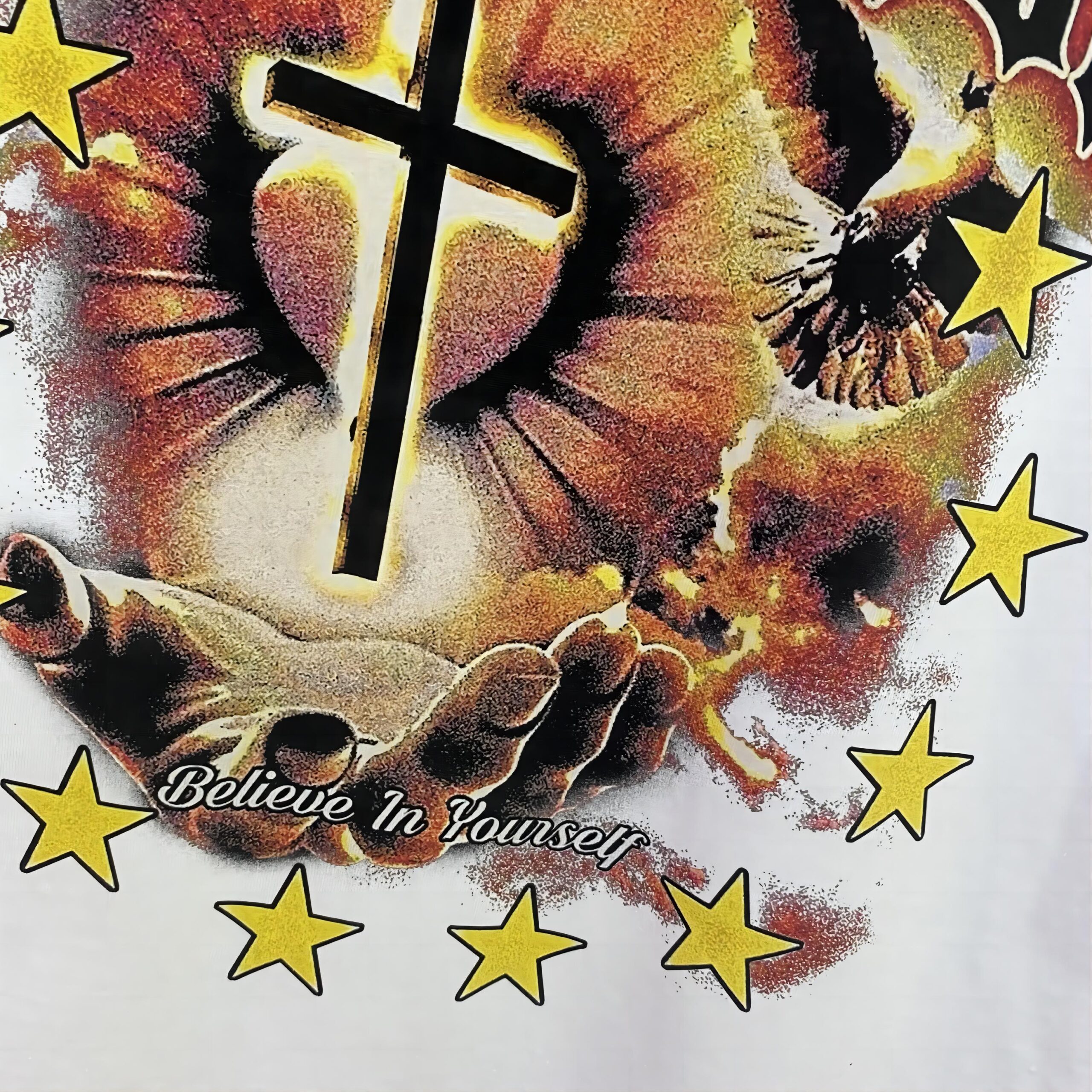
We review print, embroidery, patches and other decoration alongside the wash plan to protect placement, appearance and finished-garment performance.
Repeatable Bulk Standards
Approved samples, wash references and production controls give your team a clear standard for consistent enzyme-washed apparel across repeat orders.
Apparel Manufacturing, Decoration and Finishing
Explore category-specific development for apparel programs, with coordinated materials, construction, decoration, washing and private-label production from sample through bulk delivery.
Custom Hoodies
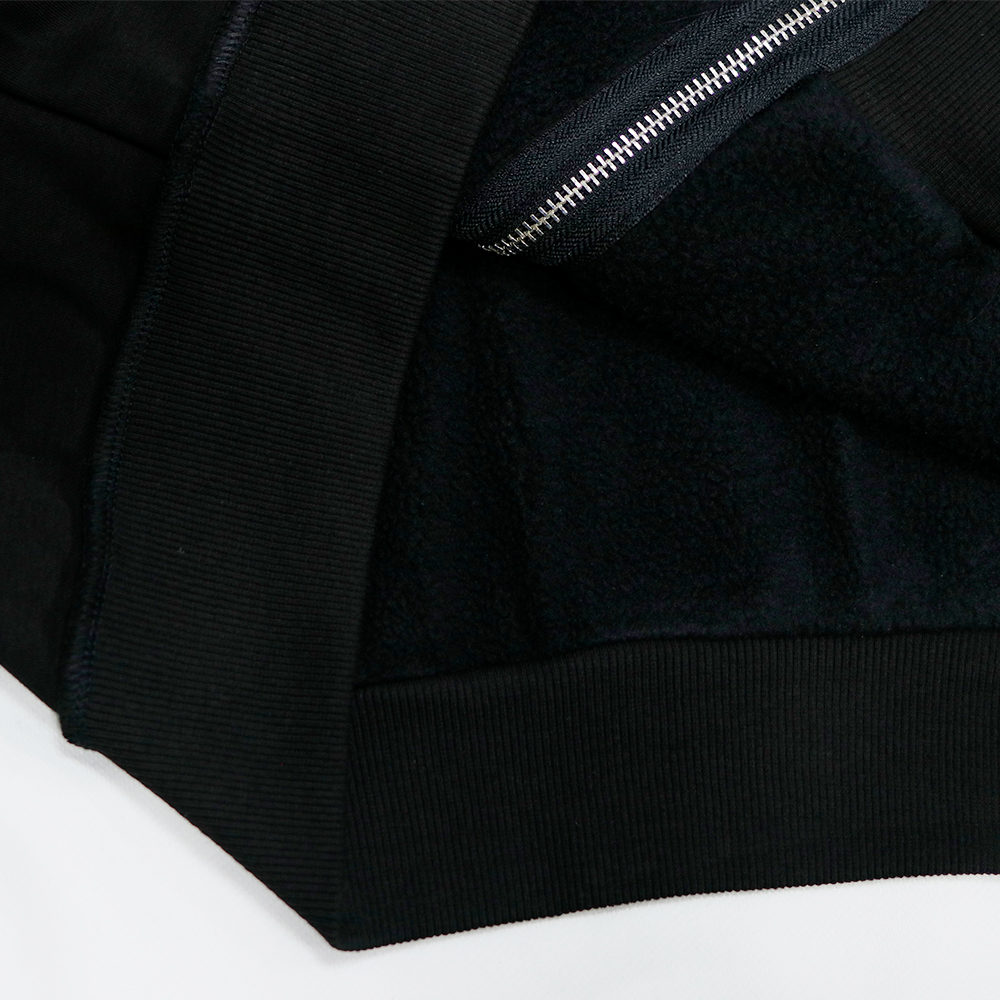
Custom hoodie manufacturer support includes fleece selection, fit blocks, rib specifications, drawcords, pockets, labels, prints and embroidery. EDVORIN develops men’s and women’s hoodie programs from tech packs, references or early concepts, then documents approved standards for bulk production.
Get a Quote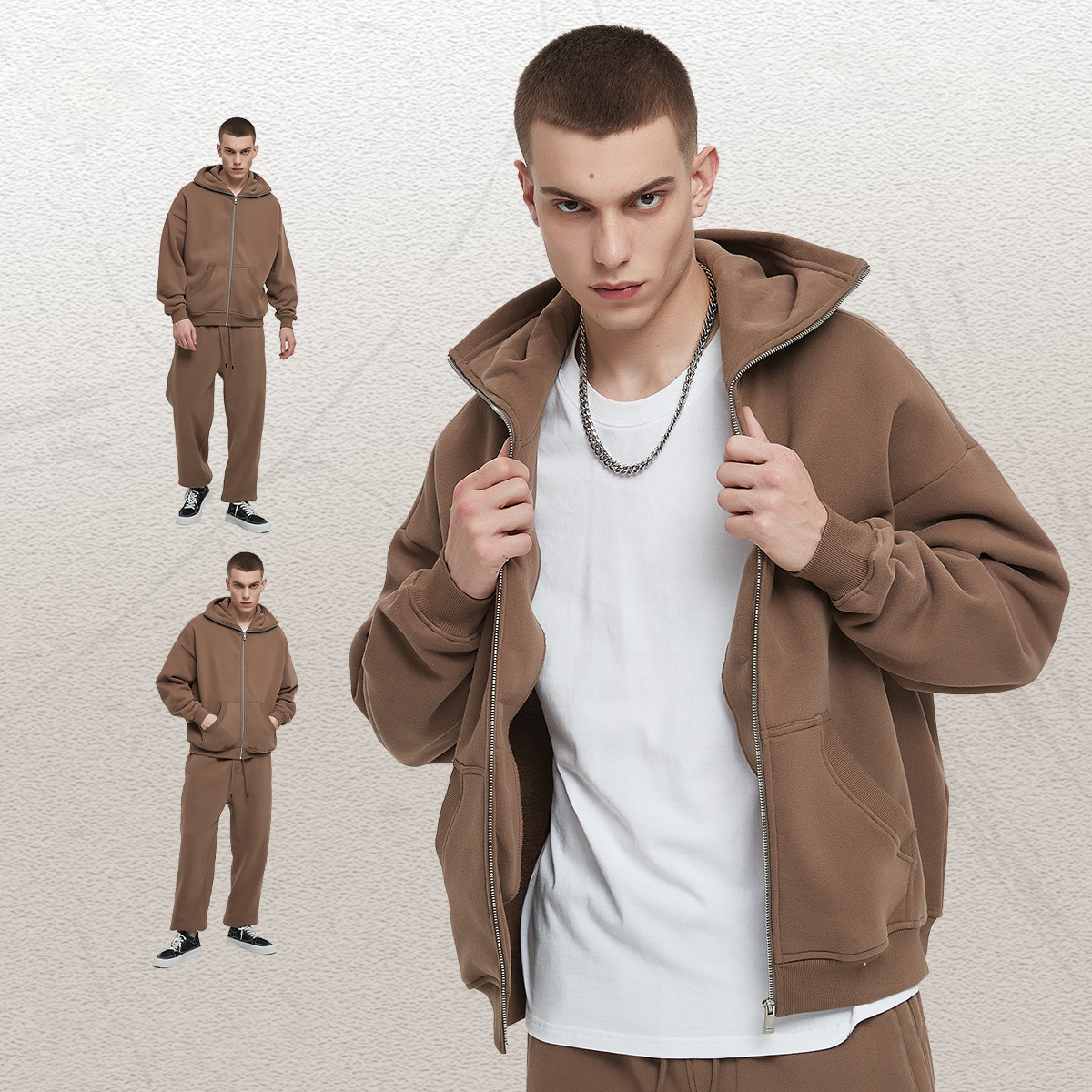
Pullover Sweatshirts
As a sweatshirt manufacturer, EDVORIN develops pullover styles around fabric weight, neckline, rib recovery, shoulder construction and decoration requirements. Samples confirm fit and finish before production, helping brands maintain consistent specifications across repeat orders.
Get a Quote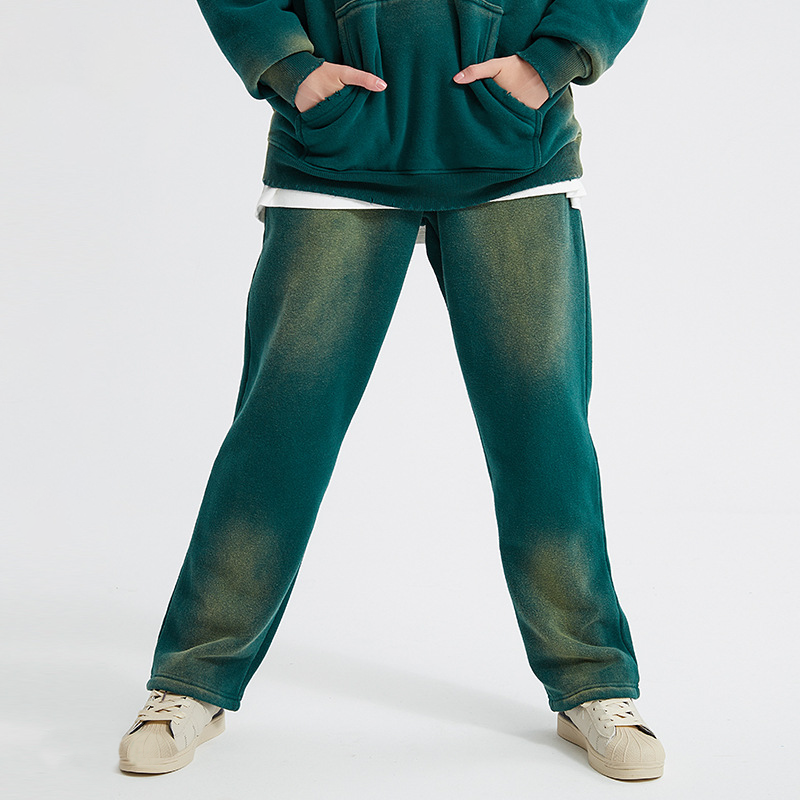
Sweatpants & Joggers
EDVORIN develops sweatpants and joggers with coordinated fleece, waistband, cuffs, pockets, drawcords and grading. As a sweatpants manufacturer, the team supports men’s and women’s programs, matching construction and finish to casualwear, streetwear or teamwear requirements.
Get a Quote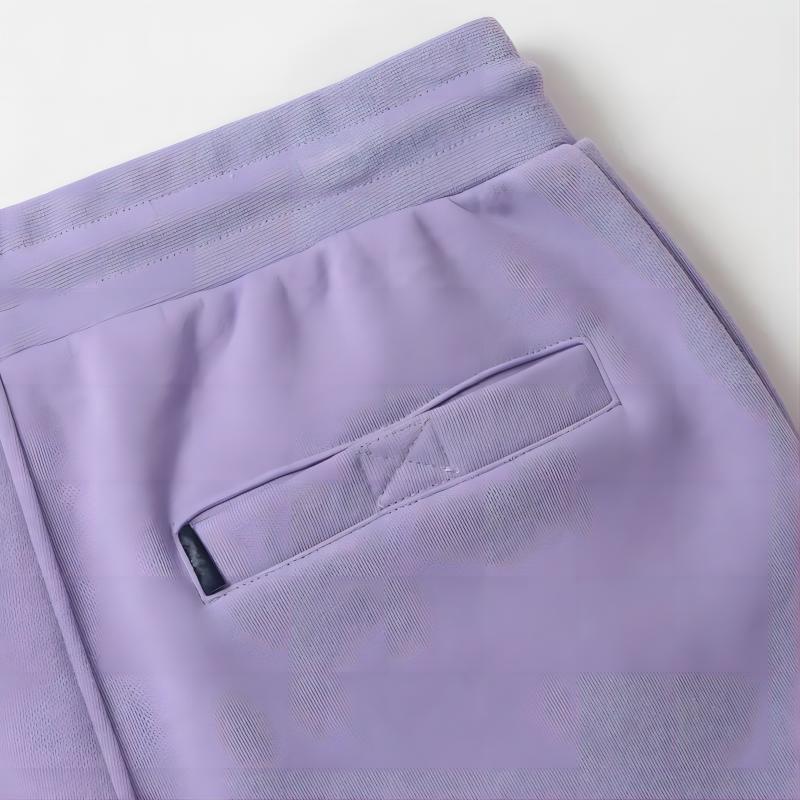
Custom Shorts
Custom shorts manufacturing covers fleece, jersey and woven constructions, with specifications for inseam, rise, elastic waistbands, pockets, linings and decoration. EDVORIN helps buyers align shorts with matching tops or broader seasonal collections.
Get a Quote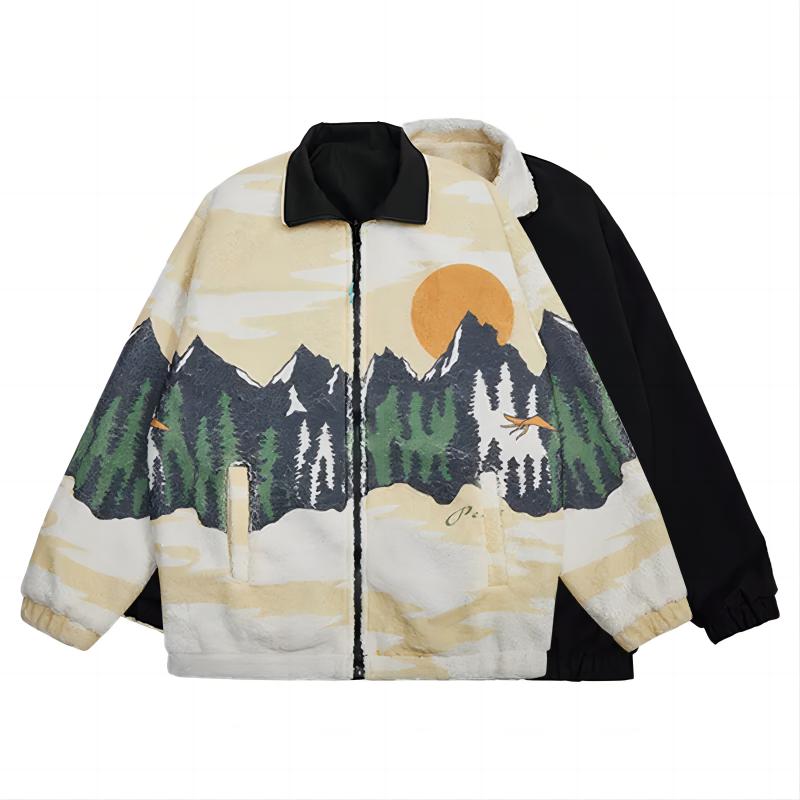
Varsity & Baseball Jackets
As a varsity jacket manufacturer, EDVORIN coordinates body fabric, sleeves, rib, lining, snaps, patches and embroidery. Development focuses on balancing material weight, trim quality and placement details so approved samples can guide repeatable production.
Get a Quote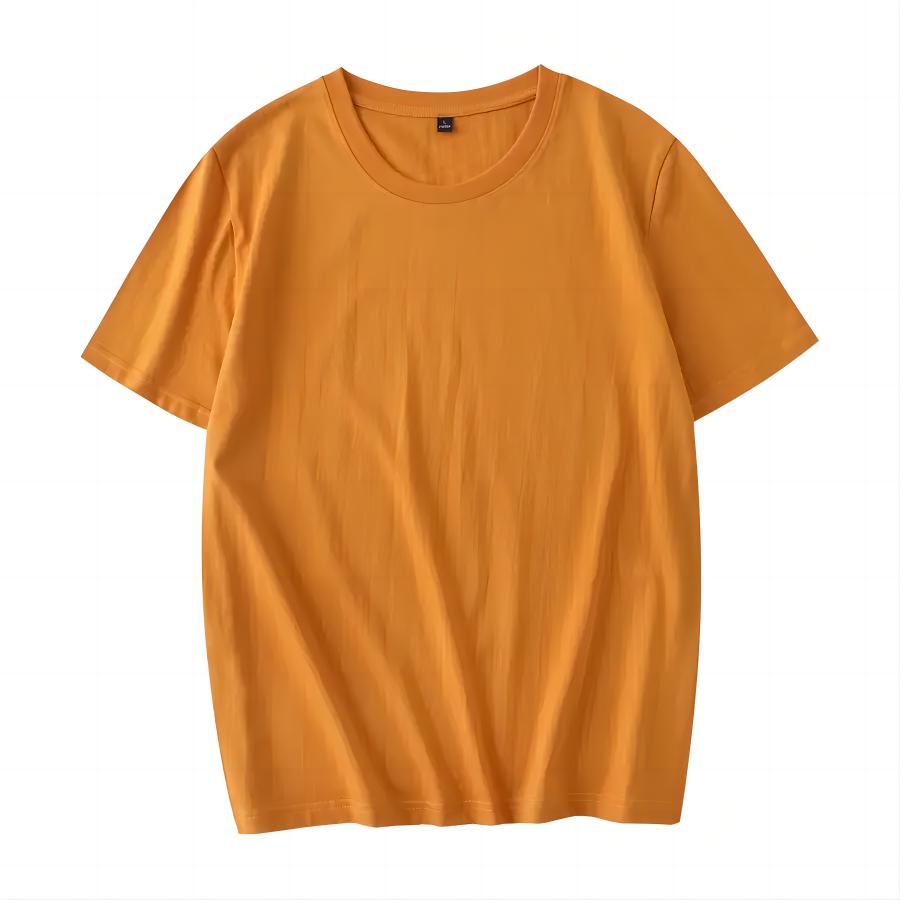
Custom T-Shirts
Custom T-shirt manufacturer services include fabric sourcing, fit development, collar construction, sleeve proportions, print methods, embroidery and wash options. EDVORIN supports men’s and women’s T-shirt programs for private labels, wholesale lines and branded collections.
Get a Quote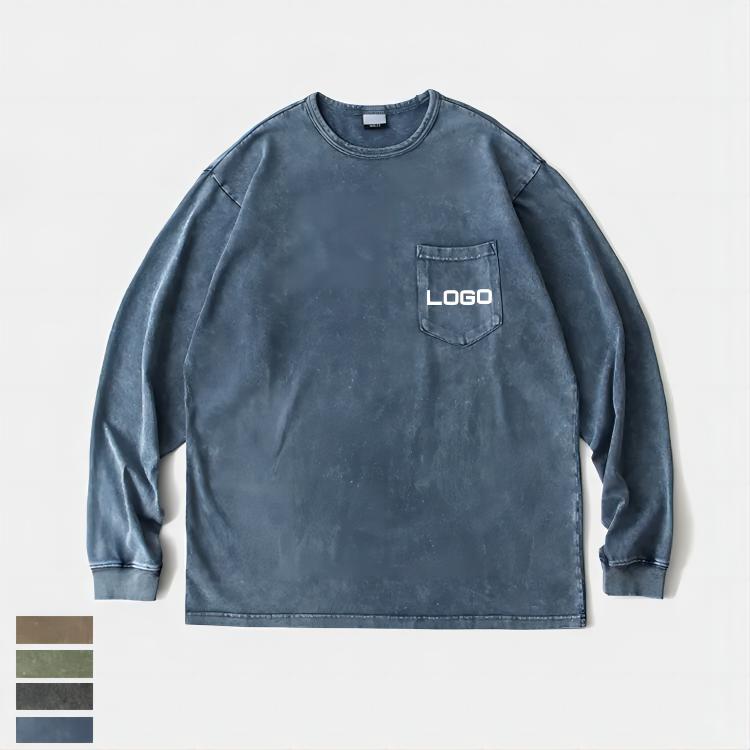
Custom Polo Shirts
As a polo shirt manufacturer, EDVORIN develops piqué, jersey and performance polo programs with specified collars, plackets, cuffs, buttons and decoration. Materials and construction are selected for the intended uniform, promotional or retail use.
Get a Quote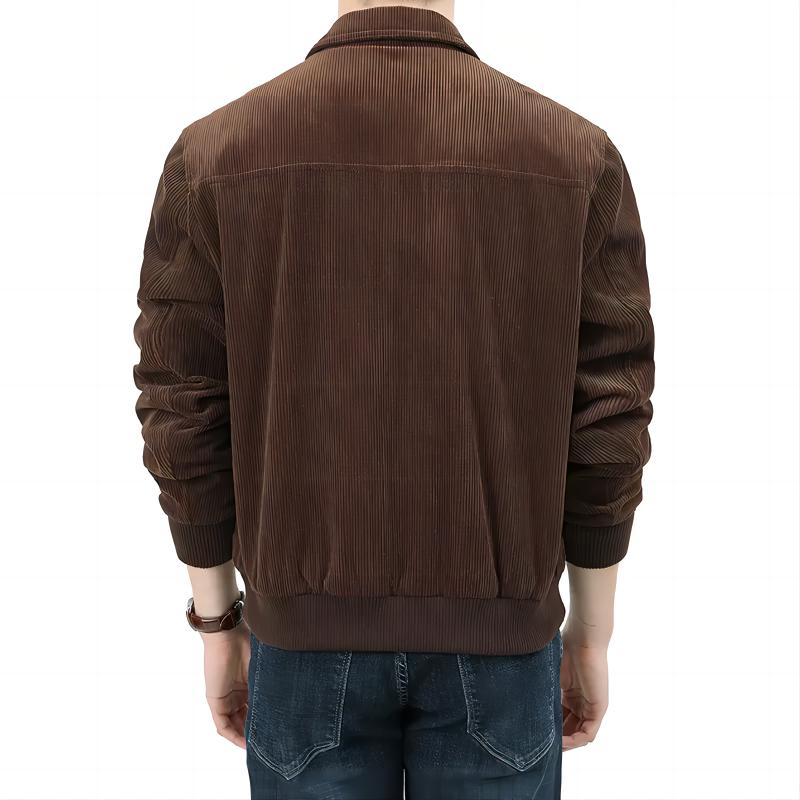
Windbreaker Jackets
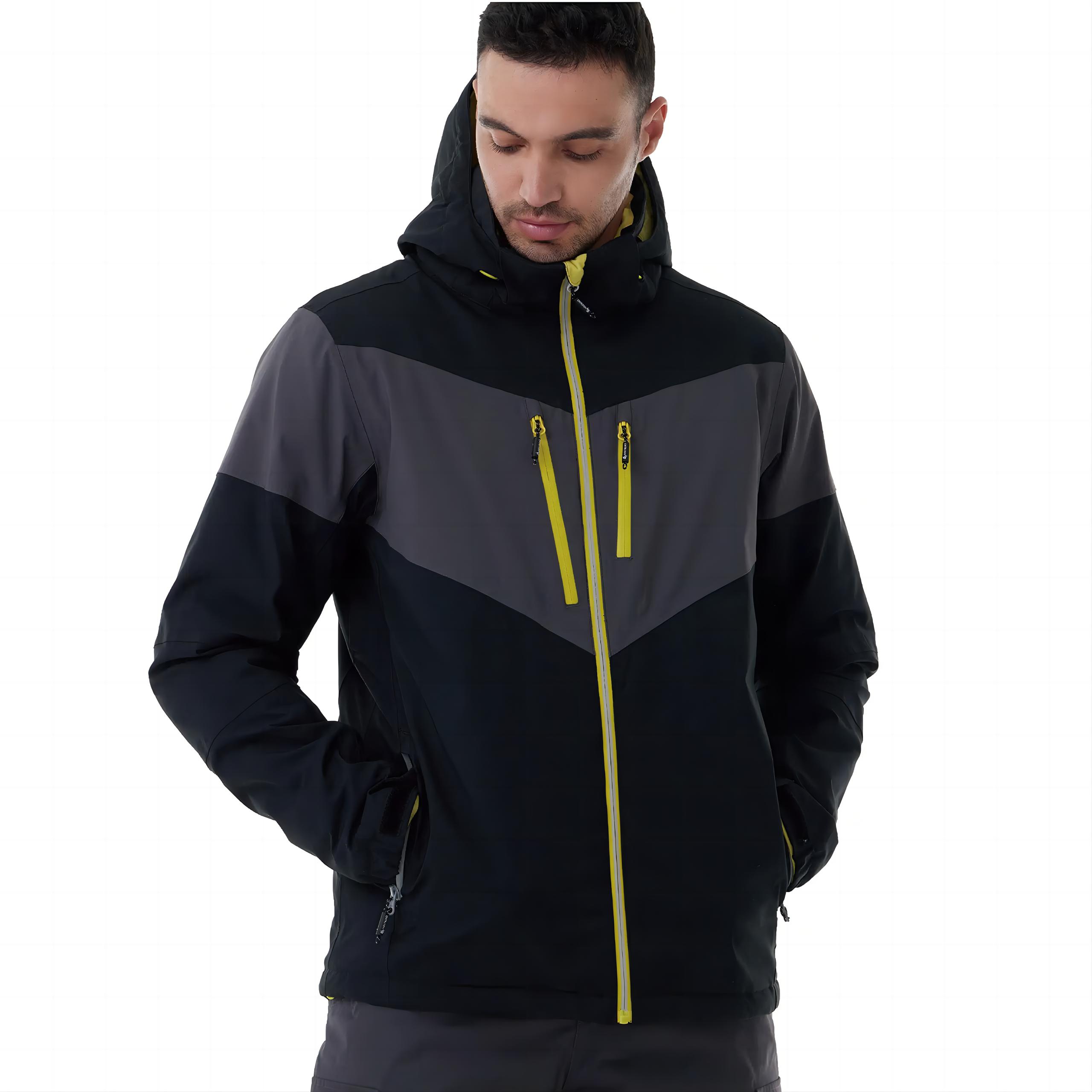
Windbreaker manufacturer support covers shell fabric, lining or mesh, zippers, hoods, pockets, elastic details, reflective elements and printed branding. EDVORIN documents functional and construction requirements during sampling before moving to bulk production.
Get a Quote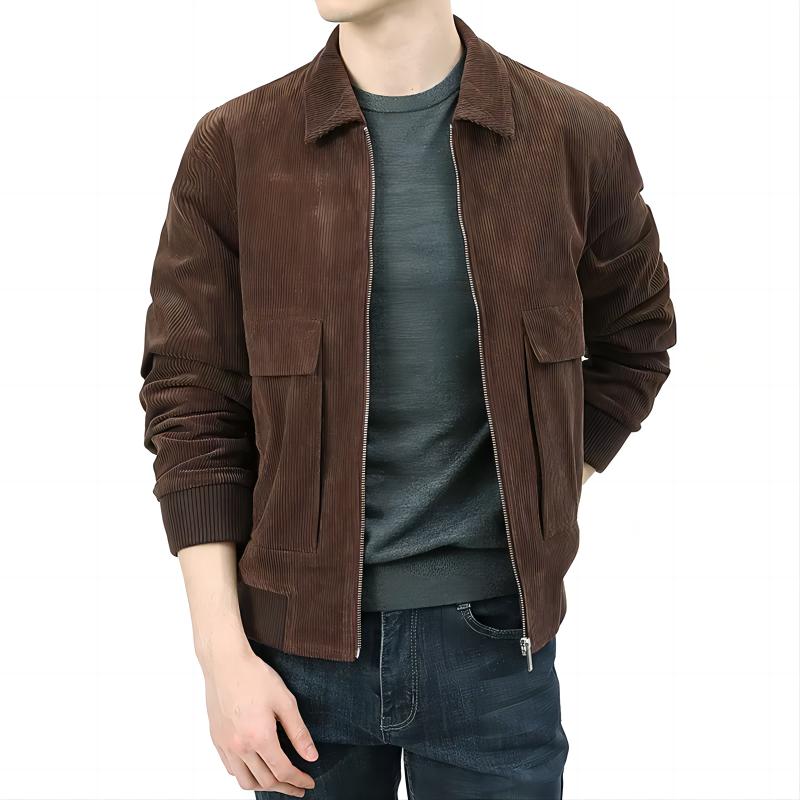
Quilted Jackets
As a quilted jacket manufacturer, EDVORIN coordinates shell and lining fabrics, insulation, quilting patterns, zippers, pockets, bindings and labels. Samples validate warmth, bulk, construction and appearance before production is scaled.
Get a Quote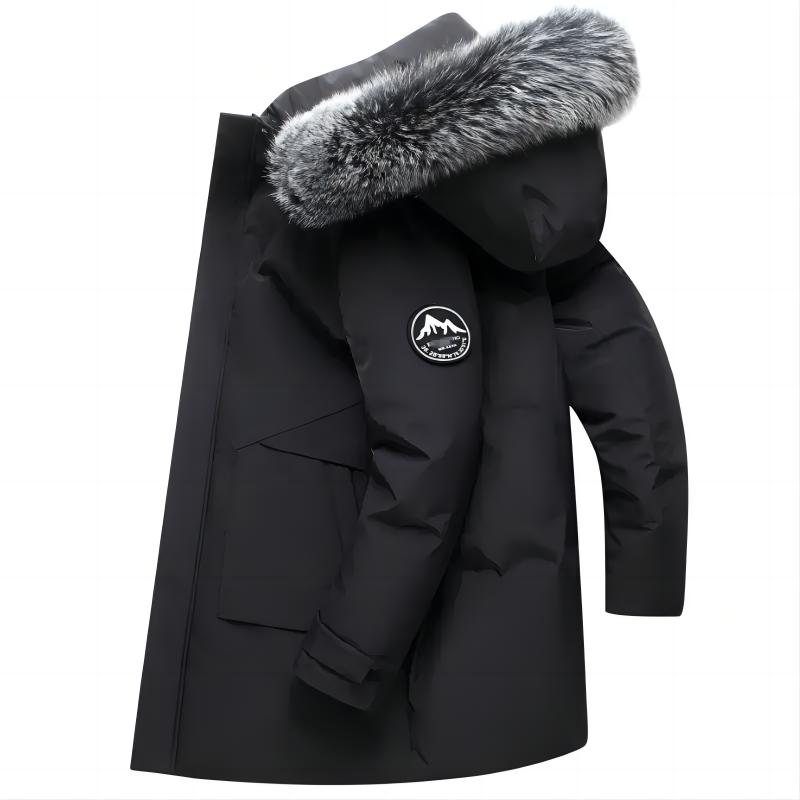
Bomber Jackets
Bomber jacket manufacturing includes shell selection, lining, rib trims, zippers, pockets, embroidery and patches. EDVORIN develops the balance of silhouette, hardware and decoration needed for fashion, streetwear and private-label bomber programs.
Get a Quote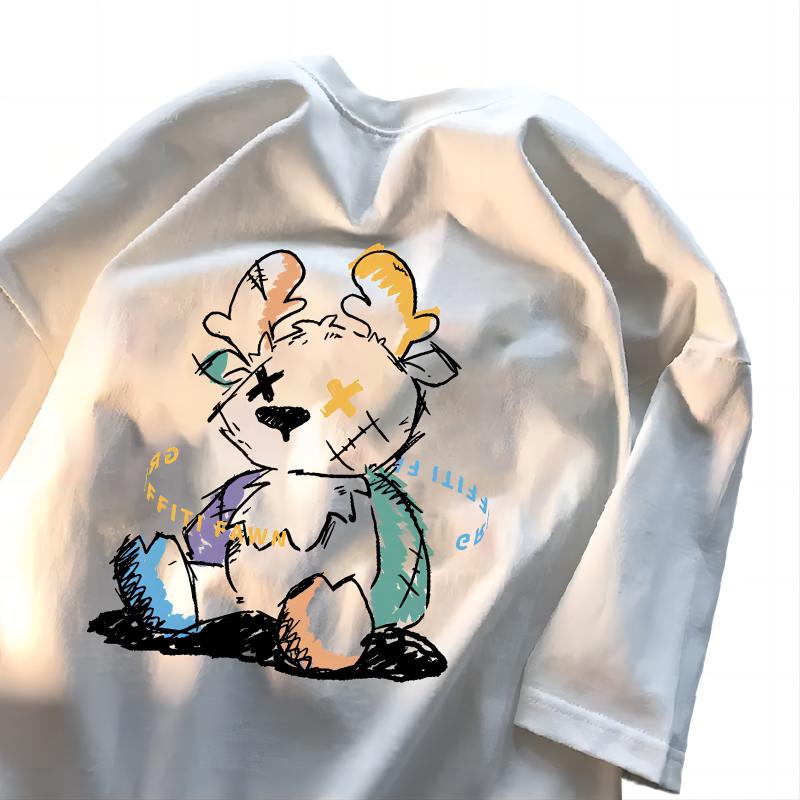
Custom Shirts
Custom woven shirt manufacturer services cover fabric selection, collars, plackets, cuffs, buttons, pockets, fit blocks and branded labels. EDVORIN develops men’s and women’s woven shirts from technical specifications or reference garments.
Get a Quote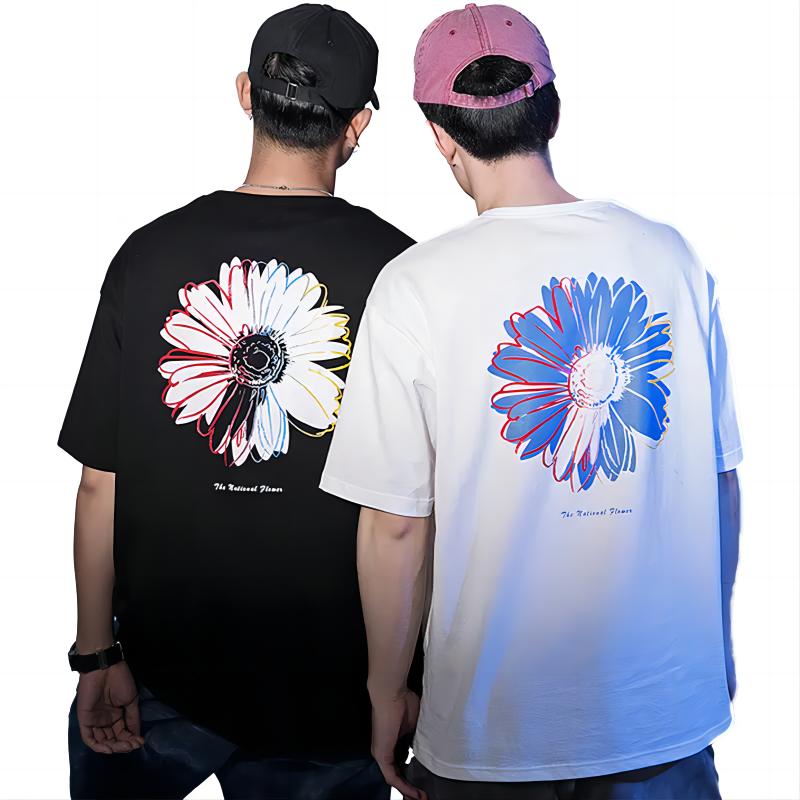
Custom Jerseys
As a custom jersey manufacturer, EDVORIN coordinates performance fabrics, color matching, panel construction, sublimation or print, embroidery, names and numbers. Size sets and placement standards are controlled to support organized team and club orders.
Get a Quote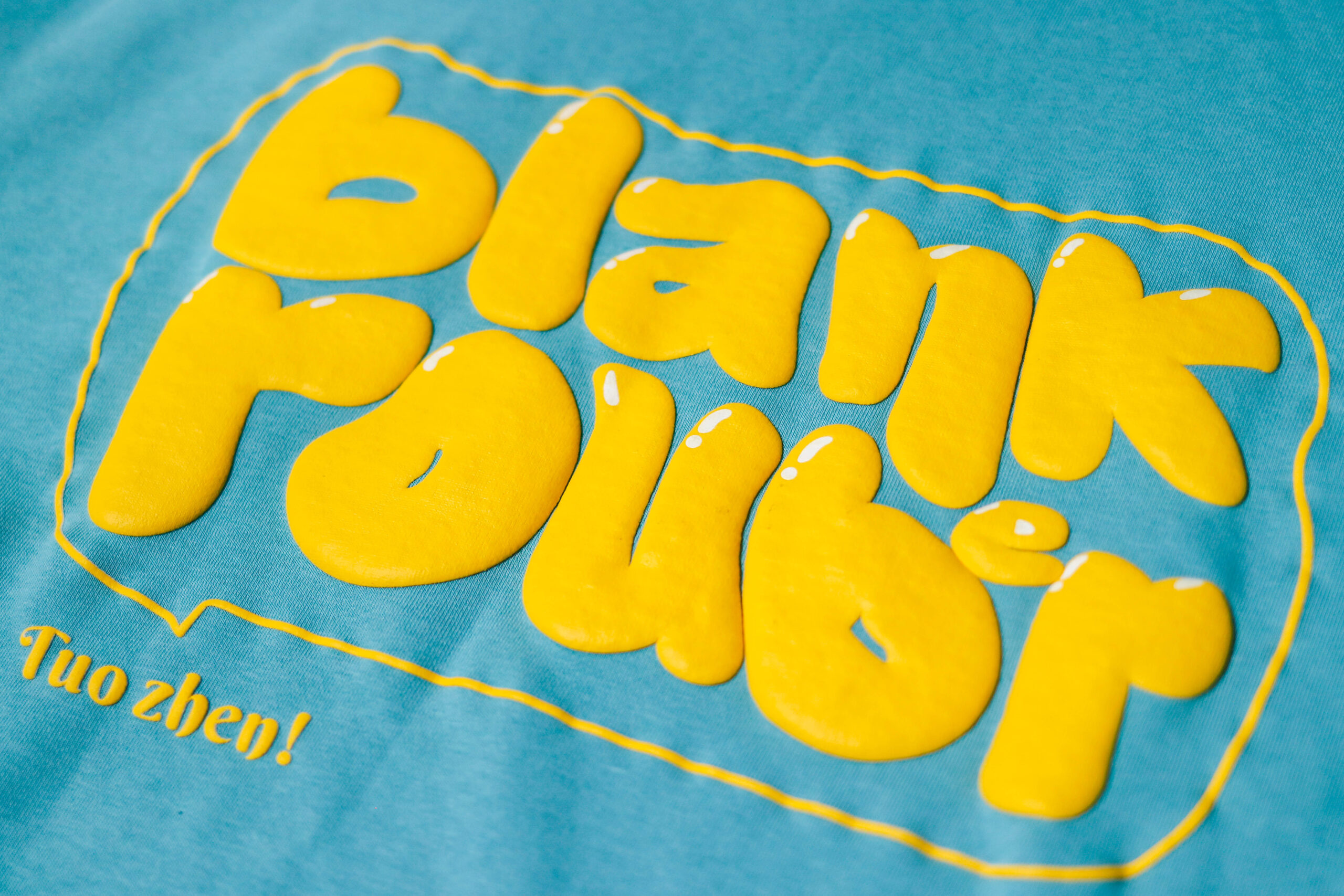
Tank Tops
Custom tank top manufacturer support includes jersey or performance fabric selection, neckline and armhole shaping, binding construction, fit grading and decoration. EDVORIN develops styles for men’s and women’s training, lifestyle and streetwear programs.
Get a Quote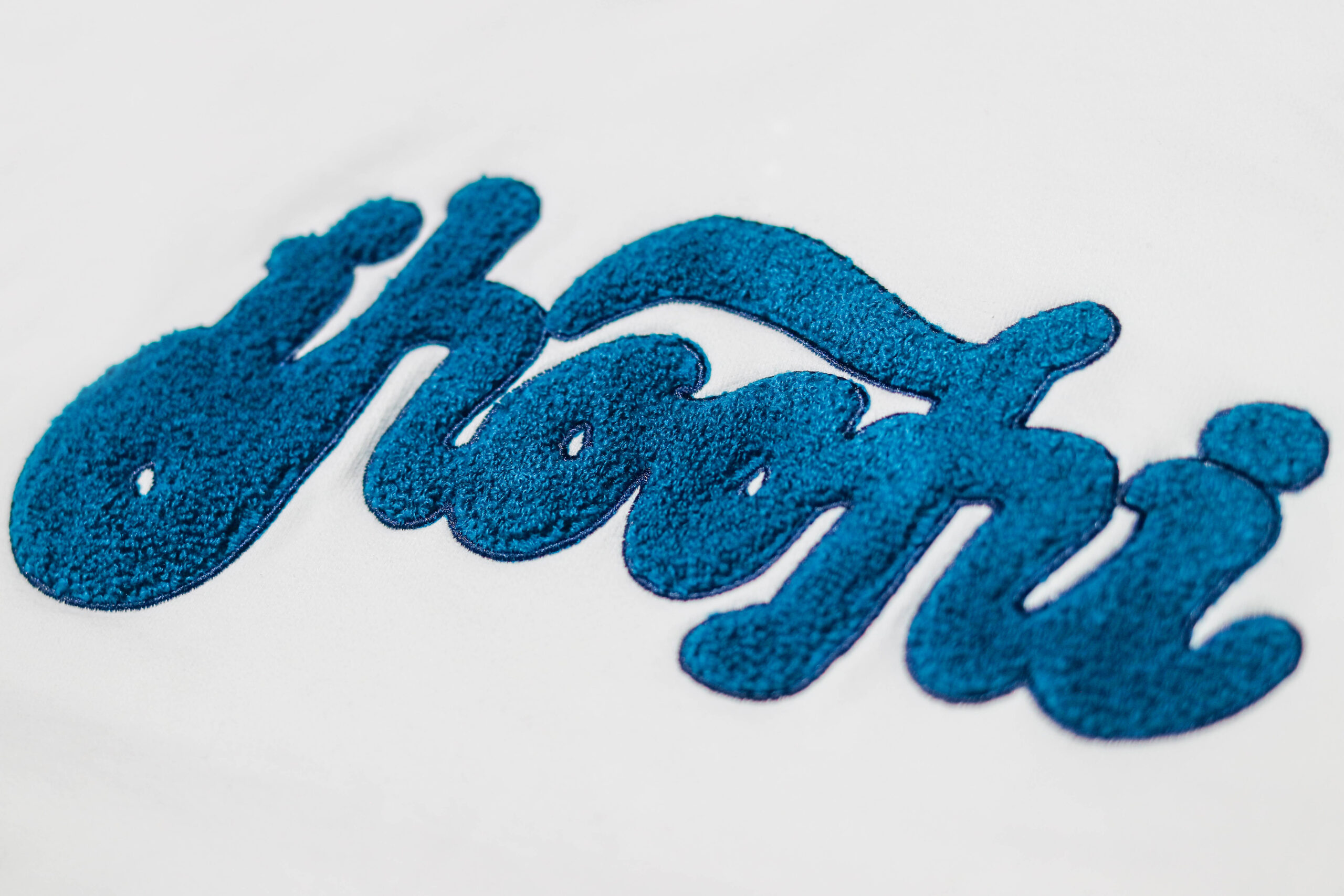
Soccer Uniforms
As a soccer uniform manufacturer, EDVORIN develops coordinated jerseys, shorts and optional training pieces with breathable fabrics, team colors, names, numbers and logo placement. Production records help maintain consistency across squad sizes and repeat seasons.
Get a Quote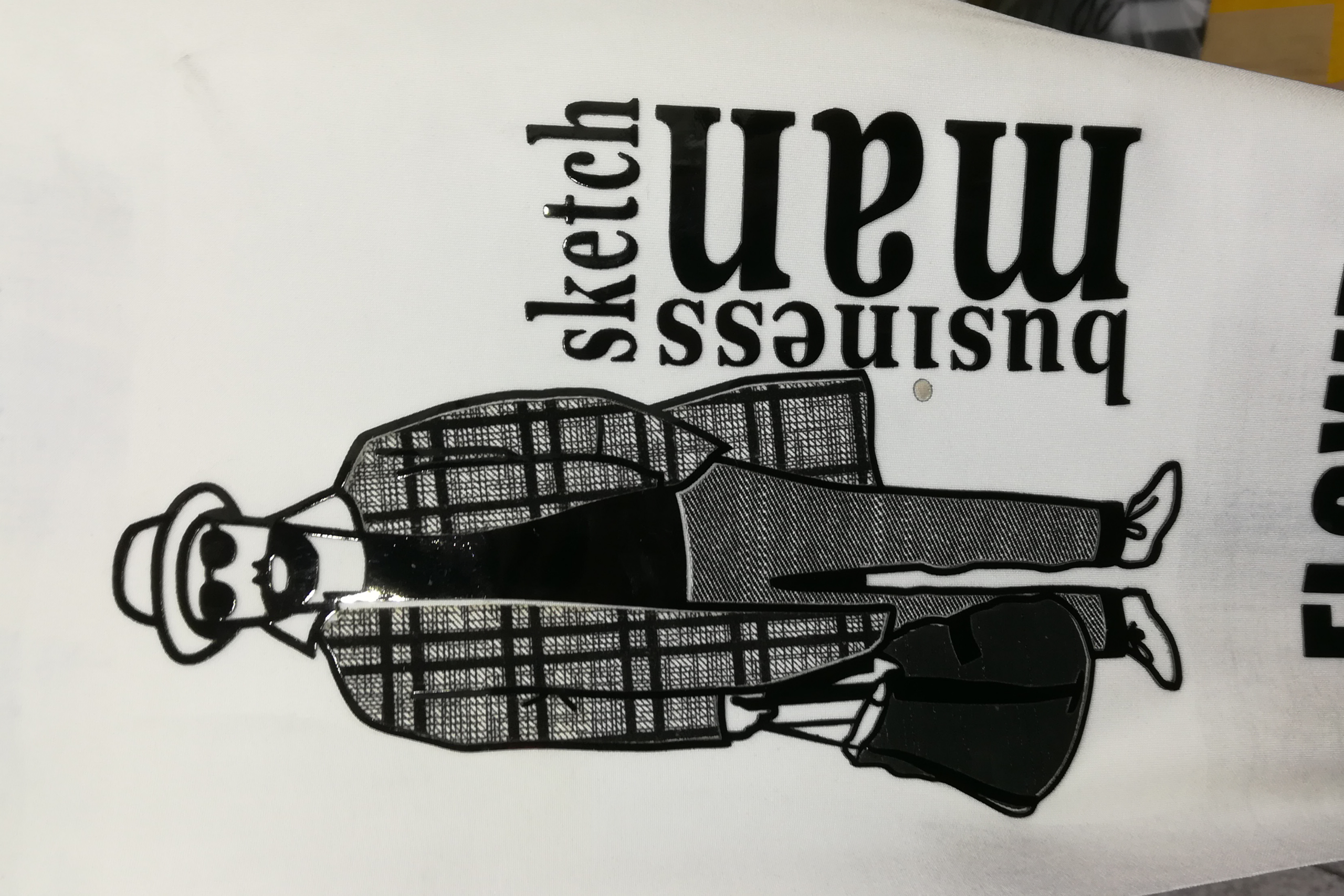
Basketball Uniforms
Basketball uniform manufacturer services include jerseys and shorts developed for mobility, breathable fabric, color blocking, sublimation, names, numbers and team branding. EDVORIN manages size grading and artwork specifications from approved sample through bulk delivery.
Get a Quote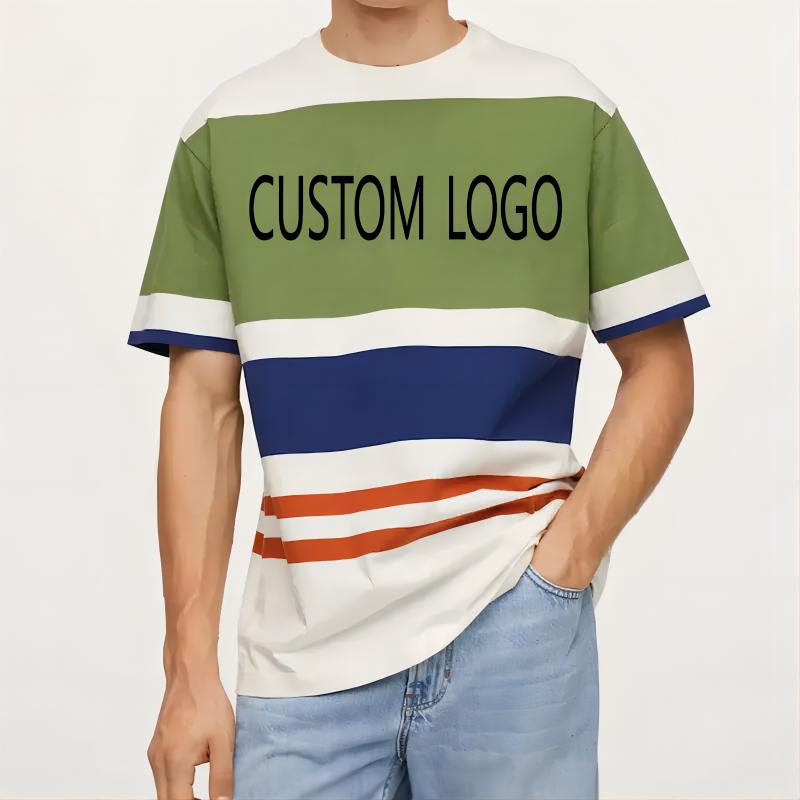
Streetwear Collections
As a streetwear clothing manufacturer, EDVORIN connects hoodies, T-shirts, sweatwear, jackets and bottoms into coordinated collections. Material sourcing, patterns, decoration, wash treatments, labels and packaging are managed as one production system.
Get a QuoteProduction Controls for Consistent Enzyme-Washed Apparel
Founded by Edvorin Zeng in 2000, EDVORIN helps fashion, streetwear, teamwear, and private-label buyers turn enzyme-washed apparel concepts into documented production standards. We develop men’s and women’s programs around the intended fit, fabric weight, wash character, decoration, and market.
As a custom clothing manufacturer, EDVORIN supports OEM clothing manufacturer, ODM apparel manufacturer and private-label clothing manufacturer programs. The team coordinates material sourcing, pattern development, sampling, custom apparel printing, custom apparel embroidery, garment wash services, and custom clothing labels and packaging within one accountable workflow. For buyers seeking a low-MOQ clothing manufacturer, MOQ starts at 200 pieces per style.
What sets EDVORIN apart is control after sample approval. The team records measurements, wash expectations, artwork placement, trims and inspection requirements so repeat orders follow a clear, reviewable standard. Certification programs can also be coordinated for buyer requirements including ISO 9001, BSCI, WRAP, SEDEX, OEKO-TEX Standard 100, GRS and GOTS.
Enzyme Wash Clothing Manufacturer Controls That Protect the Finished Garment
Fabric Before Finishing
EDVORIN reviews fiber content, construction, weight, dye behavior and intended decoration before setting an enzyme wash direction. This helps the development team align the original material with the desired softness, surface character, finished weight and garment performance.
- Match fabric composition to the intended wash effect
- Review finished-weight expectations before sampling
- Assess print and embroidery compatibility
- Develop men’s and women’s fit requirements
Wash Recipes Built From Samples
A wash result is developed through approved samples, not assumptions. EDVORIN records the agreed hand feel, color movement, surface appearance and construction response, then uses that reference to guide production decisions for repeatable enzyme-washed apparel.
- Test wash intensity during sample development
- Confirm the target hand feel and appearance
- Record approved wash references for production
- Coordinate washing with trims and decoration
Color Loss With Clear Targets
Enzyme washing can change shade and create a worn visual character, so color expectations need a defined reference. EDVORIN reviews sample results with the buyer to establish an acceptable direction before bulk production, reducing avoidable variation across the program.
- Use approved samples as color-loss references
- Review shade movement before bulk release
- Align wash character with the collection concept
- Check paired components for visual consistency
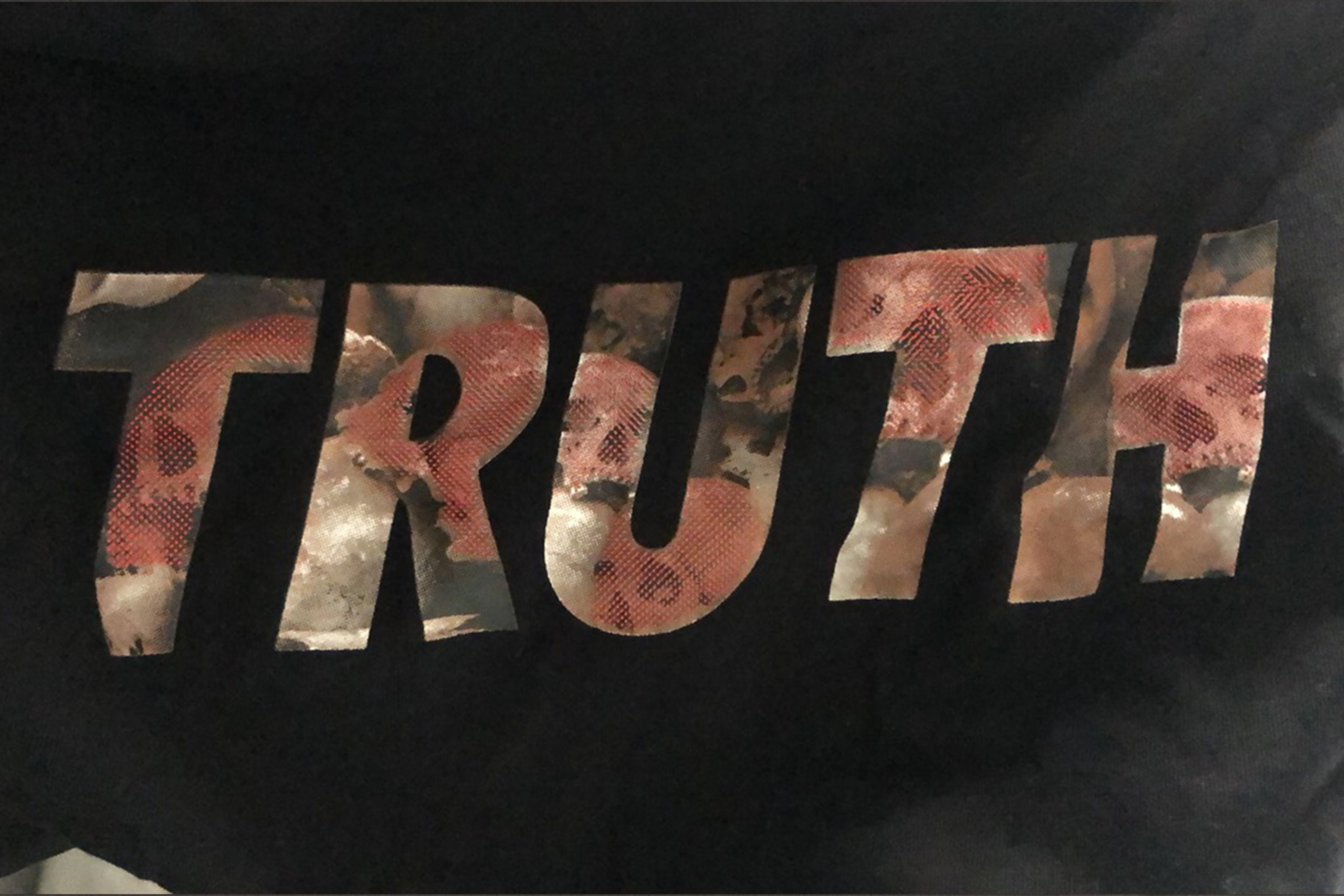
Shrinkage and Final Inspection
Post-wash measurements matter because finishing can affect garment dimensions, proportions and finished presentation. EDVORIN checks against approved standards after washing, coordinating measurement review, appearance checks, labeling and packing so the bulk order reflects the agreed product specification.
- Check post-wash measurements against approvals
- Review proportions and garment appearance
- Inspect decoration and trim condition
- Confirm labels and packing before shipment
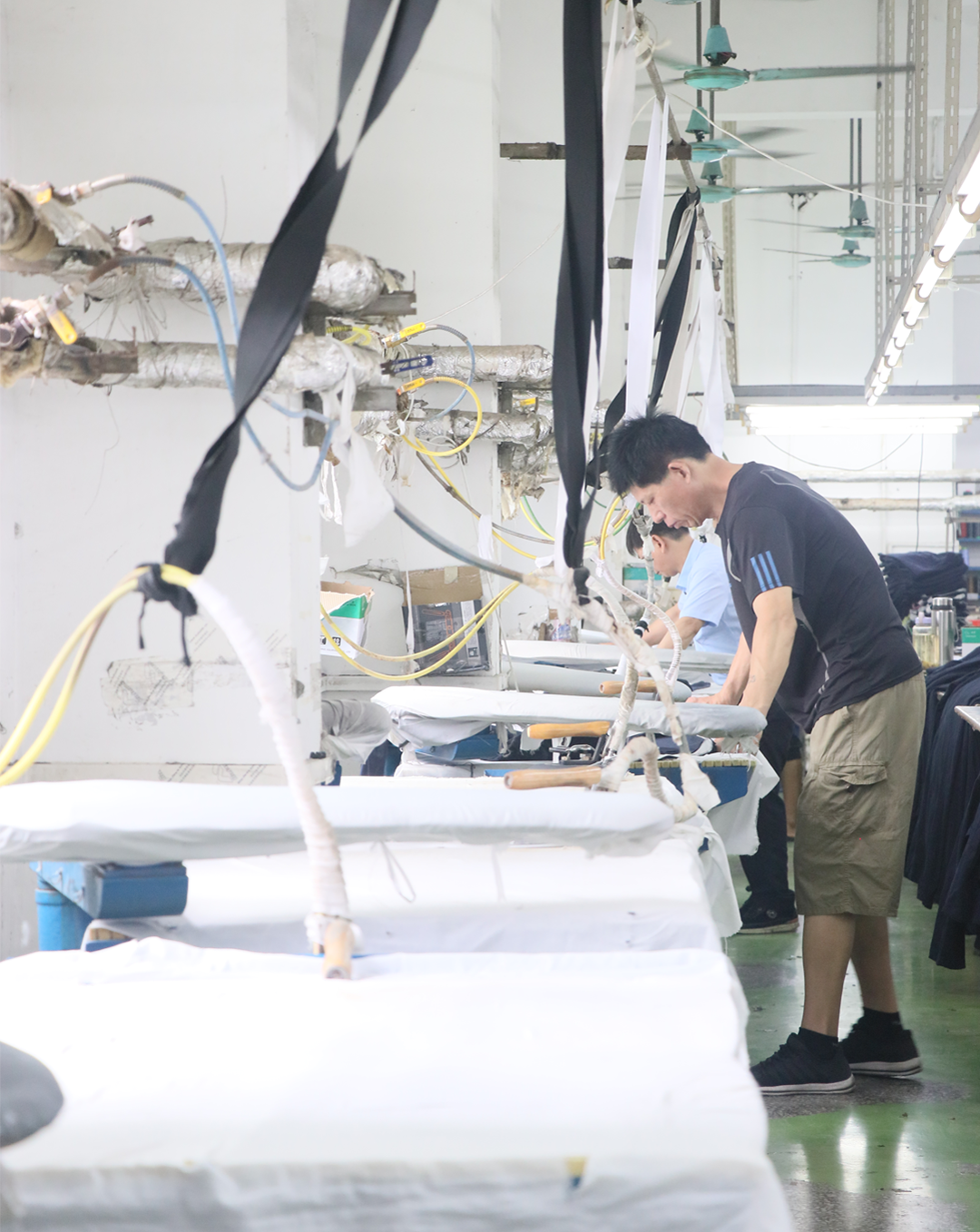
Enzyme Wash Clothing Manufacturer vs. Acid Wash
Choose the finish around fabric composition, visual direction, decoration plan, and approved sample standard.
← Swipe left or right to view →
A Controlled Process for Enzyme-Washed Apparel
EDVORIN documents wash targets, garment measurements and approved finishes so enzyme-washed apparel moves from trial to repeatable bulk production with clear control points.
Review Fabric and Construction
We assess fiber content, fabric weight, seams, trims and decoration plans to identify how the garment should be developed before enzyme-wash sampling begins.
Build Wash Trial Samples
Sample garments receive controlled wash trials to evaluate softness, surface character, color change, shrinkage and the compatibility of prints, embroidery and trims.
Approve Recipe and Standard
After buyer review, we record the approved wash appearance, hand feel, measurements and garment specifications as the production reference for repeatable bulk execution.
Load and Monitor Bulk
Bulk garments are loaded by controlled lots, with wash parameters and handling monitored against the approved recipe to support consistent results across the order.
Dry and Recheck Measurements
After drying and finishing, we check garment dimensions, shape recovery, surface appearance and decoration condition, comparing results with the approved sample standard.
Inspect Pack and Release
Final inspection verifies wash consistency, workmanship, labels, size assortments and packaging before release, helping your finished apparel arrive aligned with approved production requirements.
Order From an Enzyme Wash Clothing Manufacturer
Bring your concept, wash target and production requirements together in one clear development path.
Share Your Product Brief
Send your tech pack or reference garment, artwork, enzyme-wash target, preferred fabric, fit requirements and order quantity so EDVORIN can assess development needs and production feasibility.
Define Wash and Construction
Review fabric weight, garment construction, wash character, color expectations, trims and decoration placement with our team to establish a clear standard before sampling begins.
Approve Your Production Sample
Evaluate the sample for hand feel, fit, measurements, artwork and wash appearance; record revisions, then approve the finished reference that guides bulk manufacturing.
Confirm Bulk Production Details
Confirm size breakdowns, labels, packaging and quantities after approval. EDVORIN coordinates material, wash and production controls from the sample standard through final inspection.
How to Order Enzyme-Washed Apparel
EDVORIN matched the approved softness across our 1,200-piece hoodie run and held the vintage tone from first bulk sample through delivery. Our size-set check found no grading changes after washing, which kept our launch on schedule.
For our 600-piece private-label tee program, the enzyme wash gave the cotton the broken-in hand-feel we approved without making the print placement unpredictable. All cartons arrived two days before our warehouse deadline.
We needed washed warm-up sweatshirts that would still fit consistently across 18 academy size ranges. EDVORIN adjusted the pattern for wash shrinkage during sampling, and our final 840-unit order passed team distribution with zero sizing claims.
Enzyme Wash Clothing Manufacturer FAQ
Practical answers for developing enzyme-washed apparel with EDVORIN.
What fabrics work best with an enzyme wash clothing manufacturer?
Will every enzyme-washed garment look exactly the same?
Can an enzyme wash clothing manufacturer combine washing with embroidery, prints or patches?
What is the MOQ for enzyme-washed clothing?
How long does enzyme-washed apparel sampling and bulk production take?
What files should I send to an enzyme wash clothing manufacturer?
Can you develop enzyme-washed styles for both men and women?
How do you control shrinkage, color and hand-feel after enzyme washing?
How to Choose an Enzyme Wash Clothing Manufacturer
Use this practical framework to compare wash capabilities, fabric choices, quality controls, customization options, pricing, and supplier reliability—while avoiding sampling, color-consistency, and production-planning mistakes that can undermine your launch.
1. What Is an Enzyme Wash Clothing Manufacturer?
Cellulase enzymes act on exposed cellulosic surface fibers in cotton-rich garments, reducing loose fuzz and producing a softer hand with a muted, worn-in color effect. The finish is controlled through enzyme type, dosage, temperature, time, agitation and prompt deactivation; poor control can weaken fabric or create uneven shade.
Three supplier roles are often confused: a garment factory cuts and sews the product, a wash house performs the finishing, and a sourcing intermediary coordinates vendors without necessarily operating either process. For a 200-piece program, ask which partner owns fabric approval, pattern allowances for wash shrinkage, wash trials, shade standards, decoration sequencing and final inspection; one accountable production path limits handoff errors between construction and finishing.
2. Evolution of Enzyme Wash Clothing
Enzyme washing developed as an alternative to more abrasive garment-finishing methods when buyers sought softer, worn-in effects with more controlled surface treatment. Cellulase-based processes act on cotton’s cellulose surface and can reduce reliance on heavy mechanical abrasion.
Today, 200–400 GSM jersey, French terry and fleece may use enzyme finishing when buyers want a premium hand feel, reduced surface fuzz or a broken-in casualwear look beyond denim. Sustainability claims should be qualified: actual impact depends on enzyme chemistry, bath ratios, rinse cycles, energy, wastewater treatment and validated factory controls.
3. Types of Enzyme Wash Clothing Manufacturer Services
Buyers can source enzyme-washed apparel through five distinct service models. The right enzyme wash clothing manufacturer depends on who owns materials, development risk, and production scale.
| Model | Sourcing | MOQ Flexibility | Best Fit |
|---|---|---|---|
| Full-package OEM/ODM | Managed | Moderate | Startup label |
| CMT plus wash house | Buyer-led | Moderate | Team order |
| Integrated supplier | Managed | Lower | Wholesale program |
| Wash specialist | Buyer-led | Variable | Established label |
| Sampling studio | Limited | High | Prototype stage |
Full-Package OEM/ODM
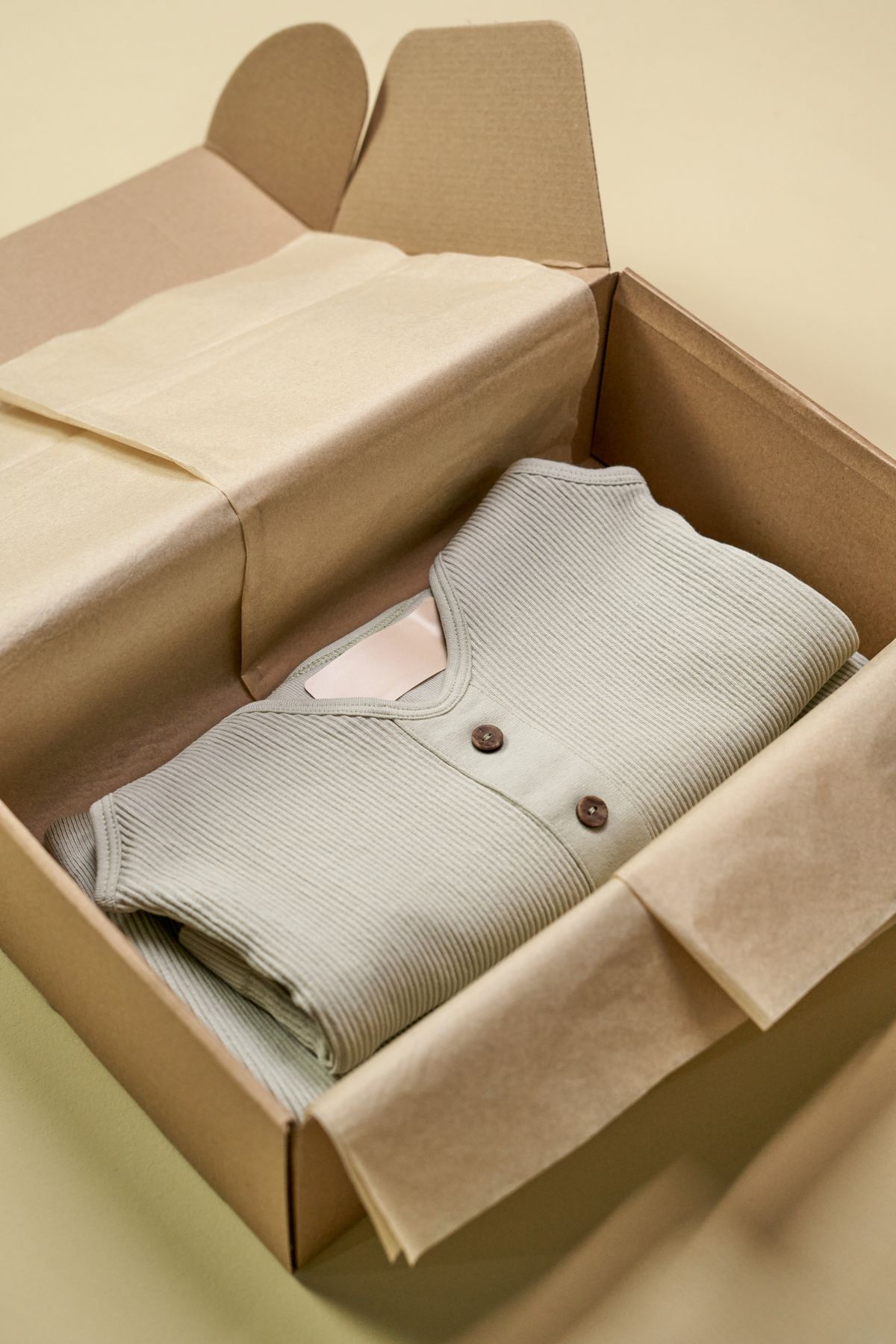
One supplier manages fabric sourcing, wash trials, bulk QC, and communication. This model suits startups needing development support and scalable repeat orders.
CMT With Partner Wash House
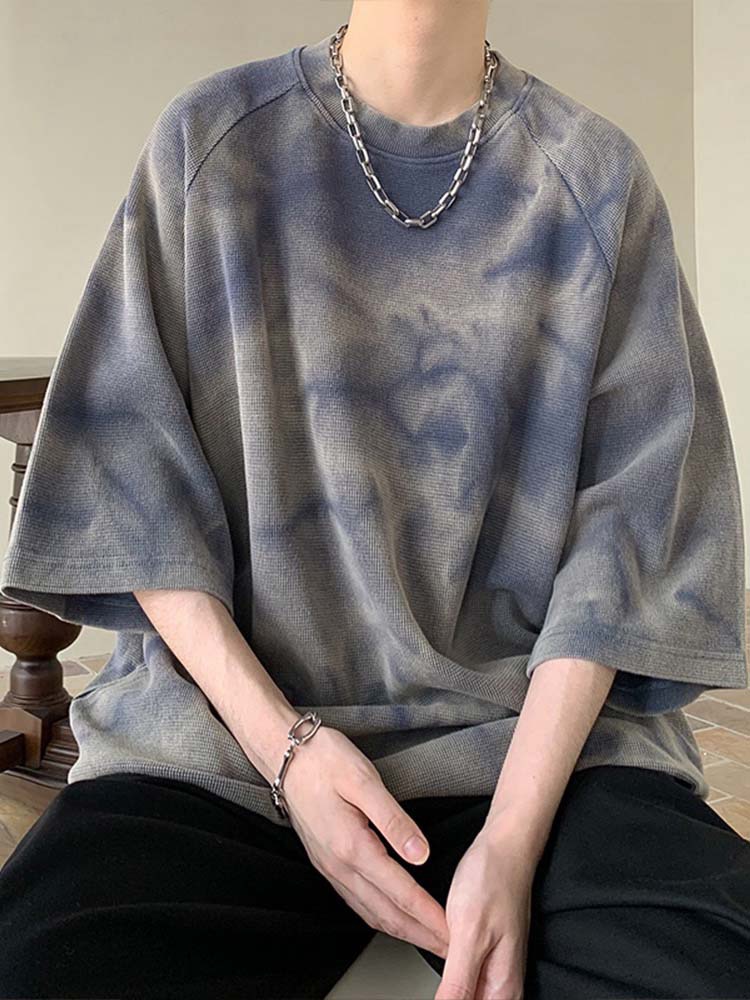
One CMT factory cuts and sews while a wash house develops the finish. Buyers must coordinate approvals, transport, and cross-facility quality control.
Vertically Integrated Supplier
One integrated supplier controls fabric, sewing, washing, and final inspection. Established labels and wholesale programs gain faster issue escalation and capacity visibility.
Garment-Dye Wash Specialist
One specialist receives sewn blanks for garment dyeing and enzyme washing. It fits teams with approved garments but requires clear shade, shrinkage, and hand-feel standards.
Sampling-Focused Studio
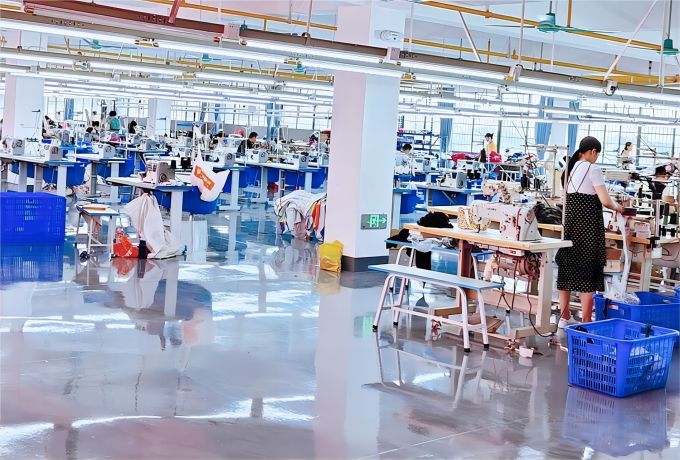
EDVORIN’s MOQ starts at 200 pieces per style. One studio prioritizes low-MOQ prototypes and wash experimentation. It is useful before launch, but bulk capacity and fabric sourcing may need separate confirmation.
4. Fabrics for Enzyme Wash Clothing Manufacturer Programs
160–450 GSM knits and 10–14 oz denim respond differently because cellulase acts on accessible cellulose. Fiber content must be verified before an enzyme wash clothing manufacturer approves a recipe, shrinkage target, or shade standard.
| Fabric | Typical Weight | Wash Result | Best Use |
|---|---|---|---|
| Cotton jersey | 160–260 GSM | Soft, clean fade | T-shirts |
| French terry | 280–360 GSM | Vintage loops | Crews |
| Fleece | 320–450 GSM | Soft face | Hoodies |
| Denim | 10–14 oz | Indigo fade | Jeans, jackets |
| Canvas | 260–400 GSM | Broken-in hand | Workwear |
| Cotton blend | 200–350 GSM | Muted response | Joggers |
| Cellulosic woven | 120–220 GSM | Supple hand | Shirts |
Material And Structure
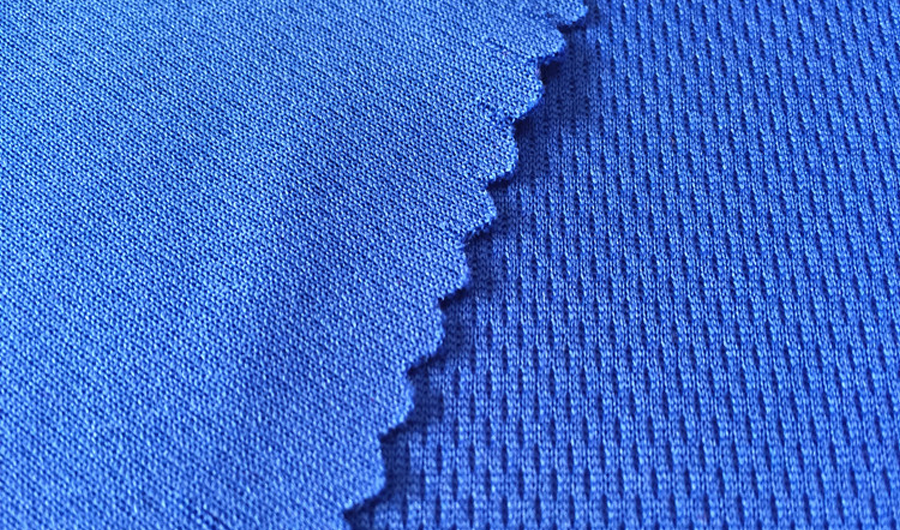
Ring-spun cotton gives a cleaner surface than open-end yarn; loopback French terry and brushed fleece need different exposure. Twill denim and plain-weave canvas emphasize ridges and seams, while cellulose-rich woven shirts soften faster.
Dye And Dimensional Control
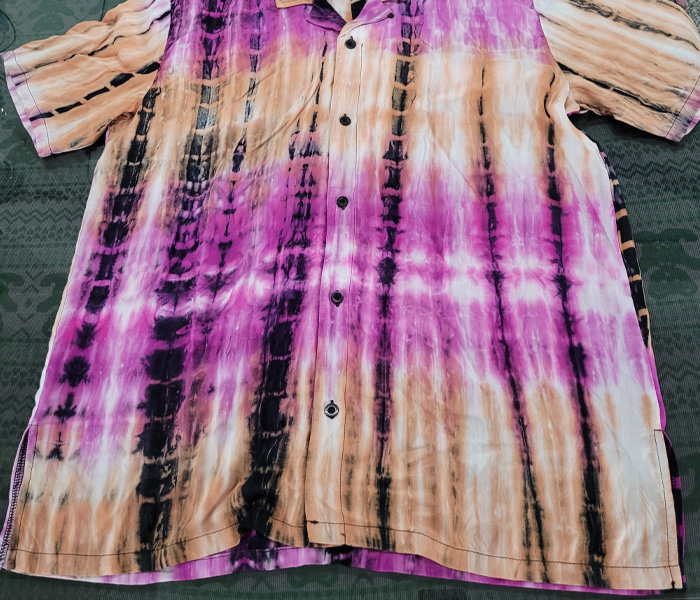
Garment dyeing can create seam highlights, while piece-dyed fabric gives a more even ground shade. Measure post-wash shrinkage and seam torque on finished samples; polyester blends reduce both color loss and enzyme response.
5. Custom Options from an Enzyme Wash Clothing Manufacturer
A 200-piece program can still carry a distinct silhouette, garment-dye color, wash level, and vintage character. An enzyme wash clothing manufacturer should convert each choice into measurable approvals before bulk cutting.
| Option | Approval | Sequence Risk |
|---|---|---|
| Screen print | Ink color and placement | Fading or cracking |
| Embroidery | Thread color and stitch area | Thread abrasion |
| Patch | Edge finish and location | Edge fray or color shift |
Specify The Garment
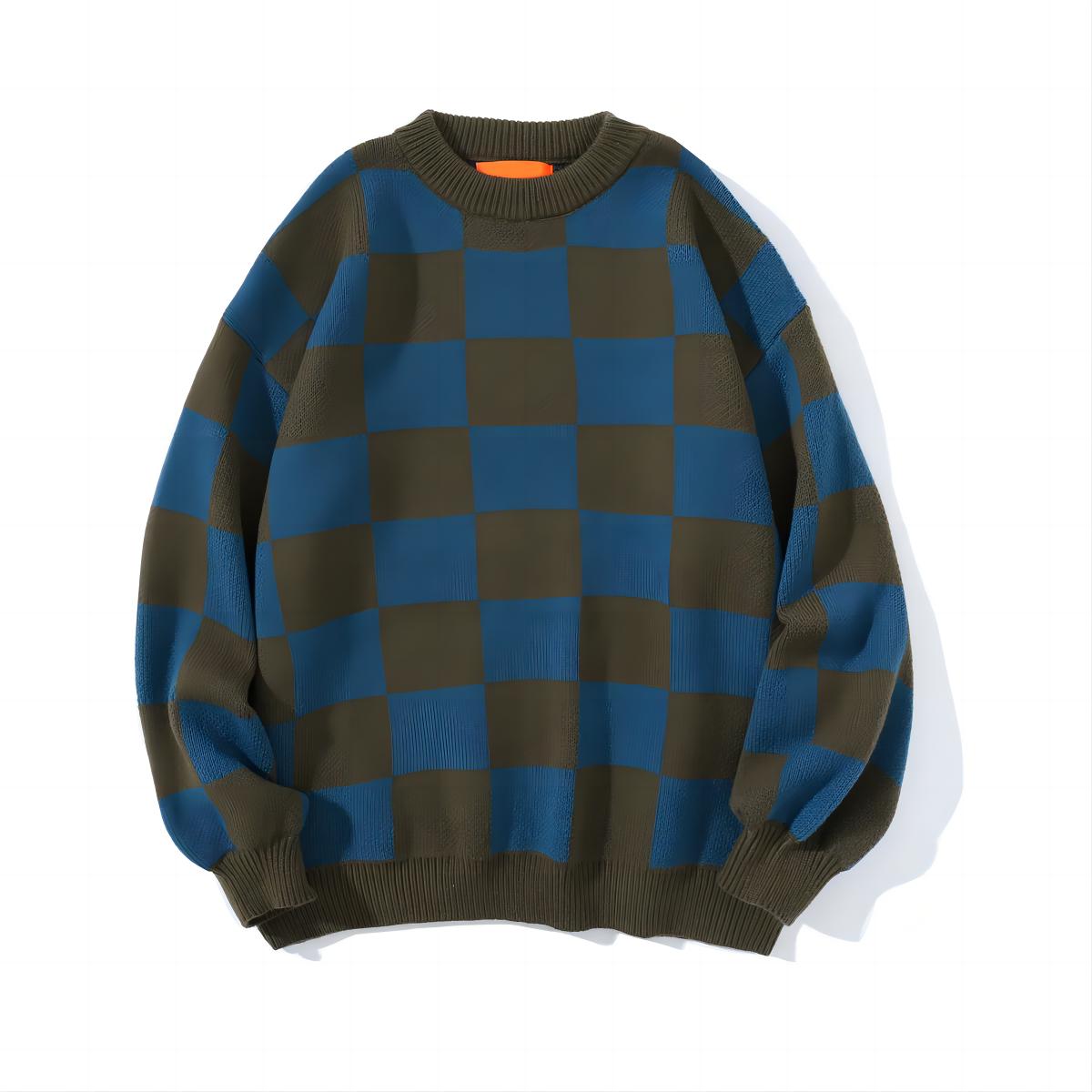
Three fit references—body length, chest width, and sleeve shape—define the silhouette. Select garment-dye color, wash intensity, fading zones, and distress locations against an approved sample.
- Labels and neck prints
- Patches and embroidery
- Screen prints, transfers, packaging
Set Decoration Sequence
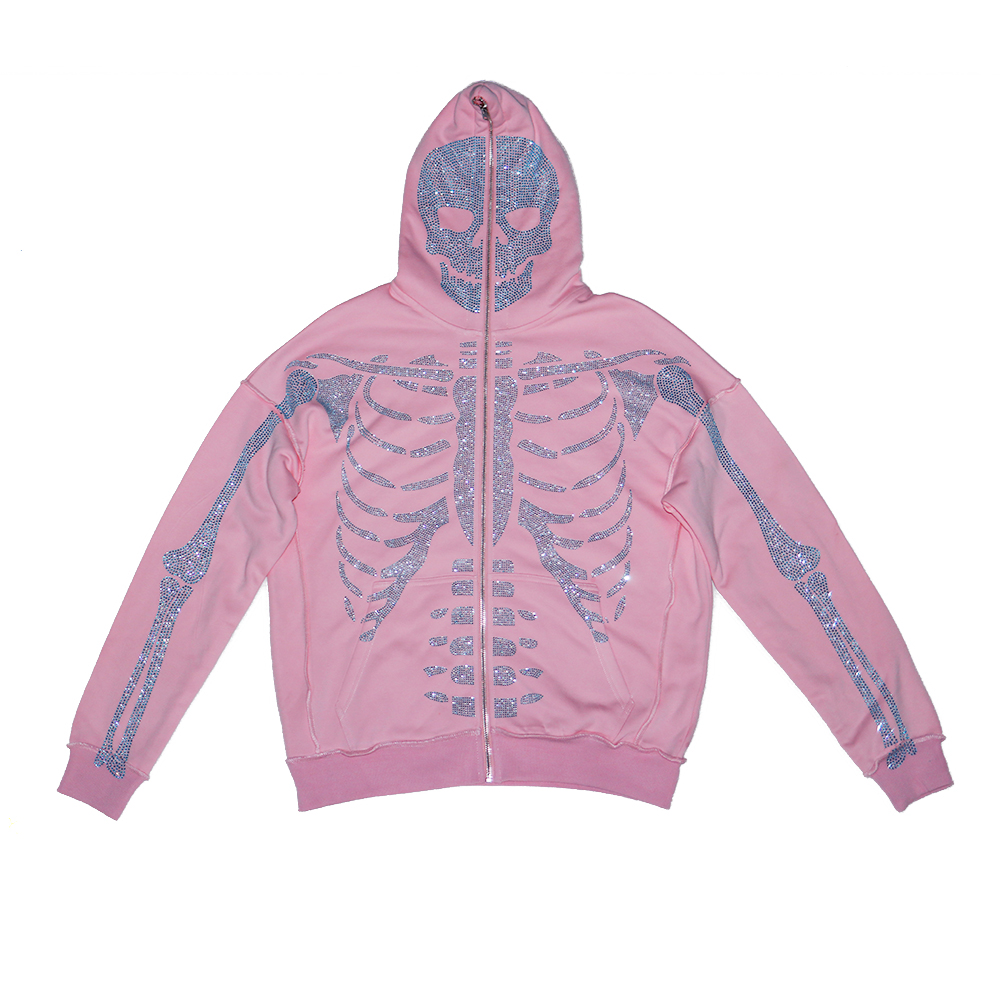
Two production routes matter: decorate before washing for integrated fading, or decorate after washing for cleaner color and placement. Pre-wash ink, thread, and patch edges can abrade; post-wash decoration retains sharper contrast.
Approve Production Standards
Two records prevent interpretation: the tech pack should show measurements, artwork size, placement, labels, and packaging. The wash standard should retain the approved color, hand feel, fading, distressing, and decoration sequence.
6. Construction Quality After Enzyme Washing
A finished sample, not the unwashed shell, is the useful construction reference for an enzyme wash clothing manufacturer. Washing can reveal torque, seam puckering, shade variation, weak pocket corners, or shrinkage that was invisible before finishing.
Seams And Stress Points
At every pocket mouth, crotch junction, and zipper base, check reinforcement, seam allowance, stitch density, and thread tension after washing. Open seams and puckering indicate that construction needs correction before bulk approval.
- Inspect pocket attachment under light tension.
- Check zipper travel and tape rippling.
- Compare high-stress seams with the approved sample.
Shape And Recovery
After wash and drying, record garment weight, rib recovery, collar shape, sleeve length, body length, and key widths by size. Knit torque, unstable ribs, and excessive dimensional change should be assessed against the buyer-approved tolerance.
- Measure every graded size after finishing.
- Check collar return after gentle stretch.
- Lay garments flat to identify twisting.
Prototype And Bulk Approval
For the first production lot, compare wash shade, hand feel, measurements, decoration placement, and construction against the sealed pre-production sample. Sample several cartons across the run, because wash variation may appear between loads rather than within one garment.
- Retain a signed post-wash reference.
- Document measurement results by size.
- Review shade under agreed lighting.
7. How to Choose an Enzyme Wash Clothing Manufacturer
EDVORIN’s MOQ starts at 200 pieces per style. A 200-piece MOQ is meaningful only when the supplier can show how wash variation, measurements, and capacity will be controlled. Evaluate evidence, not a polished catalog or an unsupported claim of in-house production.
Verify Comparable Wash Development
2 comparable finished samples should match your fabric weight, garment type, and target fade. Request the approved wash standard, pre- and post-wash measurement reports, and photos of seam, rib, and print condition.
Trace Production Responsibility
1 written production map should identify the fabric mill, garment factory, wash facility, and inspection owner. A capable enzyme wash clothing manufacturer can explain subcontracting, lot traceability, corrective-action ownership, and who approves bulk wash standards.
Compare Commercial Controls
200 pieces may suit a launch, but capacity and timing must be documented by stage. Request a line-item quotation, MOQ by color and size, sampling and bulk timeline, test plan, communication contact, and corrective-action process for failed inspection.
8. Common Enzyme Wash Sourcing Mistakes
Eight recurring errors turn a promising enzyme-wash concept into rework, delayed launches, returns, or uneven brand presentation. Control them during sampling, before bulk commitments make correction expensive.
Approve Physical Standards
One approved wash sample, not edited photographs, should set shade, hand-feel, seam abrasion, and back-staining limits. Record the target in a signed sample card; photo-only approval invites disputes and costly remake requests.
Specify Fabric And Measurements
100% cotton French terry, fleece, and jersey can react differently after washing, so specify fabric composition, GSM, and post-wash tolerances. Measure the washed sample against the size chart; ignoring shrinkage risks fit returns and inconsistent replenishment.
Test Decoration And Claims
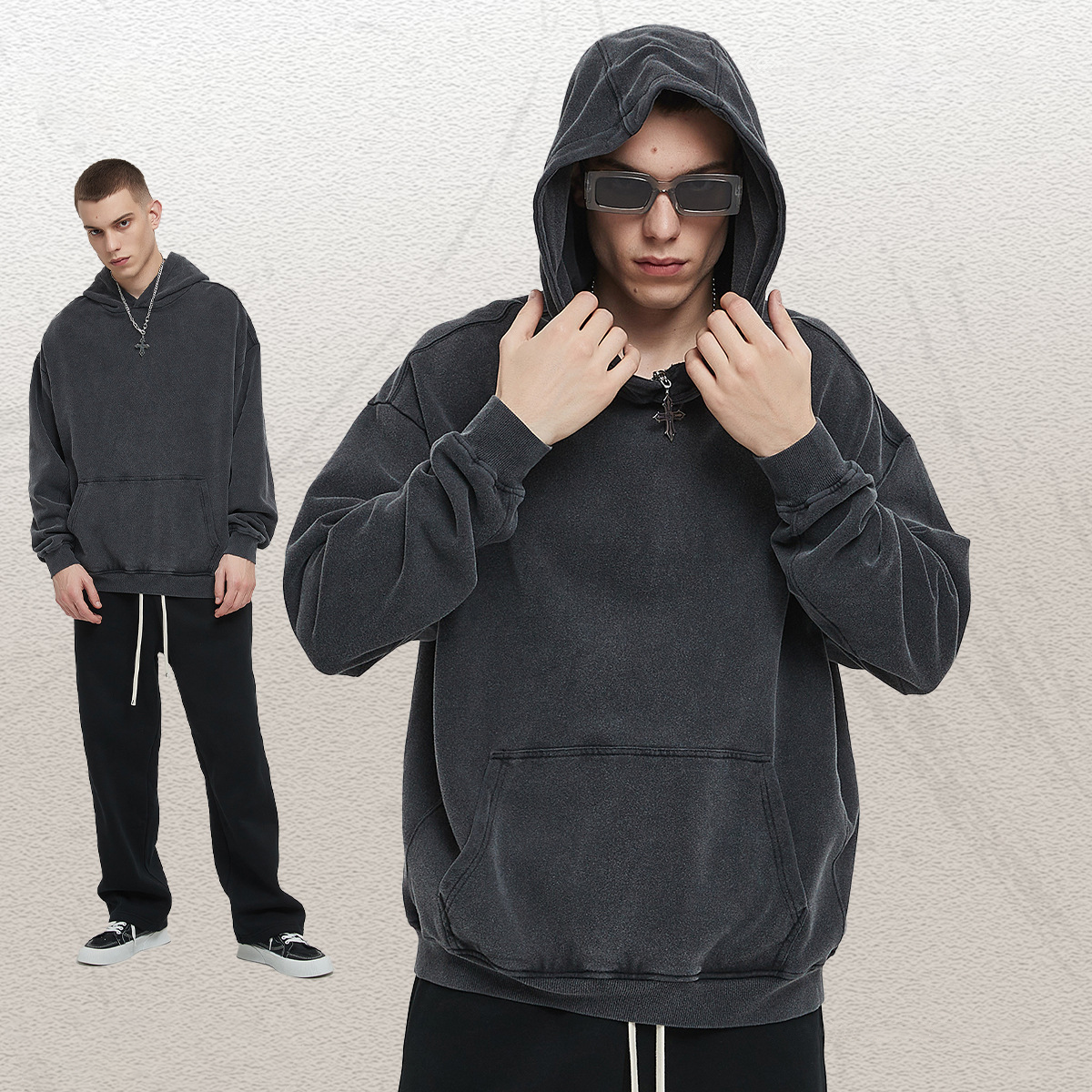
Two production decisions need validation: decorate before or after washing, then wear-test the finished garment through home laundering. Verify sustainability claims with applicable process records or certifications; untested prints, embroidery, or claims can cause delays, complaints, and reputational damage.
9. Steps to Launch Enzyme-Washed Apparel
200-piece programs move faster when commercial, technical, and approval decisions have named owners. An enzyme wash clothing manufacturer should receive one controlled brief rather than fragmented feedback.
Set The Product Brief
Week 1: set the customer, retail target, margin, category, and fabric; a label may choose a 360 GSM hoodie, while a school may need a durable jersey. The buyer owns the price and end-use gate before development.
Develop And Test
Week 2: issue a tech pack with measurements, Pantone artwork, trims, and a physical wash reference; shortlist suppliers and request development samples. The product lead approves fit, and the creative lead approves shade and hand-feel.
Lock Bulk Production
Week 3–5: revise the sample, then sign a pre-production sample that records wash standard, placement, and tolerances. Place the PO only after named buyer approval; reserve 1–2 weeks for rework, bulk inspection, packing checks, and delivery booking.
10. Enzyme Wash Clothing Manufacturer Pricing
200 pieces is a practical starting point for an enzyme-wash program, but EDVORIN should quote against the approved specification rather than a generic unit price. Request separate pricing for development, production, and delivered goods.
3 quotation checks prevent misleading comparisons: match MOQ, GSM, wash recipe, color count, defects allowance, and destination. Consolidating styles, colors, or freight can lower landed cost, while complex washes and heavier fabric usually increase it.
| Order tier | Unit-cost drivers | Lead-time variables | Quotation line items |
|---|---|---|---|
| 200–499 pieces | Fabric GSM, wash complexity | Material availability, sample approval | Base garment; fabric; enzyme wash; sampling |
| 500–999 pieces | Color count, decoration | Dye booking, artwork confirmation | Garment dye; print or embroidery; trims |
| 1,000+ pieces | Colorways, packing method | Production capacity, freight mode | Labels; packaging; inspection; freight |
Start Your Enzyme Wash Clothing Manufacturer Project
Send your artwork, tech pack, or reference garment for a sample plan and production quote from EDVORIN’s team.