
Clothing Size Grading Service for Reliable Production Fit
EDVORIN’s clothing size grading service turns an approved base fit into a consistent, production-ready size range.
Featured Apparel Programs for Size-Grading Development


What Defines a Reliable Clothing Size Grading Service
EDVORIN translates approved fit into controlled size ranges that protect proportion, category requirements and repeatability from sample through bulk production.
Proportional Balance
Grade rules are developed to preserve the intended silhouette, movement and key garment proportions as measurements change across the approved size range.
Category-Specific Fit Blocks
Hoodies, jerseys, jackets and woven styles receive grading decisions matched to their construction, fabric behavior and intended wearer experience.
Men’s and Women’s Development
Every listed apparel category can be developed for men’s and women’s programs, with fit blocks and proportions adjusted for each market.
Measurement Control
Clear measurement charts, tolerance points and approved samples give production teams a shared reference for checking size accuracy before packing.
Sample-to-Bulk Repeatability
Our clothing size grading service connects pattern revisions to approved standards, helping maintain consistent fit as your order moves into bulk production.
Pattern, Sampling and Apparel Manufacturing
Move from size grading into coordinated product development, sampling and repeatable production across casualwear, streetwear, outerwear and teamwear. As a custom clothing manufacturer, EDVORIN supports OEM, ODM and private-label programs under one production system.
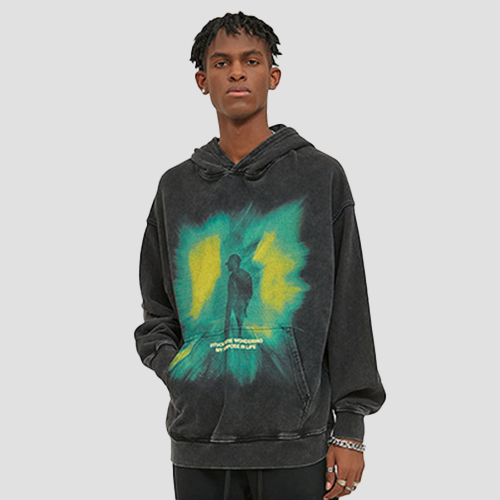
Custom Hoodies
Develop custom hoodies from fit block and fleece selection through rib specifications, drawcord construction, printing, embroidery, labels and bulk production. Men’s and women’s programs can be graded to their intended proportions and documented against approved samples.
Get a Quote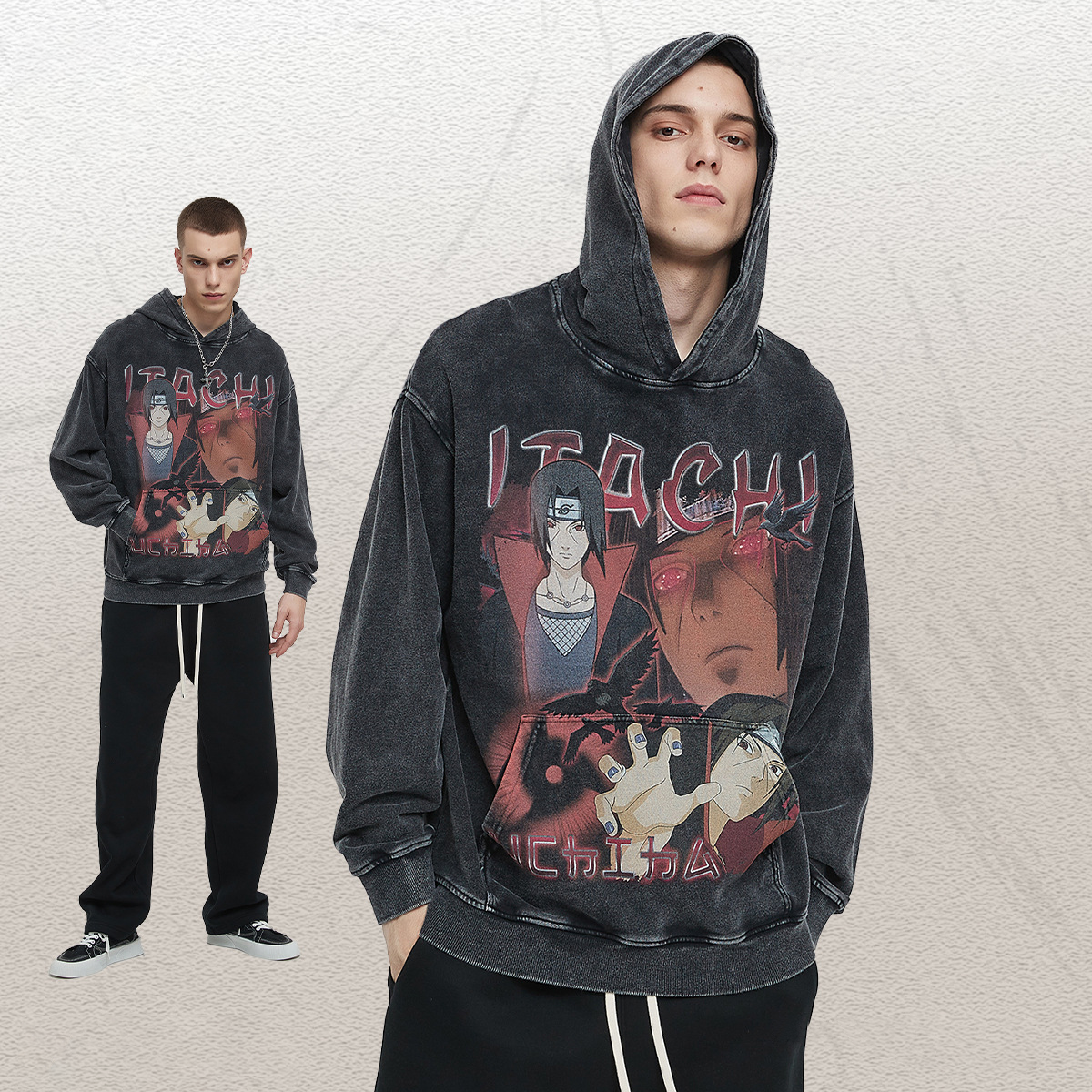
Pullover Sweatshirts
Build pullover sweatshirts with defined fabric weight, collar or crewneck rib, fit, seam construction and decoration placement. EDVORIN supports sample development and production standards that help sweatshirt programs remain consistent across repeat orders.
Get a Quote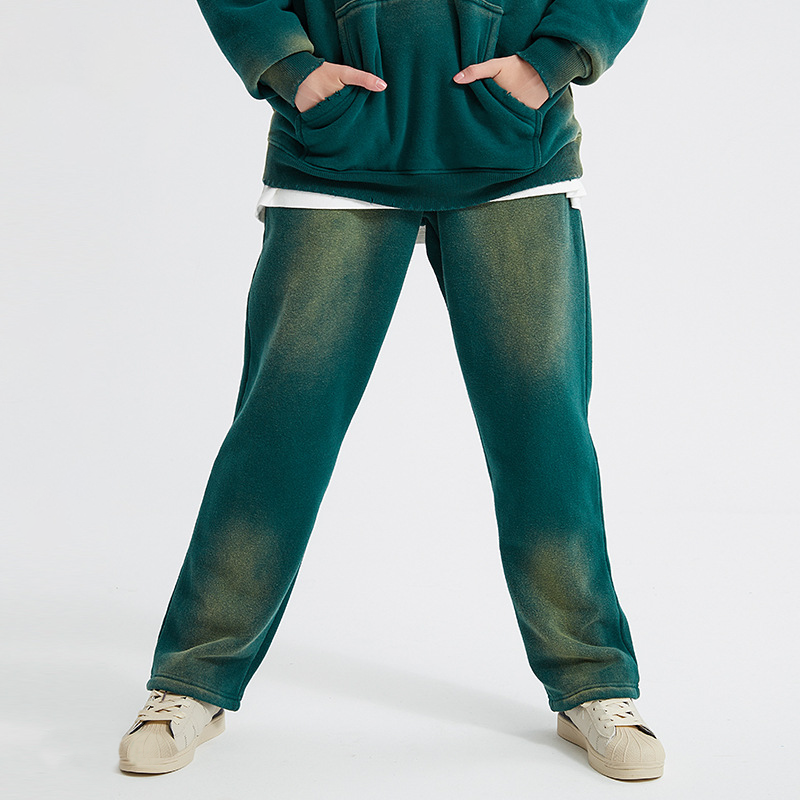
Sweatpants & Joggers
Develop sweatpants and joggers around rise, leg shape, cuff construction, waistband recovery, pocket details and fleece performance. Coordinate matching sets, size grading, washes, prints, embroidery and private-label finishing from sample through bulk production.
Get a Quote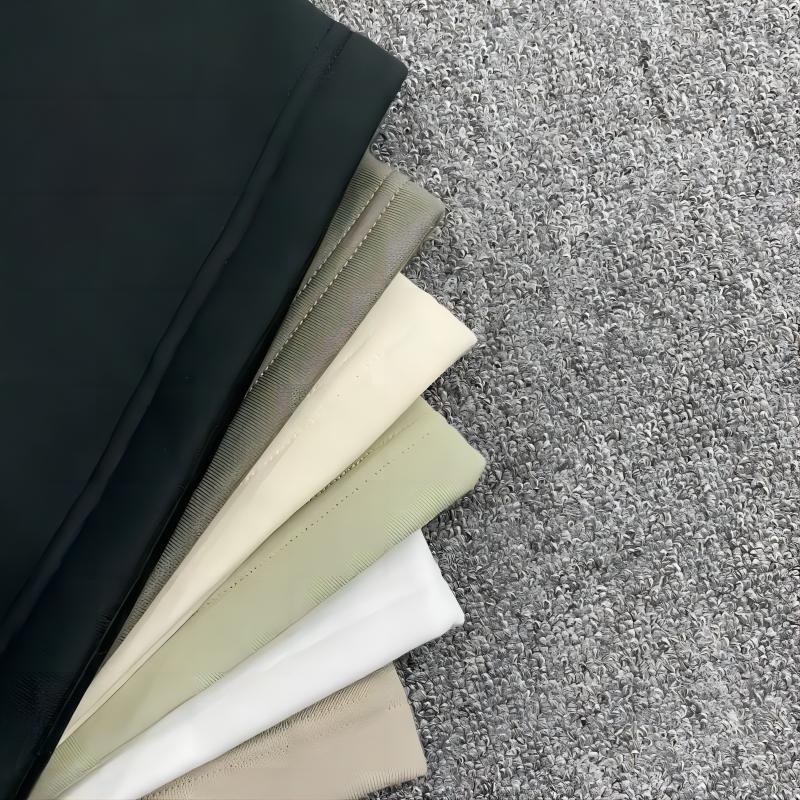
Custom Shorts
Create custom shorts for casualwear, streetwear, training or team programs with appropriate inseam, waistband, pocket layout, fabric weight and decoration method. Samples clarify fit and construction before bulk production begins.
Get a Quote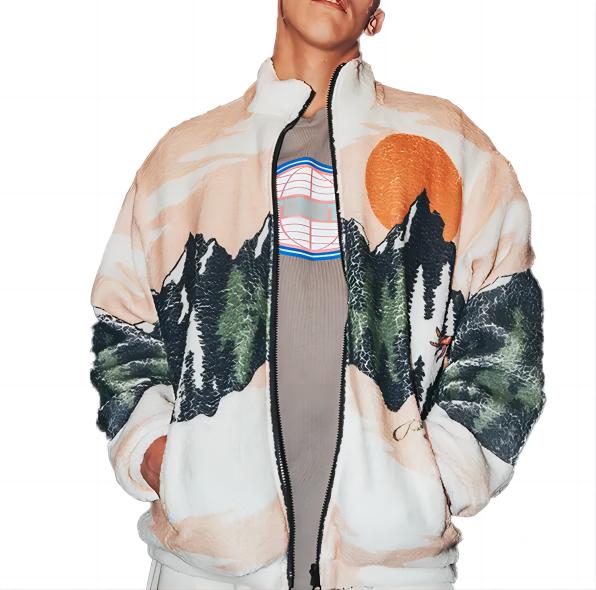
Varsity & Baseball Jackets
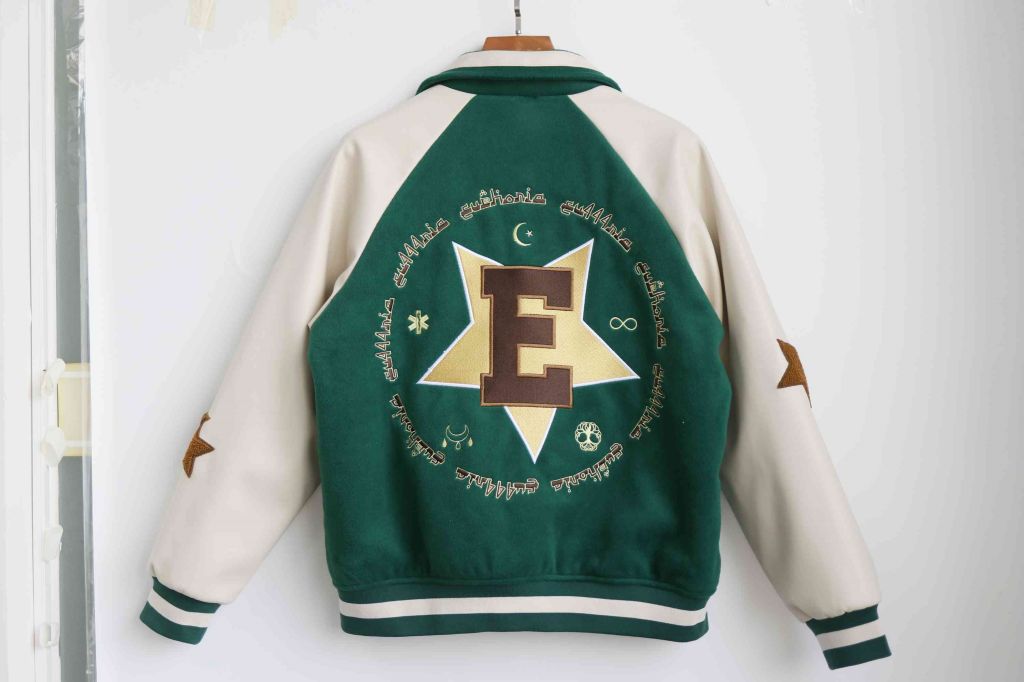
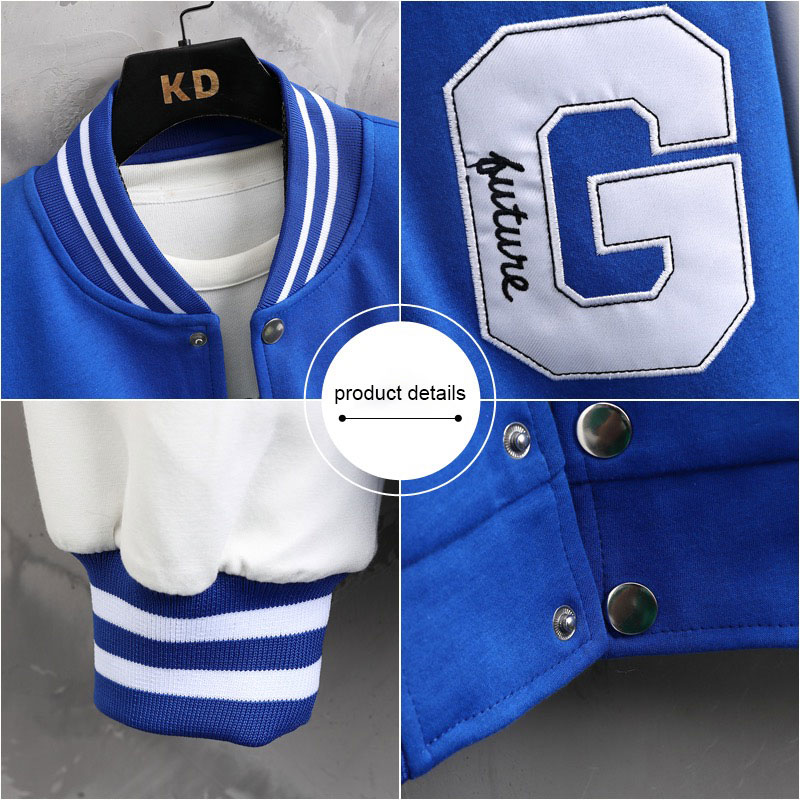
Develop varsity and baseball jackets with coordinated body and sleeve materials, lining, rib, snaps, patches, embroidery and appliqué. Construction details are reviewed in sampling so the approved jacket can serve as a clear bulk-production standard.
Get a Quote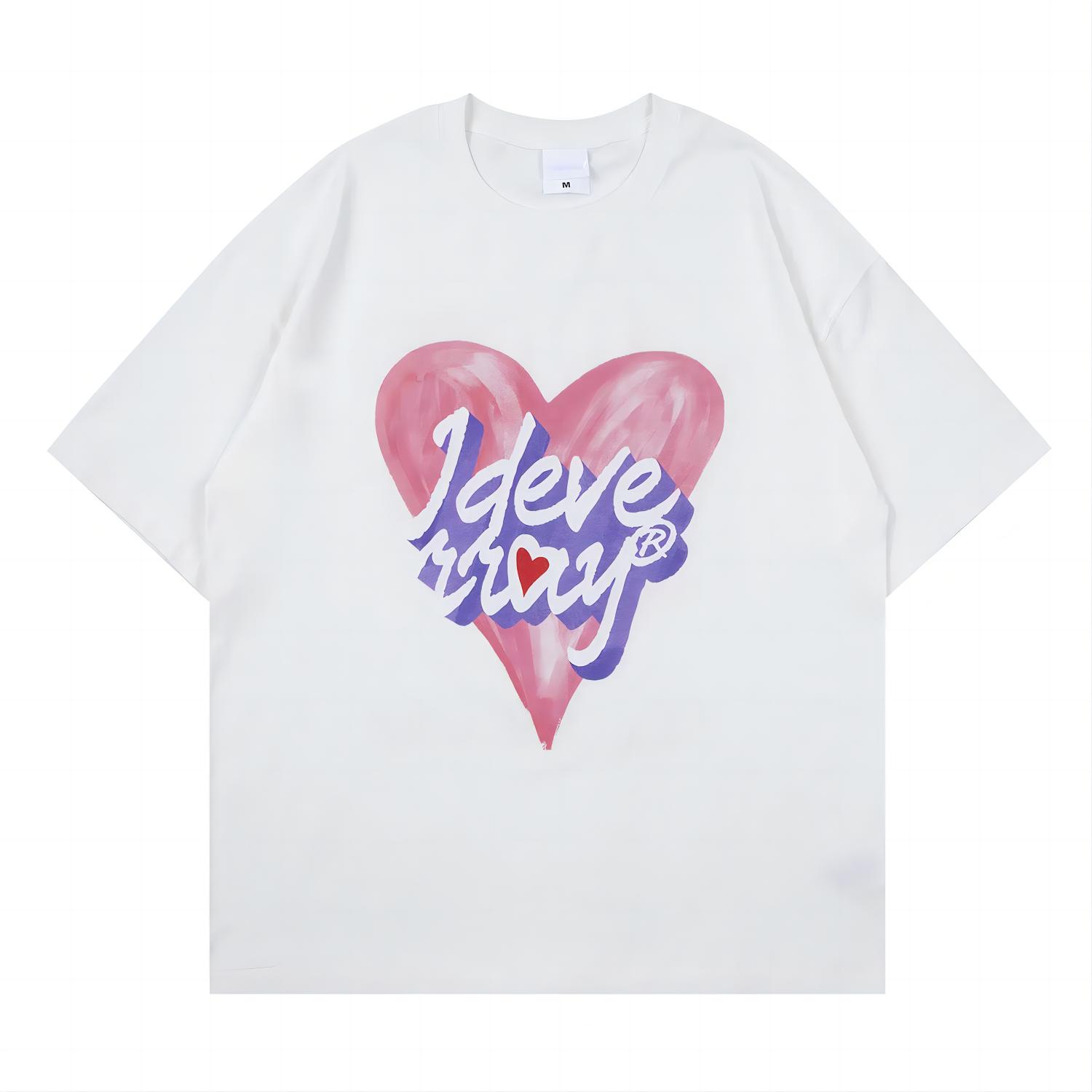
Custom T-Shirts
Produce custom T-shirts with fit blocks, fabric weight, neck rib, sleeve proportions, print placement, wash options and labeling specified for the target market. Men’s and women’s T-shirt programs can be developed separately or as coordinated collections.
Get a Quote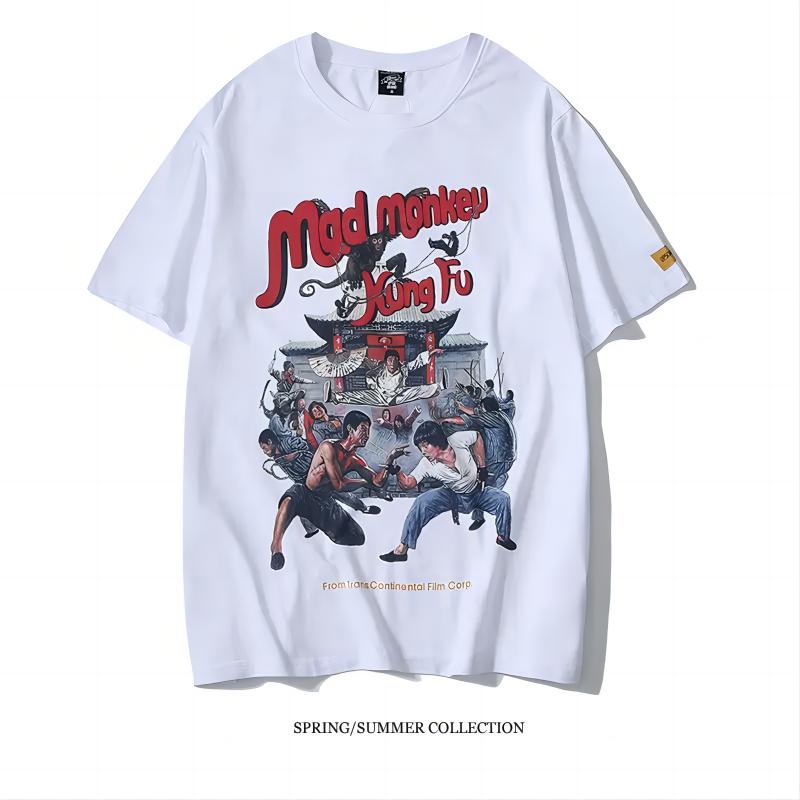
Custom Polo Shirts
Develop custom polo shirts with piqué or jersey fabric, collar construction, placket details, cuff specifications and embroidery placement. EDVORIN supports corporate, wholesale and private-label polo programs from sample approval through packing.
Get a Quote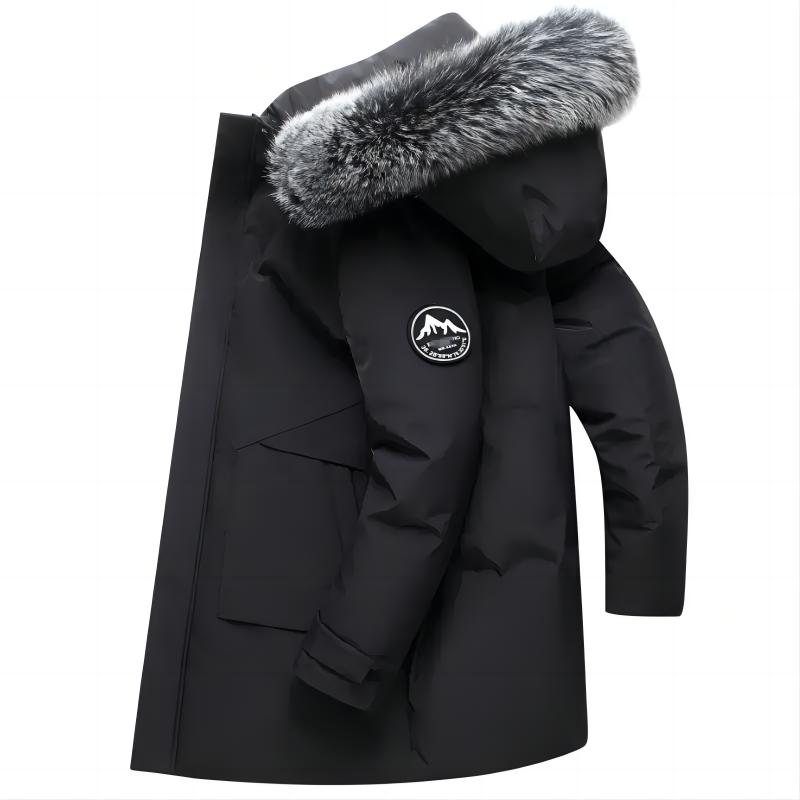
Windbreaker Jackets
Build windbreaker jackets with shell fabric, lining or mesh, zipper and pocket construction, hood details, ventilation and print or embroidery requirements coordinated as one specification. Sampling verifies function, fit and decoration compatibility before production.
Get a Quote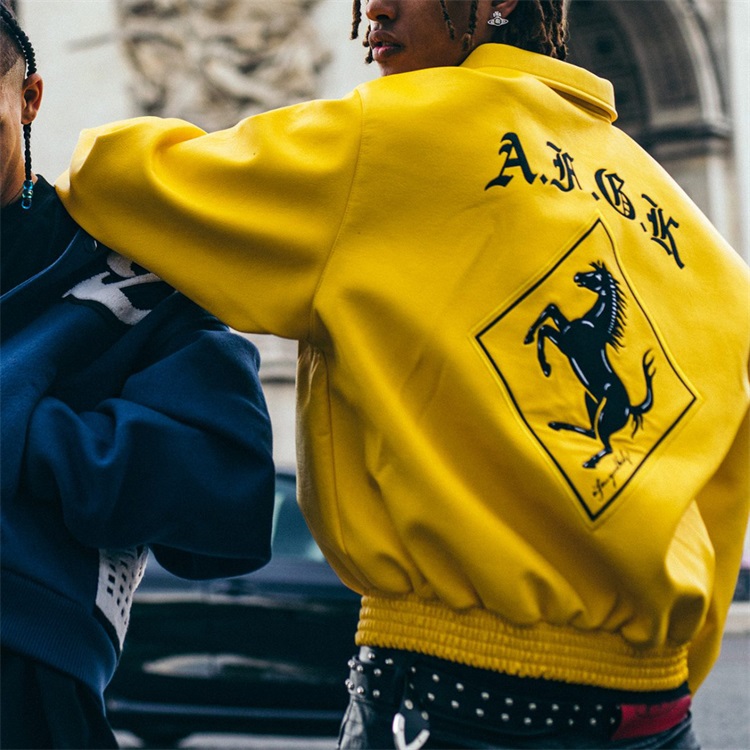
Quilted Jackets
Develop quilted jackets with shell, lining, insulation, quilting pattern, fill distribution, hardware and labeling planned together. Sample reviews help confirm warmth, silhouette and construction before the jacket is released for bulk production.
Get a Quote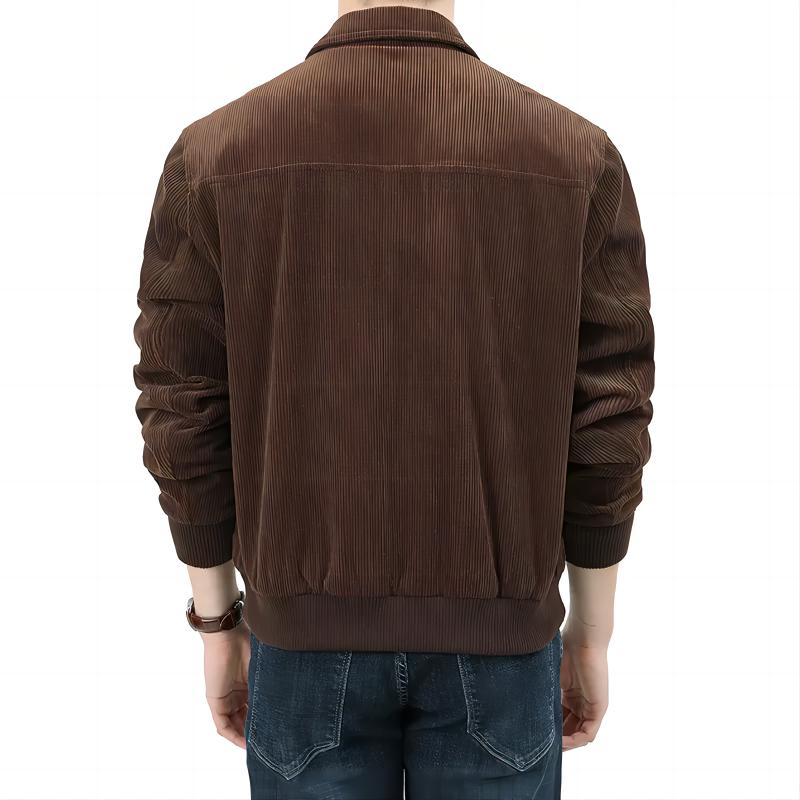
Bomber Jackets
Produce bomber jackets with defined shell and lining materials, rib quality, zipper selection, pocket construction, insulation and decoration methods. EDVORIN records approved details to support reliable repeat production for fashion and streetwear programs.
Get a Quote
Custom Shirts
Develop custom woven shirts with fabric sourcing, collar and cuff construction, placket details, pocket options, fit blocks and labeling requirements. Samples establish the garment’s measurements, finishing and production standard for men’s or women’s collections.
Get a Quote
Custom Jerseys
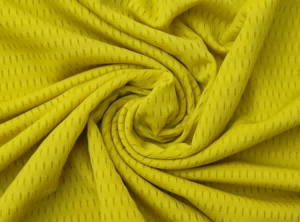
Create custom jerseys with breathable fabrics, color control, panel construction, names, numbers, logos and size-set coordination. EDVORIN supports team and private-label jersey programs with documented decoration placement and repeat-order consistency.
Get a Quote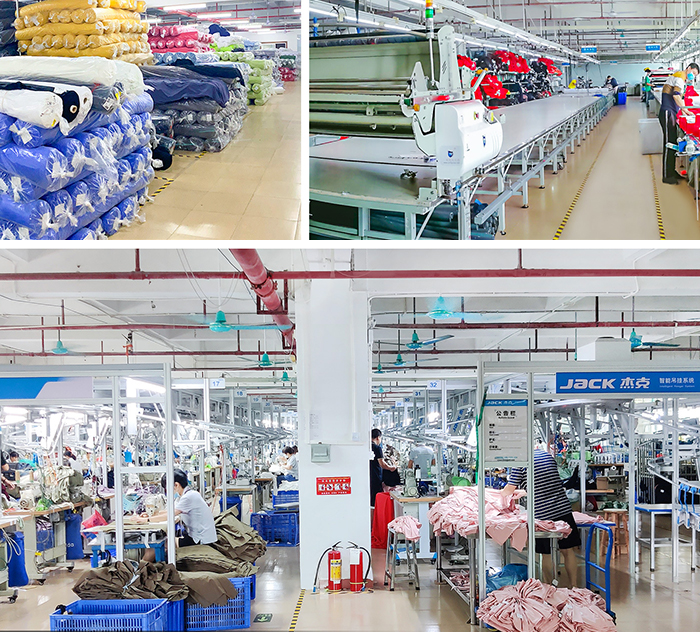
Tank Tops
Develop tank tops for activewear, teamwear or casual collections with suitable fabric, armhole shape, neckline finish, fit and decoration method. Men’s and women’s versions can use separate proportions, grading and performance requirements.
Get a Quote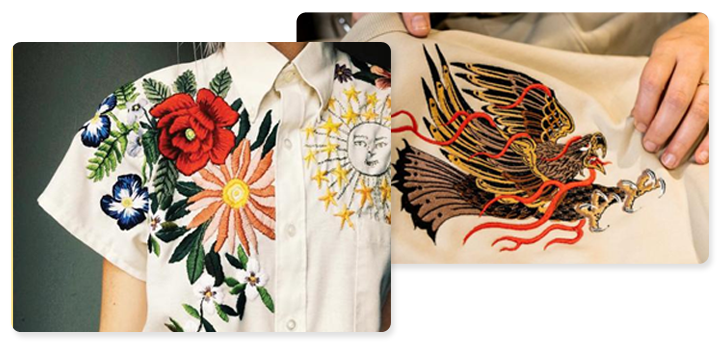
Soccer Uniforms
Produce soccer uniforms with jersey and short coordination, moisture-management fabric, team colors, player names, numbers, badges and size sets. Sampling and production controls help maintain placement, color and construction consistency across the order.
Get a Quote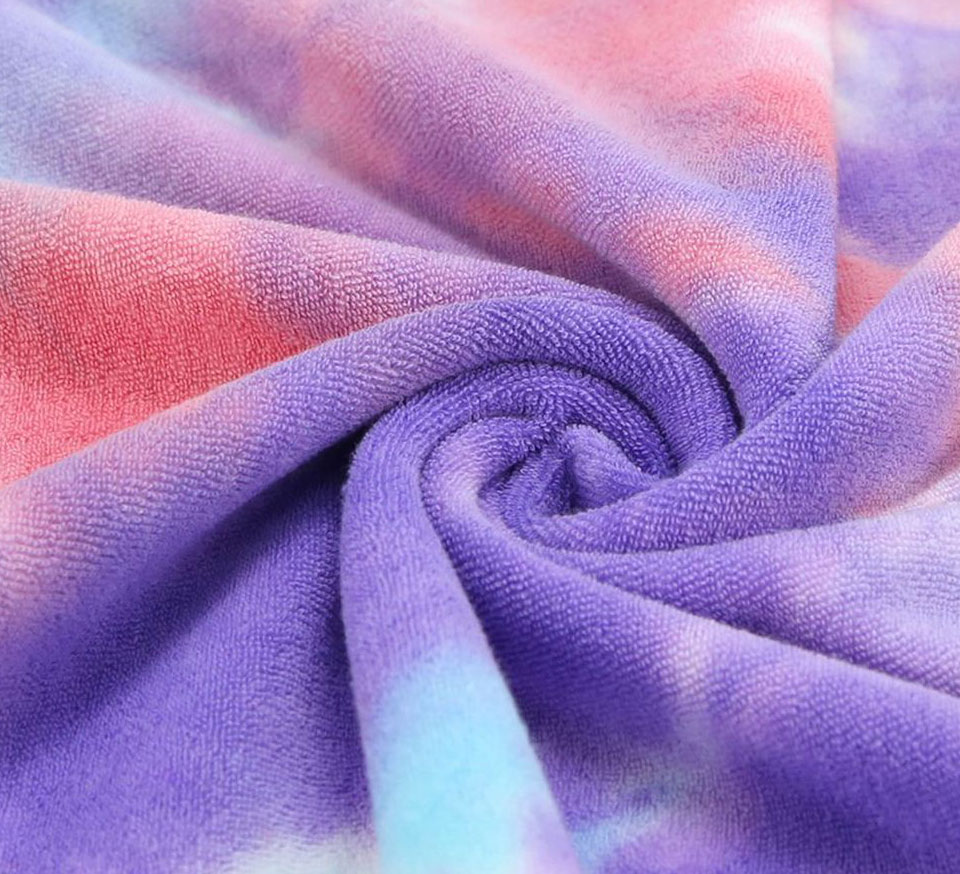
Basketball Uniforms
Develop basketball uniforms with breathable jersey fabric, reversible or single-layer construction, contrast panels, number placement, team branding and coordinated shorts. Size grading and decoration specifications are documented before bulk production for organized team orders.
Get a Quote
Streetwear Collections
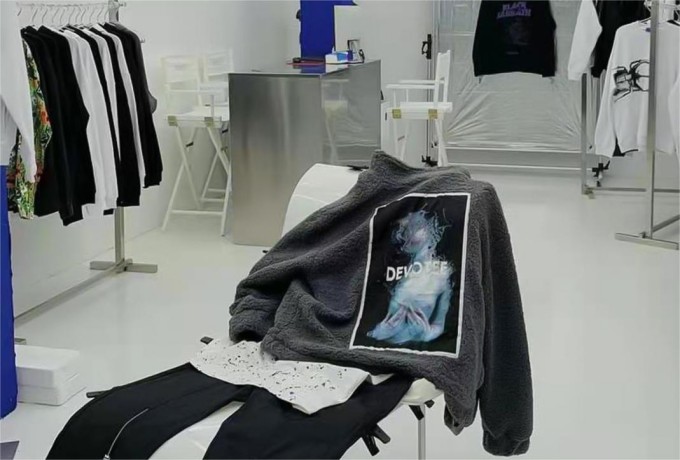
Build streetwear collections across hoodies, tees, sweatpants, outerwear and woven pieces under one production workflow. Coordinate fabrics, trims, washes, print and embroidery methods, labels and packaging so each style supports a cohesive, repeatable range.
Get a QuoteClothing Size Grading Service Since 2000
Founded by Edvorin Zeng in 2000, EDVORIN was built around the production realities behind reliable apparel fit. Our clothing size grading service helps fashion, streetwear and teamwear buyers translate an approved base size into a documented range that protects the intended proportions, construction and visual character.
We connect grading with the decisions that affect it on the production floor: pattern development, fabric behavior, trim placement, sampling and measurement standards. Men’s and women’s programs are developed by category, from hoodies and joggers to outerwear, jerseys and coordinated collections, rather than forced into one universal fit approach.
What makes EDVORIN different is an approved-standard workflow that carries from sample review into bulk production. We coordinate in-line measurement checks, decoration placement, labeling and final inspection so the size range remains clear and repeatable as your program grows. Certification programs include ISO 9001, BSCI, WRAP, SEDEX, OEKO-TEX Standard 100, GRS and GOTS.

Clothing Size Grading Service Controls for Consistent Fit
Grade Rules by Garment
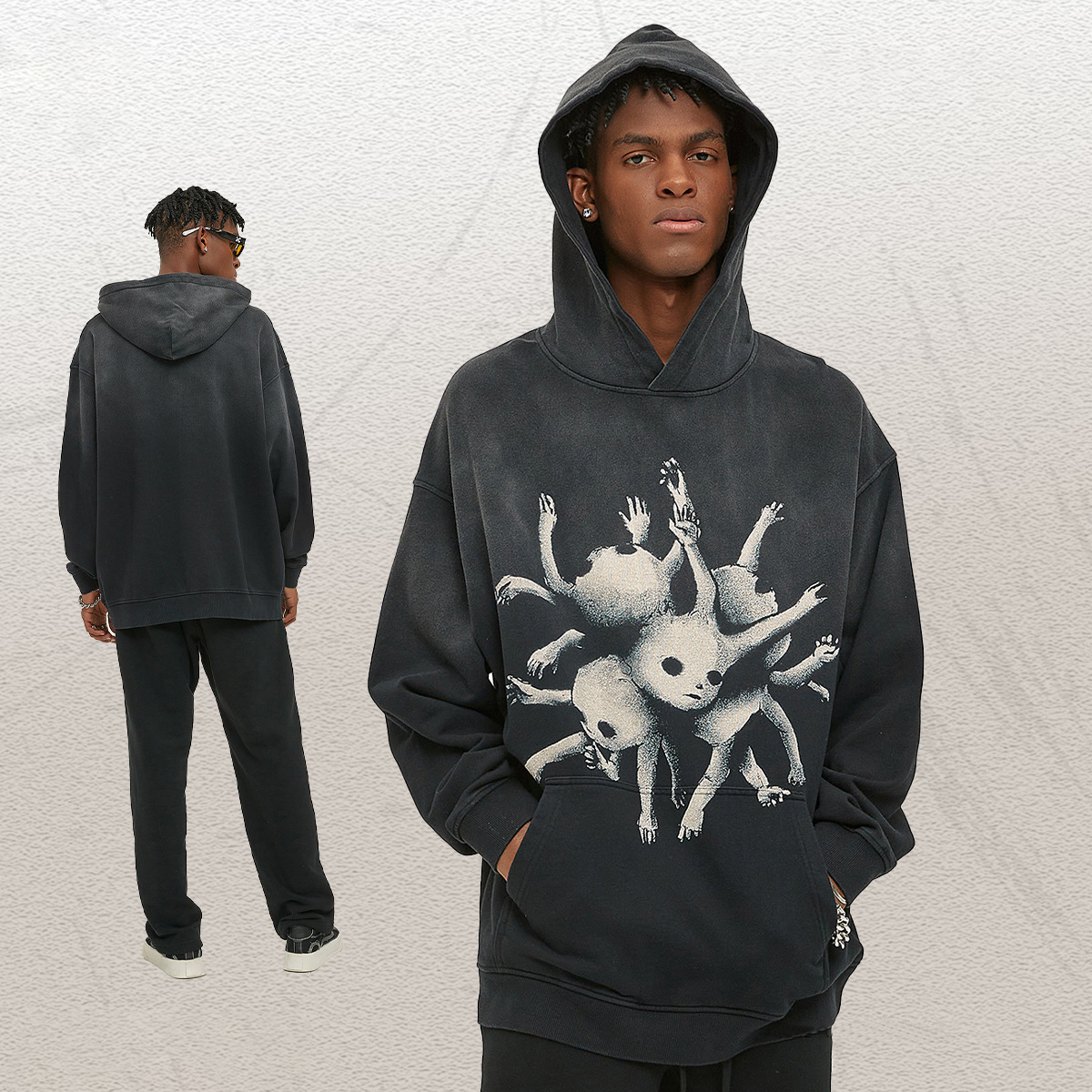
EDVORIN builds grade rules around the construction of each style, not a generic measurement increment. Hoodies, jerseys, outerwear and bottoms receive size changes that account for their intended silhouette, movement and key construction points before bulk production begins.
- Base-size pattern and target size range review
- Category-specific increments for width, length and balance
- Men’s and women’s fit blocks developed to intended wearers
- Construction details checked as patterns scale
Proportions That Hold Together
A reliable clothing size grading service protects the visual and functional balance of the approved sample across the full run. EDVORIN reviews body length, sleeve shape, rise, inseam, pocket position and other proportional details so smaller and larger sizes still read as one collection.
- Body, sleeve and leg lengths assessed together
- Ease considered at chest, waist, hip and movement areas
- Pocket, print and embroidery placements kept intentional
- Fit priorities aligned with the brand’s target market
Fabric Behavior Before Scaling
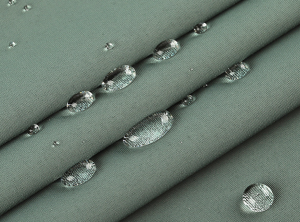
Pattern measurements must work with the actual material, not only a paper pattern. EDVORIN considers stretch, recovery, shrinkage, weight and drape during development, then uses samples to assess how those fabric behaviors affect fit and measurements across graded sizes.
- Fabric stretch and recovery reviewed for fit impact
- Shrinkage allowances considered before bulk cutting
- Rib, lining and trim behavior coordinated with the shell
- Sample feedback used to refine grading decisions
Documented for Repeat Orders
EDVORIN turns approved fit decisions into clear production references for repeatable manufacturing. Measurement charts, grading notes, tolerances and placement details are organized alongside the approved sample, giving product development and production teams one accountable standard to follow.
- Measurement charts tied to approved sample standards
- Grade rules and tolerances recorded clearly
- Decoration and trim placements referenced by size
- Sample-to-bulk checks support consistent execution
Clothing Size Grading Service vs. Base Pattern Development
Choose size grading when an approved base fit needs a controlled, production-ready size range.
← Swipe left or right to view →
Our Clothing Size Grading Production Workflow
A controlled path that turns approved fit into documented size runs for repeatable apparel production.
Review Base Size
We review the approved base pattern, garment construction and intended fit, then confirm the target wearer, category requirements and available technical references.
Align Measurement Chart
Key points of measure, tolerances and size range are aligned with your brand standards, helping men’s or women’s programs retain the intended proportions.
Build Grade Rules
Our team creates grade rules for each pattern component, translating the approved base size into a controlled progression across the requested range.
Validate Size Set
Selected graded sizes are checked against the measurement chart, construction details and sample feedback to identify proportion or balance adjustments before production.
Control Revisions
Approved changes are recorded across patterns, measurement specifications and production notes, creating one clear reference for future samples and repeat orders.
Hand Off To Bulk
Final grading files and approved standards move into bulk planning, where cutting, sewing, decoration and quality control follow the documented size requirements.
Start Your Clothing Size Grading Service Project
Bring an approved standard or an early concept; EDVORIN organizes the fit inputs needed to develop a production-ready size range.
Share Your Starting Point
Send a tech pack, approved base pattern, reference garment, measurement chart, or concept. We review construction, intended category, and the details that define fit.
Define Your Size Range
Confirm target market, men’s or women’s program, base size, requested sizes, and fit intent. We align proportions and measurement priorities before grading begins.
Confirm Materials and Allowances
Provide fabric, trim, wash, stretch, shrinkage, and decoration details when available. These production factors help protect measurements and silhouette across the graded range.
Review the Graded Standard
Assess graded measurements and sample results against the approved fit. Once revisions are documented, the standard can support sampling, bulk production, and repeat orders.
Buyer Results From Repeatable Apparel Size Runs
EDVORIN translated our approved hoodie fit into a six-size run with clear measurement points and grade rules. Our second 1,200-piece reorder matched the original size set, so our team could plan production without reopening fit decisions.
For our academy uniform program, the grading work kept jersey lengths, chest measurements, and number placements consistent from youth to adult sizes. We delivered 18 team orders from one approved specification set with far fewer size-chart questions.
We needed women’s and men’s joggers that retained the same design language without using one universal block. EDVORIN documented the fit changes clearly, and the first 800-unit wholesale run arrived aligned with our approved samples.
Clothing Size Grading Service FAQs
Practical answers for building men’s and women’s size ranges that can move from approved fit to controlled bulk production.
What is included in EDVORIN’s clothing size grading service?
Which garment types can use a clothing size grading service?
Can your clothing size grading service support both men’s and women’s ranges?
What files do I need to start a size-grading project?
Do I need a size-set sample before bulk production?
How are fit revisions handled after the first sample?
What is the minimum order quantity for graded apparel?
Can size grading be coordinated with printing, embroidery and labels?
Complete Clothing Size Grading Service Buyer’s Guide
Use this decision framework to assess fit requirements, compare grading approaches and supplier capabilities, control sampling risk, and avoid costly size-range mistakes before approving production-ready patterns.
1. What Is a Clothing Size Grading Service?
An approved base pattern is the starting point for a clothing size grading service. The grader applies defined horizontal and vertical increments to every related pattern piece, building a complete size range while preserving the intended silhouette, balance and wearing ease.
Three adjacent activities are often confused with grading: pattern making creates the original block and construction; tech-pack development records materials, measurements and instructions; fitting evaluates the sample on a wearer or form. Grading converts the approved fit decision into controlled rules for each additional size.
A production handoff should include graded pattern files, a finished-garment measurement specification, grade rules, notches and size labels. For an OEM program, those records give cutting, sewing and quality teams one consistent sizing standard instead of asking bulk production to interpret a sample.
2. How Clothing Size Grading Evolved
Pattern grading began with manually nested paper patterns and rule tables: each size step moved key points by planned horizontal and vertical increments. The method worked only when fronts, backs, sleeves, collars and facings changed together, preserving balance rather than merely enlarging measurements.
Digital pattern systems made those rules faster to store, revise and send to cutting rooms, but they did not replace fit judgment. A grader still decides where proportions should change, validates construction and accounts for the target size chart instead of applying one universal scale.
Modern fit development increasingly combines digital files, wear-test feedback and e-commerce measurement guidance. For an inclusive range, a clothing size grading service should create production-ready standards that an OEM can repeat while reducing avoidable sample revisions and helping shoppers interpret garment measurements clearly.
3. Types of Clothing Size Grading Service
Five service models cover most apparel programs, from scaling an approved base pattern to redefining a brand’s fit architecture. The right clothing size grading service depends on whether fit decisions are already approved.
| Service Model | Best When | Core Deliverable |
|---|---|---|
| Standard rule grading | Base fit approved | Graded size run |
| Custom brand grading | Brand proportions differ | Custom grade rules |
| Size-chart development | No fit standard exists | Measurement chart |
| Existing-pattern grading | Pattern is production-ready | Converted graded files |
| Fit-range extension | New body group added | Rebalanced fit blocks |
Choose The Starting Point
An approved base pattern supports standard rule grading when the target market and size run are already defined. A sketch, reference garment, or inconsistent sample requires fit development before reliable grading.
Define Required Inputs
A complete tech pack should include the base-size pattern, measurement spec, fabric behavior, construction details, and target sizes. Existing patterns also need revision history and seam allowances checked before conversion.
Protect Range-Specific Fit
Petite, plus, youth, and team ranges need proportion review rather than automatic enlargement or reduction. Deliverables should include graded pattern files, a measurement chart, grade rules, and an approval sample plan.
4. Fabrics That Affect Clothing Size Grading Service
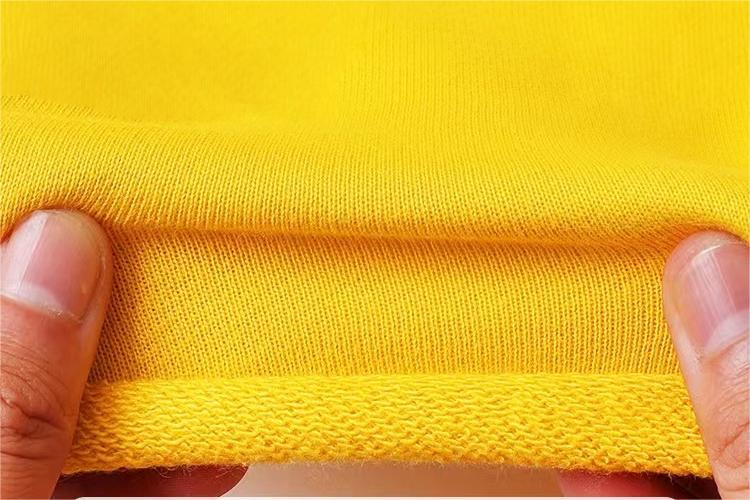
150–180 GSM cotton jersey and 280–400 GSM fleece can require different ease and length rules, even for the same hoodie block.
| Fabric | Fit Risk | Test Need | Grading Focus |
|---|---|---|---|
| Cotton jersey | Length shrinkage | Wash test | Chest ease |
| Fleece | Bulk, drape | Wash and recovery | Body length |
| Woven shirting | Low stretch | Shrinkage test | Mobility ease |
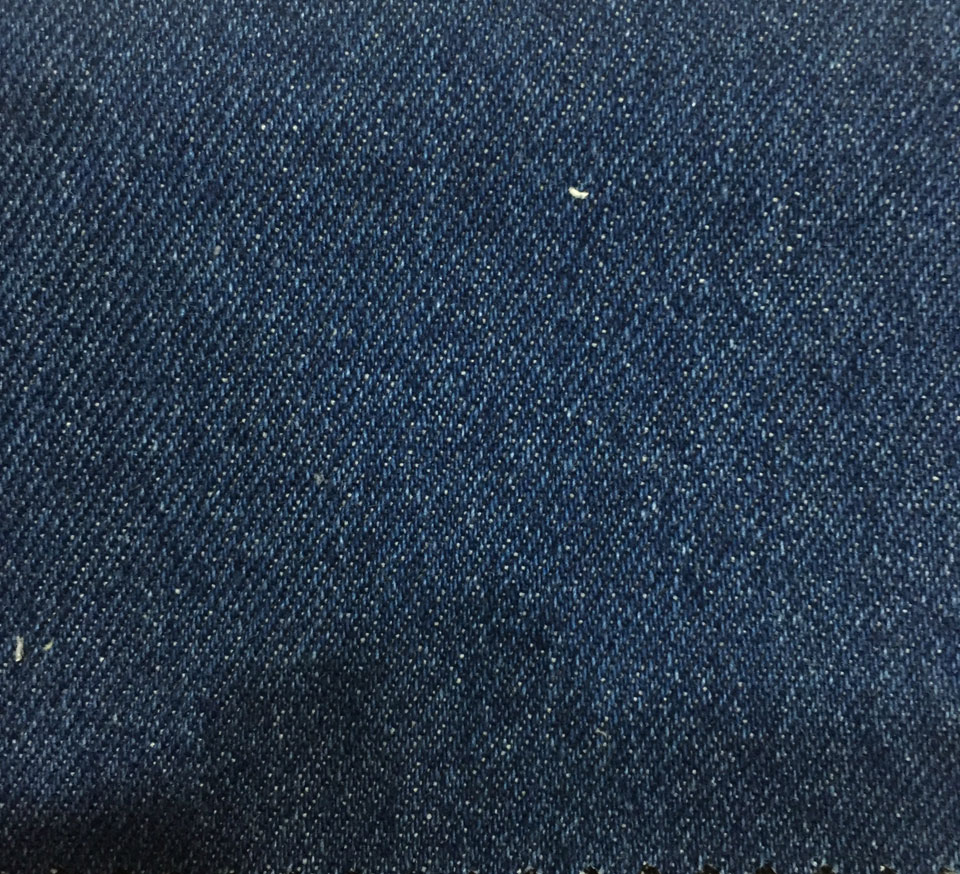
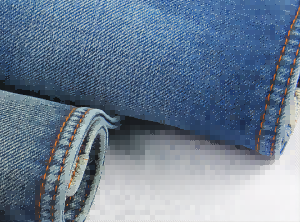
| Denim | Shrinkage, growth | Wash test | Rise and leg |
| Performance knit | High stretch | Stretch recovery | Negative ease |
| Stretch blend | Poor recovery | Cycle test | Hip and knee |
Test Before Locking Rules
Cotton jersey and fleece can require different ease and length rules, even for the same hoodie block. Confirm the appropriate fabric weight and test results for the approved material before finalizing grade rules.
5. Custom Features and Decoration Considerations
Two pattern pieces can shift a garment’s balance when an oversized body meets a narrow rib band or elastic hem. A clothing size grading service should record relaxed and stretched measurement points before bulk approval.
| Feature | Grading Risk | Approval Control |
|---|---|---|
| Rib or elastic | Opening loses proportion | Check stretch and recovery |
| Pockets or zippers | Placement drifts | Measure from fixed seams |
| Large graphics | Artwork crowds details | Review every size |
Silhouette And Trim Balance
A chest grade does not automatically suit dropped shoulders, cuffs or rib hems. Grade body width, sleeve shape, rib opening and elastic recovery as connected measurements.
Seams And Layered Details
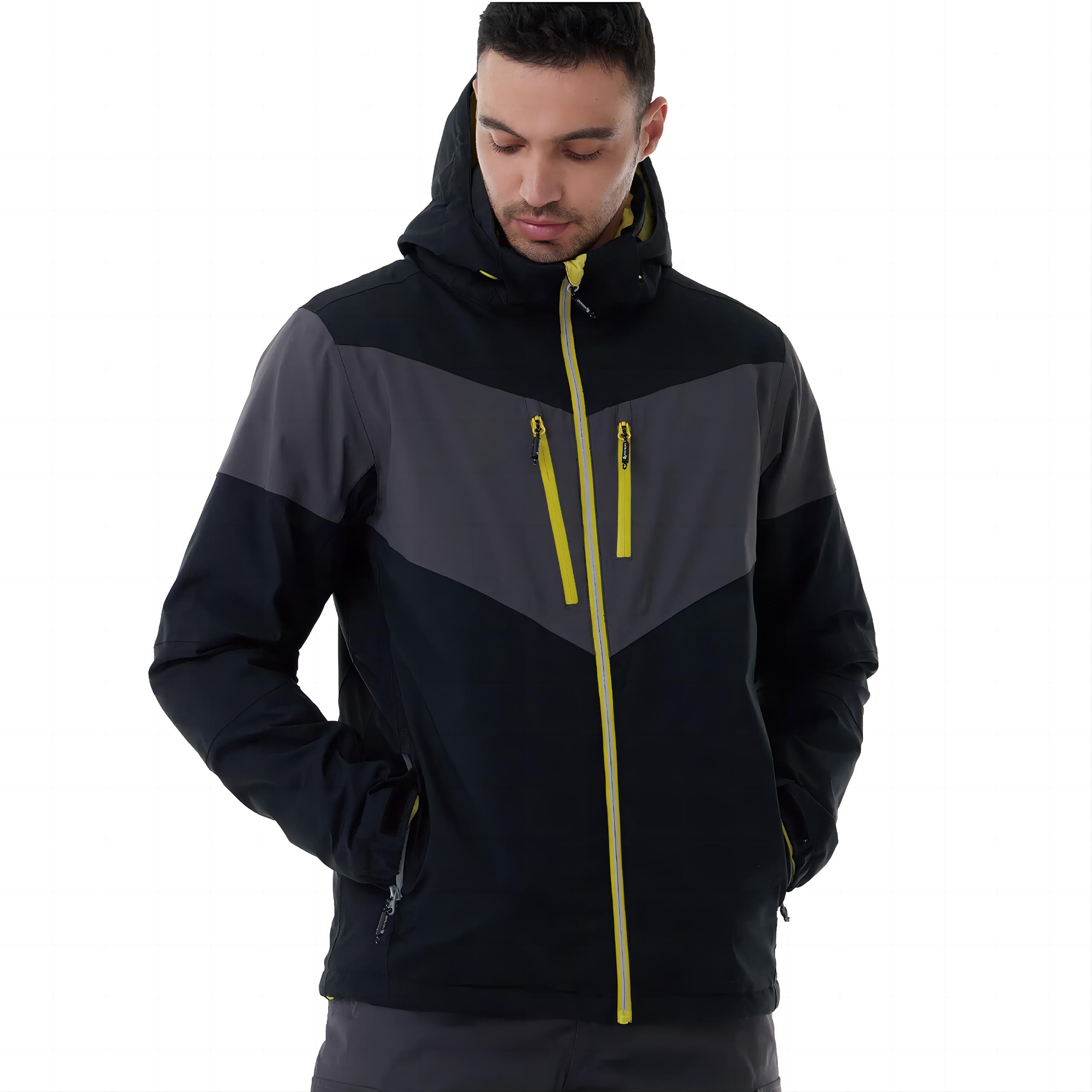
Four construction elements—pockets, zippers, panels, and linings—add seam positions that must stay proportional. Confirm pocket height, zipper length, panel joins, and lining ease on the full size run.
Artwork Across Sizes

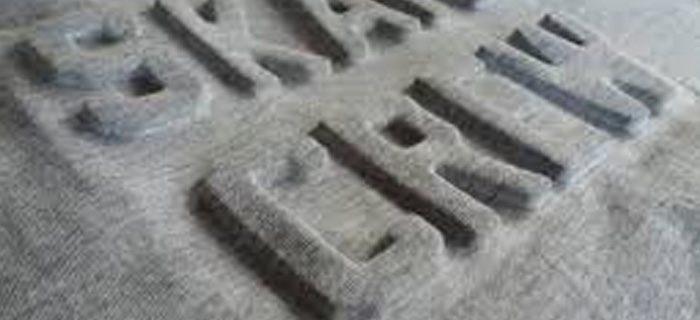
Three decoration methods—embroidery, screen printing, and transfers—need placement rules tied to garment landmarks. Fashion labels, clubs, schools, and private-label programs should review artwork in every size when a large chest graphic, crest, number, or back print could collide with seams or pockets.
6. Construction Elements That Protect Fit Quality
A clothing size grading service must preserve construction logic, not merely dimensions. Each size depends on linked pattern controls that keep fit stable from cutting through wash testing.
Measurement Point Map

Each POM needs a named location, measuring method, and tolerance before sampling. Chest, body length, sleeve length, neck opening, and hem width must match the approved spec.
Two connected pieces must grade together at shared seams. That alignment prevents disproportionate sleeves, distorted necklines, and uneven hems.
Pattern Control Marks
Notches, grainlines, balance marks, and seam allowances direct accurate cutting and sewing. Missing or shifted marks can change sleeve pitch, neckline shape, or side-seam balance.
A consistent seam allowance lets production preserve the approved measurement points. Grading must update matching front, back, sleeve, collar, and rib components together.
Sample Measurement Checks
A size-set sample check at the base size and range extremes can expose grading errors before bulk. Measure garments after the specified wash or finishing process, not only before.
Stitch stretch and shrinkage allowance require fabric-specific review, especially for jersey, fleece and rib. Record actual results against tolerances in the approval file.
7. Choosing a Clothing Size Grading Service Supplier
One approved base size is the starting point for a defensible supplier review. A capable clothing size grading service turns target-customer data, pattern rules, and sample findings into controlled production files.
| Review Area | Evidence To Request | Question To Ask |
|---|---|---|
| Fit capability | Comparable graded samples | Which category and size range? |
| Quality control | Tolerance records | Who approves measurement deviations? |
| File control | Native editable files | Who retains final pattern ownership? |
Verify Category Experience
Two comparable garment examples, such as hoodies or team jerseys, outweigh generic capability claims. Ask to review base-pattern comments, size-chart logic, and measurement tolerances.
Confirm Technical Handoff
Three deliverables should be defined before an OEM order: graded patterns, a grade-rule table, and a measurement specification. Confirm CAD-file compatibility and ownership of editable final files.
Control Sampling And Revisions

One base-size fit sample is insufficient for a wide range. Require risk-based size-set samples, written revision logs, in-line measurement checks, and one accountable contact.
8. Common Clothing Size Grading Service Mistakes
Most grading failures begin before bulk cutting: an unproven base pattern or vague approval record turns a small fit error into every size. A clothing size grading service should convert fit decisions into measurable, inspectable controls.
Validate The Base Size
One untested sample base can produce a full run with the same shoulder, rise, or balance defect. Fit and approve the intended base size on the target wearer before grading.
One copied competitor chart can miss the brand’s customer, ease, and silhouette. Build points of measure from the approved pattern and target market instead.
Grade By Measurement Function
Equal increments at chest, body length, sleeve, and neck often distort proportions between sizes. Set grade rules by measurement function and garment construction.
Two fabric changes—such as switching fleece weight or adding elastane—can alter shrinkage and recovery. Re-test the revised material before releasing graded patterns.
Fit More Than One Size
Three sizes, typically a lower, base, and upper size, reveal balance problems a single fitting misses. Conduct wear fittings and revise the grade rules before bulk approval.
One missing tolerance table leaves factories judging acceptable variation differently. Specify each point of measure, tolerance, and post-wash measurement condition in the tech pack.
Inspect Scaled Details
Two placements—print and chest patch—can look centered in the base size but drift across the run. Record placement from fixed pattern reference points for each size.
One bulk inspection should compare artwork, trims, and labels against approved size-specific samples. Check small, base, and large garments before packing.
9. Launching a Graded Apparel Range
One approved base size turns a concept into a production standard. A clothing size grading service works best when brand, pattern team, and manufacturer sign off each handoff.
Define The Wearer
First, define wearer, intended ease, size range, and selling channel. Startups can use a reference garment; teamwear must record movement and uniform-layer requirements.
Build And Fit The Base
One tech pack should specify points of measure, tolerances, fabric, shrinkage test, and construction. The pattern team develops a base sample, while the brand returns consolidated fitting comments.
Approve Grading For Production
Each graded size should be checked against the approved chart before pre-production approval. Established labels verify brand blocks; wholesale buyers confirm label sizes, assortments, and bulk measurement reports.
10. Clothing Size Grading Service Pricing and Lead Times
Two quote requests can describe the same hoodie yet cover different work: one may start from an approved base pattern, while the other requires digitizing and fit correction. A clothing size grading service should price the documented scope, not only the number of sizes.
Three files make quotes comparable: the base pattern or sample measurements, the target size range, and a signed-off size chart. State fabric composition, stretch and wash treatment, required file format, graded sample needs, revision allowance, and delivery date before comparing proposals.
| Scope driver | Effect on effort | Lead-time risk |
|---|---|---|
| Garment complexity | More pieces and balance points | High |
| Size count | More grade rules and checks | Medium |
| Pattern condition | Digitizing or repair may be needed | High |
| Fit rounds | Each revision updates rules | High |
| Graded samples | Confirms physical fit across sizes | Medium |
| Rush revisions | Requires schedule capacity | High |
Start Your Clothing Size Grading Service Project
Send your base pattern, measurement chart or concept, and EDVORIN will help prepare a production-ready size range for review.