
Garment Dye Clothing Manufacturer for Repeatable Lived-In Color
EDVORIN is a garment dye clothing manufacturer developing production-ready apparel with controlled shade, wash character, and sample-to-bulk coordination.
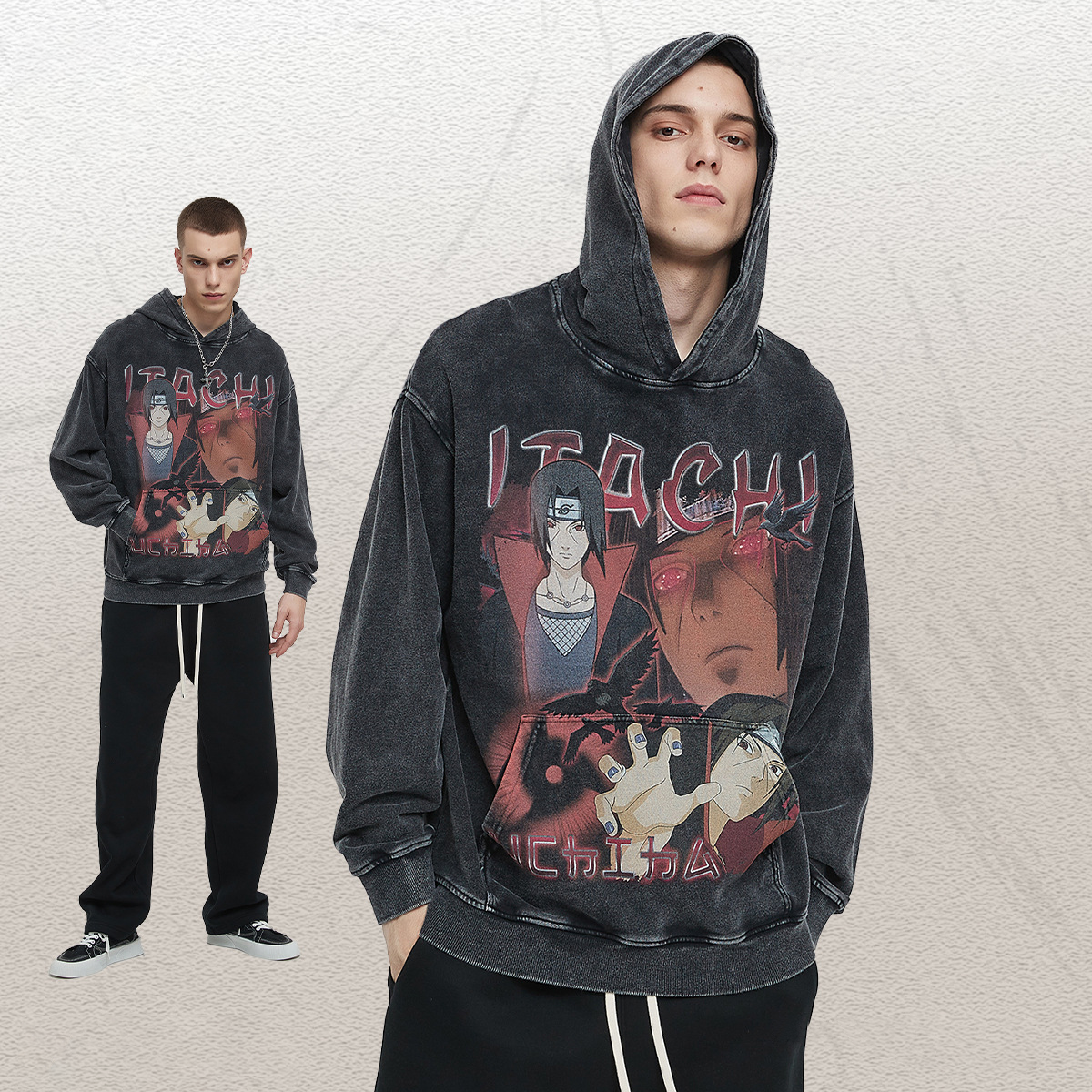
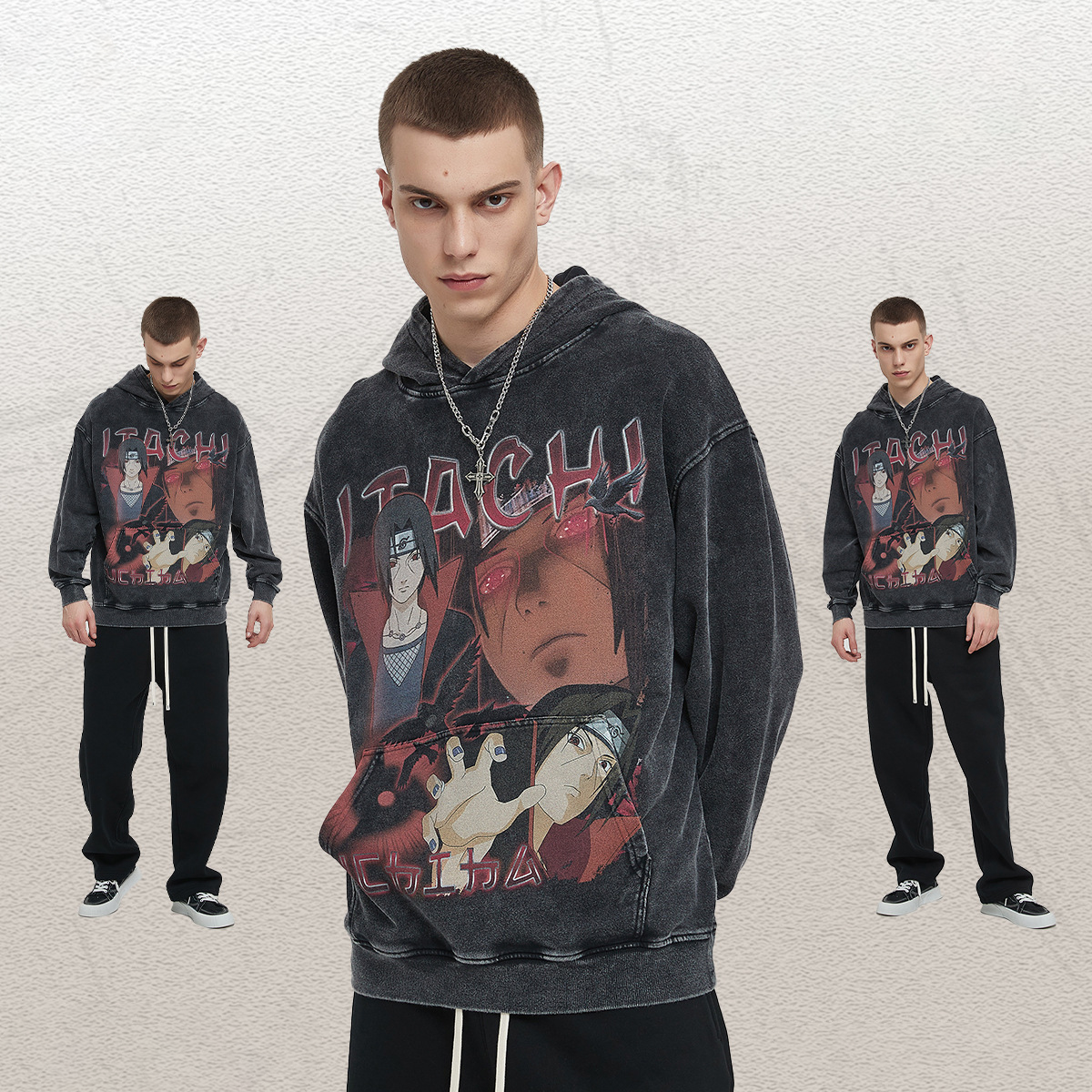
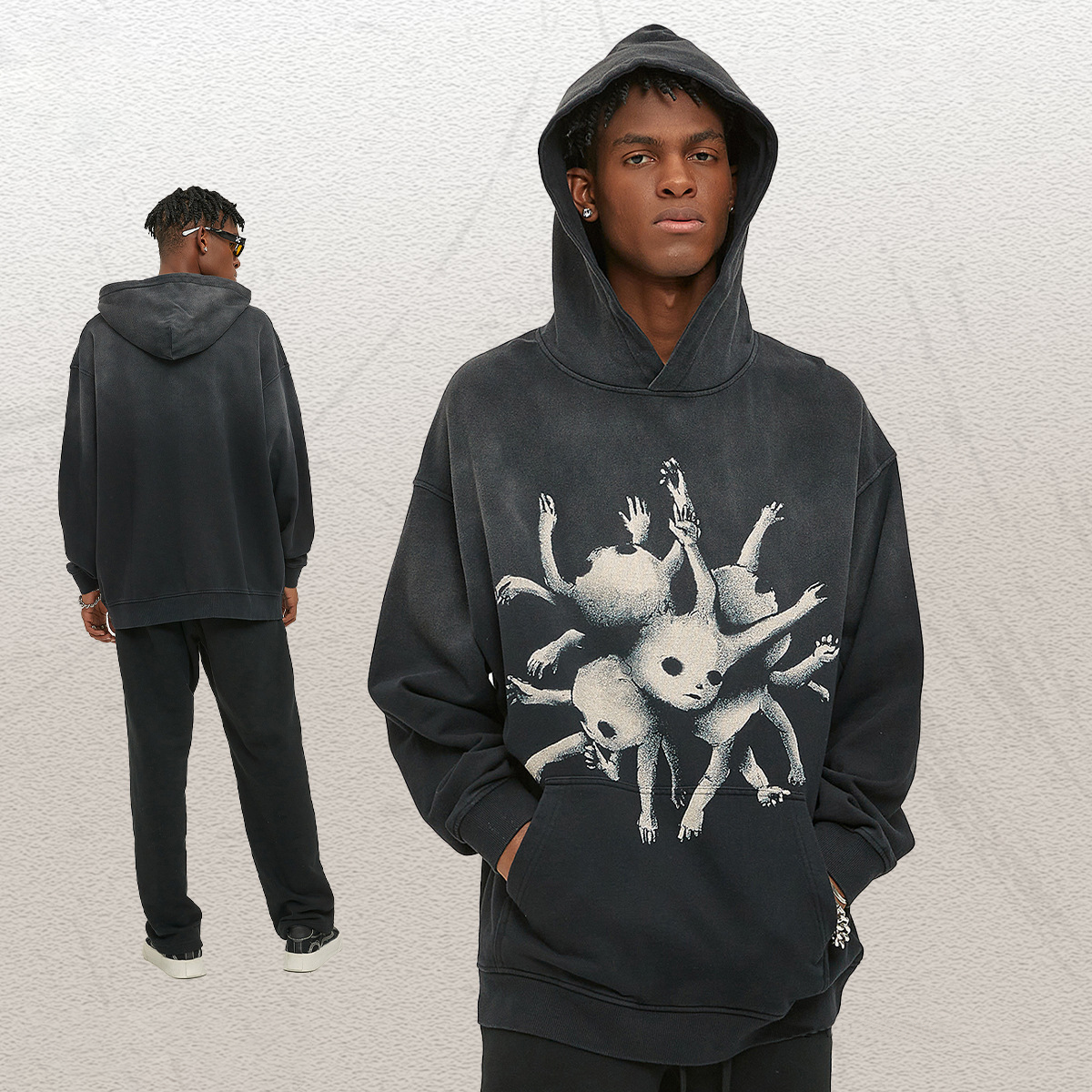
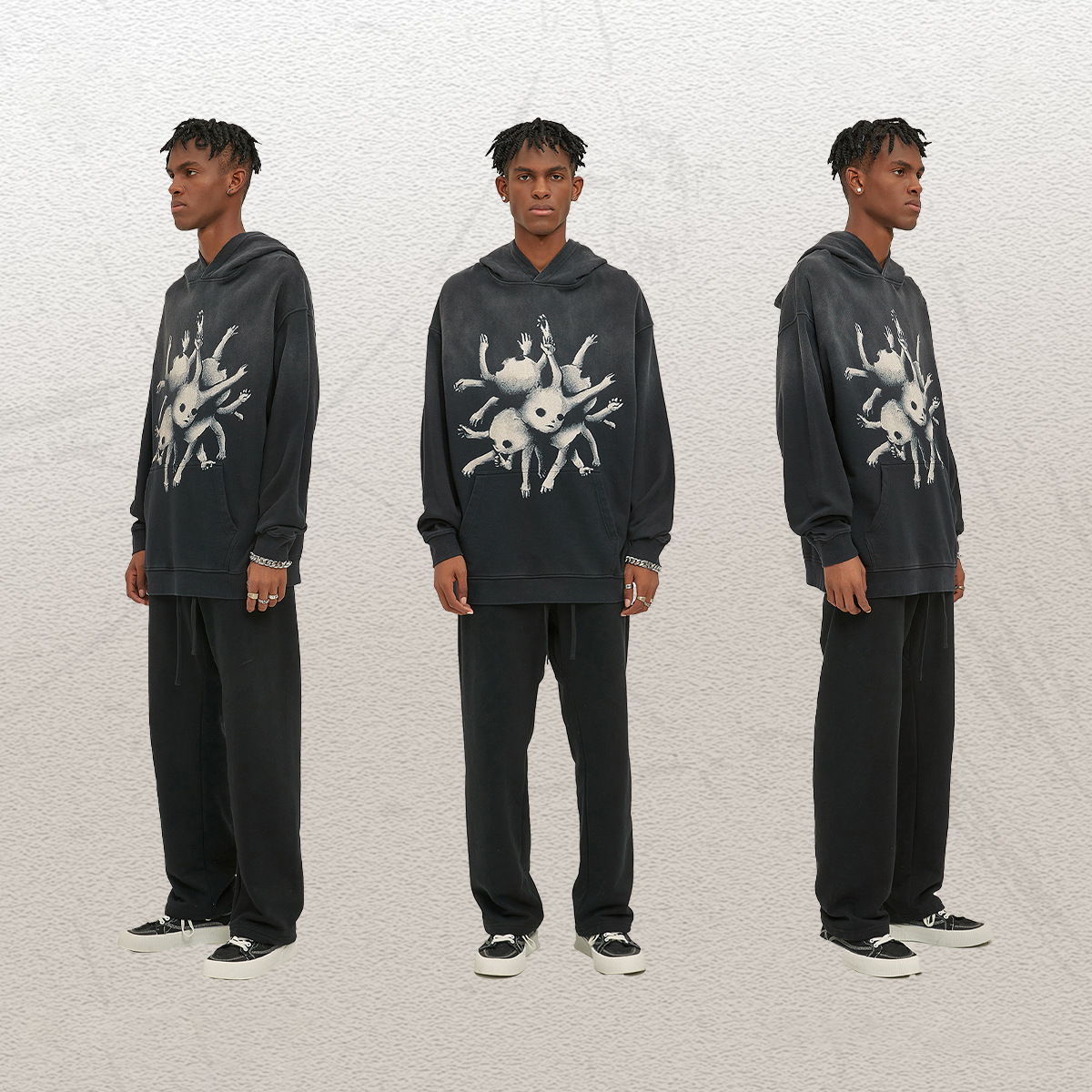
Featured Products for Garment-Dye Development
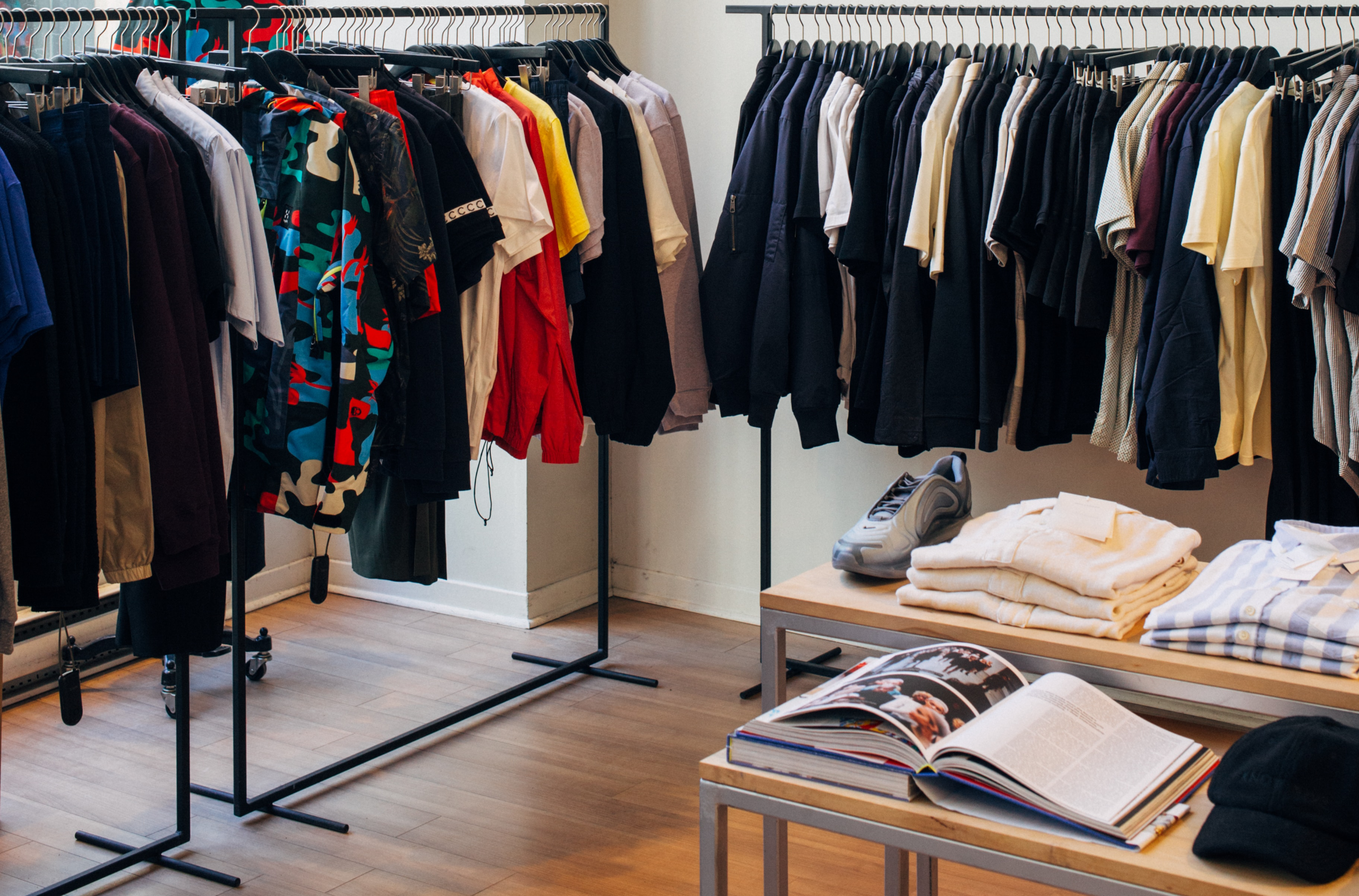
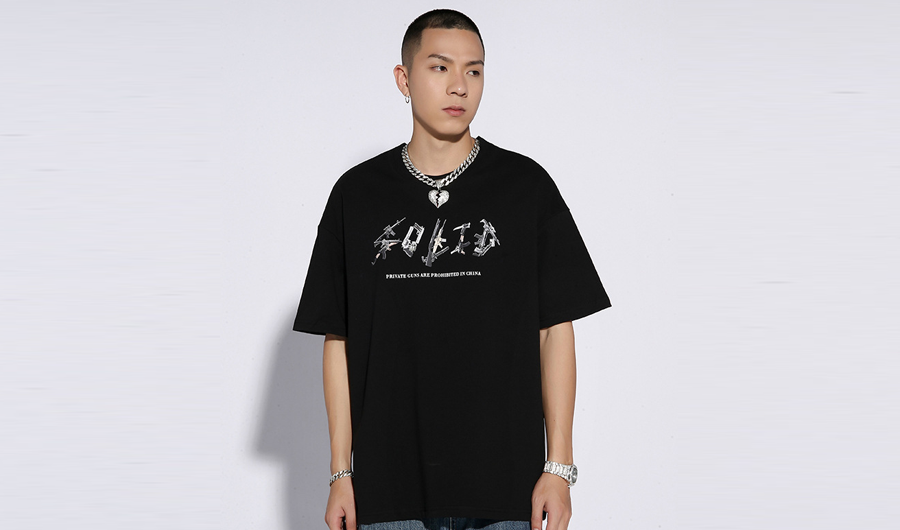
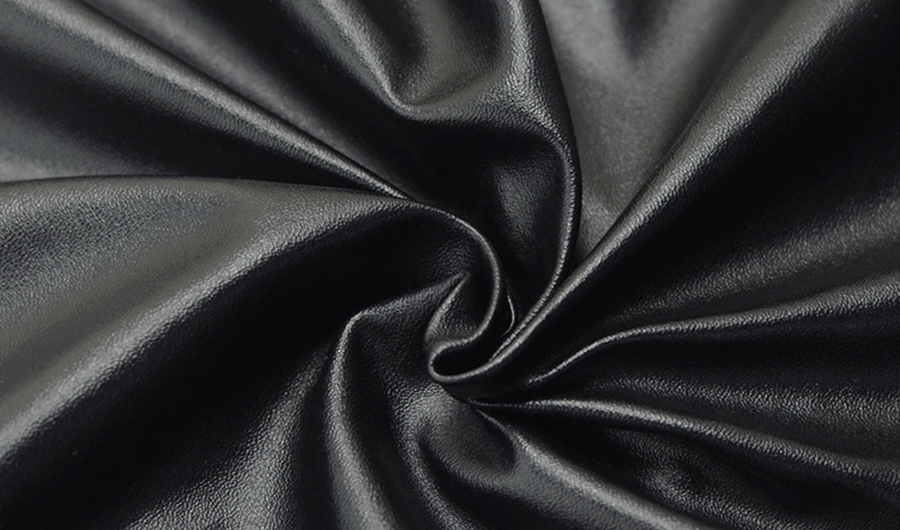
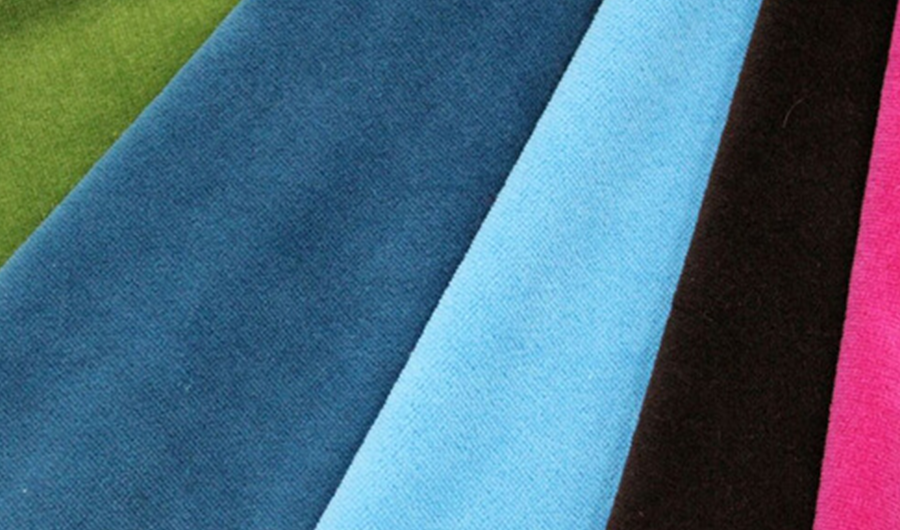
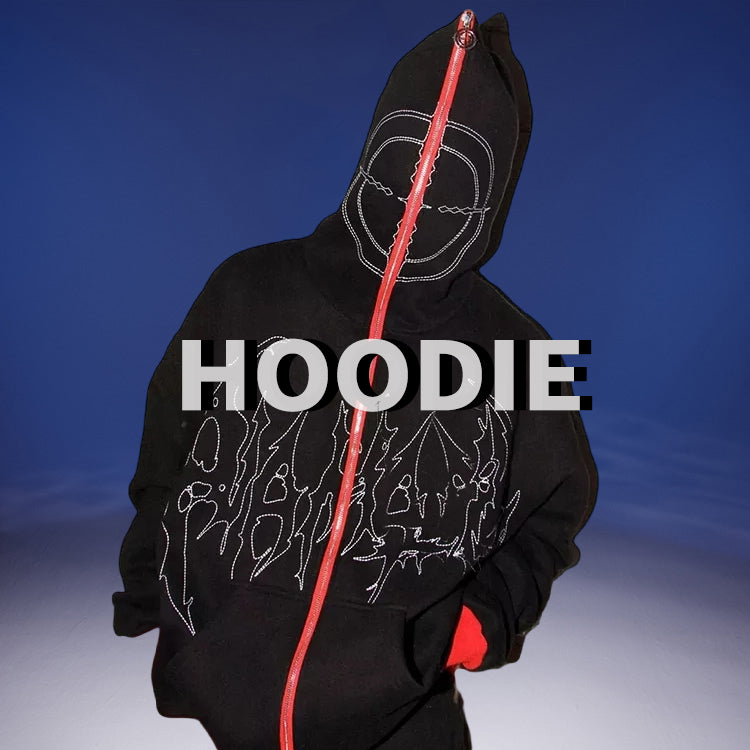
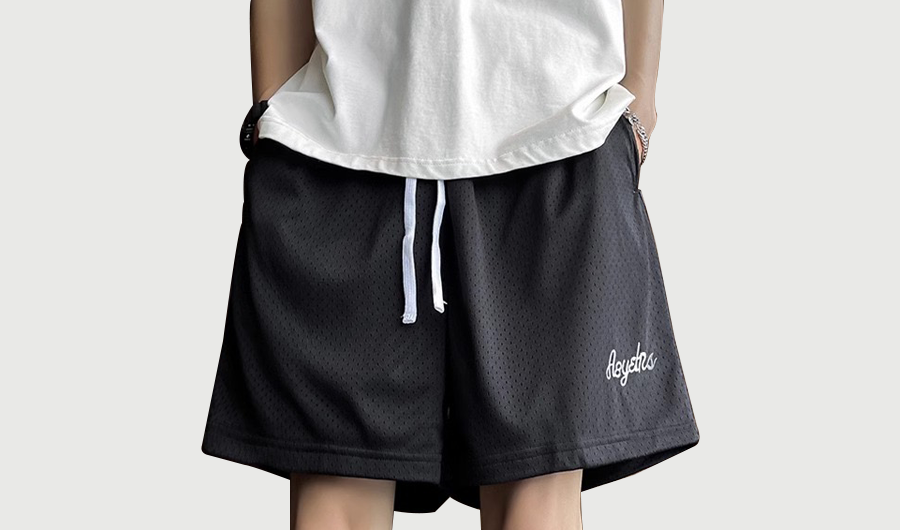
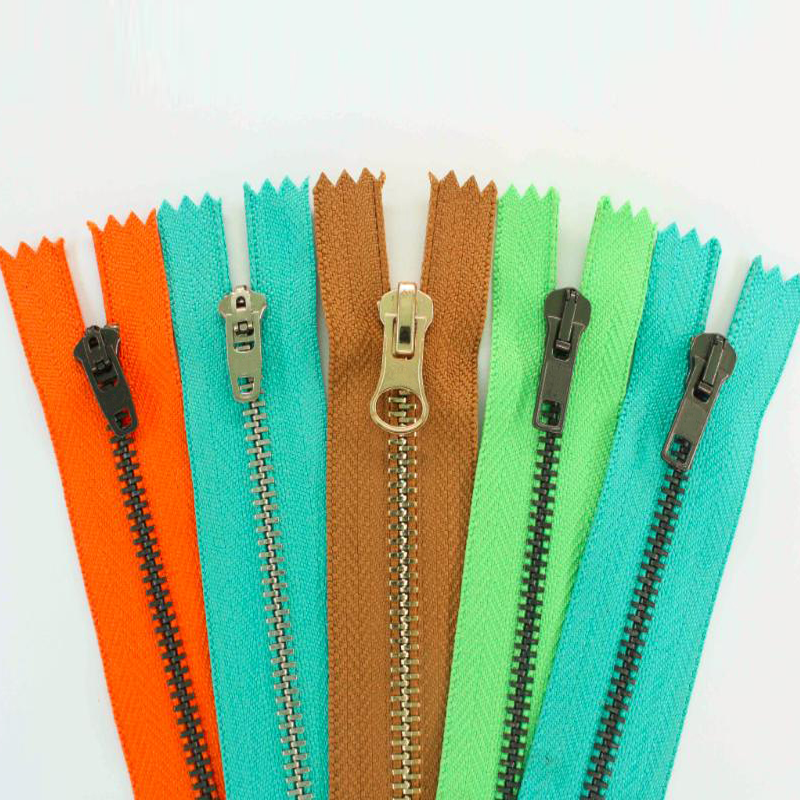
Why Choose Garment Dyeing for Your Collection
Develop washed, dimensional apparel with production decisions documented from sample approval through bulk finishing.
Dimensional Color Depth
Dyeing after sewing creates subtle tonal movement across seams and panels, giving each garment a richer, less uniform visual character.
Broken-In Hand Feel
Garment dyeing can support a softened, lived-in feel that complements streetwear, casualwear, and retail-ready everyday essentials.
Intentional Piece Variation
Natural shade variation gives finished pieces individual character while approved references establish the acceptable production standard for your program.
Built for Key Categories
Develop garment-dyed T-shirts, hoodies, sweatshirts, joggers, shorts, and coordinated streetwear sets around the intended fabric and construction.
Sample-to-Bulk Control
EDVORIN records approved shade, measurements, trims, artwork, and finishing details to help make each repeat order production-ready.
Flexible Production Start
Start a garment-dye program from 200 pieces per style, with OEM, ODM and private-label development support.
Explore Apparel Manufacturing Capabilities
Connect garment dyeing and finishing requirements with product categories, custom apparel printing, custom apparel embroidery, garment wash services, and custom clothing labels and packaging for repeatable private-label production.
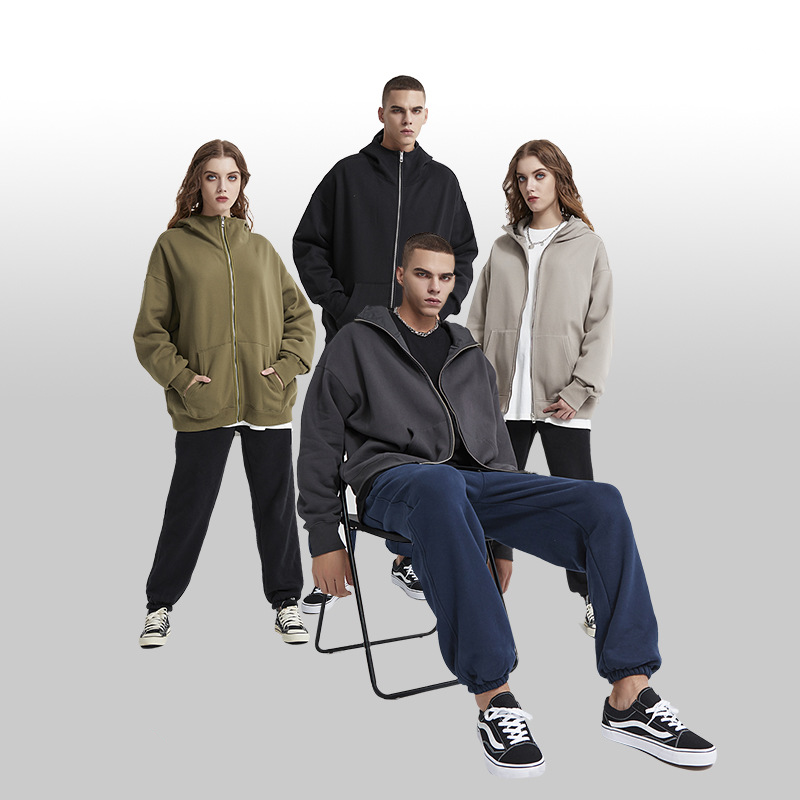
Custom Hoodies
Custom hoodie manufacturer support includes fleece selection, fit blocks, garment dyeing, acid wash or vintage wash effects, rib specifications, drawcords, prints, embroidery, labels and packaging for private-label programs.
Get a Quote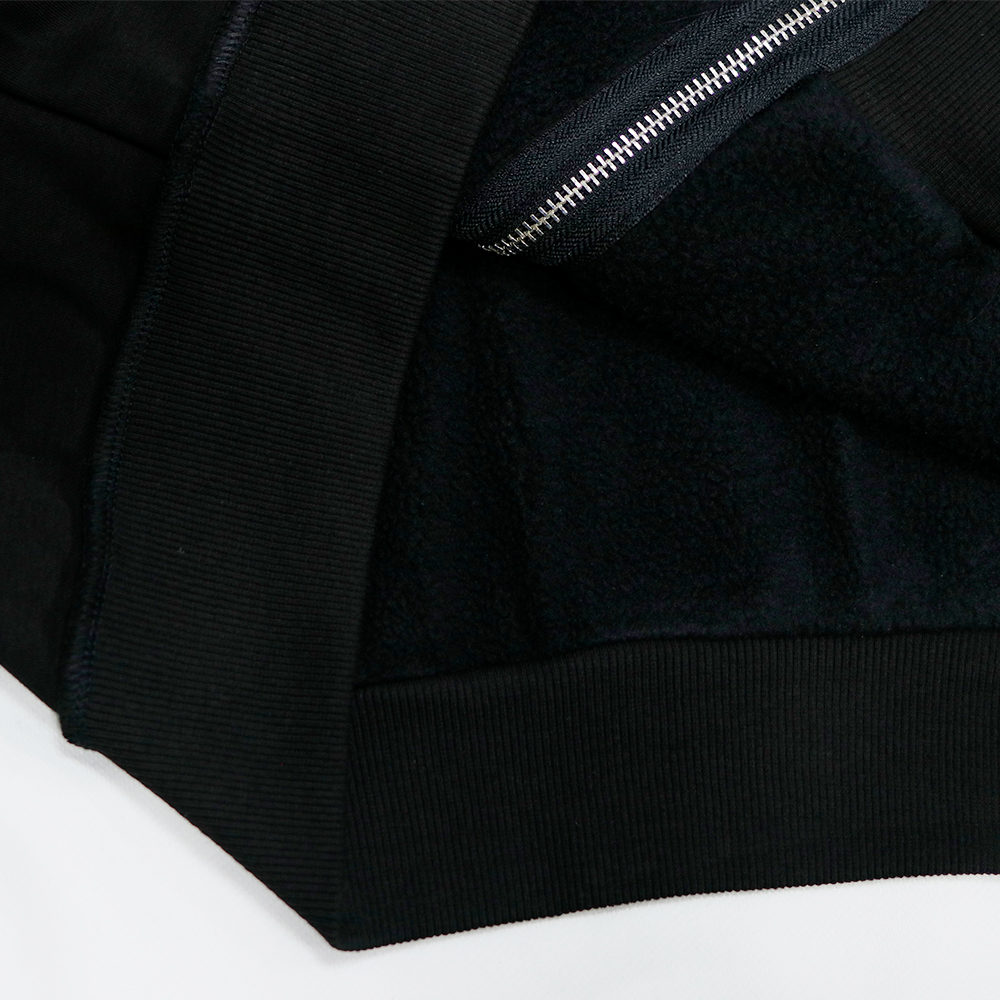
Pullover Sweatshirts
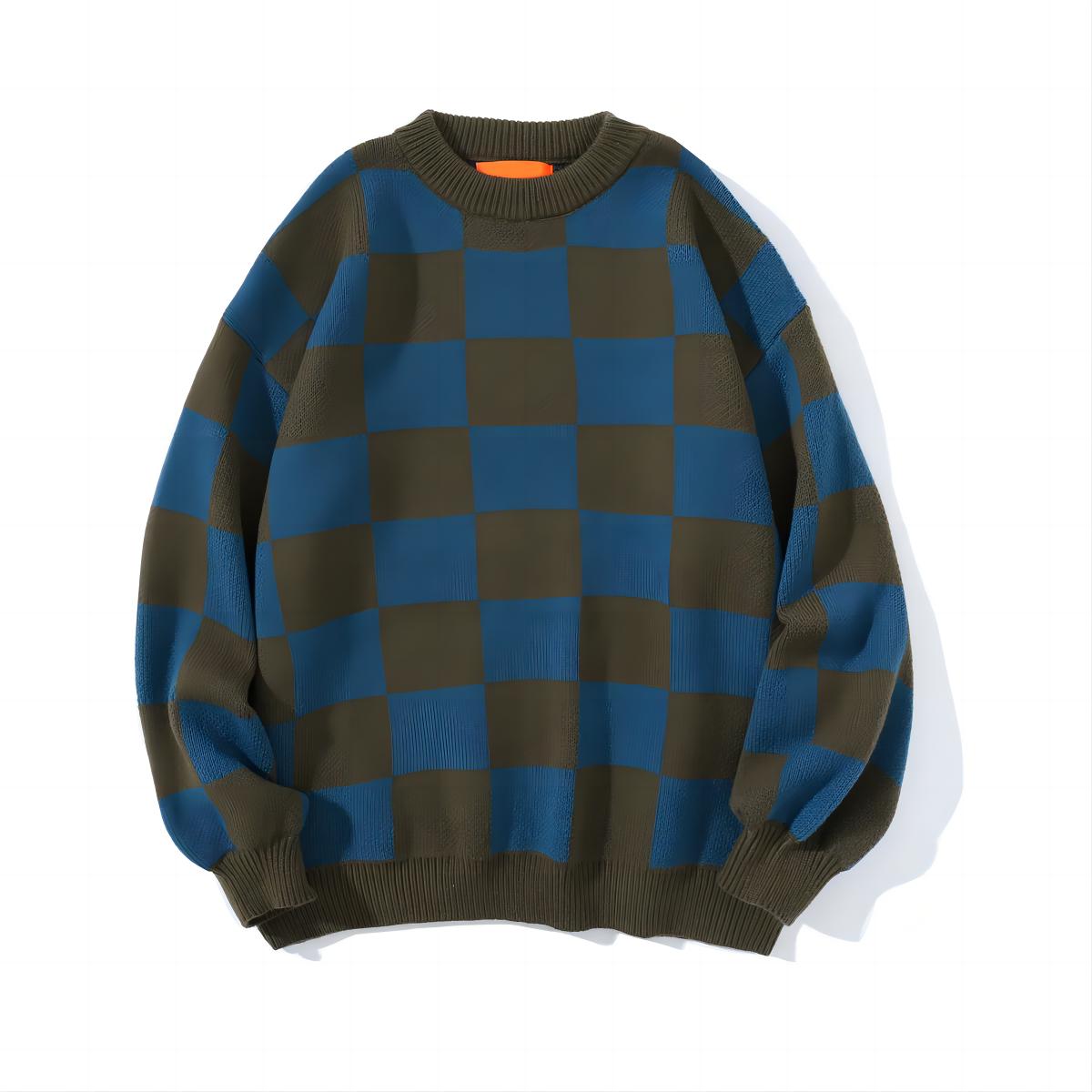
As a sweatshirt manufacturer, EDVORIN develops pullover styles around fleece weight, neckline and rib recovery, then coordinates garment dyeing, wash treatments, artwork placement and approved sample standards for bulk production.
Get a Quote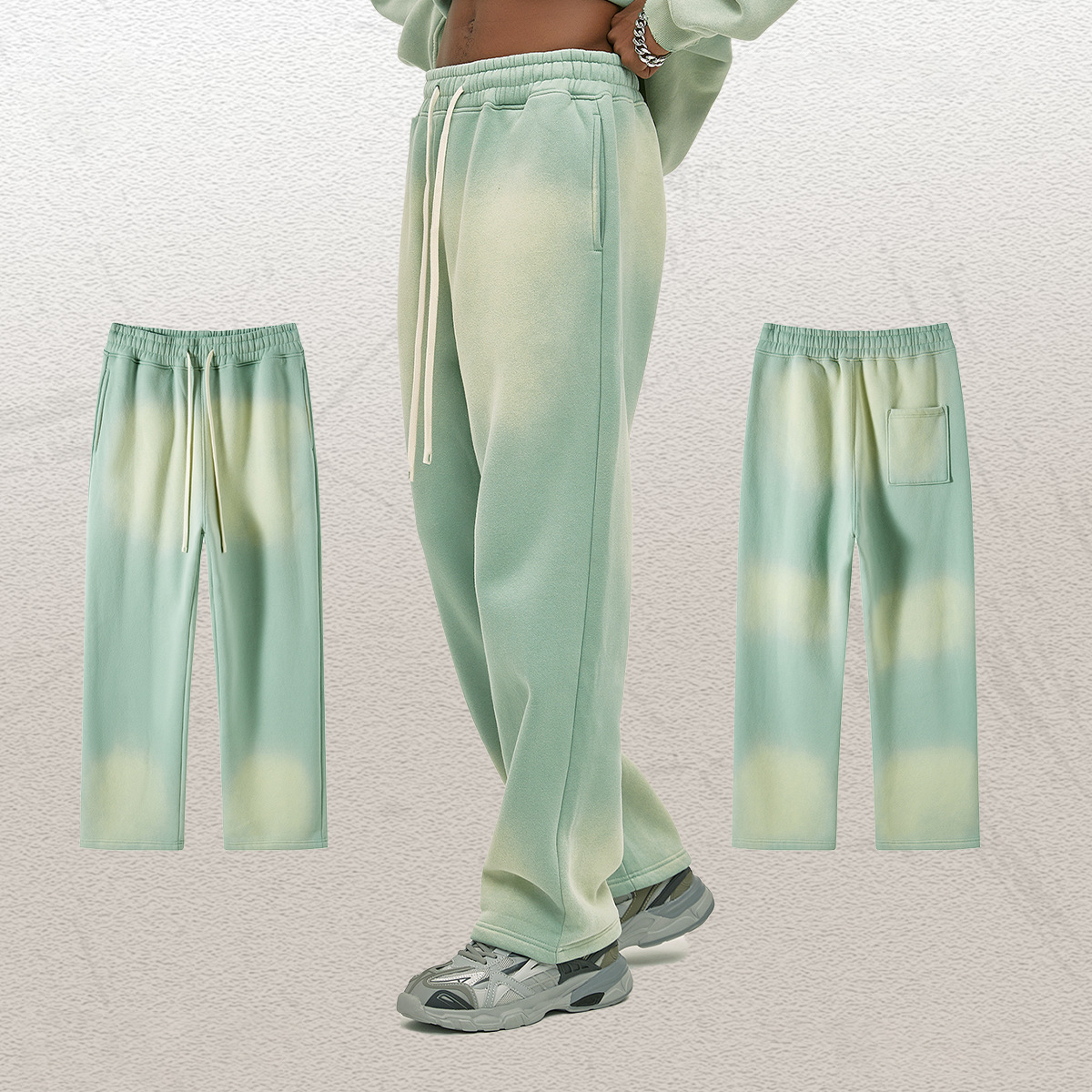
Sweatpants & Joggers
Sweatpants manufacturer capabilities cover jogger and open-leg constructions, waistband and cuff specifications, pocket details, fleece options, garment dyeing, vintage washes and coordinated hoodie sets for men’s and women’s programs.
Get a Quote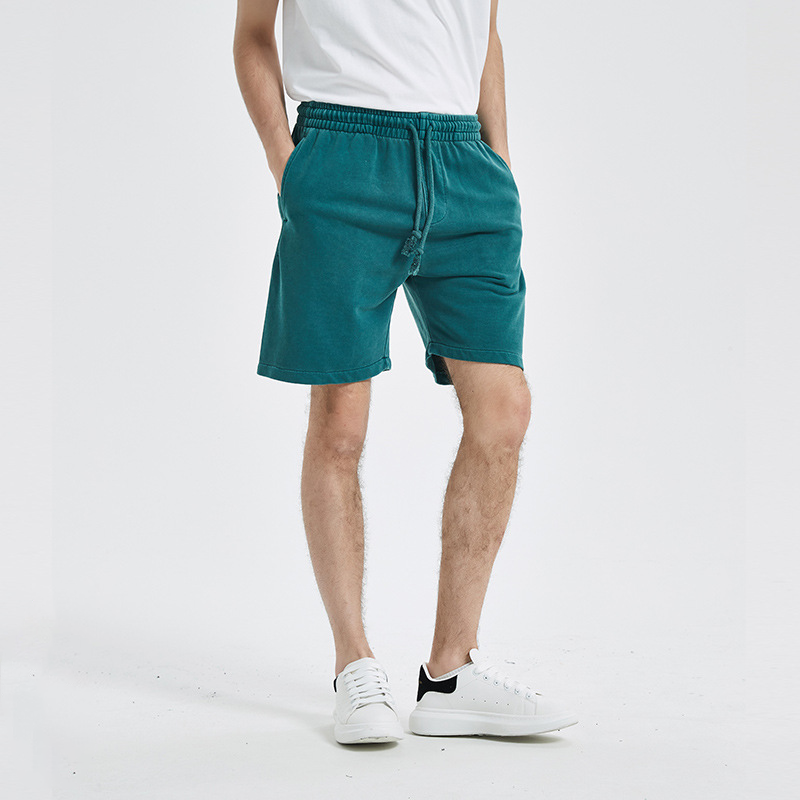
Custom Shorts
Custom shorts manufacturer development includes sweatshorts, jersey shorts and woven styles, with fabric weight, inseam, pocket construction, elastic waistbands, garment dyeing, print or embroidery, labels and packing specified for production.
Get a Quote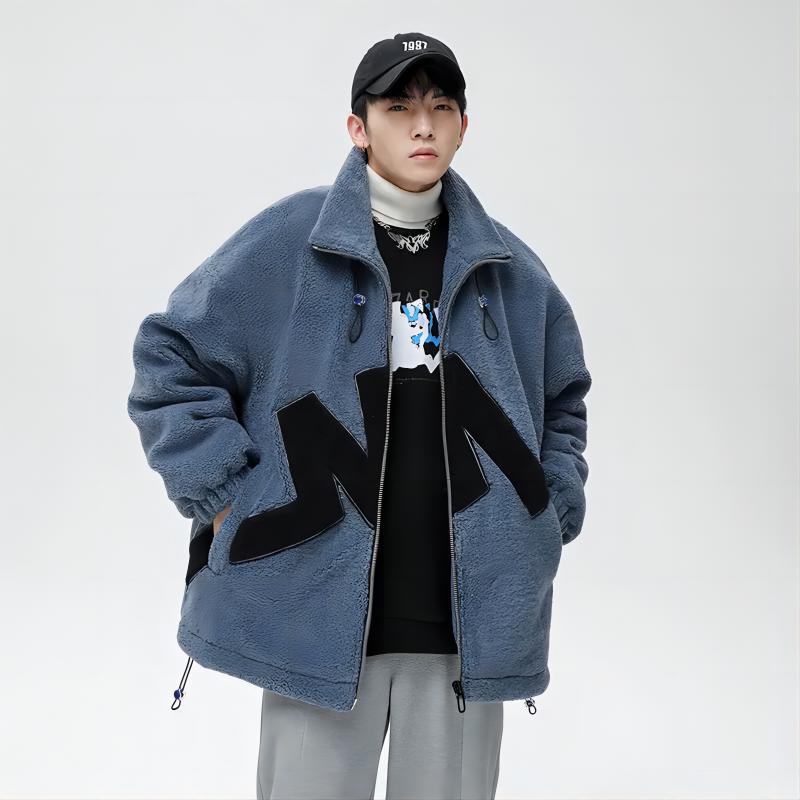
Varsity & Baseball Jackets
Varsity jacket manufacturer programs coordinate body and sleeve materials, rib, snaps, lining, patches and embroidery. Garment-dyed or washed components can be developed where compatible with the selected construction and decoration.
Get a Quote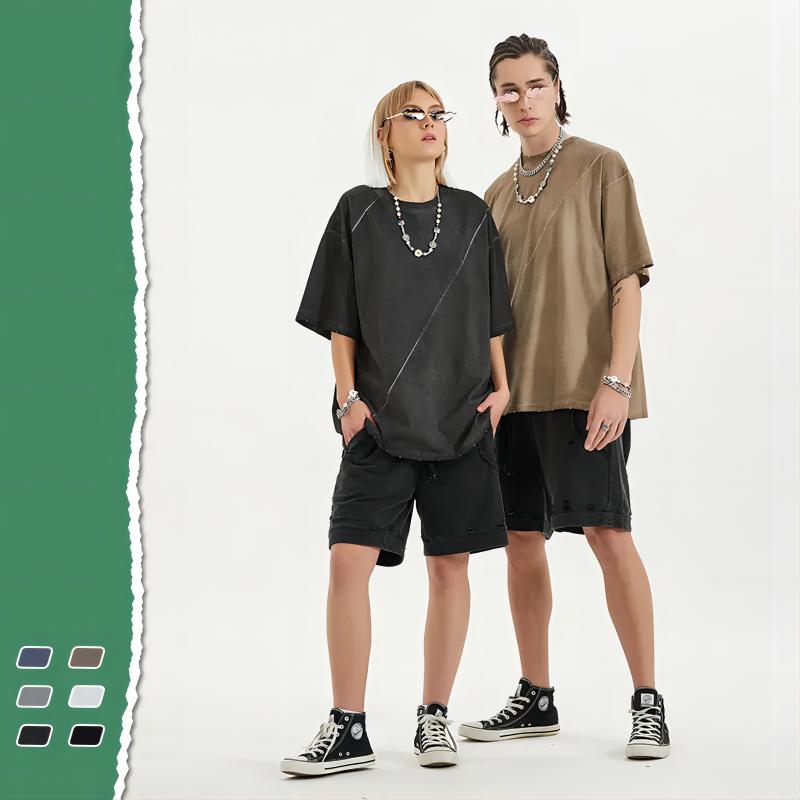
Custom T-Shirts
Custom T-shirt manufacturer services cover fit, fabric weight, collar construction, garment dyeing, acid wash, vintage wash, screen printing, embroidery and private-label finishing, documented from sample approval through bulk inspection.
Get a Quote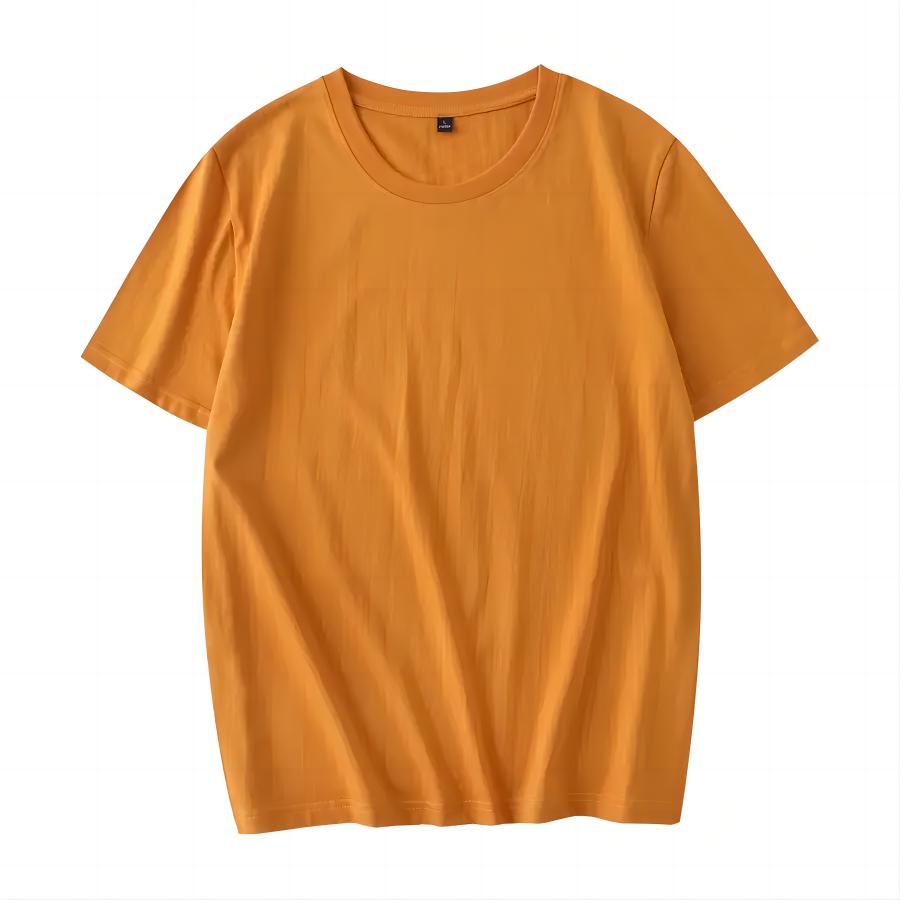
Custom Polo Shirts
Polo shirt manufacturer development includes pique or jersey fabric, collar and placket construction, embroidery placement, color control and labeling. Garment dyeing or wash effects can be assessed against fabric composition and trim performance.
Get a Quote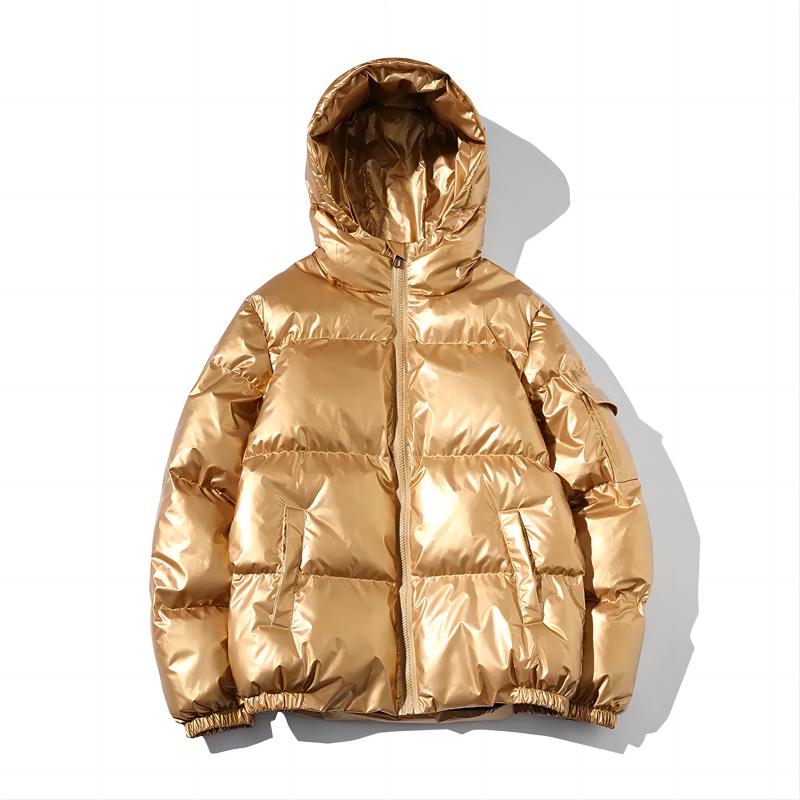
Windbreaker Jackets
Windbreaker manufacturer support covers shell fabric, lining, zippers, pockets, elastic or drawcord adjustments, print and embroidery. Development focuses on construction, weather-use requirements and repeatable color and finishing standards.
Get a Quote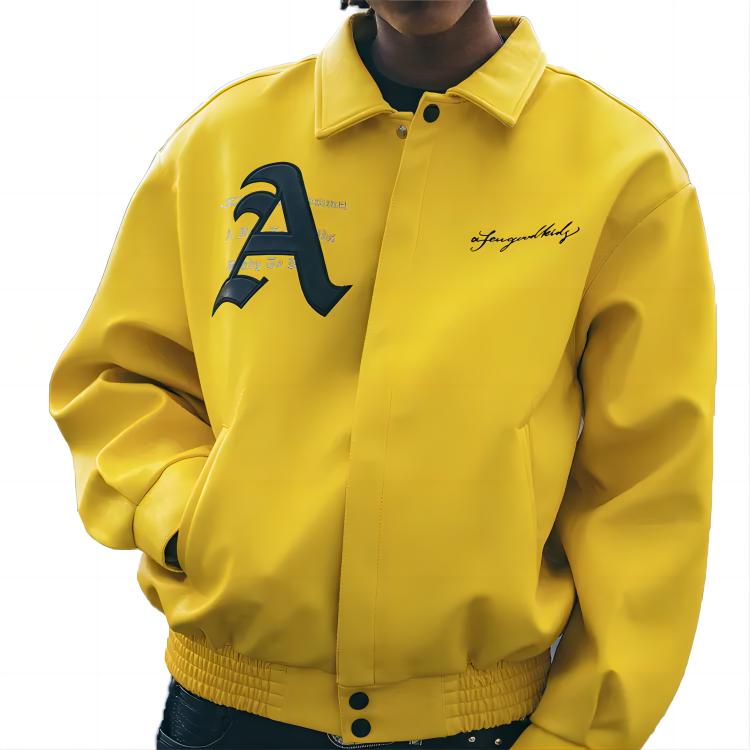
Quilted Jackets
Quilted jacket manufacturer programs coordinate shell, lining, insulation, quilting layout, hardware, labels and packaging. EDVORIN develops samples that clarify bulk standards for outerwear construction and finish requirements.
Get a Quote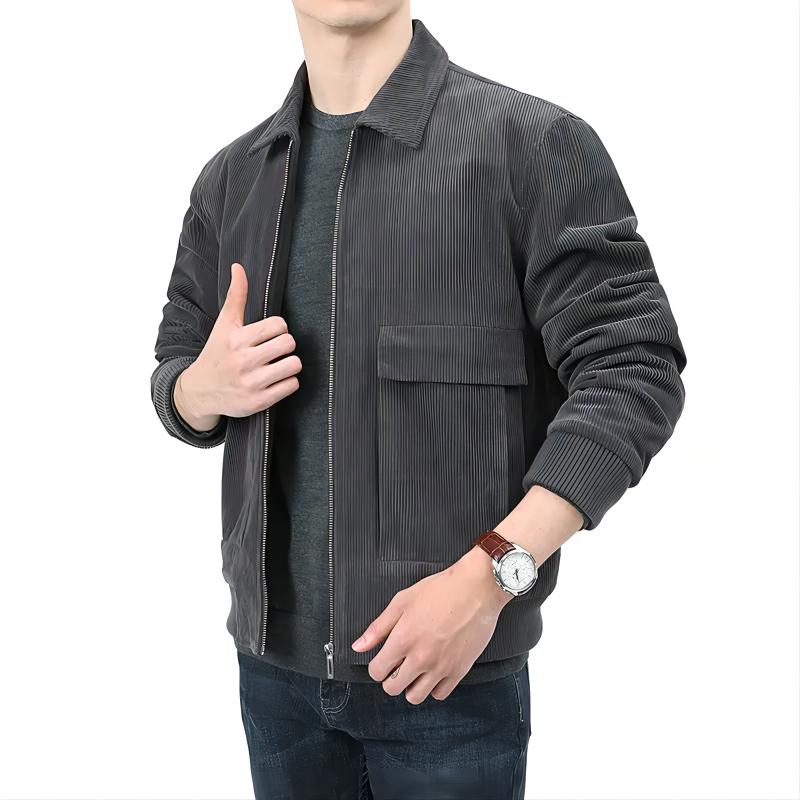
Bomber Jackets
Bomber jacket manufacturer development includes shell and lining selection, rib, zipper, pocket construction, insulation and decoration. Washes and dye effects are evaluated by material compatibility before being recorded in the approved specification.
Get a Quote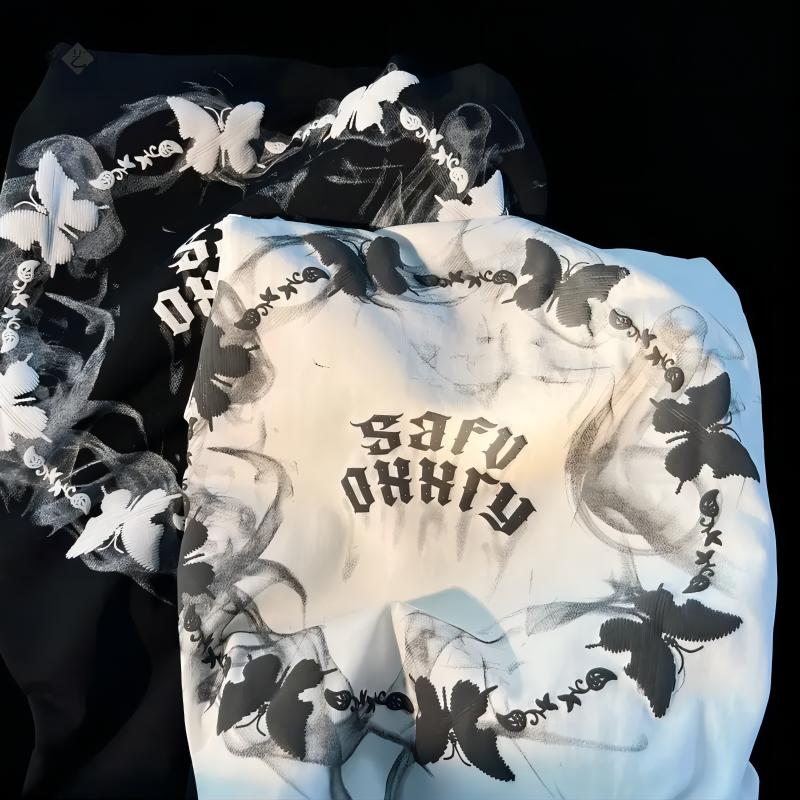
Custom Shirts
Custom woven shirt manufacturer services cover fabric selection, collar and cuff construction, plackets, buttons, fit, embroidery and labels. Garment-dyed finishes can be developed for suitable woven materials and repeatable color control.
Get a Quote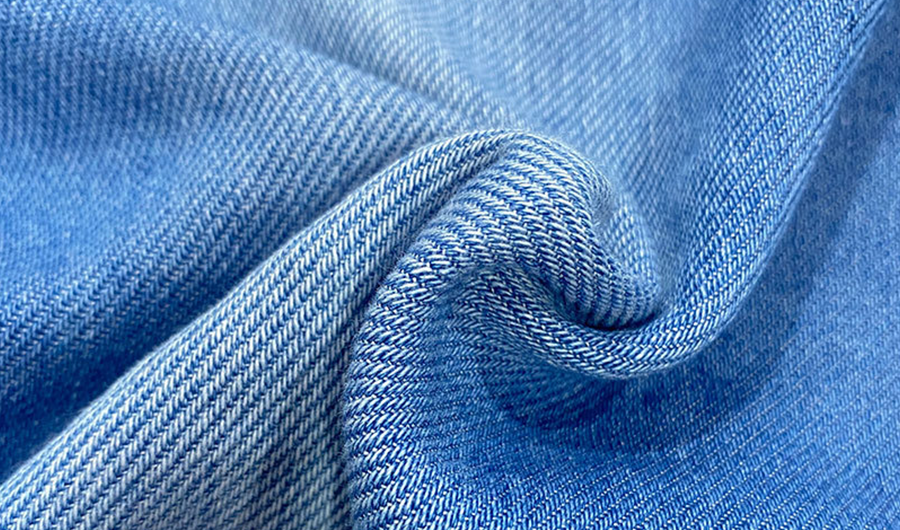
Custom Jerseys
Custom jersey manufacturer support includes breathable fabrics, panel construction, color matching, names, numbers, logos and size grading. Production standards document decoration placement and performance requirements for team and retail programs.
Get a Quote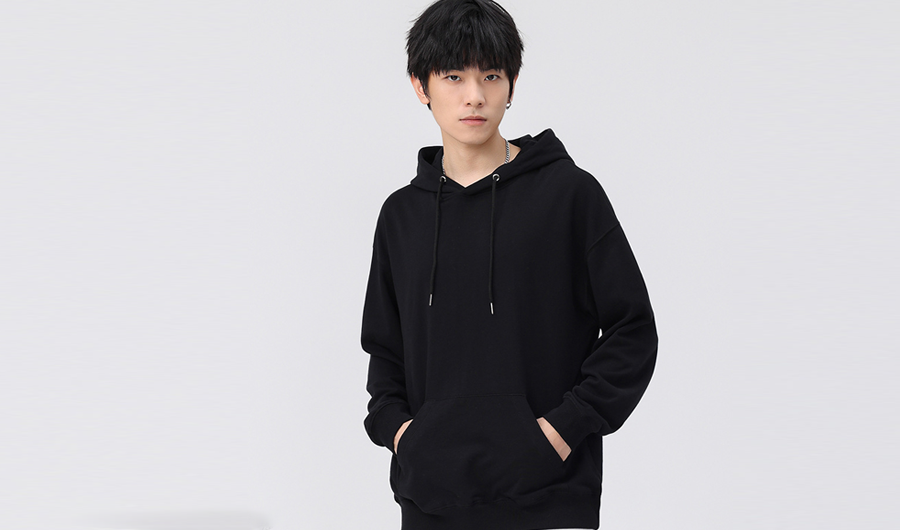
Tank Tops
Custom tank top manufacturer development covers jersey or performance fabrics, armhole and neckline construction, fit, garment dyeing where appropriate, prints, embroidery and private-label labeling for casualwear or athletic programs.
Get a Quote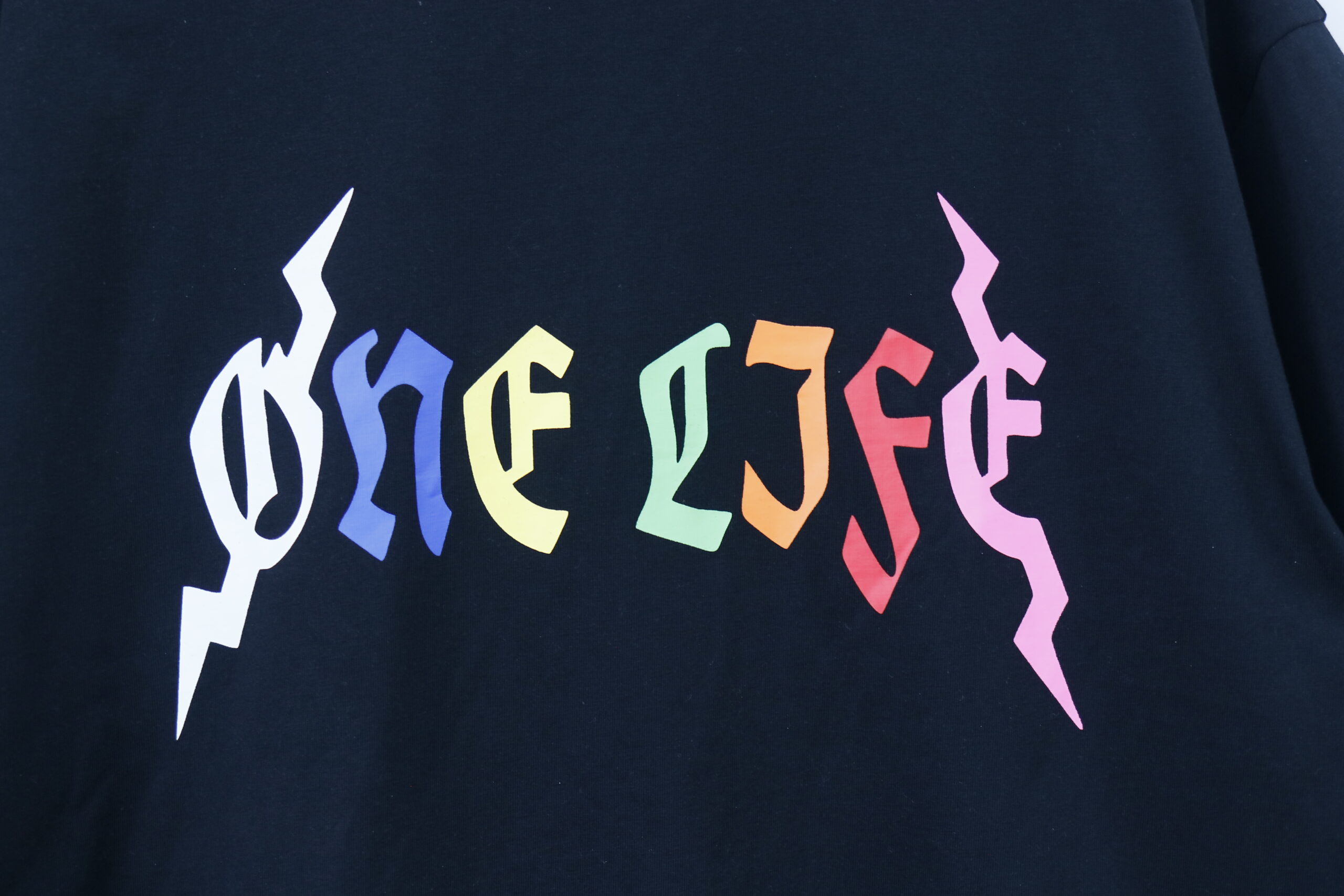
Soccer Uniforms
Soccer uniform manufacturer programs coordinate jerseys, shorts and optional warm-up pieces with breathable fabrics, team colors, crests, names, numbers and organized size sets for clubs, academies and wholesale buyers.
Get a Quote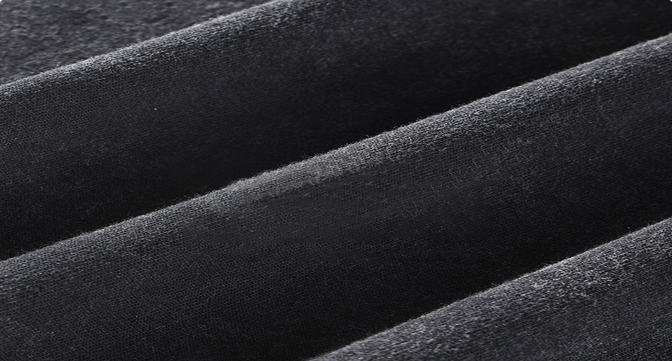
Basketball Uniforms
Basketball uniform manufacturer capabilities include jersey and short development, lightweight performance fabrics, contrast panels, sublimation or print requirements, player numbering, logo placement and repeat-order color consistency.
Get a Quote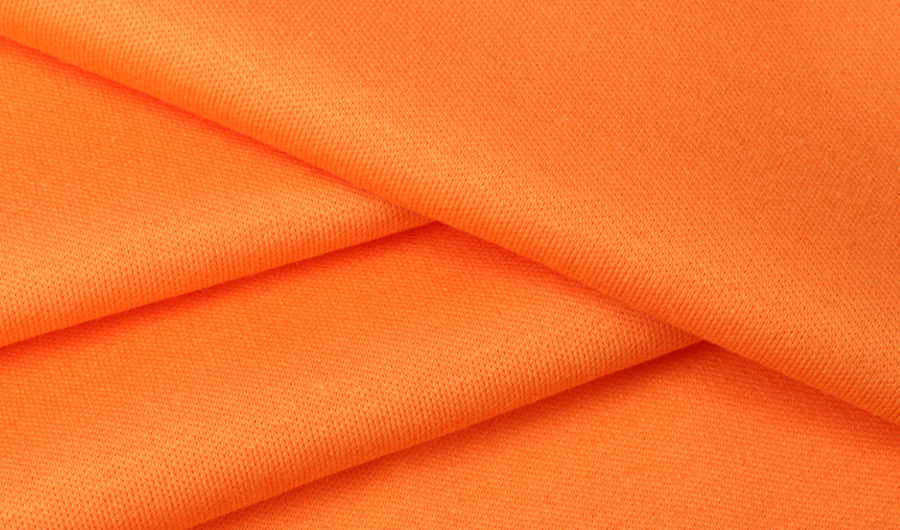
Streetwear Collections
Streetwear clothing manufacturer support connects hoodies, tees, sweatpants, shorts, jackets and woven pieces into coordinated collections, with fabric sourcing, garment dyeing, acid or vintage washes, decoration, trims and private-label packaging managed together.
Get a QuoteGarment Dye Clothing Manufacturer Since 2000
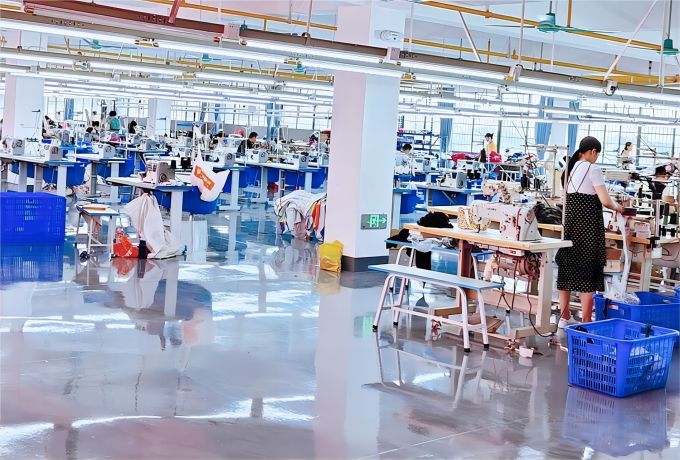
Founded by Edvorin Zeng in 2000, EDVORIN helps fashion brands, streetwear labels, teams and private-label buyers turn apparel concepts into production-ready collections. As a garment dye clothing manufacturer, we connect product development, fabric sourcing, patterns and sampling so color, fit and construction are considered together from the start.
Our production system supports casualwear, streetwear, outerwear and teamwear for men’s and women’s programs. We coordinate dye and wash planning with trims, printing, embroidery, labels and packaging, helping buyers develop hoodies, tees, sweat sets, jackets and uniforms with details that work through the full manufacturing path.
What makes EDVORIN different is the discipline after a sample looks right. Approved standards guide material checks, measurement control, artwork placement and final inspection before packing. With OEM, ODM and private-label support from 200 pieces per style, we build repeatable garment-dye programs for emerging and established buyers.
Garment Dye Clothing Manufacturer Controls for Repeatable Character
Fabric Built for Dye Response
EDVORIN reviews fiber content, weight, knit structure and expected shrinkage before development, so the chosen base supports the intended garment-dye result, hand feel and fit. This early review helps turn a visual direction into a production-ready specification.
- Assess cotton-rich fabric suitability and weight
- Plan shrinkage into approved measurements
- Coordinate construction with the intended wash effect
Approve Color Beyond Screens
Physical approval standards—not digital color references alone—are essential for garment-dye production. EDVORIN coordinates shade targets, sample review and documented revisions so the approved garment provides a clear guide for bulk production.
- Work from a defined shade target or reference
- Review garment-level color during sampling
- Record approved revisions for production alignment
Control Wash Effects Together
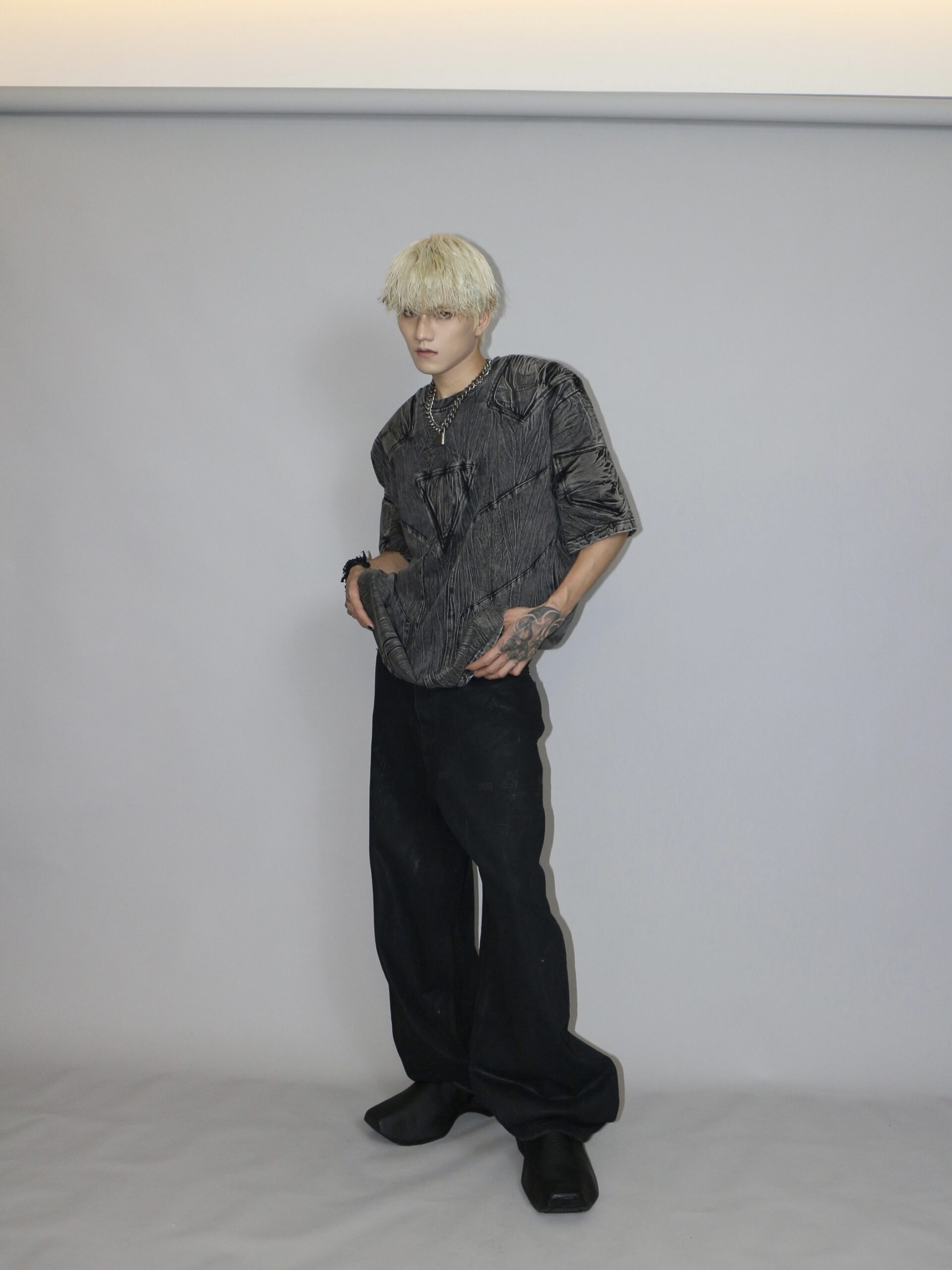
Wash character is planned alongside seams, trims, labels and decoration because each component can react differently through finishing. EDVORIN checks these relationships during development, helping brands balance lived-in variation with the consistent product standard their collection requires.
- Test trim and label compatibility with finishing
- Plan artwork around the wash sequence
- Confirm hand feel, appearance and measurements before bulk
Carry Approval Into Bulk
EDVORIN organizes material, measurement, placement and finishing requirements around the approved sample, then applies in-line and final checks before packing. This sample-to-bulk discipline supports repeatable garment-dyed programs for emerging labels, wholesale orders and established collections.
- Use the approved sample as the production reference
- Check key requirements during production
- Verify finished garments before labeling and packing
Garment Dyeing vs. Acid Wash: Choosing the Right Finish
Choose garment dyeing for controlled, all-over color; choose acid wash when a stronger distressed effect matters more than shade uniformity.
← Swipe left or right to view →
Our Garment-Dye Production Process
A controlled path from dye-ready construction to inspected, packed apparel—built around the approved sample and your collection standard.
Review Fabric and Trims
We assess fiber content, fabric weight, construction, threads, labels, hardware, artwork, and target effect to identify dye and wash considerations early.
Develop Dye-Ready Garments
Patterns, measurements, sewing details, and trim selections are developed for the intended garment dye process, with men’s and women’s fit requirements documented.
Create Sample Dye Trials
EDVORIN produces sample dye trials to evaluate shade, hand feel, shrinkage, wash character, and decoration compatibility before bulk standards are confirmed.
Approve Shade and Finish
You review the physical sample against the agreed color direction, fit, measurements, and finish, turning approved details into a clear production reference.
Control Bulk Washing
Bulk garments move through dyeing, washing, drying, and finishing under documented requirements, with in-line checks focused on consistency and approved character.
Inspect, Label, and Pack
Final inspection checks measurements, appearance, labels, packaging, and order presentation before shipment, helping ensure the packed garments reflect the approved standard.
From Brief to Bulk: Your Garment-Dye Order
Move from an early concept or complete tech pack to an approved garment-dye sample and a repeatable bulk standard.
Share Your Product Brief
Send your tech pack, sketch, reference garment, target fit, color reference, wash character, and planned quantities. Our team reviews construction, materials, and production requirements.
Confirm Fabric and Details
Select the fabric composition, weight, trims, labels, decoration, and packaging with EDVORIN. We align each choice with dye response, shrinkage, hand feel, and your intended finish.
Approve Your Garment-Dye Sample
Review a physical sample for shade, wash character, measurements and overall appearance. Record approved revisions so bulk production follows a clear standard.
Launch Your Bulk Order
Confirm your order from 200 pieces per style. EDVORIN coordinates production, washing, quality checks, labeling, and packing against the approved sample before shipment.
What Buyers Say About EDVORIN’s Garment-Dye Programs
EDVORIN matched our approved charcoal sample across a 600-piece hoodie run and kept the washed character we wanted. The measurement and shade records made our second order much easier to approve.
Our first 240-piece women’s sweatshirt program needed a soft, aged color without losing its fit after washing. The sample revisions clarified the finish, and bulk arrived on schedule with consistent label and packing details.
We reordered 1,200 garment-dyed team hoodies after the initial launch. EDVORIN kept the same approved color direction, artwork placement, and size breakdown, which gave us confidence to plan the next season.
Garment Dye Clothing Manufacturer FAQs
Clear answers on fabric suitability, shade variation, decoration, samples and production planning for garment-dyed apparel.
Which fabrics work best for garment-dyed apparel?
Will every garment-dyed piece have exactly the same shade?
Can garment dyeing be combined with embroidery, patches or prints?
What is the MOQ for garment-dyed apparel?
What should I send EDVORIN for a quote?
How do I specify the color for a garment-dyed collection?
Can garment dyeing affect shrinkage, fit or measurements?
Can EDVORIN develop men’s and women’s garment-dyed styles?
The Complete Buyer’s Guide to Garment-Dye Manufacturing
Use this practical framework to evaluate dye methods, fabrics, customization, quality controls, pricing, and supplier fit—while avoiding sampling, color-consistency, and production-planning mistakes that can derail a garment-dyed collection.
1. What Is Garment-Dye Manufacturing?
A garment-dye clothing manufacturer dyes a fully cut-and-sewn garment after assembly, rather than dyeing fabric before cutting. That sequence colors seams, rib, panels and finished construction together, subject to the garment’s fiber and trim compatibility.
Piece dyeing colors the fabric roll first and typically produces a more uniform shade; garment dyeing can create dimensional tonal shifts and a softened, washed character across the finished item. Source: https://essentialsmade.com/blogs/essentials-made-reviews/what-is-garment-dyed-clothing.
A 200-piece program can suit fashion capsules, vintage-led streetwear hoodies and tees, coordinated teamwear, and private-label basics. EDVORIN translates the chosen color effect, fit, construction, labels and packaging into an approved production standard that can be repeated.
2. Evolution of Garment Dyeing
Two production sequences distinguish the method: conventional apparel is dyed as fabric before cutting, while garment dyeing colors the sewn piece afterward. What began as a practical way to color completed goods became a controlled fashion finish, valued for vintage casts, softened fades, and dimensional shade across seams, ribs, and panels.
Since 2000, EDVORIN has approached apparel as a repeatable production standard, making that discipline especially relevant to premium basics and streetwear. Heavyweight cotton T-shirts, French terry sweatshirts, hoodies, and joggers gain character when the approved sample defines acceptable shade range, wash level, shrinkage, trim response, and artwork behavior. Piece-to-piece variation is inherent to the look—not a defect—when the buyer approves realistic bulk tolerances before production.
3. Types of garment dye clothing manufacturer Services
Six service paths create distinctly different color and wear results. Specify the intended effect, acceptable shade variation, and wash-fastness target before sampling.
| Service | Visual Result | Fastness Trade-Off | Best Fit |
|---|---|---|---|
| Standard garment dye | Dimensional solid | Varies by dye class | Custom colored basics |
| Pigment dye | Soft, faded surface | Lower rub and wash durability | Worn-in streetwear |
| Reactive dye | Deep, even cotton shade | Strong wash fastness | Color-led essentials |
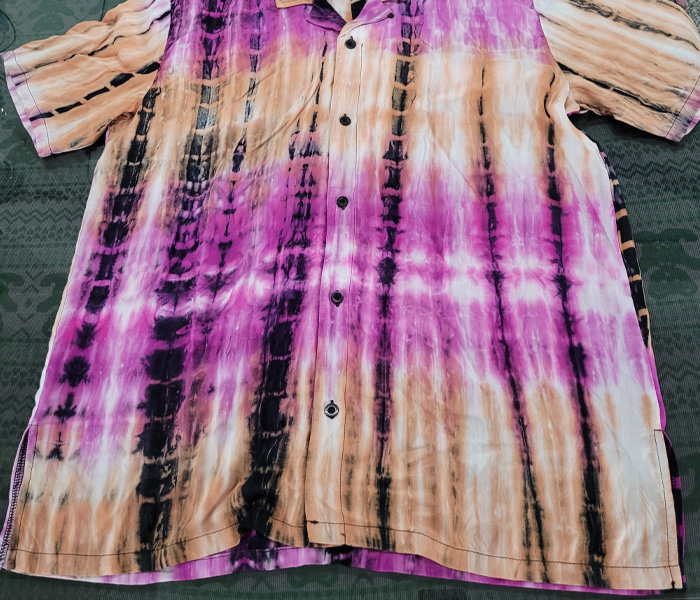
| Tie-dye | Resist-pattern variation | Pattern varies garment to garment | Limited drops |
| Acid wash | High-contrast distressing | Finish variation expected | Bold hoodies |
| Vintage or stone wash | Soft, aged fade | Abrasion can affect trims | Retro tees and fleece |
Integrated Or Dye-House Service
Cut-and-sew manufacturers control pattern, sewing, trims, and dyeing as one specification. Dye houses typically process buyer-supplied blanks, so shrinkage, thread behavior, and trim compatibility remain the buyer’s responsibility.
Approval Before Bulk
One washed size-set sample should establish shade, hand feel, shrinkage, and print performance. EDVORIN can translate approved construction and finish decisions into a repeatable bulk standard.
4. Fabrics for garment dye clothing manufacturer Projects
100% cotton generally gives the most predictable dye uptake because cellulose is absorbent. A garment dye clothing manufacturer should match fiber, GSM, knit structure, expected shrinkage, and trims before approving color.
| Fabric | GSM | Best Use | Dyeing Note |
|---|---|---|---|
| Cotton jersey | 180–260 | T-shirts | Absorbent; test shrinkage |
| French terry | 320–420 | Hoodies, shorts | Stable loopback hand |
| Brushed fleece | 380–500 | Sweatshirts, joggers | Check pile and rib |
| Cotton-rich blend | 280–360 | Casual sets | Confirm fiber contrast |
| Nylon or coated fabric | Varies | Outerwear | Use caution; limited uptake |
Fiber And Knit Response
100% ring-spun cotton jersey and French terry dye more uniformly than cotton-rich blends with polyester. Polyester threads, cordage, elastane, and coated trims can retain their original shade or respond differently in the wash.
Sample Before Bulk
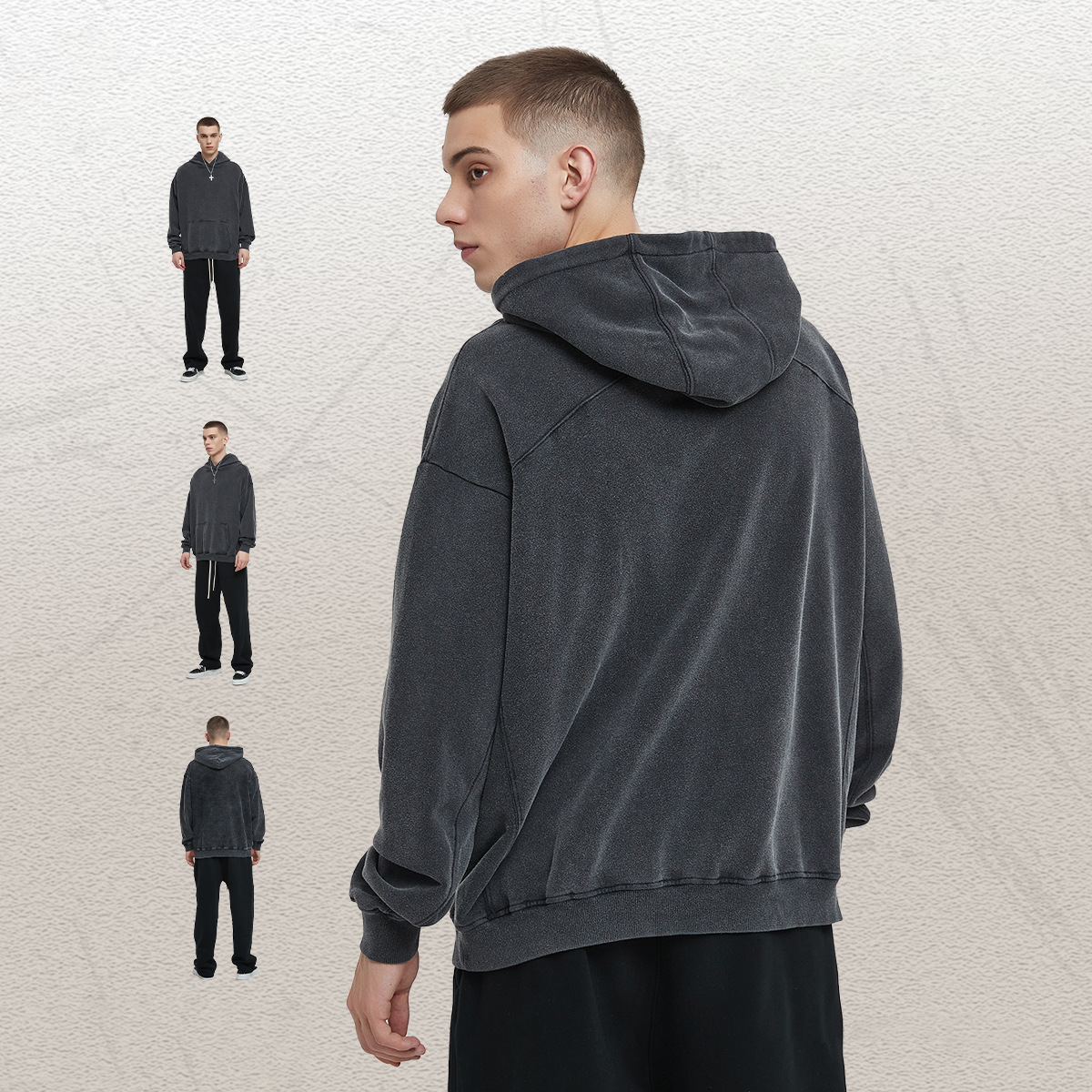
2 physical sample stages—a lab-dip garment and a pre-production sample—should confirm final shade, hand feel, shrinkage, and trim compatibility. Garment dye can create controlled tonal variation, so approve the acceptable wash character rather than a screen color alone.
5. Customization and Decoration Options
Pantone references and approved wash samples should govern shade targets for every garment dye clothing manufacturer program. Oversized hoodies, tees, joggers, and jackets need decoration planned around post-dye color movement.
| Method | Washed Aesthetic | Control Point |
|---|---|---|
| Embroidery | Integrated or tonal | Test thread shade |
| Screen print | Bold contrast | Test adhesion |
| DTG | Soft detail | Test clarity |
| Patch | Crisp branding | Apply after treatment |
Sequence Before Dyeing
Thread, care labels, woven trims, drawcords, and patches must be tested for dye uptake and wash exposure.
Neck prints, embroidery, and heat-sensitive elements can be applied after treatment when the design requires clean contrast.
Choose Decoration By Effect
Screen print can retain a bold graphic but requires adhesion and cracking tests after washing.
DTG works best on smooth, compatible cotton surfaces; test print clarity against the intended faded ground.
Finish The Brand Presentation
Woven labels and packaging should be approved alongside the treated sample, not from separate color references.
Post-treatment patches preserve sharp logos, while pre-dye embroidery can support a more integrated worn-in appearance.
6. Construction Quality for Garment-Dyed Apparel
Final QC should be performed after dyeing, washing, drying and finishing. A garment-dye clothing manufacturer must judge the finished garment, because dimensions, shade, trims, seams and hand feel can all change after processing.
Measurement And Shrinkage
Two measurement sets matter: sewn-before-wash and finished-after-wash. Approve shrinkage allowance in the pattern, then compare chest, body length, inseam, and opening measurements against the finished spec.
Seams, Thread, And Trims
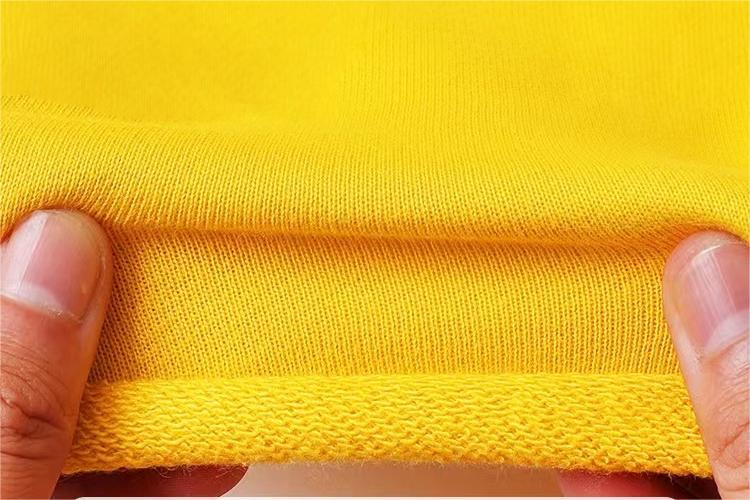
Every seam should be checked after laundering for puckering, broken stitches, seam grin, and distortion. Test thread, zipper tape, drawcords, rib, labels, and snaps for dye uptake, bleeding, corrosion, and dimensional change.
Color And Wear Performance
Each production lot should match the approved shade within the buyer’s stated tolerance under controlled light. Confirm dye penetration, colorfastness, pilling, softness, and the garment’s overall appearance after repeated laundering.
7. Choosing a garment dye clothing manufacturer
Two comparable garment-dye programs are stronger evidence than a generic wash portfolio. Ask each garment dye clothing manufacturer to map its fabric sourcing, technical development, dye approval, inspection, communication, lead time, and shipping handoff.
Verify Product Experience
Two completed hoodie, tee, or jogger programs reveal more than lifestyle photos. Request construction specifications, before-and-after wash measurements, and references for comparable fabric weights.
One technical review should identify fiber content, sewing thread, trims, prints, and labels that may react differently in dyeing. Ask who owns pattern revisions and records the approved standard.
Approve Color And Samples
Three physical checkpoints reduce shade disputes: lab dip, dyed sample, and pre-production sample. Require Pantone or retained-standard comparison under agreed lighting, plus documented acceptable variation.
One post-dye inspection report should cover shade, shrinkage, twist, measurement, stains, and decoration damage. Ask whether failed pieces are segregated and how rework is authorized.
Confirm Commercial Readiness
EDVORIN’s MOQ starts at 200 pieces per style. 200-piece MOQ may fit one colorway but not an expanded size-color matrix. Request MOQ by style, color, fabric, and decoration before development begins.
Three dates should appear in the production plan: sample approval, bulk completion, and shipping-ready handoff. Confirm packing specifications, carton marks, export documents, freight terms, and the escalation contact for delays.
8. Common Garment-Dye Buying Mistakes
Garment dyeing creates controlled variation, not identical shade on every unit. Buyers reduce preventable bulk risk by defining acceptable variation before a garment dye clothing manufacturer starts production.
Specify Variation Before Sampling
1 approved physical sample should define shade range, wash character, measurements, and shrinkage after laundering. Screen colors and untested Pantone references cannot replace it.
2 production references should record fabric composition, trim materials, dye method, artwork placement, and acceptable shade tolerance. This gives cutting, sewing, decoration, and washing teams one standard.
Test The Complete Garment
100% cotton usually accepts garment dye more predictably than mixed fibers, while polyester thread, coated hardware, and unsuitable labels can remain visibly different. Select every component for dye and wash compatibility.
3 checks—wear, wash, and post-wash measurement—should occur before bulk approval. Wash-sensitive prints, transfers, and embroidery backings need testing on the finished garment, not only on a fabric swatch.
1 development brief should specify the intended faded or tonal effect from the beginning. Adding it after construction approval can alter hand feel, shrinkage, color, and decoration performance.
9. Launching a Garment-Dyed Collection
EDVORIN’s MOQ starts at 200 pieces per style. A 200-piece MOQ makes disciplined preproduction essential: lock the product brief, intended wash character, and delivery window before development starts. EDVORIN converts those decisions into an approval path that emerging labels, clubs, schools, wholesalers, and private-label teams can review.
Lock The Pre-Dye Specification
Before cutting, approve the silhouette, fabric composition, GSM, stitch color, trims, label method, artwork, and target shade. Garment dye and finishing can alter shrinkage, hand feel, and contrast, so unresolved details should not enter sampling.
- Pantone reference or physical color swatch
- Measurement chart and grading rules
- Decoration placement after washing
Develop And Test Samples
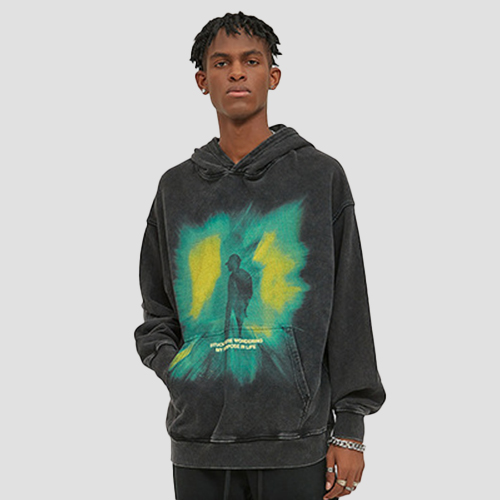
First samples should confirm fit and construction; wash samples should confirm shade, shrinkage, softness, and decoration compatibility. Review both against the approved brief, then record revisions in the tech pack before bulk authorization.
- Fit sample
- Wash approval sample
- Preproduction sample
Approve Bulk And Delivery
Before bulk dyeing, approve the final sample, branding artwork, labels, packaging, inspection standard, size breakdown, and ship date. EDVORIN can coordinate material, pattern, sampling, decoration, washing, quality control, and packing through one accountable production path.
- Shade tolerance reference
- Final inspection checklist
- Delivery and replenishment plan
10. Garment-Dye Manufacturing Pricing
200 pieces is EDVORIN’s stated starting MOQ; unit pricing changes with the approved specification, not a published rate card. A garment dye clothing manufacturer should quote after confirming garment, fabric, shade, wash, decoration, labels, and packing.
280–500 GSM fleece generally uses more material and drying capacity than a 180–220 GSM T-shirt jersey. Complex washes, multi-location decoration, and custom trims add handling, testing, and production steps.
1 approved development sample should establish shade, shrinkage, measurements, artwork placement, and trim performance before bulk. Request a specification-based quote with quantity by color and size, target delivery date, tech pack, and Pantone reference.
| Cost driver | Illustrative specification | Likely cost effect | Likely lead-time impact |
|---|---|---|---|
| Quantity tier | 200 pieces versus 500+ pieces | Lower volume spreads setup costs | Smaller dye lots may need scheduling |
| Garment and fabric | T-shirt jersey versus heavyweight hoodie fleece | More fabric and construction increase cost | Heavier garments need longer drying |
| Dye or wash | Solid garment dye versus pigment or acid wash | Extra wash steps raise processing cost | Lab dip and wash trials add time |
| Decoration and labels | Screen print, embroidery, woven labels, hangtags | More locations and components add cost | Artwork, trims, and sample approvals extend timing |
Request a Garment-Dye Sample for Your Collection
Share your artwork, reference shade, garment specification, or tech pack for a garment dye clothing manufacturer quote from EDVORIN.