
Custom Clothing Buttons Supplier for Production-Ready Apparel
EDVORIN coordinates button design, placement and garment construction so approved samples translate reliably into bulk production.
Button-Compatible Apparel Styles for Development
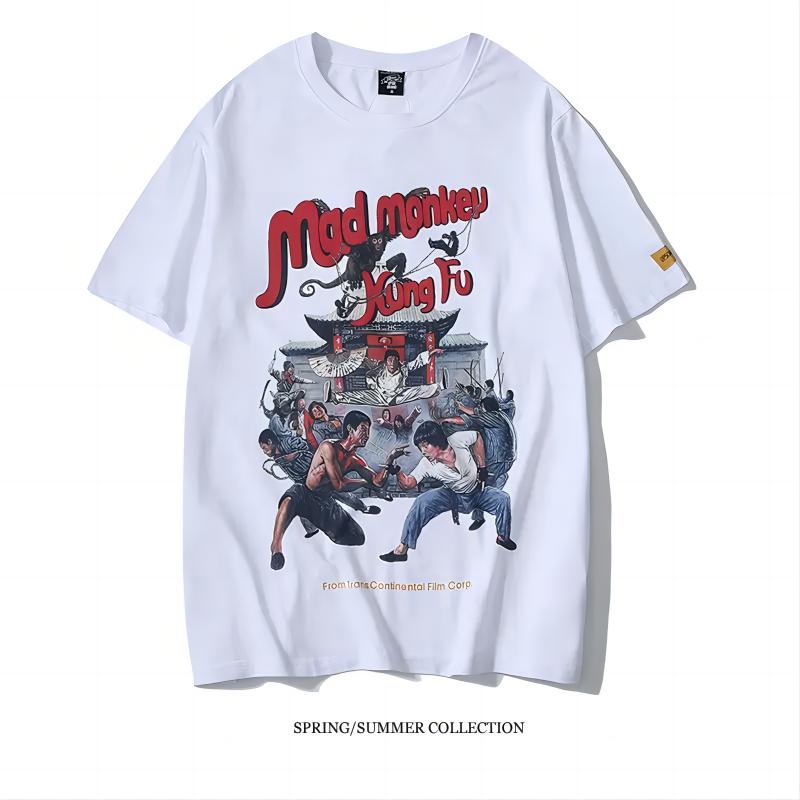
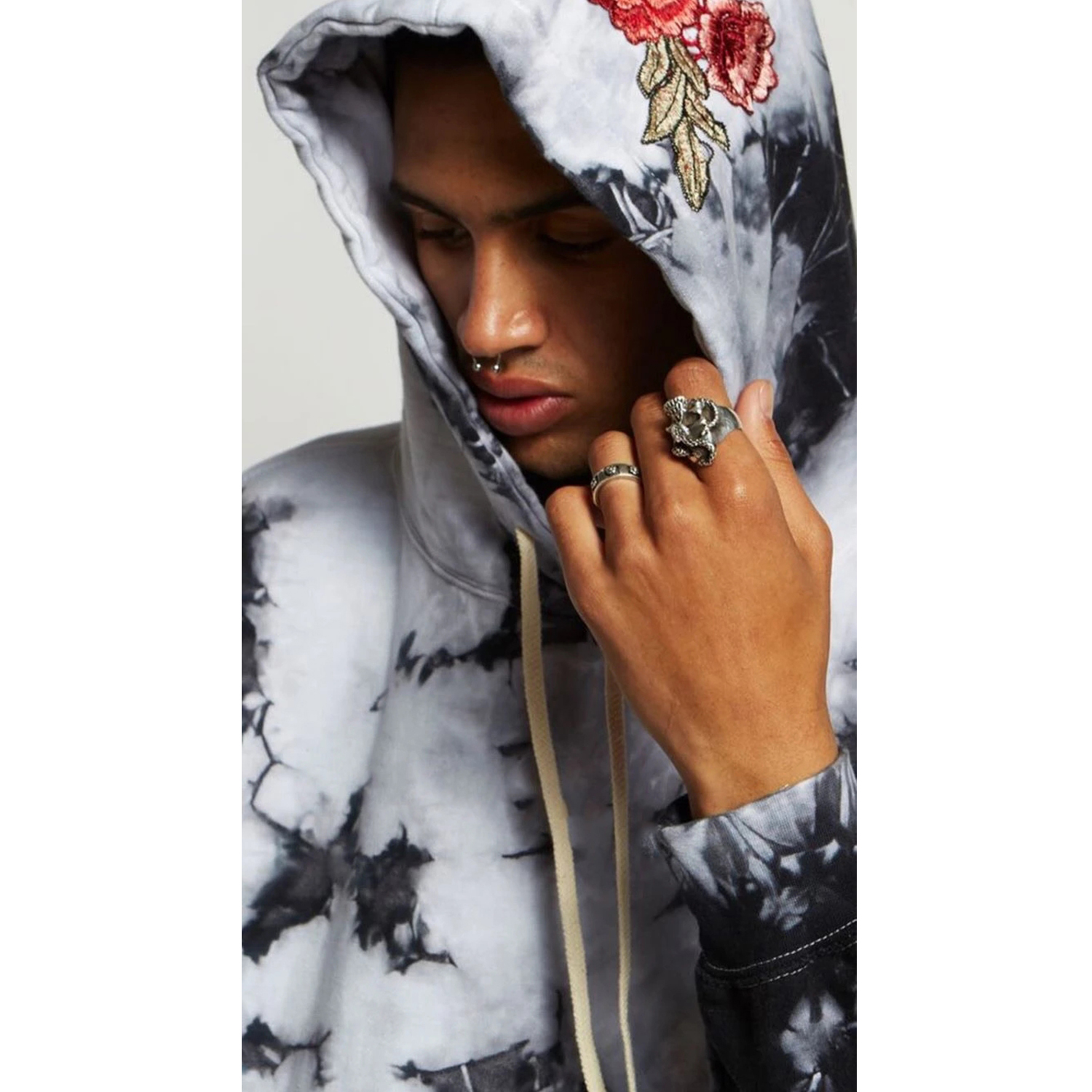
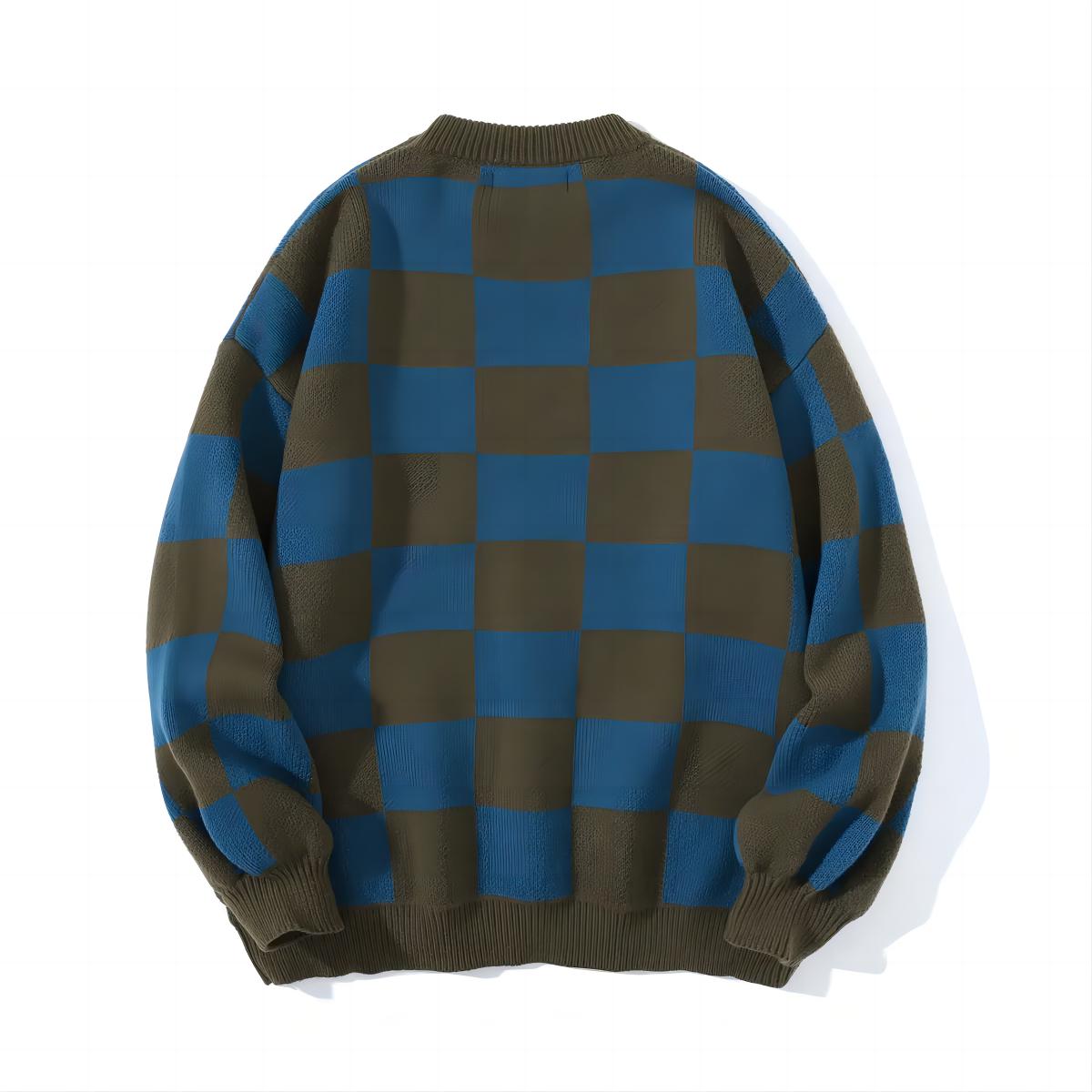
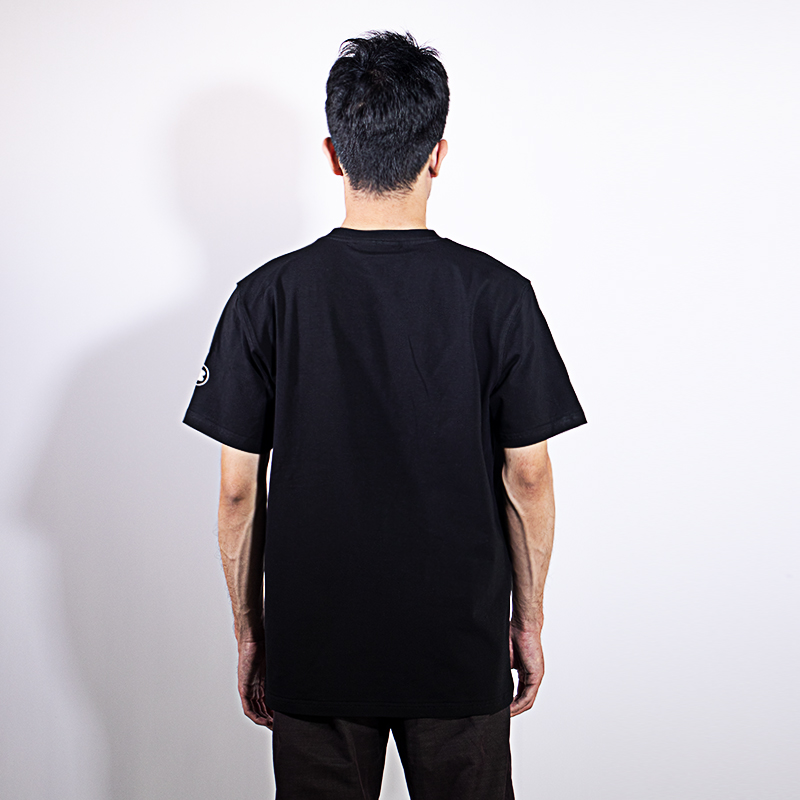
Why Add Custom Clothing Buttons to Your Garment Order?
EDVORIN coordinates button details with garment construction so each trim supports the collection’s look, wear requirements and repeatable bulk standard.
Stronger Brand Recognition
Custom logos, colors and shapes turn a functional closure into a recognizable detail that reinforces your label across jackets, shirts and uniforms.
Material-Matched Design
Button materials, finishes and sizes are selected around the garment fabric, intended use and visual direction for a more cohesive finished product.
Wear-Ready Performance
Attachment methods and button specifications are reviewed during development to help support reliable use through production, finishing and everyday wear.
Flexible Collection Details
Coordinate buttons with labels, embroidery, prints and hardware to create consistent trim language across casualwear, streetwear, outerwear and teamwear programs.
Approved for Repeat Orders
Sample-approved placement, sizing and trim specifications give bulk production a clear standard for dependable reorders as your program grows.
Integrated Production Support
As a custom clothing buttons supplier and apparel manufacturer, EDVORIN aligns button choices with patterns, construction, packaging and quality control.
Apparel Categories and Trim Requirements
Review the relevant garment pages as you define button use, fabric weight, closures, decoration, labeling and repeat-production standards.
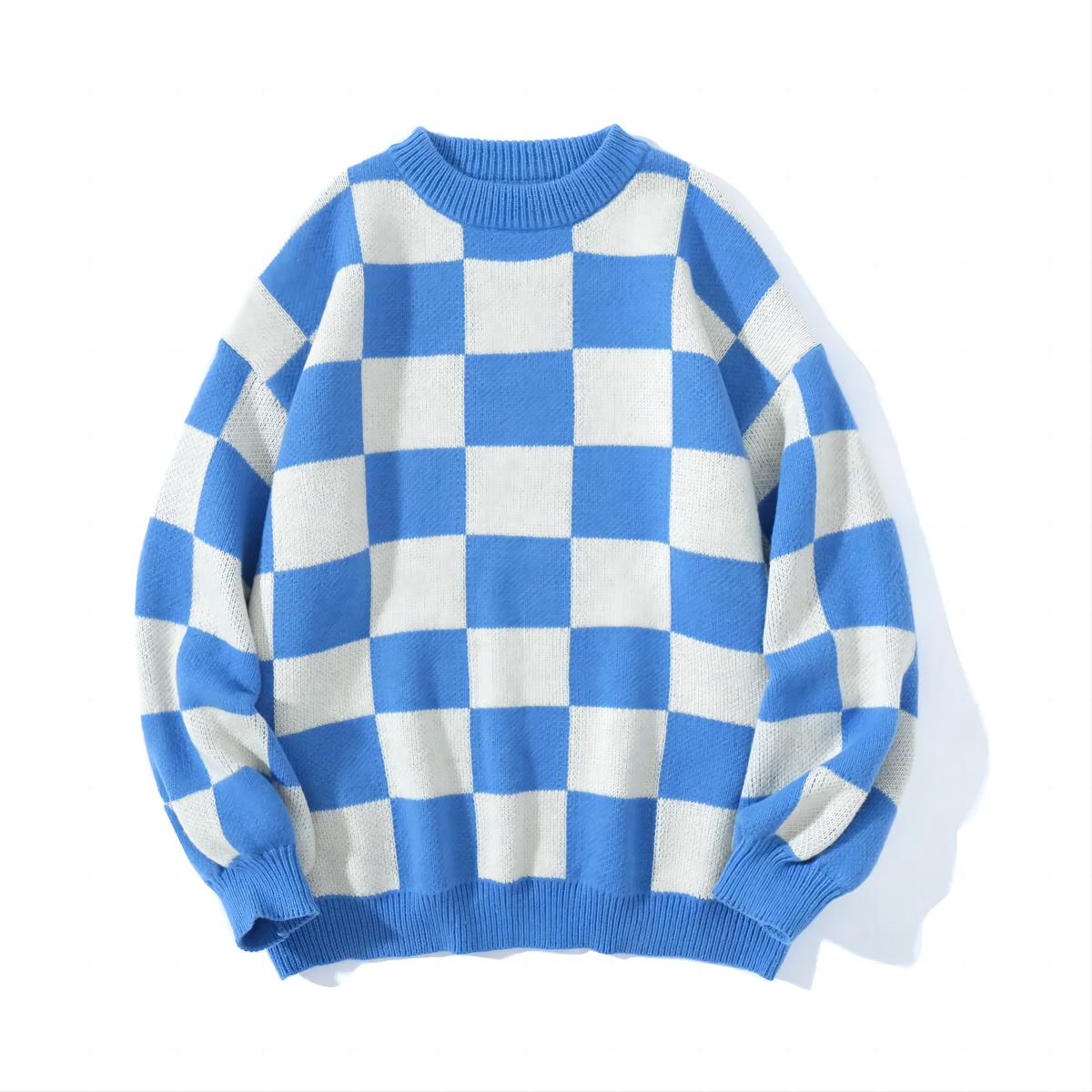
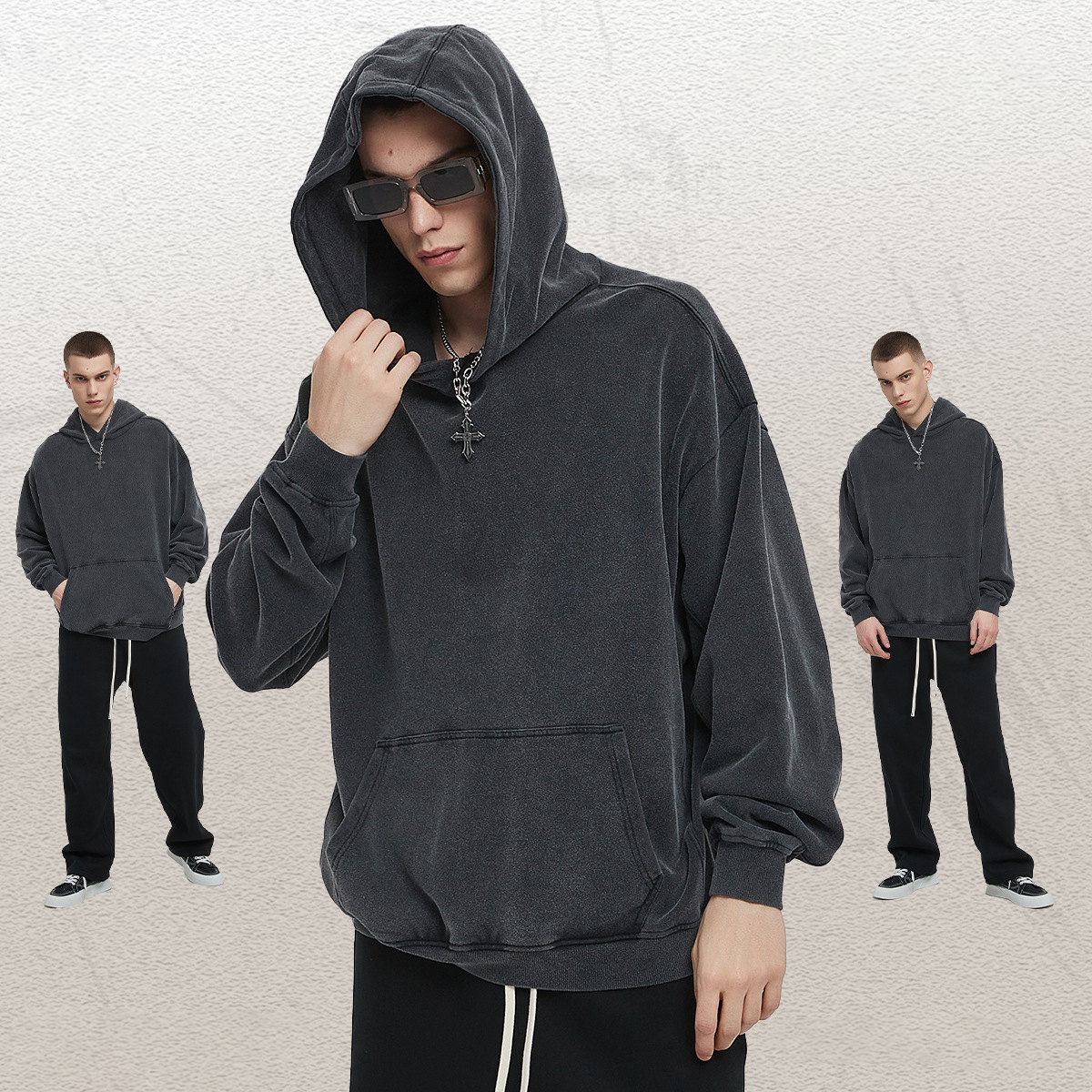
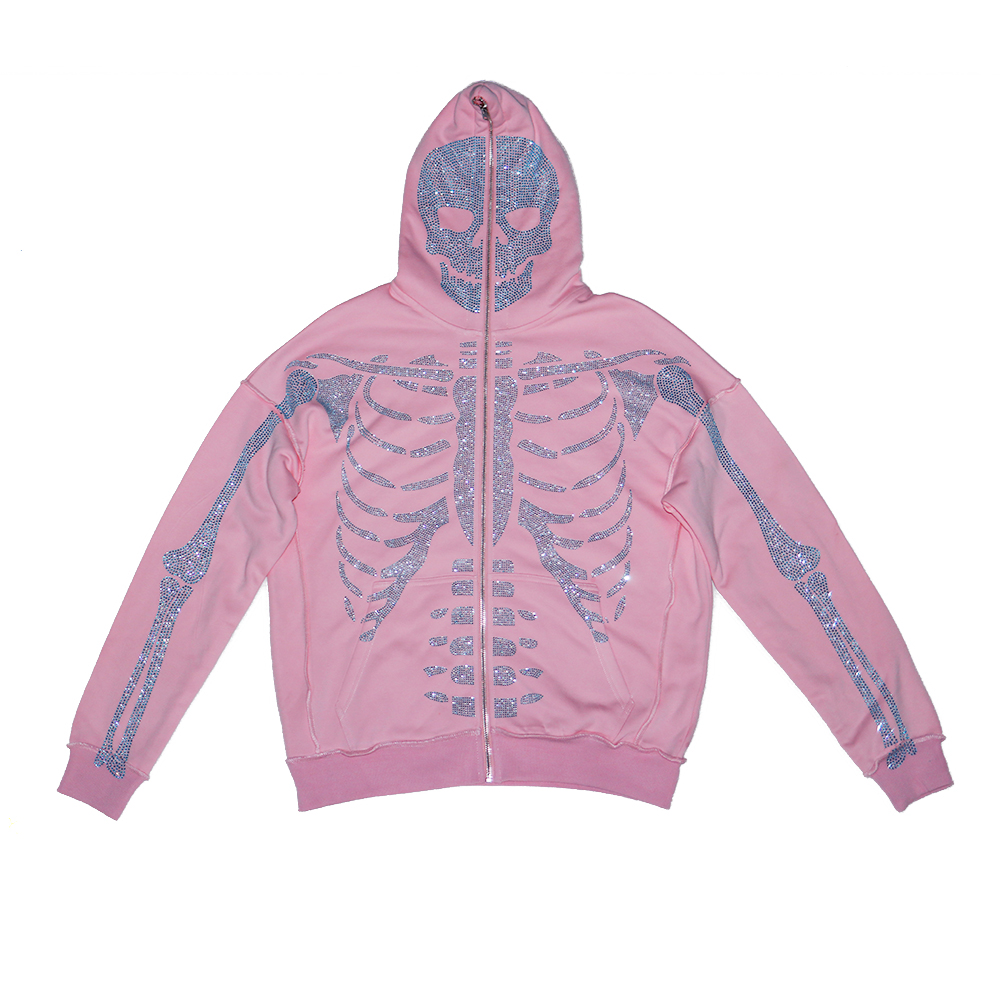
Custom Hoodies
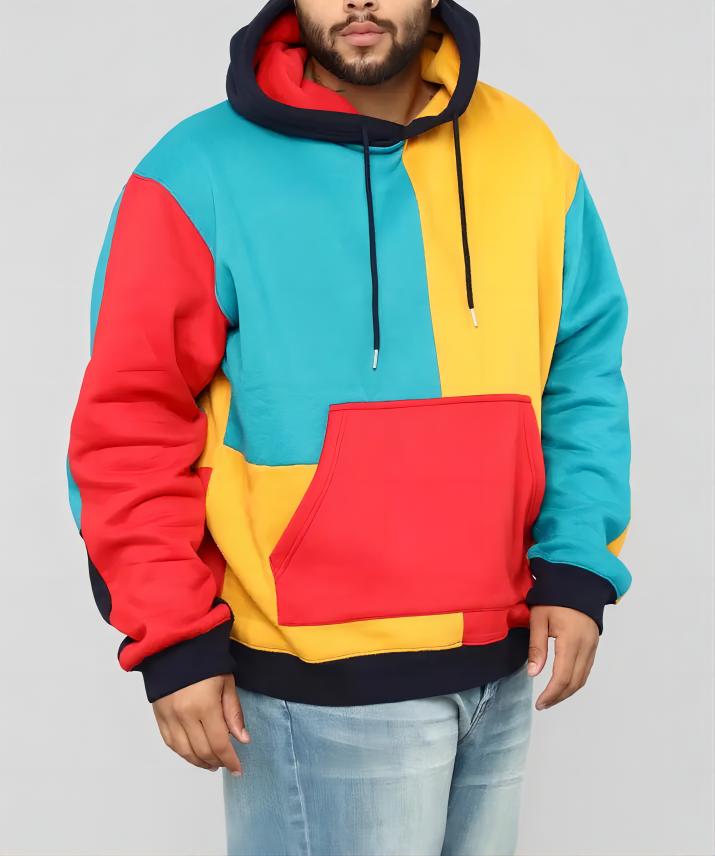
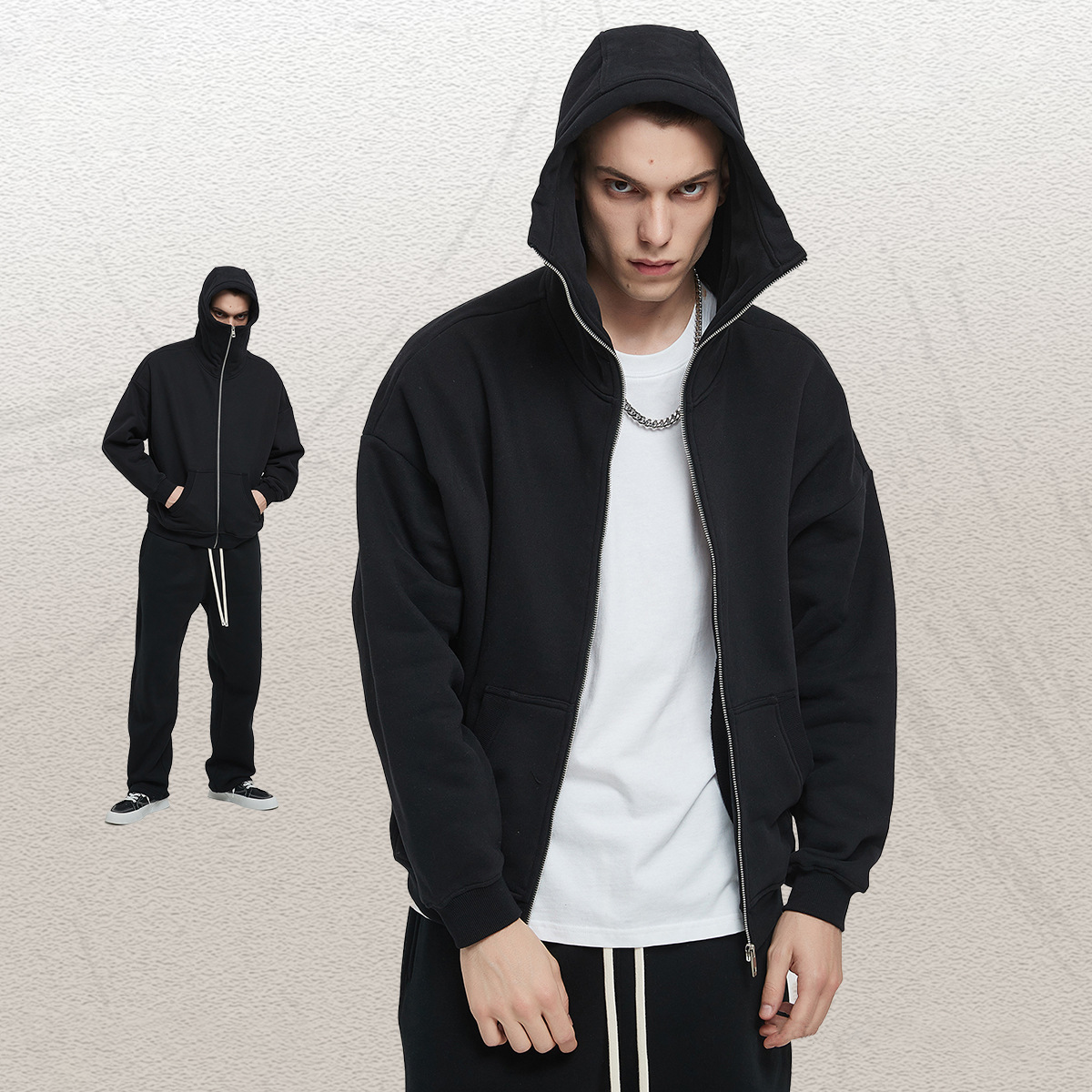
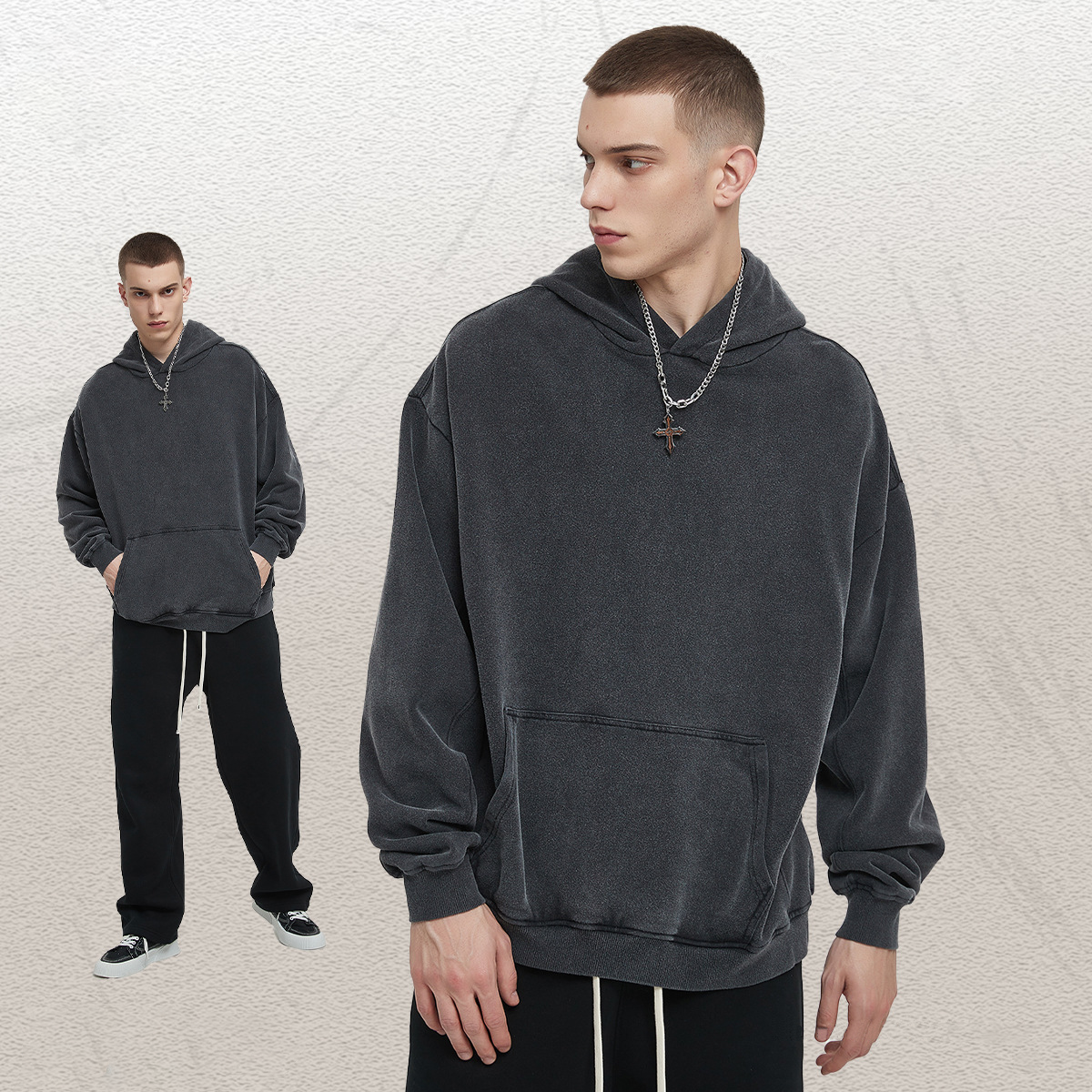
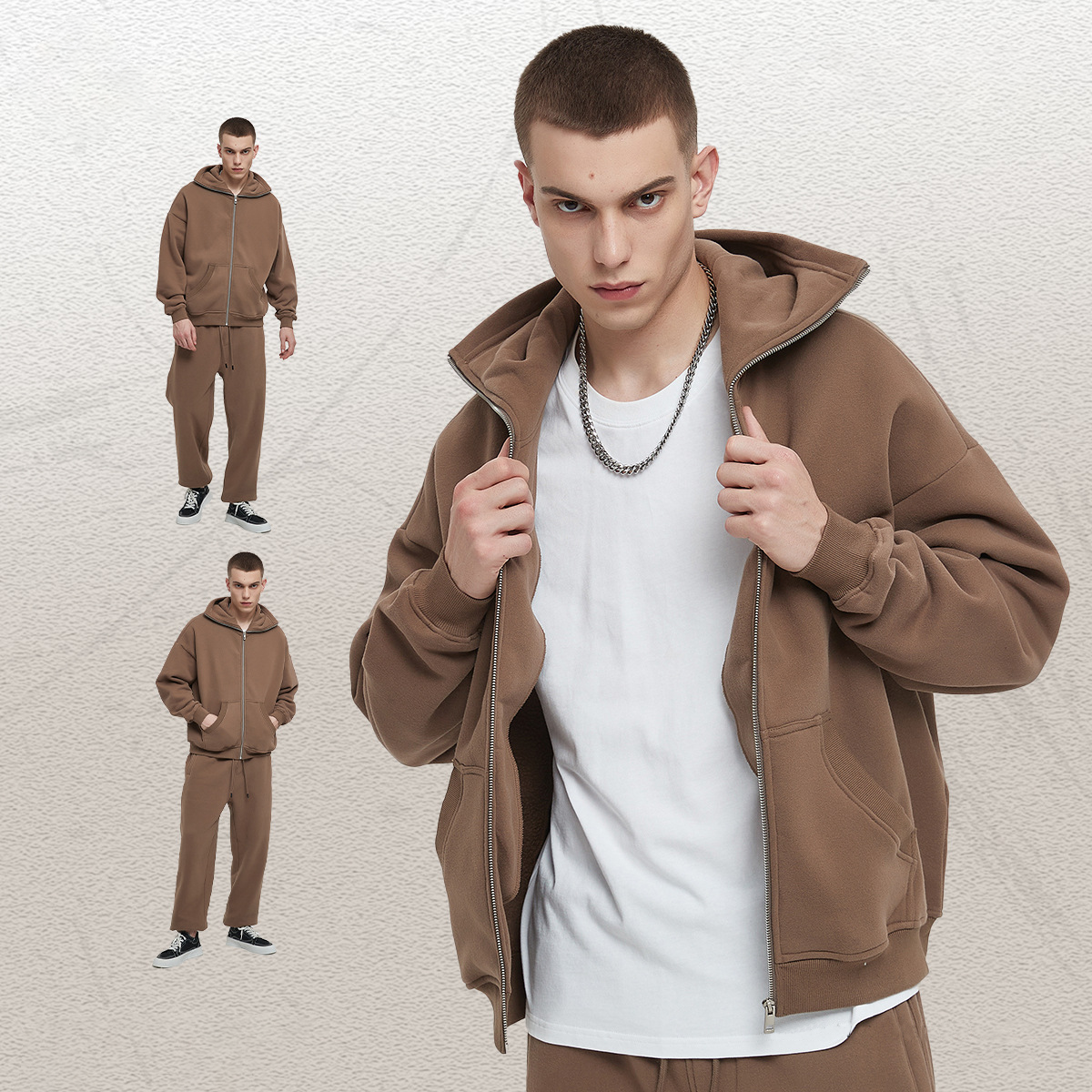
Review this custom hoodie manufacturer page when specifying front plackets, snap details, pocket closures, drawcord hardware, rib construction and labels for fleece programs. Development can align button choices with fabric weight, wash treatment and approved fit blocks for men’s or women’s styles.
Get a Quote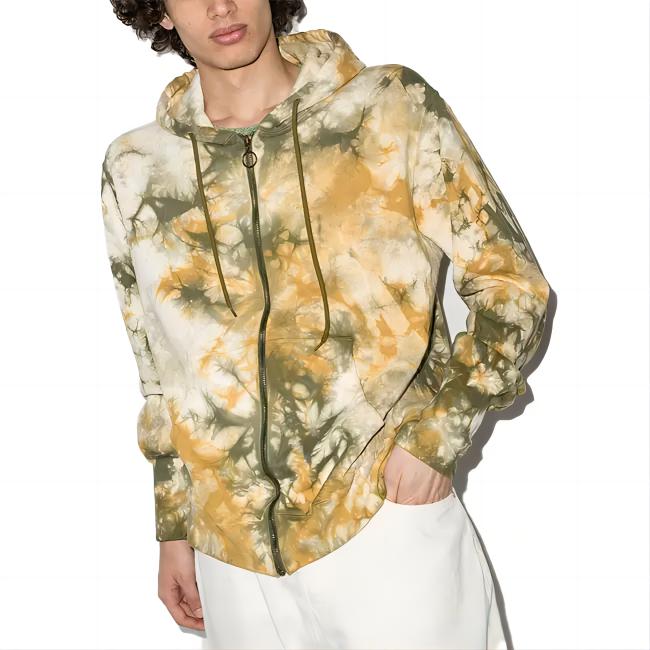
Pullover Sweatshirts
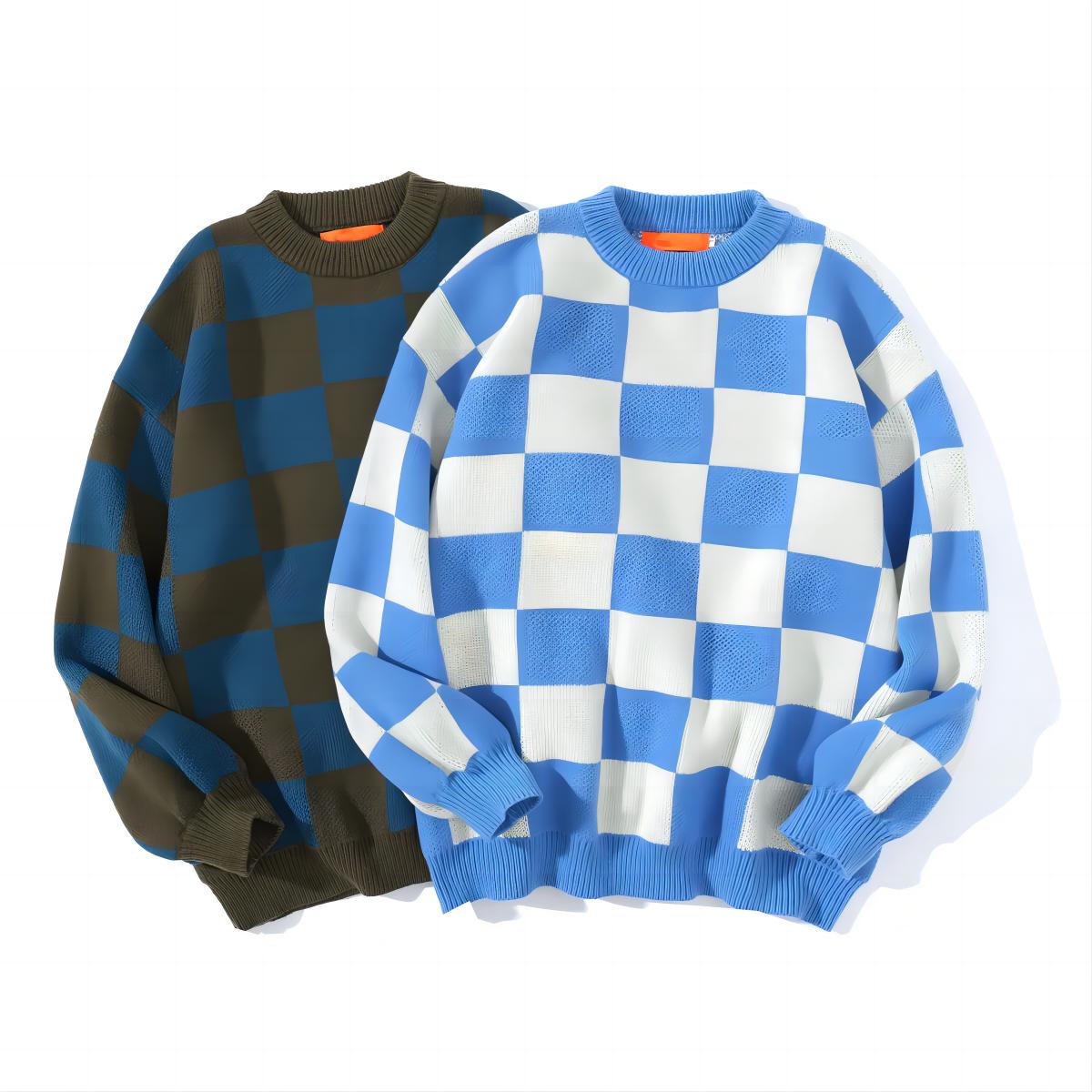
Use this sweatshirt manufacturer page for pullover programs requiring neckline trims, shoulder details, pocket closures, rib specifications or branded hardware. It helps translate fleece weight, stitch construction, decoration placement and finishing requirements into a sample standard ready for bulk production.
Get a Quote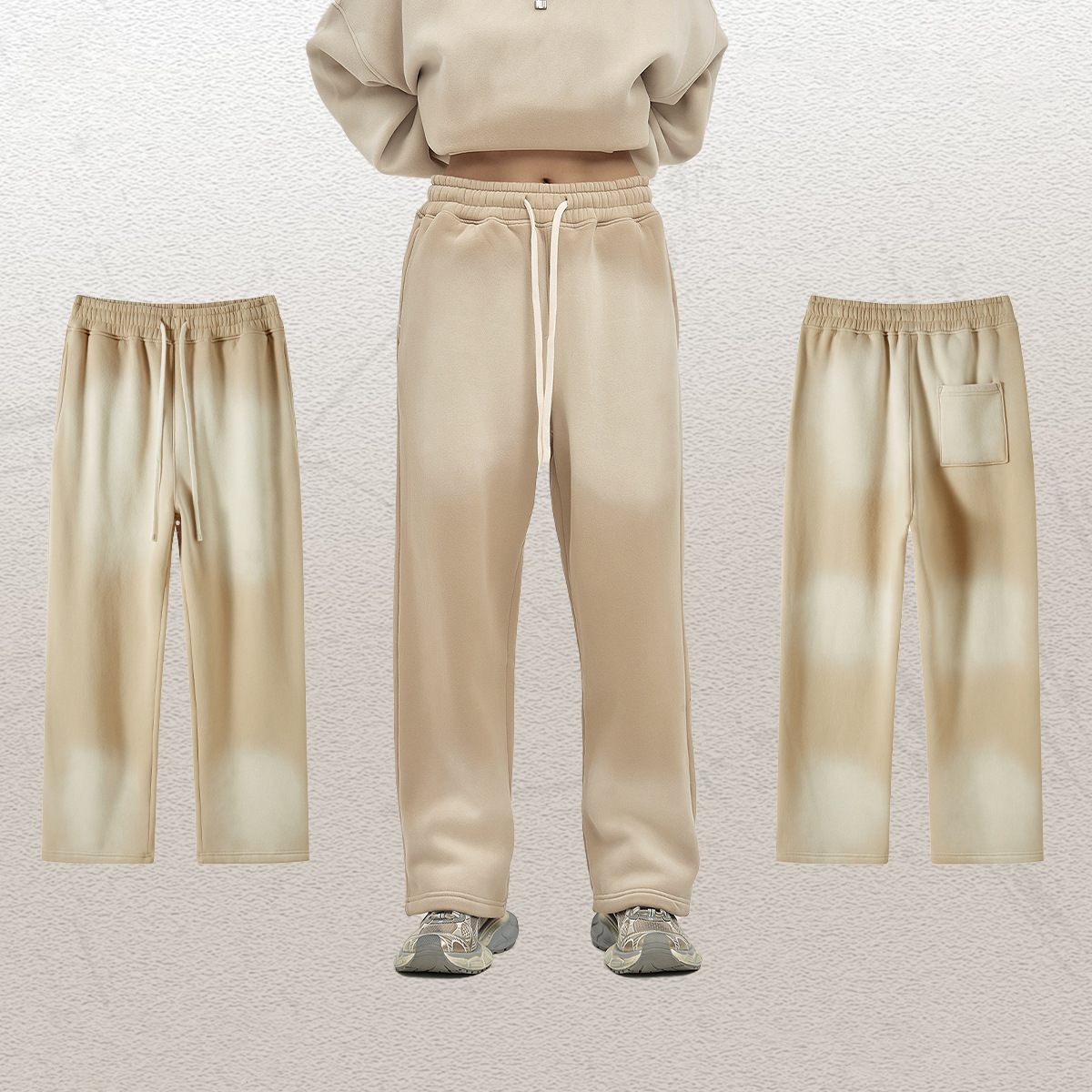
Sweatpants & Joggers
Consult this sweatpants manufacturer page when joggers need waistband closures, fly details, pocket hardware, cuff construction or coordinated hoodie trims. Specifications can cover fabric recovery, pocket placement, drawcords, labels and grading for men’s and women’s programs.
Get a Quote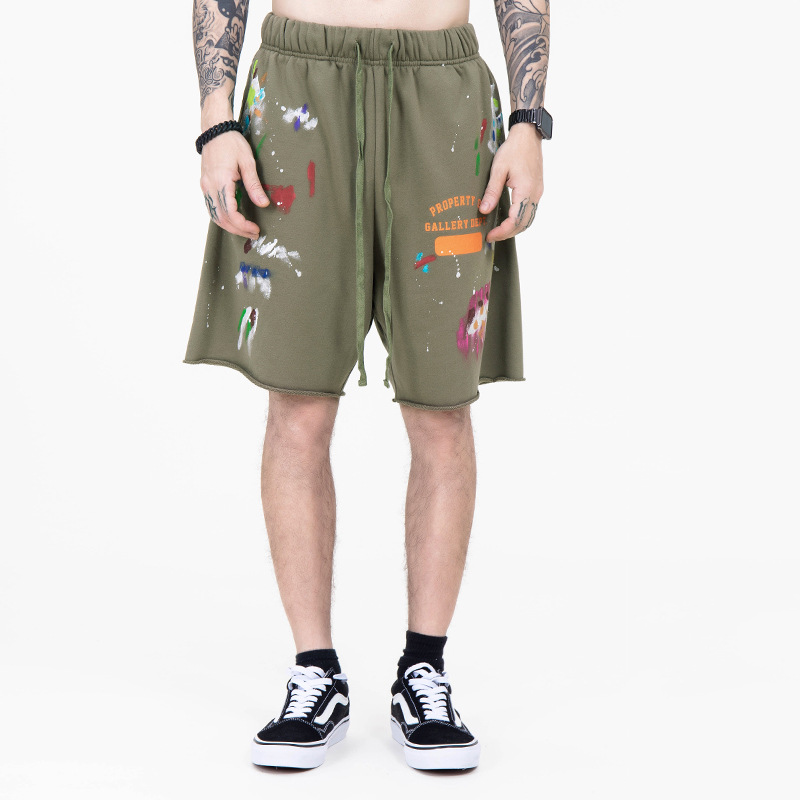
Custom Shorts
Review this custom shorts manufacturer page for waistband buttons, fly construction, pocket closures, hem details and lightweight fabric requirements. It is useful when developing casual, athletic or streetwear shorts with coordinated trims, prints, embroidery and packaging specifications.
Get a Quote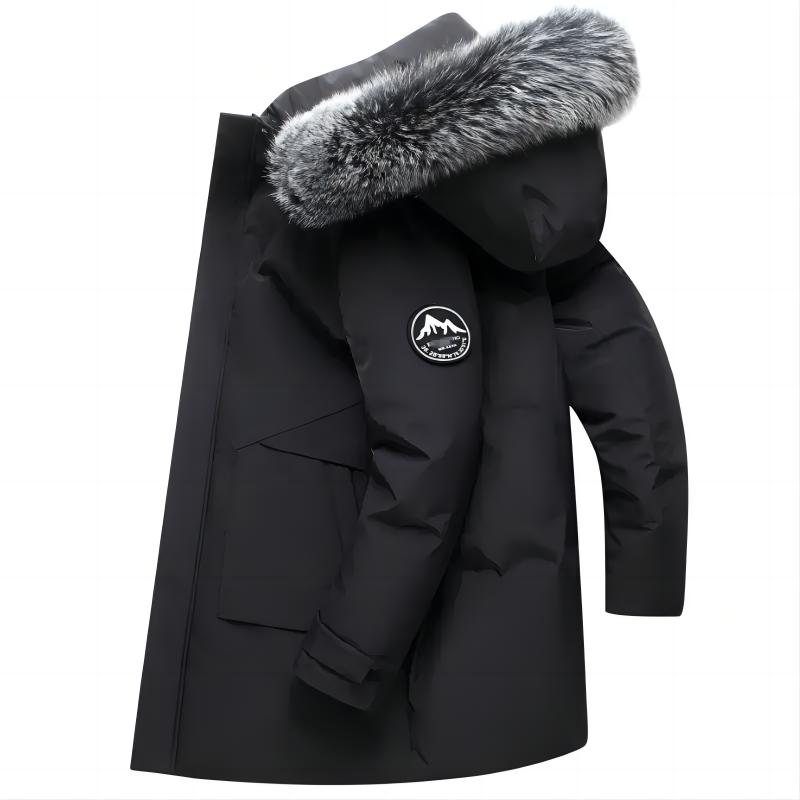
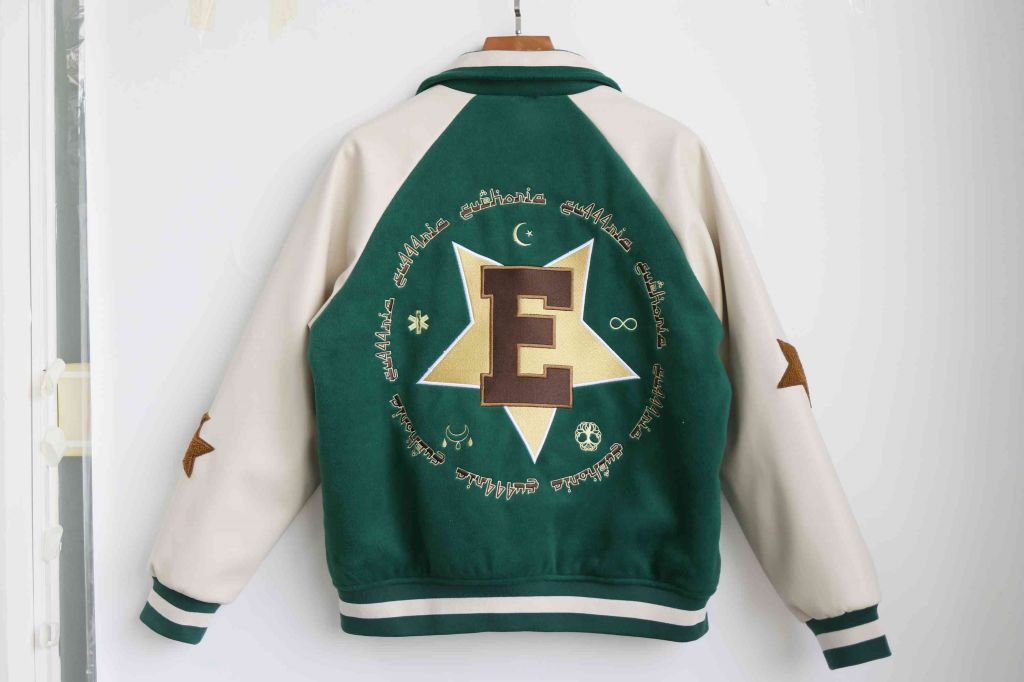
Varsity & Baseball Jackets
Use this varsity jacket manufacturer page when buttons are central to the garment design. Specify snap type, body and sleeve materials, rib balance, lining, patches, embroidery and placement references before sampling and bulk approval.
Get a Quote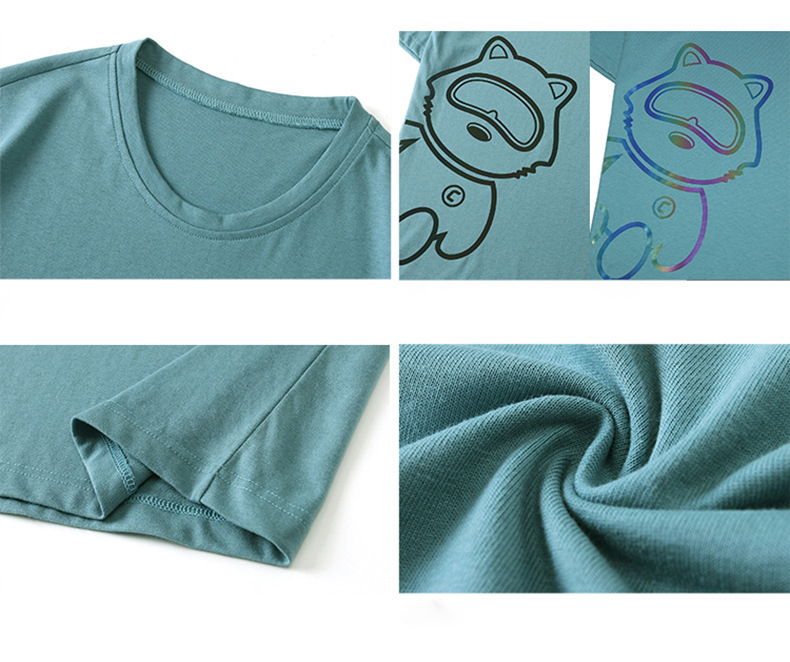
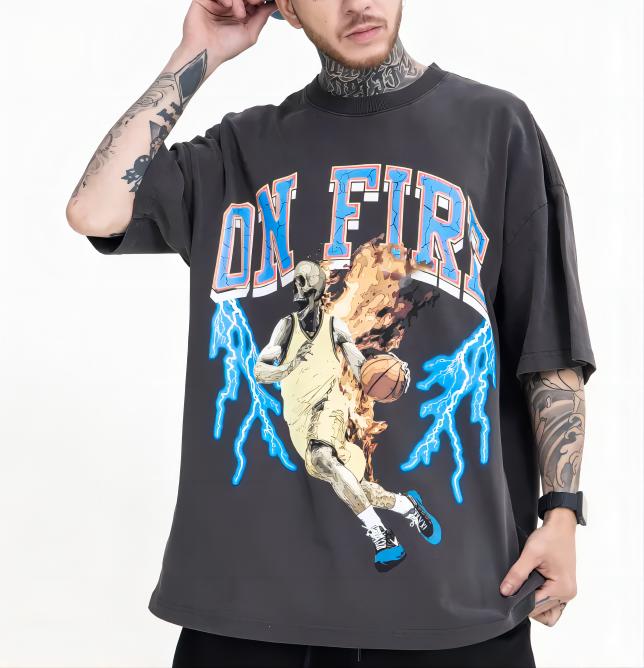
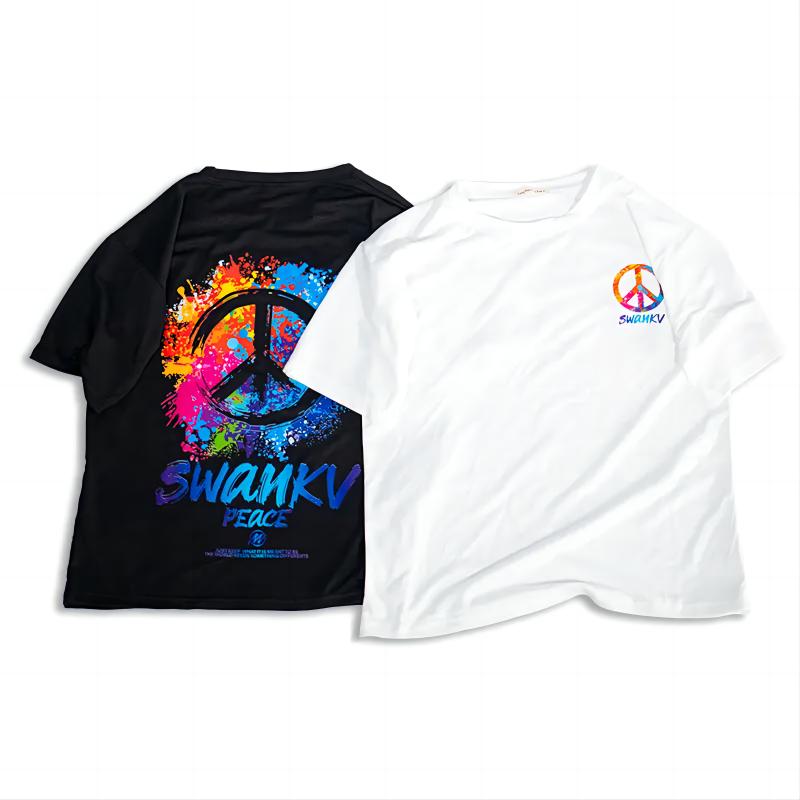
Custom T-Shirts
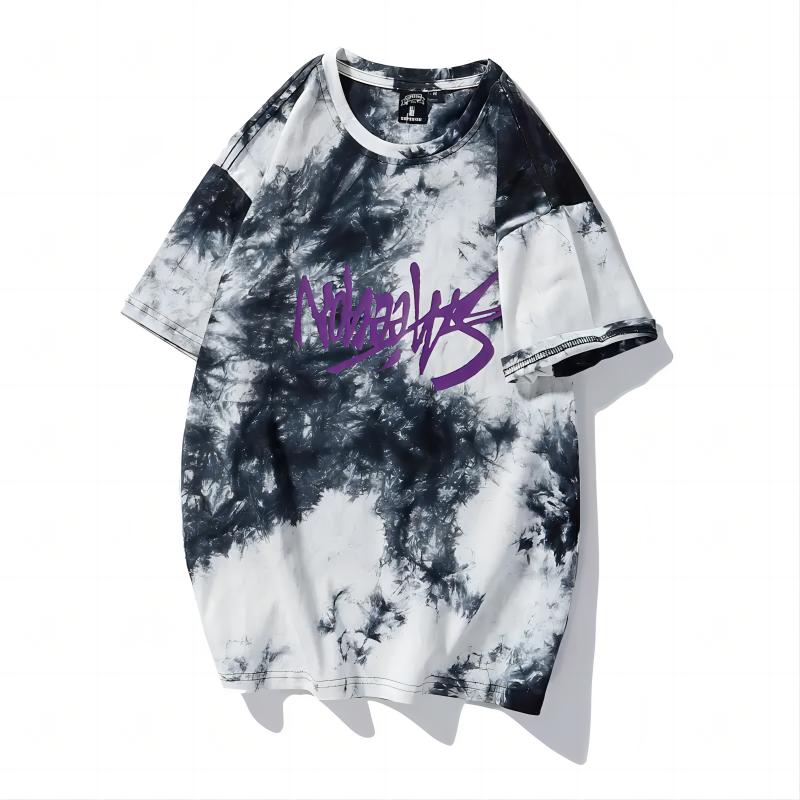
Consult this custom t shirt manufacturer page for tees with button plackets, henley details, chest-pocket closures or branded trim applications. It supports decisions on jersey weight, collar construction, print compatibility, labels and fit grading across men’s and women’s ranges.
Get a Quote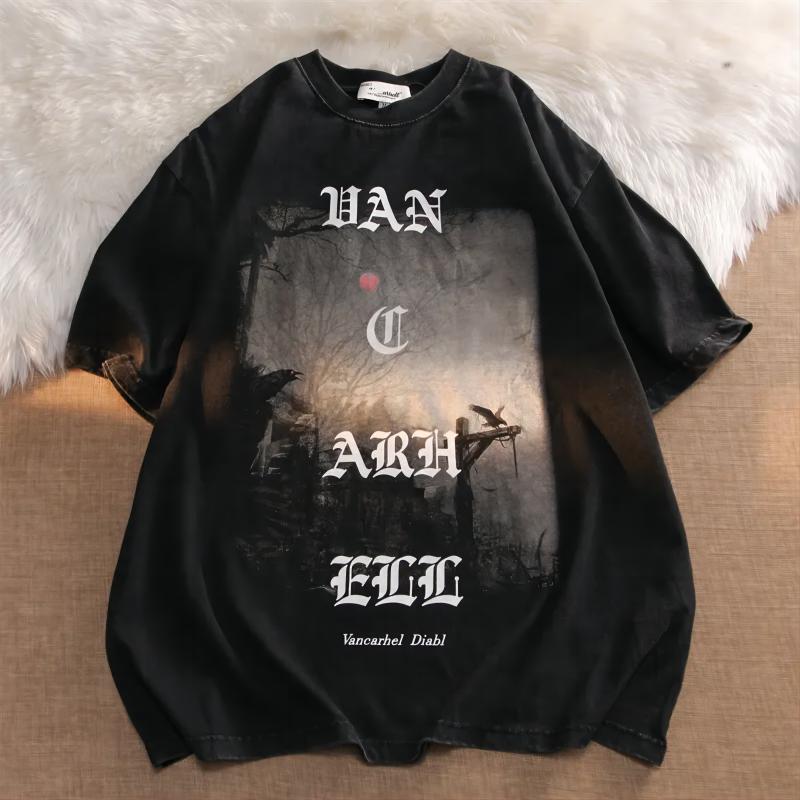
Custom Polo Shirts
Review this polo shirt manufacturer page when defining button plackets, collar and cuff construction, knit weight, logo decoration and color matching. Clear button, stitch and placement specifications help maintain consistency across wholesale, corporate and private-label orders.
Get a Quote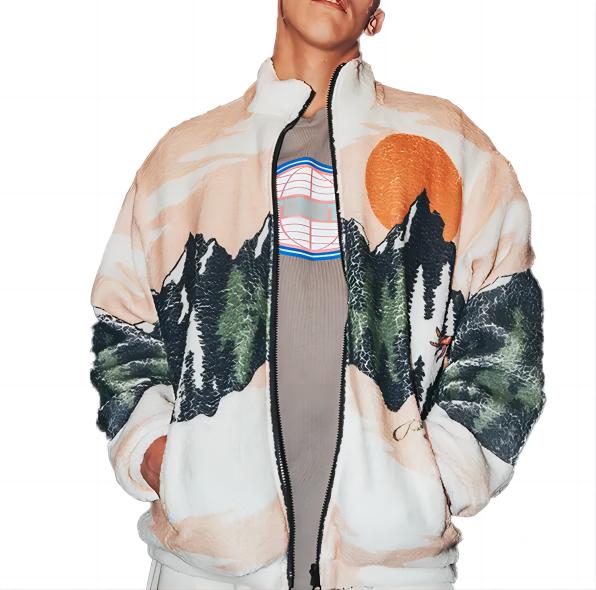
Windbreaker Jackets
Use this windbreaker manufacturer page for lightweight outerwear with snap fronts, zipper-and-button combinations, pocket closures, hood details and weather-conscious fabrics. Development coordinates shell material, lining, mesh, prints, embroidery and packed presentation.
Get a Quote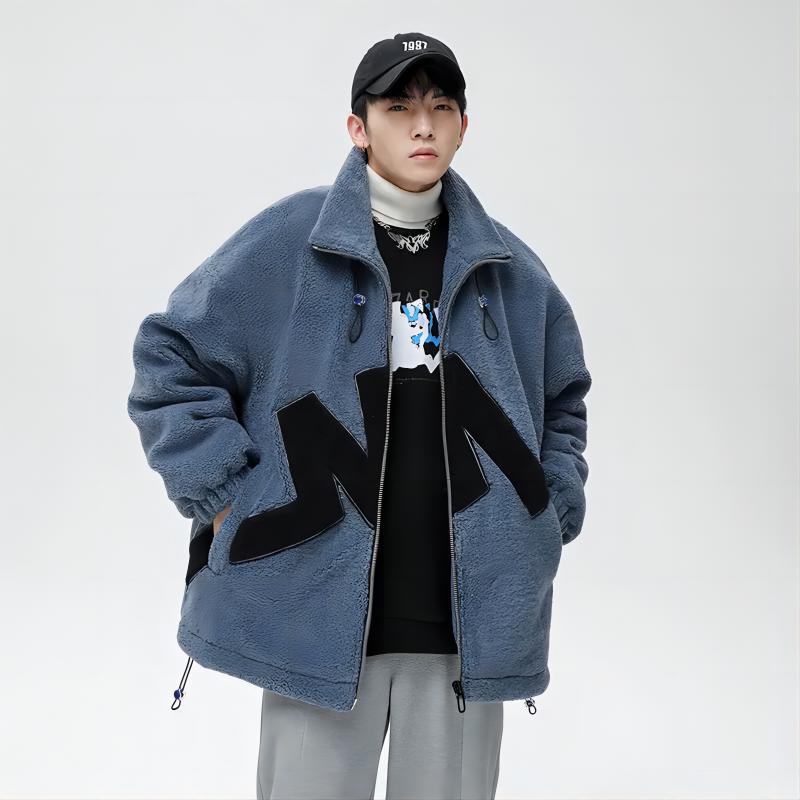
Quilted Jackets
Consult this quilted jacket manufacturer page when selecting snaps, button fronts, pocket closures and trim details around insulation and quilting. Specifications should also define shell, lining, fill, hardware placement, labels and quality checks for repeatable production.
Get a Quote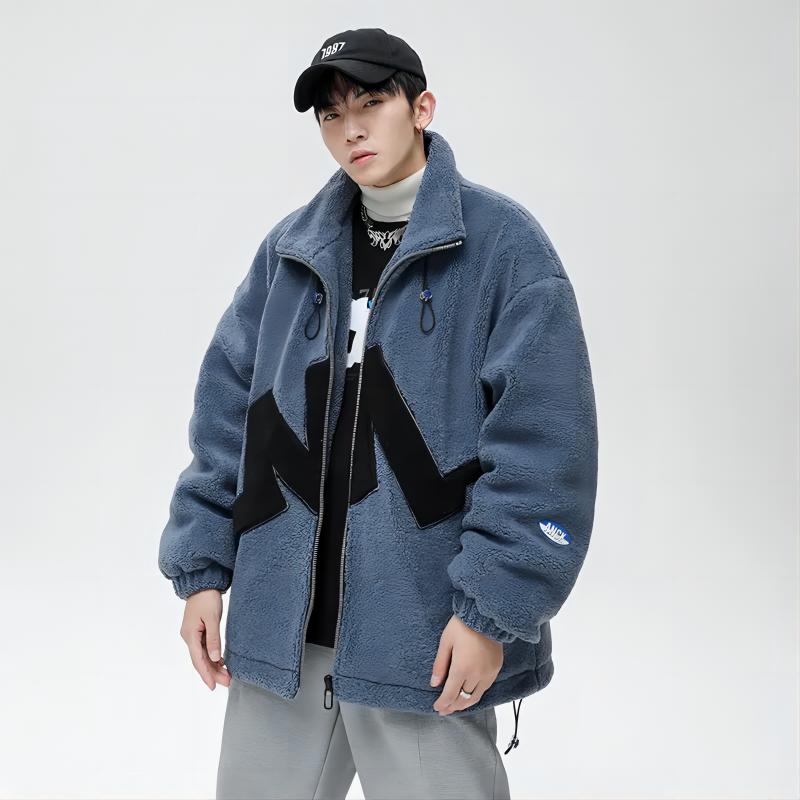
Bomber Jackets
Review this bomber jacket manufacturer page for snap closures, branded buttons, ribbed neck and cuffs, pocket details, lining and patch applications. It helps balance shell fabric, hardware, embroidery and finishing before the approved sample moves to bulk.
Get a Quote
Custom Shirts
Use this custom woven shirt manufacturer page when buttons, plackets, cuffs, collars and pocket details require precise specification. It supports fabric selection, button sourcing, stitch standards, fit development and labeling for casual, uniform or private-label shirt programs.
Get a Quote
Custom Jerseys
Consult this custom jersey manufacturer page for button-front, pullover or performance jersey requirements. Define fabric breathability, color control, name and number decoration, seams, trims and grading so approved team or retail styles can be reproduced consistently.
Get a Quote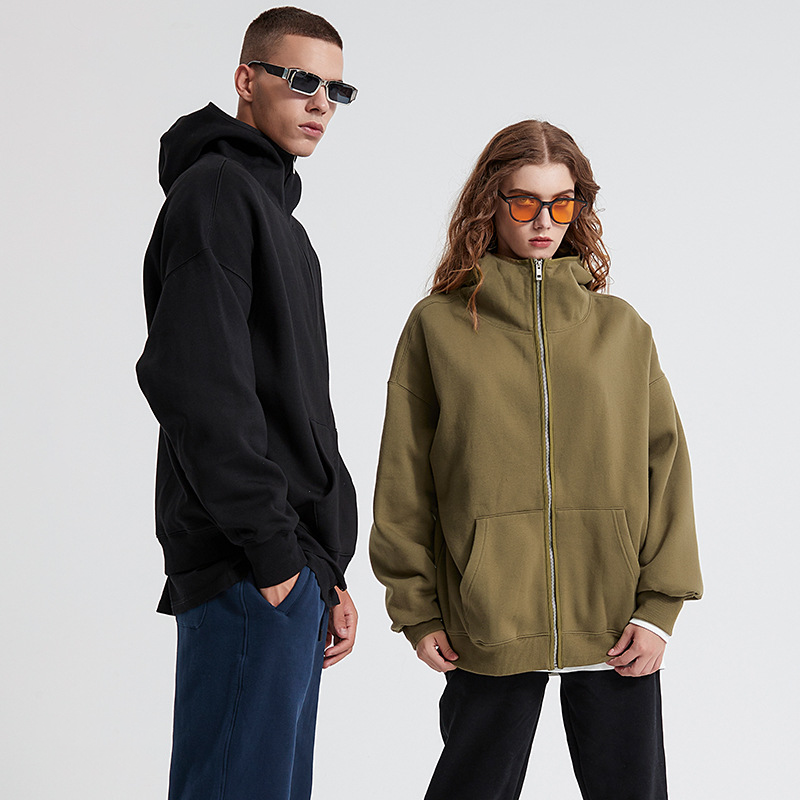
Tank Tops
Review this custom tank top manufacturer page for sleeveless styles with button plackets, side closures, binding, lightweight fabrics or athletic decoration. Specifications can cover armhole finishing, print or embroidery placement, labels and men’s or women’s fit proportions.
Get a Quote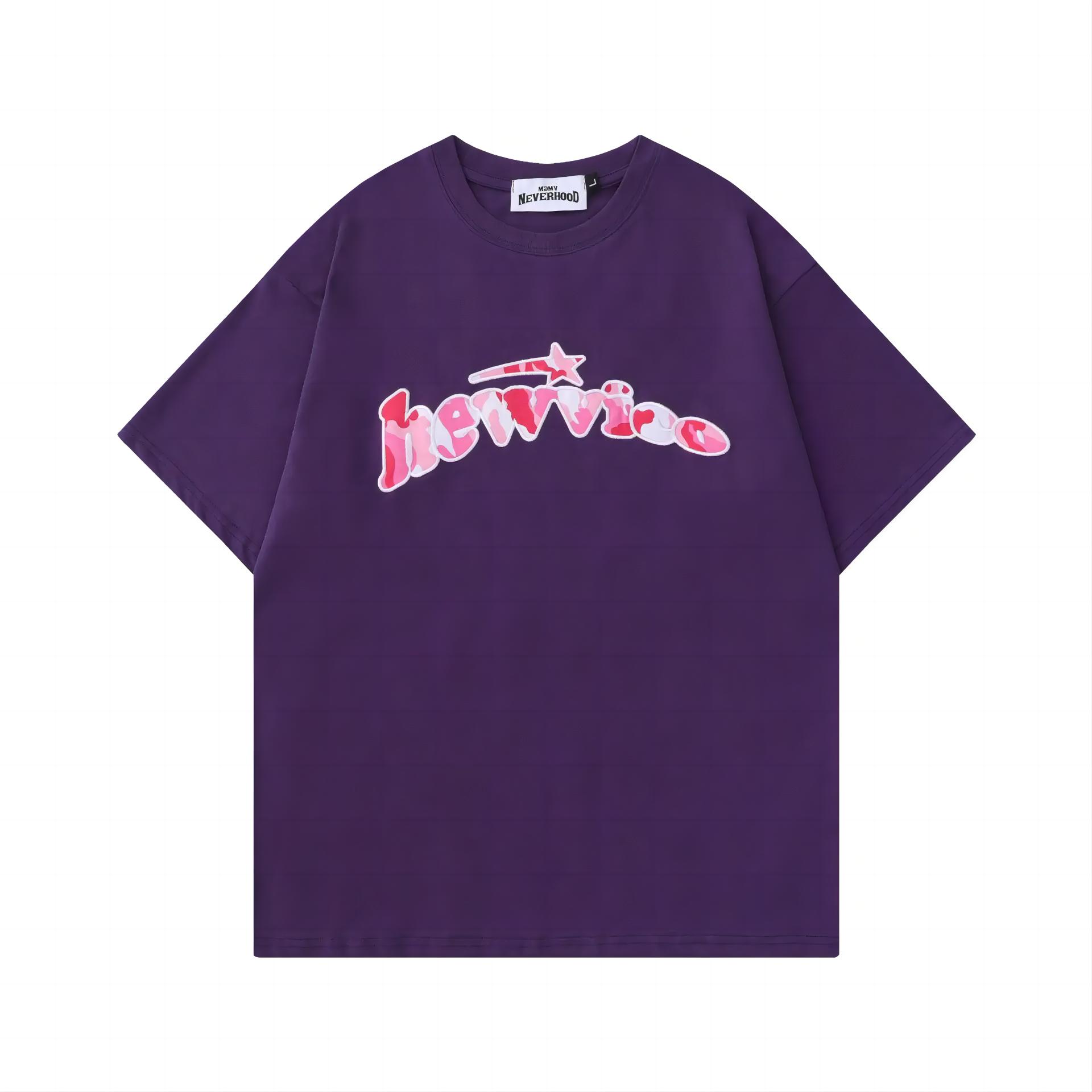
Soccer Uniforms
Use this soccer uniform manufacturer page when configuring jerseys, shorts and coordinated team pieces with performance fabrics, color matching, crests, names and numbers. Review it alongside trim requirements for closures, labels, size sets and repeat-order control.
Get a Quote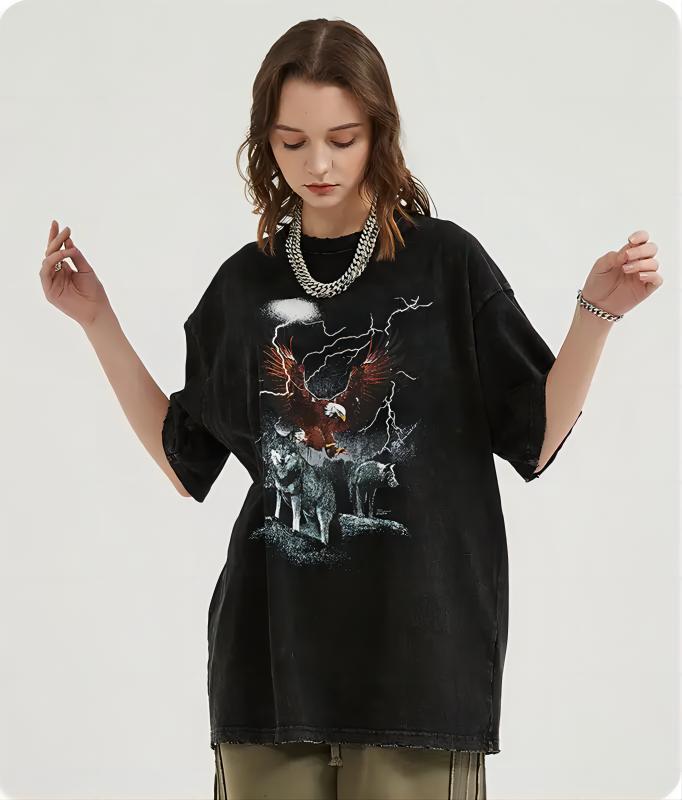
Basketball Uniforms
Consult this basketball uniform manufacturer page for jersey and short sets requiring breathable materials, contrast trims, team graphics, names, numbers and stable size grading. It supports coordinated specifications from sample approval through organized bulk production.
Get a Quote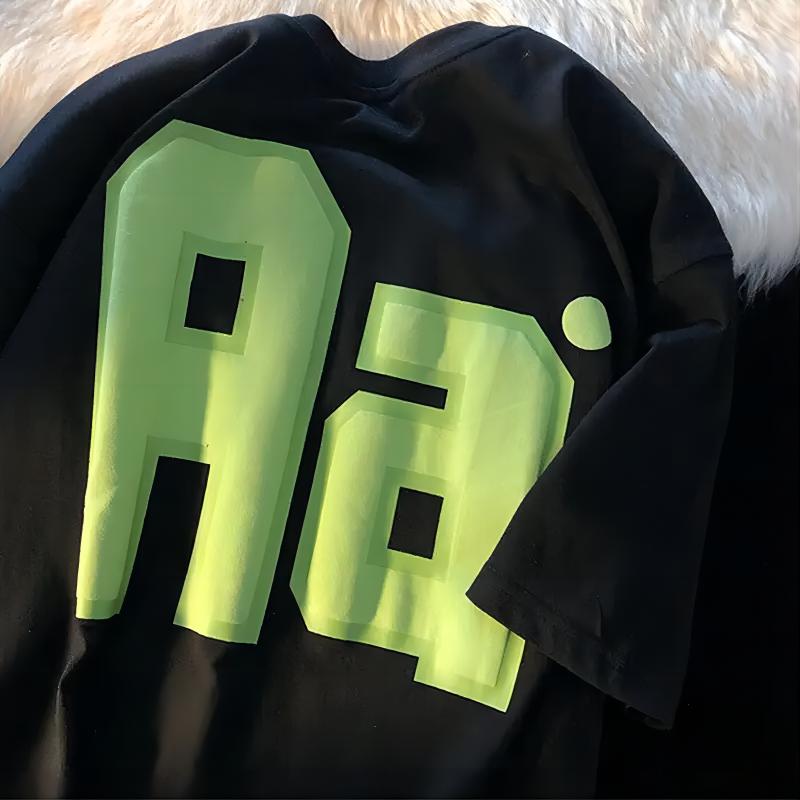
Streetwear Collections
Review this streetwear clothing manufacturer page when buttons are part of a wider collection system across hoodies, jackets, shirts, bottoms and accessories. It helps coordinate fabrics, trims, washes, decoration, labels and packaging into one repeatable private-label standard.
Get a QuoteCustom Clothing Buttons Supplier, Production Connected
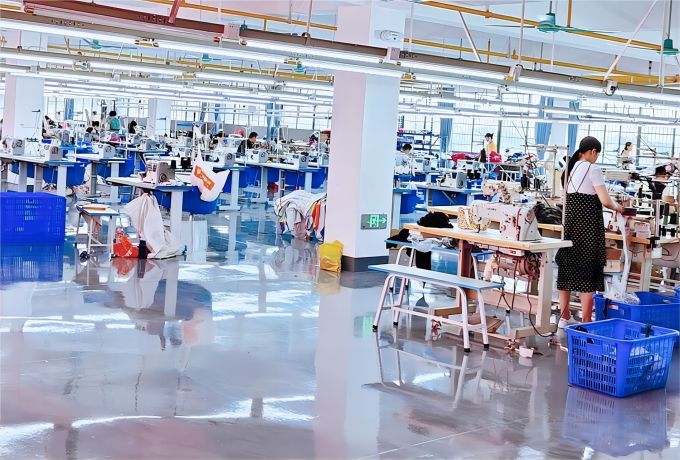
Founded in 2000, EDVORIN helps brands turn apparel ideas into repeatable manufacturing standards. As a custom clothing buttons supplier within a broader OEM, ODM and private-label system, we coordinate button choices with the garment’s fabric, construction, fit, decoration and intended use from the earliest development stage.
Our team supports casualwear, streetwear, outerwear and teamwear programs for fashion labels, schools, clubs, wholesalers and private-label buyers. We align materials, trims, patterns, samples, printing, embroidery, washing, labeling and packaging so button specifications are documented as part of the complete product—not treated as an isolated purchase. Certification programs include ISO 9001, BSCI, WRAP, SEDEX, OEKO-TEX Standard 100, GRS and GOTS.
What makes EDVORIN different is control after the sample is approved. Button placement, attachment method, color, finish and related garment details are carried into bulk-production standards and checked alongside the finished piece. MOQ starts at 200 pieces per style, supporting emerging brands, wholesale programs and established buyers with a clearer path from concept to consistent repeat orders.
Custom Clothing Buttons Supplier: Materials, Finishes and Attachment
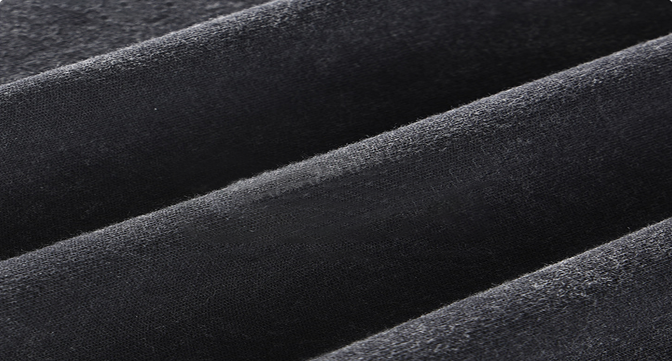
Materials Matched to Garments
EDVORIN helps align button material with the garment’s weight, hand feel and intended use, from casualwear and streetwear to outerwear and teamwear. The goal is a trim that supports the collection’s design while holding up through repeatable bulk production.
- Select materials around fabric weight and garment function
- Coordinate button character with the collection’s visual direction
- Review material choices during sampling before bulk approval
- Support men’s and women’s programs with category-specific development
Logo Treatment With Definition
A logo button needs legible artwork and a surface treatment that remains consistent across the order. EDVORIN records approved logo details alongside garment specifications, helping buyers connect branded trims with the wider product-development and quality-control path.
- Review logo scale and placement for clear recognition
- Coordinate branded button details with labels and packaging
- Use approved samples as the production reference
- Keep artwork decisions visible across development and bulk production
Finishes That Support the Design
Finish selection changes how a button reads against the fabric, whether the collection calls for a restrained utility look or a more defined branded accent. EDVORIN coordinates trim decisions with fabrics, washes, decoration and garment construction before finalizing production standards.
- Balance finish appearance with the base fabric and wash
- Coordinate trims with printing, embroidery and other decoration
- Assess visual consistency through the sample review process
- Document approved finish details for repeat orders
Attachment Built for Wear
Shank or hole construction should suit the button style, garment panel and expected wear. EDVORIN considers attachment details as part of the complete garment build, so button placement and sewing requirements can be reviewed before the style moves from sample to bulk.
- Match construction to the garment panel and button style
- Review placement and attachment during sample development
- Coordinate sewing details with the overall construction standard
- Apply in-line and final checks against approved requirements
Custom Clothing Buttons Supplier: Buttons vs. Snaps
Compare custom clothing buttons with snaps for the visual character, attachment and production needs of your collection.
← Swipe left or right to view →
How a Custom Clothing Buttons Supplier Takes Artwork to Bulk
A controlled trim-development path that aligns button design, material, finishing and garment attachment before production begins.
Review Artwork and Specifications
EDVORIN reviews logo artwork, button diameter, thickness, hole or shank construction, color references, intended garment placement and quantity requirements to establish a clear production brief.
Confirm Material and Finish
Select the appropriate metal, resin, polyester, shell or coated construction, then confirm plating, paint, texture and finish against the collection’s fabric, wash and visual direction.
Develop Mold or Sample
For custom shapes or logos, production-ready tooling is developed and a sample is made to verify relief detail, edge definition, dimensions, color accuracy and overall hand feel.
Approve Functional Details
Buttonholes, shanks and sew-through holes are checked against the intended garment construction so the selected button can be attached cleanly and perform as specified.
Run Bulk Button Production
Approved specifications guide bulk production, with controlled checks for shape consistency, logo clarity, color or plating variation, surface defects and component fit throughout the run.
Inspect and Coordinate Packing
Final quality control checks count, finish, attachment compatibility and approved reference standards before buttons are sorted, packed and coordinated with your apparel production schedule.
How to Add Custom Buttons to Your Apparel Order
Coordinate button specifications with your garment program, from artwork review through approved samples and bulk production.
Submit Artwork and Specifications
Share your logo artwork, button type, finish, size, color reference, quantity, and garment details so EDVORIN can review requirements within the production plan.
Confirm Dimensions and Placement
Align button dimensions, attachment method, buttonhole needs, and placement measurements with the garment pattern to protect construction, fit, and your intended visual balance.
Approve the Development Sample
Review the custom button with the garment sample, confirming material appearance, color, finish, logo detail, placement, and overall performance before bulk standards are released.
Produce Alongside Your Garments
EDVORIN coordinates approved buttons alongside fabric, trims, sewing, inspection, labeling and packing, keeping button specifications connected to the main apparel order.
Results from a Custom Clothing Buttons Supplier
EDVORIN matched our matte logo buttons to the varsity jacket hardware and recorded the placement details for bulk. The launch arrived with a more finished, consistent branded look than our previous run.
We tested the button and fabric combination before approving production. The finish and attachment remained consistent, giving us confidence to use the specification across school uniform programs.
Having buttons, embroidery, labels and packing coordinated in one production path removed several handoffs. EDVORIN delivered our polo order as one organized shipment, with button color aligned to the approved team palette.
Custom Clothing Buttons Supplier FAQ
Practical guidance for specifying buttons that work with your garment construction, decoration and bulk-production standard.
What button sizes and shapes can a custom clothing buttons supplier develop?
Can a custom clothing buttons supplier match our brand colors and finishes?
Which attachment options should I choose for custom clothing buttons?
What artwork files do you need for logo buttons?
Can you coordinate buttons with zippers, labels, embroidery and other trims?
How do you check whether buttons will hold up to washing and wear?
How are button specifications controlled from sample to bulk production?
What is the MOQ for an apparel order with custom buttons?
Complete Guide to a Custom Clothing Buttons Supplier
Use this practical framework to compare button types, materials, customization options, quality controls, pricing, and supplier capabilities—while avoiding sourcing mistakes that can compromise garment performance, brand consistency, or delivery timelines.
1. custom clothing buttons supplier: Definition
Two supplier models serve apparel buyers: a trading partner coordinates sourcing across factories, while a direct manufacturer controls some or all tooling, production, and inspection. The distinction matters because the buyer needs one accountable route from approved specification to repeat orders.
Buttons perform two jobs on a garment: they secure openings and signal brand identity through material, size, finish, color, and logo treatment. Fashion labels, streetwear teams, schools, corporate programs, wholesalers, and private-label buyers use them on shirts, outerwear, polos, uniforms, and coordinated collections.
EDVORIN approaches the core question as a production test: can the supplier convert a tech pack, reference sample, or design concept into a documented, repeatable standard? That requires alignment between button selection, garment construction, placement, labeling, sampling, and bulk quality control—not merely offering a catalog of trims.
2. Evolution of Custom Garment Buttons
By the 19th century, industrial buttonmaking made repeatable sizes and hole patterns practical for ready-to-wear garments. Standardized components simplified sewing-line setup, replacement sourcing, and consistency across graded sizes.
In the 20th century, plastics, resin, plated metals, and molded closures expanded buttons from basic fasteners into visible design trim. Logo dies, embossed marks, custom shanks, and controlled color matching let brands carry an identity into small but highly handled details.
Today, OEM buyers can specify the closure as part of the garment system: a matte resin button for a woven shirt, a snap for outerwear, or a reinforced metal closure for workwear. EDVORIN can document the approved trim alongside material, placement, and construction requirements so the production standard is repeatable.
3. Types From a custom clothing buttons supplier
Six closure families cover most apparel programs. A custom clothing buttons supplier should match attachment, garment stress, and intended laundering to the approved construction standard.
| Type | Best Application | Buyer Decision |
|---|---|---|
| Sew-through | Shirts and polos | Flat, repairable closure |
| Shank | Blazers and coats | Dimensional appearance |
| Snap | Windbreakers and jerseys | Fast operation |
| Jeans button | Denim waistbands | High-stress hold |
| Covered or decorative | Tailoring and fashion pieces | Visual coordination |
Sew-Through And Shank Buttons
Two-hole and four-hole buttons sew directly through the face for shirts, polos, and cardigans; they lie flat but need secure thread shanks. Shank buttons use a rear loop for coats and blazers, giving dimension but requiring clearance beneath the button.
Snaps And Jeans Buttons
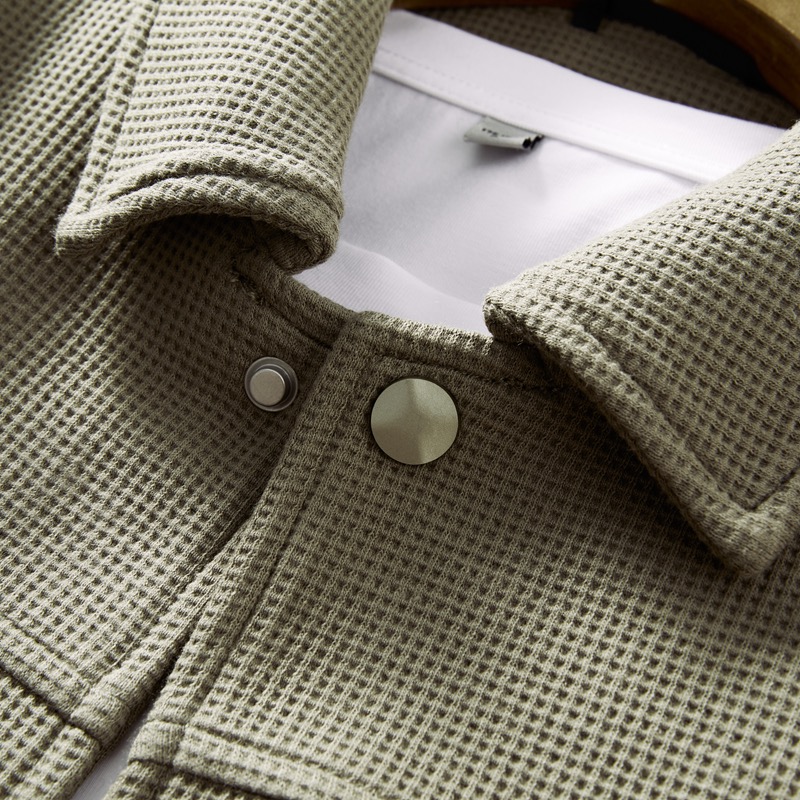
Two-part snaps press together and suit jerseys, windbreakers, and lightweight outerwear; specify pull strength to avoid accidental opening. Four-piece jeans buttons are clinched through denim waistbands, providing high holding power but leaving little tolerance for placement errors.
Covered And Decorative Options
Fabric-covered buttons coordinate with blouses and tailored jackets but can stain, abrade, or deform under heavy wear. Rhinestone, logo, and novelty buttons add visible identity; reserve them for low-stress placements and confirm snag, corrosion, and wash performance in sampling.
4. Button Materials and Performance Tradeoffs
Seven common button materials create distinctly different hand feel, visual character, and production risk. Sample them on the actual garment fabric because laundering and finishing can change the result.
| Material | Performance | Cost Tendency | Best Brand Fit |
|---|---|---|---|
| Polyester resin | Durable; wash-stable | Low | Uniforms, polos |
| Nylon | Light; impact-resistant | Low–medium | Technical outerwear |
| Metal | Heavy; corrosion-sensitive | Medium–high | Varsity, denim |
| Natural shell | Premium; chip-prone | Medium–high | Shirting, resortwear |
| Wood | Light; wash-sensitive | Medium | Heritage casualwear |
| Corozo | Dense; natural variation | Medium–high | Tailoring, knitwear |
| Fabric-covered | Refined; abrasion-sensitive | Medium | Formal fashion |
Synthetic Workhorses
Polyester resin is color-stable, durable, and economical for uniforms, polos, and repeat programs. Nylon is lighter and tough, but its smoother appearance suits technical outerwear better than heritage styling.
Natural Material Considerations
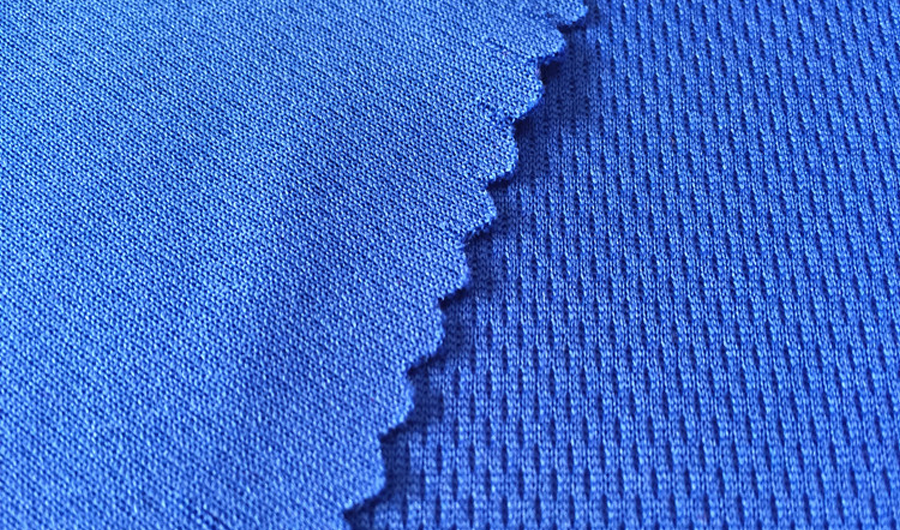
Shell and corozo offer premium organic variation for shirting, knitwear, and tailored pieces. Wood is lightweight but needs wash testing; natural variation should be approved as part of the intended look.
Metal And Covered Options
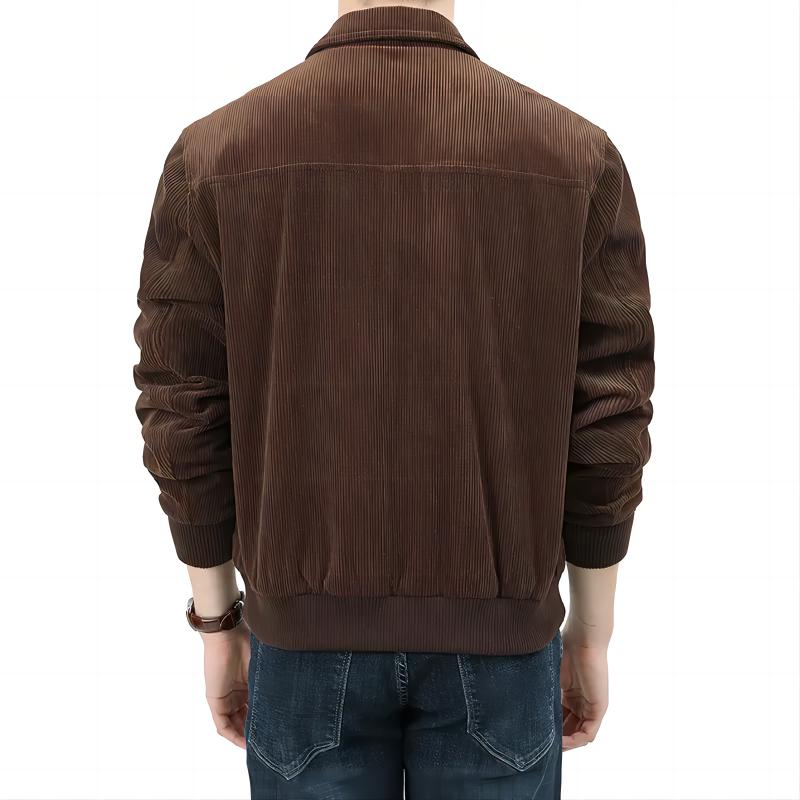
Metal delivers weight and a premium utility or varsity look, while plating must be checked for corrosion after wash exposure. Fabric-covered buttons blend into formal or fashion garments but require cover-fabric abrasion testing.
5. Customization Options From a custom clothing buttons supplier
Two dimensions—diameter and thickness—set both proportion and handling. A custom clothing buttons supplier should translate every visual choice into an approved, repeatable trim specification.
| Treatment | Best Visual Effect | Specification Needed |
|---|---|---|
| Embossed relief | Tactile branded depth | Relief height and direction |
| Laser marking | Fine monochrome detail | Artwork and mark location |
| Paint fill | Color contrast | Pantone and fill boundaries |
Specify The Physical Format
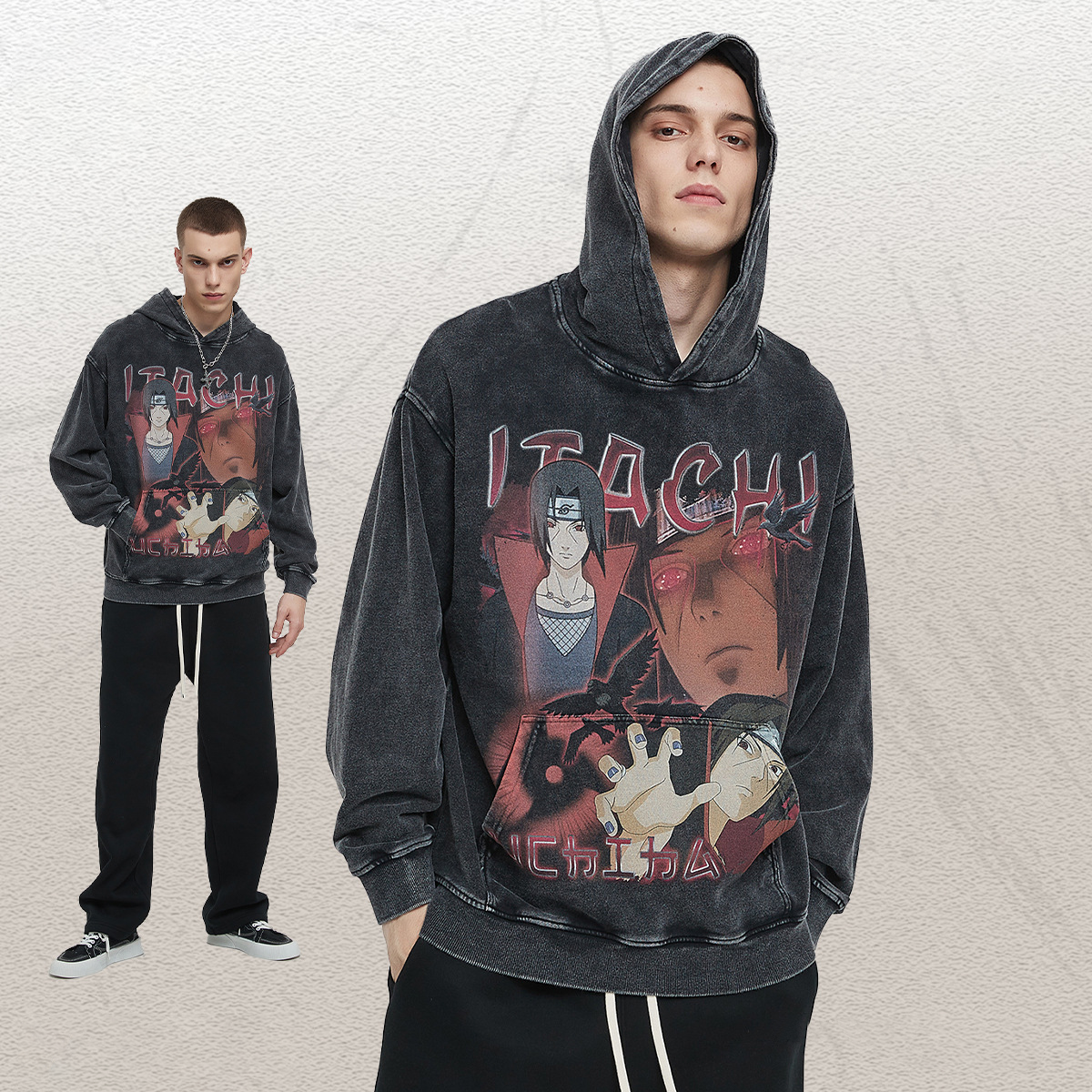
Four variables define the base: diameter, thickness, two-hole or four-hole drilling, and shank construction. Round, square, and custom silhouettes also need an edge profile—flat, domed, beveled, or rimmed—to avoid ambiguity.
Control Logo And Color
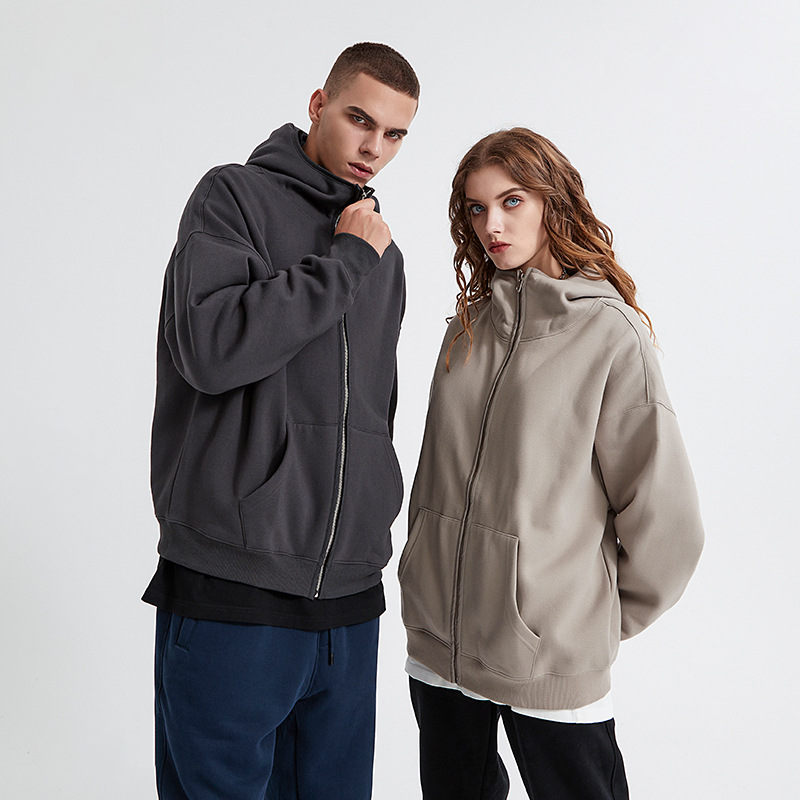
One approved vector artwork file should show logo position, scale, orientation, and minimum line weight. Pantone references, relief direction, plating tone, and paint-fill areas prevent a bulk result that merely resembles the sample.
Match Decoration To Intent
Three common treatments create distinct results: embossed or debossed logos add depth, laser marking gives fine detail, and printed fills add color. Request a physical sample when fine type, multi-color fills, or contrasting plating are critical.
6. Construction and Quality Control Essentials
A button’s appearance is only reliable when its dimensions, finish, and attachment remain stable through sewing and wear. EDVORIN records approved trim details alongside garment construction standards before bulk release.
Pre-Production Approval
One approved sample should confirm diameter, thickness, hole spacing, shank alignment, mold definition, and smooth edges. Compare color and gloss against the approved reference under consistent lighting.
Three checks should match the garment process: sew onto the actual fabric, confirm machine-foot compatibility, and run the intended wash or finish.
Performance Testing
Wash, pull, abrasion, and color-transfer tests should reflect the product’s use and finishing route. Metal trims also require coating-adhesion and corrosion-resistance review when moisture, salt, or repeated laundering is relevant.
Bulk Inspection Controls
Every bulk lot should be checked against the sealed sample for size variation, blocked holes, loose shanks, sharp edges, shade drift, and surface defects. EDVORIN links trim inspection to in-line sewing checks so attachment issues are found before packing.
7. Choosing a custom clothing buttons supplier
Three supplier checks—technical fit, documented controls, and commercial clarity—reduce trim risk before bulk approval. A custom clothing buttons supplier should be assessed against the garment program, not a catalog alone.
Technical Fit
1 approved reference button should anchor material, finish, shank or hole construction, and logo relief.
2 questions matter: Can the supplier show comparable tooling, test a sample, and define material-specific tolerances?
- Request tooling ownership terms
- Confirm material and plating options
- Match button construction to garment use
Production Controls
EDVORIN’s MOQ starts at 200 pieces per style. 3 production records should cover approved sample, Pantone reference, dimensions, defect criteria, and inspection method.
4 operational checks include MOQ by design, available capacity, sample timing, bulk lead time, packing method, and export documents.
- Ask for revision control
- Confirm pre-shipment inspection
- Verify carton and inner-pack specification
Quotation Comparison
5 quotation lines reveal more than unit price: tooling, sampling, freight terms, packaging, testing, and replacement policy can change landed cost.
6 communication should identify one accountable contact, response timing, and escalation route before a purchase order is issued.
- Compare like-for-like specifications
- Separate one-time tooling charges
- Confirm Incoterms and export support
8. Common Button Sourcing Mistakes
Two approvals can prevent a trim issue from reaching a finished garment. A custom clothing buttons supplier should receive measurable requirements before sampling begins.
Specify More Than Appearance
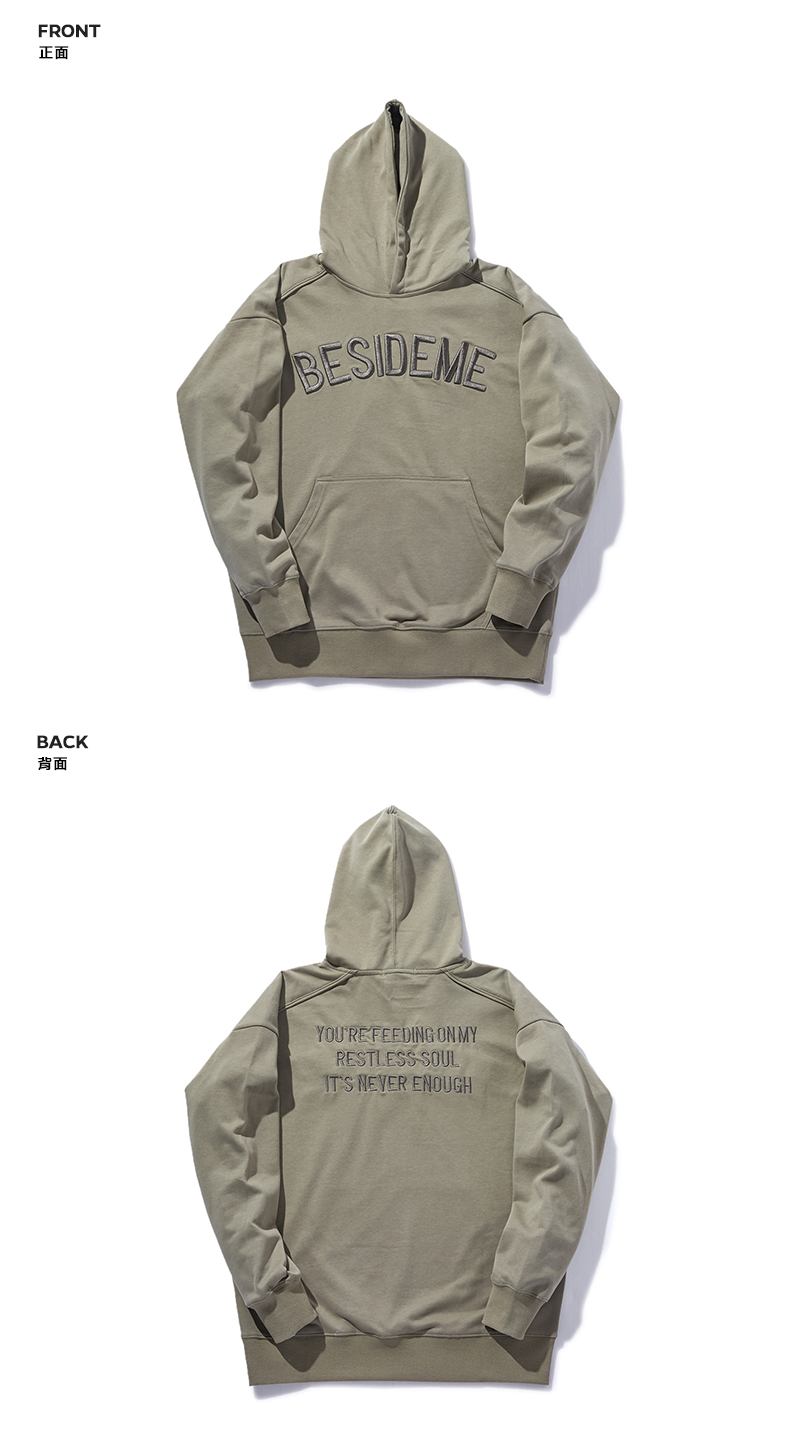
1 reference sample cannot define diameter, thickness, hole size, or edge finish alone. Prevent variation by approving a dimension drawing with tolerances.
0.5 mm can change button alignment on a placket. Confirm shank, sew-hole, snap, or rivet attachment and test it on the actual garment fabric.
Test Color And Care
1 digital Pantone rendering is not a production color approval. Prevent mismatches by reviewing physical color chips under agreed lighting.
5 wash cycles can reveal plating loss, cracking, or dye bleed. Specify wash temperature, dry-cleaning, abrasion, and corrosion conditions before bulk release.
Protect Tooling And Bulk
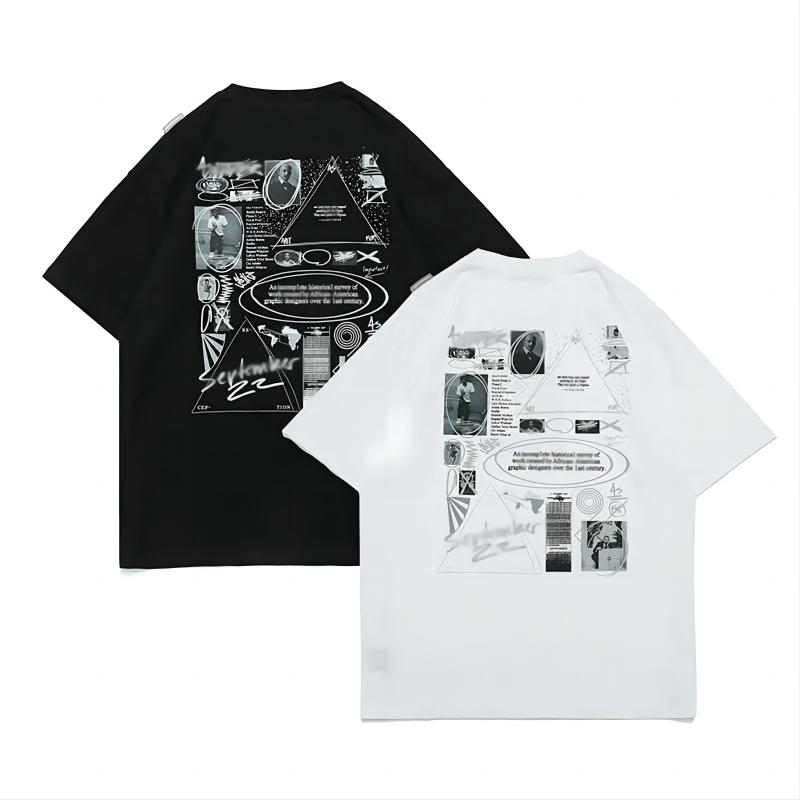
2 to 6 weeks may be needed for a new mold, revisions, and approval. Prevent launch delays by locking artwork and tooling dates into the critical path.
100% packed pieces do not replace in-line checks. Require pre-production, first-run, and final inspections for finish, attachment strength, quantity, and defects.
9. Launching a Custom Button Program
A custom clothing buttons supplier program should move through defined approval gates, not informal email decisions. EDVORIN can organize design, sourcing, and quality inputs into one production record.
Define The Garment Brief
1 brief should state garment type, intended use, button location, wash exposure, target quantity, and delivery window. Design owns appearance; sourcing confirms workable options.
Develop And Test Samples
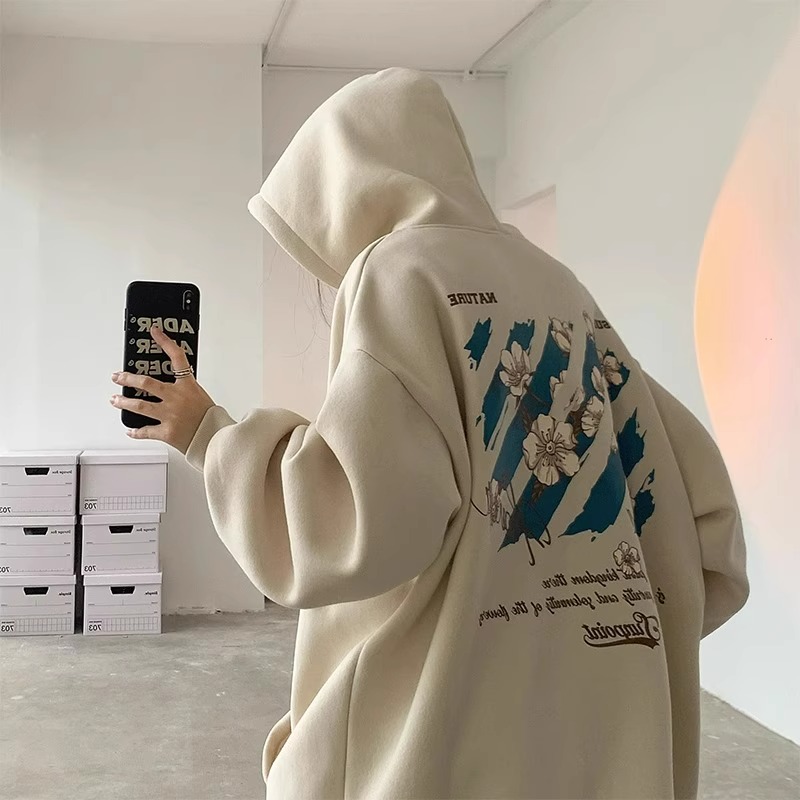
2 sample rounds are usually enough when artwork includes size, finish, color reference, attachment method, and placement. Quality tests the button on the actual garment for pull, abrasion, laundering, and visual balance.
Lock Bulk And Reorders
1 golden sample becomes the signed reference before bulk production begins. Sourcing confirms quantities and packing; quality inspects bulk goods and retains approved artwork, samples, inspection notes, and supplier specifications for repeat orders.
10. Custom Button Pricing and Cost
Button cost varies by quantity, material, diameter, plating or dye finish, logo relief, attachment type, testing, packaging and freight terms. New tooling, color matching, inspection and packing can have a larger per-unit impact at lower volumes. Request a quote against finalized specifications, target quantity and delivery terms for a reliable landed-cost estimate.
| Quantity tier | Illustrative unit cost | Typical production lead time |
|---|---|---|
| 1,000–2,999 | Higher; tooling has greatest impact | 10–20 working days |
| 3,000–9,999 | Medium; setup spreads across units | 15–25 working days |
| 10,000+ | Lower; confirm capacity and inspection plan | 20–35 working days |
Choose a Custom Clothing Buttons Supplier Built for Production
Send your garment brief and button design for a coordinated quote and development plan aligned with your production specifications.