
Custom Clothing Labels & Packaging for Production-Ready Orders
EDVORIN coordinates branded packaging with your apparel production, from approved details through final packing, for a consistent brand presentation.
Packaging Details for Production-Ready Apparel Orders

Why Choose a Custom Clothing Packaging Supplier
EDVORIN coordinates packaging with garment development and bulk production, so the finished order arrives aligned with your brand standard.
One Production Standard
Packaging specifications are documented alongside approved garments, labels and trims to help preserve consistency from sample review through final packing.
Brand-Ready Presentation
Coordinate branded bags, boxes, tissue, stickers and inserts with your collection’s colors, sizing and retail presentation requirements.
Material and Print Alignment
Select packaging materials and print details that support the product, decoration and intended customer experience without disconnecting from apparel production.
Protection for Packed Orders
Packaging choices are planned around folding, handling and shipment needs to help garments arrive organized, presentable and ready for distribution.
Fewer Handoff Gaps
EDVORIN connects packaging decisions with sourcing, decoration, quality control and bulk production under one accountable apparel workflow.
Built for Repeat Orders
Approved packaging details become part of your production standard, supporting more reliable reorders as your fashion, streetwear or teamwear program grows.
Complete Your Apparel Program
Explore coordinated product categories, decoration options, trims, labels and packaging support for a clear path from approved sample to bulk delivery.
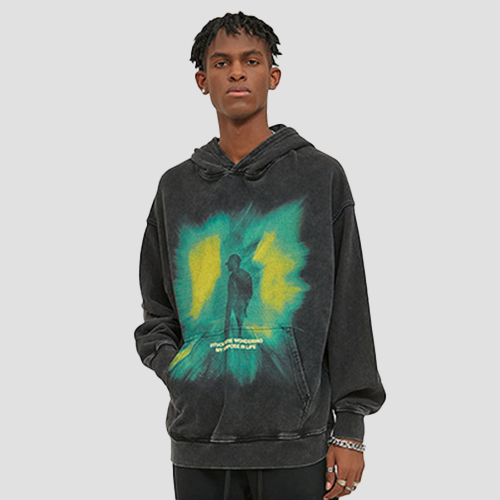
Custom Hoodies
EDVORIN develops custom hoodies with specified fleece weight, fit blocks, rib construction, drawcords, labels and decoration. As a custom hoodie manufacturer, we document approved details for repeatable OEM, ODM and private-label production.
Get a Quote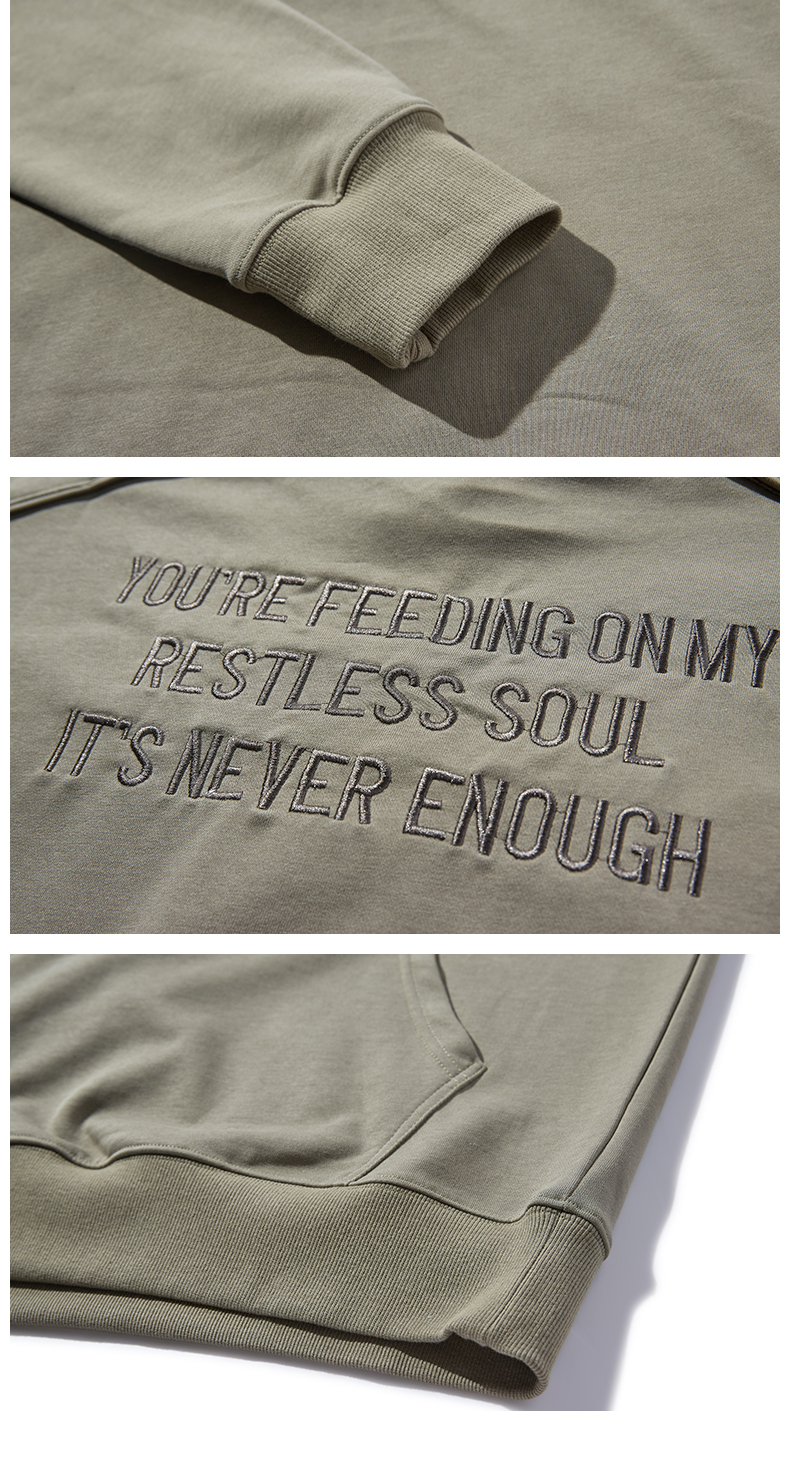
Pullover Sweatshirts
Pullover sweatshirts are developed around fabric weight, neckline, rib recovery, fit and print or embroidery requirements. Our sweatshirt manufacturer workflow supports men’s and women’s programs from sampling through controlled bulk production.
Get a Quote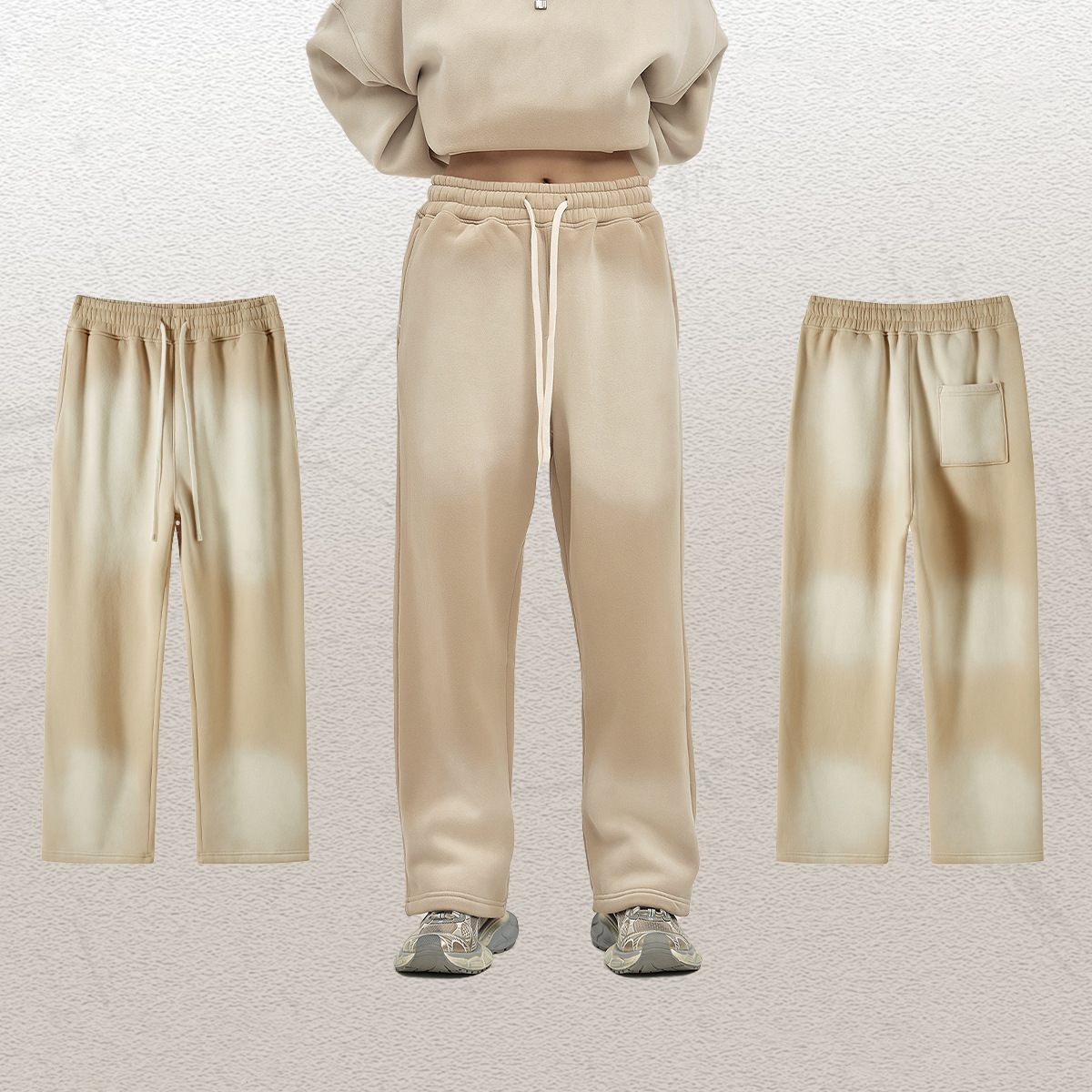
Sweatpants & Joggers
Custom sweatpants and joggers require coordinated fabric, waistband, drawcord, pocket and cuff specifications. As a sweatpants manufacturer, EDVORIN develops matching bottoms for casualwear, streetwear and coordinated sets.
Get a Quote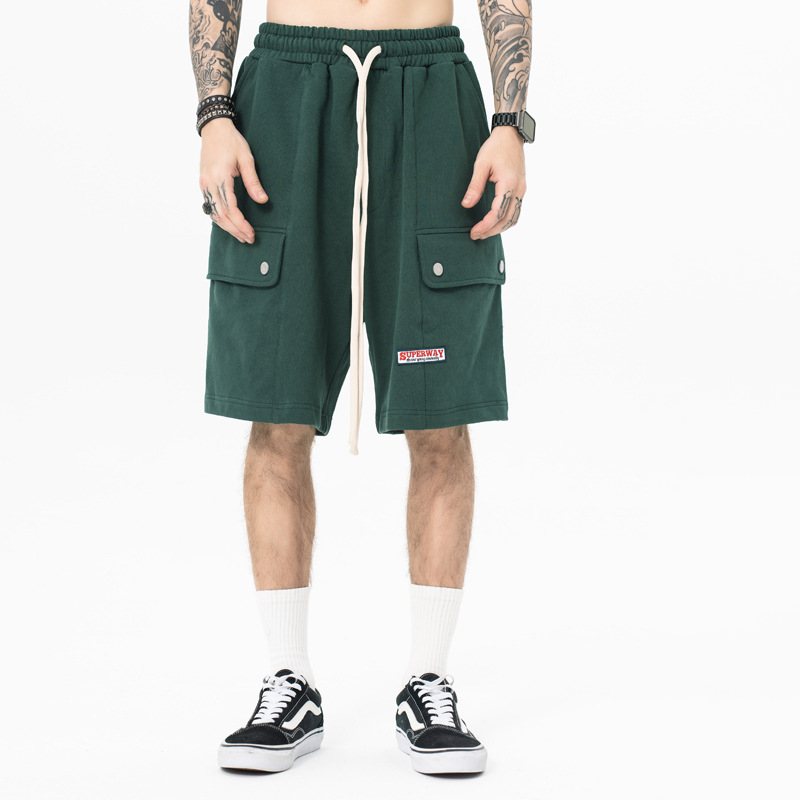
Custom Shorts
Custom shorts can be built for fleece, jersey, woven or performance programs, with defined inseams, pockets, waist construction and decoration placement. Our custom shorts manufacturer process supports consistent grading and repeat orders.
Get a Quote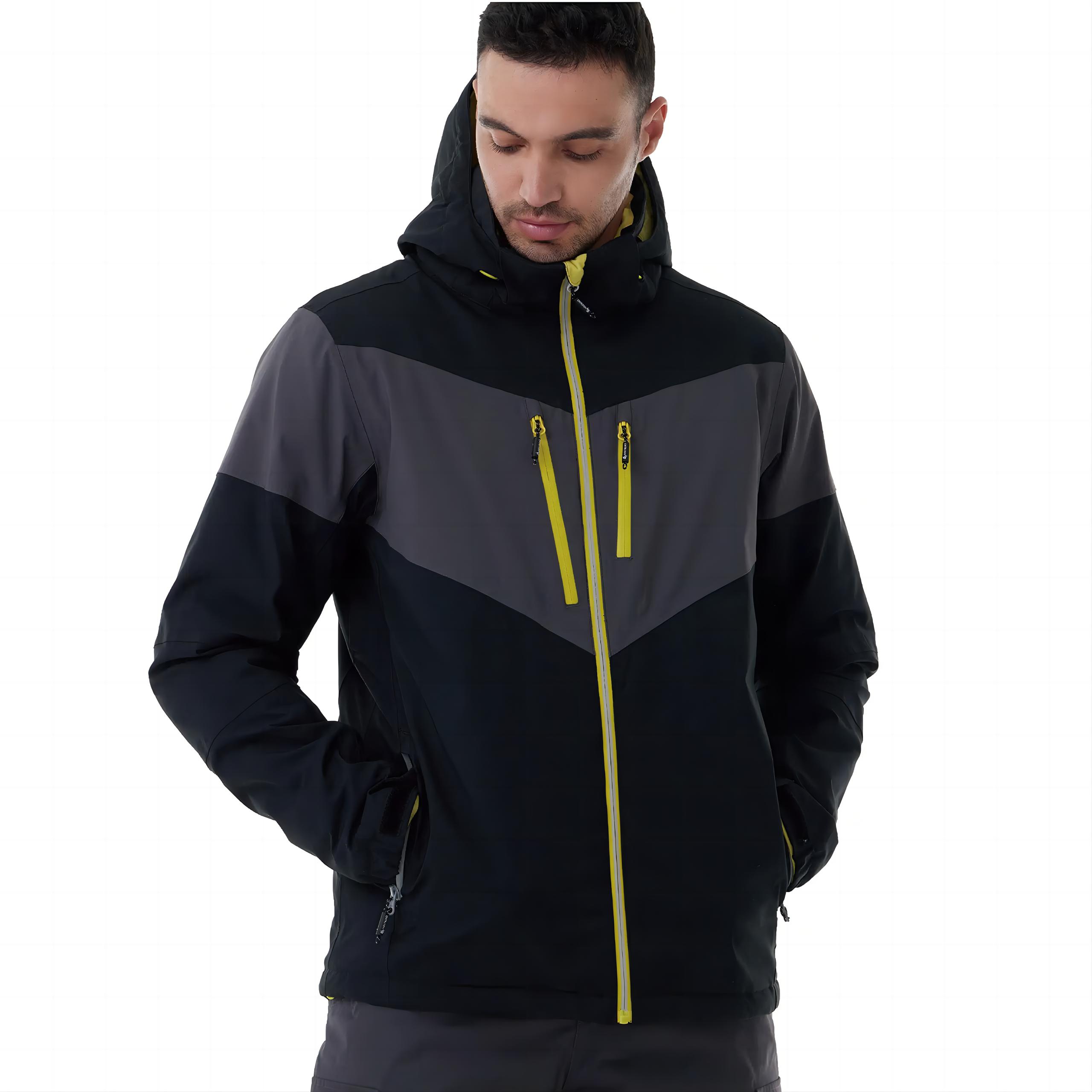
Varsity & Baseball Jackets
Varsity and baseball jackets combine body fabric, sleeves, rib, snaps, lining, patches and embroidery into one documented standard. As a varsity jacket manufacturer, EDVORIN coordinates these components through sampling and bulk inspection.
Get a Quote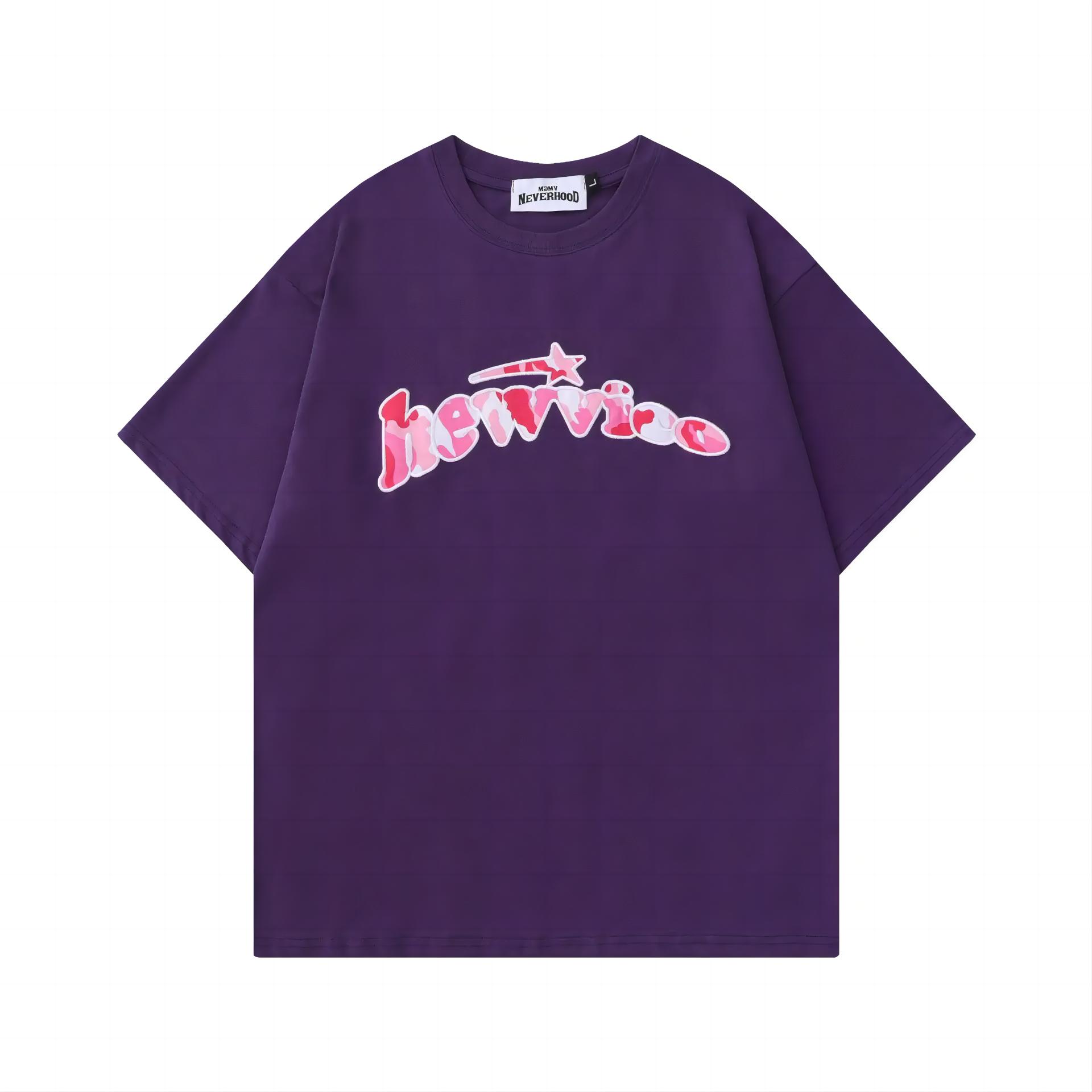
Custom T-Shirts
Custom T-shirts are developed with selected jersey, collar construction, fit, print method, labels and packaging. Our custom T-shirt manufacturer process supports basic programs, graphic drops and private-label collections for men and women.
Get a Quote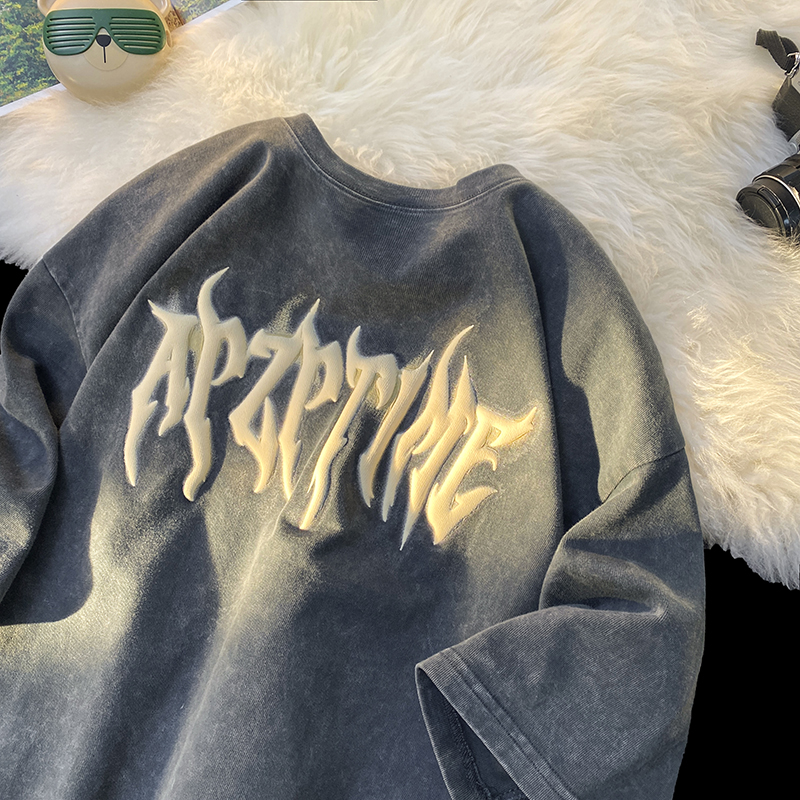
Custom Polo Shirts
Custom polo shirts require clear control of fabric, collar shape, placket, buttons, cuffs and logo application. As a polo shirt manufacturer, EDVORIN supports branded uniform, retail and corporate apparel programs.
Get a Quote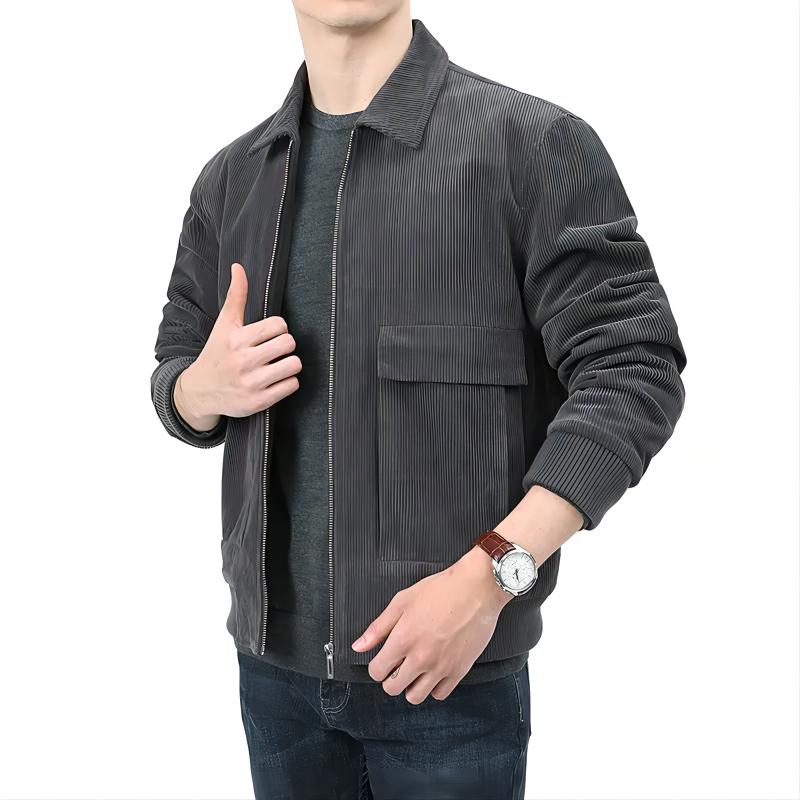
Windbreaker Jackets
Windbreaker jackets are developed with shell fabric, lining, zipper, hood, pocket and weather-performance requirements in mind. Our windbreaker manufacturer workflow aligns construction, decoration and packaging before bulk production begins.
Get a Quote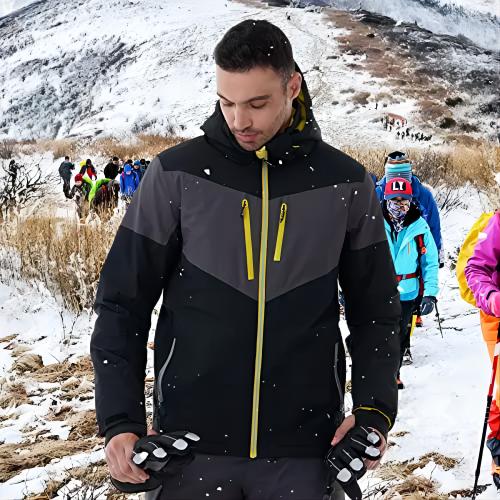
Quilted Jackets
Quilted jackets require coordination between shell, lining, insulation, quilting pattern, hardware and labeling. As a quilted jacket manufacturer, EDVORIN tests construction details during sampling and records approved standards for production.
Get a Quote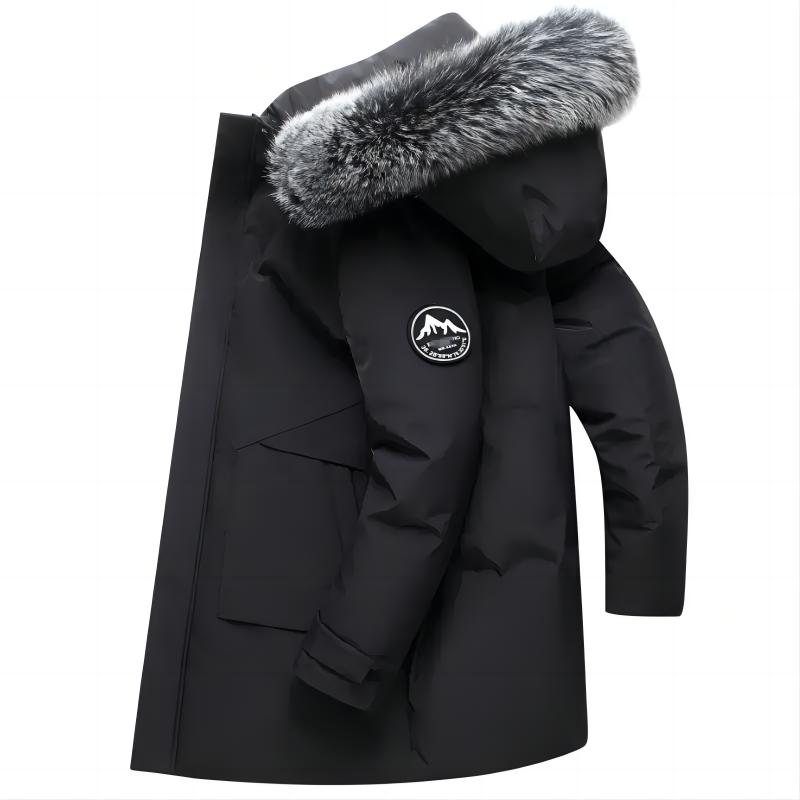
Bomber Jackets
Bomber jackets are developed around shell material, lining, rib, zipper, pockets, insulation and decoration. Our bomber jacket manufacturer process helps brands balance silhouette, construction and repeatable bulk quality.
Get a Quote
Custom Shirts
Custom woven shirts can be developed with selected fabric, collar, placket, cuffs, buttons, pockets and branding details. As a custom woven shirt manufacturer, EDVORIN supports casual, uniform and private-label shirt programs.
Get a Quote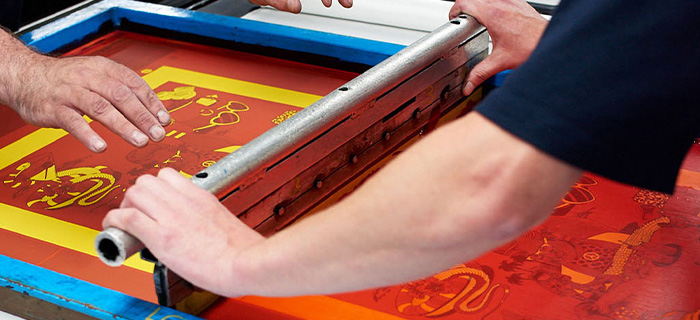
Custom Jerseys
Custom jerseys are built around breathable fabrics, color control, panel construction, names, numbers and logo placement. Our custom jersey manufacturer process supports organized size sets and consistent repeat production for teams and clubs.
Get a Quote
Tank Tops
Tank tops are developed for jersey, mesh or performance fabrics, with defined armholes, neckline, fit and decoration placement. As a custom tank top manufacturer, EDVORIN supports men’s and women’s activewear, casualwear and team programs.
Get a Quote
Soccer Uniforms
Soccer uniforms require coordinated jerseys, shorts, color references, breathable materials, crests, sponsor artwork and player numbering. Our soccer uniform manufacturer workflow controls placement and sizing across team sets and repeat orders.
Get a Quote
Basketball Uniforms
Basketball uniforms are developed with performance fabric, reversible or single-layer construction, trim, color blocking, names and numbers. As a basketball uniform manufacturer, EDVORIN coordinates complete team sets from sample approval through packing.
Get a Quote
Streetwear Collections
Streetwear collections connect hoodies, tees, bottoms, outerwear, washes, trims, labels and packaging under one production standard. As a streetwear clothing manufacturer, EDVORIN supports collection development from concept through scalable bulk delivery.
Get a QuoteCustom Clothing Labels & Packaging Since 2000
Founded by Edvorin Zeng, EDVORIN is a custom clothing manufacturer that helps B2B buyers turn apparel concepts into repeatable, production-ready programs. We coordinate product development, materials, trims, decoration, custom clothing labels and packaging, and inspection through one accountable manufacturing path.
As an OEM clothing manufacturer and ODM apparel manufacturer, EDVORIN supports private-label clothing manufacturer programs across casualwear, streetwear, outerwear, and teamwear for fashion brands, sports organizations, schools, wholesalers, and corporate buyers. From a complete tech pack to an early sketch or reference garment, we develop clear standards that can be sampled, approved, and reproduced from 200 pieces per style. Certification programs include ISO 9001, BSCI, WRAP, SEDEX, OEKO-TEX Standard 100, GRS, and GOTS.
What makes EDVORIN different is the discipline after sample approval. We record measurements, artwork placement, trims, and packing requirements, then use in-line and final checks to protect the approved standard through bulk production. The result is an apparel order and packaging presentation built to repeat as your program grows.
Packaging Details That Protect Every Brand Experience
Artwork Built for Approval
EDVORIN organizes logos, placement references, color instructions, and printed details into a reviewable packaging specification. As your custom clothing packaging supplier, we help connect approved artwork to the production standard so details remain clear from sample through final pack-out.
- Confirm logo position, scale, and orientation
- Record approved colors and print references
- Align packaging artwork with garment branding
- Review revisions before bulk production
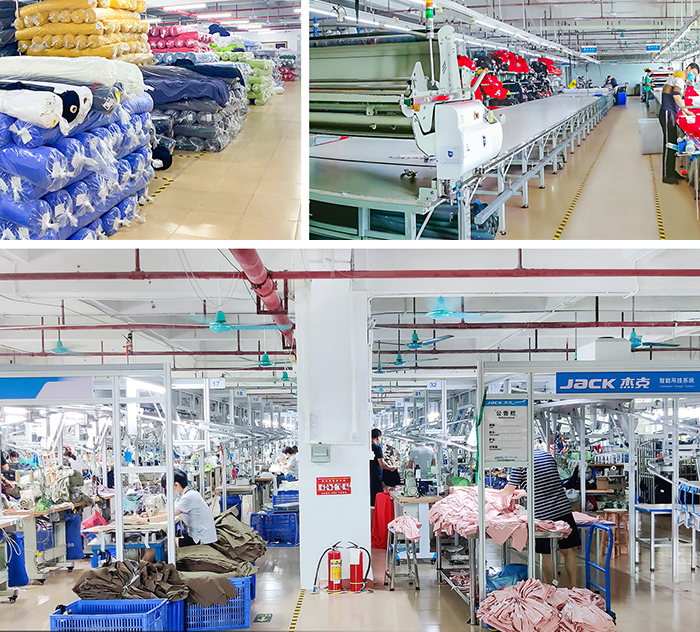
Materials Chosen for the Garment
Packaging should suit the product it carries, whether the order includes lightweight tees, fleece hoodies, outerwear, or coordinated teamwear. EDVORIN coordinates packaging material choices with garment size, fold method, protection needs, and the intended presentation of your collection.
- Match packaging format to garment volume
- Plan fold methods for each product category
- Consider protection during handling and transit
- Coordinate materials with brand presentation goals
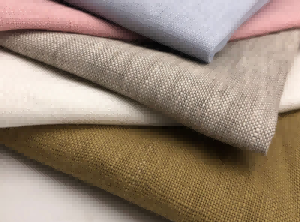
Labels and Inserts Coordinated
Labels, hangtags, size stickers, care information, and inserts work best when they are planned as one system. EDVORIN coordinates these components with the garment and packaging workflow, helping buyers keep product information, brand messaging, and final presentation aligned across the order.
- Coordinate hangtags with garment attachment points
- Align size identification with packing requirements
- Organize care and product information inserts
- Check branding consistency across components
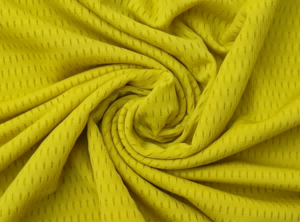
Pack-Out Standards Made Repeatable
A finished order needs clear instructions beyond an approved package. EDVORIN documents folding, bagging, labeling, carton quantities, and inspection expectations so pack-out remains consistent across repeat orders and growing product programs.
- Define fold and bagging requirements
- Set carton quantity and assortment instructions
- Verify labels before final packing
- Use approved standards for repeat production
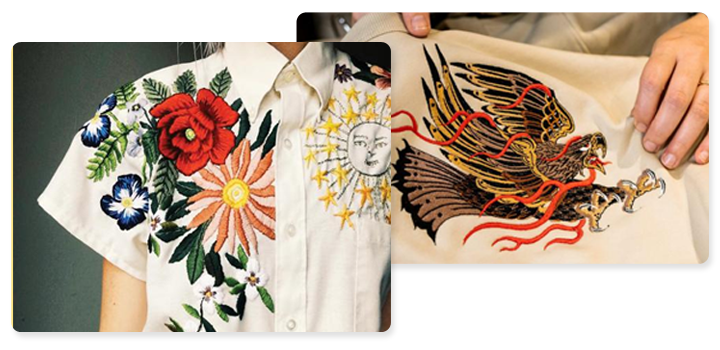
Apparel Packaging and Custom Hang Tags: Different Roles
See how branded apparel packaging and custom hang tags serve different roles in a coordinated EDVORIN production order.
← Swipe left or right to view →
How EDVORIN Coordinates Packaging With Apparel Production
From artwork approval to final pack-out, EDVORIN aligns packaging specifications with the garment order so branded components arrive ready for consistent fulfillment.
Confirm Packaging Specifications
Review box, mailer, polybag, tissue, sticker, insert, and hangtag requirements alongside garment quantities, folded dimensions, barcode placement, and destination-specific packing instructions.
Prepare Artwork and Dielines
Translate approved logos, colors, copy, and panel layouts into production files; confirm dielines, bleed, Pantone references, finishing areas, and variable data before output begins.
Approve Materials and Samples
Coordinate board, paper, film, adhesive, ribbon, or tissue selections with print methods and request physical samples to check fit, fold performance, color, and finish.
Produce Branded Components
Print packaging panels, die-cut box blanks or inserts, apply lamination, foil, embossing, labels, or other specified finishes, then form components to approved construction standards.
Coordinate Garment Pack-Out
Match finished packaging components to the approved garment fold, size assortment, labels, and accessories; establish packing sequence, carton ratios, and protection requirements for shipment.
Complete Final Packaging Checks
Inspect print clarity, color consistency, dimensions, scuffing, closure performance, count accuracy, barcode readability, and finished presentation before packed apparel orders move to dispatch.
Add Packaging to Your Apparel Production Program
Coordinate branded packaging with your garment program through one production path, from artwork and pack-out details to approved samples and bulk delivery.
Submit Artwork and Dimensions
Share your logo files, packaging dimensions, preferred materials, print finishes, and reference examples so EDVORIN can align packaging specifications with your apparel collection.
Confirm Pack-Out Requirements
Define folding methods, garment quantities per package, label placement, protective materials, and shipping needs to create a clear pack-out standard for the production team.
Approve Packaging Samples
Review packaging samples when required, checking dimensions, print appearance, construction, and garment fit before the approved result becomes the reference for bulk production.
Produce Alongside Your Order
EDVORIN coordinates packaging with garment production, final inspection, and packing so finished apparel arrives prepared for your retail, wholesale, teamwear, or private-label program.
Custom Clothing Packaging Supplier Results
EDVORIN aligned our woven labels, hangtags, and folding presentation bags with the approved hoodie sample. Our first 1,200-piece drop arrived ready for fulfillment, and the pack-out looked consistent across every size.
For our academy kit order, the packaging plan kept 640 jerseys, shorts, and player-number sets organized by size. We received the shipment on schedule and avoided the relabeling work that delayed our previous season.
We needed a repeatable private-label presentation for three wholesale accounts. EDVORIN documented the carton, tissue, sticker, and hangtag details, then delivered 2,400 packed polo units with the same shelf-ready finish our buyers approved.
Custom Clothing Packaging Supplier FAQs
Clear answers for brands coordinating branded packaging with apparel development, decoration, labeling, and bulk production.
What packaging formats can a custom clothing packaging supplier coordinate with apparel orders?
Can a custom clothing packaging supplier match our logo colors and artwork?
How do I choose the right packaging dimensions for folded clothing?
Can packaging be coordinated with custom labels and hangtags?
EDVORIN’s MOQ starts at 200 pieces per style. What is the minimum order quantity for apparel programs with custom packaging?
How does a custom clothing packaging supplier help protect decorated or washed garments?
What should I send before requesting custom apparel packaging?
Complete Guide to Choosing a Custom Clothing Packaging Supplier
Use this decision framework to compare packaging formats, materials, branding options, quality controls, costs, and supplier capabilities—while avoiding sourcing mistakes that create damaged deliveries, inconsistent presentation, and avoidable delays.
1. What Is a Custom Clothing Packaging Supplier?
This supplier category covers packaging components that protect, present, and identify an apparel order: folding or rigid boxes, corrugated mailers, tissue, poly or paper bags, size labels, hangtags, and order inserts. A custom clothing packaging supplier coordinates those items against garment dimensions, retail presentation, and fulfillment needs.
Several roles are often confused. A manufacturer makes substrate or finished packaging; a converter cuts, folds, laminates, or assembles it; a printer applies artwork; a distributor resells standard stock; and a sourcing intermediary manages vendors without necessarily owning production. One accountable specialist can align dielines, Pantone references, closure details, and pack-out instructions across the set.
For EDVORIN apparel programs, the MOQ starts at 200 pieces per style. Packaging can be developed alongside the garment when a label needs a repeatable unboxing standard, fitted protection, or coordinated private-label presentation; component minimums depend on the selected packaging specification.
2. How Apparel Packaging Has Evolved
For decades, apparel packaging primarily protected folded garments from dust, handling, and shelf wear. Polybags, tissue, hangers, and simple retail cartons supported sorting and display, while the garment—not the pack—carried most of the brand expression.
By the 2000s, direct-to-consumer shipping made the outer package part of the purchase experience. Printed mailers, branded cartons, inserts, and consistent color reproduction turned delivery into an unboxing moment, but also introduced dimensional-weight, packing-speed, and damage-risk trade-offs.
Today, one packaging specification must serve transit protection, visual consistency, fulfillment efficiency, customer experience, and end-of-life expectations. Buyers increasingly compare right-sized mailers, recyclable paper-based formats, recycled-content films, and reusable bags; the practical choice depends on the garment, shipping route, packing workflow, and disposal options available to the end customer.
3. Custom Clothing Packaging Supplier Product Types
A custom clothing packaging supplier should match format to garment bulk, delivery channel, and unboxing target. EDVORIN can align packaging specifications with approved garments and the broader labeling and production workflow.
Retail Boxes And Wraps
Folding cartons suit folded T-shirts, polos, and light knitwear, balancing shelf presentation with flat storage. Rigid boxes add premium protection for gift sets or jackets but consume more warehouse space.
Tissue, wraps, and branded inserts protect surfaces and carry care or campaign messages. They improve presentation without replacing a shipping carton.
E-Commerce Protection Formats
Corrugated mailers protect hoodies, outerwear, and multi-piece orders through parcel handling. Their structure favors e-commerce, while folding cartons are better for controlled retail displays.
Poly or paper bags provide moisture and dust protection for individual garments. Paper favors a tactile retail presentation; poly generally packs compactly for fulfillment.
Carry And Storage Options
Garment bags fit suits, uniforms, and embellished pieces that should remain hanging. They protect shape during storage but offer limited impact protection in transit.
Shopping bags serve store handoff, events, and team collections. Choose handles and dimensions around the packed garment rather than the unfolded garment.
4. Materials From a Custom Clothing Packaging Supplier
Material choice determines protection, shelf presence, and freight efficiency before artwork is approved. A custom clothing packaging supplier should match substrate weight and barrier needs to the garment’s retail or shipping route.
| Material | Weight/Stiffness | Print/Moisture | Best Apparel Use |
|---|---|---|---|
| Paperboard | Light; medium | Excellent; low | Folded shirts |
| Corrugated | Medium; high | Good; moderate | Shipped sets |
| Kraft paper | Light; low | Good; low | Wrap and filler |
| Coated paper | Light; low | Excellent; low | Retail wrap |
| Greyboard rigid | Heavy; very high | Excellent; low | Premium outerwear |
| Plastic film | Light; flexible | Good; high | Garment protection |
| Fabric bag | Medium; flexible | Good; moderate | Reusable kits |
| Paper fillers | Light; cushioning | Limited; low | Void protection |
Board And Paper
Paperboard folds cleanly for tees, polos, and light knitwear; coated grades deliver sharper color, while kraft has a lower-gloss, natural appearance.
Corrugated board adds stiffness and crush protection for e-commerce sets. Rigid greyboard constructions create the highest perceived value for premium jackets or gift programs.
Film And Fabric
Plastic films provide practical moisture and dust resistance for individual garments, but recyclability depends on local collection systems and mono-material design.
Fabric bags trade higher unit weight for reuse value. They suit club kits, limited collections, and retail carry packaging.
Material Versus Use
Protective fillers should stop movement without overwhelming the unboxing experience. Recycled tissue, kraft void fill, and corrugated inserts fit different protection levels.
5. Customization and Branding Options
One approved dieline, size range, Pantone reference, logo position, and print file are essential before sampling. A custom clothing packaging supplier should separate these repeatability controls from upgrades that add converting steps.
| Option | Brand Impact | Production Trade-Off |
|---|---|---|
| Size and logo spec | Essential | Controls fit and repeatability |
| Interior print | High | Requires registration approval |
| Foil or embossing | Premium | Adds tooling and handling |
| Tissue and inserts | Flexible | Adds packing labor |
Structure And Sizing
Three common formats—mailer, folding carton, and rigid box—should be sized to the folded garment, tissue, and clearance. Windows and magnetic or ribbon closures raise presentation value but add assembly, damage, and freight considerations.
Print And Brand Placement
Pantone matching, exterior logo placement, and interior printing need artwork dimensions, orientation, and approved color targets. One-color printing is usually the simplest baseline; full coverage and multi-location graphics need tighter proofing.
Premium Touchpoints
Four low-complexity additions—tissue, stickers, hang tags, and inserts—can carry care, sizing, or campaign messages. Embossing, foil, spot gloss, and lamination are premium finishes; specify rub resistance and folding behavior before approval.
6. Construction and Quality Checks
One approved packaging sample should be treated as a production standard, not a display piece. A custom clothing packaging supplier should document measurable acceptance criteria before bulk conversion begins.
Structural Accuracy
One dieline proof should identify cut, crease, glue zones, finished dimensions, and artwork-safe areas. Check the intended folded garment against an agreed fit tolerance.
Two board samples should confirm caliper, stiffness, edge finish, clean folds, and glue coverage. Test corners and seams after repeated opening.
Print And Surface Control
One press proof should establish Pantone references, print registration, and placement tolerances. Compare multiple positions, not only the front panel.
Ten-rub scuff checks on laminated or coated surfaces can expose weak finishing. Inspect solids for color variation, cracking, fingerprints, and exposed board.
Load And Transit Testing
One packed sample should carry the heaviest planned garment set with its inserts and accessories. Test tuck tabs, magnets, ribbons, or adhesive closures under normal handling.
Three shipment trials should include stacking, vibration, and drop exposure appropriate to the shipping route. Record pass/fail criteria, defect photos, and inspection sampling rules.
7. Choosing a Custom Clothing Packaging Supplier
A custom clothing packaging supplier should be vetted against the garment program it must support: pack format, SKU complexity, order cadence, and destination market. Compare documented execution, not just a low quoted unit price.
Match Experience To Product
EDVORIN’s MOQ starts at 200 pieces per style. 200-piece programs need a supplier experienced with the actual garment mix, whether folded T-shirts, hoodies, uniforms, or outerwear. Ask for comparable specifications, MOQ by component, and a physical or digital preproduction sample process.
Test The Operating System
1 first call should establish manufacturing location, available capacity, design-file support, QA checkpoints, response owner, and realistic approval-to-delivery lead time. Require written dielines, Pantone references, packing instructions, inspection criteria, and revision records.
Compare Landed Value
3 quote lines prevent false comparisons: unit price, tooling or sample charges, and freight terms. Confirm Incoterms, carton counts, production timing, payment milestones, defect-resolution process, and who approves artwork before bulk release.
- What is the MOQ per size, color, and SKU?
- Which sample is the bulk-production standard?
- What lead time starts after artwork approval?
- Who owns freight risk under the quoted Incoterm?
8. Common Custom Clothing Packaging Supplier Mistakes
Eight recurring sourcing errors cause avoidable cost, delay, and damaged presentation. A capable custom clothing packaging supplier should turn each risk into a documented approval point.
Fit And Transit First
1 garment measurement set must precede format selection; folded dimensions, thickness, and insert volume determine the dieline.
2 transit tests should reflect parcel handling, humidity, stacking, and destination conditions.
- Measure folded garment and packed weight before quoting.
- Specify shipping mode and required crush protection.
- Correct both errors with a packed-product sample.
Approve Complete Specifications

3 quote comparisons fail when tooling, print coverage, freight, assembly, and rejects are omitted.
4 sample approvals need functional testing, while Pantone references prevent vague color instructions.
- Request like-for-like, itemized quotes.
- Test closure, scuffing, fit, and transit performance.
- Record Pantone codes, finish, and approved artwork.
Plan Operations And Reorders
5 packaging designs can create hidden labor when assembly time and warehouse space are ignored.
6 sustainability claims require verified material evidence and a design that supports the intended recovery route.
- Confirm flat-pack storage, assembly steps, and labor ownership.
- Set reorder points, lead times, and version control.
- Verify recycled content or certification documentation; avoid unsupported eco labels.
9. Launching Your Branded Packaging Program
A 200-piece launch works best when packaging is treated as a production specification, not a last-minute branding task. Assign one buyer-side owner for commercial approval and one for artwork and technical sign-off.
Map The Customer Journey
First, define whether the pack protects ecommerce shipments, presents retail product, or supports both. Record the unboxing sequence, required inserts, returns needs, target cost, and decision owner before requesting formats.
- Commercial lead approves budget and channel goals
- Brand lead approves customer-facing experience
- Operations lead approves fulfillment compatibility
Measure And Prototype
Each garment SKU needs folded length, width, height, and packed weight checked across the largest size. Select the format and material, then send Pantone artwork, logo files, and dieline copy for a physical prototype.
- Confirm closure, labels, and barcode location
- Test a filled sample, not an empty box
- Approve color against the selected substrate
Lock Production And Learn

Before production, freeze the approved sample, dieline, material, print file, tolerances, quantity, and packing count in one signed specification. Arrange freight dates and inspect receiving samples for dimensions, print, damage, and count.
After 30 days, review customer comments, damage or return signals, packing time, and inventory consumption. Reorder only after the commercial owner confirms performance and the operations owner confirms remaining stock.
10. Custom Clothing Packaging Supplier Pricing
200 pieces is a practical starting point for a custom clothing packaging supplier program, but unit cost falls as fixed artwork, dieline, tooling, and sampling charges are spread across more packs. Larger dimensions, heavier board or film, rigid structures, and greater print coverage raise material and conversion cost.
2-sided printing, Pantone matching, foil, embossing, spot UV, lamination, inserts, and hand assembly each add process time or setup. Confirm whether sampling, plates, dies, packing configuration, and assembly are quoted separately.
100% of the purchasing decision should be based on landed cost: product price plus freight, duties, destination handling, damage allowance, and storage impact. Compare like-for-like specifications and delivery terms before approving a lower unit quote.
| Quantity tier | Specification complexity | Unit cost | Setup cost | Lead time |
|---|---|---|---|---|
| 200–499 | Simple mailer or carton | Highest | Spread over few units | Shorter production run |
| 500–1,999 | Printed carton with finish | Lower | Shared across more units | Moderate |
| 2,000+ | Rigid or assembled presentation pack | Lowest at scale | Often amortized | Longer planning window |
Choose EDVORIN as Your Custom Clothing Packaging Supplier
Send your apparel and packaging brief for a coordinated quote and production-ready plan aligned with your approved garment standards.