
Apparel Production Partner for Established Fashion Brands
EDVORIN turns approved concepts into repeatable OEM/ODM collections with coordinated development, decoration and quality control from 200 pieces per style.
Featured Apparel Programs
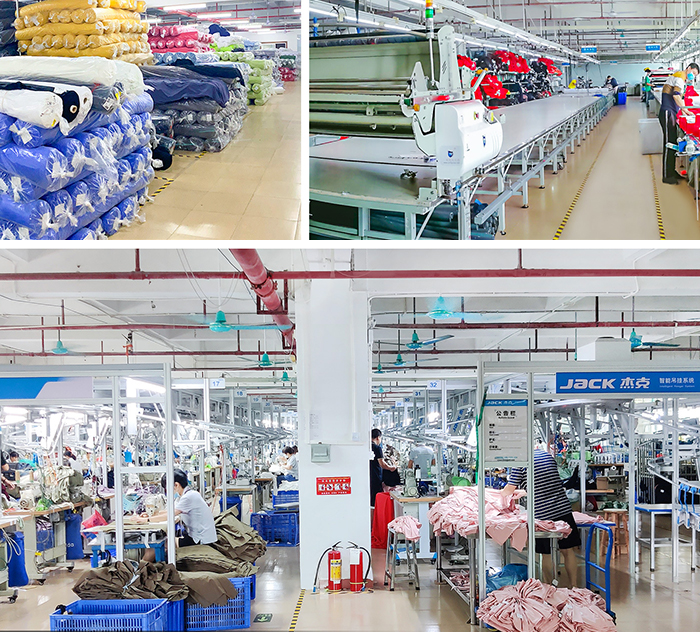
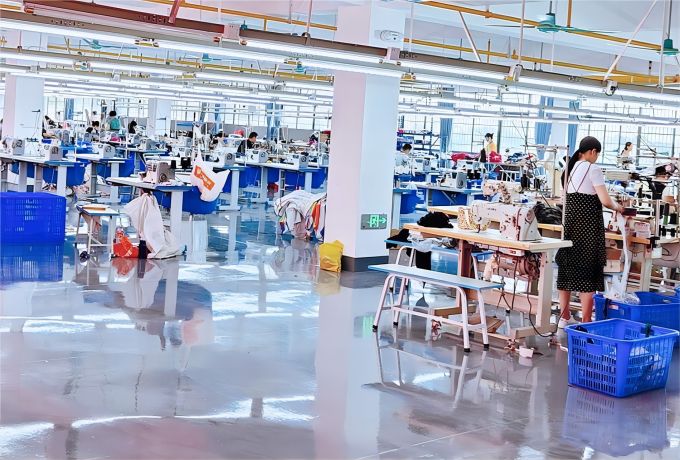
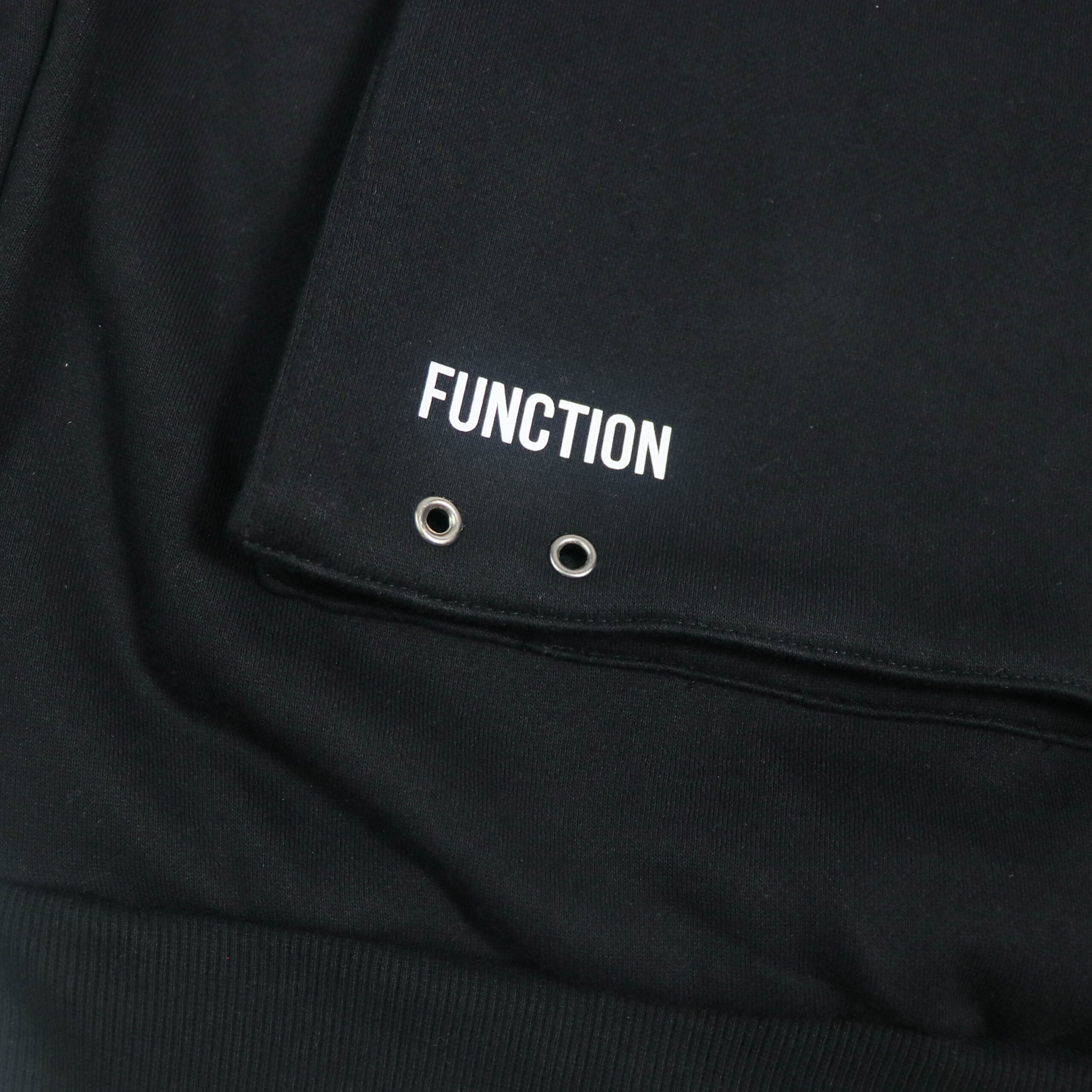
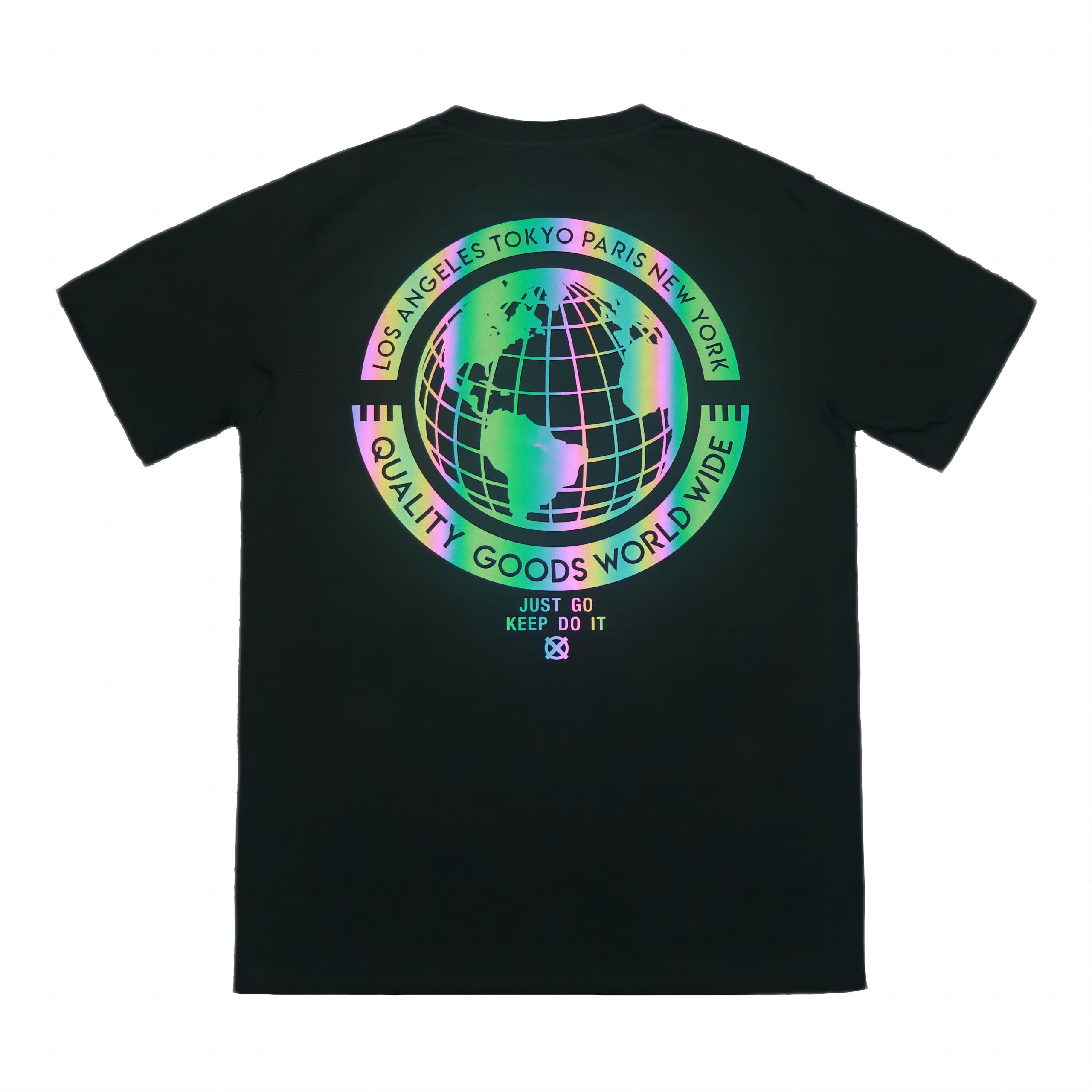
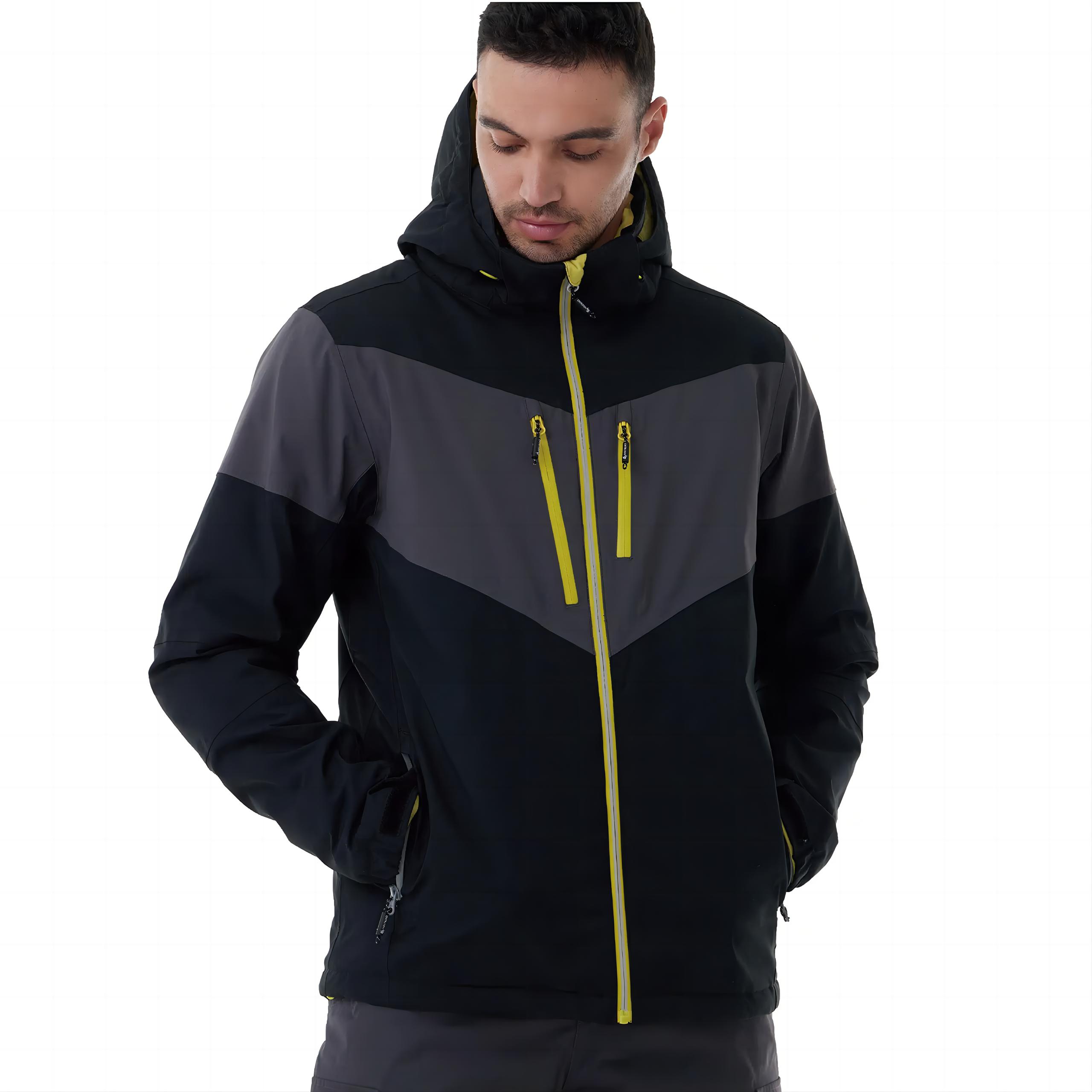
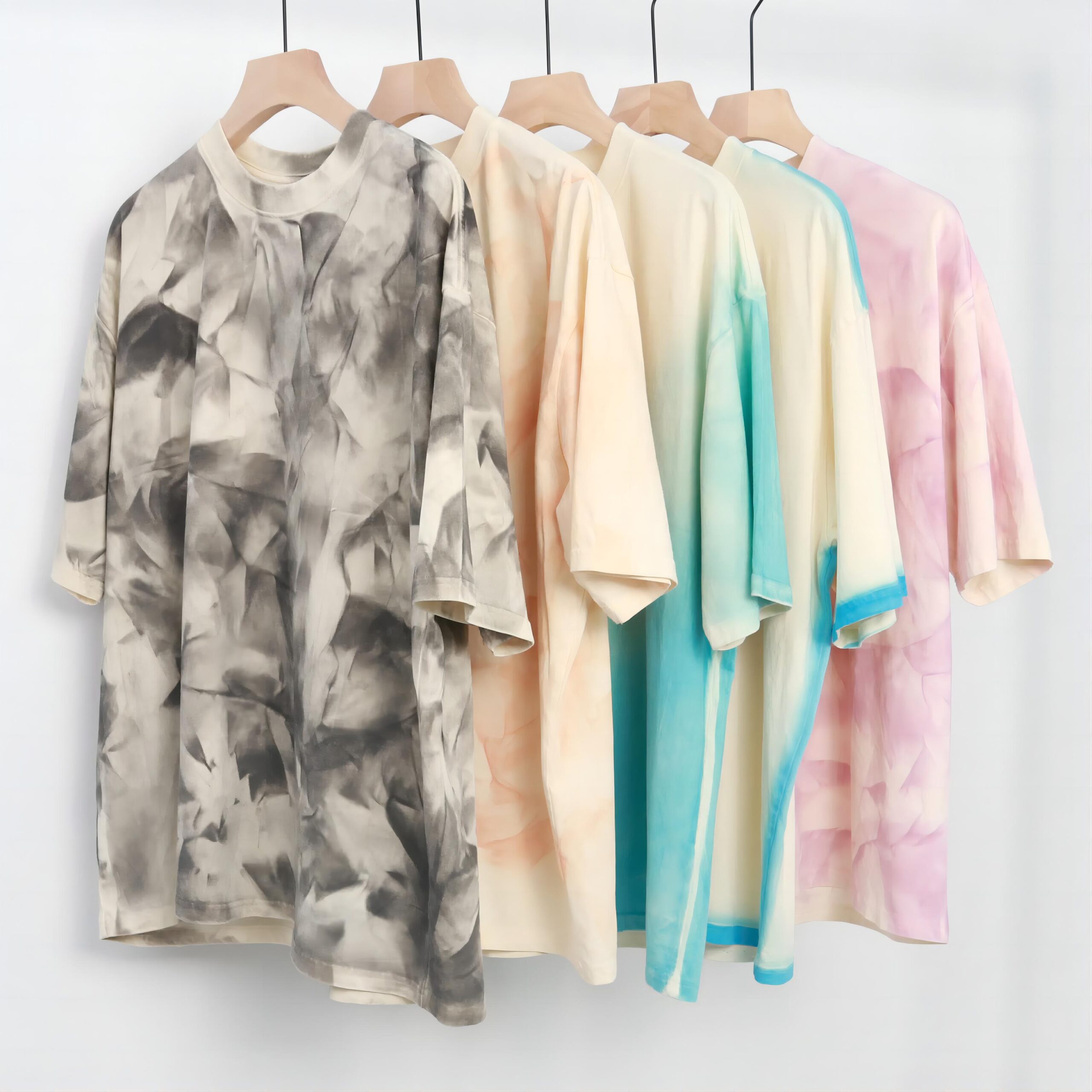
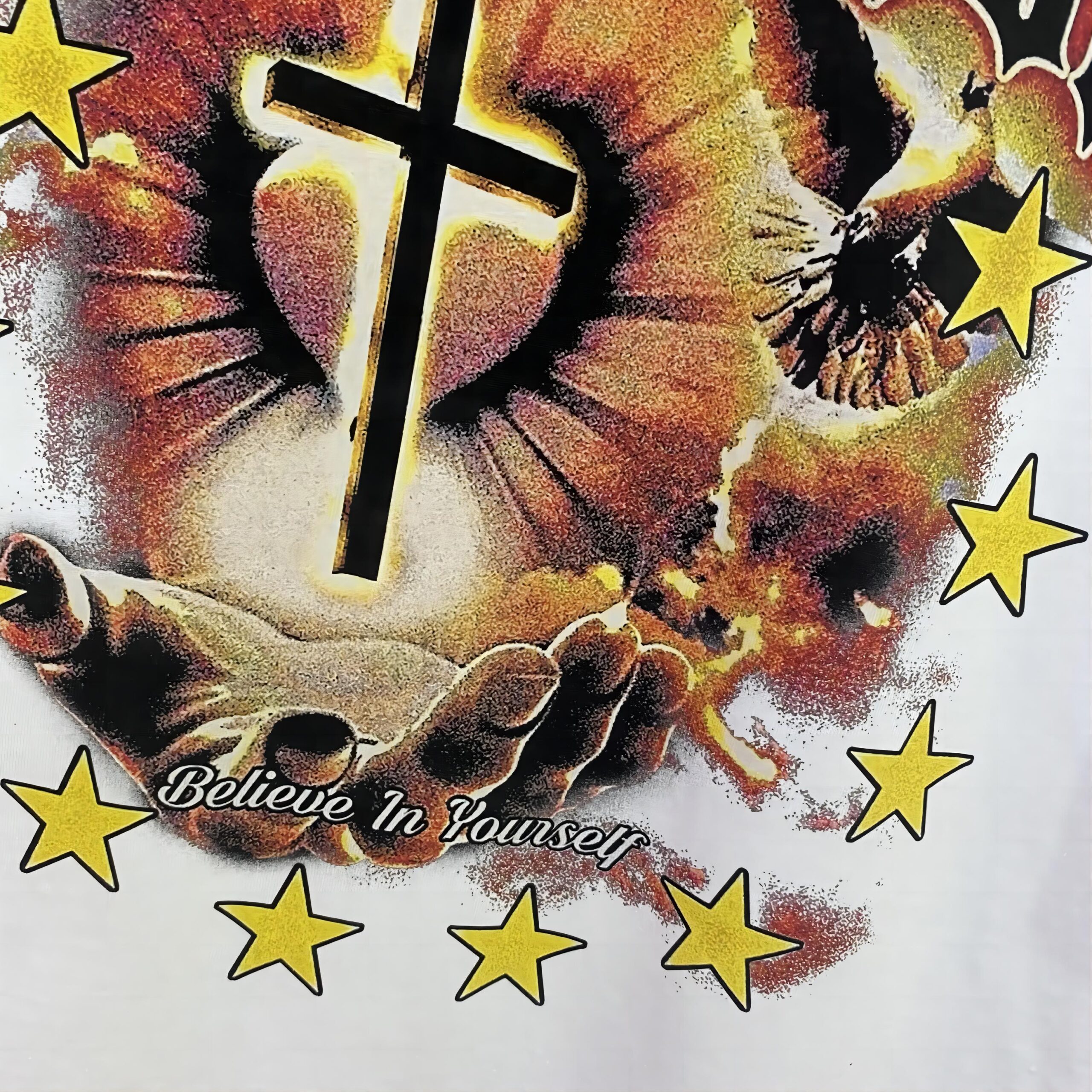
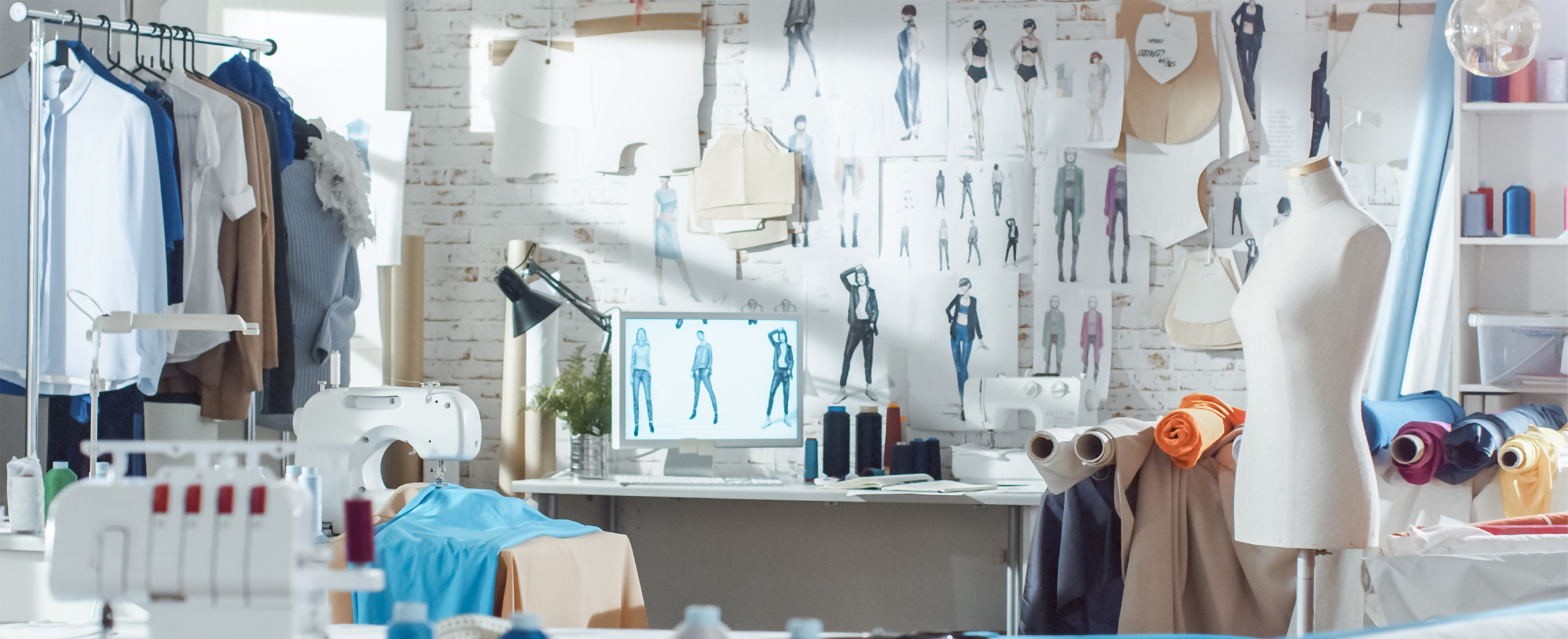



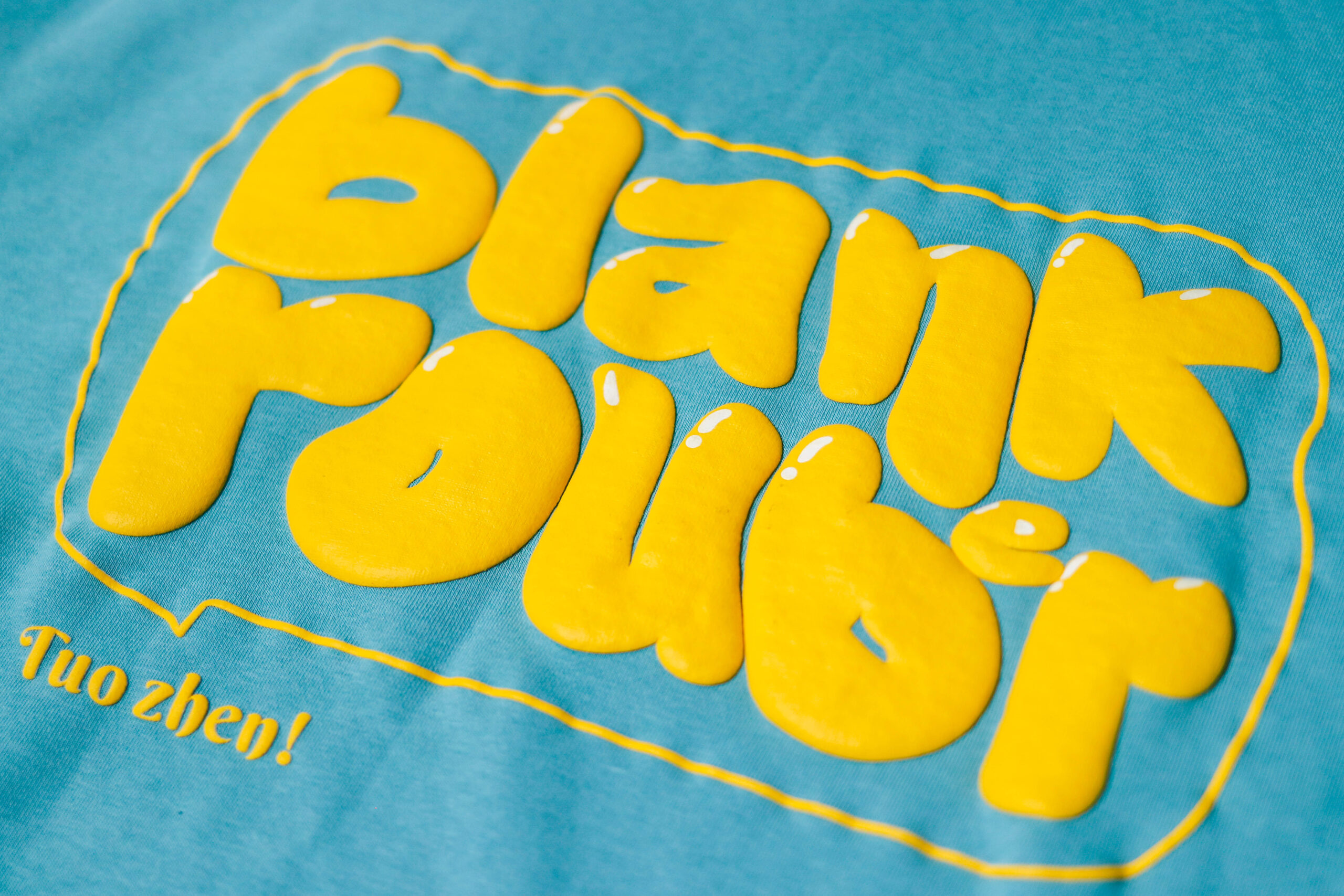
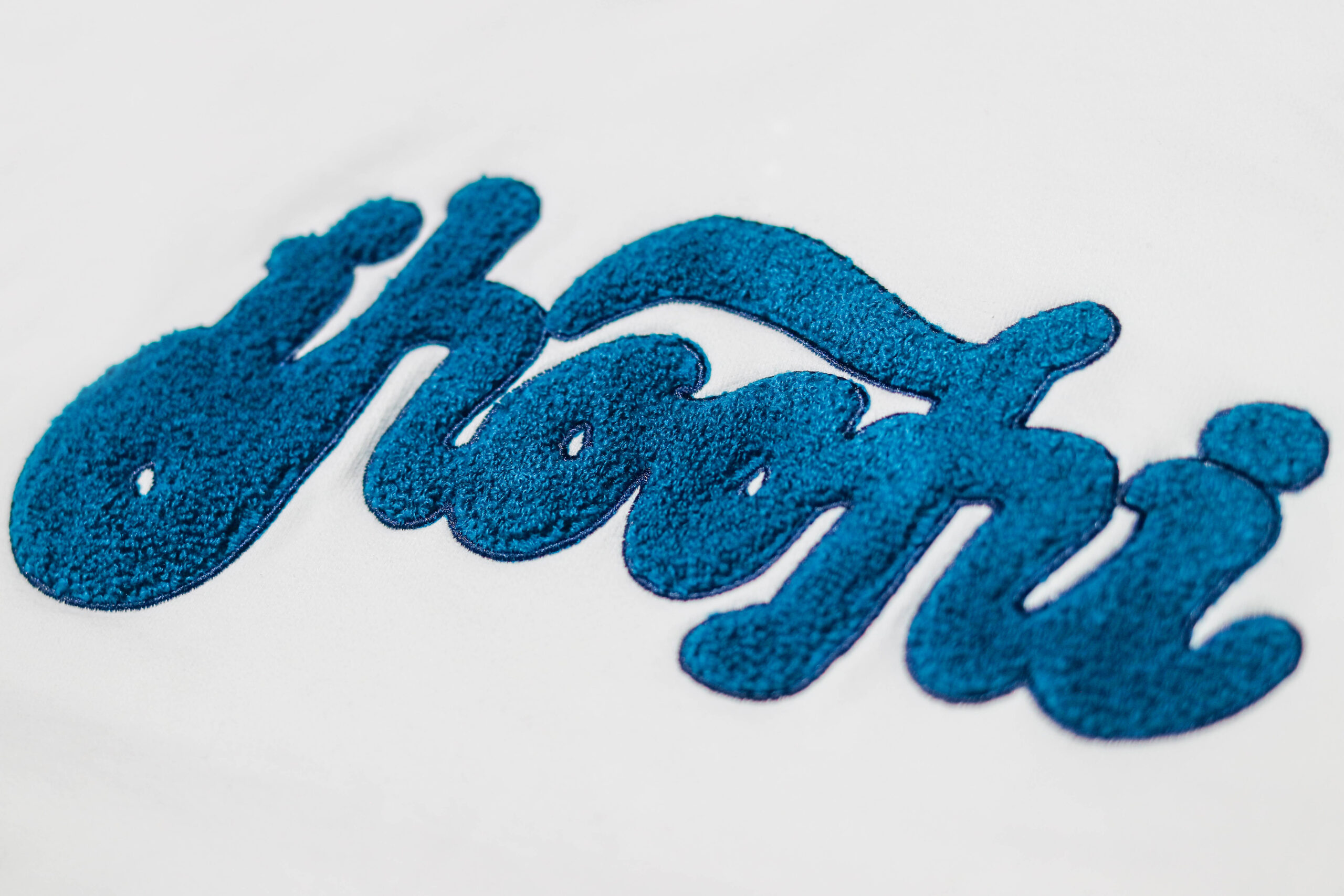
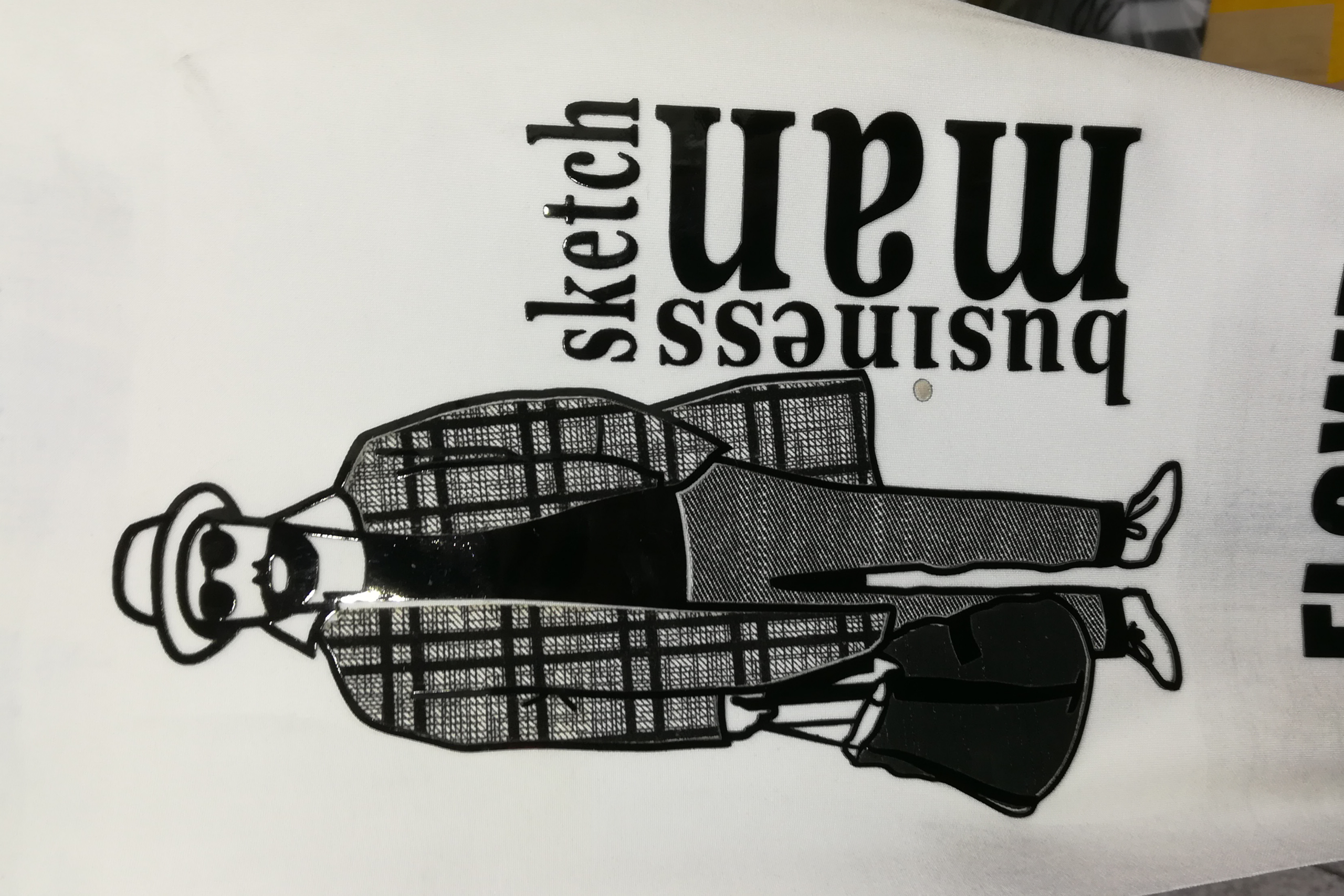
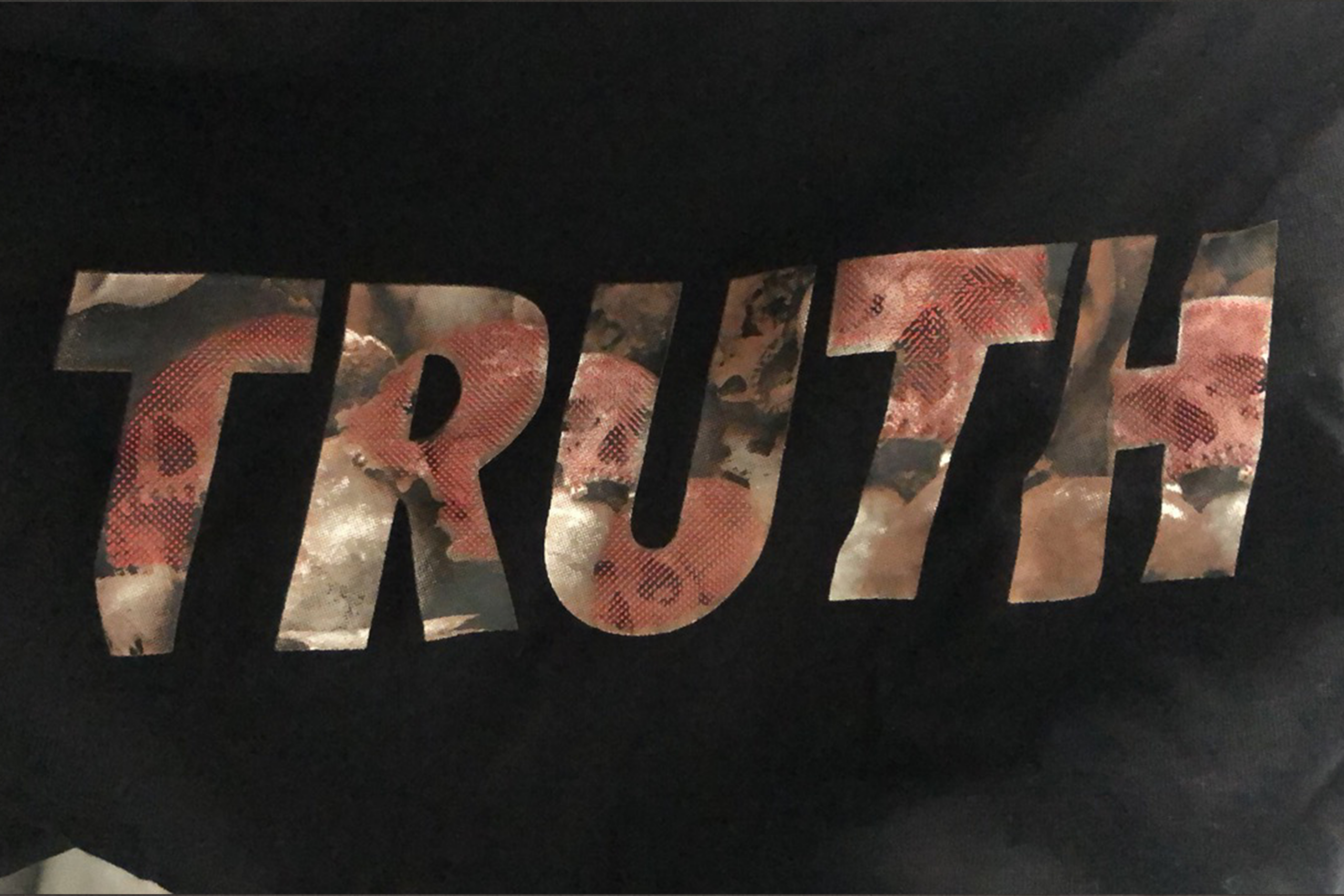

Your Apparel Production Partner for Established Fashion Brands
EDVORIN connects development, manufacturing and quality control so approved collections can be reproduced with confidence.
Founder-Led Accountability
Work with a manufacturing partner shaped by founder-led production experience since 2000, with clear responsibility from development decisions through final inspection.
Development to Bulk Continuity
Turn sketches, references or complete tech packs into documented standards that carry fit, materials, trims and construction through bulk production.
Category-Specific Decoration
Coordinate printing, embroidery, washing and finishing around the garment category, base fabric and intended visual performance of each collection.
Flexible OEM and ODM
Choose support that matches your program, from technical development and sourcing to private-label manufacturing, with MOQs starting at 200 pieces per style.
Approved-Standard Quality Control
Use approved samples, measurement records, artwork placement and in-line checks to protect consistency before packed garments leave production.
Apparel Programs Built for Every Market
Production-ready casualwear, outerwear and teamwear developed around your specifications, approved samples and repeat-order requirements.
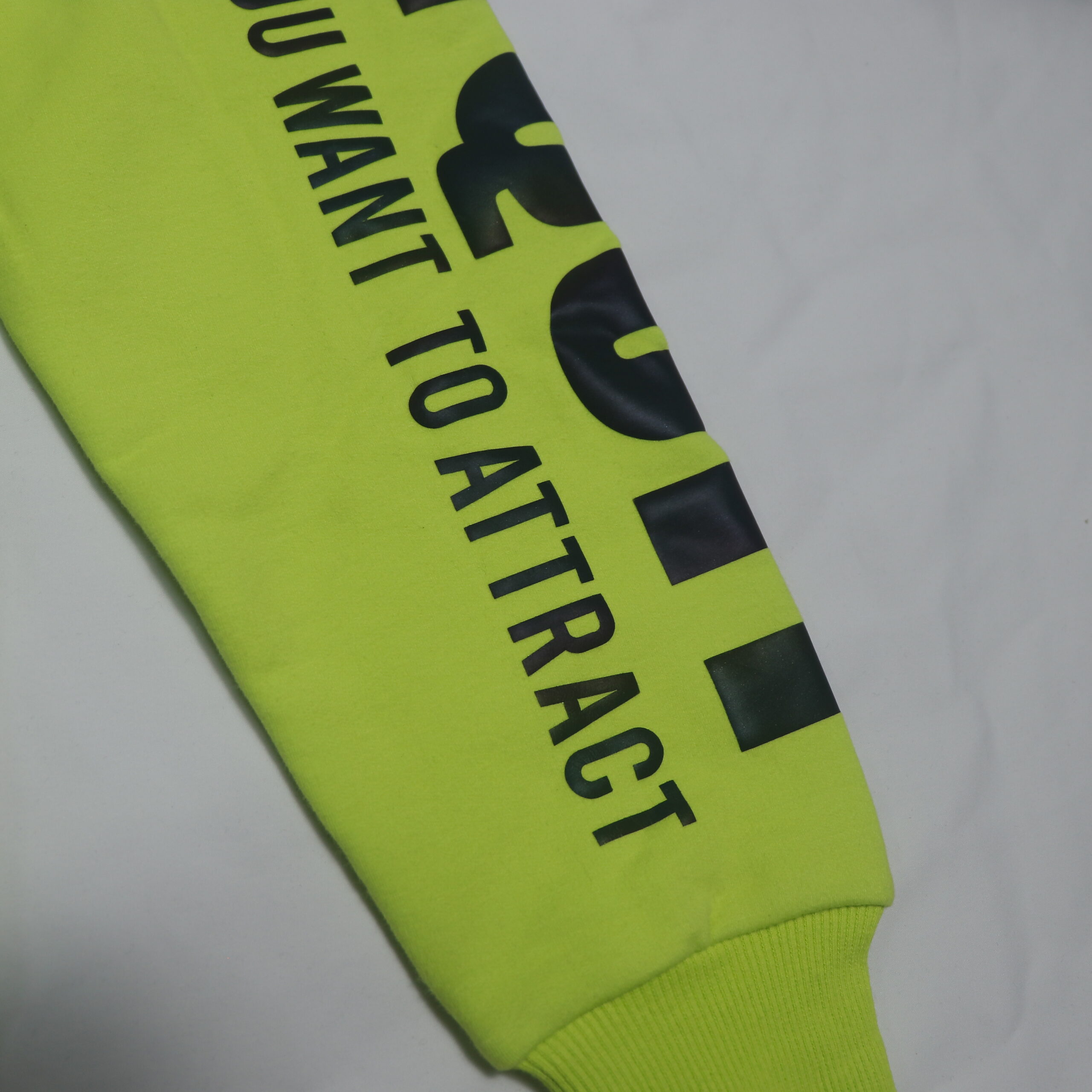
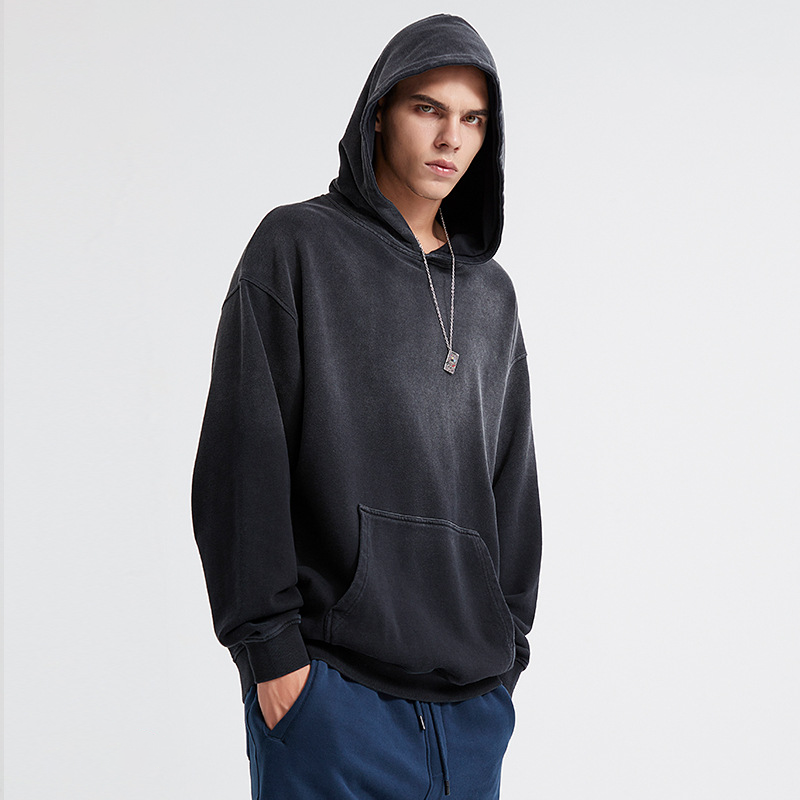
Custom Hoodies
Develop custom hoodies with defined fleece weight, fit blocks, rib construction, drawcords, pockets and decoration placement. We turn approved details into production specifications that support consistent bulk orders for men’s and women’s programs.
Get a Quote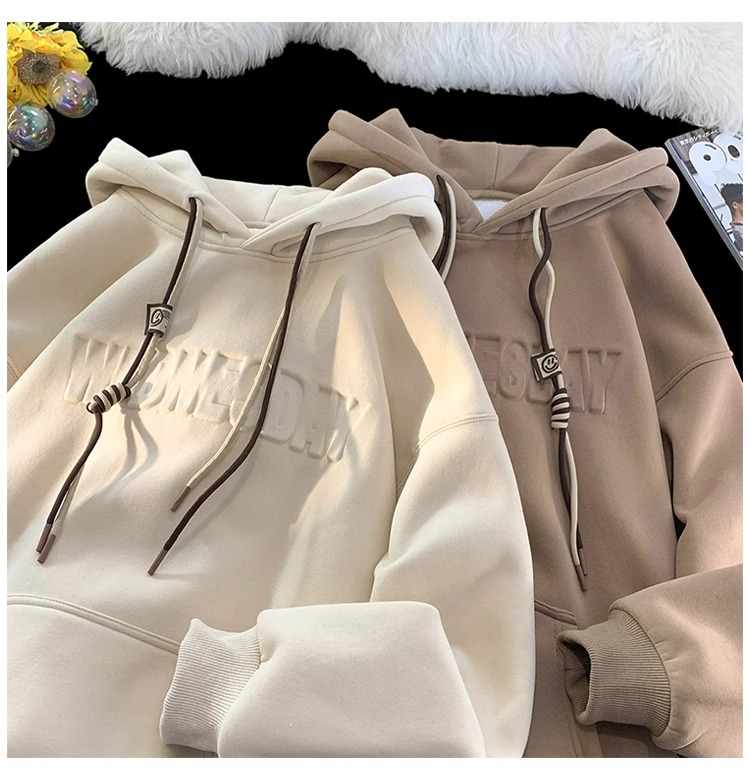
Pullover Sweatshirts
Build pullover sweatshirts around your preferred fabric weight, neckline, cuffs, hem recovery and graphic application. Sampling confirms fit and construction before production, giving wholesale and private-label buyers a clear standard for repeatable orders.
Get a Quote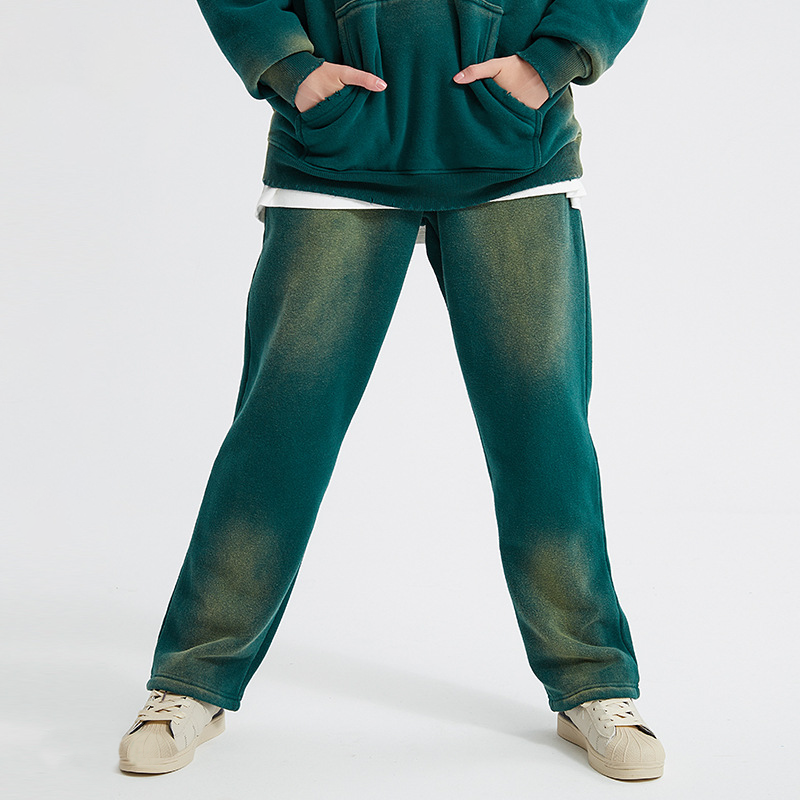
Sweatpants & Joggers
Produce sweatpants and joggers with coordinated fit, waistband, pocket, cuff and fabric requirements. We develop matching programs for men’s and women’s collections, documenting measurements and trims so sets remain consistent from sample through bulk.
Get a Quote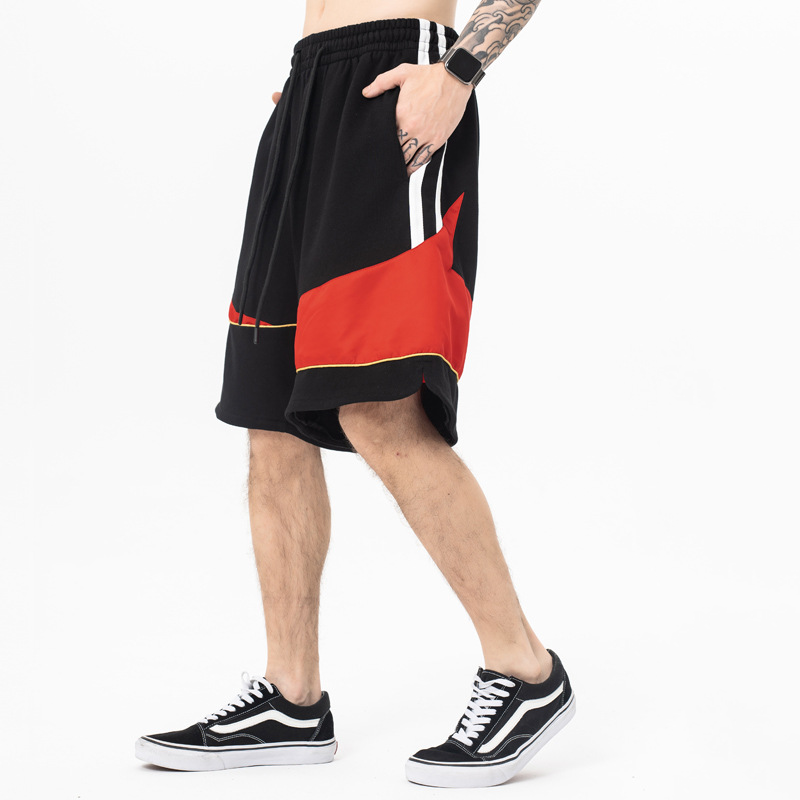
Custom Shorts
Create custom shorts for casualwear, training, team or streetwear programs. Fabric weight, inseam, waistband, pockets, lining and print or embroidery requirements are reviewed during development to establish an approved production standard.
Get a Quote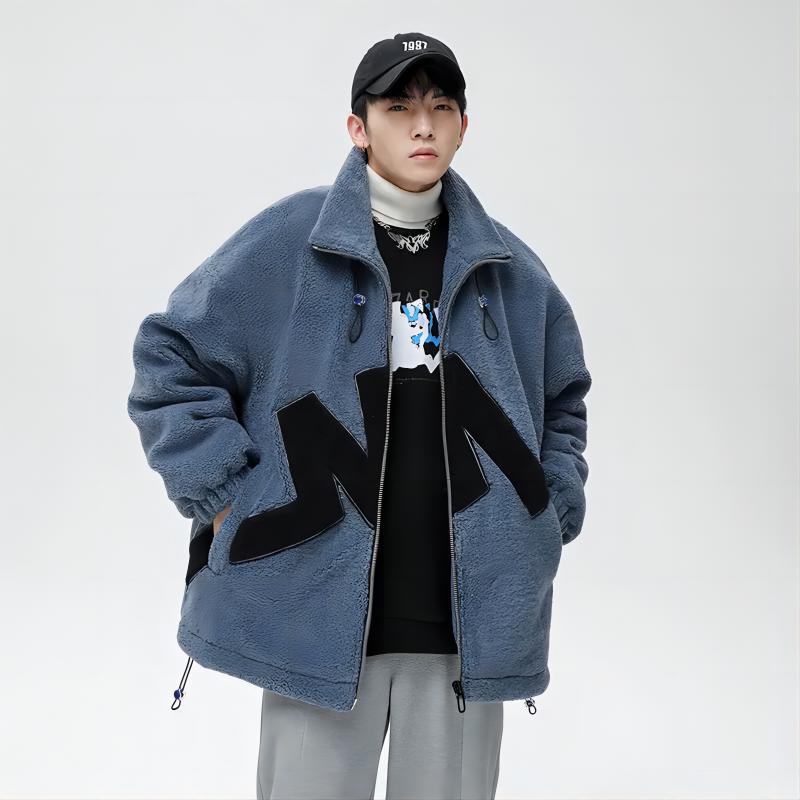
Varsity & Baseball Jackets
Develop varsity and baseball jackets with balanced body fabric, sleeves, rib, lining, snaps, patches and embroidery. We coordinate each component so the approved jacket character carries through sizing, production and final packing.
Get a Quote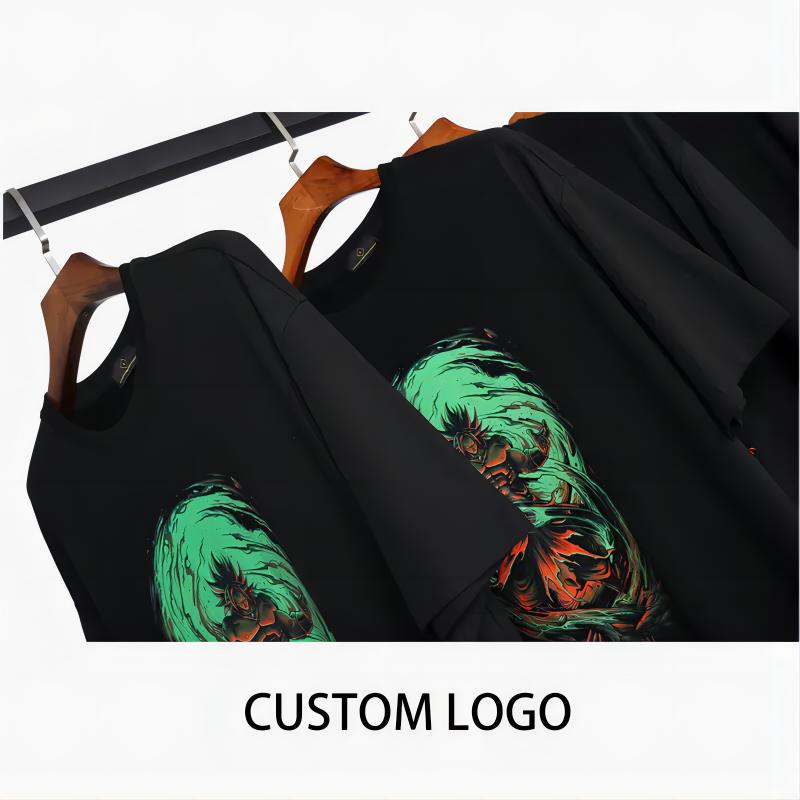
Custom T-Shirts
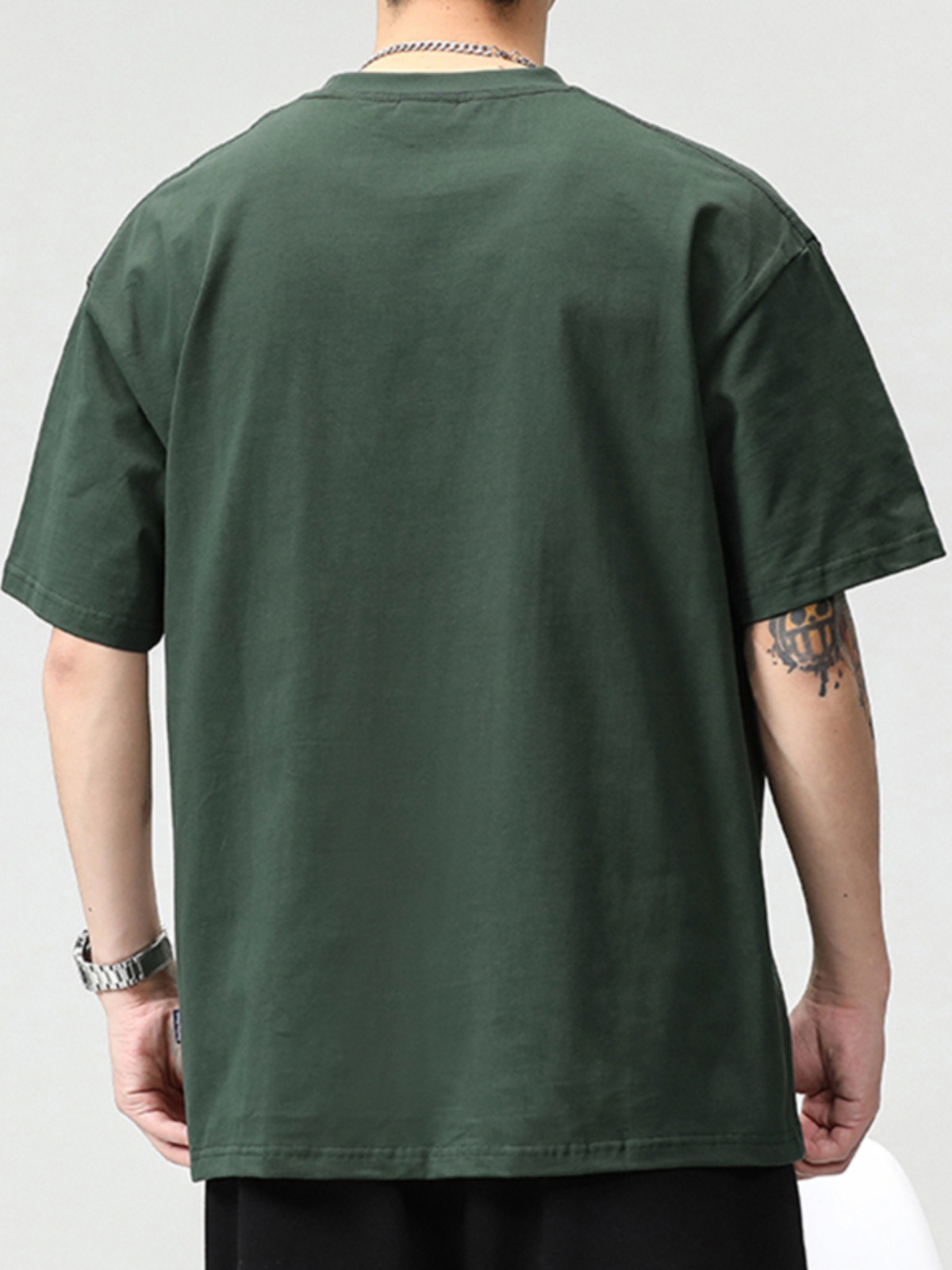
Manufacture custom T-shirts with selected jersey weight, collar construction, fit, wash effect and decoration method. From basic private-label tees to graphic streetwear styles, specifications are recorded for dependable bulk consistency.
Get a Quote
Custom Polo Shirts
Develop custom polo shirts for corporate, school, retail and team programs. Piqué selection, collar and cuff construction, plackets, color matching and logo decoration are coordinated against the approved sample before bulk production.
Get a Quote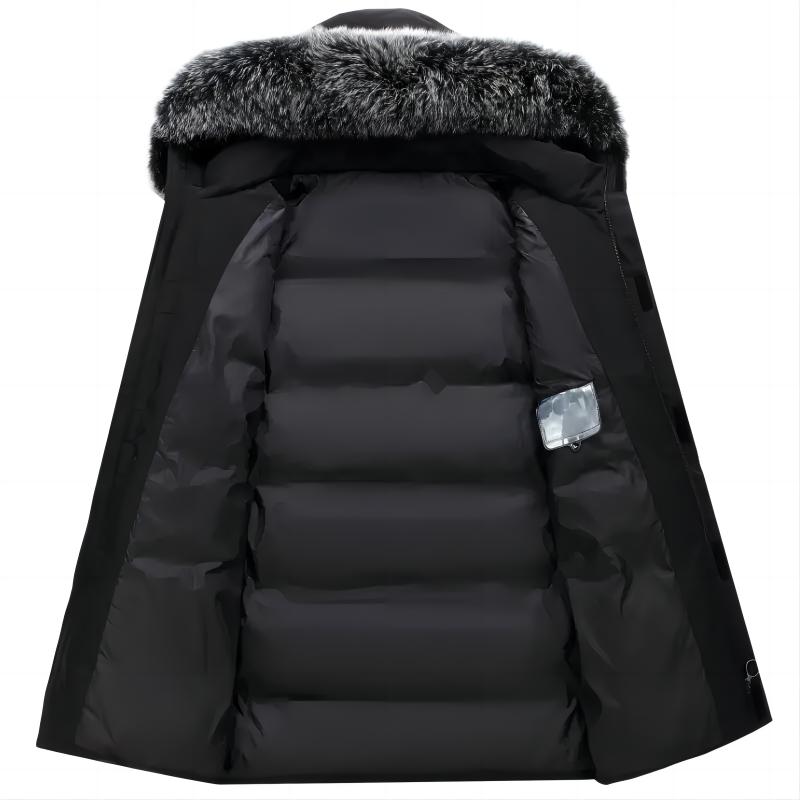
Windbreaker Jackets
Produce windbreaker jackets with shell, lining, zipper, hood, pocket and finishing requirements matched to intended use. We help buyers define lightweight performance details and record them clearly for consistent production runs.
Get a Quote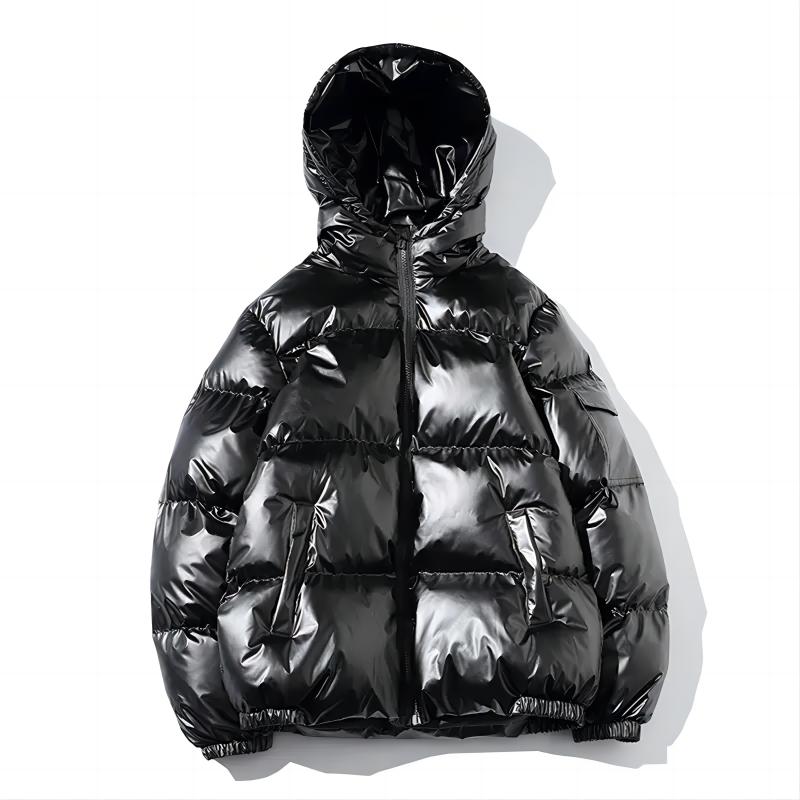
Quilted Jackets
Develop quilted jackets by coordinating shell fabric, insulation, lining, quilting pattern, hardware and fit. Sampling helps confirm warmth, bulk, stitch construction and appearance before production begins.
Get a Quote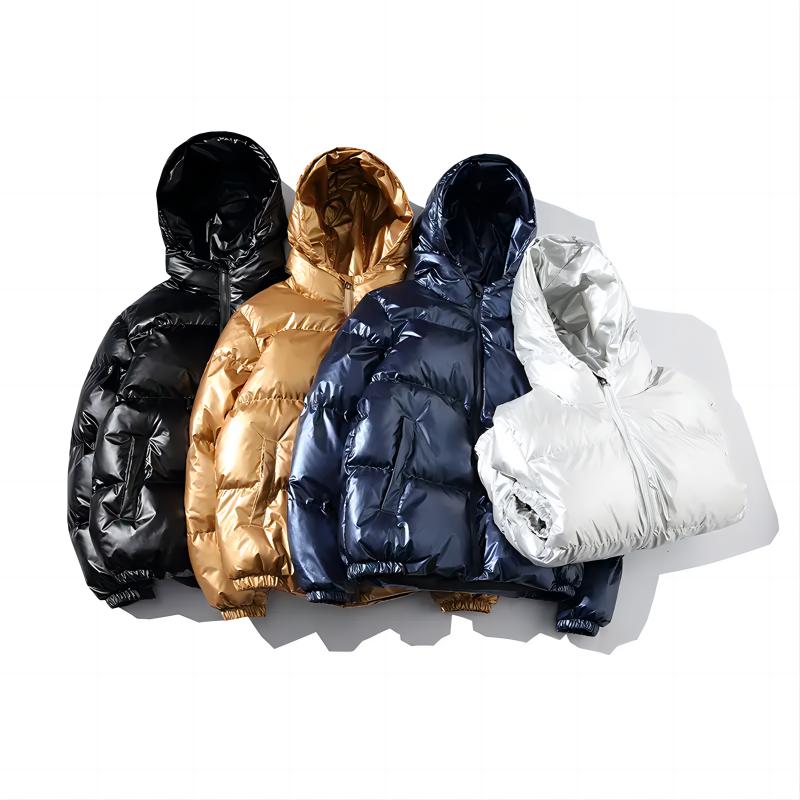
Bomber Jackets
Manufacture bomber jackets with specified shell materials, rib, lining, padding, zippers and embroidery or patches. Construction and trim choices are aligned during development to preserve the intended silhouette in bulk.
Get a Quote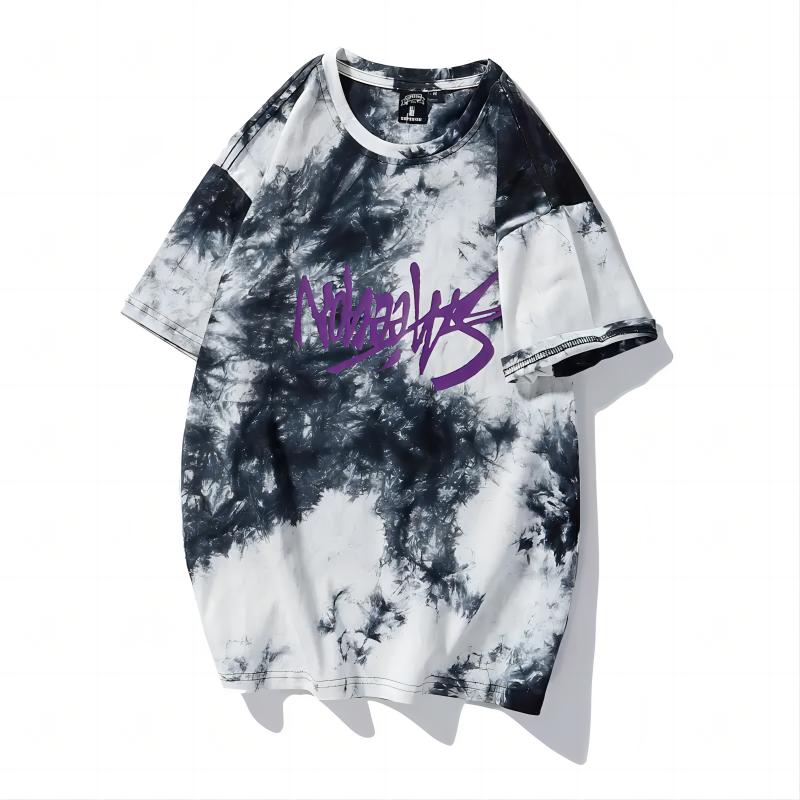
Custom Shirts
Produce custom woven shirts with defined fabric, collar, placket, cuffs, pocket details, fit and labeling. Men’s and women’s proportions can be developed separately, then graded and approved for repeatable production.
Get a Quote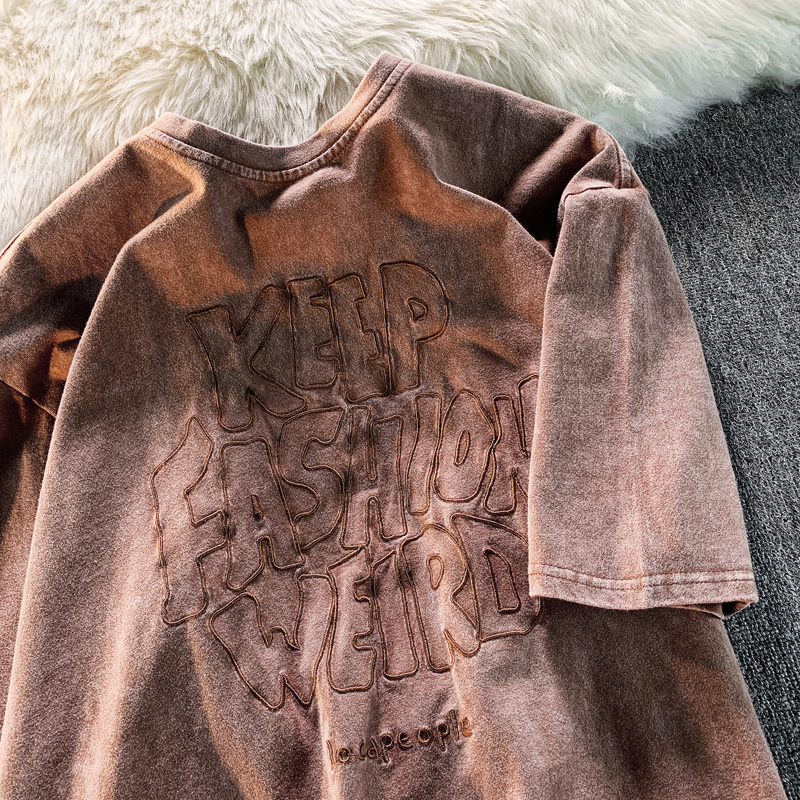
Custom Jerseys
Develop custom jerseys with sport-appropriate fabrics, color blocking, number and name application, fit and finishing requirements. Artwork placement and color references are controlled to support organized team and retail programs.
Get a Quote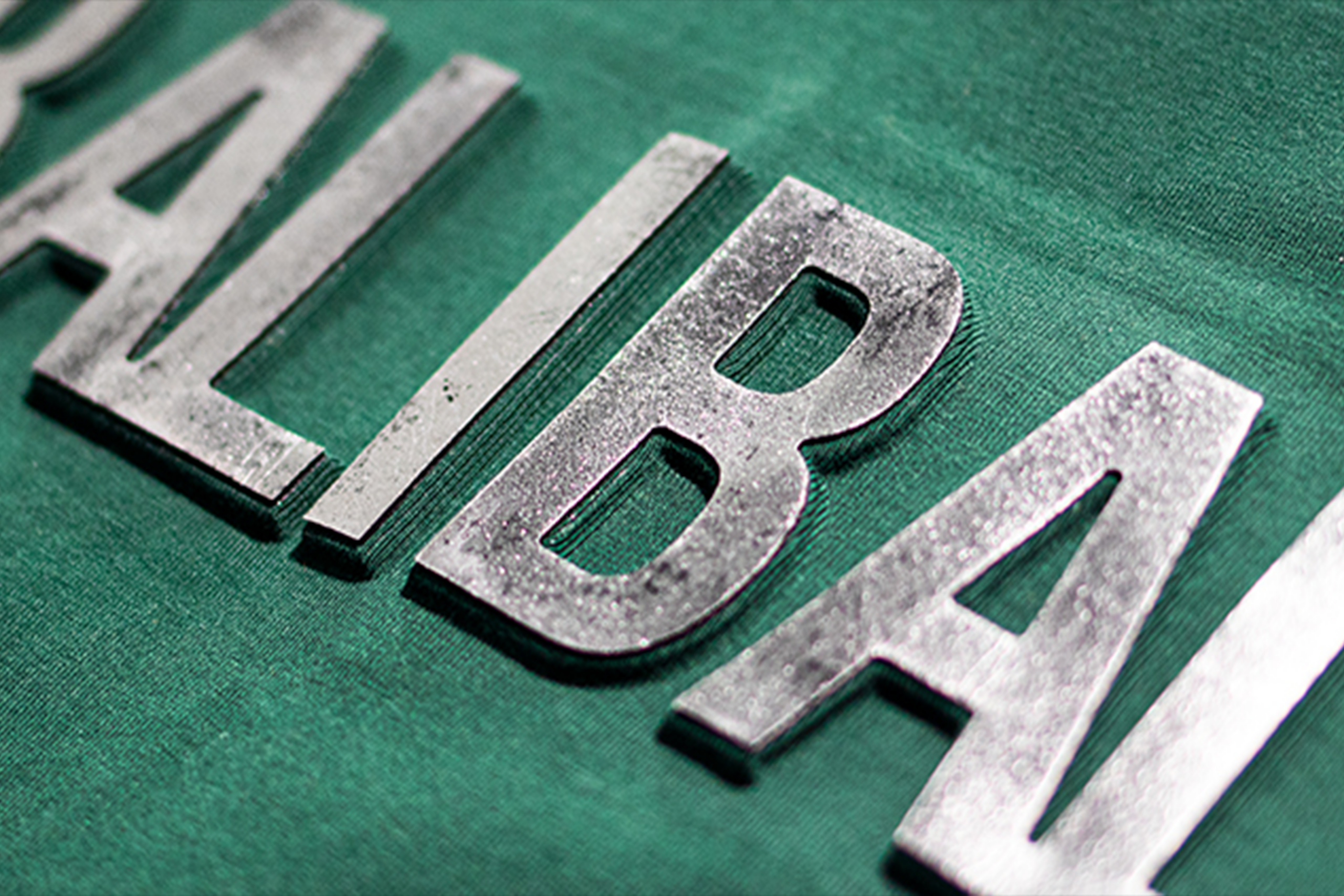
Tank Tops
Manufacture custom tank tops for activewear, teamwear and casual collections with selected fabric, armhole shape, neckline, fit and decoration. Samples verify movement, coverage and construction before the style moves into bulk production.
Get a Quote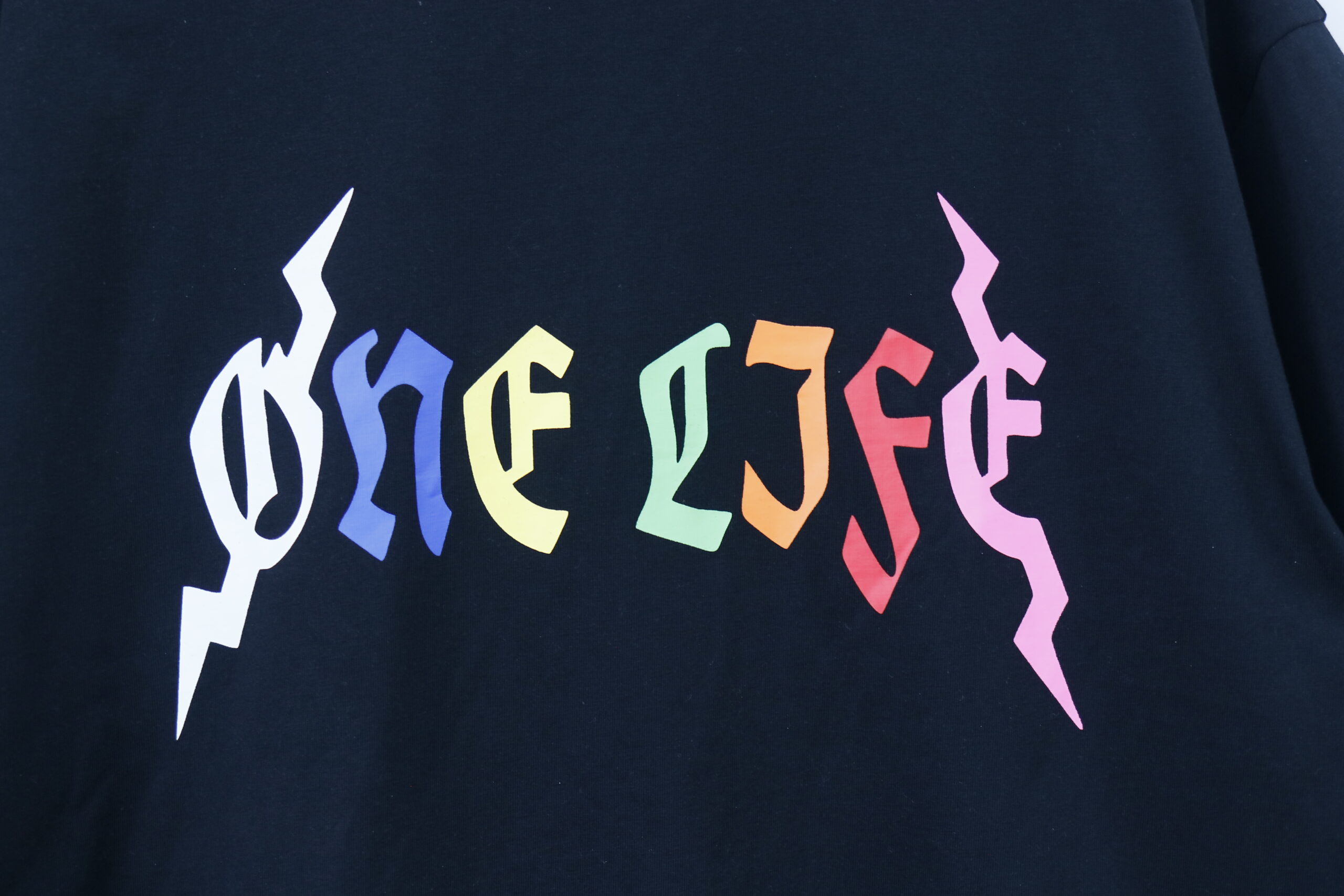
Soccer Uniforms
Produce soccer uniforms with breathable fabric options, coordinated jerseys and shorts, color control, player names and numbers. Size sets, artwork placement and repeat-order specifications are organized around the approved team standard.
Get a Quote
Basketball Uniforms
Develop basketball uniforms with performance fabric, jersey and short proportions, contrast panels, number application and durable finishing. We document color, measurements and decoration details to keep roster-based orders accurate across sizes.
Get a Quote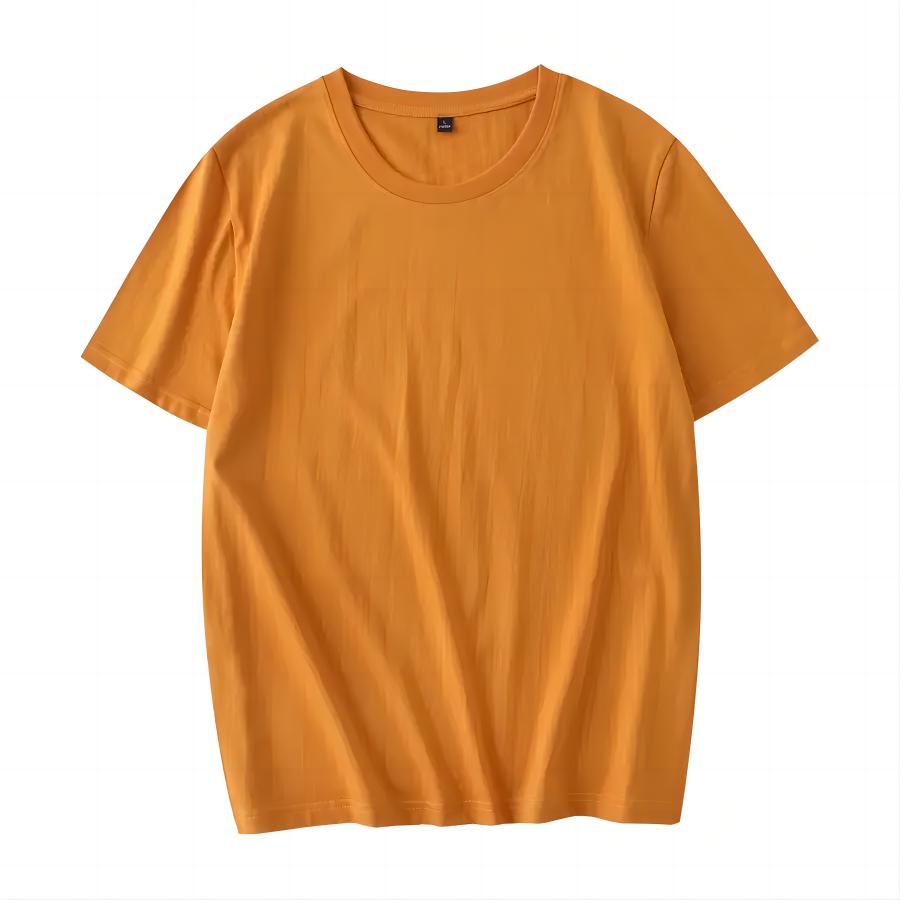
Streetwear Collections
Build streetwear collections across hoodies, T-shirts, bottoms, outerwear and coordinated sets under one production system. Fabric, washes, trims, graphics, embroidery, labels and packaging are aligned so each style supports a cohesive, repeatable range.
Get a QuoteMaterials Selected for Fit, Feel & Performance
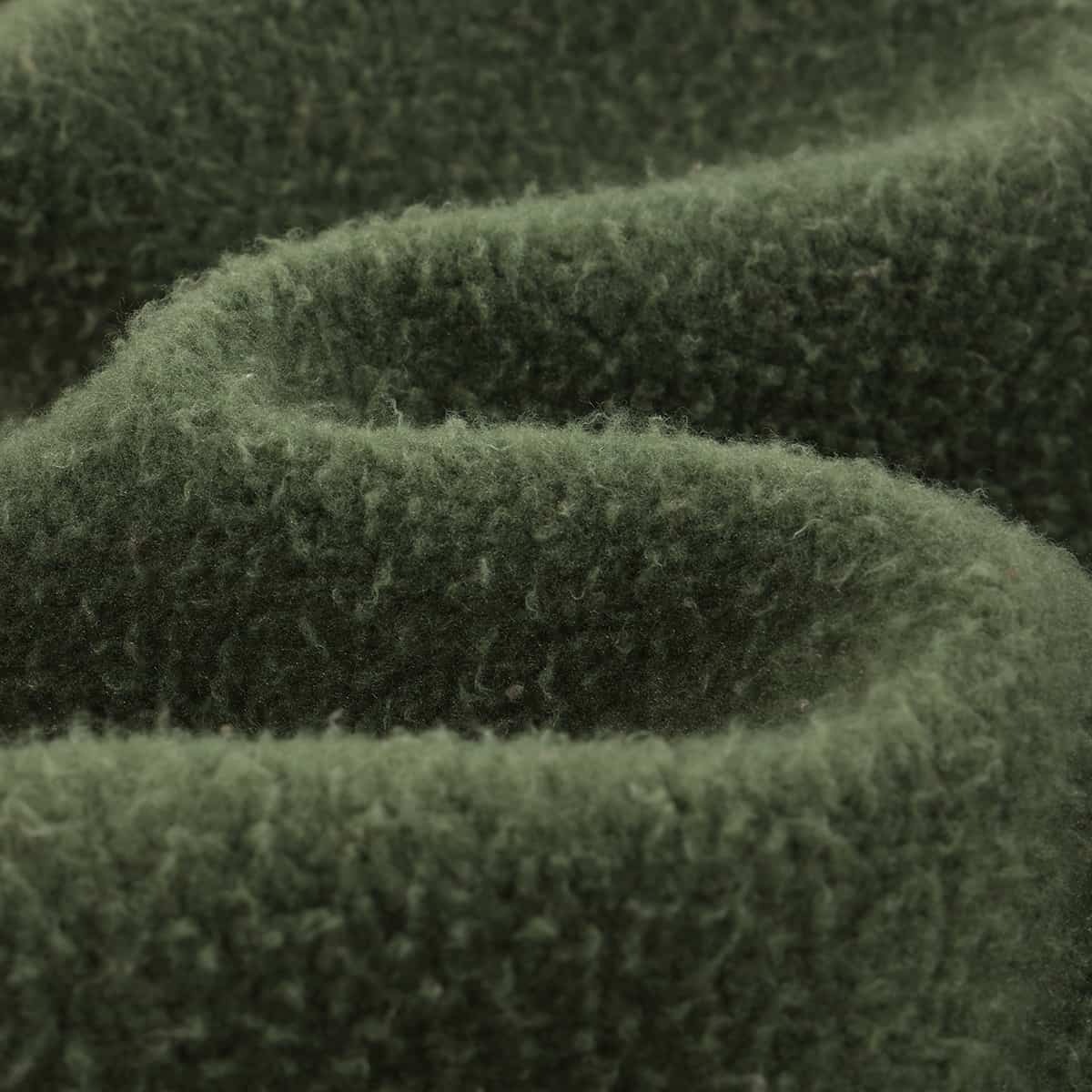
Cotton Brushed Fleece
Soft, warm and substantial, cotton brushed fleece is a core choice for premium hoodies, sweatshirts and joggers. Its brushed inner face adds comfort, while adjustable weight supports seasonal programs and defined garment structure.
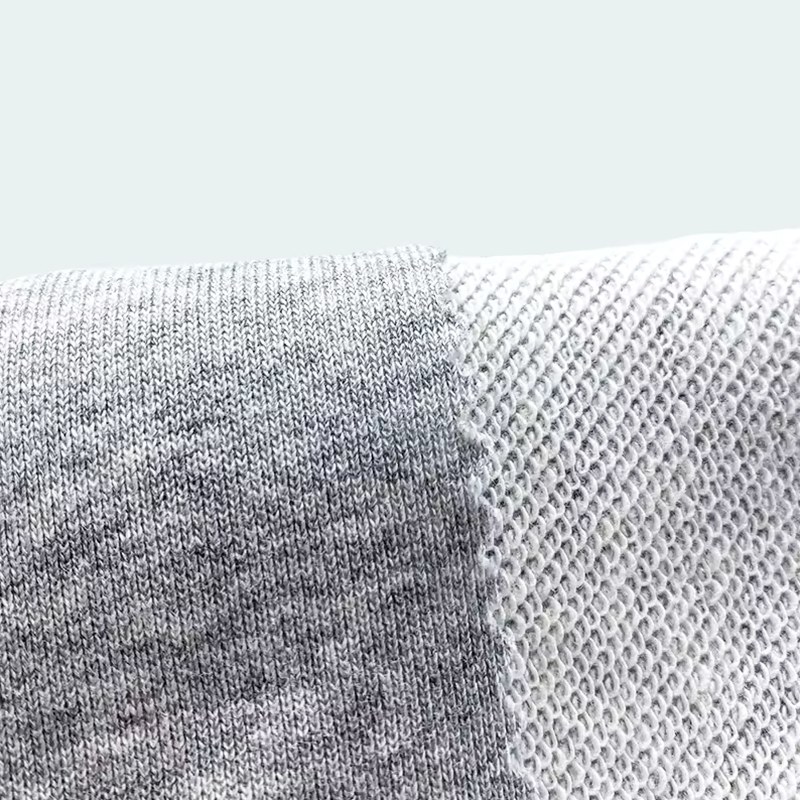
French Terry Knit
French terry offers a breathable loopback interior with a clean outer surface, making it well suited to elevated sweats, shorts and transitional layers. Its balanced hand-feel provides comfort without the heavier insulation of brushed fleece.
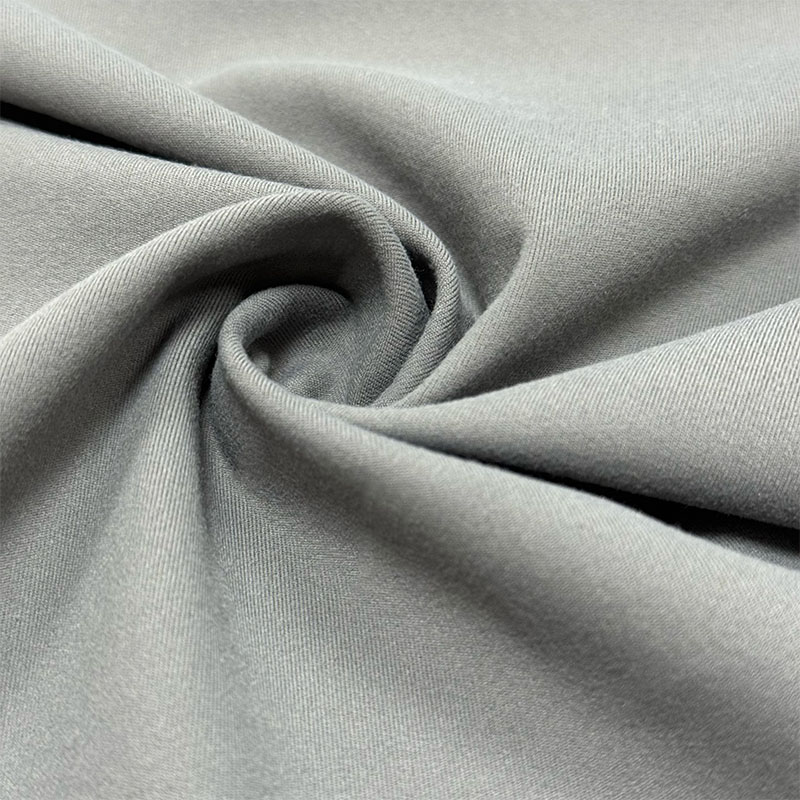
Performance Polyester
Lightweight, durable performance polyester supports jerseys, training tops and teamwear programs that need active comfort. Moisture-management options, mechanical stretch and color stability can be specified around movement, climate and decoration needs.
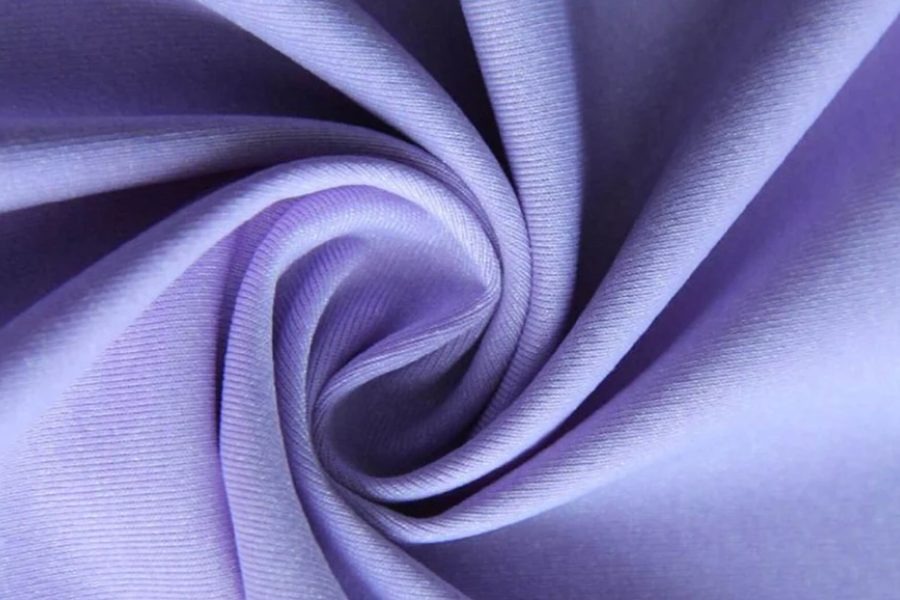
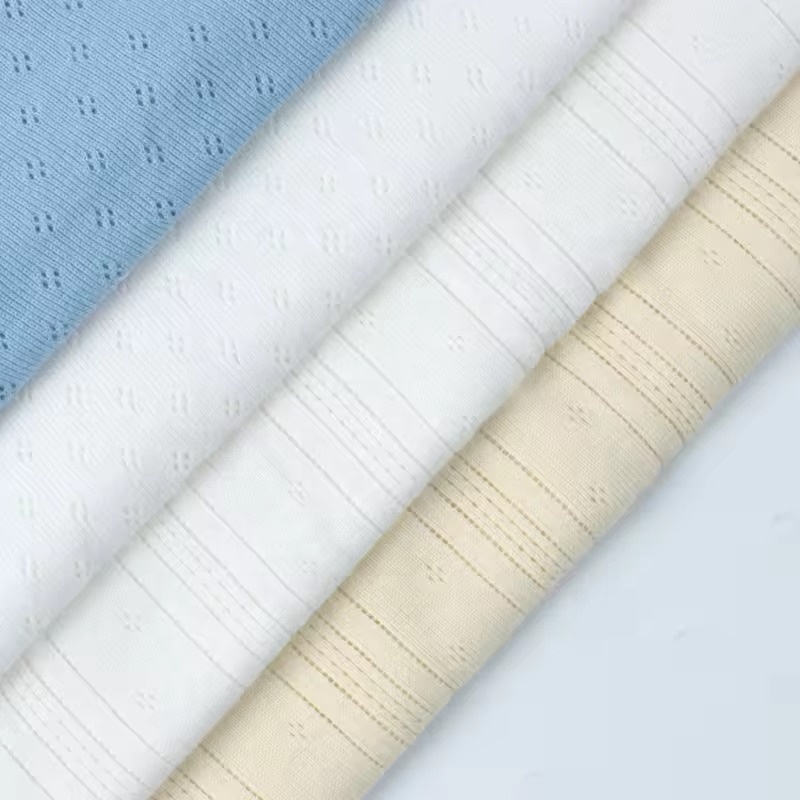
Recycled Fiber Blends
Recycled fiber blends offer material options for collections seeking recycled-content programs without losing practical performance. They can be developed across fleece, jersey and woven constructions, with composition, weight and hand-feel aligned to the style.
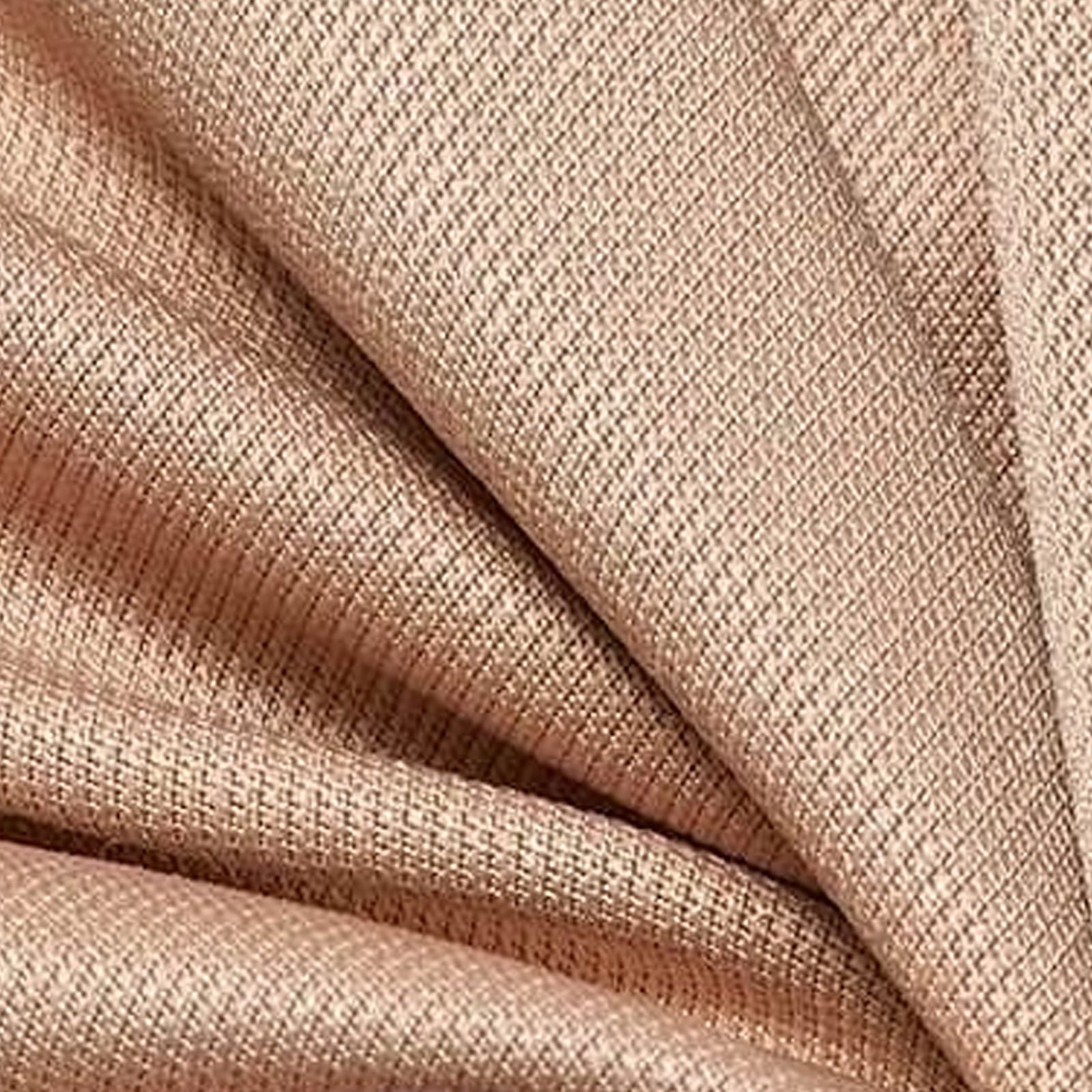
Organic Cotton Jersey
Organic cotton jersey delivers a natural, breathable hand-feel for T-shirts, polos and layering pieces. Weight and knit structure can be adjusted for a lighter drape or a more substantial premium finish across men’s and women’s programs.
Decoration & Finishing for Established Fashion Brands
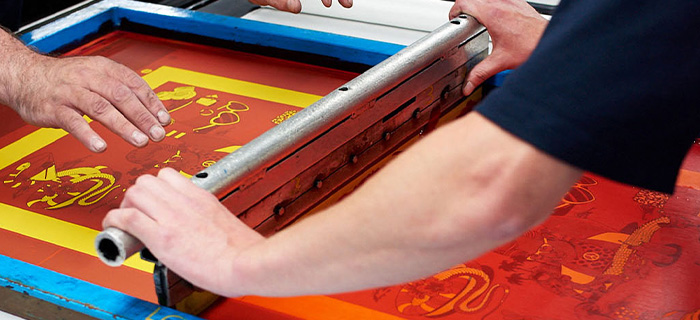
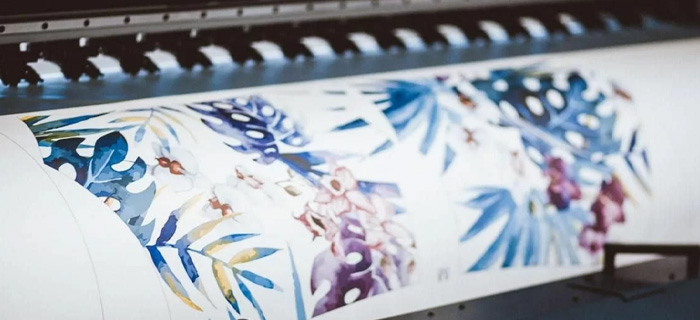
Sublimation Printing
Sublimation integrates full-color artwork directly into suitable performance fabrics for jerseys and coordinated teamwear. It delivers lightweight coverage without a raised print layer, while artwork layouts are controlled across sizes and production runs.
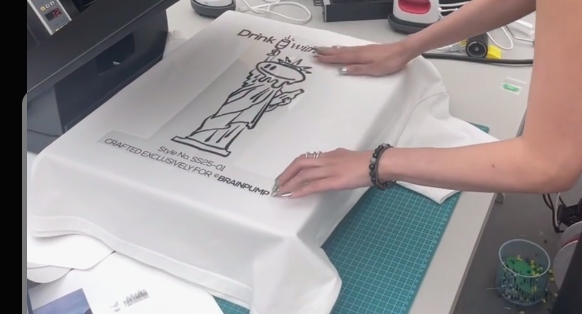
Heat Transfer
Heat transfer is suited to sharp names, numbers, logos and detailed graphics where controlled placement matters. EDVORIN matches transfer specifications to the garment fabric and end use, helping preserve a polished, consistent finish.
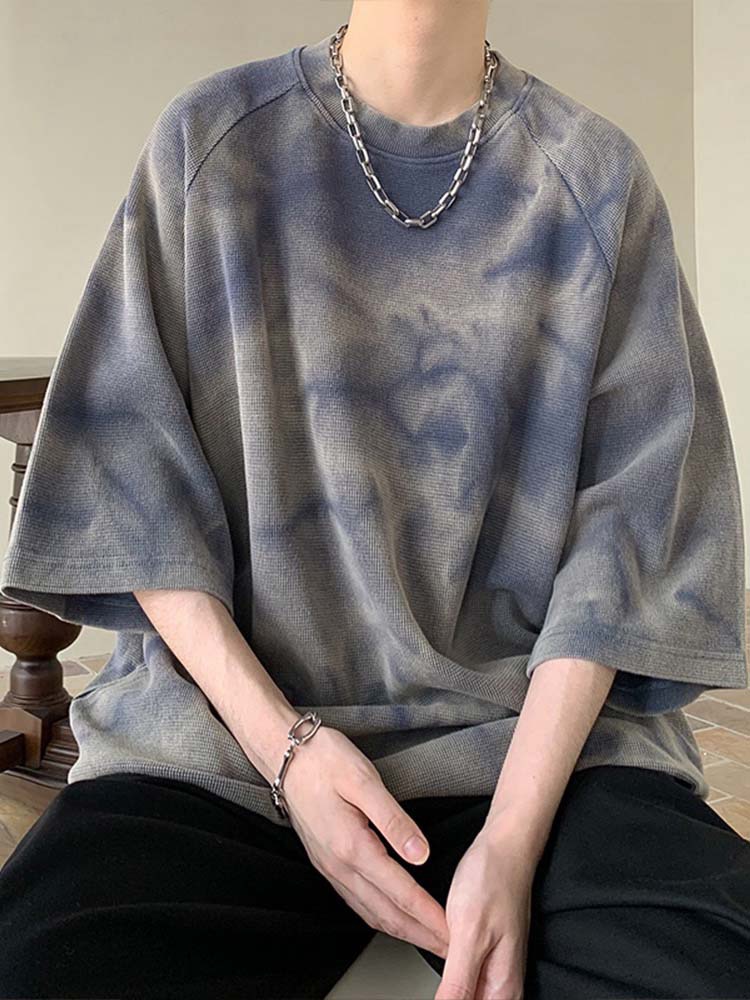
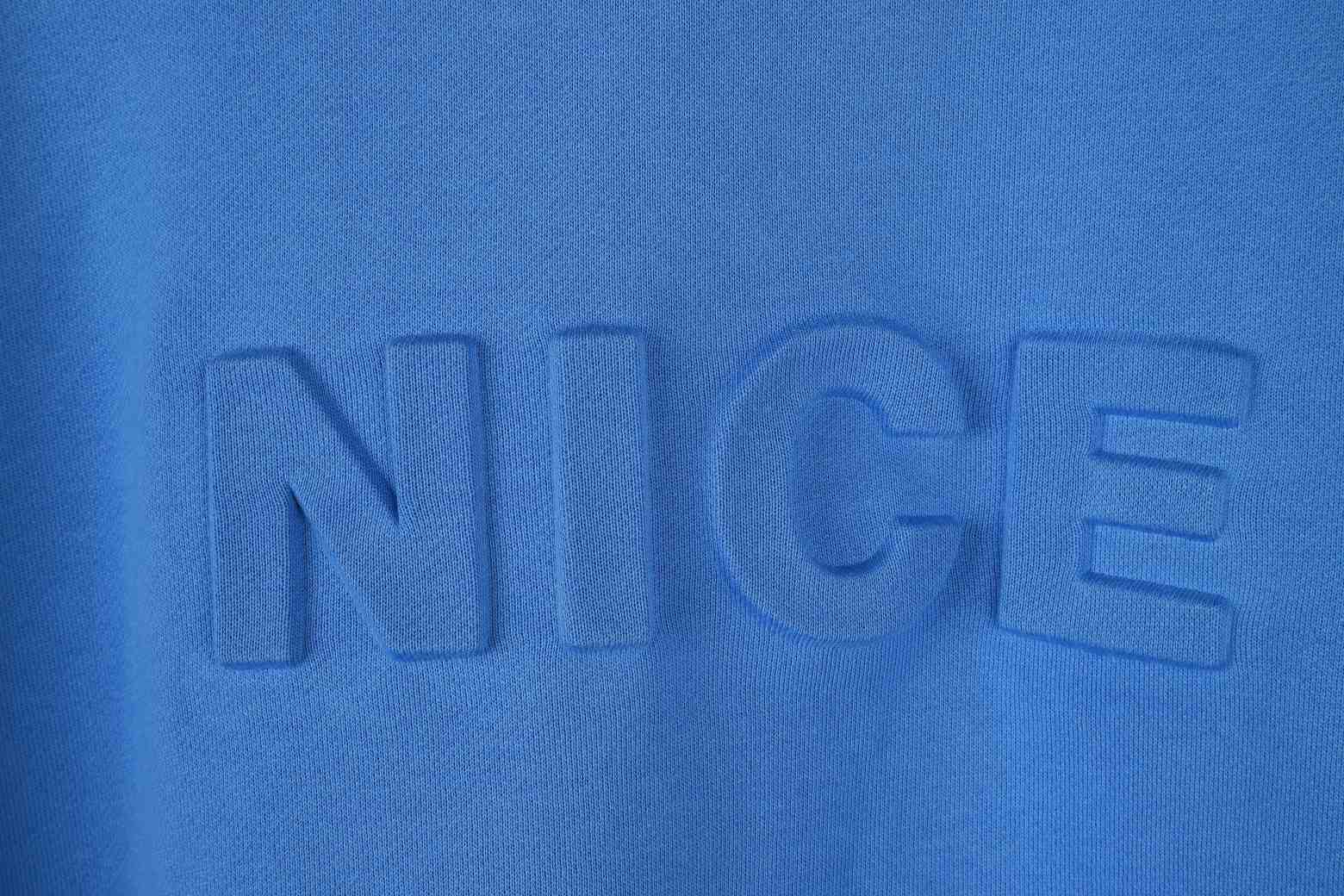
Specialty Finishing
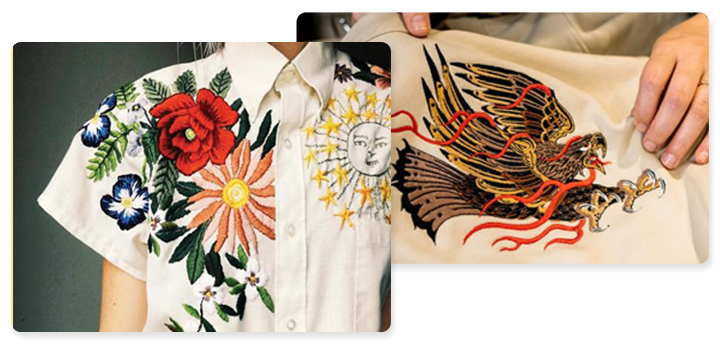
Specialty finishing brings together patches, appliqué, labels, textured effects and retail-ready details. Each component is considered alongside construction and decoration so the final garment maintains its visual identity from approved sample through packing.
Trims That Complete a Retail-Ready Program
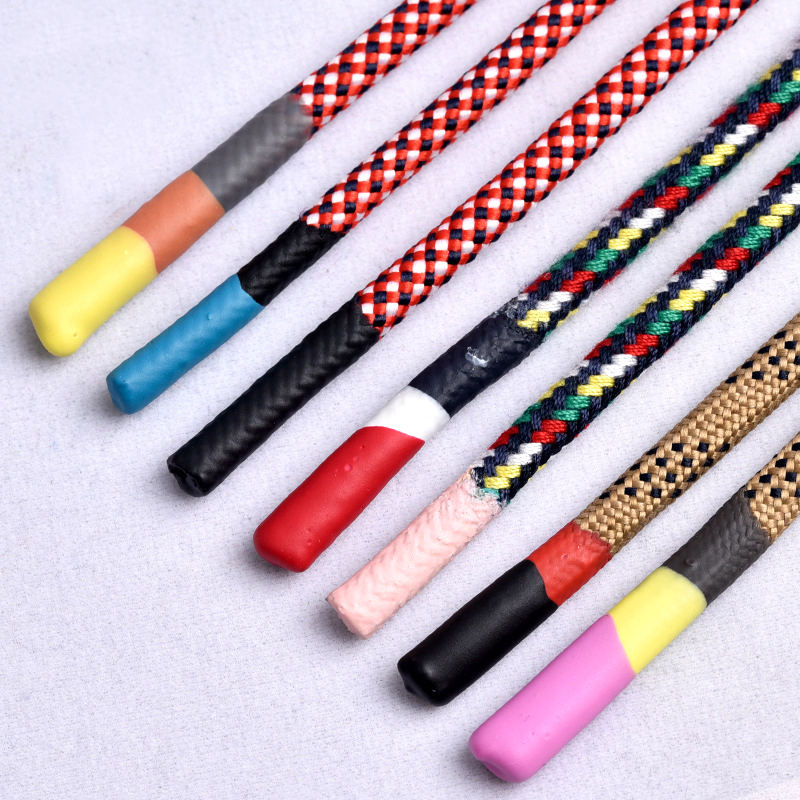
Drawcords & Tipping
Specify drawcord material, length, aglets and contrast tipping for hoodies, sweatpants and jackets. These details support consistent function, silhouette and branded color direction across repeat production.
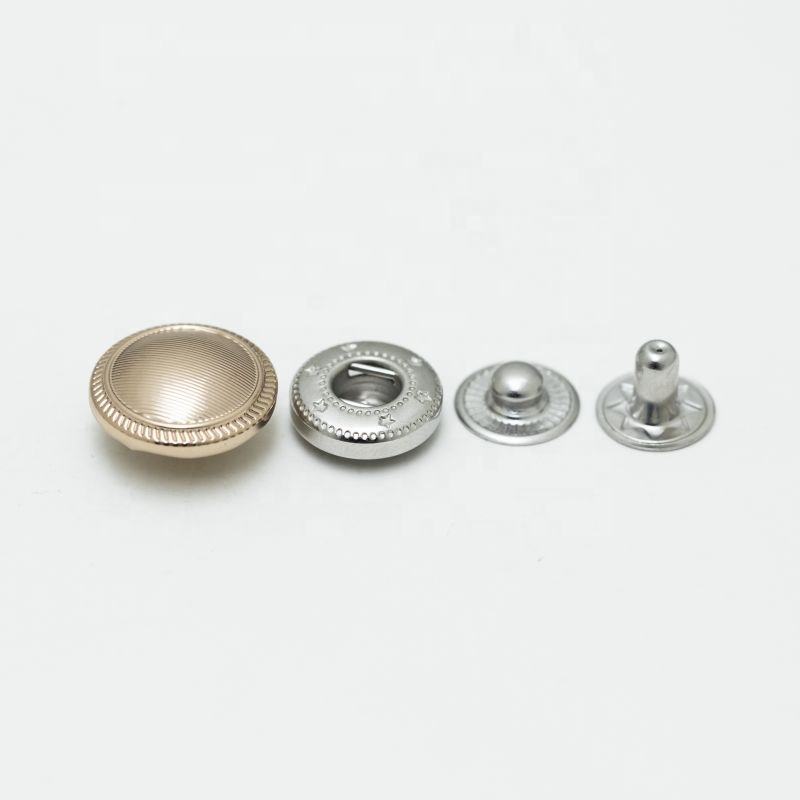
Snap Buttons
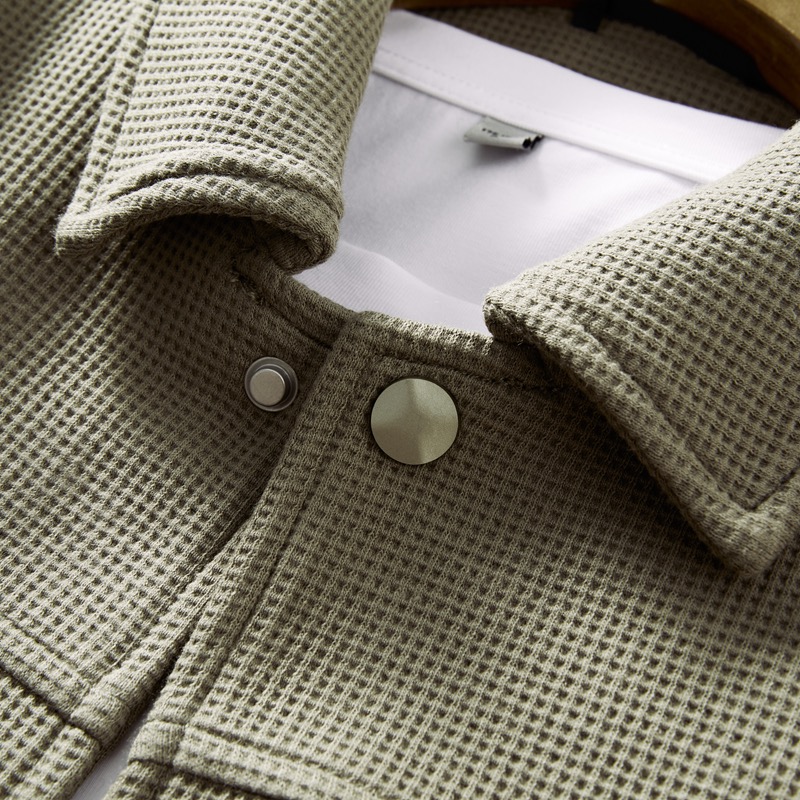
Choose snap finishes, colors, cap shapes and placement for varsity jackets, outerwear and workwear-inspired pieces. EDVORIN records the approved hardware standard so closures complement the garment construction.
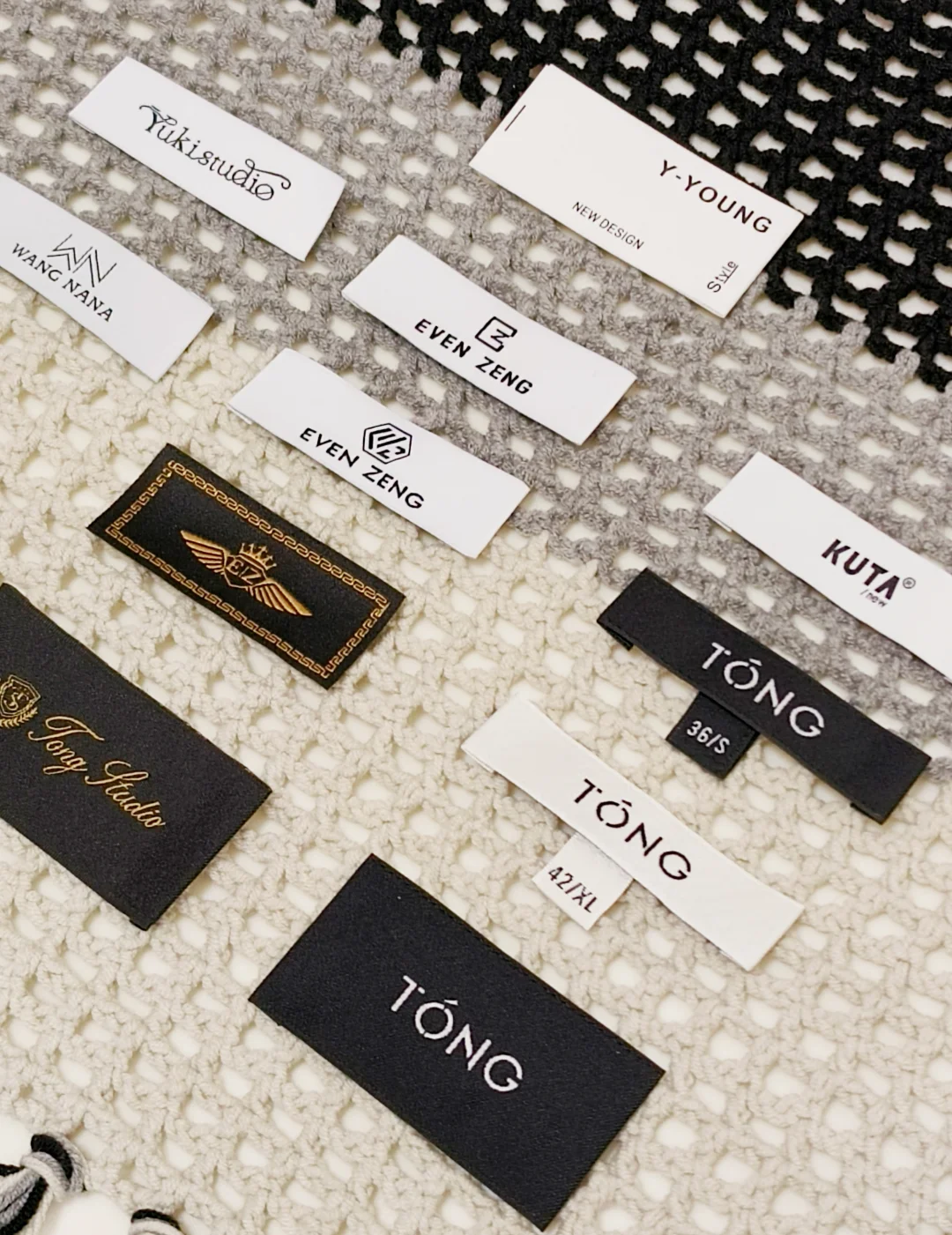
Woven Labels
Add neck labels, side labels, hem flags and care labels that identify the collection clearly. Label dimensions, fold style, placement and artwork are documented as part of the private-label specification.
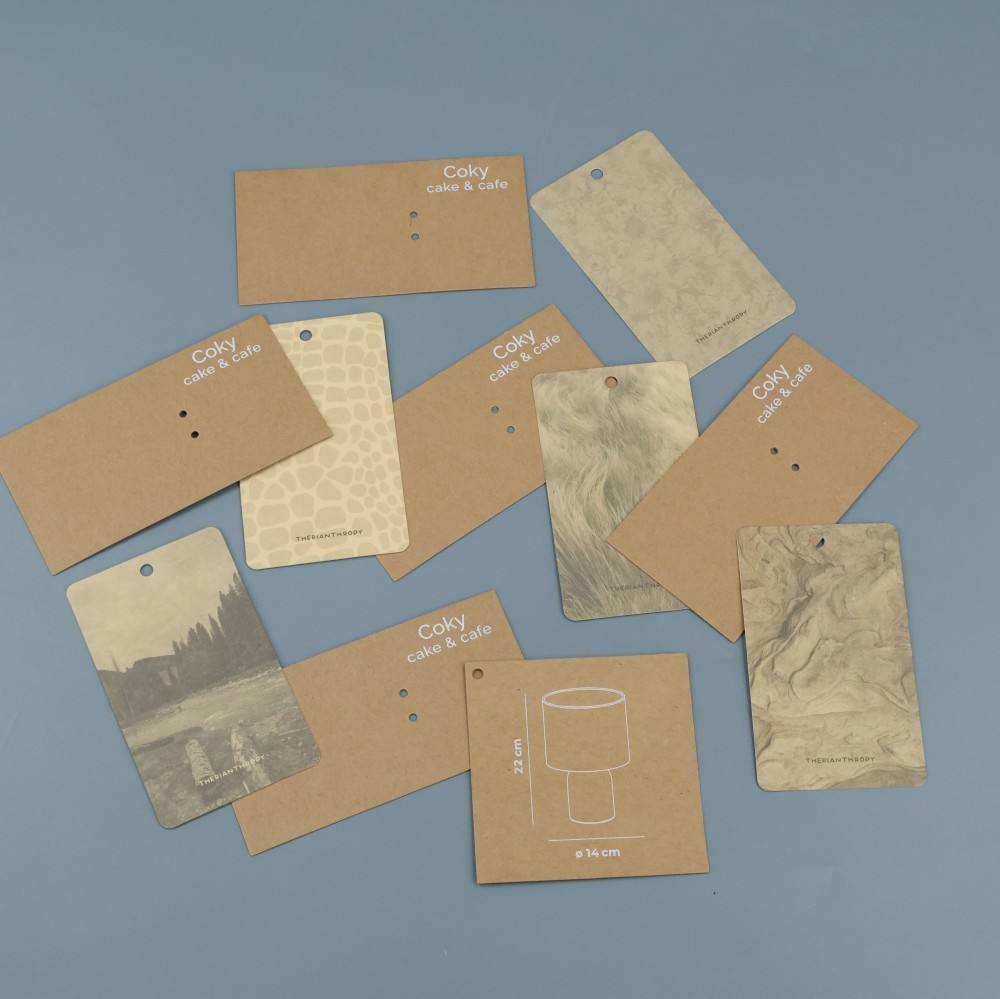
Hangtags & Packaging
Complete each order with branded hangtags, barcode labels, polybags, size stickers and packing requirements. EDVORIN coordinates these final presentation details so garments arrive organized for your retail or wholesale channel.
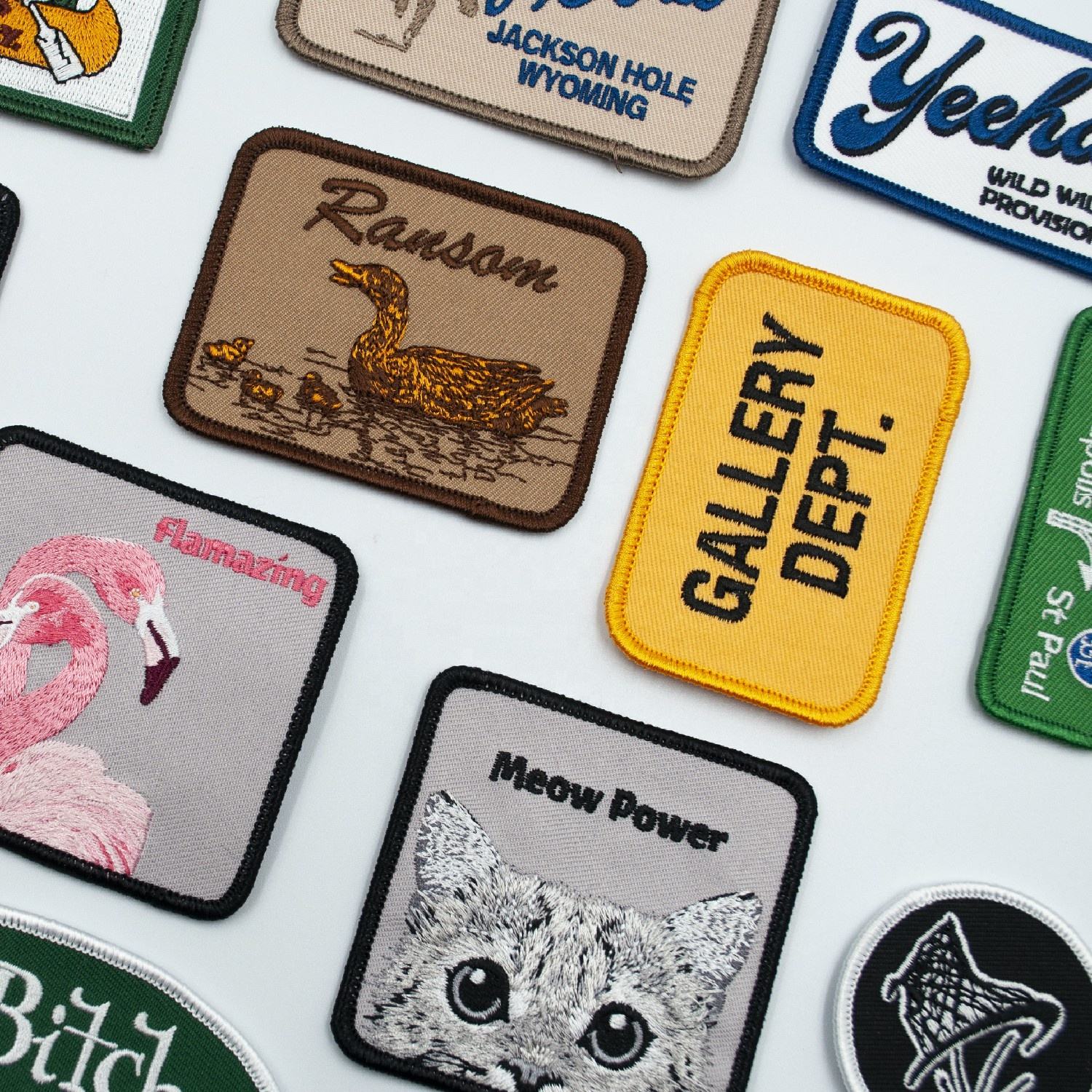
Custom Patches
Use embroidered, woven, chenille or printed patches to bring identity to varsity jackets, streetwear and teamwear. Patch material, edge treatment, placement and attachment method are aligned with the base garment.
Founder-Led Apparel Manufacturing Since 2000
Founded in 2000 by Edvorin Zeng, EDVORIN was built from the production floor outward. Our purpose is to help fashion brands turn concepts, sketches, reference garments, and complete tech packs into clear manufacturing standards that protect the original design through every production run.
As an apparel production partner for established fashion brands, we connect OEM, ODM, and private-label development with fabric sourcing, patterns, sampling, decoration, washing, bulk production, quality control, labeling, and packaging. Casualwear, streetwear, outerwear, and teamwear programs move through one accountable workflow, with men’s and women’s development available across every category.
What makes EDVORIN different is the discipline after sample approval. We document fit, materials, trims, artwork placement, and finishing details so teams can control variation from sample to bulk. The result is a repeatable production path for established buyers, growing labels, wholesale programs, and teamwear orders.

How EDVORIN Protects Every Production Detail
Technical Development That Travels
EDVORIN turns sketches, reference garments and complete tech packs into clear production standards. Patterns, measurements, fit blocks and construction details are reviewed before bulk planning, giving men’s and women’s programs a repeatable foundation across casualwear, streetwear, outerwear and teamwear.
- Pattern, grading and measurement alignment
- Construction details documented for production
- Men’s and women’s fit requirements considered
- Revisions consolidated before sample approval
Materials and Trims in Sync
Fabric weight, rib recovery, lining, hardware, labels and packaging affect both the product and the production result. EDVORIN coordinates these components as one specification, helping preserve intended feel, function and visual balance from a first sample through repeat orders.
- Fabric and trim compatibility reviewed together
- Category-specific material requirements considered
- Labels and packaging matched to the program
- Specifications organized for bulk execution
Decoration Built Into Development
Print, embroidery, washing and garment construction must work together before a style reaches the line. EDVORIN evaluates decoration placement, base materials and finishing requirements during development, so approved artwork is supported by a practical and clearly recorded manufacturing process.
- Artwork placement recorded against garment measurements
- Print and embroidery matched to base materials
- Wash effects considered with construction details
- Decoration requirements carried into bulk standards
Approved Standards Guide Bulk
A sample becomes useful when its decisions are visible to the production team. As an apparel production partner for established fashion brands, EDVORIN uses approved references, documented specifications, in-line checks and final inspection to keep bulk orders aligned with the intended product.
- Approved samples establish the working standard
- In-line checks address variation early
- Measurements, trims and placement are reviewed
- Final inspection occurs before packing
Why EDVORIN Is the Apparel Production Partner for Established Fashion Brands
One accountable path from product development to repeat-order readiness.
← Swipe left or right to view →
From Concept to Packed Order
EDVORIN gives established brands one accountable path from technical review through shipment, with approved standards carried into every production stage.
Review Technical Requirements
We review tech packs, reference garments, measurements, fit intent, materials, trims, artwork and packaging requirements to identify decisions needed before development begins.
Source Materials and Components
Fabric, rib, lining, hardware, labels and decoration methods are coordinated around construction, intended wear, color requirements and the approved product direction.
Develop and Approve Samples
Patterns, fit blocks and samples turn the concept into a physical standard. Revisions are recorded so approved details can guide bulk production.
Produce and Apply Decoration
After approval, cutting, sewing, printing, embroidery, washing and finishing are managed against documented specifications for each apparel program and size range.
Inspect, Pack and Ship
In-line checks and final quality control compare garments with approved standards before labeling, retail-ready packing and shipment preparation for your order.
Work With EDVORIN From Concept to Bulk Production
Move from a tech pack, sketch, or reference garment to an approved, repeatable production standard with one coordinated EDVORIN workflow.
Share Your Product Direction
Send your tech pack, sketch, reference garment, or collection brief. We review construction, fit, materials, decoration, quantities, and the requirements behind your program.
Confirm Scope and Quotation
EDVORIN’s MOQ starts at 200 pieces per style. Align on development needs, specifications, materials, decoration, packaging, MOQ, and pricing. EDVORIN clarifies the production path before sampling begins.
Develop and Approve Samples
We coordinate patterns, sourcing, samples, and revisions until the garment meets your approved standard for fit, construction, appearance, and performance.
Produce Against Approved Standards
After approval, production follows documented measurements, materials, trims, artwork placement, and finishing requirements, with in-line quality checks throughout the order.
Inspect and Prepare Delivery
Final checks confirm the packed order reflects the approved sample. Labels, folding, packaging, and shipment preparation are coordinated for your delivery requirements.
Certified Standards for Responsible Apparel Production



Why Buyers Choose EDVORIN
EDVORIN turned our hoodie and jogger concepts into a repeatable specification set before bulk. We reduced sample revisions from five rounds to two, and our 1,200-piece reorder matched the approved fit, wash and artwork placement.
Our varsity jacket program had too many moving parts: wool body, sleeves, patches, rib and snaps. EDVORIN consolidated the decisions into one production path, helping us launch three colorways with fewer approval delays and stable sizing across 860 units.
We needed women’s and men’s teamwear developed from the same visual system without treating the fits as identical. EDVORIN delivered separate fit blocks and coordinated names, numbers and packaging for 14 school teams in one organized order.
FAQ: Apparel Production Partner for Established Fashion Brands
Clear answers on minimums, development, production control and repeat-order planning with EDVORIN.
What is EDVORIN’s minimum order quantity?
How long do samples and bulk apparel production take?
Does EDVORIN charge for apparel samples?
What payment terms are available for established fashion brand production?
Can an apparel production partner for established fashion brands manage shipping and retail-ready packing?
How does an apparel production partner for established fashion brands control revisions?
How are quality issues prevented after the sample is approved?
What certification programs can EDVORIN support?
Apparel Production Partner for Established Fashion Brands: Buyer’s Guide
Use a practical decision framework to evaluate supplier models, technical capability, quality controls, pricing drivers, and launch readiness—while avoiding sourcing mistakes that create delays, inconsistent products, or costly rework.
1. What Is an Apparel Production Partner?
Since 2000, EDVORIN has treated apparel production as a connected path: development, material sourcing, patterns, samples, decoration, bulk manufacturing, quality control, labeling, packaging, and delivery coordination. A transactional supplier primarily fulfills a confirmed purchase order; an apparel production partner for established fashion brands converts approved design decisions into documented, repeatable production standards.
One approved sample is not enough to protect a brand through later drops or reorders. The partner should retain clear measurement, material, trim, artwork-placement, and packaging specifications; manage in-line checks; and flag production risks before packed goods reveal them. Across seasons, that accountability reduces reliance on memory and helps preserve fit, construction, color intent, and retail-ready presentation when styles, quantities, or fabric batches change.
2. How Apparel Production Partnerships Evolved
In 2000, many apparel orders were managed as discrete cut-and-sew transactions: buyers supplied specifications, factories cut, sewed, and delivered. That model left material behavior, trim compatibility, fit revisions, and bulk-repeat standards fragmented across separate decisions.
By the 2020s, shorter collection calendars and category-specific demands made that separation costly. A 280–400 GSM fleece hoodie, a WR-coated windbreaker, or a numbered team jersey requires coordinated choices on fabric, pattern, decoration, trims, testing, and color control before bulk cutting.
Today, an apparel production partner for established fashion brands is expected to make that coordination visible. Buyers need documented approvals, Pantone references, measurement standards, in-line quality checks, and early escalation when supply, capacity, or delivery risk changes.
3. Types of Apparel Production Partners
Six models dominate established-brand sourcing, but they allocate risk differently. The right apparel production partner for established fashion brands depends on whether your team already owns development, materials, and factory management.
| Model | Materials | Best Fit | Tradeoff |
|---|---|---|---|
| CMT | Buyer-owned | Mature sourcing team | Highest coordination |
| Full package | Partner-sourced | Integrated launch | Less direct control |
| Private label | Factory stock | Fast extensions | Limited differentiation |
| Specialist factory | Shared | Technical category | Narrow scope |
| Network | Mixed | Diversified volume | More governance |
Control Versus Convenience
CMT cuts, makes, and trims buyer-supplied materials; it preserves maximum control but requires ready patterns, approved components, and supplier coordination.
Full-package production sources materials and manages development through packing, reducing handoffs while requiring clear approvals.
Speed Versus Differentiation
Private label adapts existing blanks or proven styles, making it useful for rapid assortment extensions but limiting exclusive construction.
OEM builds the buyer’s specified product; ODM adds factory-led design options. Both need ownership, artwork, and revision terms documented.
Category And Network Fit
Specialist factories suit technically demanding jerseys, outerwear, or wash programs. Multi-factory networks spread capacity and category capability, but require centralized standards and accountable quality management.
4. Apparel Production Partner for Established Fashion Brands: Fabrics
A 100% cotton label does not define performance; fiber, construction, GSM, finish, and test results do. An apparel production partner for established fashion brands should lock these specifications before bulk booking.
| Category | Typical Fabric | Production Consideration |
|---|---|---|
| T-shirt | 160–220 GSM jersey | Drape and print surface |
| Hoodie | 240–320 GSM fleece | Shrinkage affects fit |
| Jersey | Polyester knit | Stretch and color durability |
| Windbreaker | Woven shell | WR finish adds cost |
Specify The Fabric Standard
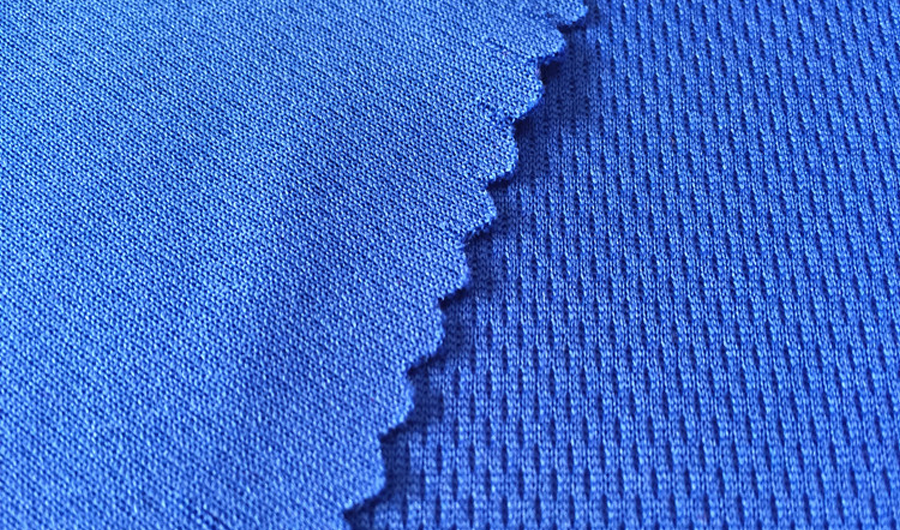
240–320 GSM fleece suits structured hoodies, while 160–220 GSM jersey suits tees. Record fiber blend, knit or woven construction, hand feel, stretch, recovery, shrinkage tolerance, and approved color standard.
Control Color And Performance
Pantone references and lab dips help control shade variation between dye lots. For sportswear or outerwear, define moisture management, abrasion, pilling, water resistance, and wash-testing requirements before approval.
Plan For Repeatability
EDVORIN’s MOQ starts at 200 pieces per style. One approved swatch is insufficient for reorders; confirm mill availability, minimums, dye-lot controls, and replenishment timing. Custom fabric, special finishing, and low-volume colors can raise MOQ, lead time, and landed cost.
5. Customization and Retail-Ready Branding Options
EDVORIN converts pattern revisions, colorways, decoration, and retail trims into controlled production specifications. For an apparel production partner for established fashion brands, customization must be repeatable across every size and reorder.
| Method | Appearance | Durability | Best Volume |
|---|---|---|---|
| Screen print | Flat, graphic | High when matched to fabric | Medium to high |
| Embroidery | Textured, premium | High | Medium to high |
| Transfer | Detailed, smooth | Varies by film and wash | Small to medium |
| Appliqué | Layered, dimensional | High with secure stitching | Medium to high |
Fit, Color, And Sizing
EDVORIN adjusts fit blocks, grading, proportions, and material behavior for men’s and women’s programs. Pantone references, lab dips, and a complete size chart should be approved before cutting.
Decoration Method Selection
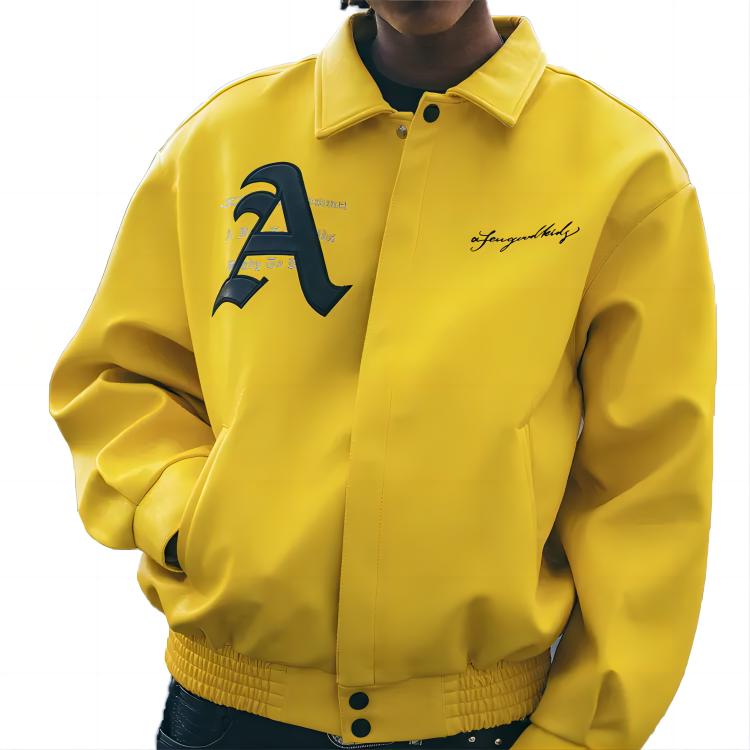
Screen print, embroidery, transfers, and appliqué create different hand-feel, placement, and durability outcomes. Choose the method against fabric, artwork detail, wash requirement, and planned order volume.
Retail Components Must Match
Woven labels, care labels, hangtags, polybags, and cartons need approved copy, placement, and packing instructions. Final artwork files, measured placement callouts, and sealed samples prevent unrecorded changes in bulk.
6. Construction Quality That Protects Your Brand
One approved sample does not control a reorder by itself. An apparel production partner for established fashion brands should convert each approval into measurable construction and inspection criteria.
Patterns And Grading

A base pattern, grade rule table, and point-of-measure chart should define every size. Record tolerances by measurement point, fit comments, seam allowance, and approved revision date in the tech pack.
Construction Standards
Seam type and stitch density must be specified by operation: overlock, coverstitch, flatlock, or lockstitch. Document reinforcement at pocket corners, stress points, plackets, and zipper ends, plus thread, needle, and trim requirements.
Inspection And Reorders
Fabric inspection, Pantone color approval, wash testing, and pre-production checks should precede bulk cutting. A quality manual should classify critical, major, and minor defects and require final inspection against the sealed sample and measurement tolerances.
7. Choosing an Apparel Production Partner for Established Fashion Brands
Since 2000, EDVORIN has translated fashion concepts into documented production standards. An apparel production partner for established fashion brands should be selected through demonstrated category fit, controls, and commercial clarity.
| Evaluation Area | Proof To Request | Buyer Question |
|---|---|---|
| Category expertise | Comparable samples | Can you repeat this construction? |
| Quality system | Inspection records | When is variation escalated? |
| Commercial terms | Written agreement | What changes after approval? |
Verify Category And Capacity
Two comparable past programs reveal more than a generic capability list; review construction, decoration, fit, and size grading.
Six-month seasonal planning should identify line capacity, production location, peak-period allocation, and contingency options.
- Which styles match our category?
- What capacity is reserved by season?
- Which factory makes each product?
Test Development Visibility
One approved sample is insufficient without revision records, measurement tolerances, artwork placement, and material approvals.
Weekly status updates should disclose sourcing risks, lab dips, sample dates, and corrective actions before bulk cutting.
- Who owns sample sign-off?
- Can we trace mills and trims?
- What triggers a timeline escalation?
Audit Terms And Controls
A pre-production meeting should lock the approved sample, inspection plan, packing standard, lead time, payment milestones, and reorder process.
Three buyer references can test communication, defect handling, delivery reliability, and claim resolution.
- What are AQL and rework rules?
- Who pays for failed materials?
- What is the delay contingency?
8. Common Apparel Production Partner Selection Mistakes
Nine avoidable decisions can turn an approved concept into costly rework. An apparel production partner for established fashion brands should make risks, owners, approvals, and remedies visible before a purchase order is released.
Price And Technical Validation
One low quote can exclude testing, trims, or inspection, while a skipped tech review leaves construction unvalidated. Require a landed-cost breakdown and pre-production technical review; ask, ‘Which costs and construction risks are excluded?’
Materials, Changes, And Timing
Two uncontrolled inputs—material ownership and substitutions—can disrupt color, hand feel, and delivery. Name the material owner, require written substitution approval, and use a dated critical path; ask, ‘Who approves changes, and what lead-time assumptions support this date?’
Standards, Reorders, And Remedies
Three weak controls—missing measurements, limited sample testing, and unplanned reorder capacity—create repeatability risk. Approve graded specs, test samples in intended use, reserve capacity, and define inspection and corrective action; ask, ‘What is the measurement tolerance, reorder plan, inspection level, and remedy for defects?’
9. From Tech Pack to Production Launch
A 9-step launch sequence turns a new factory relationship into a controlled first run. For an apparel production partner for established fashion brands, each gate needs one named approver and a dated record.
Align The Development Brief
Step 1: confirm style count, target delivery, size range, target cost, Incoterms, and quality priorities before development begins.
Step 2: submit tech packs, graded measurements, Pantone references, artwork files, BOMs, and reference samples; log every revision.
Approve Materials And Samples
Step 3: approve fabric swatches, lab dips, trims, and decoration strike-offs before cutting prototypes.
Step 4: sign off fit samples, then approve a pre-production sample matching final materials, measurements, placements, labels, and packaging.
Release And Review Production
Step 5: lock the cost sheet, purchase order, quantity breakdown, tolerance chart, inspection standard, and production calendar in writing.
Step 6: authorize bulk only after pre-production approval; review in-line findings, final inspection results, and first-run issues before a reorder.
10. Pricing an Apparel Production Partnership
3 quantity tiers change the cost structure before they change a factory’s workmanship: smaller runs carry more development and setup cost per garment, while repeat volume can spread approved costs across more units. The table is an illustration, not an EDVORIN price promise.
8 cost inputs should appear separately on an itemized quotation: fabric, construction complexity, decoration, trims, packaging, testing, freight terms, and repeat volume. Compare quotations only when the tech pack, GSM, colorways, artwork, inspection scope, Incoterm, and delivery destination match.
| Quantity tier | Unit-price direction | Setup-cost exposure | Lead-time implication |
|---|---|---|---|
| Sample to low volume | Highest | High per unit | More development time |
| Mid volume | Declines | Shared across units | Material booking matters |
| Repeat / higher volume | Lowest potential | Amortized further | Reorder planning helps |
Choose an Apparel Production Partner for Established Fashion Brands
Send your tech pack, reference garment, or collection brief to EDVORIN and request a production quote for your next repeatable program.