
Clothing Production Partner for Designers, Built to Repeat
EDVORIN’s MOQ starts at 200 pieces per style. EDVORIN is a clothing production partner for designers, developing private-label fashion, streetwear and teamwear collections from a 200-piece MOQ.
Featured Apparel Programs
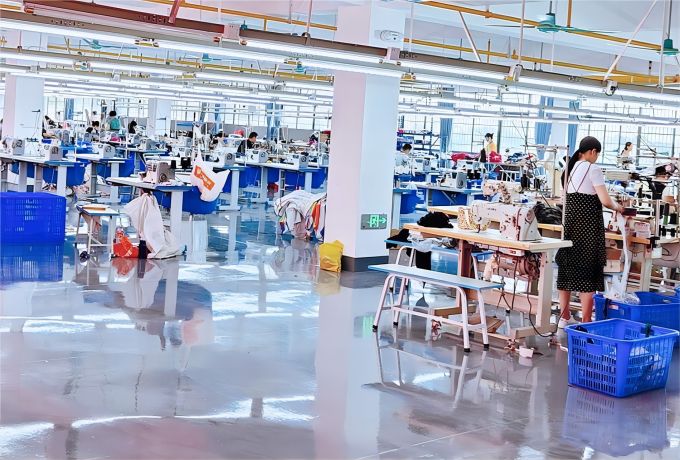
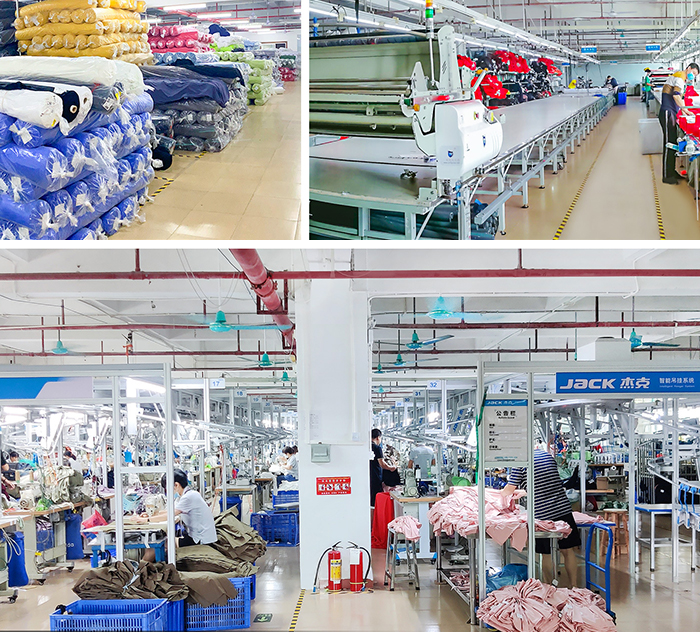
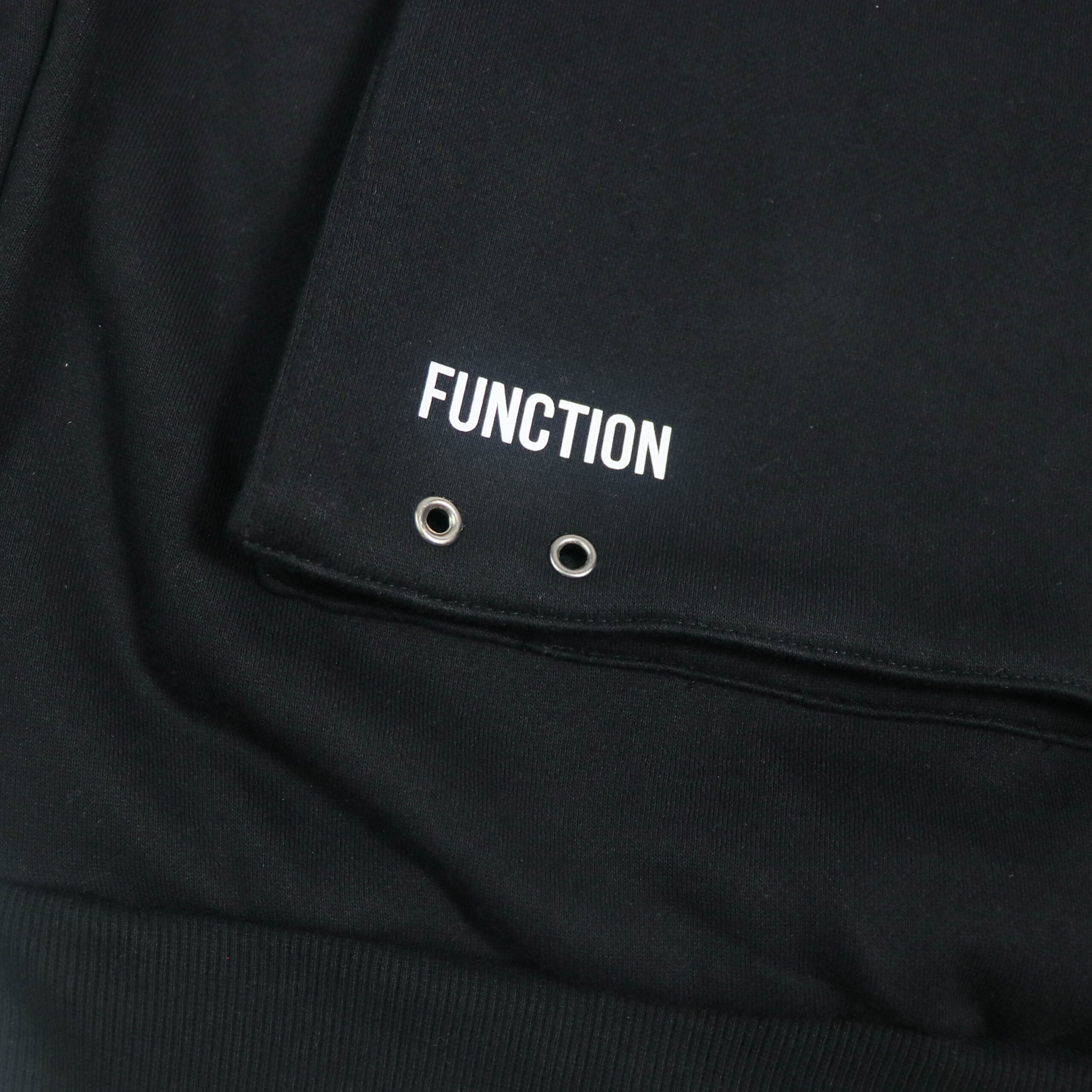
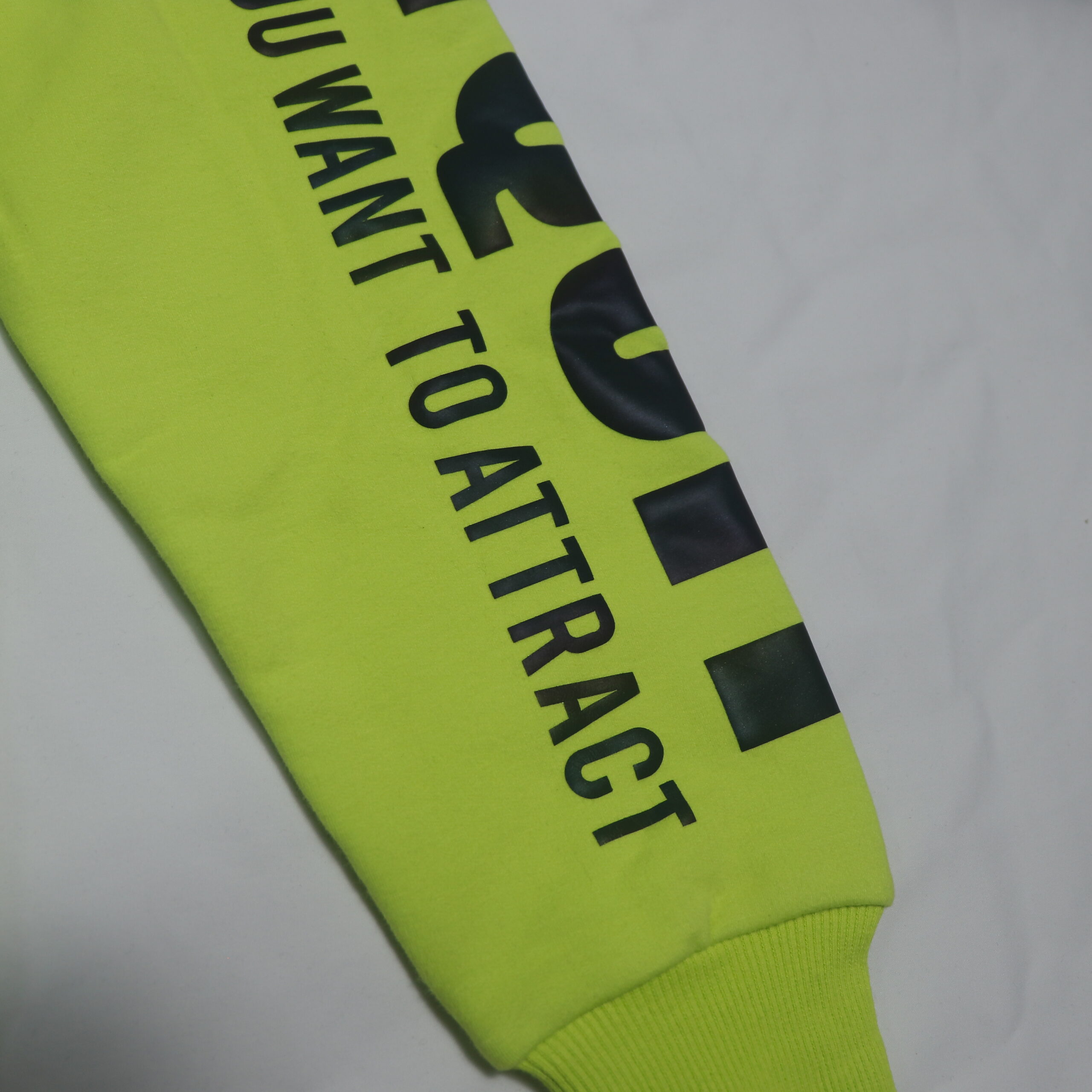
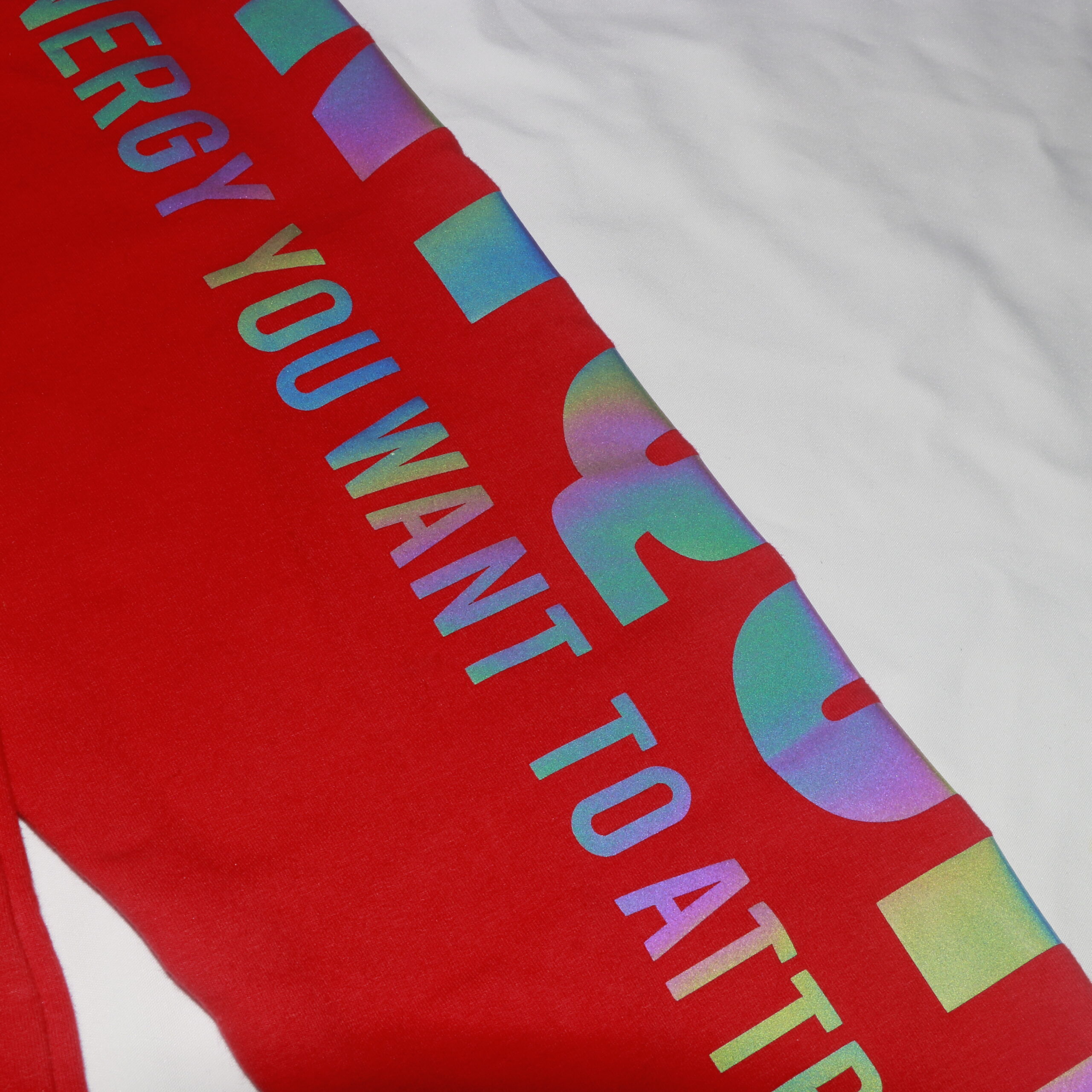
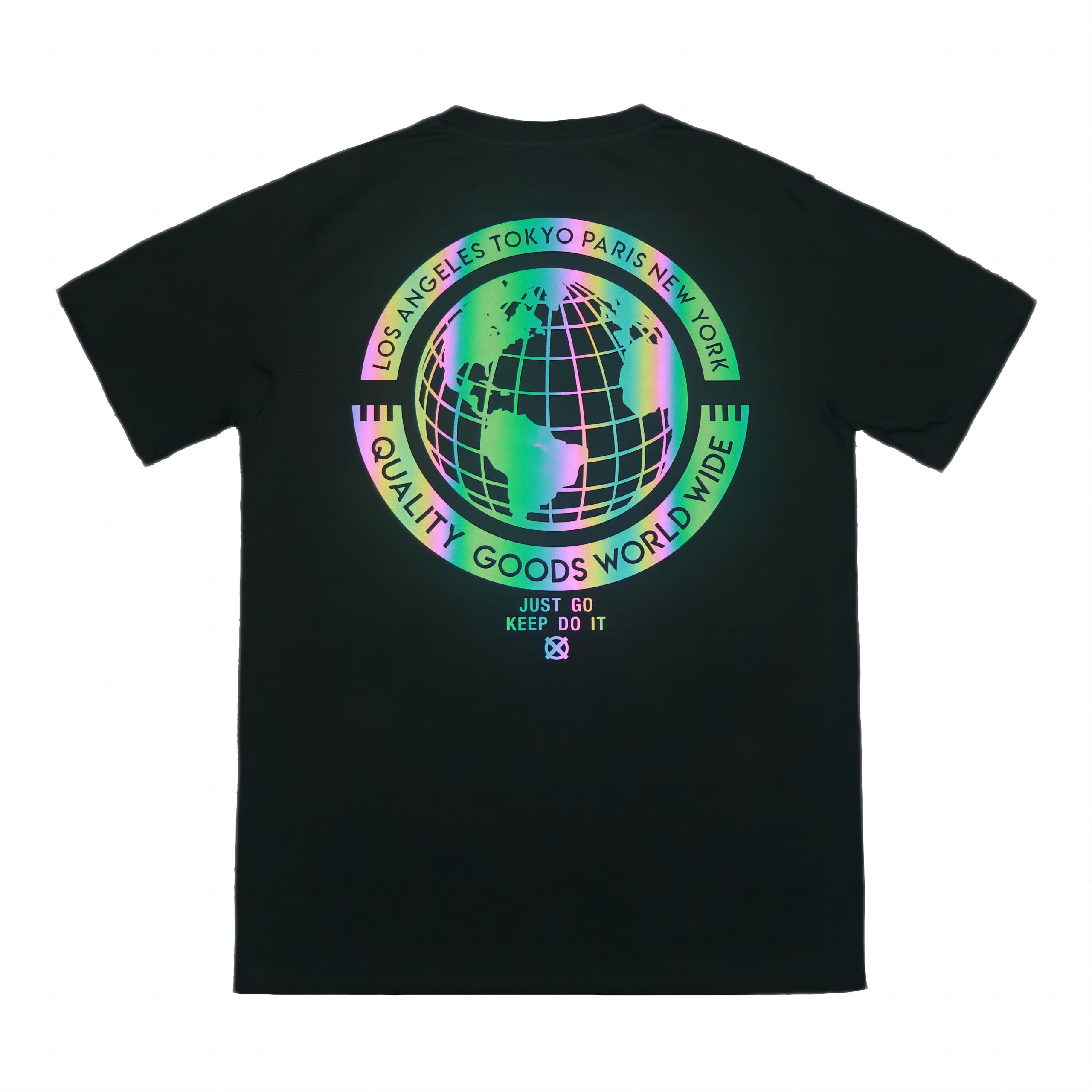
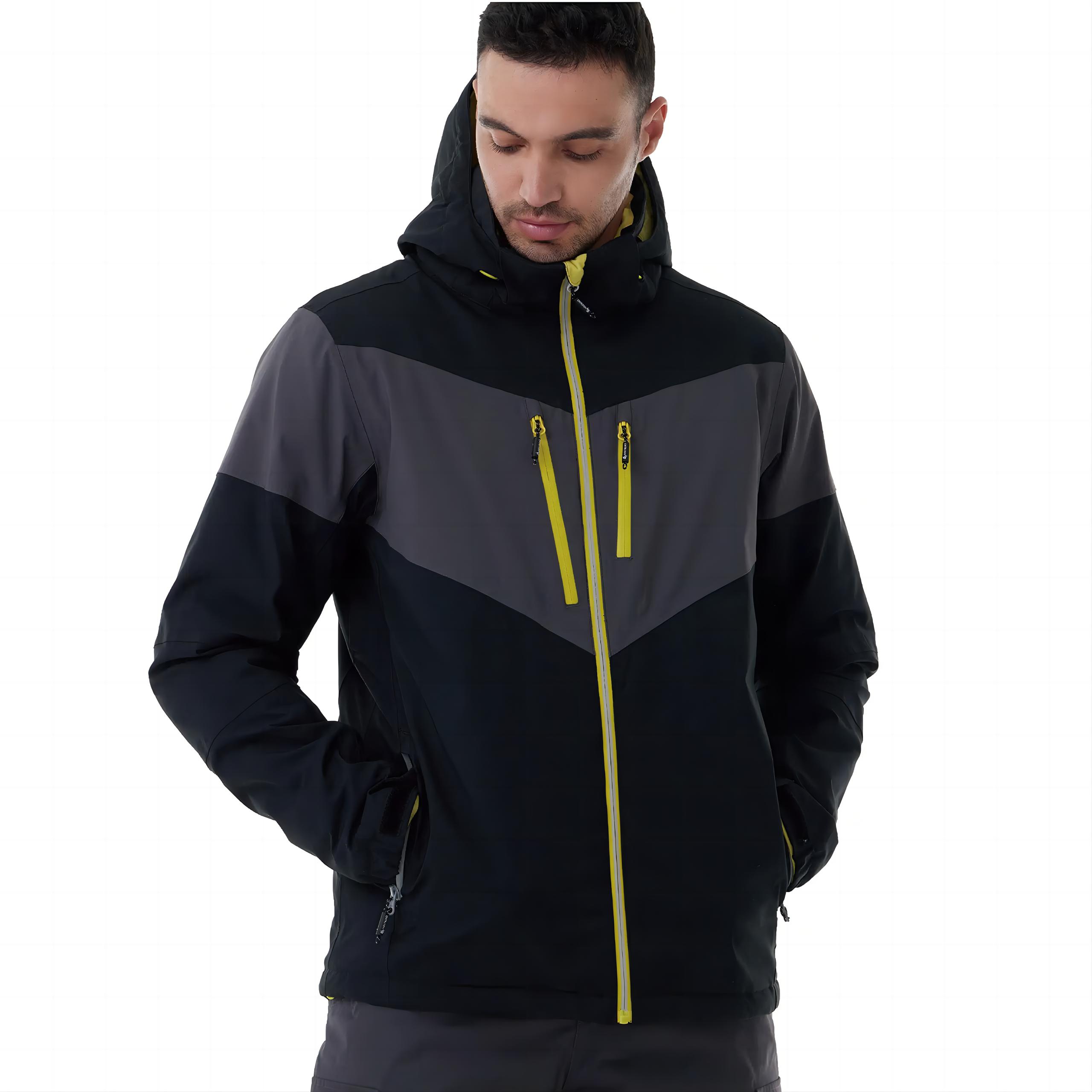
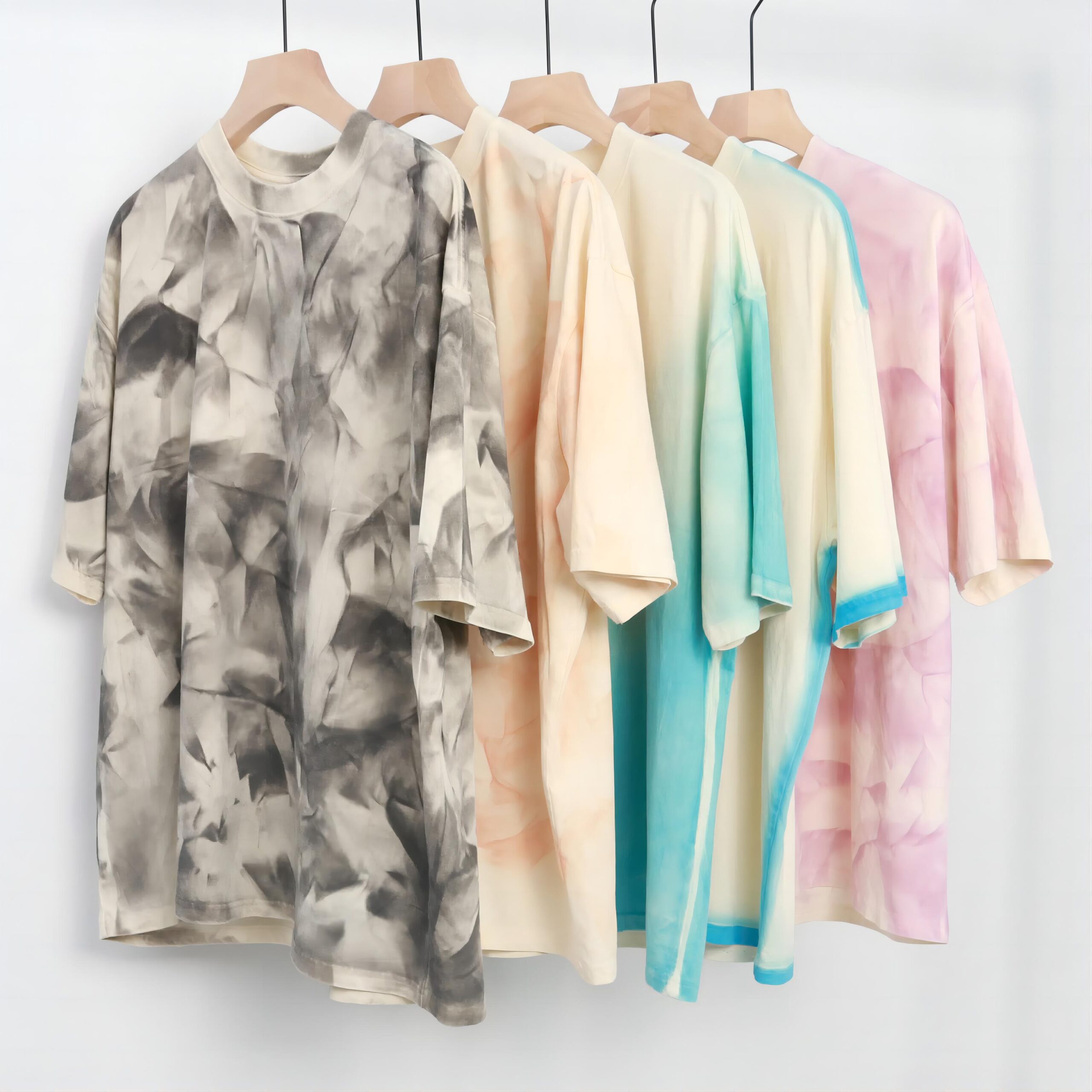

Built for Repeatable Apparel Production
EDVORIN connects development, decoration and quality control into one accountable production path for collections that must perform beyond the approved sample.
Development That Clarifies
Turn sketches, reference garments or complete tech packs into defined patterns, measurements, materials and construction standards ready for review.
Category-Specific Decoration
Coordinate printing, embroidery, washing and placement details around the garment’s fabric, construction and intended performance—not as separate afterthoughts.
Flexible Production Programs
Start from 200 pieces per style with OEM, ODM and private-label support for emerging labels, wholesale programs and established buyers.
Standards You Can Review
Record approved materials, trims, artwork placement, measurements and revisions so production teams work from a visible, consistent reference.
Sample-to-Bulk Quality Control
Use approved samples as the benchmark for in-line checks and final inspection, helping protect fit, finish and consistency before packing.
Core Apparel Categories for Brands and Teams
From first sample to repeat bulk production, EDVORIN develops category-specific apparel with coordinated materials, construction, decoration and quality controls.
Custom Hoodies
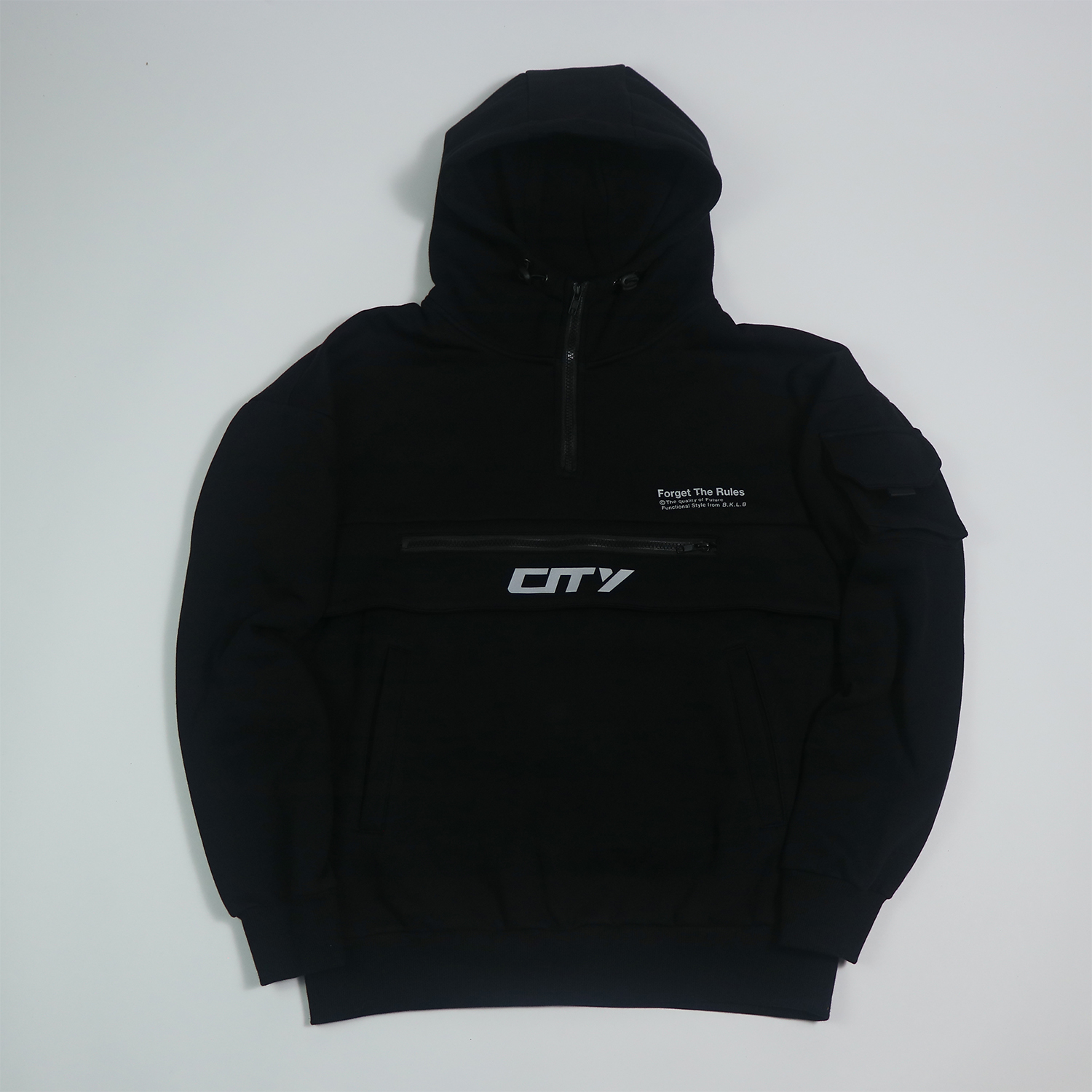
Custom hoodies developed around fleece weight, fit block, rib recovery, hood shape, drawcords, pockets and decoration placement. EDVORIN turns approved details into documented standards for consistent OEM, ODM and private-label bulk production.
Get a Quote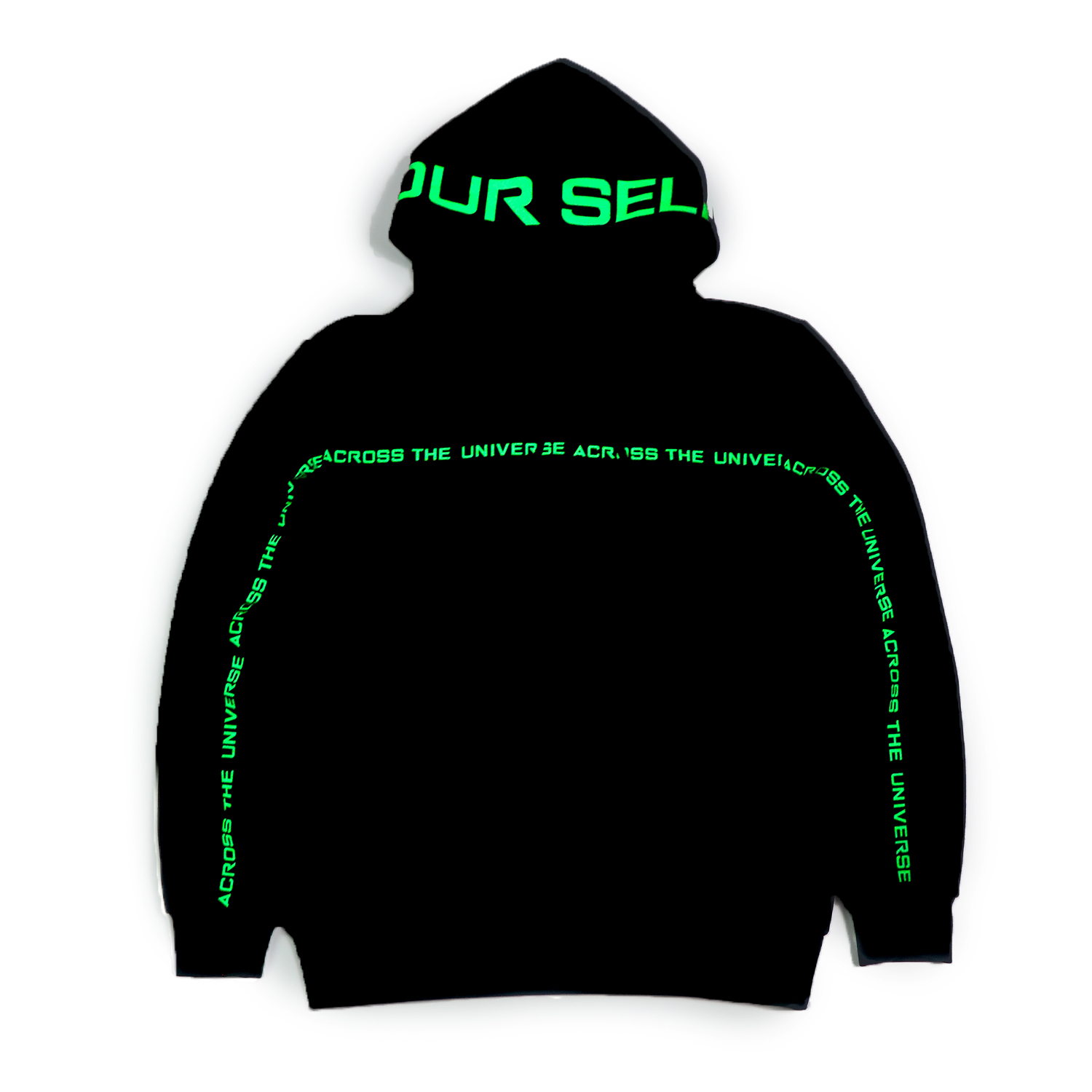
Pullover Sweatshirts
Pullover sweatshirts built with selected fleece, French terry or performance fabrics, with attention to neckline, cuffs, hem rib, fit and wash behavior. Samples help confirm the hand feel and construction before production begins.
Get a Quote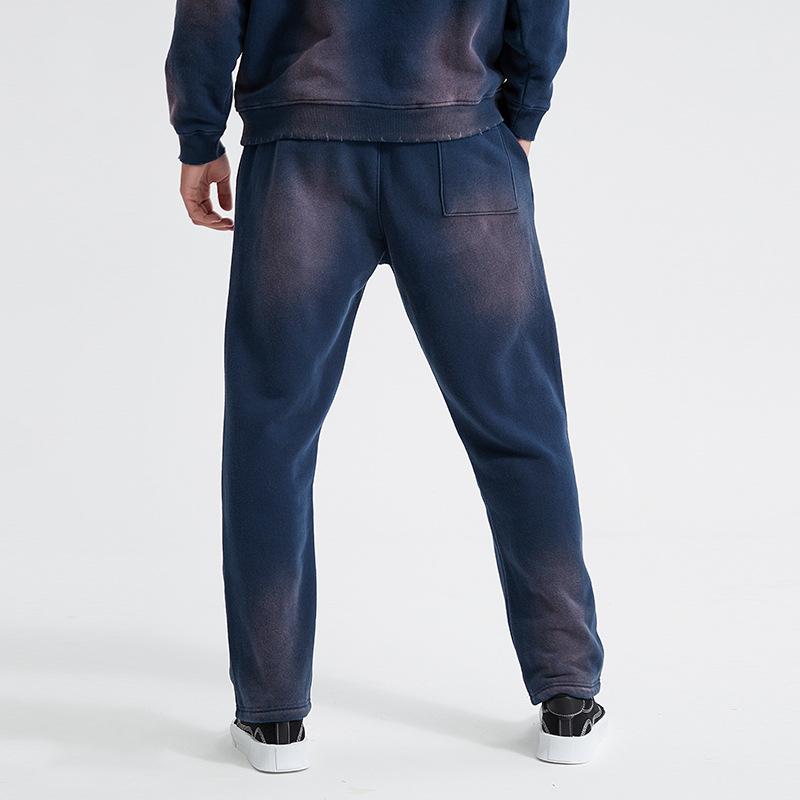
Sweatpants & Joggers
Sweatpants and joggers developed for coordinated casualwear programs, with options for tapered or relaxed fits, elastic waists, drawcords, pockets, cuffs and matching fabric weights. Grading and measurement standards support repeat orders.
Get a Quote
Custom Shorts
Custom shorts for lifestyle, training and streetwear programs, developed around inseam, rise, waistband construction, pocket layout, lining and decoration requirements. Material and fit are adjusted for men’s or women’s intended wear.
Get a Quote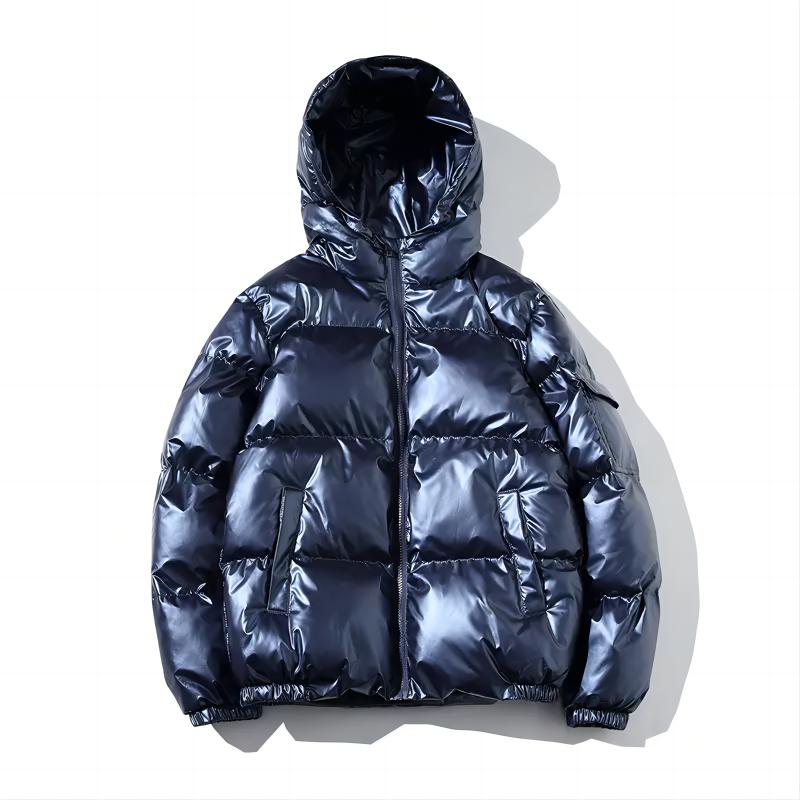
Varsity & Baseball Jackets
Varsity and baseball jackets coordinated across body fabric, sleeves, rib, lining, snaps, patches and embroidery. EDVORIN develops balanced construction details and records approved specifications for reliable production across size runs.
Get a Quote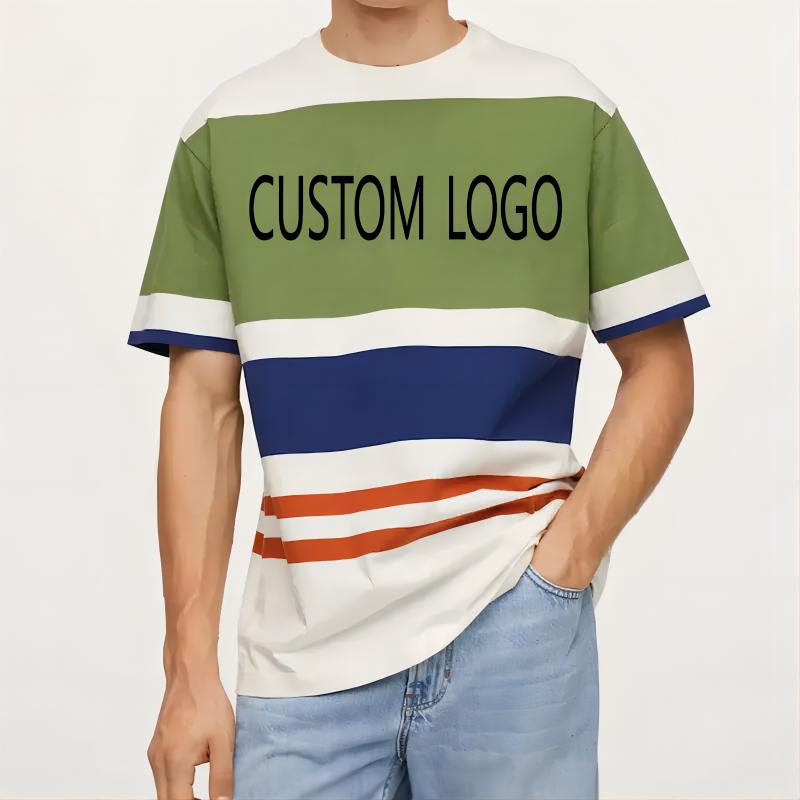
Custom T-Shirts
Custom T-shirts developed from fabric selection through neckline, fit, sleeve proportion, print placement, labels and wash finish. Options support fashion basics, promotional programs, streetwear drops and private-label collections.
Get a Quote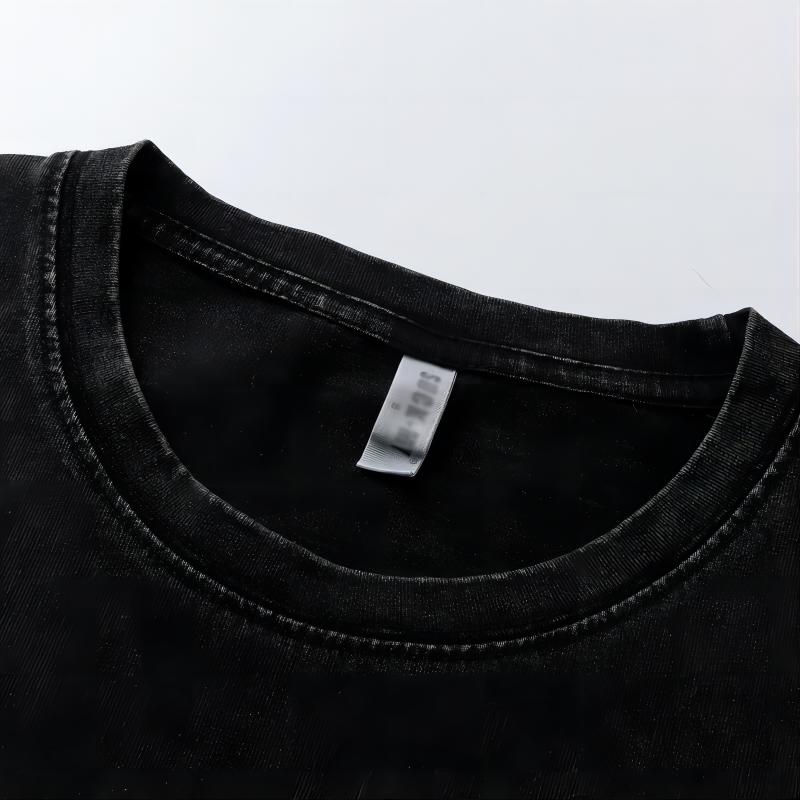
Custom Polo Shirts
Custom polo shirts built around pique, jersey or performance fabrics, with collar structure, placket construction, cuff details and embroidery placement specified for the intended market. Men’s and women’s fits can be developed separately.
Get a Quote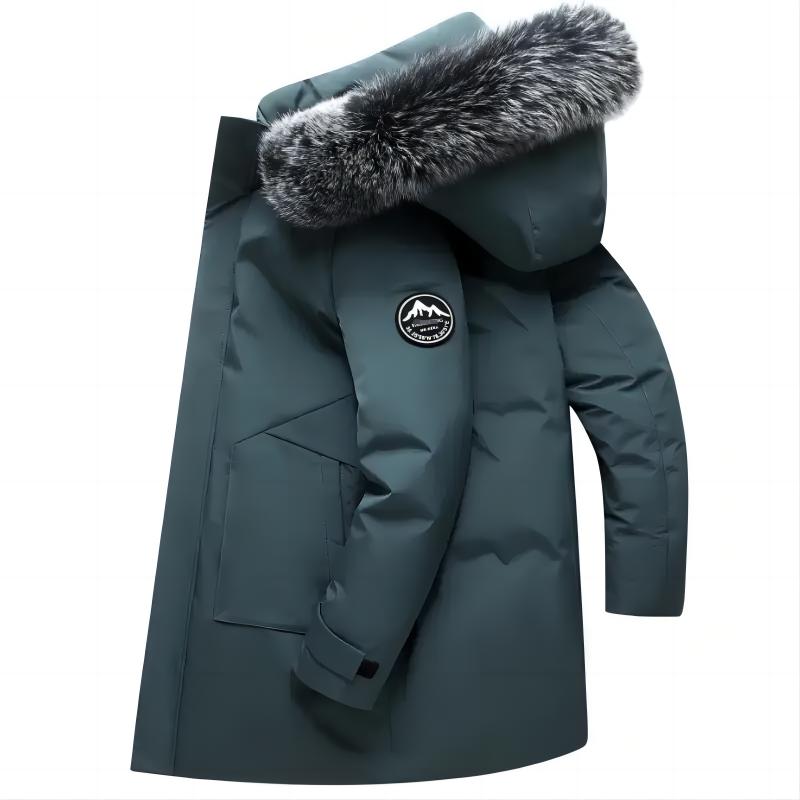
Windbreaker Jackets
Windbreaker jackets developed with shell fabric, lining or mesh, zipper systems, hood construction, ventilation, pockets and branding placement coordinated as one specification. Production controls help maintain function and appearance across bulk orders.
Get a Quote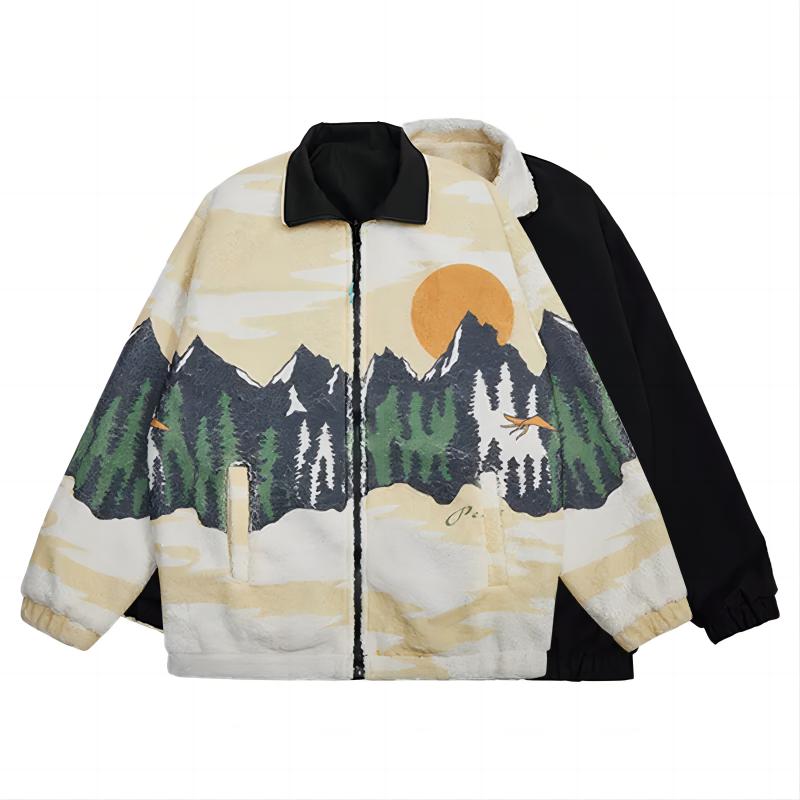
Quilted Jackets
Quilted jackets require coordination of shell, lining, insulation, quilting pattern, pockets, zippers and finishing. EDVORIN samples the full construction to confirm warmth, balance and bulk before an approved standard moves to production.
Get a Quote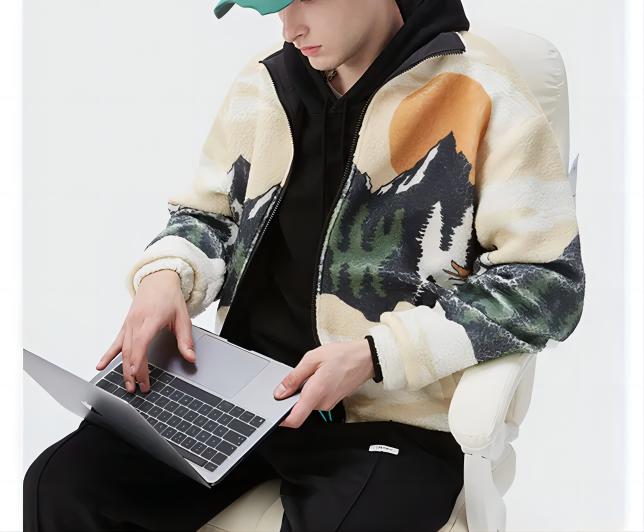
Bomber Jackets
Bomber jackets developed with attention to shell weight, lining, rib, zipper, pocket construction and embroidery or patch applications. Material and trim choices are reviewed together so the finished jacket holds its intended shape and character.
Get a Quote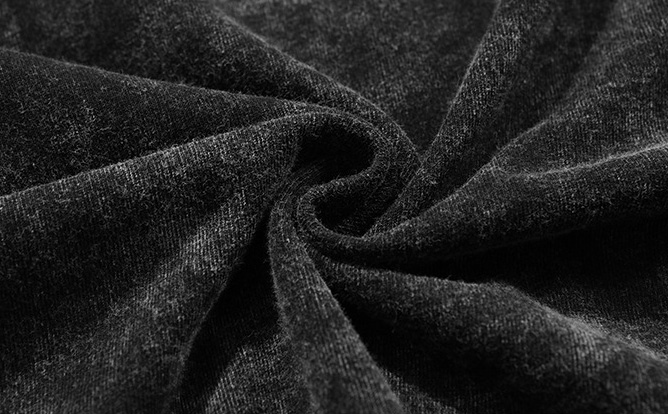
Custom Shirts
Custom woven shirts developed for uniform, corporate, fashion and private-label programs, with fabric, collar, placket, cuffs, pocket details and fit blocks defined before bulk production. Grading can be tailored for men’s and women’s ranges.
Get a Quote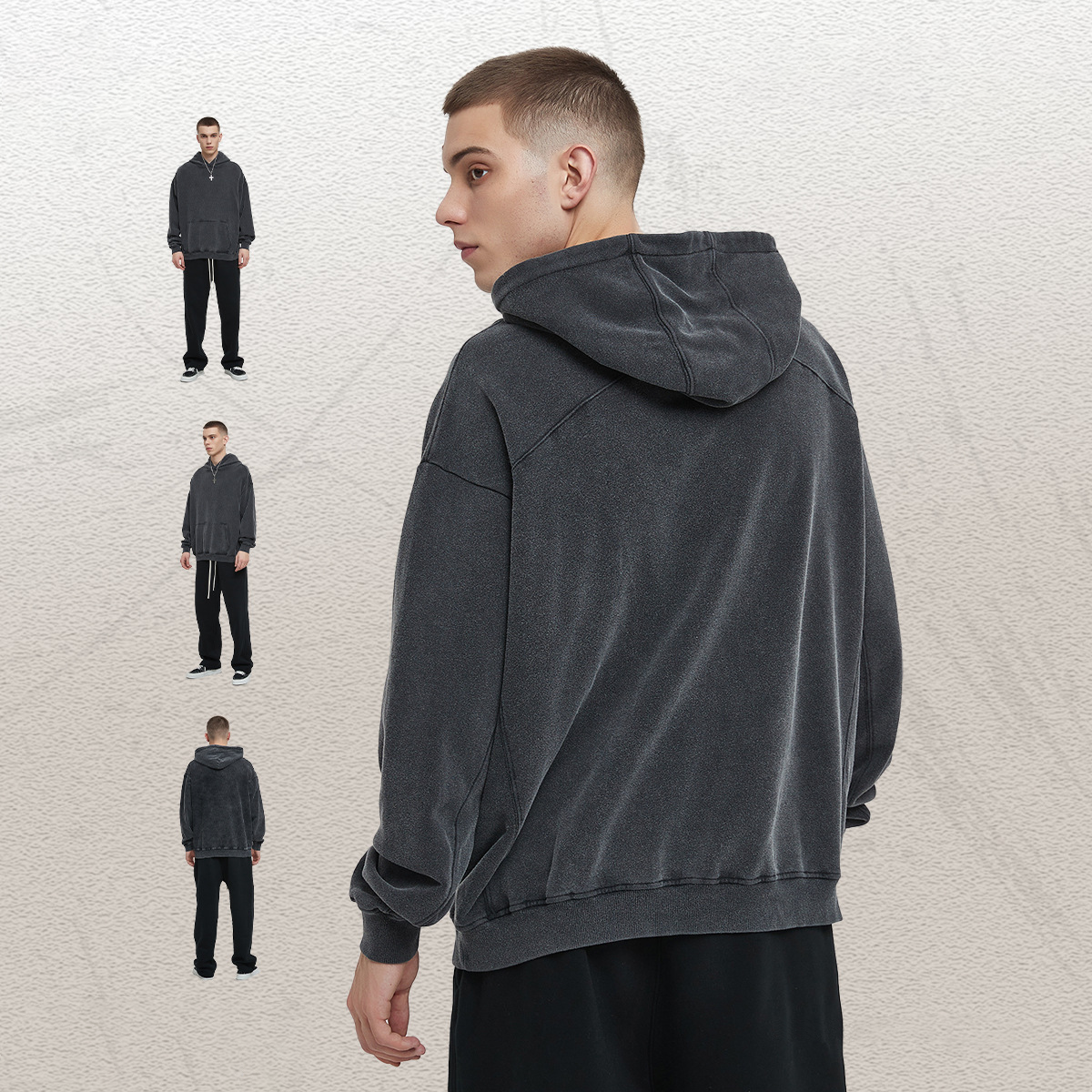
Custom Jerseys
Custom jerseys combine fabric performance, fit, color control, logos, names, numbers and decoration methods in one managed production path. Samples verify artwork placement and construction before teams, clubs or branded programs move to bulk.
Get a Quote
Tank Tops
Tank tops developed for casualwear, activewear and teamwear needs, with fabric weight, armhole shape, neckline, binding, fit and decoration specified to suit the wearer. Men’s and women’s proportions can be developed independently.
Get a Quote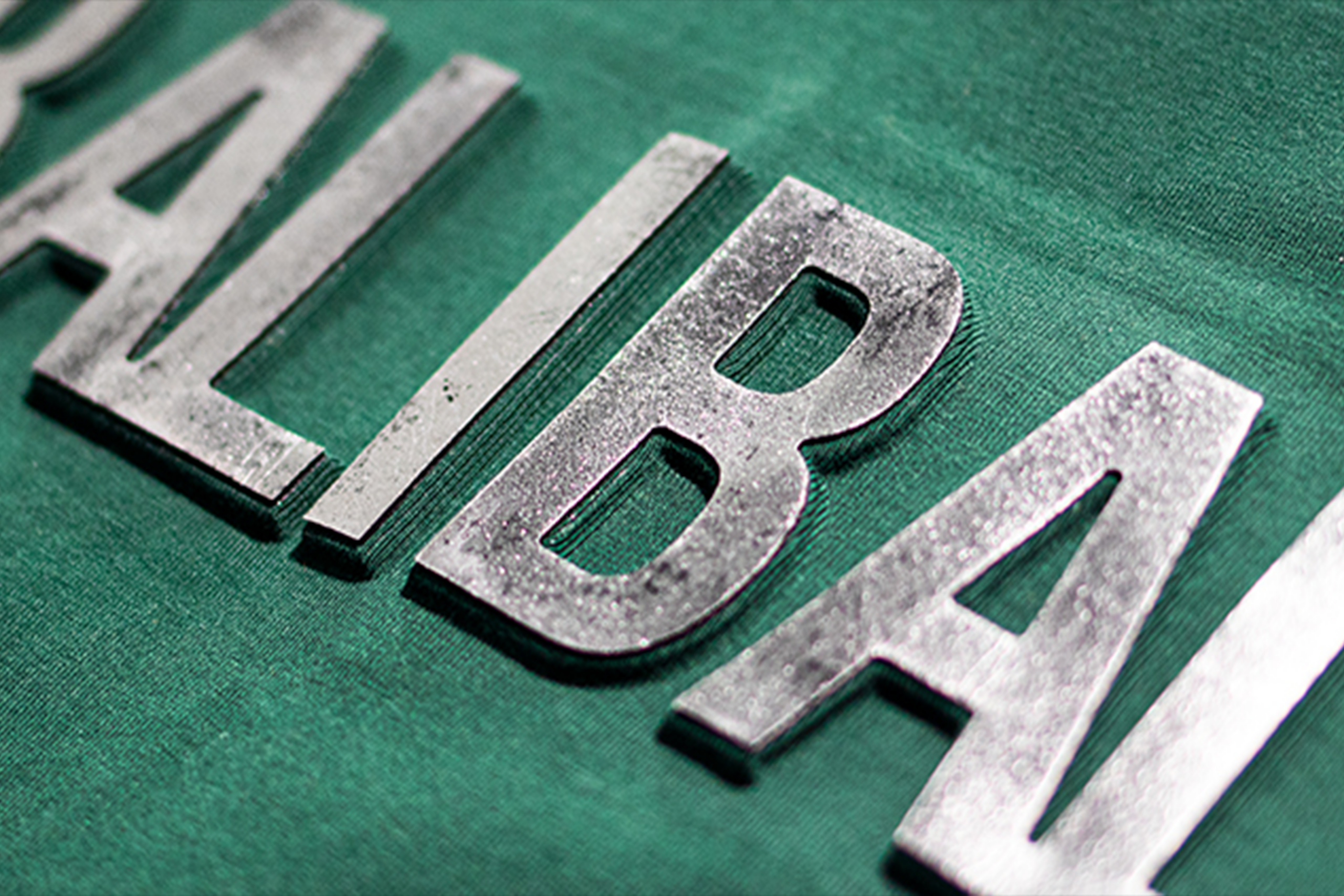
Soccer Uniforms
Soccer uniforms developed with breathable fabrics, club colors, crest placement, player names, numbers and coordinated shorts. EDVORIN manages size sets and repeatable decoration standards to support organized team and academy orders.
Get a Quote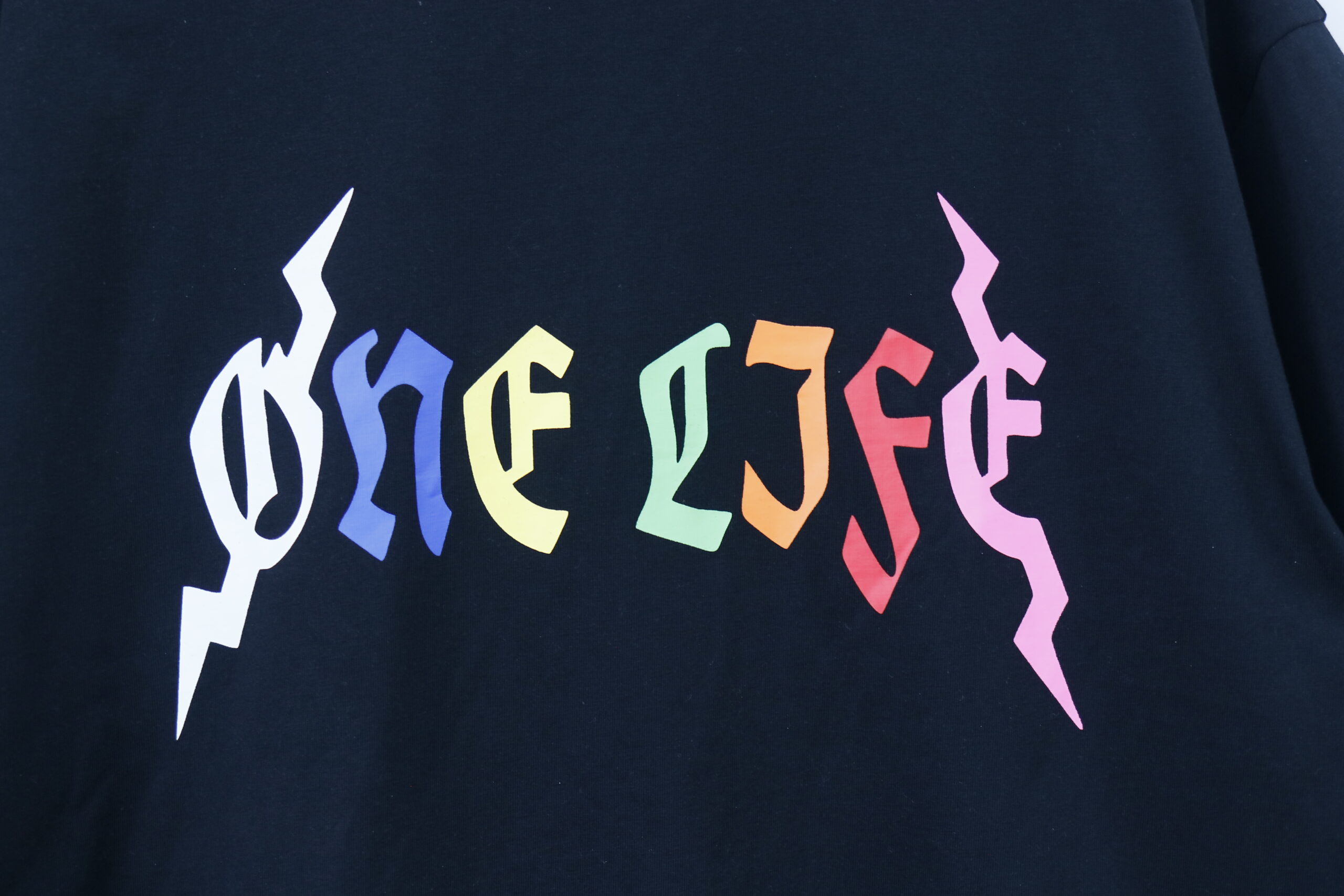
Basketball Uniforms
Basketball uniforms developed with suitable performance fabrics, jersey and short proportions, trim, team colors, logos, names and numbers. Approved samples establish the reference for consistent sizing, decoration and repeat team orders.
Get a Quote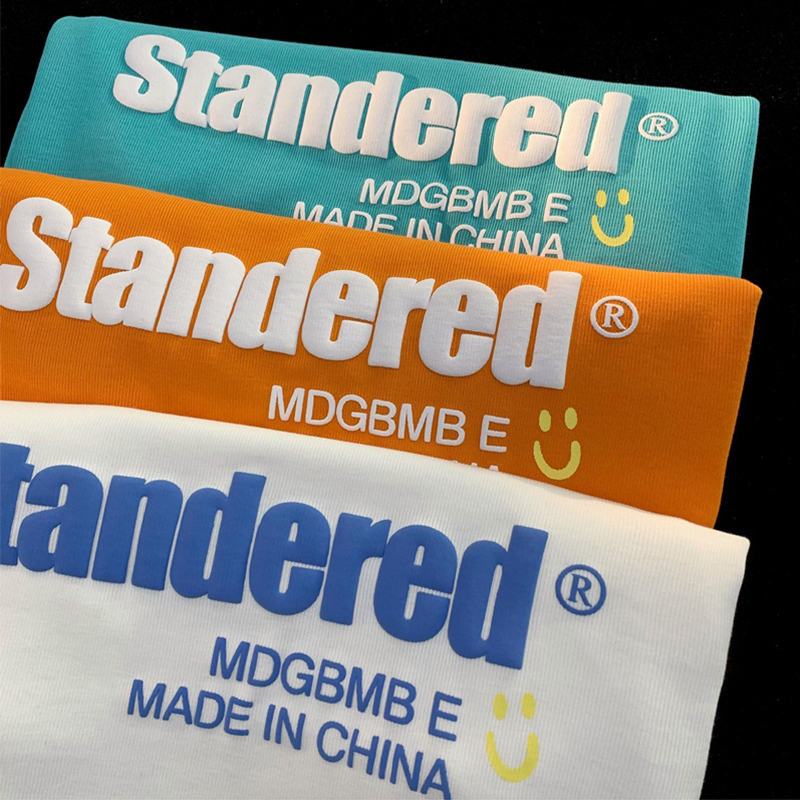
Streetwear Collections
Streetwear collections developed as connected product programs across hoodies, tees, sweatpants, jackets and shorts. EDVORIN coordinates fabrics, fit blocks, washes, labels, trims and decoration so each style can be produced as a consistent collection.
Get a QuoteMaterials Selected for Fit, Performance, and Repeatability
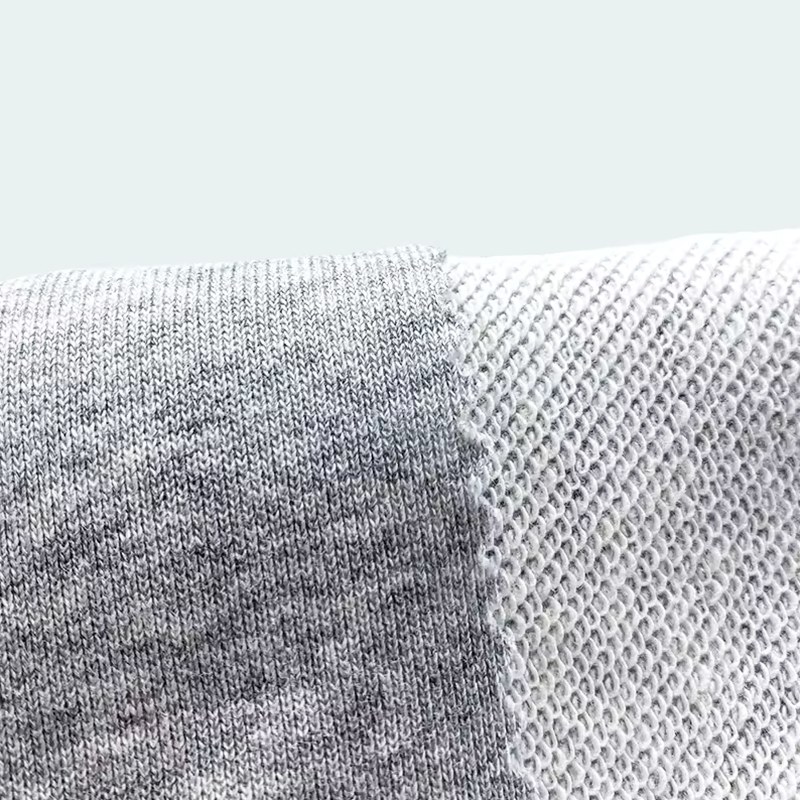
Cotton French Terry
Soft, loop-backed cotton terry brings breathable comfort and a substantial hand to hoodies, sweatshirts, and joggers. Its midweight structure supports clean embroidery, screen printing, and everyday layering without feeling overly bulky.
Brushed Fleece
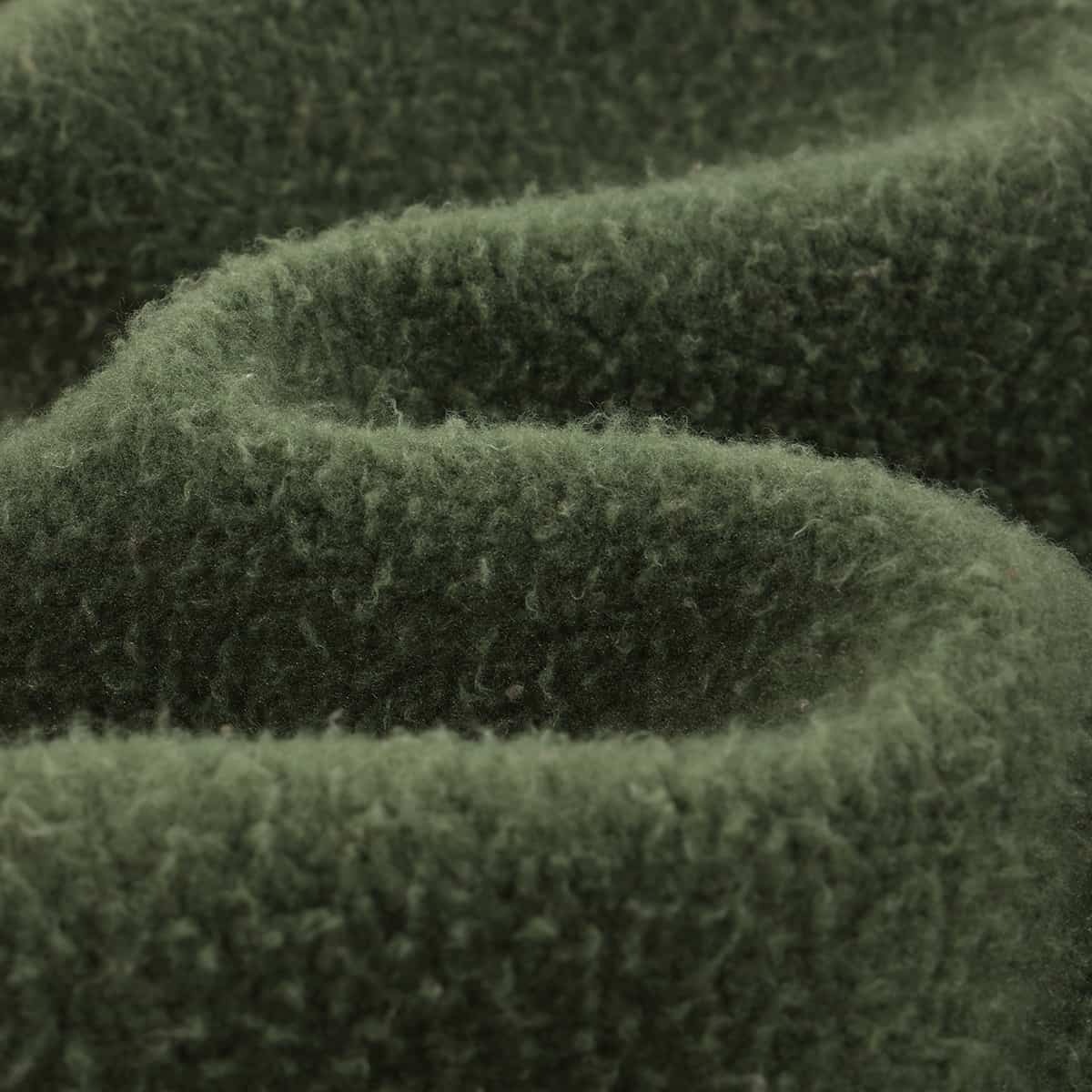
Brushed fleece offers a warm, plush interior and a smooth exterior for heavyweight hoodies, sweatpants, and cold-weather streetwear. The raised inner surface improves insulation, while the outer face provides a stable base for decoration.
Cotton Jersey
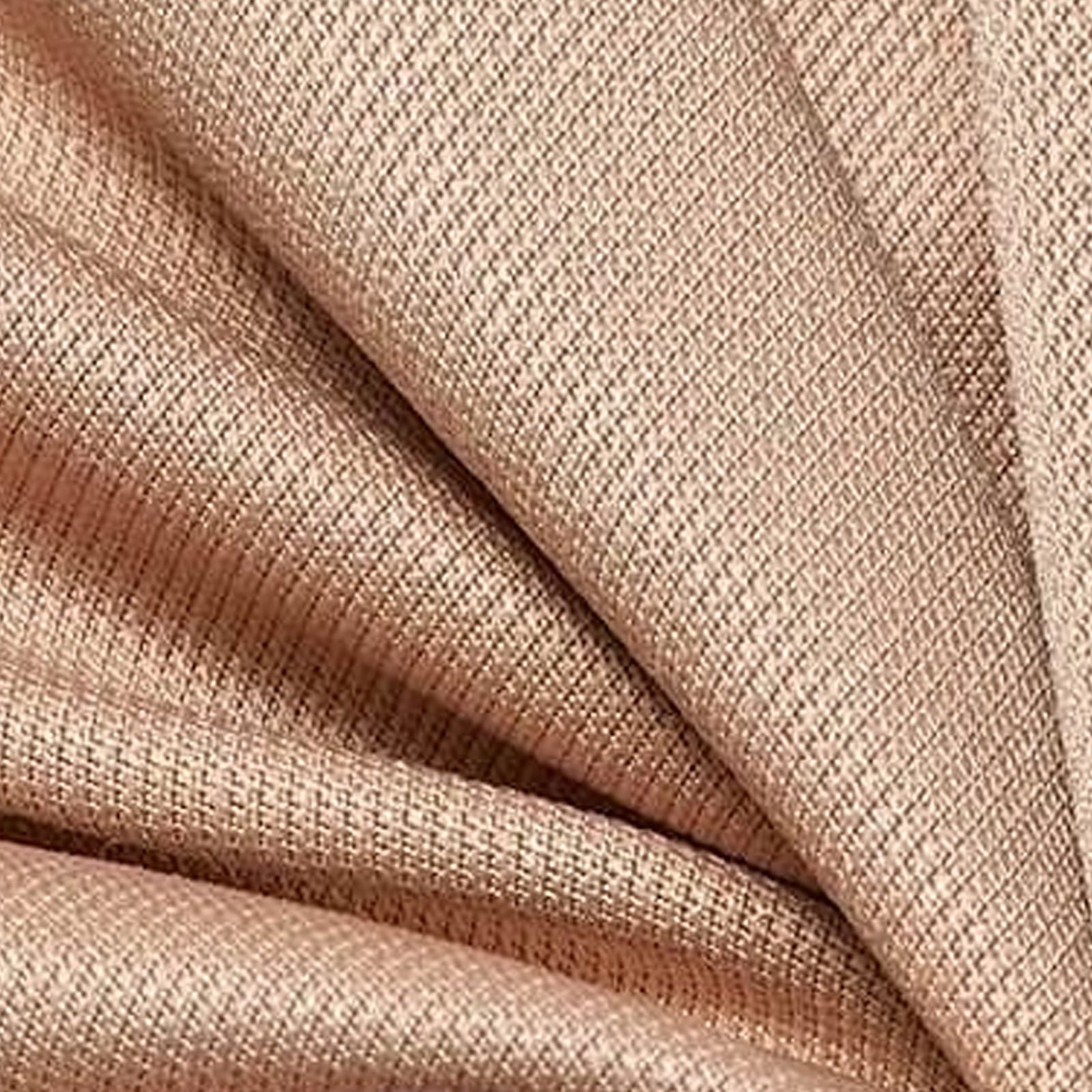
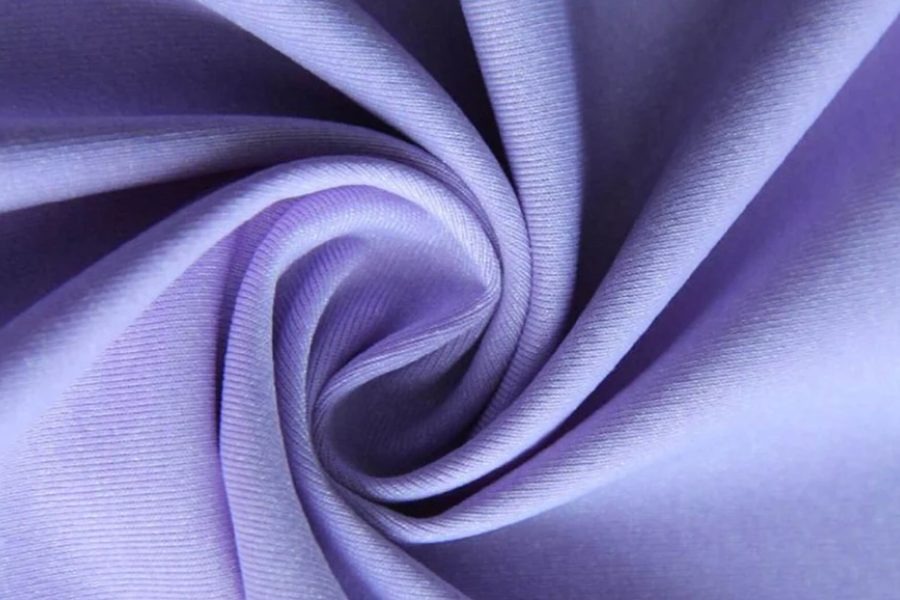
Cotton jersey has a soft, familiar hand and natural stretch for T-shirts, polos, tanks, and lightweight layers. Weight and knit density can be specified to balance drape, opacity, breathability, and print-ready surface quality.
Polyester Performance Mesh
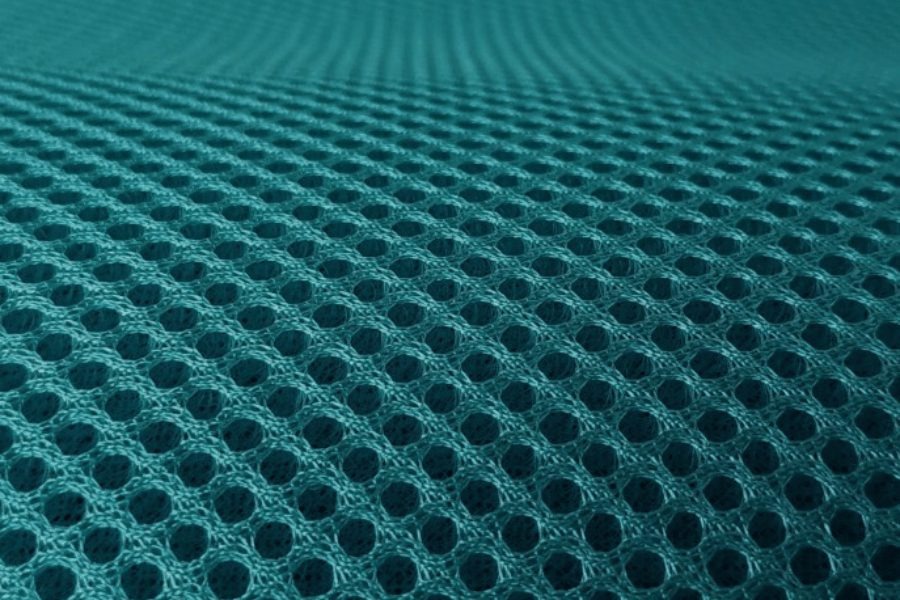
Polyester performance mesh feels light and breathable for jerseys, soccer uniforms, basketball uniforms, and training layers. Its open knit promotes airflow and moisture management while supporting dependable color, number, and logo decoration.
Custom Apparel Printing, Embroidery and Garment Wash Services
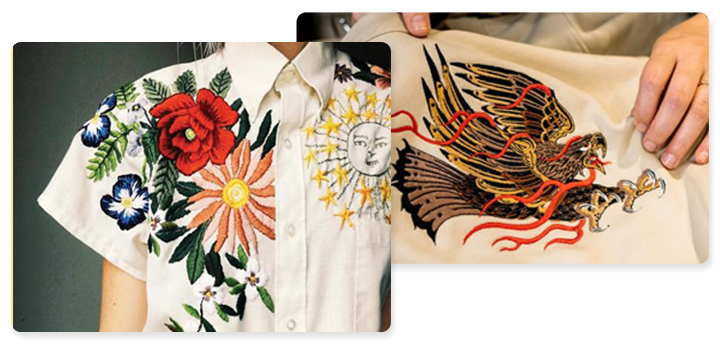
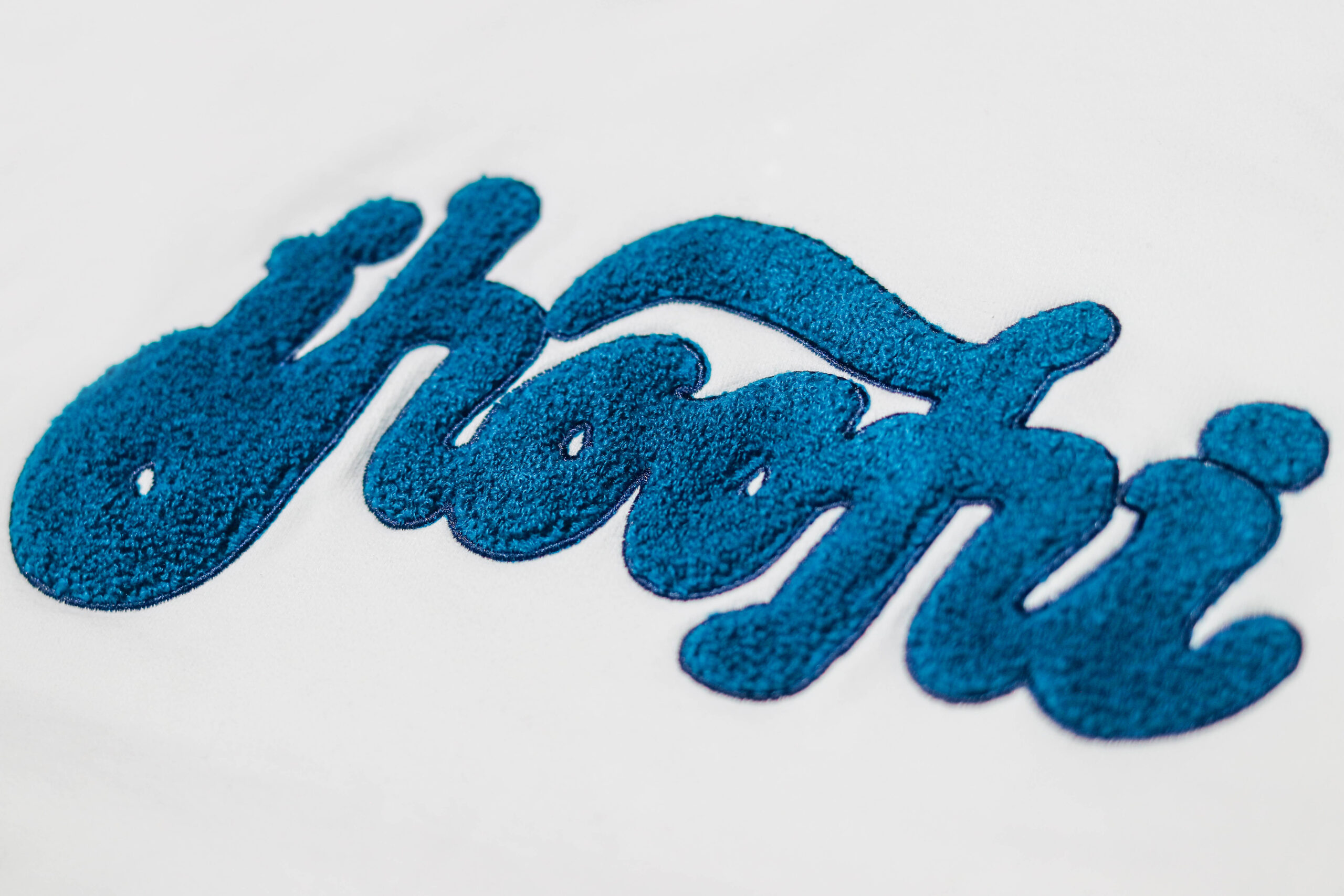
Embroidery Application
Embroidery adds dimensional logos, crests, lettering, and patches to polos, jackets, caps, and uniforms. Stitch density, backing, thread color, and placement are specified to create a durable finish that supports the garment without distortion.
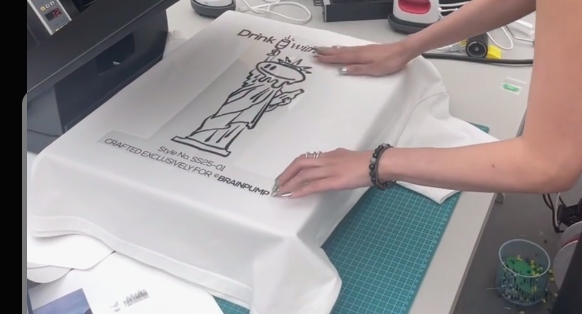
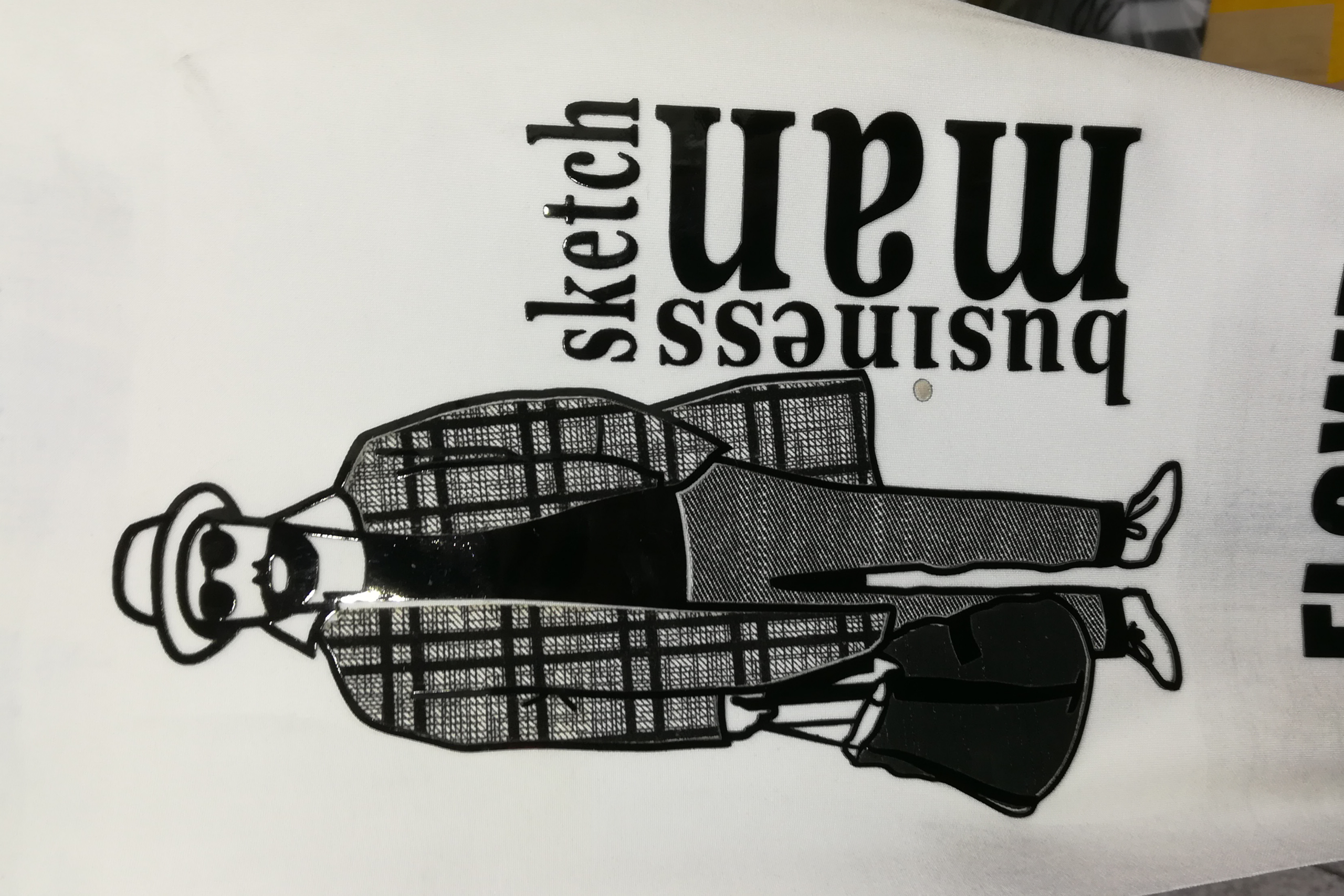
Heat Transfer
Heat transfer supports detailed graphics, names, numbers, and smaller production runs where crisp placement matters. The transfer type is selected for the garment’s fabric and stretch requirements, helping teamwear and branded apparel maintain a clean result.
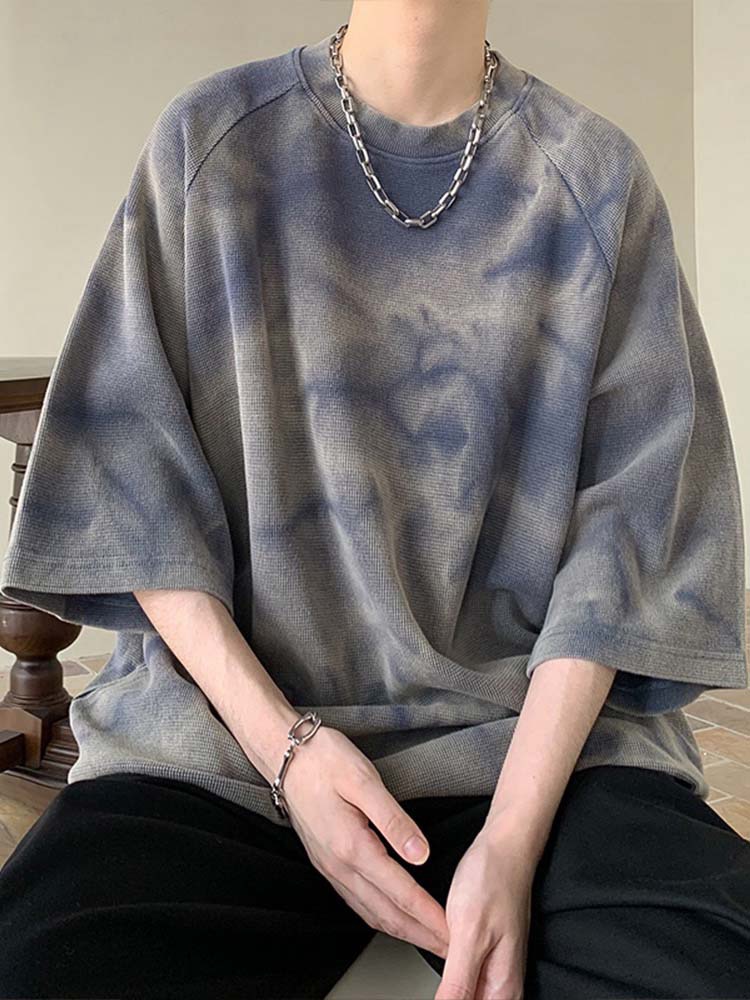
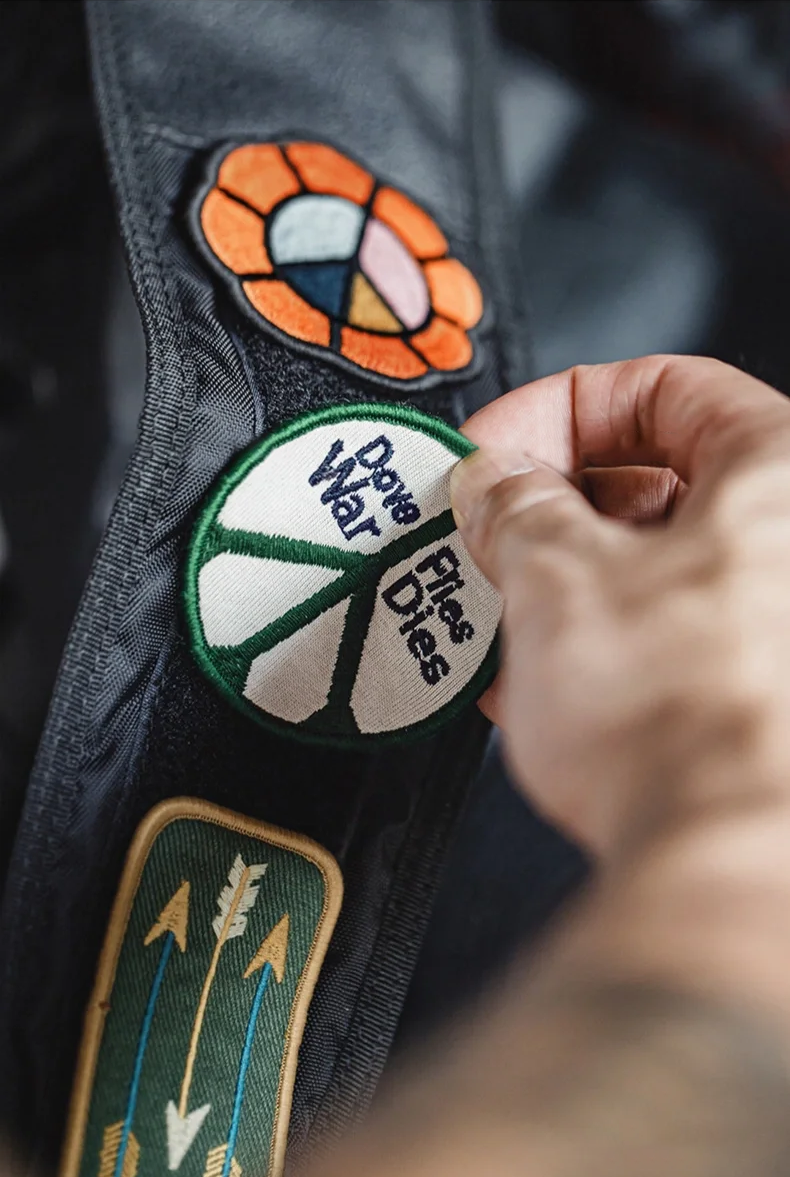
Patch Application
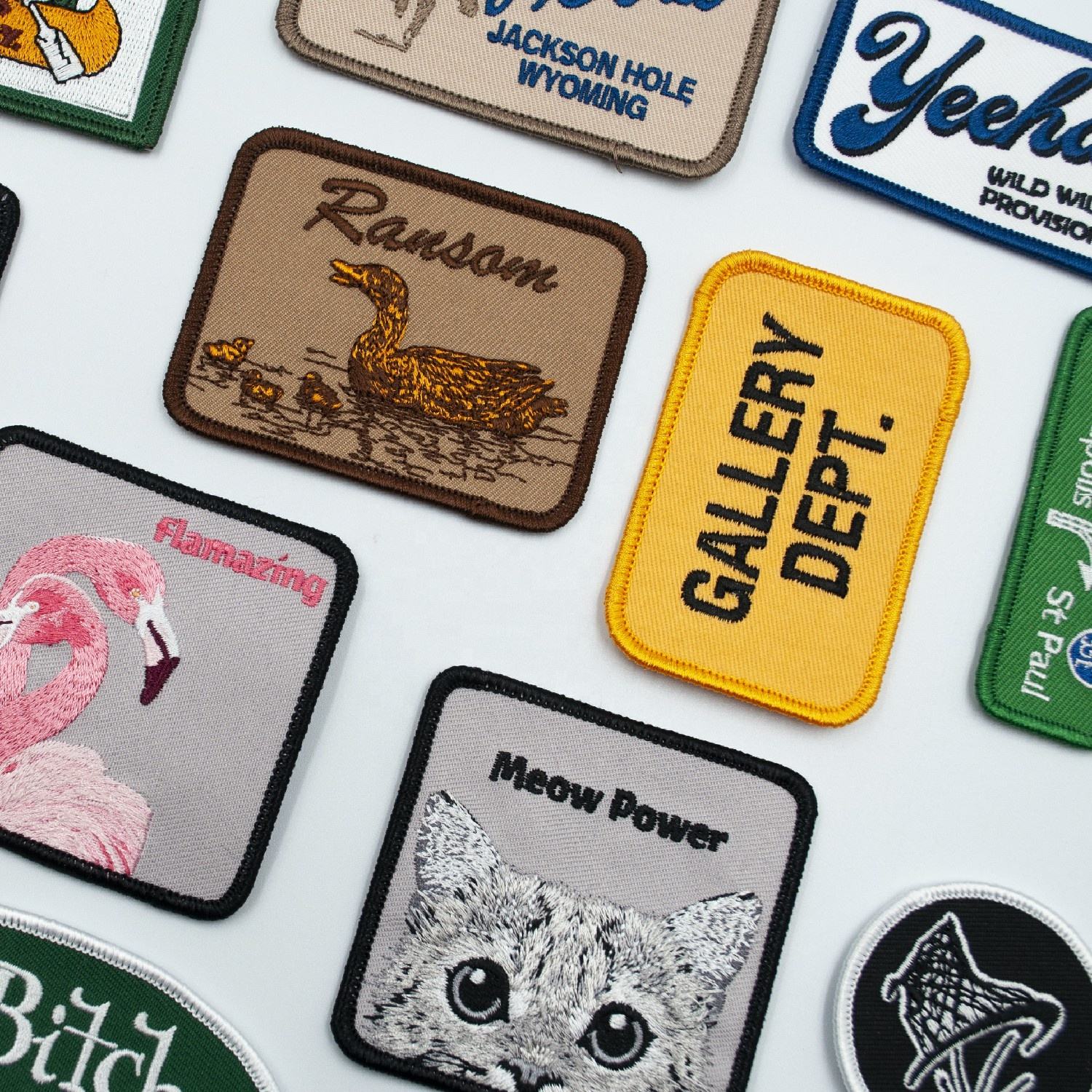
Patch application combines woven, embroidered, chenille, or printed badges with precise placement on varsity jackets, outerwear, and streetwear. Attachment methods are chosen for the garment construction, delivering a distinctive branded detail built for wear.
Trims and Branding Details That Complete the Collection
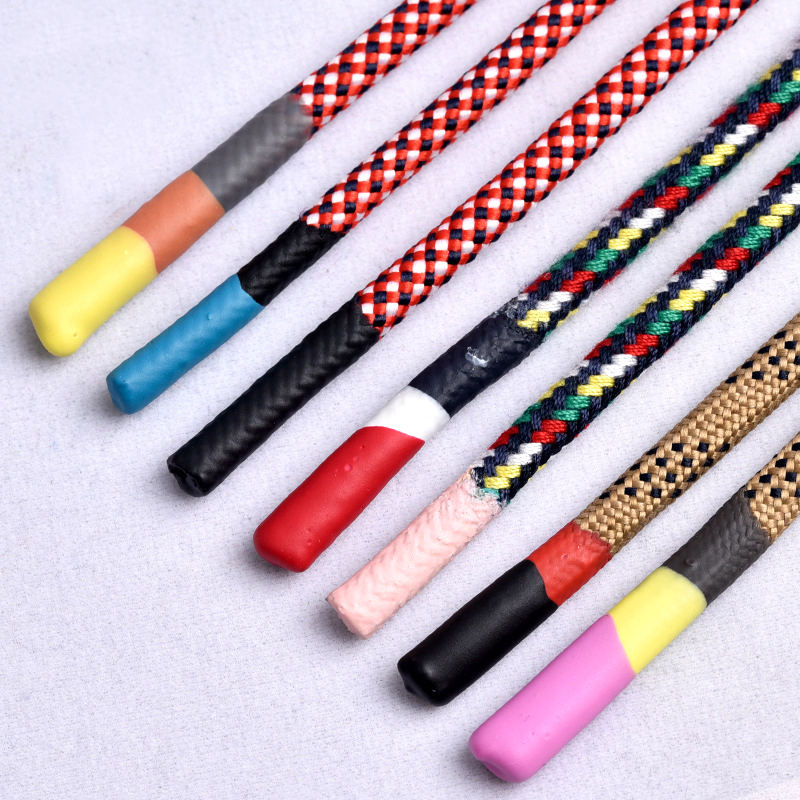
Drawcord and Tipping
Custom drawcords, aglets, and contrast tipping add a controlled finishing detail to hoodies, sweatpants, and outerwear. We align color, length, material, and placement with the approved garment specification.
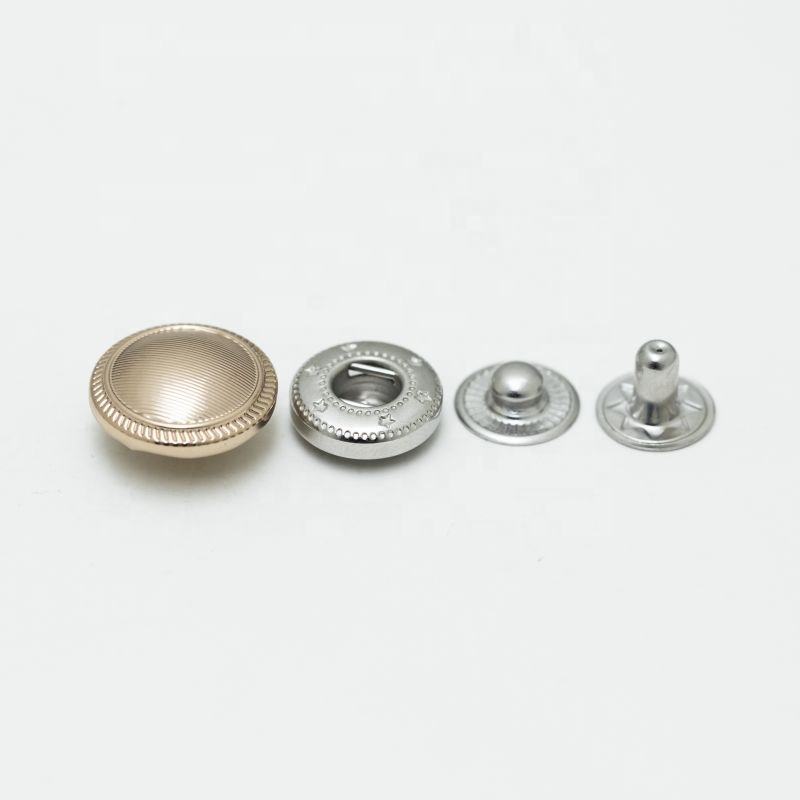
Snap Button Sets
Snap buttons can define the function and character of varsity jackets, outerwear, and workwear-inspired styles. Select finishes, colors, logos, and attachment methods that suit the fabric weight and intended use.
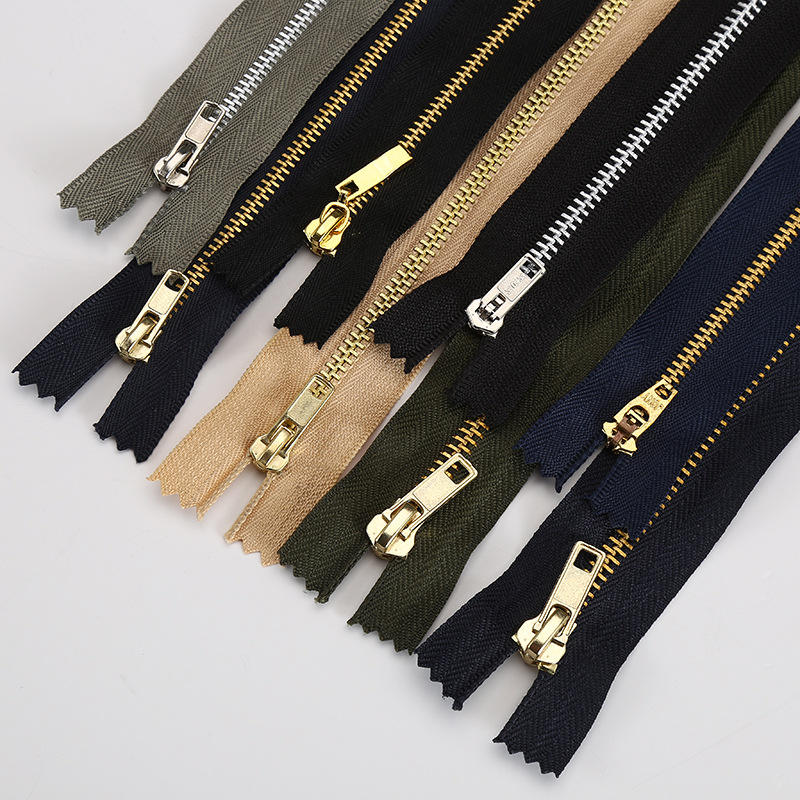
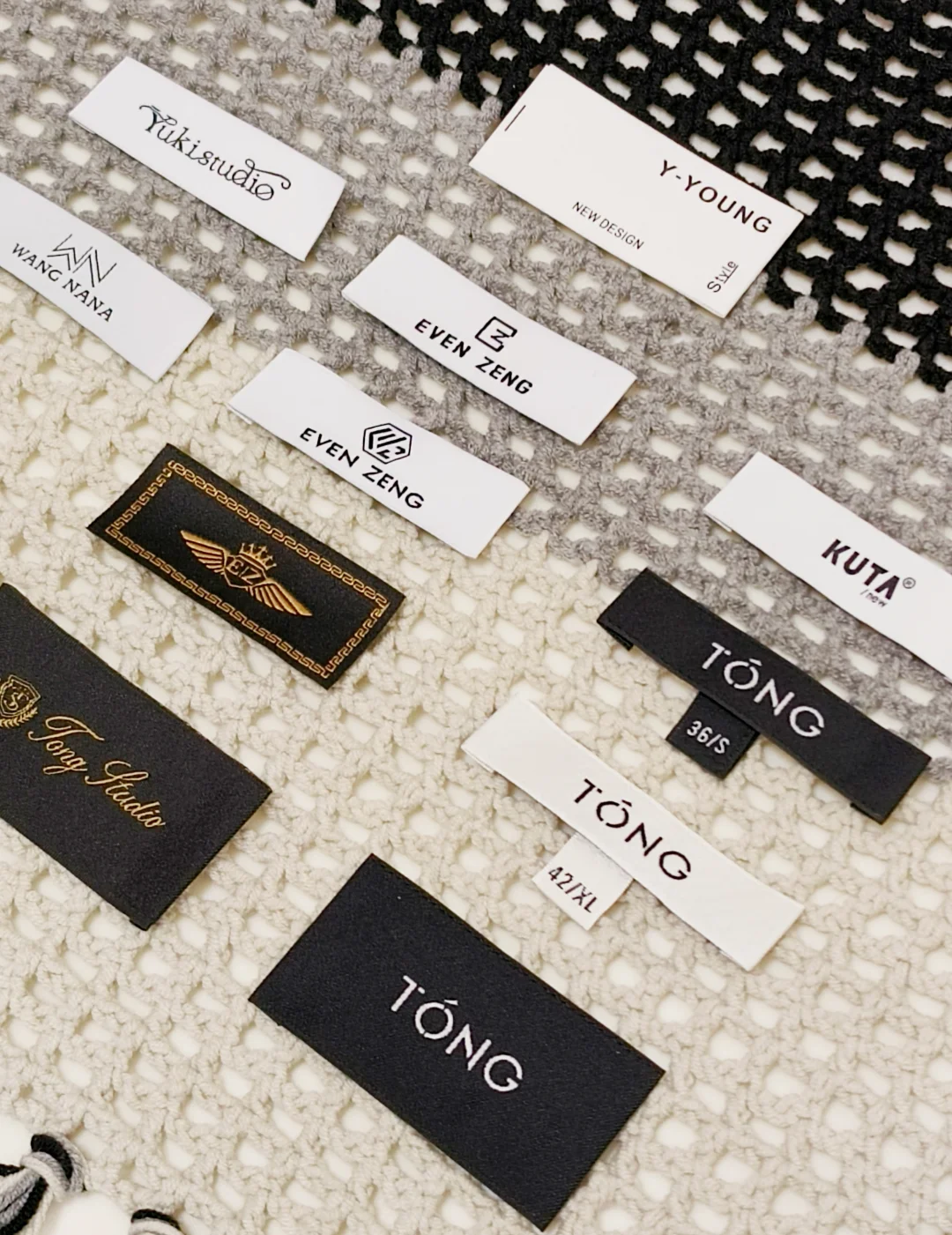
Woven Brand Labels
Woven labels establish a consistent brand signature inside the garment or at an exterior seam. We coordinate label size, weave, fold, placement, and care-label information for clear, repeatable application.
Hangtags and Packaging
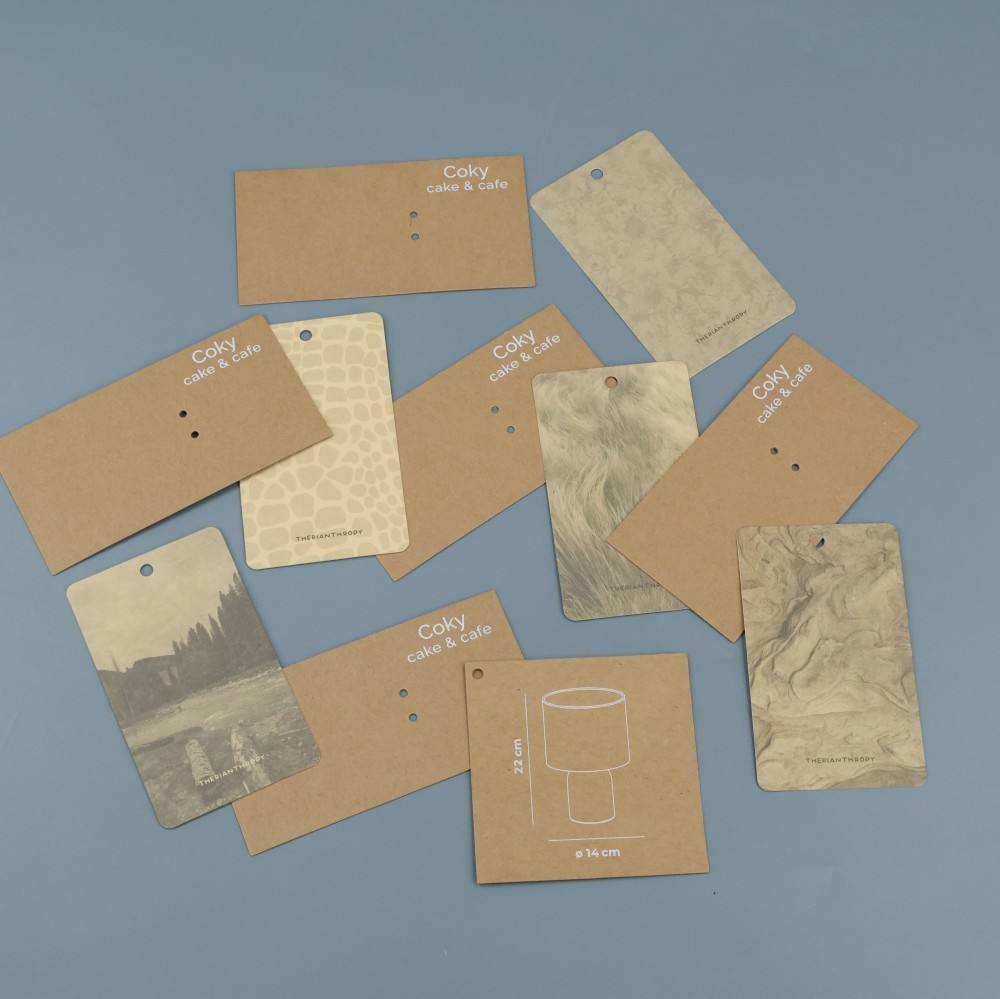
Custom hangtags, size stickers, polybags, and carton details carry your brand through final presentation and delivery. EDVORIN organizes these packing components alongside labels and production specifications before bulk packing.
Founder-Led Apparel Manufacturing Since 2000
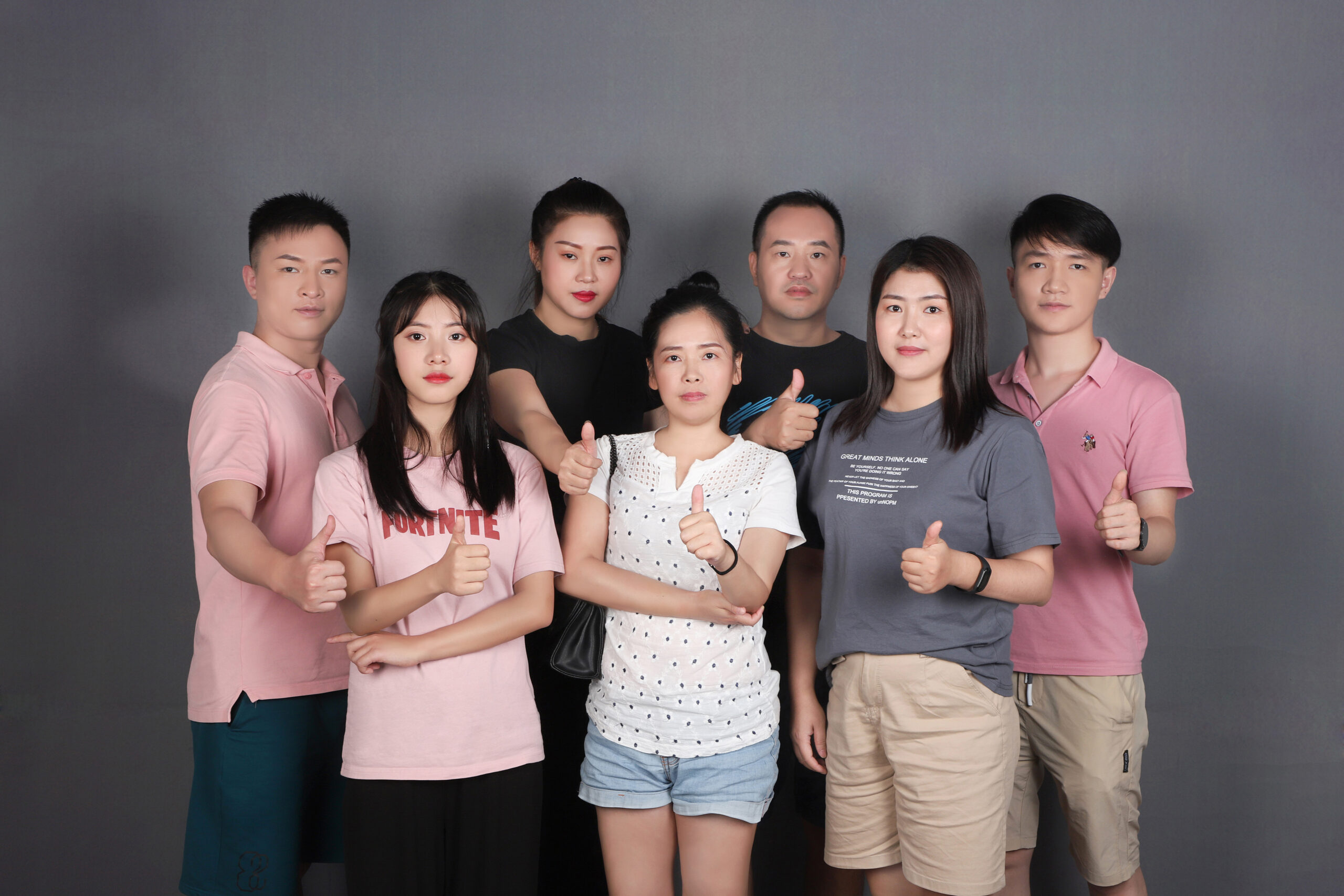
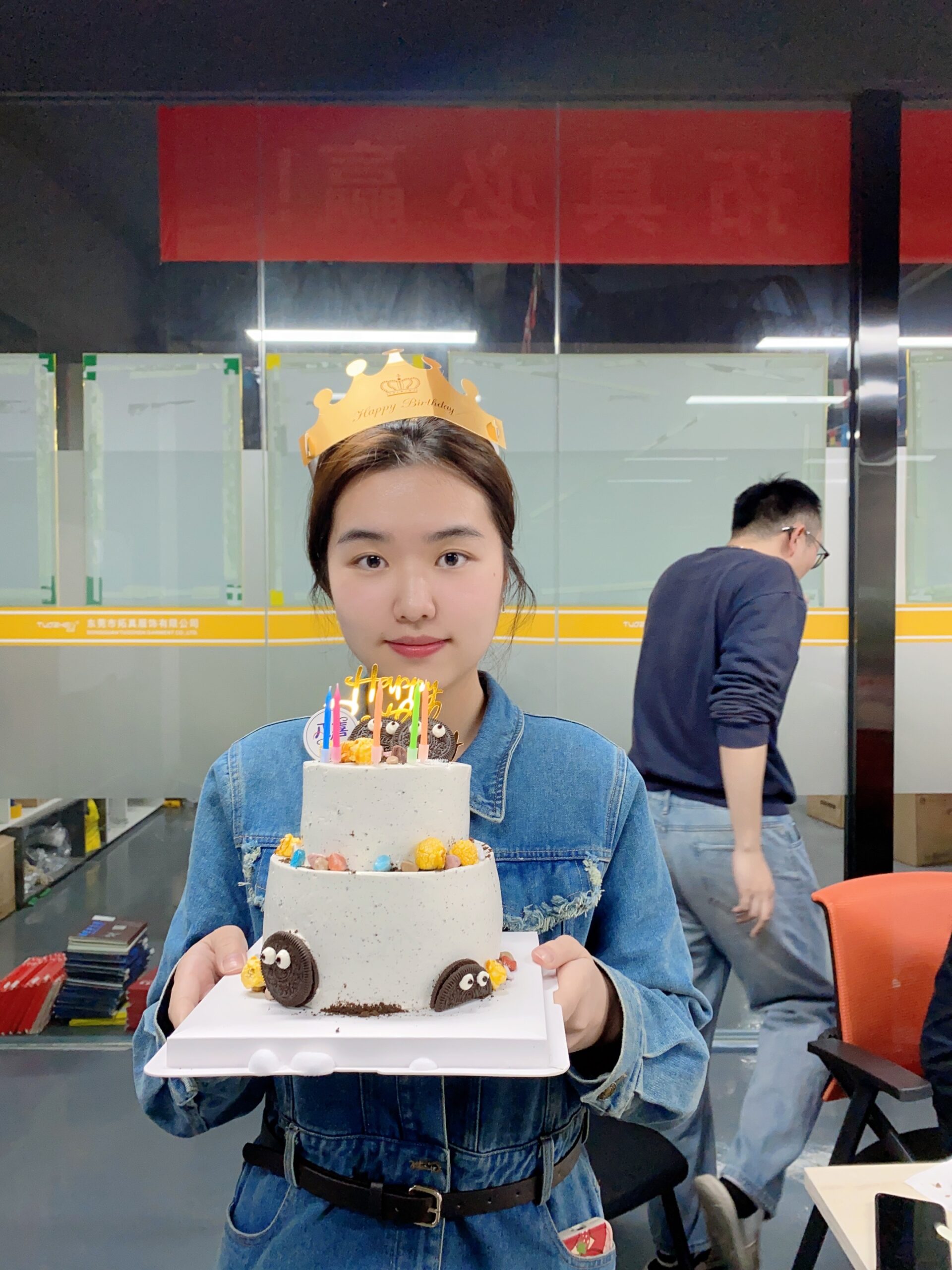
Founded by Edvorin Zeng in 2000, EDVORIN was built around a practical mission: help apparel ideas survive the move from concept to repeatable production. As a founder-led clothing production partner for designers, we turn sketches, references, and complete tech packs into clear manufacturing standards.
Our connected workflow brings product development, fabric and trim sourcing, patterns, sampling, printing, embroidery, washing, labeling, packaging, bulk production, and inspection under one accountable path. We support OEM, ODM, and private-label programs across casualwear, streetwear, outerwear, and teamwear for men’s and women’s collections.
What makes EDVORIN different is the discipline after sample approval. We record measurements, artwork placement, materials, trims, and finishing requirements so the approved garment can guide every production stage. With MOQs starting at 200 pieces per style, buyers can develop with clarity and grow with confidence.
From Approval to Repeatable Bulk Production
Develop the Production Standard
EDVORIN translates a sketch, reference garment, or finished tech pack into defined construction, fit, grading, and measurement requirements. This gives designers a reviewable standard before bulk production begins, while supporting men’s and women’s programs across each apparel category.
- Pattern and fit development for the intended wearer
- Measurement charts, grading, and construction details
- Sample revisions recorded before bulk approval
- OEM, ODM, and private-label development support
Coordinate Materials and Trims
Fabric weight, rib recovery, lining, labels, drawcords, hardware, and packaging are coordinated as one garment system. EDVORIN helps align these choices with the collection’s intended hand feel, performance, construction, and visual direction before they reach the production line.
- Fabric and trim sourcing aligned to the product
- Ribs, labels, hardware, and packaging specified together
- Material choices reviewed for fit and performance
- Details coordinated across casualwear, outerwear, and teamwear
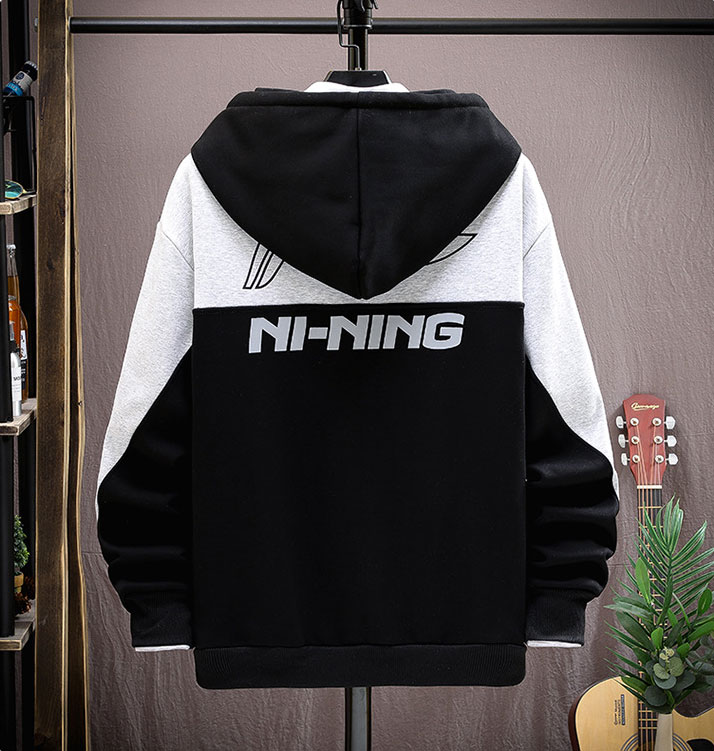
Plan Decoration Around the Garment
Print, embroidery, washing, patches, names, and numbers are planned around the base fabric and garment construction. As a clothing production partner for designers, EDVORIN records placement and finish requirements so decoration supports the design through sampling and repeat orders.
- Print and embroidery matched to garment materials
- Artwork placement documented with clear references
- Washing and finishing considered during development
- Team names, numbers, and patches organized for teamwear
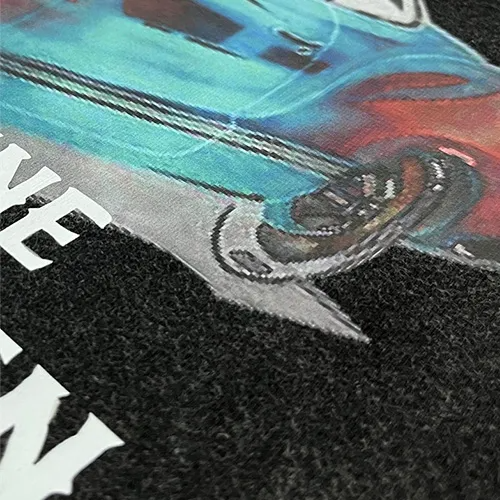
Control Against Approved Standards
An approved sample becomes the practical reference for bulk production, not the end of the process. EDVORIN connects material checks, measurement communication, in-line inspections, and final order review to help keep the packed collection aligned with the buyer’s approval.
- Approved samples guide bulk production decisions
- In-line checks identify variation during production
- Final inspection reviews finished goods before packing
- MOQ starts at 200 pieces per style

Why Designers Choose EDVORIN as Their Clothing Production Partner
From development through final inspection, EDVORIN keeps key production decisions connected, documented, and ready to repeat.
← Swipe left or right to view →
From Concept to Packed Order: Our Production Process
A connected path from technical review to shipping preparation, built to protect approved standards at every stage.
Review Specifications and Source
We review your tech pack or concept, confirm fit and construction needs, then coordinate fabrics, trims, colors, decoration, labels, and packaging.
Develop and Approve Samples
Patterns, materials, measurements, artwork placement, and finishing are tested in samples so the approved garment becomes the production reference.
Cut, Sew, and Decorate
After approval, teams coordinate cutting, sewing, printing, embroidery, washing, and garment finishing according to the documented style requirements.
Monitor In-Line Quality
In-line checks compare workmanship, measurements, materials, and decoration against approved standards, helping identify variation before it affects the full order.
Inspect, Pack, and Prepare
Final inspection verifies finished garments before labeling and packing. Orders are organized for shipping preparation with the agreed presentation and documentation.
Certification Programs and Documentation
Bring a complete tech pack or an early concept; we help turn it into an approved, repeatable production standard.
Submit Your Requirements
Share your tech pack, sketches, reference garment, quantity target, category and brand requirements so our team can assess the development path.
Align Quote and Sample
EDVORIN’s MOQ starts at 200 pieces per style. Confirm materials, construction, decoration, trims, packaging, MOQ and pricing, then develop a sample that gives your team a physical product to review.
Approve Production Standards
Review fit, measurements, materials, colors, artwork placement and finishing. Approved details are documented to create a clear standard for bulk manufacturing.
Launch Controlled Bulk Production
EDVORIN coordinates sourcing, cutting, sewing, decoration, quality checks, labeling and packing, using the approved sample to keep the order aligned from line to shipment.
Certified Standards for Responsible Apparel Production


Frequently Asked Questions
EDVORIN converted our hoodie sketches into approved production standards and kept the second 600-piece run aligned with the first. The measurement records and artwork placement notes gave our team much better control over repeat orders.
For our 14-team academy program, EDVORIN coordinated jerseys, names, numbers and size sets in one workflow. We reduced packing discrepancies from 18 pieces on our prior order to 2, which made distribution far easier.
EDVORIN’s MOQ starts at 200 pieces per style. We launched a three-style women’s and men’s private-label capsule at the 200-piece MOQ. The sampling feedback was documented clearly, and the bulk pieces matched the approved wash, labels and embroidery placement closely enough for a confident reorder.
Buyer’s Guide to Custom Clothing Manufacturing
Clear answers on minimums, development, approvals and order execution.
EDVORIN’s MOQ starts at 200 pieces per style. What is the minimum order quantity for a clothing production partner for designers?
Can a clothing production partner for designers help if I only have a sketch or reference garment?
How does sampling work with a clothing production partner for designers?
How many sample revisions can I request?
What lead times should I expect for samples and bulk production?
What payment terms do you offer for custom apparel orders?
Can EDVORIN arrange shipping and packaging for my order?
How do you protect designs and control quality in bulk production?
The Complete Guide to clothing production partner for designers
EDVORIN’s MOQ starts at 200 pieces per style. Use this decision framework to compare production models, fabrics, customization, quality controls, pricing, and supplier fit—while avoiding costly sampling, MOQ, communication, and timeline mistakes before placing your first or next order.
1. What Is a clothing production partner for designers?
EDVORIN’s MOQ starts at 200 pieces per style. Since 2000, EDVORIN has treated a clothing production partner for designers as one accountable path from product development and material sourcing through patterns, samples, decoration, bulk production, quality control, labeling, packaging, and delivery. The partner converts approved design decisions into specifications that can be repeated, rather than merely accepting a purchase order.
A 200-piece MOQ can suit emerging fashion labels, streetwear launches, school programs, sports teams, wholesalers, and private-label buyers that need custom construction without mass-market scale. A blank-garment vendor supplies existing stock, while a contract factory may sew to supplied instructions; a collaborative partner also helps resolve fit, fabric, trim, artwork-placement, and production-control questions.
Two responsibilities remain with the brand: define its commercial direction and approve the production standard. Buyers should provide or validate artwork, measurements, target customer, label claims, and final samples; EDVORIN can organize the manufacturing work, but approval and market accountability stay with the buyer.
2. How Apparel Production Partnerships Evolved
In the 20th century, local cut-and-sew workshops typically kept patternmaking, cutting, sewing, and fitting close to the buyer. Traditional contract manufacturing then separated design ownership from factory execution, but revisions often traveled slowly through paper specifications.
By the 1990s, global supply chains expanded access to specialized mills, trims, and larger production capacity. Private label gave buyers control of labels, packaging, and product direction, while dispersed sourcing made material traceability and documented approvals more important.
In 2026, digital artwork files, measurement charts, and sample feedback can shorten development loops, while smaller runs let brands test demand before scaling. A clothing production partner for designers must turn each approved fit, Pantone reference, decoration placement, and inspection point into a repeatable bulk standard—whether an order begins at 200 pieces or grows into recurring programs.
3. Types of clothing production partner for designers
Six models shift responsibility between the buyer and the clothing production partner for designers. Match the model to technical readiness, cash exposure, and the originality required at launch.
| Model | Supplier Handles | Buyer Supplies | Control / Best Fit | Trade-Off |
|---|---|---|---|---|
| Full-package | Development through packing | Brief and approvals | High; concept-to-scale | More investment, stronger originality |
| CMT | Cut, make, trim | Patterns, materials, specs | High; production-ready | Buyer manages sourcing |
| Private label | Existing base, branding | Labels and selected changes | Medium; quick branded line | Limited base originality |
| White label | Finished standard goods | Brand application | Low; market test | Fast, least distinctive |
| Print-on-demand | Blank, print, fulfillment | Artwork and storefront | Medium; demand test | Low inventory, less margin control |
| Sourcing or development studio | Materials, patterns, samples | Concept and decisions | High; pre-production | Needs separate factory coordination |
Choose By Readiness
200-piece programs usually need clearer specifications than test drops. A complete tech pack, graded measurements, and approved trim list make CMT practical.
One development cycle can expose fit or decoration risk before bulk. EDVORIN can connect development, sourcing, sampling, decoration, production, and final packing when accountability must stay continuous.
Protect Control Points
Three approvals—sample, color standard, and placement record—protect repeatability across every model. Buyers should define who owns patterns, artwork files, and unused inventory before ordering.
Two trade-offs matter most: faster models reduce development work, while custom models protect differentiation. Scaling requires documented materials, tolerances, and approved production standards.
4. Materials for clothing production partner for designers
200-GSM decisions should begin with wear purpose, expected hand feel, wash care, durability, and target cost. A clothing production partner for designers should match each fabric and trim to the approved garment standard.
| Material | Typical GSM | Strengths | Best Uses |
|---|---|---|---|
| Cotton jersey | 160–220 | Breathable, soft | T-shirts, polos |
| French terry | 280–360 | Loopback comfort | Sweatshirts, joggers |
| Brushed fleece | 300–450 | Warm, plush | Hoodies, sweatpants |
| Polyester woven | 90–160 | Light, quick-drying | Windbreakers, teamwear |
| Cotton-poly blend | 220–320 | Balanced recovery | Streetwear sets |
Cotton And Blends
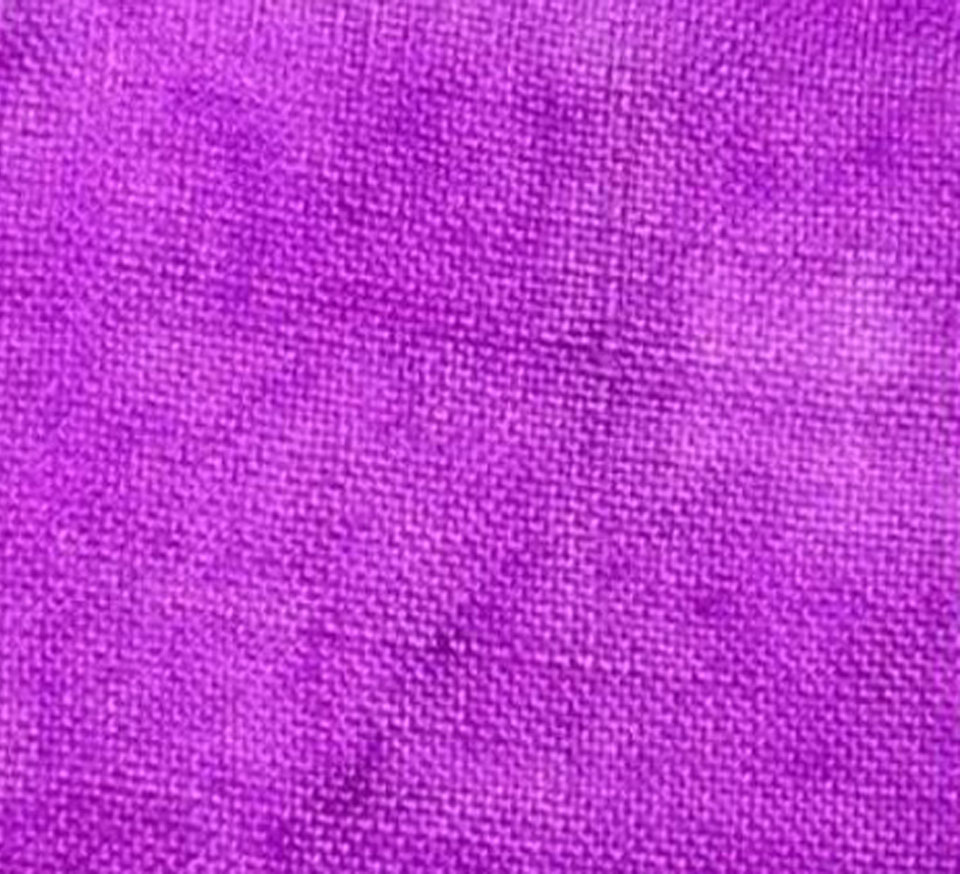
100% ring-spun cotton offers a softer hand for tees, while cotton-poly blends improve shrinkage control and drying speed.
Performance And Recycled Fibers
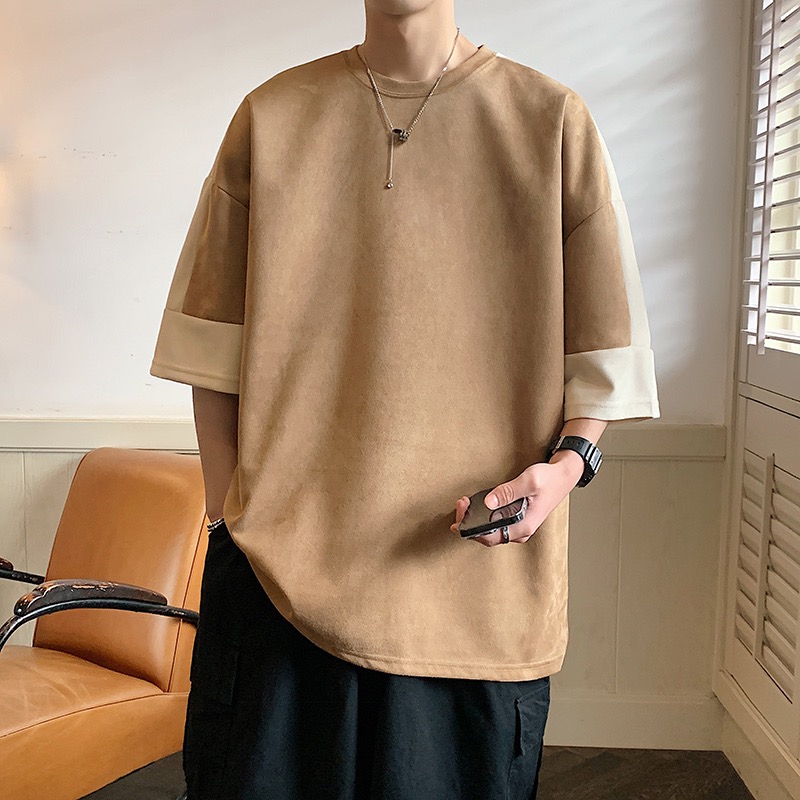
100% polyester suits moisture-moving jerseys and windbreakers; recycled polyester can support a specified material direction when certification documentation is requested.
Trims Need Specifications
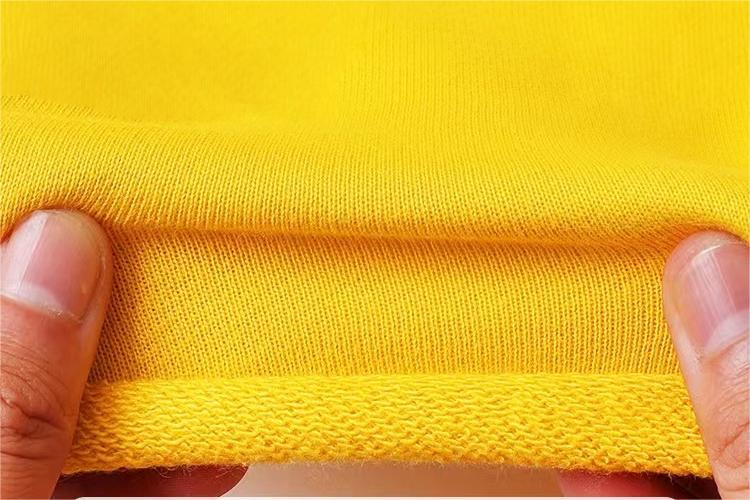
2×2 rib, drawcords, zippers, snaps, labels, and thread require color, dimensions, placement, and wash-performance approval before bulk production.
5. Customization and Decoration Options
EDVORIN’s MOQ starts at 200 pieces per style. At a 200-piece MOQ, EDVORIN turns approved artwork, placement measurements, trims, and packaging into production specifications. A clothing production partner for designers should match decoration to fabric, wear expectations, and the order’s end use.
| Method | Best Use | Production Check |
|---|---|---|
| Screen Print | Bold repeat graphics | Color separations |
| Embroidery | Premium logos | Backing and density |
| Sublimation | Polyester teamwear | Full-panel artwork |
Print Methods
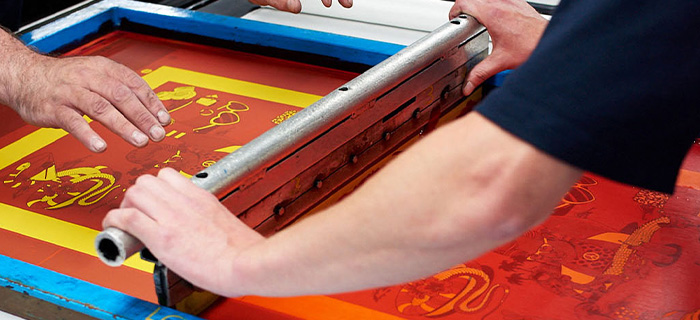
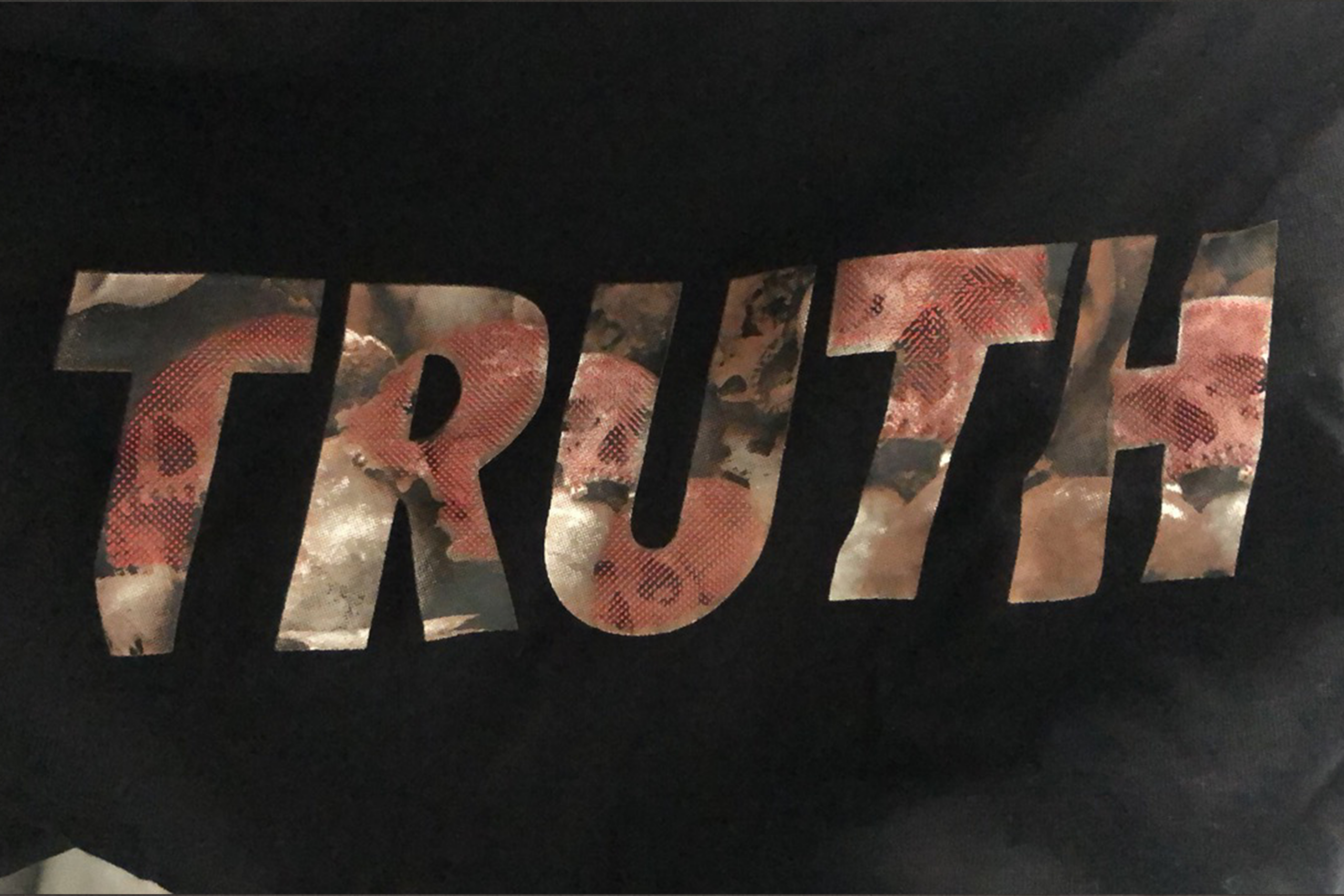
Pantone-ready vector art supports screen printing; setup rises with each ink color, making it strong for repeat fashion, school, and corporate graphics. DTG suits detailed cotton artwork, while DTF adds flexible full-color transfers to mixed garments.
100% polyester jerseys are best suited to sublimation, which dyes artwork into the fabric for teamwear without a hand-feel layer.
Stitched Branding
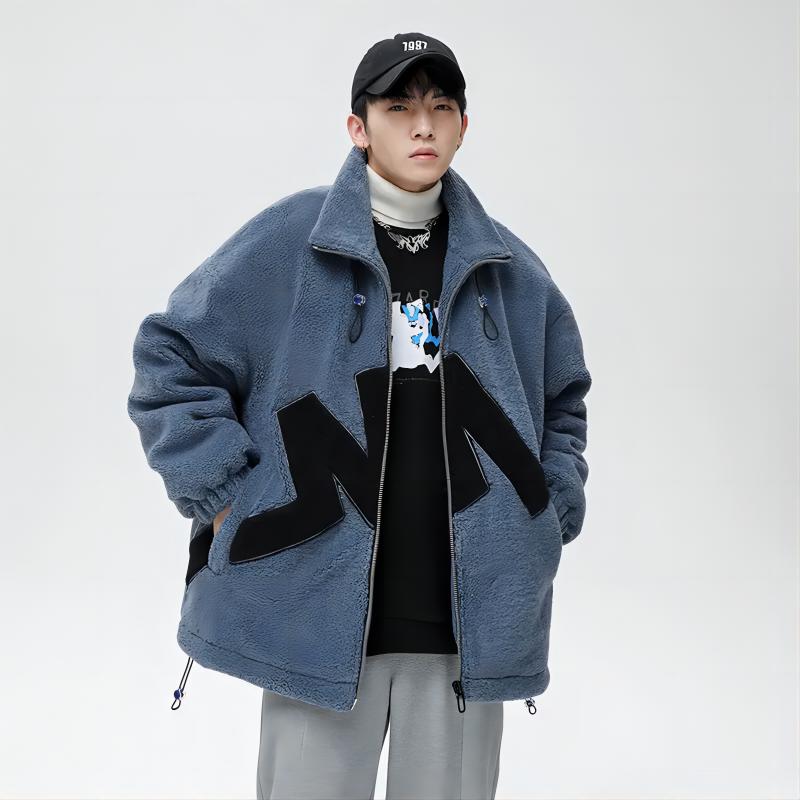
3D embroidery, woven patches, appliqué, and direct embroidery need stitch-ready files and stable placement references. Dense embroidery can pucker lightweight knits, so thread count, backing, and fabric weight require sampling before bulk approval.
Brand Finish Details
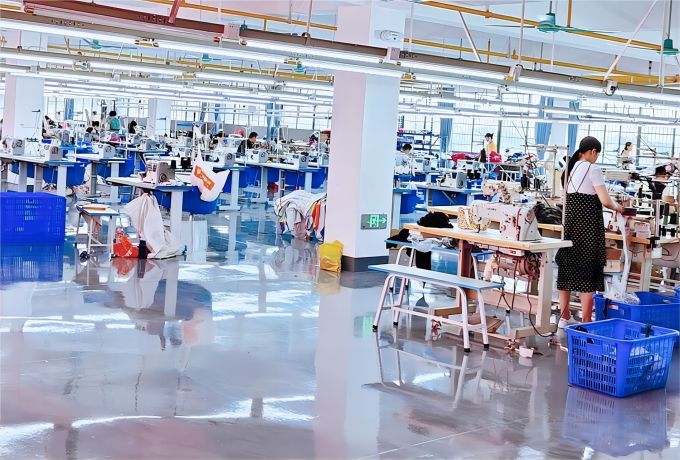
2 placement measurements—such as left-chest and back-neck—should be recorded from fixed garment points. Woven labels, printed neck labels, hangtags, polybags, and custom cut-and-sew details complete a controlled private-label presentation.
6. Construction Quality Elements to Inspect
A production-ready sample needs measurable acceptance points, not a general approval. For every style, EDVORIN can translate fit, construction, decoration, and packing decisions into a reviewable standard.
Pattern And Grading

One approved base size should match the measurement chart at named points of measure. Grade rules for chest, body length, rise, and inseam should be reviewed across the full size range, including men’s and women’s blocks.
- Record tolerances by measurement point.
- Compare size-set samples before bulk cutting.
- Confirm hem shape and rib recovery after wear.
Seams And Reinforcement
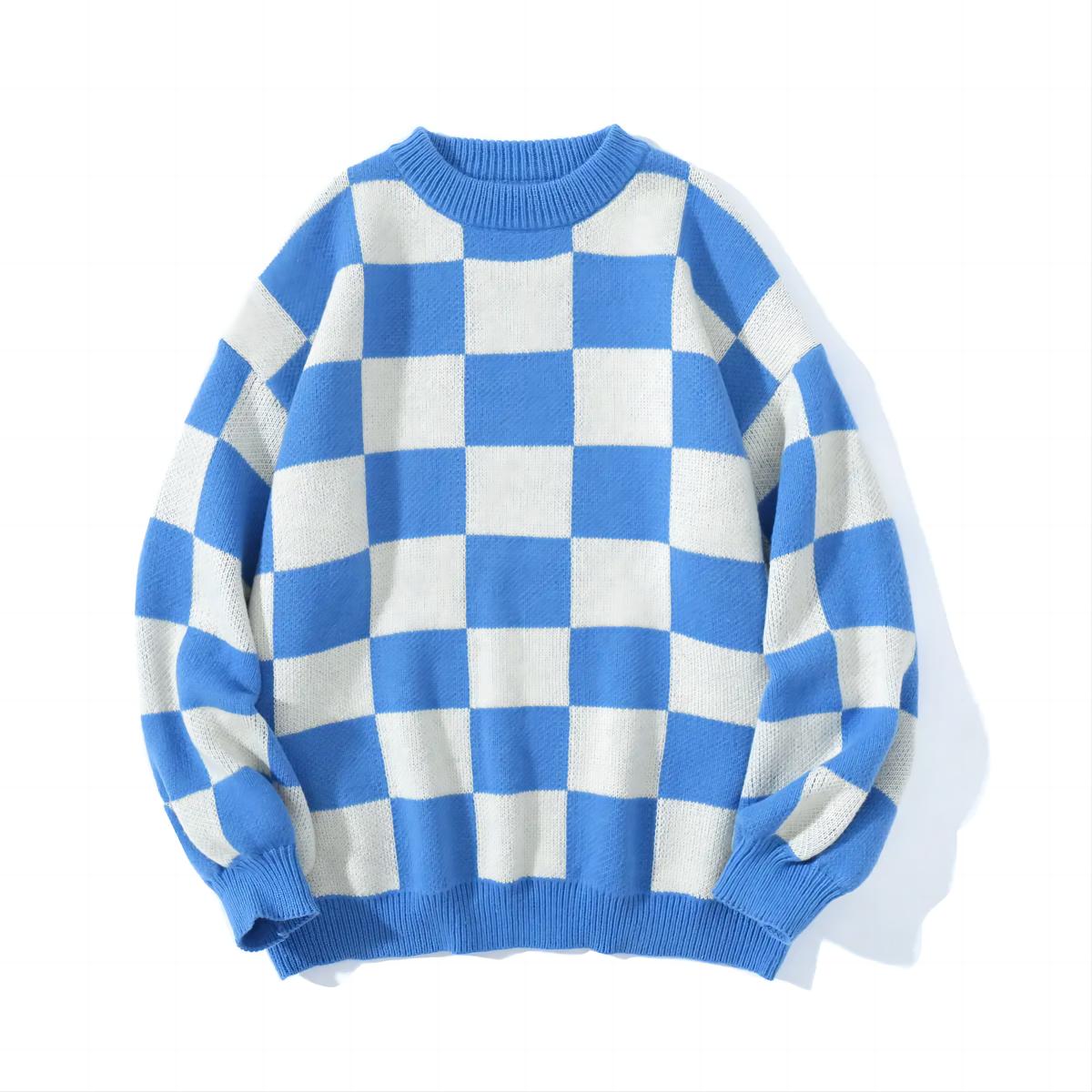
Each seam should specify its construction: overlock, coverstitch, flatlock, or single-needle. Check stitch density, seam allowance, pocket corners, crotch seams, neck tape, bartacks, zipper operation, and cuff-to-body attachment.
- Pull-test high-stress joins.
- Inspect skipped stitches and puckering.
- Match zipper, puller, and stop specifications.
Finish And Final Inspection
One wash test should confirm shrinkage, twisting, color change, and print durability before bulk approval. Final inspection should compare Pantone color, artwork placement, labels, size stickers, folding, and carton marks against the approved sample.
- Measure washed and unwashed samples.
- Approve print placement from fixed reference points.
- Audit packed units against the purchase order.
7. How to Choose a Manufacturing Partner
EDVORIN’s MOQ starts at 200 pieces per style. A 200-piece MOQ is a useful first filter, not evidence of fit. Buyers should compare the supplier’s process against the product, launch calendar, and reorder needs.
Match Product Capability
EDVORIN’s MOQ starts at 200 pieces per style. Two comparable styles should be reviewed before selecting a factory. Ask whether it develops your category, supports men’s and women’s fit blocks, can source specified materials, and accepts your MOQ by style and color.
Test The Working Process
One pre-production sample should confirm fit, materials, decoration placement, and revision control. Set a weekly communication cadence, request material and trim approvals, and ask how in-line and final inspections record measurement or workmanship defects.
Confirm Commercial Terms
Three written documents—quotation, production calendar, and purchase agreement—should align before a deposit. They should define capacity, lead times, delivery terms, payment milestones, tolerances, ownership of patterns, and remedies for late or defective goods.
- Which recent references match our product and order size?
- What sample stages and approval deadlines apply?
- Which suppliers provide each fabric, trim, and decoration?
- What capacity is reserved for reorders?
- Which Incoterm, inspection standard, and defect remedy apply?
8. Common Buyer Mistakes to Avoid
Eight preventable handoff errors cause most avoidable sampling delays and bulk surprises. A clothing production partner for designers needs one approved, traceable production standard before cutting begins.
Lock the Technical Standard
One tech pack should state fabric, GSM, color reference, measurements, construction, trims, labels, and packaging.
One fit sample should be tried on the intended fit model; skipping it makes grading and silhouette assumptions expensive.
Compare Like-For-Like Quotes
EDVORIN’s MOQ starts at 200 pieces per style. A 200-piece MOQ quote is comparable only when fabric composition, GSM, decoration, washes, labels, packing, and delivery terms match.
One low unit price can exclude setup, artwork revisions, freight, or special trims. Request a line-item cost sheet and stated tolerance rules.
Approve Artwork and Timelines
One production artwork file should specify Pantone references, placement measurements, print size, and each name or number variable.
Six-to-eight weeks can disappear across sourcing, sampling, approvals, and bulk production. Record every revision by date, version, and written approval.
9. Steps to Launch Your Clothing Brand
EDVORIN’s MOQ starts at 200 pieces per style. A 200-piece MOQ turns a launch plan into an allocation decision: start with one customer, one price band, and a focused product promise. A clothing production partner for designers should receive specifications that can be tested, quoted, and repeated.
Define The First Drop
1 target customer should drive the silhouette, retail price, and use case before sketches become styles. 200 units usually favor one core style with two colorways over a broad assortment that splits inventory and cash flow.
Build Production Documents
1 tech pack per style should lock measurements, grading, Pantone colors, fabric composition and GSM, artwork placement, trims, labels, and packaging. 2 fit rounds are common when a first sample exposes pattern, shrinkage, or decoration issues.
Approve And Repeat
3 comparable quotations should separate fabric, decoration, trims, sampling, freight terms, and production timing before selection. 1 approved pre-production sample must anchor in-line checks, final inspection, packed quantities, and a reorder plan based on sell-through by size and color.
10. Pricing a Clothing Production Partnership
200 pieces per style is a practical planning tier: fixed pattern, sample, setup, and color-approval work is spread across fewer garments, so unit cost is usually higher.
500 pieces or more can improve material purchasing, cutting efficiency, and line utilization, but added colorways, sizes, washes, or complex decoration can still lengthen production planning.
1 approved specification is the basis of a meaningful quote. A clothing production partner for designers should price garment complexity, fabric, trims, decoration, packaging, shipping, and the confirmed measurements and artwork—not an early sketch alone.
| Illustrative order tier | Likely unit-cost effect | Likely planning effect |
|---|---|---|
| 200 pieces | Higher setup cost per garment | Best for controlled launch quantities |
| 500–1,000 pieces | Better fixed-cost absorption | More efficient material and line planning |
| 1,000+ pieces | Potentially lower unit cost | Requires earlier approvals and capacity booking |
Ready to Start With a Clothing Production Partner for Designers?
Send your tech pack, sketch, reference garment, or program requirements for a clear sampling or production quote, with MOQs from 200 pieces.