
Outdoor Clothing Manufacturer for Repeatable Custom Collections
EDVORIN helps brands develop, sample, and produce outdoor apparel with coordinated materials, trims, decoration, and quality control from concept to repeat order.
Featured Outdoor Apparel and Production Capabilities
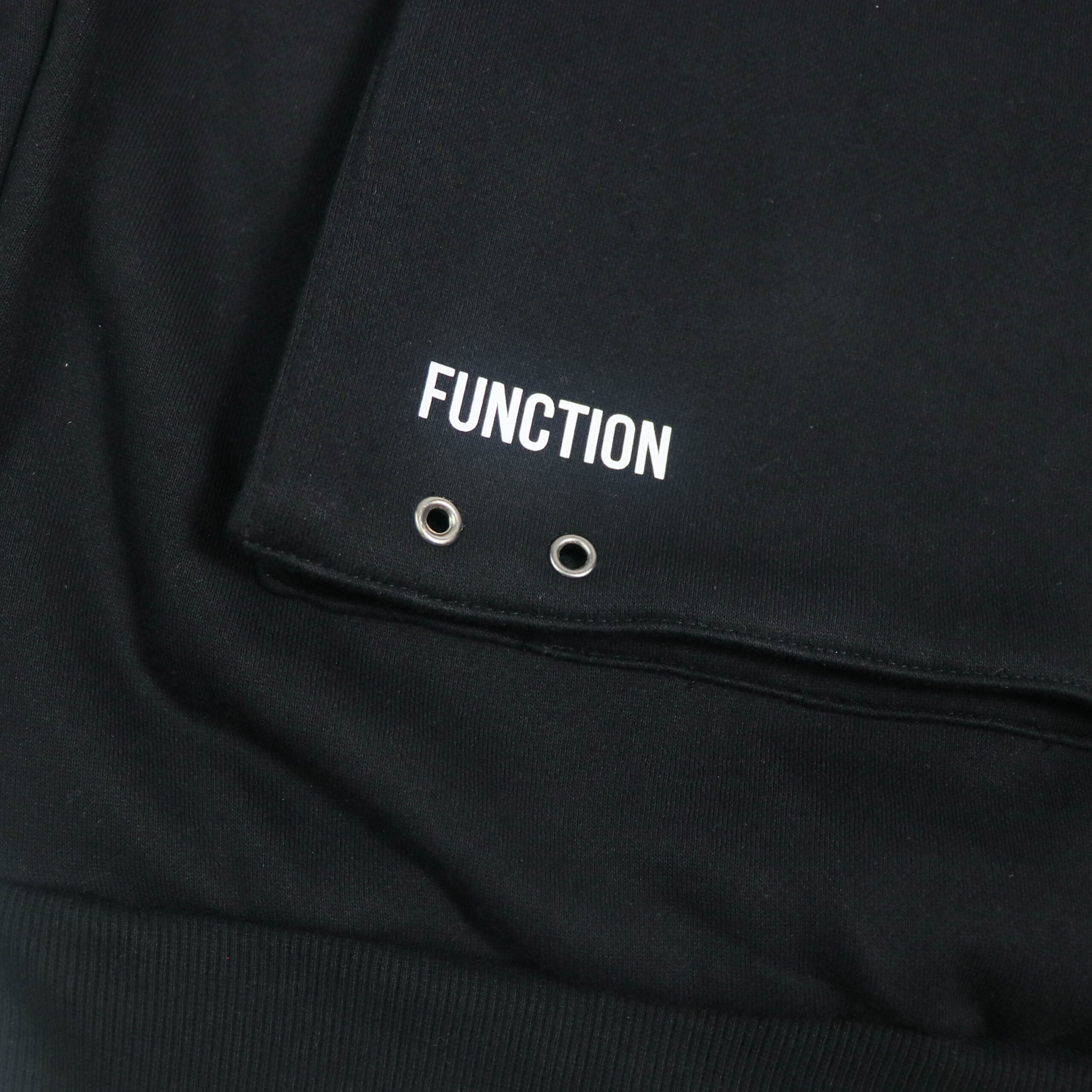
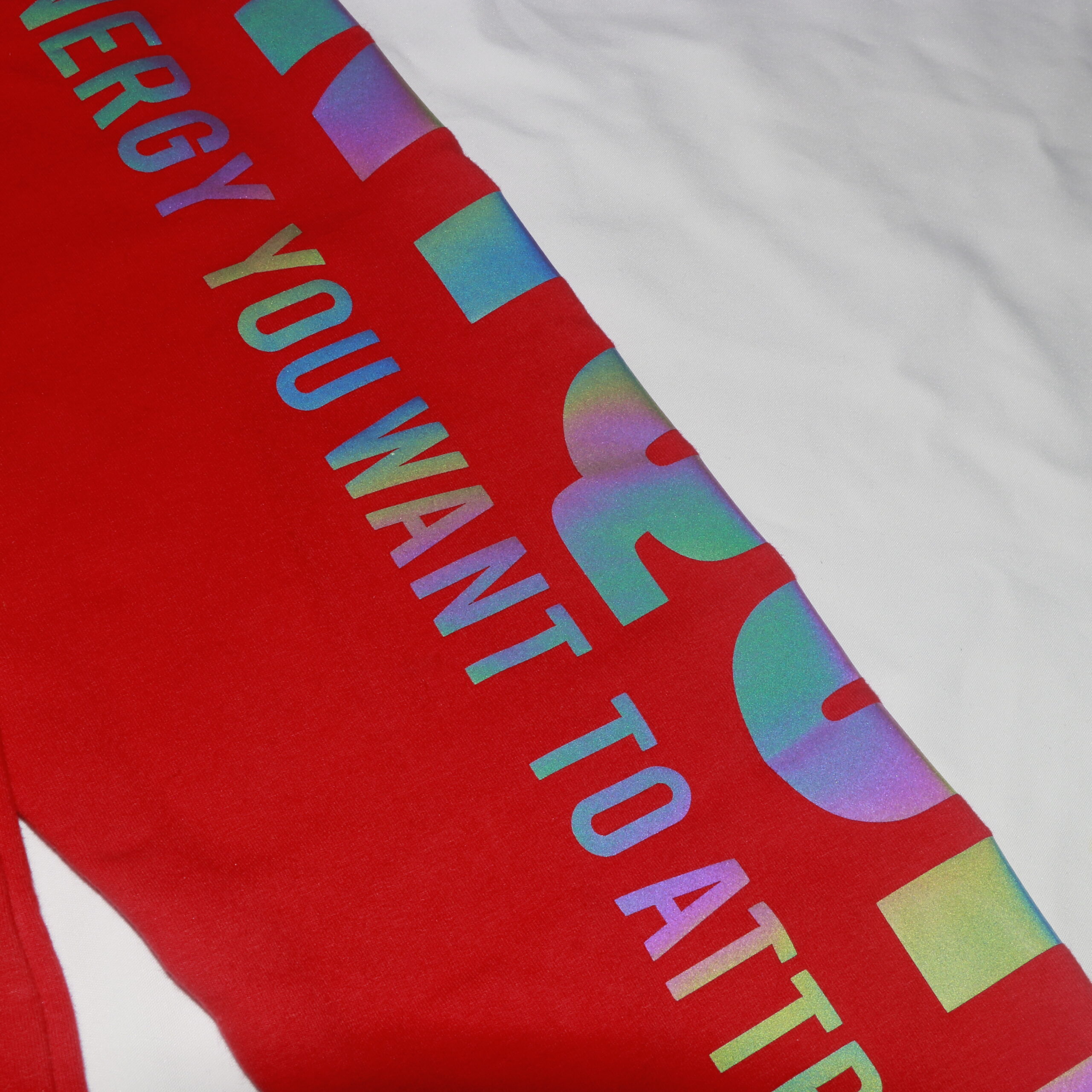
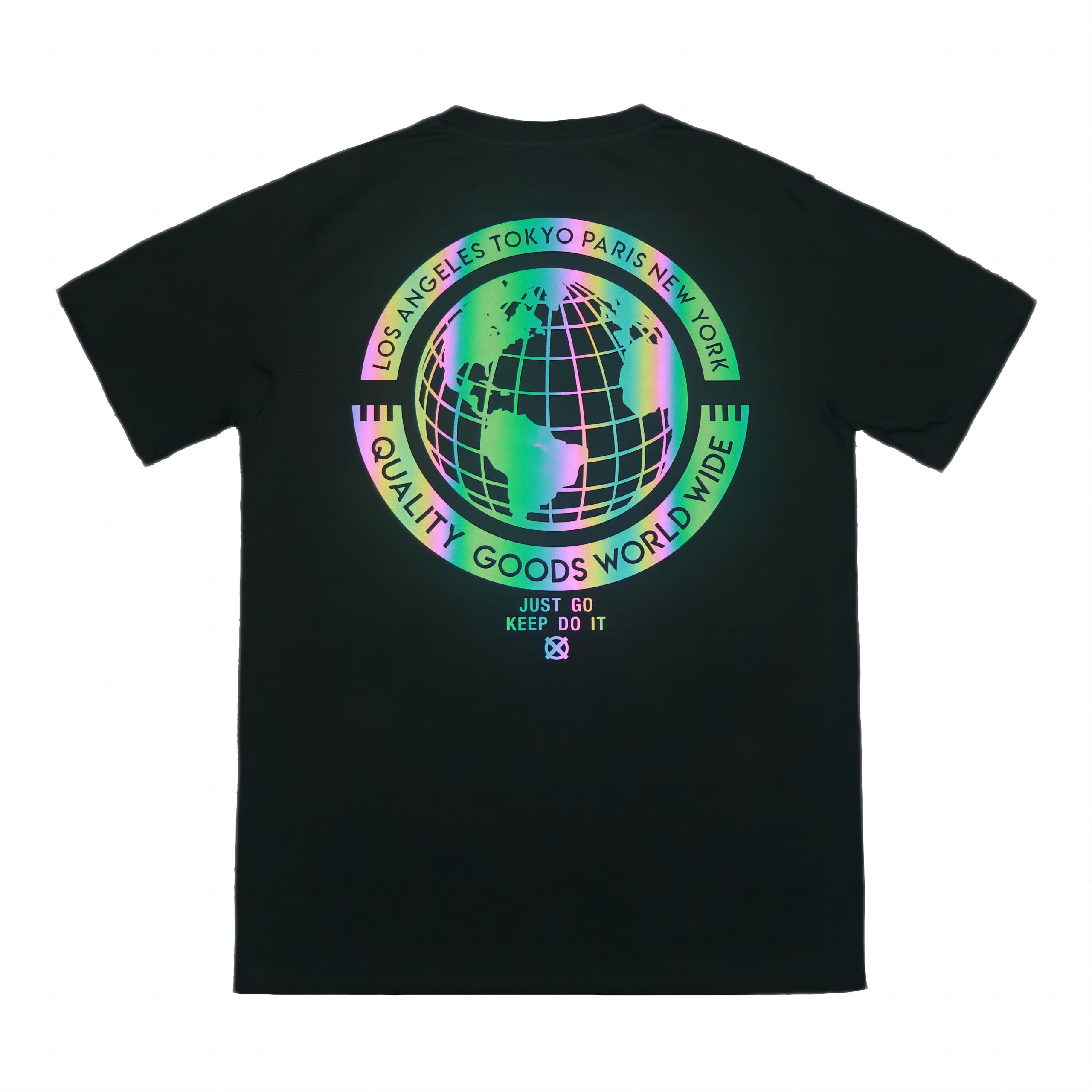
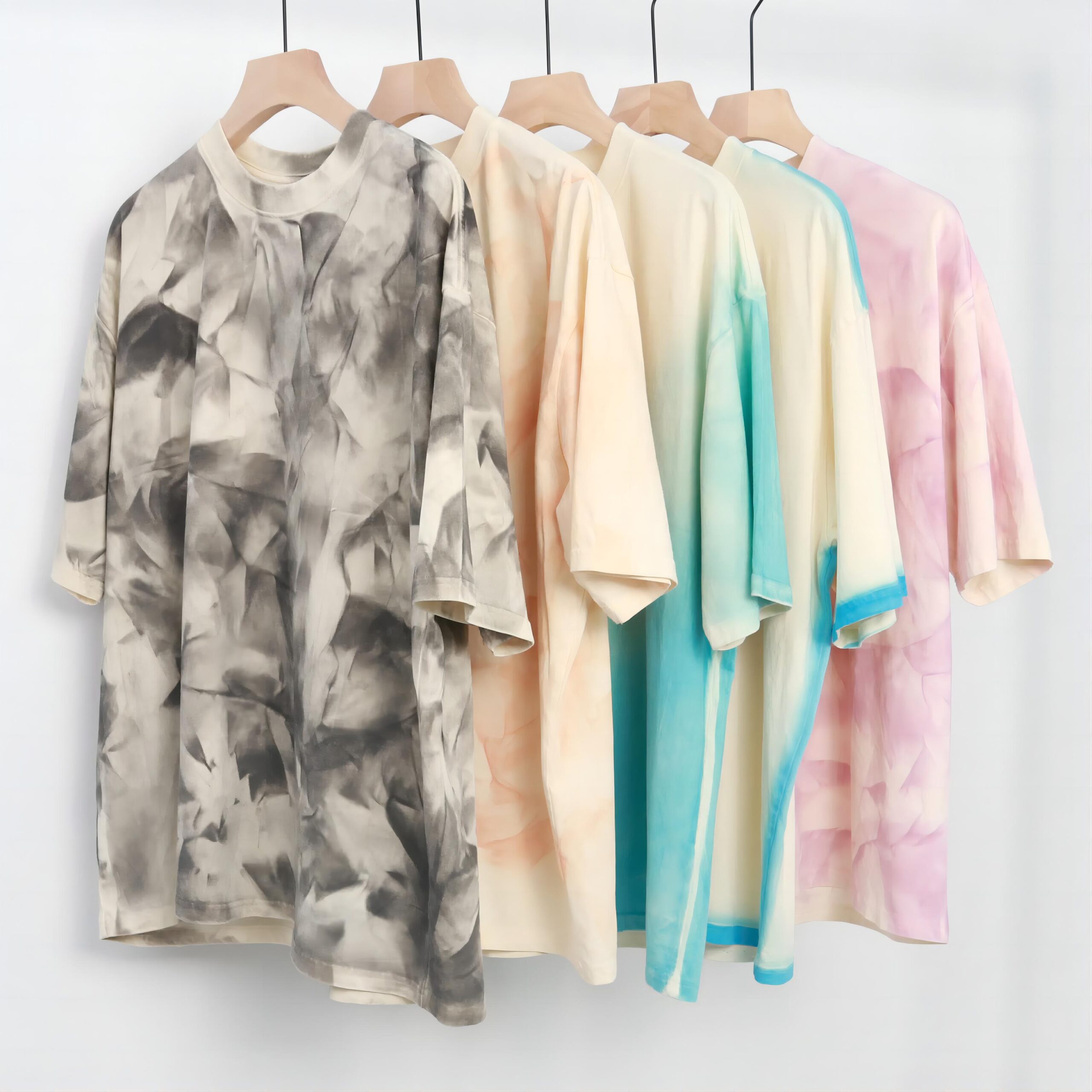
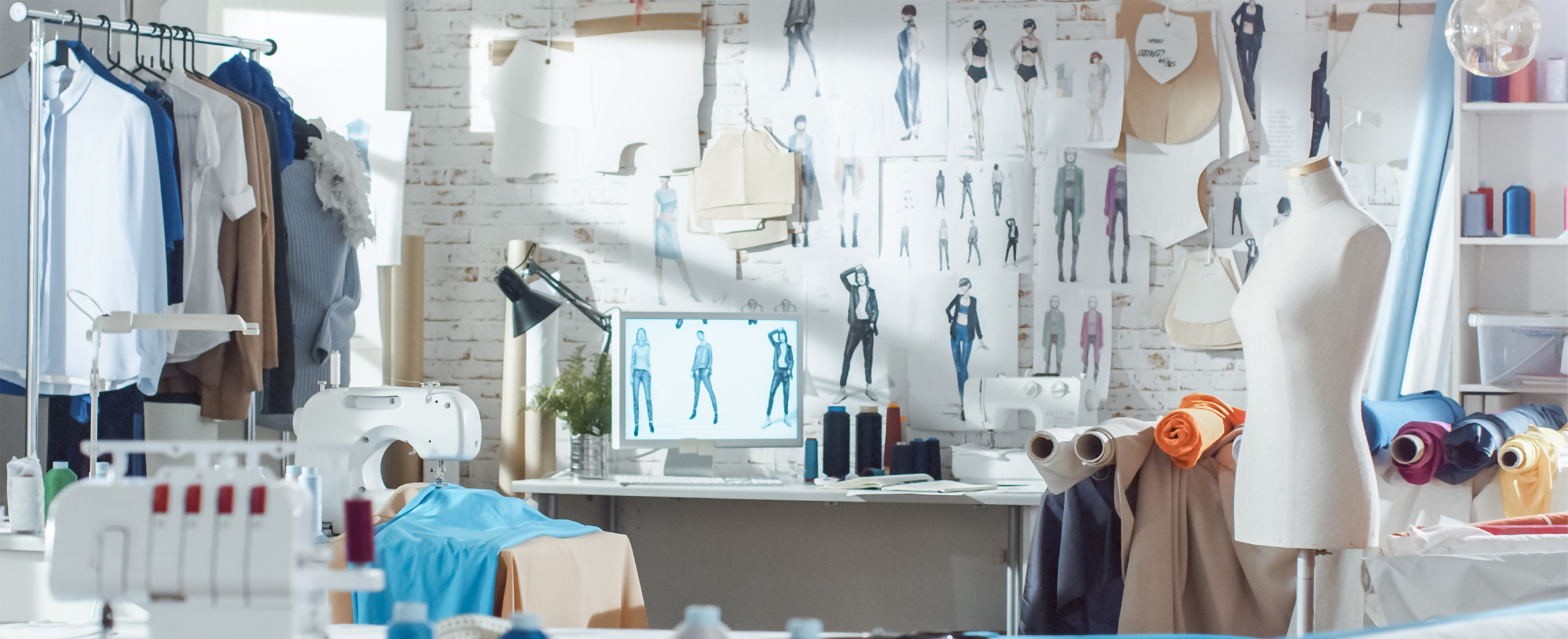

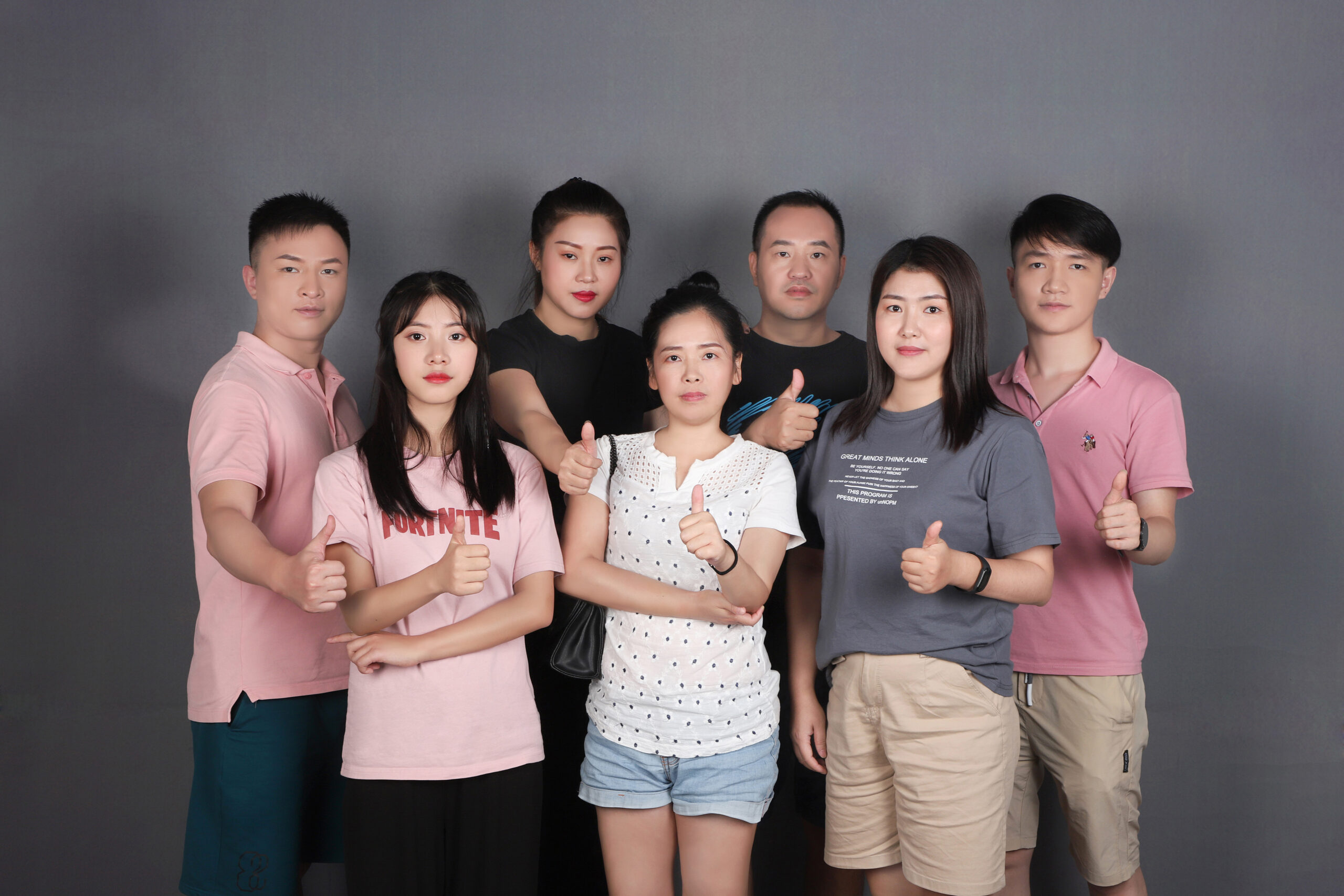
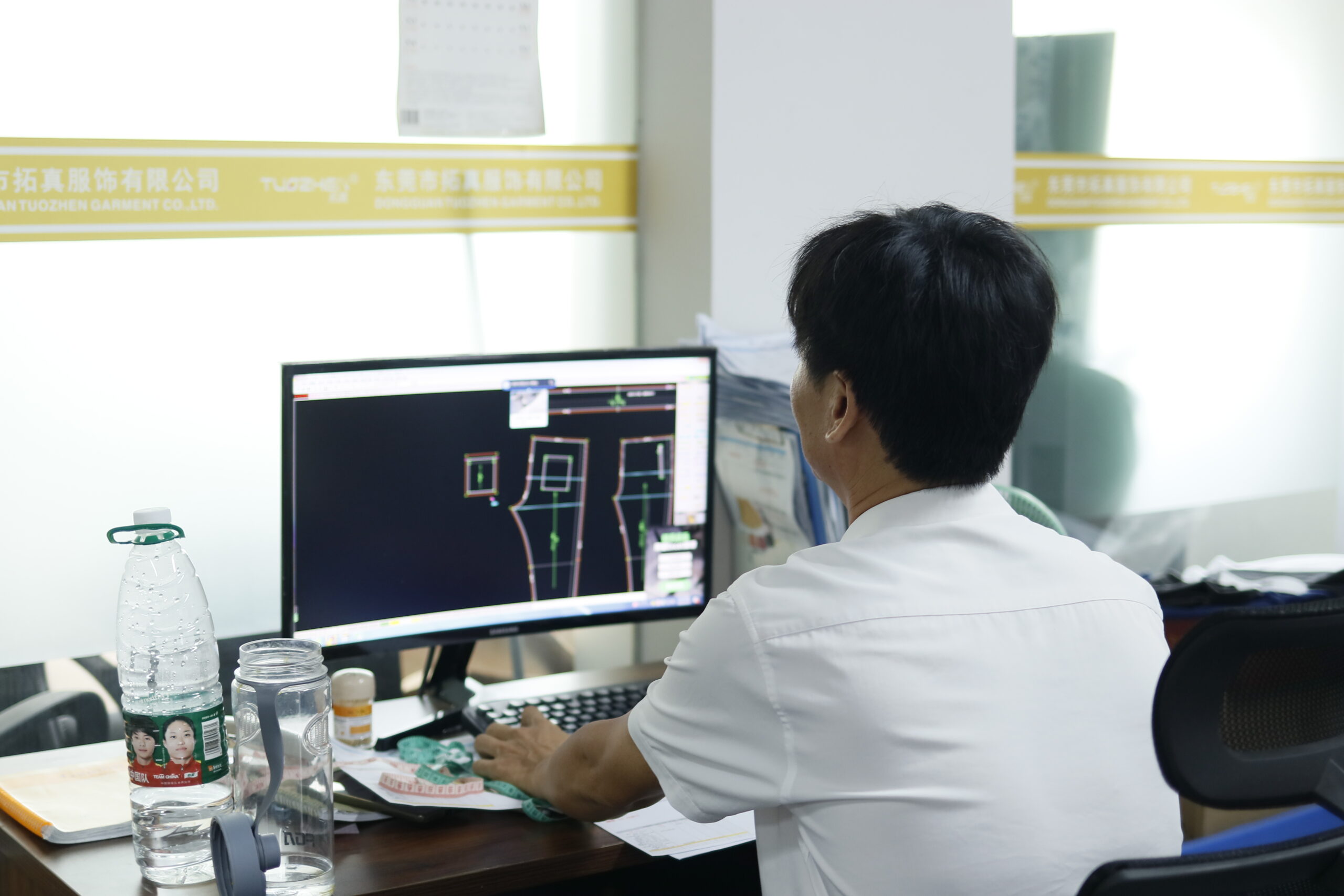

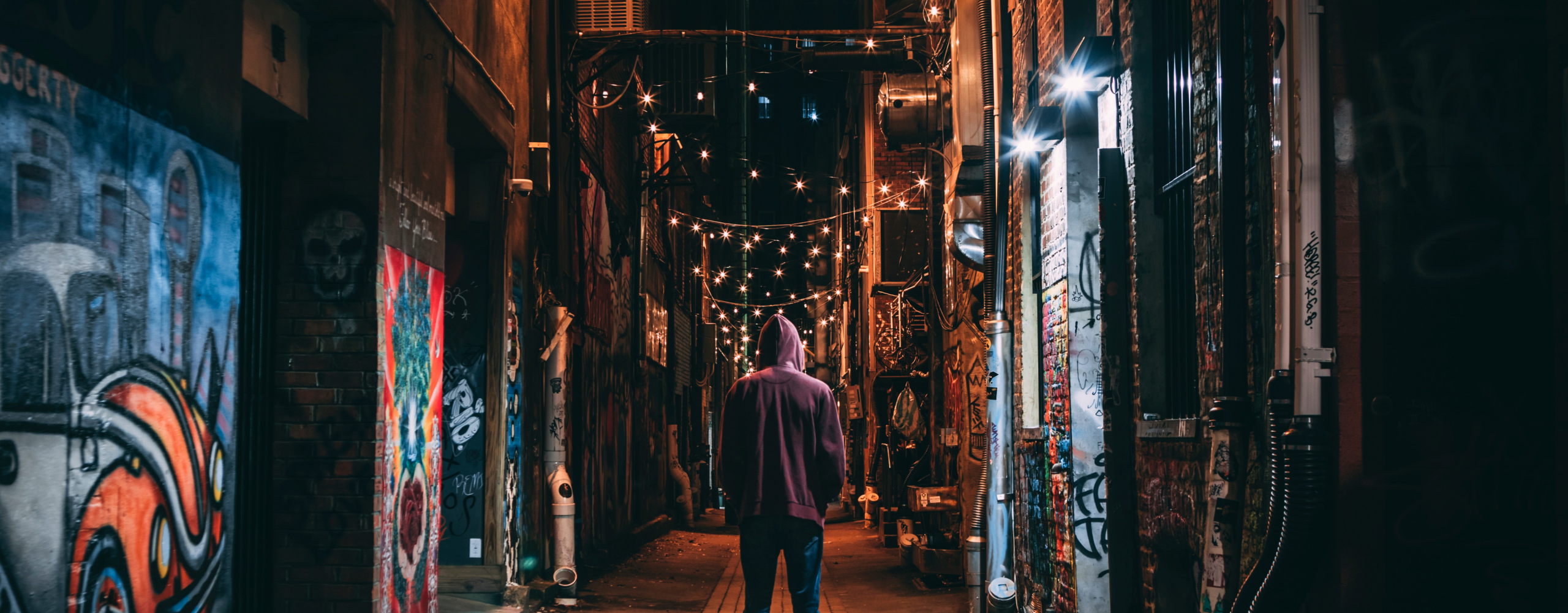
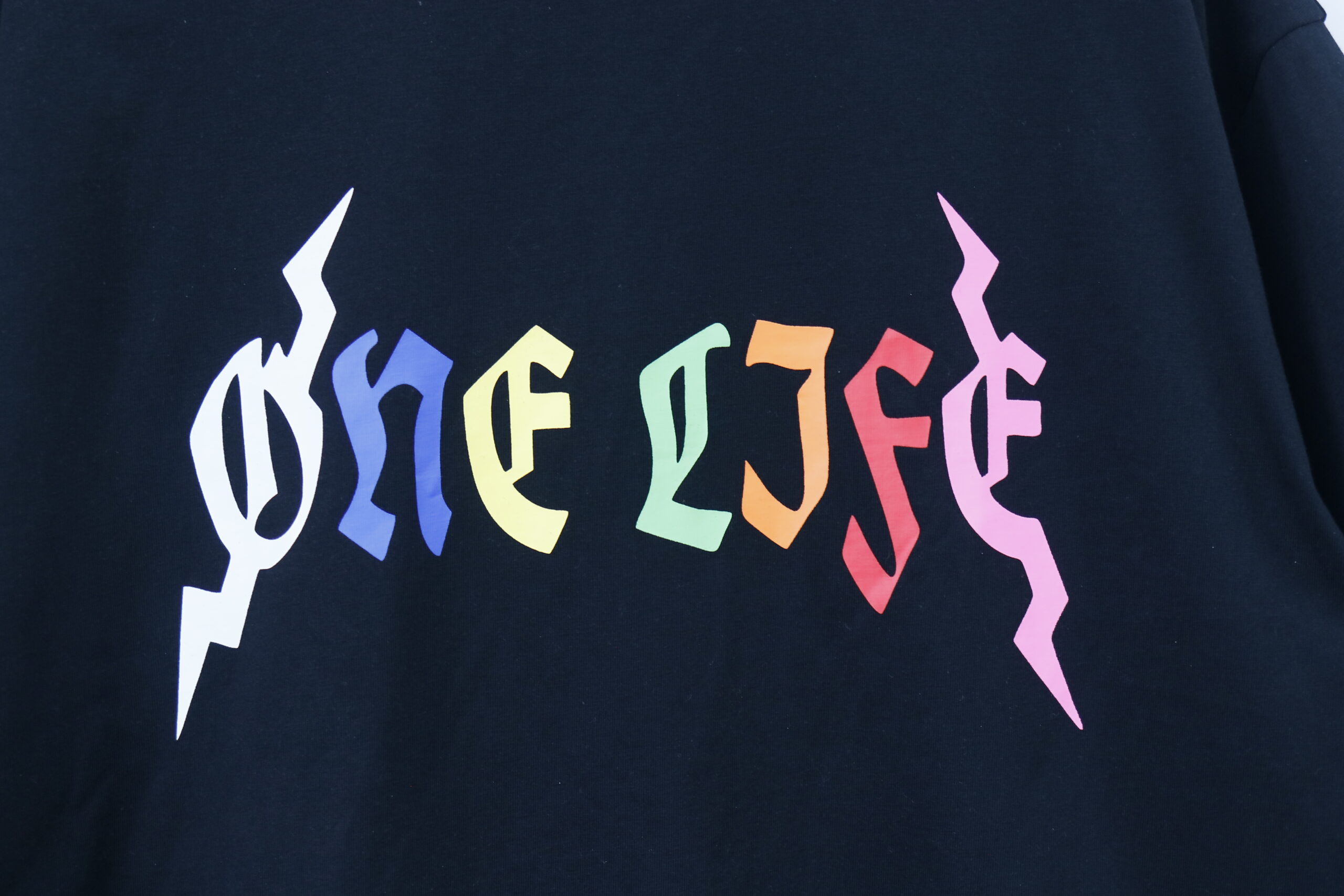
Outdoor Clothing Manufacturer Built for Repeatable Production
EDVORIN connects development, materials, decoration and quality control into one accountable path for outdoor collections that are ready to reproduce.
Founder-Led Accountability
Work with a founder-led manufacturing partner that addresses production decisions clearly, from initial construction choices through final order review.
Flexible OEM and ODM
Bring a complete tech pack or an early concept; EDVORIN helps turn either starting point into a production-ready outdoor program.
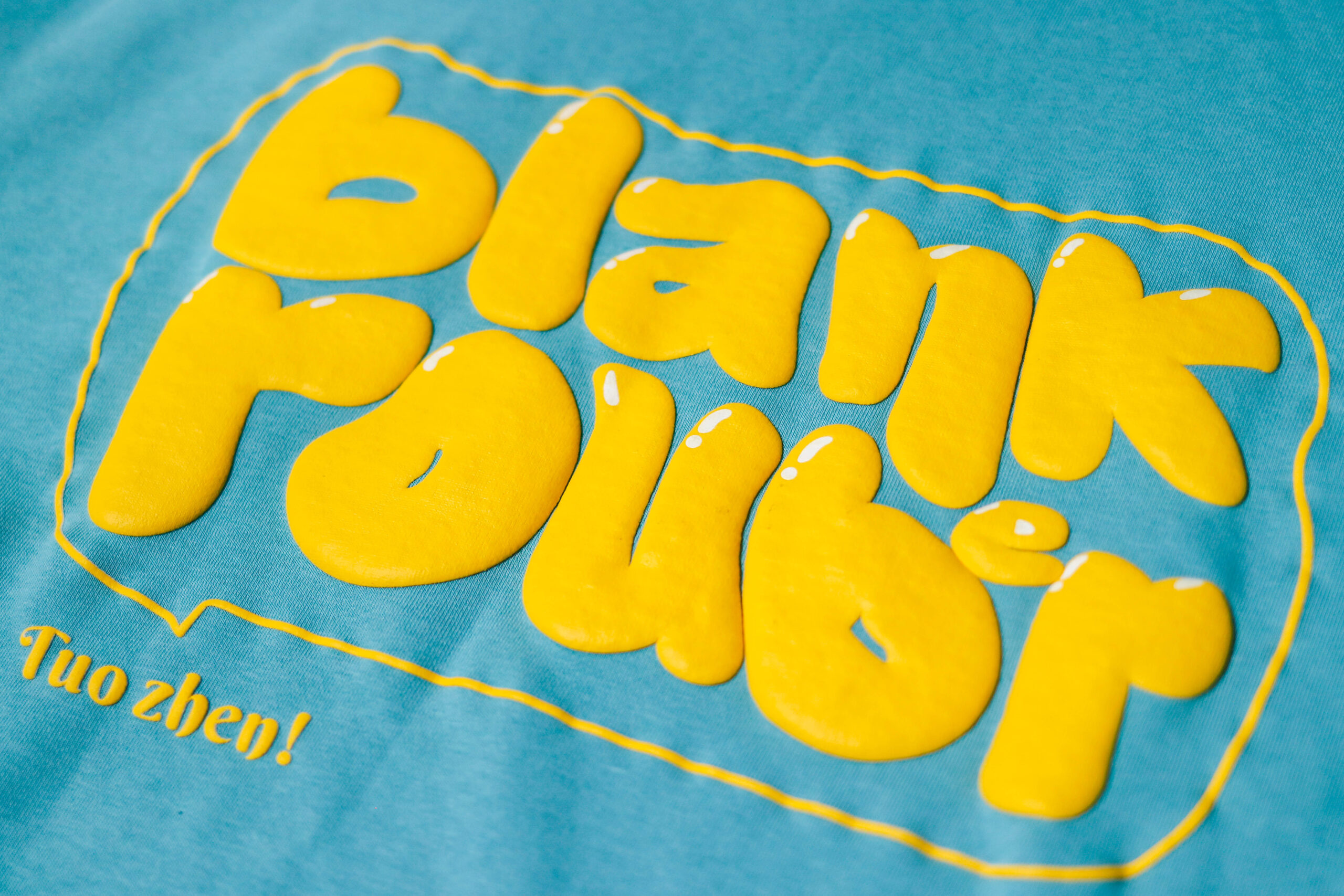
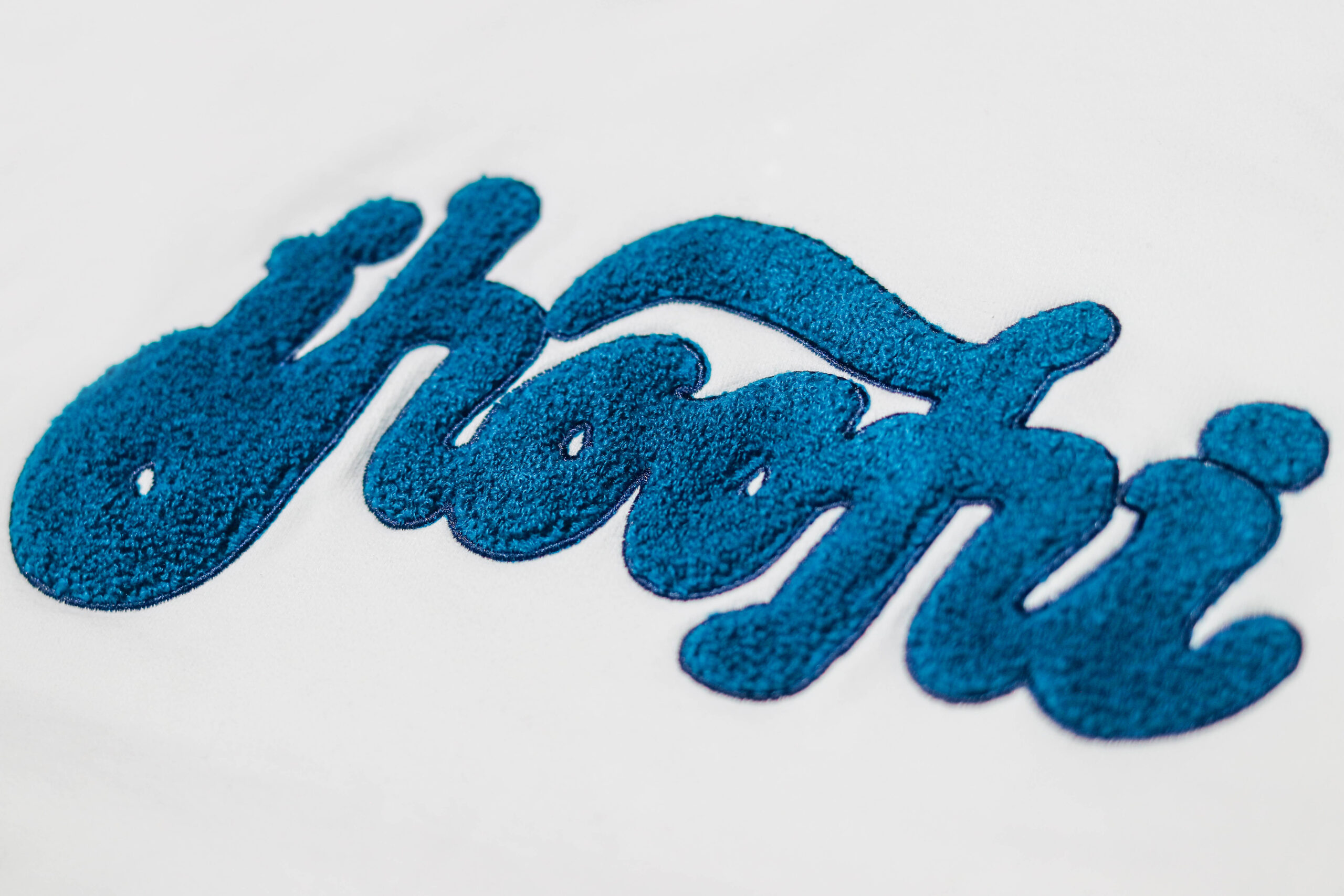
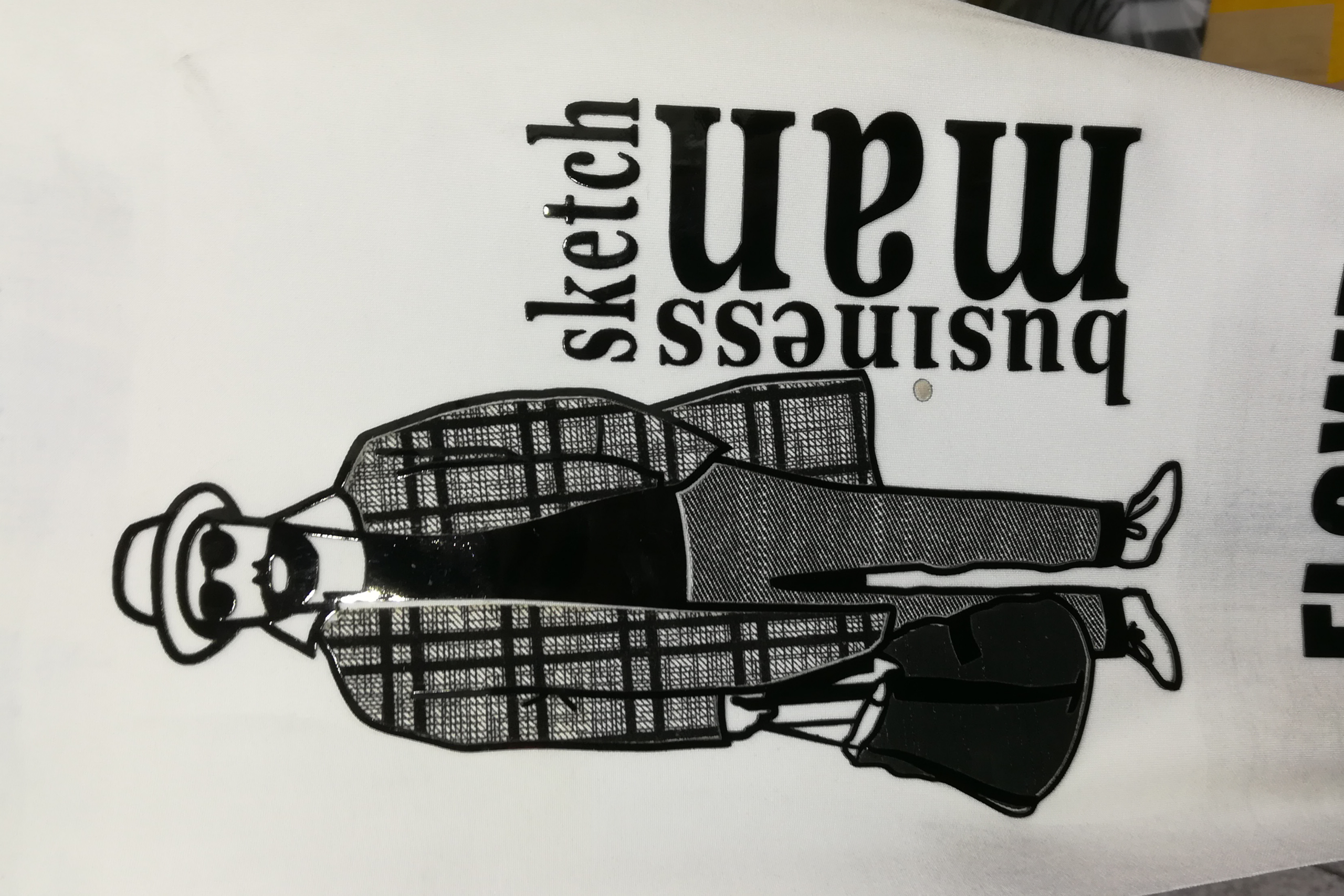
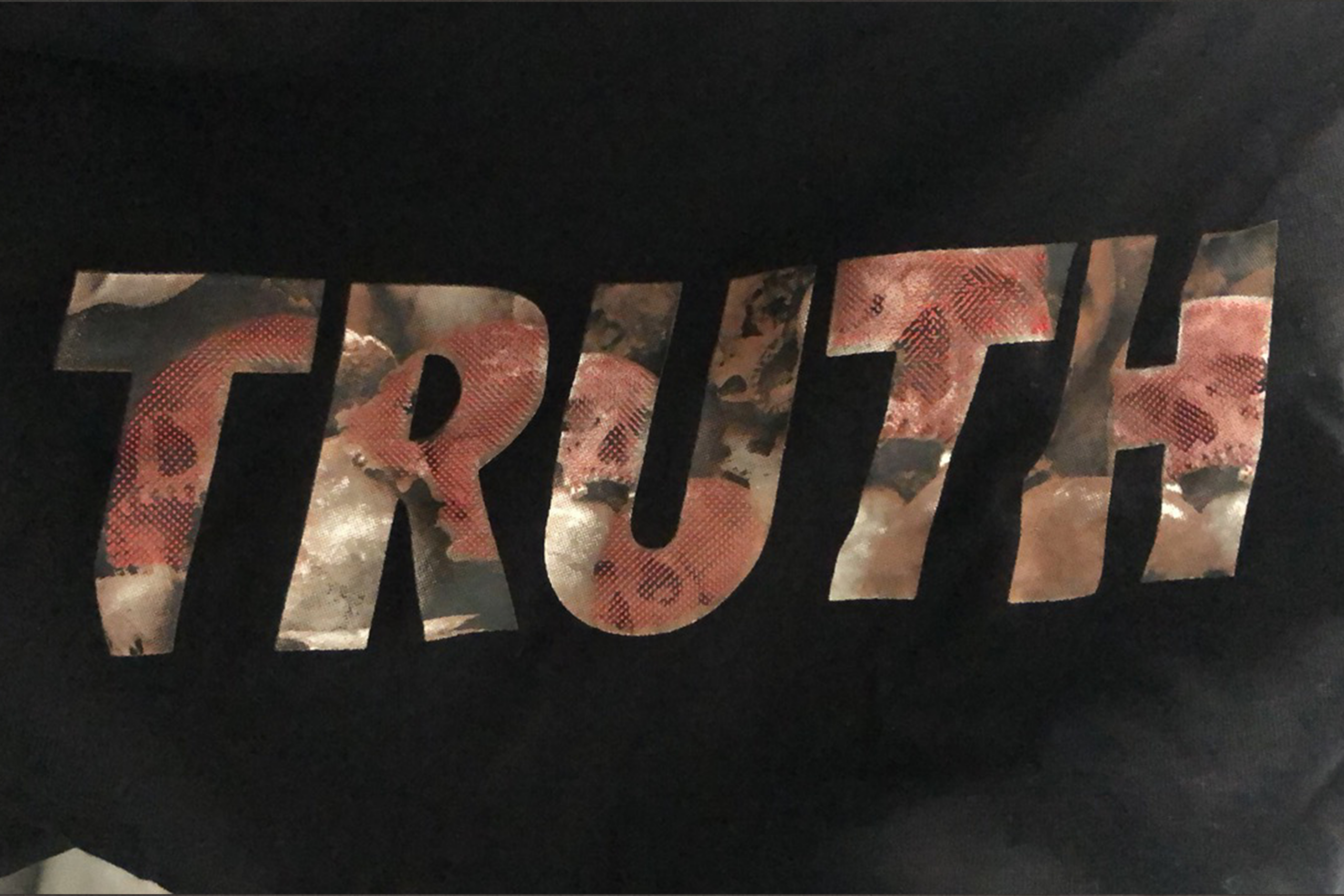
Garment-Specific Decoration
Coordinate printing, embroidery, washes and branding details around each garment’s fabric, construction and intended outdoor use.
Men’s and Women’s Development
Develop men’s and women’s outdoor styles with fit blocks, grading, proportions and material choices adjusted for the intended wearer.
Sample-to-Bulk Control
Approved samples become the production reference for materials, measurements, artwork placement, trims, in-line checks and final inspection.
Apparel Categories We Develop
From fleece essentials to outerwear and team uniforms, EDVORIN develops production-ready apparel programs with coordinated materials, construction, decoration and quality control.
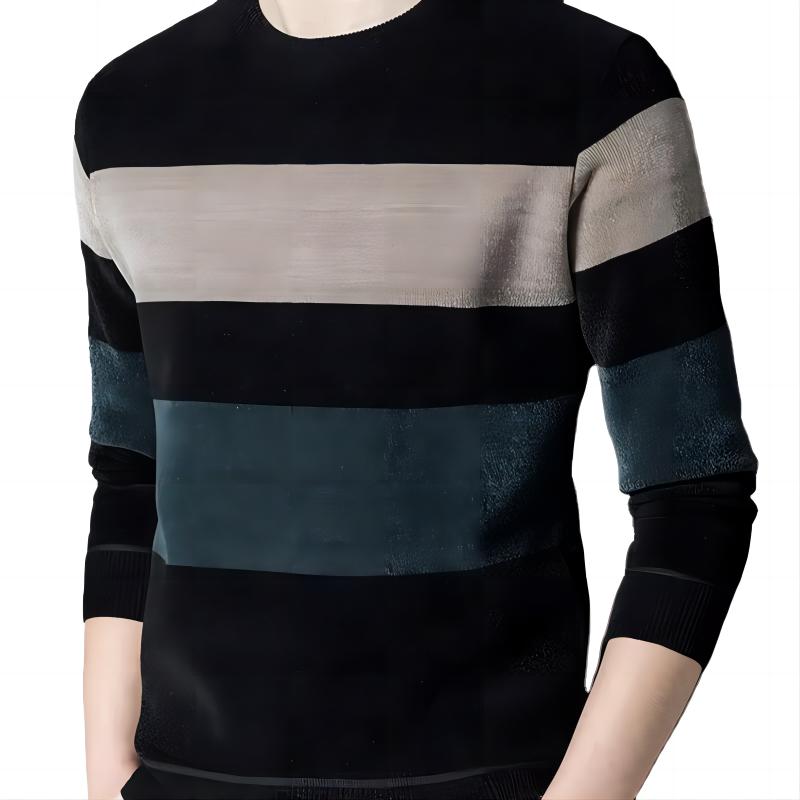
Custom Hoodies
EDVORIN develops custom hoodies with defined fleece weights, fit blocks, rib specifications, hood construction, drawcords, labels and print or embroidery placement. Samples establish the approved standard before bulk production for men’s and women’s programs.
Get a Quote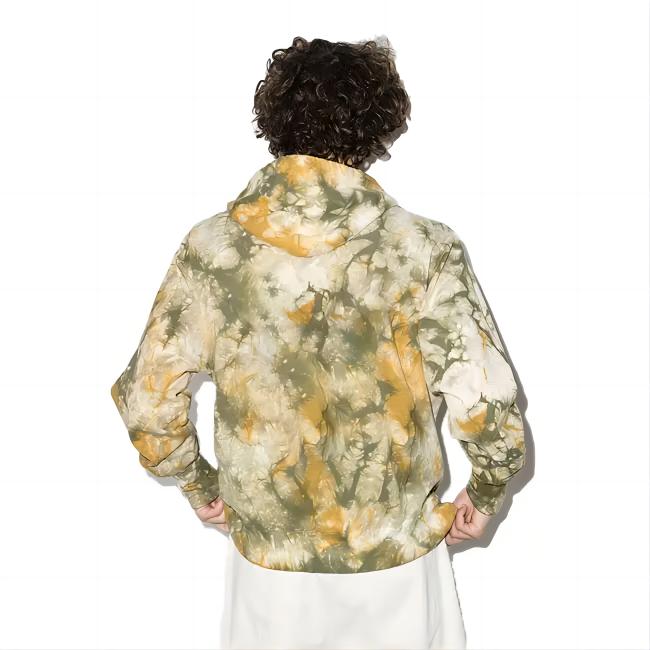
Pullover Sweatshirts
As a sweatshirt manufacturer, EDVORIN produces pullover styles around fabric weight, neckline shape, rib recovery, seam construction and decoration requirements. We translate approved samples into clear production specifications for repeat wholesale, brand and private-label orders.
Get a Quote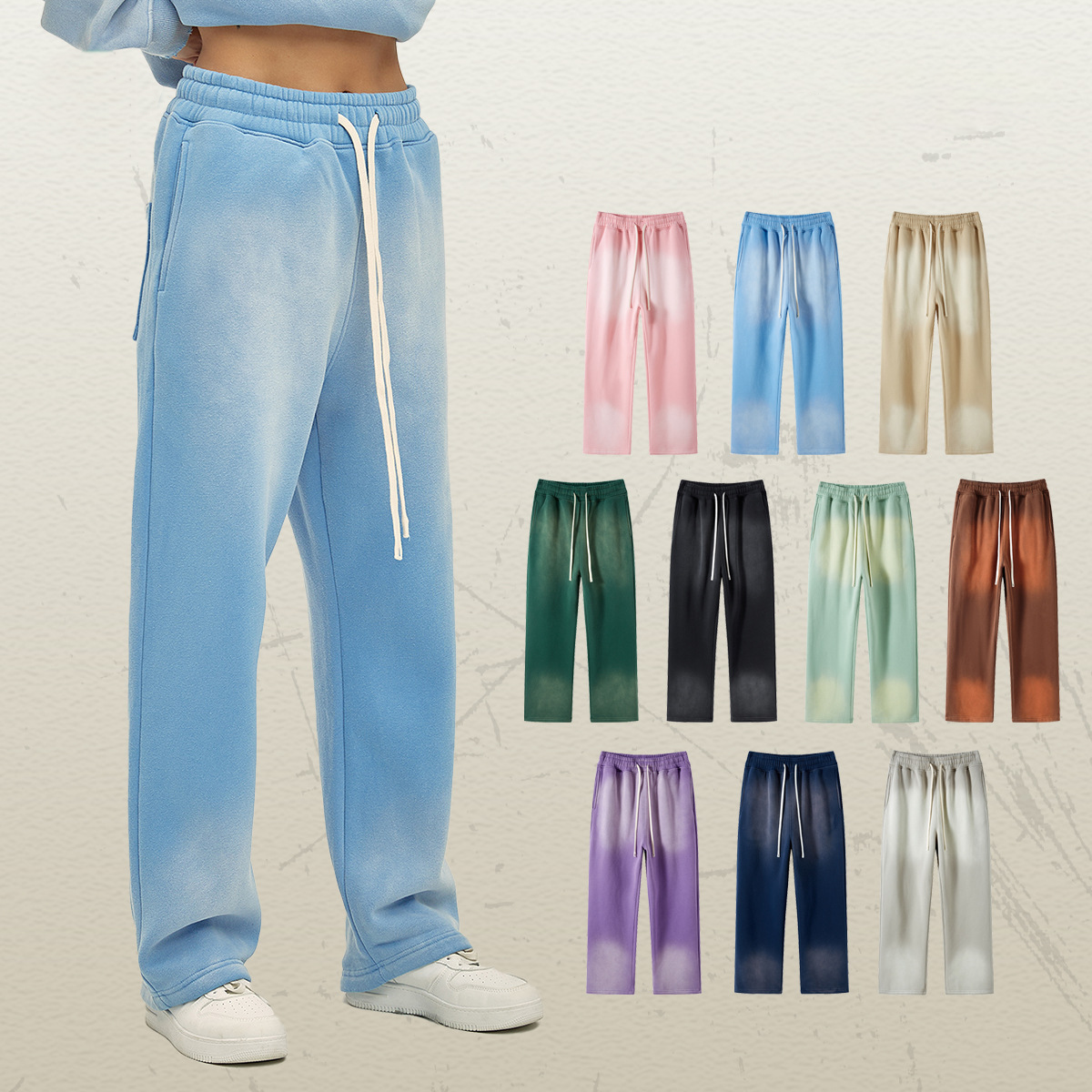
Sweatpants & Joggers
Our sweatpants and joggers development covers fleece selection, waistband and cuff construction, pocket configuration, drawcords, grading and wash effects. Matching bottoms can be developed with hoodies or sweatshirts as coordinated men’s and women’s fleece programs.
Get a Quote
Custom Shorts
EDVORIN manufactures custom shorts for casualwear, active-inspired ranges and coordinated sets. Development includes inseam, rise, pocket design, waistband construction, fabric weight, lining where needed, decoration placement and size grading for the intended market.
Get a Quote
Varsity & Baseball Jackets
Varsity and baseball jackets require balanced decisions across body fabric, sleeves, lining, rib, snaps, patches and embroidery. EDVORIN develops these components as one documented construction standard for fashion, school, club and private-label programs.
Get a Quote
Custom T-Shirts
Custom T-shirts are developed around jersey weight, fit, collar construction, print compatibility, wash treatment and label requirements. EDVORIN supports men’s and women’s blocks, from core logo tees to heavier streetwear silhouettes and coordinated collections.
Get a Quote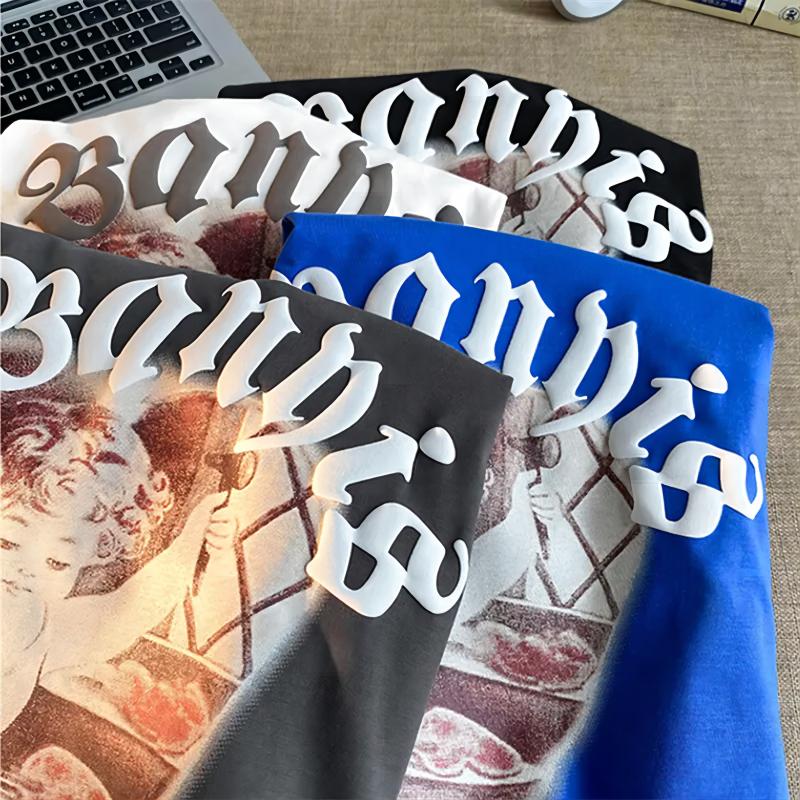
Custom Polo Shirts
EDVORIN manufactures custom polo shirts with appropriate piqué or jersey fabric, collar and placket construction, cuff details, embroidery placement and color control. Styles can be developed for corporate uniforms, schoolwear, clubs and branded retail programs.
Get a Quote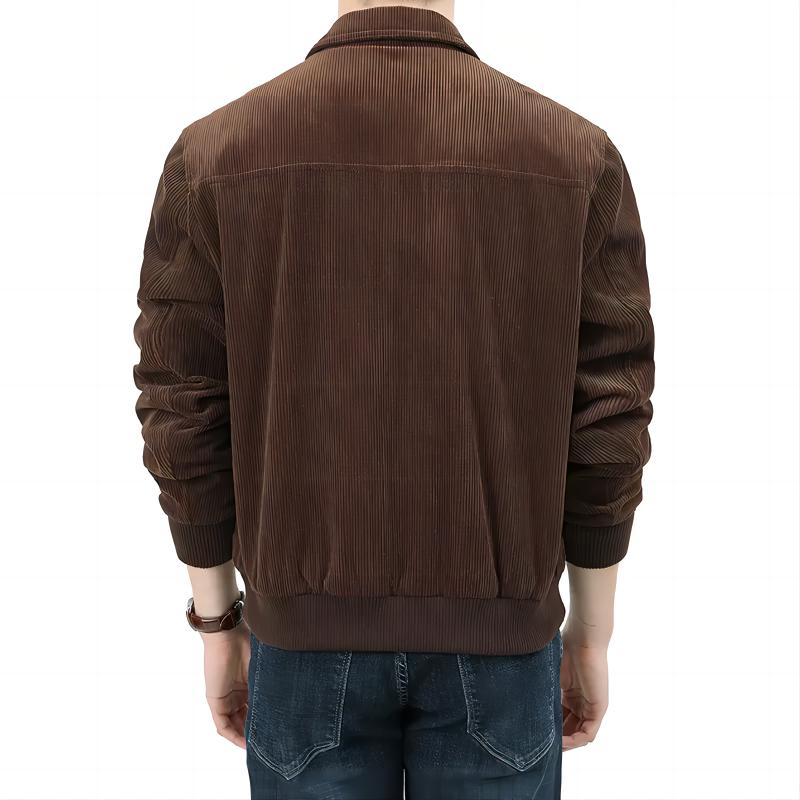
Windbreaker Jackets
Windbreakers are developed with shell selection, lining or mesh options, zipper and pocket construction, hood details, ventilation and decoration requirements considered together. EDVORIN documents the approved build for consistent repeat production across seasonal outerwear programs.
Get a Quote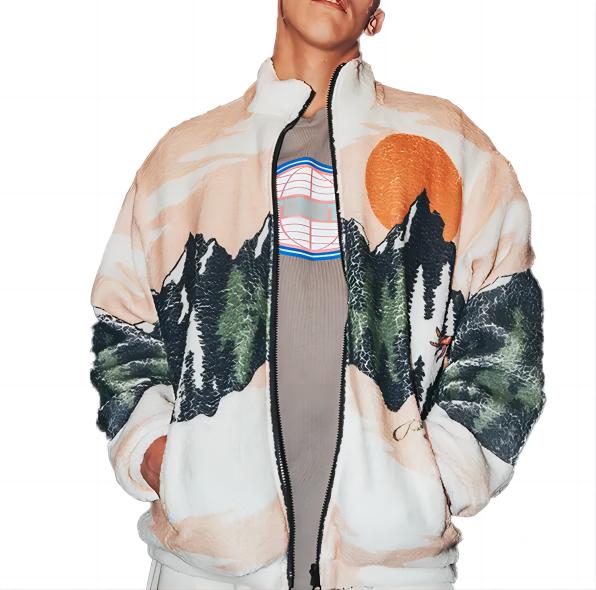
Quilted Jackets
EDVORIN develops quilted jackets by coordinating shell fabric, lining, insulation, quilting pattern, pocket construction, closures and finishing. Sampling verifies loft, balance and fit before bulk production, helping brands create functional outerwear with a controlled standard.
Get a Quote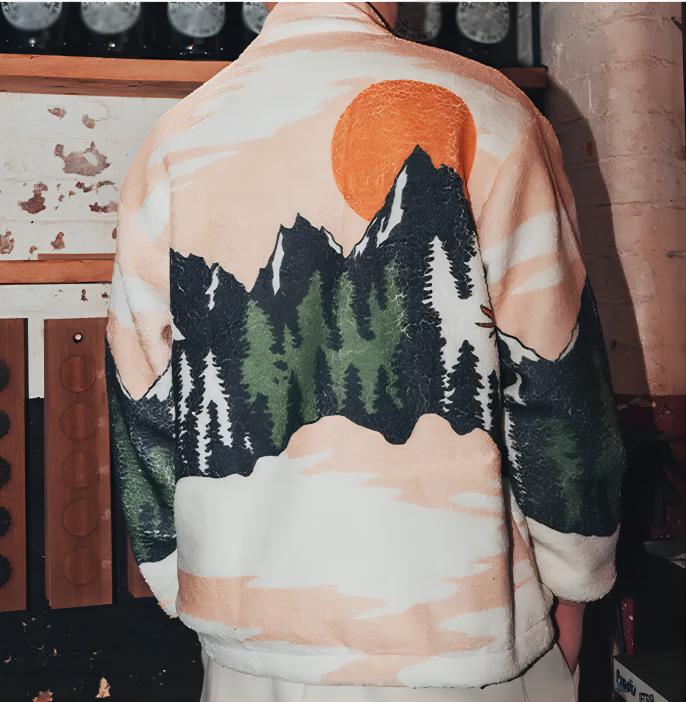
Bomber Jackets
Custom bomber jackets combine shell, lining, rib, hardware, pocket details, embroidery and patches into a clear production specification. EDVORIN supports fashion and streetwear programs with fit development, material sourcing and sample-to-bulk quality control.
Get a Quote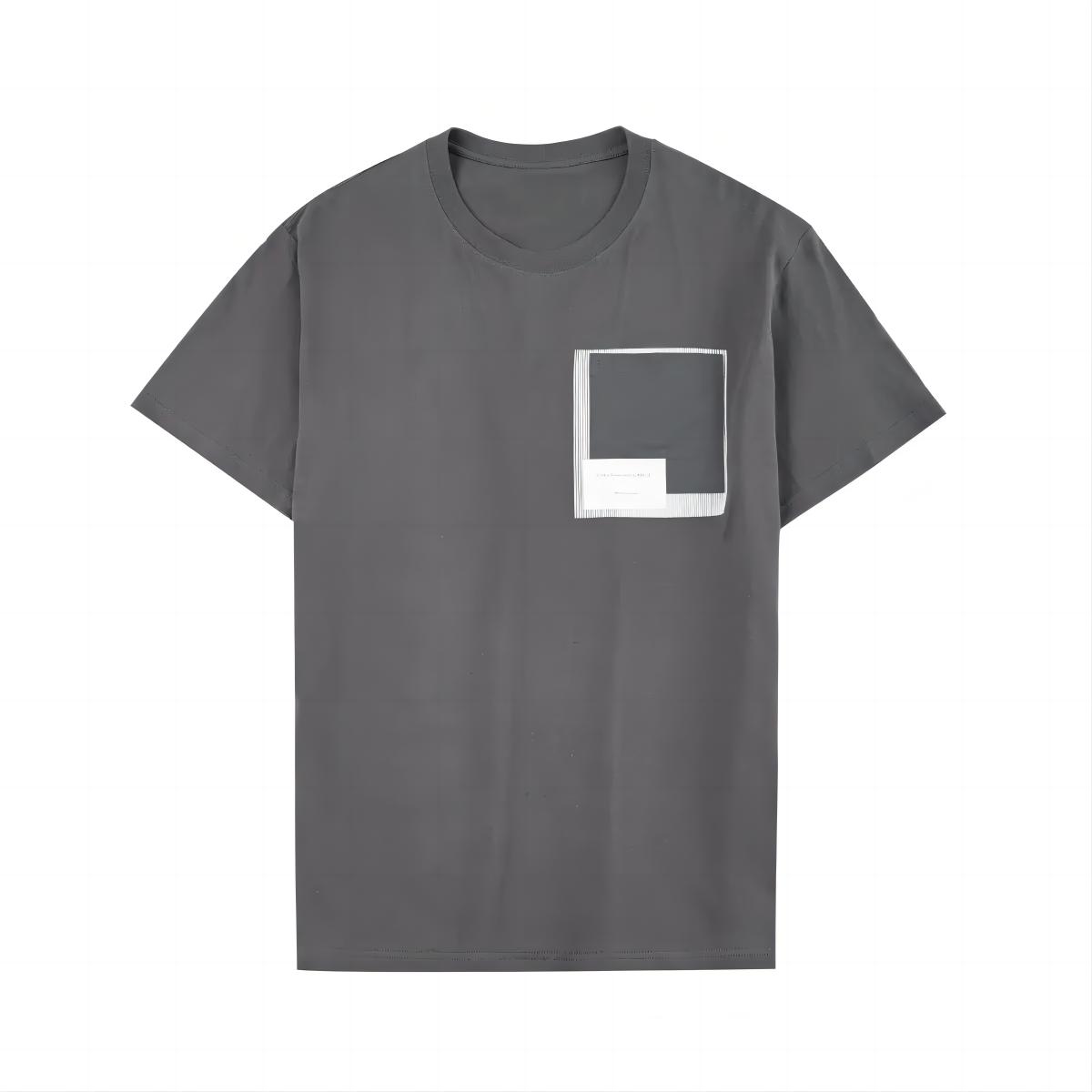
Custom Shirts
As a custom woven shirt manufacturer, EDVORIN develops shirts with fabric selection, collar and cuff construction, plackets, pocket details, garment wash and grading matched to the brand’s intended fit. Men’s and women’s programs can use separate blocks and proportions.
Get a Quote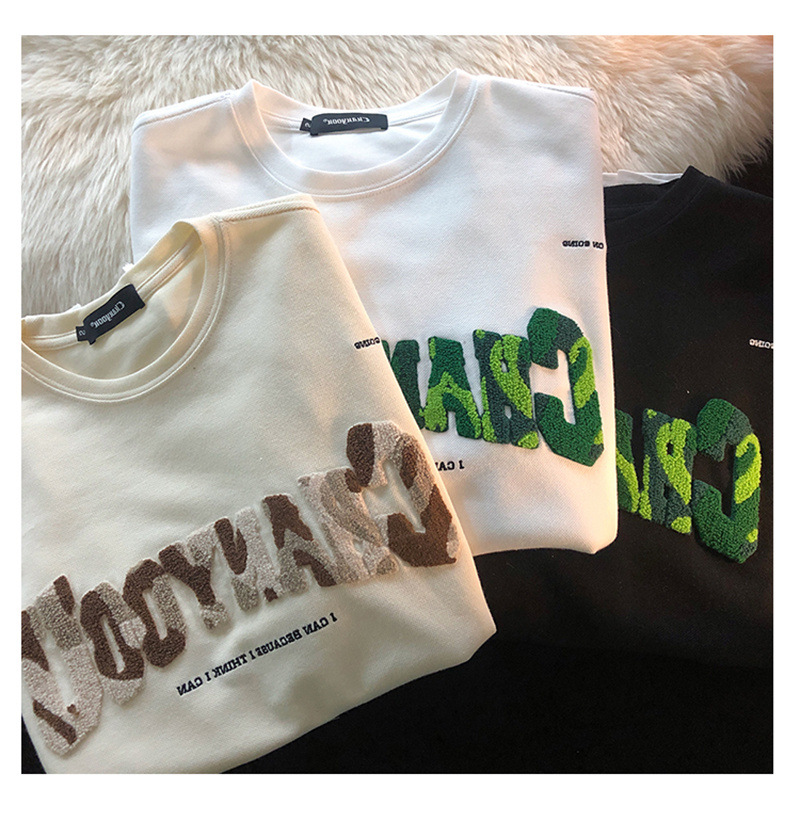
Custom Jerseys
EDVORIN manufactures custom jerseys with breathable fabric options, color application, panel construction, logo placement, names and numbers. Approved artwork, measurements and size sets are recorded to support reliable club, school, team and repeat-order programs.
Get a Quote
Tank Tops
Custom tank tops are developed for casualwear, training and streetwear collections with fabric weight, armhole shape, neckline finish, fit and decoration method specified before production. Men’s and women’s versions can be adjusted for distinct proportions and performance needs.
Get a Quote
Soccer Uniforms
EDVORIN produces soccer uniforms with jersey and short coordination, breathable materials, color control, team crest application, player names, numbers and organized size sets. Development supports clubs, academies and wholesale buyers requiring repeatable teamwear standards.
Get a Quote
Basketball Uniforms
Basketball uniforms are developed with movement, fabric breathability, jersey and short proportions, trim, color blocking, player identification and decoration durability in mind. EDVORIN coordinates approved samples and specifications for consistent team, academy and tournament orders.
Get a Quote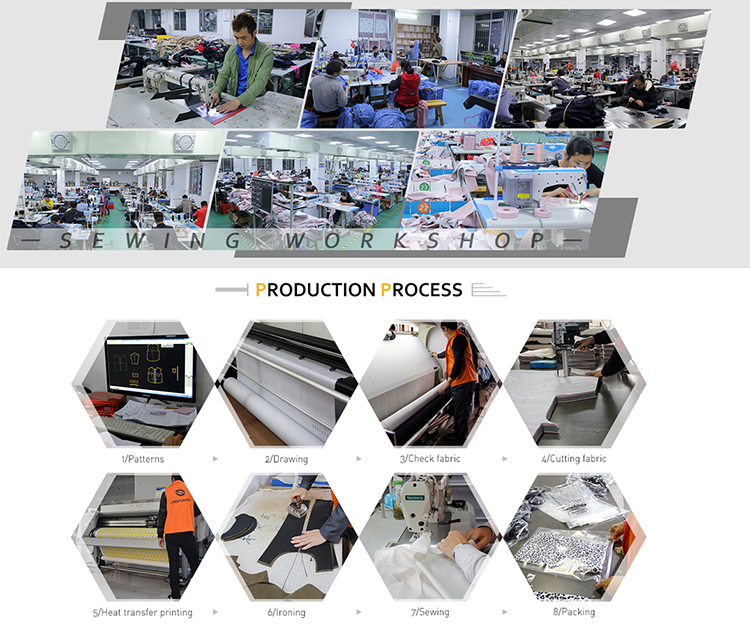
Streetwear Collections
EDVORIN develops streetwear collections as connected product programs rather than isolated styles. Hoodies, tees, bottoms, jackets and accessories can share fit direction, fabrics, washes, labels, artwork and packaging, with MOQ starting at 200 pieces per style.
Get a QuotePerformance Materials from an Outdoor Clothing Manufacturer
Recycled Polyester
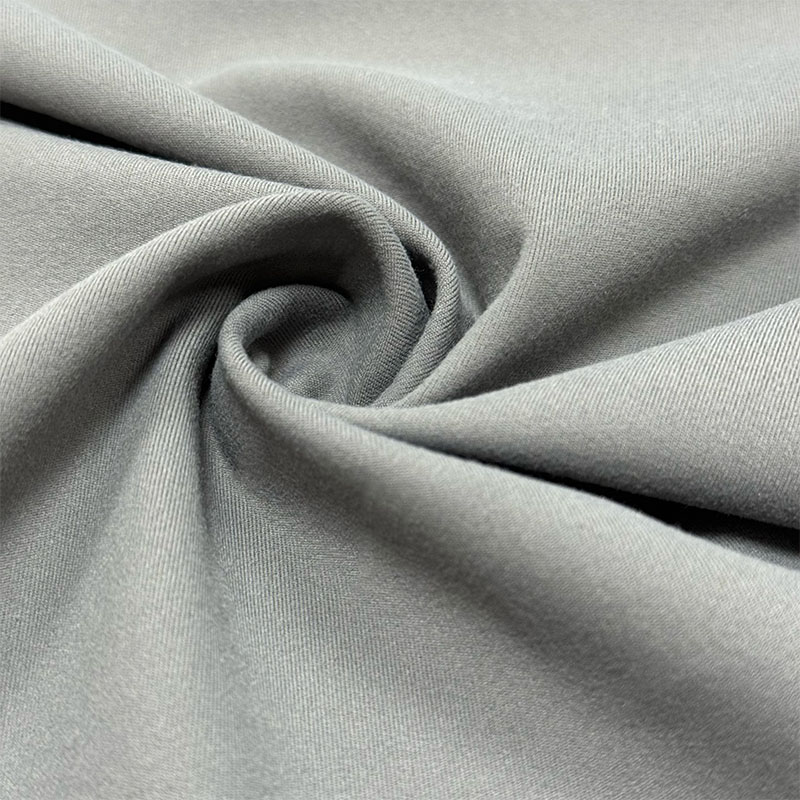
Lightweight, smooth, and quick-drying, recycled polyester suits performance shells, windbreakers, jerseys, and lining programs. It can be developed in varied weights and knit or woven constructions to balance durability, moisture management, and packability.
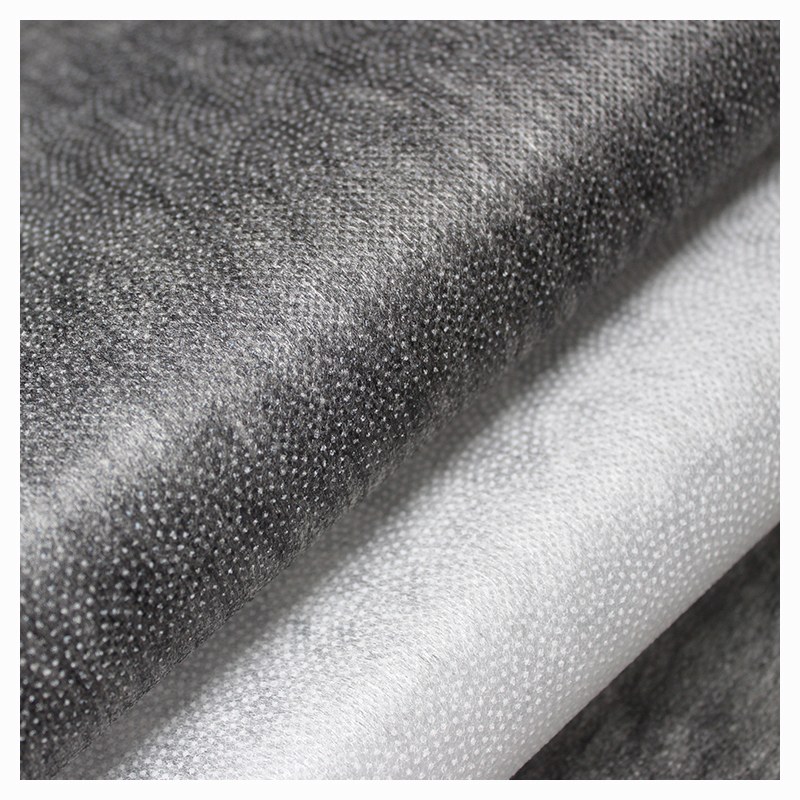
Stretch Softshell
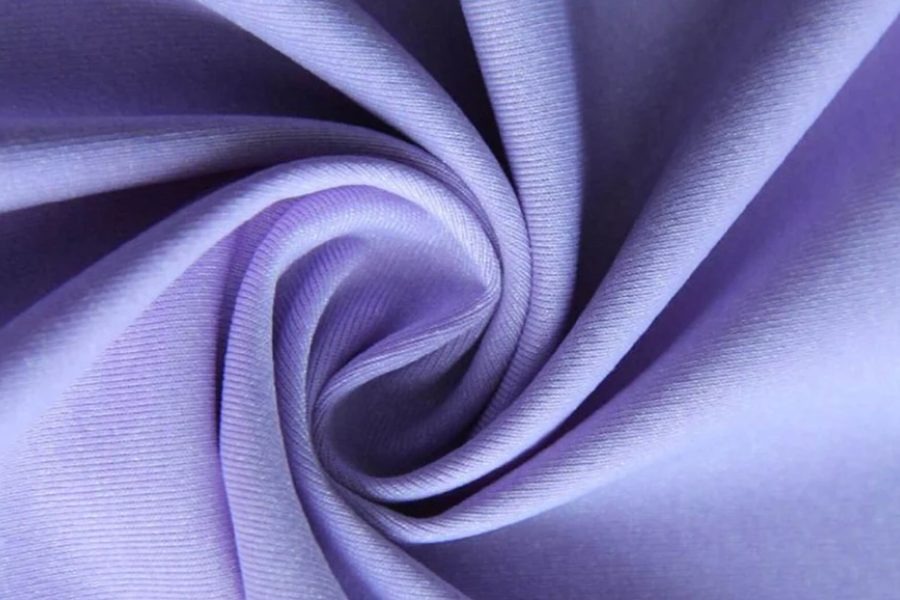
Softshell fabric offers a flexible, comfortable hand for active jackets, pants, and transitional outerwear. Woven stretch supports movement, while a dense face construction can add wind resistance and a clean, structured appearance for branded outdoor collections.
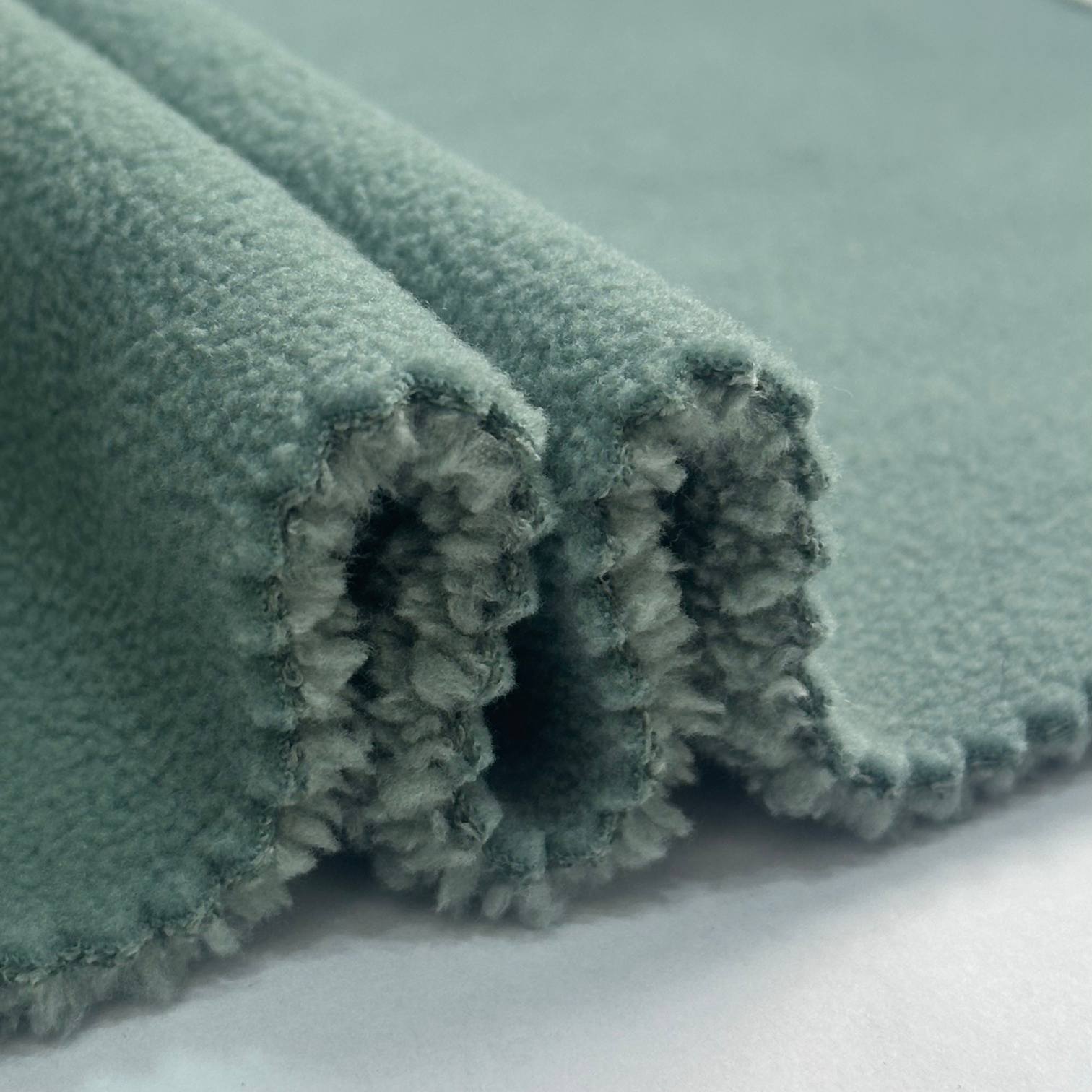
Polar Fleece
Warm, soft, and insulating, polar fleece is ideal for mid-layers, zip jackets, vests, and cold-weather teamwear. Available in different pile heights and weights, it delivers dependable warmth without the stiffness of a conventional woven outer shell.
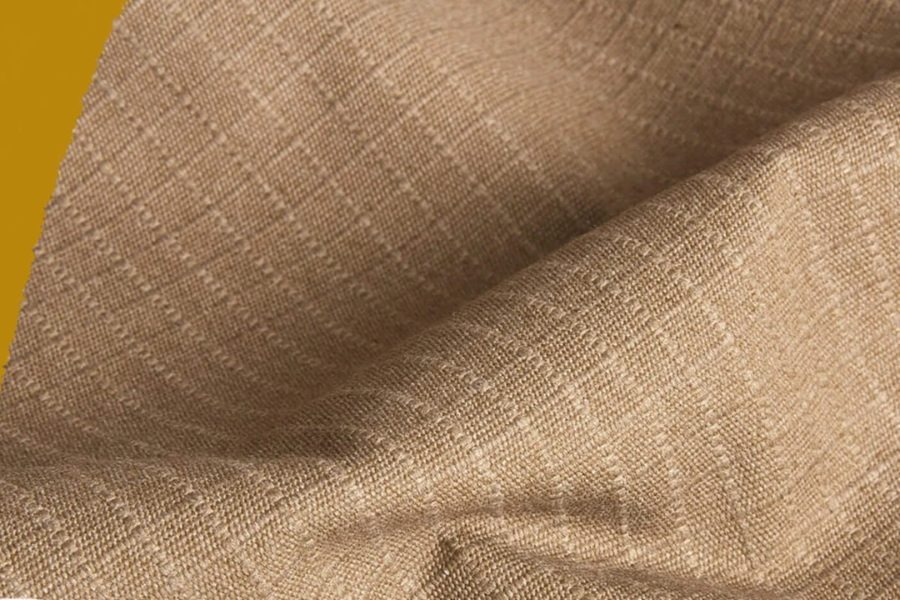
Ripstop Nylon
Ripstop nylon has a light, technical hand with a reinforced grid that helps limit tear spread. It is well suited to packable windbreakers, shell jackets, utility shorts, and reinforcement areas where low weight and visible performance detail matter.
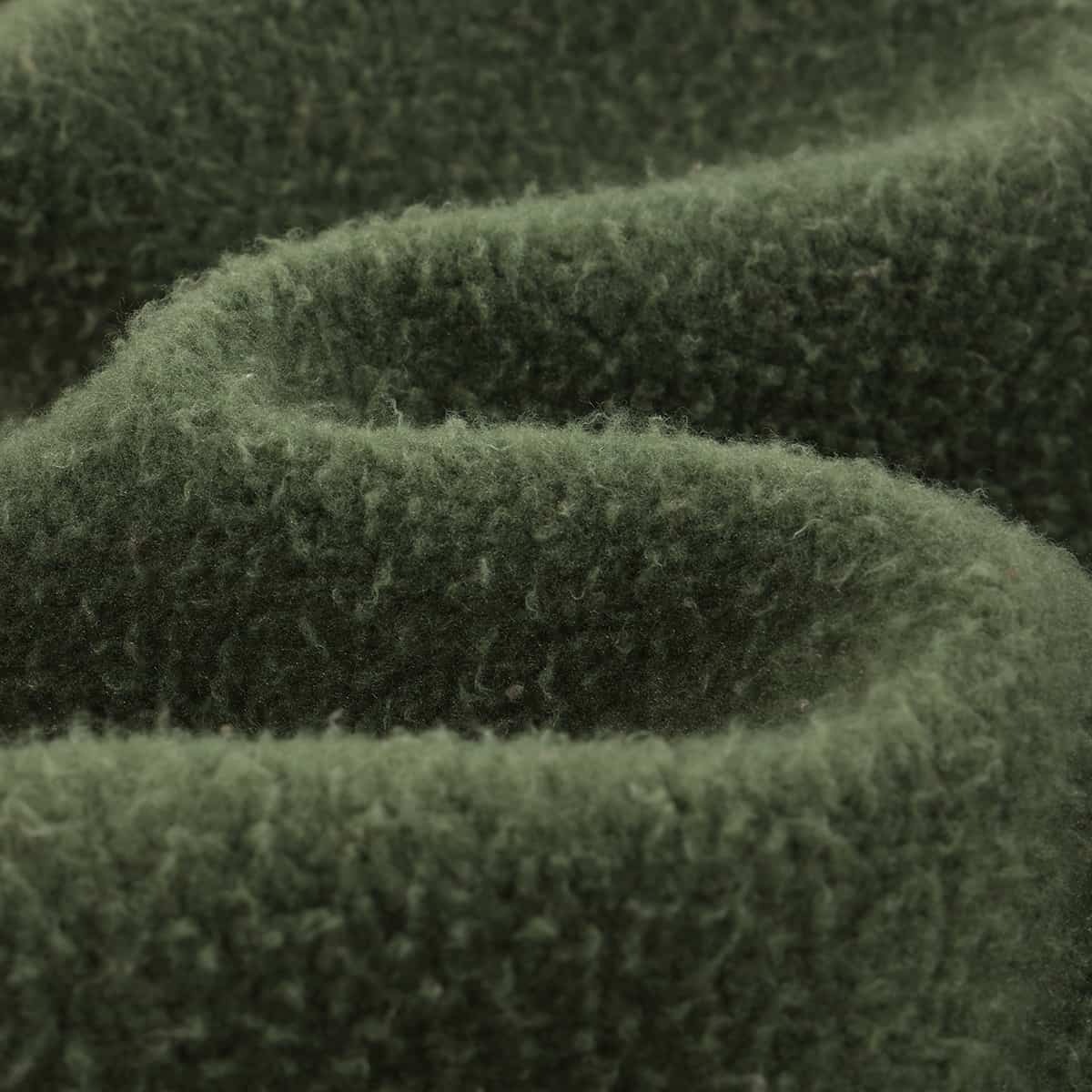
Cotton Blend Fleece
Cotton-blend fleece brings a familiar, substantial hand to outdoor lifestyle layers, hoodies, and travel-ready separates. Brushed or loopback constructions can be specified by weight, creating comfort-focused pieces that coordinate with technical outerwear.
Decoration and Finishing for Outdoor Apparel
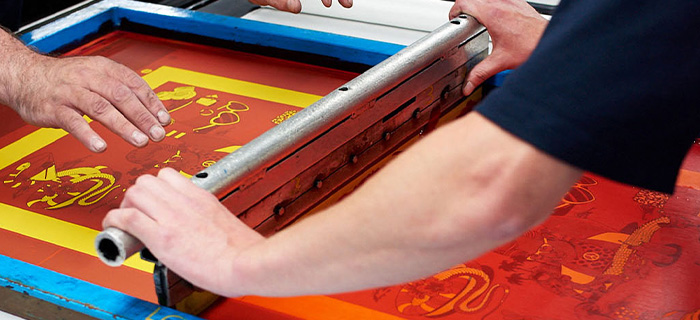
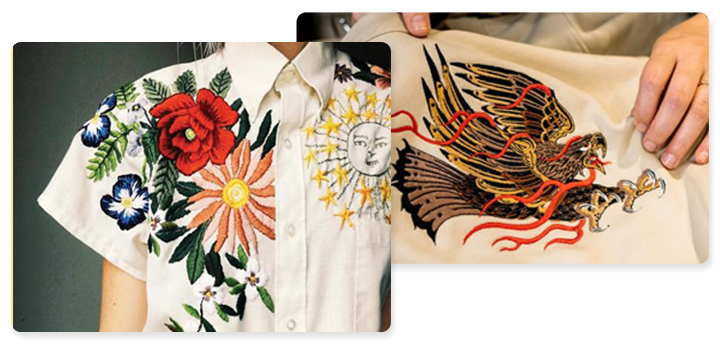
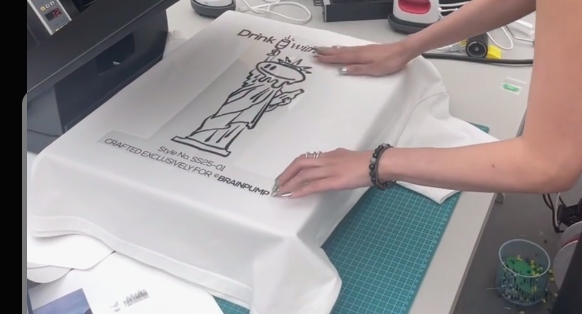
Heat Transfer
Heat transfer supports precise logos, names, numbers and small-run personalization on selected apparel. EDVORIN evaluates transfer type, placement and fabric compatibility before approval, helping the finished detail remain clean and consistent across the order.
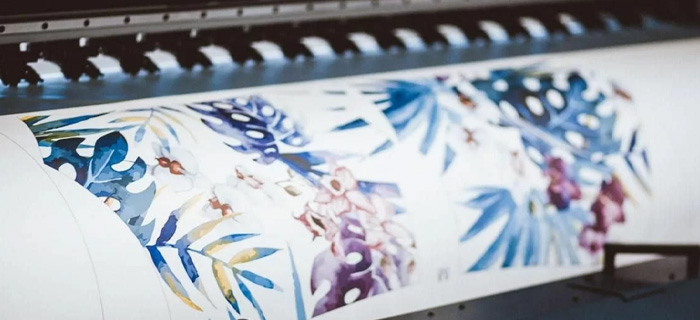
Sublimation Printing
Sublimation printing integrates full-color artwork directly into compatible polyester fabrics for jerseys and performance styles. It is well suited to repeat patterns, color-blocked graphics and coordinated teamwear where consistent visual execution matters across sizes.
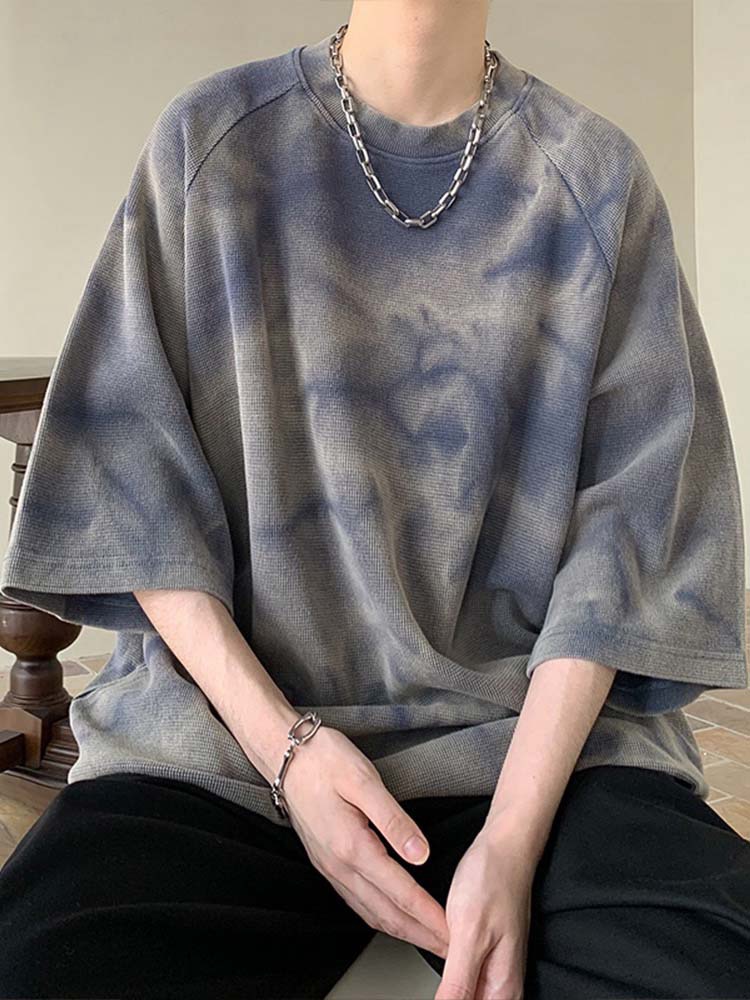
Wash Finishing
Wash finishing develops the intended hand feel, color character and lived-in look for casualwear and streetwear pieces. Samples establish the approved result before bulk production, giving your team a clear standard for reviewing repeat orders.
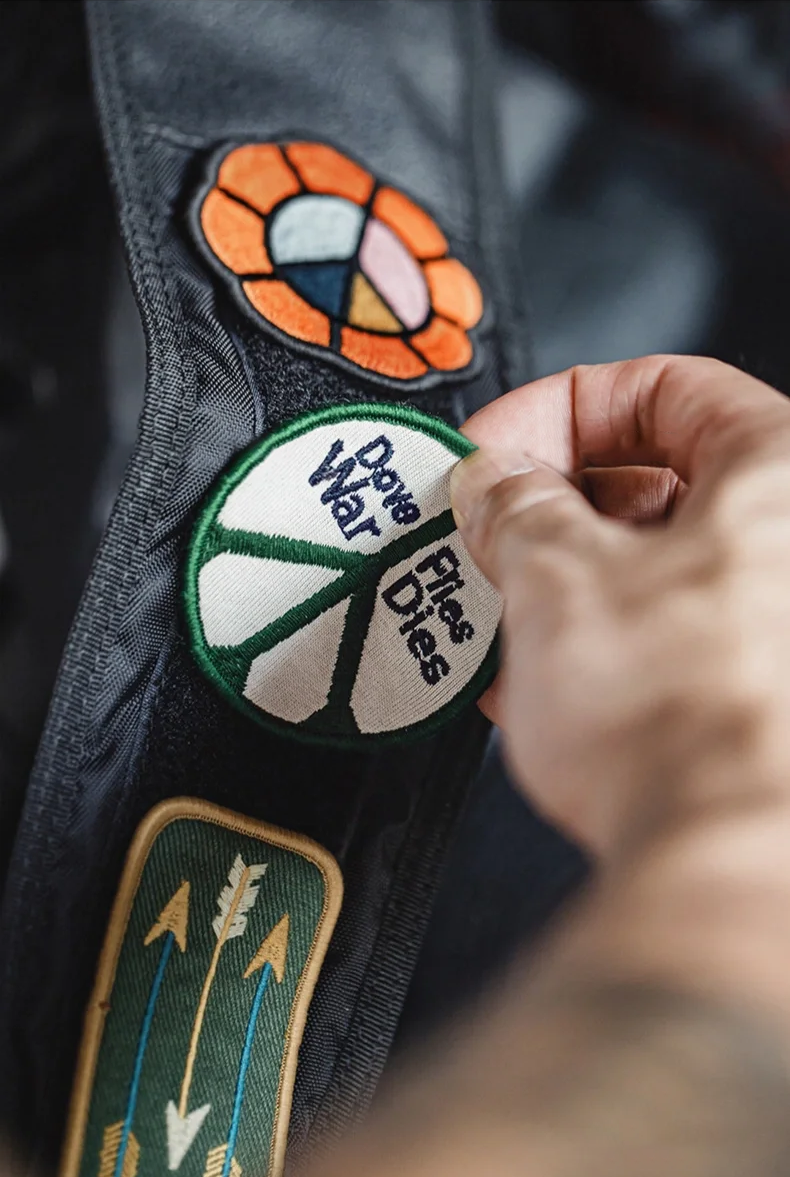
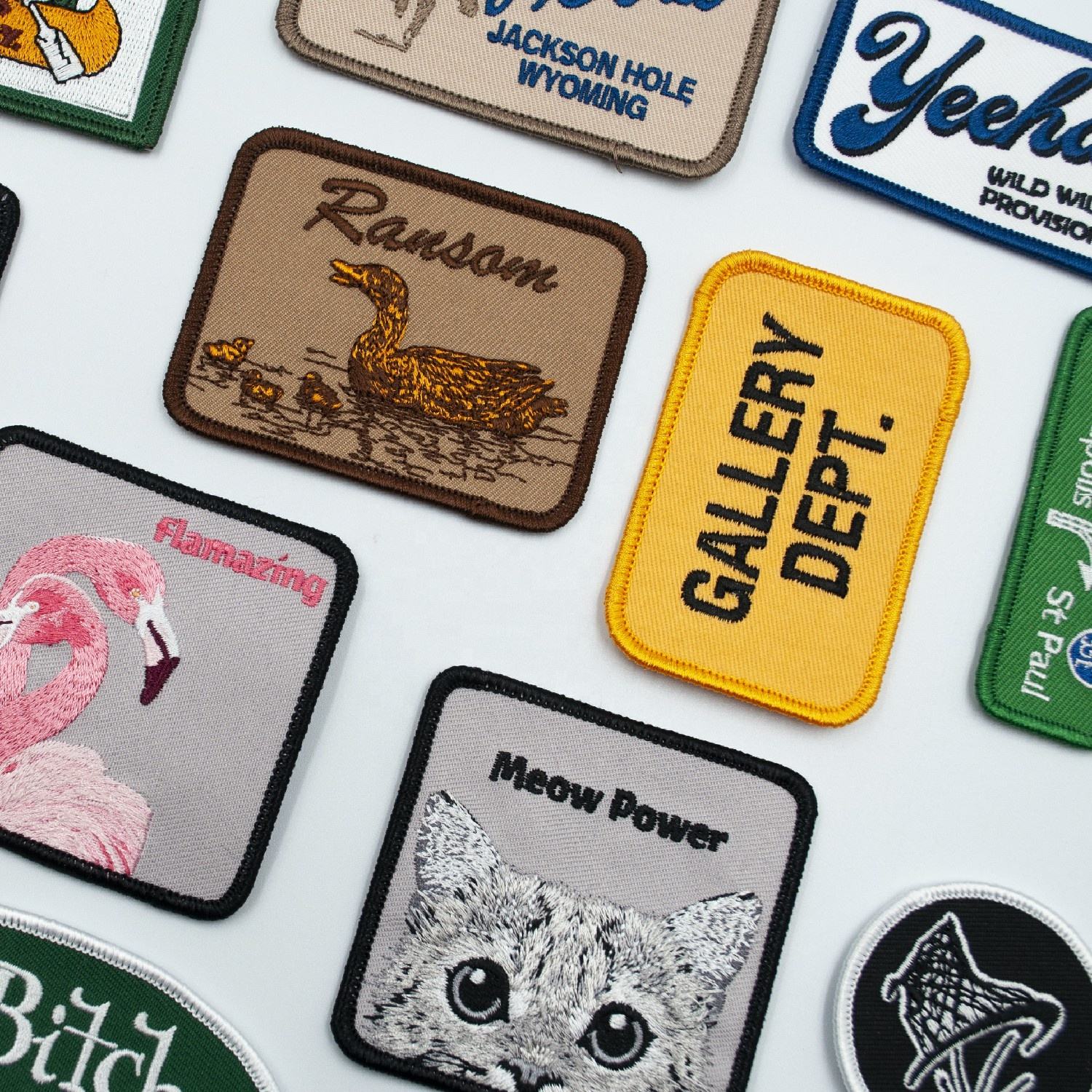
Patch Appliqué
Patch appliqué combines materials, textures and layered branding for varsity jackets, outerwear and statement collections. We coordinate patch construction, edge finish and attachment method with the garment so the detail looks intentional and remains production-ready.
Trims and Branding Details for Private-Label Outdoor Apparel
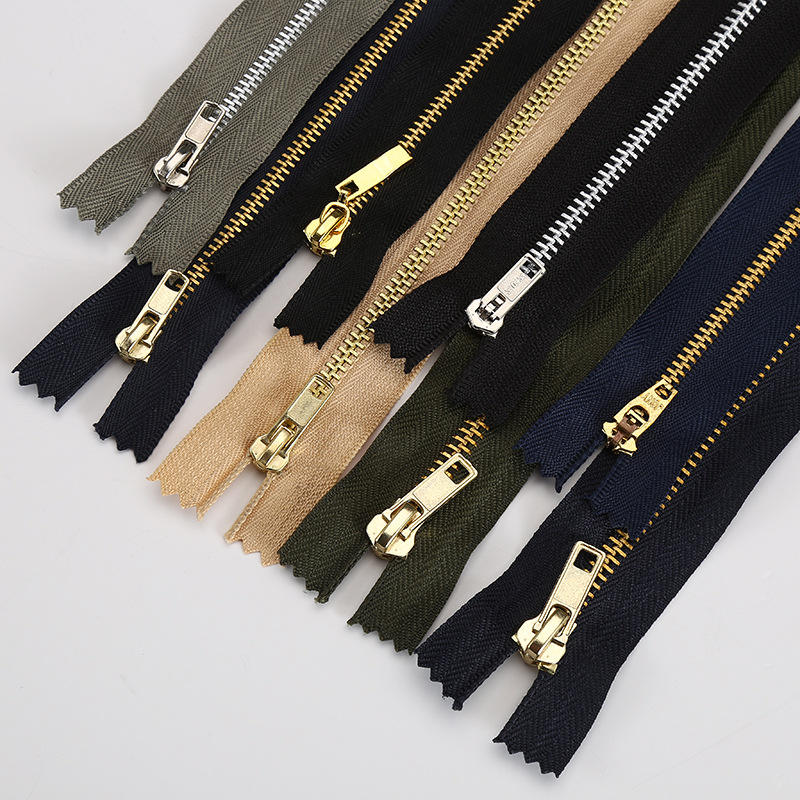
Weather-Ready Zippers
Select zipper types, pulls, tape colors, and placement for windbreakers, quilted outerwear, pockets, and ventilation openings. EDVORIN coordinates the chosen hardware with garment construction, fabric weight, and the approved sample.
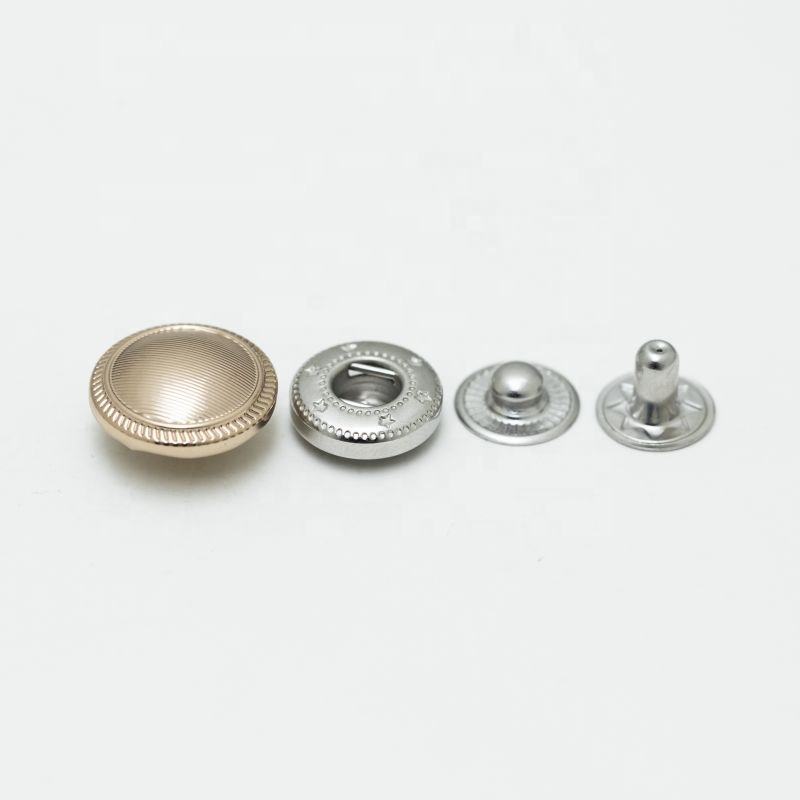
Snap Button Closures
Custom snap buttons add secure, practical closure to varsity jackets, overshirts, cuffs, and pocket flaps. Finish options and branded details can be specified to support the collection’s visual direction and everyday wear requirements.
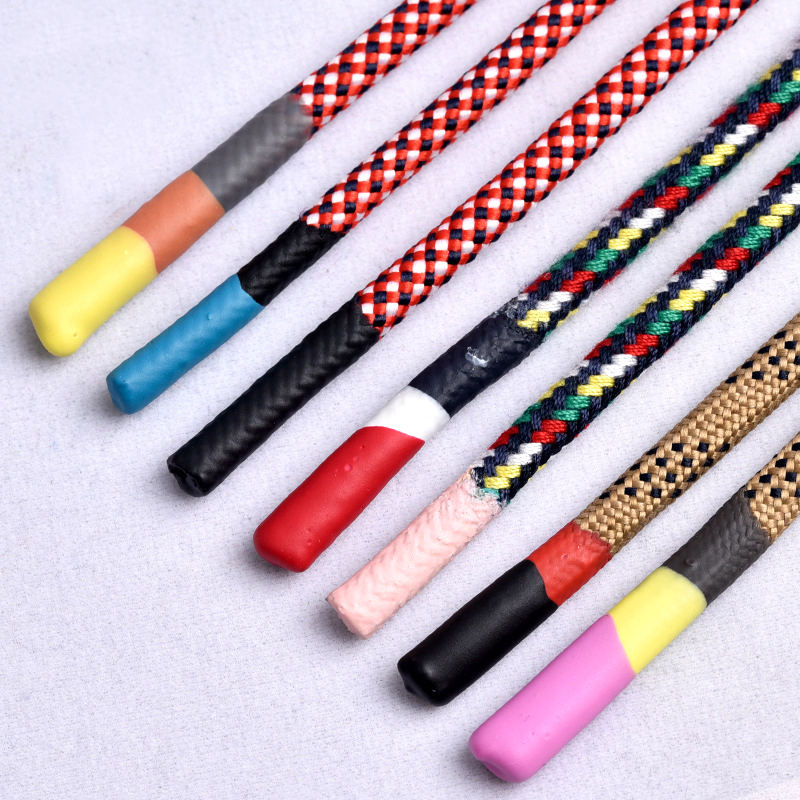
Drawcord and Tipping
Set drawcord material, color, length, aglets, and tipping details for hoodies, waistbands, and adjustable hems. These small components help reinforce fit, function, and a consistent branded finish across a coordinated outdoor collection.
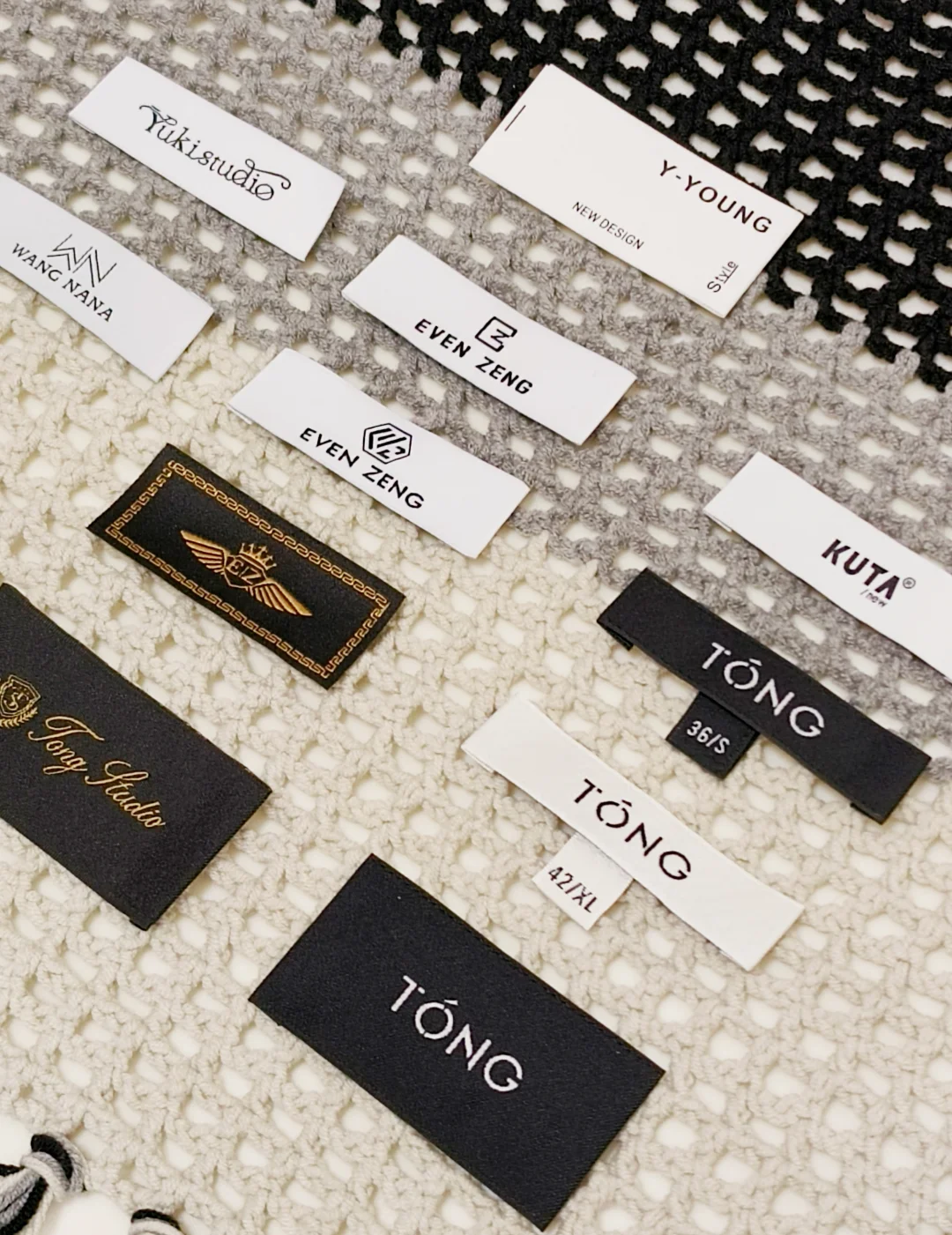
Woven Brand Labels
Woven main labels, size labels, and care labels give each garment a clear private-label identity. Placement, fold style, yarn color, and label content can be documented alongside the approved construction and packaging specifications.
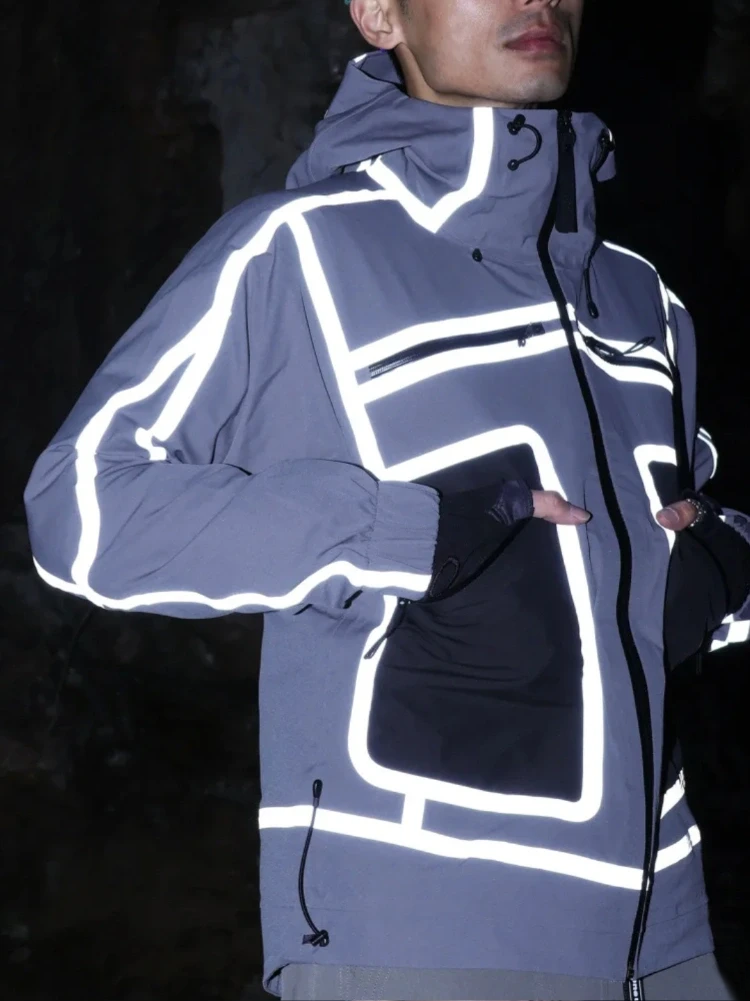
Reflective Detail Options
Reflective prints, piping, tapes, and heat-applied details can improve visibility accents on outerwear and active styles. EDVORIN records placement and application requirements to help keep the detail consistent from sample approval through bulk production.
Outdoor Clothing Manufacturer, Built to Repeat
Founded by Edvorin Zeng in 2000, EDVORIN was built around the point where an outdoor apparel idea becomes a workable garment. We help brands translate concepts, reference pieces, and complete tech packs into clear specifications that can be approved, produced, and repeated with confidence.
As an outdoor clothing manufacturer, we connect product development, fabric and trim sourcing, pattern work, sampling, printing, embroidery, washing, labeling, and packaging in one accountable production path. Our team develops men’s and women’s outerwear, casualwear, streetwear, and teamwear programs around the construction and performance needs of each category.
What makes EDVORIN different is the discipline after sample approval. Material choices, measurements, artwork placement, trims, and finishing are documented against the approved standard, then checked through bulk production and final inspection. This connected approach helps emerging labels and established buyers protect consistency across repeat orders.
Outdoor Clothing Manufacturer From Concept to Production Standard
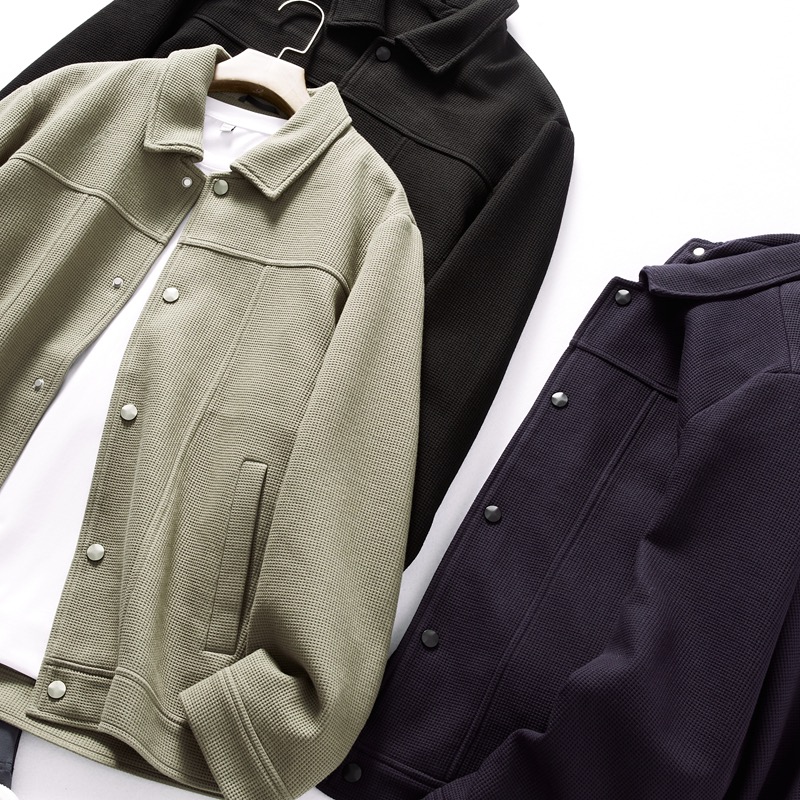
Technical Development That Resolves Details
EDVORIN turns sketches, reference garments, or completed tech packs into production-ready specifications for outdoor collections. Patterns, fit blocks, grading, construction details, and material choices are aligned before the approved sample becomes the standard for repeat production.
- Men’s and women’s fit development
- Pattern, measurement, and grading coordination
- Construction details clarified before bulk production
- OEM, ODM, and private-label support
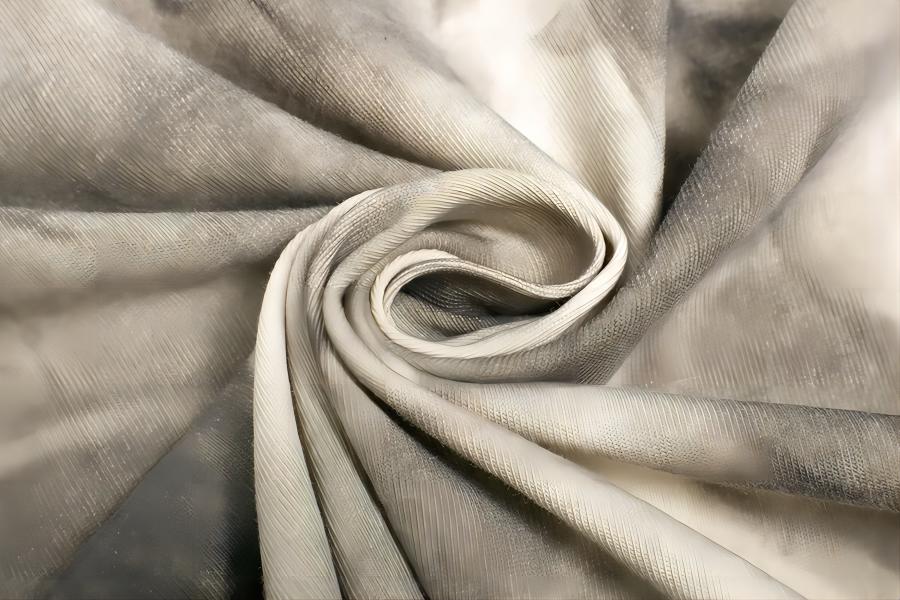
Materials and Trims in One Plan
Outerwear and active layers depend on how fabrics, linings, insulation, ribs, zippers, labels, and packaging work together. EDVORIN coordinates those decisions across the product so the selected components support the intended look, feel, and construction.
- Shell, lining, and insulation coordination
- Zippers, drawcords, ribs, and labels specified
- Fabric selection matched to garment category
- Packaging planned with the finished product
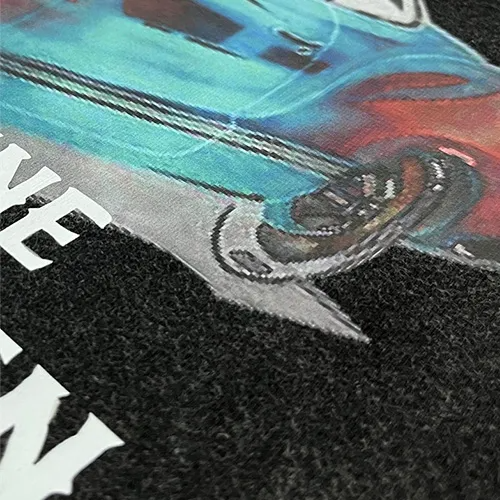
Decoration Planned for the Garment
Printing, embroidery, patches, and washing are considered alongside the base fabric and garment construction, not added as an afterthought. EDVORIN records artwork placement, application details, and finishing requirements to help protect the approved visual standard through bulk production.
- Print and embroidery method coordination
- Artwork placement measurements documented
- Patches and branded details reviewed early
- Wash effects aligned with fabric and construction
Approved Samples Guide Every Order
A good sample only creates value when its decisions are carried into production. EDVORIN uses approved standards to guide material control, measurement communication, in-line inspection, final checking, labeling, and packing for outdoor apparel programs starting at 200 pieces per style.
- Approved sample used as the production reference
- In-line checks address variation early
- Final inspection before packing
- MOQ starts at 200 pieces per style
Outdoor Clothing Manufacturer With Clearer Accountability
EDVORIN keeps development, decoration and quality decisions connected from approved sample through bulk production.
← Swipe left or right to view →
Our Outdoor Apparel Production Workflow
A controlled path that turns approved outdoor designs into repeatable production standards.
Review Specs and Source
We review tech packs or concepts, align fit and performance needs, then coordinate suitable fabrics, trims, colors, labels, and packaging details.
Develop Patterns and Samples
Patterns, measurement standards, construction details, and sample revisions are developed into an approval reference before bulk production begins.
Cut, Sew, and Decorate
Approved materials move through cutting and sewing while prints, embroidery, washes, and branded details are applied for the specified garment program.
Monitor In-Line Quality
Production checks track measurements, construction, artwork placement, materials, and finishing against approved standards before variation affects the full order.
Inspect, Pack, and Ship
Final inspection confirms the finished order, then labels, folding, packing, carton marking, and shipment preparation are completed to buyer requirements.
How to Work With an Outdoor Clothing Manufacturer
Move from an initial concept to a documented, production-ready outdoor collection through one accountable development and manufacturing path.
Share Your Product Direction
Send a tech pack, sketch, reference garment, measurement chart, or collection brief. EDVORIN reviews construction, fit, materials, decoration, and intended performance requirements.
Align Specifications and Quote
Confirm fabric and trim options, decoration methods, quantities, target details, and pricing. MOQ starts at 200 pieces per style for OEM, ODM, and private-label programs.
Approve the Development Sample
Review the sample against your requirements for fit, materials, color, artwork placement, construction, and finishing. Record approved revisions as the standard for bulk production.
Launch Controlled Bulk Production
EDVORIN coordinates materials, cutting, sewing, decoration, washing, labeling, packaging, and in-line quality checks to keep the approved outdoor apparel standard visible through final inspection.
Certified Standards for Responsible Apparel Production


Why Buyers Choose EDVORIN as Their Outdoor Clothing Manufacturer
Customer testimonial pending verification.
Customer testimonial pending verification.
Customer testimonial pending verification.
Outdoor Clothing Manufacturer FAQs for B2B Buyers
Practical answers on development, minimums, approvals and production control for custom outdoor apparel programs.
What is the MOQ for an outdoor clothing manufacturer?
Can an outdoor clothing manufacturer help if I do not have a complete tech pack?
How does sampling work for custom outdoor apparel?
How long does custom outdoor apparel production take?
Can EDVORIN make men’s and women’s outdoor clothing?
How does an outdoor clothing manufacturer control bulk quality?
Which compliance and certification programs can EDVORIN support?
Can EDVORIN coordinate labels, packaging, printing, embroidery, and washing?
Complete Outdoor Clothing Manufacturer Buyer’s Guide
Use this decision framework to evaluate outdoor apparel suppliers, compare technical fabrics and customization routes, control quality and cost, and avoid sourcing mistakes before launching or scaling a private-label collection.
1. What Is an Outdoor Clothing Manufacturer?
Since 2000, EDVORIN has treated an outdoor clothing manufacturer as a B2B partner that turns weather, movement, and durability requirements into repeatable garments. Its job extends beyond sewing to material sourcing, patterns, samples, decoration, washing, quality control, labeling, and packing.
OEM means the buyer supplies the design, tech pack, measurements, and approvals while retaining the greatest design control. ODM gives brands a manufacturer-developed starting point to adapt; it suits buyers needing faster technical development.
Private label applies a buyer’s identity to a developed product platform, while wholesale buys ready-made stock with the least design control. Fashion labels and teams often use OEM or ODM; distributors and smaller buyers may favor private label or wholesale.
2. How Outdoor Clothing Manufacturing Evolved
1935 marked nylon’s commercial development, shifting outdoor sourcing beyond wool and waxed cotton toward lighter, faster-drying synthetic shells. Buyers consequently began specifying denier, weave, abrasion targets, and fabric weight—not simply a garment’s appearance. https://www.sciencehistory.org/education/scientific-biographies/wallace-h-carothers/
1969 brought the expanded-PTFE membrane later used in waterproof-breathable laminates, making shell performance dependent on the full fabric system: face fabric, membrane, backing, seam tape, and durable water-repellent finish. An outdoor clothing manufacturer must therefore lock approved material codes, seam construction, and wash-care requirements before bulk cutting. https://www.gore.com/about/our-history
2020s performance-lifestyle collections have widened the brief from mountain protection to everyday fit, packability, and brand presentation. Modern buyers should request wearer-specific blocks and grading, traceable material documentation, and evidence for recycled or lower-impact claims rather than treating sustainability as a hangtag statement.
3. Outdoor Clothing Manufacturer Product Categories
Six product families cover most opening outdoor ranges. An outdoor clothing manufacturer should align each with one activity, climate, and price target before expanding; EDVORIN can translate that brief into development standards.
Base And Midlayers
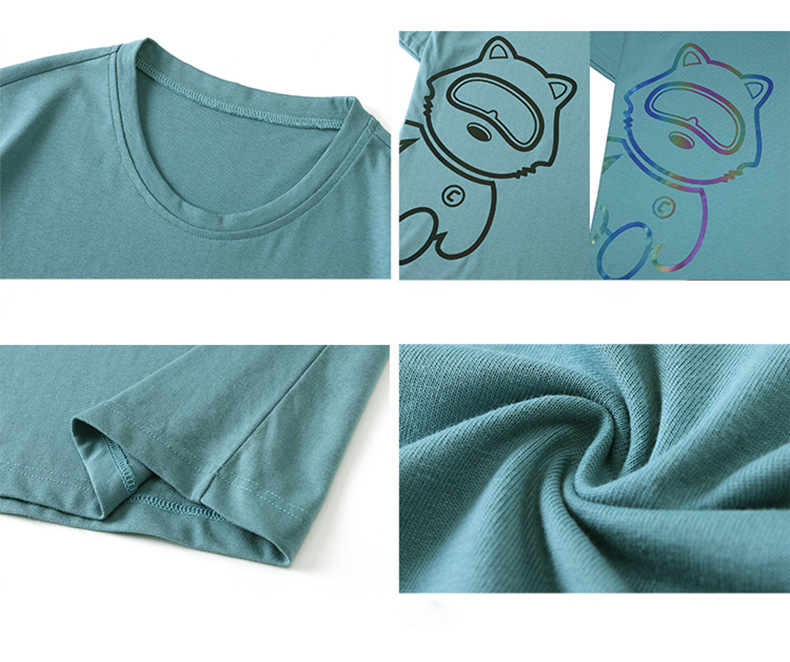
1. Base layers manage moisture next to skin; flatlock seams, stretch, and quick drying are core, with fit and fabric recovery driving complexity.
2. Midlayers provide warmth between layers; fleece or insulated knits need stable loft, pocket construction, and clean layering proportions.
Shells And Insulation
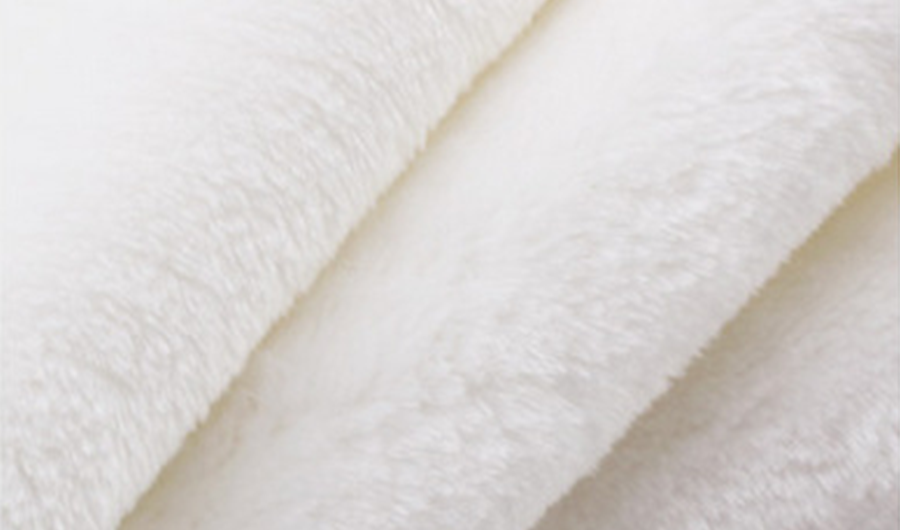
3. Shells protect against wind and rain; seam sealing, zipper selection, hood geometry, and membrane compatibility make them the highest-risk development category.
4. Insulated outerwear adds warmth; insulation distribution, lining, quilting, and bulk control require multiple sample checks.
Bottoms And Lifestyle Pieces
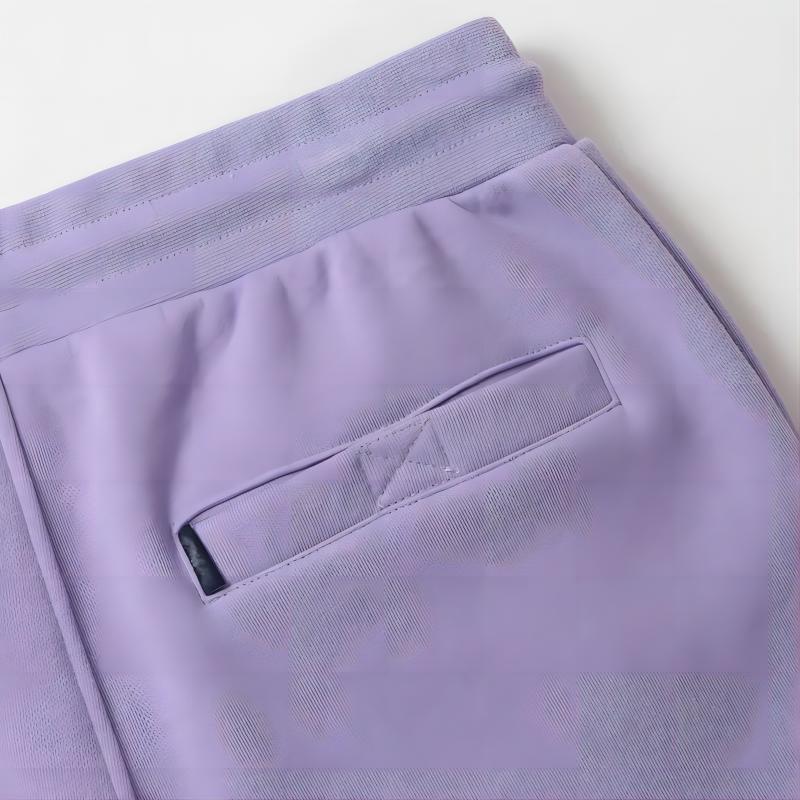
5. Outdoor bottoms prioritize mobility and abrasion resistance; articulated knees, gussets, reinforcements, and grading add construction complexity.
6. Team and lifestyle pieces extend a range through windbreakers, jerseys, hoodies, and coordinated sets. Start with one shell or bottom plus one simpler layering piece.
4. Outdoor Clothing Manufacturer Fabrics and Materials
Three-layer choices should follow rain exposure, abrasion, warmth, and movement—not a generic ‘waterproof’ brief. An outdoor clothing manufacturer should lock fiber, construction, weight, and test requirements before sampling.
| Material | Benefit | Limitation | Best Use |
|---|---|---|---|
| Polyester | Quick-drying | Less abrasion resistance | Fleece, shells |
| Nylon | Abrasion resistant | Can retain odor | Pants, shells |
| Ripstop nylon | Tear control | Crisper hand | Reinforcements |
| Softshell | Stretch, breathable | Limited rain protection | Active jackets |
| Merino blend | Odor control | Slower drying | Base layers |
| Recycled synthetics | Lower virgin input | Verify content | Shells, insulation |
| Membrane plus DWR | Weather protection | Needs testing | Rain shells |
Specify Performance Layers
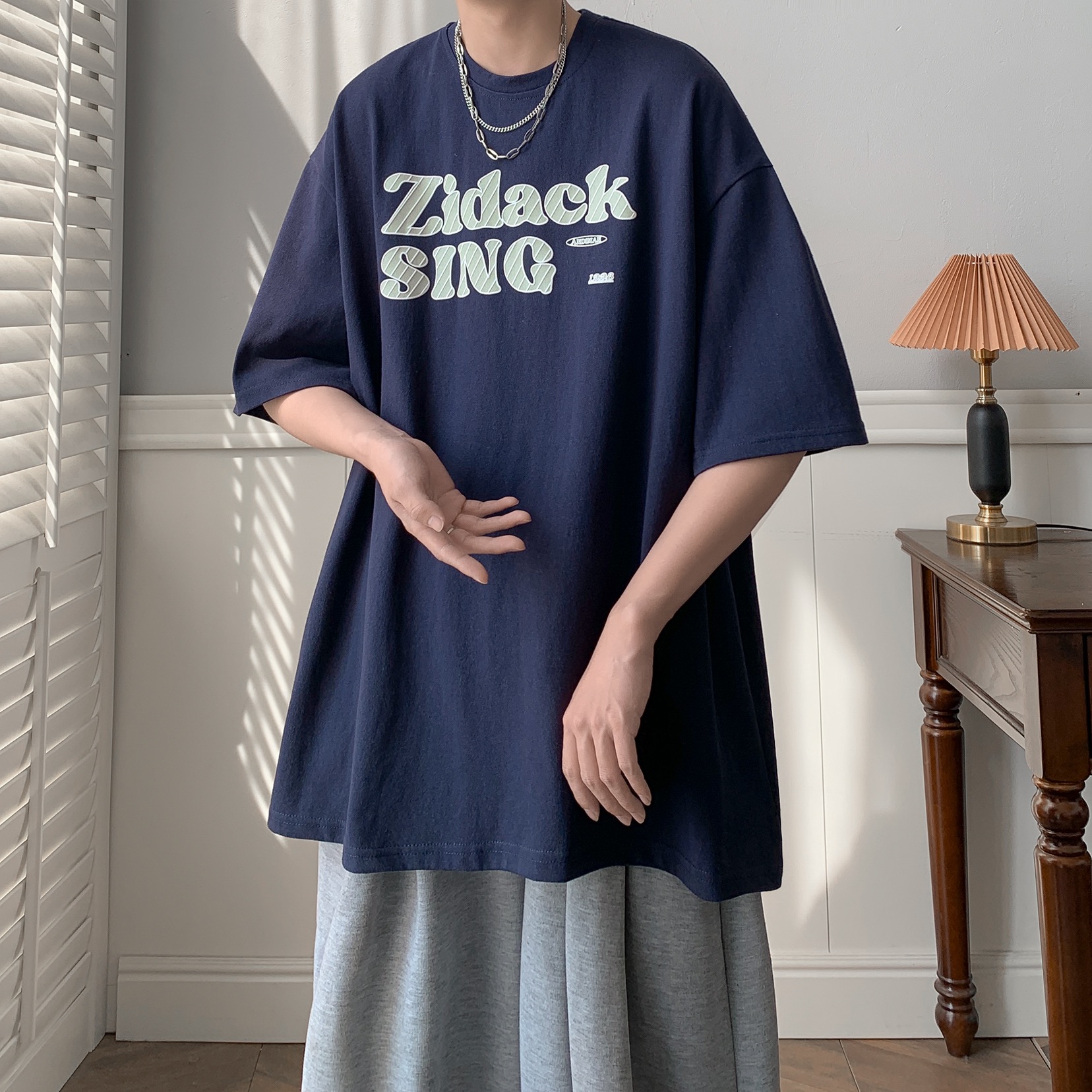
2L or 3L shells pair a face fabric, membrane, and backing; use them for sustained rain, not casual wind protection.
60–120 gsm synthetic insulation suits active jackets; fleece linings add warmth but bulk. Specify stretch-panel recovery and reinforcement zones separately.
Verify Claims Before Bulk
DWR is a water-shedding finish, not waterproofing. Request hydrostatic-head, breathability, abrasion, wash-durability, and recycled-content specifications, then confirm them with approved-lot testing.
5. Outdoor Clothing Customization and Branding Options
Three branding decisions should be locked before sampling: decoration method, placement, and garment use environment. EDVORIN can translate custom colors, fabric, fit blocks, pockets, trims, labels, and packaging into an approved production standard.
| Option | Best Use | Production Consideration |
|---|---|---|
| Embroidery | Fleece or softshell | Avoid waterproof zones |
| Heat transfer | Team shells | Test finish adhesion |
| Woven patch | Casual outerwear | Adds application labor |
Match Decoration To Shell
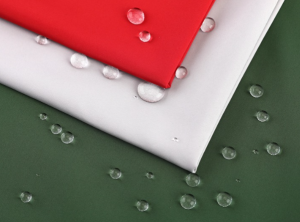
Waterproof shells need decoration mapped away from seam tape, zipper garages, and high-flex panels. Needle embroidery creates permanent punctures that can reduce local weather protection.
Heat transfers suit smooth polyester shells and team identifiers when adhesion is tested on the selected finish. Screen prints and patches add visual impact but can raise setup or application cost.
Build A Recognizable Spec
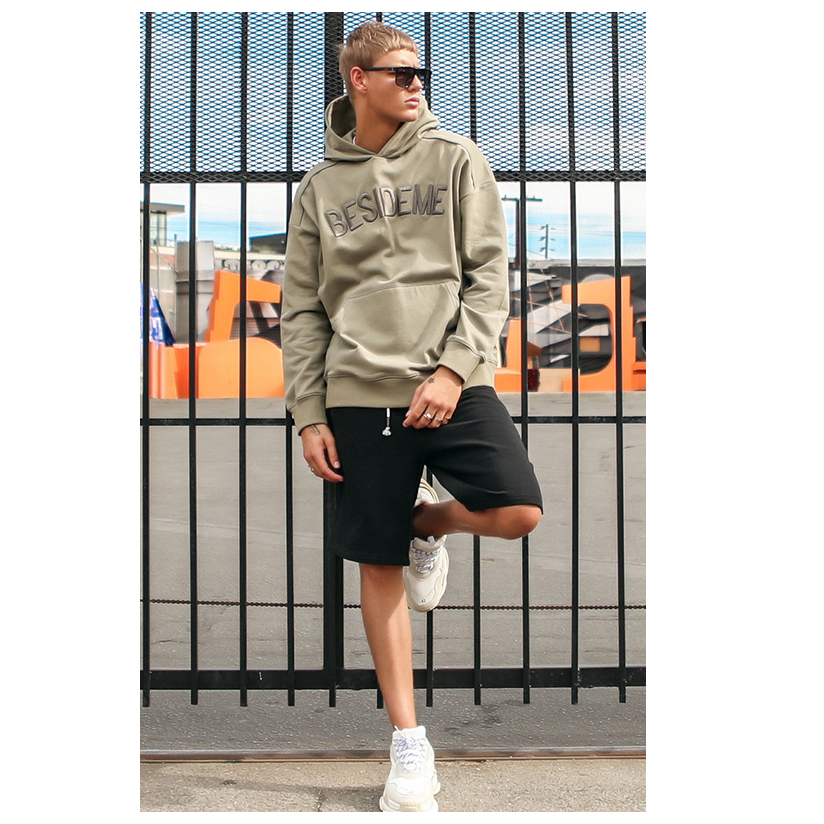
Pantone color references, pocket dimensions, zipper pulls, and contrast panels make a private-label program identifiable beyond a chest logo. Fit blocks should be graded separately for intended men’s and women’s programs.
Woven main labels, size labels, care labels, hangtags, and branded polybags should share approved artwork and placement measurements. A physical sample remains the reference for repeat orders.
Choose By Use Volume
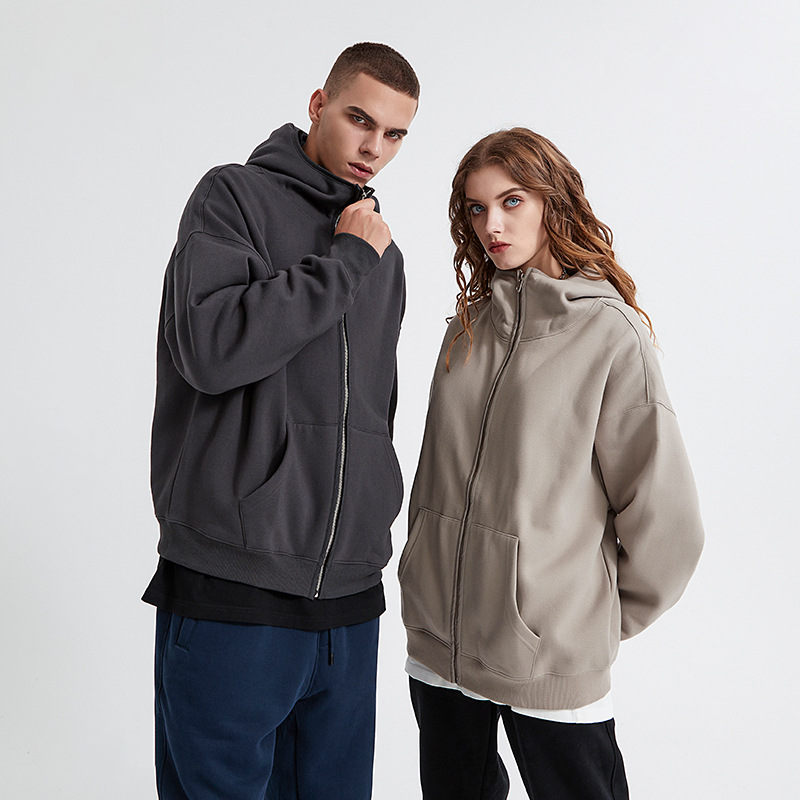
200-piece launches benefit from focused branding: one logo location, standard trims, and limited colorways reduce revision risk. Schools and clubs should prioritize legible names, numbers, and color consistency.
1,000-piece repeat programs can justify custom hardware, multiple patches, or more complex placement maps. Outdoor clothing manufacturer buyers should specify whether garments face rain, abrasion, travel, or sideline use.
6. Construction Details That Determine Quality
A technical shell fabric cannot compensate for leaking seams, weak closures, or inconsistent pattern execution. EDVORIN records construction decisions in the approved sample and carries them into bulk specifications.
Seams And Reinforcement
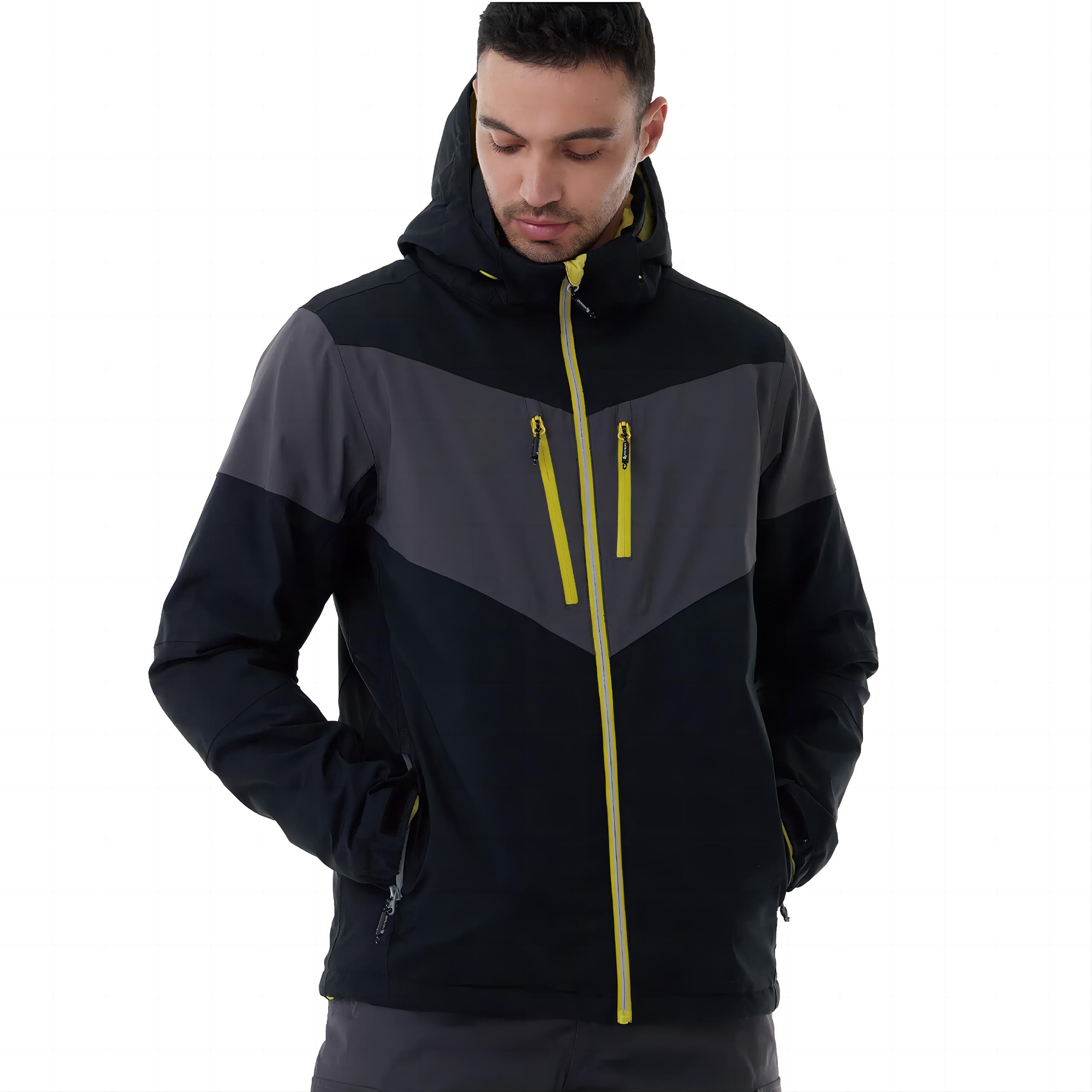
Two seam questions matter first: which seam joins the panel, and where must it be sealed.
High-stress zones include pocket corners, crotch joins, elbows, knees, and zipper ends; inspect bartacks and reinforcement panels.
Closures And Edge Finishing
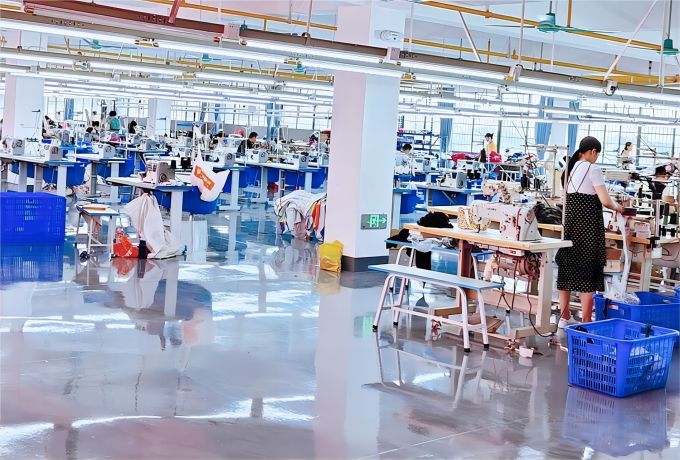
One zipper specification should name size, coil or molded teeth, puller, and approved supplier or equivalent.
Storm flaps, hem adjustments, cuffs, and pocket openings need samples checked while worn, not only laid flat.
Pre-Production Check
Before bulk cutting, compare the graded measurement chart, articulation points, stitch appearance, and placement against the sealed sample.
Each production file should confirm seam-sealing locations, reinforcement count, zipper specification, pocket dimensions, hem and cuff construction, and label placement.
7. How to Choose an Outdoor Clothing Manufacturer
Two comparable quotations reveal more than a low unit price. Evaluate an outdoor clothing manufacturer against the evidence it provides before committing a seasonal program.
Match Category Experience
1 relevant jacket or technical-woven sample shows more than a catalog. Ask for construction photos, fabric specifications, and comparable development records.
2 fit blocks—men’s and women’s where needed—should be reviewed before grading. Request written tech-pack feedback identifying missing measurements, tolerances, and performance assumptions.
Test Development Control
1 sample revision log should record dates, material substitutions, measurements, artwork placement, and buyer approvals. Confirm who owns pattern corrections and how changes reach bulk production.
2 technical sourcing questions matter: request membrane, insulation, zipper, and trim options with test or supplier documentation. Ask what is available before approving claims.
Verify Production Readiness
EDVORIN’s MOQ starts at 200 pieces per style. 3 controls deserve direct review: in-line inspection, final inspection, and packing checks. Request the inspection procedure, AQL assumption, defect reporting format, and compliance documents applicable to the destination market.
4 quotation assumptions should state MOQ by style/color, capacity window, sample and bulk lead times, Incoterm, labeling, cartons, and shipping readiness. Name one accountable contact and escalation route.
8. Common Outdoor Clothing Sourcing Mistakes
One low quote can become the highest landed cost when fabric substitutions, rework, or missed delivery windows emerge. First-time founders and repeat-program procurement teams should convert every approval into a written production control.
Price Before Specification

Three quotes are only comparable when they use the same fabric, construction, decoration, packing, and Incoterm. Prevent surprises by issuing one cost sheet and asking each outdoor clothing manufacturer to identify exclusions.
Unclear Development Standards
One reference garment cannot replace a tech pack with measurements, Pantone references, artwork placement, seam details, and tolerances. Run wash, abrasion, fit, and field-wear checks before bulk, then freeze the revised sample as the production standard.
Missing Supply And Packing Controls
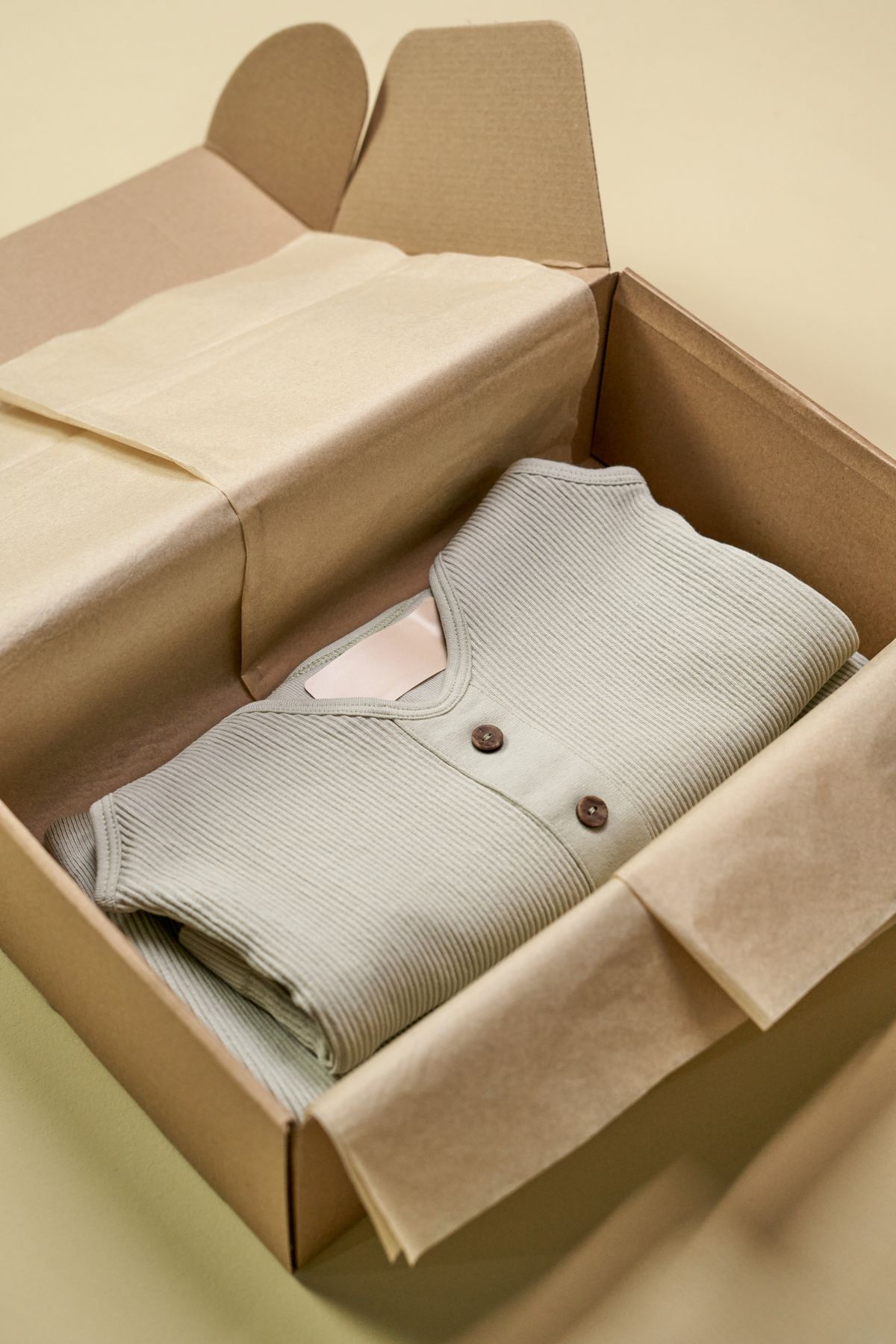
EDVORIN’s MOQ starts at 200 pieces per style. Two weeks can be lost when zippers, cord locks, labels, or custom colors are unavailable after sample approval. Confirm MOQ, material lead time, substitute rules, carton quantities, polybag labeling, and measurement tolerances before placing a repeat order.
9. Steps to Launch an Outdoor Apparel Line
A 2- to 3-style pilot assortment exposes fit, material, and costing risks before capital is committed across a full collection. Involve the outdoor clothing manufacturer while the concept is still adjustable, not after artwork and fabric assumptions are fixed.
Define The Use Case
EDVORIN’s MOQ starts at 200 pieces per style. Stage 1 locks the activity, climate, target wearer, price position, and required performance claims. Define whether the garment is for trail running, team travel, hiking, or urban weather before selecting features.
Stage 2 turns that brief into silhouettes, colorways, size range, target MOQ, and delivery window. EDVORIN can flag construction conflicts and development dependencies early.
Build And Test Samples
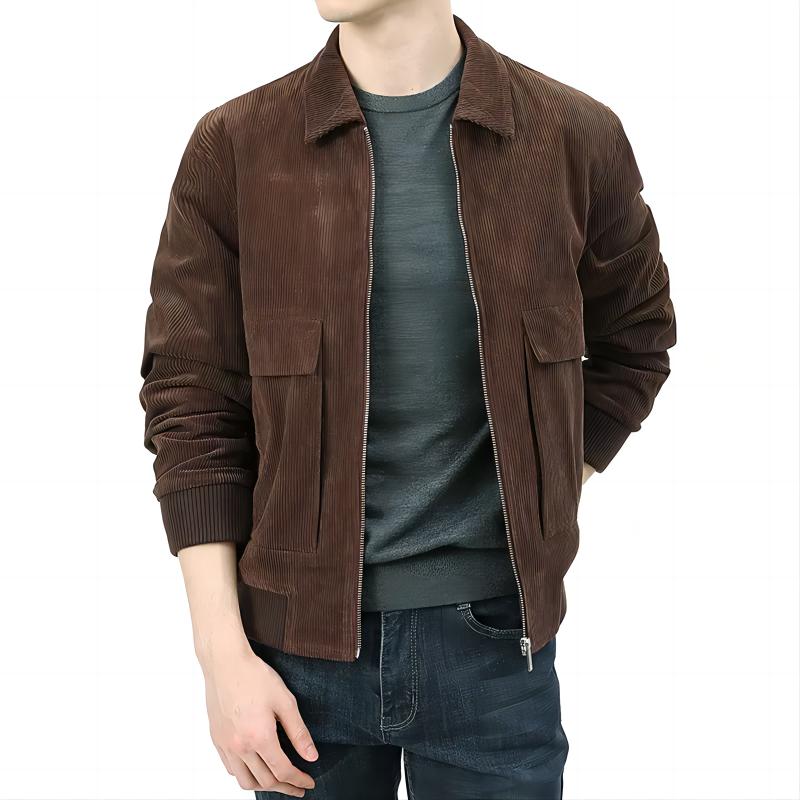
Stage 3 requires a tech pack with measurement chart, Pantone references, bill of materials, artwork placement, seams, trims, and labeling. Select shell, lining, insulation, and WR treatment only after confirming their intended function.
Stage 4 uses a prototype, fit sample, and field wear test to check mobility, layering room, pocket access, abrasion points, and wash behavior. Record every revision against the approved sample.
Approve Production And Delivery
Stage 5 locks the final sample, graded specifications, packing method, inspection standard, and production schedule. Confirm bulk fabric, color approval, decoration files, and replacement-trim policy before cutting begins.
Stage 6 plans in-line checks, final inspection, carton marks, freight booking, and arrival date. Scale only after the pilot’s returns, sell-through, and repeat-order feedback validate the specification.
10. Outdoor Clothing Manufacturer Pricing and Cost
200 pieces is a practical planning tier, but an outdoor clothing manufacturer should quote each style separately because fabric weight, membrane, insulation, seam construction, and decoration change cost. Lower volumes spread pattern, cutting, and artwork setup across fewer units.
2 approvals—fit and pre-production—typically prevent bulk rework; request an itemized quote covering sample charges, MOQ, packaging, freight terms, duties, and testing. Landed cost should be compared at a stated destination, currency, and Incoterm.
| Quantity Tier | Price per Unit Trend | Primary Cost Drivers | Typical Production Window |
|---|---|---|---|
| 200–499 units | Highest | Sample amortization, custom fabric minimums, setup | 6–10 weeks after approvals |
| 500–999 units | Moderate | Shell, membrane, insulation, trims | 6–10 weeks after approvals |
| 1,000–2,999 units | Lower | Colorways, print/embroidery, packaging | 8–12 weeks after approvals |
| 3,000+ units | Lowest potential | Material booking, freight consolidation, inspections | 10–14 weeks after approvals |
Build Your Outdoor Collection With EDVORIN
Send your tech pack, reference garment or collection concept for a tailored OEM/ODM quote from an outdoor clothing manufacturer built for repeatable production.