
Custom Apparel Manufacturer for Brands, Built to Repeat
Turn concepts into repeatable collections with OEM/ODM development, decoration and quality control. MOQ starts at 200 pieces per style.
What EDVORIN Coordinates From Development to Bulk Production
EDVORIN connects the decisions that turn an approved concept into a repeatable collection, from development through packed bulk production.
Product Development
Translate sketches, references, or complete tech packs into workable patterns, measurements, fit blocks, and construction specifications for men’s and women’s programs.
Fabric and Trim Sourcing
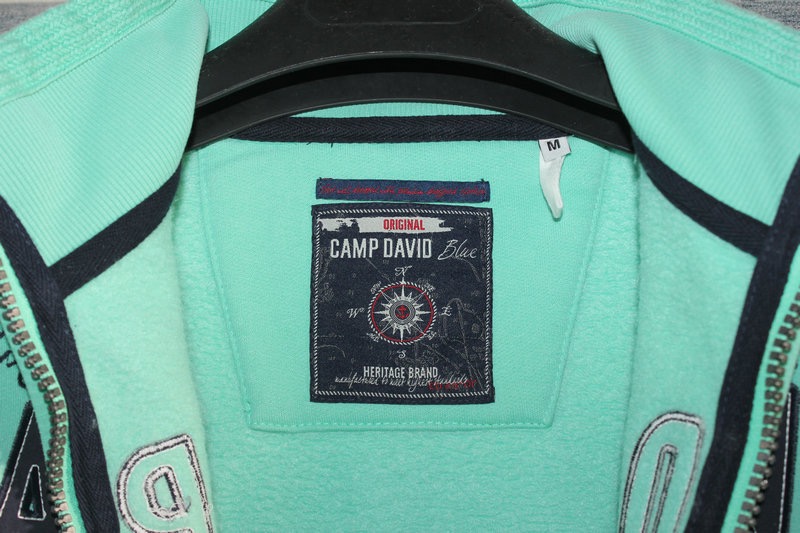
Coordinate fabric weight, color, rib, hardware, labels, drawcords, and other trims so each component supports the approved garment standard.
Category-Specific Decoration
Match printing, embroidery, patches, washing, names, and numbers to the garment’s material, construction, visual direction, and intended end use.
Sample-Led Bulk Control
Use approved samples, documented measurements, placement details, and in-line checks to keep bulk production aligned with the buyer’s agreed standard.
Private-Label Finishing
Bring labeling, packaging, size sets, and final inspection into the same workflow, creating a clearer handoff from production floor to delivery.
Manufacturing for Diverse Buyer Programs
From technical outerwear and team uniforms to private-label collections, EDVORIN develops production-ready apparel around your category, customer, and repeat-order requirements.
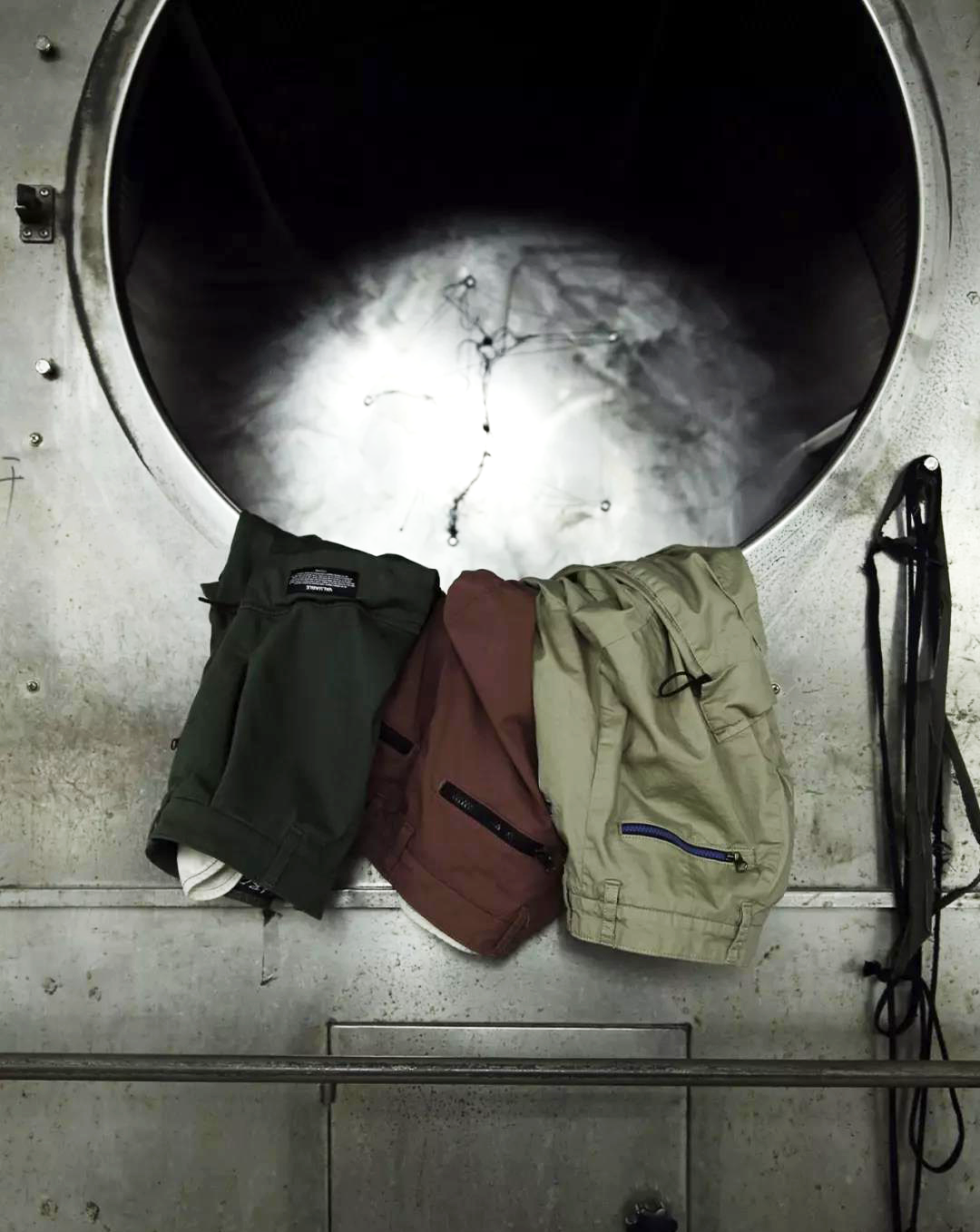
Apparel Manufacturing for Outdoor Brands
EDVORIN develops outdoor apparel with shell fabrics, linings, insulation, wind protection, functional pockets, hardware, and decoration coordinated for the intended conditions. Product development covers men’s and women’s programs, from lightweight windbreakers to quilted outerwear and layered casual pieces.
Get a Quote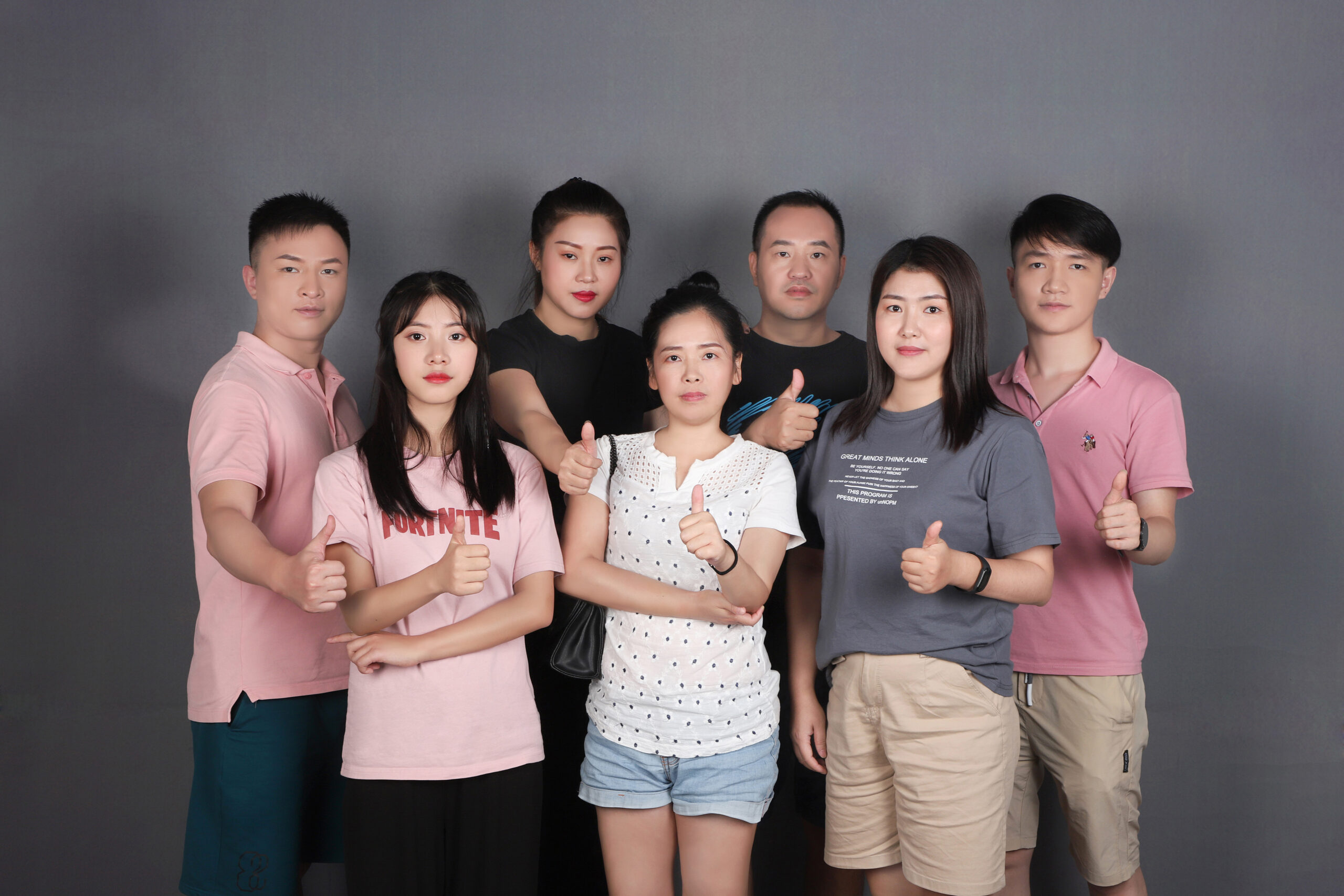
Apparel Manufacturing for Fashion Brands
Fashion brands can develop collection-specific silhouettes, fabrics, washes, trims, labels, and packaging through one production workflow. EDVORIN supports complete tech packs as well as early concepts, translating approved samples into documented standards for reliable bulk production.
Get a Quote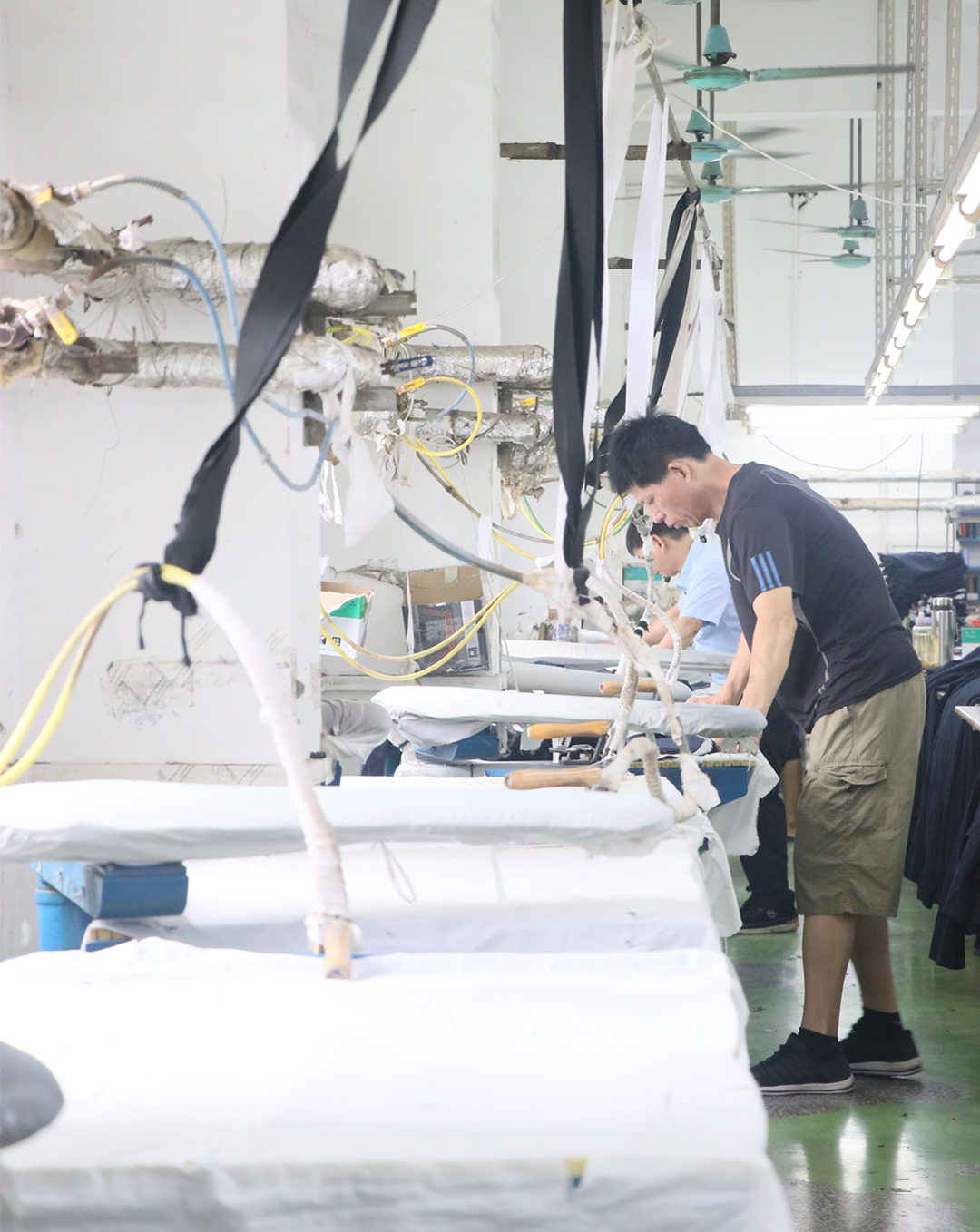
Apparel Manufacturing for Sportswear Brands
For sportswear brands, EDVORIN coordinates performance fabrics, stretch requirements, ventilation details, seams, fit blocks, printing, embroidery, and packaging. Men’s and women’s programs can be developed across training tops, shorts, jerseys, warm-ups, and sport-inspired casualwear.
Get a Quote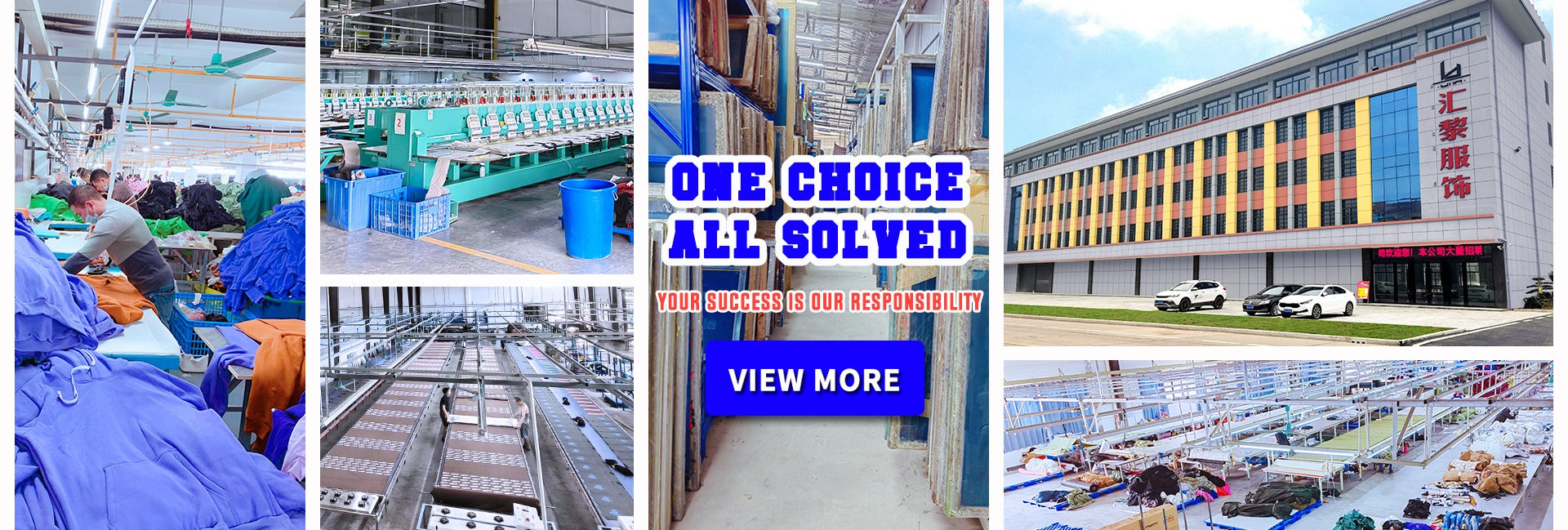
Apparel Manufacturing for Teamwear Organizations
EDVORIN produces teamwear programs with controlled colors, size grading, player names, numbers, logos, and coordinated garments. Development can include jerseys, warm-up layers, shorts, jackets, and supporter apparel, with approved samples guiding repeat bulk orders.
Get a Quote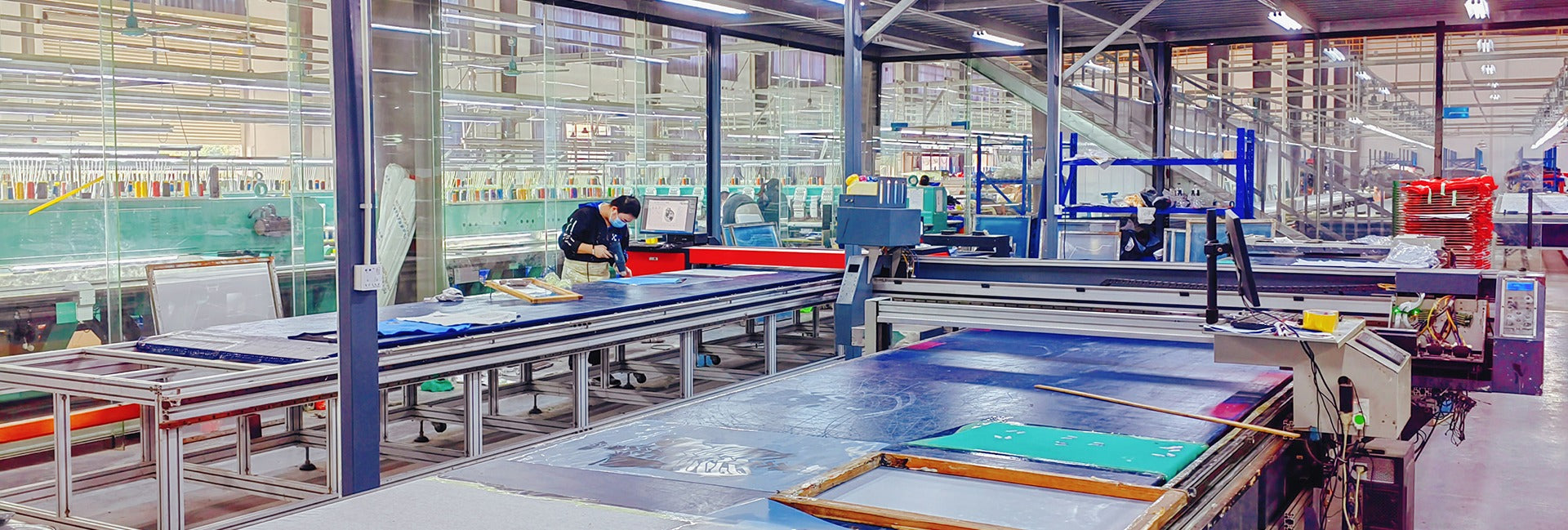
Apparel Manufacturing for Corporate Uniform Programs
Corporate uniform programs are developed around role-specific fit, durable fabrics, logo application, color consistency, and practical garment details. EDVORIN coordinates polos, woven shirts, outerwear, trousers, and branded layers for consistent deployment across teams or locations.
Get a Quote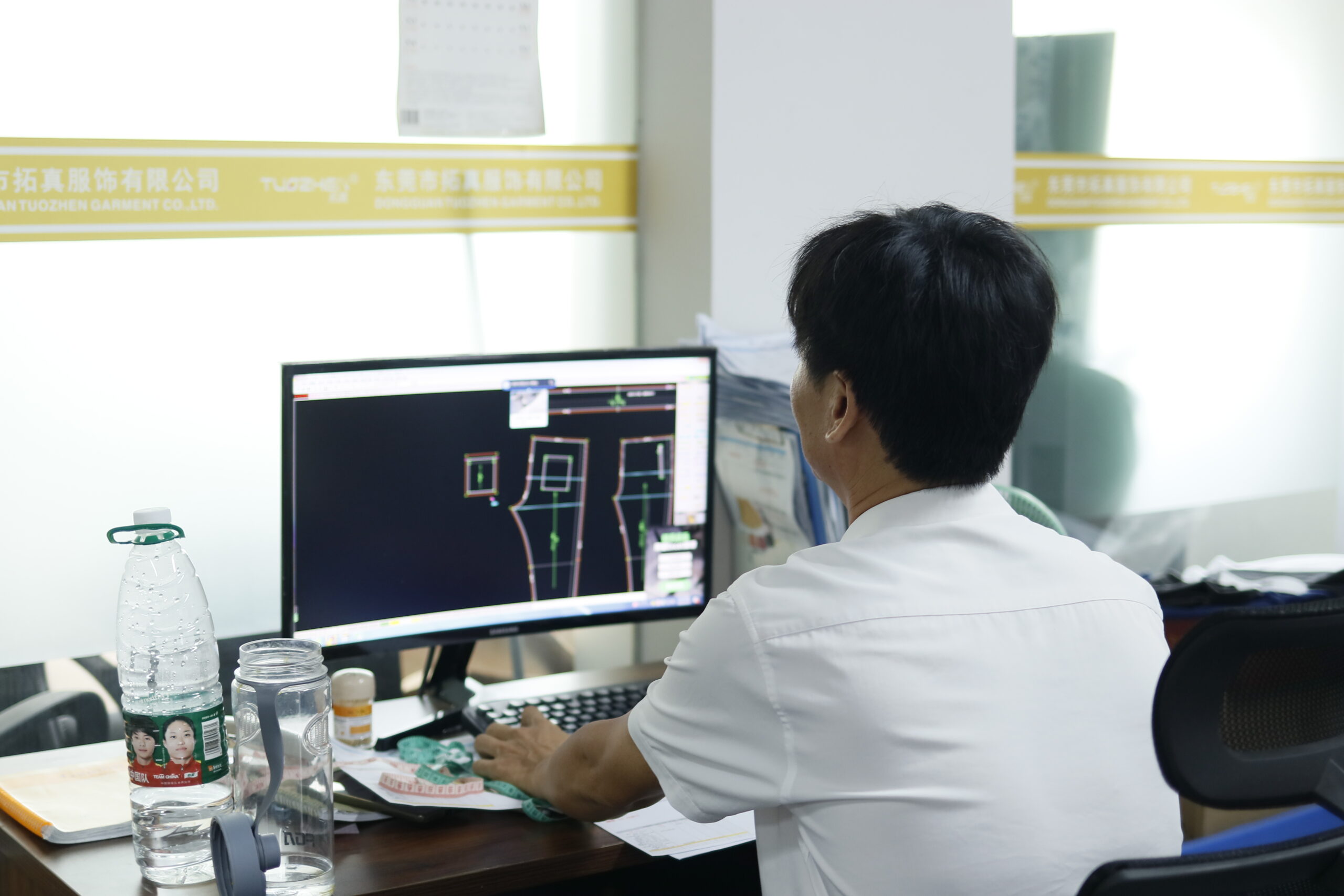
Apparel Manufacturing for Schools and Uniform Programs
School uniform programs require dependable sizing, repeatable colors, durable construction, and organized logo placement. EDVORIN develops polos, sweatshirts, jackets, shirts, trousers, skirts, sportswear, and seasonal layers for men’s and women’s student programs.
Get a Quote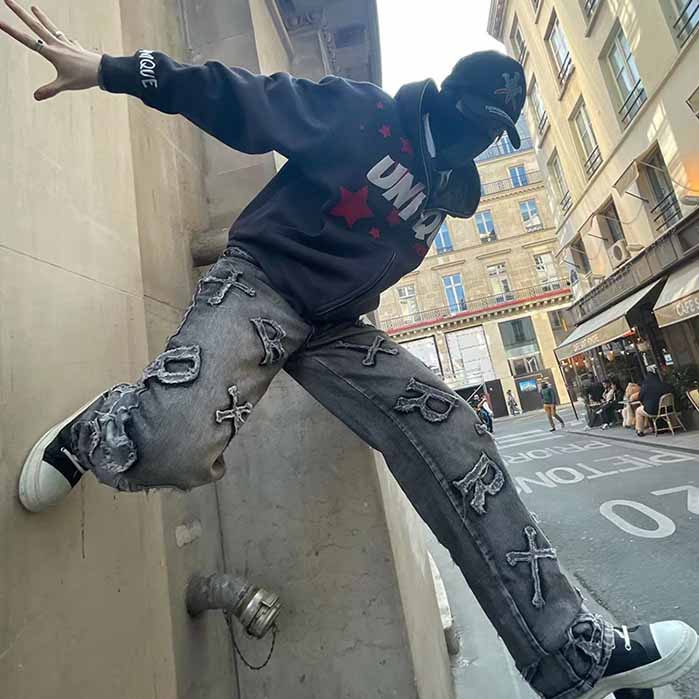
Apparel Manufacturing for Hospitality Uniforms
EDVORIN develops hospitality uniforms that balance presentation, movement, laundering needs, and brand identification. Programs can include front-of-house shirts, polos, aprons, outerwear, service layers, and coordinated garments with embroidery, printing, labels, and packaging managed together.
Get a Quote
Apparel Manufacturing for Restaurant Uniforms
Restaurant uniform development can include chef jackets, aprons, shirts, polos, T-shirts, outerwear, and service apparel. EDVORIN coordinates fabric weight, fit, logo decoration, pockets, closures, and repeat-order specifications for kitchen and front-of-house teams.
Get a Quote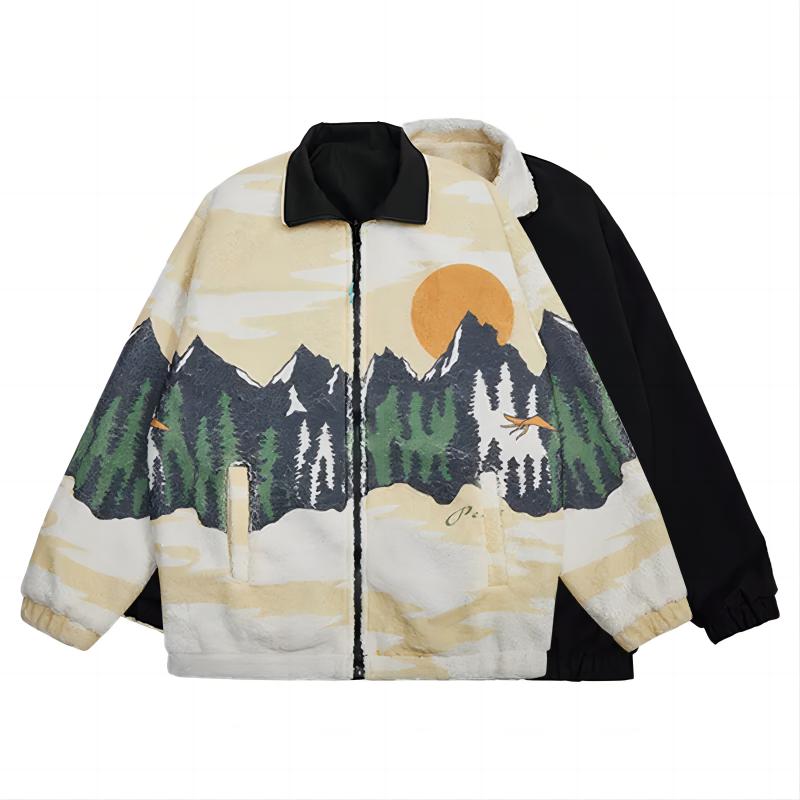
Apparel Manufacturing for Workwear Brands
Workwear brands can develop durable apparel with construction details suited to the intended role, including reinforced areas, functional pockets, hardware, layered options, and branded decoration. EDVORIN supports product development, material sourcing, sampling, and controlled bulk production.
Get a Quote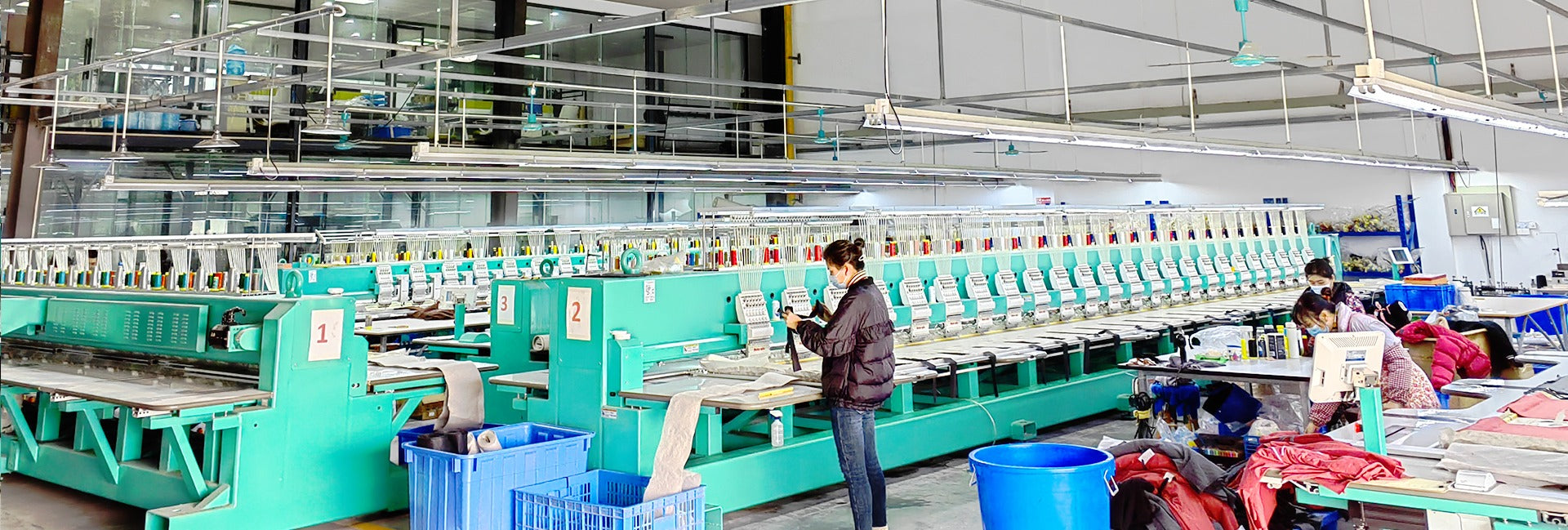
Apparel Manufacturing for Gyms and Fitness Brands
For gyms and fitness brands, EDVORIN develops training apparel around movement, fabric recovery, breathability, fit, and decoration requirements. Programs can include T-shirts, tanks, shorts, joggers, hoodies, jackets, and coordinated men’s and women’s collections.
Get a Quote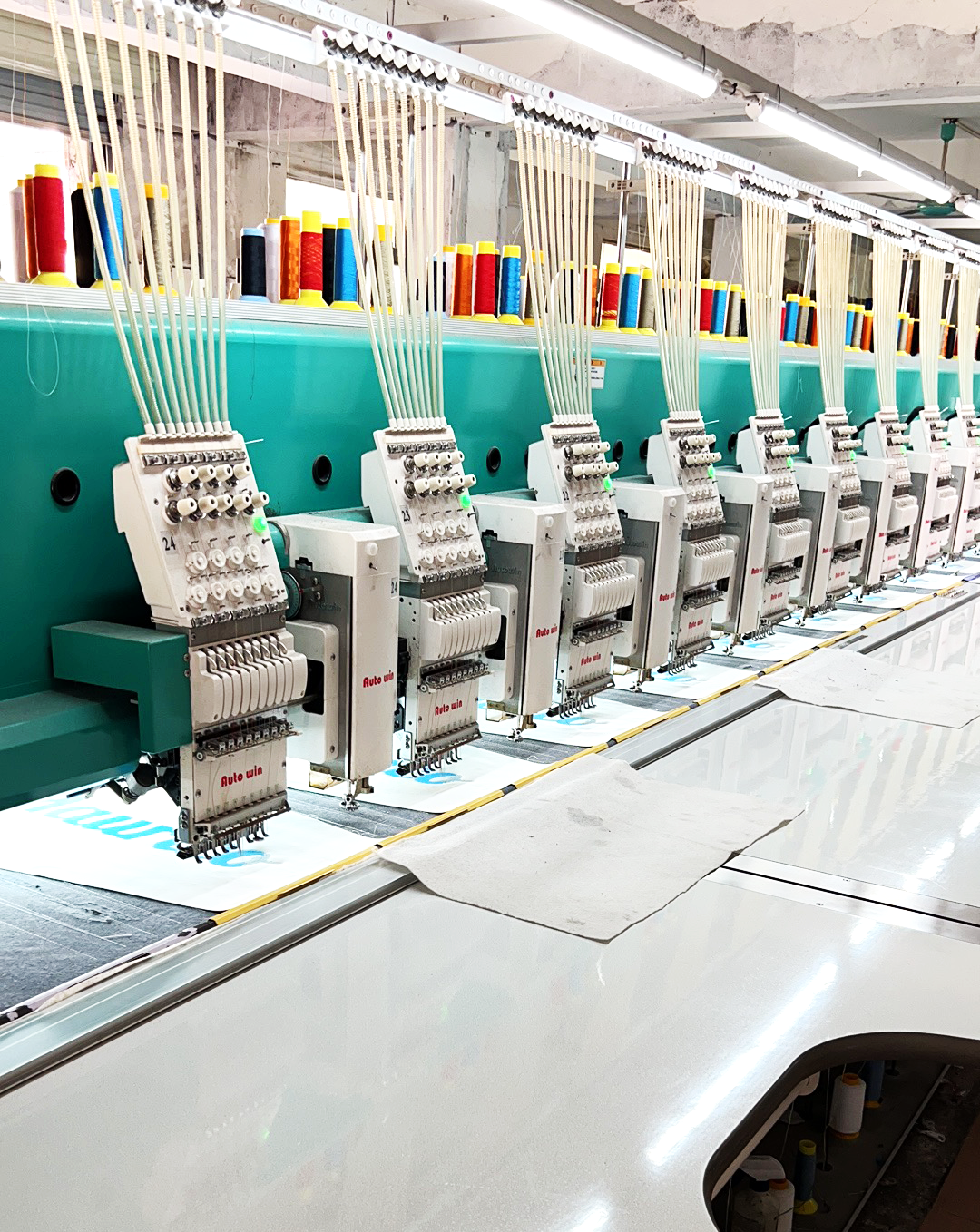
Apparel Manufacturing for Running Clubs
Running clubs can build coordinated apparel programs with lightweight fabrics, ventilation, mobility, club graphics, and clear size grading. EDVORIN develops running tops, shorts, singlets, warm-up layers, and outerwear with print placement and color references recorded for repeat orders.
Get a Quote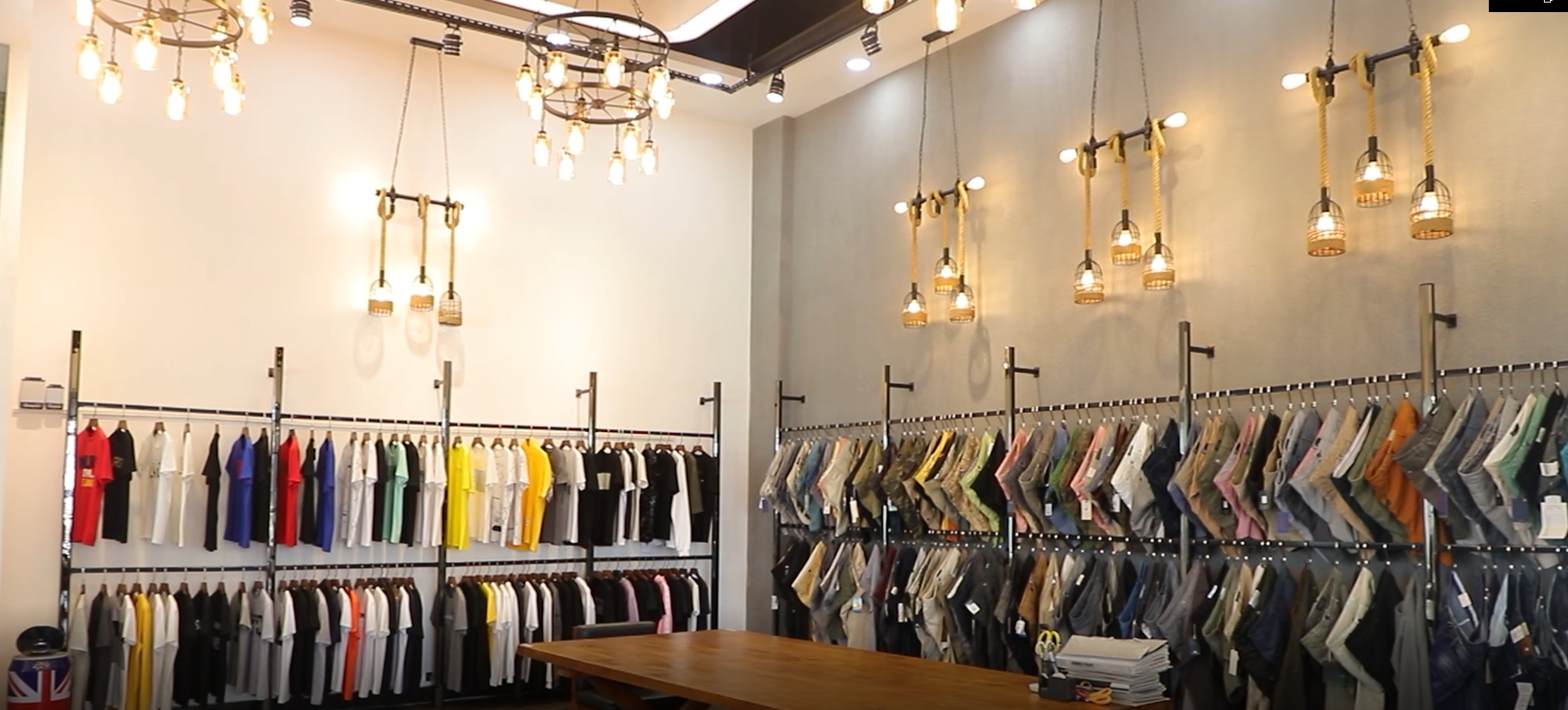
Apparel Manufacturing for Cycling Clubs
EDVORIN supports cycling clubs with apparel development focused on body-position fit, stretch fabrics, ventilation, panel construction, full-print graphics, and club identification. Programs can include jerseys, lightweight layers, training tops, and coordinated off-bike apparel.
Get a Quote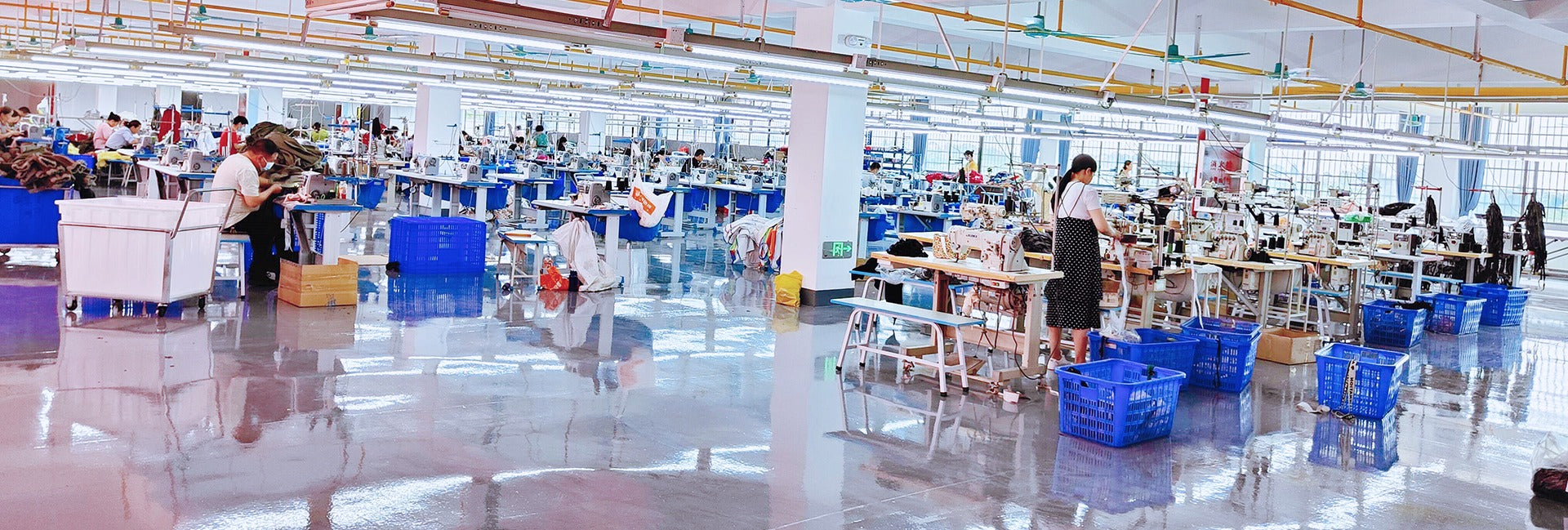
Apparel Manufacturing for Football and Soccer Clubs
For football and soccer clubs, EDVORIN develops uniforms with controlled colorways, jersey construction, shorts, socks coordination, crests, sponsor artwork, names, and numbers. Size sets and approved samples provide a clear standard for team orders and future reorders.
Get a Quote
Apparel Manufacturing for Basketball Teams
Basketball team programs can include jerseys, shorts, warm-ups, hoodies, shooting shirts, and travel apparel. EDVORIN manages breathable fabric selection, color blocking, numbering, names, logo placement, and size grading through sampling and bulk production.
Get a Quote
Apparel Manufacturing for Baseball and Varsity Programs
EDVORIN develops baseball and varsity programs with attention to jacket bodies, sleeves, ribbing, snaps, patches, embroidery, team colors, and coordinated apparel. Production standards document materials, decoration placement, and sizing for consistent team and school reorders.
Get a Quote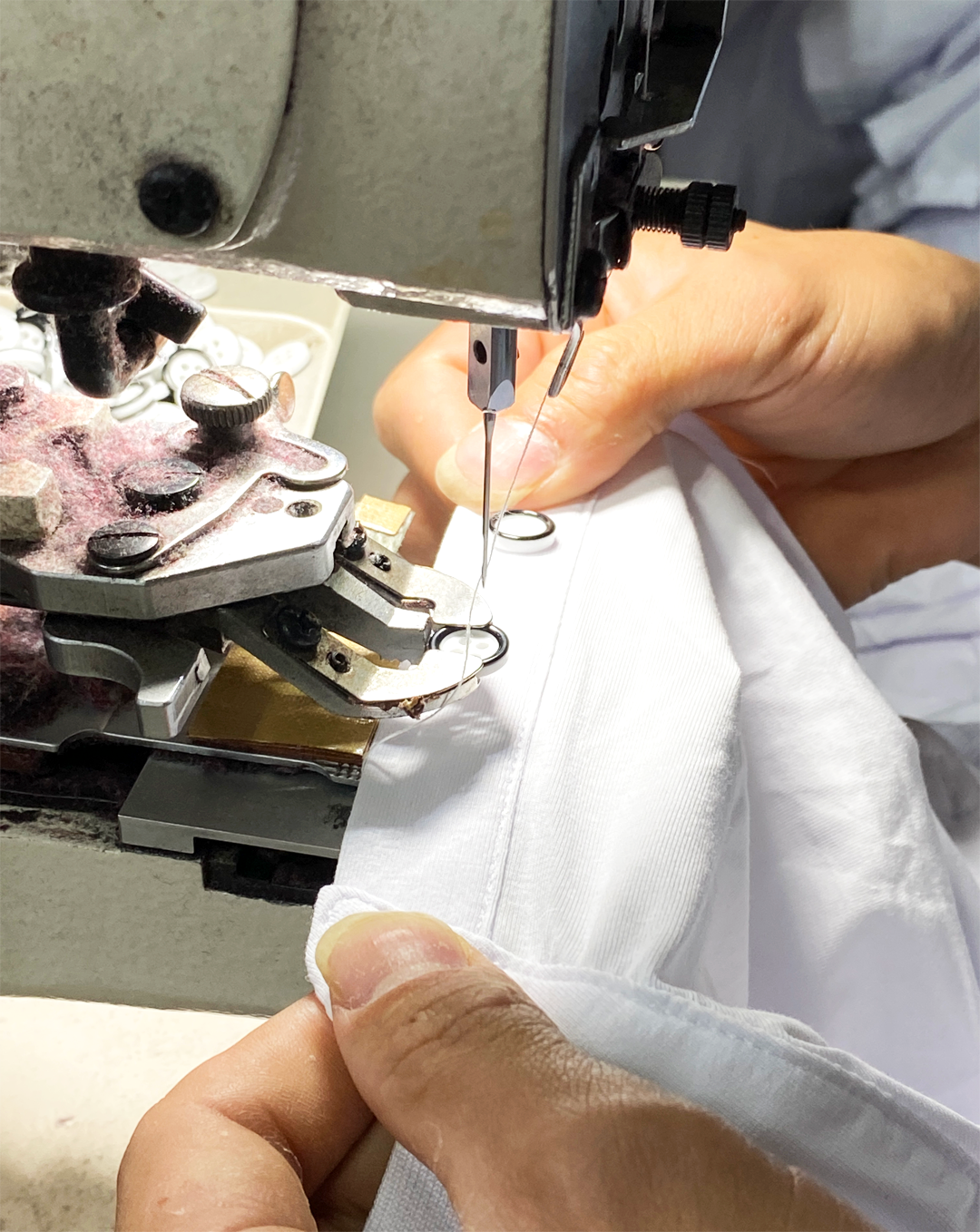
Apparel Manufacturing for Esports Organizations
Esports organizations can develop jerseys, hoodies, jackets, joggers, and event apparel with controlled graphics, sponsor placements, player names, and team color systems. EDVORIN coordinates fabrics, sublimation or print methods, trims, sampling, and bulk quality control.
Get a Quote
Apparel Manufacturing for Promotional Merchandise Companies
Promotional merchandise companies can source repeatable branded apparel programs from EDVORIN, including T-shirts, polos, hoodies, sweatshirts, jackets, and caps where applicable. Printing, embroidery, labels, packaging, sizing, and order specifications are coordinated for campaign or client needs.
Get a Quote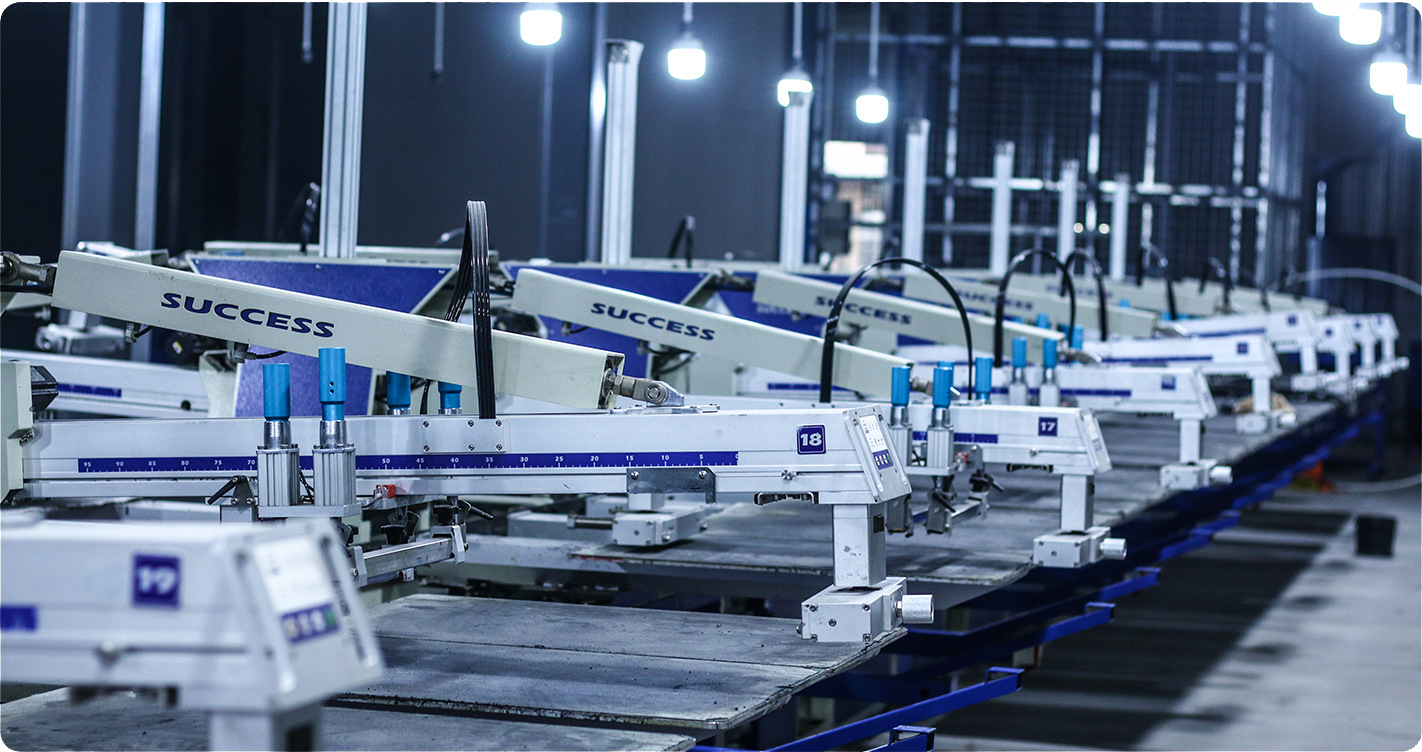
Apparel Manufacturing for Music and Festival Merchandise
For music and festival merchandise, EDVORIN develops graphic-led apparel such as T-shirts, hoodies, sweatshirts, jackets, shorts, and event layers. Fabric selection, print method, wash effects, artwork placement, labels, and packaging are documented before production begins.
Get a Quote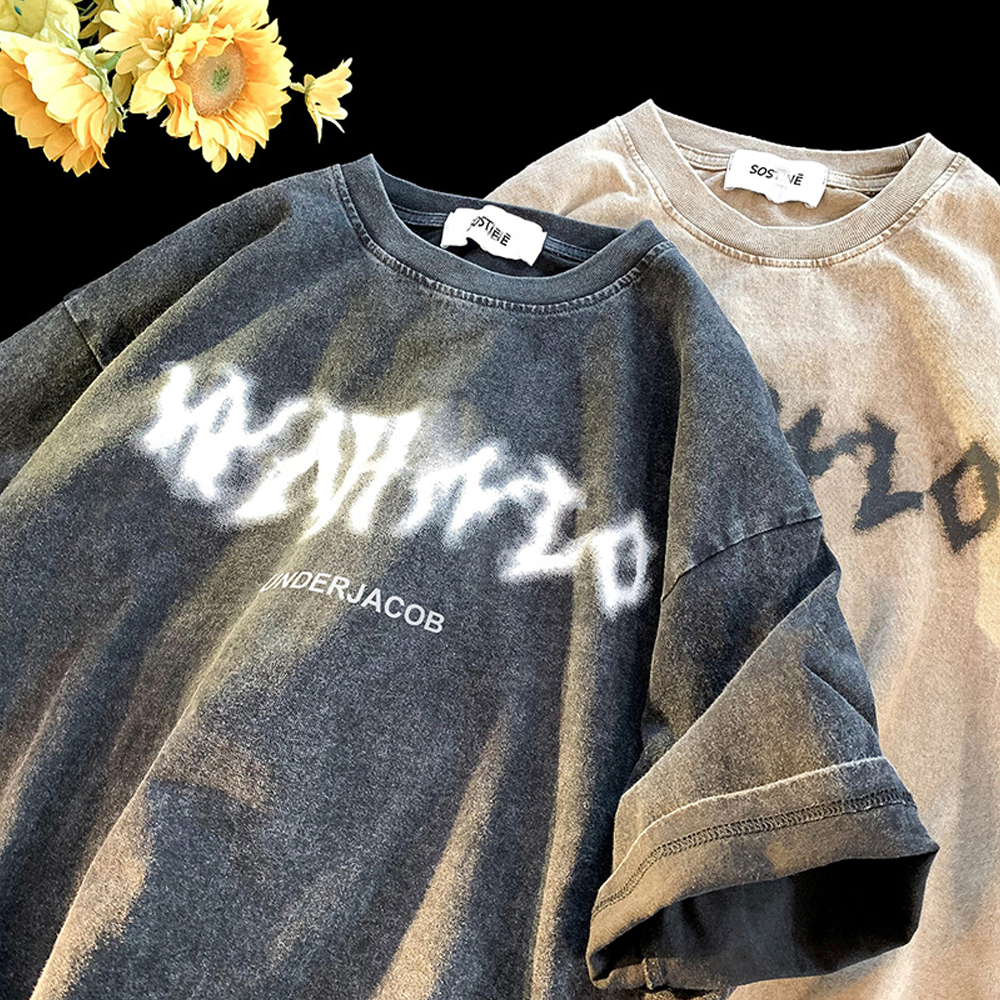
Apparel Manufacturing for Nonprofits and Fundraising Programs
Nonprofits and fundraising programs can develop apparel for campaigns, events, volunteers, supporters, and donor initiatives. EDVORIN supports practical product selection, logo and message placement, print or embroidery coordination, size ranges, packaging, and repeat-order specifications from 200 pieces per style.
Get a Quote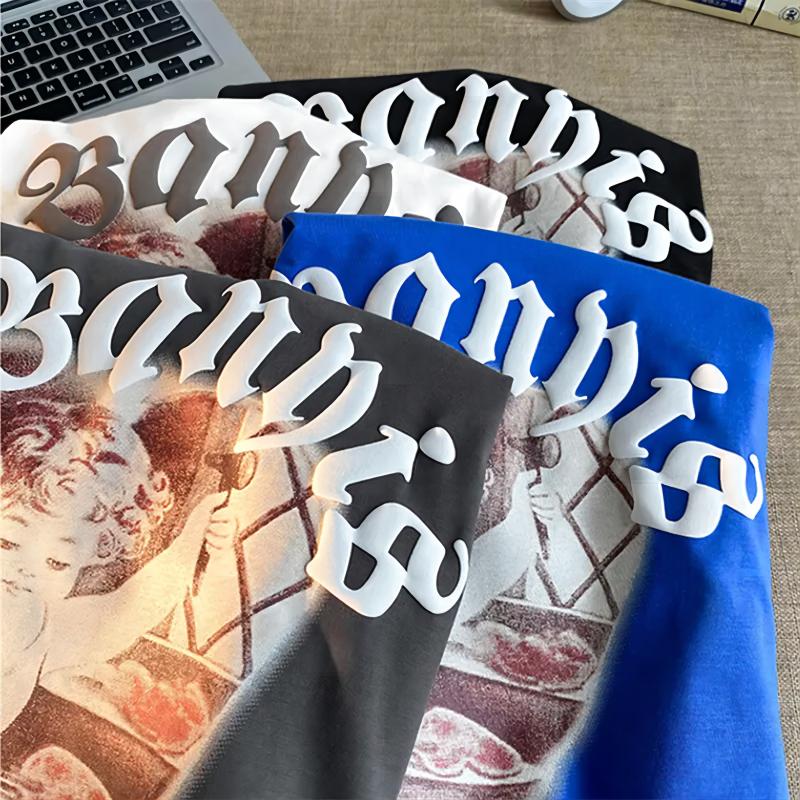
Apparel Manufacturing for Colleges and Universities
Colleges and universities can develop campus apparel, teamwear, club uniforms, event merchandise, and staff clothing under one production system. EDVORIN coordinates school colors, licensed artwork placement, embroidery, printing, size grading, labels, and repeatable approved standards.
Get a Quote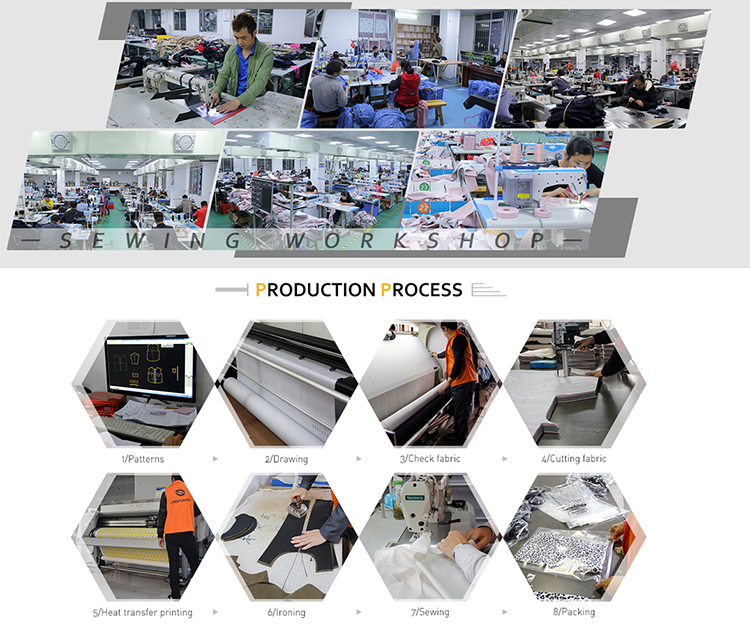
Apparel Manufacturing for Retailers and Wholesalers
Retailers and wholesalers can develop private-label apparel ranges with clear category specifications, size runs, labeling, packaging, and inspection requirements. EDVORIN supports casualwear, streetwear, outerwear, and teamwear programs designed for bulk distribution and ongoing replenishment.
Get a Quote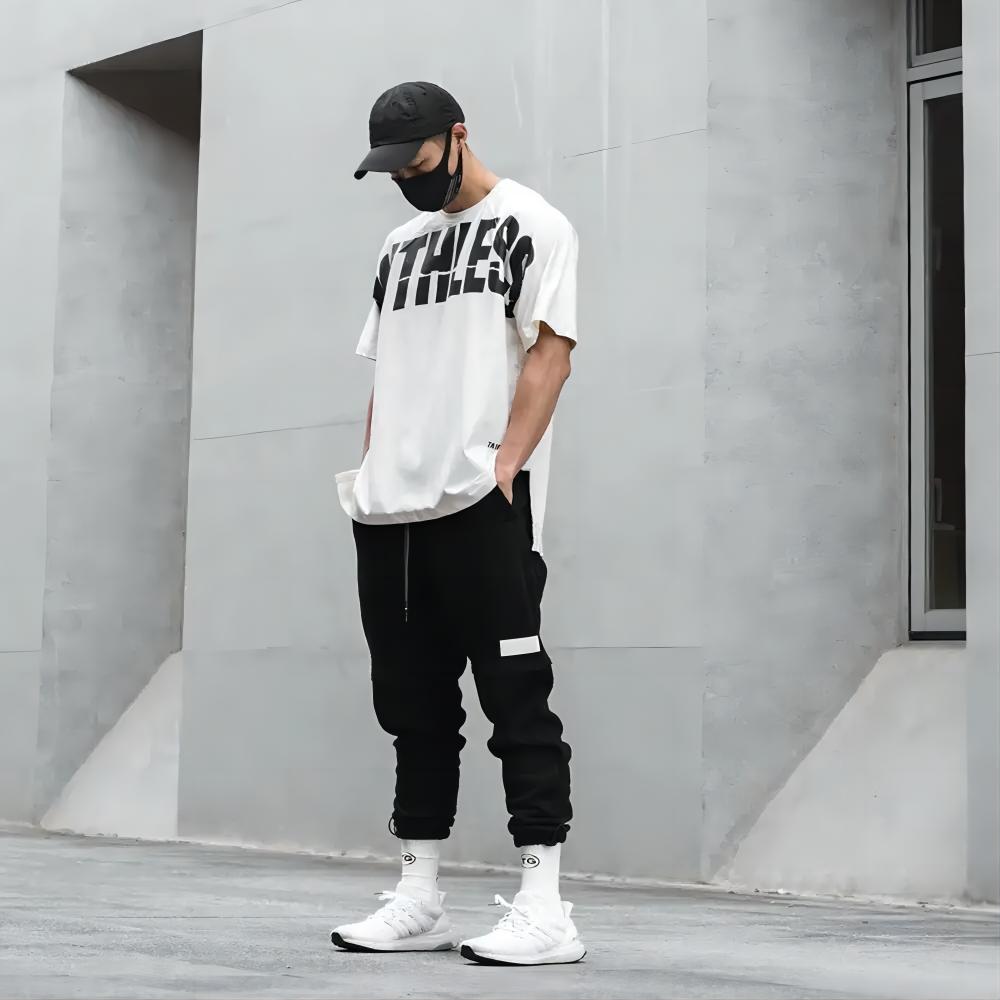
Apparel Manufacturing for DTC and Ecommerce Brands
DTC and ecommerce brands can move from concept, sketch, or tech pack to production-ready apparel with fit samples, materials, trims, decoration, labels, and packaging defined. EDVORIN supports scalable men’s and women’s collections with MOQ starting at 200 pieces per style.
Get a QuoteA Custom Apparel Manufacturer for Brands Since 2000
EDVORIN was founded in 2000 by Edvorin Zeng with a workshop-level understanding of where apparel ideas succeed or fail: in construction, materials, fit and decoration. We help fashion, streetwear and teamwear buyers turn early concepts, reference garments or complete tech packs into production-ready standards.
As a custom apparel manufacturer for brands, we coordinate OEM, ODM and private-label development across casualwear, outerwear and teamwear. Fabric, patterns, trims, sampling, printing, embroidery, washing, labels and packaging are aligned in one accountable production path, with men’s and women’s development available across every listed category.
Our difference is the discipline after sample approval. We document measurements, materials, artwork placement and finishing details, then use approved standards to guide in-line checks and final inspection. With MOQs starting at 200 pieces per style, EDVORIN supports emerging labels and established programs built to repeat and made to grow.
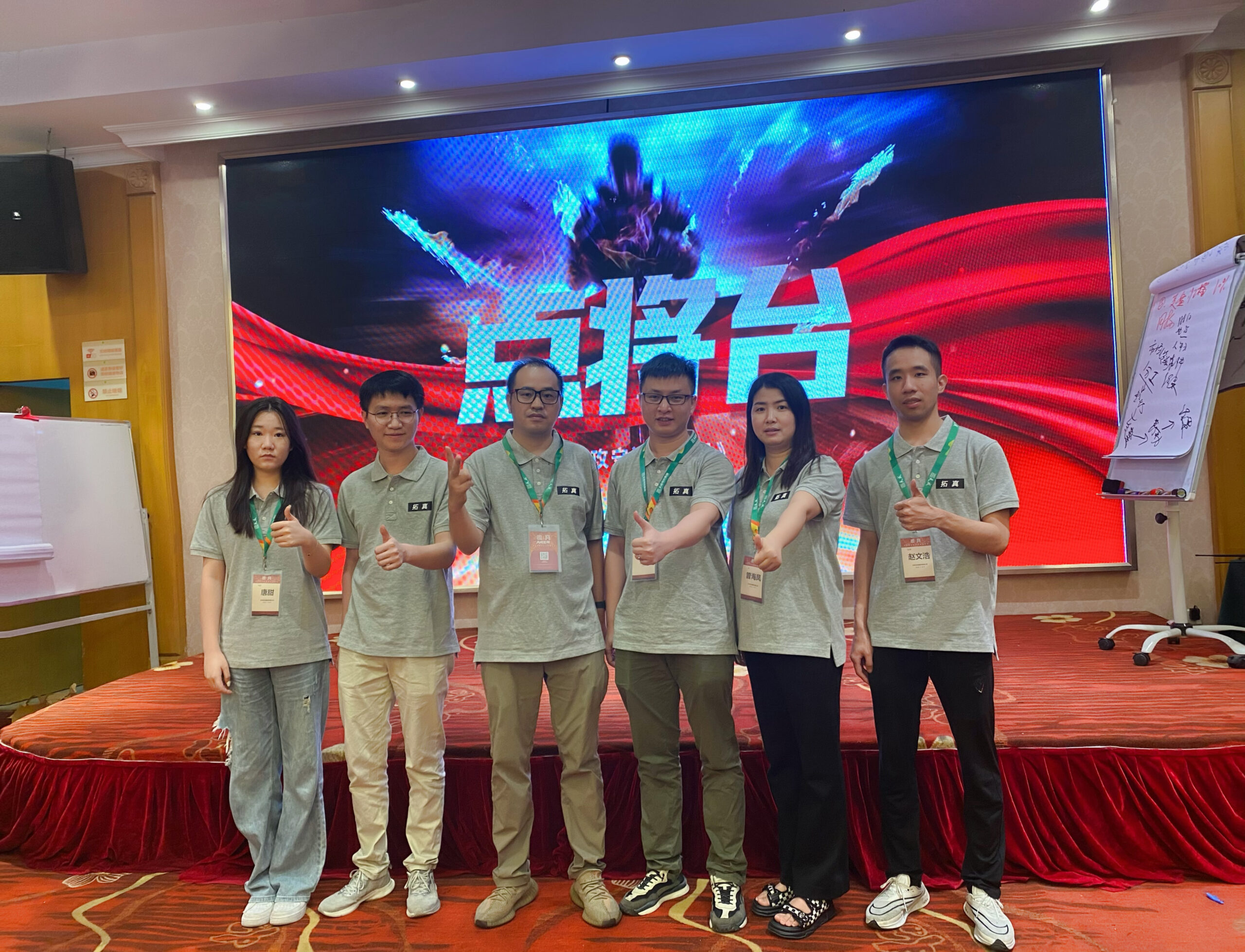
From Concept Approval to Repeatable Bulk Production
Whether you bring a complete tech pack or an early concept, EDVORIN turns key decisions into a documented production standard.
Define Your Product Standard
Share your tech pack, sketch, reference garment, quantities and target market. We align fit, materials, construction, trims and decoration requirements before development begins.
Develop and Approve Samples
We develop patterns, source materials and produce samples for review. Revisions to measurements, fabric, artwork placement and finishing are recorded for clear approval.
Lock Production Specifications
Approved samples become the bulk reference. We confirm measurement charts, color references, labels, packaging, decoration methods and quality checkpoints across your custom apparel program.
Produce and Inspect Bulk Orders
EDVORIN coordinates cutting, sewing, printing, embroidery, washing and finishing while in-line checks compare work against the approved standard throughout bulk production.
Pack for Your Next Release
Final inspection verifies the finished order before labeling and packing. Your documented standards support dependable repeat production as collections, teams or wholesale programs grow.
Certified Standards for Responsible Apparel Production

Quality management system certification supporting controlled processes and continual improvement.
Social-compliance framework covering responsible workplace and labor practices.
Independent social-compliance certification for responsible sewn-product manufacturing.
Responsible sourcing and ethical-trade compliance documentation.
Textile testing standard for harmful substances in materials and components.
Recycled-content and responsible-processing certification for applicable material programs.

Organic textile processing certification for applicable certified material programs.
Custom Apparel Manufacturer for Brands: Buyer FAQs
Straight answers on minimums, development, decoration and quality control before you begin your apparel program.
What is EDVORIN’s minimum order quantity?
Can EDVORIN help if I only have a sketch or reference garment?
How does EDVORIN control quality from sample to bulk production?
Can you develop both men’s and women’s apparel?
What garments can EDVORIN manufacture?
Can you coordinate printing, embroidery, washes, labels and packaging?
What production lead time should buyers plan for?
Can EDVORIN support both new brands and established wholesale programs?
Custom Apparel Manufacturer for Brands: Complete Buyer’s Guide
Use this decision framework to compare supplier models, materials, customization, quality controls, pricing variables, and launch readiness—while avoiding costly sourcing mistakes before committing your brand’s budget and reputation.
1. What Is a Custom Apparel Manufacturer for Brands?
200 pieces is EDVORIN’s stated MOQ for a custom apparel program: the manufacturer develops a garment around a buyer’s specifications instead of only decorating a finished blank. A custom apparel manufacturer for brands can translate a tech pack, sketch, or reference garment into patterns, sourced materials, fit samples, and a repeatable production standard.
Eight production stages typically connect concept to delivery: development, material selection, pattern and sample approval, cutting and sewing, decoration, labeling and packaging, then quality control and shipment. EDVORIN coordinates those decisions across hoodies, outerwear, jerseys, and other men’s and women’s programs so approved measurements, artwork placement, trims, and finishes carry into bulk production.
Four supplier models solve different problems: a blank-garment printer adds decoration to stock goods; a wholesaler resells ready inventory; a trading company coordinates factories; and a private-label supplier may offer predesigned styles with branding. Fashion labels, teamwear buyers, schools, wholesalers, and corporate buyers benefit most from a full-service partner when fit, construction, materials, branding, or repeat-order consistency matter.
2. How Custom Apparel Manufacturing Evolved
EDVORIN’s MOQ starts at 200 pieces per style. 20th-century apparel sourcing was built around standardized runs: one fit, limited colorways, long production commitments, and little room to correct a product after cutting began. Private-label development shifted the value toward brand-owned patterns, labels, trims, and documented approvals.
200-piece MOQ programs make a different discipline possible: sample first, test fit and wash behavior, then scale only the styles that earn demand. A custom apparel manufacturer for brands should convert every approved revision into a tech pack, measurement chart, Pantone reference, and placement record before bulk production.
24-hour digital feedback does not replace physical sampling, but it shortens decisions on artwork, strike-offs, and construction changes. Performance-led categories also require material and decoration compatibility checks—such as moisture management, stretch recovery, sublimation, or flatlock seams—so sourcing must protect both creative customization and repeatable production control.
3. Types of Custom Apparel Manufacturer for Brands
Five manufacturer models serve different risk levels. Choose the custom apparel manufacturer for brands that matches your product complexity, available specifications, and expected reorder volume.
| Model | Best Fit | Control | Tradeoff |
|---|---|---|---|
| Cut-and-sew | Original products | High | Needs specifications |
| Private label | Fast launches | Medium | Shared blocks |
| Print-on-demand | Demand tests | Low | Higher unit cost |
| Full package | Complex programs | High | Broader partner role |
| Sourcing agent | Factory access | Variable | Extra handoffs |
Factory And Full Package
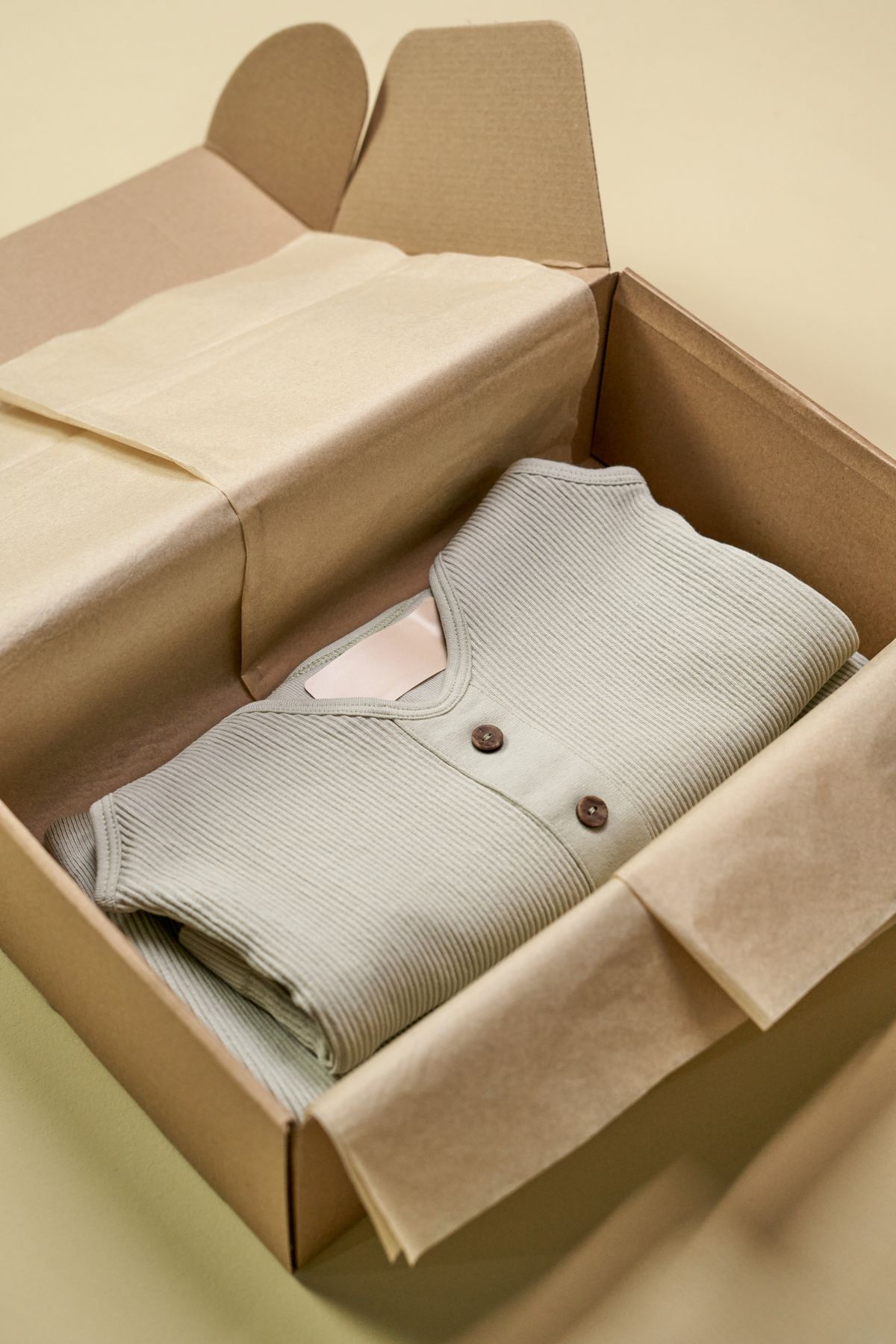
Cut-and-sew factories suit original silhouettes and detailed construction.
Full-package partners add sourcing, patterns, samples, QC, labels, and packing.
Private Label And POD
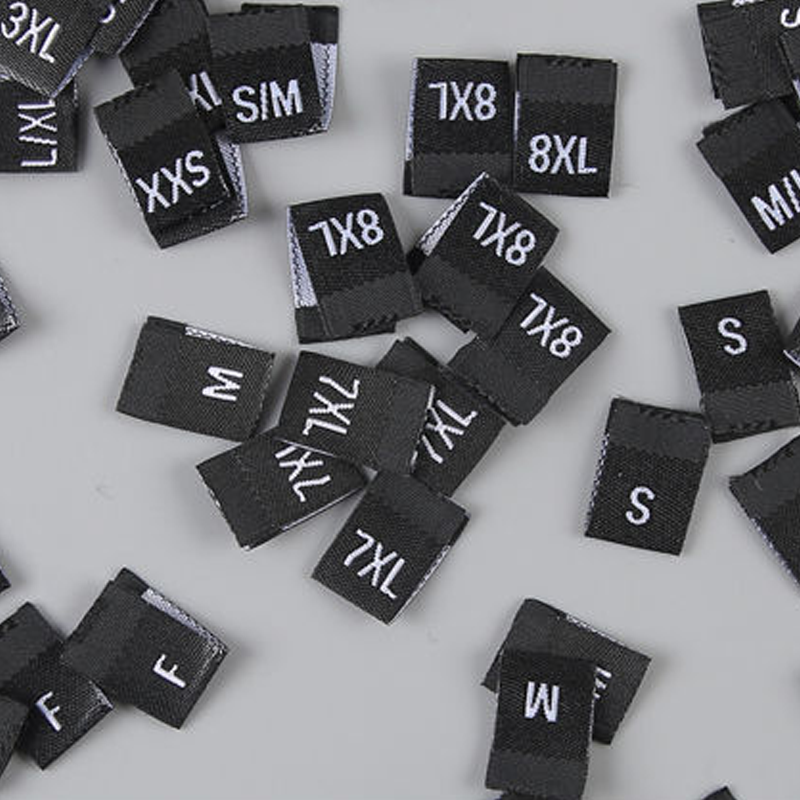
Private-label specialists work from existing blanks or proven blocks.
Print-on-demand providers suit artwork tests, but limit fabric, fit, and unit-cost control.
Agents And Growth Fit
Sourcing agents coordinate factories when buyers need regional access.
Growth-stage brands should confirm who owns development decisions and bulk accountability.
4. Fabrics for Custom Apparel Manufacturer for Brands
Fabric selection should begin with the garment’s use, climate, and intended retail tier. A custom apparel manufacturer for brands should translate hand feel, recovery, care expectations, and repeat-order consistency into approved specifications.
| Fabric | Best Use | Key Check |
|---|---|---|
| Cotton | Tees, premium casualwear | Shrinkage and hand feel |
| Cotton blend | Daily sweats and uniforms | Recovery and pilling |
| Polyester | Teamwear and active programs | Colorfastness and wicking |
| Nylon | Windbreakers and outerwear | Abrasion and coating care |
Match Fabric To Garment
180–220 GSM ring-spun cotton suits premium tees; cotton-poly blends add stability and easier care. 240–320 GSM French terry fits transitional sweats, while 280–400 GSM fleece suits colder-weight hoodies.
Choose Knit Or Woven
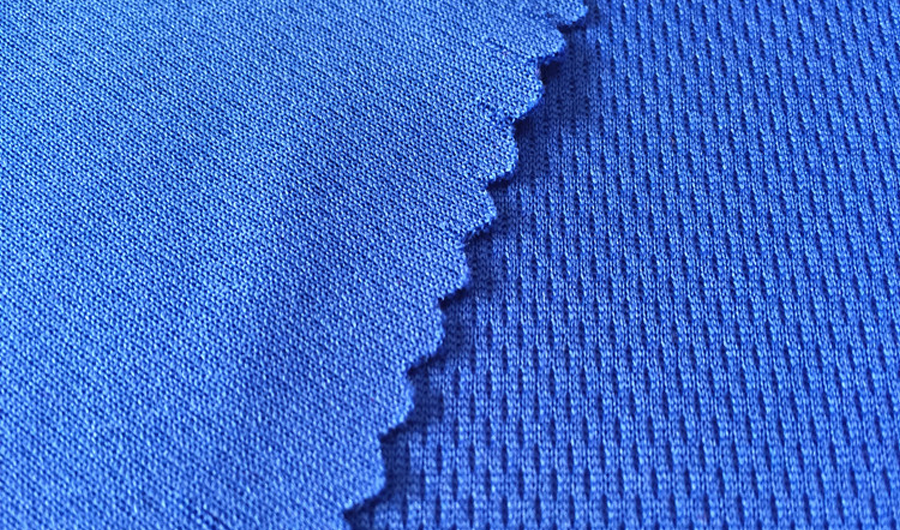
Knits stretch and drape for tees, jerseys, and joggers; woven nylon adds structure for windbreakers and outerwear. Polyester supports moisture management, but fiber choice must match decoration, breathability, and abrasion demands.
Approve Performance In Samples
3 wash cycles can reveal shrinkage, twisting, pilling, color bleed, and print compatibility before bulk approval. Recycled or certified-material claims should be supported by supplier documentation for the specific lot, not assumed.
5. Customization and Decoration Options
Eight decoration and branding decisions should be locked before bulk production. A custom apparel manufacturer for brands should match artwork, fabric, wash expectations, and quantity before selecting a process.
| Method | Best Design | Fabric Fit | Volume Economics |
|---|---|---|---|
| Screen print | Bold 1–8 colors | Cotton, fleece | Setup favors larger runs |
| DTG/digital | Photos, fine gradients | Cotton-rich | Flexible small runs |
| Embroidery | Logos, crests | Knits, woven jackets | Stitch count drives cost |
| Heat transfer | Names, numbers | Polyester, blends | Efficient variable data |
| Sublimation | All-over graphics | Polyester | Strong for team sets |
Choose the Decoration Method
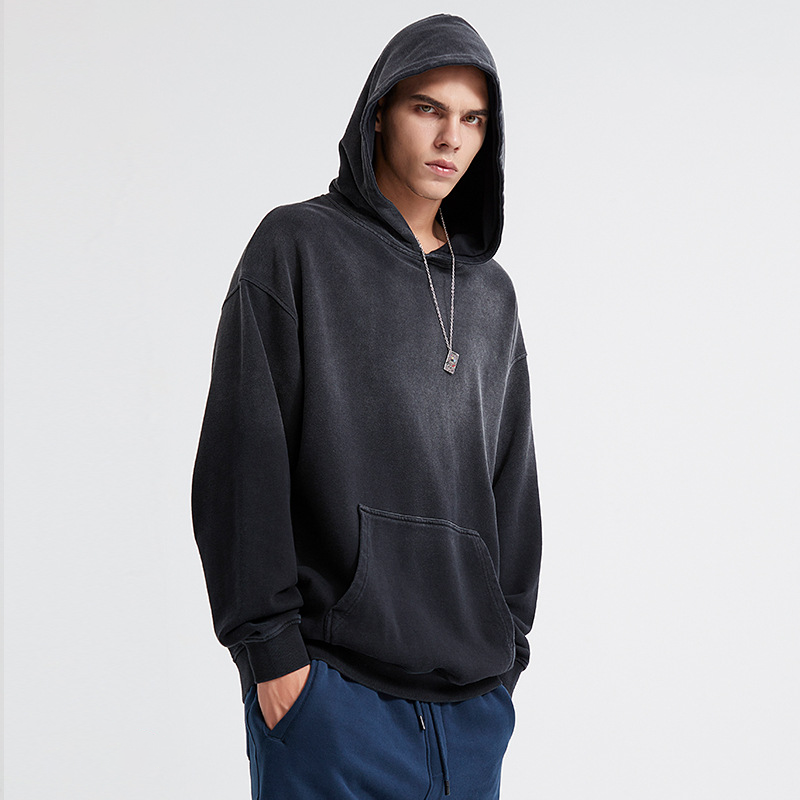
Screen printing suits bold spot-color graphics; DTG/digital printing handles photographic detail on cotton-rich goods. Sublimation bonds best to light polyester, while embroidery, transfers, and patches add dimension but change hand feel.
Test Before Bulk Approval
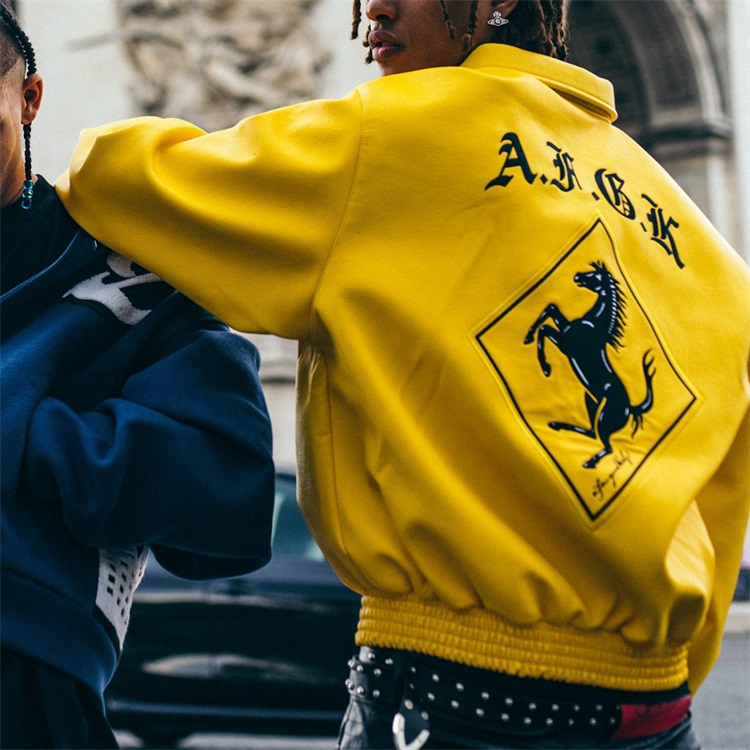
One pre-production sample should combine the approved fabric, color, artwork scale, placement, and finishing. Wash-test prints, transfers, patches, and embroidery on stretch or brushed surfaces before confirming bulk production.
Specify Brand Components
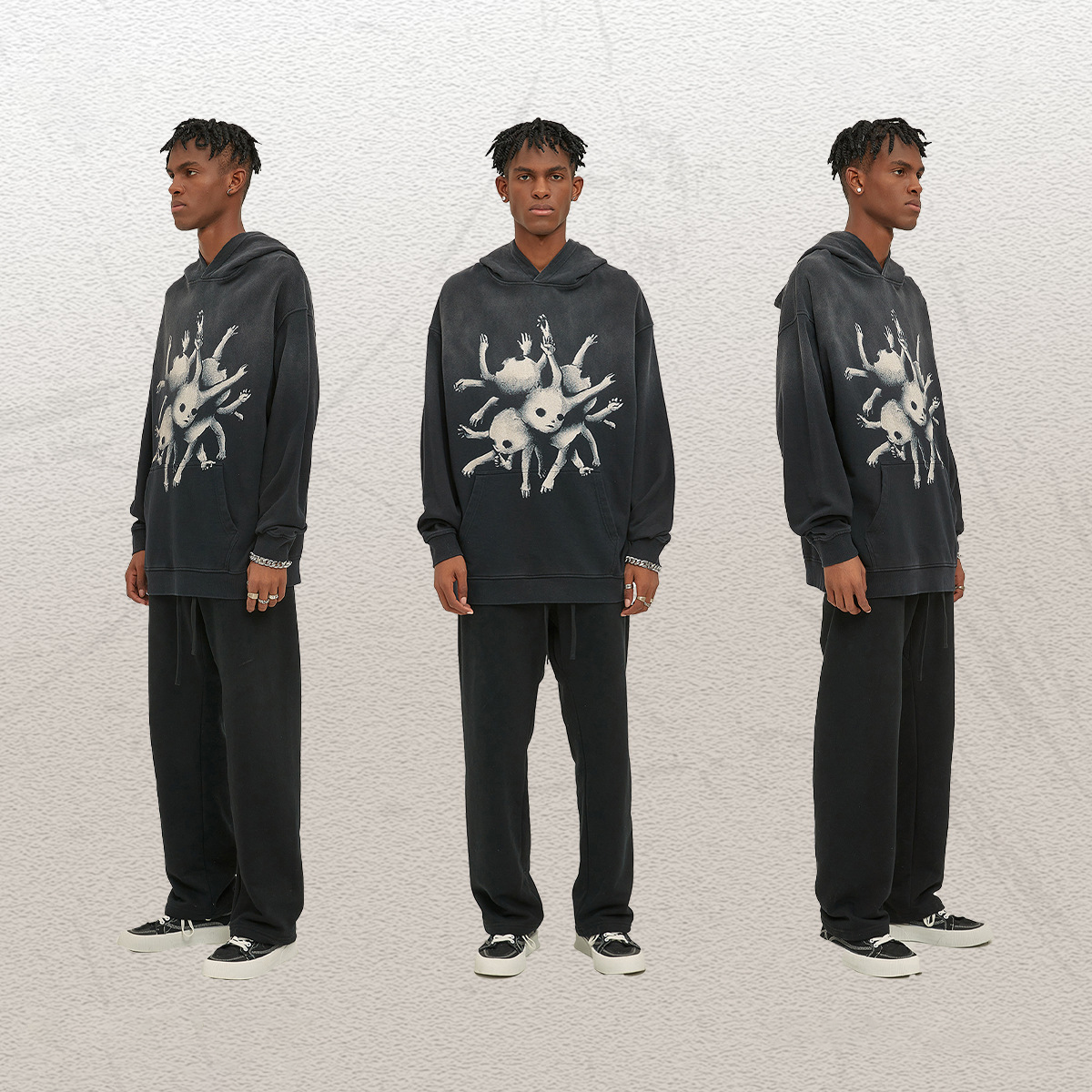
Three branding layers—main label, size/care label, and hangtag—need artwork, material, fold, placement, and attachment method recorded. Packaging specifications should state bag size, barcode position, carton pack ratio, and whether each garment is folded or hung.
6. Construction Details That Signal Quality
Two evidence sets matter before cutting: a measurable tech pack and an approved size sample. For a custom apparel manufacturer for brands, these turn a buyer’s quality language into verifiable tolerances and checkpoints.
Pattern And Fit Control
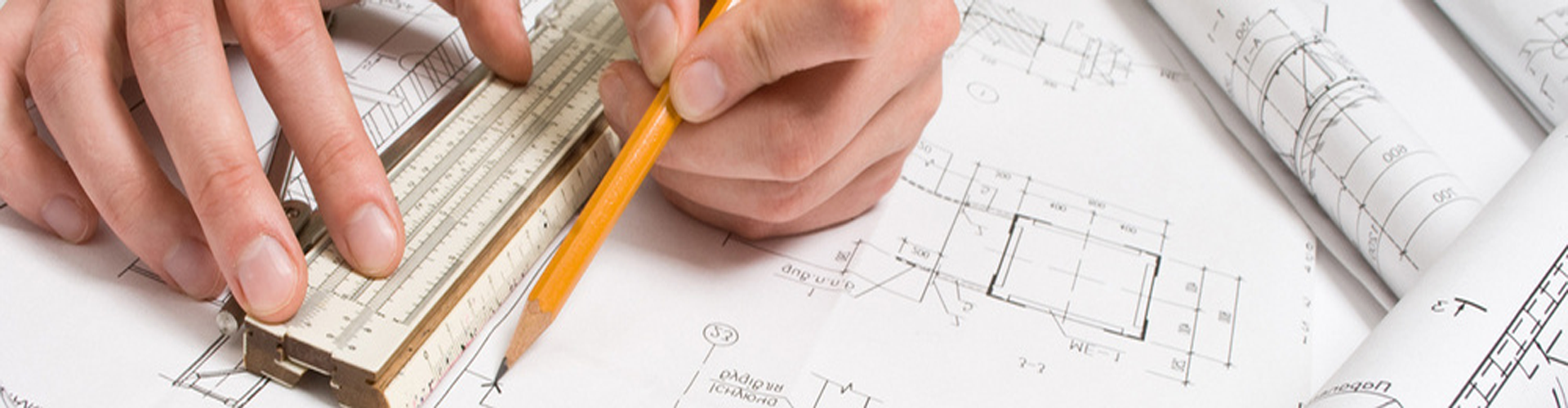
One base pattern should identify garment length, chest, sleeve, rise, and opening measurements, plus tolerances by size. Request the graded measurement chart and compare a full size set against the approved sample.
Two fit reviews—before and after wash testing—help reveal twisting, shrinkage, or inconsistent proportions. Record all corrections in the revision-controlled tech pack.
Seams And Reinforcement
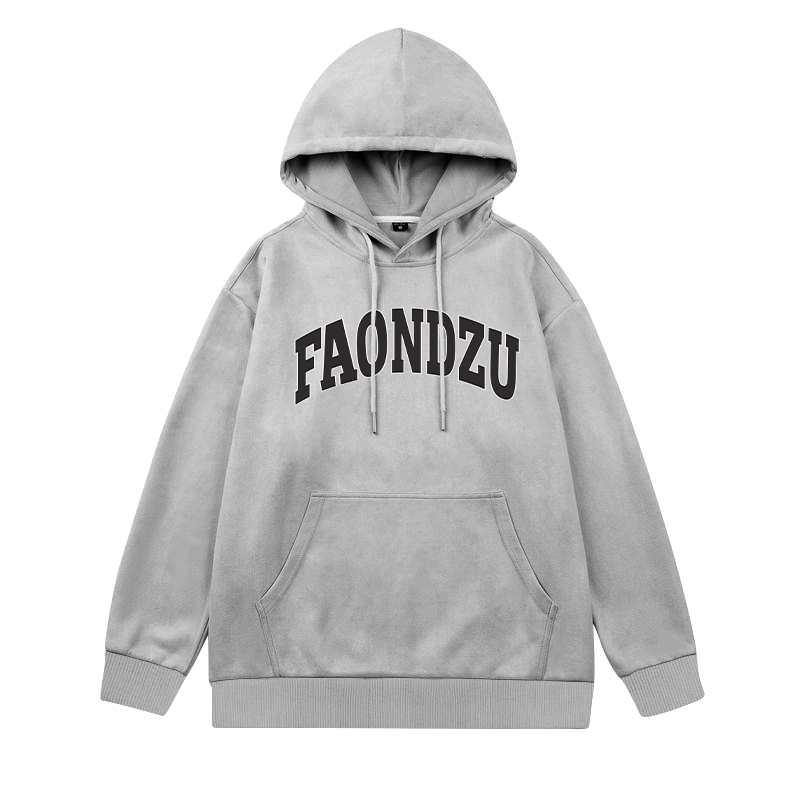
Four high-stress areas—pockets, crotches, armholes, and hood joins—deserve specified seam types and reinforcement. Request close-up production photos and in-line inspection records that show stitch density, backtacks, and clean trimming.
3–5 wash cycles on the approved construction can expose seam puckering, loose threads, and rib growth. Match stripe, panel, and embroidery placement to documented reference points.
Bulk Inspection Evidence
A final checklist should cover measurements, appearance, labels, hardware, packing, and wash behavior against the approved standard. Ask for cutting, sewing, decoration, and final-inspection reports before shipment.
2.5 AQL is a commonly used acceptance-sampling reference, but the buyer should agree the defect definitions and inspection level in advance. EDVORIN can organize these controls from sample approval through final packing.
7. Choosing a Custom Apparel Manufacturer for Brands
EDVORIN’s MOQ starts at 200 pieces per style. EDVORIN’s 200-piece MOQ is a starting screen, not a complete qualification. A custom apparel manufacturer for brands must demonstrate repeatable control from development through claims resolution.
| Check | Request | Compare |
|---|---|---|
| MOQ | MOQ by style and color | Growth fit |
| Timeline | Sample and bulk calendar | Milestone ownership |
| Quality | Inspection plan | Defect remedy |
Verify Category Fit
Two comparable references—such as fleece hoodies, varsity jackets, or team jerseys—show whether construction knowledge matches your program.
Request a category capability sheet, fit-block examples, decoration limits, monthly capacity, and a realistic production calendar.
Lock The Approval Standard
One approved pre-production sample should anchor bulk production, alongside signed measurements, Pantone references, artwork placements, trim list, and packaging standard.
Ask who answers revisions, when in-line checks occur, which AQL level applies, and how defects are reported.
Compare Complete Quote Scope
Three quote lines expose scope: FOB or DDP shipping term, sampling and pattern fees, fabric and trim specifications, testing, labels, packaging, and inspection.
Request material declarations and current ethical documentation, such as OEKO-TEX, GOTS, WRAP, or BSCI where applicable. Confirm written remedy, credit, or replacement steps.
8. Common Apparel Sourcing Mistakes to Avoid
A purchase order turns assumptions into cost, lead-time, and quality commitments. Before a 200-piece program starts, resolve the specifications that a custom apparel manufacturer for brands must reproduce.
Document The Product
One tech pack should state measurements, tolerances, BOM, Pantone references, artwork placement, labels, and packaging.
One sketch is not a production standard; submit the completed pack and revision-controlled files before quoting.
Test Before Approving
Two approvals matter: fit approval and wash approval. Skipping either can leave shrinkage, twisting, color change, or print failure undiscovered.
One signed sample must identify fabric, weight, color, construction, decoration, and measurement points; request a wash-tested sample before bulk release.
Compare The Full Commitment
EDVORIN’s MOQ starts at 200 pieces per style. Three quote checks prevent false savings: MOQ by style, color, and size; sampling and production lead times; and freight, duty, and local delivery.
One lowest unit price can exclude trims, testing, packaging, or shipping. Request an itemized landed-cost estimate and a written defect remedy before issuing the PO.
9. Launching Your Apparel Brand: Production Steps
A launch moves fastest when one buyer owns approvals and one production file records every decision. A custom apparel manufacturer for brands can turn a focused assortment into a repeatable program when gates are explicit.
Define The First Drop
Three to five styles usually give a new label enough range without multiplying fit, color, and inventory risk.
One brief should name the target wearer, price position, size range, colorways, required delivery date, and responsible approver.
Lock Development Inputs
One tech pack per style should specify measurements, graded size chart, construction, artwork placement, labels, packaging, fabric, and trims.
Two approvals matter before bulk: the revised sample and a pre-production sample matching the approved materials, colors, and decoration.
Produce And Launch
200-unit planning starts with a quotation tied to style, color count, size breakdown, decoration, packaging, and Incoterm.
Three checkpoints—material review, in-line inspection, and final packed-goods check—should be documented before freight booking. Confirm carton data, destination requirements, transit buffer, and launch inventory before release.
10. Custom Apparel Manufacturing Pricing and Cost
200 pieces is the practical starting point for an EDVORIN program; unit cost normally improves as fixed development, pattern, setup, and inspection work is spread across more garments. Request one cost sheet per style, colorway, size run, and delivery destination.
Six quote fields prevent false comparisons: inclusions, currency, MOQ, production lead time, payment milestones, and Incoterms. A custom apparel manufacturer for brands should separate ex-factory cost from freight, duties, and destination charges rather than burying them in a single unit price.
| Cost driver | Lower-cost specification | Higher-cost specification | Quote requirement |
|---|---|---|---|
| Quantity | 200-unit MOQ | Larger repeat run | Units per style and color |
| Garment and fabric | Basic tee; standard jersey | Lined jacket; heavier fleece | GSM, composition, yield |
| Decoration and trims | One-color screen print; stock label | Multi-location embroidery; custom hardware | Artwork, stitch count, trim list |
| Development and control | Approved pattern; standard pack | Multiple samples; wash tests; added QC | Sample rounds, AQL scope, packaging |
| Logistics | Ex-factory collection | Air freight or delivered shipment | Incoterm, freight, duties, destination |
Choose a Custom Apparel Manufacturer for Brands
Send your concept, reference garment, or approved tech pack to EDVORIN for a clear path from development through repeatable bulk production.