
Baseball Uniform Supplier for OEM and Private-Label Programs
EDVORIN supports brands, teams, schools and wholesalers with custom baseball uniform development and repeatable production from 200 pieces per style.
Baseball Uniform Development Examples
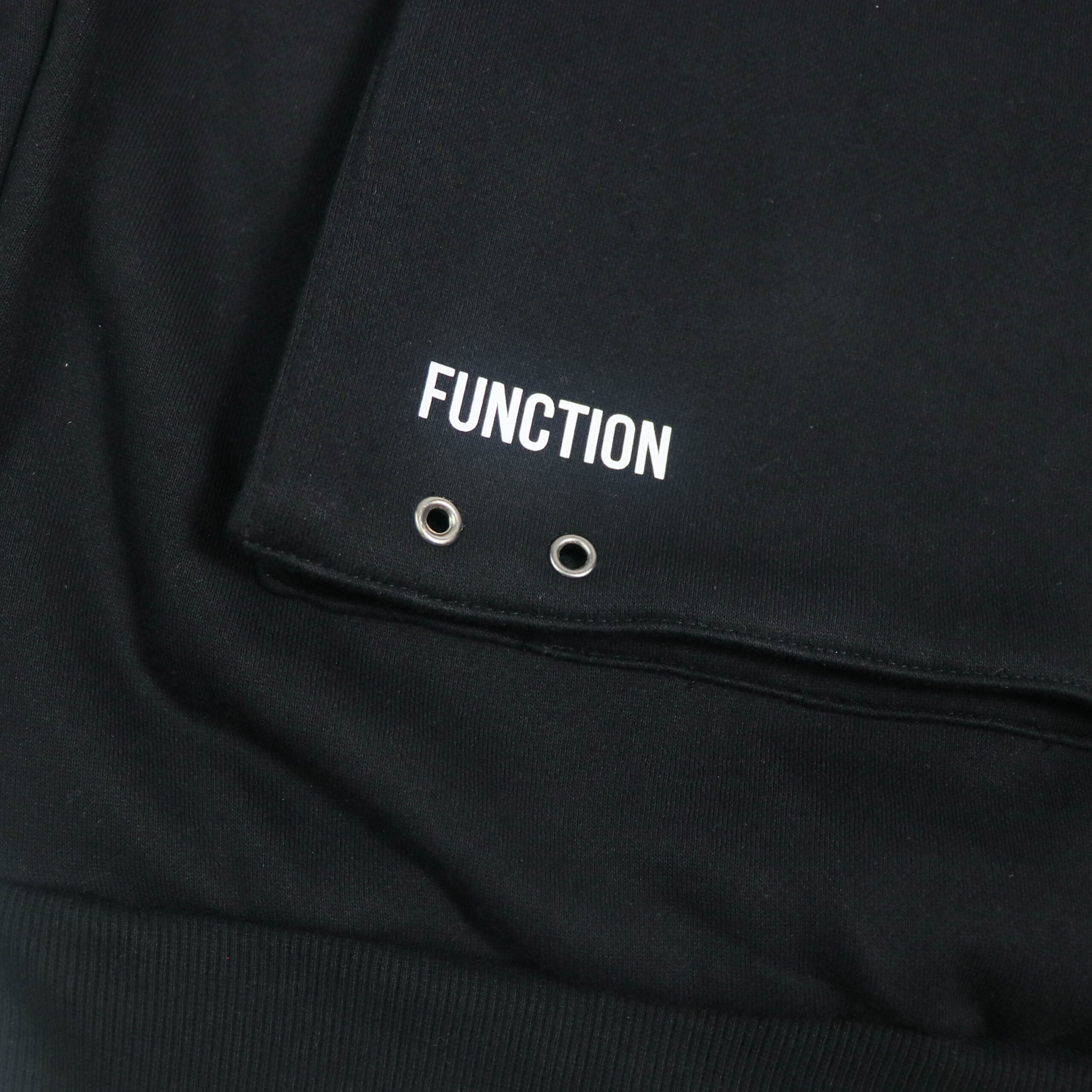
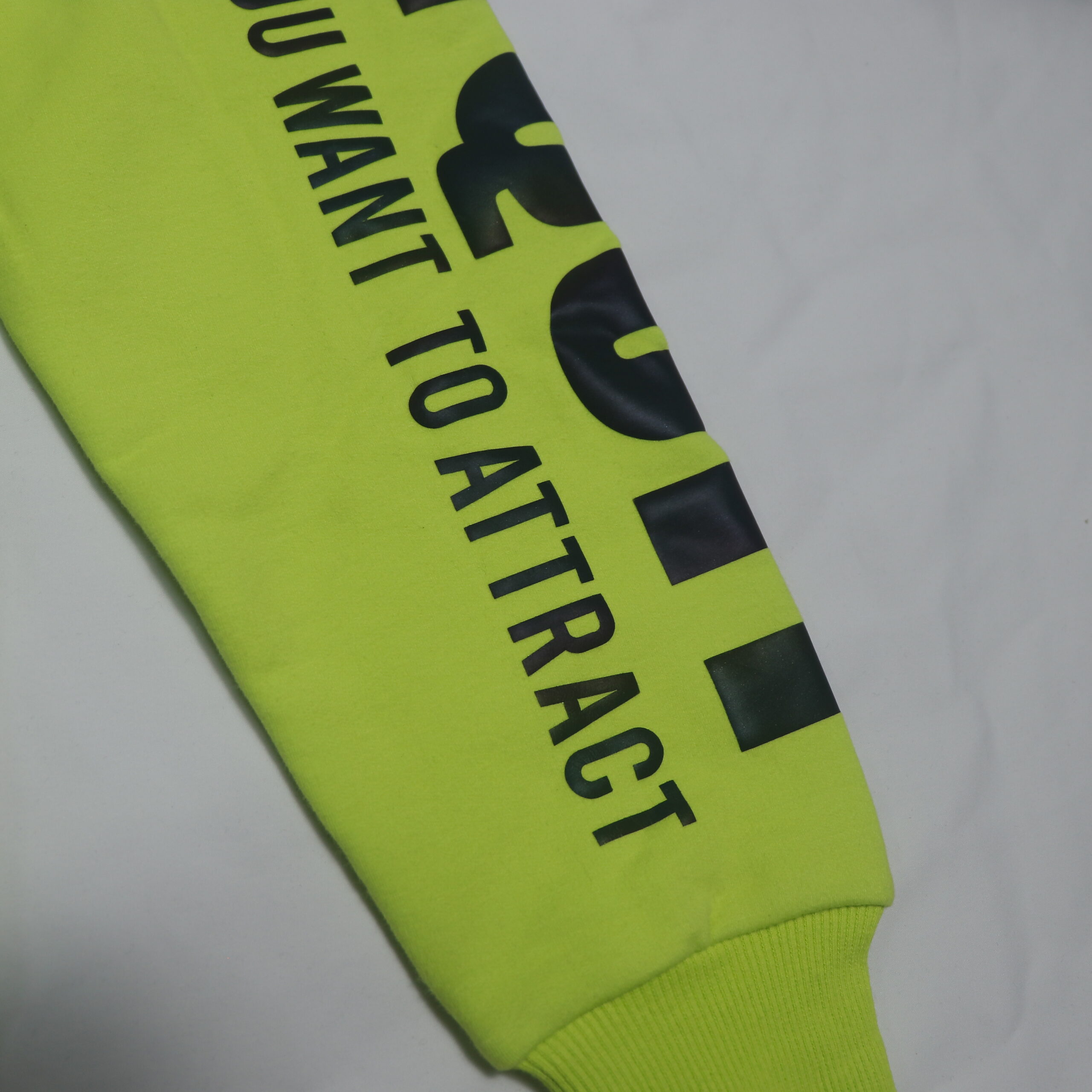
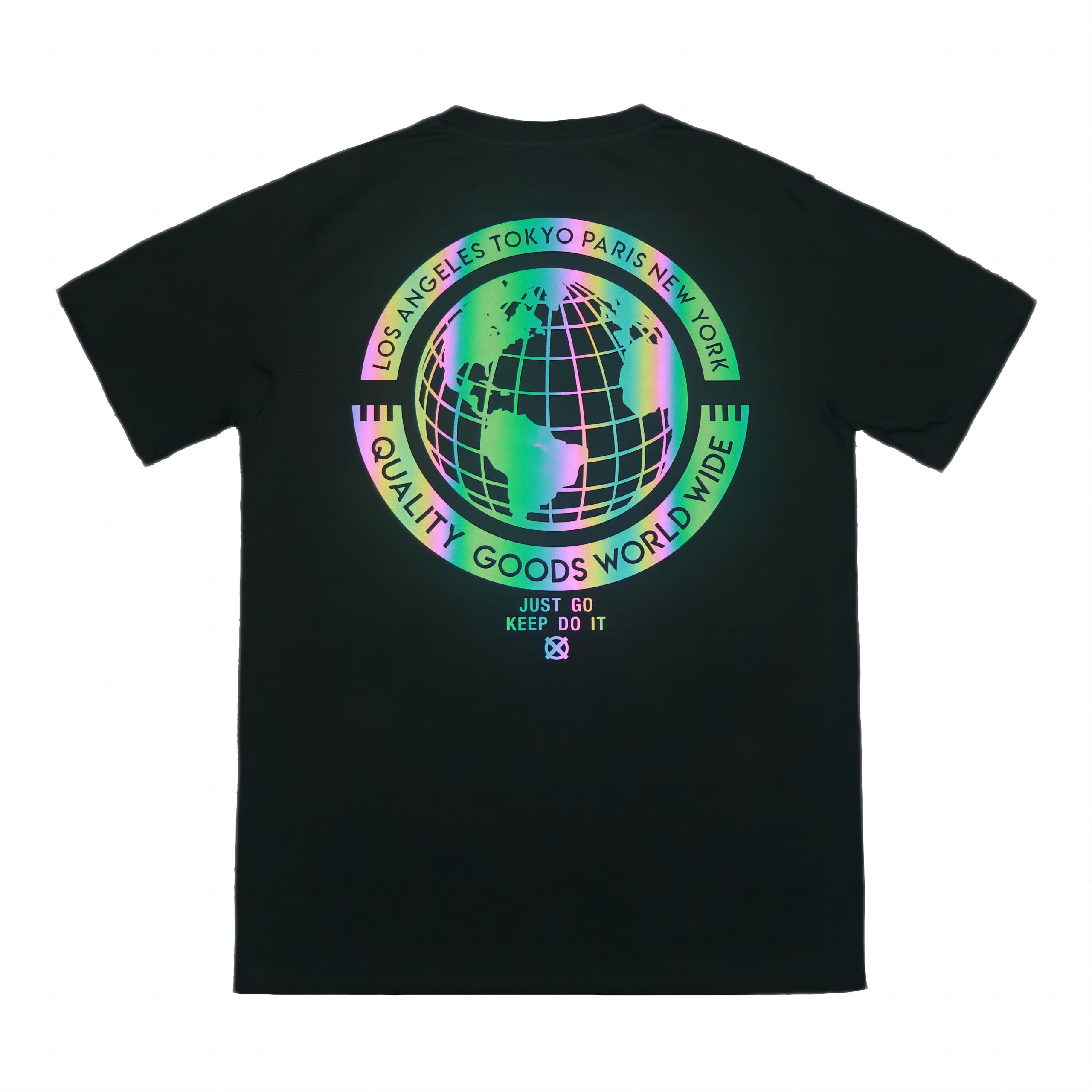
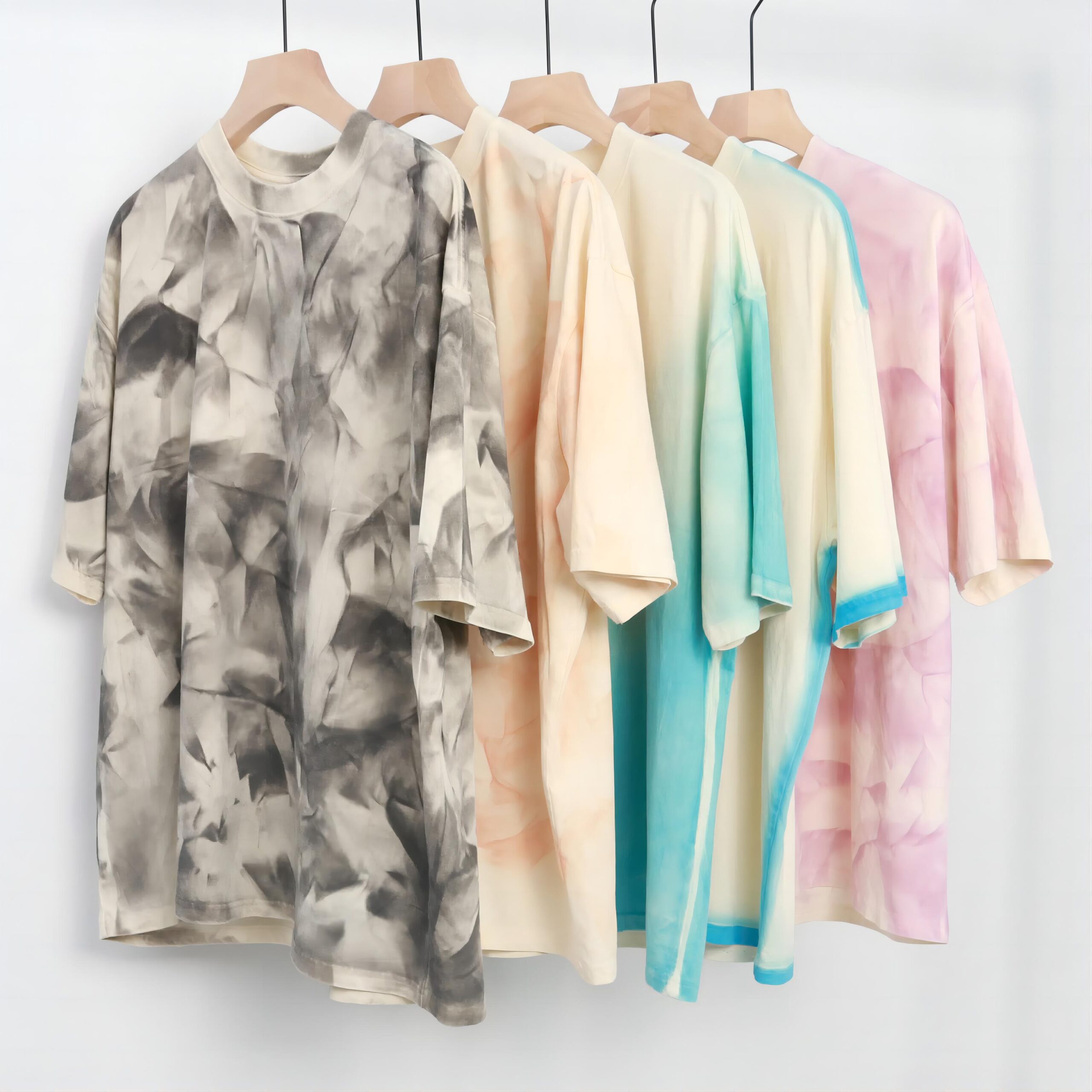
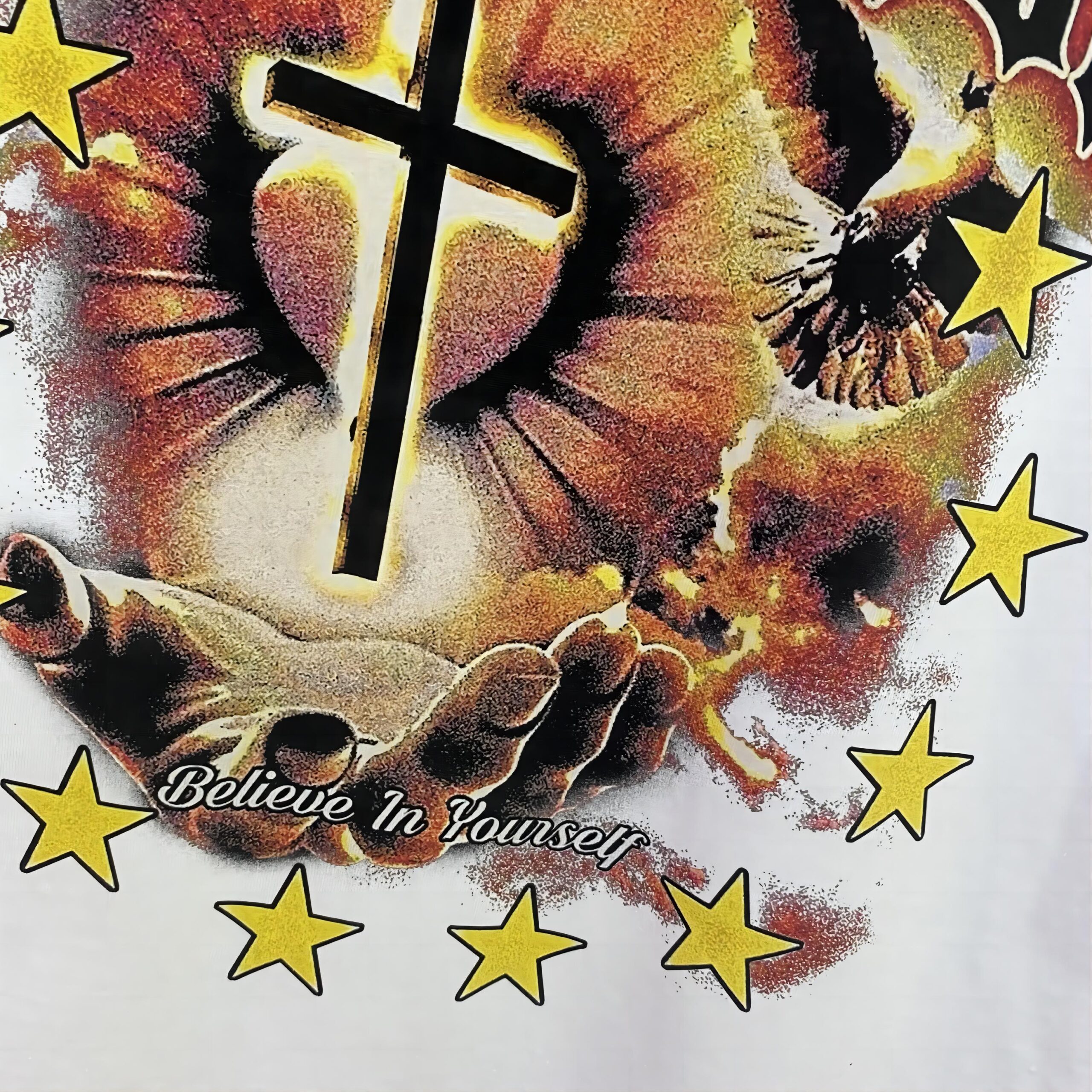



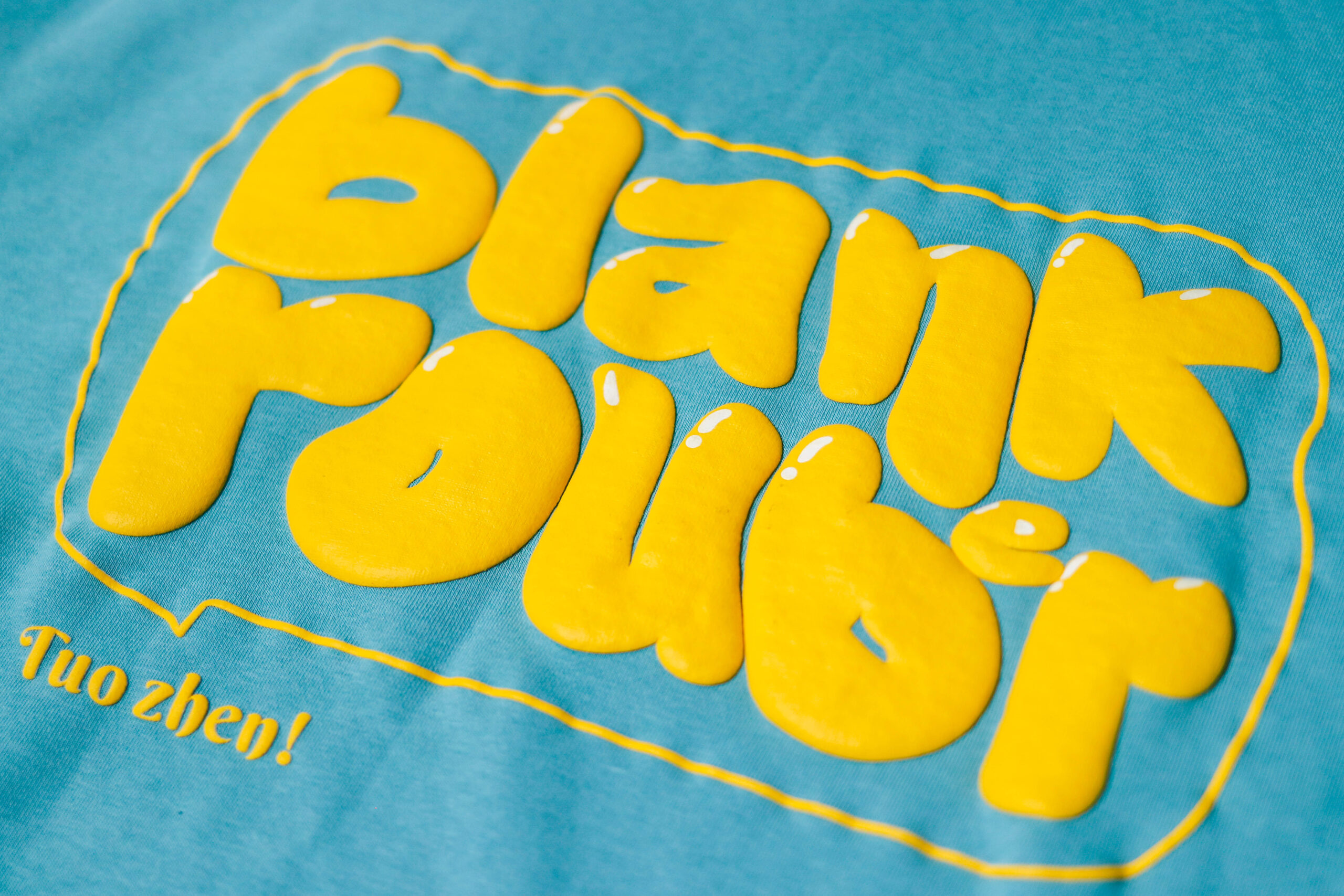
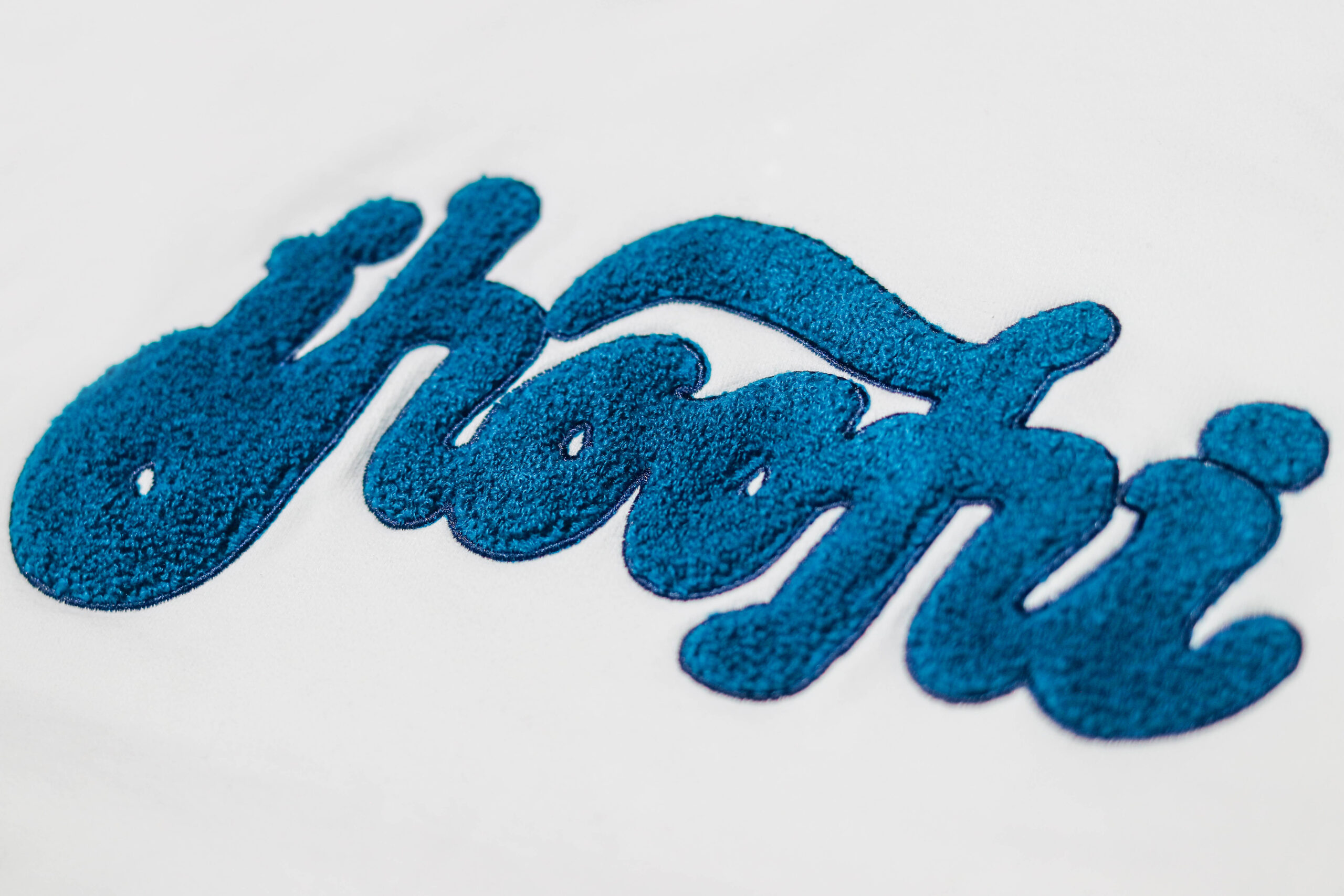
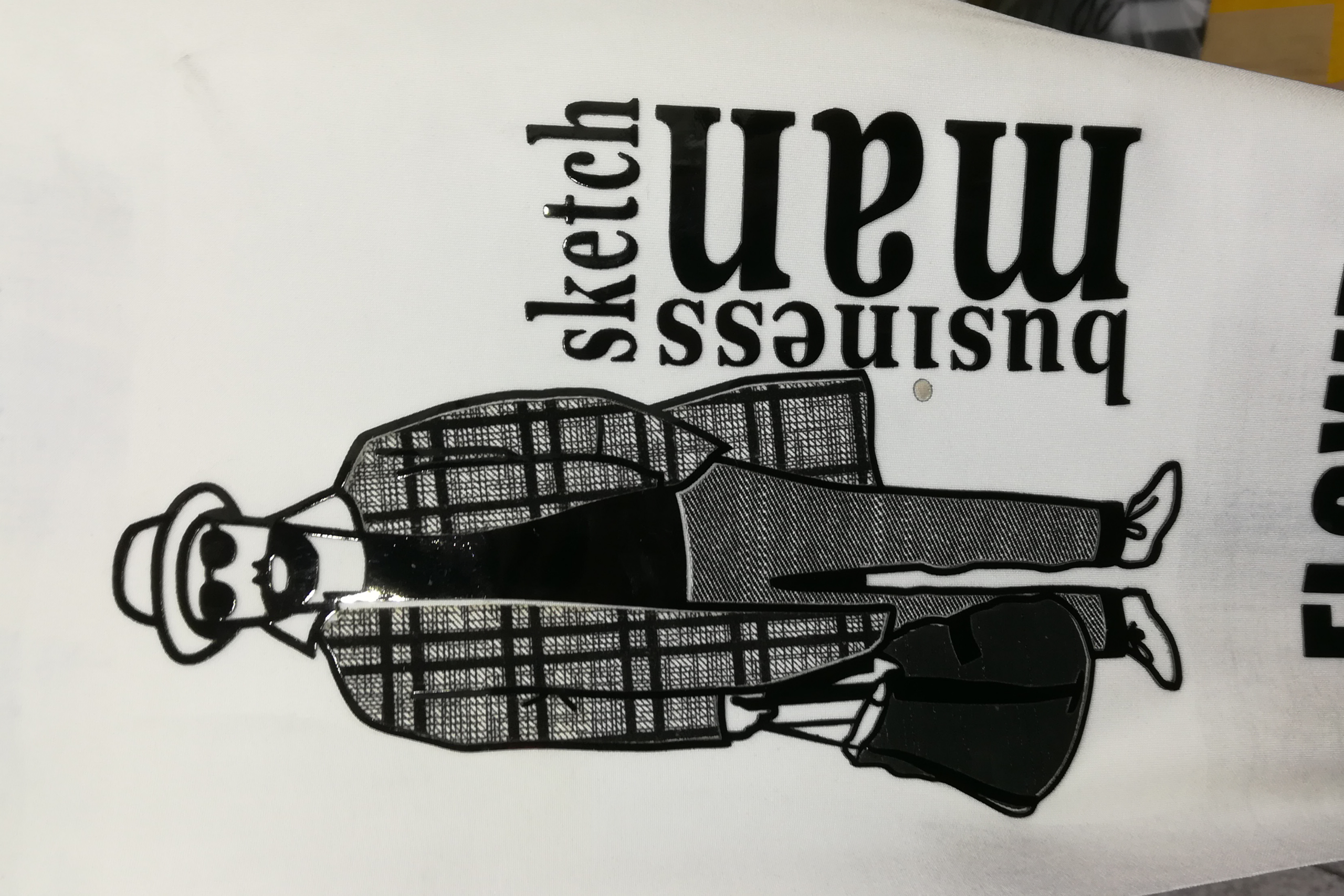
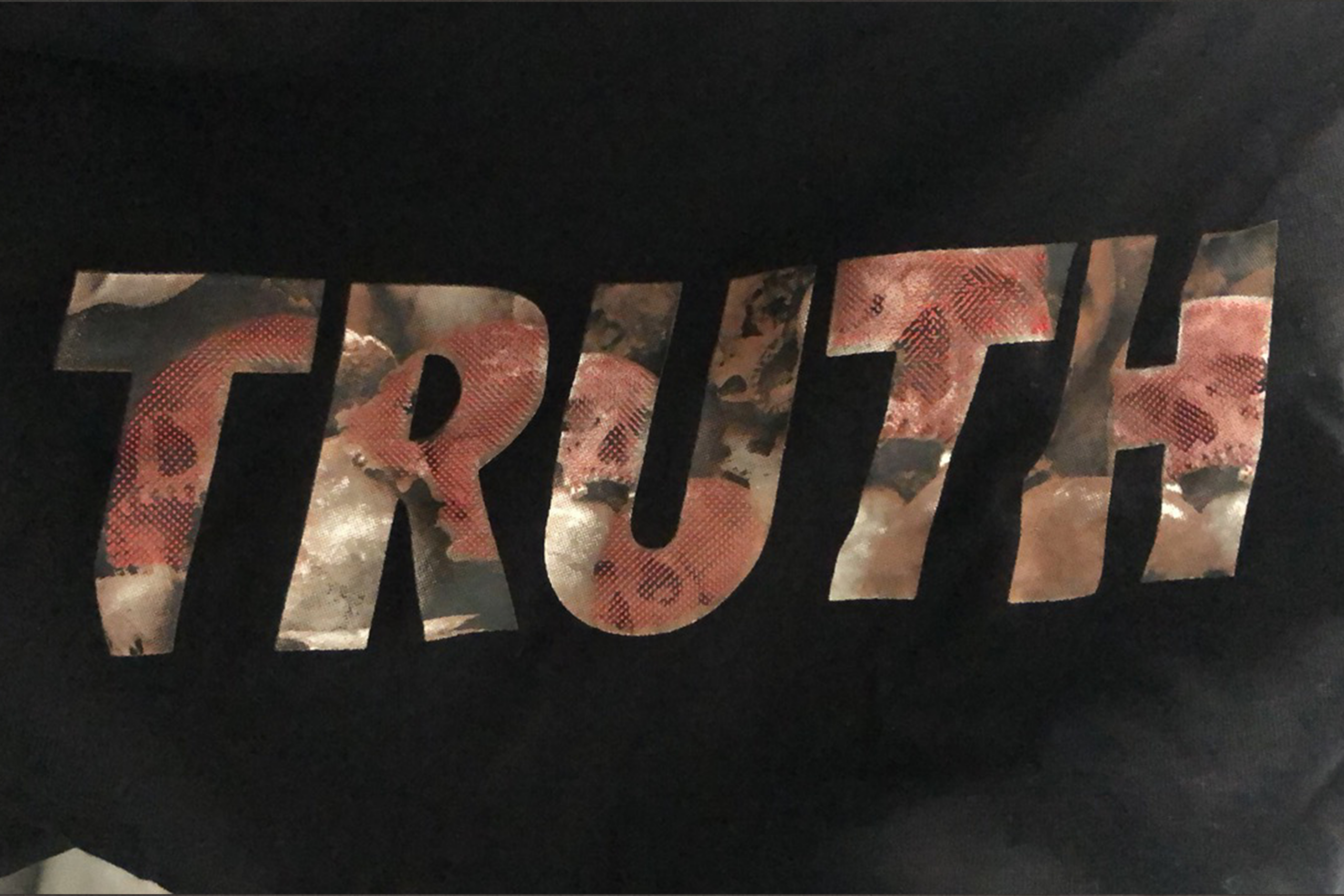
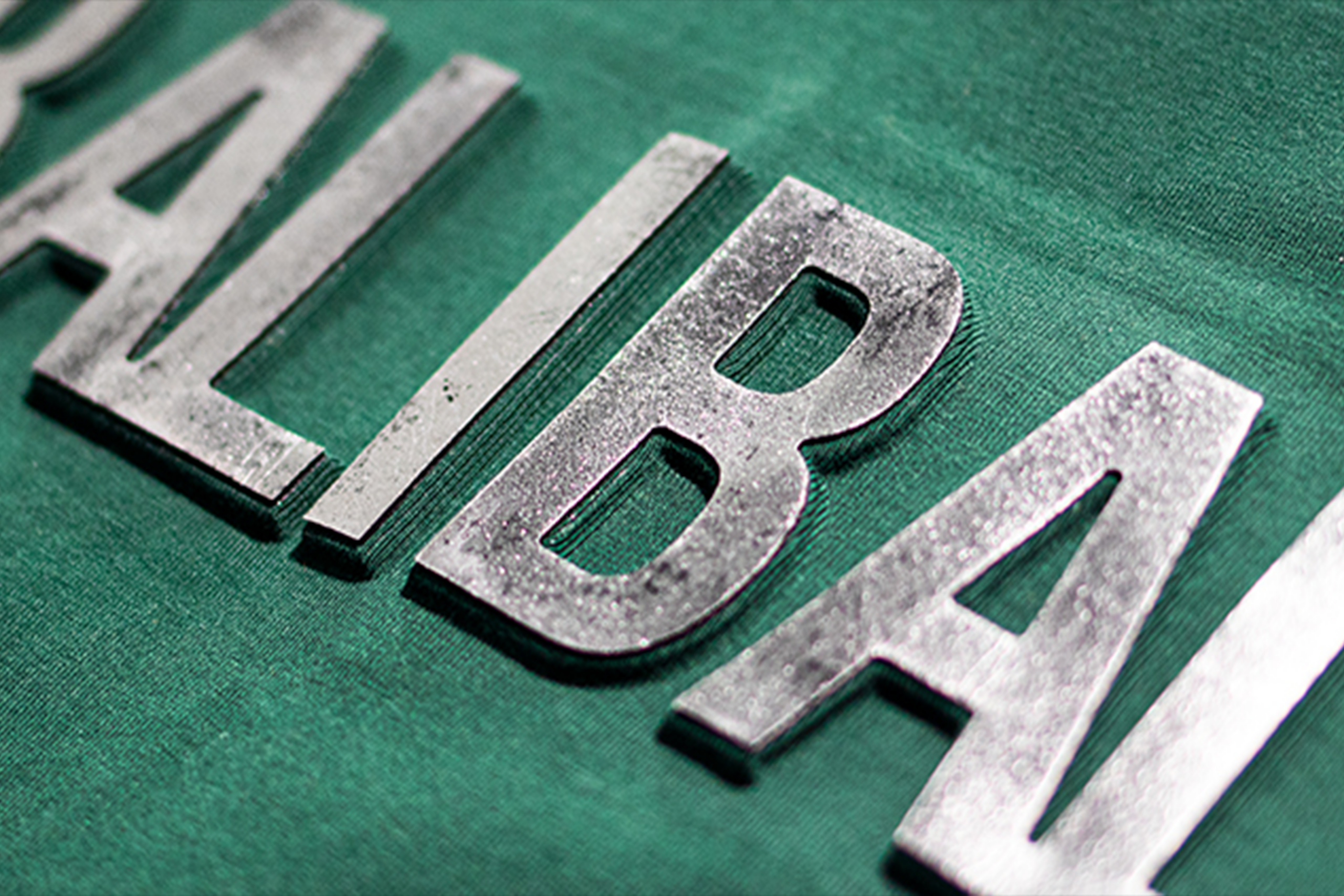
Repeatable Baseball Uniform Production
EDVORIN connects development, decoration, and bulk controls so teamwear programs can move from approved sample to consistent repeat orders.
Teamwear-Specific Development
Develop jerseys, pants, and coordinated pieces with construction, fit, material, and performance requirements aligned to your baseball program.
Flexible OEM and ODM
Bring a complete tech pack or an early concept; EDVORIN helps convert either starting point into production-ready specifications.
Decoration Coordination
Coordinate printing, embroidery, names, numbers, placement references, and compatible base materials within one accountable production workflow.
Approved-Standard Quality Control
Use approved samples, measurement standards, trim details, and in-line inspections to help protect consistency throughout bulk production.
Built for Program Growth
Start from 200 pieces per style, with flexible support for emerging labels, clubs, schools, wholesalers, and private-label buyers.
Apparel Programs We Manufacture
From team layers and uniforms to private-label casualwear, each category is developed with documented specifications for repeatable production.
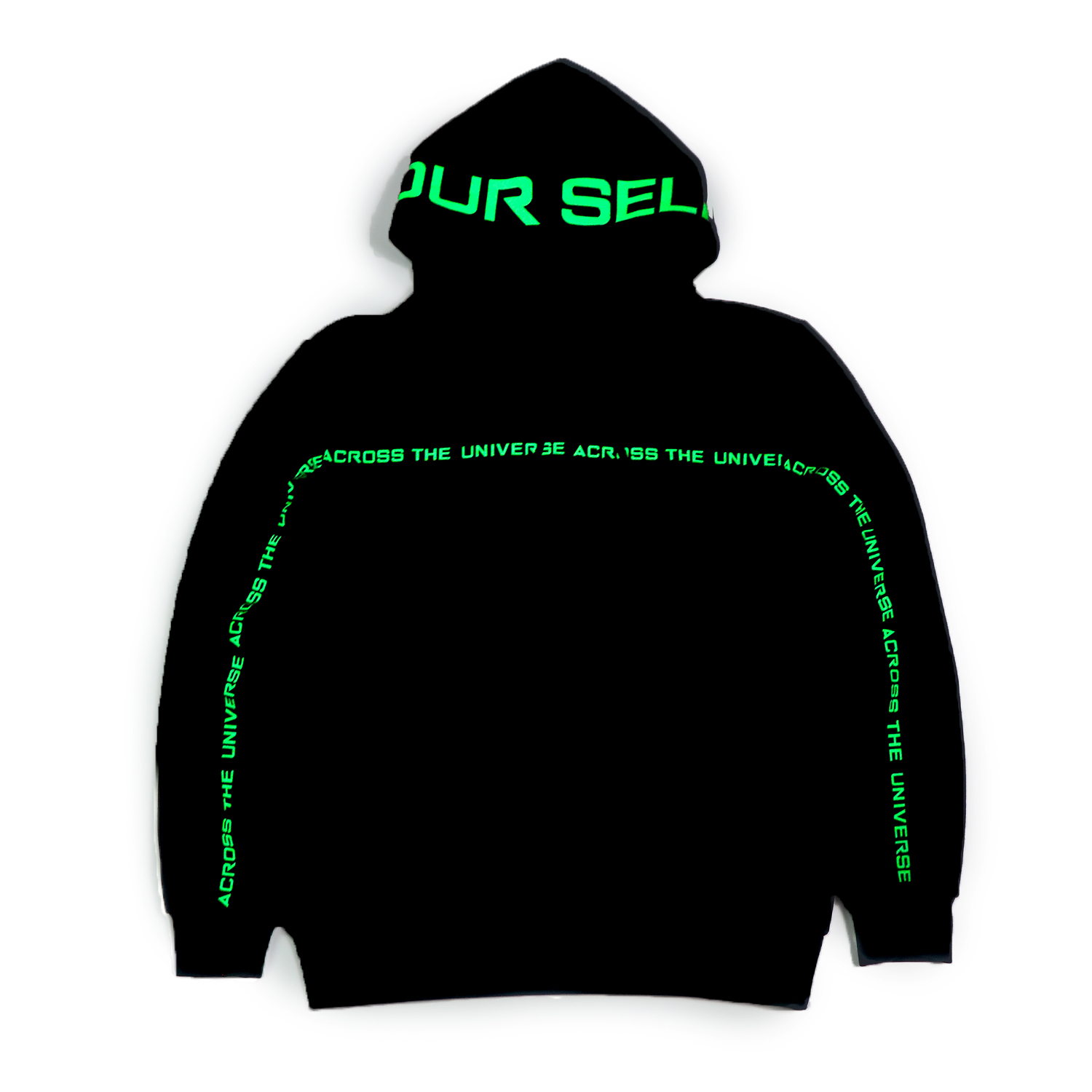
Custom Hoodies
EDVORIN develops custom hoodies for team merchandise, training layers and branded apparel programs. As a custom hoodie manufacturer, we coordinate fleece weight, fit blocks, rib construction, drawcords, prints, embroidery, labels and packing from sample approval through bulk production.
Get a Quote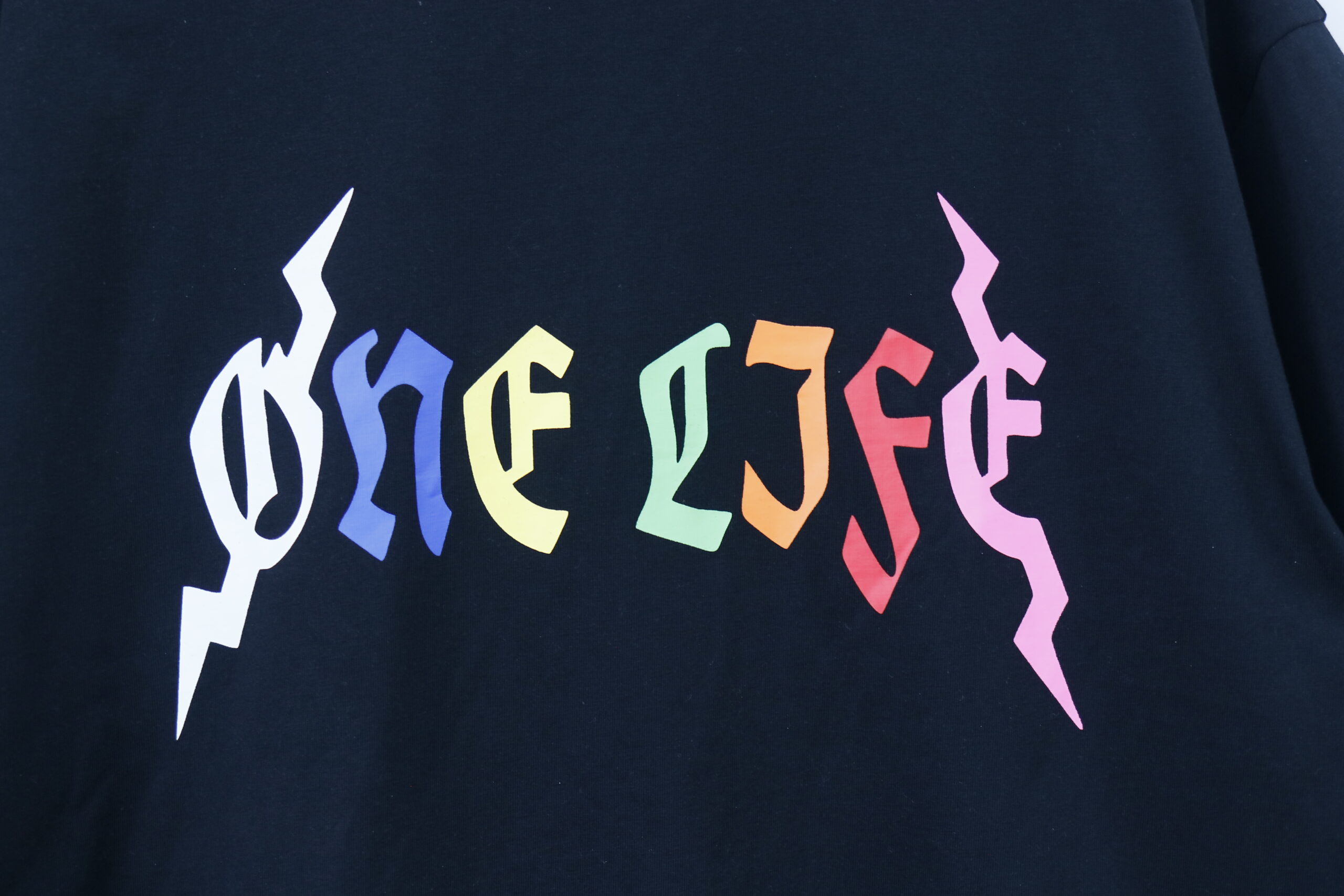
Pullover Sweatshirts
Pullover sweatshirts can be developed for sideline wear, fan retail or coordinated team collections. We manage fabric weight, neckline and cuff construction, grading, decoration placement, labels and finishing so approved specifications carry consistently into repeat orders.
Get a Quote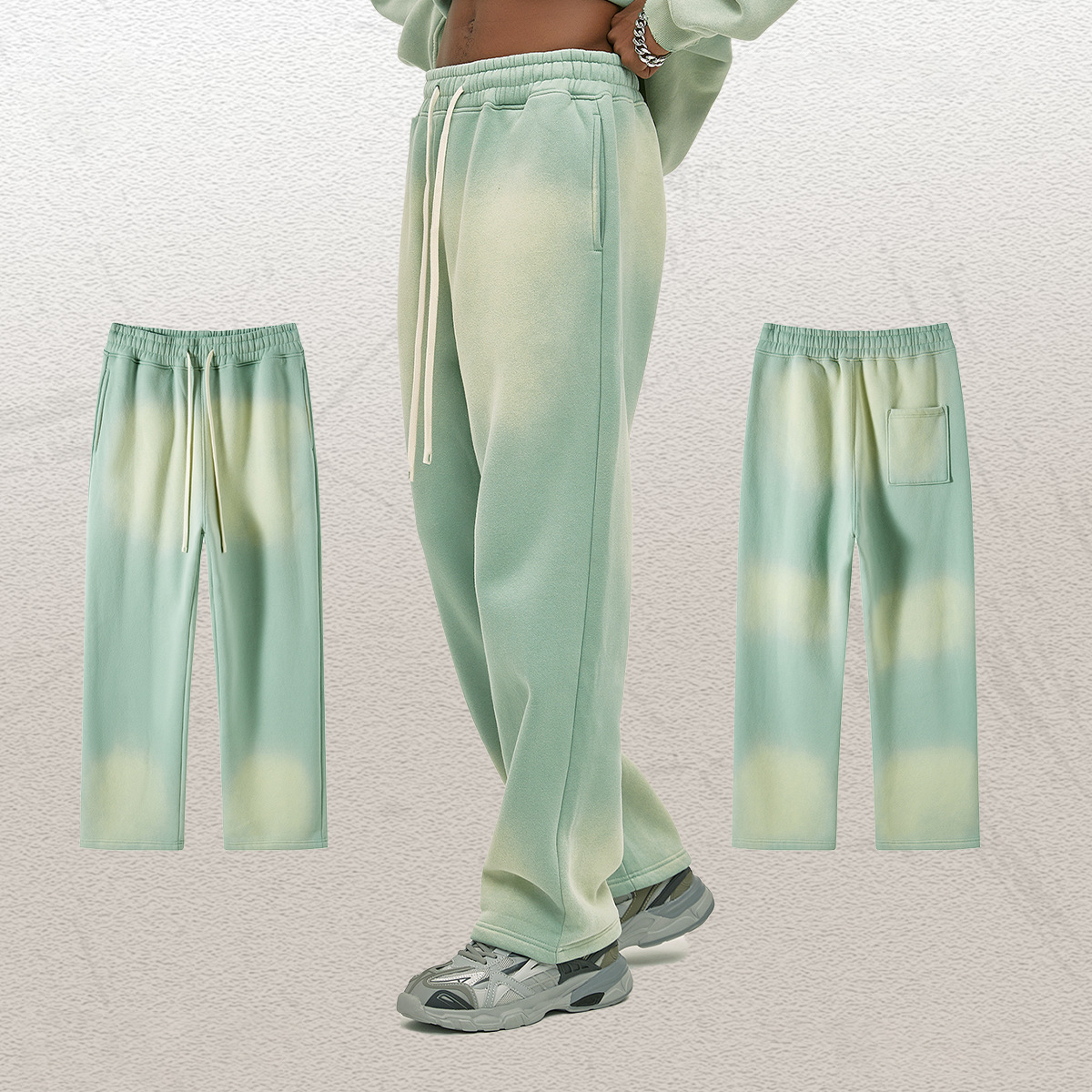
Sweatpants & Joggers
Custom sweatpants and joggers are developed around movement, fit and coordinated styling with hoodies or warm-up tops. EDVORIN supports waistband, drawcord, pocket, cuff, fabric-weight and decoration decisions, with men’s and women’s sizing available for each program.
Get a Quote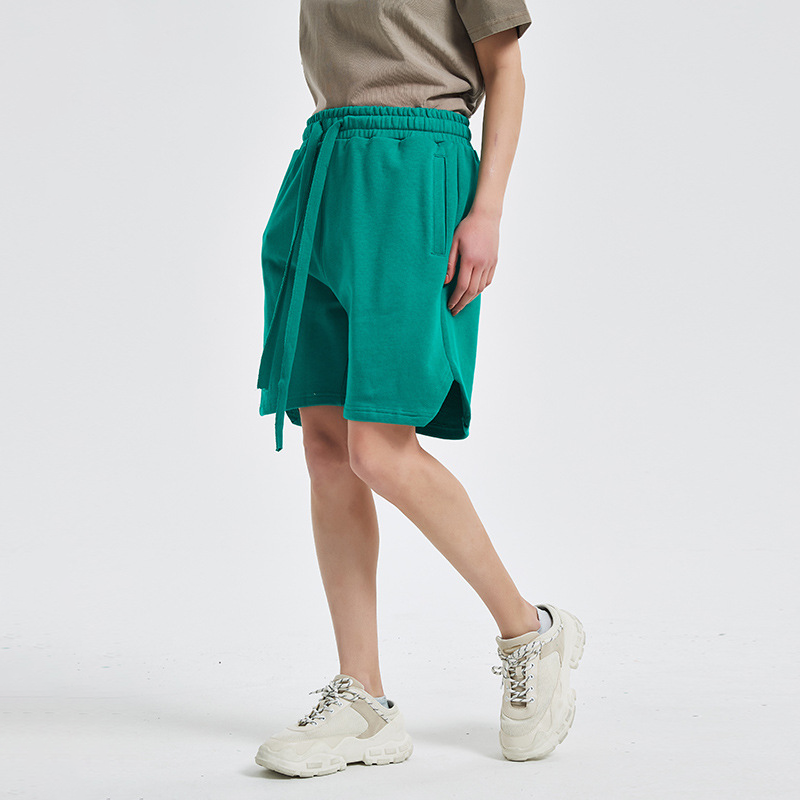
Custom Shorts
Custom shorts can be specified for practice, travel, retail and lifestyle apparel. We develop inseam, rise, waistband, pockets, fabric performance, mesh or lining options, prints and embroidery to match the intended use and provide a clear bulk-production standard.
Get a Quote
Varsity & Baseball Jackets
Varsity and baseball jackets require coordinated body fabric, sleeves, rib, lining, snaps, patches and embroidery. EDVORIN develops these elements as one garment system, helping teams and private-label buyers maintain consistent construction, color and placement across an order.
Get a Quote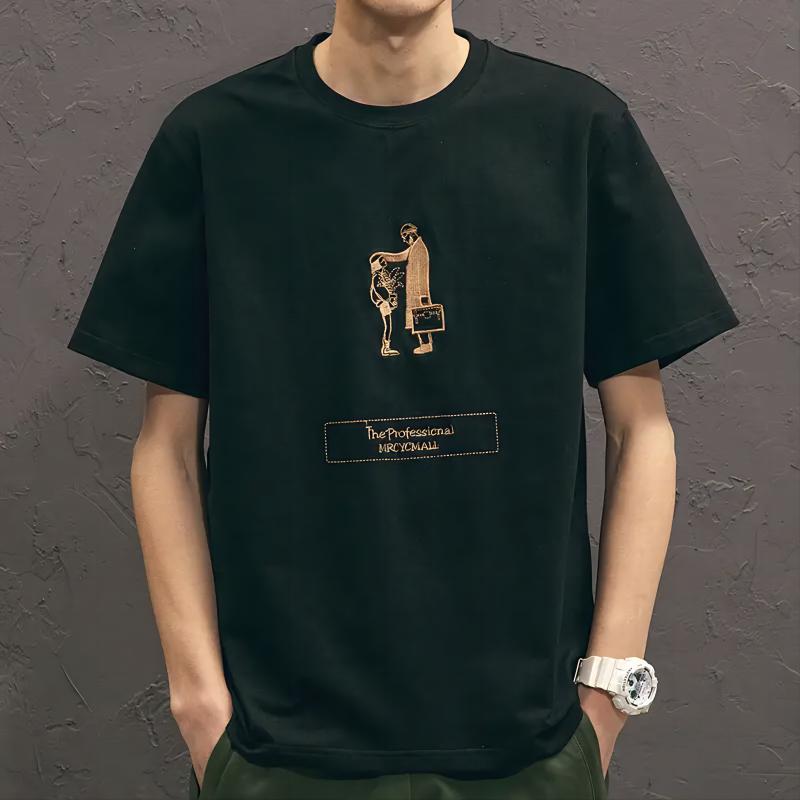
Custom T-Shirts
Custom T-shirts are available for team merch, events, staff apparel and retail programs. We coordinate fabric composition and weight, fit, neck rib, print method, embroidery, wash effects, labels and packaging based on the required price point and use case.
Get a Quote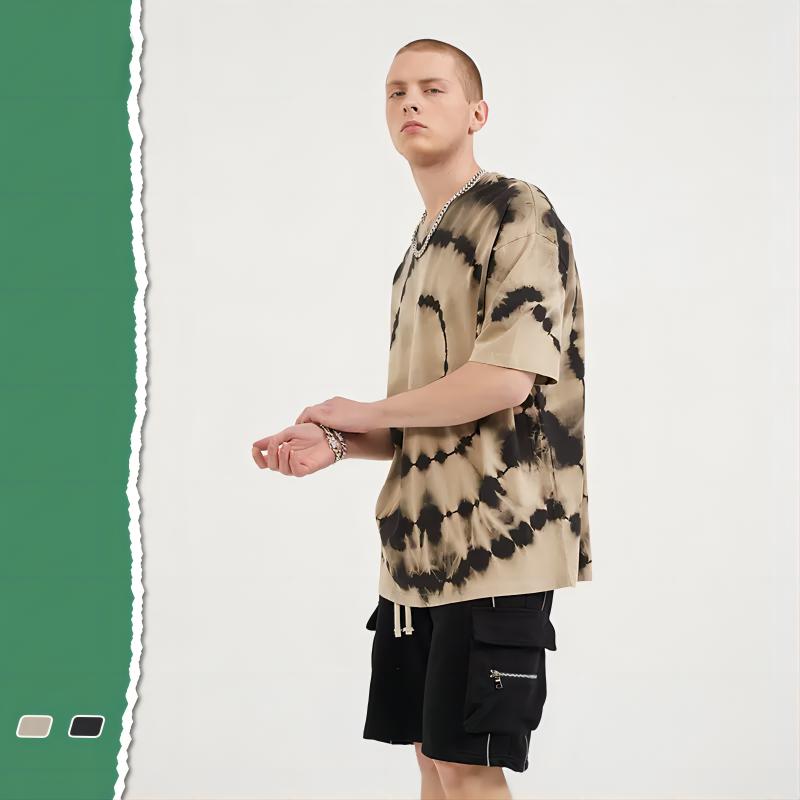
Custom Polo Shirts
Custom polo shirts can be developed for coaching staff, school programs, corporate teams and uniform ranges. Fabric, collar construction, placket details, moisture management, embroidery placement, sizing and color standards are defined before bulk production begins.
Get a Quote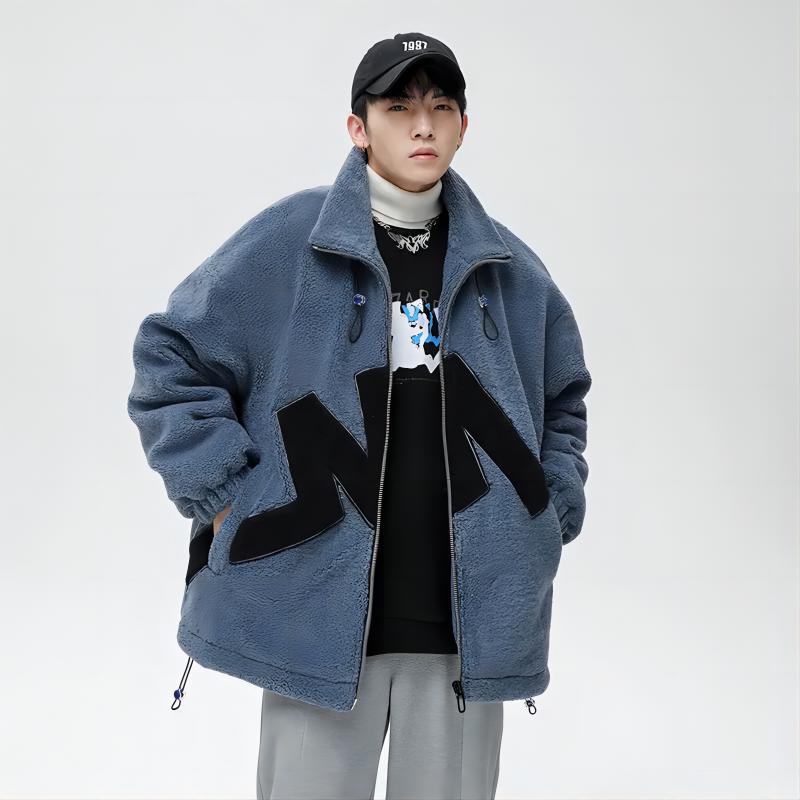
Windbreaker Jackets
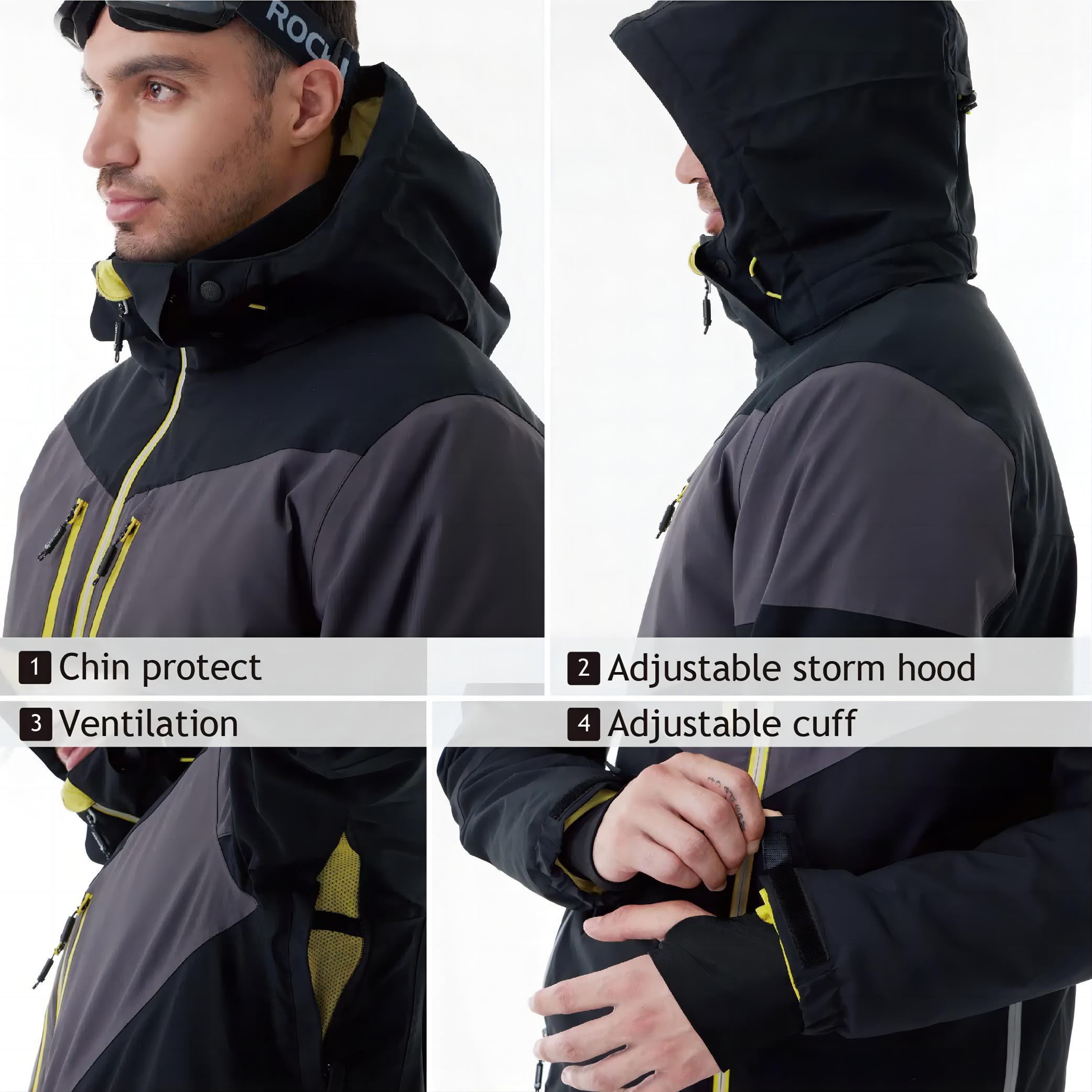
Windbreaker jackets can be built as lightweight travel, warm-up or weather-protection layers. EDVORIN coordinates shell fabric, lining or mesh, zippers, hood options, ventilation, water resistance, decoration and packaging around the program’s practical requirements.
Get a Quote
Quilted Jackets
Quilted jackets are developed for colder-weather team travel, staff uniforms and outerwear collections. We coordinate shell, lining, insulation, quilting pattern, hardware, pockets, fit and decoration so the approved sample can guide stable bulk production.
Get a Quote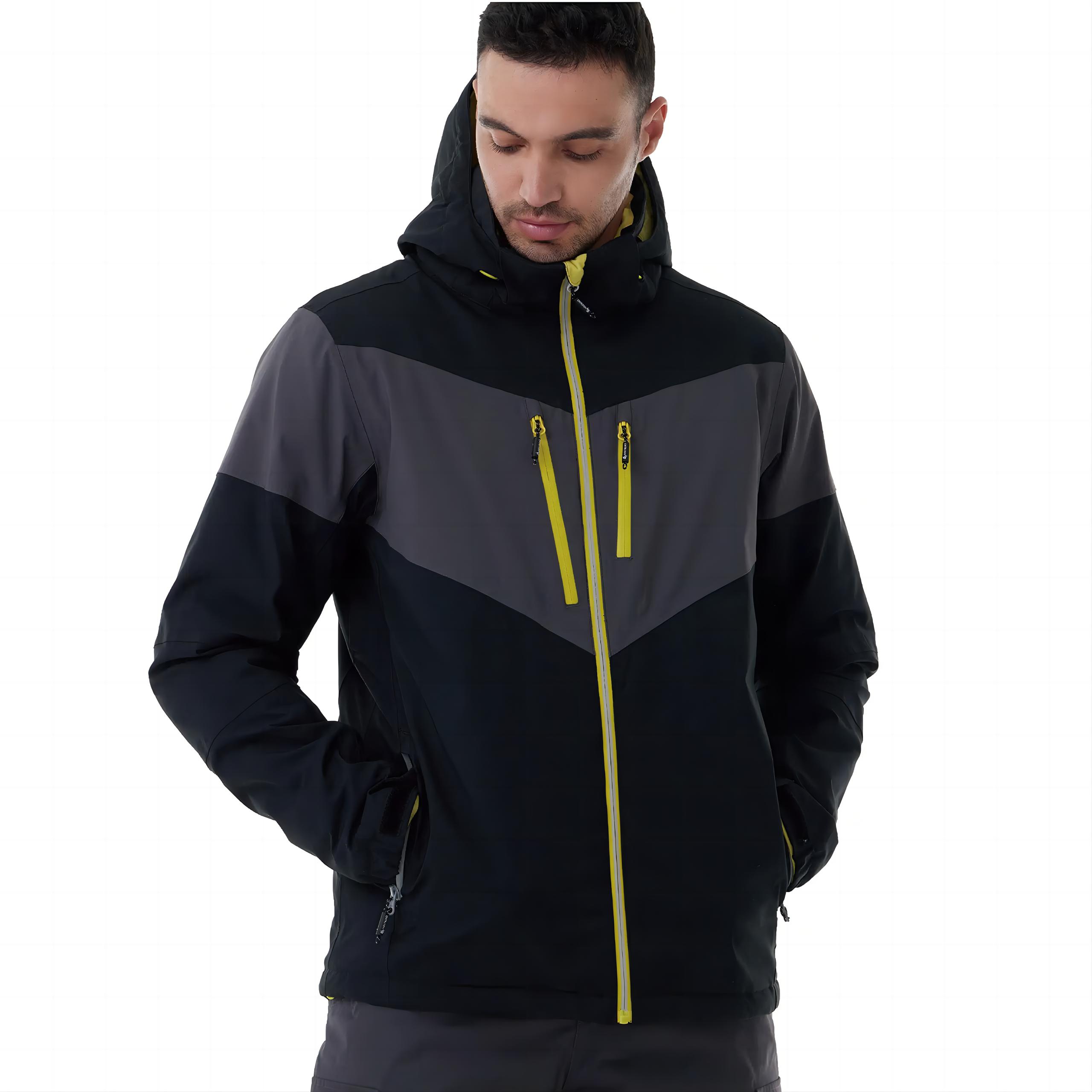
Bomber Jackets
Bomber jackets combine structured silhouettes with detailed trim and decoration requirements. EDVORIN manages shell and lining materials, rib specifications, zippers, pockets, embroidery, patches, print options and grading for teamwear, fashion and private-label programs.
Get a Quote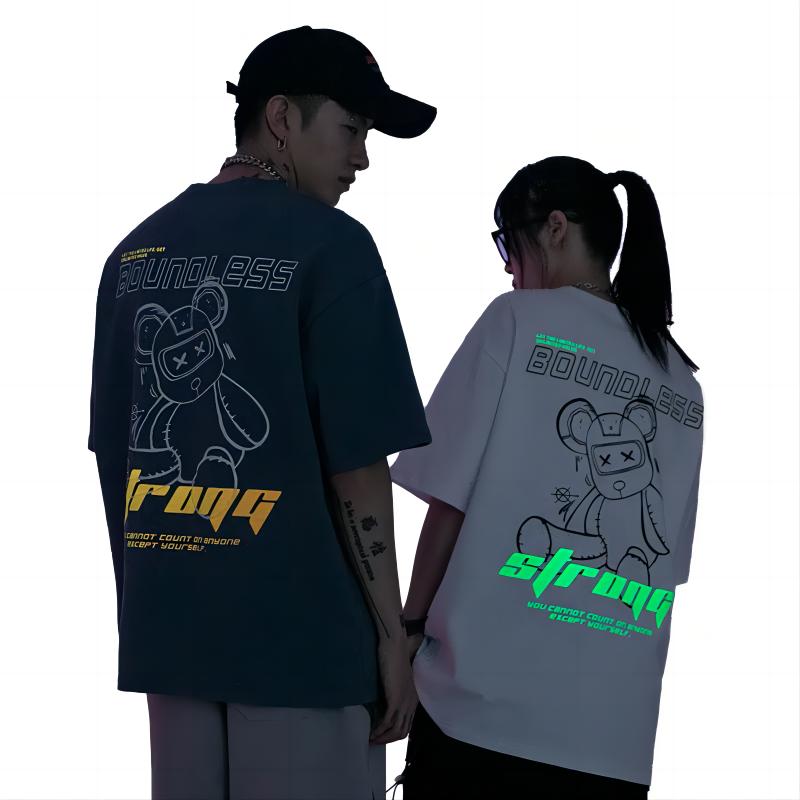
Custom Shirts
Custom woven shirts are developed for staff uniforms, hospitality programs and branded apparel collections. We define fabric, collar, placket, cuffs, pocket details, buttons, fit, embroidery and labeling to create a documented standard for repeatable manufacturing.
Get a Quote
Custom Jerseys
Custom jerseys are developed for baseball, training and fanwear programs with controlled color, numbering and decoration placement. We coordinate breathable fabrics, panel construction, sublimation, tackle twill, screen printing or embroidery, plus organized size sets for team orders.
Get a Quote
Tank Tops
Tank tops can be produced for training, summer teamwear, basketball-inspired retail and event programs. EDVORIN develops fabric weight, armhole and neckline construction, fit, mesh options, printing, embroidery and size grading to suit the intended wearer and activity.
Get a Quote
Soccer Uniforms
Soccer uniforms are developed as coordinated jersey, short and sock programs with performance fabric, color matching, club marks, player names and numbers. EDVORIN documents artwork, placement, sizing and material standards to support consistent team and repeat orders.
Get a Quote
Basketball Uniforms
Basketball uniforms are developed with movement, ventilation and number control in mind. We coordinate jersey and short fabrics, mesh panels, reversible options, sublimation or applied decoration, team colors, names, numbers and grading for complete roster-based programs.
Get a Quote
Streetwear Collections
Streetwear collections can combine hoodies, tees, sweatpants, jackets, woven styles and accessories under one production workflow. EDVORIN supports OEM, ODM and private-label development, coordinating materials, patterns, washes, decoration, trims, labels and packaging from concept to bulk.
Get a QuotePerformance Materials for Baseball Teamwear
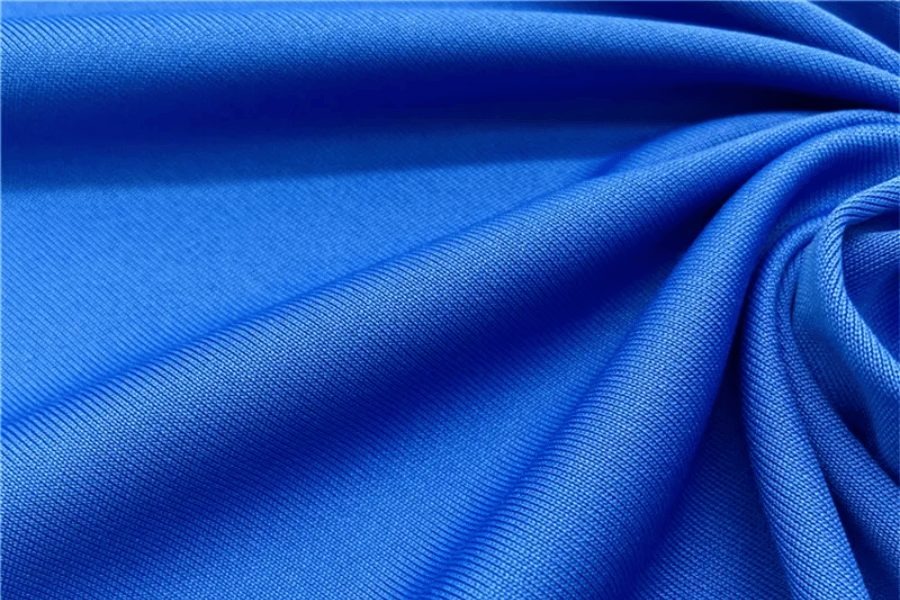
Moisture-Wicking Interlock
A smooth, lightweight knit for sublimated or decorated baseball jerseys. Its breathable hand-feel and moisture-management performance support active play, while stable construction helps maintain clean graphics and consistent team color presentation.
Stretch Double Knit
A durable, structured fabric suited to baseball pants and reinforced uniform pieces. Built with mechanical or elastane stretch options, it supports mobility through slides, fielding, and repeated wear while keeping a substantial, professional hand-feel.
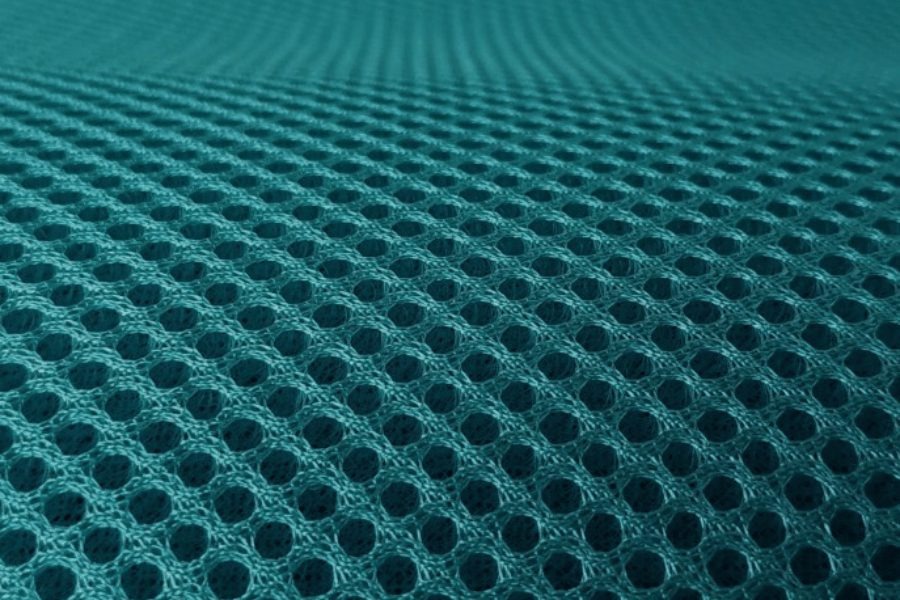
Birdseye Mesh
An airy performance knit with a subtle textured surface for warm-weather jerseys, practice tops, and paneling. Its open construction improves breathability, while the lightweight feel helps teams stay comfortable during training and game play.
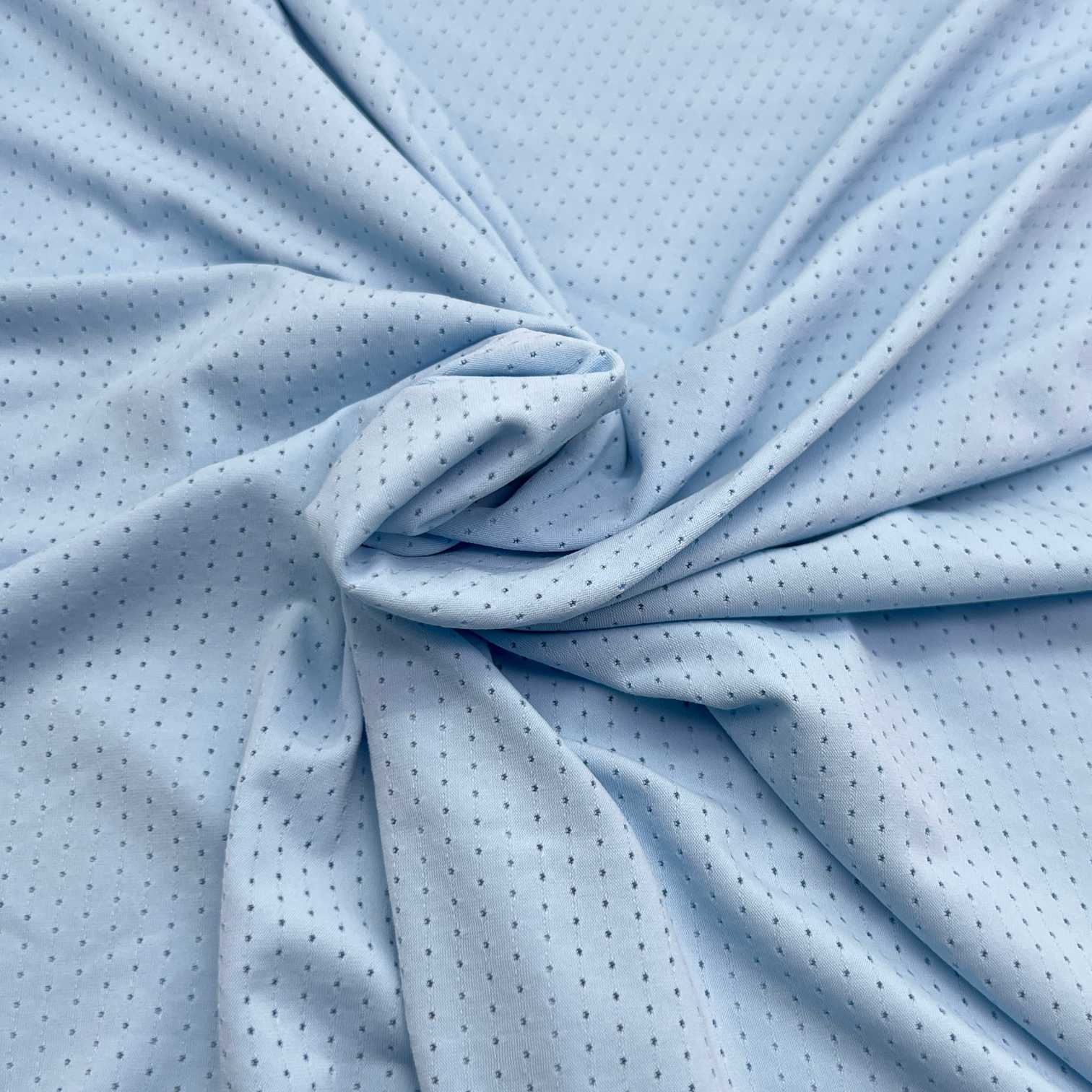
Poly Spandex Jersey
A flexible performance jersey for fitted baseball tops, compression-inspired layers, and modern teamwear silhouettes. The soft hand-feel and four-way stretch support unrestricted movement, with recovery selected to help garments retain their intended shape.
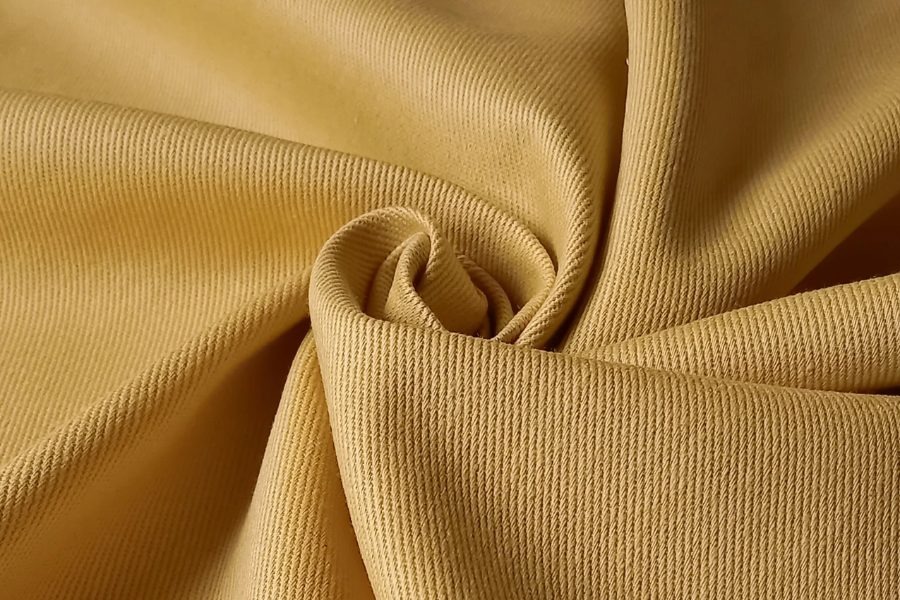
Woven Stretch Twill
A hardwearing woven option for baseball pants, coaching apparel, and durable outer layers. Its crisp surface supports a clean team presentation, while added stretch and a medium-to-heavy weight provide dependable movement and abrasion resistance.
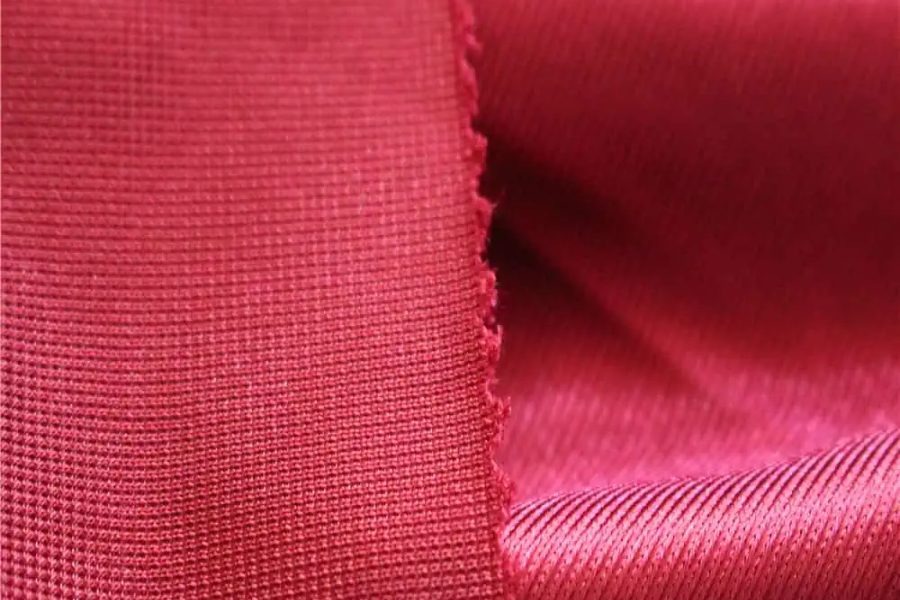
Brushed Tricot
A smooth-faced knit with a lightly brushed inner feel for warm-up jackets, dugout layers, and coordinated travel apparel. Medium-weight construction offers comfortable coverage, while the stable exterior works well with embroidery and team branding.
Baseball Uniform Decoration Methods
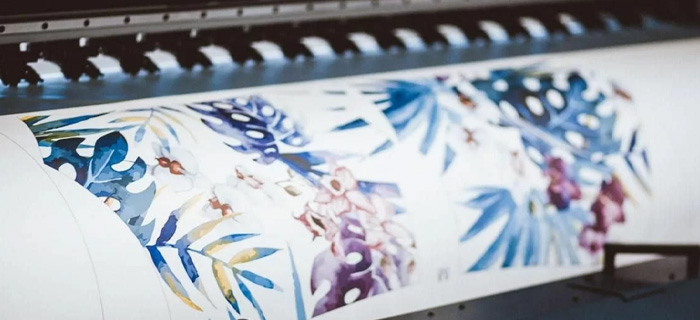
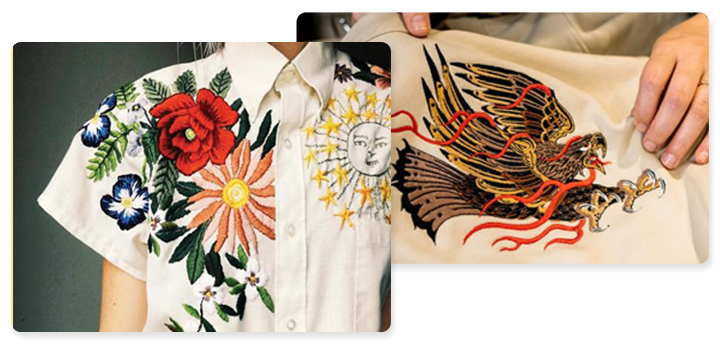
Dye Sublimation
Artwork is infused into compatible performance fabric before cutting, creating full-coverage color, gradients, names, and numbers without adding surface weight. Best for polyester jerseys requiring breathable, durable graphics that will not crack or peel.
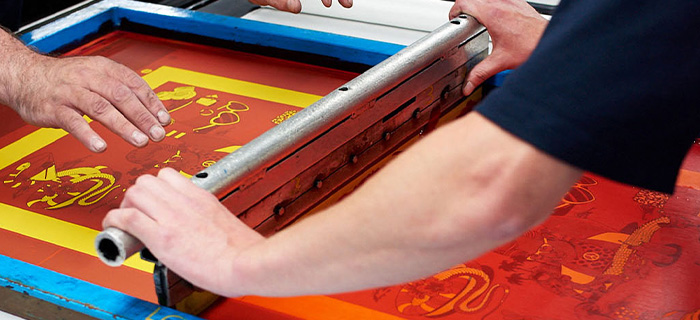
Screen Print
Screen printing applies ink through prepared screens for bold logos, lettering, and limited-color artwork. It suits cotton blends and selected teamwear fabrics when a strong, opaque visual result and dependable repeated placement are required.
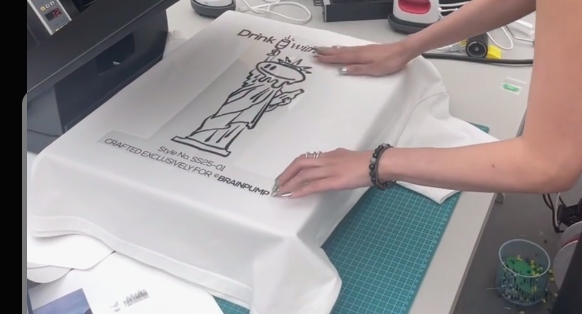
Heat Transfer
Heat transfer applies precisely cut or printed graphics with controlled heat and pressure. It is effective for individual player names, numbers, and small-run personalization, especially when placements need clean edges and flexible order management.
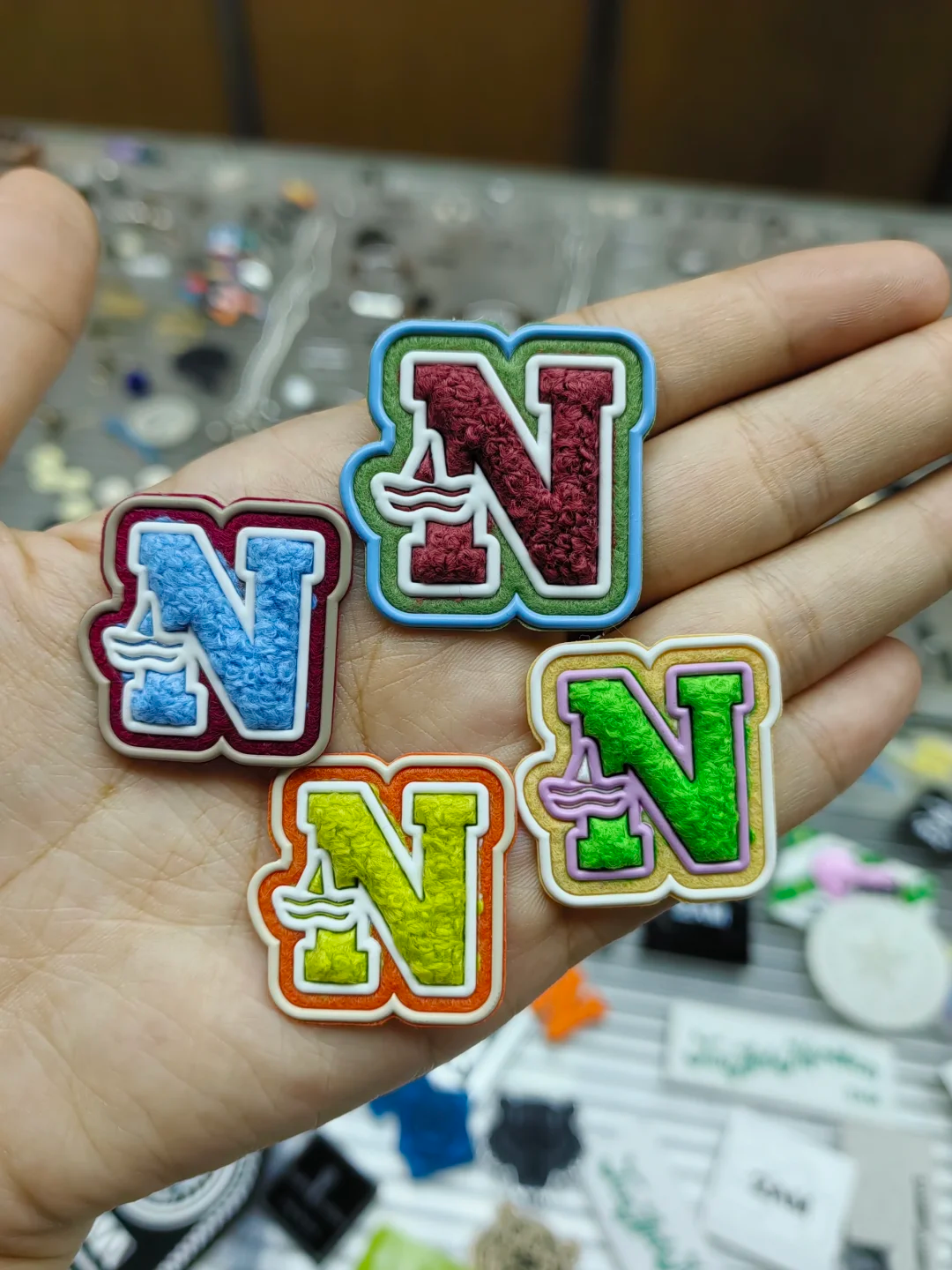
Tackle Twill Appliqué
Tackle twill appliqué layers cut fabric letters or numbers onto the garment for a classic baseball look with substantial visual presence. It works well on jerseys and outer layers when reinforced attachment and durable edge finishing are specified.
Baseball Uniform Trims and Finishing Details
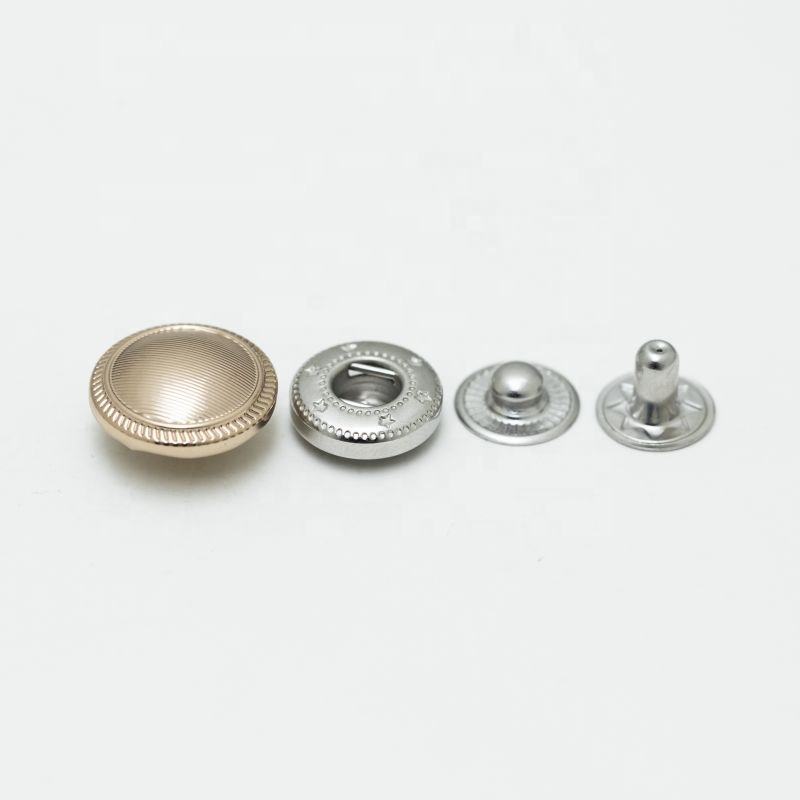
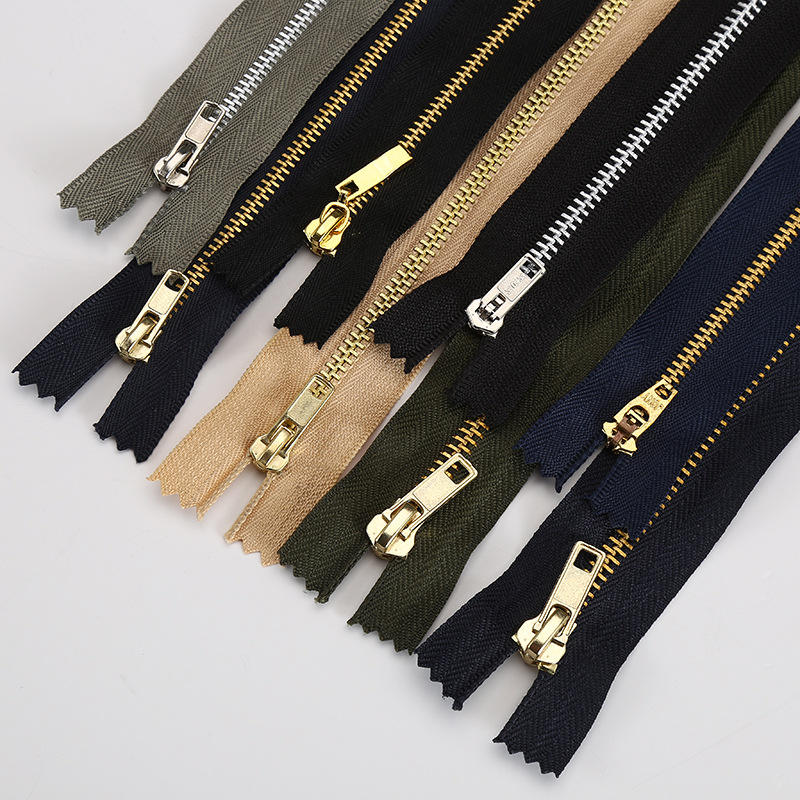
Performance Zippers
Add specified zipper types and puller details to batting jackets, windbreakers, and outerwear. Zipper selection is coordinated with the garment construction, fabric weight, and intended teamwear use.
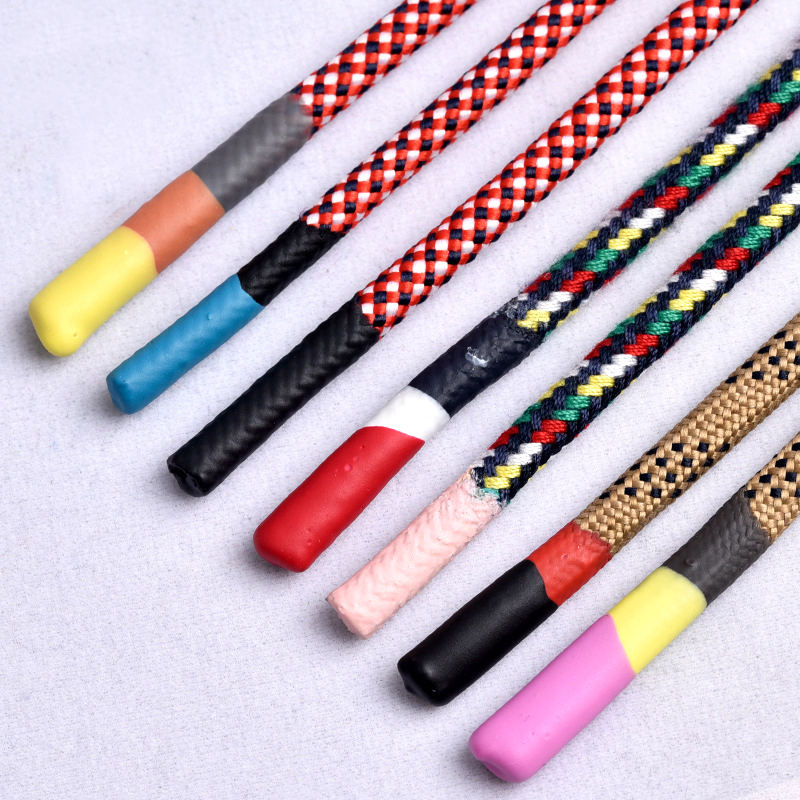
Drawcord Details
Customize drawcord material, color, tipping, and placement for hoodies, warm-up pieces, and off-field apparel. These details help carry team colors or a private-label identity across a coordinated collection.
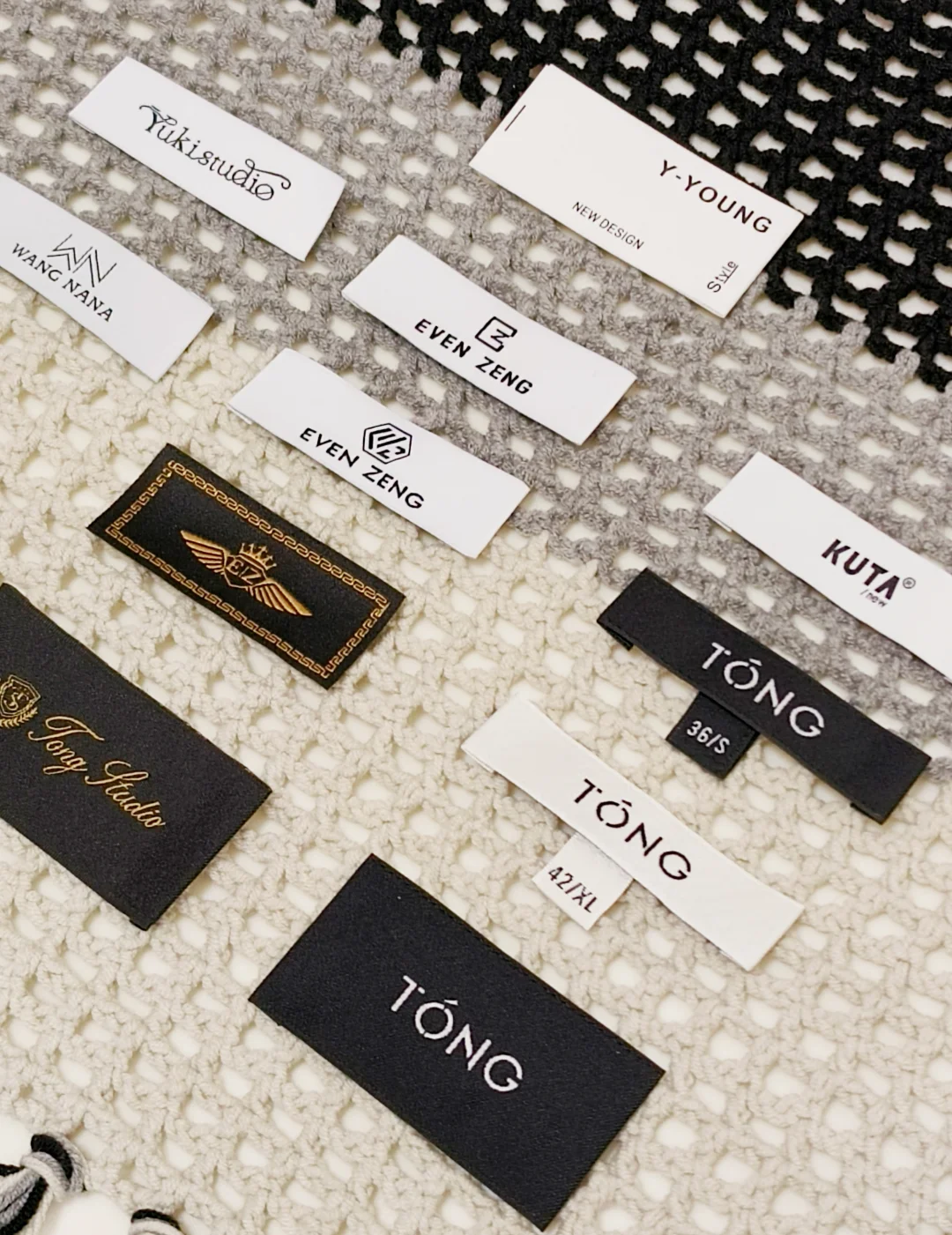
Woven Brand Labels
Create woven main labels, size labels, and care labels for private-label baseball apparel. Label content, placement, and attachment are defined during development to keep finished garments consistent across repeat orders.
Founder-Led Baseball Uniform Manufacturing Since 2000
EDVORIN was founded by Edvorin Zeng in 2000 with a practical mission: turn apparel ideas into manufacturing standards that hold up beyond the first sample. As a founder-led baseball uniform supplier, we help brands, clubs, schools, wholesalers and private-label buyers develop teamwear with clear specifications from the start.
EDVORIN’s MOQ starts at 200 pieces per style. Our connected OEM and ODM workflow brings together product development, fabric and trim sourcing, patterns, sampling, printing, embroidery, labeling and packaging. Men’s and women’s programs are developed around the intended fit, proportions and performance needs, while a 200-piece MOQ per style supports both growing labels and established teamwear programs.
What makes EDVORIN different is the discipline after sample approval. We document materials, measurements, color references, artwork placement and construction details, then use approved standards for in-line and final quality control. That helps protect consistency across bulk production and repeat baseball uniform orders.
From Concept to a Production Standard
Technical Development That Resolves Details
As your baseball uniform supplier, EDVORIN turns sketches, references, or completed tech packs into workable specifications for jerseys, pants, and coordinated teamwear. Fit, grading, construction, measurements, and component choices are clarified before sampling so production has a defined standard to follow.
- Men’s and women’s fit development
- Patterns and measurement specifications
- Jersey, pant, and outerwear coordination
- OEM, ODM, and private-label support
Materials and Decoration Aligned
A uniform program performs best when the base fabric and decoration method are developed together. EDVORIN coordinates material selection, team colors, artwork placement, printing, embroidery, and appliqué requirements so the intended visual identity is considered alongside construction and wear demands.
- Fabric selection for the intended use
- Print, embroidery, and appliqué coordination
- Artwork placement references
- Color and trim alignment across uniforms
Approved Samples Become Production Records
EDVORIN treats the approved sample as the starting point for bulk control, not the finish line. Measurements, materials, trims, placement details, and revisions are recorded to give teams a shared reference for repeatable baseball uniform production and future program reorders.
- Sample revisions documented clearly
- Approved construction and trim references
- Measurement and placement control points
- Repeat-order standards preserved
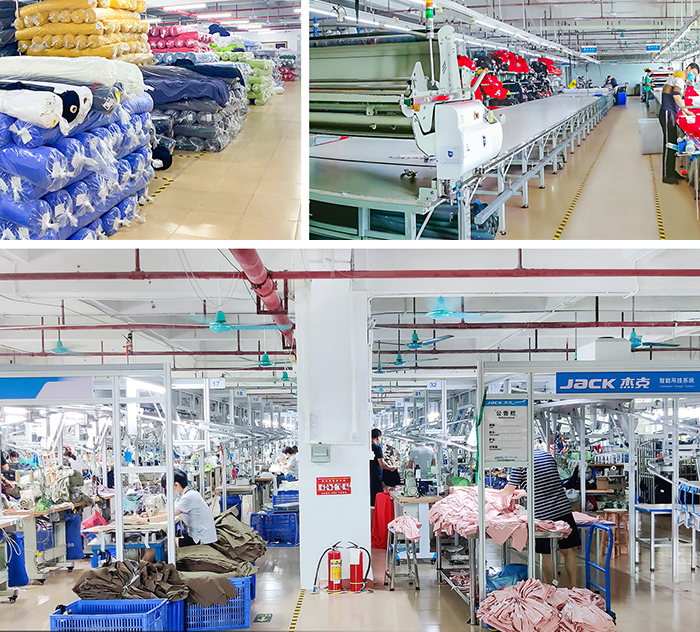
In-Line Control Protects Consistency
From cutting through packing, EDVORIN organizes checks around the approved production standard. In-line review helps identify variation while corrections are still practical, while final inspection verifies that finished baseball uniforms reflect approved materials, construction, decoration, labeling, and packaging requirements.
- In-line inspection checkpoints
- Bulk measurement verification
- Decoration and appearance review
- Final inspection before packing
Baseball Uniform Supplier Comparison: EDVORIN vs. Typical Teamwear Suppliers
Built for buyers who need clear standards from development through repeat production.
← Swipe left or right to view →
Our Baseball Uniform Production Process
EDVORIN translates approved teamwear specifications into a controlled production standard, from sourcing and sampling through inspection, packing and shipment.
Review Specifications and Source
We review tech packs, artwork, measurements and quantity needs, then coordinate performance fabrics, trims and color references for your baseball uniform program.
Develop Patterns and Samples
Patterns, grading and construction details are refined for the intended fit. A sample verifies material behavior, comfort, styling and specification accuracy before approval.
Confirm Decoration Standards
We test and document print, embroidery, appliqué or other decoration details, including artwork placement, player personalization requirements and compatibility with the selected base fabric.
Produce Bulk Uniforms
After approval, cutting, sewing, decoration and finishing follow the documented standard, helping each size run and repeat order maintain consistent construction and appearance.
Inspect Pack and Ship
In-line and final quality checks compare production against approved standards. Finished uniforms are labeled, packed and prepared for shipment according to your order requirements.
How to Start Your Baseball Uniform Program
Move from concept to a repeatable production standard with EDVORIN’s OEM and private-label support.
Share Your Brief
Send a tech pack, sketch, reference garment, or teamwear concept. Include target quantities, size range, colors, decoration needs, and required delivery timing.
Confirm Specifications
Review construction, performance fabric, fit blocks, trims, artwork placement, packaging, and quotation details with our team before development begins.
Approve Your Sample
Evaluate the sample for fit, materials, colors, decoration, and measurements. Record approved revisions so the final standard can guide bulk production.
Launch Bulk Production
After approval, we coordinate sourced materials, cutting, sewing, decoration, in-line checks, labeling, and packing against your confirmed production specifications.
Receive Repeatable Teamwear
Final inspection verifies the packed order against approved standards before delivery, creating a documented foundation for future baseball uniform reorders.
Certified Standards for Responsible Apparel Production

What Buyers Say About Working With EDVORIN
EDVORIN turned our initial jersey sketch into a production-ready spec across 18 size points. The approved sample gave our club a clear reference for the full 240-piece order, and player names and numbers arrived organized by roster.
For our private-label launch, the team coordinated fabric, piping, woven labels and embroidery in one approval flow. We reduced sample revisions from four rounds to two and moved into a 300-piece production run with much clearer artwork placement.
Our reorder needed to match the first delivery exactly. EDVORIN retained the approved colors, measurements and decoration references, so the second 500-piece run stayed consistent across youth and adult size ranges without restarting development.
Baseball Uniform Supplier FAQs
Answers for brands, clubs, schools, and private-label buyers planning repeatable baseball uniform programs.
EDVORIN’s MOQ starts at 200 pieces per style. What is the minimum order quantity for custom baseball uniforms?
Can EDVORIN develop uniforms from a sketch or reference garment?
How does sampling work for custom baseball uniforms?
How long does custom baseball uniform production take?
Do I need a complete tech pack to place an order?
What customization can EDVORIN provide for baseball uniforms?
How are payment terms handled for custom uniform orders?
Can EDVORIN ship internationally and help protect our designs?
The Complete Baseball Uniform Supplier Buyer’s Guide
Use this decision framework to compare baseball uniform supplier options, evaluate fabrics, customization, quality controls, and production readiness, while avoiding costly sourcing mistakes that affect fit, brand consistency, timelines, and margins.
1. What Is a Baseball Uniform Supplier?
Since 2000, EDVORIN has served as a baseball uniform supplier that can translate an OEM or private-label concept into approved specifications, samples, bulk production, inspection, labeling, and packed delivery. For brands, clubs, schools, and wholesalers, the supplier’s job is to keep those decisions accountable from development through shipment.
Four supplier models operate differently. A manufacturer controls patterns, material sourcing, sewing, and production quality; a trading company coordinates factories; a decorator adds names, numbers, prints, or embroidery to garments; and a stock distributor sells pre-made styles with limited customization.
Before requesting a quote, buyers should define the uniform components, size range, artwork, target fabric, decoration method, quantity, delivery destination, and required approvals. Ask who owns each stage—product development, customization, quality control, and logistics—and request a clear sample and bulk-production path.
2. How Baseball Uniform Supply Has Evolved
1900s-era baseball uniforms commonly relied on wool or flannel, creating the visual foundation for button fronts, piping, and sewn lettering. That legacy still matters when a buyer specifies a heritage silhouette, but material, trim, and decoration must be documented separately from the look.
1970s onward, polyester performance apparel shifted sourcing toward lighter, quicker-drying constructions and scalable color application. Sublimation and digital artwork let a baseball uniform supplier reproduce complex graphics, player names, and numbers with fewer decoration handoffs; current custom programs also market fully sublimated designs and four-week delivery targets: https://www.bsnsports.com/team-uniforms/baseball
24/7 team stores now support individual reorders instead of one annual roster purchase: https://www.teamtriton.com/custom-baseball-jerseys.html. For private-label buyers, that means shorter launch cycles, but it also requires locked artwork files, Pantone references, approved size grading, and repeatable label and packaging standards.
3. Types of Baseball Uniform Supplier Programs
Five sourcing models serve different risk levels, from event-ready teams to scalable private-label lines. A baseball uniform supplier should match the program to the buyer’s sales channel, repeat-order needs, and control over product specifications.
| Program | Best Fit | Freedom | MOQ And Lead Time |
|---|---|---|---|
| Stock blanks | Urgent teams | Low | Lowest; fastest |
| Semi-custom | Clubs | Moderate | Mid-level; shorter |
| Sublimation | Graphic teams | High | Mid-level; artwork setup |
| Cut-and-sew OEM | Brands | Highest | Higher; sampling |
| Private label | Wholesale | High | Higher; specification-led |
Stock And Semi-Custom
Stock blanks suit schools, clubs, and urgent team orders: add screen print, embroidery, names, or numbers to proven jersey and pant styles.
Semi-custom programs change approved colors, panels, or trims with less development than a new pattern. They generally simplify reorders but limit silhouette control.
Sublimation And Cut-And-Sew
Fully sublimated uniforms suit teams needing repeatable all-over graphics, while artwork, names, and numbers are integrated before cutting.
Cut-and-sew OEM suits fashion labels seeking proprietary fit, fabric, construction, and details. Expect sample approvals, higher MOQs, and longer lead times in exchange for broader design freedom.
Private-Label Production
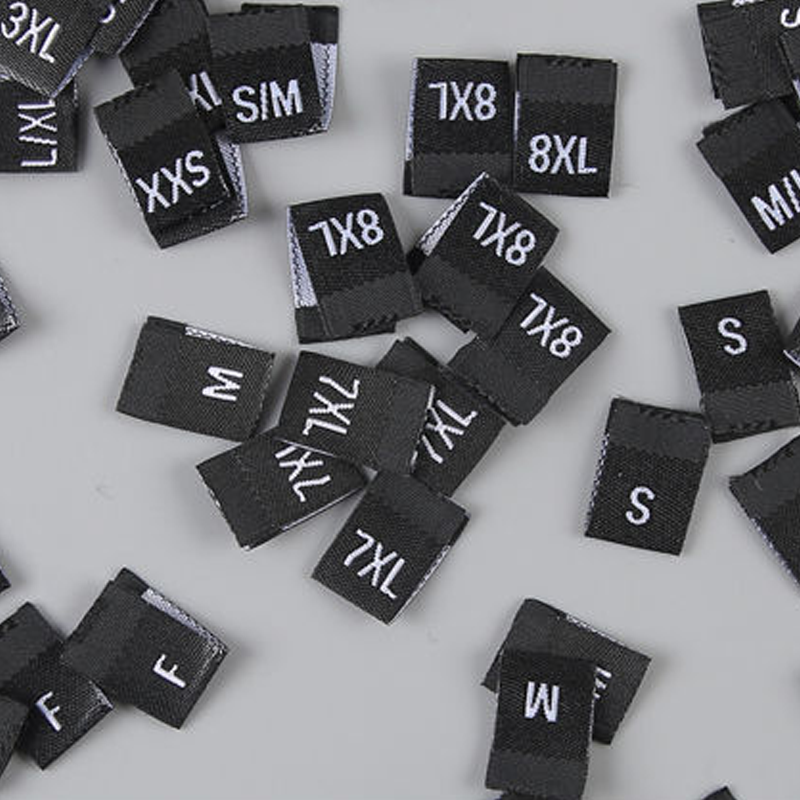
Private-label production fits wholesalers and brands building a sell-through program, not a one-off roster order. Woven labels, size systems, packaging, and documented specifications make replenishment more controlled after bulk approval.
4. Baseball Uniform Supplier Fabric Selection
120–160 GSM polyester interlock suits light jerseys, while 220–280 GSM double-knit adds pant opacity and abrasion resistance. A capable baseball uniform supplier matches knit structure to wear, not just color.
| Fabric | Performance | Recommended Use |
|---|---|---|
| Polyester interlock | Smooth, breathable, colorfast | Youth jerseys, training |
| Mesh | High airflow, lower opacity | Hot-weather competition |
| Double-knit | Opaque, abrasion resistant | Game pants |
| Stretch woven | Flexible, durable | Competitive pants |
| Moisture-management blend | Wicking, versatile | Training, lifestyle |
Jersey Fabric Priorities
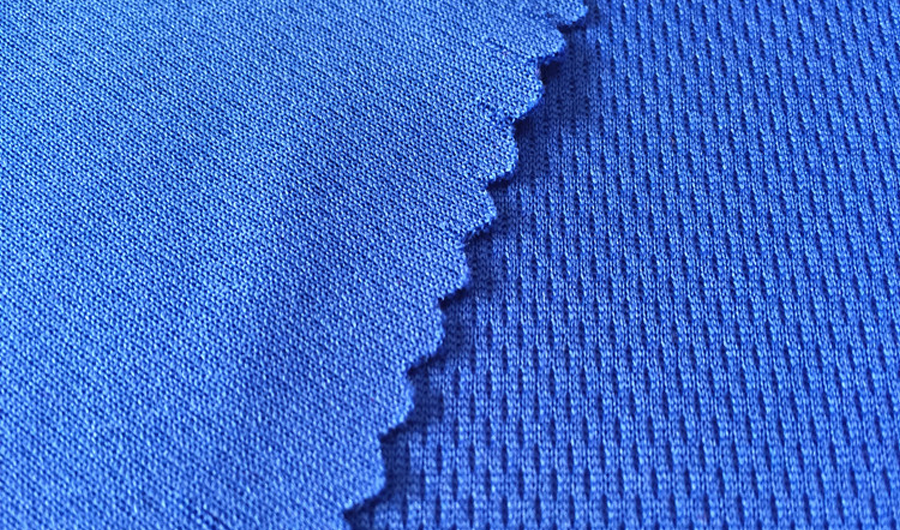
140–170 GSM interlock gives smooth print definition, stable color retention, and moderate stretch for youth and training jerseys.
150–180 GSM mesh improves airflow for hot-weather competitive play but needs adequate opacity testing.
Pants And Lifestyle Weights
220–280 GSM double-knit resists sliding abrasion and shows less through in white pants.
180–240 GSM stretch woven adds mobility for competitive pants; moisture-management blends suit training and lifestyle uniforms.
5. Customization Options From a Baseball Uniform Supplier
EDVORIN turns approved artwork into placement, color, and construction records before bulk production. A baseball uniform supplier should match the method to wear, visual language, and repeat-order needs.
| Method | Visual Effect | Durability | Setup And Best Fit |
|---|---|---|---|
| Sublimation | Integrated color | No surface layer | Artwork-ready; team uniforms |
| Screen print | Flat, bold graphic | Method-dependent | Separated colors; team or fashion |
| Heat transfer | Crisp variable detail | Method-dependent | Player data; team uniforms |
| Tackle twill | Raised traditional lettering | Sewn attachment | Cut files; premium teams |
| Embroidery | Textured crest | Dense stitched finish | Digitized art; fashion labels |
Decoration Method Selection
Full sublimation supports all-over color and gradients; tackle twill and sewn appliqué create dimensional, heritage lettering. Screen printing suits bold spot-color graphics, while heat transfer fits variable names and numbers.
Artwork Approval Records
EDVORIN should approve Pantone references, logo size, placement measurements, font files, and number layouts before production. One signed artwork sheet prevents a reordered roster or patch from drifting from the original standard.
Private-Label Finishing
EDVORIN can coordinate neck labels, size labels, woven patches, hangtags, polybags, and carton markings as part of the production specification. Two samples—decoration and pre-production—help fashion-led labels confirm texture and branding before bulk.
6. Construction Details That Define Uniform Quality
Two sample reviews should separate appearance from construction. Baseball uniforms face repeated throwing, crouching, sliding, and tuck-in movement, so a baseball uniform supplier should document details that photos cannot confirm.
Seams And Stress Zones
At 10–15 pulls, inspect seam openings at the inseam, crotch, side seam, and armhole; ask which stitch type and seam allowance are specified.
During one fitting, squat, throw, and slide on a protected surface. Ask where reinforcement is added and whether the production sample will match it.
Closures, Fit, And Wash
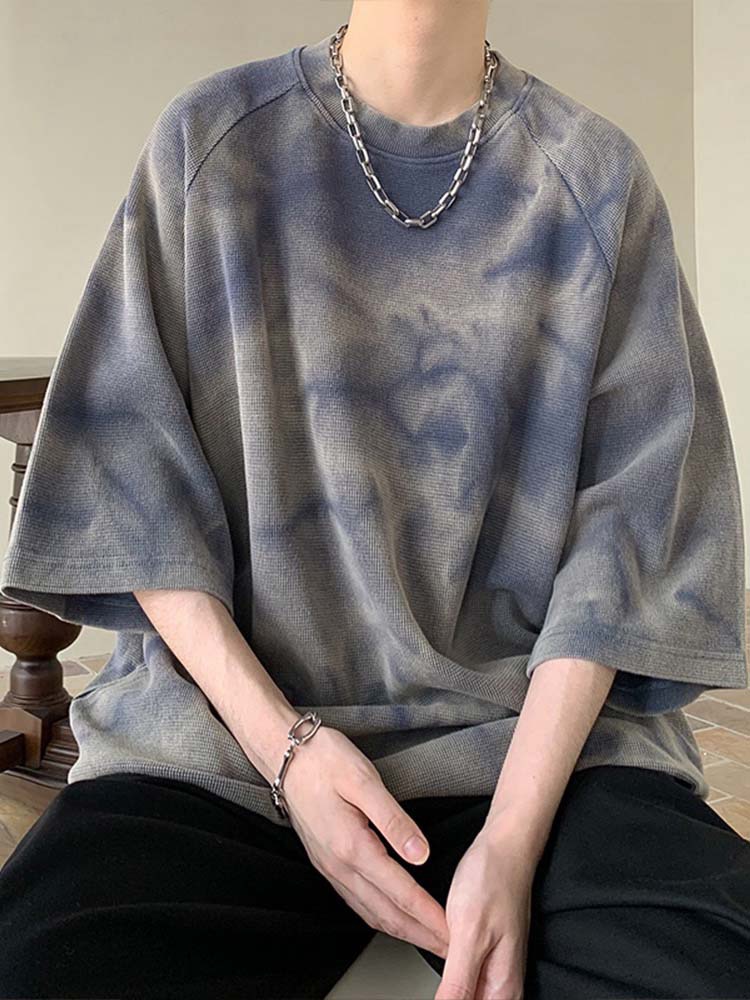
After 5 wash-and-dry cycles, compare collar recovery, placket flatness, button security, hem twist, and panel alignment against the approved sample. Ask for the wash method and acceptable measurement tolerance by size.
For pants, check waistband stitching and belt-loop attachment under pull. Ask whether graded measurements, rise, inseam, and leg opening are recorded for every size.
7. How to Choose a Baseball Uniform Supplier
Two quotations are comparable only when the garment specification, quantities, decoration, packing, delivery term, and currency match. A baseball uniform supplier should demonstrate repeatable control before price becomes the deciding factor.
Verify Relevant Experience
Three recent baseball programs should show jersey, pant, name, and number execution across sizes.
One pre-production sample should confirm fit, artwork scale, Pantone references, and approved construction notes.
Test Production Controls
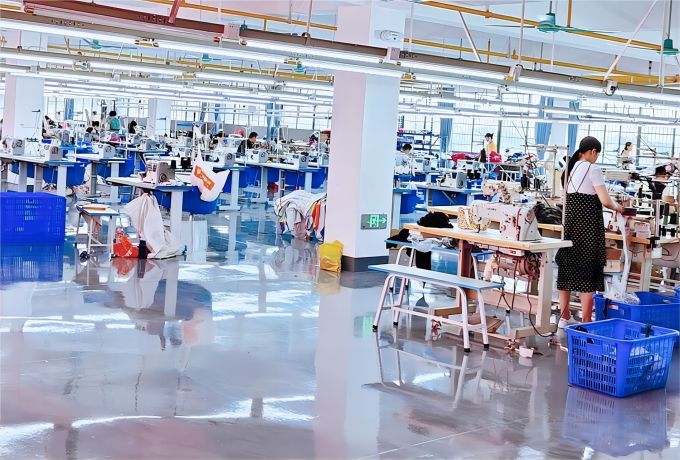
EDVORIN’s MOQ starts at 200 pieces per style. 200-piece planning should include stated MOQ by style, color, and size breakdown, plus sampling and bulk timelines.
Three documents matter before deposit: measurement chart, inspection checklist, and signed sample approval record.
Compare Commercial Terms
100% like-for-like quotes should separate fabric, decoration, labels, packaging, freight, duties, and payment milestones.
Two contacts—development and production—should confirm capacity, revision response time, shipping options, and reorder support in writing.
8. Common Baseball Uniform Supplier Mistakes
Eight preventable decisions can turn a viable uniform program into delays, rejects, or margin loss. A baseball uniform supplier should convert every approval into a production-ready record.
Price Before Total Cost
One low unit quote can exclude setup, decoration, freight, replacement pieces, or reorder access. Teams should compare landed cost; private-label buyers should cost defects and markdown risk.
Two quotes require matching fabric, construction, artwork, packaging, and quantity assumptions before selection.
Uncontrolled Specifications
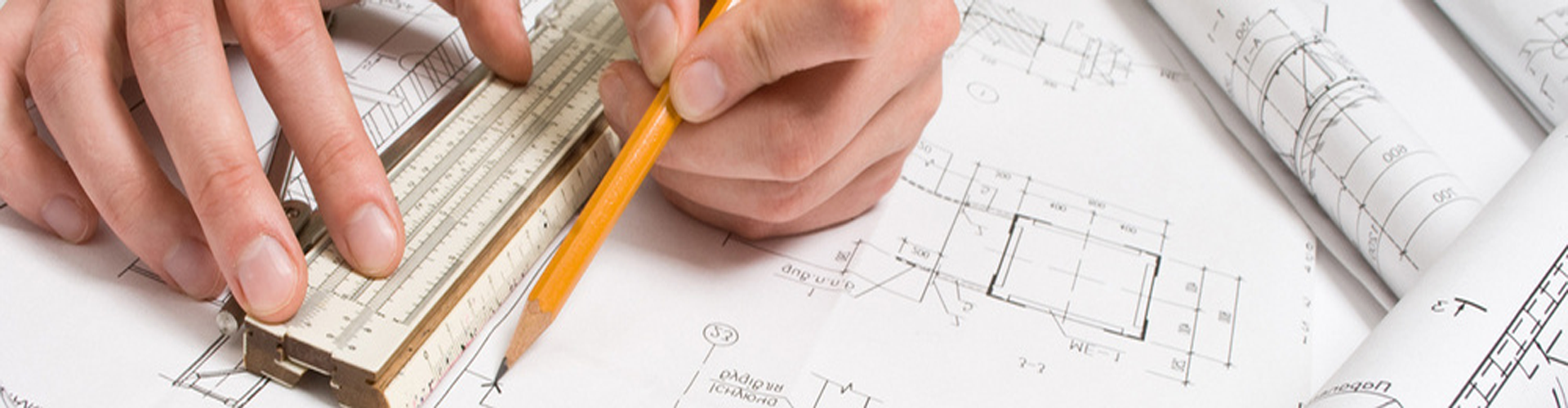
Three missing details—placement dimensions, size grading, and decoration limits—create inconsistent bulk output. Record logo position from seams, Pantone references, artwork files, and a graded measurement chart.
One pre-production sample should confirm fabric, fit, colors, names, numbers, and stitching before bulk cutting.
Late Orders And Reorders
Four weeks is not a universal custom-production allowance; material booking, sampling, decoration, and shipment each add dependencies. Set a backward calendar from the first game or retail launch.
Two reorder controls protect continuity: retain approved specifications and reserve matching fabric or color standards early.
9. Launching a Private-Label Baseball Uniform Line
A private-label launch works best when the customer, retail tier, and replenishment model are defined before a baseball uniform supplier receives artwork. EDVORIN can turn that brief into controlled development standards.
Build The Line Brief
One customer profile should set the price tier, intended channel, and initial SKU count.
Three core pieces—jersey, pants, and cap—create a coherent opening collection; add socks or a warm-up layer only when margins support them.
Specify Samples And Standards
200 pieces is EDVORIN’s stated OEM MOQ, so confirm colorways and size ratios before sampling.
One approved sample should lock fabric, Pantone colors, logo placement, labels, measurements, and acceptable quality tolerances.
Plan Repeat Orders
Two fit blocks can cover men’s and women’s programs when grading, proportions, and performance needs are documented separately.
One replenishment forecast should track best-selling sizes, repeat colorways, caps, and replacement accessories before bulk production is released.
10. Baseball Uniform Supplier Pricing and MOQ
200 pieces is EDVORIN’s stated starting MOQ for an OEM baseball-uniform program; the final quote should separate jersey, pants, and optional outerwear rather than assume a set price.
2 approvals usually affect the budget most: the development sample confirms fit and artwork, while a pre-production sample locks bulk standards. Landed cost changes with fabric, decoration, labels, packaging, freight, duties, and destination.
| Quantity tier | Quote-dependent unit-cost drivers | Development and customization | Indicative production lead time |
|---|---|---|---|
| 200 units | Higher setup allocation; fabric and freight remain material | Sample, Pantone color matching, names/numbers | 30–45 days after approvals |
| 500 units | Setup costs spread across more units | Sublimation or sewn tackle twill; custom labels | 35–50 days after approvals |
| 1,000 units | Better material-buying efficiency, subject to specification | Multiple colorways, packaging, size ratios | 40–60 days after approvals |
Ready to Develop Your Baseball Uniform Collection?
Send your tech pack, reference garment, or project brief to EDVORIN for a tailored baseball-uniform production quote.