
Cycling Apparel Manufacturer for OEM and Private-Label Programs
EDVORIN develops cycling, teamwear, and private-label collections with coordinated materials, decoration, sampling, and bulk production. MOQ starts at 200 pieces per style.
Featured Development Capabilities for Cycling Apparel Programs
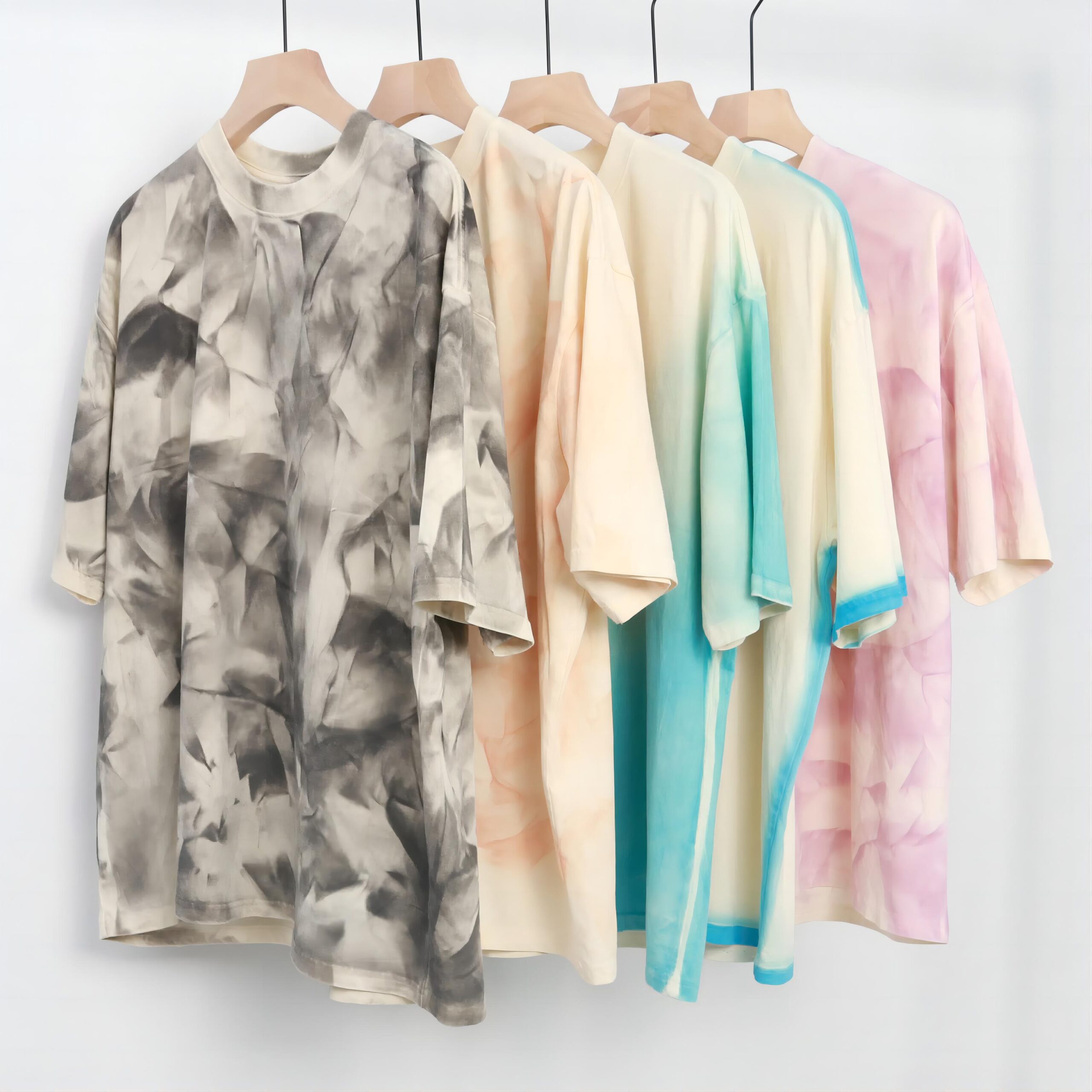
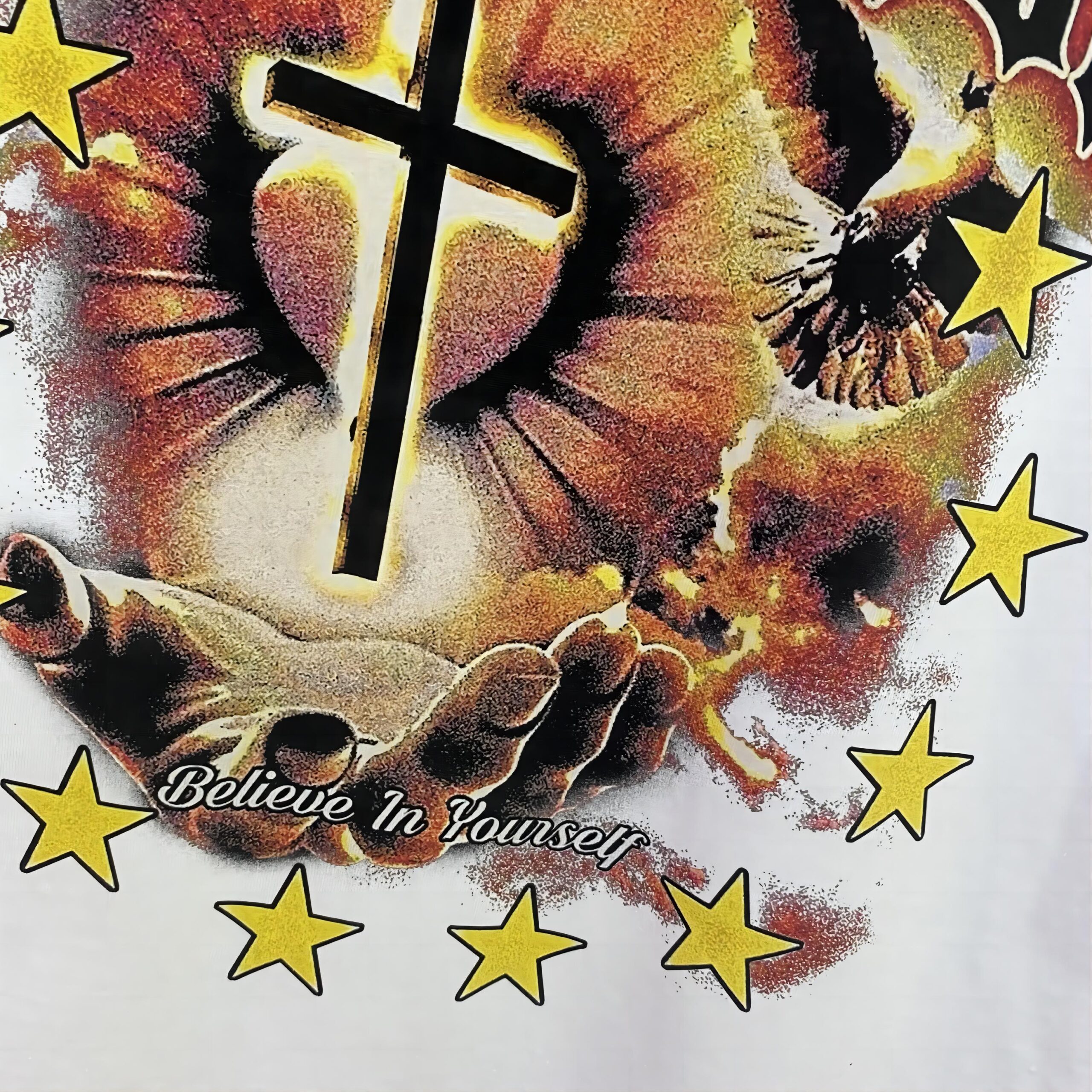
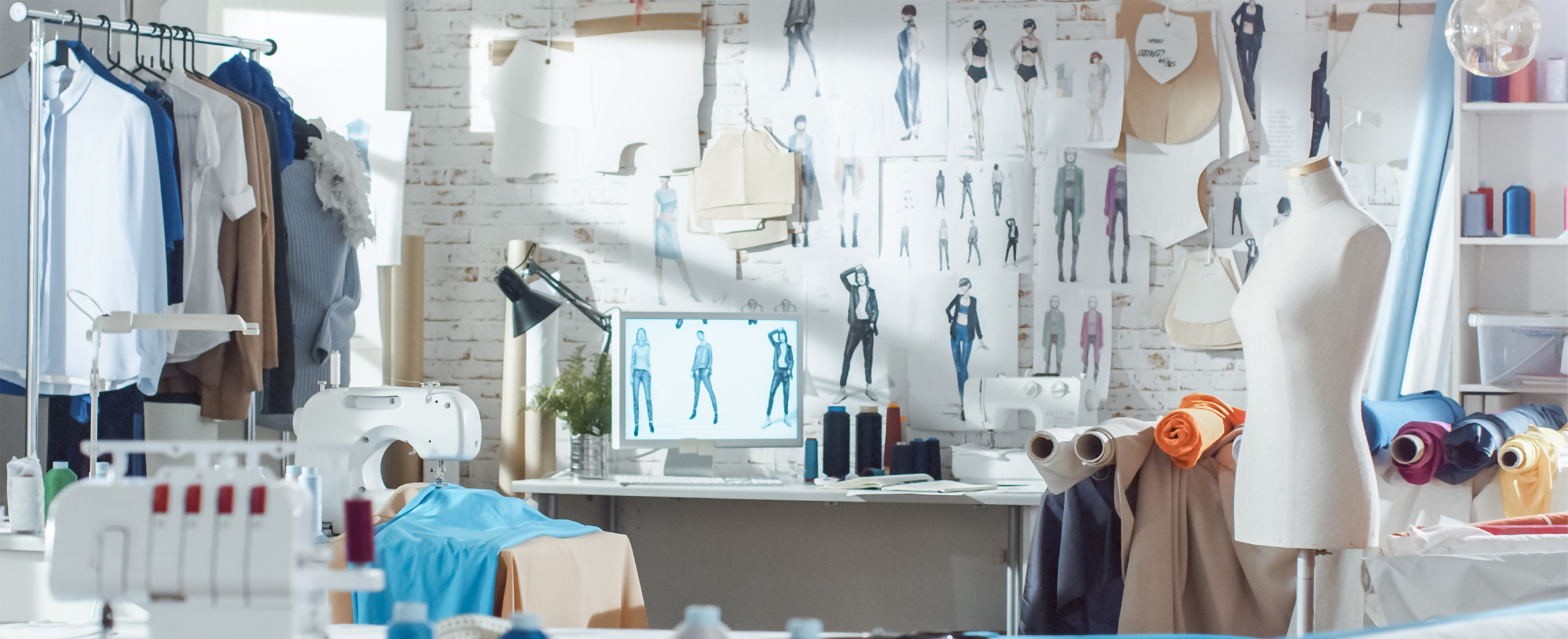


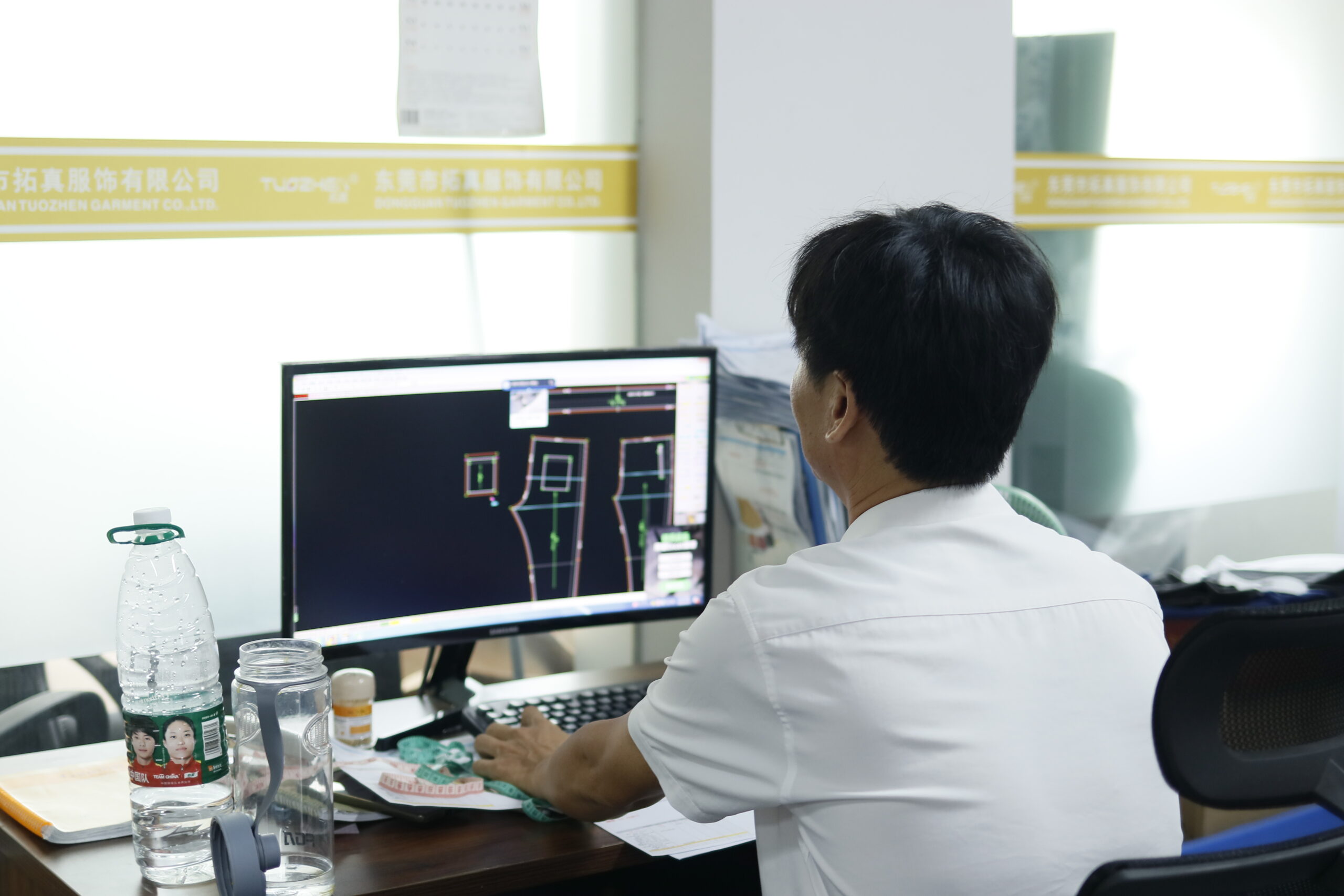

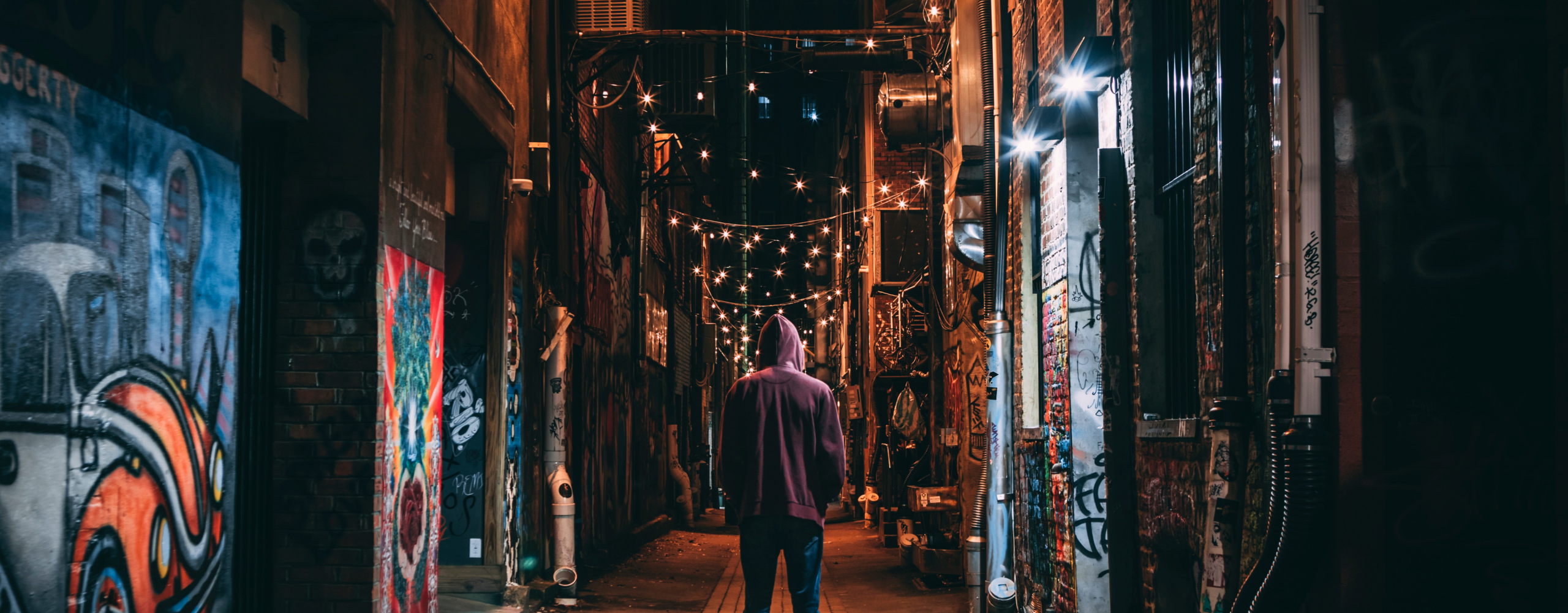
Cycling Apparel Manufacturer Built for Repeatable Production
EDVORIN connects product development, flexible OEM/ODM manufacturing, decoration, and quality control into one accountable path from concept to bulk order.
Founder-Led Since 2000
Work directly with a production-minded partner shaped by garment construction, clear trade-offs, and long-term responsibility for each program.
Development That Clarifies
Turn sketches, reference garments, or detailed tech packs into production-ready specifications, fit standards, materials, and measurable construction details.
Flexible OEM and ODM
Build private-label cycling, teamwear, and performance apparel programs with support calibrated to emerging brands, wholesale buyers, and established teams.
Decoration by Category
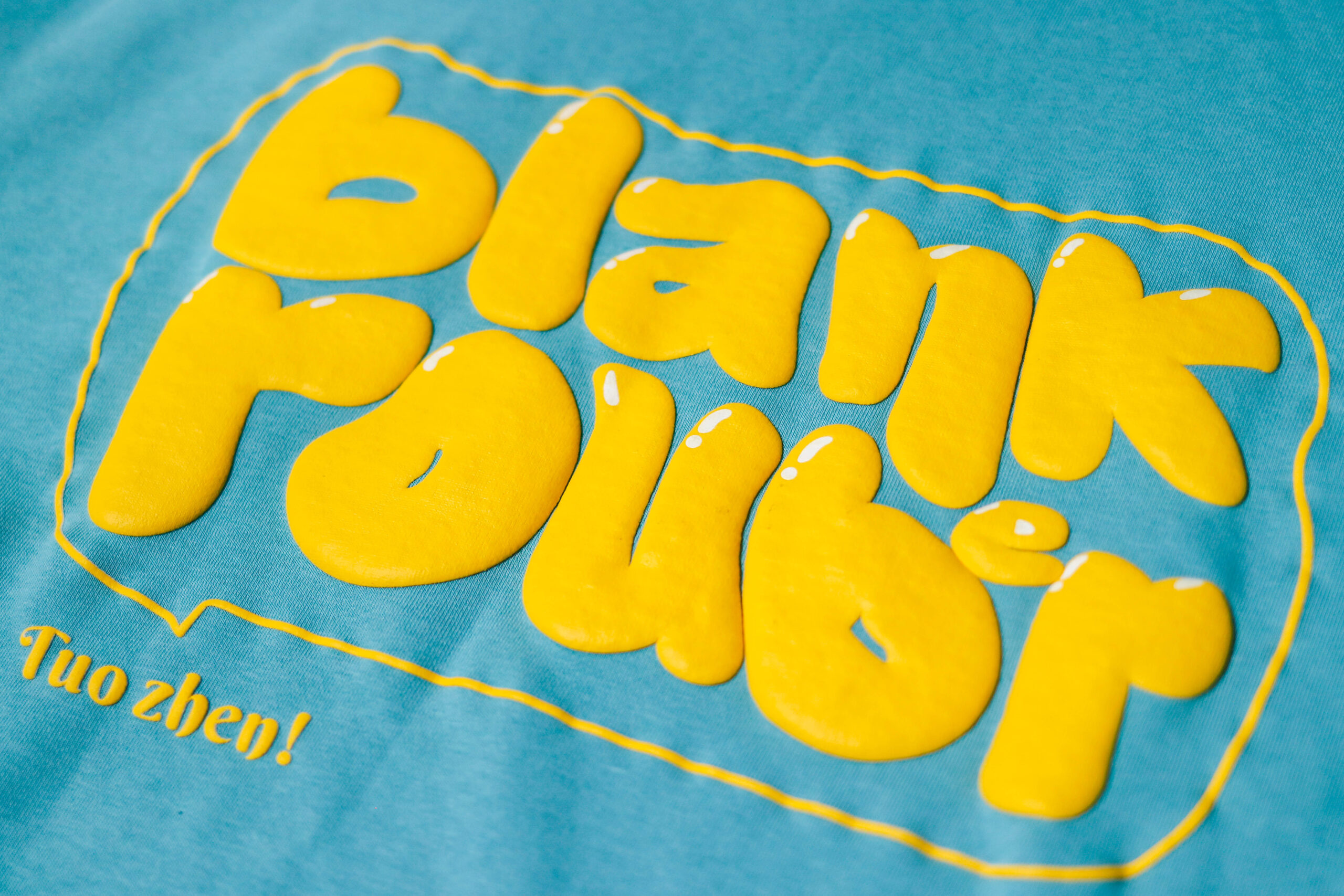
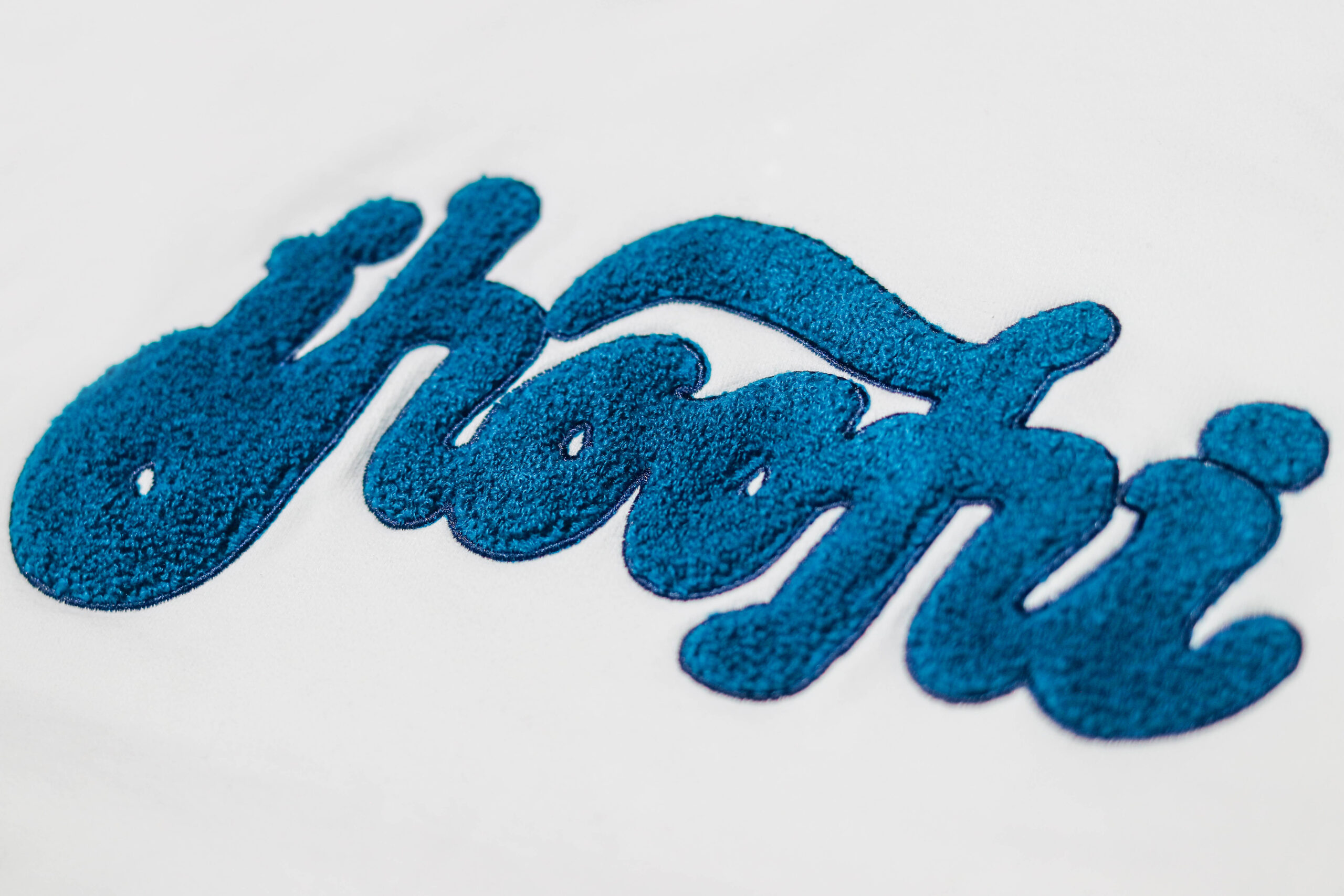
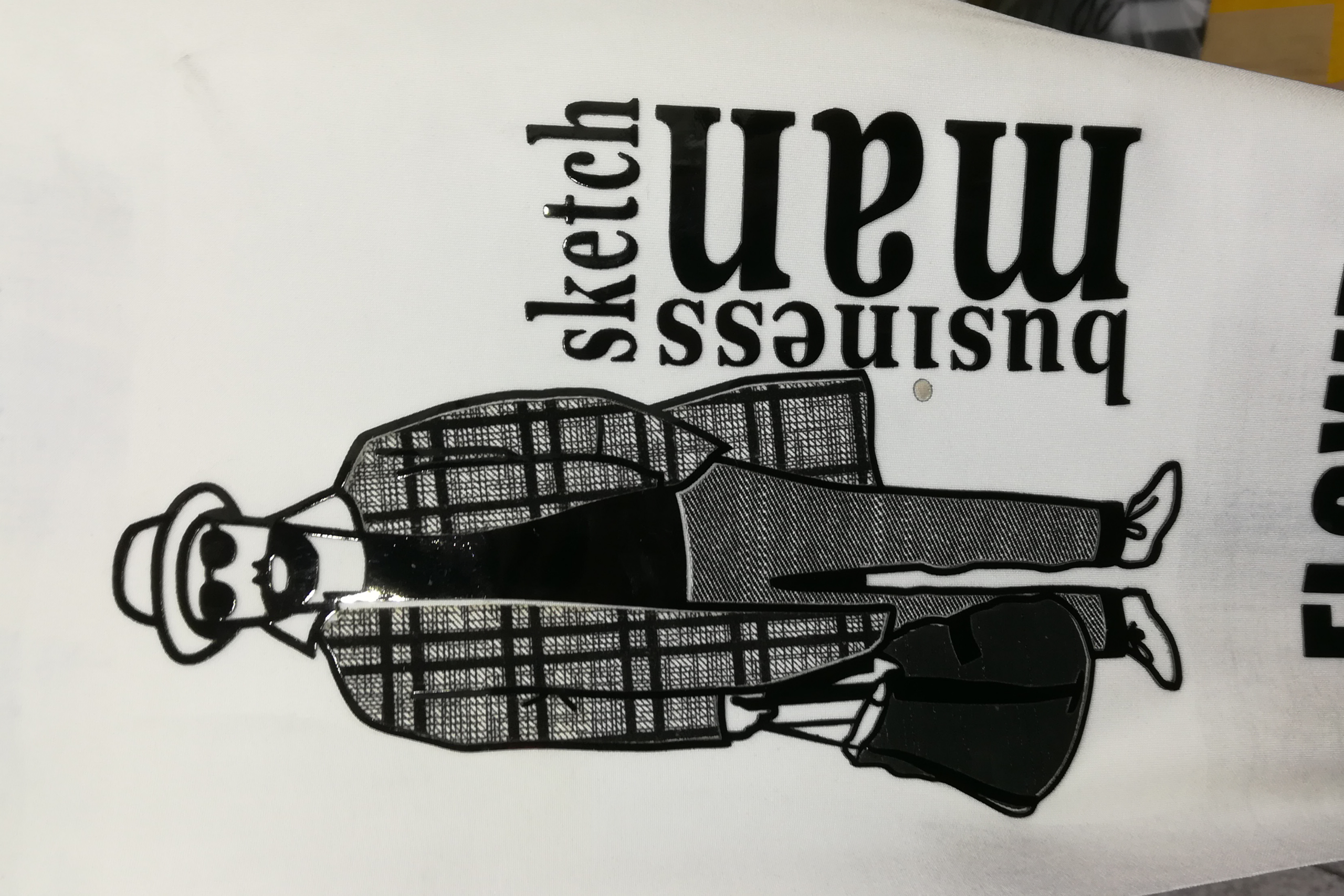
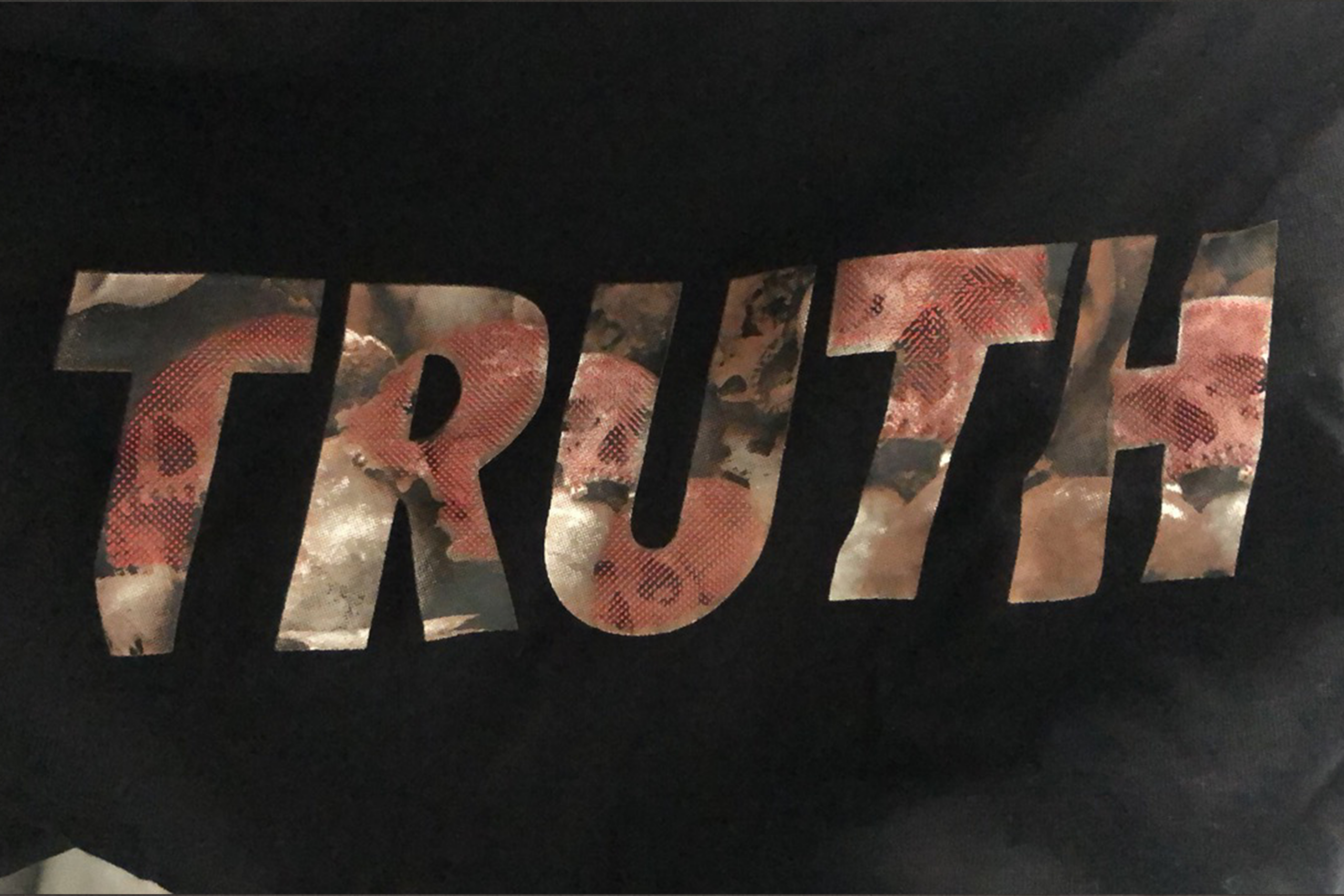
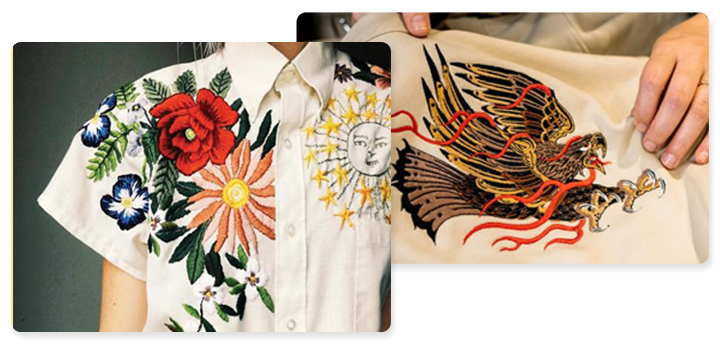
Coordinate printing, embroidery, labels, trims, and placement details around the garment’s fabric, movement needs, construction, and intended use.
Approved Sample Controls
Document approved materials, measurements, artwork placement, and trims so bulk production follows a visible standard rather than assumptions.
MOQ From 200 Pieces
EDVORIN’s MOQ starts at 200 pieces per style. Launch a focused style program with a 200-piece starting MOQ while maintaining the structure needed for dependable repeat production.
Cycling, Teamwear & Performance Apparel
Developed for sports clubs and activewear buyers, with coordinated construction, decoration, sizing and repeat-order standards across team and lifestyle categories.
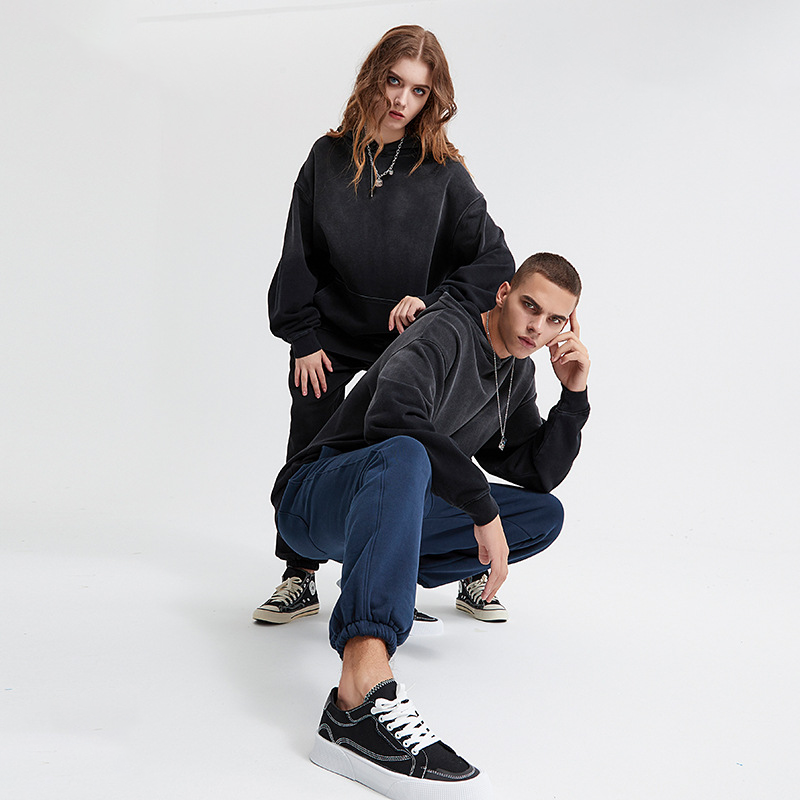
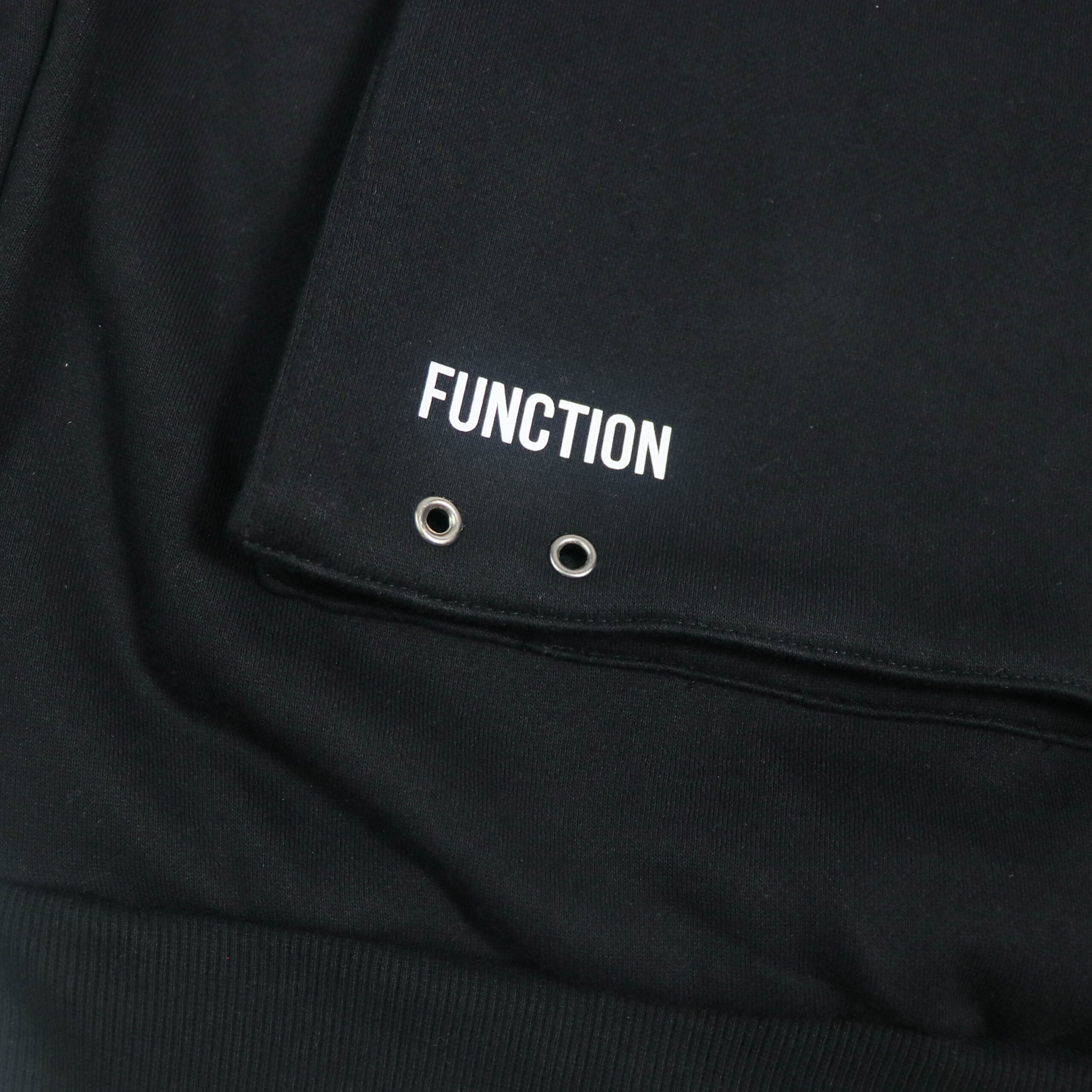
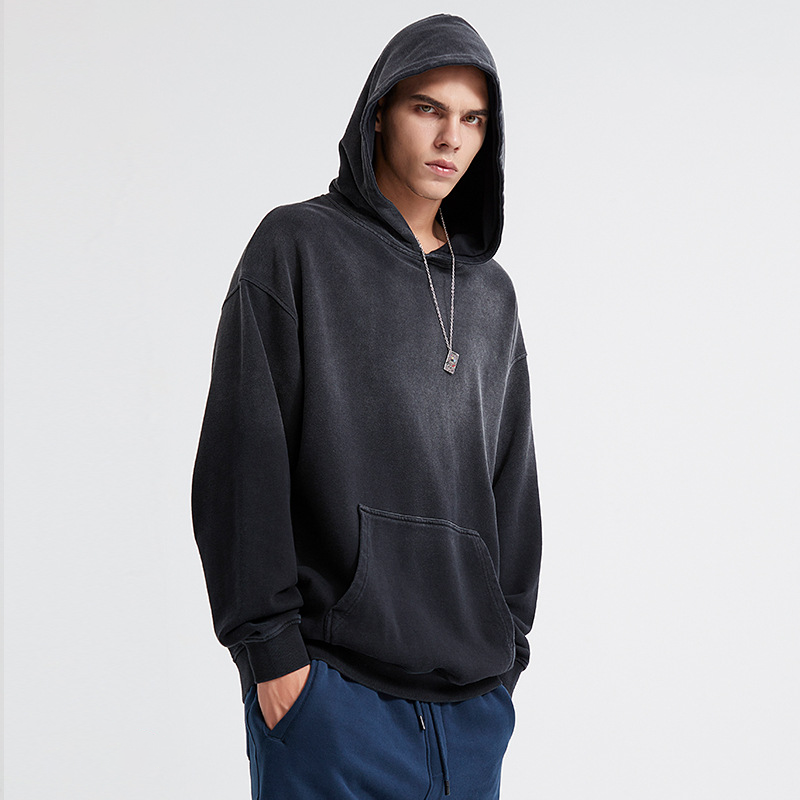
Custom Hoodies
Custom hoodies developed for club travel, training and supporter programs. Choose fleece weight, fit blocks, rib construction, zipper or pullover styling, embroidery, screen printing and private-label finishing for men’s and women’s ranges.
Get a Quote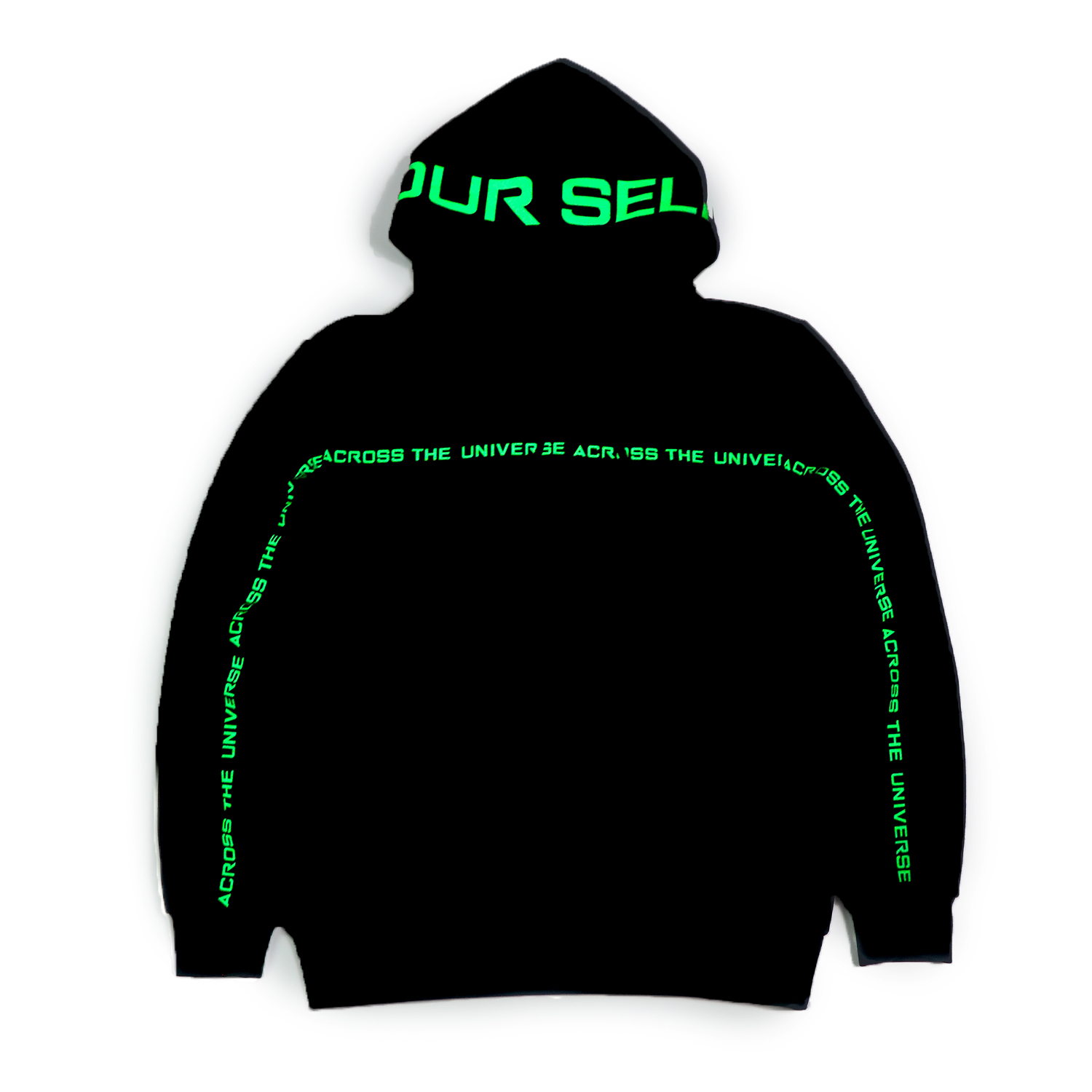
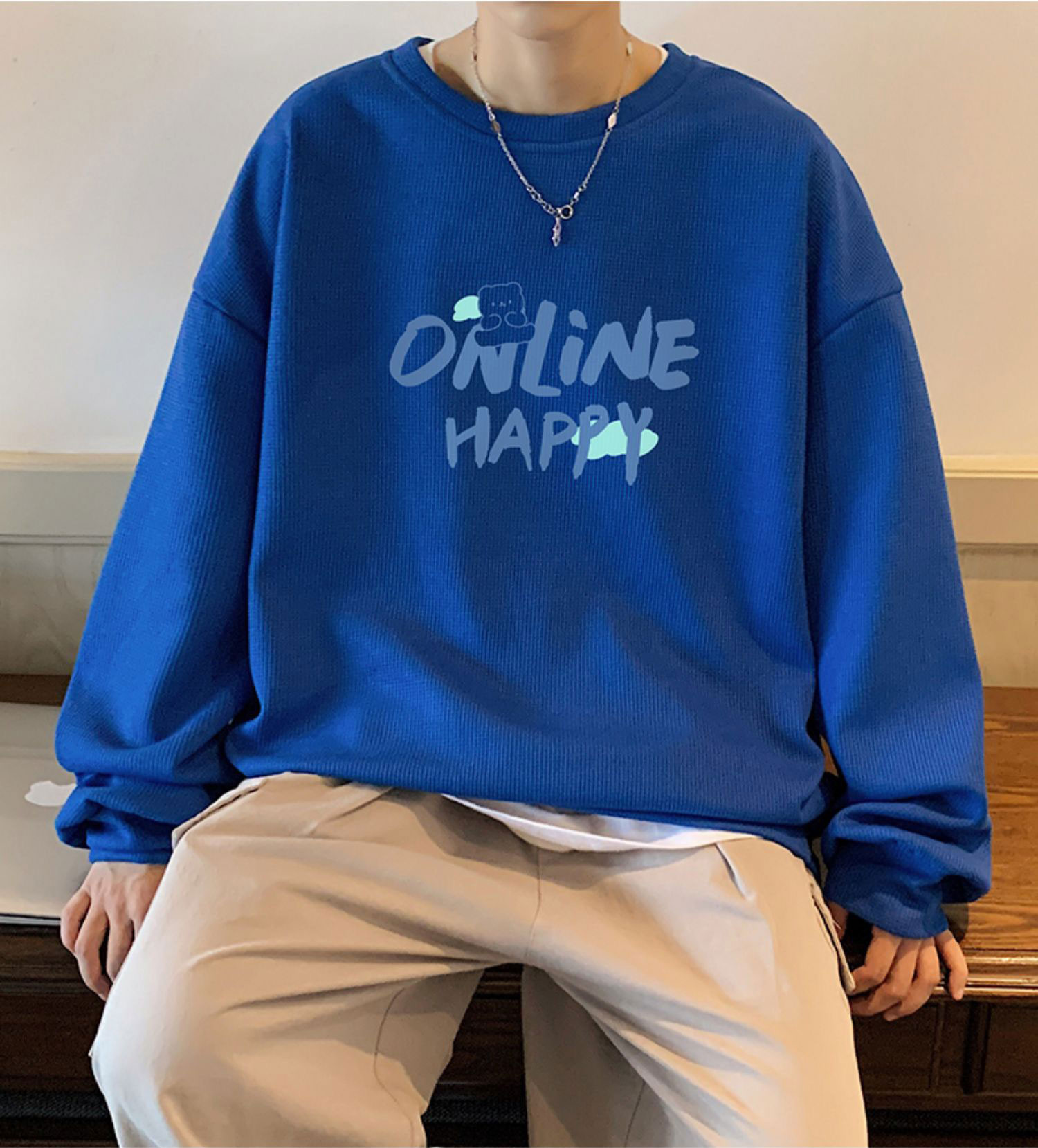
Pullover Sweatshirts
Pullover sweatshirts produced for warm-up layers, team merchandise and casual sportswear. EDVORIN coordinates fabric weight, neckline, cuffs, hems, artwork placement and labels against an approved sample for bulk consistency.
Get a Quote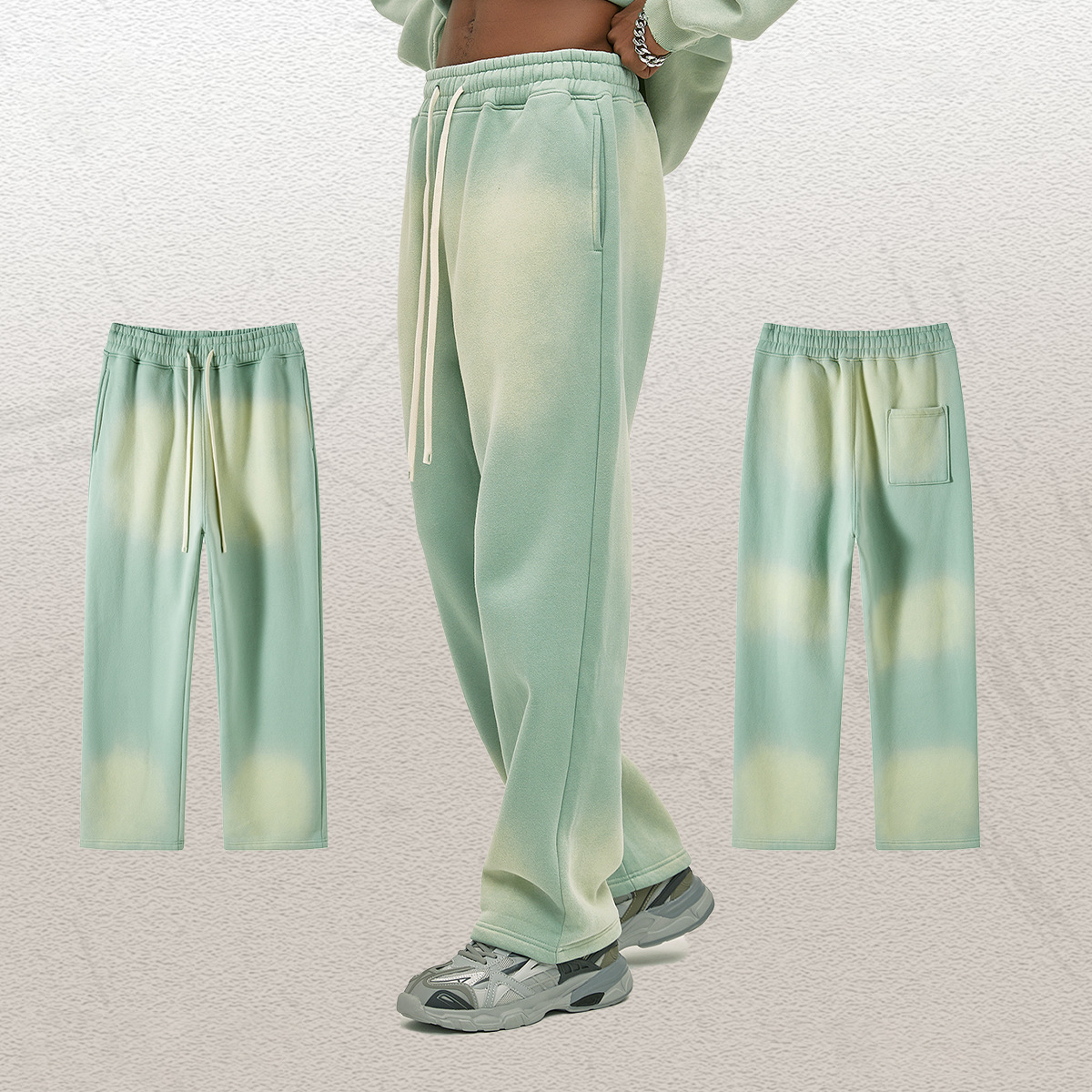
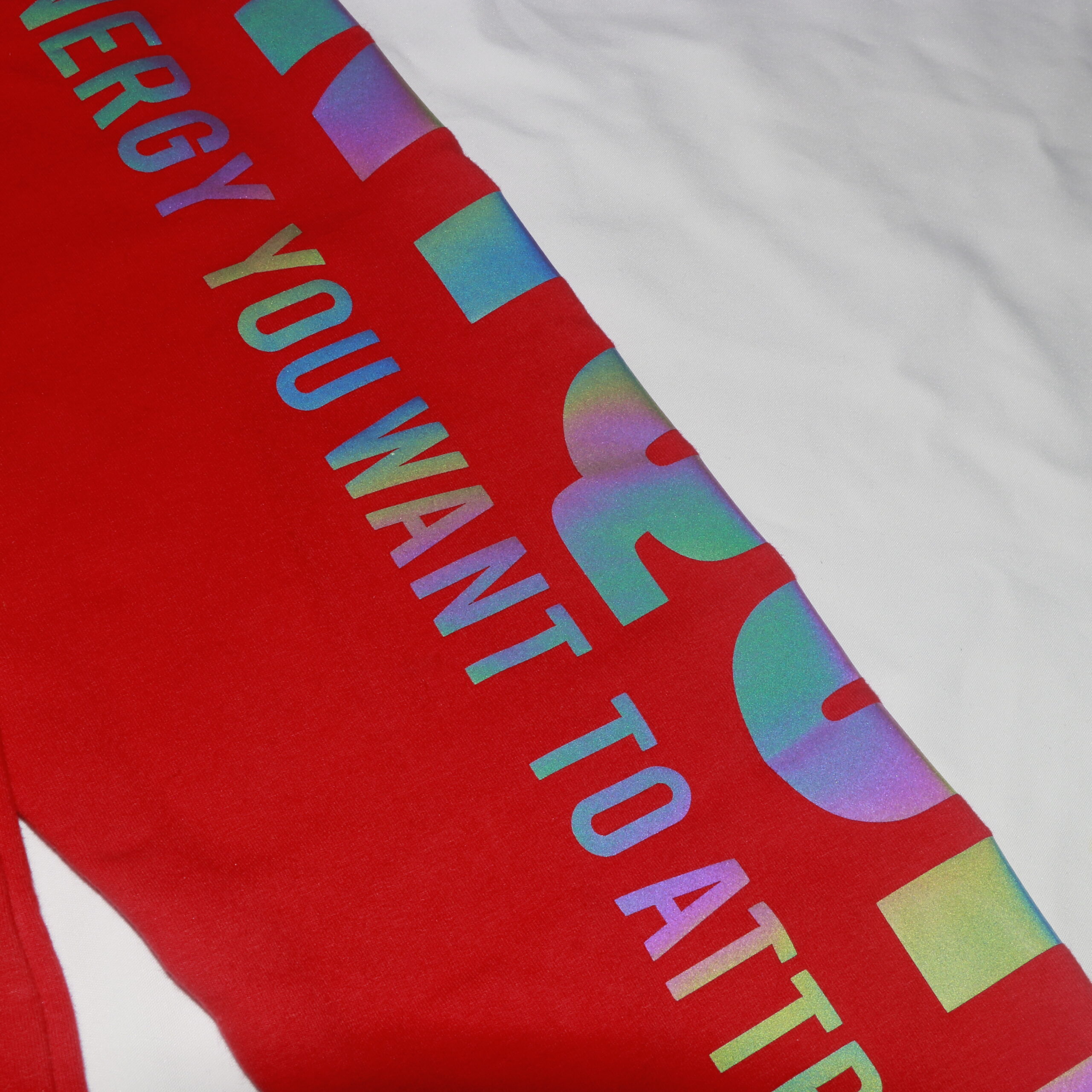
Sweatpants & Joggers
Sweatpants and joggers for training, travel and coordinated club sets. Options include brushed fleece or performance blends, elastic or cuffed hems, zip pockets, drawcords, printed graphics, embroidery and men’s or women’s grading.
Get a Quote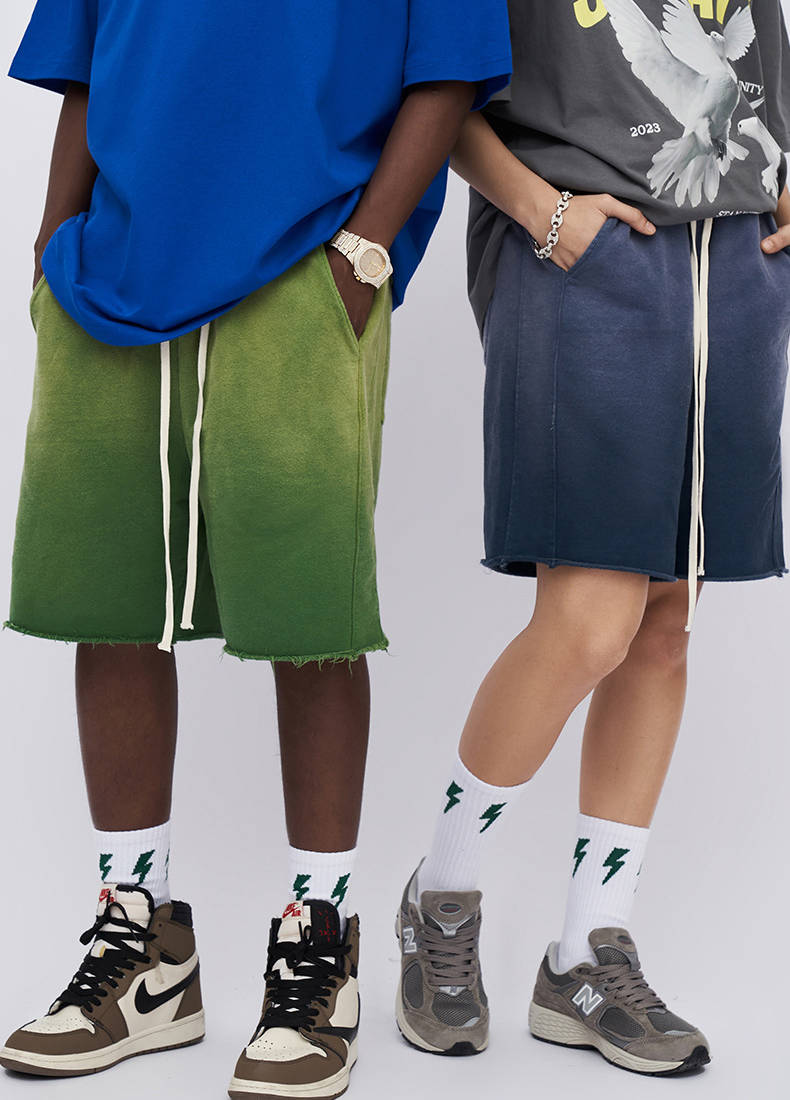
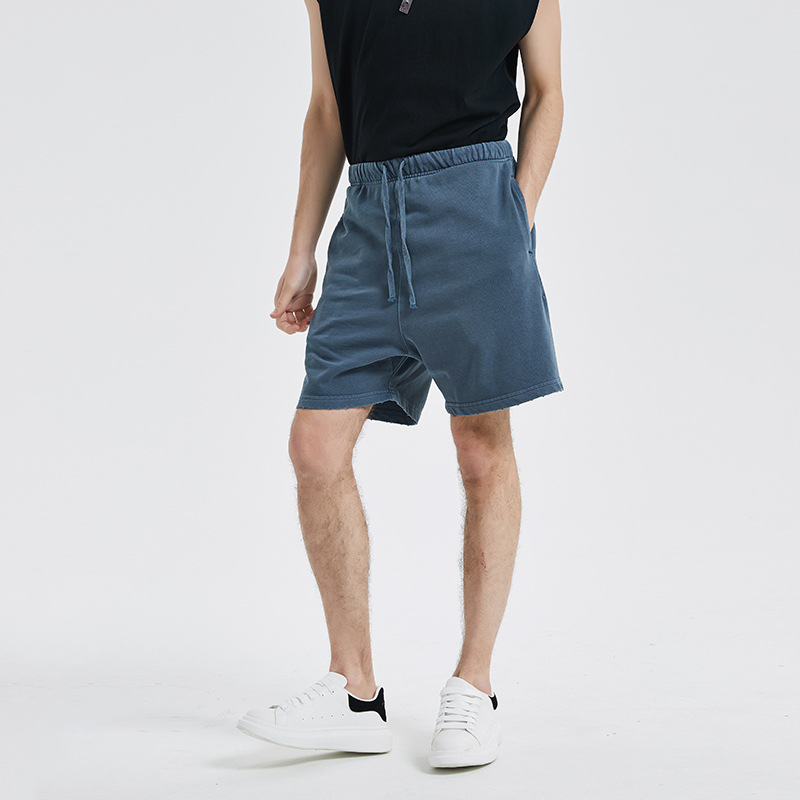
Custom Shorts
Custom shorts developed for training, leisure, cycling-club support apparel and retail programs. Fabric, inseam, waistband, pocket layout, lining, decoration method and size grading are specified to the intended activity and wearer.
Get a Quote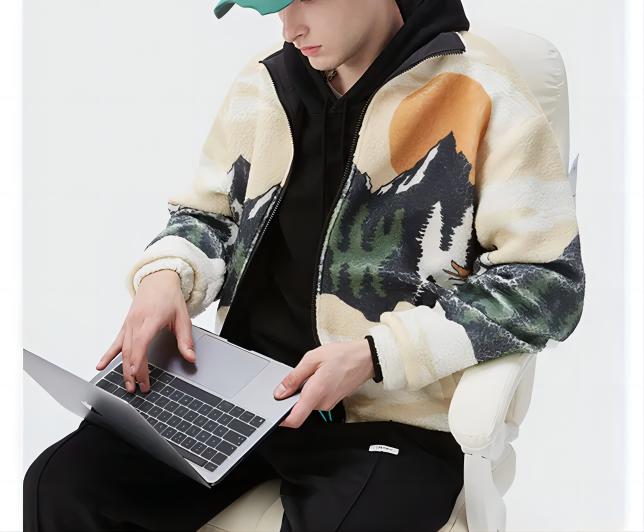
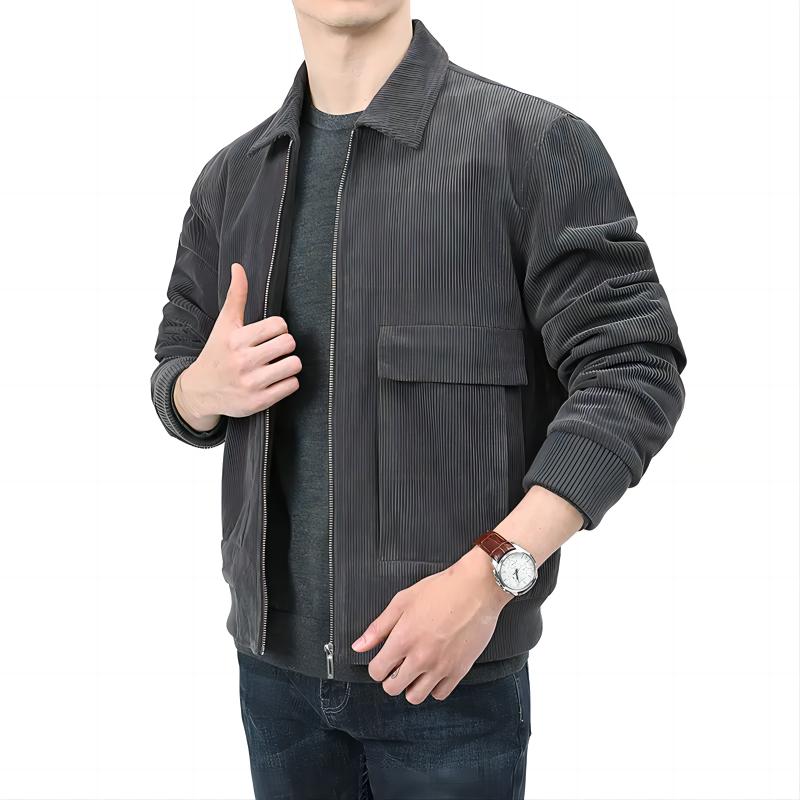
Varsity & Baseball Jackets
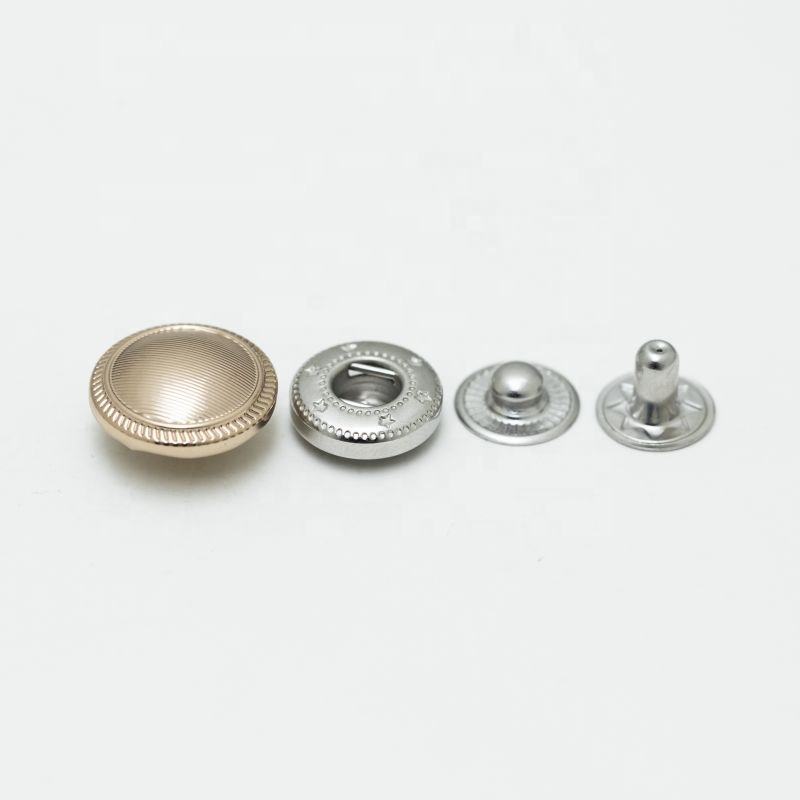
Varsity and baseball jackets built for club identity, school programs and premium team merchandise. EDVORIN coordinates body and sleeve materials, rib trims, snaps, patches, embroidery, lining and sizing before bulk production.
Get a Quote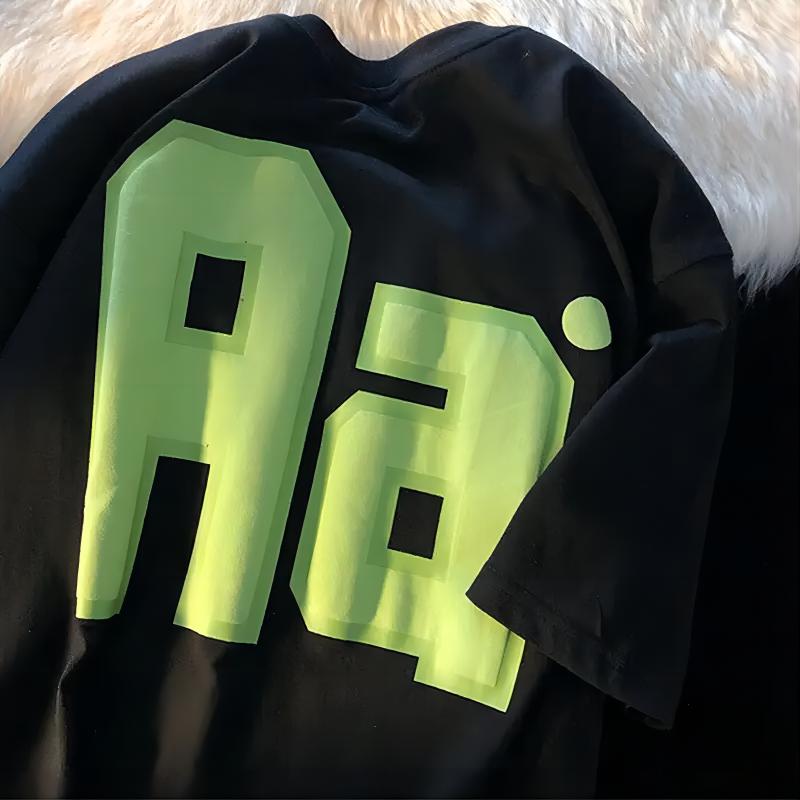
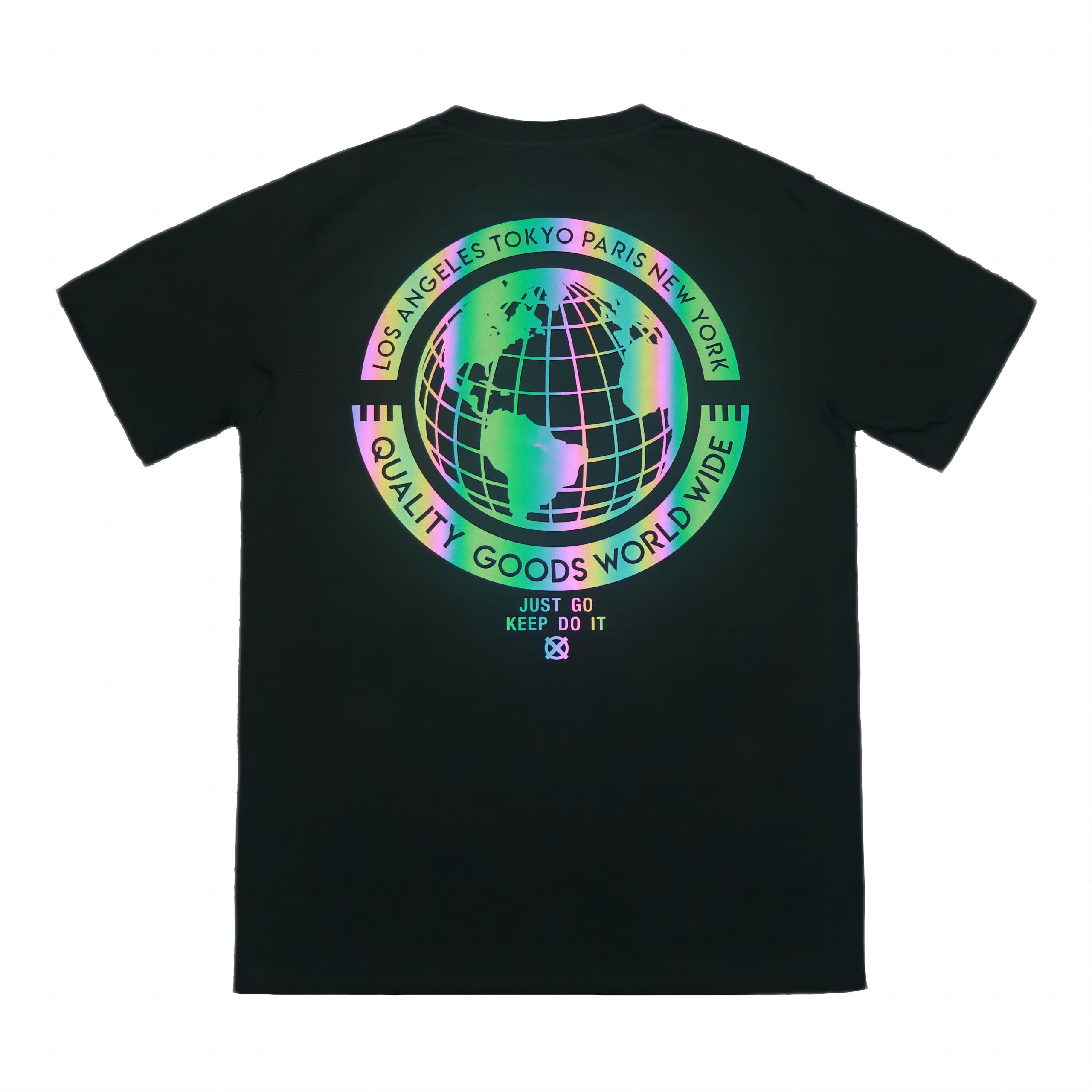
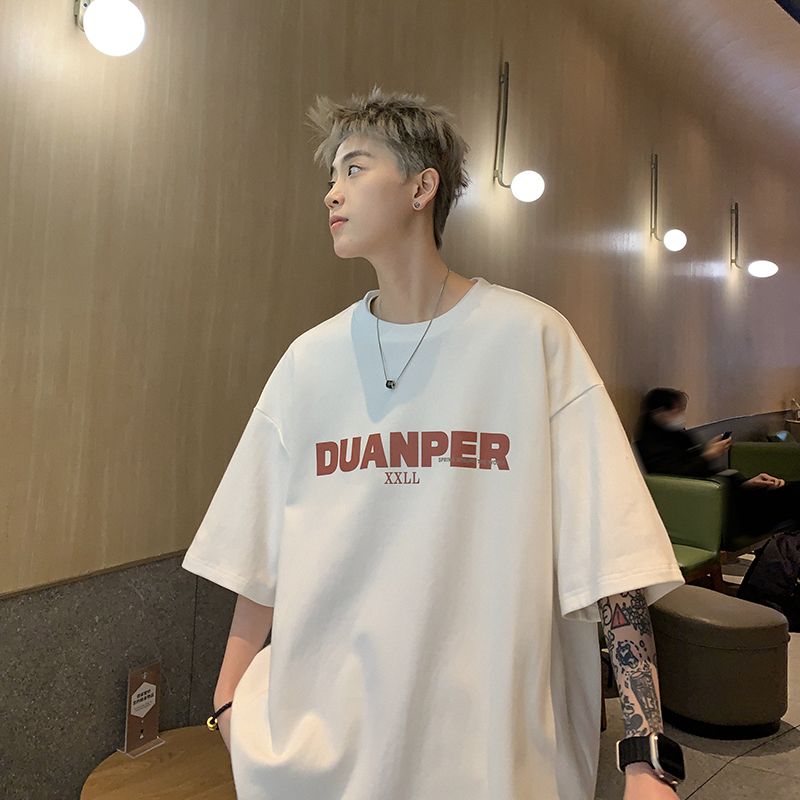
Custom T-Shirts
Custom T-shirts for event teams, club merchandise, training wear and private-label ranges. Select jersey fabric, weight, fit, neck construction, print or embroidery method, labels and packaging to suit the program.
Get a Quote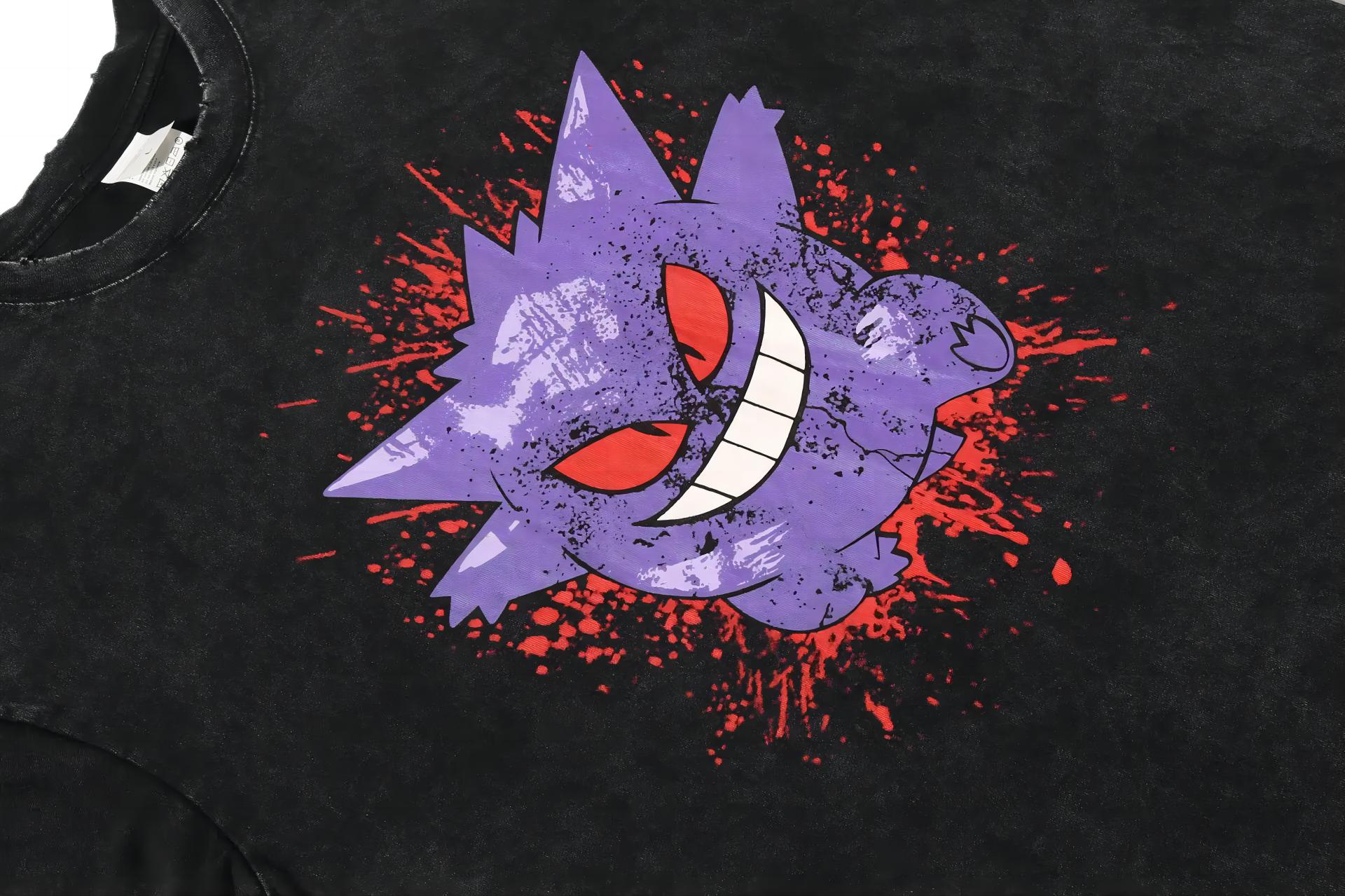
Custom Polo Shirts
Custom polo shirts for coaching staff, corporate teams, golf-style uniforms and club presentation wear. Development covers piqué or performance fabric, collar structure, plackets, color blocking, logo decoration and graded sizing.
Get a Quote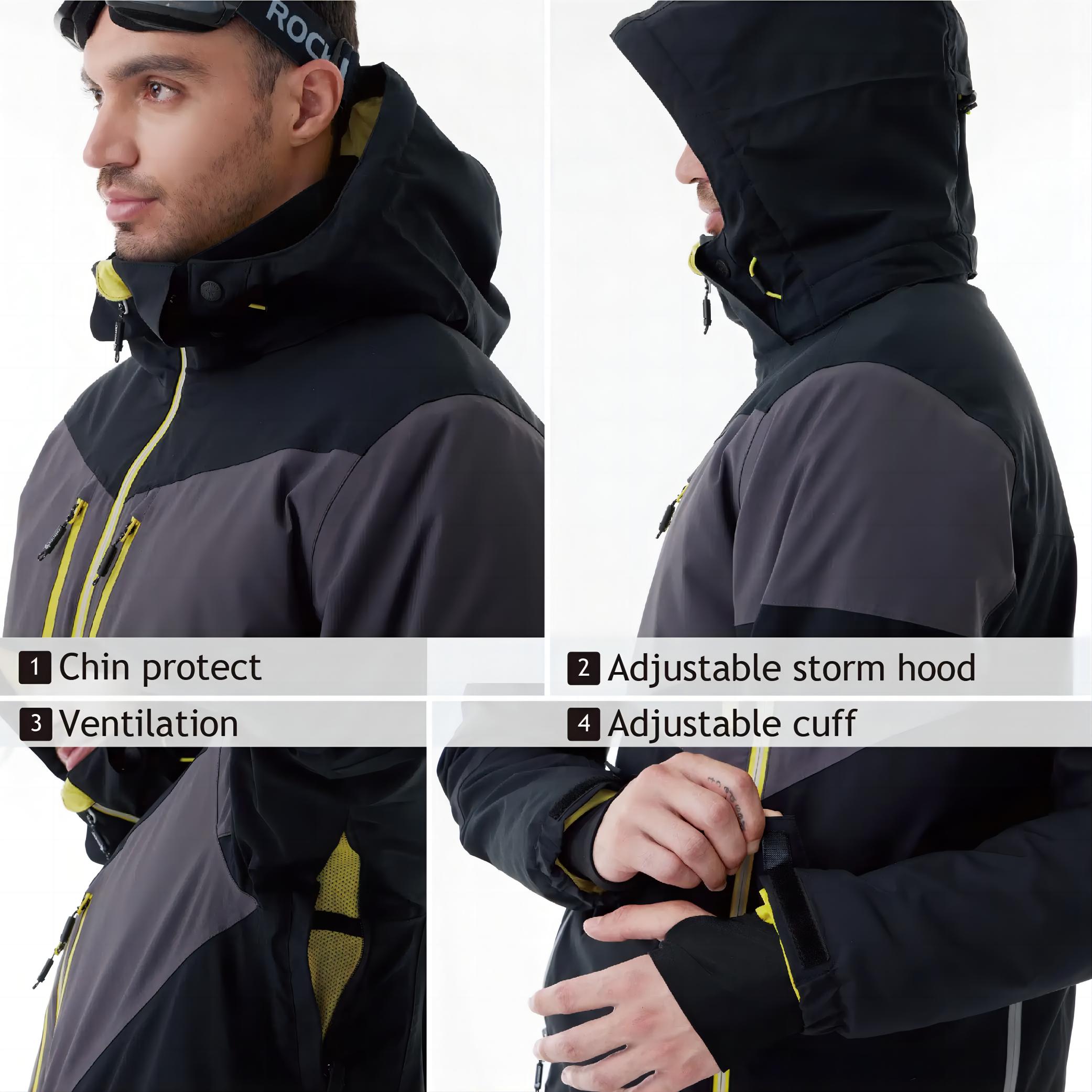
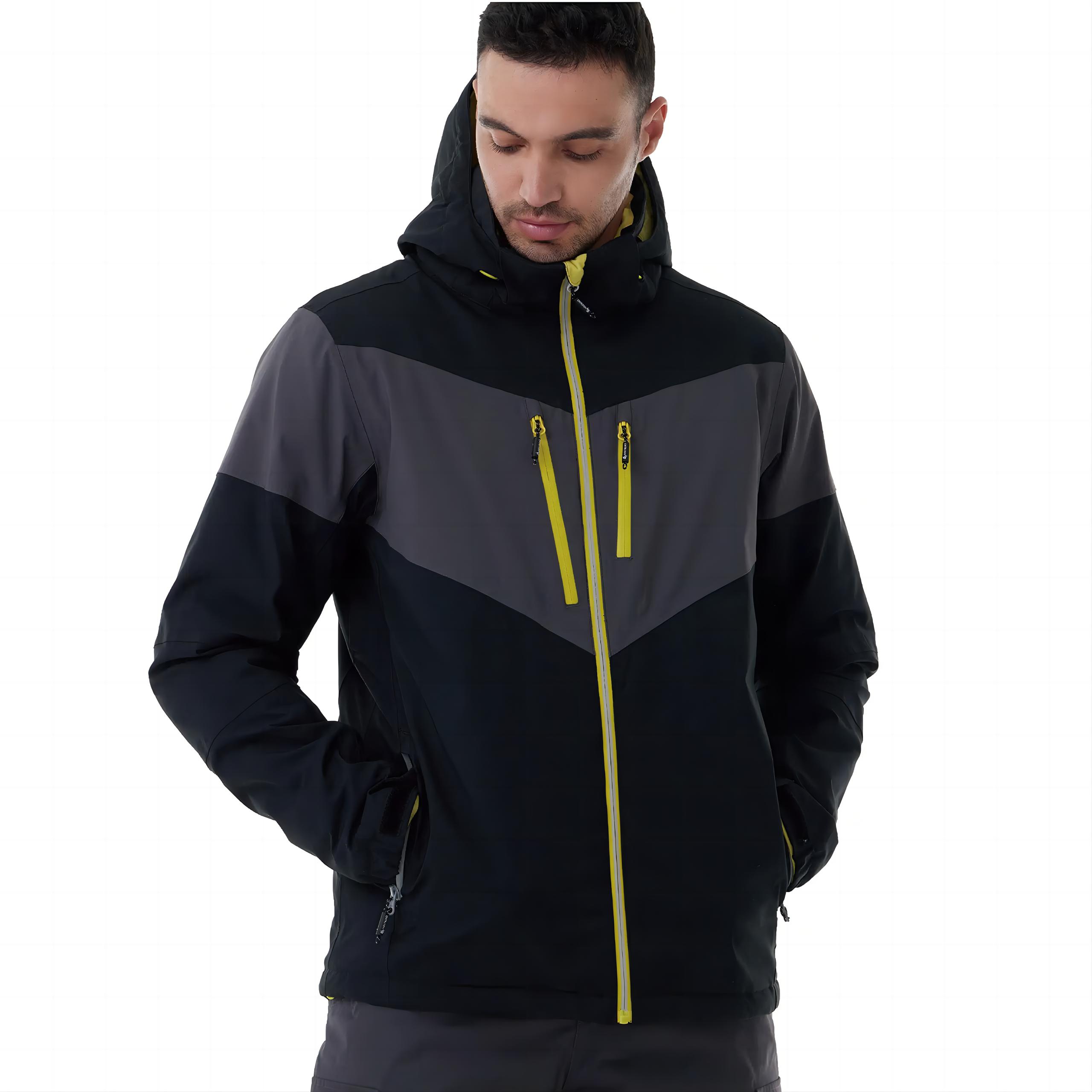
Windbreaker Jackets
Windbreaker jackets developed as lightweight weather layers for cycling clubs, teams and outdoor programs. Shell fabric, lining, ventilation, hood options, zippers, reflective details, logo placement and packability can be specified.
Get a Quote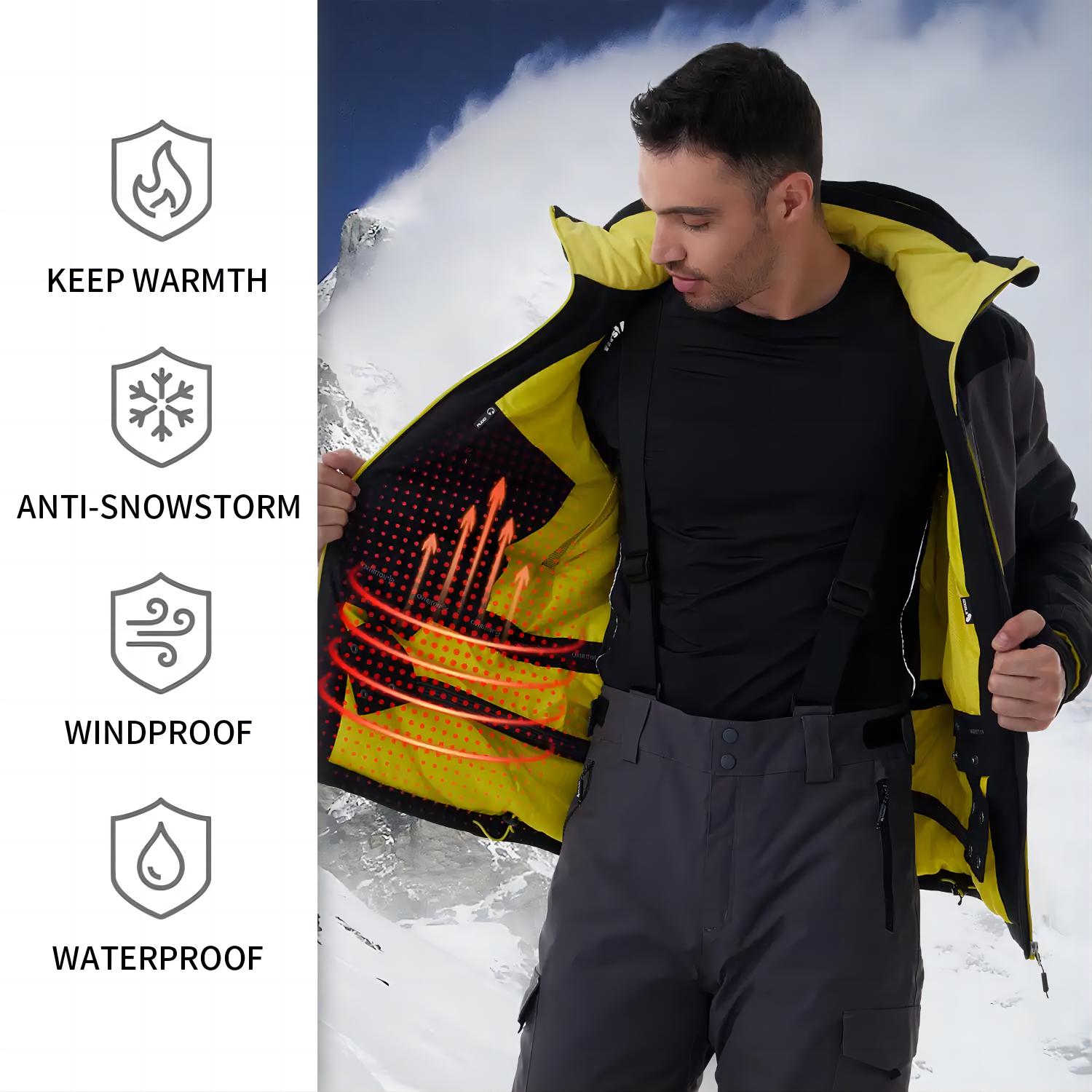
Quilted Jackets
Quilted jackets for cold-weather travel, sideline use and branded outerwear programs. EDVORIN coordinates shell fabric, insulation, lining, quilting layout, pockets, hardware, decoration and fit standards for repeatable production.
Get a Quote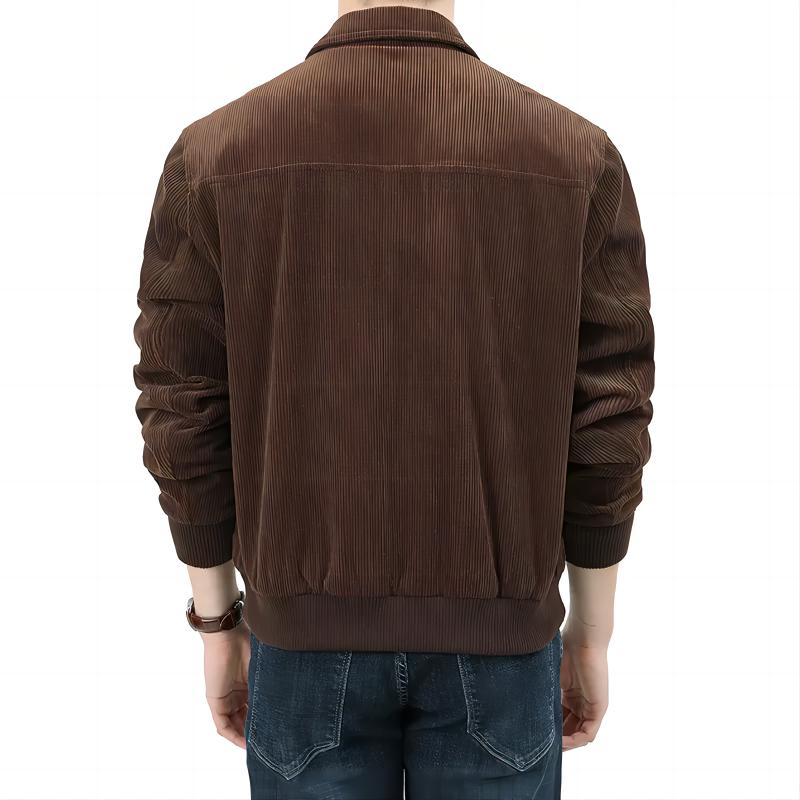
Bomber Jackets
Bomber jackets produced for team presentation, supporter merchandise and street-influenced sportswear. Materials, rib trims, lining, padding, zipper selection, patches, embroidery and print details are developed as one construction standard.
Get a Quote
Custom Shirts
Custom woven shirts for staff uniforms, hospitality teams and branded lifestyle collections. Specify fabric, collar shape, placket, pocket details, sleeve construction, embroidery, labels and men’s or women’s fit requirements.
Get a Quote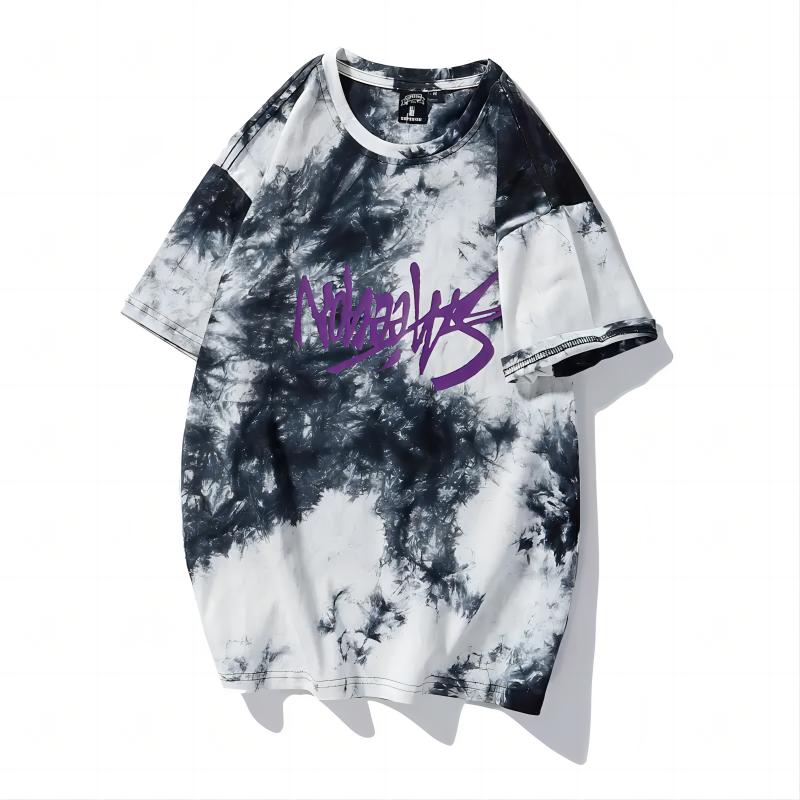
Custom Jerseys
Custom jerseys for cycling clubs, sports teams and event programs requiring consistent color, branding and roster details. Fabric performance, panel construction, sublimation or printing, names, numbers and size sets are controlled for bulk delivery.
Get a Quote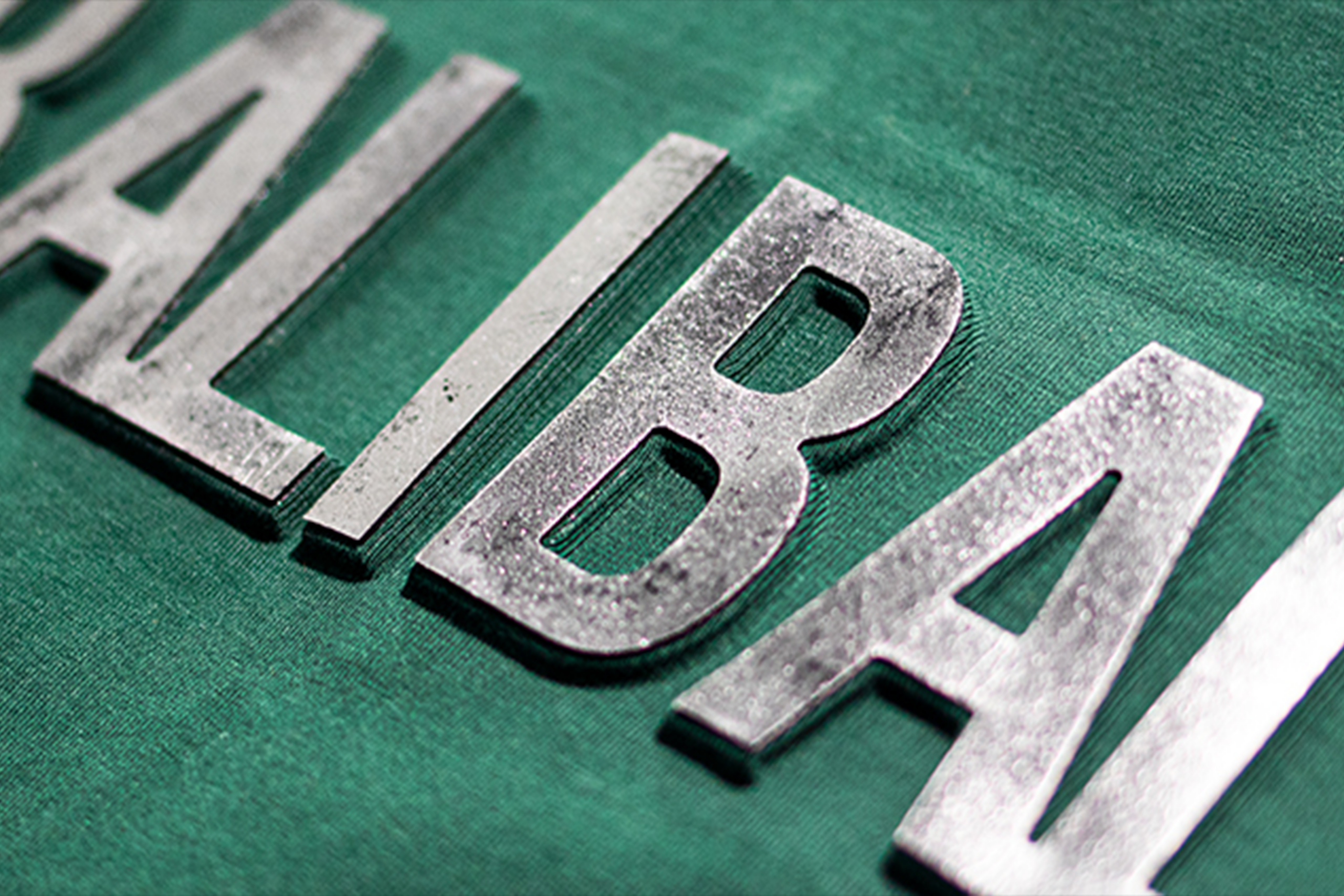
Tank Tops
Tank tops developed for warm-weather training, gym programs, race events and casual team merchandise. EDVORIN can specify performance or cotton-blend fabric, armhole finish, fit, graphics, labels and coordinated colorways.
Get a Quote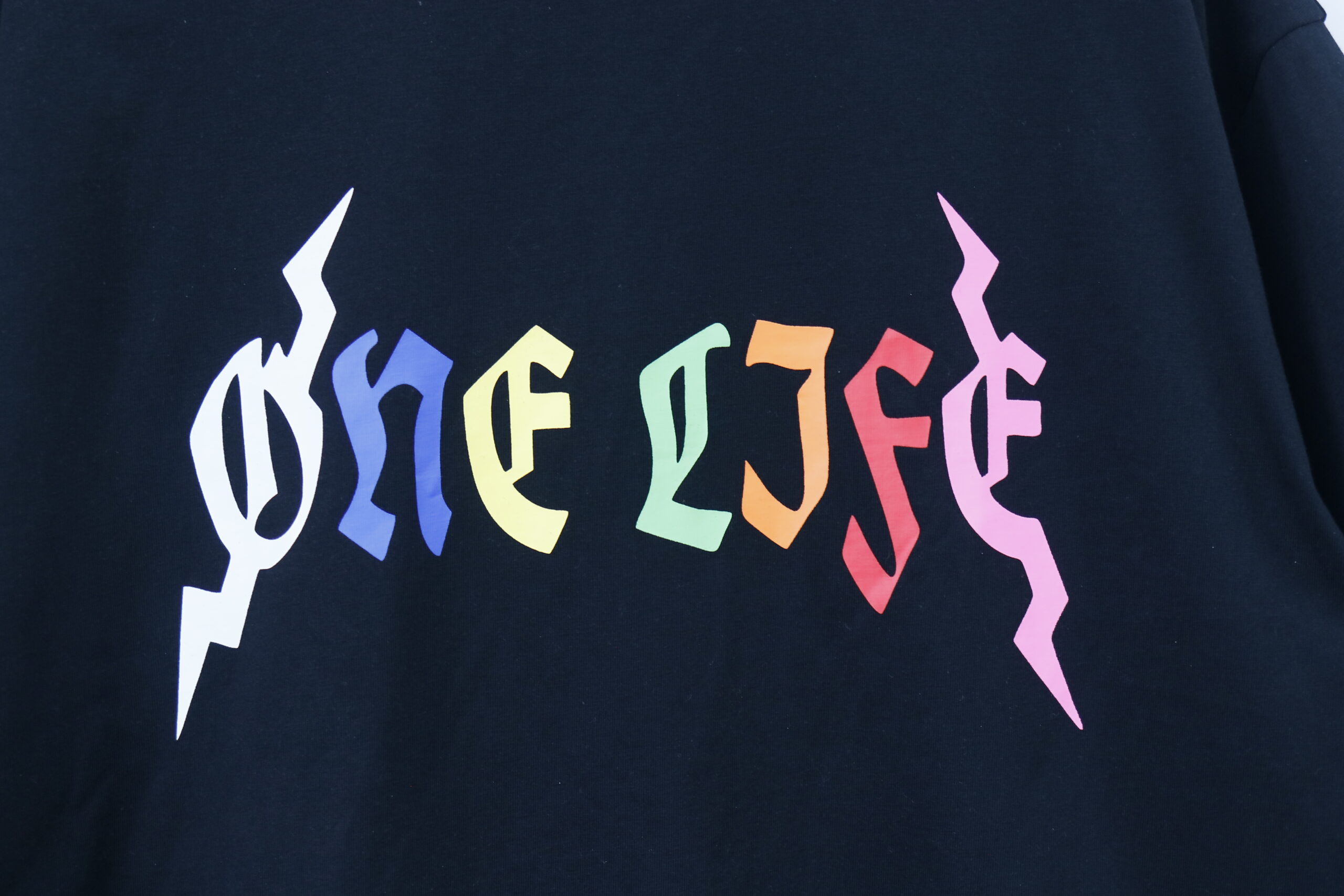
Soccer Uniforms
Soccer uniforms developed as coordinated player kits with jerseys, shorts and optional warm-up layers. Breathable fabrics, color matching, sublimation, names, numbers, badges, size grading and repeat-order records are managed together.
Get a Quote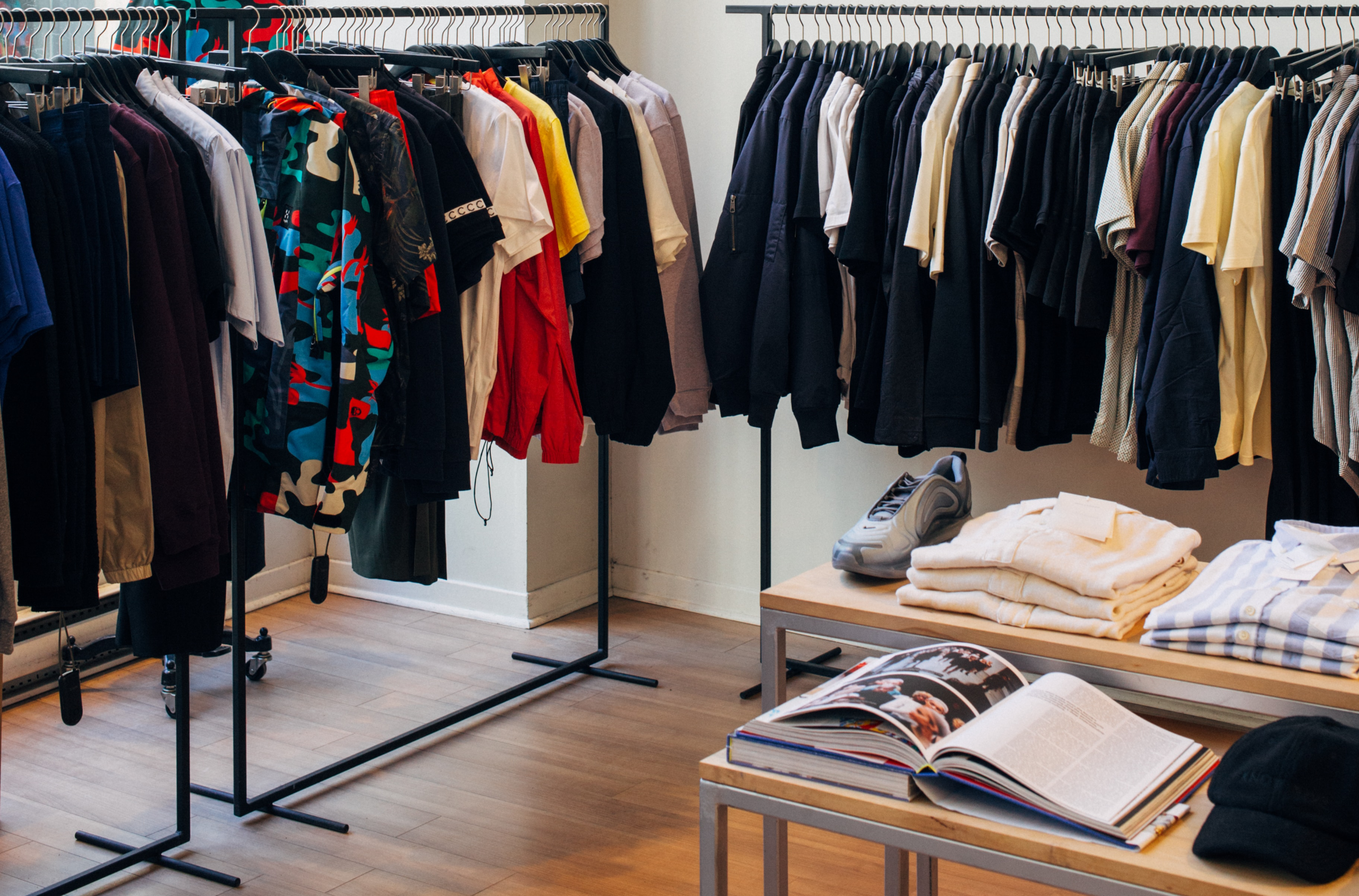
Basketball Uniforms
Basketball uniforms built for movement, visibility and reliable team identification. Development covers lightweight fabrics, jersey and short proportions, neckline and armhole construction, sublimation or print, player numbers and organized size runs.
Get a Quote
Streetwear Collections
Streetwear collections developed from concept through production for brands combining sports influence with retail apparel. EDVORIN coordinates fit blocks, fabrics, washes, trims, prints, embroidery, labels, packaging and sample-to-bulk standards.
Get a QuoteMaterials for Cycling Apparel Manufacturer Programs
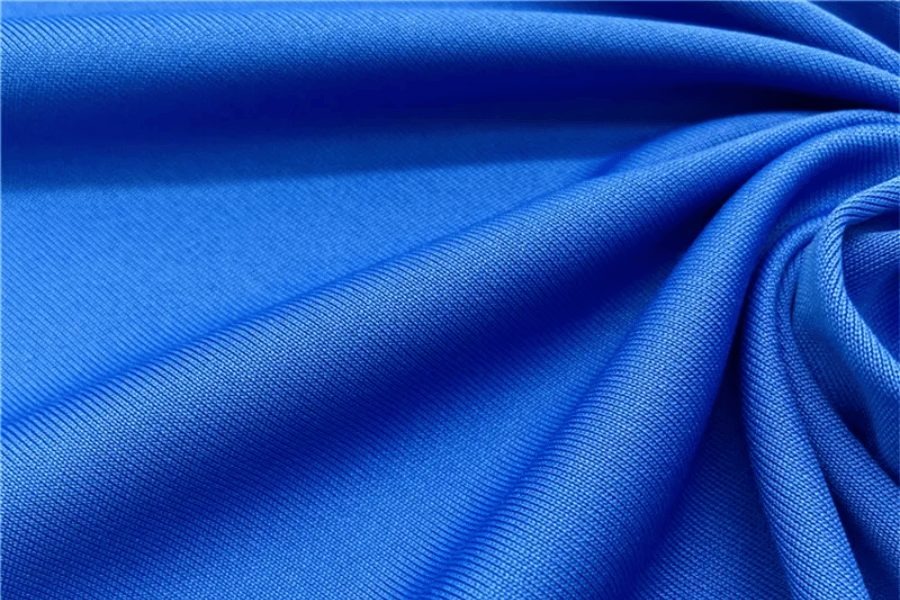
Polyester Interlock
A smooth, lightweight knit for cycling jerseys and team tops, offering a clean face for graphics, reliable shape retention, and a breathable hand feel suited to active movement and repeat wear.
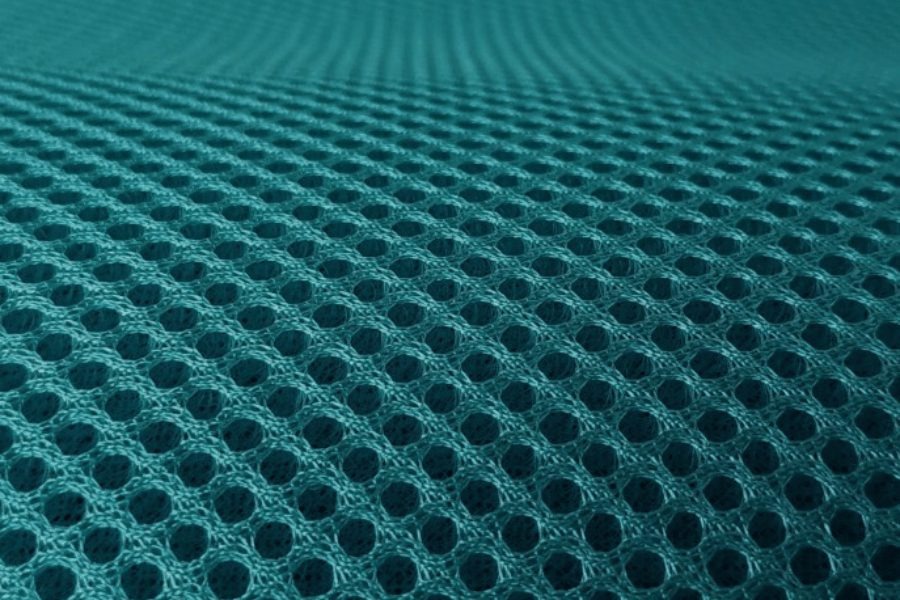
Birdseye Mesh
An airy performance knit commonly used for jerseys, training tops, and ventilation panels. Its subtle textured surface promotes airflow, while its light weight helps keep garments comfortable during high-output activity.
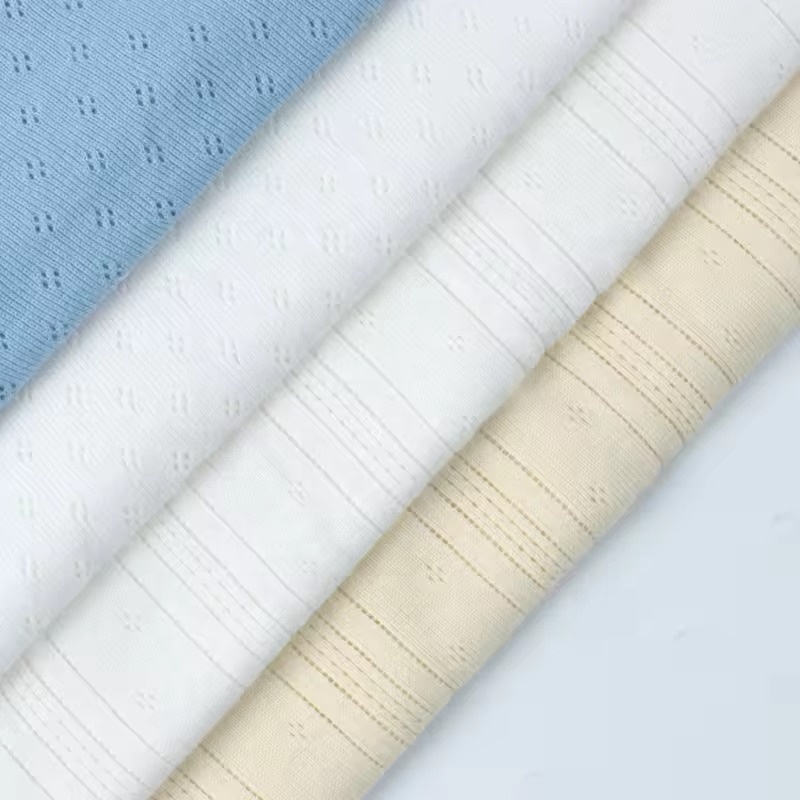
Stretch Lycra Blend
A close-fitting, flexible fabric for cycling shorts, bib panels, and fitted teamwear. The soft, supportive hand follows body movement, while elastic recovery helps the garment retain its intended fit through wear.
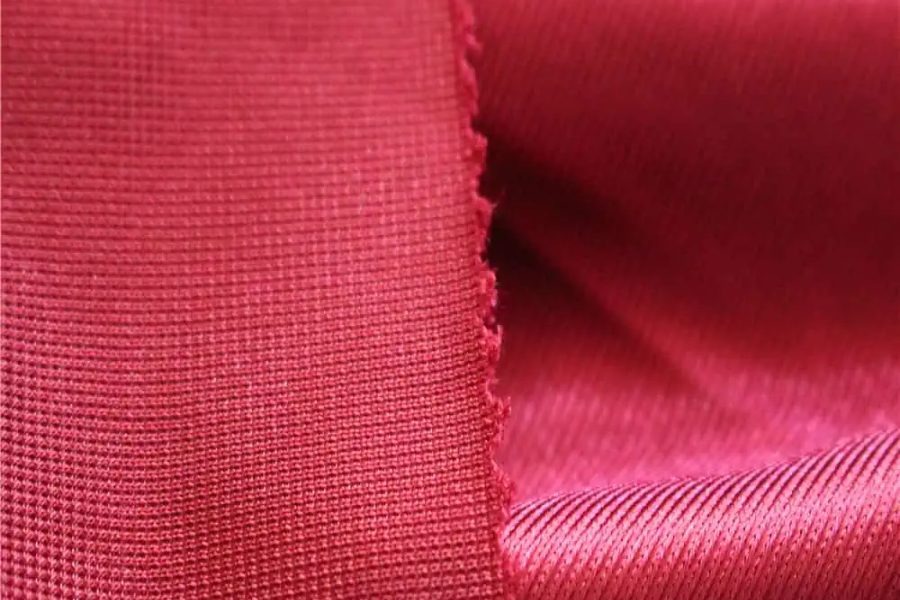
Brushed Tricot
A smooth knit with a lightly brushed inner face for cycling jackets, warm-up layers, and cooler-weather teamwear. It provides a softer feel against the skin with moderate warmth and dependable stretch.
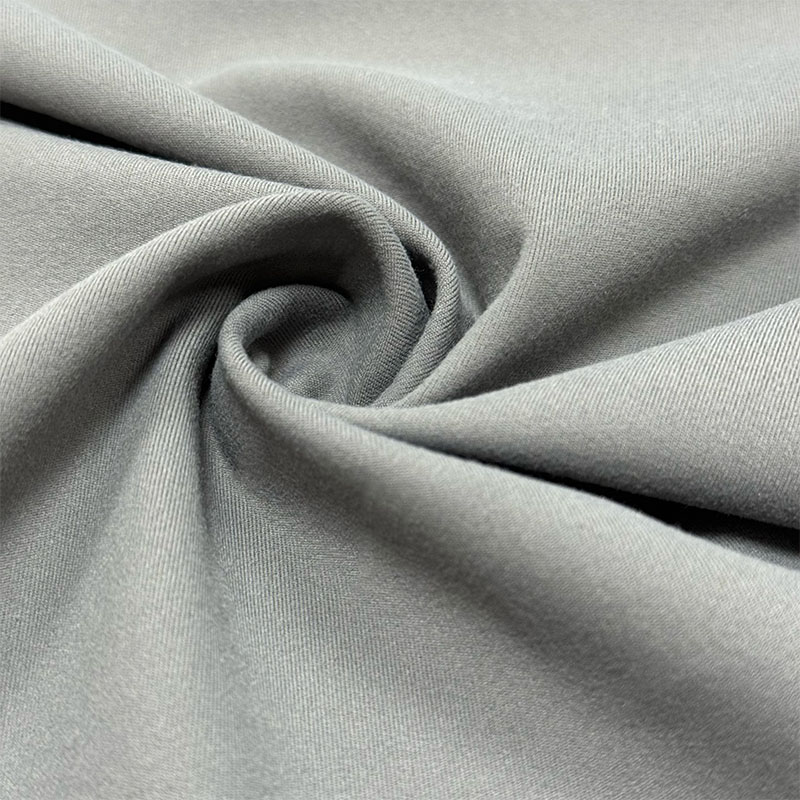
Recycled Polyester Knit
A versatile performance knit for jerseys, training apparel, and coordinated teamwear collections. Available in different weights and constructions, it provides a clean technical hand while supporting recycled-material program requirements.
Cycling Apparel Manufacturer Processes for Team Identity
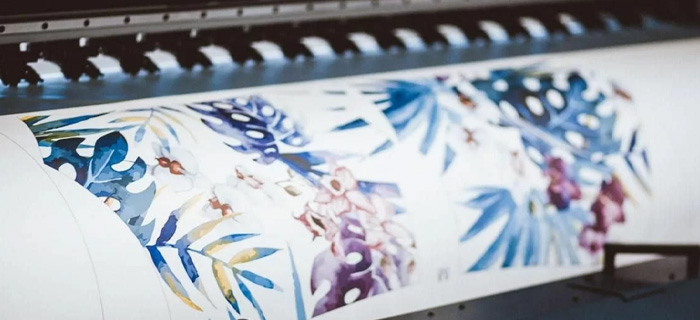
Dye Sublimation
Sublimation integrates full-color artwork into compatible performance fabrics, helping jerseys and teamwear retain a smooth, lightweight hand. It is suited to all-over graphics, gradients and coordinated color systems without adding a separate surface layer.
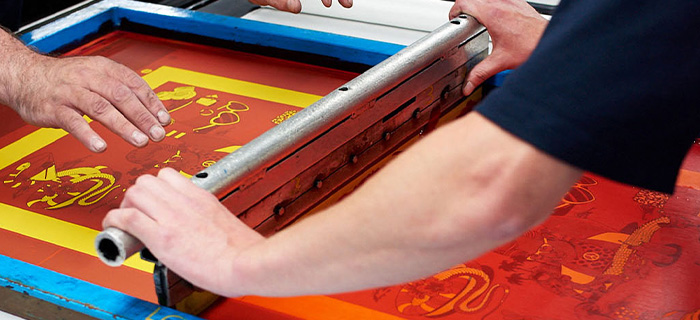
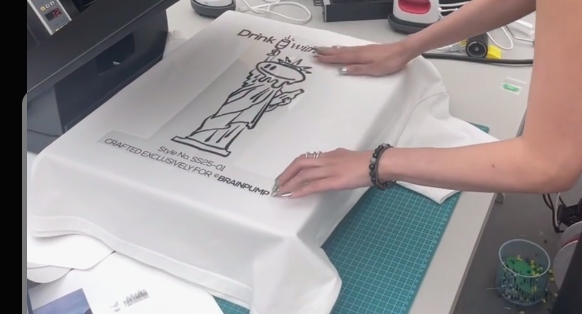
Heat Transfer
Heat transfer is used for precise names, numbers, small logos and detailed graphics where clean edges matter. The method can support organized personalization across team sets when application position, material choice and pressing conditions are documented.
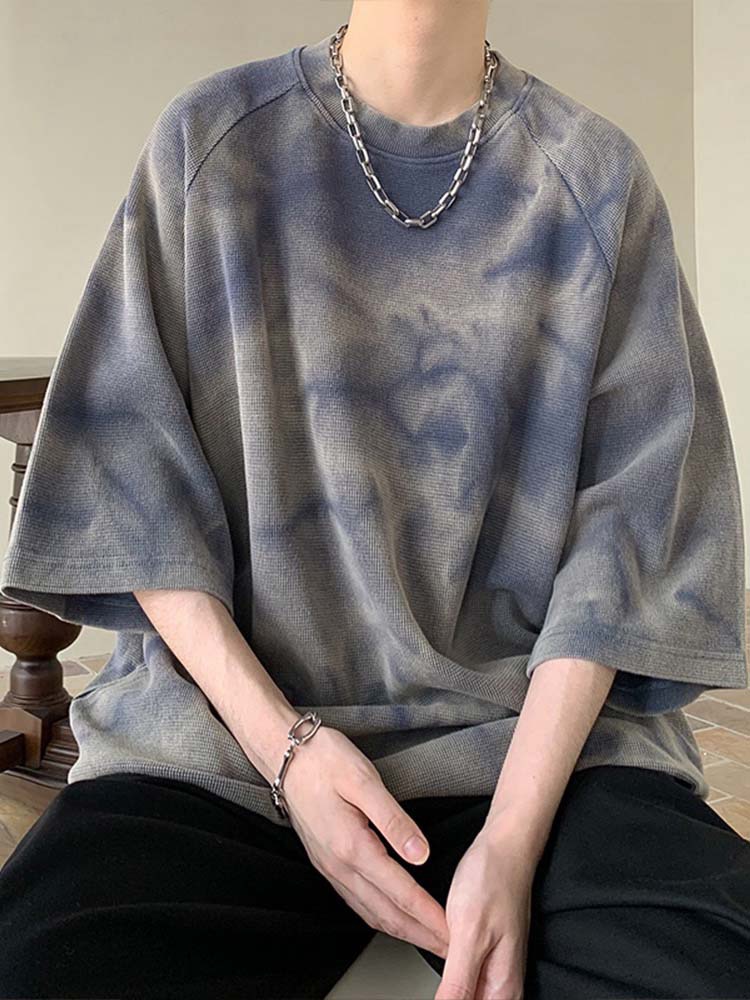
Wash Finishing
Wash finishing can create a softer hand, worn-in character or differentiated surface effect for branded casualwear and streetwear pieces. EDVORIN tests the chosen finish during development, then records the approved result as a bulk-production reference.
Trims & Accessories That Complete the Kit
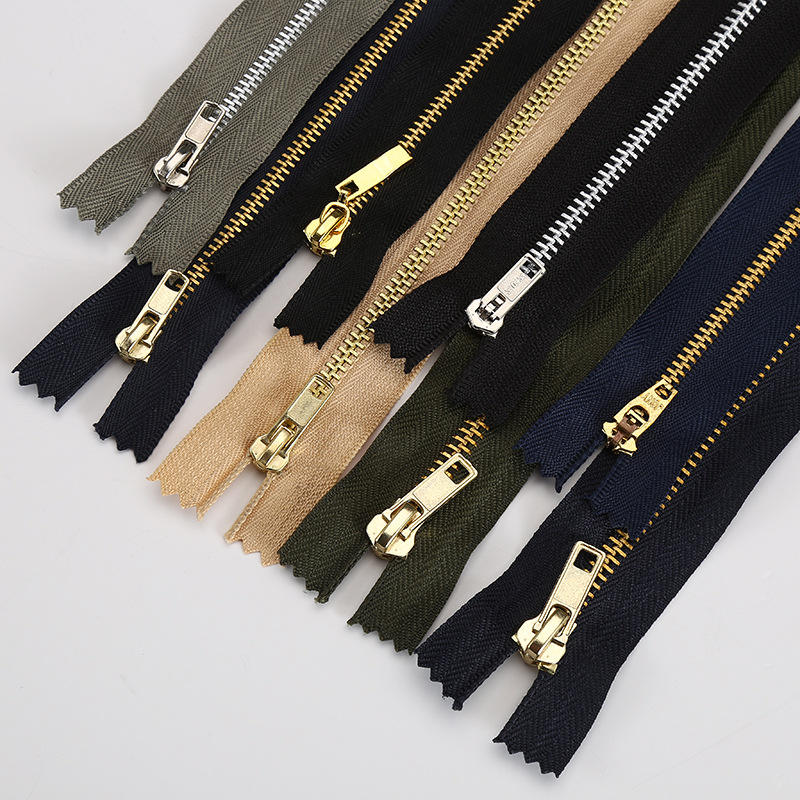
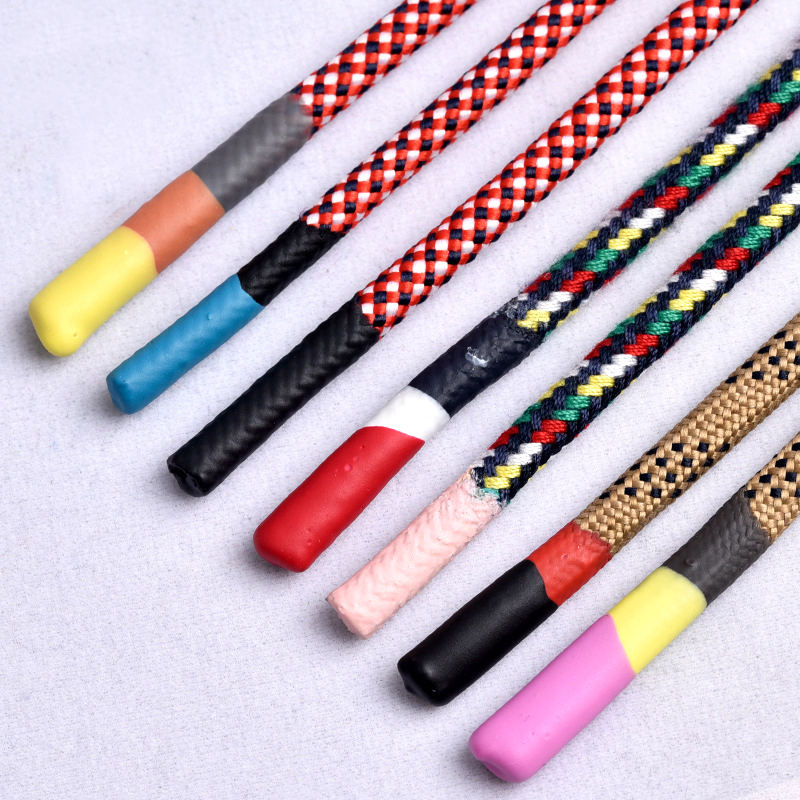
YKK Zippers
Specify full-front, pocket, or concealed zipper options for jerseys, vests, and outerwear. Zipper tape, puller finish, garage construction, and placement are reviewed against the approved sample before bulk production.
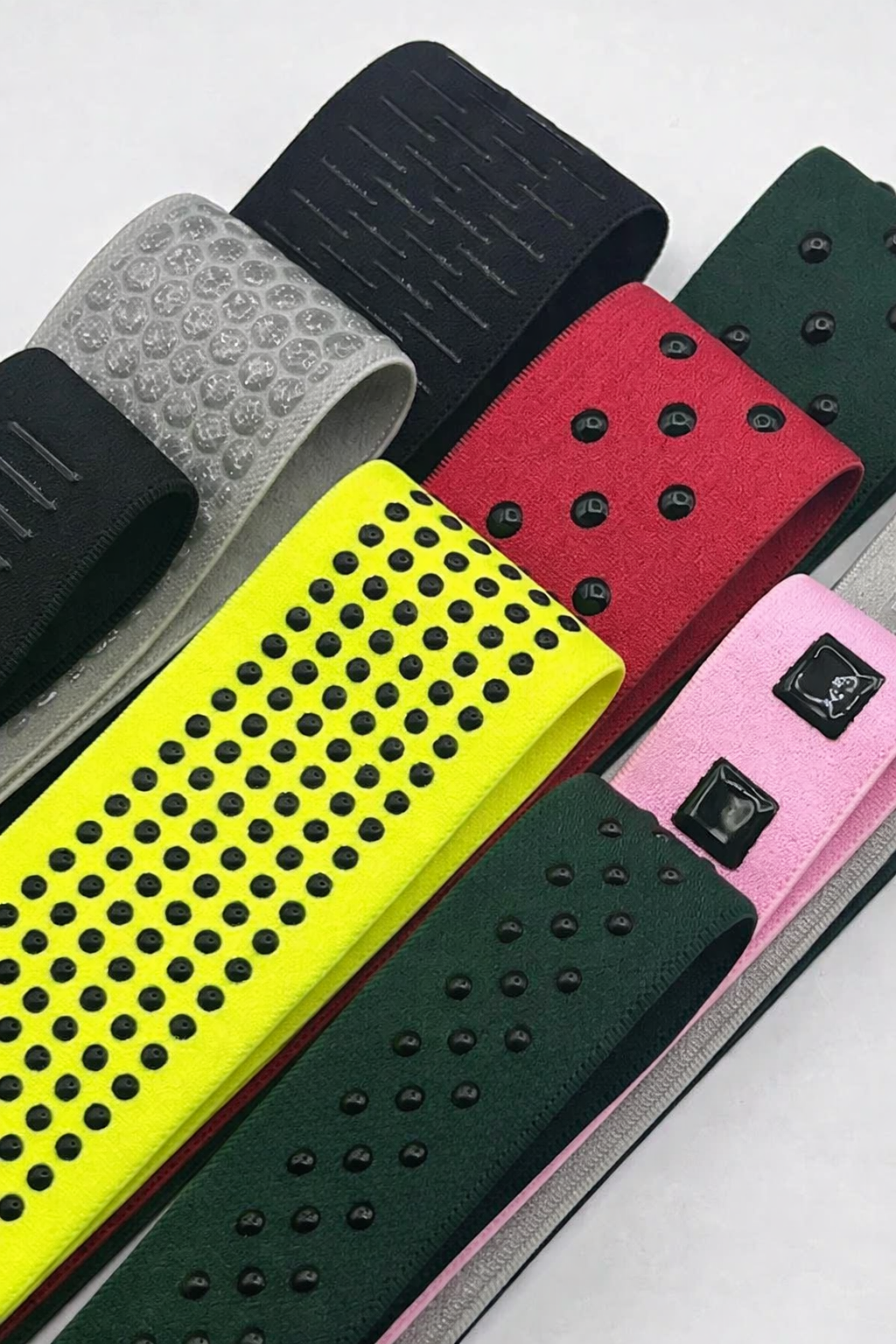
Elastic Grippers
Add silicone-backed or woven elastic grippers at jersey hems, sleeves, and short legs to help garments stay in position through movement. Width, recovery, logo treatment, and application method are matched to the intended product.
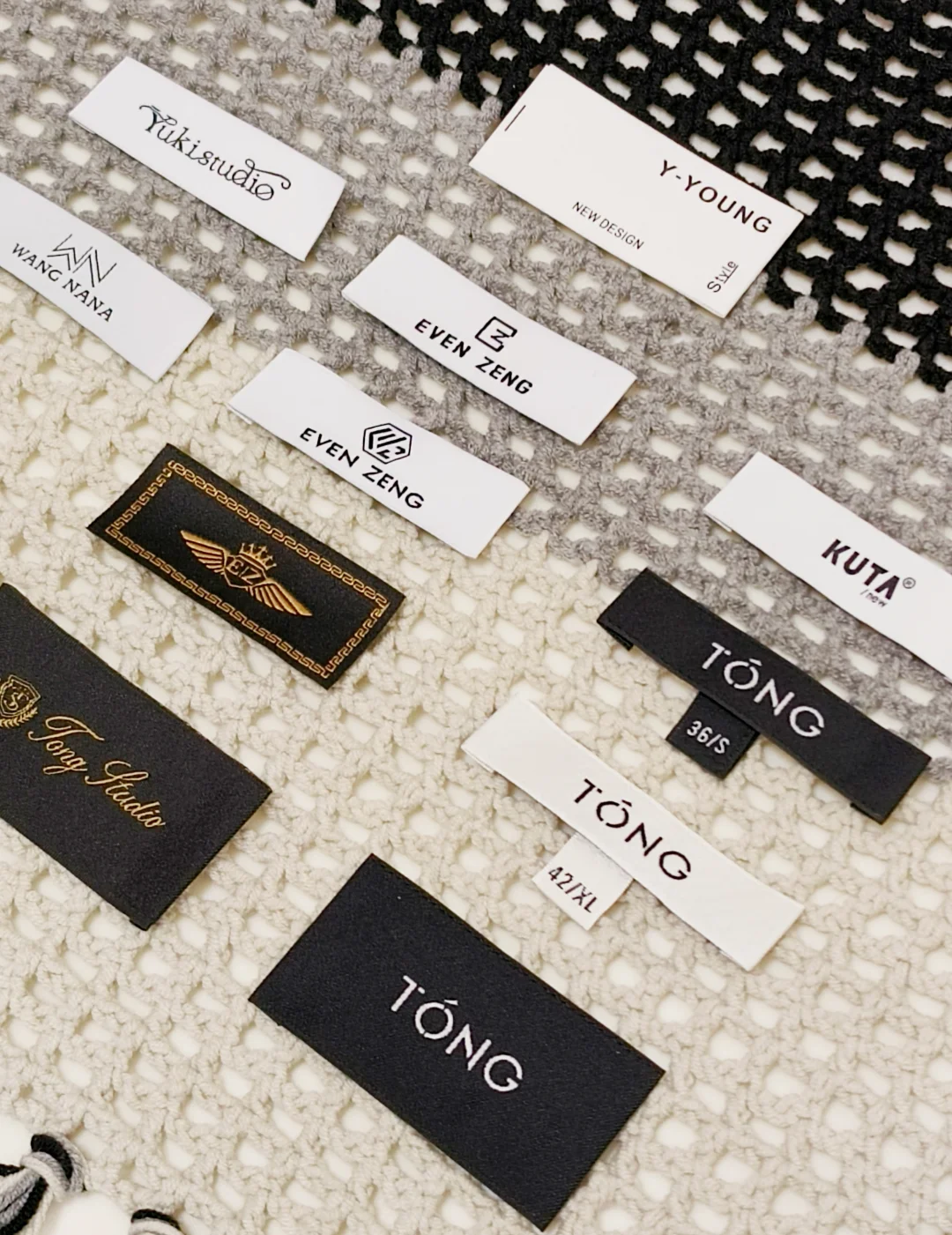
Woven Labels
Create neck labels, size tabs, hem flags, and care-label systems that carry your private-label identity. Label artwork, fold style, placement, and attachment method are documented so every production run follows the same standard.
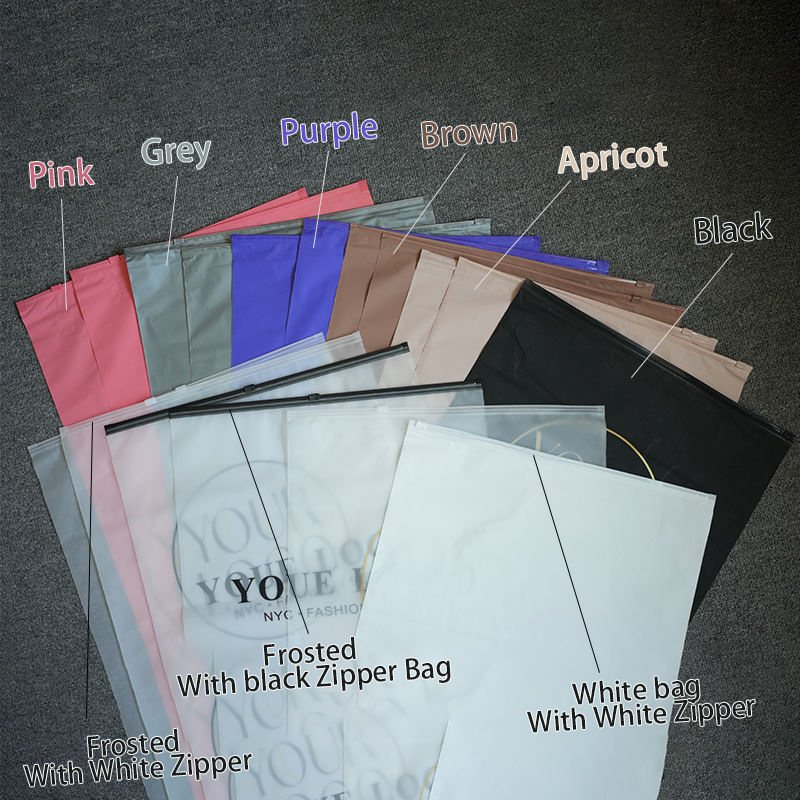
Retail Packaging
Complete the program with coordinated hangtags, polybags, barcode stickers, size stickers, and packing instructions. Packaging details are organized alongside garment specifications to help private-label orders arrive ready for distribution.
EDVORIN: Cycling Apparel Manufacturer Since 2000
Founded by Edvorin Zeng in 2000, EDVORIN was built around a practical responsibility: turn an apparel idea into a standard that can be made well again and again. As a founder-led cycling apparel manufacturer, we help brands, teams, and private-label buyers move from early concepts to production-ready collections.
Our integrated OEM and ODM workflow connects product development, fabric and trim sourcing, patterns, samples, printing, embroidery, washing, labeling, packaging, and quality control. Whether you arrive with a complete tech pack or a reference garment, each decision is documented to support clear approvals and dependable bulk production.
What makes EDVORIN different is the discipline after sampling. Approved measurements, materials, color references, artwork placement, and construction details become the working standard for in-line checks and final inspection. This gives emerging labels, wholesale programs, and established buyers a repeatable path for cycling, teamwear, streetwear, and outerwear collections.
Cycling Apparel Manufacturer: From Concept to Controlled Bulk Production
Technical Development That Holds
EDVORIN turns sketches, references, and established tech packs into production-ready cycling apparel specifications. Pattern details, fit blocks, grading, construction, and performance requirements are reviewed before sampling so the approved garment can guide repeatable bulk production.
- Men’s and women’s fit development
- Patterns and measurement standards
- Sample revisions documented clearly
- OEM, ODM, and private-label support
Materials and Trims Aligned
Fabric, lining, padding, zippers, elastics, labels, and packaging must work as one system. EDVORIN coordinates each component around the intended cycling or teamwear application, helping buyers balance comfort, movement, durability, and the collection’s visual direction.
- Fabric and trim sourcing coordination
- Construction matched to end use
- Labels and packaging specified
- Material choices reviewed before bulk
Decoration Under Specification Control
As a cycling apparel manufacturer, EDVORIN records artwork placement, color references, decoration methods, and garment-specific details before production begins. Printing, embroidery, washing, and finishing are coordinated with the base fabric to protect both design intent and practical wear performance.
- Artwork placement measurements
- Print and embroidery coordination
- Color references carried forward
- Wash and finish requirements defined
Approved Standards Guide Bulk
A good sample becomes useful only when its decisions are carried into the line. EDVORIN uses approved standards to organize material checks, in-line inspections, measurement control, and final review, helping buyers keep bulk orders aligned with the garment they signed off.
- Approved sample as production reference
- In-line checks for early variation
- Measurement and workmanship control
- Final inspection before packing
Why EDVORIN Is the Cycling Apparel Manufacturer for Repeatable Programs
A connected production path helps protect approved details from development through packed bulk orders.
← Swipe left or right to view →
Cycling Apparel Manufacturer Process, From Brief to Shipment
EDVORIN turns approved development details into a controlled production standard for repeatable cycling, teamwear and private-label programs.
Review Brief and Specifications
We review your tech pack, reference garments, fit requirements, artwork, size range and target quantity, identifying production decisions before development begins.
Source Materials and Trims
Fabric, padding, zippers, elastics, labels and packaging are coordinated around performance, construction and decoration requirements for your intended market.
Develop and Approve Samples
Patterns, measurements, print placement and construction details are tested in sampling, then documented against the approved sample before bulk production.
Cut Decorate and Assemble
Approved materials move through cutting, printing or embroidery, sewing and finishing with production specifications guiding each operation and revision.
Inspect Pack and Prepare
In-line and final checks compare bulk goods with approved standards before labeling, size sorting, packing and shipment preparation for your delivery plan.
Start Your Cycling Apparel Manufacturer Program
Move from a tech pack or early concept to an approved, repeatable production standard with one accountable OEM workflow.
Share Your Brief
Send a tech pack, measurement chart, reference garment, or collection concept. EDVORIN reviews fit, materials, decoration, trims, labeling, packaging, and production requirements.
Confirm Scope and Sampling
Align on product specifications, quantities, quotation, and sample plan. MOQ starts at 200 pieces per style, with flexible development support for emerging and established buyers.
Approve Production Standards
Review the sample and confirm measurements, fabric, color, artwork placement, construction, and finishing details. Approved standards become the reference for controlled bulk production.
Launch Bulk Production
EDVORIN coordinates sourcing, cutting, sewing, decoration, quality checks, labeling, and packing, keeping your approved cycling apparel program aligned from production through final inspection.
Certified Standards for Responsible Apparel Production



What Buyers Say About Our Cycling Apparel Manufacturer Partnership
EDVORIN turned our initial jersey sketches into a complete specification set before sampling. After approval, our second 600-piece order matched the first run on fit, logo placement, and color references, which made our club rollout far easier to manage.
We needed a private-label capsule that could sit beside our streetwear line without looking generic. The team coordinated fabric, embroidery, labels, and packaging across 4 styles, helping us launch a more coherent collection with fewer sample revisions.
For our academy kit program, the clear size grading and recorded artwork placements made reorders straightforward. We added 3 new age groups to a 1,200-piece repeat order without losing consistency between the original teamwear and the new sizes.
Cycling Apparel Manufacturer FAQ
Clear answers for brands, teams and private-label buyers planning a production-ready cycling apparel program.
What is EDVORIN’s MOQ for cycling apparel?
Can EDVORIN develop cycling apparel from a sketch or reference garment?
How does cycling apparel sample development work?
How long does cycling apparel production take?
What payment terms are available for OEM cycling apparel orders?
Can EDVORIN arrange shipping for my cycling apparel order?
How do you protect designs and artwork during apparel development?
Can you make men’s and women’s cycling apparel?
The Complete Cycling Apparel Manufacturer Buyer’s Guide
Use this practical framework to compare supplier capabilities, product and fabric options, quality controls, customization paths, pricing variables, and launch requirements—while avoiding costly sourcing mistakes before placing your first production order.
1. What Is a Cycling Apparel Manufacturer?
2000 marks EDVORIN’s founding as a B2B production partner that turns cycling jersey and coordinated teamwear concepts into controlled, repeatable orders for brands, clubs, schools, and wholesalers. A capable cycling apparel manufacturer manages development, material sourcing, patterns, samples, decoration, bulk production, quality checks, labeling, and packing.
3 business models are often confused: a factory controls or coordinates the production path; a trading company primarily sources and manages suppliers; a print shop decorates buyer-supplied blanks. A retail brand sells finished product under its own label and may or may not own manufacturing capacity.
OEM production follows the buyer’s approved tech pack and specifications; ODM starts from adaptable supplier-developed styles; full-custom work builds the garment standard from a sketch, reference, or concept. Buyers should expect documented measurements, approved materials and artwork placement, sample revision control, in-line inspection, and final checks before shipment.
2. How Cycling Apparel Manufacturing Evolved
Modern cycling apparel has evolved toward body-mapped panels, stretch fabrics, flat seams, shaped shorts, and digital decoration workflows. A capable manufacturer should translate riding position, seam placement, pad integration, artwork, and material requirements into an approved production standard.
Sustainability decisions belong upstream: compare recycled-polyester availability, dye and print processes, material traceability, and reorder planning before committing artwork or fabric.
3. Types of Cycling Apparel Manufacturer Services
A cycling apparel manufacturer may offer services ranging from decorated blanks to new performance platforms. The right model depends on buyer control, development capacity, assortment complexity, and order volume.
Stock Blanks With Decoration
Stock jerseys, tees, and caps suit clubs needing speed and low design risk. Decoration changes graphics, while fit, fabric, and construction remain fixed.
Semi-Custom Programs
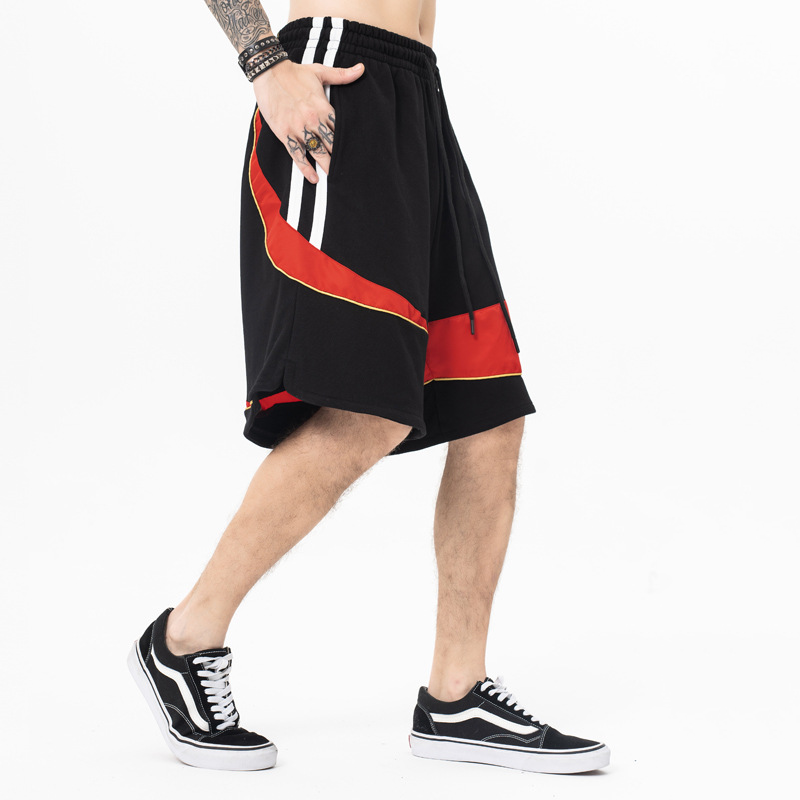
Semi-custom jerseys, bibs, and jackets use established blocks with selected panels, trims, or colors. Growing teams gain more identity without funding a fully new pattern.
OEM Private Label
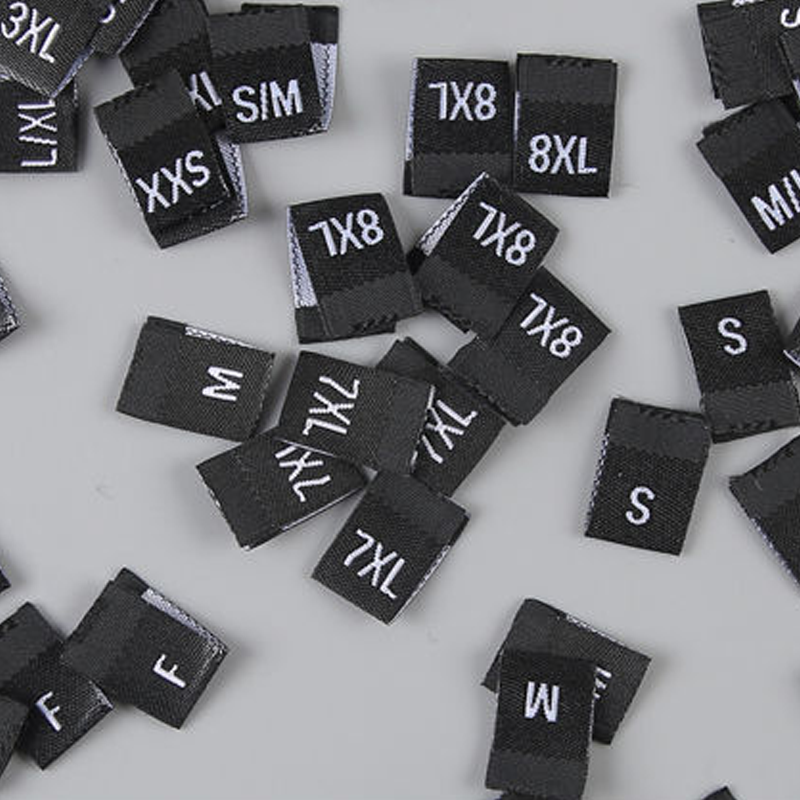
A 200-piece OEM program suits brands with approved specifications and repeat-volume plans. Buyers control labels, packaging, materials, measurements, and documented artwork placement.
ODM Product Development
ODM development helps buyers starting from a sketch, reference garment, or collection brief. EDVORIN can translate the concept into patterns, samples, sourcing, and production standards.
Fully Bespoke Performance Apparel
EDVORIN’s MOQ starts at 200 pieces per style. Bespoke performance apparel fits established labels requiring original jerseys, bibs, jackets, or accessories. New fit blocks and construction testing require the greatest development effort and usually support higher MOQ planning.
4. Cycling Apparel Manufacturer Materials and Fabrics
Fabric selection should begin with the riding condition and garment zone, not a generic performance claim. A cycling apparel manufacturer should approve fabric handfeel, stretch, opacity, and recovery on a finished sample.
| Fabric Category | Practical Characteristics | Best Use | Buyer Trade-Offs |
|---|---|---|---|
| Lightweight jersey | Breathable, quick-drying | Summer jerseys | Less coverage |
| Compressive knit | Stretch, opacity, recovery | Bibs and shorts | Higher cost |
| Mesh panel | High airflow | Underarm or back zones | Lower abrasion resistance |
| Thermal or windproof | Warmth or wind blocking | Cool-weather layers | Reduced breathability |
Stretch And Recovery
Four-way stretch supports pedaling motion in jerseys and bibs. Recovery matters because repeated extension can loosen the fit.
10–20% elastane is a common starting range for compressive fabrics. Confirm recovery after wash testing, not only on the roll.
Moisture And Opacity
120–160 GSM jersey knits suit warm-weather tops when airflow and moisture movement are priorities. Mesh panels work best in mapped high-heat zones.
200 GSM-plus bib fabrics generally improve coverage and durability. Test opacity while stretched over the intended size range.
Seasonal Layering
Brushed thermal knits retain more warmth for cool conditions. Windproof laminates belong on exposed front panels rather than every zone.
Recycled polyester options require the same abrasion, colorfastness, and recovery checks as virgin fibers. Specify the fiber claim and supporting documentation early.
5. Cycling Apparel Manufacturer Customization Options
Two approval records—an artwork file and a physical sample—keep customization decisions traceable before bulk production. A cycling apparel manufacturer should separate decoration choices from fit, component, and packing specifications.
| Option | Best Use | Approval Focus |
|---|---|---|
| Sublimation | Full-panel graphics | Color and panel alignment |
| Screen print | Simple spot graphics | Ink adhesion and stretch |
| Heat transfer | Names or small logos | Cracking and wash durability |
Choose Decoration By Garment Zone
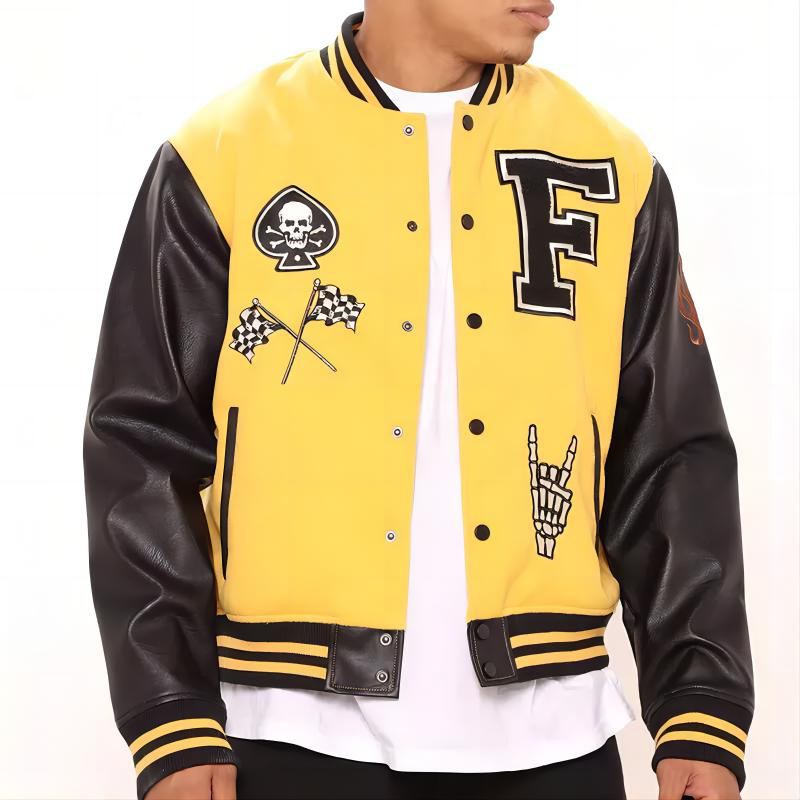
Three common routes are sublimation, screen printing, and heat transfer. Match the method to fabric composition, color coverage, logo size, stretch, and wash exposure.
Embroidery suits caps or stable outer layers better than highly elastic jersey panels. Confirm stitch density and backing before approving the sample.
Prepare Artwork And Placement
One production-ready file should identify vector logos, Pantone references, panel artwork, and placement measurements. Record left-chest, sleeve, back-pocket, and hem positions from fixed garment points.
Two approvals matter: digital artwork for layout and a sample for color and registration. Recheck dark-color transfers for cracking after stretch and wash testing.
Specify Build And Brand Details
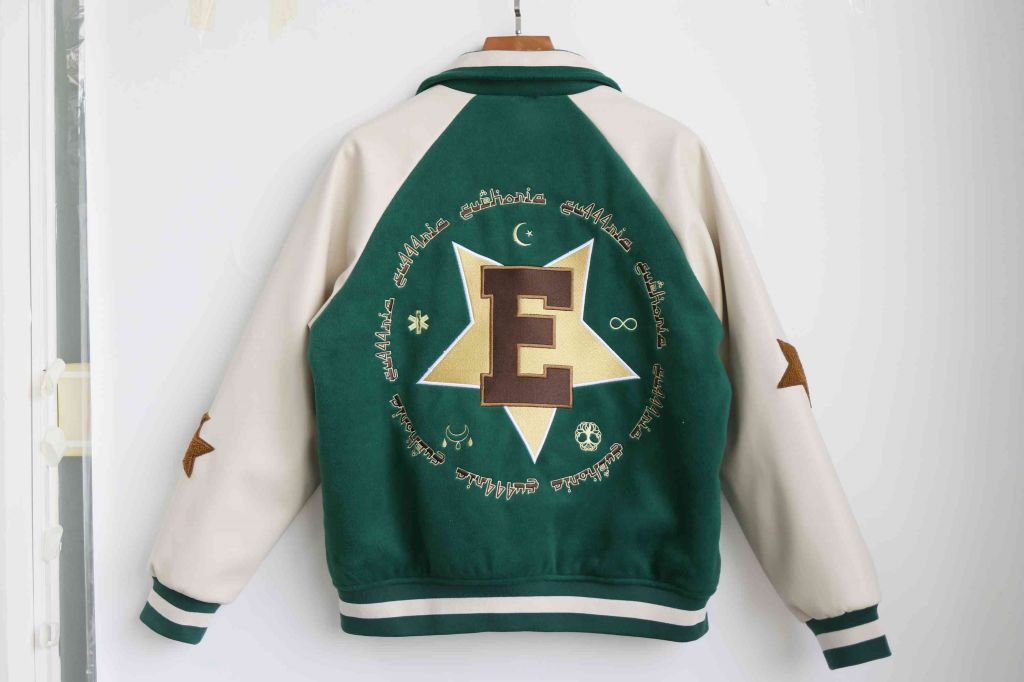
Four specification groups—pattern, size run, trims, and packaging—need written approval. Define grading, sleeve or inseam changes, zipper type, labels, hangtags, polybags, and carton marks.
EDVORIN can develop patterns and production standards from a tech pack, sketch, or reference garment. Lock revisions before bulk cutting.
6. Construction Details That Define Quality
One approved sample should be inspected as a production standard, not merely worn once. Ask the cycling apparel manufacturer to record every accepted construction detail before bulk cutting.
Panels And Seams
Three checks matter: do panel joins follow body movement, do flatlock seams lie smooth, and are high-stress joins reinforced? Review seam allowance, thread tension, and puckering at curved panels.
Bib, Gripper, And Zipper
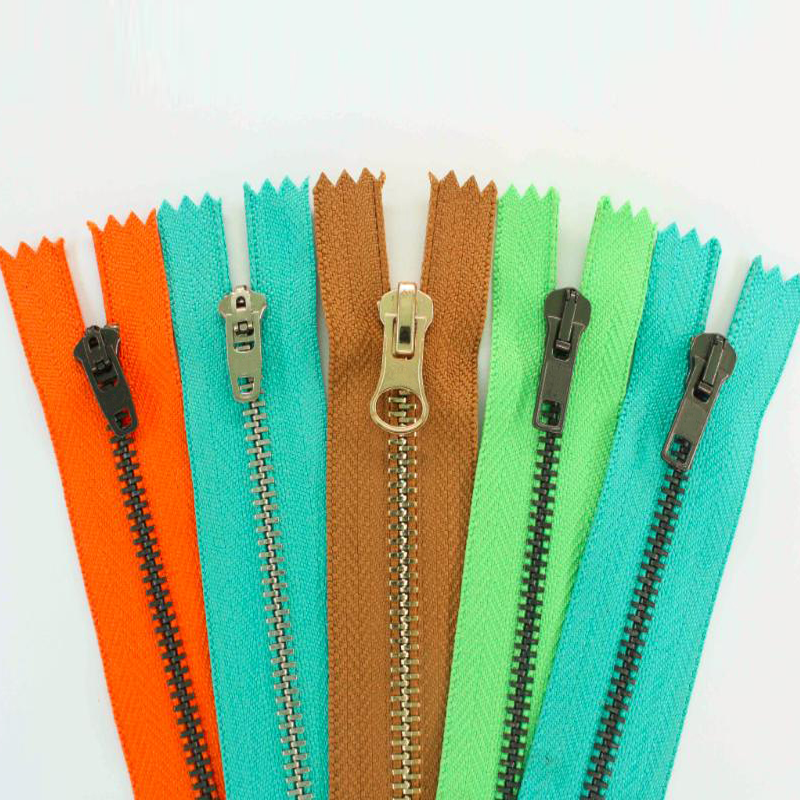
Two sample questions expose expensive failures: does the chamois sit correctly in riding position, and does the leg gripper recover without rolling? Cycle the zipper repeatedly and inspect its stop, tape alignment, and collar finish.
Pockets, Visibility, And Wash
Three rear pockets should hold typical ride items without sagging or distorting the jersey. Confirm reflective placement, fit across the graded size set, and wash-test shrinkage, print durability, gripper recovery, and seam appearance before pre-production approval.
7. How to Choose a Cycling Apparel Manufacturer
EDVORIN’s MOQ starts at 200 pieces per style. A 200-piece OEM MOQ is only useful when the supplier can convert it into a controlled production plan. Evaluate evidence, not promises, before placing a deposit with a cycling apparel manufacturer.
Verify Product Expertise
Request 3 recent jersey, bib-short, or outerwear specification sheets. Check fabric composition, panel map, flatlock locations, zipper type, pocket construction, and size grading against your intended ride use.
Approve A Production-Ready Sample
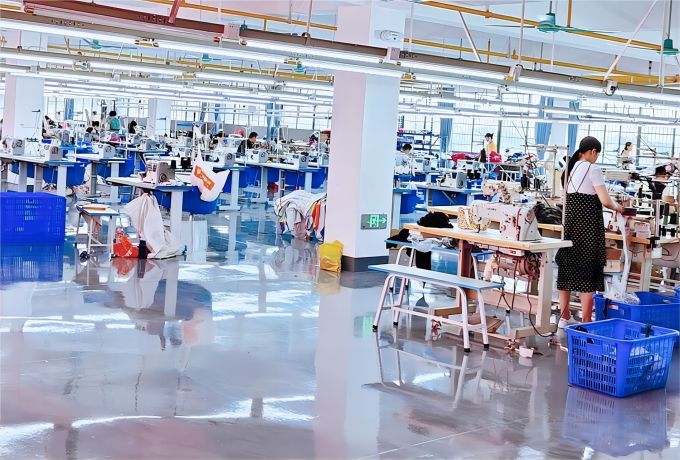
1 approved sample should include dated photos and revision notes. Compare measurements, seam alignment, print placement, stretch recovery, and wash-test information to the written specification before authorizing bulk production.
Audit Delivery Controls
200 pieces require a written timeline covering material booking, sample approval, bulk sewing, inspection, packing, and dispatch. Request QC checkpoints, applicable compliance documents, carton specifications, and the named logistics handoff.
8. Common Cycling Apparel Manufacturer Sourcing Mistakes
A cycling apparel manufacturer quote is only comparable when the same specification, approval standard, and delivery terms are priced. Build controls before issuing a purchase order, because corrections after cutting consume margin and calendar time.
Chasing The Lowest Unit Price
200-piece MOQs can hide higher fabric substitutions, artwork setup, packaging, and freight charges. Compare landed cost by approved specification, not unit price alone.
3 supplier quotes should state fabric, chamois, decoration, labels, Incoterms, and payment terms. This prevents a low quote from becoming an unplanned margin loss.
Approving Incomplete Production Files
1 unmeasured logo placement can shift across sizes and create costly rework. Approve Pantone references, print dimensions, placement points, and a signed artwork proof.
±1 cm tolerances should be recorded for key garment measurements where appropriate. A controlled tech pack gives bulk production an auditable standard.
Skipping Fit And Delivery Controls
1 fit sample cannot validate every graded size, especially across men’s and women’s blocks. Review a size set or grading rules before releasing bulk.
2 timelines matter: production completion and freight arrival. Reserve transit, customs, and inspection time so a late shipment does not miss an event or retail launch.
9. Steps to Launch a Cycling Apparel Brand
A disciplined launch begins by locking the customer, selling channel, and first collection before a cycling apparel manufacturer receives artwork. Each approval should create a production record, not another assumption.
Define The First Drop
One rider profile should guide the first range: club road riders, commuters, or performance racers.
Three to five SKUs keep fit, inventory, and launch messaging manageable.
Build The Production Brief
One tech pack should specify garment measurements, grade rules, fabric, seams, trims, labels, and packaging.
Pantone references and placement dimensions turn logos, numbers, and sponsor graphics into repeatable instructions.
Sample Before Bulk
EDVORIN’s MOQ starts at 200 pieces per style. One approved sample must be checked for fit, stretch recovery, artwork alignment, stitching, and wash performance.
Two decision gates protect buyers: clubs confirm roster quantities; private-label buyers confirm sell-through and 200-piece MOQ allocation.
Release With Controls
Every packed unit should match approved labeling, size ratios, and carton marks before fulfillment.
A QC plan should define measurement tolerances, in-line inspection points, defect handling, and final random checks.
10. Cycling Apparel Manufacturer Pricing and Costs
200-piece programs usually price more efficiently per unit than smaller runs because pattern setup, grading, color approval, and line changeover are spread across more garments. A cycling apparel manufacturer should quote from an approved specification, not a generic product image.
3 cost areas deserve review before purchase-order approval: fabric and pad selection, construction complexity, and decoration coverage. EDVORIN can convert the tech pack, artwork, size breakdown, labeling, packaging, destination, and delivery target into a direct quotation.
1 freight choice can materially change landed cost: express favors speed, while air and sea options depend on carton volume, route, customs, and required arrival date.
| Order scope | Cost drivers | Development and production timing |
|---|---|---|
| 200-piece MOQ | Base fabric, panel count, flatlock seams, bib pad | Sample/development quoted after specifications; bulk timing confirmed with materials |
| Higher volume | Improved setup absorption; extra sizes or colors add planning | Allow time for approvals, sourcing, production, inspection, and packing |
| Sublimation or print | Artwork coverage, colors, placement, and method | Approve strike-off or sample before bulk |
| Shipping | Carton dimensions, weight, Incoterms, destination, customs | Express, air, or sea selected to delivery requirement |
Ready to Brief Your Cycling Apparel Manufacturer?
Send your tech pack, concept, or requirements to start a controlled OEM program with EDVORIN, from sampling through bulk production.