
Workwear Manufacturer for Production-Ready Collections
EDVORIN helps fashion, teamwear, and private-label buyers develop repeatable OEM workwear programs from 200 pieces per style.
Featured Workwear, Teamwear and Private-Label Programs
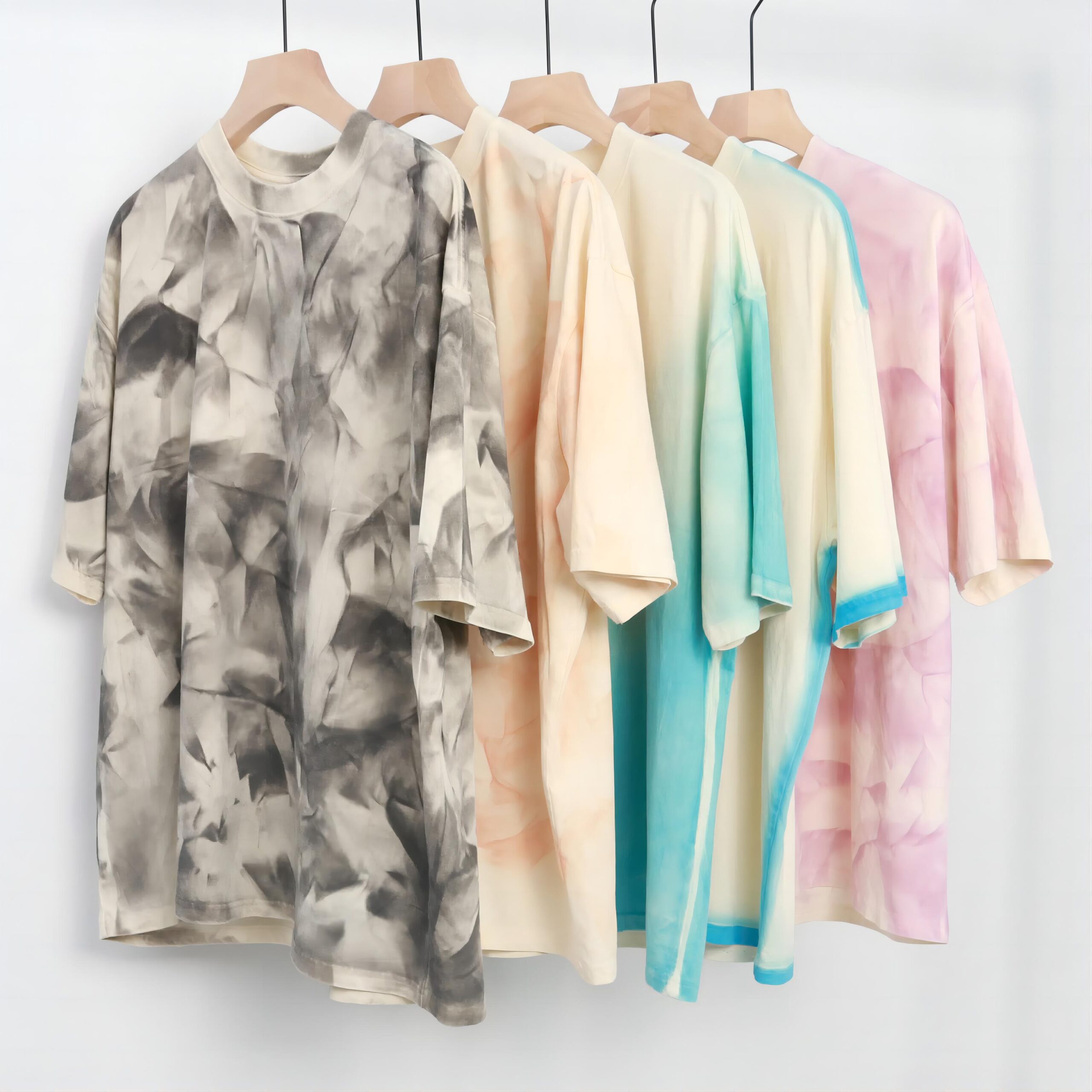
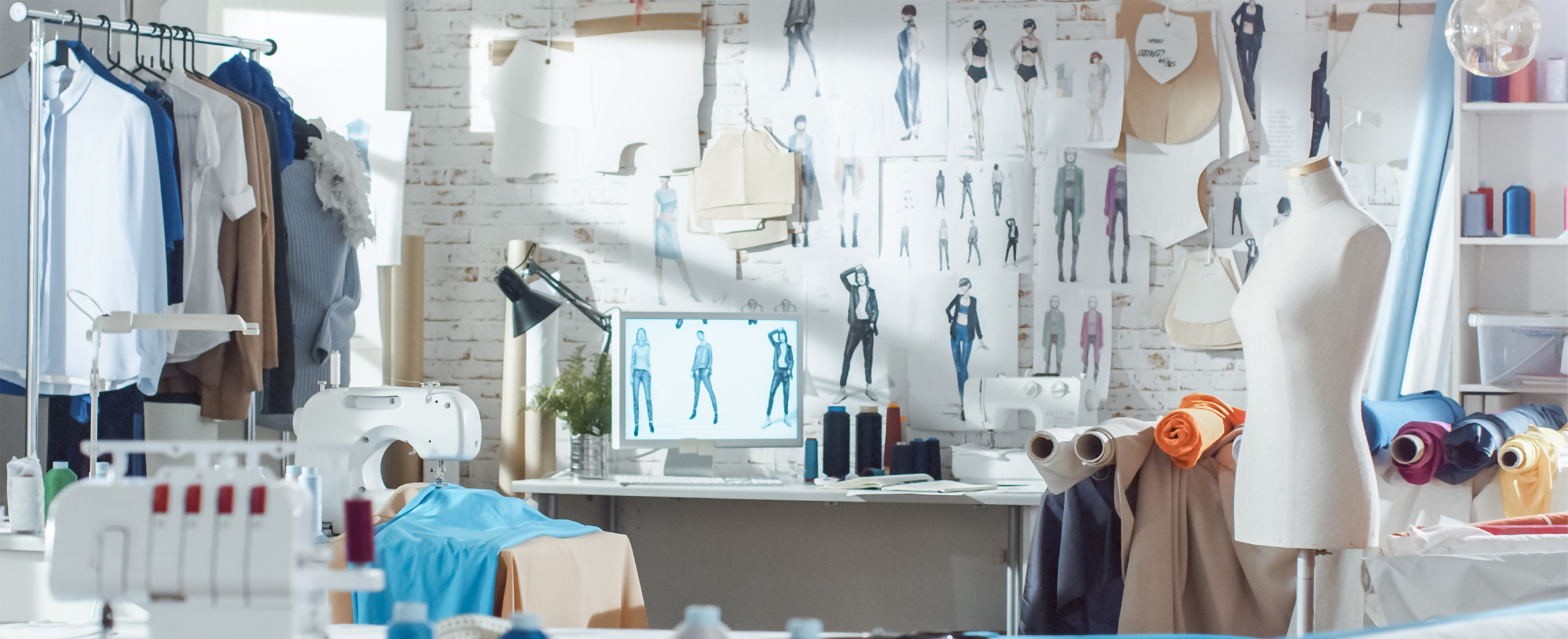



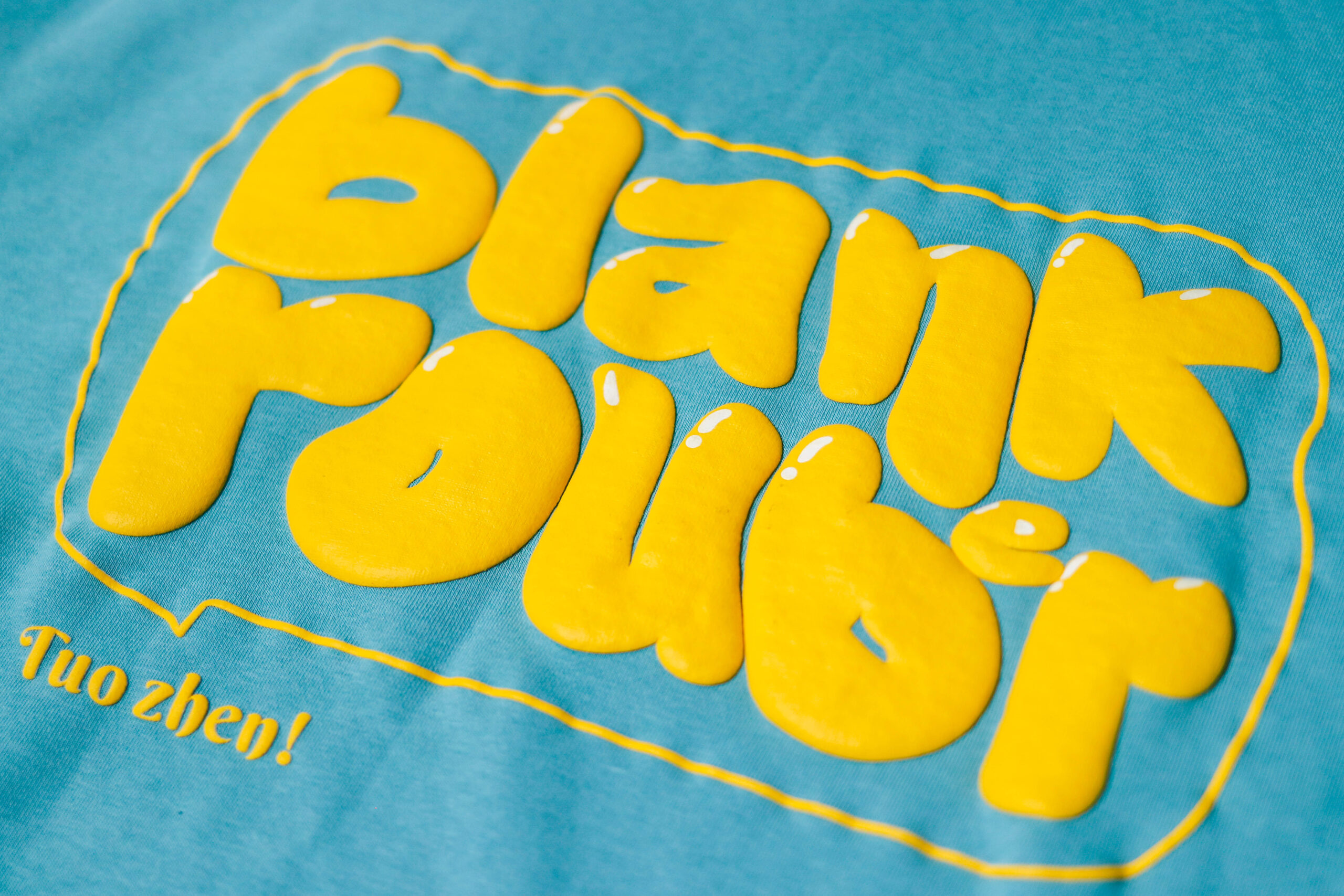
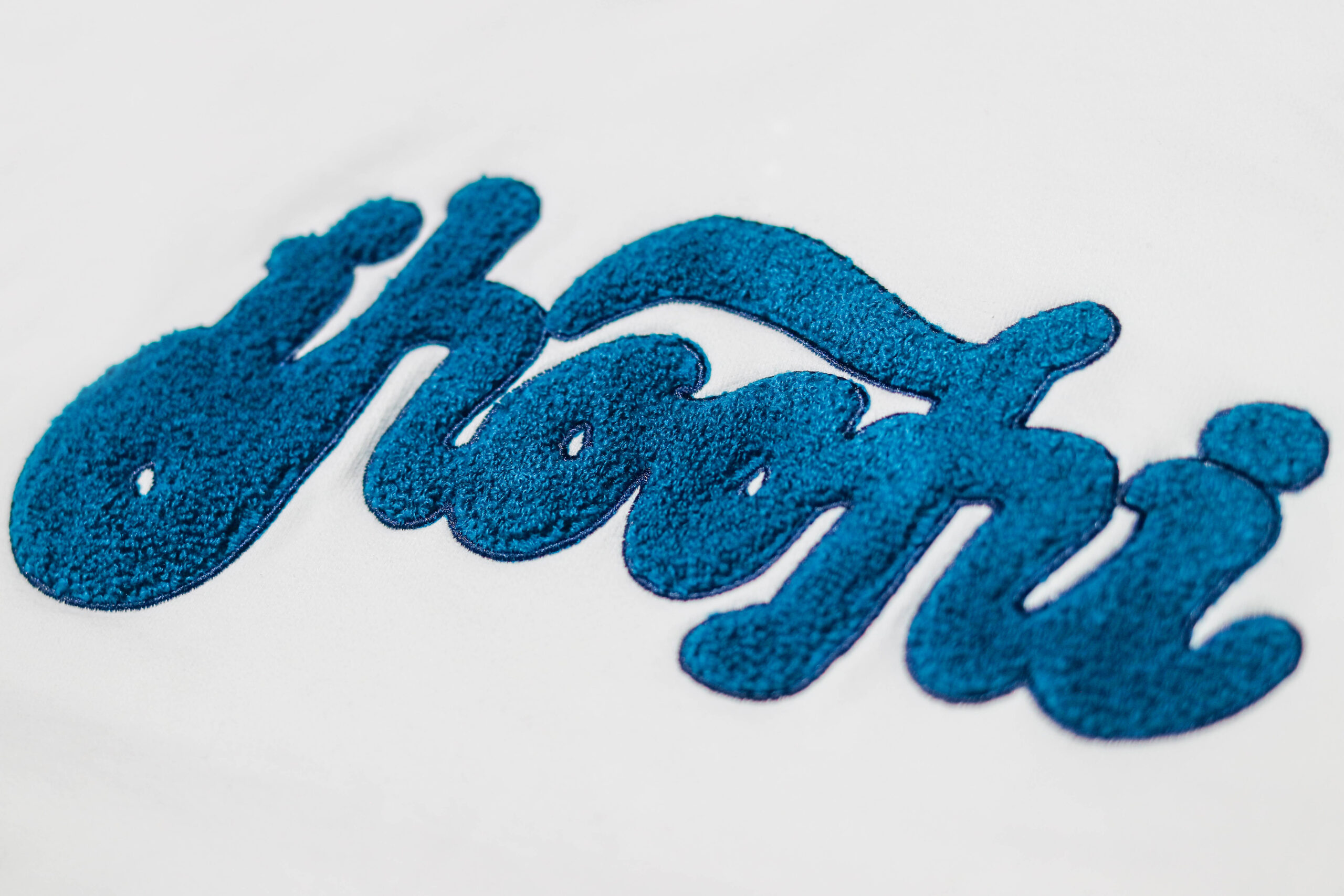

Workwear Manufacturer Built for Repeatable Production
Founder-led development, flexible manufacturing and documented controls turn each approved garment into a standard ready for repeat orders.
Founder-Led Since 2000
Work directly with a production-minded partner shaped by garment construction, practical trade-offs and accountable decision-making since 2000.
Flexible OEM and ODM
Bring a complete tech pack or an early concept; EDVORIN helps develop it into a clear, production-ready workwear specification.
Decoration Matched to Garments
Printing, embroidery, wash and trim choices are coordinated with fabric, construction and intended use for a more cohesive finished product.
Men’s and Women’s Development
Fit blocks, grading, proportions and materials are adjusted for men’s and women’s programs instead of relying on one universal specification.
Approved-Standard Quality Control
Samples, measurements, artwork placement and trims create visible production standards that guide in-line checks and final inspection.
Production-Ready at 200 Pieces
MOQ starts at 200 pieces per style, giving emerging labels and established buyers a practical path from approved sample to bulk.
Apparel Categories Built for Every Program
From corporate uniforms and team kits to private-label collections, EDVORIN develops each category around fit, materials, decoration and repeatable bulk production.
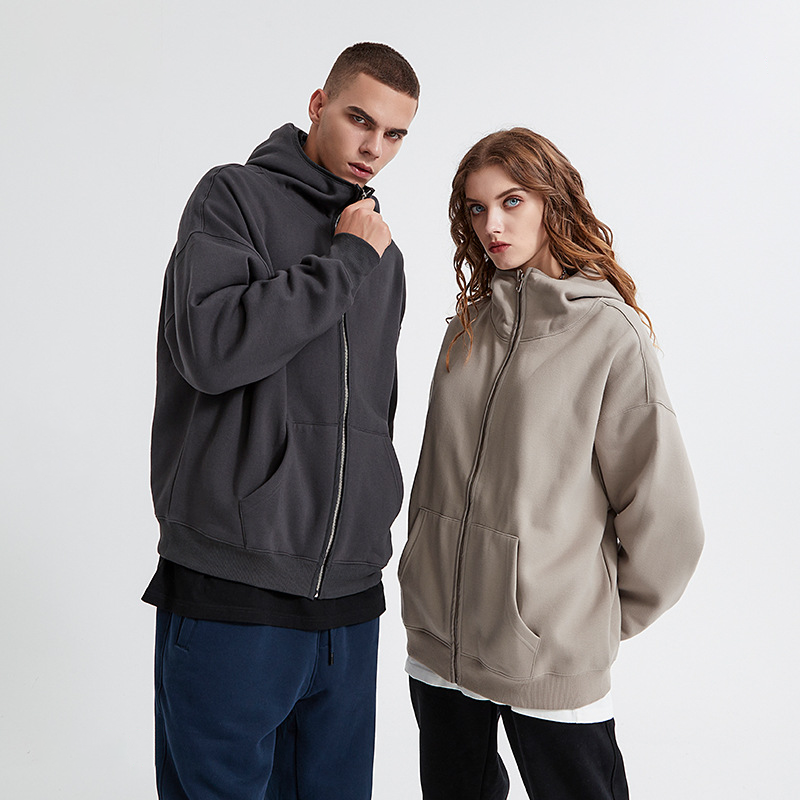
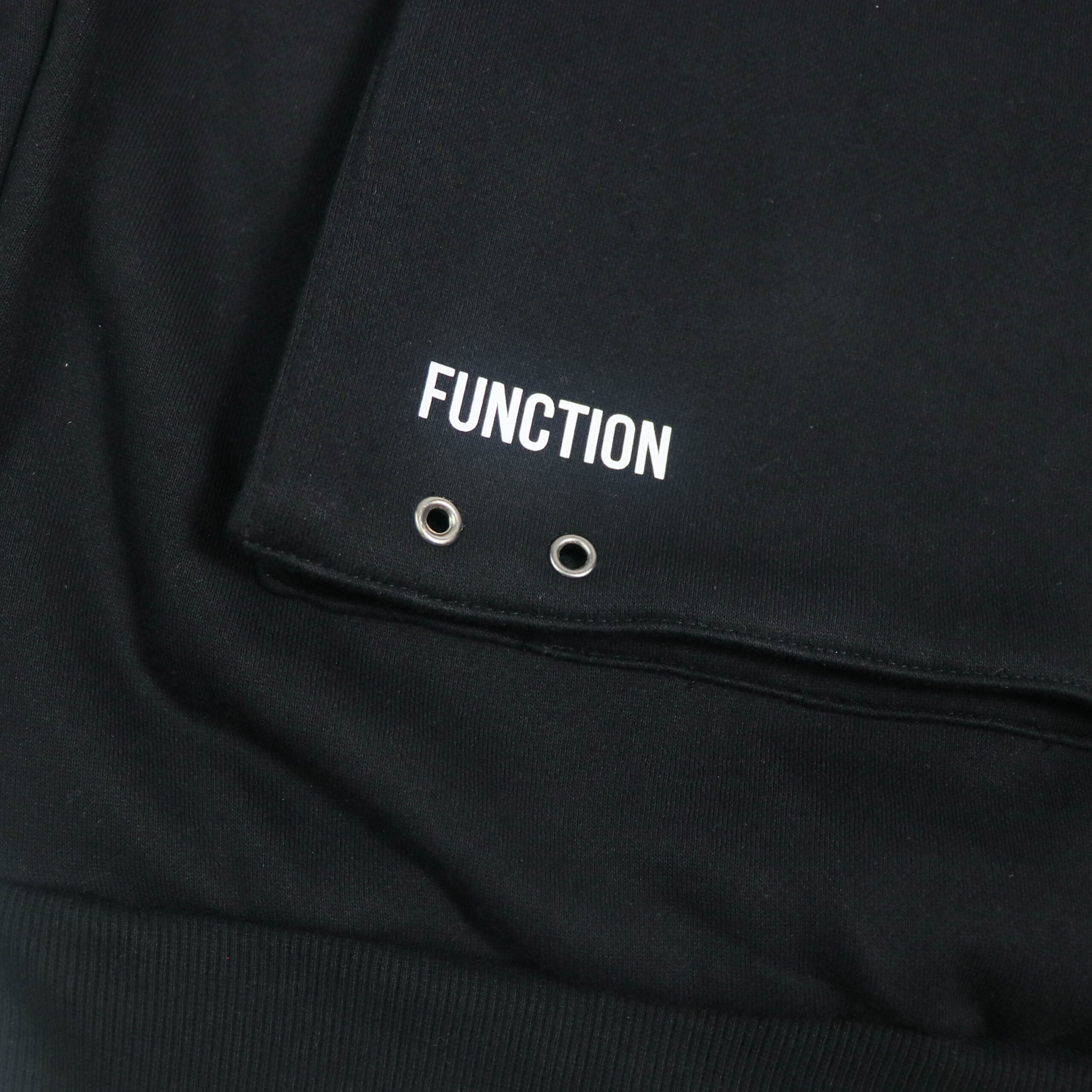
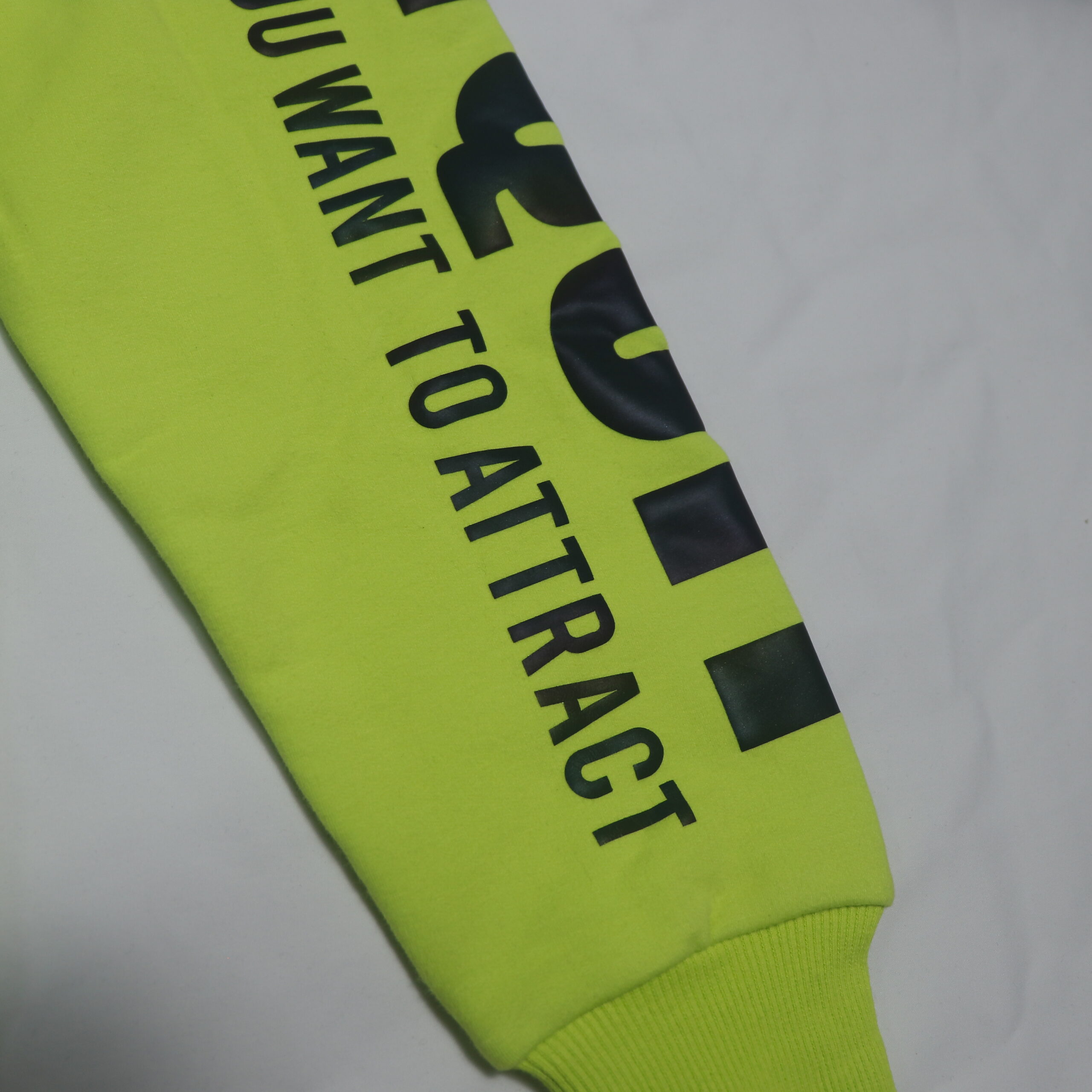
Custom Hoodies
EDVORIN develops custom hoodies for corporate programs, schools, teams and private labels, with fleece weight, rib construction, hood shape, drawcords, pockets, printing and embroidery specified for consistent sample-to-bulk production.
Get a Quote
Pullover Sweatshirts
Pullover sweatshirts are developed around fabric weight, neckline, rib recovery, fit blocks and decoration requirements. EDVORIN supports men’s and women’s programs with documented measurements, artwork placement and finishing standards for repeat orders.
Get a Quote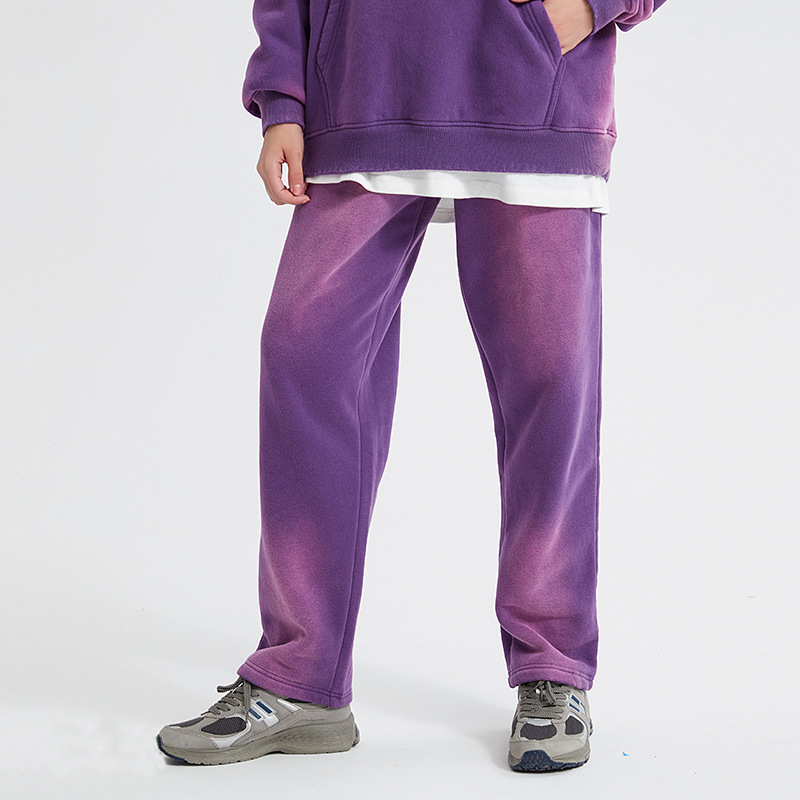
Sweatpants & Joggers
Custom sweatpants and joggers can be built for uniforms, active programs or coordinated retail sets. Development covers fabric choice, waistband construction, cuffs, pockets, drawcords, grading, prints and embroidery to match the intended use.
Get a Quote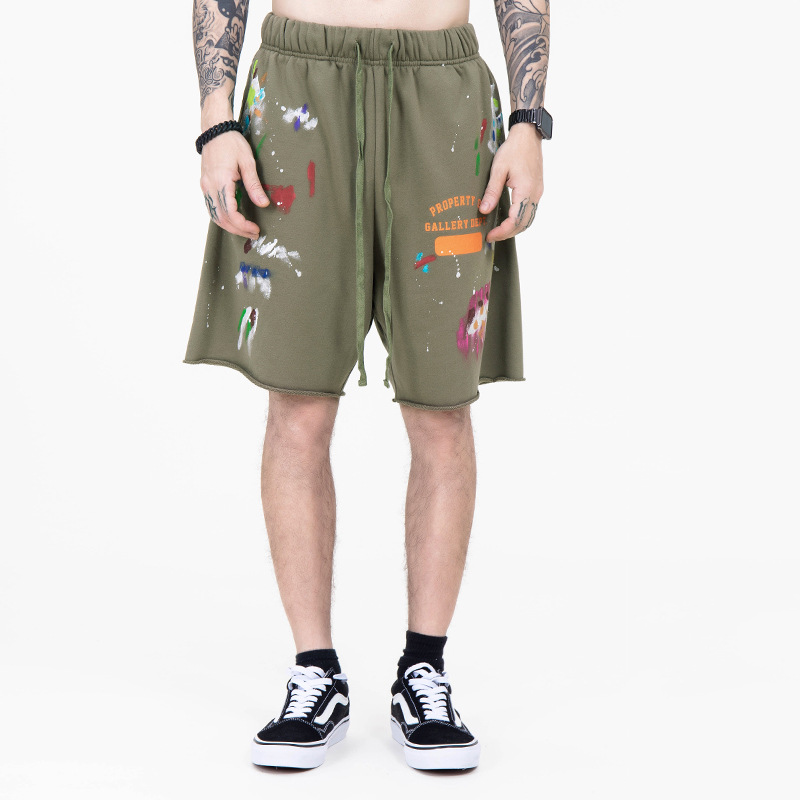
Custom Shorts
EDVORIN produces custom shorts for corporate, school, sports and private-label programs. Buyers can define inseam, fabric weight, waistband, pocket layout, lining, decoration and size grading to create a reliable standard for bulk production.
Get a Quote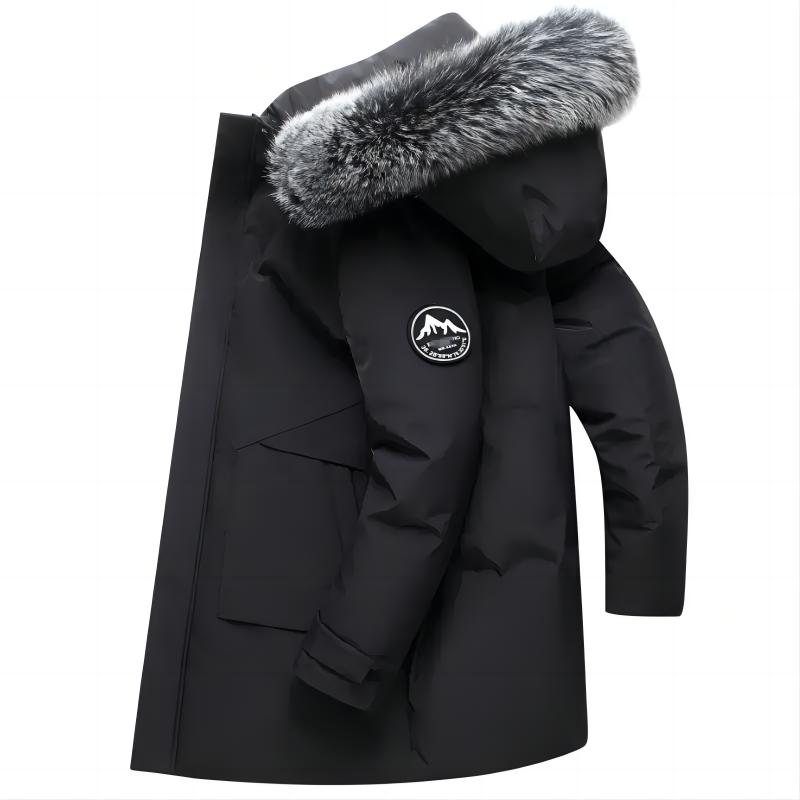
Varsity & Baseball Jackets
Varsity and baseball jackets require coordination across body fabric, sleeves, rib, snaps, lining and patches. EDVORIN develops these components together, recording embroidery, chenille, applique and color specifications for consistent repeat production.
Get a Quote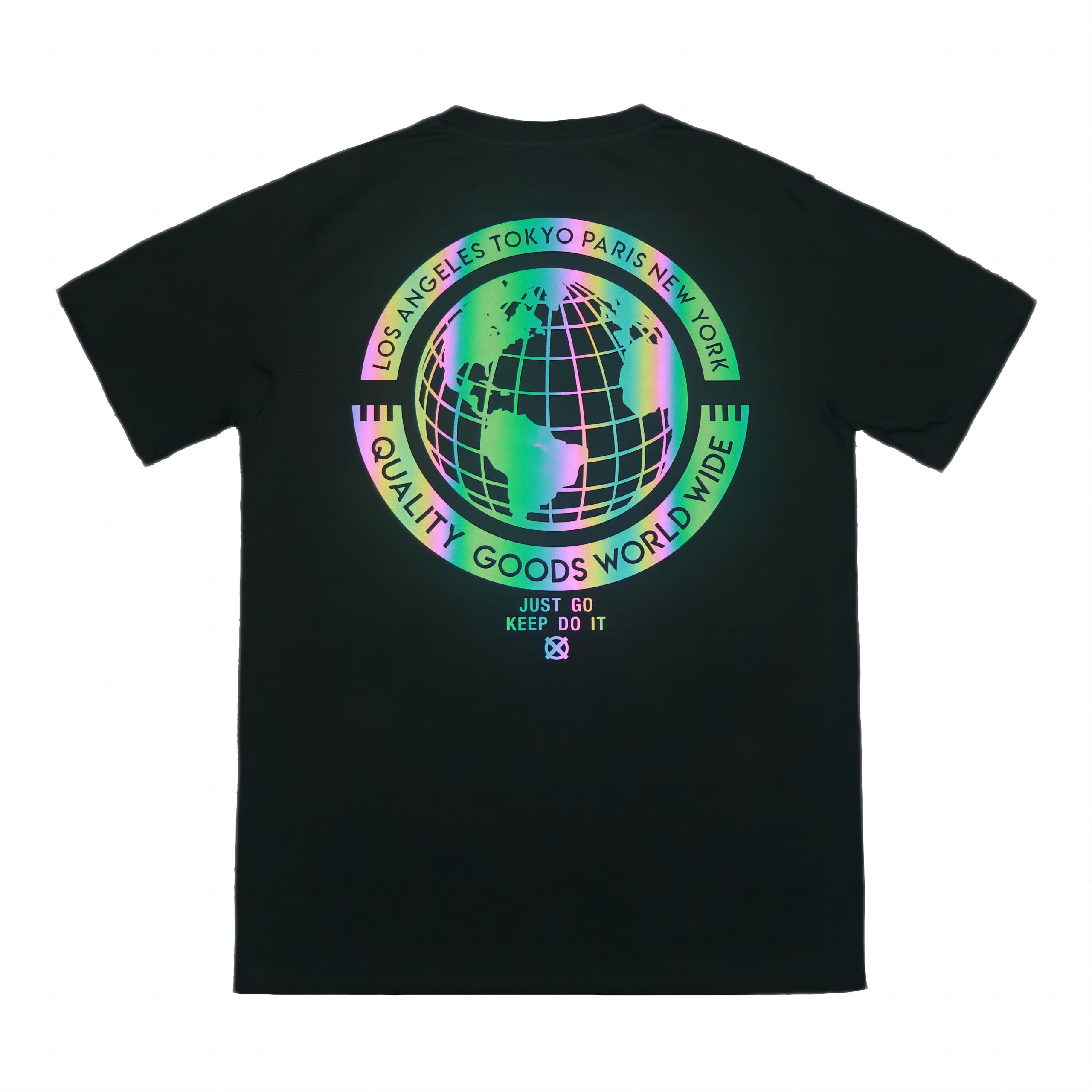
Custom T-Shirts
Custom T-shirts are developed for promotional, uniform and private-label requirements, from basic jersey styles to heavier retail constructions. Fabric, collar, fit, sleeve shape, printing, embroidery, labels and packaging are coordinated in one specification.
Get a Quote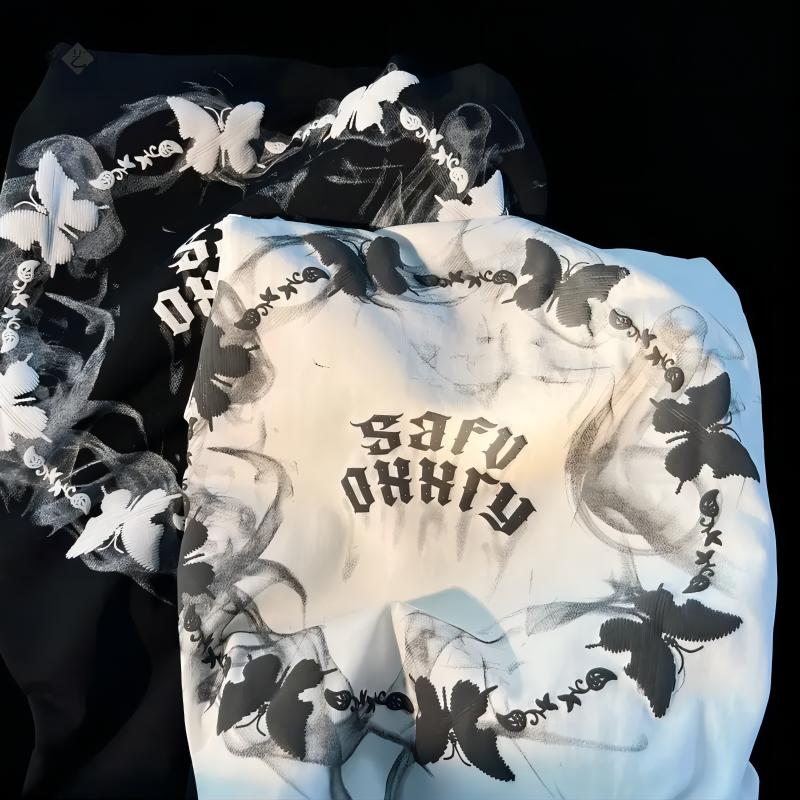
Custom Polo Shirts
EDVORIN manufactures custom polo shirts for corporate uniforms, hospitality, schools and branded programs. Development includes pique or jersey selection, collar and placket construction, buttons, contrast details, embroidery placement and size grading.
Get a Quote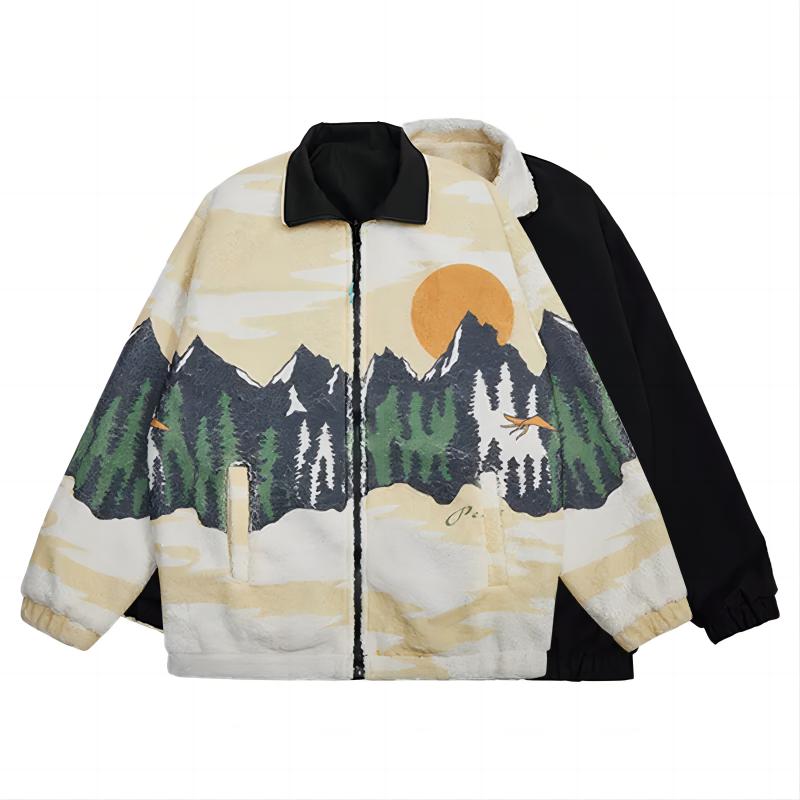
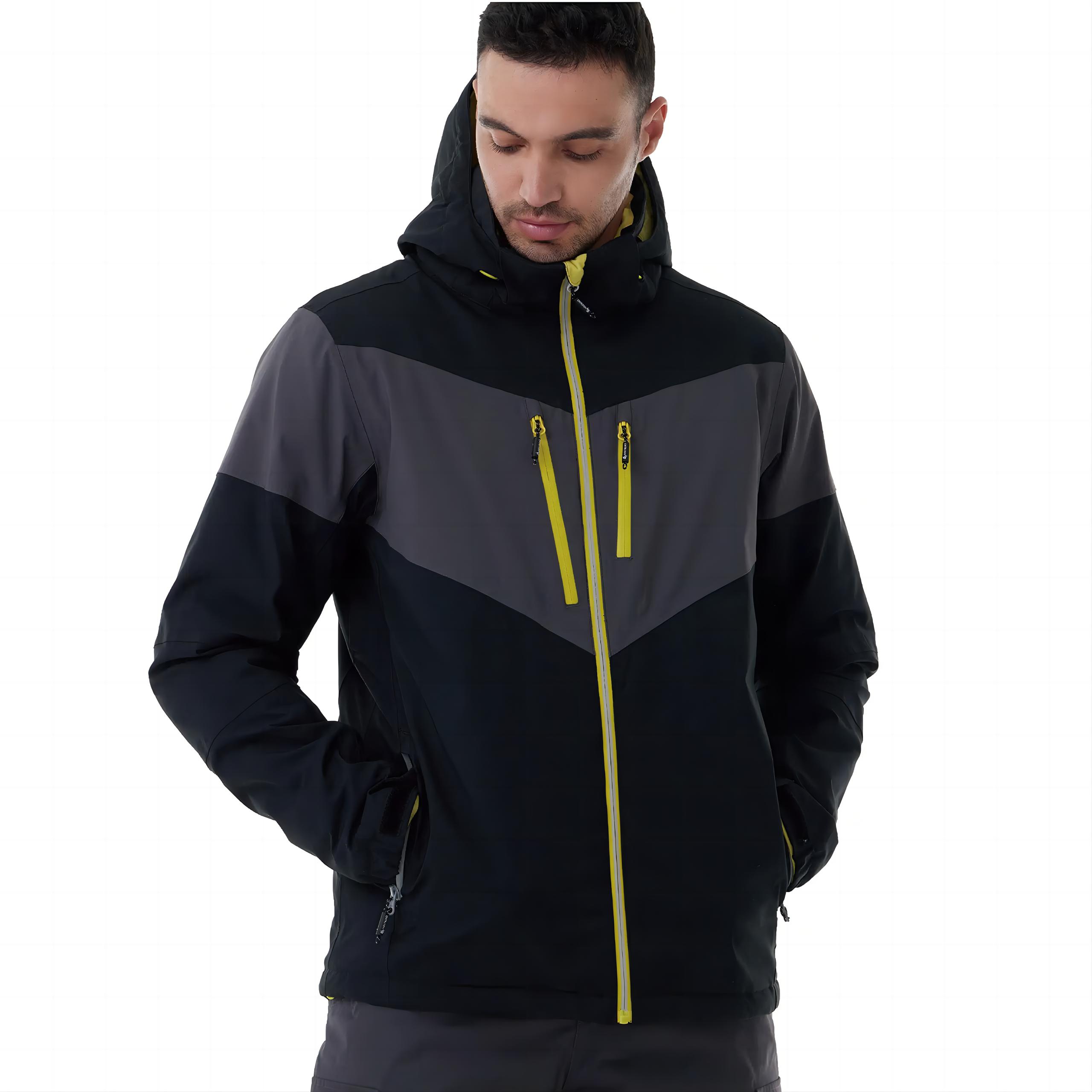
Windbreaker Jackets
Windbreaker jackets are developed around shell fabric, lining, weather protection, ventilation, zippers and packability. EDVORIN coordinates functional construction with branding details for workwear, teamwear and private-label outerwear programs.
Get a Quote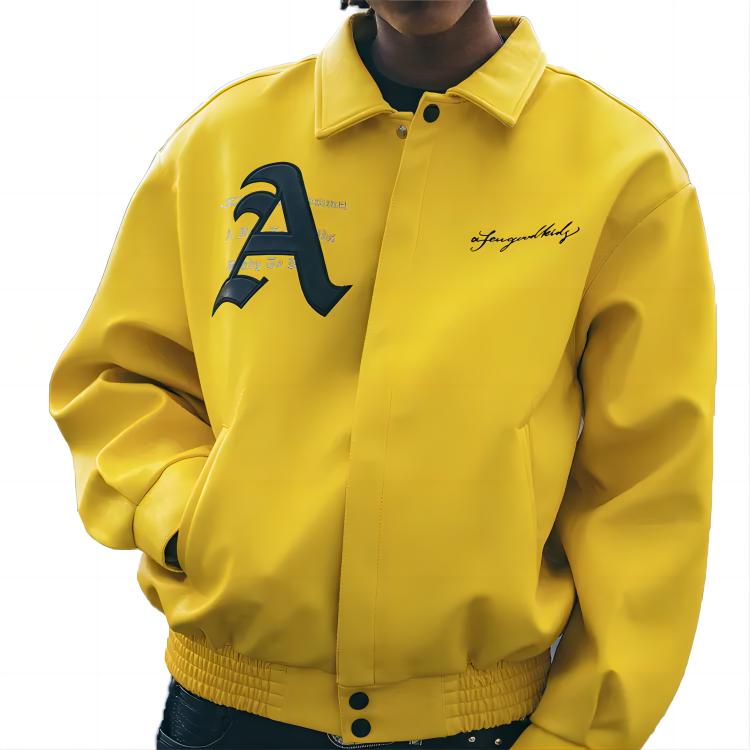
Quilted Jackets
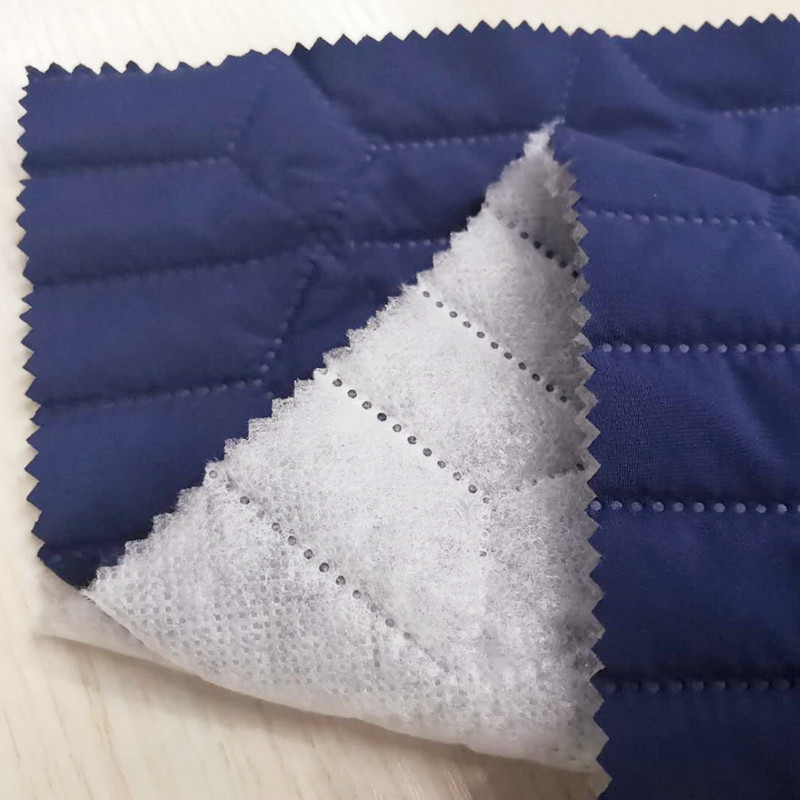
Quilted jackets combine shell, lining, insulation, quilting pattern and hardware decisions that must perform consistently in bulk. EDVORIN develops each layer and finishing detail for branded uniform, corporate and private-label outerwear programs.
Get a Quote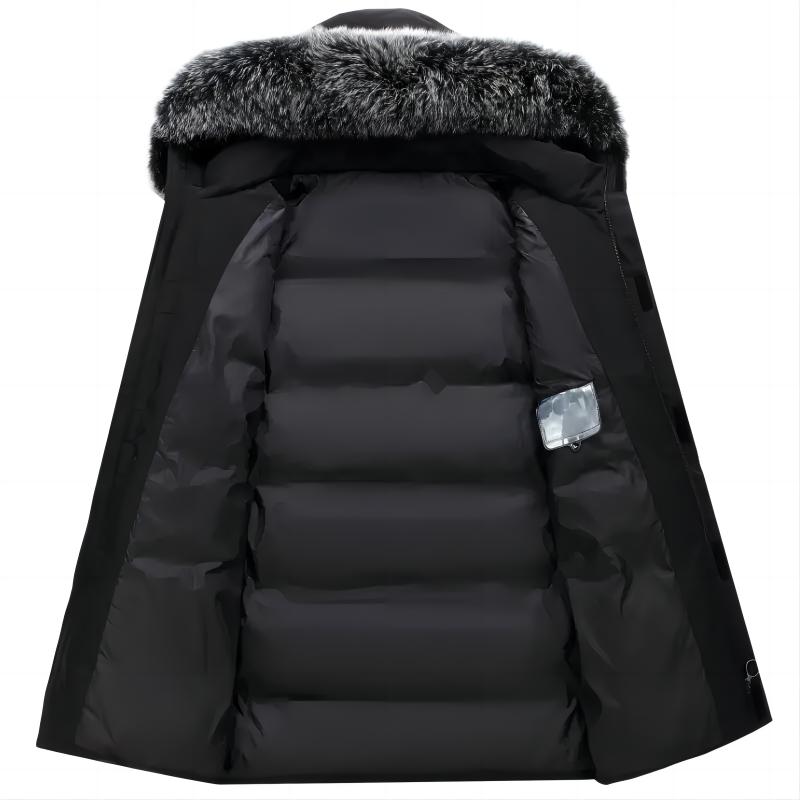
Bomber Jackets
Bomber jackets can be developed in woven, nylon, twill or padded constructions, with specified rib, lining, zippers, pockets and decoration. EDVORIN supports men’s and women’s fit requirements and repeatable production standards.
Get a Quote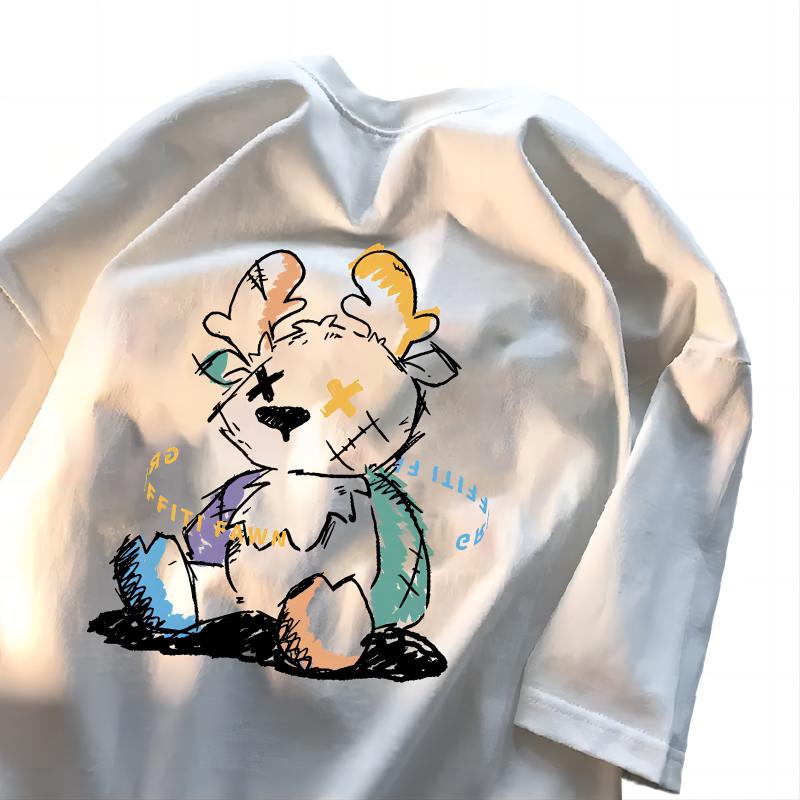
Custom Shirts
Custom woven shirts are developed for corporate, hospitality, school and private-label programs. Fabric, collar, placket, cuffs, pocket options, fit, embroidery and labeling are specified to maintain a consistent presentation across sizes and reorders.
Get a Quote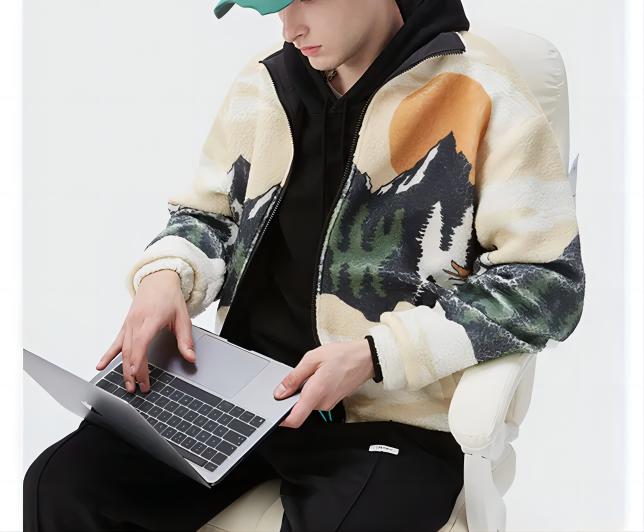
Custom Jerseys
Custom jerseys are developed for clubs, schools, events and branded performance programs. EDVORIN coordinates breathable fabrics, color matching, panel construction, sublimation or print methods, names, numbers and organized size sets.
Get a Quote
Tank Tops
Tank tops are developed for fitness, event, team and private-label needs, with fabric weight, armhole shape, neckline, fit and decoration selected for the wearer and program. Men’s and women’s development is available.
Get a Quote
Soccer Uniforms
Soccer uniforms are produced as coordinated jersey, shorts and sock programs with breathable materials, team colors, crests, sponsor artwork, player names and numbers. EDVORIN records approved specifications to support consistent team and repeat orders.
Get a Quote
Basketball Uniforms
Basketball uniforms are developed with mobility, breathable performance fabrics and coordinated jersey-and-short construction in mind. EDVORIN manages color, trim, graphics, numbering, size grading and decoration requirements for schools, clubs and teams.
Get a Quote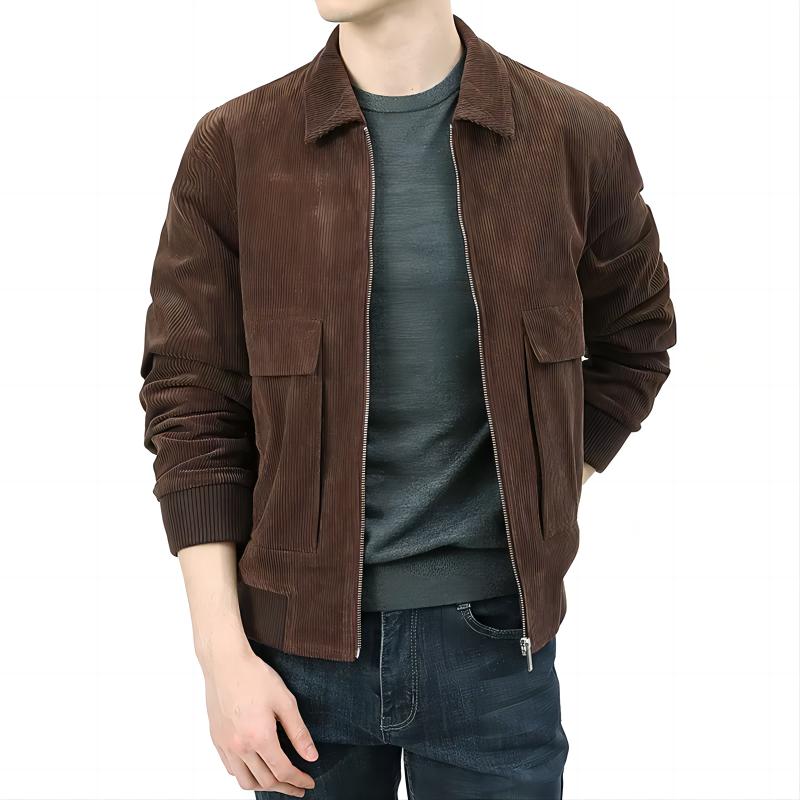
Streetwear Collections
Streetwear collections combine hoodies, T-shirts, bottoms, outerwear and woven pieces under one production system. EDVORIN supports OEM, ODM and private-label development across fabrics, washes, trims, graphics, labels, packaging and bulk quality control.
Get a QuoteWorkwear Manufacturer Materials for Comfort, Durability and Performance
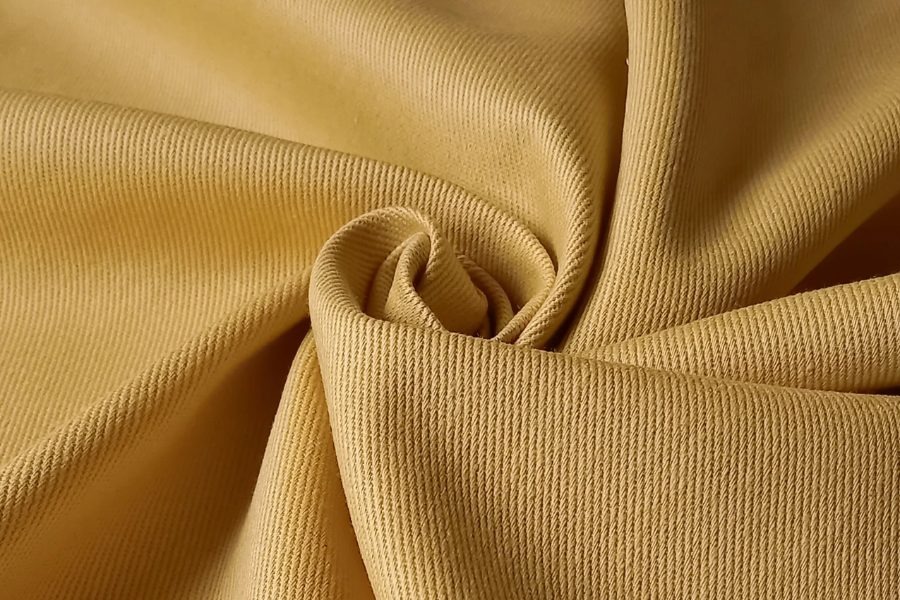
Poly-Cotton Twill
A structured, durable woven fabric for work shirts, trousers, overshirts and light jackets. The cotton blend adds familiar comfort, while the twill construction provides a clean surface and dependable everyday wear.
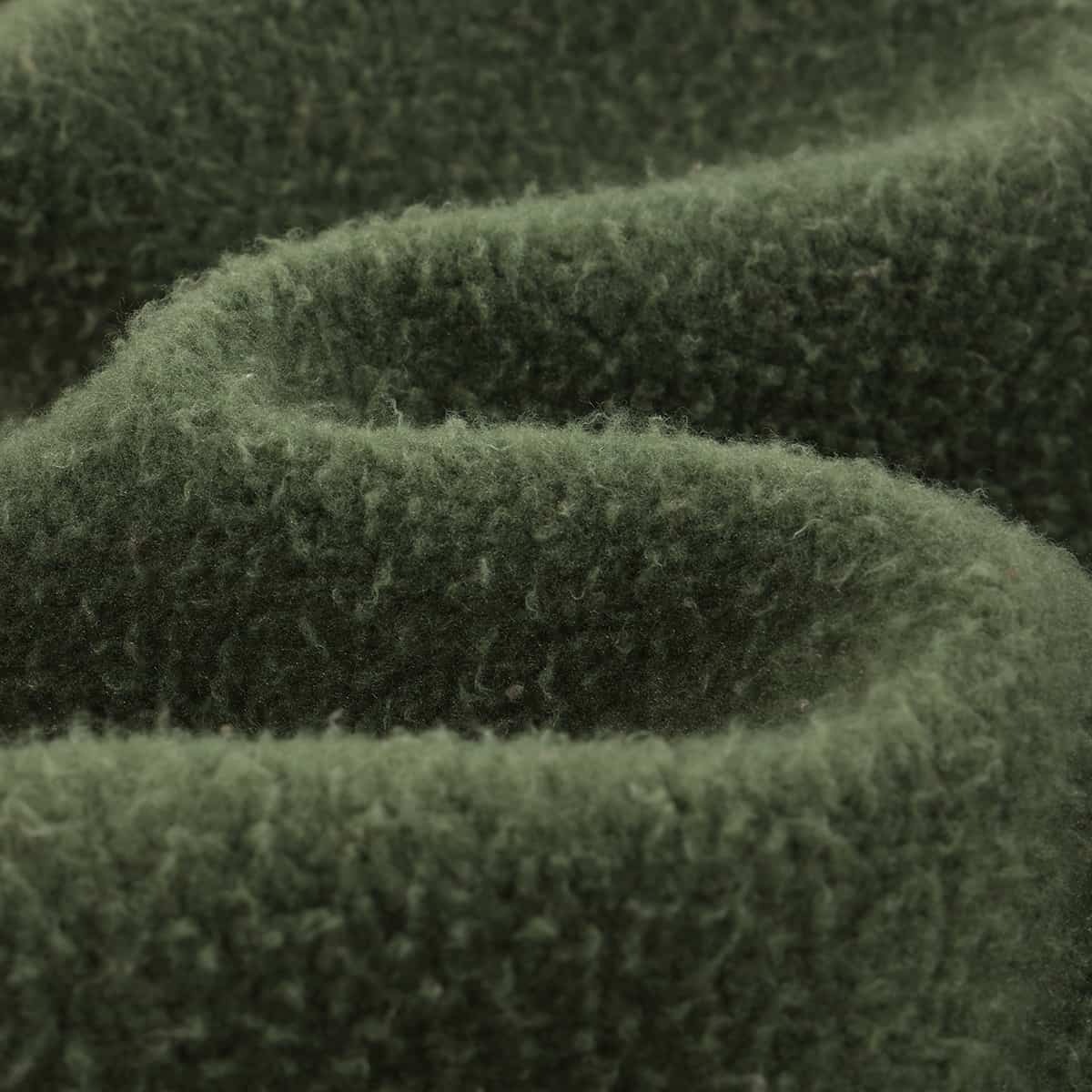
Cotton Fleece
A soft, substantial knit suited to work hoodies, sweatshirts and cold-weather layers. Brushed-back or loopback options can be developed in different weights to balance warmth, breathability and a stable hand-feel.
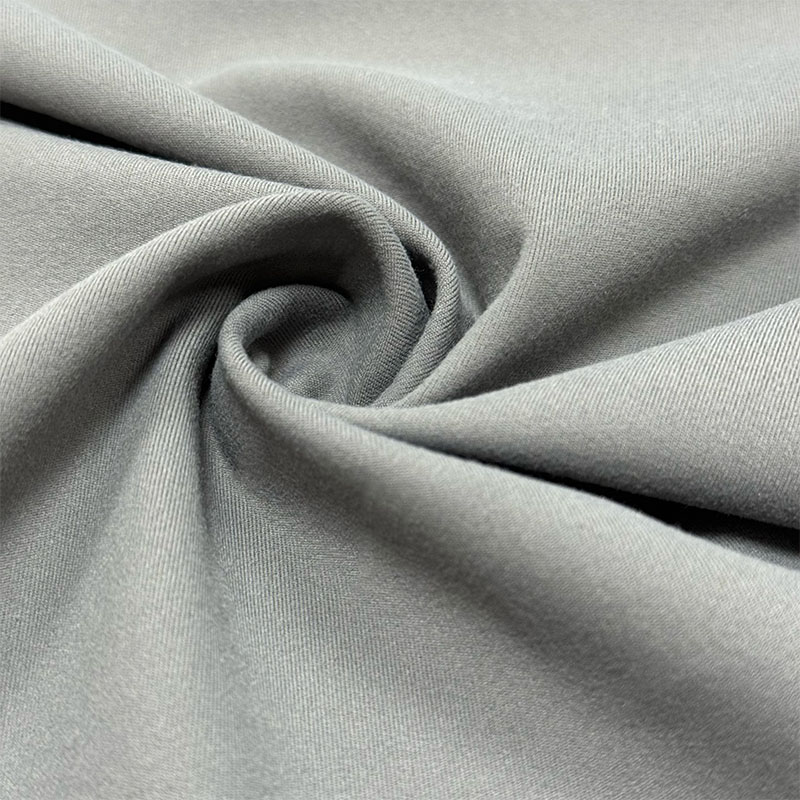
Performance Polyester
A lightweight, quick-drying option for team uniforms, polos and active work layers. Its smooth hand and moisture-management potential make it practical for programs requiring movement, color consistency and frequent laundering.
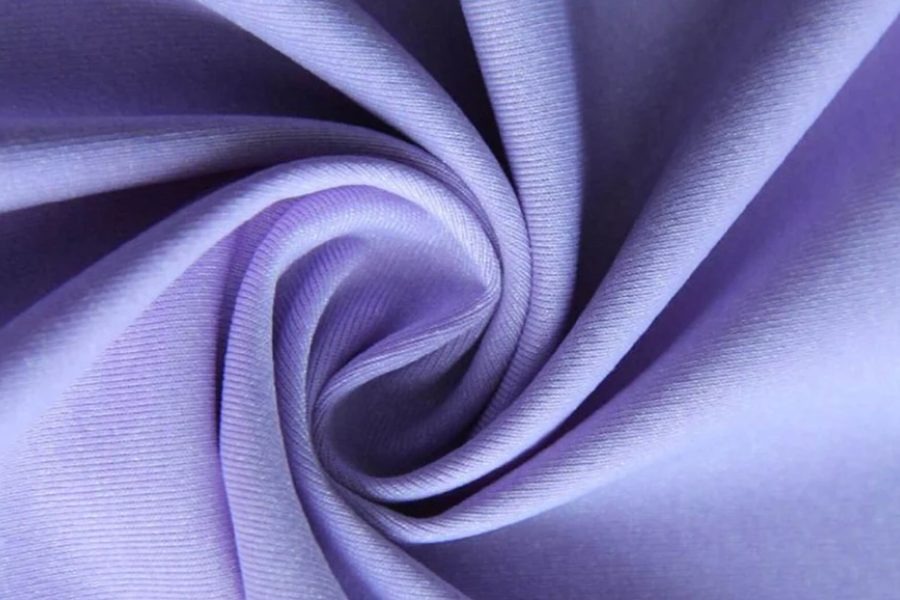
Nylon Shell
A crisp, resilient shell fabric for windbreakers, utility jackets and outerwear. It offers a lightweight feel with strong abrasion resistance and can be paired with linings, coatings or insulation for changing conditions.
Stretch Woven Blends
A flexible fabric choice for work trousers, jackets and movement-focused uniforms. Mechanical or elastane stretch supports mobility, while the woven construction retains a polished appearance and practical durability.
Workwear Manufacturer Decoration and Finishing Processes
Sublimation Printing
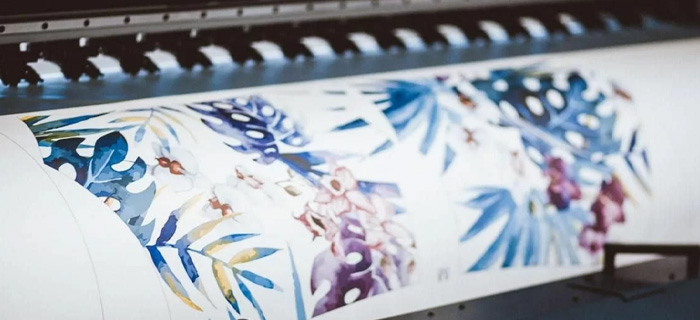
Sublimation integrates full-color graphics directly into compatible polyester fabrics, making it well suited to jerseys and performance programs. Artwork, panel placement and color references are controlled before bulk production begins.
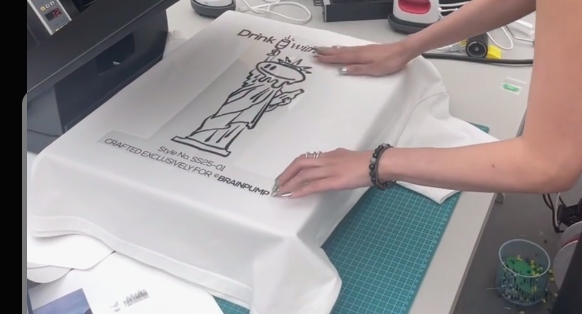
Heat Transfer
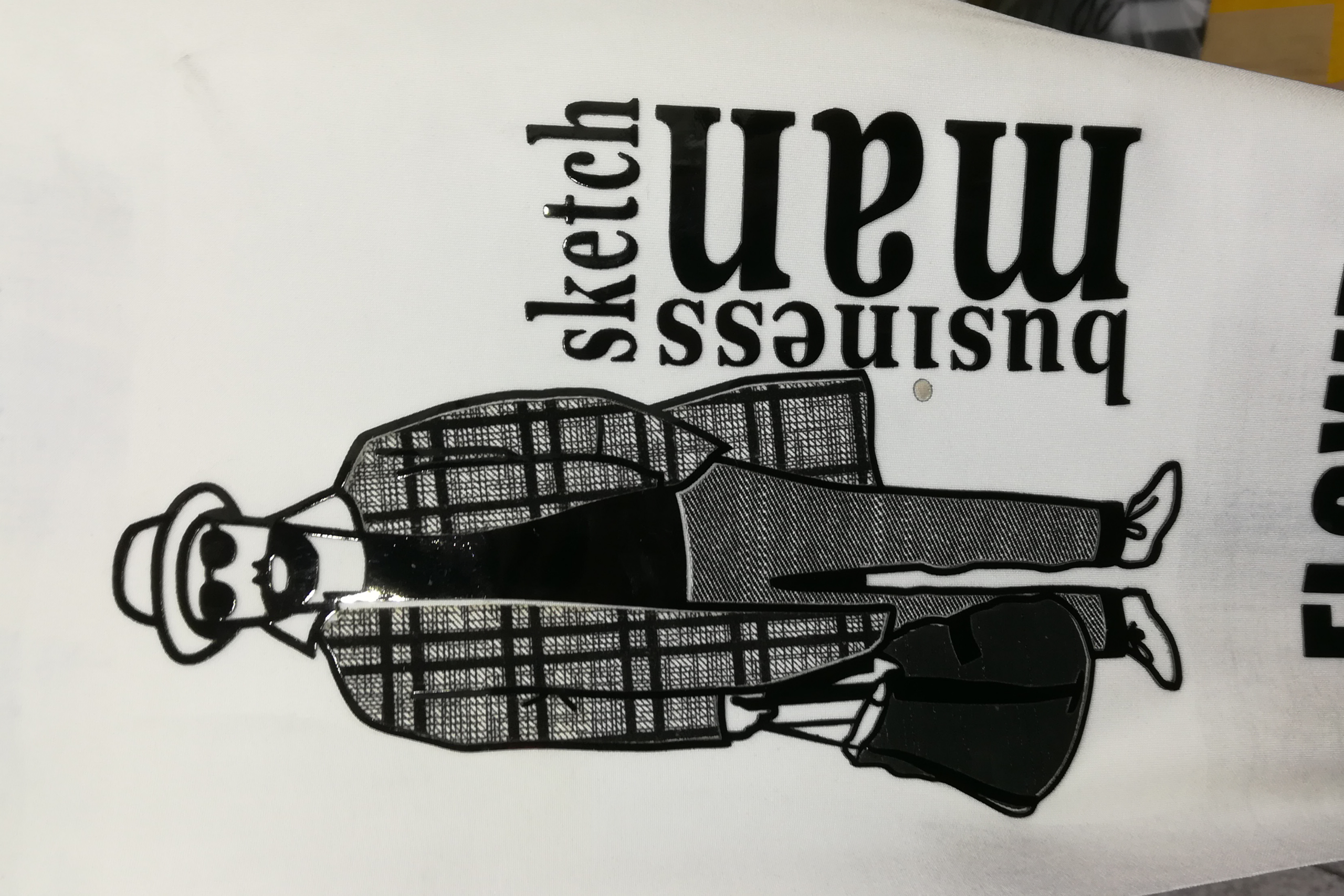
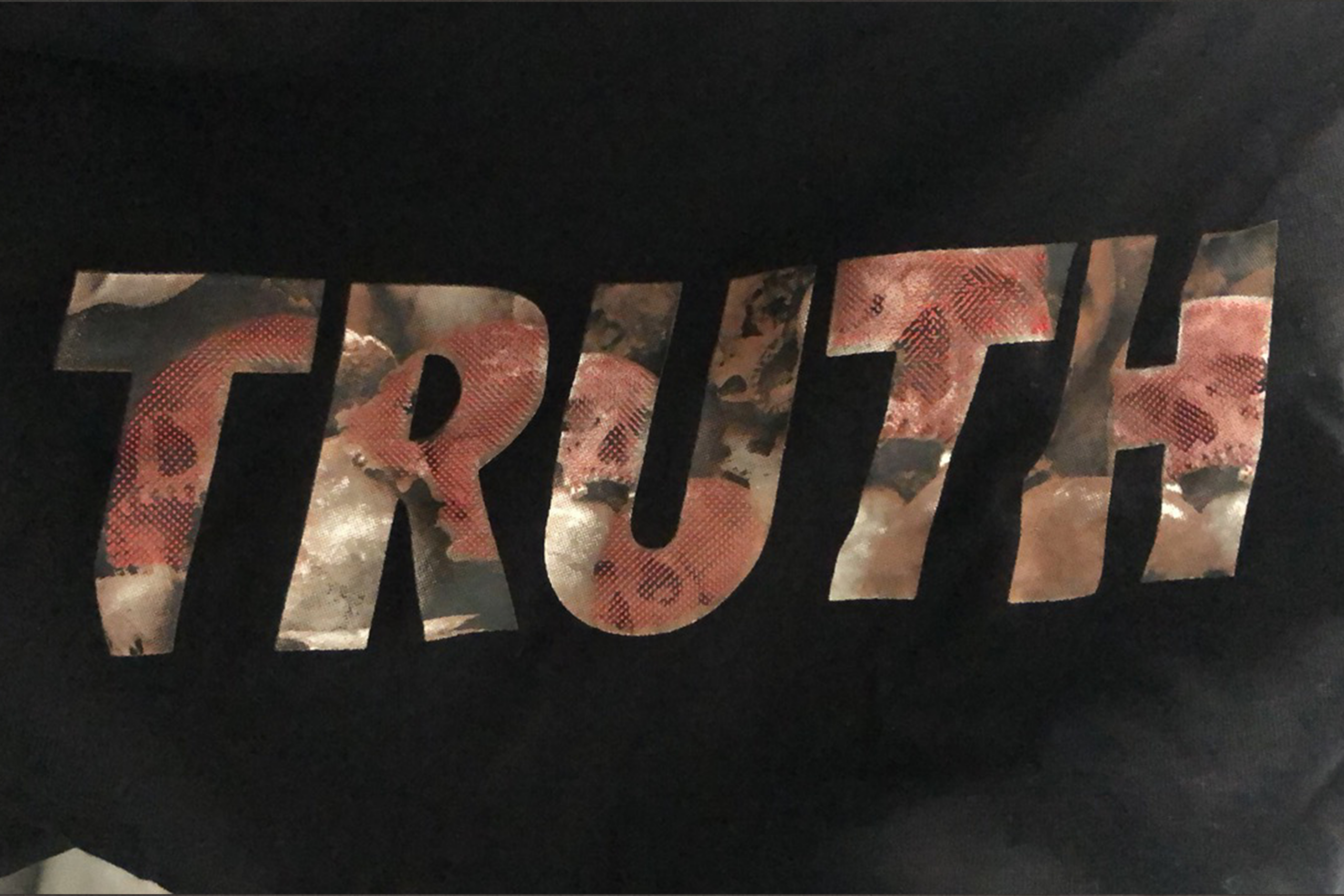
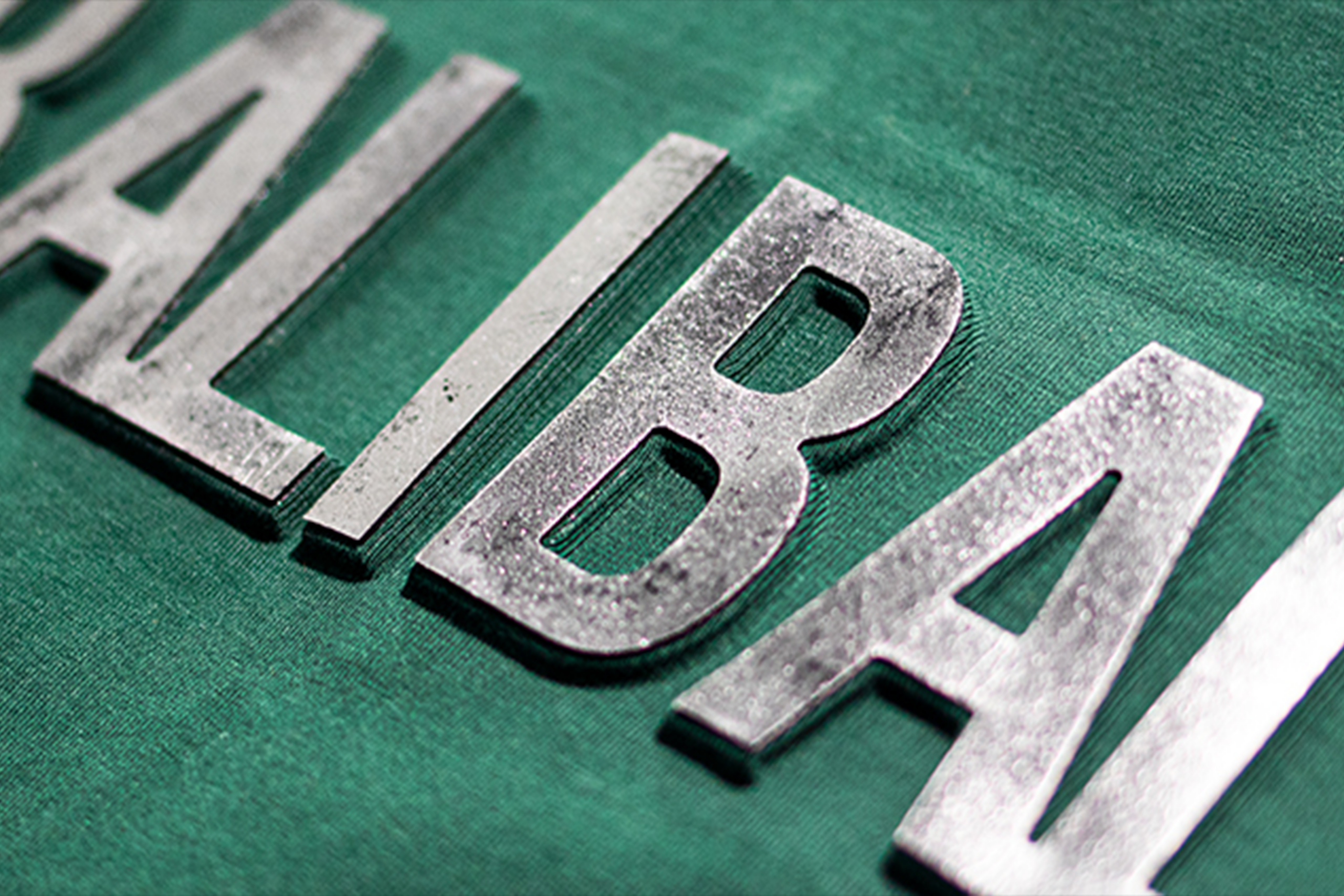
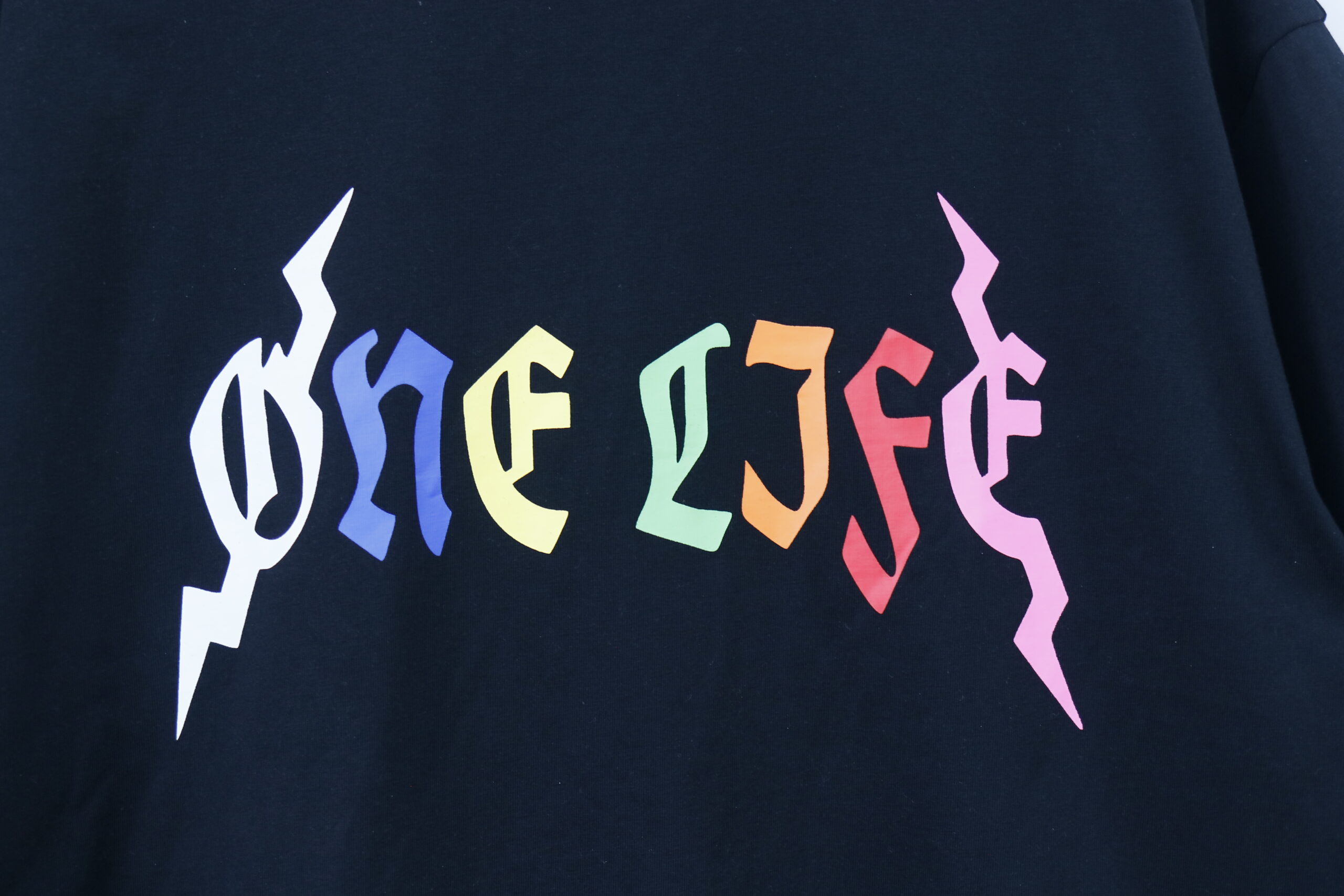
Heat transfer applies precise names, numbers and detailed graphics where flexible placement is needed. EDVORIN reviews film choice, fabric compatibility and press settings to support adhesion without compromising garment movement.
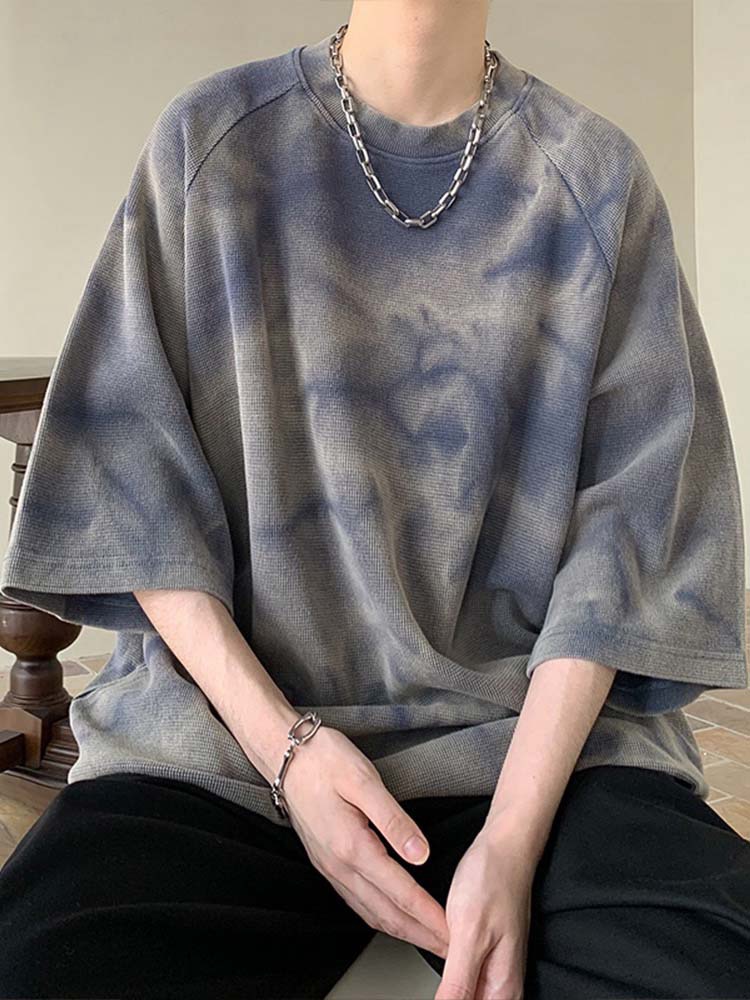
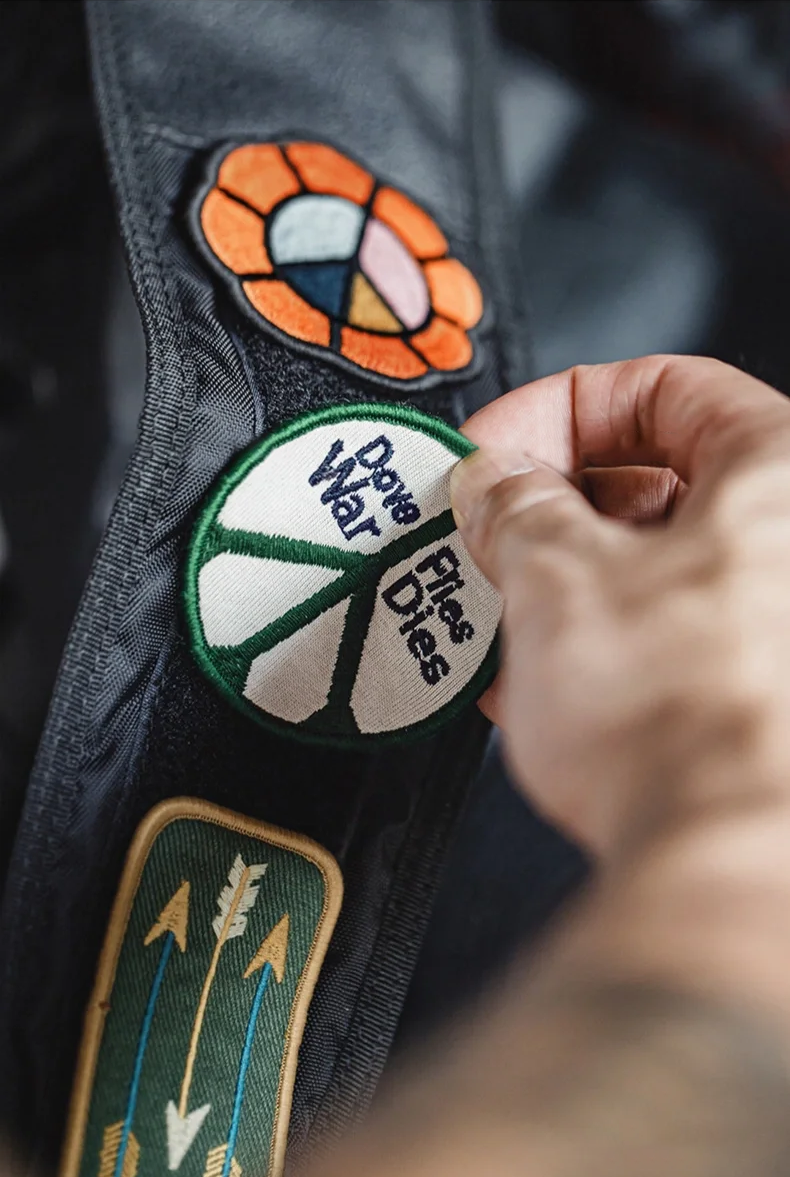
Applique Application
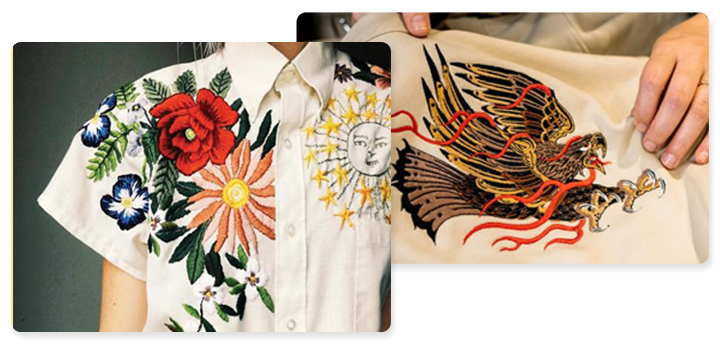
Applique combines layered fabric, embroidery or patches to create durable visual contrast on jackets, sweatshirts and teamwear. Materials, edge finishing and attachment methods are coordinated with the garment construction for a secure result.
Workwear Manufacturer Trims and Private-Label Accessories
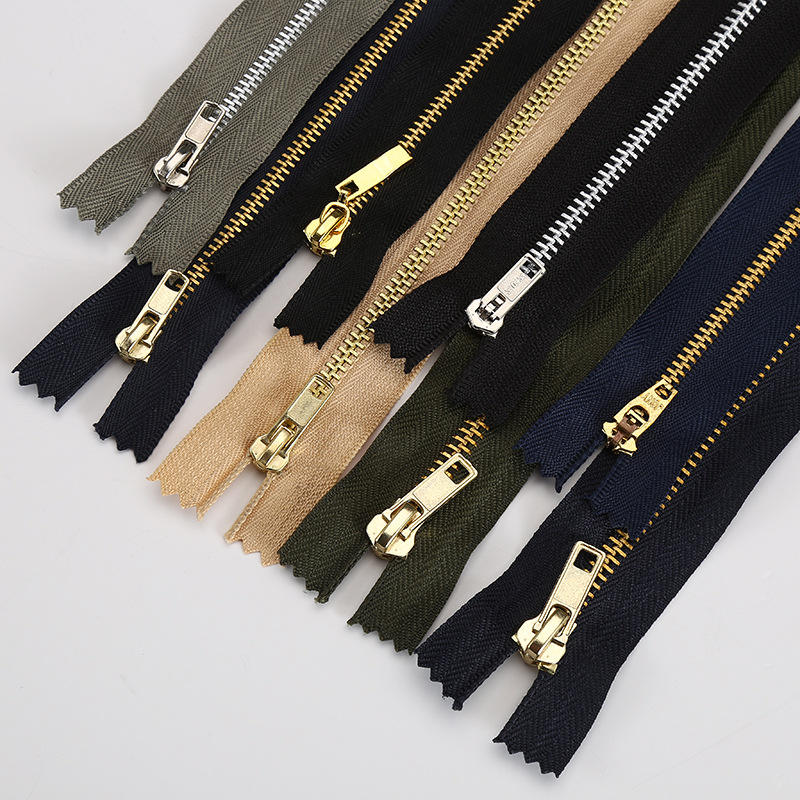
YKK Zippers
Specify durable zipper closures for jackets, outerwear, work pants, and pockets, with puller, tape color, and placement selected to suit the garment’s daily use and visual identity.
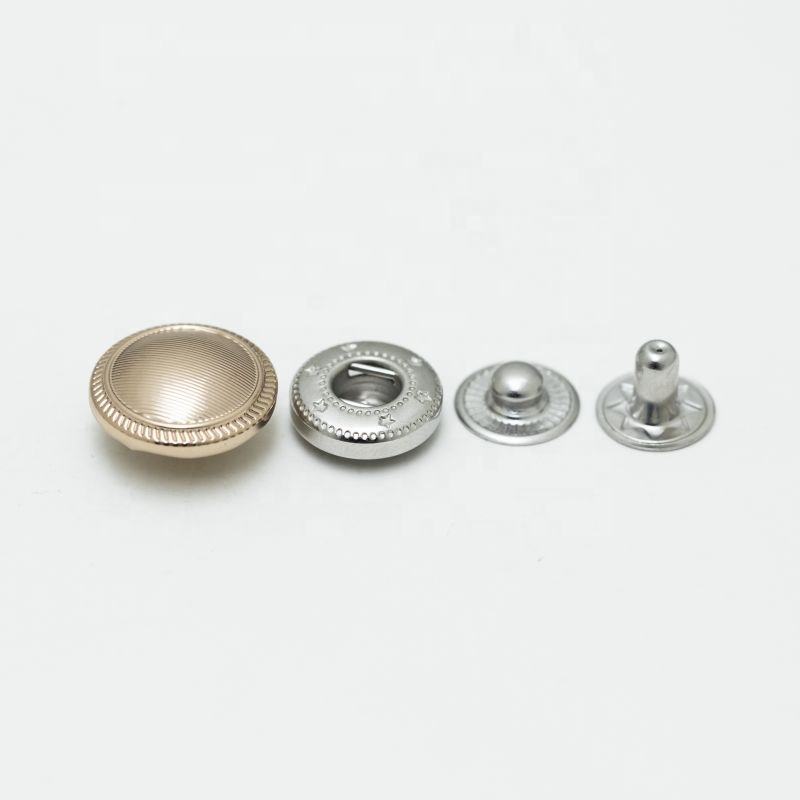
Snap Buttons
Custom snap buttons add dependable closure and a clean finish to overshirts, coveralls, outerwear, and utility pockets. Finish, size, logo treatment, and placement can be documented for repeat production.
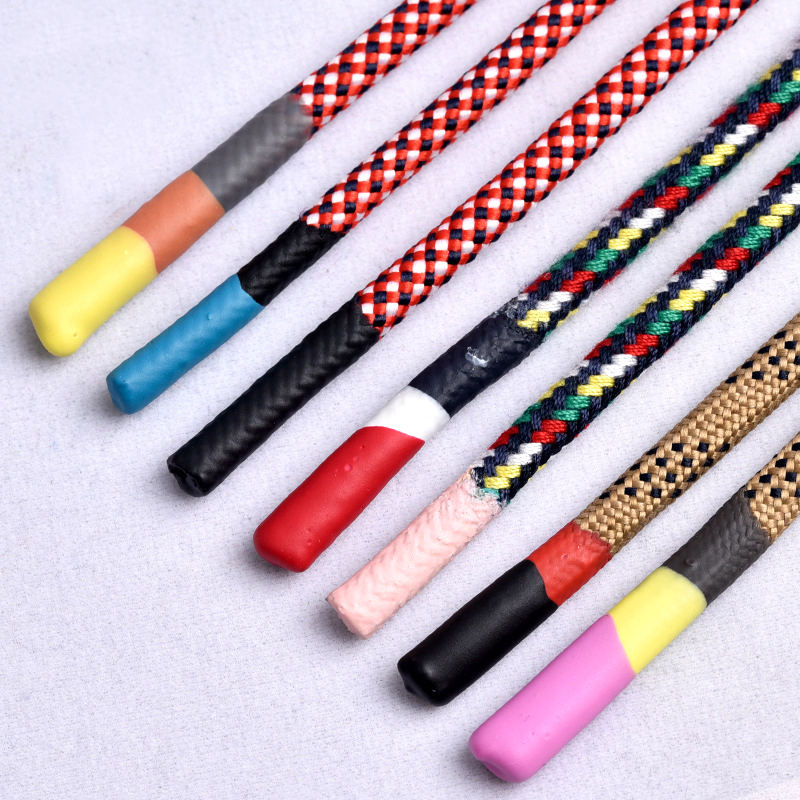
Drawcord Tipping
Coordinate drawcord material, color, length, aglets, and tipping for hoodies, joggers, and workwear layers. These small details help align fit adjustment with a more considered private-label presentation.
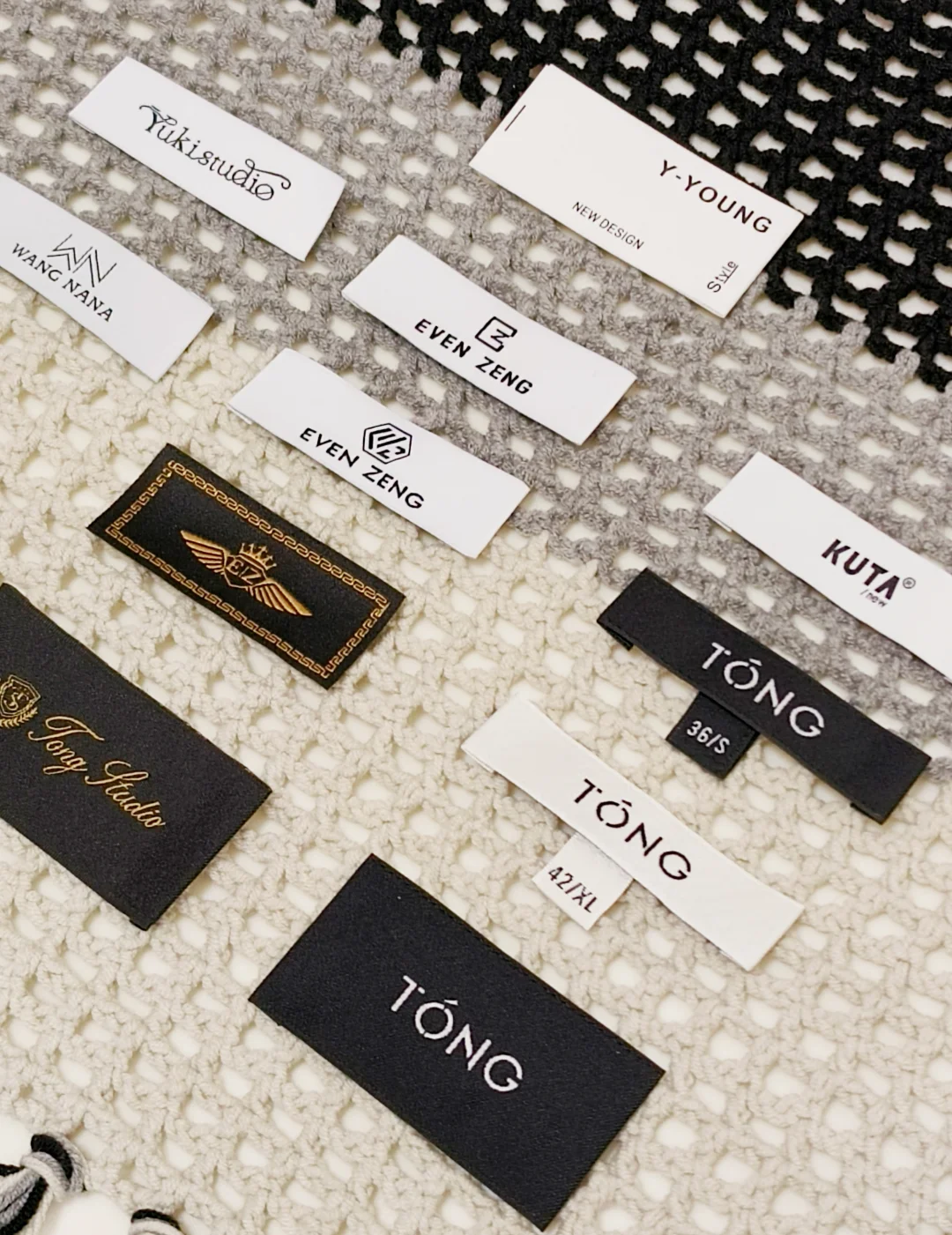
Woven Labels
Woven main labels, size tabs, and care labels make brand and product information clear inside each garment. EDVORIN coordinates label specifications with fit, construction, packaging, and buyer-approved artwork.
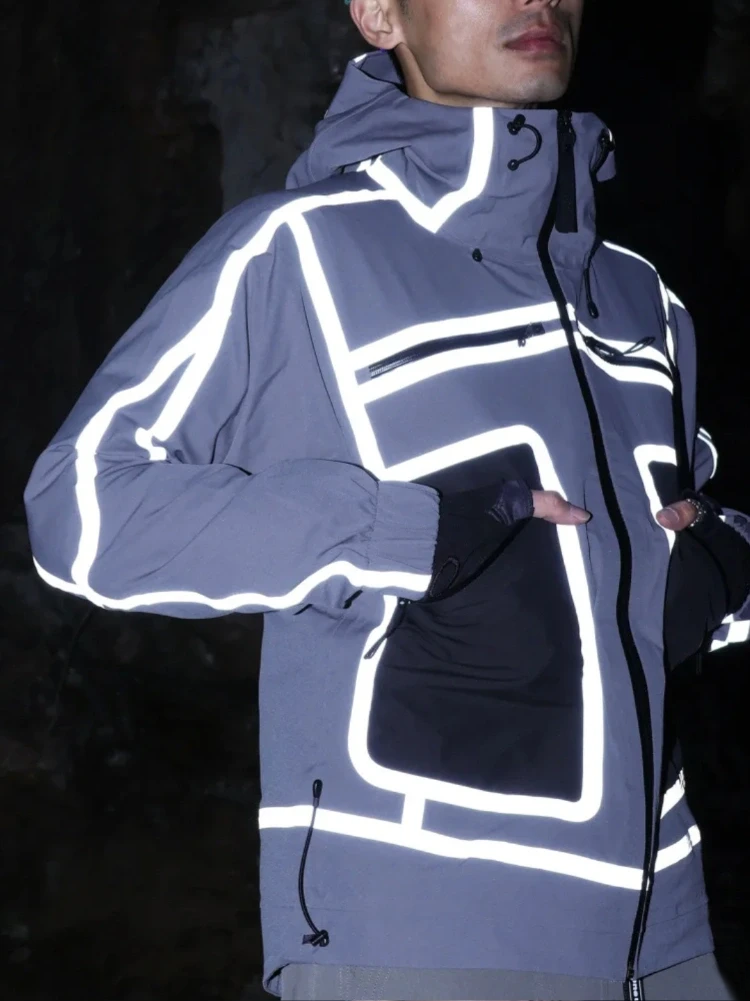
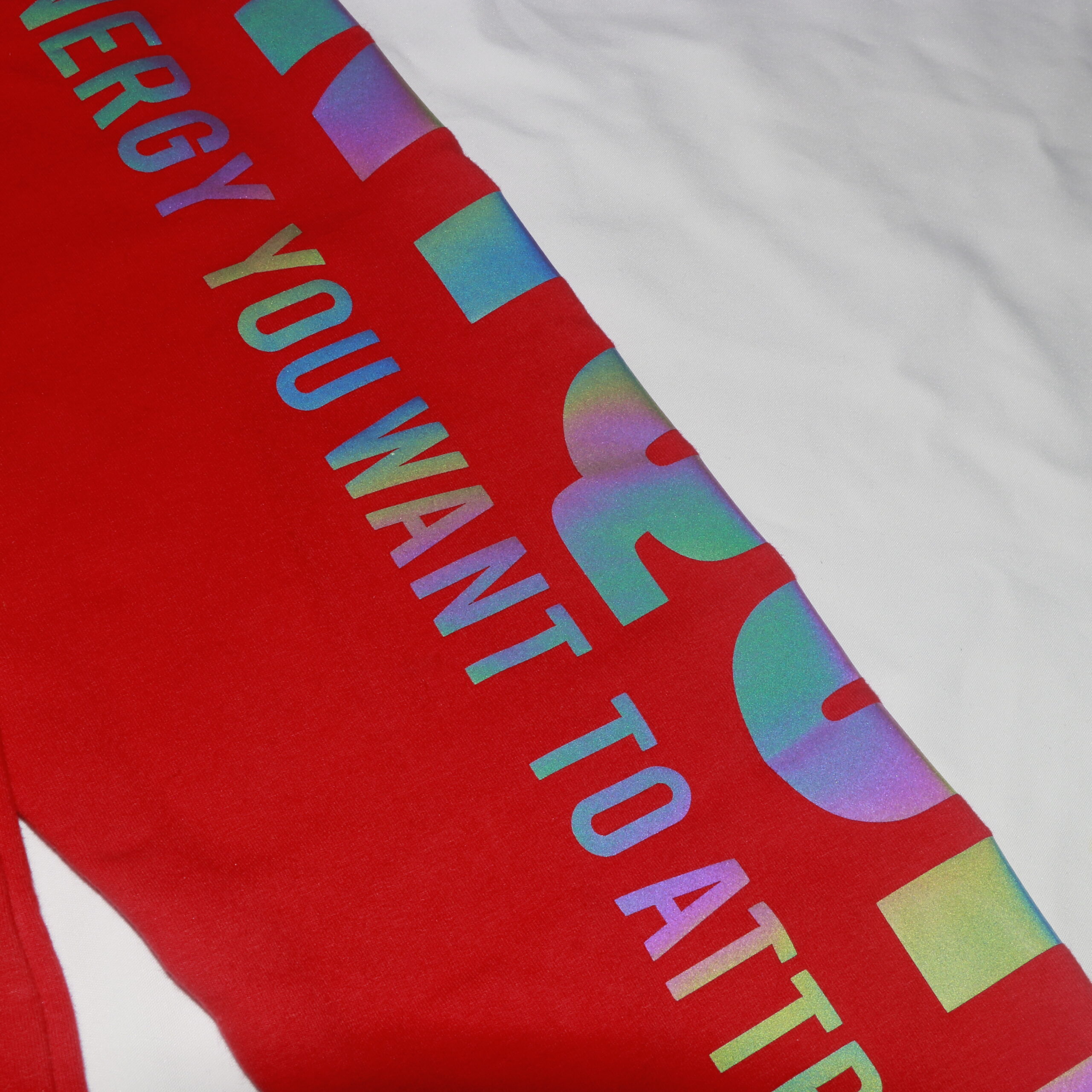
Reflective Details
Reflective piping, tape, or heat-applied details can be integrated into jackets, trousers, vests, and team layers where visibility-focused styling is part of the approved garment specification.
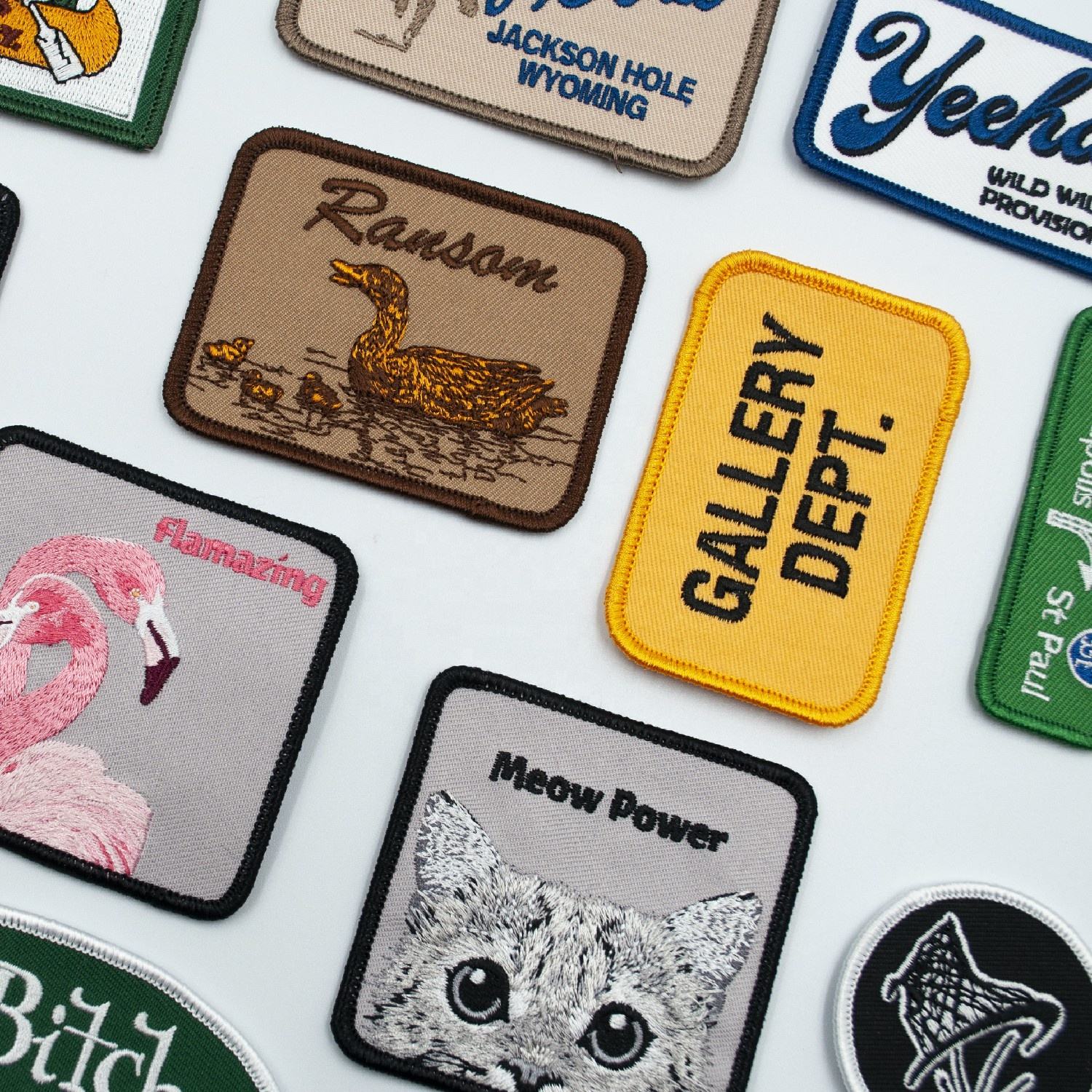
Your Workwear Manufacturer Since 2000
Founded by Edvorin Zeng in 2000, EDVORIN helps brands turn workwear concepts into clear, repeatable production standards. Our founder-led approach begins with the practical details that shape a reliable garment: construction, fit, fabric behavior, trims, decoration, labeling and the decisions that protect the approved design.
As a connected workwear manufacturer, we coordinate OEM, ODM and private-label development from material sourcing and pattern work through samples, printing, embroidery, washing, bulk production, quality control and packing. Our team supports men’s and women’s programs across work-inspired casualwear, outerwear, teamwear and branded uniform collections.
What makes EDVORIN different is the discipline after sample approval. We record measurements, artwork placement, materials and trim specifications so production teams can work to one accountable standard. With MOQs starting at 200 pieces per style, buyers can build flexible programs designed to grow and reorder with confidence.
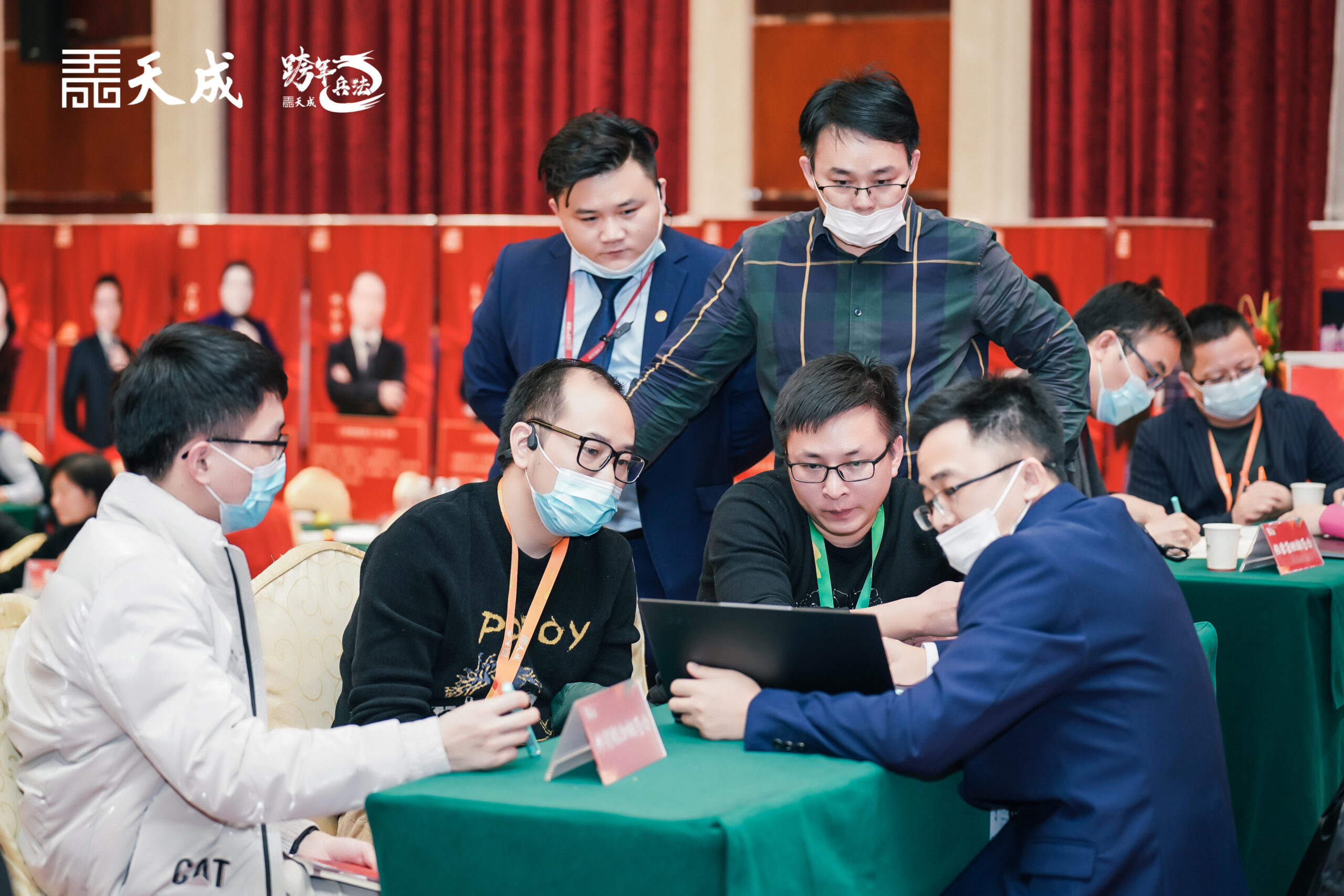
Workwear Manufacturer Controls for Reliable Repeat Orders
Technical Development That Holds
EDVORIN translates sketches, reference garments or complete tech packs into production-ready specifications. Fit blocks, measurements, construction details and grading are reviewed together so the approved workwear sample can guide consistent future runs for men’s and women’s programs.
- Pattern and measurement development
- Construction details recorded for production
- Men’s and women’s fit adjustments
- Revision control through sample approval
Materials and Trims Aligned
Fabric, rib, lining, hardware, labels and packaging are coordinated as one garment system. EDVORIN helps buyers balance hand feel, durability, color direction and construction needs before bulk production, reducing avoidable mismatches between approved samples and finished orders.
- Fabric and weight selection
- Rib, lining and hardware coordination
- Label and packaging specifications
- Color and trim references documented

Decoration Planned With Construction
Printing, embroidery, patches and wash effects are planned around the base fabric, panel layout and intended use. This workwear manufacturer records artwork placement, scale and decoration details so branding remains clear and repeatable across sizes, colorways and reorder programs.
- Artwork placement measurements
- Print and embroidery method matching
- Patch and appliqué planning
- Size-set and colorway consistency

Approved Standards Drive Bulk
A good sample becomes useful only when it is carried into production. EDVORIN uses approved materials, measurements, artwork references and trim details as control points for in-line checks and final inspection before packing each workwear order.
- Approved sample used as a reference
- In-line measurement and workmanship checks
- Final inspection before packing
- Clear standards for repeat orders
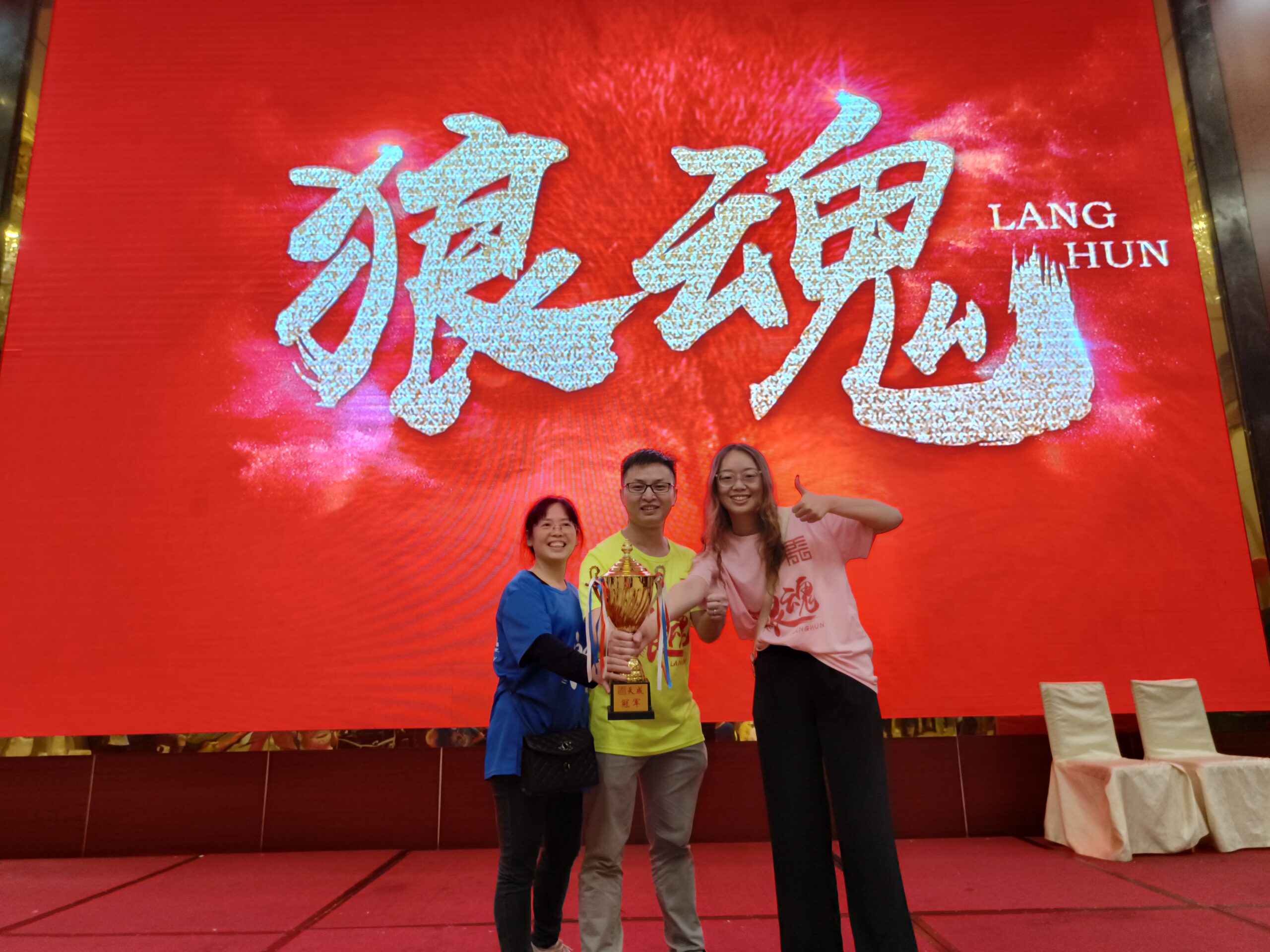
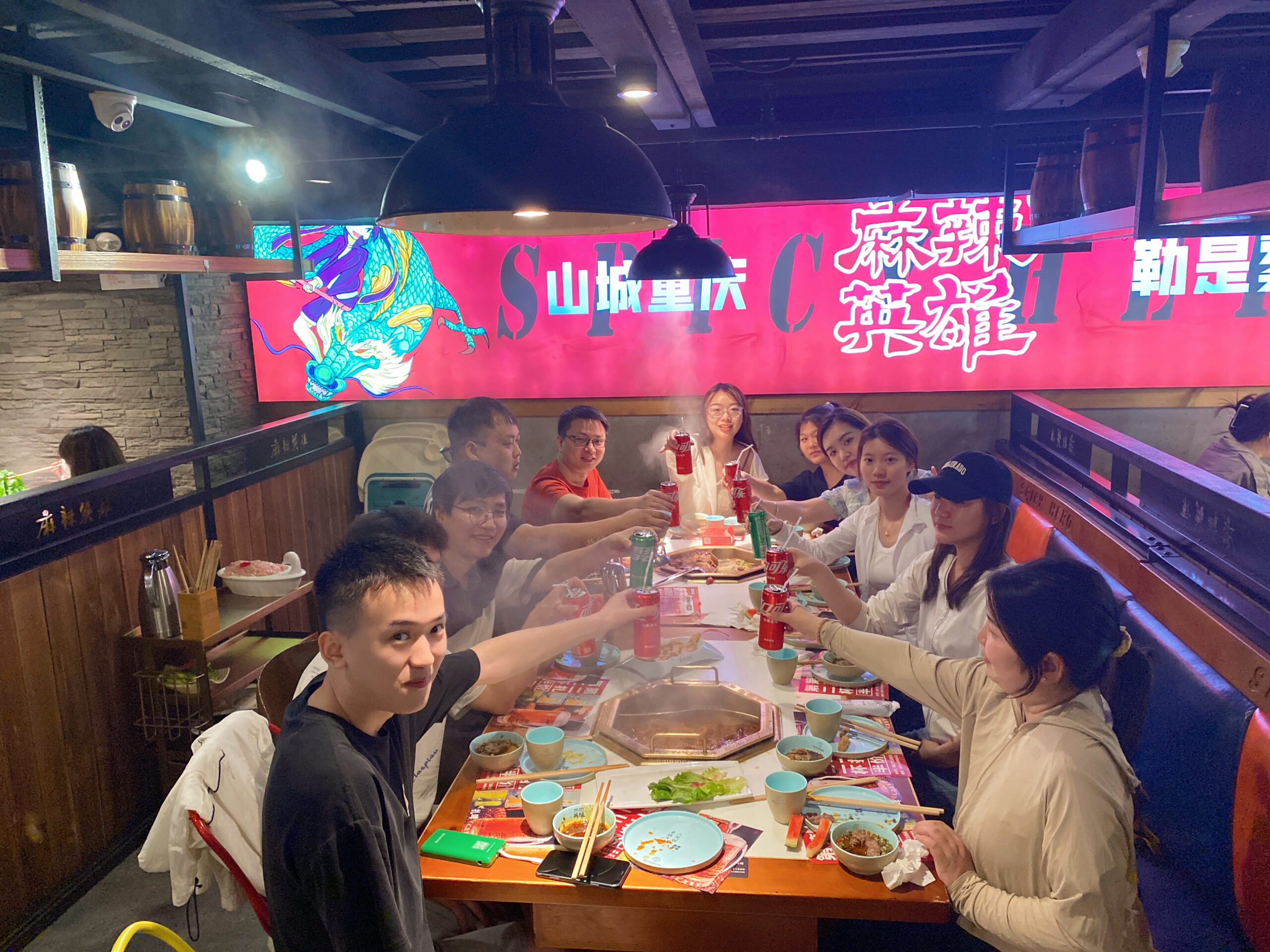
Why Buyers Choose EDVORIN as Their Workwear Manufacturer
A connected development-to-bulk process that makes approved workwear standards easier to repeat.
← Swipe left or right to view →
From Approved Concept to Packed Workwear Order
EDVORIN turns approved workwear specifications into controlled, repeatable production standards from sourcing through shipment.
Review Production Specifications
We review tech packs, measurements, fit requirements, artwork, labels and packaging details to establish a clear workwear manufacturing standard before development begins.
Source Materials and Sample
Fabric, trims and decoration methods are coordinated, then samples are developed for approval so construction, comfort, performance and branding can be confirmed early.
Cut and Apply Decoration
Approved materials are prepared for cutting while prints, embroidery, patches or washes are matched to the garment construction and documented placement requirements.
Sew and Check In-Line
Production moves through sewing with in-line quality checks that compare workmanship, measurements and critical details against the approved sample and specifications.
Inspect Pack and Ship
Final inspection verifies finished garments before labeling, folding and packing are completed according to your private-label requirements and shipment plan.
Start Your OEM Program With a Workwear Manufacturer
Move from an initial concept to a controlled, repeatable production standard with one accountable development and manufacturing path.
Share Your Product Direction
Send a tech pack, sketch, reference garment, measurement chart, or collection brief. We review construction, materials, decoration, labeling, packaging, quantities, and target use.
Confirm Specifications and Quote
Align fabric, trims, fit, artwork placement, decoration methods, and delivery requirements before receiving a clear quotation. MOQ starts at 200 pieces per style.
Approve the Production Sample
Review the developed sample against your requirements and confirm revisions. The approved garment becomes the physical and documented reference for bulk production.
Produce, Inspect, and Deliver
Coordinate material sourcing, cutting, sewing, decoration, finishing, and packing under in-line and final quality checks, then prepare your order for delivery.
Certified Standards for Responsible Apparel Production



What Buyers Achieve With a Repeatable Production Partner
Approved client testimonial and outcome metric to be supplied before publication.
Approved client testimonial and outcome metric to be supplied before publication.
Approved client testimonial and outcome metric to be supplied before publication.
Workwear Manufacturer FAQs for B2B Buyers
EDVORIN’s MOQ starts at 200 pieces per style. Clear answers on MOQ, development, customization and production planning with EDVORIN.
EDVORIN’s MOQ starts at 200 pieces per style. What is EDVORIN’s minimum order quantity for custom workwear?
Can a workwear manufacturer develop products from a sketch or reference garment?
Can I submit a tech pack to EDVORIN for OEM workwear production?
How does sampling work before a bulk workwear order?
What materials and decoration options are available for custom workwear?
How long does a custom workwear order take from sample to shipment?
How does a workwear manufacturer protect my logo, artwork and private-label details?
Can EDVORIN produce men’s and women’s workwear under one program?
Complete Buyer’s Guide to Choosing a workwear manufacturer
Use this practical framework to define your workwear program, compare supplier capabilities, evaluate quality and compliance, control total costs, and avoid sourcing mistakes before placing a custom production order.
1. What Is a workwear manufacturer?
200 pieces is EDVORIN’s stated OEM MOQ for a custom workwear program: a workwear manufacturer converts job-specific requirements into repeatable garments, from development through packed delivery. The role goes beyond sewing because materials, patterns, decoration, measurements, labeling, and inspections must align to one approved standard.
5 roles should not be confused: an OEM makes to a buyer’s specification; a private-label partner applies the buyer’s brand to developed product; a wholesaler distributes finished goods; and a retailer sells them to end users. A buyer needing immediate uniforms usually needs stocked wholesale inventory, while an adapted existing style requires controlled changes to fit, fabric, trims, or branding.
1 fully custom program starts with a tech pack, sketch, or reference garment, then moves through pattern work and an approval sample before bulk production. EDVORIN’s responsibility is to document revisions, control materials and workmanship in production, inspect the finished order, and coordinate labeling and packaging; the buyer must approve the specification and sample.
2. How workwear manufacturing evolved
19th-century trade garments prioritized hard-wearing cotton, reinforced seams and generous mobility for manual work. Their value was practical: protect the wearer and survive repeated laundering.
1920s workwear brands helped turn those durable basics into recognizable occupational uniforms, while factories and service employers added standardized sizing and identity. Modern programs now vary by hazard, climate, movement and wearer, with women’s and men’s fit blocks no longer treated as interchangeable.
200-piece OEM programs illustrate the current buying shift: appearance is only one approval point. A capable workwear manufacturer must document materials, color references, measurements, decoration placement, labels and packing so the approved design can be reordered across sites and seasons; buyers also assess functional testing, material traceability, customization control and scalable supply.
3. Types of workwear manufacturer partnerships
EDVORIN’s MOQ starts at 200 pieces per style. A workwear manufacturer partnership should follow the buyer’s readiness, not a one-size MOQ. Control, speed, and repeatability change materially between a custom program and a stocked-base model.
OEM Production
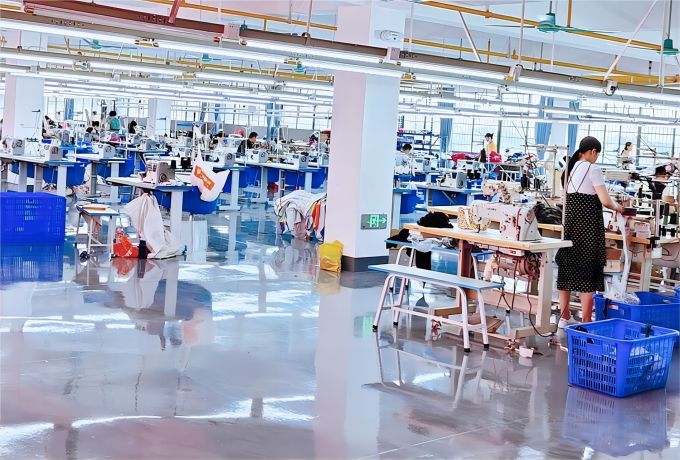
A 200-piece OEM program suits labels with tech packs, measurements, and approved construction. The buyer owns the specification; development takes longer but gives the strongest control.
ODM Catalog Customization
A catalog-based ODM route starts with an existing garment block and modifies color, logo, or trims. It is faster for schools and teams, with less ownership of the base design.
Private-Label Development
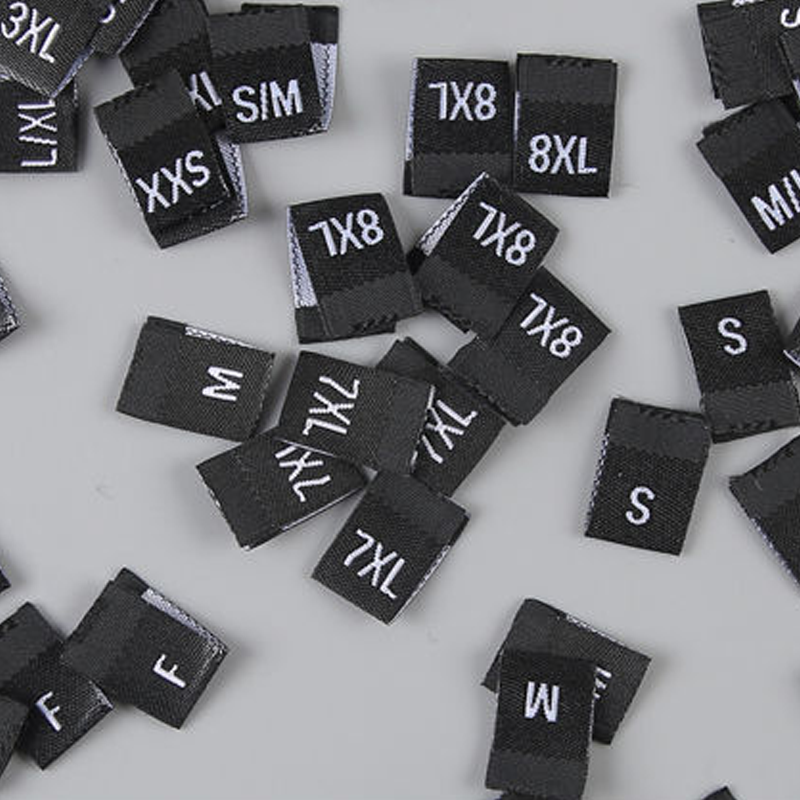
Private-label development combines a buyer’s brand with factory-managed materials, labels, packaging, and production standards. It suits growing fashion programs needing a distinct, repeatable product line.
Uniform Program Supply
A uniform program standardizes approved styles, colors, sizing, and logo placement across repeat orders. Corporate buyers benefit when multiple locations need consistent replenishment and clear approvals.
Wholesale Distribution Support
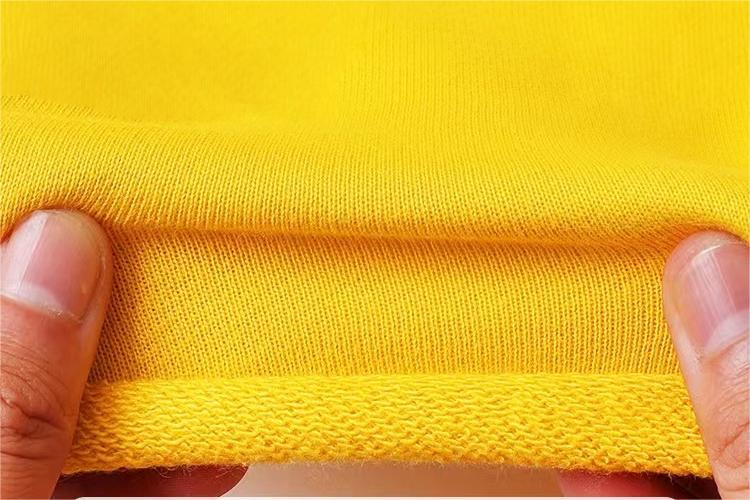
Wholesale support prioritizes sellable assortments, size runs, packaging, and dependable replenishment. Resellers and distributors trade some design control for faster market access and simpler order management.
4. Workwear manufacturer product categories
A workwear manufacturer should build assortments around job exposure, not a single uniform template. EDVORIN can translate role-specific pocket, layering, mobility, and branding requirements into repeatable specifications.
Shirts And Trousers
Two-piece sets suit crews needing frequent changes and task-specific storage. Specify chest, cargo, ruler, or knee-pad pockets only where tools justify added bulk; stretch panels improve kneeling and climbing mobility.
Coveralls And Outerwear
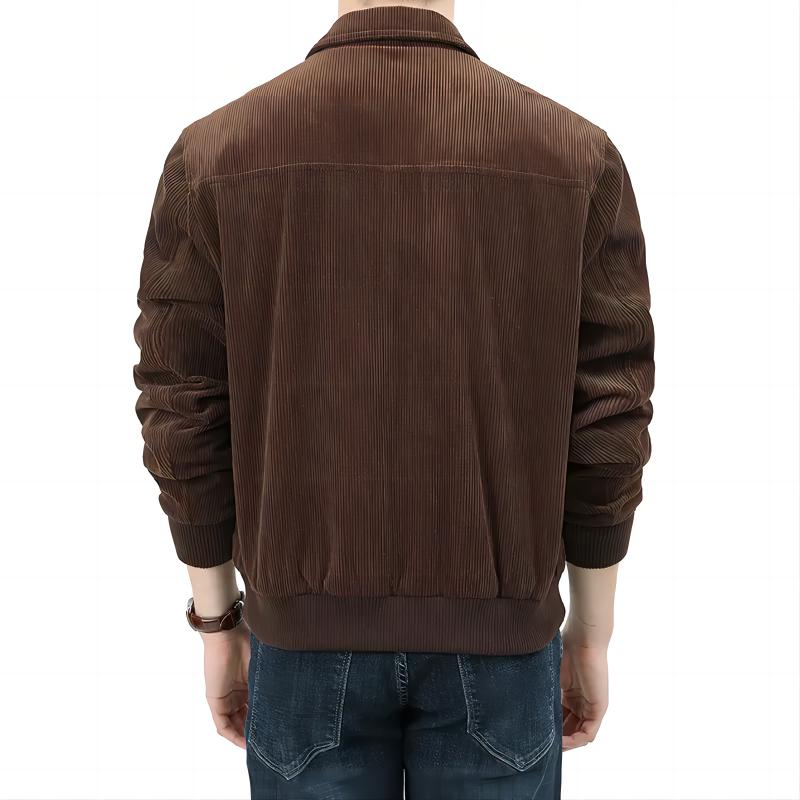
One-piece coveralls reduce exposed gaps for dirty maintenance work, while jackets support variable weather. Select unlined shells for active crews, insulated layers for stationary cold exposure, and longer backs where bending is routine.
Visibility And Service Uniforms
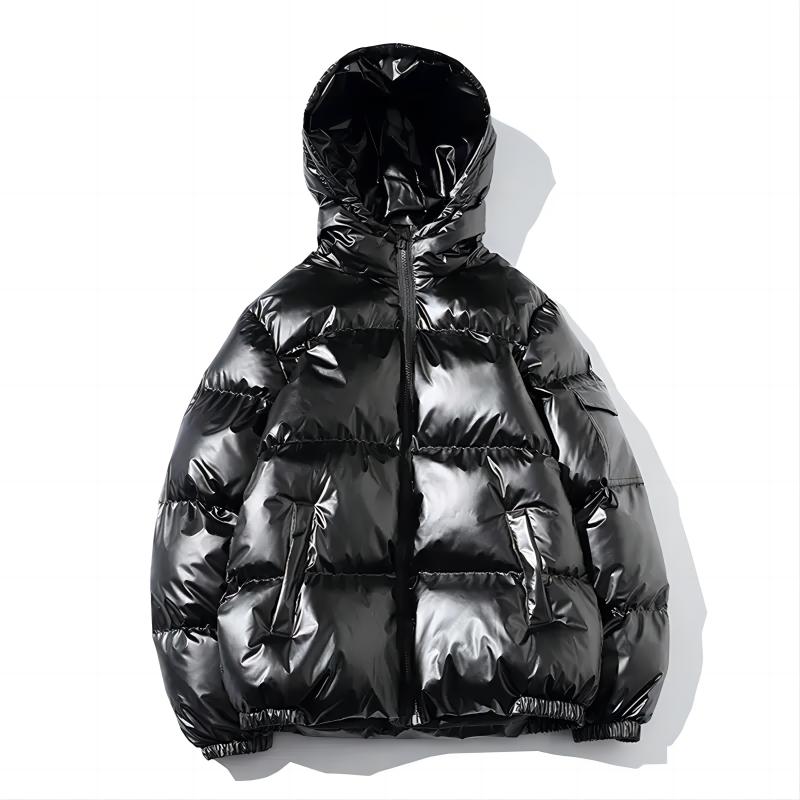
High-visibility garments require placement planning so logos do not interrupt reflective zones. Polos, woven shirts, and lightweight jackets fit customer-facing teams; separate field and office fits instead of forcing identical garments across roles.
5. Workwear manufacturer fabrics and materials
Fabric selection begins with the job, climate, laundering method, and target service life. A workwear manufacturer should approve fiber content, GSM, weave, and finish against a wear trial before bulk production.
| Material | Typical Trade-Offs | Suitable Applications |
|---|---|---|
| Cotton jersey or twill | Breathable feel; slower drying | Shirts, light-duty pants |
| Polyester | Faster drying; less natural hand | Polos, uniform layers |
| Poly-cotton | Balances comfort and care | Work shirts, chinos |
| Stretch woven | Mobility; added complexity | Active trades pants |
| Canvas or twill | Structure; may feel warmer | Utility pants, overshirts |
| Weather shell | Wind/rain focus; needs specification | Outerwear, site jackets |
Weight And Weave
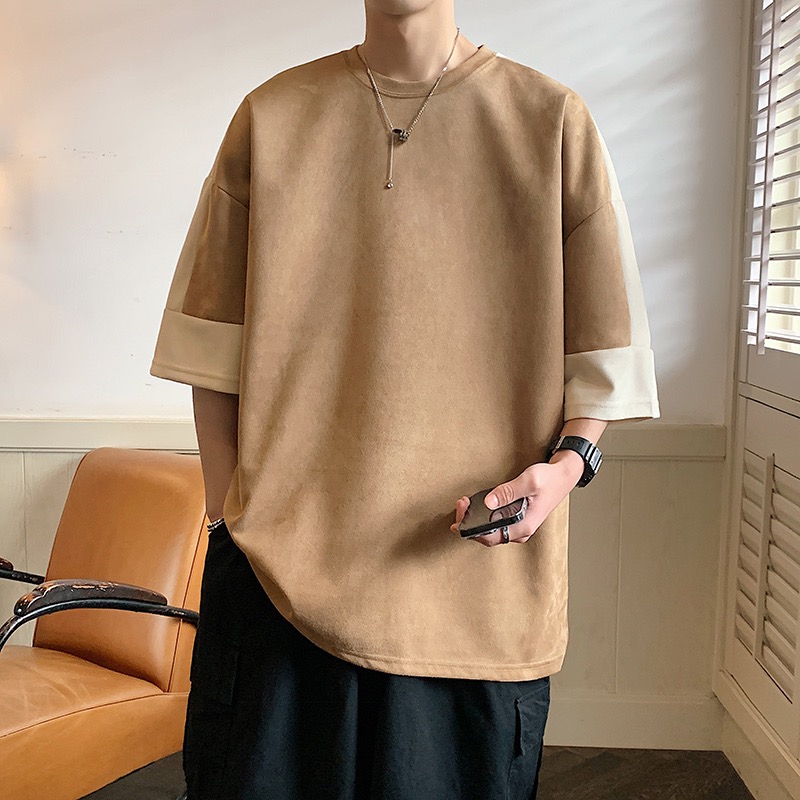
200–300 GSM twill suits many pants and overshirts; canvas generally adds a firmer hand and higher abrasion potential. Weave, not fiber alone, changes drape, breathability, and pocket durability.
Blend And Stretch
2–5% elastane can improve mobility in gussets or stretch panels, but may complicate heat exposure and end-of-life recycling. Ring-spun cotton feels smoother; polyester typically dries faster after laundering.
Climate And Care
3-layer shells can pair a face fabric, membrane, and backing for wet or windy conditions; validate seam sealing separately. Cold-weather insulation, ventilation, and wash instructions should match actual shift conditions.
6. Customization and decoration options
EDVORIN can develop private labels, woven labels, custom trims, Pantone color references, and buyer-specific size systems alongside the garment. Decoration should be specified as a production standard, not selected only from a visual mockup.
| Method | Best Use | Key Constraint |
|---|---|---|
| Embroidery | Chest logos | Avoid dense knit distortion |
| Screen print | Bold cotton graphics | Color registration controls |
| Transfer | Fine polyester details | Confirm wash durability |
| Patch | Heritage branding | Specify edge and attachment |
Match Method To Garment
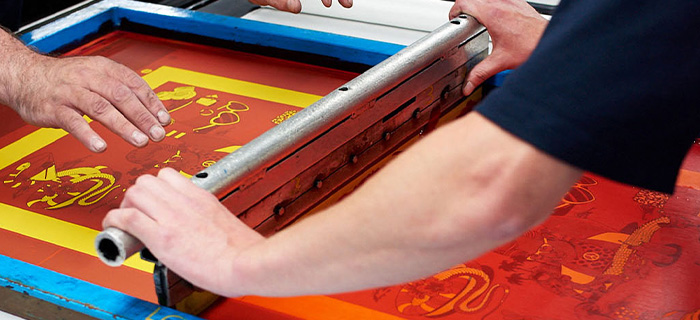
Embroidery suits structured caps, polos, and jacket chests, but dense stitches can distort lightweight knits. Screen printing suits bold artwork and larger runs; transfers retain fine detail on performance polyester.
Control Placement And Wear
Pantone references, artwork size in millimeters, placement from fixed seams, thread colors, and approved strike-offs remove interpretation. Wash testing matters for frequently laundered uniforms, while reflective applications need the intended visibility and abrasion conditions defined.
Build A Branding Pack
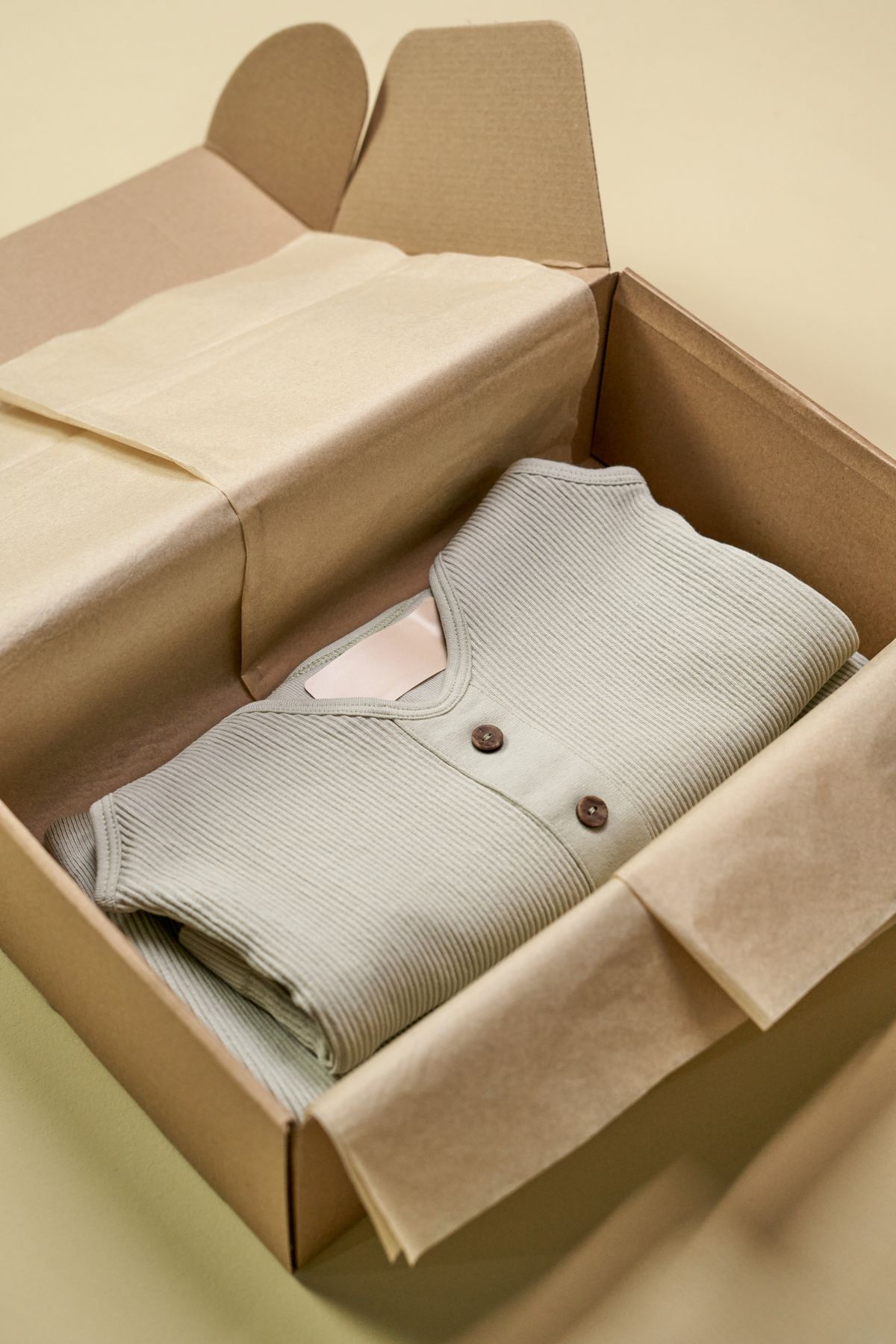
One production file should identify logo version, decoration method, garment color, size range, label position, care label content, patches, and trim finish. An approved sample then becomes the reference for repeat orders and size-set consistency.
7. Construction quality buyers should inspect
Construction determines whether a work garment remains usable after repeated shifts, laundering, and loaded-pocket movement. A workwear manufacturer should translate workmanship into checkpoints that a sample room and production line can repeat.
Seams And Stress Points
Two aligned stitch rows should remain even through hems, inseams, and armholes, with no skipped stitches, loose thread, or puckering.
Four stress zones—pocket corners, fly ends, crotch joins, and placket bases—need specified bar tacks or equivalent reinforcement.
- Record seam type and stitch density on the tech pack.
- Pull-test reinforced points against an approved reference sample.
Pockets And Closures
Three pocket checks matter: opening width, edge binding, and attachment strength under normal tool or phone load.
One closure specification should name zipper type, puller, snap finish, and placement; operate every closure repeatedly on the pre-production sample.
Fit And Final Approval
One approved measurement chart needs tolerances for every critical point, then size-set samples must confirm grading before bulk cutting.
100% of final-inspection pieces should be checked for stains, sharp trim edges, label accuracy, loose threads, and correct packing.
- Approve a sealed sample and annotated construction sheet.
- Define defect limits, measurement tolerances, and inspection sampling before production.
8. How to choose a workwear manufacturer
EDVORIN’s MOQ starts at 200 pieces per style. A 200-piece OEM MOQ is useful only if the supplier can reproduce the approved specification at launch volume. Evaluate a workwear manufacturer through evidence, not capability claims.
Match Category Experience
Request 2–3 comparable projects: fabric weight, reinforcement points, decoration, size range, and target quantity. Ask which construction risks changed between sample and bulk.
- Comparable factory photos
- Relevant measurement charts
- Finished-garment inspection records
Test Development Communication
Before placing 200 pieces, send a controlled brief with a tech pack, Pantone references, artwork, labels, and packaging. Confirm revision ownership, response timing, and the document used as the bulk-production standard.
- Sample revision log
- Approved artwork placement sheet
- Material and trim specification
Verify Scale And Support
EDVORIN’s MOQ starts at 200 pieces per style. Request the planned sample date, bulk timeline, inspection stages, MOQ by color, and capacity reserved for your order. Ask how shortages, measurement failures, or post-delivery claims are documented and resolved.
- Production schedule
- In-line and final QC checklist
- After-sales contact process
9. Common workwear sourcing mistakes
A low quote can conceal expensive variation after cutting begins. Treat each sourcing decision as a production-control decision before a workwear manufacturer starts bulk.
Price And Specification Gaps

1 missing fabric, stitch, trim, or tolerance detail invites assumptions and uneven costing.
Safeguard: compare like-for-like quotations against a complete tech pack, bill of materials, and approved color standard.
Samples, Sizing, And Decoration
1 unworn sample can hide shrinkage, pocket access, heat-transfer cracking, or embroidery distortion; incomplete grading can exclude intended wearers.
Safeguard: wash and wear-test samples, approve a full size set, and lock logo method, placement, thread or ink colors before production.
Reorders And Inspection
1 undocumented approval trail makes later reorders drift in fabric, shade, measurements, or artwork.
Safeguard: retain approved swatches and samples, revision-controlled files, and written inspection criteria covering measurements, defects, decoration, labels, and packing.
10. Workwear manufacturer pricing and launch steps
200 pieces is a practical starting MOQ for an OEM workwear program; lock the tech pack, graded measurements, Pantone references, fabric, trims, decoration locations, labels, and packaging before sampling. EDVORIN can then convert the approved sample into production specifications, inspect in line and at final packing, and book freight against the required delivery date.
2 approvals—fit and pre-production—reduce expensive bulk changes. Total landed cost combines MOQ efficiency, fabric weight and finish, YKK-level hardware or other trims, embroidery or print complexity, packaging, sample revisions, freight, duties, and a contingency for rework or delays; plan replenishment from actual size and color sell-through.
| Quantity tier | Customization complexity | Planning impact |
|---|---|---|
| 200–499 | One color, standard trims | Higher unit cost; consolidate colors |
| 500–999 | Multiple trims or embroidery | Allow sample and approval time |
| 1,000+ | Multi-location decoration | Better fixed-cost absorption; forecast replenishment |
Ready to Produce With a Workwear Manufacturer?
Send your tech pack, sketch or reference garment to EDVORIN for an OEM quote and a clear path to repeatable production.