
Clothing Manufacturer for Fashion Brands, Built to Repeat
EDVORIN develops and manufactures OEM, ODM and private-label apparel from concept to packed order, with MOQ starting at 200 pieces per style.
Featured Apparel Programs
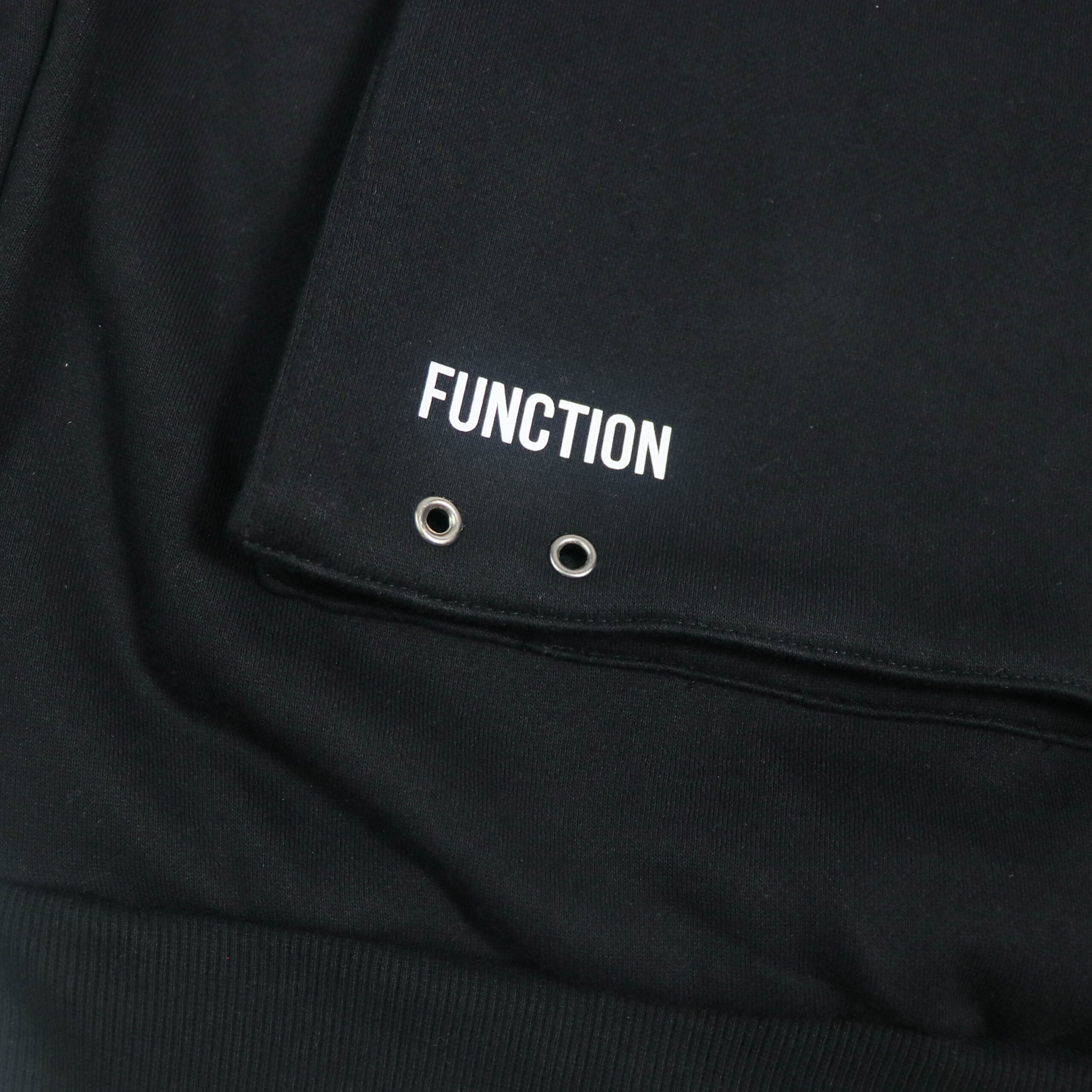
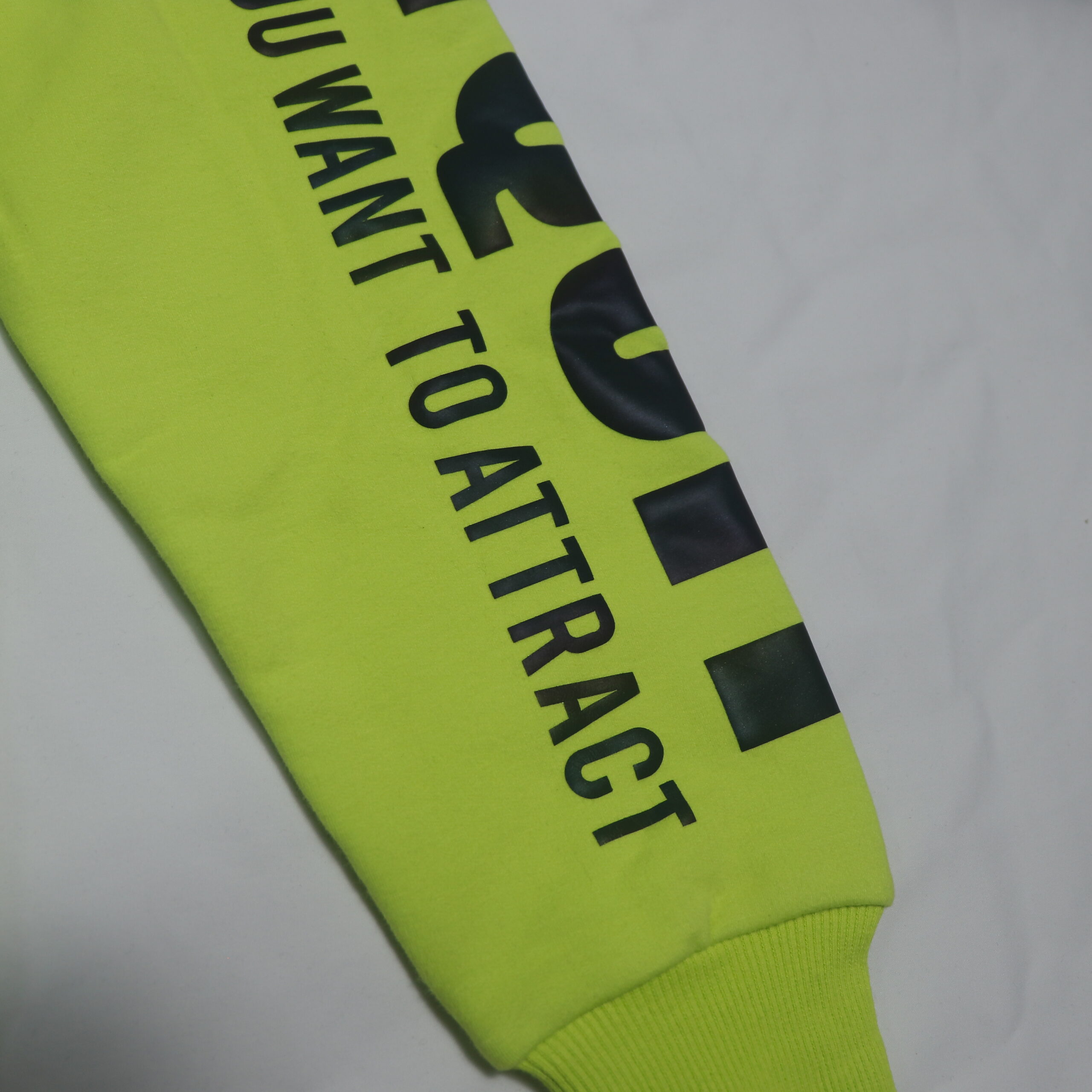
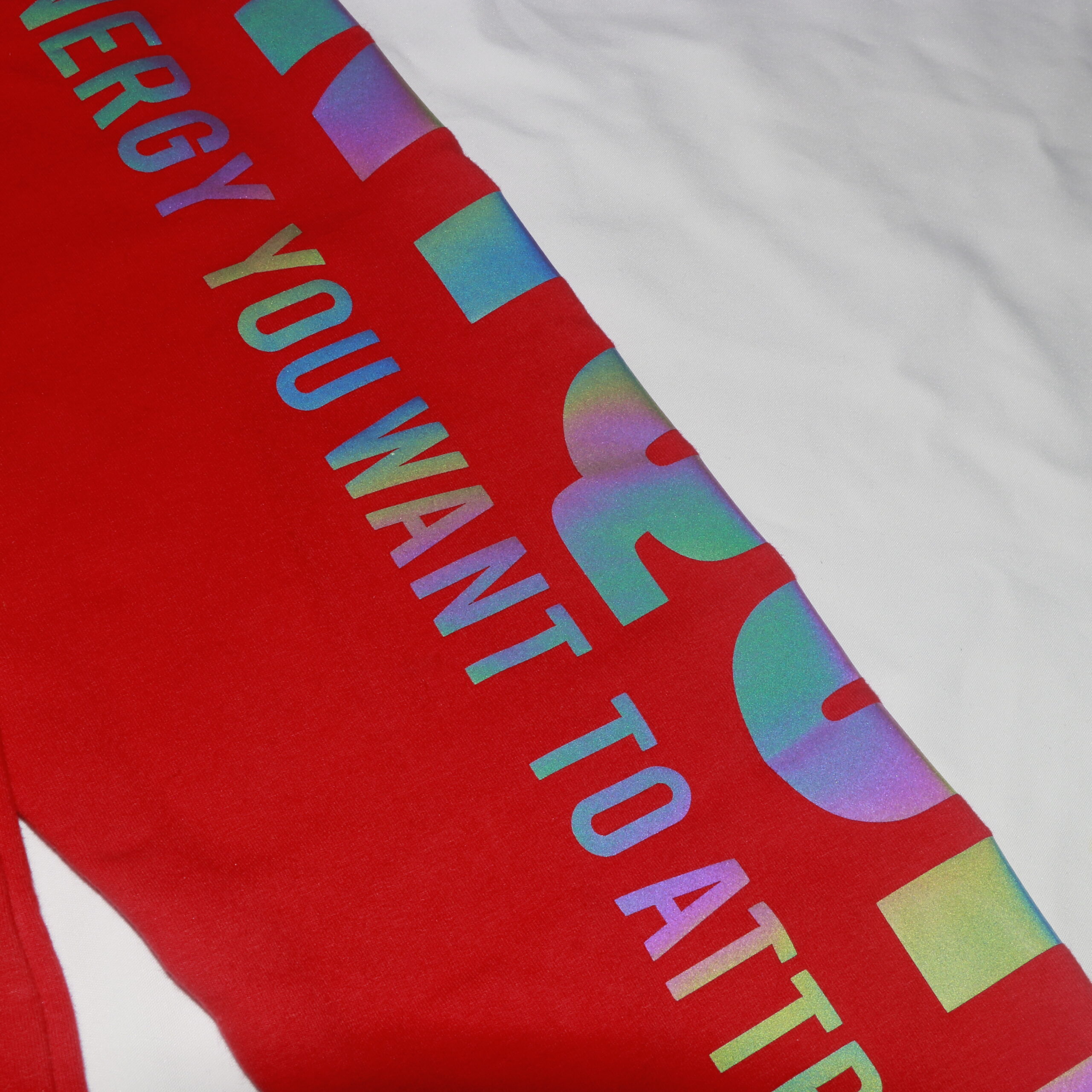
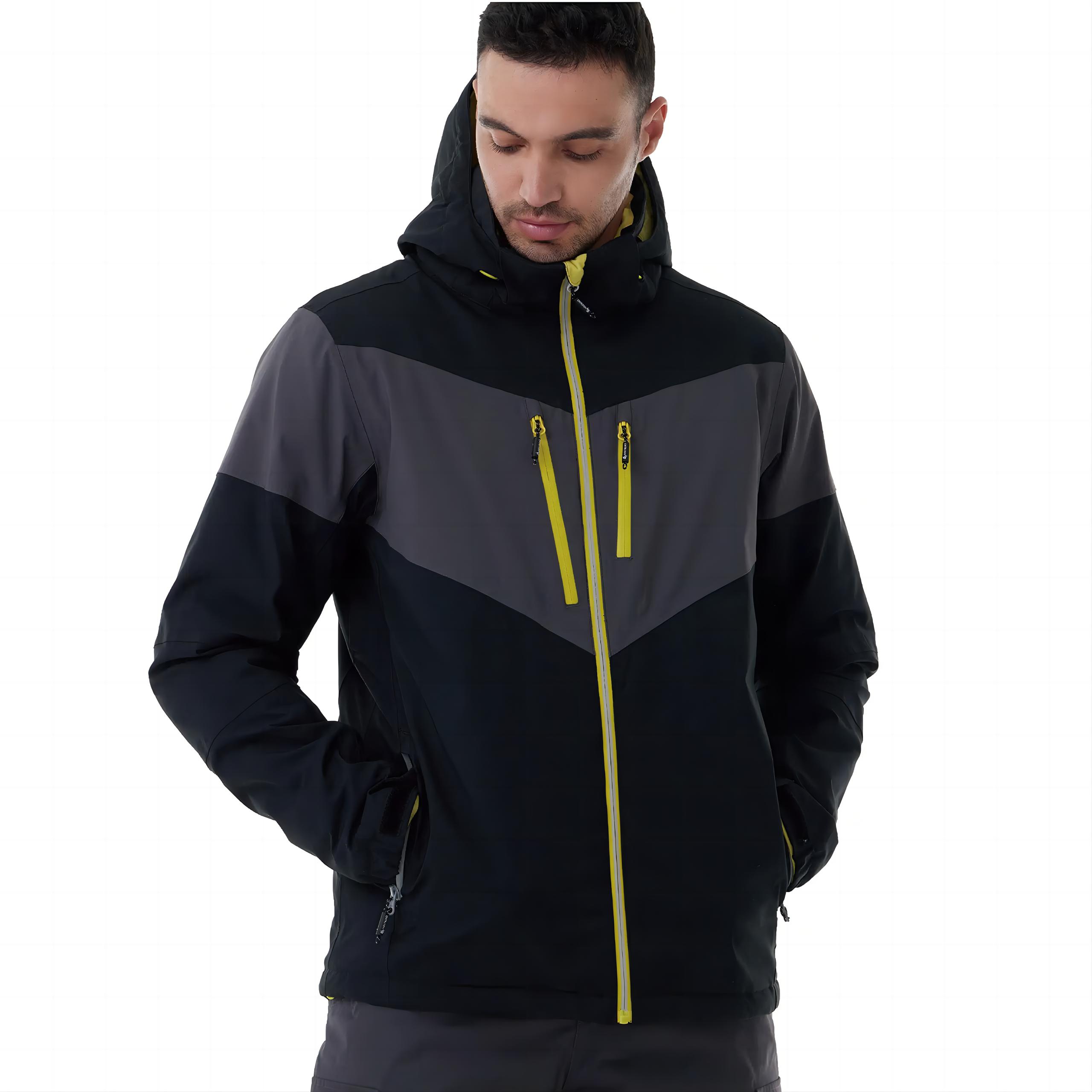
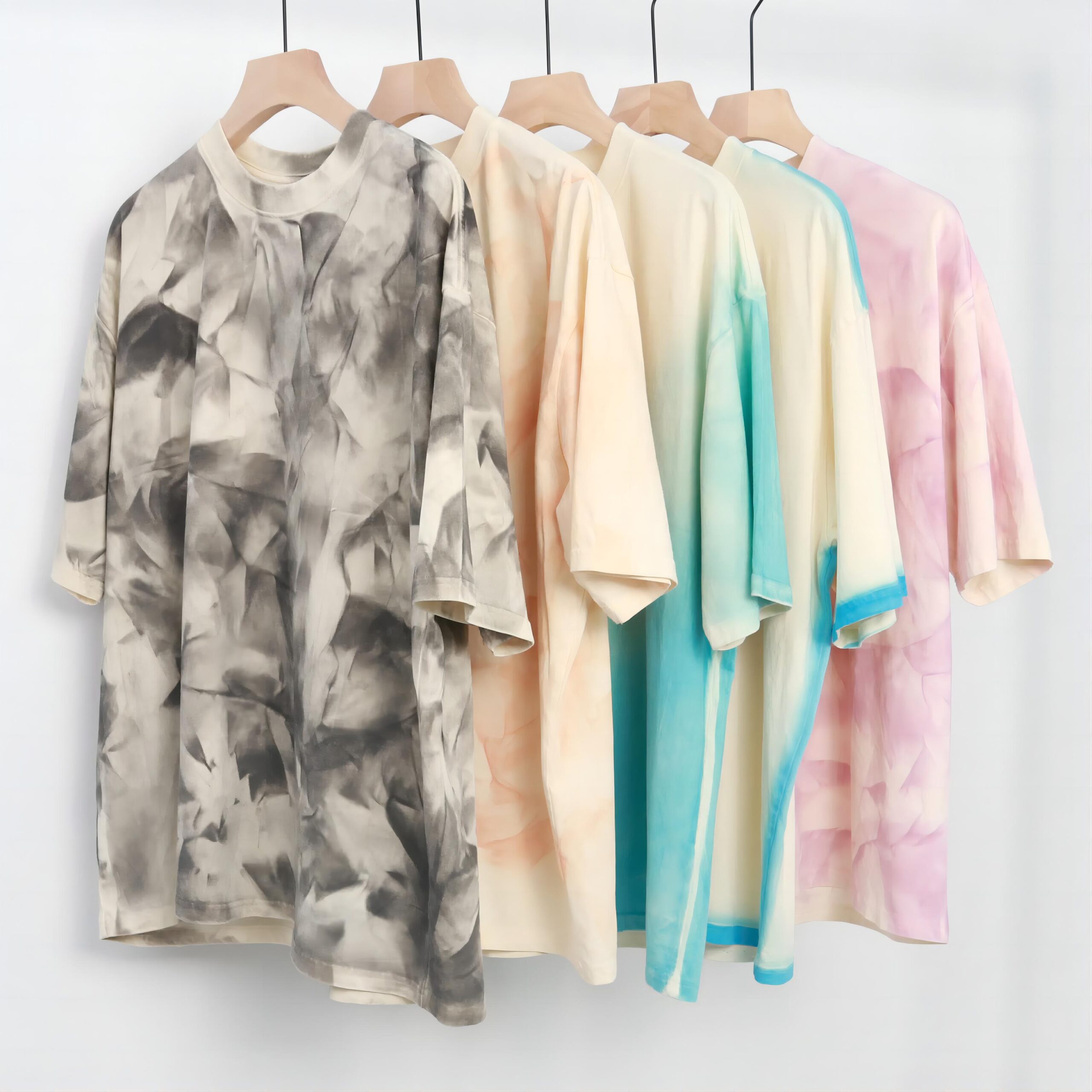




Founder-Led Apparel Manufacturing, Built to Repeat
Founder-led development and production support that turns approved apparel concepts into consistent, scalable collections.
Founder-Led Since 2000
Work with a manufacturing partner shaped by decades of practical garment construction, production problem-solving, and accountable decision-making.
Flexible OEM and ODM
Bring a complete tech pack or an early concept; EDVORIN helps define materials, patterns, details, and production standards.
Category-Specific Decoration
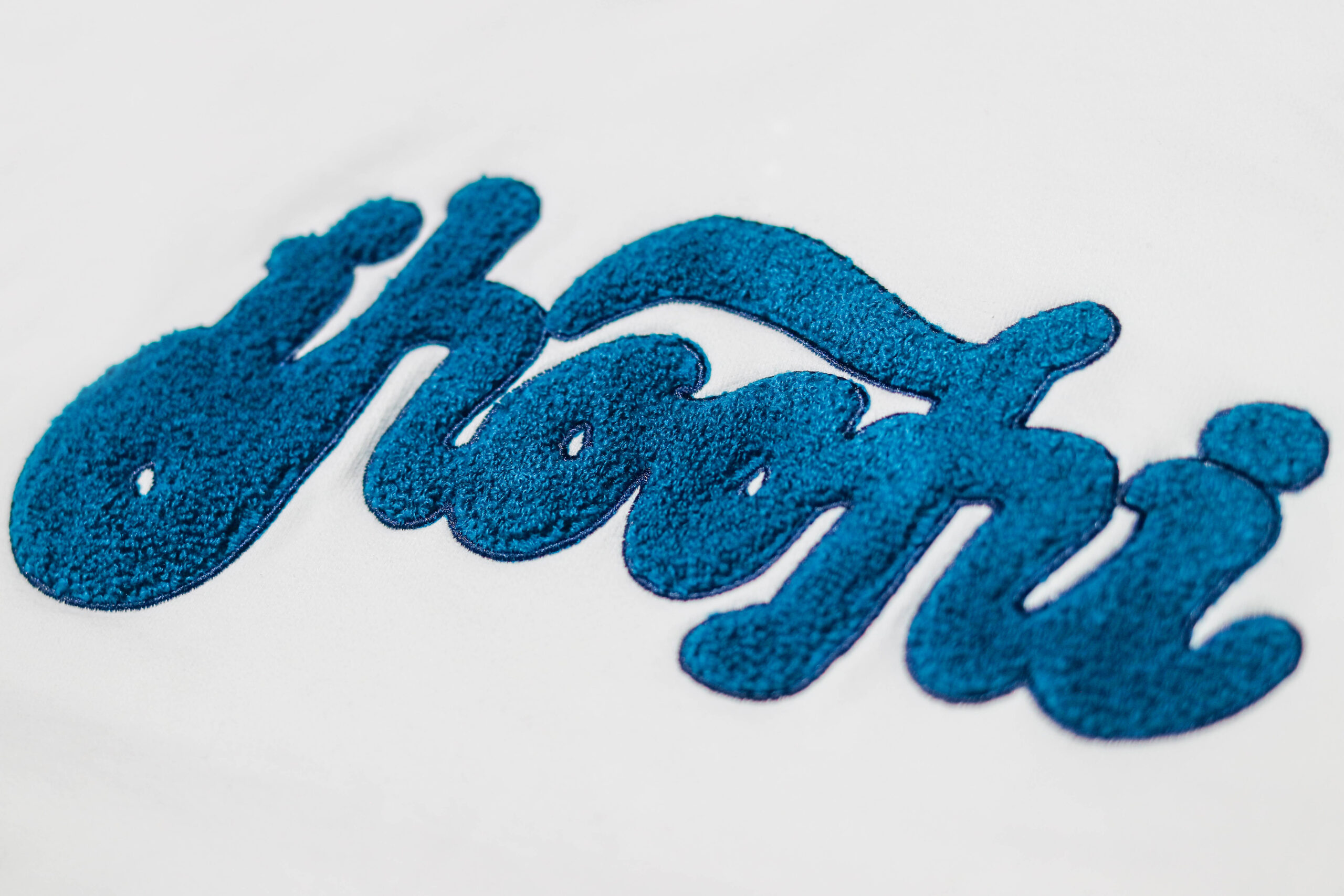
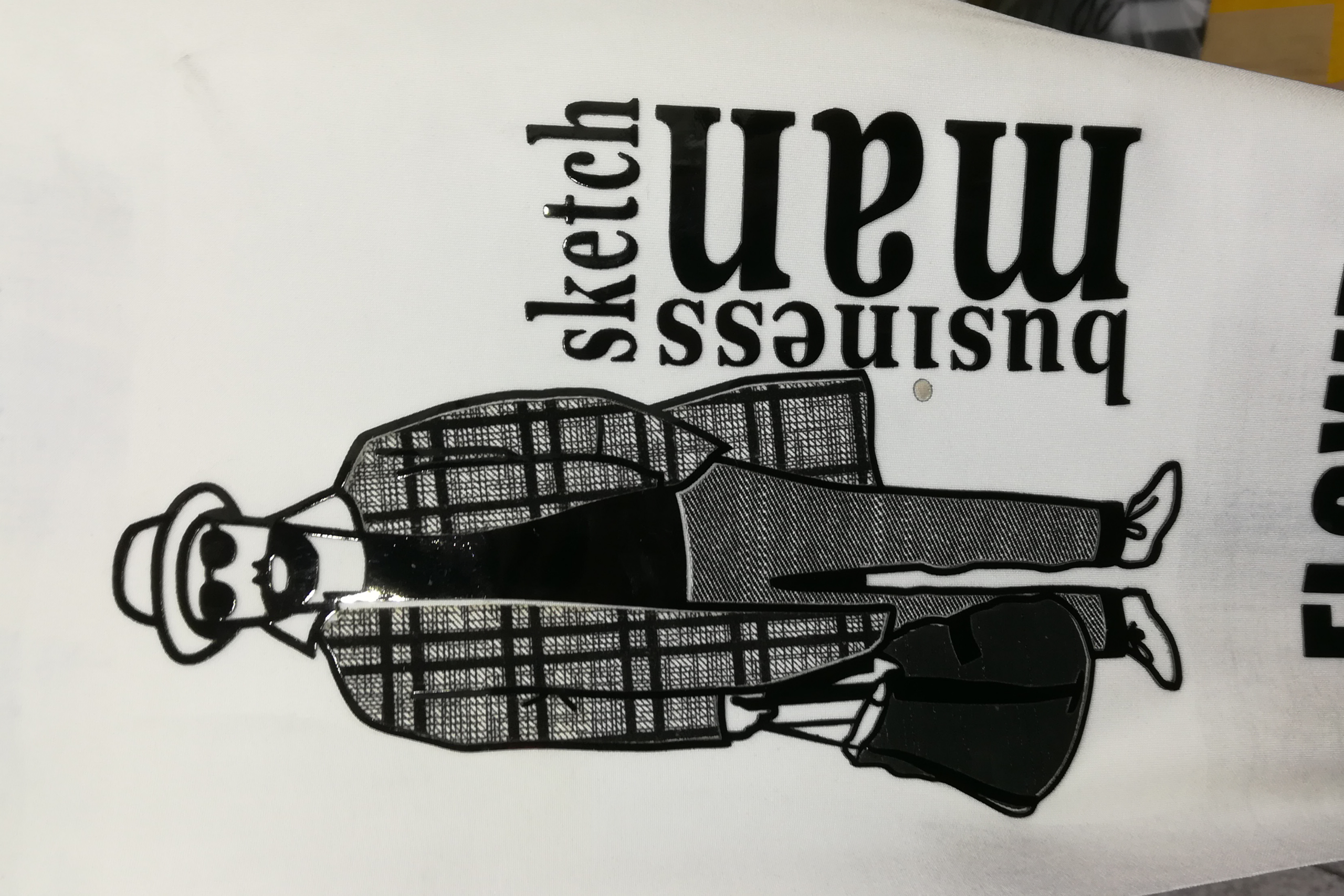
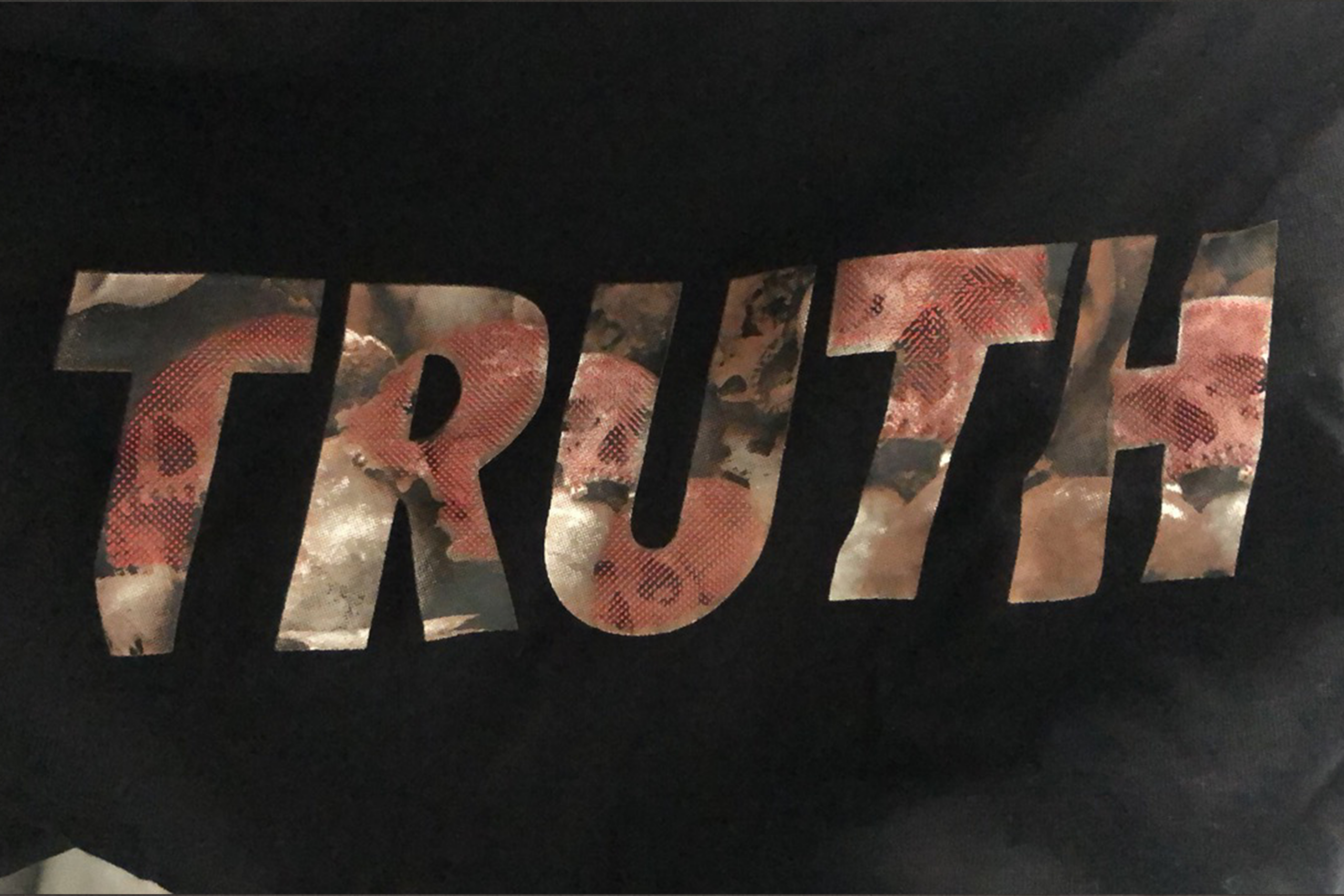
Coordinate printing, embroidery, washing, patches, and finishes around each garment’s fabric, construction, visual direction, and intended use.
Men’s and Women’s Development
Adapt fit blocks, grading, proportions, materials, styling details, and performance requirements for the wearer and market you serve.
Sample-to-Bulk Control
Turn approved samples into documented standards for materials, measurements, artwork placement, trims, in-line checks, and final inspection.
Apparel Categories Built to Repeat
From individual styles to coordinated programs, EDVORIN develops category-specific specifications that support sampling, bulk production and reliable reorders.
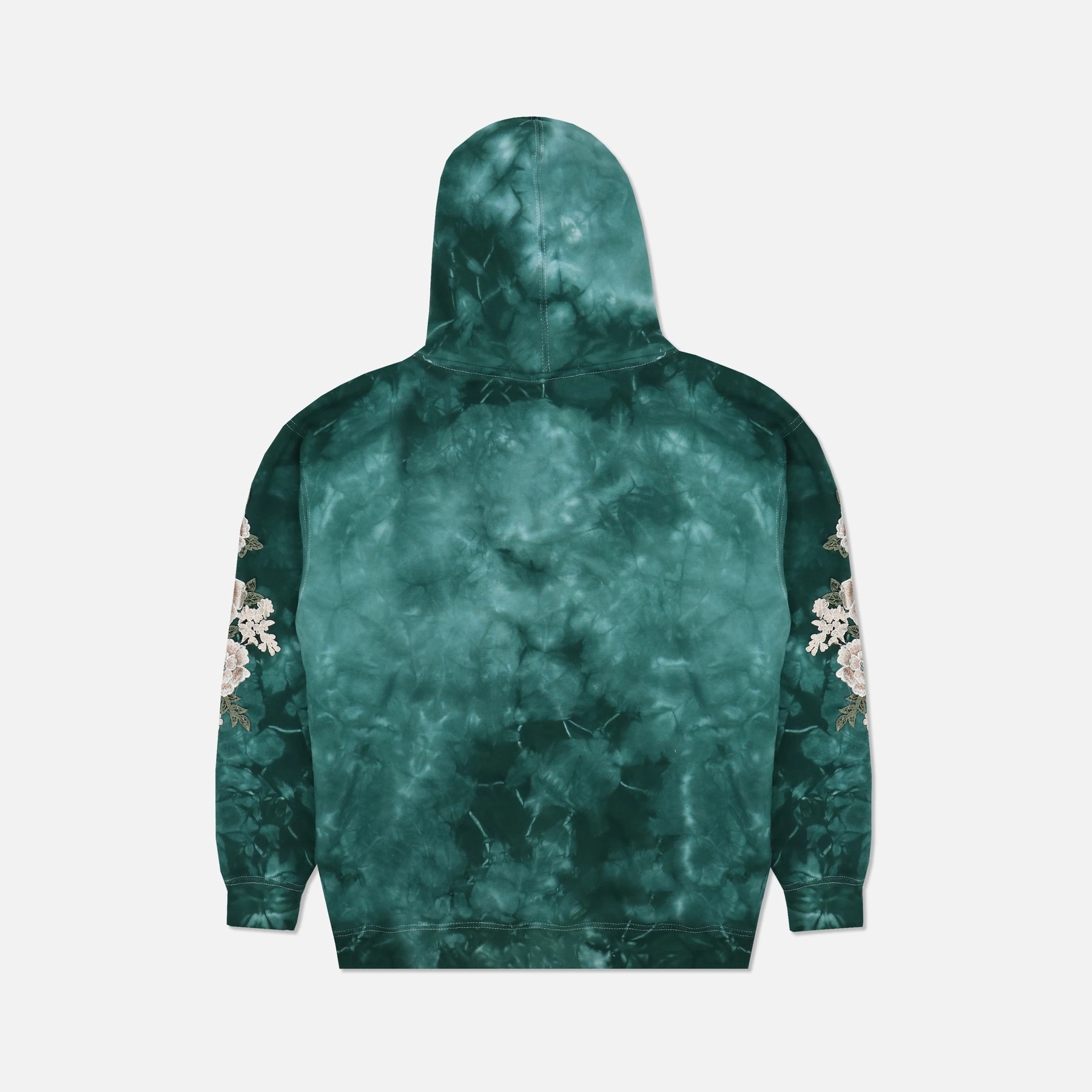
Custom Hoodies
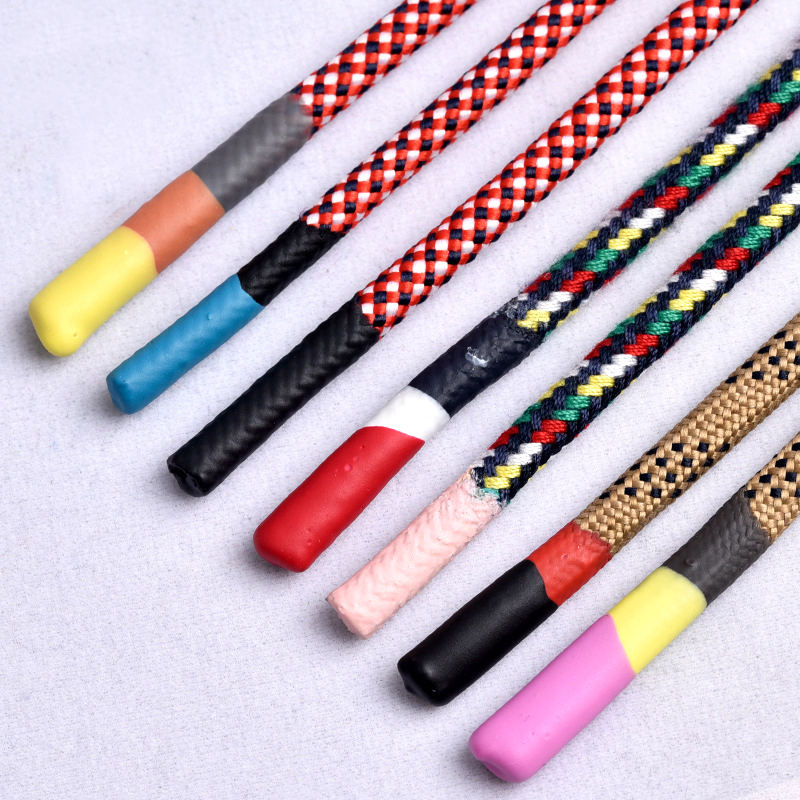
EDVORIN develops custom hoodies with defined fleece weight, fit blocks, rib construction, hoods, drawcords, pockets, labels and decoration placements. As a custom hoodie manufacturer, we turn approved samples into documented standards for men’s and women’s repeat orders.
Get a Quote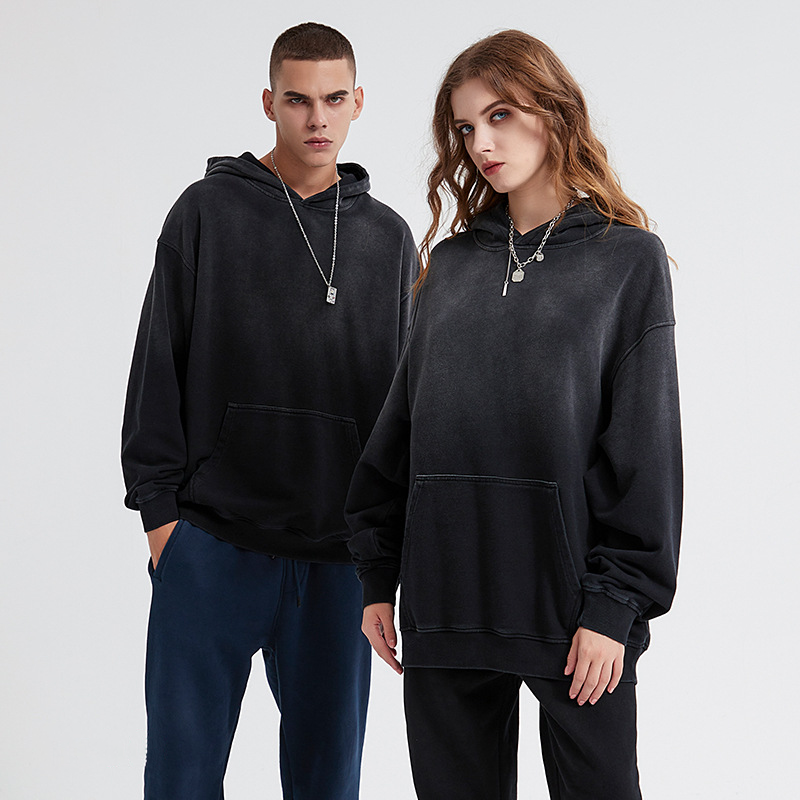
Pullover Sweatshirts
Our pullover sweatshirt programs cover crewnecks and related fleece styles, with attention to fabric weight, brushed finish, neck rib recovery, shoulder construction and print or embroidery compatibility. Each approved specification supports consistent sampling, grading and bulk production.
Get a Quote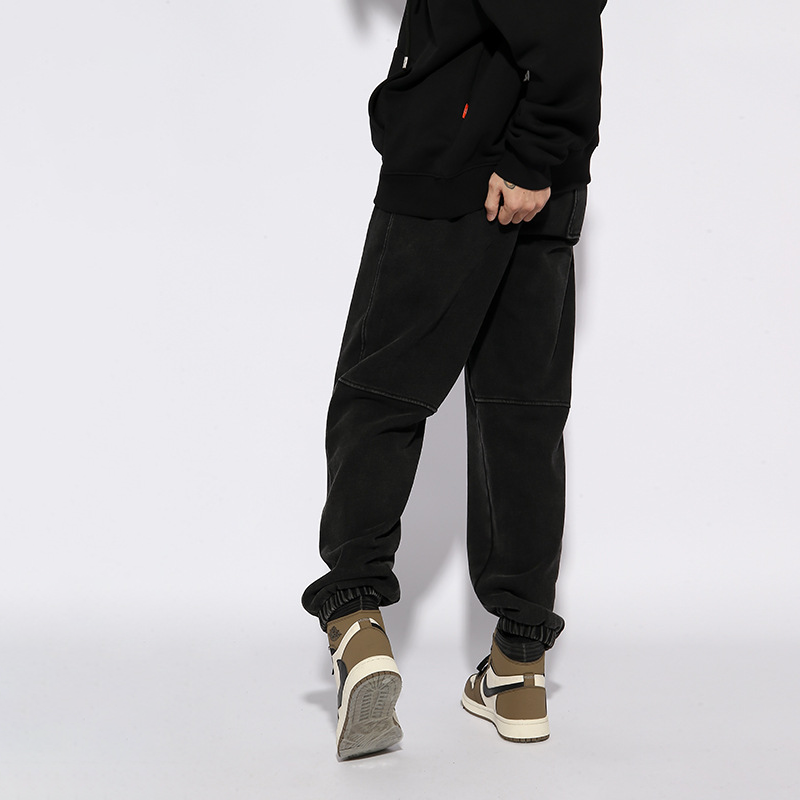
Sweatpants & Joggers
For sweatpants and joggers, we coordinate fabric stretch, waistband and cuff construction, pocket details, drawcords, fit and measurement tolerances. Men’s and women’s programs can be developed separately, then controlled against the approved sample through production.
Get a Quote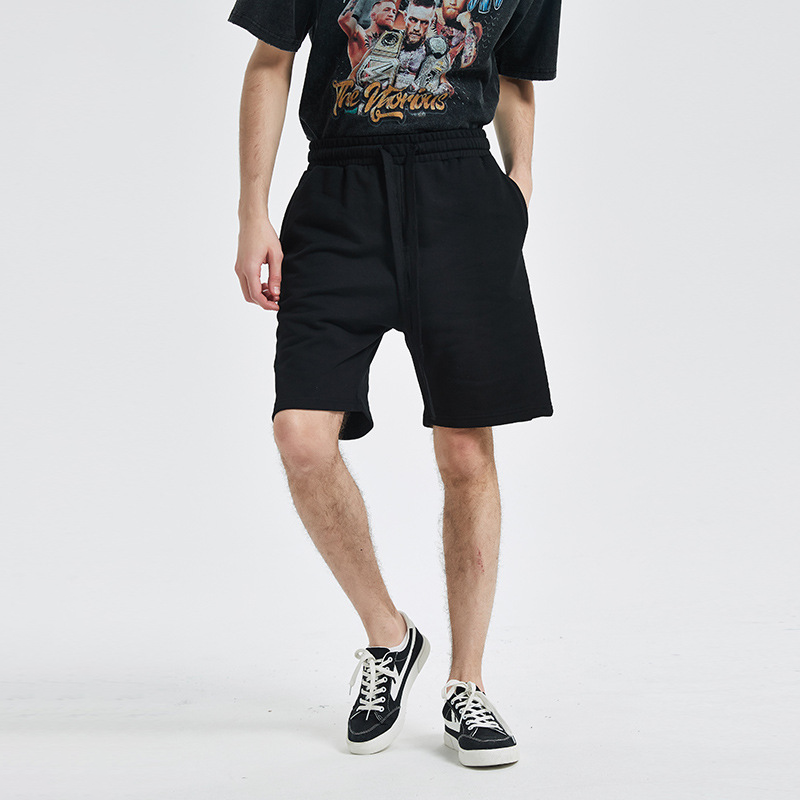
Custom Shorts
Custom shorts are developed for casualwear, streetwear, training and team applications. We specify inseam, rise, waistband, pockets, lining where needed, fabric performance and decoration placement so the final garment remains consistent across sizes and repeat orders.
Get a Quote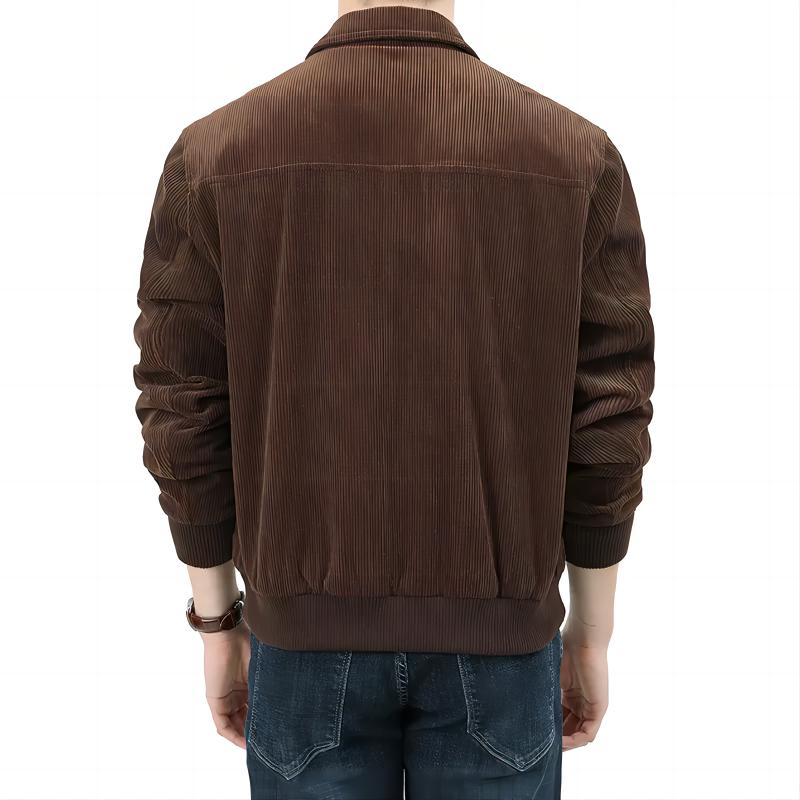
Varsity & Baseball Jackets
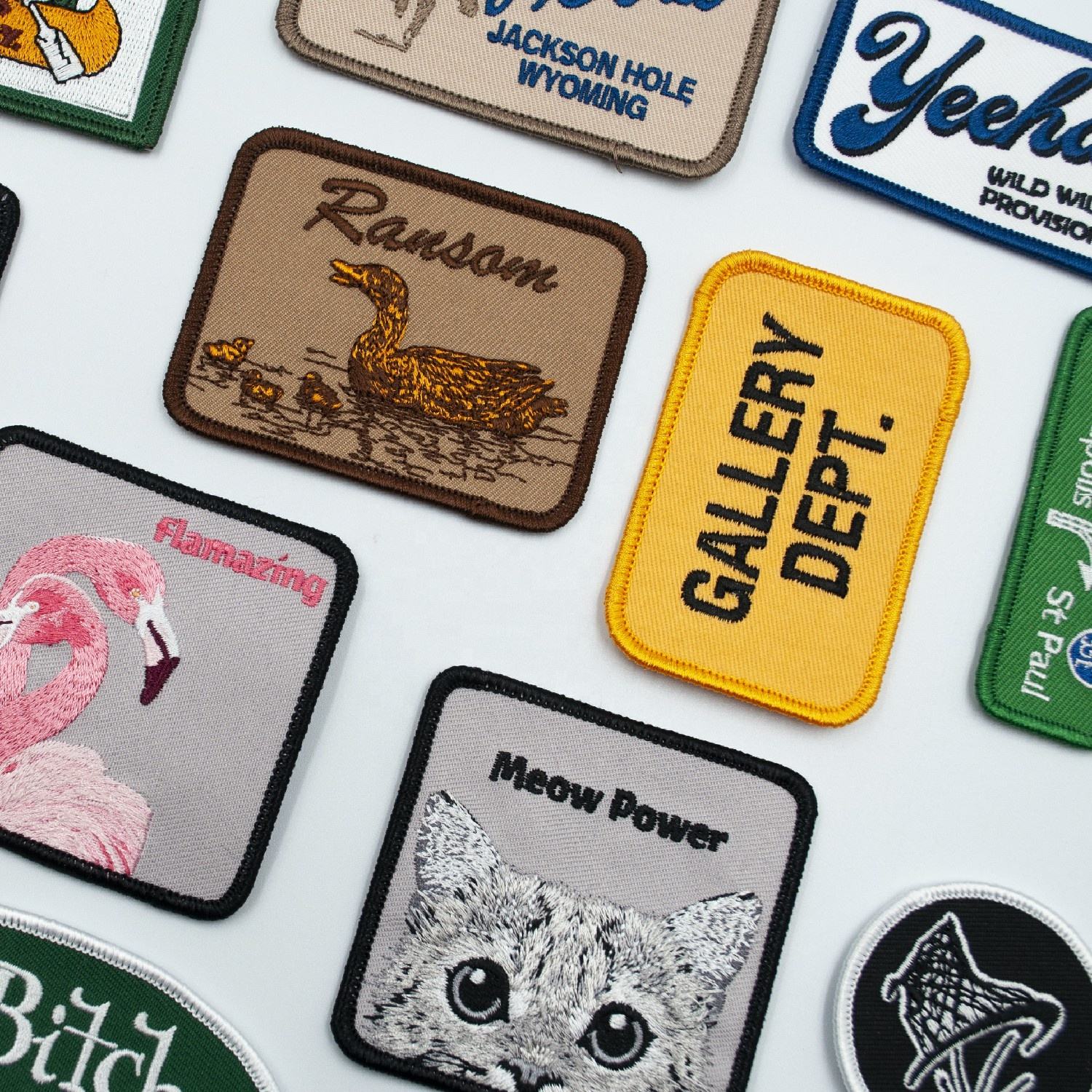
EDVORIN develops varsity and baseball jackets by coordinating body and sleeve materials, rib, snaps, lining, patches, embroidery and appliqué. Construction details are recorded during sampling to protect the jacket’s balance, fit and decoration quality in bulk production.
Get a Quote
Custom T-Shirts
Our custom T-shirt development covers jersey weight, fiber composition, neck rib, fit, sleeve proportions, wash effects, printing and labeling. We create men’s and women’s specifications that give production a clear standard for size grading and artwork placement.
Get a Quote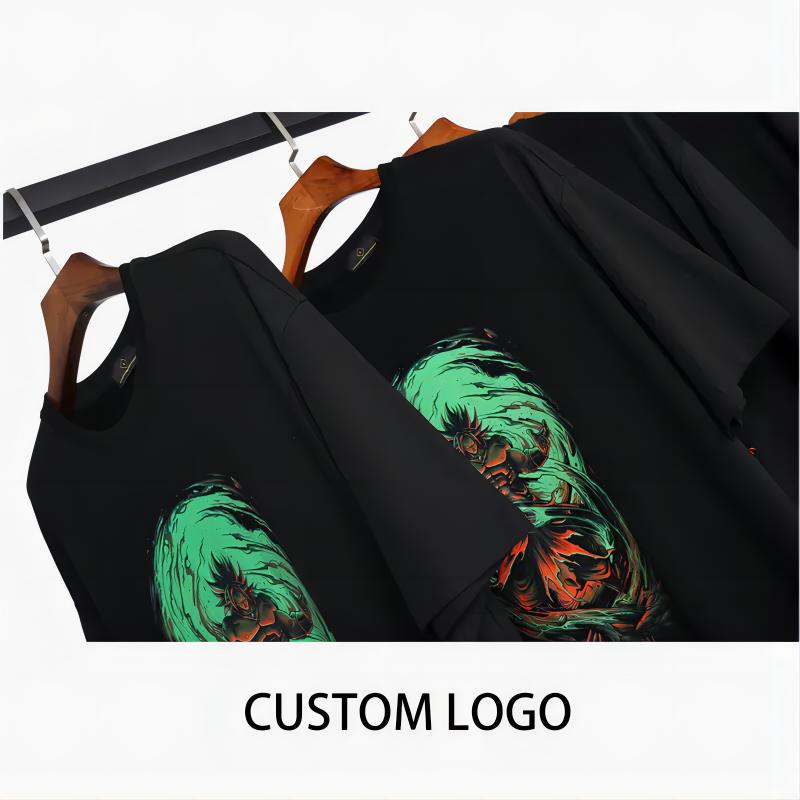
Custom Polo Shirts
Custom polo shirt programs can include piqué or jersey fabrics, collar and cuff ribs, plackets, buttons, contrast details and embroidery. EDVORIN aligns material selection and construction with corporate, school, retail or private-label requirements before bulk production begins.
Get a Quote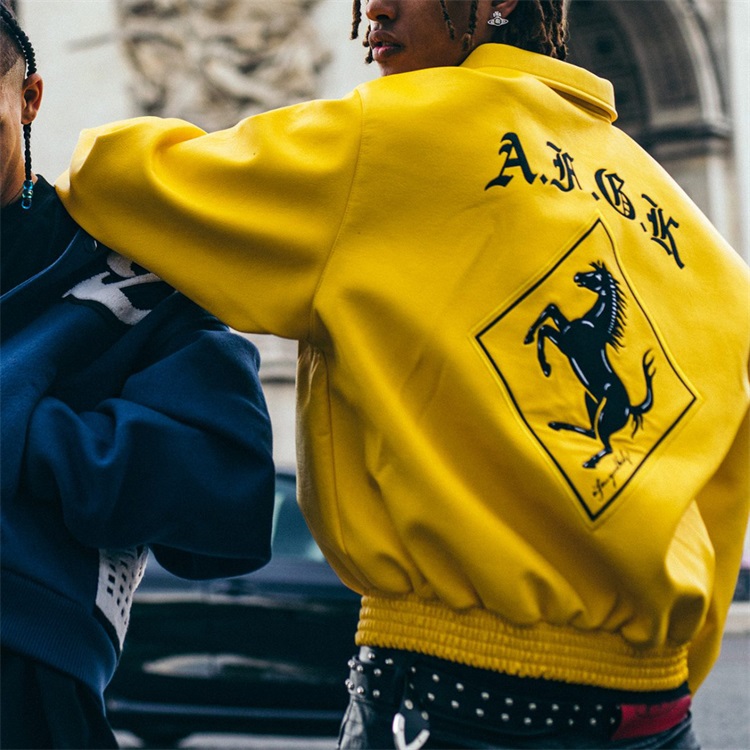
Windbreaker Jackets
Windbreaker jackets require coordinated shell fabric, lining or mesh, zipper systems, hood construction, ventilation, pockets and water-resistant finishes. We develop these details into an approved production package for lightweight outerwear and teamwear programs.
Get a Quote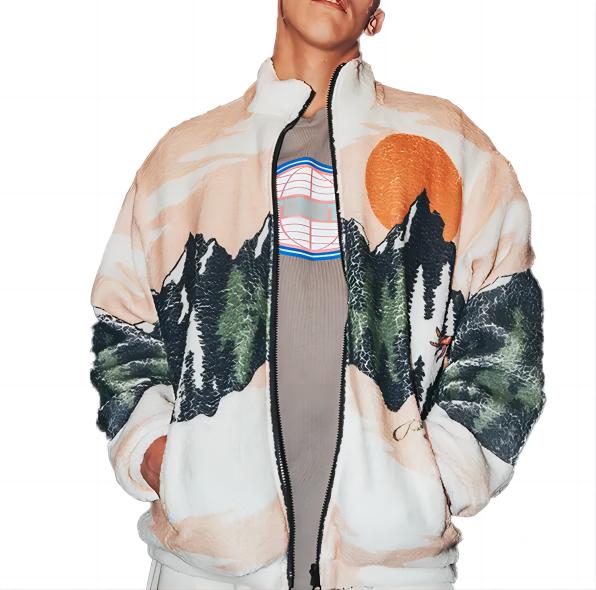
Quilted Jackets
For quilted jackets, EDVORIN manages shell and lining materials, insulation, quilting patterns, baffles, closures and finishing. Sampling verifies warmth, bulk, fit and construction before the approved style moves into controlled production.
Get a Quote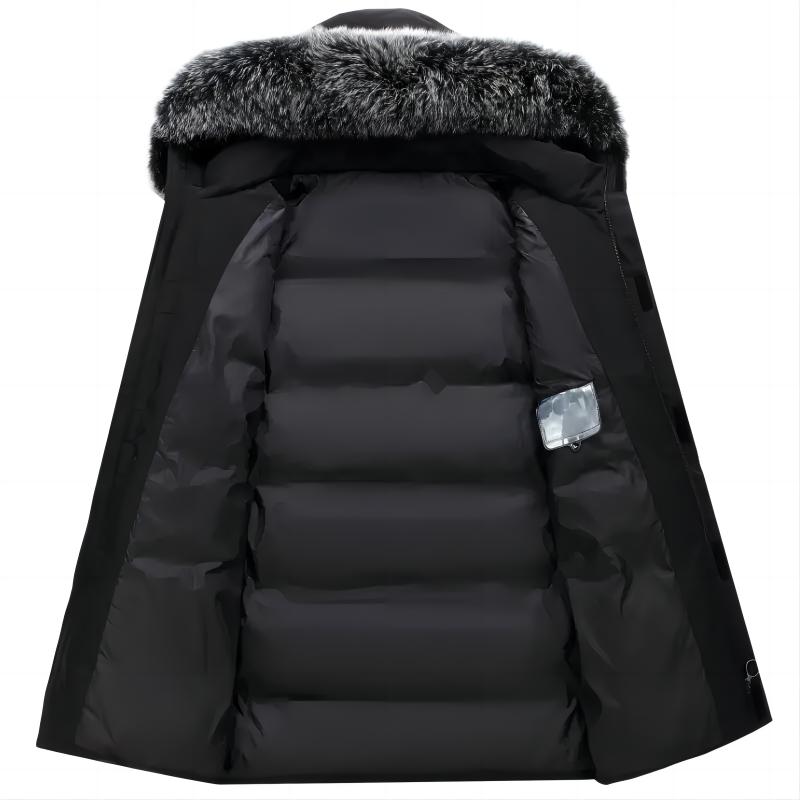
Bomber Jackets
Bomber jacket development combines shell fabric, lining, rib, zipper or snap hardware, pocket construction, embroidery and patches. We document each approved component to maintain the intended silhouette and finish across bulk quantities and future reorders.
Get a Quote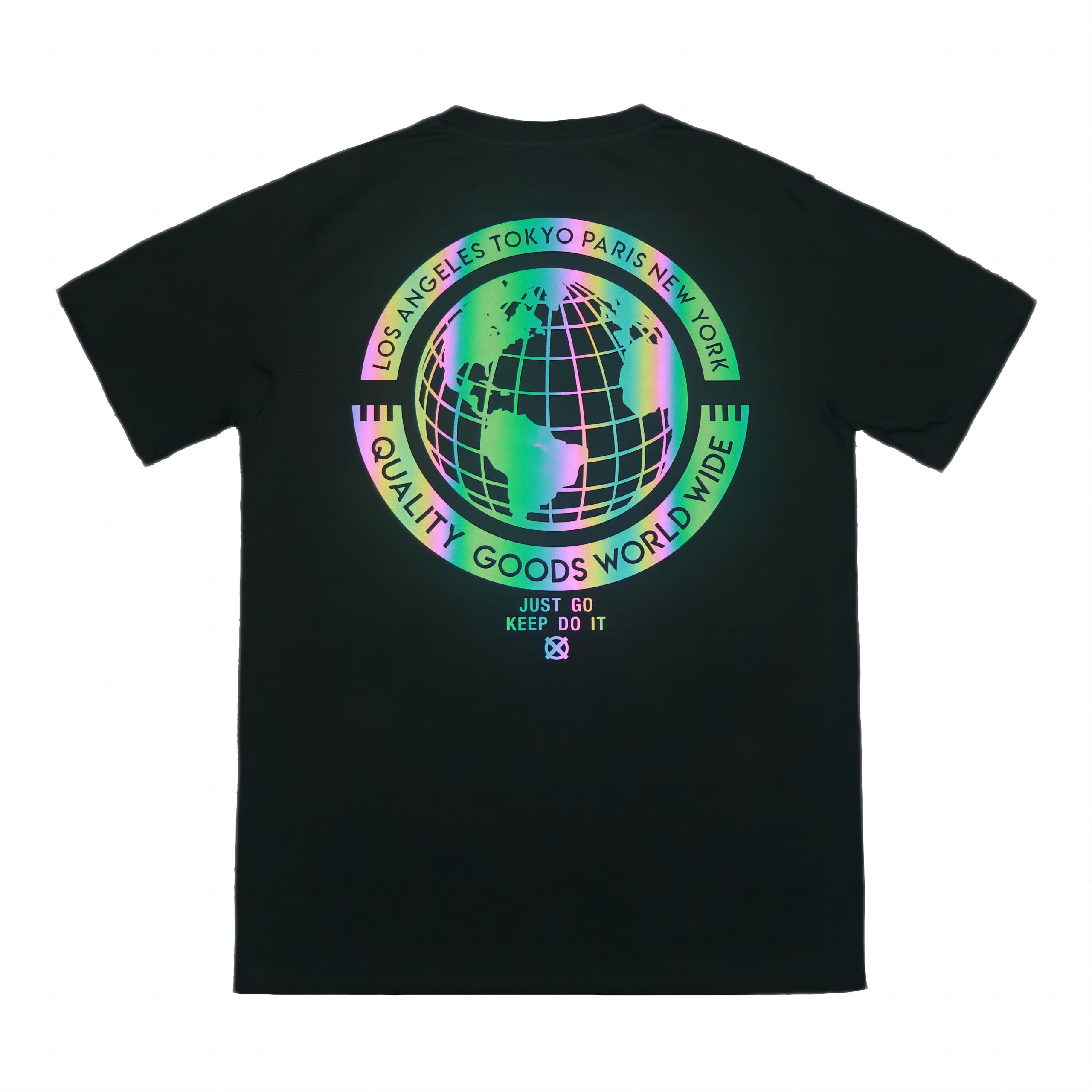
Custom Shirts
Custom woven shirts are developed around fabric handfeel, collar and cuff construction, plackets, button selections, pocket details, fit and finishing. EDVORIN supports men’s and women’s programs for branded retail, uniform and private-label collections.
Get a Quote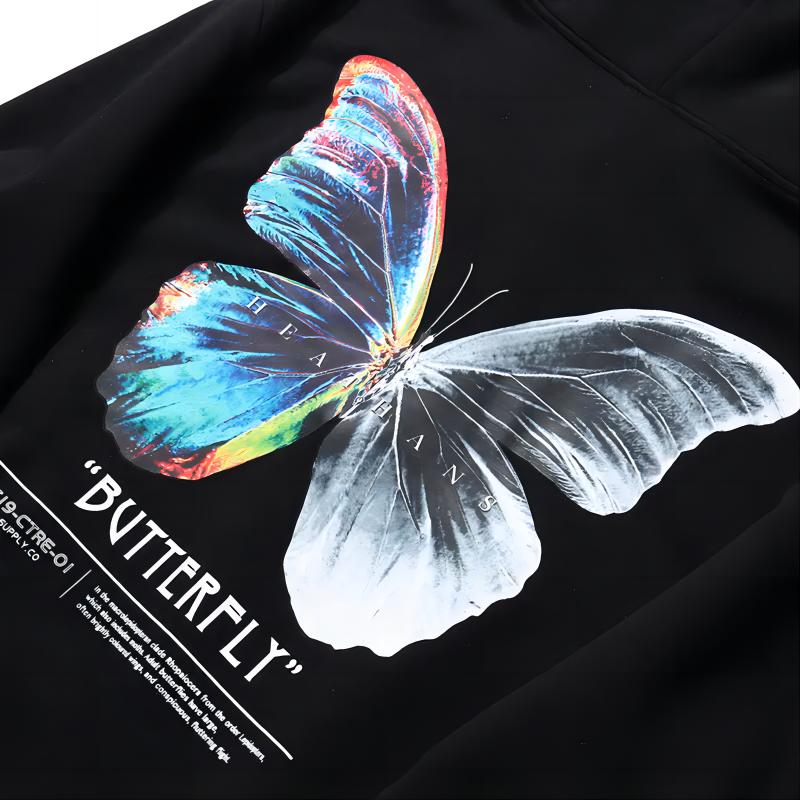
Custom Jerseys
EDVORIN produces custom jerseys with fabric performance, color matching, panels, trims, names, numbers and logos coordinated as one specification. We build size sets and placement standards that help clubs, schools and brands manage consistent team and repeat orders.
Get a Quote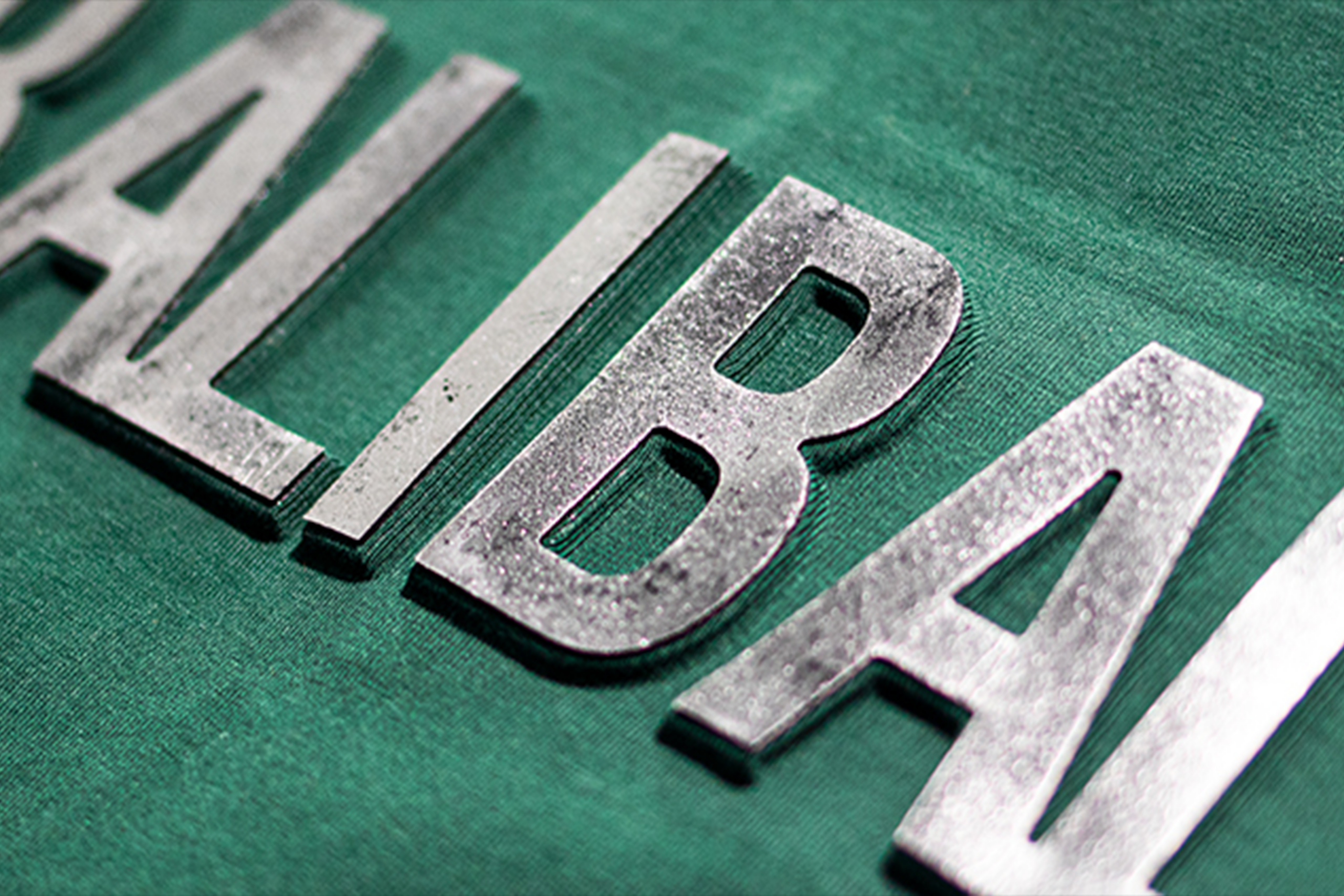
Tank Tops
Tank tops can be developed for fashion, streetwear, training or promotional programs with selected jersey, mesh or performance fabrics. We define armhole shape, neckline, binding, fit, print method and labeling for stable production across men’s and women’s sizes.
Get a Quote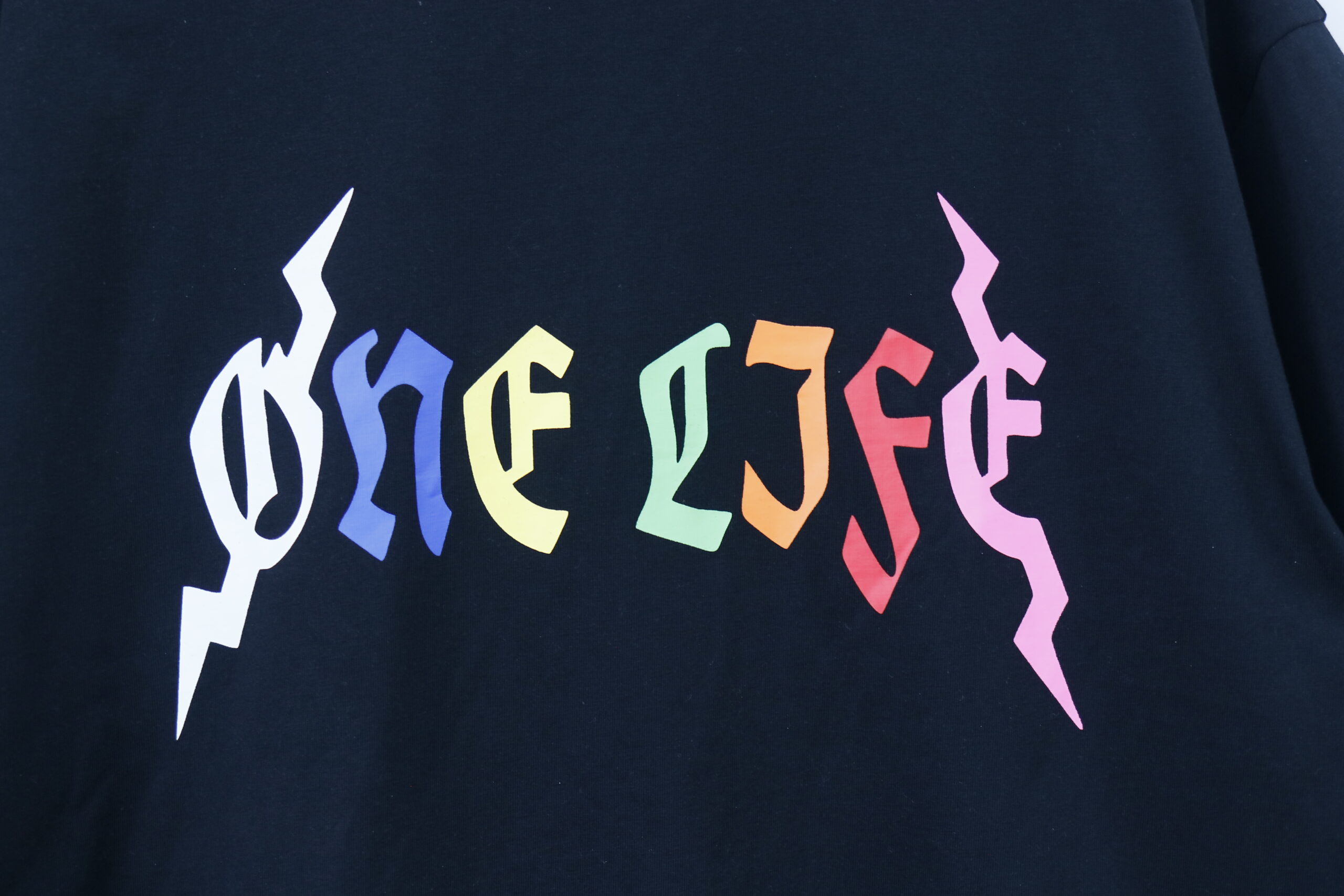
Soccer Uniforms
Soccer uniform programs include jerseys, shorts and coordinated elements with breathable fabrics, color control, crest application, sponsor artwork, names and numbers. EDVORIN organizes sizing, decoration and quality checks around the approved team standard.
Get a Quote
Basketball Uniforms
Basketball uniforms are developed with appropriate performance fabrics, jersey and short proportions, neck and armhole bindings, panel layouts, numbers and logos. We control color, decoration placement and grading to support complete team sets and repeat seasons.
Get a Quote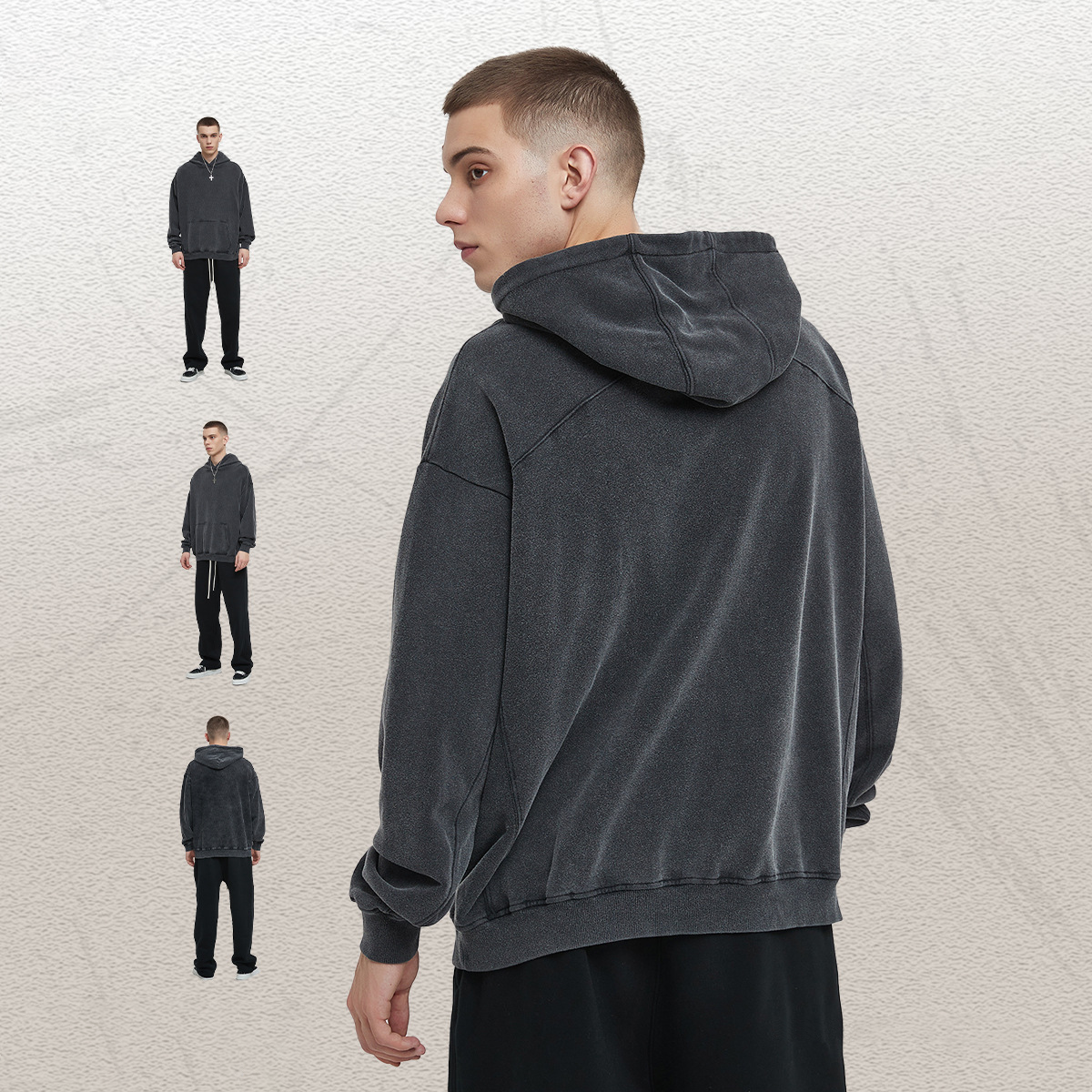
Streetwear Collections
EDVORIN develops coordinated streetwear collections across hoodies, tees, bottoms, jackets and accessories-ready packaging. Product development aligns fabrics, washes, trims, fits and decoration methods so each style works independently while maintaining one repeatable collection standard.
Get a QuoteMaterials Selected for Feel, Function and Repeatability
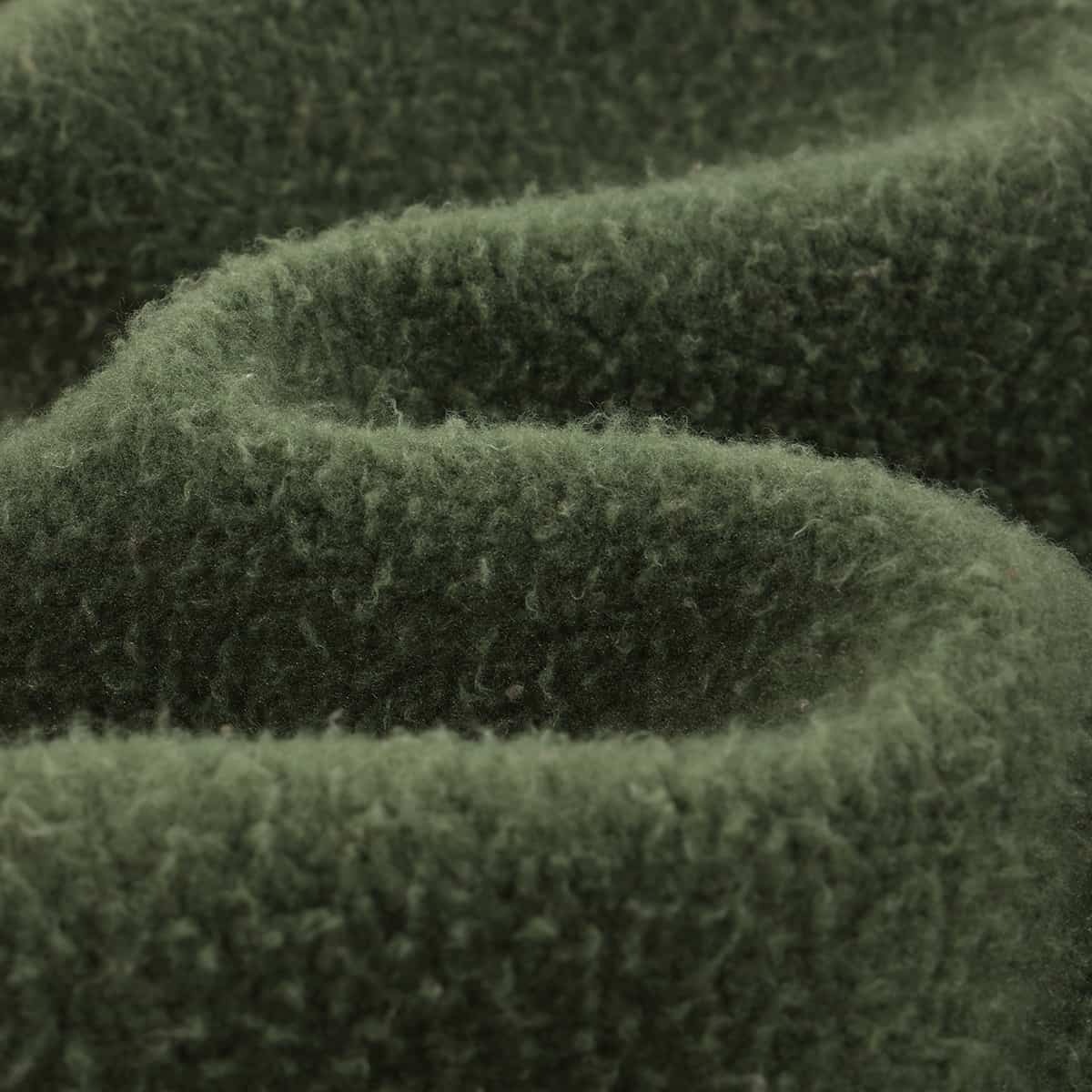
Cotton Fleece
A soft, brushed-back knit for hoodies, sweatshirts and joggers. Its warm, substantial hand supports premium casualwear, with fabric weight selected to balance structure, comfort and seasonal use.
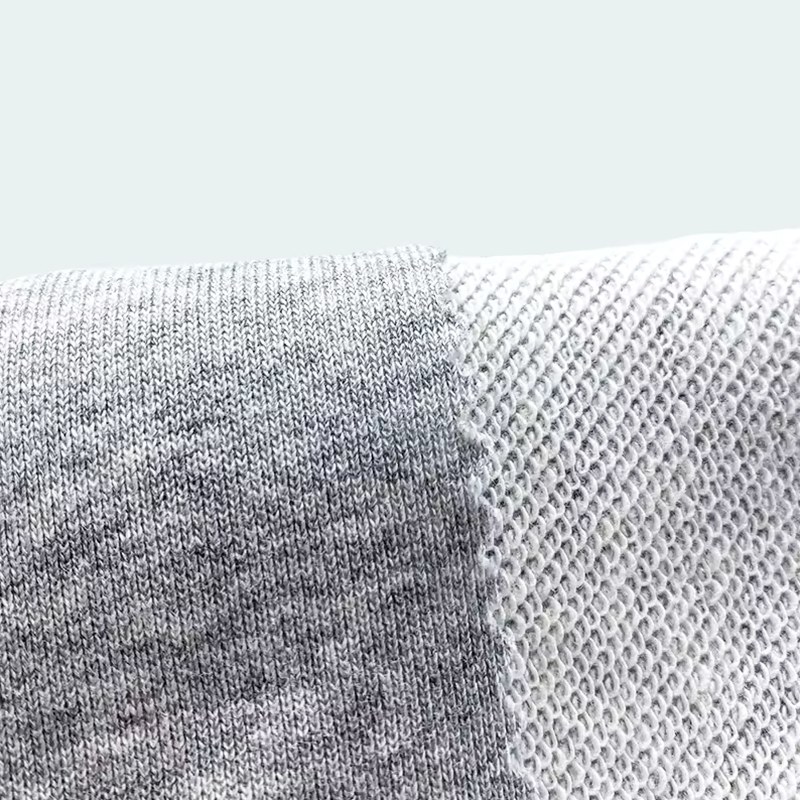
French Terry
A breathable loop-back knit suited to sweatshirts, shorts and transitional layers. It feels lighter than brushed fleece while retaining body, making it a flexible option for refined streetwear programs.
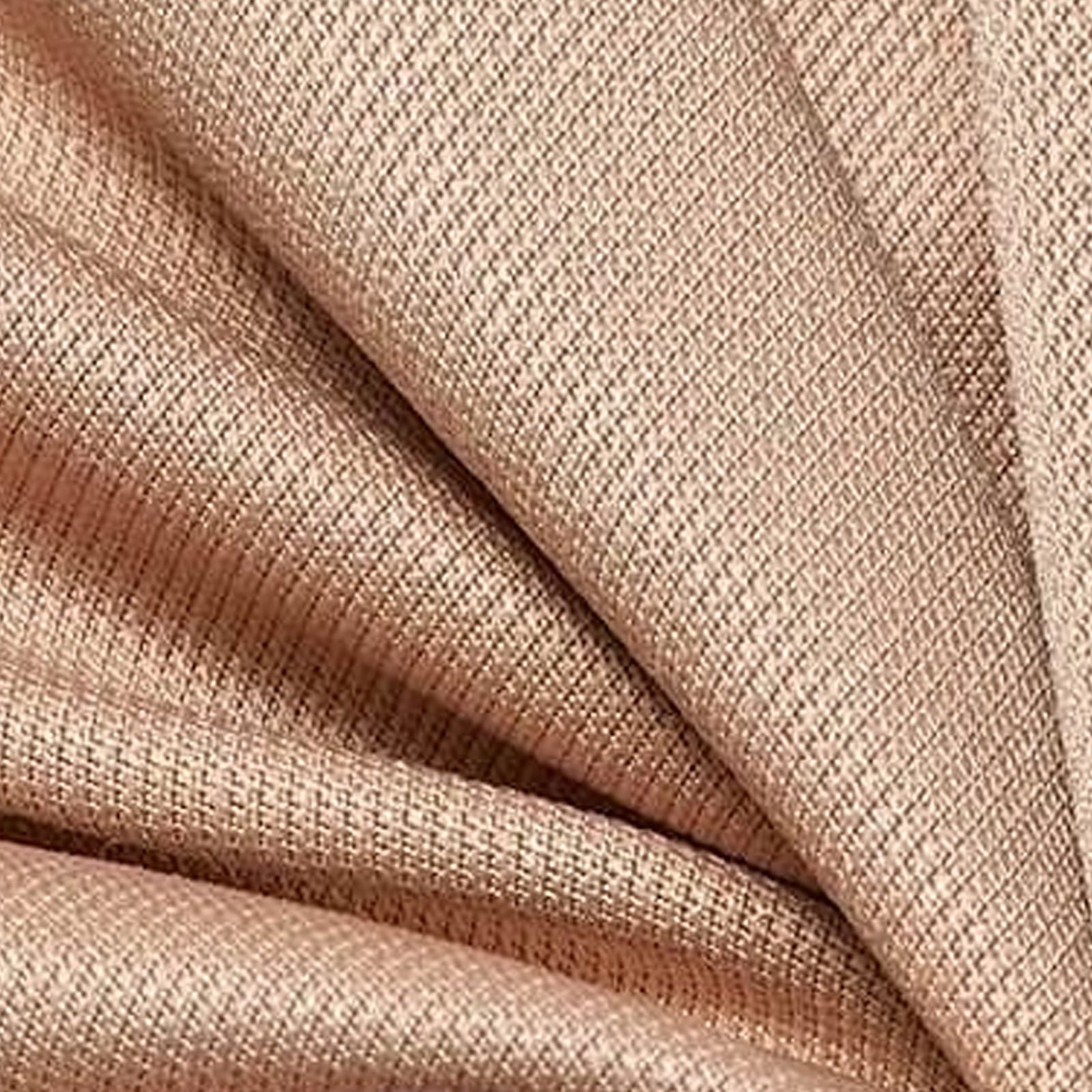
Cotton Jersey
A smooth, comfortable knit used for T-shirts, tanks and everyday base layers. Available in varied weights, it can be developed for a soft hand-feel, clean drape or more substantial silhouette.
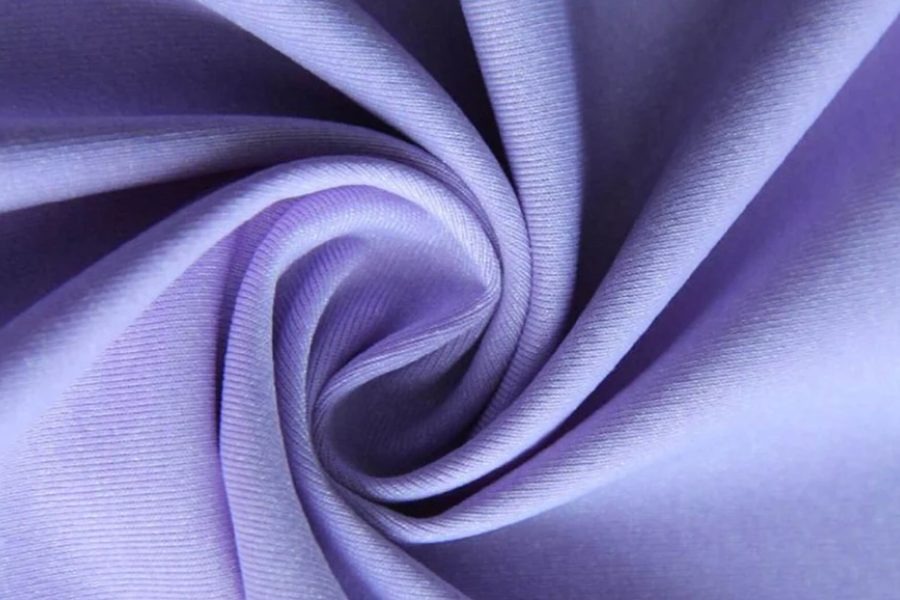
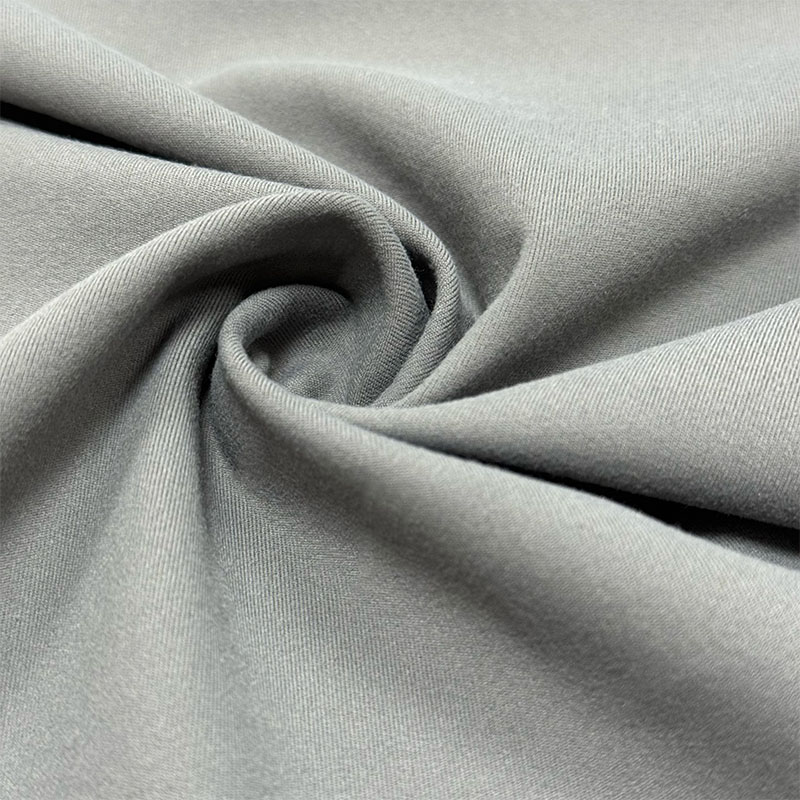
Performance Polyester
A lightweight, resilient option for jerseys, soccer uniforms and basketball uniforms. Moisture-management and stretch requirements can be specified by program, helping active garments maintain movement, comfort and repeatable color presentation.
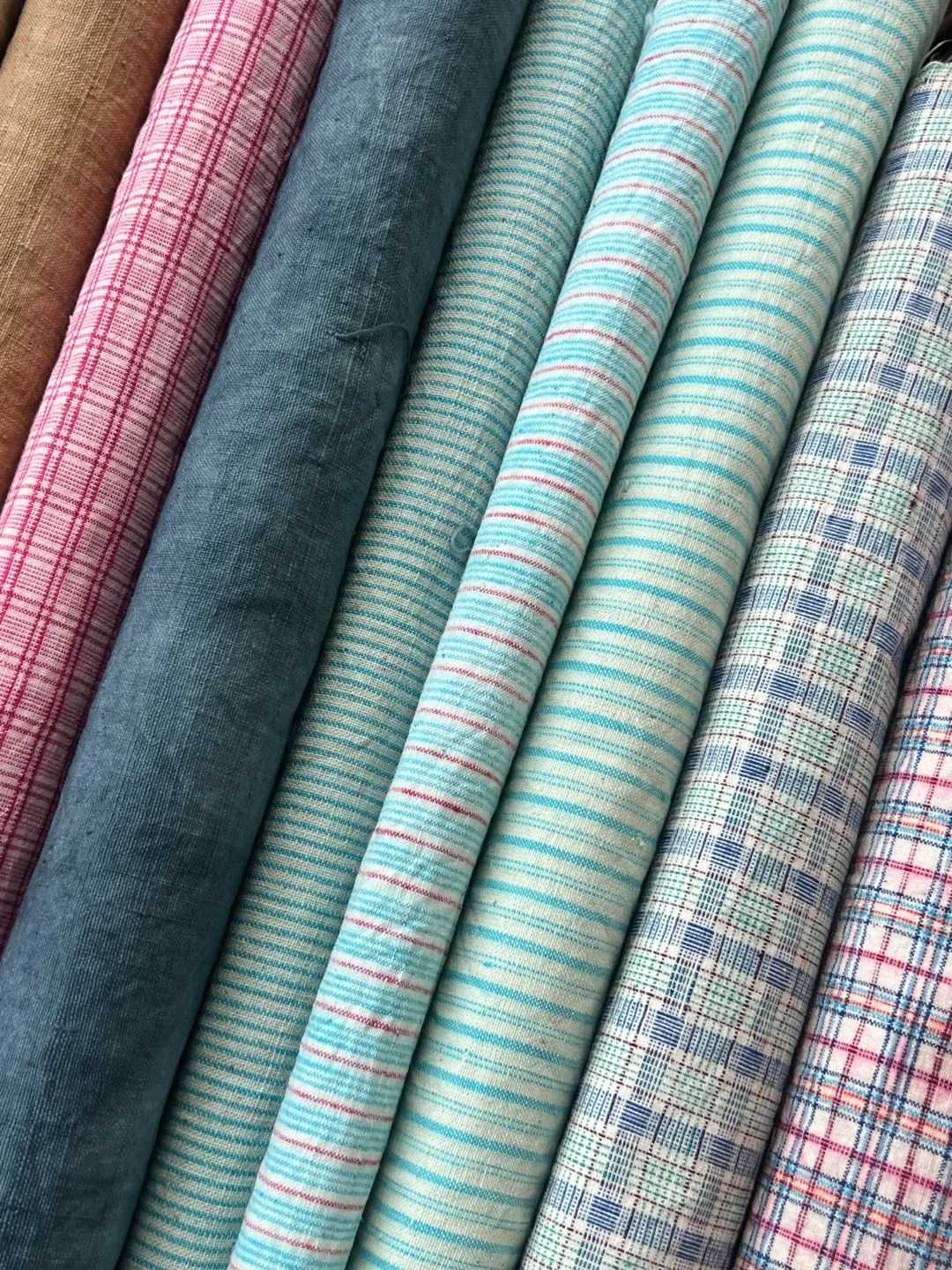
Recycled Material Options
Recycled-content fabric options for brands developing more considered apparel programs. EDVORIN can coordinate the material with the garment category, required hand-feel and applicable certification documentation for the selected supply chain.
Decoration and Finishing for Custom Apparel
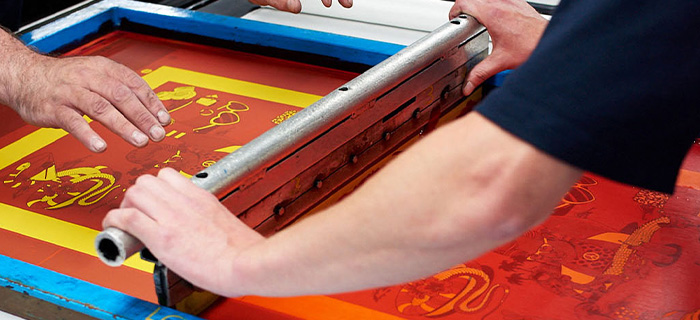
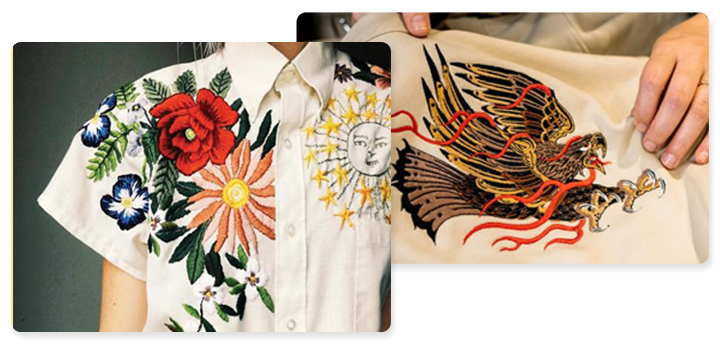
Embroidery Details
Embroidery adds dimensional logos, lettering and patches to polos, jackets, caps and teamwear. Stitch density, backing and thread selection are reviewed against the base fabric for a clean, structured finish that holds its character.
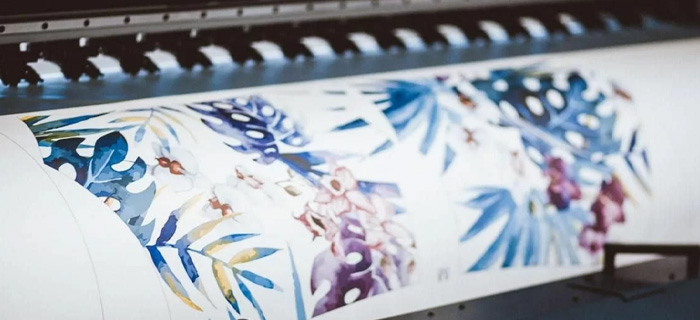
Sublimation Printing
Sublimation integrates full-color artwork directly into suitable performance fabrics, making it well suited to jerseys and coordinated teamwear. It delivers lightweight graphics with consistent color planning for names, numbers and all-over visual concepts.
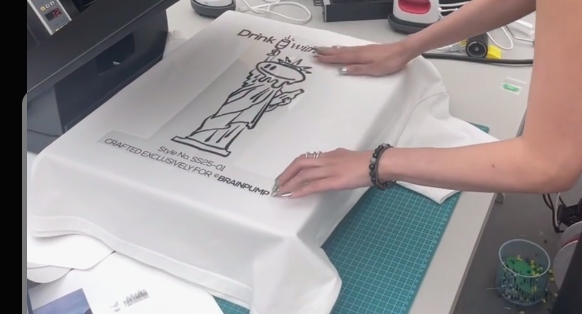
Heat Transfer
Heat transfer applies precise logos, player details and graphic elements where fine lines or short-run personalization matter. EDVORIN evaluates transfer type, placement and fabric compatibility to achieve a clean visual result appropriate for the garment.
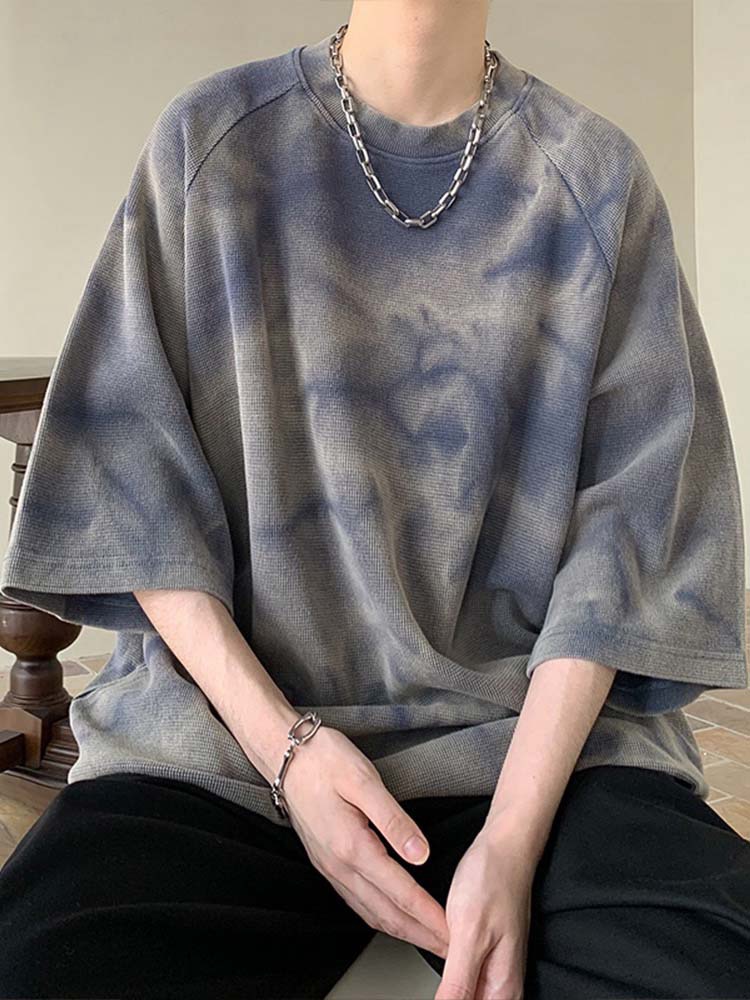
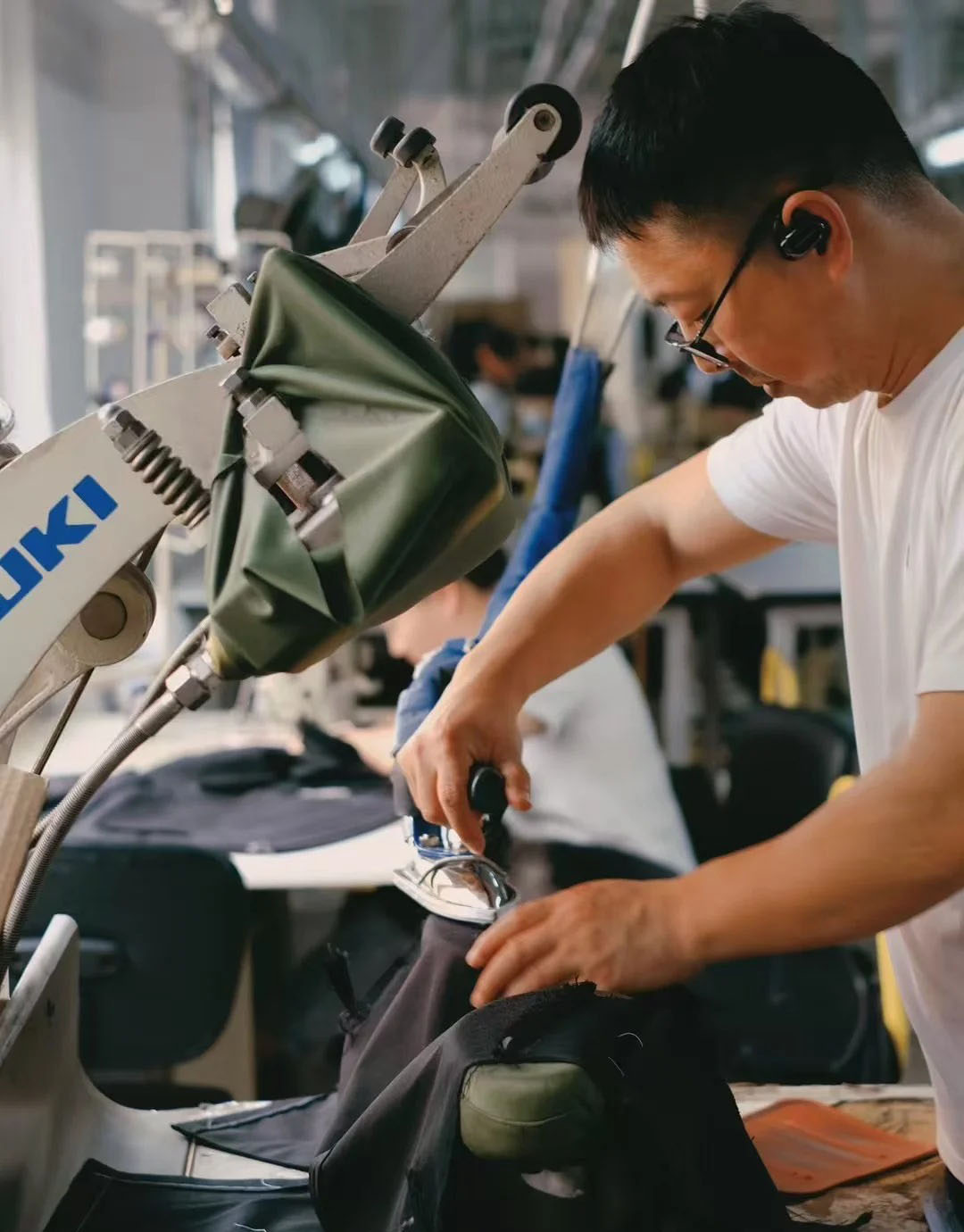
Garment Finishing
Garment finishing brings construction, labels, trims, pressing and packaging into one final quality-controlled stage. Details are checked against approved specifications so every piece arrives ready for retail, team issue or private-label distribution.
Trims and Private-Label Details That Complete the Product
Snap Button Sets
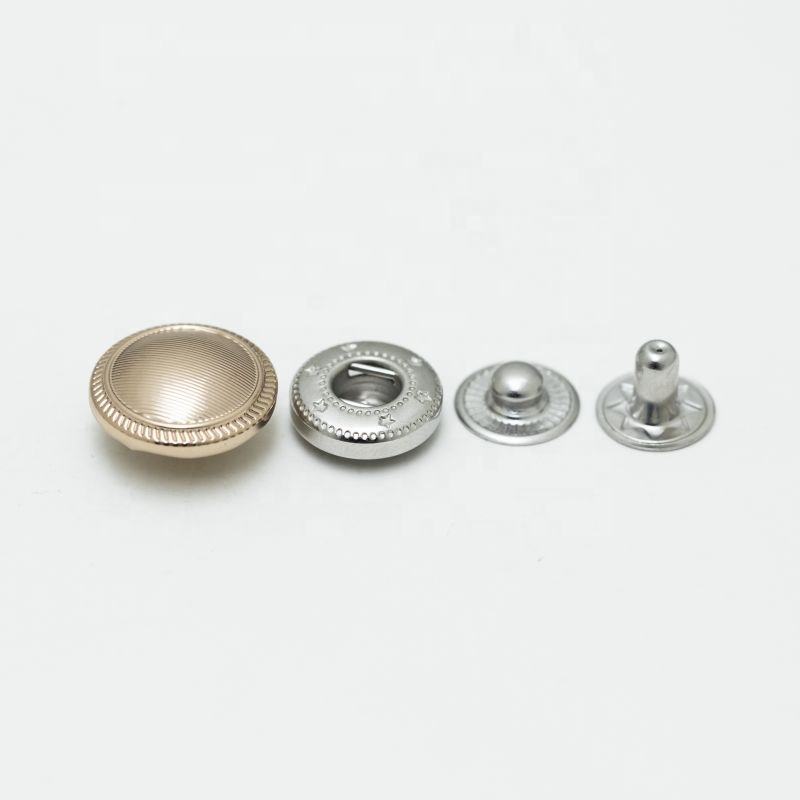
Specify snap finishes, colors, sizes and placement for varsity jackets, outerwear and workwear-inspired styles. Coordinated hardware helps reinforce construction requirements while keeping the garment visually consistent.
YKK Zippers
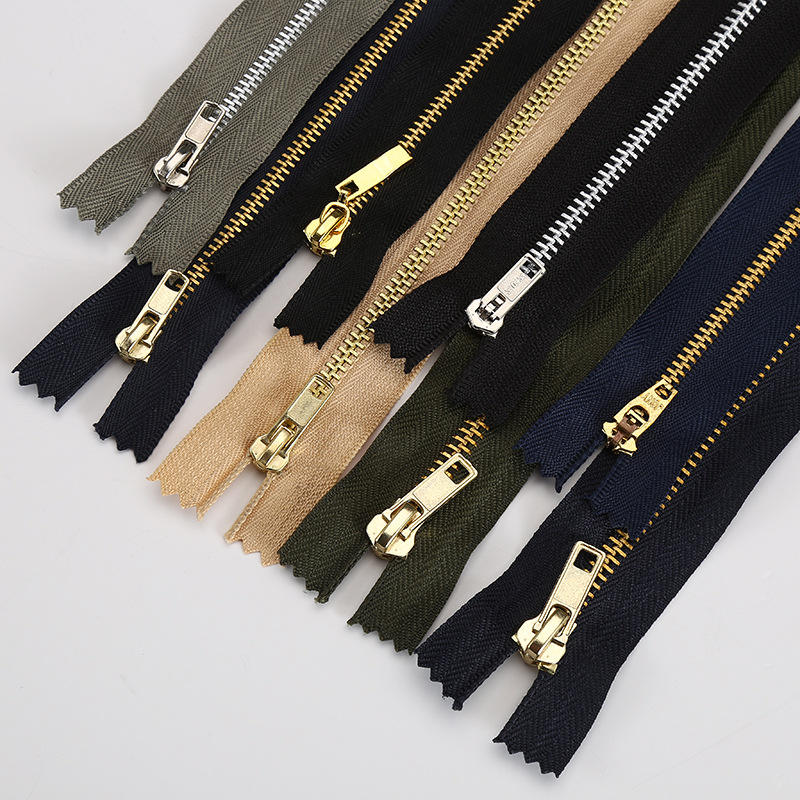
Select zipper type, length, finish and puller configuration for hoodies, jackets, windbreakers and pockets. EDVORIN aligns zipper choices with fabric weight, garment function and the approved product specification.
Woven Labels
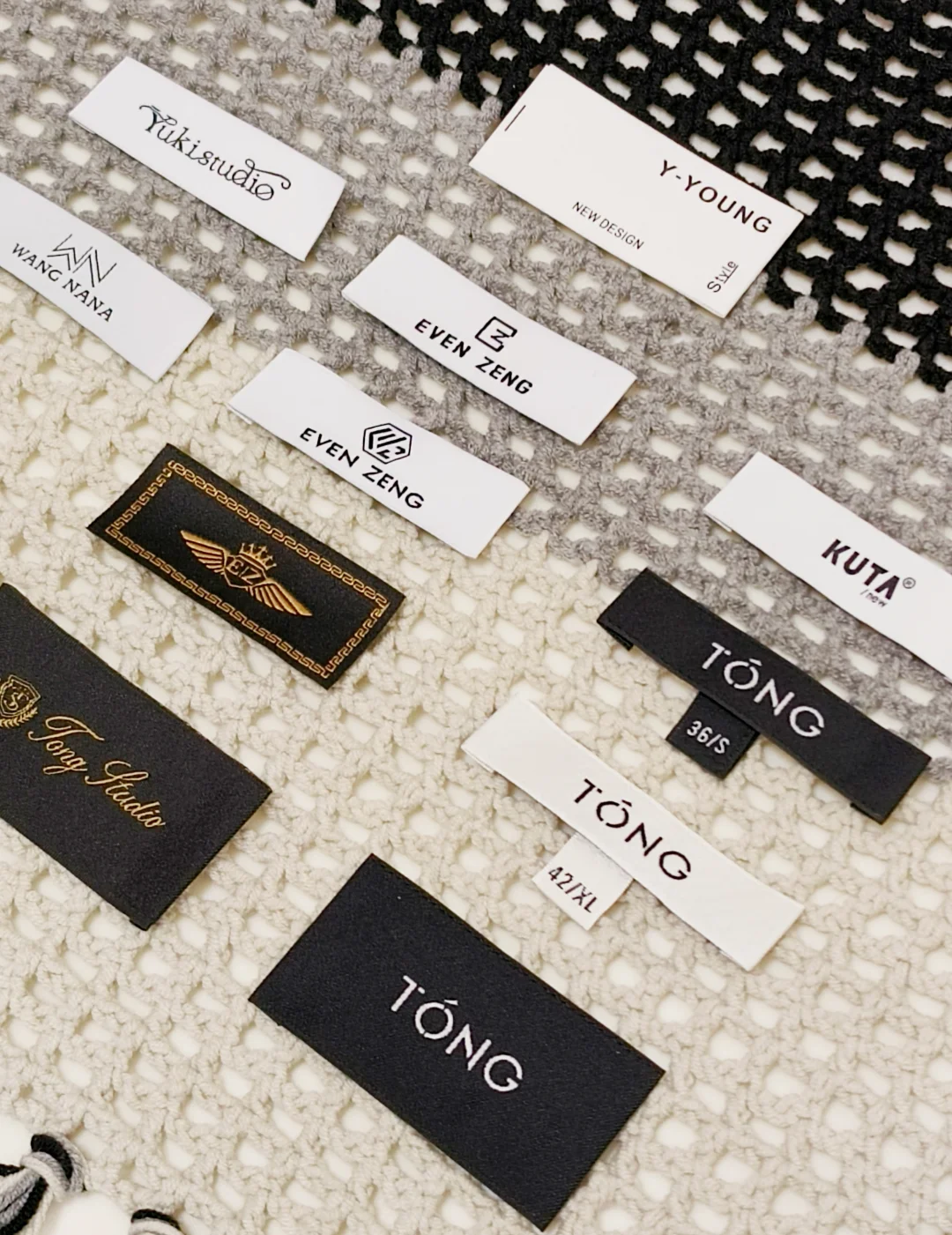
Add neck labels, side labels and hem labels that identify your brand and support garment information requirements. Label dimensions, weave, fold, placement and attachment method are documented before bulk production.
Retail Hangtags
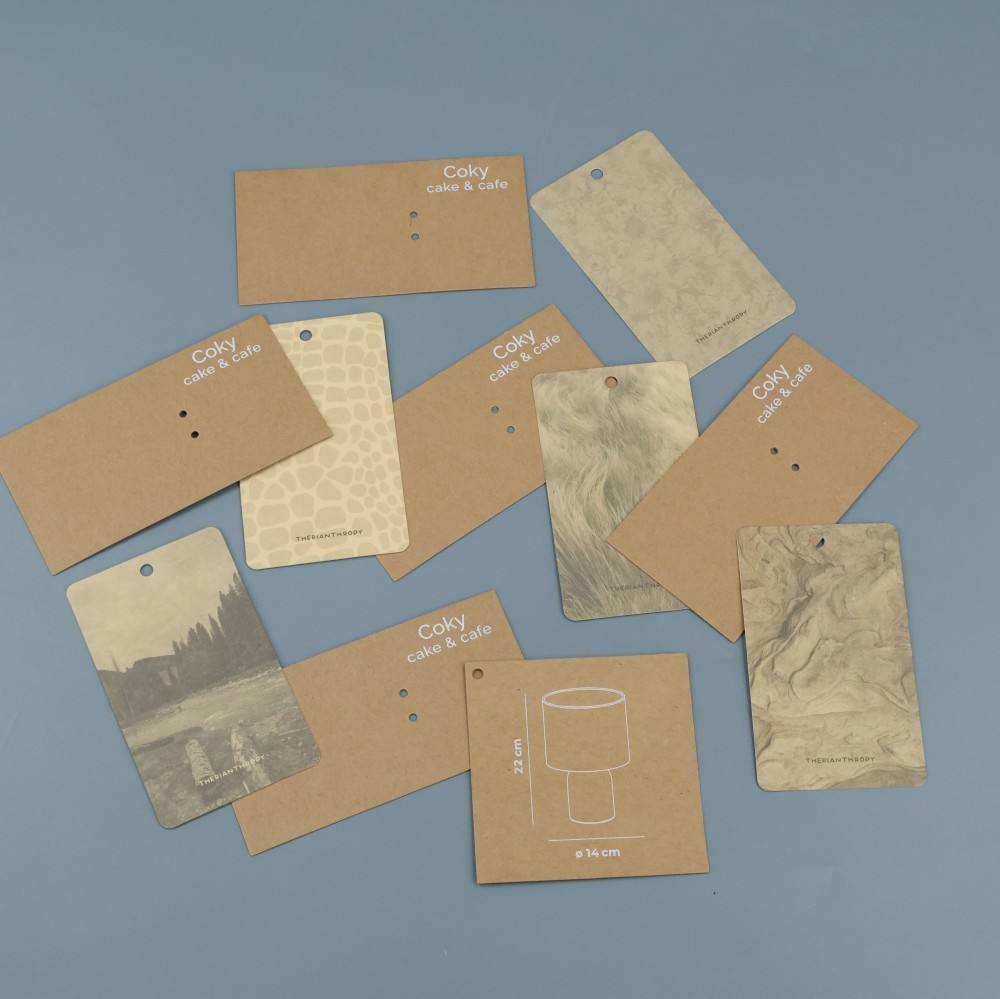
Complete private-label orders with custom hangtags, strings, size stickers and packaging details. These retail-facing components help deliver a coordinated unboxing experience while keeping product identification organized for packing.
About EDVORIN: Clothing Manufacturer for Fashion Brands
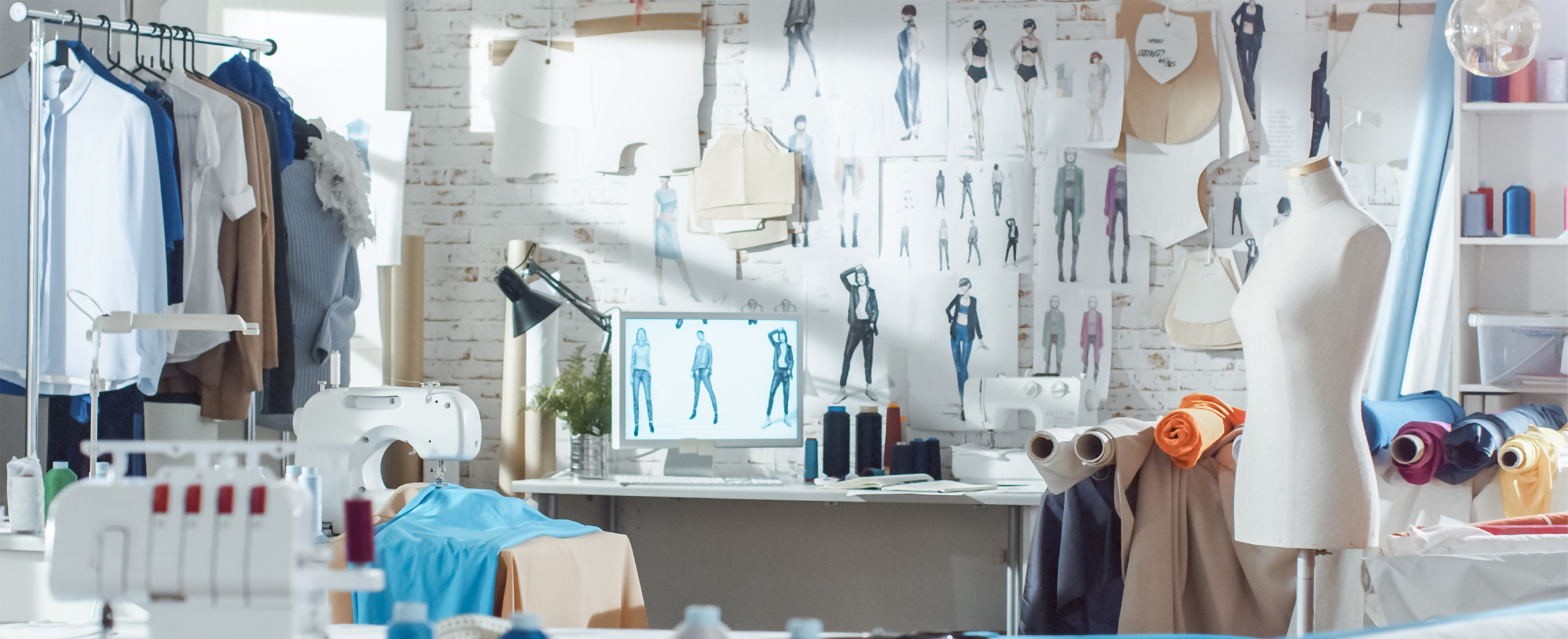
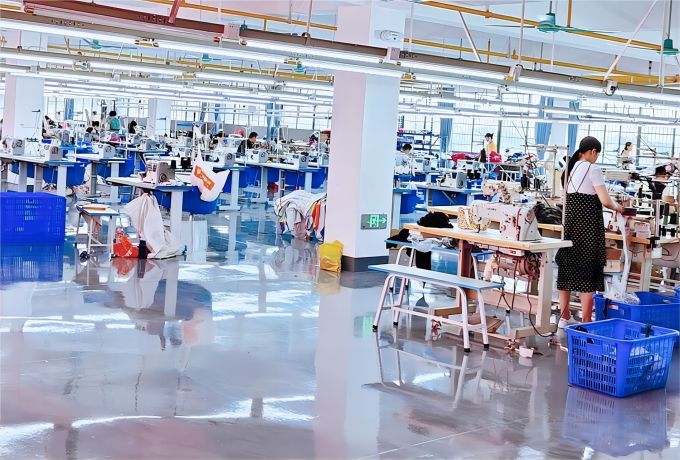
Founded by Edvorin Zeng in 2000, EDVORIN was built from the production floor outward. We help fashion brands turn ideas, sketches, references and detailed tech packs into production-ready apparel standards designed to hold up beyond the first sample.
As a clothing manufacturer for fashion brands, we connect product development, fabric and trim sourcing, patterns, sampling, decoration, washing, bulk production, labeling and packaging in one accountable workflow. Our teams support casualwear, streetwear, outerwear and teamwear for men’s and women’s programs, with MOQs starting at 200 pieces per style.
What makes EDVORIN different is how we make key decisions visible: approved samples, measurement standards, artwork placement, material specifications and inspection points all inform bulk production. This disciplined approach helps protect the original concept and gives buyers a repeatable foundation for future collections.
Production Capability Built to Repeat
Technical Development That Travels
EDVORIN turns a tech pack, sketch, reference garment or collection direction into production-ready specifications. Patterns, fit blocks, grading and construction details are developed for the intended product, wearer and market so the approved sample can guide consistent future orders.
- Pattern, measurement and construction development
- Men’s and women’s fit considerations across categories
- Sample revisions documented before bulk approval
- Clear standards for repeat orders
Materials and Trims in Sync
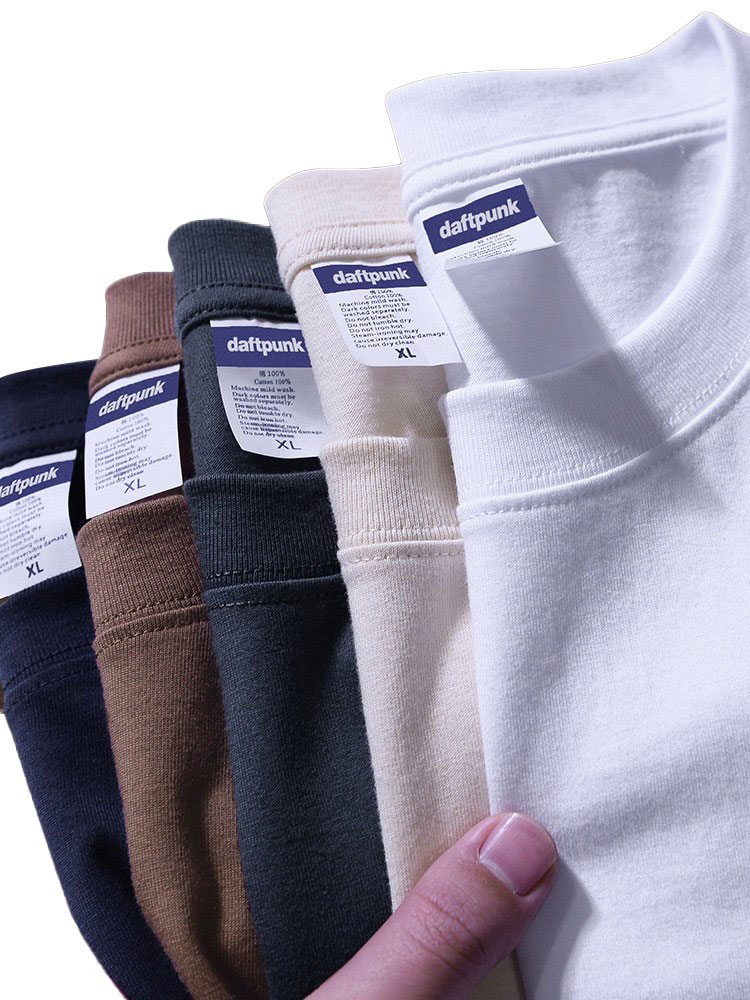
Fabric weight, hand feel, rib recovery, lining, hardware, labels and packaging affect both the garment and its production outcome. EDVORIN coordinates these choices as one product system, helping fashion brands align appearance, function and manufacturing requirements before bulk production.
- Fabric and trim sourcing coordination
- Category-specific material recommendations
- Labels, drawcords, hardware and packaging specified
- Approved components aligned with bulk production
Decoration Built for the Garment
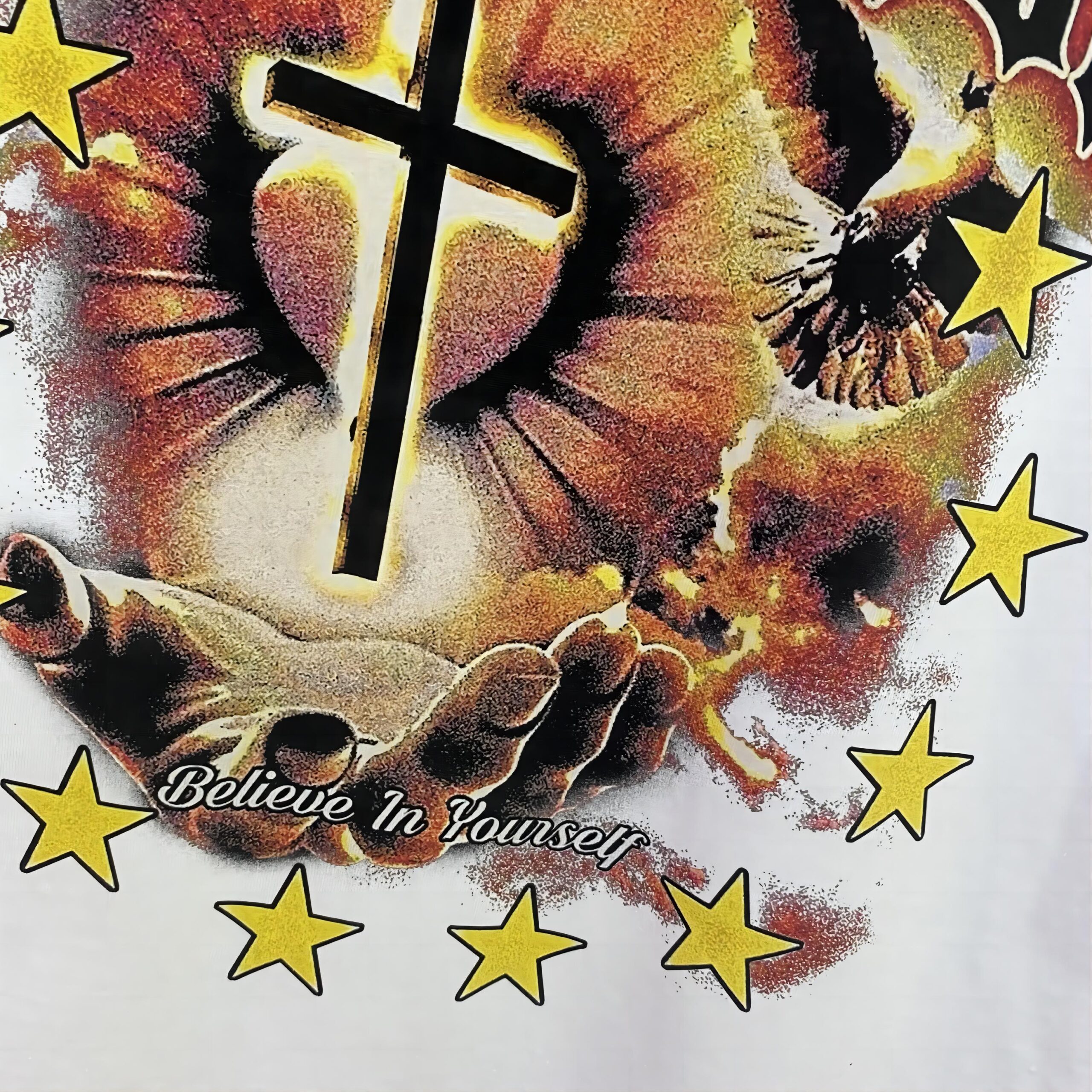
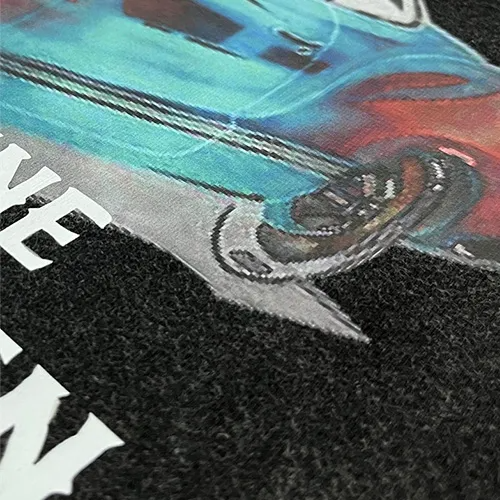
A graphic, patch, wash or embroidery must work with the base fabric and garment construction. EDVORIN matches decoration and finishing decisions to casualwear, streetwear, outerwear and teamwear programs, recording placement and execution details that production teams can repeat accurately.
- Printing, embroidery and wash coordination
- Artwork placement measured and recorded
- Decoration matched to fabric and construction
- Team names, numbers and branding details controlled
Quality Control Beyond Approval
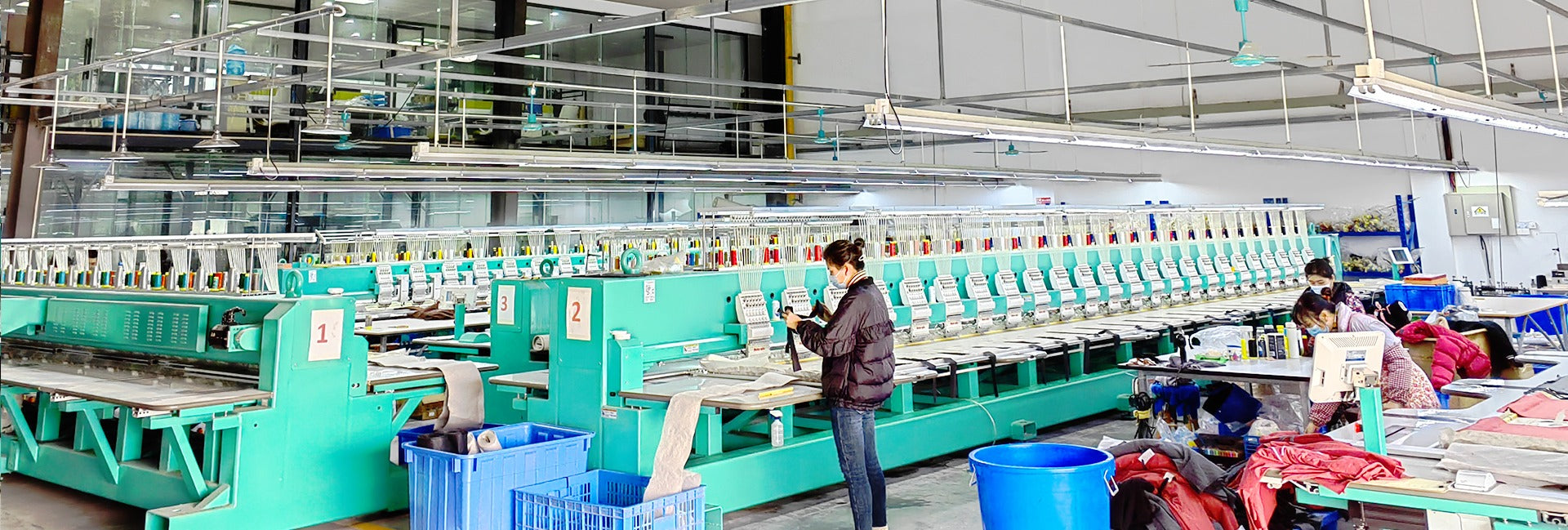
An approved sample is the reference point, not the finish line. EDVORIN carries approved standards into material checks, in-line inspections and final order review, helping protect measurements, construction, decoration and packing consistency from sample through shipment.
- Approved samples used as production references
- In-line checks identify variation early
- Final inspection before packing
- Bulk orders reviewed against agreed specifications
Why Buyers Choose EDVORIN Over Typical Suppliers
A clothing manufacturer for fashion brands should turn approved decisions into clear, repeatable production standards.
← Swipe left or right to view →
From Concept to Packed Order
A controlled production path that turns approved specifications into repeatable apparel programs.
Review Technical Requirements
We review your tech pack, sketches or reference sample, then align fit, measurements, construction details, quantities and approval priorities before development begins.
Source Materials and Trims
Fabric, rib, lining, labels, hardware and packaging are selected against your product requirements, intended wearer, decoration method and approved visual direction.
Develop and Approve Samples
Patterns and samples are developed for review. Revisions are recorded until fit, material, artwork placement, trims and finishing establish the approved production standard.
Cut, Sew and Decorate
Bulk materials are prepared, cut and sewn to approved specifications, with printing, embroidery, washing or other category-specific finishing coordinated within the production flow.
Inspect, Pack and Ship
In-line and final quality checks compare bulk garments with approved standards before labeling, packing and shipment preparation for your fashion, teamwear or private-label program.
How EDVORIN Works With Fashion Brands
Move from an initial concept to a documented, repeatable apparel program with one accountable production path.
Share Your Product Direction
Send a tech pack, sketch, reference garment, or collection brief. We review construction, fit, materials, decoration, labeling, packaging, and production requirements.
Align Scope and Sampling
EDVORIN’s MOQ starts at 200 pieces per style. Confirm the quotation, MOQ, development priorities, and sample plan. Our team coordinates patterns, fabric and trims so specifications are ready for review.
Approve Production Standards
Review the sample and record approved measurements, materials, colors, artwork placement, washes, and finishing details as the standard for bulk production.
Manage Bulk Production
EDVORIN coordinates sourcing, cutting, sewing, decoration, in-line checks, final inspection, labeling, and packing to keep the approved product standard visible.
Receive Ready-to-Sell Orders
Your finished garments are checked against approved requirements, packed to your specifications, and prepared for delivery and repeat orders as your program grows.
Certified Standards for Responsible Apparel Production



What Fashion Brand and Program Buyers Say
Our first hoodie program moved from a sketch to an approved production standard in two sample rounds. The fabric weight, oversized fit, wash, and print placement were documented clearly, so our 600-piece repeat order matched the launch sample.
EDVORIN helped us coordinate 14 jersey sizes, player names, numbers, and club colors for a 320-piece order. Everything arrived sorted by size set, and the decoration placement stayed consistent across both youth and adult uniforms.
We needed a private-label supplier that could make women’s and men’s joggers from the same collection language. After approval, the 1,200-piece wholesale run held the measurements and trim details we signed off on, which made reordering much easier.
Clothing Manufacturer for Fashion Brands: FAQs
EDVORIN’s MOQ starts at 200 pieces per style. Answers on MOQ, sampling, production control and private-label support from EDVORIN.
What is EDVORIN’s minimum order quantity?
Can EDVORIN help if I only have a sketch or reference garment?
How does EDVORIN control quality from sample to bulk production?
Do I need a complete tech pack before starting?
What apparel categories can EDVORIN develop for fashion and streetwear brands?
Can EDVORIN provide OEM, ODM and private-label manufacturing?
How are printing, embroidery and wash details handled?
Can EDVORIN support shipping and payment planning for an order?
The Complete Buyer’s Guide to clothing manufacturer for fashion brands
Use a practical decision framework to compare supplier models, materials, quality controls, customization options, and total costs—while avoiding specification gaps, unsuitable minimums, weak sampling processes, and preventable production delays.
1. Clothing Manufacturer for Fashion Brands Defined
200-piece programs and larger runs benefit from a clothing manufacturer for fashion brands when the partner converts a design into a controlled production specification. EDVORIN can support development, fabric and trim sourcing, patterns, samples, decoration, bulk making, quality control, labels, packaging, and shipment coordination.
One factory partner makes the garment; a wholesaler resells finished goods, a blank-apparel supplier provides pre-made base styles, and a sourcing agent coordinates suppliers without necessarily operating production. That distinction matters when fit, fabric weight, wash effects, artwork placement, or private-label details must be reproduced consistently.
EDVORIN is suited to fashion labels, streetwear teams, schools, sports organizations, wholesalers, and private-label buyers needing custom product accountability. Before requesting a quote, confirm the style count, quantities by color and size, materials, decoration, packaging, quality standard, delivery destination, and whether development or production-only support is required.
2. How Fashion Manufacturing Has Evolved
In the 1990s, contract factories commonly received paper patterns, physical swatches, and buyer-controlled instructions. Design, sourcing, sampling, and sewing were often managed as separate handoffs, increasing the risk that approved details changed before bulk production.
By the 2000s, OEM, ODM, private-label, and full-package models gave buyers different levels of supplier involvement. A clothing manufacturer for fashion brands could now support pattern development, material sourcing, samples, decoration, labeling, and packing instead of only cut-and-sew execution.
By the 2020s, digital tech packs, graded measurement charts, Pantone references, artwork files, and revision records made specifications easier to share across global supply chains. Brands should evaluate traceability of materials and approvals, sample-response discipline, and the supplier’s ability to turn digital decisions into a controlled bulk standard.
3. Types of Clothing Manufacturer for Fashion Brands
Six manufacturer models distribute responsibility differently. Choose one before outreach so your brief, internal skills, and expected supplier support align.
| Model | Design Owner | Material Sourcing | Buyer Skill | Flexibility And Best Fit |
|---|---|---|---|---|
| CMT | Buyer | Buyer | Advanced technical and sourcing | High control; proven tech packs |
| OEM | Buyer | Factory or shared | Clear specifications | High; custom branded programs |
| ODM | Factory base | Factory | Product selection | Moderate; faster launches |
| Private label | Factory base | Factory | Branding and merchandising | Limited; branded proven styles |
| Full-package | Buyer plus factory development | Factory | Brief and approvals | High; first complex collection |
| Specialist factory | Buyer plus expert factory | Varies | Category expertise | High within niche; jerseys, outerwear, washing |
Model Selection
Six common models divide responsibility differently.
CMT requires the most buyer control; full-package transfers the most coordination.
Specialist Fit
Specialist factories concentrate expertise in one category or process.
Match their equipment to the garment’s construction and decoration.
4. Materials and Fabrics for Brand Collections
Fabric choice sets the garment’s weight, recovery, drape, and wash behavior before a pattern reaches sampling. A clothing manufacturer for fashion brands should match construction to wear conditions, not just appearance.
| Fabric | GSM | Best Use | Benefit | Buyer Check |
|---|---|---|---|---|
| Cotton jersey | 160–220 | T-shirts | Soft hand | Shrinkage |
| French terry | 280–360 | Sweats | Breathable weight | Loop durability |
| Polyester interlock | 180–240 | Jerseys | Color retention | Snagging |
| Cotton twill | 220–300 | Woven shirts | Structured drape | Colorfastness |
Match Fabric To Use
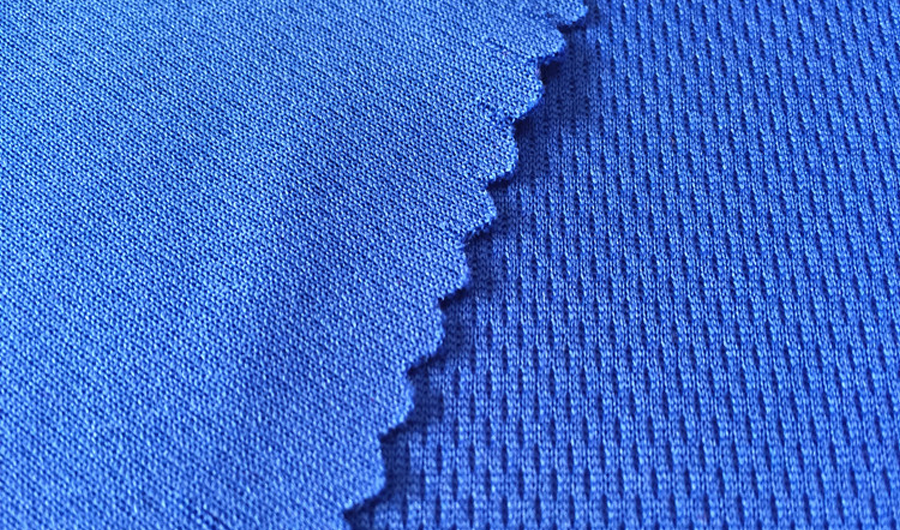
280–450 GSM cotton fleece suits heavyweight streetwear; brushed interiors add warmth but can shrink.
140–180 GSM polyester-elastane knits suit activewear, where stretch recovery and moisture handling matter.
Specify Performance Tests
3–5% elastane can improve recovery, while excessive stretch may distort silhouettes.
Pantone-approved lab dips and wash tests should confirm shade, shrinkage, pilling, and colorfastness before bulk cutting.
Confirm Uniform Durability
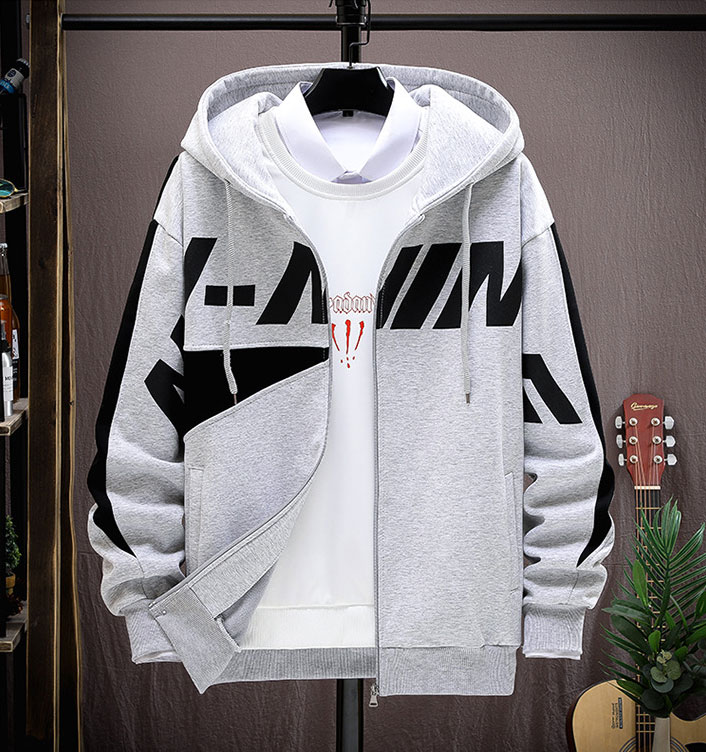
200–260 GSM piqué or interlock supports polos and team uniforms. Buyers should assess abrasion, repeated laundering, and color consistency across size runs.
5. Customization and Decoration Options
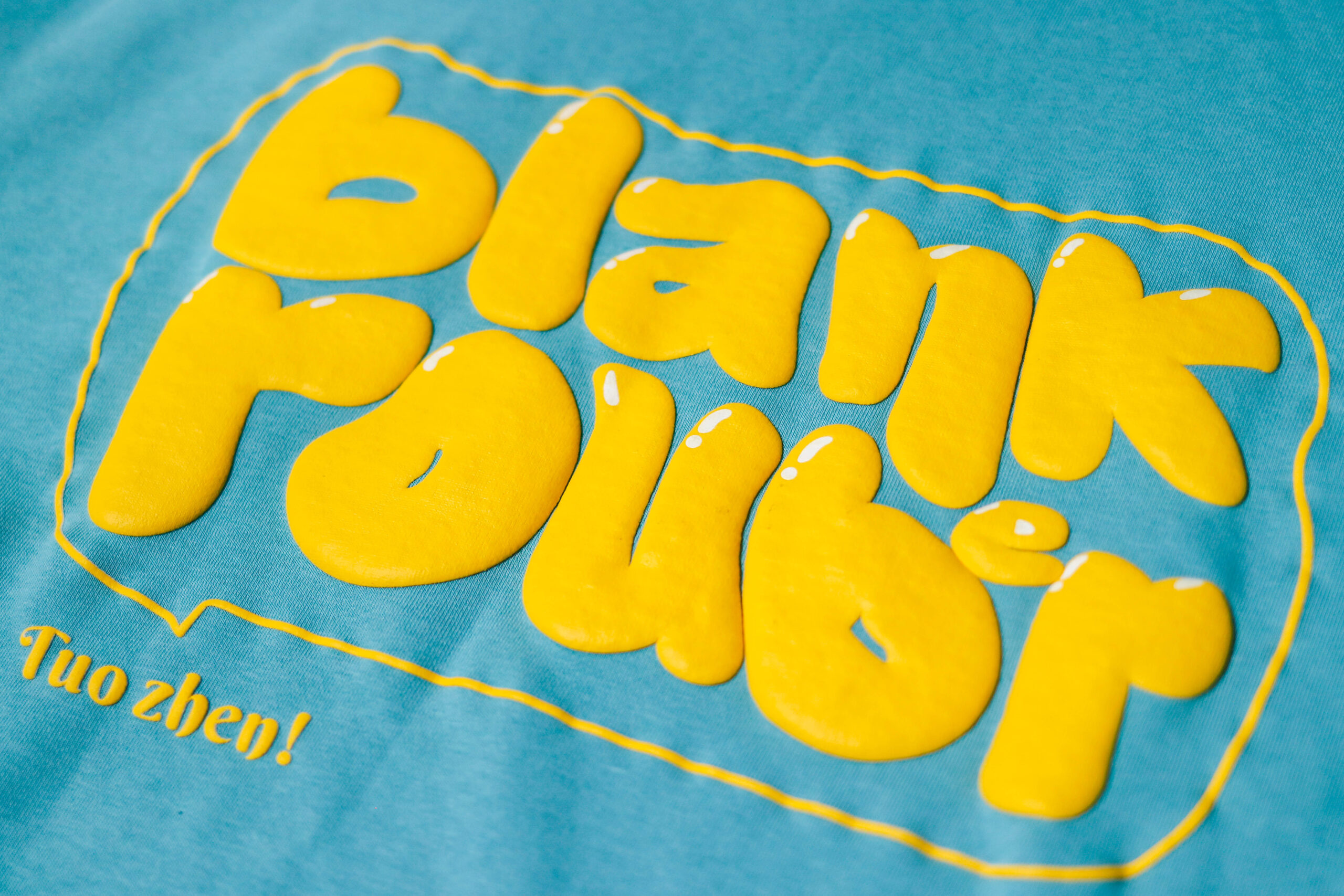
One approved decoration sample should record artwork, color, scale, and placement before bulk work begins. For a clothing manufacturer for fashion brands, customization is a specification set—not an add-on.
| Method | Best For | Durability And Preparation | Complexity |
|---|---|---|---|
| Screen print | Bold graphics | Separated artwork; test wash | More colors increase setup |
| Embroidery | Logos and patches | Stable backing; avoid bulky areas | Dense stitches affect drape |
| Transfers | Small detailed graphics | Press test; confirm adhesion | Heat-sensitive fabrics need care |
| Sublimation | All-over polyester graphics | Panel artwork; color test | Requires specialist production |
Cut-And-Sew Specifications

Two colorways can change trim availability, dye matching, and pack ratios; lock Pantone references early.
Custom ribs, drawcords, zips, pockets, and panels require patterns and a construction sample before bulk.
Branding Components
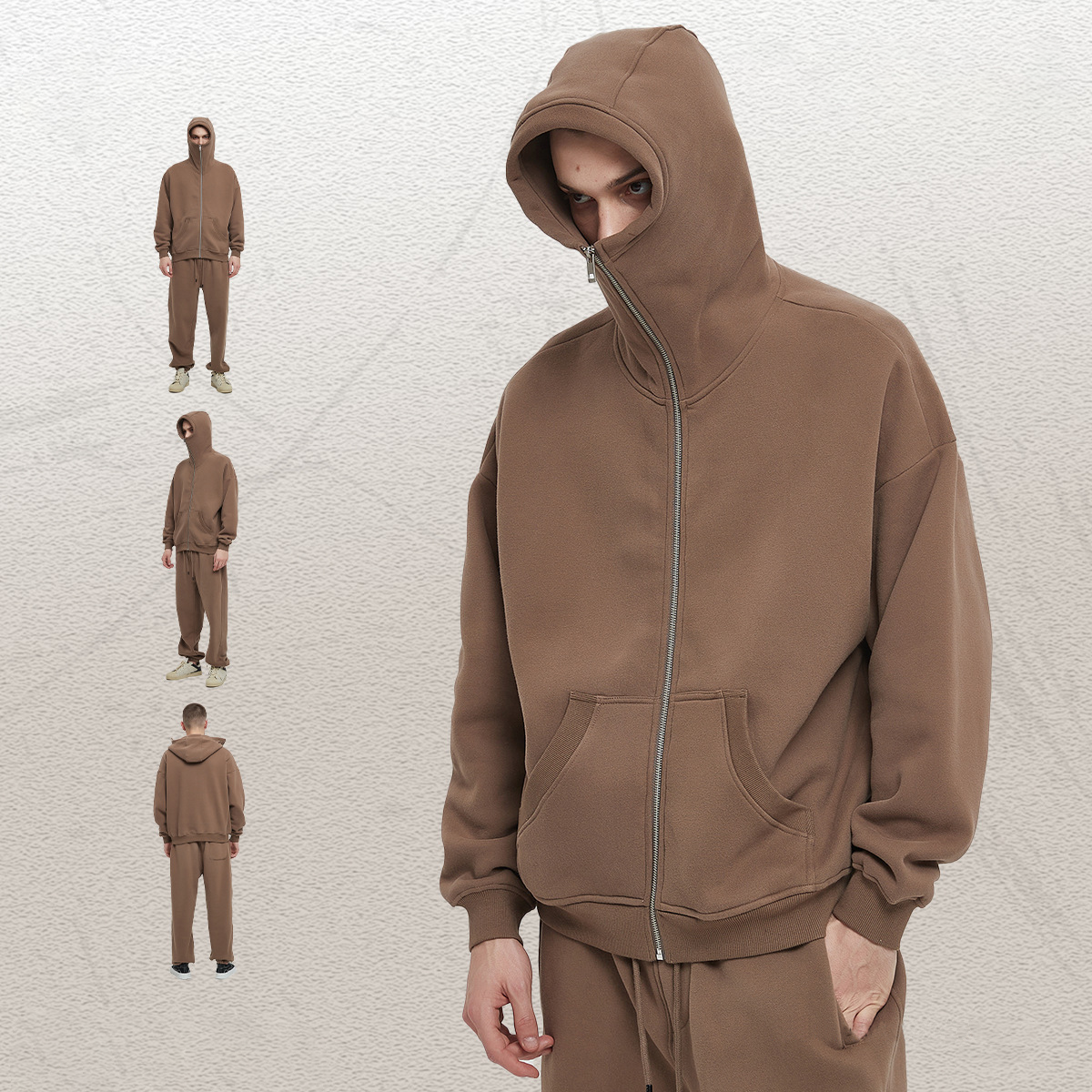
One woven main label, neck label, hangtag, and packaging dieline should carry approved copy, size order, and attachment location.
Two-sided hangtags or custom cartons add supplier coordination and should be sampled with the garment.
Decoration Method Selection
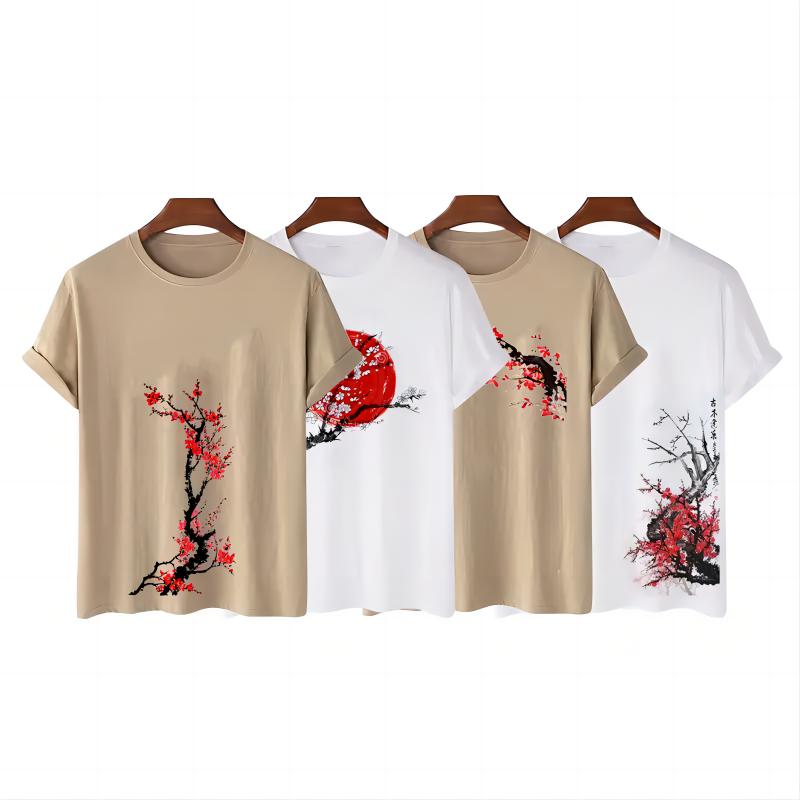
One full-size placement test is essential: seams, pockets, zips, and thick ribs can distort artwork.
Four-color screen artwork needs separated files; all-over sublimation requires specialist capability and panel-level planning.
6. Construction and Quality Control Essentials
A 2–3 mm measurement shift can change the balance of a fitted garment. Construction standards turn an approved look into a repeatable bulk specification.
Patterns And Grading
One base pattern should identify points of measure, grade rules, seam allowances, and tolerances by size. Record fit comments against a dated sample so revisions do not rely on memory.
Seams And Reinforcement
Overlock seams suit many knit interiors, while flatlock reduces bulk at activewear seams. Specify stitch density, seam type, bartacks at stress points, and reinforcement for pockets, crotches, zippers, and drawcord exits.
Testing And Final Checks
A pre-production sample should confirm fabric inspection results, shrinkage after the intended wash, color appearance, measurements, trims, labeling, and finishing. Final inspection should compare packed garments with the approved sample and documented tolerances.
7. Choose a Clothing Manufacturer for Fashion Brands
A clothing manufacturer for fashion brands should match the product’s construction and operating requirements, not merely its unit price. Compare suppliers after the same specification set has been issued.
| Check | Evidence To Request | Quote Match Point |
|---|---|---|
| Category fit | Comparable samples | Construction and decoration |
| MOQ and capacity | MOQ by color and size | Volume and delivery window |
| Quality system | Measurement and inspection records | AQL, rework, and approvals |
| Sourcing and shipping | Material origin and Incoterm | Fabric, duties, freight, packaging |
Screen Category Capability
Three recent, comparable garments reveal more than a sales deck: inspect seams, grading, decoration, wash results, and category-specific performance. EDVORIN can develop category-appropriate blocks from a tech pack, sketch, or reference garment.
Normalize Every Quote
EDVORIN’s MOQ starts at 200 pieces per style. One quote sheet should lock style, fabric composition and GSM, colorways, size range, decoration, labels, packaging, MOQ, Incoterm, sampling, and freight assumptions. Request line-item exclusions and revision charges before comparing totals.
Approve Before Bulk
Two checkpoints reduce commitment risk: approve a development sample, then confirm a pre-production sample against measurements, color, artwork placement, trims, and packaging. Request an inspection plan, factory capacity window, critical-path dates, and shipment terms in writing.
8. Common Manufacturer Sourcing Mistakes
Most sourcing failures begin before cutting, when price, information, or approvals are treated as informal. A clothing manufacturer for fashion brands needs a written production standard, not assumptions.
Price Is Not Cost
EDVORIN’s MOQ starts at 200 pieces per style. Lowest unit price can conceal inferior fabric, rework, and freight exposure. Compare landed-cost quotes against one approved construction standard.
A 200-piece MOQ and payment milestones must be confirmed before costing. Put quantities, deposits, balance triggers, and currency in the purchase order.
Specs, Samples, And Changes
One missing measurement, Pantone reference, or placement dimension becomes a production assumption. Supply graded measurements, BOM details, artwork files, and packaging notes.
One approved pre-production sample is the bulk reference. Freeze revisions before cutting; late changes can require new materials, patterns, or approvals.
Timing, Packing, And Acceptance
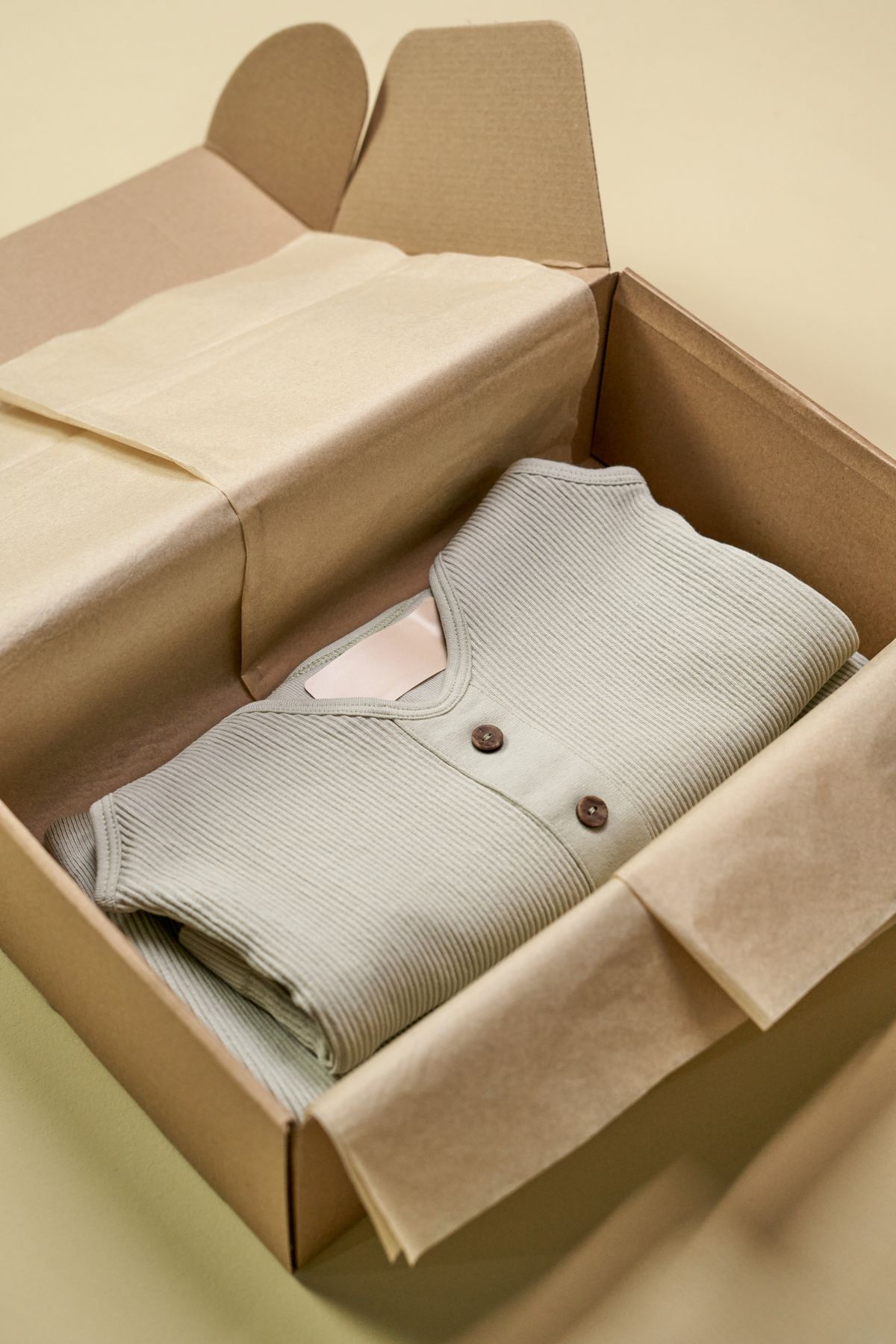
Calendar dates are not lead times when sourcing, sampling, production, and shipping each require approval. Build a critical path with dated approvals and a delivery buffer.
A carton label or defect tolerance left undefined causes receiving disputes. Specify fold method, polybag, carton marks, inspection level, and measurable acceptance criteria before bulk.
9. Steps to Launch Your Clothing Brand
A launch becomes less risky when each approval locks one decision before the next cost is committed. For a clothing manufacturer for fashion brands, sequence matters more than rushing the first purchase order.
Define The Range
One target customer should set fit, price position, use case, and size range before design begins.
Three to five launch styles usually create a more manageable first range than scattered one-off products.
Build Production Files
One tech pack per style should specify measurements, graded sizes, construction, Pantone colors, artwork placement, trims, labels, and packaging.
Two fabric options should be reviewed for weight, handfeel, shrinkage, color, and decoration compatibility before sampling.
Approve And Deliver
One approved sample is the bulk gate: record every revision, then confirm quantity, size breakdown, delivery date, and packing standard.
Two inspection points—in-line and final—help catch measurement, stitching, color, and artwork variation before shipment. Logistics booking and launch photography should start only after the final schedule is confirmed.
10. Clothing Manufacturer Pricing and Costs
200 pieces is a useful comparison point, but an EDVORIN quote is project-specific: one hoodie can differ materially by fleece weight, wash, pattern complexity and decoration.
3 inputs prevent false comparisons: provide a tech pack or reference, size/color breakdown, target quantity, fabric GSM and composition, artwork files, trim and packaging requirements, destination and required delivery date. Ask whether sampling, freight, duties and testing are included.
| Illustrative order tier | Main unit-cost pressure | Planning effect |
|---|---|---|
| 200 pieces | Development, low material yield, custom trims | Highest unit cost; sample approval first |
| 500 pieces | Fabric, 1–3 color print, labels | Better material utilization; fewer changeovers |
| 1,000+ pieces | Bulk fabric booking, repeatable decoration | Lower setup cost per unit; longer booking window |
| Any quantity | Freight method and destination | Air is faster; ocean usually needs more lead time |
Choose a Clothing Manufacturer for Fashion Brands Built to Repeat
Send your tech pack, reference garment or collection concept; EDVORIN will help define a production-ready path from sample through bulk order.