
Teamwear Manufacturer for Repeatable Club and Private-Label Programs
EDVORIN is a teamwear manufacturer for brands, teams, schools, and wholesalers, with OEM development and 200-piece-per-style minimums.
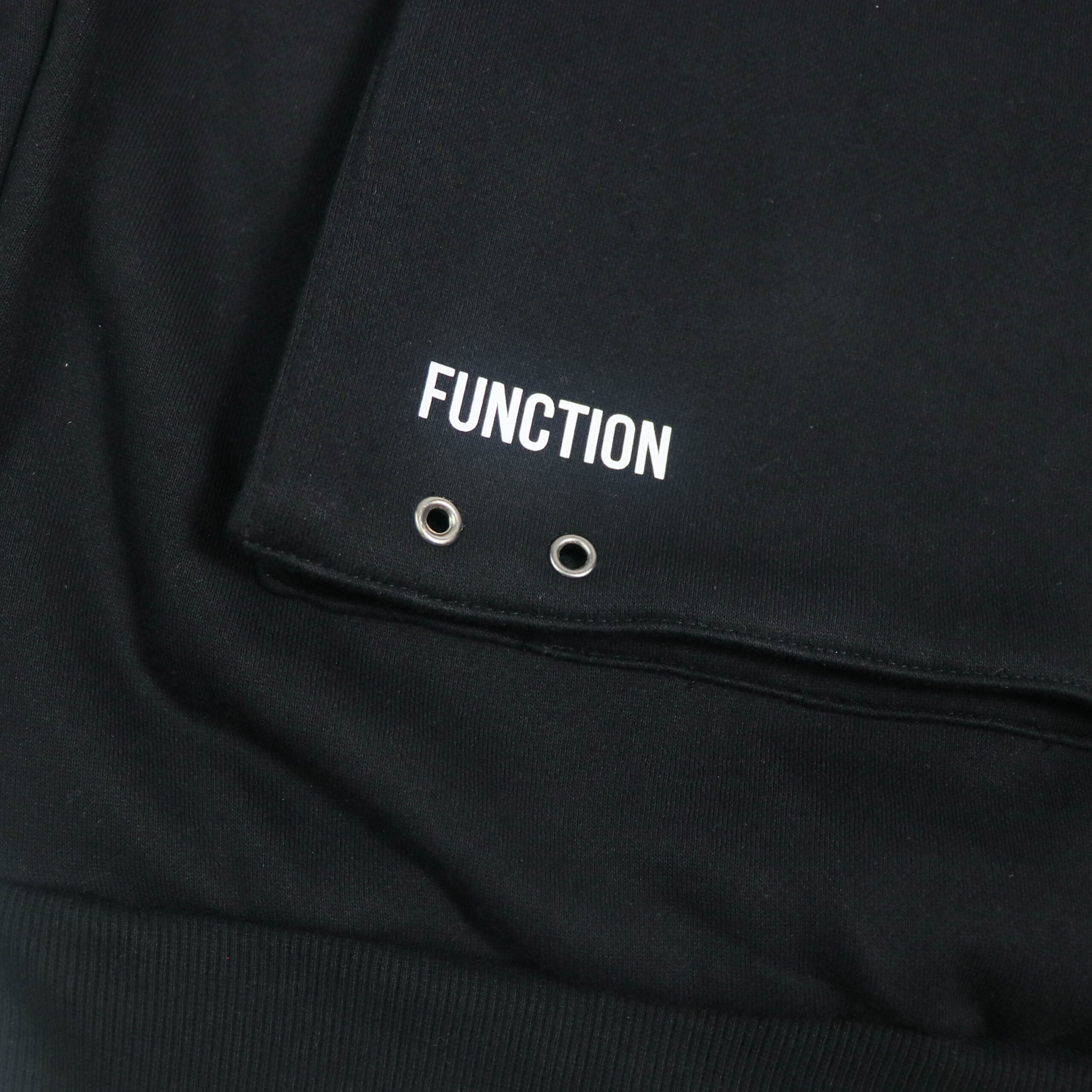
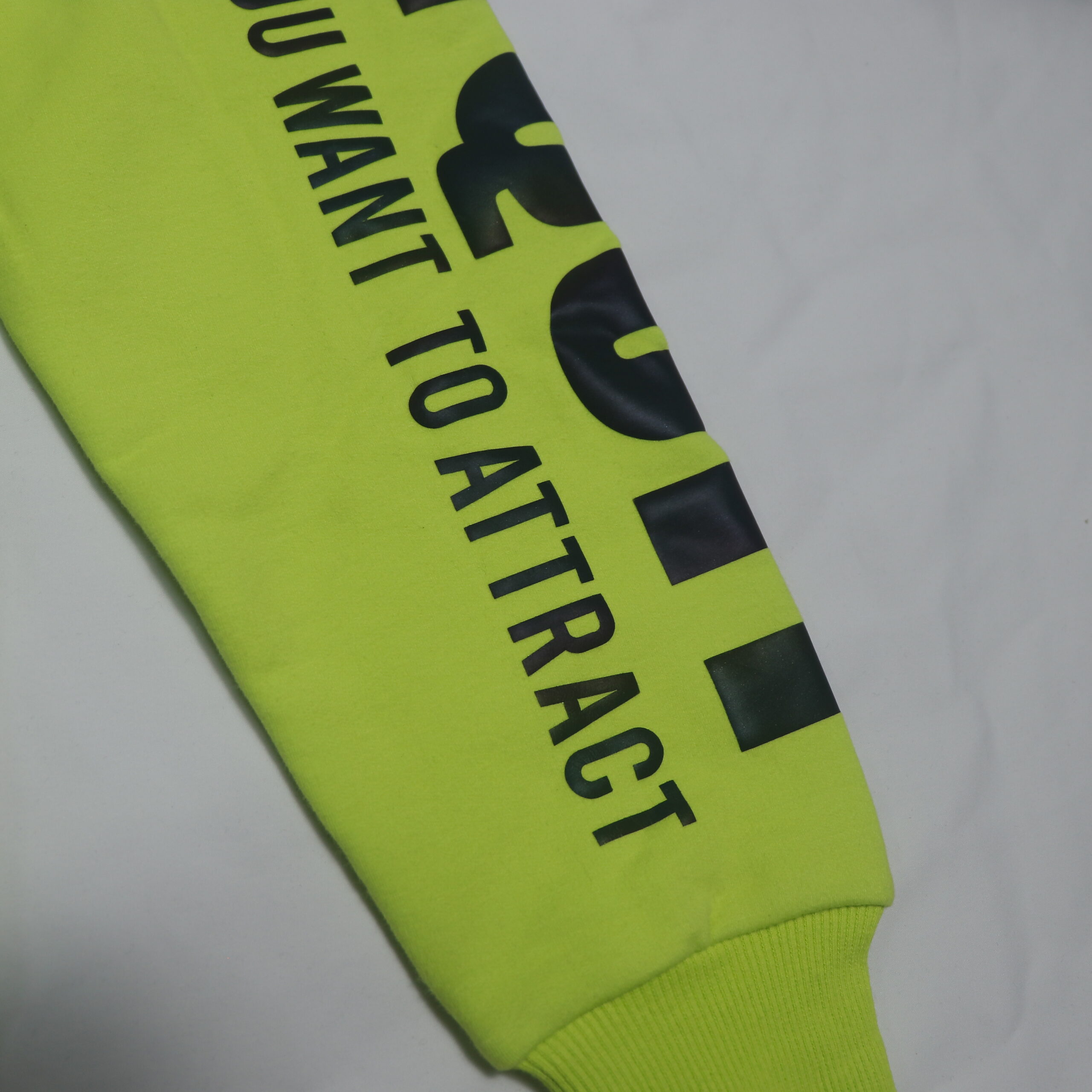
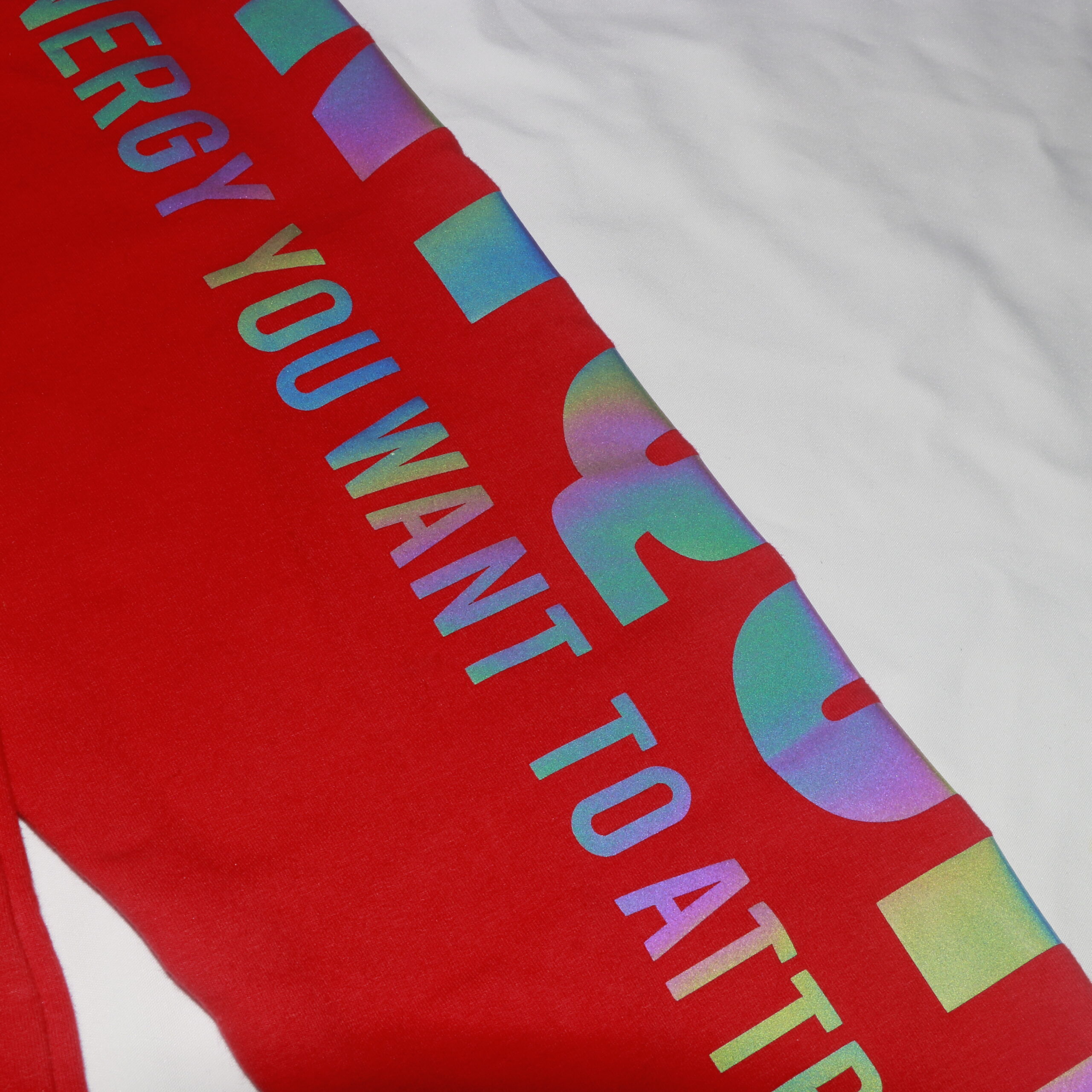
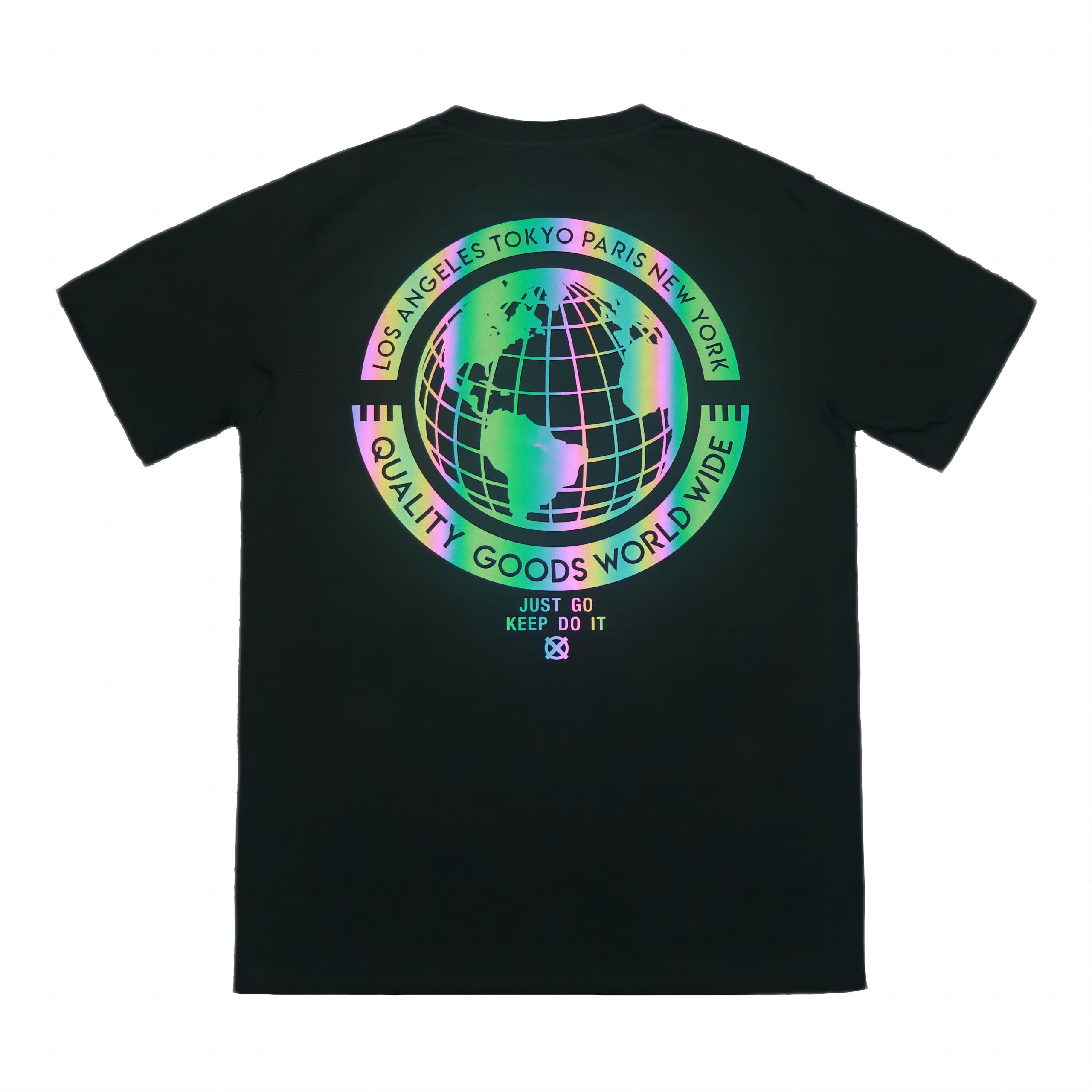
Featured Products for Teamwear Development



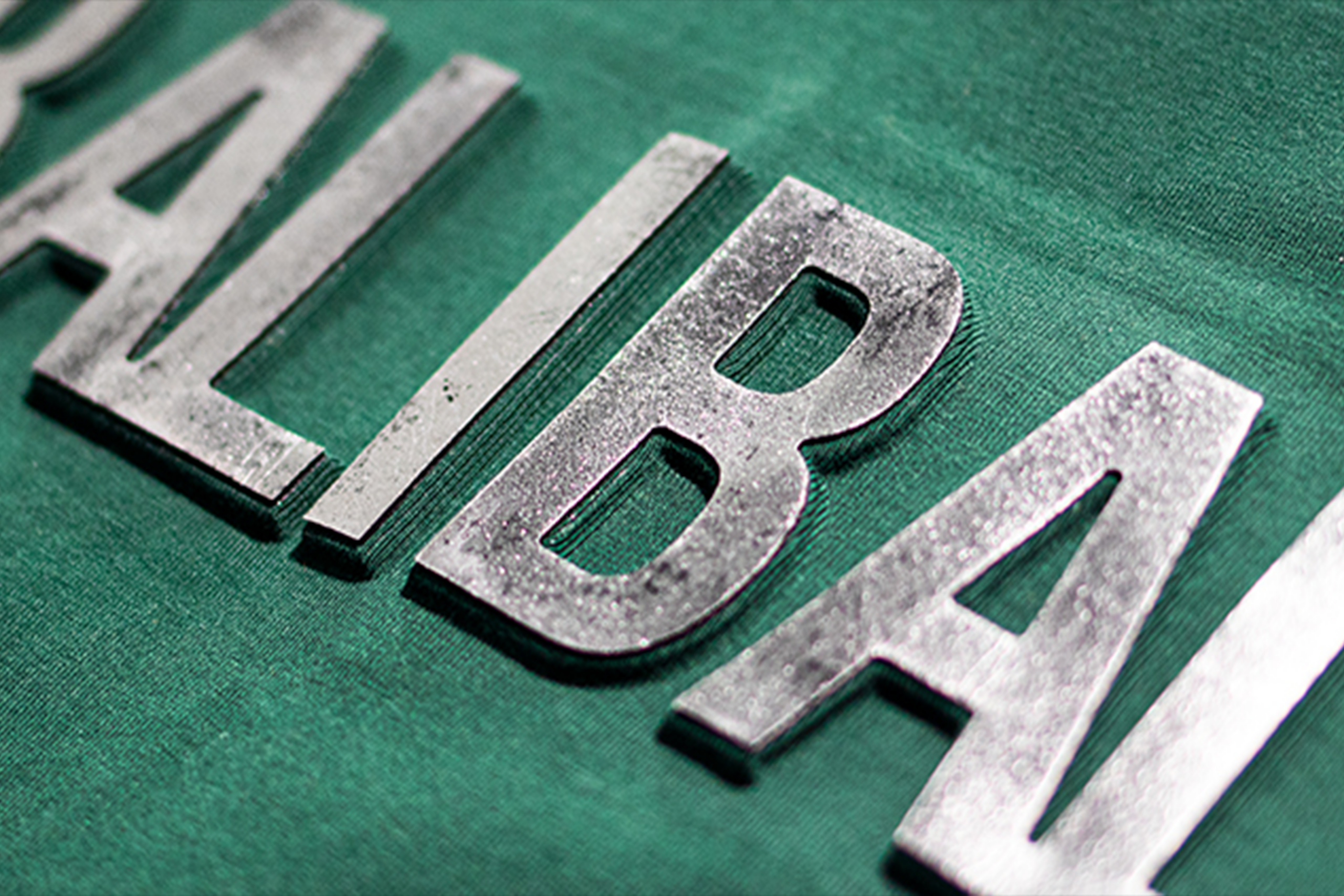
Teamwear Manufacturer Built for Repeatable Production
EDVORIN connects development, decoration and production controls so team programs can move from approved sample to consistent bulk delivery.
Founder-Led Accountability
Since 2000, founder-led oversight keeps construction decisions, production trade-offs and buyer requirements connected from development through final inspection.
Development That Clarifies
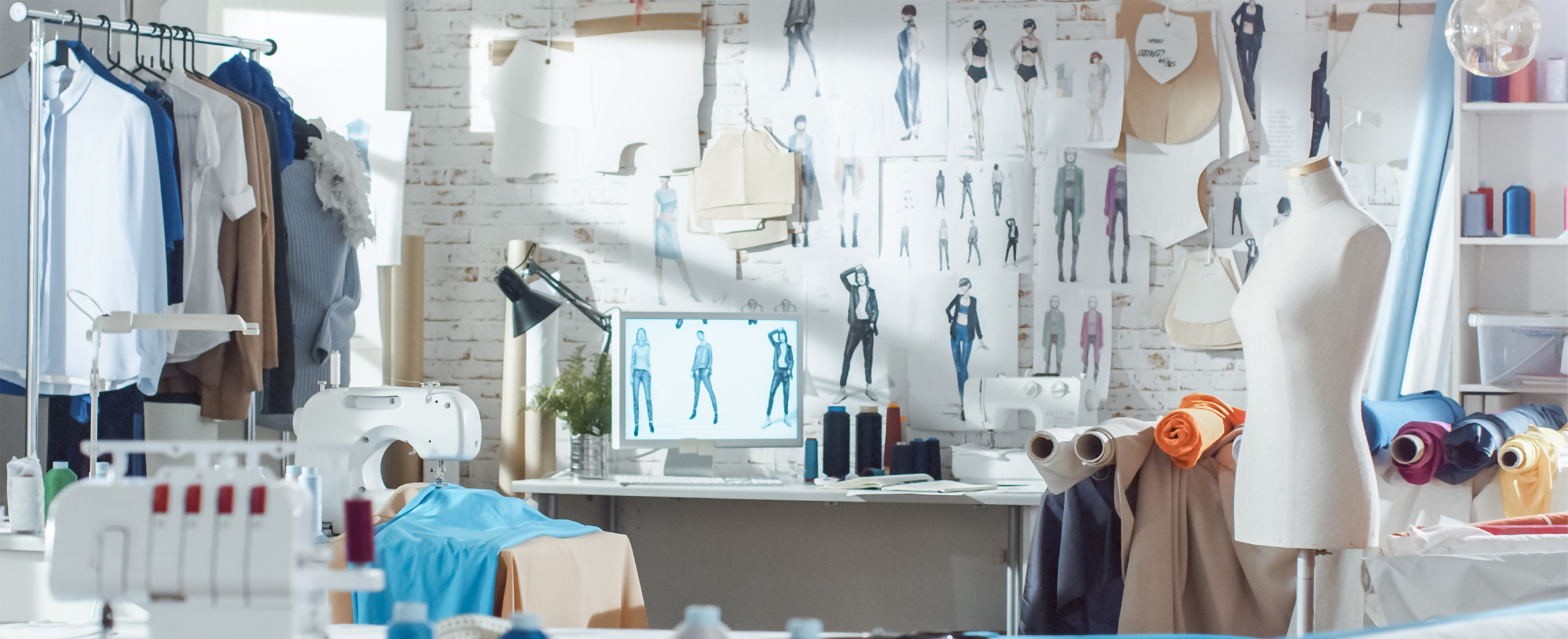
We turn sketches, reference garments or completed tech packs into production-ready specifications, patterns, samples and measurable approval standards.
Category-Specific Decoration
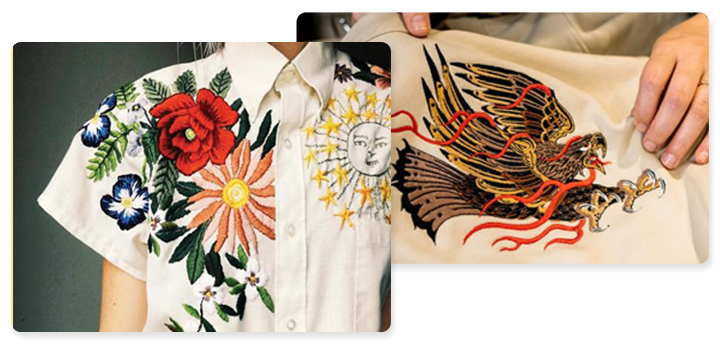
Printing, embroidery, names, numbers and patches are coordinated around each garment’s fabric, construction and intended team identity.
Men’s and Women’s Fits
Fit blocks, grading, proportions and performance details are developed for the intended wearer instead of relying on one universal specification.
Approved-Standard Quality Control
Materials, measurements, artwork placement and trims are checked against approved references during production and again before packing.
Private-Label Coordination
Labels, hangtags, packaging and finishing are coordinated with garment production to deliver a complete branded teamwear program.
Categories We Develop and Produce
From core casualwear to coordinated team uniforms, each program is developed with category-specific construction, materials, decoration, fit, and repeat-production controls.
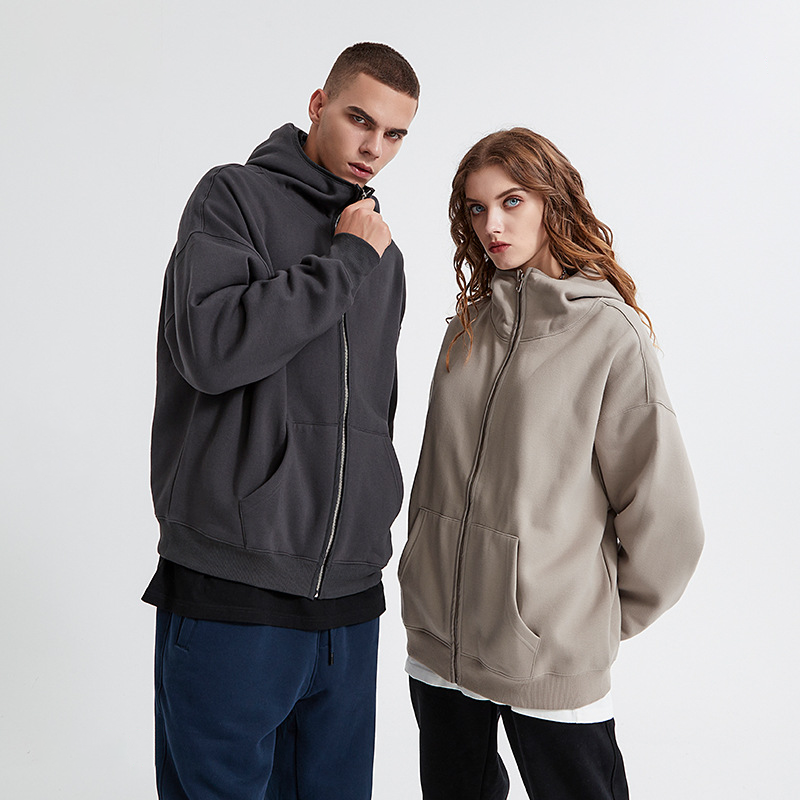
Custom Hoodies
Custom hoodies developed around fleece weight, fit block, rib recovery, hood construction, drawcord details, and decoration requirements. As a custom hoodie manufacturer, EDVORIN supports men’s and women’s private-label programs from samples through controlled bulk production.
Get a Quote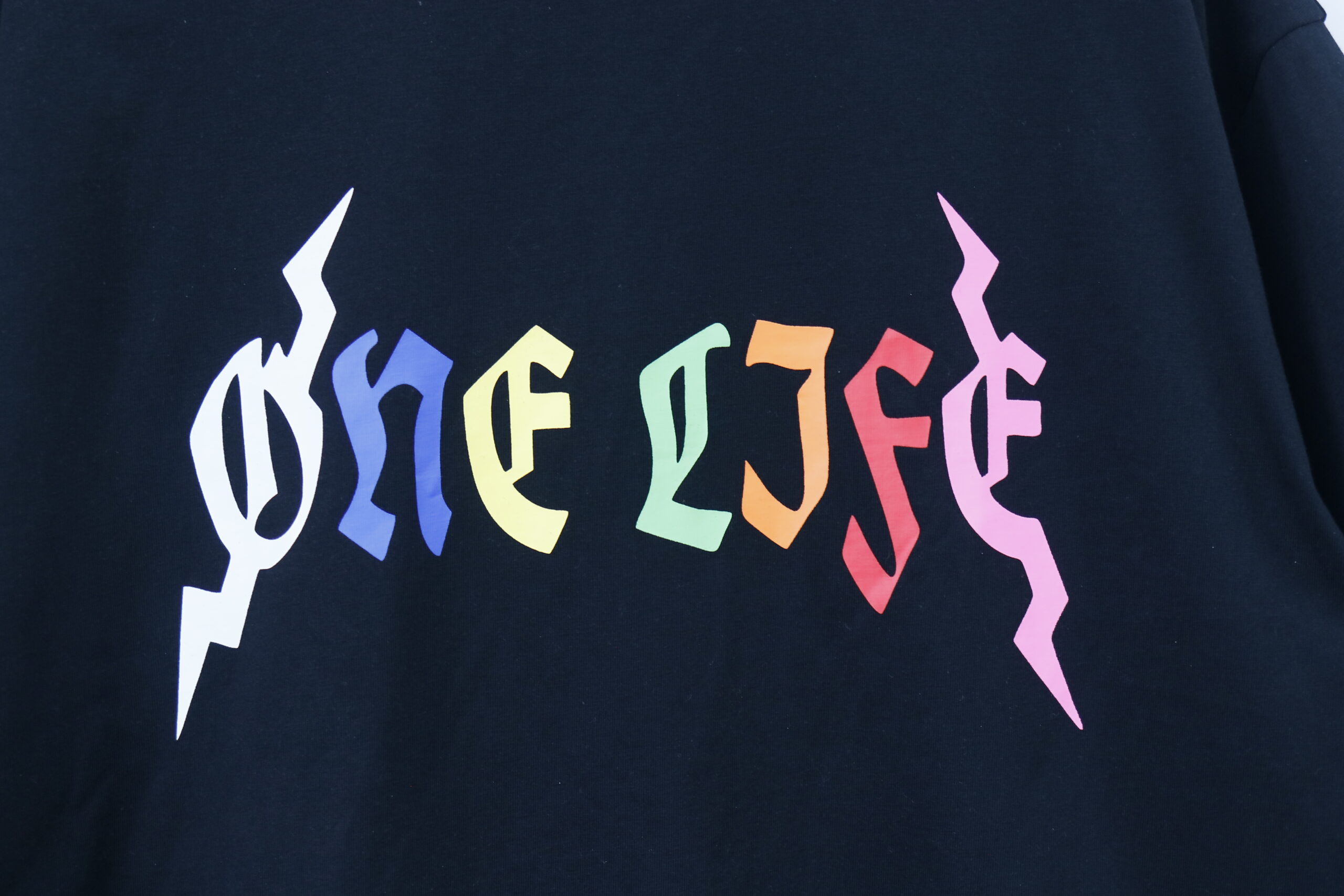
Pullover Sweatshirts
Pullover sweatshirts built with defined body proportions, neck rib, cuff and hem specifications, fabric weight, and print or embroidery placement. Development can follow a complete tech pack or turn a reference garment into a repeatable manufacturing standard.
Get a Quote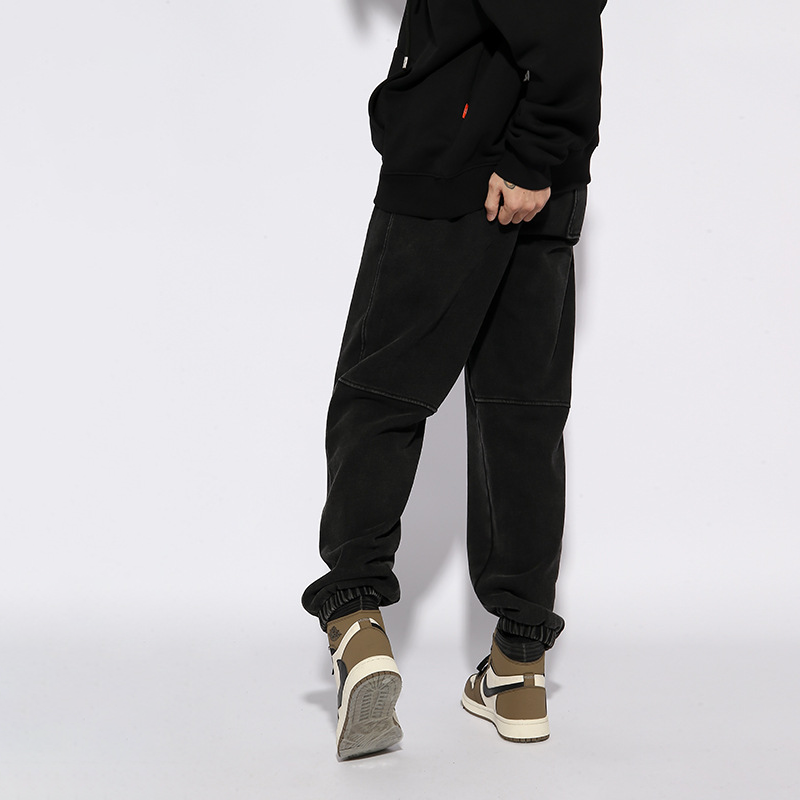
Sweatpants & Joggers
Sweatpants and joggers developed for intended fit, rise, leg shape, waistband construction, pocket details, cuff treatment, and fabric recovery. EDVORIN coordinates grading, trims, washing, and decoration so matching bottoms remain consistent across repeat orders.
Get a Quote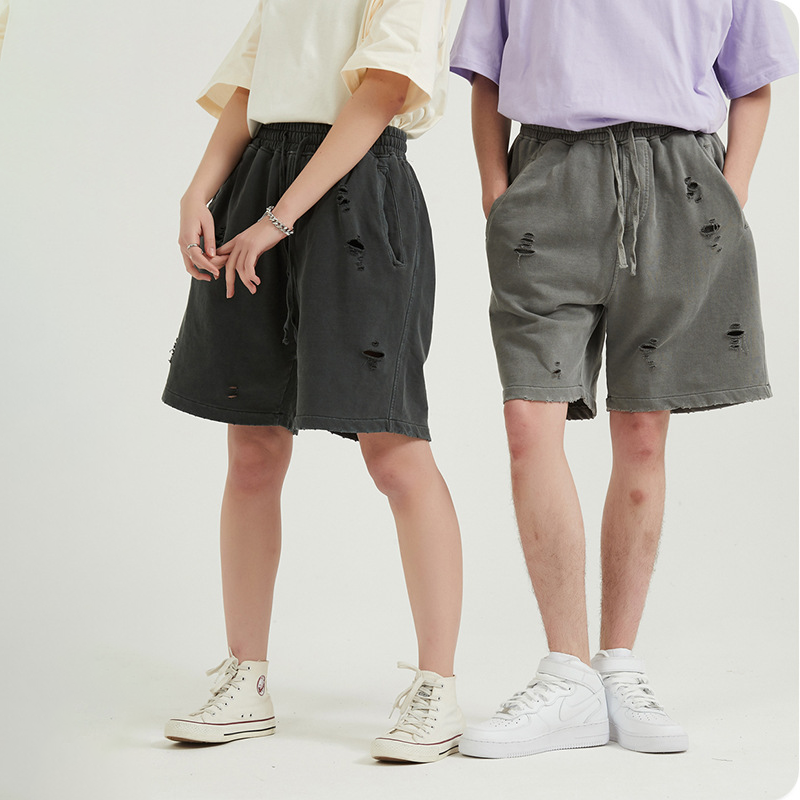
Custom Shorts
Custom shorts produced for casualwear, training, streetwear, and team applications. Programs can specify inseam, liner, waistband, pockets, mesh panels, stretch requirements, printing, embroidery, and size grading for men’s or women’s ranges.
Get a Quote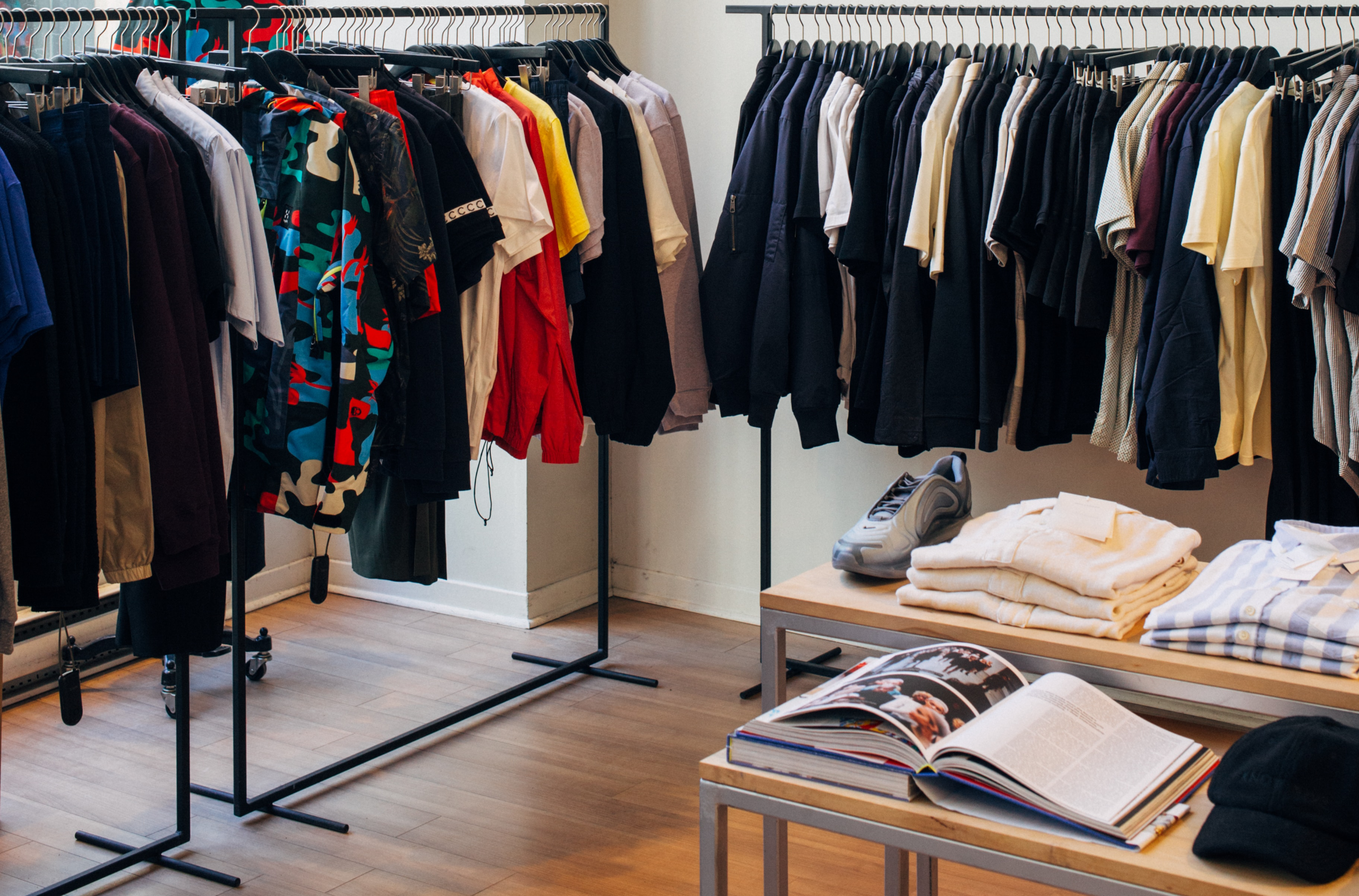
Varsity & Baseball Jackets
Varsity and baseball jackets require balanced body fabric, sleeves, rib, lining, snaps, patches, and embroidery. EDVORIN develops these components together, documenting construction and placement details before bulk production begins.
Get a Quote
Custom T-Shirts
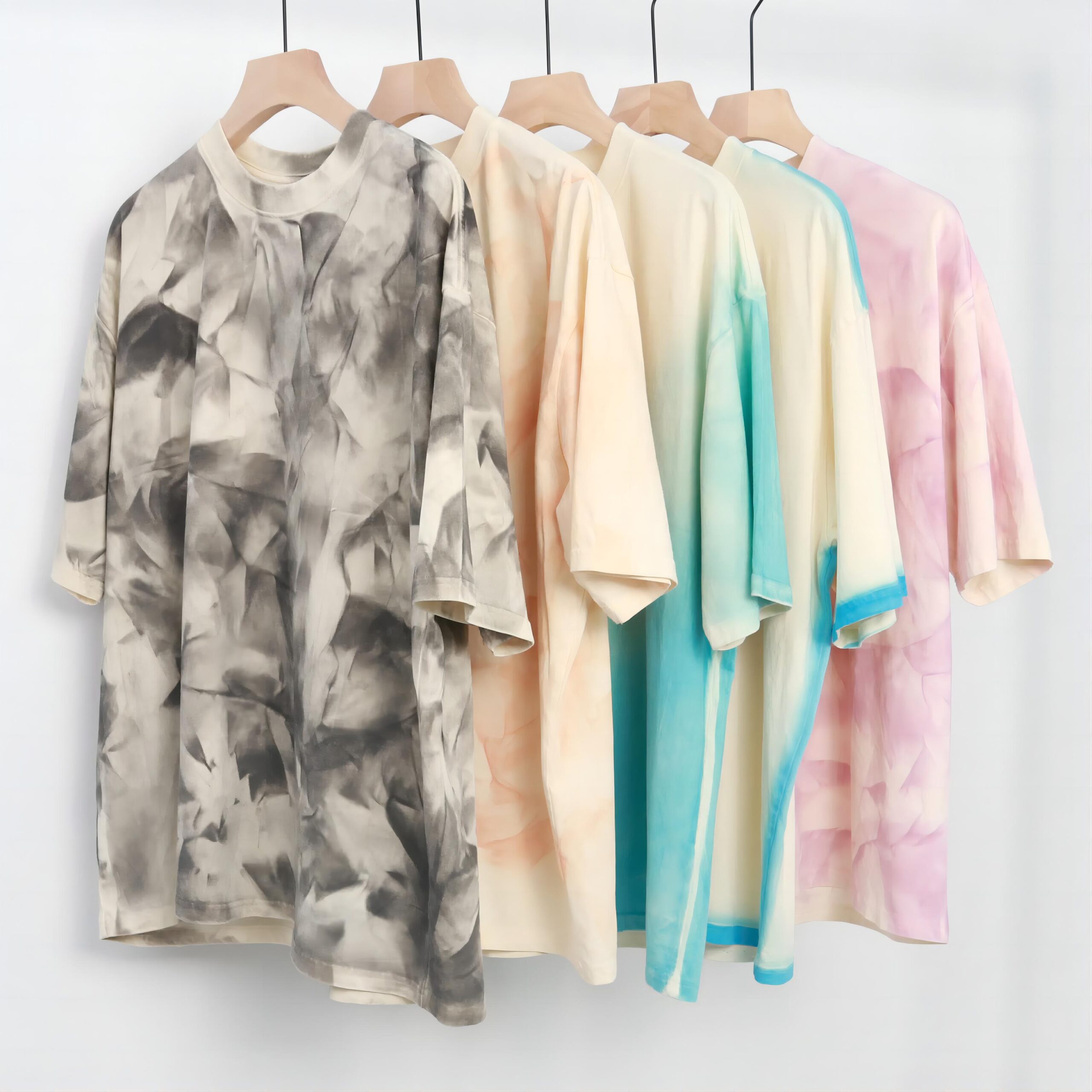
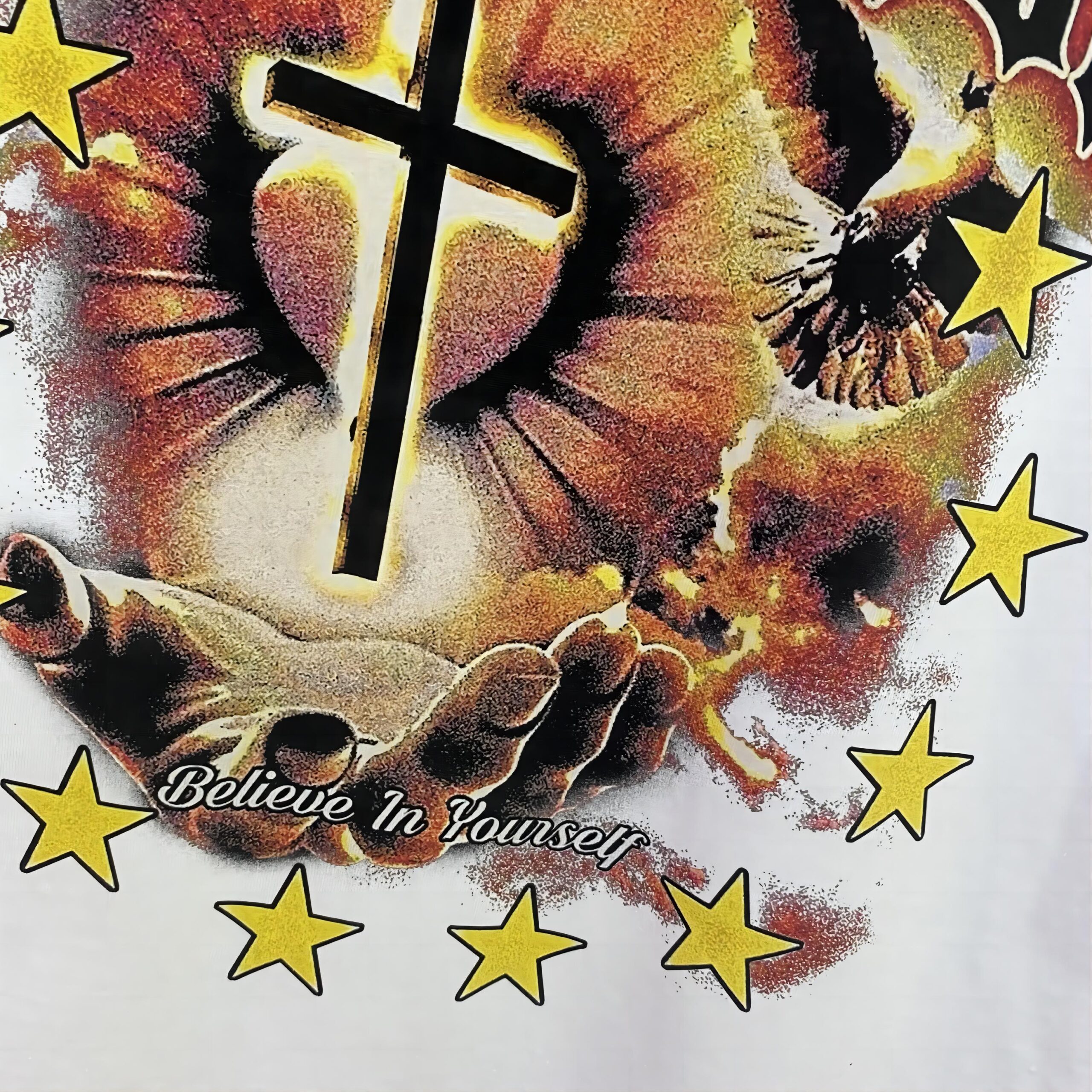
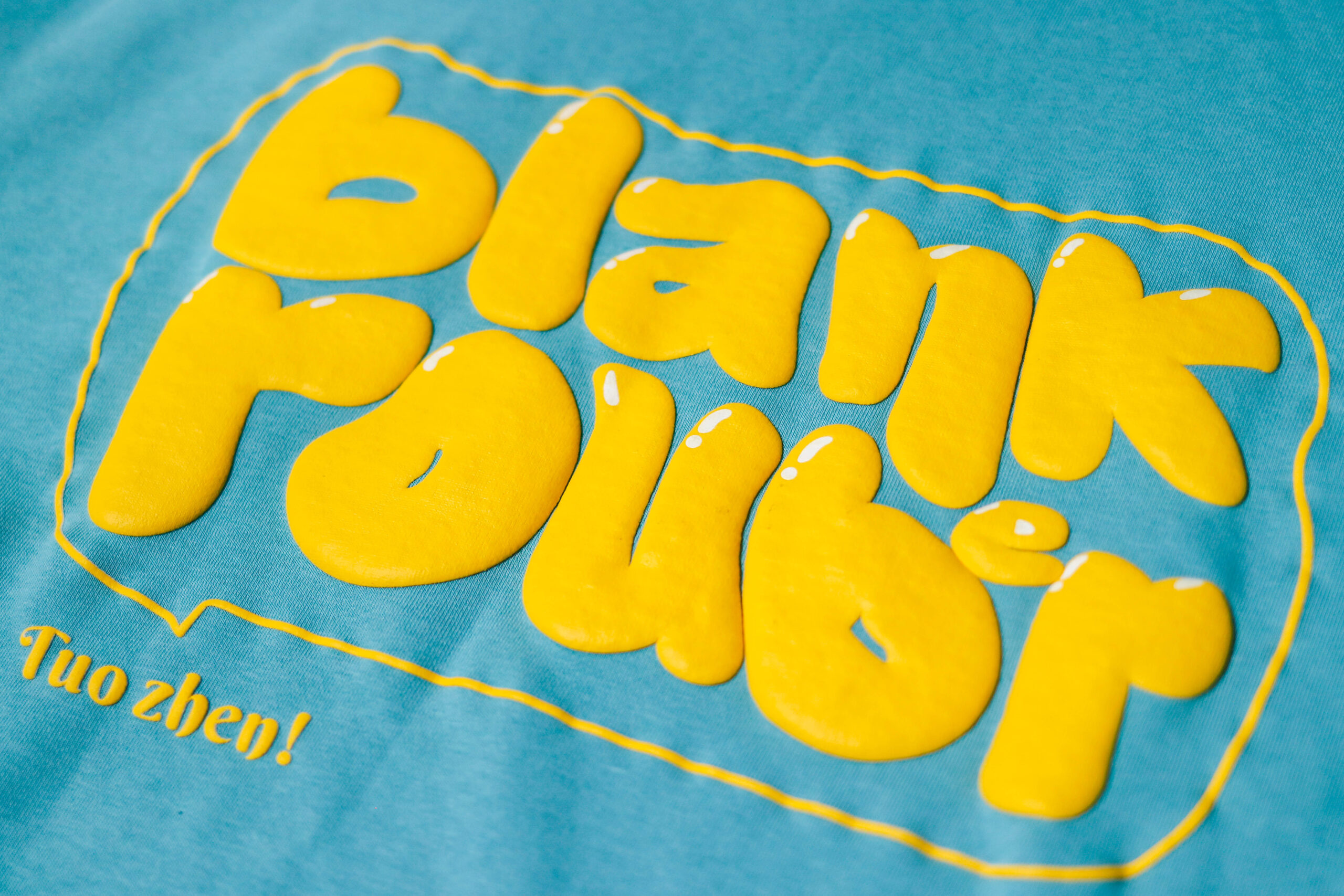
Custom T-shirts developed around fabric composition, GSM, fit, collar construction, sleeve proportions, wash effect, and print method. Buyers can build basic blanks, graphic styles, or coordinated collection pieces with approved sample references guiding production.
Get a Quote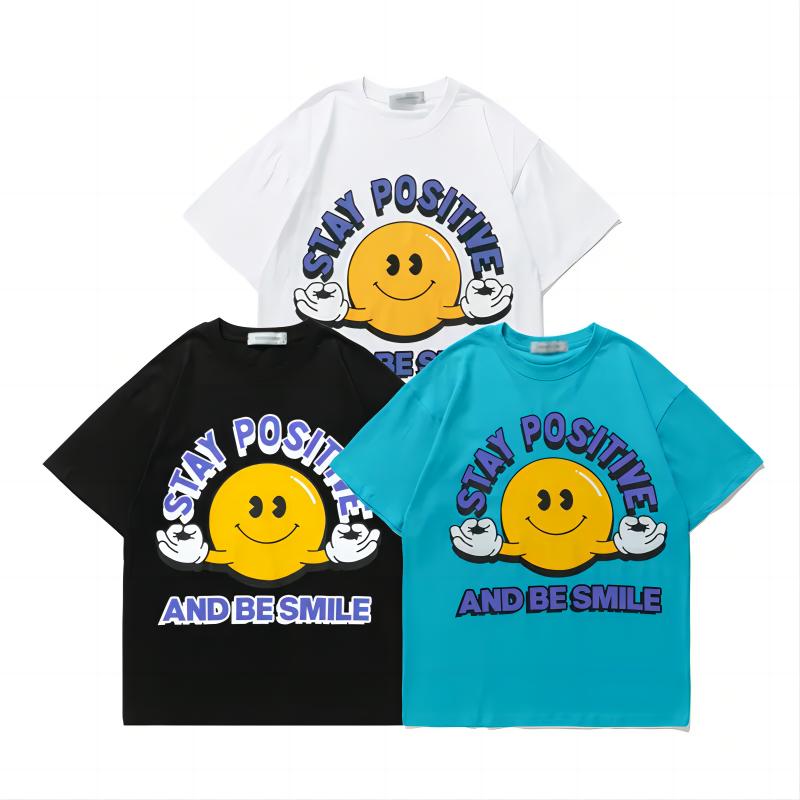
Custom Polo Shirts
Custom polo shirts developed with category-appropriate knit fabric, collar structure, placket construction, buttons, cuffs, and logo placement. Suitable for corporate, school, club, wholesale, and private-label programs requiring consistent branded presentation.
Get a Quote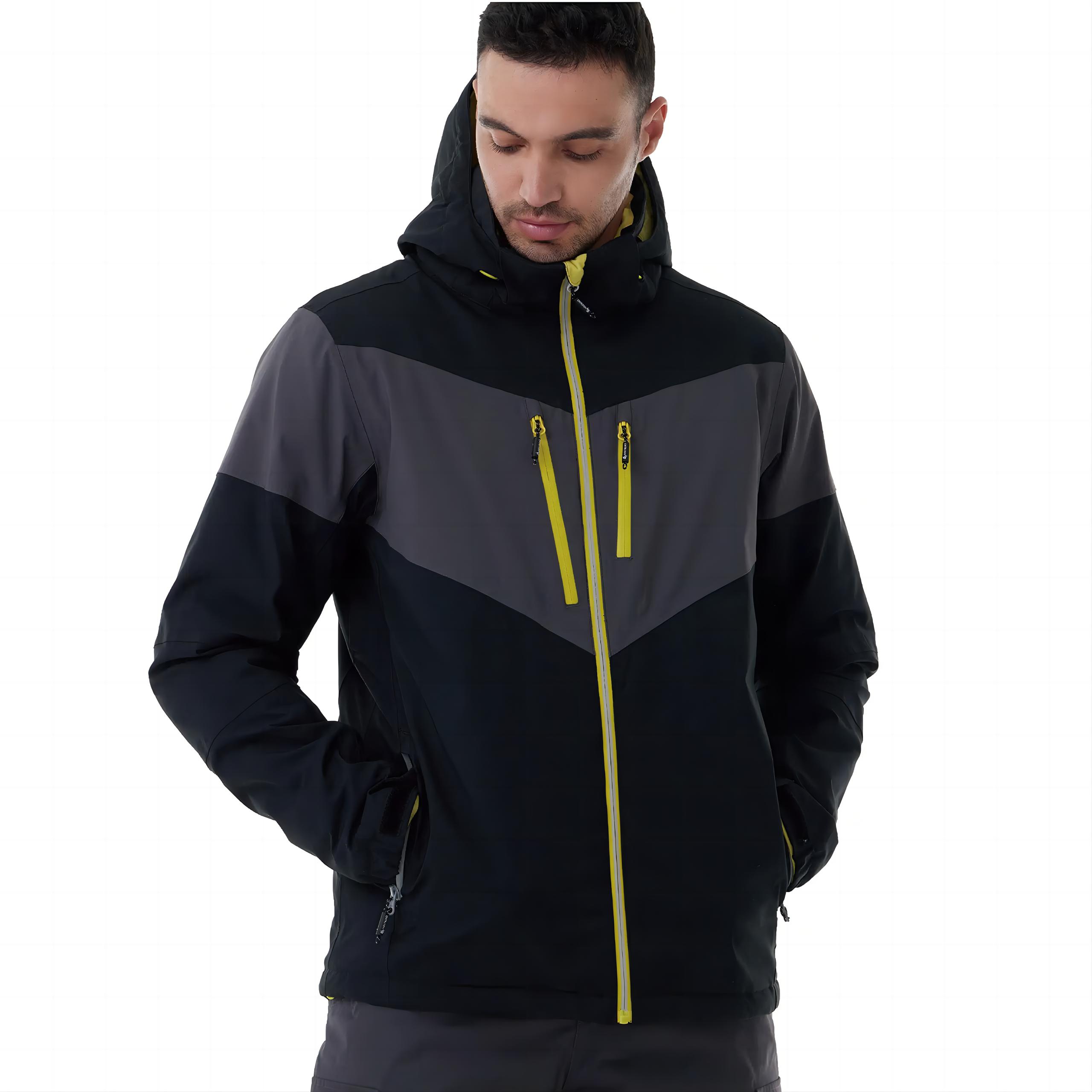
Windbreaker Jackets
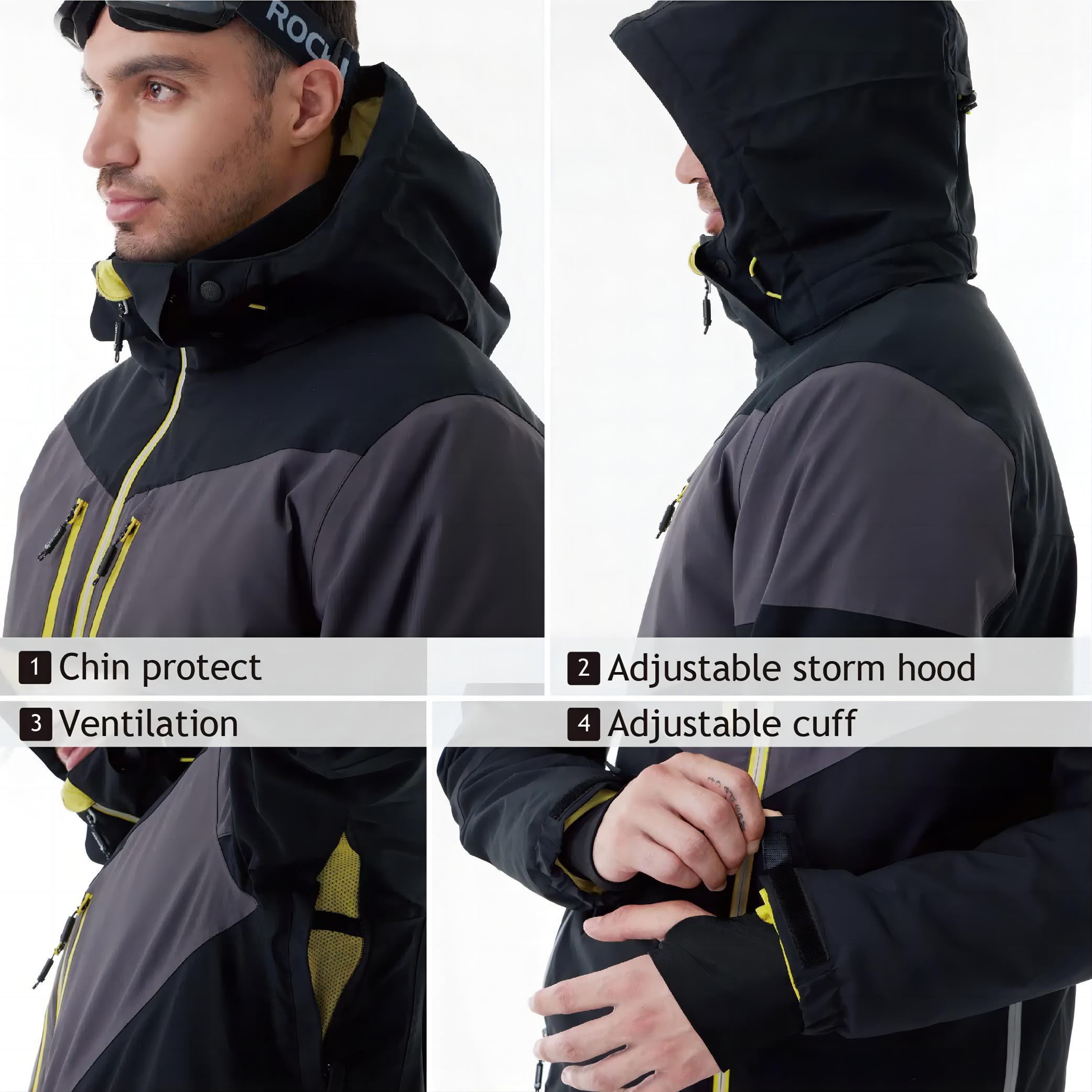
Windbreaker jackets developed with shell fabric, lining or mesh options, zipper selection, pocket construction, ventilation, hood details, and water-resistance requirements. Decoration placement is planned around seams and fabric behavior before production approval.
Get a Quote
Quilted Jackets
Quilted jackets coordinated across shell fabric, lining, insulation, quilting pattern, binding, zippers, and pockets. EDVORIN develops the thermal and visual requirements together, then controls materials and construction against the approved sample.
Get a Quote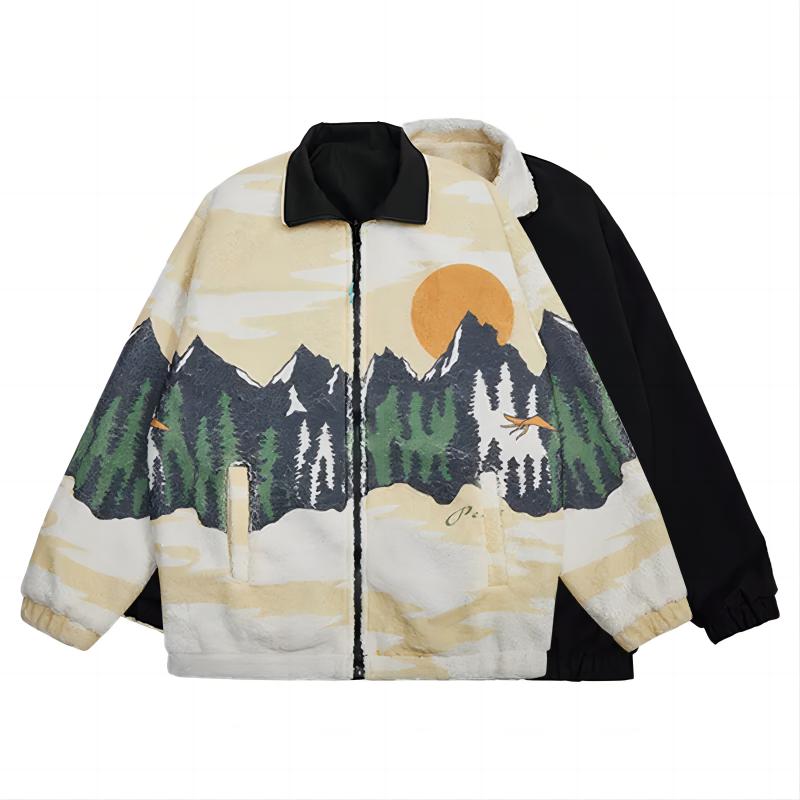
Bomber Jackets
Bomber jackets developed with defined shell, lining, rib, zipper, pocket, and embroidery specifications. The team records construction and artwork details so the silhouette, trim balance, and decoration remain consistent from sampling to repeat bulk orders.
Get a Quote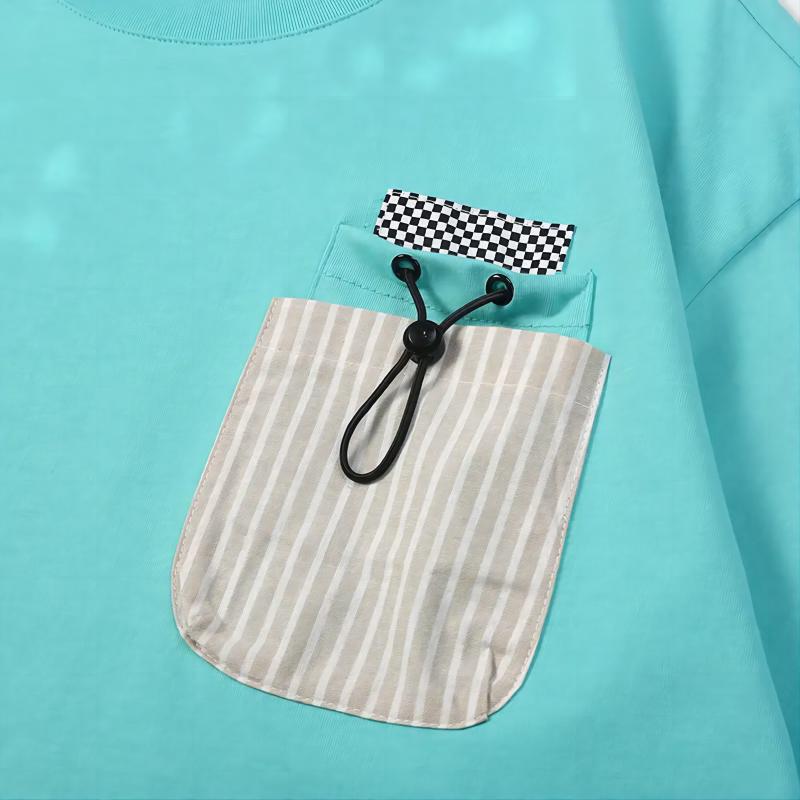
Custom Shirts
Custom woven shirts developed for fabric handfeel, collar and cuff construction, placket, buttons, pockets, fit, and pattern matching where required. Men’s and women’s programs can be adjusted with distinct proportions, grading, and finishing standards.
Get a Quote
Custom Jerseys
Custom jerseys developed for breathable performance fabrics, color control, team graphics, names, numbers, badges, and size-set accuracy. EDVORIN manages decoration compatibility and repeatable placement specifications for clubs, schools, and branded teamwear programs.
Get a Quote
Tank Tops
Tank tops developed for casual, athletic, basketball, and streetwear uses, with attention to fabric weight, armhole shape, neckline, binding, fit, and decoration. Men’s and women’s blocks can be developed separately for intended movement and proportions.
Get a Quote
Soccer Uniforms
Soccer uniforms developed as coordinated jersey, shorts, and optional sock programs with breathable materials, color matching, crests, sponsor graphics, player names, and numbers. Size grading and decoration files are controlled for dependable team-order fulfillment.
Get a Quote
Basketball Uniforms
Basketball uniforms developed with movement-focused jersey and short construction, breathable mesh or performance fabrics, contrasting panels, binding, numbers, names, and logos. EDVORIN manages color, placement, and size-set specifications across complete team orders.
Get a Quote
Streetwear Collections
Streetwear collections combine hoodies, T-shirts, sweatpants, jackets, shorts, and woven pieces under one production system. EDVORIN coordinates fabrics, trims, washes, graphics, labels, packaging, and approved standards to support cohesive private-label releases.
Get a QuotePerformance Materials for Teamwear Programs
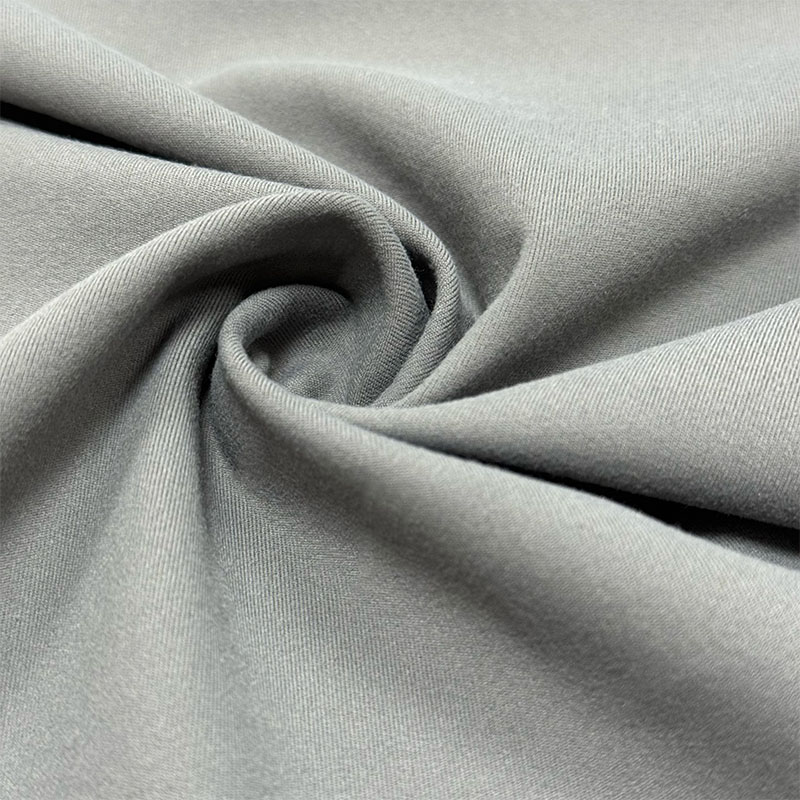
Moisture-Wicking Polyester
A smooth, lightweight performance fabric for jerseys, training tops and shorts. Its moisture-management finish moves perspiration away from the body, while stable color retention supports coordinated club and school programs.
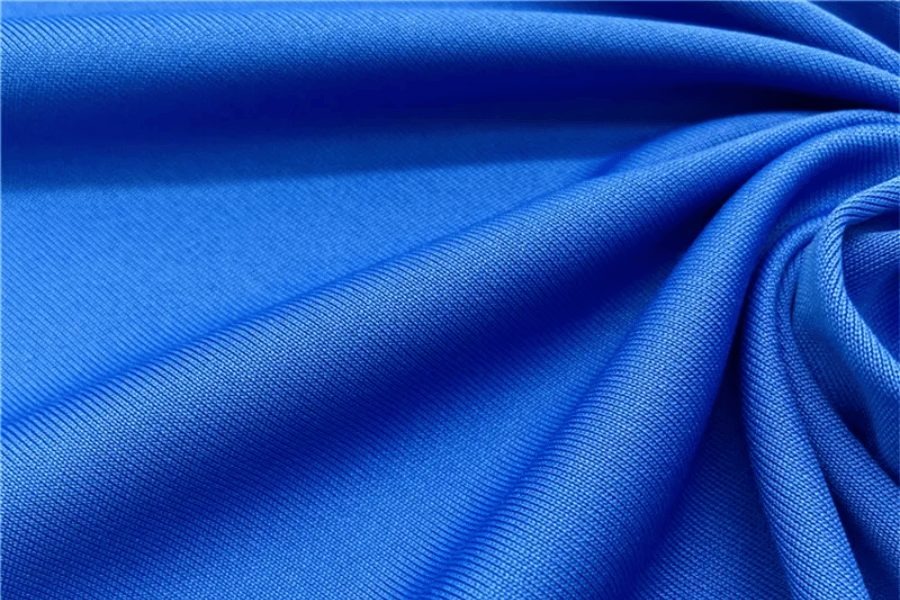
Polyester Interlock Knit
A soft, double-knit fabric with a clean face and balanced stretch, commonly used for soccer, basketball and warm-up uniforms. Its interlocking construction provides a more substantial hand-feel than single jersey.
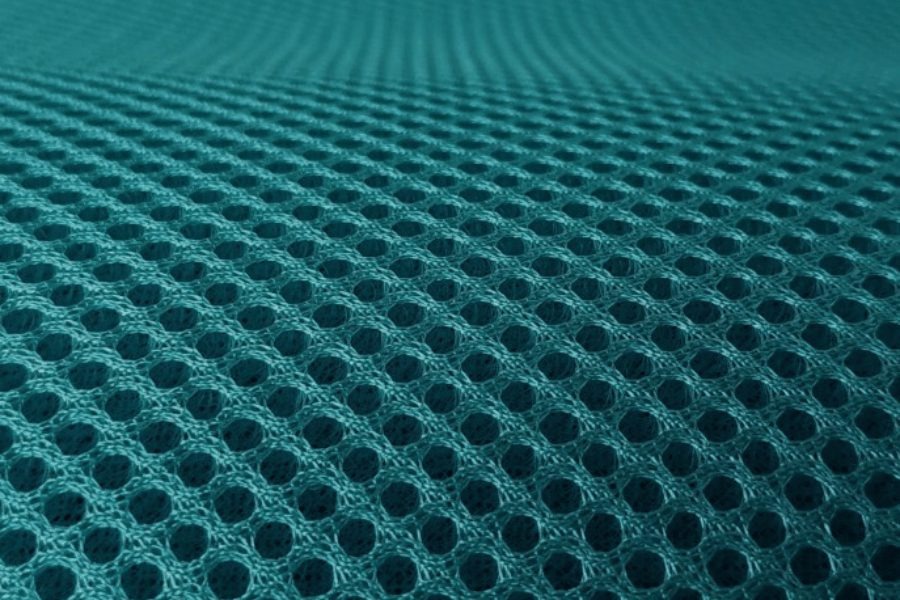
Breathable Sports Mesh
An open-knit, airy material suited to ventilation panels, reversible jerseys and training layers. Available in varied hole sizes and weights, mesh improves airflow while remaining light enough for active movement.
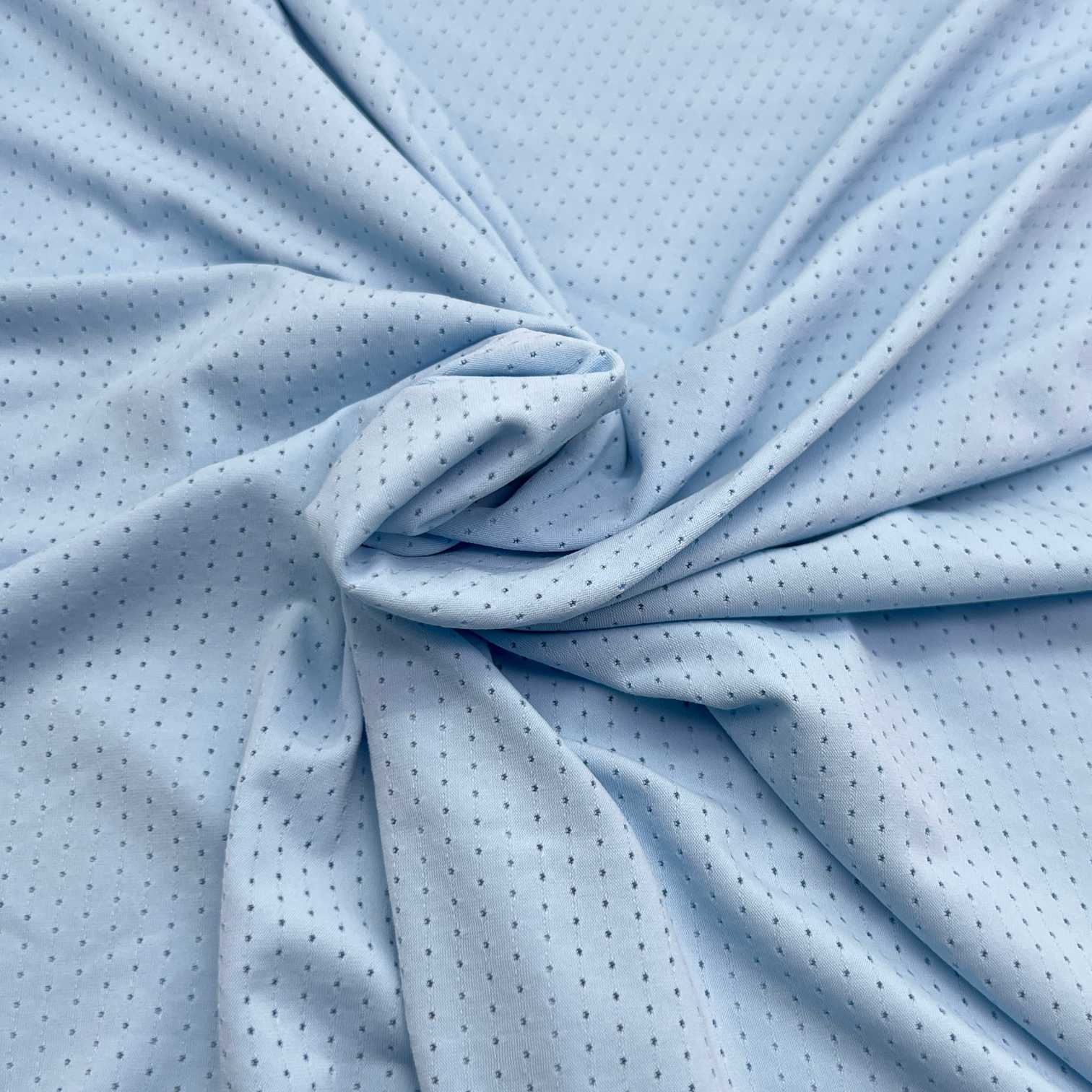
Stretch Performance Knit
A flexible polyester-elastane blend for fitted jerseys, compression-inspired layers and women’s teamwear. Four-way stretch supports unrestricted movement, and the close recovery helps the garment retain its intended shape.
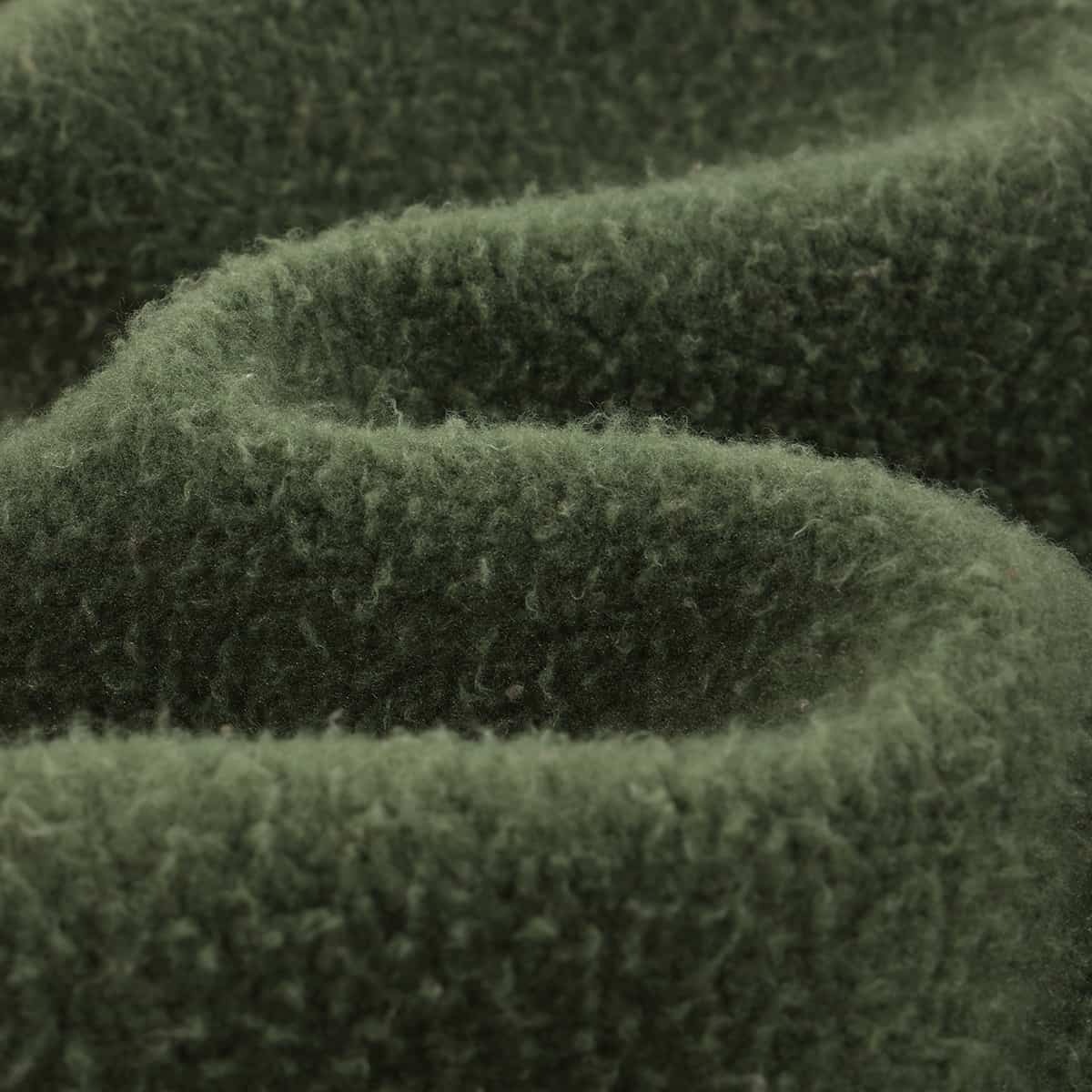
Brushed Fleece Knit
A warm, soft-backed fabric for team hoodies, travel sets and sideline sweatpants. Medium-to-heavy weights create a substantial hand-feel, while the brushed interior adds insulation for cooler training conditions.
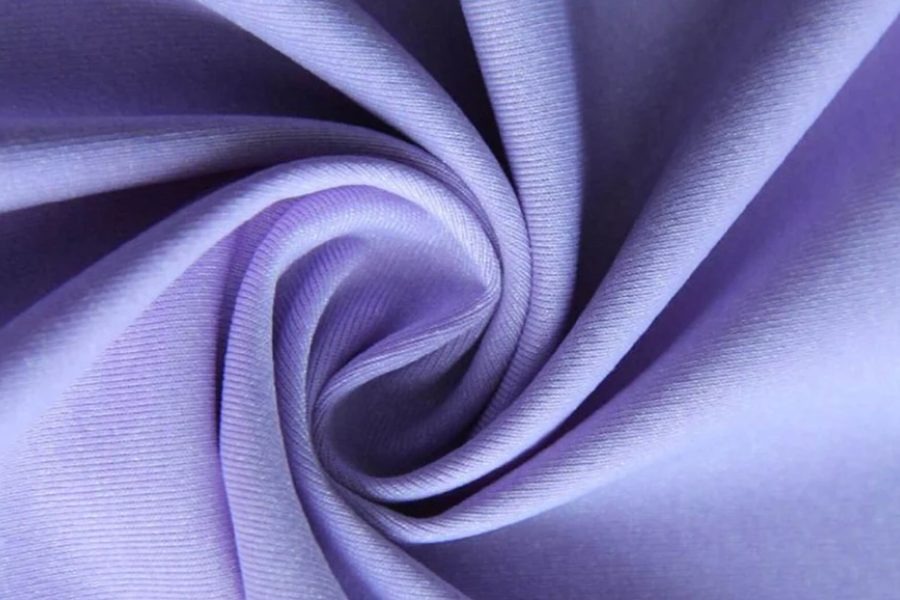
Lightweight Woven Shell
A crisp, durable fabric for windbreakers, coaching jackets and team outerwear. Its tightly woven construction helps block wind, and water-repellent finishing can be specified for changing outdoor conditions.
Decoration Methods for Team Identity
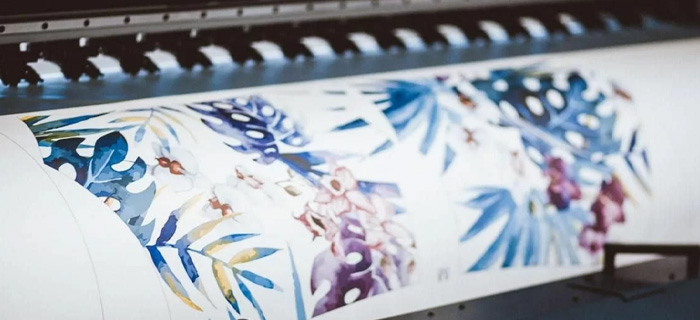
Dye Sublimation
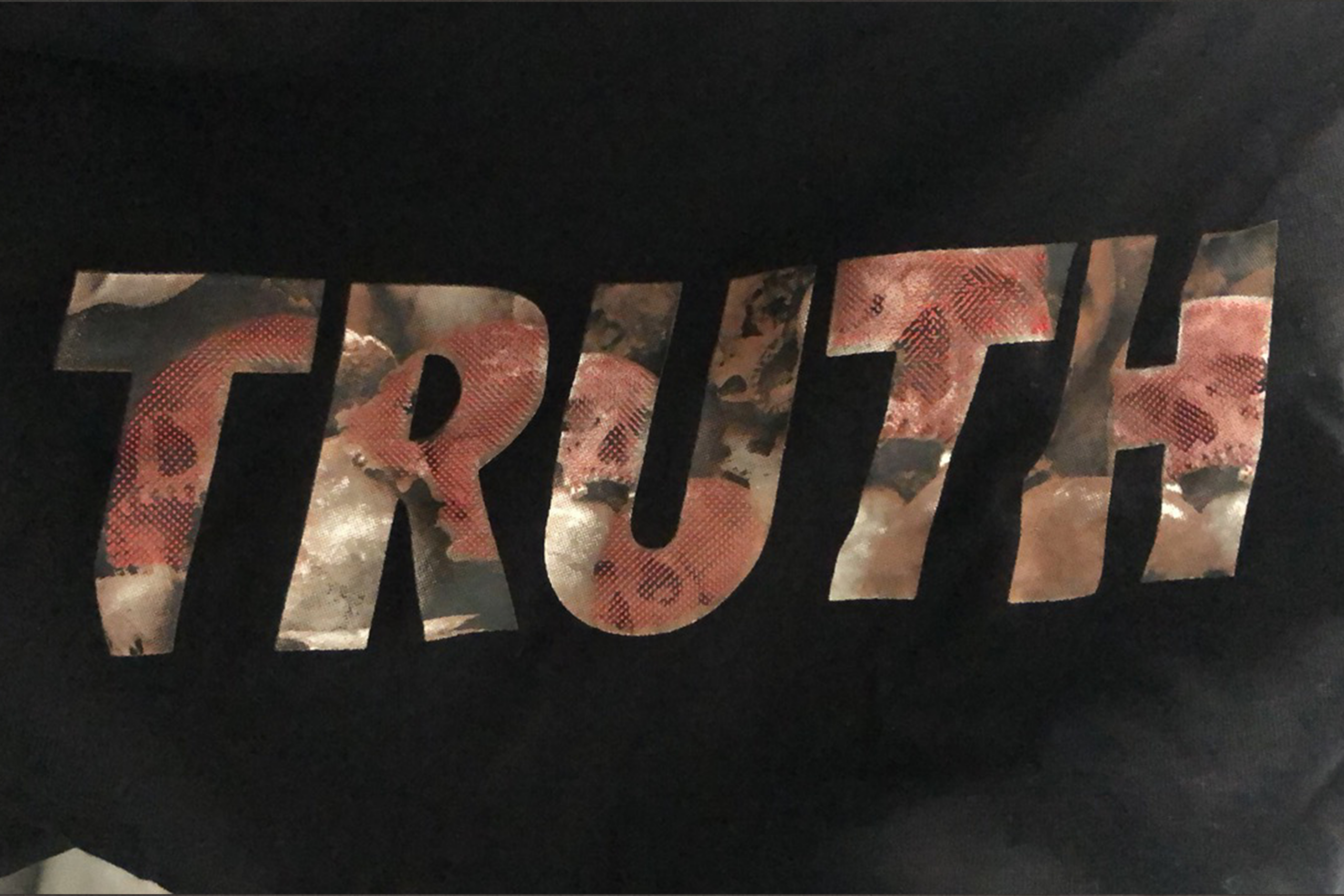
Dye sublimation builds full-color graphics directly into suitable polyester fabric, making it ideal for jerseys with repeatable team colors, sponsor artwork, names and numbers without adding a separate printed layer.
Heat Transfer
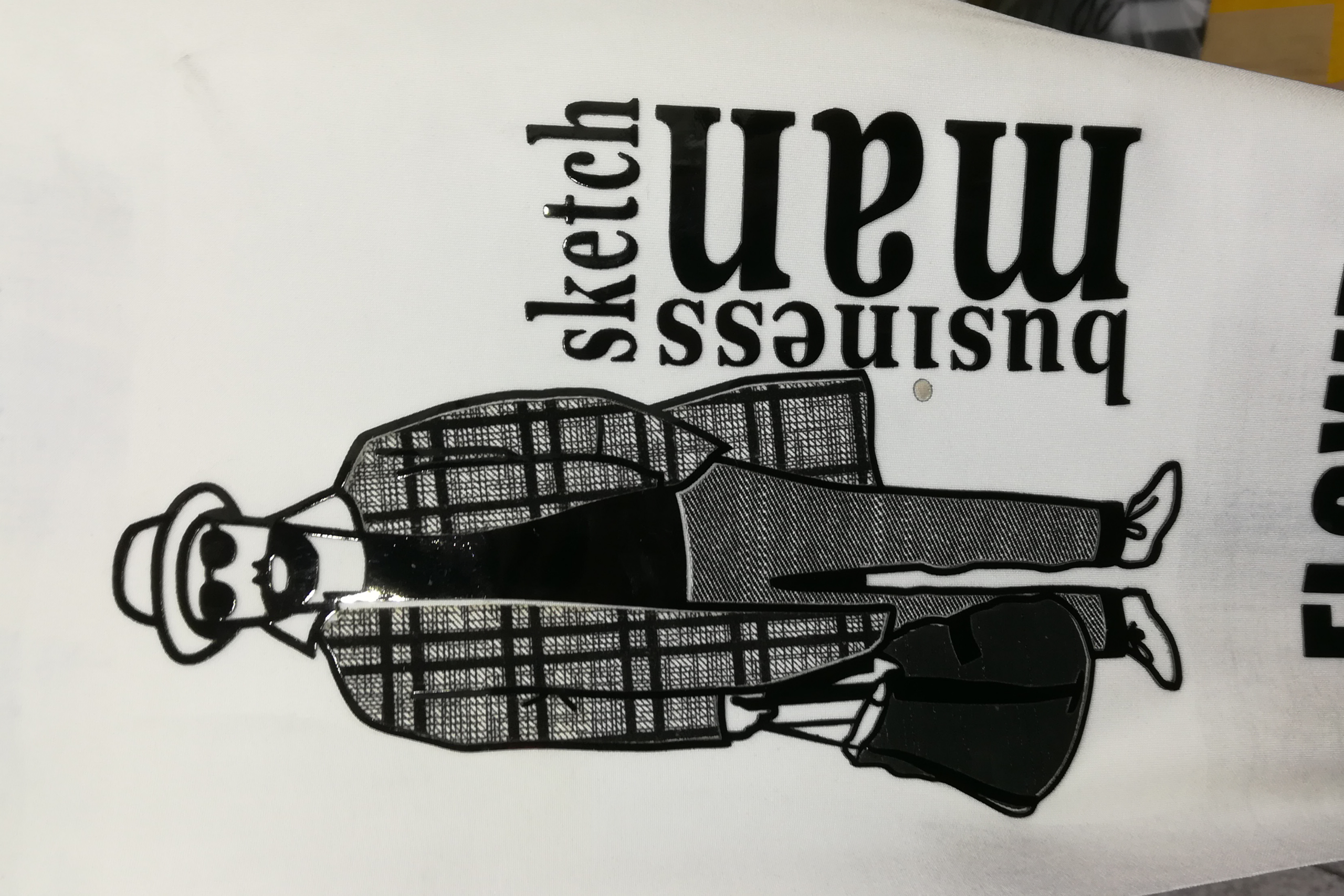
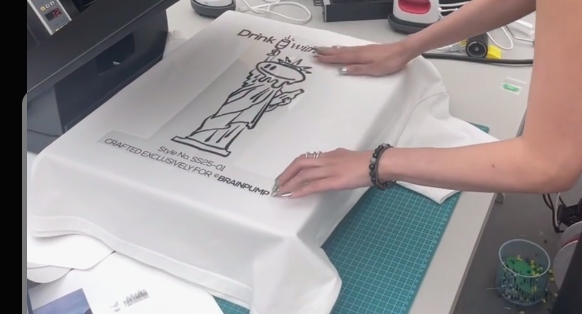
Heat transfer supports precise player names, numbers and smaller logo applications. It is a practical option for variable team details, with placement and application settings documented against the approved sample.
Appliqué Patches
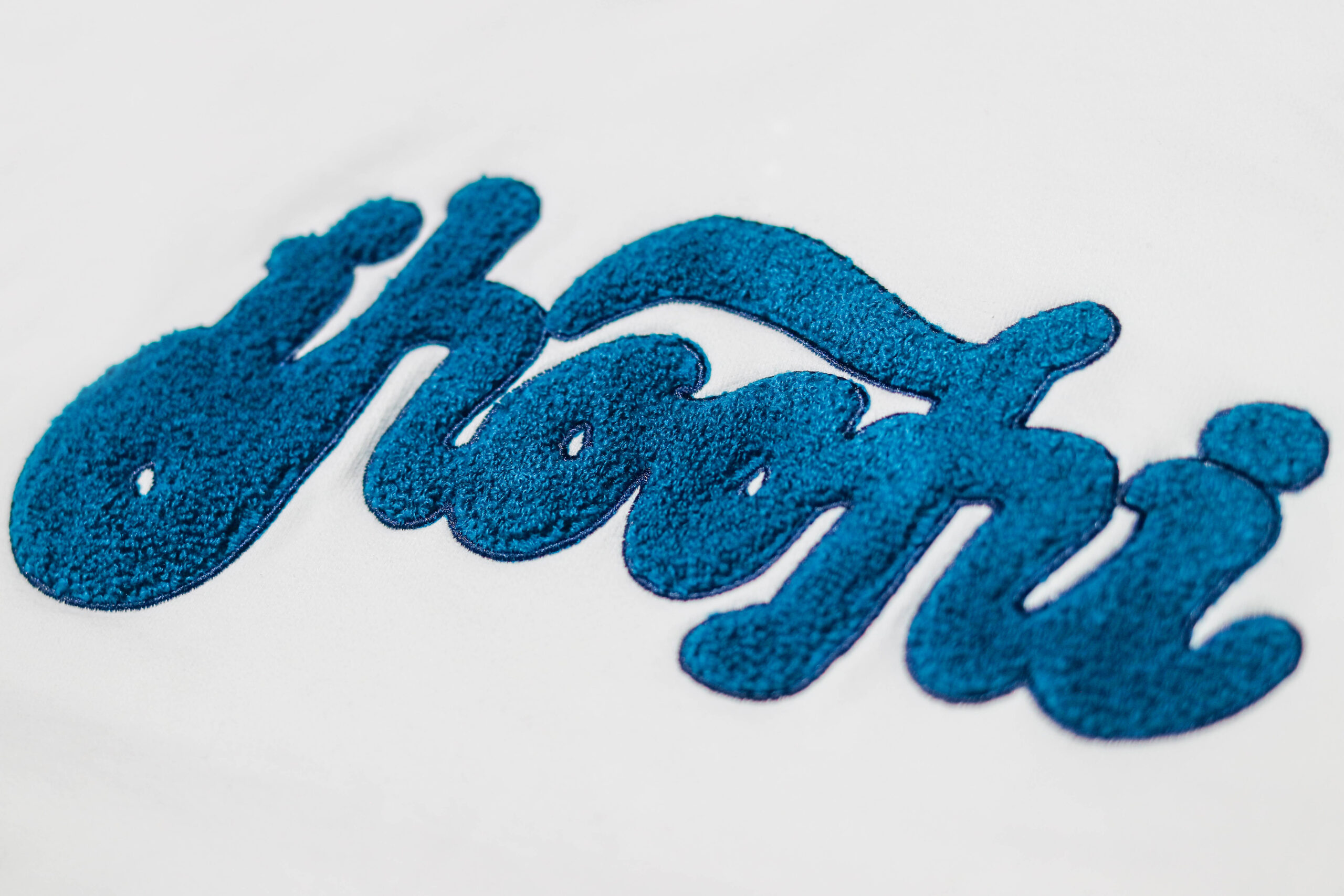
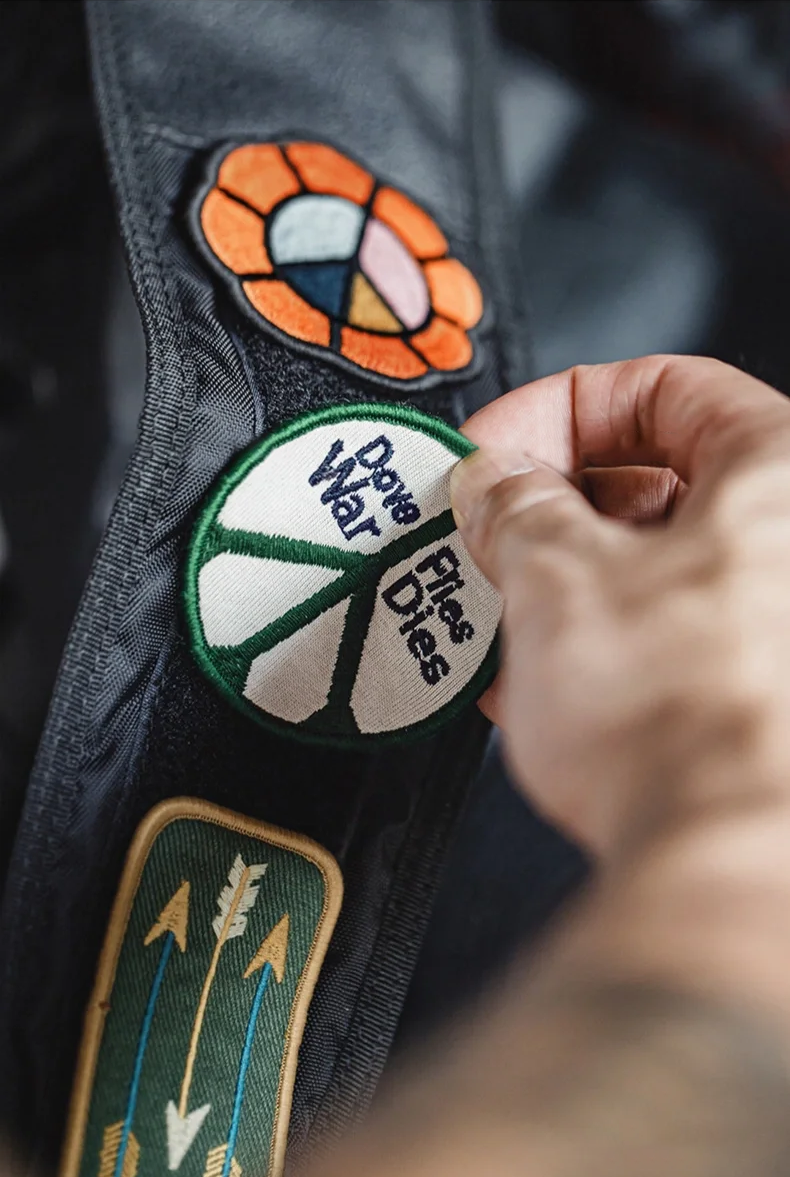
Appliqué combines layered fabric shapes, stitching and patches to create a distinctive varsity or streetwear-influenced team identity. Material, edge treatment and attachment method are selected to suit the finished garment.
Trims, Labels & Finishing for Teamwear Programs
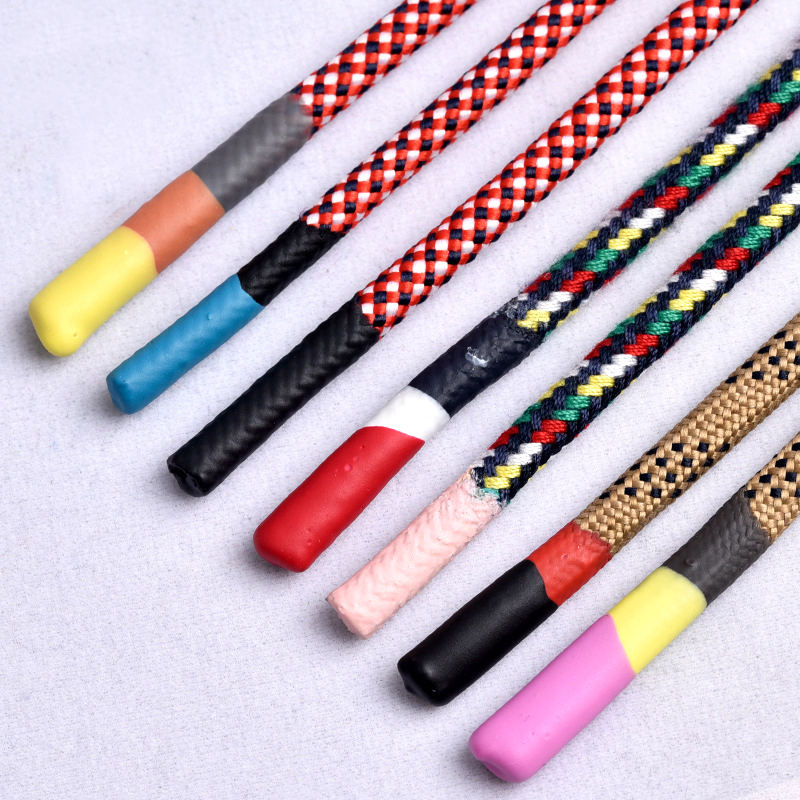
Drawcords and Tipping
Custom drawcords, aglets and contrast tipping add a controlled finish to hoodies, joggers and training layers while reinforcing team colors or private-label styling across coordinated programs.
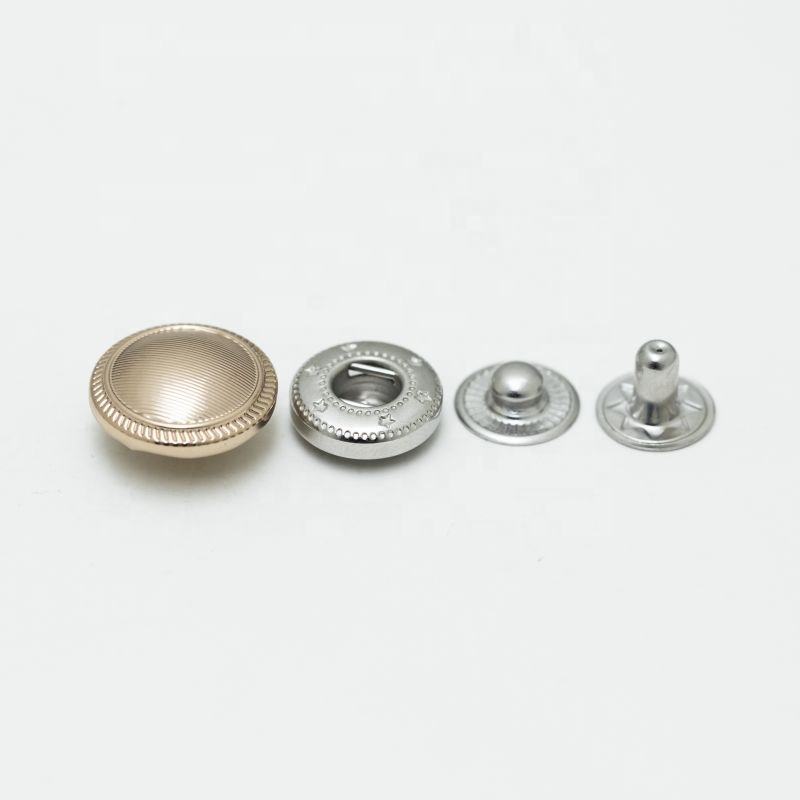
Snap Button Sets
Snap buttons can be specified for varsity jackets, warm-up layers and outerwear, with finishes selected to complement the garment, secure closures and maintain a consistent branded appearance.
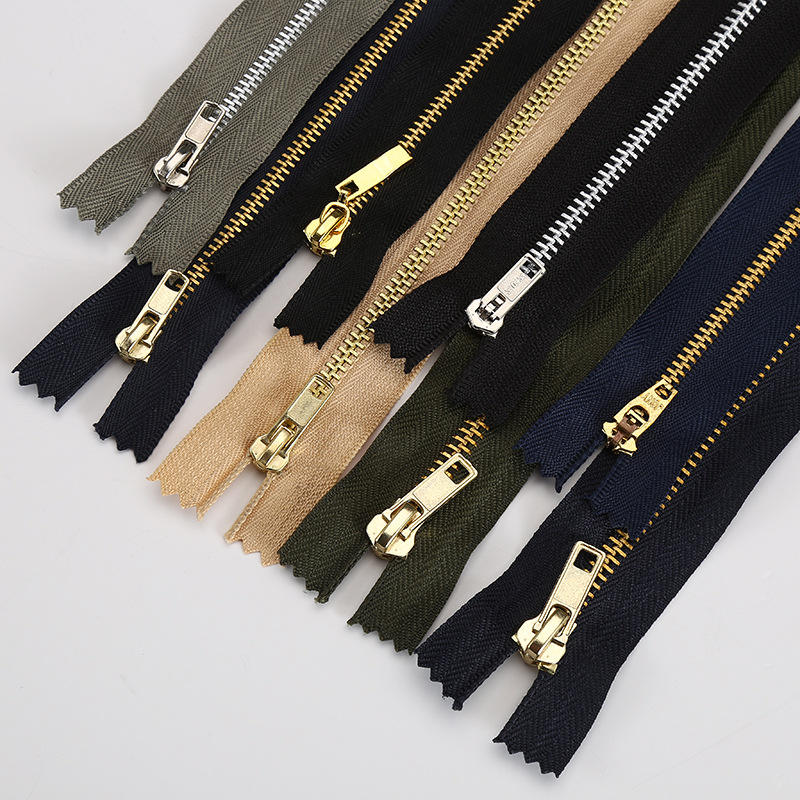
YKK Zipper Options
Zipper specifications help define function and finish on windbreakers, tracksuits, outerwear and pockets. EDVORIN coordinates zipper selection with fabric weight, garment use and overall construction requirements.
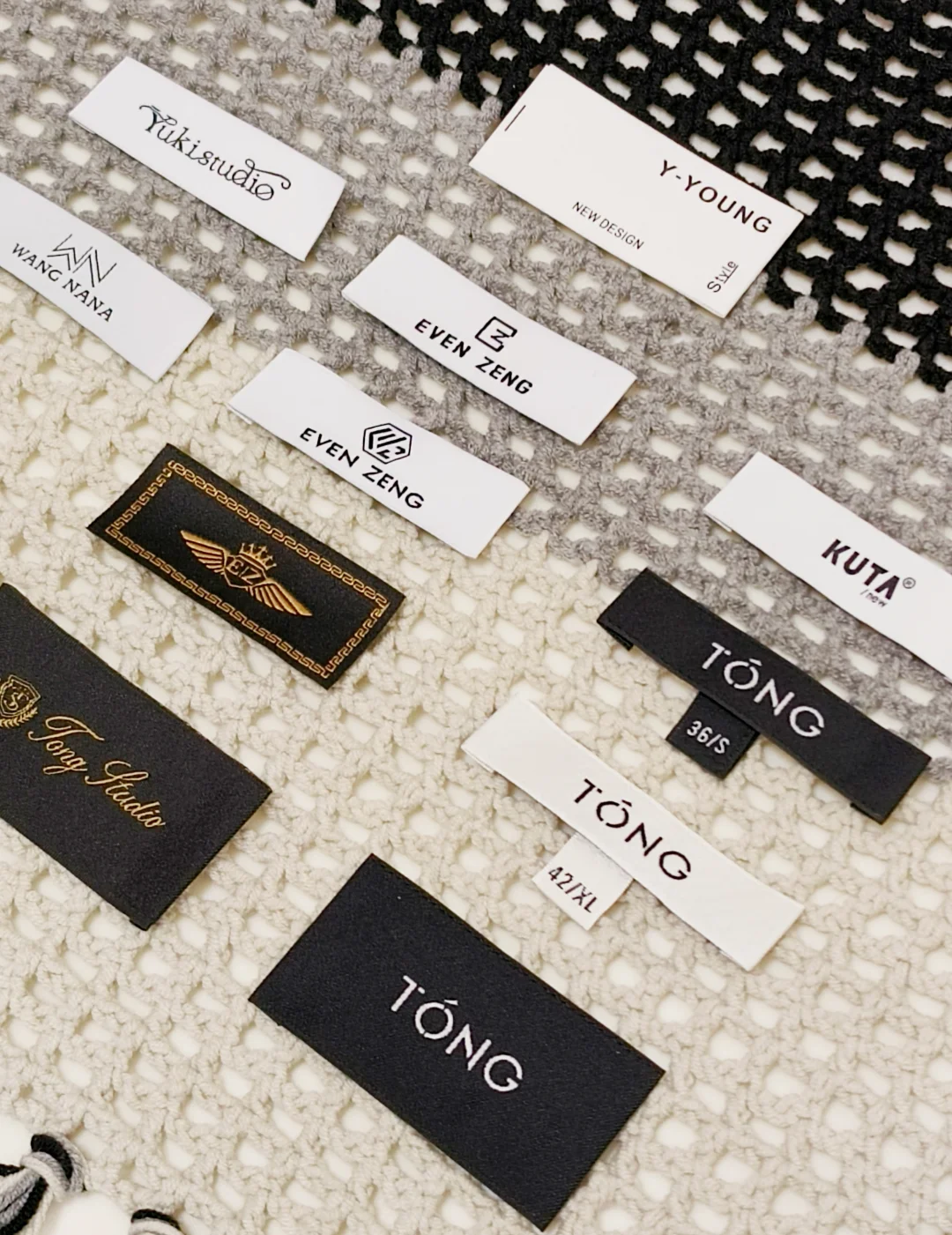
Woven Brand Labels
Woven labels bring a durable brand signature to teamwear, streetwear and private-label collections. Placement, dimensions, artwork and fold style can be documented with the approved production standard.
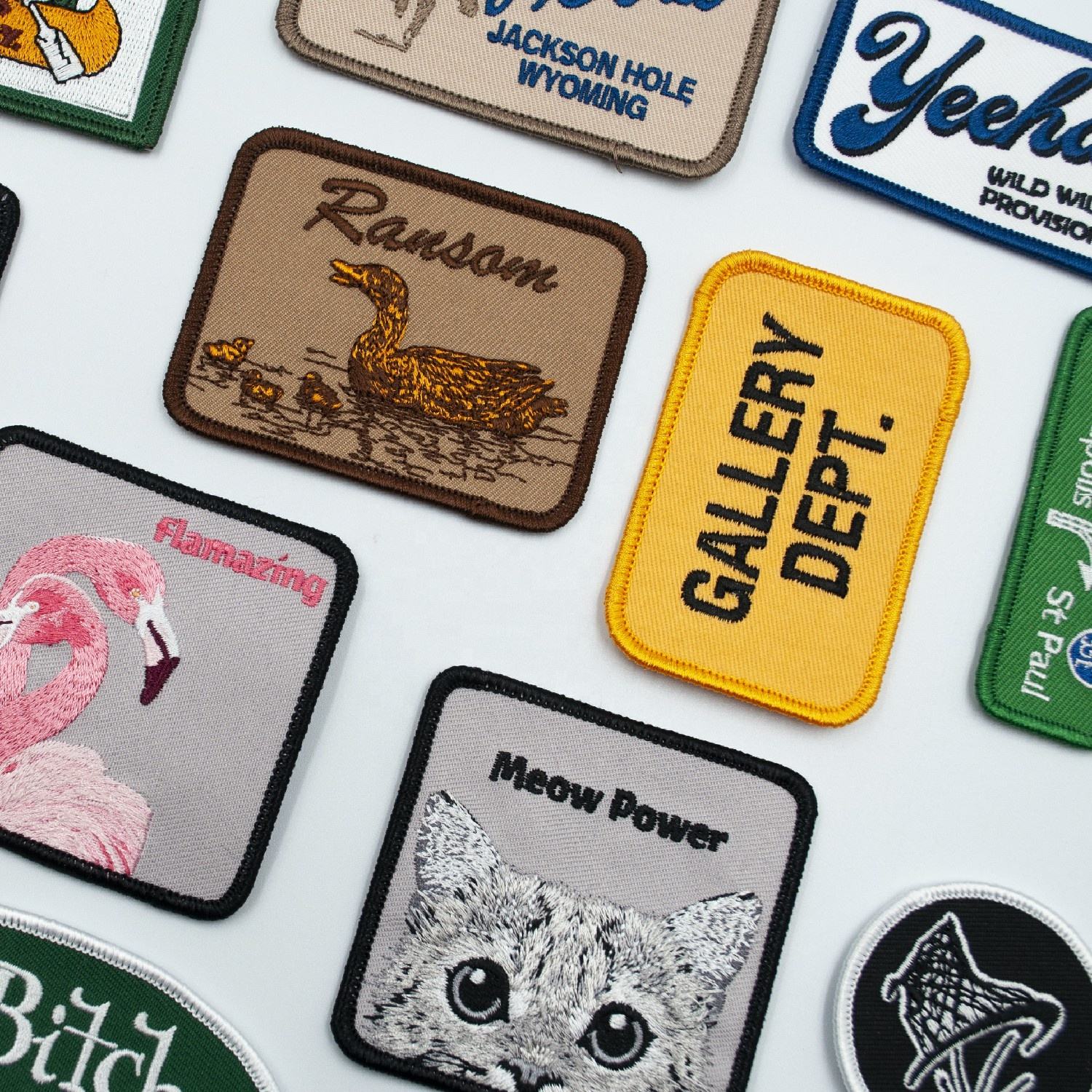
Patches and Hangtags
Embroidered or woven patches and custom hangtags complete club, academy and retail-ready orders. These details can carry logos, team identity, product information and presentation requirements through final packing.
Your Teamwear Manufacturer Since 2000
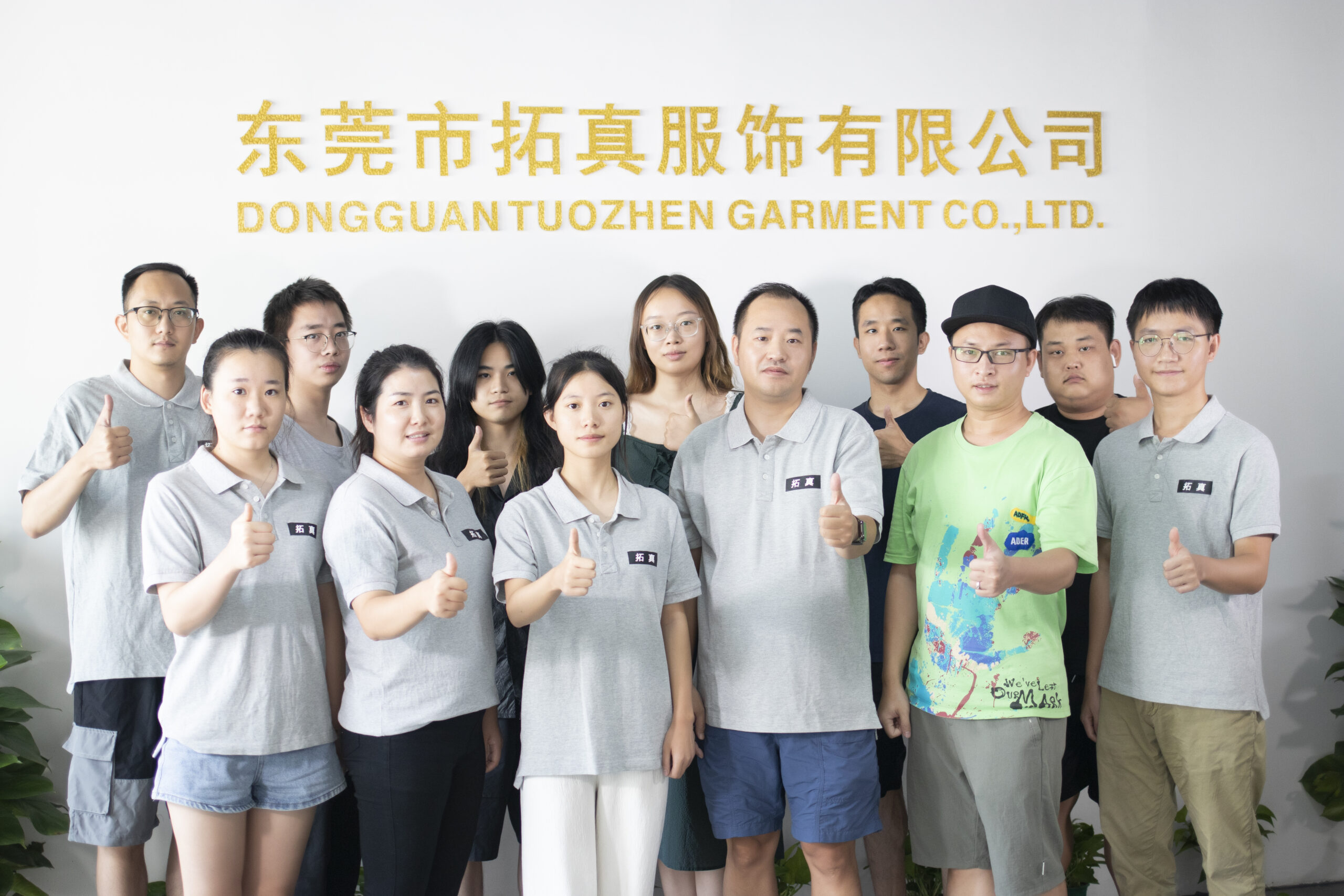
Founded by Edvorin Zeng in 2000, EDVORIN was built around a practical mission: turn apparel ideas into standards that can be made accurately again and again. As a founder-led teamwear manufacturer, we help clubs, labels, schools and private-label buyers move from a concept, sketch or tech pack toward an approved production path.
Our connected OEM and ODM workflow brings together material sourcing, pattern development, sampling, printing, embroidery, sewing, quality control, labeling and packaging. For teamwear programs, that means colors, names, numbers, fit blocks and decoration placements are documented clearly before bulk production begins.
What distinguishes EDVORIN is the discipline after sample approval. We coordinate the details that protect consistency across repeat orders, from fabric and trims to measurements and final inspection. With MOQ starting at 200 pieces per style, we provide flexible, production-ready support for emerging programs and established buyers alike.
A Teamwear Manufacturer That Builds Repeatable Standards
Technical Development, Made Clear
EDVORIN converts sketches, references, and existing teamwear into production-ready specifications. Fit blocks, grading, panel construction, measurements, and styling details are defined before bulk production, giving clubs, labels, and private-label buyers a clearer path from concept to approved sample.
- Men’s and women’s fit development across teamwear categories
- Patterns, measurements, and construction details recorded for review
- Support for complete tech packs or early-stage product concepts
- MOQ starts at 200 pieces per style
Materials Matched to Decoration
Fabric choice and decoration must work together in the finished garment. EDVORIN coordinates performance materials, trims, print methods, embroidery, and finishing details so color, hand feel, durability, and visual identity are considered as one production decision.
- Performance fabrics selected around intended wear and garment construction
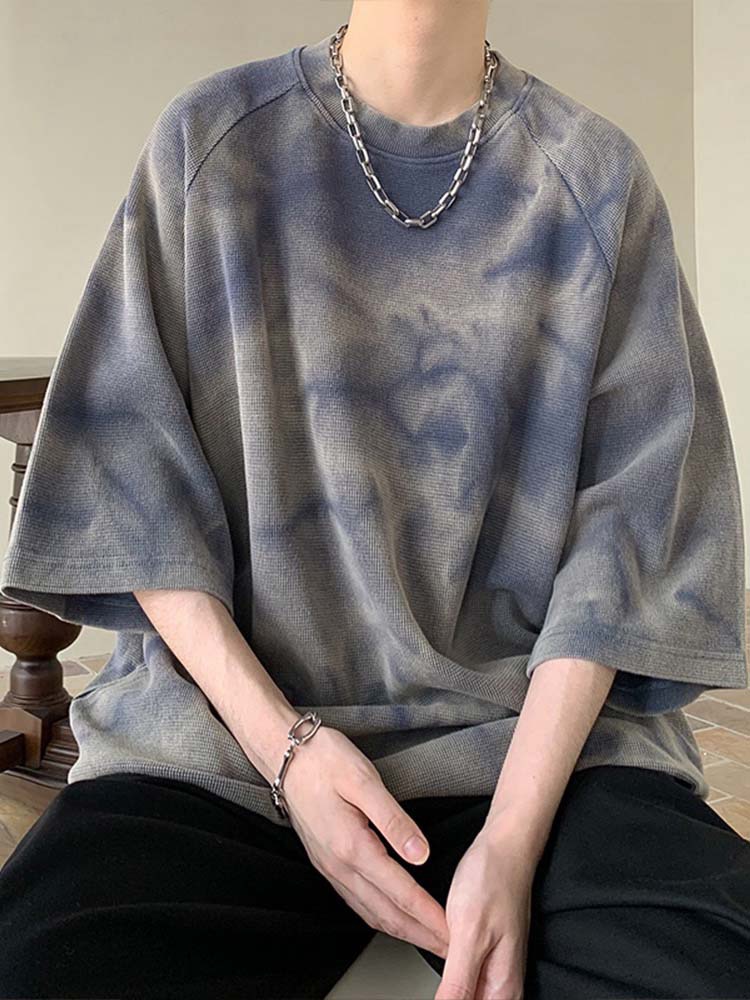
- Printing, embroidery, patches, and washes reviewed against the base material
- Team colors, logo placement, and trim details documented before production
- Labels, packaging, and branded finishing coordinated in one workflow
Names and Numbers Under Control
A teamwear program needs more than an attractive jersey design. EDVORIN organizes artwork placement, player names, numbers, logos, and size sets into a reviewable standard, helping buyers maintain a coordinated result across a full roster and repeat orders.
- Name, number, and logo applications tracked by approved placement details
- Size-set planning for clubs, schools, academies, and team programs
- Color references and decoration layouts aligned before bulk production
- Suitable for coordinated jerseys, shorts, training wear, and outerwear
Approved Samples Guide Bulk
EDVORIN treats the approved sample as the production reference, then carries its standards through material checks, in-line inspection, final measurement review, and packing. This sample-to-bulk discipline helps protect the details buyers approved when quantities move into production.
- Approved samples establish a physical and documented production benchmark
- In-line checks address variation during cutting, sewing, and decoration
- Final inspection verifies measurements, workmanship, and finishing before packing
- Founder-led manufacturing experience since 2000
Why Buyers Choose EDVORIN as Their Teamwear Manufacturer
One accountable production path from technical development through repeat-order control.
← Swipe left or right to view →
Our Teamwear Production Process
A controlled workflow that turns approved teamwear specifications into repeatable bulk production.
Review Brief and Specifications
We review your tech pack, artwork, size range, performance needs, and quantities, then identify construction, decoration, and sourcing details before development begins.
Source Materials and Trims
Our team coordinates suitable fabrics, color references, labels, numbers, badges, and trims around the intended sport, wearer, durability requirements, and approved budget.
Develop Patterns and Samples
Patterns, grading, placement measurements, and sample construction are refined for approval, creating a physical and documented standard for repeatable teamwear manufacturer production.
Cut, Sew, and Decorate
Approved materials move into bulk cutting, sewing, printing, embroidery, and finishing, with artwork placement and component specifications maintained throughout each production stage.
Inspect, Pack, and Dispatch
In-line checks and final inspection verify measurements, colors, decoration, finishing, and packing details before orders are prepared for shipment according to your approved requirements.
Start Your Teamwear Program
Move from an initial brief to a controlled bulk order with one documented development and approval path.
Submit Your Brief
Share your tech pack, artwork, size range, target quantity, fabric direction, or reference garments so we can understand your teamwear program requirements.
Review Development Requirements
EDVORIN’s MOQ starts at 200 pieces per style. We assess construction, materials, decoration, labeling, packaging, MOQ, and any technical gaps, then prepare a quotation and clear development plan.
Approve the Sample
Review the developed sample for fit, fabric, color, artwork placement, names, numbers, and overall performance before turning decisions into approved production standards.
Confirm Bulk Specifications
Finalize measurements, grading, color references, trims, decoration files, labels, packaging, and order quantities so every production detail is documented before cutting begins.
Launch Controlled Production
EDVORIN coordinates materials, cutting, sewing, decoration, inspections, and final packing against the approved standard, creating a repeatable foundation for future teamwear orders.
Certified Standards for Responsible Apparel Production



Client References
Client references and verified outcomes can be shared when available and approved for disclosure.
Client references and verified outcomes can be shared when available and approved for disclosure.
Client references and verified outcomes can be shared when available and approved for disclosure.
Teamwear Manufacturer FAQ
Clear answers for brands, clubs and private-label buyers planning a repeatable teamwear program with EDVORIN.
EDVORIN’s MOQ starts at 200 pieces per style. What is the minimum order quantity for a teamwear manufacturer?
Can a teamwear manufacturer make a sample before bulk production?
How long does teamwear production take after sample approval?
What payment terms does EDVORIN offer for OEM teamwear orders?
Can you arrange shipping for international teamwear orders?
How does a teamwear manufacturer protect my designs and artwork?
Can EDVORIN add private labels, names and numbers to teamwear?
How do you keep repeat teamwear orders consistent?
The Complete Buyer’s Guide to Teamwear Manufacturing
Use this practical framework to compare teamwear manufacturer options, evaluate supplier criteria, plan customization and costs, and avoid sourcing mistakes that can compromise quality, timelines, and brand consistency.
1. What Is a Teamwear Manufacturer?
200-piece OEM programs illustrate the core role of a teamwear manufacturer: a B2B partner that converts a coordinated sports, school, corporate, or private-label brief into repeatable apparel. The work can connect development, fabric and trim sourcing, patterns, samples, decoration, bulk production, labeling, packaging, and quality control.
Four supplier models solve different problems. A manufacturer builds a specified product; a wholesaler resells purchased inventory; a decorator applies logos, names, or numbers to supplied garments; and a ready-stock supplier sells pre-made styles with limited changes.
Two conditions usually justify custom manufacturing: the buyer needs an exclusive fit, color system, construction, or branded finish, and the order can support development plus bulk production. Blank or off-the-shelf uniforms make more sense when speed, small quantities, and low upfront commitment outweigh design control and repeatability.
2. How teamwear manufacturing evolved
1970s teamwear was commonly built around standardized cut-and-sew uniforms, with local screen printing or sewn patches added after purchase. That model limited fabric choice, artwork complexity, and consistency when squads reordered months later.
1990s polyester performance knits, dye-sublimation, and computer-based artwork changed the production path. A digital file could carry Pantone references, crest placement, player numbering, and sponsor layouts into sampling, while moisture management and stretch made fit part of the specification.
2000s private-label programs raised the bar further: buyers now expect graded men’s and women’s blocks, controlled trims, labels, packaging, and documented approvals that support repeat orders. A modern teamwear manufacturer therefore evaluates material behavior, decoration method, size data, artwork version control, and replenishment planning—not merely colors and logos.
3. Types of teamwear manufacturer programs
Five sourcing models serve different launch stages. A teamwear manufacturer should match the model to quantity, artwork complexity, fit control, and the likelihood of reorders.
| Program | Ideal Buyer | Design Freedom | Complexity | Reorders |
|---|---|---|---|---|
| Decorated stock | Events, schools | Low | Low | Strong |
| Cut-and-sew | Growing brands | High | High | Strong after approval |
| Full sublimation | Teams, clubs | High | Medium | Strong with files |
| Private label | Wholesale brands | Medium–high | Medium | Strong |
| Uniform program | Corporate teams | Medium | Medium | Strong by role |
Decorated Stock Garments
Stock blanks suit schools, events, and fast club orders. Screen print or embroidery limits fit and color control but simplifies replenishment.
Custom And Sublimated Programs
Cut-and-sew suits brands needing proprietary blocks, fabrics, and trims. Full sublimation suits all-over graphics, though artwork and color approval require tighter preproduction control.
Private Label And Uniforms
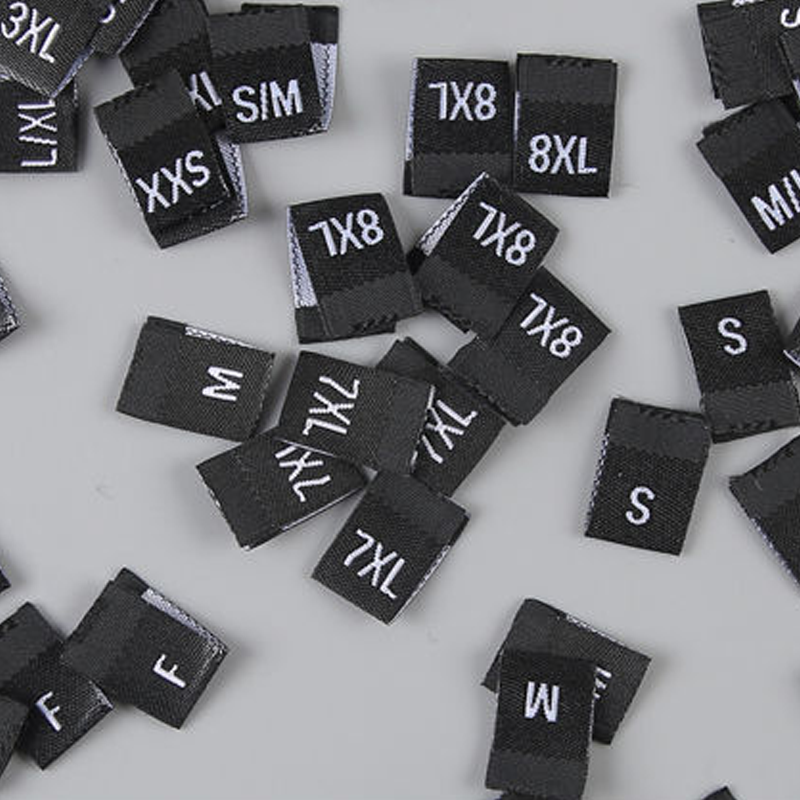
Private-label programs add labels, packaging, and repeatable specifications. Corporate or team uniforms prioritize size runs, role identification, and reliable reorder records.
4. Teamwear Fabric Selection
Four inputs—sport, climate, garment role, and target cost—should drive the fabric brief. A teamwear manufacturer should approve fabric swatches and a wash-tested standard before bulk booking.
| Fabric | Typical Weight | Best Role | Key Trade-Off |
|---|---|---|---|
| Polyester interlock | 150–180 GSM | Match jersey | Smooth print surface; limited stretch |
| Mesh | 120–160 GSM | Ventilation zones | High airflow; lower opacity |
| Cotton blend | 240–300 GSM | Travel apparel | Premium handfeel; slower drying |
| Fleece | 280–360 GSM | Warm-ups | Warm and durable; less breathable |
| Polyester-elastane | 180–240 GSM | Training fit | Stretch recovery; test print method |
Match Fabric To Use
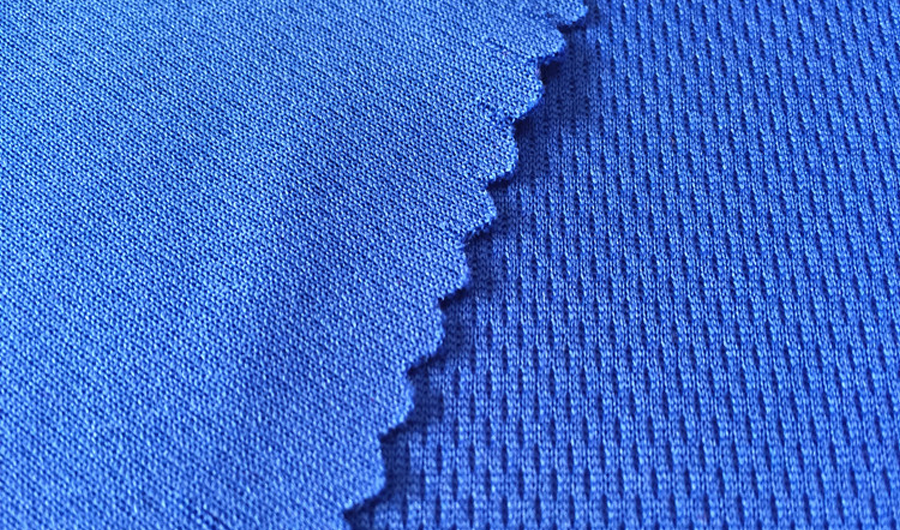
150–180 GSM polyester interlock suits match jerseys: smooth, durable, and reliable for sublimation. Open-hole mesh works best as ventilation panels, not every garment panel.
Build Layered Programs
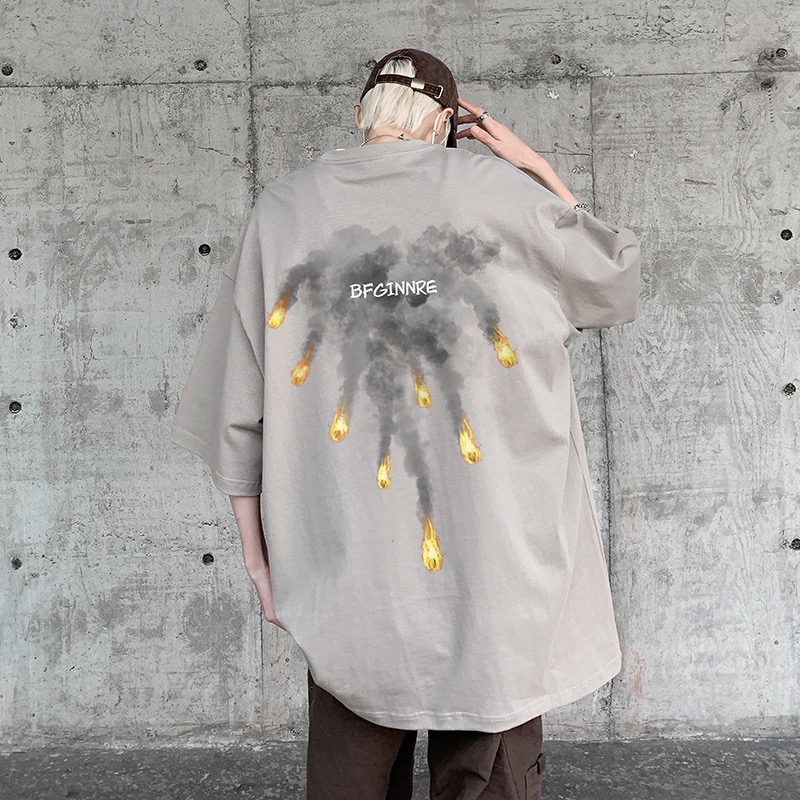
240–300 GSM cotton-poly blends fit travel tees and warm-ups; 280–360 GSM fleece fits cold-weather hoodies. Polyester-elastane blends add recovery for close-fit training pieces.
Lock The Repeat Standard
3 controls protect repeat orders: fiber content, GSM tolerance, and approved color/handfeel reference. Specify moisture management, decoration method, shrinkage expectation, and wash instructions by garment zone.
5. Customization options from a teamwear manufacturer
EDVORIN records decoration, labeling, and packing in the approved production standard. The right route depends on artwork, fabric, order volume, and the intended retail position.
| Method | Best Use | Finish | Setup Consideration |
|---|---|---|---|
| Sublimation | Polyester jerseys; complex color | No hand-feel | Artwork fixed before production |
| Screen print | Bold cotton-blend graphics | Tactile ink | Color screens add setup |
| Heat transfer | Names and numbers | Light raised film | Individual data must be checked |
| Embroidery | Polos and outerwear | Dimensional thread | Dense designs need stabilization |
Match Method To Artwork
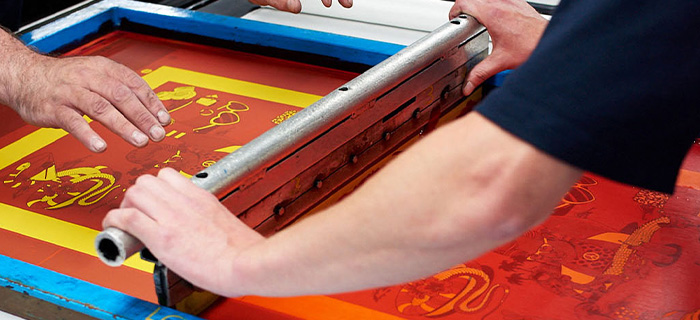
Sublimation suits all-over, multi-color graphics on polyester; the print has no raised hand-feel.
Screen printing suits bold spot-color artwork on cotton blends, but each color adds setup and placement control.
Personalization And Branding
Heat transfers suit individual player names and numbers, including short-run roster changes.
Embroidery gives caps, polos, and outerwear a dimensional premium finish; dense artwork needs stable fabric and limited placement.
Labels And Packout
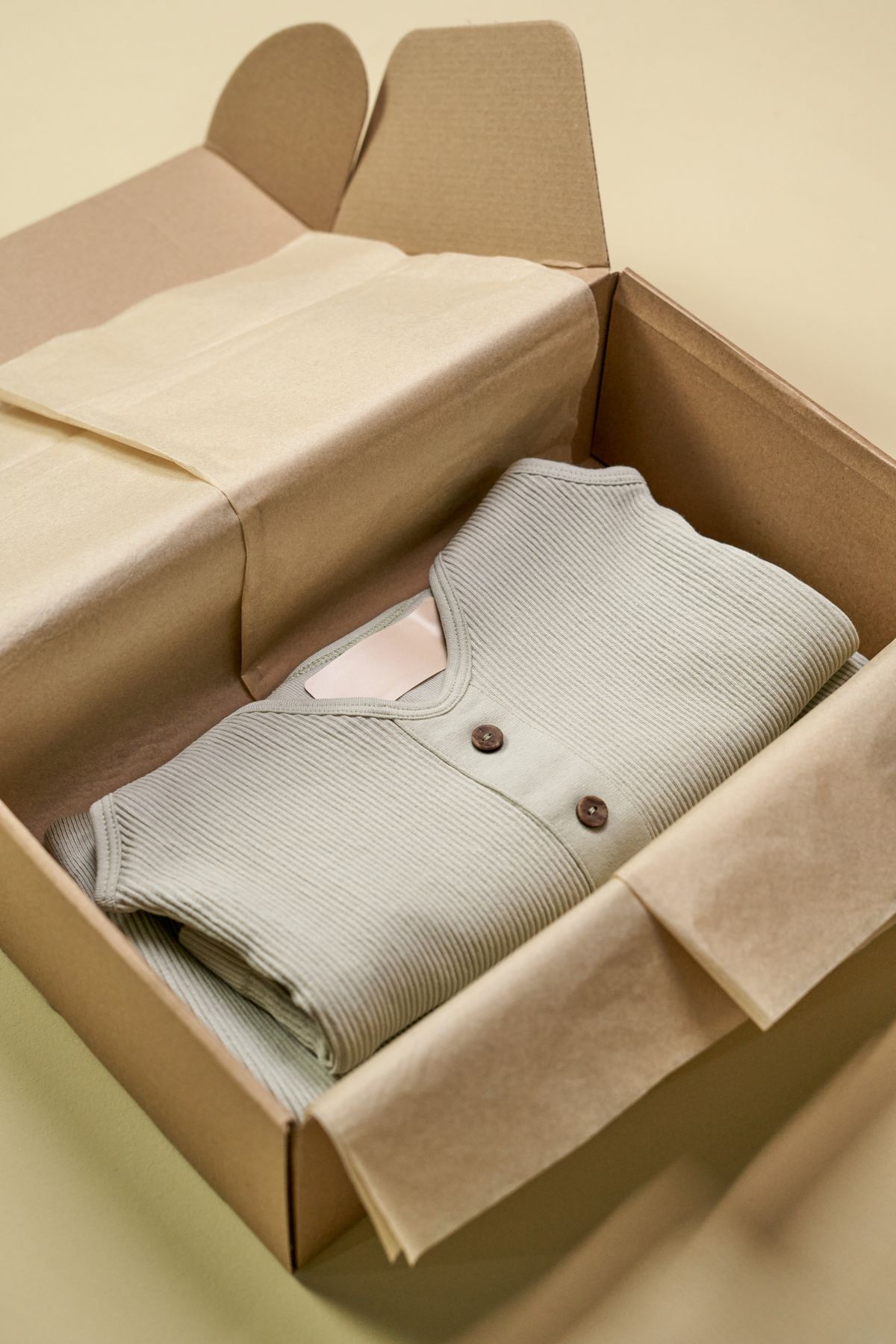
Woven labels support a durable brand signature, while printed neck labels reduce bulk on performance jerseys.
EDVORIN can specify sponsor marks, size labels, hangtags, folding, polybags, and carton marks before bulk approval.
6. Construction quality that affects performance
Three sample checks expose most bulk-production risks: construction must protect movement, repeated laundering, and a uniform visual standard across every size.
Seams And Reinforcement
2.5–3.5 mm stitch spacing is a useful sample reference; inspect even tension, flatlock comfort zones, and bar-tacks at pocket corners, crotches, and side-slit ends.
10 pull-and-release cycles should not pop stitches or distort high-stress seams. Ask which seam construction and reinforcement map will govern bulk production.
Recovery And Hardware
5 wash-and-dry trials reveal whether neck ribs, cuffs, and hems recover rather than ripple or grow. Measure shrinkage against the approved spec before grading is locked.
100 zipper cycles should run smoothly without waviness, snagging, or tape distortion. Ask for the zipper brand, puller specification, and replacement standard.
Alignment And Print Control
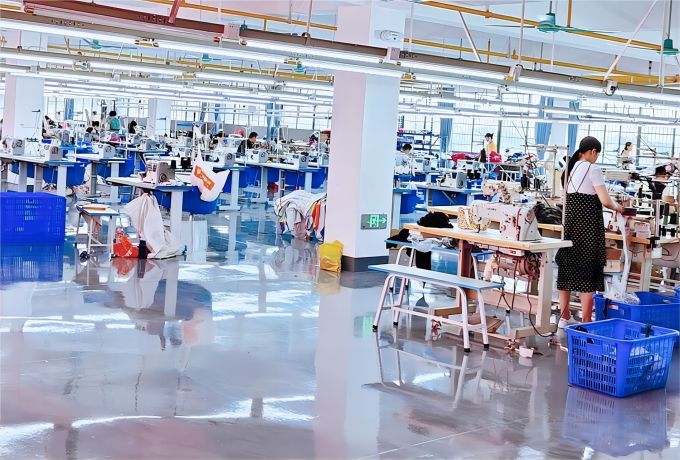
2 matching panels should meet at side seams, stripes, and color-block joins; misalignment is especially visible on jerseys. Confirm sleeve, collar, and placket symmetry on a worn sample.
1 approved placement sheet should state logo centerlines, offsets, and tolerances. Ask whether print registration is checked on every size and after stretch testing.
7. Choosing a teamwear manufacturer
A 200-piece program should be compared on documented control, not a headline unit-price quote. Ask each teamwear manufacturer to show comparable products, approval records, capacity assumptions, and a dated production plan.
| Evaluation Area | Evidence To Request | Decision Signal |
|---|---|---|
| Sample quality | Approved sample and tolerance sheet | Repeatable standard |
| Lead time | Dated critical-path timeline | Visible dependencies |
| Repeat orders | Prior specification archive | Controlled consistency |
Verify Product Experience
Three recent jersey or coordinated-kit examples reveal more than a catalog. Request specification sheets showing fabric, decoration, construction, size range, and client-sensitive details redacted where necessary.
Test Development Control
One pre-production sample should match the approved measurement chart, color reference, artwork placement, and trim list. Confirm revision handling, written sample sign-off, measurement tolerances, and who answers technical questions.
Compare Delivery Reliability
EDVORIN’s MOQ starts at 200 pieces per style. A dated timeline should separate material booking, sampling, bulk production, inspection, packing, and freight handoff. Review MOQ by style and color, available capacity, inspection checkpoints, shipping terms, and the process for repeat-order consistency.
8. Common teamwear manufacturer sourcing mistakes
Two approval points—technical specification and pre-production sample—prevent most avoidable disputes. A teamwear manufacturer needs written, production-ready decisions before materials are committed.
Incomplete Packs And Late Art
A tech pack missing measurements, seam details, Pantone references, and placement coordinates invites interpretation. The consequence is revision loops; prevent it with a version-controlled pack and signed artwork before sampling.
Choosing Fabric By Price
Price-only fabric selection can sacrifice opacity, recovery, and moisture management. The consequence is a cheap quote that fails wear testing; approve swatches and a fit sample in the intended GSM before bulk.
Assuming Prints Match Colors
White, dark, and fluorescent polyester grounds can shift print appearance and coverage. The consequence is mismatched kits; test production artwork on every colorway and approve strike-offs under consistent lighting.
Ignoring Reorders And Scope
Reorders require retained fabric, trim, color, and decoration specifications—not a prior purchase order alone. The consequence is substitution or surprise cost; forecast replenishment and compare quotes only against identical quantities, fabrics, trims, packing, and inspection.
9. Steps to launch a teamwear program
Four checkpoints keep a teamwear manufacturer quote comparable and protect the launch calendar. Start with a complete brief before requesting development or samples.
Build The Product Brief
One brief should name wearer, sport, SKUs, target issue date, and 200-piece colorway quantities.
Two files should accompany it: vector artwork with ownership clearance, plus Pantone references and required delivery date.
Lock Technical Standards
One tech pack should lock measurements, construction, decoration placement, labels, packaging, fabric, and approved size grading.
Two sample rounds usually separate visual corrections from fit approval; retain dated comments and a signed sample.
Approve Production And Reorders
One purchase order should confirm final size breakdown, carton marks, production-sample approval, payment milestones, and shipping method.
Two reorder records matter: approved swatches and a sell-through forecast by size, color, and delivery window.
10. teamwear manufacturer pricing and costs
Programs of 200–299 pieces generally carry more development cost per unit than replenishments, even when the garment specification is unchanged. A teamwear manufacturer should separate garment, decoration, labels, packaging, samples, freight, duty, and local delivery to reveal landed cost.
200–299 units suit a launch, while 500+ units usually improve cutting, print, and trim efficiency. Sublimation artwork, multi-location embroidery, player names, bonded seams, and performance mesh add cost; fabric weight and fiber blend also matter.
2 approved sample rounds are a practical budget line: reserve funds for fit changes, color corrections, and pre-production approval. Compare quotations only against the same Incoterm, size ratio, Pantone references, decoration coverage, label pack, carton specification, and production window; plan replenishment before a season deadline.
| Illustrative order tier | Main unit-cost pressure | Lead-time planning |
|---|---|---|
| 200–299 units | Setup and sample amortization | Allow approval time |
| 300–499 units | Fabric and decoration mix | Book materials early |
| 500+ units | Size mix and freight mode | Reserve replenishment capacity |
Turn Your Teamwear Brief Into a Repeatable Collection
Send your tech pack, sketch, reference garment, or collection brief to begin sampling and production planning with EDVORIN.