
Running Apparel Manufacturer for Custom OEM/ODM Programs
EDVORIN is a running apparel manufacturer supporting concept-to-bulk development, with MOQ starting at 200 pieces per style.
Featured Products for Running Programs



Built for Repeatable Running Apparel Production
Founder-led product development and controlled production support running collections from first specification through repeat bulk orders.
Founder-Led Since 2000
Work with a manufacturing partner built from garment construction, with direct attention to practical production decisions and repeatable standards.
OEM, ODM & Private-Label Development
Move from tech pack, sketch, or reference garment to clear patterns, materials, measurements, samples, and production-ready specifications.
Flexible Program Support
Running apparel programs start at 200 pieces per style, supporting emerging labels, team orders, wholesale ranges, and established buyers.
Coordinated Branding Details
Fabric, trims, printing, embroidery, labels, packaging, and wash effects are coordinated around the intended garment, brand identity, and use.
Approved-Standard Quality Control
Approved samples guide material checks, measurements, artwork placement, in-line inspections, and final checks before finished orders are packed.
Running Apparel for Brands, Clubs & Teams
Develop coordinated running, teamwear and branded apparel programs with production standards built for repeat orders.
Custom Hoodies
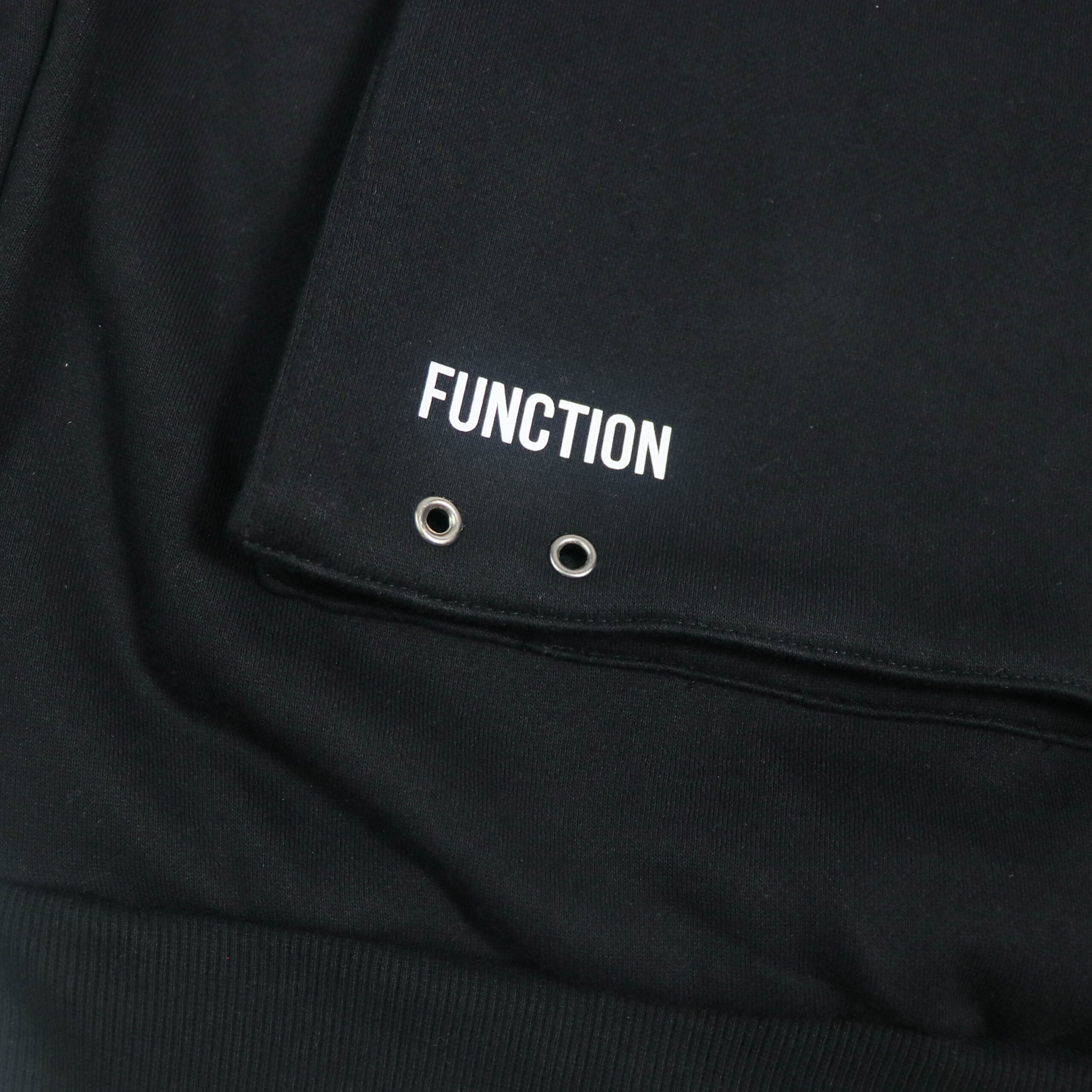
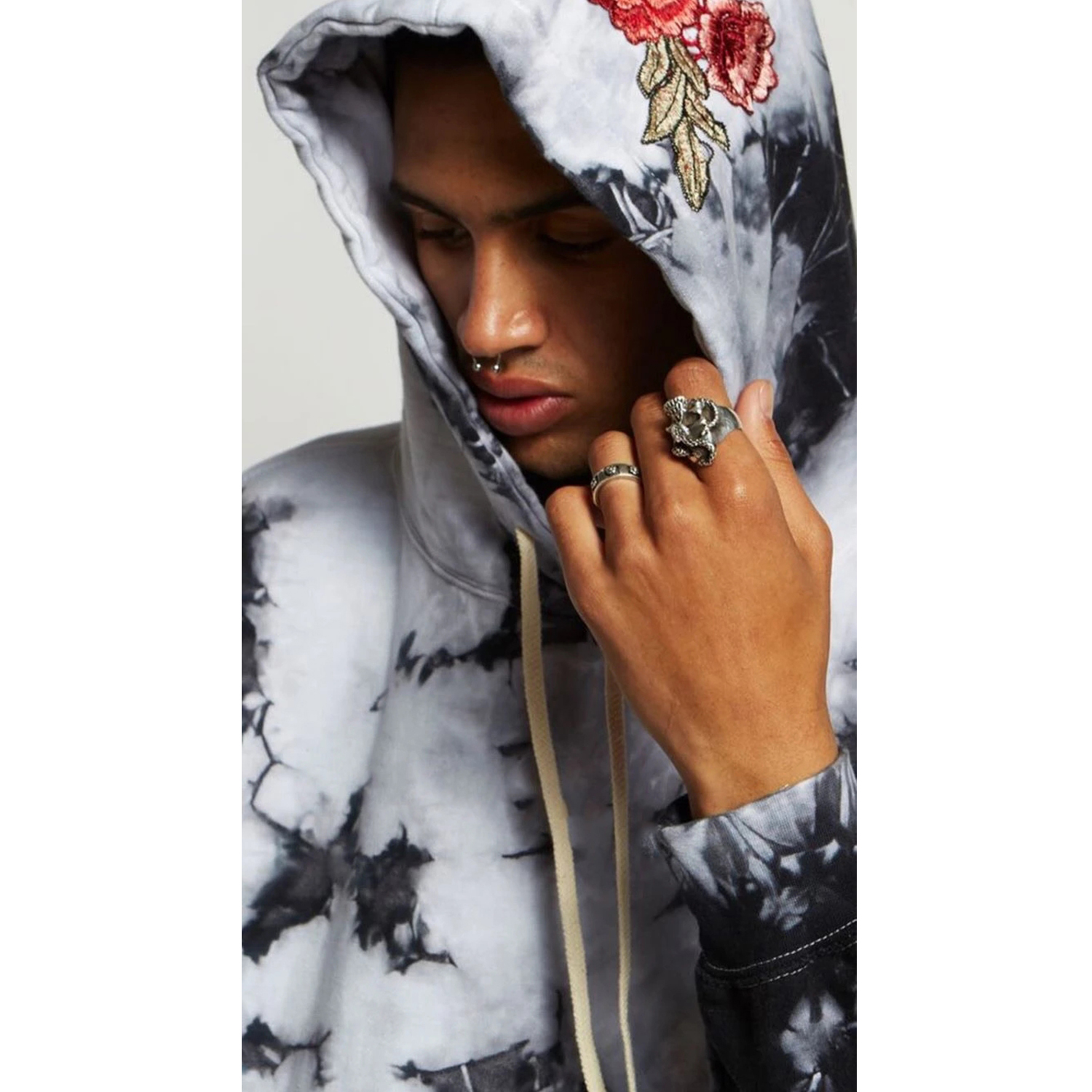
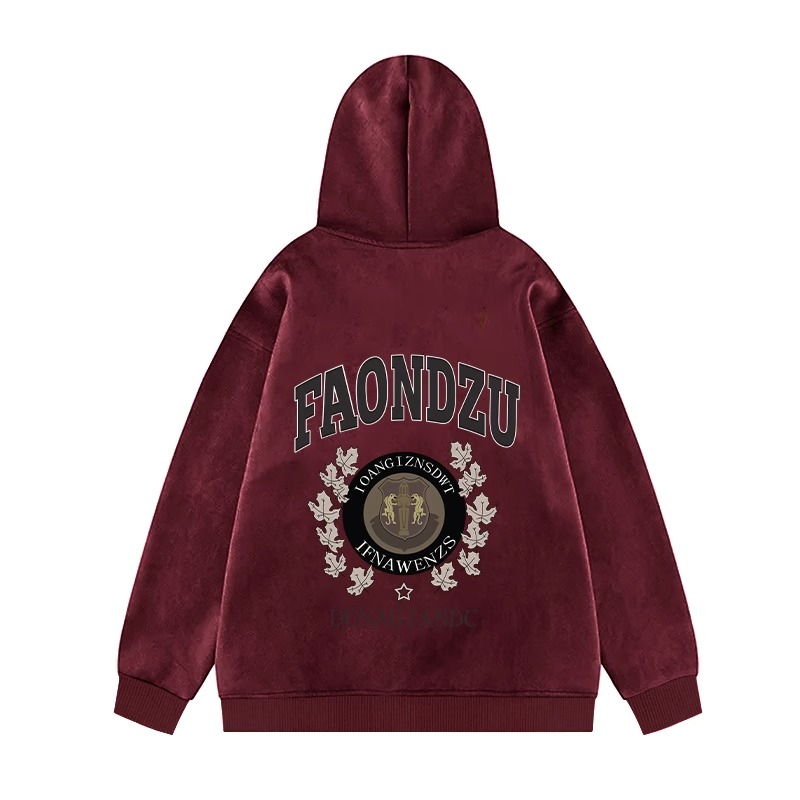
Custom hoodies developed with fleece-weight options, fit blocks, rib specifications, drawcords, pockets, labels and print or embroidery placement documented for sampling and bulk production.
Get a Quote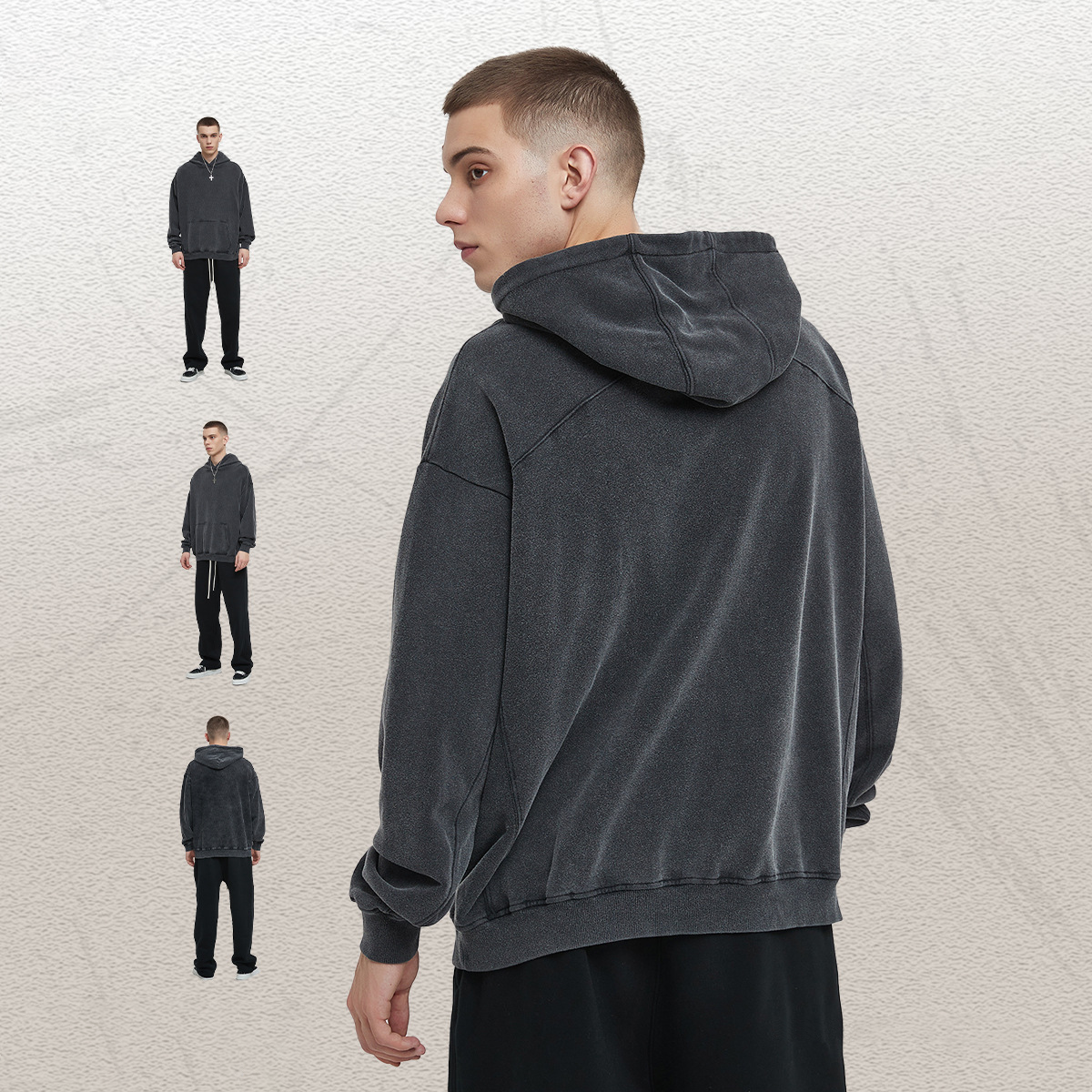
Pullover Sweatshirts
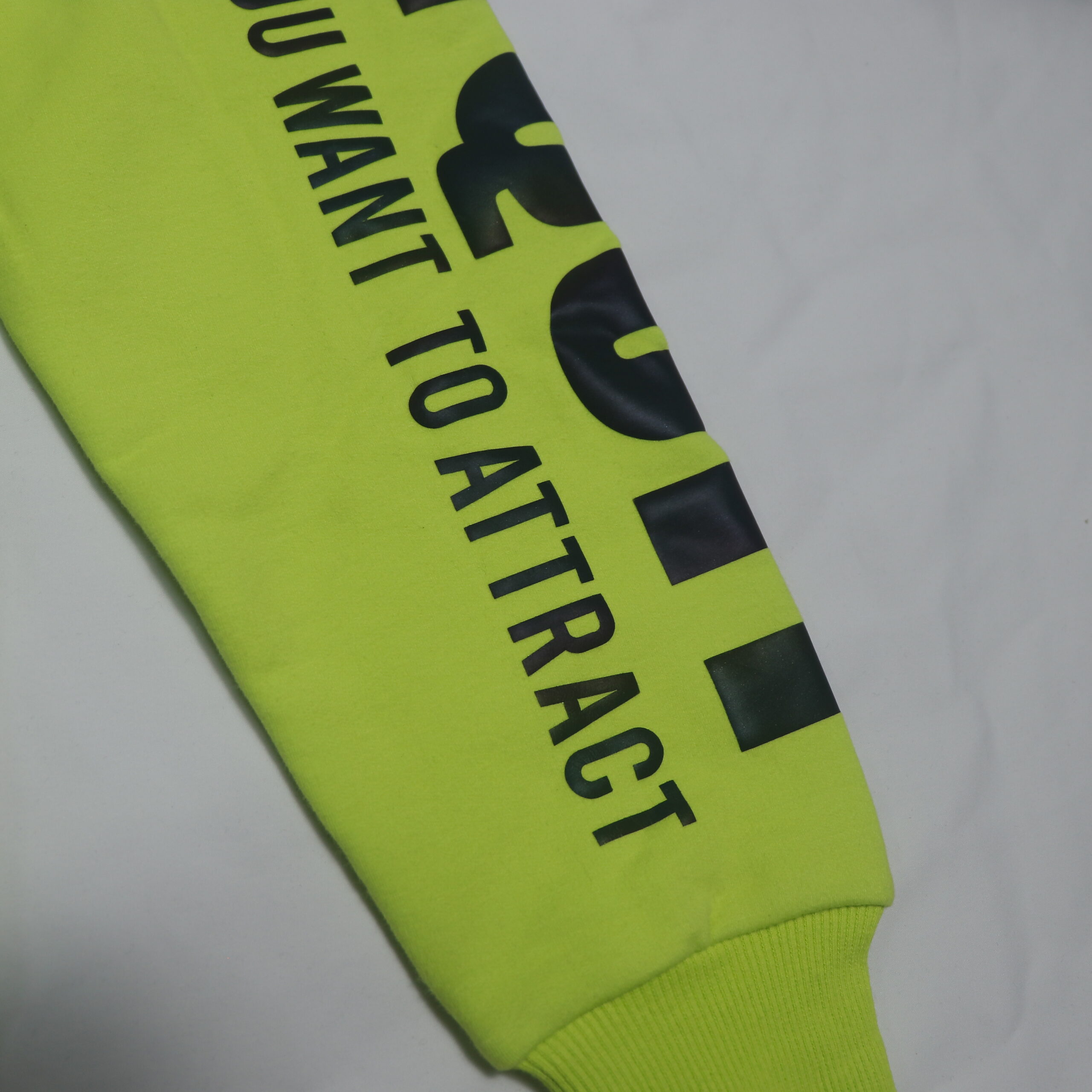
Pullover sweatshirts produced around fabric weight, neckline construction, rib recovery, fit grading and decoration requirements. Available for men’s and women’s programs, from basic branded layers to detailed fashion or team collections.
Get a Quote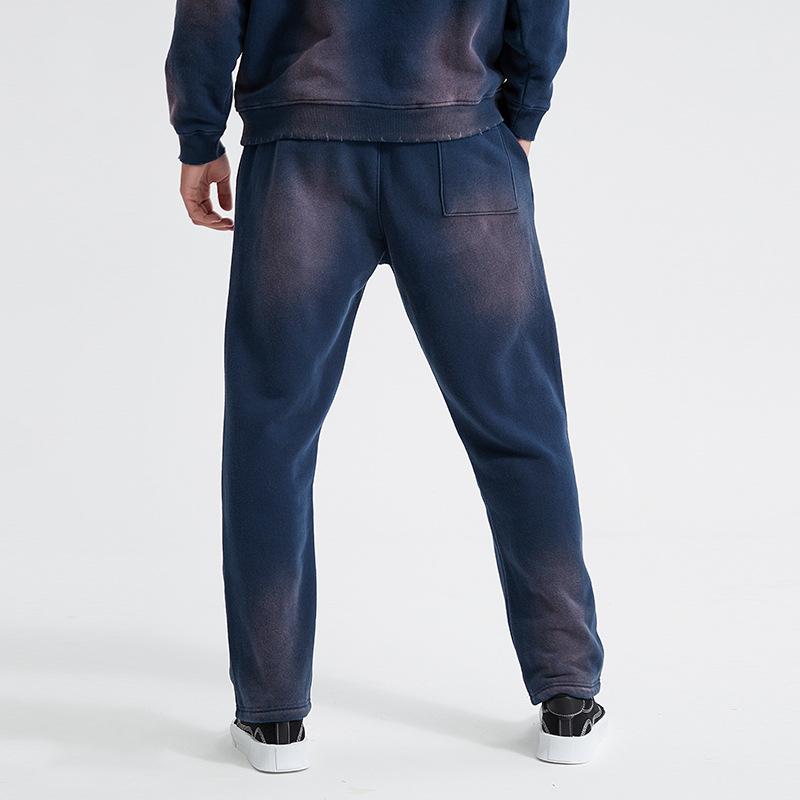
Sweatpants & Joggers
Sweatpants and joggers developed with controlled fit, waistband and cuff construction, pocket layouts, drawcords, fabric weight and print or embroidery placement for retail, team and private-label programs.
Get a Quote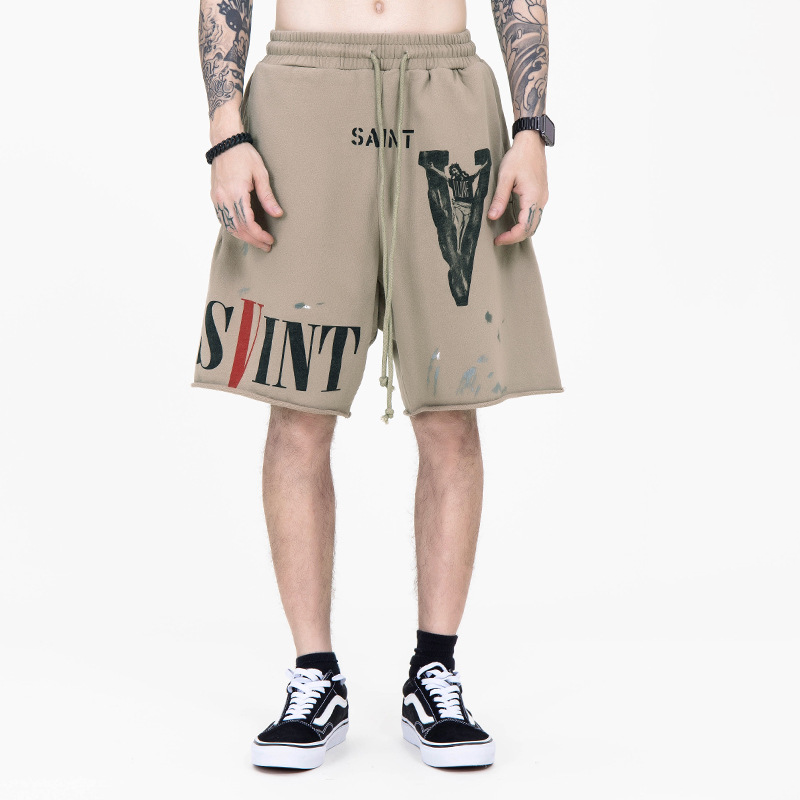
Custom Shorts
Custom shorts manufactured for running, training, casualwear and branded uniform programs. Options include woven or knit fabrics, liner construction, inseams, elastic waists, pockets, reflective details and coordinated decoration.
Get a Quote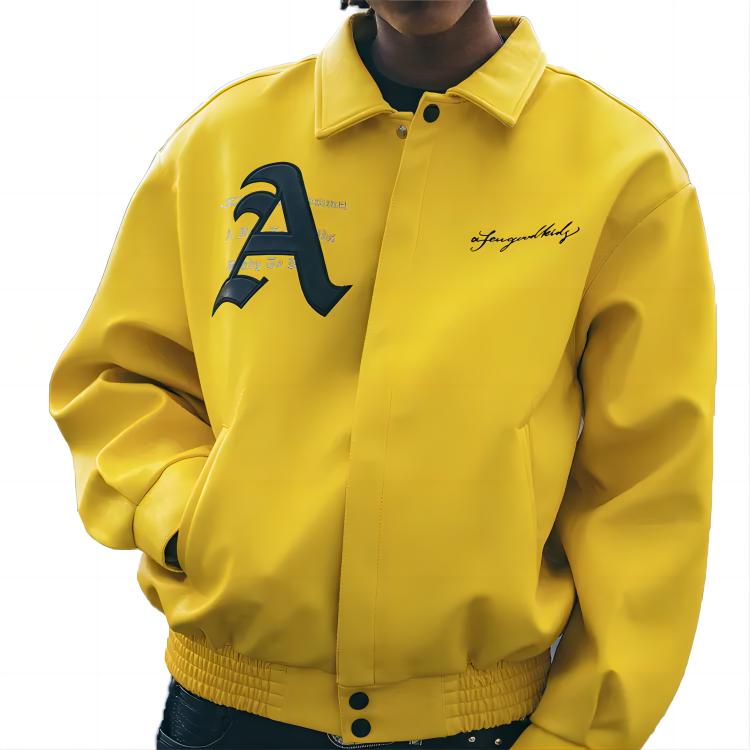
Varsity & Baseball Jackets
Varsity and baseball jackets built around balanced shell materials, sleeves, rib, snaps, lining, patches and embroidery. EDVORIN records these construction details during development to support consistent repeat production.
Get a Quote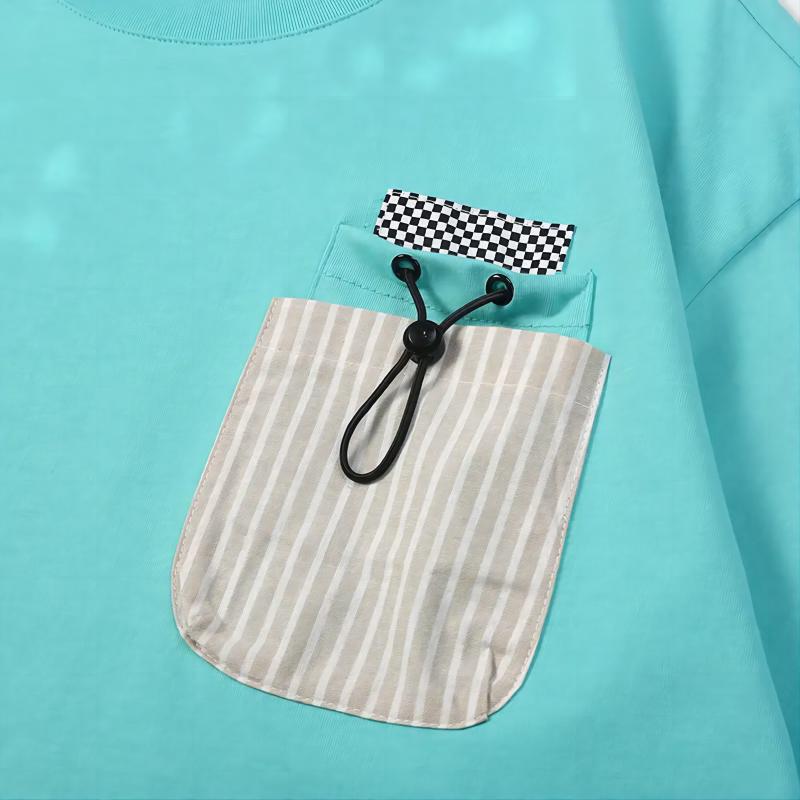
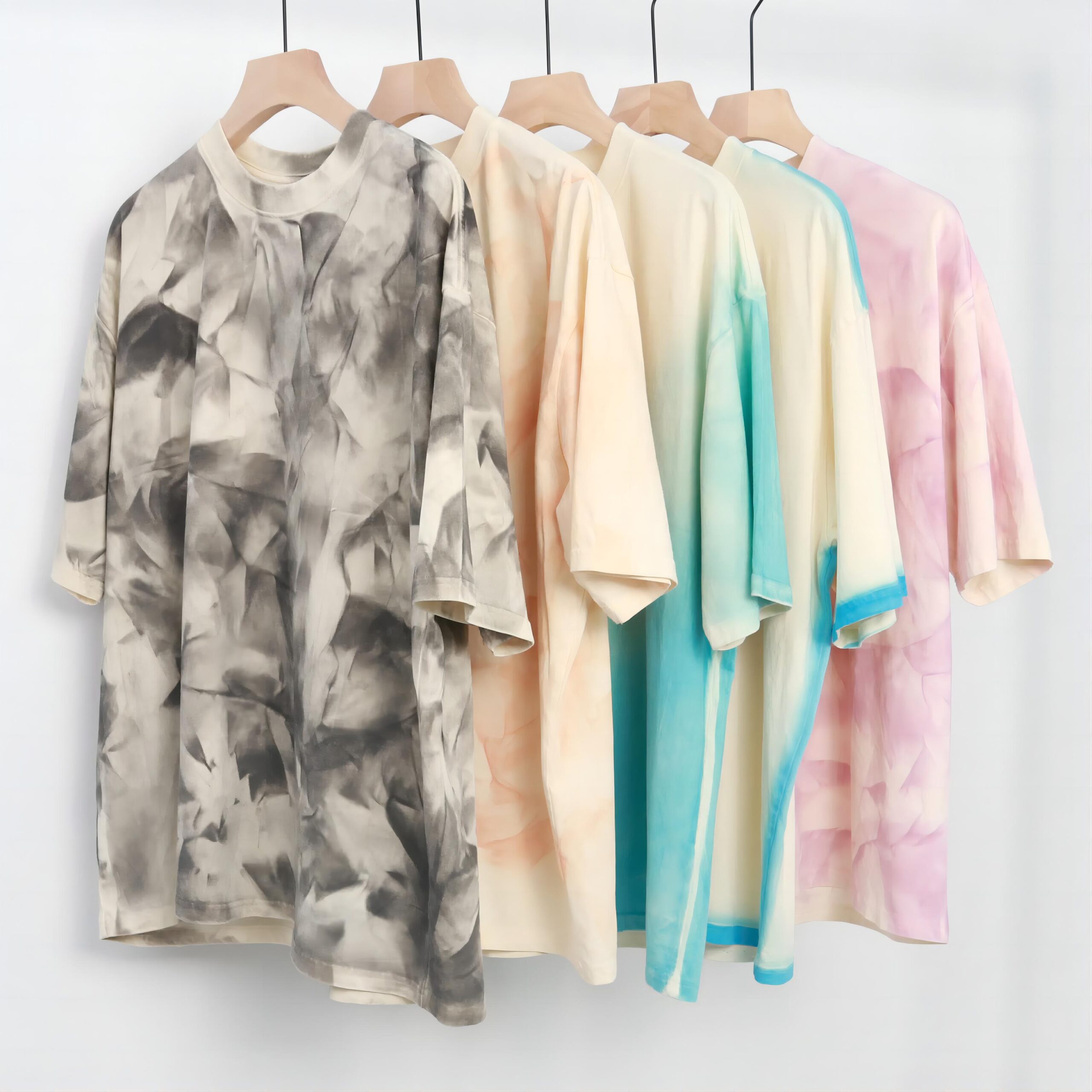
Custom T-Shirts
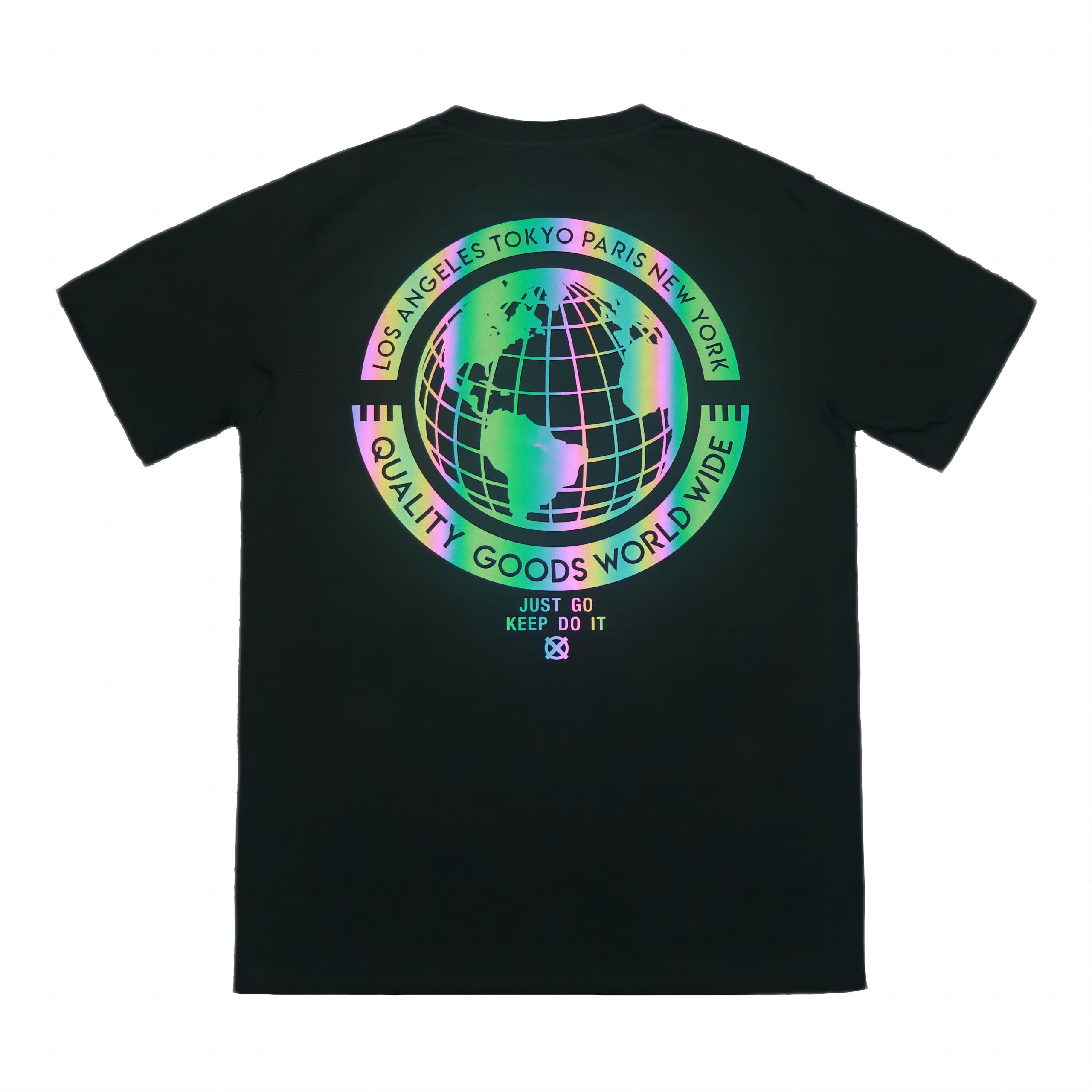
Custom T-shirts developed with selected jersey weights, collar construction, fit, grading, print methods, embroidery and labels. Suitable for event apparel, team merchandise, wholesale basics and fashion-led branded collections.
Get a Quote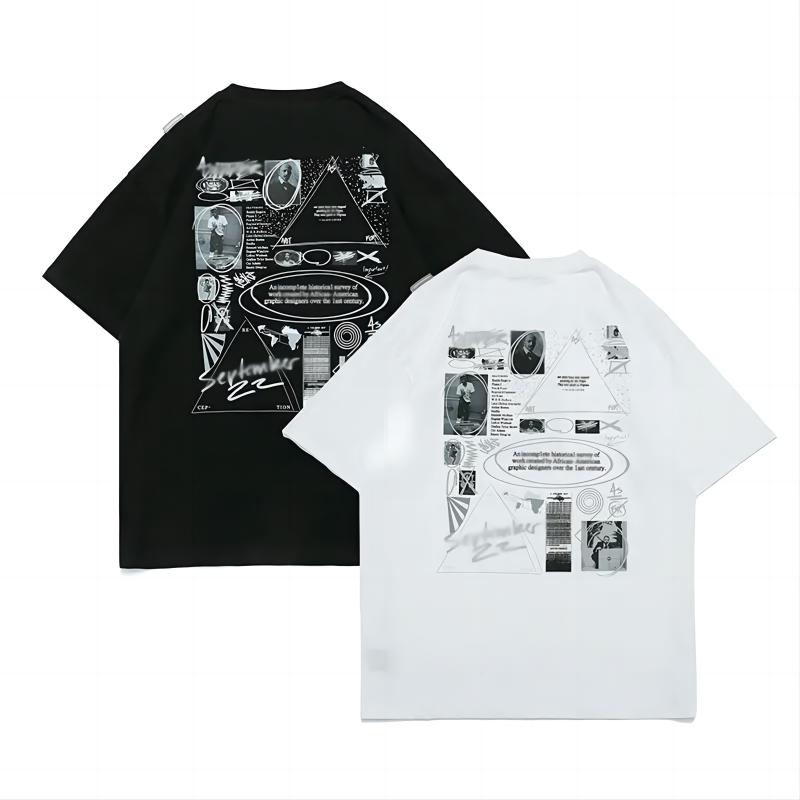
Custom Polo Shirts
Custom polo shirts produced with pique or performance fabrics, collar and placket construction, sleeve finishes, embroidery placement and size grading. Designed for clubs, schools, corporate uniforms and private-label ranges.
Get a Quote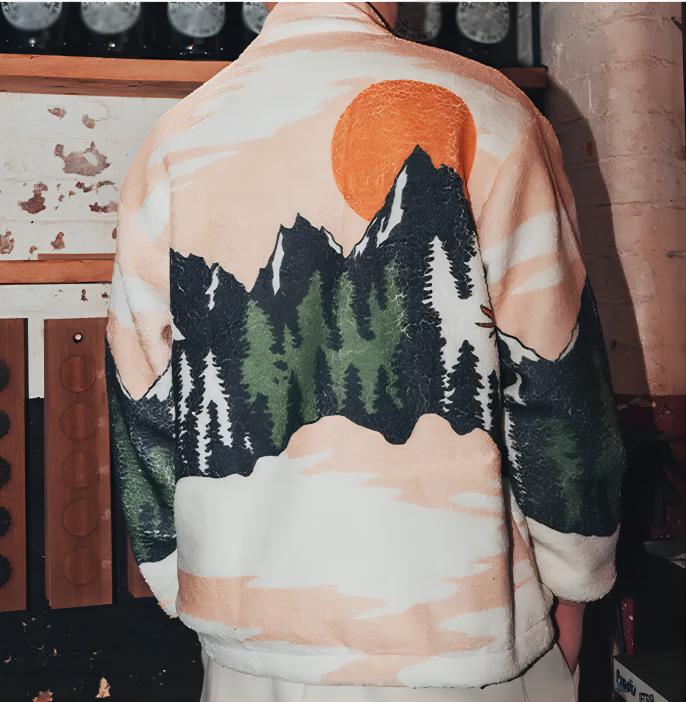
Windbreaker Jackets
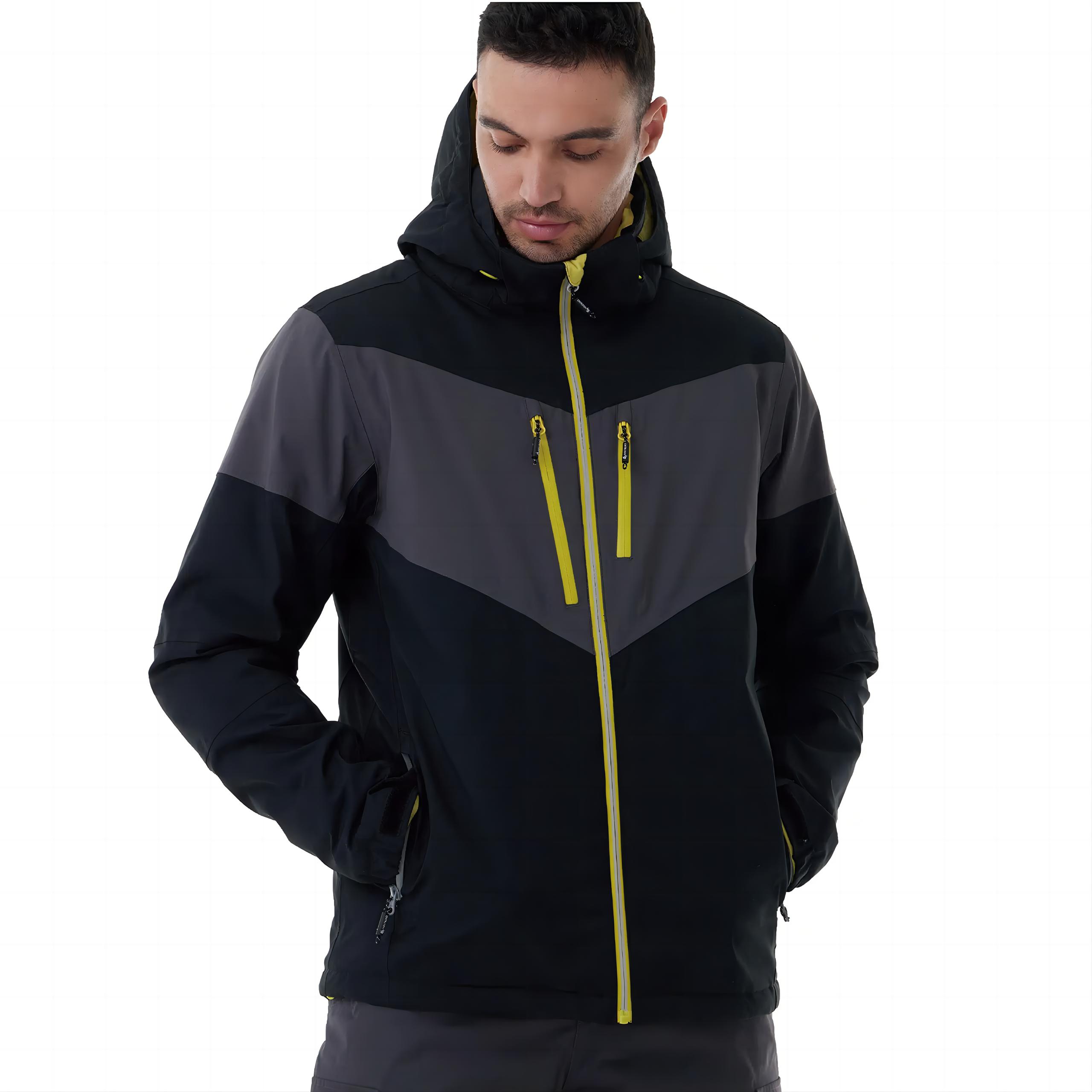
Windbreaker jackets developed with lightweight shells, lining or mesh options, zip and hood construction, ventilation, pockets and weather-focused finishes. Suitable for running layers, team outerwear and branded promotional programs.
Get a Quote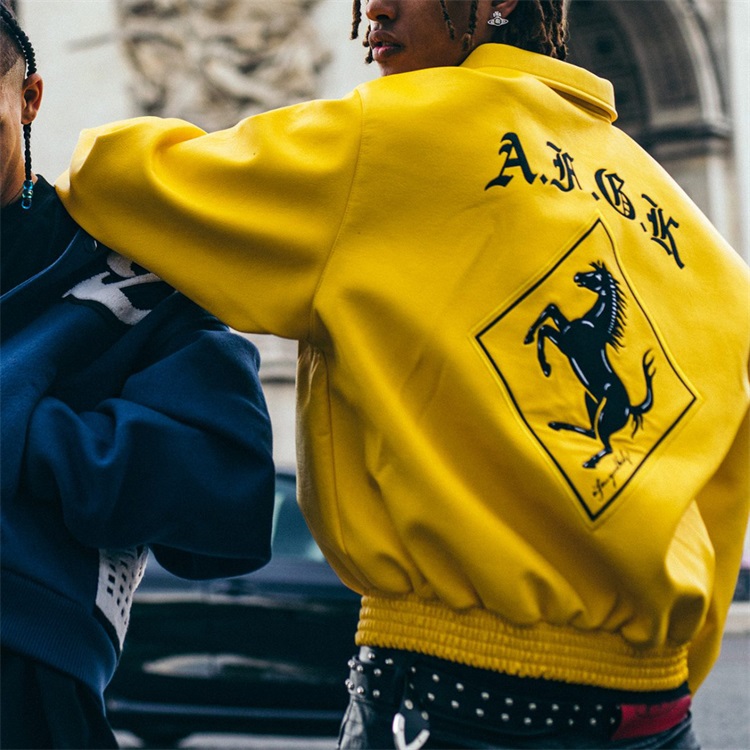
Quilted Jackets
Quilted jackets coordinated across shell fabric, insulation, lining, quilting pattern, hardware and labeling. Development focuses on warmth, bulk, construction balance and repeatable finishing for retail or uniform outerwear.
Get a Quote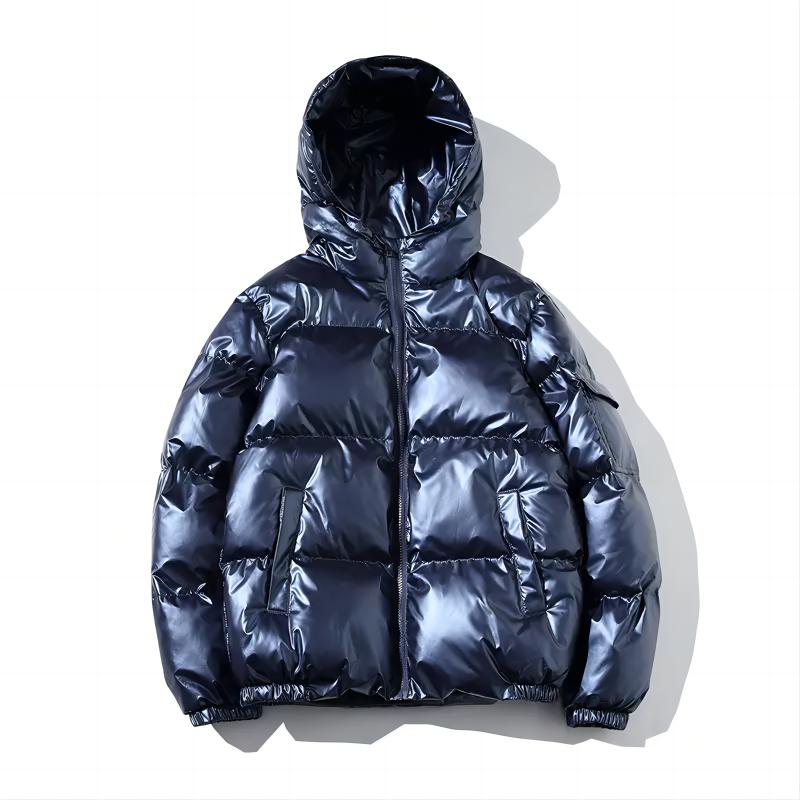
Bomber Jackets
Bomber jackets manufactured with defined shell, lining, rib, zipper, pocket and decoration specifications. Options support fashion labels, streetwear programs and branded team jackets requiring consistent construction across bulk orders.
Get a Quote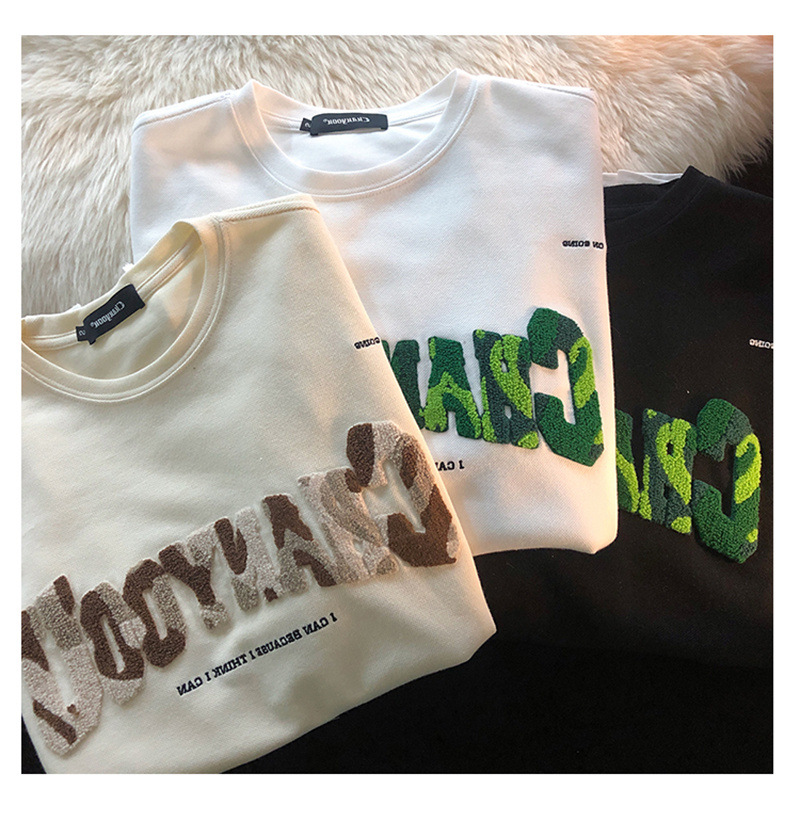
Custom Shirts
Custom woven shirts developed with fabric selection, collar, placket, cuff, pocket and fit specifications tailored to the target wearer. Available for men’s and women’s collections, uniforms and private-label assortments.
Get a Quote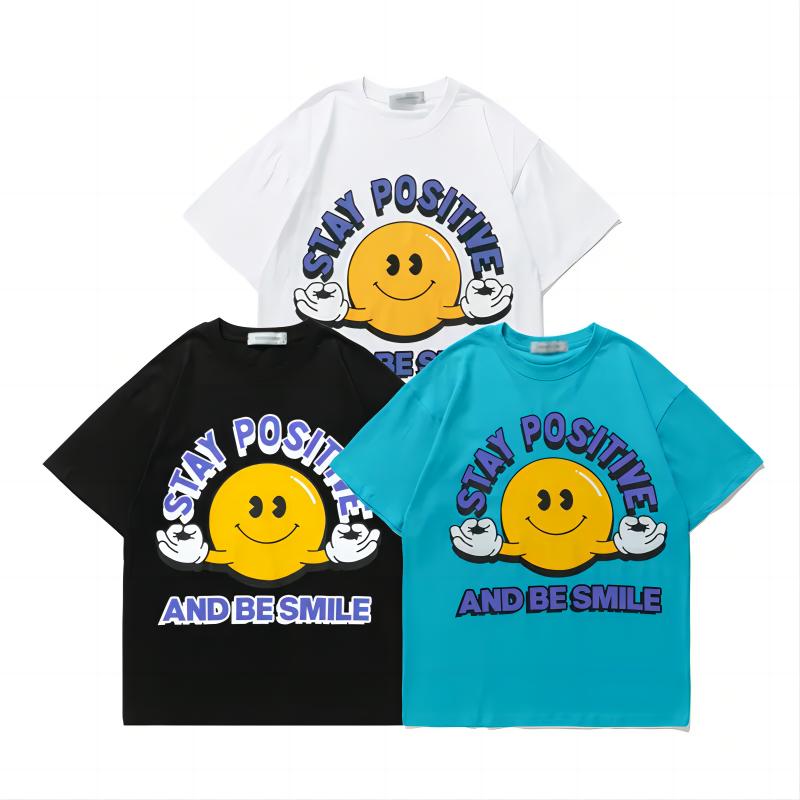
Custom Jerseys
Custom jerseys produced with breathable fabrics, color control, panel construction, name and number application, logos and size-set coordination. Built for clubs, schools, events and repeat teamwear orders.
Get a Quote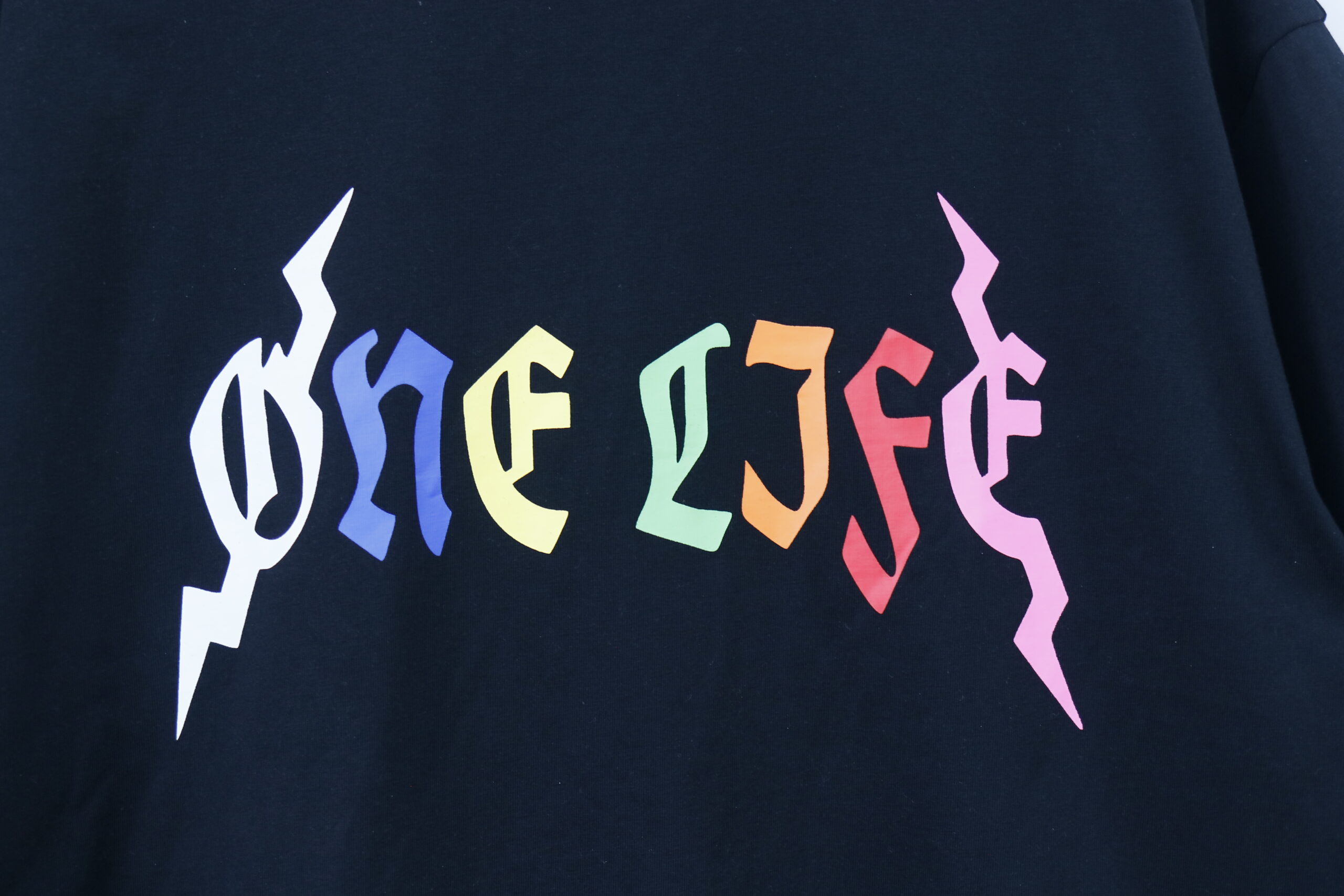
Tank Tops
Tank tops developed for running, training, casualwear and team programs using knit or performance fabrics. Construction can include racerback or standard silhouettes, binding details, mesh panels, prints and embroidery.
Get a Quote
Soccer Uniforms
Soccer uniforms coordinated as complete kits with jerseys, shorts and optional socks. EDVORIN manages fabric performance, color matching, crest placement, player names, numbers, grading and organized team size sets.
Get a Quote
Basketball Uniforms
Basketball uniforms developed with breathable performance fabrics, jersey and short proportions, contrast panels, trims, team colors, names and numbers. Specifications are documented to support stable reorders across seasons.
Get a Quote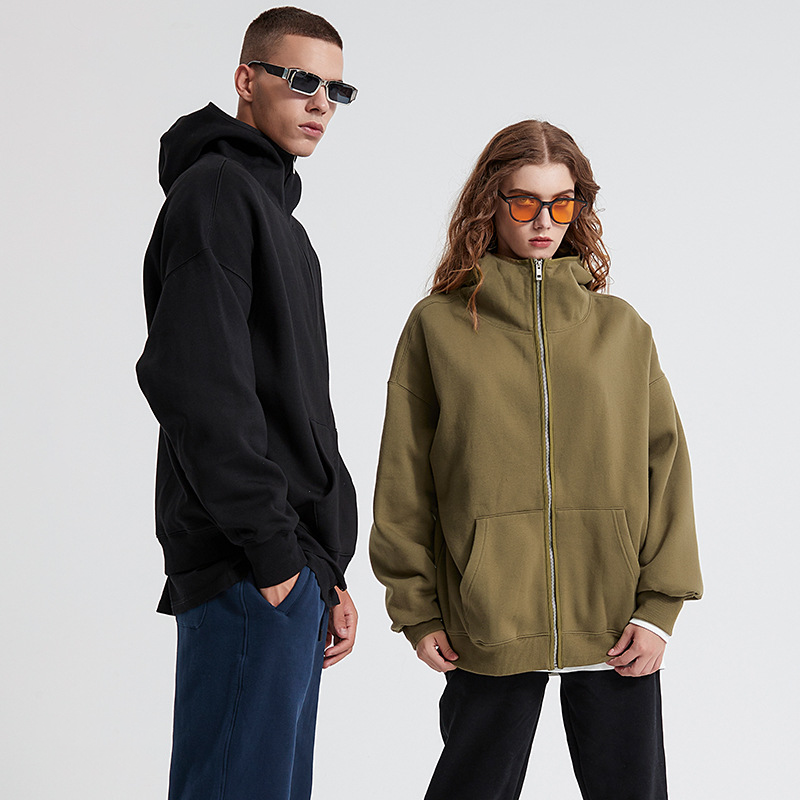
Streetwear Collections
Streetwear collections developed as connected product programs across hoodies, T-shirts, sweatpants, shorts, jackets and accessories. EDVORIN coordinates materials, washes, trims, labels, decoration and packaging from sample approval through bulk production.
Get a QuotePerformance Materials for Running Apparel Programs
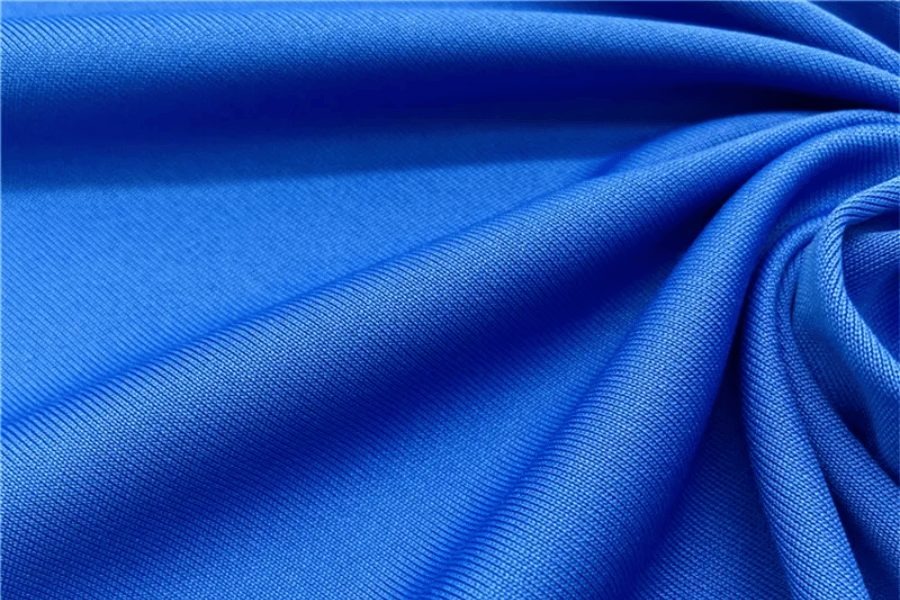
Polyester Interlock
A smooth, stable knit for running tees, singlets and team jerseys. Its clean face supports sharp decoration, while the breathable construction and durable hand make it suitable for repeat-wear programs.
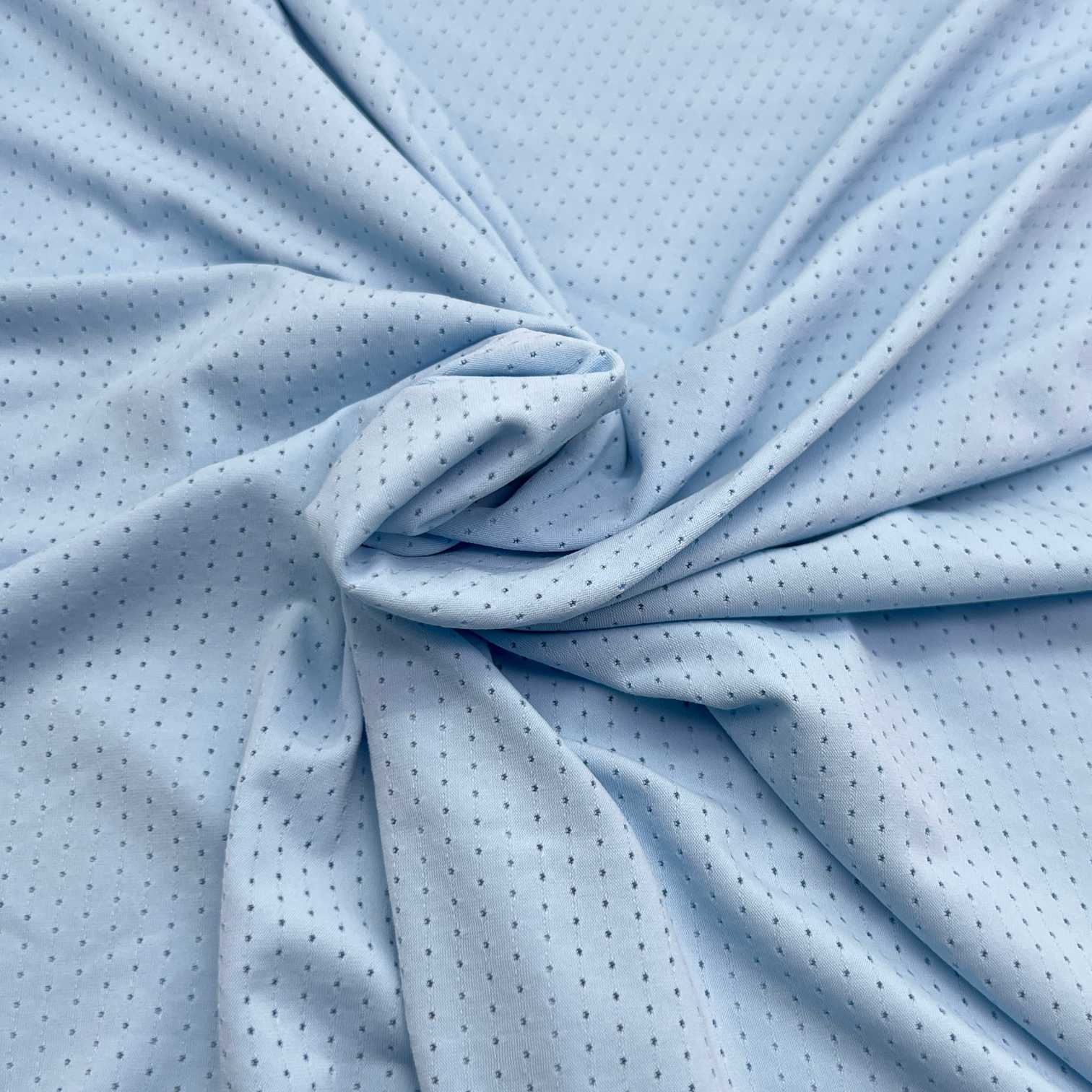
Stretch Performance Jersey
A lightweight, soft-touch jersey for fitted tops, shorts and women’s running styles. Added elastane provides comfortable recovery and movement, while the knit construction helps maintain a close, flexible fit.
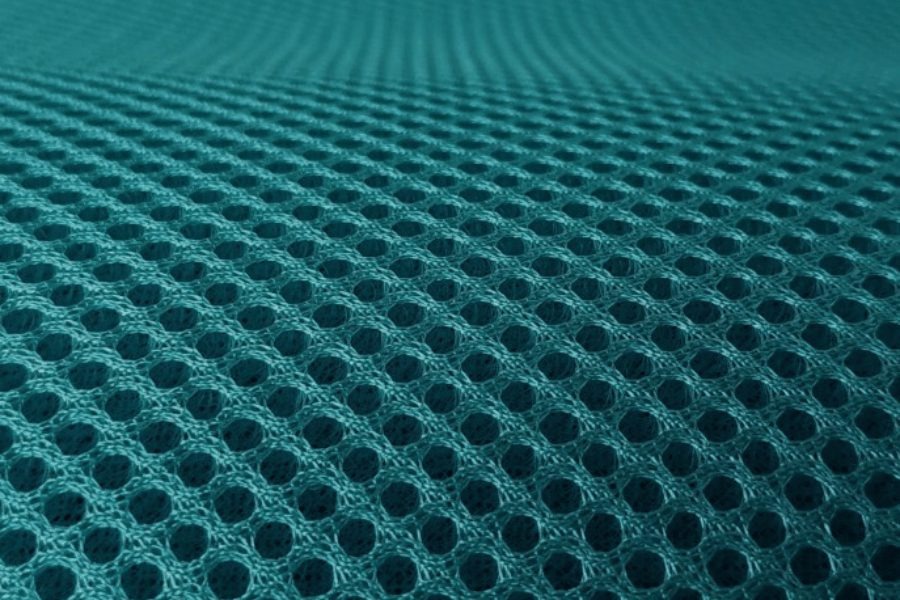
Polyester Mesh
An open, airy fabric commonly used for ventilation panels, training tops and lightweight singlets. Its textured hand promotes airflow, and its low-bulk construction layers easily with performance jersey fabrics.
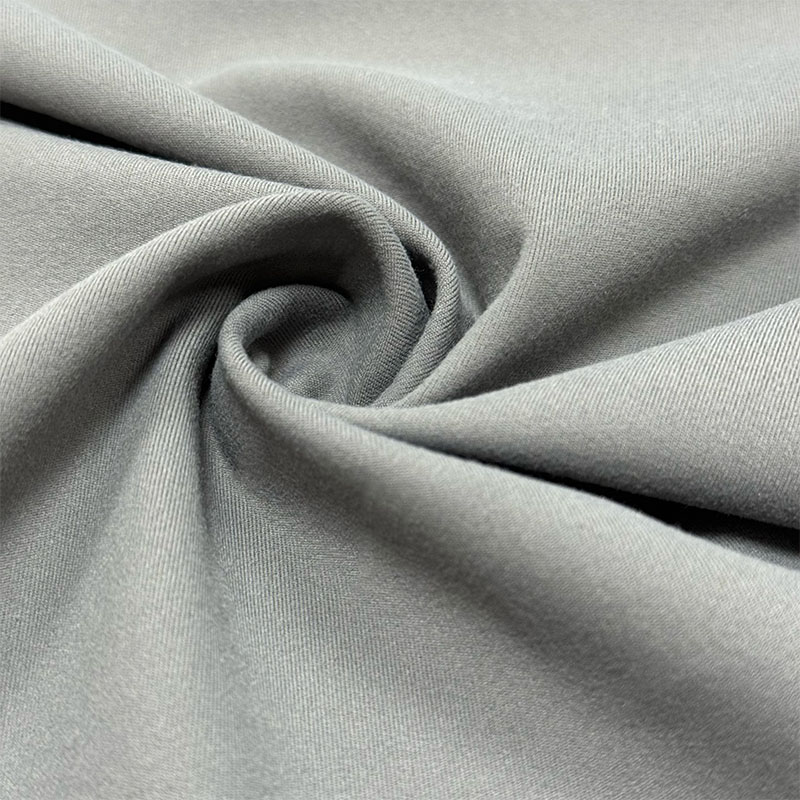
Recycled Polyester Knit
A versatile performance knit for tees, jerseys and running layers where recycled material options are requested. It offers a smooth hand, dependable color presentation and can be specified in different weights.
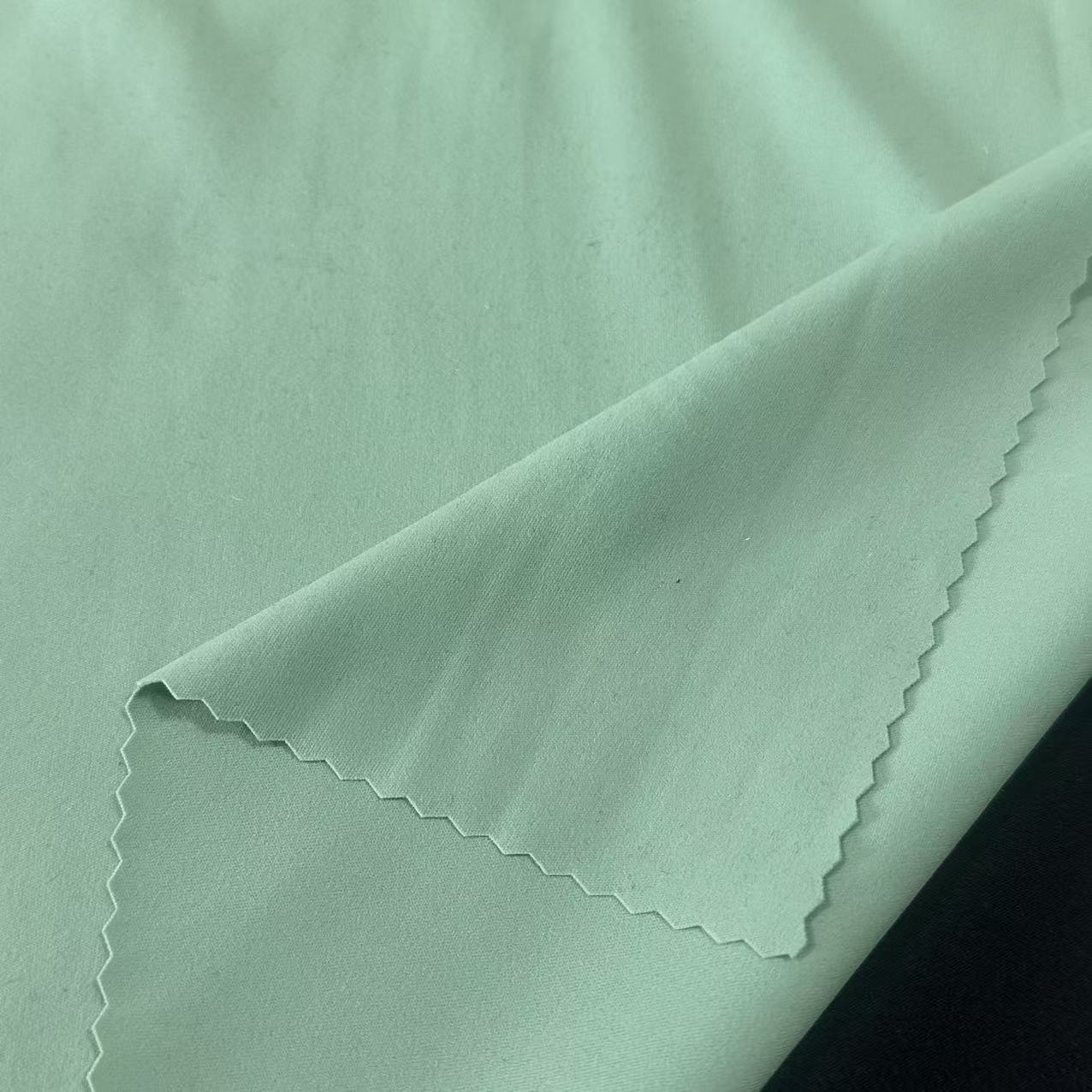
Nylon Spandex Knit
A smooth, resilient stretch fabric for tights, fitted shorts and supportive running layers. Its denser hand gives a more substantial feel, while four-way stretch supports unrestricted movement and shape retention.
Decoration Methods for Custom Running Apparel
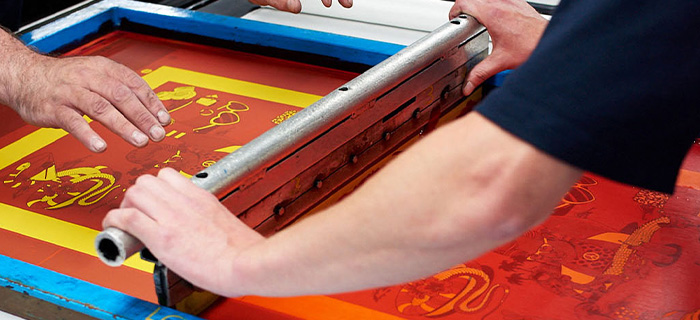
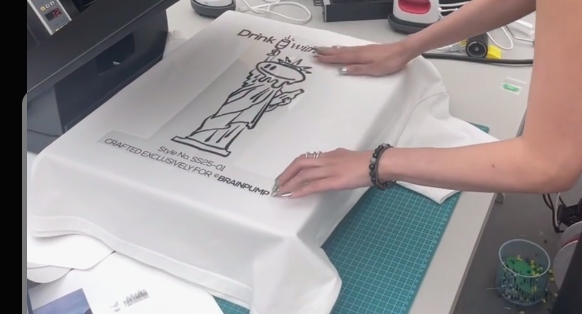
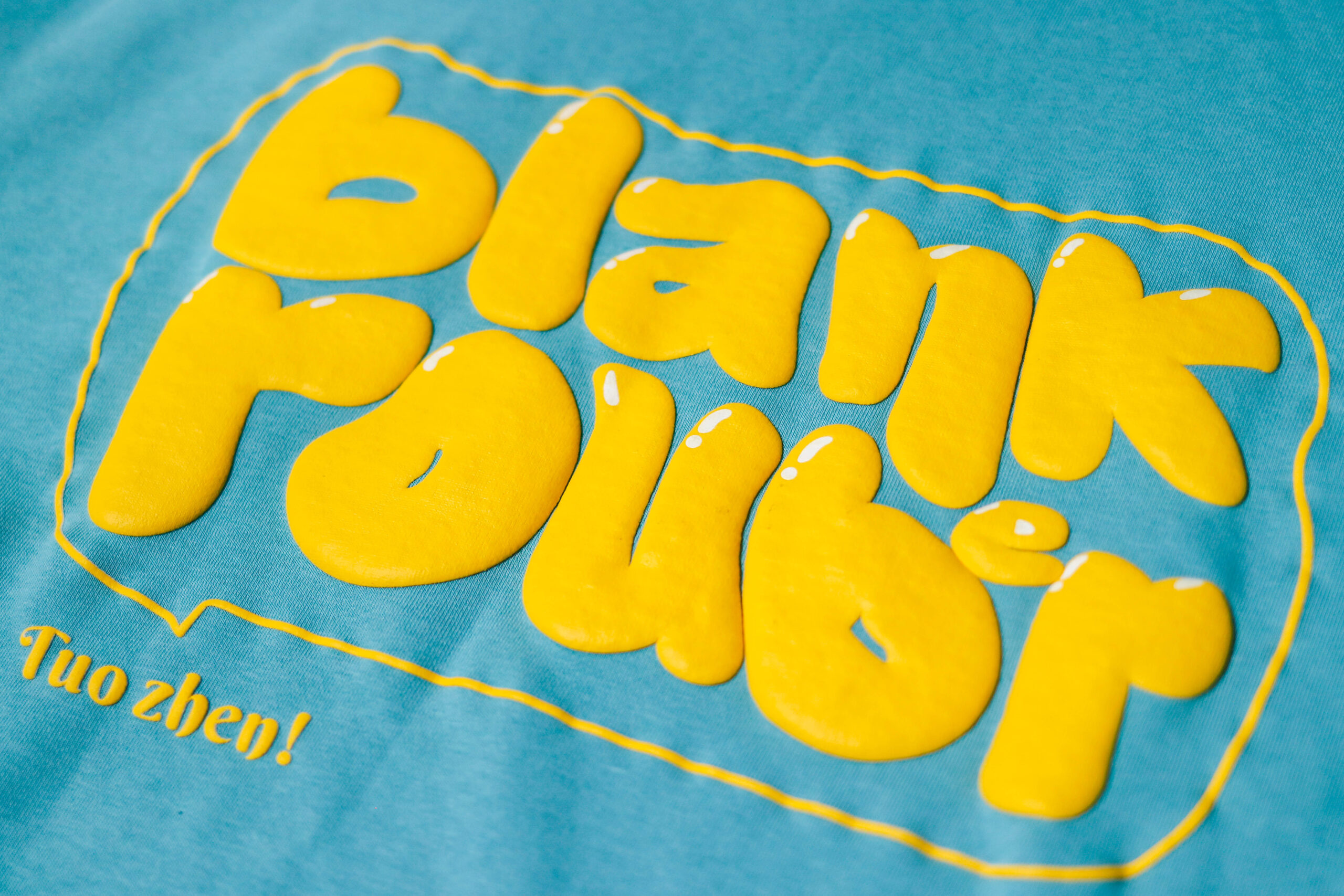
Heat Transfer
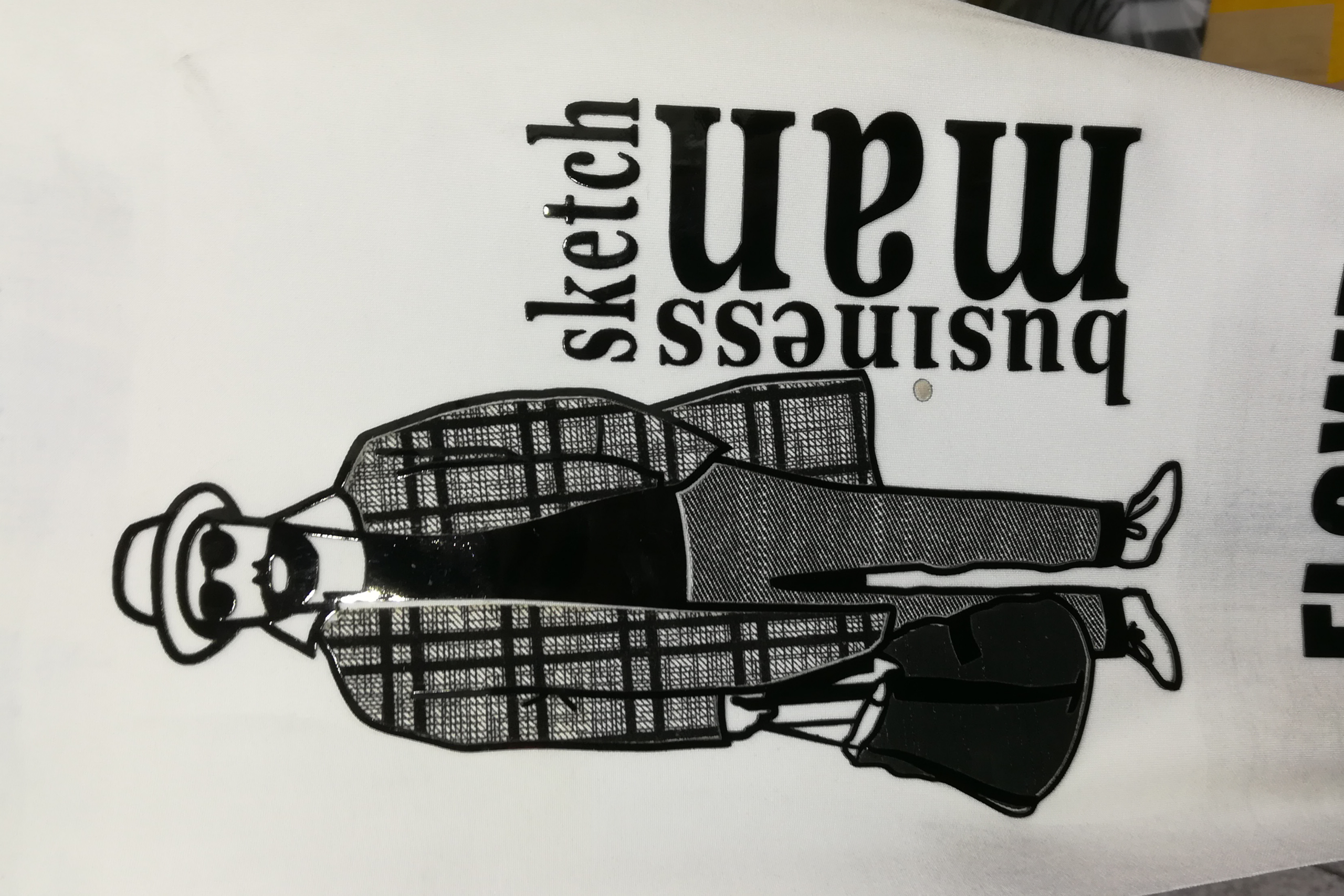
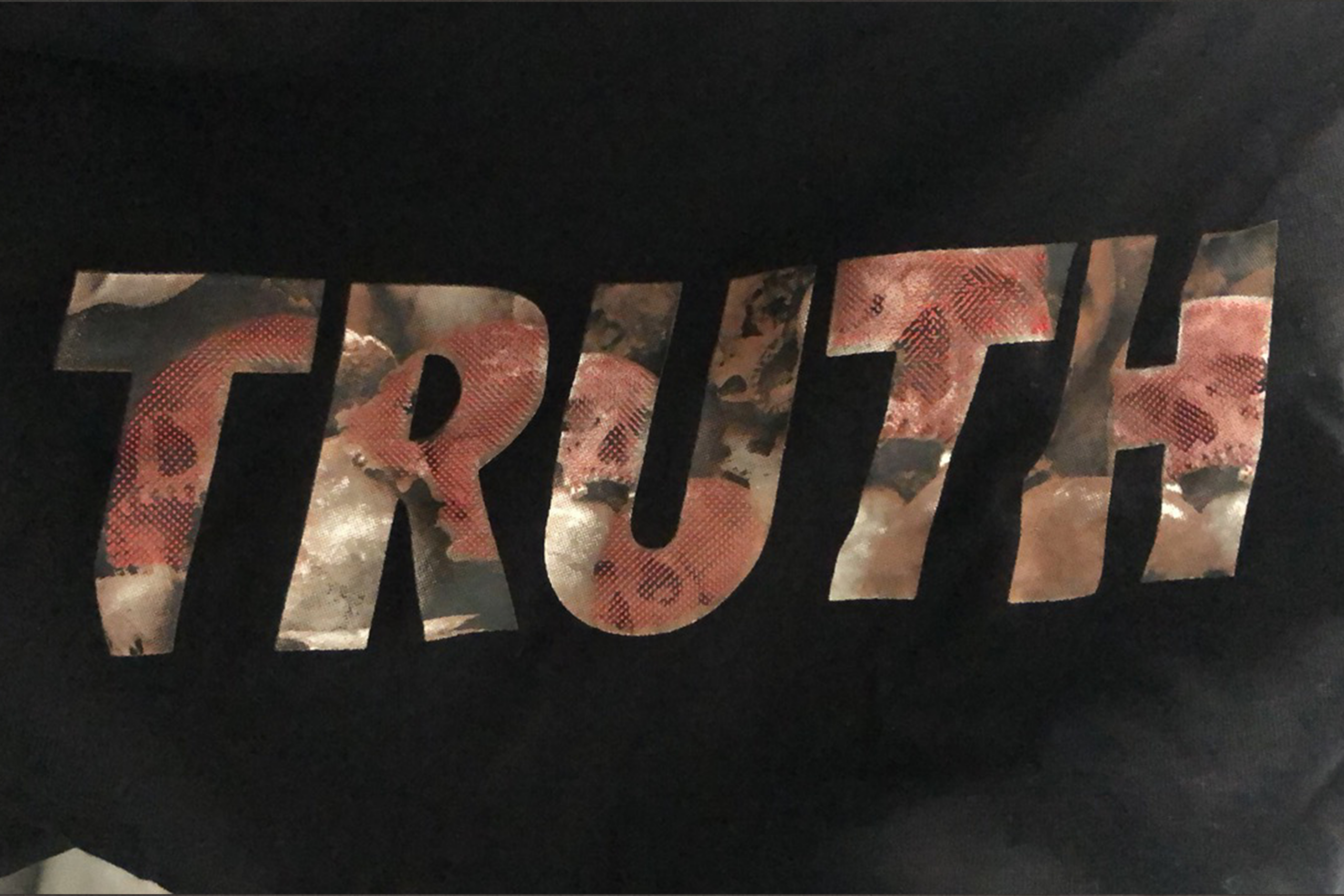
Ideal for precise names, numbers, small logos and detailed multicolor artwork. EDVORIN coordinates transfer materials with garment fabric and placement specifications to achieve clean edges, dependable adhesion and repeatable team personalization.
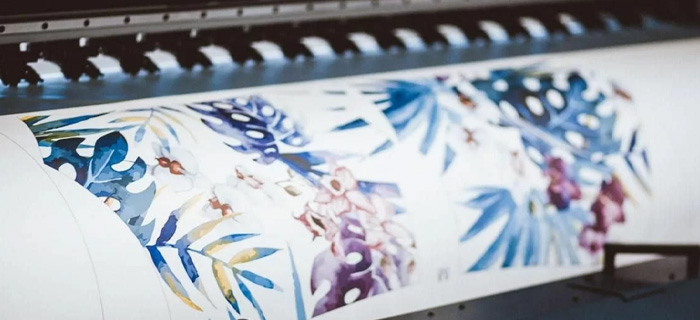
Sublimation Printing
A strong option for all-over graphics, color blocking and integrated team designs on suitable polyester-based performance fabrics. The design becomes part of the fabric surface, supporting vivid coverage without adding a separate printed layer.
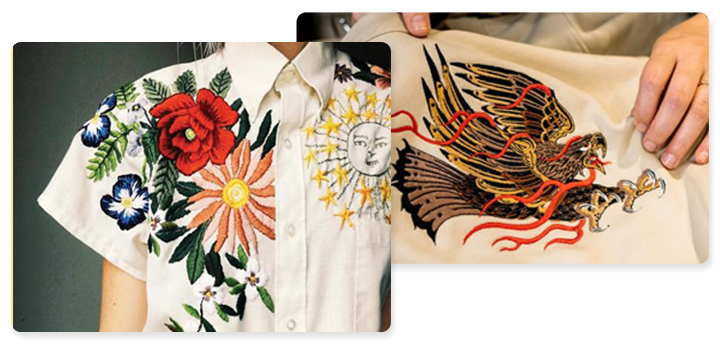
Embroidery Details
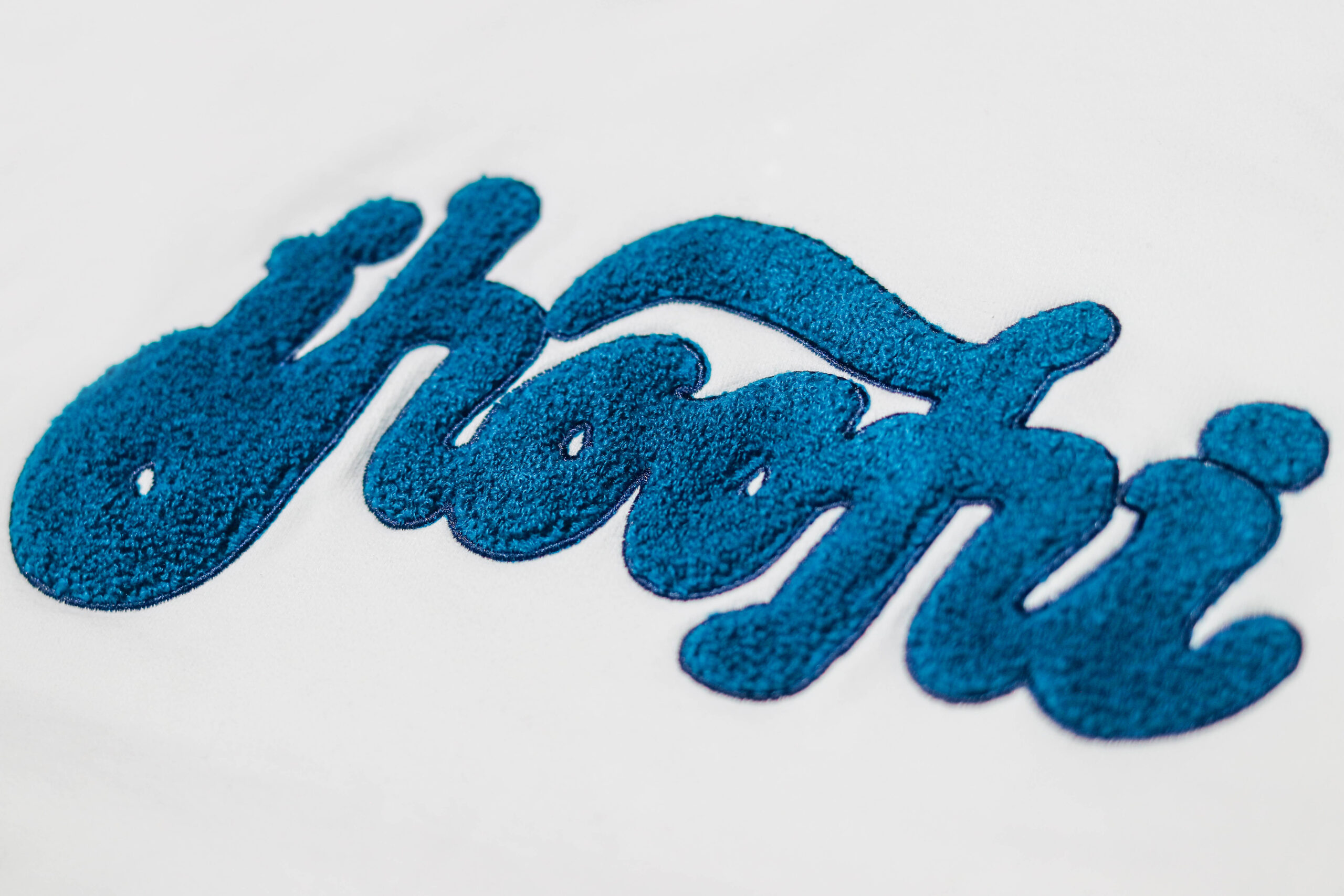
Used for elevated logos, badges and branded accents on caps, jackets and selected outer layers. Stitch density, backing and placement are reviewed against the base material to create a structured finish without compromising the garment’s intended use.
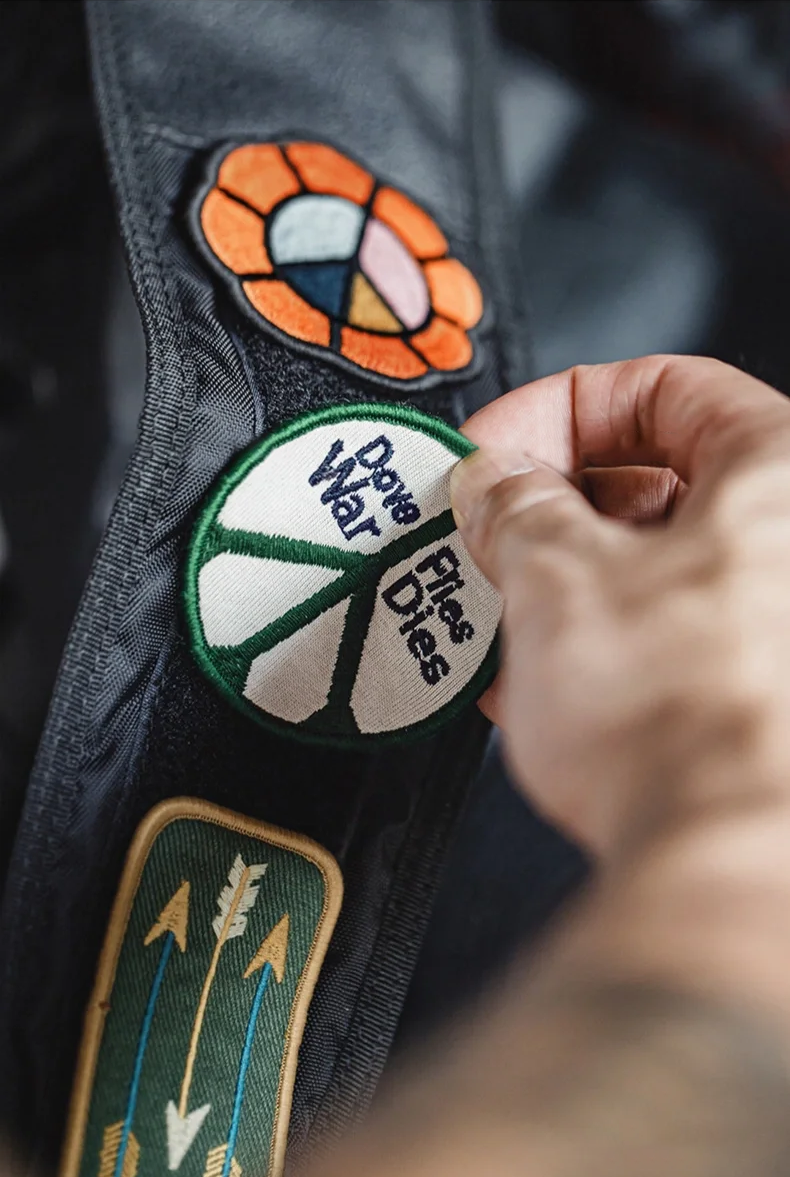
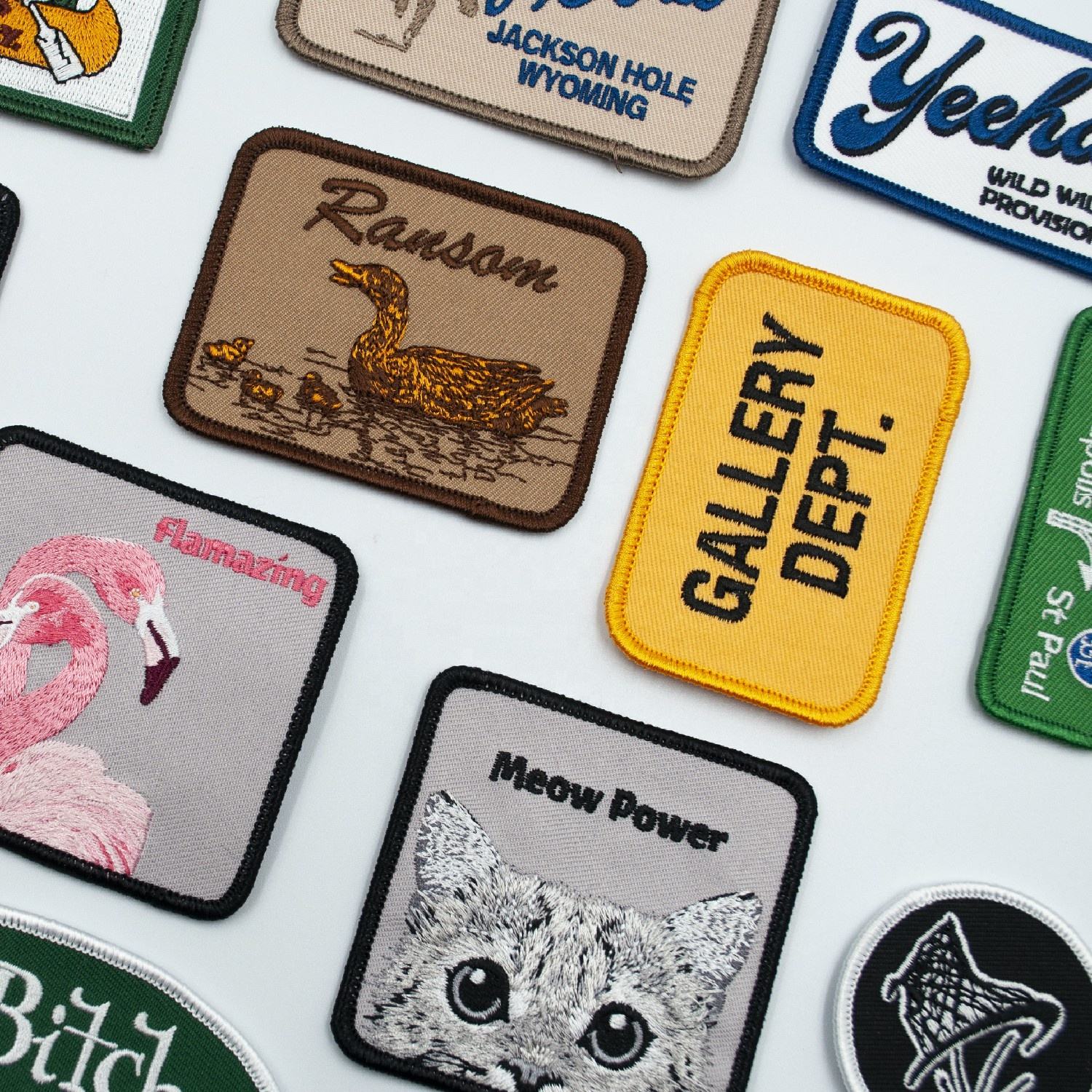
Patch Application
Woven, embroidered or heat-applied patches add dimension to club marks and collection branding. EDVORIN confirms patch construction, attachment method and placement during sampling to deliver a secure, polished result across the full order.
Private-Label Details That Complete the Kit
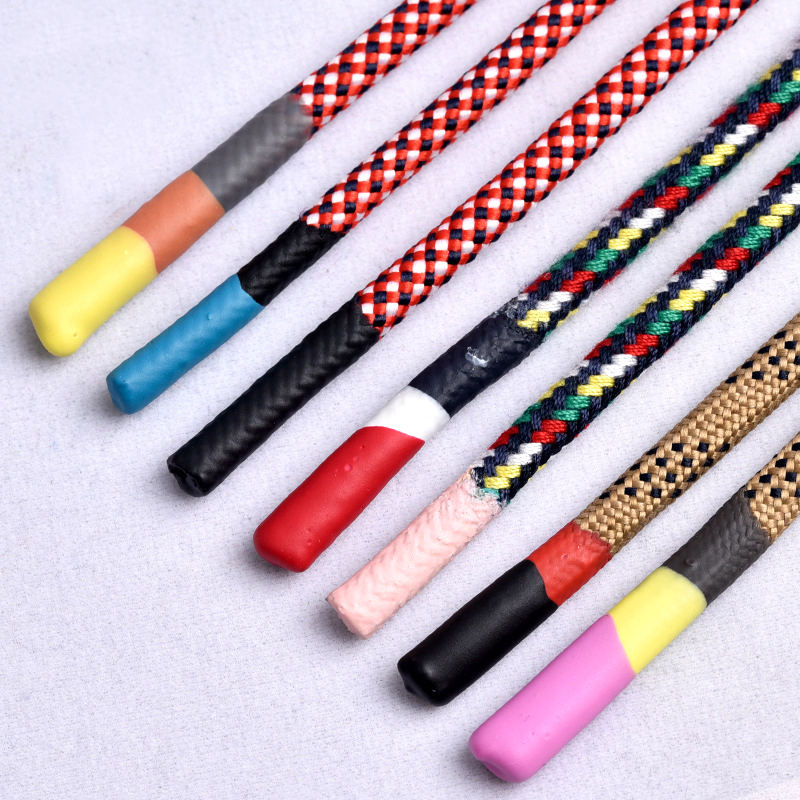
Drawcords and Tipping
Select drawcord material, thickness, color and tipped finish for running shorts, lightweight layers and warm-up styles. These details help align function, garment balance and a recognizable branded finish.
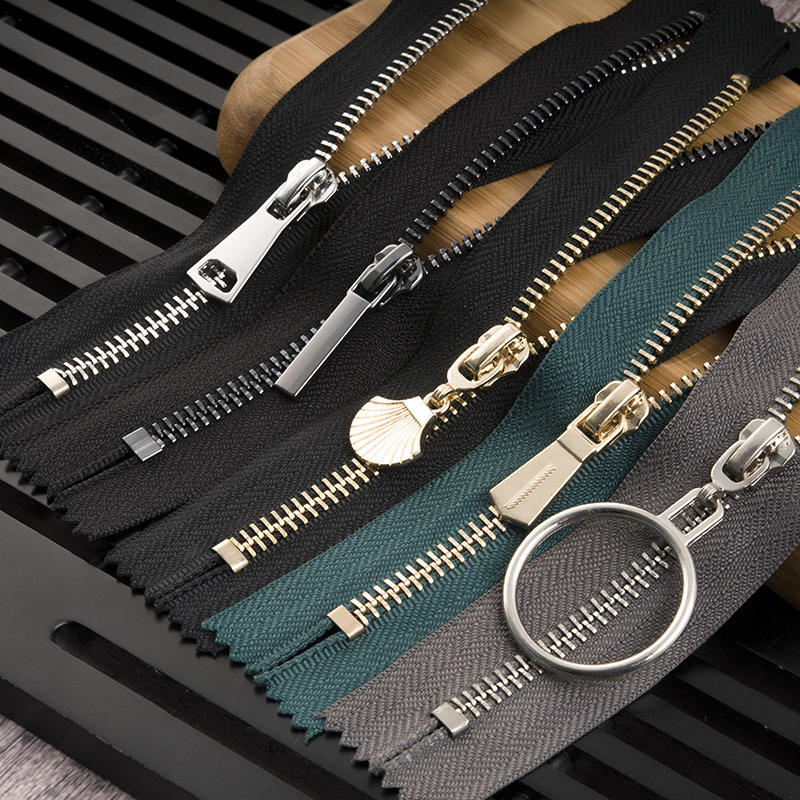
Zippers and Pullers
Choose zipper type, color and custom puller details for running jackets, windbreakers and pocketed layers. Clear trim specifications help preserve operation, placement and visual consistency from sample approval through bulk production.
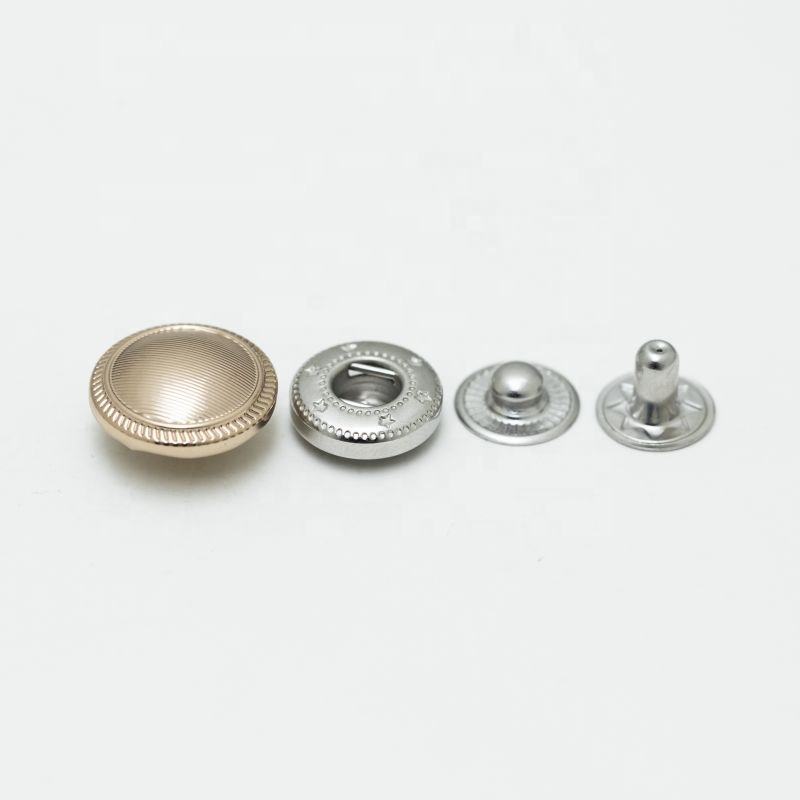
Snap Button Sets
Snap finishes can be coordinated for outer layers, detachable elements and team-inspired warm-ups. Material, color, logo treatment and placement are documented so the hardware supports both the design direction and repeatable construction.
About EDVORIN
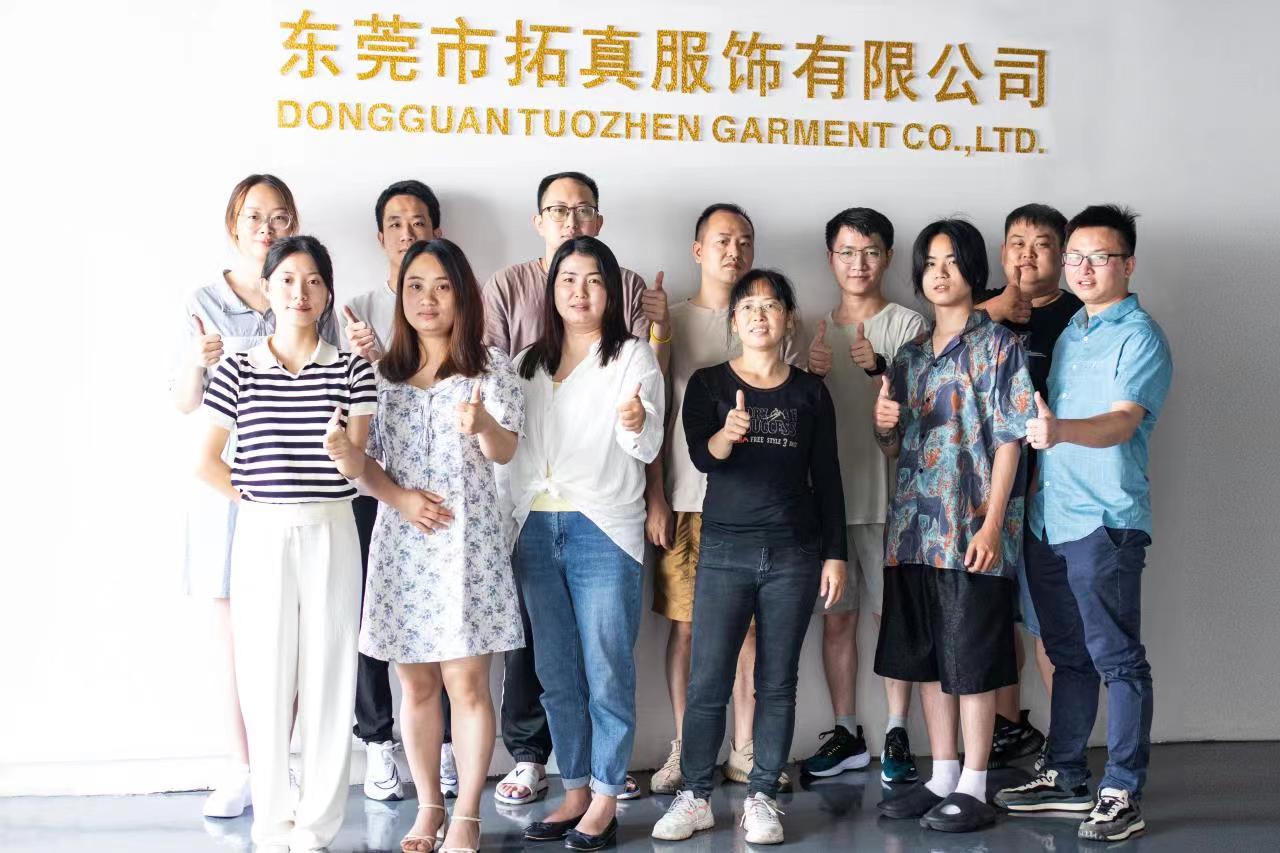
Founded by Edvorin Zeng in 2000, EDVORIN helps brands turn running apparel concepts into clear, repeatable manufacturing standards. From an initial sketch, reference garment, or complete tech pack, we develop the details that protect fit, function, and brand identity through every production stage.
As a running apparel manufacturer, we connect product development, fabric and trim sourcing, pattern work, sampling, printing or embroidery, bulk production, labeling, and packing in one accountable path. Men’s and women’s programs can be developed around their intended fit blocks, proportions, materials, and performance needs.
What sets EDVORIN apart is control after sample approval. We document measurements, artwork placement, materials, trims, and finishing requirements, then use approved standards to guide in-line checks and final inspection. This gives emerging labels, teams, wholesalers, and private-label buyers a dependable foundation for repeat orders.
How EDVORIN Builds Repeatable Running Collections
Develop the Product Standard
EDVORIN translates sketches, reference garments, or complete tech packs into production-ready running styles. Pattern, fit, grading, construction, and performance details are resolved before bulk production, giving emerging and established buyers a documented standard to review.
- Men’s and women’s fit development
- Tech pack and measurement coordination
- Running tops, shorts, layers, and coordinated kits
- MOQ starts at 200 pieces per style
Coordinate Materials and Trims
A running garment depends on how its fabric, trims, and construction work together. EDVORIN coordinates material sourcing with requirements for weight, stretch, breathability, recovery, and intended use, then aligns labels, elastics, zippers, drawcords, and packaging with the approved specification.
- Material selection for intended activity
- Trim specifications recorded alongside construction
- Labels and packaging matched to private-label programs
- Fabric and component decisions aligned before bulk
Match Decoration to Fabric
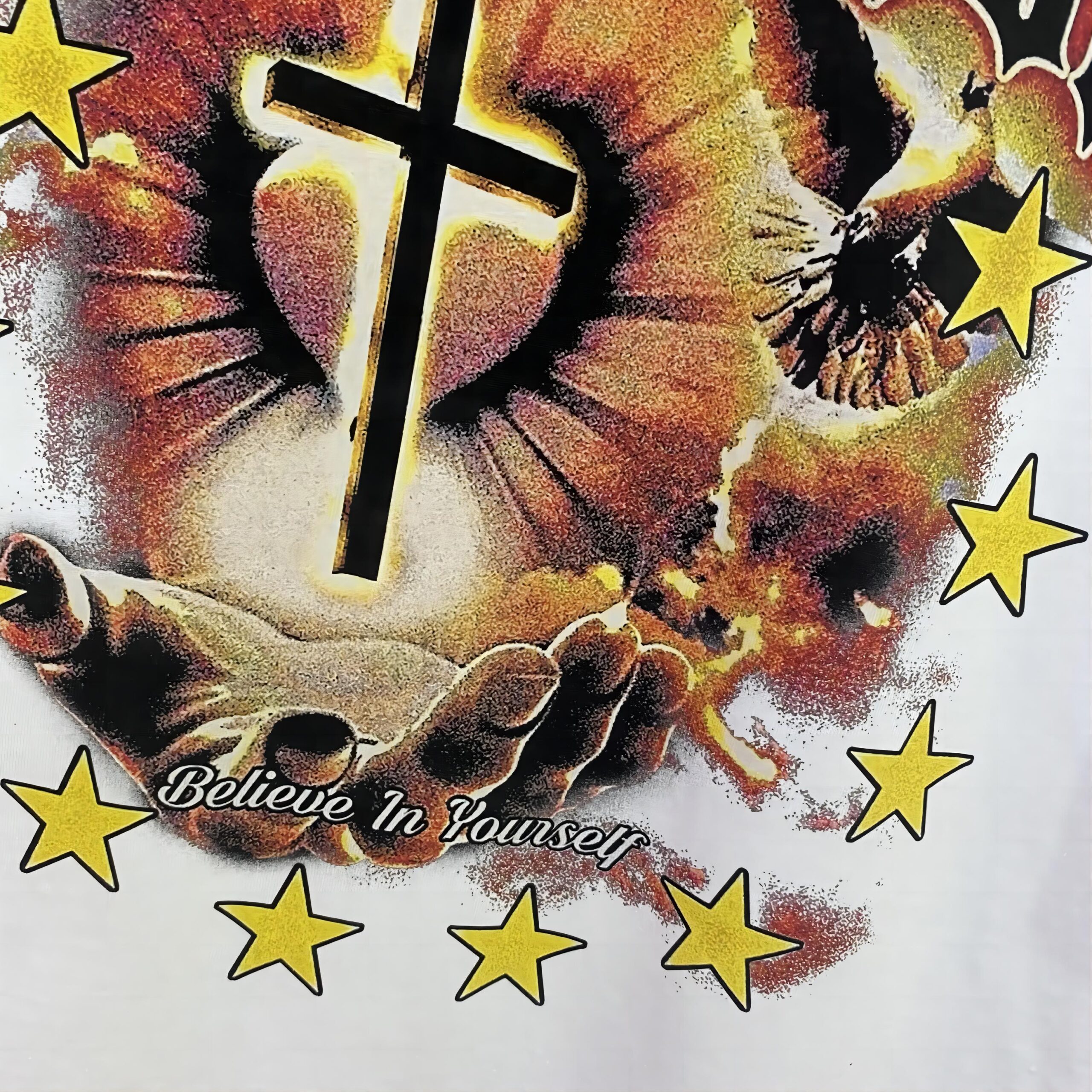
Artwork should be developed around the base fabric, garment panels, and expected wear conditions. EDVORIN helps buyers plan printing, embroidery, and branding placements that support the running apparel design while making placement measurements and decoration details clear for repeat production.
- Print and embroidery planning by garment area
- Artwork placement measurements documented
- Branding details coordinated with fabric choice
- Decoration specifications carried into production
Control Sample Through Bulk
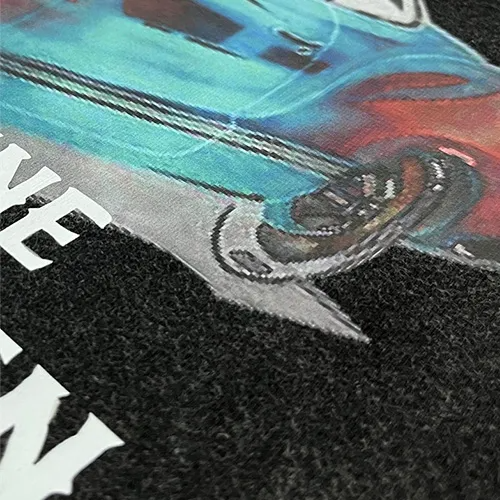
An approved sample becomes the reference point for the production path. EDVORIN carries that standard through material checks, in-line inspection, measurement control, finishing, and final review, helping each running apparel order remain aligned with the buyer’s approved direction.
- Approved sample used as a production reference
- In-line checks address variation early
- Measurement and finishing reviewed before packing
- Clear records support dependable repeat orders
Why EDVORIN Is Built for Repeatable Production
A connected development-to-bulk workflow built to protect approved standards and support repeat orders.
← Swipe left or right to view →
A Controlled Production Path for Running Apparel
EDVORIN connects development, decoration and quality checkpoints so approved running apparel standards carry through to packed bulk orders.
Review Technical Requirements
We review tech packs, fit intent, performance needs, artwork, measurements and order details, identifying production decisions before development moves forward.
Source Materials and Trims
Fabric, mesh, elastic, labels, zippers and reflective details are coordinated against the approved specification, intended wearer and running-use requirements.
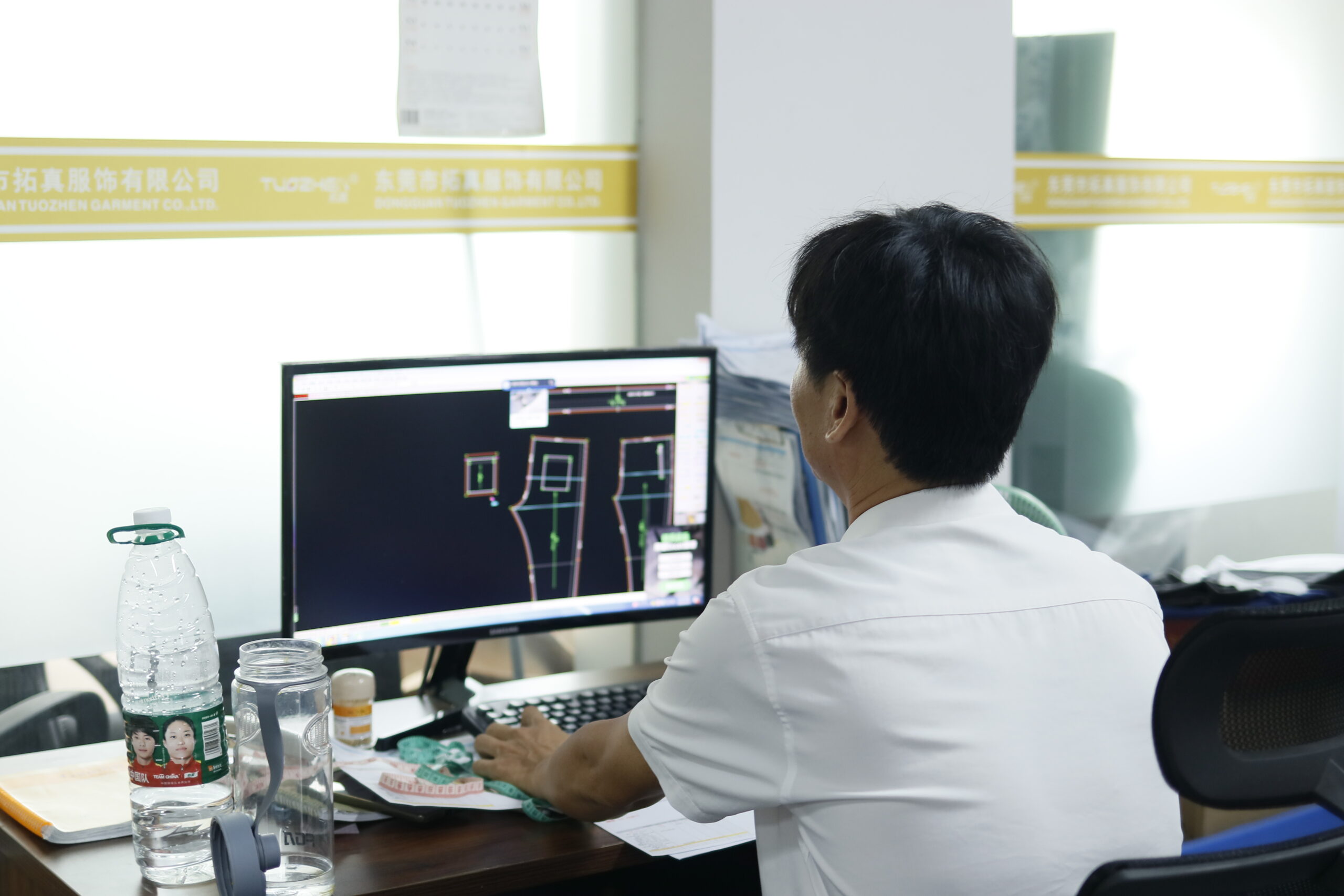
Develop Patterns and Samples
Patterns and samples translate the brief into a physical standard for fit, construction, decoration placement and performance review before bulk approval.
Cut and Decorate Components
Approved materials are cut and prepared for printing, embroidery or other specified decoration methods, with placement references carried into the production workflow.
Inspect Production In Line
In-line quality checks monitor construction, measurements, artwork placement and material consistency while corrections can still be made during bulk production.
Final Check, Pack, Ship
Finished goods are checked against approved standards, then labeled, packed and prepared for shipment according to the confirmed order requirements.
How to Start Your Running Apparel Program
Move from concept to a repeatable production standard with a running apparel manufacturer built for OEM, ODM, and private-label buyers.
Share Your Product Brief
Send a tech pack, sketch, reference garment, size requirements, and artwork. EDVORIN reviews construction, intended use, materials, and branding details for your running collection.
Align Pricing and Sampling
Confirm specifications, target quantities, decoration needs, quotation, and sample direction. MOQ starts at 200 pieces per style, with support for men’s and women’s programs.
Approve Production Standards
Review the sample and document approved measurements, fabrics, colors, trims, artwork placement, and packaging. These decisions become the accountable standard for bulk manufacturing.
Launch Controlled Bulk Production
EDVORIN coordinates sourcing, cutting, sewing, decoration, in-line checks, final inspection, labeling, and packing to help your approved running apparel program stay consistent.
Certified Standards for Responsible Apparel Production


What B2B Buyers Say About Working With Our Running Apparel Manufacturer
EDVORIN turned our initial sketches into a four-piece running capsule with clear measurement standards and placement specs. Our second 1,200-piece order matched the approved sample closely, which made replenishment far easier to plan.
We needed club kits across 18 sizes with names, numbers, and sponsor artwork coordinated correctly. EDVORIN delivered the size sets and decoration files in one organized process, helping us launch before our spring race series.
For our private-label program, the team helped us settle fabric weight, reflective print placement, labels, and packaging before bulk production. We began at 200 pieces per style and reordered two colorways without rebuilding the specifications.
Running Apparel Manufacturer FAQs
Practical guidance for developing, approving and scaling a custom running apparel program with EDVORIN.
What is your minimum order quantity?
Can a running apparel manufacturer make a sample before bulk production?
How do I start with a running apparel manufacturer if I do not have a tech pack?
How long does custom running apparel production take?
Can EDVORIN produce men’s and women’s running apparel?
What payment and shipping details should I confirm before placing an order?
Which certification requirements can EDVORIN support?
What happens after my running apparel sample is approved?
Complete Buyer’s Guide to a running apparel manufacturer
Use a practical decision framework to compare supplier models, performance materials, customization, quality controls, lead times, and costs—while avoiding sourcing mistakes that undermine fit, durability, margins, and launch schedules.
1. What Is a Running Apparel Manufacturer?
2000 marks EDVORIN’s founding, but a running apparel manufacturer is defined by responsibility for converting a specification into repeatable bulk garments. That responsibility spans development, material sourcing, patterns, samples, production control, labels, and packing.
OEM means producing a buyer’s approved design; ODM starts from manufacturer-developed concepts adapted for the buyer. Private label adds the buyer’s identity to a defined product, while stock-product purchasing prioritizes speed and lower development effort for clubs, schools, distributors, and test orders.
1 accountable partner should document approved materials, measurements, artwork placement, trims, and packaging, then check those standards during production and before shipment. A wholesaler sells inventory, a trading company coordinates suppliers, a decorator adds graphics, and a retail brand sells finished goods; none necessarily owns the full production standard.
2. Evolution of Running Apparel Manufacturing
By the 1970s, running apparel had moved beyond basic cotton tees and shorts toward synthetic performance knits that dried faster and held shape better. That shift made fabric weight, moisture transport, and seam comfort sourcing decisions rather than afterthoughts.
In the 1990s, elastane-rich stretch fabrics and compression-focused fits expanded the specification: recovery, panel mapping, flatlock seams, and grading all began to affect movement. Reflective transfers and piping added low-light visibility requirements, while color matching became more demanding across technical substrates.
In 2026, a running apparel manufacturer is expected to develop coordinated custom teamwear as well as individual pieces, often with recycled-content requests and rapid private-label revisions. Buyers should lock approved fabric, fit, decoration placement, and trim standards before bulk production; technical performance and custom graphics must be controlled together. https://sportstex.eu/en/products/running
3. Types of Running Apparel Manufacturer Services
Six service models give buyers different trade-offs in control, speed, and inventory risk. A running apparel manufacturer should match the model to the buyer’s development resources and reorder plan.
| Model | Ideal Buyer | Control | Effort | Typical Risk |
|---|---|---|---|---|
| Full-package OEM | Brands | High | Medium | Specification gaps |
| ODM catalog | New labels | Low | Low | Generic product |
| Private label | Retailers | Low | Low | Limited distinction |
| Cut-and-sew | Performance brands | Highest | High | Sample revisions |
| Teamwear | Clubs, schools | Medium | Medium | Roster errors |
| Bulk wholesale | Distributors | Lowest | Low | Inventory mismatch |
Full-Package And Cut-And-Sew
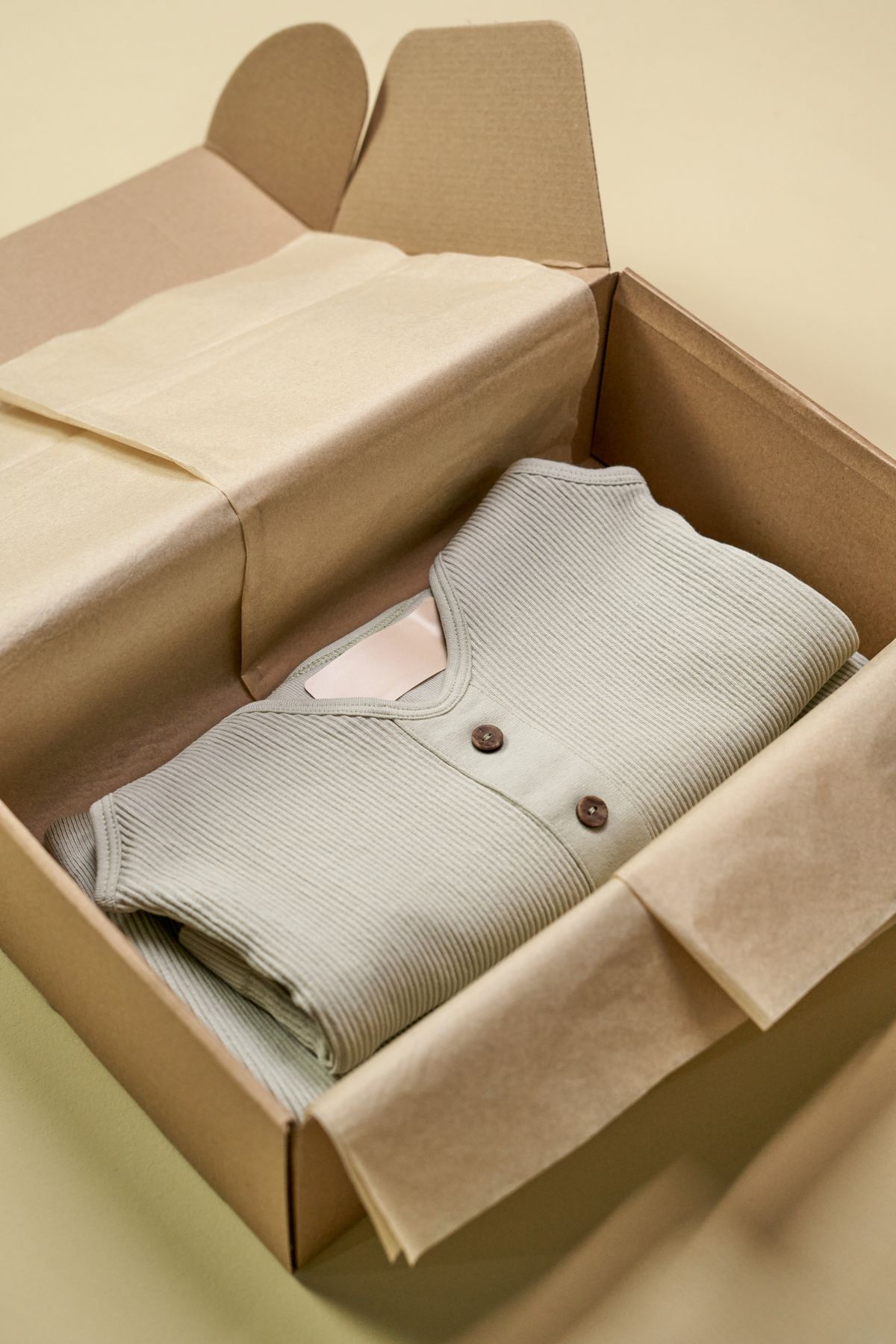
One full-package OEM path suits brands needing sourcing, patterns, samples, decoration, and production under one accountable workflow.
Two cut-and-sew projects give the highest control, but fit, fabric, and sample approvals create the greatest development effort.
Catalog And Private Label
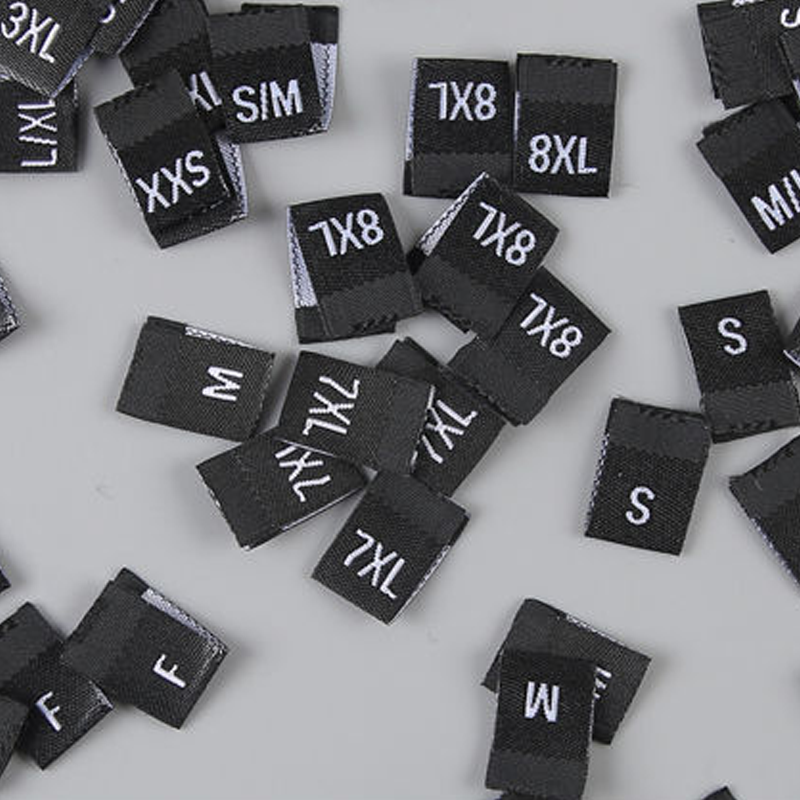
One ODM or private-label route starts with an existing base style, then adapts color, logo, labels, or packaging.
Two risks are limited differentiation and unclear ownership of pattern changes; this route suits faster launches.
Teamwear And Wholesale
One teamwear program organizes repeatable colors, names, numbers, and size sets for clubs and schools.
Two bulk-wholesale buys prioritize ready inventory and distributor speed, with the least design control.
4. Running Apparel Manufacturer Product Categories
A 4-style opening assortment gives a new running apparel manufacturer program enough choice without fragmenting inventory. Start with the training conditions and runner profile, then add layers only after fit and demand are proven.
Core Warm-Weather Kit
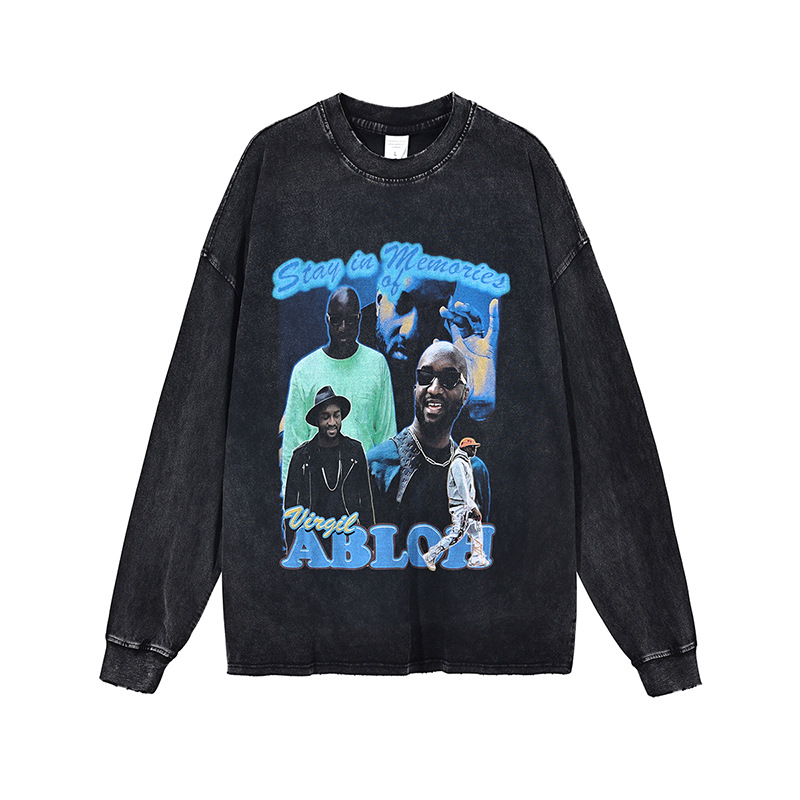
Four core pieces are a tee, singlet, short, and tight.
Two fit blocks—men’s and women’s—should use separate proportions and grading.
Support And Weather Layers
One sports bra serves women’s support needs; one base layer covers cool starts.
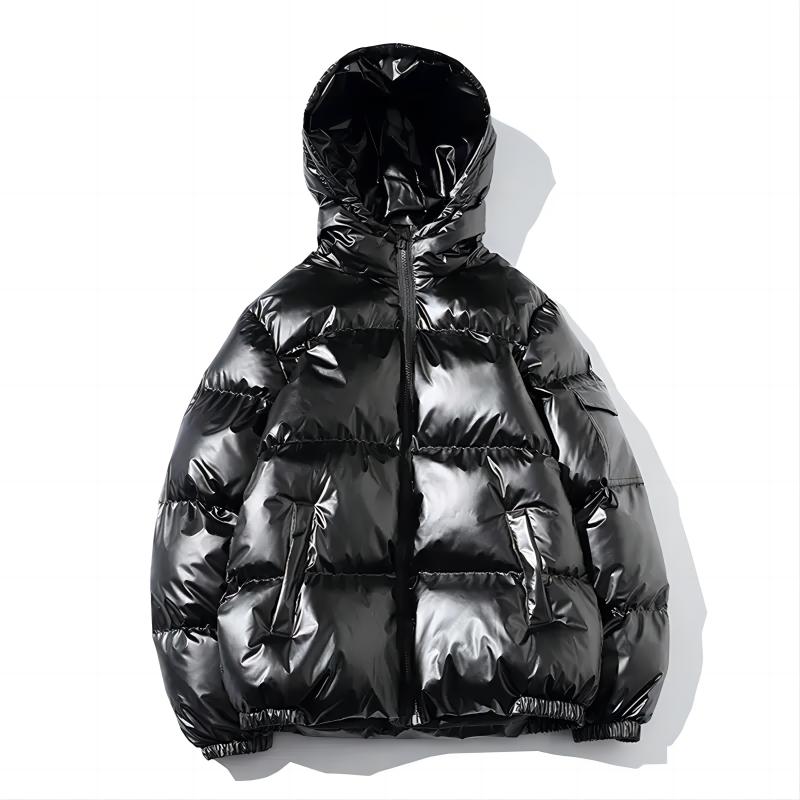
One lightweight jacket addresses wind or light rain without duplicating a heavyweight outerwear program.
Trail And Accessory Add-Ons
Two trail priorities are secure storage and abrasion-conscious construction.
Three accessories—cap, socks, and waist belt—can extend the range after core garments sell through.
5. Materials a Running Apparel Manufacturer Should Offer
150–180 GSM fabrics suit lightweight tops; 200–260 GSM constructions better support tights and cool-weather layers. A capable running apparel manufacturer matches fiber, knit, and finish to the garment’s use.
| Material | Key Properties | Typical Use |
|---|---|---|
| Polyester | Moisture transfer; light | Tees, singlets |
| Recycled polyester | Comparable performance; documented source | Tops, jerseys |
| Nylon-elastane | Abrasion resistance; opaque stretch | Tights, trail shorts |
| Mesh | High breathability; low opacity | Ventilation panels |
| Brushed knit | Warm, soft; heavier | Winter layers |
| Weather-resistant woven | Wind protection; lower airflow | Running jackets |
Performance Fabric Selection
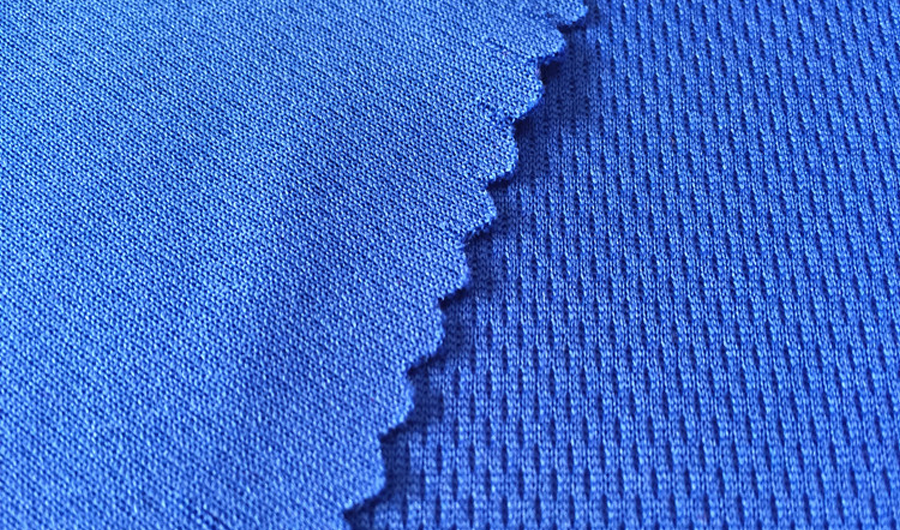
70–90% polyester blends transfer moisture efficiently and dry quickly; recycled polyester can serve the same role when source documentation is required. Nylon improves abrasion resistance and has a smoother, softer hand for trail shorts and tights.
10–25% elastane improves stretch recovery, while mesh panels raise airflow. Brushed knits add warmth but reduce open-air breathability; weather-resistant woven shells suit windbreakers.
Validate Before Bulk
1 approved sample cannot prove every performance claim. Confirm opacity under stretch, weight, hand feel, recovery, abrasion, breathability, and moisture transfer through relevant sample and laboratory testing before bulk approval.
6. Customization Options From a Running Apparel Manufacturer
Four decoration routes cover most performance programs: sublimation, screen printing, heat transfers, and embroidery. A running apparel manufacturer should match each method to fabric stretch, garment panels, and expected wash use.
| Method | Visual Effect | Placement | Durability | Technical Fabric Fit |
|---|---|---|---|---|
| Sublimation | Full-color, seamless | Cut panels | High | Best on polyester |
| Screen Print | Opaque, bold | Flat panels | High when cured | Verify stretch |
| Heat Transfer | Precise logos | Smooth flat zones | Moderate to high | Use stretch film |
| Embroidery | Raised texture | Stable zones | High | Avoid lightweight knits |
Decoration Method Fit
Sublimation bonds color into polyester panels and supports all-over graphics. Screen print and heat transfers suit logos, while embroidery adds texture on stable, low-stretch areas.
Brand Components
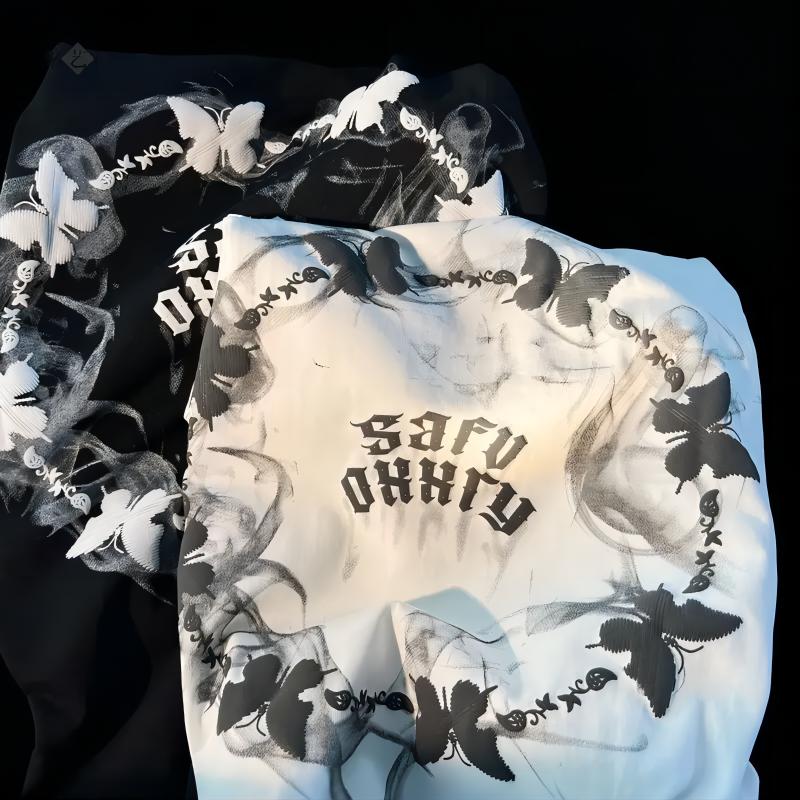
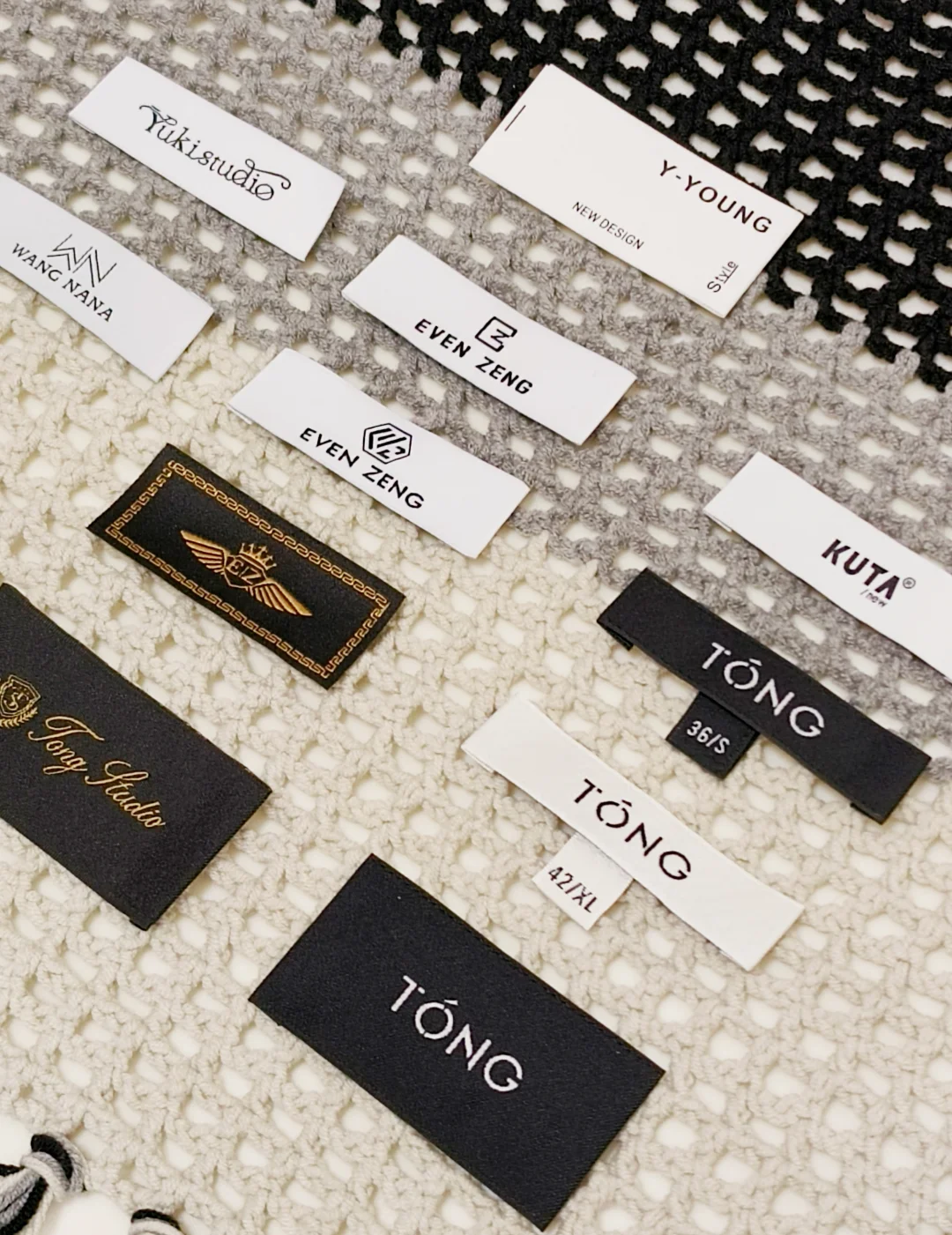
Pantone-approved custom colorways keep coordinated tops, shorts, and outerwear aligned. Woven labels, reflective logos, zipper pulls, care labels, size labels, and retail-ready packaging should be specified before sampling.
Approval Files
One vector artwork file, placement dimensions, Pantone references, and a brand-guideline sheet reduce interpretation during sampling. A labeled artwork map also records logo scale, print colors, and approved trim positions.
7. Construction Details That Define Quality
Two construction samples can share the same fabric yet perform very differently on a run. A running apparel manufacturer should document seams, stretch recovery, pocket load, and wash results before bulk approval.
Seams And Chafe Control
Flatlock seams reduce bulk where skin contact is highest; coverstitch suits hems and stretchable edges. Inspect stitch density, seam extension, and thread tension after repeated stretch tests.
Bonded zones need even adhesive coverage with no edge lift. Check underarms, inseams, and neckline seams on-body, not only on a table.
Fit And Functional Retention
Three graded sizes should be tried on intended wearers to reveal changes in rise, stride room, and sleeve balance. Confirm waistband recovery after extension and that pocket openings retain a phone without bounce.
Reflective trims require recorded placement measurements so left and right panels match. Test prototypes after laundering for puckering, color change, print cracking, and trim failure.
Bulk Approval Checkpoints
One pre-production sample should match the approved pattern, fabric, decoration, labels, and packaging. EDVORIN can use it as the physical reference for in-line measurement, workmanship, and final packing checks.
Final approval should compare the sample against the measurement chart and recorded construction details. Flag deviations before cutting rather than accepting corrections after bulk sewing begins.
8. How to Choose a Running Apparel Manufacturer
Three evidence checks separate a capable running apparel manufacturer from a polished sales deck: running-specific samples, traceable materials, and documented production controls.
| Area | Ask | Evidence |
|---|---|---|
| Fabric | Can each lot be traced? | Composition and test report |
| Quality | How are defects controlled? | Inspection report and AQL plan |
| Capacity | Can delivery scale? | Production plan and ship date |
Verify Product Experience
1. Ask for comparable tops, shorts, tights, and lightweight jackets—not generic activewear.
2. Review the approved sample against a measurement chart, seam map, and decoration-placement record.
Audit The Development Path
3. Request fabric composition, GSM, supplier identity, color standard, and test reports before approval.
4. Ask who owns pattern revisions, sample sign-off, in-line inspection, and corrective-action records.
Confirm Commercial Readiness
EDVORIN’s MOQ starts at 200 pieces per style. 5. Compare MOQ by style, color, and size—not only a headline minimum.
6. Obtain written lead times, Incoterms, payment milestones, defect handling, packing specifications, and export documents.
9. Common Running Apparel Manufacturer Sourcing Mistakes
A low quote can hide the development controls that protect a repeat order. Private-label and teamwear buyers should document decisions before sample approval, not solve them after bulk cutting.
Price Before Process
EDVORIN’s MOQ starts at 200 pieces per style. A 5% lower quote can be erased by remakes, delayed launches, or inconsistent team sets. Compare material, decoration, inspection, packing, MOQ, and confirmed lead-time assumptions line by line.
Unproven Samples And Specs
Two wear tests—wash and activity—can expose chafing, opacity, heat retention, or logo cracking before bulk approval. Send a complete tech pack with graded measurements, tolerances, Pantone codes, placement dimensions, artwork files, and a named revision.
Complexity Without Controls
A first 200-piece program with too many colors, fabrics, and trims increases mismatch risk and extends sourcing. Limit the launch assortment, confirm material-ready and production lead times in writing, and approve written AQL, measurement, color, decoration, and packing standards.
10. Running Apparel Manufacturer Pricing and Cost
200 pieces per style is the stated MOQ for this program; request an itemized quote before setting wholesale or retail targets. Fabric weight and fiber, pattern complexity, decoration coverage, trims, labels, and packaging change ex-factory cost.
3 cost layers determine landed margin: development and sample charges, bulk manufacturing, and freight, duties, and testing under the agreed Incoterm. EDVORIN should quote approved specifications—not a generic running apparel manufacturer price—and identify one-time versus recurring fees.
| Quantity Tier | Representative Cost Driver | Lead-Time Implication |
|---|---|---|
| 200–499 units | Highest unit cost; sampling amortized | Allow development and capacity booking |
| 500–999 units | Improved fabric yield and setup spread | Standard production planning |
| 1,000+ units | Lower repeat-order unit cost | Consolidated freight may be viable |
Choose EDVORIN, Your Running Apparel Manufacturer
Send your tech pack, sketch, or reference garment to start a clear, repeatable production plan for your next collection.