
Clothing Sample Development, Ready for Bulk Production
Turn a concept or tech pack into approved, repeatable apparel with clothing sample development, materials, trims, decoration, and production coordination in one process.
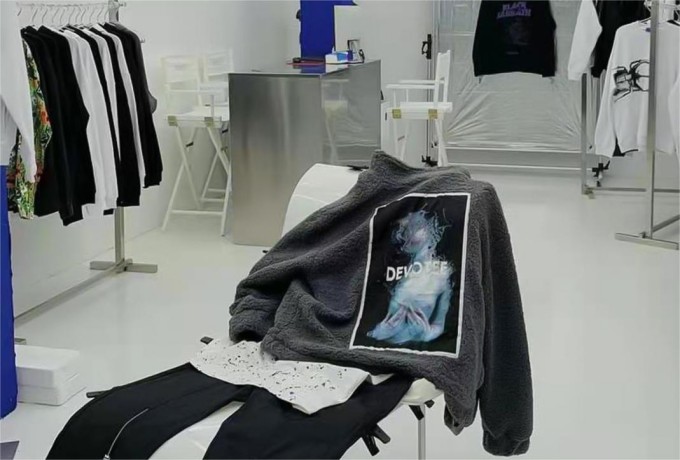
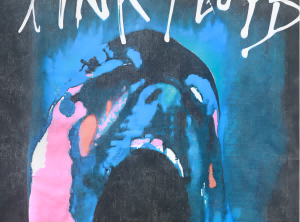
Featured Products for Clothing Sample Development

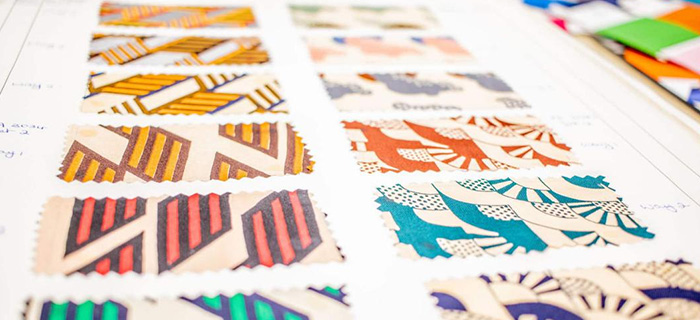
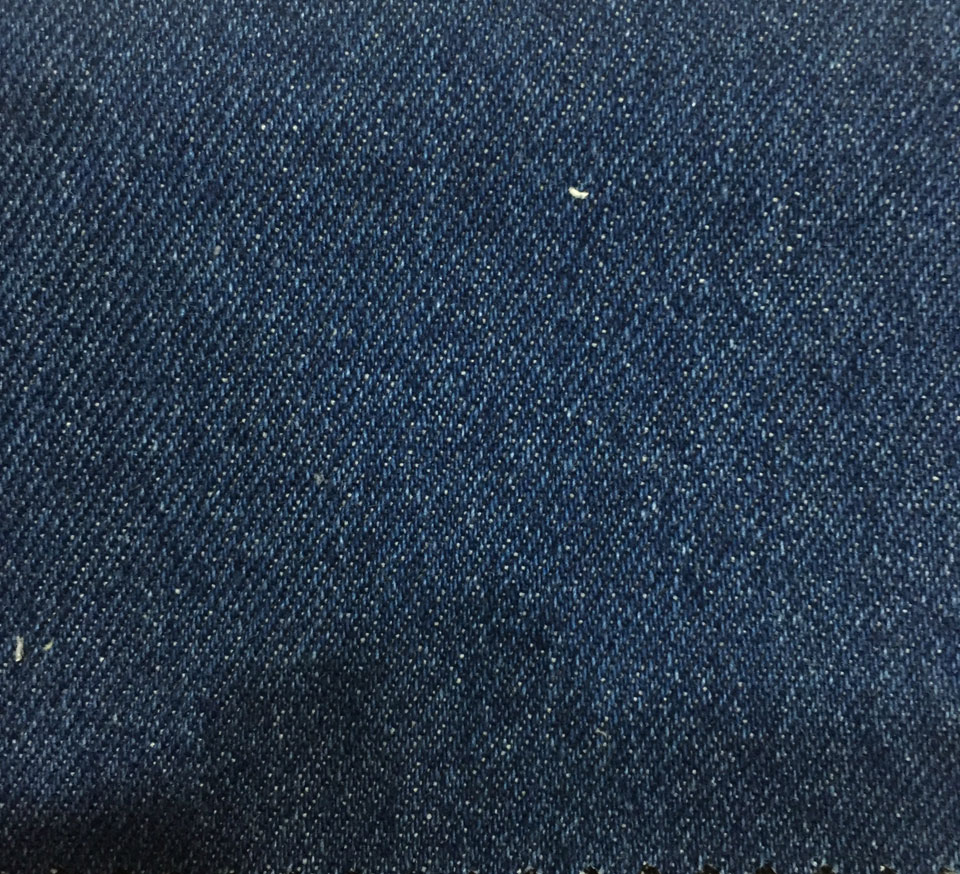
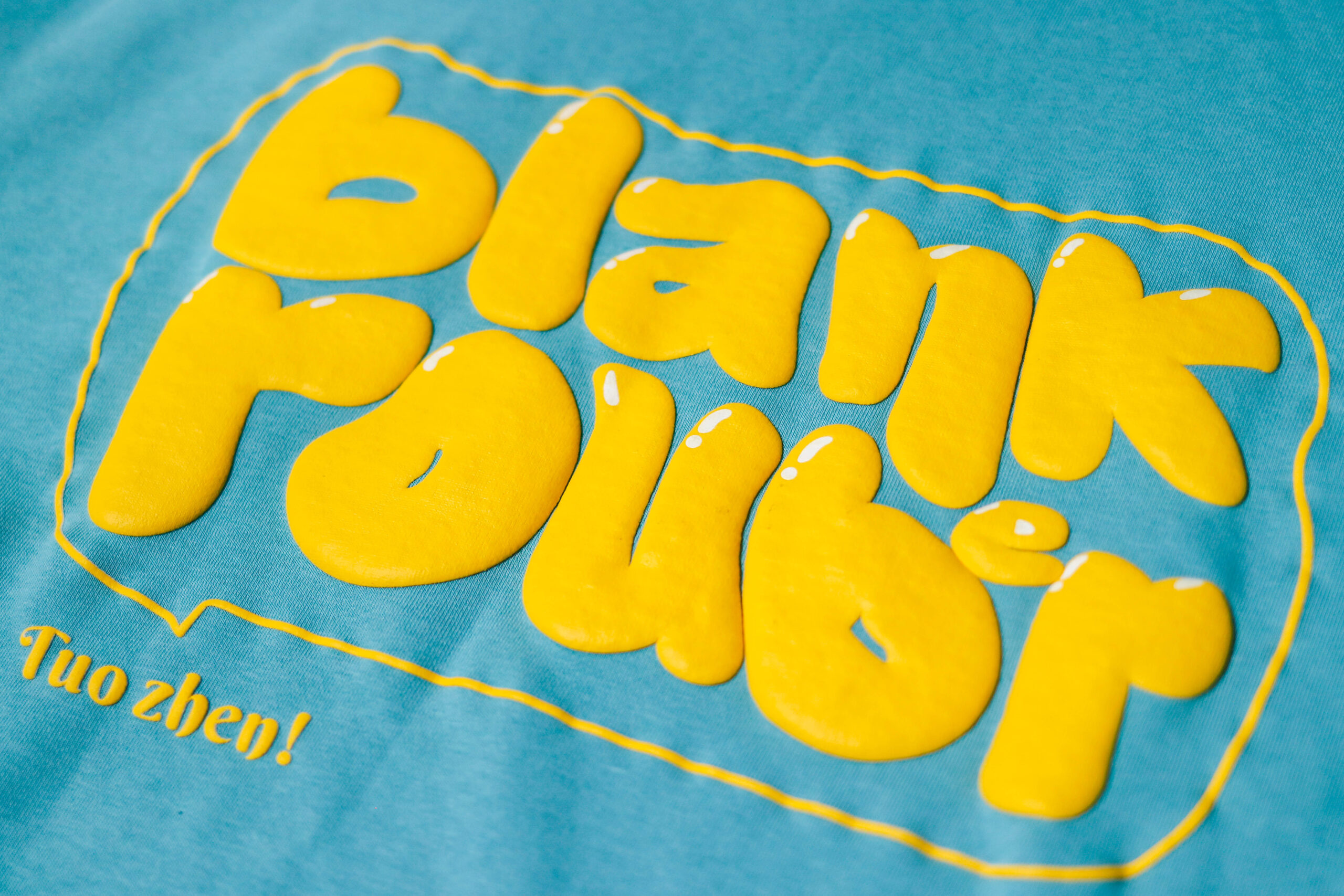
Why Buyers Choose EDVORIN for Clothing Sample Development
Founder-led development connects your concept, approved sample and bulk standard through one accountable apparel manufacturing workflow.
Founder-Led Technical Direction
Since 2000, EDVORIN helps buyers resolve construction, fit and material decisions before they become production problems.
OEM and ODM Flexibility
Bring a detailed tech pack or an early concept; our team develops clear specifications for private-label apparel programs.
Category-Specific Development
Hoodies, outerwear, jerseys and streetwear receive construction, fabric, decoration and performance decisions suited to their intended use.
Coordinated Decoration Details
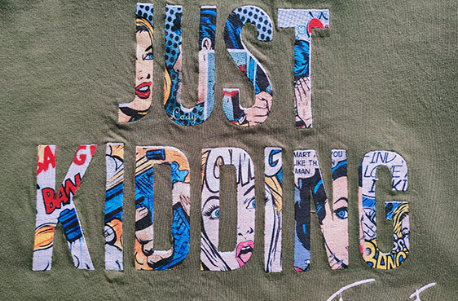
Printing, embroidery, washing, labels, trims and packaging are aligned with the sample so visual details carry into bulk.
Approved Standards for Bulk
Measurements, artwork placement, materials and finishing are recorded around approved samples to support consistent repeat production.
Production-Ready Apparel Categories
From individual styles to coordinated collections, EDVORIN develops category-specific materials, construction, decoration and quality standards for repeatable bulk production.
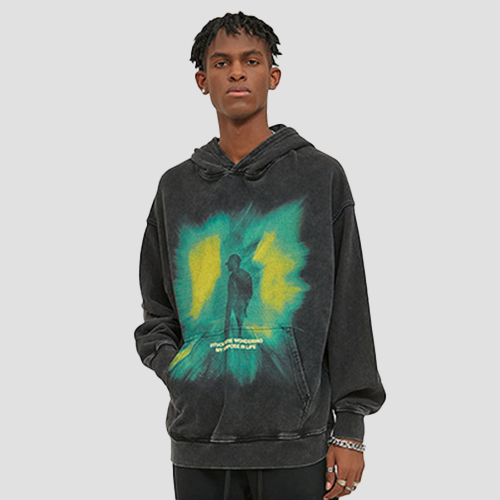
Custom Hoodies
EDVORIN develops custom hoodies with defined fleece weights, fit blocks, rib specifications, hood construction, drawcord details and decoration placement. Approved samples establish the standard for OEM, ODM and private-label bulk production.
Get a Quote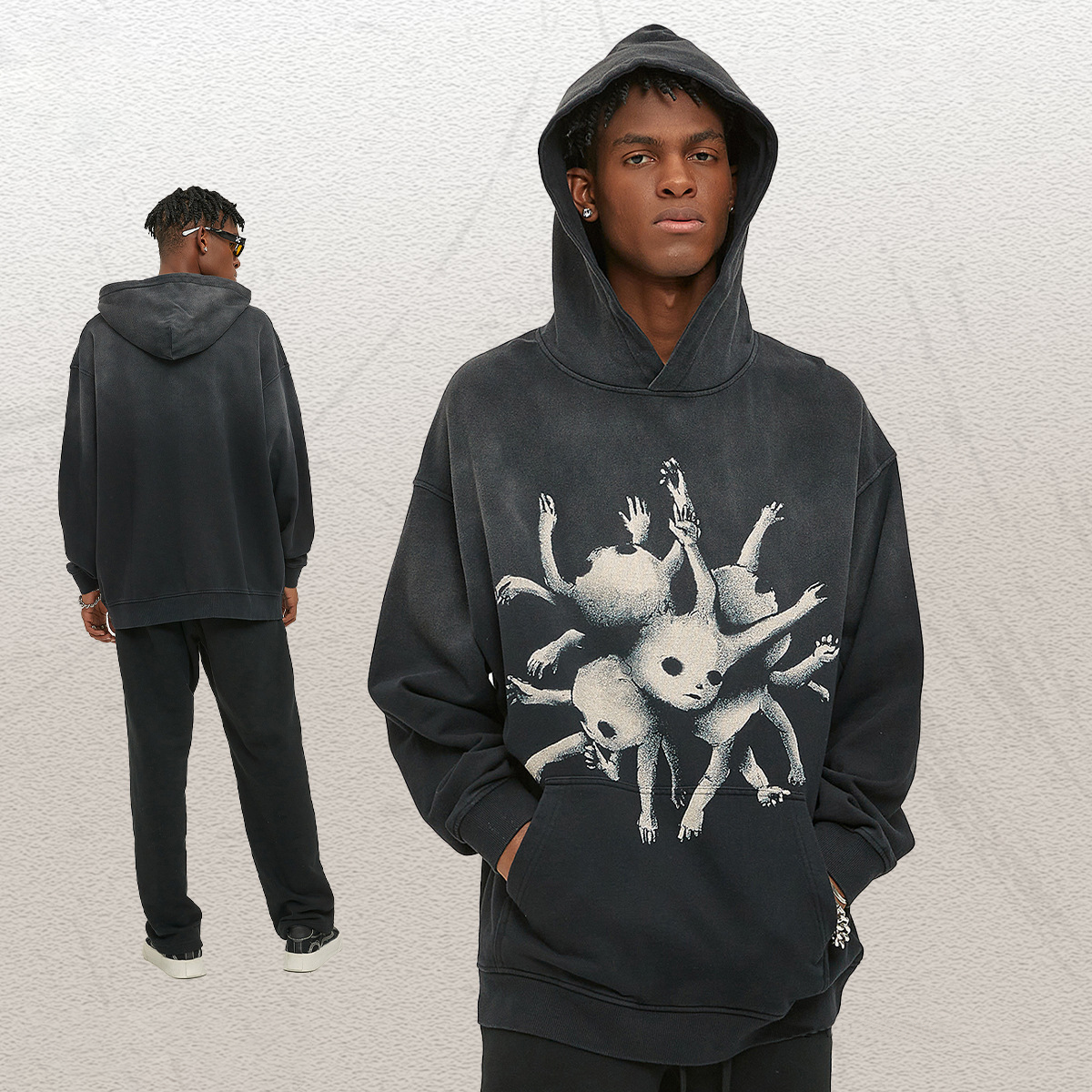
Pullover Sweatshirts
As a sweatshirt manufacturer, EDVORIN supports pullover programs with options for fabric weight, neckline, rib recovery, pattern proportions, prints, embroidery and washes. Men’s and women’s fits can be developed from the same collection direction.
Get a Quote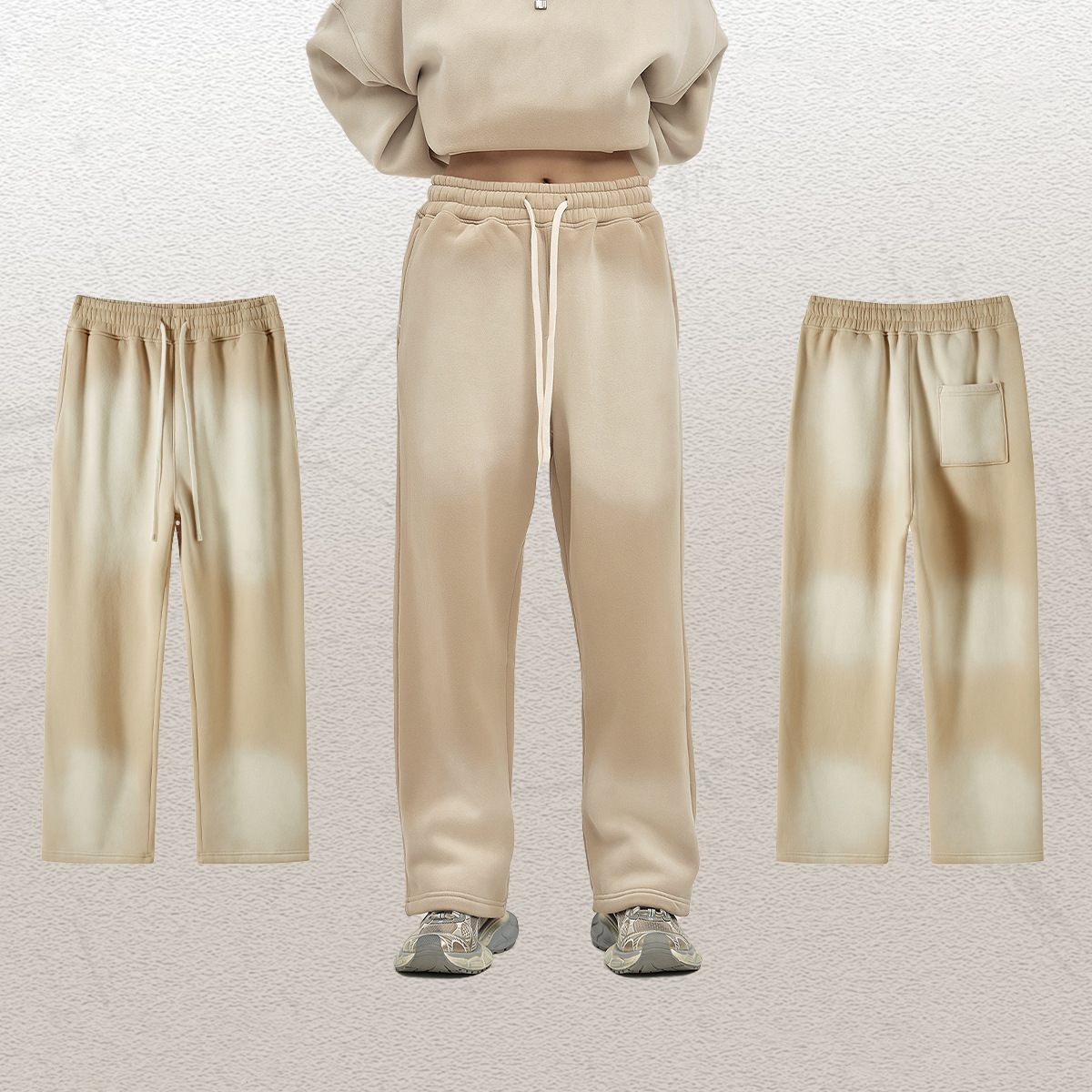
Sweatpants & Joggers
Sweatpants and joggers are developed around fabric drape, waistband construction, pocket design, cuff treatment, grading and print or embroidery placement. EDVORIN records these details after sampling to support consistent repeat production.
Get a Quote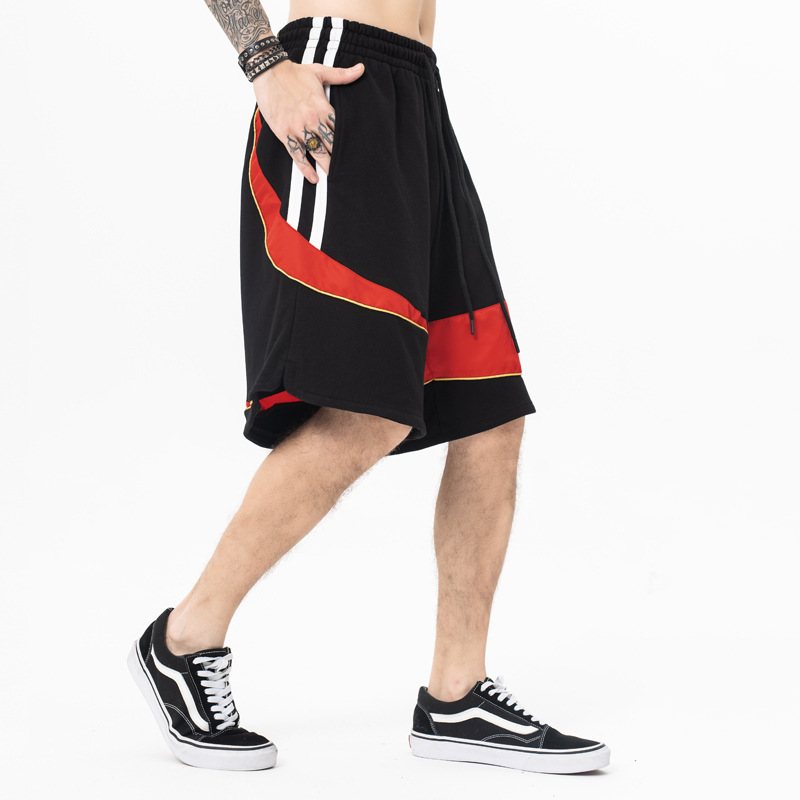
Custom Shorts
EDVORIN produces custom shorts for casualwear, streetwear, training and team programs. Material weight, inseam, waistband, pocket configuration, lining, decoration and size grading are coordinated against the intended wearer and use.
Get a Quote
Varsity & Baseball Jackets
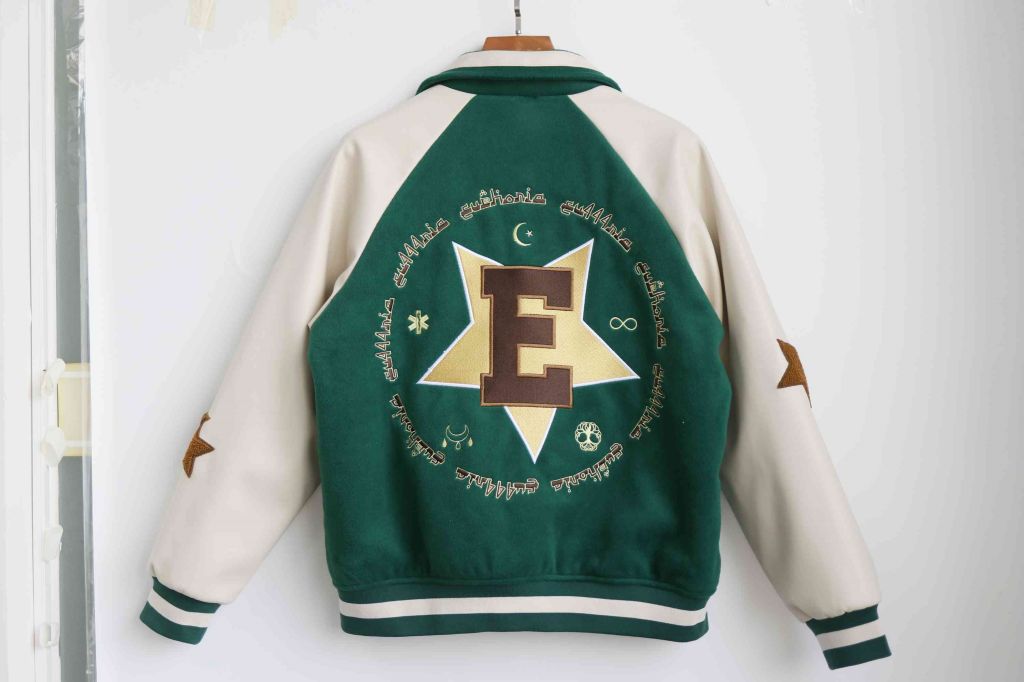
Varsity and baseball jackets require controlled balance between body fabric, sleeves, rib, lining, snaps, patches and embroidery. EDVORIN develops these components as one documented construction standard before bulk production begins.
Get a Quote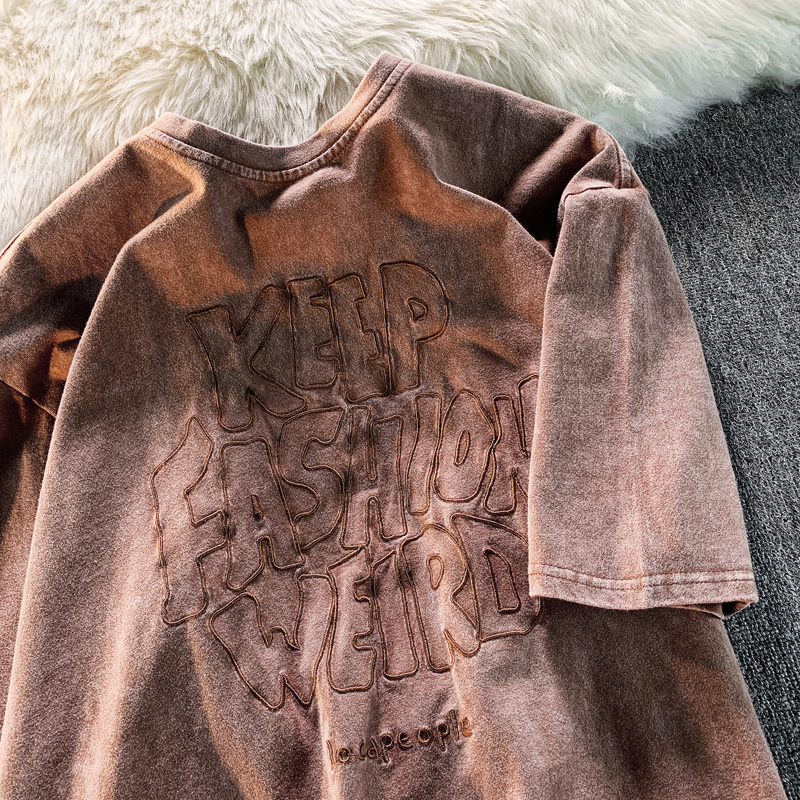
Custom T-Shirts
Custom T-shirts are developed with specified fabric composition, GSM, neck rib, shoulder construction, fit, print method and wash effect. EDVORIN helps turn reference garments or tech packs into a production-ready T-shirt program.
Get a Quote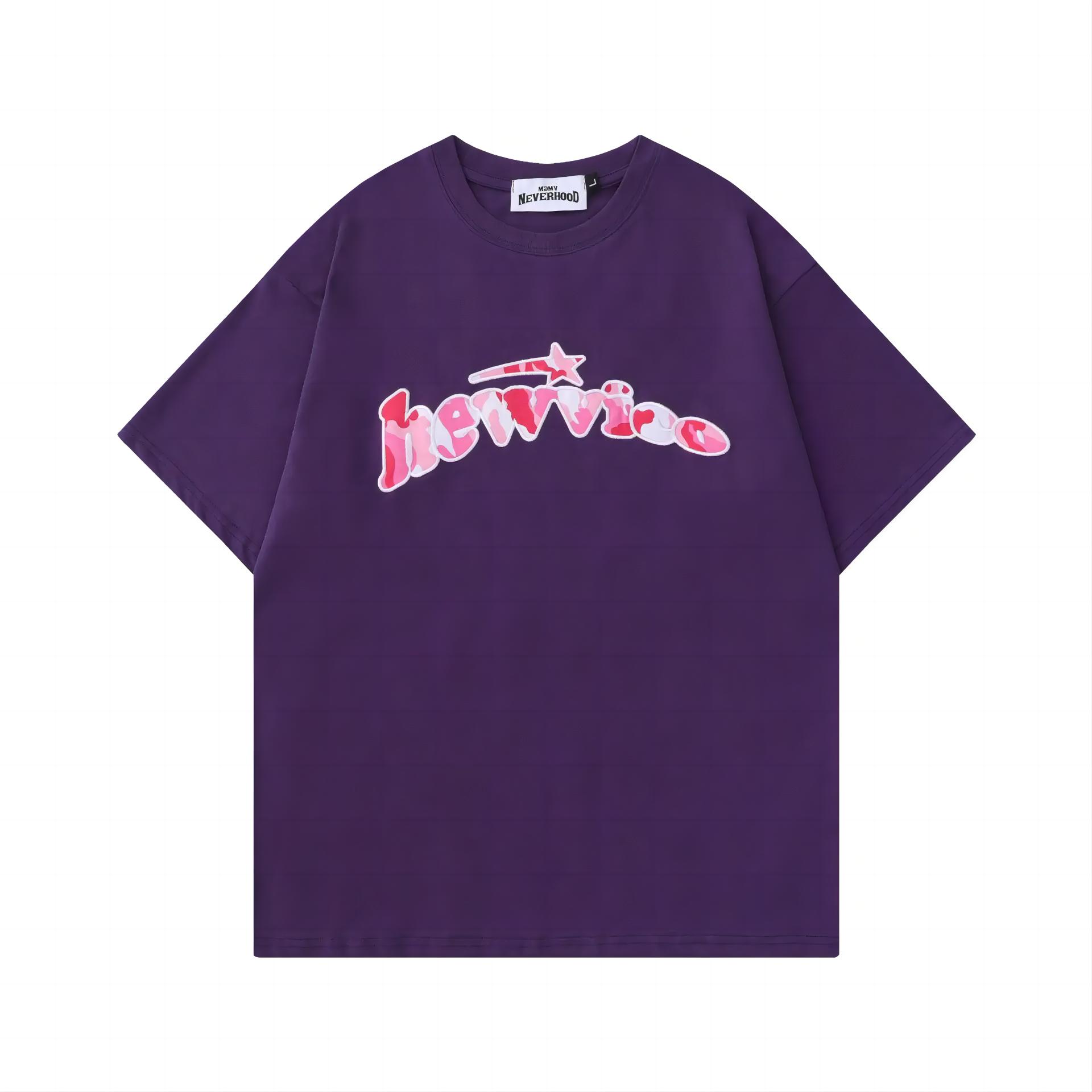
Custom Polo Shirts
For polo shirt programs, EDVORIN coordinates piqué or jersey fabric, collar construction, placket details, buttons, cuff finish, embroidery and fit grading. This supports branded uniforms, retail collections and private-label ranges.
Get a Quote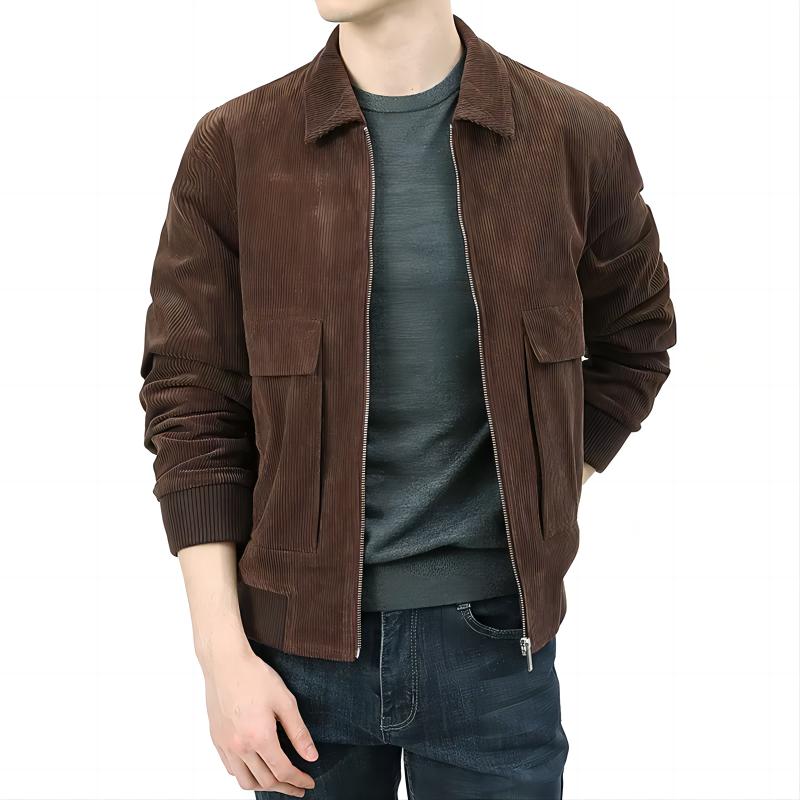
Windbreaker Jackets
EDVORIN develops windbreaker jackets with shell selection, lining or mesh options, zipper construction, hood details, pocket design and logo decoration matched to intended weather protection and movement requirements.
Get a Quote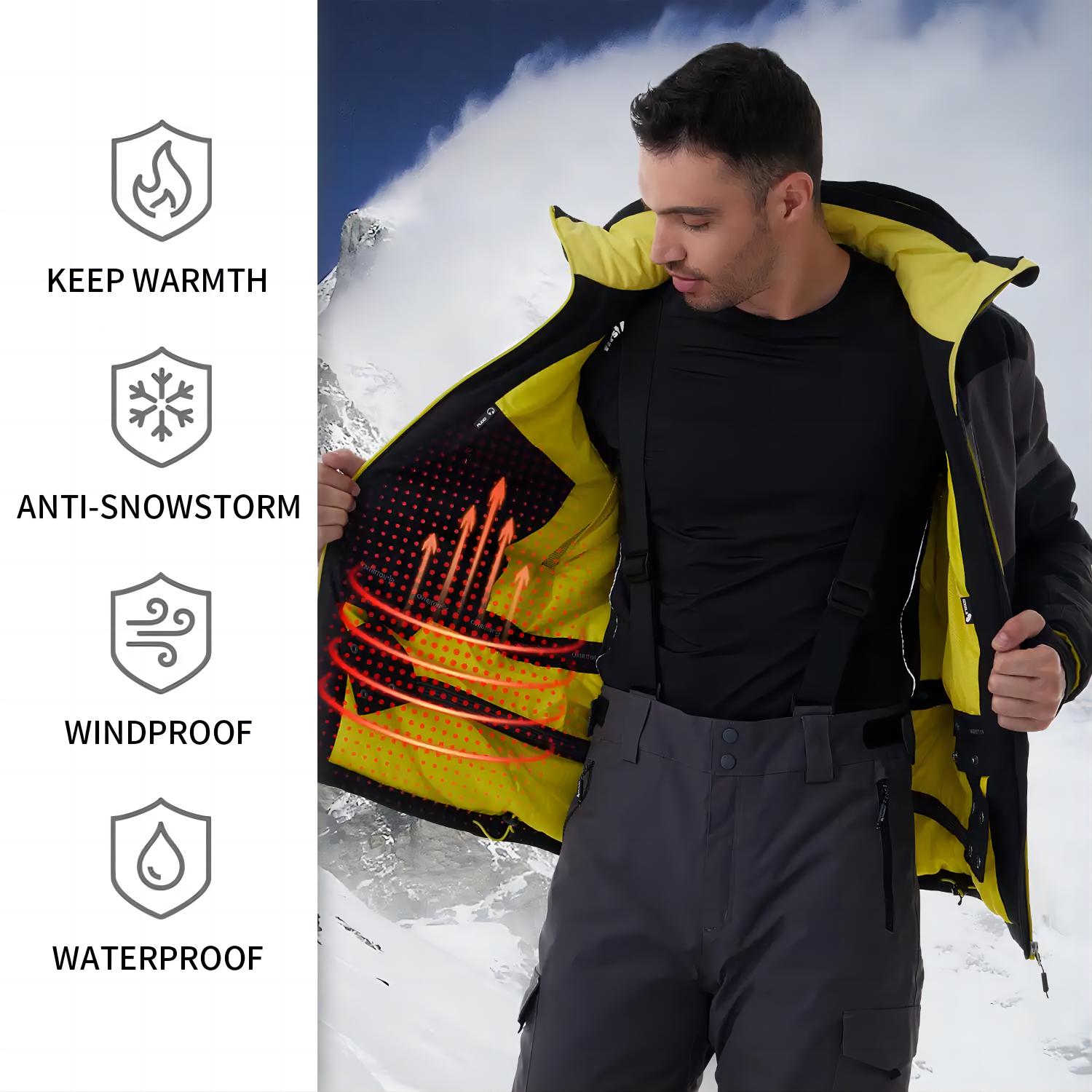
Quilted Jackets
Quilted jackets are developed by coordinating shell fabric, insulation, lining, quilting layout, seam construction, hardware and labeling. Samples verify warmth, bulk, fit and finishing before production quantities are released.
Get a Quote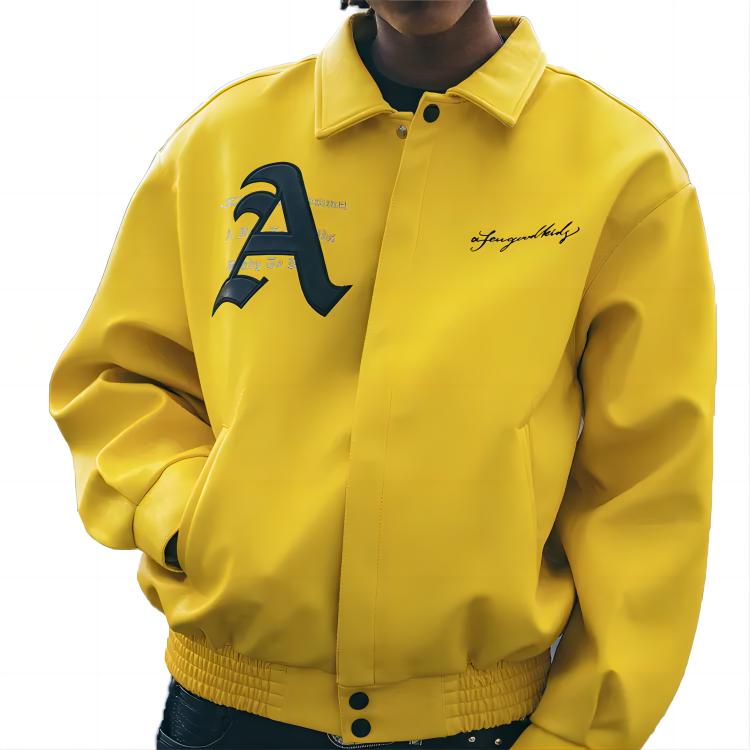
Bomber Jackets
Custom bomber jackets combine category-specific body fabric, lining, rib, zipper or snap hardware, pocket construction and decoration. EDVORIN documents approved materials and placements to protect consistency across bulk and repeat orders.
Get a Quote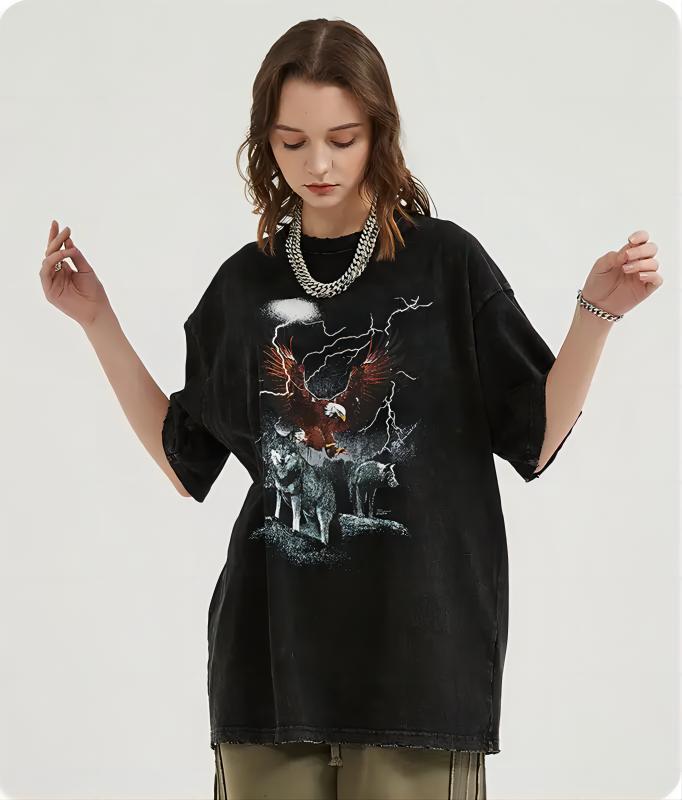
Custom Shirts
EDVORIN manufactures custom woven shirts with defined fabric, collar, placket, cuff, pocket, button and fit requirements. Men’s and women’s blocks can be adjusted for brand positioning, uniform needs or private-label assortments.
Get a Quote
Custom Jerseys
Custom jerseys are developed around breathable fabric, panel construction, color control, team logos, player names, numbers and size-set accuracy. EDVORIN establishes artwork and placement standards for organized team and repeat-order programs.
Get a Quote
Tank Tops
Tank tops can be developed for casualwear, athletic use or layered streetwear programs. EDVORIN coordinates fabric weight, armhole and neckline finish, fit proportions, binding, printing and embroidery based on the intended product use.
Get a Quote
Soccer Uniforms
Soccer uniforms require coordinated jerseys, shorts and optional socks with stable color, breathable materials, player customization and reliable size grading. EDVORIN manages the construction and decoration details needed for complete team orders.
Get a Quote
Basketball Uniforms
Basketball uniforms are developed with movement, ventilation, reversible or single-layer construction, team colors, names and number placement in mind. EDVORIN supports coordinated jersey and short sets from sample approval through bulk inspection.
Get a Quote
Streetwear Collections
EDVORIN builds streetwear collections across hoodies, tees, sweatpants, outerwear and woven styles under one production system. Fabrics, trims, washes, graphics, embroidery, labels and packaging are aligned to a clear repeatable collection standard.
Get a QuoteMaterials for Clothing Sample Development
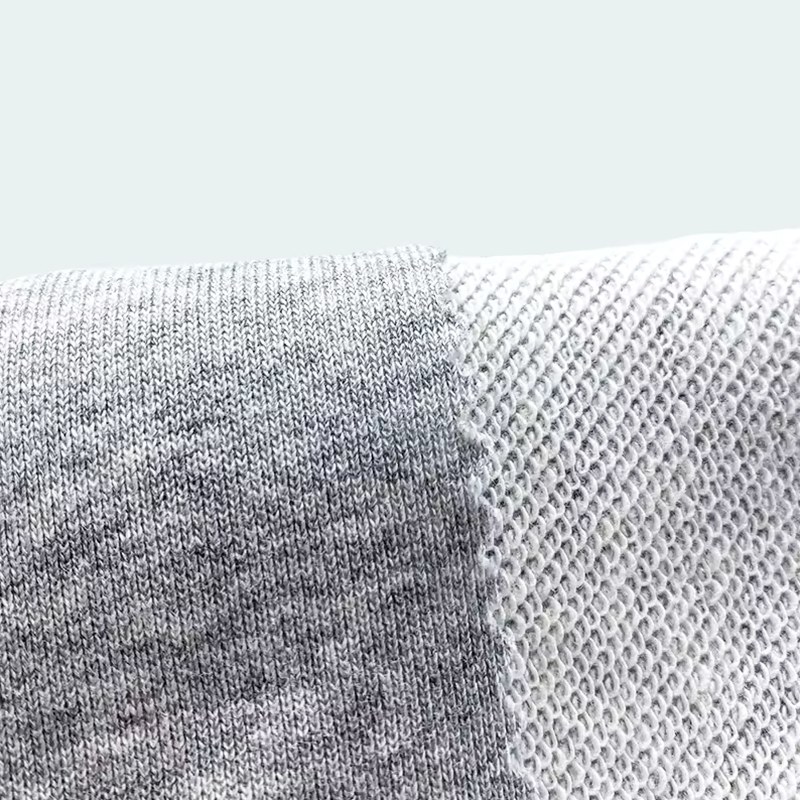
Cotton French Terry
Soft, loop-backed knit suited to premium hoodies, sweatshirts and joggers. Its substantial yet breathable hand-feel supports everyday comfort, while weight and rib coordination help preserve shape through sampling and bulk production.
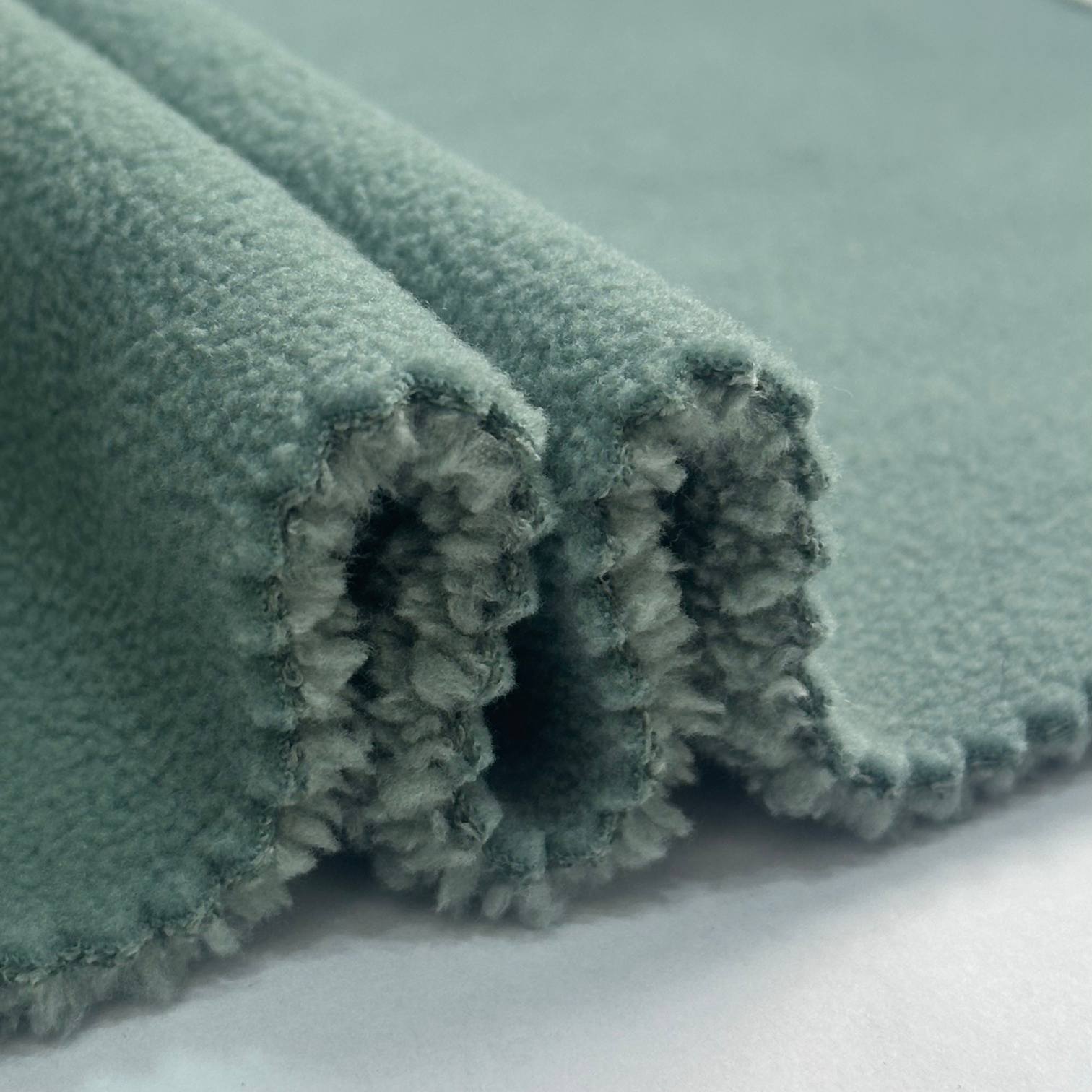
Brushed Polar Fleece
Warm, plush fleece for hoodies, sweats and cold-weather layers. The brushed interior creates a soft hand-feel, and heavier constructions provide insulation while allowing teams to assess drape, shrinkage and print suitability.
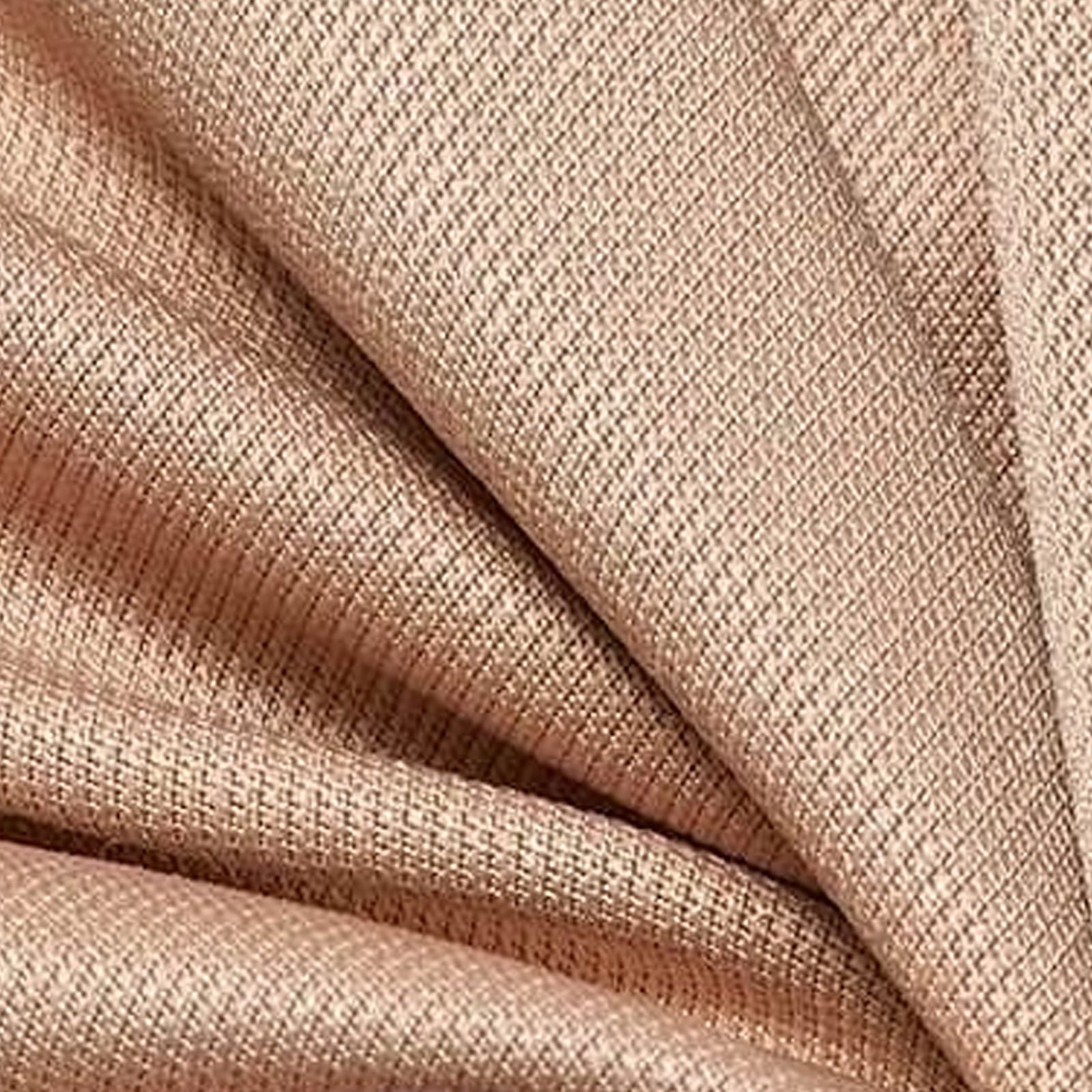
Cotton Jersey Knit
Smooth, breathable knit commonly used for T-shirts, tanks and lightweight polos. Its soft hand-feel and natural stretch make it useful for checking neckline recovery, silhouette, print results and comfort across size ranges.
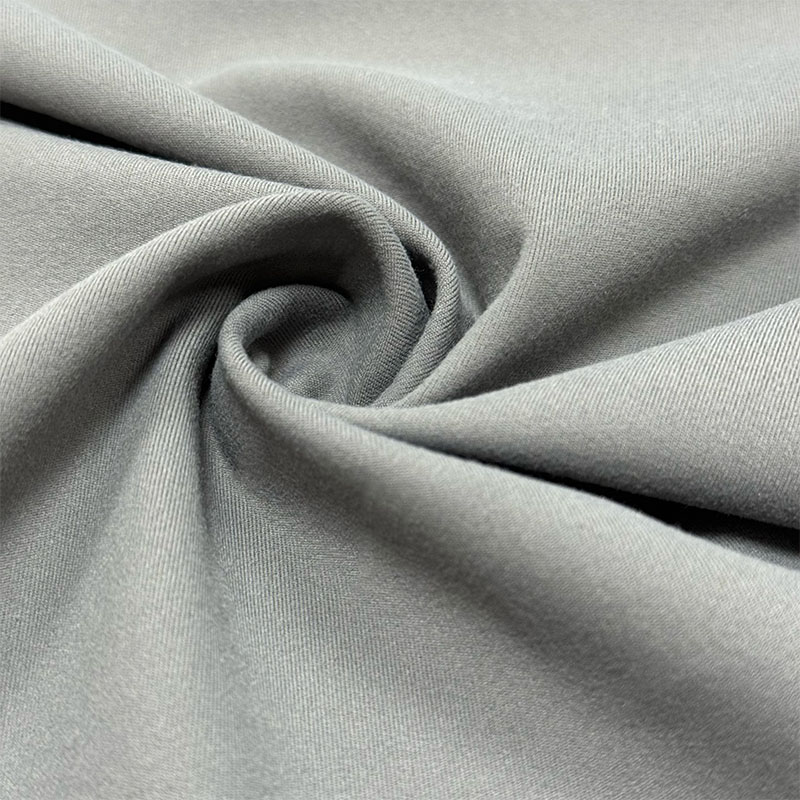
Performance Polyester Knit
Lightweight, quick-drying knit developed for jerseys, training tops and active teamwear. Controlled stretch supports movement, while the smooth surface accommodates color, numbers and logos with a clean athletic appearance.
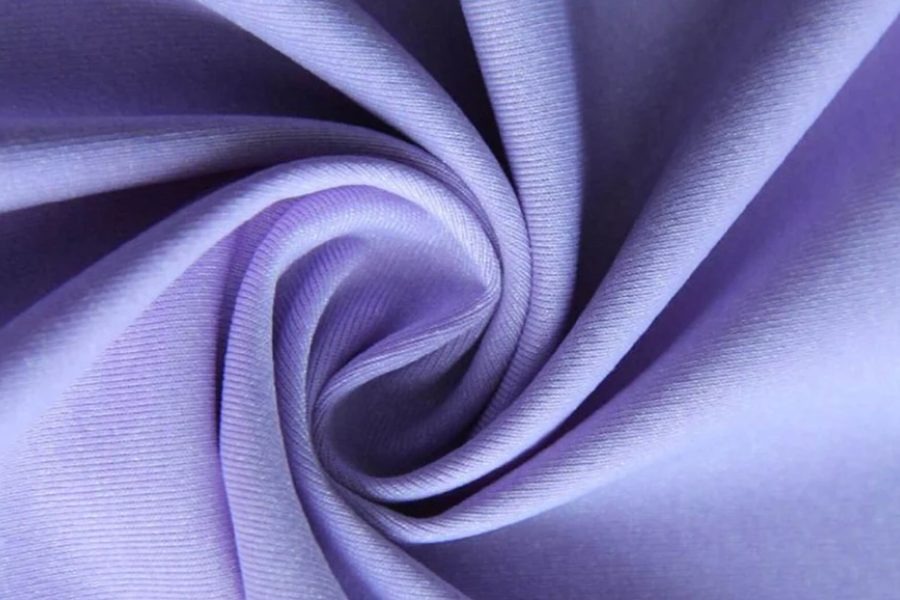
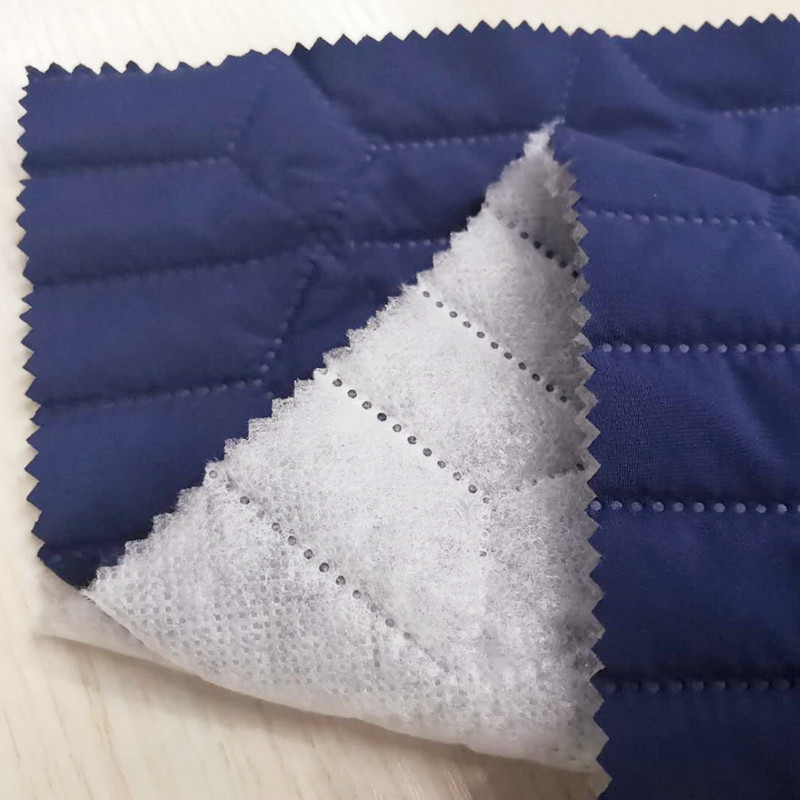
Quilted Lining Insulation
Layered lining and insulation options for quilted outerwear and cold-weather jackets. They add warmth without excessive bulk, allowing development teams to balance loft, mobility, seam construction and the finished garment profile.
Clothing Sample Development: Decoration and Finishing
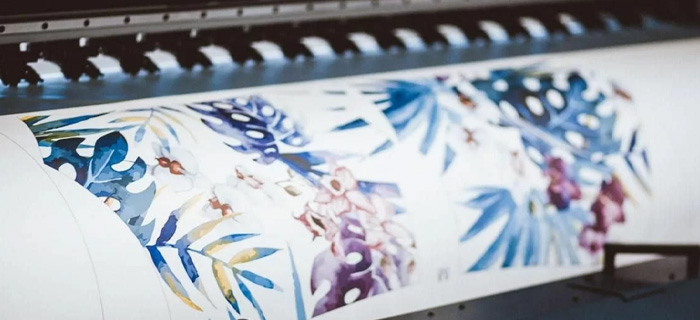
Sublimation Printing
Sublimation printing integrates all-over color, graphics and player details into compatible performance fabrics, producing lightweight designs with lasting visual clarity for jerseys, activewear and team uniform programs.
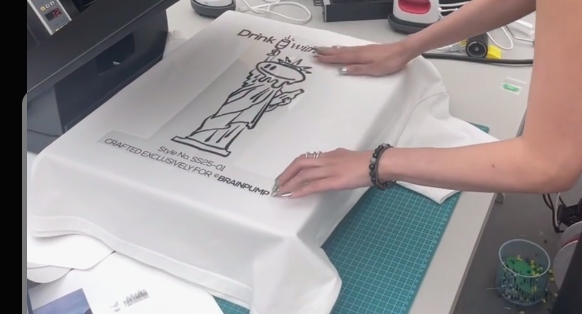
Heat Transfer
Heat transfer applies precise names, numbers, logos and graphic details where placement accuracy matters, offering a clean finished appearance for teamwear, promotional apparel and selected branded garment applications.
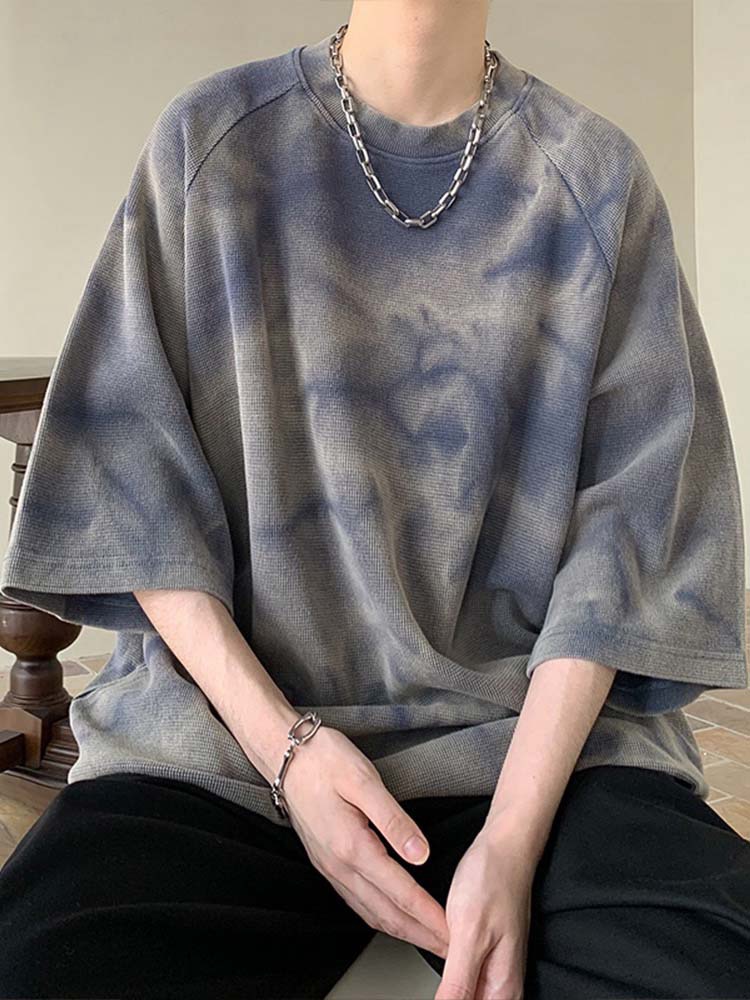
Clothing Sample Development Trims That Complete the Specification
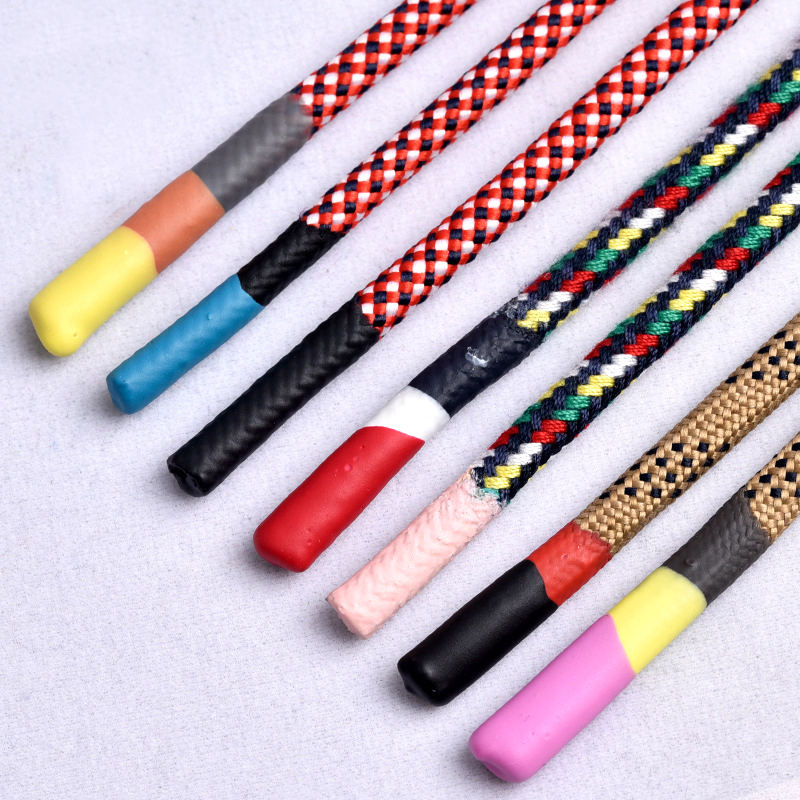
Drawcords and Tipping
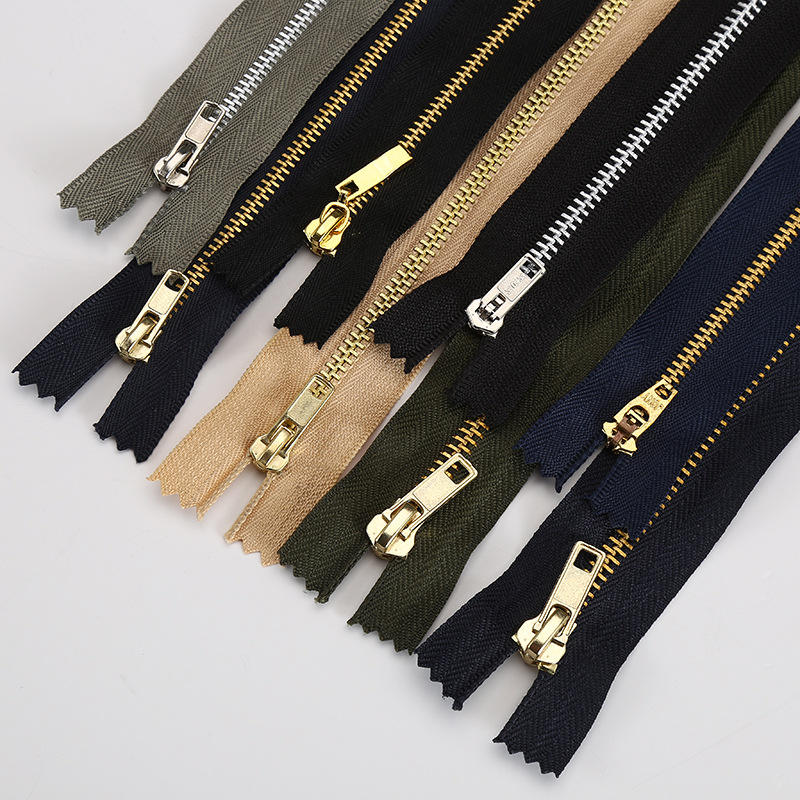
Select drawcord material, thickness, length, aglets and contrast tipping for hoodies, joggers and outerwear. These details are specified against the approved sample to preserve function, proportion and brand character in bulk production.
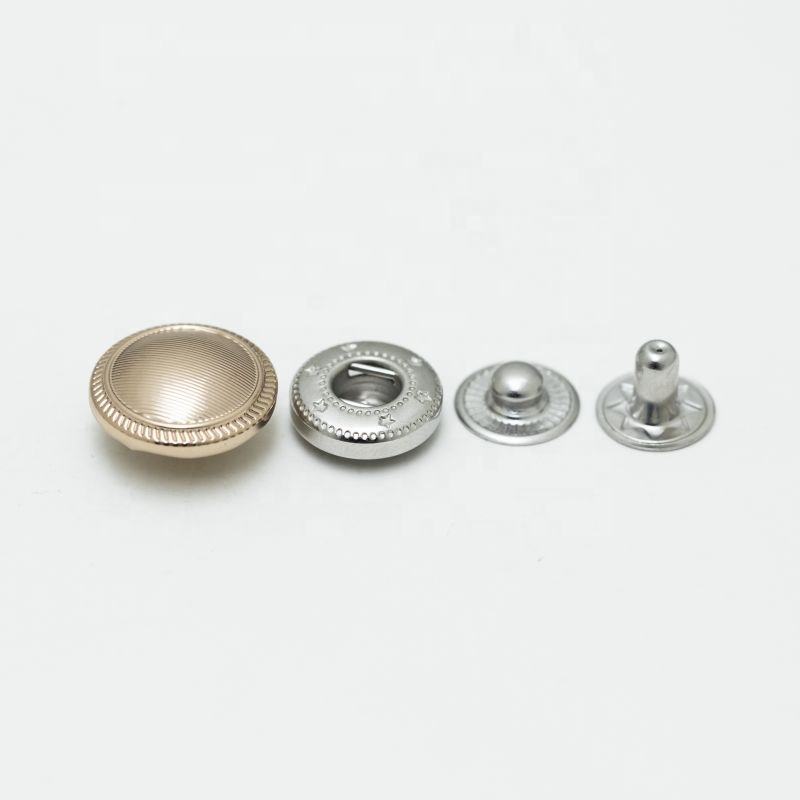
Snap Button Systems
Specify snap finishes, sizes, placement and pull requirements for varsity jackets, outerwear and workwear-inspired styles. EDVORIN coordinates hardware with fabric, rib and construction details so closures support both the garment’s look and daily use.
Woven Brand Labels
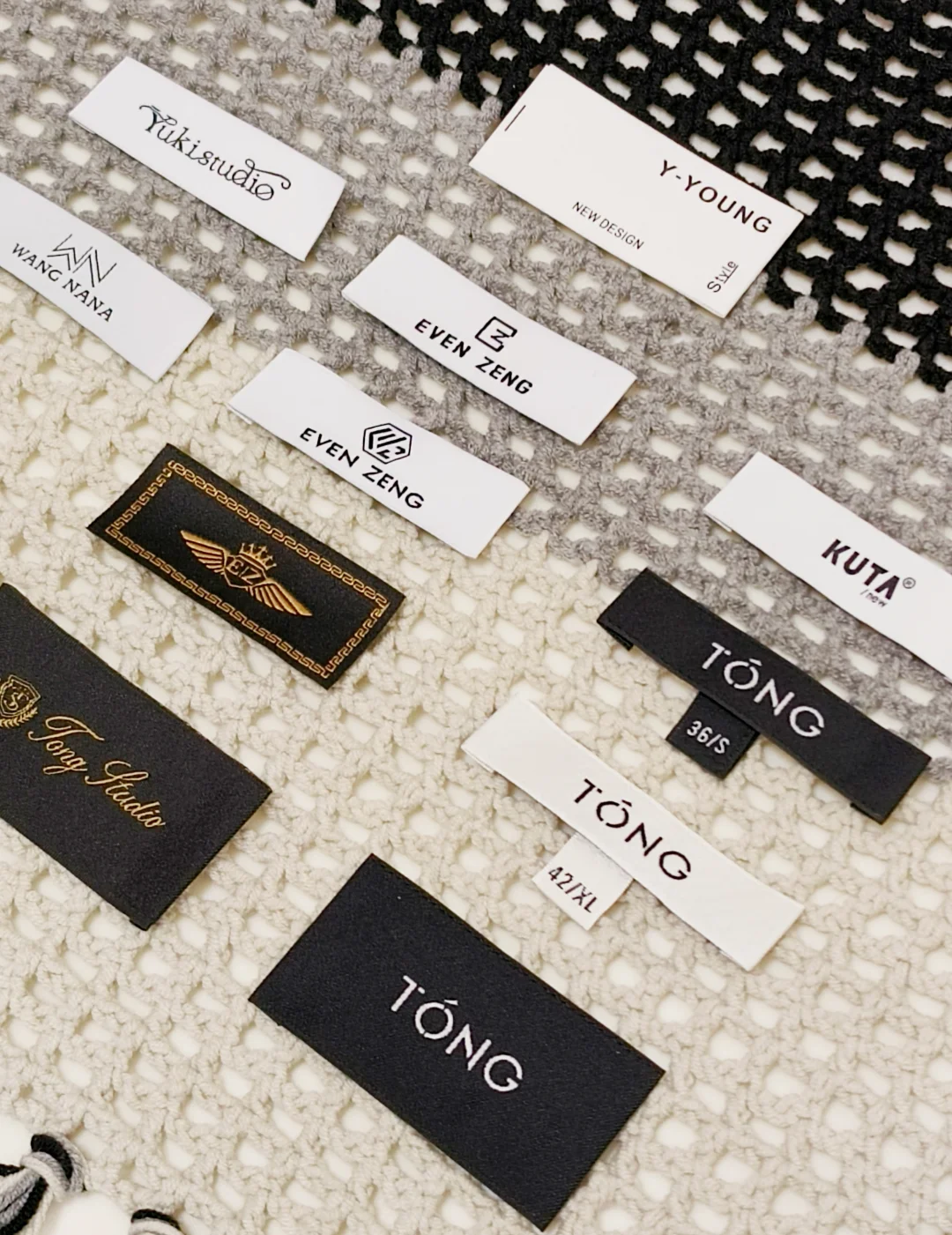
Create woven main labels, size labels and care labels that align with your private-label program. Placement, fold type, artwork and attachment method are recorded to keep brand identification consistent from sample approval through packing.
Embroidered Custom Patches
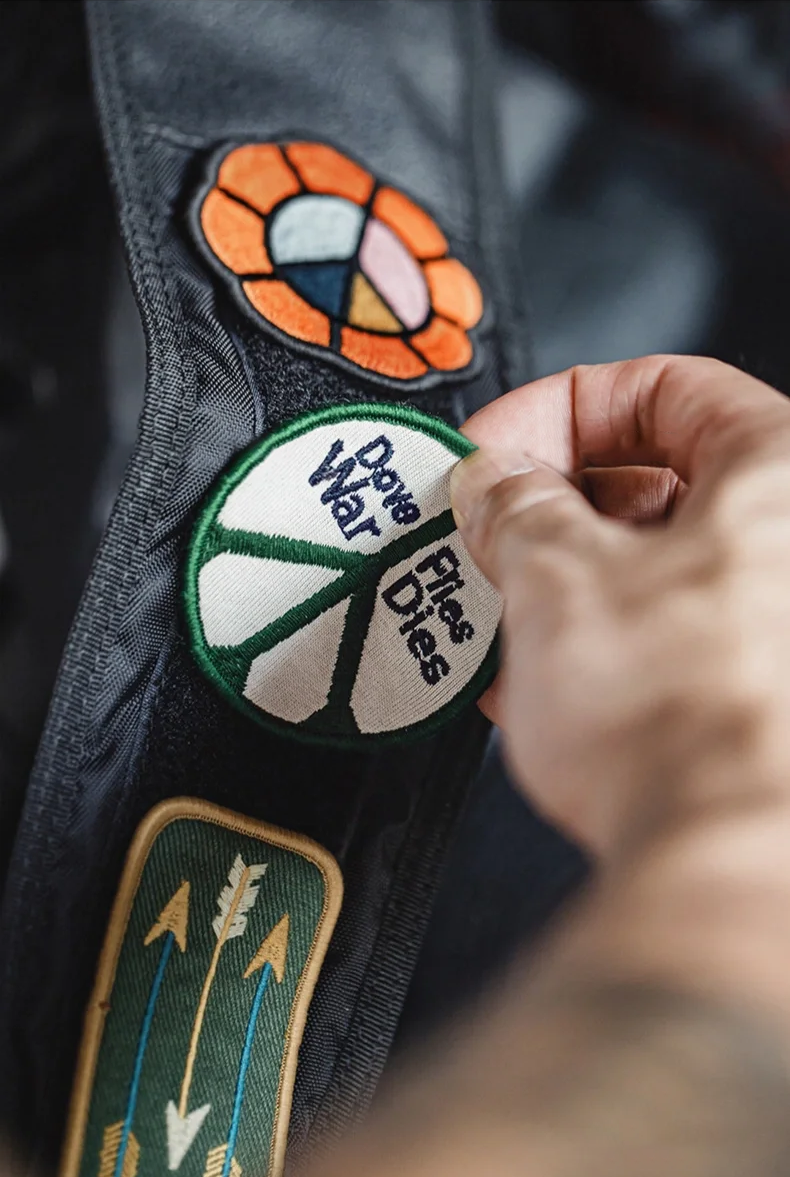
Add embroidered, chenille, woven or printed patches to streetwear, varsity jackets, uniforms and teamwear. EDVORIN reviews patch scale, edge finish, placement and attachment method so the decoration performs correctly on the selected base fabric.
Hangtags and Packaging
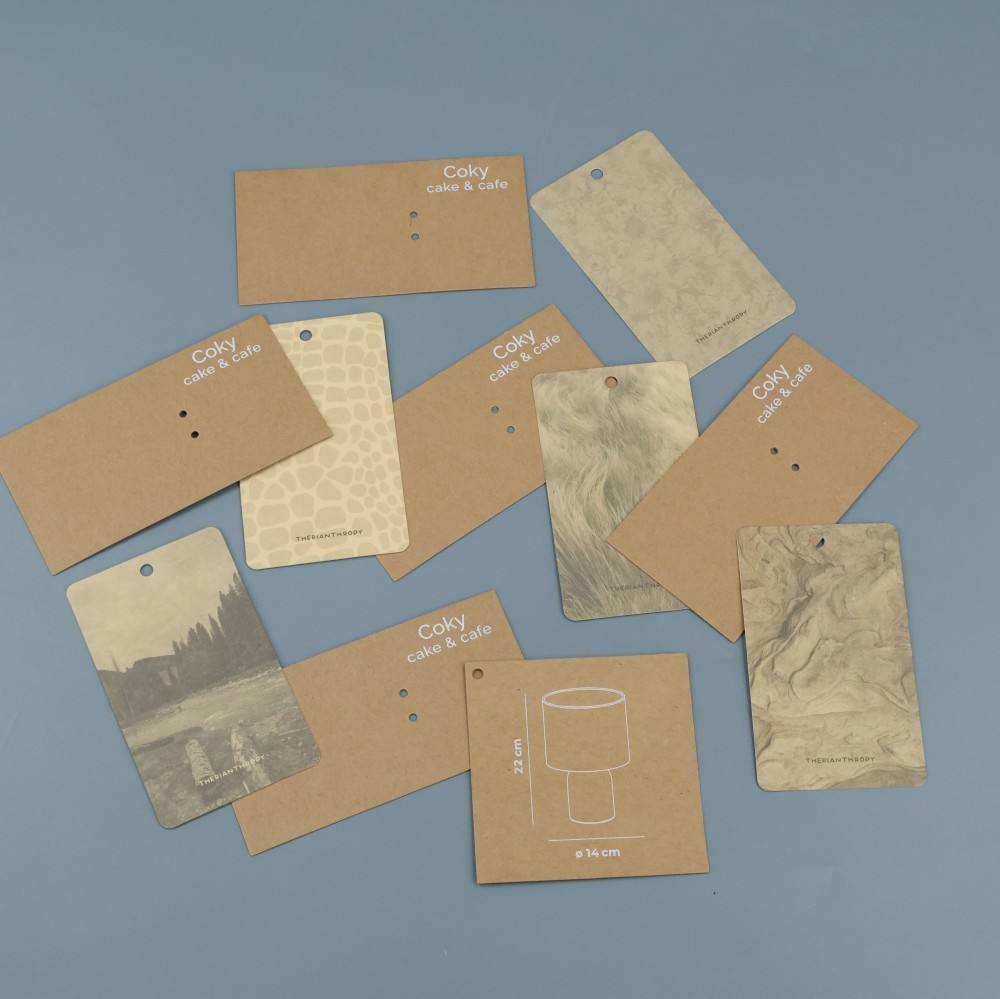
Coordinate custom hangtags, barcode stickers, polybags, tissue and carton marking for a finished retail or wholesale presentation. Packaging requirements are documented alongside garment details to help protect, identify and organize each production order.
About EDVORIN: Clothing Sample Development
Founded by Edvorin Zeng in 2000, EDVORIN was built around a practical goal: turn apparel ideas into garments that can be made accurately again and again. We support fashion, streetwear and teamwear buyers from early concepts, sketches and tech packs through approved, production-ready clothing sample development.
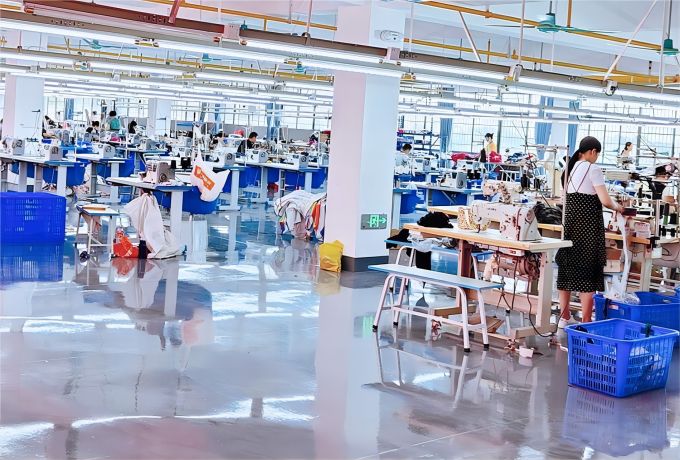
Our connected OEM, ODM and private-label workflow brings together fabric and trim sourcing, patterns, sampling, printing, embroidery, washing, bulk production, labeling and packaging. Men’s and women’s programs are developed around the fit, materials, construction and performance requirements of each category rather than a one-size-fits-all specification.
What makes EDVORIN different is the discipline after sample approval. Measurements, artwork placement, materials, trims and finishing details are documented as a clear bulk-production standard, then checked through production and final inspection. This gives emerging labels, wholesale programs and established buyers a dependable foundation for repeat orders.
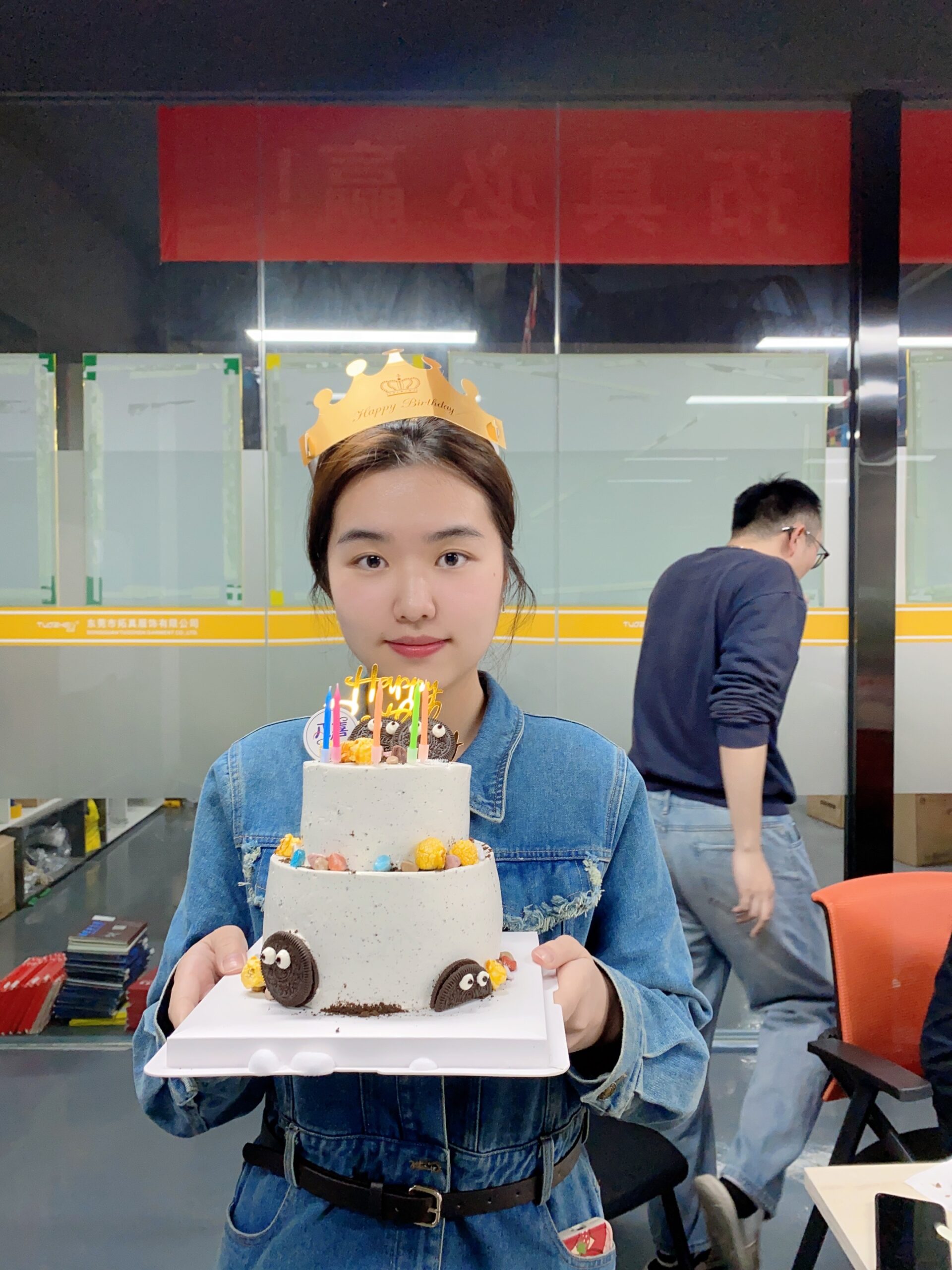
How Clothing Sample Development Becomes a Repeatable Standard
Technical Development That Clarifies Intent
EDVORIN translates a complete tech pack, sketch, reference garment or collection concept into construction details that production teams can follow. Patterns, measurements, fit priorities and styling details are reviewed early so revisions improve the garment before bulk commitments begin.
- Pattern and measurement development
- Men’s and women’s fit adjustments
- Construction details recorded clearly
- Revisions aligned to approval feedback
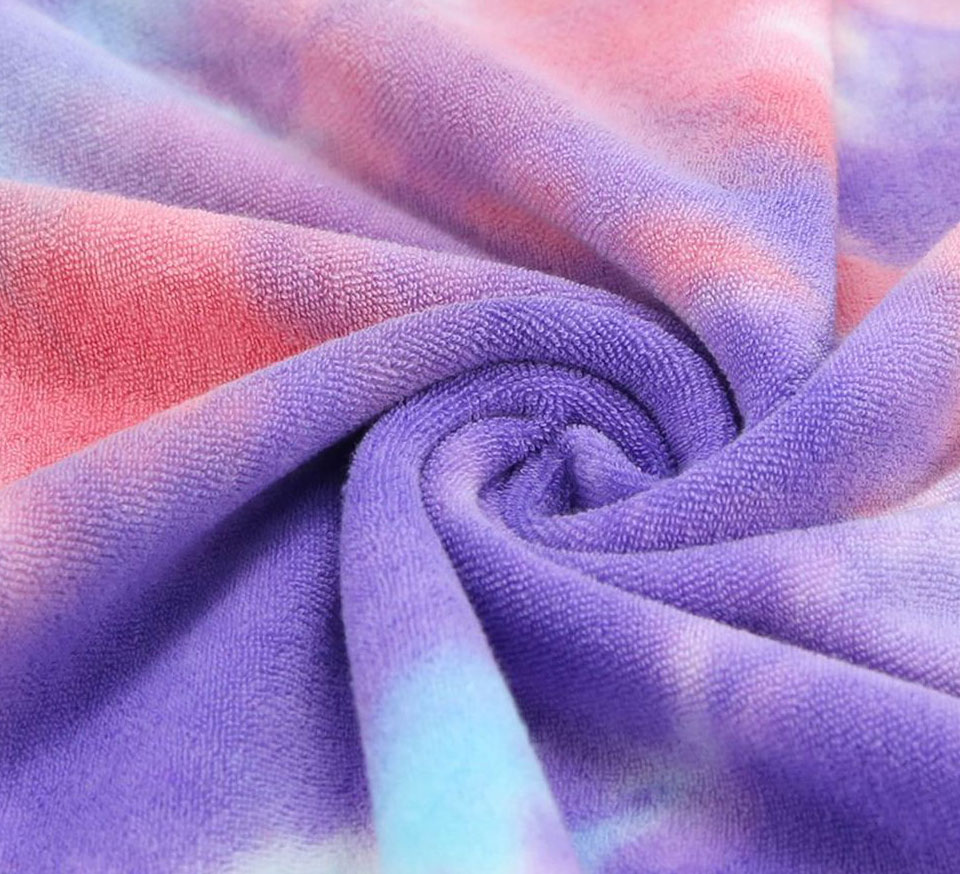
Materials and Decoration Working Together
Fabric weight, recovery, drape and performance affect how a garment fits and how decoration performs. EDVORIN coordinates base materials, trims, printing, embroidery, washing and finishing during clothing sample development so the approved look is practical to reproduce.
- Fabric and trim selection support
- Print and embroidery compatibility checks
- Wash effects reviewed with construction
- Category-specific performance considerations
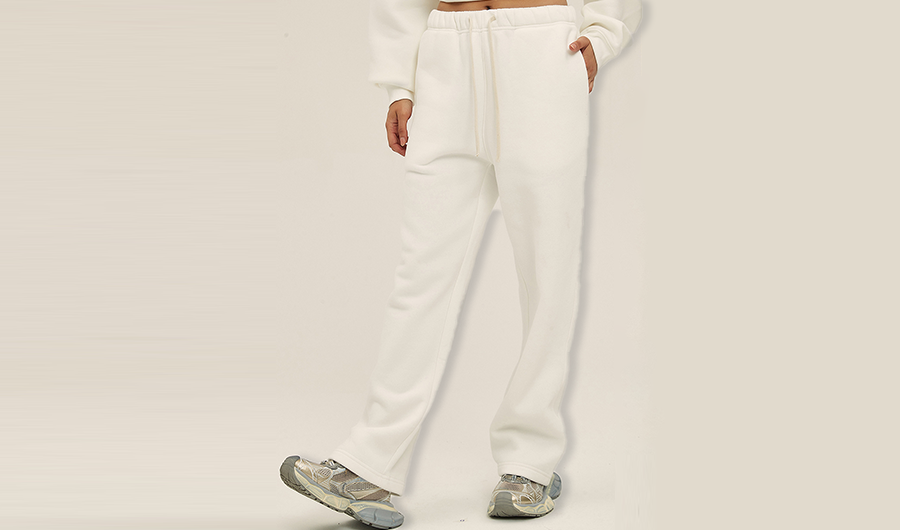
Approved Samples Become Production Standards
A sample should not remain a one-off reference. EDVORIN captures approved measurements, artwork placement, color references, trims, labels and packaging requirements to create a usable manufacturing standard that supports consistent repeat orders across casualwear, streetwear, outerwear and teamwear.
- Approved measurements documented
- Artwork placement specifications recorded
- Labels and packaging defined
- Standards prepared for repeat orders
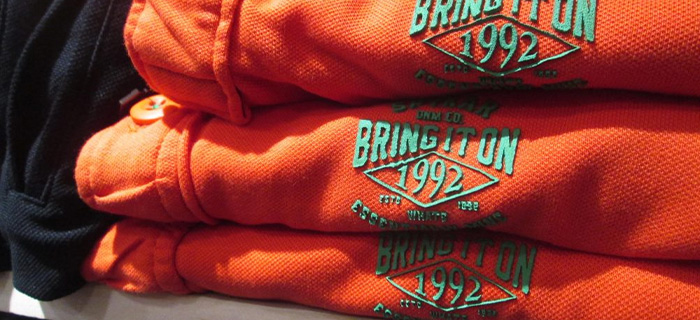
Quality Control Follows the Approval
EDVORIN connects the approved sample to bulk execution through material control, in-line checks and final inspection. This gives buyers a clearer path from clothing sample development to packed product, helping protect fit, construction, decoration and finishing across the order.
- Sample-to-bulk quality checkpoints
- In-line variation monitoring
- Final inspection before packing
- MOQ starts at 200 pieces per style
Clothing Sample Development: EDVORIN vs. Typical Suppliers
One accountable path from concept, sample approval and documented revisions to controlled bulk production.
← Swipe left or right to view →
Clothing Sample Development to Packed Apparel
A controlled workflow that carries approved specifications from concept review through bulk production, final inspection and shipment.
Review Design Direction
We review your tech pack, sketch or reference garment, then clarify fit, construction, measurements, artwork and target market requirements.
Source Materials and Trims
Fabric, rib, lining, labels, hardware and packaging are coordinated against the intended handfeel, performance, decoration method and production standard.
Build Patterns and Samples
Patterns and first samples translate the concept into a physical garment, giving your team a clear basis for fit, construction and revision feedback.
Approve Production Standard
Approved materials, measurements, placements, trims and finishing details are recorded so the final sample becomes the reference for bulk production.
Produce, Inspect and Pack
Cutting, sewing, decoration and finishing follow the approved standard, with in-line and final checks before labeling, packing and shipment preparation.
Start Your Clothing Sample Development Project
Bring a tech pack, sketch, reference garment or collection idea. EDVORIN helps turn it into an approved standard for repeatable bulk production.
Submit Your Product Brief
Share your tech pack, sketch, reference garment or collection concept, including intended category, fit direction, quantities and any material, decoration or packaging requirements.
Review the Development Plan
We assess construction, fabric, trims, decoration and production requirements, then provide a clear quotation and sampling approach aligned with your product goals.
Evaluate and Refine Samples
Review the physical sample for fit, proportions, materials, workmanship and artwork placement. Record revisions until the garment reflects your approved design intent.
Approve Production Standards
Confirm the approved sample, measurements, color references, trims, labeling and packaging details. These specifications become the accountable standard used for bulk production.
Launch Bulk Production
EDVORIN coordinates sourcing, cutting, sewing, decoration, finishing and quality control against the approved standard, supporting orders from 200 pieces per style.
Certified Standards for Responsible Apparel Production




Clothing Sample Development FAQs
Practical answers for brands preparing an OEM, ODM or private-label apparel program with EDVORIN.
EDVORIN’s MOQ starts at 200 pieces per style. What is the minimum order quantity after clothing sample development?
Can you help with clothing sample development if I only have a sketch or reference garment?
How many revisions are included in clothing sample development?
How long does apparel sample development take?
Do I need a tech pack before requesting a sample?
Can EDVORIN source fabrics, trims, printing and embroidery for my sample?
How are payments and shipping handled for samples and bulk orders?
How do you protect my designs and private-label information?
The Complete Buyer’s Guide to Clothing Sample Development
Use a practical decision framework to plan samples, assess supplier capabilities, control development costs, and avoid the specification, fit, and approval mistakes that can delay an apparel launch.
1. What Is Clothing Sample Development?
A physical garment is the purpose of clothing sample development: a pre-production process that turns a sketch, tech pack, or reference piece into a testable style. The buyer and factory use it to assess fit, fabric hand and weight, construction, decoration, function, and whether the design can be reproduced reliably.
Both parties should retain the approved sample alongside its measurement chart, material details, trim specifications, Pantone references, and artwork-placement measurements. That shared standard gives pattern, sourcing, sewing, and quality teams something tangible to compare against instead of relying on memory or interpretation.
A 200-piece bulk order can repeat the same unnoticed error many times, while a sample exposes it before cutting begins. Unlike bulk production, clothing sample development is an evaluation and correction cycle; buyers should validate drape, comfort, mobility, seam performance, labels, and finish before committing an order.
2. How Clothing Sample Development Evolved
Before digital files, clothing sample development depended on hand-drafted paper patterns, cut-and-sewn mockups, and repeated in-person fittings. A correction to shoulder pitch, pocket angle, or sleeve length was often marked directly on the garment and redrawn for the next round.
By the 1990s, digital pattern files and standardized tech packs made specifications easier to share across development, sourcing, and production teams. Buyers could record graded measurements, Pantone references, stitch details, artwork placement, and trim callouts in a controlled version rather than relying on memory or annotated photos.
Today, 3D prototyping can accelerate silhouette reviews and reduce avoidable communication loops, especially before fabric is committed. Physical samples still decide the critical issues: fleece drape, rib recovery, zipper operation, embroidery stability, seam workmanship, wash response, and comfort in wear; buyers should expect both digital clarity and a production-representative approval standard.
3. Types of Clothing Sample Development
Six sample types turn clothing sample development into staged decisions rather than one approval. Each stage should close a specific risk before EDVORIN moves the style forward.
Concept And Fit Samples
Concept or proto samples test silhouette, construction, and cost direction from a sketch or reference. Substitute fabric and trims are acceptable when final materials are unavailable, but their limits must be recorded.
Fit samples use the intended fit block to approve key points of measure, ease, balance, and movement. Buyers should return marked measurements and revision priorities, not only visual comments.
Size Set And Sales Samples
Size sets check grading across the ordered range before bulk cutting. Use approved or near-final fabric where possible because stretch, shrinkage, and drape affect fit.
Salesman or photo samples present final color, decoration, and styling for selling or content. Buyers should approve appearance while keeping commercial feedback separate from production changes.
Production Reference Samples
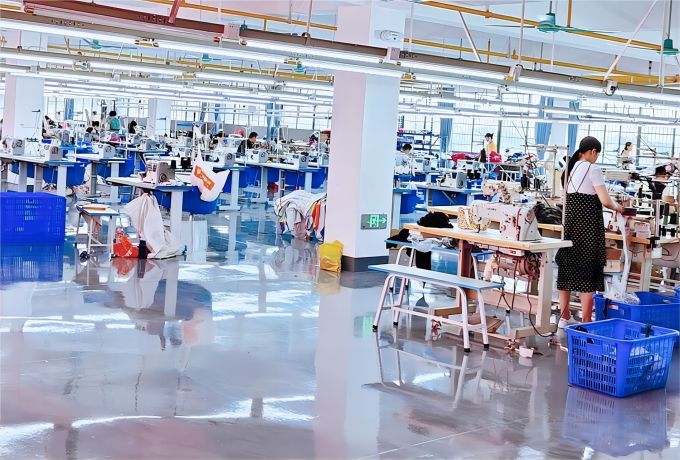
Pre-production samples confirm the complete bulk standard: final materials, artwork placement, labels, packing, and workmanship. Approval authorizes production only after every deviation is resolved.
Production or shipment references retain the approved standard for final comparison. They reduce disputes by documenting folding, tagging, packaging, and the finished garment condition.
4. Fabrics for Clothing Sample Development
100% cotton, polyester, and blends can make the same pattern fit differently. During clothing sample development, composition, GSM, stretch, recovery, shrinkage, color, and surface texture determine the production result.
| Fabric | Typical Use | Sampling Watchpoint |
|---|---|---|
| Cotton jersey | T-shirts, polos | Shrinkage and surface feel |
| French terry or fleece | Hoodies, joggers | Weight, loft, rib recovery |
| Polyester blend | Teamwear, activewear | Stretch and color consistency |
| Woven performance fabric | Windbreakers, outerwear | Drape, coating, seam behavior |
Weight And Drape
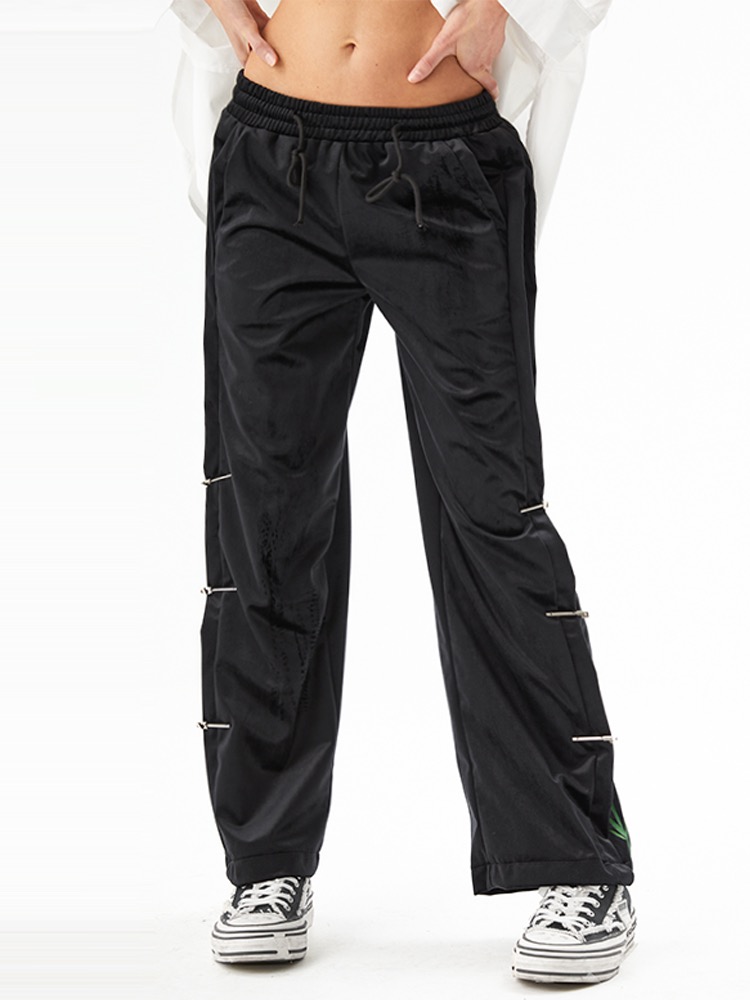
180–220 GSM jersey suits T-shirts, while 280–360 GSM French terry supports structured sweatshirts. Heavier fabric can change shoulder fall, pocket shape, and ease.
Stretch And Recovery
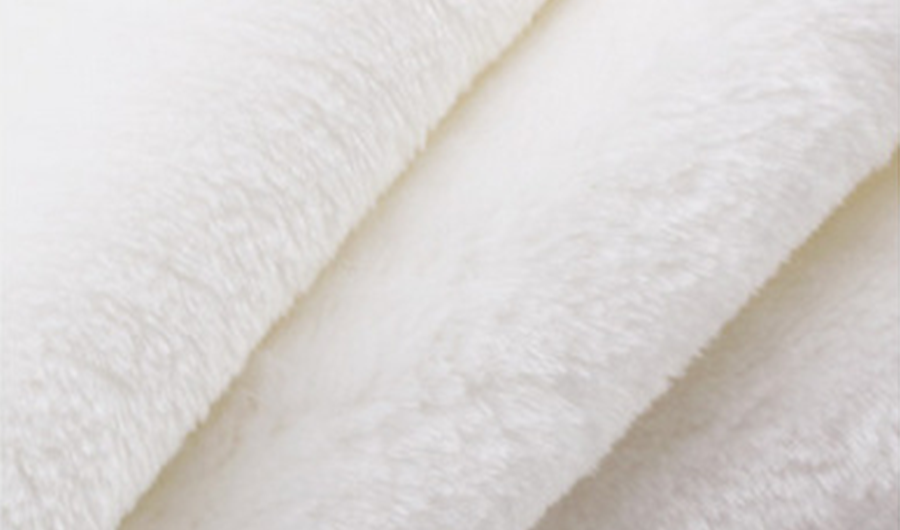
2-way or 4-way stretch must be checked with recovery, especially for performance jerseys and joggers. Poor recovery can bag knees, cuffs, and necklines despite correct sample measurements.
When Final Fabric Matters
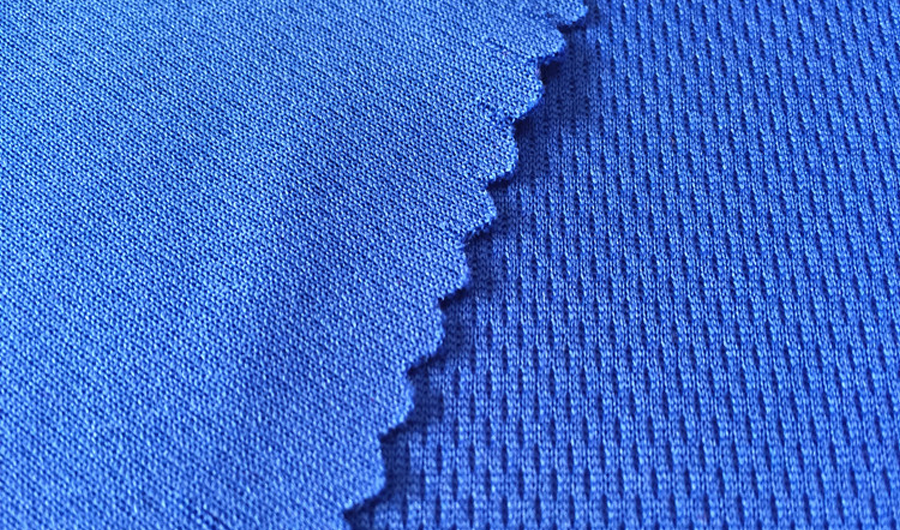
Pantone-approved color, final GSM, and final finishing are essential for fit approval, washed garments, prints, and performance products. Substitute fabric is suitable only for early silhouette or construction checks when its weight, stretch, and drape are comparable.
5. Customization and Decoration Options
One approved decoration sample should be retained beside the garment specification. During clothing sample development, test the finished visual, measured placement, hand feel, and wash performance before bulk approval.
| Method | Appearance | Placement Control | Fabric Compatibility | Sample Check |
|---|---|---|---|---|
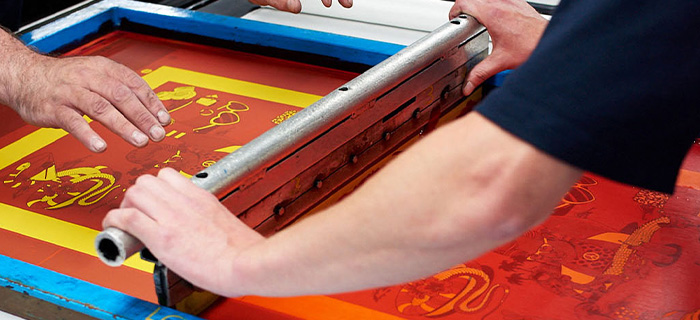
| Screen print | Opaque, durable | Template measured | Cotton, fleece | Wash and crack resistance |
| DTG | Fine color detail | Digital position | High-cotton knits | Wash and color clarity |
| DTF or heat transfer | Sharp film graphic | Press jig measured | Knits, blends | Stretch and edge lift |
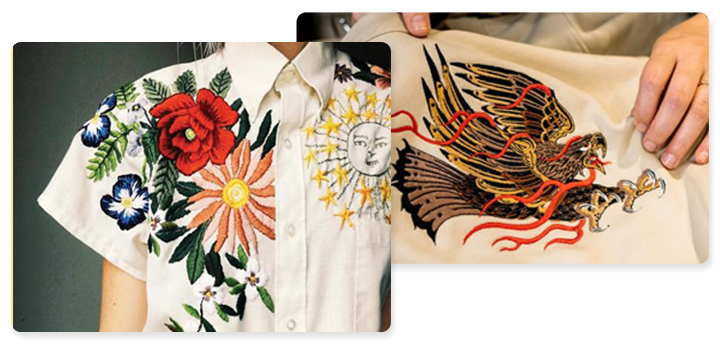
| Embroidery or patches | Textured, premium | Backing and stitch map | Stable woven or fleece | Pucker and stitch security |
Decoration Method Testing
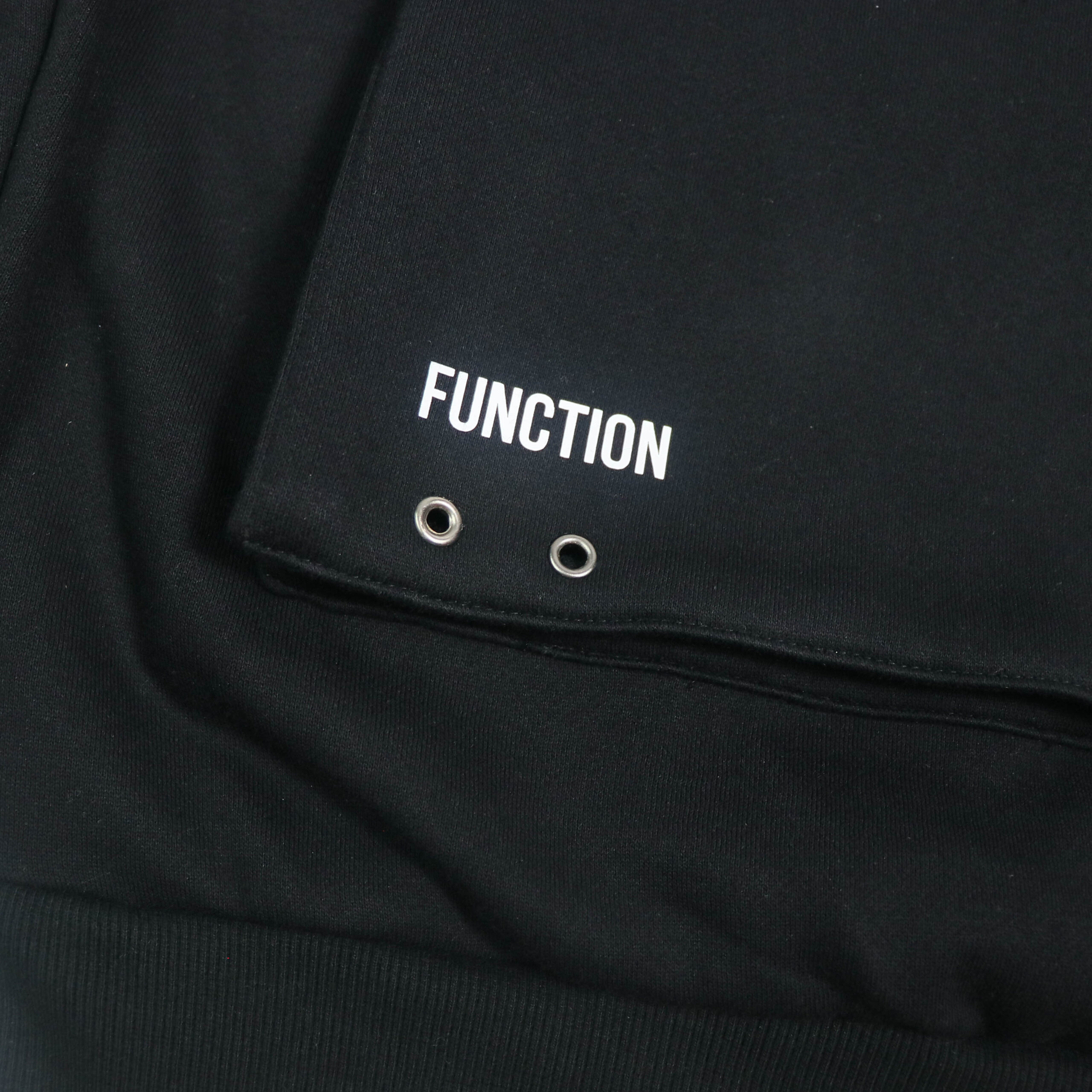
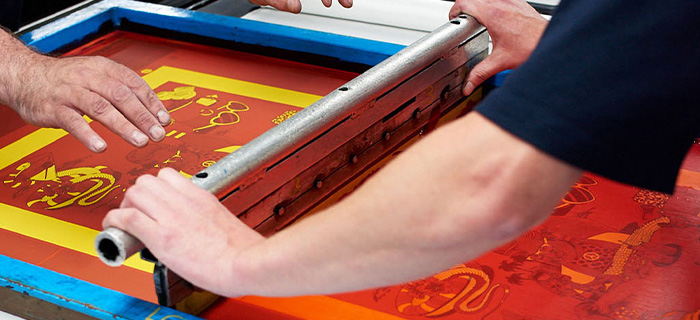
Screen print suits broad opaque artwork; DTG suits detailed cotton graphics. DTF and heat transfer require stretch and adhesion checks on the actual fabric.
Trim And Packaging Proofs
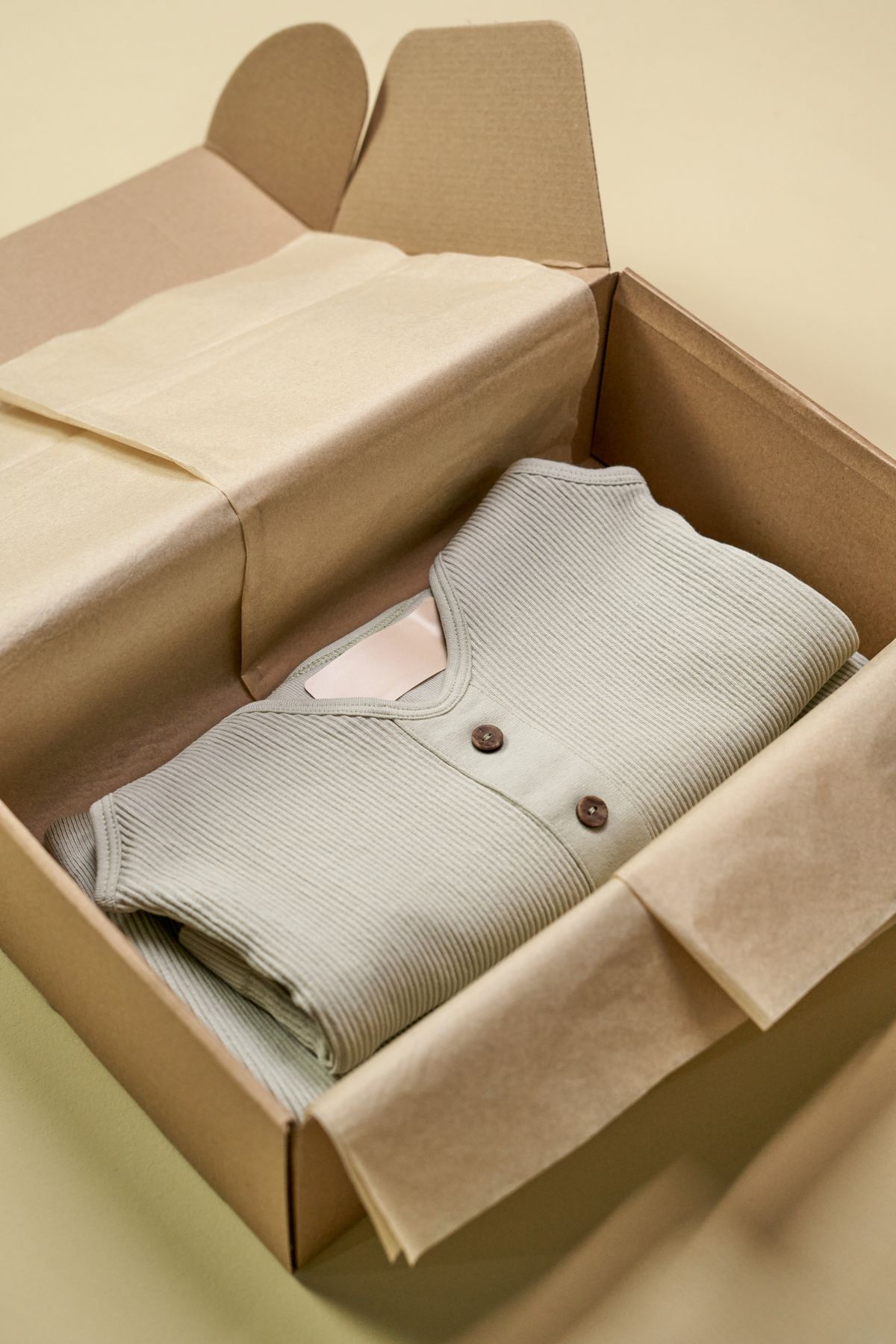
Woven labels, neck labels, patches, hangtags, and packaging need separate approval. Check stitch security, readable care content, label position, barcode data, folding, and carton presentation.
Approval File Requirements
Every artwork file should state vector or print-ready format, Pantone colors, final dimensions, and placement measurements from fixed garment points. Record wash, stretch, abrasion, and colorfastness requirements on the approval sheet.
6. Construction Quality to Inspect
A sample is the physical control standard before bulk authorization. Inspect it beside the latest tech pack, approved artwork, trim card, and measurement chart—not from memory.
Measure And Fit
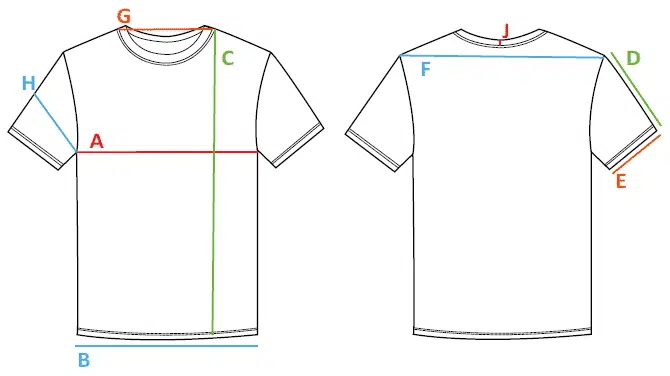
100% of listed points of measure should be checked against the sample chart and stated tolerances. Test balance on-body: shoulder pitch, neckline, sleeve twist, rise, inseam, and hem must sit correctly in movement.
- Measure after the garment rests flat
- Check every size in a size set
- Record deviations and revision dates
Stitches And Materials
8–12 stitches per inch is a common starting check for many knit seams, subject to fabric and seam specification. Confirm seam type, even stitch formation, back-tacks or bartacks at stress points, and no holes, skips, puckering, stains, or shade variation.
- Inspect crotch, pocket, underarm, and zipper ends
- Pull-test snaps, drawcords, and buttons
- Check rib recovery after stretching
Decoration And Finishing
3 tests—wear, wash, and full-range movement—can expose cracking prints, embroidery abrasion, bleeding, shrinkage, and seam failure before approval. Compare label content, placement, folding, loose-thread removal, and packaging directly with the tech pack; document every approved revision.
- Check print registration and edge sharpness
- Inspect embroidery density and backing
- Authorize bulk only against the signed sample
7. Choosing a Clothing Sample Development Partner
A capable partner proves how it will translate one approved sample into repeatable bulk output. For OEM and private-label programs, assess evidence for the exact product category—not broad capability claims.
Match Category Experience
1. Request recent, anonymized examples matching your hoodie, jersey, varsity jacket, or outerwear construction.
2. Ask which pattern block, sewing operations, decoration method, and size range were used; a portfolio image alone is not proof.
Test The Development System
3. Confirm who owns pattern corrections, revision logs, material approvals, and sample deadlines. Request a marked measurement chart, revision record, and a sample-to-bulk specification sheet.
4. Ask how substitutes are approved when a fabric or trim is unavailable, including Pantone reference and buyer sign-off.
Verify Bulk Readiness
EDVORIN’s MOQ starts at 200 pieces per style. 5. Ask for the quality-control checkpoints, inspection records, and escalation path used before packing. Confirm whether the approved sample, placement measurements, labels, and packaging standard remain available to production.
6. For a 200-piece OEM MOQ, ask what changes in lead time, grading, sourcing, and line capacity after approval.
8. Clothing Sample Development Mistakes
Eight recurring errors turn a promising sample into avoidable rework. In clothing sample development, EDVORIN treats the physical approval and its documented specifications as the production reference.
Brief And Tech Pack Gaps
One sketch without measurements, stitch details, or Pantone references invites interpretation, adding revisions, cost, and lead time.
One complete tech pack should lock fabric, trims, construction, placement dimensions, and a dated measurement chart before sampling.
Physical Fit And Grading

One photo cannot confirm handfeel, shrinkage, seam comfort, or fit; approving remotely can produce a bulk mismatch.
One size-set review across intended sizes catches grading faults before cutting. Fit the actual wearer and record approved tolerances.
Materials Decoration And Approval
One substitute fabric can change drape, weight, print behavior, and wash results; test the proposed bulk material and decoration together.
One controlled revision log prevents conflicting instructions. Freeze the pre-production sample only after checking artwork, labels, packaging, and final measurements.
9. From Sample Approval to Brand Launch
One launch owner should control the approved record from first brief through packed reference sample. That discipline keeps decisions accountable as clothing sample development moves toward a firm launch date.
Set The Development Record
One product brief assigns intended wearer, target cost, size range, fabric direction and launch date. Version 1 of the tech pack locks flats, measurements, labels and artwork placement.
Two approvals—brand lead and development owner—should release the prototype; comments arrive in one consolidated revision list.
Close Fit And Decoration
One prototype tests silhouette and construction before every feature is treated as final. Version 2 records fit corrections against measured points, not annotations on scattered images.
One size set verifies grading; approved print strike-offs, embroidery, colors and trims become production references.
Release Bulk Production
One pre-production sample is the final decision gate before cutting begins. It must match the signed specification for material, measurements, decoration, labels, folding and packaging.
Two retained references—one with the buyer and one with EDVORIN—help repeat orders compare bulk output to the signed standard.
10. Clothing Sample Development Pricing
3 cost buckets make clothing sample development quotes comparable: development labor, materials and logistics. Pattern creation, complexity, fabric availability, custom trims, print or embroidery, revision rounds and shipping can each change the total.
1 itemized quote should list pattern work, sample sewing, fabric and trim consumption, decoration setup, revision charges, courier service and estimated timing. Compare the full development path—not a single sample price—and confirm whether approved materials, Pantone references and patterns are retained for bulk production.
| Sample stage | Typical cost drivers | Buyer receives | Lead-time consideration |
|---|---|---|---|
| Prototype | Pattern, construction testing, substitute fabric | First garment and fit feedback | Material sourcing can extend timing |
| Fit revision | Pattern changes, labor, revised trims | Updated sample and measurement check | Each revision adds a review cycle |
| Pre-production | Final fabric, decoration, labels, packaging | Bulk-reference approval sample | Custom trims and courier timing apply |
Start Clothing Sample Development With an Approved Standard
Send your tech pack, sketch, or reference garment for a quote on development, sampling, and repeatable bulk production.