
Eco Garment Washing Manufacturer for Repeatable Wash Effects
EDVORIN develops, samples and controls garment-wash finishes for fashion, streetwear, teamwear and private-label programs from approval through bulk production.
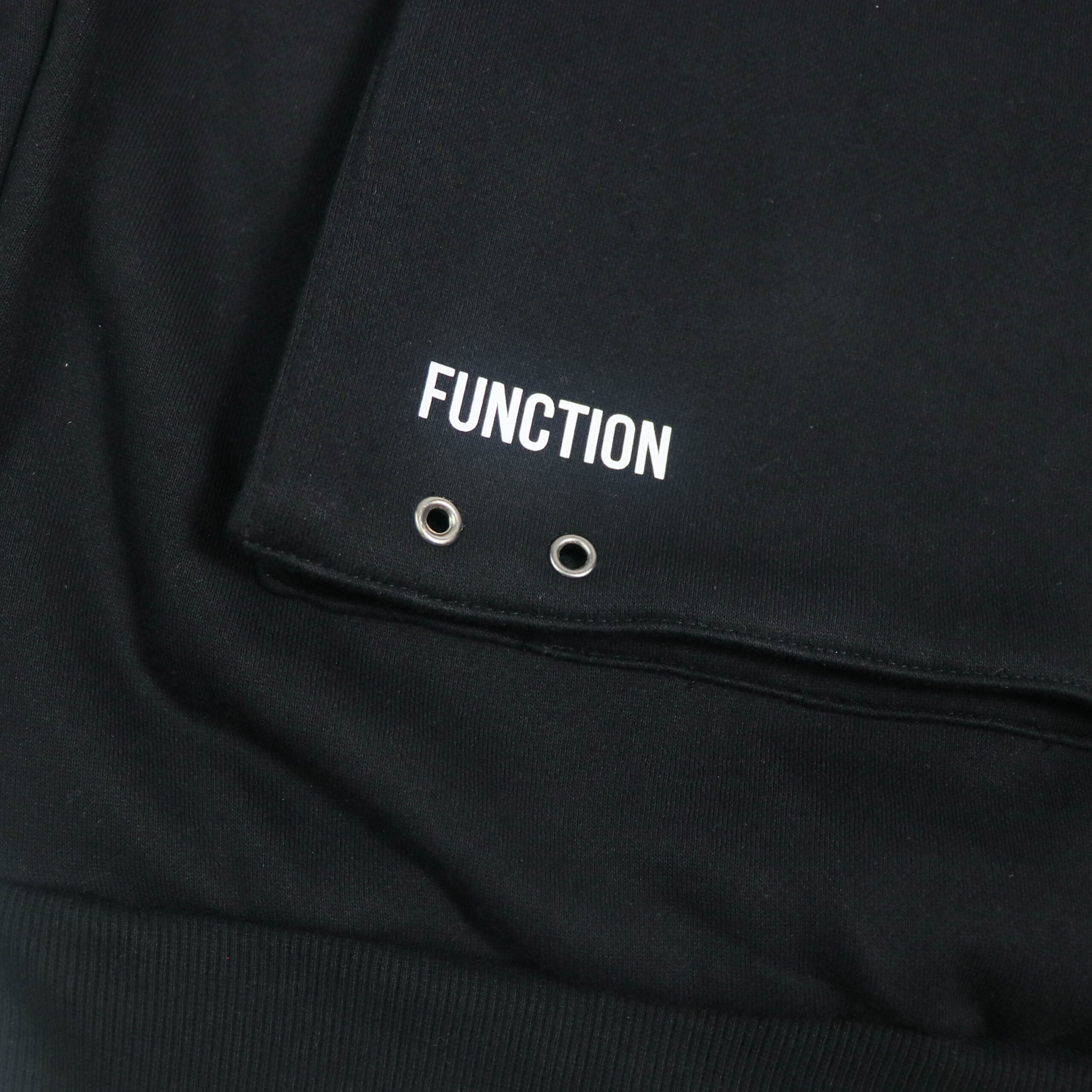
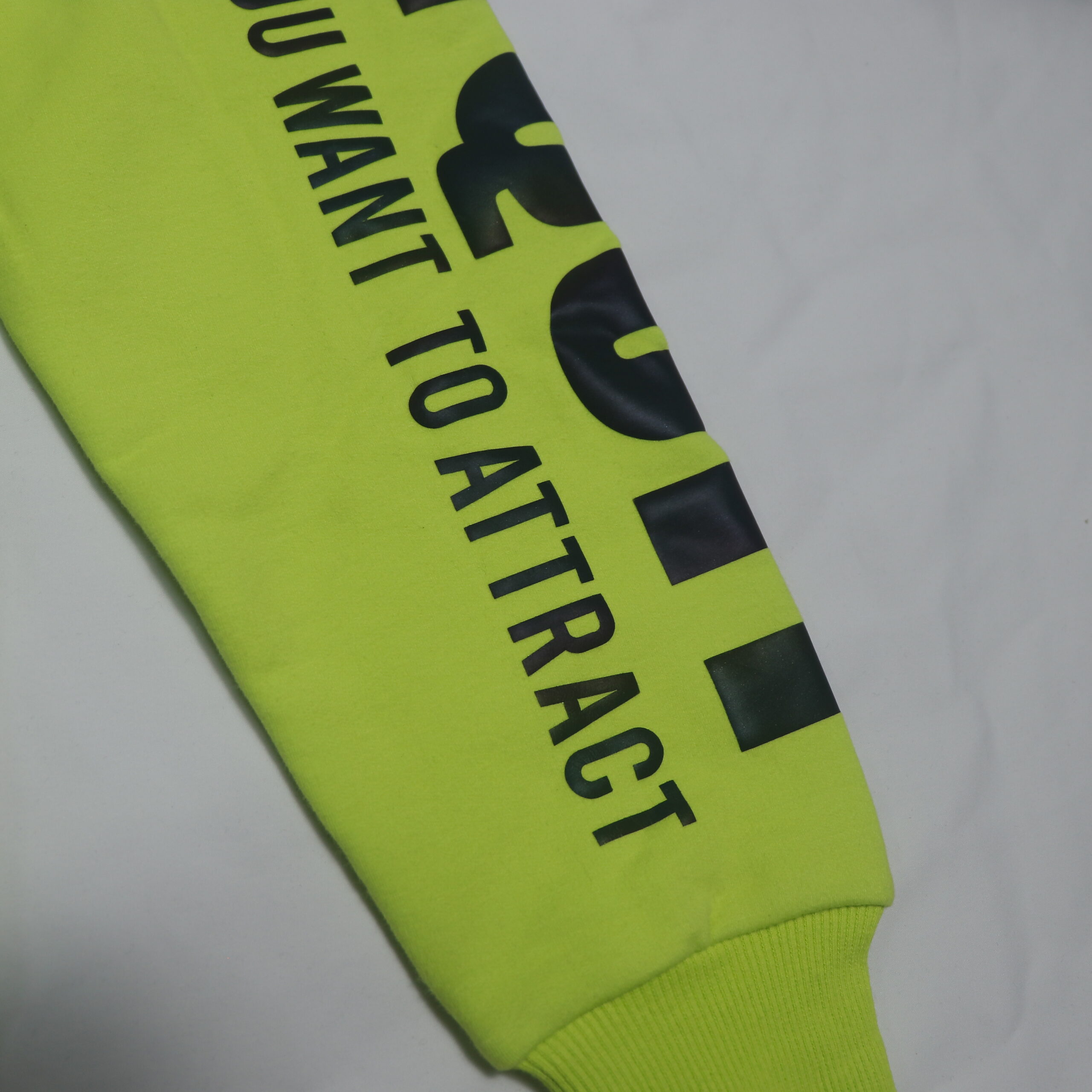
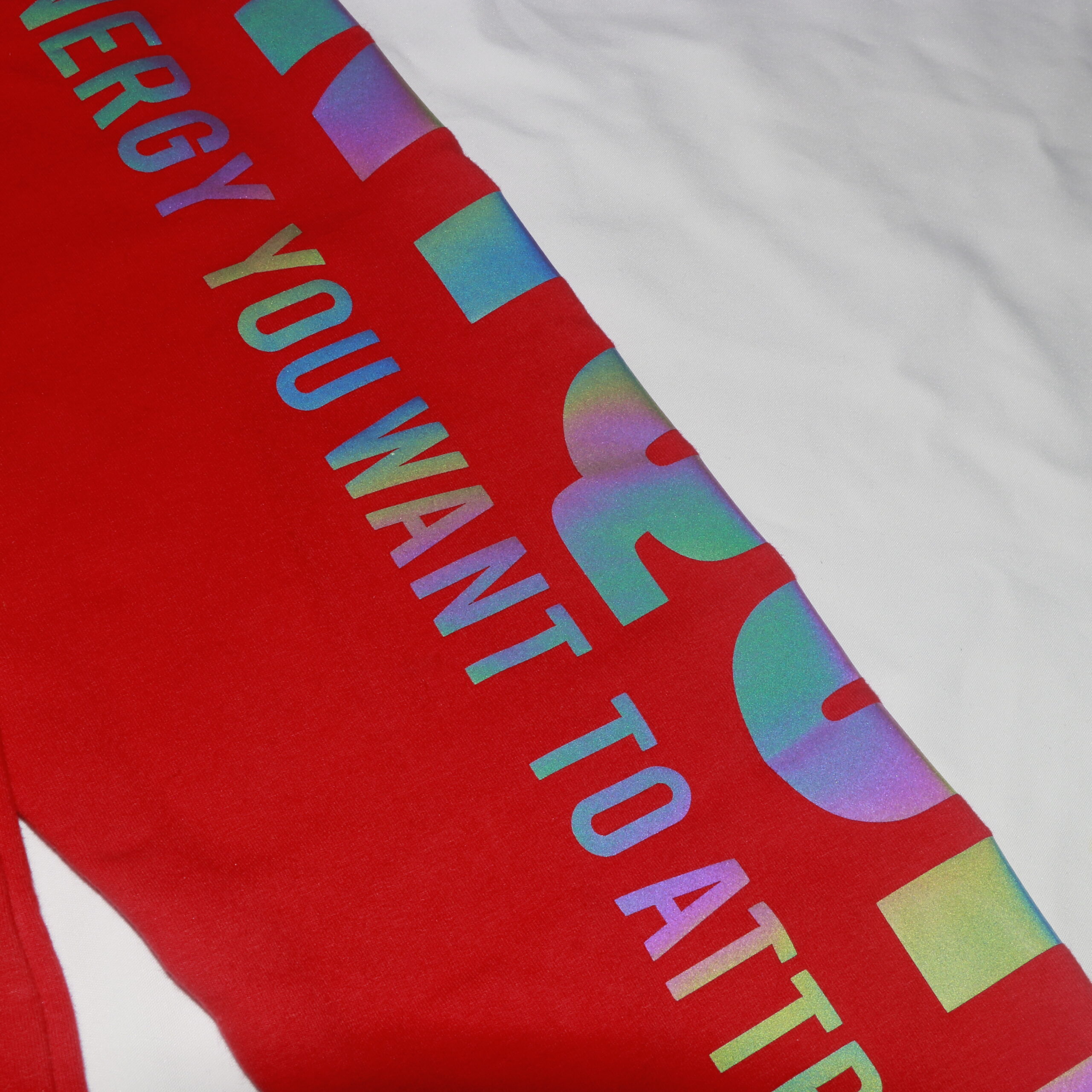
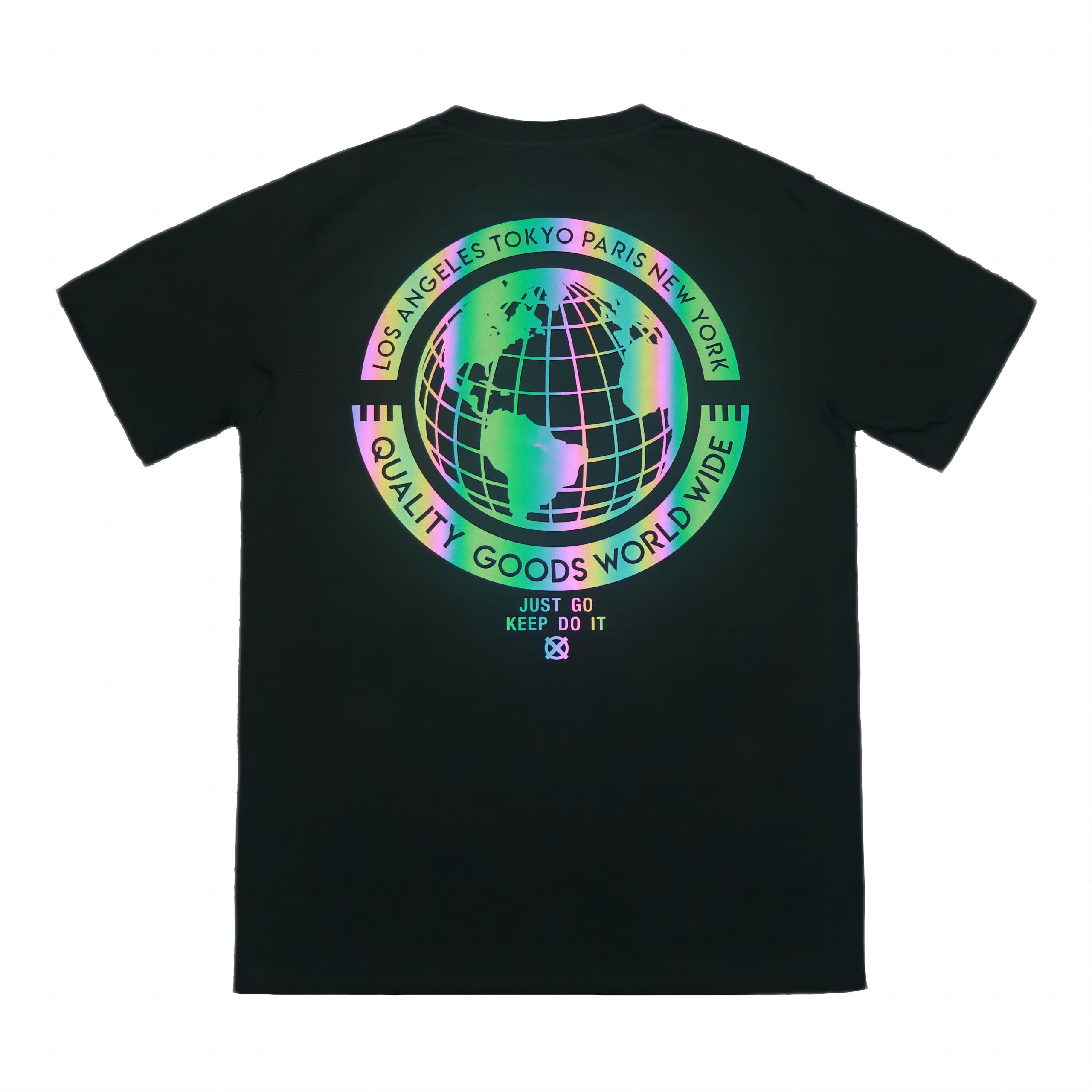
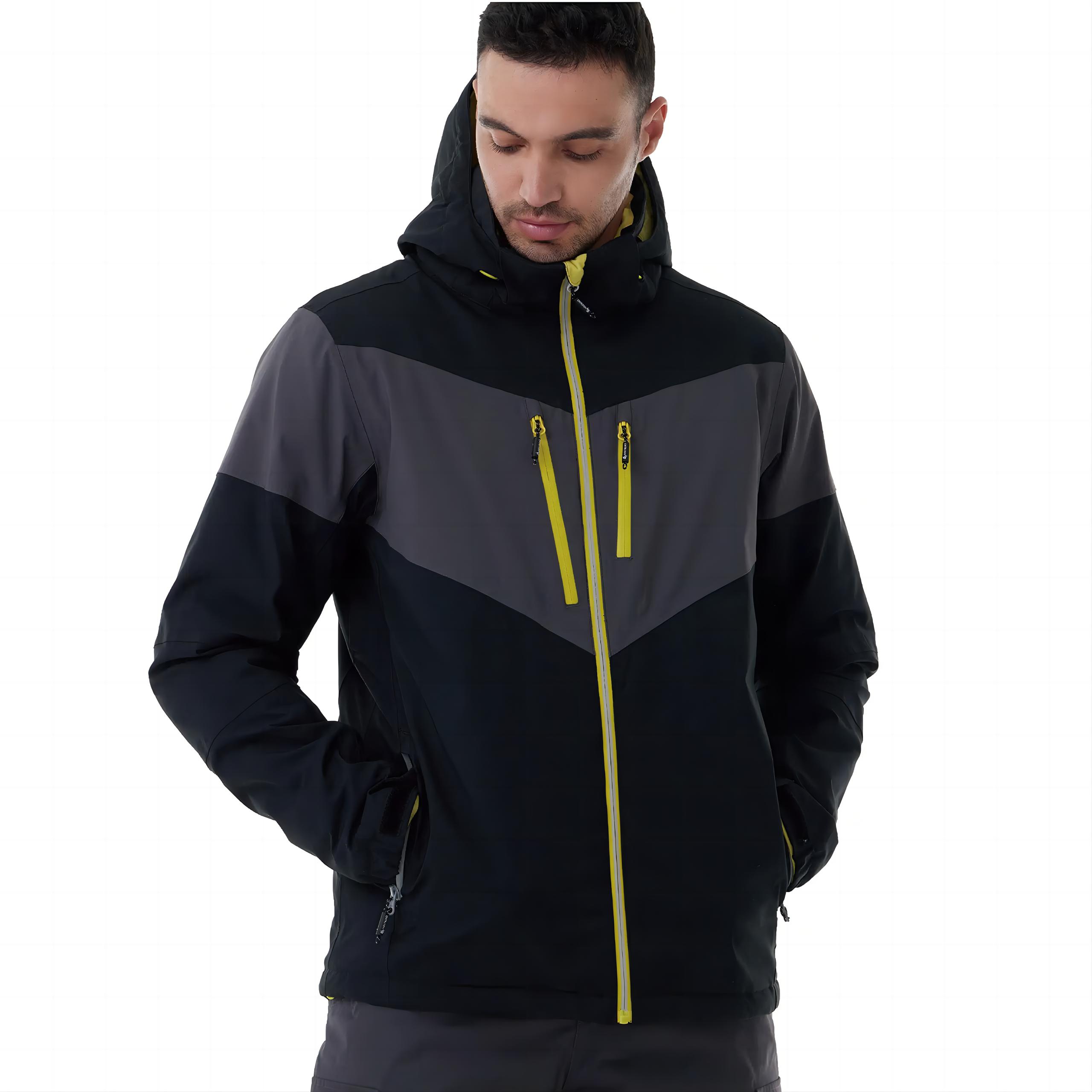
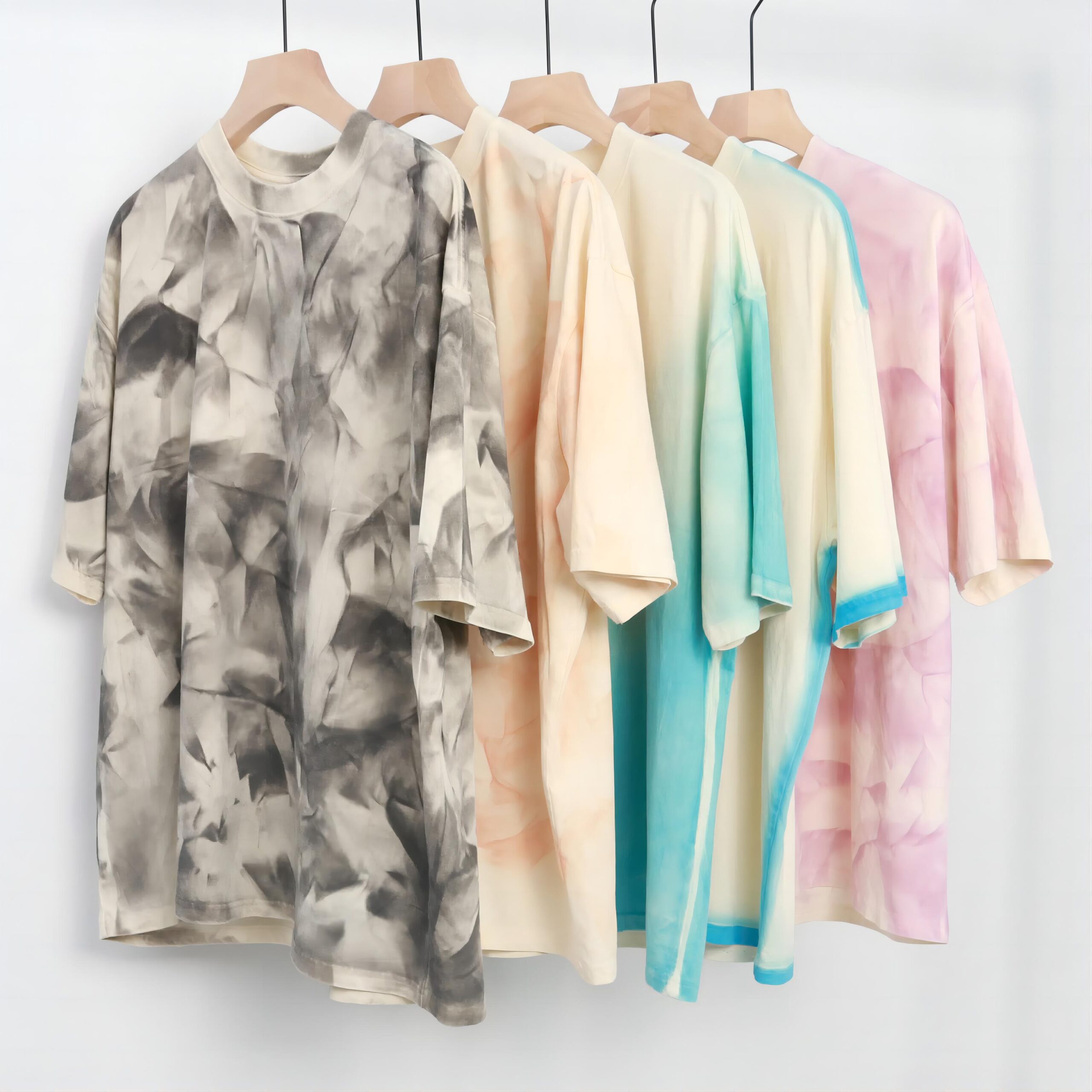
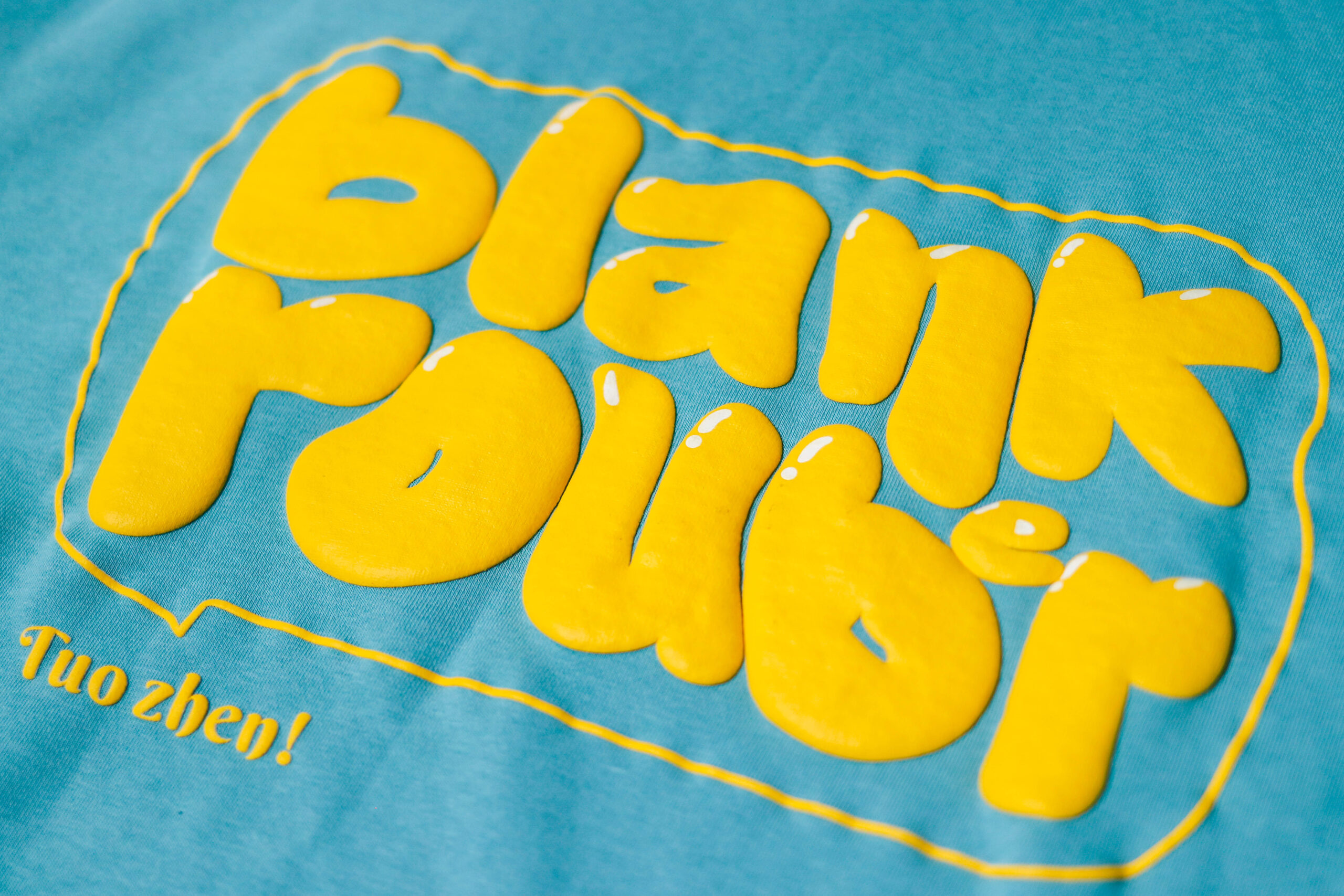
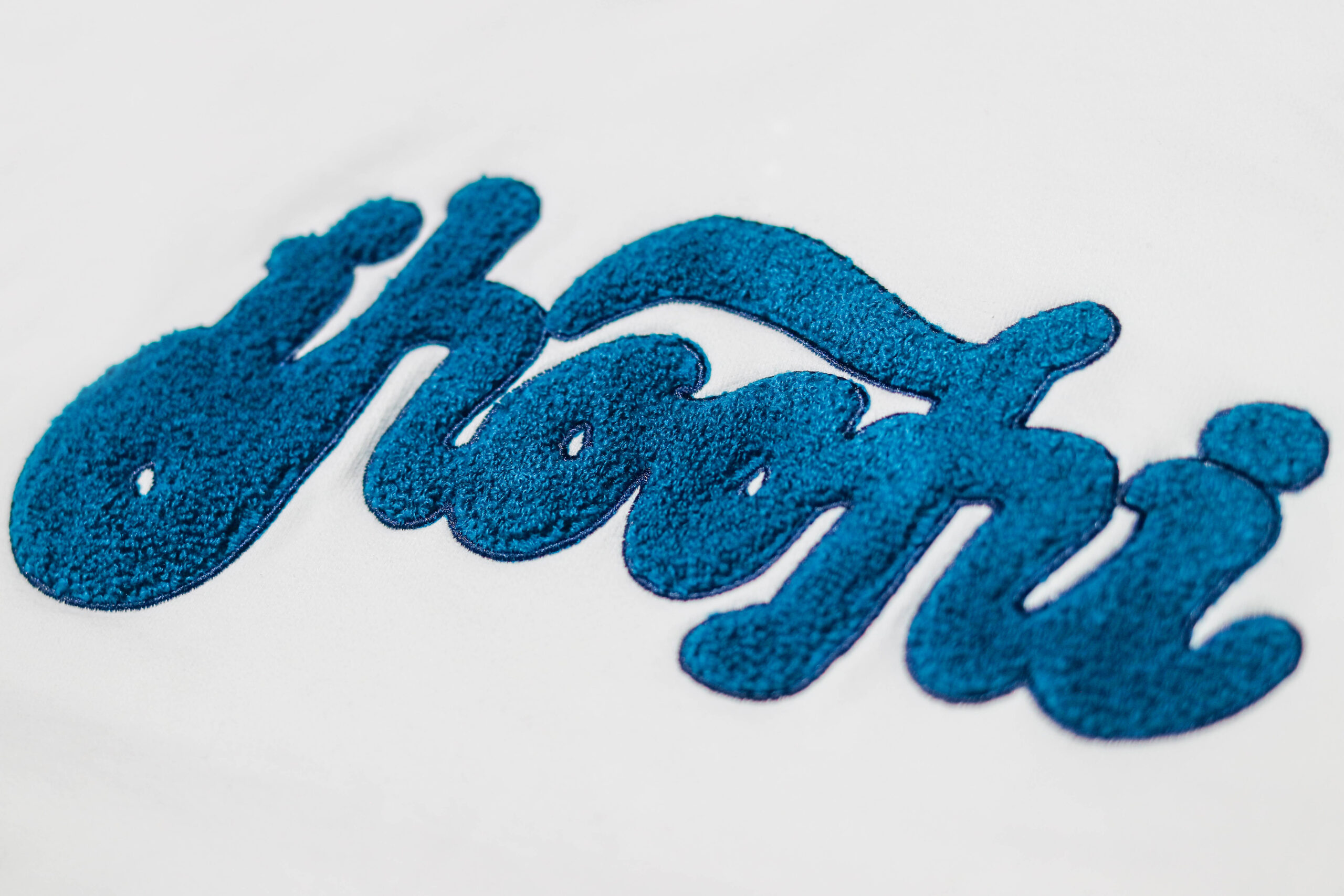
Featured Garments for Eco Wash Development







Garment-Wash Specifications Buyers Can Define
Define the look, handfeel and approval standards needed to carry a wash effect from first sample through repeat bulk production.
Controlled Visual Effects
Specify the intended fade, vintage character, tonal variation and surface appearance so the wash effect supports your collection direction.
Fabric Compatibility Review
Assess fabric weight, fiber content, dye behavior and construction before development to help select a wash approach suitable for the garment.
Handfeel Targets
Align washing with the desired softness, body and worn-in feel while retaining the construction standards required for the finished style.
Approved Sample Standards
Use approved samples, color references and written effect notes to establish a clear visual benchmark for production review.
Repeatable Bulk Control
Coordinate washing with production checks to compare bulk output against the approved standard across a repeatable apparel program.
Integrated Product Development
Combine washing decisions with fabric, trims, decoration and fit development under one accountable OEM, ODM and private-label production path.
Garment Washing and Apparel Manufacturing
Explore product categories where eco wash, finishing, decoration and repeatable production standards can be coordinated within one apparel program.
Custom Hoodies
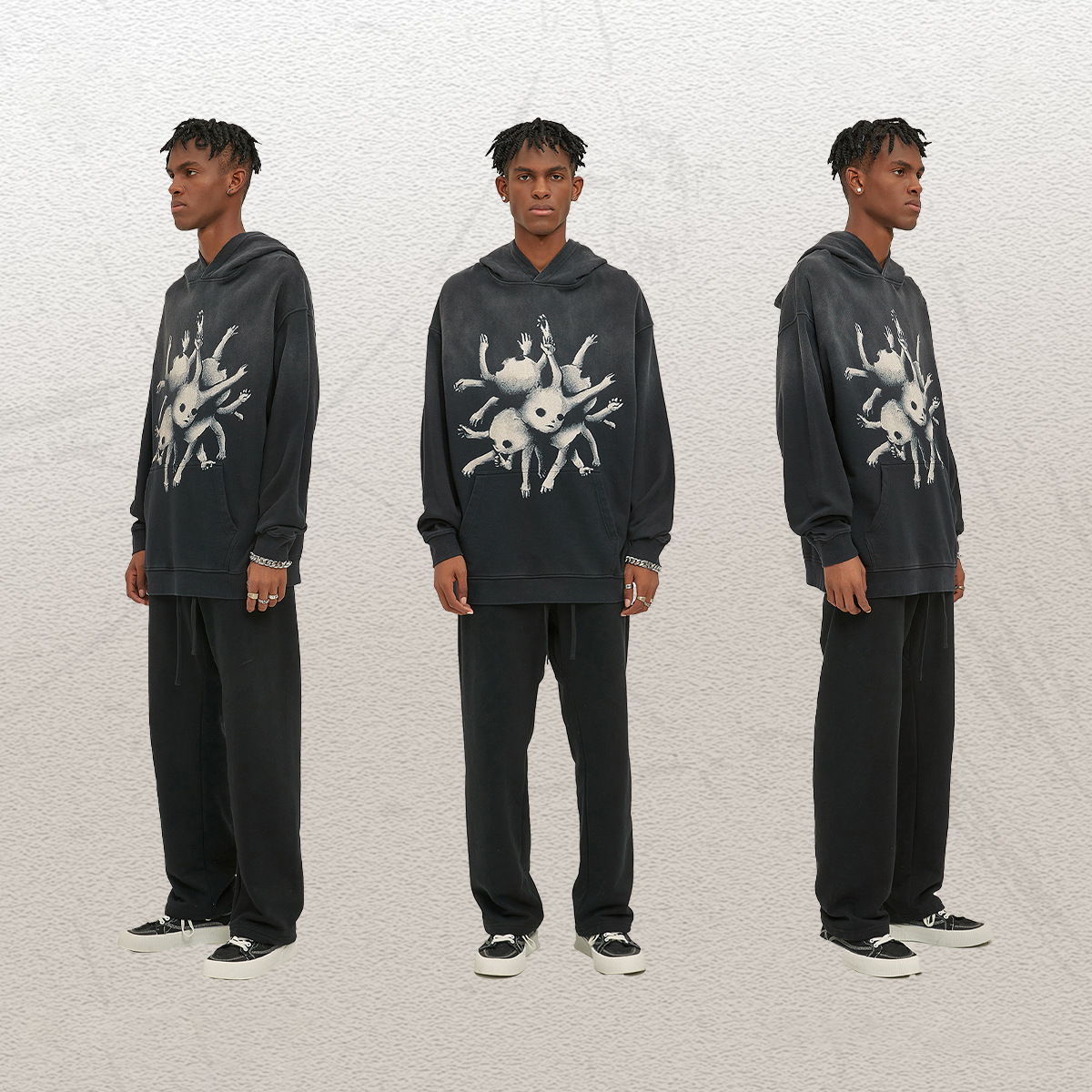
As a custom hoodie manufacturer, EDVORIN develops fleece weight, rib recovery, drawcords, prints and embroidery alongside wash options. Eco wash specifications can be tested during sampling and documented for consistent bulk production across men’s and women’s programs.
Get a Quote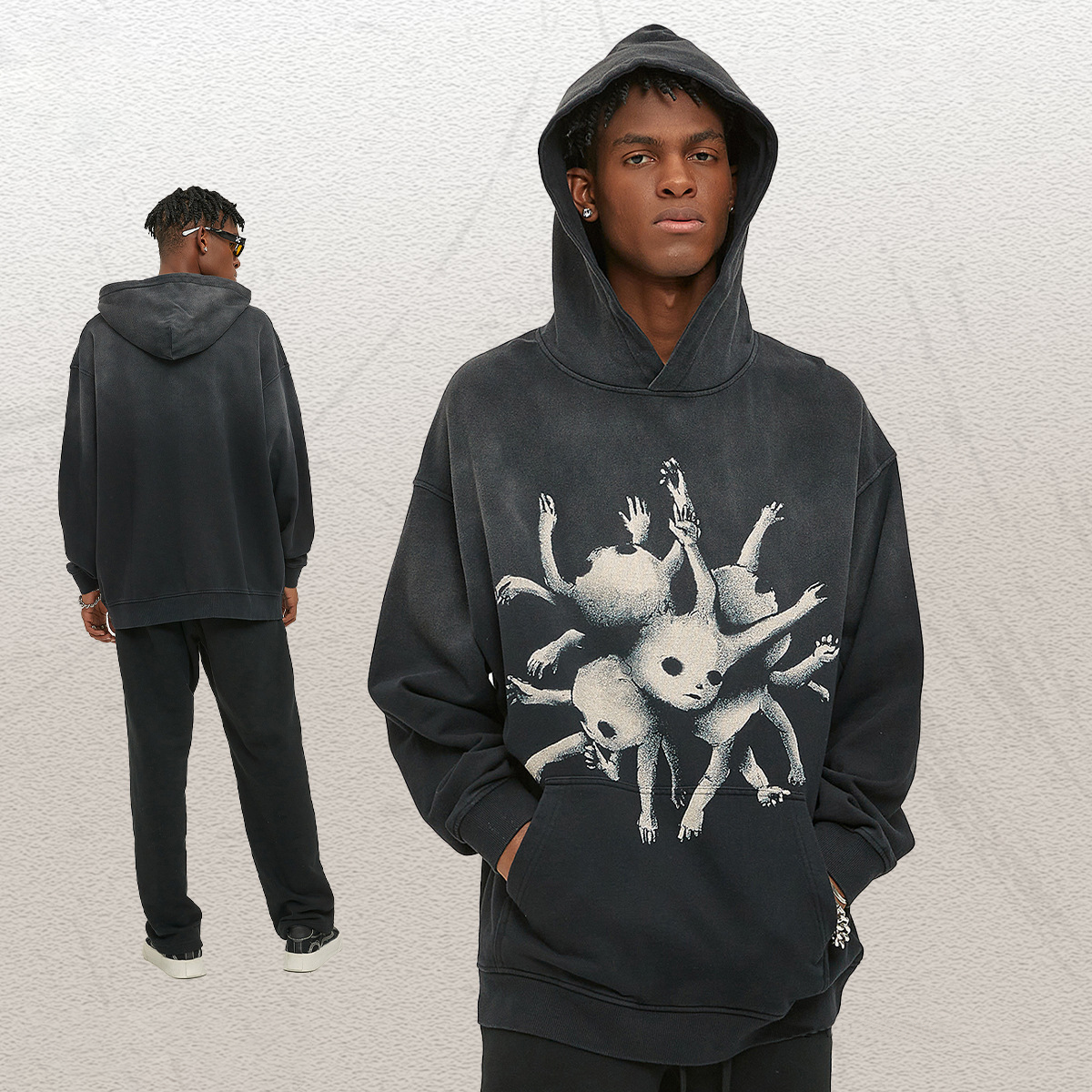
Pullover Sweatshirts
For pullover sweatshirts, fabric selection, neckline construction, cuffs and hem ribs are coordinated with garment washing and finishing requirements. As a sweatshirt manufacturer, EDVORIN tests the approved hand feel, color effect and measurements before bulk production.
Get a Quote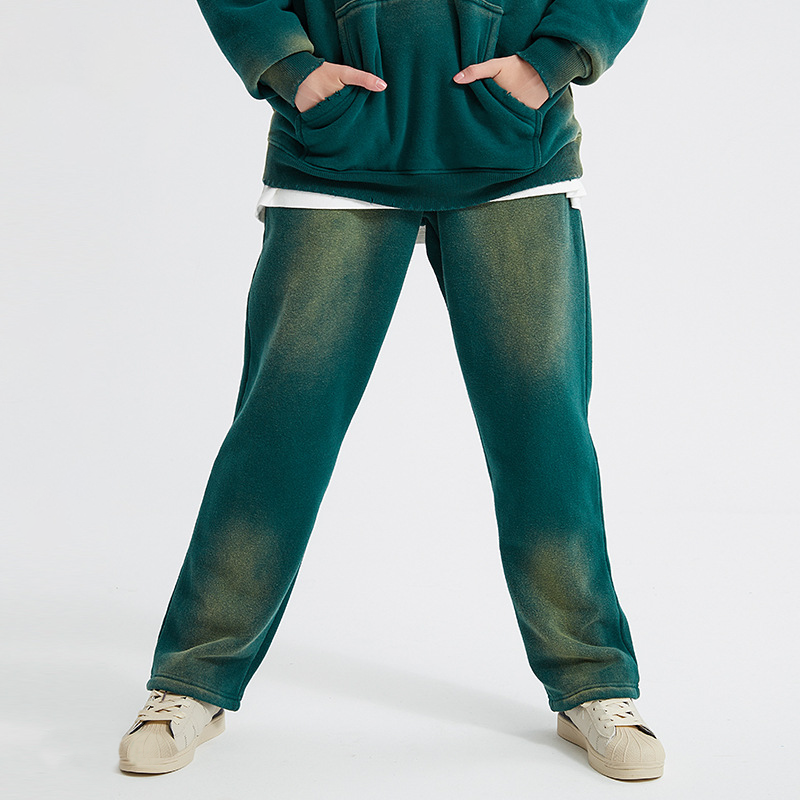
Sweatpants & Joggers
EDVORIN supports sweatpants and joggers with fleece or knit fabric selection, elastic waists, cuffs, pockets and wash development. Eco wash effects are reviewed against shrinkage, color and fit so the approved standard can be repeated in bulk.
Get a Quote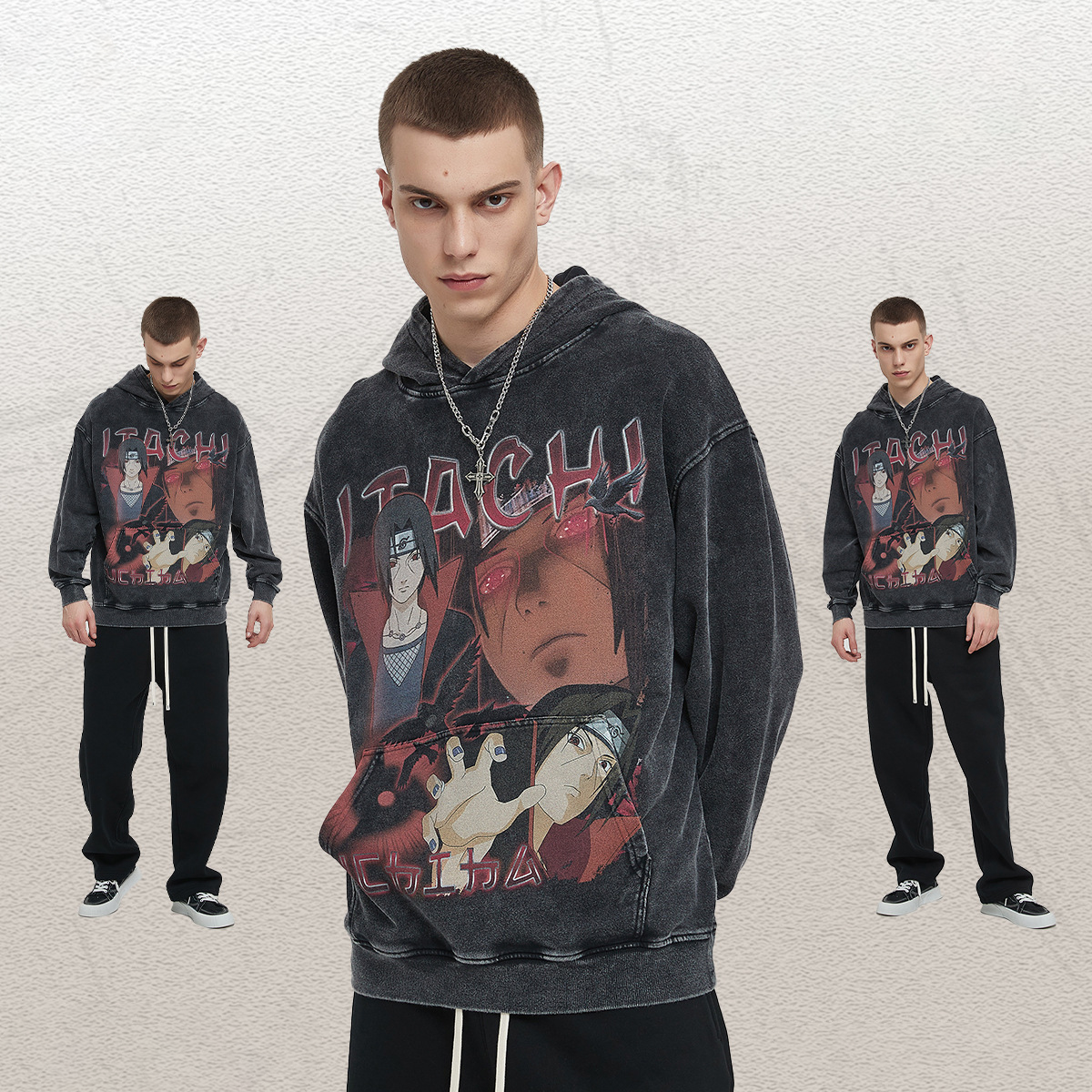
Custom Shorts
Custom shorts programs can combine fabric weight, waistband construction, pockets, graphics and garment finishing. As a custom shorts manufacturer, EDVORIN evaluates eco wash requirements during sampling to confirm color, hand feel and measurement stability.
Get a Quote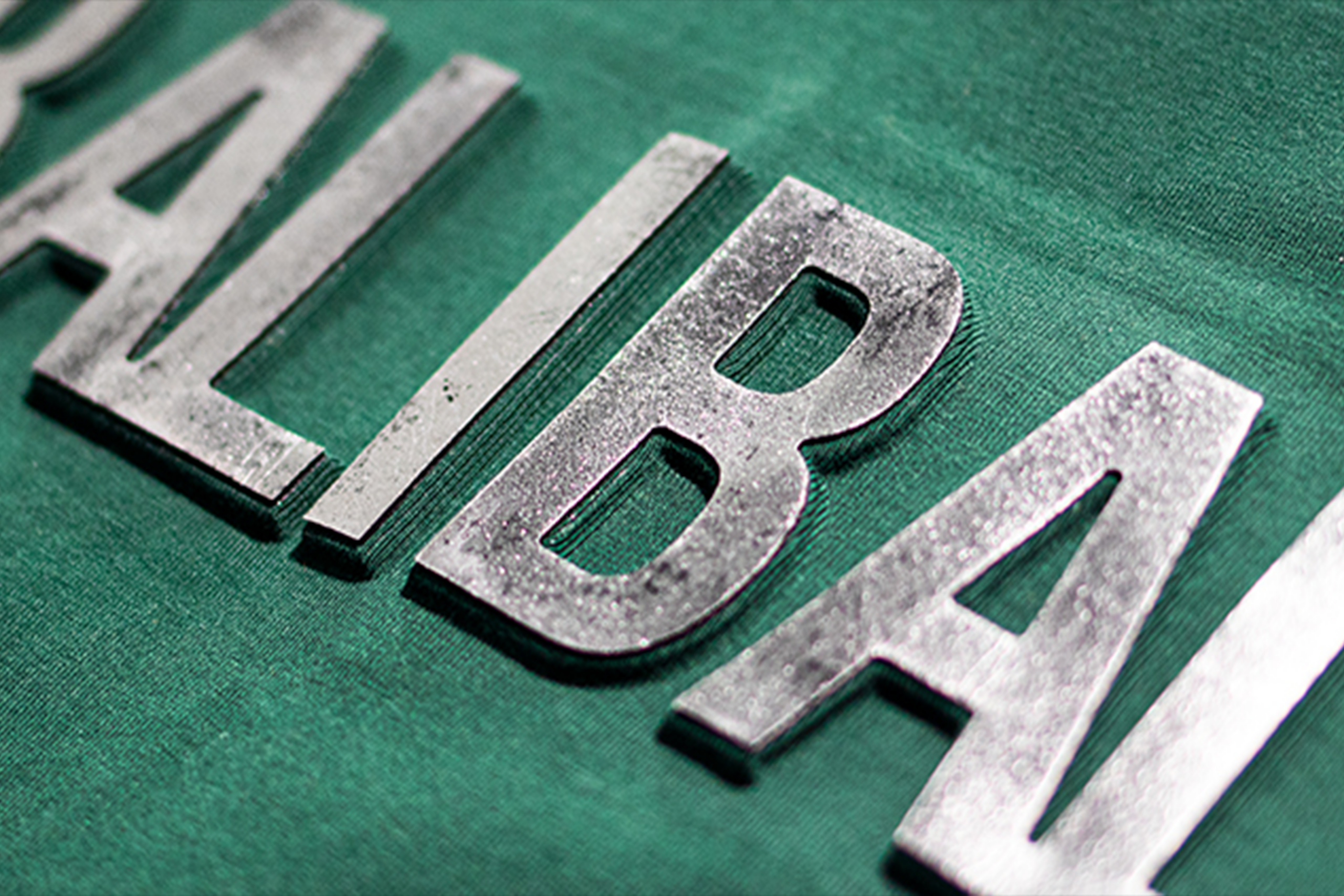
Varsity & Baseball Jackets
Varsity and baseball jackets require coordination of body fabric, sleeves, ribbing, snaps, patches, embroidery and finishing. EDVORIN develops wash-related effects where appropriate while protecting material compatibility and the approved jacket construction.
Get a Quote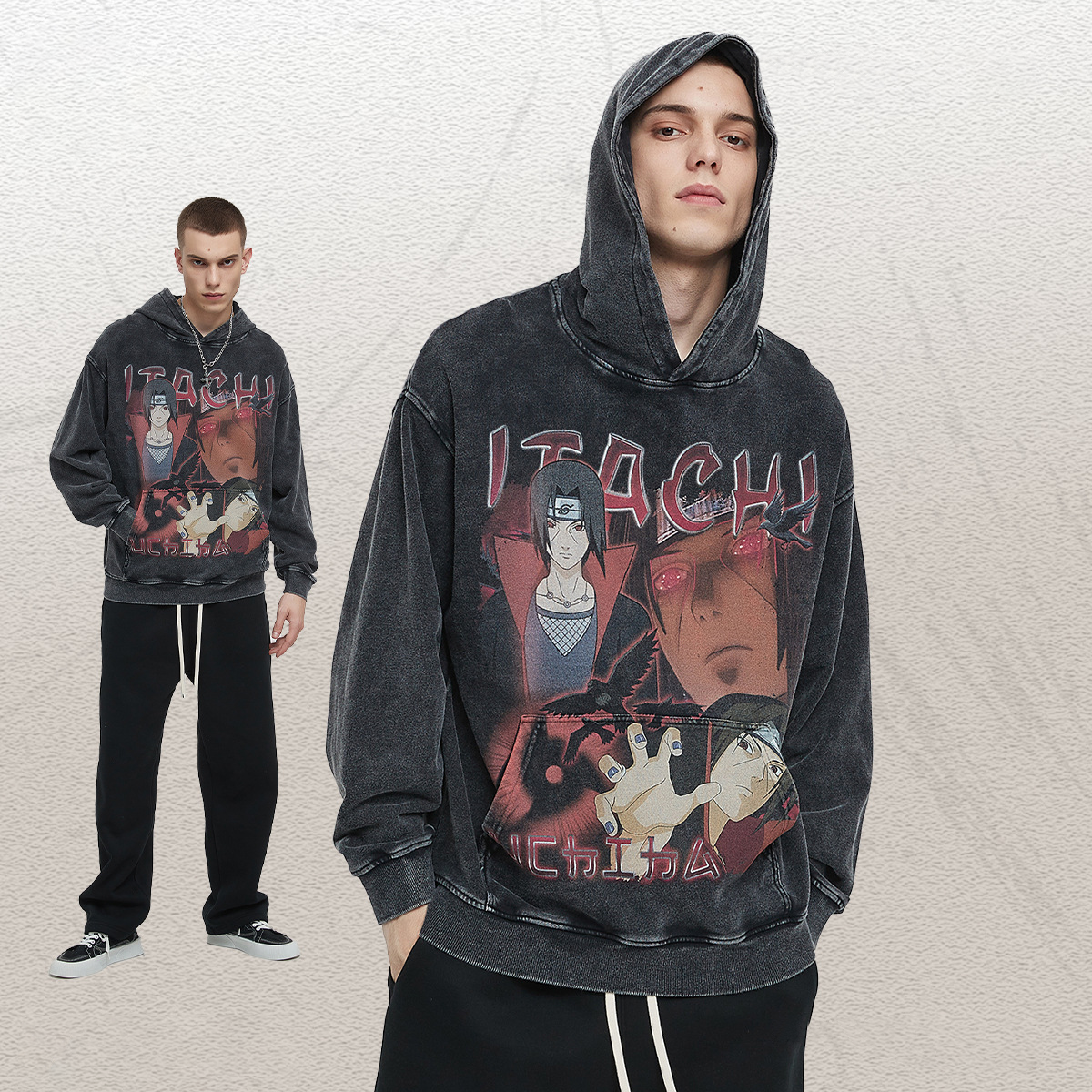
Custom T-Shirts
As a custom T-shirt manufacturer, EDVORIN develops jersey weight, collar construction, fit, print placement and wash specifications together. Eco wash testing helps confirm the intended softening, color character and dimensional stability before production.
Get a Quote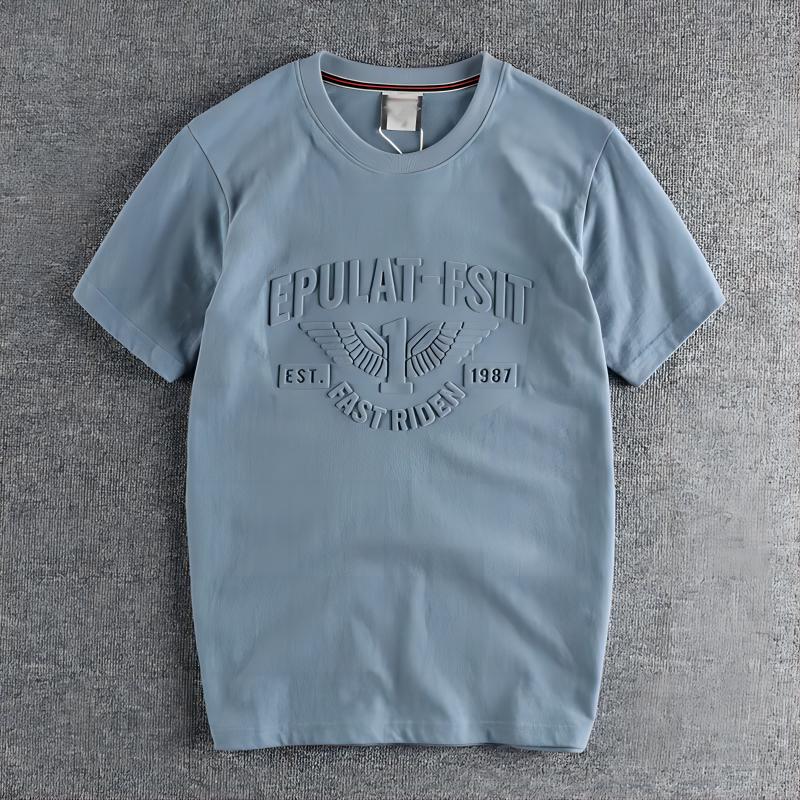
Custom Polo Shirts
Polo shirt development includes piqué or jersey selection, collar and placket construction, buttons, embroidery and finishing. EDVORIN can evaluate wash requirements during sampling while maintaining consistent color, shape and logo presentation in bulk.
Get a Quote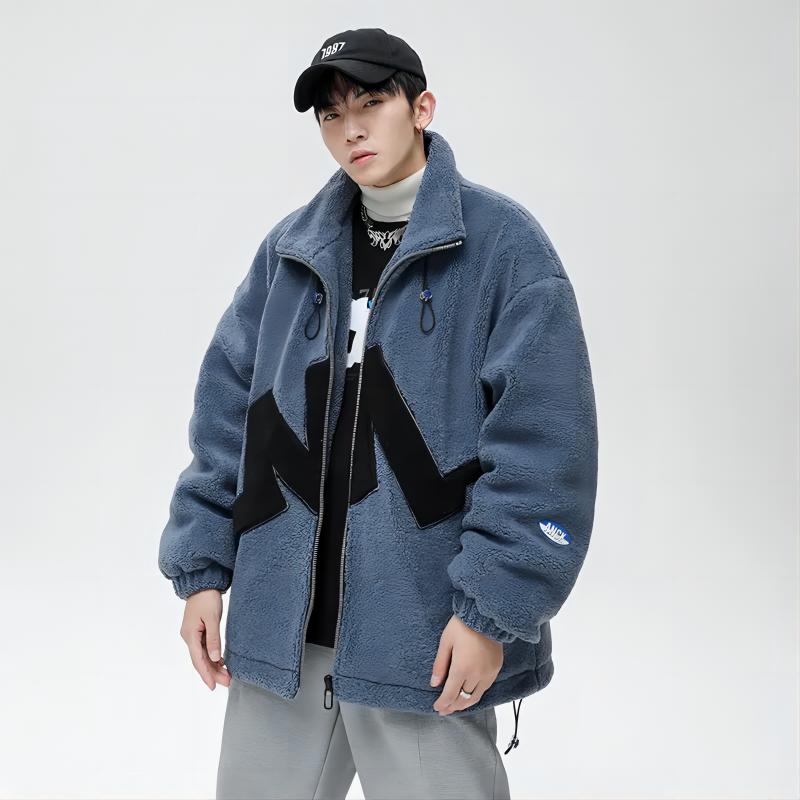
Windbreaker Jackets
Windbreaker programs are developed around shell fabric, lining or mesh, zippers, pocket construction, coatings and decoration. EDVORIN reviews finishing requirements against wind and water performance, avoiding wash processes that compromise the specified fabric treatment.
Get a Quote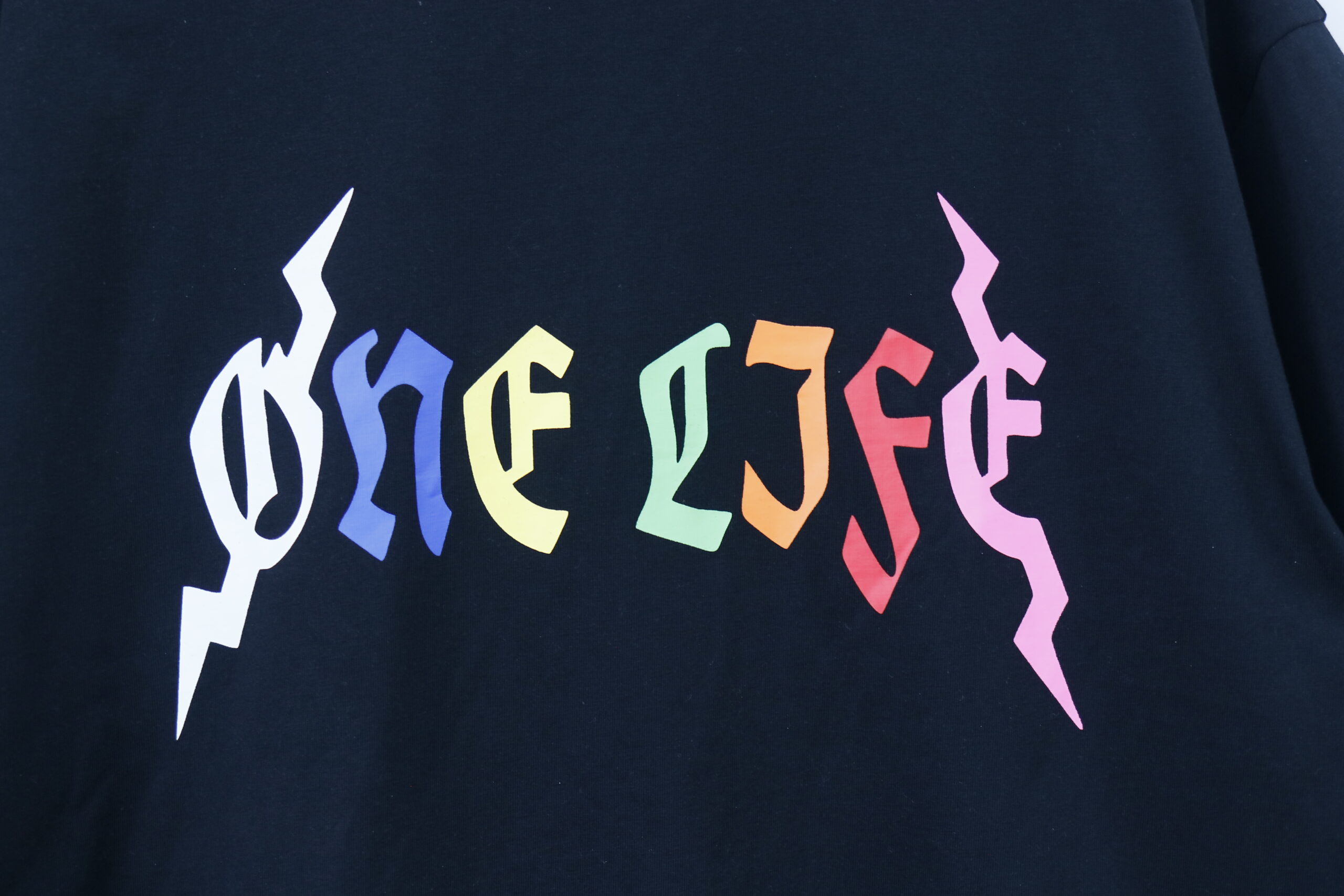
Quilted Jackets
Quilted jackets combine shell, lining, insulation, quilting layout, hardware and finishing in one controlled specification. EDVORIN assesses applicable wash or softening treatments during development to protect fill performance, seam appearance and garment shape.
Get a Quote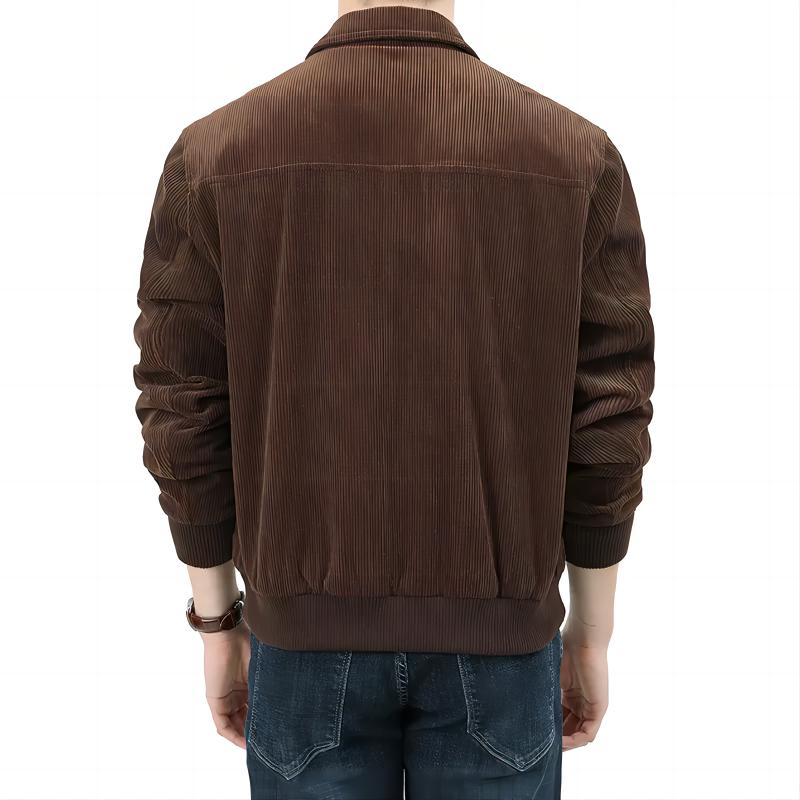
Bomber Jackets
As a bomber jacket manufacturer, EDVORIN coordinates shell material, lining, ribbing, zippers, pockets, embroidery and finishing. Wash development is tested against fabric behavior and hardware compatibility before the approved sample moves to bulk production.
Get a Quote
Custom Shirts
Custom woven shirt programs cover fabric selection, collar and cuff construction, plackets, buttons, pockets and labels. EDVORIN can incorporate wash and finishing requirements while controlling shrinkage, color consistency and fit for repeat orders.
Get a Quote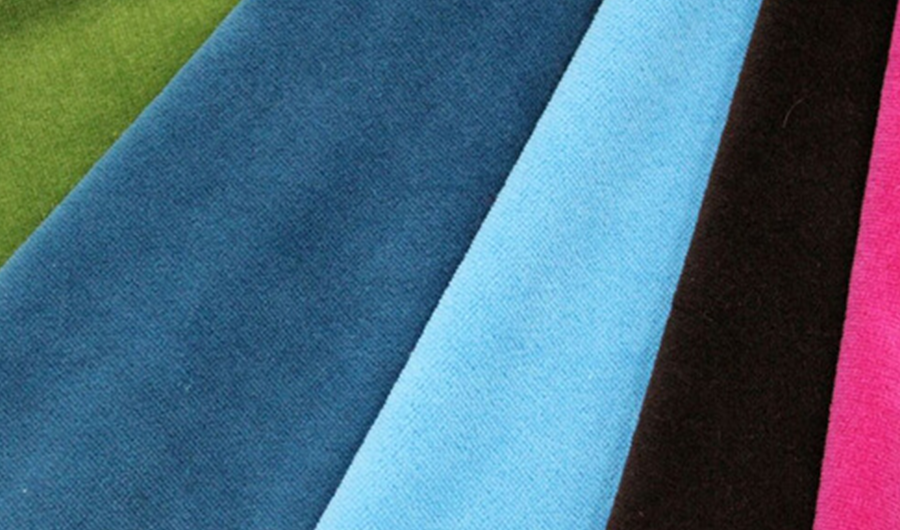
Custom Jerseys
Custom jersey development coordinates breathable fabric, color matching, team graphics, names, numbers and size grading. EDVORIN validates finishing requirements against print or sublimation performance so the approved look remains consistent across full team orders.
Get a Quote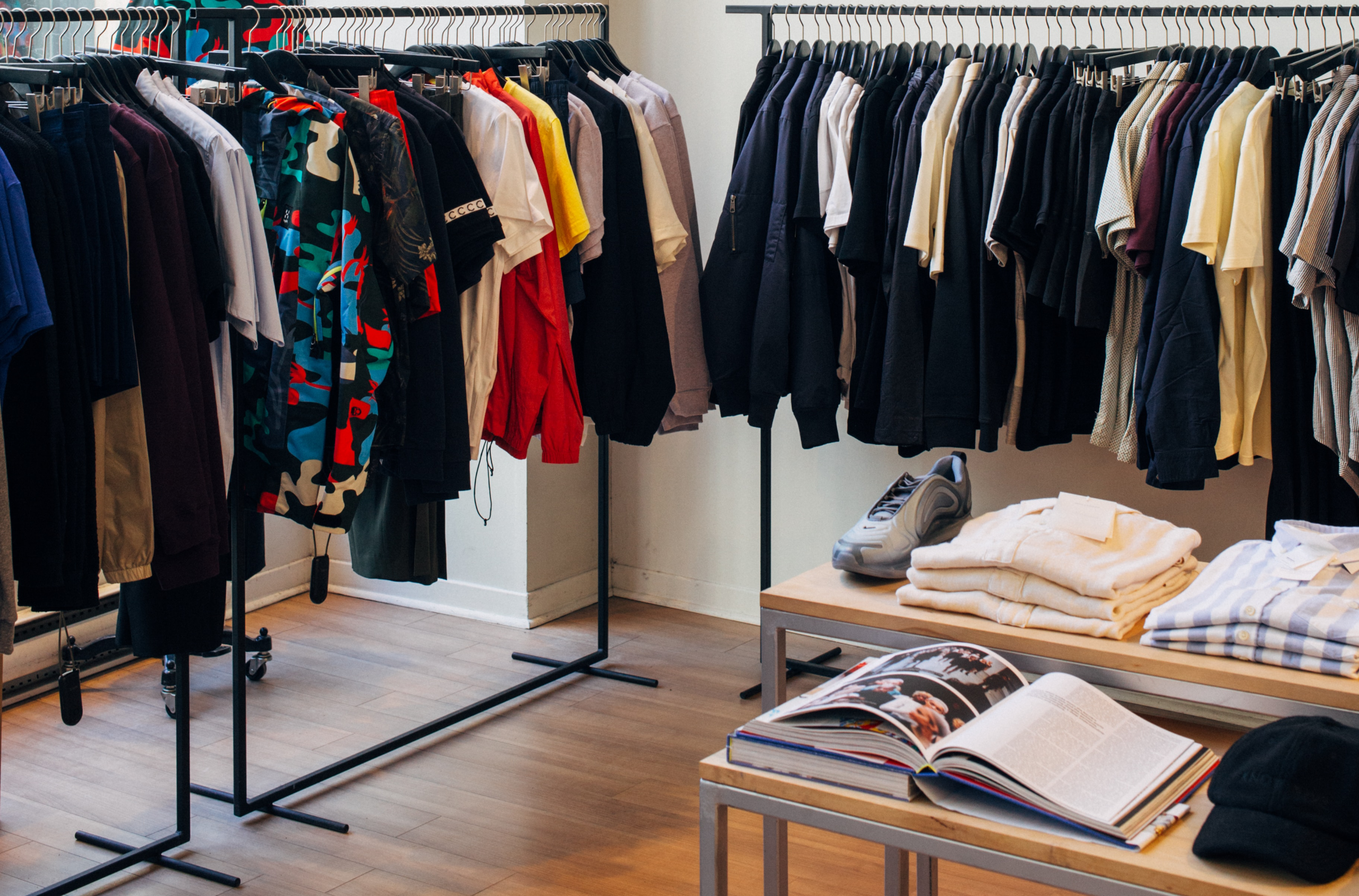
Tank Tops
Tank tops can be developed in jersey, mesh or performance knits with specific armhole, neck binding, print and finishing requirements. EDVORIN tests wash effects with the selected fabric to maintain shape, color and decoration quality in production.
Get a Quote
Soccer Uniforms
Soccer uniform programs require breathable materials, color control, crests, sponsor graphics, names, numbers and coordinated sizing. EDVORIN reviews any wash or finishing specification against performance fabric requirements before confirming the bulk production standard.
Get a Quote
Basketball Uniforms
Basketball uniforms are developed around lightweight performance fabrics, mesh panels, binding, team colors, names and numbers. EDVORIN checks finishing requirements during sampling to ensure they do not affect moisture management, color stability or graphic durability.
Get a Quote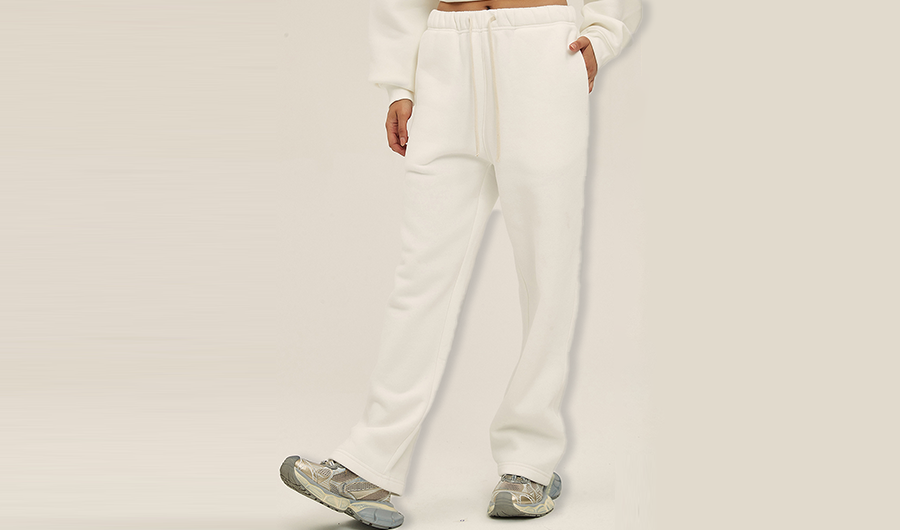
Streetwear Collections
As a streetwear clothing manufacturer, EDVORIN connects hoodies, tees, pants, jackets and shorts through shared fabric, wash, trim and decoration standards. Eco wash effects can be developed across a collection while each style retains its own construction requirements.
Get a QuoteWhy Choose EDVORIN for Eco Garment Washing
EDVORIN is a founder-led eco garment washing manufacturer built on production-floor discipline since 2000. We help fashion, streetwear, teamwear and private-label buyers turn a wash concept into an approved, documented standard that can be reproduced across future orders.
Our connected OEM, ODM, and private-label workflow brings product development, fabric and trim sourcing, pattern work, sampling, decoration, washing, bulk production, labeling, and packaging into one accountable path. Men’s and women’s development is available across every listed product category, with MOQs starting at 200 pieces per style.
What makes EDVORIN different is control after sample approval. We coordinate wash specifications with garment construction and artwork, record approved references, and use in-line and final checks to protect consistency from sample to packed order. ISO 9001, BSCI, WRAP, SEDEX, OEKO-TEX Standard 100, GRS and GOTS certification programs support qualified production requirements.

From Approved Sample to Controlled Bulk Production
Wash Specification Alignment
EDVORIN translates the approved wash direction into a production-ready standard, aligning garment color, contrast, handfeel, abrasion zones, and construction details before bulk work begins. This gives buyers a clear reference for repeat orders.
- Documented wash appearance and hand-feel targets
- Placement references for fading and abrasion effects
- Trim, print and embroidery compatibility review
- Clear revision tracking through sample approval
Fabric Response Testing
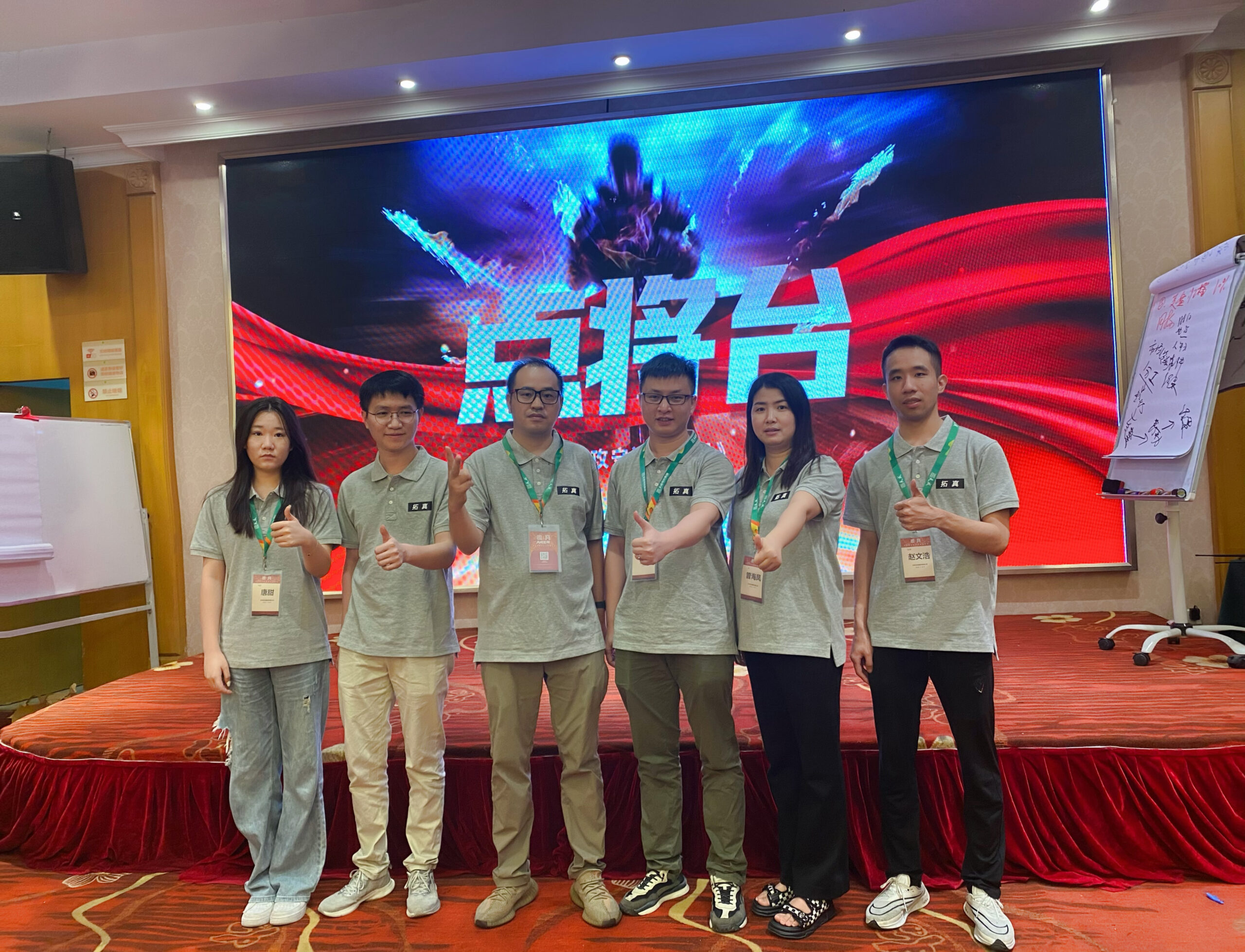
EDVORIN reviews how the chosen fabric, dye, rib, seams, and decoration respond to the intended finish. Sample development helps identify changes in shade, shrinkage, surface character, and garment shape before the standard moves into production.
- Fabric and dye behavior assessed during development
- Shrinkage and measurement change considered early
- Seam, rib and hardware response reviewed
- Decoration evaluated alongside the wash finish
Approved Sample, Controlled Bulk
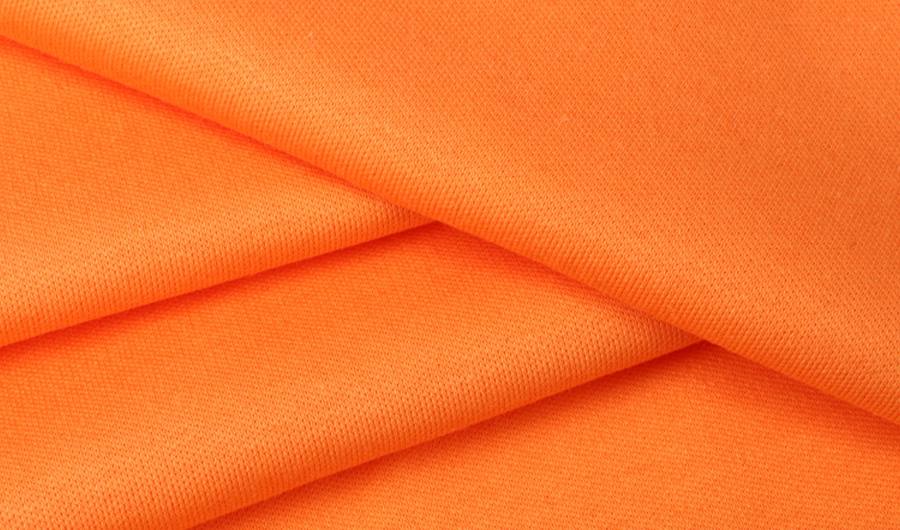
An approved sample becomes the working benchmark for bulk production, not simply a presentation piece. EDVORIN coordinates material, pattern, washing, decoration and inspection against that reference so the finished order remains aligned with the buyer’s intended result.
- Approved sample used as the bulk reference
- In-line checks support consistent execution
- Measurements and visual standards reviewed
- Final inspection completed before packing
Garment-Wash Approaches: Controlled Finishing vs. Stone Washing
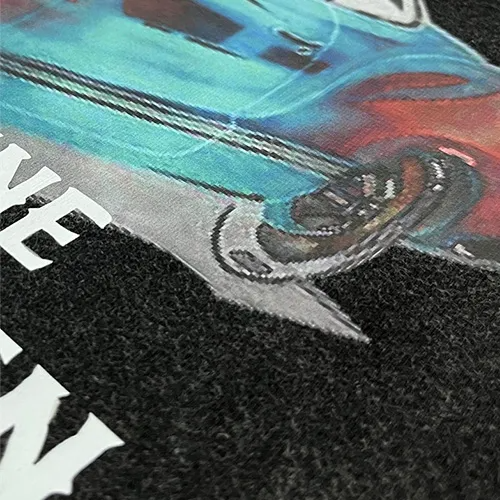
Compare controlled garment-wash finishing with stone washing by garment compatibility, effect control, decoration planning, and finishing options before sampling.
← Swipe left or right to view →
Our Eco Garment Washing Production Process
EDVORIN turns approved wash direction into controlled, repeatable production standards for fashion, streetwear and teamwear programs.
Define the Wash Brief
We review the target fade, hand feel, color tone, placement and garment category, then align fabric, trims and construction requirements before sampling begins.
Prepare Garment Standards
Patterns, base garments, labels and decoration details are checked for wash compatibility, so the intended effect does not compromise fit, placement or component performance.
Develop Test Samples
Sample washes are evaluated against the approved visual direction, with revisions recorded for tone, texture, shrinkage, measurements and overall garment character before buyer approval.
Control Washing and Finishing
Approved parameters guide washing, drying and finishing, while production teams monitor consistency across garments and coordinate corrective action when variation appears during the run.
Inspect and Release Bulk
Finished pieces are checked against approved standards for wash appearance, measurements, construction and packing readiness before bulk release for your next production step.
How to Order from an Eco Garment Washing Manufacturer
Move from wash concept to bulk-ready apparel with clear specifications, reviewed samples, and controlled approvals.
Share Your Garment Brief
Send your tech pack, reference garment, fabric direction, target wash effect, decoration details, size range, and intended order quantity for an initial production review.
Approve Wash and Construction
Review development samples for garment construction, handfeel, color, wash character, measurements, and artwork placement; document approved revisions before bulk production begins.
Confirm Your Bulk Program
Confirm final specifications, packaging, labeling, and delivery requirements. EDVORIN supports eco garment washing programs from 200 pieces per style with sample-to-bulk quality control.
Buyer Results from Eco Garment Washing Programs
EDVORIN matched our approved vintage wash across a 1,200-piece hoodie reorder. The handfeel and fade level stayed consistent from the size set through final delivery, which let us launch the second drop on schedule.
We needed a washed teamwear capsule that still held clear embroidery and print placement. After two sample revisions, EDVORIN delivered 680 units with the approved look and packed every club size range correctly for our event date.
Our private-label jogger program moved from a reference garment to bulk without losing the subtle washed finish we approved. The 900-piece order arrived on time, and the repeat sample for the next colorway matched our original standard closely.
Eco Garment Washing Manufacturer FAQ
Practical guidance for specifying wash effects, protecting decoration, and moving from sample approval to repeatable bulk production.
What fabrics can an eco garment washing manufacturer wash?
What wash effects can you develop for hoodies, T-shirts, and sweatpants?
Can washing be combined with embroidery, patches, or printing?
Will the wash effect stay consistent from the sample to bulk production?
What is the MOQ for custom eco garment washing?
What do I need to send for an eco garment washing sample?
How should I prepare artwork and wash specifications for production?
Complete Guide to Choosing an eco garment washing manufacturer
Use this decision framework to compare wash processes, fabrics, customization, quality controls, supplier transparency, and commercial terms—so your team can source confidently, validate environmental claims, and avoid costly production mistakes.
1. What Is an eco garment washing manufacturer?
EDVORIN’s MOQ starts at 200 pieces per style. 200 MOQ programs need an eco garment washing manufacturer that treats washing as a controlled post-construction production stage, not a cosmetic add-on. The wash can soften hand feel, alter shade and surface character, and reveal or stabilize shrinkage before final measurement approval.
4 records should accompany the approved wash standard: fabric composition and garment weight, wash recipe and load parameters, target color reference, and before/after measurement tolerances. For private-label work, the partner should also align patterns, trims, decoration compatibility, labeling, and bulk inspection with that standard.
OEKO-TEX, GOTS, GRS, WRAP, and BSCI address different material, chemical, or social scopes; none alone proves a specific wash is lower impact. A credible claim identifies the chosen process, inputs, wastewater controls, test results, and the comparison basis instead of relying on ‘eco’ language alone.
2. Evolution of Eco Garment Washing
1960s–1990s denim and casualwear finishing commonly relied on pumice abrasion, bleach, potassium permanganate and repeated wet cycles to create faded, worn surfaces. Those methods can deliver a familiar look, but they may also increase water handling, chemical controls, energy demand and exposure-management requirements.
2026 sourcing decisions increasingly compare the wash recipe and production record with the visual target: water and energy inputs, chemical inventory, worker-protection controls, batch repeatability and traceability. An eco garment washing manufacturer should translate the approved sample into documented parameters—fabric lot, garment load, time, temperature and dosage—so results can be reproduced in bulk.
1 legacy name, such as stone wash, acid wash or enzyme wash, is not environmental proof by itself. Buyers should request process-specific evidence and applicable certification or test documentation; OEKO-TEX addresses chemical safety, while social audits such as WRAP or BSCI address different compliance questions.
3. Types of eco garment washing manufacturer Processes
An eco garment washing manufacturer should match the finish to the garment and document the inputs, outputs, and repeatability before bulk approval. Process names alone do not prove lower impact.
Enzyme Washing
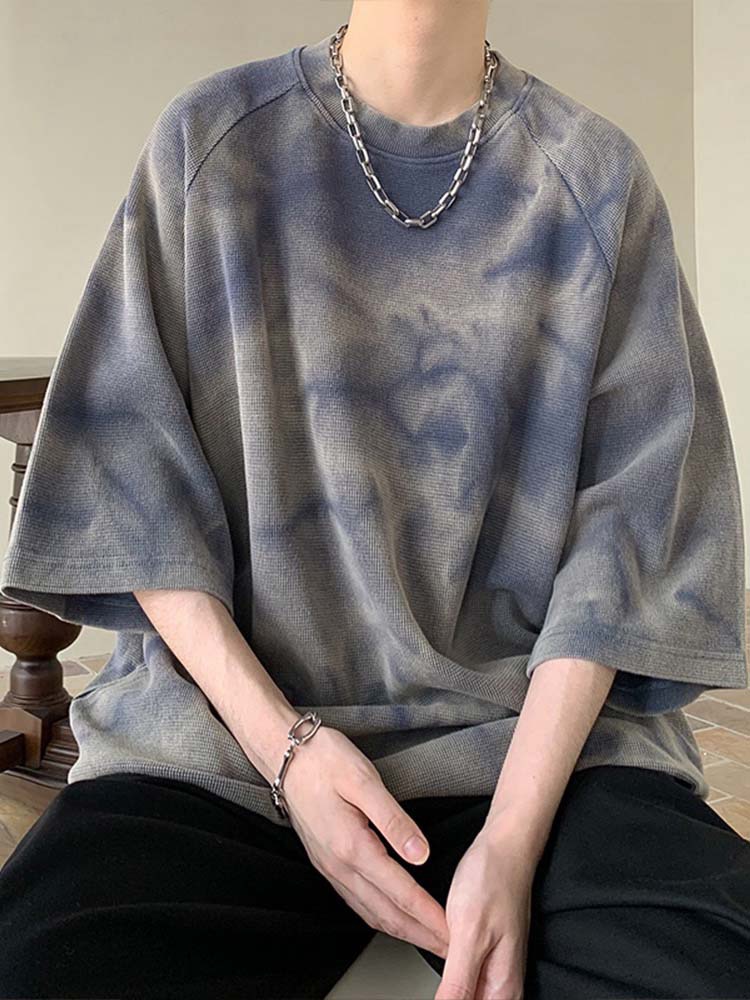
Enzymes soften cotton and create a cleaner worn hand for fleece, French terry, and jersey. Request chemical SDSs, dosage records, and approved wash panels; results can vary with fiber blend and fabric weight.
Ozone Finishing
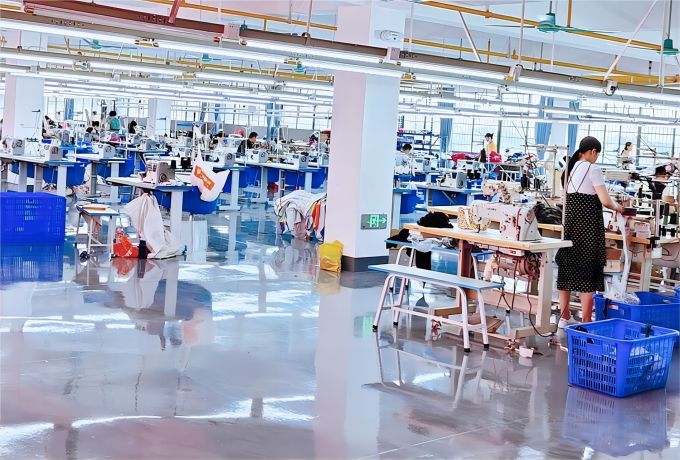
Ozone can fade indigo or reduce odor on denim and cotton twill with limited wet processing. Request machine logs, wash recipes, shade bands, and wastewater data; uneven fading raises approval and rework risk.
Laser And Spray Effects
Laser creates localized whiskers or abrasion marks, while spray targets tint or bleach effects. Request artwork files, placement tolerances, exposure settings, and chemical records; setup costs favor repeatable volume programs.
Recycled Abrasion Media
Recycled stones or synthetic media produce abrasion on denim, canvas, and heavyweight twill. Request media specifications, reuse-cycle records, dust controls, and comparison samples; texture is less uniform than laser.
4. Fabrics for eco garment washing manufacturer Projects
100% cotton, fiber maturity, knit structure, GSM, dye class and trims determine both shade loss and dimensional change. An eco garment washing manufacturer should approve a wash trial from every incoming fabric lot before cutting.
| Fabric | Wash Compatibility | Likely Effects | Risk Points | Best Uses |
|---|---|---|---|---|
| Organic/conventional cotton | High | Softening, fade | Shrinkage, shade variation | Tees, hoodies |
| Recycled cotton blend | Medium | Texture, muted fade | Pilling, weak strength | Sweats, casualwear |
| Recycled polyester blend | Medium | Stable dimensions | Uneven fading, heat damage | Joggers, teamwear |
| Denim | High | Contrast, abrasion | Back staining, crocking | Jeans, jackets |
| Fleece/jersey | Medium | Soft hand | Torquing, rib loss | Hoodies, tees |
| Performance fabric | Low–medium | Limited visual change | Coating and stretch loss | Training apparel |
Cotton And Recycled Blends
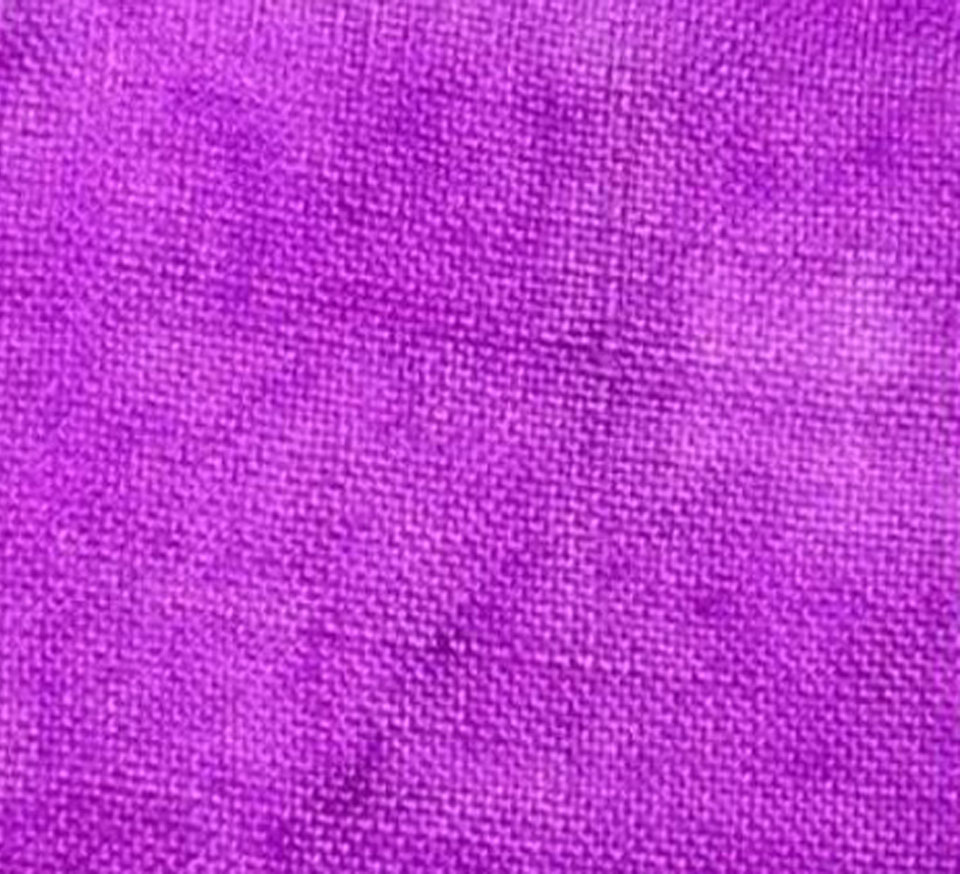
280–420 GSM organic or conventional cotton fleece can develop softer hand and controlled fading; recycled-cotton blends may show more surface variation.
5–20% recycled polyester improves stability, but polyester-rich blends resist vintage abrasion and can retain contrast dye.
Construction, Dye, And Trims
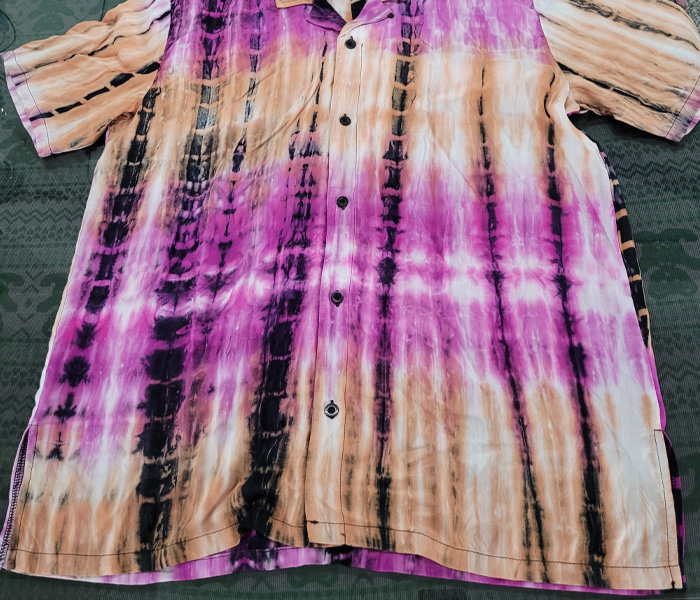
10–14 oz denim tolerates contrast washing well, while 160–220 GSM jersey can torque or shrink. Reactive-dyed cotton and indigo denim require separate colorfastness and crocking trials.
1 sample set should include YKK hardware, drawcords, labels and prints; metal oxidation, rib recovery and decoration adhesion must be checked after washing.
5. Customization and Decoration After Washing
A 200-piece program needs wash sequencing locked before artwork release. Garment dyeing and distressing can shift shade, surface texture, and placement appearance after decoration.
| Element | Typical Sequence | Key Risk |
|---|---|---|
| Garment dye | Before decoration | Shade variation |
| Screen print | After washing | Cracking or poor opacity |
| Embroidery | Usually after washing | Puckering |
| Heat transfer | After washing | Adhesive lift |
| Packaging | After final inspection | Finish contamination |
Sequence Decoration Work
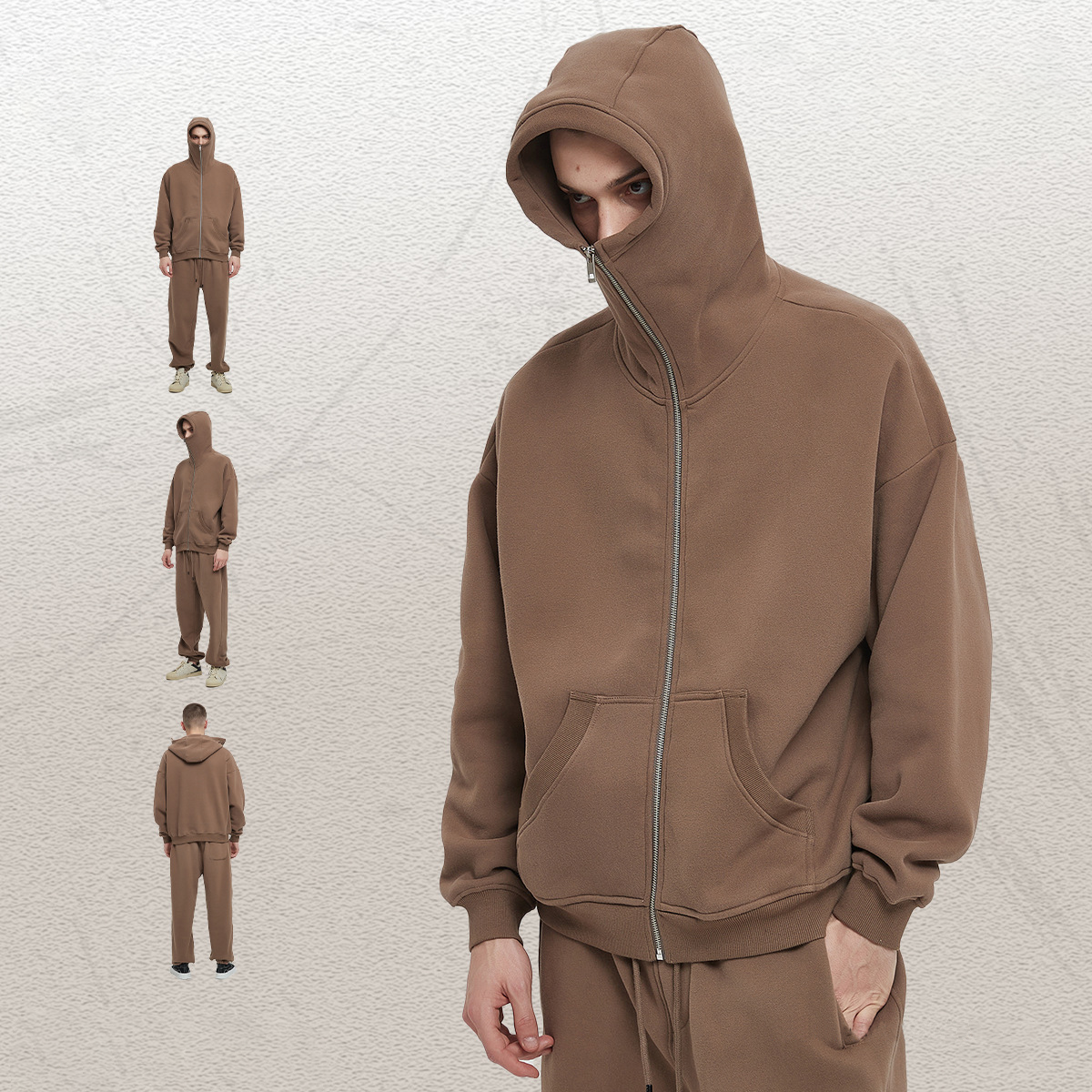
Screen prints are normally applied after washing to protect opacity and registration. Embroidery, patches, labels, and heat transfers require wash testing when abrasion, puckering, or adhesive lift is possible.
Approve Production Standards
Two approvals—final artwork and a washed decorated sample—should precede bulk cutting. Pantone references, placement points, stitch density, and wash-intensity targets belong on the approved production record.
Match Program Requirements
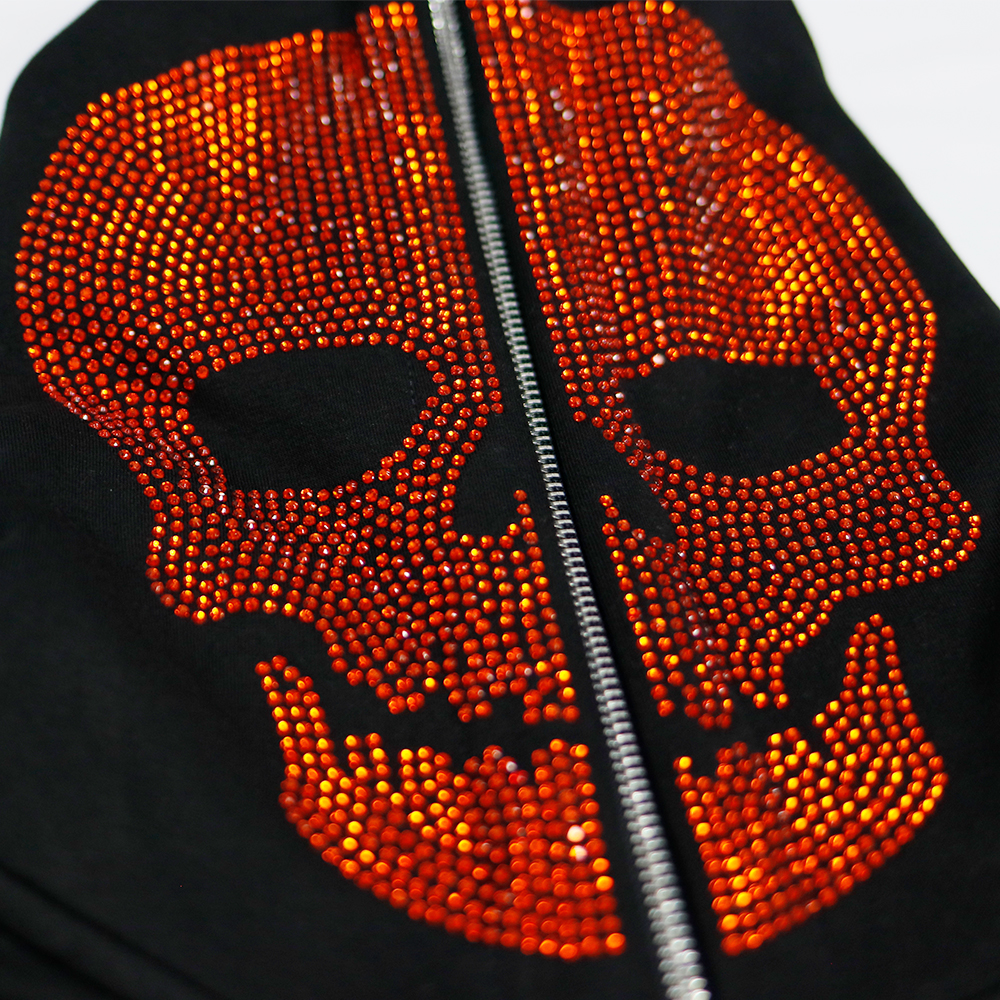
Team and school programs need durable names, numbers, and repeatable color. Streetwear and private-label collections can sequence garment dyeing, distressing, woven labels, and branded packaging around the approved finish.
6. Construction and Wash Quality Controls
Washed garments need controls that protect construction after abrasion, moisture, and tumble drying. An eco garment washing manufacturer should convert the approved wash effect into measurable acceptance limits before bulk cutting.
Seams And Stress Points
3-thread overlock seams need compatible thread, stitch density, and balanced tension; ring-spun cotton fleece often needs different settings than open-end jersey. Bartacks should reinforce pocket corners, fly ends, drawcord exits, and high-pull trim points, while snaps, zippers, and labels require post-wash security checks.
Dimensional And Surface Stability
5% shrinkage, skew, or torque can materially change fit, so buyers should state garment measurements and tolerances after the agreed wash and drying method. Test color migration, pilling, seam puckering, and wash-to-wash shade consistency against an approved control sample.
Four Production Checkpoints
1 approved sample should record measurements, handfeel, color, trim function, and wash recipe. A pilot run, in-line checks, and final inspection should compare production pieces with that standard before packing.
- Sample: confirm construction and post-wash measurements.
- Pilot run: validate repeatability before full production.
- In-line: inspect seams, bartacks, pockets, and trim.
- Final: audit appearance, measurements, pilling, and packing.
7. How to Choose an eco garment washing manufacturer
Two comparable quotes are more useful than a low headline price: evaluate the same garment, wash target, quantity, and delivery term. An eco garment washing manufacturer should document what it can repeat in bulk.
Match Product And Scale
EDVORIN’s MOQ starts at 200 pieces per style. 200-piece MOQ suitability matters only if the factory can run your fabric, construction, and wash consistently. Ask which similar products it has sampled and its monthly capacity.
- What MOQ applies per color and wash?
- Is washing in-house or subcontracted?
- What capacity is reserved for repeat orders?
Verify Evidence And Controls
Three records provide a useful baseline: restricted-substance test scope, wastewater documentation where applicable, and current audit or certificate numbers. Verify validity directly with the issuing scheme.
- Request sample test reports
- Request corrective-action examples
- Confirm subcontractor disclosure
Test Communication And Delivery
One sample cycle reveals more than a capability deck. Send wash references, measurements, artwork placement, and acceptance limits; require revision notes, a critical-path lead time, and shipping handoff details.
- Who approves wash standards?
- When are in-line checks performed?
- How are defects contained and replaced?
8. Common Eco Washing Sourcing Mistakes
Eight sourcing errors recur when an eco garment washing manufacturer receives an incomplete standard. Each turns a manageable development question into rework, claims risk, delayed delivery, or an inconsistent bulk order.
Treat Names As Proof
A wash called eco, enzyme, or ozone does not document impact. The commercial consequence is an unsupported product claim; request process inputs, wastewater handling, and applicable certification scope before approving copy.
Test Materials And Trims
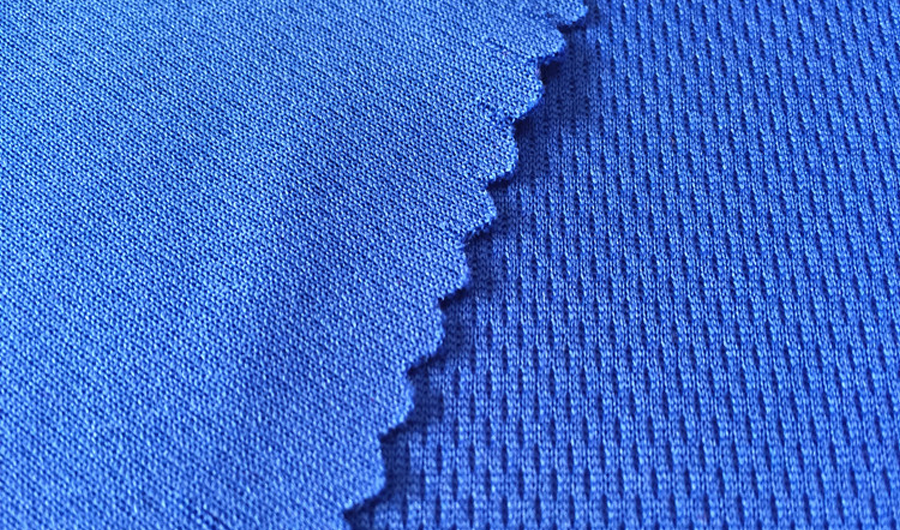
One sample can conceal shrinkage, seam torque, zipper corrosion, or rib distortion after washing. Test the exact fabric, thread, labels, drawcords, hardware, and decoration, then record pass/fail criteria before bulk.
Approve Physical Standards
Three photos cannot reliably show handfeel, shade, abrasion, or placement change. Approve a retained physical standard and define acceptable batch variation, including shade band, measurements, and wash appearance.
Align Effect, Decoration, And Quote
Two incompatible requests—heavy abrasion with delicate prints, for example—can cause cracking or weak adhesion. Confirm wash-versus-decoration sequence, define tolerances, and compare quotes only after scope aligns on fabric, effects, testing, packing, and quantity.
9. Launching an Eco-Washed Apparel Program
A 200-piece pilot can reveal whether an eco-washed concept survives repeat production before a wider launch. EDVORIN can align the target wearer, channel, price target, and desired visual character in one product brief.
Lock The Development Standard
One tech pack should assign ownership for measurements, Pantone references, construction, trims, labels, and packaging. The buyer approves the fit block; the manufacturer records revision dates and the approved fabric specification.
Three fabric trials can compare shrinkage, surface response, and handfeel before a wash direction is selected. Retain mill documents, composition records, and the final wash recipe as the repeat-order baseline.
Approve Wash And Wear
One lab dip or wash strike-off should be reviewed under agreed lighting against the approved target. Confirm shade, abrasion, seam torque, print compatibility, and measurement change after washing.
Two wear-test cycles help expose pilling, color transfer, recovery, and comfort issues that a table review misses. Record test conditions, garment size, findings, and the corrective decision.
Control Bulk And Delivery
One pre-production sample is the release gate for bulk cutting, decoration, washing, and packing. EDVORIN can monitor against sealed references, measurement tolerances, approved placement files, and wash appearance standards.
Each shipment file should retain inspection results, carton counts, lot identification, and approved communication language. Those records let buyers repeat a proven program without making unsupported environmental claims.
10. Eco Garment Washing Pricing and Costs
200 pieces is a useful first quote tier: spread one-time pattern, sample, and wash-development costs across the run before comparing unit costs. Request separate line items so a lower garment price does not hide finishing, testing, or packing charges.
6 variables drive the final landed cost: fabric weight and fiber content, wash effect complexity, decoration, colorways, test requirements, and Incoterms. An eco garment washing manufacturer should quote from an approved specification, quantity breakdown, destination, and target delivery window.
| Quote component | Lower-complexity plan | Higher-complexity plan | Cost effect |
|---|---|---|---|
| Base garment | Standard knit, one color | Heavier fabric, custom trims | Material and sewing rise |
| Wash process | Single enzyme or softener wash | Multiple effects or contrast finish | Development and processing rise |
| Decoration | One-position print | Multi-location embroidery or patches | Setup and labor rise |
| Sampling and packaging | One approval sample, standard polybag | Wash trials, custom cartons or hangtags | One-time and per-unit charges rise |
| Lead time | Flexible production window | Compressed delivery or split shipment | Expedite and freight may rise |
Start With an Eco Garment Washing Manufacturer Review
Send your garment reference, wash target, or tech pack for a production-ready review and quote tailored to your program.