
Clothing Supplier for Distributors, Built to Repeat
EDVORIN develops and manufactures private-label apparel programs from sample to bulk, with 200-piece MOQs and coordinated materials, decoration, labeling, and quality control.
Featured Apparel for Distributor Programs




Clothing Supplier for Distributors: Production Advantages
A founder-led manufacturing system that turns approved apparel into consistent, private-label programs ready to scale.
Founder-Led Since 2000
Work with a manufacturing partner shaped by hands-on garment construction, direct trade-off discussions, and long-term responsibility for repeat programs.
200-Piece Starting MOQ
Launch focused styles with minimums starting at 200 pieces, giving emerging labels and distributors a practical route into custom production.
OEM and ODM Support
Bring a complete tech pack or an early concept; EDVORIN develops materials, patterns, samples, and specifications into production-ready standards.
Category-Specific Decoration
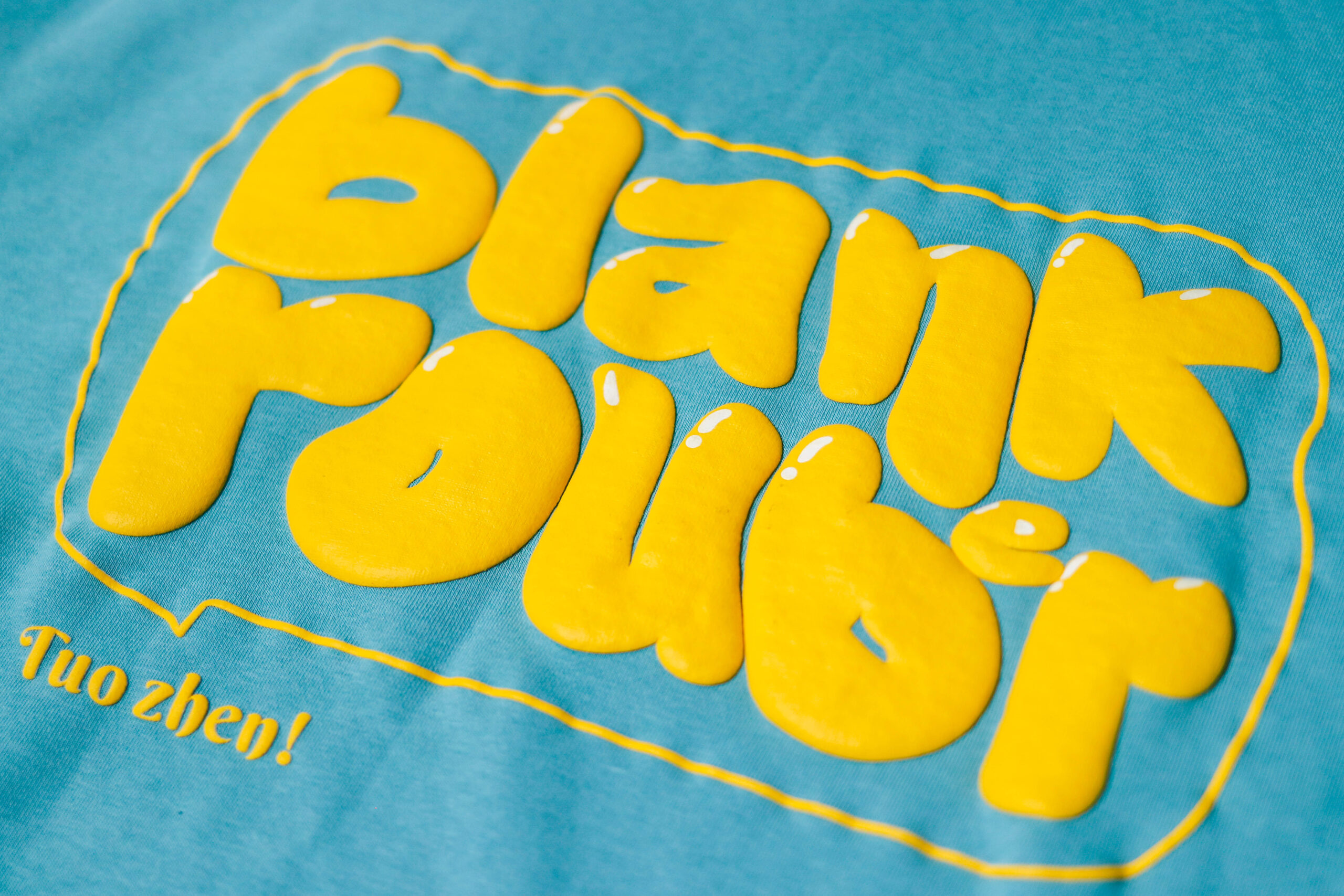
Coordinate printing, embroidery, washing, patches, and finishing around each garment’s fabric, construction, visual direction, and intended performance.
Men’s and Women’s Development
Adapt fit blocks, grading, proportions, materials, and styling details for men’s and women’s programs across casualwear, streetwear, outerwear, and teamwear.
Approved Standard Controls
Protect approved samples through documented measurements, artwork placement, trims, in-line inspections, and final checks before every order is packed.
Core Apparel Categories for Distribution
Build repeatable private-label assortments with category-specific development, flexible production, and specifications designed for dependable wholesale replenishment.
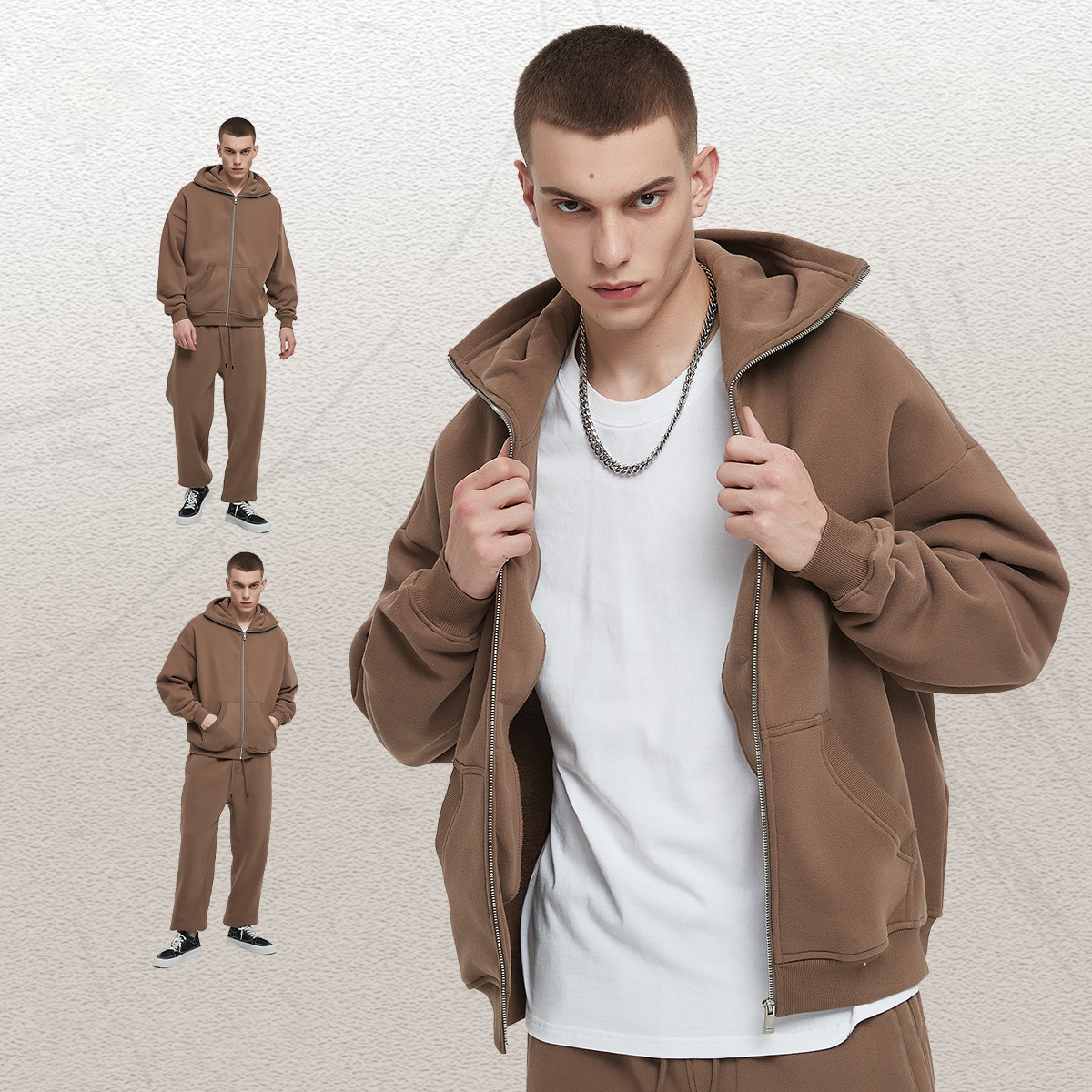
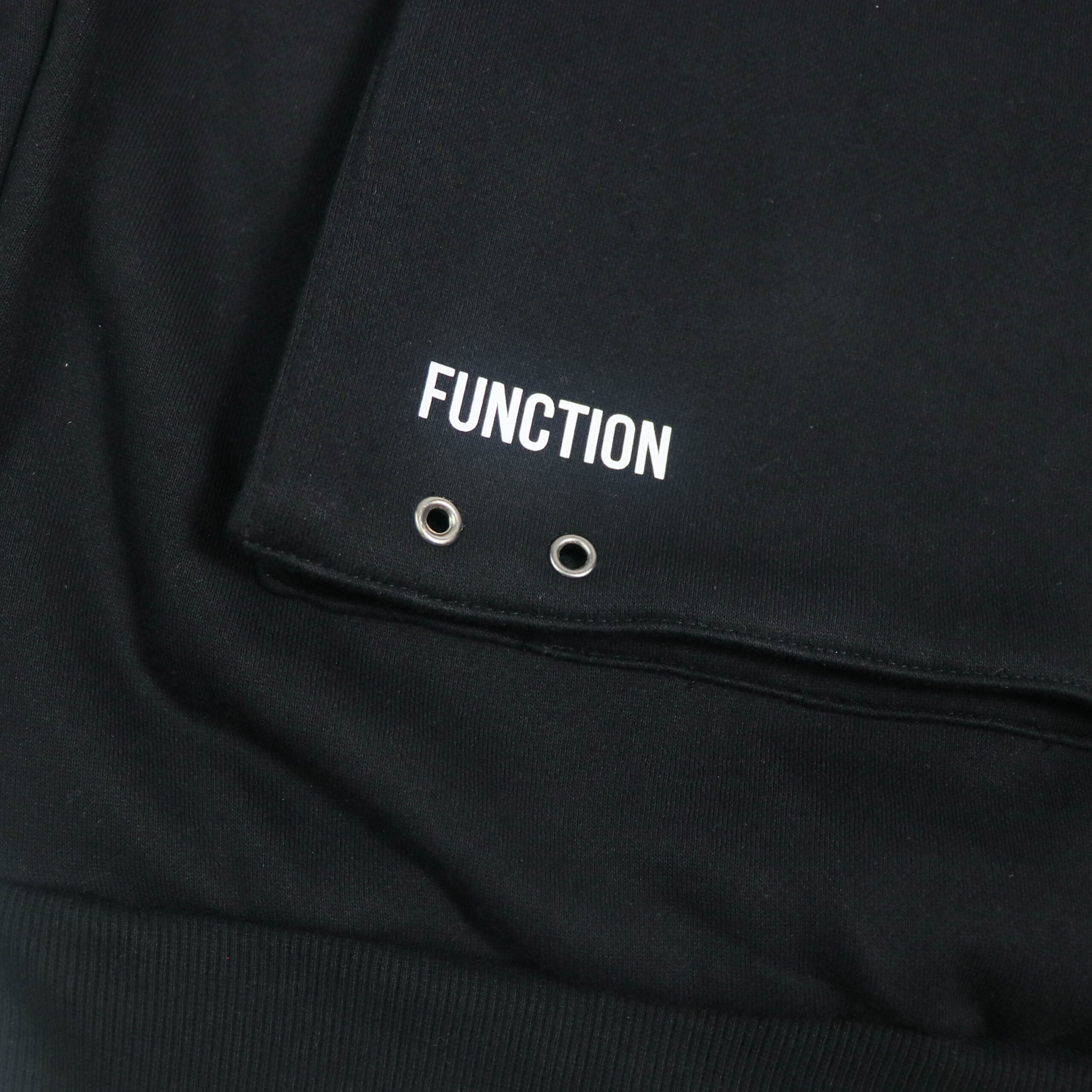
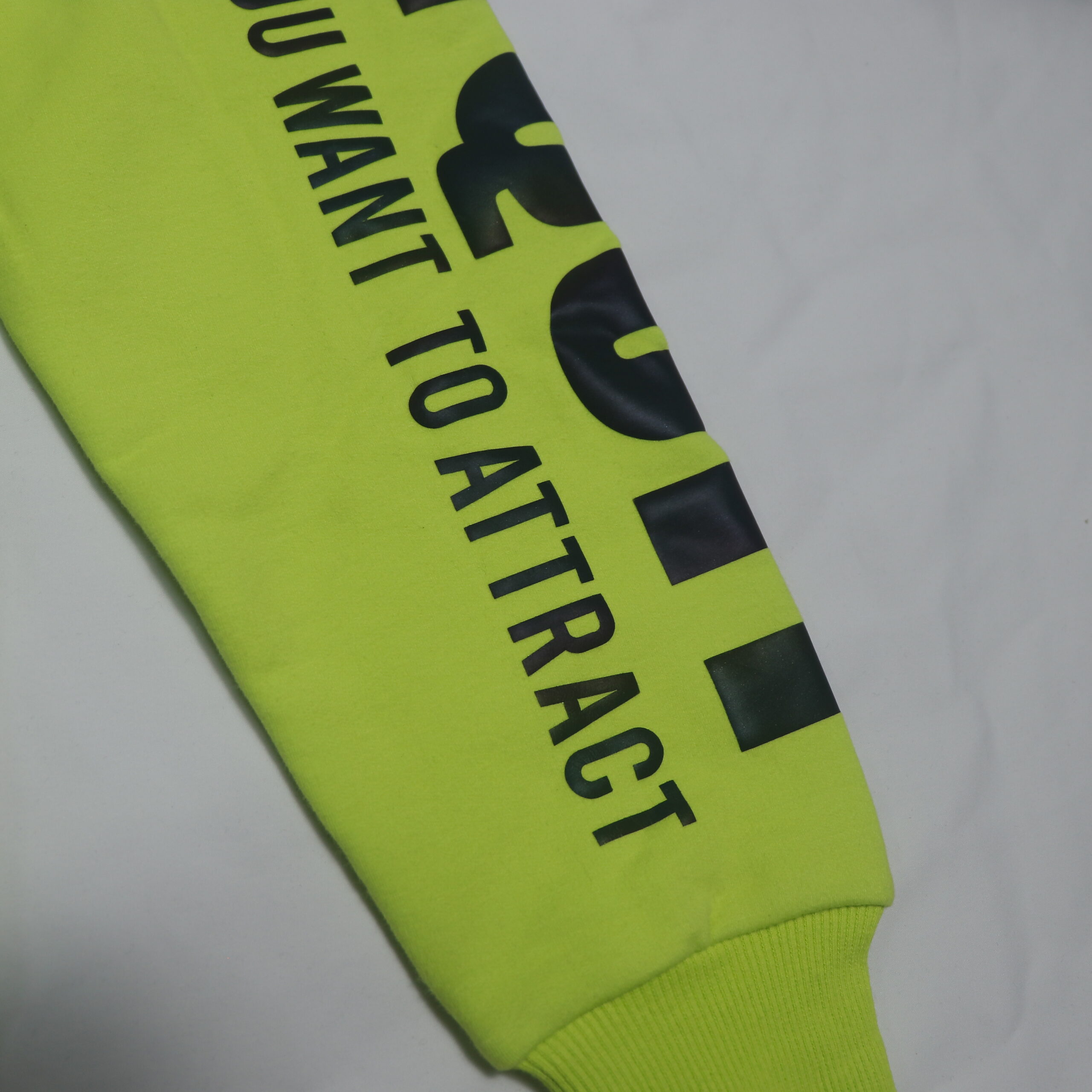
Custom Hoodies
Develop custom hoodies with selected fleece weights, fit blocks, rib construction, drawcords, labels, prints, embroidery, and wash effects. As a custom hoodie manufacturer, EDVORIN documents approved details for consistent distributor programs and repeat orders.
Get a Quote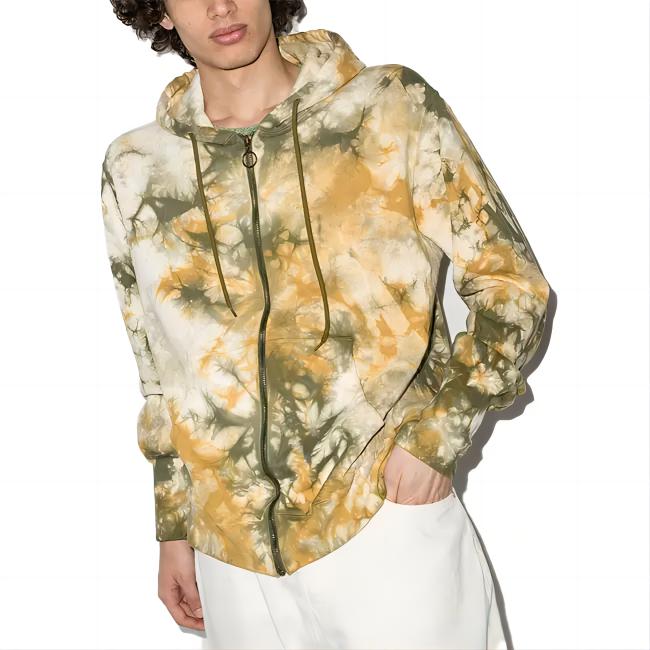
Pullover Sweatshirts
Produce pullover sweatshirts around your required fabric weight, neckline, rib recovery, fit, and decoration method. EDVORIN supports men’s and women’s development, then carries approved construction standards from sample review into bulk production.
Get a Quote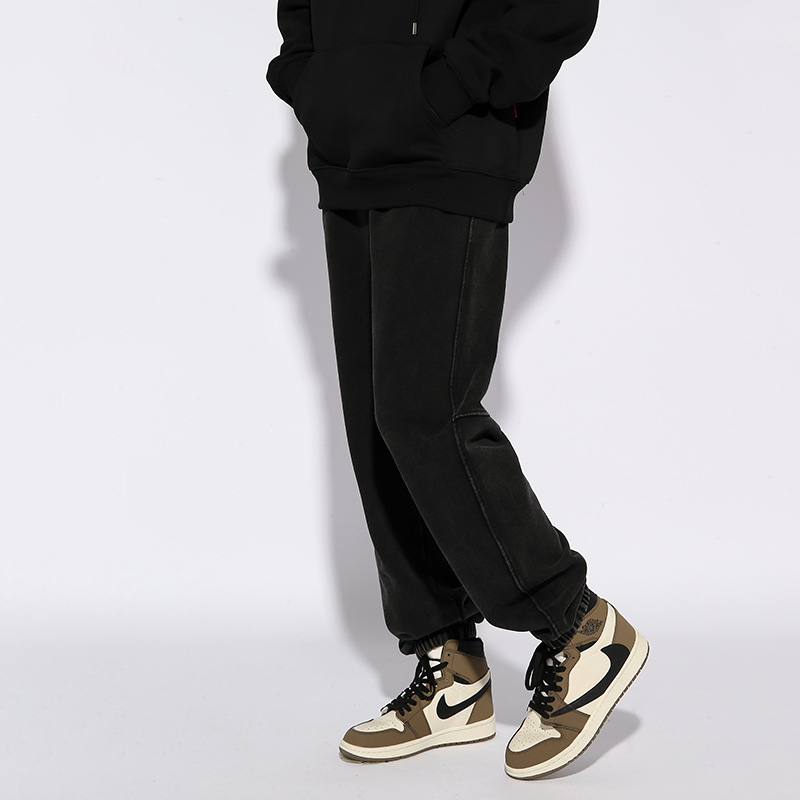
Sweatpants & Joggers
Source sweatpants and joggers with coordinated fleece, waistband, cuff, pocket, drawcord, and grading specifications. Styles can be built to match hoodies or stand alone within a wholesale assortment, with consistent trims and labeling.
Get a Quote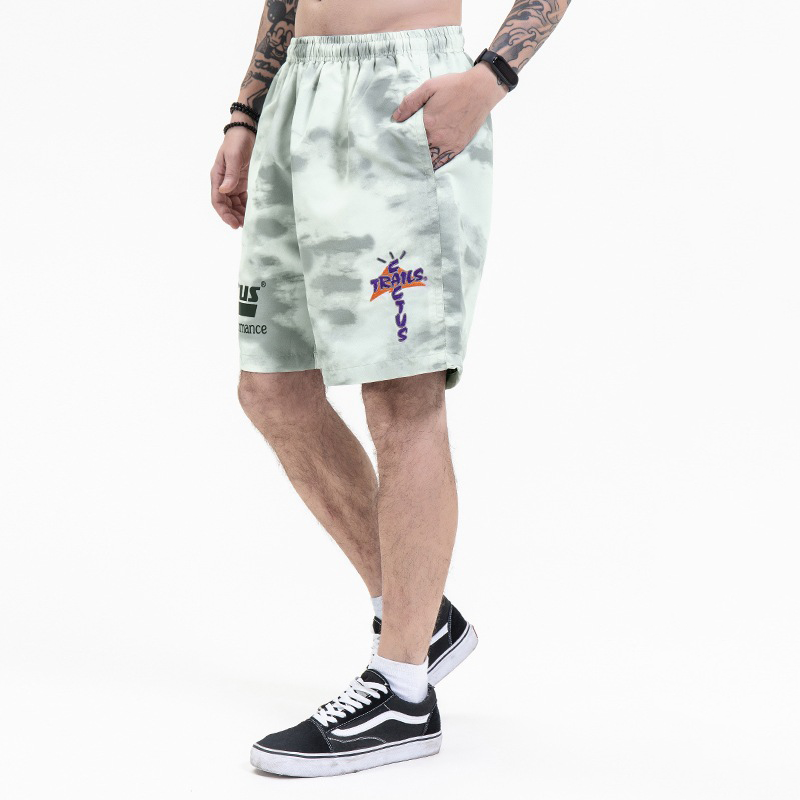
Custom Shorts
Create custom shorts for casualwear, sportswear, or coordinated sets. EDVORIN aligns fabric, inseam, pocket construction, waistband, liner requirements, decoration, and size grading with the intended market and replenishment plan.
Get a Quote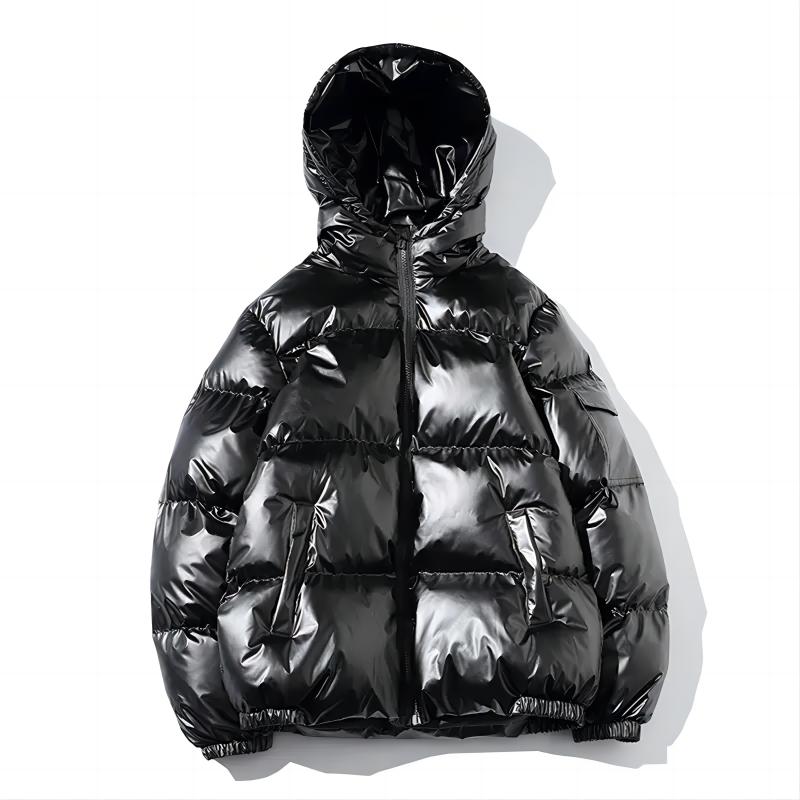
Varsity & Baseball Jackets
Develop varsity and baseball jackets with balanced body fabric, sleeves, rib, lining, snaps, patches, embroidery, and appliqué. EDVORIN manages the construction details that protect the jacket’s shape and visual identity across bulk quantities.
Get a Quote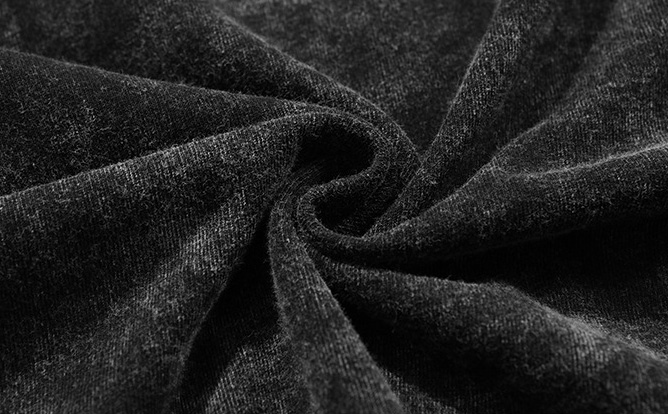
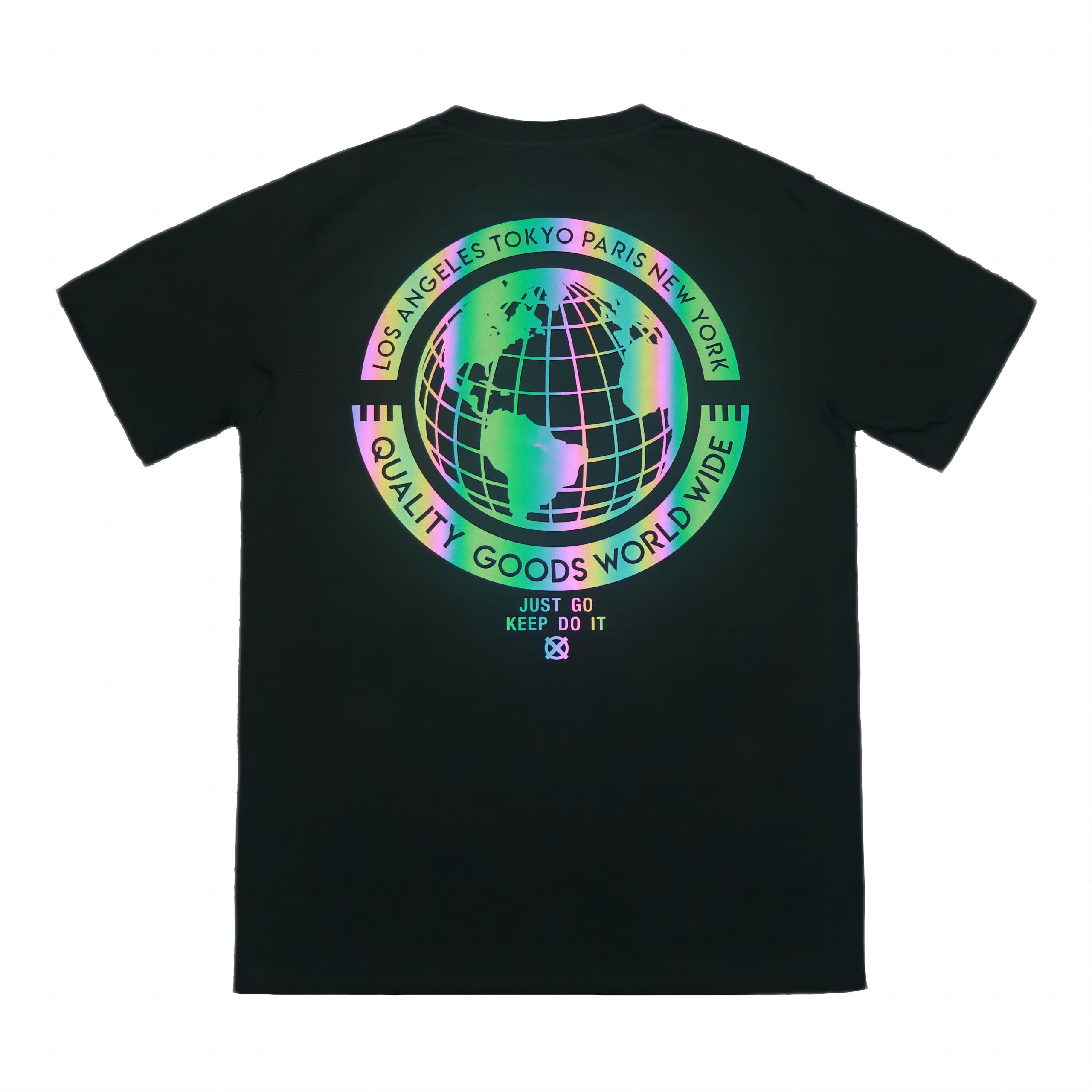
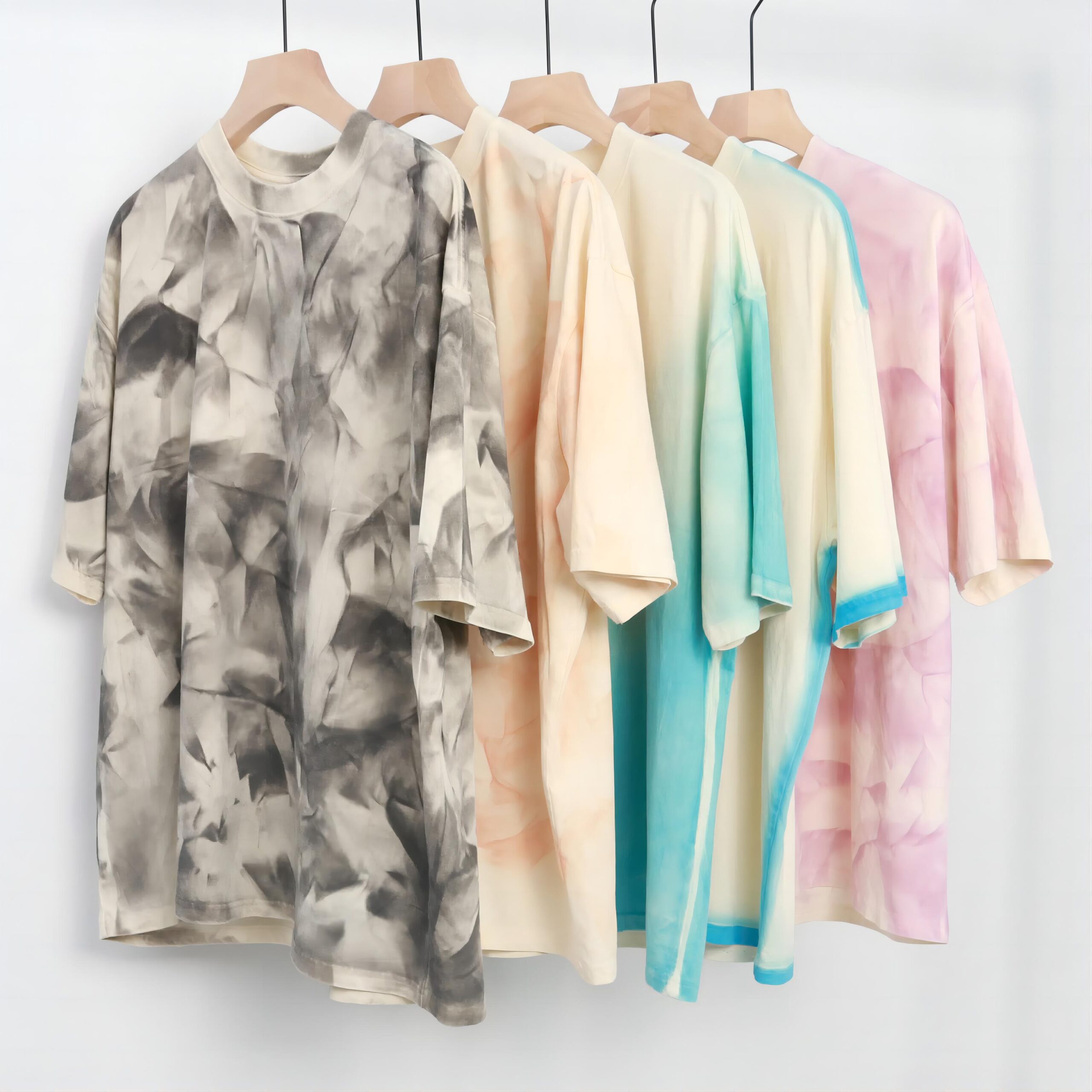
Custom T-Shirts
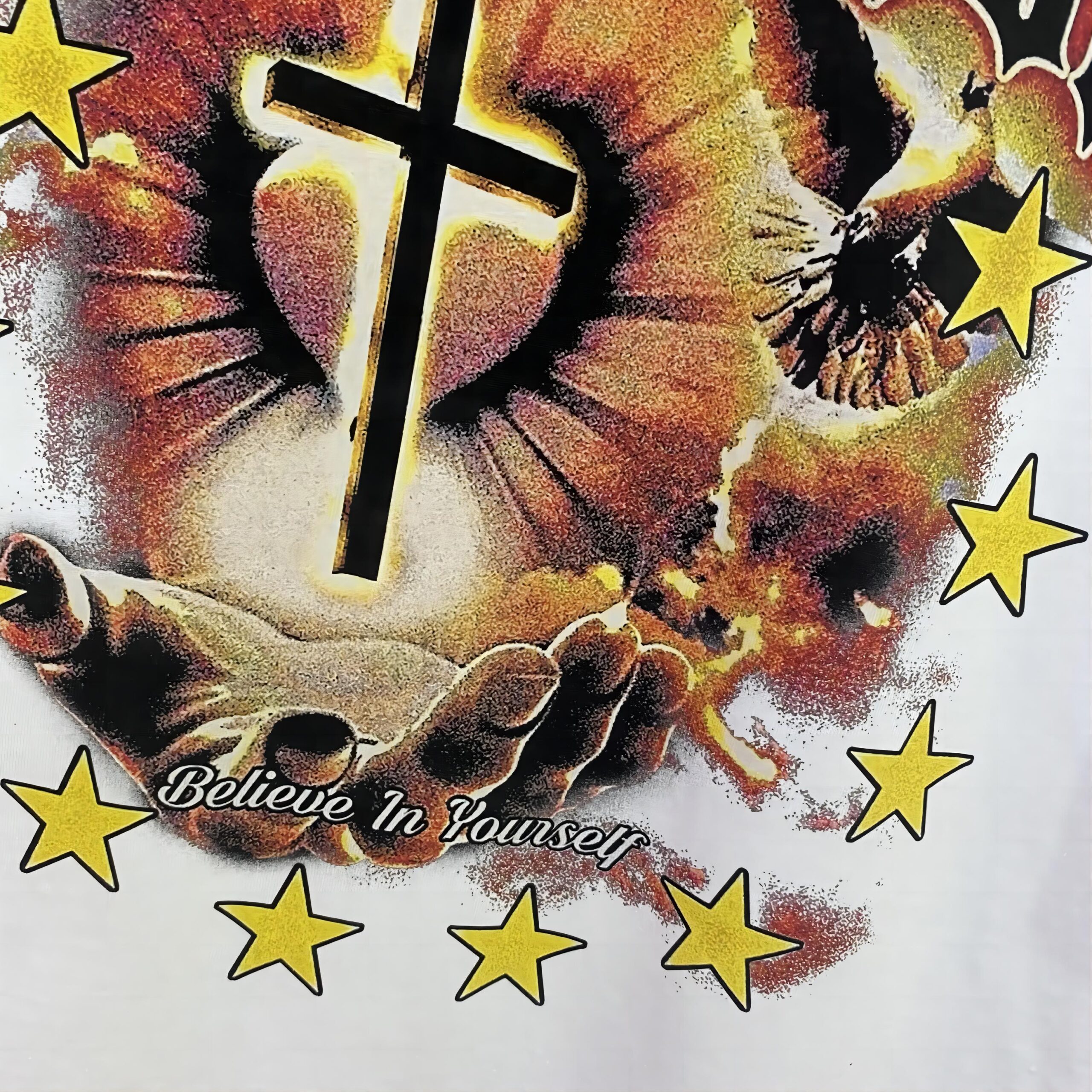
Build custom T-shirts from defined jersey weight, yarn, fit, collar construction, print placement, wash, labels, and packaging. Options support core distributor basics, graphic programs, and men’s or women’s assortments.
Get a Quote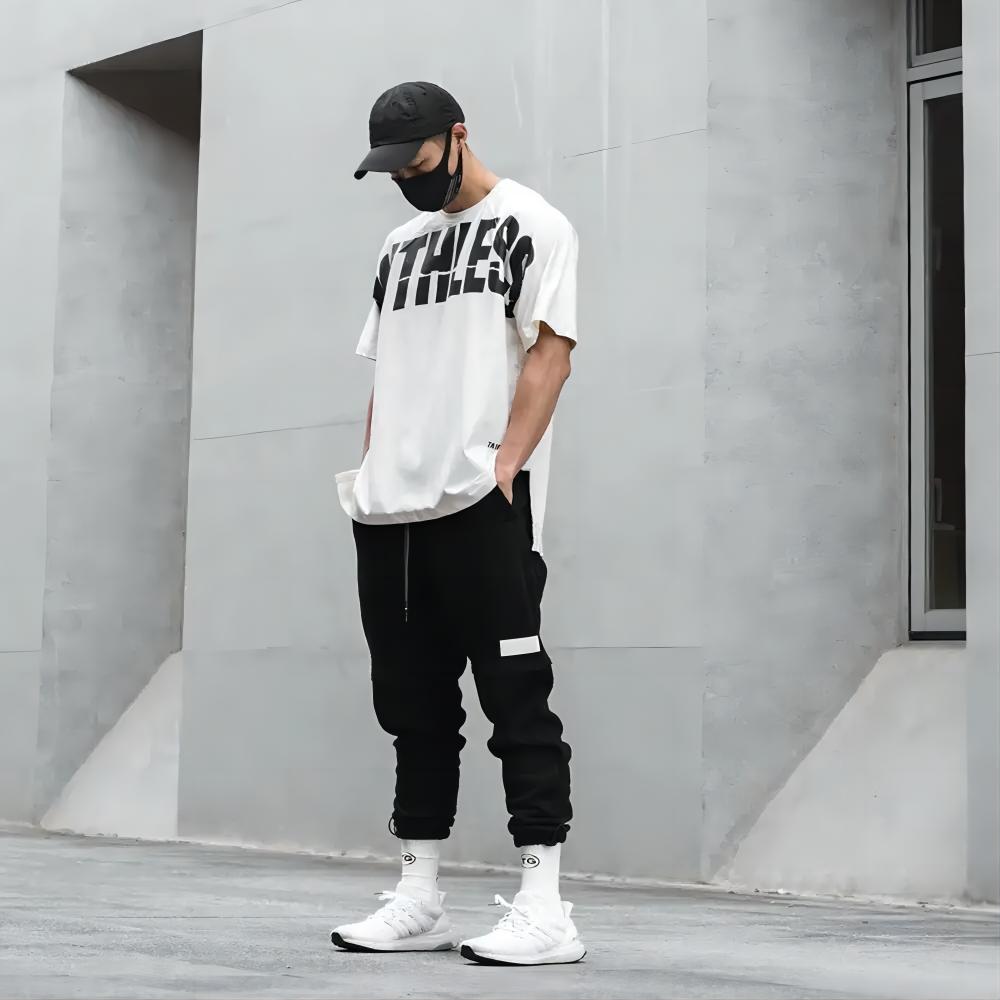
Custom Polo Shirts
Produce custom polo shirts with the appropriate piqué or jersey fabric, collar structure, placket, buttons, cuffs, embroidery, and grading. Specifications are recorded to maintain a consistent presentation across wholesale size runs.
Get a Quote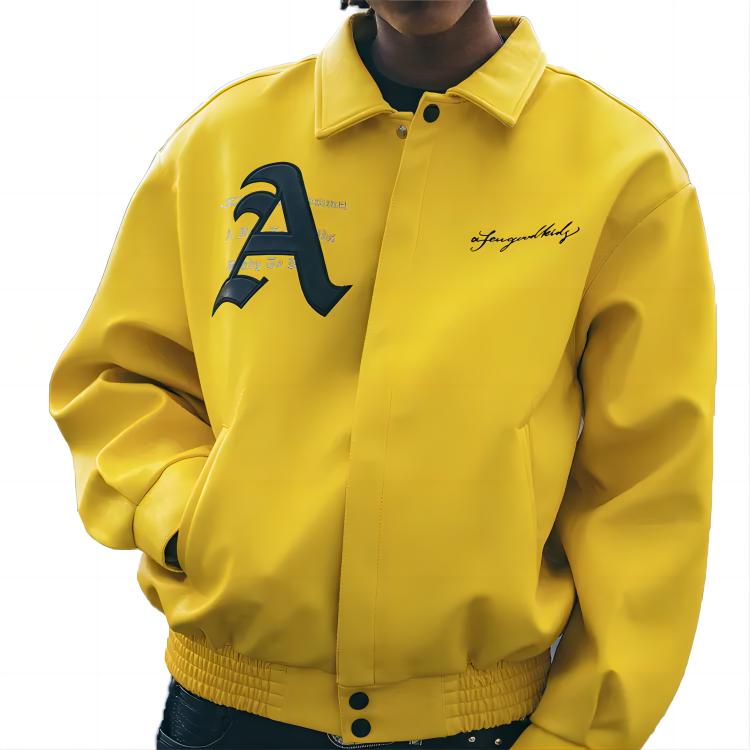
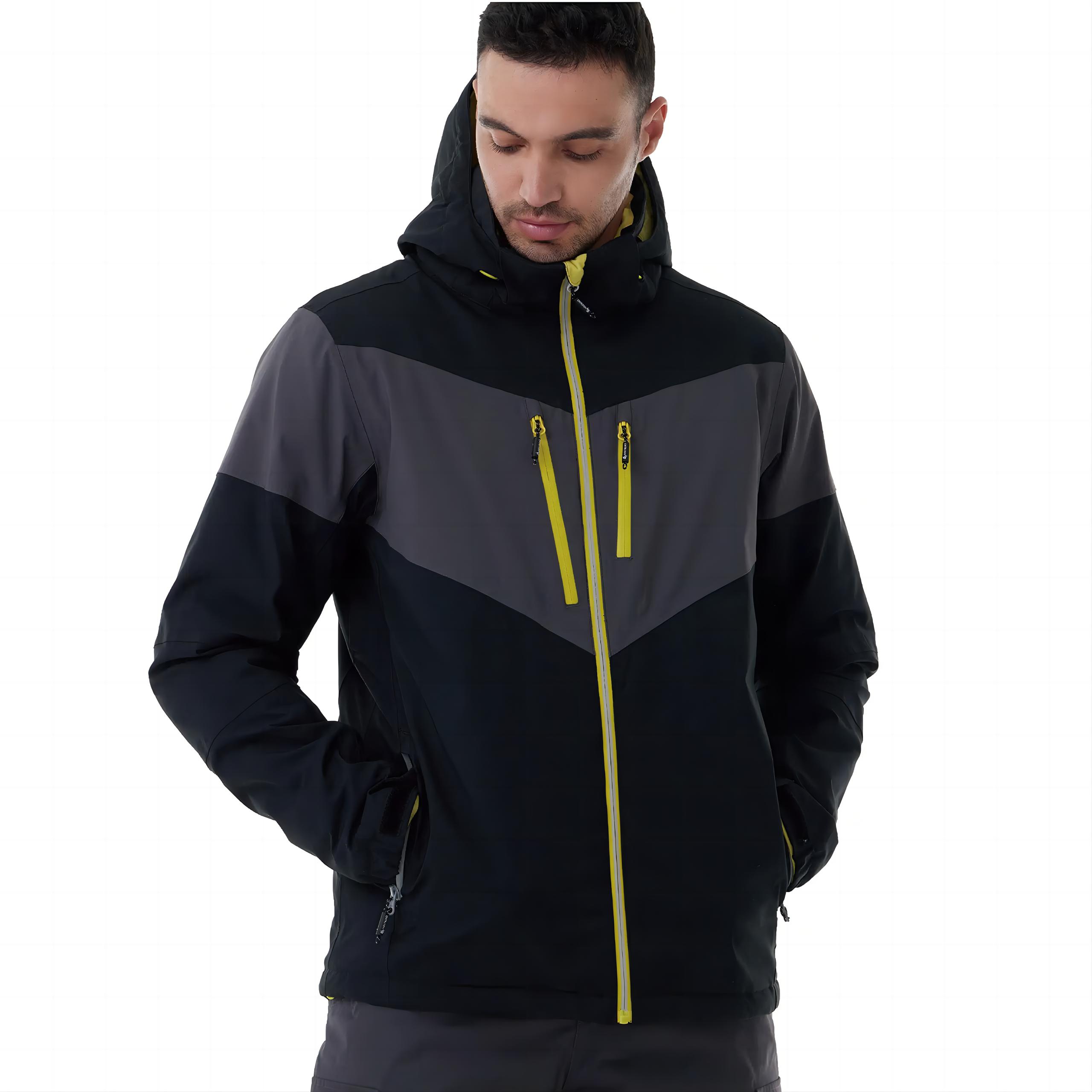
Windbreaker Jackets
Develop windbreakers with selected shell fabric, lining or mesh, zipper, hood, pocket, elastic, and print or embroidery requirements. EDVORIN coordinates construction and finishing for lightweight outerwear programs that need repeatable quality.
Get a Quote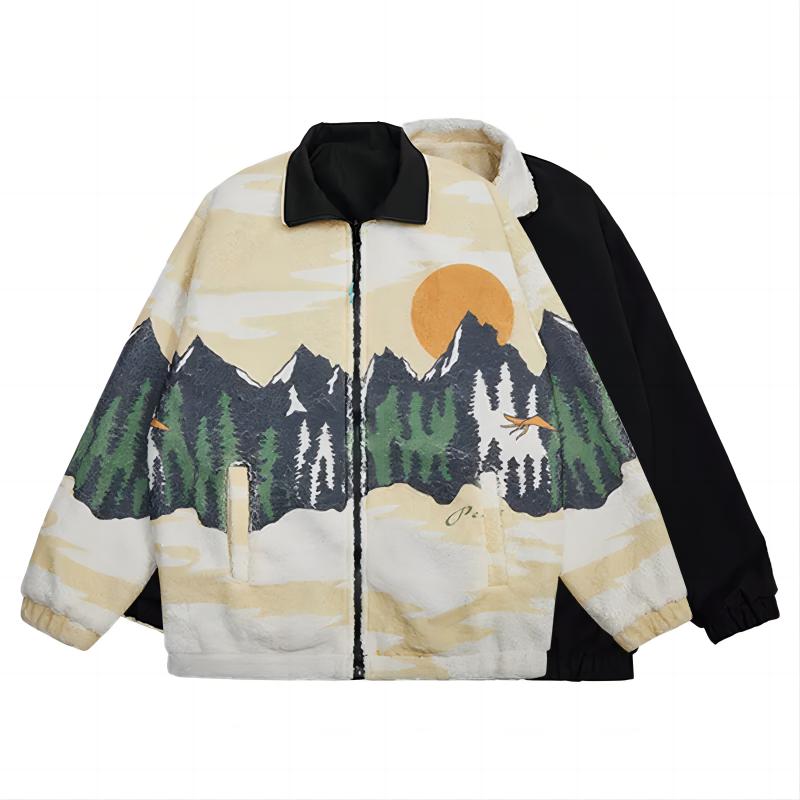
Quilted Jackets
Create quilted jackets with coordinated shell, lining, insulation, quilting pattern, hardware, pockets, and labeling. Sampling verifies bulk construction and warmth requirements before production, helping distributors manage technical outerwear specifications clearly.
Get a Quote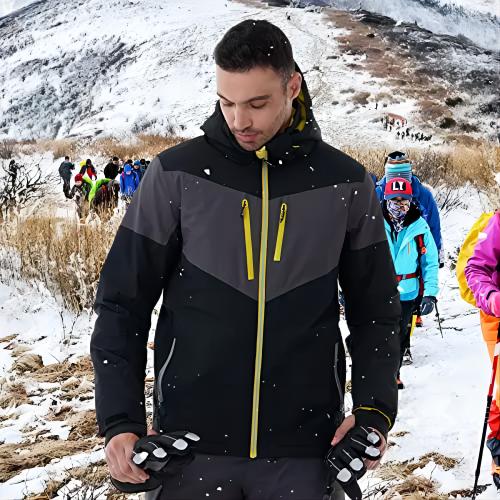
Bomber Jackets
Produce bomber jackets with defined shell fabric, lining, rib, zipper, pocket construction, padding, embroidery, and patches. EDVORIN translates the approved sample into a documented standard suitable for wholesale distribution and repeat production.
Get a Quote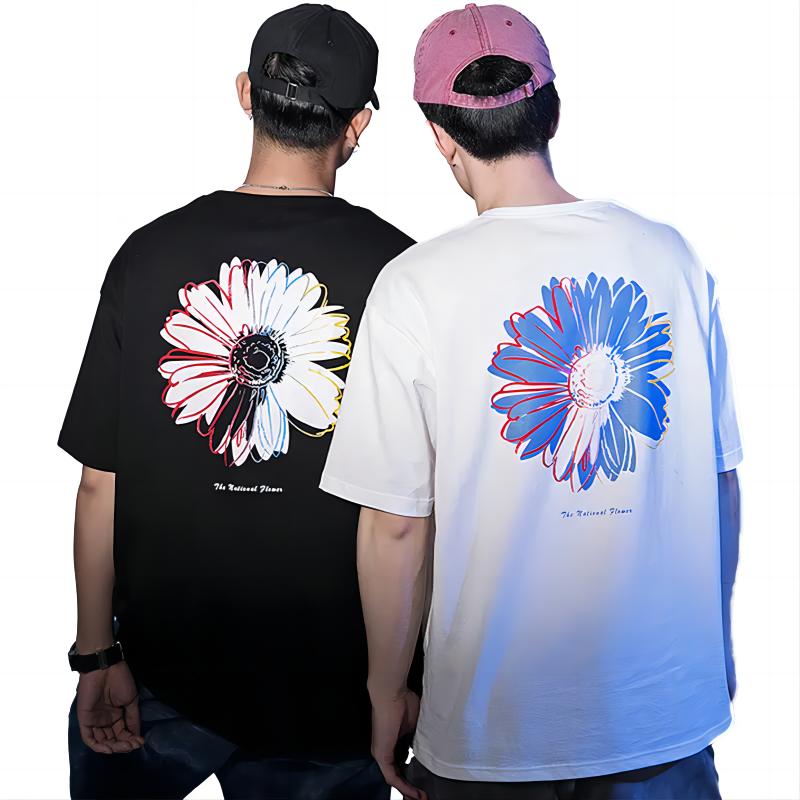
Custom Shirts
Develop custom woven shirts with specified fabric, collar, placket, cuff, pocket, buttons, fit, and finishing. Men’s and women’s blocks can be adjusted separately, giving distributors a clearer foundation for private-label shirt ranges.
Get a Quote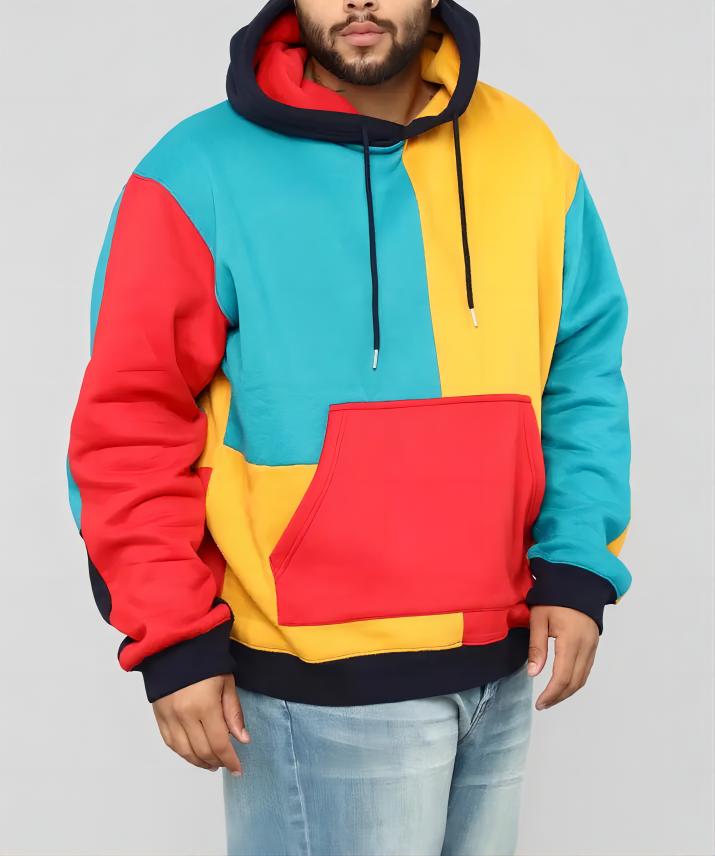
Custom Jerseys
Build custom jerseys around fabric performance, color control, panel construction, sublimation, screen printing, embroidery, and individual personalization. EDVORIN organizes artwork and placement specifications so distributor orders remain accurate across sizes and teams.
Get a Quote
Tank Tops
Produce tank tops for lifestyle, training, or teamwear programs with selected knit fabric, armhole shape, neckline, fit, binding, print, and label details. Development can be adapted for men’s and women’s assortments.
Get a Quote
Soccer Uniforms
Create soccer uniforms with breathable fabrics, color-matched panels, club crests, sponsor graphics, player names, numbers, and coordinated shorts. EDVORIN controls approved artwork, placement, sizing, and production standards for organized team orders.
Get a Quote
Basketball Uniforms
Develop basketball uniforms with performance fabric, reversible or single-layer construction, side panels, trims, team graphics, names, numbers, and coordinated size sets. Sample approval establishes the reference for consistent team and distributor fulfillment.
Get a Quote
Streetwear Collections
Build streetwear collections across hoodies, tees, sweatpants, jackets, shorts, and accessories with coordinated fabrics, fits, graphics, washes, trims, labels, and packaging. EDVORIN connects each style to one production system for more manageable collection sourcing.
Get a QuoteMaterials Selected for Every Garment Program
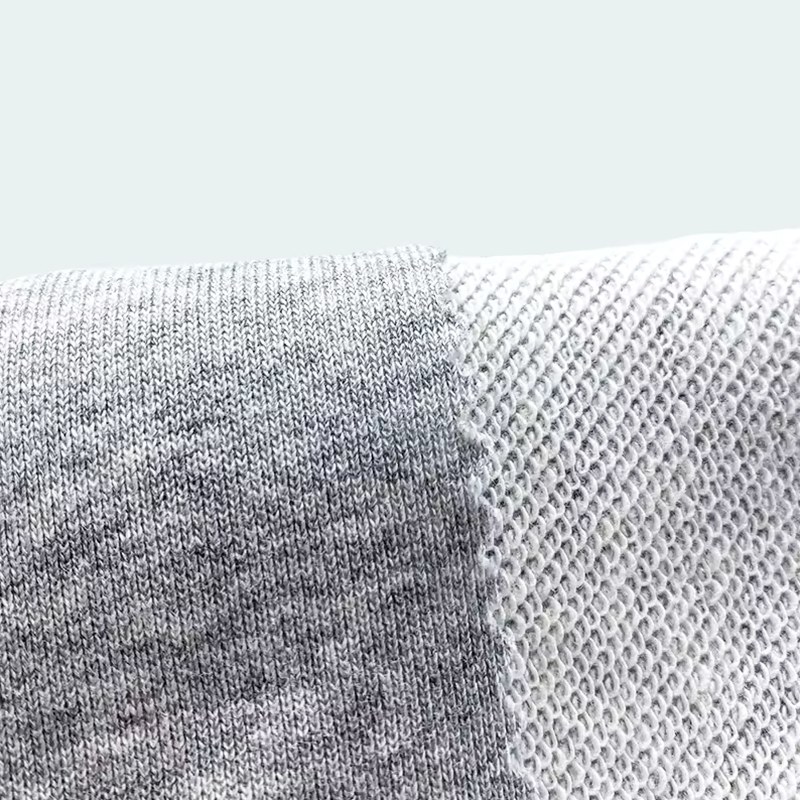
Cotton French Terry
Soft, breathable loopback fabric suited to premium hoodies, sweatshirts, joggers, and coordinated casualwear. Its structured yet comfortable hand supports embroidered details and screen printing, with weight options tailored to seasonal or heavyweight streetwear programs.
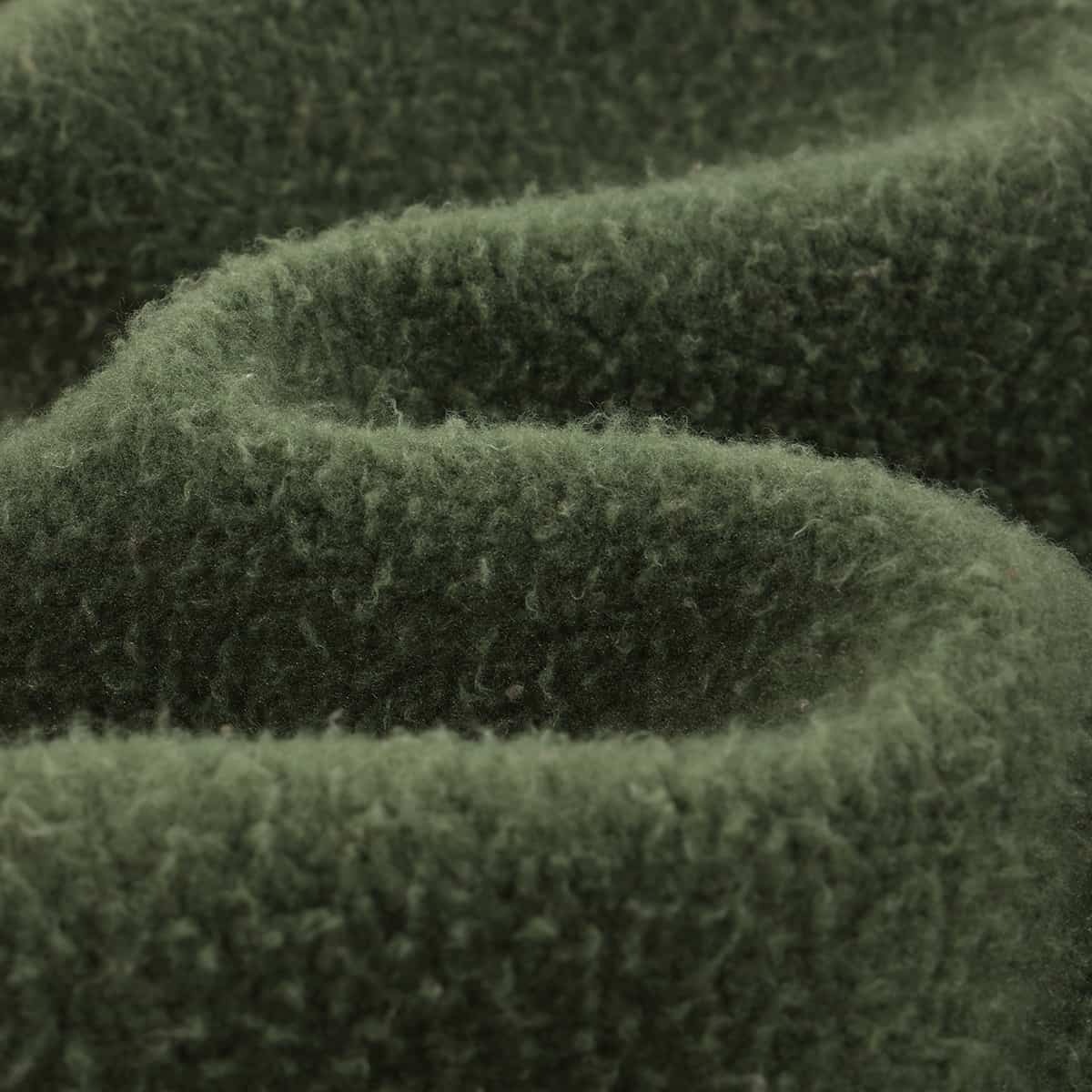
Brushed Fleece
A warm knit with a smooth face and brushed interior, commonly used for hoodies, sweatpants, and team layers. The plush hand improves comfort, while available fabric weights help balance warmth, drape, and everyday durability.
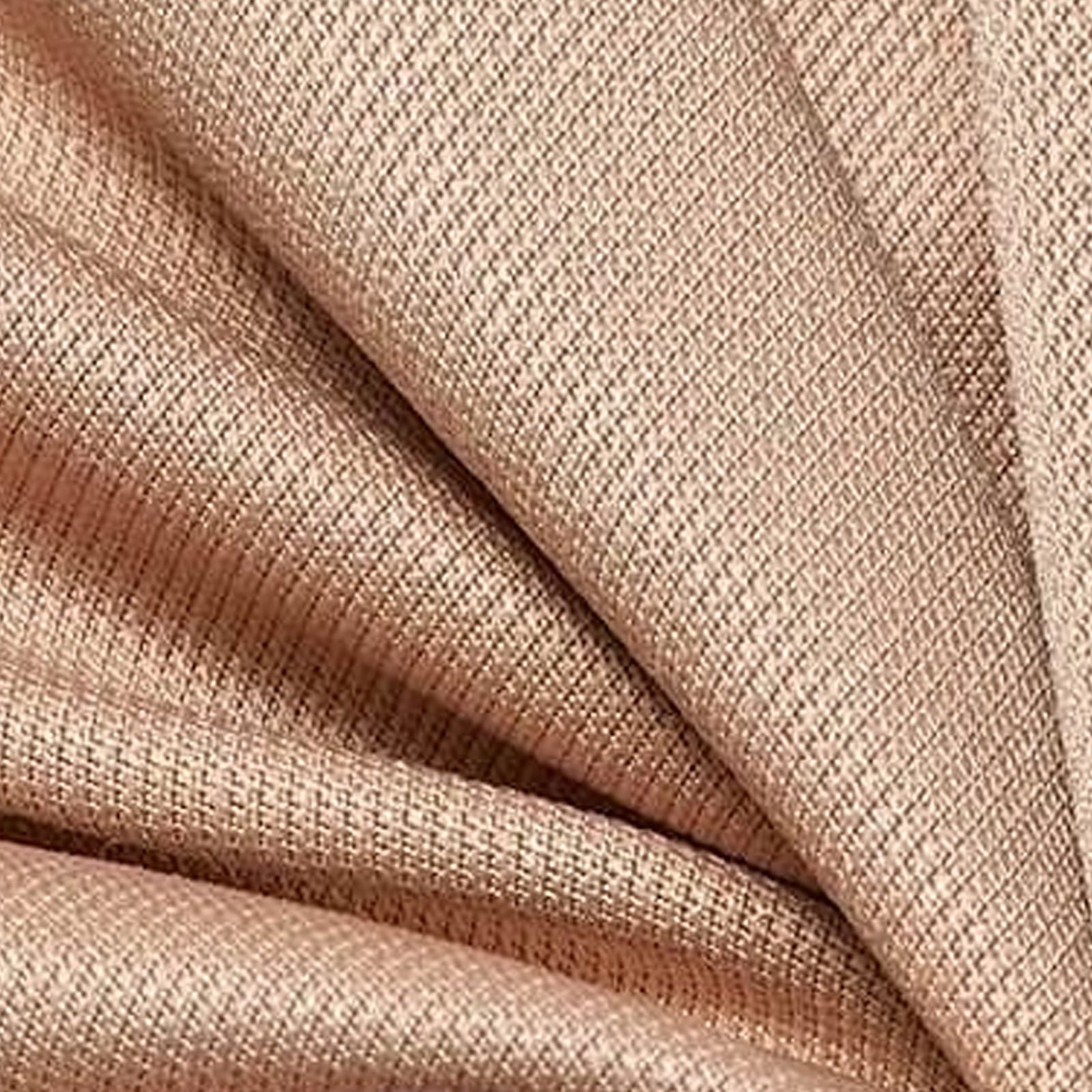
Cotton Jersey
A versatile, soft-touch knit for T-shirts, polos, tanks, and lightweight fashion basics. Its breathable feel suits everyday wear, while composition and GSM can be specified for a lighter drape or a more substantial premium finish.
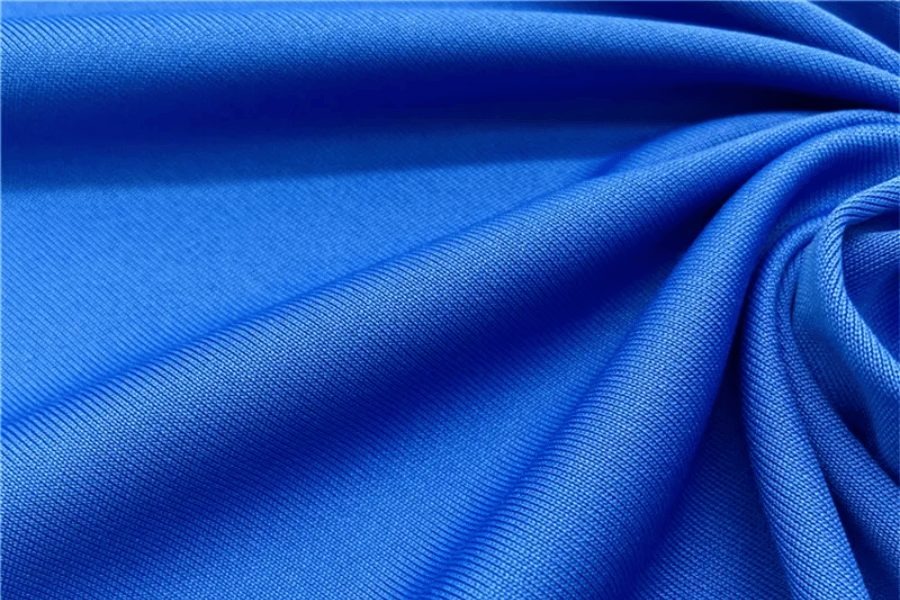
Polyester Interlock
Smooth, stable performance fabric for jerseys, soccer uniforms, basketball uniforms, and active teamwear. The clean surface supports sharp color and decoration results, while the knit construction provides comfortable stretch and reliable shape retention.
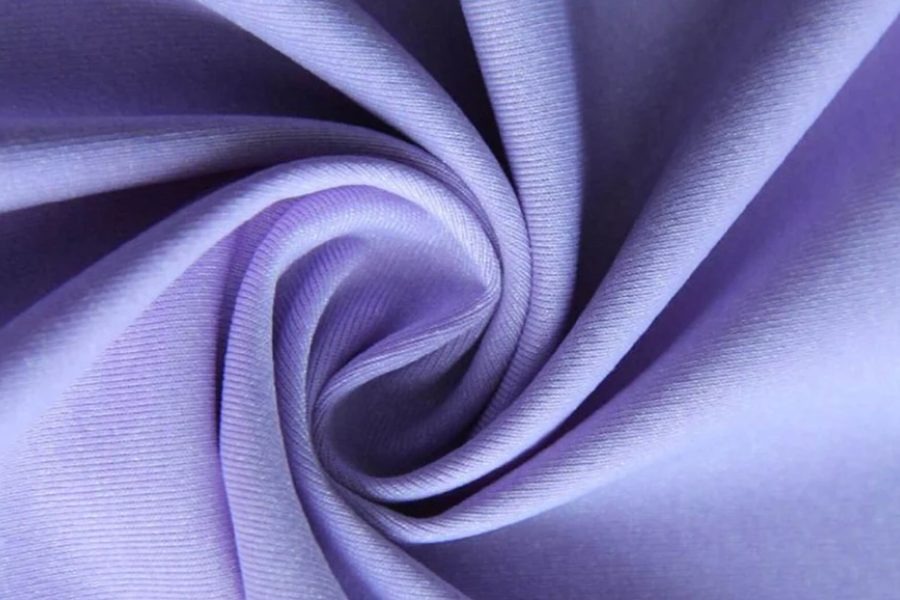
Nylon Woven Shell
A lightweight, resilient woven option for windbreakers, bomber jackets, and outerwear shells. It delivers a crisp technical hand and can be developed with linings, coatings, or insulation combinations to meet the garment’s intended weather protection.
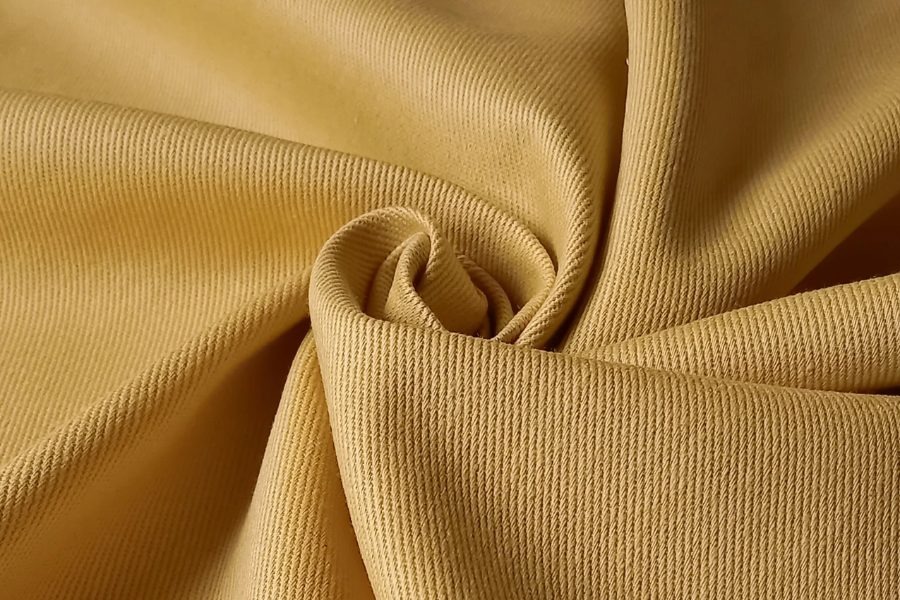
Heavyweight Cotton Twill
A durable woven fabric with a firm hand, ideal for overshirts, varsity jackets, workwear-inspired pieces, and structured bottoms. Its diagonal weave adds strength and visual texture while holding shape through repeated wear and finishing.
Decoration and Finishing Methods for Distributor Programs
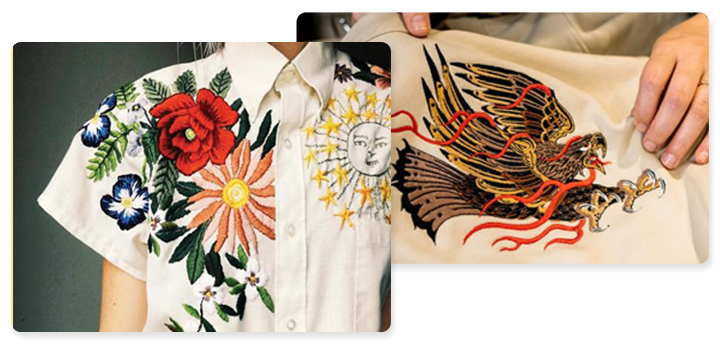
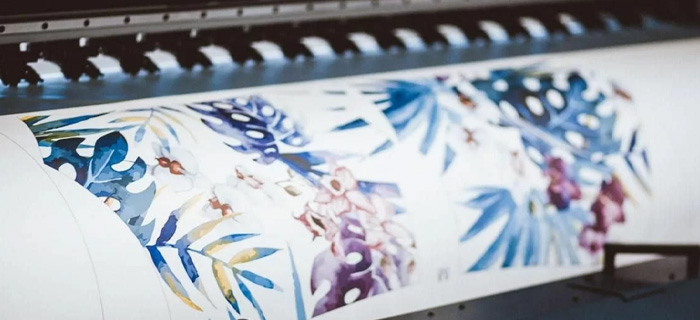
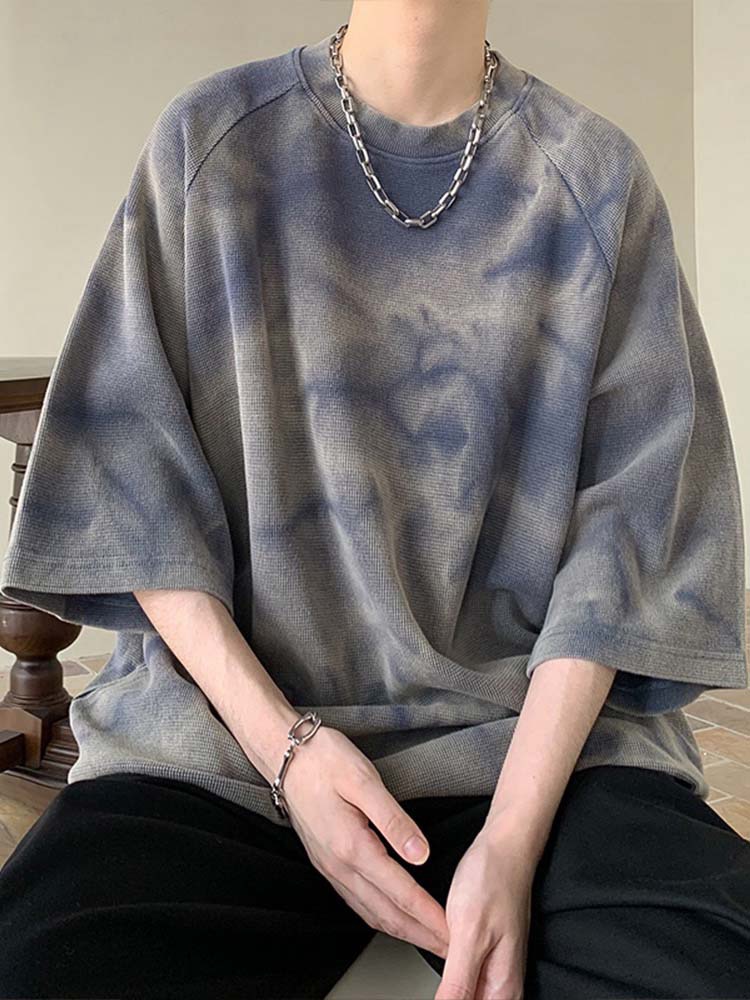
Sublimation Printing
Sublimation printing integrates all-over color, numbers and graphics directly into compatible performance fabrics. It is well suited to teamwear programs requiring sharp visual detail, coordinated panels and reliable artwork control across size runs.
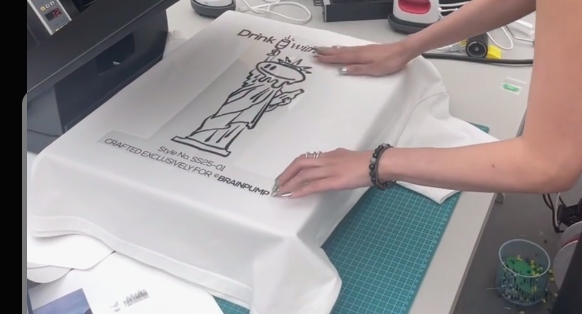
Heat Applied Details
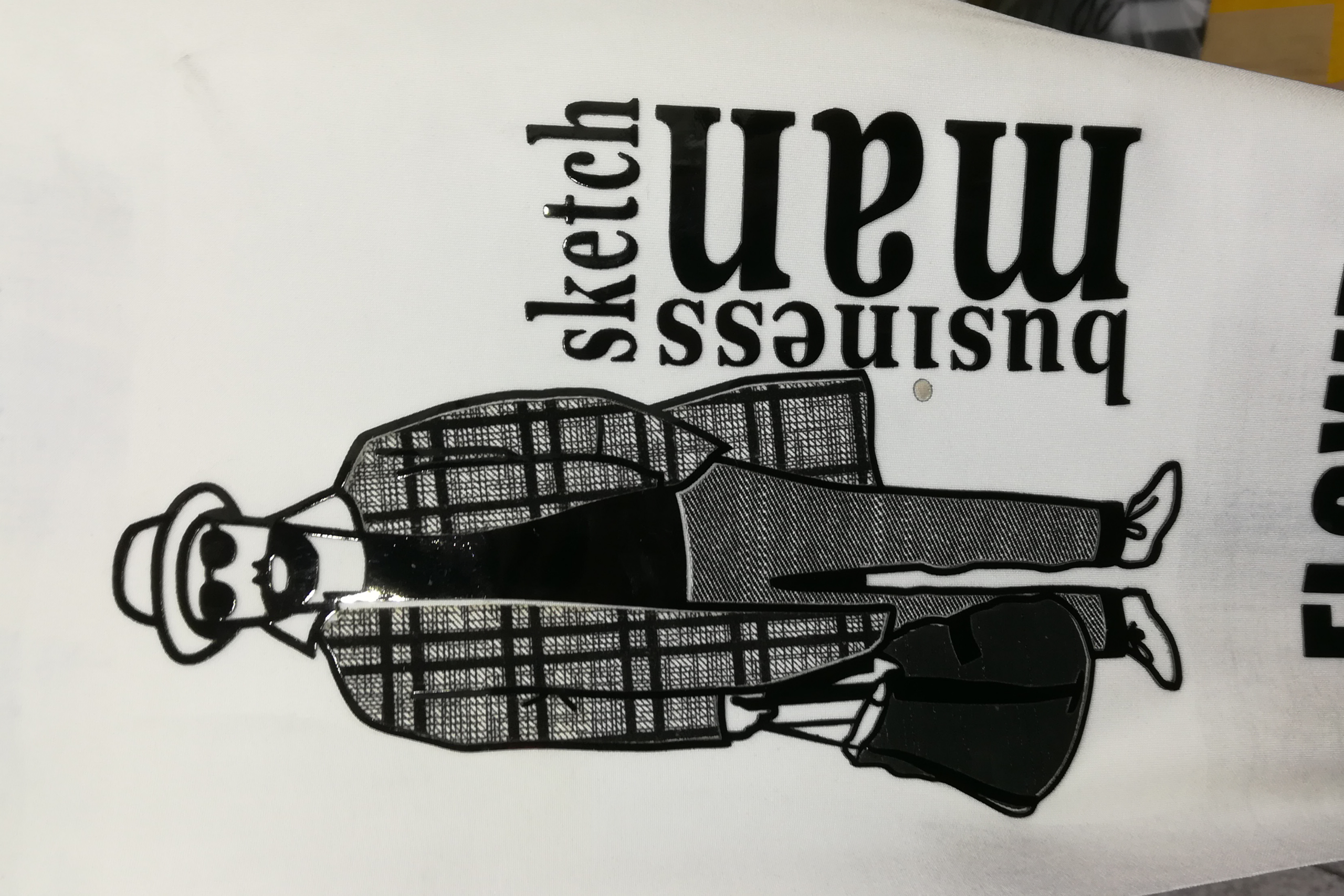
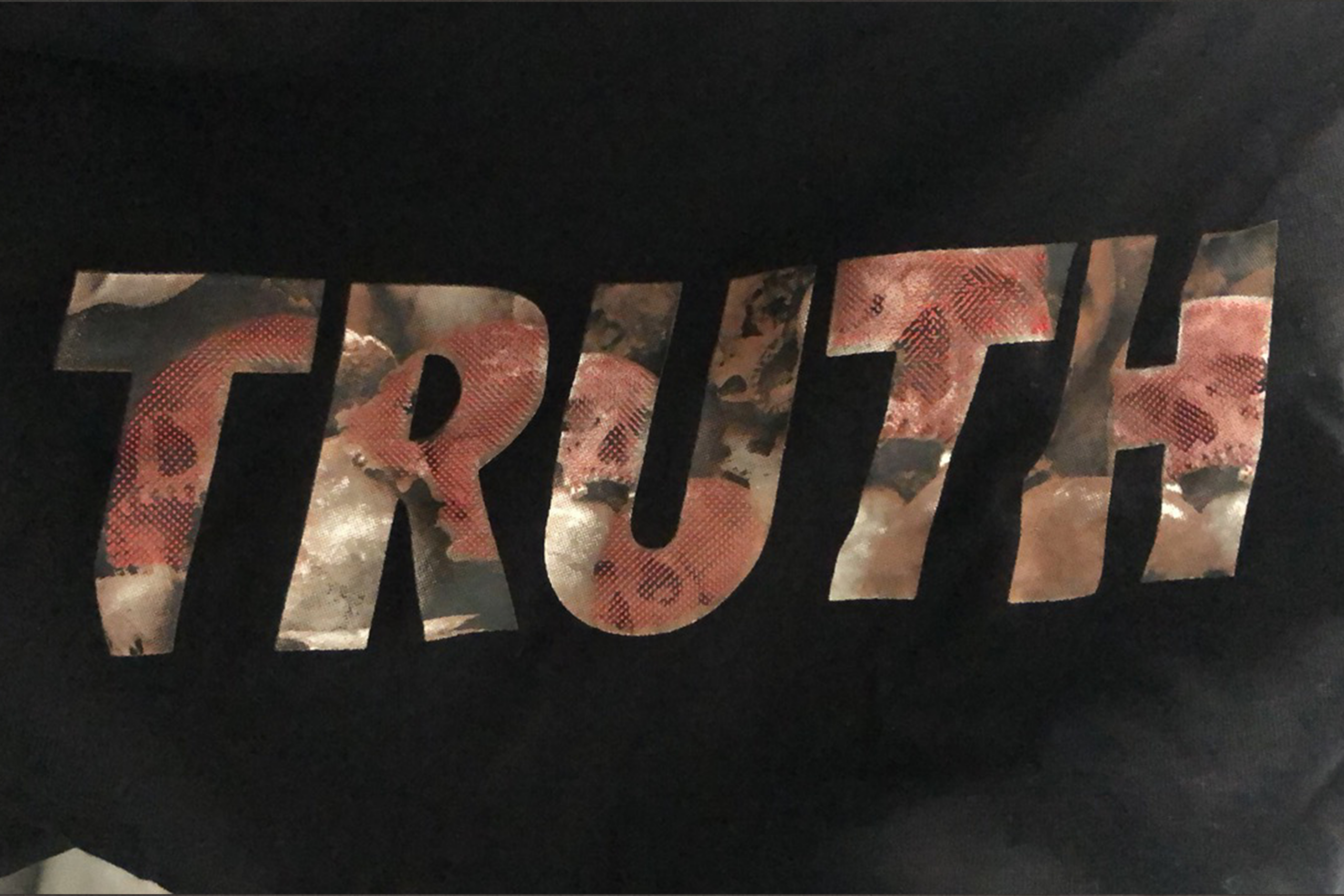
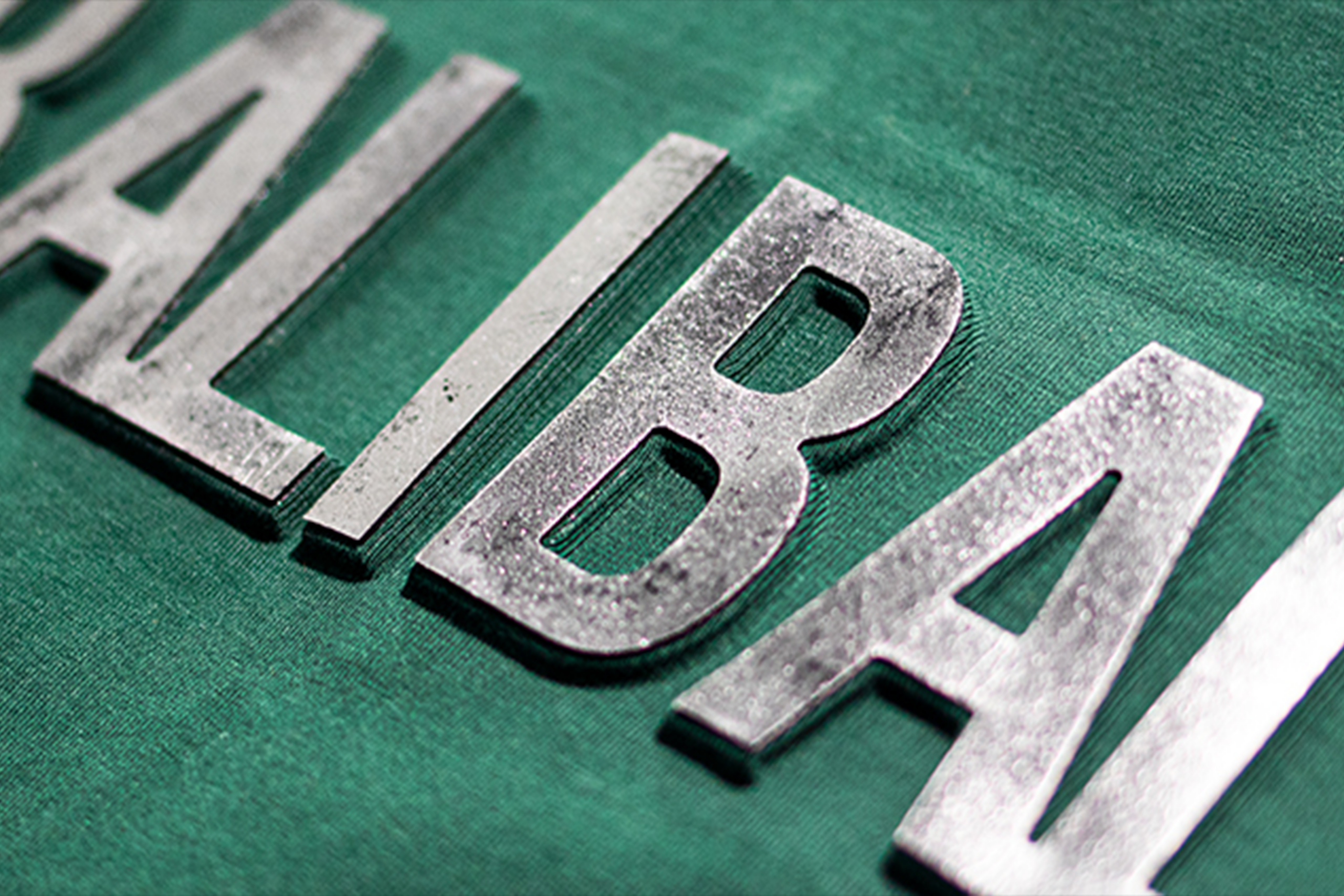
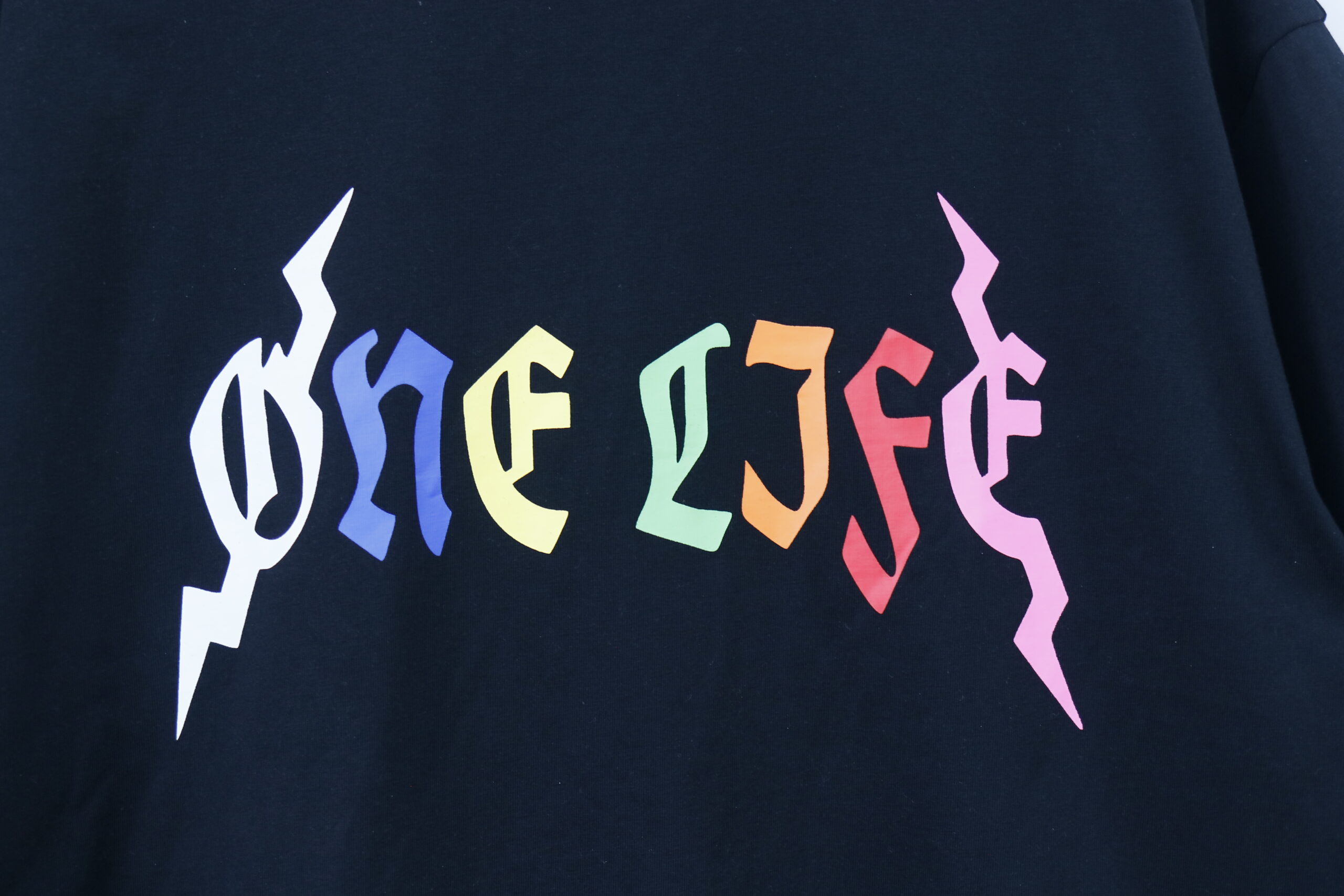
Heat-applied transfers, names, numbers and specialty details add flexible branding where screen print or embroidery is not the right fit. Application settings and placement are matched to fabric and artwork for a polished, durable result.
Trims and Private-Label Details for a Complete Program
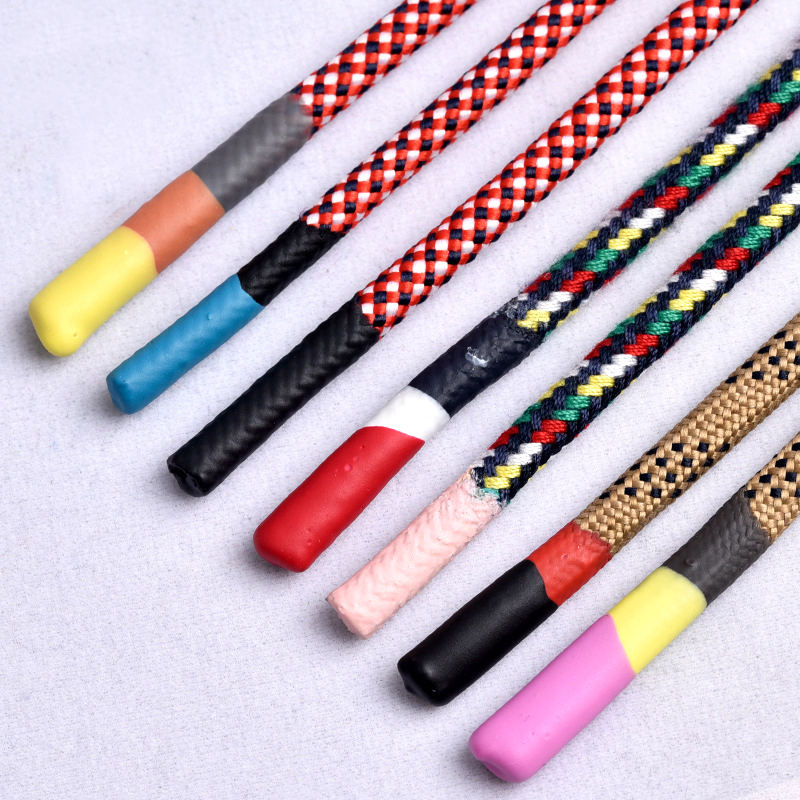
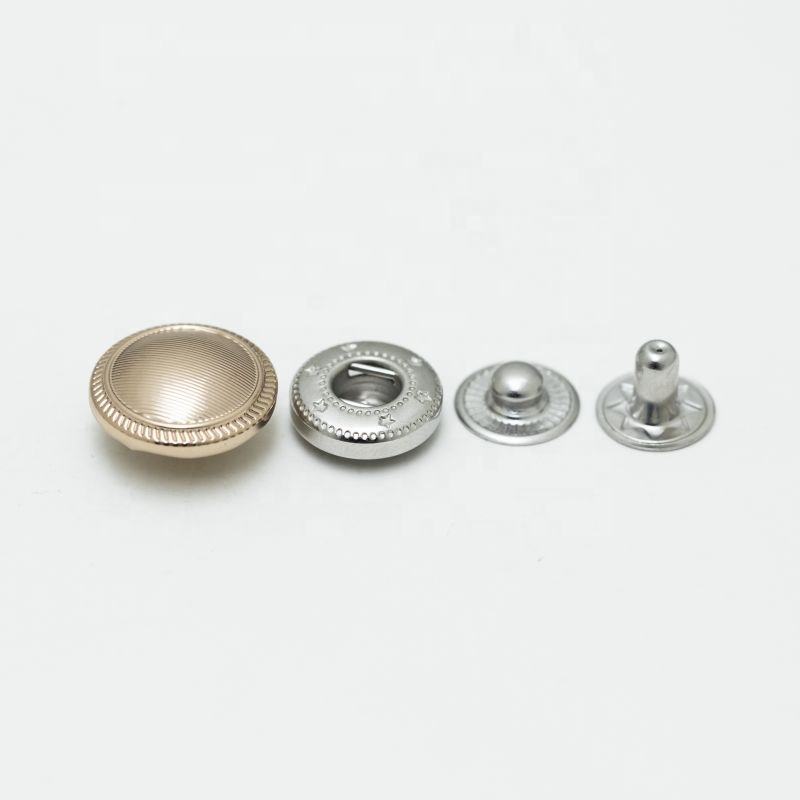
Snap Buttons
Coordinate snap finishes, logo treatments, colors, and placement for varsity jackets, overshirts, outerwear, and workwear-inspired styles. Clear snap specifications support consistent hardware appearance from approved sample through bulk production.
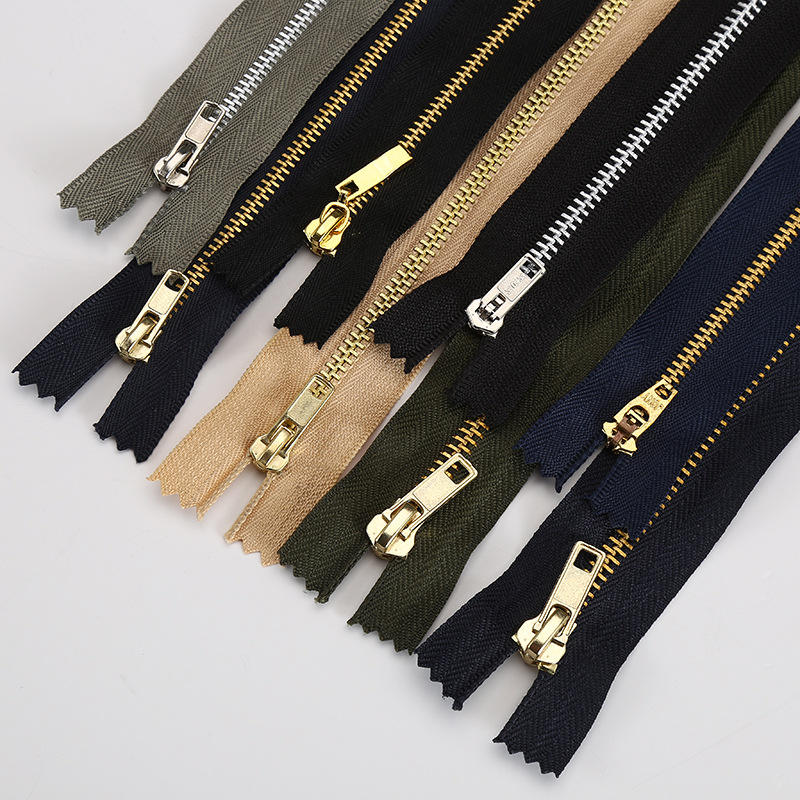
Custom Zippers
Specify zipper type, puller shape, tape color, finish, and placement for jackets, windbreakers, hoodies, and pockets. EDVORIN coordinates zipper selections with shell fabrics, lining, construction, and the required opening performance.
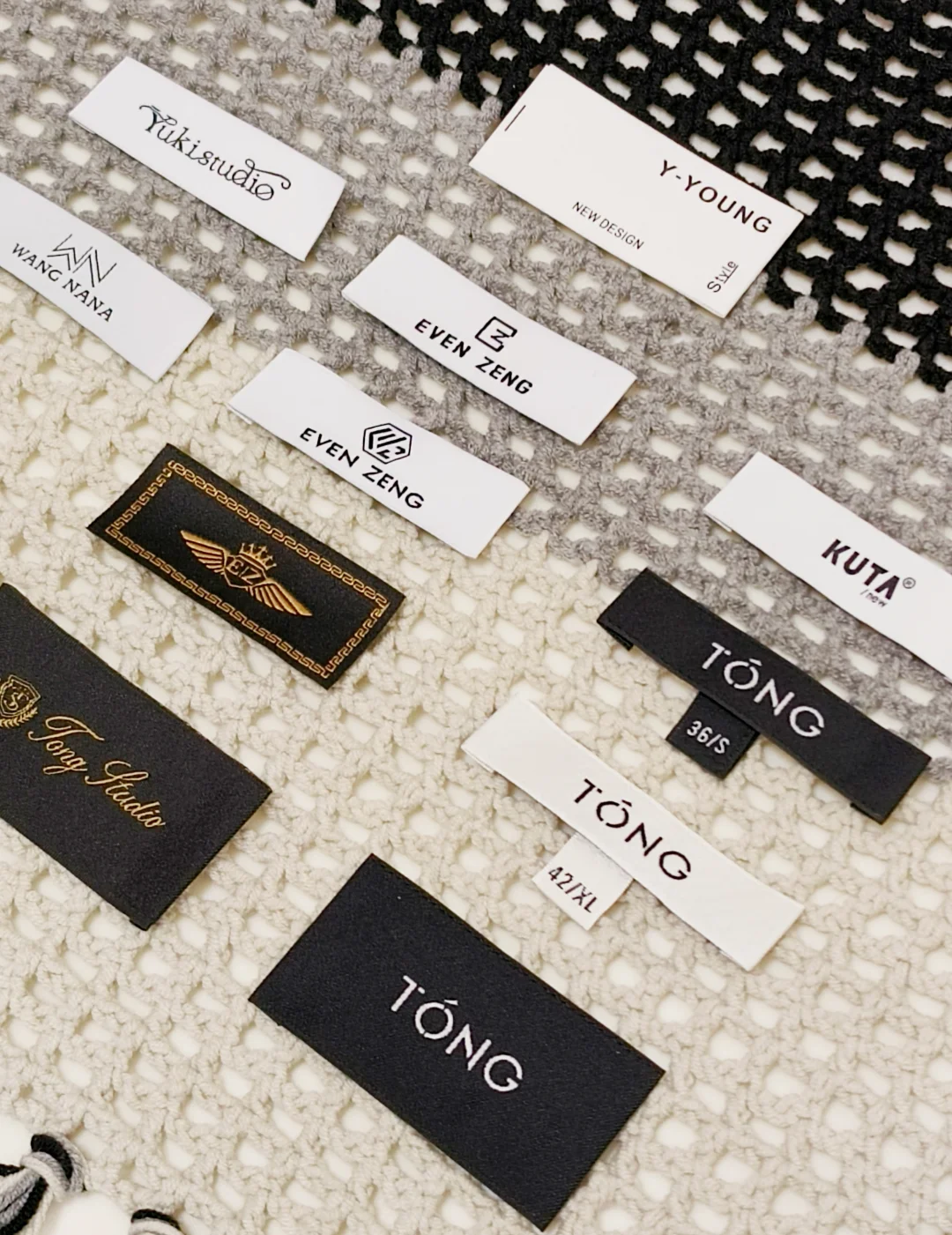
Woven Labels
Develop main labels, size labels, care labels, and side labels that carry your brand information cleanly across a program. Label materials, folds, dimensions, and stitch placement are documented before production begins.
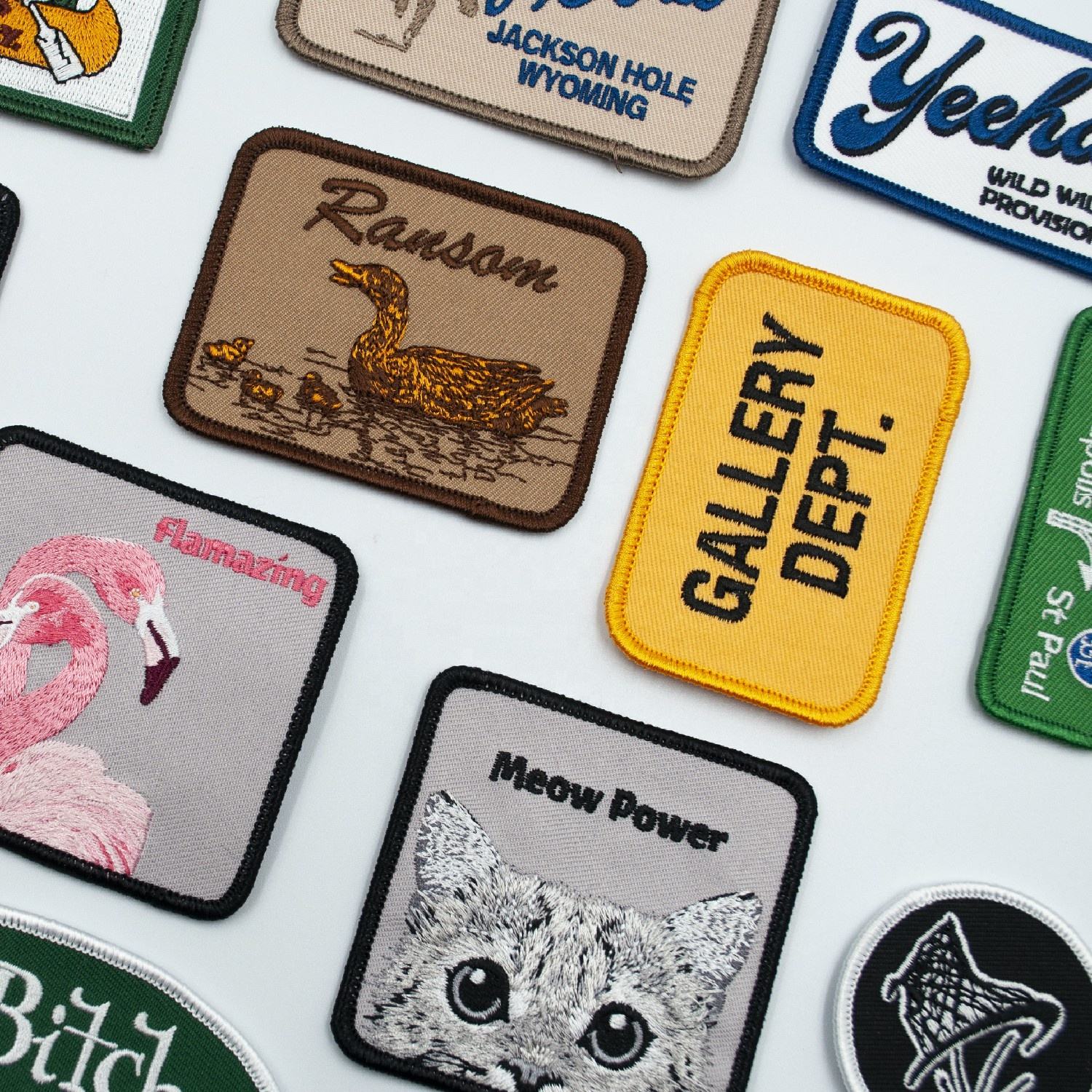
Custom Patches
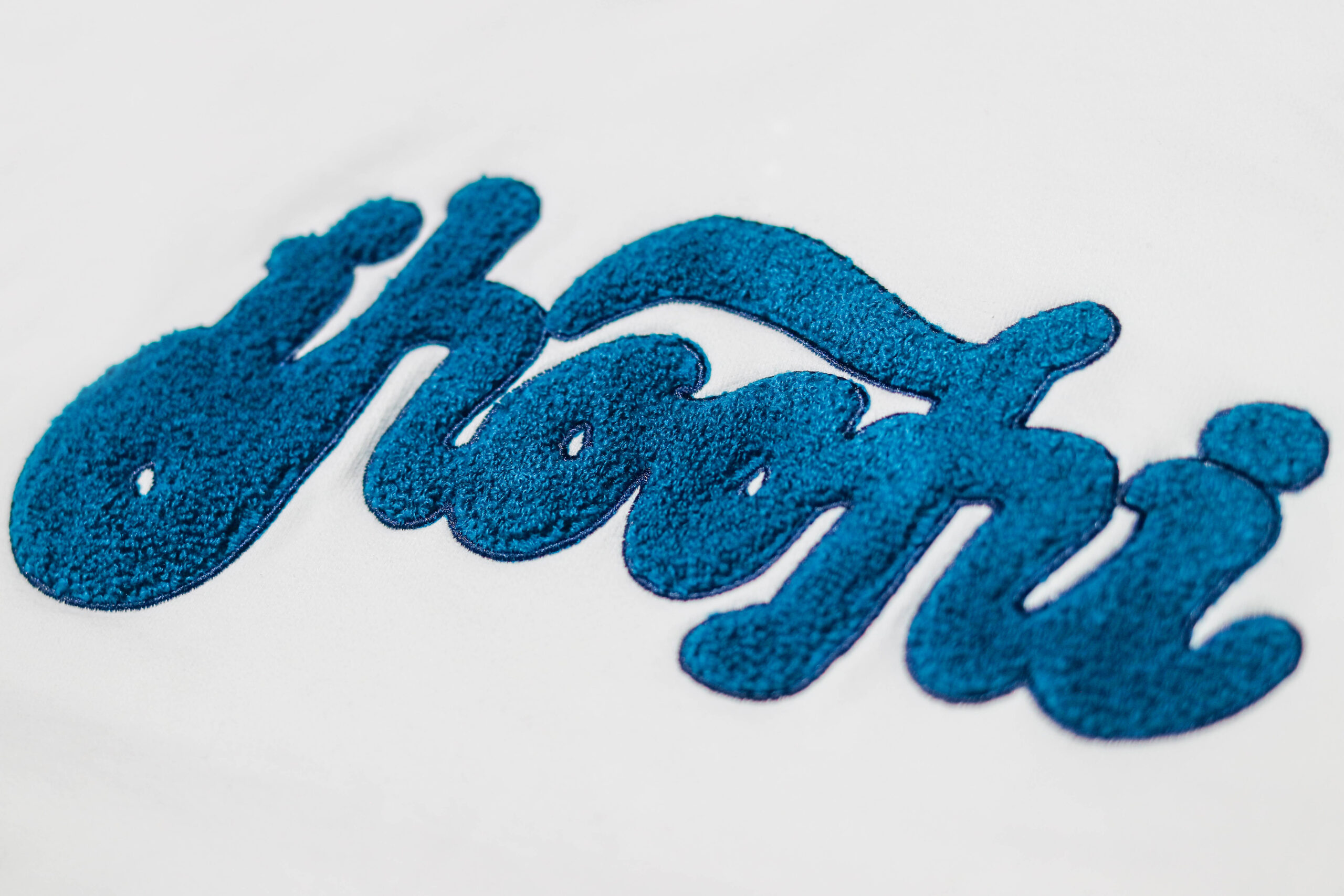
Add embroidered, woven, chenille, rubber, or printed patches to varsity jackets, streetwear, teamwear, and uniforms. Patch size, backing, color, placement, and attachment method are matched to the garment construction.
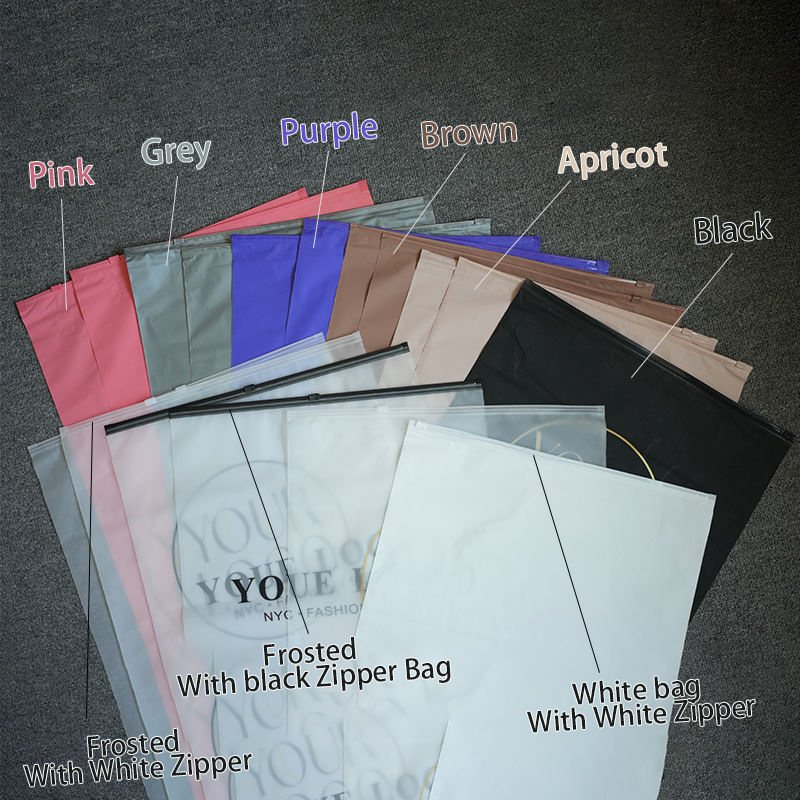
Retail Packaging
Coordinate hangtags, polybags, barcode labels, size stickers, folding, and carton packing for distributor-ready delivery. Packaging details are organized alongside garment specifications to help protect presentation, sorting, and receiving accuracy.
About EDVORIN: Clothing Supplier for Distributors
Founded in 2000 by Edvorin Zeng, EDVORIN was built around a practical responsibility: turning apparel ideas into garments that can be made accurately again and again. As a clothing supplier for distributors, we help convert sketches, references, and complete tech packs into production-ready standards.
Our connected workflow brings product development, fabric and trim sourcing, patterns, sampling, printing, embroidery, washing, bulk production, quality control, labeling, and packaging under one accountable path. We develop casualwear, streetwear, outerwear, and teamwear for men’s and women’s programs, with MOQ starting at 200 pieces per style.
What sets EDVORIN apart is the discipline behind an approved sample. Measurements, materials, artwork placement, trims, and finishing details are documented to guide bulk production and future reorders. This gives distributors and private-label buyers a clearer way to build dependable apparel programs as demand grows.

Clothing Supplier for Distributors: From Concept to Controlled Bulk Production
Technical Development That Clarifies
EDVORIN turns sketches, reference garments, and complete tech packs into production-ready specifications. Patterns, measurements, fit revisions, and construction details are documented before bulk planning, giving distributors a clearer standard for repeat orders across men’s and women’s programs.
- OEM, ODM, and private-label development support
- Pattern, measurement, and fit review
- Sample revisions recorded for approval
- MOQ starts at 200 pieces per style

Materials and Decoration Aligned
Fabric weight, rib recovery, trims, print methods, embroidery, washing, and packaging are coordinated as one garment system. This helps protect the intended hand feel, visual impact, and durability instead of treating each production choice as a separate handoff.
- Fabric and trim sourcing coordination
- Printing and embroidery matched to base fabric
- Wash and finishing considerations reviewed early
- Labels and packaging specified with the program
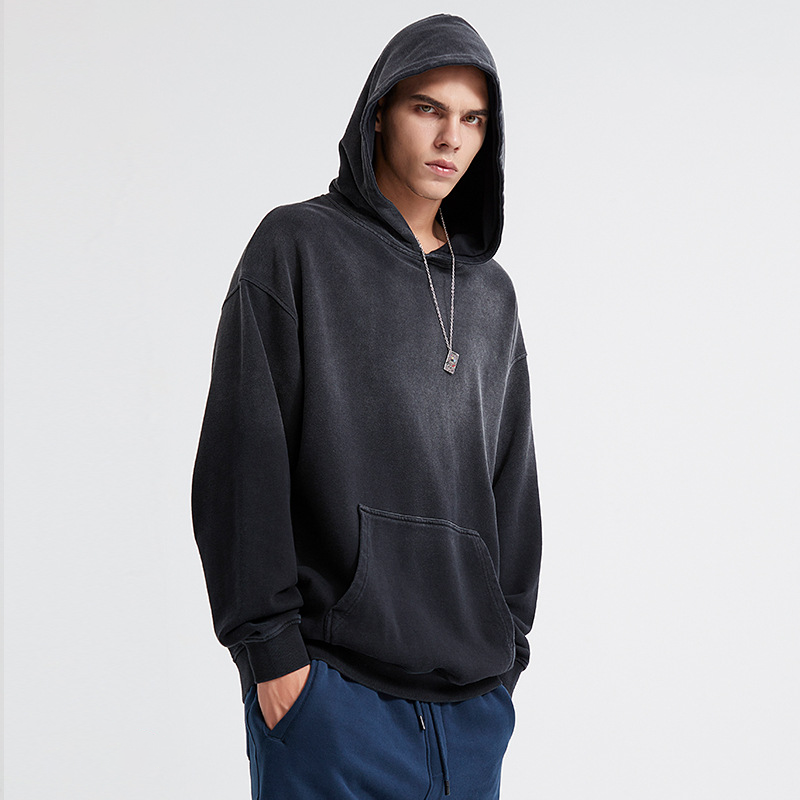
Approved Standards Guide Bulk
For distributor programs, a finished sample must become a usable production reference. EDVORIN carries approved measurements, artwork placement, materials, trims, and construction decisions into in-line checks and final inspection before packing.
- Approved samples anchor bulk production
- Artwork placement and trim details documented
- In-line inspections identify variation early
- Final checks completed before packing
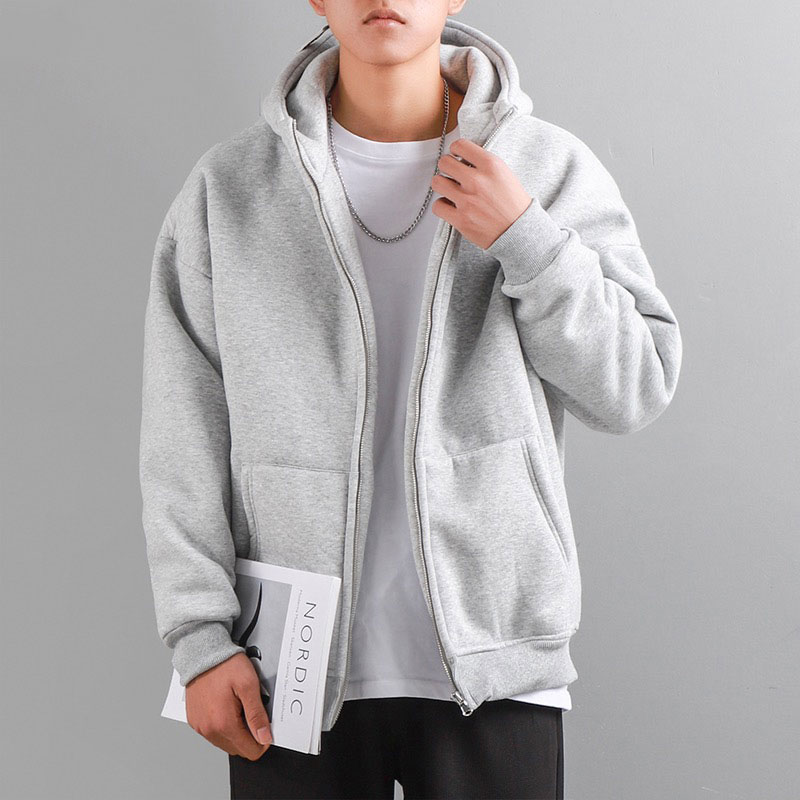
Engineering by Garment Category
Hoodies, varsity jackets, outerwear, jerseys, and coordinated streetwear collections require different construction logic. EDVORIN develops each category around its relevant fabric, fit, decoration, performance, and finishing requirements, supporting more consistent assortments for wholesale programs.
- Casualwear, streetwear, outerwear, and teamwear
- Category-specific construction planning
- Men’s and women’s fit development available
- Coordinated collections under one production system
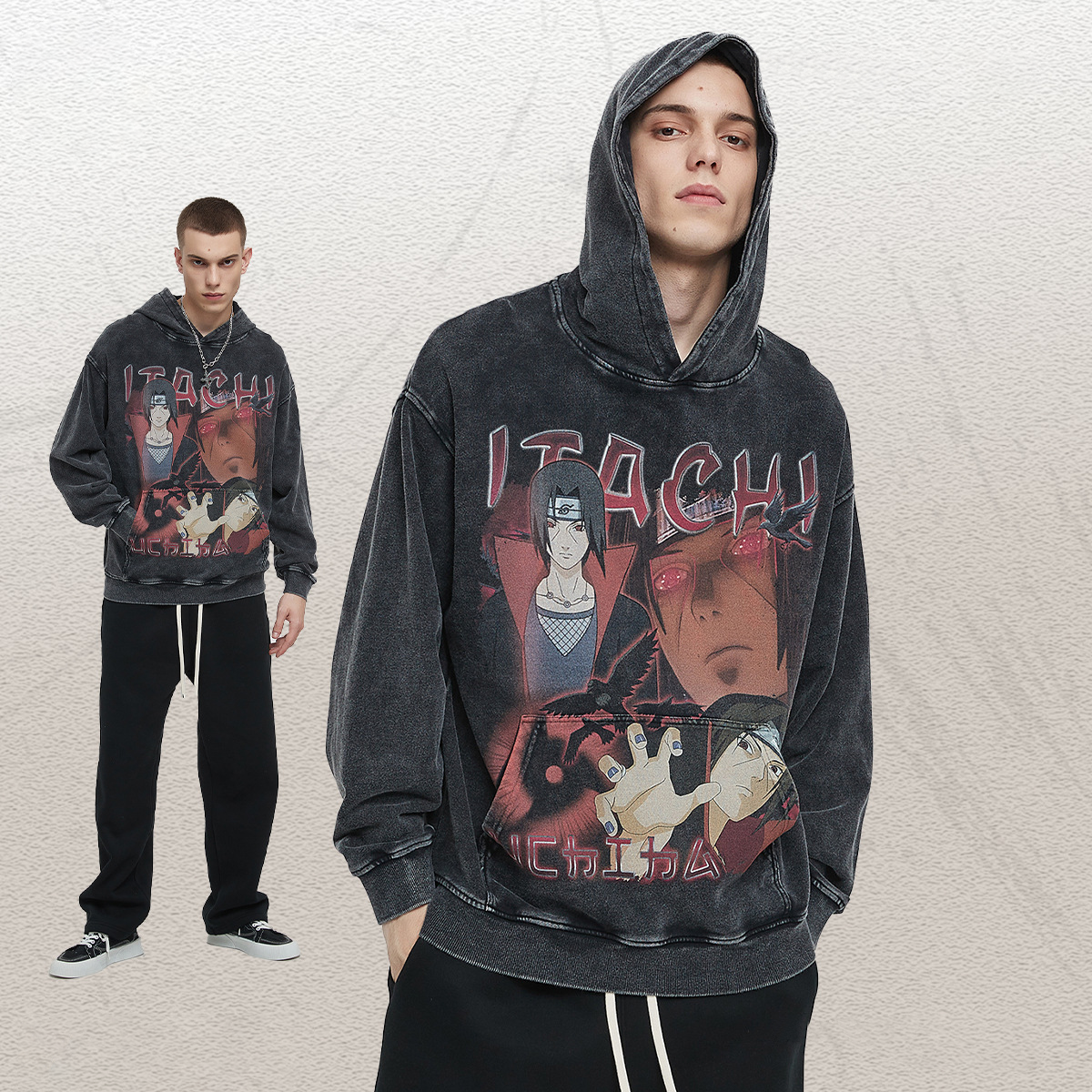
Why Choose EDVORIN as a Clothing Supplier for Distributors
Documented development and controlled production for repeatable apparel programs.
← Swipe left or right to view →
Clothing Supplier for Distributors: Production Timeline
A controlled path that translates approved product details into repeatable bulk apparel programs.
Review Specifications and Source
We review tech packs, references, target fit, quantities and market needs, then coordinate fabrics, trims and construction details for the program.
Develop Patterns and Samples
Patterns, grading and samples turn the concept into an approval standard, with men’s or women’s proportions adjusted for the intended wearer.
Confirm Materials and Details
Approved fabrics, colors, measurements, artwork placement, labels and packaging specifications are documented before bulk production begins.
Cut Sew and Decorate
Production teams coordinate cutting, sewing, printing, embroidery, washing and finishing according to the approved sample and recorded specifications.
Inspect Pack and Ship
In-line and final quality checks verify measurements, workmanship and decoration before goods are labeled, packed and prepared for shipment.
How to Work With EDVORIN
Move from an initial concept to a repeatable apparel program with a clear approval path and managed production controls.
Share Your Program
Send your tech pack, measurement chart, artwork, reference garment, or collection concept. We review product requirements, target market, quantities, and category-specific details.
Align Specifications and Quote
EDVORIN’s MOQ starts at 200 pieces per style. Confirm fabrics, trims, decoration, sizing, packaging, MOQ, and production expectations. EDVORIN prepares a quotation and development plan built around your distributor program.
Review and Approve Samples
Evaluate samples for fit, construction, materials, artwork placement, and finishing. Approved details become the documented standard for repeatable bulk production.
Launch Controlled Bulk Production
EDVORIN coordinates sourcing, cutting, sewing, decoration, inspections, labeling, and packing to keep your distributor program aligned through final delivery.
Certified Standards for Responsible Apparel Production




Distributor and Brand Program Results
EDVORIN helped us turn a rough hoodie and jogger brief into clear specifications before sampling. On our 200-piece first style, the measurement chart and artwork placement notes made approval far more straightforward for our wholesale team.
Our varsity jacket program needed embroidery, chenille patches, snaps, and rib details to stay aligned across sizes. The approved sample became a useful production standard, and our second 300-piece run matched the details our retail accounts had already approved.
For our clubwear range, EDVORIN organized fabric, number placement, labels, and packing under one workflow. We approved 12 jersey colorways with clearer revision tracking, which made it easier to prepare the repeat order for the next season.
Complete Buyer’s Guide for Clothing Distributors
Clear answers for distributors planning custom apparel programs with EDVORIN.
EDVORIN’s MOQ starts at 200 pieces per style. What is the minimum order quantity with a clothing supplier for distributors?
Can a clothing supplier for distributors make samples before bulk production?
How long does production take for a clothing supplier for distributors?
Can EDVORIN support private-label apparel for wholesale programs?
What payment information is needed before I place an apparel order?
Does a clothing supplier for distributors arrange international shipping?
How does EDVORIN protect artwork, tech packs, and product specifications?
Can EDVORIN produce both men’s and women’s apparel collections?
How is bulk quality controlled after the sample is approved?
Complete Buyer’s Guide: clothing supplier for distributors
Use this decision framework to evaluate supplier models, fabrics, customization, quality controls, pricing, and logistics—while avoiding the sourcing mistakes that can erode margins, delay launches, and weaken your resale program.
1. What Is a Clothing Supplier for Distributors?
200-piece programs illustrate the central role of a clothing supplier for distributors: converting an agreed assortment into inventory that can be reordered, labeled, and delivered under controlled specifications. EDVORIN supports this path from development and material sourcing through samples, production, quality control, and packing.
1 factory makes garments; a wholesaler resells ready stock; a trading company coordinates suppliers; a marketplace lists offers; and a dropship partner ships individual orders. A clothing supplier for distributors may combine production coordination with private-label execution, helping buyers maintain repeatable fits, color standards, artwork placement, trims, and packaging.
2 buyer profiles usually determine the model. Retailers needing immediate variety, test quantities, or replenishment of standard blanks favor stock goods; distributors building exclusive ranges, teamwear, or branded collections need made-to-order production, approved samples, and documented specifications that protect future repeats.
2. How Apparel Distribution Supply Evolved
By the 1980s, regional factories and printed wholesale catalogs dominated apparel distribution: buyers committed to seasonal assortments, warehouse stock, and larger order lots well before retail demand was visible.
In 2008, online B2B fashion platforms began demonstrating how a single digital catalog could expose ready inventory, supplier pricing, and cross-border ordering; Brandsdistribution identifies its 2008 launch at https://www.brandsdistribution.com/en. Global sourcing then made private labels more practical, but also increased the need for approved samples, measurement charts, Pantone references, and documented trim specifications.
By the 2020s, distributors increasingly expected replenishment driven by sell-through rather than one seasonal buy. A clothing supplier for distributors now needs flexible order quantities, traceable materials and production records, faster sample feedback, and fulfillment data that supports wholesale, e-commerce, marketplaces, and team or corporate orders.
3. Types of Clothing Supplier for Distributors
Five supplier models trade speed, control, and inventory exposure differently. A clothing supplier for distributors should match its model to the resale program, not merely the lowest unit cost.
| Supplier Model | Control | Minimums And Speed | Customization | Best Use |
|---|---|---|---|---|
| Stock blanks | Low | Low; immediate | Decoration only | Fast promotional resale |
| Full-package manufacturer | High | Usually higher; sampling first | Fabric to packaging | Branded repeat collections |
| Private-label specialist | Medium-high | Moderate; development lead time | Labels, colors, selected details | Own-label assortments |
| Wholesaler/importer | Low | Low; ready stock | Limited | Trend or closeout buying |
| On-demand partner | Low | Per unit; fastest launch | Print-led | Demand testing |
Match Model To Channel
200-piece programs commonly favor full-package or private-label production when a distributor needs a repeatable specification. Stock, wholesale, and on-demand routes fit faster tests, but reduce control or margin certainty.
4. Clothing Supplier for Distributors: Fabric Choices
Fabric decisions determine whether a distributor’s assortment feels premium, performs in use, and survives repeat laundering. Specify composition, structure, GSM, stretch, hand feel, and care before sampling.
| Material | Typical GSM | Best Use | Key Consideration |
|---|---|---|---|
| Cotton jersey | 160–220 | Tees | Soft hand; allow shrinkage |
| Cotton-poly blend | 180–260 | Promotional apparel | Balances comfort and durability |
| French terry or fleece | 280–360 | Hoodies | Check pilling and rib recovery |
| Polyester interlock | 140–180 | Uniforms | Fast drying; supports color |
| Performance recycled polyester | 120–180 | Activewear | Confirm stretch, opacity, and care |
Match Fabric To Channel
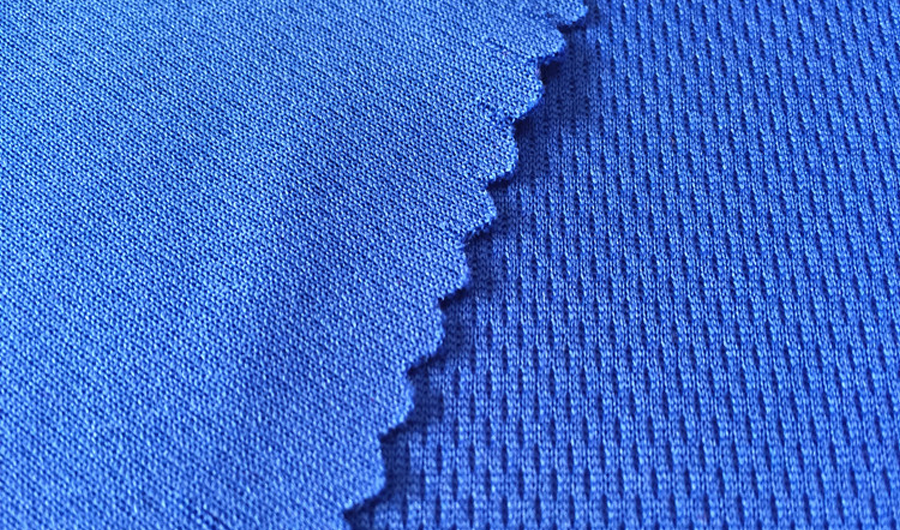
100% cotton jersey gives tees a natural hand; ring-spun yarn is smoother than open-end. Polyester improves color retention and drying speed for uniforms and promotional programs.
Control Weight And Stretch
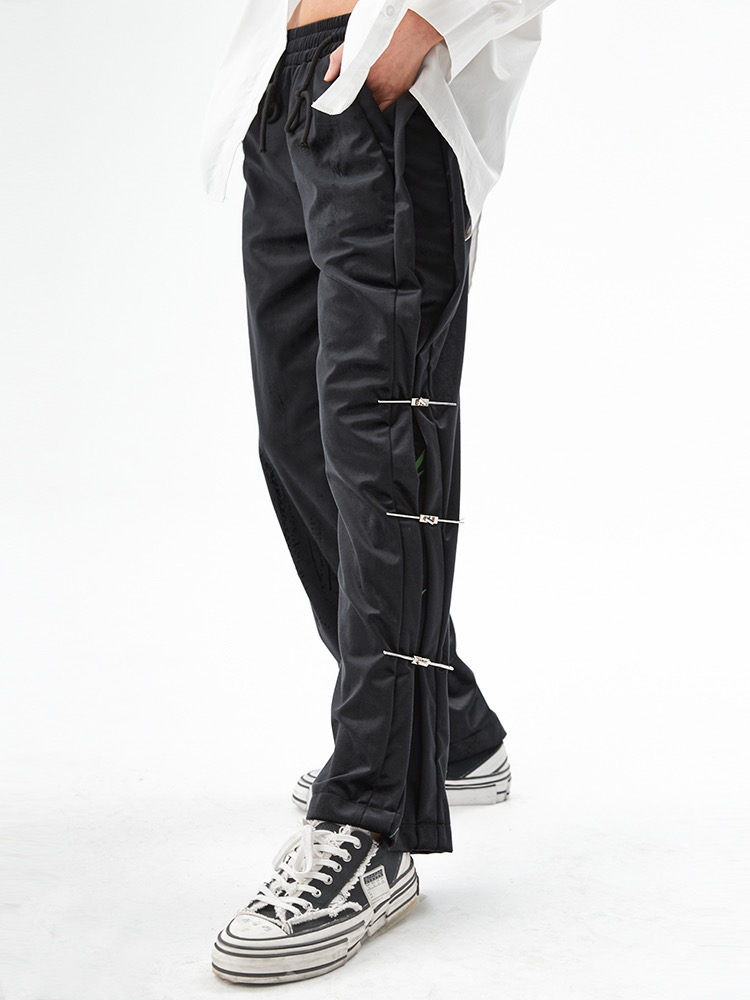
180–220 GSM suits everyday tees, while 280–360 GSM fleece supports substantial hoodies. Add elastane only where recovery matters; excessive stretch can complicate grading and decoration placement.
Plan Care And Recycled Content
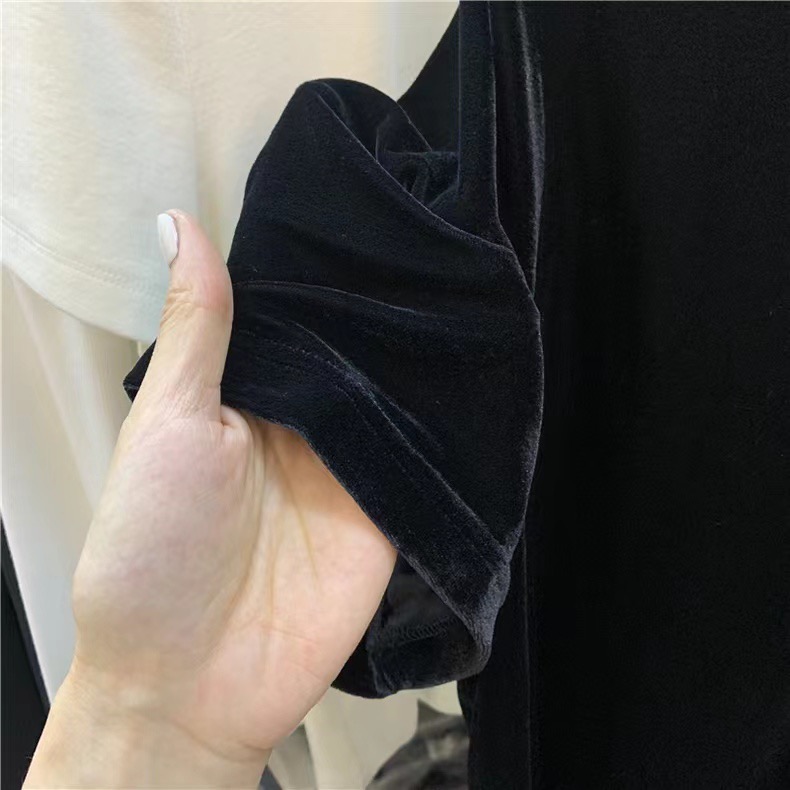
Recycled polyester suits performance and promotional apparel when its hand, pilling resistance, and dye consistency are approved. Require wash testing for shrinkage, colorfastness, and print compatibility before bulk release.
5. Customization and Decoration Options
For a 200-piece program, decoration must be specified before sampling: artwork, base fabric, placement, and wear expectations determine the appropriate method. EDVORIN records approved choices with labeling and packing requirements.
| Method | Artwork | Color | Setup And Volume |
|---|---|---|---|
| Screen Print | Bold shapes | Opaque color | Screen setup; larger runs |
| DTG | Tonal cotton art | Full color | Low setup; variable artwork |
| DTF | Detailed mixed-fiber art | Full color | Film transfer; smaller runs |
| Embroidery | Logos and patches | Thread palette | Digitizing; 200-piece programs |
Print Method Selection
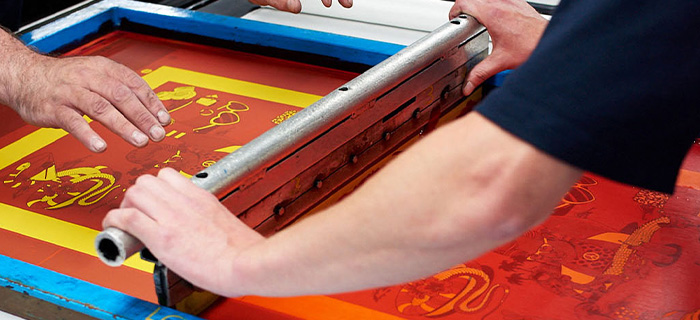
At 1–2 colors, screen printing favors bold repeat graphics. Larger runs dilute screen setup.
At 4+ colors, DTG captures cotton tonal detail. DTF suits mixed-fiber graphics.
Performance And Placement
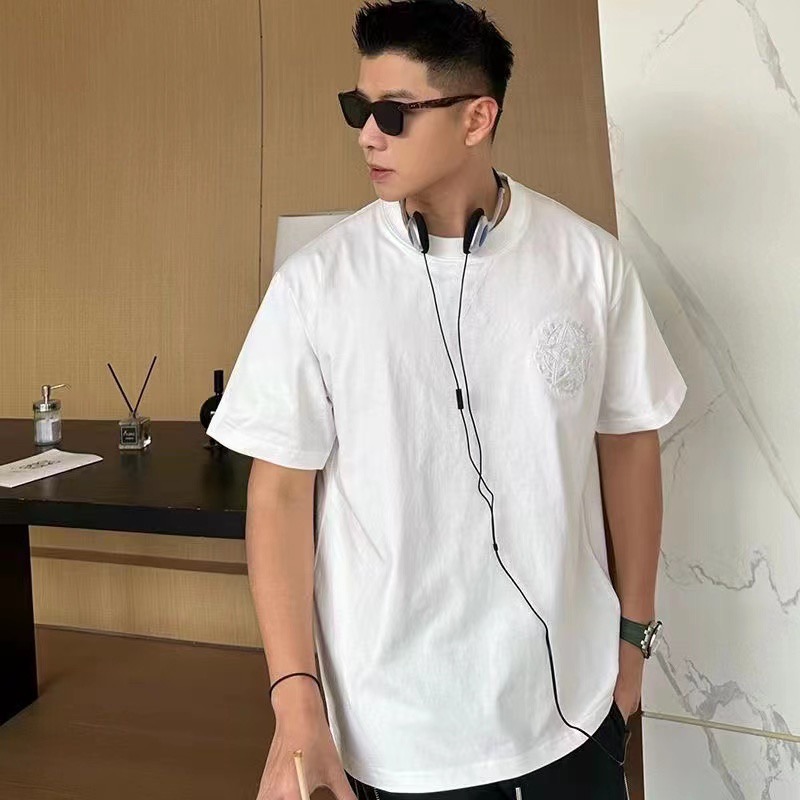
At 100% polyester, sublimation produces all-over color. Light synthetic bases work best.
At 200 pieces, heat transfer suits names and numbers. Test film hand feel after washing.
Private-Label Finishing
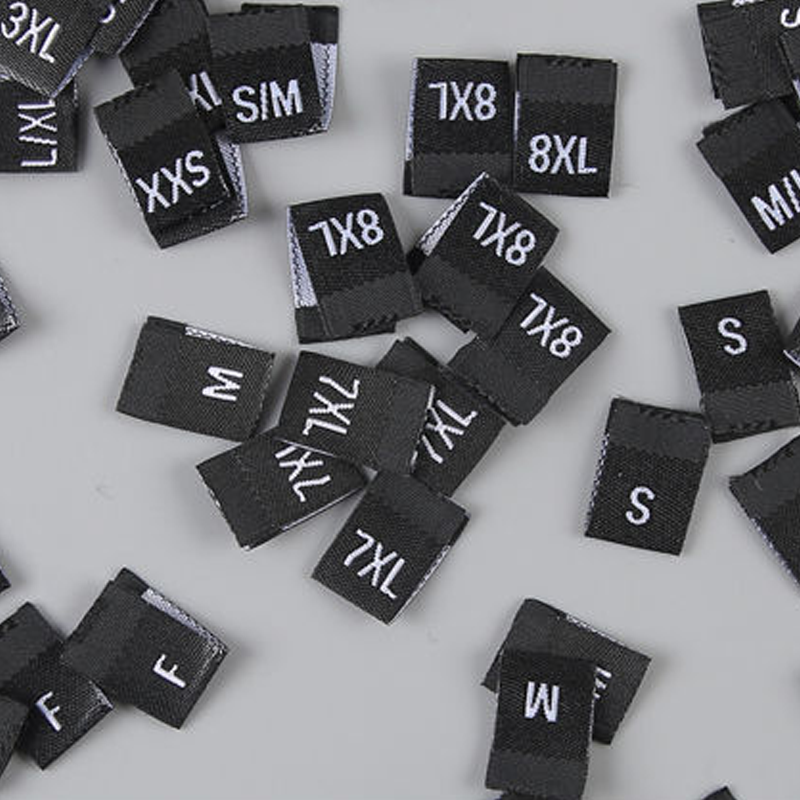
At 200 pieces, embroidery suits logos and patches. Stitch count and backing affect cost.
At 200 pieces, labels, hangtags, packaging, and cut-and-sew require approved specifications. Record placement, grading, and trims in the tech pack.
6. Construction Details That Protect Quality
For a clothing supplier for distributors, construction approval is risk control. EDVORIN records the approved sample as a production standard so resale quality does not depend on memory.
Test Fabric Before Cutting
Before bulk cutting, test shrinkage after the intended wash method and assess colorfastness against rubbing, washing, and perspiration. A 5% shrinkage result can shift finished measurements enough to create avoidable returns.
Lock Construction Standards
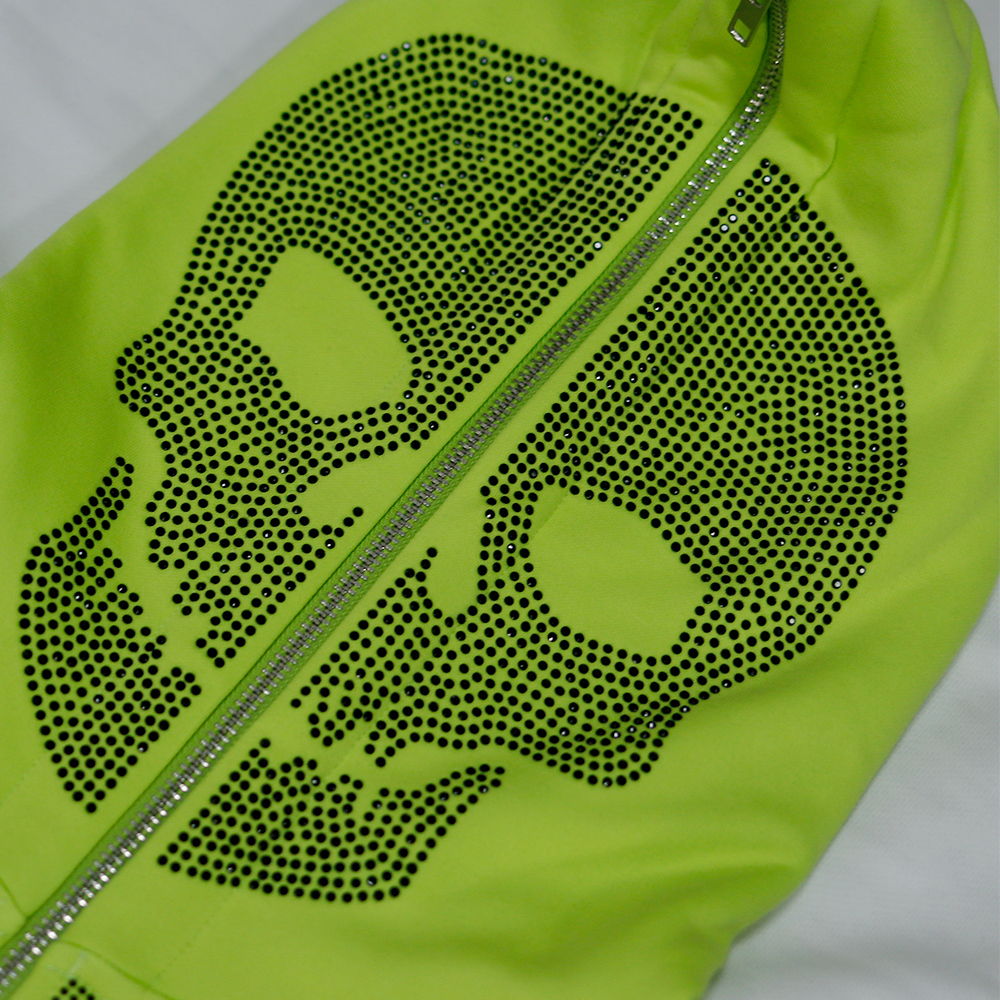
8–12 stitches per inch is a useful checkpoint for many knit seams; confirm the garment-specific standard rather than accepting a generic count. Reinforce stress points, test rib recovery, and specify approved zippers, snaps, drawcords, and thread.
Control Repeatability At Inspection
Every size requires a measurement chart, tolerances, and grading rules before bulk production. Check print registration, label position, care content, and final packed-garment inspection against the approved sample; consistent execution protects perceived value and supports repeat orders.
7. Choosing a Clothing Supplier for Distributors
A 200-piece program should start with the assortment, price tier, and sales channel—not a supplier list. For a clothing supplier for distributors, compare the documented production path behind each quote.
| Quote Question | Supplier A | Supplier B | Supplier C |
|---|---|---|---|
| MOQ by style/color | |||
| Sample and bulk lead time | |||
| QC checkpoints | |||
| Incoterm and freight scope |
Define The Buying Brief
Three inputs—target customer, channel, and replenishment plan—determine suitable fabric, decoration, packing, and size ratios. Request a tech pack, measurement chart, Pantone references, and a pre-production sample before approval.
- Which style, color, and size quantities form the MOQ?
- What is included: labels, packaging, decoration, freight?
- Which sample revisions and approvals control bulk production?
Audit Production Control
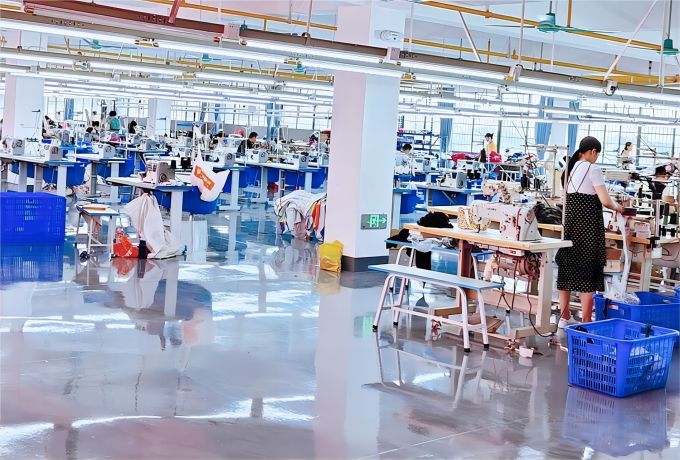
Four checkpoints—material receipt, in-line sewing, finishing, and final inspection—should be explained before ordering. Ask how measurements, artwork placement, defects, and corrective actions are recorded against the approved sample.
- Request the quality-control checklist.
- Confirm communication response times and escalation contacts.
- Document intellectual-property ownership and confidentiality.
Compare Commercial Terms
Two timelines matter: sample timing and bulk lead time after approval. Confirm payment milestones, reorder specifications, Incoterms, freight responsibility, duties, and the procedure for shipment delays in writing.
- What lead time applies by style and color?
- What payment terms apply to samples and bulk?
- Can the approved standard be reproduced for reorders?
8. Common Distributor Sourcing Mistakes
EDVORIN’s MOQ starts at 200 pieces per style. A 200-piece MOQ does not protect a resale program from weak sourcing decisions. Most avoidable losses appear before cutting, when assumptions replace documented approvals and cost planning.
Price Before Total Cost
A low unit quote can hide freight, duty, testing, packaging, and rework. Correct it with a landed-cost sheet; warning sign: the quote excludes Incoterms or carton details.
Samples And Specifications

Skipping a pre-production sample leaves bulk without a physical standard. Approve measurements, Pantone references, artwork placement, and trims; warning sign: revisions exist only in email.
Assortment And Size Curves
Too many SKUs dilute a 200-piece order, while a generic size split creates dead stock. Start with proven colors and buyer-specific curves; warning sign: quantities are divided evenly by size.
Decoration And Timing
Screen print, embroidery, and heat transfer each impose fabric and placement limits. Confirm strike-offs and a production schedule; warning sign: lead time is promised without material-ready dates.
9. Steps to Launch a Resale Apparel Program
A 200-piece launch is best treated as a controlled demand test, not a full catalog commitment. Start with a documented customer, channel, target retail price, and sell-through threshold.
Validate Demand And Assortment
3 customer groups—retailers, teams, or students—should identify the wear occasion, price ceiling, and preferred fits before style selection.
2 core styles, 2 colors, and a size curve based on actual customer data limit stranded inventory while testing demand.
Specify, Sample, And Cost
1 tech pack should record measurements, fabric, Pantone references, artwork placement, labels, packaging, and approved tolerances.
2 sample rounds usually separate fit corrections from production-ready approval; calculate landed cost, duty, freight, margin, and markdown allowance before confirming quantities.
Launch And Replenish
200 units can be split across a pilot assortment, with purchase orders released only after the approved sample becomes the bulk standard.
30 days before inbound delivery, prepare product photos, size charts, SKU data, and retailer sales sheets; reorder from measured sell-through rather than intuition.
10. Pricing a Clothing Supplier for Distributors
200 pieces is a practical first pricing tier for a custom program, but it does not create a universal unit price. EDVORIN should quote against the approved garment specification, quantities by color and size, destination, and required services.
1 development sample and any pattern, screen, embroidery-digitizing, wash, or special-trim setup charges should be shown separately. French terry versus fleece, GSM, color count, stitch count, labels, and individual packaging can materially change the landed cost.
30–45 days is a planning range after approvals for many custom programs; expedited materials or freight can raise cost. Build resale margin from landed cost—goods, setup amortization, freight, duty, brokerage, and local delivery—and confirm the final quote directly with the supplier.
| Illustrative tier | Unit-cost drivers | Margin-planning note |
|---|---|---|
| 200–499 pieces | Lower volume; setup spread over fewer units | Amortize sample and setup |
| 500–999 pieces | More efficient cutting and production | Compare delivered cost |
| 1,000+ pieces | Volume may improve unit economics | Reserve for duty and freight variance |
Start Your Clothing Supplier for Distributors Program
Send your tech pack, collection concept, or sourcing brief to discuss a repeatable private-label apparel program from 200 pieces per style.