
Apparel Packaging and Packing for Repeatable Production Programs
EDVORIN connects OEM and ODM development, sampling, labeling, and apparel packing in one accountable production path.
Featured Products for Apparel Packaging and Production Development


One Accountable Path from Development to Packed Apparel
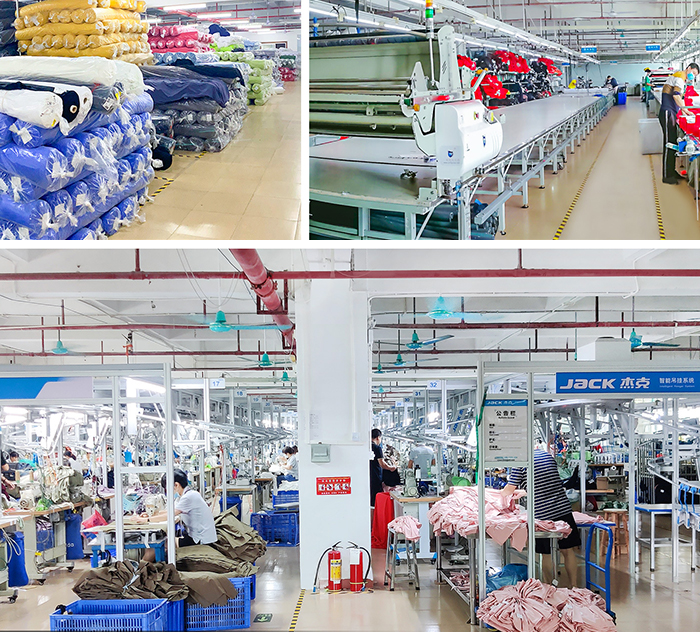
Founder-led coordination connects development, decoration, quality control, labeling and packing so approved apparel standards carry through to every finished order.
Founder-Led Accountability
Work with a manufacturing partner shaped by production-floor experience since 2000, with clear ownership from early development through packed goods.
Category-Aware Development
Hoodies, jackets, jerseys and streetwear are developed around their specific construction, fit, material and performance requirements.
Coordinated Decoration
Fabric, trims, printing, embroidery, washing, labels and packaging are aligned so each detail supports the finished garment.
Approved-Standard Quality
Samples, measurements, artwork placement and trim specifications become visible production references for in-line checks and final inspection.
Flexible 200-Piece MOQ
Start at 200 pieces per style while building a production-ready program designed to support emerging labels and established buyers.
Apparel Programs Built for Your Market
From individual styles to coordinated collections, EDVORIN develops category-specific specifications that support reliable sampling, bulk production and repeat orders.
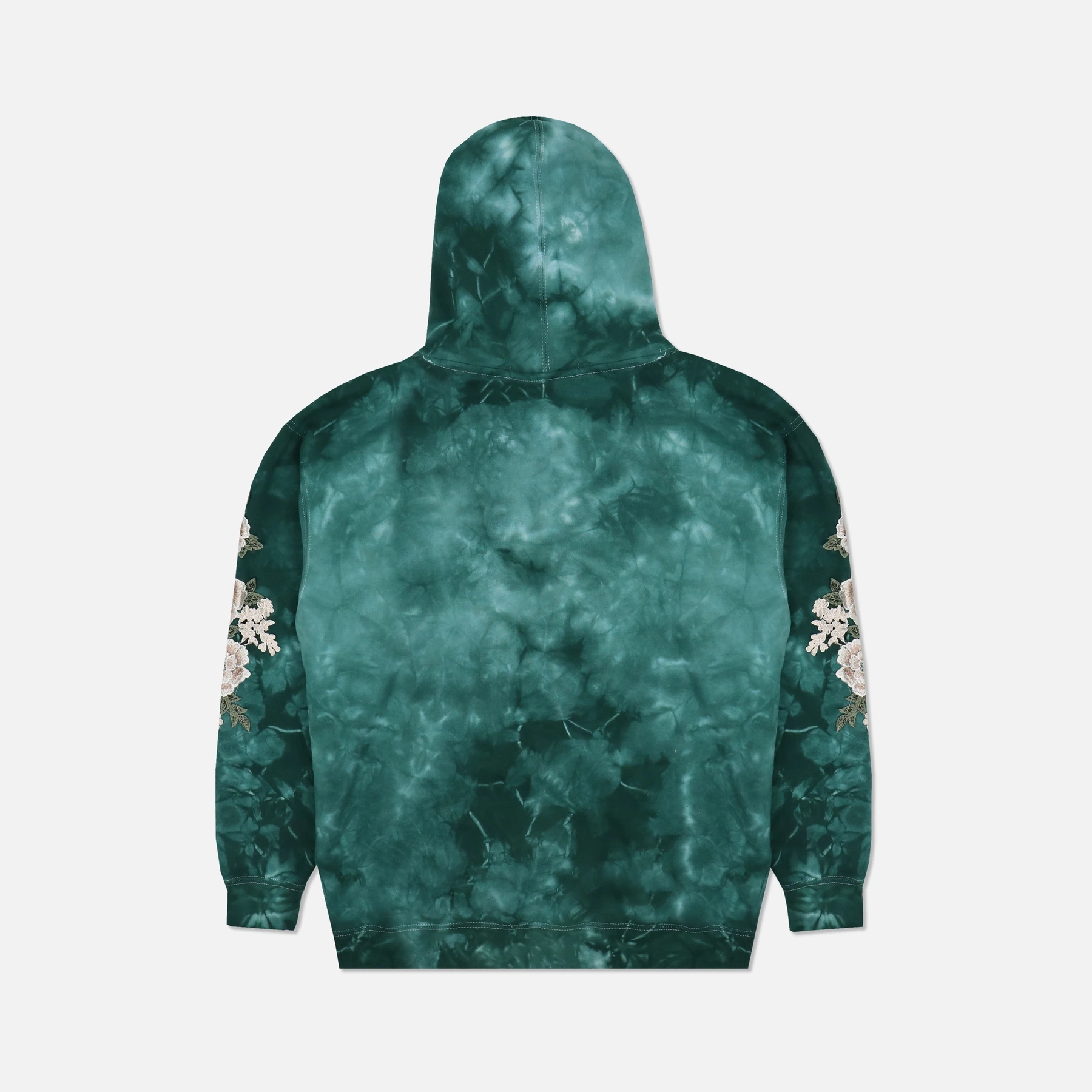
Custom Hoodies
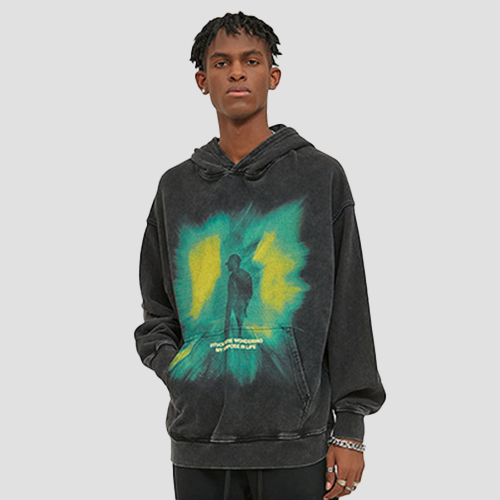
As a custom hoodie manufacturer, EDVORIN develops fleece weight, hood shape, rib recovery, pockets, drawcords, labels and decoration around your fit and price requirements. Approved samples become the reference for controlled bulk production across men’s and women’s programs.
Get a Quote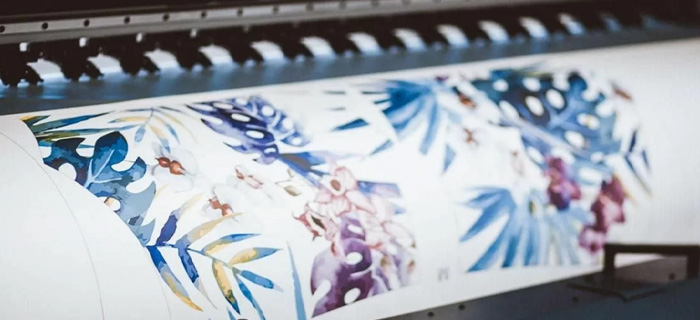
Pullover Sweatshirts
EDVORIN supports pullover sweatshirt programs with defined fabric weight, neckline, rib construction, seam details, fit blocks and decoration placement. Each sweatshirt manufacturer project is documented from sample approval through production to help maintain consistency across sizes and repeat orders.
Get a Quote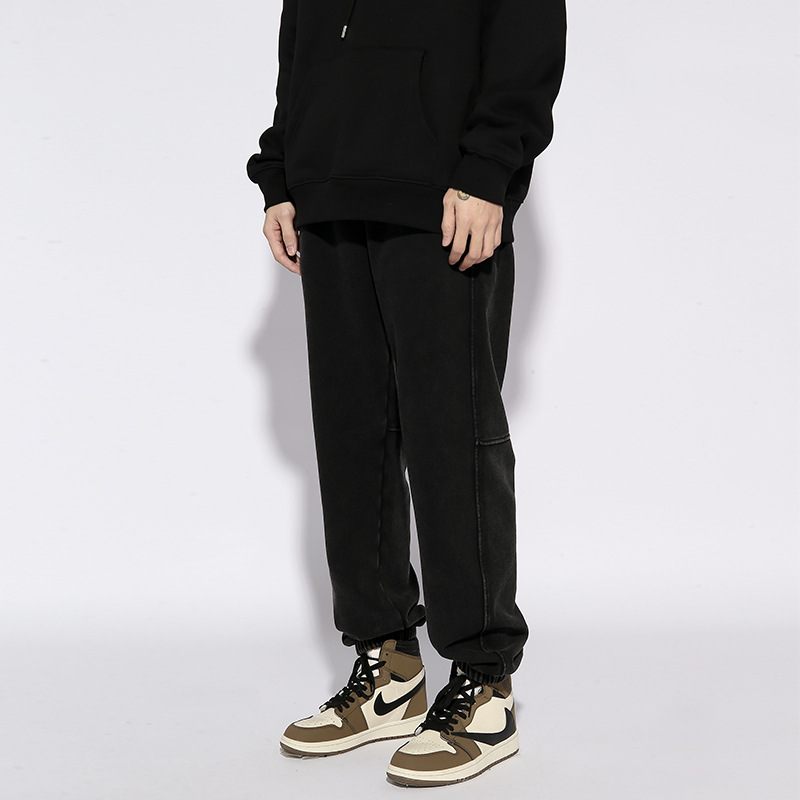
Sweatpants & Joggers
For sweatpants and joggers, we coordinate fabric stretch, waistband construction, pocket design, cuff options, drawcords and grading. EDVORIN helps buyers turn casual bottoms into production-ready specifications suitable for matching sets, wholesale assortments and private-label programs.
Get a Quote
Custom Shorts
Custom shorts development considers inseam, rise, pocket construction, waistband, lining, fabric weight and intended use. Whether for fleece, woven or performance styles, EDVORIN aligns the sample, size range and finishing details before moving into bulk production.
Get a Quote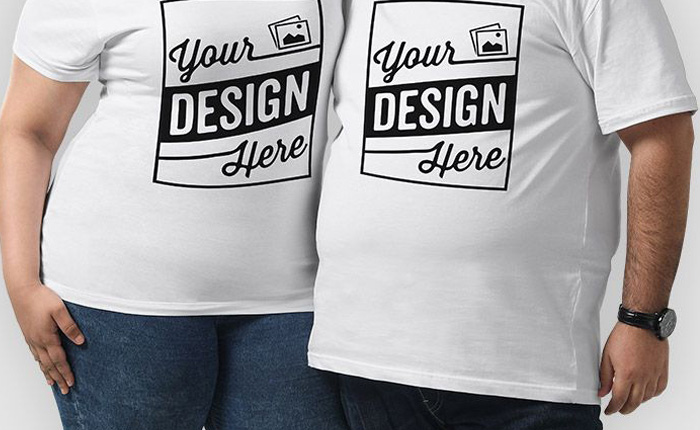
Varsity & Baseball Jackets
Varsity and baseball jackets require balance between body fabric, sleeves, ribbing, snaps, lining, patches and embroidery. EDVORIN develops these components as one system, recording approved materials and placements so the jacket’s structure and character carry through production.
Get a Quote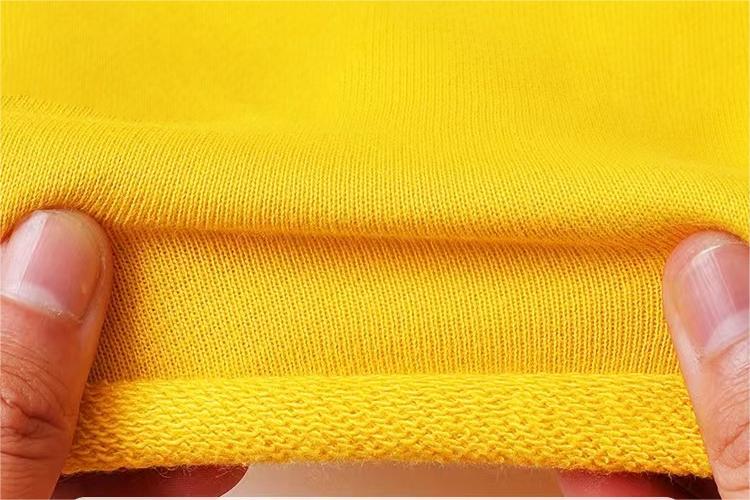
Custom T-Shirts
As a custom T-shirt manufacturer, EDVORIN develops fabric weight, yarn feel, collar construction, shoulder details, fit and print method for your intended market. Men’s and women’s specifications can be adjusted independently rather than using one universal block.
Get a Quote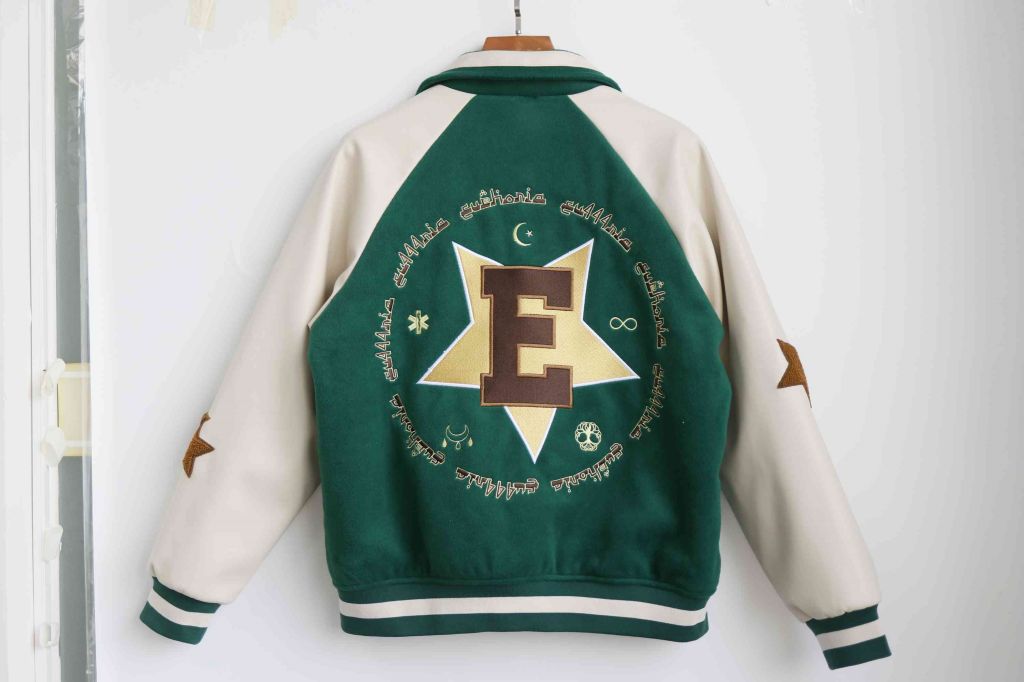
Custom Polo Shirts
Polo shirt programs are built around collar shape, placket construction, fabric performance, cuff details, buttons and embroidery placement. EDVORIN supports casual, corporate and team applications with approved samples that guide consistent manufacturing and packing.
Get a Quote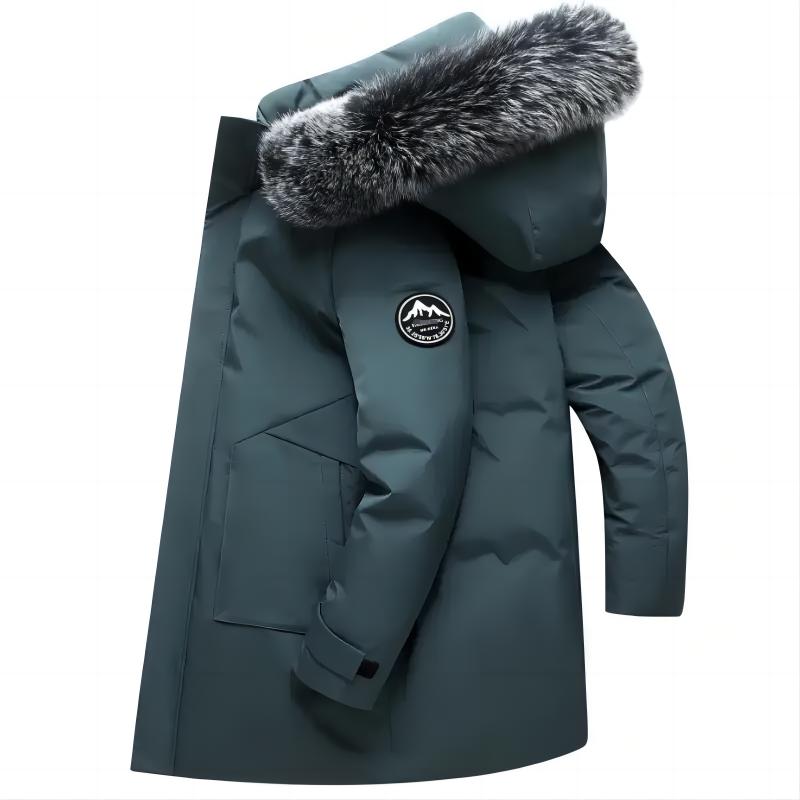
Windbreaker Jackets
Windbreaker development requires coordinated decisions on shell fabric, lining or mesh, zipper performance, pocket construction, hood design and water-resistant finishing. EDVORIN helps buyers define these details early so technical outerwear can be sampled and repeated with control.
Get a Quote
Quilted Jackets
Quilted jackets combine shell fabric, insulation, lining, quilting pattern, hardware and fit into one production standard. EDVORIN develops each layer around the desired warmth, profile and price point, then verifies construction details before bulk production begins.
Get a Quote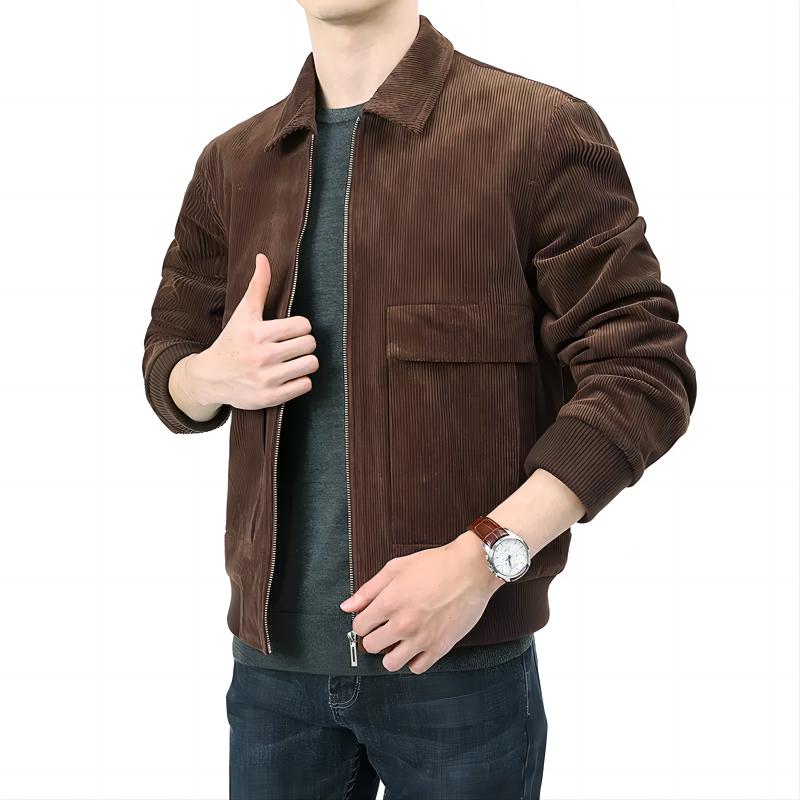
Bomber Jackets
Bomber jackets are developed with attention to shell and lining balance, rib quality, zipper selection, pocket construction, insulation and decoration. EDVORIN turns approved design references into clear specifications for fashion, streetwear and private-label outerwear programs.
Get a Quote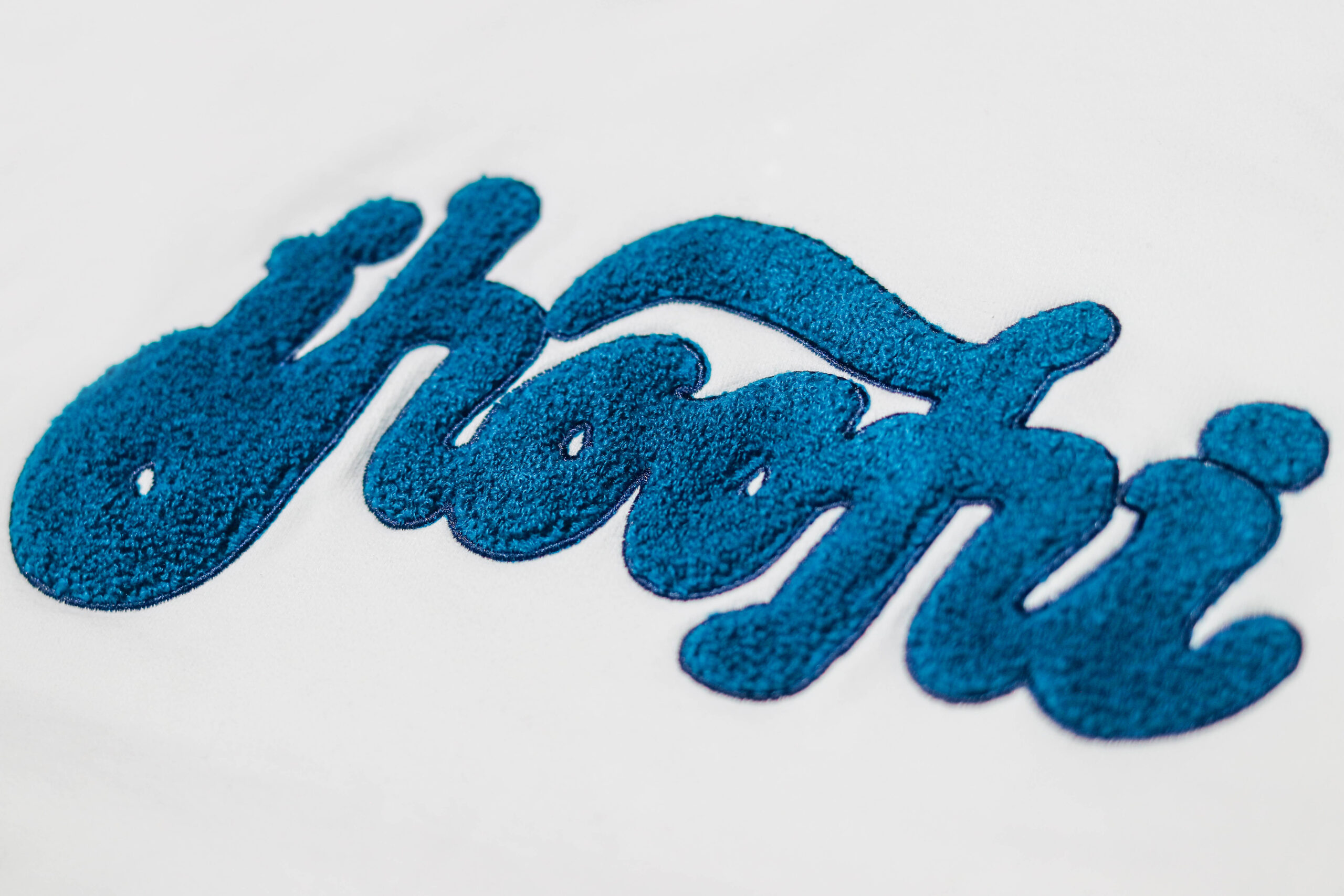
Custom Shirts
Custom woven shirts require control over fabric selection, collar and cuff construction, placket details, pocket placement, stitching and sizing. EDVORIN develops men’s and women’s shirt programs to the intended fit, finish and market position before production is released.
Get a Quote
Custom Jerseys
Custom jerseys can be developed for team, fanwear and branded performance programs with managed fabric selection, color matching, panel construction, names, numbers and decoration placement. Approved artwork and size information are carried through sampling, production and final inspection.
Get a Quote
Tank Tops
Tank top programs are developed around fabric weight, armhole shape, neckline, binding, fit and decoration method. EDVORIN supports casual, training and streetwear applications, adapting men’s and women’s proportions to the intended wearer instead of relying on a shared pattern.
Get a Quote
Soccer Uniforms
Soccer uniform production coordinates breathable fabrics, panel layouts, color matching, club graphics, player names, numbers and organized size sets. EDVORIN documents the approved standard so teams, academies and distributors can manage initial orders and repeat programs consistently.
Get a Quote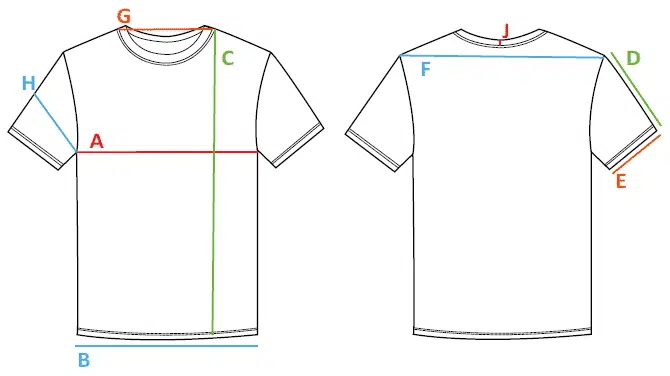
Basketball Uniforms
Basketball uniform programs require attention to lightweight fabric, mobility, neckline and armhole construction, contrast panels, numbering and color control. EDVORIN develops coordinated jerseys and shorts with clear specifications for clubs, schools, academies and private-label teamwear buyers.
Get a Quote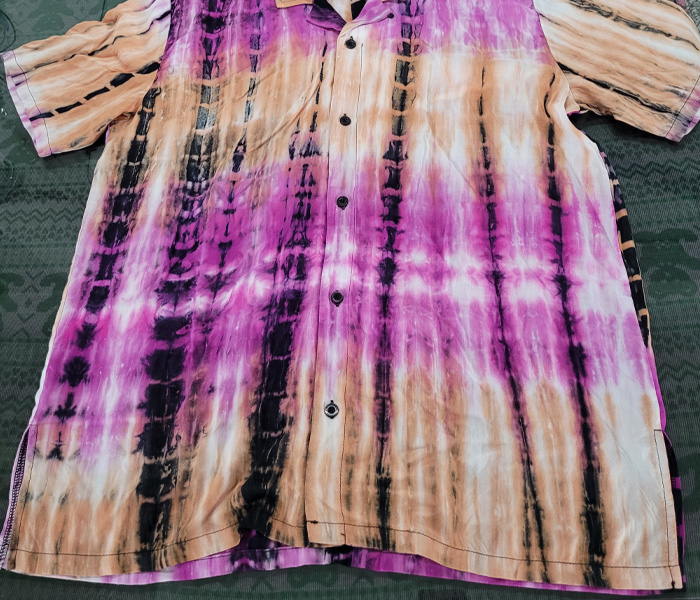
Streetwear Collections
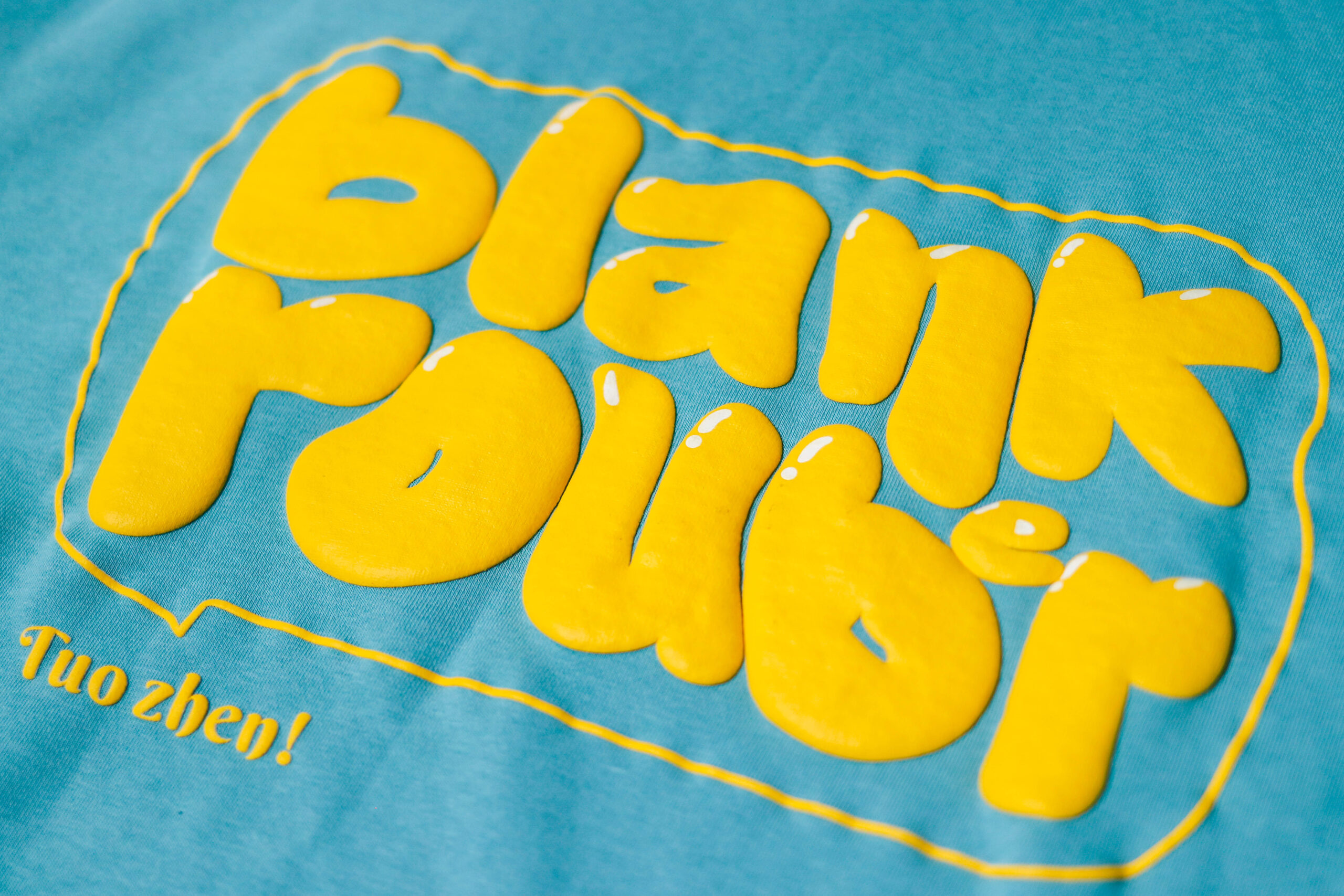
EDVORIN develops streetwear collections as connected product programs, coordinating silhouettes, fabrics, washes, graphics, embroidery, trims, labels and packaging across styles. The process helps labels turn references or early concepts into repeatable, production-ready assortments with MOQ starting at 200 pieces per style.
Get a QuoteMaterials Coordinated for Reliable Apparel Production

Cotton Fleece
Soft, structured fleece for hoodies, sweatpants, and pullover programs. Available across weights and brushed finishes, it delivers warmth and a substantial hand-feel while supporting rib, print, embroidery, and wash specifications.
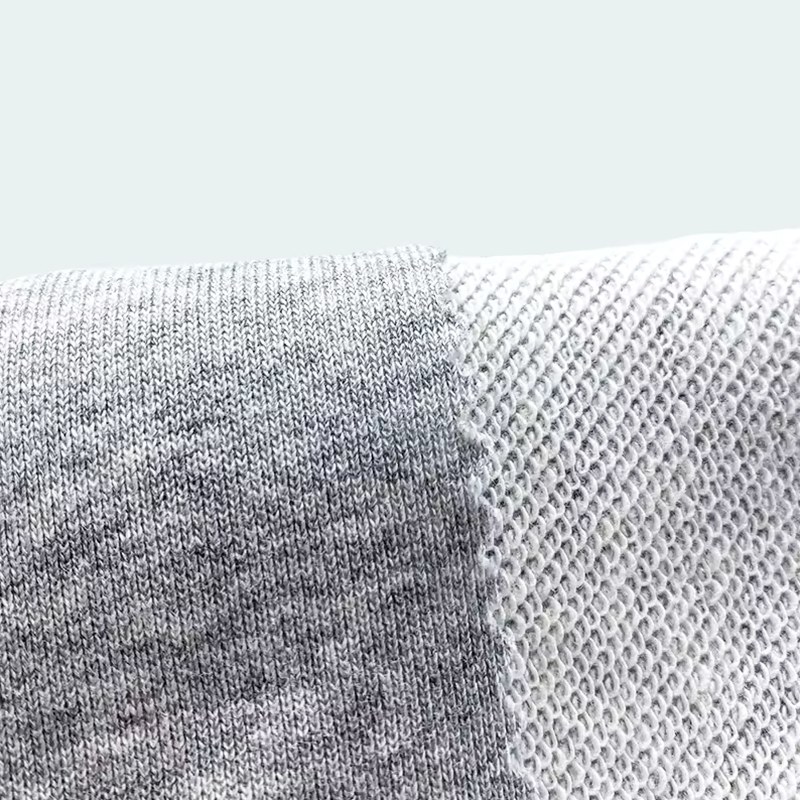
French Terry
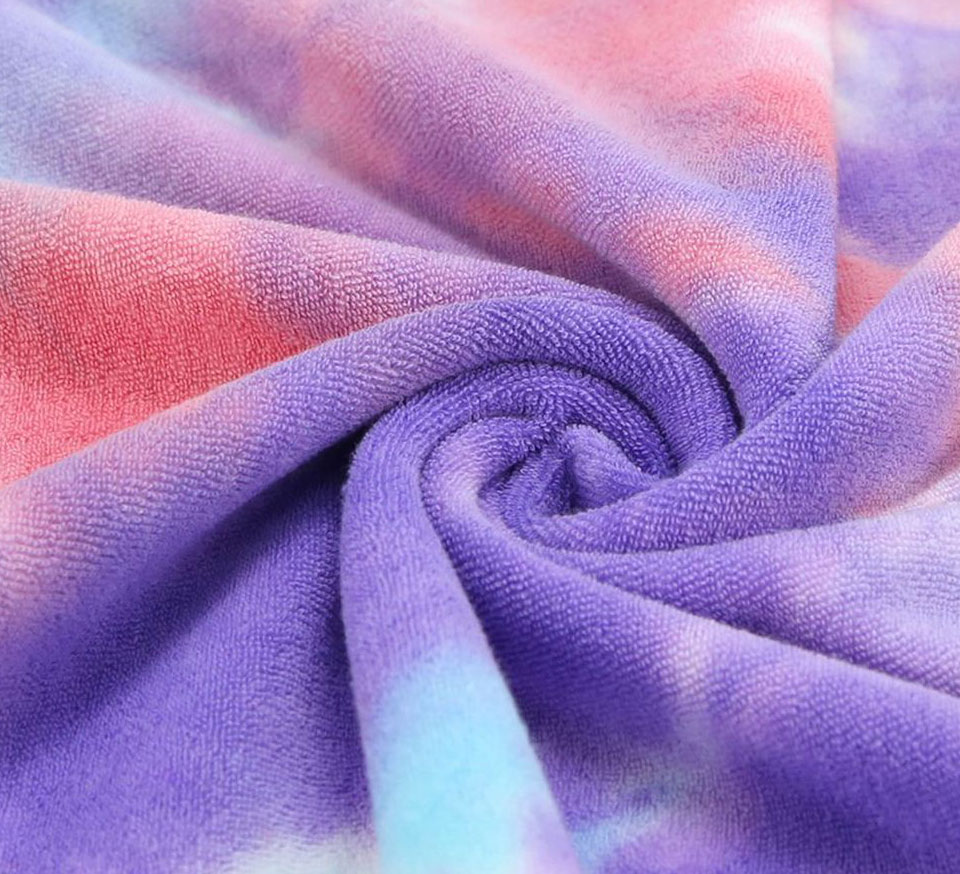
Loopback cotton fabric suited to premium sweatshirts, shorts, and transitional layers. Its breathable interior and moderate weight create a clean casualwear feel, with construction options adjusted for drape, recovery, and decoration.
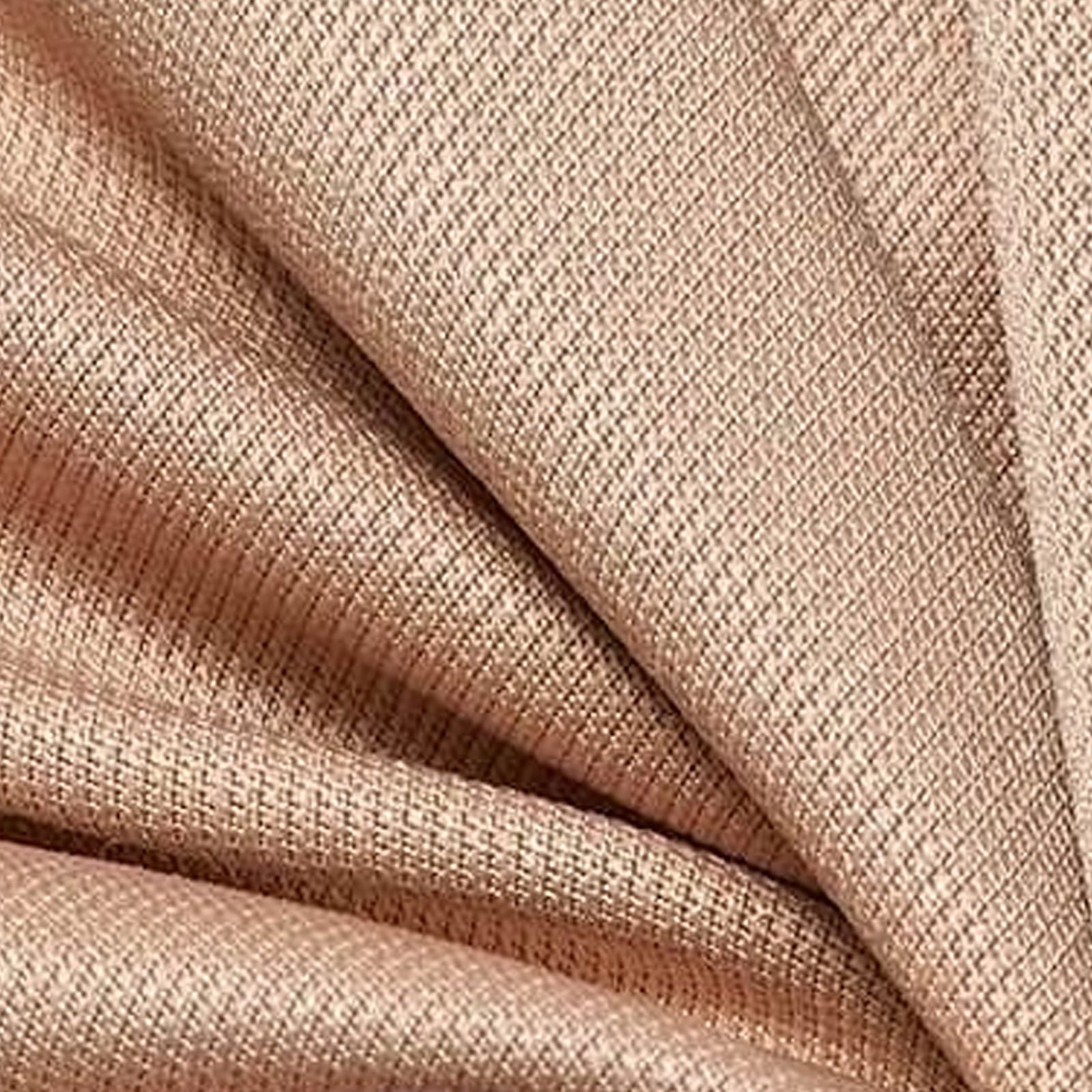
Cotton Jersey
Versatile jersey for T-shirts, polos, tanks, and lightweight streetwear. The smooth hand-feel supports clear prints and everyday comfort, while fabric weight, stretch, and neck-rib pairing can be specified for the intended fit.
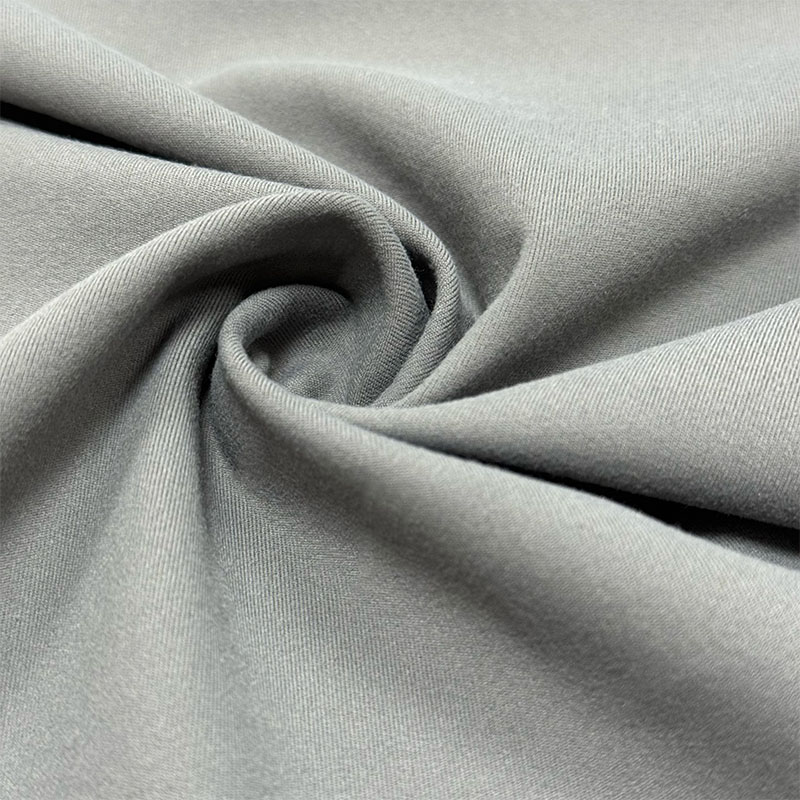
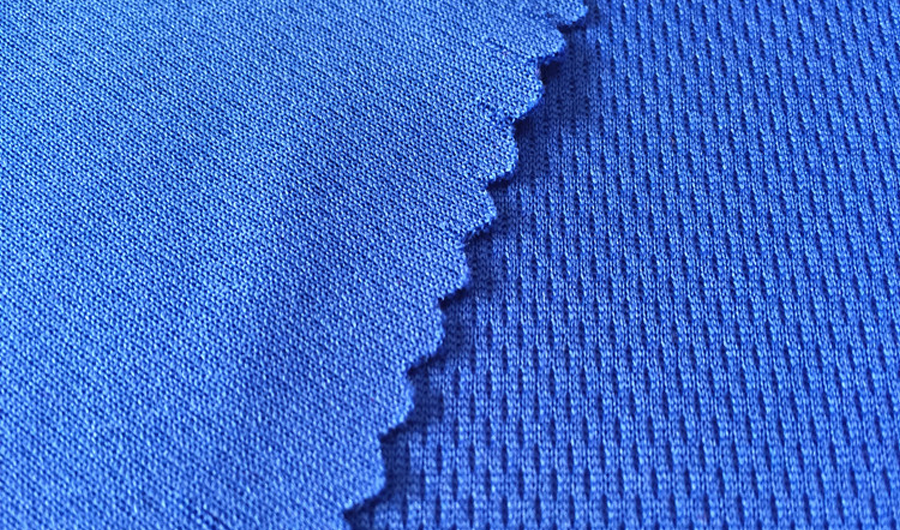
Performance Polyester
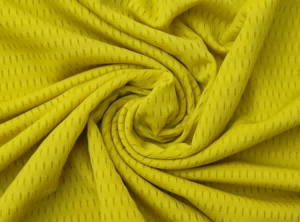
Moisture-managing polyester for jerseys, training tops, and teamwear sets. Lightweight and durable, it can be selected with stretch, mesh ventilation, or interlock construction to support movement, color consistency, and repeated wear.
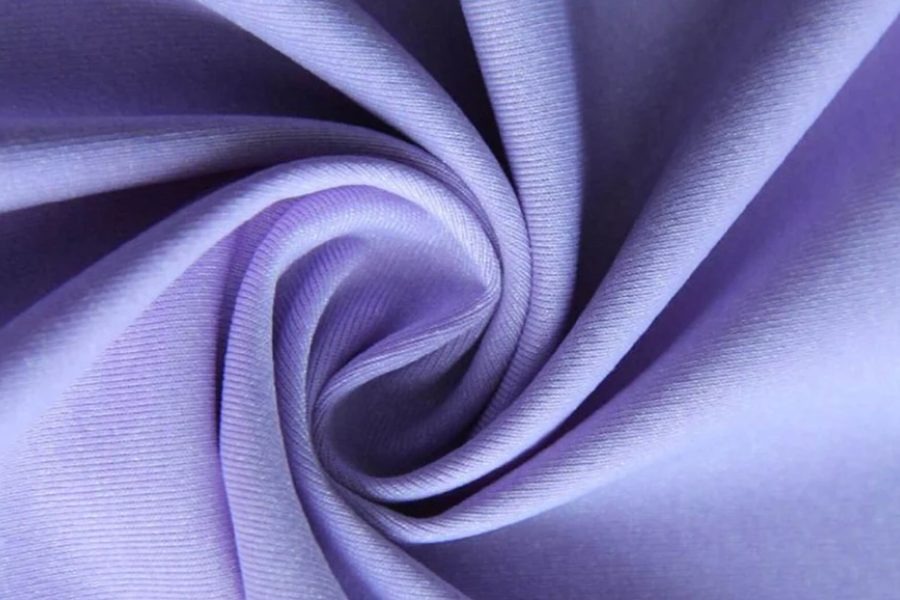
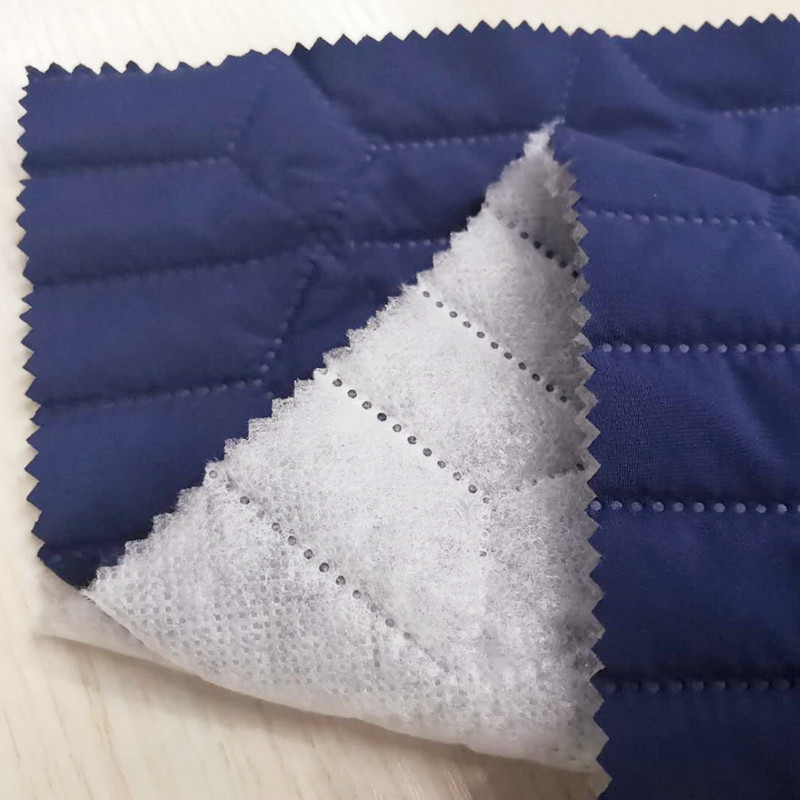
Linings and Insulation
Lining and insulation options for quilted jackets, varsity styles, and cold-weather outerwear. Breathable mesh, smooth woven linings, and selected fill weights help balance comfort, warmth, bulk, and the garment’s finished silhouette.
Decoration and Finishing That Match the Garment
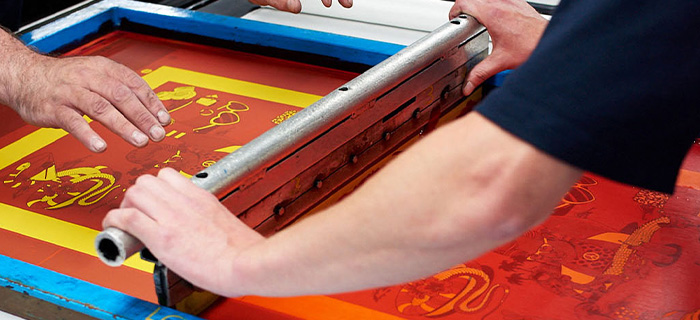
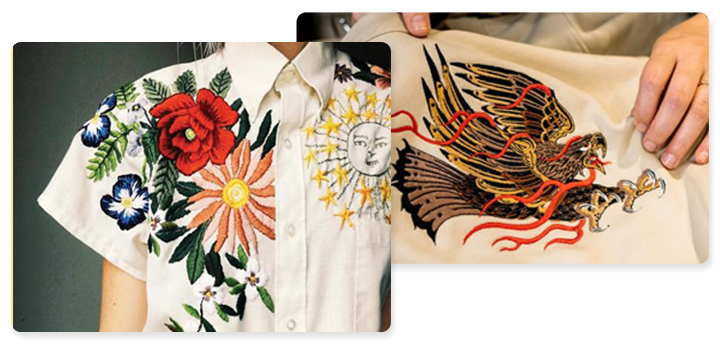
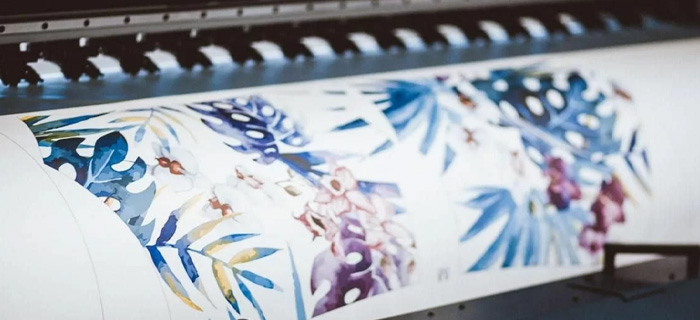
Sublimation Printing
Best suited to polyester performance jerseys and activewear, sublimation bonds color into the fabric for lightweight, breathable graphics that will not add surface texture or restrict movement during play.
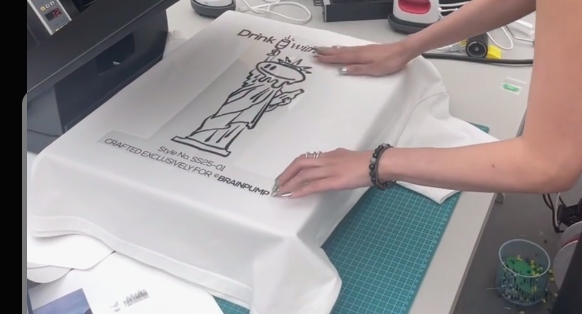
Heat Transfer
Heat transfer supports detailed logos, names, numbers and small-run personalization across teamwear and promotional apparel. EDVORIN selects film and application settings for clean edges, stretch compatibility and dependable adhesion.
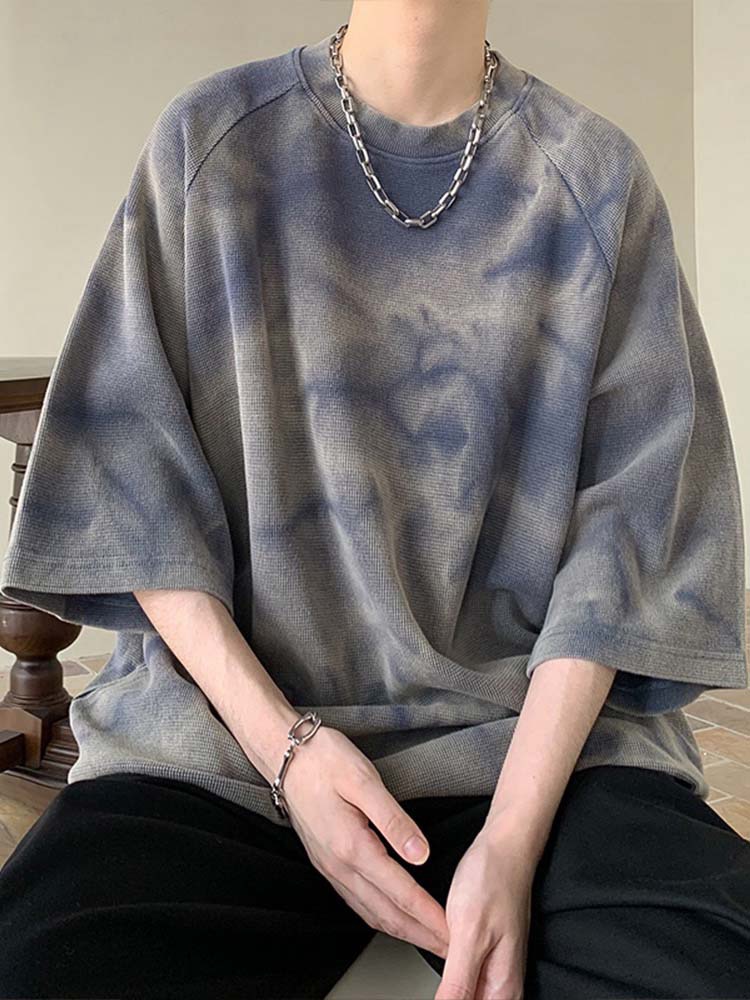
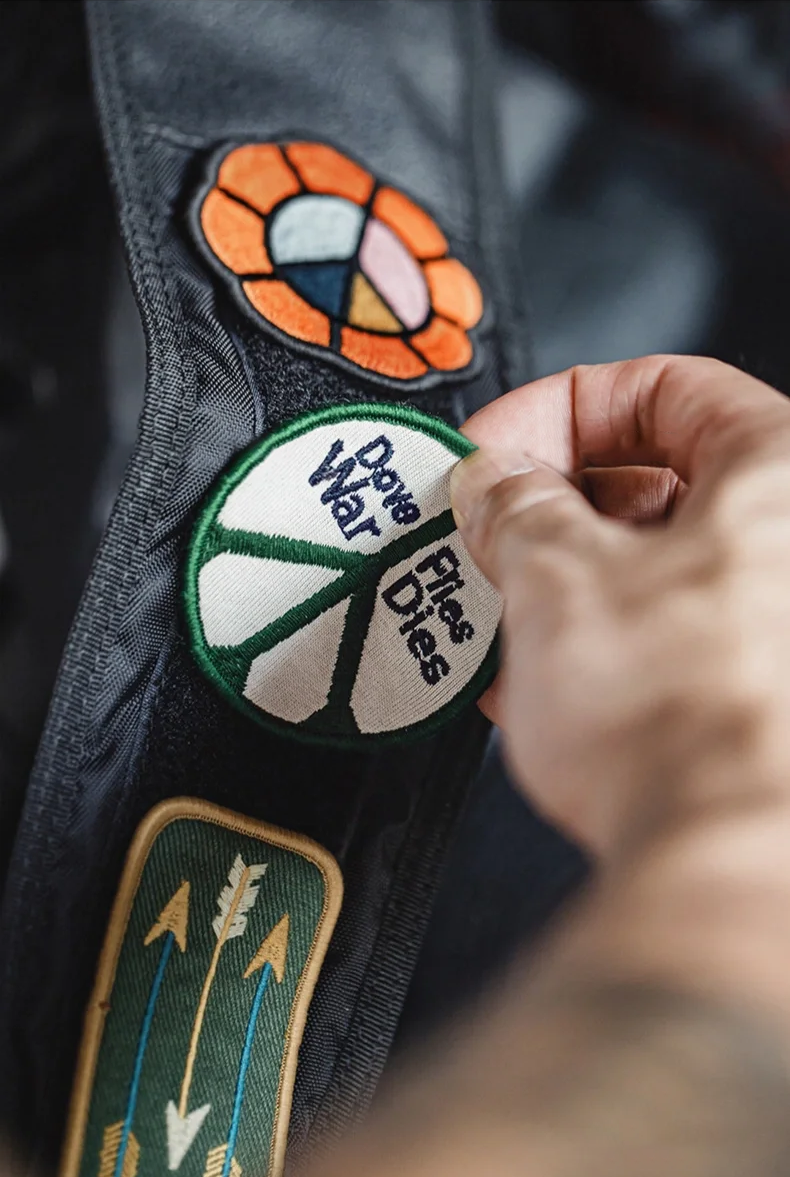
Appliqué Patches
Appliqué combines layered fabric, embroidery or twill for tactile lettering and statement branding on varsity jackets, hoodies and teamwear. Secure stitching and balanced materials create a structured finish built for repeated wear.
Trims and Branding Details That Complete the Product
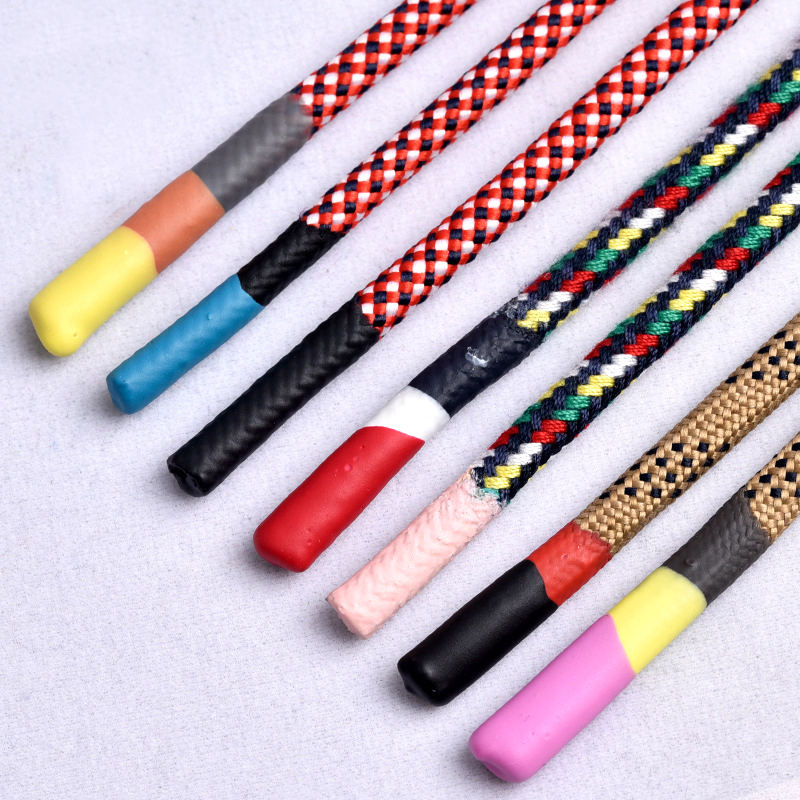
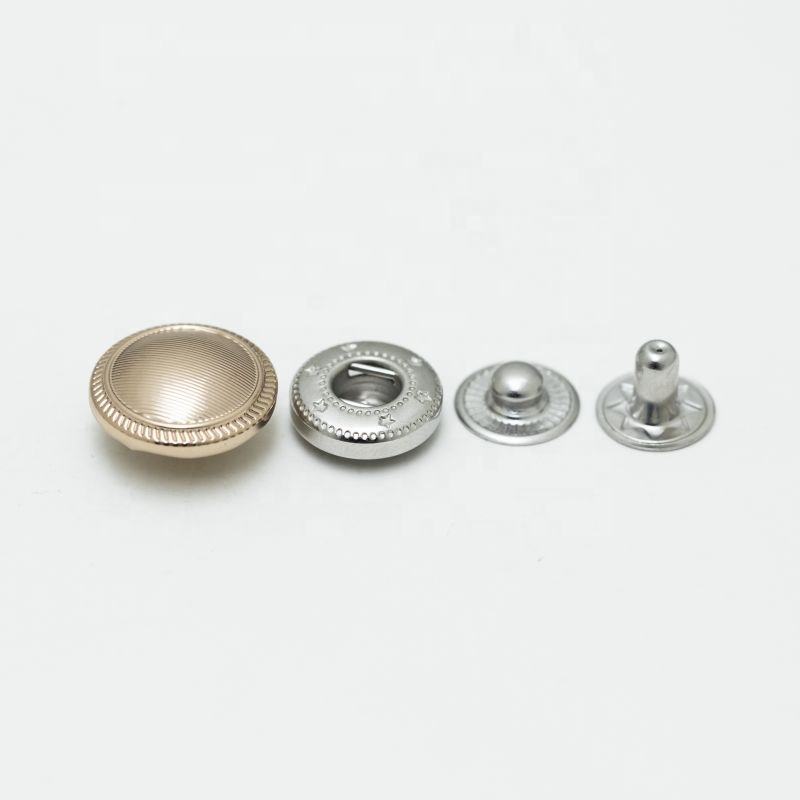
Snap Buttons
Specify snap finishes, colors, logo treatments, and placement for varsity jackets, outerwear, and workwear-inspired styles. The right hardware supports garment construction while reinforcing a considered private-label identity.
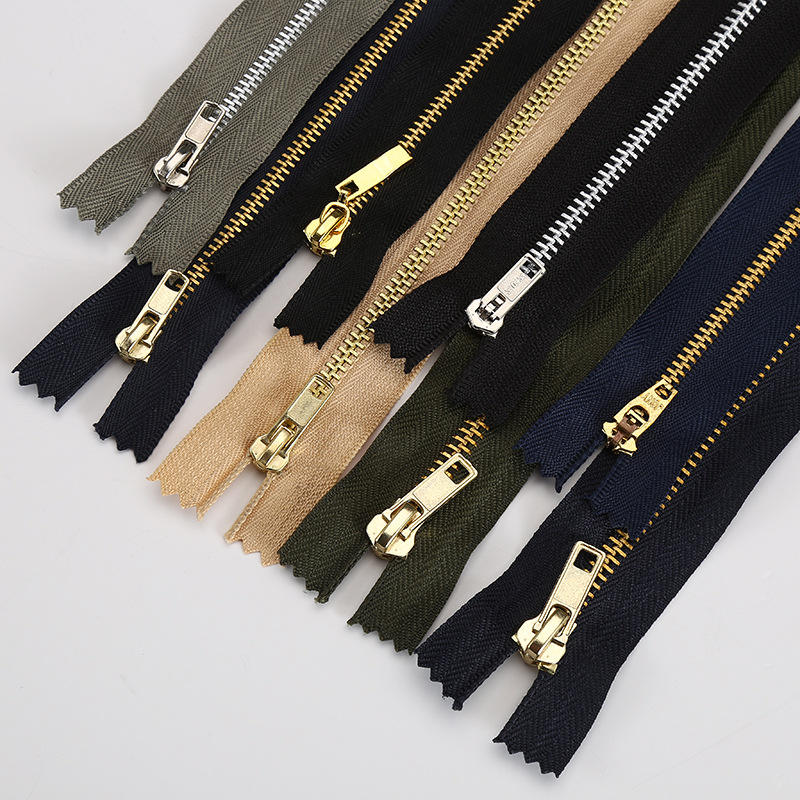
YKK Zippers
Coordinate zipper type, finish, puller, tape color, and placement for jackets, hoodies, and pants. Reliable zipper specifications help align daily wear performance with the collection’s intended visual direction.
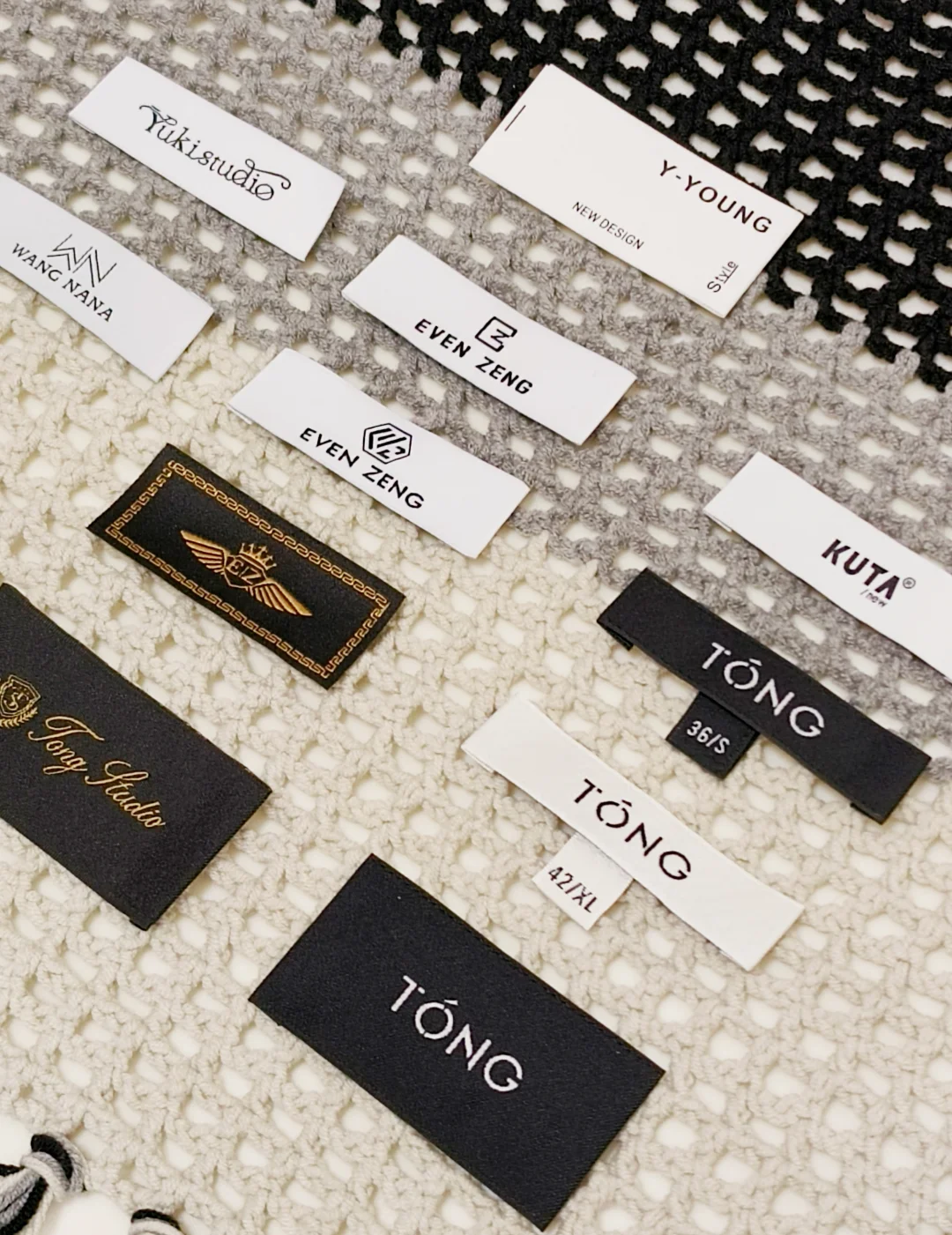
Woven Labels
Create neck labels, hem labels, size labels, and care-label systems that carry your brand consistently across categories. EDVORIN coordinates label specifications alongside garment construction and bulk production requirements.
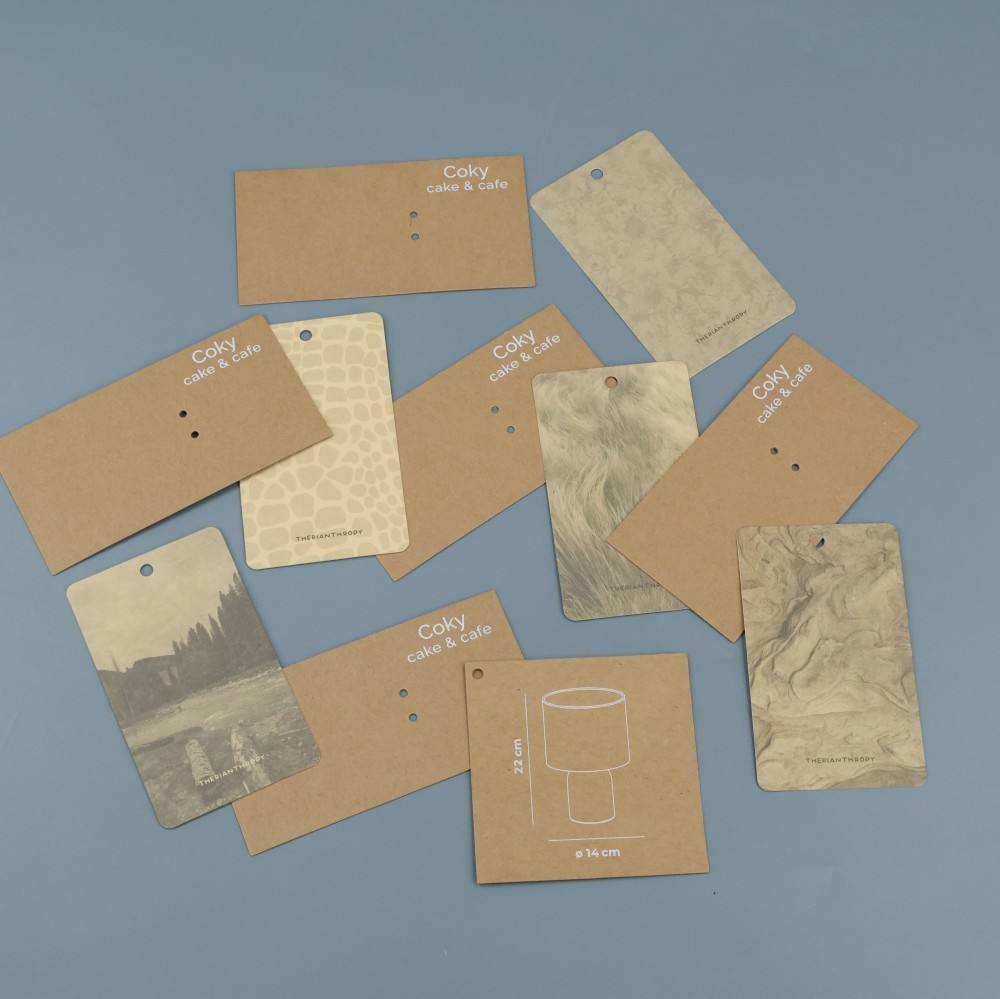
Custom Hangtags
Develop hangtags with your artwork, material choice, string, seals, and product information for retail-ready presentation. They give fashion, streetwear, and teamwear programs a more complete branded handoff.
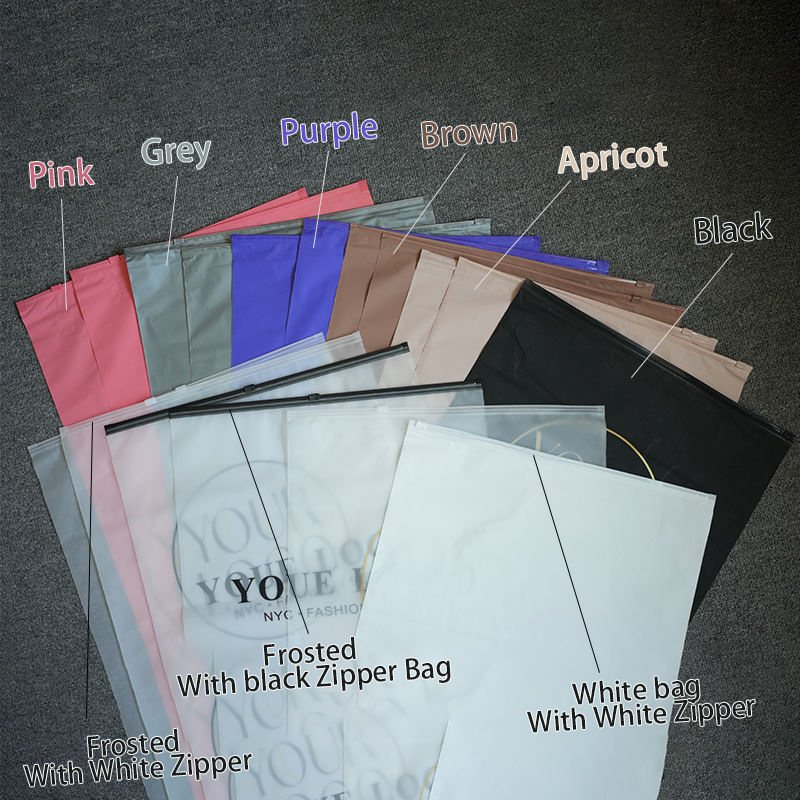
Packaging Components
Coordinate polybags, size stickers, barcode labels, tissue, inserts, and carton packing requirements around your order. Clear packaging specifications help protect finished garments and support organized delivery to your channel.
About EDVORIN’s Apparel Manufacturing and Packing Services
EDVORIN was founded in 2000 by Edvorin Zeng with a practical mission: help apparel ideas survive the transition from concept to consistent production. We support fashion brands, streetwear labels, teamwear programs and private-label buyers with OEM, ODM and product-development expertise built from the production floor outward.
Our clothing packaging and fulfillment service connects material sourcing, patterns, sampling, printing, embroidery, washing, bulk production, quality control, labeling and packing in one accountable workflow. Casualwear, outerwear and teamwear programs are developed around their own construction and performance requirements, with men’s and women’s development available across every category.
What makes EDVORIN different is the discipline behind repeatability. Approved samples become clear production standards, from measurements and artwork placement to trims and final packing details. With MOQs starting at 200 pieces per style, we help emerging and established buyers build apparel programs they can confidently reorder and grow.
Apparel Production Built for Repeatability
Technical Standards Before Sampling
EDVORIN turns sketches, reference garments, and complete tech packs into clear production standards. Patterns, measurements, material choices, trim specifications, and construction details are reviewed early so the approved sample can guide a repeatable bulk program.
- OEM, ODM, and private-label development support
- Men’s and women’s fit blocks and grading
- Tech-pack clarification before production decisions
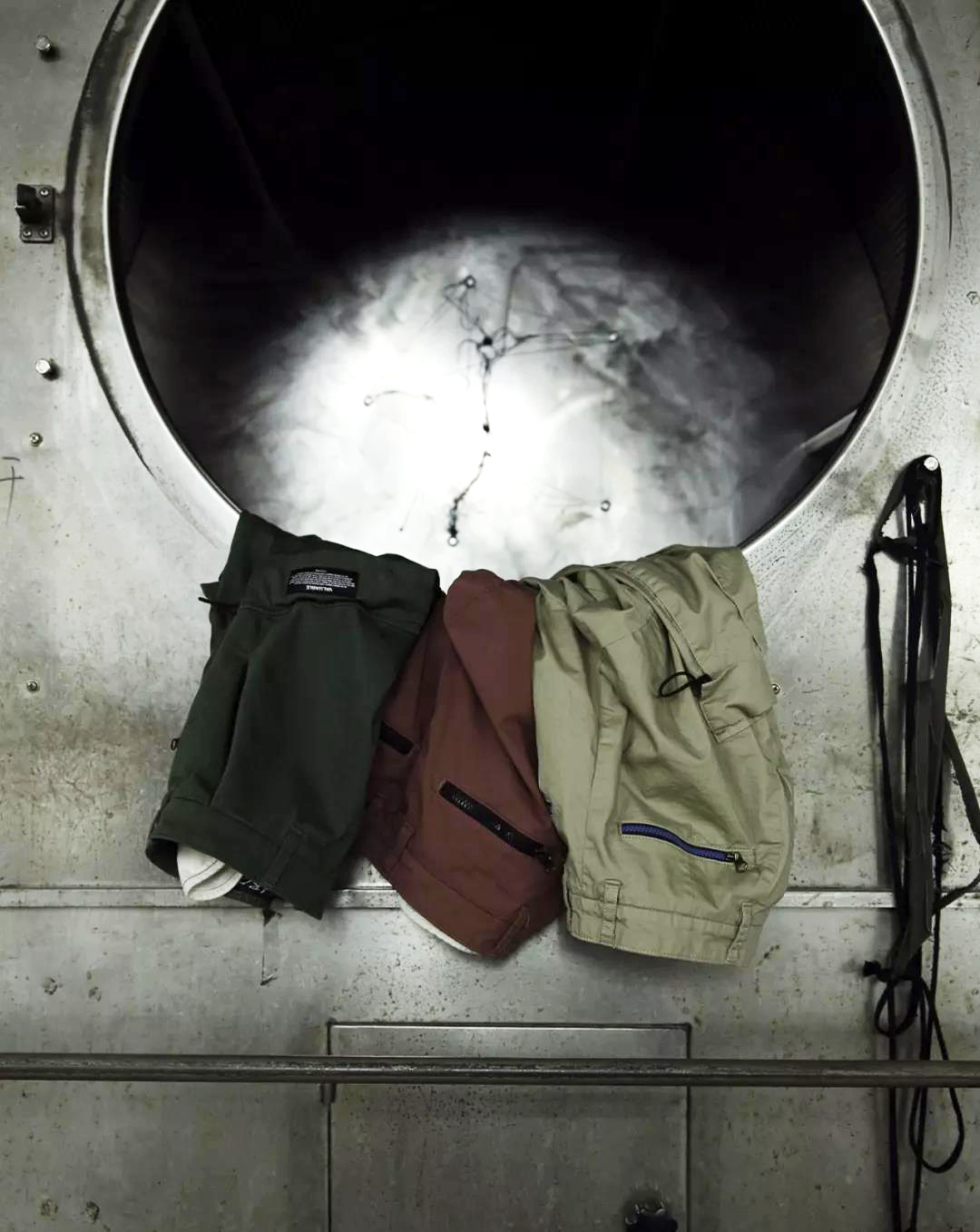
Construction by Product Category
A hoodie, varsity jacket, jersey, and windbreaker do not share the same construction priorities. EDVORIN develops each garment around its intended fabric behavior, fit, performance needs, and finishing details, helping collections retain their intended character at scale.
- Casualwear, streetwear, outerwear, and teamwear
- Category-appropriate fabrics and component choices
- Construction details aligned to wearer and market
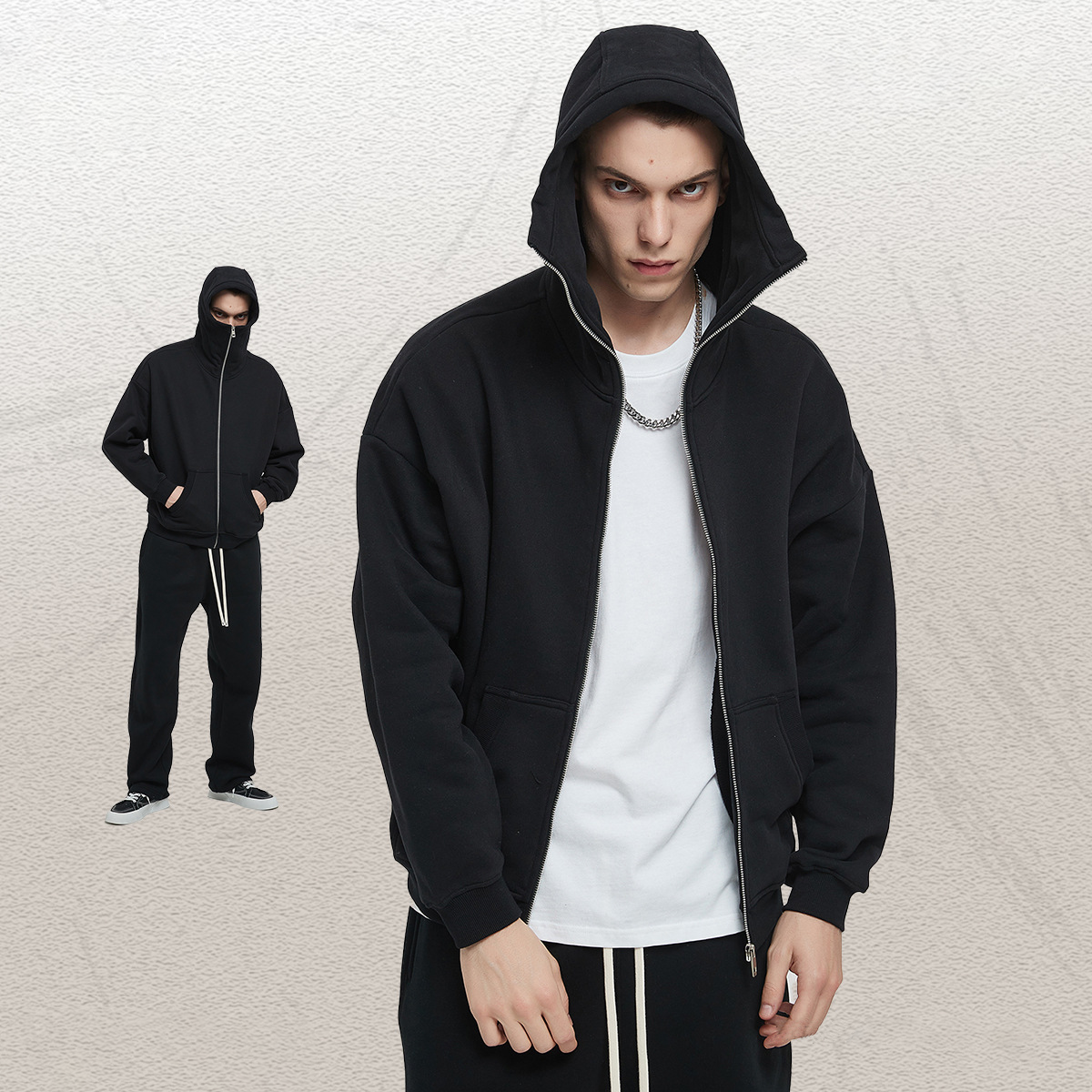
Decoration Coordinated With Garments
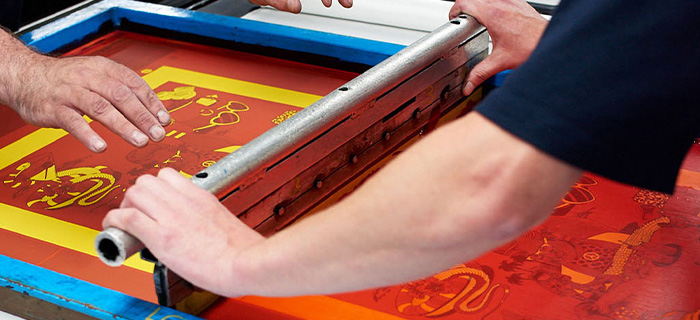
Printing, embroidery, washing, labels, and trims are coordinated with the base garment instead of treated as separate afterthoughts. This connected approach helps protect artwork placement, material compatibility, and the branded details that define each apparel program.
- Print and embroidery matched to fabric
- Placement measurements recorded for repeat orders
- Labels, packaging, and trims coordinated together
Approved Samples Guide Bulk Quality
EDVORIN connects approved sample standards to bulk production checks. Material control, measurement communication, in-line inspection, final review, labeling, and packing are organized to reduce variation before finished orders are prepared for shipment.
- Sample-to-bulk standards documented clearly
- In-line checks identify variation early
- Final inspection before labeling and packing

Why Buyers Choose EDVORIN for Apparel Production and Packing
One accountable apparel path from approved specification through final packing.
← Swipe left or right to view →
From Approved Sample to Production-Ready Packed Order
EDVORIN carries approved specifications through every controlled production and packing step, so the finished order reflects the standard you signed off.
Confirm Materials and Trims
Lock approved fabrics, colors, labels, hardware, packaging components, and decoration requirements into clear production specifications before bulk work begins.
Approve Patterns and Standards
Review grading, measurements, construction details, and the approved sample to create the reference standard for men’s or women’s bulk production.
Cut and Apply Decoration
Cut components against confirmed patterns, then coordinate printing, embroidery, washing, or other finishes with placement and material requirements documented.
Monitor In-Line Production
Check construction, measurements, workmanship, and decoration during sewing and finishing, identifying variation early while corrections can still protect the order.
Inspect, Pack, and Prepare
Complete final inspection against approved standards, apply labels and packaging, then organize the finished goods for shipment preparation and buyer handover.
How to Start Your OEM Apparel Program
Move from an initial concept to a production-ready collection through one managed development, approval, and bulk manufacturing workflow.
Share Your Product Brief
Send a tech pack, sketch, reference garment, or collection idea. EDVORIN reviews construction, fit, materials, decoration, labeling, and clothing packaging and fulfillment service requirements.
Align the Quote and Sample
EDVORIN’s MOQ starts at 200 pieces per style. Confirm the product scope, MOQ, target materials, decoration methods, packaging details, timeline, and quotation before sampling begins, so practical production decisions are visible early.
Approve Every Production Standard
Review the sample, measurements, materials, colors, artwork placement, trims, washing, and packaging. Approved details become the documented standard that guides repeatable bulk production.
Launch Managed Bulk Production
EDVORIN coordinates sourcing, cutting, sewing, decoration, finishing, quality checks, labeling, and packing against the approved standard, giving your team one accountable production path.
Certified Standards for Responsible Apparel Production





Buyer Feedback for Apparel Production Programs
Customer testimonial pending verification.
Customer testimonial pending verification.
Customer testimonial pending verification.
Apparel Packaging and Production FAQs
Clear answers for buyers planning an OEM, ODM, or private-label apparel program with EDVORIN.
EDVORIN’s MOQ starts at 200 pieces per style. What is the minimum order quantity for a clothing packaging and fulfillment service?
Can I order samples before using your clothing packaging and fulfillment service?
What does your clothing packaging and fulfillment service include?
How long does apparel production take after sample approval?
Can EDVORIN help if I only have a sketch or reference garment?
How are payment terms handled for an OEM apparel order?
Can you coordinate shipping for finished apparel orders?
How do you protect my designs and production specifications?
The Complete Clothing Packaging and Fulfillment Service Buyer’s Guide
Use this decision framework to compare service models, packaging materials, supplier capabilities, quality controls, and cost drivers—while avoiding the operational mistakes that weaken customer experience, inventory accuracy, and scalable growth.
1. What Is a Clothing Packaging and Fulfillment Service?
1. A clothing packaging and fulfillment service coordinates finished garments from receiving and storage through variant-level picking, packing, carrier handoff, and returned-item inspection. For apparel, a style in 5 colors and 6 sizes already creates 30 sellable variants, so SKU, barcode, and location accuracy matter at every movement.
2. Packaging is operational and presentation-sensitive: the correct polybag, folded garment, tissue, insert, carton, and shipping label must protect the item while preserving the intended unboxing standard. Returns add a reverse workflow to inspect condition and separate restockable units from damaged or unsellable stock.
3. Manufacturing creates the garment; packaging suppliers provide components such as polybags, boxes, and labels; outsourced fulfillment operates the inventory and order flow after goods are complete. A buyer sourcing fulfillment is therefore assigning custody, inventory accuracy, order execution, and returns handling—not garment production itself.
2. How Clothing Fulfillment Evolved With Modern Retail
1990s retail fulfillment was commonly organized around inbound cartons, store allocations, and scheduled replenishment from in-house warehouses. E-commerce shifted the operating unit to the individual order, making correct style, color, and size selection as important as carton-level dispatch.
1 inventory pool can now serve direct-to-consumer orders, wholesale replenishment, and marketplaces when each variant is barcode-controlled and updated in real time. This omnichannel model raises expectations for fast launch capacity, pick accuracy, and synchronized stock rather than manual reconciliation. https://www.boxzooka.com/industries-we-serve/apparel-fulfillment-services
3 customer-facing moments—delivery, unboxing, and return—now influence how buyers specify a clothing packaging and fulfillment service. Branded tissue, inserts, labels, and protective packing must remain consistent, while returns need inspection, resale disposition, and timely inventory updates; apparel returns are often fit-driven. https://www.fulfill.com/3pl/specialty/apparel
3. Types of Clothing Packaging and Fulfillment Service
Five operating models cover most apparel programs. The right clothing packaging and fulfillment service depends on order volume, channels, customization, and how much inventory control the buyer retains.
| Model | Best Fit | Tradeoff | Control Focus |
|---|---|---|---|
| In-house | Small DTC launches | Labor and space burden | Daily inventory |
| Standard 3PL | Repeat DTC, marketplace | Less garment expertise | SLAs and integrations |
| Apparel specialist | Fashion and subscriptions | Higher handling scope | Variant accuracy |
| Manufacturer-linked | Teamwear, campaign kits | Origin-distance shipping | Approved packing standard |
| Hybrid or multi-warehouse | Wholesale and regional DTC | More reconciliation | Single SKU master |
Direct-To-Consumer And Subscriptions
DTC and subscription orders favor apparel-specialist fulfillment when size-color SKU accuracy, folds, inserts, and returns need defined handling.
In-house teams suit low-volume launches needing daily control; standard 3PLs suit repeatable pick-pack work.
Wholesale And Marketplaces
Wholesale, marketplace, and retailer replenishment require channel-specific labels, carton rules, ASN discipline, and barcode verification.
Standard 3PLs reduce warehouse workload, while hybrid programs keep wholesale allocation under closer buyer control.
Teamwear And Campaign Kits
Teamwear and campaign kits favor manufacturer-linked fulfillment when names, numbers, decoration, and packing sequences originate beside production.
Multi-warehouse programs improve regional delivery but require one SKU master and transfer rules.
4. Packaging Materials That Protect Apparel and Brand Value
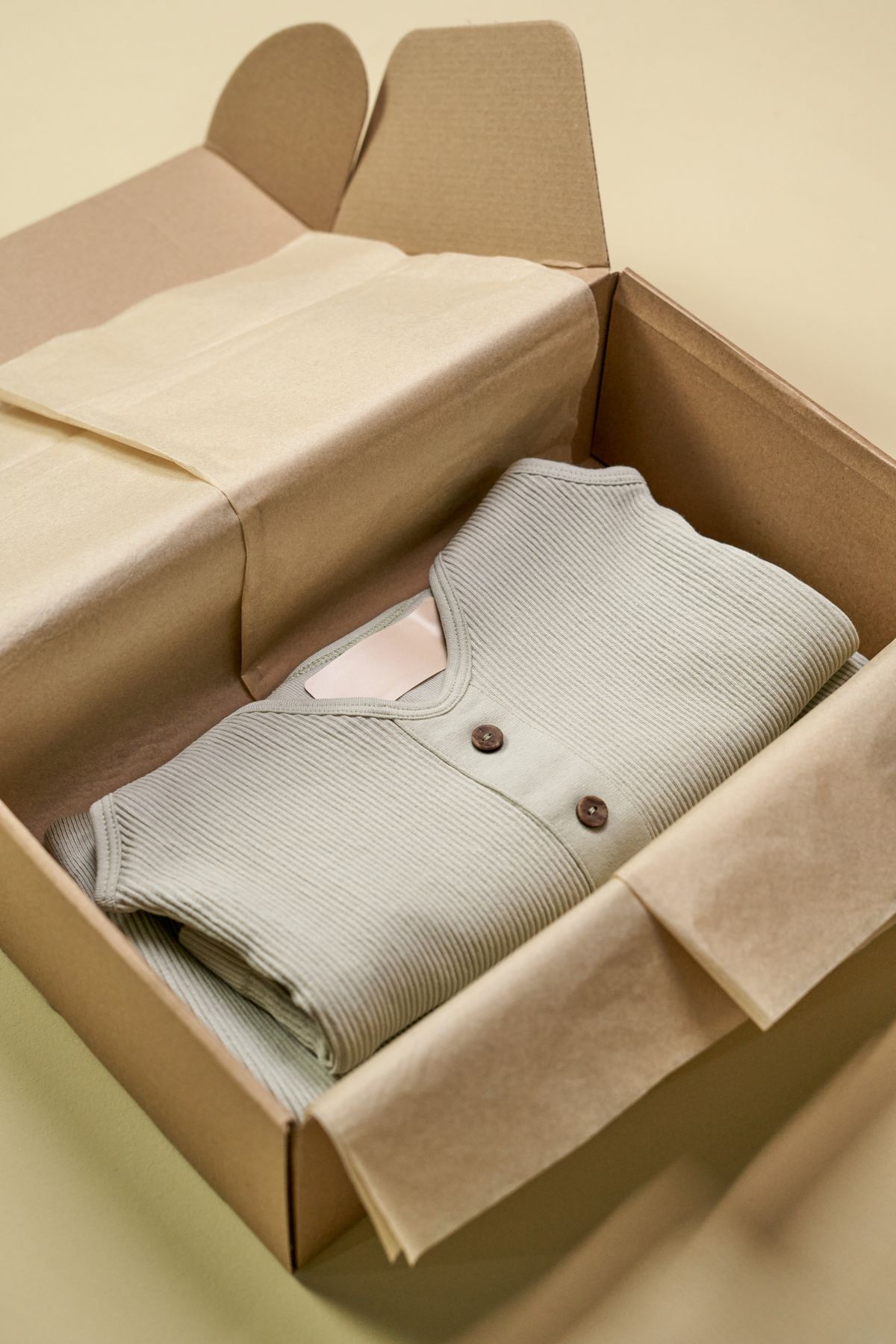
Two packaging layers protect apparel: the primary pack preserves the garment, while the shipper absorbs transit abuse. A clothing packaging and fulfillment service should match both layers to fabric, fold method, and sales channel.
| Material | Protection | Presentation | Shipping Fit |
|---|---|---|---|
| Poly mailer | Moisture barrier | Basic | Lightweight folded apparel |
| Tissue plus poly bag | Scuff control | Premium | Tees and knitwear |
| Corrugated box | High crush resistance | Premium | Outerwear and bundles |
| Hangtags, labels, inserts | Low physical protection | Brand information | All retail-ready styles |
Primary Garment Protection
1 clear poly bag with suffocation warning suits folded tees, fleece, and jerseys; tissue reduces scuffing and elevates presentation. 1 garment bag better protects hanging outerwear, while desiccants are specified only where moisture exposure warrants them.
Material Trade-Offs
2 durable shipping formats cover most programs: poly mailers minimize dimensional weight, while corrugated boxes resist crushing for jackets, sets, and premium folds.
Approval Requirements
6 specifications should appear on the packaging sheet: dimensions, film or board gauge, seal type, artwork, barcode location, recycled-content claim, and carton packout. 3 tests—drop, compression, and moisture exposure—should use packed production samples before bulk approval.
5. Custom Clothing Packaging and Fulfillment Service Options
Three decisions—presentation, protection, and channel compliance—should be specified separately. EDVORIN can translate approved garments into a clothing packaging and fulfillment service brief that keeps every SKU consistent from factory pack-out to customer delivery.
| Decision | Brand-Facing Choice | Operational Requirement |
|---|---|---|
| Hangtag | Stock, finish, artwork | SKU attachment method |
| Polybags | Printed logo or clear film | Barcode visibility and warning text |
| Bundles | Insert and presentation | Component count and carton quantity |
Brand Presentation
One visual system can combine custom polybags, tissue, hangtags, folded size stickers, and promotional inserts.
Two approved references—a dieline and a packed sample—prevent logo scale, color, and insert-order assumptions.
Operational Pack-Out
Each SKU needs a barcode location, fold method, bag size, carton quantity, and carton mark.
Retail and marketplace orders may require different labels, polybag warnings, bundle counts, or prep rules; record them by channel.
Kits And Bundles
A three-piece kit should identify every component, assembly sequence, and missing-piece check.
EDVORIN can pack coordinated uniforms, streetwear sets, or promotional bundles against an approved pack-out instruction.
6. Quality Controls for Clothing Packaging and Fulfillment Service
One mislabeled size or crushed hoodie can erase the value of an otherwise accurate order. A clothing packaging and fulfillment service needs documented controls from receiving through returns, not informal visual checks.
Receiving And Inventory Control
100% of inbound cartons should be counted against the ASN or purchase order, with visible damage, color, size, and quantity exceptions photographed before put-away.
Each style-color-size variant needs its own SKU and scannable barcode; scan validation at receiving and bin transfer creates an auditable inventory trail.
Packout And Shipment Checks
One approved fold, polybag, tissue, hanger, and carton standard should govern every unit, including protection for prints, embroidery, and hardware.
Two scan points—pick and pack—should confirm SKU, order, and shipping label. Random final audits should check presentation, address labels, quantities, and carton condition.
Service Metrics And Exceptions
24-hour exception reporting should identify the SKU, quantity, photos, cause, owner, and proposed disposition for shortages, damage, or barcode failures.
Buyers should contract for order-accuracy, inventory-accuracy, on-time shipment, receiving turnaround, return-processing turnaround, and documented return grades: restock, repair, quarantine, liquidation, or disposal.
7. How to Choose a Clothing Fulfillment Partner
Three comparison calls should test whether a clothing packaging and fulfillment service can protect garments while meeting DTC, wholesale, team-order, or school-program requirements. Score evidence, not sales promises.
| Area | Buyer Question | Evidence To Request |
|---|---|---|
| Technology | Can orders and inventory sync by SKU? | Integration map and test-order results |
| Scale | Can launches and replenishment flex? | Peak-capacity plan and lead times |
| Channels | Can DTC, wholesale, and teams share stock? | Channel workflow and sample documents |
| Value Adds | Can labels, kitting, and returns follow rules? | Work instructions and itemized rates |
Verify Apparel Handling
Five sample SKUs should include folded tees, fleece, outerwear, numbered jerseys, and fragile trims. Ask for receiving, barcode, variant-picking, inspection, and returns work instructions.
Two references from comparable programs should confirm how the partner handles size-color matrices, seasonal peaks, and defect escalation. Request anonymized pack-out photos and error-report examples.
Test Operations And Terms
Thirty days is a useful onboarding planning benchmark, but require the provider’s written timeline for integrations, inventory receipt, test orders, and launch approval.
Two commercial documents—a rate card and service-level agreement—should state storage, pick fees, kitting, returns, minimums, peak surcharges, claims, and exit terms. Confirm coverage, carrier options, support owner, and escalation hours.
Compare Required Evidence
Four operating areas reveal whether capacity matches the program. Use identical order volumes and channels when comparing proposals.
8. Common Clothing Fulfillment Buying Mistakes
Seven purchasing shortcuts routinely create avoidable rework in a clothing packaging and fulfillment service. EDVORIN buyers should convert each approved garment, pack-out, and channel requirement into a controlled operating instruction before bulk release.
Price Before Process
One low unit quote can exclude barcode application, polybagging, carton marking, or exception handling. Compare a landed service scope and require charges for seasonal drops, wholesale routing, and rework.
Incomplete Pack-Out Instructions
Each SKU needs folded dimensions, bag size, insert order, label position, carton quantity, and carton marks. Missing details cause inconsistent branded merchandise presentation and retailer chargeback exposure.
Variant And Peak Blind Spots
A sports kit with sizes, colorways, names, and numbers multiplies pick risk quickly. Map every sellable variant, forecast launch-week volume, and reserve labor, space, and replenishment rules before receipt.
Returns And Service Ambiguity
Two written workflows are essential: return disposition and service-level escalation. Define inspection criteria, restock versus quarantine decisions, order cutoffs, accuracy checks, and transit-tested packaging approval before shipping.
9. Steps to Launch Your Apparel Fulfillment Program
A clothing packaging and fulfillment service launches cleanly when product data, packing rules, and warehouse execution are approved in sequence. Assign one accountable owner for each handoff before inventory moves.
Build The SKU Master
One SKU master should define style, color, size, barcode, dimensions, weight, country-of-origin data, and reorder status. The brand owns commercial data; EDVORIN confirms labels and packed-unit specifications.
- Approved tech pack
- Barcode placement sheet
- Packaging brief
Receive And Test
Two receiving checks compare carton counts and SKU scans against the advance shipping notice. The warehouse records discrepancies; the brand approves disposition and a pilot order tests pick, pack, tracking, and exception handling.
- Advance shipping notice
- Receiving report
- Pilot-order checklist
Phase Channel Rollout
Three launch stages reduce risk: direct-to-consumer first, a controlled product drop second, then wholesale or marketplace routing. Channel owners approve order rules, labels, carton packs, and routing guides before go-live.
- DTC: single-unit orders
- Wholesale: carton and ASN rules
- Marketplace: channel-specific labels
Review The First Week
Seven days after go-live, reconcile shipped orders, inventory adjustments, damages, and customer exceptions by SKU. Operations owns corrective actions; the brand approves changes to packaging, service rules, and replenishment timing.
- Order-accuracy review
- Inventory variance review
- Drop-retrospective log
10. Clothing Fulfillment Pricing and Cost Drivers
Four quote inputs—monthly orders, active SKU count, delivery destinations, and service scope—set the usable baseline for a clothing packaging and fulfillment service. Request rates separately so receiving, handling, carrier freight, and exceptions remain visible.
Two apparel orders with identical unit counts can price differently when one requires size-color verification, branded tissue, folded sets, or return inspection. EDVORIN buyers should obtain supplier-specific quotes after confirming carton dimensions, replenishment frequency, kitting steps, and destination mix.
| Cost category | What drives the charge | Question to ask | Cost control |
|---|---|---|---|
| Receiving and setup | Cartons, SKU count, barcode readiness | Is receiving priced per carton, unit, or hour? | Send labeled, count-verified cartons |
| Storage | Pallets, bins, hanging garments, dwell time | What space and minimum monthly fees apply? | Replenish closer to demand |
| Pick-and-pack | Order lines, variants, order volume | Is each additional pick charged separately? | Reduce split shipments and SKU confusion |
| Packaging and kitting | Mailers, boxes, inserts, assembly steps | Are branded materials and labor separate? | Standardize pack configurations |
| Shipping and returns | Zone, parcel dimensions, inspection, restock | Which carrier rates and return actions are included? | Use compact packs and clear return rules |
Ready for a Clothing Packaging and Fulfillment Service?
Send your tech pack or concept to EDVORIN for a quote and a clear production path from sample to packed order.