
Clothing Sample Manufacturer for Production-Ready Apparel
EDVORIN is a clothing sample manufacturer turning concepts into approved standards for repeatable OEM and ODM production, starting at 200 pieces per style.
Featured Products Developed for Sampling and Bulk Production
Development Support Built for Repeat Orders
EDVORIN brings product development, category expertise and bulk-production control into one accountable path.
Founder-Led Development
Draw on founder-led apparel manufacturing experience since 2000 to turn concepts, references, or complete tech packs into clear production specifications.
Category-Specific Construction
Develop hoodies, outerwear, streetwear, jerseys, and more with construction, fit, materials, and performance requirements tailored to each product category.
Flexible OEM and ODM
Choose support that matches your starting point, from refining an early concept to manufacturing an approved private-label design for repeat orders.
Coordinated Decoration
Align fabric, trims, printing, embroidery, washing, labels, and packaging so design details work together before the style enters bulk production.
Approved Standards, Repeated
Use approved samples, measurements, artwork placement, trim specifications, and in-line checks to protect consistency from first bulk piece through packing.
Accessible Production Starting Point
Launch styles with MOQ starting at 200 pieces, supported by a connected development-to-production workflow for growing brands and established buyers.
Apparel Categories Built for Repeat Production
From early development through bulk delivery, EDVORIN aligns construction, materials, decoration and quality standards for brand-ready apparel programs.
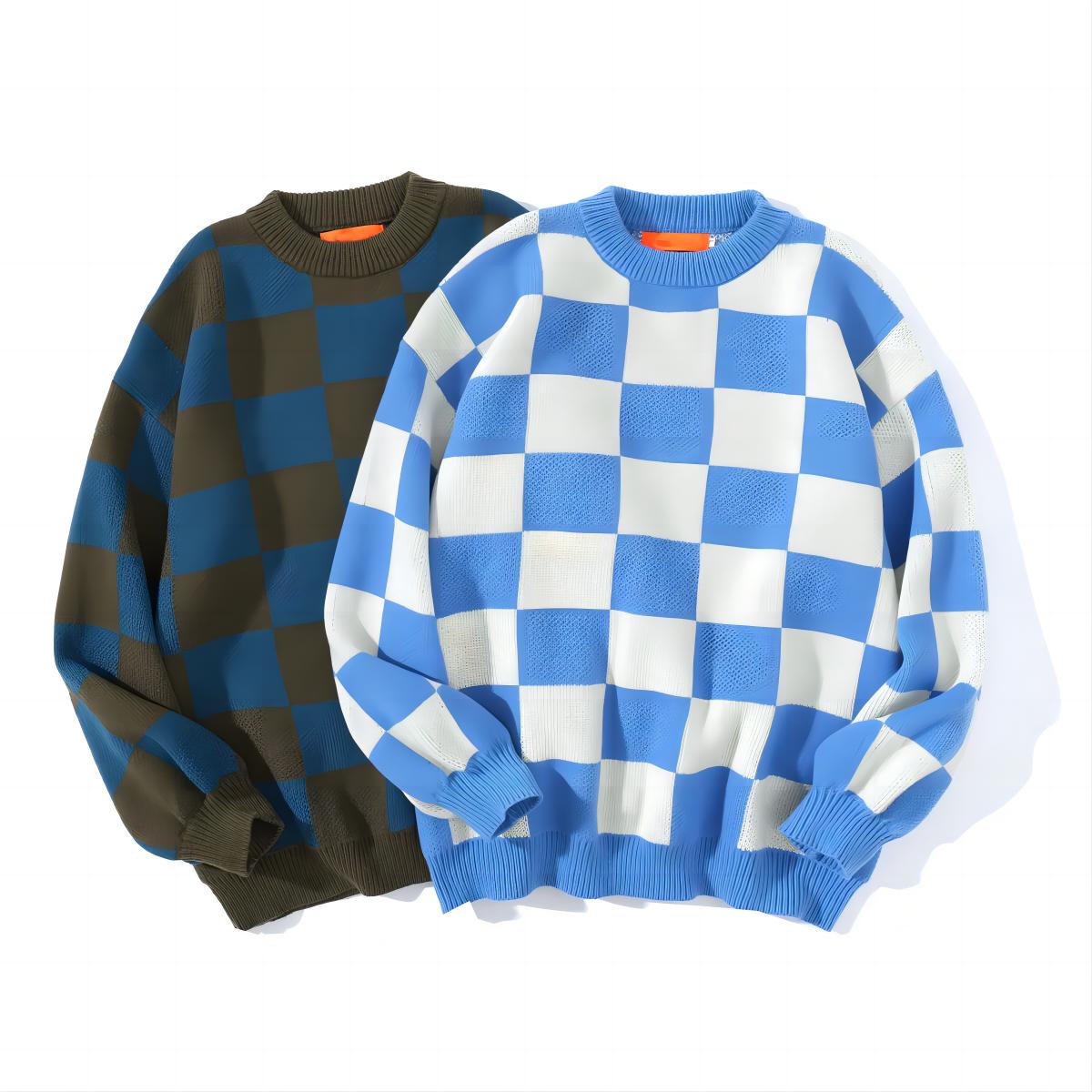
Custom Hoodies
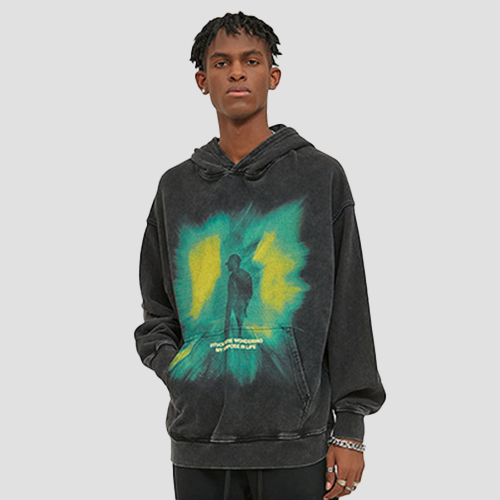
Custom hoodies developed around fleece weight, fit block, rib recovery, hood construction, drawcords, labels and decoration placement. Approved samples are documented to support consistent OEM and private-label bulk production.
Get a Quote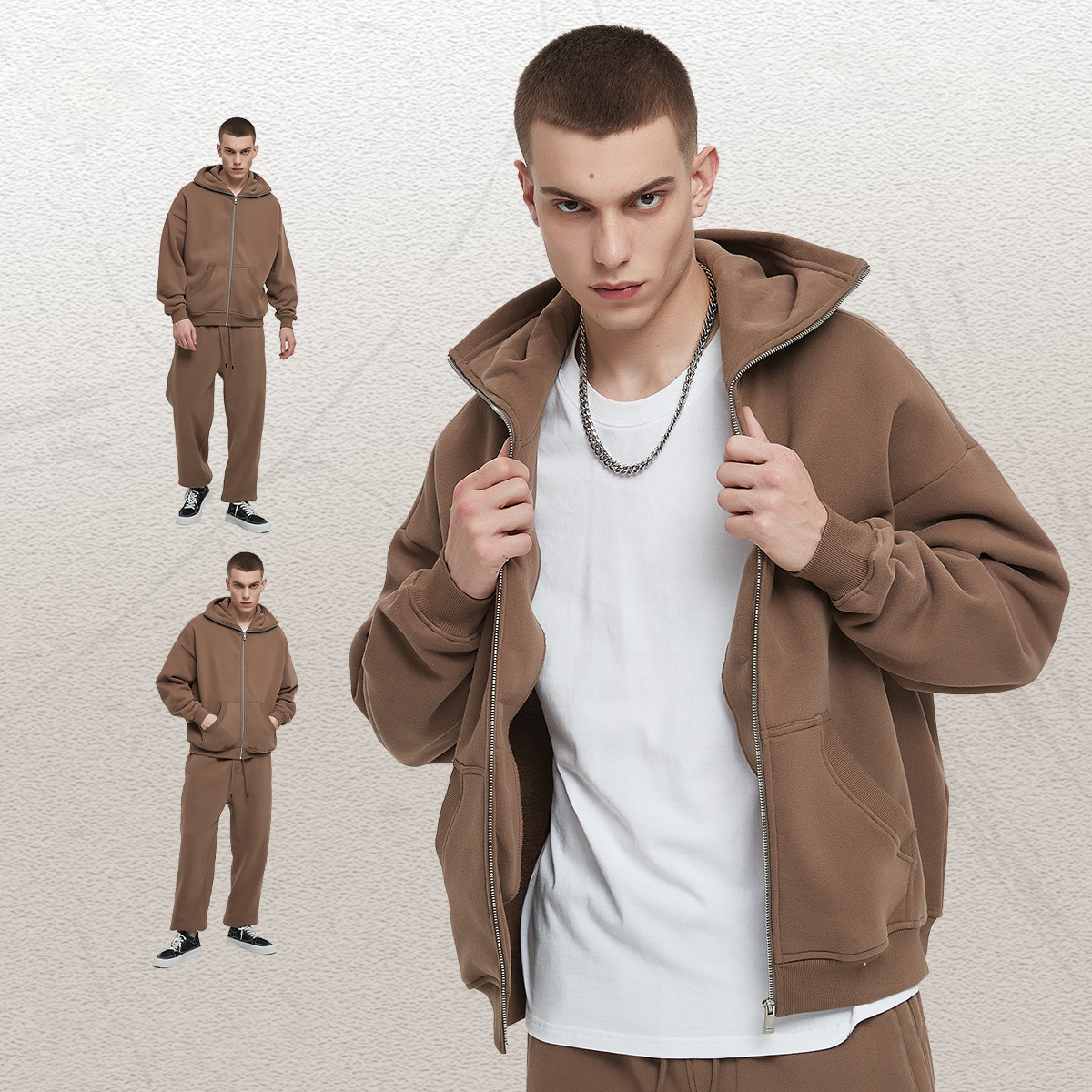
Pullover Sweatshirts
Pullover sweatshirts built with defined fabric weight, neckline shape, rib specifications, seam construction and print or embroidery requirements. Available for men’s and women’s programs with grading tailored to the intended market.
Get a Quote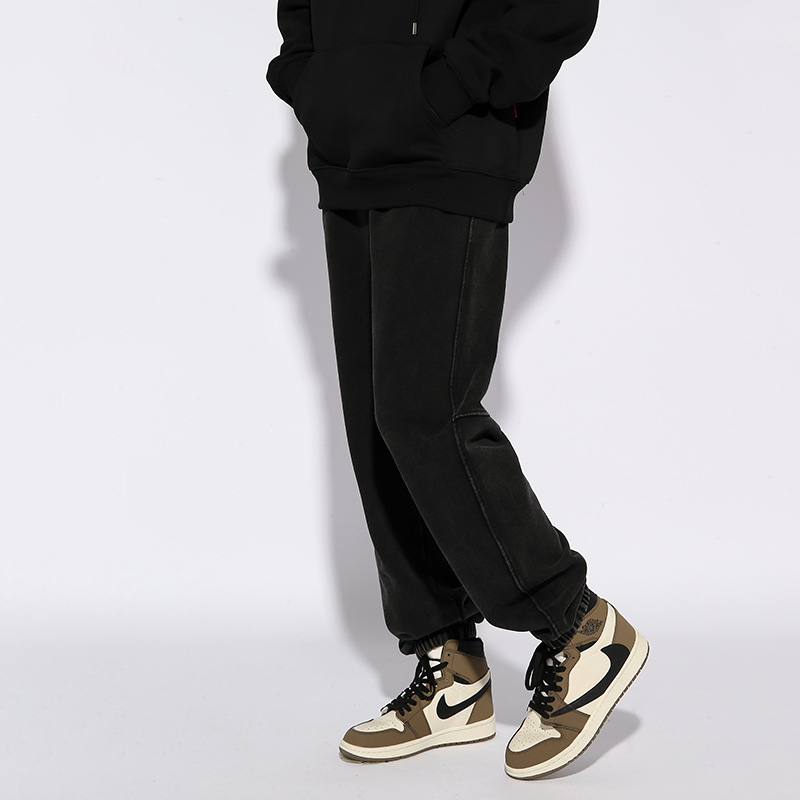
Sweatpants & Joggers
Sweatpants and joggers developed with clear measurements for rise, leg shape, cuffs, waistbands, pockets and drawcords. Material, trim and decoration choices are coordinated against the approved sample before bulk production.
Get a Quote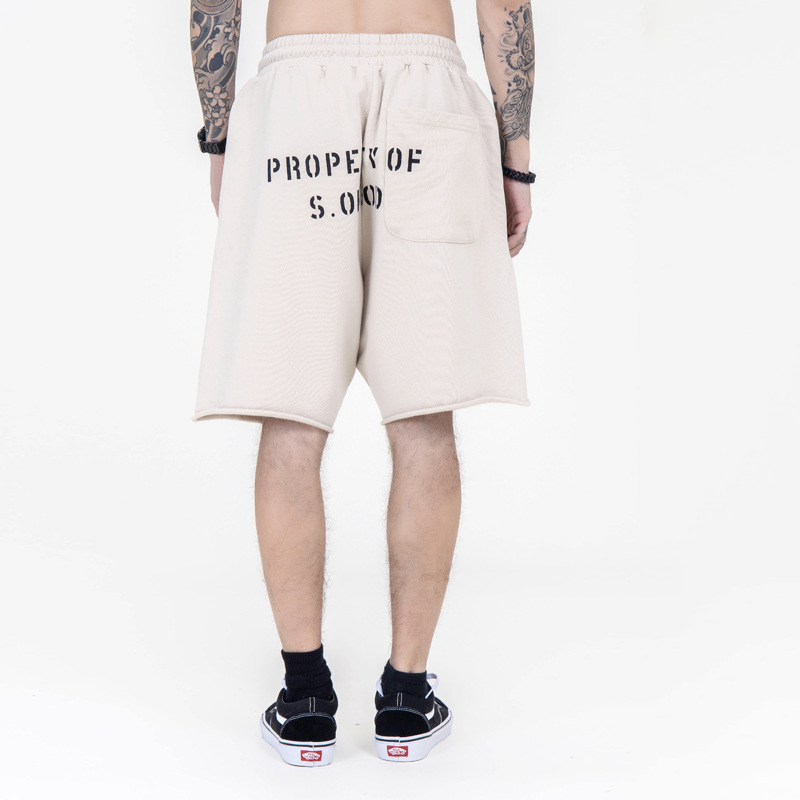
Custom Shorts
Custom shorts for casualwear, training and coordinated sets, with development support for inseam, waistband, pocket construction, lining, fabric weight and branded trims. Men’s and women’s fits can be specified separately.
Get a Quote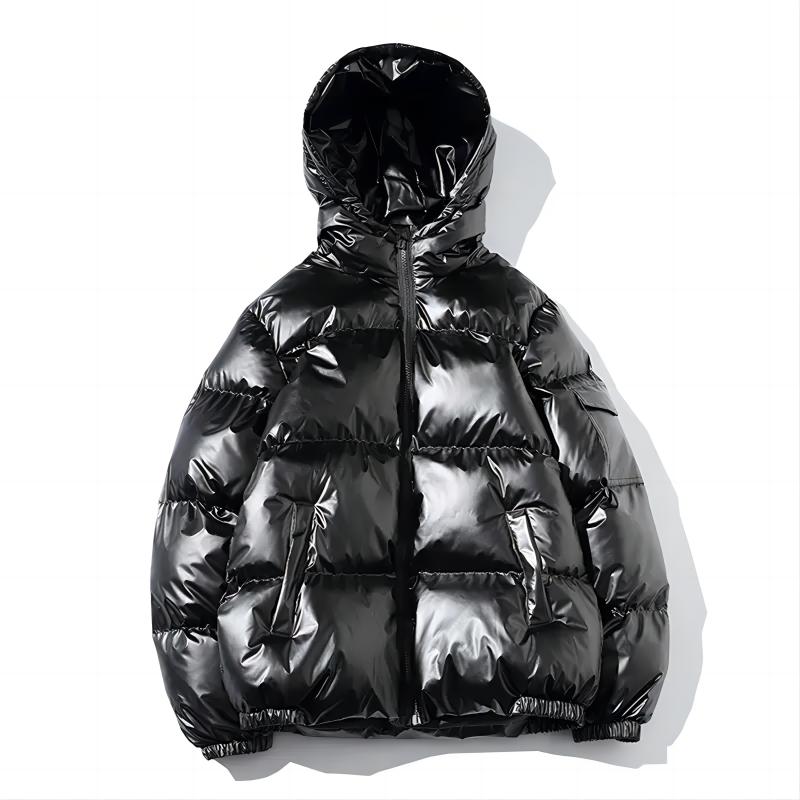
Varsity & Baseball Jackets
Varsity and baseball jackets coordinated across body fabric, sleeves, lining, ribbing, snaps, patches, embroidery and appliqué. EDVORIN converts these connected components into a production standard that protects the jacket’s intended balance.
Get a Quote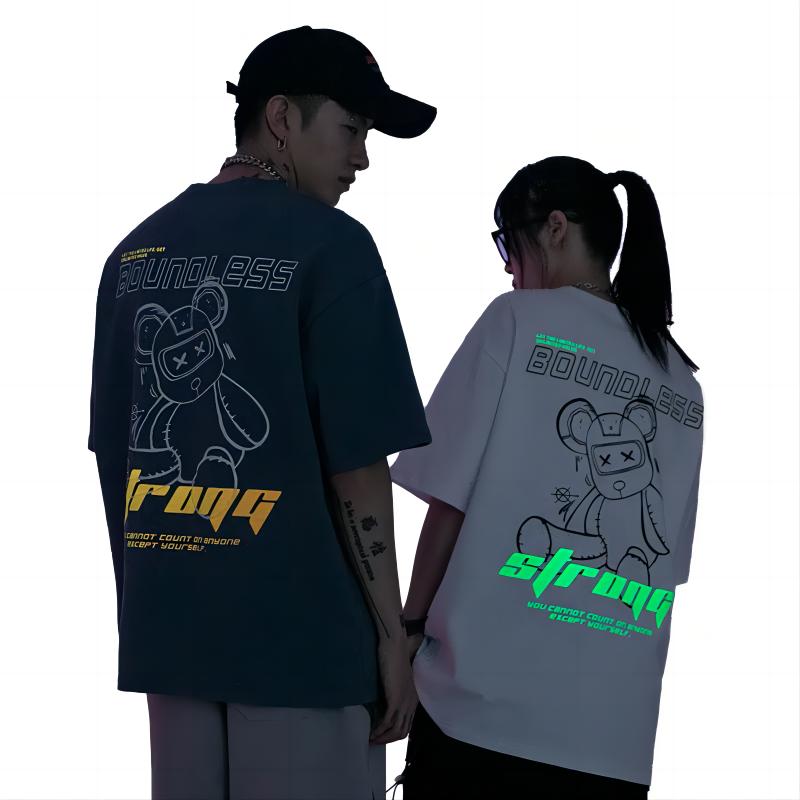
Custom T-Shirts
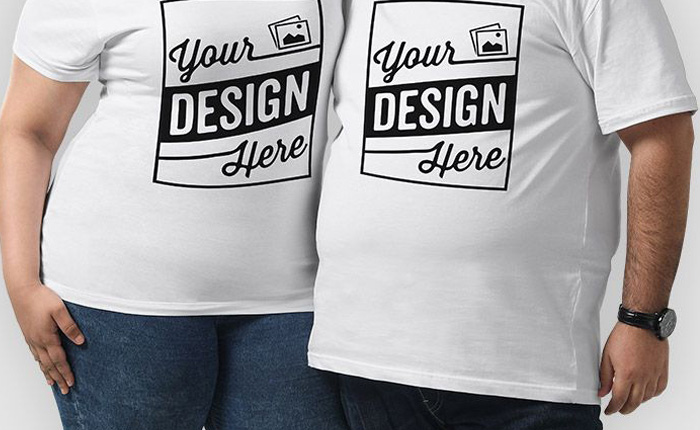
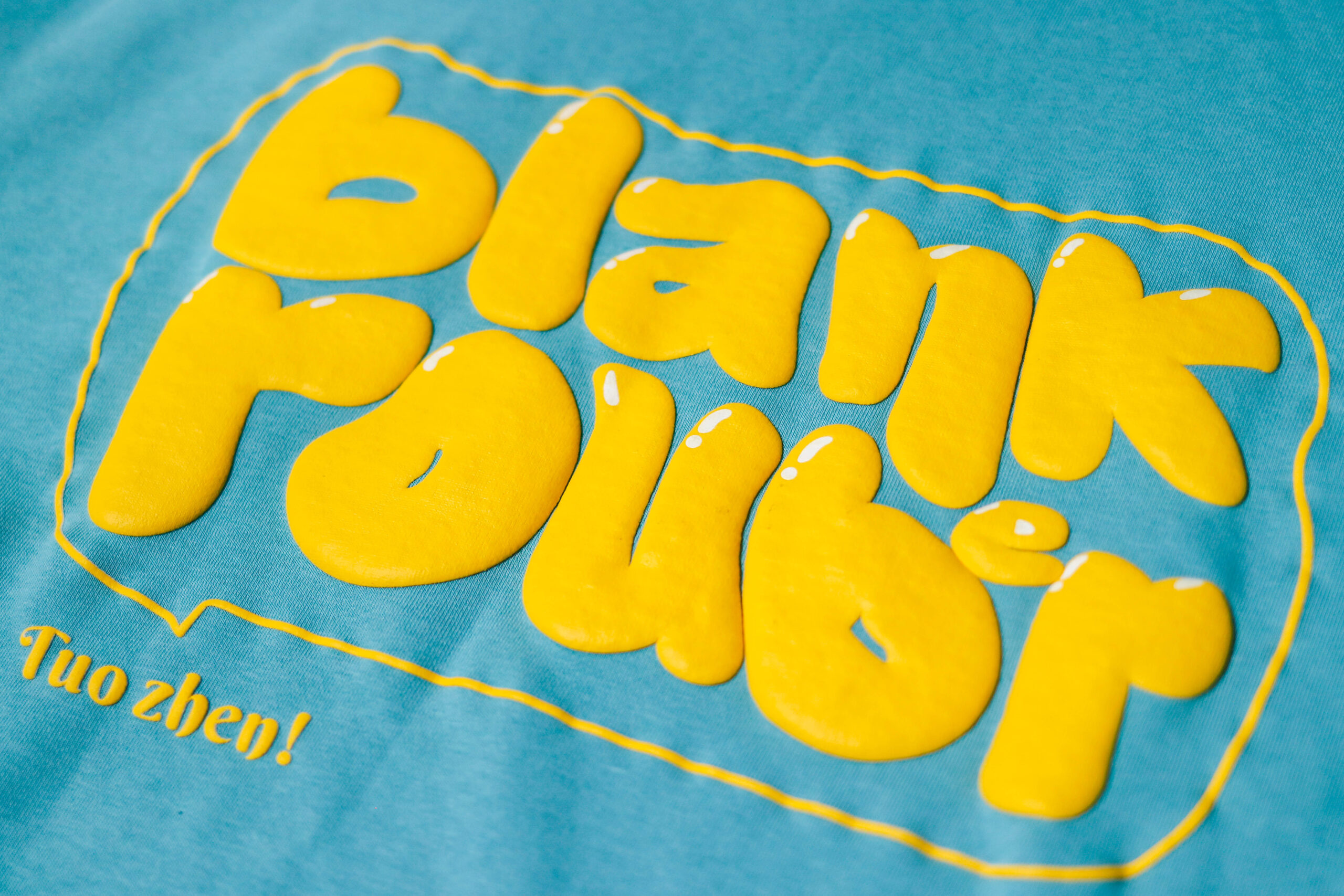
Custom T-shirts developed around fabric composition, GSM, collar construction, fit, grading, printing method, wash effect and label placement. Suitable for core private-label basics, promotional programs and graphic-led collections.
Get a Quote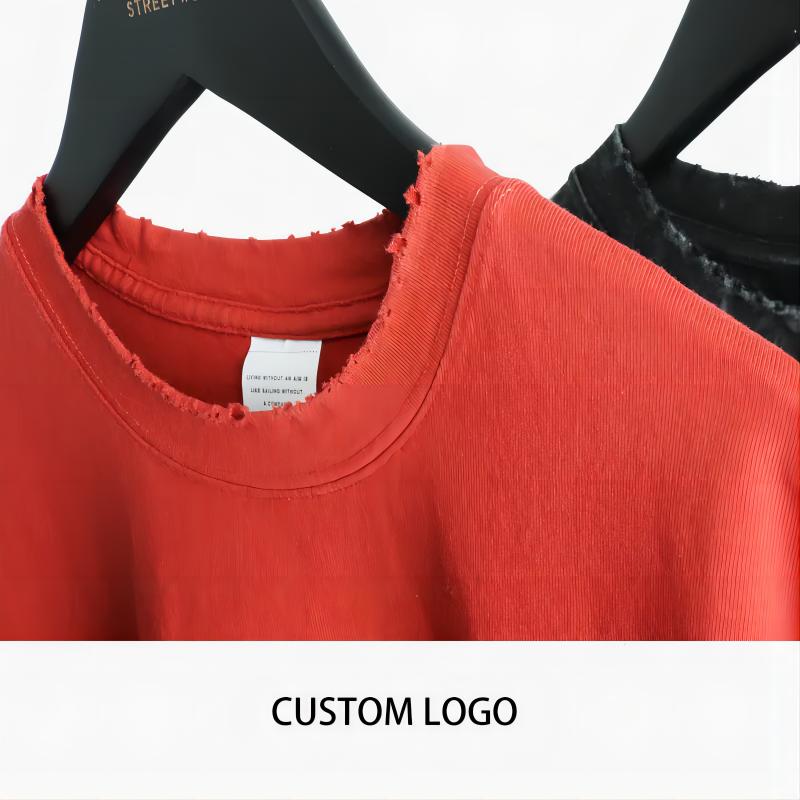
Custom Polo Shirts
Polo shirts produced with defined piqué or jersey fabric, collar and placket construction, button specifications, sleeve finish and embroidery placement. Development can support uniform, corporate and branded retail applications.
Get a Quote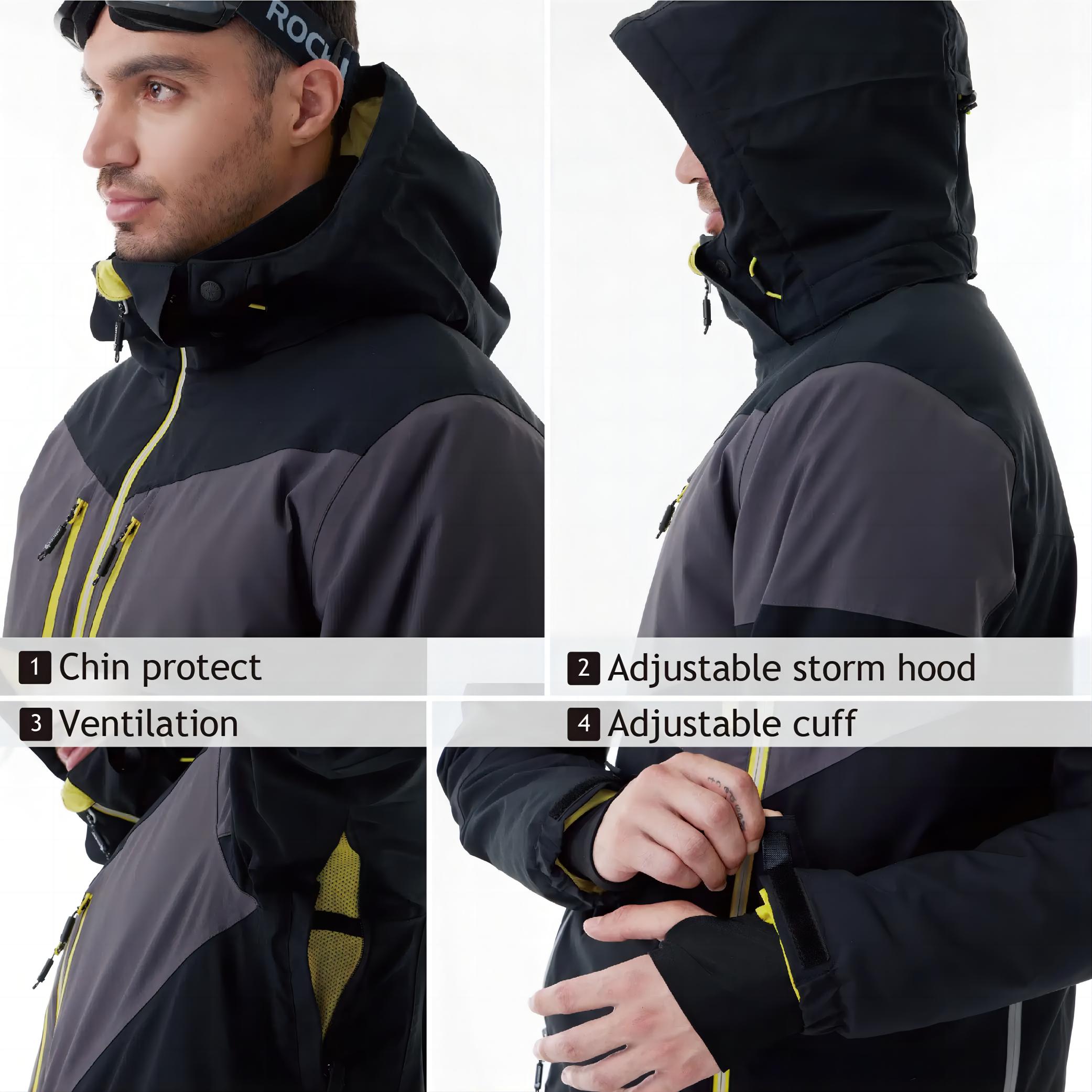
Windbreaker Jackets
Windbreaker jackets built around shell performance, lining or mesh options, zipper selection, pocket design, hood construction and print or embroidery compatibility. Specifications are reviewed to keep lightweight outerwear consistent through production.
Get a Quote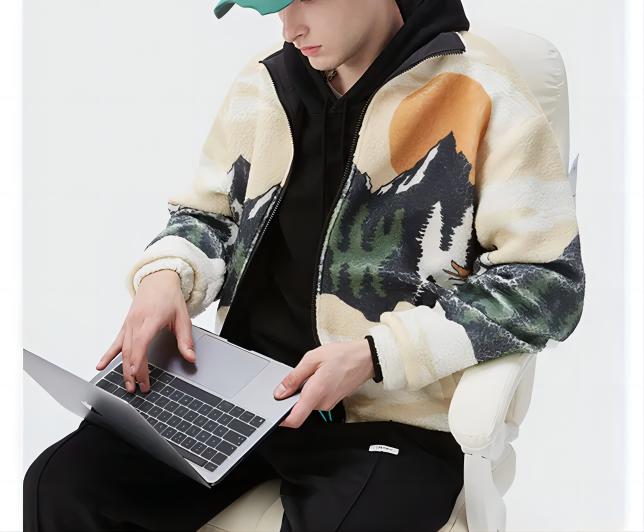
Quilted Jackets
Quilted jackets developed by coordinating shell, lining, insulation, quilting pattern, stitch density, hardware and finishing. Sampling confirms bulk-ready construction before a jacket program moves into production.
Get a Quote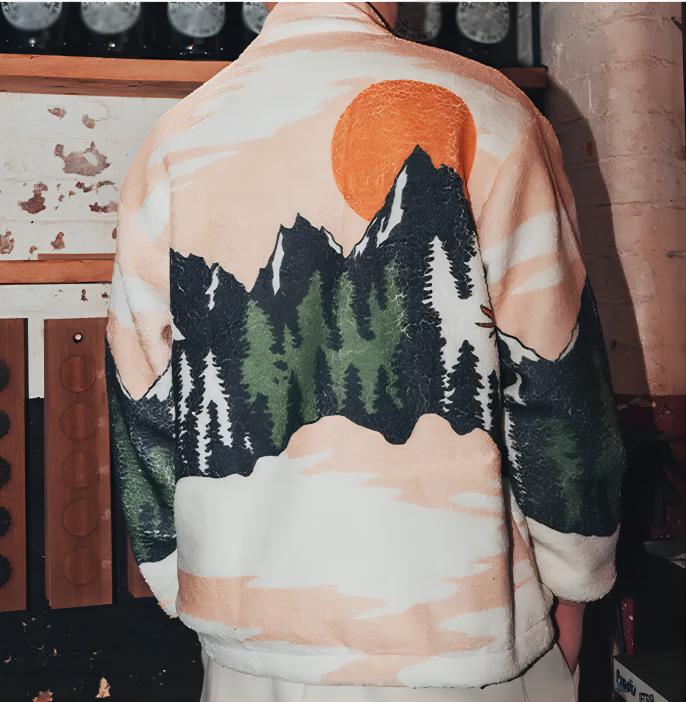
Bomber Jackets
Bomber jackets developed with attention to shell and lining selection, rib proportions, zipper or snap hardware, pocket construction, insulation and decoration. Each approved detail is recorded for repeatable bulk manufacturing.
Get a Quote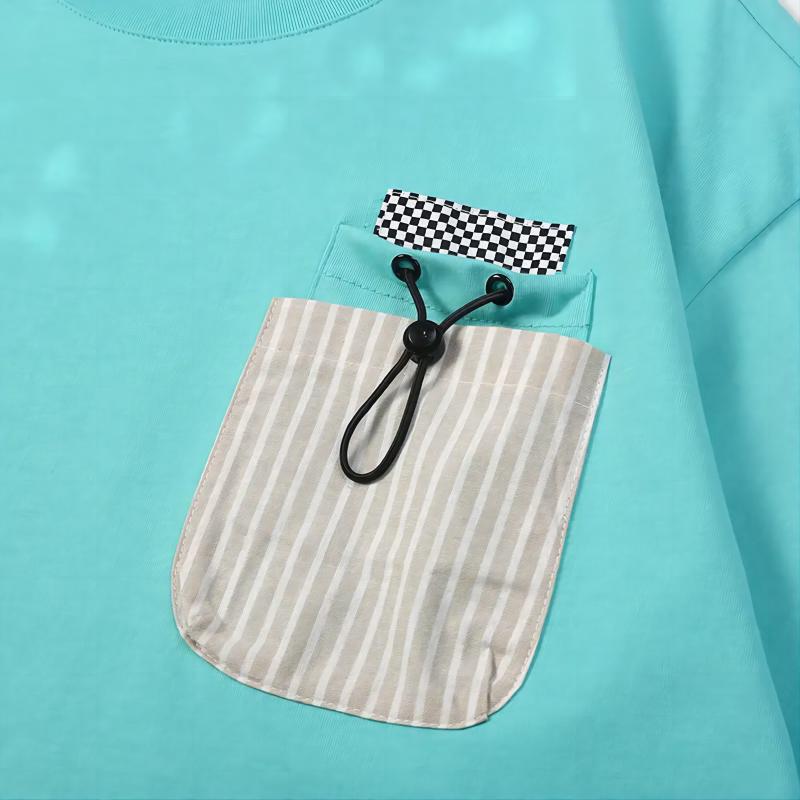
Custom Shirts
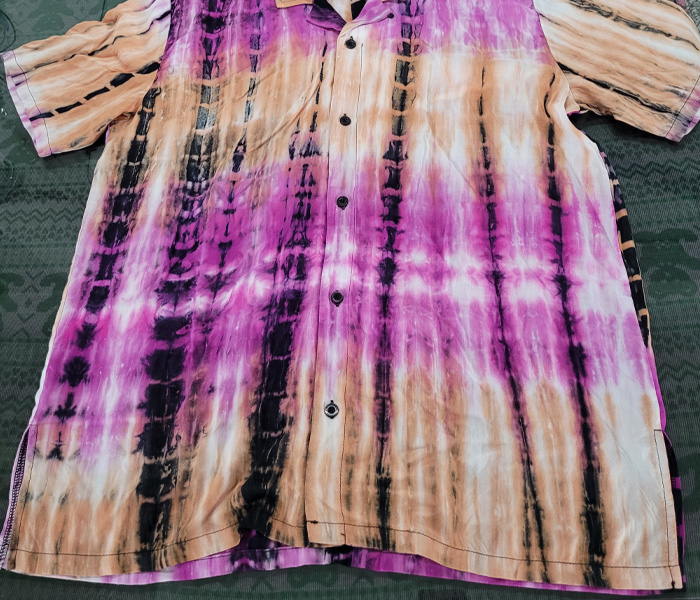
Custom woven shirts developed around fabric selection, collar shape, placket, cuff, pocket, fit and branded trims. EDVORIN supports men’s and women’s programs with separate proportions, grading and construction requirements.
Get a Quote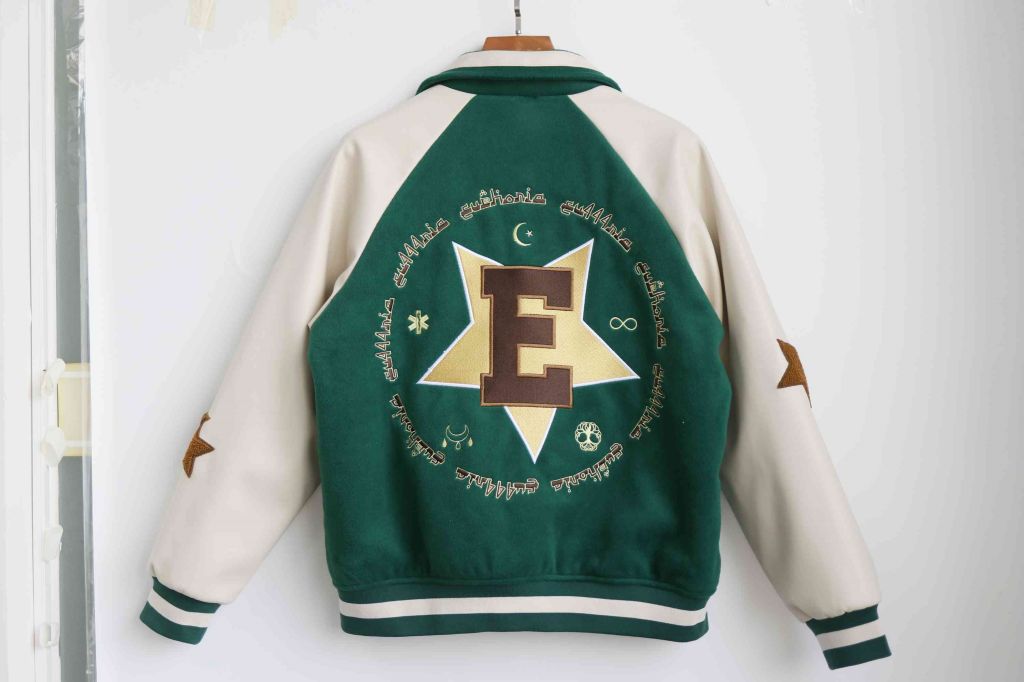
Custom Jerseys
Custom jerseys developed for teamwear and branded apparel with material selection, panel construction, color control, name and number applications, logos and size-set coordination. Approved artwork and placements guide repeat orders.
Get a Quote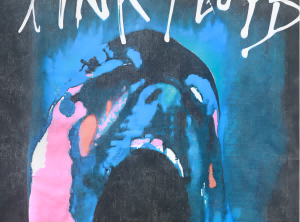
Tank Tops
Tank tops developed for casualwear, training and team programs with specified fabric weight, armhole shape, neckline finish, fit and decoration method. Men’s and women’s blocks can be developed for the intended wearer.
Get a Quote
Soccer Uniforms
Soccer uniforms coordinated across lightweight performance fabrics, jersey and short construction, color matching, crest application, player names, numbers and complete size sets. Production standards help maintain consistency across team orders.
Get a Quote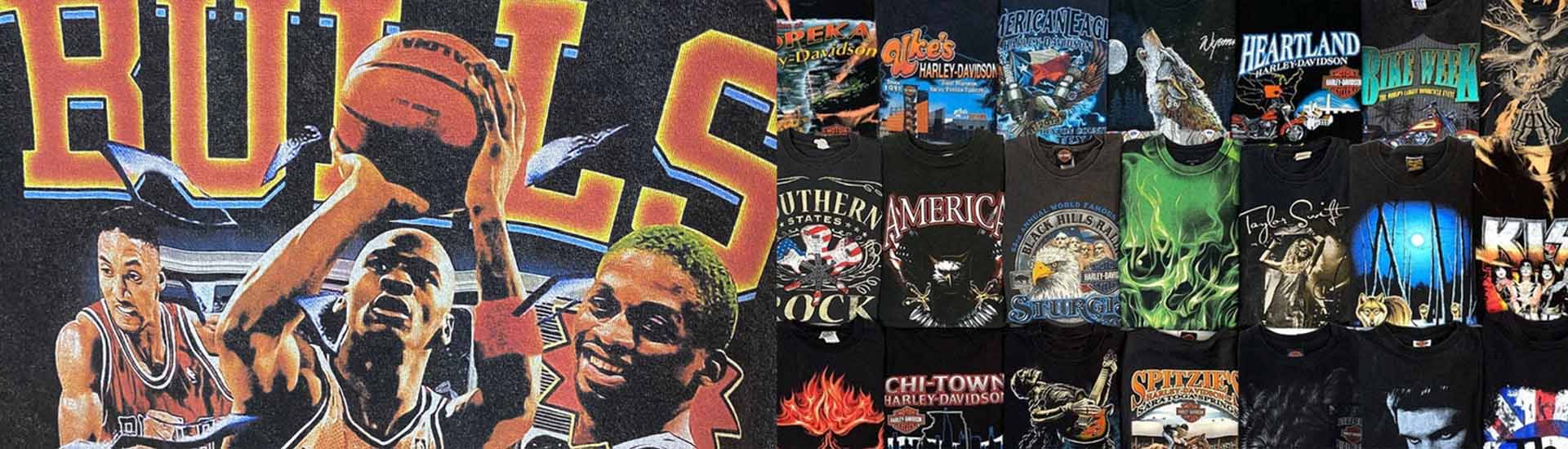
Basketball Uniforms
Basketball uniforms developed with breathable fabrics, jersey and short proportions, neck and armhole finishes, color blocking, logos, names and numbers. EDVORIN manages the details required for coordinated team delivery.
Get a Quote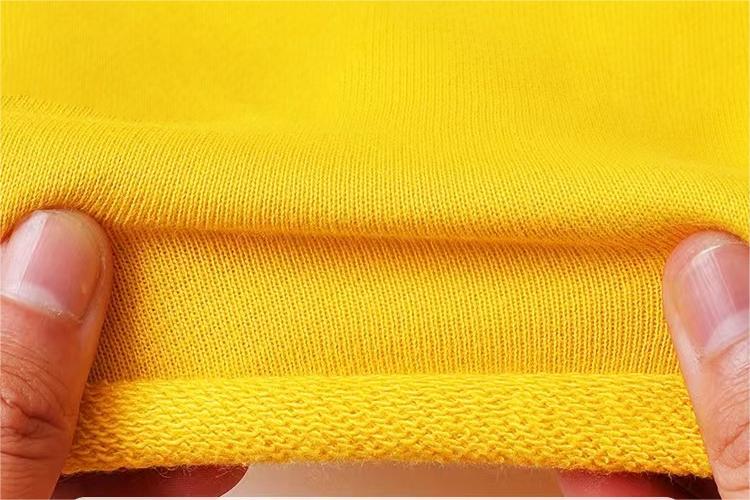
Streetwear Collections
Streetwear collections developed as connected product programs across hoodies, tees, sweat sets, outerwear and accessories. Fabric, fit, washes, trims, graphics and packaging are aligned so each style can move from concept to repeatable production.
Get a QuoteMaterials Selected for Fit and Repeat Orders
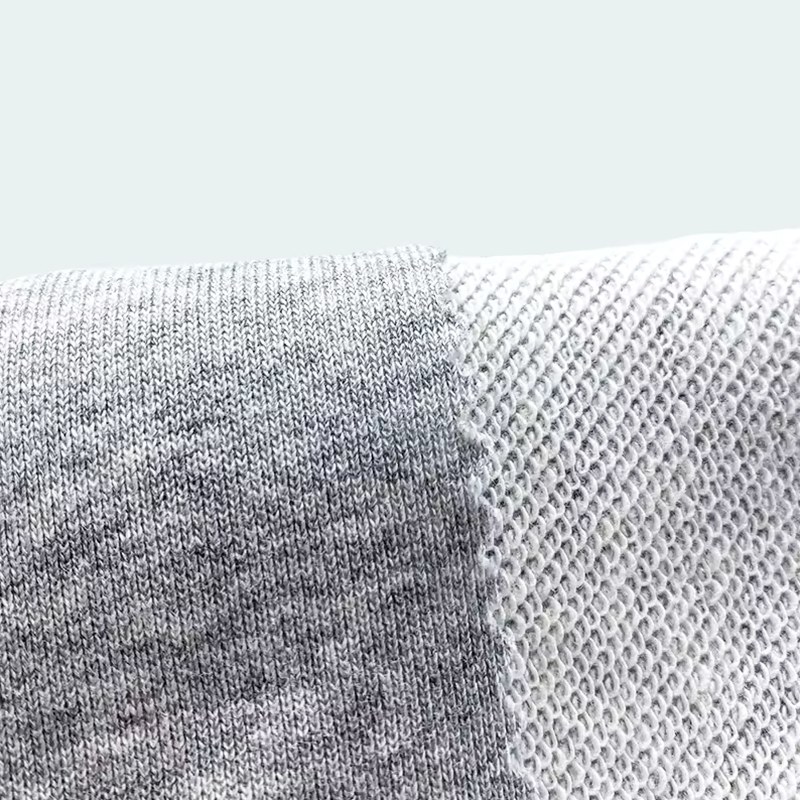
Cotton French Terry
A loop-backed cotton fabric with a substantial yet breathable hand, suited to hoodies, sweatshirts, joggers, and coordinated streetwear. Its midweight construction supports structured silhouettes while remaining comfortable for everyday wear.
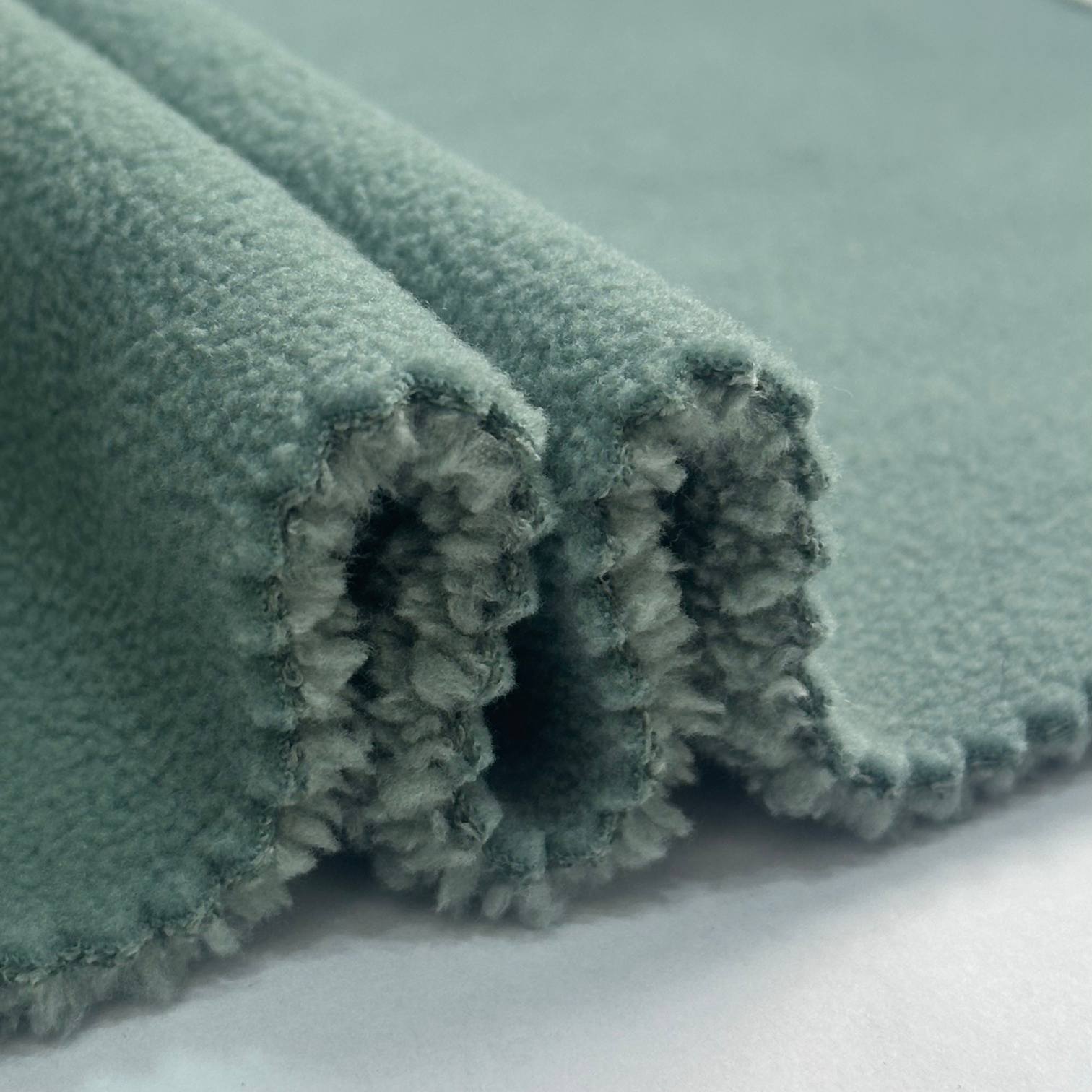
Brushed Polar Fleece
Soft, warm, and plush against the skin, brushed polar fleece is a practical choice for cold-weather hoodies, sweatpants, and outer layers. The raised surface delivers insulation with a lightweight feel and dependable comfort.
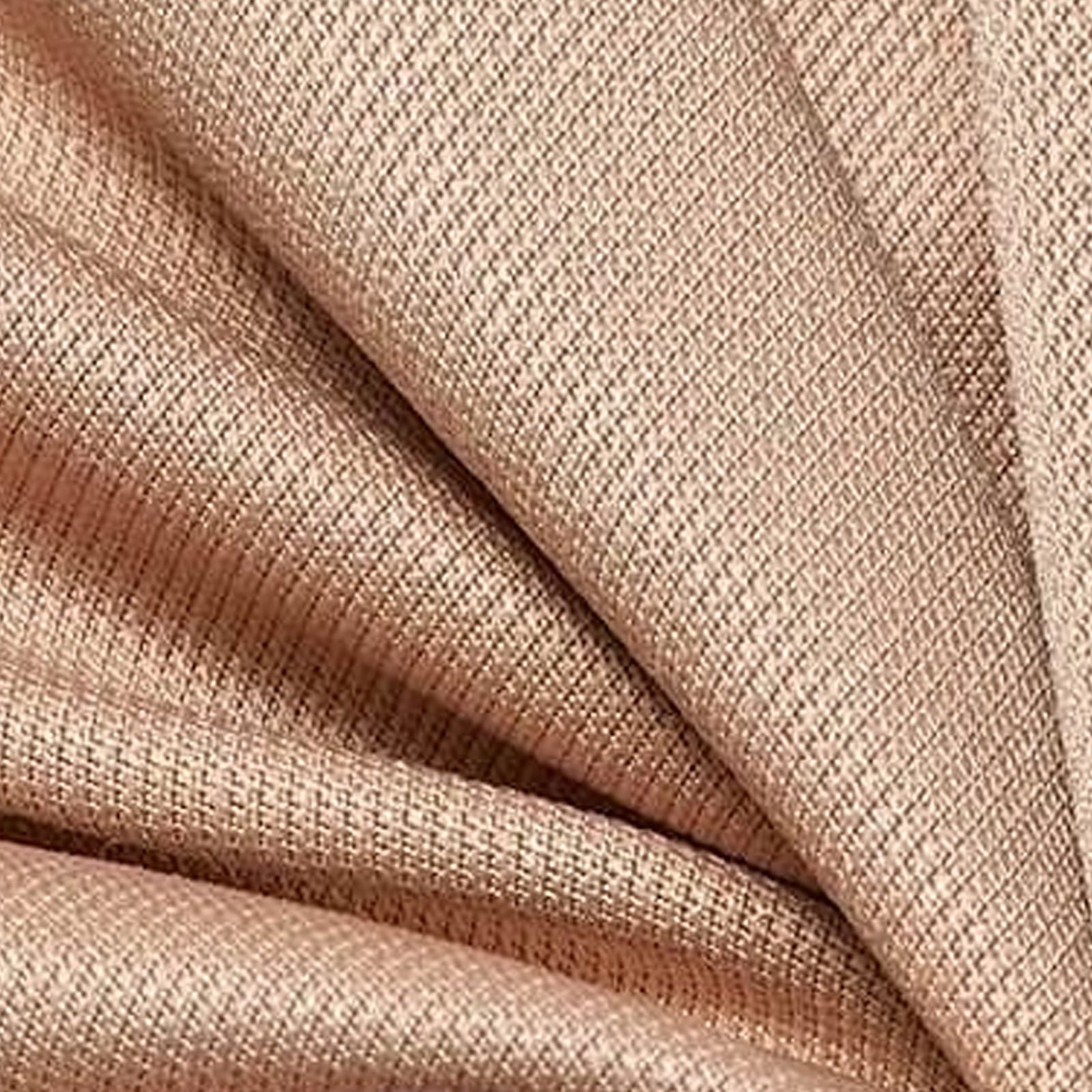
Cotton Jersey Knit
A smooth, breathable knit with a familiar soft hand, cotton jersey works well for T-shirts, tanks, polos, and lightweight layering pieces. Its natural stretch supports comfortable movement while keeping casual silhouettes easy to wear.
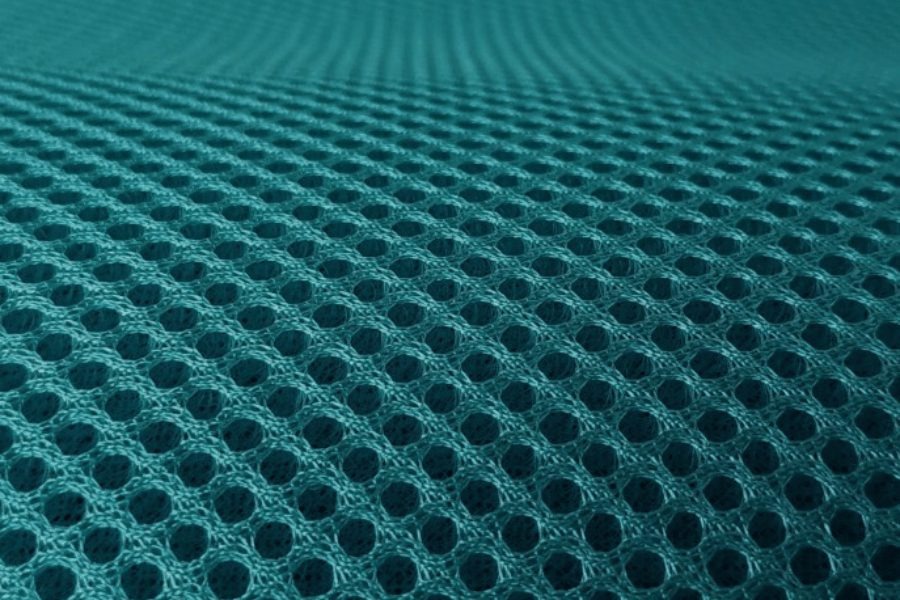
Polyester Performance Mesh
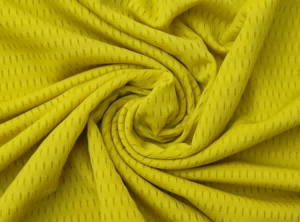
Lightweight and breathable, polyester performance mesh is developed for jerseys, training tops, and teamwear programs. Its open-knit structure promotes airflow, while moisture-management performance helps athletes stay more comfortable during active use.
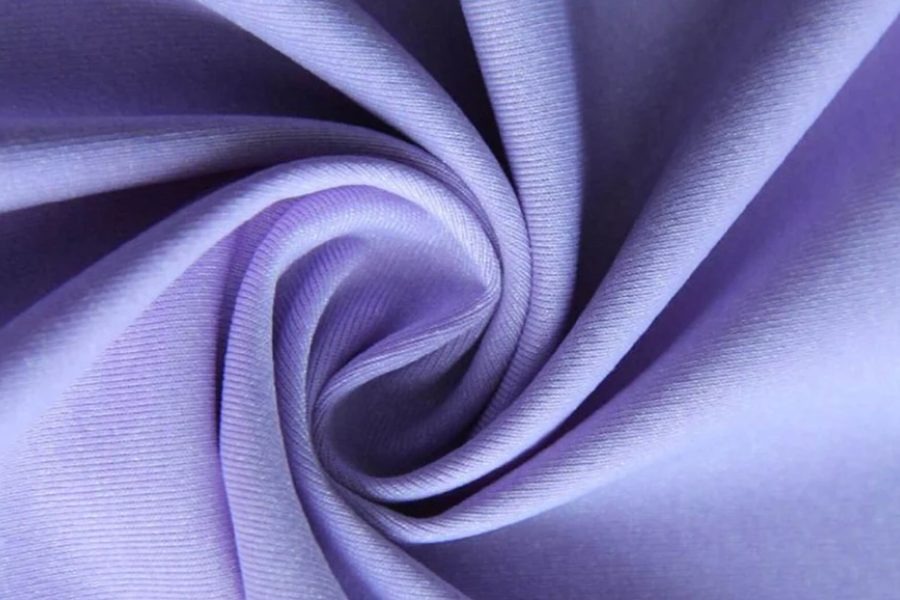
Nylon Woven Shell
A crisp, durable woven fabric used for windbreakers, bomber jackets, and lightweight outerwear. Nylon shell materials offer a clean technical appearance, low weight, and strong resistance to everyday abrasion for active or streetwear applications.
Decoration and Finishing Built Around Approved Standards
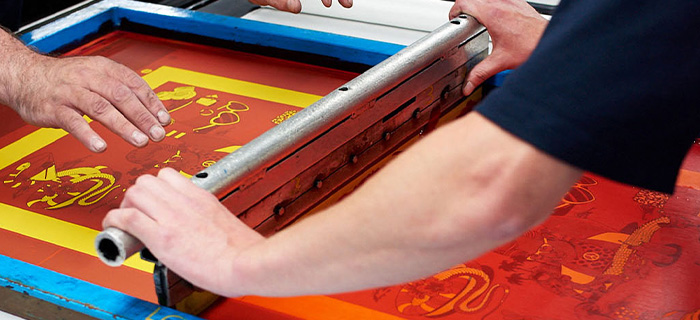
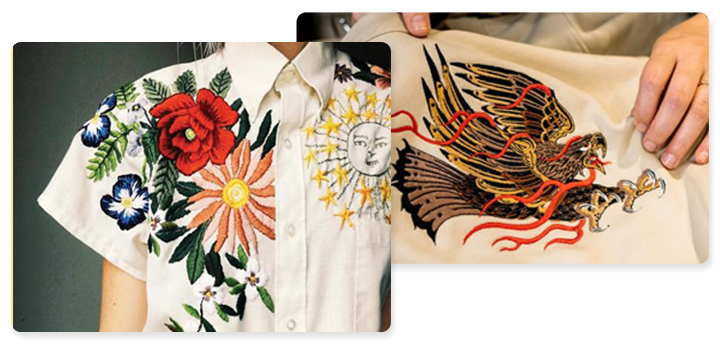
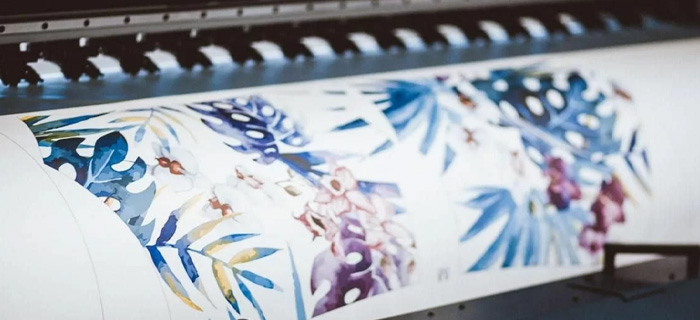
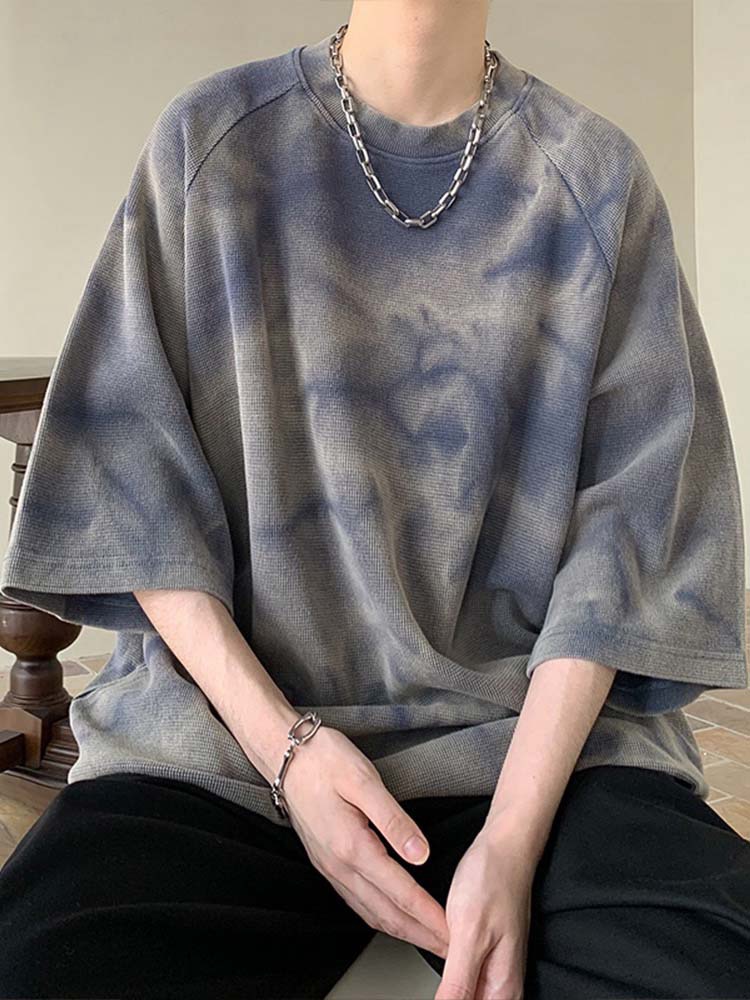
Sublimation Printing
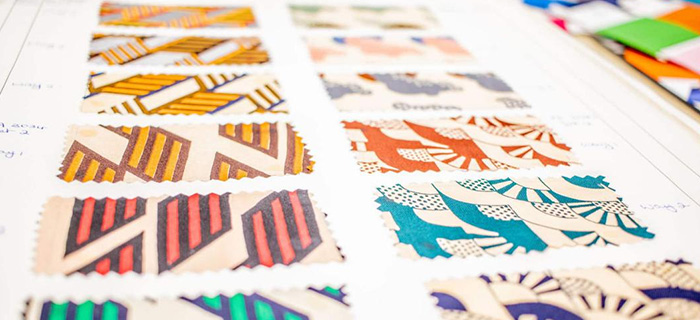
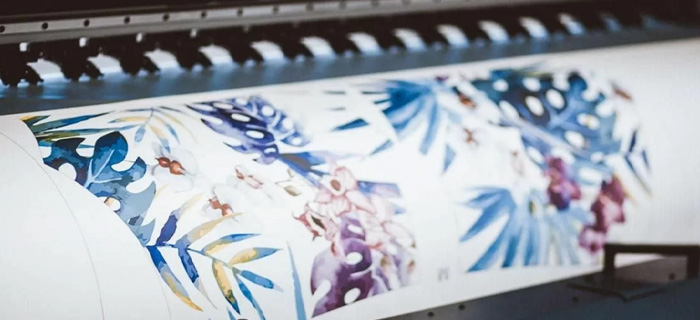
Sublimation printing integrates vivid, all-over graphics directly into compatible performance fabrics. It is suited to jerseys and teamwear where color continuity, breathable construction, and controlled placement across graded sizes are essential.
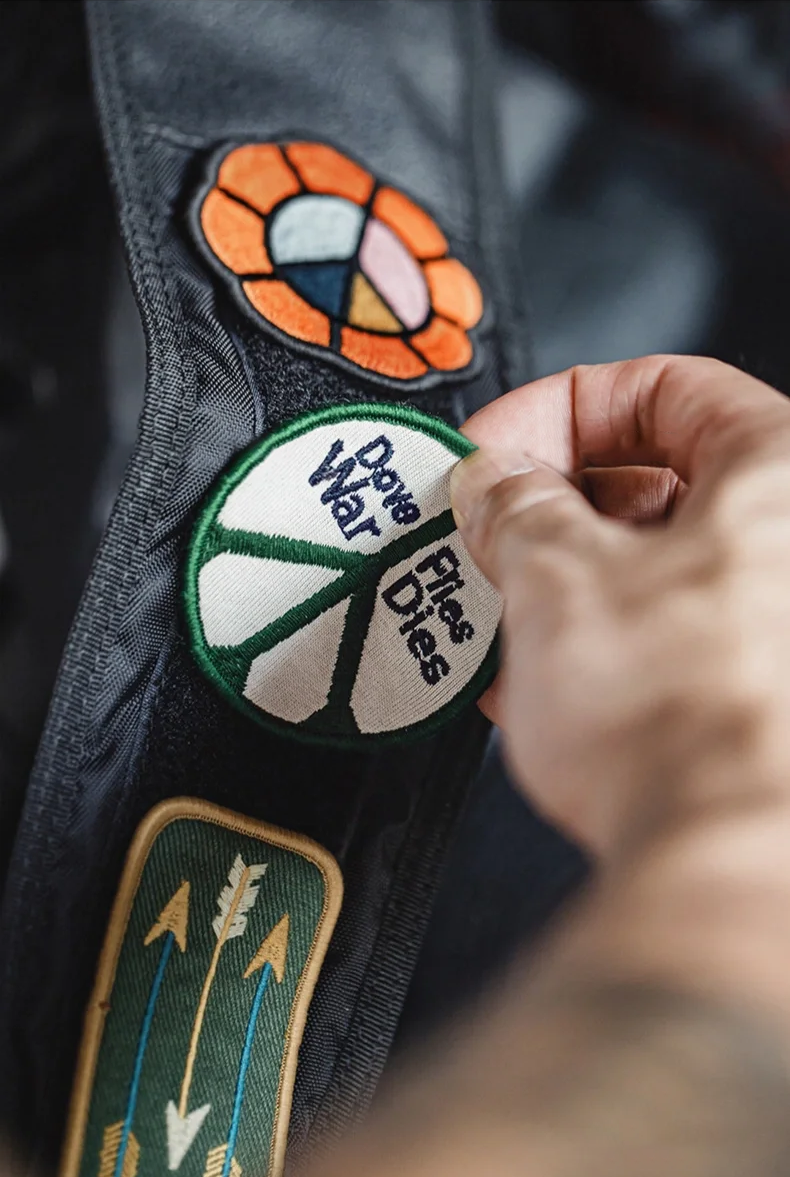
Patch Application
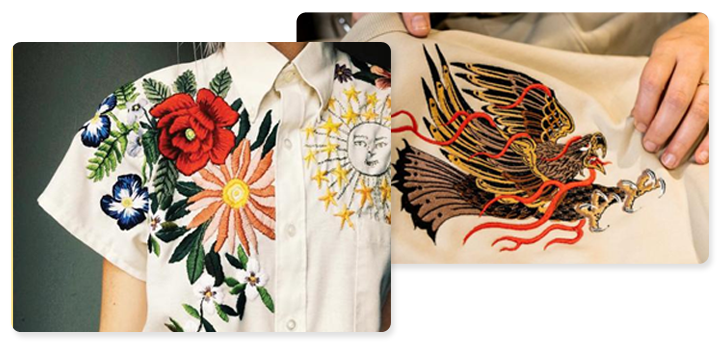
Patch application combines woven, embroidered, chenille, or printed badges with the right attachment method for the garment. Placement and edge treatment are approved during development to preserve visual impact through regular use.
Trims and Accessories That Complete the Specification
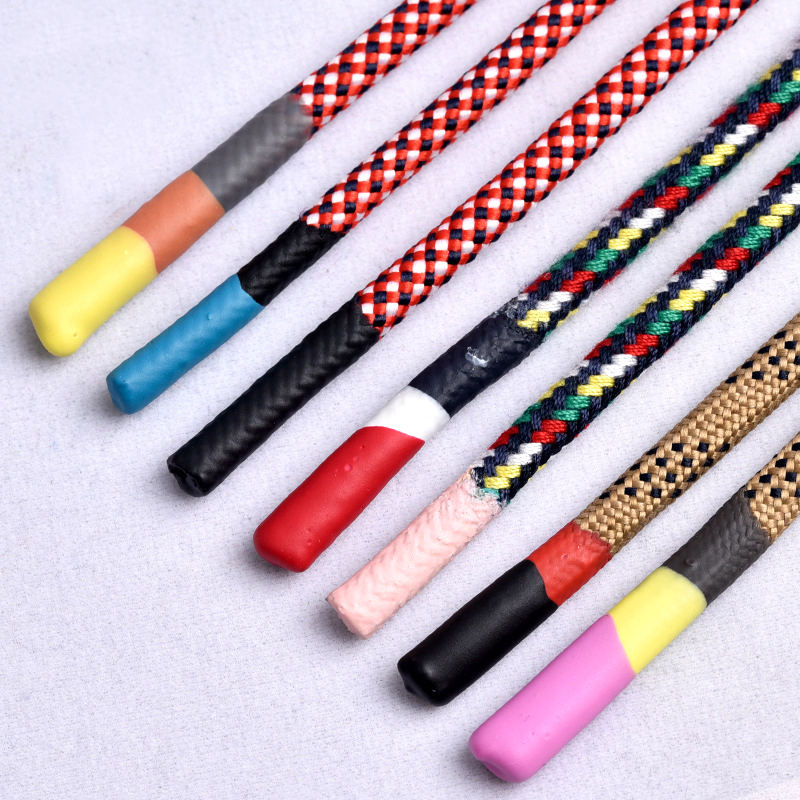
Drawcords and Tipping
Specify drawcord material, diameter, length, color, aglets, and contrast tipping for hoodies, sweatpants, and outerwear. These details help maintain the intended function and visual balance from approved sample through bulk production.
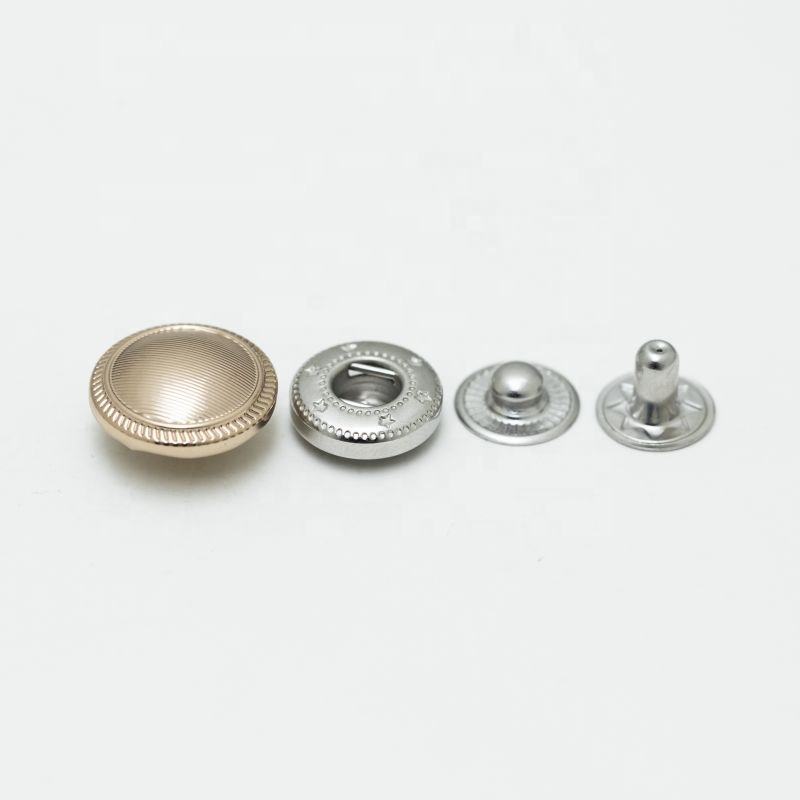
Snap Button Hardware
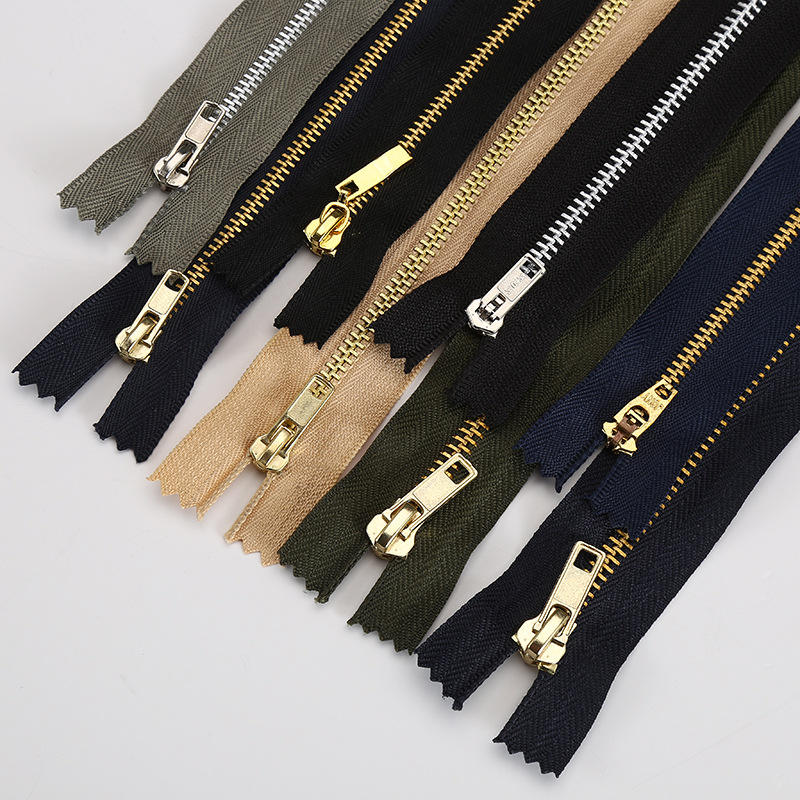
Select snap finishes, sizes, colors, and placement for varsity jackets, bombers, polos, and workwear-inspired styles. Hardware is coordinated with fabric weight, rib construction, and the garment’s intended opening performance.
Woven Brand Labels
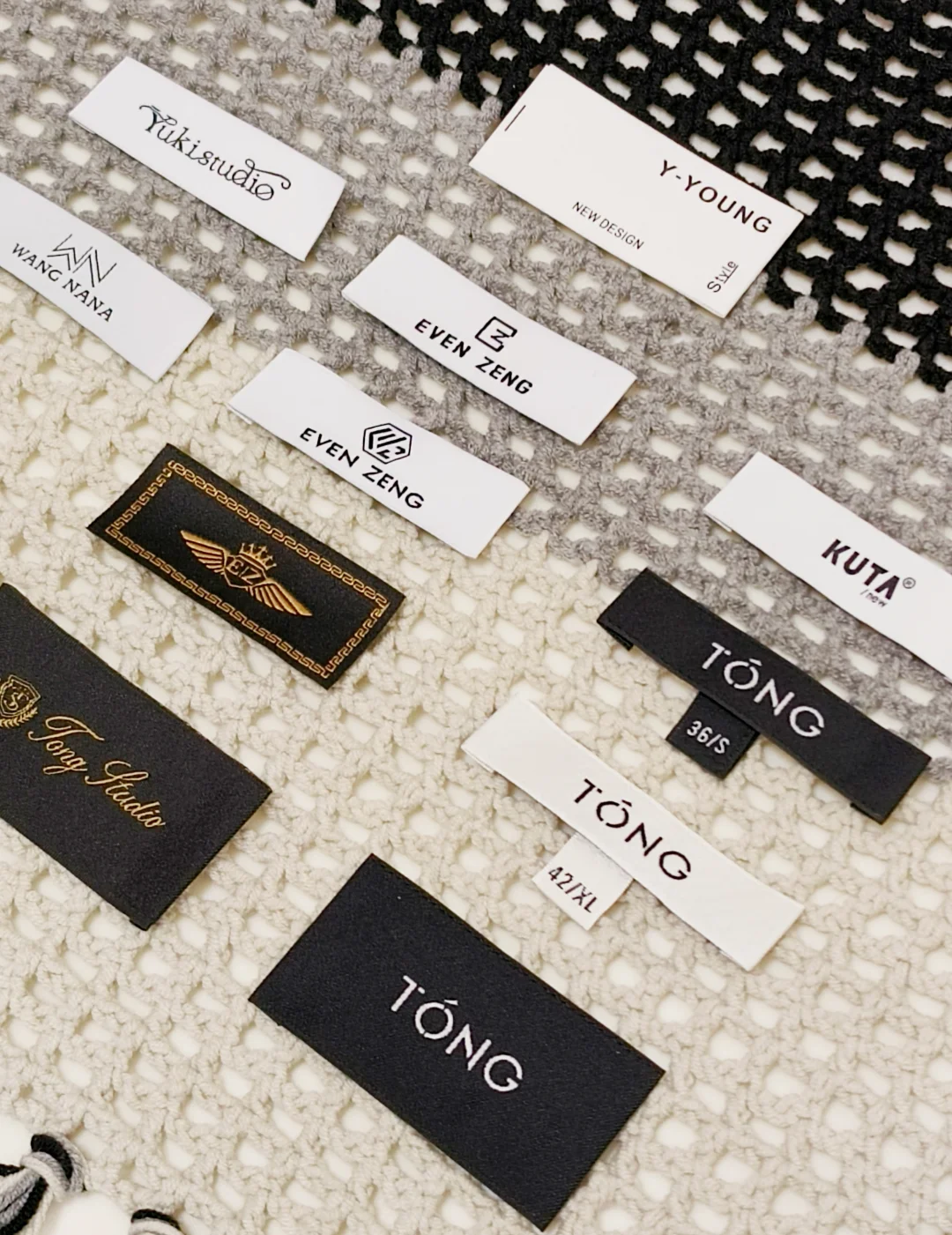
Add woven main labels, size labels, care labels, and side flags that align with your brand system. Label placement and construction are specified during sampling to create a clear production reference for every size.
Custom Logo Patches
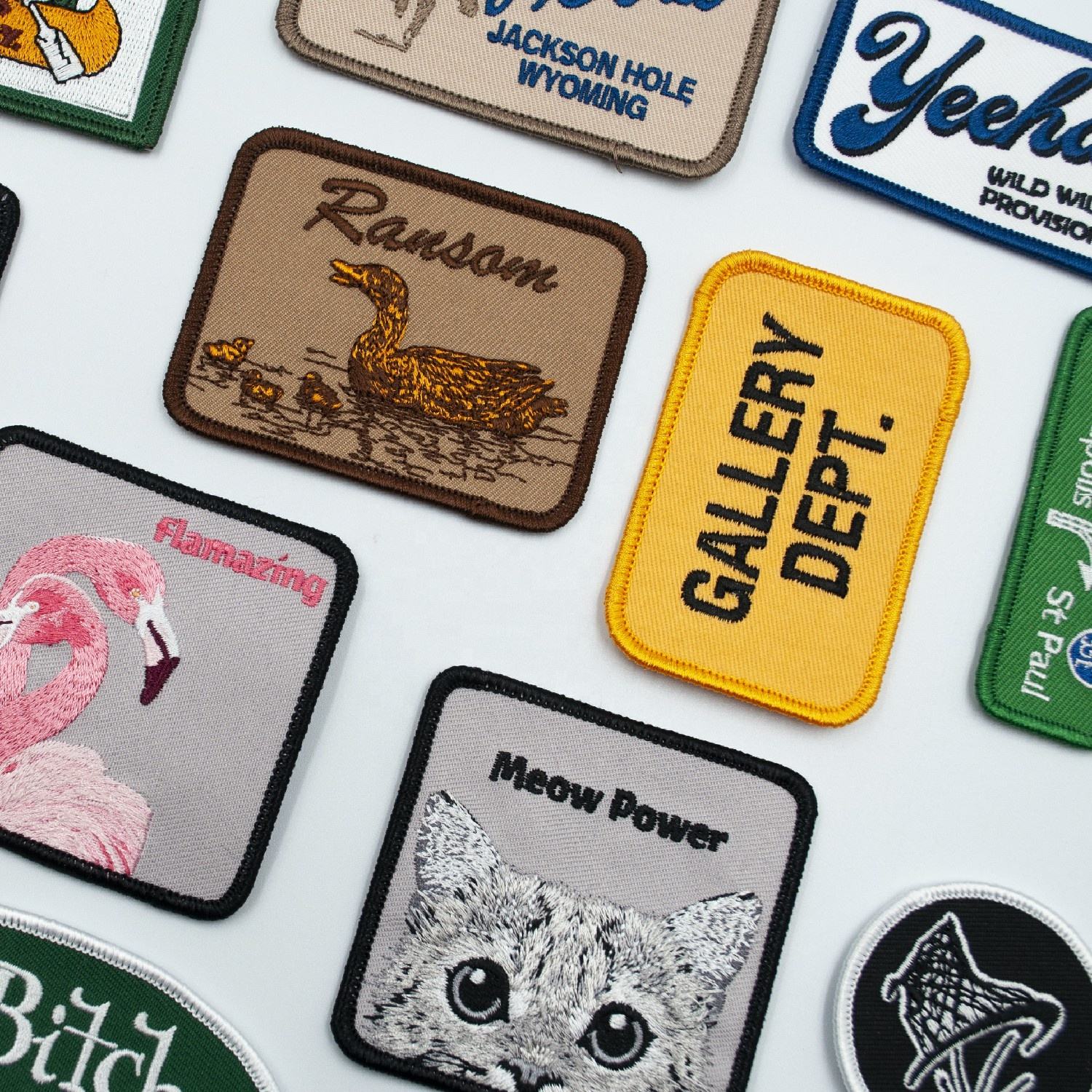
Develop embroidered, woven, chenille, PVC, or appliqué patches for streetwear, varsity styles, uniforms, and teamwear. Patch dimensions, backing, stitch method, and placement are reviewed against the base fabric before approval.
Hangtags and Packaging
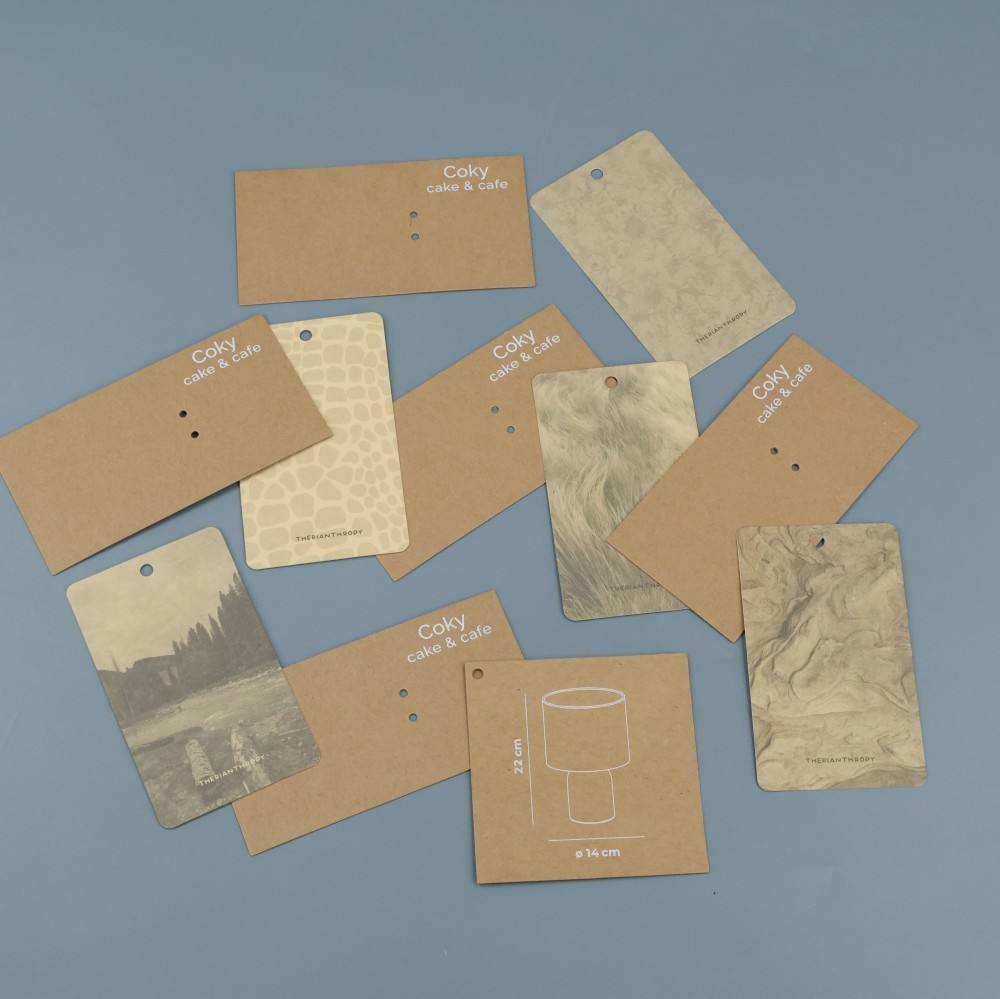
Complete the private-label presentation with custom hangtags, barcode labels, polybags, tissue, size stickers, and carton markings. Packaging requirements are documented alongside the approved garment to support organized fulfillment and wholesale delivery.
About EDVORIN
Founded in 2000 by Edvorin Zeng, EDVORIN helps fashion, streetwear, teamwear and private-label buyers turn apparel ideas into clear, production-ready standards. As a clothing sample manufacturer, we begin with the level of detail you have, from a finished tech pack to a sketch, reference garment or early collection concept.
Our connected workflow brings product development, pattern work, fabric and trim sourcing, sampling, printing, embroidery, washing, bulk production, labeling and packaging under one accountable production path. We develop men’s and women’s programs across casualwear, outerwear, streetwear and teamwear, with MOQs starting at 200 pieces per style.
What distinguishes EDVORIN is the discipline after a sample is approved. Measurements, materials, artwork placement, trims and finishing details are recorded as the bulk standard, then checked in line and before packing. That structure helps emerging labels, wholesale programs and established buyers build collections made to repeat.
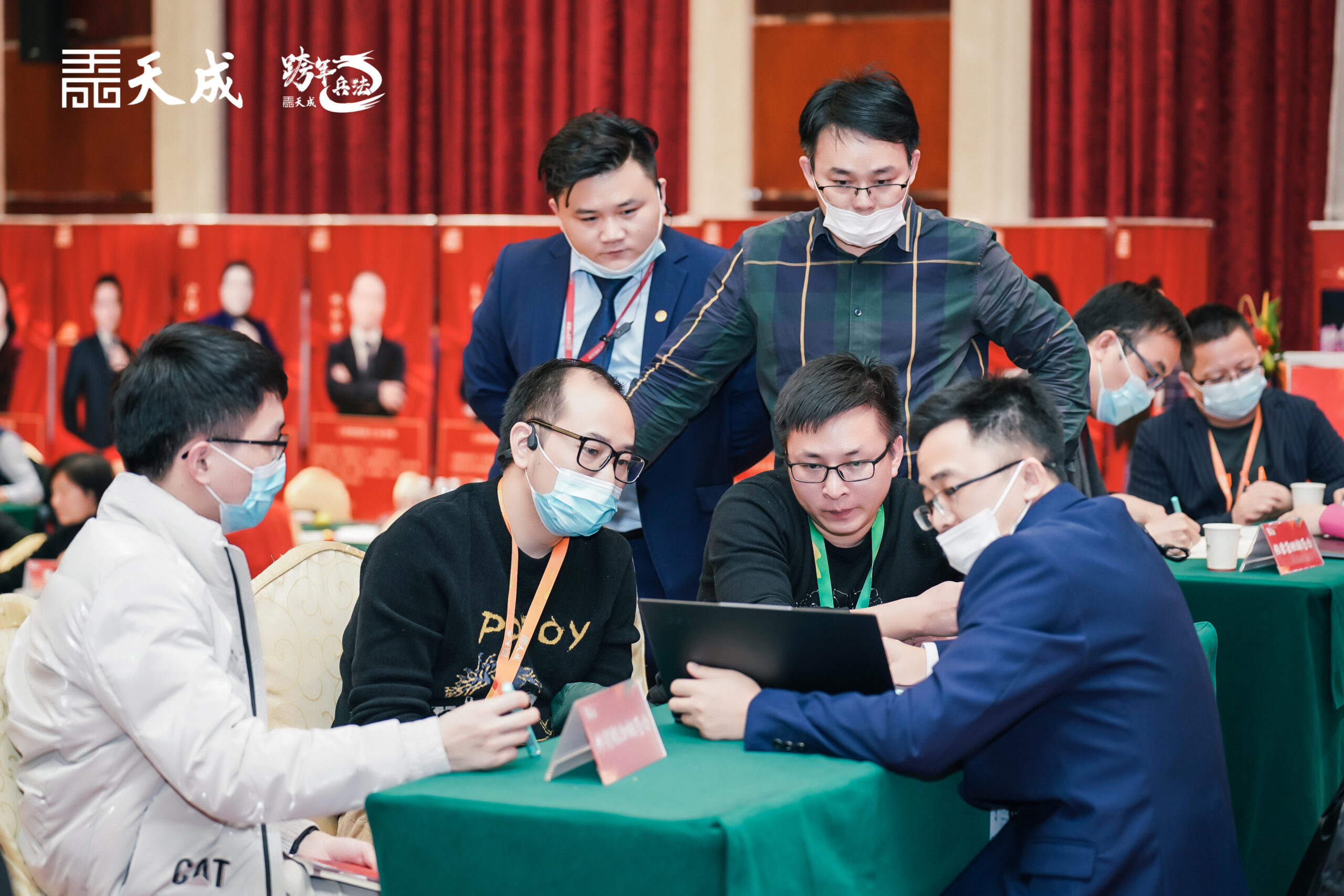
From Sample Approval to Repeatable Bulk Standards
Technical Development, Made Practical
EDVORIN turns a sketch, reference garment, or complete tech pack into a workable production specification. Patterns, fit blocks, grading, measurements, and construction details are reviewed together so men’s and women’s apparel programs have a clearer path from first sample to bulk order.
- Pattern and measurement development
- Fit and construction review
- Men’s and women’s grading support
- Tech-pack details clarified before sampling
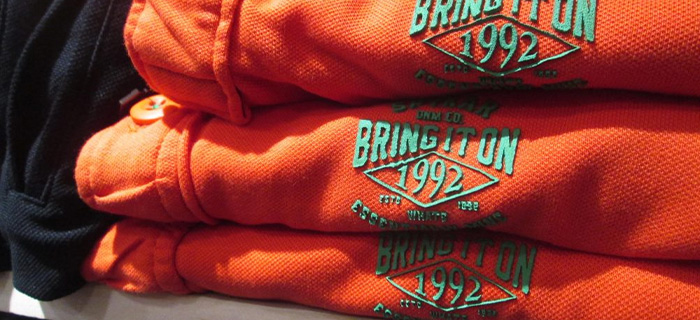
Materials and Decoration Aligned
Fabric weight, trims, print methods, embroidery, washing, and garment construction must work as one system. EDVORIN coordinates these choices during development, helping protect the intended hand feel, visual impact, durability, and production feasibility across casualwear, streetwear, outerwear, and teamwear.
- Fabric and trim selection support
- Print and embroidery compatibility checks
- Wash and finishing considerations
- Category-specific construction planning
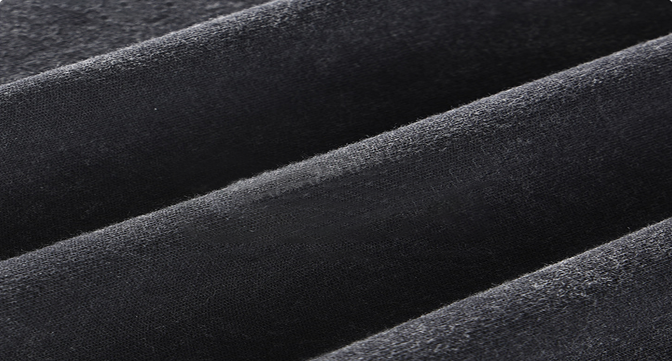
Approval Becomes the Standard
A clothing sample manufacturer should do more than deliver a garment for review. EDVORIN records approved measurements, materials, artwork placement, trims, labels, and packaging requirements so the accepted sample becomes a visible reference for repeatable production decisions.
- Approved measurements documented
- Artwork placement recorded
- Trims and labels specified
- Packaging requirements aligned
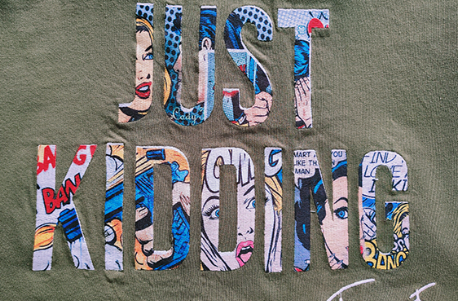
Quality Control Through Production
EDVORIN carries approved standards into bulk production through material control, in-line inspections, and final checks before packing. This connected approach helps identify variation while production is active and keeps the finished order aligned with the sample your team approved.
- Material checks before production
- In-line inspection checkpoints
- Approved sample used as reference
- Final inspection before packing
Why Choose EDVORIN as Your Clothing Sample Manufacturer
A connected development and production path built to carry approved details into repeatable bulk orders.
← Swipe left or right to view →
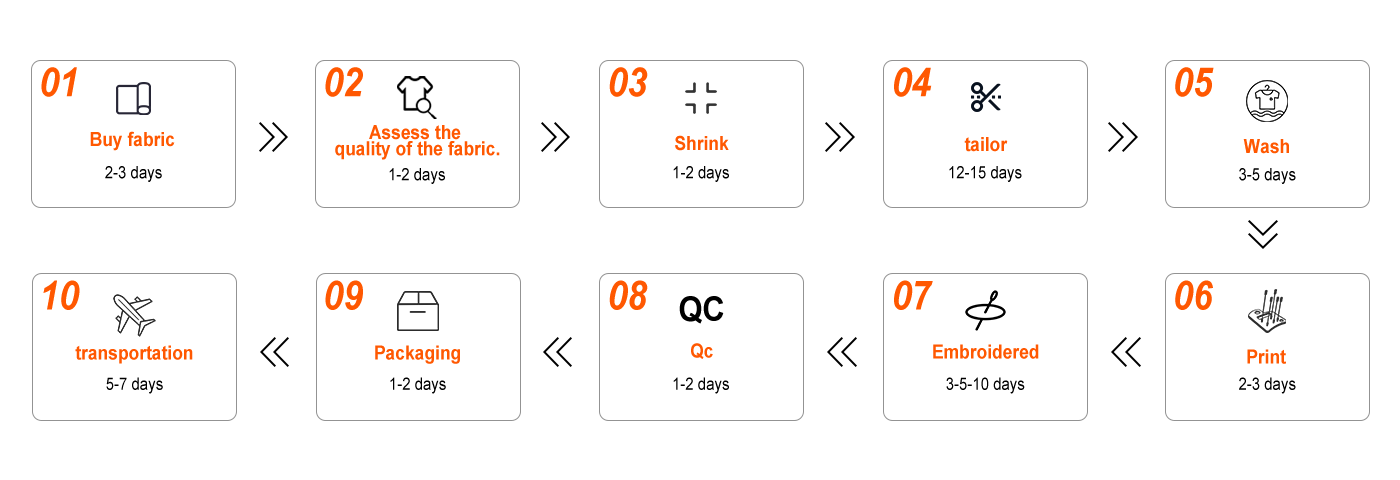
From Sample to Bulk: A Repeatable Production Process
A connected development and production path that turns approved apparel details into a repeatable standard for every order.
Review Your Product Brief
We review your tech pack, sketch, reference garment, measurements, target market, quantity, and construction requirements to define a practical development path.
Source Materials and Trims
Fabric weights, colors, rib, labels, hardware, packaging, and performance requirements are aligned with the intended garment, decoration method, and approved budget.
Develop Patterns and Samples
Patterns and samples translate specifications into physical garments, allowing fit, proportions, construction, materials, and finishing details to be reviewed before bulk production.
Approve Production Standards
Approved samples, measurement charts, artwork placement, color references, trims, and wash details become clear standards for cutting, sewing, decoration, and finishing.
Produce and Inspect Bulk
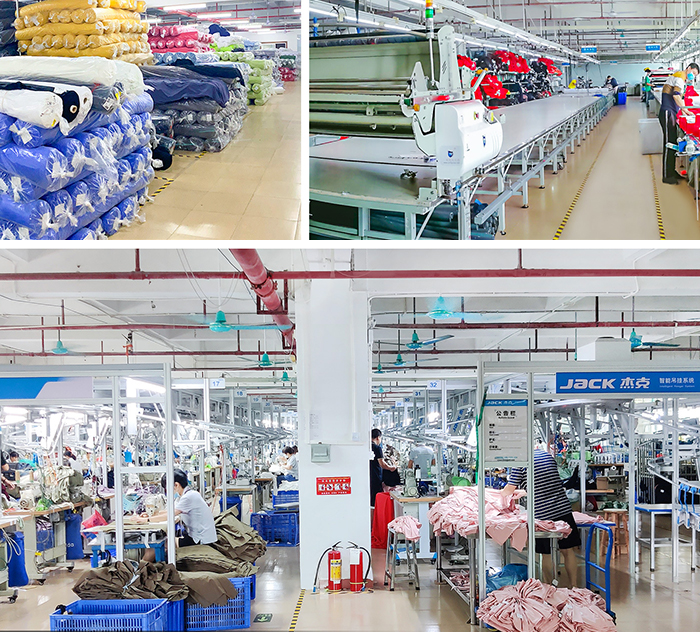
Production teams coordinate cutting, sewing, printing, embroidery, washing, and in-line inspections against approved standards to identify variation before final packing.
Pack and Ship Orders
Final checks confirm garments, labels, size assortments, and packaging meet the order specification before goods are prepared for shipment to your destination.
How to Start Your Sampling Project
Bring a tech pack, sketch, reference garment, or collection concept. EDVORIN helps turn it into an approved standard for repeatable bulk production.
Share Your Product Direction
Send your tech pack, sketch, reference garment, measurements, artwork, or collection brief so we can understand the style, construction, fit, and intended market.
Review Specifications and Quote
We review materials, trims, decoration, wash, packaging, quantities, and production requirements, then clarify open details and prepare a quotation for your apparel program.
Develop and Refine Samples
Our team coordinates patterns, sourcing, construction, and decoration to create your sample, then records approved revisions for fit, appearance, and performance requirements.
Approve Your Production Standard
Confirm the final sample, measurement specifications, materials, colors, placements, trims, labels, and packaging details before the style moves into bulk production planning.
Launch Controlled Bulk Production
With approval in place, EDVORIN manages production and quality checks against the established standard, supporting repeatable orders from the 200-piece minimum per style.
Certified Standards for Responsible Apparel Production



What Apparel Buyers Say About Working With EDVORIN
EDVORIN turned our hoodie sketch into an approved production standard in two sample rounds. The measurement notes, fleece selection and embroidery placement were documented clearly, so our 600-piece repeat order matched the first approved style.
We developed home and away soccer kits with names and numbers across 14 sizes. The sample process caught a color-placement issue before production, and the final 1,200-piece order arrived organized by team size set and ready for distribution.
Our private-label program needed polos, joggers and lightweight jackets that could be reordered without rebuilding every detail. EDVORIN consolidated fabrics, trims and packaging into one specification set, helping us launch 3 coordinated styles with fewer approval delays.
FAQs for B2B Apparel Buyers
Clear answers for brands moving from an apparel concept to an approved, production-ready standard with EDVORIN.
What is EDVORIN’s minimum order quantity?
How long does it take to make an apparel sample?
How much does apparel sampling cost?
Do I need a tech pack before requesting a sample?
How many sample revisions can I make before bulk production?
Can you protect my designs and private-label information?
What happens after I approve my clothing sample manufacturer sample?
Can EDVORIN arrange shipping for sample and bulk apparel orders?
The Complete Buyer’s Guide to Apparel Sampling
Use this practical decision framework to compare clothing sample manufacturer options, assess development and production readiness, control sample costs, and avoid sourcing mistakes that delay launches or compromise garment quality.
1. What Is a clothing sample manufacturer?
EDVORIN’s MOQ starts at 200 pieces per style. 200-piece MOQ programs benefit from a clothing sample manufacturer that converts a sketch, reference garment, or tech pack into a sewn, reviewable production standard. The sample checks fit, seam sequence, fabric behavior, trim compatibility, decoration placement, and whether the style can be repeated before bulk commitment.
1 pattern maker builds or revises the pattern; a tailor may interpret and sew a one-off; and a product-development studio can manage the broader design-to-specification process. A sample manufacturer connects those inputs to cutting, sewing, washing, printing, embroidery, and documented revisions that inform factory execution.
200-unit and larger launches are especially suited to emerging labels, sports teams, schools, wholesalers, and private-label programs. EDVORIN uses the approved sample as the reference for measurements, materials, artwork placement, labels, packaging, and production quality checks.
2. How Clothing Sampling Evolved
2000 marks EDVORIN’s founding in a garment industry already moving beyond atelier-only sampling. Hand-drafted patterns and verbal instructions gave way to CAD pattern files, digital tech packs, and measurable construction specifications that could travel between development and production.
1 base size is no longer enough for a commercial program. Graded size sets test how chest, body length, rise, and sleeve proportions change across the range, while modern samples also verify Pantone color, print placement, trims, and wash results.
2 linked functions—sample room and production team—now need one approved reference. Faster drops, closer fit expectations, and individualized team or private-label details make revision control essential: buyers should approve a dated sample, measurement chart, bill of materials, artwork placements, and written comments before bulk cutting begins.
3. Types of clothing sample manufacturer Services
Five service models divide execution-only sampling from end-to-end development. Match the provider to the maturity of your brief, then confirm who owns patterns, graded files, and approved specifications.
| Model | Scope | Best Stage | Ownership And Bulk Impact |
|---|---|---|---|
| Standalone maker | Sewing only | Complete tech pack | Request pattern rights; bulk moves elsewhere |
| Pattern-and-sample studio | Patterns and prototypes | Concept or fit development | Clarify CAD files and grading access |
| Full-package manufacturer | Development through packing | Brand launch or collection | One accountable path to bulk |
| Factory sample room | Samples plus cut-and-sew | Near production-ready | Verify production line matches sample |
| Production-first supplier | Bulk-focused sampling | Confirmed order intent | Check sample commitment and MOQ |
Execution-Only Sampling
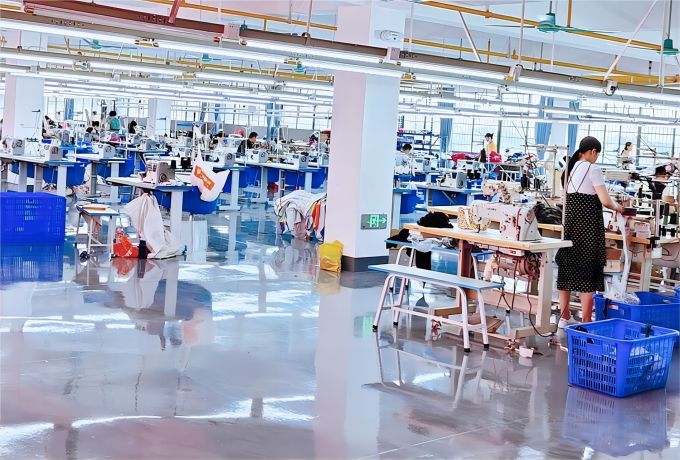
One standalone maker is suited to a production-ready tech pack and supplied materials. It may deliver a sewn prototype, but bulk handoff can require new sourcing and production partners.
Development-Led Support
Two development models add pattern engineering, fit revisions, and technical specifications. They suit sketches, reference garments, or untested blocks, where documenting revisions matters before costing bulk.
Production Continuity
Three production-linked models connect the sample room to bulk controls. Confirm whether the approved fabric, pattern version, decoration placement, and measurement tolerances transfer unchanged to the production order.
4. Materials for clothing sample manufacturer Projects
Fabric availability determines whether a sample predicts bulk cost and timing. A clothing sample manufacturer should confirm production-equivalent fabric, trims, labels, packaging, and approved color before final sign-off.
| Material | Typical Specification | Best Use | Sample Check |
|---|---|---|---|
| French terry | 280–360 GSM | Hoodies, joggers | Shrinkage, rib recovery |
| Cotton jersey | 180–220 GSM | T-shirts, polos | Opacity, torque |
| Polyester interlock | 140–180 GSM | Team jerseys | Stretch, colorfastness |
| Woven shell | 90–160 GSM | Windbreakers | WR finish, seam performance |
Match Material To Use
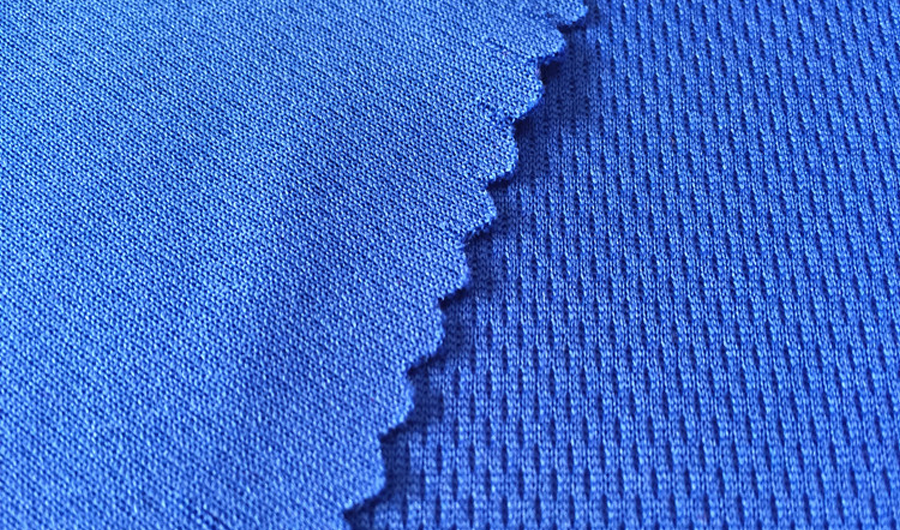
280–360 GSM French terry suits structured hoodies; 180–220 GSM jersey suits tees. Test opacity, stretch recovery, and shrinkage after washing.
Control Outerwear Components
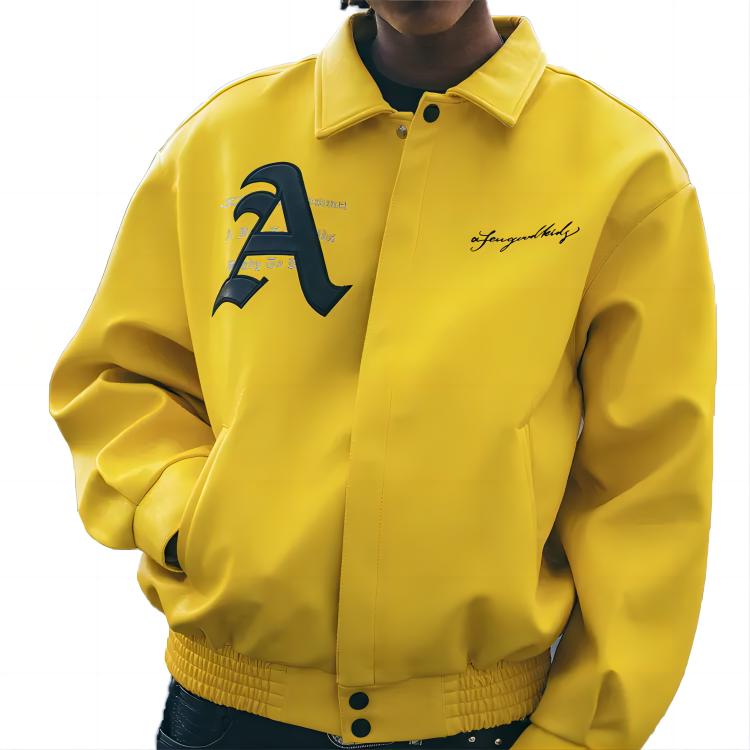
2-layer shells require compatible lining, insulation, zippers, and water-repellent finishing. Substituted snaps or unavailable Pantone colors can change cost and lead time.
Approve Bulk-Equivalent Inputs
1 wash test can expose torque, color bleeding, or dimensional loss before production. Record fabric lot, GSM, trim finish, label artwork, and packaging specification on approval.
5. Customization Options from a clothing sample manufacturer
One approved sample should lock the pattern, graded size range, colorways, labels, hangtags, and decoration before bulk specifications are released. EDVORIN records these choices as measurable production standards.
| Method | Best For | Effect | Setup |
|---|---|---|---|
| Screen print | Tees | Flat color | Screens |
| Embroidery | Caps, jackets | Raised texture | Digitizing |
| Heat transfer | Jerseys | Detailed graphics | Film |
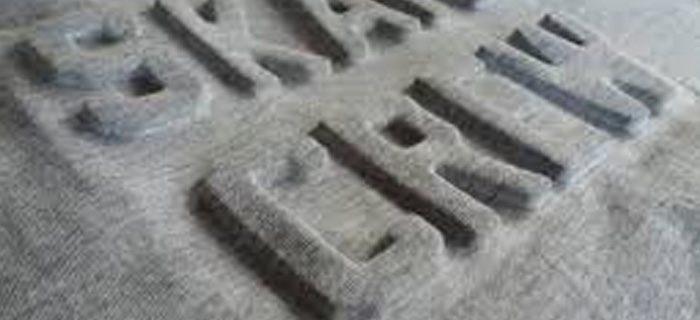
| Patches | Varsity jackets | Layered badge | Sampling |
Pattern And Color Control

Each custom pattern needs base-size measurements, grade rules, and fit intent for the target wearer.
Every colorway should identify shell, rib, thread, and print references; match against a physical standard before approval.
Artwork And Placement
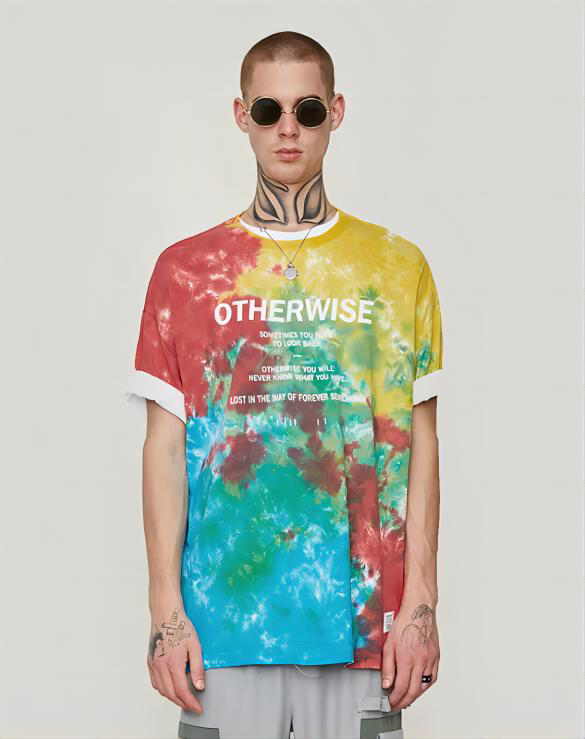
Vector artwork should arrive as AI, EPS, or editable PDF with linked fonts converted to outlines.
Millimeter placement dimensions from seams, plus print size and color callouts, prevent interpretation during repeat orders.
Decoration Trial
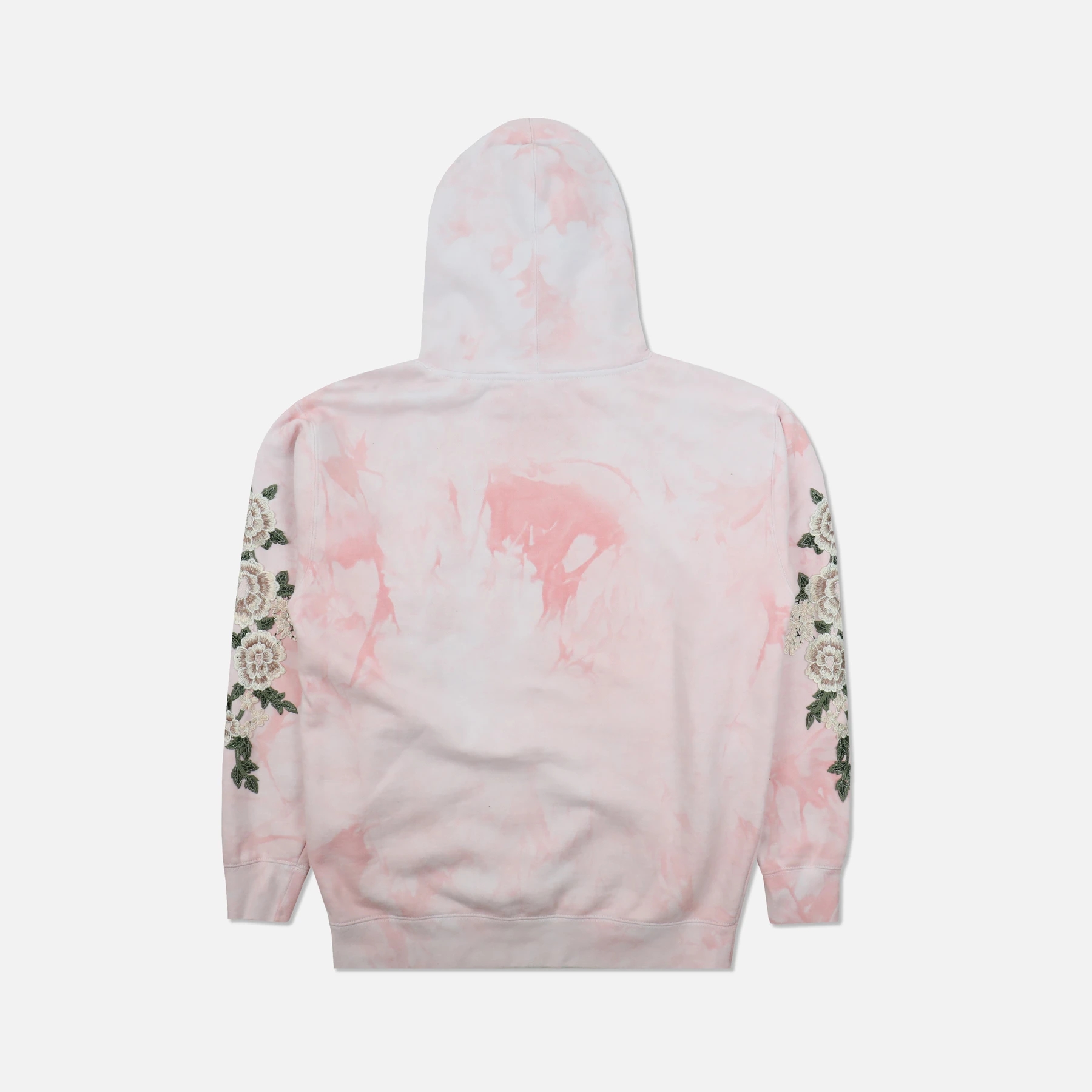
One test garment should check adhesion, stretch, wash response, edge quality, and embroidery backing before production.
Woven labels, patches, specialty washes, and hangtags need approved physical references.
6. Construction Details That Define Quality
Two approval questions separate an attractive sample from a bulk-ready standard: can the construction be measured, and can it be repeated? Record every approved detail in the tech pack and retain the sealed sample as the reference.
Seams And Reinforcement
8–12 stitches per inch is a common checkpoint, but consistency matters more than a target alone. Inspect seam type, skipped stitches, seam allowance, panel matching, and bartacks at pockets, crotches, zipper ends, and high-stress joins.
Fit And Measurement Control
±0.5–1.0 cm tolerances should be assigned by measurement point and garment size. During the fit session, compare left-right symmetry, sleeve pitch, collar shape, rise, hem balance, and rib recovery; log each correction against the pattern.
Trims And Wear Testing
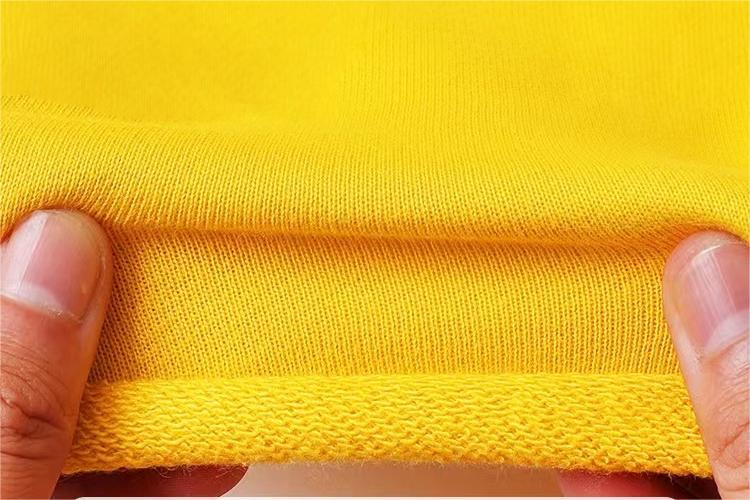
3 checks make trim approval practical: zipper operation, snap or drawcord security, and label attachment. Wash and wear-test the sample for shrinkage, twisting, pilling, print cracking, and hardware damage before approving bulk; appearance alone is not a production specification.
7. How to Choose a clothing sample manufacturer
Two comparable quotes can hide very different development scope. Choose a clothing sample manufacturer by testing whether its approved sample can become a controlled bulk-production standard.
| Evaluation Area | Strong Evidence | Quote Risk |
|---|---|---|
| Technical communication | Annotated tech-pack feedback | Vague confirmations |
| Sourcing and QC | Material approvals and in-line checks | Unspecified substitutions |
| Lead time and shipping | Dated milestones and Incoterms | Transit excluded |
Verify Category Fit
Three references should match your product type: fleece hoodie, varsity jacket, or numbered jersey. Ask for construction knowledge, material options, decoration limits, and men’s or women’s grading experience.
Ask Before Depositing
EDVORIN’s MOQ starts at 200 pieces per style. Before a deposit, confirm sample types, revision count, sourced versus buyer-supplied materials, production MOQ, monthly capacity, sample and bulk lead times, QC checkpoints, IP terms, and shipping responsibility.
- Who owns patterns and artwork files?
- What triggers a re-sample charge?
- Which inspection standard applies before packing?
Compare Total Execution
Four quote fields matter beyond unit price: inclusions, risk controls, timing, and repeatability. Require written measurement tolerances, Pantone references, placement records, and a final inspection process.
8. Common Sampling Mistakes Buyers Make
One approved sample cannot correct an undefined brief. Before development, buyers should turn creative direction into measurable, production-ready decisions.
Define The Garment
One vague brief invites interpretation of silhouette, seams, trims, and finish. Provide a technical sketch, measurement chart, bill of materials, and placement dimensions.
Two inspiration images can show a mood but rarely reveal construction. State the intended fabric, stitch type, pocket depth, and decoration method.
Test Fit Before Approval
One fit sample on an untested wearer can conceal balance and mobility faults. Fit on the target body type, record corrections, and approve revised measurements.
Several simultaneous changes obscure which adjustment solved a problem. Revise one controlled variable at a time and keep a dated change log.
Confirm Production Reality
EDVORIN’s MOQ starts at 200 pieces per style. Every size needs grading rules, not just a base-size sample. Review a size set before bulk cutting to catch proportion drift.
One sample price covers development labor, low-volume cutting, and possible special materials; it is not a bulk unit-cost proxy. Confirm fabric availability, MOQ, lead time, and production quotation before approval.
9. Steps to Launch From Sample to Production
EDVORIN moves each style through written gates so a creative concept becomes a repeatable bulk standard. New brands may start from a sketch; private-label teams can submit their existing specification files.
Brief To Technical Package
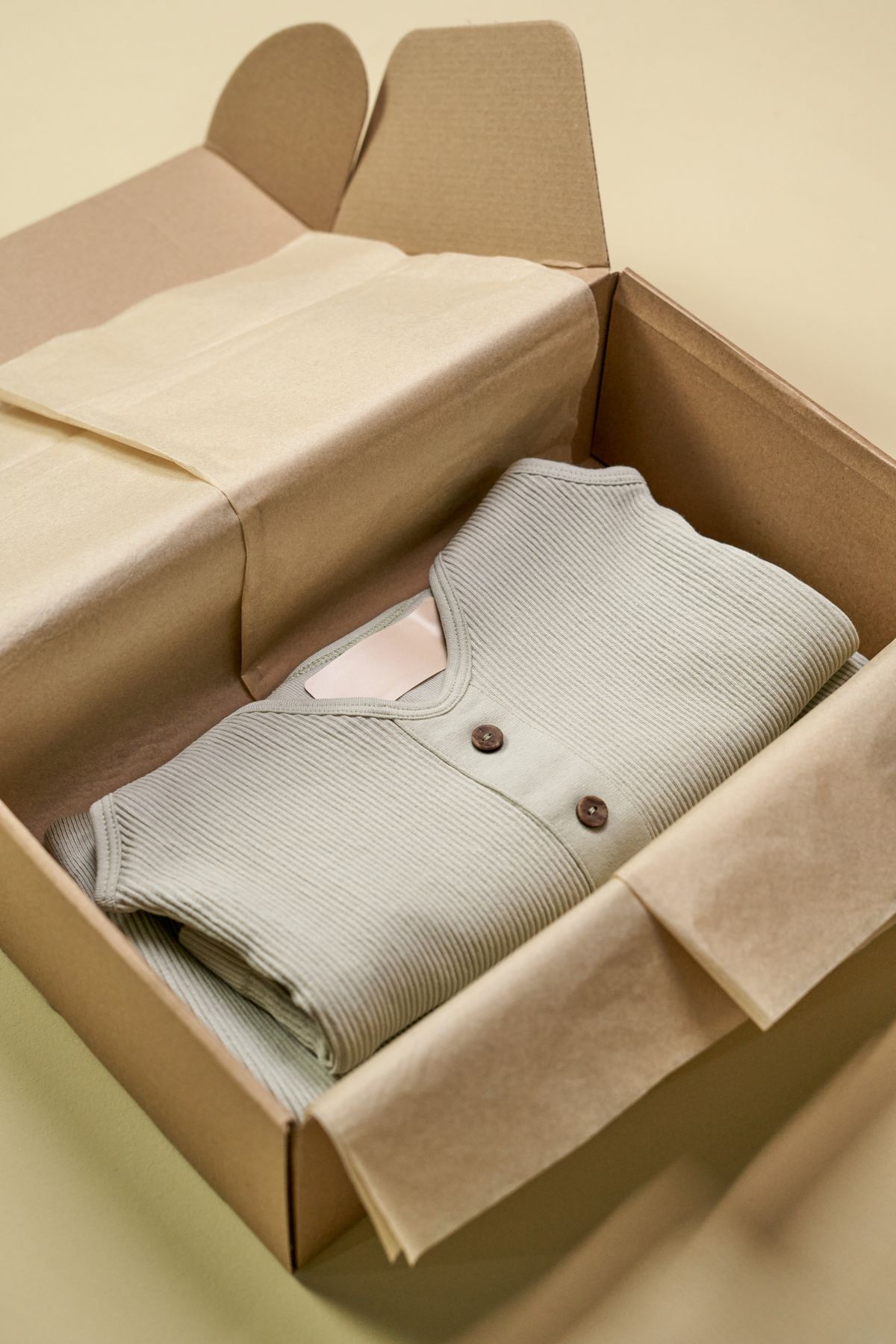
Step 1: the buyer provides a brief, reference garment, target customer, artwork, and required delivery date. EDVORIN’s developer converts open decisions into a tech pack, bill of materials, measurement chart, and pattern request.
Gate 1: buyer signs off the tech pack before cutting. Retain dated artwork, Pantone references, trim specifications, and revision log.
Fit And Revision Gate
Step 2: patternmaker builds the first sample; developer records fabric, construction and decoration substitutions. Fit reviewer tests silhouette, balance, measurements, and movement, then returns consolidated comments.
Gate 2: revised sample approval precedes grading. Retain annotated fit photos, pattern version, and approved sample.
Size Set To Handoff
Step 3: graded size-set samples confirm measurements across the range before pre-production approval. The buyer issues a purchase order only after approving the size set, final materials, labels, packaging, and approved production sample.
Gate 3: production receives the signed PO, sealed sample, and final pack together. Any late change restarts the affected approval.
10. Clothing Sample Pricing and Cost Drivers
6 cost components should be separated in a sample quote, so buyers can distinguish one-time development from repeatable unit costs. A clothing sample manufacturer should state whether fabric, trims, and outbound freight are included.
1 comparable written quote starts with the same tech pack, measurement chart, quantity tier, destination, and required delivery date. Ask suppliers to identify revision limits, grading charges, decoration setup, material substitutions, and the validity period for quoted material prices.
| Project stage | Cost component | Primary quote driver |
|---|---|---|
| Pattern development | Block, pattern, and technical corrections | Garment complexity |
| Sample sewing | Cutting, sewing, fitting sample | Construction and turnaround |
| Fabric and trims | Yardage, rib, labels, hardware | Availability and specification |
| Decoration setup | Screen, embroidery file, placement test | Color count and artwork |
| Revisions and grading | Pattern changes and size range | Fit changes and sizes |
| Shipping | Sample dispatch or bulk delivery | Destination and service level |
Choose a Clothing Sample Manufacturer Built for Repeat Orders
EDVORIN’s MOQ starts at 200 pieces per style. Send your tech pack, reference garment, or collection concept to EDVORIN for a quote on development and 200-piece MOQ bulk production.