
Interlock Fabric Clothing Manufacturer for Premium Structure
EDVORIN is an interlock fabric clothing manufacturer turning smooth double-knit concepts into repeatable fashion, streetwear, teamwear, and private-label production.
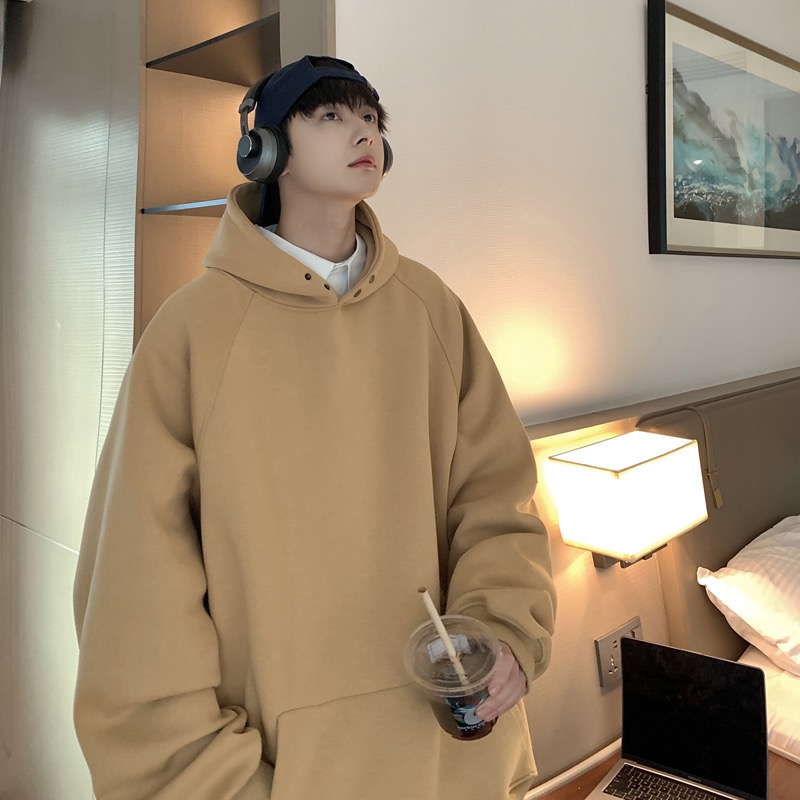
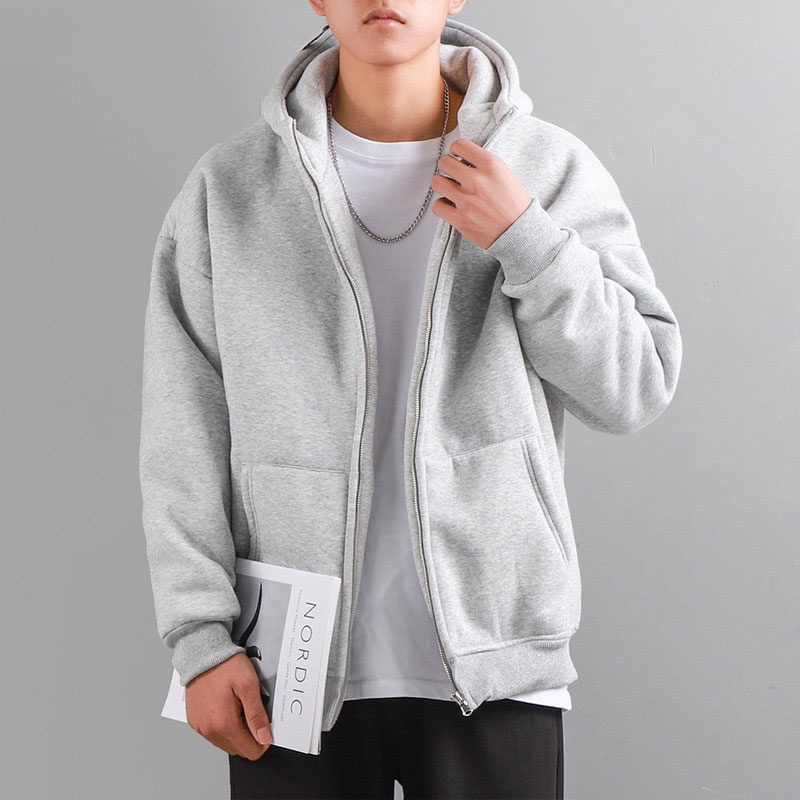
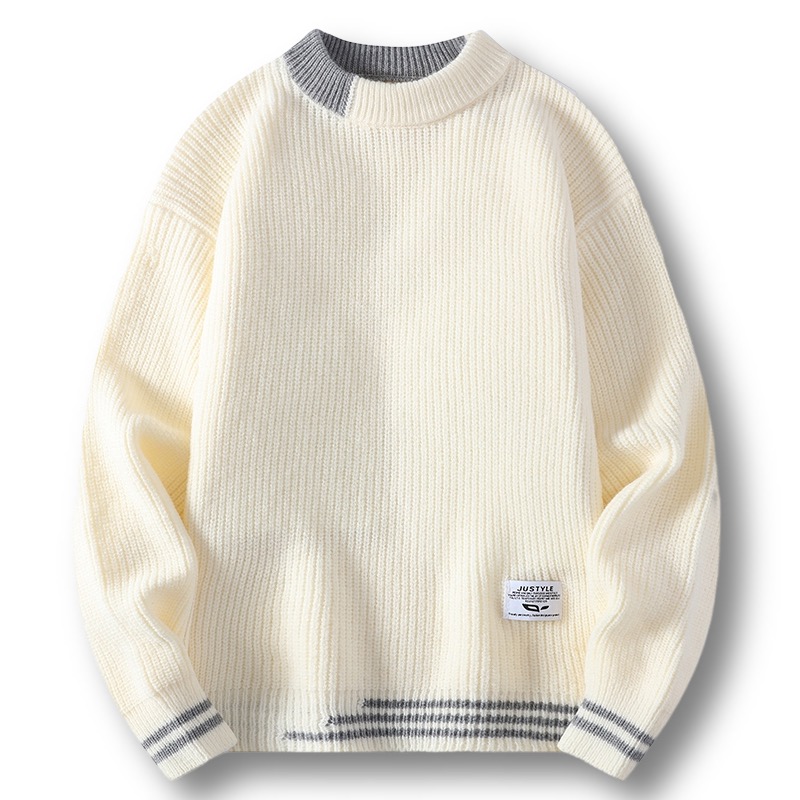
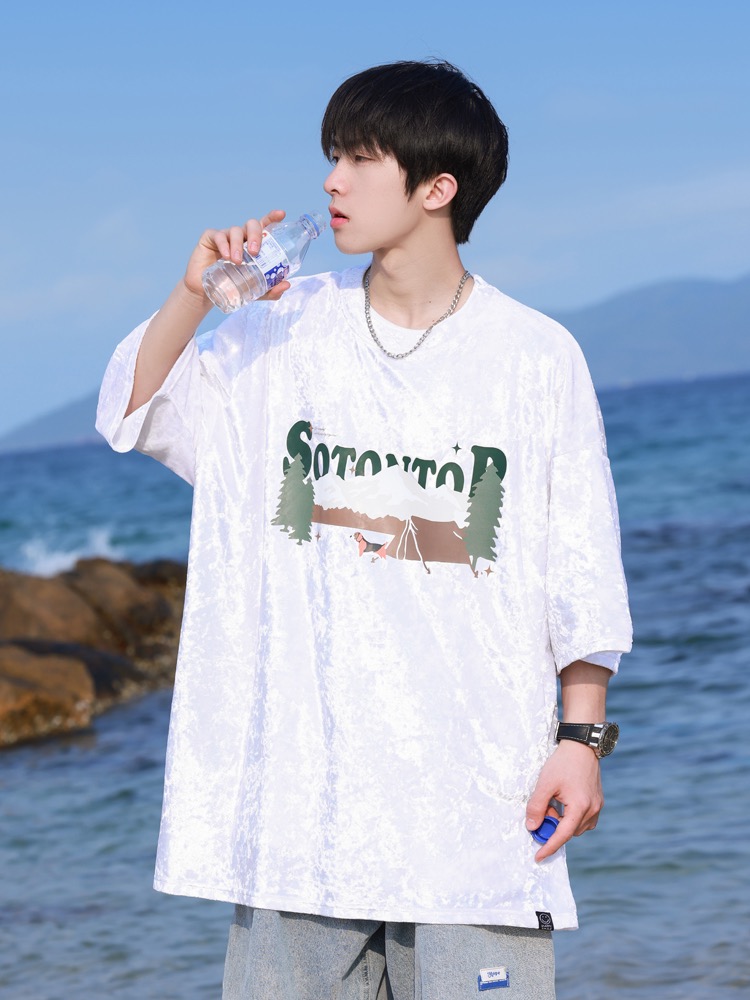
Interlock Fabric References for Apparel Development
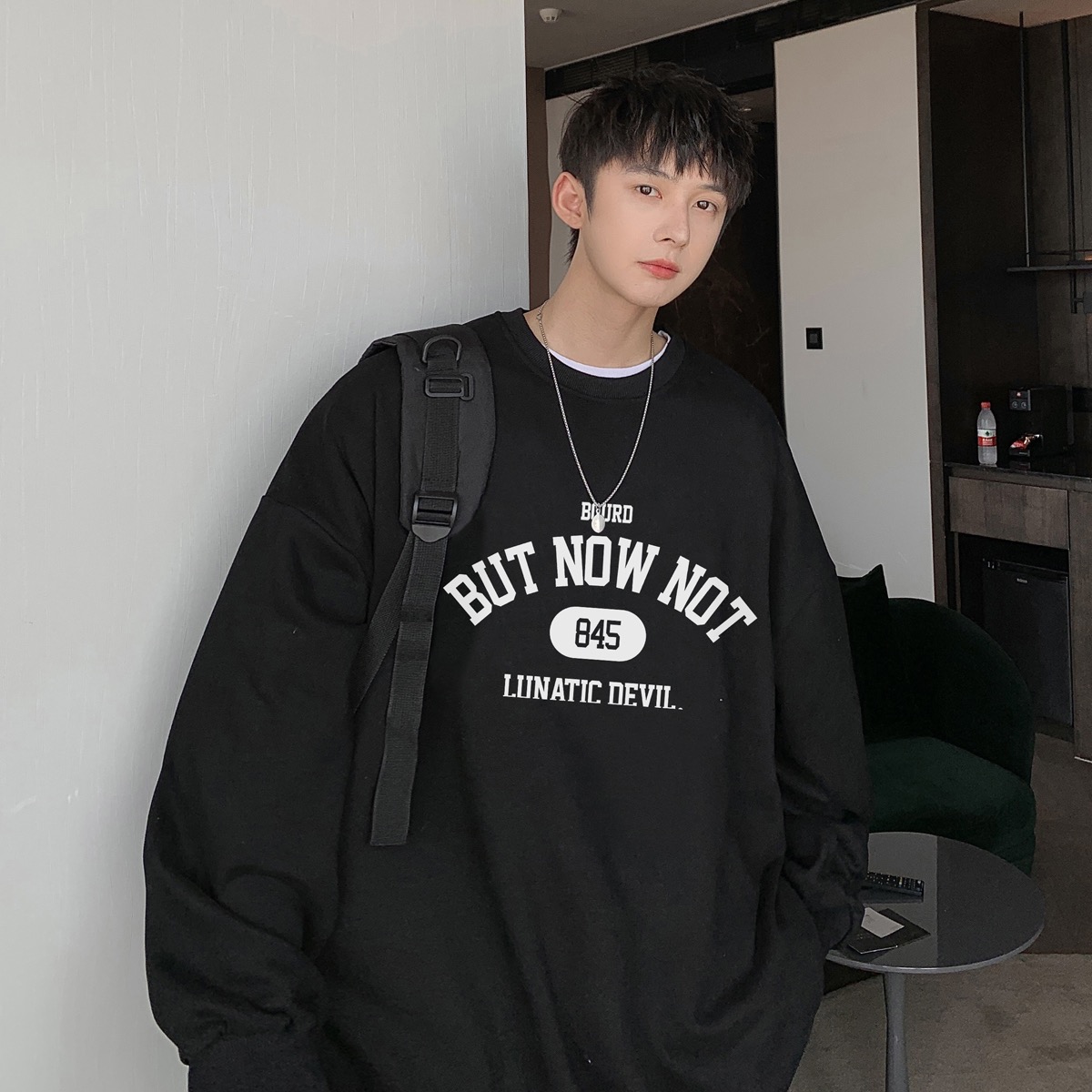
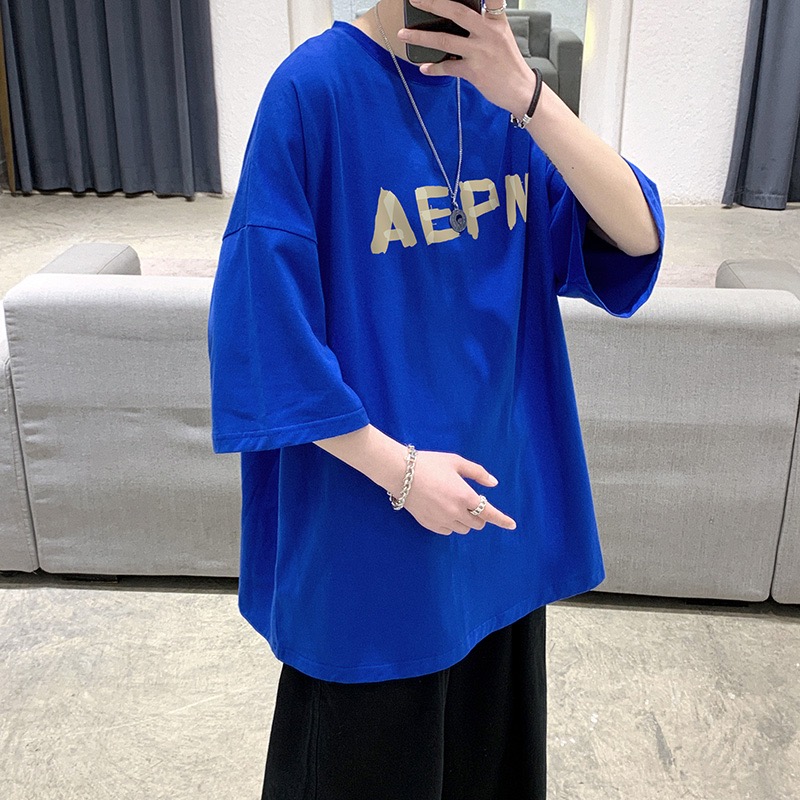
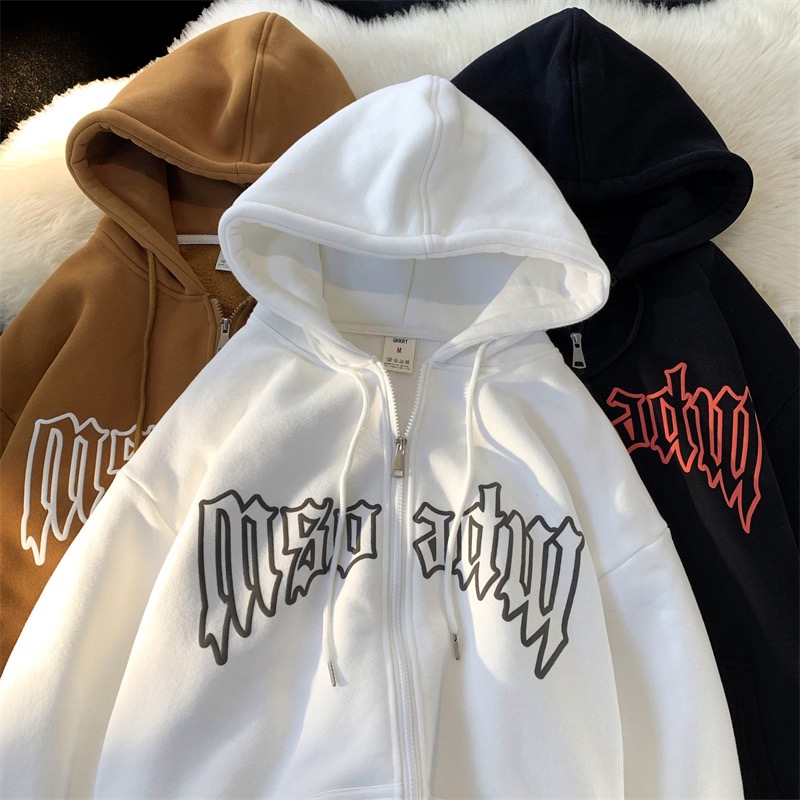
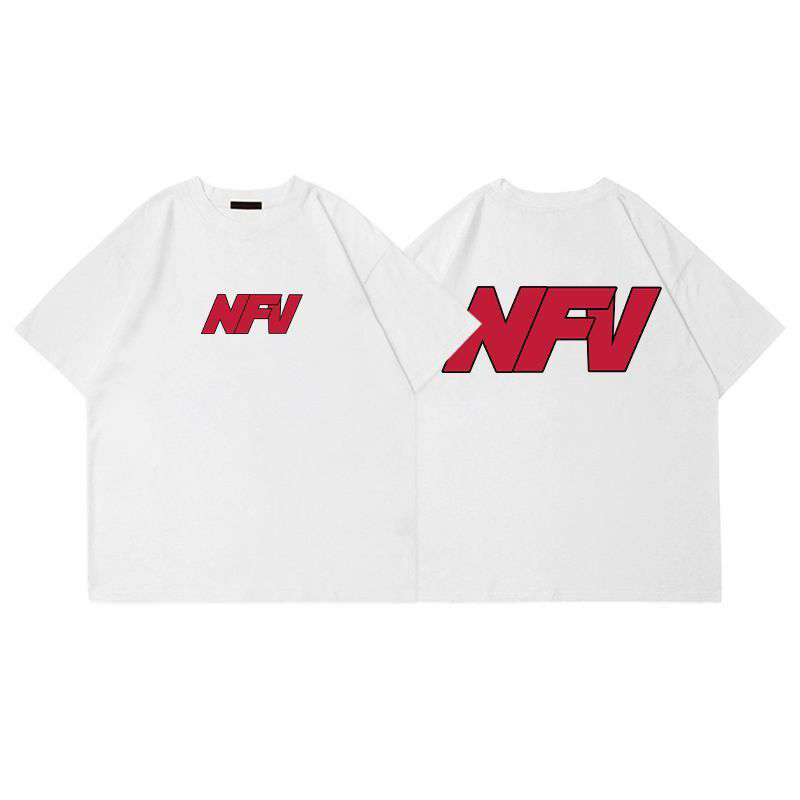
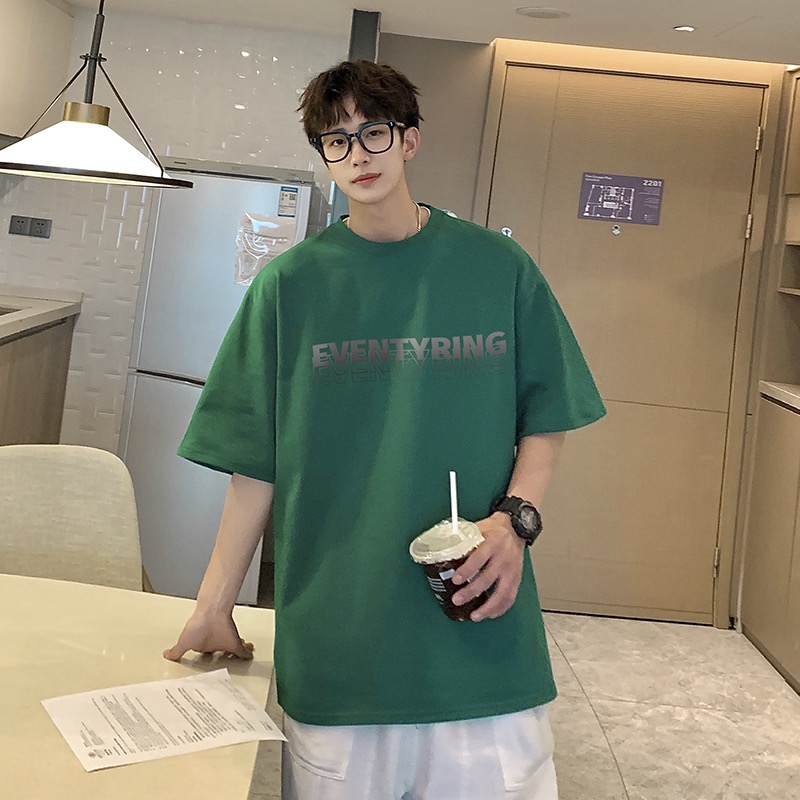
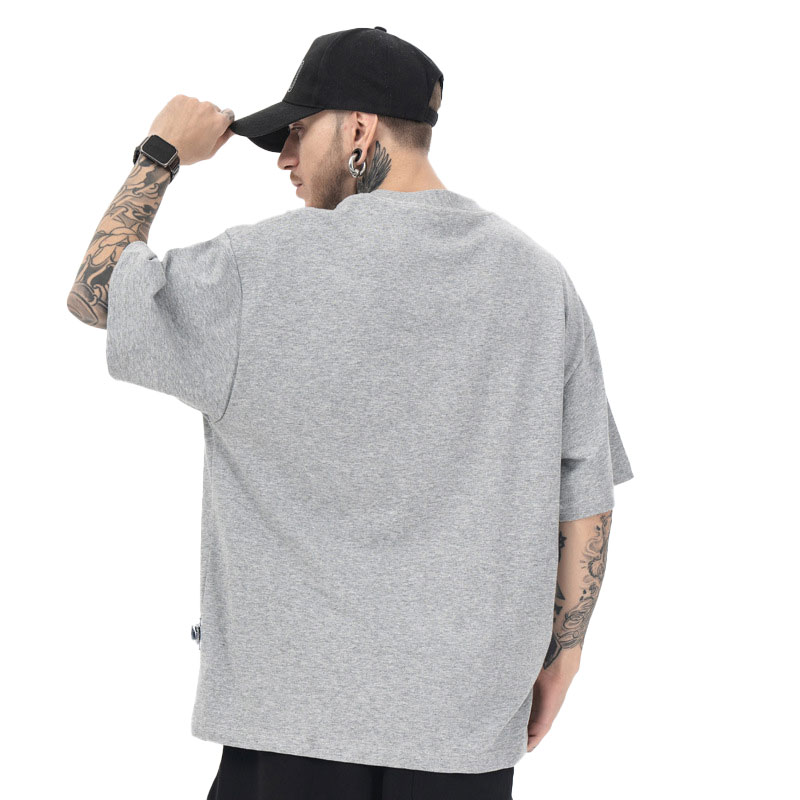
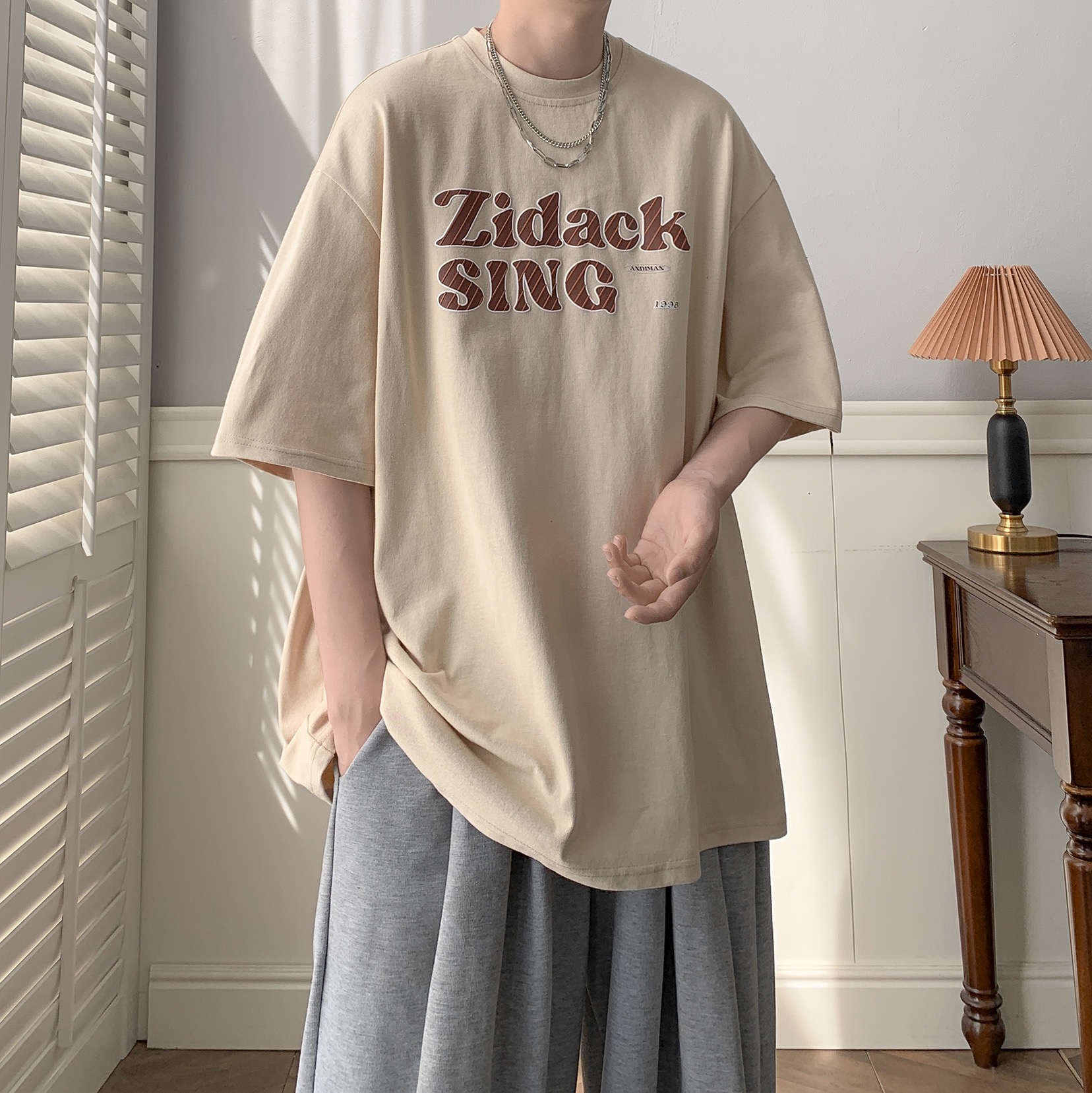
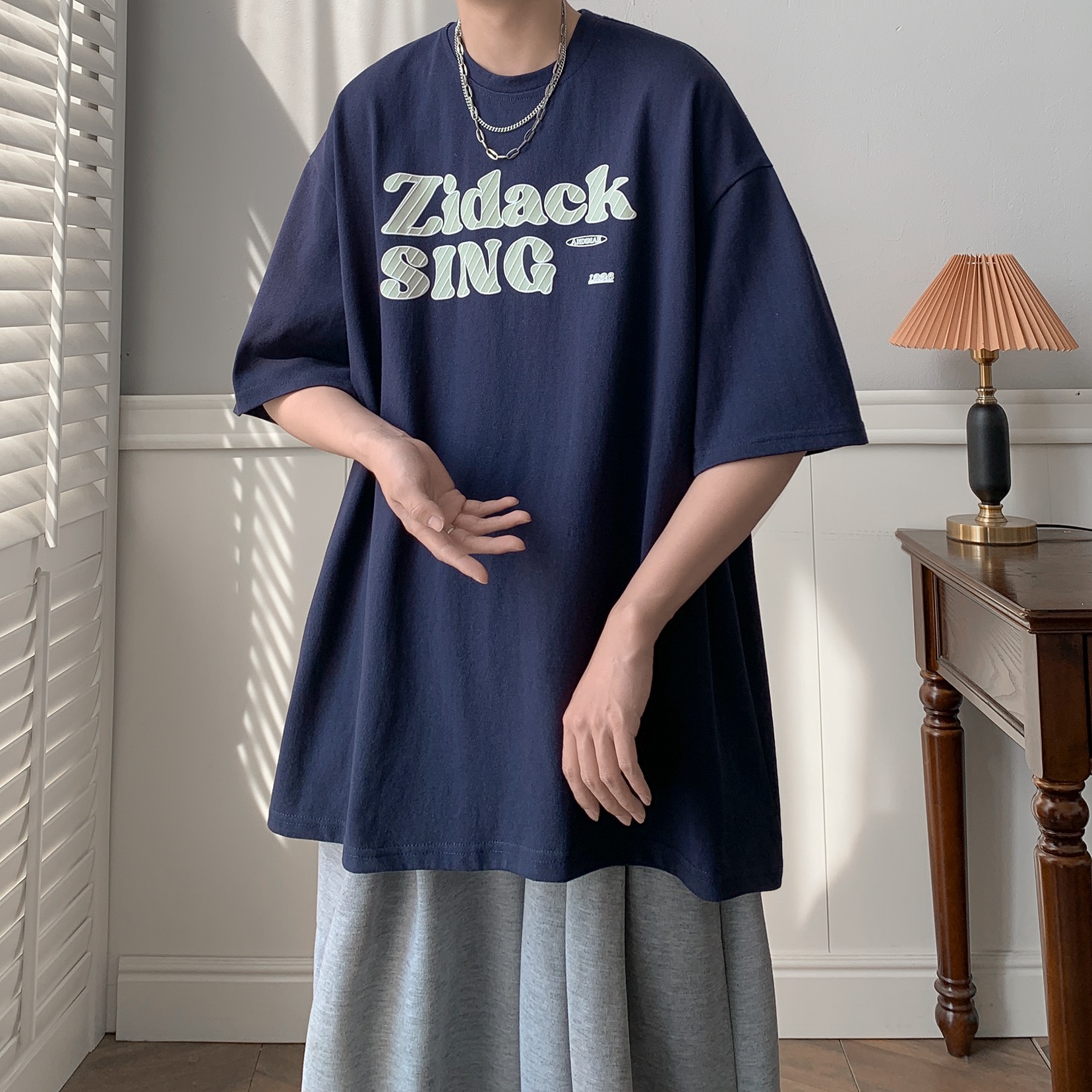
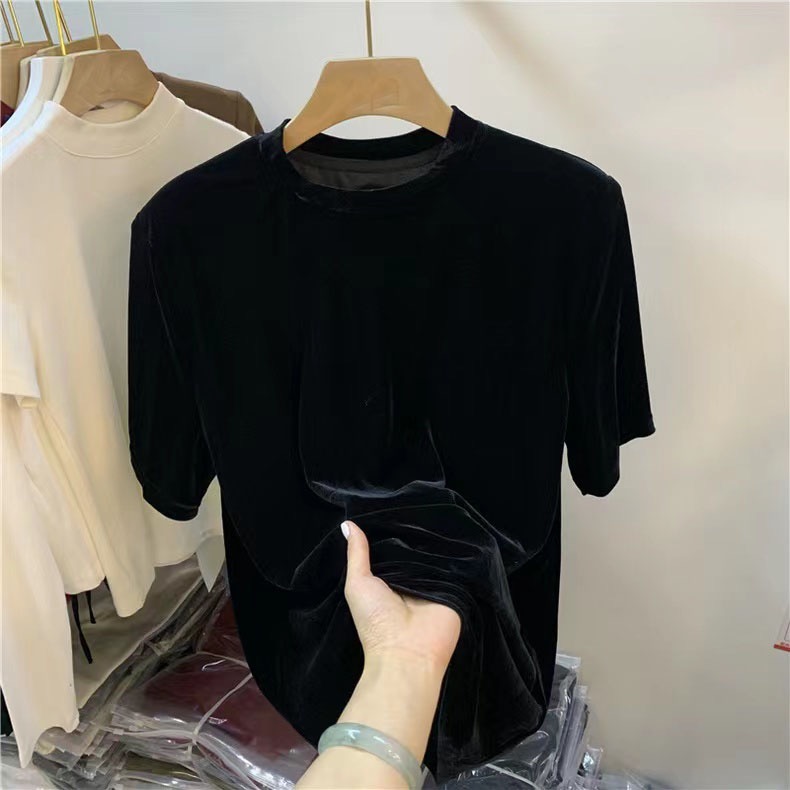
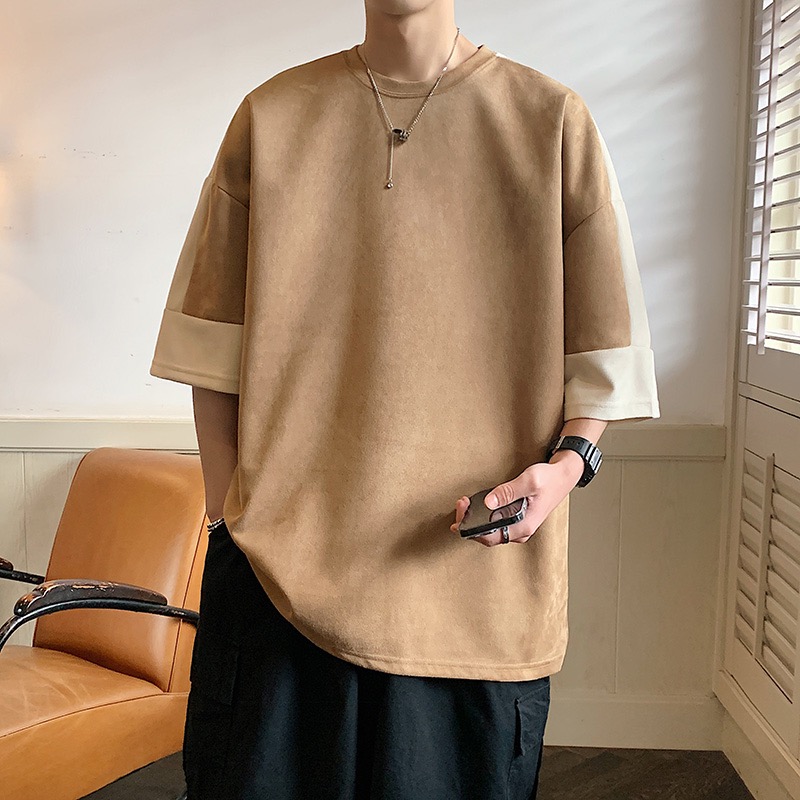
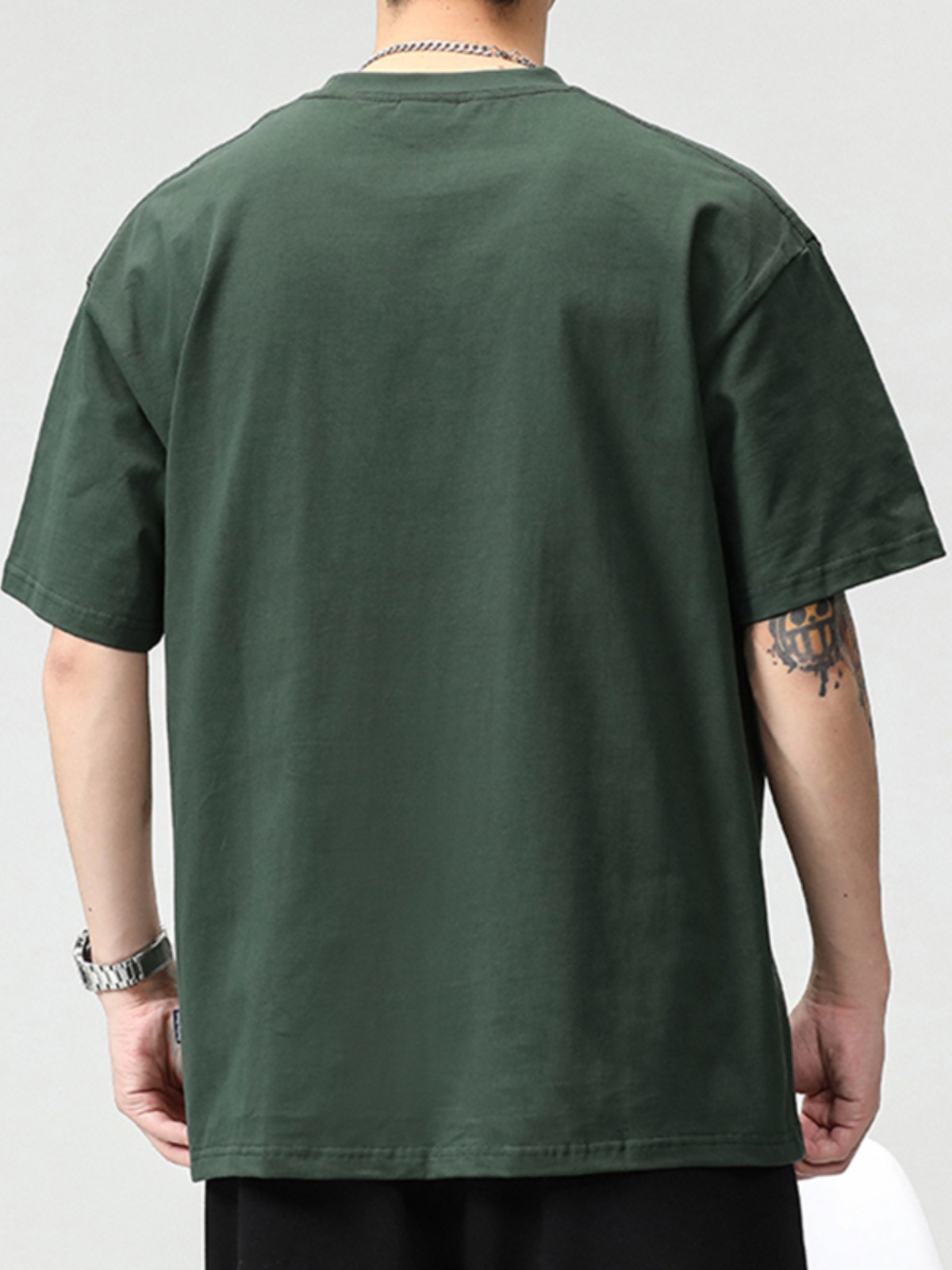
Why Choose an Interlock Fabric Clothing Manufacturer
Build polished knit apparel with a more substantial, stable construction than lighter single-knit options.
Smooth Double-Face Finish
Interlock presents a clean, refined surface on both sides, supporting versatile construction and a premium hand feel for branded apparel.
More Stable Structure
Its closely connected knit construction provides a firmer base than lighter single jersey, helping garments maintain a polished appearance through wear.
Reliable Shape Retention
EDVORIN develops fabric, pattern, and finishing specifications around approved samples to help preserve intended fit, recovery, and garment proportions.
Breathable Everyday Comfort
Select fiber compositions and weights for the desired balance of breathable comfort, coverage, softness, and structure across your intended product category.
Flexible Blend Development
Develop cotton, polyester, stretch, or blended interlock programs with coordinated trims, decoration, labeling, and packaging for repeatable private-label production.
Explore Knitwear and Apparel Capabilities
Choose the category that best matches your construction, fabric, decoration, fit, and repeat-production requirements.
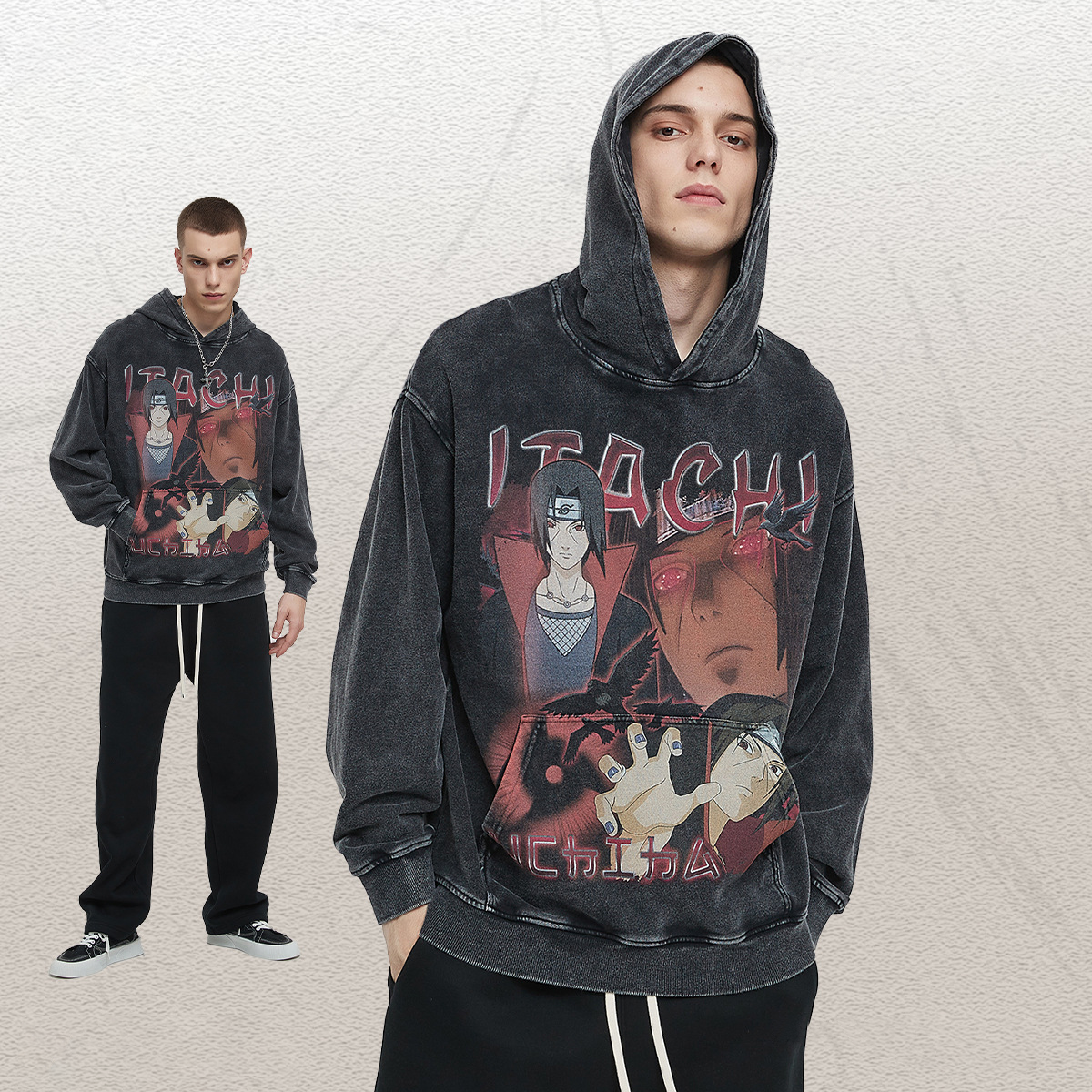
Custom Hoodies
For fleece-based hoodies with custom fit blocks, weights, rib details, drawcords, pockets, prints, embroidery, labels, and washes. Choose this page when your brief centers on a custom hoodie manufacturer for men’s or women’s programs.
Get a Quote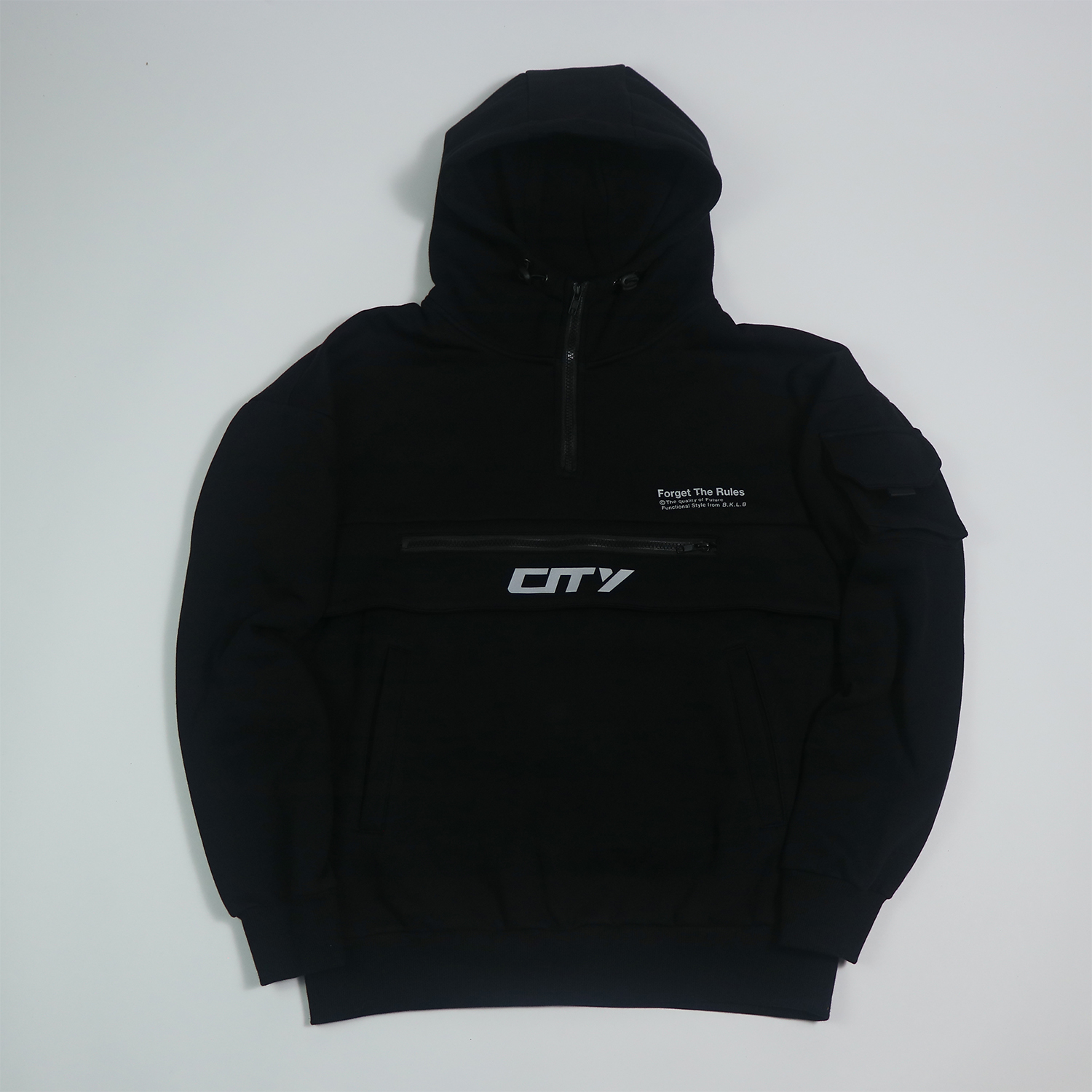
Pullover Sweatshirts
For crewnecks and other pullover fleece styles requiring controlled body weight, neck rib recovery, grading, decoration placement, and finishing. A useful next step for buyers comparing a sweatshirt manufacturer for branded basics or coordinated collections.
Get a Quote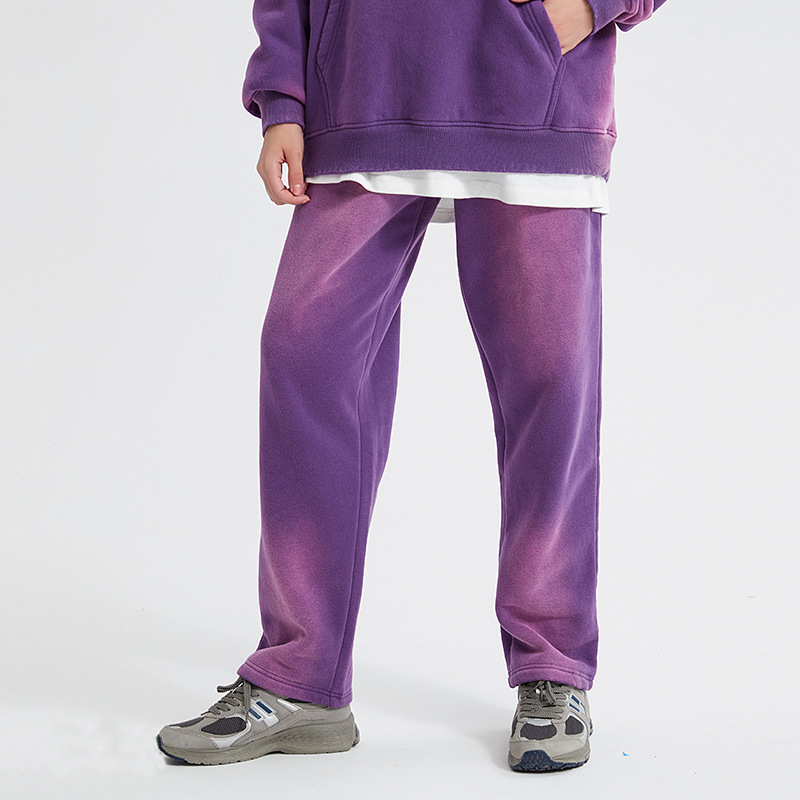
Sweatpants & Joggers
For fleece or knit-bottom programs with custom waistbands, drawcords, pocket construction, cuffs, fit grading, and matching tops. Visit this category when you need a sweatpants manufacturer for joggers, relaxed pants, or coordinated sets.
Get a Quote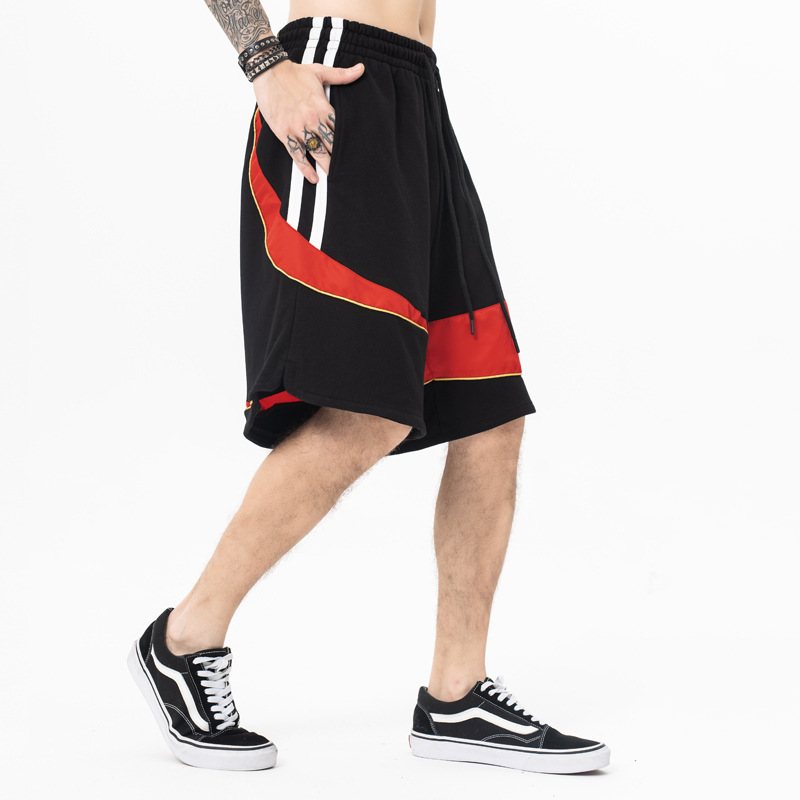
Custom Shorts
For knit or woven shorts developed around inseam, rise, waistband, pocket, liner, and decoration requirements. This category fits buyers seeking a custom shorts manufacturer for casualwear, training, team, or streetwear programs.
Get a Quote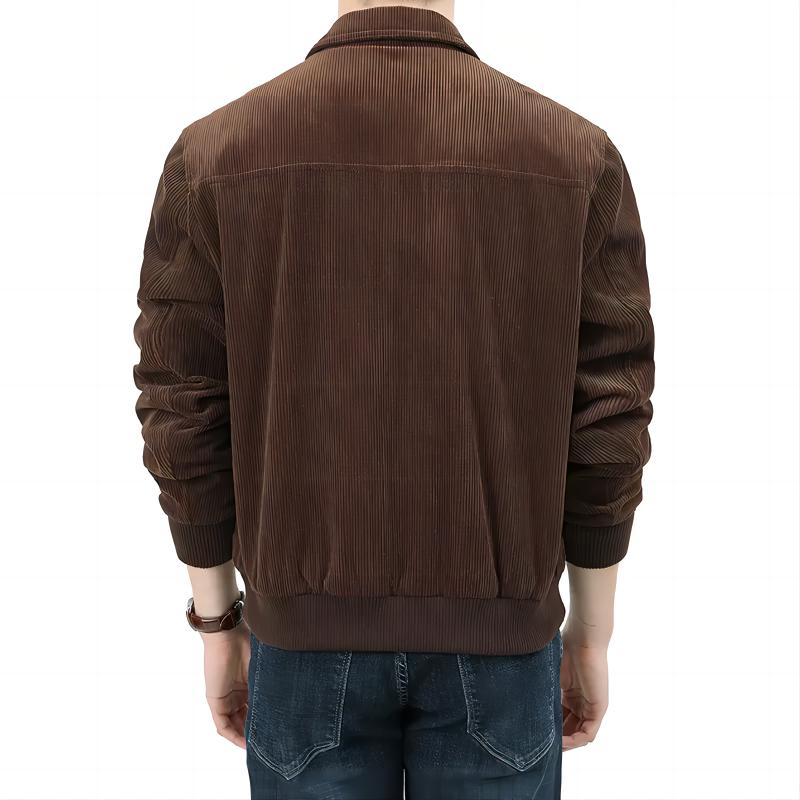
Varsity & Baseball Jackets
For varsity and baseball jackets where body fabric, sleeves, rib, snaps, lining, patches, embroidery, and fit must work as one specification. Choose this page when evaluating a varsity jacket manufacturer for repeatable branded outerwear.
Get a Quote
Custom T-Shirts
For jersey, cotton, or blended T-shirts with defined weight, fit, neck construction, printing, embroidery, labels, and wash treatment. Relevant for buyers looking for a custom T shirt manufacturer across men’s and women’s ranges.
Get a Quote
Custom Polo Shirts
For polo programs requiring collar construction, placket details, fabric performance, embroidery, color matching, and size consistency. Select this category when a polo shirt manufacturer is needed for corporate, school, retail, or teamwear use.
Get a Quote
Windbreaker Jackets
For lightweight outerwear built around shell fabric, lining or mesh, zip and pocket construction, hoods, ventilation, and print or embroidery placement. Explore this page for a windbreaker manufacturer suited to active or branded outerwear briefs.
Get a Quote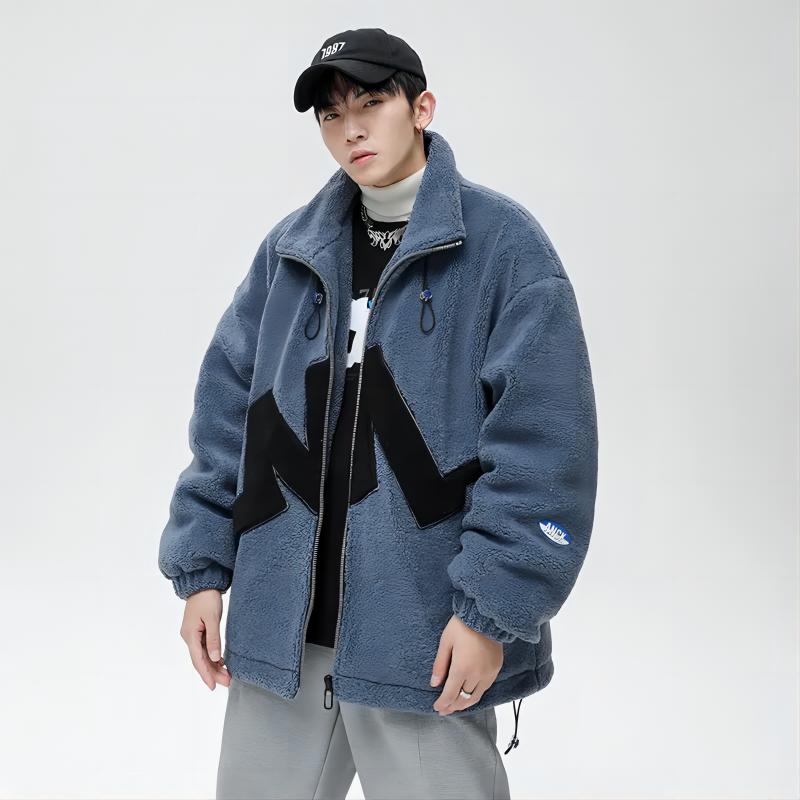
Quilted Jackets
For insulated outerwear requiring coordination of shell, lining, fill, quilting pattern, hardware, pockets, and decoration. This page is the better next step for buyers sourcing a quilted jacket manufacturer for seasonal collections.
Get a Quote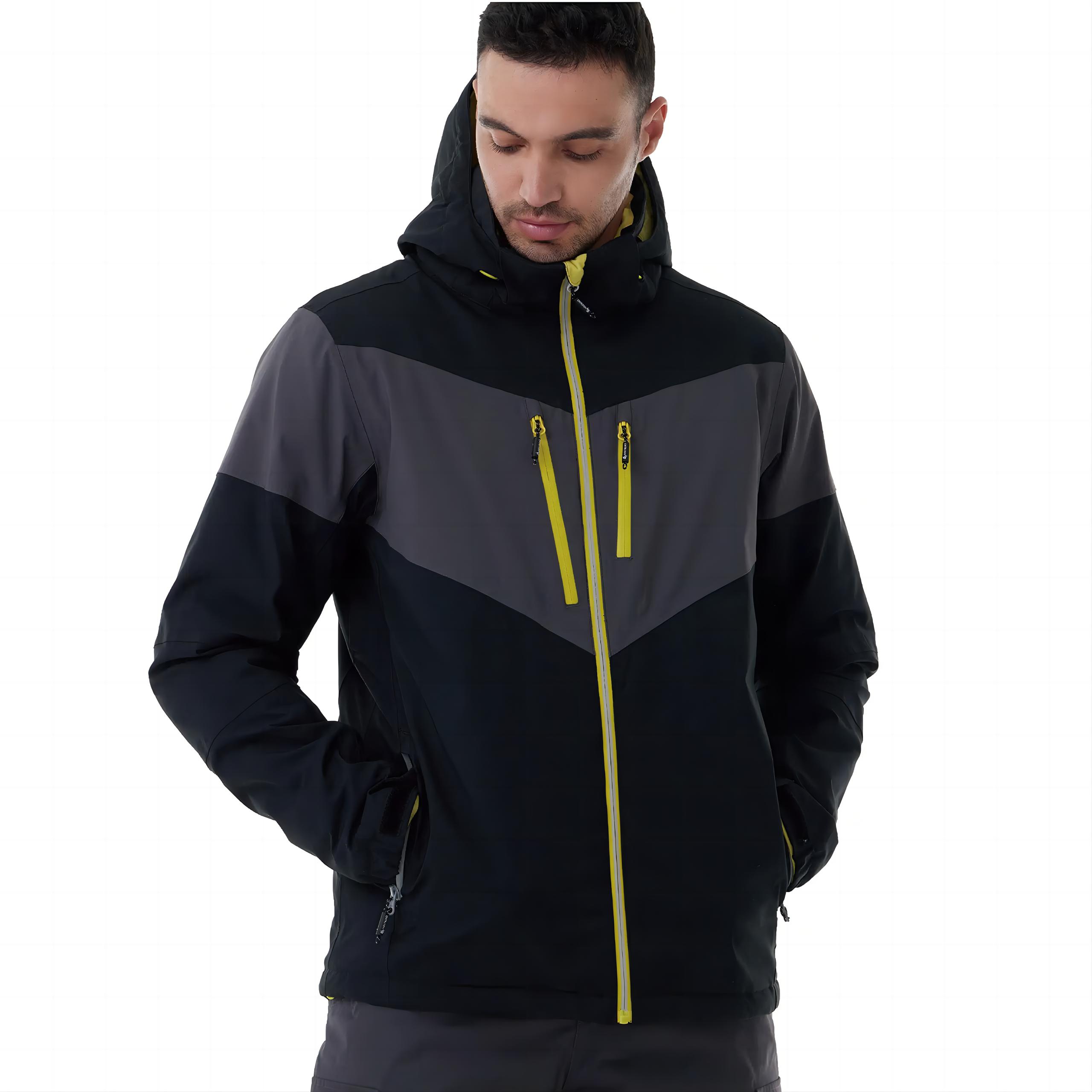
Bomber Jackets
For bomber styles with controlled silhouette, shell and lining selection, rib components, zippers, pockets, patches, and embroidery. Use this category when your product brief requires a bomber jacket manufacturer with development-to-bulk support.
Get a Quote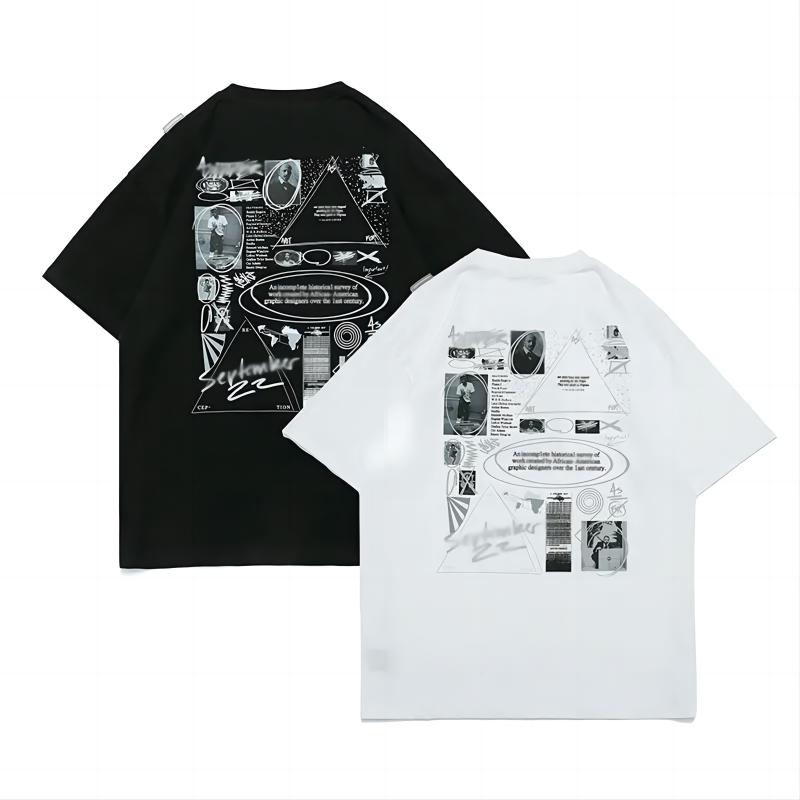
Custom Shirts
For button-front woven shirts where fabric, collar, placket, cuffs, pocket details, fit blocks, grading, and branding require clear technical control. Choose this page when comparing a custom woven shirt manufacturer for private-label programs.
Get a Quote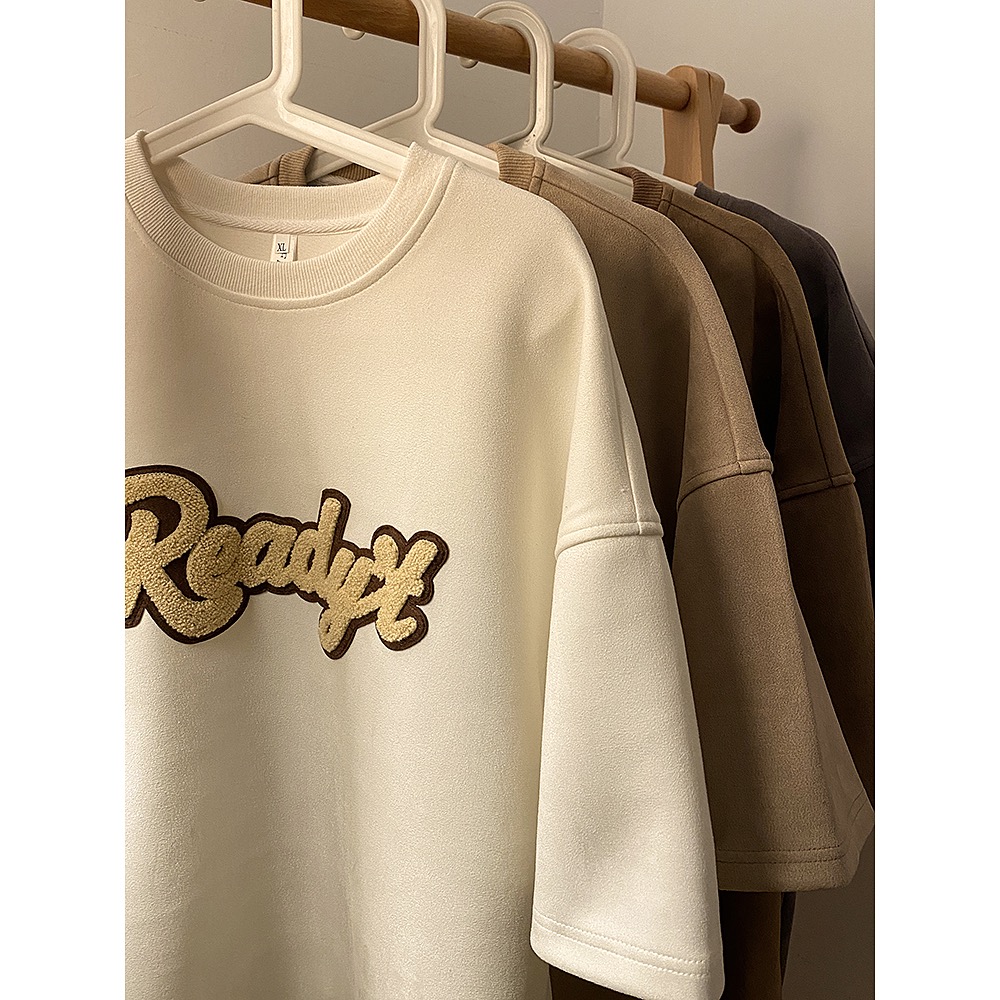
Custom Jerseys
For custom jerseys with team colors, performance fabrics, collar and panel construction, logos, names, numbers, and size-set control. Visit this page when you need a custom jersey manufacturer for clubs, schools, or promotional programs.
Get a Quote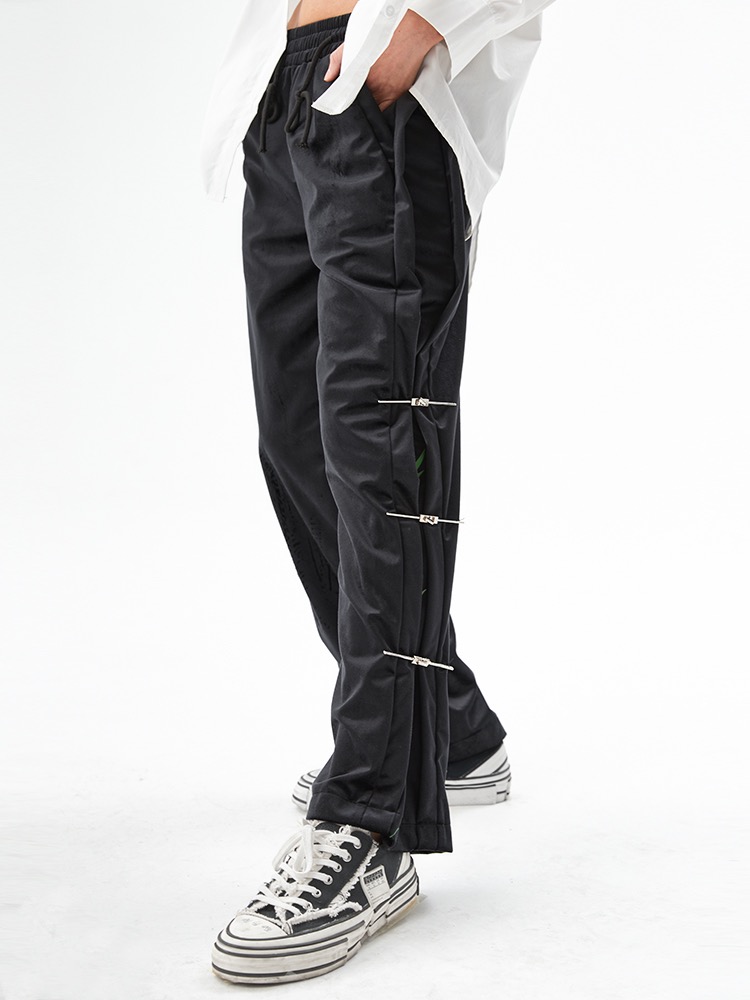
Tank Tops
For tank tops developed around jersey weight, armhole and neckline shape, fit, binding, print placement, and performance needs. This category suits buyers seeking a custom tank top manufacturer for activewear, casualwear, or team programs.
Get a Quote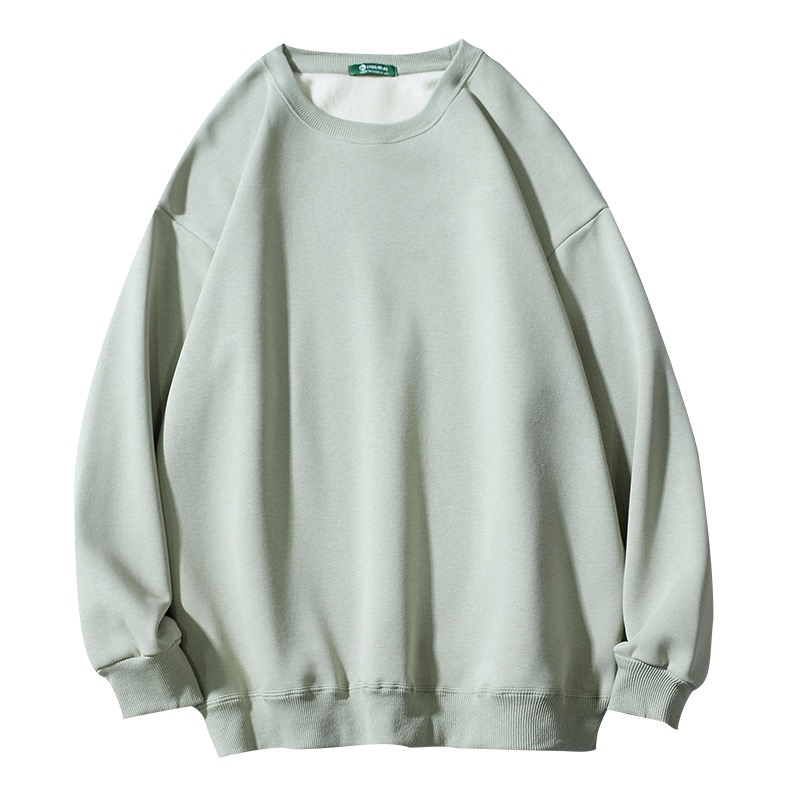
Soccer Uniforms
For soccer kits requiring breathable fabrics, color consistency, panel construction, crests, sponsor graphics, player names, numbers, and coordinated sizing. Choose this page when a soccer uniform manufacturer must support organized team orders and repeats.
Get a Quote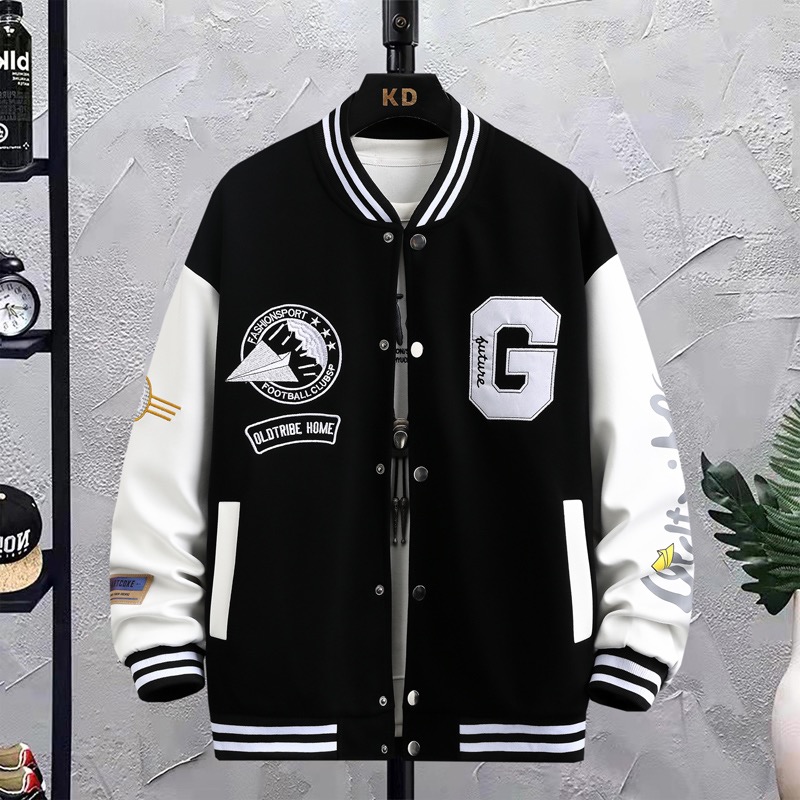
Basketball Uniforms
For basketball uniforms with lightweight performance fabrics, jersey and short coordination, trim, team graphics, player personalization, and durable decoration. This page fits buyers evaluating a basketball uniform manufacturer for clubs, schools, and academies.
Get a Quote
Streetwear Collections
For multi-style programs that combine hoodies, T-shirts, bottoms, jackets, washes, and decoration under one specification path. Explore this category when you need a streetwear clothing manufacturer to develop and reproduce a complete collection.
Get a QuoteInterlock Fabric Clothing Manufacturer Since 2000
Founded by Edvorin Zeng, EDVORIN helps fashion, streetwear, teamwear, and private-label buyers turn apparel concepts into production-ready collections. As a founder-led OEM clothing manufacturer, ODM apparel manufacturer, and private label clothing manufacturer, we connect fabric sourcing, pattern development, and sampling so each approved garment has a clear standard for repeat production.
Our founder-led production system coordinates interlock fabric selection, fit blocks for men’s and women’s programs, trims, custom apparel printing, custom apparel embroidery, garment wash services, and custom clothing labels and packaging. From polos and T-shirts to jerseys and coordinated collections, every decision is documented to support consistent bulk execution.
What makes EDVORIN different is accountability after the sample is approved. In-line checks and final inspection work against the agreed specification, while flexible support as a low MOQ clothing manufacturer starts at 200 pieces per style for emerging brands, wholesale programs, and established buyers. Certification programs include ISO 9001, BSCI, WRAP, SEDEX, OEKO-TEX Standard 100, GRS, and GOTS.
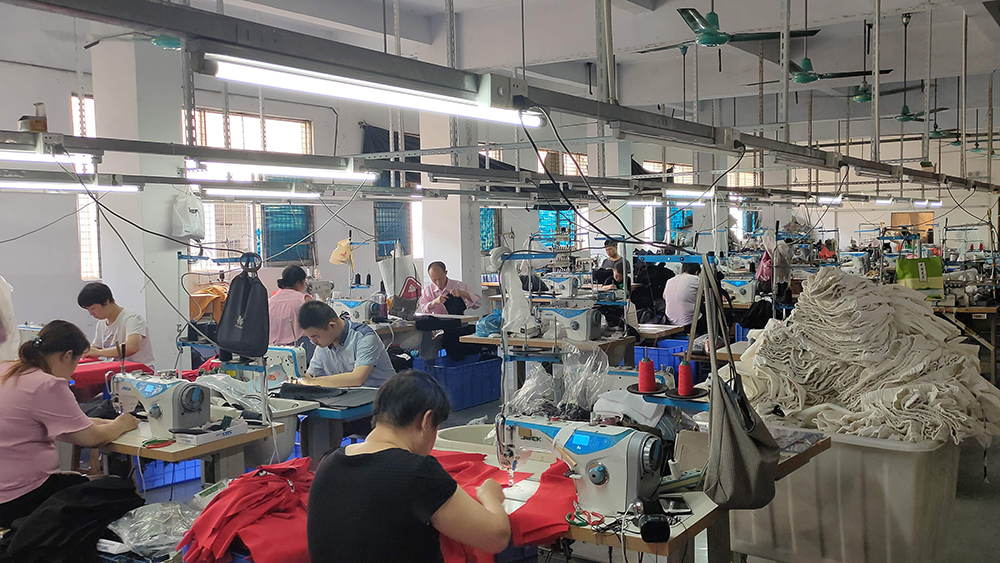
Interlock Fabric Clothing Manufacturer: Construction and Quality Controls
Yarn and Blend Selection
EDVORIN aligns yarn type, fiber blend, and target hand feel with the garment’s intended use before sampling. Options are reviewed alongside stretch, opacity, durability, and decoration needs, so the approved material specification can guide dependable bulk production.
- Match cotton, polyester, and blend options to end use
- Review yarn feel, surface quality, and opacity in sampling
- Coordinate fabric choice with print, embroidery, and wash plans
- Record approved material details for repeat orders
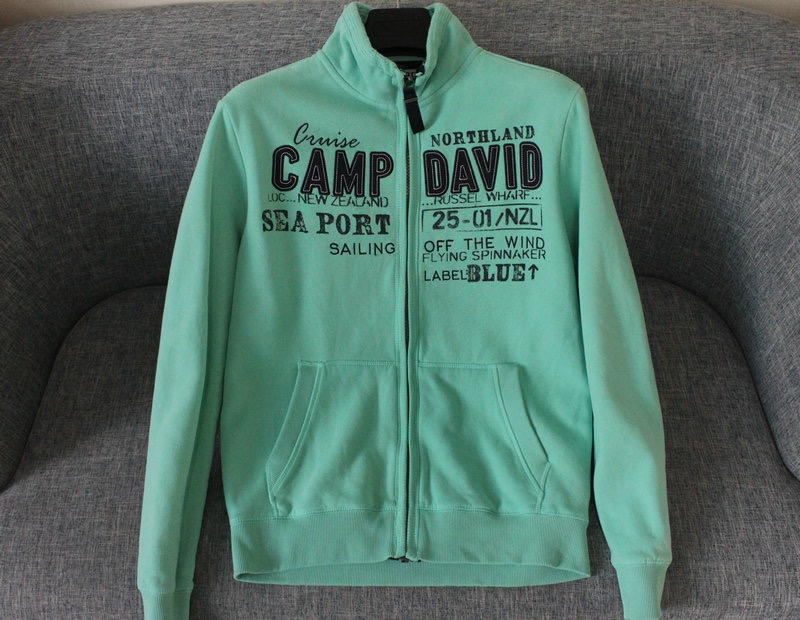
Double-Knit Structure Control
Interlock’s balanced double-knit construction needs clear standards for stitch density, fabric weight, and dimensional behavior. EDVORIN evaluates these construction decisions during development, turning the approved sample into a practical reference for cutting, sewing, and in-line production checks.
- Set stitch density and fabric weight against the design brief
- Assess stability for clean seams and garment shape
- Check front-and-back surface consistency before bulk approval
- Use approved samples as production control references
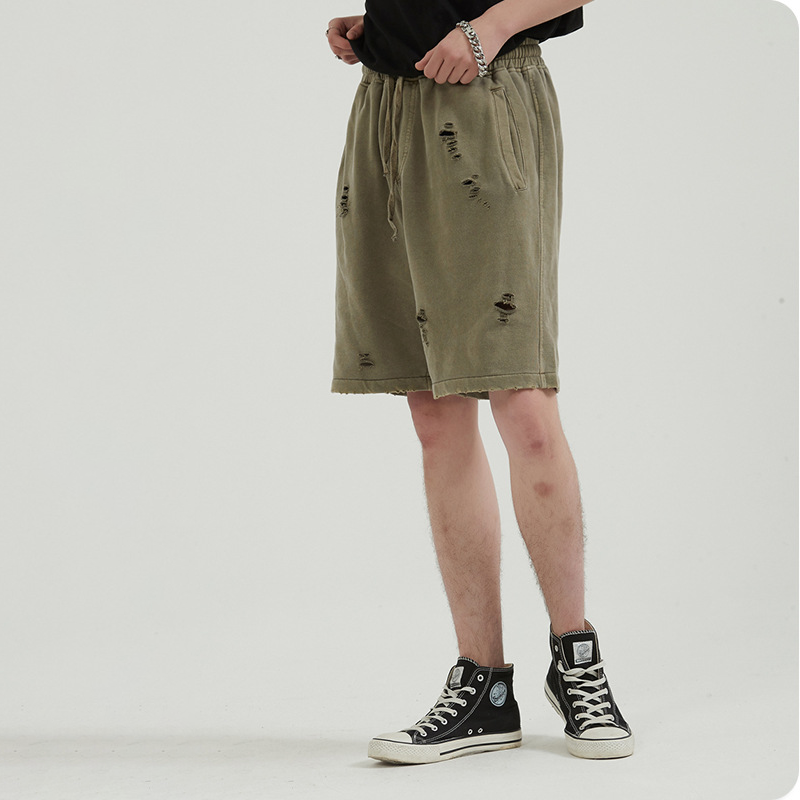
Recovery and Shrinkage Checks
A garment can look right at approval yet change after washing or wear if recovery and shrinkage are not considered early. EDVORIN builds relevant testing and finishing discussions into development, then monitors production against the agreed sample standard and measurement requirements.
- Evaluate stretch recovery for the intended silhouette
- Confirm shrinkage expectations before bulk cutting
- Coordinate finishing with required hand feel and performance
- Check measurements during production and final inspection
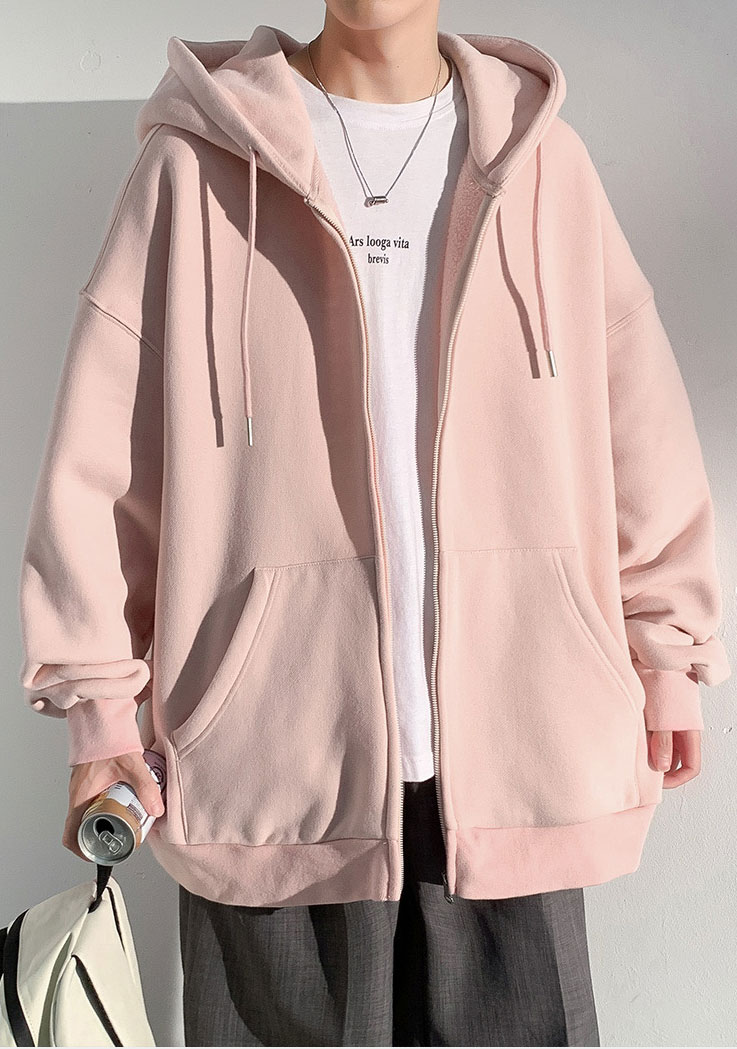
Interlock Fabric Clothing Manufacturer vs. Single Jersey Knit
Choose the knit construction that supports your garment weight, finish, decoration and repeat-production requirements.
← Swipe left or right to view →
Our Interlock Garment Production Process
A controlled path for turning approved interlock apparel specifications into repeatable bulk production.
Define Fabric and Fit
We review the garment brief, intended use, fit block, fiber blend, weight, stretch, recovery, and decoration requirements before development begins.
Build Patterns and Specifications
Patterns, grading, measurement tolerances, construction details, trims, and artwork placement are documented to account for interlock fabric behavior and finished-garment stability.
Develop and Review Samples
EDVORIN produces development samples for fit, hand feel, sewing, decoration, wash response, and measurement review, then records approved revisions as the production standard.
Control Cutting and Sewing
Fabric is checked before cutting, while sewing teams follow approved construction details, measurements, and handling methods to protect smooth surfaces and consistent shape.
Finish and Inspect Bulk
Finishing, labeling, packaging, and final inspection are completed against the approved sample, with checks for measurement stability, workmanship, appearance, and order consistency.
How to Order From an Interlock Fabric Clothing Manufacturer
Move from concept to an approved, repeatable interlock garment standard with clear specifications at every stage.
Share Your Product Direction
Send a tech pack, reference garment, or sketch, then define intended wear, men’s or women’s fit, target customer, and required performance.
Confirm Core Specifications
Confirm fiber preferences, interlock GSM, stretch and hand feel, plus color standards, size range, grading, labels, trims, and planned decoration.
Review Your Development Sample
Review the development sample against approved measurements, fabric, construction, artwork placement, and finishing notes; record revisions before releasing the bulk standard.
Approve Bulk Production
Approve the production plan, then EDVORIN coordinates materials, decoration, in-line checks, labeling, packing, and final inspection against the approved standard before shipment.
What Buyers Achieved with EDVORIN Interlock Garments
Our women’s interlock polo program held its approved fit across 1,200 pieces. The fabric hand stayed consistent from the size set through bulk, and the repeat order moved forward without reworking the measurements.
EDVORIN helped us turn a clean interlock warm-up concept into a documented teamwear standard. All 18 academy size samples followed the same grading direction, which made player distribution and our second delivery far easier to manage.
For our private-label lounge collection, the interlock tops arrived on schedule for a 2,400-piece launch. The smooth face supported our chest embroidery cleanly, while the finished garments kept the structured look our wholesale accounts expected.
Interlock Fabric Clothing Manufacturer FAQ
Practical answers on material selection, decoration, sampling, production requirements, and repeat orders.
What can an interlock fabric clothing manufacturer make?
Which interlock composition and GSM should I choose?
Can an interlock fabric clothing manufacturer control shrinkage and wash results?
Can I use screen printing, embroidery, patches, or labels on interlock garments?
What is the MOQ for custom interlock clothing?
How long does sampling and bulk production take?
What files do you need to quote and sample an interlock garment?
Which certification programs can support an interlock apparel order?
Complete Buyer’s Guide to an interlock fabric clothing manufacturer
Use this decision framework to compare interlock fabric clothing manufacturer options, assess materials and construction, plan customization, understand pricing, and avoid sourcing mistakes before placing a production order.
1. What Is an interlock fabric clothing manufacturer?
EDVORIN’s MOQ starts at 200 pieces per style. Interlock is a double-knit made with two intermeshed needle sets, producing smooth knit faces on both sides, a stable hand, and less edge curl than single jersey. Its final behavior still depends on fiber blend, yarn, GSM, stretch content, dyeing, and finishing.
At a 200-piece MOQ, an interlock fabric clothing manufacturer should convert the buyer’s concept into an approved fabric specification, pattern, graded measurement chart, construction sheet, decoration placement, trim list, and pre-production sample. EDVORIN coordinates these records through material sourcing, sampling, cut-and-sew production, quality control, labeling, and packing.
A fabric mill supplies the knit; a cut-and-sew factory turns supplied materials into garments; and a trading company may coordinate vendors without operating production. A vertically integrated supplier controls more stages directly, while any capable manufacturing partner should clearly document who owns each stage, approval, tolerance, and inspection checkpoint.
2. How Interlock Knitwear Evolved
Interlock’s double-knit structure produces smooth knit faces on both sides, reduced edge curl, and more stability than single jersey. Its final behavior still depends on fiber blend, yarn, GSM, stretch content, dyeing, and finishing.
For teamwear, casualwear, and fashion basics, select the fabric specification around intended use: cotton-rich constructions prioritize a softer hand, polyester can suit performance-focused programs, and elastane can improve recovery. Approve fabric weight, stretch recovery, color, and decoration together because each affects opacity, hand feel, and repeatability.
3. Types From an interlock fabric clothing manufacturer
Six variants change interlock’s hand, recovery, and end use. An interlock fabric clothing manufacturer should confirm the knit specification before making a prototype.
Cotton And Stretch
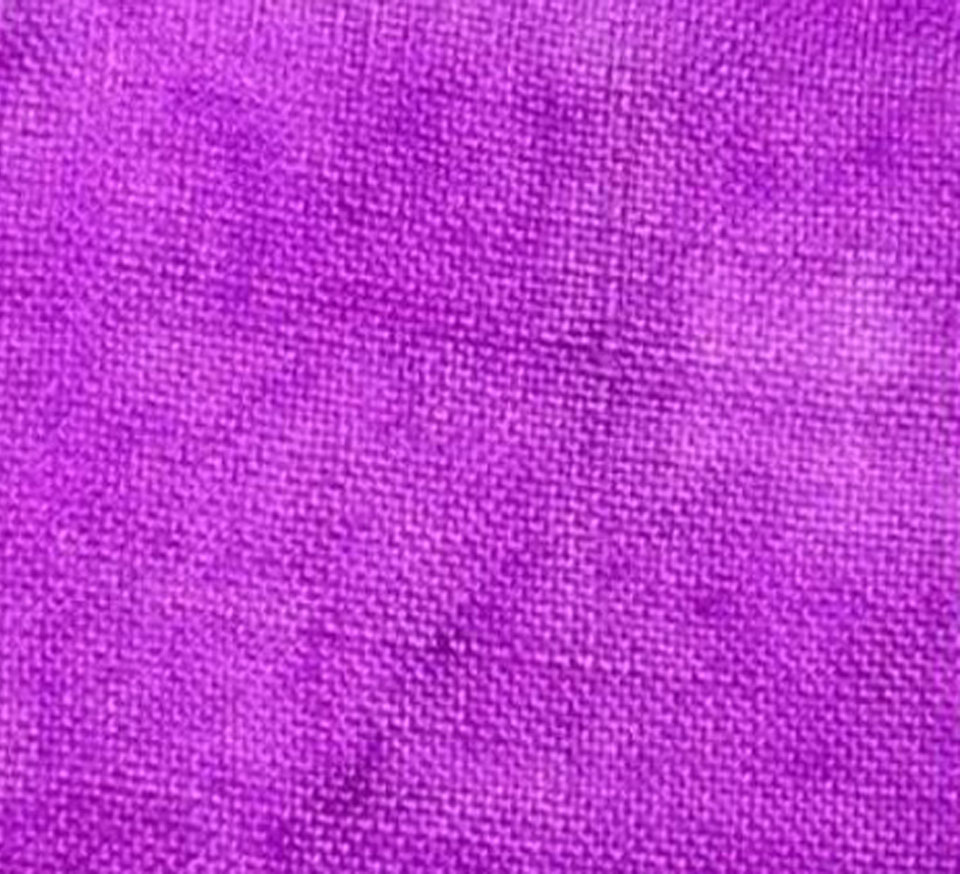
100% cotton interlock feels soft and stable for tees, polos, and children’s sets, but has limited recovery. Ask for combed or ring-spun yarn, shrinkage, and GSM.
2–8% elastane adds recovery for fitted tops and leggings. Confirm stretch direction, recovery after wash, and pilling target.
Performance And Brushed
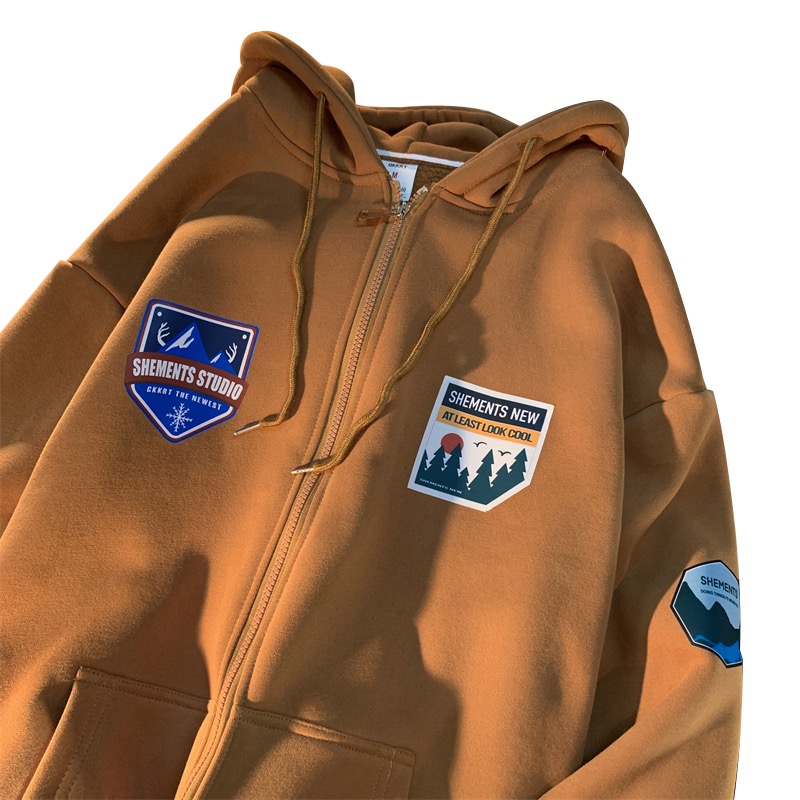
170–240 GSM polyester interlock gives a smooth, quick-drying face for jerseys and training tops. Confirm filament or spun yarn, moisture finish, opacity, and dye-sublimation suitability.
Brushed or thermal interlock traps more air for warm-up layers, but can pill or add bulk. Specify brushed side, nap depth, and wash test.
Ponte And Patterned

Ponte-style structured interlock has a firmer hand and lower stretch for tailored joggers, dresses, and uniforms. Ask for fiber blend, stretch percentage, crease recovery, and seam growth.
Yarn-dyed stripes and printed interlock add visual detail, yet raise matching and color-control risk. Approve stripe repeat, Pantone standard, print method, and strike-off.
4. Materials and GSM for Interlock Garments
180–260 GSM is a practical starting range for interlock tops; opacity rises with stitch density, yarn quality, and finishing. An interlock fabric clothing manufacturer should approve handfeel and wash behavior before color booking.
| Fabric | GSM | Best Use |
|---|---|---|
| Cotton/organic cotton | 180–220 | Premium tees, kidswear |
| Cotton-poly | 200–260 | Polo shirts, uniforms |
| Recycled/virgin polyester | 170–240 | Training tops, jerseys |
| Modal/rayon blend | 180–220 | Soft fashion tops |
| Elastane blend | 200–280 | Fitted activewear |
Fiber Choices
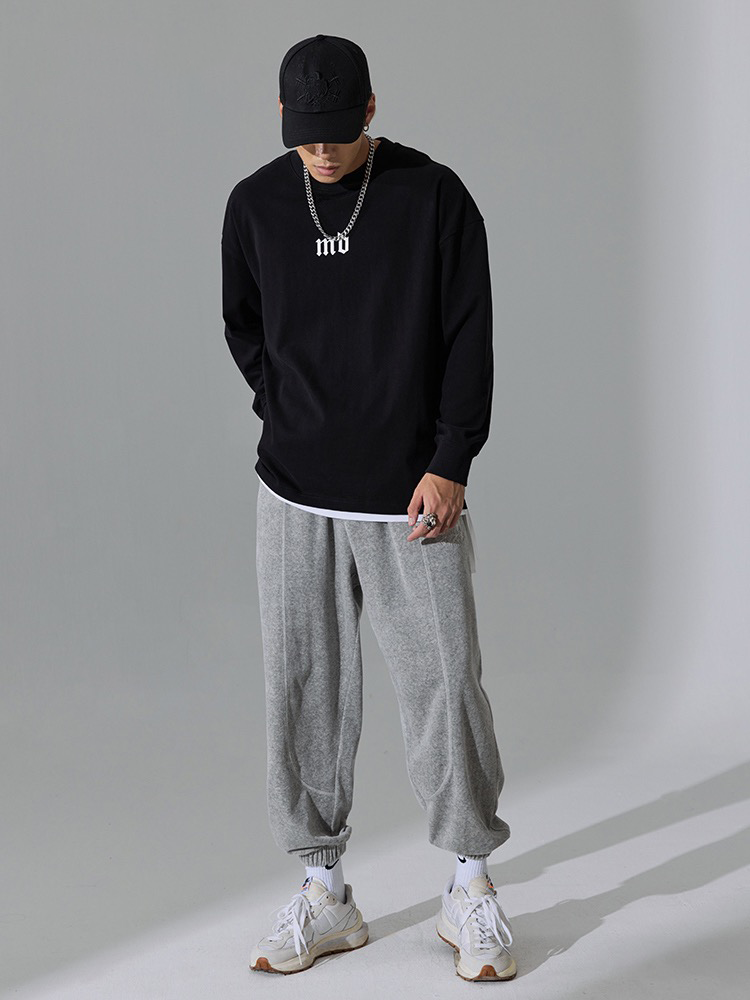
100% cotton or organic cotton gives a soft, breathable hand but needs shrinkage control.
Virgin or recycled polyester improves abrasion resistance and moisture transfer; recycled content should be documented.
Blend Trade-Offs
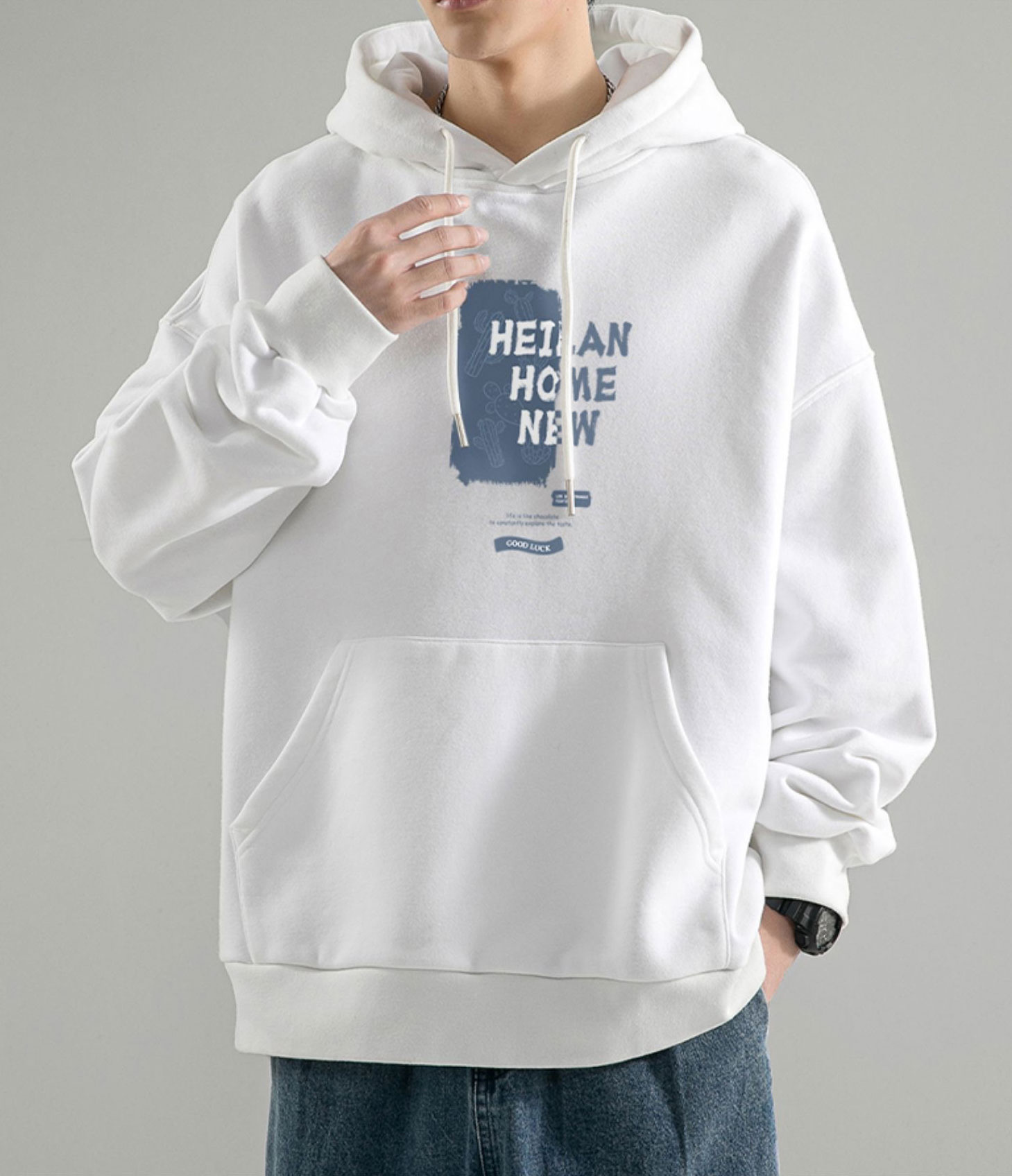
60/40 cotton-poly balances comfort, faster drying, and durability for uniforms.
Modal or rayon adds drape; 3–8% elastane improves recovery for fitted jerseys and leggings.
Tests To Request
After 3–5 wash cycles, request dimensional change, pilling, colorfastness, and spirality results.
For light colors, approve opacity under stretch; for elastane blends, request stretch-and-recovery data.
5. Customization Options From an interlock fabric clothing manufacturer
EDVORIN’s MOQ starts at 200 pieces per style. At a 200-piece MOQ, an interlock fabric clothing manufacturer can turn approved color, fit, and branding decisions into a repeatable private-label specification. Pantone references should be matched against actual lab dips, not screen colors.
| Method | Cotton Interlock | Polyester Interlock | Key Risk | Setup |
|---|---|---|---|---|
| Screen print | Strong fit | Use low-bleed ink | Cracking or dye bleed | Screens and strike-off |
| Heat transfer | Suitable | Suitable | Poor stretch recovery | Artwork and transfer test |
| Sublimation | Not suitable | Best on light polyester | Color limits | Print-ready artwork |
| Embroidery or patch | Suitable | Suitable | Puckering | Backing and placement sample |
Private-Label Build
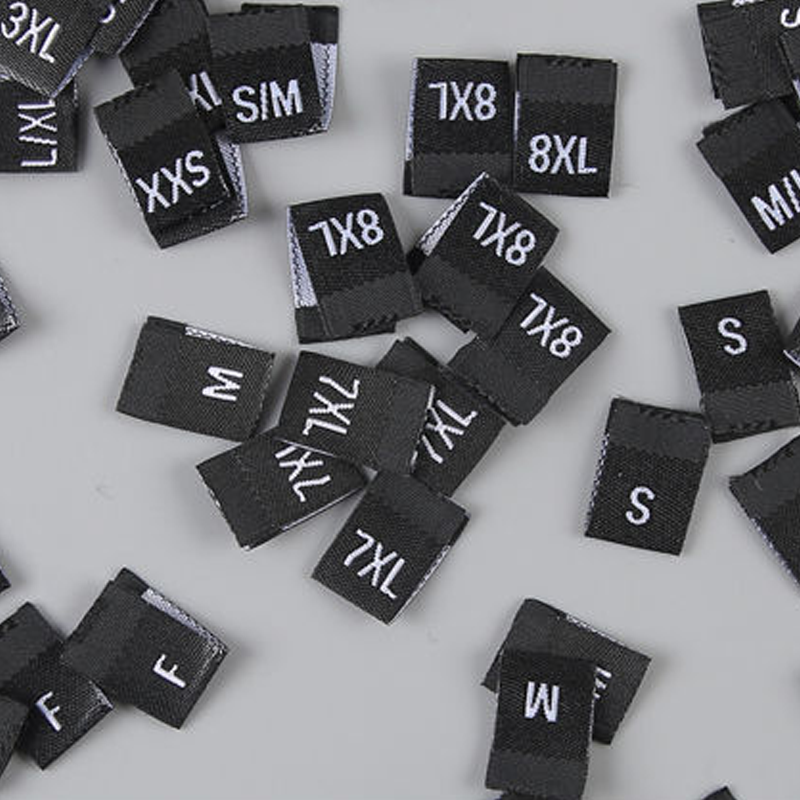
One tech pack should define pattern pieces, graded measurements, labels, neck tape, and folding or polybag requirements.
Two approved size samples—base size and an extreme grade—reduce fit interpretation before bulk cutting.
- Supply vector logos: AI, EPS, or PDF
- Provide Pantone codes and placement dimensions
- Approve fabric, trim, and packaging samples
Decoration Selection
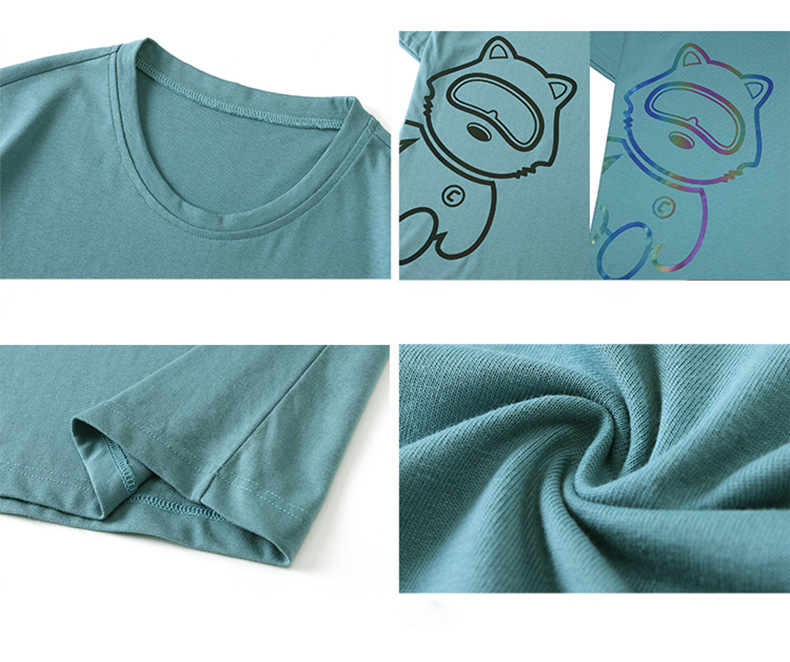
Cotton interlock generally suits screen print, embroidery, heat transfer, and woven patches; test hoop marks and print stretch first.
Polyester interlock supports heat transfer and sublimation on suitable white or light polyester bases; migration testing matters for dark dyed goods.
Bulk Approval Checks
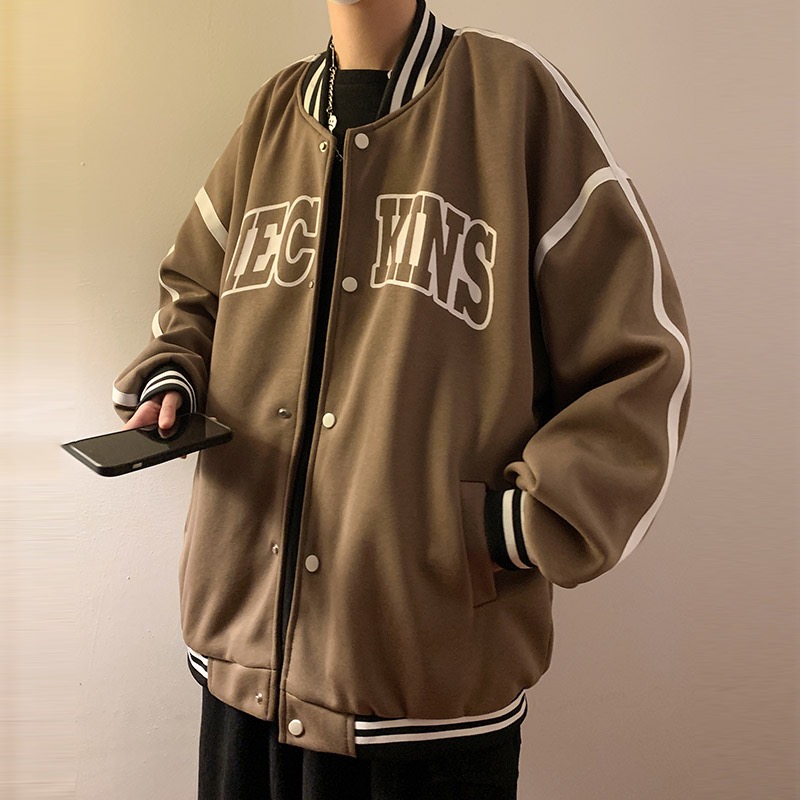
Three checks should precede release: strike-off or transfer test, decorated sample, and wash test against the approved standard.
24-hour post-wash inspection can reveal cracking, color migration, embroidery puckering, or patch-edge lift.
6. Construction Quality That Buyers Should Inspect
200-piece team, school, and resale orders need an approved sample as the bulk standard. EDVORIN turns each construction point into a documented inspection question before production.
Stitches And Seams
Stitch density should look even at seams, hems, and stress points. Ask whether skipped stitches, seam grin, or loose thread tails appear after stretch.
Flatlock, overlock, and coverstitch seams serve different construction points. Ask whether the selected seam lies flat, remains balanced, and matches the garment’s intended movement.
Neckline And Fit Recovery
Neckbands should recover after repeated hand stretching without waviness. Ask whether rib weight, stretch, and return are compatible with the interlock body.
Measurement charts need tolerances, grading, and wash shrinkage allowance. Ask whether the post-wash sample still matches the approved chest, length, and neckline dimensions.
Surface And Decoration Tests
Pilling and colorfastness should be checked on the finished fabric, not only the roll. Ask whether team colors remain consistent after washing and rubbing.
Print adhesion should be tested on the actual interlock and finish. Ask whether artwork cracks, lifts, or misaligns at seams, panels, numbers, and logos.
7. How to Choose an interlock fabric clothing manufacturer
EDVORIN’s MOQ starts at 200 pieces per style. A 200-piece MOQ is useful only when the factory can document how it handles colors, sizes, and replenishment. Compare every interlock fabric clothing manufacturer against one identical tech pack and approval checklist.
Verify Relevant Experience
Three recent, comparable garments reveal more than a category page: request photos, measurement records, and approved sample references for interlock programs. Confirm men’s or women’s fit, decoration, and export-market experience match your brief.
Audit Development Controls
One development path should identify fabric composition, GSM, mill or lot reference, color standard, pattern revision, and sample comments. Ask for sample lead time, bulk capacity, in-line inspection records, final inspection criteria, and a named communication owner.
Compare Quotes Transparently
EDVORIN’s MOQ starts at 200 pieces per style. Four quote lines—fabric, trims, decoration, and packaging—make supplier comparisons meaningful. Verify MOQ by color and size, payment and Incoterms, sample and bulk lead times, defect handling, labeling requirements, and whether freight, testing, or duty is excluded.
8. Common Interlock Sourcing Mistakes
EDVORIN’s MOQ starts at 200 pieces per style. At 200-piece MOQ, one untested assumption can erase the savings from a lower quote. Control the fabric, specification, approval, and reorder record before cutting starts.
Price-Only Fabric Selection
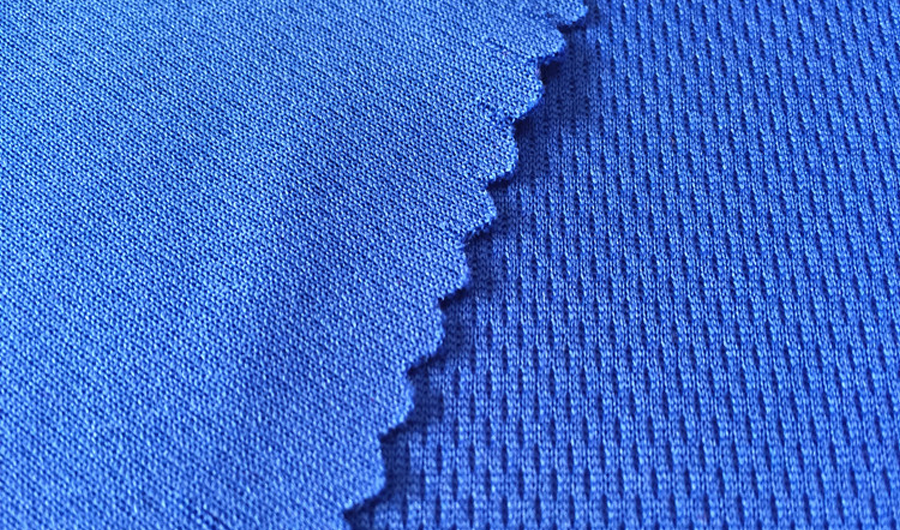
A $0.30 saving can disappear through shrinkage, pilling, or replacement units after washing.
Three wash tests should check dimensional change, spirality, colorfastness, and hand feel before fabric approval.
Incomplete Technical Standards
A missing GSM target or tolerance invites uneven fit and inconsistent production.
±1 cm garment tolerances, Pantone references, stitch details, and artwork placement measurements should appear in the tech pack.
Decoration And Compliance Assumptions
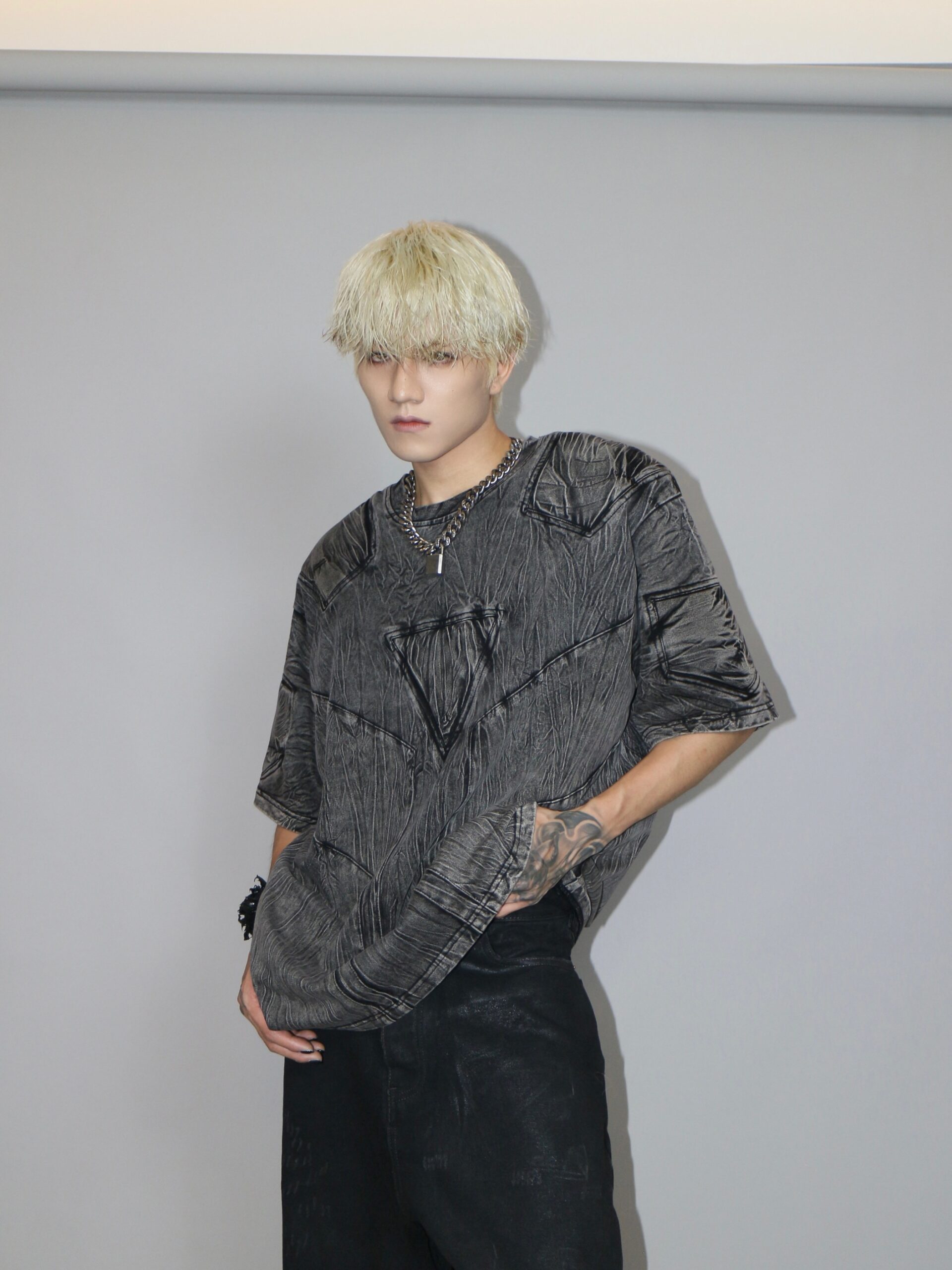
A dense print on unsuitable interlock can crack, distort, or reduce stretch.
Two strike-offs should confirm print, embroidery, or heat-transfer compatibility; request OEKO-TEX, GOTS, WRAP, or BSCI documents for the specific scope.
Skipping Bulk Controls
One unapproved pre-production sample leaves bulk construction and labeling open to interpretation.
For 200-piece orders, retain the approved sample, graded measurement chart, color standard, and fabric details to protect repeat orders and avoid costly revisions.
9. Steps to Launch an Interlock Apparel Line
A 200-piece launch should lock the wearer, channel, range, and delivery date before sampling. Private-label brands, clubs, schools, wholesalers, and corporate buyers need one accountable approval path.
Brief And Technical Pack
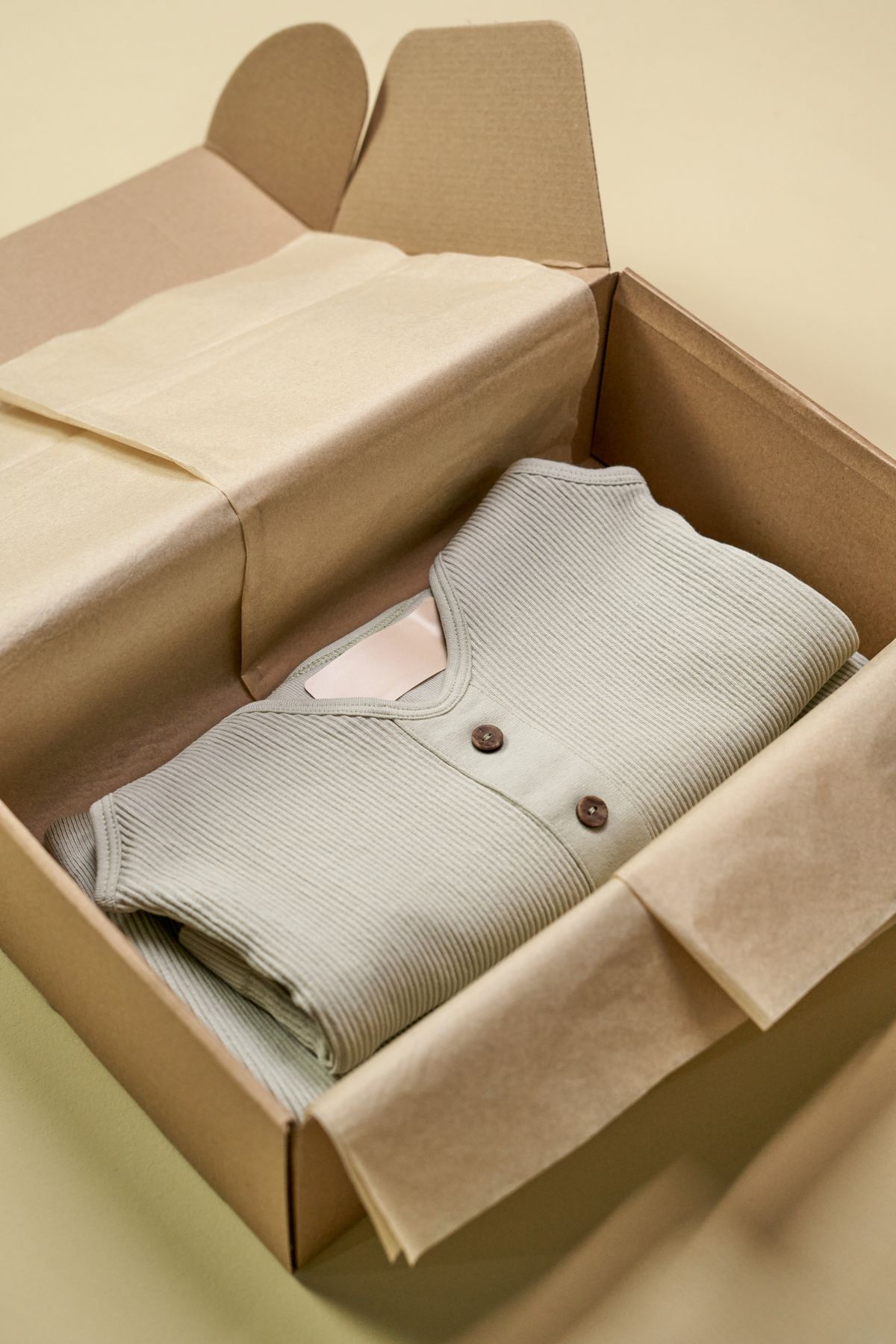
Stage 1: submit a range plan, target quantities, size split, artwork, logo-use approval, and required delivery date. Stage 2: convert it into a tech pack with measurements, construction, labels, packaging, and revision control.
Fabric And Sample Gates
Stage 3: approve interlock composition, GSM, Pantone references, stretch, and hand feel with swatches or lab dips. Stage 4: review a prototype, record fit corrections, then sign a pre-production sample as the bulk standard.
Bulk Delivery And Reorders
Stage 5: release bulk only after approved files, purchase order, and pre-production sample match. Stage 6: use in-line and final inspection records, carton marks, freight documents, and sell-through data to plan the reorder.
10. Interlock Apparel Pricing and Cost Drivers
200 pieces is a practical starting tier for a custom interlock program, but it is not a price promise. Quote cost changes with composition, 180–260 GSM, pattern complexity, trims, color count, decoration, packaging, testing, and sampling.
3 quote tiers make comparisons useful when every buyer supplies the same tech pack, Pantone references, measurement chart, artwork, quantities, and Incoterm. Confirm whether sample charges, freight, duty, testing, and setup fees are excluded.
| Quantity tier | Indicative unit-cost drivers | Typical production lead time |
|---|---|---|
| 200–499 pieces | Higher development and setup allocation; fewer efficiency gains | 30–45 days after approvals |
| 500–999 pieces | Material yield and line efficiency improve; trim choices remain material | 25–40 days after approvals |
| 1,000+ pieces | Volume can dilute fixed costs; colors, print positions, and packaging still add cost | 25–35 days after approvals |
Develop Your Interlock Fabric Clothing Collection
Send your tech pack, reference garment, or collection concept for production guidance, sample planning, and a quote from EDVORIN.