
Pique Fabric Clothing Manufacturer for Repeatable OEM Programs
EDVORIN develops production-ready polos, teamwear, uniforms, and private-label collections in pique fabric, from sampling through bulk production.
Pique Fabric and Apparel Development References
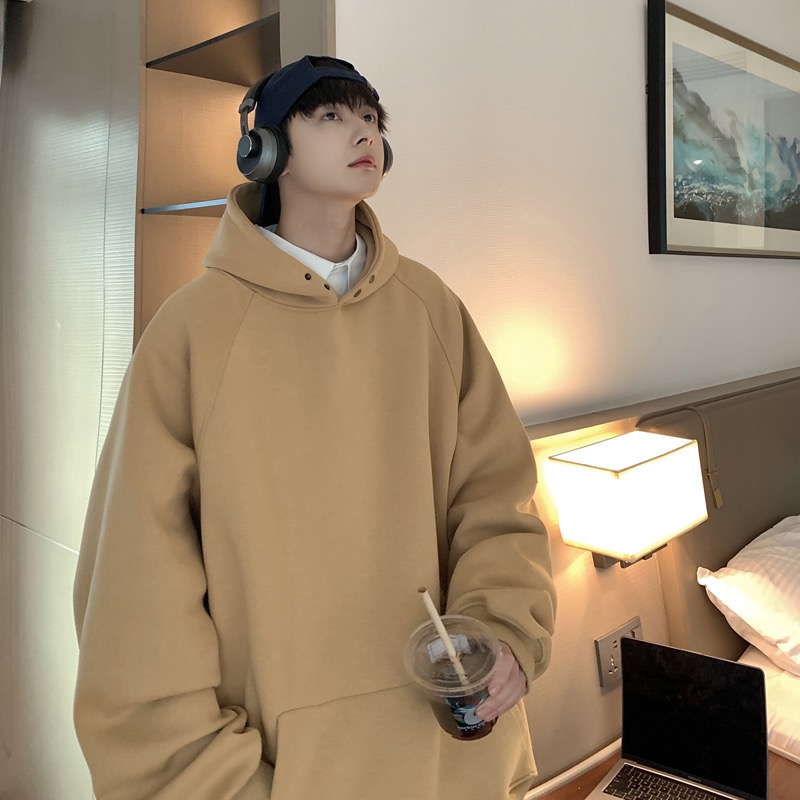
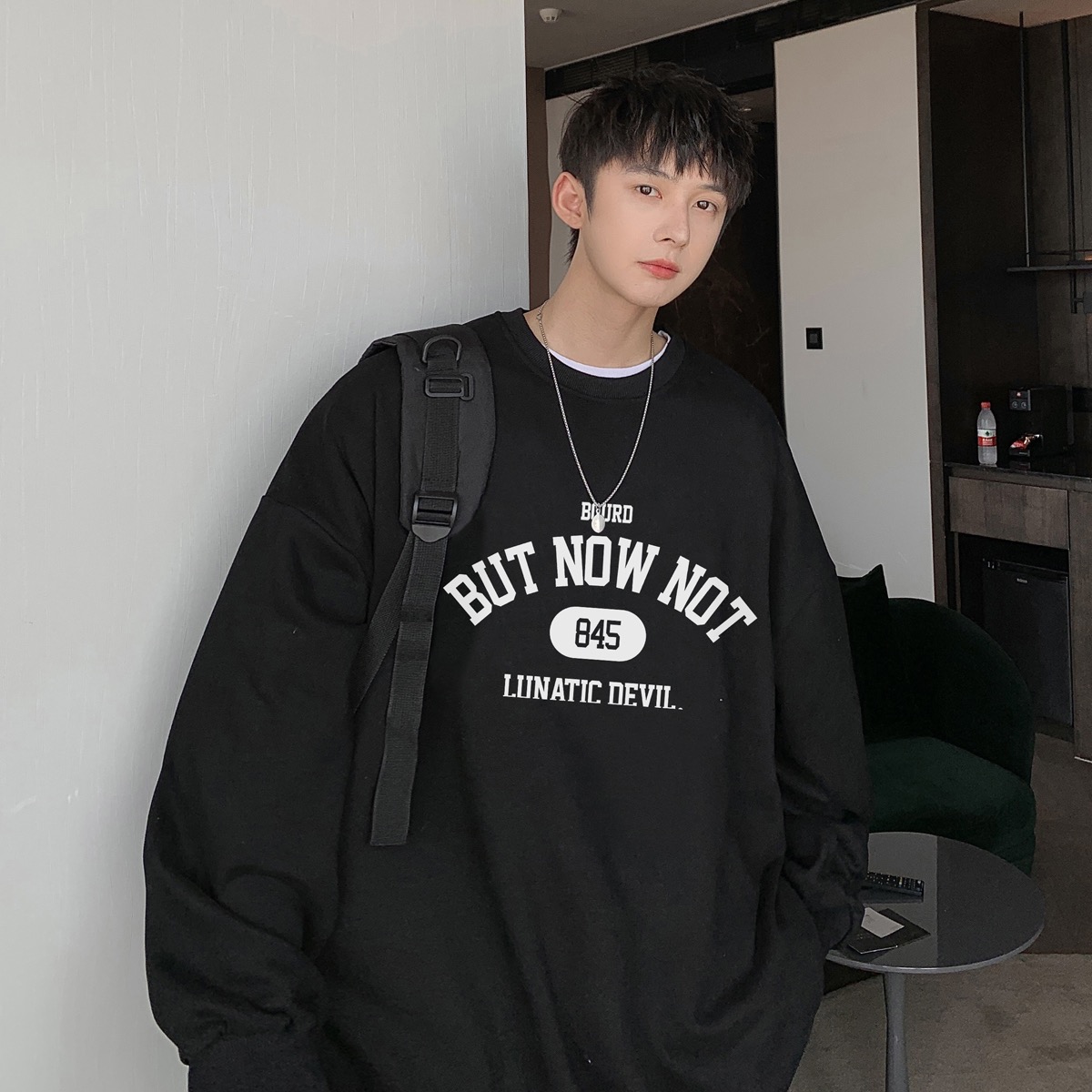
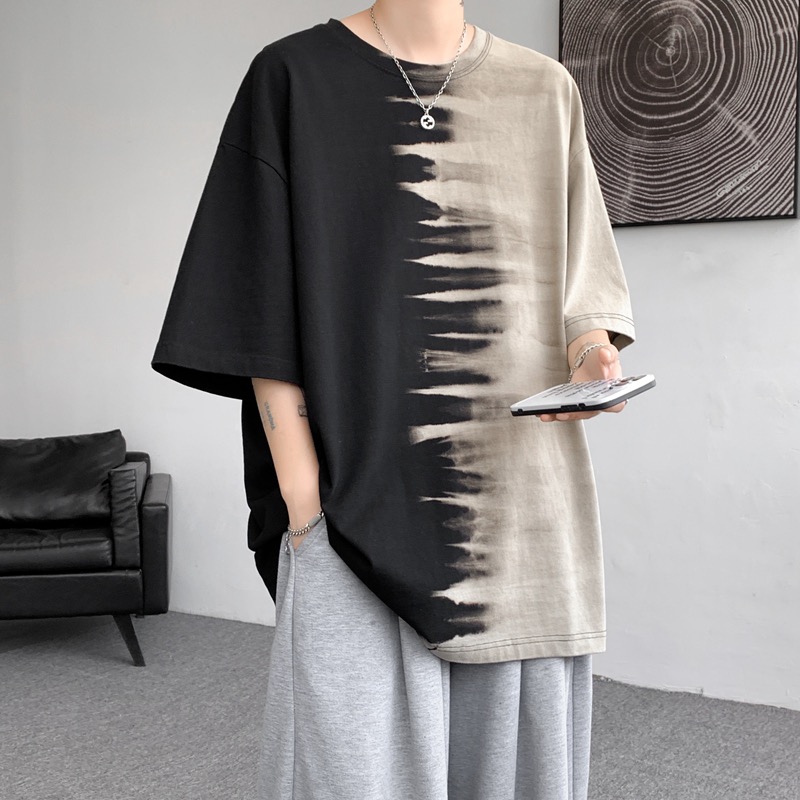
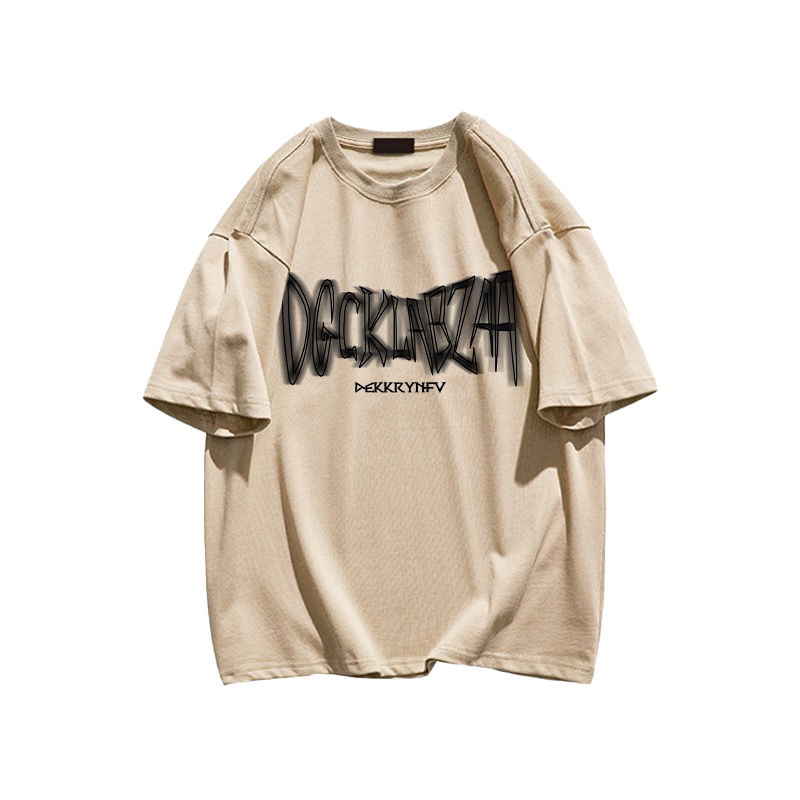
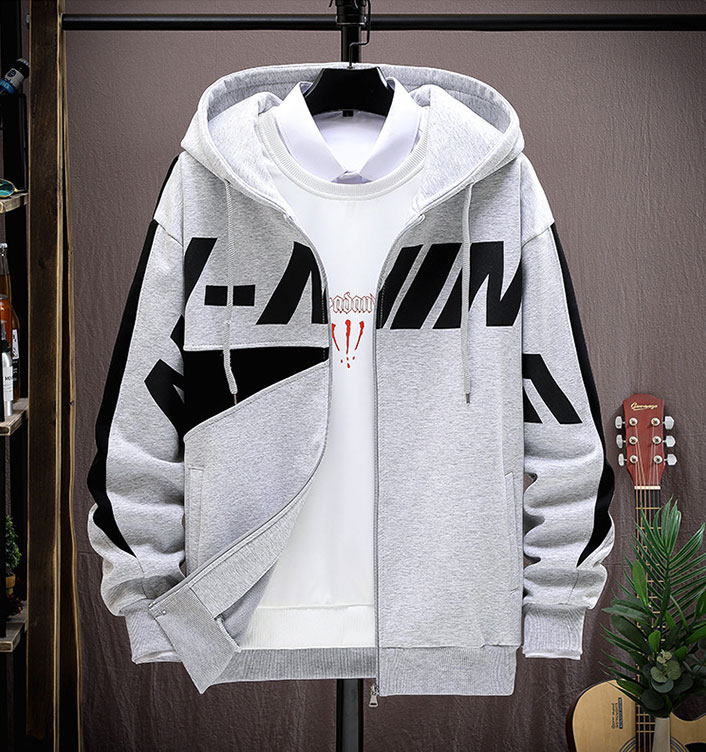
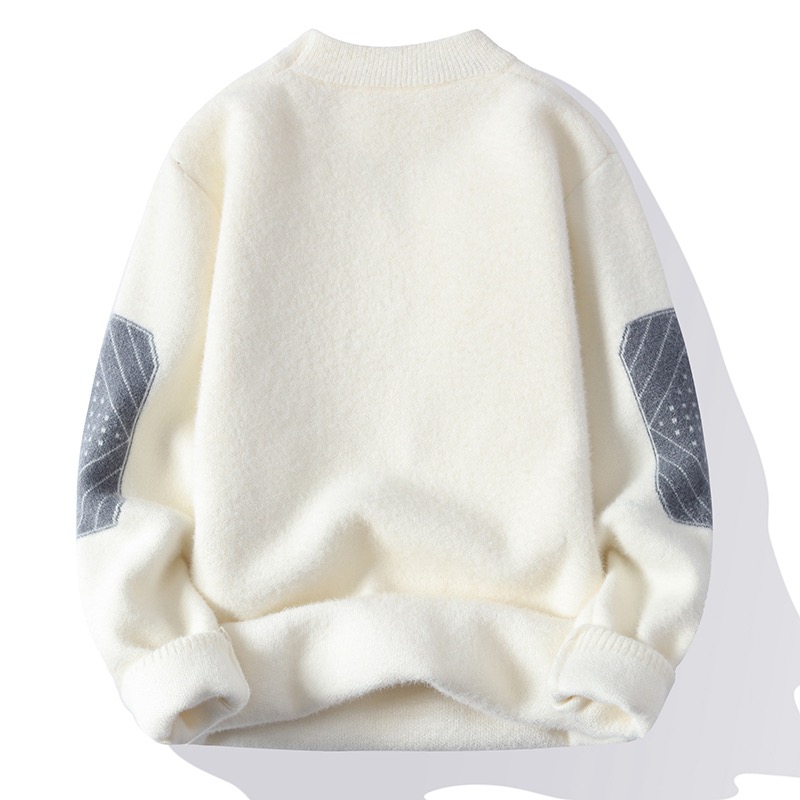
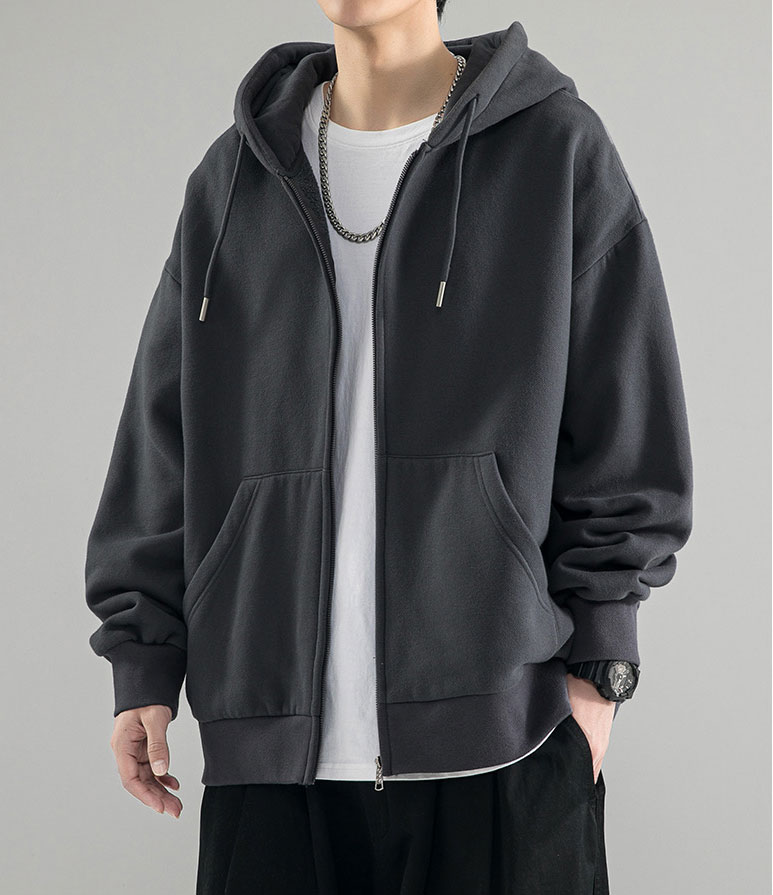
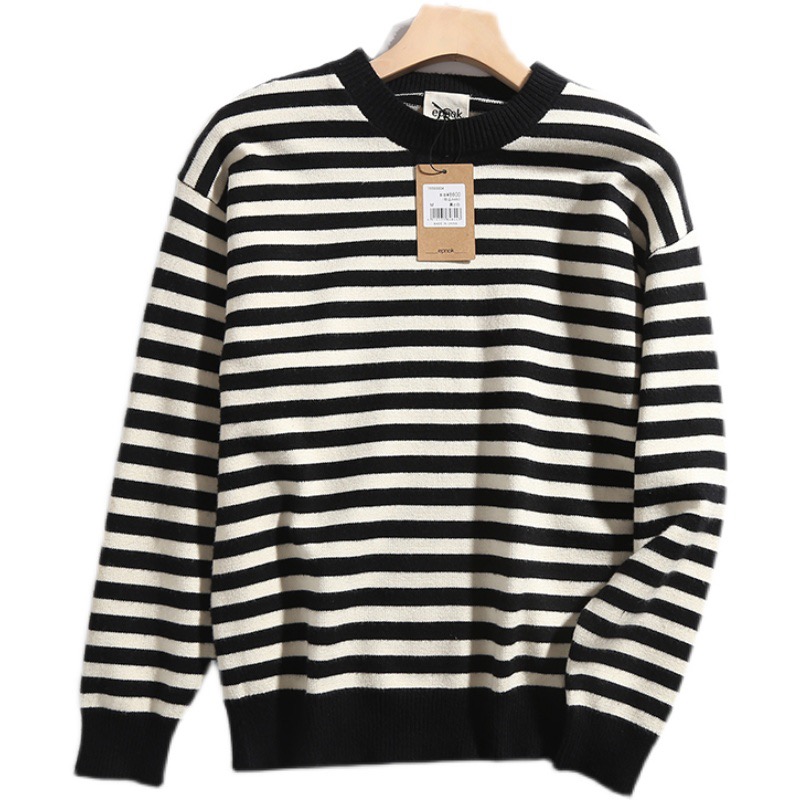
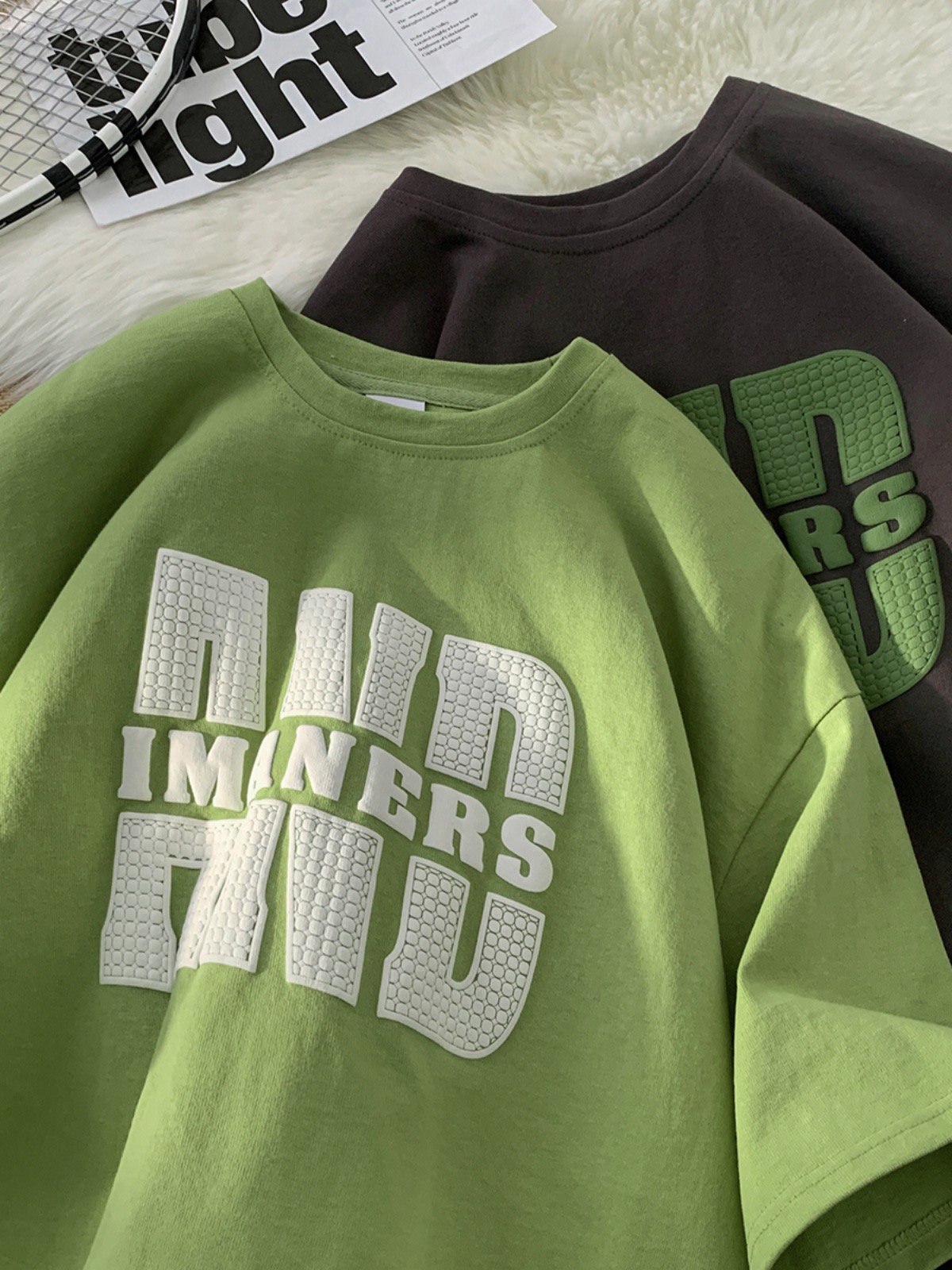
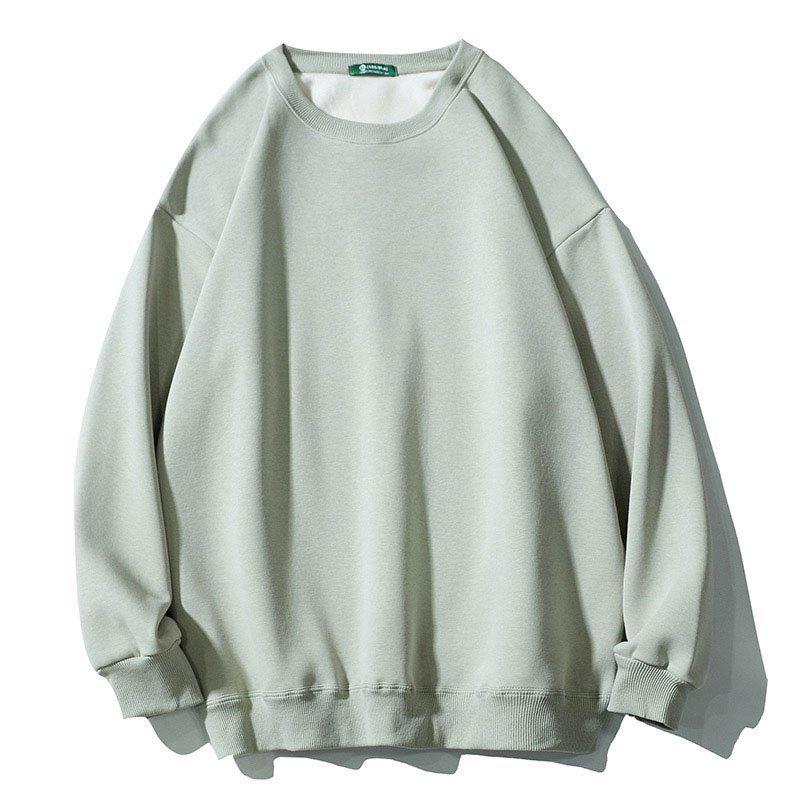
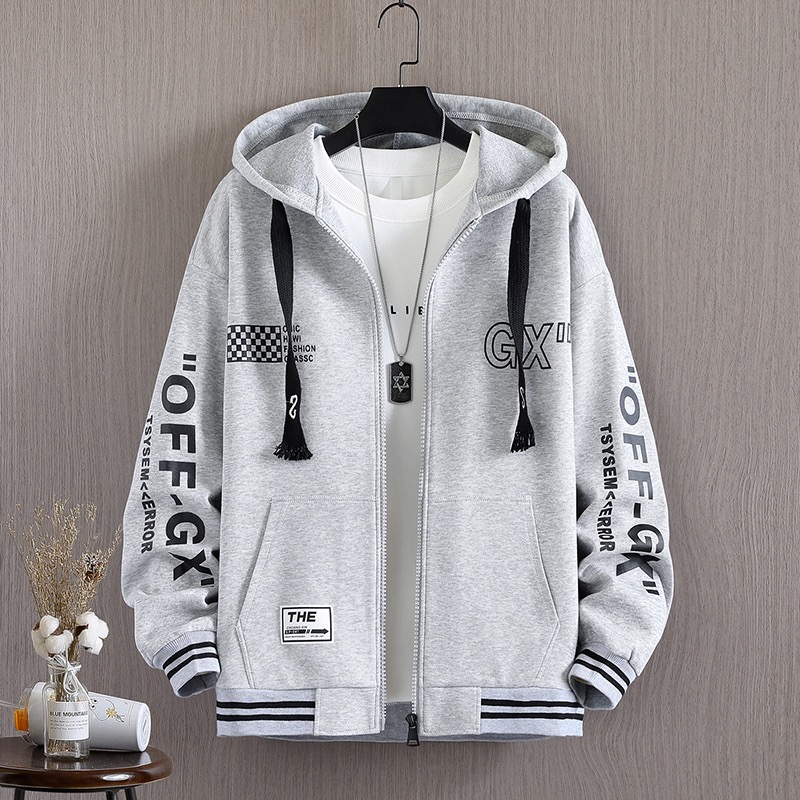
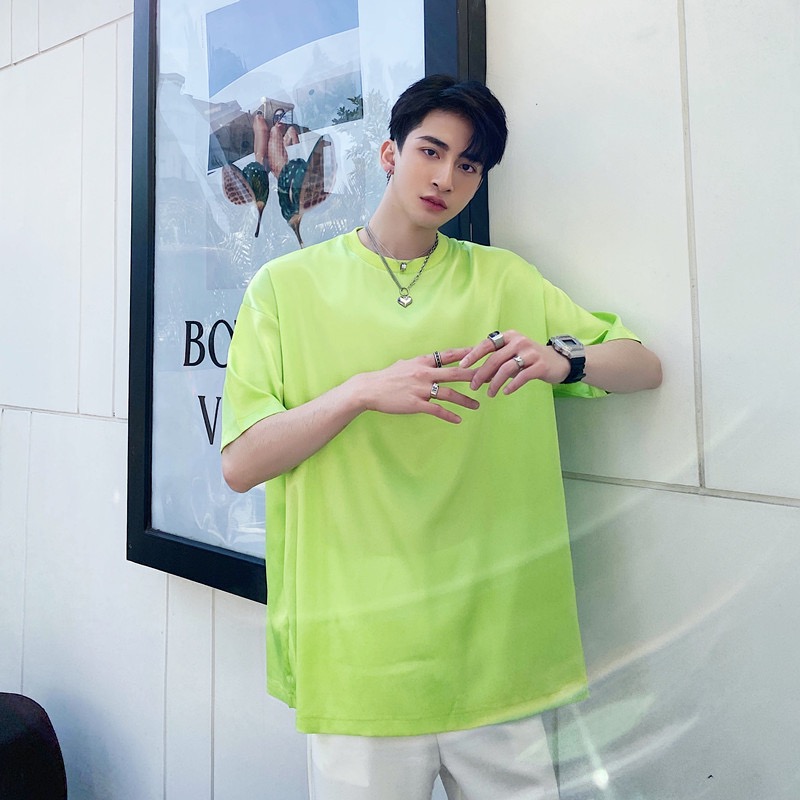
Why Choose Pique for Structured, Breathable Apparel
EDVORIN develops pique garments around the texture, comfort and production details your program needs.
Raised Surface Texture
Pique’s dimensional knit surface gives polos, uniforms and casual pieces a more defined appearance than flat jersey constructions.
Breathable Construction
The textured knit structure supports airflow, making pique a practical option for warm-weather apparel, teamwear and everyday uniforms.
Reliable Shape Retention
Balanced fabric selection and approved construction details help pique garments maintain a clean, structured silhouette through repeat wear.
Decoration-Ready Surface
We coordinate embroidery, printing and placement specifications with the pique base fabric to protect artwork clarity across bulk production.
Flexible Fiber Blends
Choose cotton, polyester or blended pique options according to hand feel, durability, care expectations and intended end use.
Production-Ready Development
As a pique fabric clothing manufacturer, EDVORIN turns approved materials, measurements and trims into repeatable OEM production standards.
Explore Apparel, Polo & Teamwear Manufacturing
Compare connected product categories, fabrics and decoration options for programs developed from approved samples through repeat bulk production.
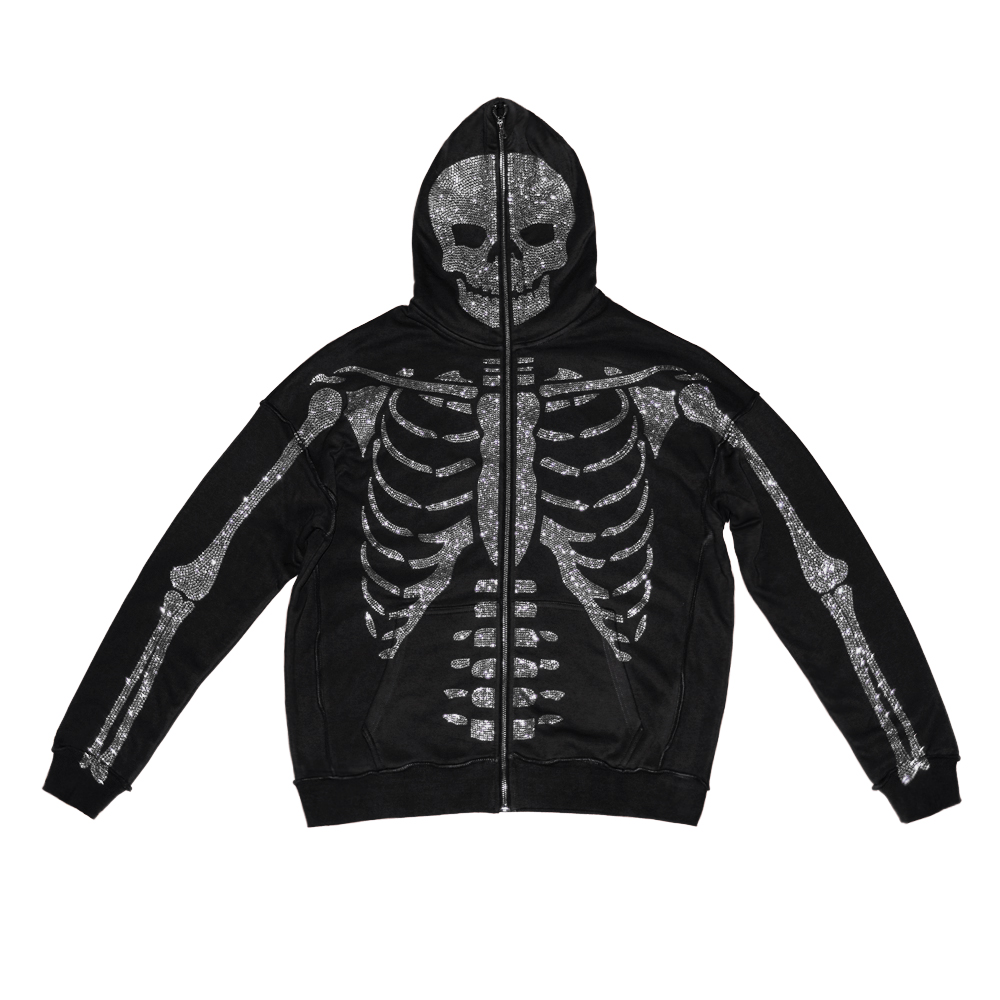
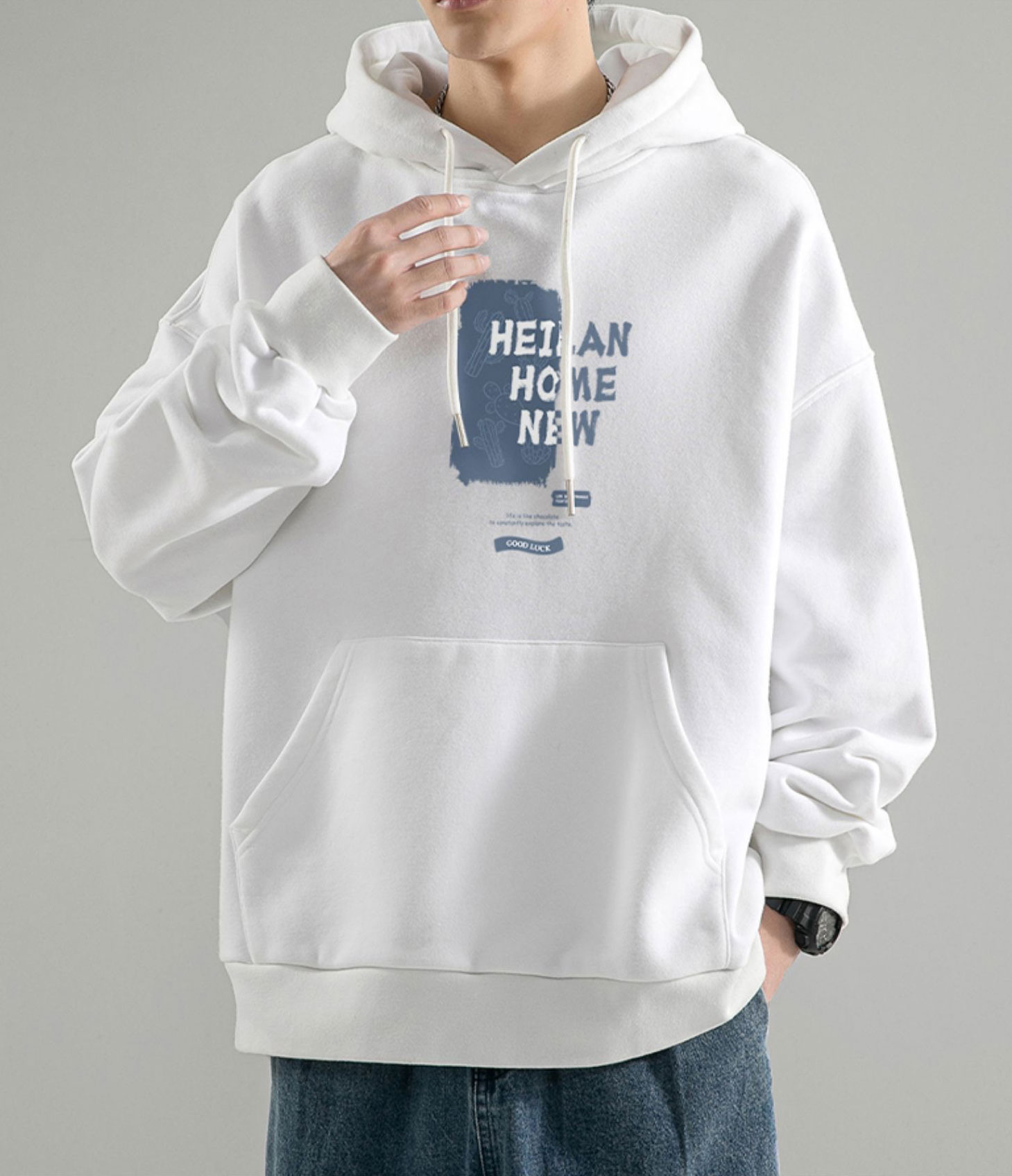
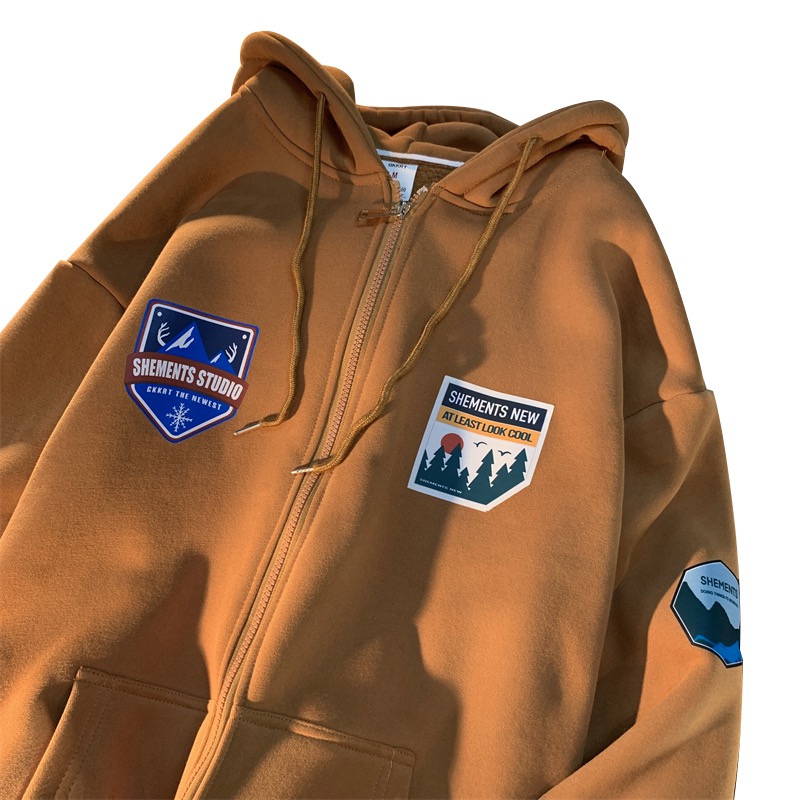
Custom Hoodies
Develop custom hoodies with fleece weight, fit blocks, rib construction, drawcords, pockets, labels and decoration specified for your brand. EDVORIN supports men’s and women’s hoodie programs from development samples to controlled bulk production.
Get a Quote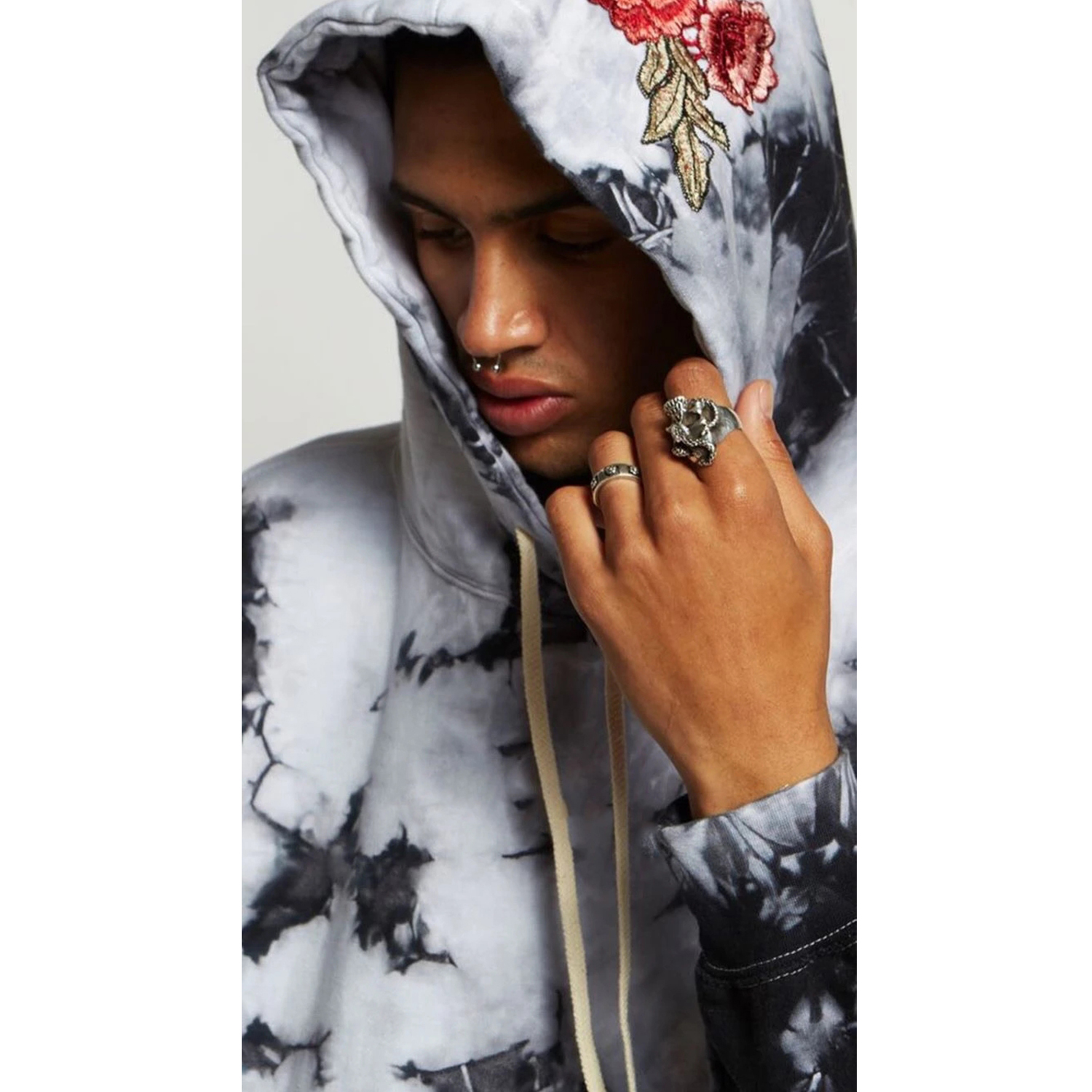
Pullover Sweatshirts
Source pullover sweatshirts with defined fabric weight, neckline, rib recovery, seam construction and artwork placement. As a sweatshirt manufacturer, EDVORIN develops men’s and women’s styles for private-label, wholesale and branded collection programs.
Get a Quote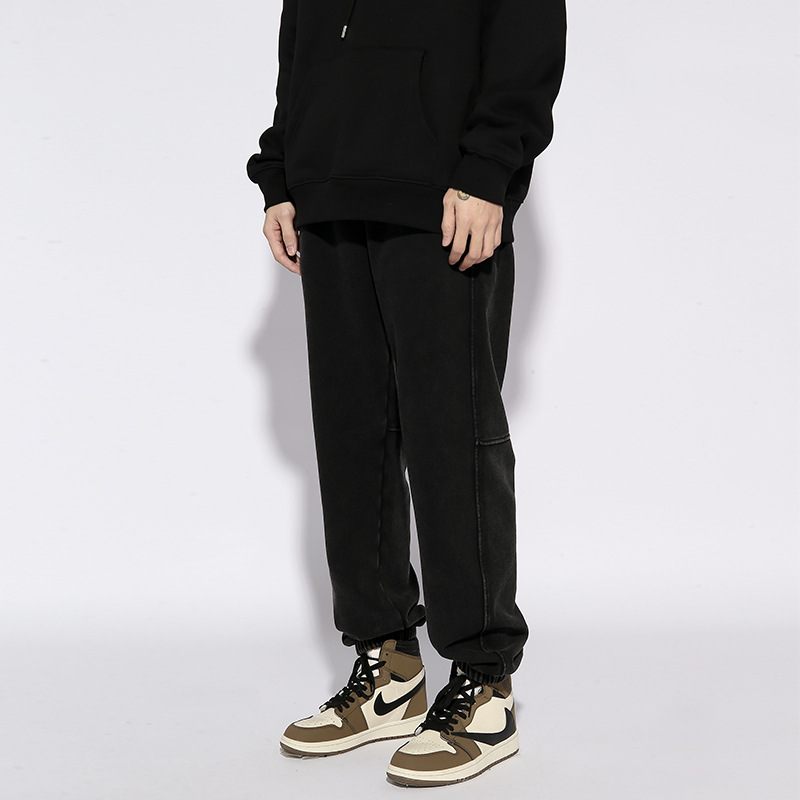
Sweatpants & Joggers
Build sweatpants and joggers with coordinated fleece, waistband, cuff, pocket and fit specifications. EDVORIN can match these bottoms to hoodie or sweatshirt programs while controlling grading, trims, embroidery, printing and packaging.
Get a Quote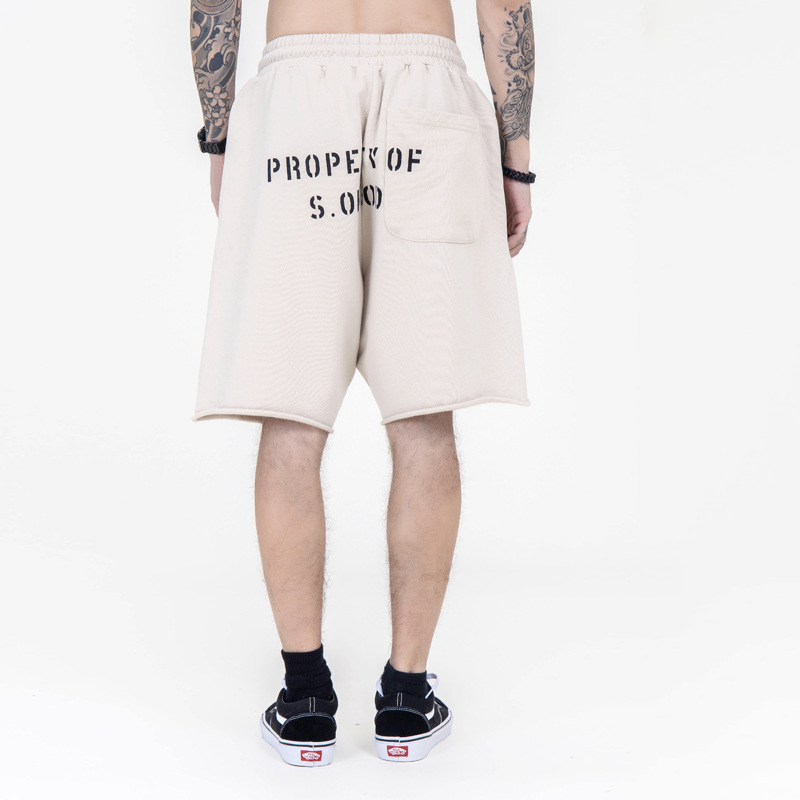
Custom Shorts
Develop custom shorts for casualwear, streetwear, training or uniform programs. Fabric, inseam, waistband, pockets, lining and decoration are specified to the intended use, with men’s and women’s sizing developed as separate production standards.
Get a Quote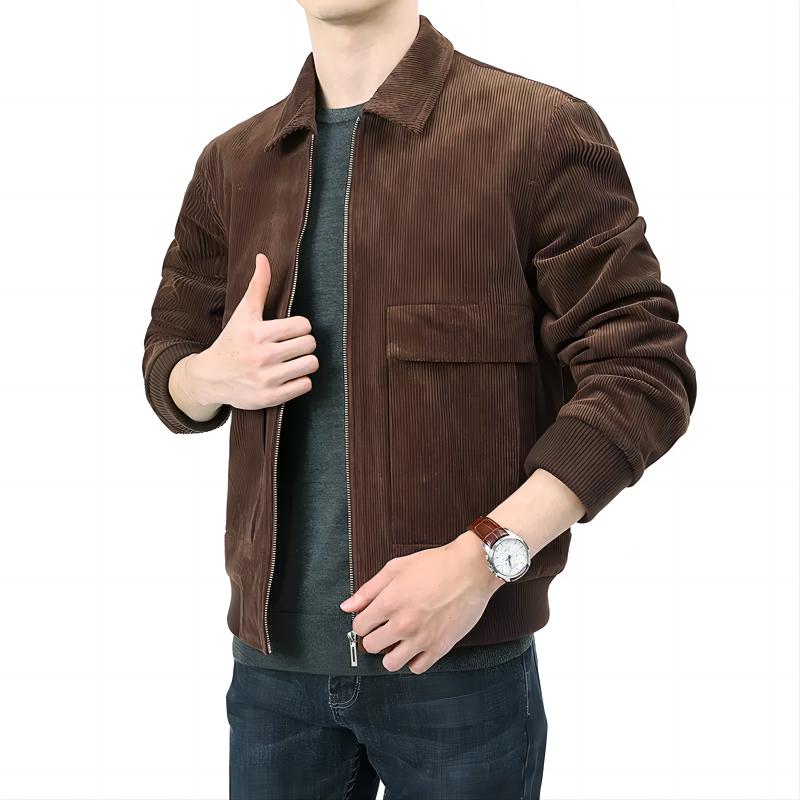
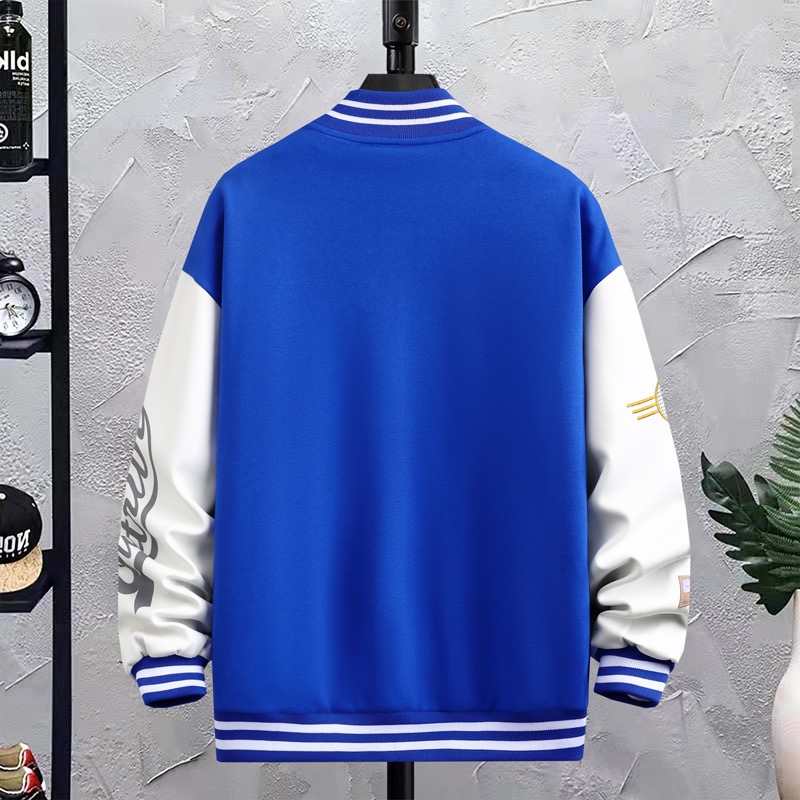
Varsity & Baseball Jackets
Produce varsity and baseball jackets with balanced body fabric, sleeves, rib, snaps, lining and patches. EDVORIN coordinates embroidery, appliqué and woven details so approved jacket construction can be repeated across bulk orders.
Get a Quote
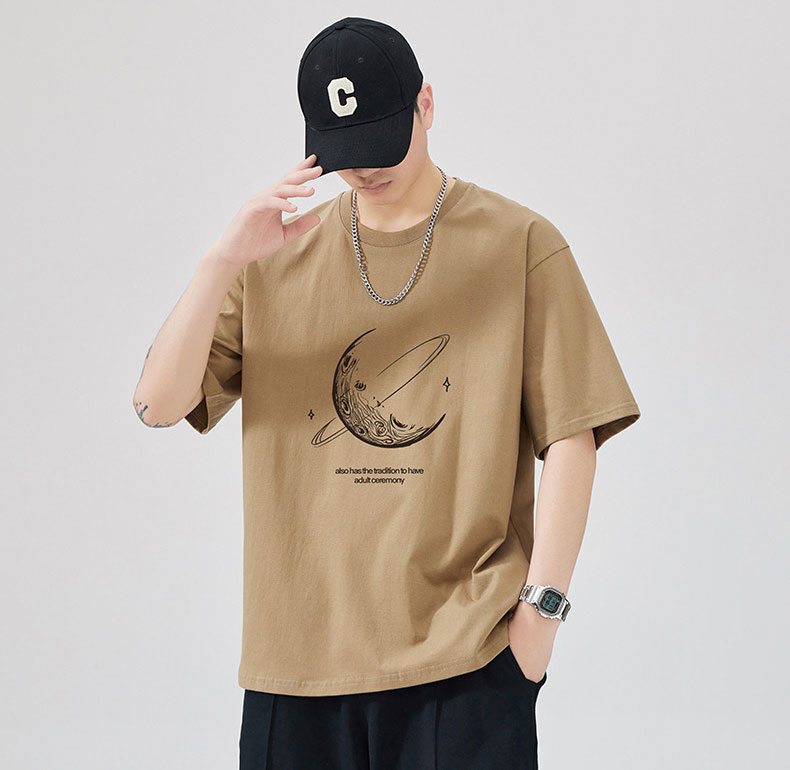
Custom T-Shirts
Create custom T-shirts with selected jersey weight, collar construction, fit, print method and label package. EDVORIN supports men’s and women’s T-shirt development for promotional, retail, streetwear and private-label programs.
Get a Quote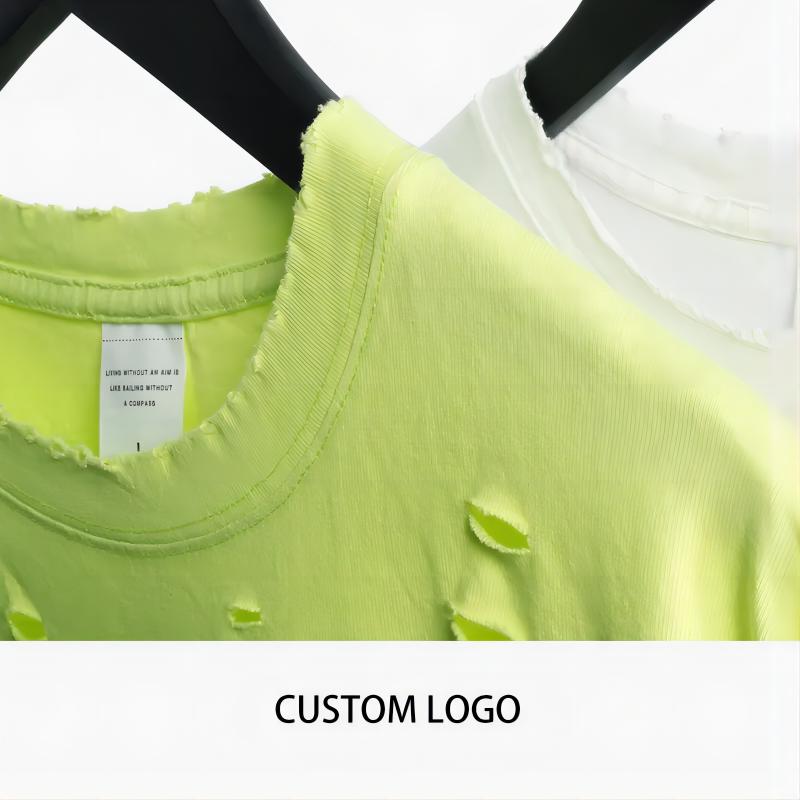
Custom Polo Shirts
Develop custom polo shirts with pique or jersey fabric, collar and placket construction, embroidery placement and size grading. Suitable for corporate uniforms, schools, clubs and branded apparel programs requiring consistent repeat orders.
Get a Quote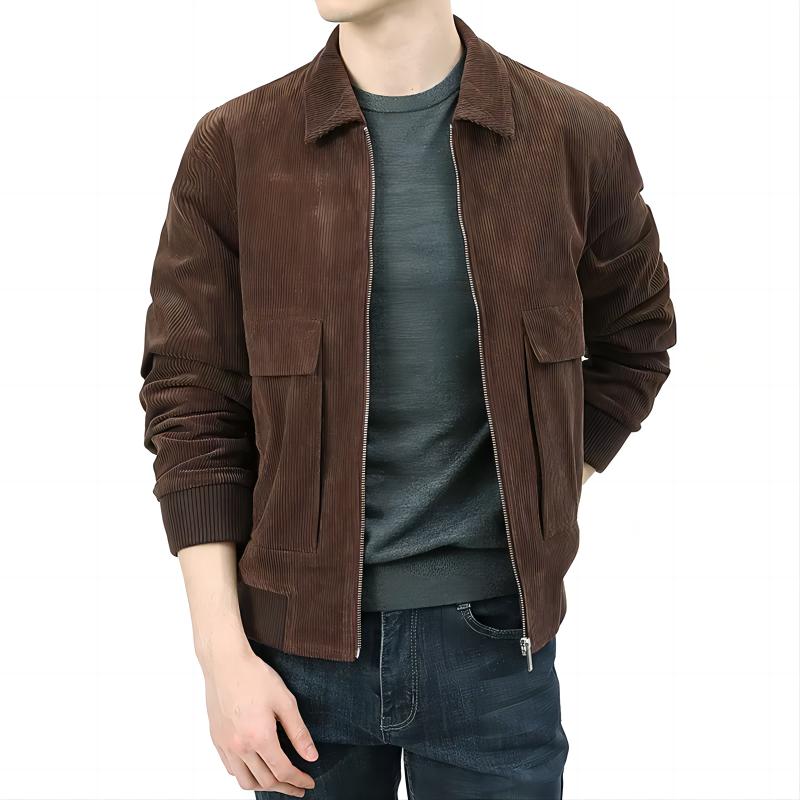
Windbreaker Jackets
Produce windbreaker jackets with shell fabric, lining, zipper, hood, pocket and ventilation details matched to the intended weather and activity. EDVORIN coordinates printing, embroidery and reflective applications where required.
Get a Quote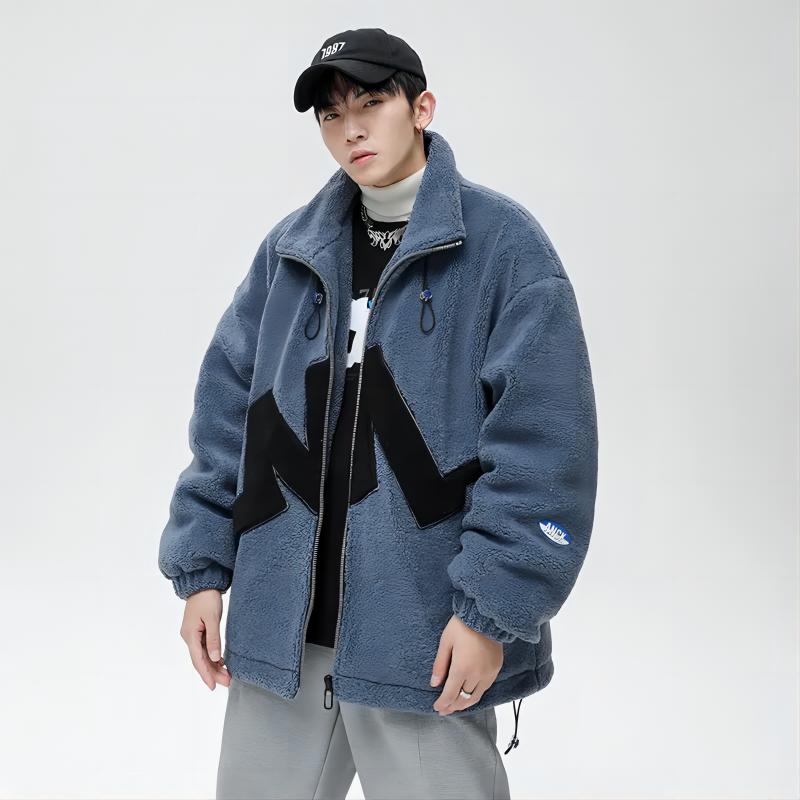
Quilted Jackets
Develop quilted jackets with specified shell, lining, insulation, quilting pattern and hardware. EDVORIN manages the construction details that affect warmth, bulk, movement and appearance before the approved sample moves to production.
Get a Quote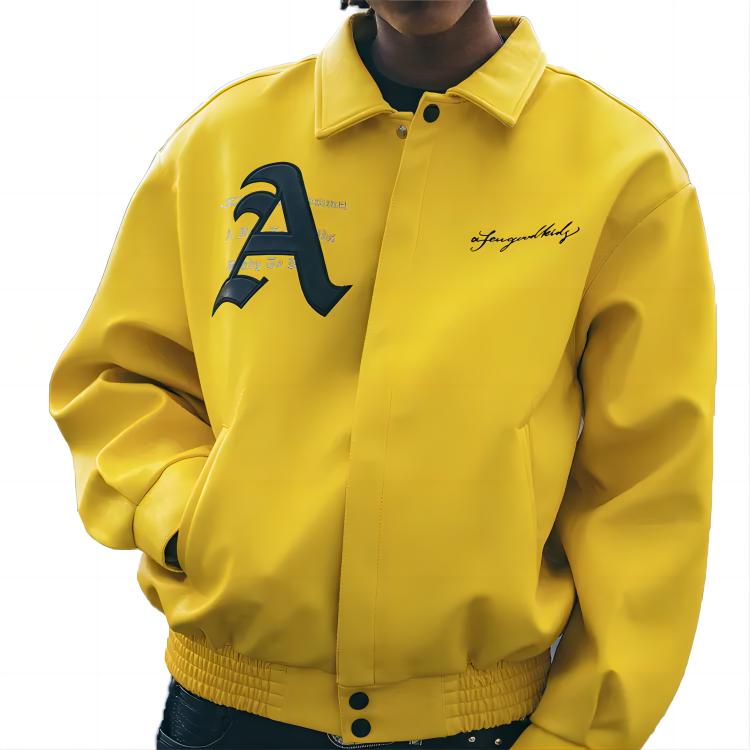
Bomber Jackets
Build bomber jackets with defined shell fabric, lining, rib, zipper, pocket and decoration requirements. EDVORIN develops men’s and women’s bomber styles for fashion, streetwear and private-label outerwear collections.
Get a Quote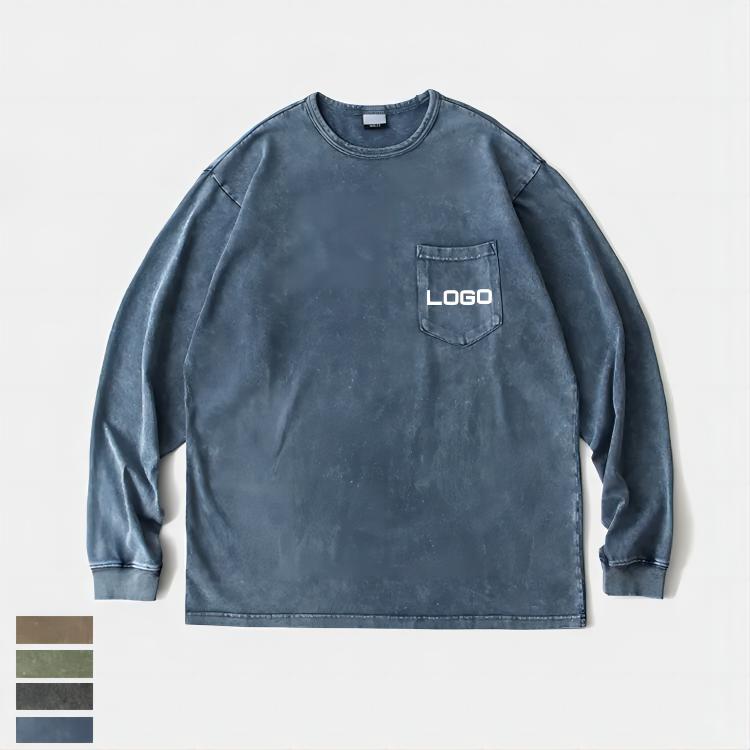
Custom Shirts
Source custom woven shirts with fabric, collar, placket, cuff, pocket and fit details documented for production. EDVORIN supports men’s and women’s shirt programs, including branded labels, embroidery and coordinated packaging.
Get a Quote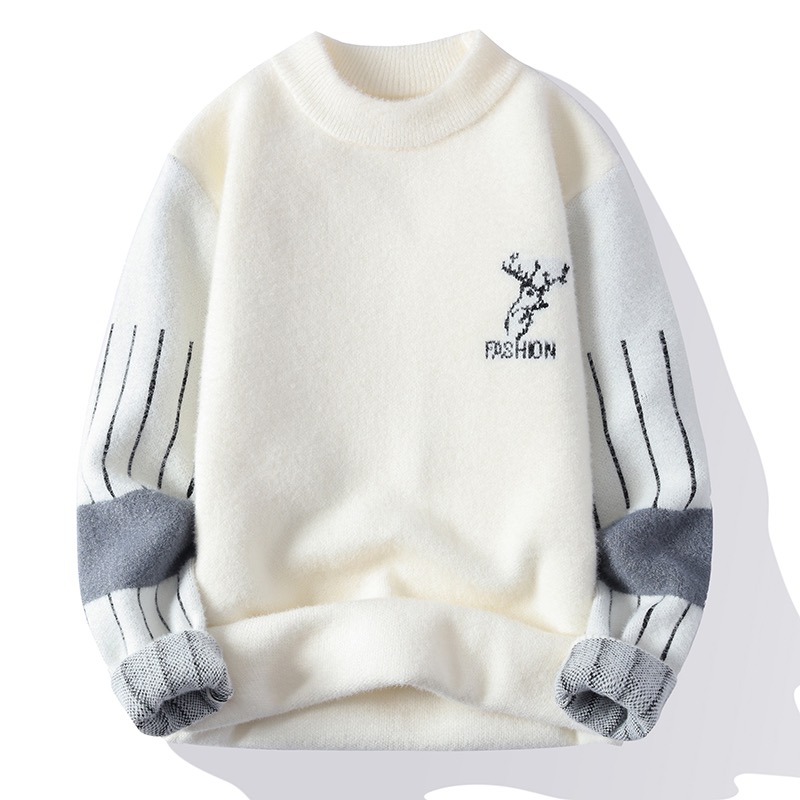
Custom Jerseys
Develop custom jerseys with performance fabric, color blocking, collar construction, names, numbers and logos controlled by approved artwork and placement records. Suitable for clubs, schools, teams and branded athletic apparel programs.
Get a Quote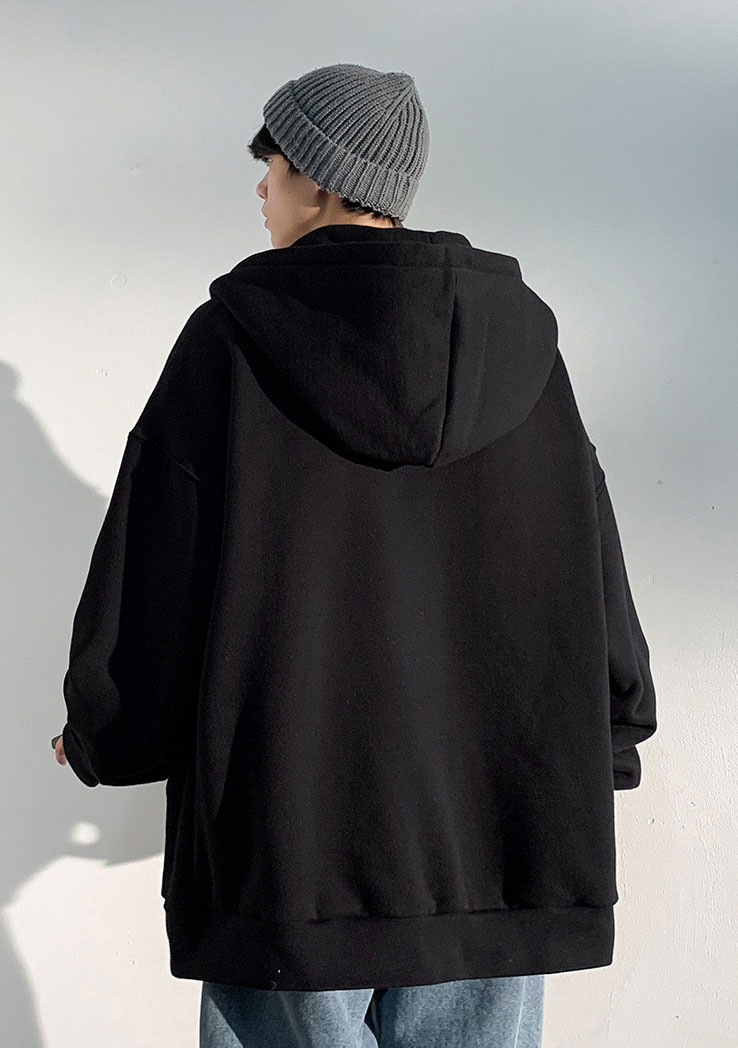
Tank Tops
Produce custom tank tops with fabric weight, armhole shape, neckline, fit and decoration selected for training, basketball, casualwear or streetwear use. Men’s and women’s versions are developed with wearer-specific proportions and grading.
Get a Quote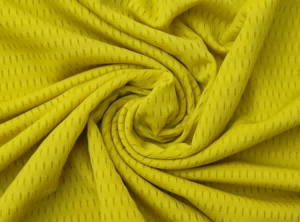
Soccer Uniforms
Create soccer uniforms with breathable fabric, coordinated jerseys and shorts, team colors, player names, numbers and crest applications. EDVORIN organizes size sets and decoration records to support accurate club, school and team orders.
Get a Quote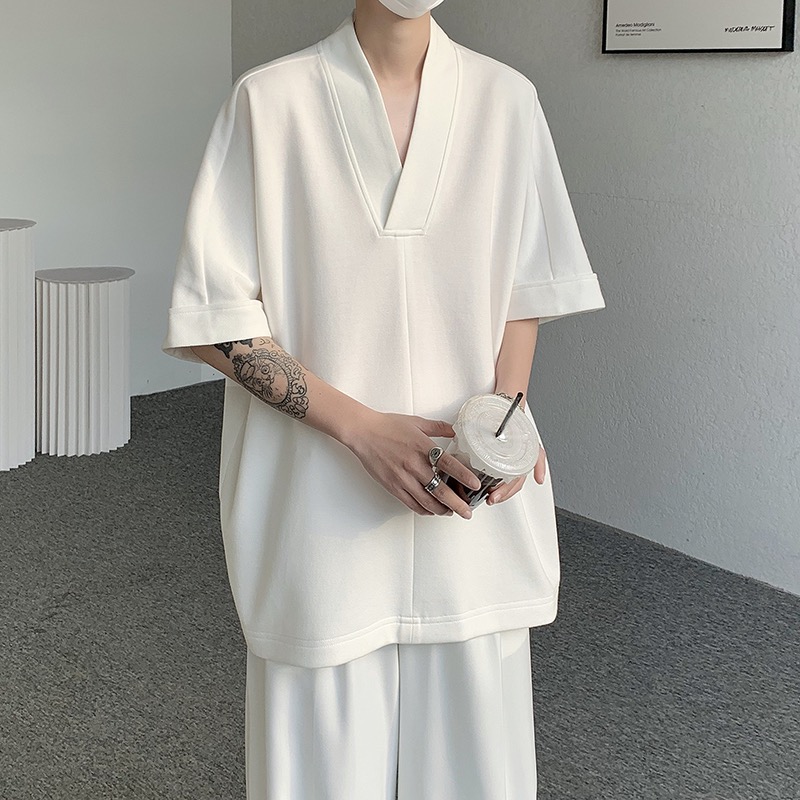
Basketball Uniforms
Develop basketball uniforms with lightweight performance materials, jersey and short coordination, number placement and team branding. EDVORIN manages fit blocks, color matching and decoration requirements for repeatable teamwear production.
Get a Quote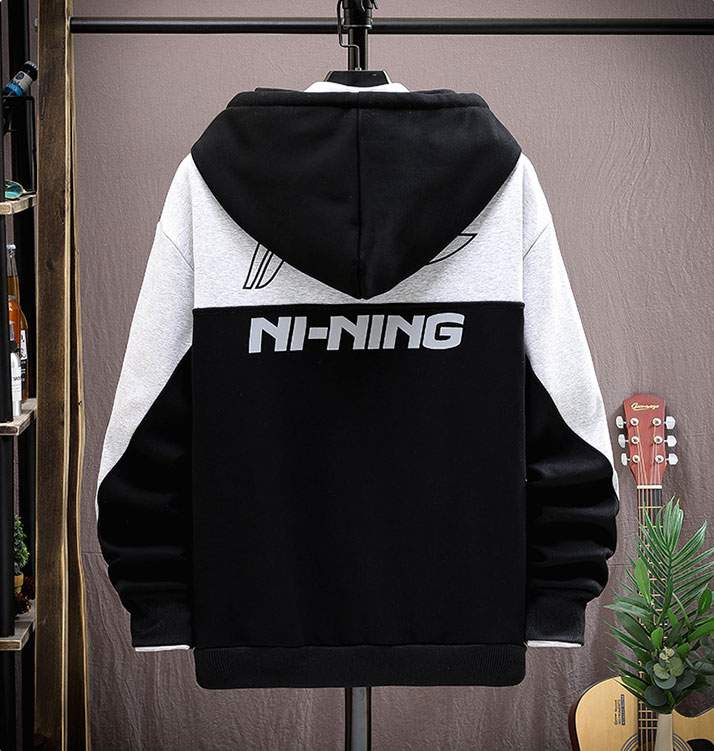
Streetwear Collections
Build coordinated streetwear collections across hoodies, tees, bottoms, jackets and accessories. EDVORIN connects fabrics, washes, trims, prints, embroidery, labels and packaging into a single production standard for each collection.
Get a QuotePique Fabric Clothing Manufacturer Since 2000
Founded by Edvorin Zeng in 2000, EDVORIN helps brands turn apparel ideas into production-ready programs. As a pique fabric clothing manufacturer, we connect fabric sourcing, pattern development and sampling so polo shirts, uniforms and textured knit styles begin with a clear, reviewable standard.
Our OEM, ODM, and private-label workflow coordinates fit blocks, trims, custom apparel embroidery, custom apparel printing, garment wash services, and custom clothing labels and packaging for fashion, streetwear, teamwear, and corporate buyers. Men’s and women’s pique garments are developed around the intended wearer, decoration method, and end-use requirements rather than a one-size-fits-all specification.
What distinguishes EDVORIN is the discipline after sample approval. We document measurements, material choices, color references, and artwork placement, then use those approved standards to guide bulk production, in-line checks, and final inspection. MOQ starts at 200 pieces per style. Certification programs can be scoped to ISO 9001, BSCI, WRAP, SEDEX, OEKO-TEX Standard 100, GRS, and GOTS requirements, subject to applicable facility and material scope.
Pique Fabric Clothing Manufacturer Development Details
Fiber and Weight Direction
EDVORIN develops pique programs around the intended wear, hand feel and use case, helping fashion, uniform and teamwear buyers align fiber composition and fabric weight before sampling begins. The selected specification becomes a clear reference for repeat production.
- Cotton, polyester and blend options matched to the program
- Weight direction reviewed against structure, comfort and season
- Material decisions documented for sample and bulk alignment
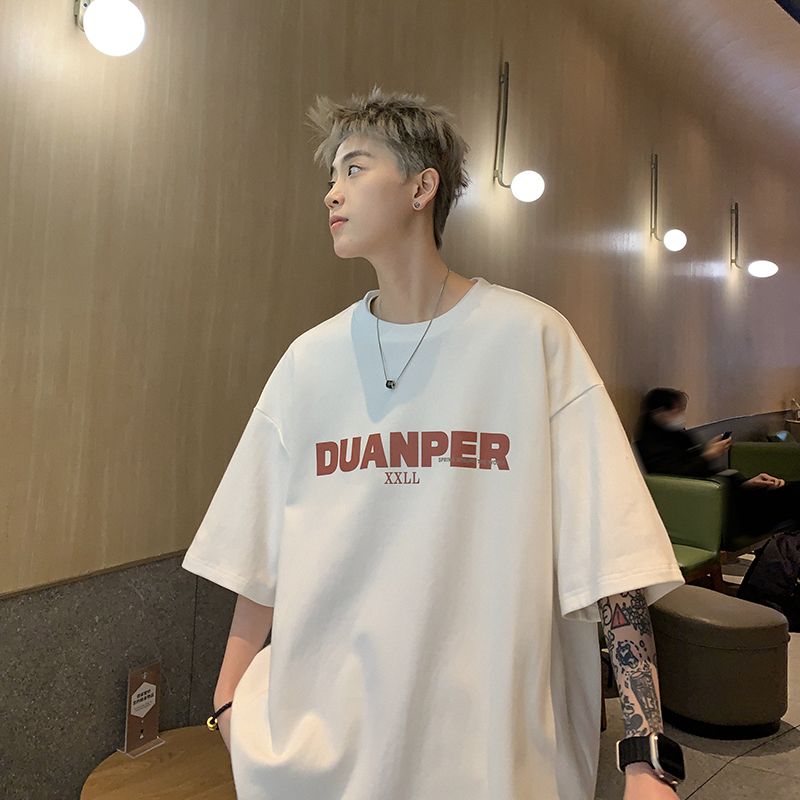
Texture and Fit Blocks
The raised pique surface, collar balance and garment proportions work together. EDVORIN adjusts knit character, men’s or women’s fit blocks, grading and construction details to create polos, uniforms or casual pieces that reflect the intended market rather than a one-size-fits-all template.
- Texture depth selected to support the desired visual identity
- Men's and women's proportions developed by target wearer
- Collar, placket, cuff and hem specifications recorded early
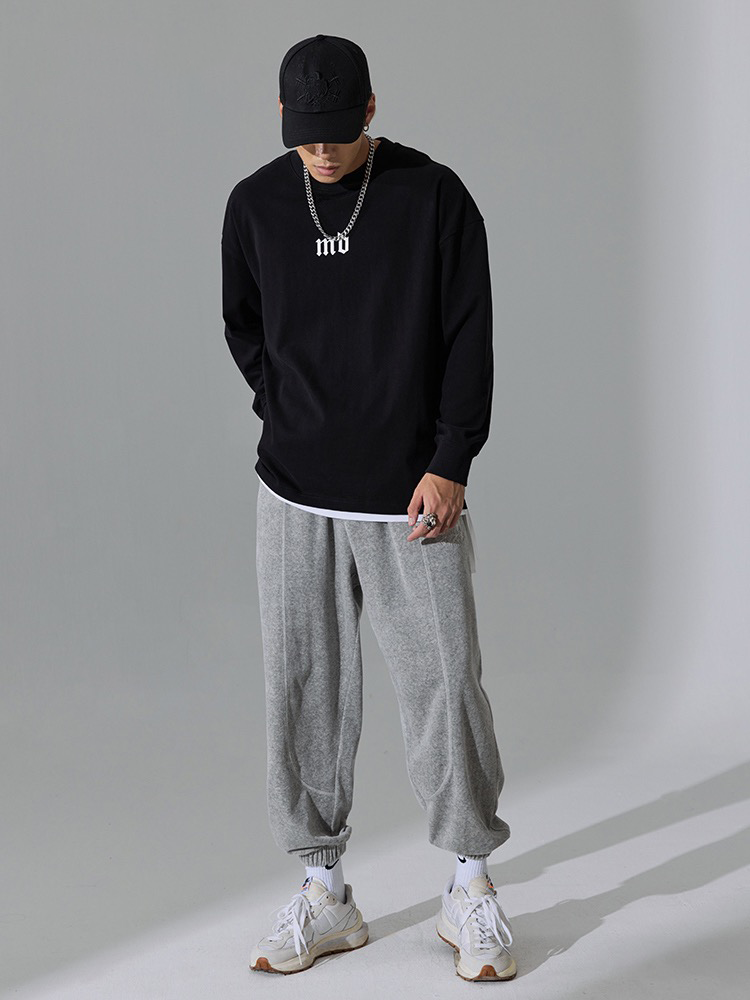
Trims and Decoration Compatibility
Decoration must work with the base fabric and garment construction. EDVORIN coordinates trims, embroidery, printing, labels and packaging around the approved pique sample, clarifying artwork placement and finishing details before bulk production so branded elements remain controlled across the order.
- Embroidery and print methods reviewed against the pique surface
- Buttons, labels and supporting trims specified as a set
- Placement references carried from approval into production
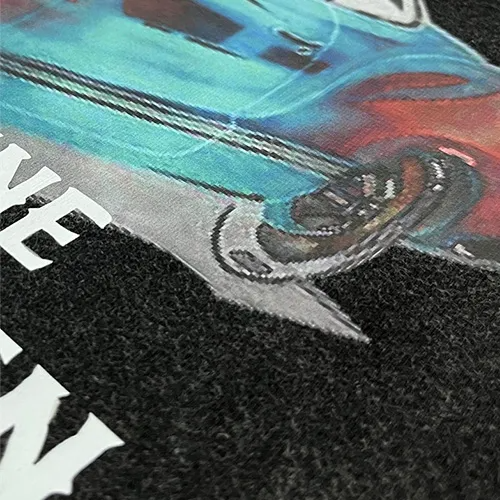
Pique Knit vs. Jersey Knit for Custom Apparel
Choose the knit construction that fits your garment’s intended hand feel, structure, decoration, and wear environment.
← Swipe left or right to view →
Our Pique Garment Production Process
A documented workflow that translates approved pique fabric, fit, and decoration details into repeatable bulk apparel.
Review Fabric and Fit
We review your reference, target wearer, pique construction, weight, color, and performance needs before aligning fit blocks and measurement expectations.
Develop Patterns and Specifications
Our team converts approved details into patterns, grading, construction notes, trim specifications, artwork placement, and a production-ready technical standard.
Make and Approve Samples
We source materials and produce samples for review, recording revisions to fit, hand feel, stitching, collar shape, and decoration compatibility.
Coordinate Cutting and Sewing
After approval, we prepare materials, cutting markers, and line instructions so pique panels, collars, plackets, and seams follow the approved standard.
Manage Decoration and Quality
Printing, embroidery, labels, and packaging are coordinated with in-line checks to verify measurements, workmanship, color, and placement before final inspection.
Inspect and Pack Orders
Finished garments are checked against approved samples, then folded, labeled, packed, and prepared for delivery with buyer-specific packing requirements.
How to Start Your Pique Apparel Order
Move from concept to a repeatable pique apparel program with clear specifications, approved samples and controlled bulk production.
Share Your Concept
Send a tech pack, sketch or reference garment. EDVORIN reviews the intended silhouette, end use and construction needs for your pique apparel program.
Define Production Details
Confirm fabric composition, weight, fit blocks, size grading, colors, trims, labels and decoration so every requirement becomes a clear production standard.
Review and Approve Samples
Assess the developed sample for fit, fabric handfeel, construction and artwork placement. Record revisions before approving the standard for bulk production.
Launch Bulk Production
Begin your order from 200 pieces per style. EDVORIN coordinates materials, cutting, sewing, decoration, quality control, labeling and packing against approved specifications.
What Buyers Achieved With EDVORIN
EDVORIN matched the textured hand we approved and held the polo fit across all 12 sizes. Our 1,200-piece school uniform order arrived on schedule, with embroidered crests consistently placed from the first carton to the last.
We developed two men’s and two women’s pique polo fits from initial sketches. After sample revisions, the 800-unit launch gave our team a reliable spec for reorders, and the screen-printed chest marks stayed sharp after our wash testing.
For our clubwear program, EDVORIN coordinated color, player-number printing, and size-set packing across 360 polos. The repeat order was much easier because the approved fabric, placement measurements, and fit details had already been documented.
Pique Fabric Clothing Manufacturer FAQ
Clear answers on fabric selection, decoration, sampling, minimums and production control for custom pique apparel.
What can a pique fabric clothing manufacturer make besides polo shirts?
Which pique blends are suitable for custom polos and teamwear?
Can you combine embroidery, printing, and patches on pique apparel?
What is the MOQ for custom pique clothing?
How do you control quality from sample approval through bulk production?
What artwork files do you need for pique embroidery or printing?
Can you help if I only have a sketch or reference polo?
How do you manage fabric, trims and packaging for a private-label pique order?
The Complete Pique Fabric Clothing Manufacturer Buyer’s Guide
Use this decision framework to specify pique garments, compare supplier capabilities, assess quality and costs, and avoid sourcing mistakes before committing to samples or bulk production.
1. What a Pique Fabric Clothing Manufacturer Does
Two production scopes commonly serve pique apparel programs: fabric mills supply knitted pique by roll, while cut-and-sew manufacturers convert approved fabric and specifications into finished garments. EDVORIN can coordinate material selection, patterns, samples, decoration, bulk production, labels, and packing for polo, uniform, and private-label programs.
A fabric mill is suitable for buyers with their own garment factory and technical control. A cut-and-sew factory turns buyer-supplied fabric and specifications into polos or uniforms, but the buyer remains responsible for fabric approval, trims, and development decisions.
Two sourcing models serve different buyers: trading companies coordinate suppliers but may not control production directly; full-package OEMs manage the connected path from concept through packed order. That model suits private labels, sports clubs, and teamwear buyers needing fit blocks, Pantone color references, artwork placement, and repeatable specifications in one accountable workflow.
2. How Pique Apparel Evolved
Piqué is defined by a raised, repeating surface—often called honeycomb, waffle, or bird’s-eye—that gives a garment more visual depth than flat jersey. That structure creates small air spaces, contributing to its long association with warm-weather polos and active use.
Polo shirts made piqué recognizable across casual dress, schoolwear, corporate uniforms, and club apparel because the texture reads neat while remaining less formal than a woven shirt. As polyester and cotton-polyester versions expanded, buyers could adapt the familiar look to hard-wearing uniforms and faster-drying sportswear.
Contemporary streetwear uses piqué beyond the classic polo: overshirts, matching shorts, jerseys, and relaxed layers can use the texture as a visible design element. For a pique apparel order, that history matters because one construction can signal sport, uniform discipline, or elevated casualwear while supporting varied end uses.
3. Types From a Pique Fabric Clothing Manufacturer
Five pique constructions can look similar from a distance but behave differently in wear and decoration. A pique fabric clothing manufacturer needs the reference’s face, weight, stretch, and intended logo method recorded before sampling.
Brief The Reference Accurately
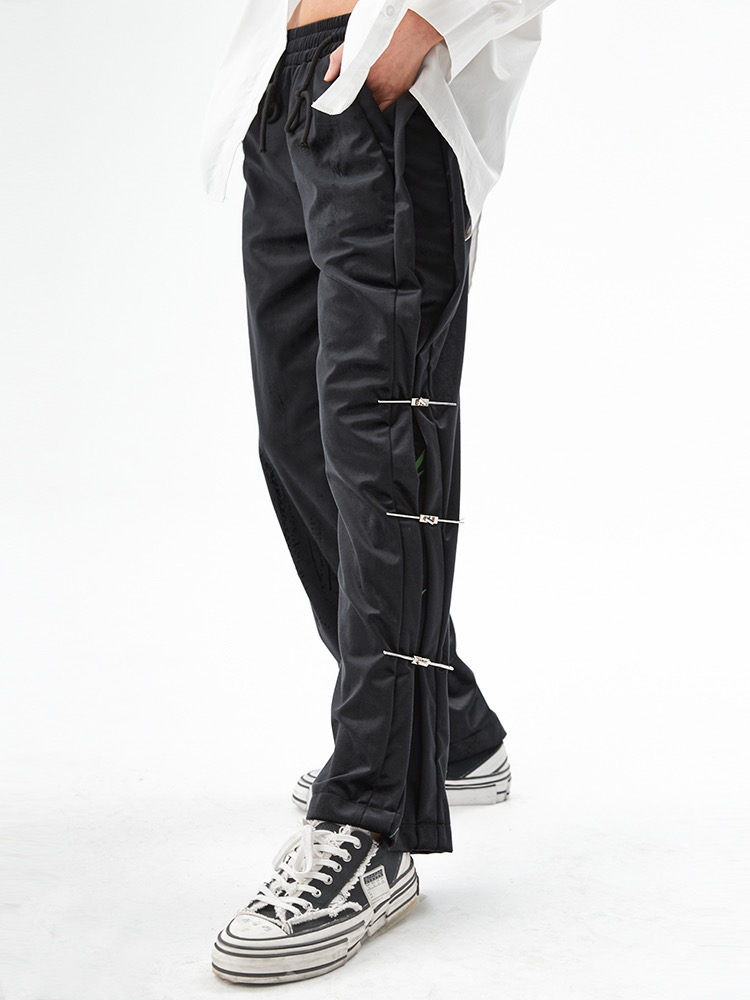
Four reference notes prevent vague requests: photograph the face, identify the raised repeat, record GSM, and state decoration location.
One swatch should be approved beside the garment because knit texture can change print smoothness and embroidery definition.
| Construction | Face And Hand | Best Use / Trade-Off |
|---|---|---|
| Classic honeycomb | Raised cells; crisp, airy | Polos; breathable, uneven print face |
| Bird’s-eye | Small diamonds; refined | Uniform polos; clean appearance, moderate airflow |
| Micro pique | Fine texture; lighter hand | Summer polos; smoother logos, less visual depth |
| Mesh pique | Open cells; dry hand | Teamwear; maximum airflow, poor fine-print support |
| Structured pique | Large relief; firm hand | Overshirts; premium body, warmer and heavier |
4. Materials for Pique Fabric Clothing Manufacturer Orders
140–300 GSM pique spans lightweight polos through structured programs; a pique fabric clothing manufacturer should approve both fiber content and finished hand. Fiber, yarn, density, dye route, and finish must be specified together.
| Material | Typical GSM | Best Use | Buyer Priority |
|---|---|---|---|
| Cotton | 180–230 | Premium casual polos | Softness, breathability |
| Cotton-poly blend | 190–230 | Uniforms | Balanced comfort, durability |
| Polyester | 150–200 | Sportswear | Fast drying, color retention |
| Recycled polyester | 150–200 | Teamwear | Documented recycled content |
| Performance blend | 160–220 | Active polos | Wicking and recovery |
Fiber And Yarn Choices
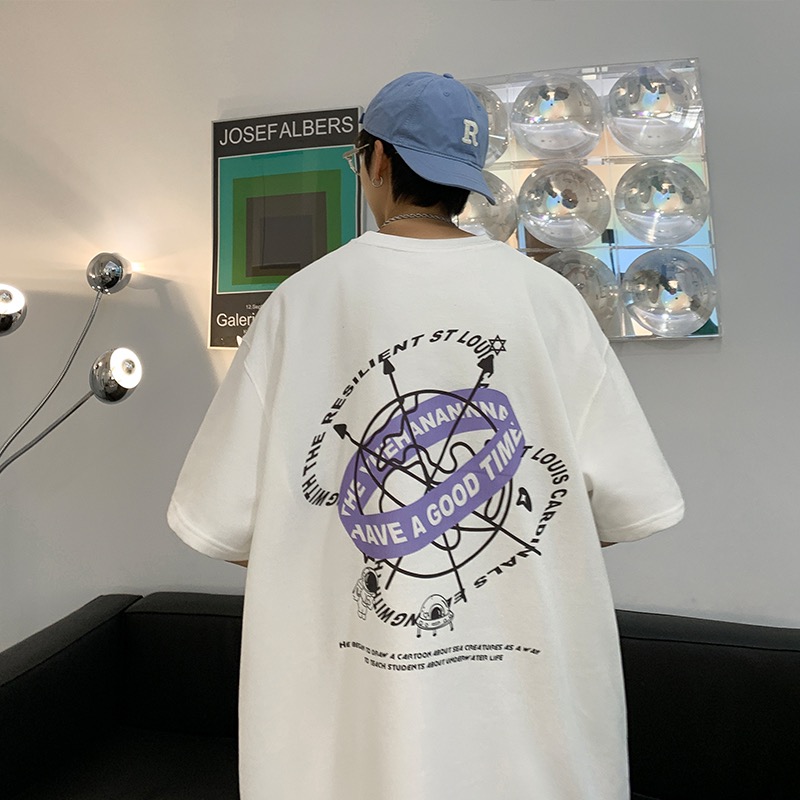
100% cotton favors soft, breathable polos but can shrink more without controlled finishing. Ring-spun yarn generally gives a smoother, more durable face than open-end yarn.
100% polyester dries faster and retains color well; cotton-poly blends balance comfort and wash durability. Recycled polyester needs traceable content documentation when sustainability claims are planned.
Weight And Knit Density
150–180 GSM suits warm-weather polos and active tops; 190–230 GSM supports uniforms and daily wear. Tighter knit density improves structure and abrasion resistance but can reduce airflow.
Dyeing And Finishing
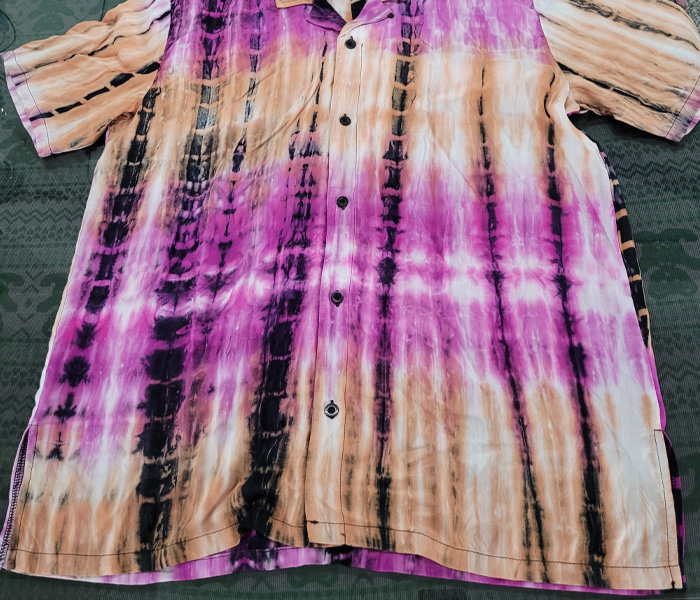
Reactive dyeing is used for cotton, while disperse dyeing is used for polyester. Pre-shrinking, wicking, anti-pill, and colorfastness testing should be approved against the intended wash cycle.
5. Customization and Decoration Options
EDVORIN converts approved color, collar, placket, button, label, packaging, and grading decisions into production specifications. A pique fabric clothing manufacturer should confirm each option against the intended men’s or women’s fit block.
| Method | Visual Result | Best Artwork | Constraint | Cost Driver |
|---|---|---|---|---|
| Embroidery | Raised | Logos | Dense areas | Stitch count |
| Screen print | Opaque | Bold art | Textured surface | Color count |
| Heat transfer | Sharp | Names | Heat sensitivity | Transfer size |
| DTG | Detailed | Full color | Cotton-rich pique | Artwork coverage |
| Patch | Dimensional | Badges | Seam clearance | Patch type |
| Woven label | Refined | Brand marks | Small text | Weave density |
Private-Label Specifications
Pantone references, yarn selection, and knit structure should be approved before sampling. Rib collars and cuffs need recovery standards; placket length, button material, and spare-button requirements need written callouts.
Size sets should verify grading, label content, fold method, polybag warnings, and carton marks before bulk.
Decoration Selection
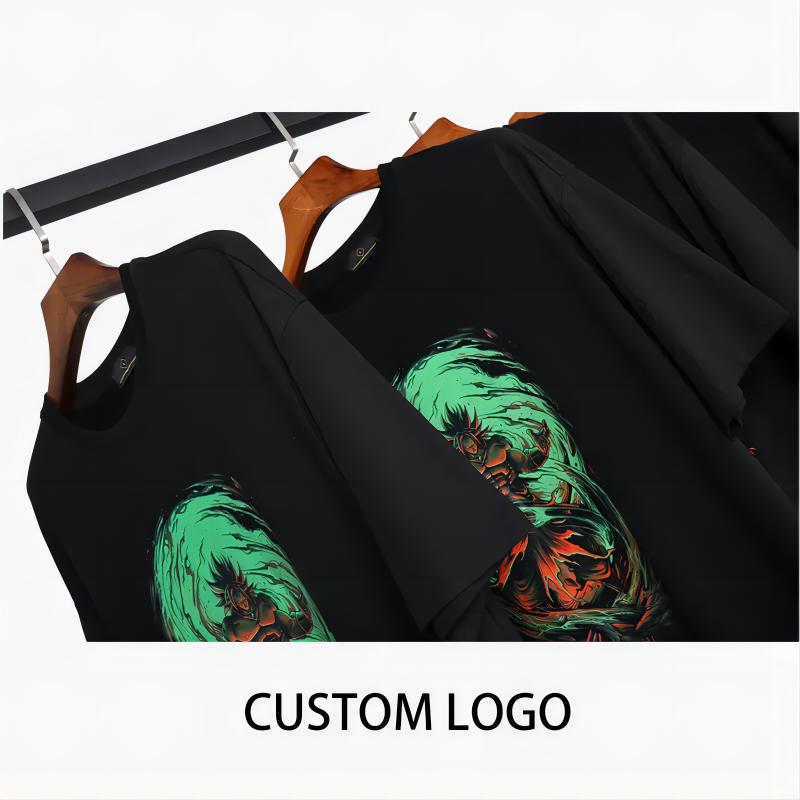
Final-construction testing matters because pique texture, stretch, and fiber content affect edge definition, adhesion, registration, and hand feel.
6. Construction Quality That Buyers Should Inspect
Construction quality is proven at three gates: the development sample, the pre-production sample, and the bulk QC report. A capable pique fabric clothing manufacturer records measurable results instead of relying on visual approval alone.
Sample Inspection
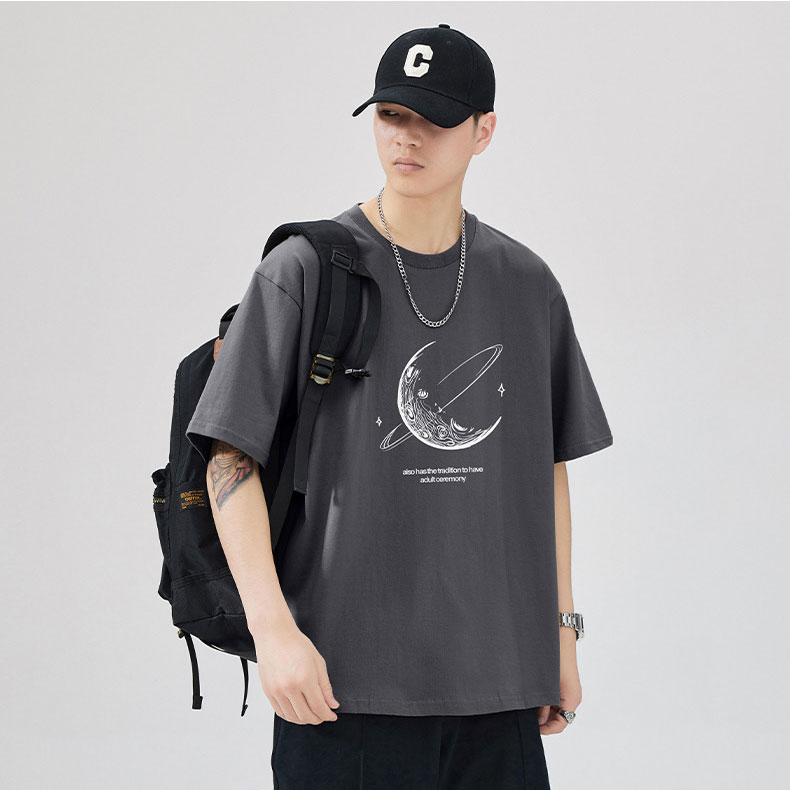
Measure fabric weight across the roll, then inspect surface pilling, seam strength, stitch density, collar recovery, placket alignment, and button security. Pique durability depends on yarn, blend, finishing, and construction.
Pre-Production Approval
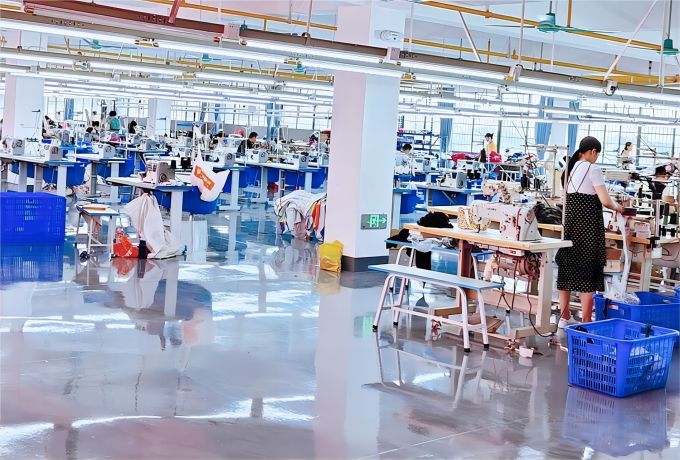
Wash the approved pre-production sample and compare shrinkage, twisting, color change, collar shape, rib matching, and measurement tolerances against the signed specification. Record the wash method, cycles, and before-and-after measurements.
Bulk QC Report
Review lot-level fabric weight, inspection findings, size measurements, stitch and button defects, and wash-test results. Request defect counts by severity and confirm that corrective actions are linked to the approved sample standard.
7. Choosing a Pique Fabric Clothing Manufacturer
For a 200-piece OEM order, supplier selection determines whether an approved polo can be repeated. A capable pique fabric clothing manufacturer turns references into measurable construction, material, and inspection standards.
Verify Product Experience
EDVORIN’s MOQ starts at 200 pieces per style. Two comparable polo, uniform, or activewear samples reveal more than a catalog: inspect collar recovery, placket alignment, and embroidery stability.
A 200-piece program needs a stated development MOQ, sample-revision timing, and a technical contact who confirms measurements and artwork placement in writing.
Demand Material Traceability
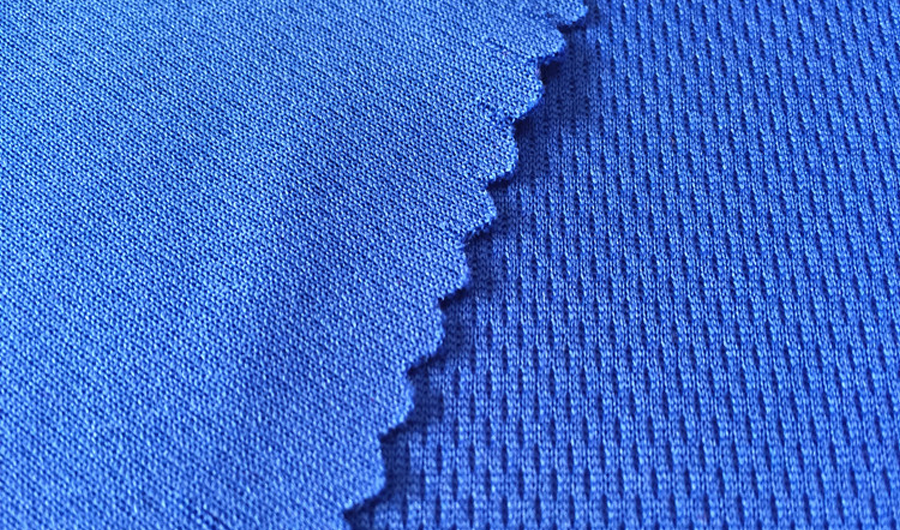
150–250 GSM pique should be identified by fiber content, yarn approach, color standard, supplier, and available test results before bulk approval.
OEKO-TEX, GOTS, WRAP, or BSCI documents should be provided only when applicable, current, and traceable to the relevant facility or material.
Ask Before Paying
Three questions matter before development: Can you provide comparable approved references, a capacity plan, and an in-line/final QC process?
30–60 day bulk schedules should separate fabric booking, lab dips, sampling, production, inspection, and packing; ask what changes if a color or test fails.
- What is the MOQ by color and size ratio?
- Which test results can you share before bulk?
- Who approves revisions and records tolerances?
8. Common Pique Fabric Clothing Manufacturer Mistakes
Eight preventable decisions can turn an approved pique sample into an inconsistent bulk order. A pique fabric clothing manufacturer needs a written standard, not assumptions carried from email or screen.
Quote, Color, And Fabric
One lowest quote can omit testing, trim quality, or finishing; compare like-for-like specifications and require a costed BOM. Pantone references and physical lab dips should be approved under agreed lighting, not from a digital mockup.
180 GSM and 60/40 cotton-polyester are production instructions; ‘pique’ is not. Record knit structure, fiber blend, GSM tolerance, color standard, and finish in the tech pack.
Shrinkage And Decoration
5% shrinkage can change a polo’s length and collar balance after laundering. Require fabric and finished-garment wash tests, then approve post-wash measurements.
3D embroidery, screen print, and heat transfer behave differently on textured piqué. Specify decoration method, artwork size, placement points, backing, and a decorated wash-test sample.
Fit, Compliance, And Timing
2 cm of unrecorded tolerance can create inconsistent grading across sizes. Attach a graded measurement chart, tolerance limits, and approved size-set comments before bulk cutting.
25-day lead times and OEKO-TEX or GOTS claims apply only to confirmed materials, factories, and order conditions. List required certificates, scope, test reports, material availability, and milestone dates for this order.
9. Launching a Pique Apparel Program
A 200-piece launch needs a decision trail before a production date. A pique fabric clothing manufacturer should convert the target wearer, channel, and wear conditions into controlled approvals.
Define The Brief
Week 1, fashion labels should submit sketches, target retail price, size range, and reference garments; clubs need crest, roster-number rules, and season date. Schools and corporate buyers should add uniform policy, logo files, and wearer counts.
Build And Cost
Week 2, provide a tech pack with measurement chart, graded specs, Pantone references, artwork placement, labels, packaging, and fabric target. EDVORIN can then quote against construction, 180–240 GSM pique choice, decoration, quantities, and delivery destination; reserve 1–2 weeks for revisions.
Approve Before Bulk
Two sample gates reduce avoidable bulk changes: review fit and construction first, then approve color, artwork, and trims against physical standards. Pre-production approval should lock the sealed sample, measurement tolerances, shade band, packing ratio, inspection plan, and delivery window before cutting starts.
10. Pique Apparel Pricing and Cost Drivers
200-piece runs are a practical planning tier, but no universal price applies to a pique garment. Fiber blend, GSM, custom knit development, dyeing, trims, decoration, packaging, sampling, quantity, and freight all change the quote.
3 inputs determine a usable quote: a tech pack or reference, color-and-size breakdown, and destination. Add fabric composition/GSM, artwork method and placements, labels, packaging, target quantity, and required delivery date.
| Quantity tier | Indicative USD/unit | Common inclusions | Key exclusions | Expected lead time |
|---|---|---|---|---|
| 200–499 | $9–$18 | Cut, sew, basic labels | Sampling, freight, complex decoration | 30–50 days |
| 500–999 | $7–$15 | Bulk fabric, sewing, packing | Custom knit or dye development | 25–45 days |
| 1,000–2,999 | $6–$13 | Standard trims, QC, carton packing | Embroidery digitizing, duties, freight | 25–40 days |
| 3,000+ | $5–$11 | Production setup spread across units | Special washes, premium hardware, air freight | 30–50 days |
Start Your Pique Apparel Program
Send your artwork, tech pack, or reference garment for a scoped pique sample and repeatable OEM production plan from 200 pieces per style.