
Satin Clothing Manufacturer for Private-Label Collections
EDVORIN is a satin clothing manufacturer supporting development, sampling, and repeatable bulk production from 200 pieces per style.
Featured Satin Apparel Development Work
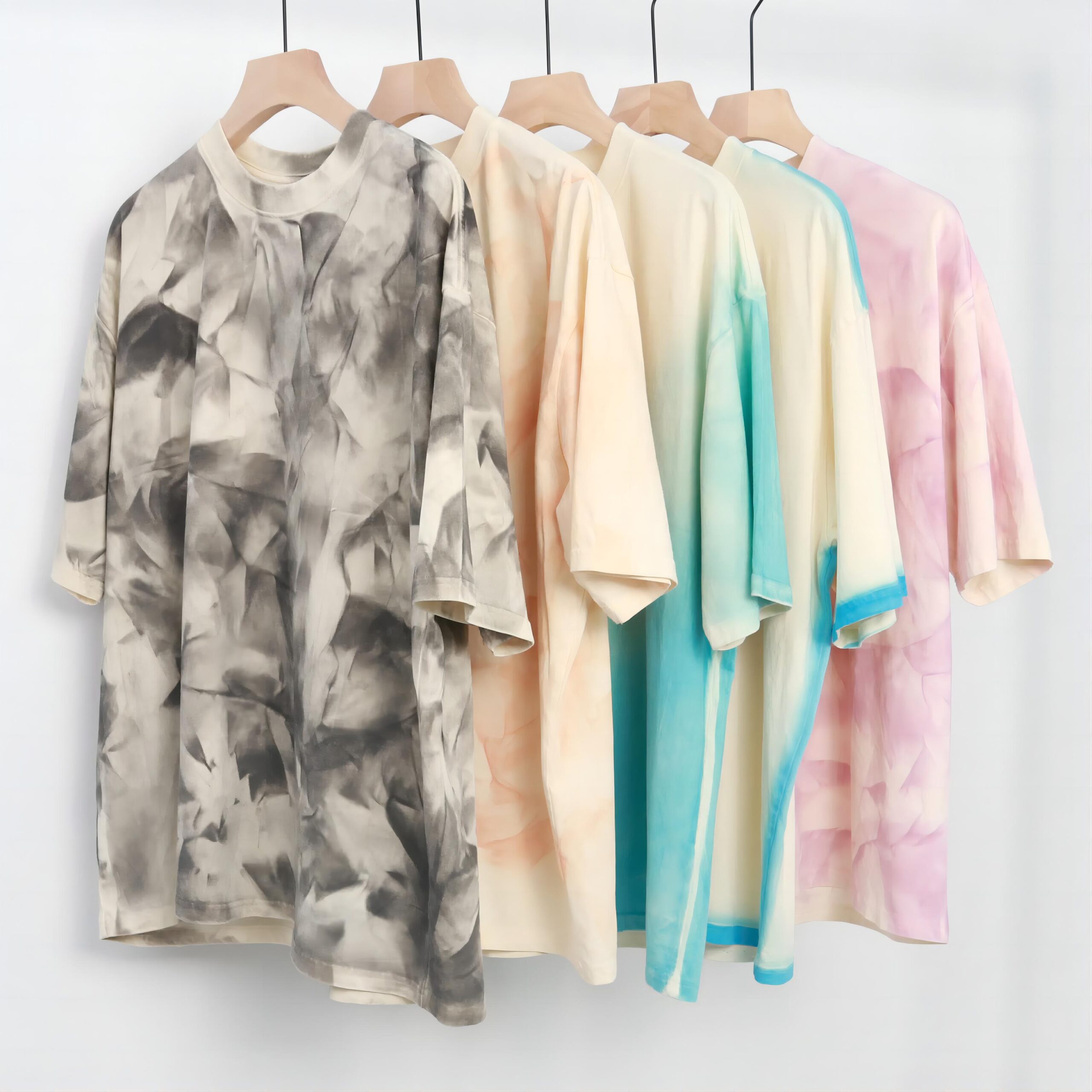





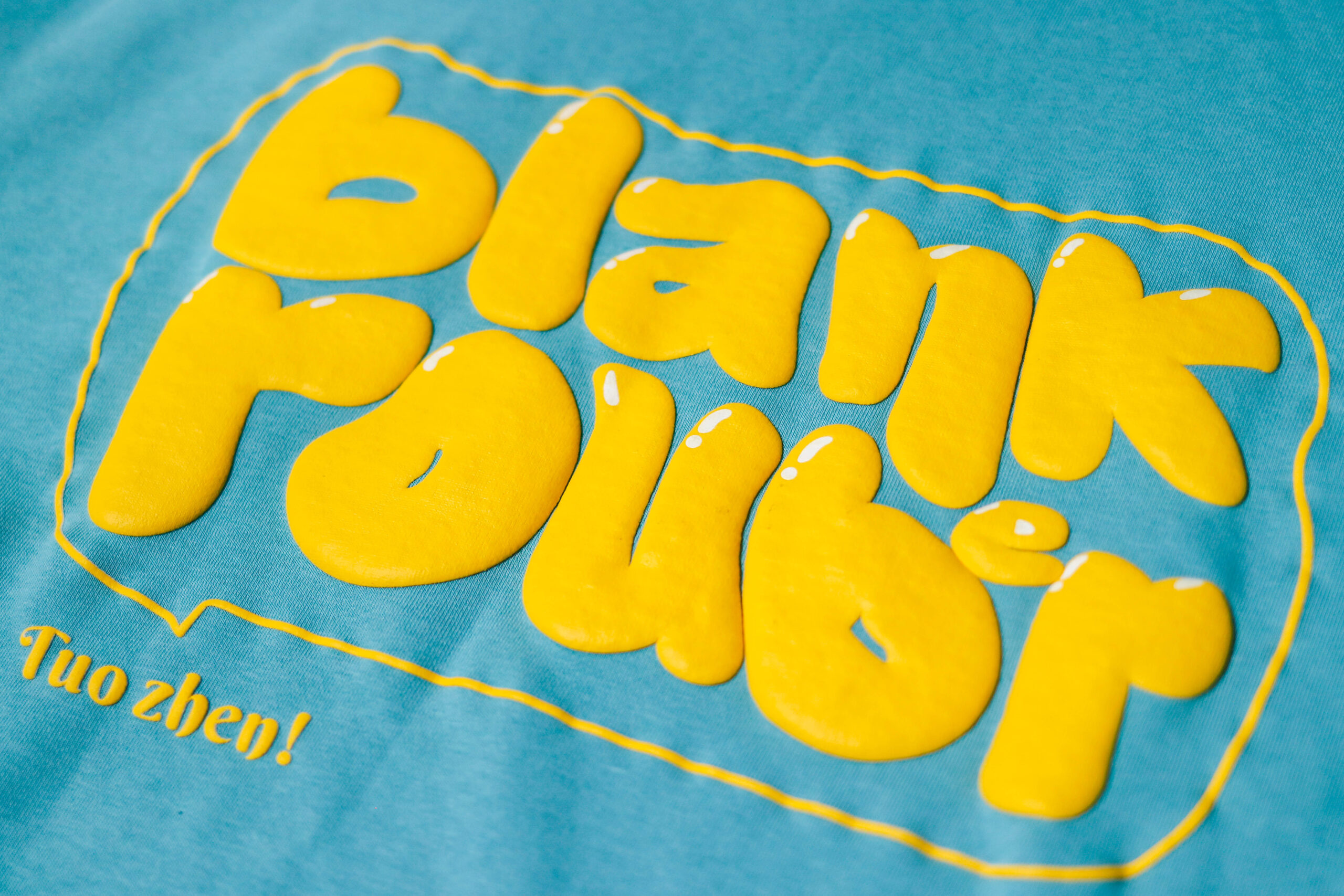
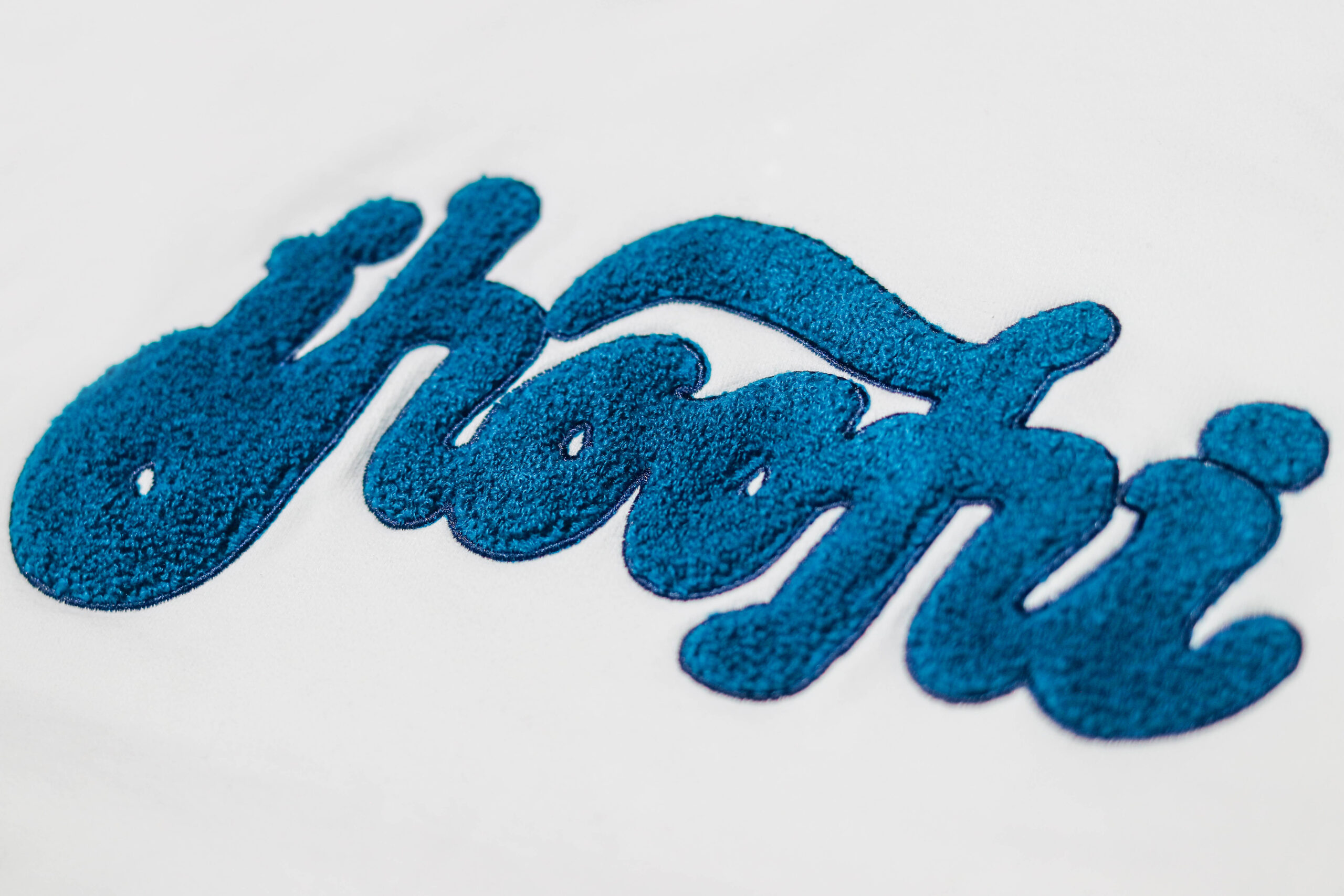
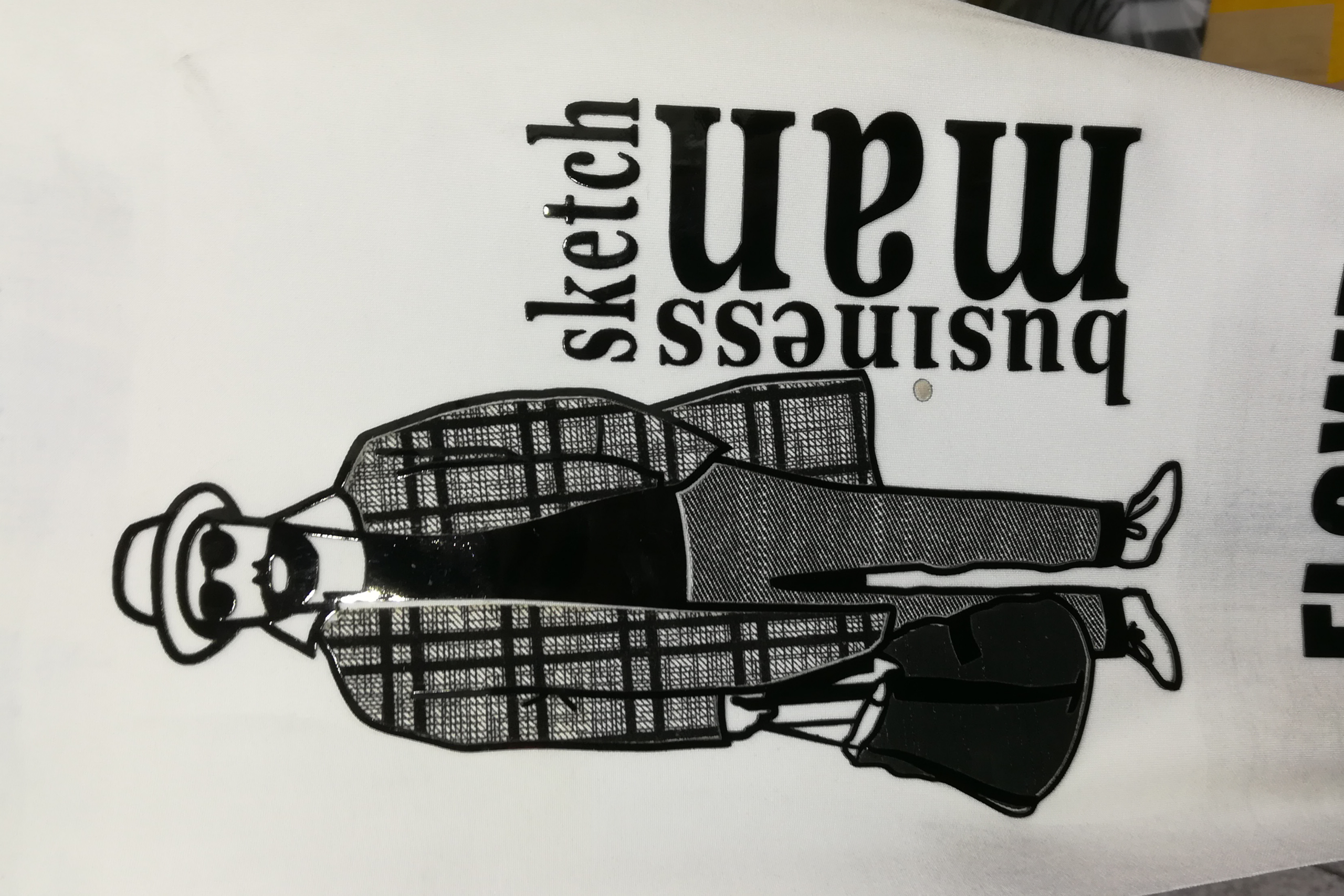
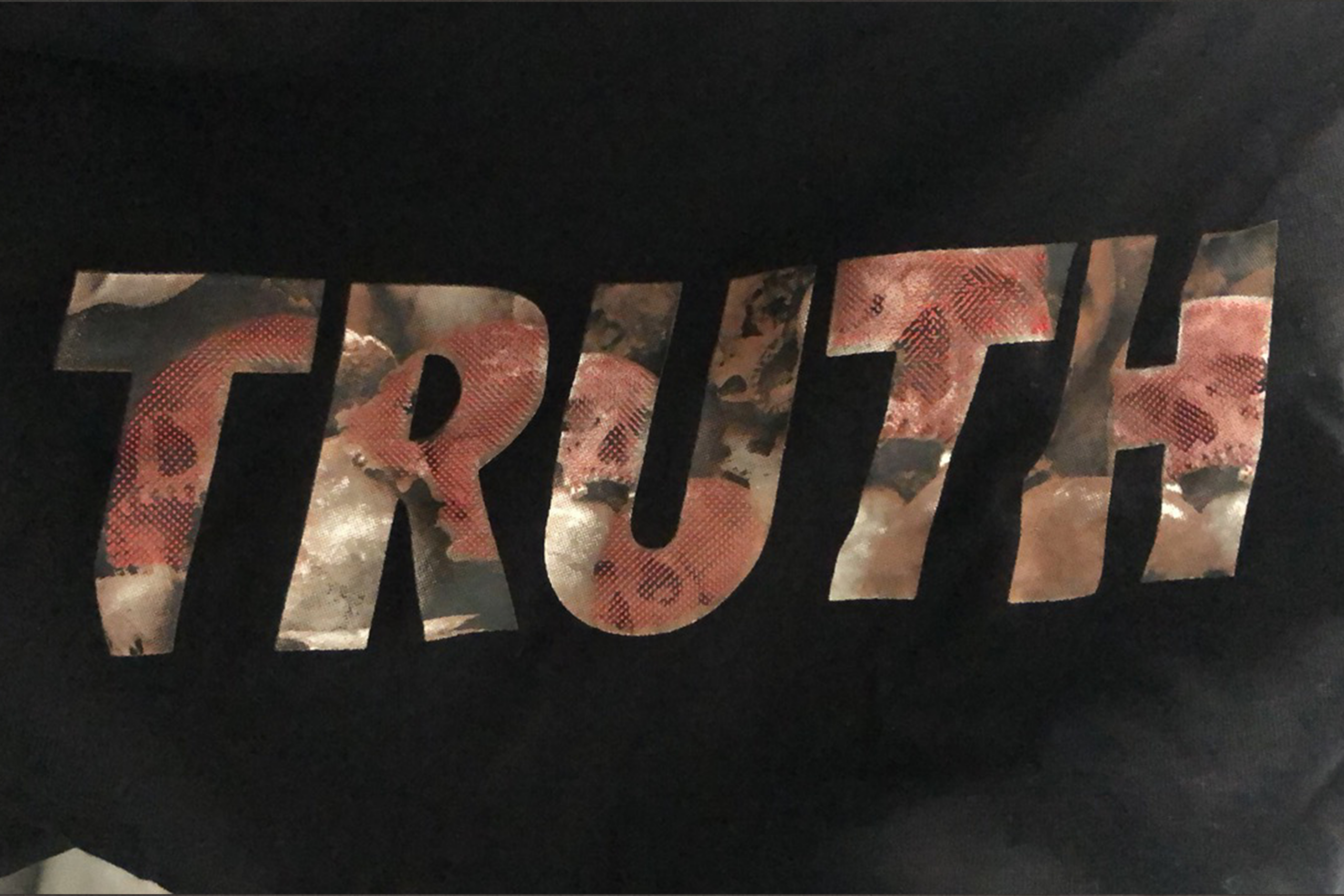

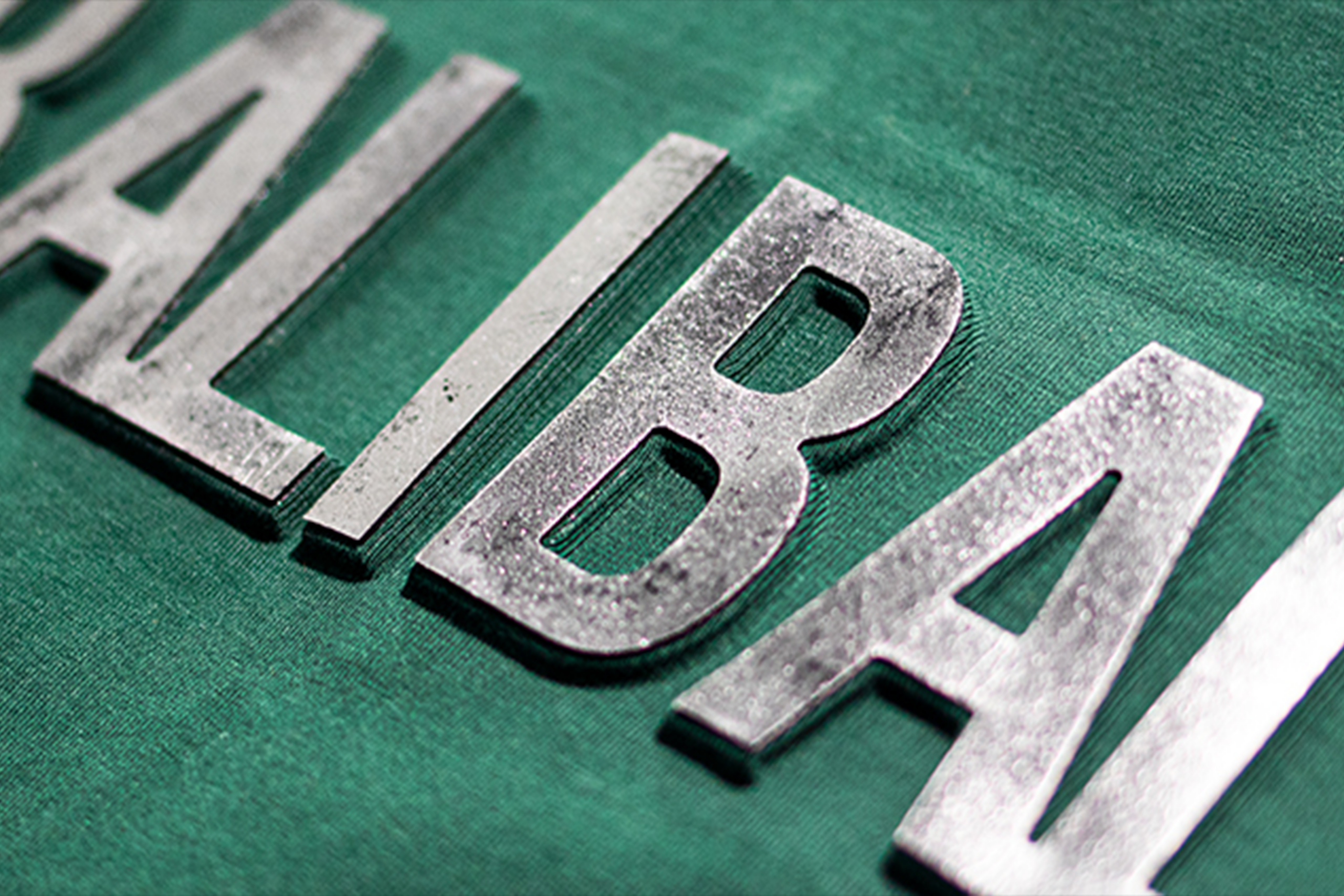
Satin Clothing Manufacturer Features Buyers Can Specify
Define the material, construction and approval standards that protect satin garments from sample development through repeatable bulk production.
Fabric Weight Selection
Specify satin weight, fiber composition and backing requirements to balance fluid drape, opacity, durability and the intended garment silhouette.
Controlled Surface Finish
Align sheen, hand feel and color expectations against approved material references before production, reducing surprises between development and delivered bulk orders.
Construction for Drape
Develop seam placement, lining, closures and reinforcement around the garment’s movement, so satin retains its intended shape during wear.
Decoration Compatibility
Review embroidery, prints, labels and embellishments against the selected satin to protect the surface, placement accuracy and finished appearance.
Fit Blocks and Grading
Adjust men’s or women’s fit blocks, proportions and grading to the wearer, collection direction and performance needs of each style.
Approved Sample Control
Document material, measurements, artwork placement, trims and packaging from the approved sample to create a clear standard for bulk quality checks.
Explore Apparel Manufacturing Capabilities
Compare adjacent product categories, fabric routes and decoration requirements to build a coordinated program with one accountable manufacturing partner.
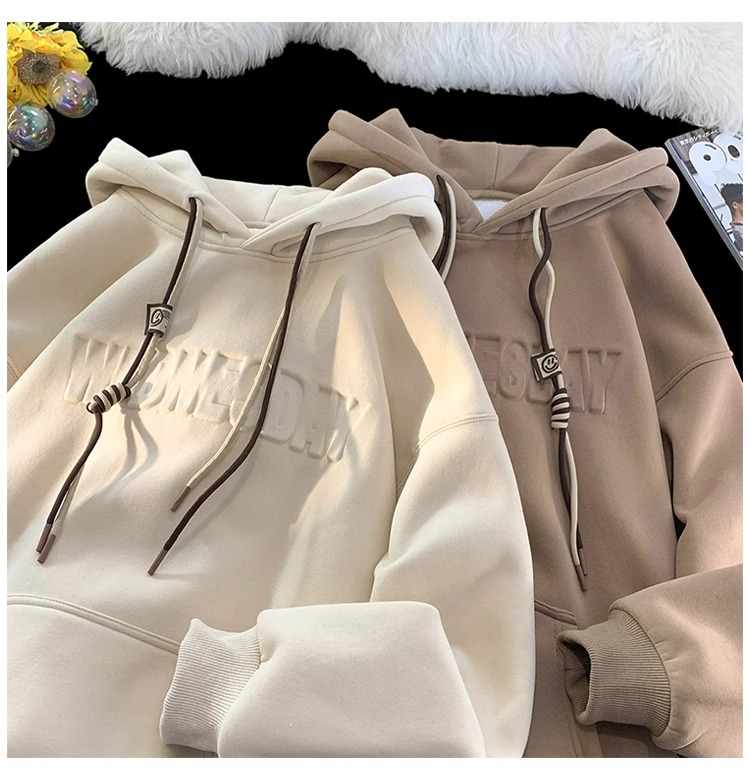
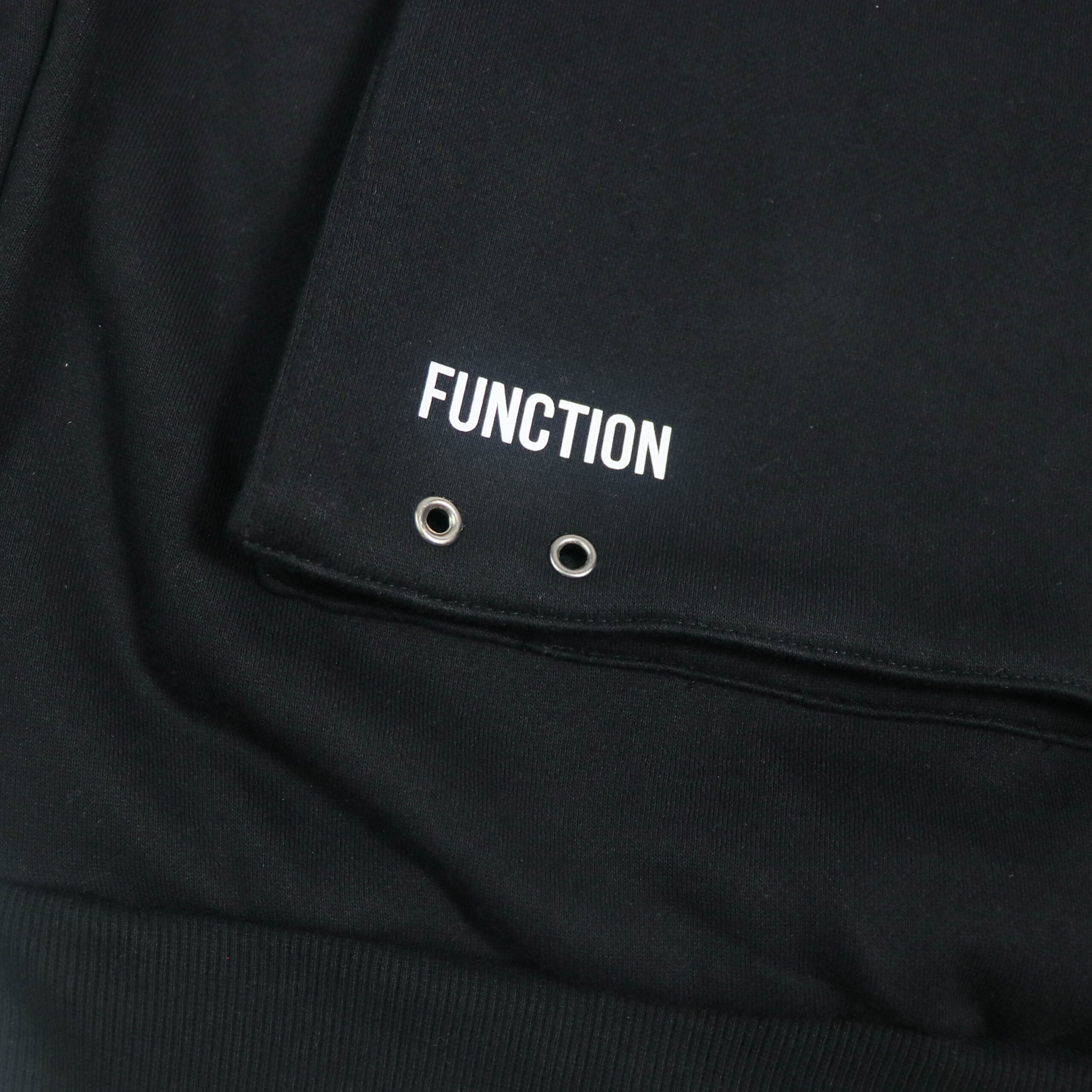
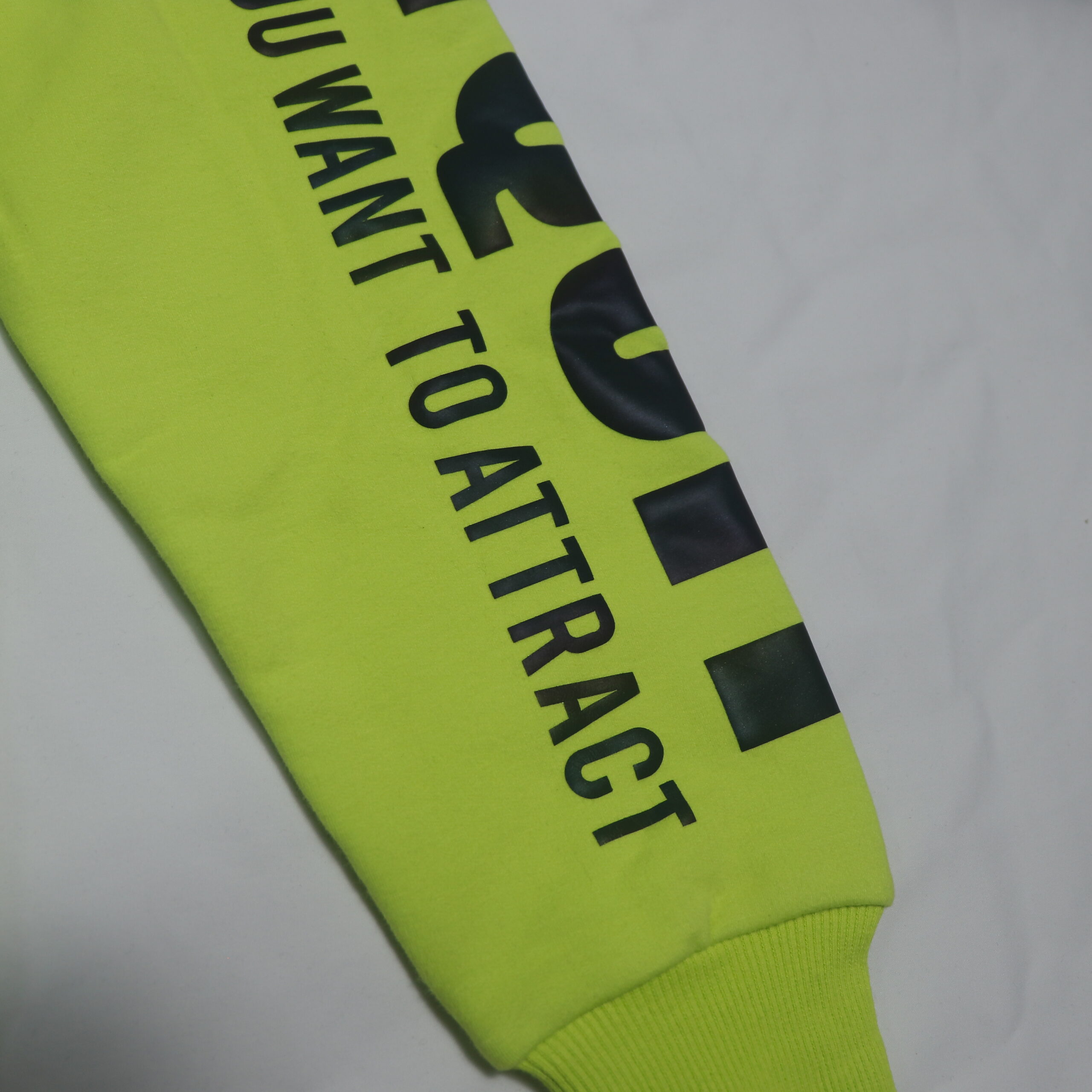
Custom Hoodies
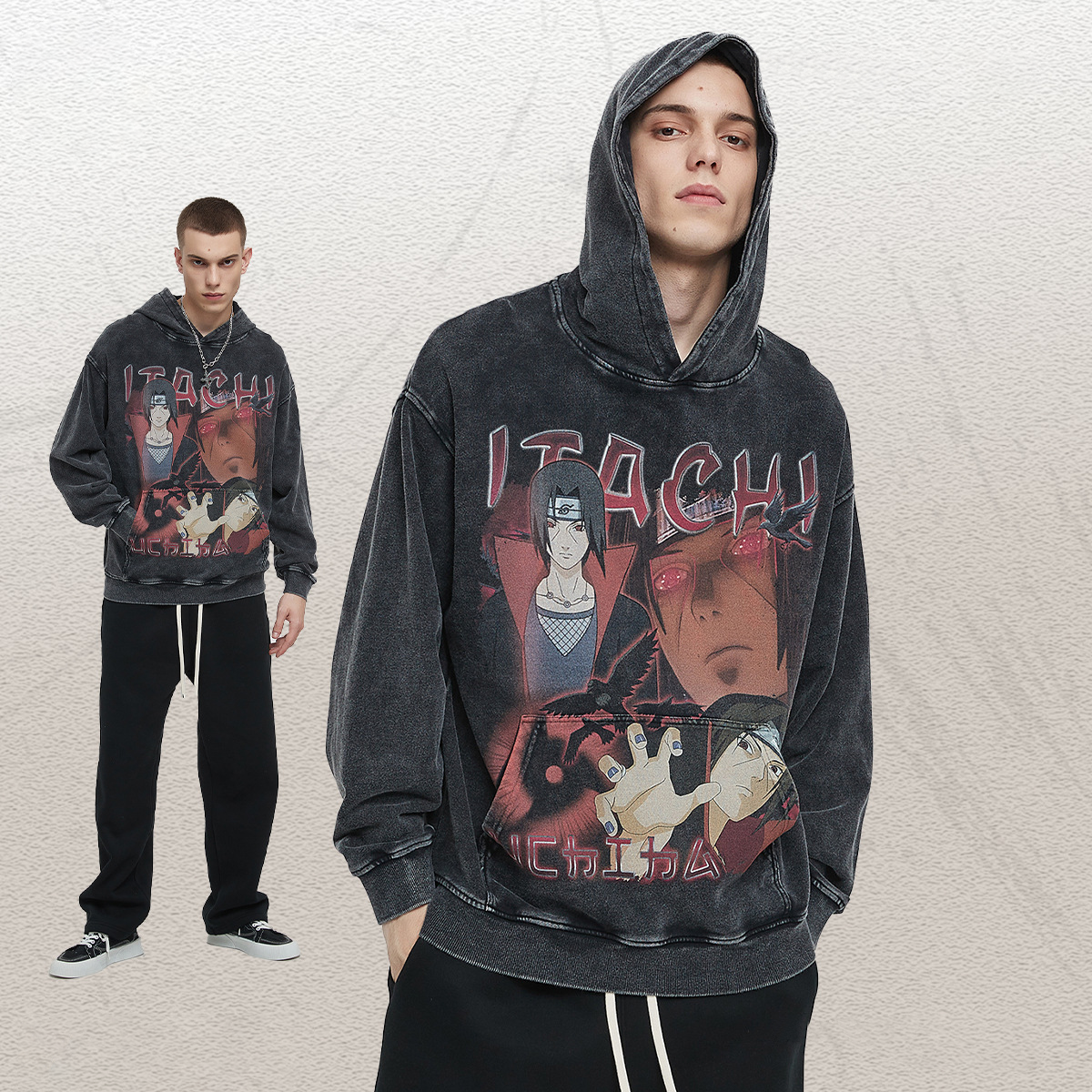
Develop custom hoodies with fleece weight, fit blocks, rib construction, drawcords, pockets, prints, embroidery and labels specified for your brand. EDVORIN supports men’s and women’s programs from sample development through repeat bulk production.
Get a Quote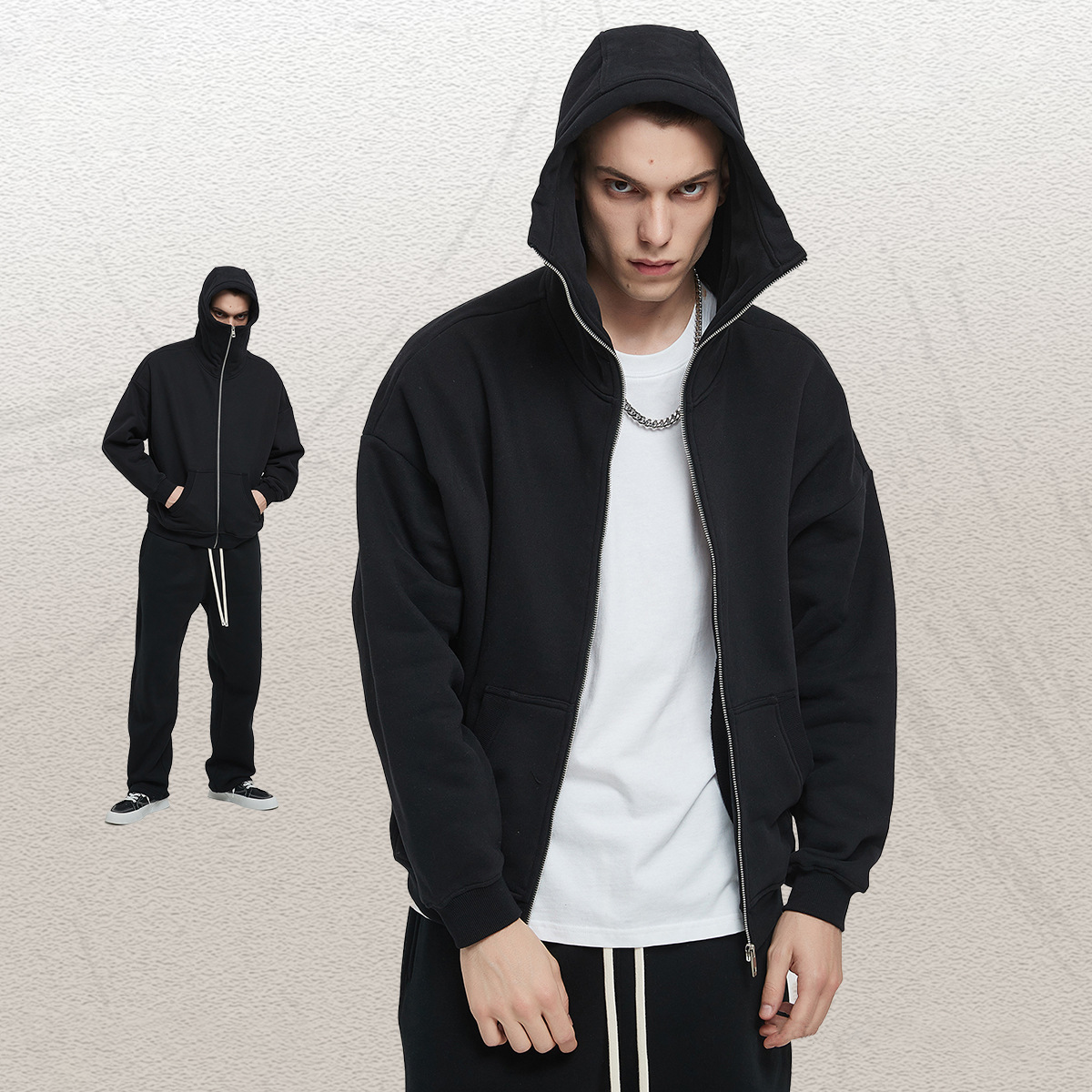
Pullover Sweatshirts
Build pullover sweatshirts around your preferred fabric weight, neck rib, shoulder construction and finishing. As a sweatshirt manufacturer, EDVORIN coordinates patterns, sampling, decoration, washing and packaging against approved production standards.
Get a Quote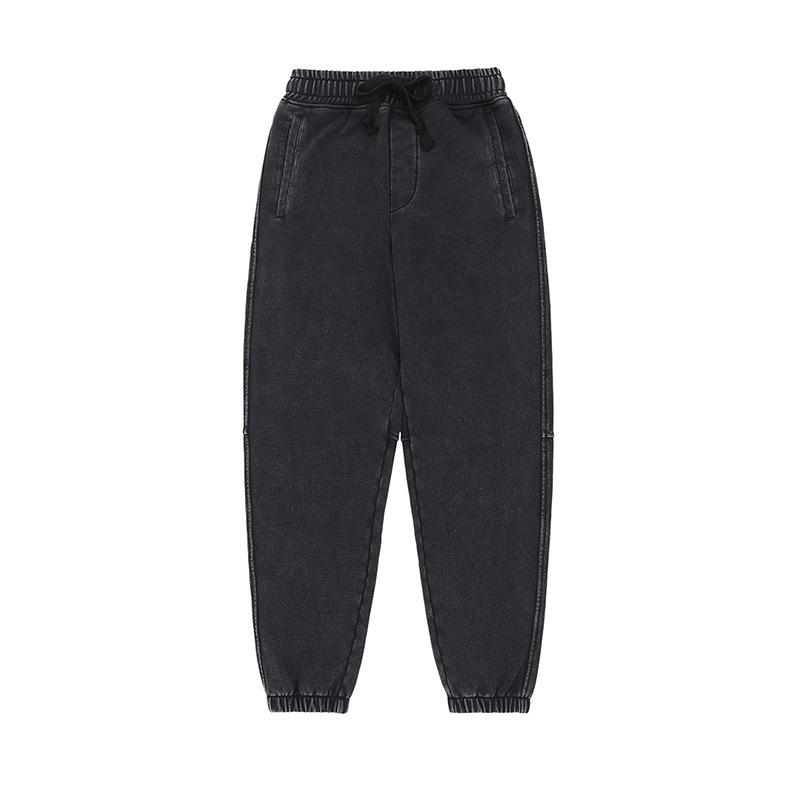
Sweatpants & Joggers
Create sweatpants and joggers with defined fit, waistband, cuffs, pocket construction, drawcords and fleece or performance fabric selection. Matching hoodie programs can be developed with coordinated grading, trims and decoration.
Get a Quote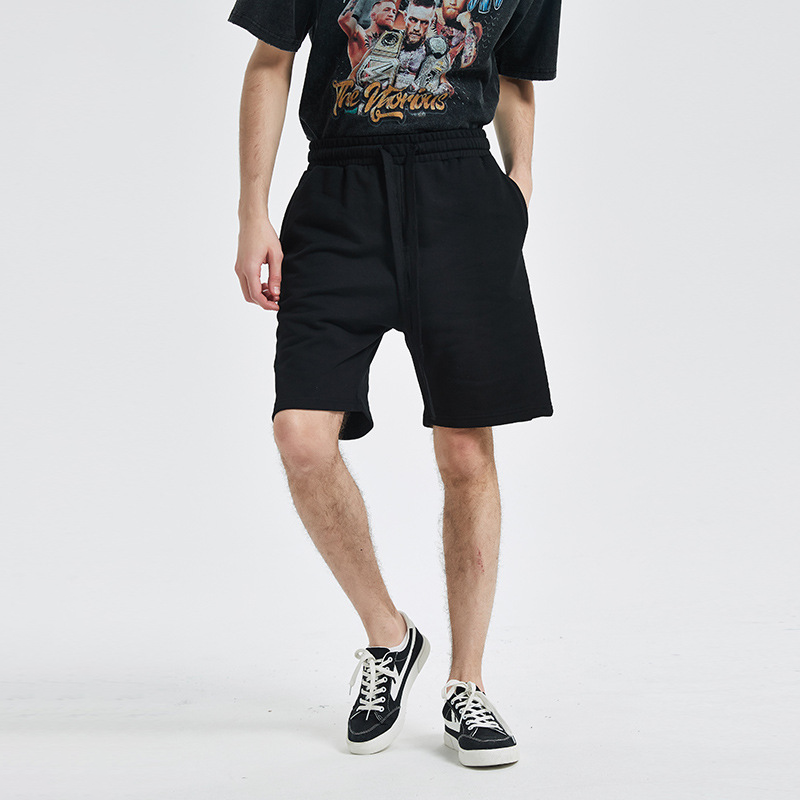
Custom Shorts
Develop custom shorts for casualwear, training, streetwear or uniform programs. Specify inseam, rise, pocket layout, waistband construction, fabric weight, lining, prints and embroidery, then review samples before bulk production begins.
Get a Quote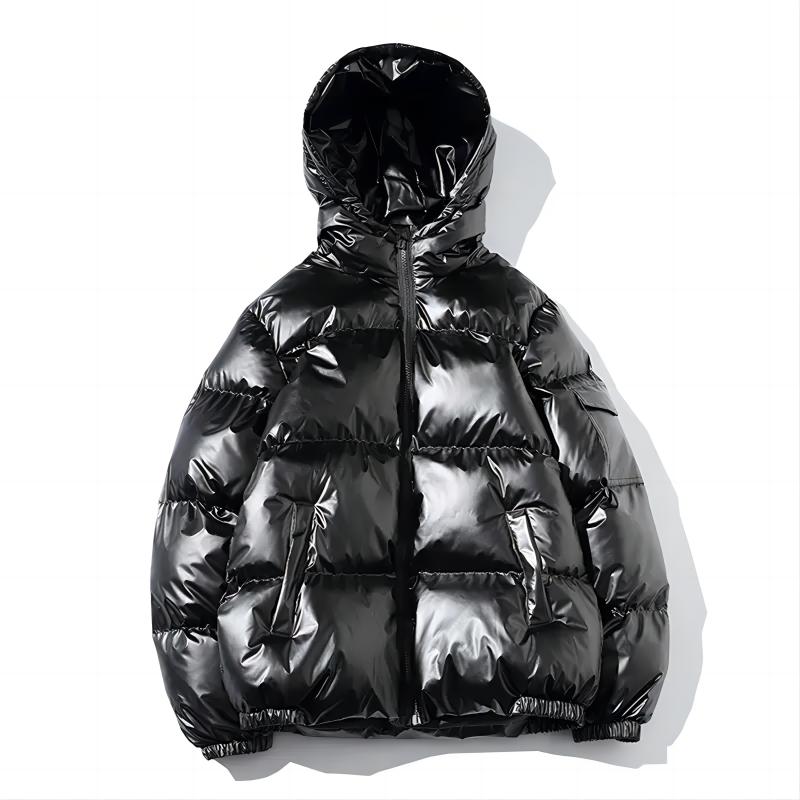
Varsity & Baseball Jackets
Produce varsity and baseball jackets with balanced body fabric, sleeves, rib, snaps, patches, embroidery and lining. EDVORIN documents these construction details during development so approved jacket standards can be repeated across production runs.
Get a Quote
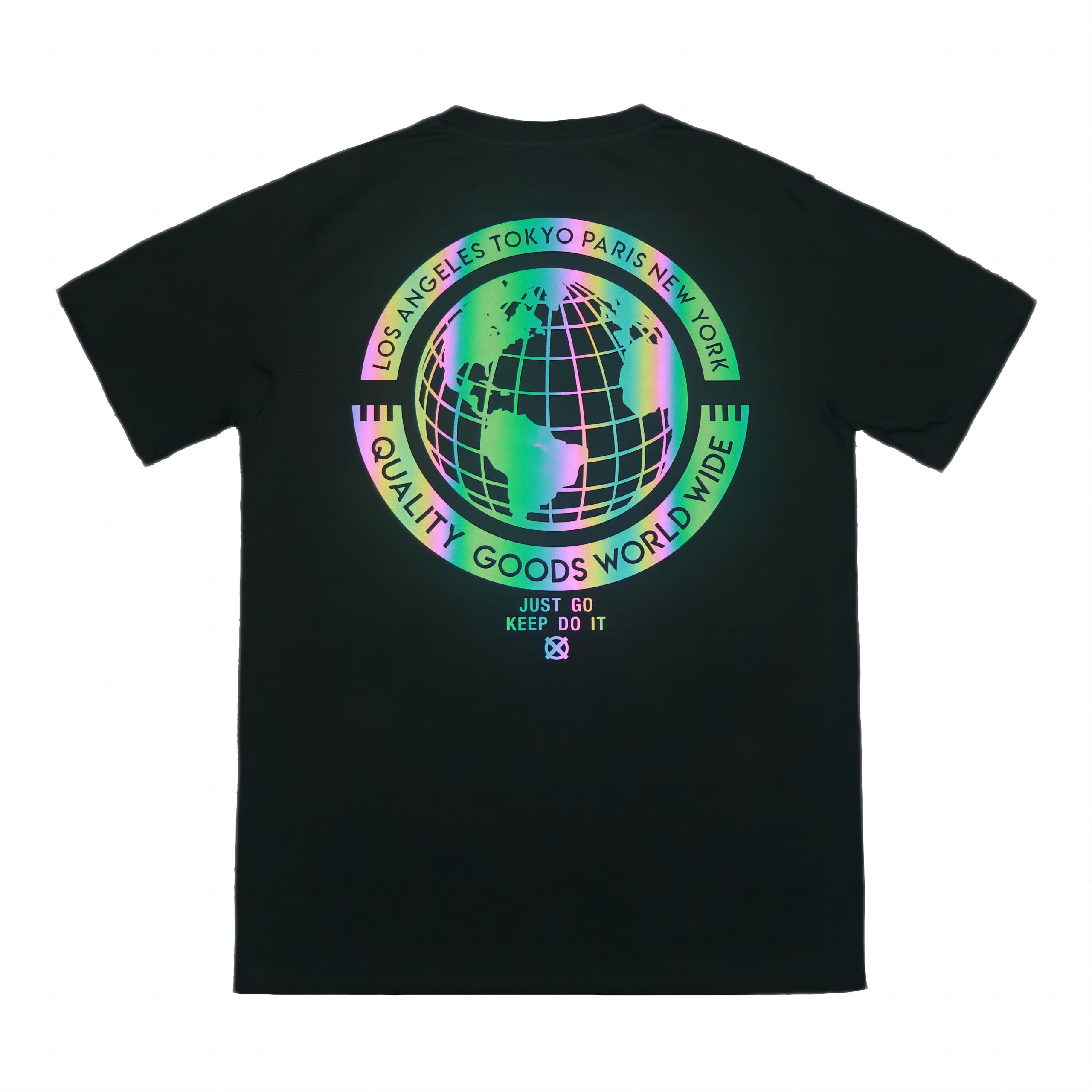
Custom T-Shirts
Develop custom T-shirts with the right jersey weight, fit, collar rib, stitch details and print method for your target market. Options include fashion, promotional, streetwear and team-related programs for men’s and women’s sizing.
Get a Quote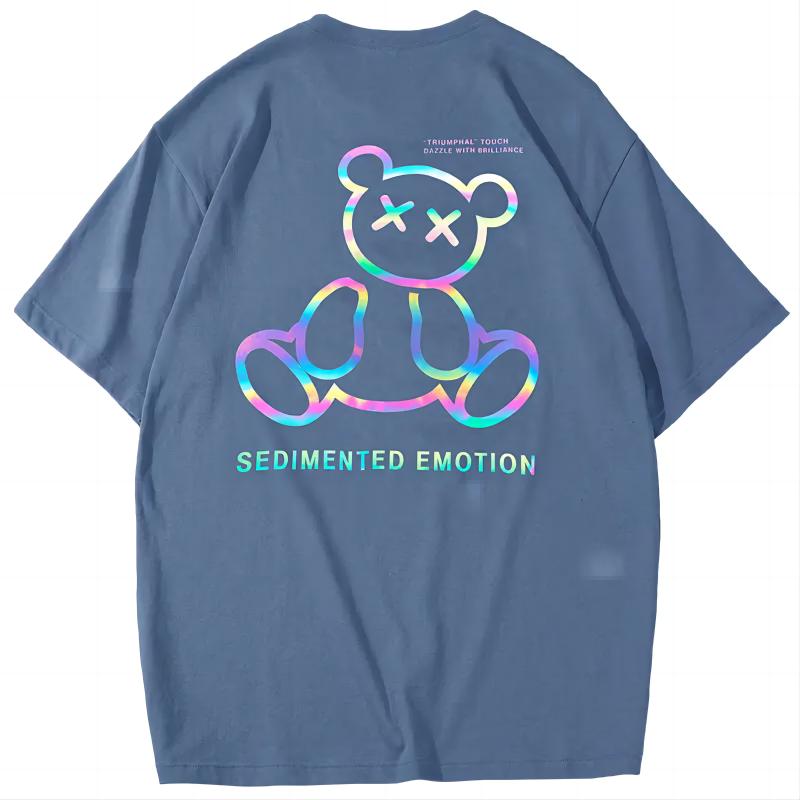
Custom Polo Shirts
Build custom polo shirts with pique or jersey fabric, collar construction, plackets, buttons, cuffs, embroidery and color blocking. EDVORIN supports product development and bulk control for corporate, school, sports and private-label applications.
Get a Quote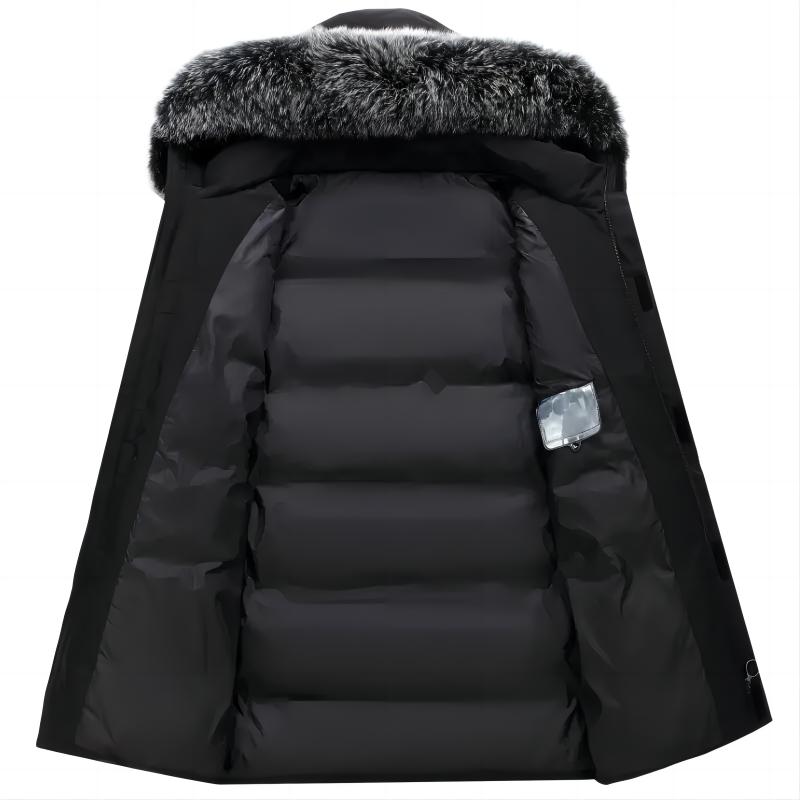
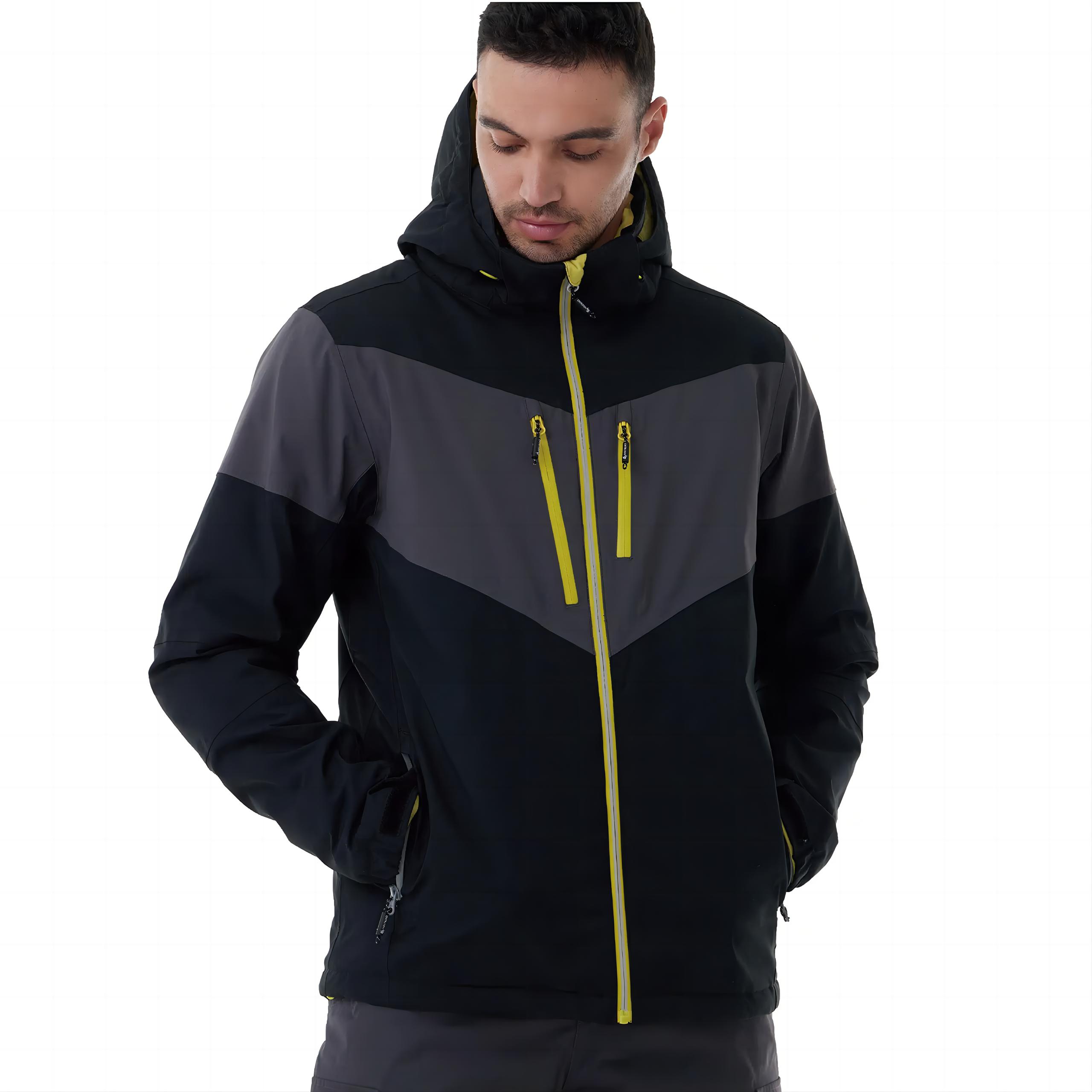
Windbreaker Jackets
Develop windbreaker jackets with shell fabric, lining, mesh panels, zippers, elastic, ventilation and water-resistant finishing selected around intended use. Construction, artwork placement and packing specifications are controlled from approved sample to bulk.
Get a Quote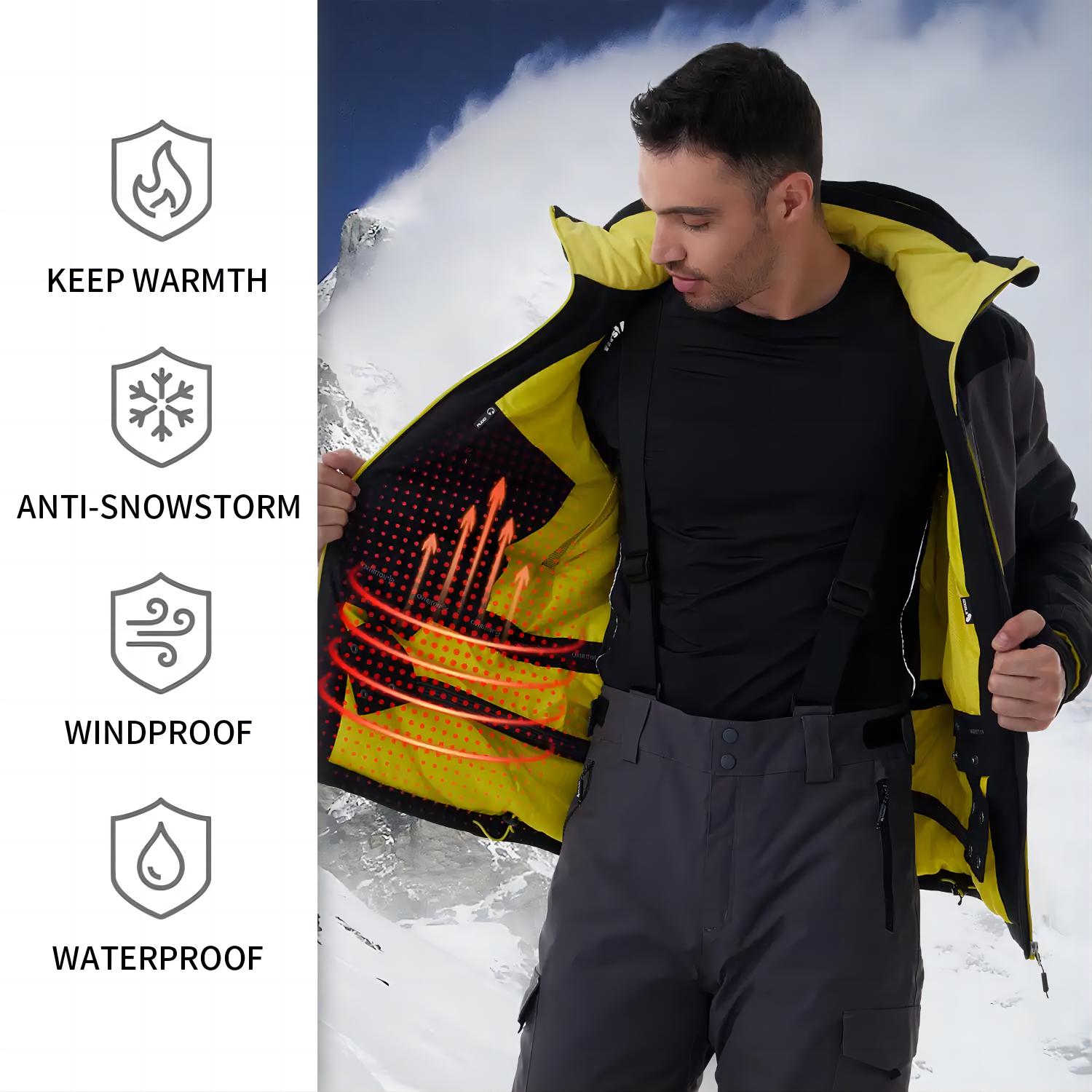
Quilted Jackets
Produce quilted jackets with coordinated shell, lining, insulation, quilting pattern, pockets, closures and branding details. EDVORIN helps translate outerwear references into documented production specifications for reliable seasonal or repeat orders.
Get a Quote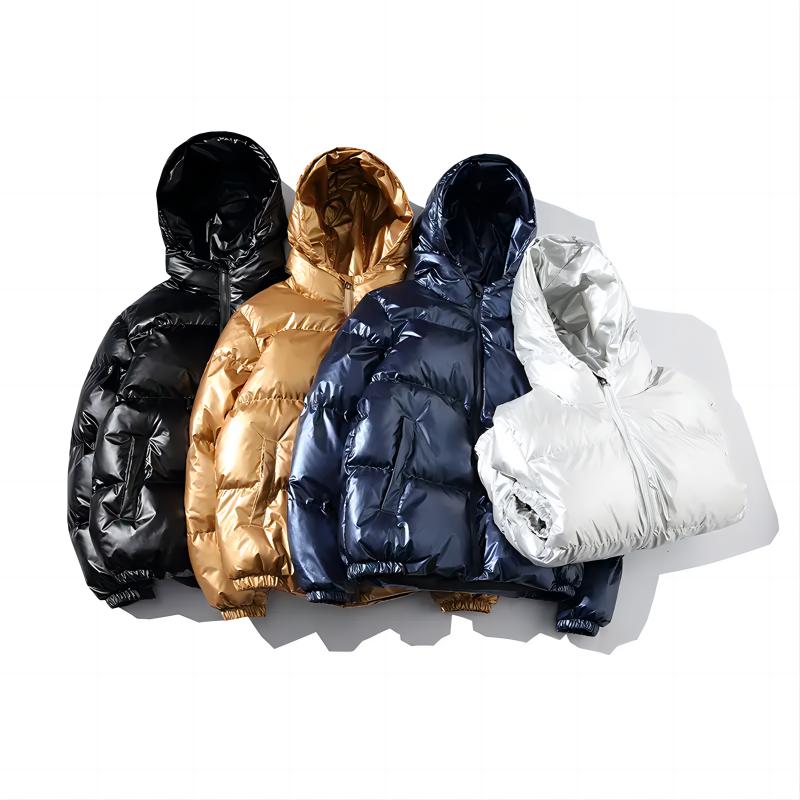
Bomber Jackets
Develop bomber jackets with defined shell material, lining, rib, zipper, pockets, quilting and decoration. Samples confirm fit and construction before bulk production, helping fashion and streetwear buyers maintain the approved product standard.
Get a Quote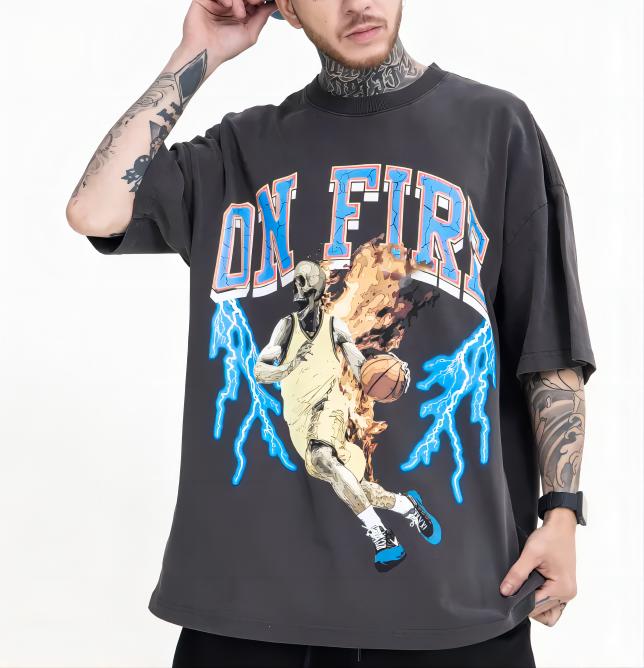
Custom Shirts
Create custom woven shirts with fabric selection, collar shape, placket, cuffs, pocket details, buttons, labels and fit grading defined for your market. Men’s and women’s versions can be developed as separate, production-ready specifications.
Get a Quote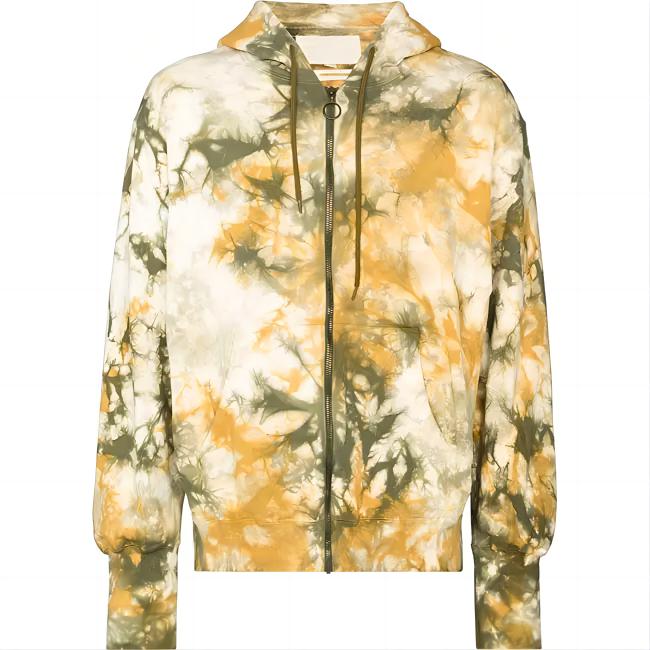
Custom Jerseys
Develop custom jerseys with breathable fabric, panel construction, color blocking, logos, names and numbers managed for consistent placement. EDVORIN supports team, club, school and private-label jersey programs from samples through organized bulk delivery.
Get a Quote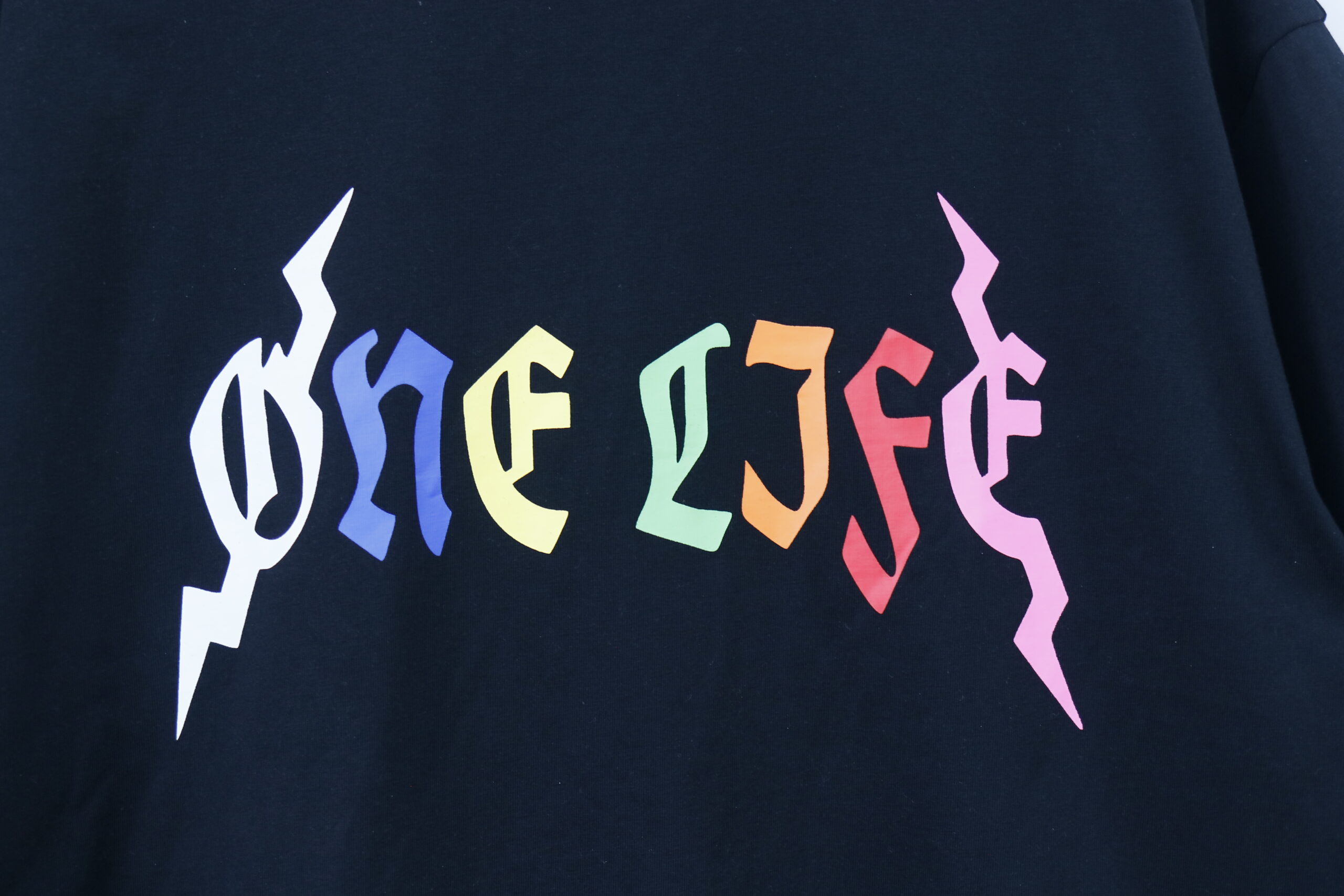
Tank Tops
Produce custom tank tops for sportswear, casualwear or streetwear with selected fabric weight, armhole shape, neckline, binding and decoration. Fit blocks and grading can be adjusted for men’s and women’s product programs.
Get a Quote
Soccer Uniforms
Build soccer uniforms with performance fabric, moisture-management requirements, club colors, team crests, sponsor artwork, names and numbers. EDVORIN coordinates size sets, decoration placement and repeat-order standards for clubs, schools and distributors.
Get a Quote
Basketball Uniforms
Develop basketball uniforms with breathable materials, jersey and short proportions, contrast panels, trims, team graphics, names and numbers. Approved samples provide a clear reference for color, fit, artwork placement and bulk inspection.
Get a Quote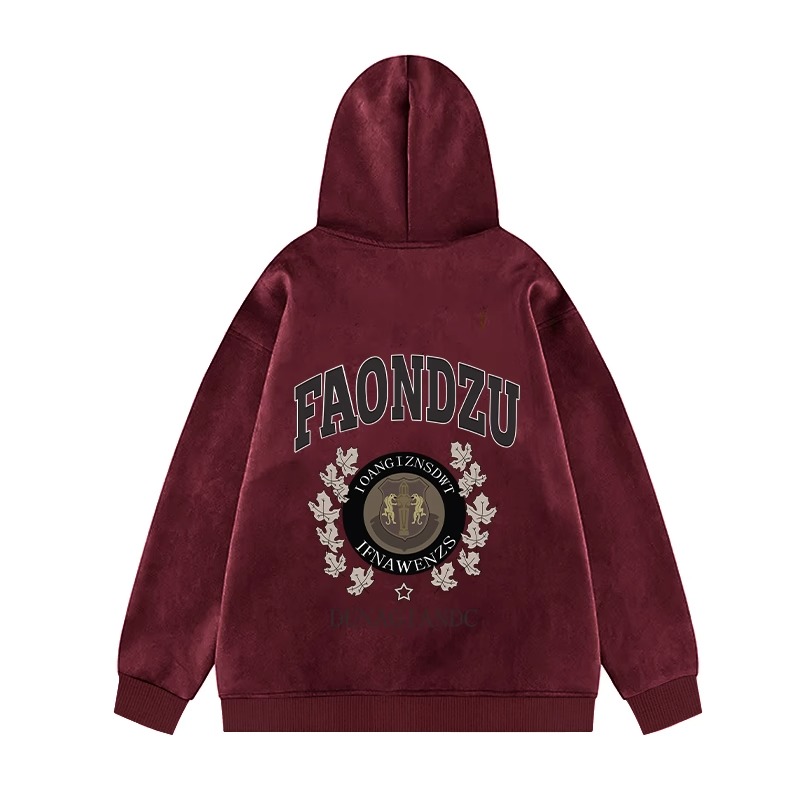
Streetwear Collections
Develop coordinated streetwear collections across hoodies, T-shirts, sweatpants, shorts, jackets and woven pieces. EDVORIN connects fabric, trims, washes, printing, embroidery, labels and packaging within one OEM, ODM or private-label production workflow.
Get a QuoteYour Satin Clothing Manufacturer
EDVORIN has been founder-led since 2000, helping brands turn apparel concepts into clear, repeatable production standards. As a satin clothing manufacturer, we support OEM, ODM and private-label programs from material selection and pattern development through sampling, labeling and packaging.
Satin garments demand attention to drape, construction, seam finish and decoration compatibility. Our team coordinates fabric and trims, fit development, artwork placement, embroidery or printing, and sample revisions so your approved garment becomes a practical standard for bulk production.
What distinguishes EDVORIN is one accountable path from concept to repeat order. We combine development, sourcing, production and sample-to-bulk inspection for fashion, streetwear, teamwear and wholesale buyers, with flexible support and MOQs starting at 200 pieces per style.
Satin Clothing Manufacturer Development Attributes
Drape and Opacity Balance
As a satin clothing manufacturer, EDVORIN reviews fabric weight, weave behavior and color before sampling so the intended fluid drape does not create unwanted show-through. We can coordinate suitable construction details with the garment’s silhouette and end use in mind.
- Assess drape against the approved silhouette
- Review opacity in light and darker colorways
- Match fabric behavior to garment construction
- Confirm material direction before bulk approval

Seams That Hold Shape
Satin can reveal puckering, tension changes and uneven seam handling more readily than many matte fabrics. EDVORIN develops seam allowances, stitch settings and reinforcement points around the selected material, then records approved construction details for consistent bulk execution.
- Test seams during sample development
- Set construction details for delicate surfaces
- Reinforce stress points where needed
- Document approved sewing standards
Lining and Fit Coordination
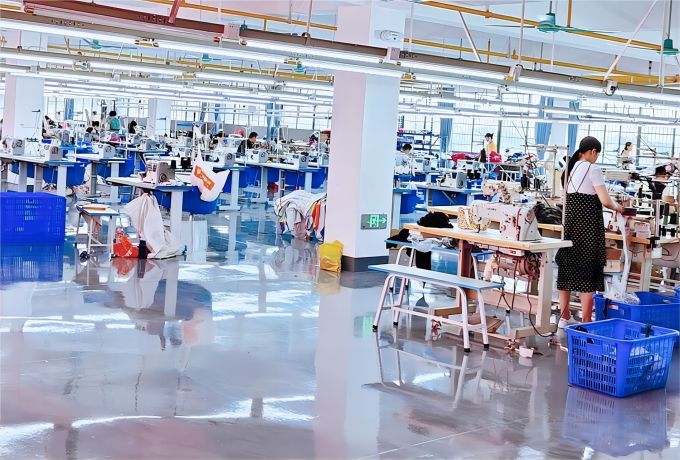
Lining affects more than coverage: it can change movement, garment recovery and the way a satin style sits on the body. EDVORIN coordinates lining selection, fit blocks and grading for men’s or women’s programs, using sample feedback to refine the production specification.
- Coordinate lining with shell performance
- Develop fit blocks for intended wearers
- Review movement and comfort in samples
- Refine grading before production release
Approved Standards Into Bulk
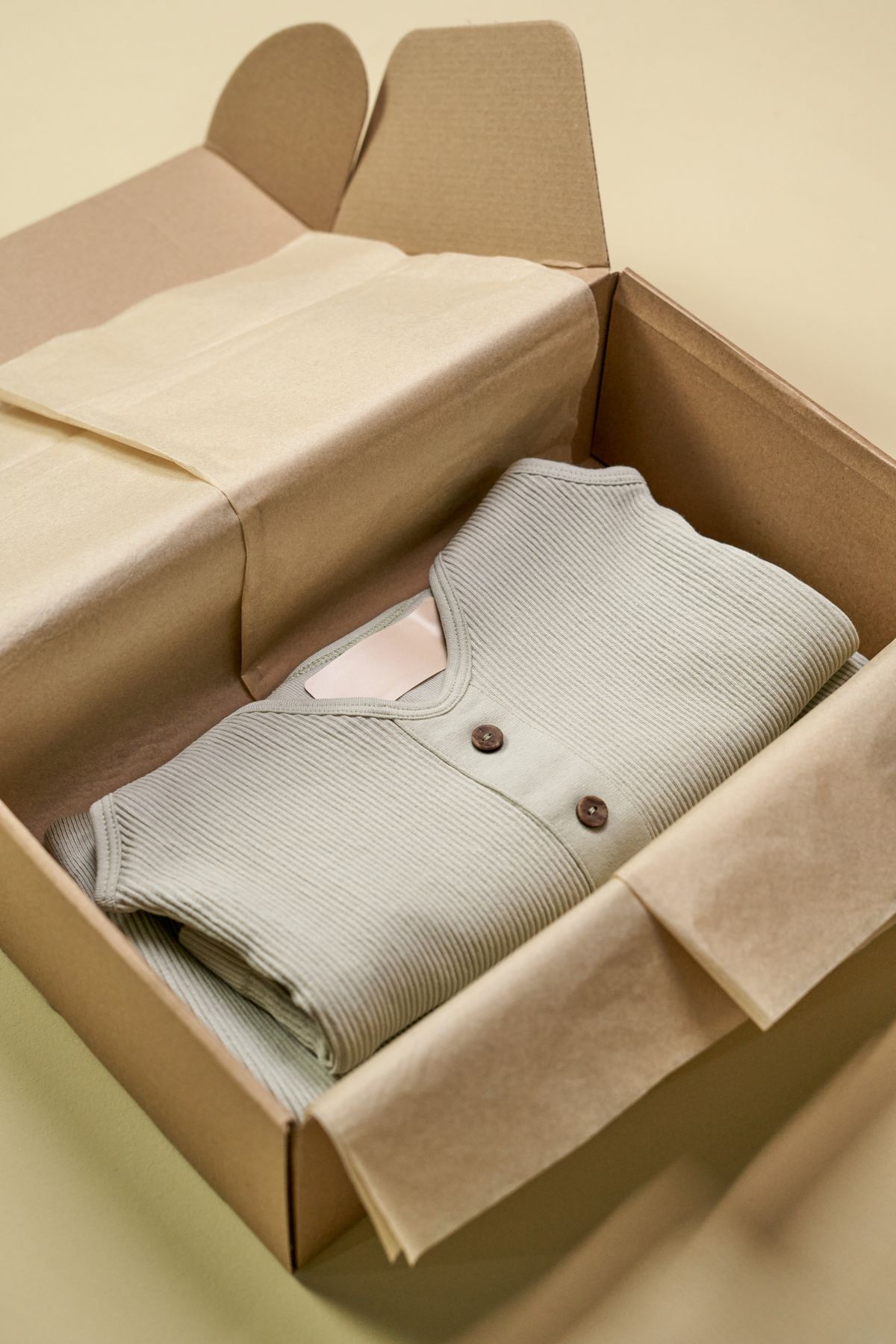
A polished sample becomes reliable only when its decisions are carried through production. EDVORIN organizes approved materials, measurements, trim details, labels and packaging into a clear bulk standard, with quality checks designed to identify variation before final packing.
- Translate approvals into production specifications
- Control fabric, trims and decoration details
- Use in-line checks to catch variation
- Check finished orders against approved standards
Satin Clothing Manufacturer vs Velvet Clothing Manufacturer
Compare surface character, design preparation and decoration considerations before developing your collection.
← Swipe left or right to view →
Satin Clothing Manufacturer Production Process
EDVORIN converts approved satin garment details into controlled, repeatable bulk standards from fabric review through final packing.
Review Fabric and Specifications
We review satin composition, weight, sheen, drape, color references, construction details, measurements, decoration, trims, labels, and packaging requirements before development begins.
Develop Patterns and Materials
Our team develops fit blocks and patterns, confirms suitable satin and supporting materials, then records construction points that protect the intended silhouette and finish.
Build and Revise Samples
A development sample tests fit, drape, seam handling, hardware, artwork placement, and finishing. Buyer feedback is incorporated before the approved sample becomes the production reference.
Prepare Bulk Production Standards
Approved measurements, materials, trims, color standards, and sewing instructions are organized for cutting and line production, reducing assumptions across repeat satin garment orders.
Sew Decorate and Finish
Bulk garments move through controlled sewing, applicable printing or embroidery, pressing, washing where specified, and finishing steps coordinated to the chosen satin construction.
Inspect Pack and Release
In-line and final checks compare finished pieces with the approved standard. Confirmed orders receive labels, folding, packaging, and shipment-ready preparation according to buyer requirements.
Start Your Satin Clothing Program
Bring a complete tech pack or an early concept. EDVORIN organizes the details needed to approve and release a repeatable bulk order.
Share Your Product Brief
Send your tech pack, sketch, reference garment, measurement chart, target fit, fabric expectations, labels, artwork, and planned order quantities.
Confirm Production Specifications
Review construction, satin material options, trims, decoration method, size grading, packaging, and any men’s or women’s program requirements before sampling.
Approve the Development Sample
Assess fit, hand feel, color, artwork placement, labels, and finishing on the sample, then record revisions as the approved production standard.
Release Your Bulk Order
Confirm final specifications and quantities, then EDVORIN coordinates materials, production, in-line quality checks, final inspection, labeling, and packing.
Satin Clothing Manufacturer Client Results
EDVORIN helped us move from a visual reference to an approved satin capsule in two sampling rounds. The final bulk order of 1,200 pieces held the drape, color and measurements we signed off on.
Our resortwear launch required consistent color across three satin styles and six sizes. EDVORIN documented the approved details clearly, and all 800 units arrived ready for our planned launch date.
We needed a private-label supplier that could make our satin shirts feel refined without losing construction consistency. After approval, our 500-piece reorder matched the original fit and finish closely.
Satin Clothing Manufacturer FAQs
EDVORIN’s MOQ starts at 200 pieces per style. Clear answers for brands planning custom satin apparel, from fabric selection and samples to decoration, MOQ and bulk production.
What satin fabrics can a satin clothing manufacturer use?
Which garment types can you make in satin?
Can a satin clothing manufacturer add embroidery, patches or prints?
What is the MOQ for custom satin clothing?
How does sampling work with a satin clothing manufacturer?
What artwork files do you need for satin garment decoration?
How should I plan lead time for a satin clothing order?
Can you manufacture satin collections for private-label brands?
The Complete Guide to a Satin Clothing Manufacturer
Use this decision framework to compare satin garment suppliers, evaluate fabrics and construction, plan customization, understand cost drivers, and avoid sourcing mistakes before placing a production order.
1. What Is a Satin Clothing Manufacturer?
EDVORIN’s MOQ starts at 200 pieces per style. A 200-piece MOQ is a production threshold, not a definition of a satin clothing manufacturer. The manufacturer develops and makes finished garments, while a fabric mill produces yardage; satin describes a weave structure or finish that creates a smooth, lustrous face and can be specified for dresses, shirts, uniforms, jackets, and loungewear.
Since 2000, EDVORIN has approached apparel as a connected production path from concept through packed order. A capable satin clothing manufacturer should translate sketches or tech packs into patterns, material and trim specifications, fit samples, and documented decoration placements. After approval, it should coordinate bulk cutting and sewing, control measurements and color references, conduct in-line and final quality checks, then apply labels and packaging to the approved standard.
2. Evolution of Satin Apparel Manufacturing
China’s Han dynasty is commonly associated with early silk satin weaving, when a lustrous warp-faced surface signaled luxury and made silk a specialist sourcing choice. Satin describes a weave structure rather than one fiber, so the same visual effect can be engineered with different yarn systems.
By the 20th century, acetate and then polyester satin expanded availability, color consistency, and care practicality beyond silk eveningwear. Viscose blends can add softer drape, while elastane stretch satin supports fitted silhouettes and movement-sensitive garments.
Today, recycled polyester satin gives private-label programs another sourcing route where fiber-content claims, hand feel, opacity, and decoration compatibility must be specified together. For fashion, teamwear, and promotional buyers, a satin clothing manufacturer can apply these options to dresses, bomber linings, warm-up jackets, uniforms, shorts, and coordinated event pieces rather than treating satin as a single formalwear fabric.
3. Types of Satin Clothing Manufacturer Services
Six supplier models differ mainly in who owns development, materials, and production decisions. Before requesting quotes, match your brief, volume, and need for original design control to the model.
Full Package And OEM
Two routes suit brands with different starting points: full-package private label accepts a concept, while OEM cut-and-sew follows a finished tech pack. Full-package reduces internal coordination; OEM preserves specification control.
A 200-piece program can favor full-package development when fabric, patterns, labels, and packing remain undecided. OEM buyers should supply measurements, construction, artwork, and approved references; revisions can add time.
ODM And Occasionwear Specialists
Two faster options are ODM catalog customization and specialist occasionwear production. ODM changes existing blocks, colors, or trims; occasionwear specialists handle satin drape, linings, and formal construction.
A catalog-based order usually needs less development and may allow lower risk, but offers less originality. A specialist needs design references and fit direction, yet may impose narrower styling flexibility or higher sample expectations.
Teamwear And Wholesale Sources
Two supply models prioritize repeatability or speed: uniform/teamwear production and wholesalers. Teamwear buyers provide logos, player data, color standards, and size runs; wholesalers sell ready goods.
A teamwear program gives stronger control over identity and repeat orders, but requires decoration approvals. Wholesale buying is quickest and often needs no development, yet limits customization, exclusivity, and control over construction.
4. Satin Clothing Manufacturer Fabric Options
Satin describes a weave and surface effect, not one fiber. A satin clothing manufacturer should match fiber, weight, opacity, and finish to the garment’s wear and care requirements.
| Material | Hand And Care | Best Use | Buying Check |
|---|---|---|---|
| Polyester | Crisp shine; easy care | Shirts, linings | Opacity, colorfastness |
| Silk | Soft drape; dry clean | Premium dresses | Snagging, shade |
| Viscose/Rayon | Fluid; wrinkles | Blouses, skirts | Shrinkage, wet strength |
| Acetate | Smooth; dry clean | Linings, occasionwear | Heat sensitivity |
| Stretch Satin | Body-hugging; easy care | Fitted dresses | Recovery |
| Bridal Satin | Heavy, opaque | Gowns, corsetry | Seam slippage |
| Recycled Synthetic | Varies by yarn | Linings, shirts | Traceability, pilling |
Fiber And Finish
100% polyester satin delivers durable shine, color retention, and simple care; silk has the softest hand and richest drape but wrinkles and needs specialist care.
95–140 GSM viscose or acetate satin gives fluid movement with lower luster; confirm wet strength, shrinkage, and colorfastness before approval.
Stretch And Bridal Choices
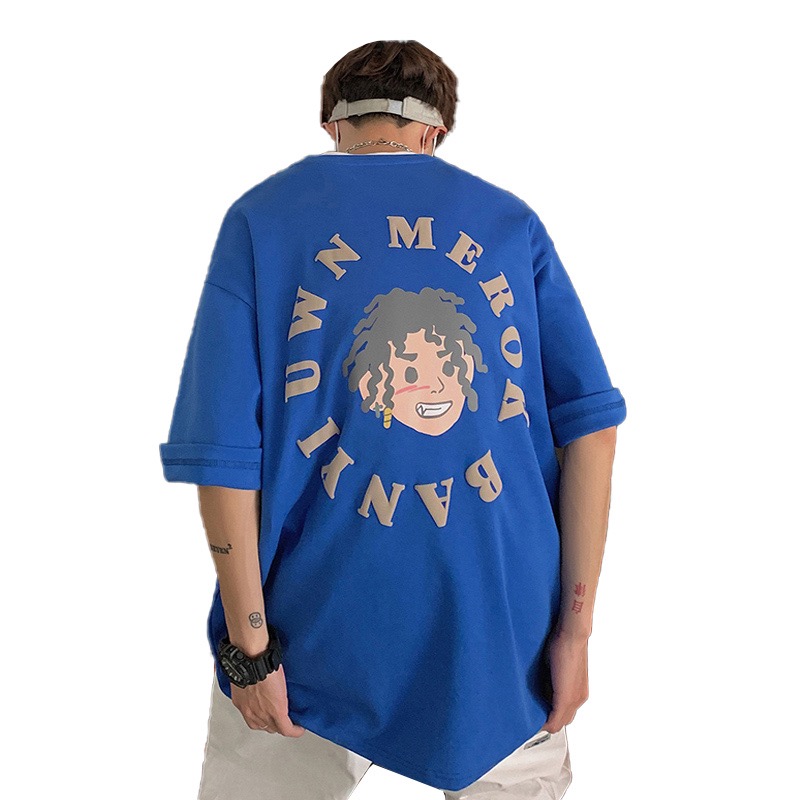
2–8% elastane stretch satin improves fitted skirts, dresses, and stagewear; test recovery after laundering. Bridal satin is typically heavier and more opaque, suited to structured gowns, corsetry, and formal separates.
Recycled Synthetics
100% recycled polyester satin can suit linings, shirts, and occasionwear when traceability documents match the purchased lot. Test pilling, seam slippage, abrasion, shade continuity, and sublimation or print compatibility.
5. Satin Clothing Manufacturer Customization Options
A 200-piece satin program should lock silhouettes, fit blocks, color standards, trims, labels, and packaging before sampling. Pantone references and graded measurement charts keep repeat orders aligned.
| Method | Finish | Durability | Best Volume Fit |
|---|---|---|---|
| Heat transfer | Smooth | High when tested | Small to mid runs |
| Screen print | Raised ink | High | Mid to large runs |
| Digital print | Soft detail | Moderate to high | Small runs, complex art |
| Embroidery | Textured | High | Logos with stabilizer tests |
Fit And Brand Components
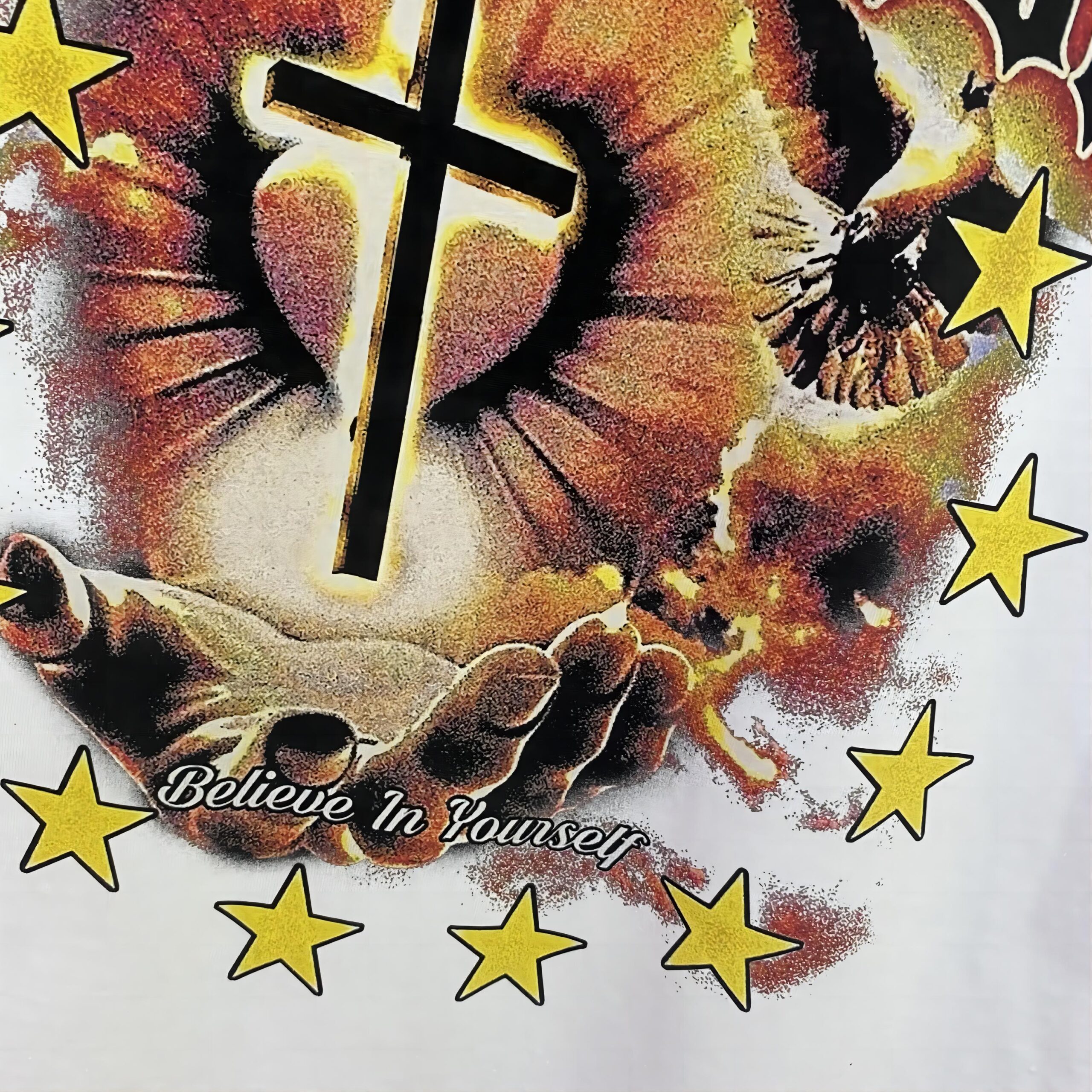
Men’s and women’s blocks need separate proportions, grading, neckline, sleeve, and hem specifications. YKK hardware, woven labels, hangtags, branded tissue, and accessory packs should be listed by material, color, size, and placement.
Decoration On Satin
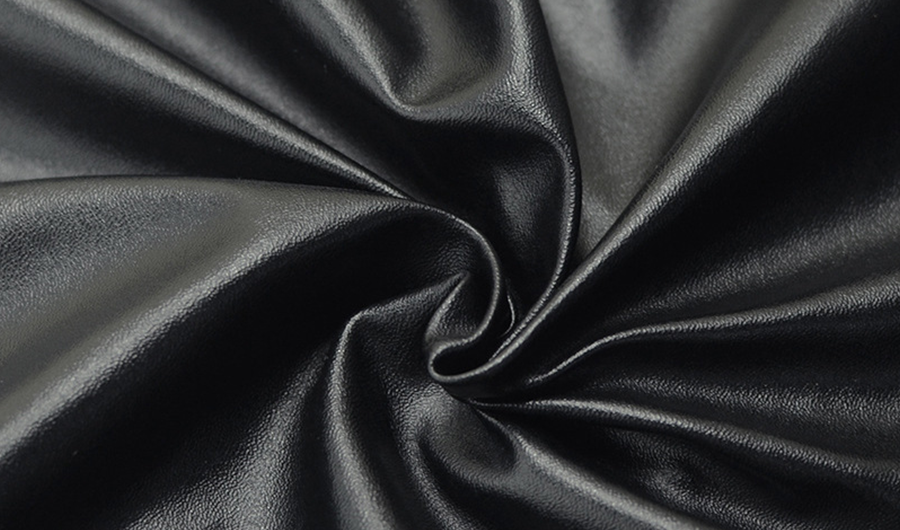
Heat transfers usually preserve a cleaner surface than heavy embroidery or thick screen-print deposits on delicate satin. Large chest prints, dense stitches, and oversized patches can restrict drape, so placement tests belong on the approved sample.
Artwork And Production Files
Vector AI, EPS, or PDF artwork should include spot colors, print dimensions, placement measurements, and font outlines. A tech pack should add a size chart, grading rules, trim callouts, label artwork, and packaging instructions.
6. Satin Garment Construction and Quality
Satin’s reflective face makes needle marks, uneven tension, puckering, and shade variation visible at a glance. A satin clothing manufacturer should inspect approved samples and bulk units against the same construction standard.
Cutting And Seams
One-way fabric direction must match across panels; reversed grain can change sheen.
10–14 stitches per inch is a practical starting point, adjusted for fabric weight and seam stress.
- Check straight seam lines
- Check balanced thread tension
- Check reinforced stress points
Edges And Hardware
2 edge-finishing choices—narrow hem or clean binding—should be approved before bulk cutting.
Every zipper, snap, hook, and button should operate smoothly without catching the face fabric.
- Inspect lining attachment
- Confirm interlining support
- Test fastening alignment
Final Appearance Review
3 fit checks—key measurements, balance, and movement—help prevent inconsistent grading between sizes.
100% of final units should be checked for Pantone-approved color, snags, pressing shine, puckering, and clean garment shaping.
- Compare to approved sample
- Inspect under direct light
- Protect during packing
7. How to Choose a Satin Clothing Manufacturer
EDVORIN’s MOQ starts at 200 pieces per style. A satin clothing manufacturer should be assessed against the exact garment, not a generic factory profile. EDVORIN’s 200-piece MOQ suits buyers needing a documented path from sample approval to repeat bulk production.
Product Evidence
Ask for comparable satin garments: dresses, bomber jackets, lining-heavy pieces, or jerseys. Request the tech pack, fabric composition and weight, Pantone reference, seam method, and approved sample photos.
Quote Like For Like
Compare 3 quotes only after issuing one specification: fiber content, color count, trims, labels, packaging, order quantity, and Incoterm. Confirm whether sampling, pattern revisions, freight, duties, and payment milestones are excluded.
Controls And Capacity
One dated production plan should show realistic sample and bulk dates alongside in-line and final inspection records. Where required, request current OEKO-TEX, GOTS, WRAP, or BSCI evidence rather than verbal assurances.
Commitment Questions
Four questions matter before deposit: who owns the pattern, how substitutions are approved, what AQL standard applies, and who answers production issues. Set response times and require written confirmation of every revision.
8. Common Satin Sourcing Mistakes
EDVORIN’s MOQ starts at 200 pieces per style. At 200-piece MOQ, small specification gaps can become repeatable defects across an entire satin run. A capable satin clothing manufacturer should convert each risk into an approval record before cutting begins.
Price-Only Decisions
One low quote can omit testing, inspection, or protective packing, raising the real landed cost. Compare like-for-like specifications and confirm included controls before awarding production.
Sample And Standards Gaps
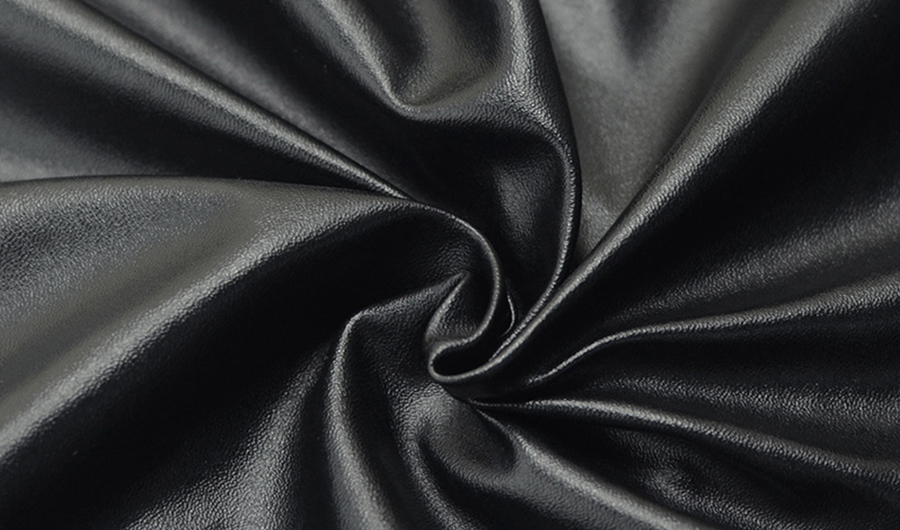
One swatch cannot show drape, opacity, static, shrinkage, or decoration performance in a finished garment. Approve a sewn sample, Pantone reference, fabric specification, care test, measurement tolerances, and pre-production sample.
Production Handling Oversights
Two common failures are unsuitable prints that crack or distort and unprotected satin that snags during transit. Match decoration to fabric, specify care results, and require individual protective bags plus final packed-carton inspection.
9. Launching a Satin Apparel Brand
One launch brief should define the wearer, occasion, channel, and target retail position before development starts.
A 200-piece program needs a focused assortment and a satin clothing manufacturer that can convert approvals into repeatable specifications.
Build The First Assortment
Three to five coordinated SKUs usually give a new label enough choice without multiplying fabric, trim, and fit risk.
Two customer groups require different priorities: fashion brands need seasonal color stories, while teams and schools need stable color and size-set reorders.
Lock Development Standards
One tech pack per SKU should record measurements, Pantone references, satin composition, lining, seams, artwork placement, labels, and packaging.
Two sample rounds are often more useful than rushing bulk: review prototype fit first, then approve construction and material performance on a pre-production sample.
Schedule Reorders Early
EDVORIN’s MOQ starts at 200 pieces per style. Four checkpoints—costing, MOQ, pre-production approval, and delivery date—should be signed off before bulk cutting.
Two reorder models help buyers plan: brands forecast seasonal replenishment, while corporate buyers reserve matching fabric, trims, and logo files for recurring programs.
10. Satin Clothing Manufacturer Pricing and Costs
200 pieces is a useful first costing tier, but it is not a universal unit-price benchmark. Total landed cost combines the ex-factory garment, freight, duty or tax, and destination handling.
3 quote variables deserve early attention: fabric, construction, and decoration. Silk or acetate satin, bias-cut panels, lining, concealed zippers, embroidery, and short production windows typically move cost upward.
4 details make a quote actionable: a complete tech pack, target quantity by color and size, delivery destination, and required arrival date. Include fabric composition and weight, Pantone references, trim and packaging specifications, artwork files, and sample approval requirements.
| Cost driver | Illustrative effect on landed cost | What to specify |
|---|---|---|
| Quantity tier | Lower per-unit cost as volume rises; setup costs spread across more units | Units per style, color, and size run |
| Material | Polyester satin: lower; silk or acetate: higher | Fiber, weight, finish, and color standard |
| Garment complexity | Simple camisole: lower; lined dress or jacket: higher | Pattern pieces, lining, closures, and seam details |
| Decoration and trims | Print: variable; embroidery, custom hardware, and branded trims: higher | Method, locations, stitch count, suppliers, and approvals |
| Sampling and lead time | Multiple revisions or expedited freight: higher | Sample rounds, approval date, destination, and delivery deadline |
Partner With a Satin Clothing Manufacturer Built to Repeat
Send your concept, tech pack, or reference garment for a development quotation, with coordinated sampling and production support from 200 pieces per style.