
Faux Leather Clothing Manufacturer for Production-Ready OEM Collections
EDVORIN is a faux leather clothing manufacturer coordinating fit, materials, trims, decoration and packaging from sample approval to repeatable bulk production.
Featured Faux Leather Apparel Development
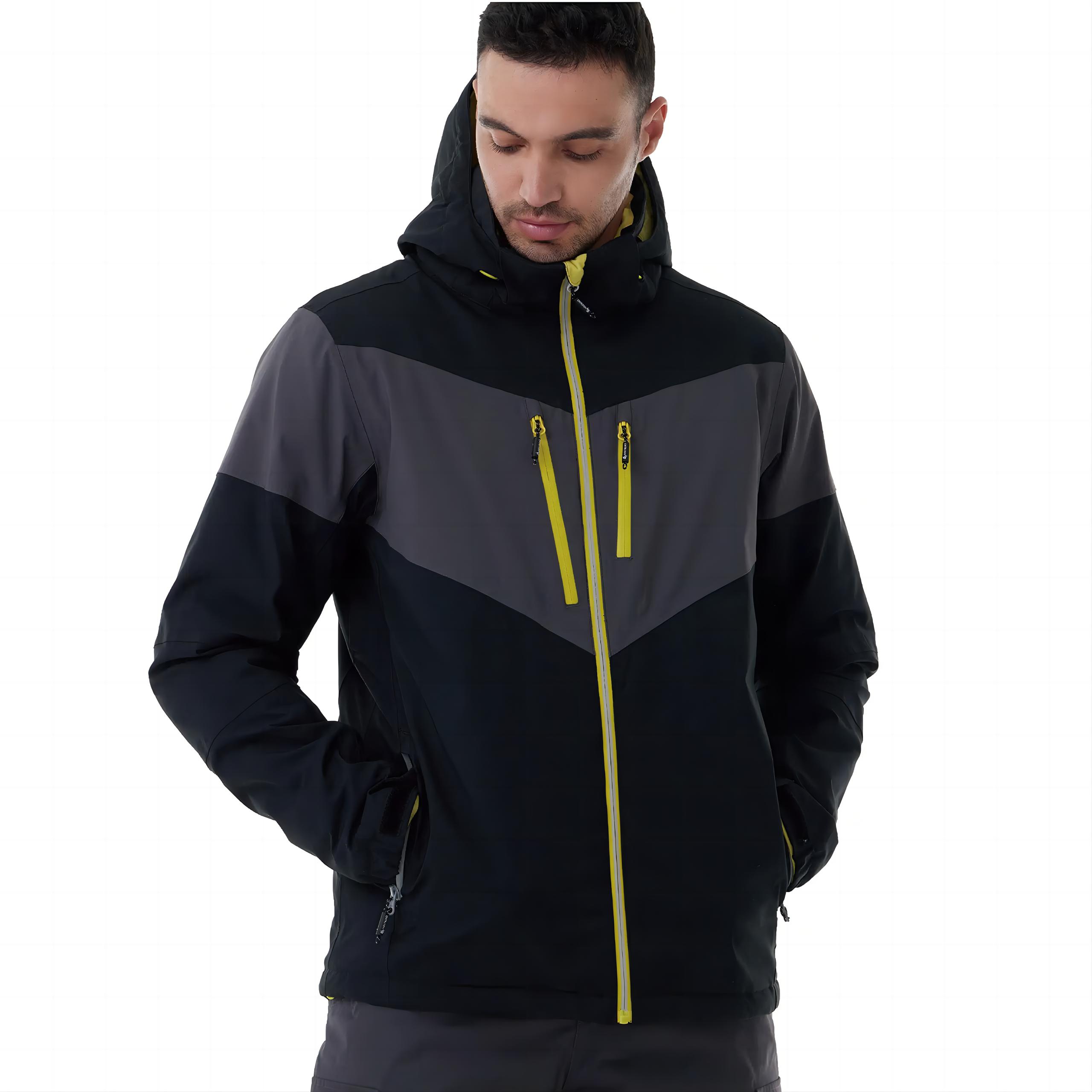
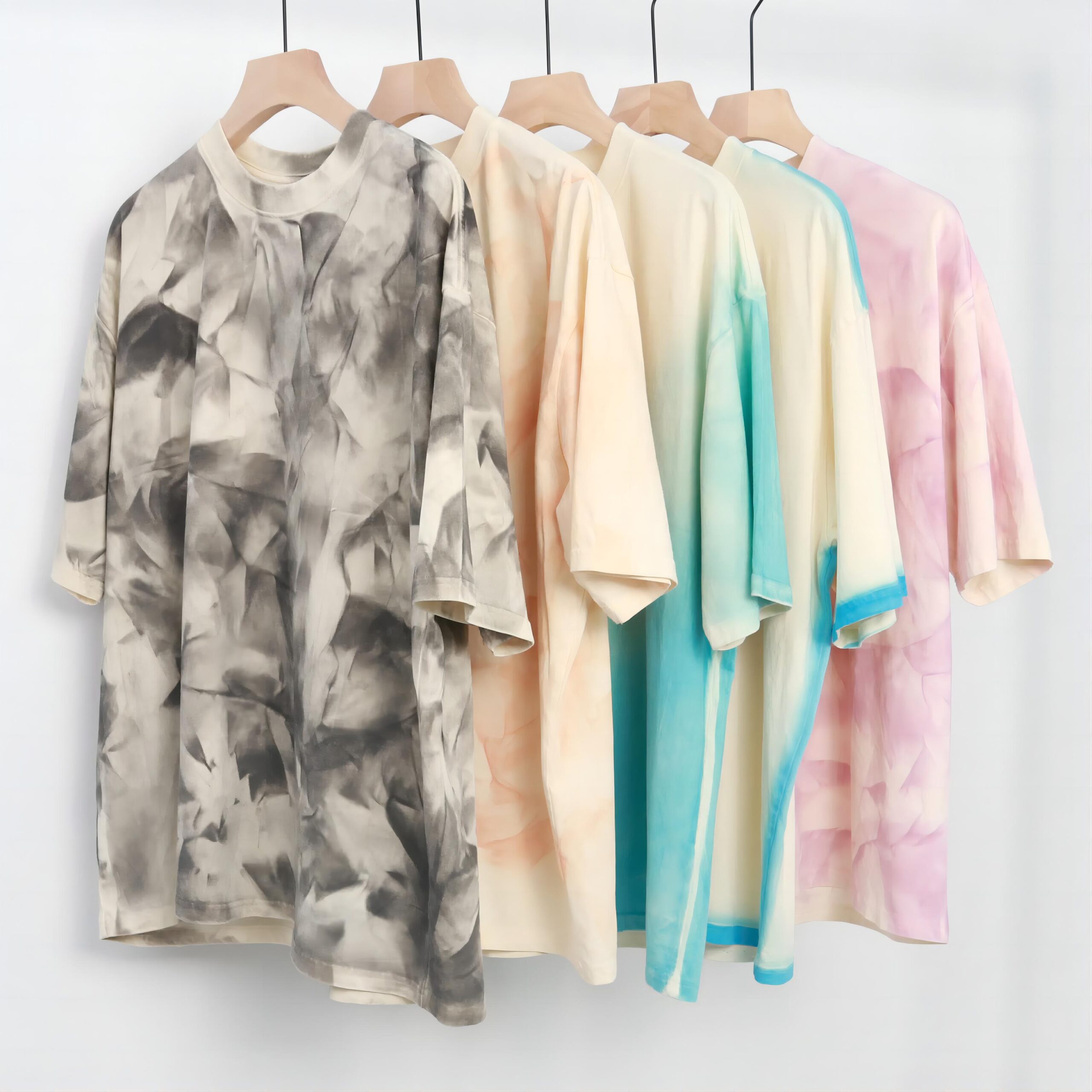
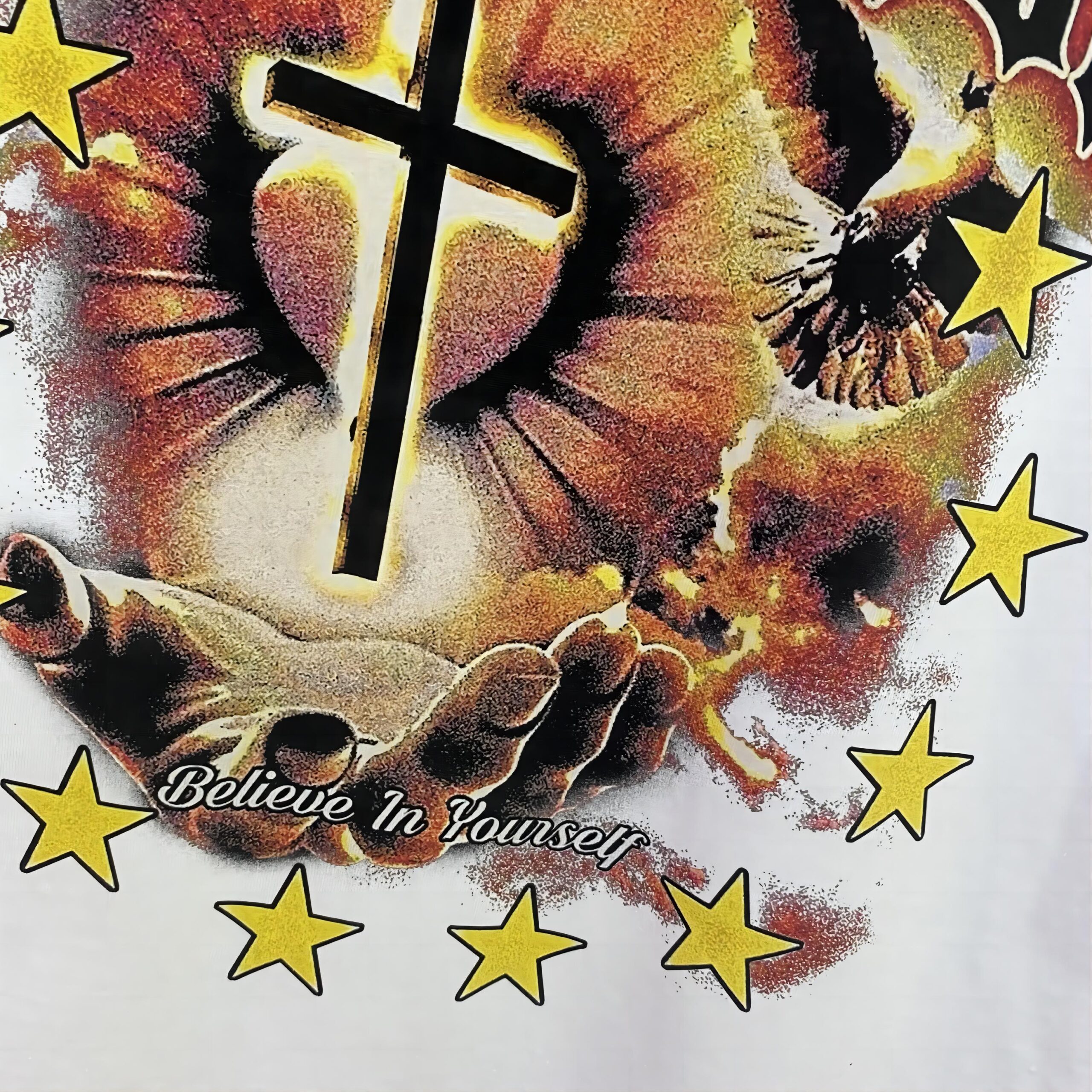



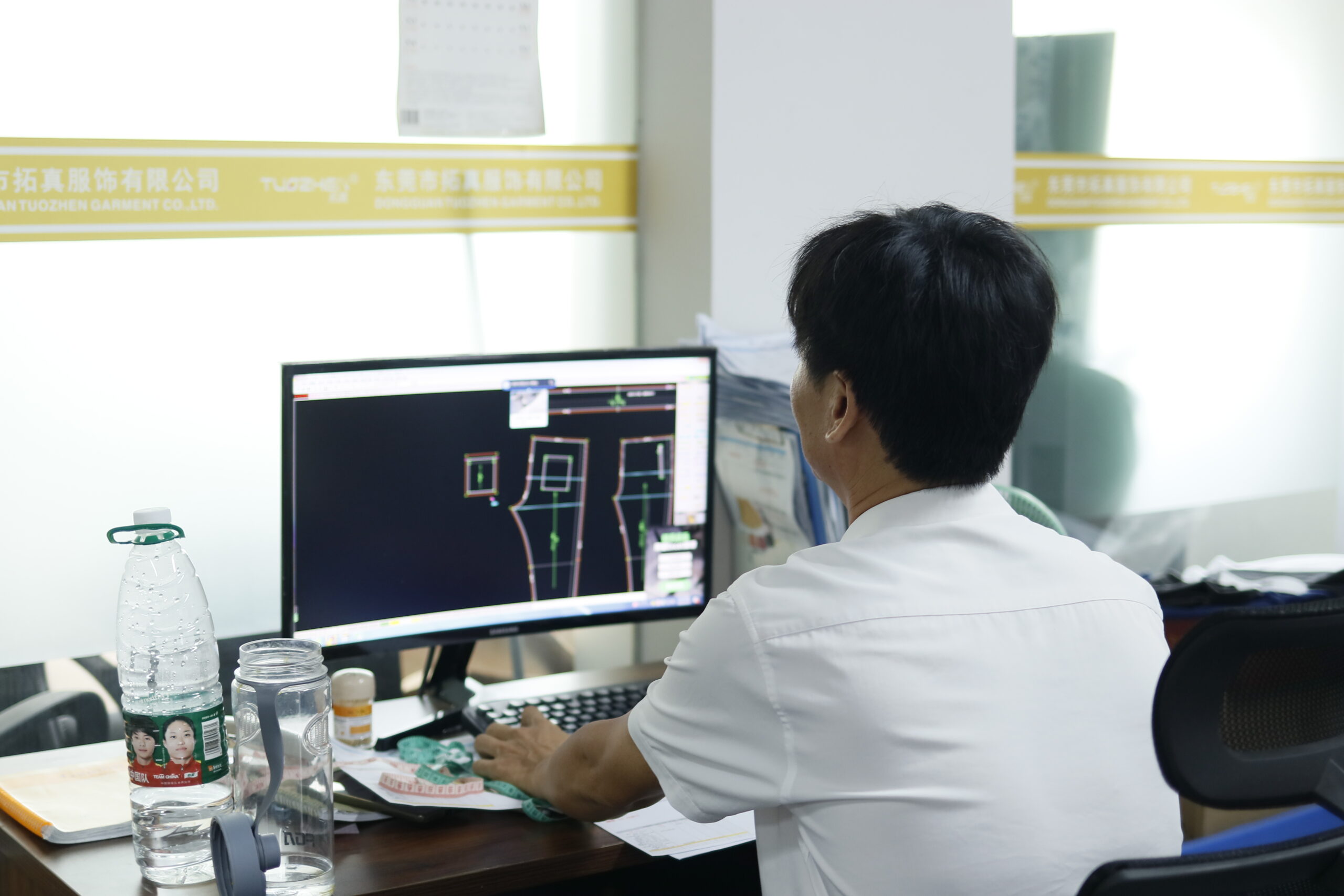

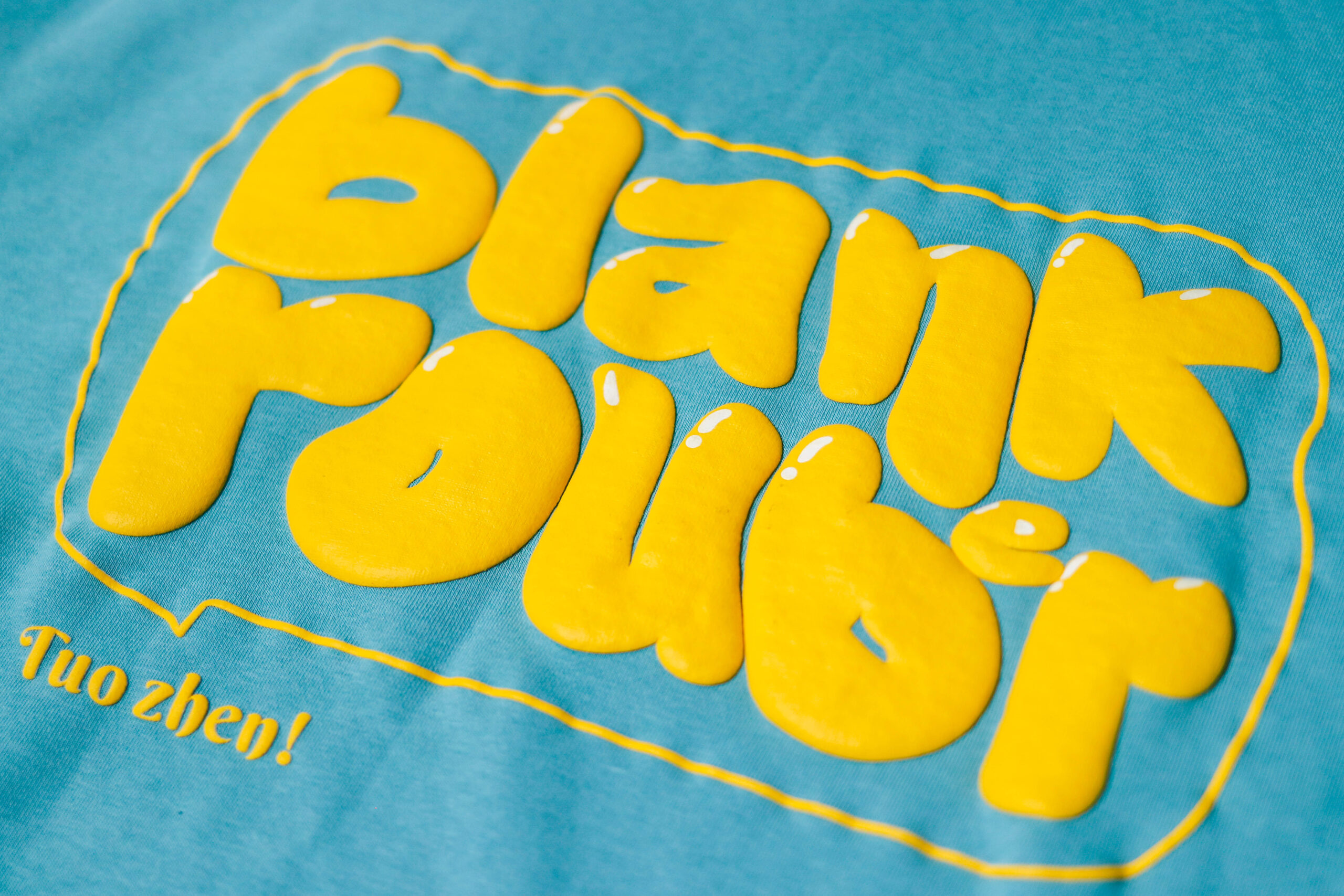
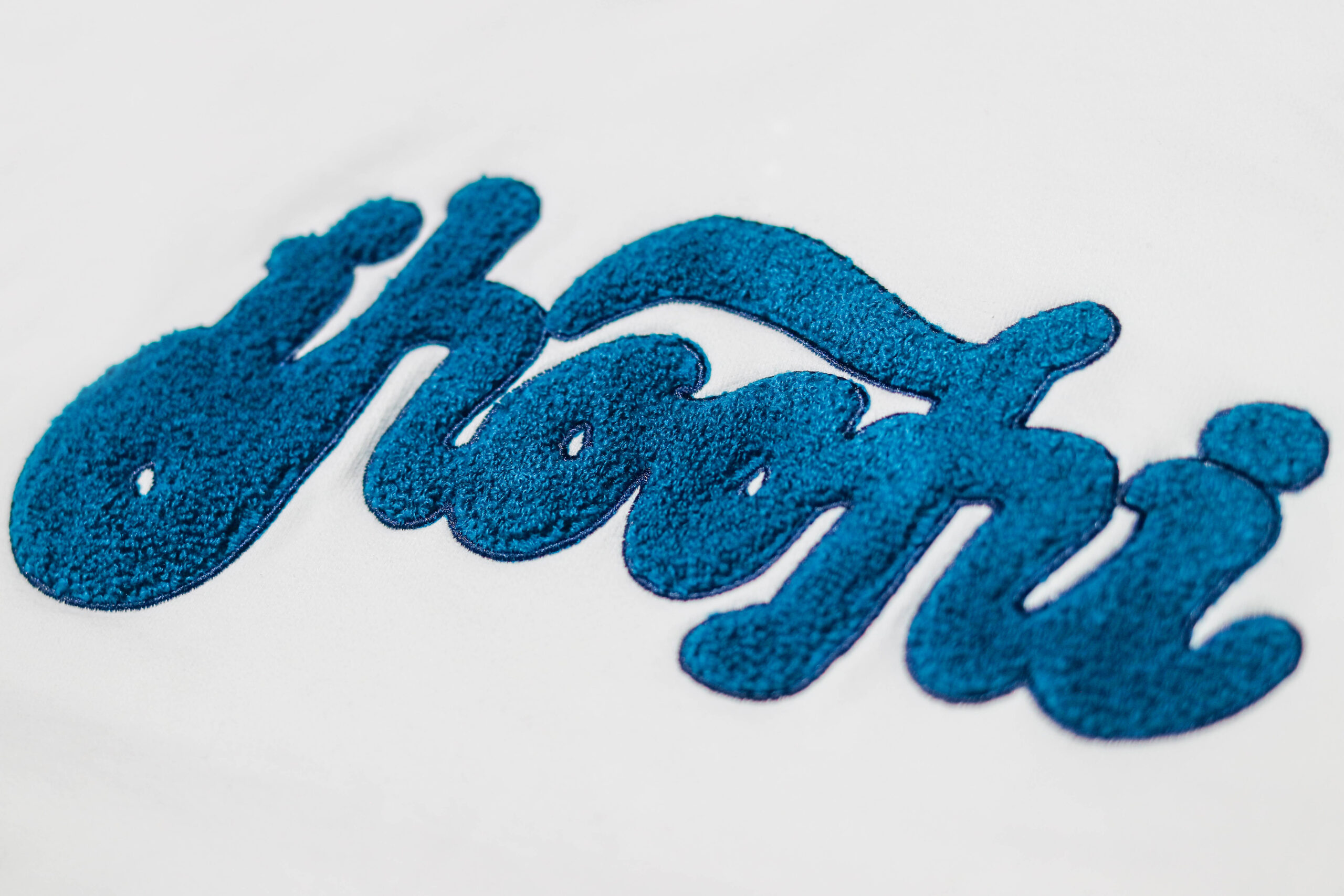
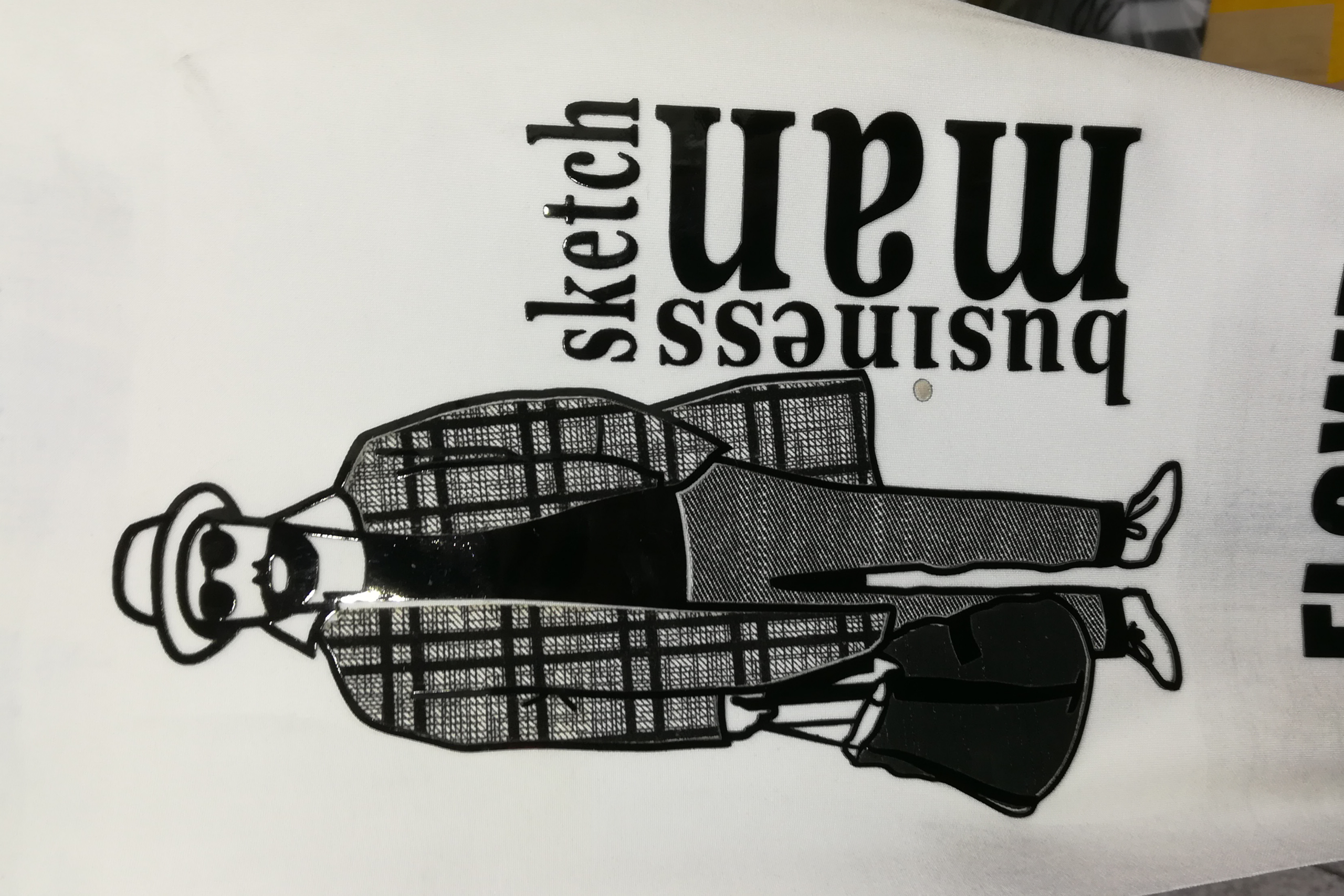
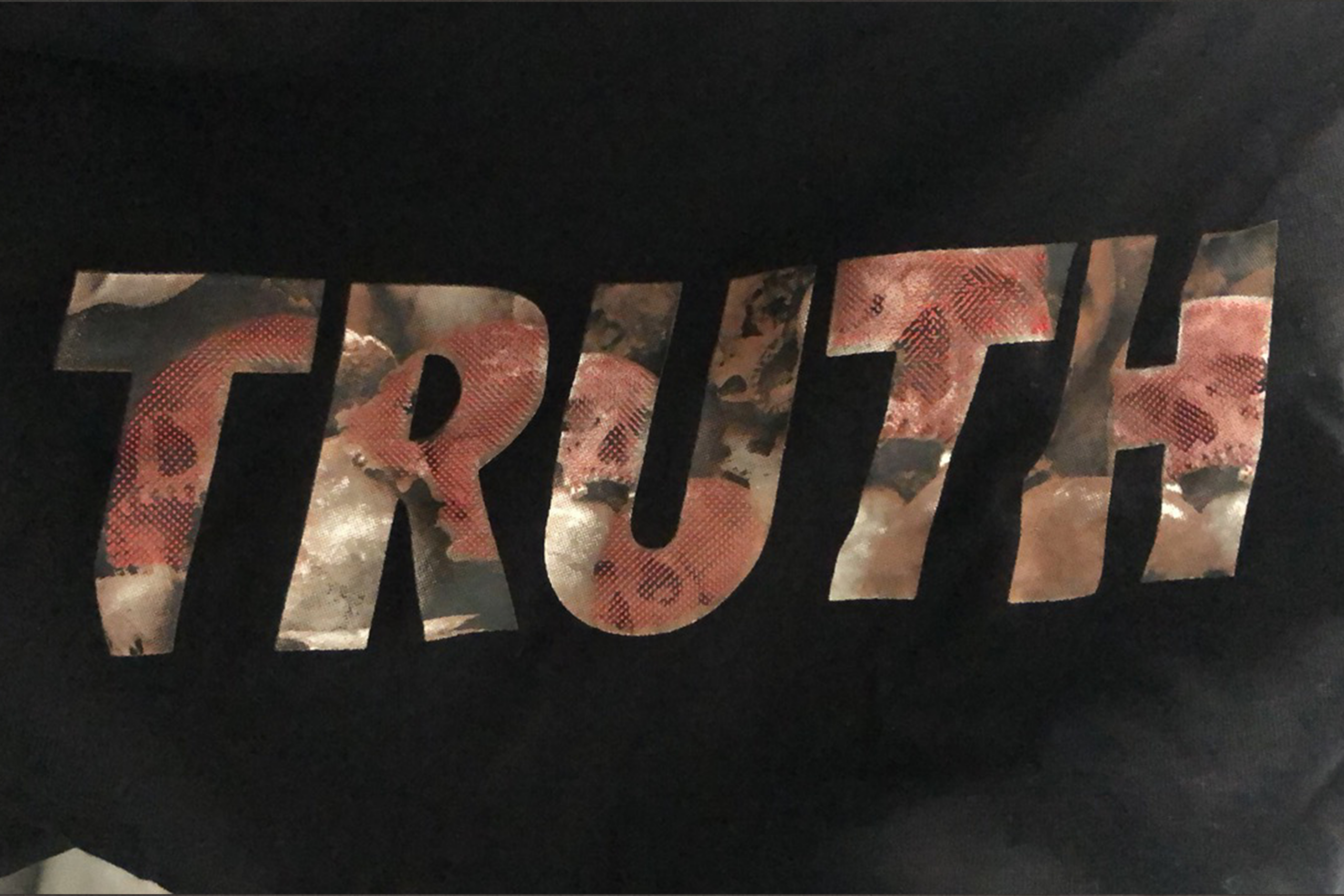
Faux Leather Clothing Manufacturer Features
EDVORIN coordinates material, construction, fit, decoration, and quality controls to turn approved faux leather apparel into repeatable OEM collections.
Material Selection
Select PU or other synthetic options with the surface, backing, weight, stretch, and hand feel required for your intended silhouette.
Construction Planning
Plan seams, panels, linings, closures, and reinforcement around the material’s behavior, so jackets, pants, and trims work together in production.
Fit Block Control
Develop men’s and women’s fit blocks with measurement points, grading, and sample reviews that translate approved proportions into repeatable bulk standards.
Decoration Coordination
Coordinate embroidery, printing, patches, hardware, labels, and packaging early to protect placement, compatibility, and a unified branded finish.
Repeat-Order Consistency
Use approved samples, documented specifications, in-line checks, and final inspection to keep materials, measurements, and finishing aligned across repeat orders.
Explore Apparel Manufacturing Capabilities
Compare product categories, construction requirements and decoration options for collections developed from approved samples through repeat bulk production.
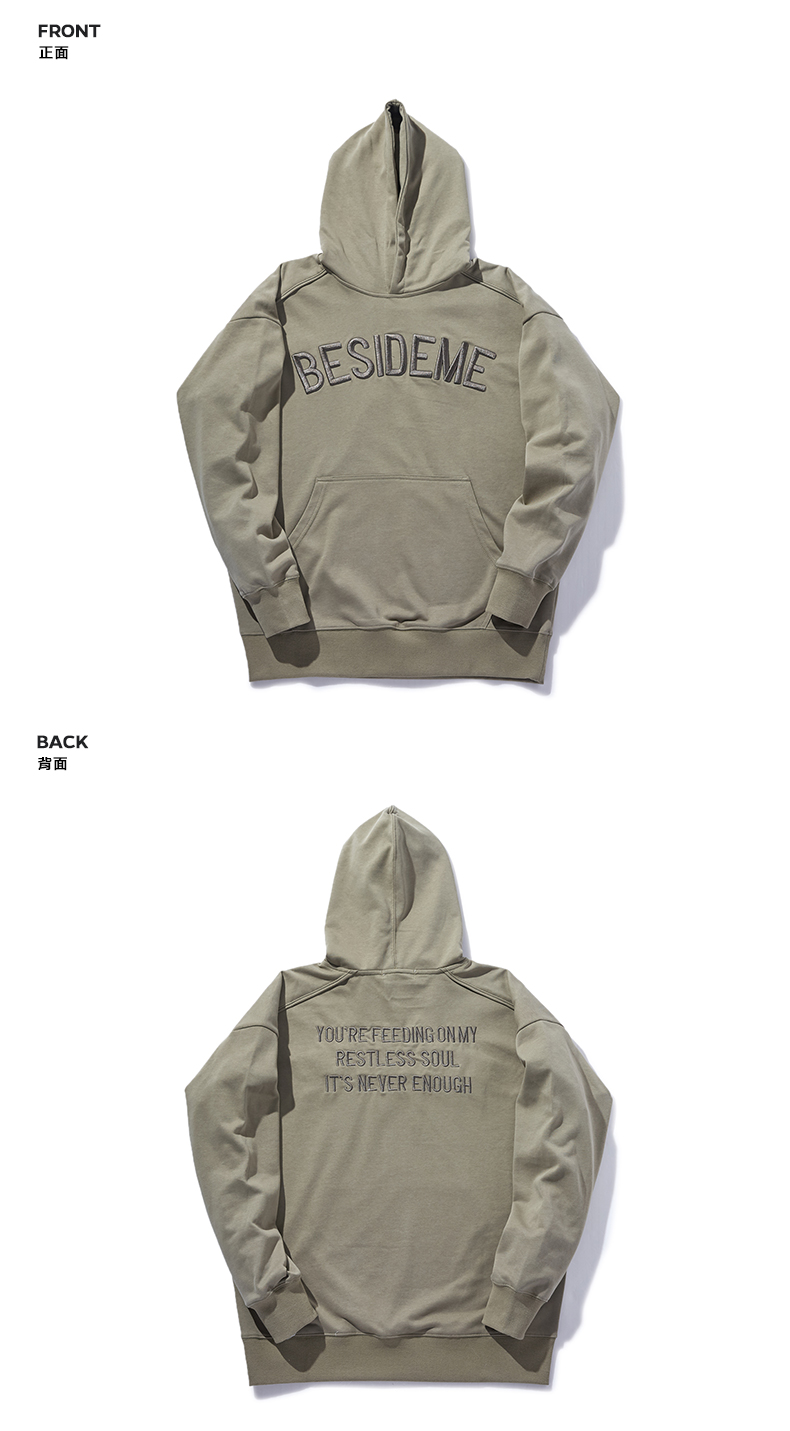
Custom Hoodies
EDVORIN develops custom hoodies with specified fleece weight, fit blocks, rib construction, hoods, drawcords, labels and print or embroidery placement. Men’s and women’s programs can be developed from a tech pack, reference garment or early concept.
Get a Quote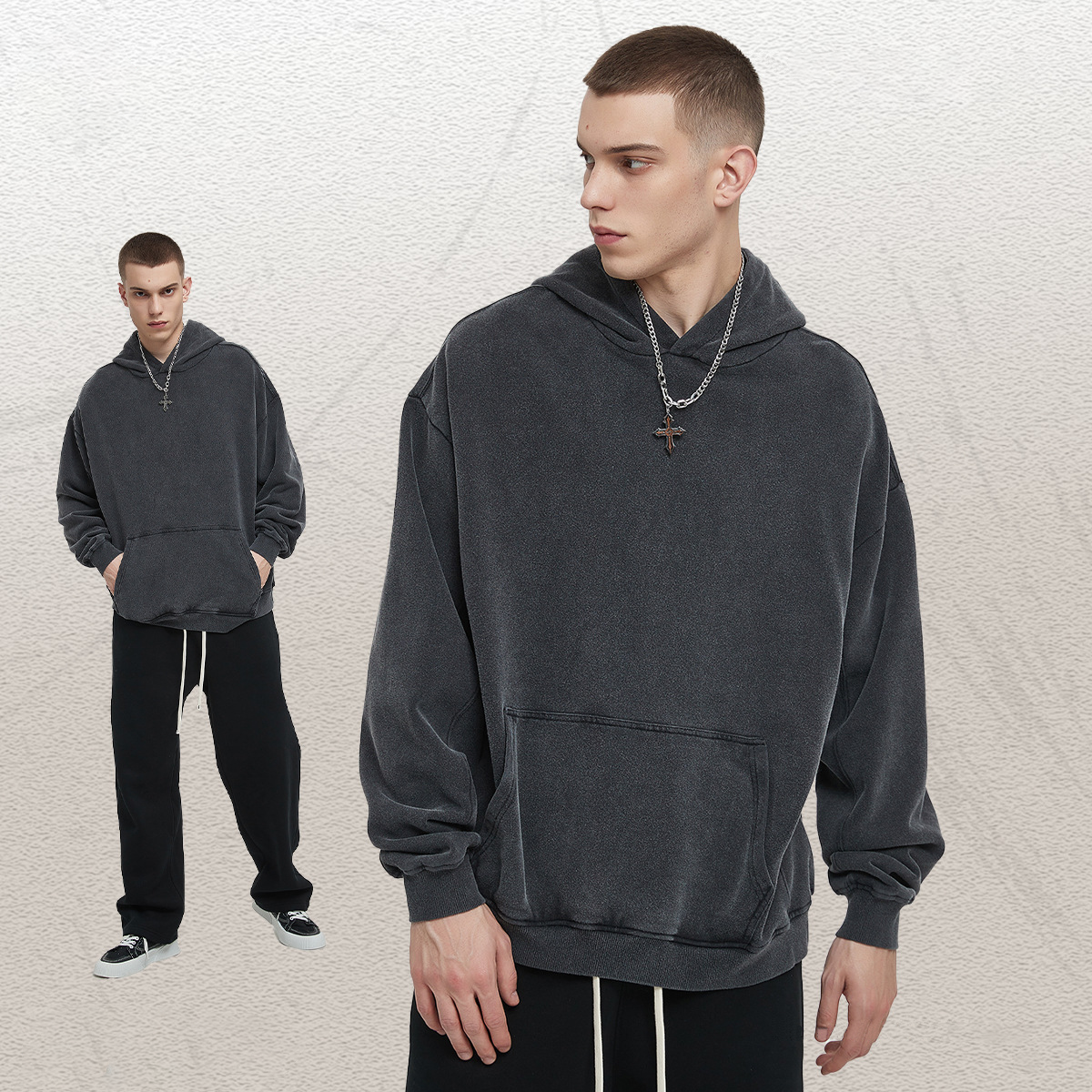
Pullover Sweatshirts
As a sweatshirt manufacturer, EDVORIN produces pullover styles with coordinated fabric weight, neckline, cuffs, hems, grading and finishing. Development can include brushed fleece, French terry, garment washing, embroidery and screen printing for private-label or wholesale programs.
Get a Quote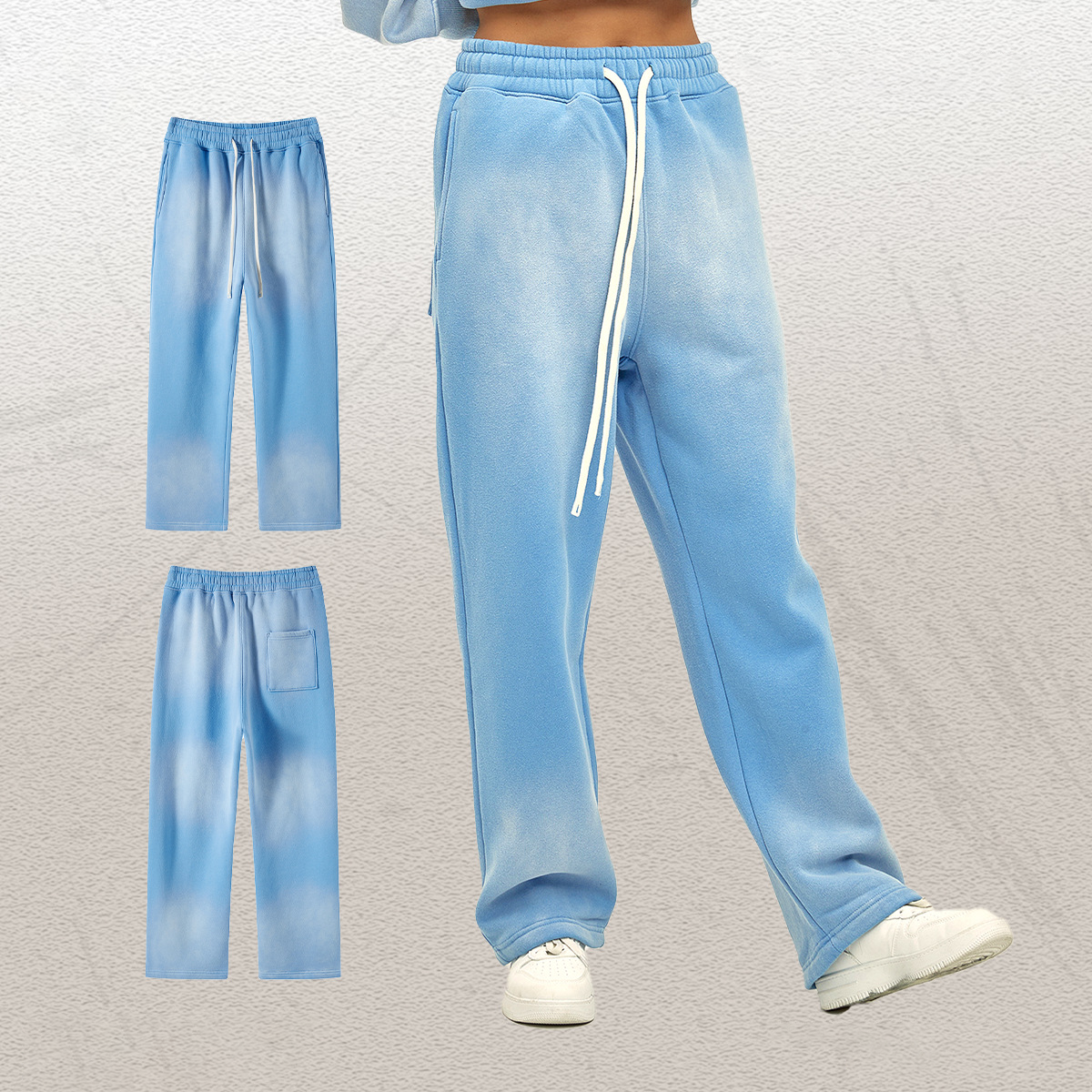
Sweatpants & Joggers
EDVORIN manufactures sweatpants and joggers with defined fit, rise, leg shape, elastic or rib cuffs, drawcords, pockets and matching fleece options. Styles can be coordinated with hoodies and sweatshirts into repeatable men’s or women’s sets.
Get a Quote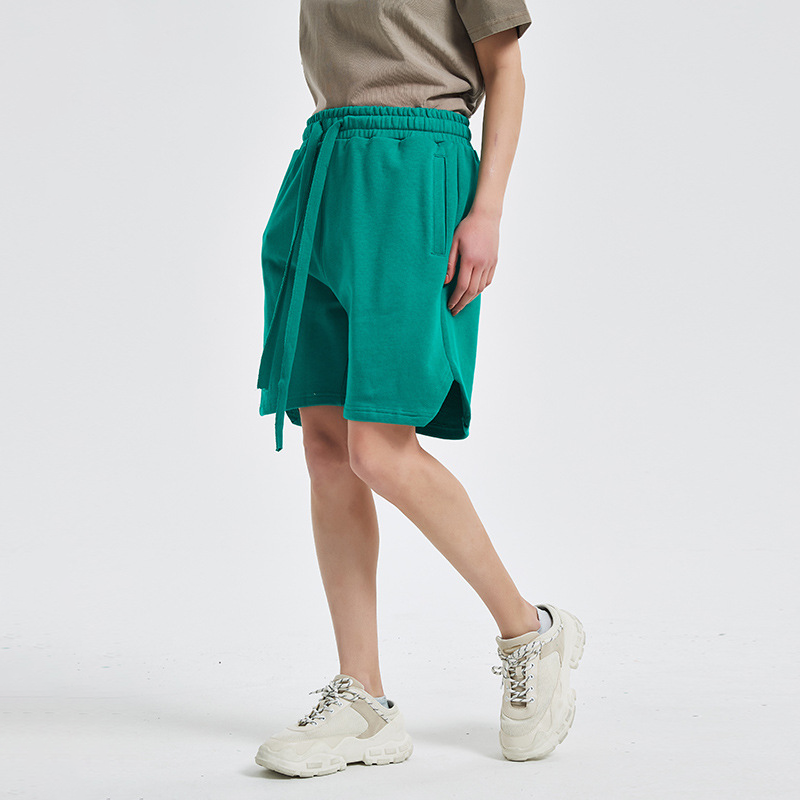
Custom Shorts
Custom shorts are developed around intended use, including fleece, jersey, woven or performance fabric options. EDVORIN coordinates inseam, waistband, pockets, liners, decoration, labels and packaging for casualwear, sportswear and private-label programs.
Get a Quote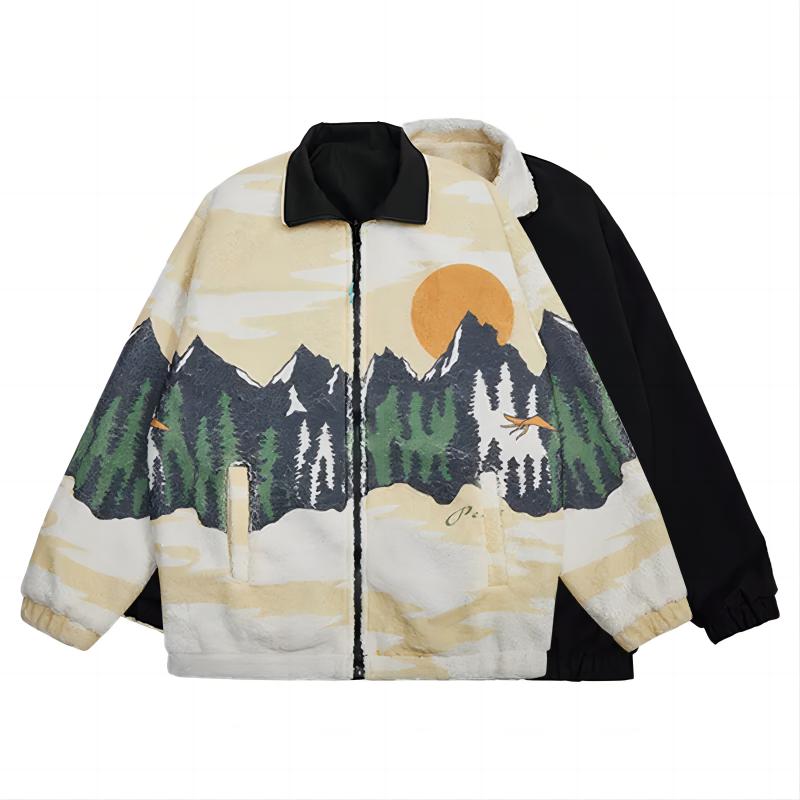
Varsity & Baseball Jackets
EDVORIN develops varsity and baseball jackets by coordinating body fabric, sleeves, lining, rib, snaps, patches, embroidery and appliqué. Samples establish the balance of construction and decoration before bulk production begins.
Get a Quote
Custom T-Shirts
As a custom T-shirt manufacturer, EDVORIN supports jersey selection, weight, fit, neck rib, sleeve proportions, printing, embroidery, washes and labeling. Styles are developed for men’s and women’s fashion, promotional, wholesale and streetwear collections.
Get a Quote
Custom Polo Shirts
Custom polo shirts can be developed in pique, jersey or performance fabrics with specified collars, plackets, cuffs, buttons, embroidery and color blocking. EDVORIN manages the construction details needed for corporate, school, team and private-label programs.
Get a Quote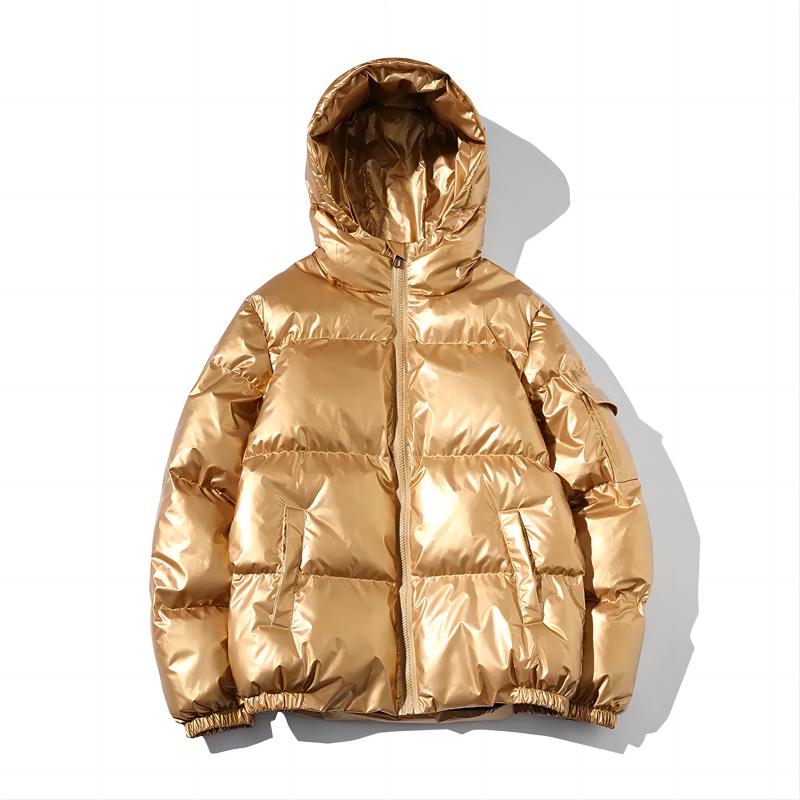
Windbreaker Jackets
EDVORIN manufactures windbreaker jackets with coordinated shell fabric, lining, mesh, zippers, hood construction, pockets and water-resistant finishing. Decoration methods are selected around the fabric and intended use, then recorded against the approved sample.
Get a Quote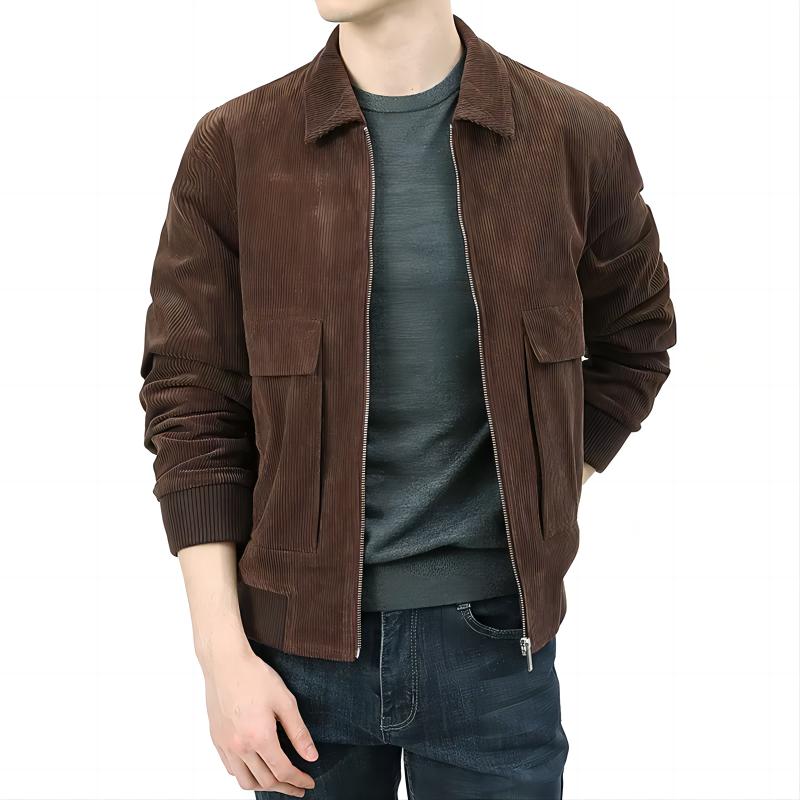
Quilted Jackets
Quilted jackets are developed with defined shell, lining and insulation choices, quilting patterns, seam construction, closures and branding details. EDVORIN coordinates sampling and bulk controls to maintain fill, shape and finish across the order.
Get a Quote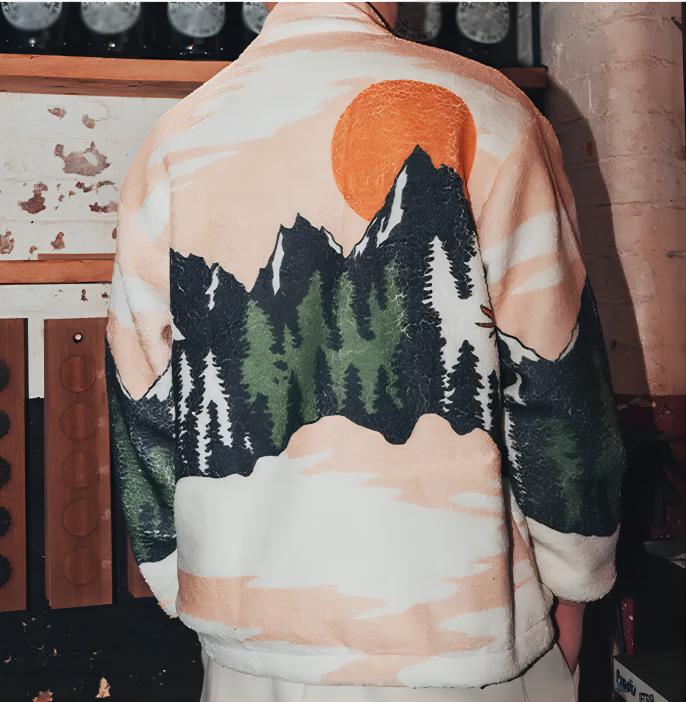
Bomber Jackets
As a bomber jacket manufacturer, EDVORIN develops shell and lining combinations, rib components, zippers, pockets, insulation and decoration. Fit, trim specifications and artwork placement are documented to support consistent production across repeat orders.
Get a Quote
Custom Shirts
EDVORIN produces custom woven shirts with selected shirting fabrics, collars, plackets, cuffs, pocket details, buttons and labels. Development supports men’s and women’s fits for fashion brands, uniforms, corporate apparel and private-label collections.
Get a Quote
Custom Jerseys
Custom jerseys are developed around breathable fabric selection, panel construction, color control, team logos, names and numbers. EDVORIN records placement and sizing standards to support organized team sets and dependable repeat orders.
Get a Quote
Tank Tops
EDVORIN manufactures tank tops in jersey, mesh and performance fabrics with tailored armholes, necklines, fit proportions and decoration options. Programs can serve casualwear, gymwear, teamwear and coordinated streetwear collections for men and women.
Get a Quote
Soccer Uniforms
Soccer uniforms are developed as coordinated jerseys, shorts and optional warm-up pieces with moisture-management fabrics, color blocking, crest placement, names and numbers. Size sets and decoration specifications are controlled from approved samples through packing.
Get a Quote
Basketball Uniforms
Basketball uniforms combine breathable jersey fabric, defined panel construction, shorts proportions and controlled team decoration. EDVORIN coordinates logos, player names, numbers, color matching and size runs for clubs, schools, academies and sports programs.
Get a Quote
Streetwear Collections
EDVORIN develops streetwear collections across hoodies, tees, sweatpants, jackets, shorts and woven pieces under one production system. Fabric, fit, trims, graphics, washes and packaging are aligned from concept development to sample approval and bulk production.
Get a QuoteYour Faux Leather Clothing Manufacturer
EDVORIN has been translating apparel ideas into repeatable production standards since 2000. As a faux leather clothing manufacturer for fashion, streetwear and private-label programs, we help buyers move from a tech pack, sketch or reference garment to a clear specification for materials, fit, construction, trims and finishing.
Our connected workflow brings product development, material sourcing, pattern making, sampling, decoration, bulk production, labeling and packaging into one accountable path. Men’s and women’s programs can be developed with wearer-specific proportions and details, while MOQs start at 200 pieces per style for emerging labels, wholesale buyers and established collections. Certification programs include ISO 9001, BSCI, WRAP, SEDEX, OEKO-TEX Standard 100, GRS and GOTS, as applicable to the program and material requirements.
What makes EDVORIN different is the discipline after sample approval. We document the approved standard, coordinate production decisions around it and use in-line and final checks to protect measurements, workmanship, artwork placement and packing consistency. The result is a production process designed for confident repeat orders.
Faux Leather Clothing Manufacturer Development Controls
Material Behavior First
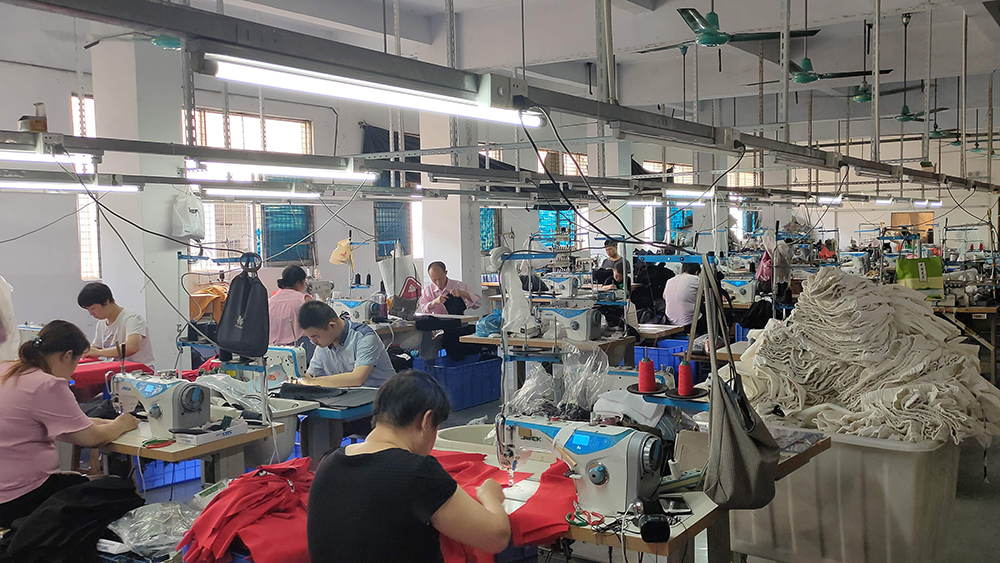
As a faux leather clothing manufacturer, EDVORIN reviews face finish, backing, stretch, recovery, thickness and drape before construction is finalized. This helps align the material with the intended silhouette, movement and visual character of each jacket, pant or coordinated collection.
- Match material weight to garment structure
- Check stretch direction and recovery
- Review surface finish with intended use
- Test sample material before bulk approval
Patterns Built for the Material
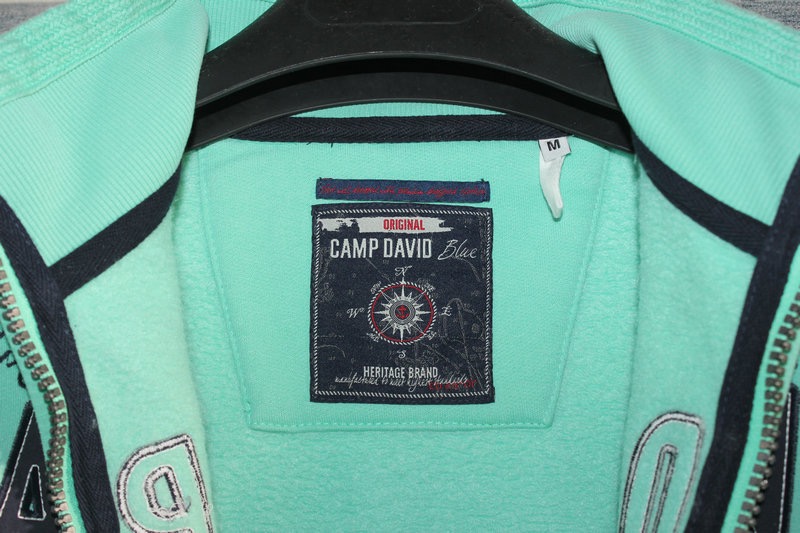
Faux leather responds differently to shaping, seam placement and repeated stitching than knit or woven cloth. EDVORIN develops patterns with practical allowances, balanced panels and fit considerations so men’s and women’s styles can be sampled, adjusted and documented for consistent bulk production.
- Set seam allowances for construction needs
- Balance panel shapes and garment proportions
- Develop separate men’s and women’s fit blocks
- Record approved measurements and revisions
Seams, Linings and Hardware
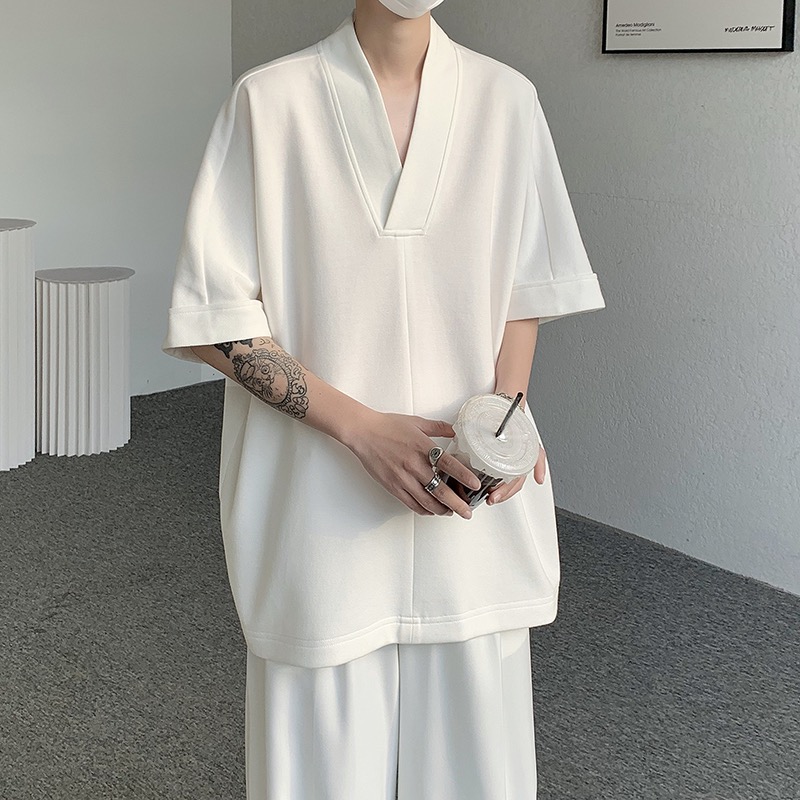
Construction details must work together. EDVORIN coordinates seam methods, lining selection, zippers, snaps, labels and reinforcement points around the selected faux leather, helping buyers evaluate how each component affects comfort, durability, appearance and the production-ready specification.
- Select seam methods for panel layouts
- Coordinate lining with fit and wearability
- Specify hardware placement and reinforcement
- Confirm labels and trims during sampling
Finish Compatibility Checks
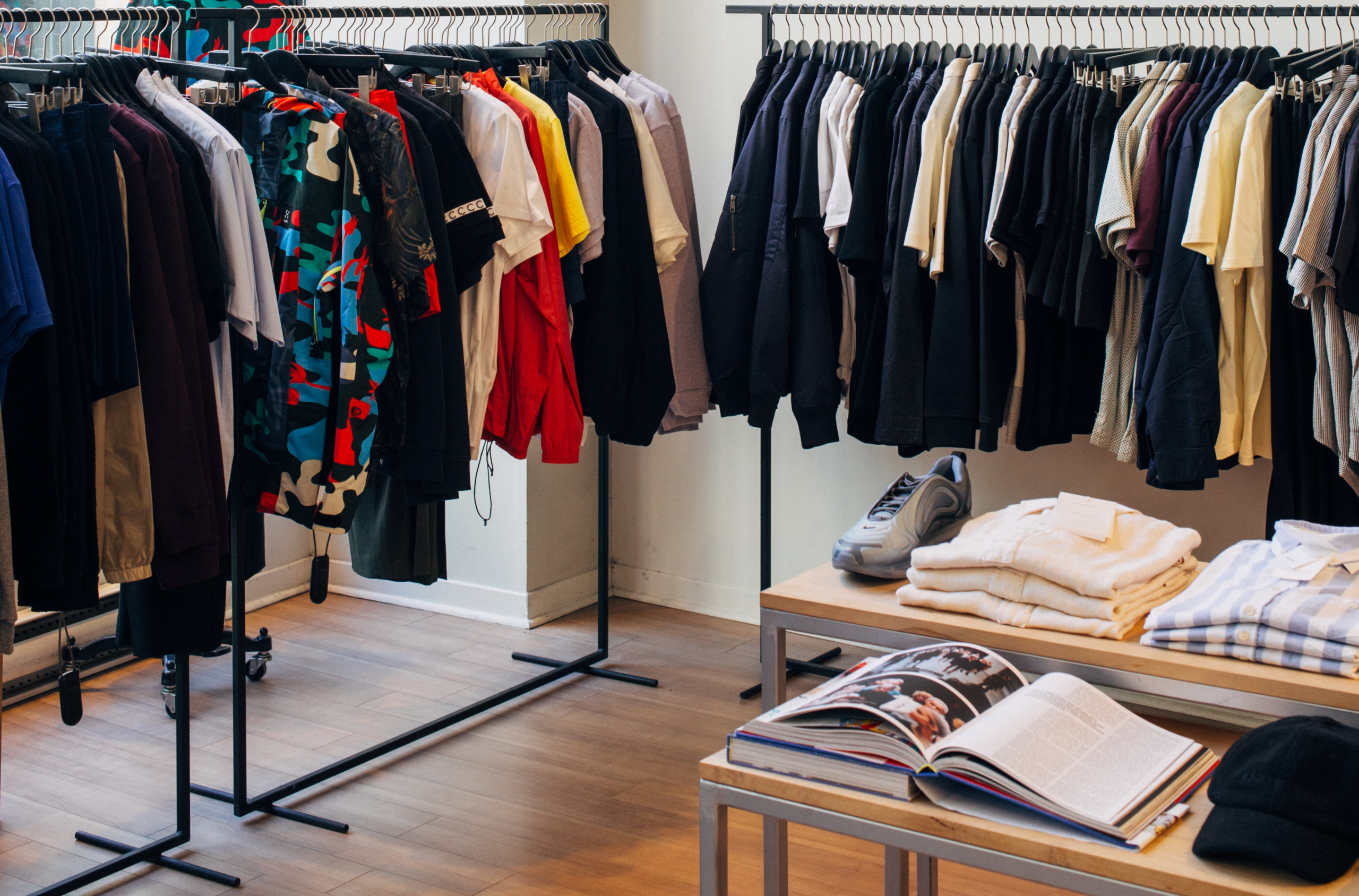
Decoration and finishing should be evaluated on the actual garment material, not assumed from a reference image. EDVORIN uses the sampling stage to review print, embroidery, patches, washes and packaging details against the approved faux leather garment standard before production moves forward.
- Test decoration on selected material
- Review patch and embroidery placement
- Confirm finishing against approved sample
- Carry approved standards into quality control
Faux Leather and Faux Suede: Development Considerations
Compare the material behavior, design preparation, decoration options and sourcing limits that shape an outerwear program.
← Swipe left or right to view →
Faux Leather Clothing Manufacturer Production Process
EDVORIN turns approved design decisions into documented production standards for repeatable faux leather apparel programs.
Review Concept and Specifications
We review sketches, references or tech packs, confirm target fit, construction details, decoration requirements, quantity and the commercial goals behind your collection.
Select Materials and Trims
Our team coordinates faux leather options, backing, lining, hardware, labels and supporting trims to balance appearance, comfort, construction and intended wear.
Develop Patterns and Samples
Patterns, measurements and grading are developed for the intended wearer, then sampled to test fit, sewing methods, artwork placement and material compatibility.
Approve Production Standards
After revisions, the approved sample becomes the production reference, with confirmed measurements, materials, color references, trims, decoration placement and packaging requirements documented.
Produce Inspect and Pack
Bulk production follows the approved standard through cutting, sewing, decoration and finishing, supported by in-line checks, final inspection, labeling and organized packing.
How to Order From a Faux Leather Clothing Manufacturer
Give EDVORIN the inputs needed to turn your concept into an approved, repeatable faux leather apparel standard.
Share Your Product Brief
Send a tech pack, sketch, reference garment, target customer, quantity and delivery goals so we can clarify the product direction before development begins.
Define Materials and Construction
Specify faux leather direction, backing, weight, color, lining, hardware and construction details. EDVORIN helps translate open choices into production-ready specifications.
Confirm Fit and Branding
Provide measurement charts, fit references, grading requirements, labels, patches, embroidery, prints and packaging details for men’s or women’s programs.
Review the Development Sample
Assess the sample for material feel, fit, construction and decoration. Record revisions and approve the final standard that will guide bulk production.
Approve Bulk Production
Confirm quantities from 200 pieces per style, approved specifications and packaging. EDVORIN coordinates production and quality checks against the approved sample.
Buyer Results From Faux Leather Apparel Programs
Illustrative buyer scenario: A women’s faux leather jacket program used two sample rounds to finalize sleeve and shoulder measurements before a 600-piece bulk order, helping maintain a consistent matte appearance across colorways.
Illustrative buyer scenario: A 400-piece streetwear program documented zipper, lining and pocket details before bulk production, supporting consistent shape retention and topstitching standards during final inspection.
Illustrative buyer scenario: A club program coordinated faux leather joggers and bomber jackets across three colorways, with embroidery placements and size sets approved before production.
Faux Leather Clothing Manufacturer FAQ
Practical answers for developing custom faux leather apparel with EDVORIN, from material selection and sampling through bulk production.
What can a faux leather clothing manufacturer make for my brand?
What faux leather materials can you source for clothing?
Can a faux leather clothing manufacturer help if I only have a sketch or reference garment?
Can faux leather garments include embroidery, patches, prints, or custom hardware?
What is the MOQ for custom faux leather apparel?
What do you need before a faux leather clothing manufacturer can quote my order?
How do EDVORIN’s certification programs and quality controls support bulk production?
The Complete Faux Leather Clothing Manufacturer Buyer’s Guide
Use this decision framework to compare materials, construction, customization, supplier capabilities, and sourcing risks—so you can select a faux leather clothing partner confidently and avoid costly sampling, quality, pricing, and production mistakes.
1. What Is a Faux Leather Clothing Manufacturer?
Since 2000, EDVORIN has treated apparel manufacturing as the process of converting an approved design into a repeatable garment standard. A faux leather clothing manufacturer develops the garment itself for OEM, private-label, or wholesale programs: pattern, fit, material selection, sample, construction, labeling, packing, and bulk quality control.
Four roles are often confused. A faux-leather fabric supplier sells PU, PVC, or microfiber material by roll; a decorator applies prints, patches, or embroidery; and a trading company coordinates purchases. The garment maker owns the production specification and coordinates how shell, lining, hardware, seams, decoration, and sizing work together.
For fashion labels, streetwear teams, schools, clubs, and distributors, the practical question is whether the partner can carry development through bulk delivery. That should include technical review, sourcing suitable garment-grade material, pattern and sample revisions, trim specification, artwork placement records, in-line inspection, and final packed-order checks.
2. Evolution of Faux Leather Clothing Manufacturing
1937 marked the development of polyurethane chemistry; apparel alternatives later moved beyond early coated fabrics toward softer PU films and PVC-coated textiles. PVC remains useful where a crisp surface, bold gloss, or structured hand is wanted, while PU generally offers a more garment-friendly drape.
0.6–0.8 mm is a common specification range for stretch faux leather used in garments, but thickness alone does not predict comfort. Knit backing, elongation and recovery, coating adhesion, and seam behavior determine whether leggings, pants, or fitted jackets can move without cracking or bagging.
2026 sourcing decisions should separate appearance from construction. Microfiber, recycled-content, and solvent-reduced options can change handfeel, color consistency, test requirements, availability, and cost; a faux leather clothing manufacturer should sample the exact material and document approved performance expectations before bulk cutting.
3. Types of Faux Leather Clothing Manufacturer
A faux leather clothing manufacturer can operate as a factory, private-label source, specialist, or material partner. Match the model to your 200-piece launch, design control, and internal development capacity.
| Model | Best Use | Customization | Tradeoff |
|---|---|---|---|
| OEM/ODM | New collection | High | More approvals |
| Private label | Fast launch | Moderate | Stock limits |
| Cut-and-sew | Complex styles | High | Higher MOQ |
| Teamwear | Clubs, schools | Moderate | Artwork control |
| Fabric trader | Material sourcing | Low | Separate factory needed |
OEM And ODM Factories
200-piece programs suit OEM when you provide patterns and specifications; ODM starts from existing blocks. Ask who owns the pattern, material approval, and revision record.
Private Label And Specialists
Private-label producers accelerate branded basics, while cut-and-sew specialists support original panels, linings, and fit. Ask which details are stock versus newly developed.
Teamwear And Material Partners
Sportswear suppliers manage numbers and size sets; fabric-led traders supply rolls but rarely control garment construction. Ask whether one party is accountable for finished-garment quality.
4. Faux Leather Clothing Manufacturer Materials Guide
Material choice should start with garment movement, surface effect, and backing—not a generic leather look. A faux leather clothing manufacturer should approve a swatch under abrasion, flex, and color review before sampling.
| Material | Face / Backing | Thickness / Stretch | Best Use |
|---|---|---|---|
| PU | Matte or grain; woven/knit | 0.6–0.9 mm; limited | Jackets, trims |
| PVC | Glossy or embossed; textile | 0.7–1.0 mm; low | Structured jackets, panels |
| Microfiber | Fine grain; microfiber base | 0.6–1.0 mm; low | Premium jackets, uniforms |
| Stretch Faux Leather | PU face; stretch knit | 0.6–0.8 mm; 2/4-way | Pants, active uniforms |
| Bonded Construction | PU plus foam/textile | 0.8–1.5 mm; low | Outerwear panels, trims |
| Suede-Like | Brushed face; knit/woven | 0.5–0.9 mm; variable | Jackets, contrast details |
Face And Backing
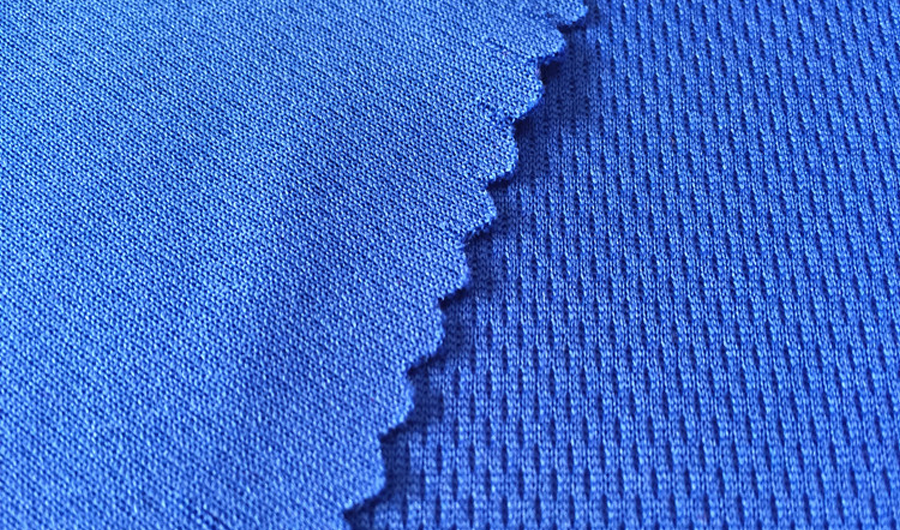
0.6–0.9 mm PU on woven or knit backing suits most fashion jackets; matte, grain, patent, and metallic faces change hand feel and color perception.
Performance Matching
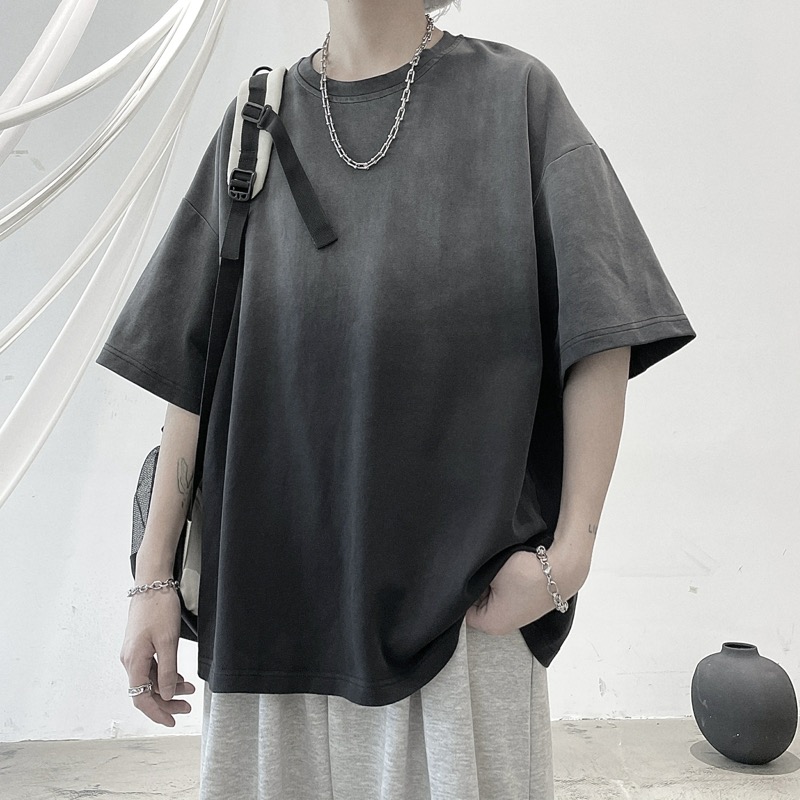
2-way or 4-way stretch constructions suit pants and athletic uniforms, while bonded layers add structure for panels and trims. Microfiber and suede-like options generally feel softer than PVC.
Approval Priorities
3 controls matter in bulk: batch-to-batch color, backing stability, and abrasion or flex performance. Record Pantone reference, thickness tolerance, and intended wash method on the approved material sheet.
5. Customization and Decoration Options
200-piece OEM programs can customize silhouette, panel layout, color, quilting, perforation, lining, hardware, labels, and packaging. A faux leather clothing manufacturer should document each visible decision before bulk cutting.
| Method | Best Use | Faux Leather Consideration |
|---|---|---|
| Embroidery | Small chest marks | Use stabilizer; avoid puckering |
| Sewn patch | Badges and team marks | Specify edge stitch and placement |
| Heat transfer | Fine multicolor logos | Approve press test and wash result |
| Screen print | Large graphic areas | Test ink adhesion and flexing |
| Debossing | Subtle tonal branding | Approve depth on production material |
Design Specification

Three reference points—approved pattern, Pantone color, and material swatch—should govern each style.
Sample approval should lock panel seams, quilt spacing, perforation diameter, lining color, zipper finish, and label placement.
Logo Application Choices
Five common methods behave differently on coated surfaces; test placement away from high-stretch seams and abrasion zones.
Wash testing should use the intended care method before artwork and attachment methods are released.
Packout Standards
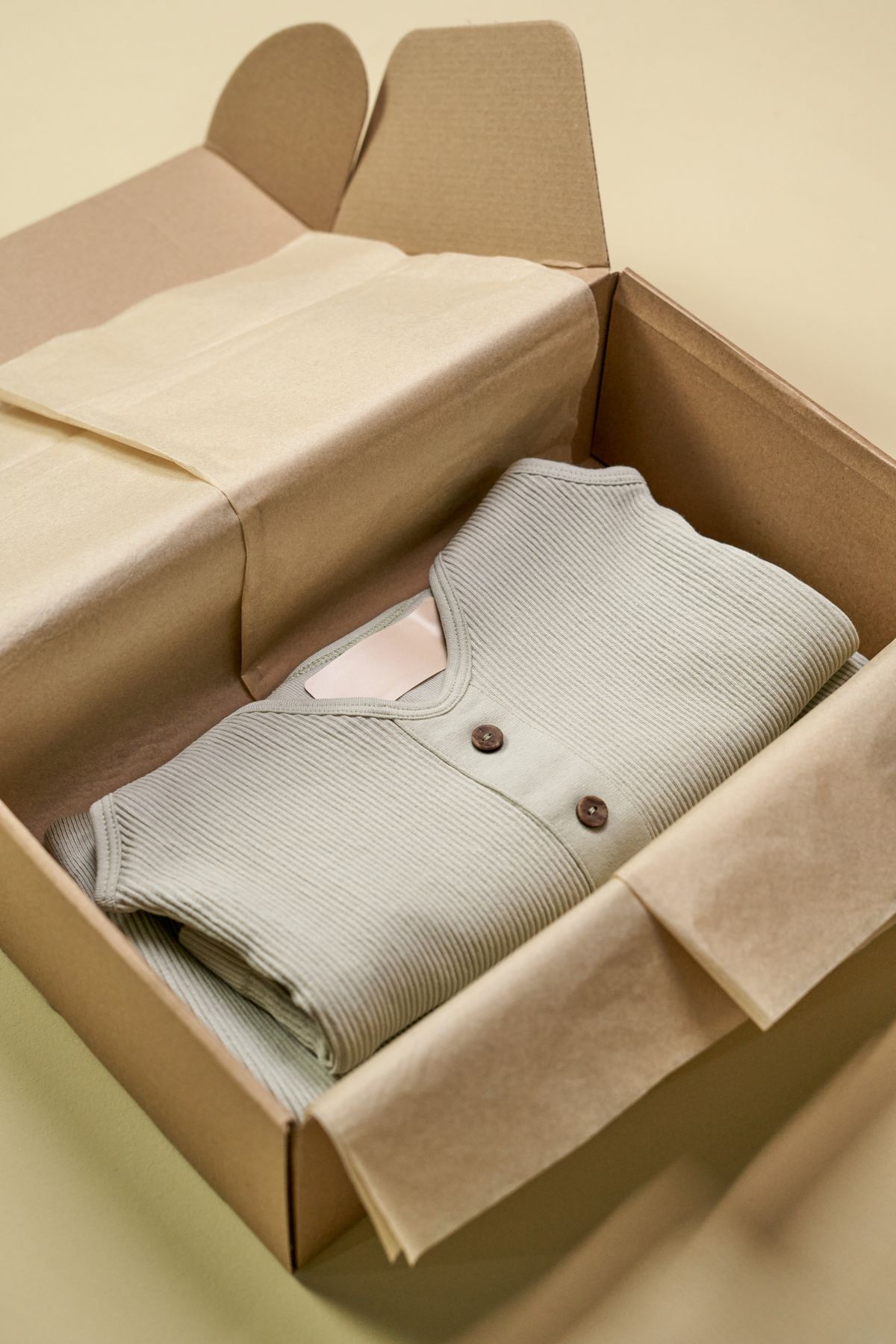
Two packout approvals protect presentation: folded-garment dimensions and hardware protection.
Confirm hangtags, polybags, carton marks, barcode placement, and any tissue separating coated surfaces.
6. Construction Quality for Faux Leather Garments
Faux leather demands controlled handling because needle holes remain visible and seams cannot recover like woven fabric. A capable faux leather clothing manufacturer evaluates construction before approving bulk production.
Seams And Needles
8–10 stitches per inch often balances seam strength with perforation risk on garment-weight PU.
90/14 or 100/16 leather-point needle trials should confirm clean penetration without skipped stitches, puckering, or surface damage.
- Check consistent seam allowances
- Inspect topstitch spacing
- Confirm matching thread tension
- Review seam allowance trimming
Reinforcement And Hardware
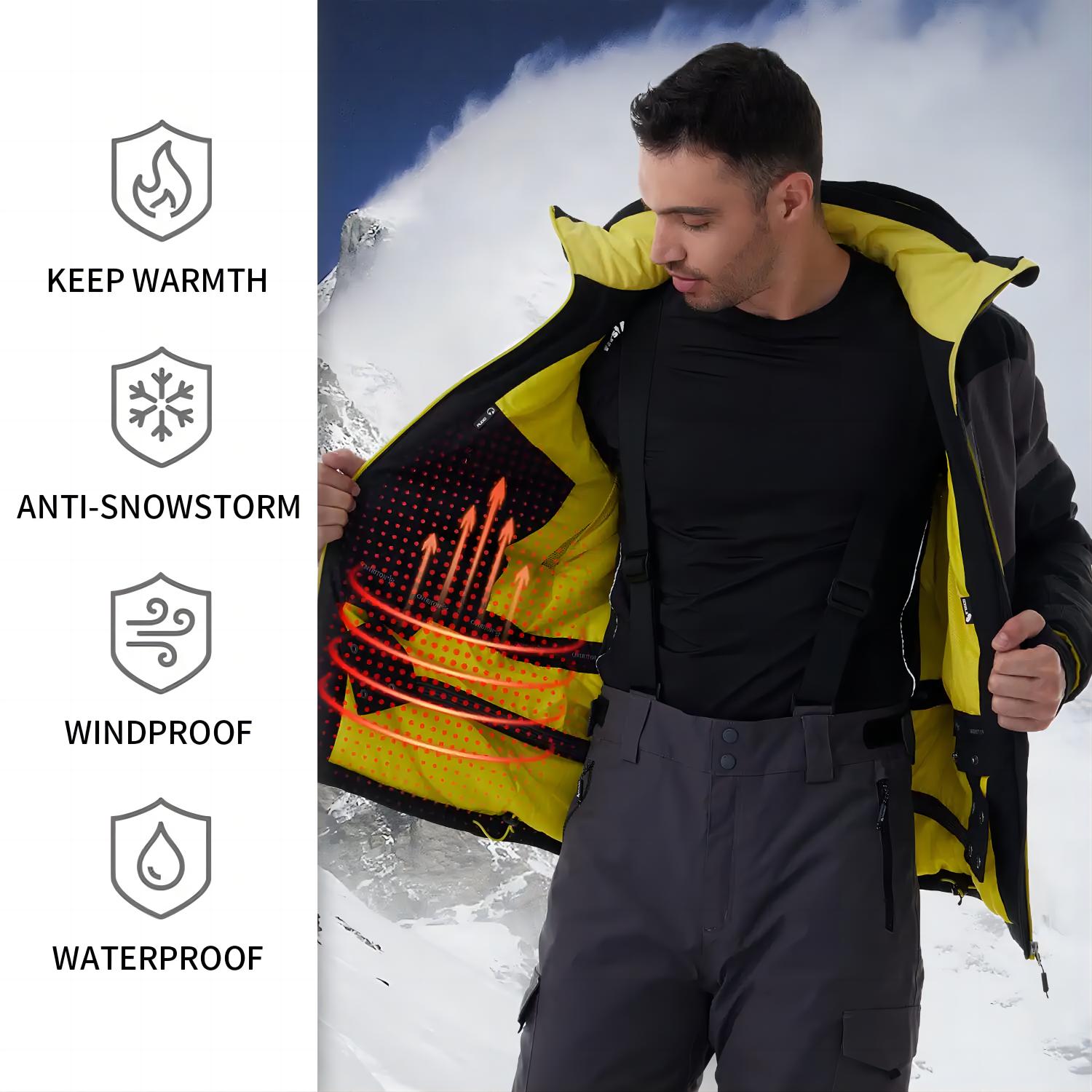
2 layers of reinforcement at pocket corners, zipper ends, and belt loops reduce tear-out under repeated loading.
YKK or equivalent zippers should run smoothly; snaps, rivets, and pulls need secure backing without cracking the face film.
Fit And Stress Testing
1 approved pattern must balance grain direction, ease, lining, and seam placement so panels hang without twisting.
10 repeated zip, snap, and pocket-pull checks can reveal weak attachment points before a factory inspection is signed off.
7. Choosing a Faux Leather Clothing Manufacturer
A 200-piece first order should test a supplier’s control system, not just its quote. Choose a faux leather clothing manufacturer that converts approved materials and details into documented production standards.
| Evidence | What It Validates | Request Before Deposit |
|---|---|---|
| Material sheet | Sourcing transparency | Composition, color, backing |
| Approved sample | Construction repeatability | Signed specifications |
| Production plan | Capacity and logistics | Timeline, cartons, inspection |
Verify Product Experience
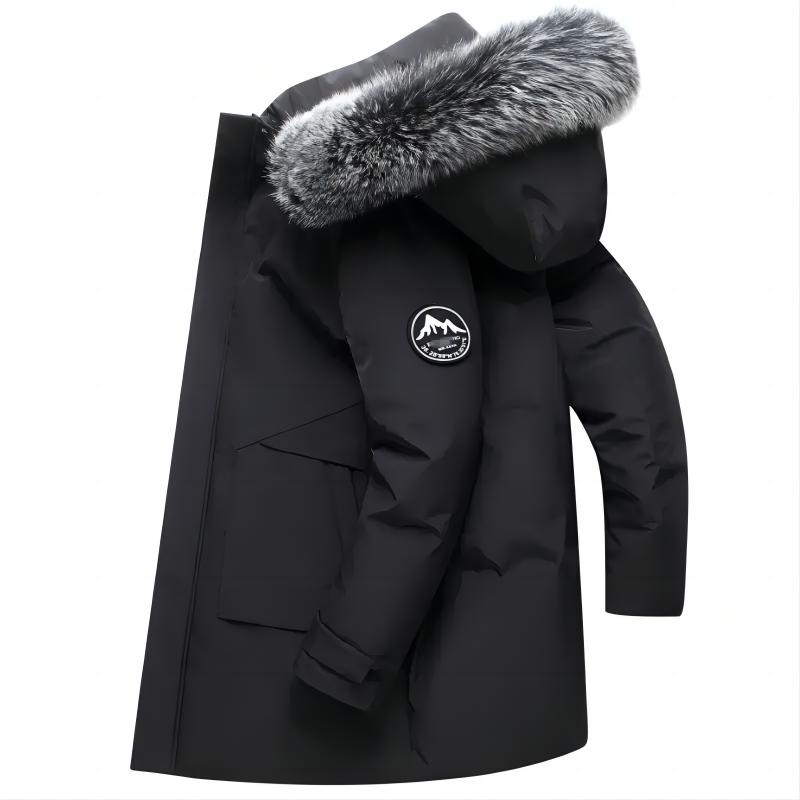
Three comparable garments reveal more than a portfolio page: request photos, construction notes, and reference samples.
EDVORIN develops outerwear and coordinated apparel through patterns, sourcing, decoration, quality control, labeling, and packaging.
- Comparable faux-leather style samples
- Measurement chart and graded sizes
- Material and trim specification sheet
Audit Sampling And Control
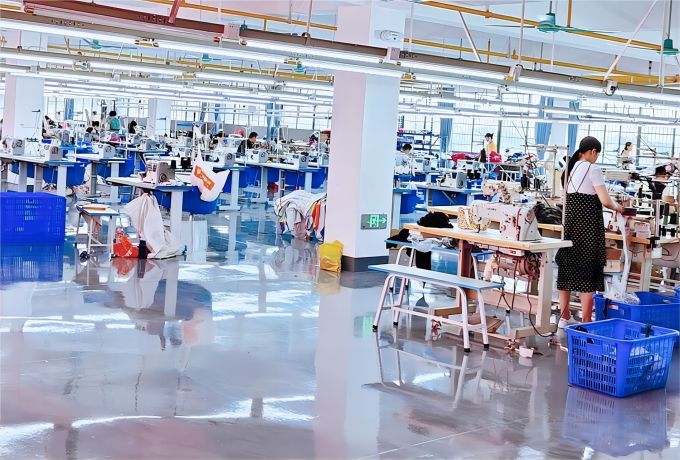
One approval sample should state material composition, backing, thickness, color reference, stitch density, hardware, and placement measurements.
Two checkpoints—pre-production and final inspection—should compare bulk goods against that signed standard.
- Pre-production sample photos
- Inspection checklist
- Defect and tolerance policy
Confirm Delivery Readiness
A 200-piece plan needs confirmed capacity, sampling and bulk milestones, carton specifications, and shipping responsibility.
24-hour response expectations are useful only when revisions, risks, and approvals are recorded in writing.
- Compliance documents where required
- Packing list and carton marks
- Named logistics handoff
8. Common Faux Leather Sourcing Mistakes
Two pre-production decisions often determine whether a faux leather program remains profitable: specification clarity and material validation. A capable faux leather clothing manufacturer should surface these risks before bulk cutting.
Price-Only Selection
EDVORIN’s MOQ starts at 200 pieces per style. Three quotes can conceal different backing, thickness, hardware, inspection, and packing assumptions. The lowest quote can create rework, claims, or a garment that misses the approved handfeel.
One comparison sheet should normalize material construction, MOQ, delivery scope, and allowable tolerances before award.
Unproven Material And Color
0.6–0.8 mm may suit many apparel applications, but backing, stretch, recovery, and seam behavior must match the pattern. Skipping wear and wash trials risks cracking, delamination, seam damage, or poor mobility.
One physical lab dip and cut swatch should be approved under the buyer’s lighting; screen color is not a color standard.
Undefined Production Standards
EDVORIN’s MOQ starts at 200 pieces per style. Two vague lines in a tech pack—such as ‘regular fit’ or ‘clean finish’—leave production teams to interpret critical details. The result can be inconsistent fit, placement, and appearance across sizes.
One pre-production approval should record measurement tolerances, defect definitions, artwork placement, acceptable shade variation, and the MOQ by color and size.
9. Steps to Launch a Faux Leather Collection
A launch plan turns creative direction into approvals that a faux leather clothing manufacturer can repeat. Lock the calendar, decision owner, target wearer, and delivery date before sampling begins.
Brief And References
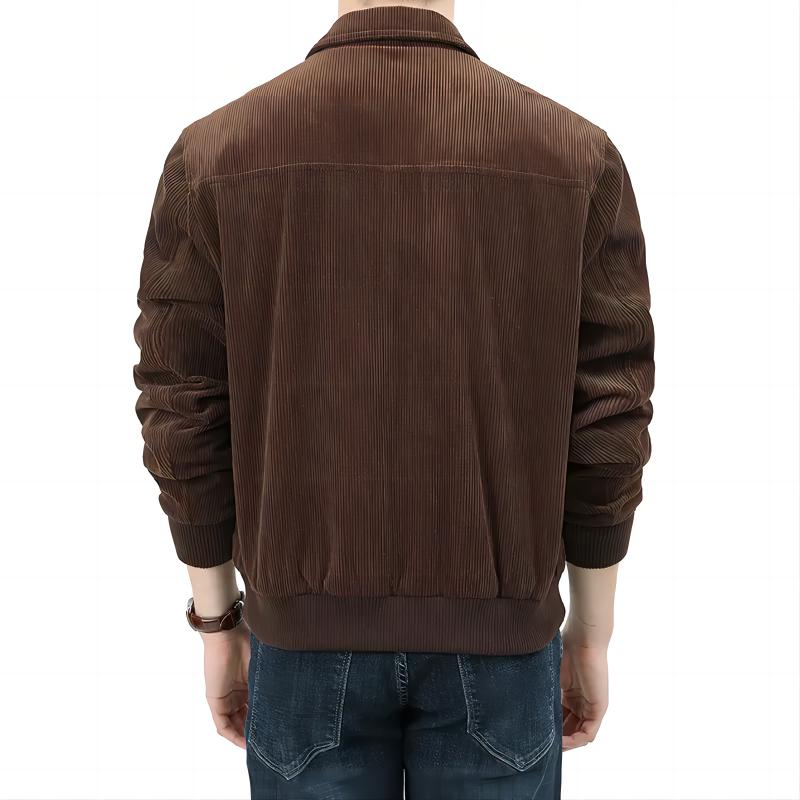
1 buyer brief should define customer, price position, color range, sizes, quantities, and required launch date.
2 reference garments should identify the desired silhouette, pocket geometry, hardware, and finish; photographs alone leave too much open to interpretation.
Specification And Sampling
1 tech pack should record graded measurements, Pantone colors, artwork placement, labels, packaging, and approved construction details.
0.6–0.8 mm PU, backing, stretch, sheen, and color must be selected before a prototype; fit review should produce one dated revision list.
Approval Through Delivery
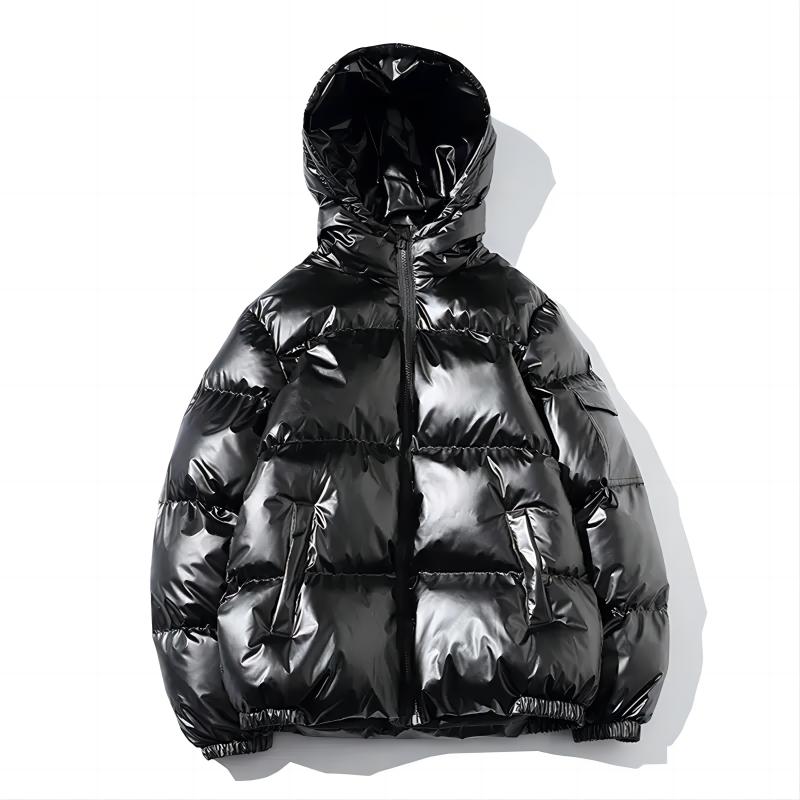
One pre-production sample should match the approved pattern, material, trims, decoration and packaging before bulk cutting.
Final checks should cover measurements, seam appearance, color consistency, hardware, labeling and carton counts; teams and schools should freeze names and numbers before production.
10. Faux Leather Clothing Pricing and Cost
200 units is a practical starting tier for a faux leather clothing manufacturer, but it rarely delivers the lowest unit economics. Material weight, backing, garment panels, lining, zippers, snaps, decoration, and packing each change the factory cost.
3 quote inputs prevent false comparisons: an approved tech pack, material specification, and destination. State sample count, size ratio, colorways, labels, hangtags, carton requirements, Incoterm, and whether freight, duties, and testing are included.
| Quantity tier | Cost effect | Typical planning lead time |
|---|---|---|
| 200–499 units | Highest setup allocation; sample and pattern costs matter most | Sample 2–4 weeks; bulk 4–8 weeks |
| 500–999 units | Better material utilization and trim purchasing | Bulk 4–8 weeks after approvals |
| 1,000+ units | Lower fixed-cost allocation; confirm capacity and color MOQ | Bulk timing depends on material availability |
| Any volume | Complex panels, quilting, embroidery, YKK hardware, custom packaging, and shipping raise total landed cost | Add time for sourced materials and approval changes |
Start With a Faux Leather Clothing Manufacturer
Send your artwork, references or tech pack for a development review and quote on orders starting at 200 pieces per style.