
Padded Clothing Manufacturer for Repeatable Outerwear
EDVORIN is a padded clothing manufacturer turning insulated outerwear concepts into approved samples and controlled bulk production.
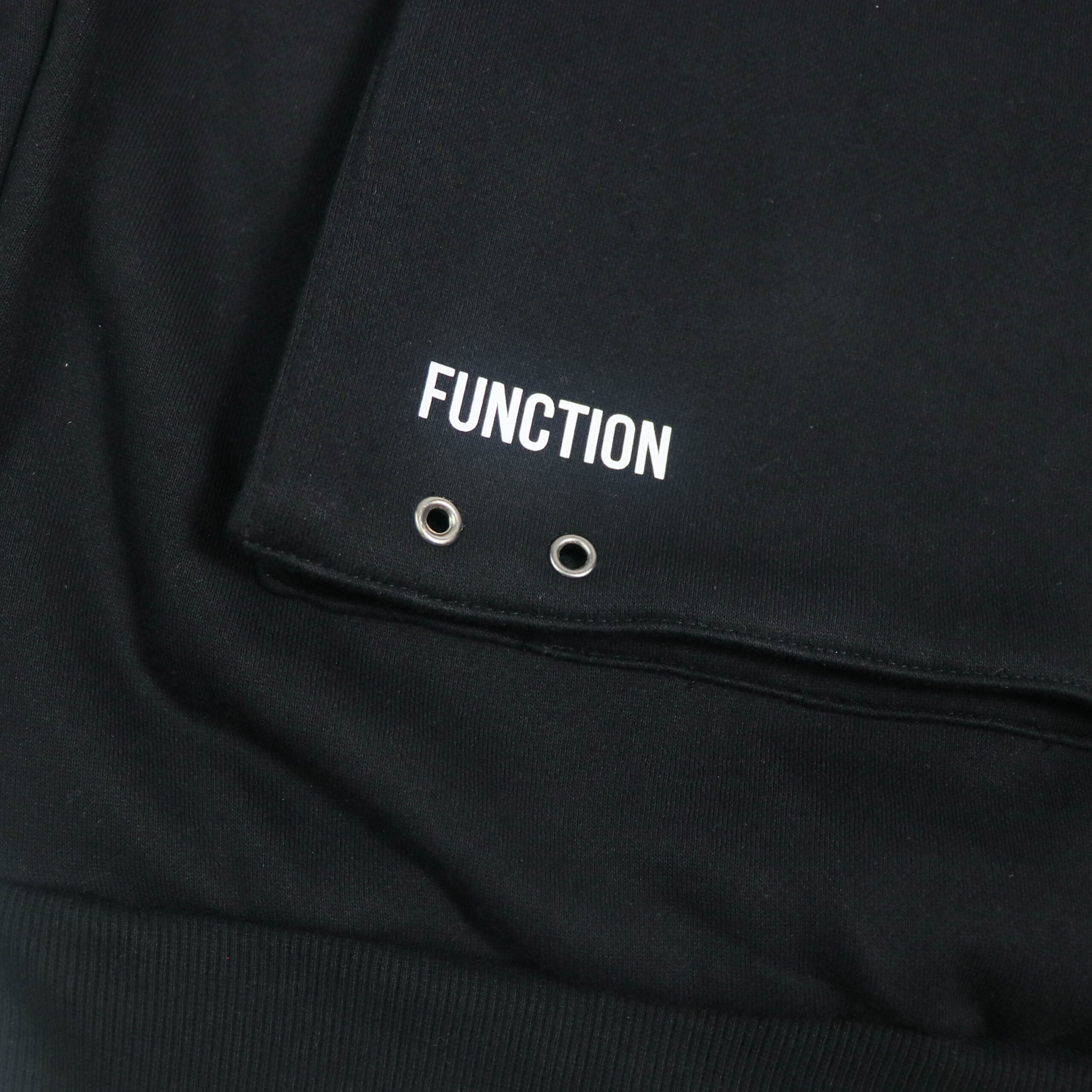
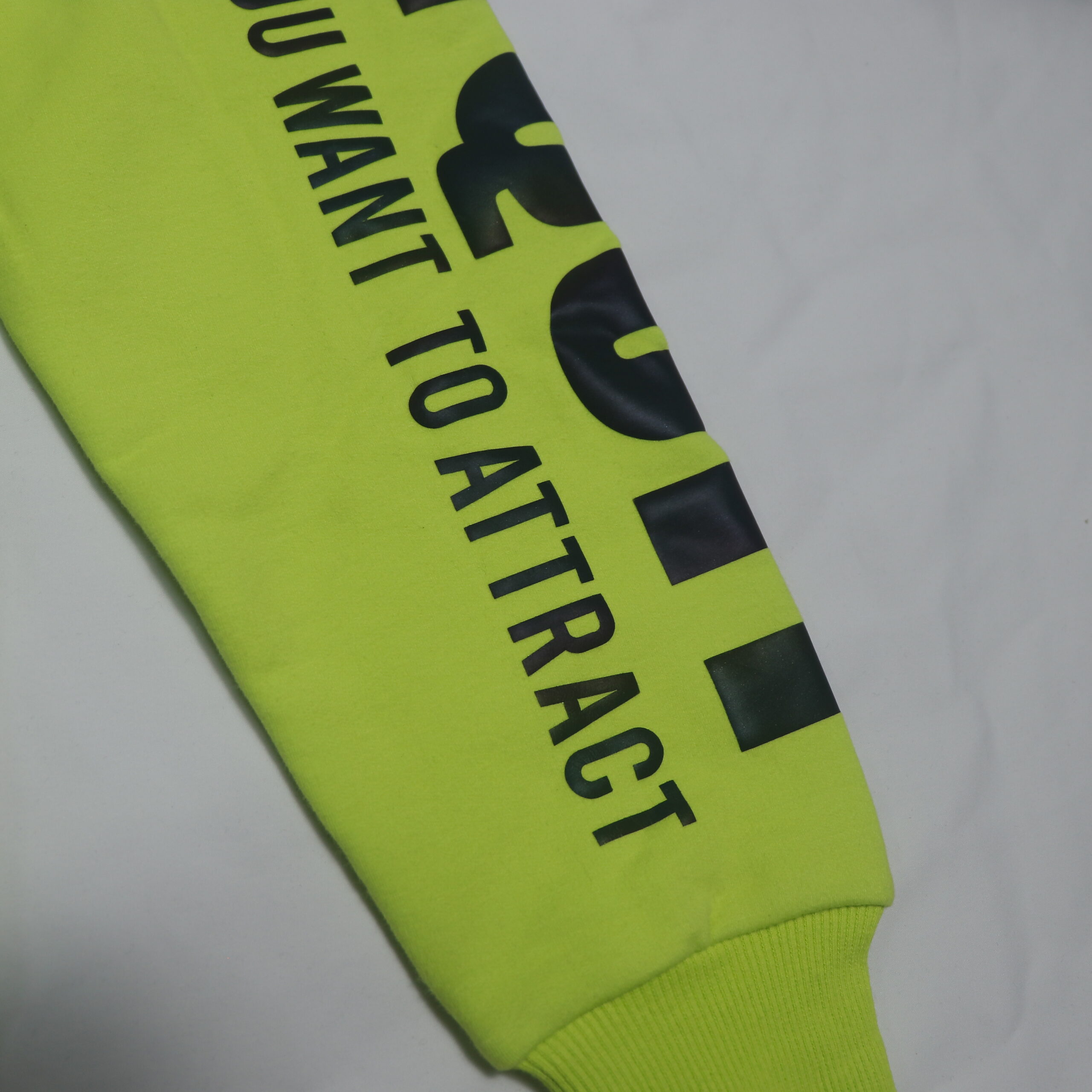
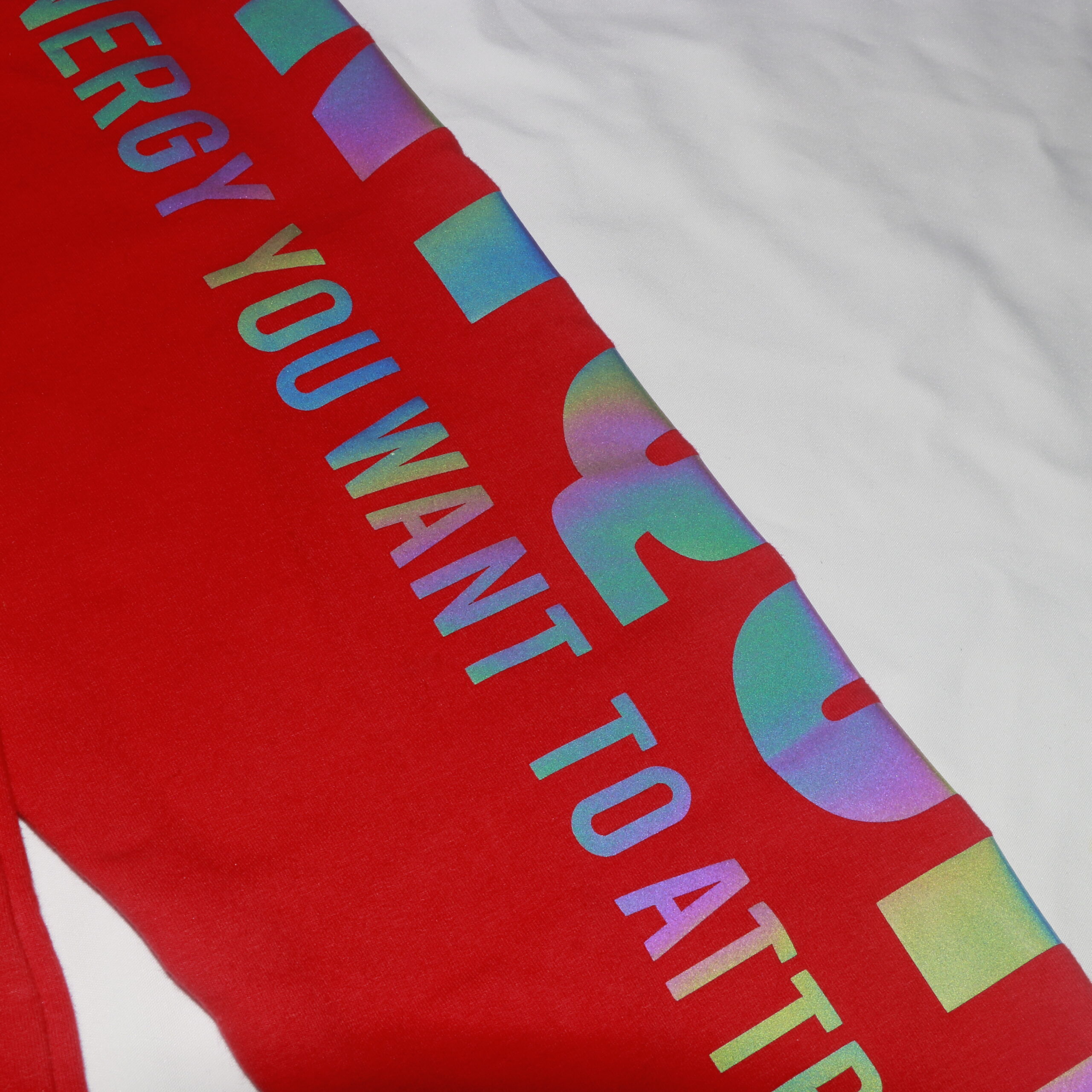
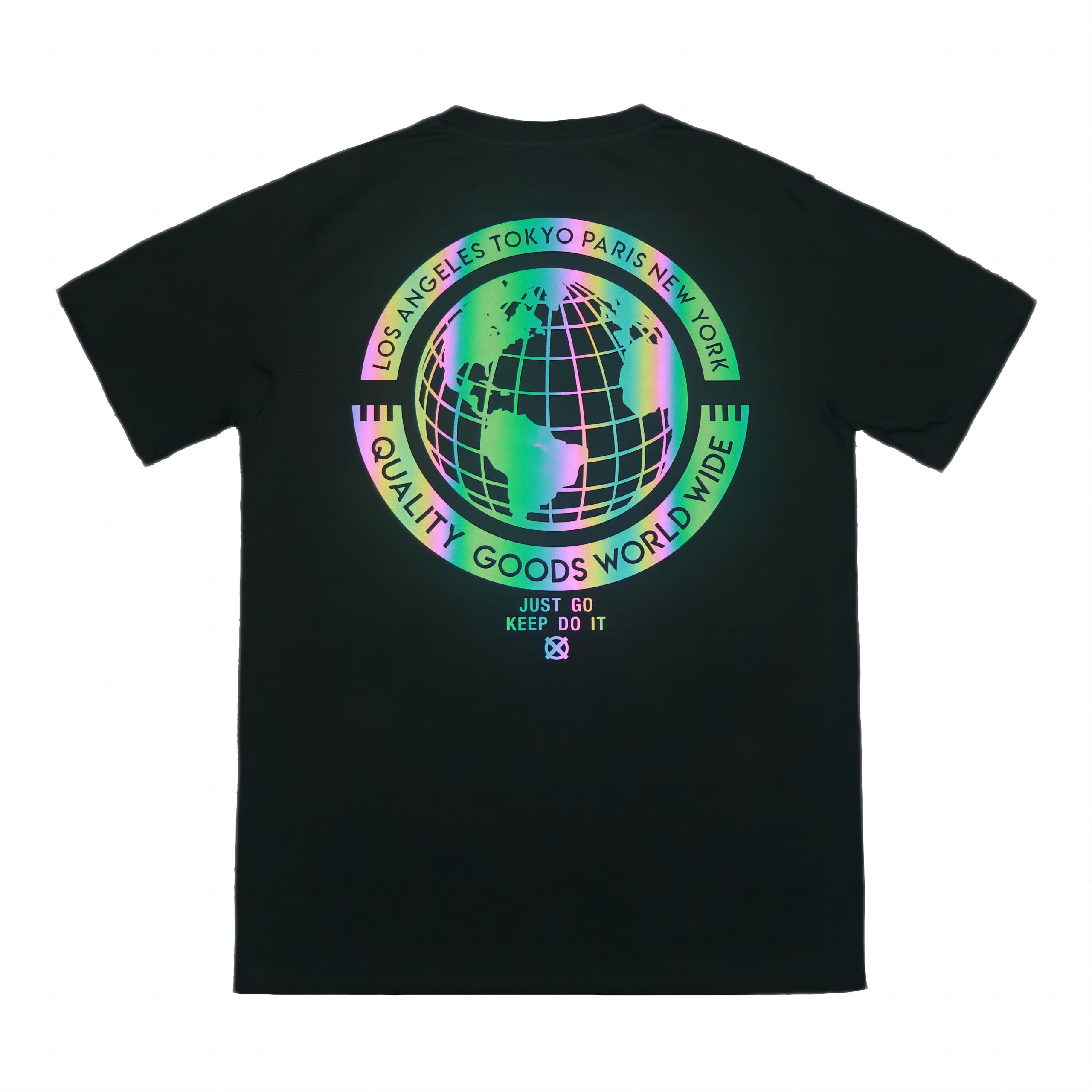
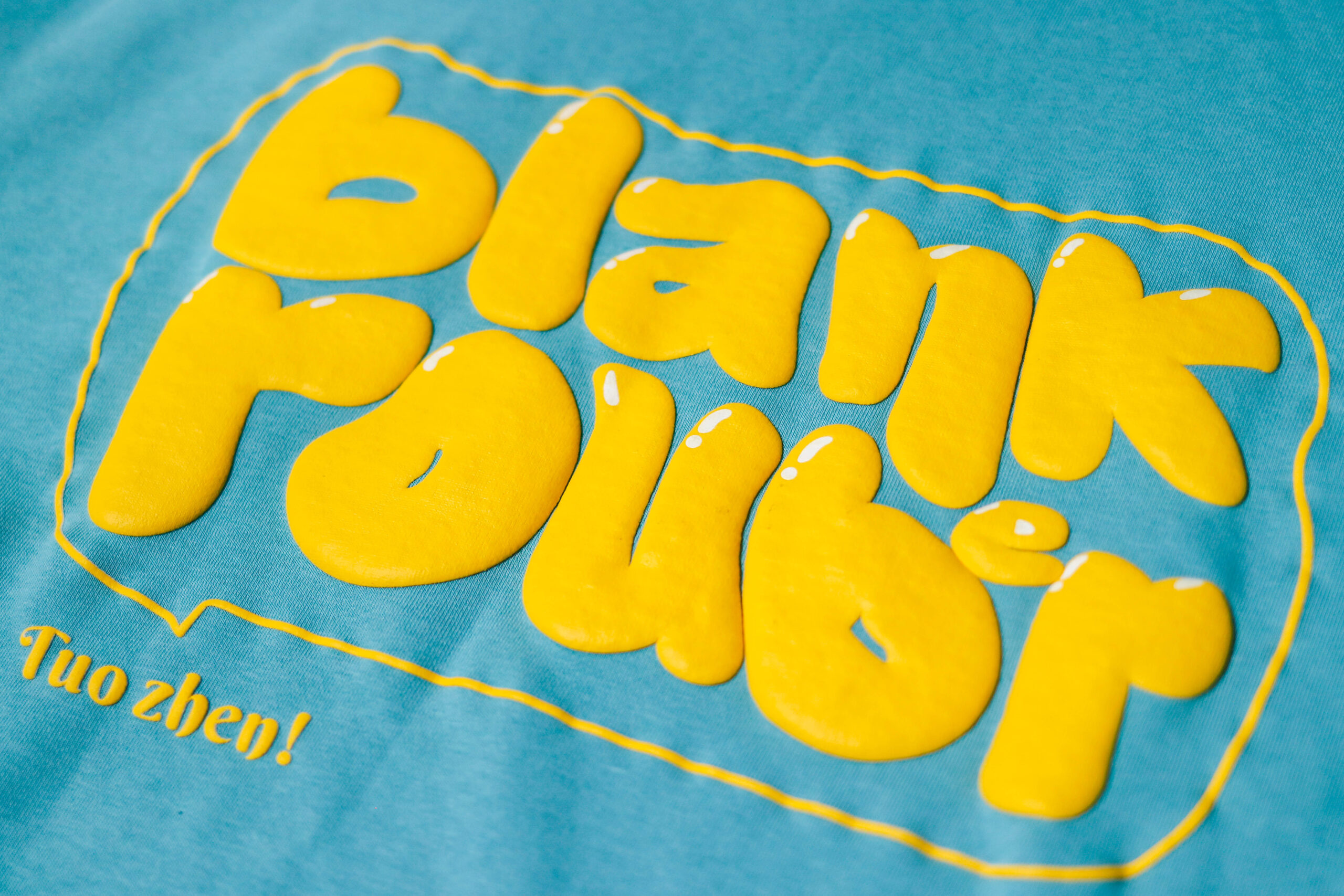
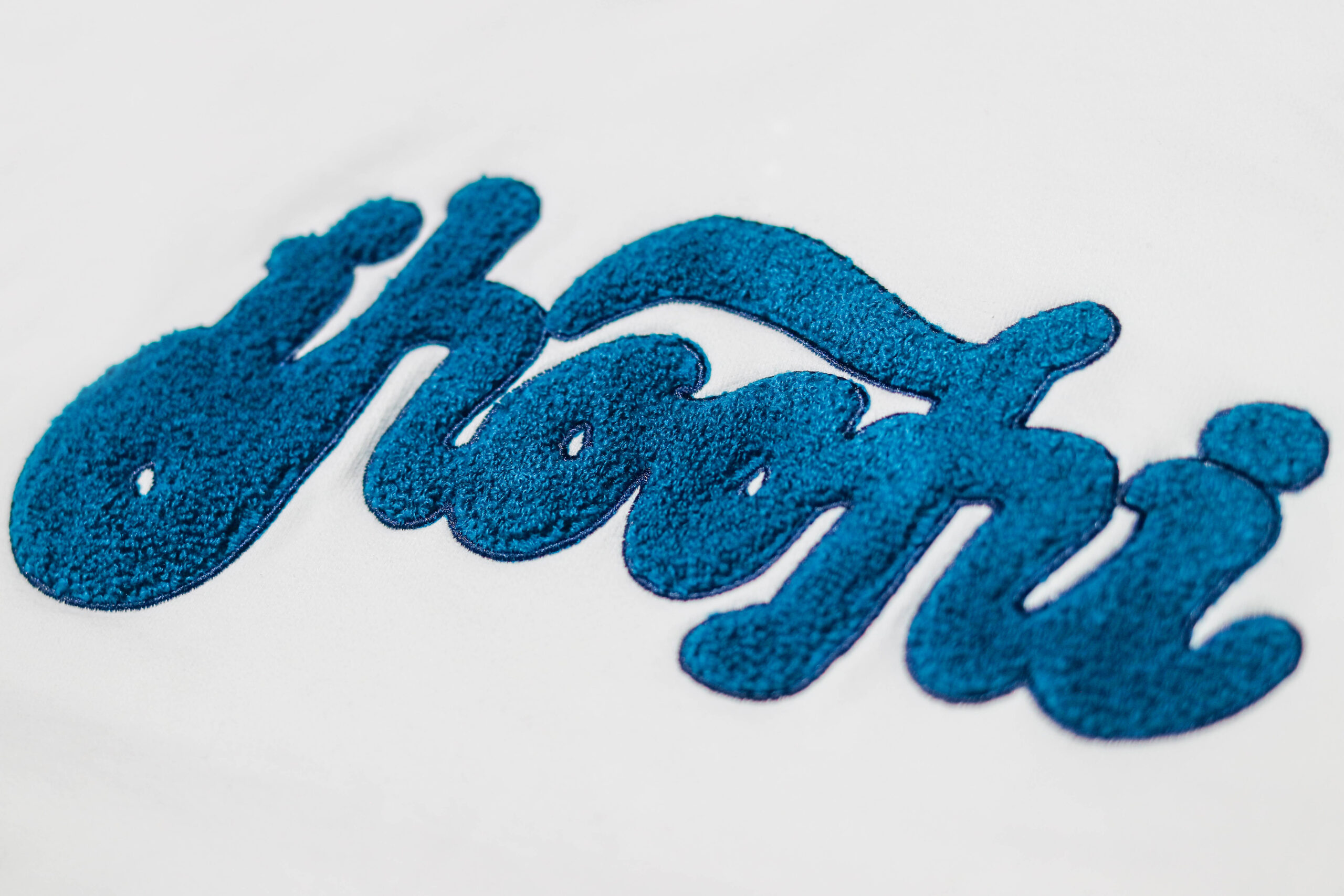
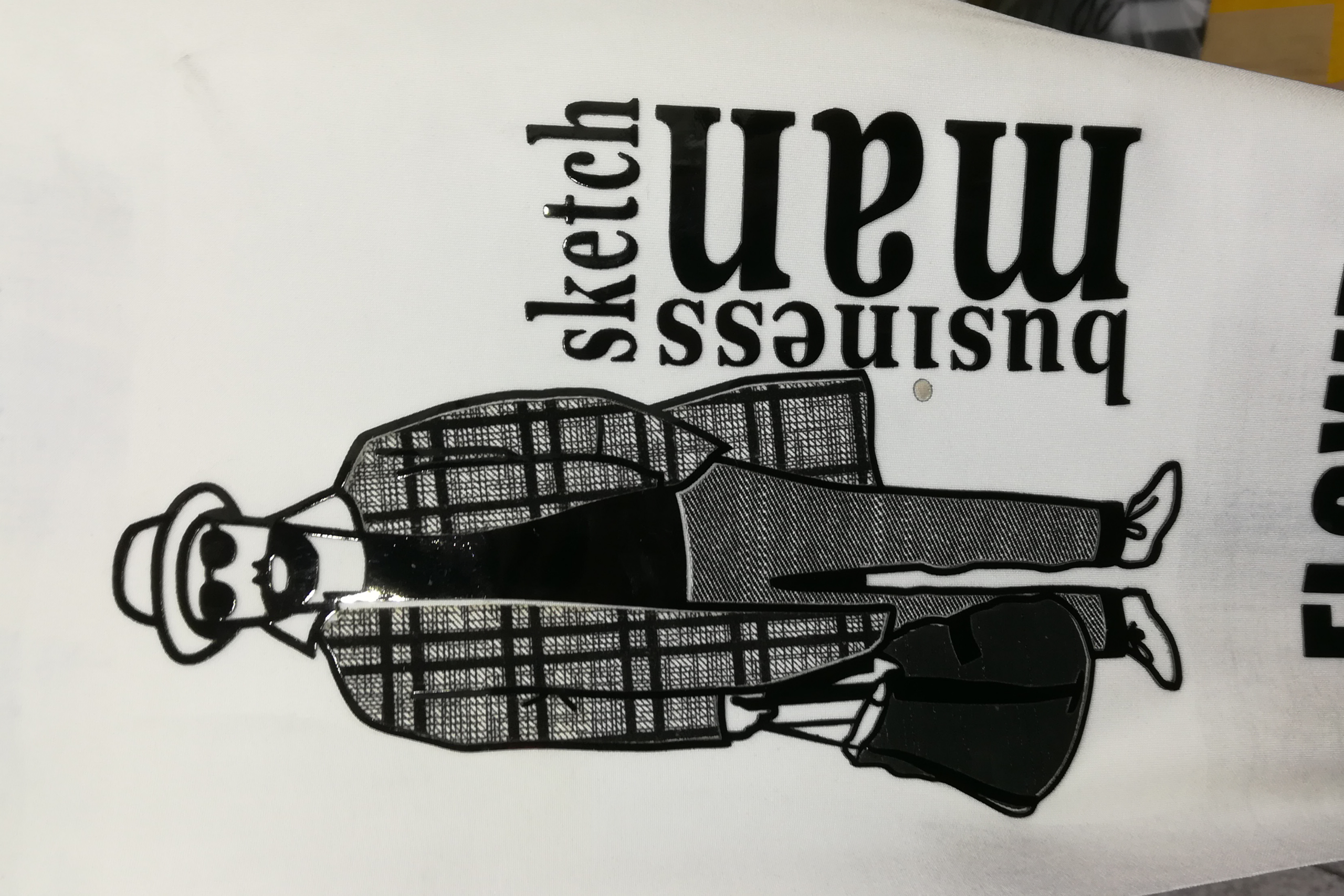
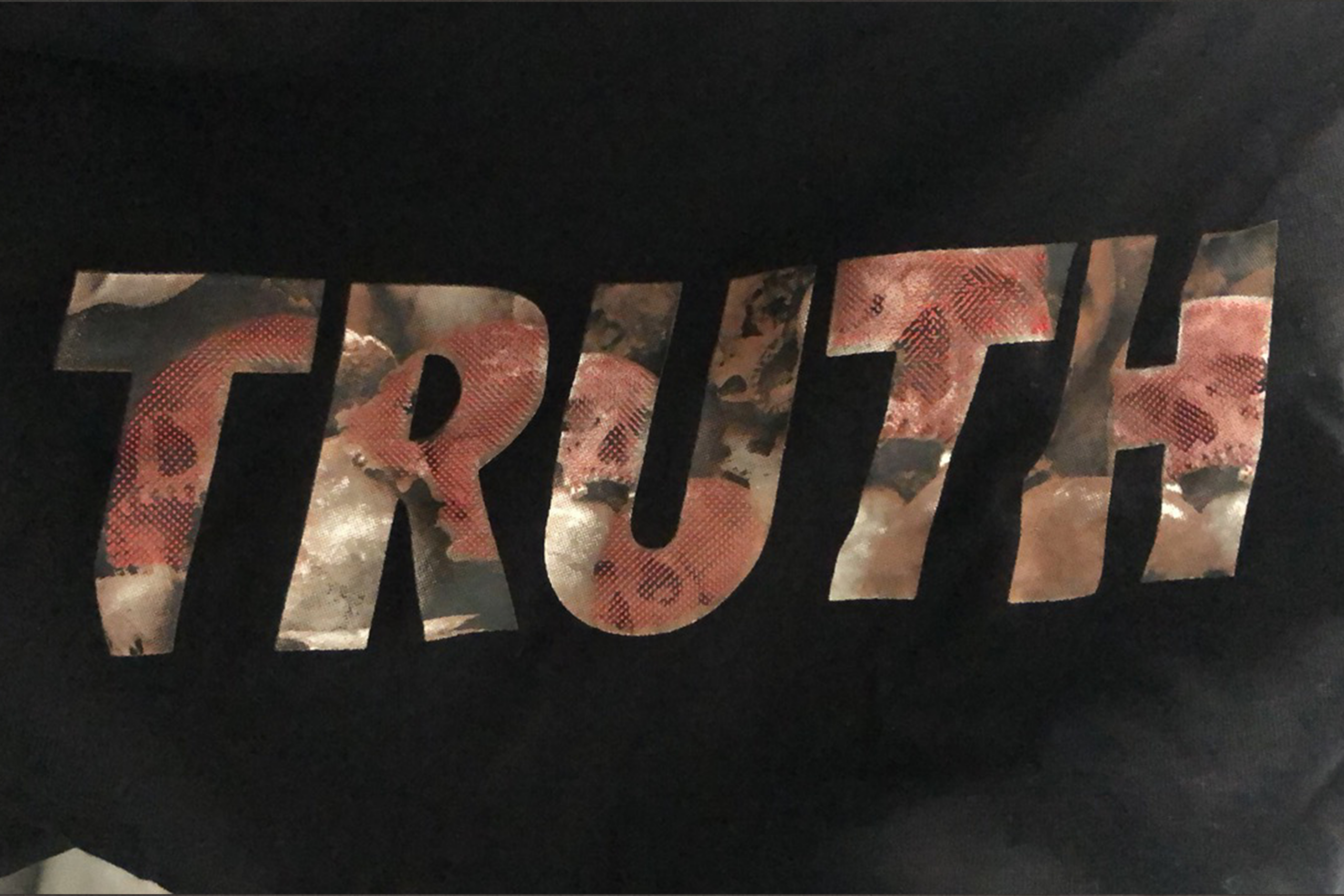
Selected Development, Decoration and Production Examples
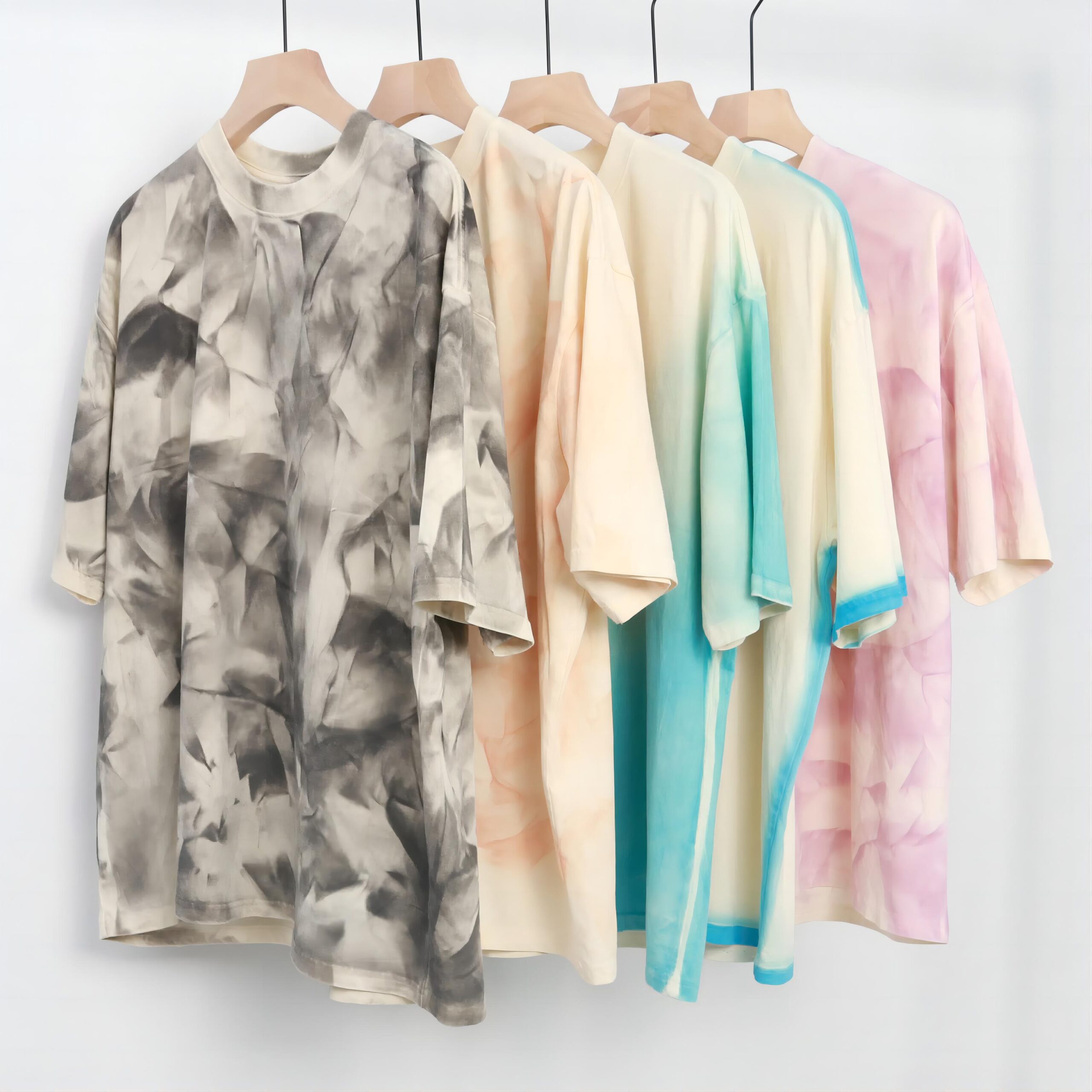
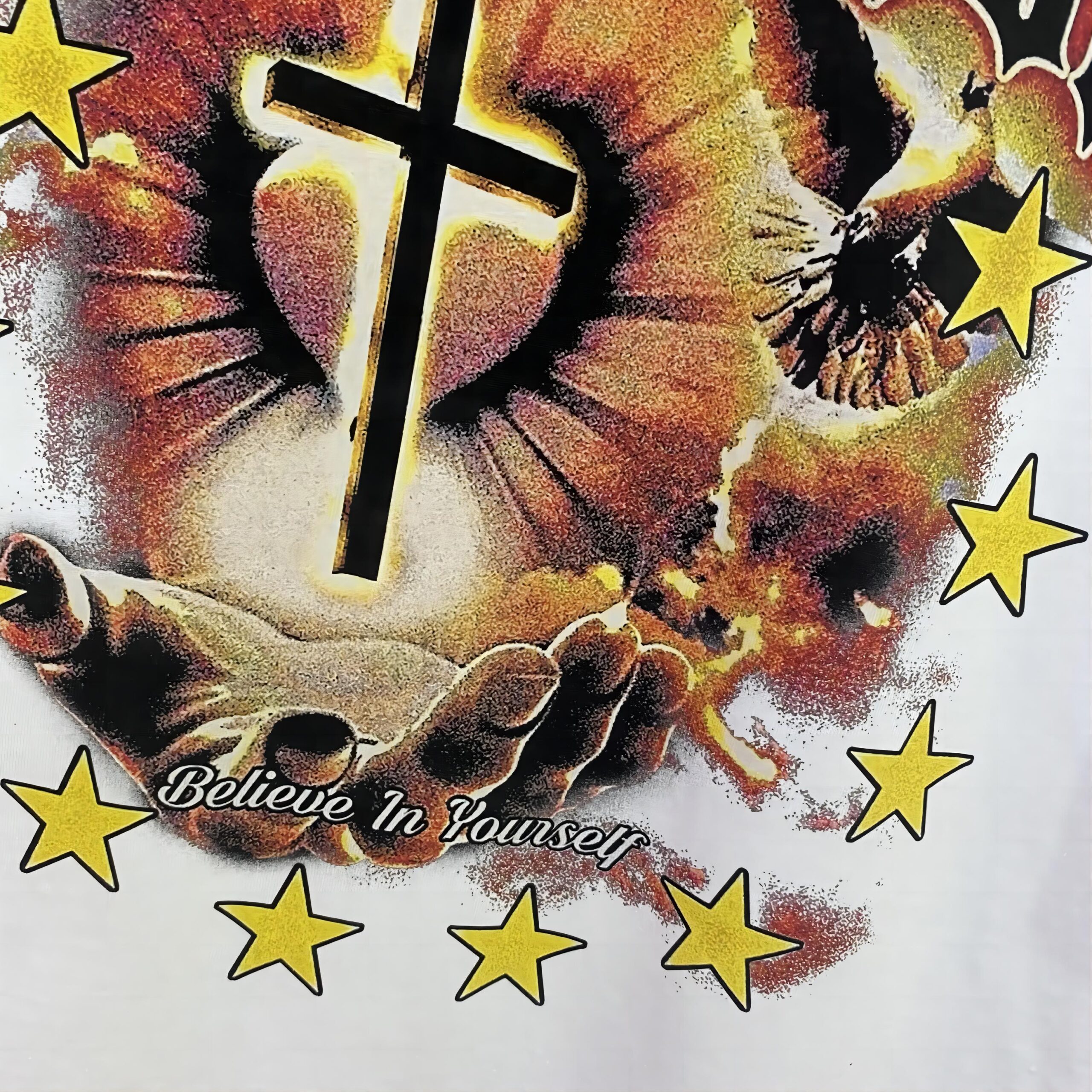
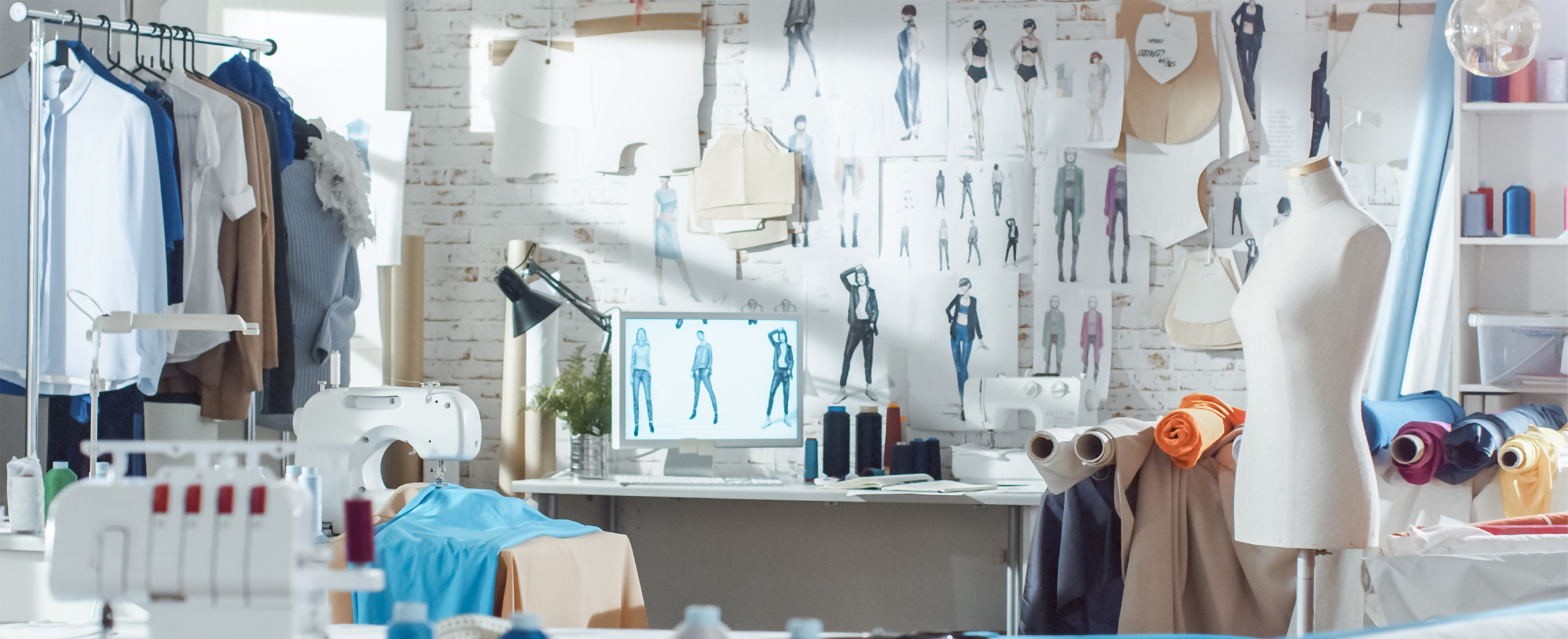


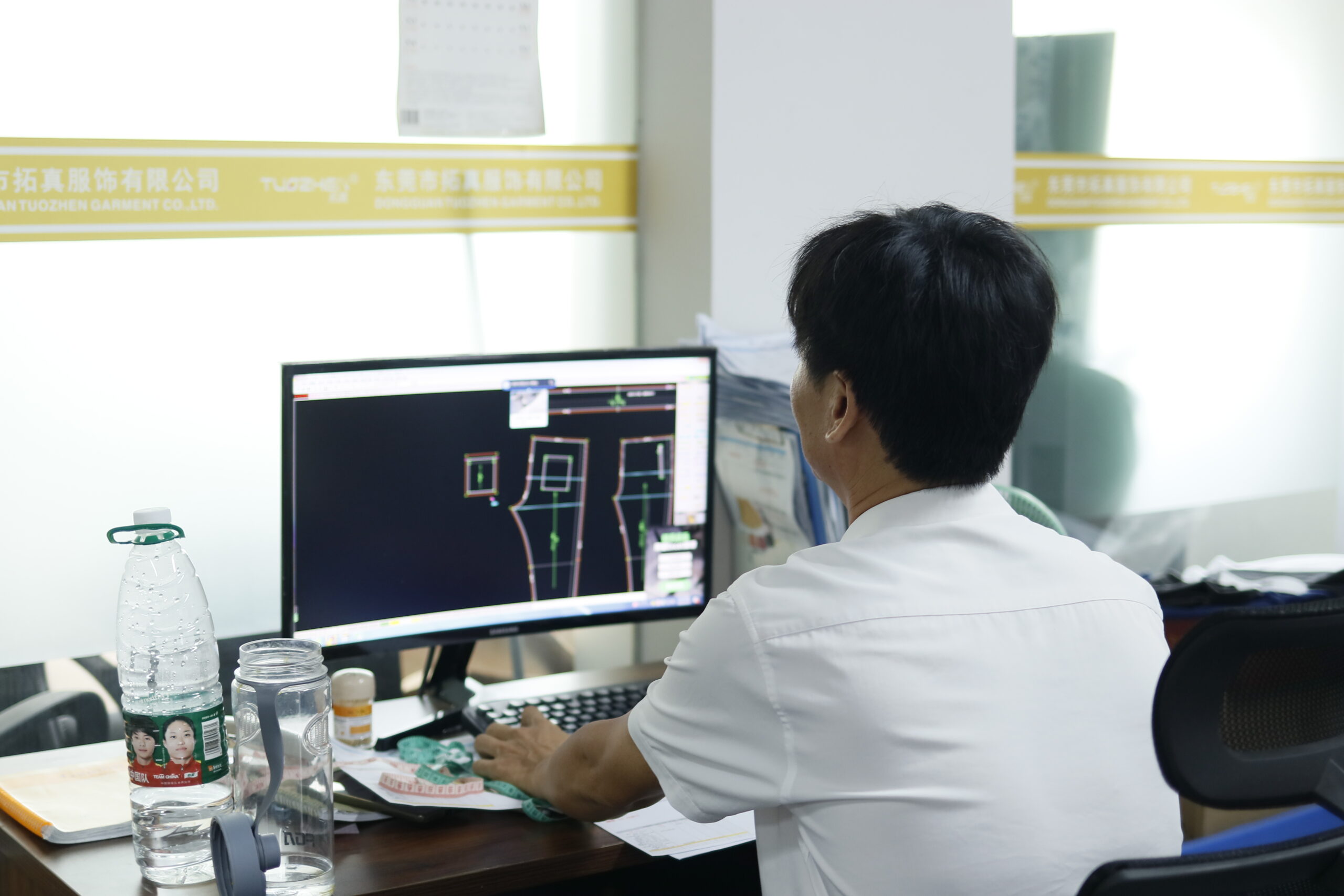

Padded Outerwear Manufacturing Capabilities
Coordinate insulation, shell, lining and fit details through one production path designed for approved standards and repeat orders.
Insulation Coordination
Align fill type, weight and distribution with the garment’s warmth, silhouette and construction requirements before bulk production begins.
Shell and Lining Matching
Select compatible shell, lining and padding combinations that support sewing performance, comfort, durability and the intended finished appearance.
Fit Block Control
Develop men’s and women’s fit blocks with clear measurements, grading and proportions for padded garments that wear consistently across sizes.
Construction Detail Review
Review quilting, baffles, closures, pockets, collars and hems so each component supports the product concept and production method.
Approved Sample Standards
Turn approved samples, material references and placement details into documented production standards for clearer handoff from development to bulk.
Repeatable Quality Checks
Use in-line and final inspections to verify measurements, workmanship, materials and finishing against the approved padded outerwear standard.
Explore Outerwear and Apparel Manufacturing
Compare padded outerwear construction alongside coordinated casualwear, streetwear and teamwear categories developed from approved samples through repeat bulk production.
Custom Hoodies
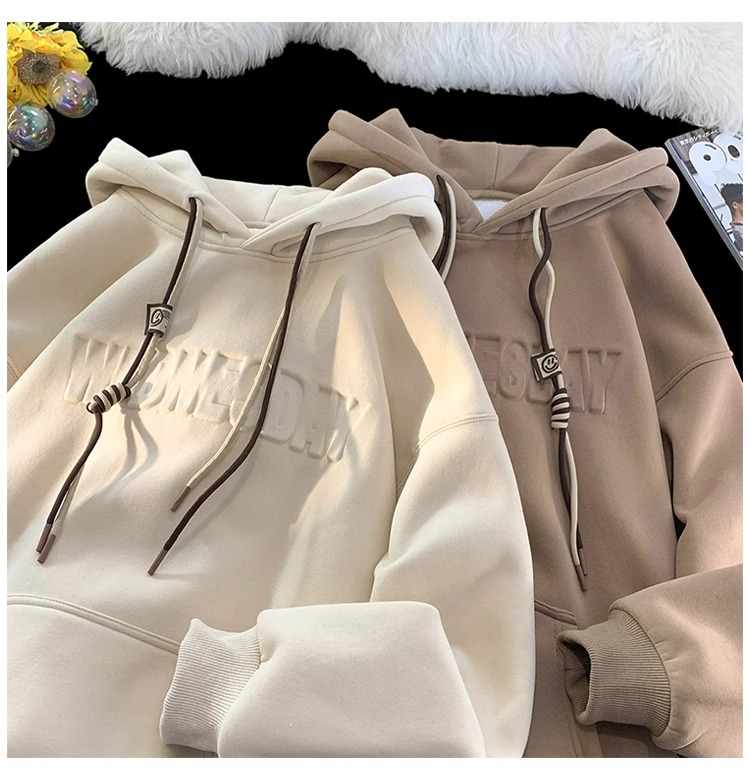
Custom hoodies developed with fleece-weight selection, fit blocks, rib specifications, drawcords, pockets, labels and print or embroidery placement. EDVORIN supports men’s and women’s hoodie programs from technical development and sampling through controlled bulk production.
Get a Quote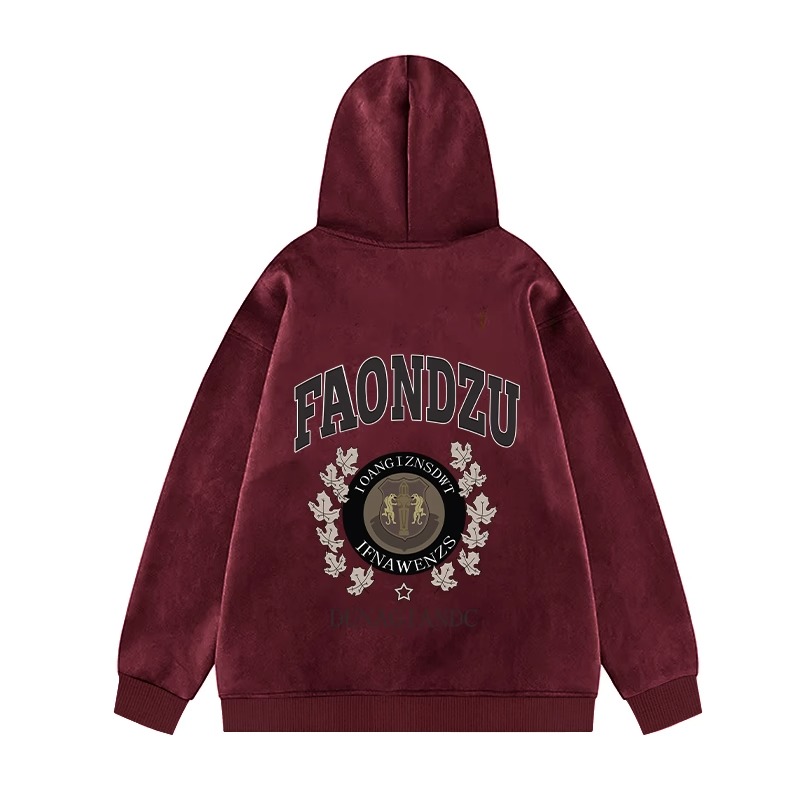
Pullover Sweatshirts
Pullover sweatshirts produced around fabric weight, neckline construction, rib recovery, shoulder shape and finishing requirements. As a sweatshirt manufacturer, EDVORIN documents approved measurements, decoration placement and trims so repeat orders follow the same production standard.
Get a Quote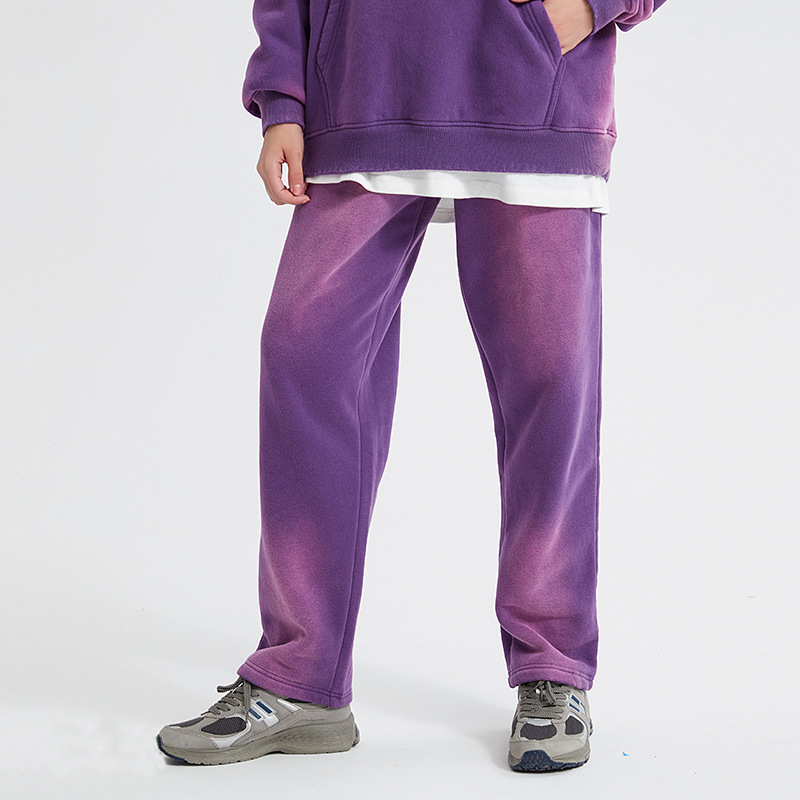
Sweatpants & Joggers
Sweatpants and joggers developed with coordinated fit, waistband construction, elastic, drawcords, cuffs, pocket details and fleece or knit fabric choices. Men’s and women’s programs can be matched to hoodie sets or built as separate retail and wholesale styles.
Get a Quote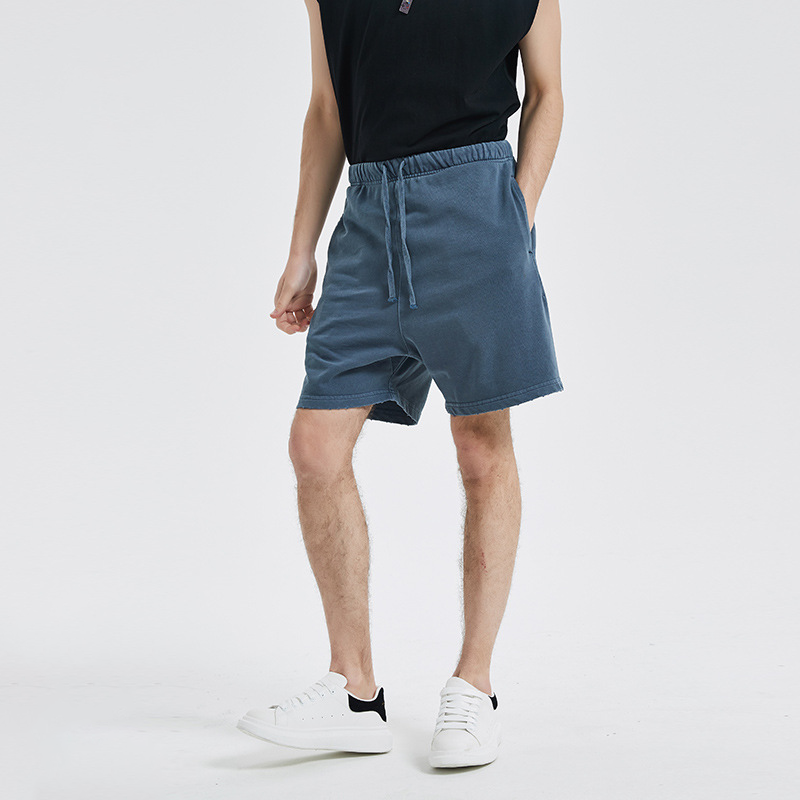
Custom Shorts
Custom shorts manufactured for casualwear, streetwear, training and coordinated uniform programs. Development covers inseam, rise, waistband, pockets, fabric weight, lining where required, decoration method and size grading before production is released.
Get a Quote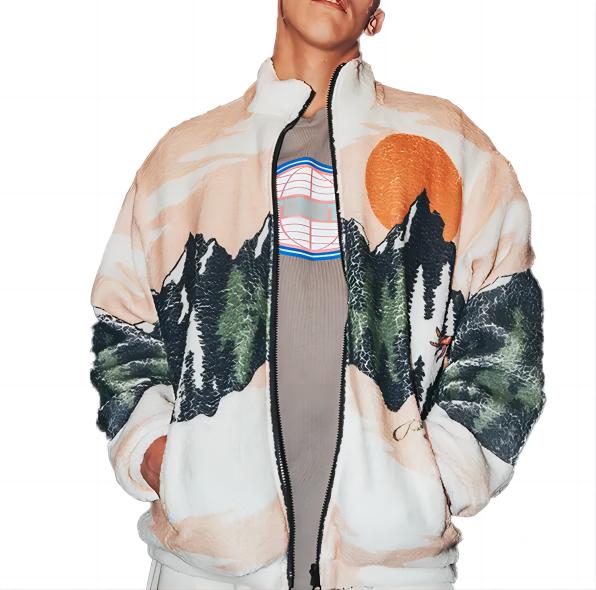
Varsity & Baseball Jackets
Varsity and baseball jackets built by coordinating body and sleeve materials, rib, lining, snaps, patches, embroidery and appliqué. EDVORIN develops each component against the intended fit and records approved construction details for consistent bulk orders.
Get a Quote
Custom T-Shirts
Custom T-shirts developed with fabric composition, weight, collar construction, fit, seam details and decoration requirements aligned to the target market. Options include screen printing, embroidery, labels, washes and packaging for men’s and women’s programs.
Get a Quote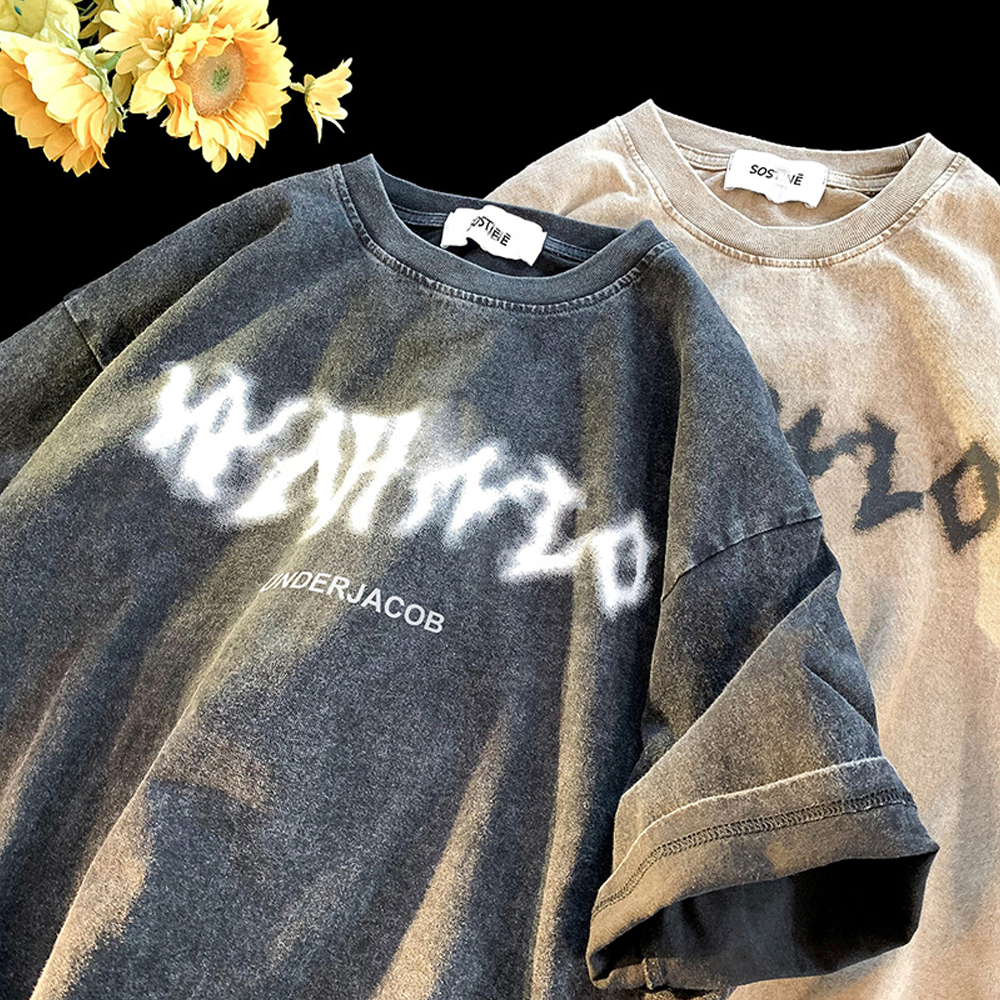
Custom Polo Shirts
Custom polo shirts produced with piqué or jersey fabric selection, collar and placket construction, cuff details, fit grading and logo decoration. Suitable for corporate, school, sports and private-label programs requiring stable repeat specifications.
Get a Quote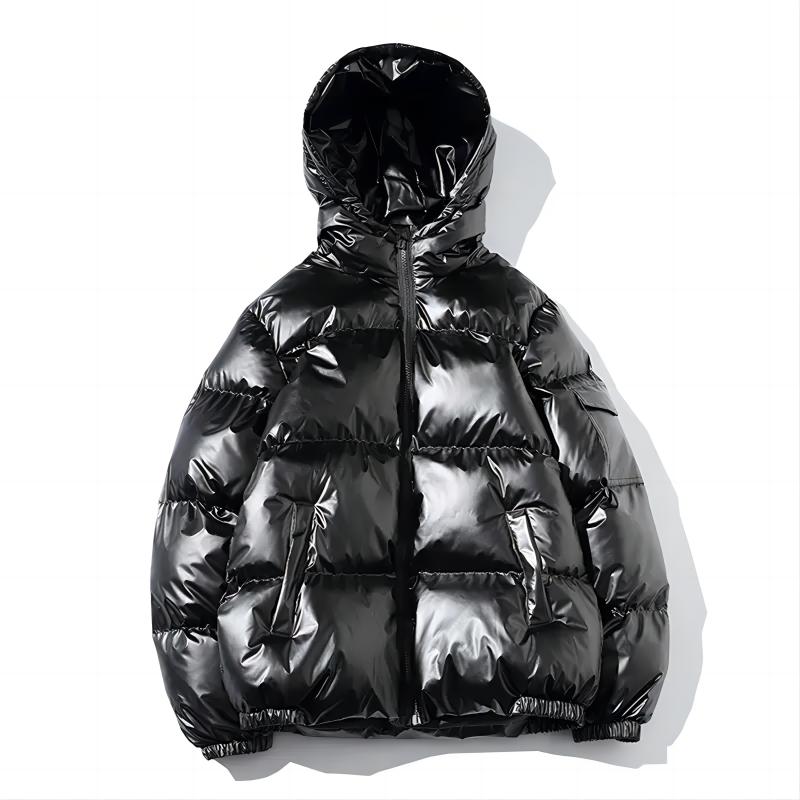
Windbreaker Jackets
Windbreaker jackets developed around shell fabric, lining or mesh, zipper selection, hood construction, ventilation, pockets and water- or wind-resistant performance requirements. EDVORIN coordinates decoration and labeling without overlooking functional construction details.
Get a Quote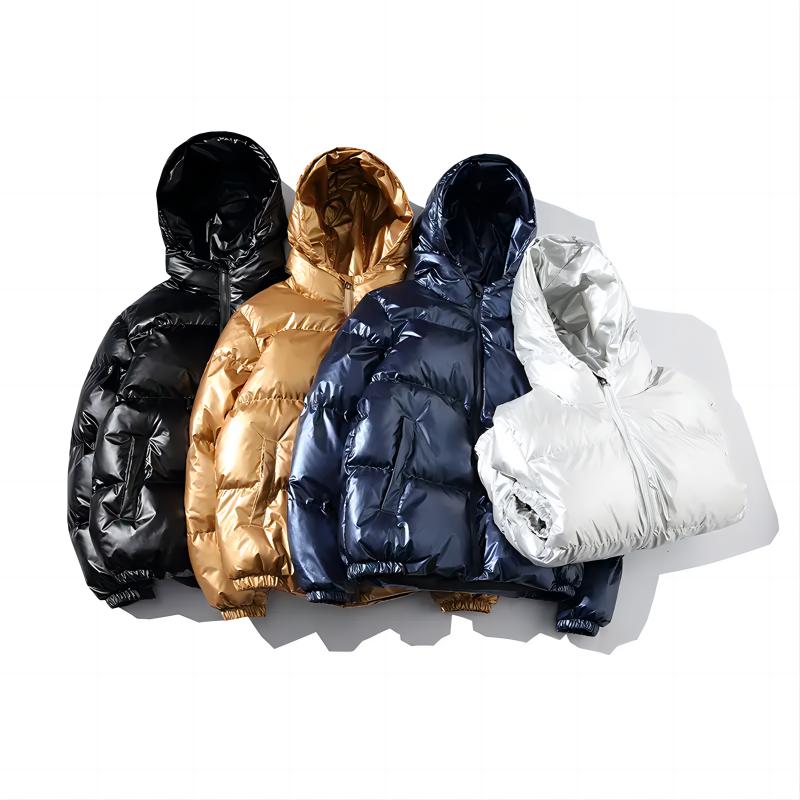
Quilted Jackets
Quilted jackets developed through shell, lining, insulation padding, quilting pattern, stitch control, pocket construction and hardware selection. Compare padded-garment options with adjacent outerwear processes, then move from approved samples to documented bulk standards.
Get a Quote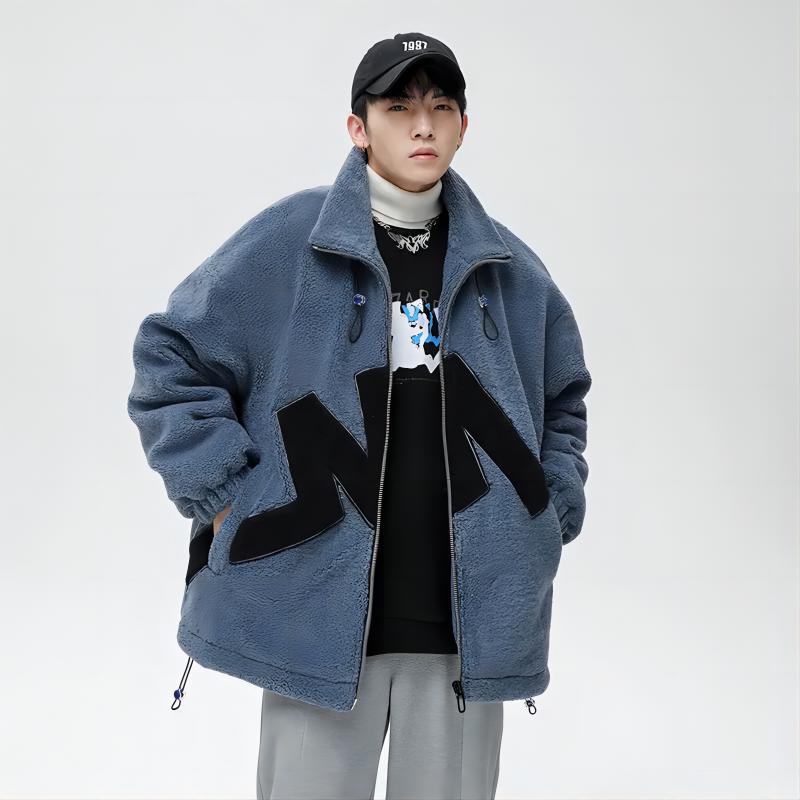
Bomber Jackets
Bomber jackets produced with balanced shell fabric, lining, insulation where needed, rib, zippers, pockets and decoration. EDVORIN supports classic and streetwear-led silhouettes while controlling construction, measurements and finishing across repeat production.
Get a Quote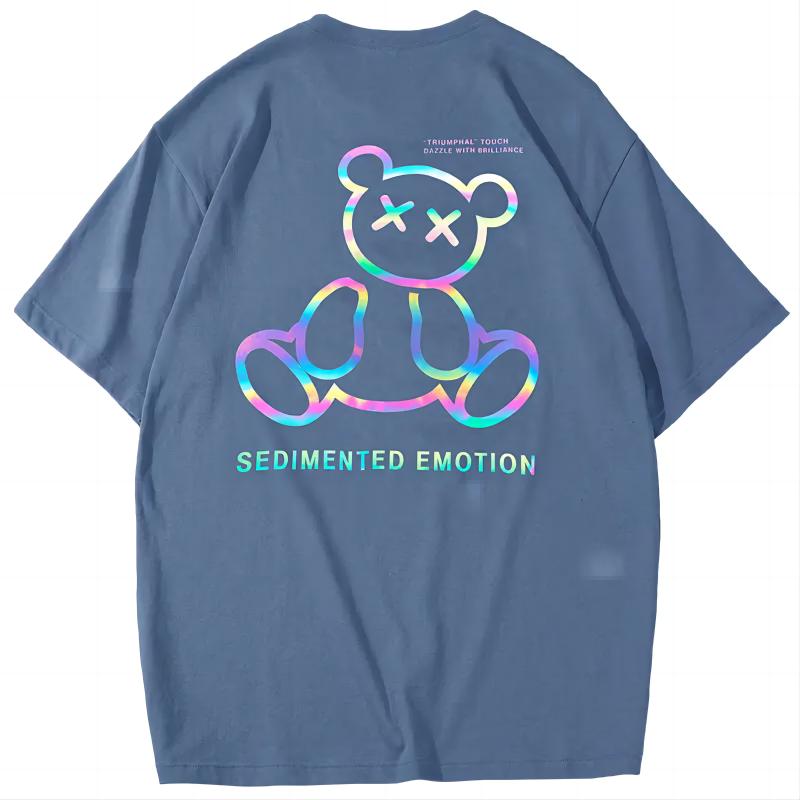
Custom Shirts
Custom woven shirts manufactured with fabric, collar, placket, cuff, pocket, hem and fit specifications suited to private-label collections. Sampling verifies construction and grading before bulk production, with labels, embroidery and packaging coordinated in one workflow.
Get a Quote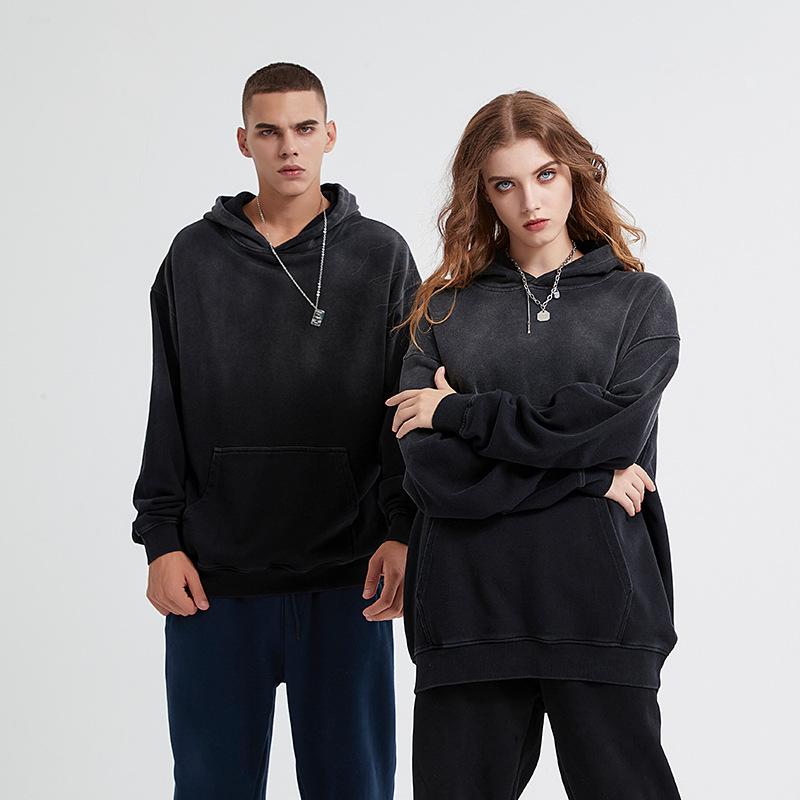
Custom Jerseys
Custom jerseys developed for club, school, promotional and retail programs with breathable fabric, color control, panel construction, names, numbers and sponsor artwork. Each approved sample establishes the reference for sizing, placement and repeat-order consistency.
Get a Quote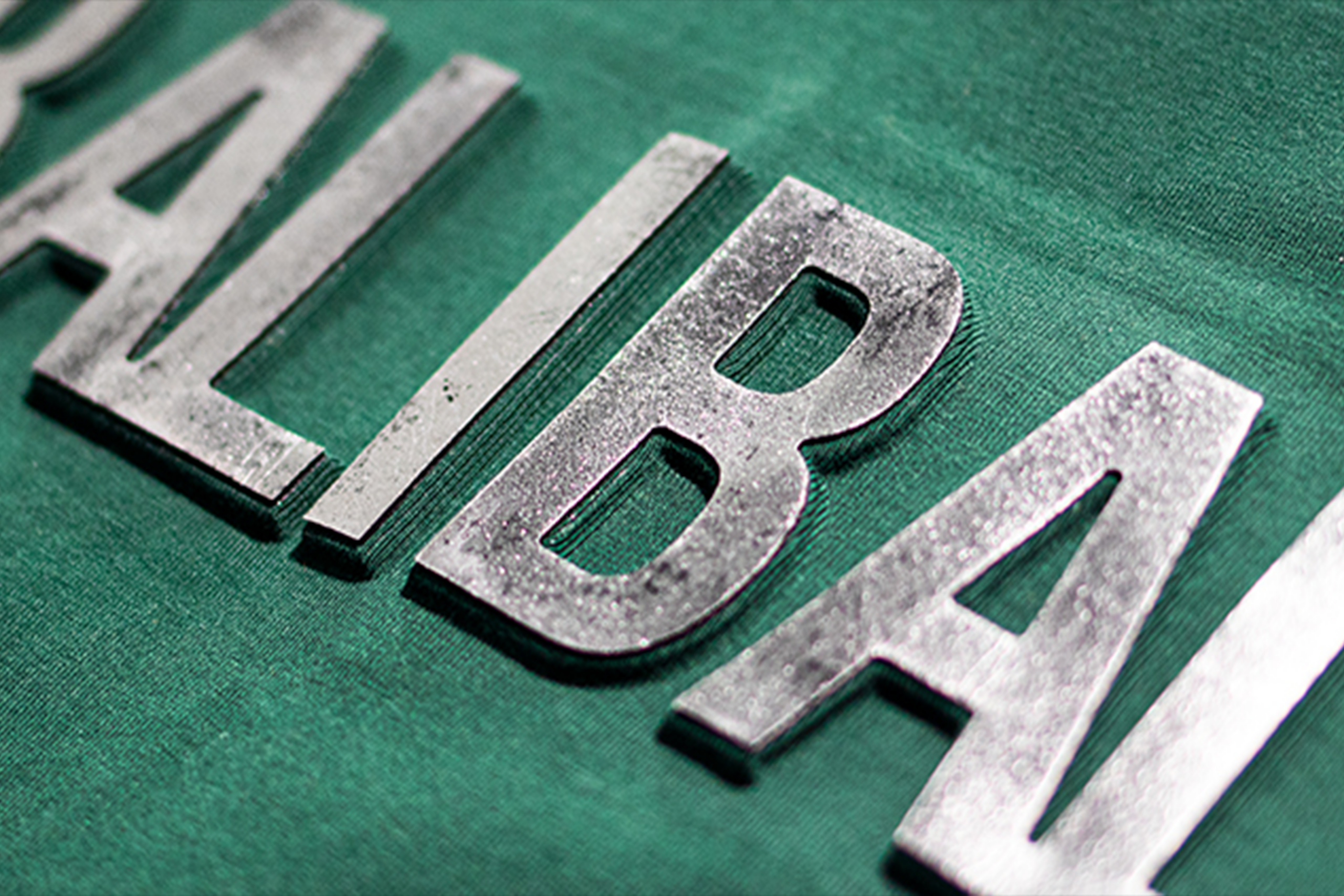
Tank Tops
Tank tops developed for casualwear, streetwear, training and team programs with fabric weight, armhole shape, neckline finish, fit and decoration specified for the intended wearer. Men’s and women’s blocks can be developed independently for consistent grading.
Get a Quote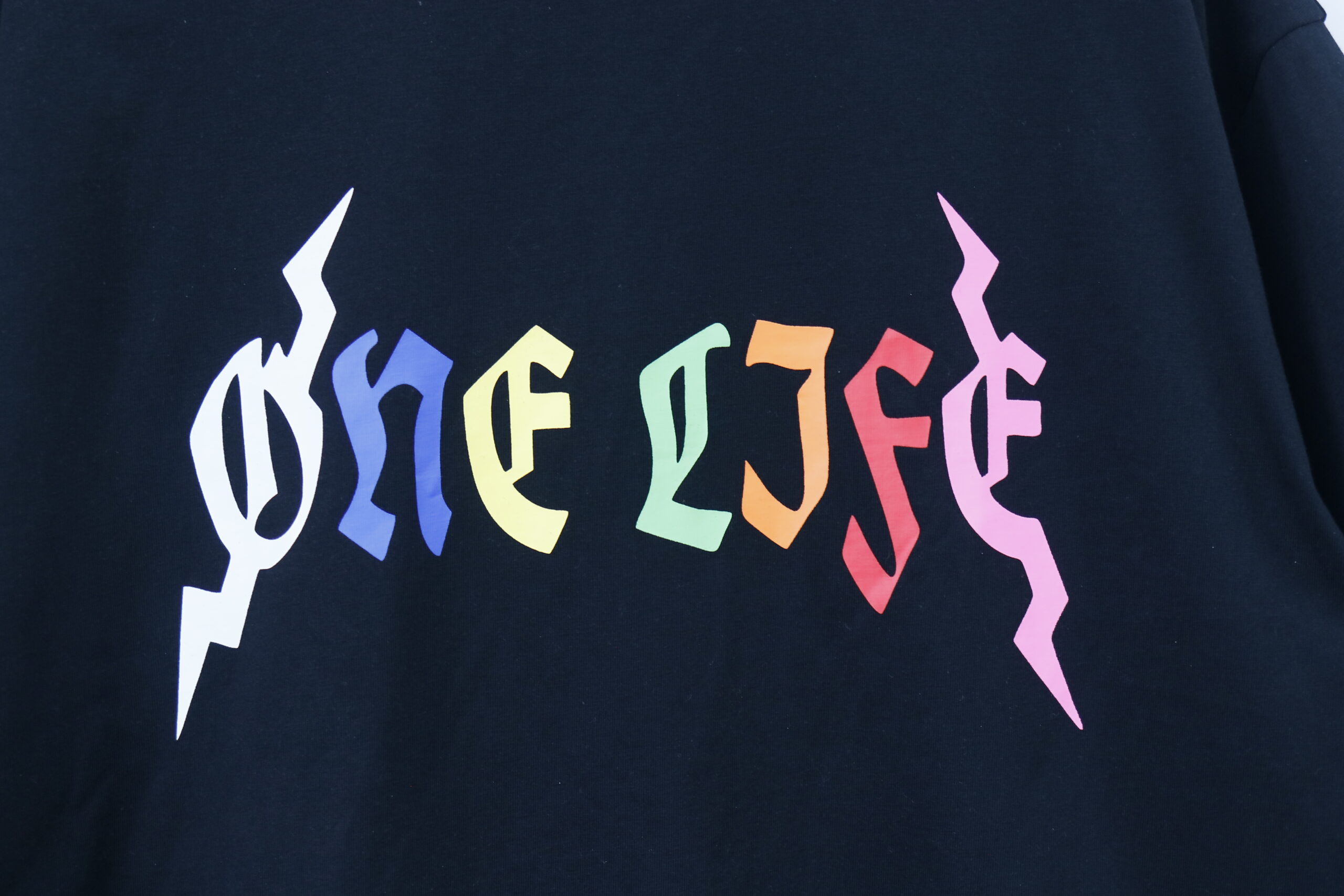
Soccer Uniforms
Soccer uniforms manufactured with performance fabric selection, coordinated shirt and short construction, color matching, logos, player names and numbers. EDVORIN organizes size sets and placement standards to support team orders and dependable replenishment programs.
Get a Quote
Basketball Uniforms
Basketball uniforms developed with breathable fabric, jersey and short proportions, side panels, trim, color blocking, player identification and team branding. Sampling confirms fit and decoration before production, helping clubs and schools maintain a clear repeat-order standard.
Get a Quote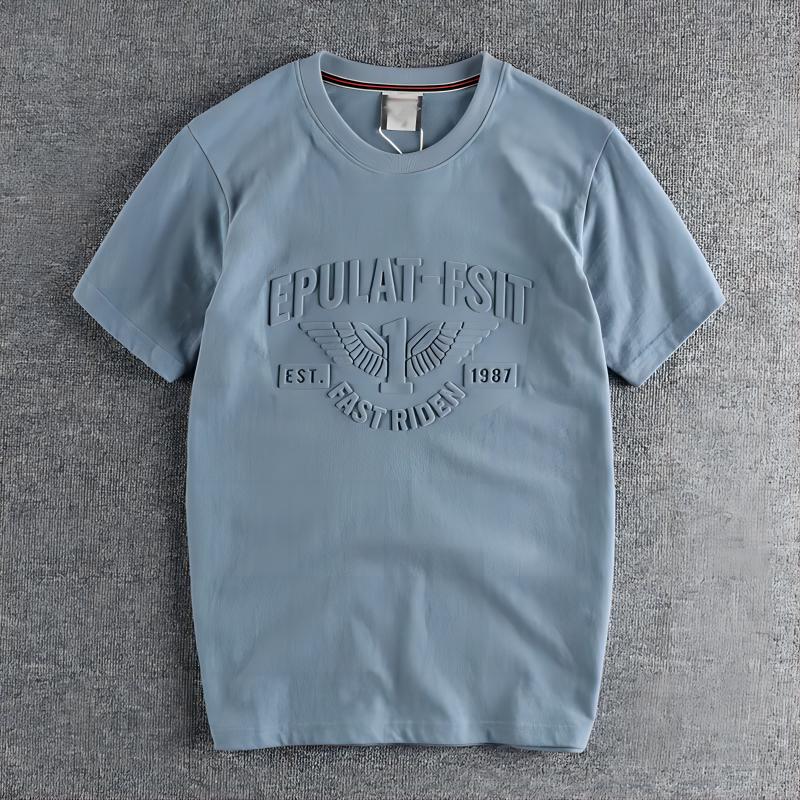
Streetwear Collections
Streetwear collections developed as connected product programs across hoodies, sweatshirts, bottoms, T-shirts, jackets and woven styles. EDVORIN coordinates materials, washes, prints, embroidery, labels and packaging so each approved style can be reproduced with control.
Get a QuotePadded Clothing Manufacturing Since 2000
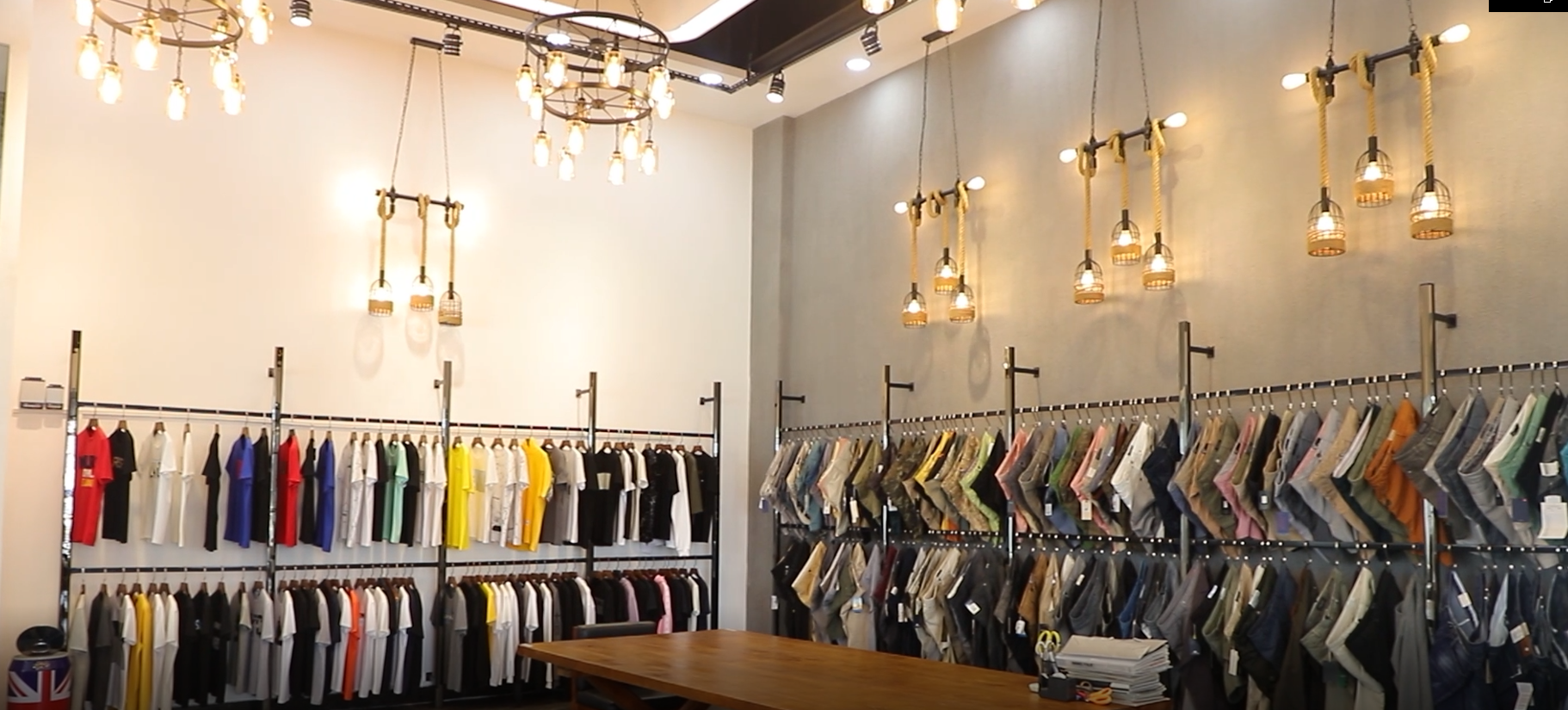
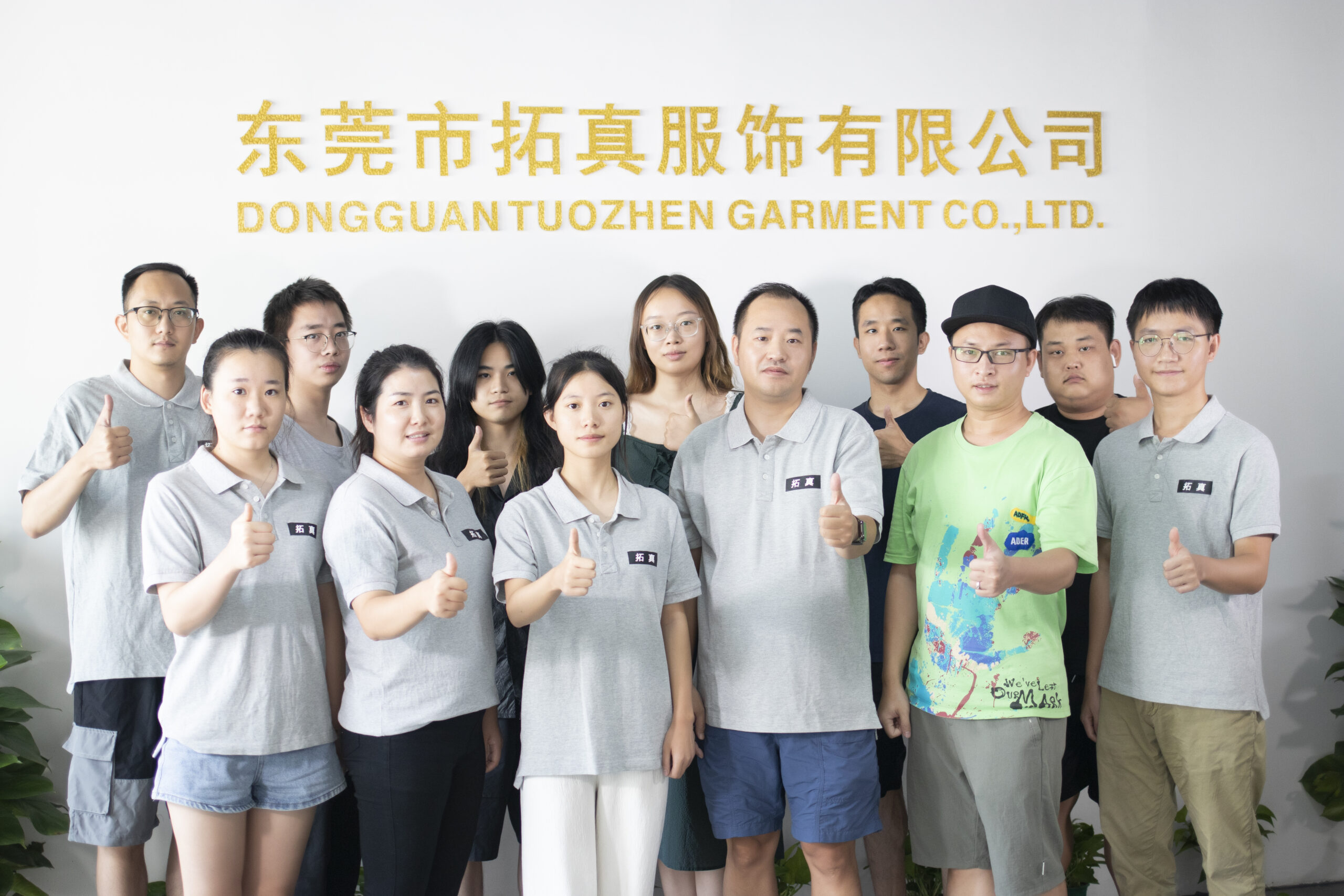
Founded by Edvorin Zeng in 2000, EDVORIN helps brands translate padded outerwear concepts into production-ready standards. As a padded clothing manufacturer, we connect fabric, insulation, lining, quilting, hardware and fit decisions early, so an approved sample has a clear path into bulk production.
Our OEM, ODM and private-label workflow brings product development, sourcing, patterns, sampling, decoration, washing, labeling and packaging into one accountable process. Fashion labels, teamwear buyers, wholesalers and emerging brands can develop men’s and women’s padded styles, with MOQ starting at 200 pieces per style.
What distinguishes EDVORIN is the discipline behind approval: construction details, placement references, trims and measurements are recorded before production begins. In-line and final quality checks work from the approved standard, helping protect consistency across repeat outerwear orders. Certification programs include ISO 9001, BSCI, WRAP, SEDEX, OEKO-TEX Standard 100, GRS and GOTS.
Padded Clothing Manufacturer Construction Controls
Insulation Built for Purpose
EDVORIN develops padded garments around intended warmth, silhouette and wear conditions, aligning insulation choice with shell weight, lining behavior and garment volume before bulk production. This helps fashion, streetwear and teamwear buyers approve performance and appearance as one complete standard.
- Insulation options reviewed against garment use and desired profile
- Shell, lining and fill selected as a coordinated system
- Men’s and women’s fit requirements considered during development
Quilting With Controlled Shape
Quilt lines do more than create visual character: they help manage fill distribution and garment shape. EDVORIN defines panel layouts, stitch spacing and construction details during sampling so the approved padded outerwear design provides a practical reference for repeat production.
- Quilt layout developed around the intended silhouette
- Panel construction checked during sample review
- Stitching and visual balance documented for bulk execution
Shell and Lining Balance
A padded jacket relies on how its outer fabric, lining, insulation and trims work together. EDVORIN coordinates these material decisions with patterns, closures and decoration requirements, helping buyers avoid a finished garment that feels overly stiff, unstable or disconnected from its intended category.
- Material behavior reviewed alongside pattern construction
- Zippers, snaps, labels and trims coordinated early
- Decoration methods considered with the selected base materials
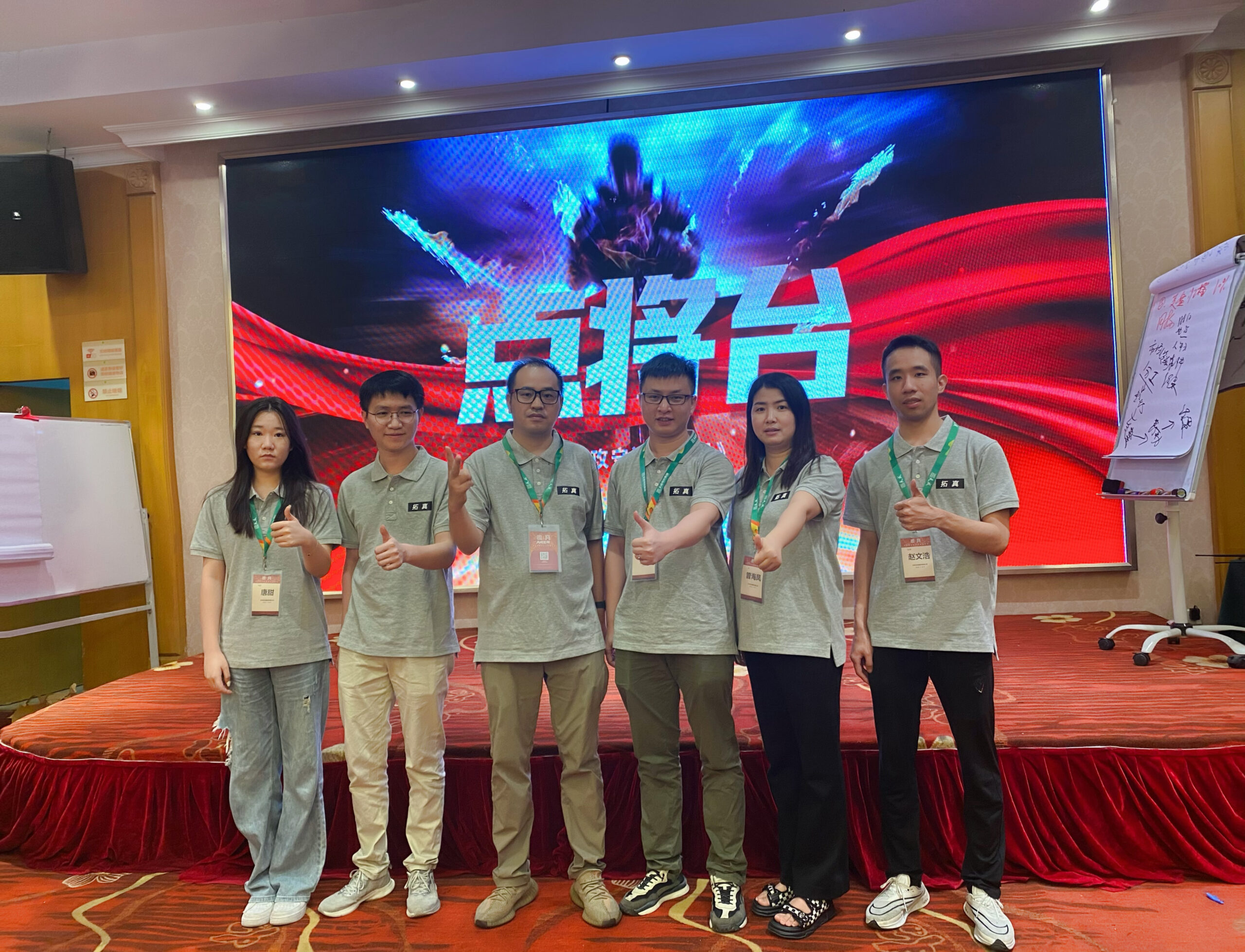
Approved Standards, Repeated
As a padded clothing manufacturer, EDVORIN turns approved samples into clear production references for measurements, materials, trim specifications and artwork placement. In-line checks and final inspection follow those agreed standards, supporting consistent results from the first sample through packed bulk orders.
- Approved samples guide bulk production decisions
- Measurement and trim details recorded for accountability
- In-line and final checks protect the agreed standard
Padded Outerwear and Windbreaker Manufacturing: Key Differences
Choose the outerwear construction that matches your insulation, fabric, decoration, and repeat-production requirements.
← Swipe left or right to view →
Padded Clothing Manufacturer Production Process
A controlled OEM workflow that turns approved outerwear details into repeatable bulk production, from insulation selection through final packing.
Review Product Specifications
We review tech packs, reference garments, fit requirements, shell and lining choices, insulation targets, trims, artwork, labeling, and packaging before development begins.
Source Materials and Prototype
Shell fabric, lining, fill, zippers, rib, labels, and decoration components are coordinated into a prototype that tests construction, loft, balance, and intended wear.
Approve Construction Standards
After sample review, approved measurements, quilting lines, fill placement, stitch details, artwork positions, and trim specifications become the production standard for the padded clothing program.
Cut, Assemble and Sew
Production teams cut approved components, control insulation distribution, assemble shell and lining layers, install hardware, and sew each garment to documented construction requirements.
Inspect Pack and Release
In-line and final checks verify measurements, fill consistency, stitching, hardware, decoration, labeling, and presentation before garments are packed according to the approved order specification.
Order Padded Clothing from a Manufacturer
Bring a finished tech pack or an early concept. EDVORIN turns insulation, materials, fit, trims, artwork, and labeling into a documented production standard.
Share Your Product Brief
Send your tech pack, sketch, reference garment, target quantity, and market needs. Identify the padded style, intended wearer, and required men’s or women’s fit block.
Define Construction Details
Confirm shell and lining materials, insulation type and weight, quilting, pocket construction, zippers, snaps, rib, artwork placement, labels, and packaging requirements.
Review the Development Sample
Assess the sample for silhouette, fit, warmth, construction, decoration, and trim balance. Record revisions and approve the physical standard before bulk manufacturing begins.
Approve Production Specifications
Finalize measurements, graded size range, color references, material approvals, labeling, and packing instructions. EDVORIN uses these controls to align cutting, sewing, decoration, and inspection.
Launch Your Bulk Order
Move into managed bulk production with in-line and final quality checks against the approved sample. MOQ starts at 200 pieces per style for OEM, ODM, and private-label programs.
Padded Clothing Manufacturer Buyer Results
EDVORIN helped us lock the shell, fill and fit before bulk production. Across our 1,200-piece launch order, the finished jackets matched the approved sample closely, including the pocket placement and women’s size grading.
Our club needed padded sideline jackets in three colorways with individual embroidery. The team coordinated the artwork and size breakdown clearly, and all 486 jackets arrived ready for distribution before our season opener.
We came in with reference pieces instead of a finished tech pack. EDVORIN turned the concept into a repeatable private-label program, and our second 800-piece reorder used the same approved construction and packing standard.
Padded Clothing Manufacturer FAQ
Practical answers on materials, insulation, construction, decoration, samples and production planning for custom padded apparel.
What materials can a padded clothing manufacturer use for custom outerwear?
How do I choose insulation for a padded jacket or vest?
Can a padded clothing manufacturer add embroidery, patches or printing?
Can I make a padded clothing style for both men and women?
What is the MOQ for custom padded clothing?
What do I need to send to start a padded clothing sample?
How are padded clothing samples checked before bulk production?
How long does padded clothing production take?
The Complete Buyer’s Guide to a padded clothing manufacturer
Use this practical framework to compare padded apparel suppliers, specify materials and construction, evaluate customization options, control costs, and avoid sourcing mistakes before approving samples or placing production orders.
1. What Is a Padded Clothing Manufacturer?
200 pieces is a common starting point for an OEM padded-apparel program: the manufacturer develops and produces insulated or cushioned garments to the buyer’s specification. Unlike a blank-garment wholesaler, a cut-and-sew OEM/ODM partner can turn a unique design into controlled patterns, material selections, panel layouts, trims, decoration, labels, and packing requirements.
2000 marks EDVORIN’s founding, with a production path that can begin from a concept sketch, reference garment, approved sample, tech pack, or measurement and construction specifications. Development normally moves through material sourcing, pattern making, sample review and revision, then approved bulk standards for cutting, sewing, decoration, inspection, labeling, and packaging. The buyer’s approval at each decision point gives production a documented reference rather than relying on assumptions.
2. How Padded Clothing Manufacturing Evolved
1930s insulated outerwear was chiefly a cold-weather and protective layer, built around loft, wind resistance, and durable shells rather than styling flexibility. Bulk and seam construction favored warmth, but also added weight and limited movement.
1950s synthetic insulation and synthetic-fiber shell fabrics widened the design brief: manufacturers could specify lighter fills, water-resistant finishes, and more controlled quilting. That shift made padded garments viable for uniforms, team sideline layers, and branded outerwear—not only expedition use.
200-piece OEM programs now require the buyer to turn those advances into measurable specifications: fill type and weight, shell and lining composition, quilt spacing, hardware, artwork placement, and approved color references. A padded clothing manufacturer should validate the full construction in sampling, because a lighter jacket can still fail if fill migration, stitch tension, or decoration compatibility is not controlled.
3. Types a Padded Clothing Manufacturer Can Produce
Six core silhouettes give buyers a practical starting point for a padded clothing manufacturer quotation. Specify end use, target warmth, fit block, shell, insulation, and decoration before comparing samples.
| Type | Best Use | Warmth | Brief Priority | Typical Buyer |
|---|---|---|---|---|
| Puffer jacket | Streetwear | High | Baffle volume | Fashion label |
| Quilted jacket | Layering | Medium | Stitch pattern | Wholesaler |
| Padded vest | Mobility | Light-medium | Armhole fit | Team or workwear |
| Insulated parka | Exposure | High | Length and hood | Corporate buyer |
| Padded hoodie | Casualwear | Light-medium | Fill distribution | Private label |
| Team jacket | Uniform program | Medium | Logo placement | Sports club |
Puffer And Quilted Jackets
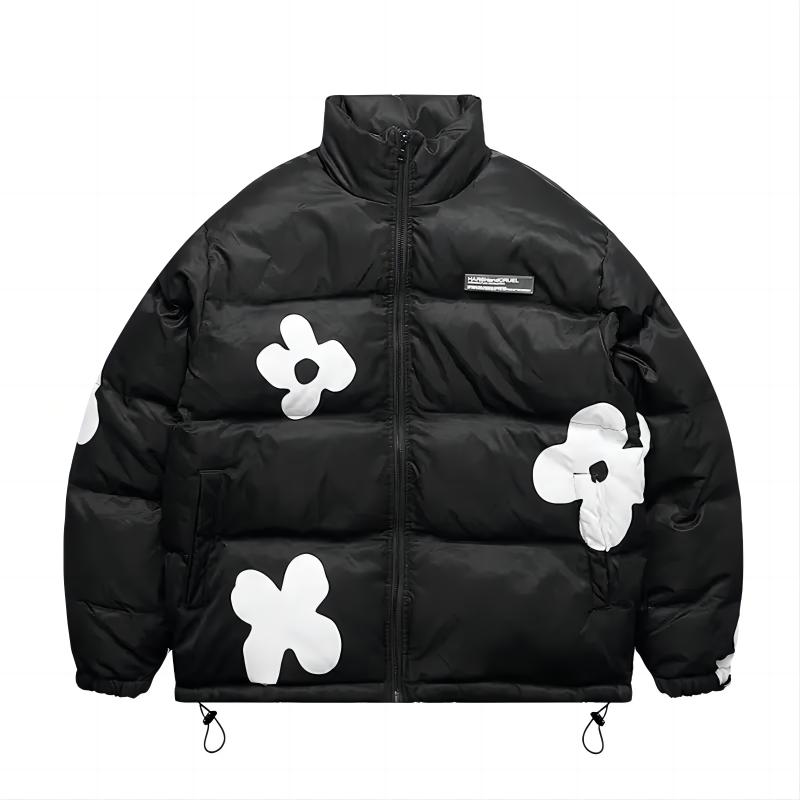
Puffer jackets use lofted channels for prominent volume and cold-weather streetwear; fashion labels commonly prioritize baffle scale and cropped or oversized fit.
Quilted jackets use stitched insulation for a flatter silhouette; wholesale and private-label programs often favor layerable, easier-to-pack designs.
Vests, Parkas, And Hoodies
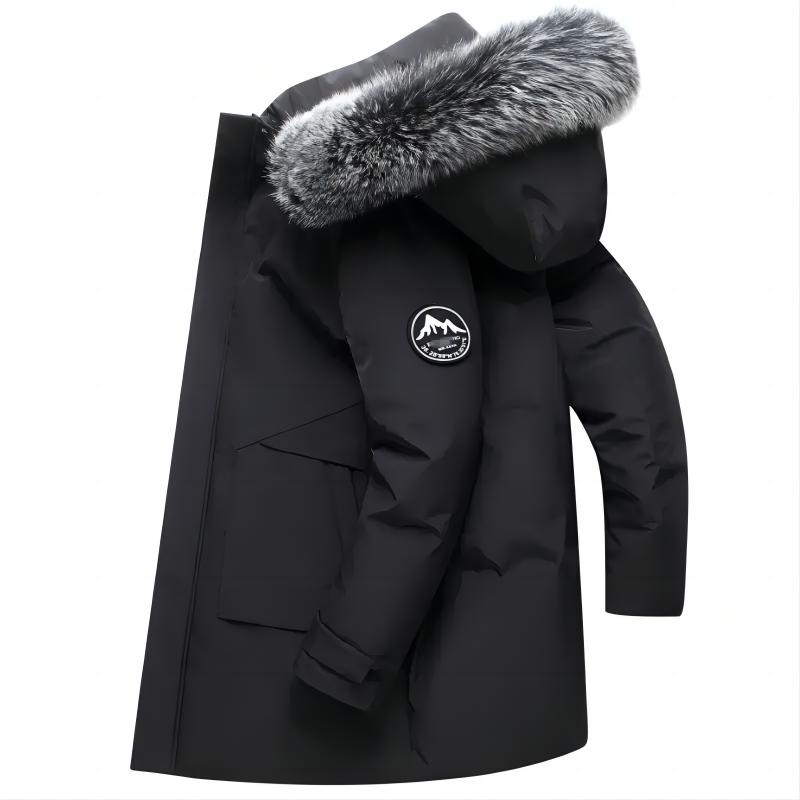
Padded vests preserve arm mobility for team, workwear, and transitional collections, while insulated parkas add length, hoods, and weather-focused coverage.
Padded hoodies combine casual familiarity with light insulation; brands should define whether the hood, sleeves, and body require the same fill.
Team And Workwear Styles
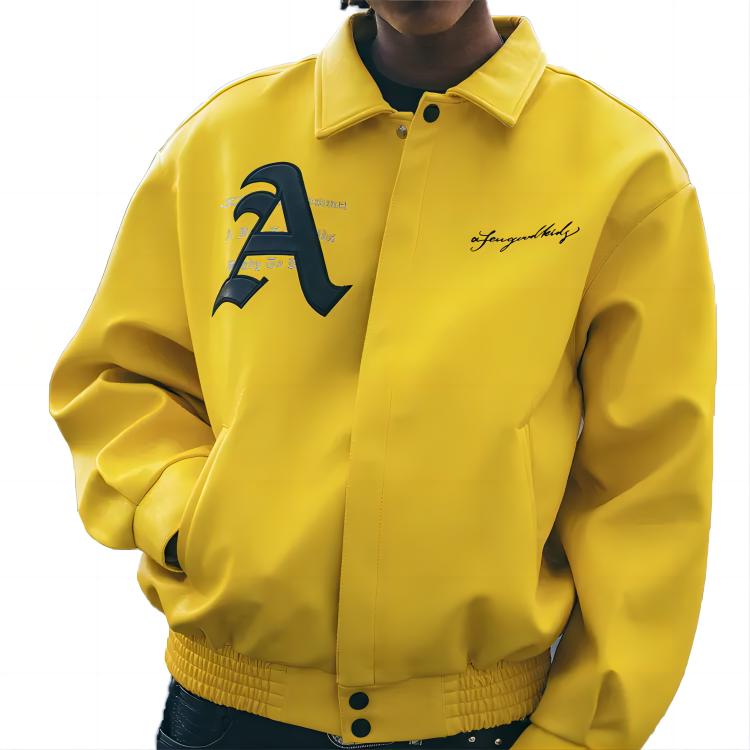
Team and workwear outerwear needs repeatable sizing, logo placement, and practical pockets before visual extras. Sports clubs often need coordinated colors, whereas corporate buyers may prioritize durable trim and uniform identification.
4. Padded Clothing Manufacturer Materials and Fabrics
A padded clothing manufacturer balances shell, lining, insulation, membranes, trims, and thread as one system. EDVORIN records each material choice in the approved sample and production specification.
| Material | Durability | Hand And Weight | Best Use |
|---|---|---|---|
| Polyester shell | Good abrasion resistance | Light, smooth | Everyday outerwear |
| Nylon shell | High abrasion resistance | Crisp, light | Active jackets |
| Recycled synthetics | Varies by construction | Lightweight | Material-focused programs |
| Cotton blend | Moderate | Soft, heavier | Casual padded styles |
| Fleece lining | Moderate | Warm, bulky | Cold-weather comfort |
| Synthetic wadding | Good care durability | Warm, variable weight | Down alternative |
| WR finish | Finish-dependent | Minimal hand change | Light rain exposure |
Layer Compatibility
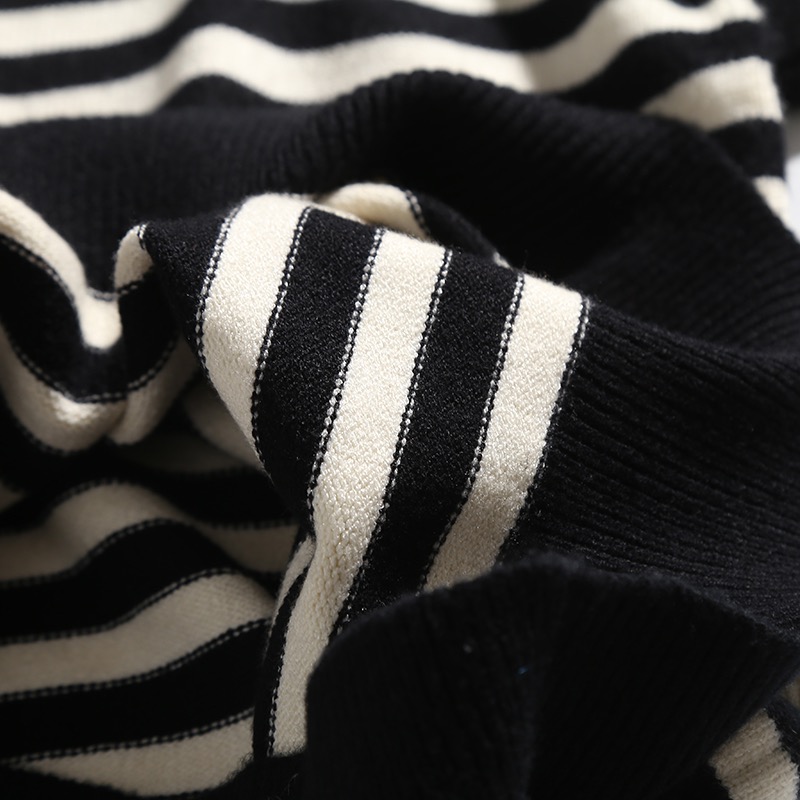
20–70D polyester or nylon shells suit lightweight outerwear, while cotton blends give a softer casual hand. Lining friction, needle choice, and thread strength should be tested with the selected wadding.
Insulation And Finishes
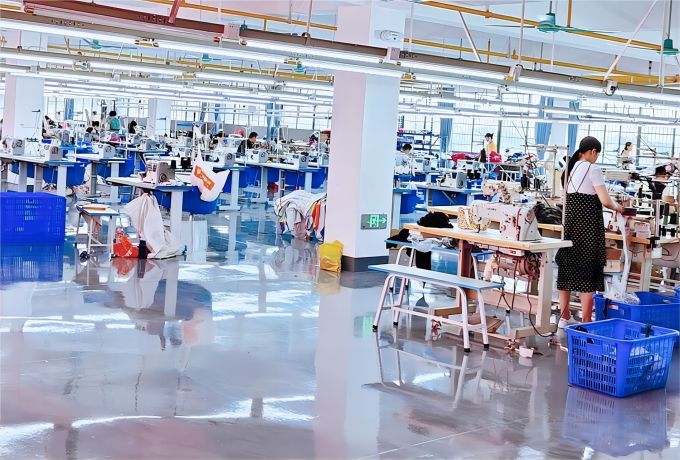
80–200 gsm synthetic wadding is a practical range for many padded styles; higher weights add bulk and warmth. Water-resistant finishes manage light exposure, but are not a substitute for seam sealing or a waterproof membrane.
5. Customization Options From a Padded Clothing Manufacturer
A padded clothing manufacturer can customize color, panel blocking, quilting, trims, and private-label finishing. EDVORIN records each approved choice so it can guide sampling and bulk production.
| Method | Appearance | Durability | Cost Fit |
|---|---|---|---|
| Embroidery | Textured | High | Best for simpler logos |
| Screen print | Flat, bold | Medium | Efficient at volume |
| Heat transfer | Detailed color | Medium | Useful for small runs |
Design And Private Label
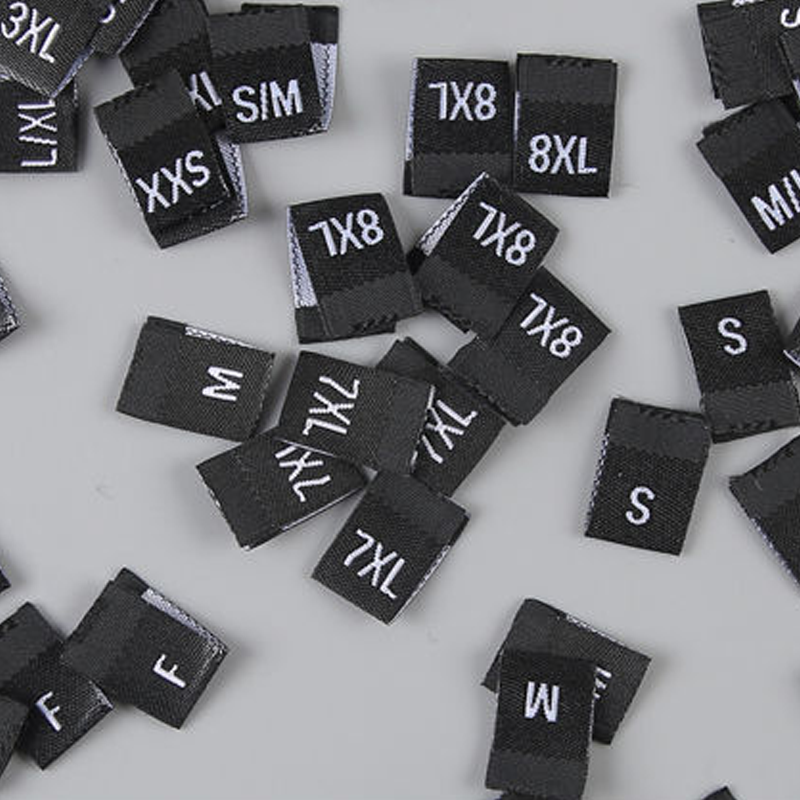
Pantone references control custom colors across shells, linings, panels, and quilting layouts. Woven labels, patches, zipper pulls, hangtags, and packaging require approved size, placement, and finish specifications.
Decoration On Padded Surfaces
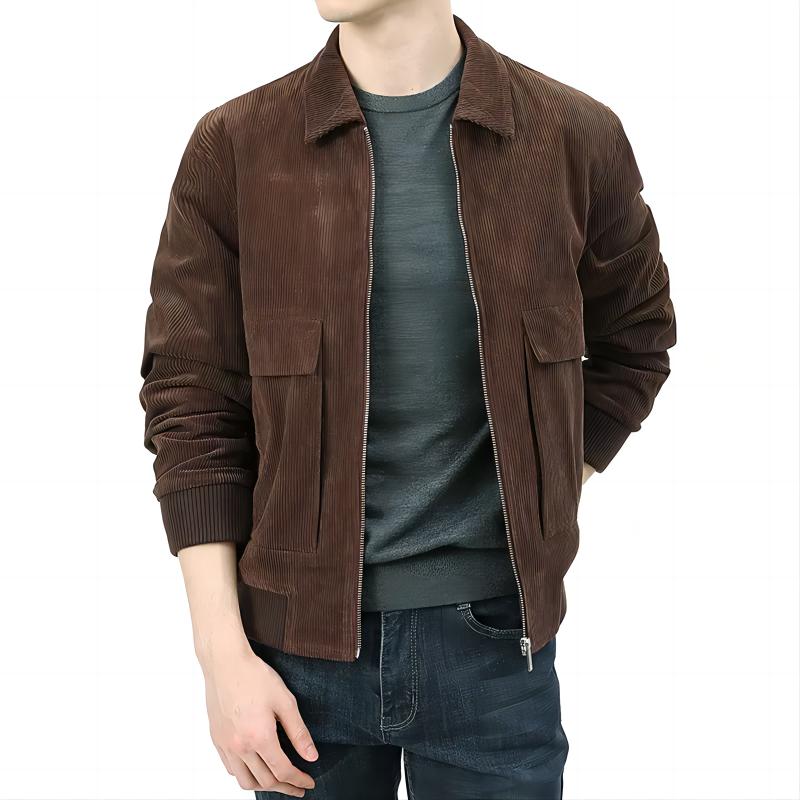
Quilt channels limit flat decoration areas; embroidery can compress insulation, while screen prints and heat transfers need a stable, unpuckered panel. Place artwork away from seams, zippers, and high-flex zones, then approve a decorated sample.
Artwork And Production Choices
Vector AI, PDF, or EPS files preserve logo edges for patches, prints, and transfers. Production approval should cover Pantone colors, artwork scale, placement measurements, thread colors, and a signed pre-production sample.
6. Construction Details That Define Quality
Two samples with the same shell fabric can perform very differently because construction controls warmth, shape retention, and service life. A padded clothing manufacturer should document these details before bulk cutting.
Stitching And Quilting
Eight to 12 stitches per inch is a useful visual benchmark for many woven outerwear seams; skipped stitches, puckering, or uneven quilting signal tension problems. Match baffle width, stitch lines, and seam allowances across panels, since irregular channels can create cold spots or distortion.
Insulation And Stress Points
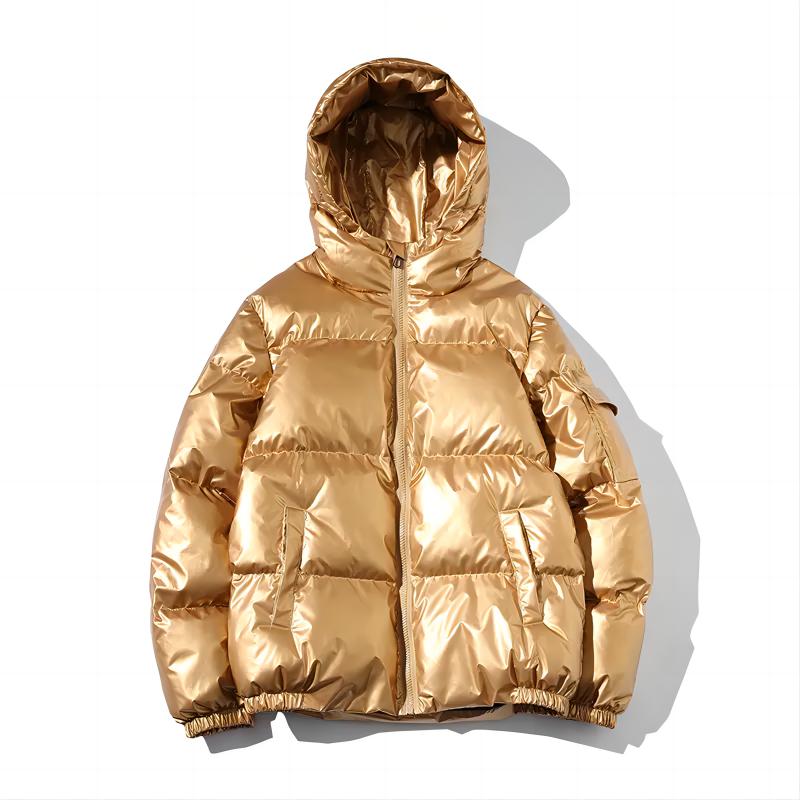
One sample should be checked by hand at every body panel, sleeve, and collar for even insulation distribution. Thin areas, loose baffle closures, or unanchored lining can allow filling migration; bartacks at pocket openings and reinforced zipper ends help protect high-stress areas.
Sample Review Checklist
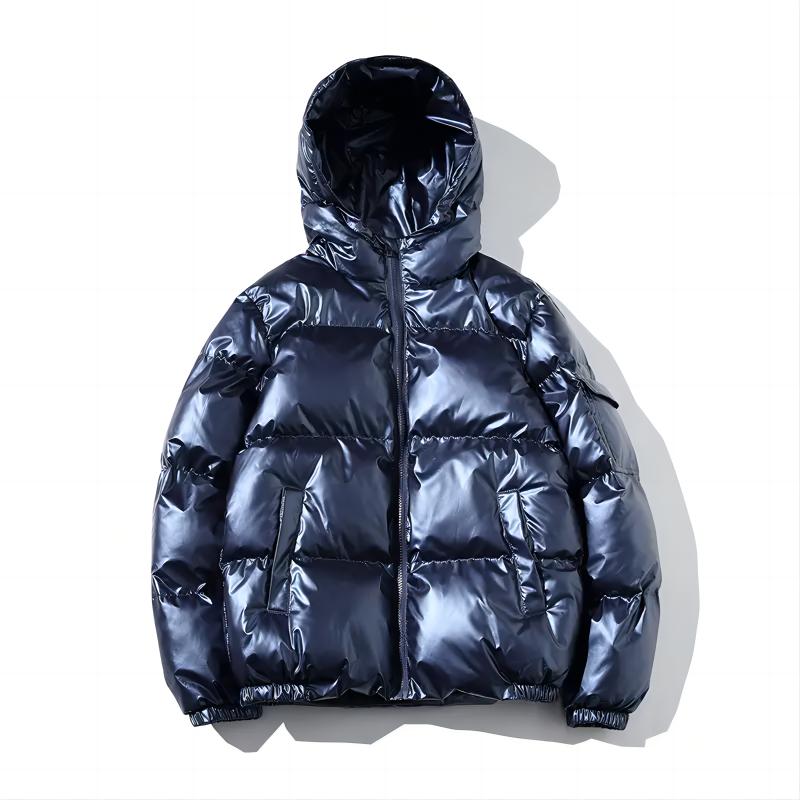
Three size points—smallest, middle, and largest—should be measured against the approved specification to expose grading drift. Operate the zipper repeatedly, turn pockets inside out, and inspect cuff and hem recovery before signing off.
- Confirm zipper alignment and smooth engagement
- Check lining attachment at seams and openings
- Compare chest, length, sleeve, and hem measurements
7. How to Choose a Padded Clothing Manufacturer
EDVORIN’s MOQ starts at 200 pieces per style. A padded clothing manufacturer should be assessed against your actual construction, not a generic capability list. Compare documented evidence before approving development, MOQ, or delivery commitments.
Verify Relevant Product Experience
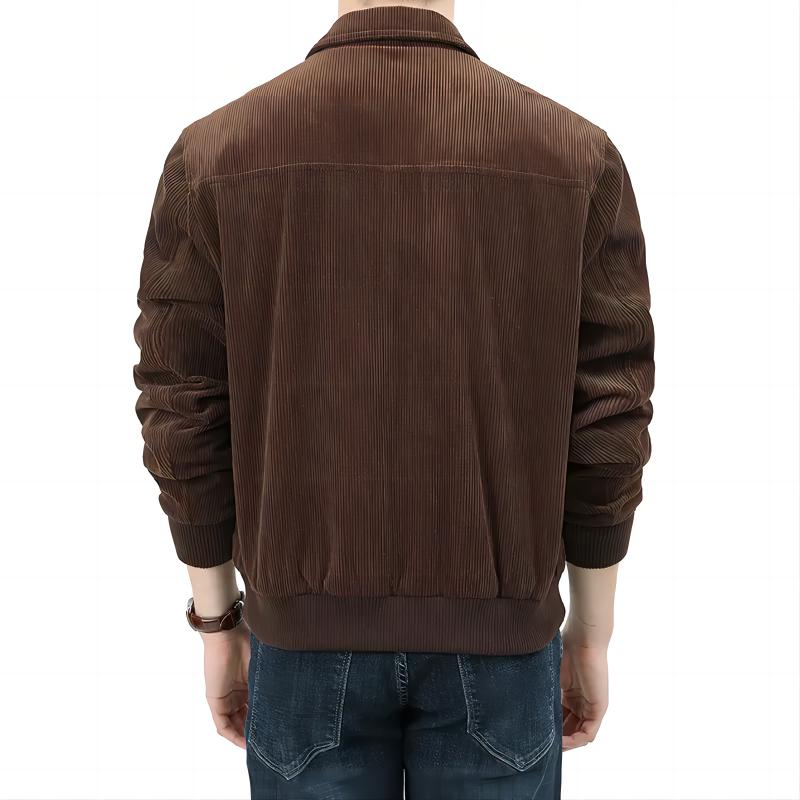
Two comparable padded samples reveal more than a catalog: check quilting alignment, insulation control, lining finish, and pocket construction.
Ask which shell, fill, and closure combinations were used, then request close-up photos or retained samples.
Test Development And Documentation
One tech pack should produce a measurable response: request a measurement chart, graded size rules, BOM, and construction notes.
Three revision records are more useful than verbal assurances; confirm who approves patterns, artwork placement, and sample changes.
Audit Production Controls
200 pieces may suit a pilot, but confirm MOQ by color, fabric, and insulation before costing. Request a line-capacity plan and material-source disclosure.
A clear quotation should separate fabric, fill, trims, decoration, sampling, packaging, and freight. Ask for in-line and final inspection reports, defect criteria, and a dated critical-path schedule.
8. Common Padded Apparel Sourcing Mistakes
A 200-piece order can turn costly when the approved standard leaves critical details open. Use the sample, documents, landed-cost estimate, and remedy terms as one release gate.
Price Before Specification
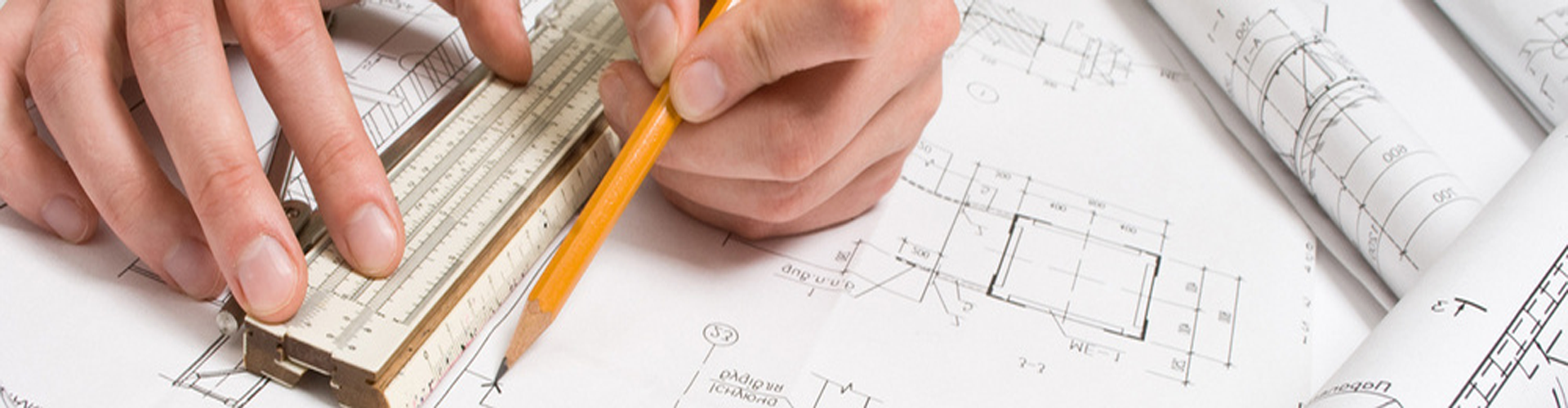
A 10% lower unit quote can disappear through substitutions, rework, or expedited freight. Compare like-for-like shell, fill, lining, trims, packing, Incoterms, duties, and defect remedies in a written quote.
Incomplete Approval Packages
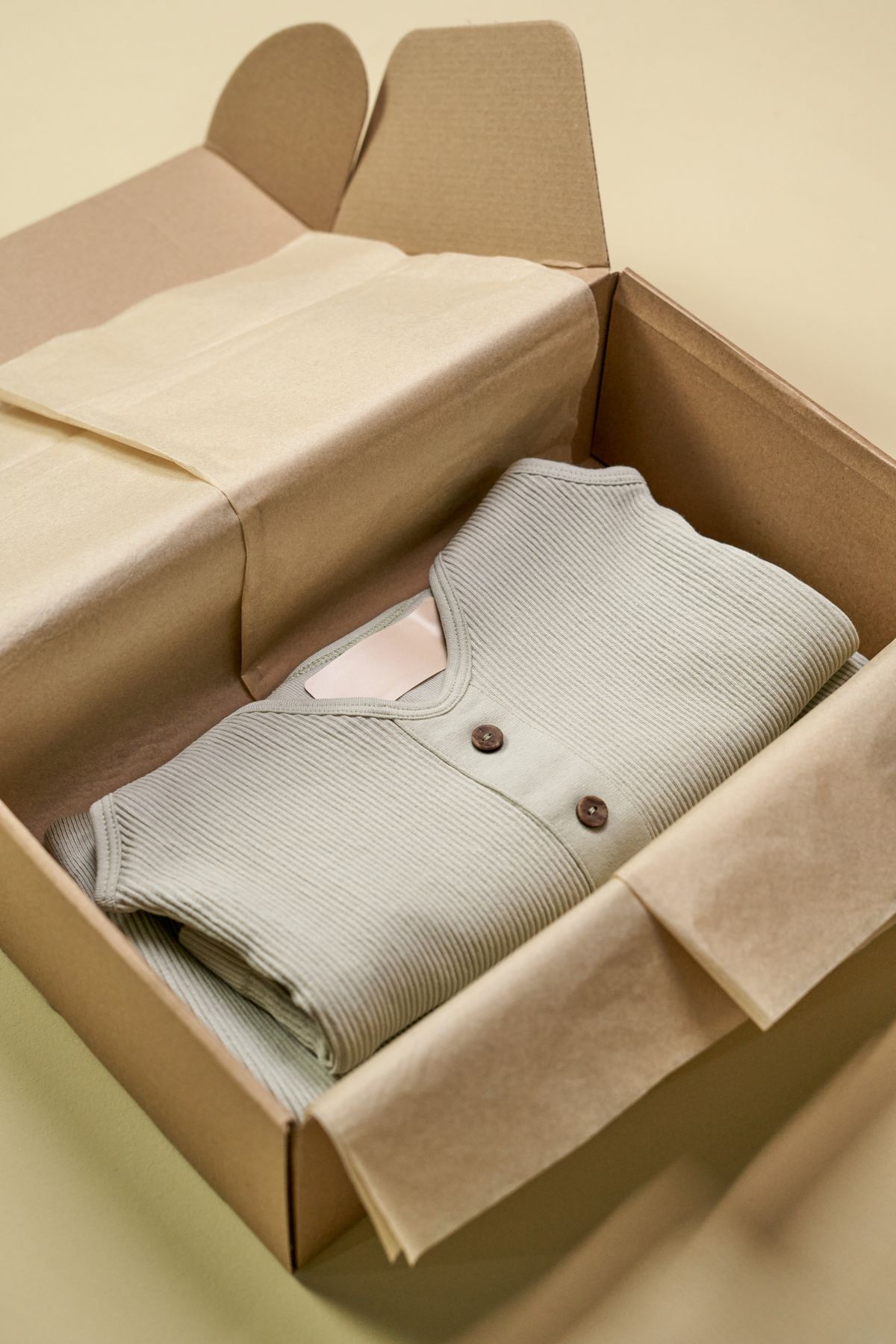
A 20 mm fill target alone does not define warmth, loft, or migration control. Lock fill type and weight, quilting layout, seam construction, measurement tolerances, grading rules, and artwork placement in the tech pack.
A digital mockup confirms appearance, not production performance. Approve a physical pre-production sample after fit checks and wash, abrasion, zipper, and wear testing.
Unplanned Delivery Risk
One missing Incoterm can shift freight, insurance, customs clearance, or duty costs to the buyer. Obtain a landed-cost scenario and delivery responsibility before placing the PO.
A written defect clause should define inspection timing, acceptable quality level, evidence, replacement, credit, and claim deadlines. Confirm the process before bulk cutting.
9. Steps to Launch a Padded Clothing Line
A padded clothing manufacturer can protect a launch date when each approval closes a specific decision. Use a gated sequence so design, cost, fit, color, and delivery changes are resolved before bulk commitments.
Define Product And Brief
1 target wearer and use case should set warmth, mobility, silhouette, and price position. Gate: approve a brief and tech pack covering measurements, fill weight, quilting, trims, artwork, labels, and packaging.
Source, Quote, And Sample
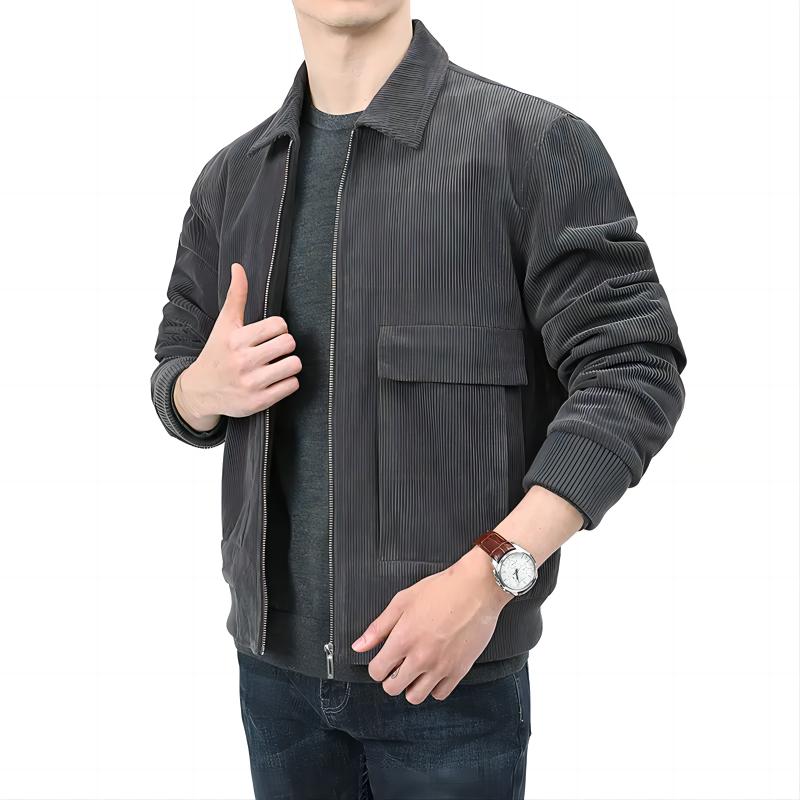
2 material options should be tested for shell handfeel, insulation, lining, and wash behavior before costing. Gate: approve the quoted specification, then revise the pre-production sample until construction, color, and fit match the standard.
Lock Bulk And Replenishment
200 pieces per design or color is the stated OEM MOQ, so confirm size grading, Pantone approvals, order quantity, and delivery terms before placing bulk. Gate: release production only after in-line and final checks, carton marks, logistics booking, and a replenishment trigger are documented.
10. Padded Clothing Manufacturer Pricing and Costs
200 pieces per color and design is a practical starting tier for an OEM padded program, but no padded clothing manufacturer can quote accurately without the shell, lining, insulation weight, pattern, quilting map, trims, decoration, labels, packaging, sample, and inspection scope. Higher-GSM insulation, custom quilt channels, molded zippers, embroidery, and multi-piece patterns raise material, labor, and development costs.
15–45 production days is a planning range after approvals, while freight terms, duty, taxes, and last-mile charges depend on Incoterms and destination. Compare quotations only against one approved specification: identical quantities by color and size, materials, measurements, decoration, QA level, packing, and delivery term.
| Illustrative quote-dependent tier | Typical cost drivers | Likely lead-time effect |
|---|---|---|
| 200–499 pieces | Sampling allocation; custom materials | Longer material coordination |
| 500–999 pieces | Balanced unit cost and options | Standard production planning |
| 1,000+ pieces | Volume efficiencies; color complexity | Faster per-unit flow after approvals |
Start Your Padded Clothing Development Project
Send your tech pack, reference garment or concept for a padded outerwear sample or repeatable bulk program from 200 pieces per style.