
Applique Clothing Manufacturer for Repeatable Brand Collections
EDVORIN is an applique clothing manufacturer that develops fabric-based decoration from approved samples to controlled bulk production, with 200-piece MOQs per style.
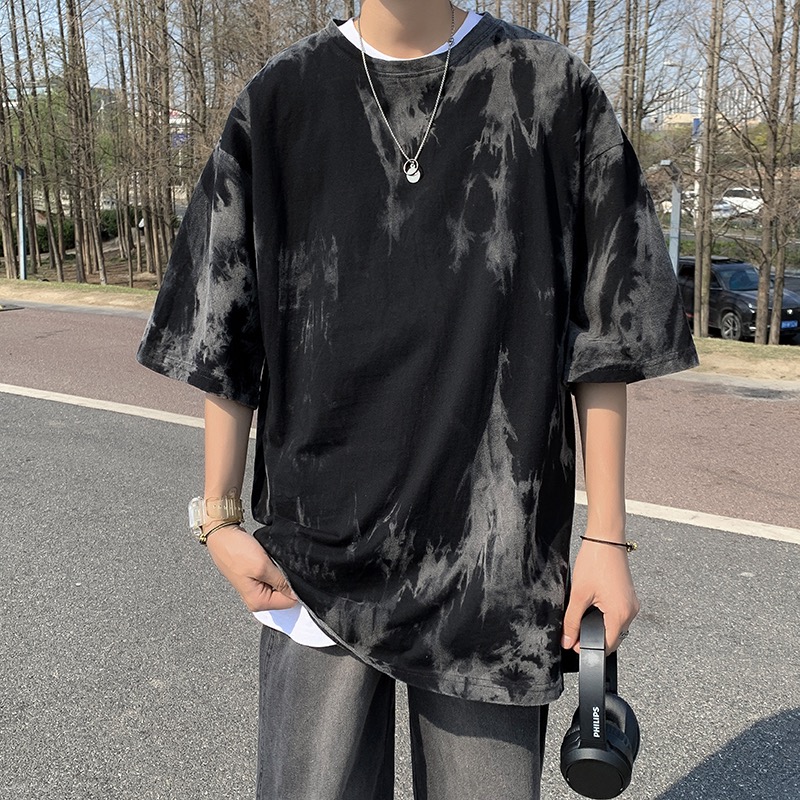
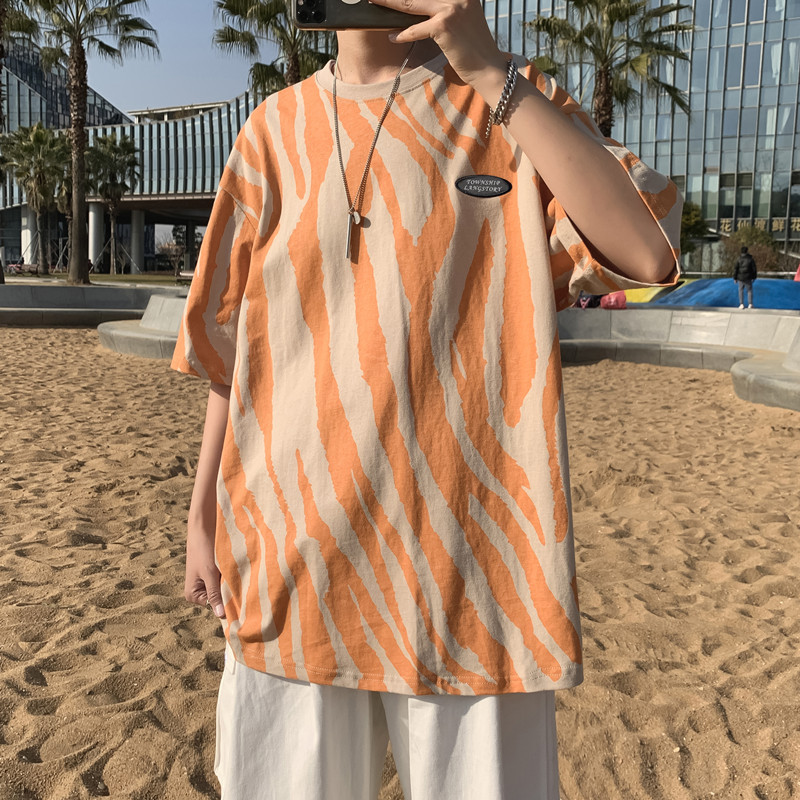
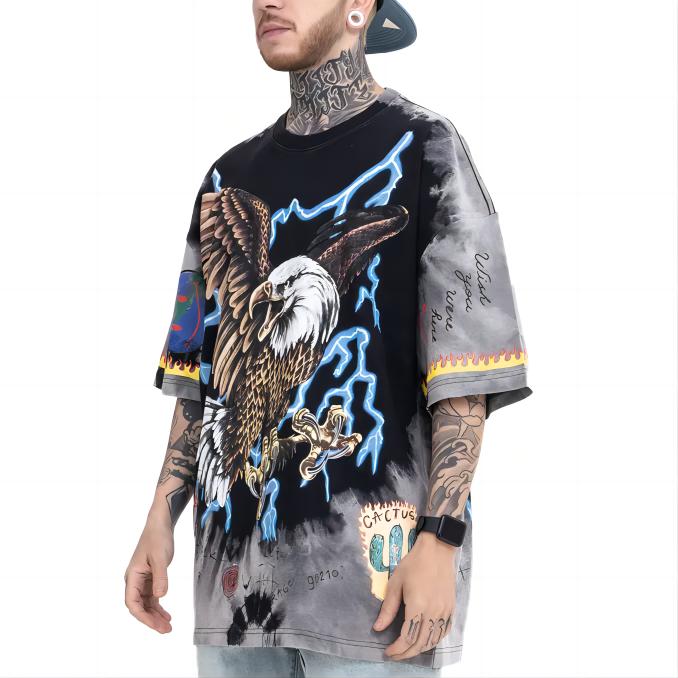
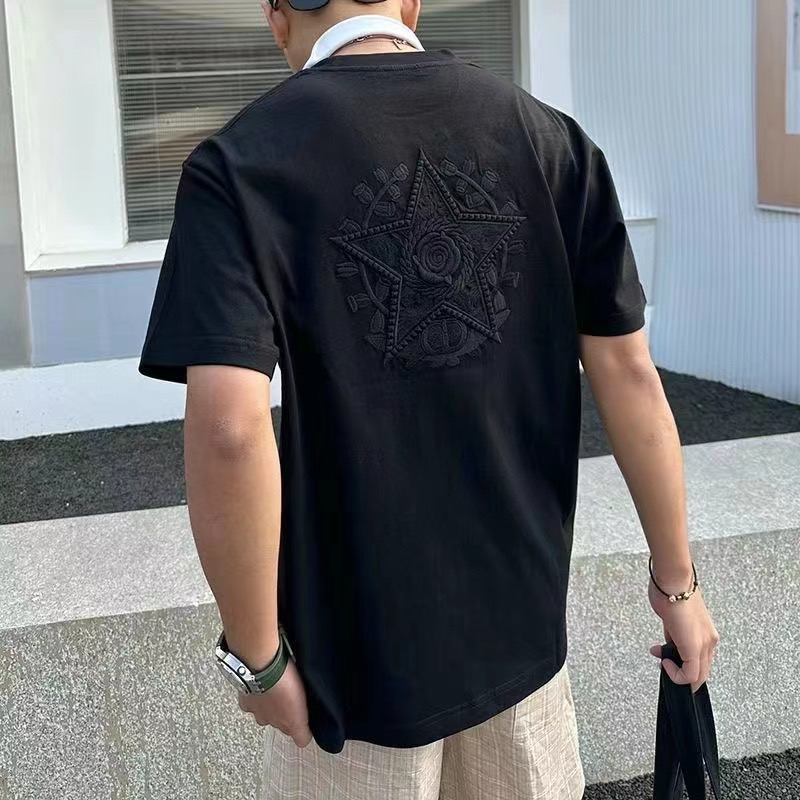
Featured Products for Appliqué Apparel Development
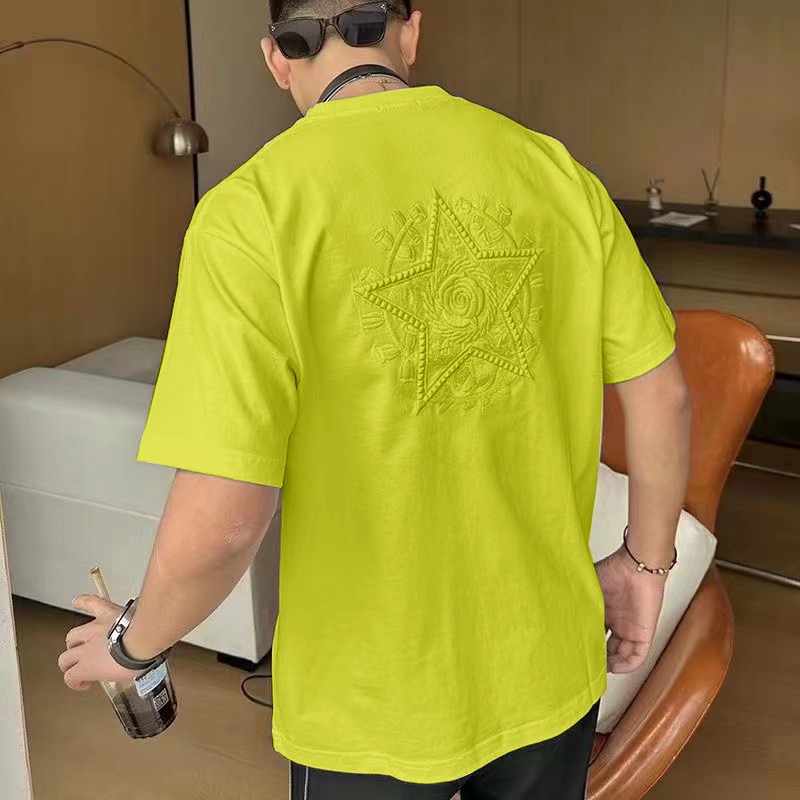
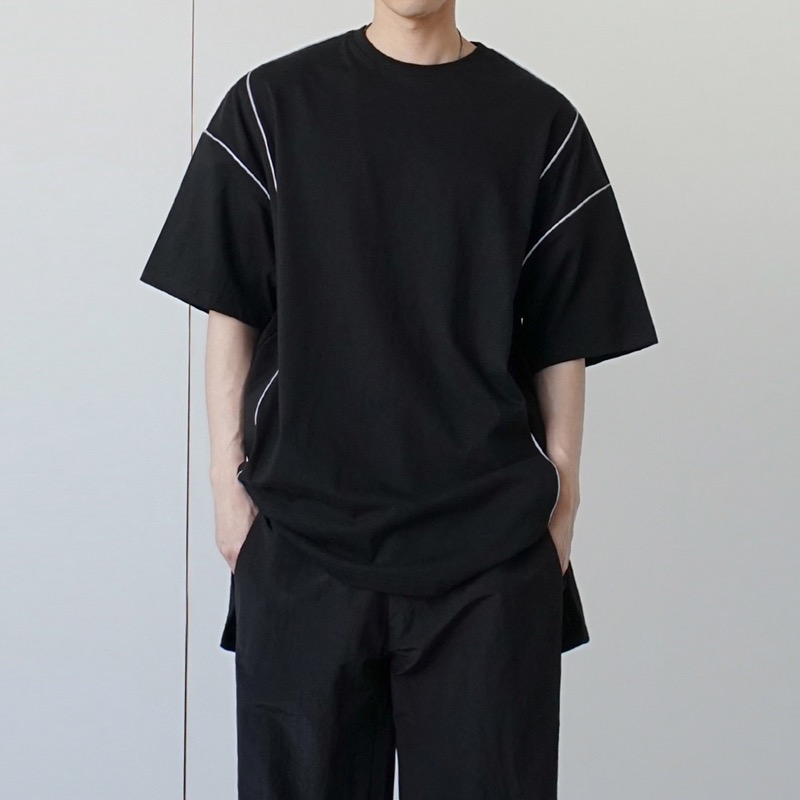
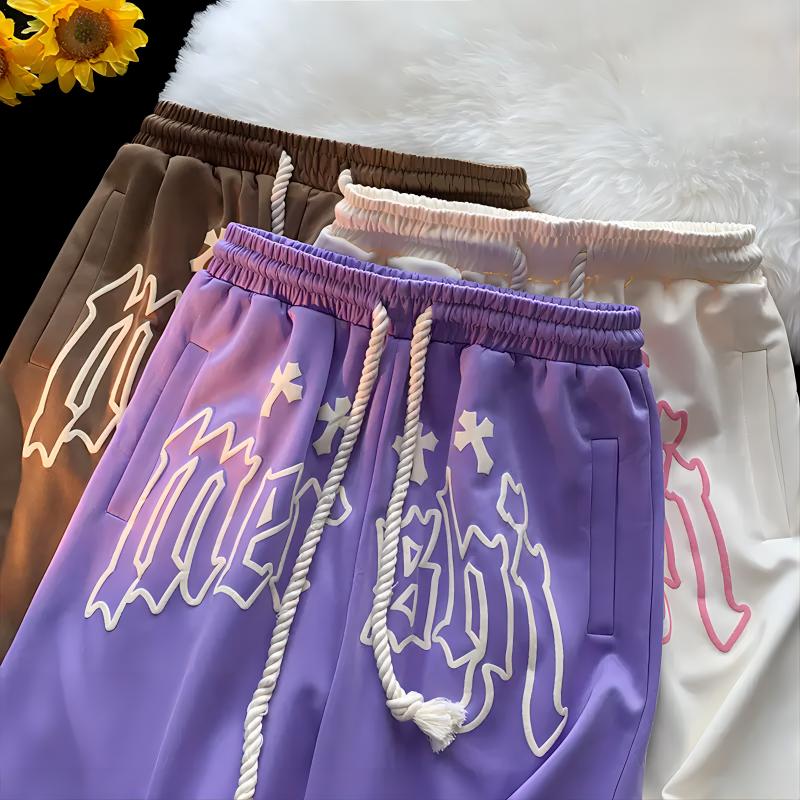
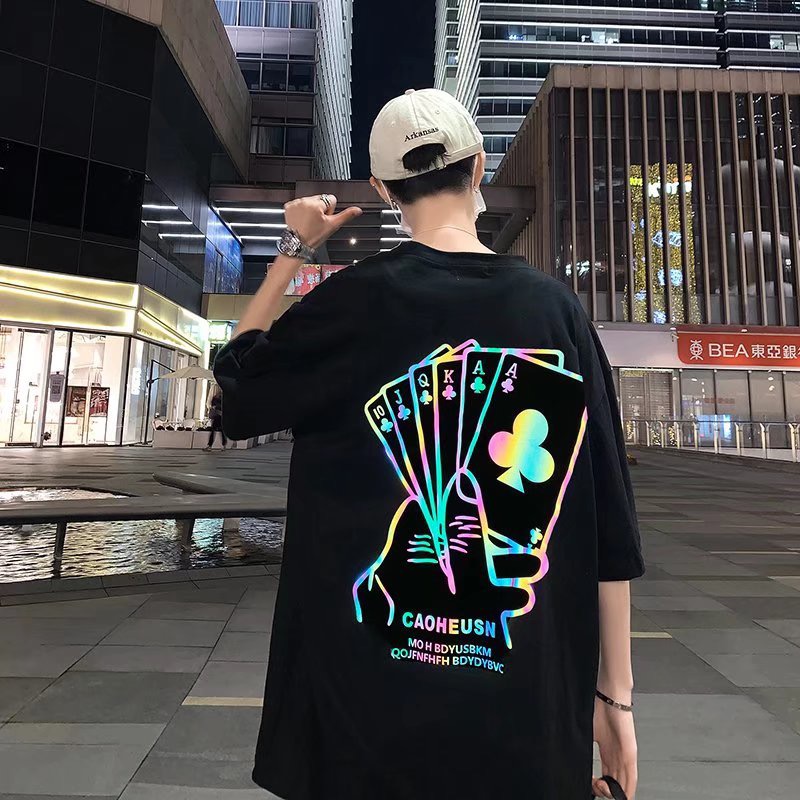
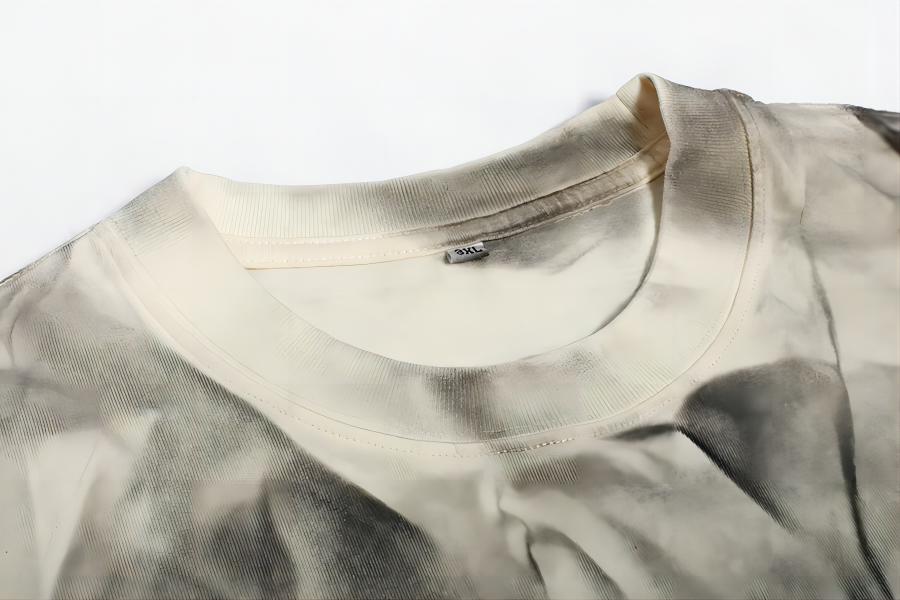
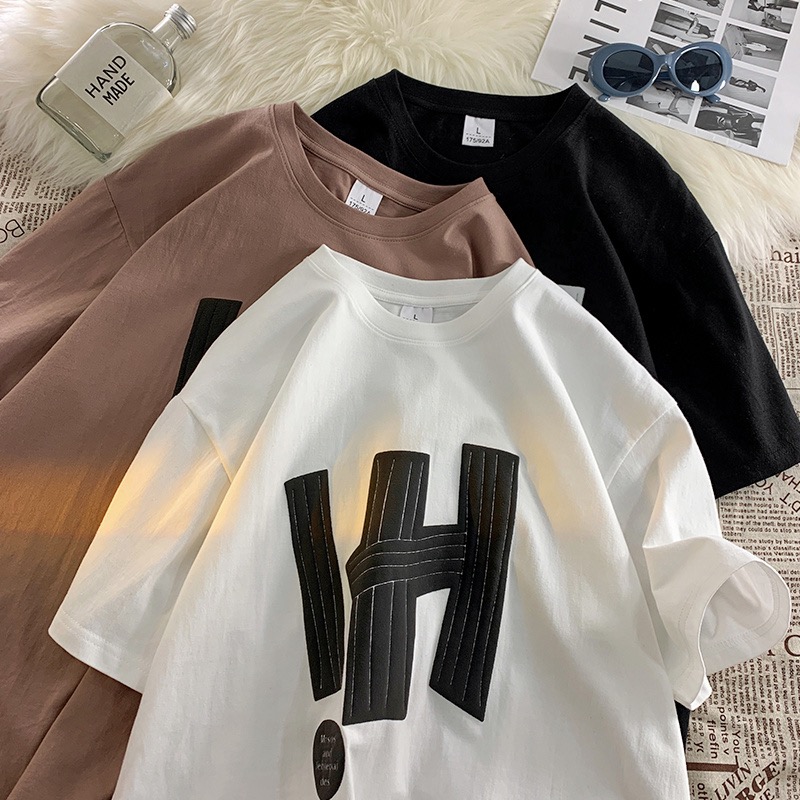
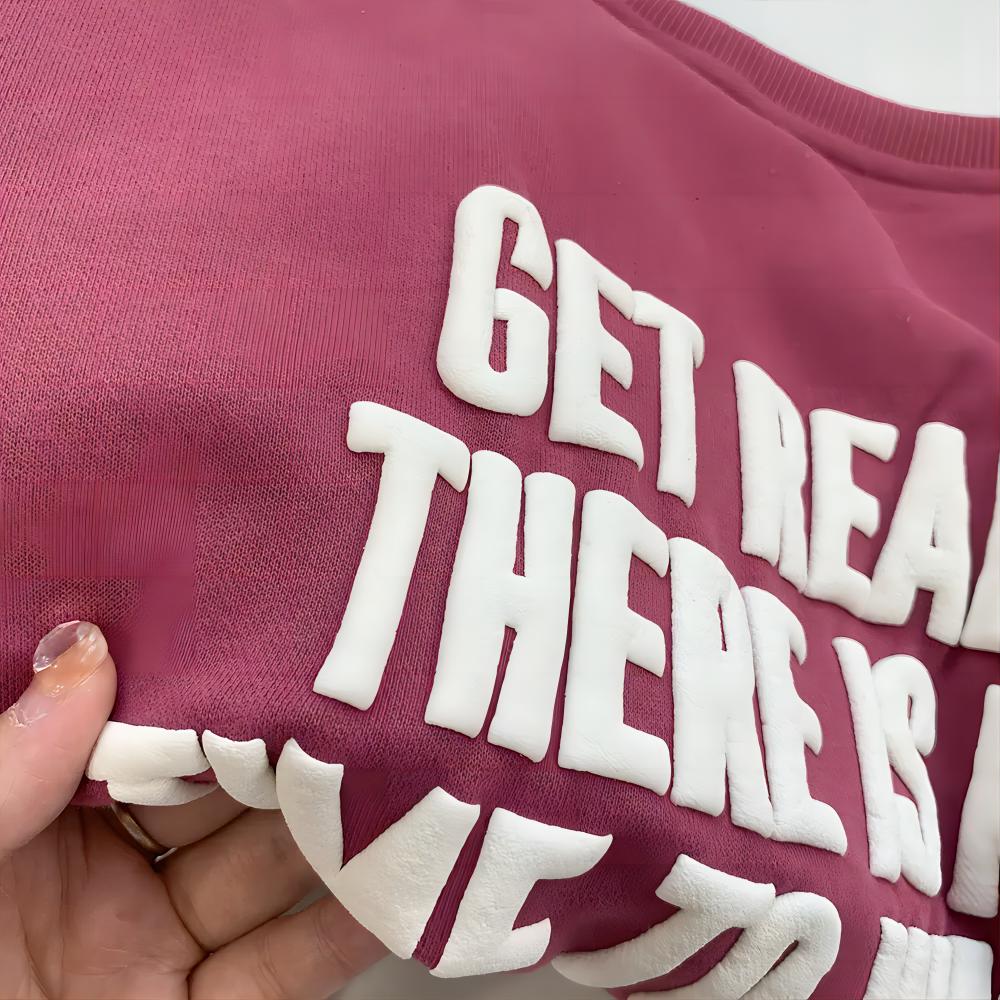
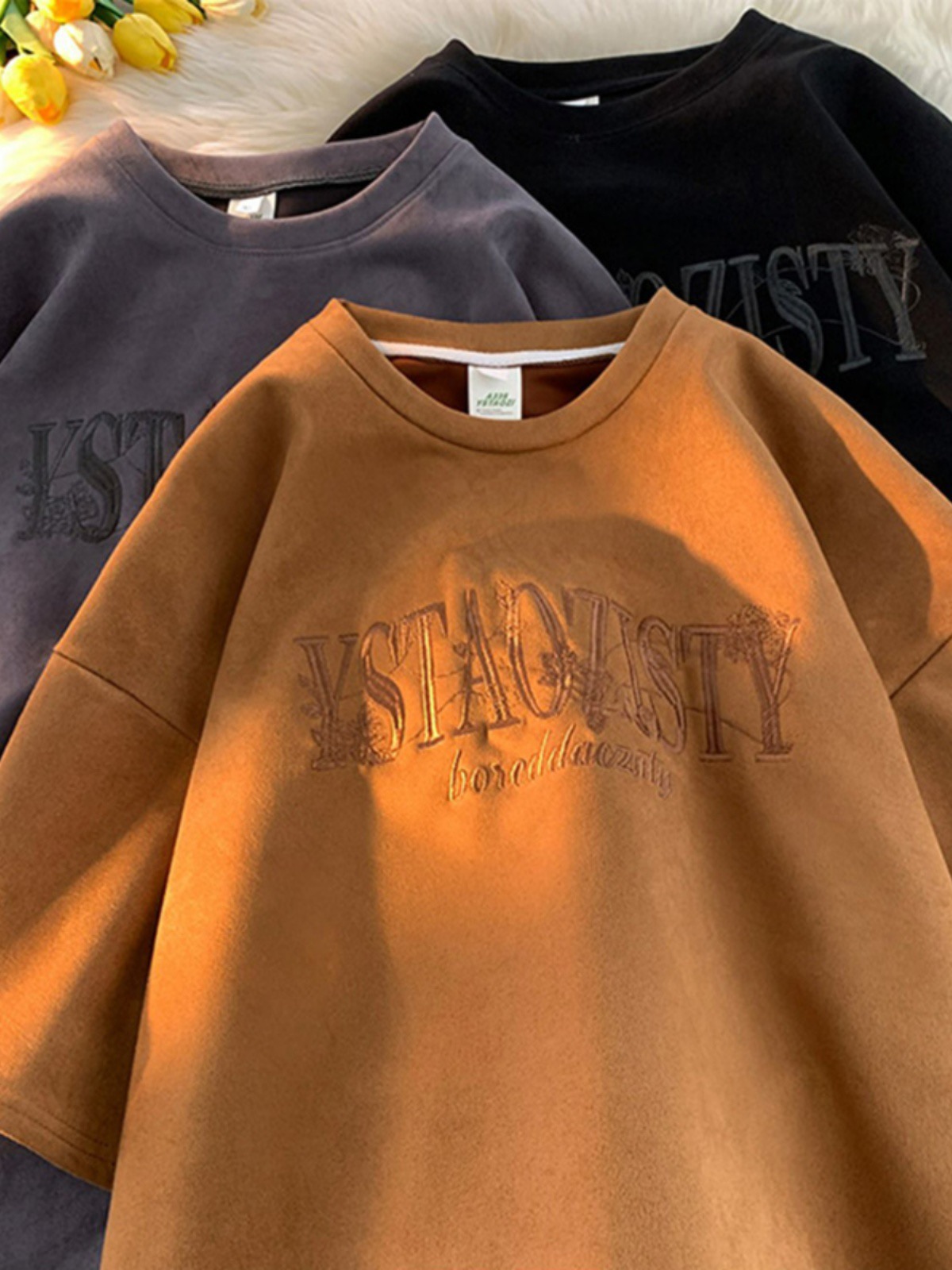
Why Choose an Applique Clothing Manufacturer
Build distinctive fleece, varsity and teamwear programs with layered fabric graphics engineered for clear approval and repeatable bulk production.
Dimensional Fabric Contrast
Layered fabric shapes add visible depth, texture and color contrast that standard flat decoration cannot replicate on branded apparel.
Bold Graphic Presence
Large letters, numbers and emblem shapes create high-impact artwork suited to streetwear drops, varsity pieces and team collections.
Stitch-Defined Edges
Recorded stitch placement and edge finishes help keep each appliqué shape clean, secure and visually consistent across production runs.
Built for Key Garments
Apply decoration to hoodies, sweatshirts, varsity jackets, jerseys and other styles after construction, fabric and placement are reviewed.
Repeatable Collection Standards
EDVORIN documents approved materials, colors, placement and construction details to help your appliqué program move confidently from sample to bulk.
Decoration and Apparel Capabilities
Explore product categories where appliqué, embroidery, patches, printing, washes, and coordinated construction can be developed into repeatable production standards.
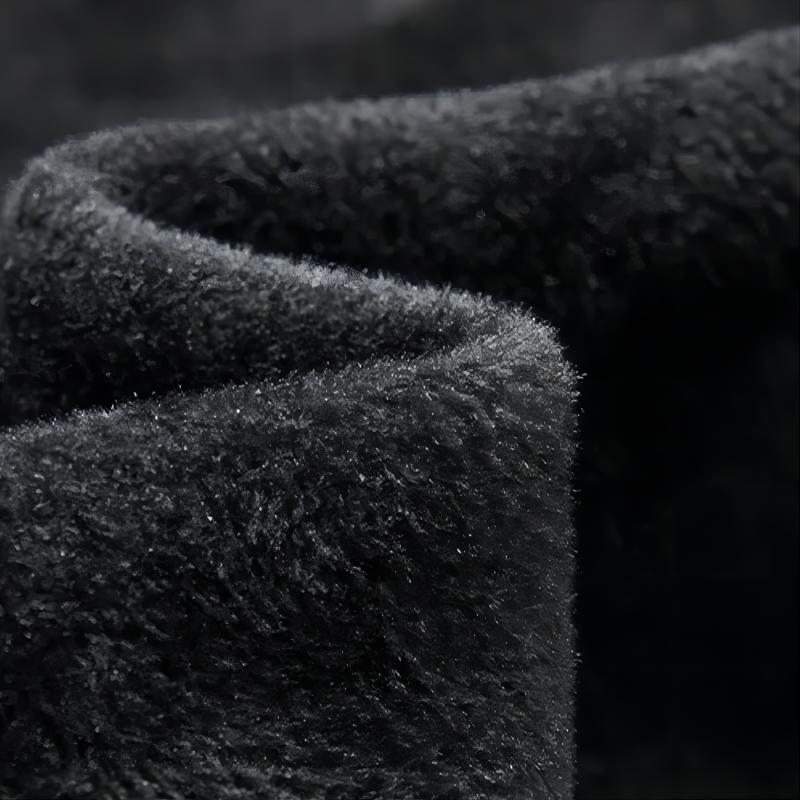
Custom Hoodies
As a custom hoodie manufacturer, EDVORIN develops fleece weight, fit blocks, rib construction, drawcords, labels, and decoration placements. Appliqué, embroidery, chenille patches, screen printing, and wash treatments can be specified during sampling for consistent bulk production.
Get a Quote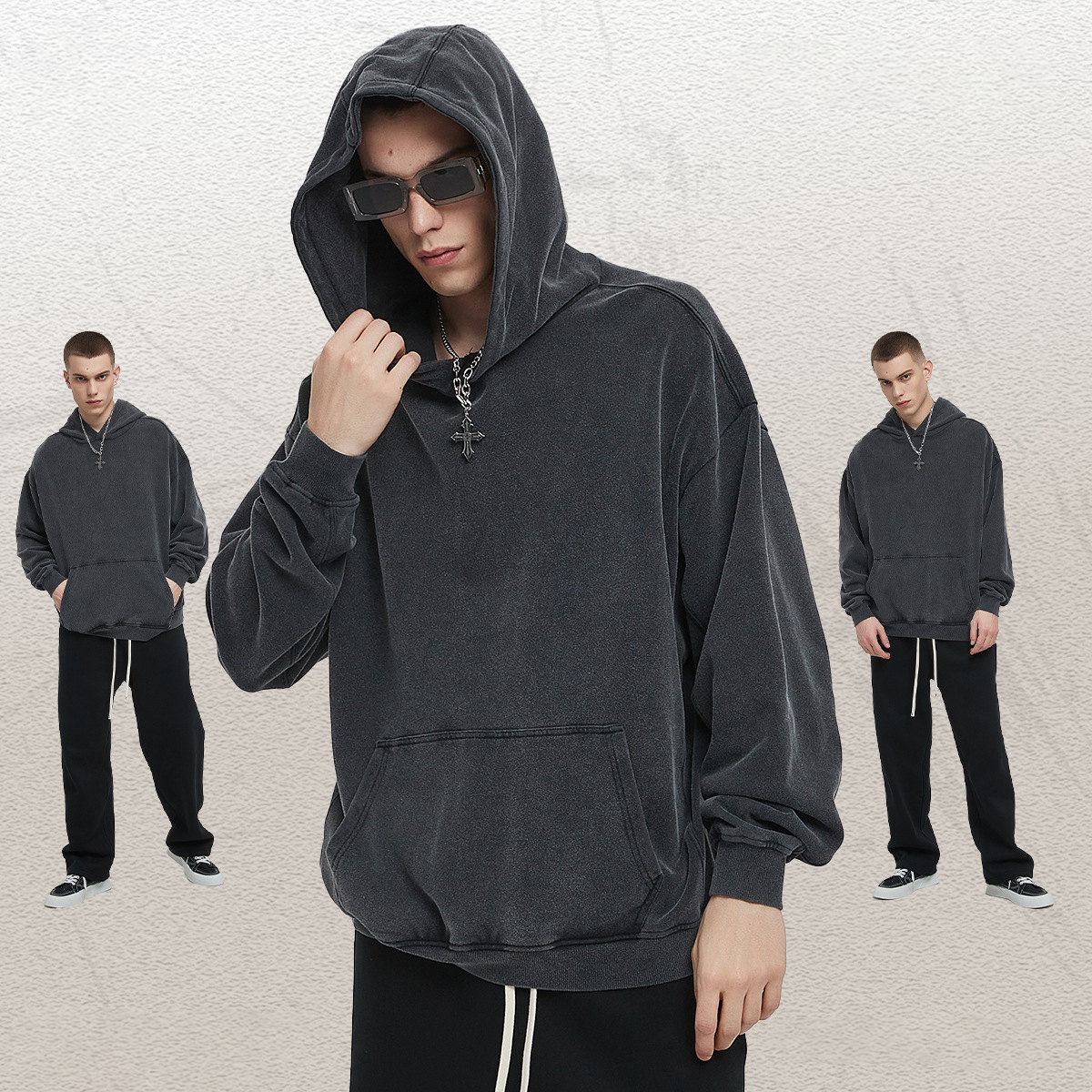
Pullover Sweatshirts
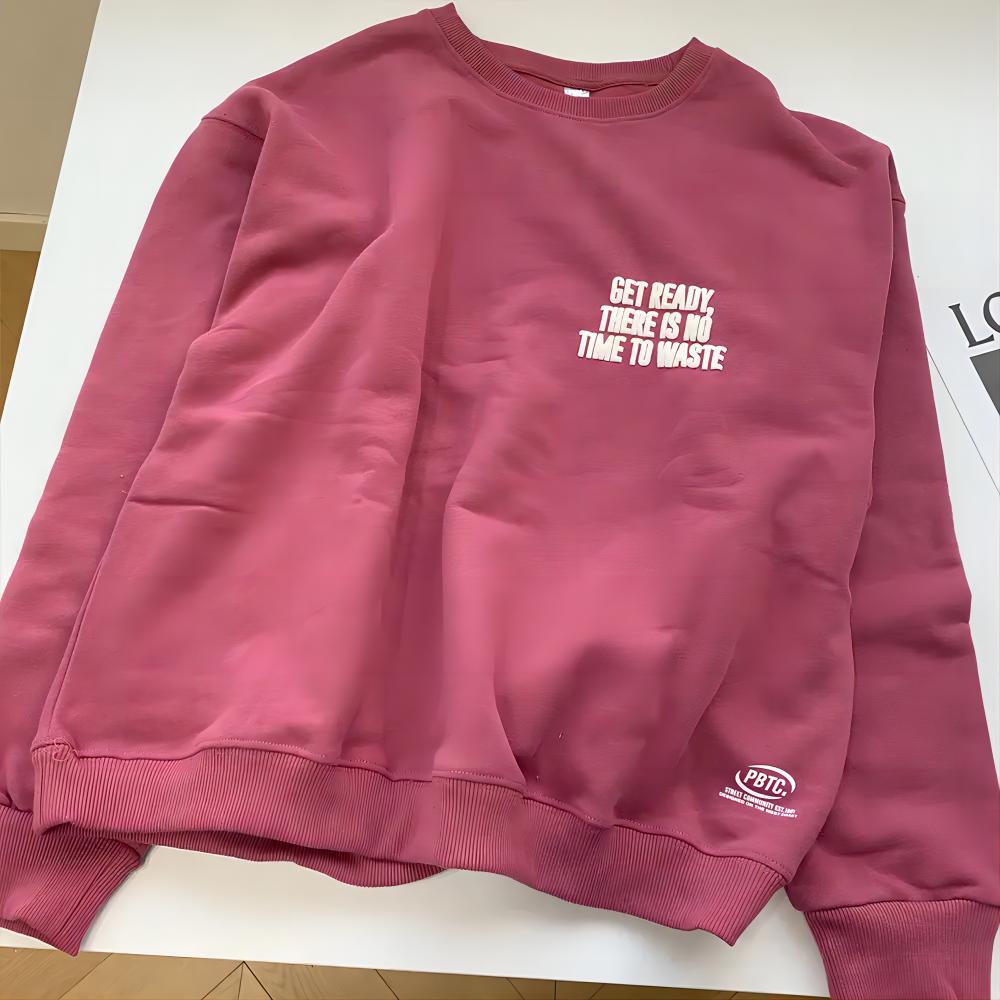
EDVORIN supports pullover programs as a sweatshirt manufacturer, with development for crewnecks, oversized fits, brushed fleece, French terry, rib details, and neck construction. Embroidery, appliqué lettering, patches, prints, and garment washes are coordinated against the approved sample.
Get a Quote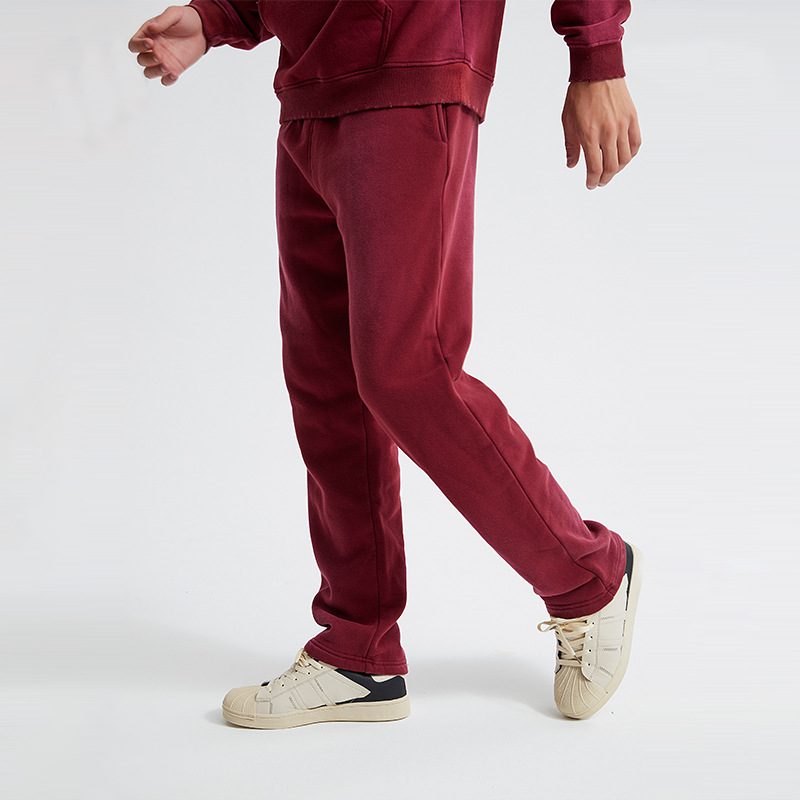
Sweatpants & Joggers
For brands sourcing from a sweatpants manufacturer, EDVORIN develops joggers and sweatpants with matching fabric programs, waistband construction, cuffs, pockets, drawcords, and grading. Embroidered logos, appliqué details, prints, and wash finishes can align with hoodie or sweatshirt collections.
Get a Quote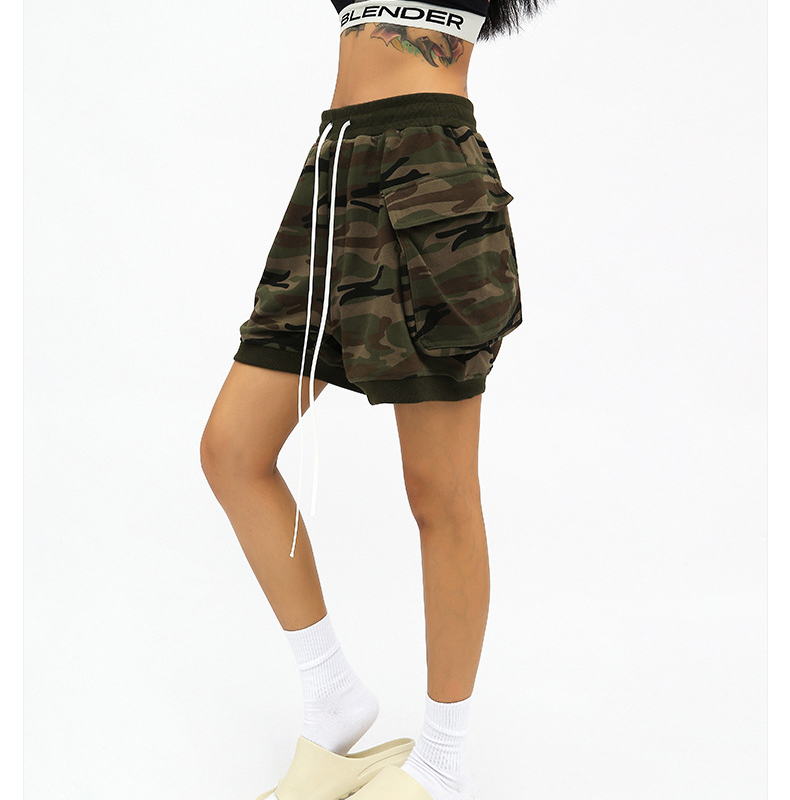
Custom Shorts
As a custom shorts manufacturer, EDVORIN develops fleece, jersey, woven, and performance shorts with defined inseams, pockets, waistbands, and trims. Decoration options include embroidery, appliqué, patches, printing, and coordinated branding for casualwear, teamwear, and streetwear programs.
Get a Quote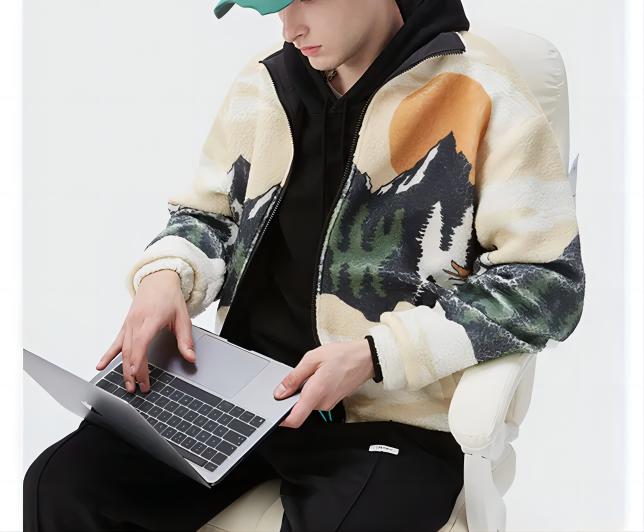
Varsity & Baseball Jackets
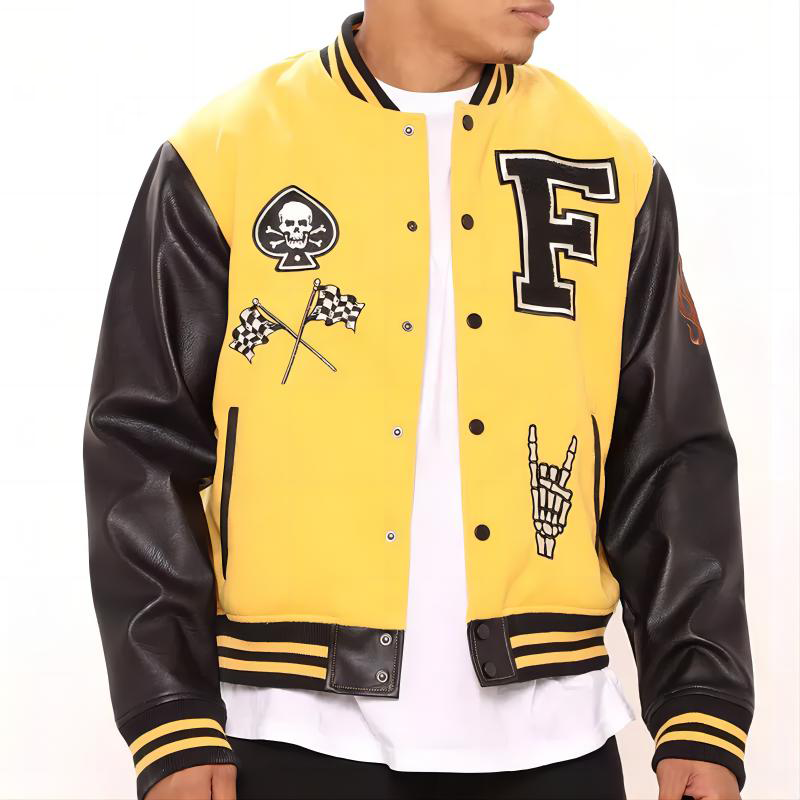
EDVORIN works as a varsity jacket manufacturer on body and sleeve materials, ribbing, snaps, lining, patches, and fit. Chenille appliqué, embroidered crests, tackle twill, and woven labels are developed as documented components for repeatable jacket production.
Get a Quote
Custom T-Shirts
As a custom t shirt manufacturer, EDVORIN develops jersey weight, collar construction, fit, printing surfaces, labels, and finishing. Buyers can combine screen printing, embroidery, appliqué details, patches, and washes where the fabric and decoration method support the intended result.
Get a Quote
Custom Polo Shirts
EDVORIN supports polo programs as a polo shirt manufacturer, coordinating piqué or jersey fabric, collars, plackets, cuffs, buttons, and size grading. Embroidered logos, woven patches, appliqué details, and private-label packaging can be specified for corporate, club, or retail use.
Get a Quote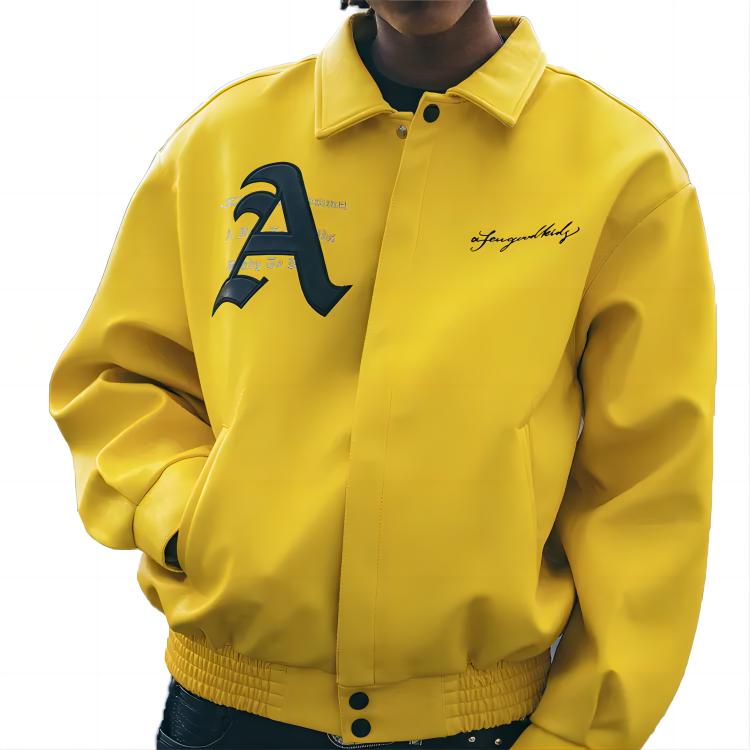
Windbreaker Jackets
As a windbreaker manufacturer, EDVORIN develops lightweight shells with lining, mesh, zippers, elastic or adjustable hems, and functional pockets. Embroidery, appliqué patches, heat transfers, and printed graphics are selected according to shell fabric and intended wear conditions.
Get a Quote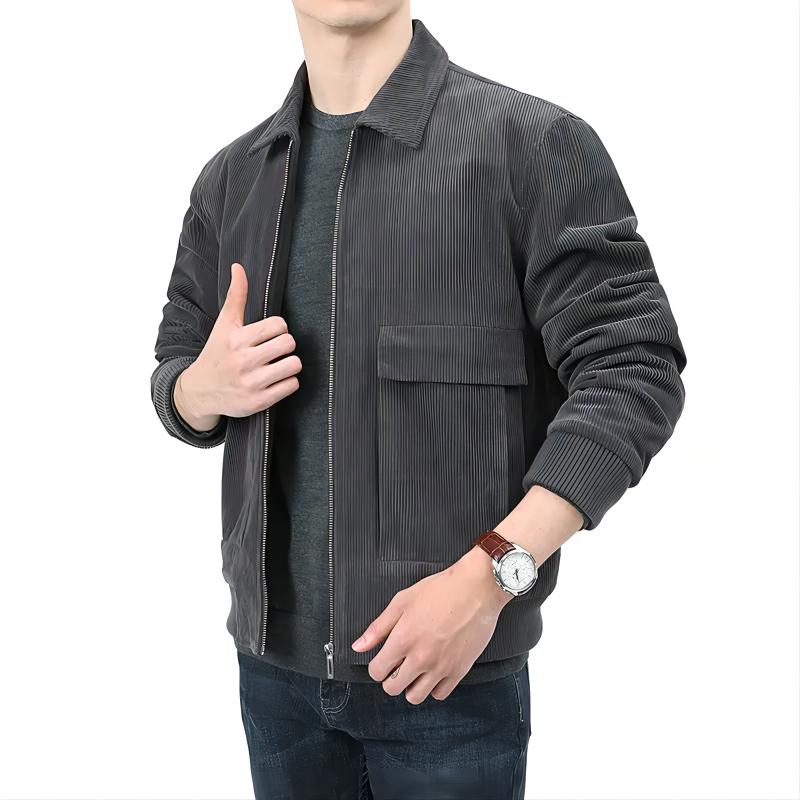
Quilted Jackets
EDVORIN develops insulated outerwear as a quilted jacket manufacturer, coordinating shell fabric, quilt pattern, fill, lining, closures, and trim details. Embroidered branding, patches, appliqué, and labels are reviewed during sampling to protect appearance and construction in bulk.
Get a Quote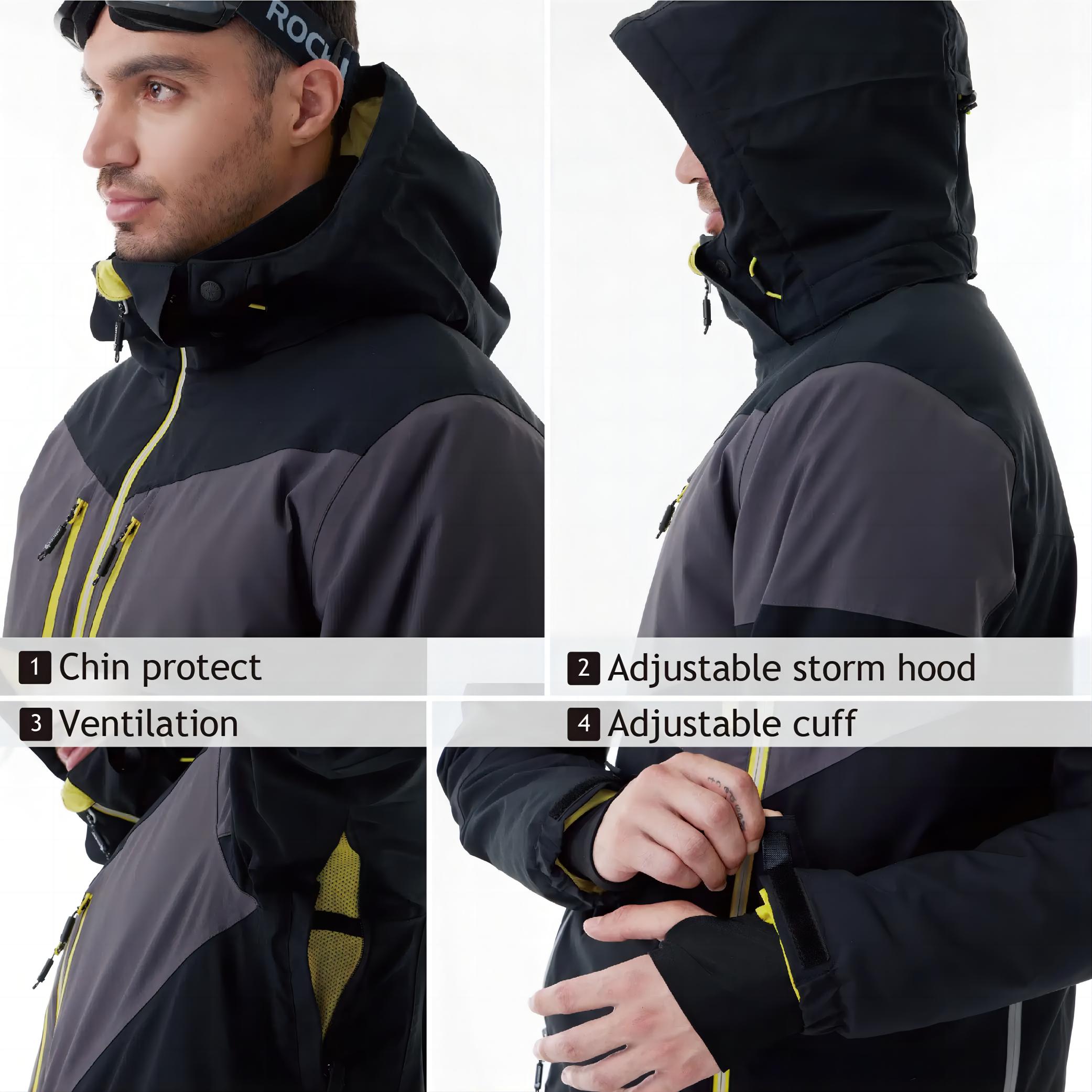
Bomber Jackets
As a bomber jacket manufacturer, EDVORIN develops shell and lining combinations, rib trims, zippers, pockets, and fit for fashion or team-inspired programs. Embroidery, chenille patches, appliqué, prints, and custom labels can be integrated into the approved construction standard.
Get a Quote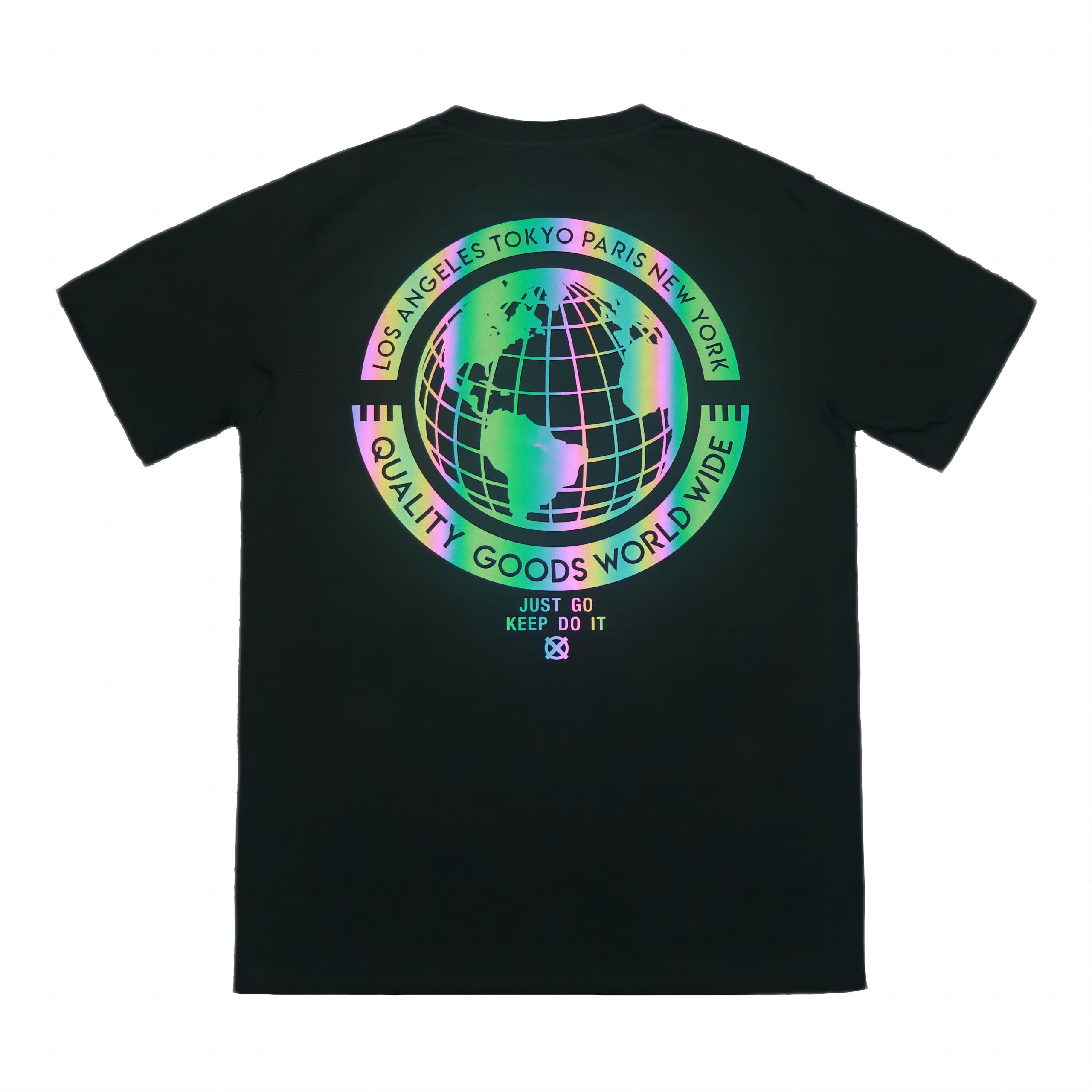
Custom Shirts
EDVORIN operates as a custom woven shirt manufacturer for overshirts, button-downs, and fashion shirts with defined fabric, collar, placket, cuffs, pockets, and finishing. Embroidery, appliqué patches, woven labels, and discreet branded details can be planned for production.
Get a Quote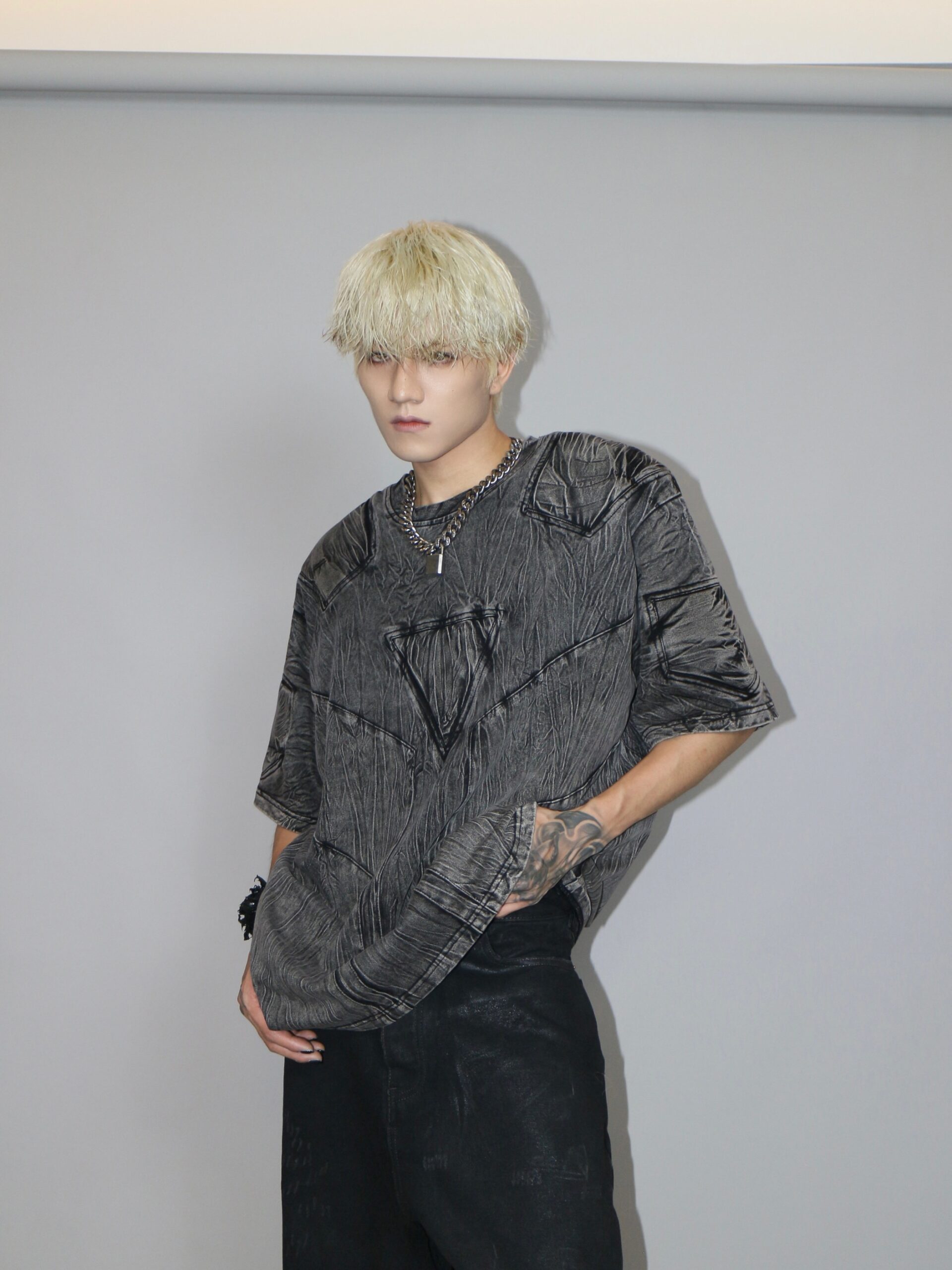
Custom Jerseys
As a custom jersey manufacturer, EDVORIN develops team and fashion jerseys with fabric performance, color blocking, necklines, panels, number placement, and grading defined before bulk production. Embroidery, appliqué, tackle twill, patches, and printed graphics can be matched to the garment’s use.
Get a Quote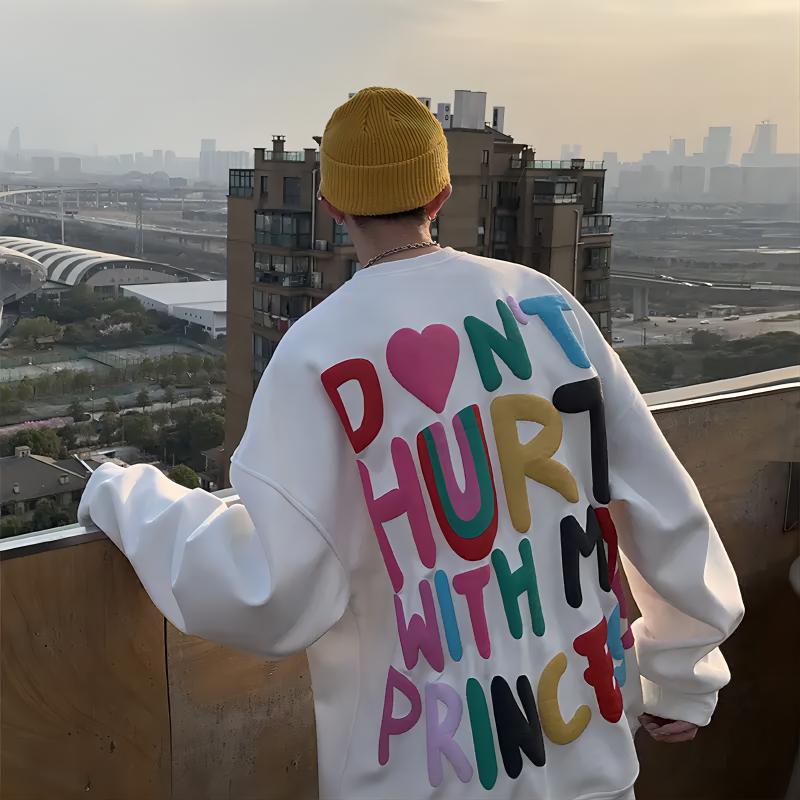
Tank Tops
EDVORIN supports tank programs as a custom tank top manufacturer, developing jersey or performance fabrics, armhole shape, neckline binding, fit, and decoration placement. Prints, embroidered emblems, appliqué details, patches, and labels can be coordinated for retail, training, or streetwear lines.
Get a Quote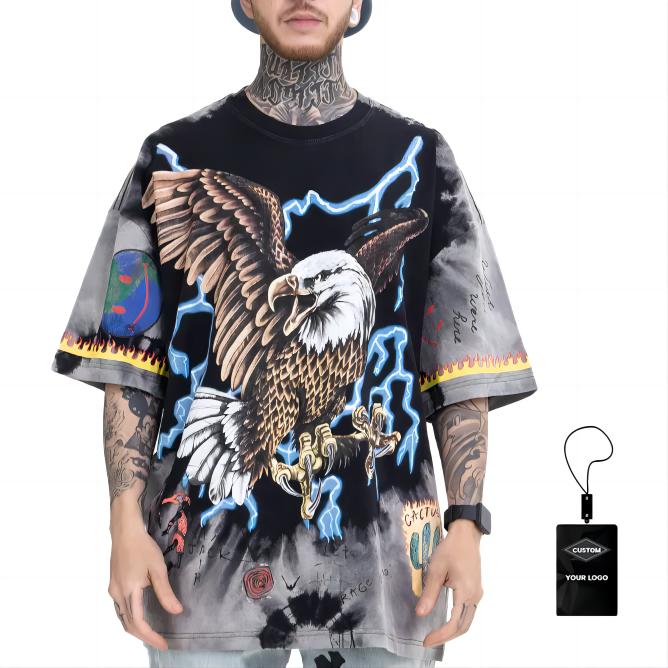
Soccer Uniforms
As a soccer uniform manufacturer, EDVORIN coordinates breathable fabric, team colors, panel construction, crests, names, numbers, shorts, and size sets. Embroidered badges, appliqué elements, heat-applied graphics, and sponsor placements are documented to support organized repeat orders.
Get a Quote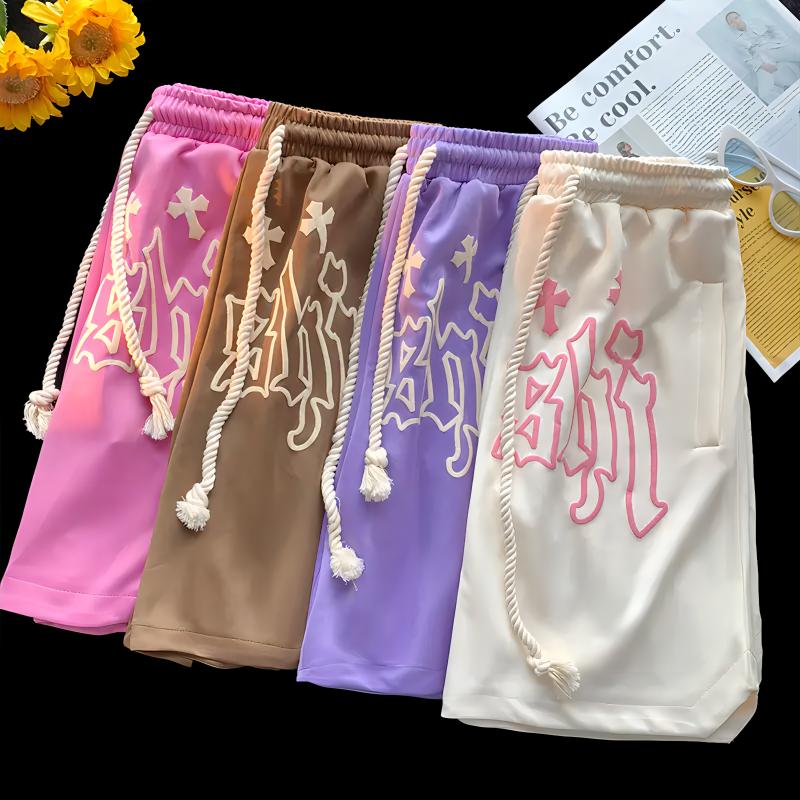
Basketball Uniforms
As a basketball uniform manufacturer, EDVORIN develops jerseys and shorts around mobility, breathable materials, contrast panels, neck and armhole construction, and team sizing. Tackle twill appliqué, embroidered patches, names, numbers, and printed graphics are controlled against approved references.
Get a Quote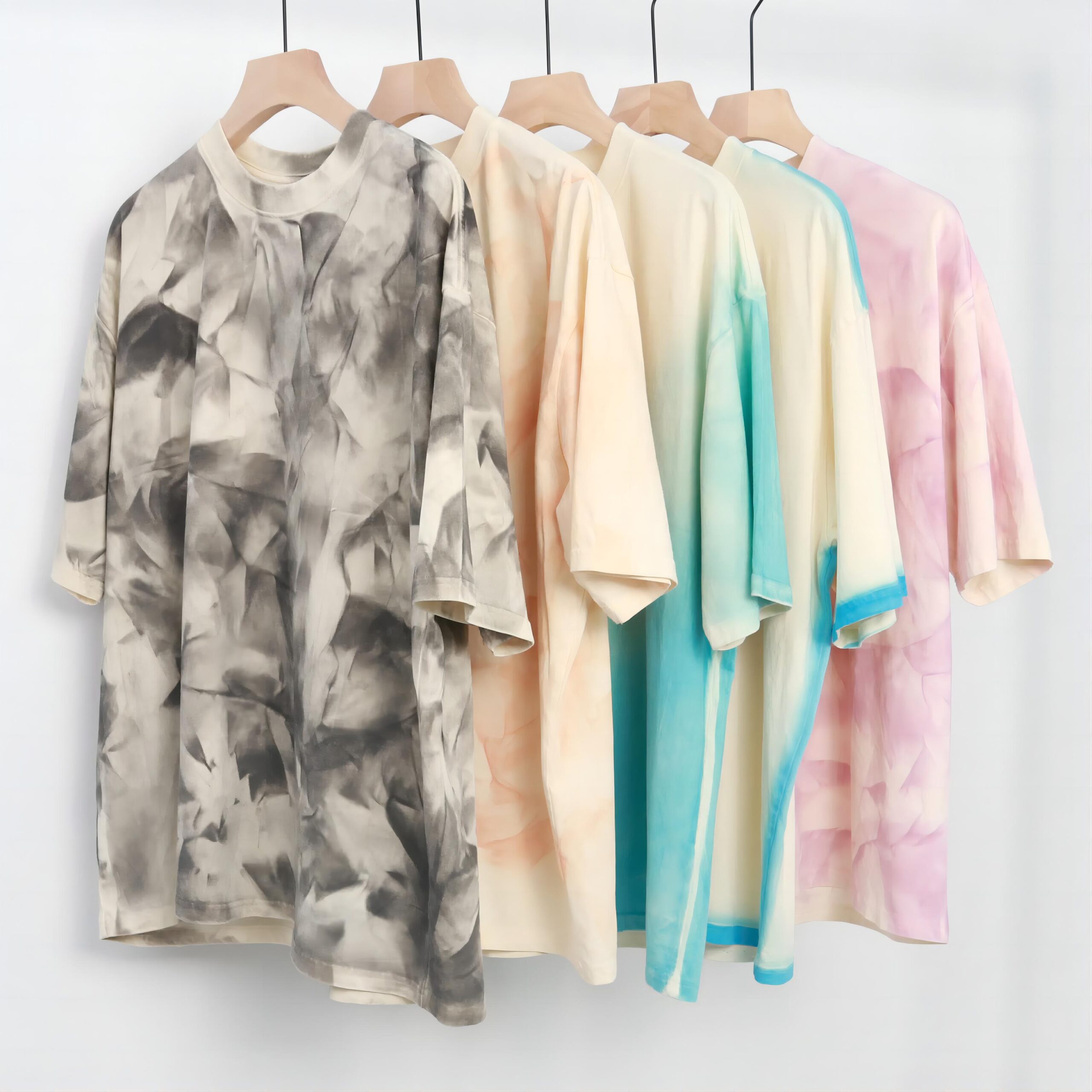
Streetwear Collections
As a streetwear clothing manufacturer, EDVORIN connects hoodies, sweatshirts, bottoms, jackets, tees, and accessories into coordinated collections. Fabric, fit, trims, embroidery, appliqué, patches, printing, washing, labels, and packaging are managed through one production workflow.
Get a QuoteApplique Clothing Manufacturer Since 2000
Founded by Edvorin Zeng in 2000, EDVORIN is a founder-led custom clothing manufacturer and OEM clothing manufacturer for brands that need ideas translated into repeatable apparel standards. We develop casualwear, streetwear, outerwear and teamwear from early concepts, coordinating patterns, materials, sampling and decoration before bulk production begins.
Our connected production path coordinates fabric and trim sourcing, custom apparel printing, custom apparel embroidery, garment wash services, and custom clothing labels and packaging around the approved sample. As an ODM apparel manufacturer and private label clothing manufacturer, we support men’s and women’s development; for buyers seeking a low MOQ clothing manufacturer, programs start at 200 pieces per style.
Applique Clothing Manufacturer Details That Protect the Finished Look
Base Fabrics Chosen for Attachment
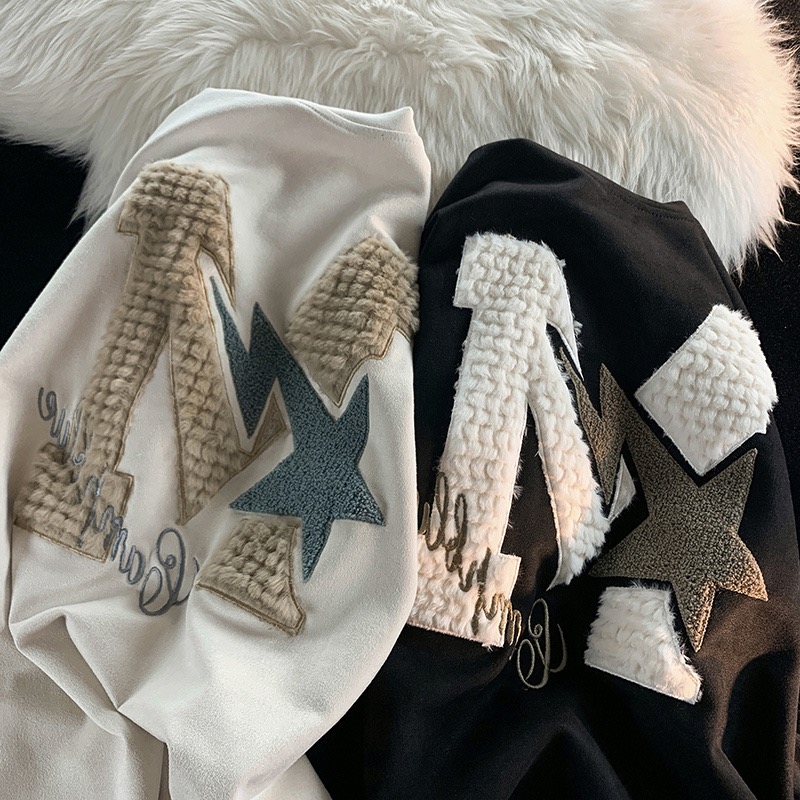
EDVORIN matches appliqué materials to the garment base before sampling, considering fabric weight, surface texture, stretch and intended wear. This helps the patch sit cleanly on hoodies, jackets, jerseys and sweatshirts while supporting a balanced finished hand.
- Coordinate patch fabric with base-fabric weight and stretch
- Review edge behavior on fleece, jersey and woven constructions
- Align material choices with washing and wear requirements
Clean Shapes Start Before Sewing
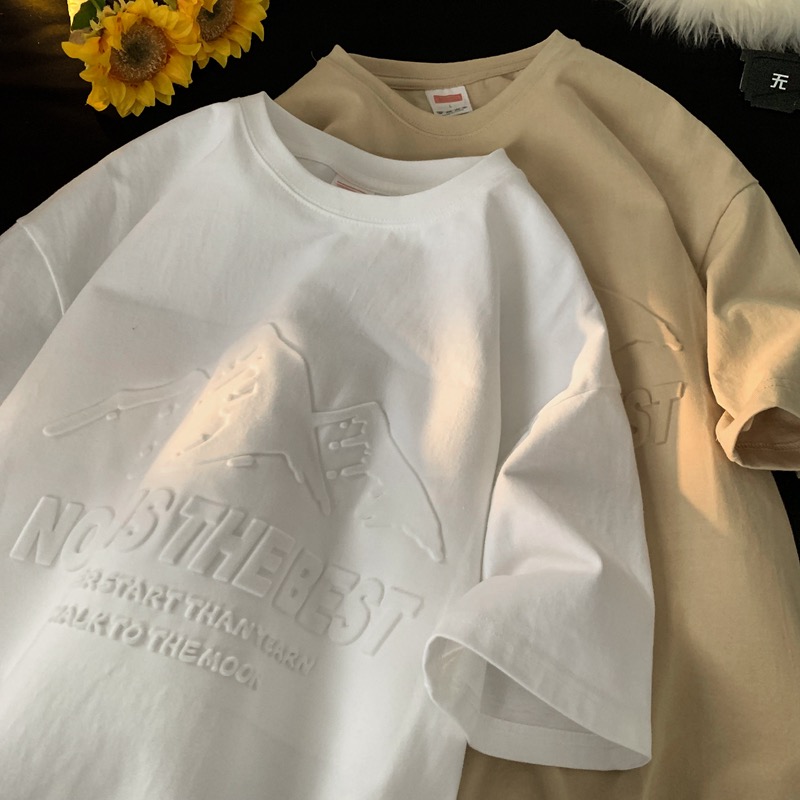
A precise cut shape gives lettering, numbers, logos and custom motifs their intended character. EDVORIN develops the appliqué shape alongside the artwork and garment pattern, so proportions, corners and internal details can be reviewed in the sample before bulk production begins.
- Convert artwork into production-ready appliqué shapes
- Review scale and proportion on the actual garment
- Confirm complex details during sample development
Stitch Coverage With Purpose
Stitch type, density and edge coverage affect both the visual definition and durability of an appliqué. EDVORIN evaluates these construction details against the selected materials and design, recording the approved result as a reference for consistent sewing through the production run.
- Select edge finishing for the design and fabric combination
- Check stitch coverage against the approved sample
- Document construction standards for bulk production
Placement Controlled Across Orders
An appliqué can look right on one sample yet drift when placement is not clearly defined for every size. EDVORIN records placement measurements, artwork references and size-specific considerations to help keep logos, lettering and patches aligned through cutting, sewing and final inspection.
- Set measurable placement references from key garment points
- Account for grading across men’s and women’s size ranges
- Use in-line and final checks against approved standards
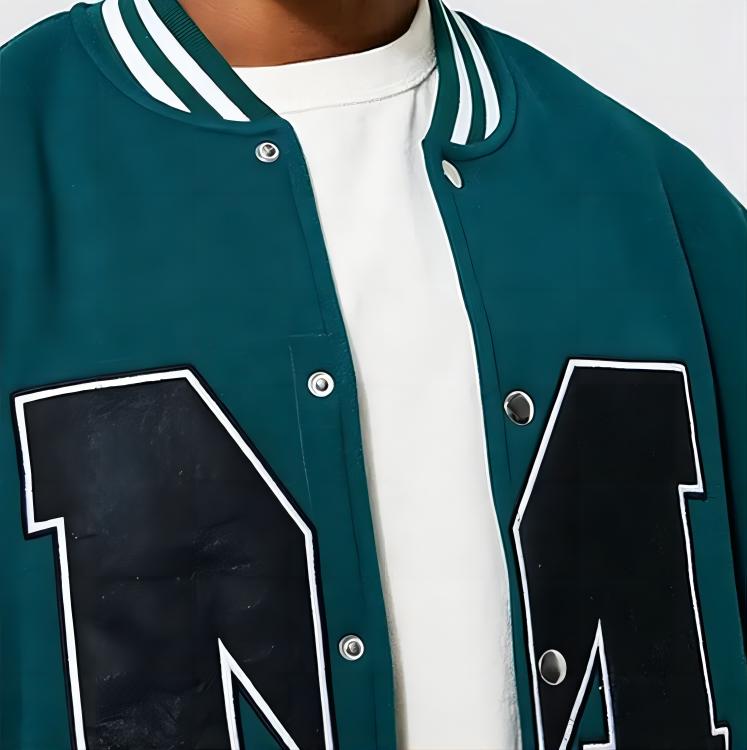
Appliqué vs. Flat Embroidery: Which Suits Your Design?
Choose the decoration route that best supports your fabric, artwork scale, color treatment, and production standard.
← Swipe left or right to view →
How an Applique Clothing Manufacturer Builds Your Order
EDVORIN documents each appliqué decision from material review through final inspection, so approved samples translate into repeatable bulk production.
Review Artwork and Materials
We review artwork, garment construction, base fabric, appliqué materials, edge finish, placement, and color references to define a workable decoration specification before development begins.
Develop Patterns and Placement
Our team prepares garment patterns and placement standards, accounting for seam locations, panel shapes, sizing, and the appliqué dimensions required for consistent visual balance.
Build and Approve Samples
We create a sample to test fabric compatibility, cut shapes, attachment method, stitching density, and finished appearance before recording approved revisions for bulk production.
Cut Attach and Stitch
After approval, production cuts appliqué components, positions them against documented placement guides, and secures each piece with the specified stitching and garment construction sequence.
Inspect and Pack Orders
In-line checks monitor placement, stitch quality, measurements, and material consistency. Final inspection verifies the finished appliqué apparel matches the approved sample before labeling and packing.
Order from an Applique Clothing Manufacturer
Bring your appliqué concept into a documented, repeatable production program with EDVORIN.
Share Your Product Direction
Send a tech pack, sketch, or reference garment with your target style, fit direction, and intended market so our development team can assess requirements.
Define Artwork and Materials
Provide vector artwork, exact placement dimensions, and preferred appliqué materials, colors, and edge finishes. We review how each detail will work with the base garment.
Approve the Development Sample
Review the development sample for fabric feel, appliqué scale, stitch quality, placement, trims, and measurements. Confirm revisions before we document the approved production standard.
Launch Bulk Production
Approve the final specification and place your order from 200 pieces per style. EDVORIN coordinates materials, production, in-line checks, labeling, packing, and final inspection.
Appliqué Programs Built for Repeat Orders
“We needed consistent appliqué placement across a varsity hoodie program. EDVORIN helped us document the approved material contrast and placement standard before bulk production.”
“EDVORIN helped us define stitched-edge construction before launch and organize a school order by team and size.”
“We wanted a premium letterman look across two colorways. EDVORIN helped us keep patch placement, fabric contrast, labels, and packing aligned with the approved sample.”
Applique Clothing Manufacturer FAQ
Practical answers for brands planning custom appliqué apparel from development through repeat bulk production.
What garments can an applique clothing manufacturer produce?
What fabrics work best for custom appliqué clothing?
Can an applique clothing manufacturer combine appliqué with embroidery or printing?
How large or detailed can an appliqué design be?
How durable is appliqué clothing after washing?
What artwork files does an applique clothing manufacturer need?
What is the MOQ for custom appliqué apparel?
How do sampling, certification requirements, and bulk lead times work for appliqué clothing?
The Complete Guide to Appliqué Clothing Manufacturing
Use this decision framework to compare appliqué methods, materials, construction standards, sampling processes, pricing drivers, and supplier capabilities—while avoiding specification, quality-control, and production-planning mistakes that can delay a successful apparel launch.
1. What Is an applique clothing manufacturer?
Since 2000, EDVORIN has operated as an applique clothing manufacturer: a production partner that develops the garment and integrates cut fabric appliqués into an approved bulk standard. That scope can connect patterns, base fabrics, appliqué placement, stitching, labels, packaging, sampling, and quality control.
Four supplier models solve different buying problems. A patch supplier delivers loose components for in-house or third-party attachment; an embroidery service decorates buyer-supplied blanks; and a print-only vendor applies graphics without building the garment. Each can suit replenishment or simple promotional work, but none necessarily owns fit, construction, or bulk garment consistency.
OEM buyers need a factory to translate specifications into repeatable product, while private-label buyers also need branding and packaging control. Teamwear programs require coordinated logos, names, numbers, sizing, and repeat orders; wholesalers need standardized assortments that can be reordered. EDVORIN can support these programs from development through finished, packed apparel.
2. Evolution of Appliqué in Apparel
Early appliqué moved from hand-cut decorative fabric work and identity marks on uniforms toward collegiate letters, varsity jackets, and numbered sportswear. That progression made contrast fabrics and stitched outlines a recognizable way to carry team, school, and brand identity.
Since 2000, EDVORIN has approached decoration as a production-controlled step, not a late embellishment. For a modern applique clothing manufacturer, artwork must become cut paths, placement dimensions, color references, and embroidery-machine instructions before sampling; precision cutting and repeatable stitch files help approved varsity, streetwear, and branded-fleece designs remain consistent across bulk reorders.
3. Types an applique clothing manufacturer can produce
Six construction families let an applique clothing manufacturer match decoration to the garment, audience, and expected wear. EDVORIN can translate each option into documented placement, material, and stitch specifications.
Fabric And Tackle Twill
Two-layer fabric appliqué creates soft color blocking on hoodies, crewnecks, and jackets; it suits fashion and school programs but needs simplified shapes on stretch fleece.
Tackle twill delivers bold, athletic letters and numbers for jerseys, varsity jackets, and teamwear. Large satin-stitch edges favor sports and school orders over fine corporate logos.
Embroidered Felt And Chenille
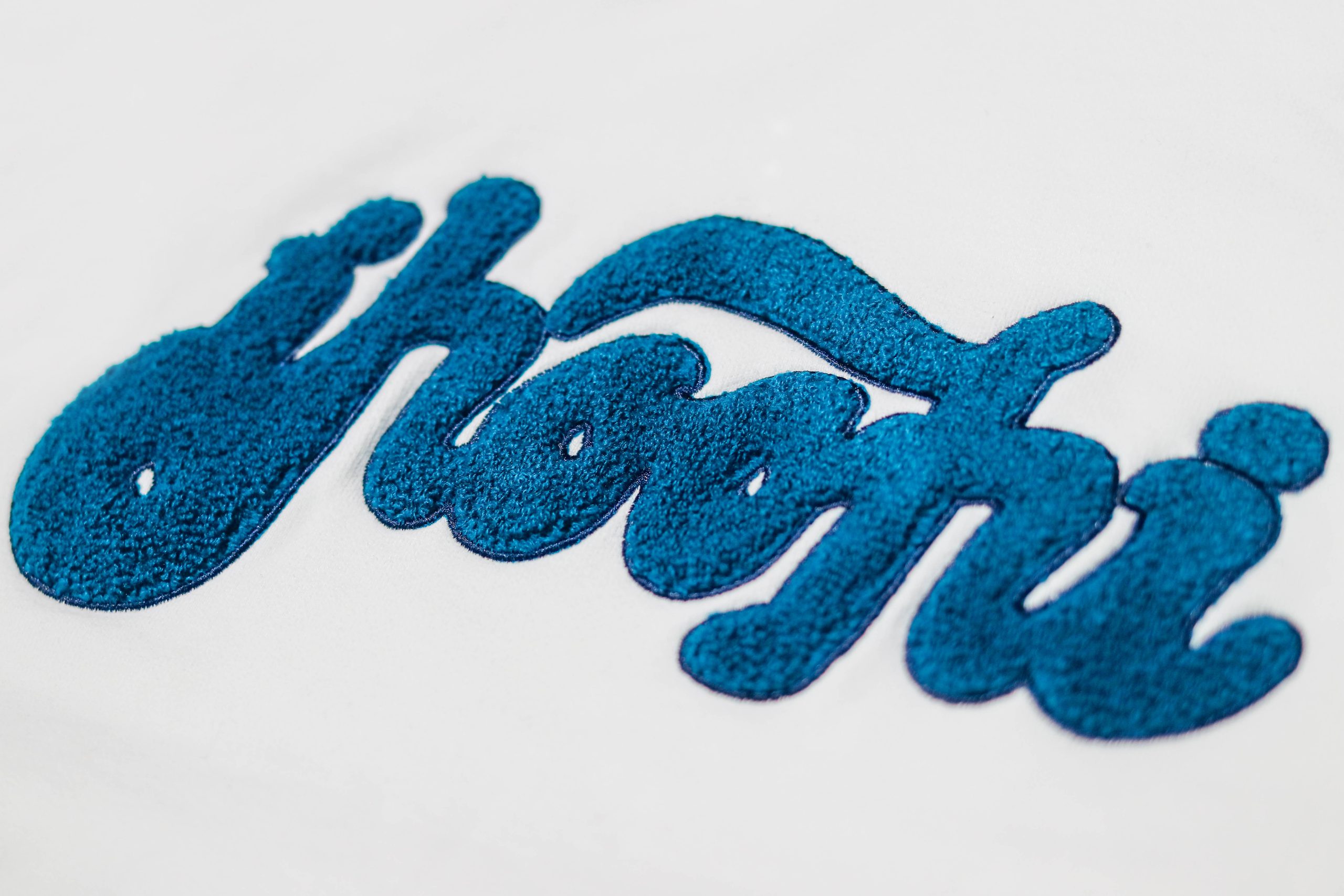
Satin-stitch embroidered appliqué adds a crisp outlined finish to polos, outerwear, and premium sweatshirts. It suits corporate, fashion, and school logos, although small internal details can fill in.
Wool-blend felt and chenille produce raised, heritage texture for letterman jackets and collegiate streetwear. Chenille works best with broad letters and patches, making it less suitable for intricate corporate marks.
Leather And Mixed Media
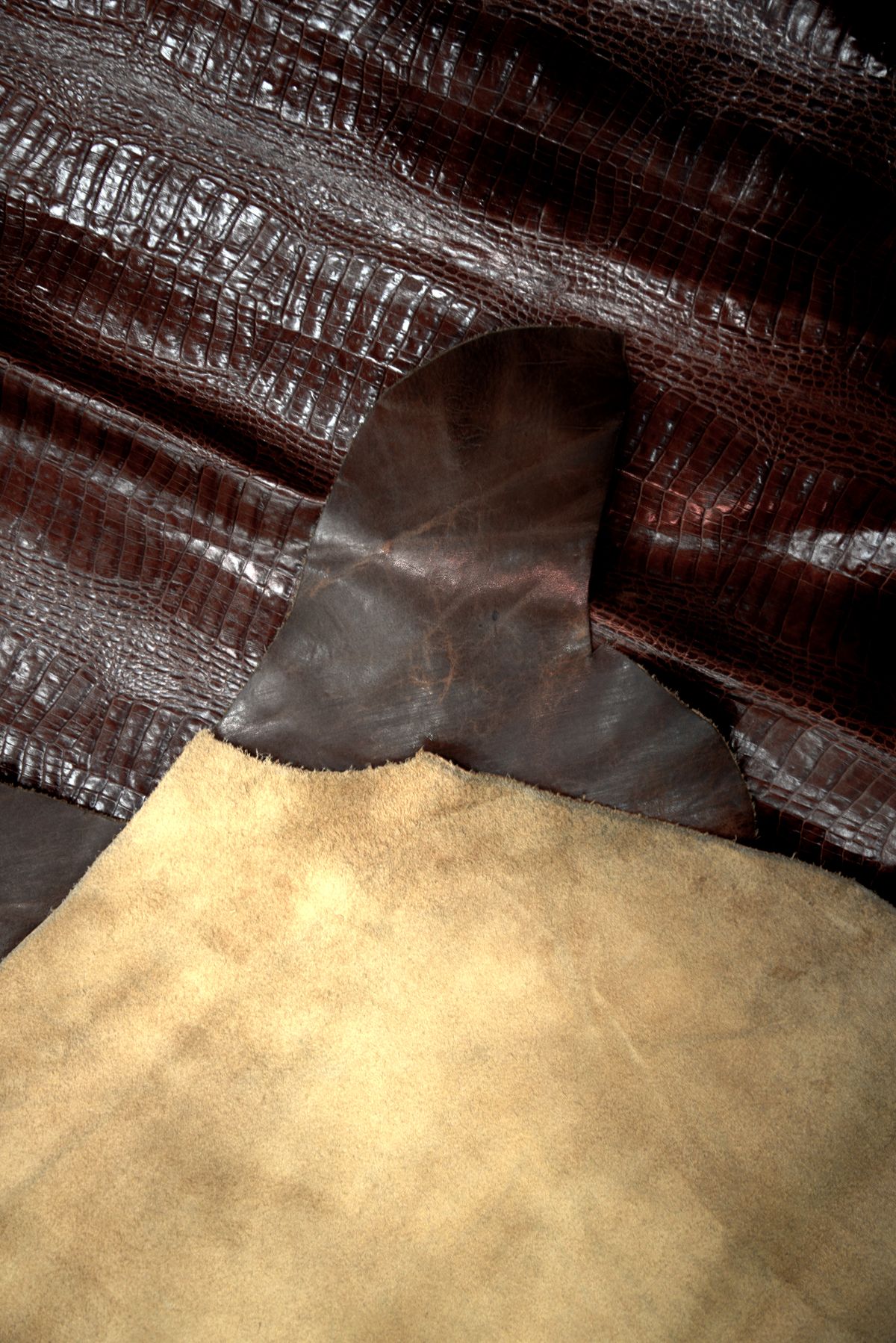
Leather or faux-leather appliqué gives bomber jackets, caps, and heavyweight hoodies a refined contrast. It fits fashion and corporate programs, while tight radii and frequent laundering require careful material selection.
Three-material mixed-media designs combine twill, embroidery, print, or chenille for dimensional fashion statements. They suit limited streetwear and school capsules, but layered construction increases approval points.
4. Appliqué Materials and Base Fabrics
A 280–360 GSM base gives an appliqué clothing manufacturer enough structure to control placement without making every garment heavy. Material pairing should follow stretch, edge behavior, laundering, and the garment’s end use.
| Base And Appliqué | Best Garment | Sourcing Check |
|---|---|---|
| Cotton fleece + felt | Hoodies | Weight and edge fuzz |
| Polyester knit + twill | Jerseys | Stretch and colorfastness |
| Denim + faux leather | Jackets | Wash test and stitch security |
Match Structure And Stretch
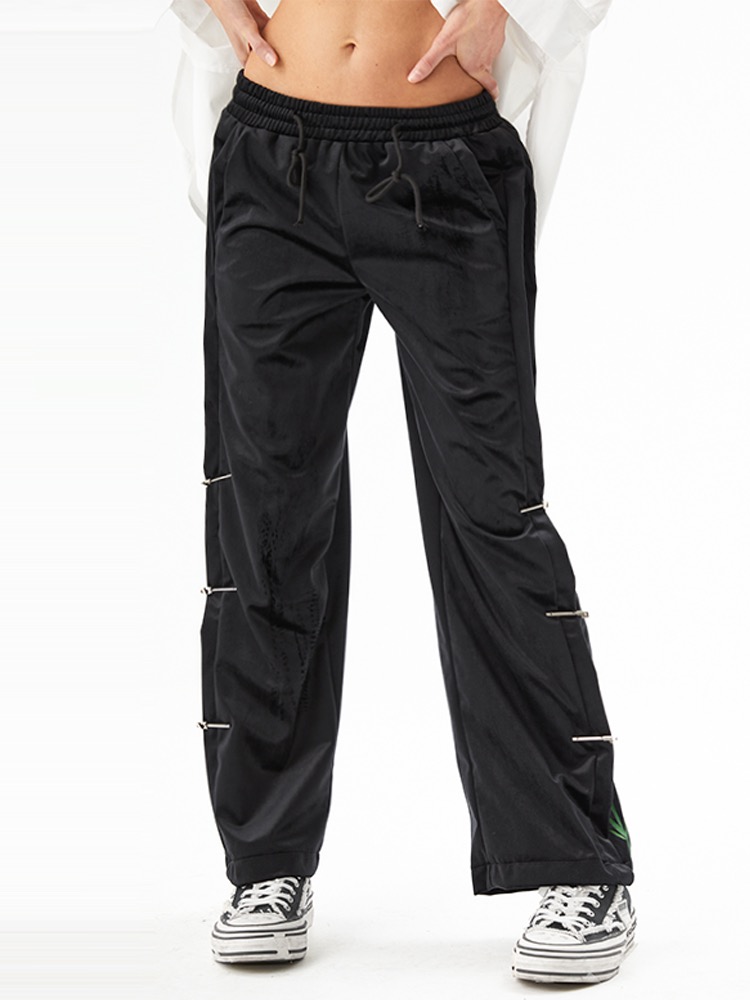
280–360 GSM cotton fleece suits twill or felt letters on hoodies and varsity-style sweatshirts. Rib-knit and jersey bases stretch, so use cut-on stabilizer and avoid rigid leather alternatives across high-stretch zones.
Control Edges And Color
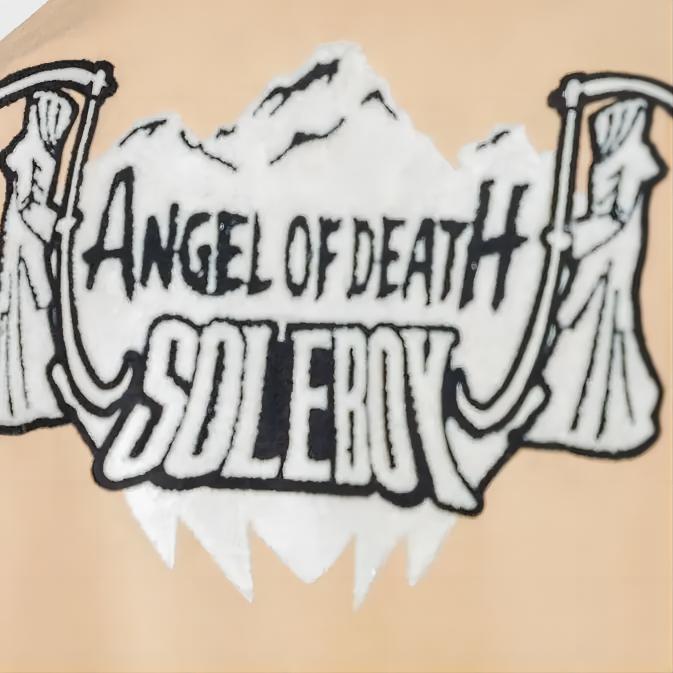
100% polyester twill resists fraying and suits jerseys, while felt gives a soft collegiate look. Denim needs firm edge stitching; test colorfastness and wash care before pairing it with light-colored patches.
Specify The Wear Test
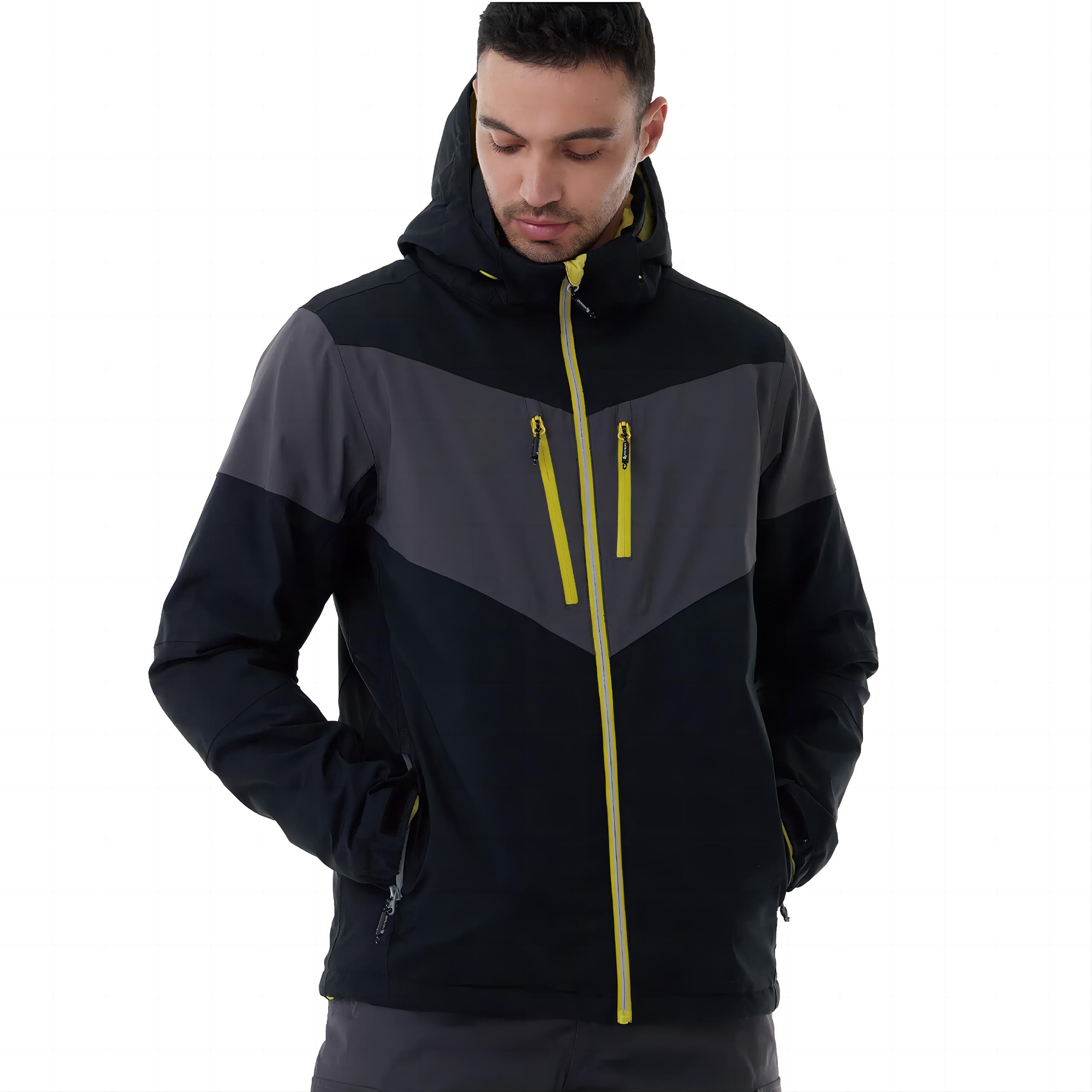
2–3 wash trials should check puckering, edge lift, dye transfer, and distortion before bulk approval. Faux leather works best on low-flex jacket panels, whereas cotton or polyester appliqué is safer for frequent-wash teamwear.
5. Applique Clothing Manufacturer Customization Options
One approved artwork package should define vector paths, appliqué shapes, layer order, Pantone references, stitch coverage, edge finish, and placement measurements. For a 200-piece OEM program, these choices should be frozen on the approved size set before bulk release.
| Decision | Appearance | Production Effect |
|---|---|---|
| Layer count | Flat or dimensional | More cutting and stitching |
| Edge finish | Clean or casual | Changes stitch setup |
| Decoration mix | Textured or graphic | Requires placement approval |
Artwork And Layer Planning
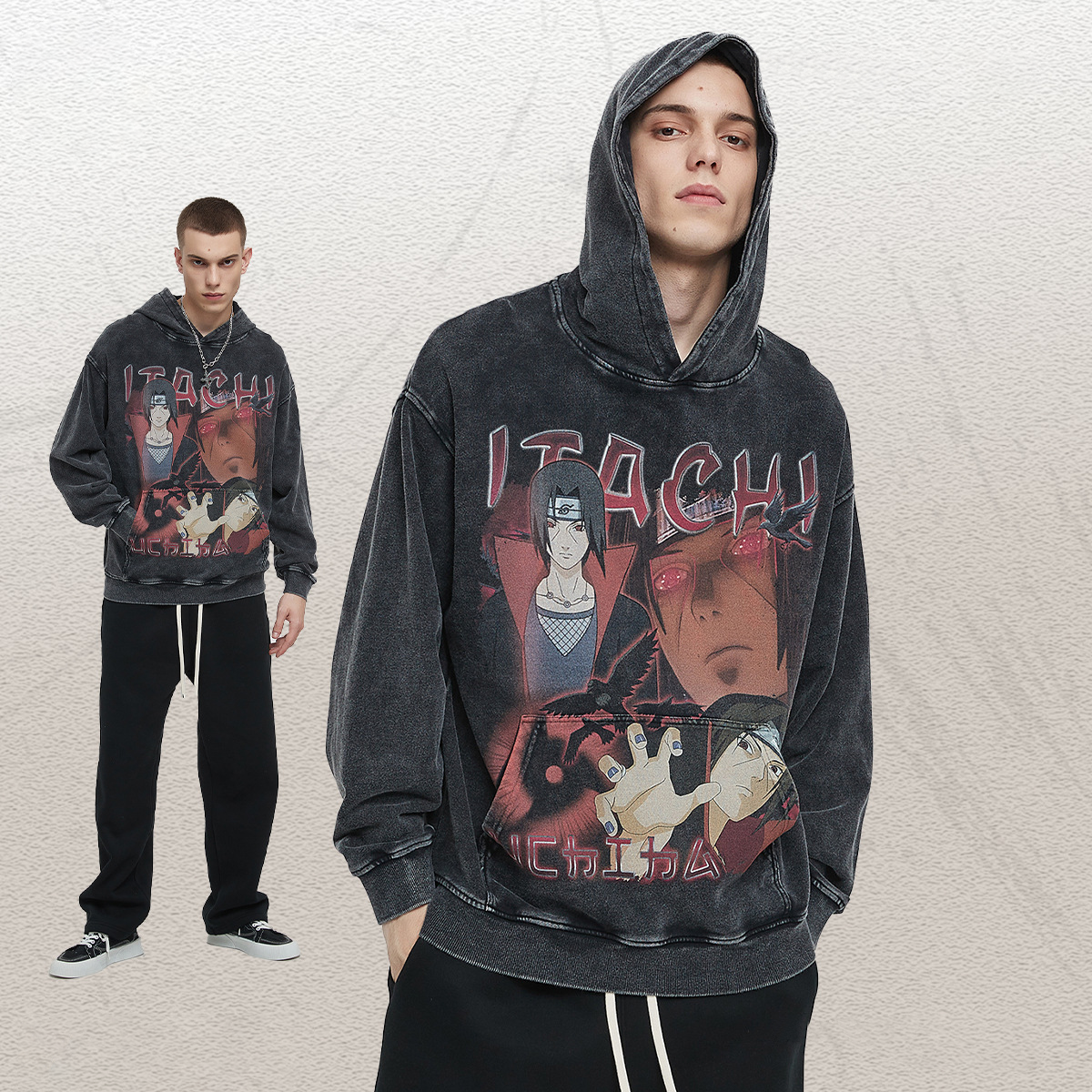
Two or more fabric layers create depth but add cutting, positioning, and stitch operations. EDVORIN can convert artwork into production-ready appliqué specifications and sample the intended finish.
- Provide vector artwork and Pantone colors
- Specify satin, zigzag, or raw edges
- Identify embroidery and screen-print overlays
Garment And Placement
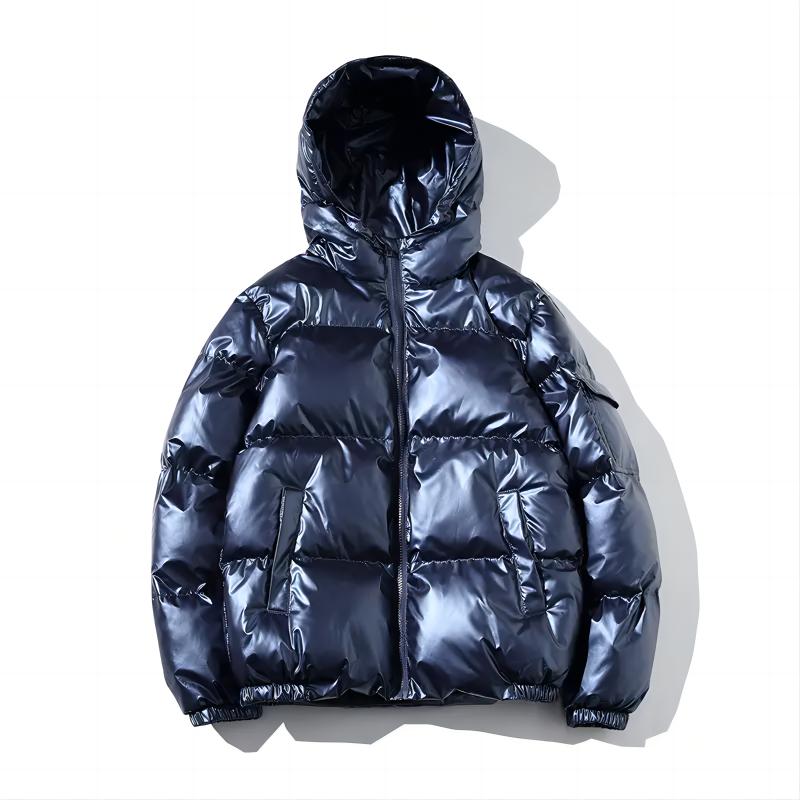
Three placement references—center front, chest width, and neckline distance—help retain scale across graded sizes. Silhouette, base fabric, and appliqué size must be approved together because each changes drape and visual proportion.
Identification And Packing
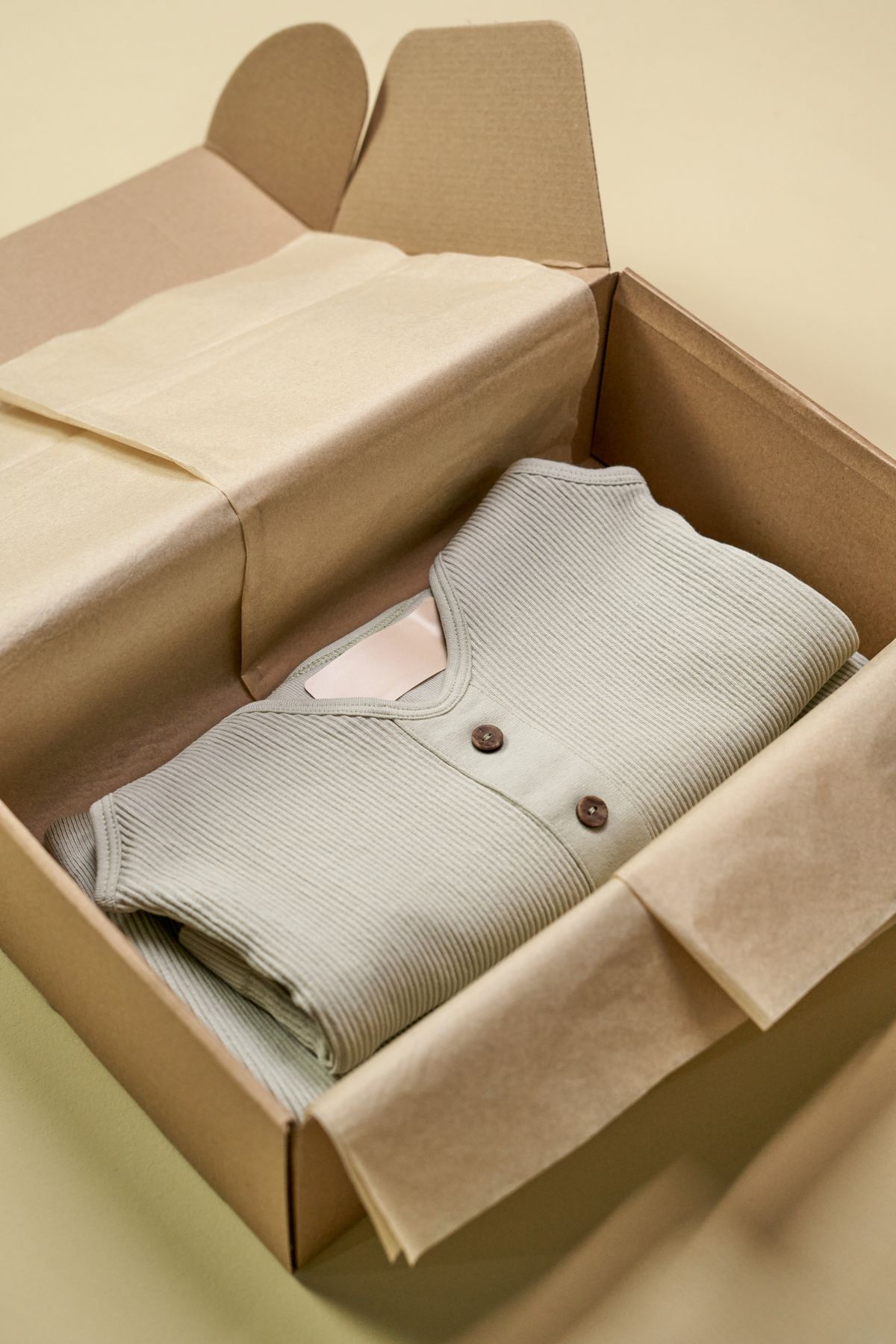
One label pack should state main label, size label, care content, hangtag, folding method, and polybag requirements. Recorded sample details give repeat orders a clear reference instead of relying on memory.
6. Construction Quality for Appliqué Garments
Three production checks should be signed off before bulk cutting: appliqué outline, placement coordinates, and the garment’s supporting construction. An applique clothing manufacturer should treat the approved sample as the reference, not a visual suggestion.
Clean Cutting And Placement
1–2 mm of exposed edge inconsistency can change a letterform’s appearance. Inspect laser- or die-cut edges for fraying, heat marks, sharp corners, and consistent overlap at joins.
Stitching And Reinforcement
2 variables—stitch density and thread tension—determine whether a border lies flat. Check for skipped stitches, puckering, thread loops, and distortion around curves.
3 reinforcement points deserve review: pocket crossings, seam intersections, and heavy patch corners. Backing or stabilizer must support the base fabric without making fleece or jersey stiff.
Wash And Seam Compatibility
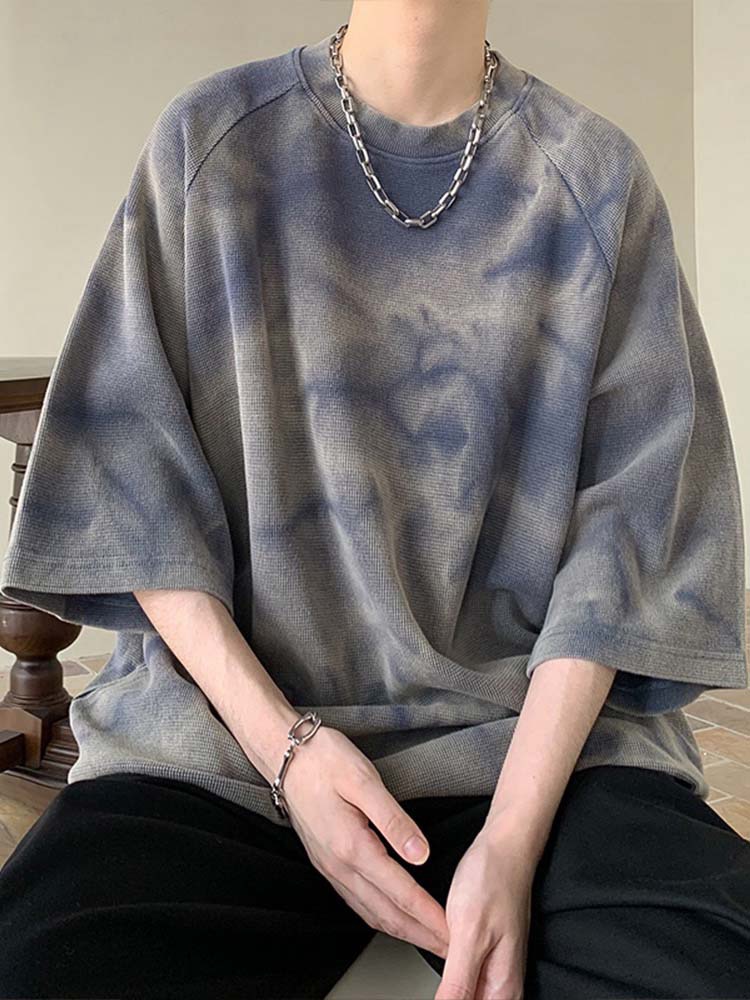
After 1 approved wash test, compare measurements, edge lift, color transfer, and thread breakage against the unwashed sample. Confirm appliqué placement clears seams, zippers, ribs, and stretch zones so the garment retains its intended drape.
7. Choosing an applique clothing manufacturer
A capable applique clothing manufacturer proves repeatability with records, not promises. Ask comparable-program questions before price discussions, then evaluate evidence from development through packed shipment.
| Evaluation Area | Ask | Request |
|---|---|---|
| Experience | What comparable programs exist? | Samples and specifications |
| Development | Who approves artwork changes? | Proof and sample records |
| Operations | How is timing controlled? | Milestone plan and inspection report |
Match Product Experience
One comparable sample should match your garment category and patch construction. Request inside and outside photographs plus construction specifications.
Two approvals—artwork proof and pre-production sample—should record revisions, Pantone references, placement dimensions, and embroidery files.
Test Commercial Fit
EDVORIN’s MOQ starts at 200 pieces per style. Three MOQ questions matter: minimum by style, color, and size run. Confirm whether the threshold covers samples, bulk, or both.
Four material records should identify base fabric, appliqué, backing, thread, and trims. Request test or certification documents when claims matter.
Verify Production Control
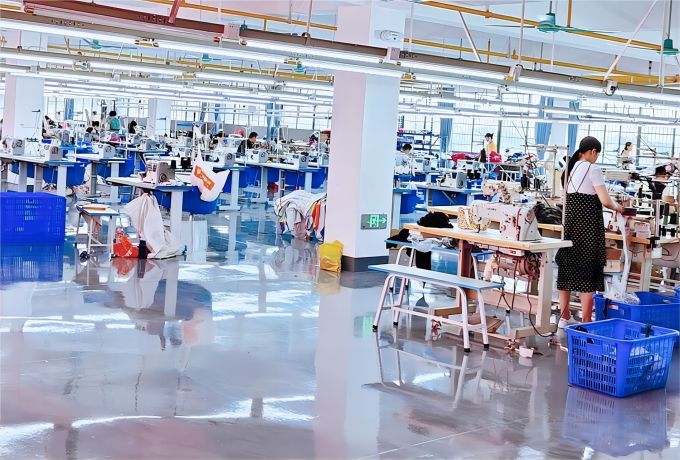
Five control points should cover measurements, placement, stitch density, defects, and final inspection. Request a report template and anonymized completed example.
Six milestones—material booking, approval, production, inspection, ship date—make lead-time risk visible. Confirm capacity allocation and accountable communication.
8. Common Appliqué Sourcing Mistakes
Most appliqué failures originate before cutting, when an attractive concept lacks production limits. A capable applique clothing manufacturer can flag risks early, but buyers should document the corrective standard.
Oversized Detail Assumptions
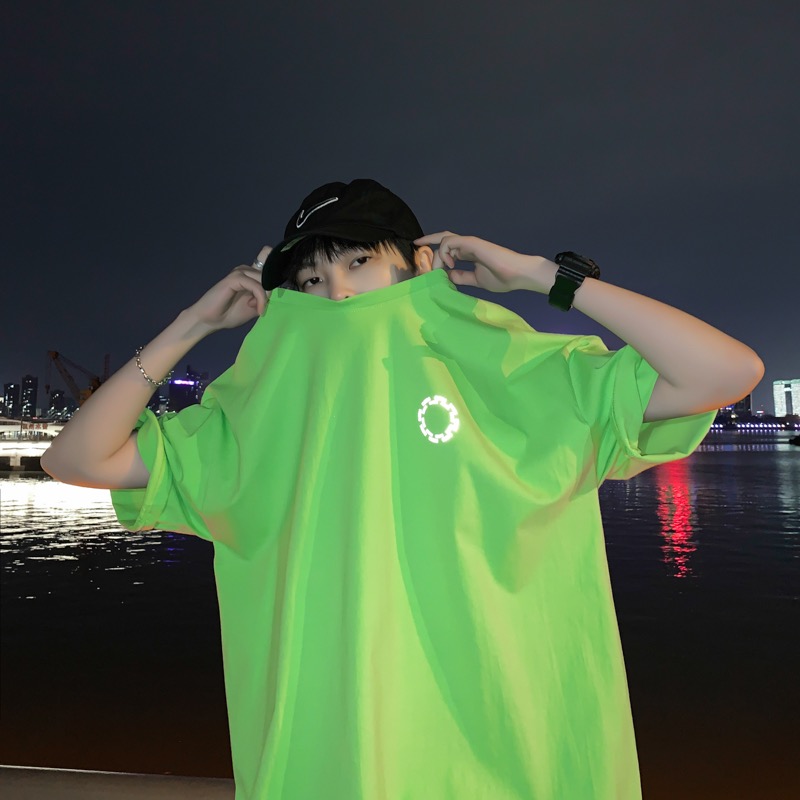
3 mm interior gaps can disappear during laser or die cutting, especially on fuzzy felt. Supply production-size vector art and simplify fragile counters.
5% stretch can distort a patch on rib or lightweight jersey. Match stabilizer, stitch density, and base-fabric recovery in development.
Unproven Sample Standards
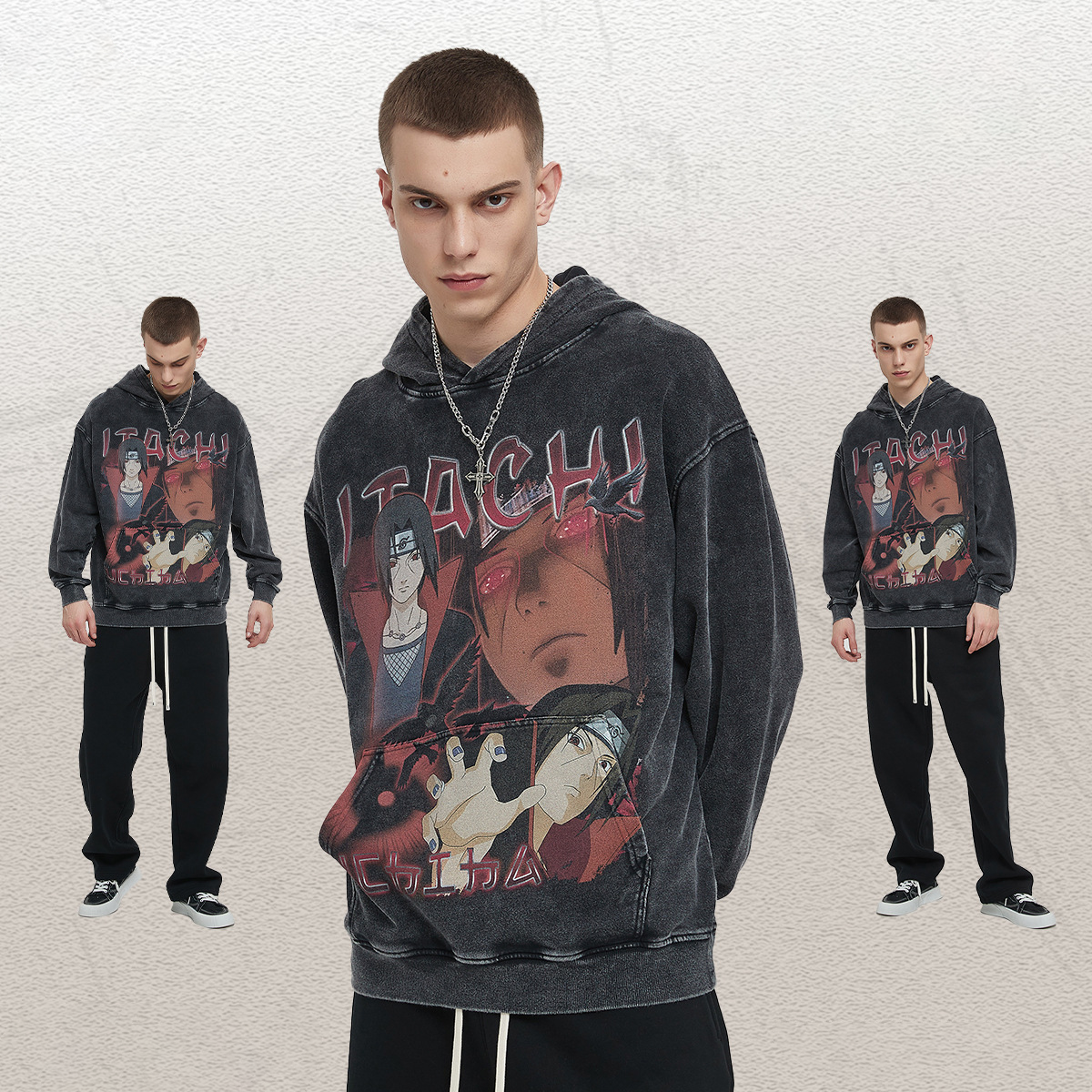
1 wash test is the minimum practical checkpoint before approval; shrinkage, edge lift, and color transfer may appear afterward. Test the approved construction using the intended care method.
2 placement references—centerline and neckline or side seam—prevent inconsistent sewing. State a tolerance, such as ±5 mm, on the tech pack.
MOQ And Timing Mismatches
200 pieces divided across 8 colors and 6 sizes can leave inefficient quantities per SKU. Confirm the MOQ by style, color, size breakdown, and decoration setup before costing.
2 setup stages—artwork digitizing and cutting or embroidery trials—need approval time before bulk. Select materials by abrasion, wash response, and stretch, not appearance alone.
9. Launching With an applique clothing manufacturer
1 launch calendar should begin with the customer, price position, and one or two hero styles. An applique clothing manufacturer can then convert reference artwork into production decisions before deadlines harden.
Build The Production Brief
3 inputs—vector artwork, reference garment, and target quantity—should accompany a tech pack with measurements, placement dimensions, Pantone colors, and stitch details.
1 label plan should specify main label, size label, care content, hangtag, polybag, and carton marks.
Approve Before Bulk
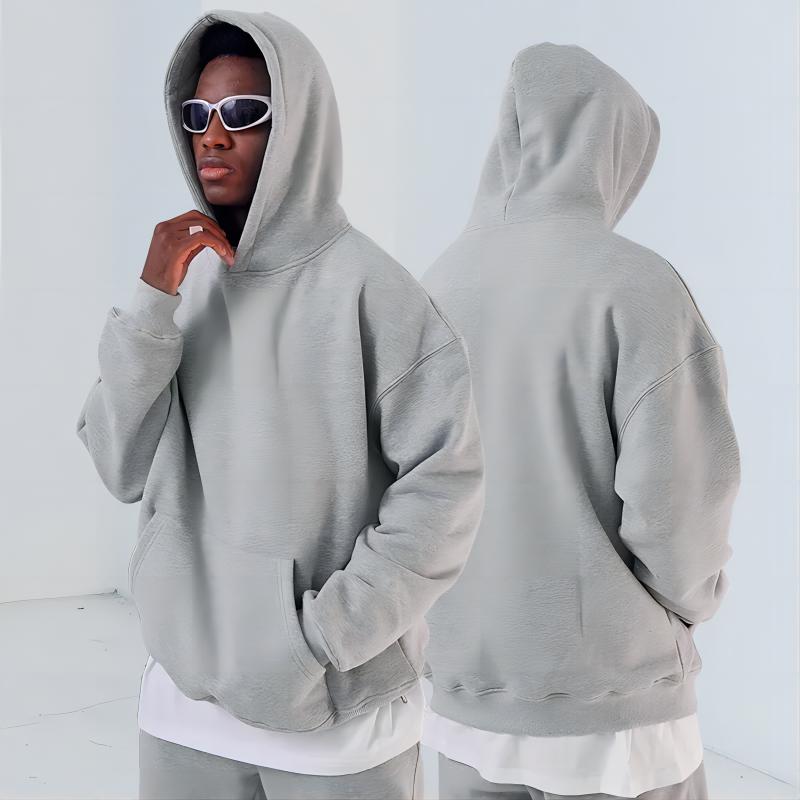
1 prototype tests fabric weight, appliqué edge, embroidery density, and fit together. Record every revision against the sample.
1 pre-production sample should match approved materials, trims, artwork, and packaging before cutting bulk.
Schedule Delivery Backward
200-piece OEM planning should reserve time for quotation, material confirmation, sampling, revision, pre-production approval, bulk inspection, and freight booking.
1 inspection plan should verify measurements, placement, color, workmanship, labels, packing ratios, and delivery documents before shipment.
10. Appliqué Pricing, MOQ, and Lead Times
200 pieces is a practical planning threshold for a custom program; below that, pattern, digitizing, laser-cutting, and sample approvals carry more cost per unit. A blank-based order generally costs less than custom cut-and-sew, while larger multilayer appliqués, premium materials, stitch count, extra placements, labels, and retail packaging raise cost.
2 production stages should be budgeted separately: development before bulk, then material booking, decoration, sewing, inspection, and freight readiness. EDVORIN can quote against approved specifications, but buyers should compare like-for-like construction, packaging, and delivery terms rather than a headline unit price.
| Quantity tier | Unit-cost direction | Setup-cost impact | Typical production-stage planning |
|---|---|---|---|
| 200–499 | Highest relative | Spread across fewer units | Sample approval, material booking, bulk production |
| 500–999 | Moderates | Better absorption | Confirm materials, decoration, inspection, packing |
| 1,000+ | Lowest relative | Most efficiently absorbed | Allow capacity booking and freight-ready checks |
Start Your Collection With an Applique Clothing Manufacturer
Send your artwork, tech pack, or reference garment to discuss an appliqué sample and a production-ready bulk quote with EDVORIN.