
Silicone Wash Clothing Manufacturer for Softer Apparel
EDVORIN coordinates silicone-wash programs from sample approval through consistent bulk production, with OEM and ODM support starting at 200 pieces per style.
Featured Silicone-Washed Apparel
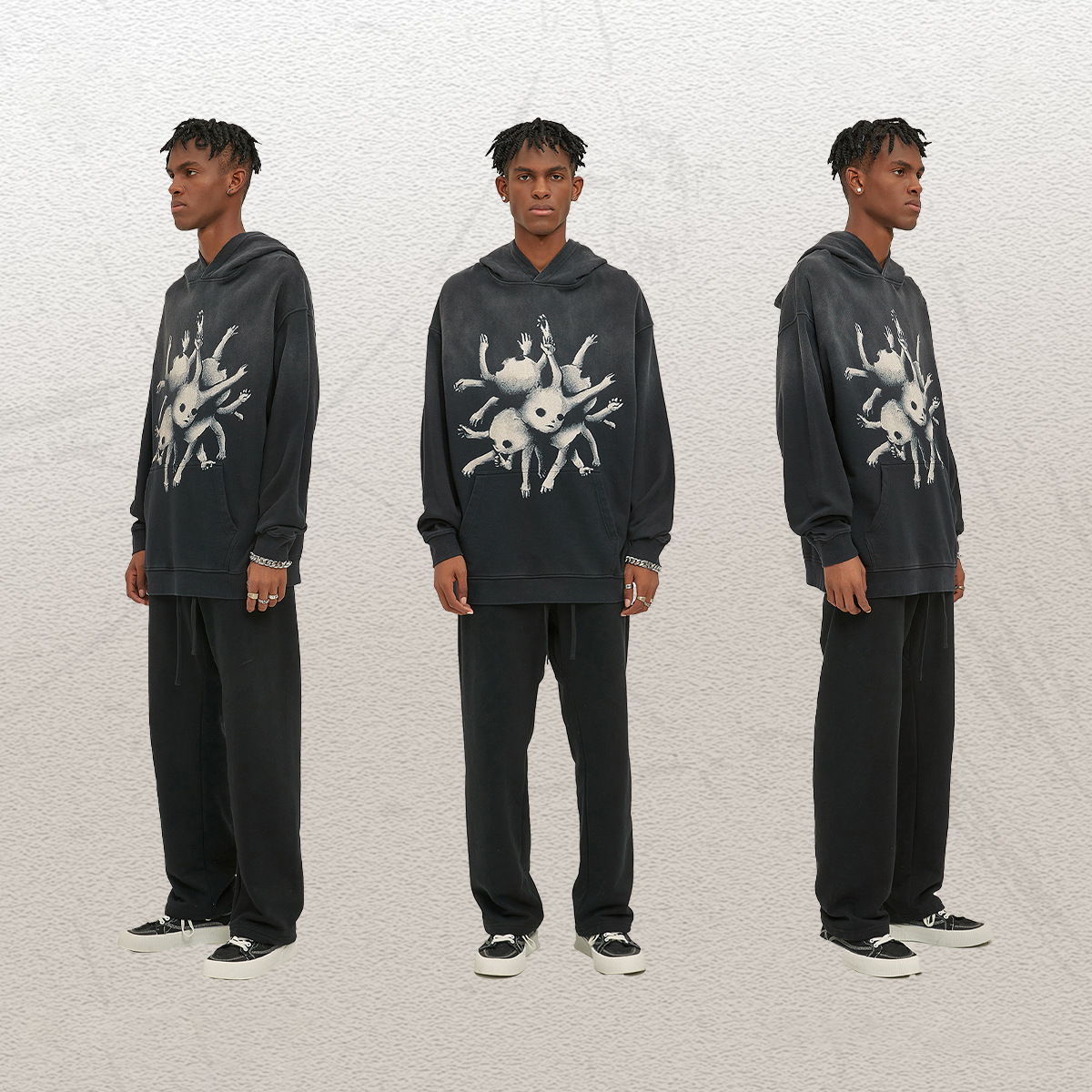
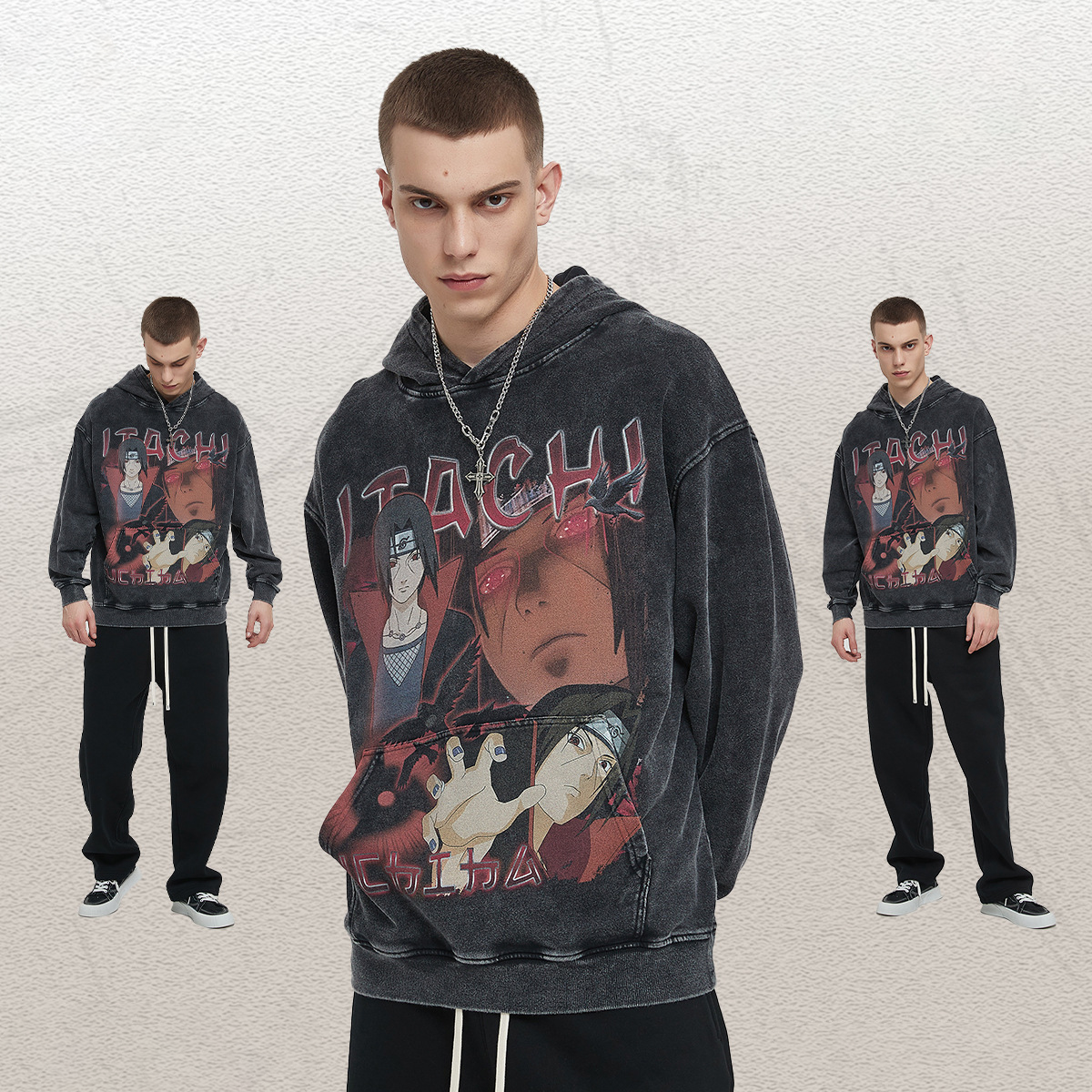
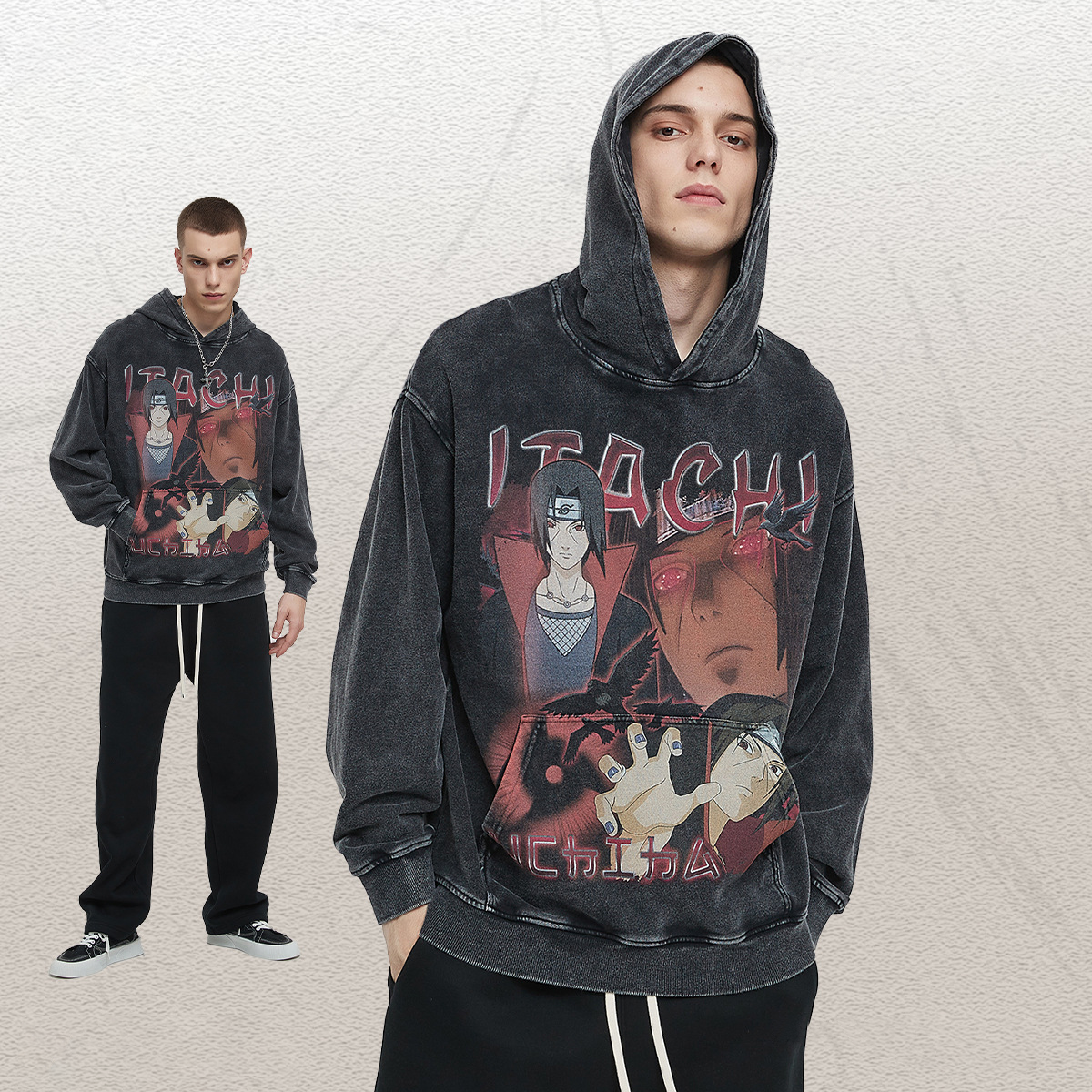
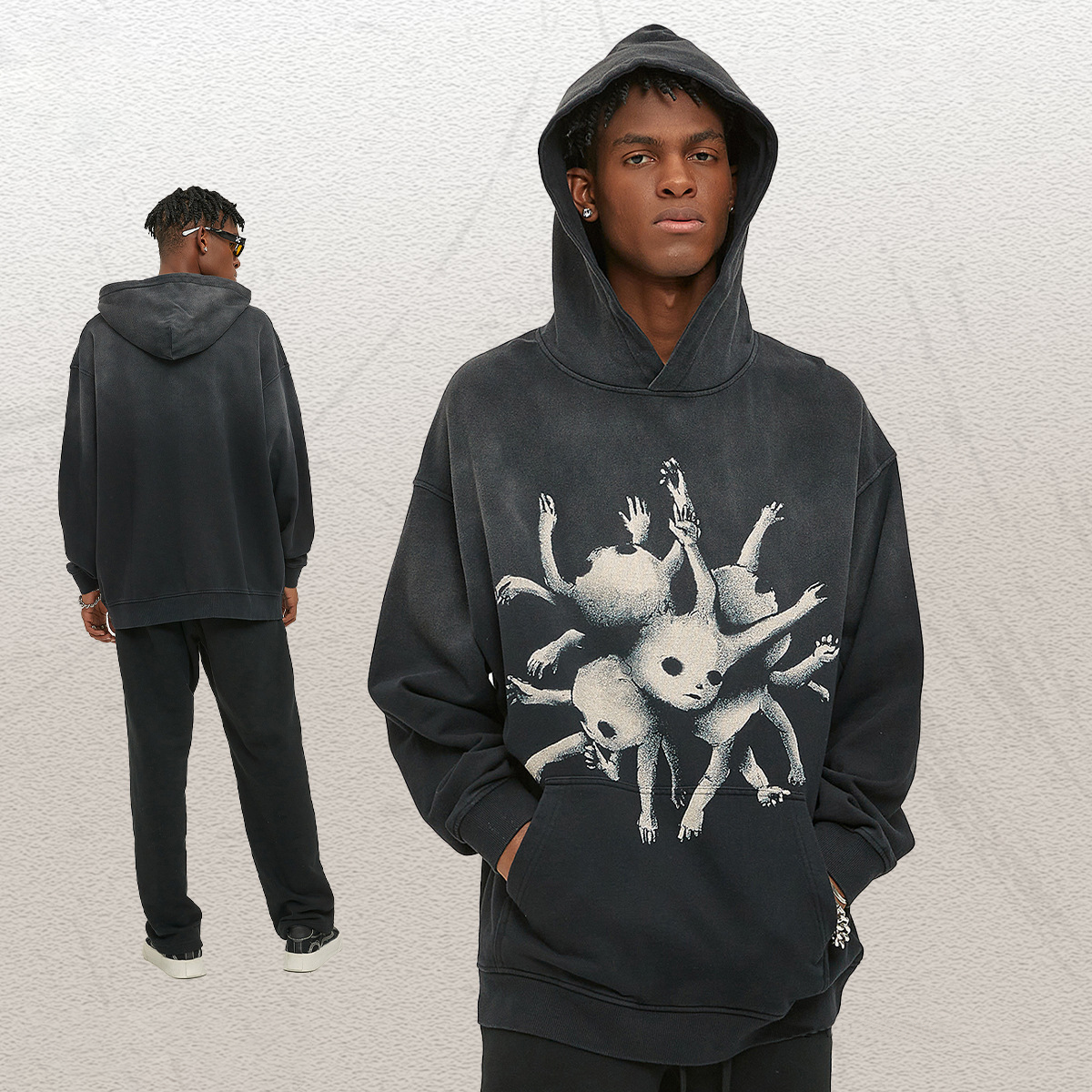
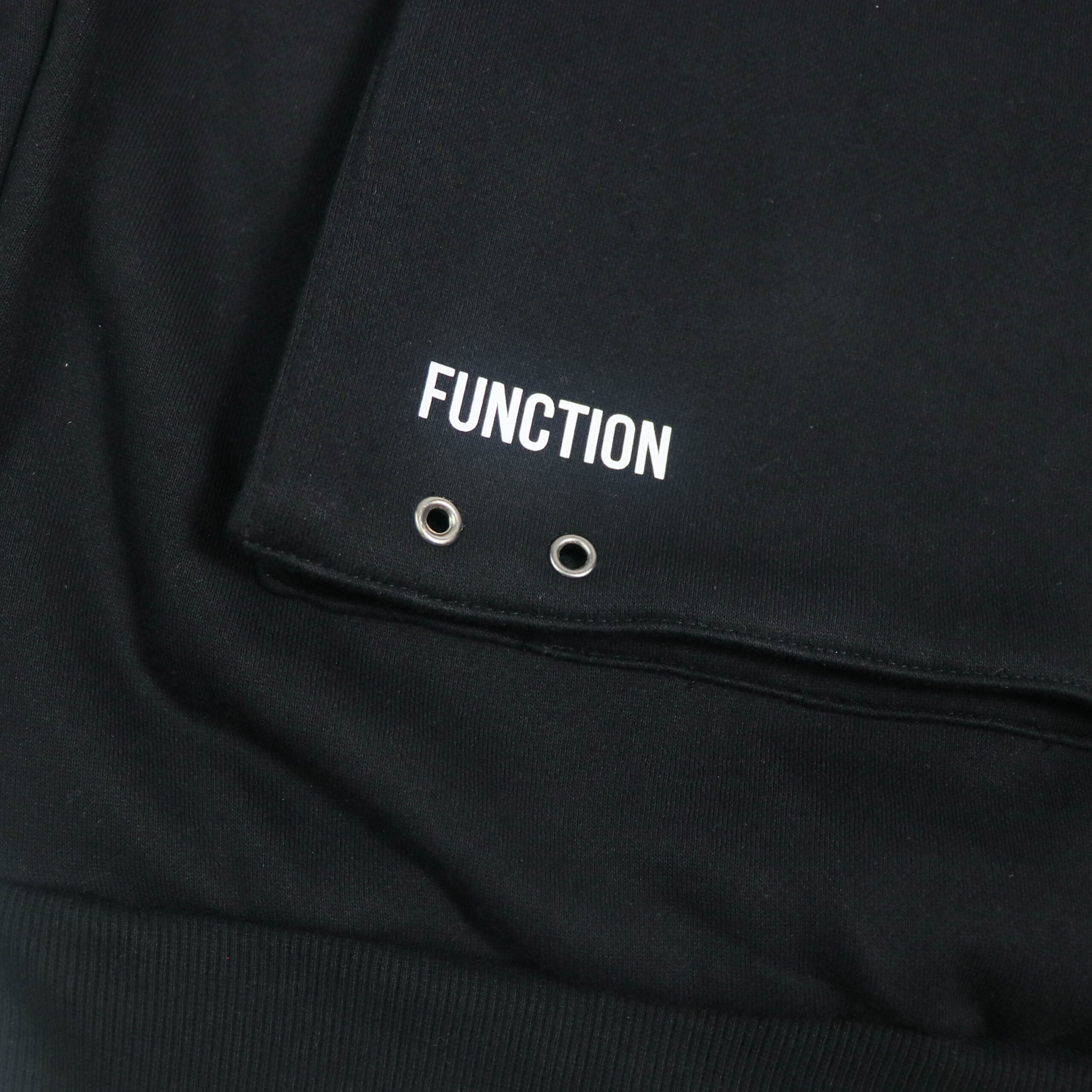
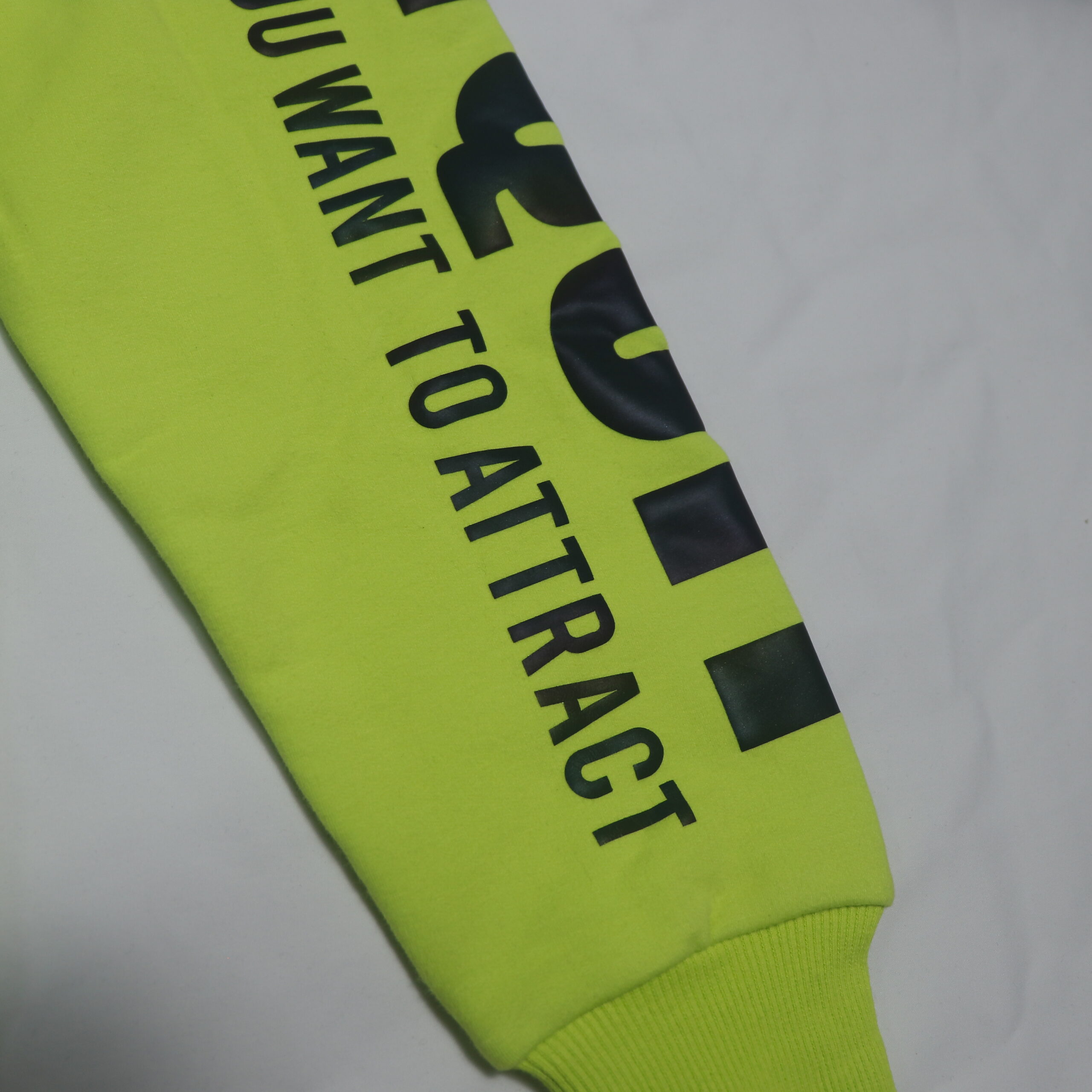
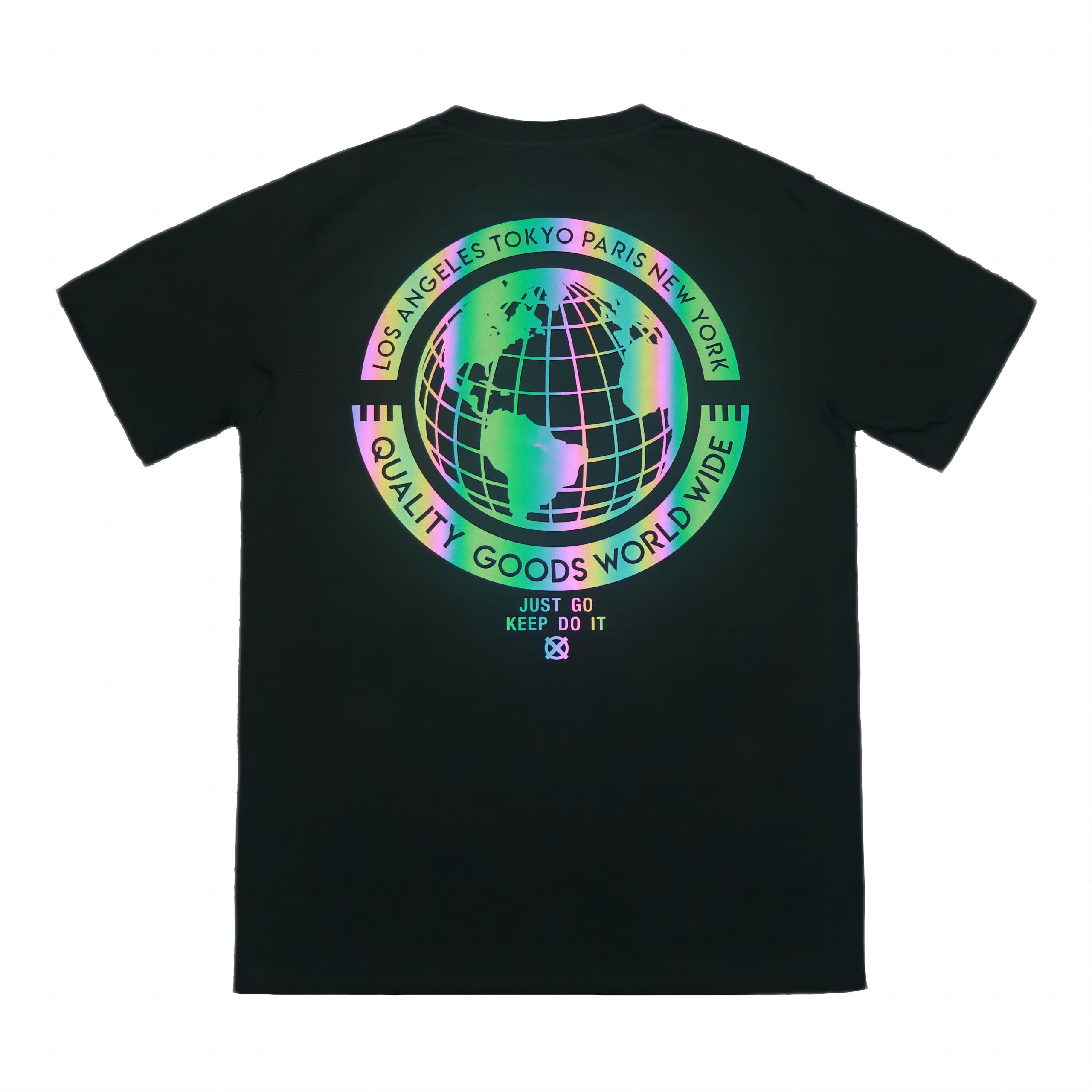
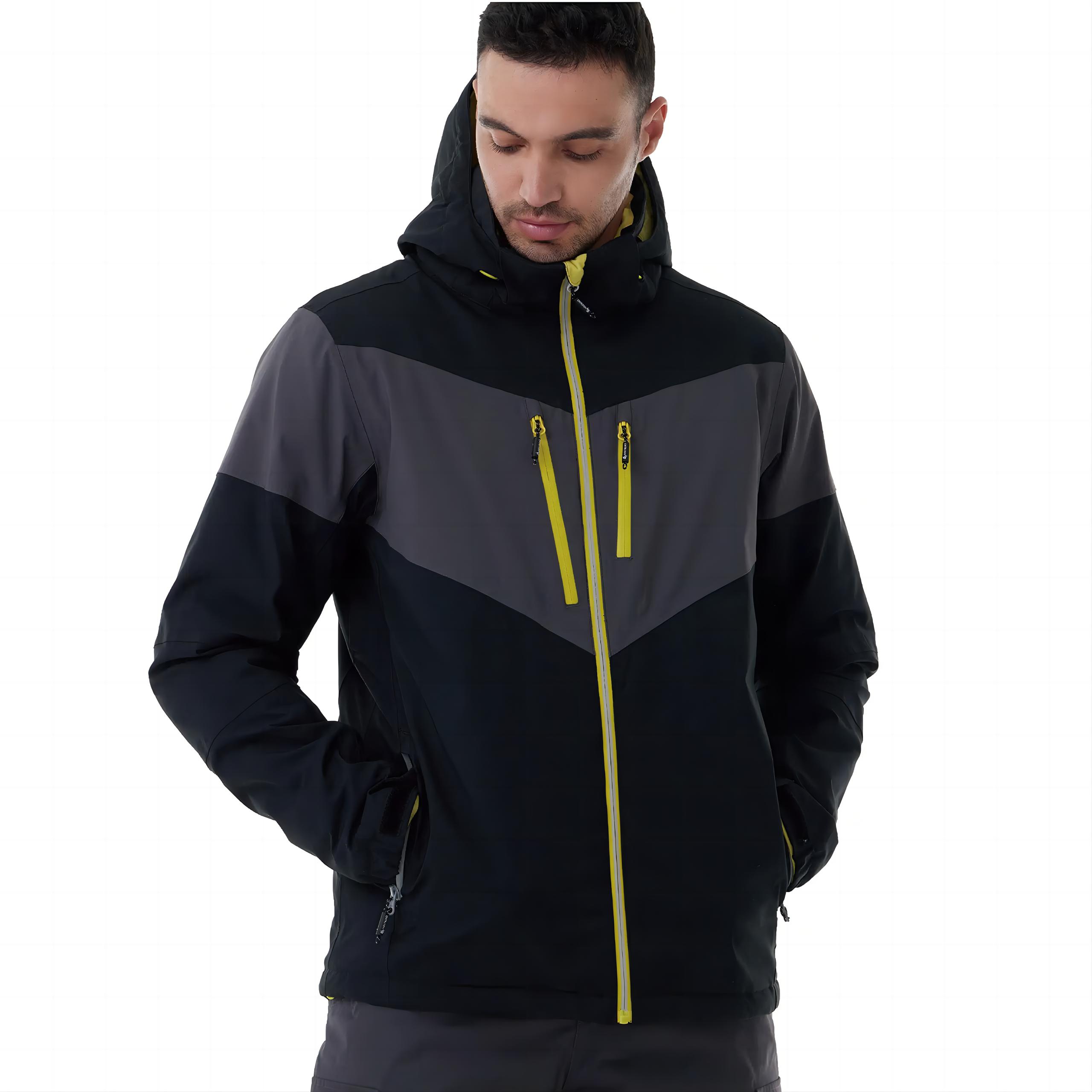
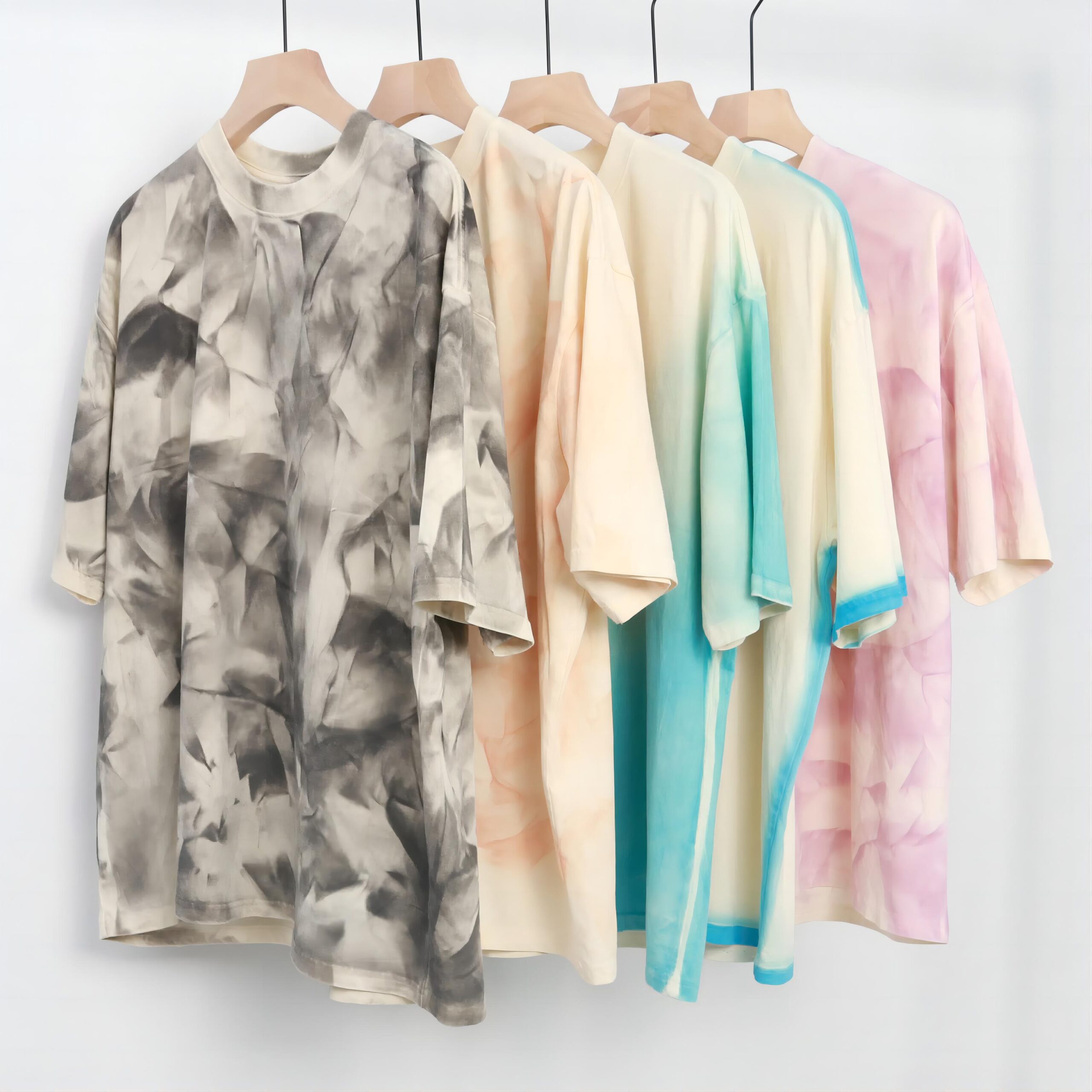



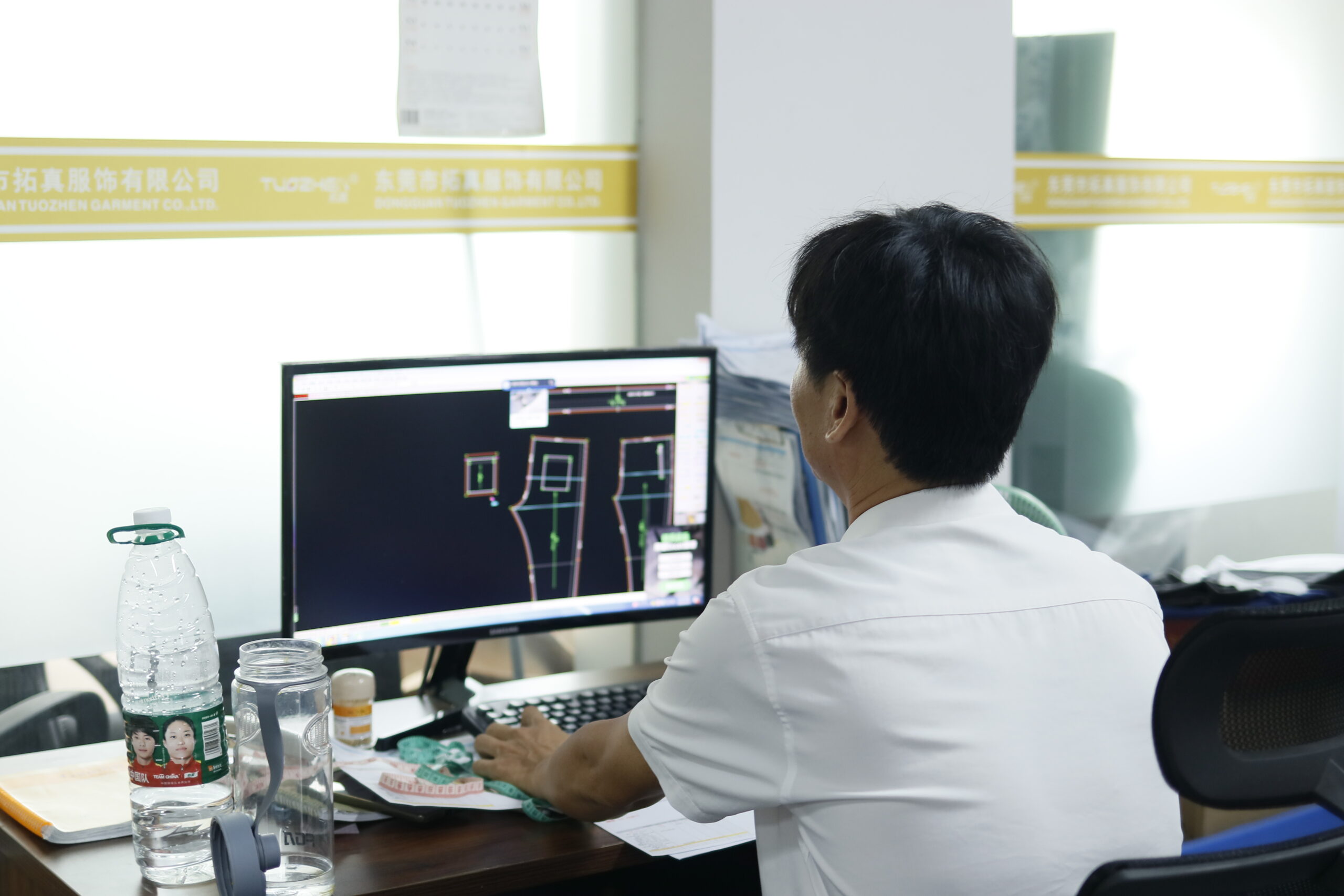

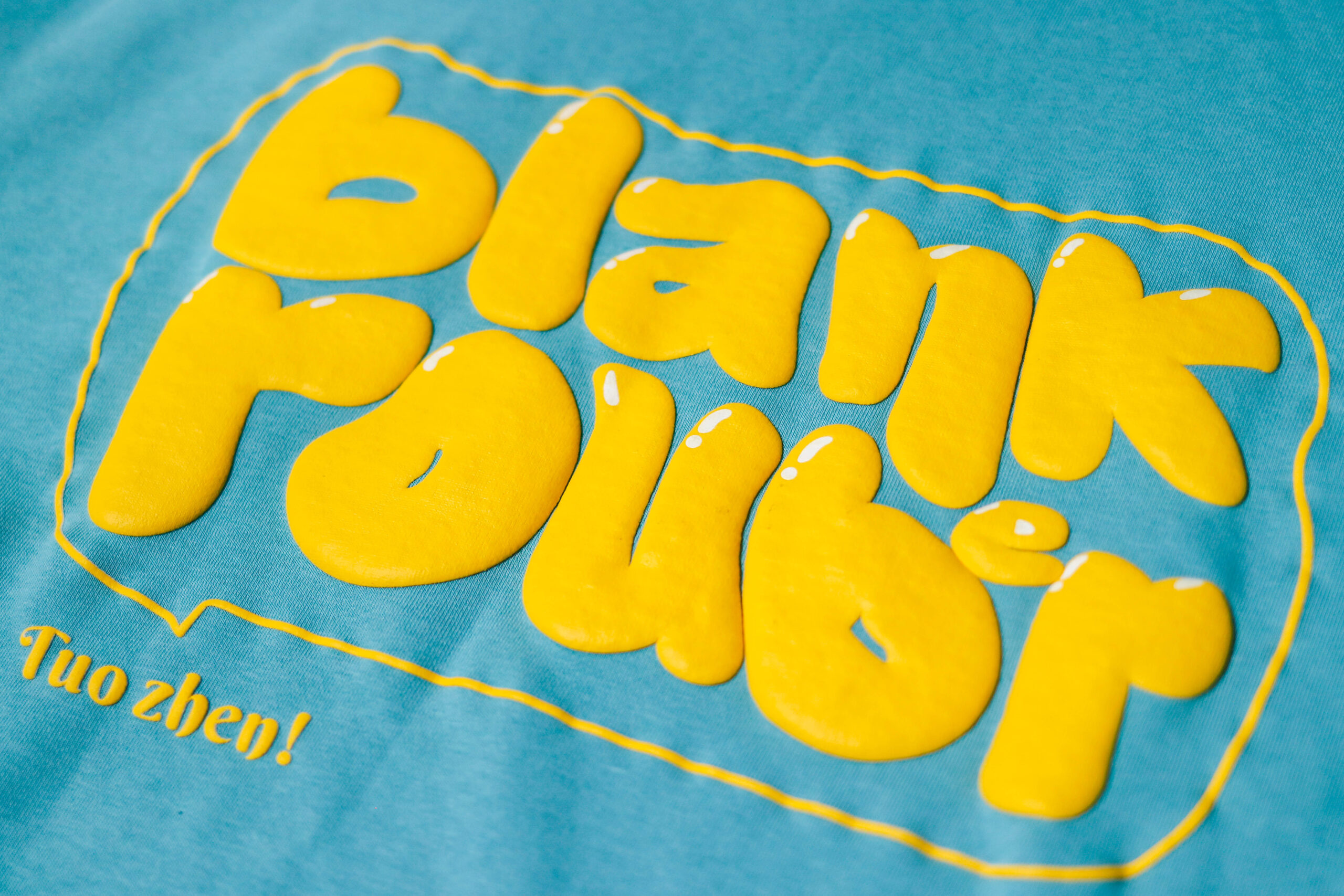
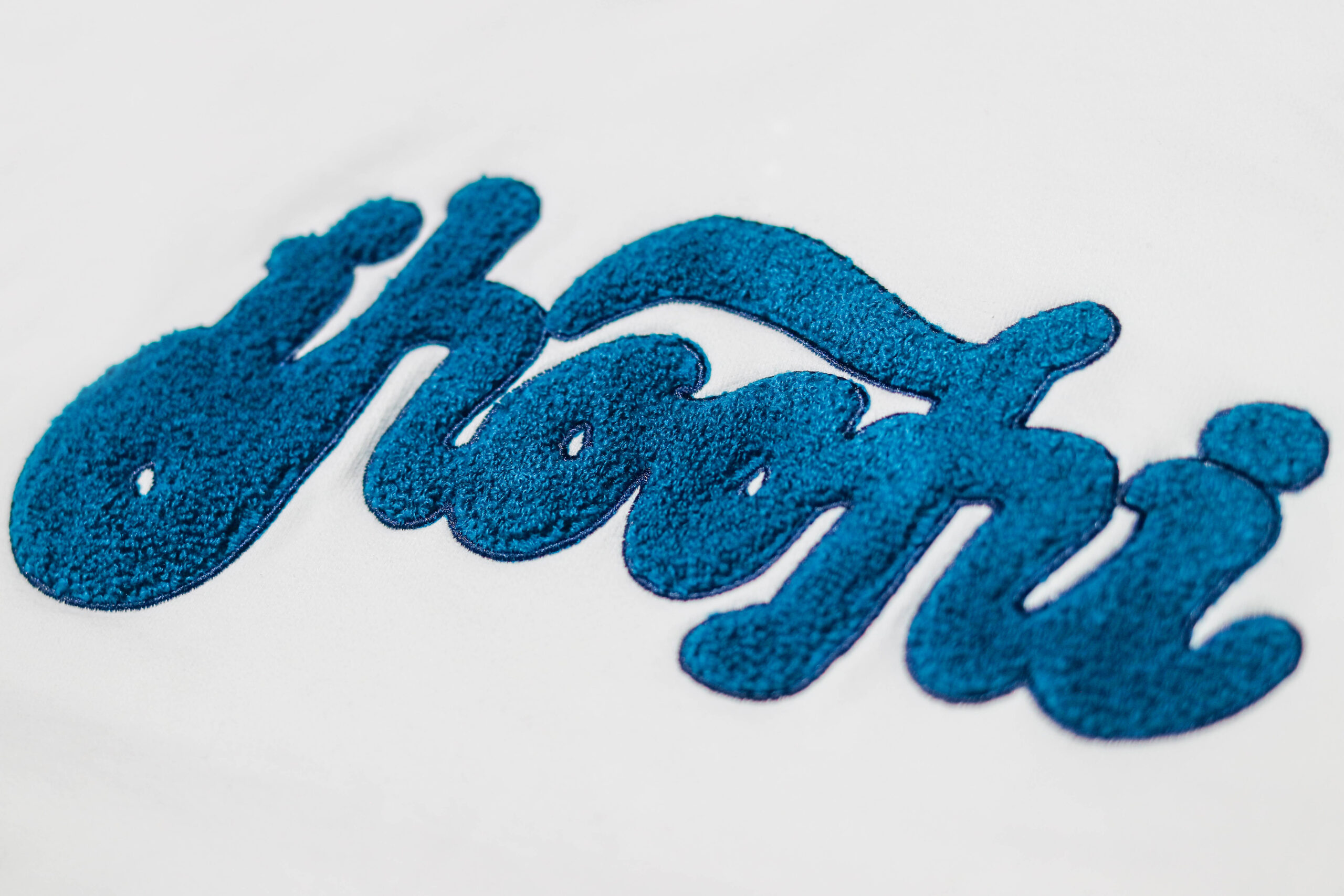
Silicone Wash Clothing Manufacturer Features
EDVORIN coordinates wash development, garment construction and decoration specifications to help brands build softer, repeatable apparel programs.
Refined Hand Feel
Develop a smoother, softer hand feel that supports your intended garment character, from elevated casualwear to premium streetwear essentials.
Fabric-Specific Testing
Evaluate silicone wash results against the selected cotton, fleece, jersey or blend before approval, helping align finish expectations with fabric behavior.
Decoration Coordination
Plan prints, embroidery, patches and trims alongside the wash process so placement, finish and garment appearance are considered as one specification.
Approved Sample Standards
Document approved wash appearance and hand feel as production references, giving bulk teams a clearer target for consistent repeat orders.
Collection-Ready Development
Coordinate patterns, materials, washes, labels and packaging through one OEM and ODM workflow for production-ready private-label apparel collections.
Garment Washing and Apparel Manufacturing
Choose the product route that matches your fabric, finish, decoration requirements and repeat-production needs.
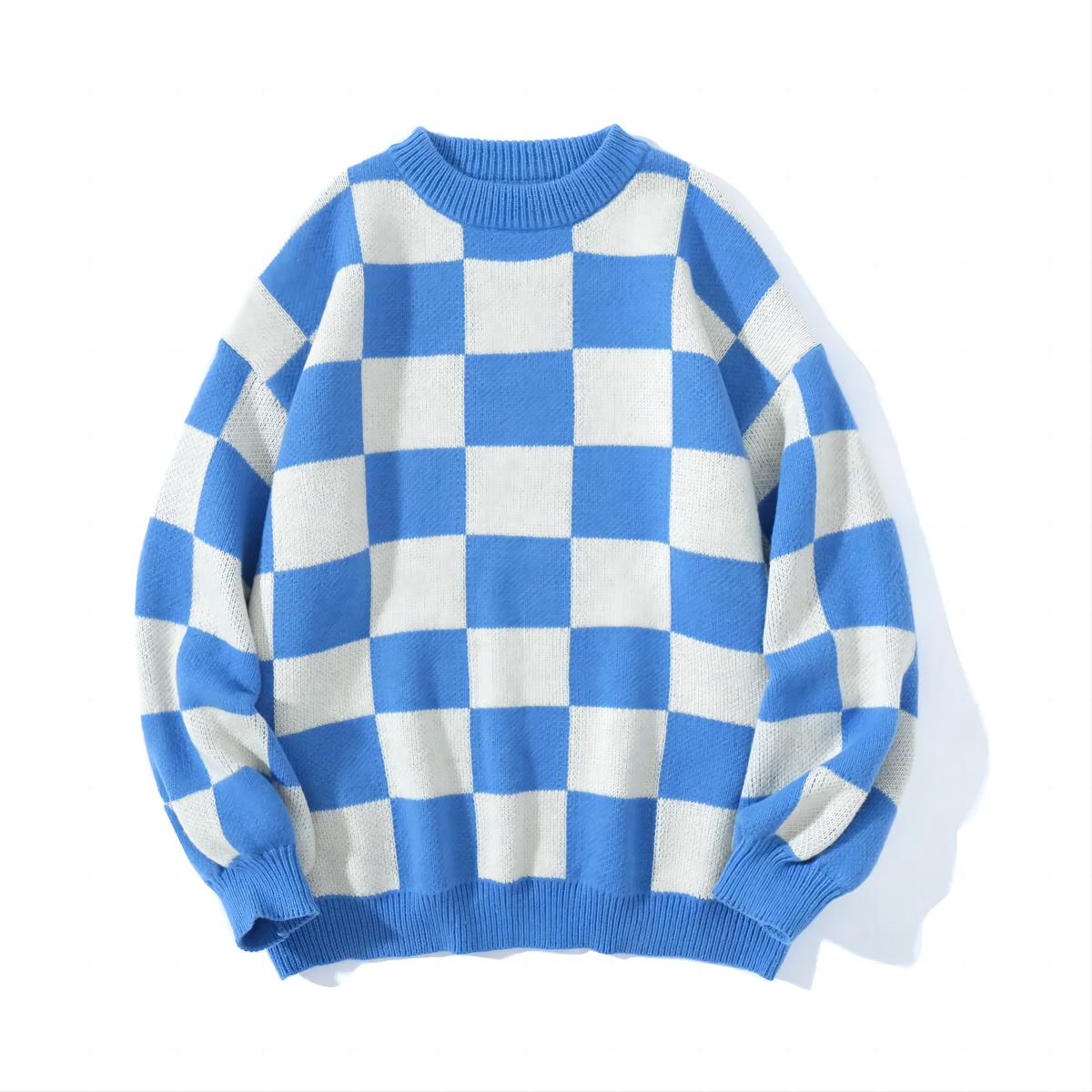
Custom Hoodies
Develop custom hoodies with fleece weight, rib recovery, wash effects, print placement and private-label details specified before bulk production. Suitable for fashion, streetwear and promotional programs requiring repeatable fit and finish control.
Get a Quote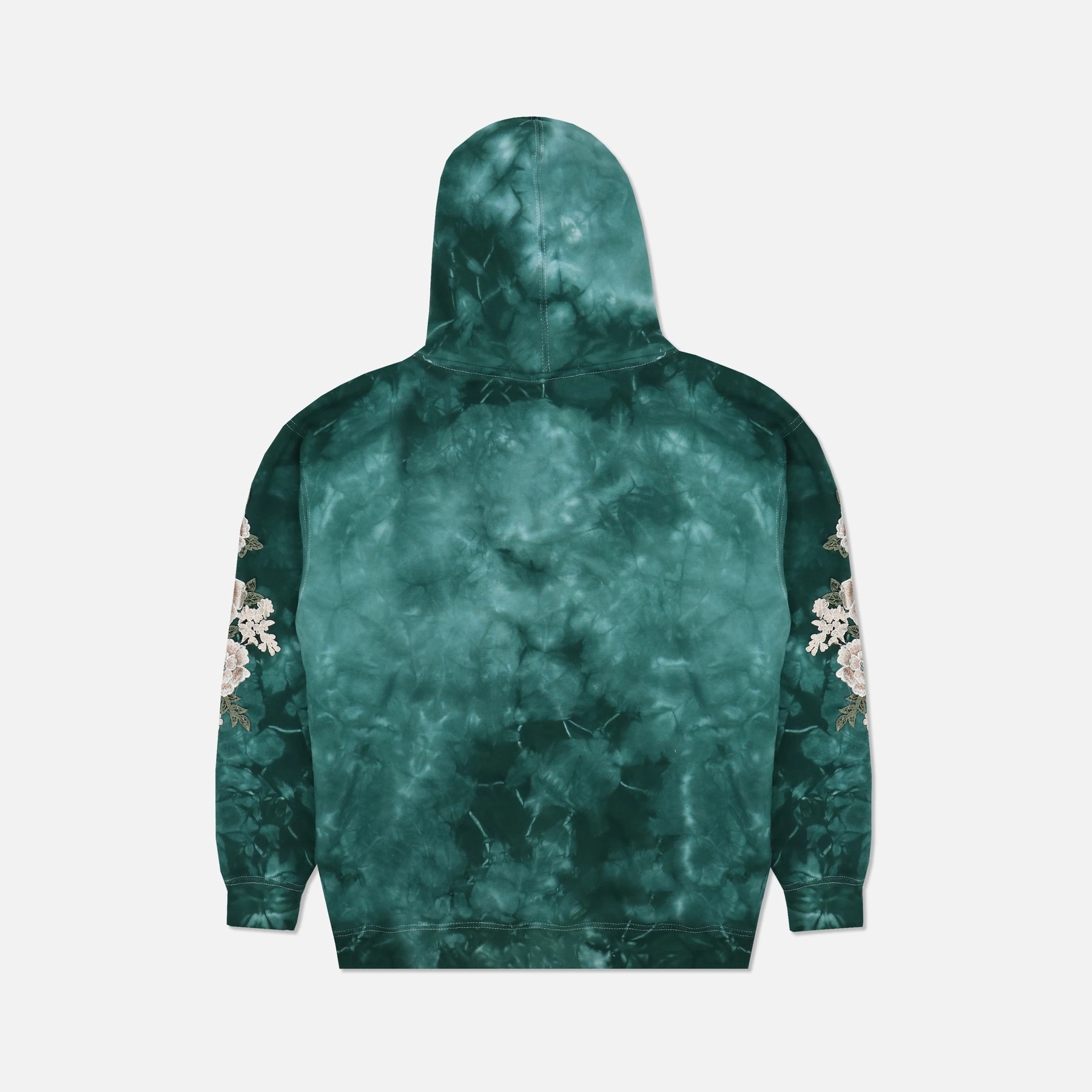
Pullover Sweatshirts
Build pullover sweatshirts around brushed fleece, French terry or performance blends, with garment washing, embroidery and screen printing coordinated to the fabric. EDVORIN records approved construction and measurements for consistent repeat orders.
Get a Quote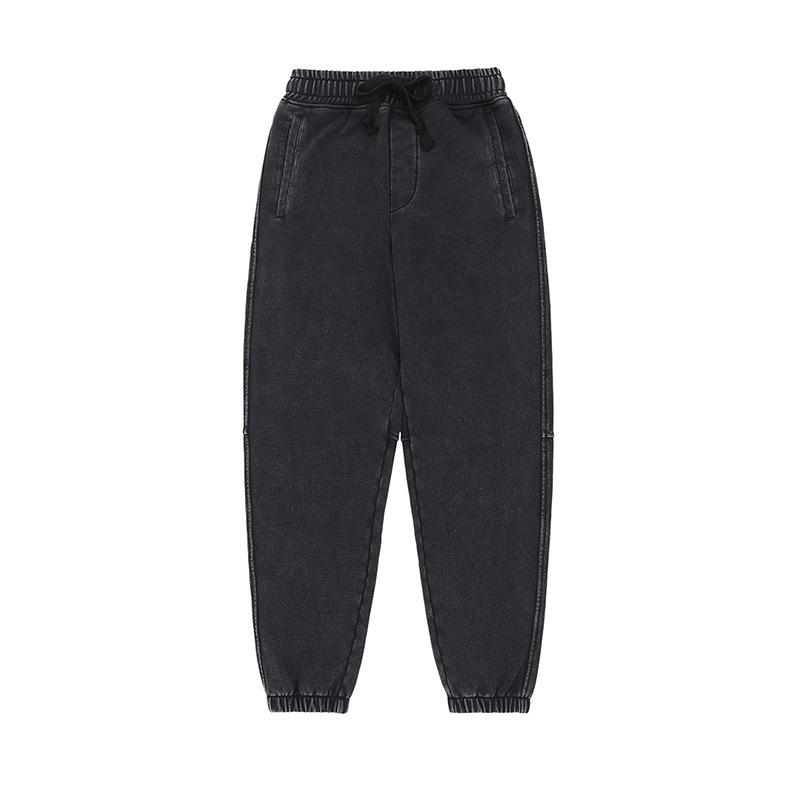
Sweatpants & Joggers
Develop sweatpants and joggers with coordinated fabric weight, waistband construction, cuff options, pockets and wash treatments. Match them to hoodie or sweatshirt programs when your collection needs consistent color, hand feel and grading.
Get a Quote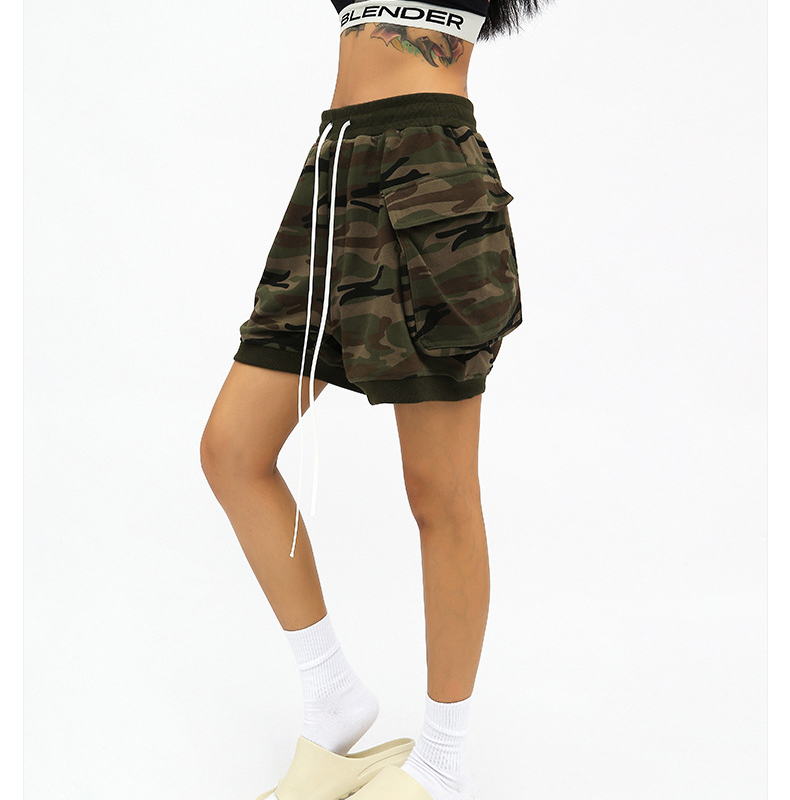
Custom Shorts
Produce custom shorts in fleece, jersey, woven or performance fabrics, with inseam, pocket, waistband and decoration requirements set for the intended market. Consider wash finishing for relaxed casualwear or streetwear programs.
Get a Quote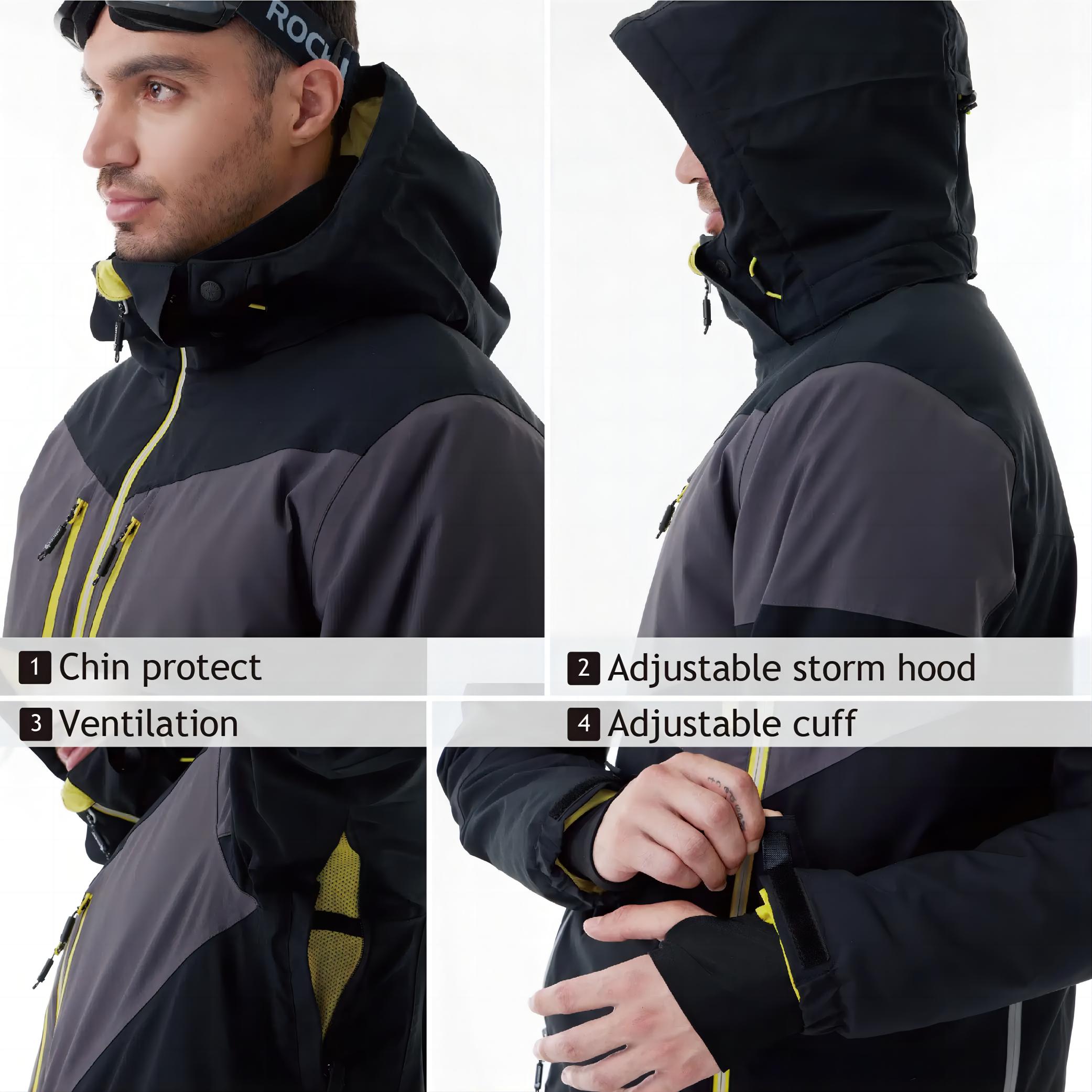
Varsity & Baseball Jackets
Develop varsity and baseball jackets with balanced body fabrics, sleeves, rib, snaps, lining, patches and embroidery. This route suits collections where construction and decoration require tighter coordination than standard garment washing alone.
Get a Quote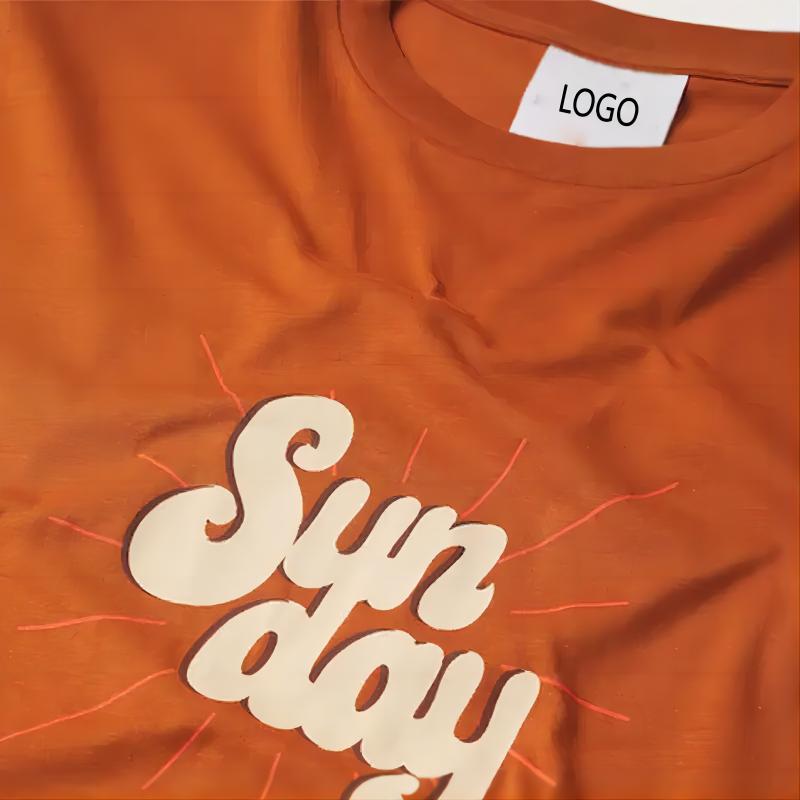
Custom T-Shirts
Produce custom T-shirts in selected jersey weights, fits and neck constructions, with garment dye, enzyme wash, pigment wash or print methods evaluated against the base fabric. Suitable for branded basics and graphic programs.
Get a Quote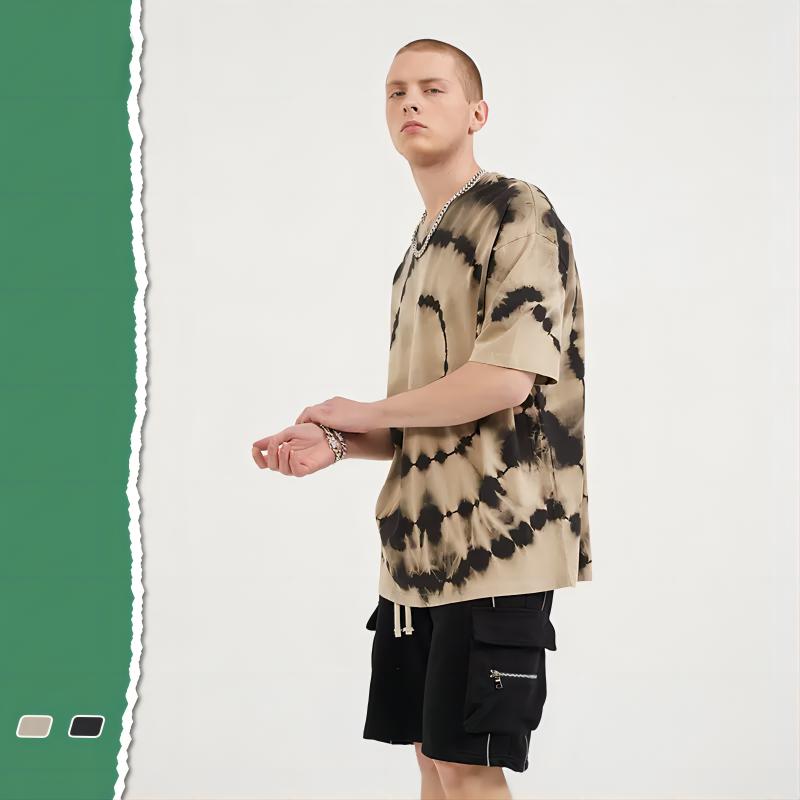
Custom Polo Shirts
Develop custom polo shirts with piqué, jersey or performance fabrics, collar construction, plackets, embroidery and color control. Choose this route for corporate, school, hospitality and private-label programs needing a more structured presentation.
Get a Quote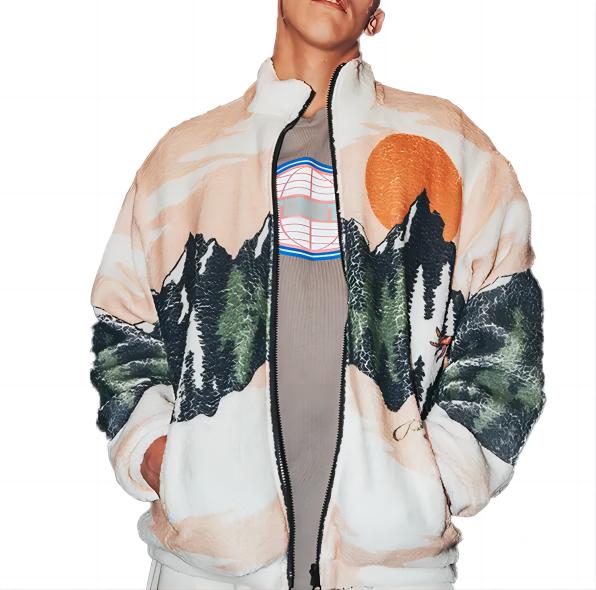
Windbreaker Jackets
Produce windbreaker jackets with shell fabric, lining, water-resistant finishes, zippers and print or embroidery placement planned together. Best for lightweight outerwear programs where functional performance and decoration compatibility both matter.
Get a Quote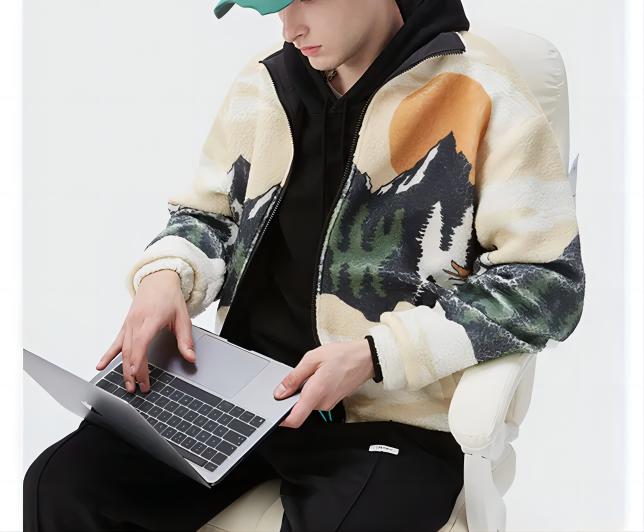
Quilted Jackets
Develop quilted jackets with shell fabric, lining, insulation, quilting pattern, hardware and finishing specified as one system. This category fits outerwear collections where warmth, bulk, stitch stability and branded details need controlled development.
Get a Quote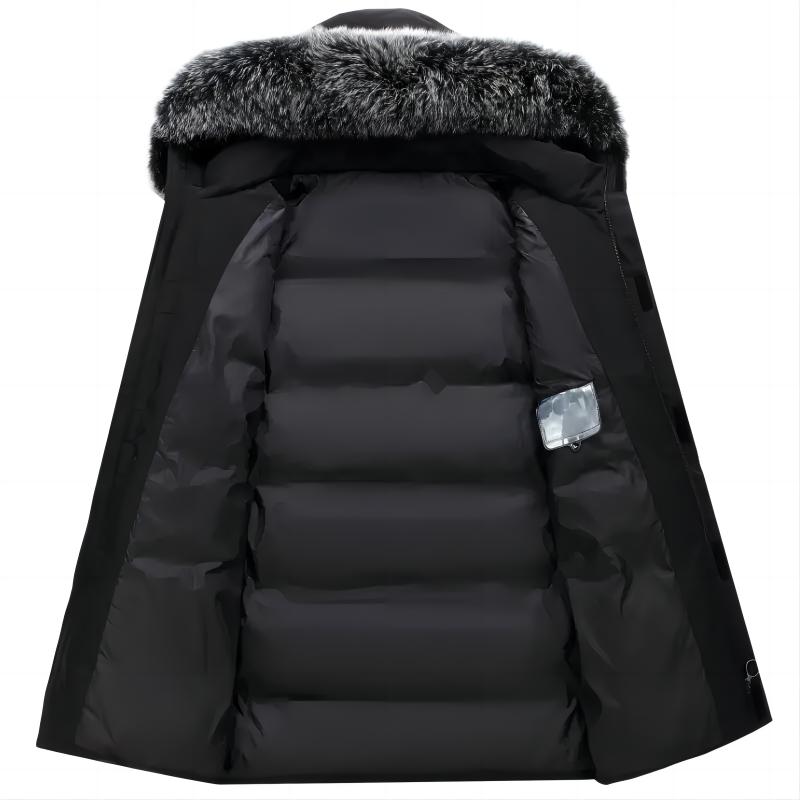
Bomber Jackets
Produce bomber jackets with selected shell materials, rib trims, lining, pocket construction, hardware and embroidery or patches. Suitable for fashion and team-inspired outerwear where silhouette and decoration need approval before bulk production.
Get a Quote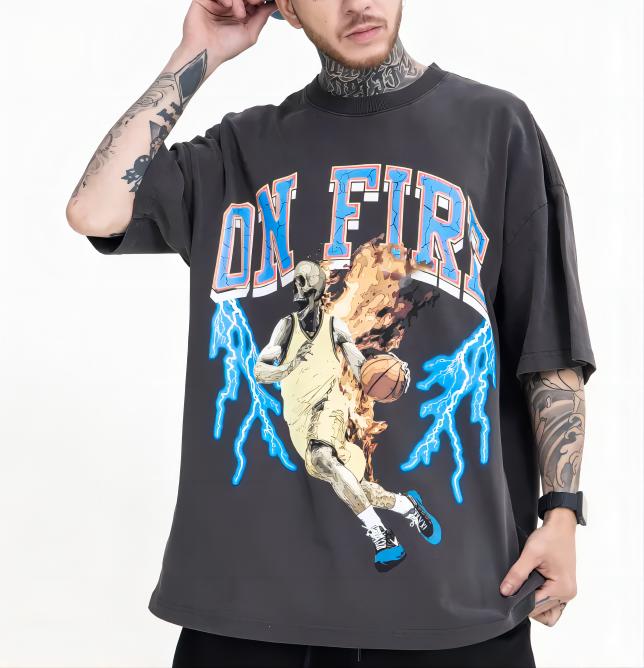
Custom Woven Shirts
Develop custom woven shirts with fabric selection, collar shape, placket, cuffs, pockets, labels and finishing aligned to the target market. Use this route when tailored construction matters more than garment-washed casual styling.
Get a Quote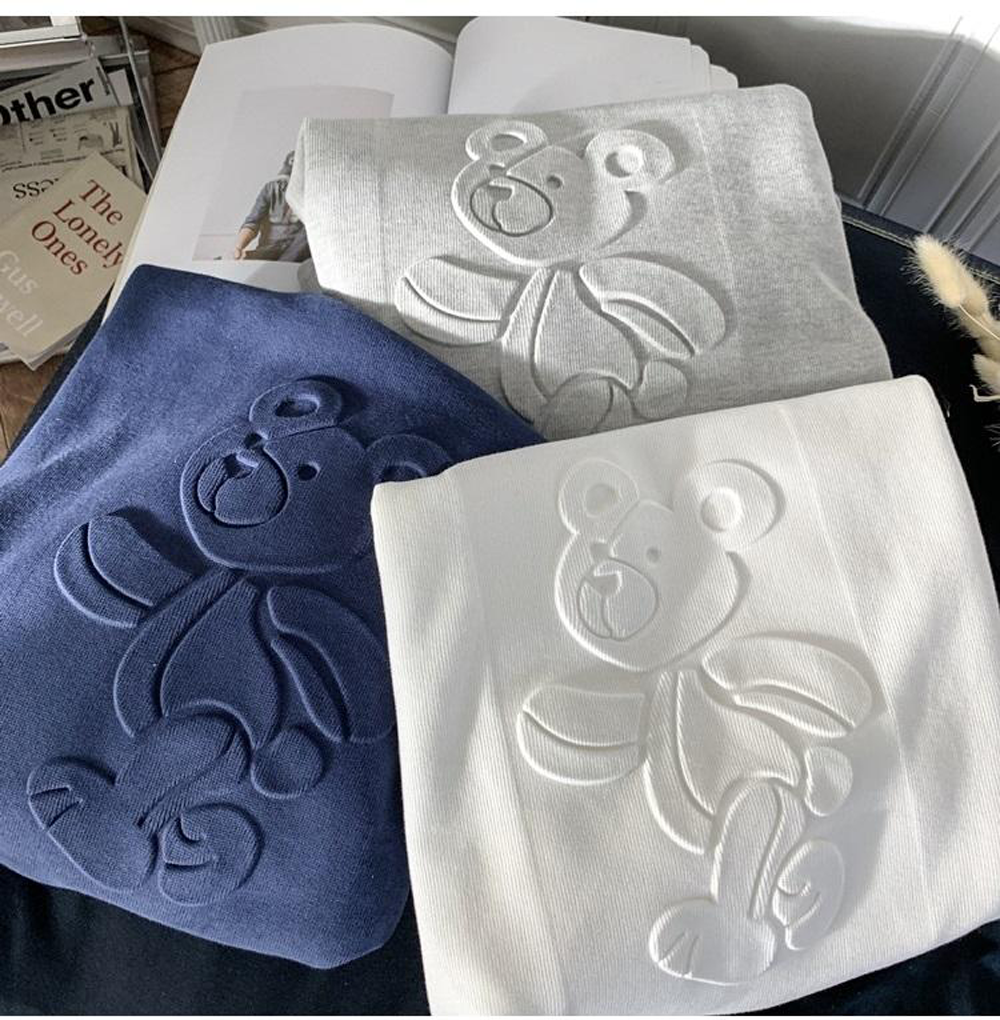
Custom Jerseys
Produce custom jerseys with breathable fabrics, stable color matching, logo placement, names, numbers and size grading documented for repeat orders. Suitable for clubs, schools, events and branded athletic programs.
Get a Quote
Tank Tops
Develop tank tops in jersey, mesh or performance fabrics with armhole shape, binding, fit and decoration selected for the intended activity or market. Available for men’s and women’s programs with category-specific grading.
Get a Quote
Soccer Uniforms
Produce soccer uniforms with coordinated jerseys, shorts and optional socks, using breathable fabrics, color-matched panels, crests, player names and numbers. Built for organized team sets and dependable reorders across sizes.
Get a Quote
Basketball Uniforms
Develop basketball uniforms with lightweight performance fabrics, jersey and short proportions, contrast panels, team graphics, names and numbers controlled from sample through bulk. Suitable for clubs, schools, academies and tournament programs.
Get a Quote
Streetwear Collections
Build coordinated streetwear collections across hoodies, tees, sweatpants, shorts, jackets and woven pieces. EDVORIN connects fabric, washing, prints, embroidery, trims and packaging into a production-ready standard for each style.
Get a QuoteSilicone-Wash Production Controls
Founded in 2000, EDVORIN helps brands turn apparel ideas into production-ready collections. As a silicone wash clothing manufacturer, we coordinate fabric selection, garment construction, wash development and decoration so the intended hand feel supports the design rather than becoming an afterthought.
Our OEM, ODM and private-label programs cover casualwear, streetwear, outerwear and teamwear for men’s and women’s collections. From patterns and samples to labels, packaging and bulk production, EDVORIN brings the connected decisions of a garment program into one accountable workflow.
What distinguishes EDVORIN is the discipline after sample approval. We document materials, measurements, artwork placement, trims and approved wash standards, then apply in-line and final quality checks to help protect consistency from first sample through repeat production. MOQs start at 200 pieces per style.

Silicone Wash vs. Enzyme Wash
Fabric Readiness Review
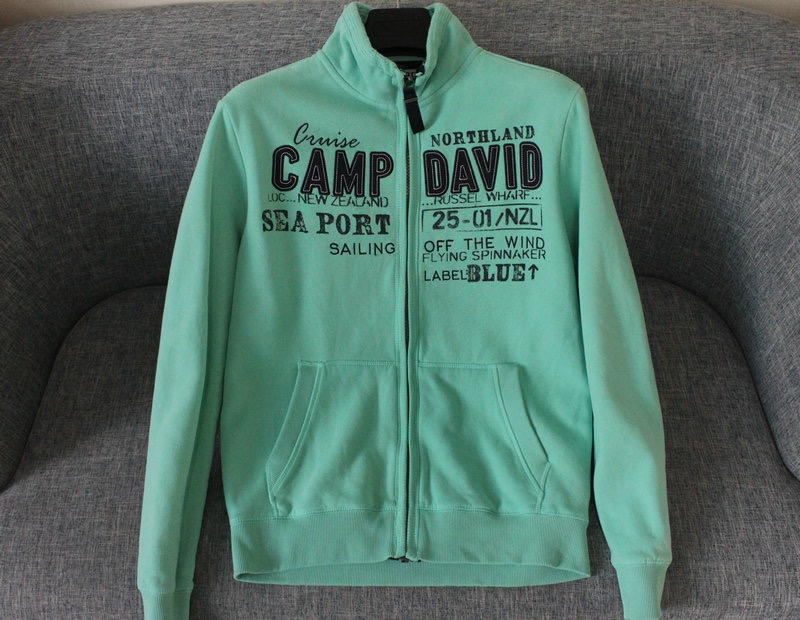
As a silicone wash clothing manufacturer, EDVORIN reviews fiber content, fabric weight, knit or weave structure, color and intended garment use before finalizing the wash approach. This helps align the desired smooth, soft hand feel with the construction of each style.
- Assess fabric composition and surface behavior
- Review color, weight and construction
- Match finishing goals to end use
- Confirm wash considerations before sampling
Formula and Sample Alignment
Silicone wash performance depends on more than a single recipe. EDVORIN develops samples around the selected fabric and target feel, then records approved material, wash direction and appearance expectations so the buyer has a clear standard before bulk production begins.
- Develop against the selected fabric
- Compare hand feel and visual finish
- Record approved sample requirements
- Clarify revisions before bulk release
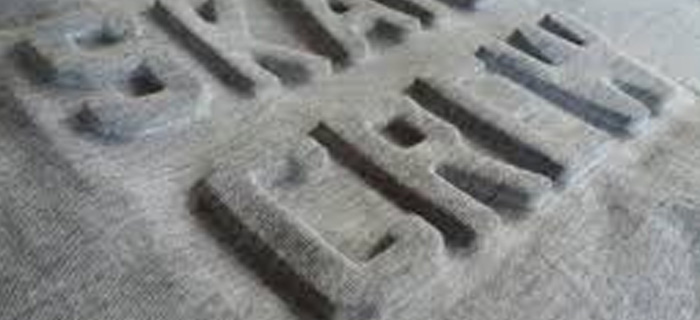
Sequenced Production Control
Wash sequencing is coordinated with garment construction, decoration and finishing requirements to protect the intended result. EDVORIN considers when a style should be washed within its production path, helping preserve artwork, trims, shape and the desired silicone-washed character.
- Coordinate wash timing with construction
- Review decoration and trim compatibility
- Protect fit, shape and surface appearance
- Manage finishing within one production path
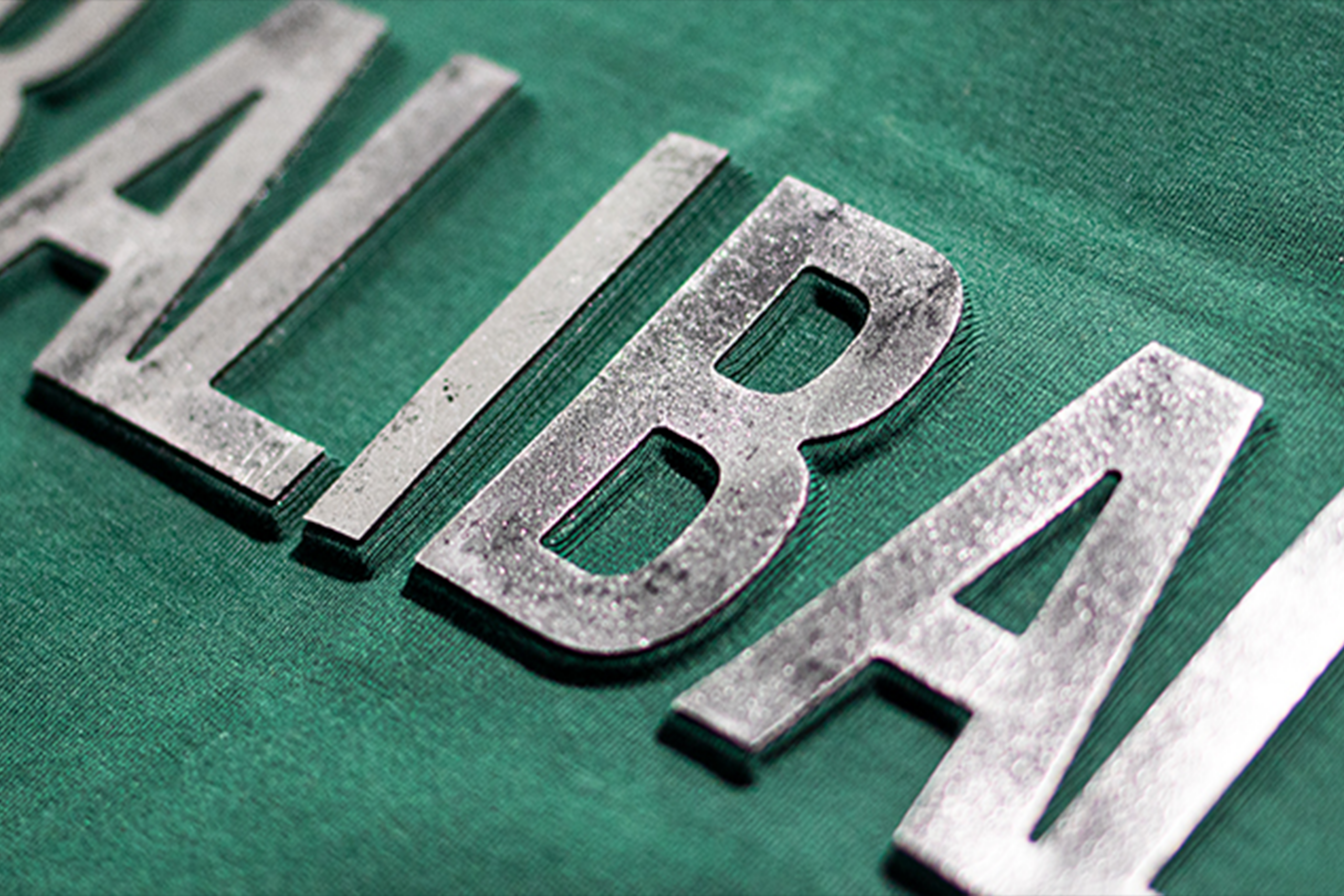
Bulk Standard Verification
An approved sample becomes the reference point for repeat production. EDVORIN translates that approval into documented checks for materials, measurements, decoration placement and finishing, with in-line and final quality control focused on keeping the packed order aligned with the agreed standard.
- Use the approved sample as reference
- Document production-critical specifications
- Conduct in-line quality checks
- Verify finished goods before packing
Silicone-Wash Production Process
Choose the finish around fabric, intended hand feel, artwork plan, and the production standard needed for repeat orders.
← Swipe left or right to view →
Silicone Wash Clothing Manufacturer Production Process
EDVORIN turns approved wash targets into documented standards for repeatable casualwear, streetwear and teamwear production.
Review Fabric And Garment
We assess fiber content, fabric weight, garment construction, color, trims and decoration to identify suitable silicone wash parameters before sampling begins.
Run Controlled Wash Trials
Trial garments are processed with defined wash conditions, then reviewed for softness, surface appearance, color response, shrinkage and overall garment character.
Approve Hand-Feel Standard
Buyer feedback is translated into an approved reference covering desired hand feel, appearance and measurements, creating a clear benchmark for bulk processing.
Process Bulk Garments
Production garments follow the approved silicone wash standard, with wash settings and handling coordinated alongside fabric, trims, prints, embroidery and labels.
Dry, Inspect And Pack
After drying and finishing, orders are checked against approved standards for hand feel, color, measurements, construction and presentation before final packing.
Order From a Silicone Wash Clothing Manufacturer
Move from garment concept to a repeatable silicone-washed production standard with clear approvals at every stage.
Share Your Product Brief
Send your tech pack, sketch, reference garment, size chart, target fabric, wash direction, and intended market so our team can assess development requirements.
Define Fabric and Hand Feel
Confirm base-fabric composition, weight, color, and the target soft, smooth hand feel before wash trials and material sourcing move forward.
Specify Decoration Placement
Provide artwork files, placement measurements, colors, and decoration method preferences so printing or embroidery remains compatible with the garment and wash program.
Approve the Production Sample
Review the developed sample for fit, construction, color, hand feel, wash effect, and decoration quality; approved details become the bulk-production reference.
Plan Your Bulk Order
Confirm quantities starting at 200 pieces per style, size breakdowns, labels, packaging, and delivery requirements for coordinated production and final quality control.
Results With a Silicone Wash Clothing Manufacturer
EDVORIN helped us lock in a smoother, softer hand feel on our 420-piece heavyweight hoodie run. The approved wash standard carried through bulk production, and the size-set delivery arrived on the date our launch team planned around.
We needed silicone-washed joggers that felt refined without changing the fit we had approved. Across 3 colorways and 680 pieces, the bulk order matched our sample expectations closely and made our wholesale handoff much easier.
For our academy collection, EDVORIN coordinated the wash, embroidery, labels, and packing in one production path. Our 240-piece order was delivered as organized size sets, which saved our staff two full days of sorting before distribution.
Silicone Wash Clothing Manufacturer FAQ
Clear answers on fabric suitability, decoration planning, samples and production requirements for silicone-washed apparel.
What fabrics work best for silicone washing?
How does a silicone wash clothing manufacturer test wash durability?
Can a silicone wash clothing manufacturer combine washing with embroidery, patches or printing?
Will silicone washing change the color, shrinkage or fit of my garment?
What is the MOQ for silicone-washed clothing?
What artwork files do you need for a washed hoodie or T-shirt?
How long do samples and bulk production take for silicone-washed apparel?
Complete Silicone Wash Clothing Manufacturer Buyer’s Guide
Use this practical framework to evaluate silicone wash finishes, compare supplier capabilities, set realistic specifications and costs, and avoid common sourcing mistakes before placing an OEM or private-label apparel order.
1. What Is a Silicone Wash Clothing Manufacturer?
Two separate processes use the word silicone. Silicone wash is a garment- or fabric-finishing treatment intended to create a softer, smoother hand feel; it is not a printed design.
Five production controls define a capable silicone wash clothing manufacturer: fabric selection, wash development, cut-and-sew execution, quality control, and packing. For a 280–400 GSM cotton fleece hoodie, the approved wash sample should establish the target hand feel, shade, measurements, and appearance before bulk production.
One specification error causes frequent delays: raised silicone print is a dimensional decoration applied to a garment surface, while silicone wash is a finishing requirement for the base fabric or completed garment. Buyers should state the fabric composition, garment weight, wash target, acceptable color change, and whether any silicone print is separately required.
2. Evolution of Silicone Wash Clothing Manufacturing
2000 is the year EDVORIN began translating garment concepts into controlled production standards; by then, garment washing was already used to change softness, shrinkage and surface character after sewing. Silicone-based softeners expanded the palette from simple softness toward smoother hand feel and more deliberate drape across cotton, blends and knits.
2 variables now matter as much as the chosen wash: the approved sample and the production record behind it. A silicone wash clothing manufacturer should document base-fabric GSM, dye lot, softener recipe, liquor ratio, time, temperature and drying method so a reordered hoodie or jersey is not judged from memory.
3 checks protect scalable results: compare shade to the approved standard, measure post-wash shrinkage and inspect hand feel, seam appearance and decoration compatibility. For washed streetwear and performance-oriented programs, buyers should approve a bulk wash panel before full production, especially when French terry, fleece, pigment dyeing or silicone print share the same garment.
3. Types of Silicone Wash Clothing Manufacturer Services
Five service models place development responsibility in different hands. Match the supplier type to the control your team can document and manage.
| Service | Best Fit | Control | Development | Limitation |
|---|---|---|---|---|
| Fabric finishing | Approved fabric | High | Buyer | No garment control |
| Garment washing | Completed blanks | Medium | Buyer | Wash variation |
| OEM cut-and-sew | Custom line | High | Factory | Longer approval |
| Private label | Adapted blocks | Medium | Shared | Less flexibility |
| Wholesale-ready | Fast replenishment | Low | Supplier | Limited exclusivity |
Fabric-Level Finishing
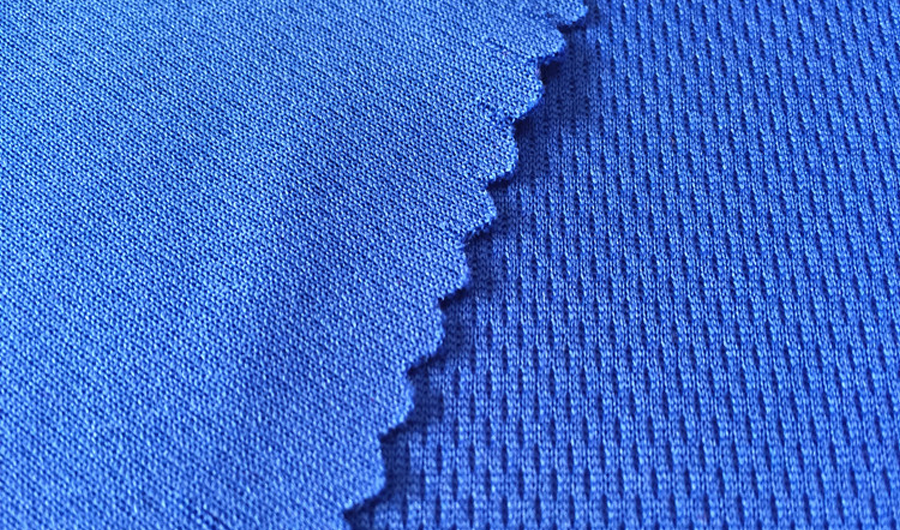
One finishing lot suits buyers with approved greige fabric and factory access. You control the textile specification; the finisher cannot solve pattern, sewing, or fit issues.
Garment Washing
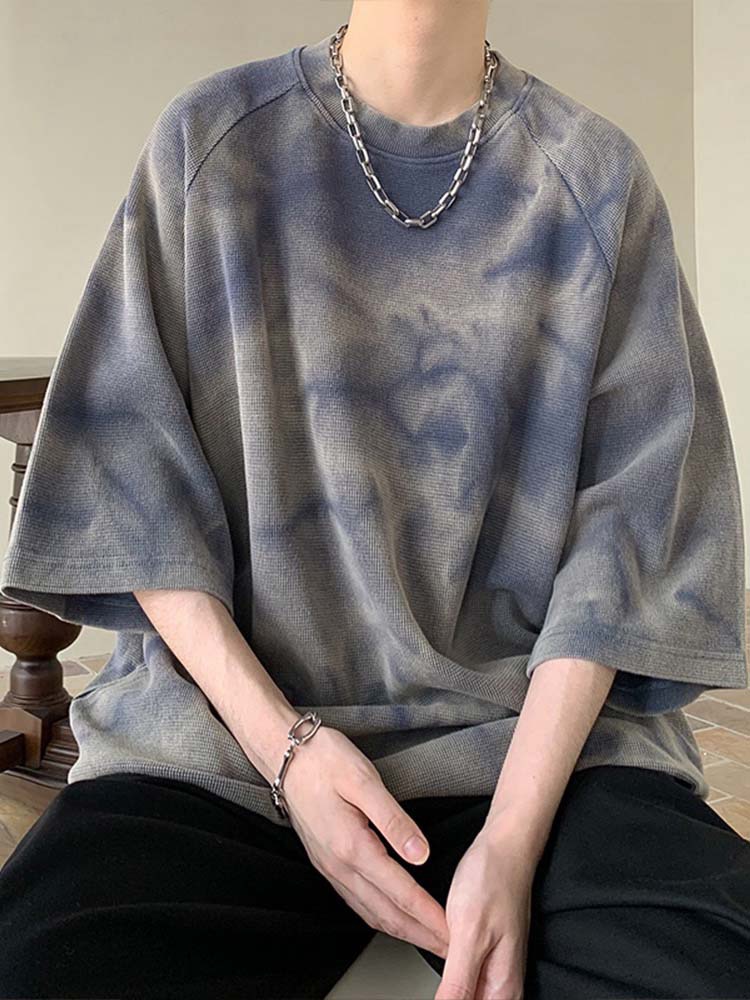
One garment-wash partner suits completed blanks needing a softer hand. You own construction and decoration decisions; wash variation remains the main limitation.
OEM Cut-And-Sew
A 200-piece OEM program suits brands needing patterns, samples, and bulk production. Control is high through a tech pack, while the factory coordinates execution.
Private Label Programs
One private-label program suits buyers adapting established product blocks. Development is lighter, but fit, fabric, and wash customization are usually constrained.
Wholesale-Ready Programs
One stock program suits distributors needing fast replenishment. Development responsibility is minimal, but exclusive silhouettes and wash specifications are limited.
4. Silicone Wash Clothing Manufacturer Fabric Options
A silicone wash clothing manufacturer should match the finish to fiber behavior before sampling. Fiber content, structure, GSM, shade, and pre-treatment all change softness, drape, absorbency, and wash appearance.
| Fabric | Suggested GSM | Best Products | Buyer Consideration |
|---|---|---|---|
| Cotton jersey | 160–240 | T-shirts, tanks | Soft, absorbent; check shrinkage |
| French terry | 280–360 | Hoodies, shorts | Loop-back drape; verify weight |
| Brushed fleece | 320–450 | Sweats, joggers | Warm loft; assess pilling |
| Polyester blend | 180–300 | Teamwear, activewear | Durable; lower absorbency |
| Nylon blend | 120–220 | Windbreakers | Crisp surface; test coating |
Fiber And Structure
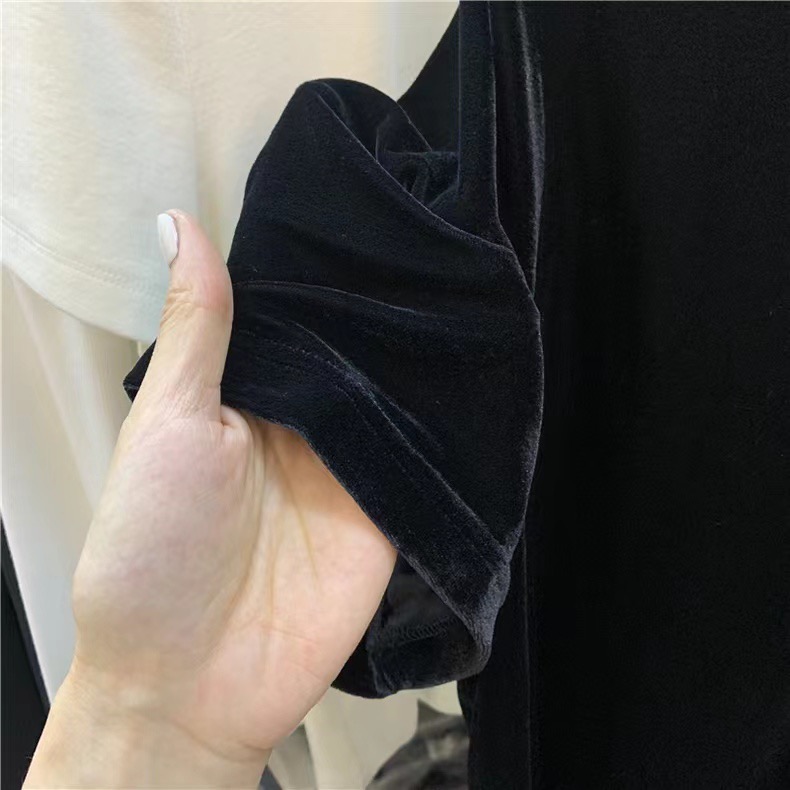
100% ring-spun cotton jersey is absorbent and fluid; French terry retains loop-back texture, while brushed fleece gains loft. Polyester and nylon resist abrasion but absorb less, so hand feel and dye behavior require separate approval.
Color And Preparation
2 variables need early testing: dark shades can show abrasion or tone change, and enzyme or bio-polish pre-treatment can alter surface character. Approve a washed shade band and hand-feel standard with the bulk fabric.
5. Customization and Decoration Options
A silicone wash clothing manufacturer should lock decoration sequence before bulk approval. EDVORIN records artwork, placement, labels, trims, and packing against the approved sample so the softened hand does not compromise the intended finish.
| Option | Visual Effect | Complexity | Best Fit |
|---|---|---|---|
| Embroidery | Textured, premium | Medium | Streetwear, schools |
| Screen print | Bold graphic | Medium | Teams, streetwear |
| Transfer | Detailed color | High | Teams, events |
| Woven labels and patches | Branded finish | Medium | Private label |
Sequence Before Washing
Embroidery, patches, and woven labels are normally applied before the wash trial; thread shade and patch edges can change in appearance afterward.
One wash-tested sample should confirm print adhesion, color migration, and measurement tolerance before production.
Placement And Approval
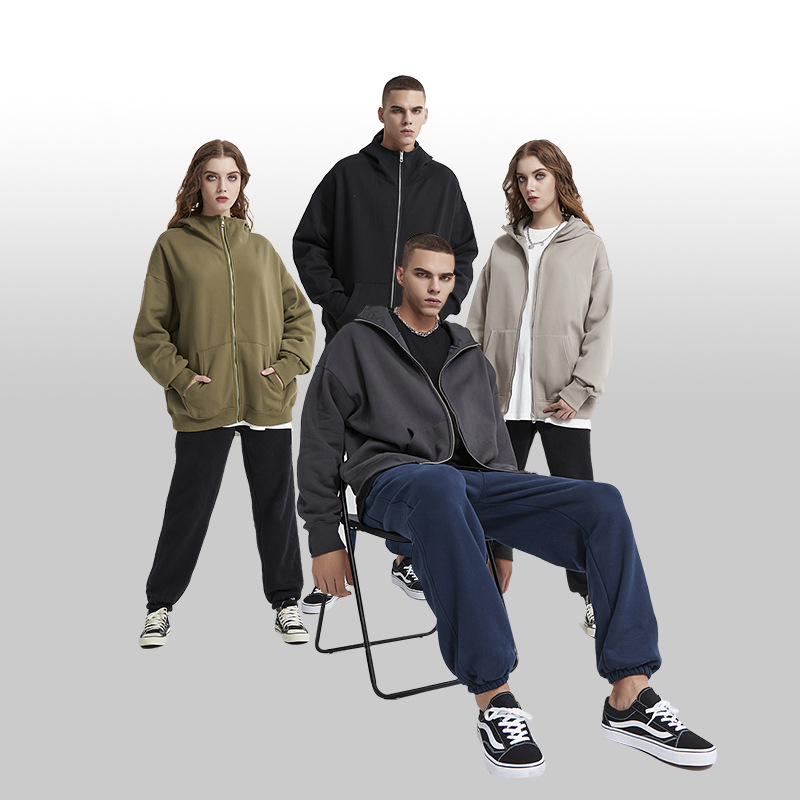
Chest prints, sleeve transfers, and neck labels need placement measurements from seams, not only artwork dimensions.
Two approvals—decoration strike-off and finished washed garment—separate visual sign-off from bulk-ready approval.
Program-Specific Finishing
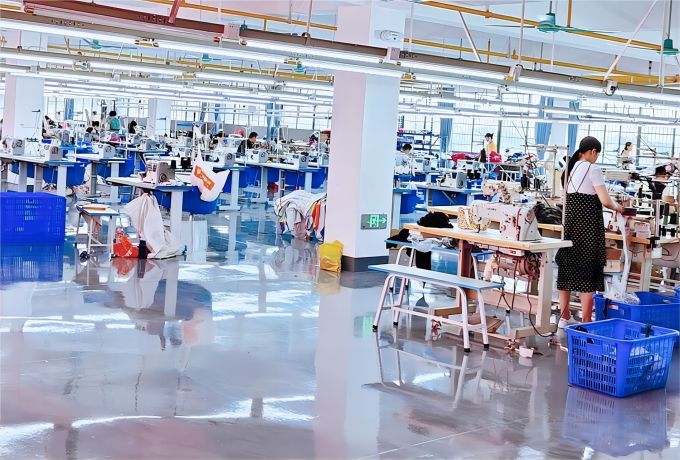
Custom hangtags and packaging are added after final inspection to prevent wash damage and preserve barcode control.
Private-label programs should retain approved Pantone references, label artwork, and packing specifications for repeat orders.
6. Construction Quality for Silicone-Washed Apparel
Two approval stages—pre-production and post-wash—give buyers a practical baseline for a silicone wash clothing manufacturer. Review the garment against an agreed sample, not hand feel alone.
Fabric And Shrinkage Control
±5% GSM and shrinkage targets should be written into the material specification before cutting. Test washed panels and finished garments in the agreed care cycle, then compare weight, dimensions, color, and surface appearance.
- Record pre- and post-wash measurements
- Check uneven softener marks or streaks
- Confirm color change against approved swatches
Seams, Ribs, And Pockets
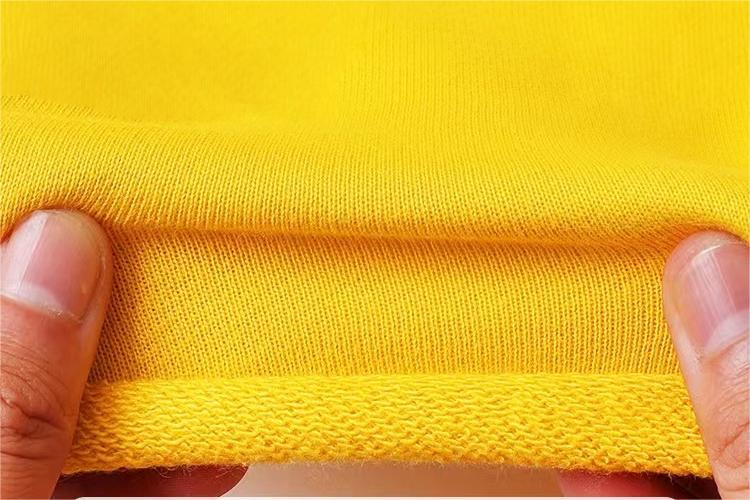
8–12 stitches per inch is a common starting reference for knit seams, but construction should follow fabric weight and stretch. Inspect seam opening, skipped stitches, rib recovery, collar shape, and pocket alignment after washing.
- Pull-test high-stress seams
- Check rib returns after stretching
- Measure pocket placement from fixed points
Wash Standard And Tolerances
1 approved pre-production sample should document wash recipe, measurement tolerances, construction, and appearance standards. Compare bulk pieces after washing for consistency, colorfastness, shade variation, and finished measurements before packing.
- Define tolerance by measurement point
- Retain a sealed approval sample
- Inspect multiple sizes and color lots
7. Choosing a Silicone Wash Clothing Manufacturer
A silicone wash clothing manufacturer should be screened on evidence, not a soft-hand promise. Compare development records, sourcing visibility, and export controls before committing a 200-piece OEM run.
Verify Finish Experience
Two finish swatches on the proposed fabric, plus one washed comparable garment, reveal hand feel, shade change, and recovery. Ask for the wash recipe’s control points, wash-test method, and approved reference retention.
- Request before-and-after swatches
- Review comparable fleece or jersey samples
- Confirm wash-lot identification
Audit Production Controls
Three documents should align: measurement specification, graded size chart, and final-inspection procedure. Ask how in-line checks record seam, measurement, shade, and silicone-finish variation against the approved sample.
- Measurement tolerances by point
- AQL or buyer-defined inspection plan
- Corrective-action documentation
Test Commercial Readiness
EDVORIN’s MOQ starts at 200 pieces per style. 200-piece programs need confirmed MOQ by color, fabric, and size split rather than one headline minimum. Request a dated critical path covering fabric booking, sample approval, bulk sewing, finishing, packing, and export paperwork.
- Named production contact
- Fabric mill and composition disclosure
- Carton marks and shipping documents
8. Common Silicone Wash Clothing Manufacturer Mistakes
A silicone wash clothing manufacturer should turn finish intent into testable bulk standards. Most costly errors begin when buyers treat wash, fabric, decoration, and price as separate decisions.
Separate Wash From Print
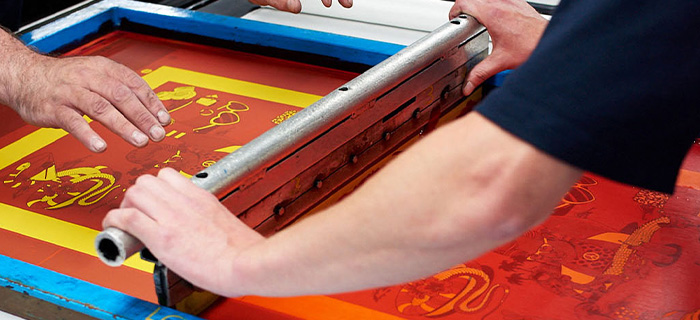
Silicone wash is a softening finish; silicone printing is a raised decoration. Correct the brief by naming both processes separately; ask, ‘Is this a wash finish, a silicone print, or both?’
One photo cannot confirm hand feel or durability. Approve a physical sample and wash-tested reference; ask, ‘Which approved sample governs bulk production?’
Lock Performance Before Fabric
End use determines whether French terry, fleece, or a performance blend is appropriate. Define wear conditions first; ask, ‘What activity, climate, and target GSM must this garment serve?’
Shrinkage and shade variation can change fit and matching sets. Specify allowable shrinkage and color approval under agreed lighting; ask, ‘What wash test and shade-band standard apply?’
Control Complexity And Cost
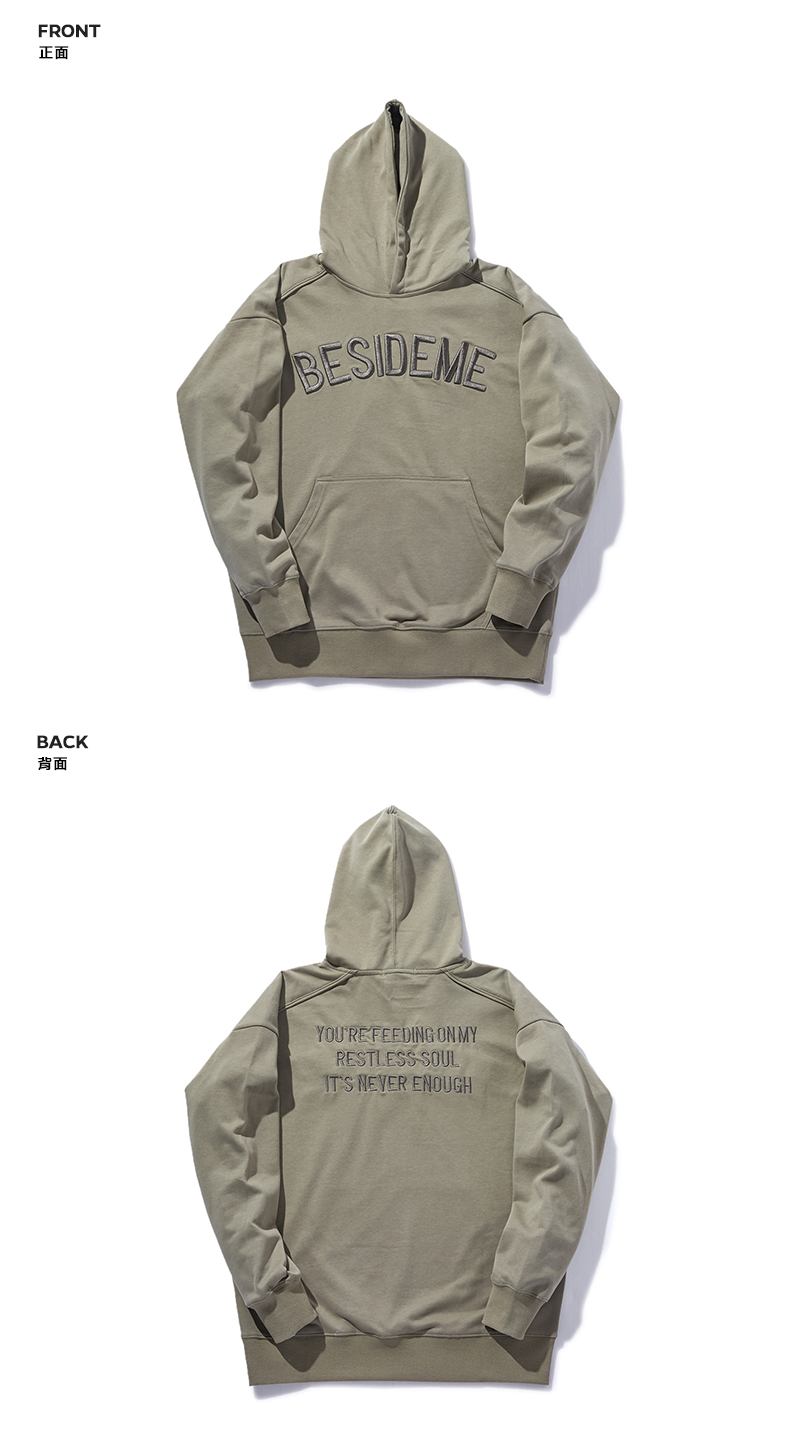
Too many prints, patches, and washes increase handling risk and obscure the intended look. Prioritize two or three signature details; ask, ‘Which decoration is essential to the design?’
Lowest unit price can exclude testing, inspection, or rework. Compare landed scope, not quotes alone; ask, ‘What quality controls and inclusions support this price?’
9. Launching a Silicone-Washed Clothing Line
A 200-piece opening order needs decisions locked before cutting, not after samples arrive. A silicone wash clothing manufacturer should turn positioning, product scope, and delivery date into one controlled approval path.
Brief And Development
EDVORIN’s MOQ starts at 200 pieces per style. Week 1: define customer, price tier, 200-piece MOQ, SKU count, colors, and size ratios.
Week 2: provide a tech pack, Pantone references, logo files, labels, and packaging artwork; emerging brands can begin from a reference garment.
Swatches And Samples
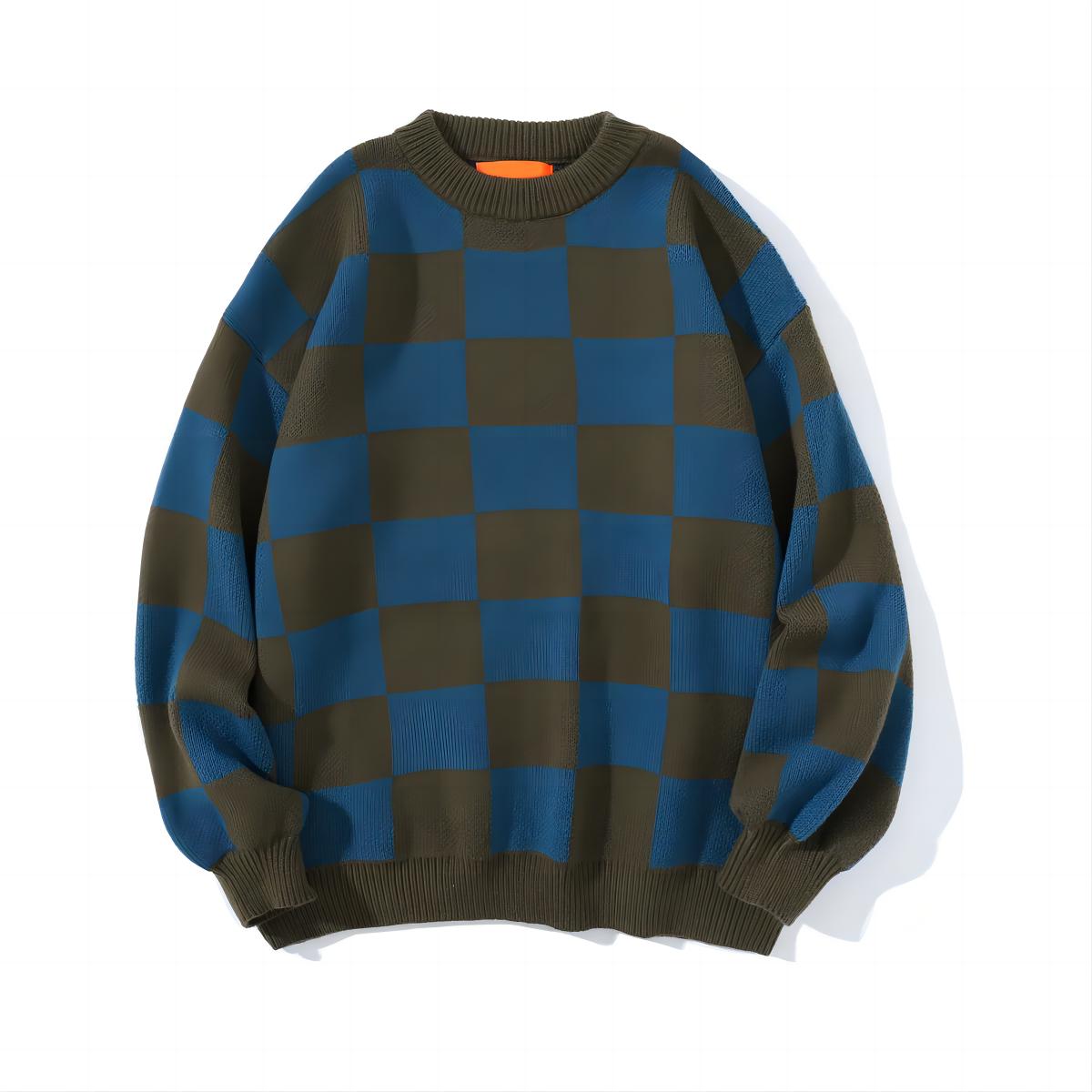
Week 3: approve fabric and silicone-wash swatches before testing prints, embroidery, or silicone decoration.
Week 4: review the fit sample against measurements, hand feel, shrinkage, placement, and wash appearance; record every correction.
Production And Reorders
Week 5: sign a pre-production sample that fixes fabric, trim, artwork, and packing standards.
Before bulk production, set inspection checkpoints and delivery routing; established organizations should reserve repeat fabric, size ratios, and reorder timing.
10. Silicone Wash Clothing Manufacturer Pricing and Costs
200-piece OEM runs usually carry the highest unit setup burden because patterns, wash trials, color approvals, and decoration screens are spread across fewer garments. For quote comparison, EDVORIN should receive the same fabric composition, GSM, Pantone colors, wash recipe, artwork, size ratio, labels, packing specification, and destination terms from every supplier.
1 landed-cost brief should separate ex-factory garment cost from freight, duty, testing, and local handling. Silicone-wash complexity, fabric weight, color count, embroidery or print coverage, custom trims, and extended size grading can change both cost and production time; a signed pre-production sample keeps revisions visible.
| Quantity tier | Primary cost drivers | Indicative quote components | Lead-time consideration |
|---|---|---|---|
| 200–499 | Setup and sampling | Development, fabric, wash, decoration | More approval time |
| 500–999 | Fabric and color allocation | Cut-and-sew, wash, trims, packing | Better line efficiency |
| 1,000+ | Material volume and complexity | Bulk production, QC, export packing | Allow capacity booking |
Partner With a Silicone Wash Clothing Manufacturer
Send your concept or tech pack for a development quote, with OEM support starting at 200 pieces per style.