
Streetwear Manufacturing That Connects the Whole Collection
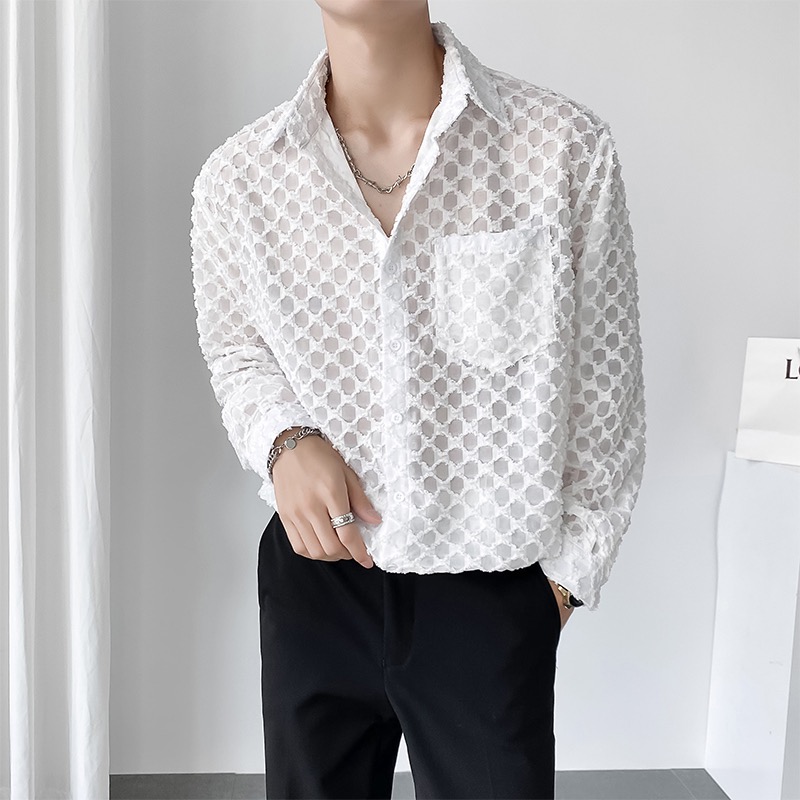
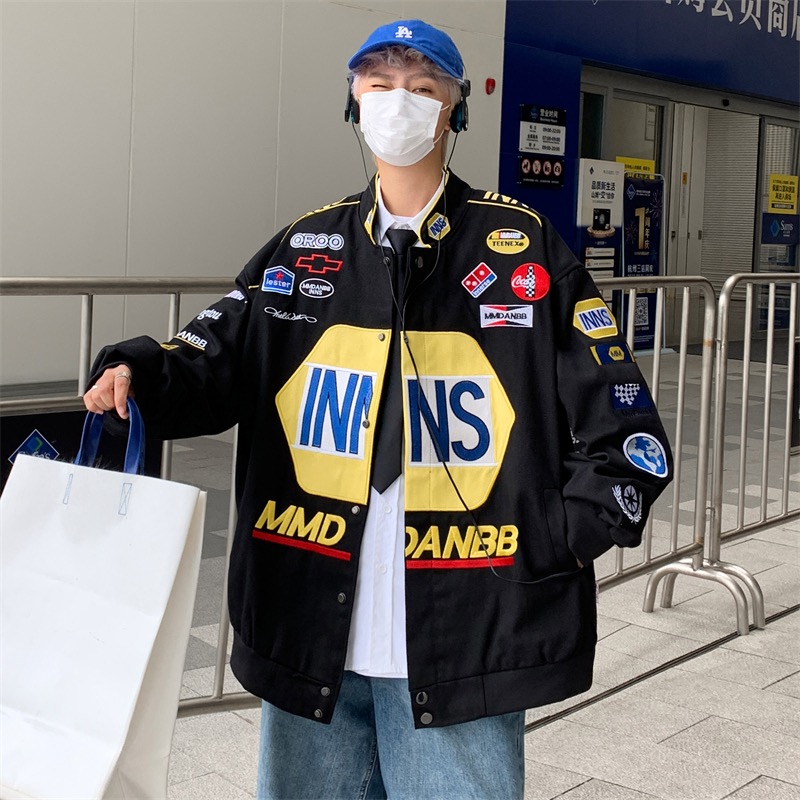
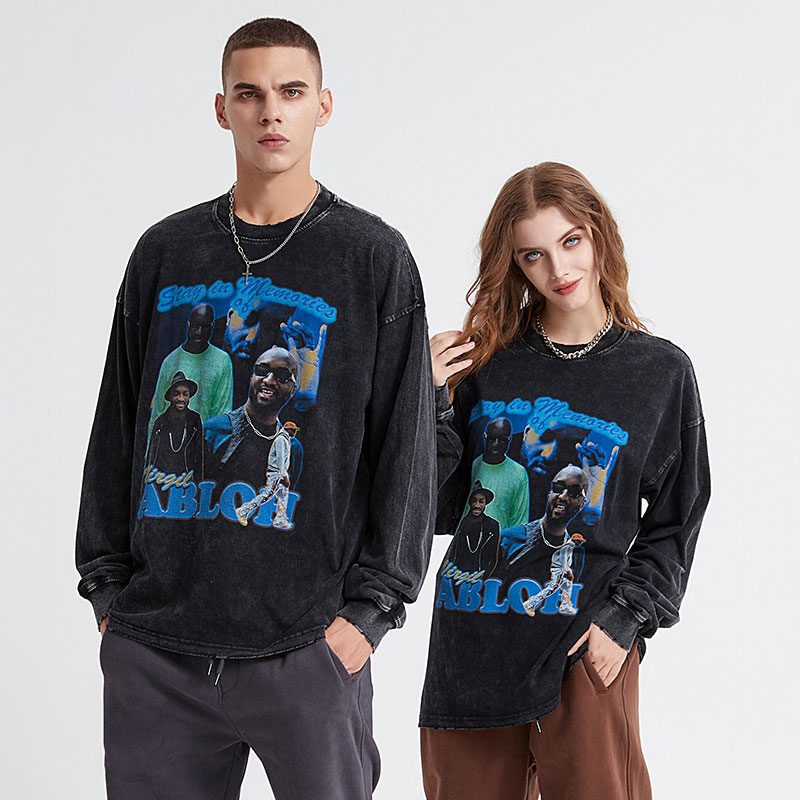
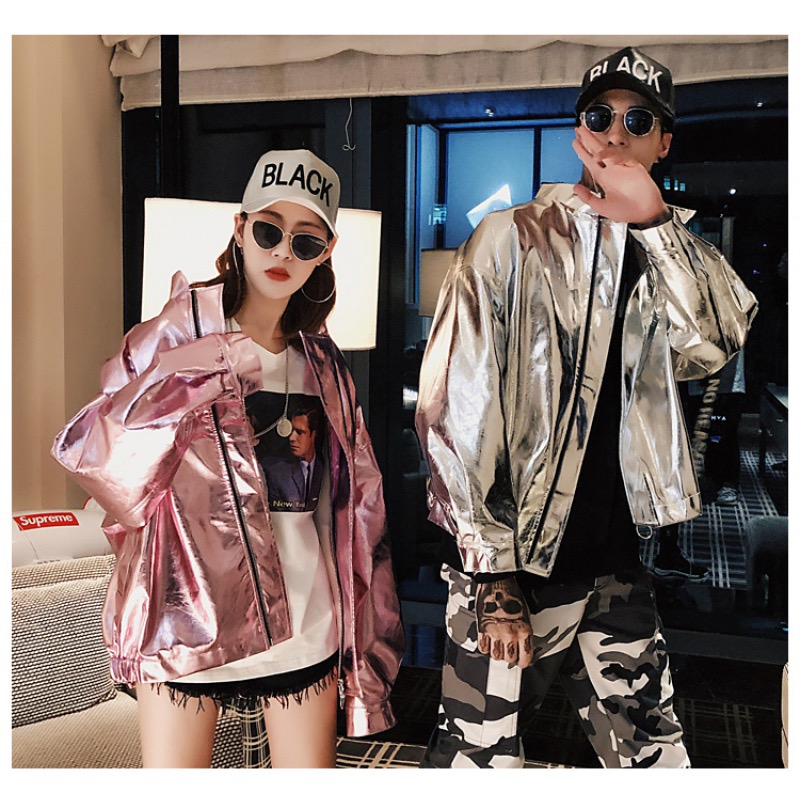
Develop men’s, women’s and unisex streetwear across hoodies, T-shirts, bottoms, jackets and coordinated sets while keeping silhouette, fabric, wash, artwork and trims aligned.
Streetwear Clothing Manufacturer Product Directions


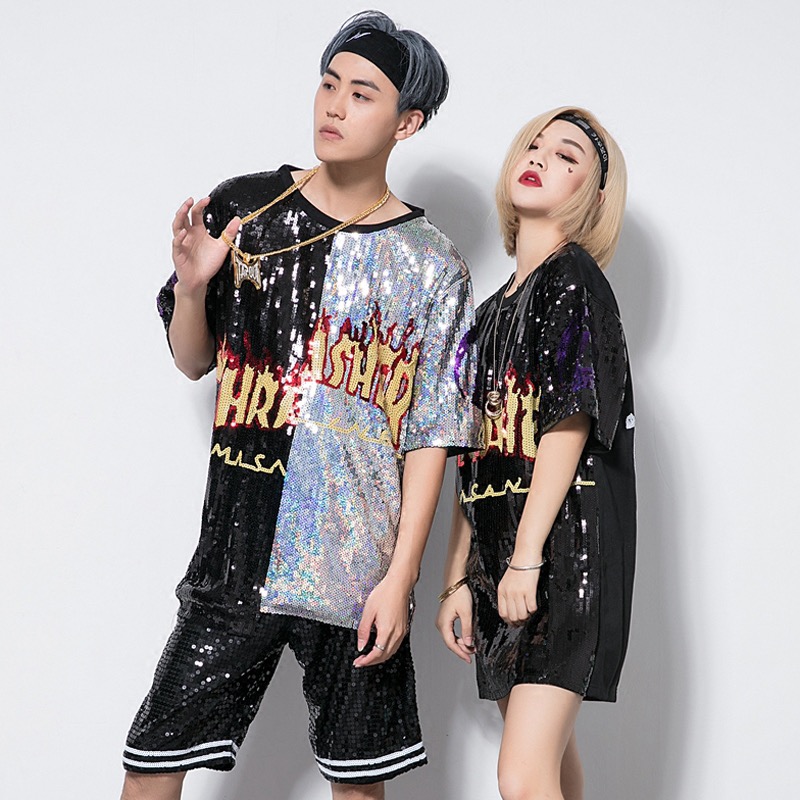
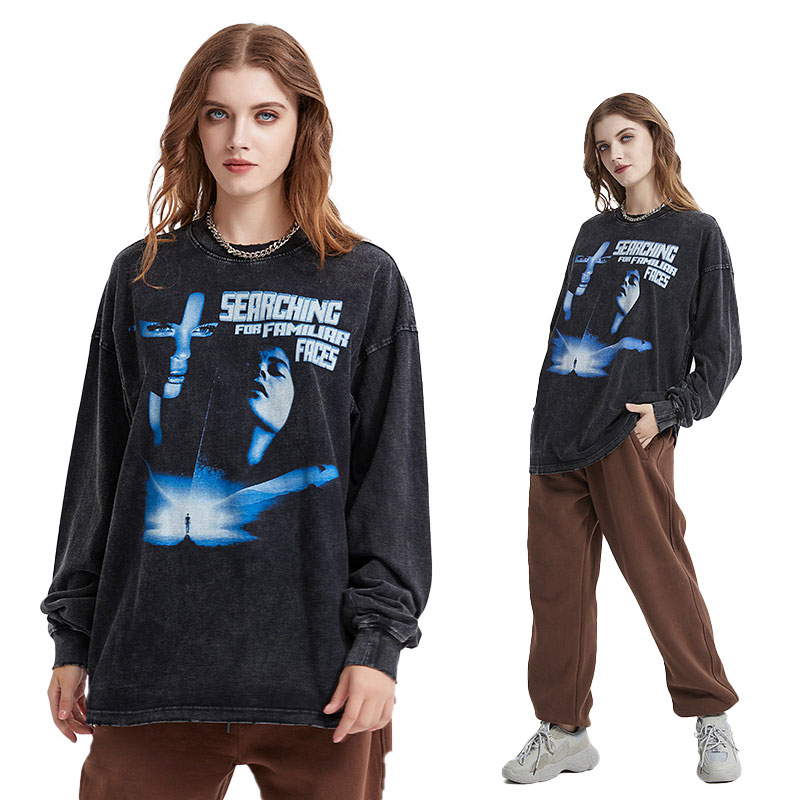
Control the Variables That Make Streetwear Feel Intentional
Strong collections connect silhouette, material, surface treatment and branding instead of treating each garment as an isolated SKU.
Silhouette System
Align shoulder, body width, length, rise and leg shape across the collection while preserving product-specific function.
Fabric Platform
Use compatible weights, hand-feels and color standards to create a consistent product family.
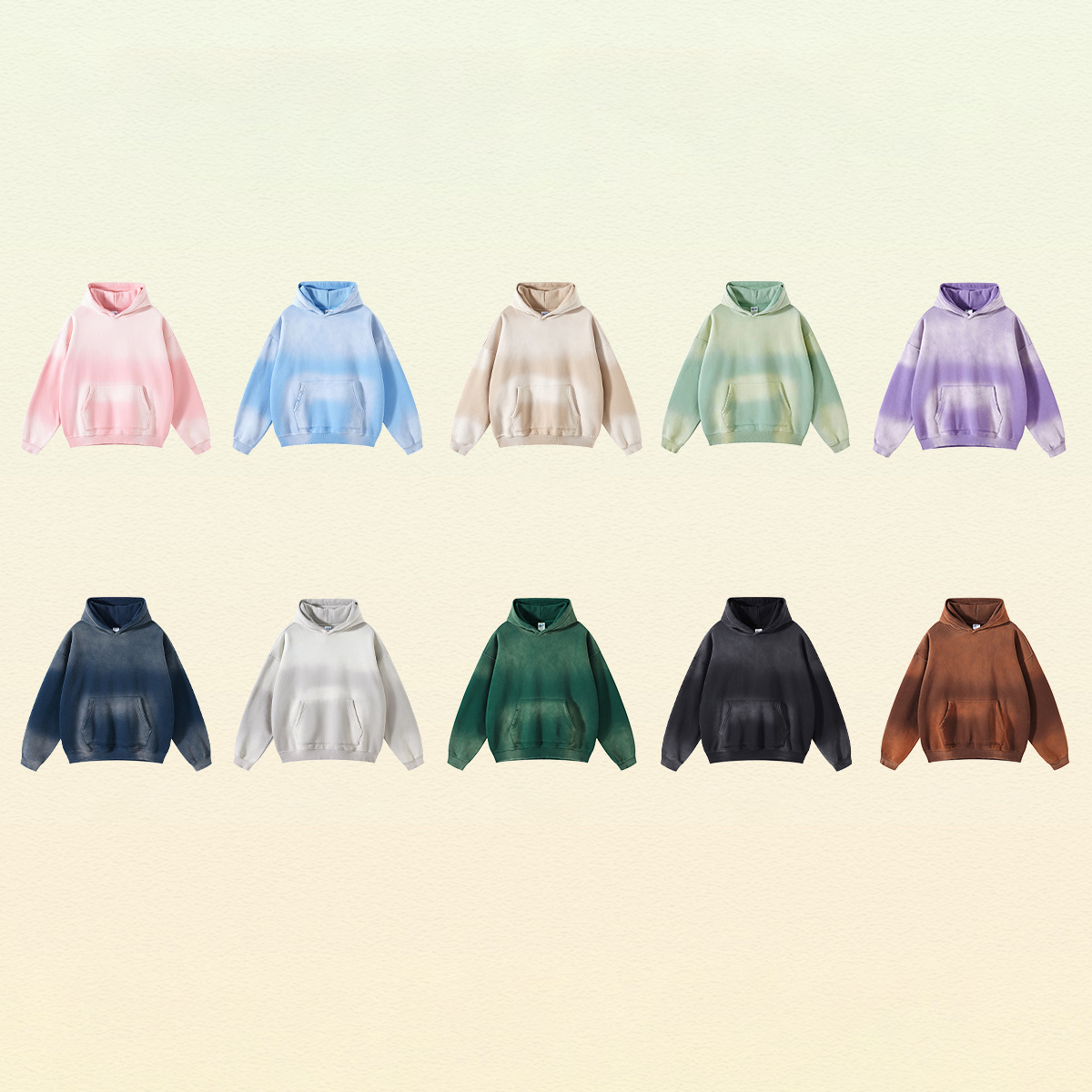
Wash Direction
Define acceptable shade, abrasion, contrast and hand-feel ranges during development.
Graphic Language
Coordinate screen print, embroidery, patches and mixed-media placements across garments.
Trim System
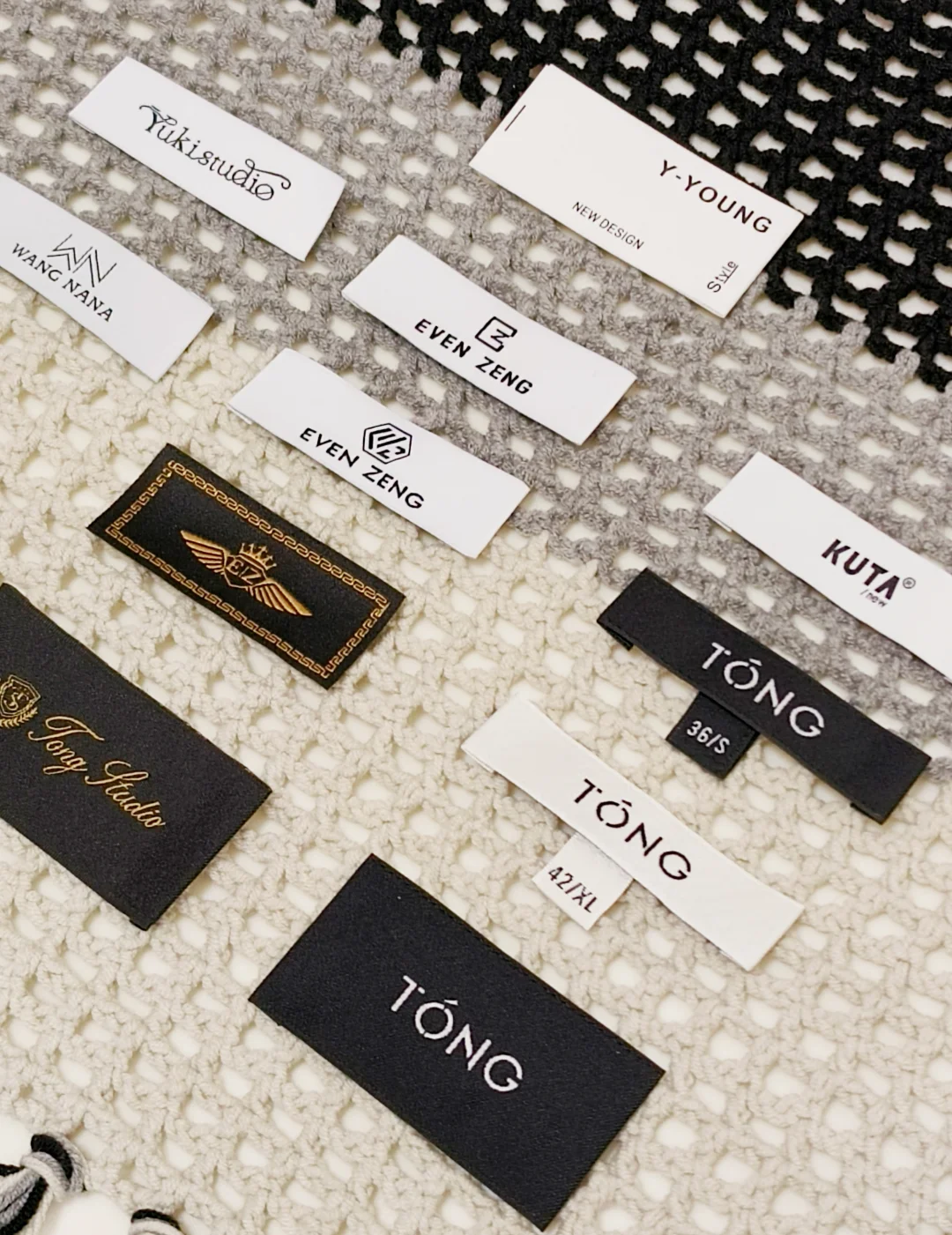
Standardize labels, drawcord hardware, zippers, snaps, patches and packaging where appropriate.
Repeatability
Document approved choices so the next drop or reorder starts from a controlled base.
Develop the Range as One Visual System
Each product keeps its own construction standard while sharing a coherent fit, material and brand direction.
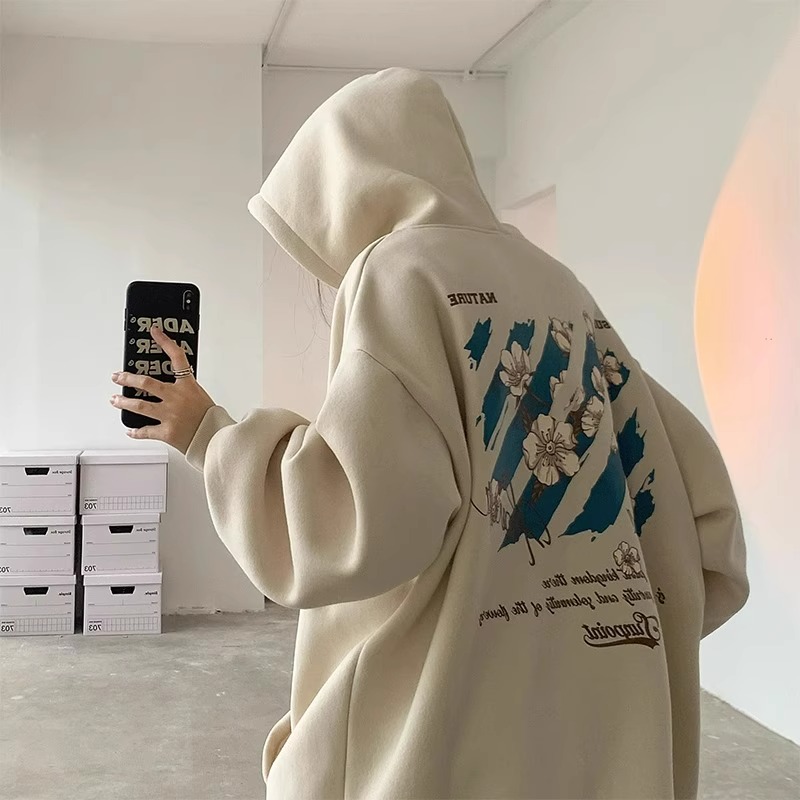
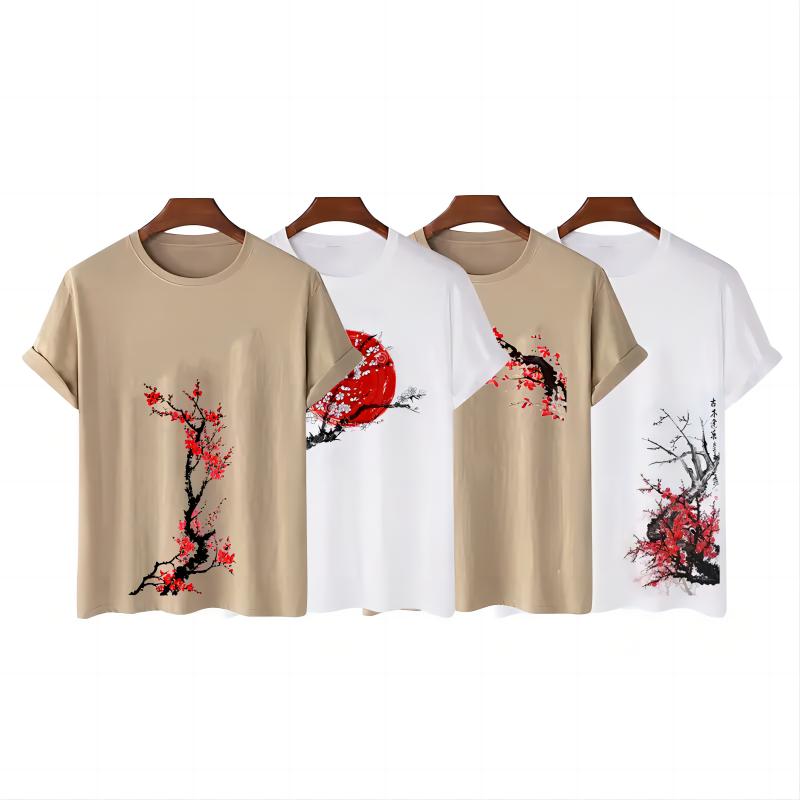
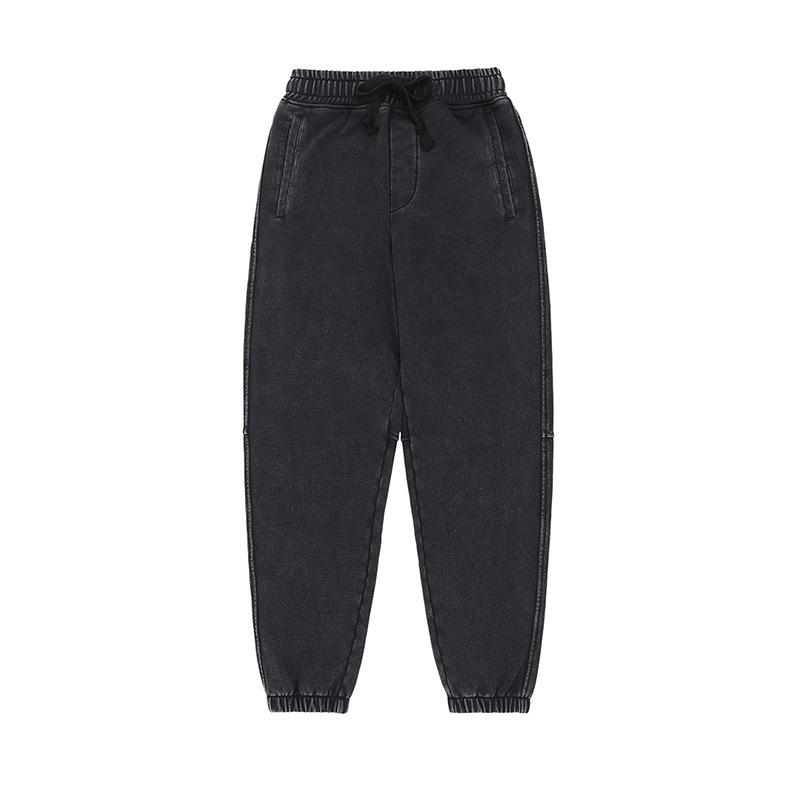
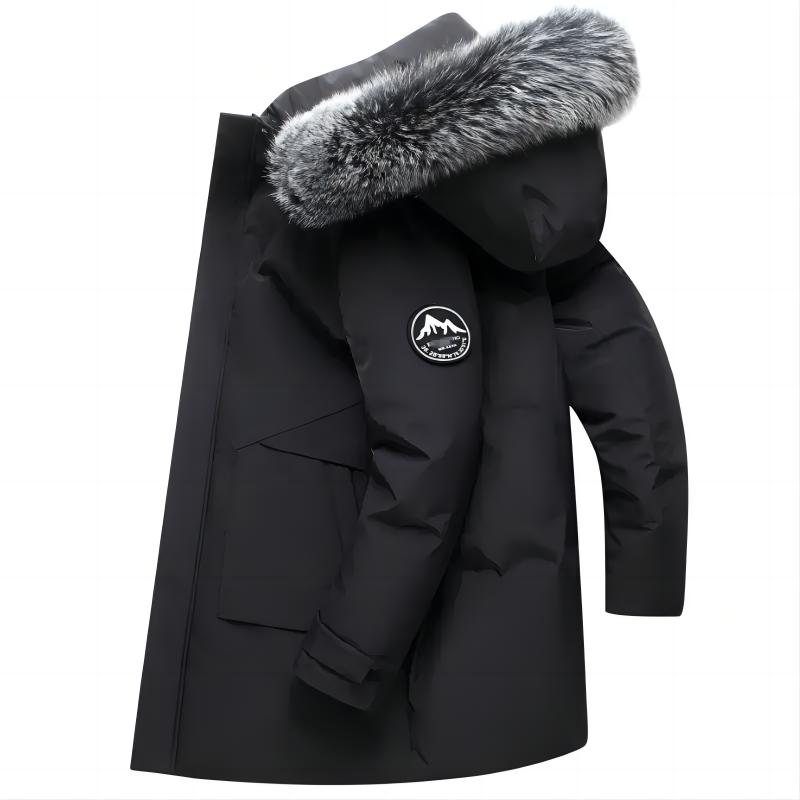
Varsity & Bomber Jackets
Statement outerwear developed around materials, hardware and patches.
Explore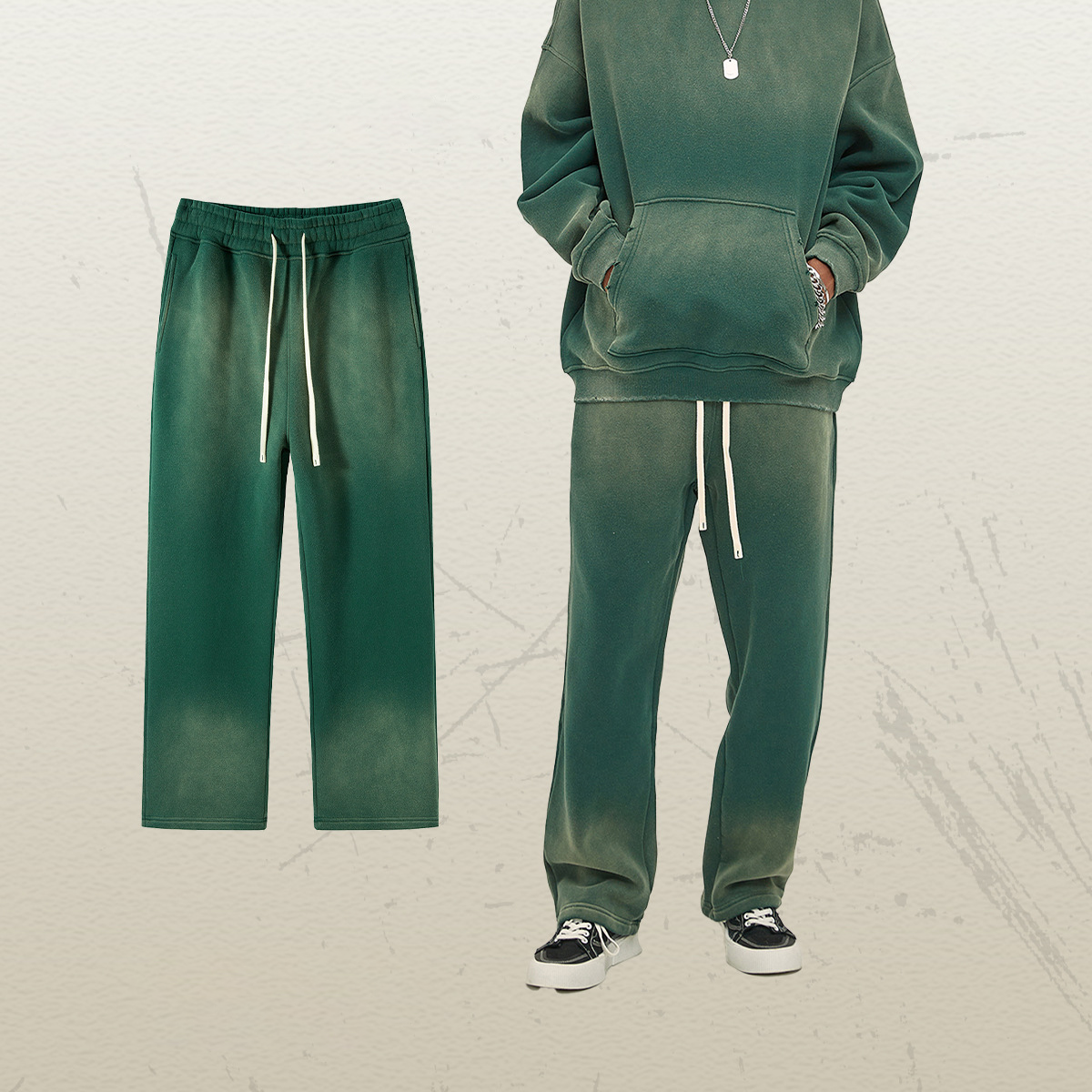
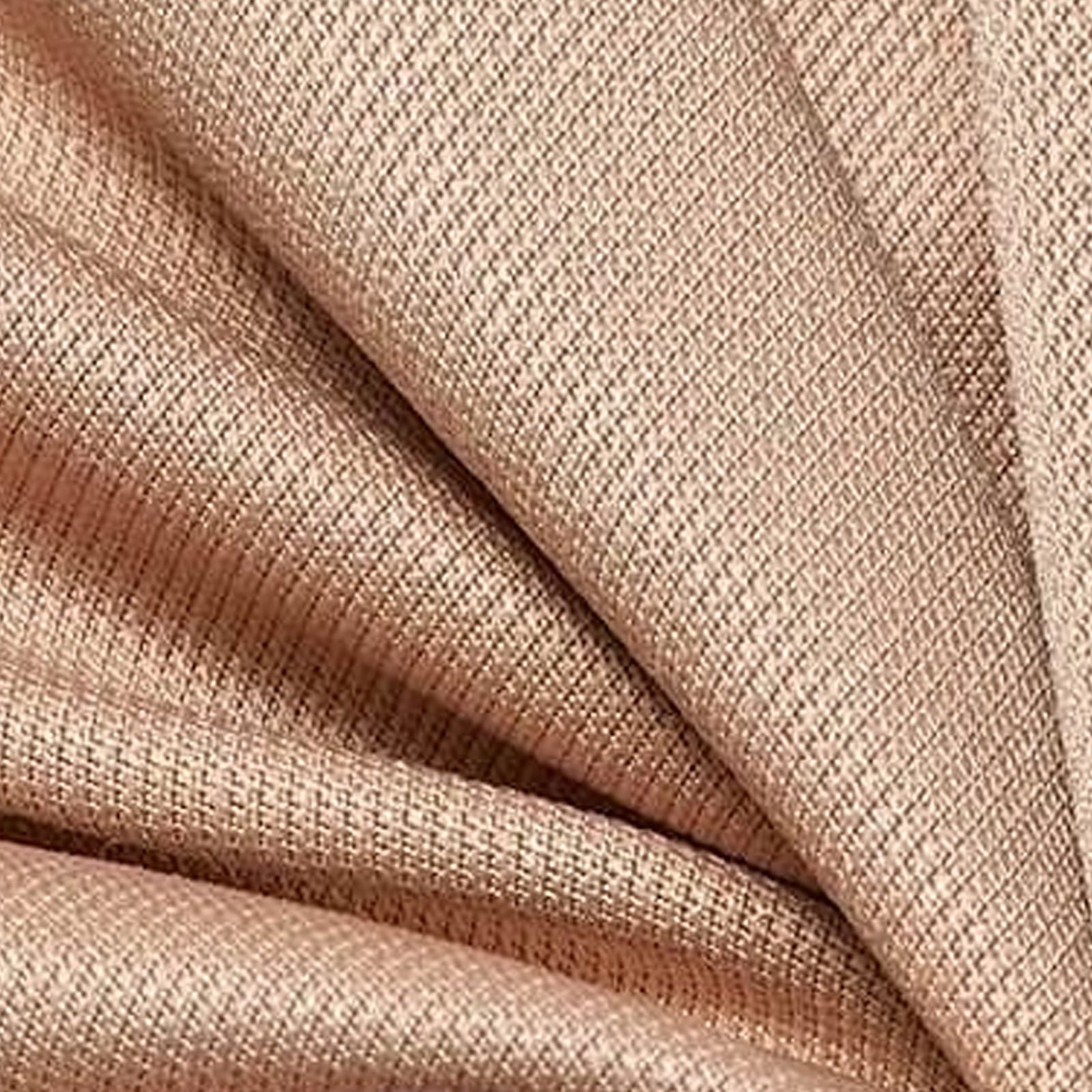
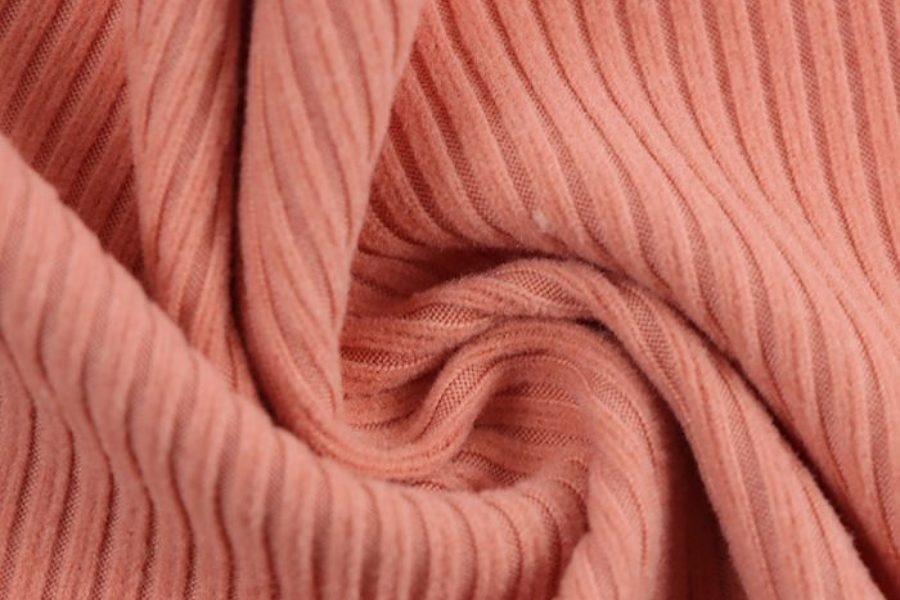
Build Structure, Drape and Hand-Feel into the Specification


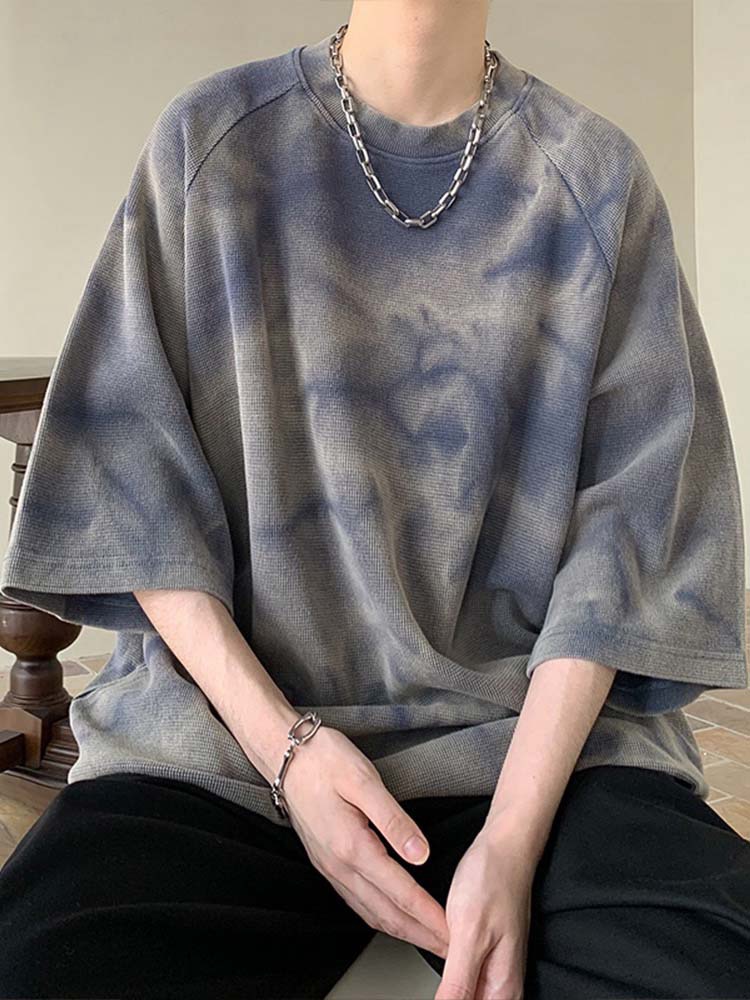
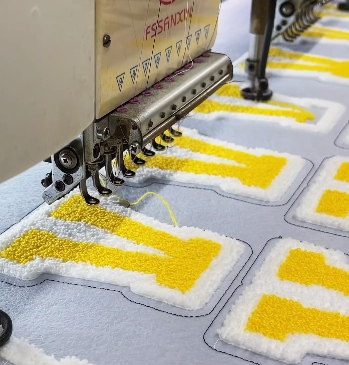
Combine Decoration and Wash with Production Discipline
Private-Label Details That Complete the Product
Founder-Led Apparel Manufacturing Since 2000
Edvorin Zeng founded EDVORIN in 2000 with a production-first belief: a strong apparel idea becomes valuable when its important decisions can be translated into standards the factory can repeat.
For streetwear clothing manufacturer programs, EDVORIN coordinates product development, material review, patterns, samples, decoration, trims, bulk production and quality checkpoints through one accountable workflow.
The goal is not a lucky sample. It is an approved result supported by measurements, material references, artwork placements and production records that can guide the current order and future reorders.

Move from Individual Samples to a Production-Ready Range
Start with the Collection Architecture
Define hero products, supporting styles, shared colors, size range, launch timing and quantity structure before over-developing individual pieces.
- Hero and supporting SKU roles
- Shared material opportunities
- Color and trim consistency
Approve Fit as a System
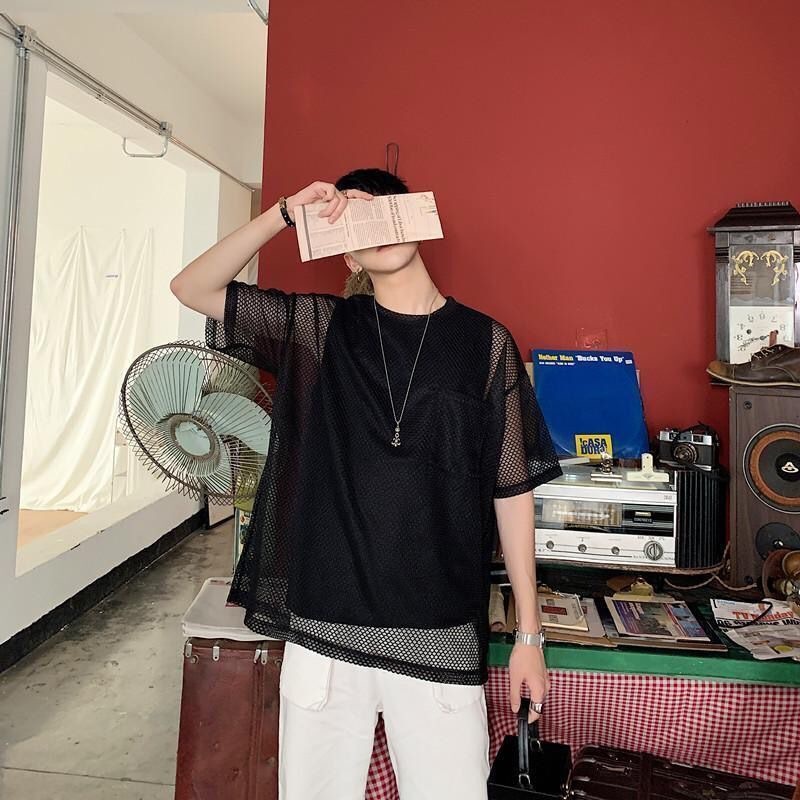
Review how tops, bottoms and outerwear relate when worn together. A collection can share an attitude without forcing every garment into the same measurements.
- Men’s, women’s and unisex blocks
- Layering relationships
- Size-set and grading review
Protect the Approved Direction in Bulk
Use physical samples and documented ranges for wash, shade, artwork, measurements and trims so intentional variation does not become uncontrolled inconsistency.
- Pre-production confirmation
- In-line control points
- Final assortment and packing checks

Documented Development vs. Unspecified Production
The comparison is about process clarity—not claims about another supplier.
← Swipe left or right to view →
What Happens from Inquiry to Packed Order
Actual timing depends on product complexity, material availability, approval speed, quantity and delivery requirements.
Brief and Feasibility
Review product scope, quantity, sizes, materials, decoration and critical dates.
Material and Sample Development
Source or confirm materials, build the pattern and prepare the first physical sample.
Revision and Approval
Record feedback, revise measurable details and approve the production standard.
Pre-Production Confirmation
Lock colors, placements, trims, labels, packaging and quantity breakdown.
Bulk, Inspection and Packing
Produce against approval, check critical points and organize finished goods.
A Practical Route from Capsule Idea to Bulk Delivery
The process keeps product-level detail connected to the collection-level launch plan.
Collection Brief
Define customer, season, product mix, fit language, material direction, graphic approach and target launch.
Development Matrix
Map each style to fabric, color, artwork, trims, sizes and quantity so shared decisions are visible.
Sampling & Range Review
Evaluate individual garments and how they work together; record revisions and approved standards.
Bulk Planning
Confirm purchase quantities, color and size breakdowns, packaging, critical dates and inspection points.
Production & Delivery Control
Monitor the range against approved samples and organize finished goods by the confirmed order plan.
Certified Standards for Responsible Apparel Production






Three EDVORIN Production Principles
Clarify the decisions that affect fit, appearance, cost and timing before they become bulk-production problems.
Treat the approved sample as the beginning of quality control, then convert it into records production can follow.
Discuss material, technique and timing trade-offs directly so the buyer can make an informed decision.
Questions to Resolve Before Production
Clear answers begin with the product specification, order structure and required quality standard.
Can EDVORIN develop a complete streetwear capsule?
Do you support men’s and women’s streetwear?
How should a new brand reduce development risk?
Can one collection use several decoration methods?
What is the MOQ for a streetwear collection?
What should a collection brief include?
How to Source a Streetwear Clothing Manufacturer
A practical framework for comparing manufacturers, preparing specifications, approving samples and protecting repeatability in bulk production.
Understand the Search Intent Behind “streetwear clothing manufacturer”
A buyer searching for “streetwear clothing manufacturer” is usually comparing production partners, not looking for a definition of the garment. Current search results emphasize minimum order quantity, sampling, fabric weight, custom fit, decoration, private labels, quality control, lead time and delivery. That makes this a high-commercial-intent search: the visitor wants enough technical and commercial detail to decide whether a supplier belongs on the quotation shortlist.
Start by separating three very different offers. A blank-apparel decorator adds artwork to an existing garment. A cut-and-sew manufacturer develops a garment from fabric, pattern and construction specifications. An OEM or ODM partner may also help translate references or a concept into production-ready requirements. None is automatically better; the right choice depends on how much control your brand needs over fit, material, details and repeat orders. For hoodies, graphic T-shirts, sweatshirts, bottoms, jackets and coordinated streetwear capsules, decide whether you need decoration only, pattern modification or full custom development before requesting prices.
Define the Product, Customer and Order Structure
A useful request for quotation begins with the product’s role in the collection. State who will wear it, the selling or use environment, target quality position, size range, colorways, estimated quantity, launch date and destination market. Explain whether the order is a first test, a seasonal drop, a wholesale program, a team order or a repeat style. These details influence development effort, material sourcing, packing and the production route.
For streetwear clothing manufacturer, describe the intended range clearly: hoodies, graphic T-shirts, sweatshirts, bottoms, jackets and coordinated streetwear capsules. Identify which style is the hero product and which products share fabric, trims or colors. If men’s and women’s versions are required, do not assume that one unisex block can simply be renamed. Proportions, grading and styling may need separate review. A structured quantity table by style, color and size lets the manufacturer evaluate material minimums and line setup more accurately than a single total-order number.
Prepare a Tech Pack or an Equivalent Decision Record
A tech pack reduces interpretation by putting the critical decisions in one place. It normally includes front and back drawings, a measurement chart with points of measure, construction callouts, fabric and trim requirements, color references, artwork files, decoration dimensions and placements, labels, packaging and revision history. The document does not need to look elaborate; it needs to be specific enough that the sample room and the buyer are evaluating the same product.
If you are starting from a reference garment, sketch or mood board, identify what should be copied, what should change and what remains open for recommendation. Measurements should describe boxy, oversized, drop-shoulder, cropped and relaxed proportions across coordinated garments. Include tolerances only after discussing what the material and construction can realistically hold. Keep each revision dated and consolidate feedback instead of sending unrelated messages. The objective is a single approved record that connects the creative direction to the physical sample and later to bulk inspection.
Technical specification reference

A visual reference for documenting garment measurements, materials and construction before sampling.
Select Fabric by Structure, Performance and Finish—not GSM Alone
Search results often highlight GSM because buyers use it as a quick signal of weight, but GSM alone does not define quality. Composition, yarn, knit or weave structure, finishing, shrinkage, stretch, recovery, surface character and color method change how the material behaves. Two fabrics with the same GSM can produce different drape, opacity, warmth, print results and sewing performance. Ask for a complete specification and, when useful, a swatch or sample garment.
Common directions for this program include heavyweight fleece, dense jersey, woven shells, nylon or ripstop and coordinated rib or lining. Evaluate the material in relation to the silhouette, end use and decoration. A heavier fabric may add structure but also change consumption, sewing setup and freight cost. A brushed surface can feel soft while requiring extra attention to print and pilling. Stretch influences seams, embroidery and transfers. If garment dye or washing is planned, account for shrinkage, shade variation and hand-feel after processing rather than approving only the greige or unwashed material.
Material structure reference
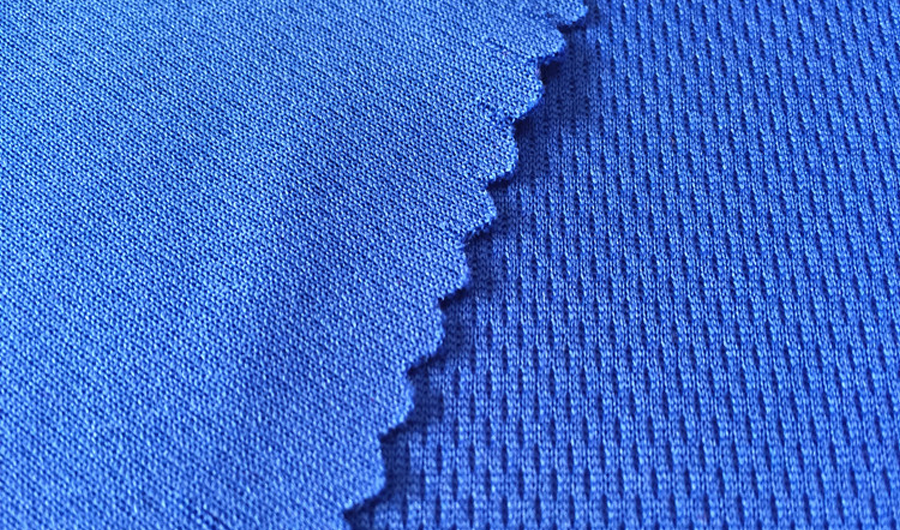
Review the material structure and hand-feel alongside the approved product specification.
Engineer Fit and Grading for the Intended Wearer
Fit should be designed, not described with one adjective. “Oversized,” “regular,” “boxy” or “cropped” can mean different things to different brands. Translate the intended look into measurements and relationships: boxy, oversized, drop-shoulder, cropped and relaxed proportions across coordinated garments. Review the sample on the intended body type or fit model, because a garment that looks balanced on a table can behave differently when worn, layered, washed or moved.
Grading also deserves deliberate approval. The change between sizes should protect the silhouette and function instead of applying one mechanical increment everywhere. Men’s and women’s programs may need different blocks, while a unisex program should still define its target fit and size communication. Request a size set when the risk or order size justifies it. Record approved measurements after any wash or finishing process, and state whether the tolerance applies before or after that process. This turns fit approval into a standard that bulk production can follow.
Match Printing, Embroidery and Washing to the Base Garment
Decoration is part of the product specification, not a last-minute logo placement. Relevant options include screen print, puff print, embroidery, chenille, appliqué, patches, garment dye and vintage wash effects. The best method depends on artwork detail, color count, quantity, fabric composition, stretch, surface texture, desired hand-feel and durability. Provide vector artwork where possible, identify Pantone or other color references, and record final dimensions and placement from measurable garment points.
Approve decoration on the actual production material whenever the result is sensitive. Screen printing requires appropriate ink, underbase and cure conditions. Embroidery requires suitable backing, stitch density and thread direction to limit distortion. Transfers need adhesion and stretch review. Garment washing can change shade, shrinkage, surface texture and the appearance of decoration, so the process sequence matters. Mixed-media designs should be sampled in the intended sequence. The approval should state both the target appearance and any acceptable variation inherent to the chosen technique.
Decoration process reference
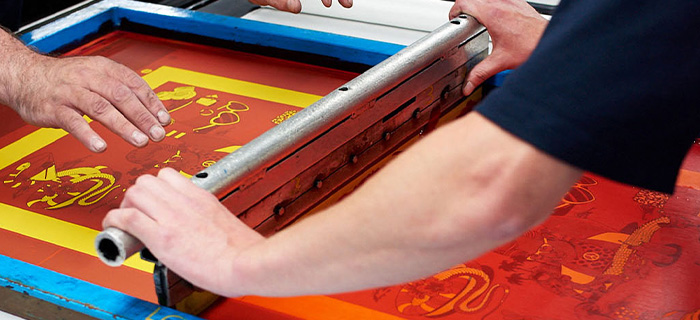
Decoration method and artwork placement should be tested on the selected base fabric.
Understand MOQ, Cost and Quotation Variables
EDVORIN’s MOQ starts at 200 pieces per style. Final color and size allocation is confirmed after reviewing fabric availability, custom dye or wash requirements, decoration, trim development, cutting efficiency and packaging. Ask how the 200-piece starting quantity can be distributed across the approved size range and whether a custom color or material creates an upstream mill minimum.
A useful quotation should connect price to the agreed specification. Confirm whether it includes fabric, trims, decoration, labels, packaging, sample charges, testing, freight or duties. Unit cost may change with size distribution, fabric consumption, artwork coverage and packing method. Avoid comparing two prices until the scope is normalized. Instead of requesting the “best price” first, request price breaks for realistic quantities and identify the options that materially change cost. This makes value engineering possible without quietly weakening the approved product.
Use Sampling as a Controlled Approval Process
Sampling is where assumptions become visible. Depending on the project, development may include a prototype, fit sample, decoration or lab-dip approval, size set and pre-production sample. Ask what each sample is intended to prove and which approvals must be complete before bulk cutting. Review measurements, balance, movement, fabric hand-feel, shade, construction, decoration, trims, labels and washing—not just whether the product “looks good.”
Return feedback in a consolidated revision sheet with photos and measurement references. Distinguish mandatory corrections from optional preferences. After changes, identify the approved physical sample and the matching specification revision. If a sample uses substitute material or trims, record the difference and require final production components to be approved separately. Do not assume that paying for a sample automatically freezes every detail. The safest rule is explicit: bulk should follow the approved pre-production standard, subject to agreed tolerances and any documented natural variation.
Evaluate Whether the Manufacturer Fits the Program
A broad product list does not prove that a manufacturer is suitable for a specific program. Ask how the supplier handles the construction, material, fit and decoration you require. Request recent examples that are technically relevant rather than a general portfolio. Discuss which processes are managed directly, which are coordinated with specialist partners and who remains responsible for the approved result. The important issue is not whether every operation happens under one roof; it is whether ownership, standards and communication remain clear across handoffs.
Evaluate communication during the inquiry and sample stages. A useful production partner should identify missing information, explain trade-offs and distinguish confirmed facts from estimates. Ask how revisions are recorded, how materials are approved, who checks bulk production and how a nonconformity is handled. If social-compliance, material certification or product testing is required, request current evidence that applies to the factory, material or order in question. Do not treat website badges as proof. Supplier selection should match the technical risk, volume, market requirements and level of development support your program actually needs.
Build an RFQ That Makes Quotations Comparable
Send the same request-for-quotation package to each shortlisted supplier. Include the latest specification, drawings, measurement chart, fabric direction, colorways, artwork, trims, labels, packaging, size and quantity breakdown, destination and required delivery window. State which items are fixed and where alternatives may be proposed. Ask each supplier to identify assumptions, exclusions, sample charges, tooling or setup costs, payment terms, quotation validity and the milestone that starts the production lead time.
When quotations return, compare scope before unit price. One quote may use stock fabric while another includes custom dyeing; one may exclude labels, wash or packing; another may assume a larger quantity per color. Normalize these differences and record the accepted version. Ask for quantity breaks that reflect realistic growth rather than hypothetical container volumes. Confirm how changes after approval affect price and timing. A clear RFQ does more than obtain a number: it creates an early control document that reduces later disputes about what was included, what was approved and what the factory was expected to deliver.
Set Product-Specific Quality Control Checkpoints
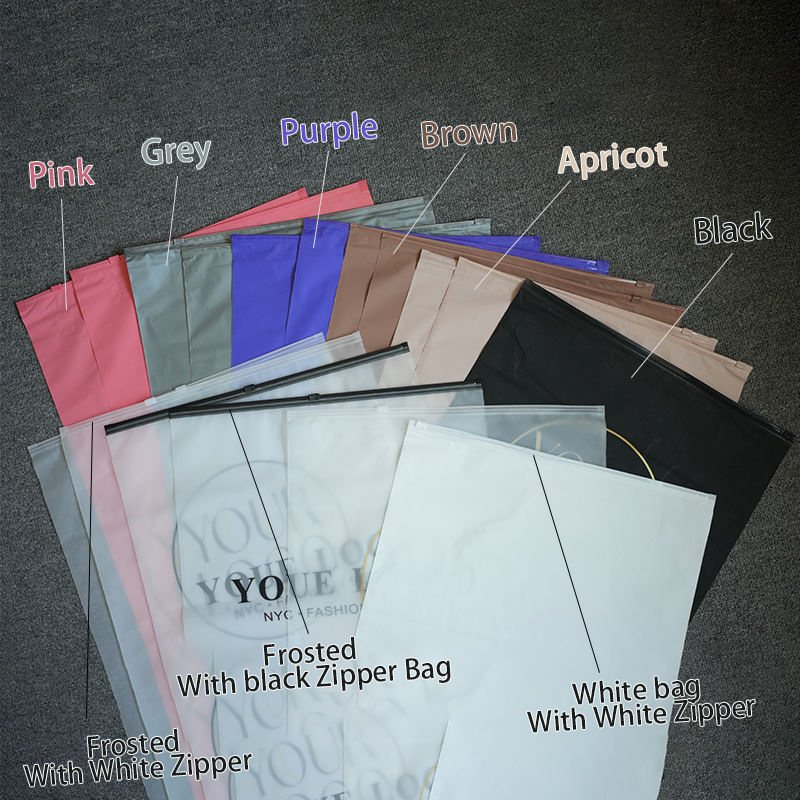
Quality control should focus on the risks that would make the finished order unacceptable. For this category, those risks can include fit consistency across the range, shade and wash variation, artwork placement, trim continuity and launch-date coordination. Material inspection, pre-production confirmation, in-line checks and final inspection serve different purposes. Early checks find problems while correction is still possible; final inspection confirms that finished and packed goods match the agreed requirements.
Define how measurements will be taken, which sample or color standard is authoritative, how appearance is assessed and how defects are classified. For decoration, check placement, color, registration, adhesion or cure, stitch quality and distortion. For washed products, approve a range rather than pretending every piece will be visually identical. For hardware, test function and attachment. Packing inspection should include size labels, assortments, polybags and carton marks. Ask the manufacturer to explain the proposed checkpoints for your product instead of relying only on a generic statement that quality will be checked.
Plan Lead Time, Shipping and Repeat Orders
Lead time should be discussed as a sequence: specification review, material sourcing, sampling, revision, pre-production approval, bulk production, finishing, inspection, packing and transport. The calendar also depends on how quickly the buyer gives complete feedback and approvals. Confirm whether a quoted lead time begins at deposit, material approval, sample approval or another milestone. Build space for material delays, additional sample rounds and shipping clearance rather than treating the earliest estimate as a guaranteed launch date.
Before shipping, confirm carton dimensions, weights, marks, packing lists, consignee information and the agreed trade or delivery terms. For repeat orders, retain the approved measurement chart, material reference, shade standard, artwork files, placements, trim codes and packaging instructions. Reorders still require current material availability and production confirmation, but documented standards reduce the need to reconstruct previous decisions. A good manufacturer relationship becomes more efficient over time because each approved program creates a clearer starting point for the next run.
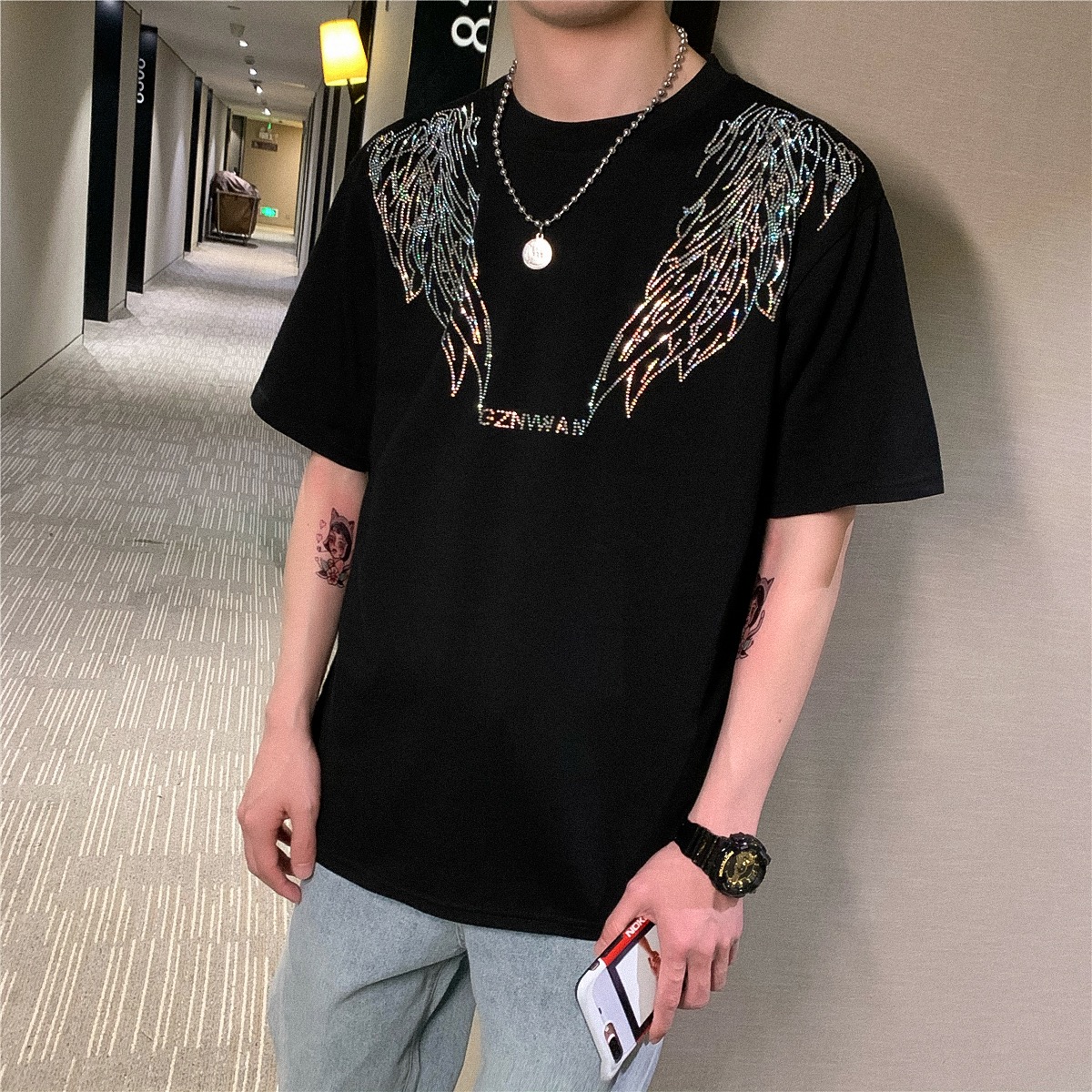
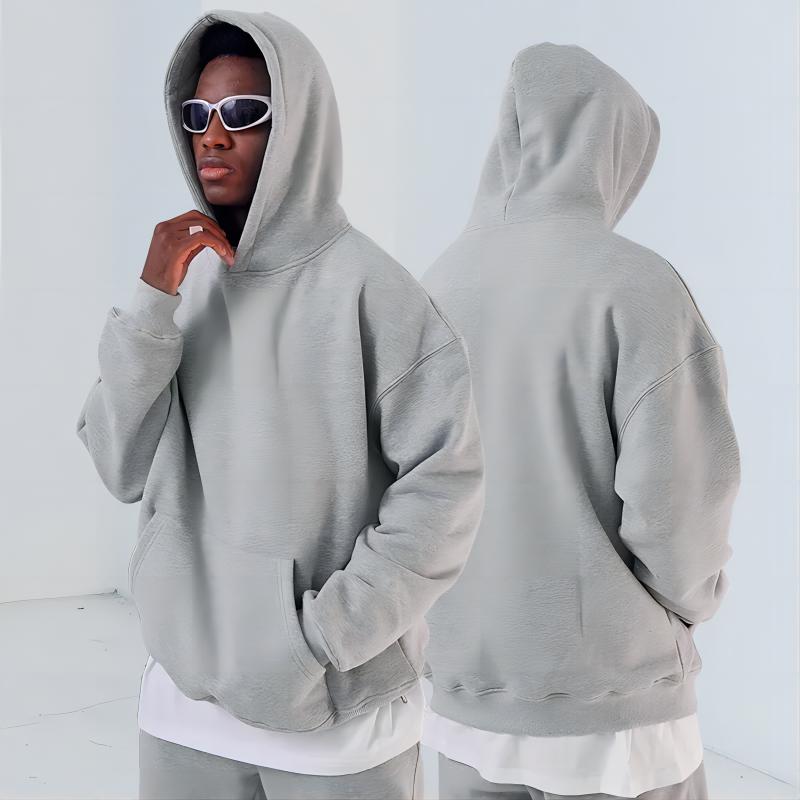
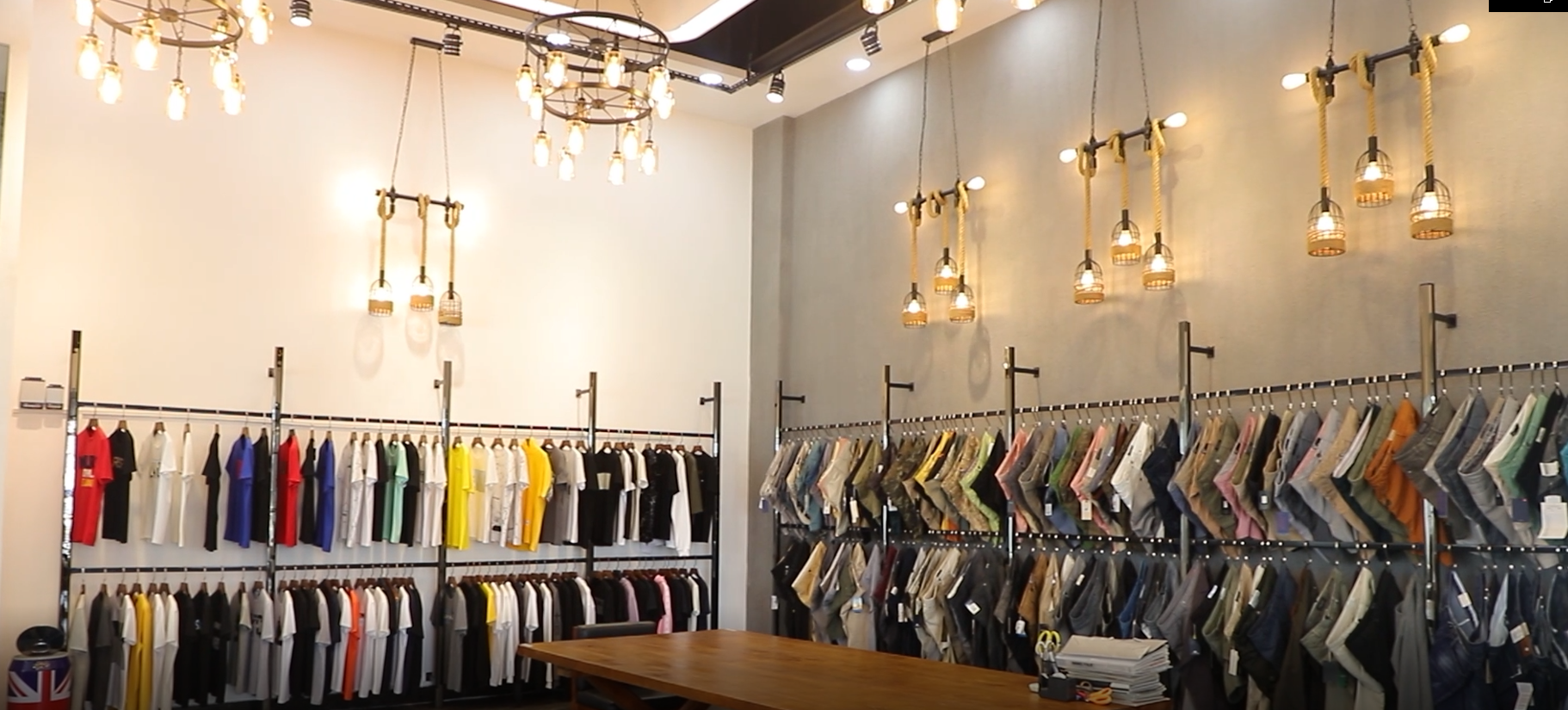
Build a Streetwear Collection That Can Be Repeated
Share your capsule plan, references and target quantities with EDVORIN for a collection-level development review.