
Stretch Fabric Clothing Manufacturer for Collections Built to Repeat
As your stretch fabric clothing manufacturer, EDVORIN develops OEM/ODM apparel from samples through bulk delivery for fashion, streetwear, and teamwear brands.
Materials and Construction References for Stretch Apparel
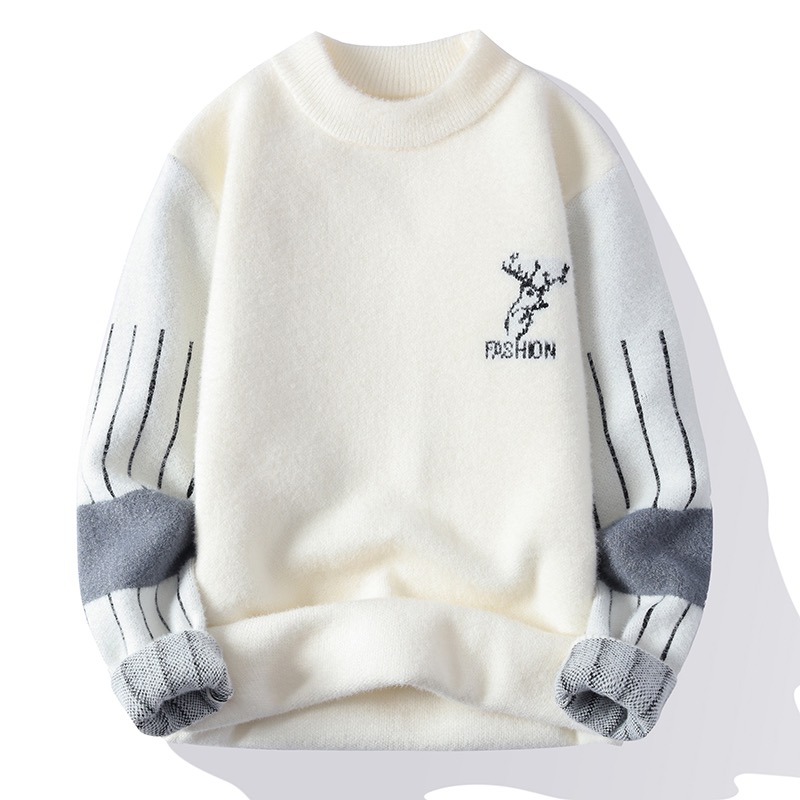
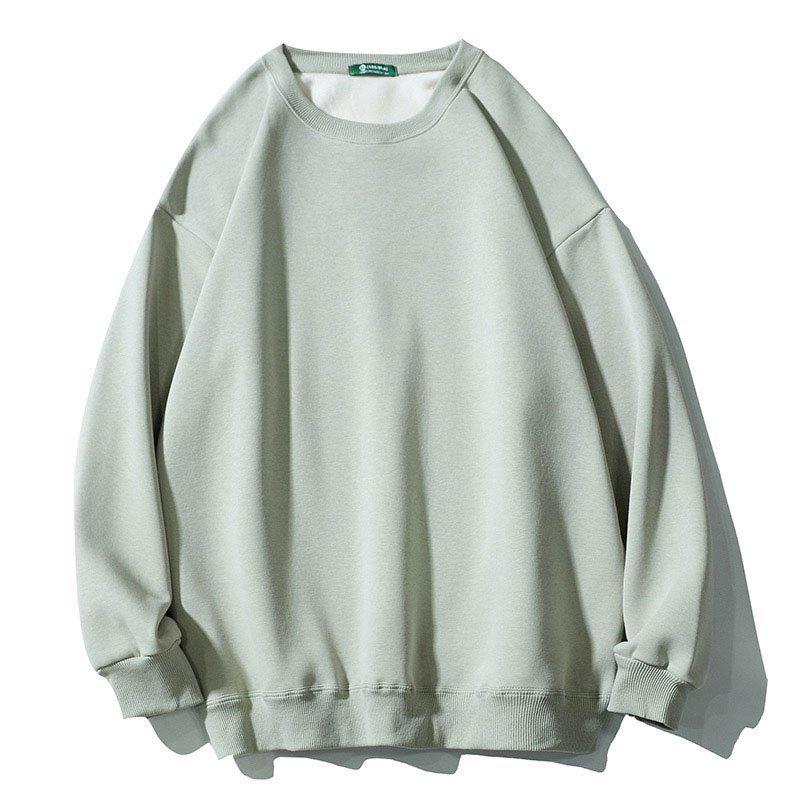
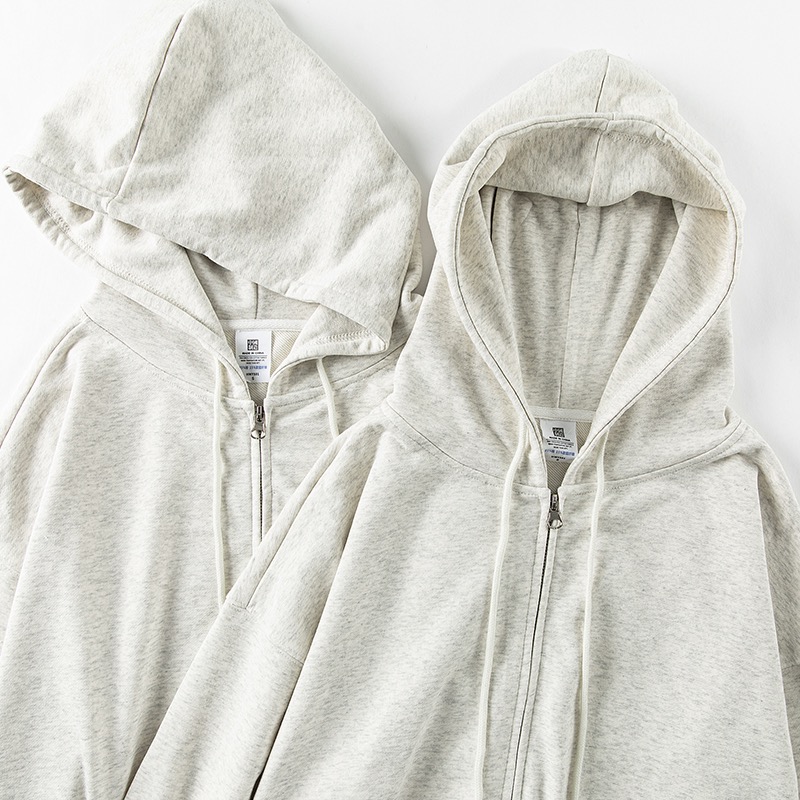
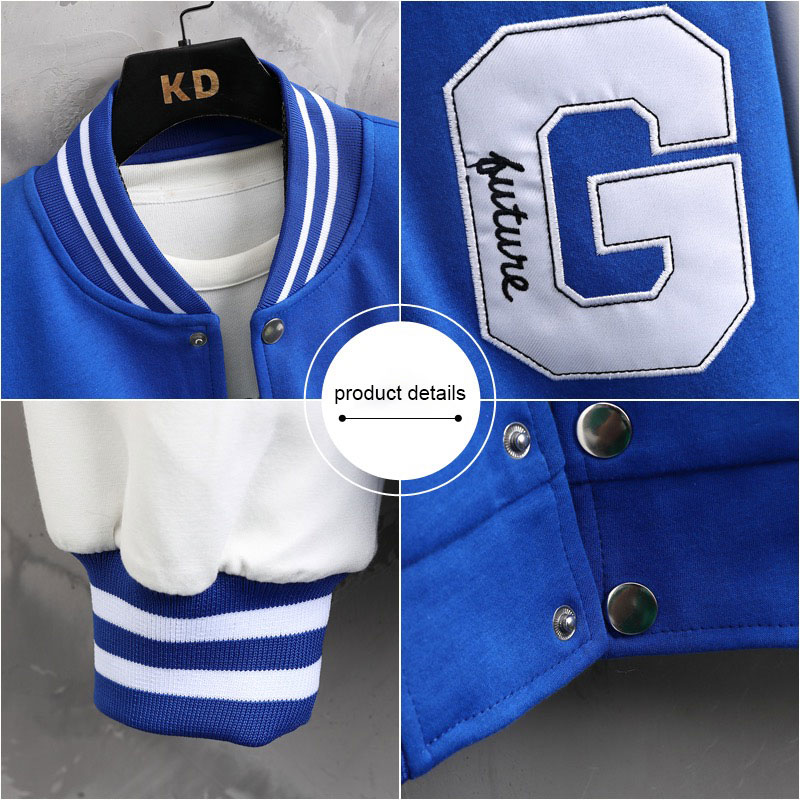
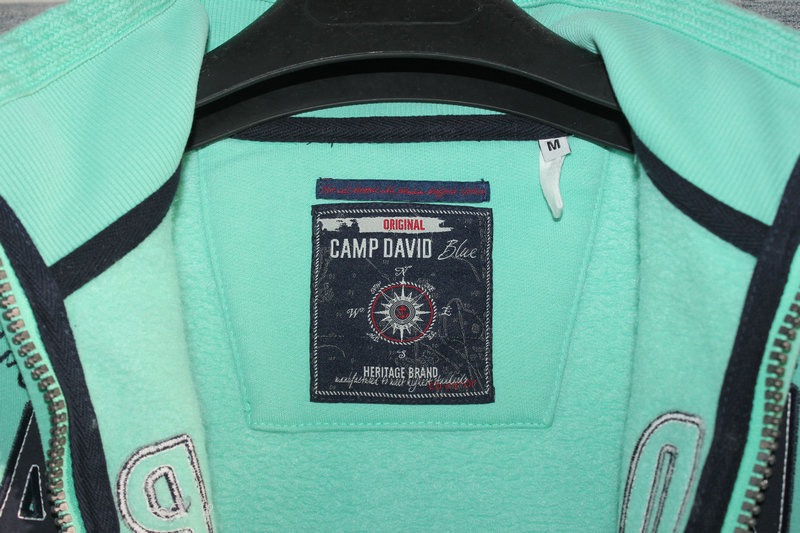
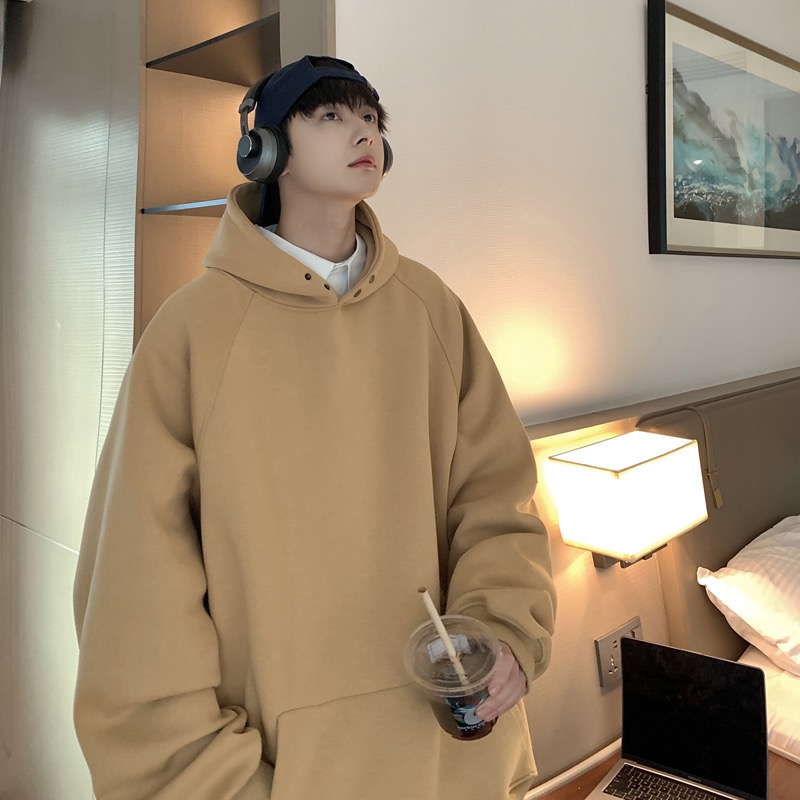
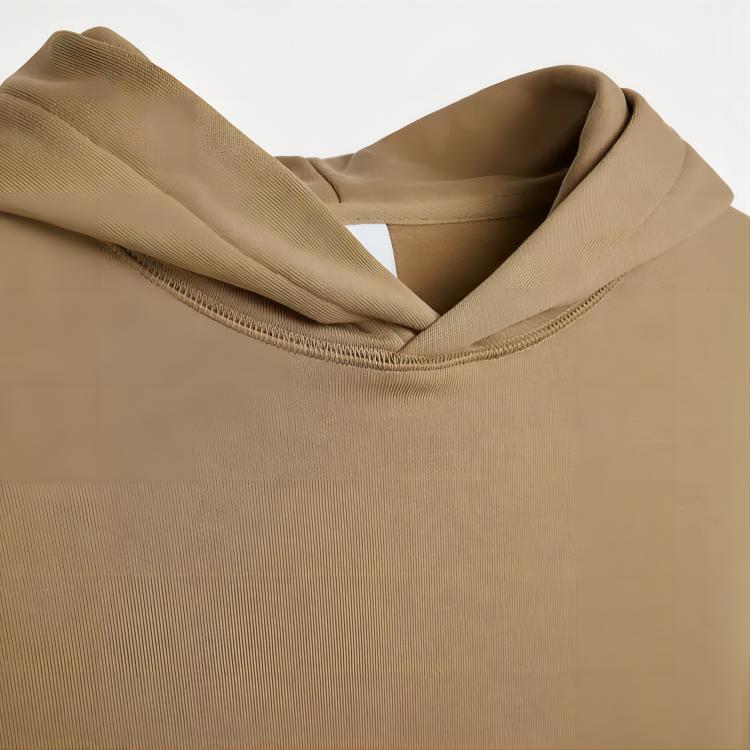
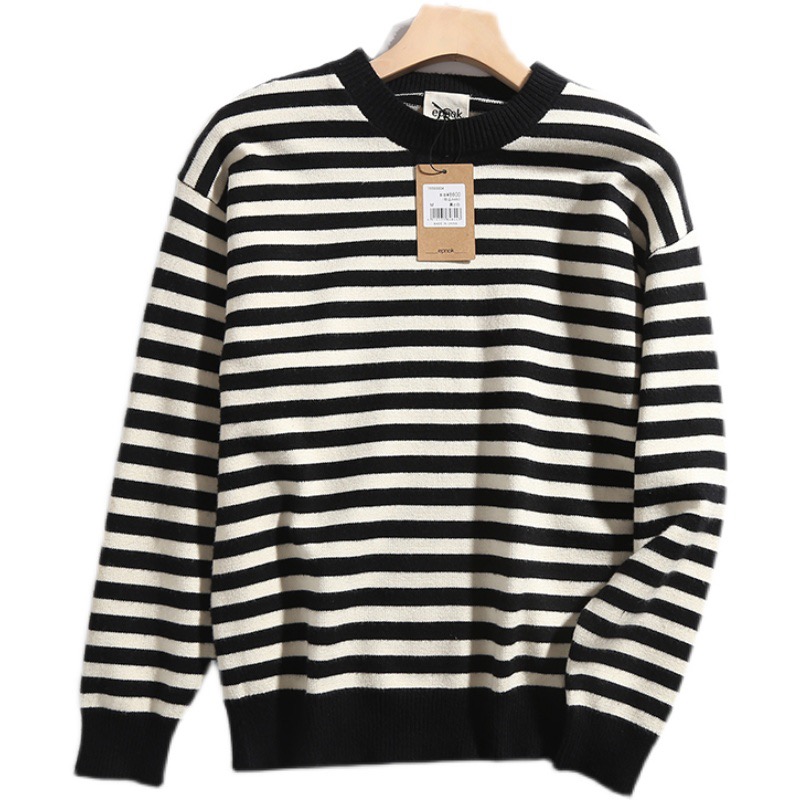
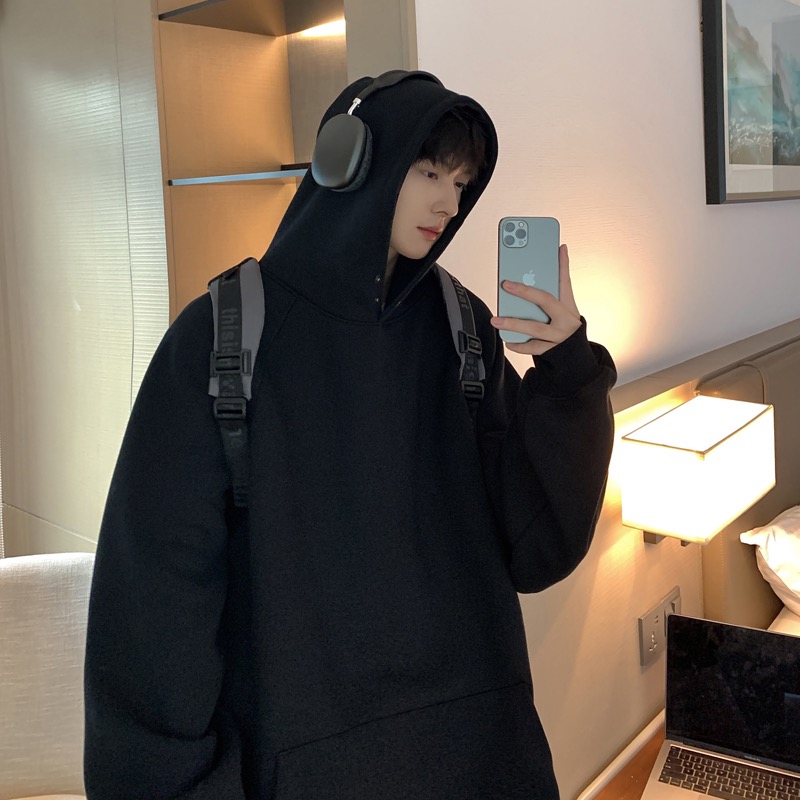
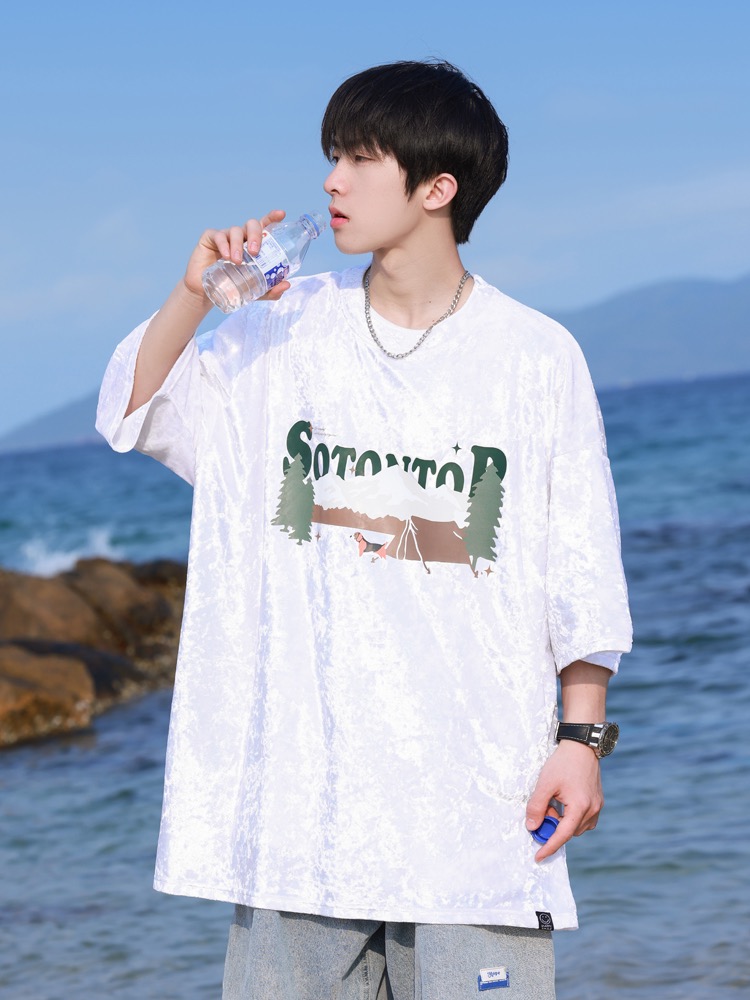
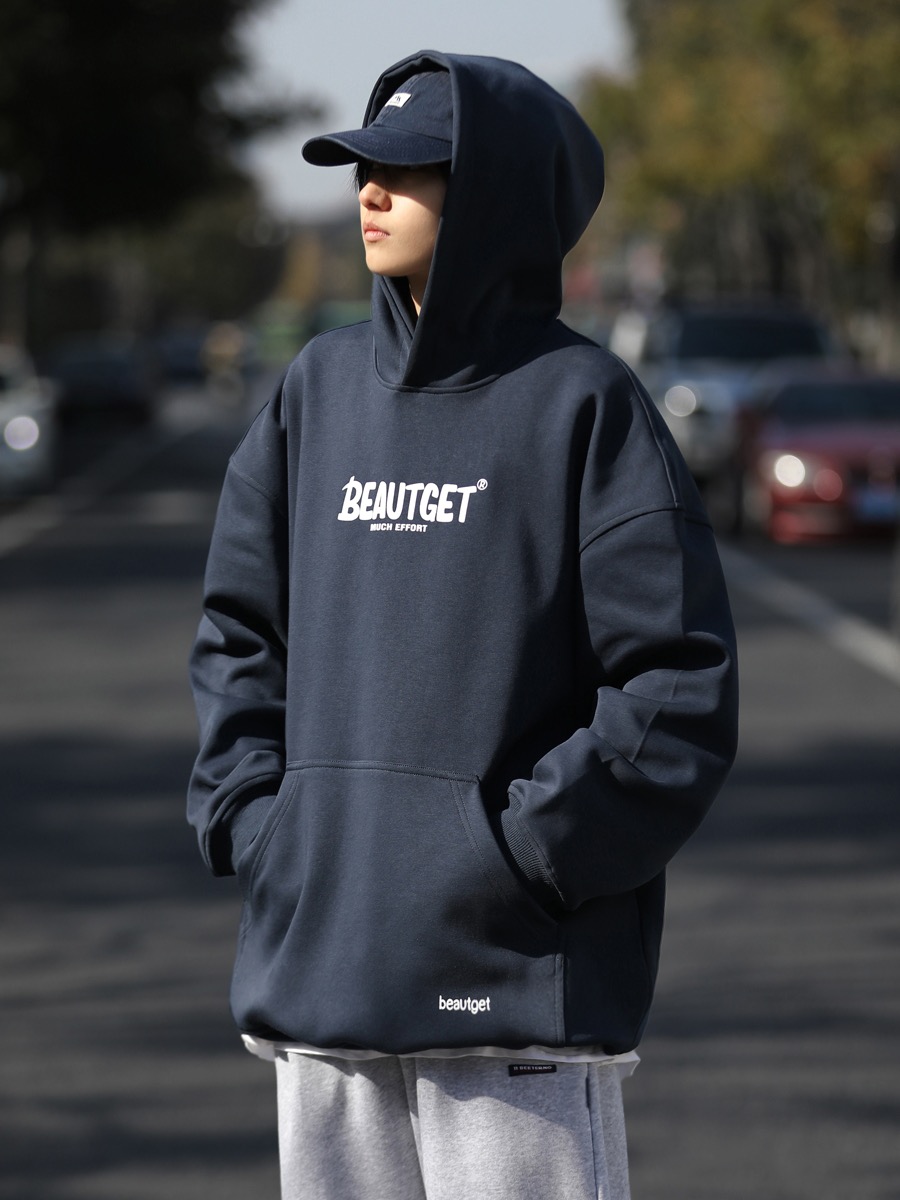
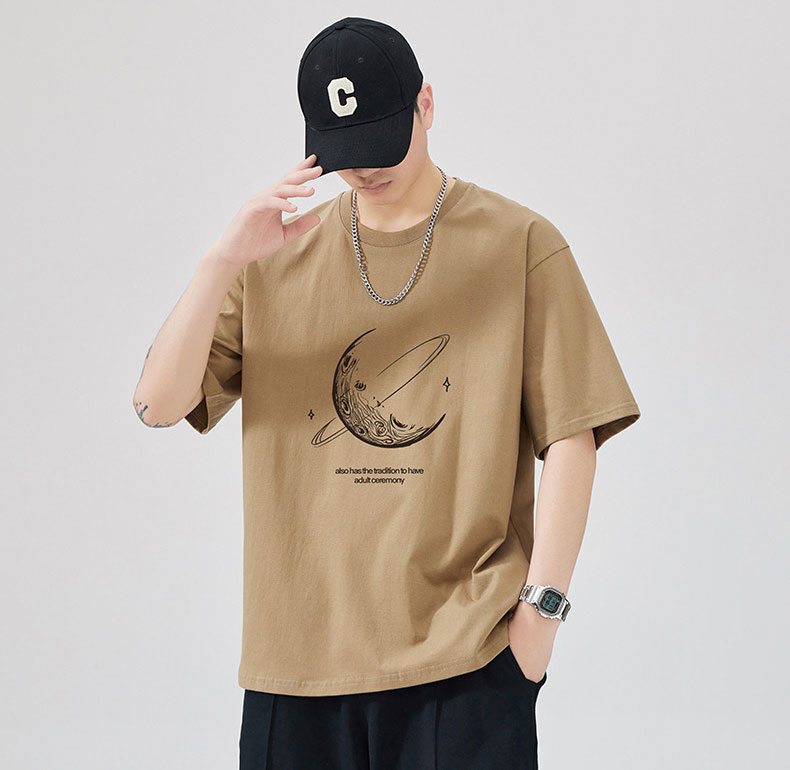
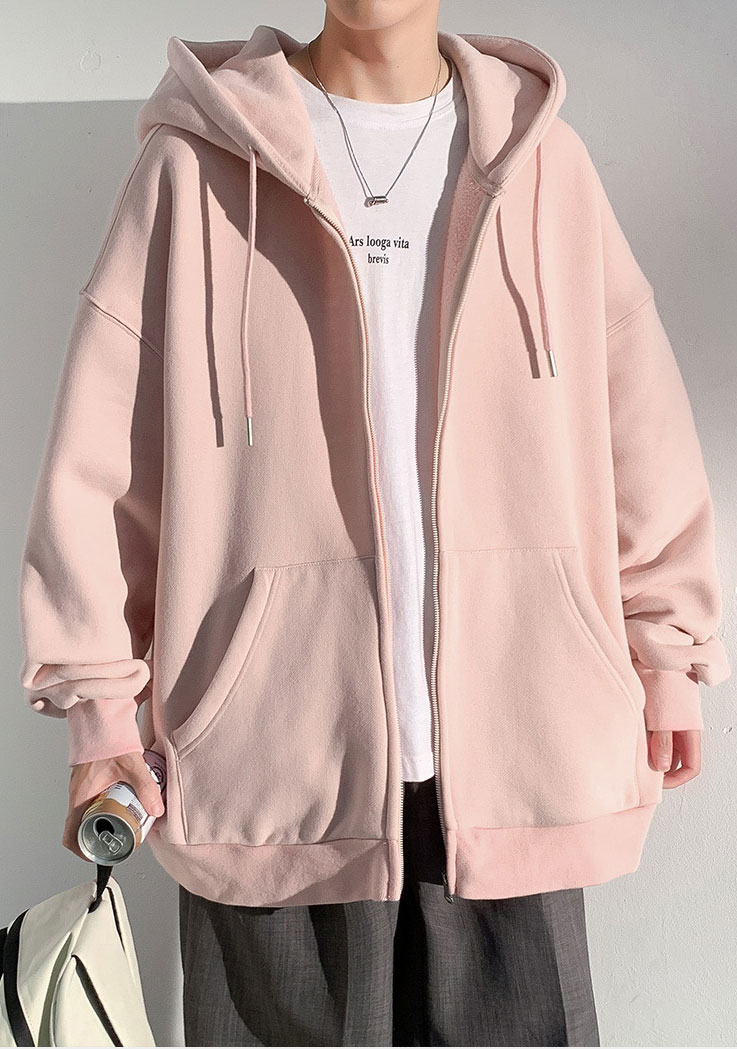
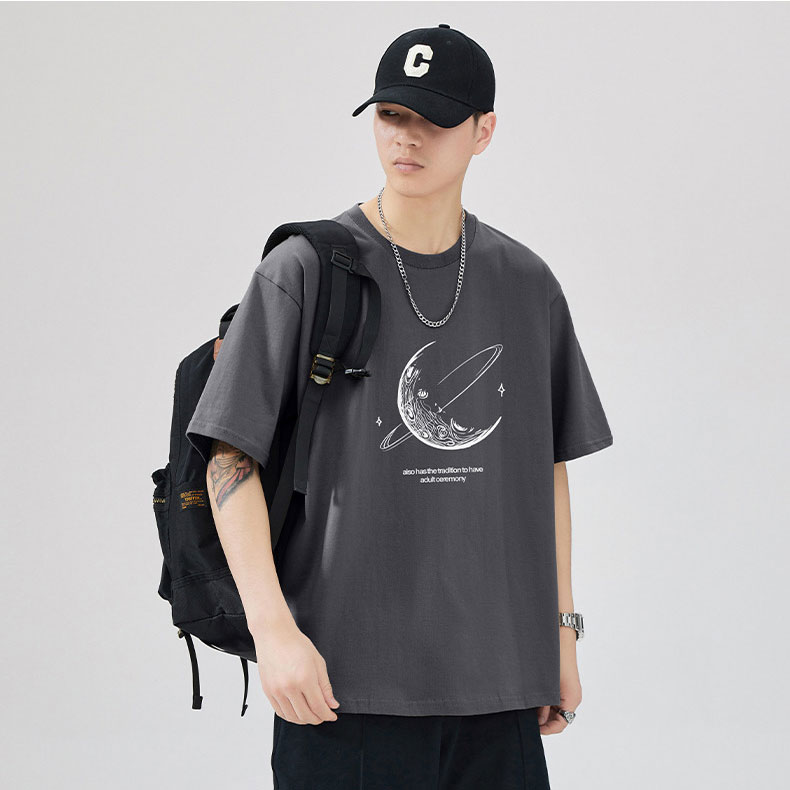
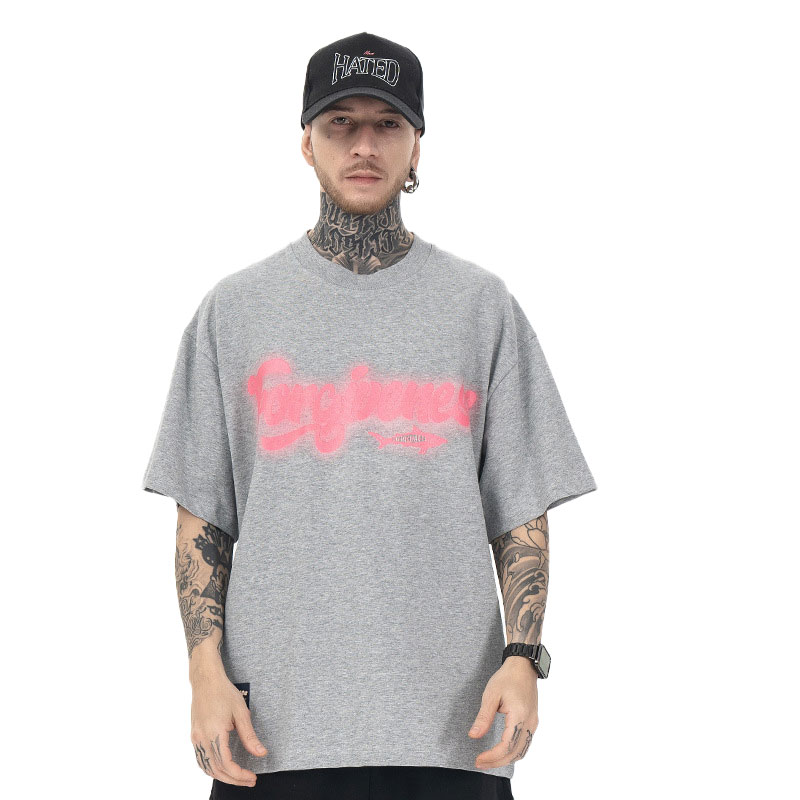
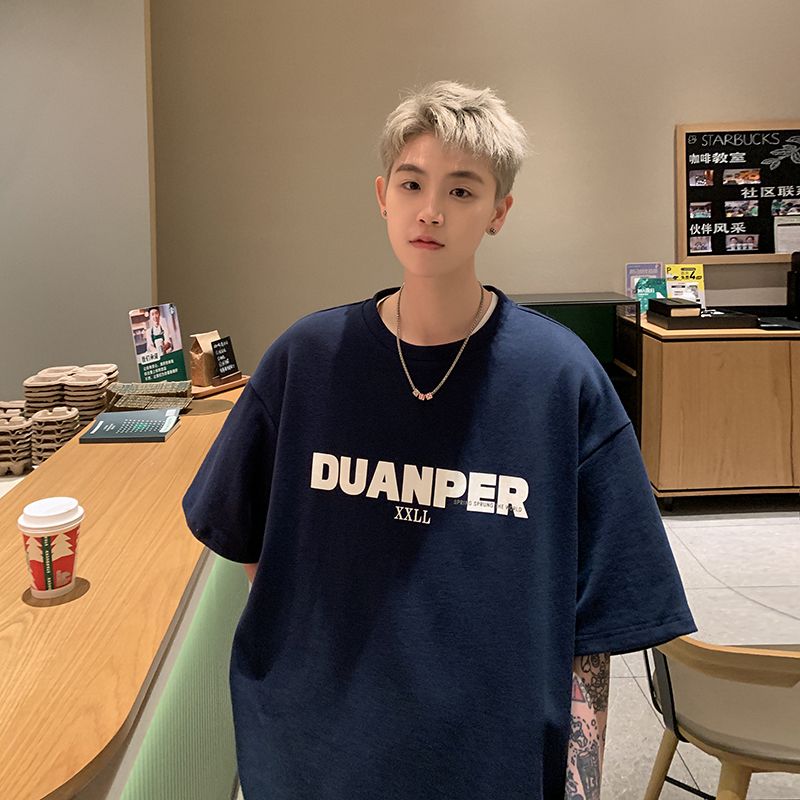
Development Capabilities for Stretch Apparel
EDVORIN turns stretch-garment requirements into approved, repeatable standards for fashion, streetwear and teamwear programs.
Fit Block Control
Develop men’s and women’s fit blocks with measured proportions, grading and recovery considerations that support consistent wear across your size range.
Purpose-Matched Materials
Coordinate stretch fabric selection with garment weight, hand feel, recovery and intended use before sampling moves into bulk production.
Movement-Focused Construction
Align patterns, seam placement and construction details with how the garment needs to move, perform and maintain its intended silhouette.
Sample-Led Standards
Use approved samples, measurement records and documented revisions to give production a clear reference for every repeat order.
Decoration Compatibility
Coordinate printing, embroidery, washing and trims with the stretch base fabric to protect appearance, placement and garment performance.
Scalable Order Support
Start from 200 pieces per style with flexible OEM, ODM and private-label support for emerging labels, teams and established buyers.
Related Apparel Manufacturing Capabilities
Explore adjacent product categories when your stretch apparel program requires different constructions, fabrics, decoration methods, or coordinated collection development.
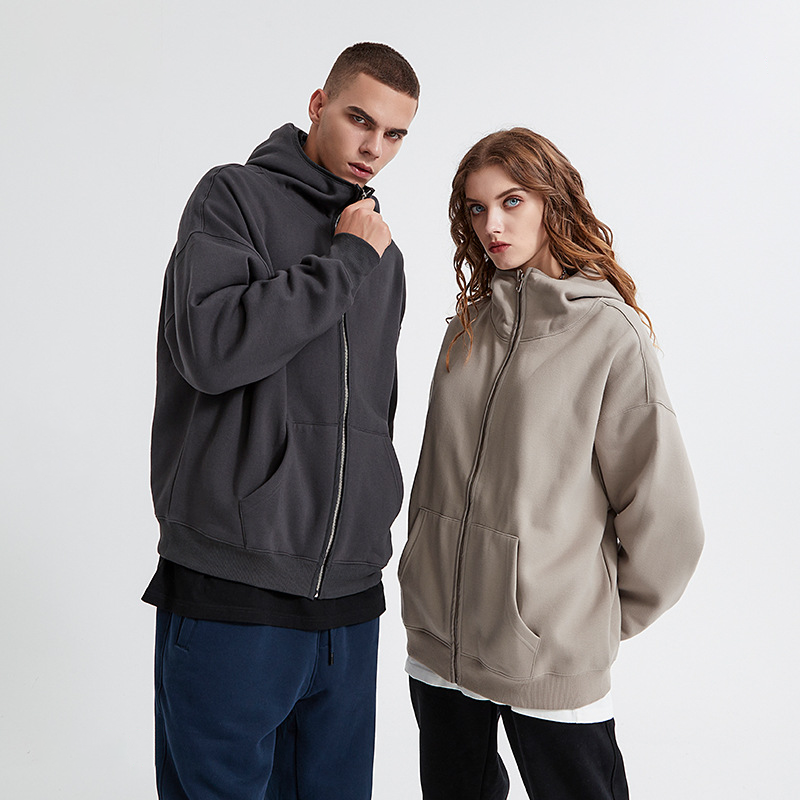
Custom Hoodies
Explore this route when your program needs a custom hoodie manufacturer for fleece selection, fit blocks, rib construction, drawcords, prints, embroidery, labels, and repeatable bulk production.
Get a Quote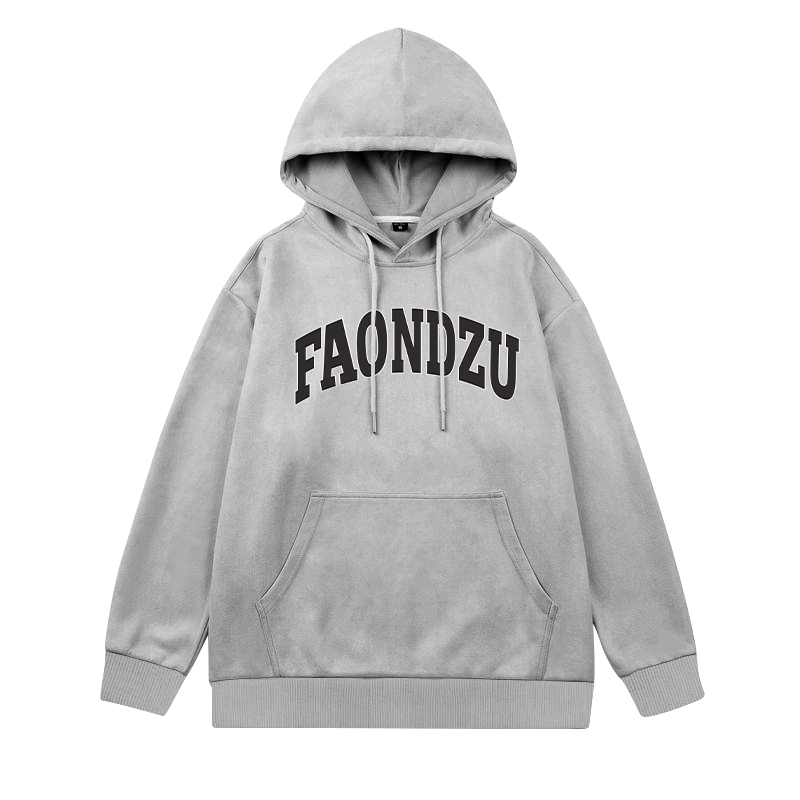
Pullover Sweatshirts
Choose this category for pullover fleece styles requiring a sweatshirt manufacturer to coordinate fabric weight, neck and cuff ribs, fit, grading, decoration placement, washing, and private-label finishing.
Get a Quote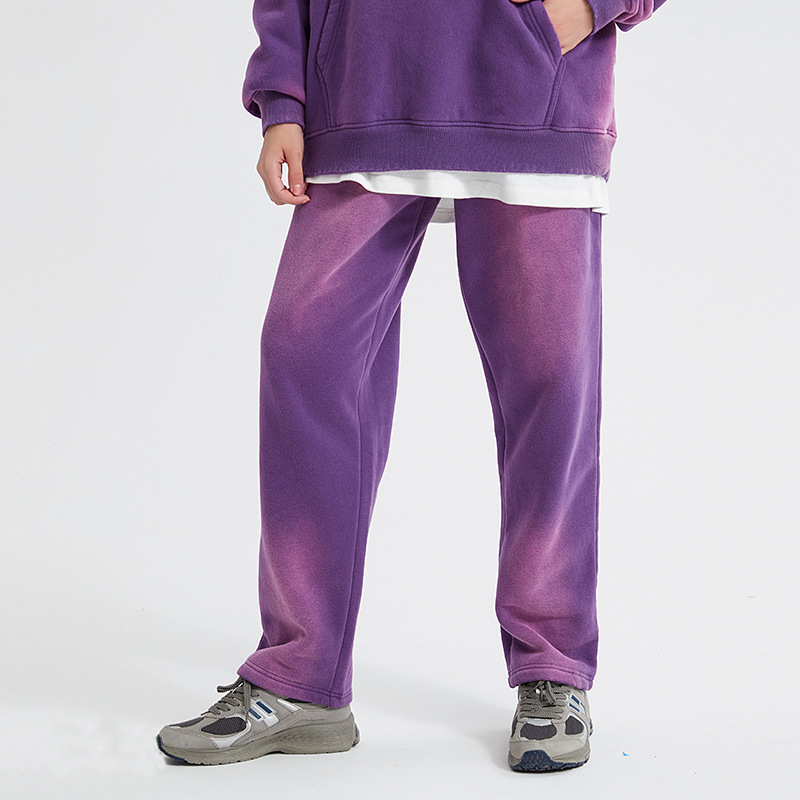
Sweatpants & Joggers
Explore sweatpants and joggers when you need a sweatpants manufacturer to develop matching bottoms with elastic or rib cuffs, waistband construction, pockets, drawcords, fabric weight, and coordinated sizing.
Get a Quote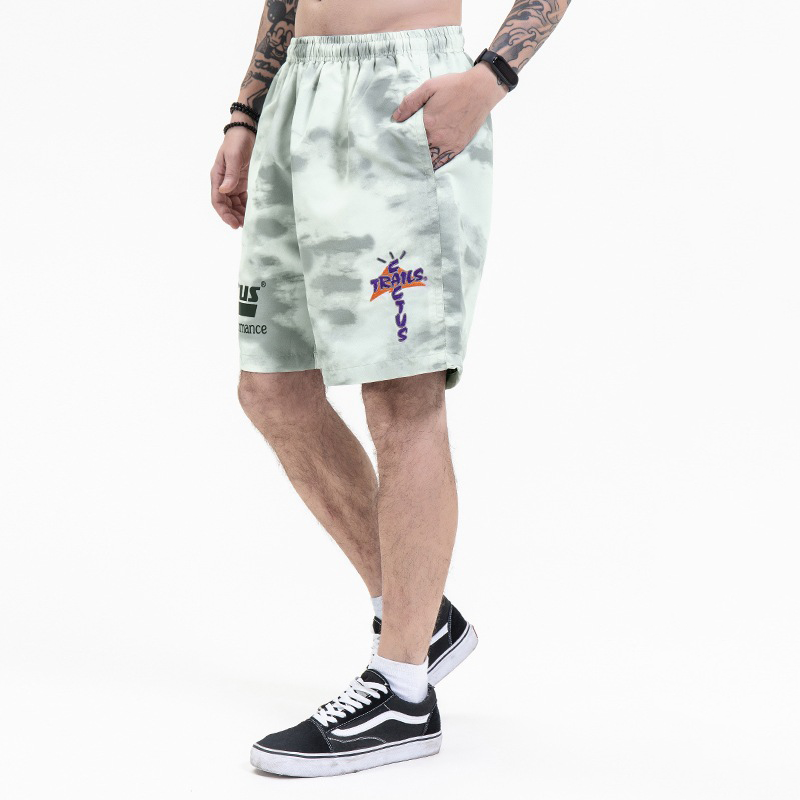
Custom Shorts
Use this route for a custom shorts manufacturer when your range requires knit, fleece, woven, athletic, or casual short silhouettes with defined inseams, pocket details, waist construction, and decoration placement.
Get a Quote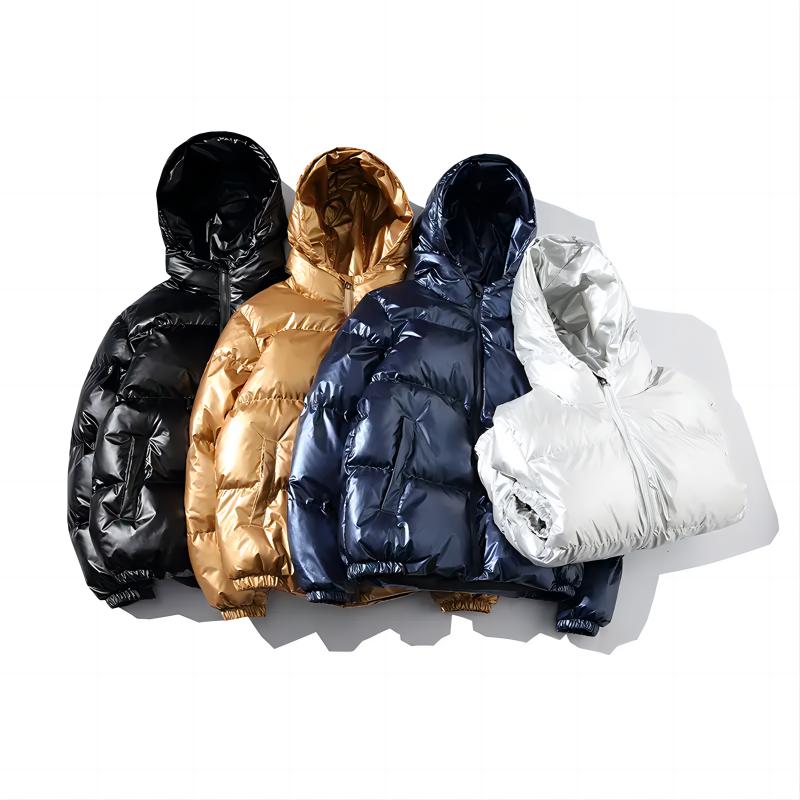
Varsity & Baseball Jackets
Explore varsity and baseball jackets when your product needs a varsity jacket manufacturer to coordinate body and sleeve materials, ribbing, snaps, lining, patches, embroidery, and structured fit.
Get a Quote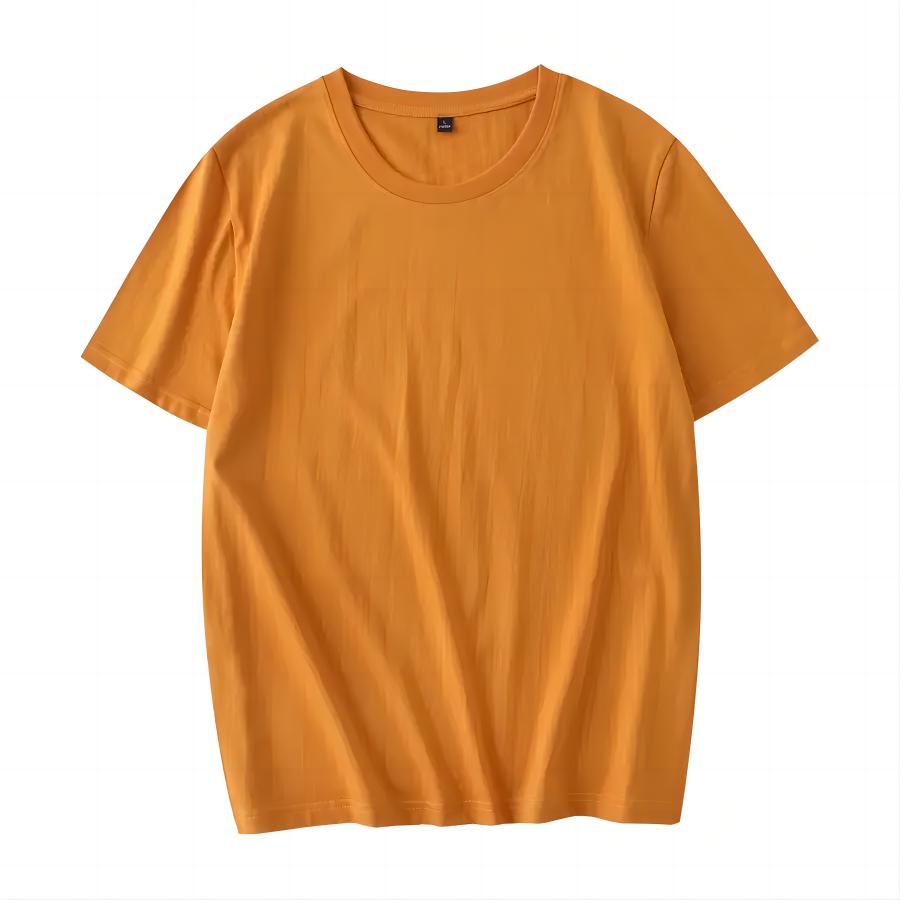
Custom T-Shirts
Choose custom T-shirts for a custom t shirt manufacturer that can support jersey selection, collar construction, fit development, print compatibility, embroidery, washes, labels, and men’s or women’s grading.
Get a Quote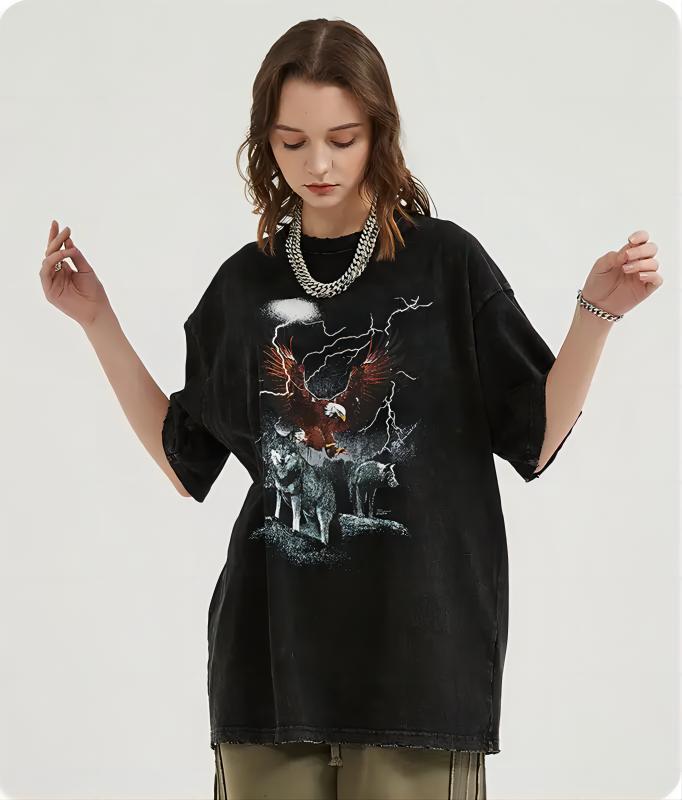
Custom Polo Shirts
Explore polo shirts when you need a polo shirt manufacturer to manage piqué or jersey fabrics, collar and placket construction, buttons, trims, embroidery placement, and consistent size sets.
Get a Quote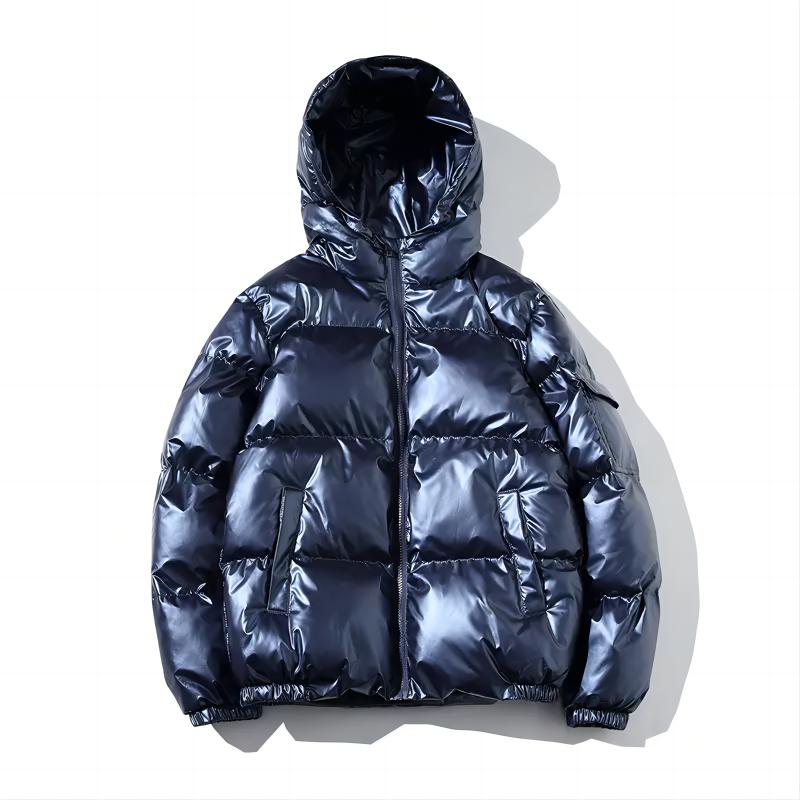
Windbreaker Jackets
Use this route for lightweight outerwear requiring a windbreaker manufacturer to coordinate shell fabric, lining or mesh, zippers, hoods, ventilation, water-resistant finishes, prints, and embroidery.
Get a Quote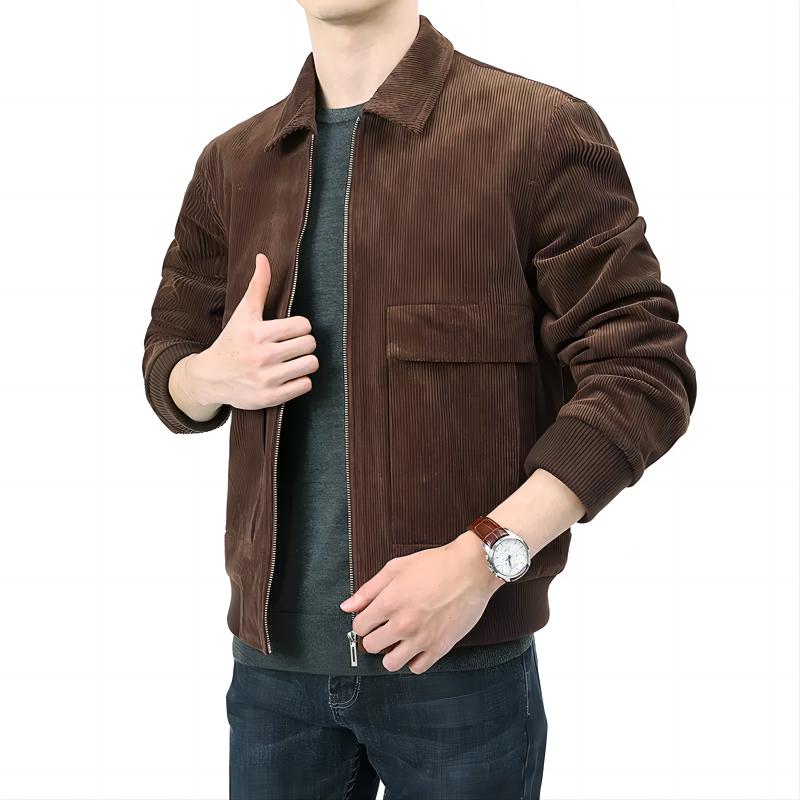
Quilted Jackets
Explore quilted jackets when your program requires a quilted jacket manufacturer to align shell fabric, insulation, lining, quilting pattern, pockets, hardware, fit, and outerwear quality control.
Get a Quote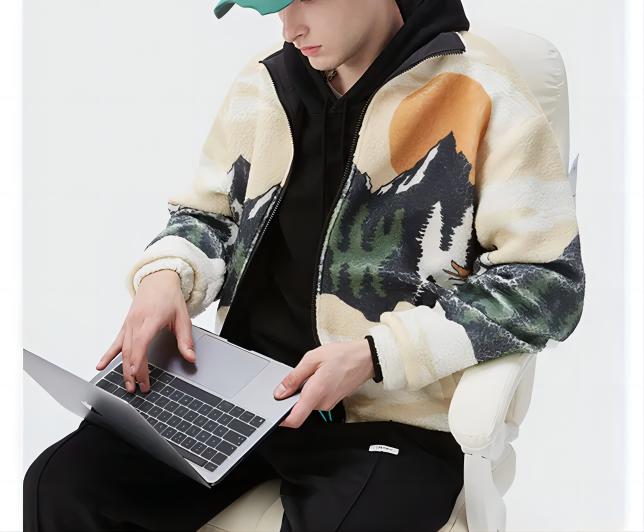
Bomber Jackets
Choose bomber jackets for a bomber jacket manufacturer that can develop shell and lining combinations, rib trims, zippers, pockets, padding, embroidery, patches, and garment finishing.
Get a Quote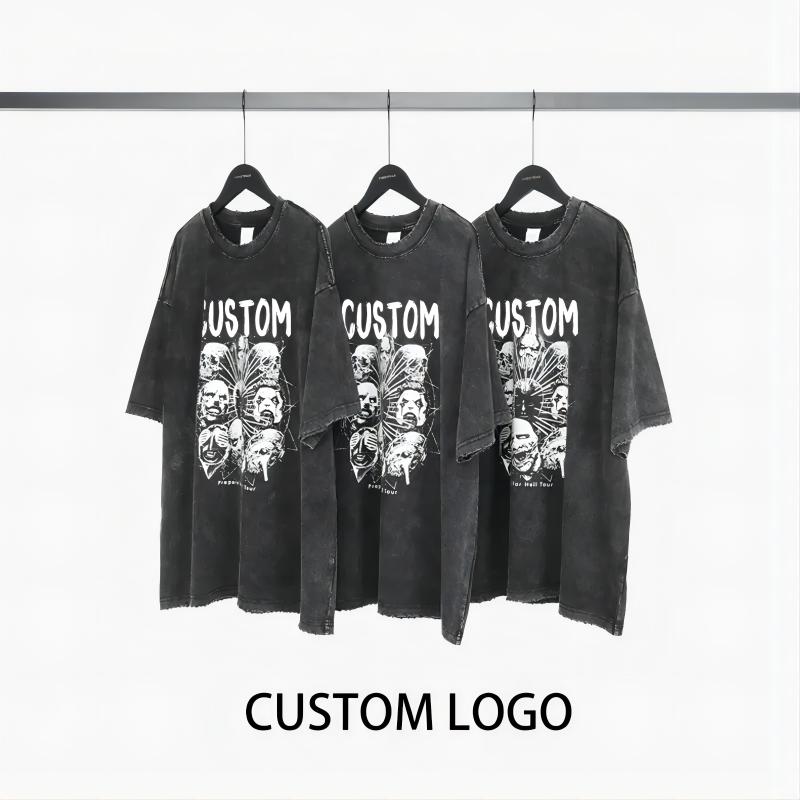
Custom Shirts
Explore custom shirts when you need a custom woven shirt manufacturer for fabric sourcing, collar and cuff construction, plackets, buttons, pocket details, fit blocks, grading, and private-label presentation.
Get a Quote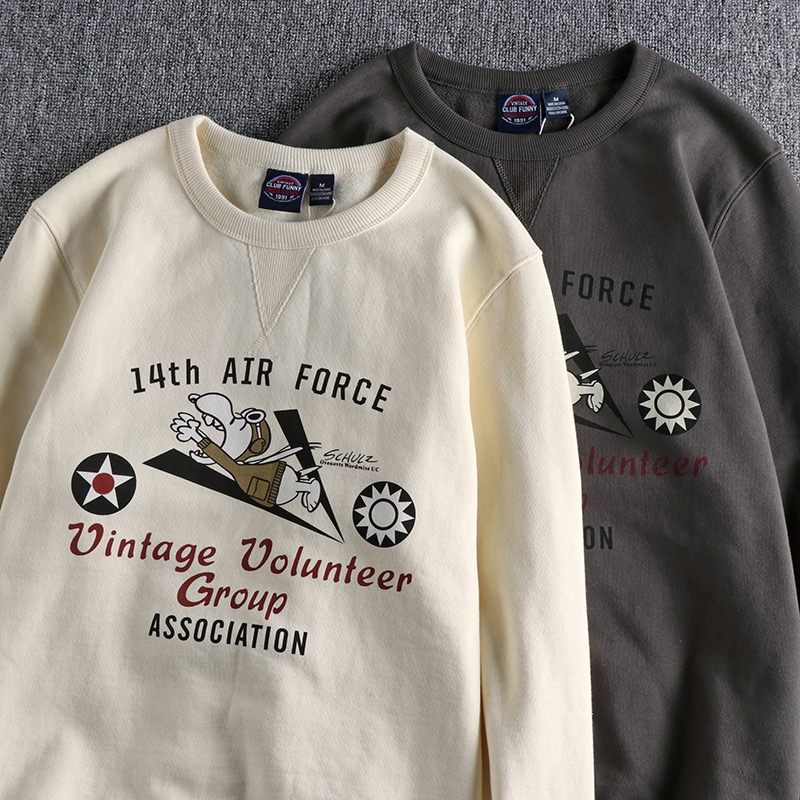
Custom Jerseys
Use this route for a custom jersey manufacturer when team or performance styles require breathable fabric, color matching, panel construction, name and number control, decoration durability, and organized size runs.
Get a Quote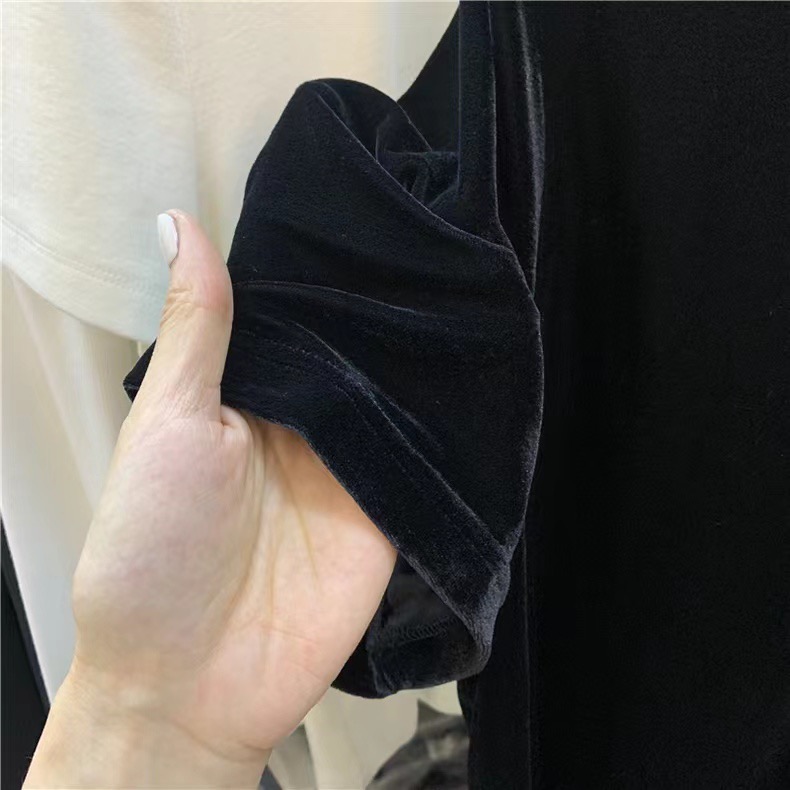
Tank Tops
Explore tank tops for a custom tank top manufacturer that can develop training, basketball, casual, or fashion silhouettes with appropriate fabric weight, armhole proportions, binding, prints, and grading.
Get a Quote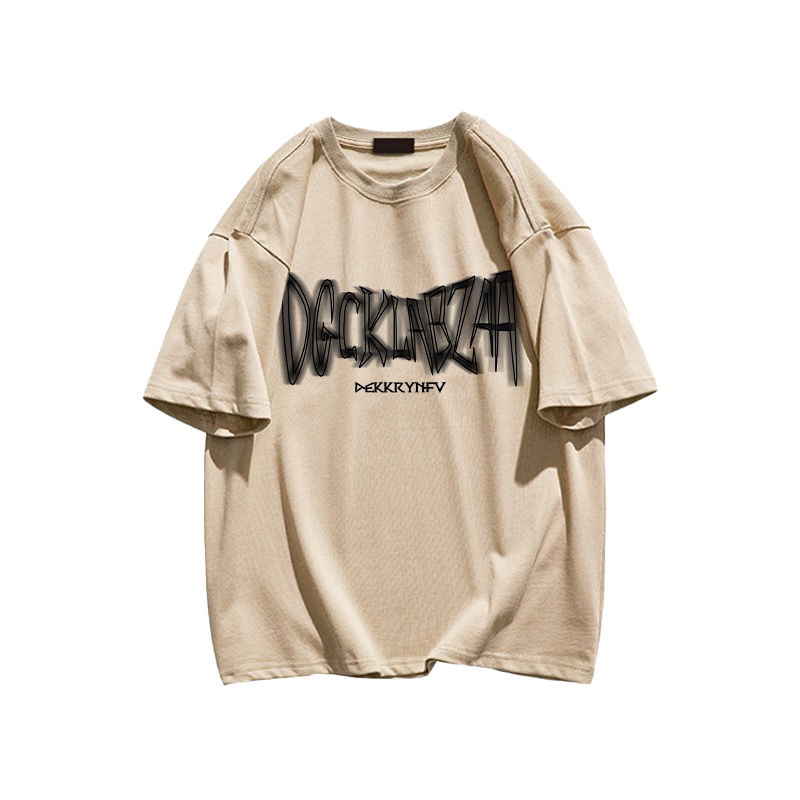
Soccer Uniforms
Choose soccer uniforms when you need a soccer uniform manufacturer to coordinate jerseys, shorts, socks, breathable fabrics, club colors, player names and numbers, and repeatable team sizing.
Get a Quote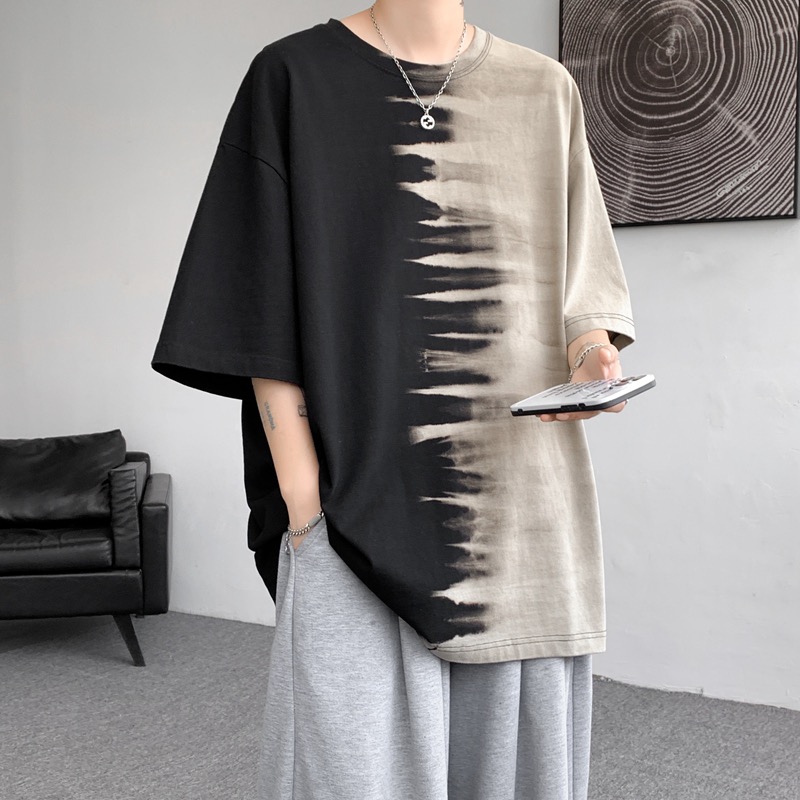
Basketball Uniforms
Explore basketball uniforms when you need a basketball uniform manufacturer for jersey and short sets with lightweight performance fabric, contrast panels, trim construction, player customization, and team color control.
Get a Quote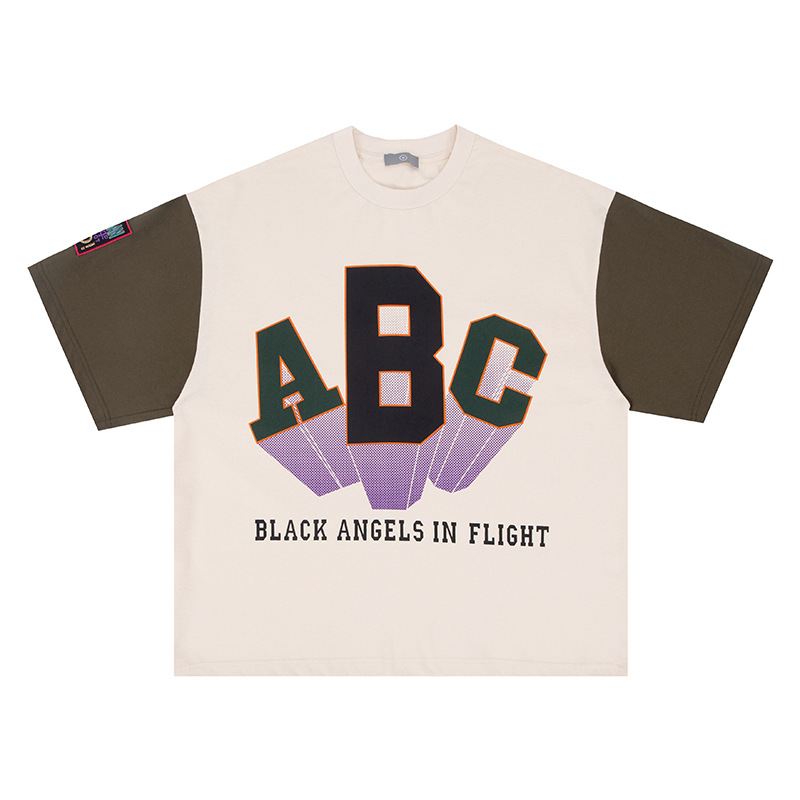
Streetwear Collections
Use this route for a streetwear clothing manufacturer that can develop coordinated hoodies, tees, bottoms, jackets, woven pieces, washes, trims, decoration, labels, and production standards across a collection.
Get a QuoteControls That Protect Stretch Apparel in Bulk
EDVORIN is a founder-led stretch fabric clothing manufacturer that has helped B2B buyers turn apparel ideas into production-ready standards since 2000. We support fashion, streetwear, teamwear and private-label programs from early development through repeatable bulk production.
EDVORIN’s MOQ starts at 200 pieces per style. Our connected OEM and ODM workflow coordinates fabric sourcing, fit and pattern development, samples, trims, printing, embroidery, washing, labeling and packaging. Men’s and women’s programs can be developed across casualwear, outerwear and teamwear, with a 200-piece MOQ per style for flexible collection planning.
What sets EDVORIN apart is control after sample approval. We document approved materials, measurements, artwork placement and construction details, then use in-line and final checks to protect the standard through bulk production. Certification programs include ISO 9001, BSCI, WRAP, SEDEX, OEKO-TEX Standard 100, GRS and GOTS.
From Stretch Apparel Concept to Packed Order
Fabric Behavior Before Bulk
EDVORIN evaluates stretch direction, weight, hand feel and recovery during development so the selected fabric supports the intended silhouette. Material decisions are documented against the approved sample before bulk production begins, helping protect fit and appearance across repeat orders.
- Confirm two-way or four-way stretch requirements
- Review recovery after wear and handling
- Align fabric weight with garment construction
- Record approved material specifications
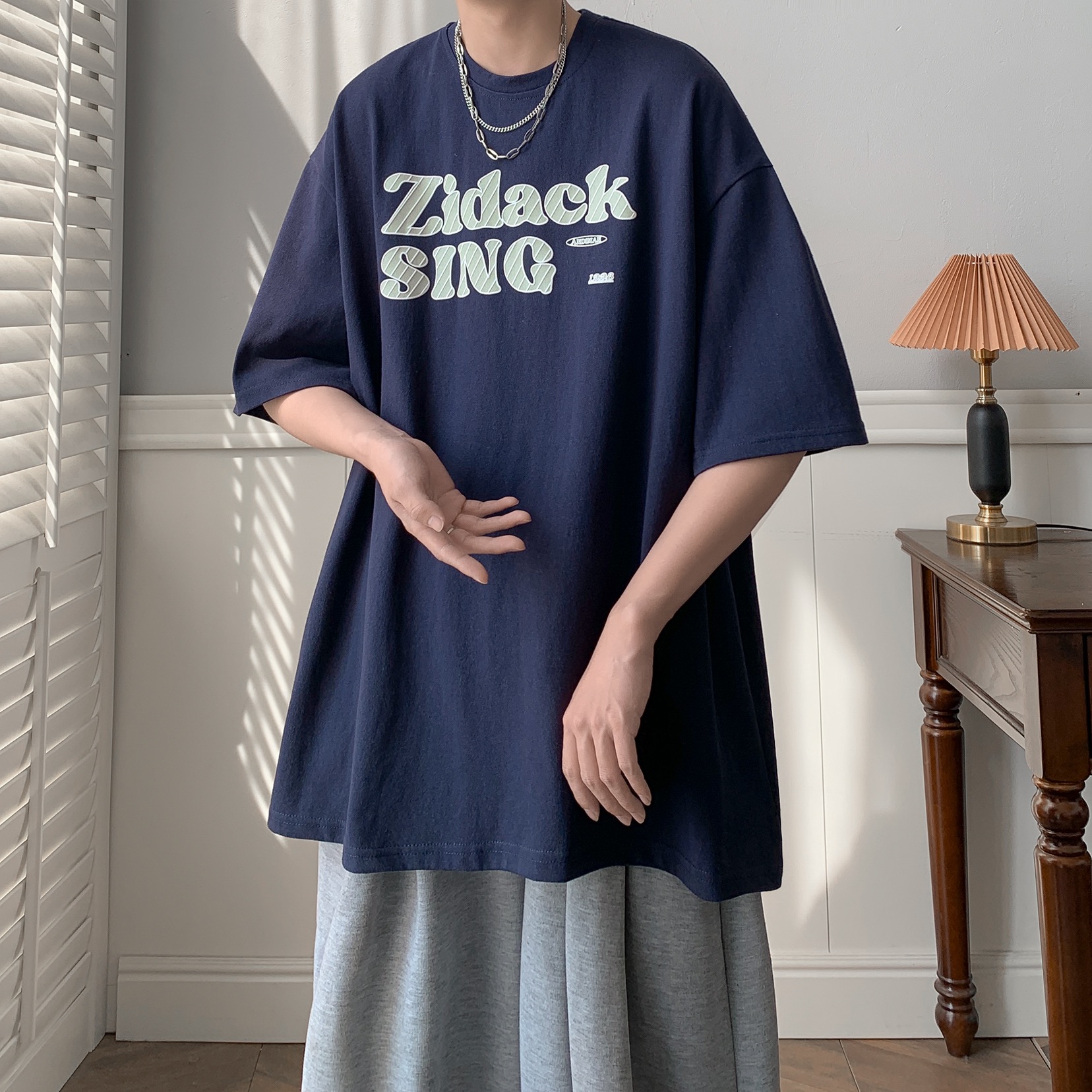
Fit Blocks That Move Correctly
A stretch garment needs more than a standard measurement chart. EDVORIN develops men’s and women’s fit blocks around the garment category, intended wearer and movement needs, then translates approved proportions, grading and construction details into a production-ready standard.
- Develop category-specific fit and proportions
- Adjust grading for the target wearer
- Review seam placement and stretch balance
- Approve measurements before bulk cutting
Decoration Matched to Stretch
For a stretch fabric clothing manufacturer, decoration must be planned with the base material rather than added afterward. EDVORIN coordinates artwork placement, printing, embroidery, trims and wash requirements during sampling to establish a finish that can be repeated consistently.
- Assess decoration against fabric stretch
- Set placement measurements from approved samples
- Coordinate trims with garment performance
- Document artwork and finishing requirements
Approved Standards Guide Quality
EDVORIN uses the approved sample as a working reference for material, measurements, construction and finish. In-line checks and final inspection compare bulk output with that standard, creating a clearer path from sample approval to packed garments for OEM and private-label programs.
- Use approved samples as production references
- Check measurements during production
- Verify construction and finishing consistency
- Inspect orders before packing

Stretch Fabric Clothing Manufacturer vs. Mechanical-Stretch Apparel
Compare elastane-supported stretch development with mechanical-stretch routes before sampling your collection.
← Swipe left or right to view →
How to Develop Stretch Apparel With EDVORIN
EDVORIN turns approved stretch-garment specifications into controlled, repeatable OEM production from material selection through final packing.
Review Concept and Requirements
We review your tech pack, reference garment or concept, intended fit, end use, size range, decoration needs and 200-piece-per-style production requirements.
Source and Test Stretch Materials
Fabric, rib, trims and lining options are aligned with recovery, weight, hand feel and garment use; decoration compatibility is tested before approval.
Develop Patterns and Samples
Our team builds fit blocks and measurement standards, then produces samples for wear, fit, construction and artwork-placement review across men’s or women’s programs.
Approve Production Standards
Approved samples become the production reference, documenting measurements, fabric handling, sewing details, colors, trims, labels, packaging and decoration specifications for bulk consistency.
Produce, Inspect and Pack
During bulk production, in-line checks monitor measurements, construction and decoration; final inspection verifies the order against approved standards before labeling and packing.
Order With a Stretch Fabric Clothing Manufacturer
Bring a tech pack, sketch or reference garment; EDVORIN turns it into an approved, repeatable stretch apparel standard.
Share Your Product Brief
Send your tech pack, sketch or reference sample with intended category, target quantities, fit direction, artwork and performance expectations for our development review.
Define Materials and Specifications
Confirm stretch fabric composition, weight, recovery, color, trims, construction, men’s or women’s fit blocks, grading and decoration requirements before sampling begins.
Approve the Production Sample
Review the sample for fit, measurements, comfort, artwork placement and material performance. Record approved revisions as the production standard for your stretch garment program.
Release Bulk Production
After approval, EDVORIN coordinates materials, cutting, sewing, decoration, quality checks, labeling and packing against the approved standard, with MOQ starting at 200 pieces per style.
Stretch Fabric Clothing Manufacturer Client Outcomes
EDVORIN corrected the recovery and grading issues in our first sample round. Our 12-size leggings program held its intended fit from XS through 3XL, and the approved specification made our 800-piece reorder far more straightforward.
For our club warm-up sets, the team documented logo placement against the stretch panels before bulk. All 420 jackets arrived with the embroidery positioned consistently, and we received the full size breakdown three days before our tournament deadline.
We needed a fitted streetwear tee that could be repeated without the collar and print shifting between runs. EDVORIN matched the approved sample on our 1,200-piece reorder and kept the chest artwork placement within the reference measurements.
Stretch Apparel Manufacturing FAQs
Clear answers on materials, decoration, development and production planning for custom stretch apparel.
What garment categories can a stretch fabric clothing manufacturer develop?
Which certification programs can EDVORIN support?
Can stretch fabric clothing manufacturer programs include embroidery, prints or patches?
What is the MOQ for custom stretch apparel?
What do I need to provide for a stretch apparel sample?
How does a stretch fabric clothing manufacturer control fit and repeatability?
Can you support both new private-label buyers and established apparel programs?
How is bulk quality checked after the sample is approved?
The Complete Guide to stretch fabric clothing manufacturer
Use this decision framework to compare supplier capabilities, fabrics, construction, customization, MOQs, and costs—while avoiding sourcing mistakes that can compromise fit, durability, timelines, and brand consistency.
1. What Is a Stretch Fabric Clothing Manufacturer?
200 pieces is a practical starting point for an OEM program when a stretch fabric clothing manufacturer converts a buyer’s design into patterns, samples, material specifications, decoration instructions, and repeatable bulk garments. Private-label buyers can adapt existing fit blocks, while custom programs need approved measurements and performance targets.
Four roles are often confused: a garment factory cuts, sews, decorates, and inspects finished apparel; a fabric mill makes or finishes the textile; a sourcing agent coordinates suppliers; and a trading company purchases and resells. A qualified manufacturing partner should connect these decisions without obscuring responsibility.
EDVORIN supports brands, teams, schools, wholesalers, and private-label buyers that need controlled stretch garments across men’s and women’s programs. Before quoting, it should clarify fiber blend, GSM, stretch direction and recovery, size range, color and decoration, quantity, labeling, packaging, target delivery date, and approval standard.
2. Evolution of Stretch Apparel Manufacturing
1958 marked the commercial introduction of spandex fiber, later widely known by the LYCRA brand, giving fitted apparel dependable elastic extension and recovery. Early use centered on foundation garments, swimwear and close-fitting sports pieces, where pattern shape alone could not maintain body-hugging fit.
1970s fitness and running wear expanded demand for lightweight stretch knits, while performance teamwear required movement without restricting shoulders, hips or knees. Manufacturers increasingly had to match yarn blend, knit structure, seam type and grading to a garment’s intended motion.
2020s athleisure, streetwear and modern uniforms made comfort and recovery everyday expectations rather than specialist features. A stretch fabric clothing manufacturer now needs to test fabric rebound, manage stretch direction during cutting, select seams that move with the garment, and keep fit and decoration placement consistent across sizes.
3. Types of Stretch Fabric Clothing Manufacturer Services
EDVORIN’s MOQ starts at 200 pieces per style. A stretch fabric clothing manufacturer may supply development, production, or both. The right model depends on how complete the buyer’s specifications are and whether a 200-piece MOQ fits the launch plan.
Full-Package OEM
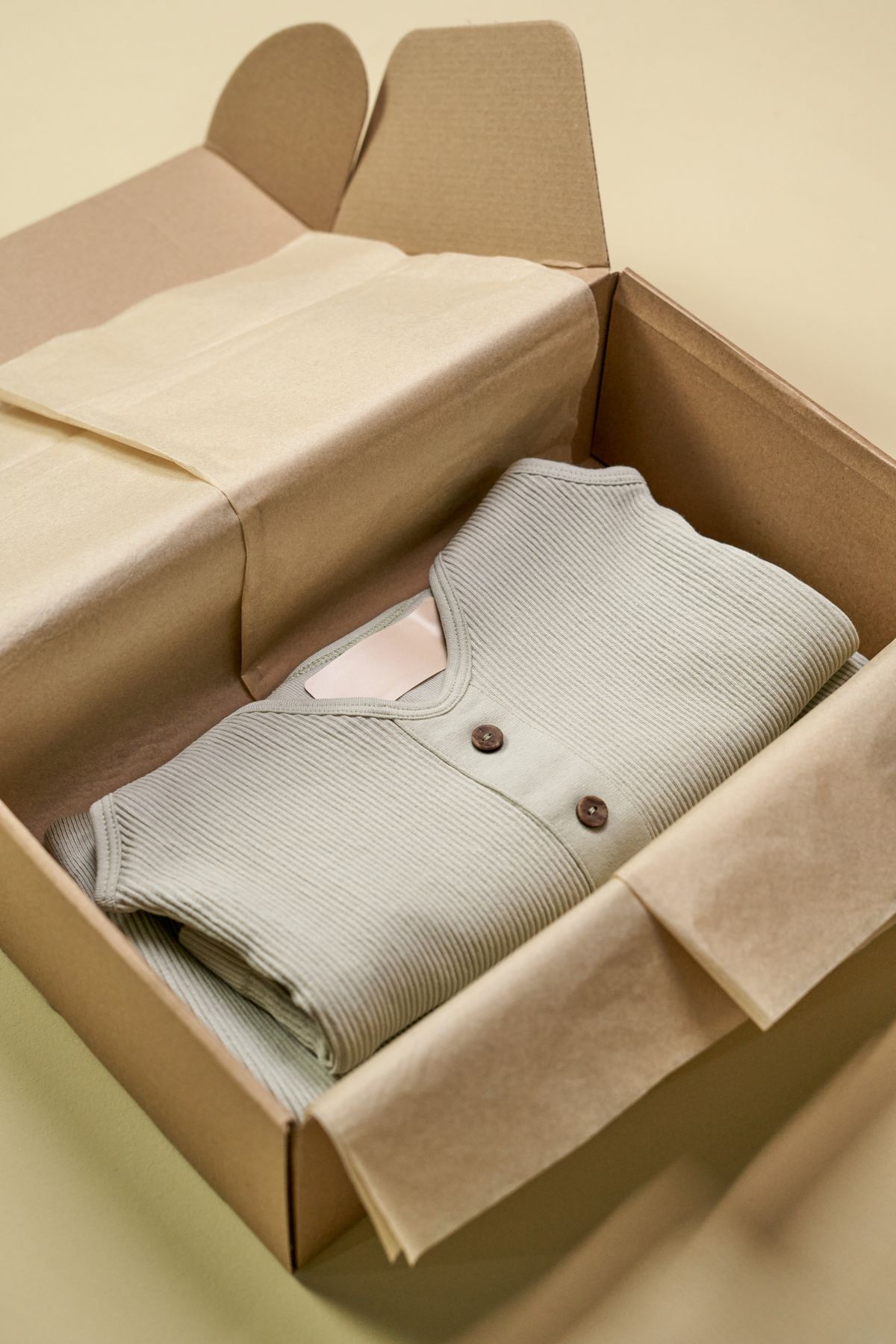
Full-package OEM covers sourcing, patterns, samples, decoration, production, labeling, and packing. It fits brands with a concept; the trade-off is less direct material control but stronger development support.
Private Label Programs
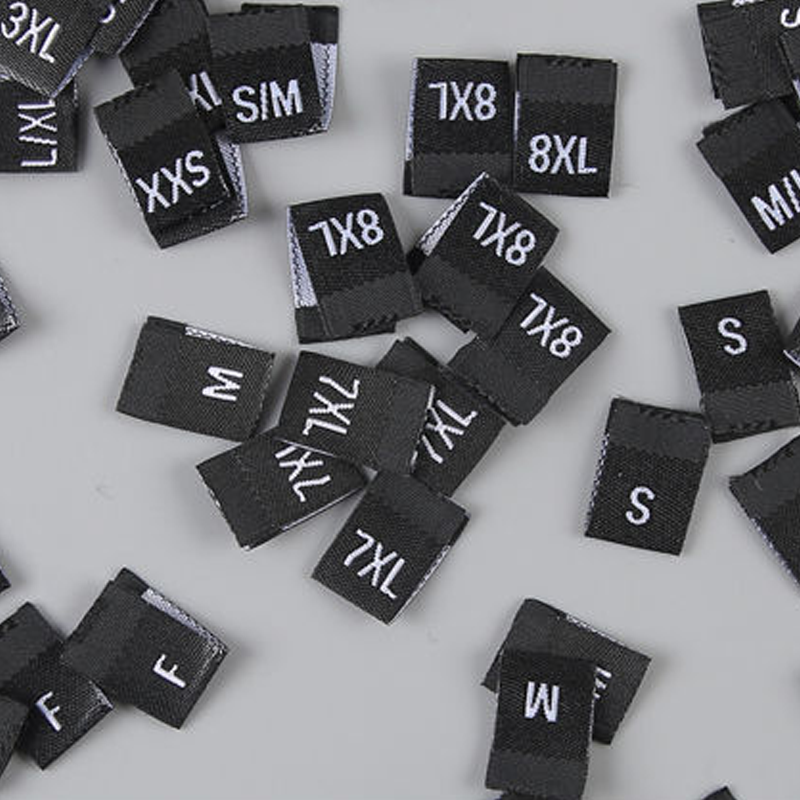
Private label starts from an existing garment platform with buyer branding, colors, and selected trims. It suits faster launches; buyers accept less silhouette exclusivity and available fabric or color limits.
Cut-Make-Trim Production
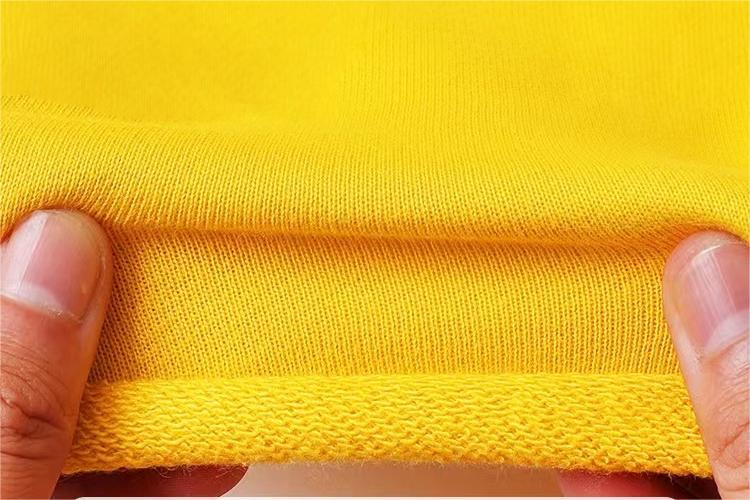
CMT uses buyer-supplied fabric, patterns, and components for cutting, sewing, and finishing. It gives experienced buyers maximum sourcing control, while they carry compatibility, delivery, and material-quality risk.
Development And Performance Production
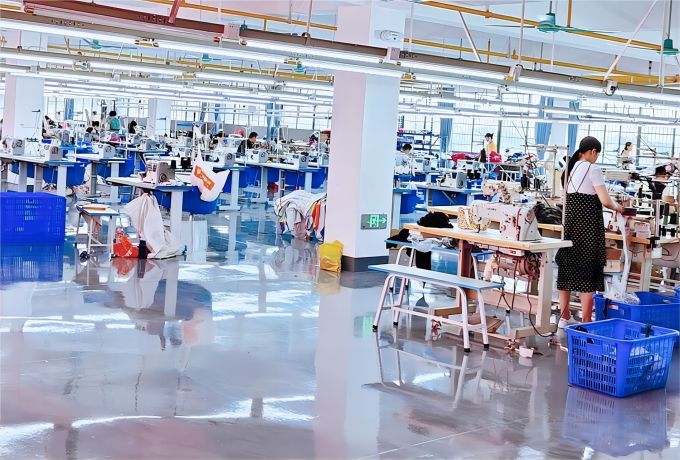
Development-focused work turns sketches or reference garments into testable patterns and samples. Performance production adds stretch recovery, seam choice, and wear testing; it suits teamwear and active programs but needs clearer testing requirements.
Bulk Repeat Orders
Bulk repeat manufacturing follows approved samples, measurement charts, color references, and placement records. It favors established sellers because repeatability can improve speed, while unrecorded changes can disrupt consistency.
4. Stretch Fabric Clothing Manufacturer Materials Guide
180–260 GSM is a practical starting range for many stretch tees, but composition alone does not predict opacity, recovery, or wear life. A stretch fabric clothing manufacturer should approve fabric against the garment’s movement, finish, and end use.
| Fabric | Stretch/Recovery | GSM And Hand | Performance/Use |
|---|---|---|---|
| Cotton-spandex jersey | 4-way; moderate | 180–260; soft | Breathable tees |
| Polyester-spandex | 4-way; good | 160–240; smooth | Opaque jerseys |
| Nylon-spandex | 4-way; high | 180–300; sleek | Abrasion-resistant leggings |
| Recycled synthetics | 4-way; good | 160–240; smooth | Activewear |
| Rib knit | Crosswise; high | 220–320; textured | Cuffs, fitted tops |
| Interlock | Crosswise; stable | 180–280; dense | Opaque polos |
| Mesh | 2/4-way; variable | 120–180; open | Breathable panels |
| Stretch woven | 2/4-way; firm | 140–220; crisp | Durable shorts |
Specify Performance, Not Composition
Two-way stretch usually suits cuffs, rib trims, and stable tops; four-way stretch better supports leggings, jerseys, and movement-heavy silhouettes.
3 checks—stretch percentage, recovery after extension, and opacity when worn—should accompany a swatch approval. EDVORIN can translate those decisions into a material standard for sampling and bulk production.
5. Customization Options From a Stretch Fabric Clothing Manufacturer
EDVORIN’s MOQ starts at 200 pieces per style. At a 200-piece OEM MOQ, customization should be documented as production specifications, not informal preferences. A stretch fabric clothing manufacturer can adapt both visible styling and fit-critical components before bulk approval.
| Customization | Artwork-Ready | Development Required |
|---|---|---|
| Labels and packaging | Approved artwork | Material or size change |
| Prints and reflective details | Placement file | Stretch test or strike-off |
| Pockets and zippers | Existing pattern | Pattern revision and sample |
Fit And Silhouette
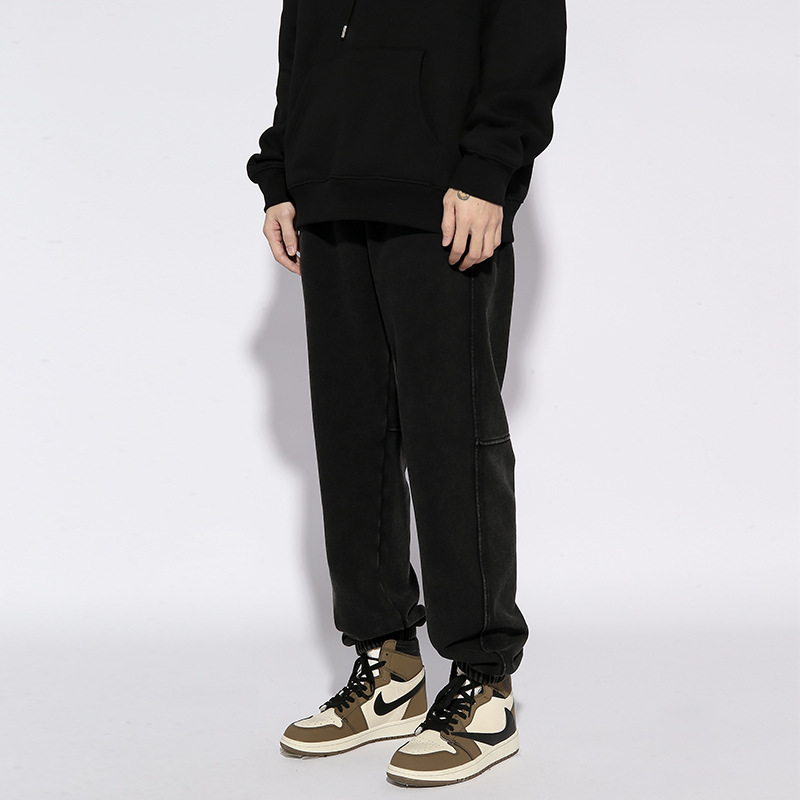
Two fit blocks—men’s and women’s—can use different proportions, grading, panel lines, pocket positions, and hem shapes. A pattern revision and size-set sample are needed when the base block changes.
Color And Branding
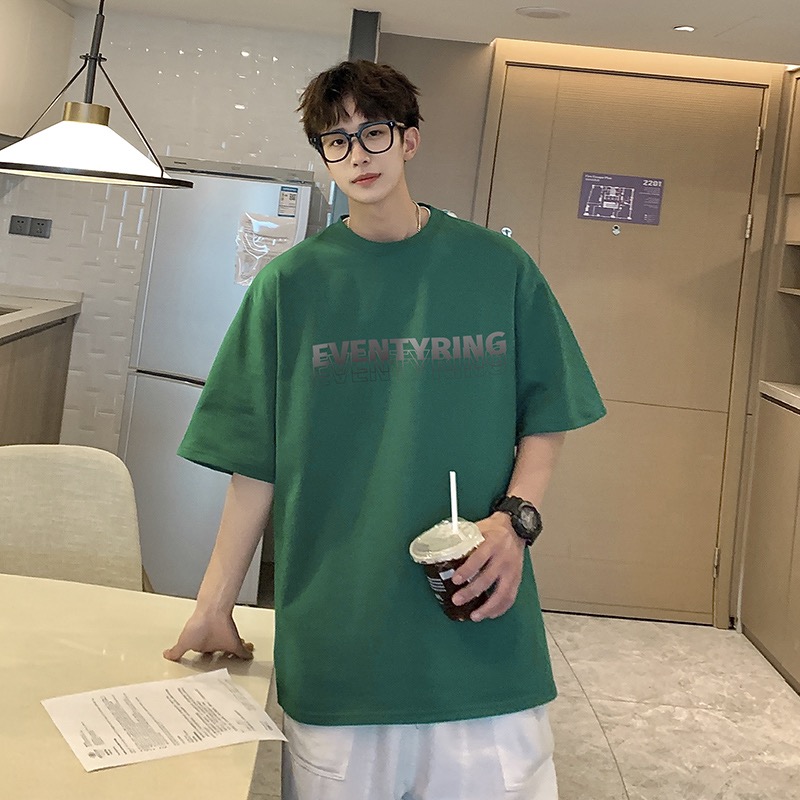
Pantone references guide solid colors, dyeing, all-over prints, labels, hangtags, polybags, and coordinated packaging. Artwork-ready logos can move directly into placement files; new print scale or repeat artwork needs strike-off review.
Stretch-Safe Details
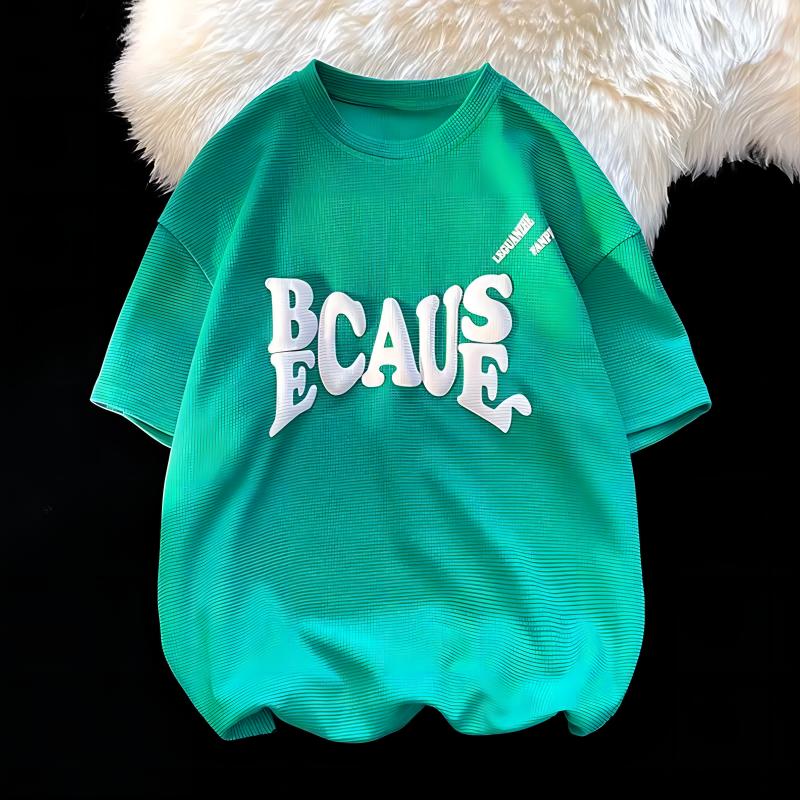
Four-way-stretch panels shift under wear, so print placement, embroidery density, heat transfers, reflective film, zippers, and trims require testing on the actual fabric. A sample confirms recovery, distortion, and embellishment compatibility before production.
6. Construction Quality for Stretch Garments
Sample approval should test construction under stretch, not only appearance on a hanger. A stretch fabric clothing manufacturer should record the approved stitch, seam, elastic, and measurement standards before bulk cutting.
Stitches And Seam Recovery
3-thread overlock suits many internal knit seams; 4- or 5-thread constructions add security where loads are higher.
10–12% seam-extension checks should reveal smooth recovery without popped stitches, tunneling, or thread breakage.
Needles, Elastic, And Reinforcement
Ballpoint needles reduce yarn damage in knit stretch fabrics, while thread type and tension must match the fabric’s recovery.
2-point bartacks or equivalent reinforcement deserve inspection at pocket corners, crotches, and elastic joins; elastic must lie flat without twisting.
Pre-Production Approval Checks
Sample panels should be checked across side seams, color blocks, prints, and matched stripes before approval.
3 wash-and-dry cycles can help confirm size consistency, seam appearance, elastic recovery, and panel skew against the approved measurement chart.
7. How to Choose a Stretch Fabric Clothing Manufacturer
A 200-piece program exposes weak supplier systems quickly. Evaluate each stretch fabric clothing manufacturer against documented capability, not a polished sample or the lowest quoted unit price.
| Criterion | What To Verify | Weight |
|---|---|---|
| Technical development | Patterns, grading, sample control | 25% |
| Materials and quality | Source records, testing, inspections | 25% |
| Delivery and MOQ | Capacity, dates, reorder flexibility | 20% |
| Communication and shipping | Named contact, Incoterms, handoff | 15% |
| Quoted total value | Price, trims, packaging, exclusions | 15% |
Request Production Evidence
One supplier file should show comparable stretch-garment experience, a tech-pack review, fabric composition and test records, graded measurements, sample revisions, and an inspection plan. Ask for compliance documents, communication contacts, Incoterms, and shipping support before deposit.
Score Total Value
Five weighted criteria make quotes comparable beyond price. Score answers against your approved specification, then clarify exclusions before selecting a factory.
Confirm Operating Fit
EDVORIN’s MOQ starts at 200 pieces per style. A 200-piece MOQ may suit a launch, but capacity, flexible reorder quantities, and transparent sample-to-bulk timing still require confirmation. EDVORIN should document material availability, critical-path dates, and final packing responsibilities.
8. Common Stretch Apparel Sourcing Mistakes
Most stretch-apparel failures start before cutting: assumptions replace specifications. A stretch fabric clothing manufacturer can control repeatability only when approval criteria, timelines, and quotation scope are recorded.
Specify Performance, Not Feel
Two hand-feel swatches can perform differently after wear. Define composition, GSM, stretch direction, recovery target, opacity, and approved Pantone standard before sampling.
Test Before Bulk Approval
One fit sample is not a bulk standard. Wash-test the sample, then check shrinkage, seam appearance, color change, recovery, and opacity under movement before releasing production.
Protect Fit And Decoration
Three sizes rarely reveal grading problems. Review a size set and placement measurements; confirm screen print, embroidery, heat transfer, or patches will not restrict stretch or distort the garment.
Compare Complete Production Plans
EDVORIN’s MOQ starts at 200 pieces per style. Two low quotations may exclude different essentials. Compare material, trims, decoration, labels, packaging, testing, freight terms, MOQ, sample revisions, and realistic development-to-bulk milestones line by line.
9. Launching With a Stretch Fabric Clothing Manufacturer
EDVORIN’s MOQ starts at 200 pieces per style. A launch brief should identify wearer, use case, target fit, price position, and the 200-piece MOQ before development begins. With a stretch fabric clothing manufacturer, freeze major decisions before bulk materials are committed.
Build the Development Pack
1 approved brief should combine reference photos, a measurement chart, artwork files, color targets, and construction notes. Define stretch direction, recovery expectations, fabric weight, and decoration placement before requesting a quote.
Sample Before Bulk Commitment
2 review gates protect the order: first evaluate fit and fabric behavior, then approve a revised sample against the final specification. Record Pantone colors, grading, labels, trims, packaging, and tolerances in writing; do not change them after bulk cutting starts.
Control Delivery And Reorders
3 order confirmations should lock quantities by size and color, ex-factory timing, inspection requirements, shipping terms, and destination documents. Review pre-shipment results and buyer feedback after delivery, then update the approved specification for repeatable reorders.
10. Stretch Fabric Clothing Manufacturer Pricing and Costs
200 pieces is a common starting point for custom programs, but the final unit price depends on specification rather than MOQ alone. A stretch fabric clothing manufacturer should separate ex-factory cost from the landed cost used for margin planning.
180–320 GSM French terry, nylon-spandex performance knit, and brushed fleece carry different fabric and yield costs; wider size ranges raise consumption. Flatlock seams, panels, bonded pockets, matching Pantone colors, YKK hardware, screen prints, embroidery, labels, and individual packaging add labor or material cost.
2 quote comparisons are meaningful only when both cover the same approved sample, fabric composition, GSM, colorways, decoration, packaging, Incoterm, inspection scope, and freight route. Sampling, development revisions, duties, freight, and lower volumes can lift landed cost even when the quoted garment price looks lower.
| Order volume | Main unit-cost driver | Typical lead-time consideration |
|---|---|---|
| 200–499 units | Development and setup allocation | Sample approval can govern timing |
| 500–999 units | Fabric booking and color count | Material confirmation affects schedule |
| 1,000+ units | Fabric yield and production efficiency | Bulk capacity and freight booking matter |
Build with EDVORIN, a Stretch Fabric Clothing Manufacturer
Send artwork, a tech pack, a reference garment, or a collection brief to request a quote for your OEM, ODM, or private-label program.