
Wool Clothing Manufacturer for Collections Built to Repeat
As your wool clothing manufacturer, EDVORIN develops production-ready collections for fashion, streetwear, outerwear and teamwear buyers.
Featured Wool Apparel Development
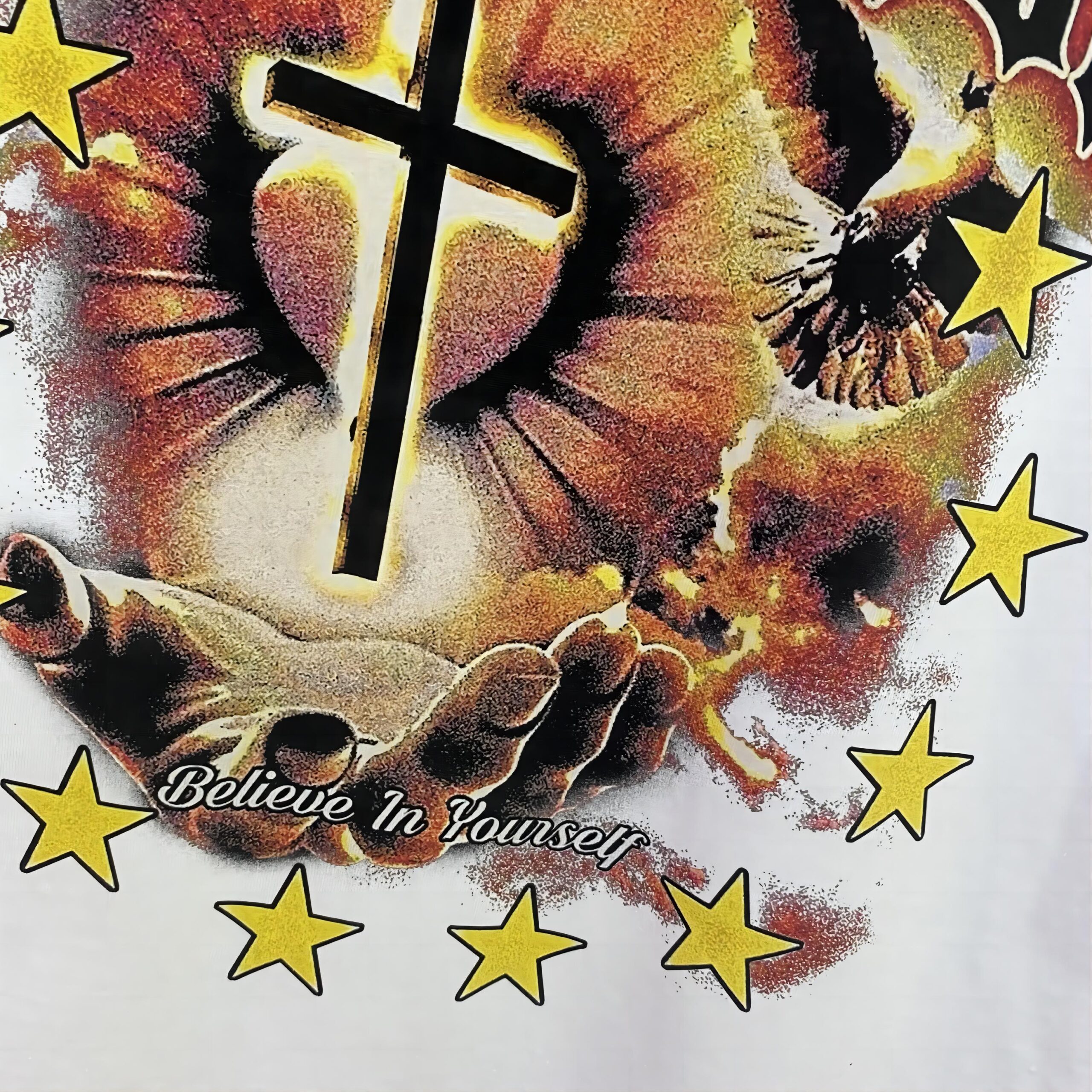





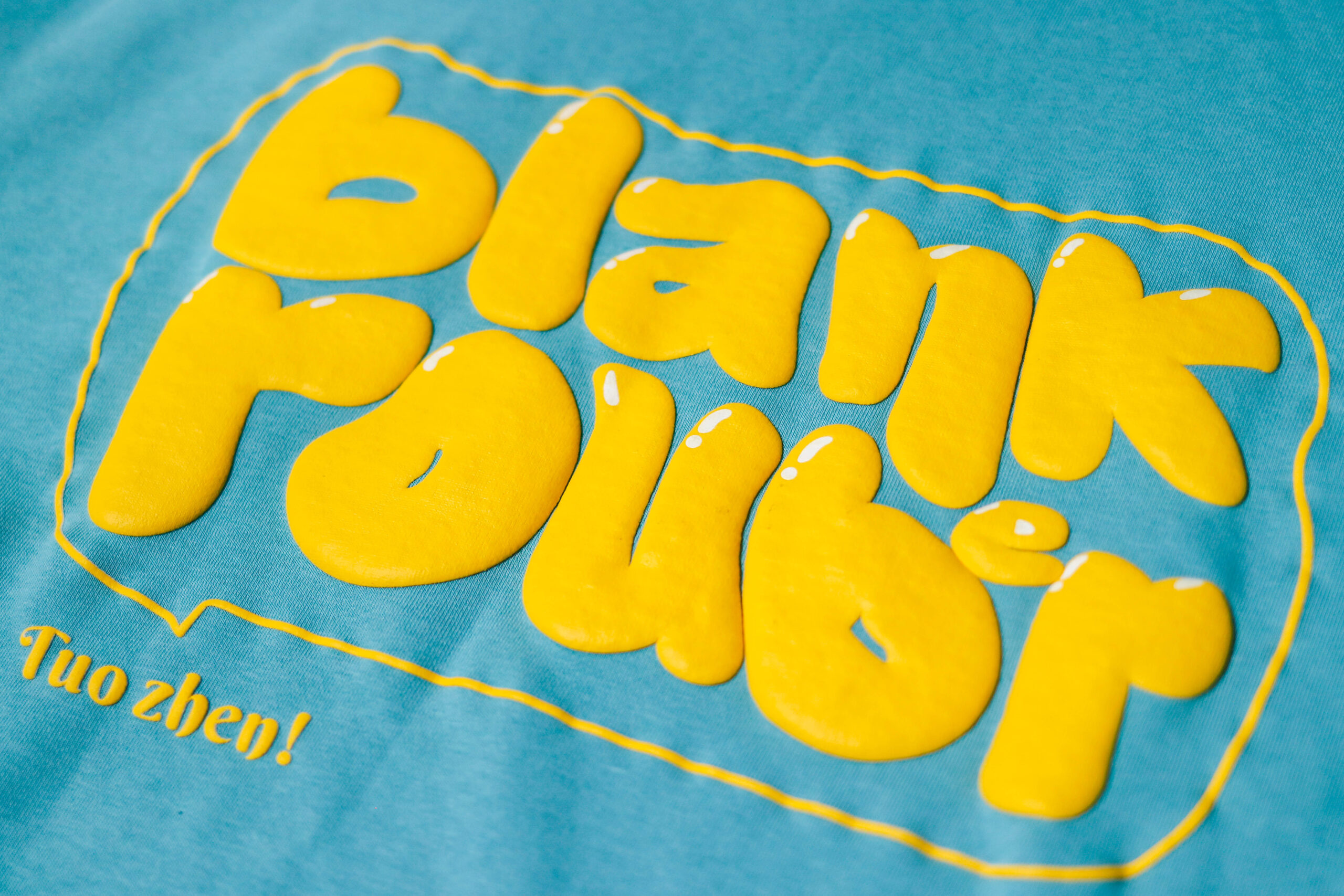
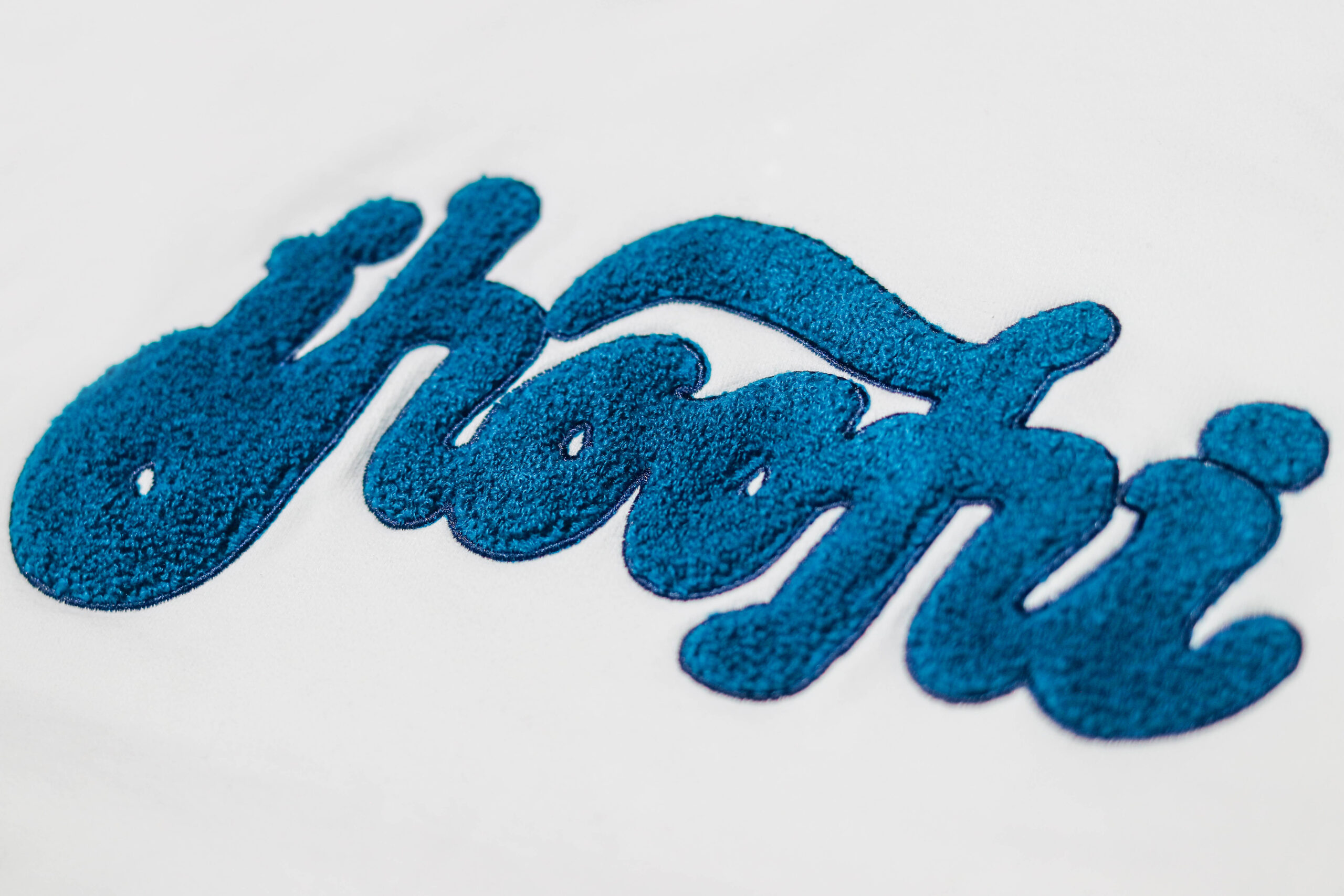
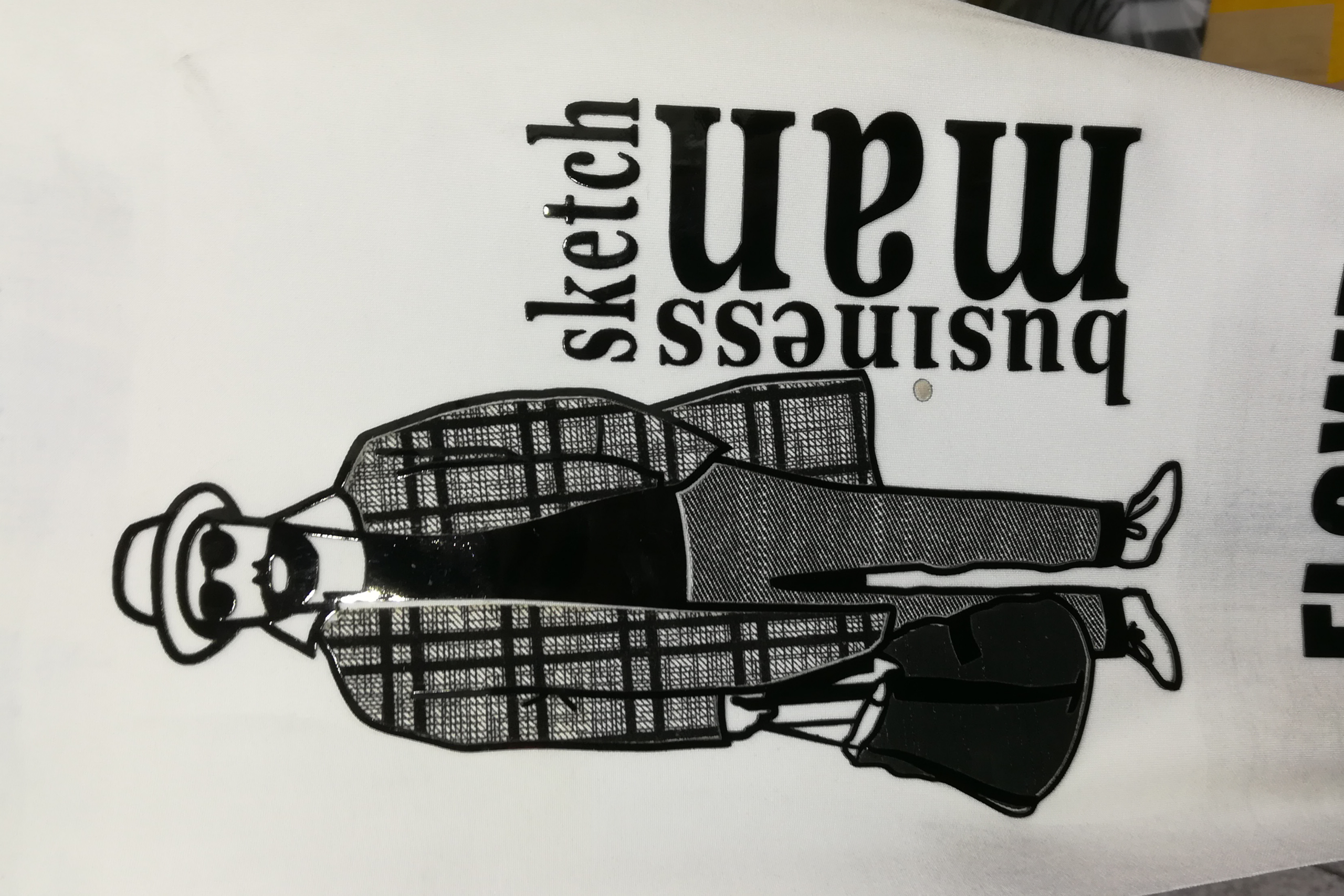

Why Choose EDVORIN as Your Wool Clothing Manufacturer
Translate wool apparel concepts into clear, repeatable production standards with development support tailored to your category, fit, decoration, and bulk requirements.
Material-Led Development
Align wool and blend options, fabric weight, hand feel, trims, and care requirements before sampling begins.
Category-Specific Construction
Develop knitwear, outerwear, casualwear, and teamwear with construction details suited to the garment’s intended use and market.
Men’s and Women’s Fits
Refine fit blocks, proportions, grading, and styling details for men’s and women’s wool clothing programs.
Decoration Coordination
Coordinate embroidery, printing, patches, labels, washing, and packaging so each detail works with the selected wool base.
Approved Standards, Repeated
Turn approved samples, measurements, artwork placement, and trim specifications into production references for dependable repeat orders.
Sample-to-Bulk Control
Use in-line and final checks to help keep bulk production aligned with the approved wool apparel standard.
Related Apparel Manufacturing Capabilities
Explore the product pages that best match your construction, material, decoration and program requirements before moving into sampling and bulk production.
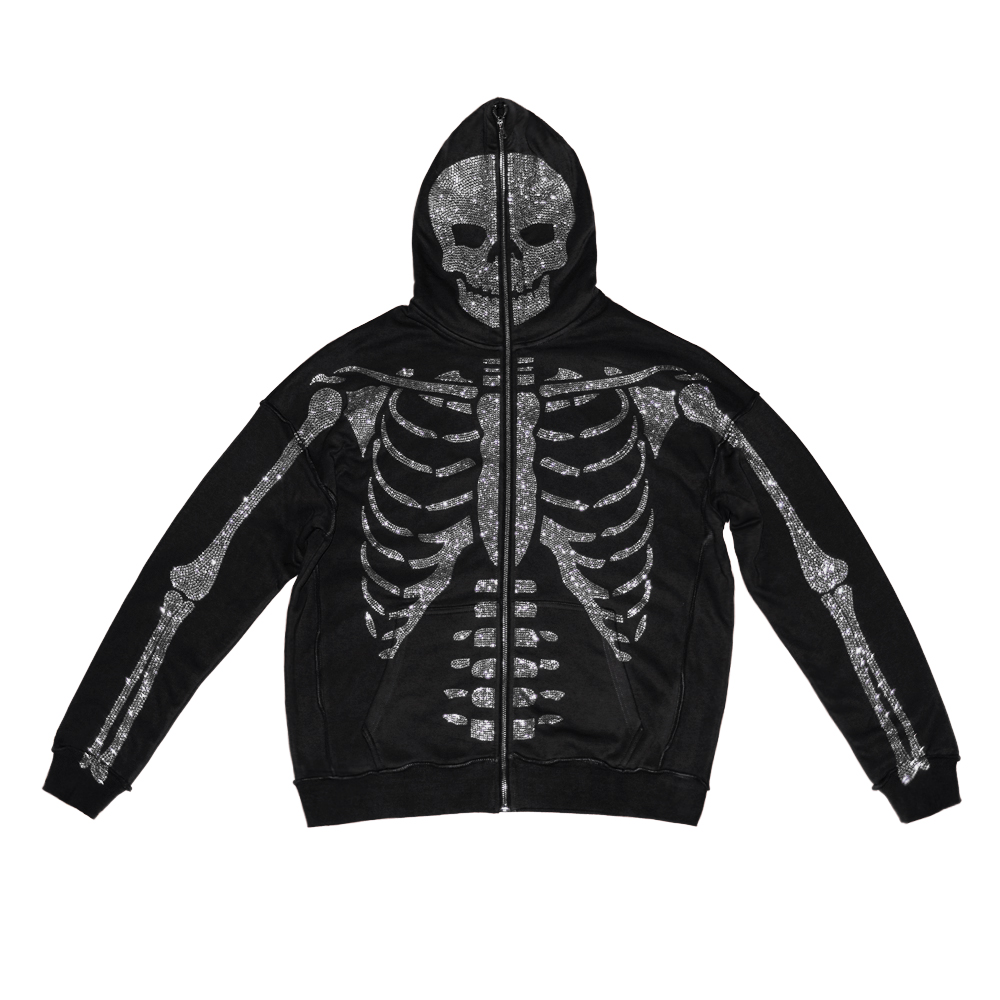
Custom Hoodies
Choose this page when you need a custom hoodie manufacturer for fleece weight, fit blocks, rib construction, drawcords, pockets, prints, embroidery, washing and private-label finishing. It is useful for men’s or women’s hoodie programs requiring repeatable sample-to-bulk specifications.
Get a Quote
Pullover Sweatshirts
Use this capability for crewneck, quarter-zip or other pullover sweatshirt programs where fabric weight, neckline rib, panel construction, fit and decoration need to be defined. This page helps buyers compare sweatshirt manufacturer support for casualwear, merchandise and coordinated collections.
Get a Quote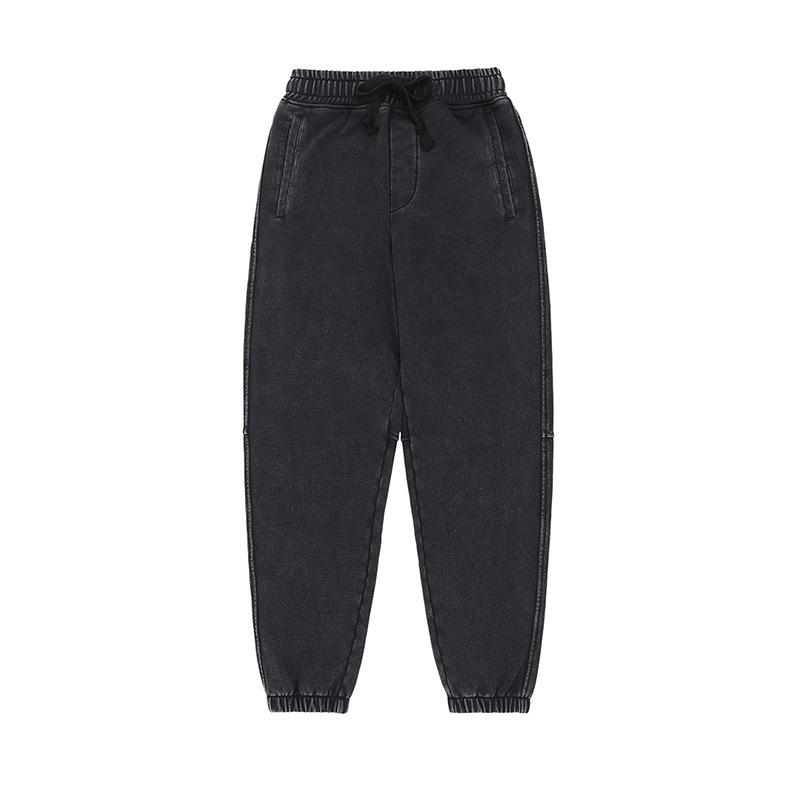
Sweatpants & Joggers
Visit this page for sweatpants and joggers requiring matched fleece, elastic waist construction, drawcords, cuffs, pockets, grading and decoration. It is most relevant when sourcing a sweatpants manufacturer for standalone bottoms or coordinated hoodie and sweatshirt sets.
Get a Quote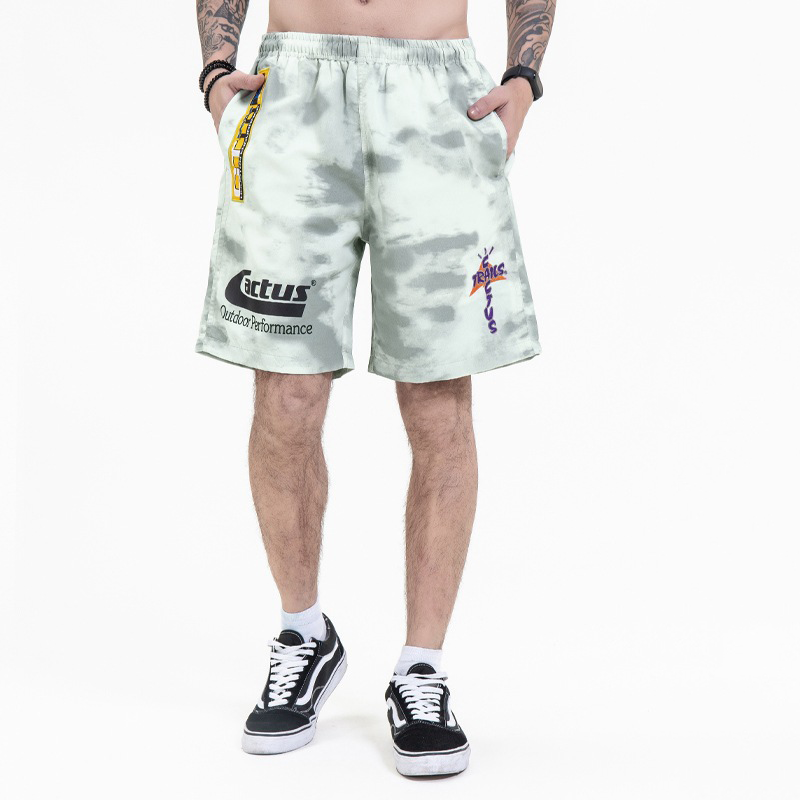
Custom Shorts
This page is useful for buyers sourcing a custom shorts manufacturer for fleece, jersey, woven or performance shorts. Review it when inseam, waistband, pockets, mesh lining, prints, embroidery and men’s or women’s proportions need category-specific development.
Get a Quote
Varsity & Baseball Jackets
Choose this capability when a varsity jacket manufacturer is needed to coordinate body fabric, sleeves, rib, lining, snaps, chenille patches, embroidery and appliqué. It helps buyers assess construction options for collegiate, fashion and team-inspired jacket programs.
Get a Quote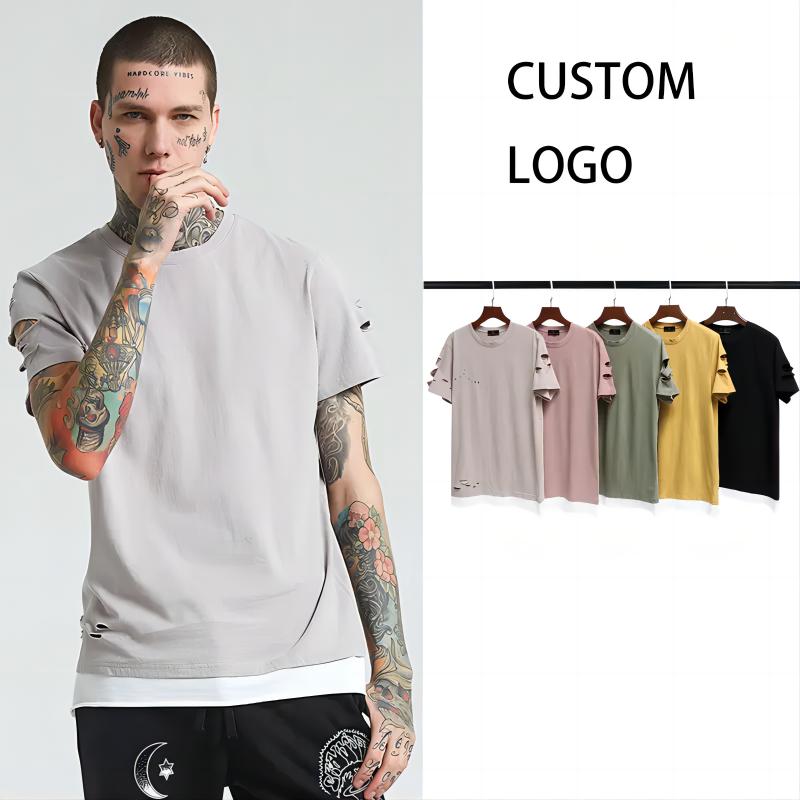
Custom T-Shirts
Use this page when comparing a custom t shirt manufacturer for jersey selection, collar construction, fit, print compatibility, embroidery, wash effects and labeling. It is relevant for basic tees, heavyweight streetwear styles and wholesale graphic programs.
Get a Quote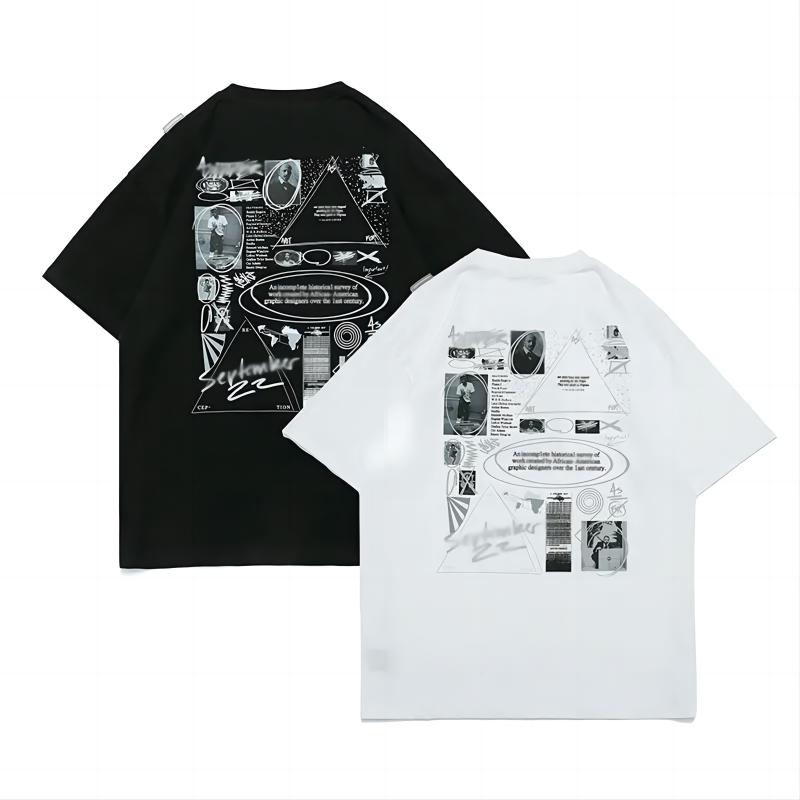
Custom Polo Shirts
Visit this page for custom polo shirt development involving pique or jersey fabric, collar and placket construction, buttons, embroidery placement and grading. It is useful for corporate uniforms, schoolwear, golf programs and private-label casualwear.
Get a Quote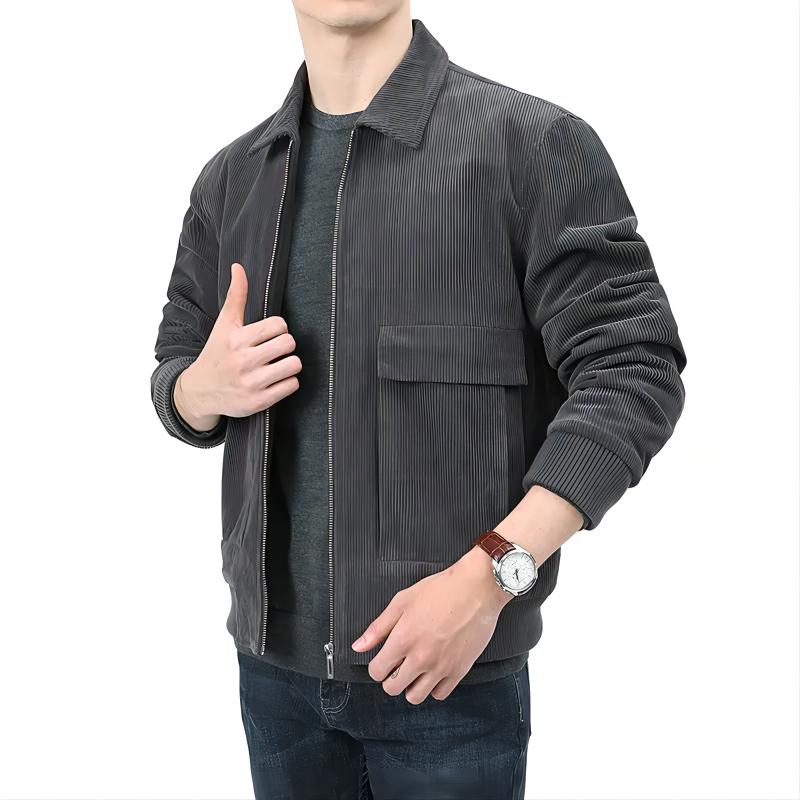
Windbreaker Jackets
This capability is for buyers seeking a windbreaker manufacturer to develop lightweight shell jackets with lining, mesh, zippers, hoods, elastic details, water-resistant finishes and print or embroidery options. Use it when weather protection and packable construction affect sourcing decisions.
Get a Quote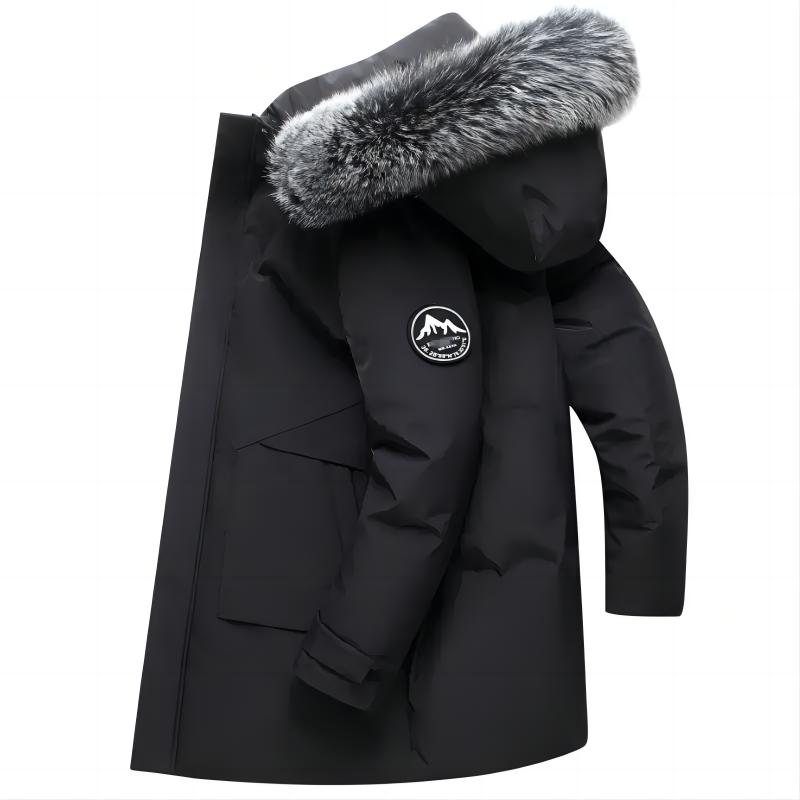
Quilted Jackets
Choose this page when a quilted jacket manufacturer is needed for shell, lining, insulation, quilting pattern, zipper, pocket and trim coordination. It is most useful for outerwear programs where warmth, bulk, stitch control and finishing must be documented before production.
Get a Quote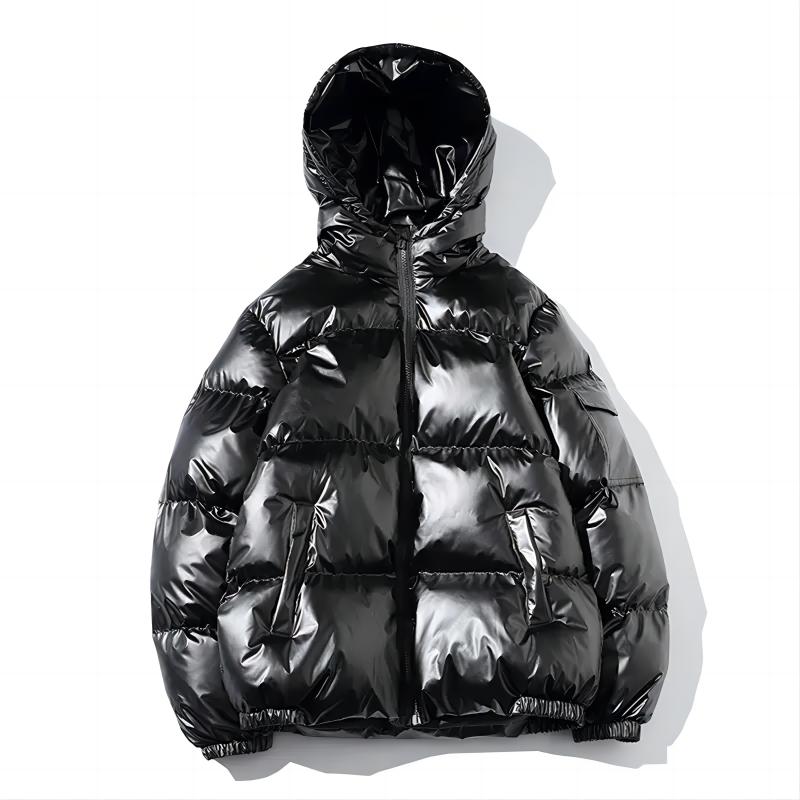
Bomber Jackets
Use this page to compare bomber jacket manufacturer capabilities for shell materials, lining, rib, zippers, pockets, insulation, embroidery and patches. It supports fashion, streetwear and uniform buyers evaluating silhouette, hardware and decoration together.
Get a Quote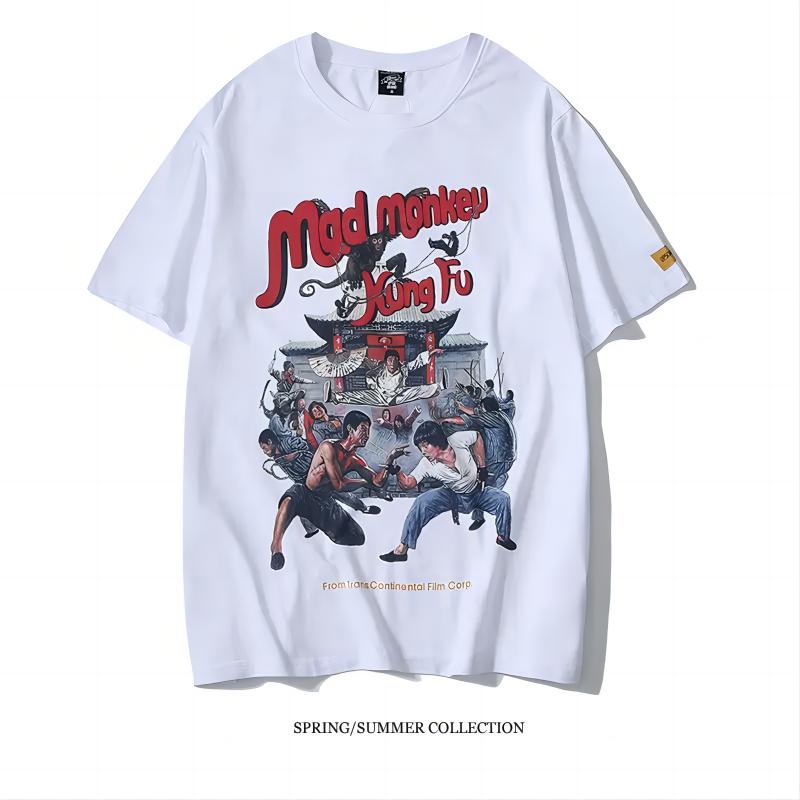
Custom Shirts
Visit this page when sourcing a custom woven shirt manufacturer for cotton, blends or technical wovens, collars, plackets, cuffs, pockets, fit blocks and private-label details. It is relevant for fashion shirts, overshirts, uniforms and coordinated collections.
Get a Quote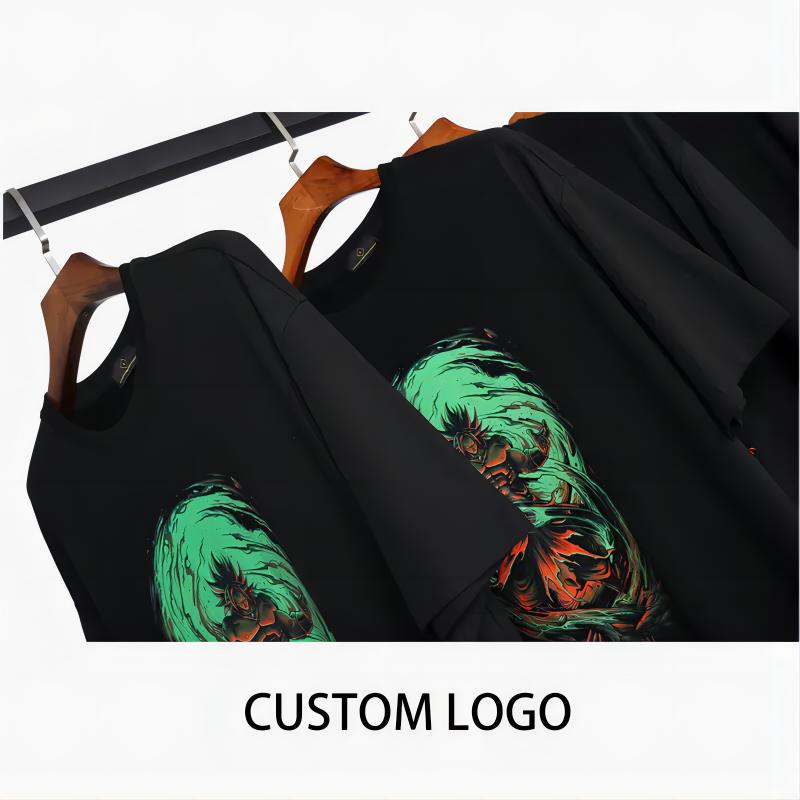
Custom Jerseys
Choose this capability for a custom jersey manufacturer that can coordinate breathable fabrics, panel construction, color matching, sublimation, printing, embroidery, names, numbers and size sets. It is useful for clubs, schools, events and branded athletic programs.
Get a Quote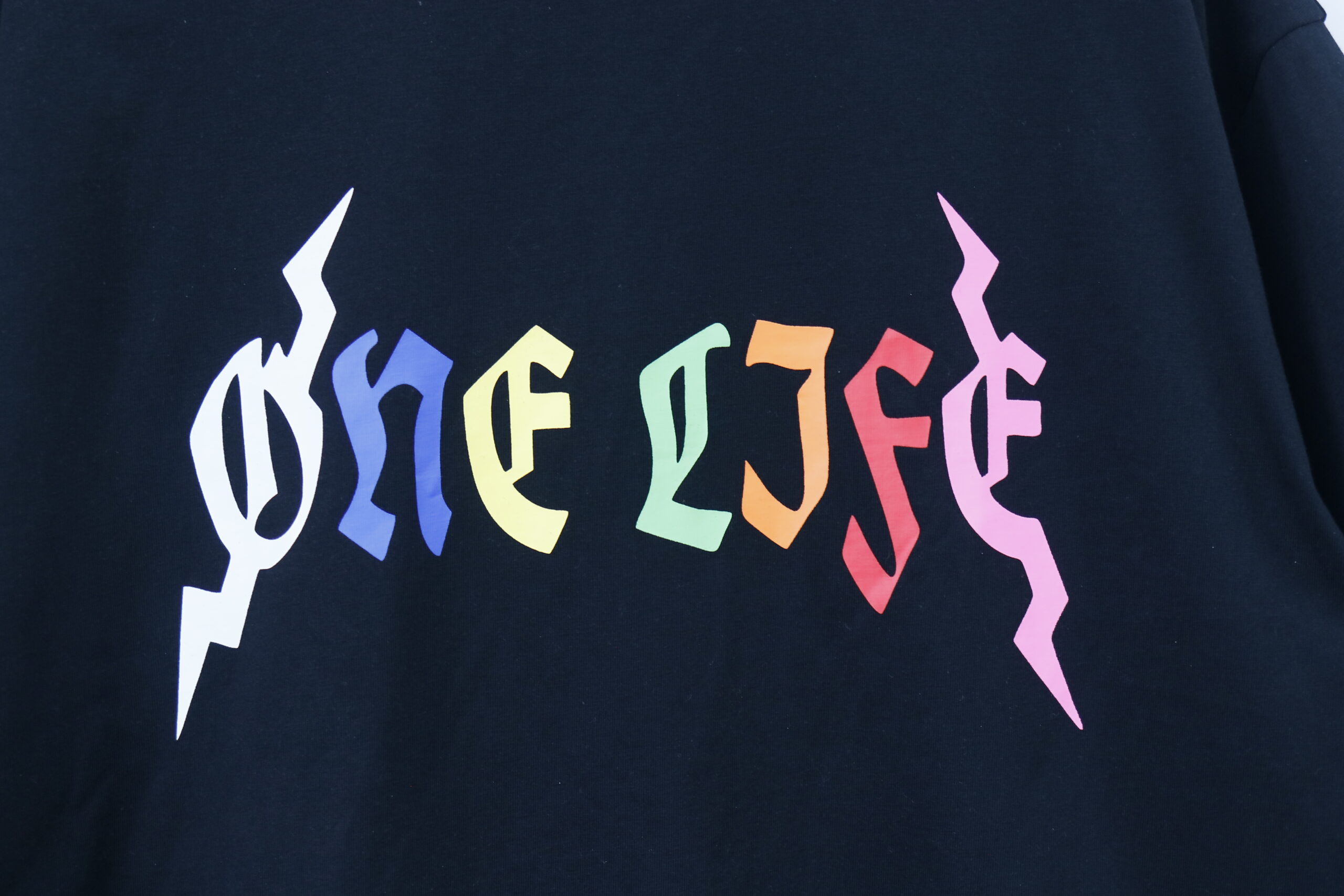
Tank Tops
This page helps buyers source a custom tank top manufacturer for jersey, rib or performance fabric, armhole and neckline finishing, fit, prints and labeling. Use it for training apparel, casual basics, streetwear layers and men’s or women’s seasonal programs.
Get a Quote
Soccer Uniforms
Visit this page when you need a soccer uniform manufacturer for matched jerseys, shorts and socks, breathable fabrics, team colors, crest placement, player names, numbers and organized size runs. It is best for clubs, academies, schools and tournament orders.
Get a Quote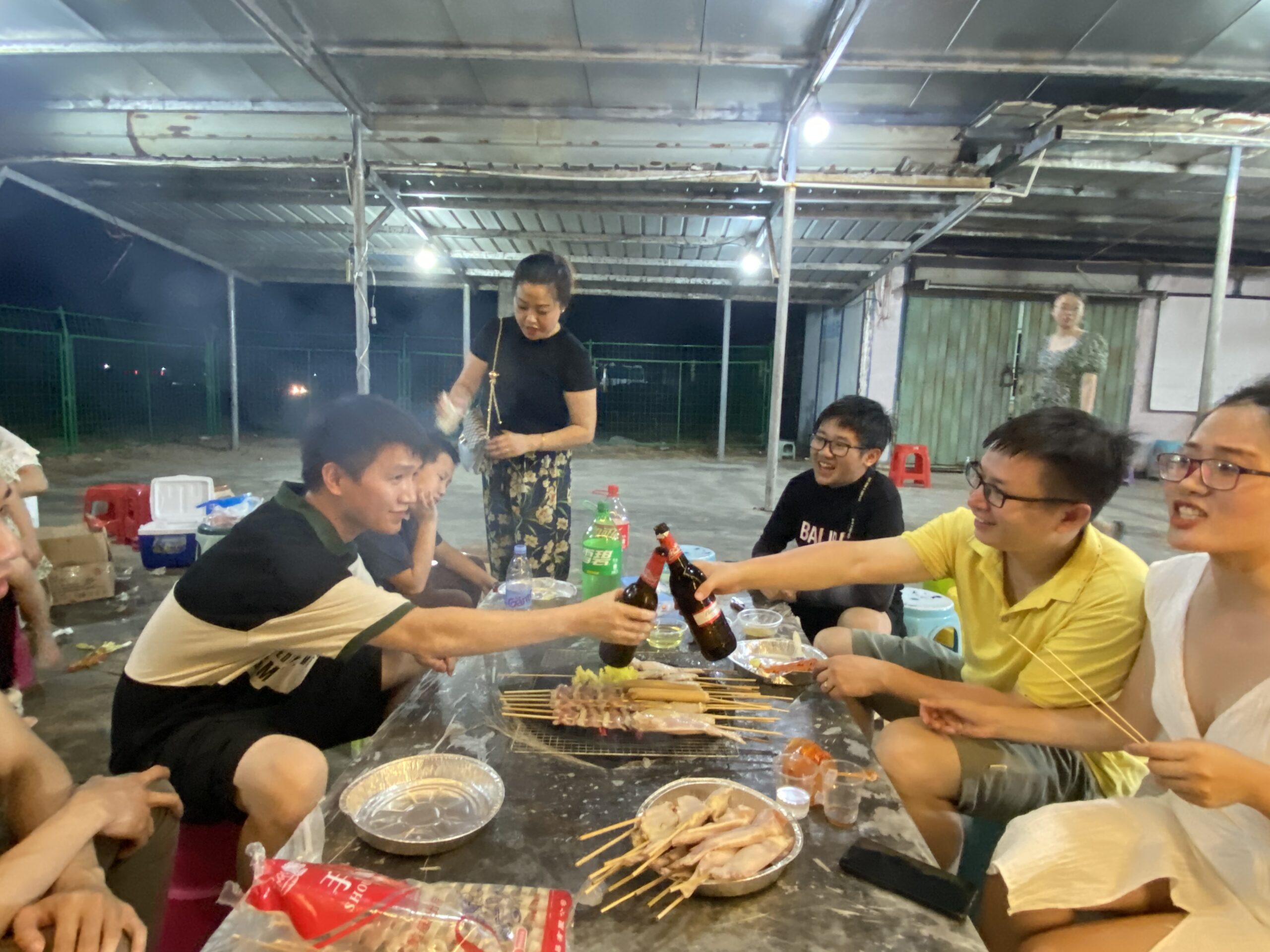
Basketball Uniforms
Choose this capability for a basketball uniform manufacturer supporting jersey and short sets, mesh or performance fabrics, contrast panels, sublimation, numbers, names and team color control. It is useful when uniform consistency across players and repeat orders matters.
Get a Quote
Streetwear Collections
Use this page when you need a streetwear clothing manufacturer to develop multiple connected styles under one production system. It covers fit direction, heavyweight fabrics, cut-and-sew details, graphics, embroidery, washes, trims, labels and packaging for production-ready collections.
Get a QuoteWool Clothing Manufacturer Since 2000
Founded by Edvorin Zeng in 2000, EDVORIN helps brands turn wool apparel concepts into production-ready standards. As a wool clothing manufacturer, we connect material sourcing, pattern development, construction details and sampling so each approved garment has a clear path into repeatable bulk production.
Whether you begin with a detailed tech pack or a reference garment, our OEM, ODM and private-label team develops the fit, trims, labeling, decoration and packaging around your program. Men’s and women’s wool apparel can be developed with MOQ starting at 200 pieces per style.
What makes EDVORIN different is the discipline after sample approval. We record the approved standard, coordinate materials and construction, monitor in-line production and inspect final goods before packing. Certification programs including ISO 9001, BSCI, WRAP, SEDEX, OEKO-TEX Standard 100, GRS and GOTS support qualified sourcing and production discussions.
Wool Apparel Programs vs. Merino-Only Knitwear Programs
Fiber and Blend Decisions
As a wool clothing manufacturer, EDVORIN helps translate the intended hand feel, warmth, stretch, weight, and care expectations into a material direction before sampling. Fiber content and blend choices are reviewed alongside the garment category, construction, and target wearer.
- Review wool content, blend balance, and fabric weight
- Align material selection with silhouette and end use
- Coordinate fabric, rib, lining, and trim compatibility
Fit Blocks That Scale
A wool garment must retain its intended proportion across the size range, not simply look correct in one sample size. EDVORIN develops men’s and women’s programs with measurement points, grading direction, and construction details documented for repeatable production.
- Develop fit blocks for men’s or women’s programs
- Record key measurements and grading rules
- Review ease, length, and proportions at sample stage
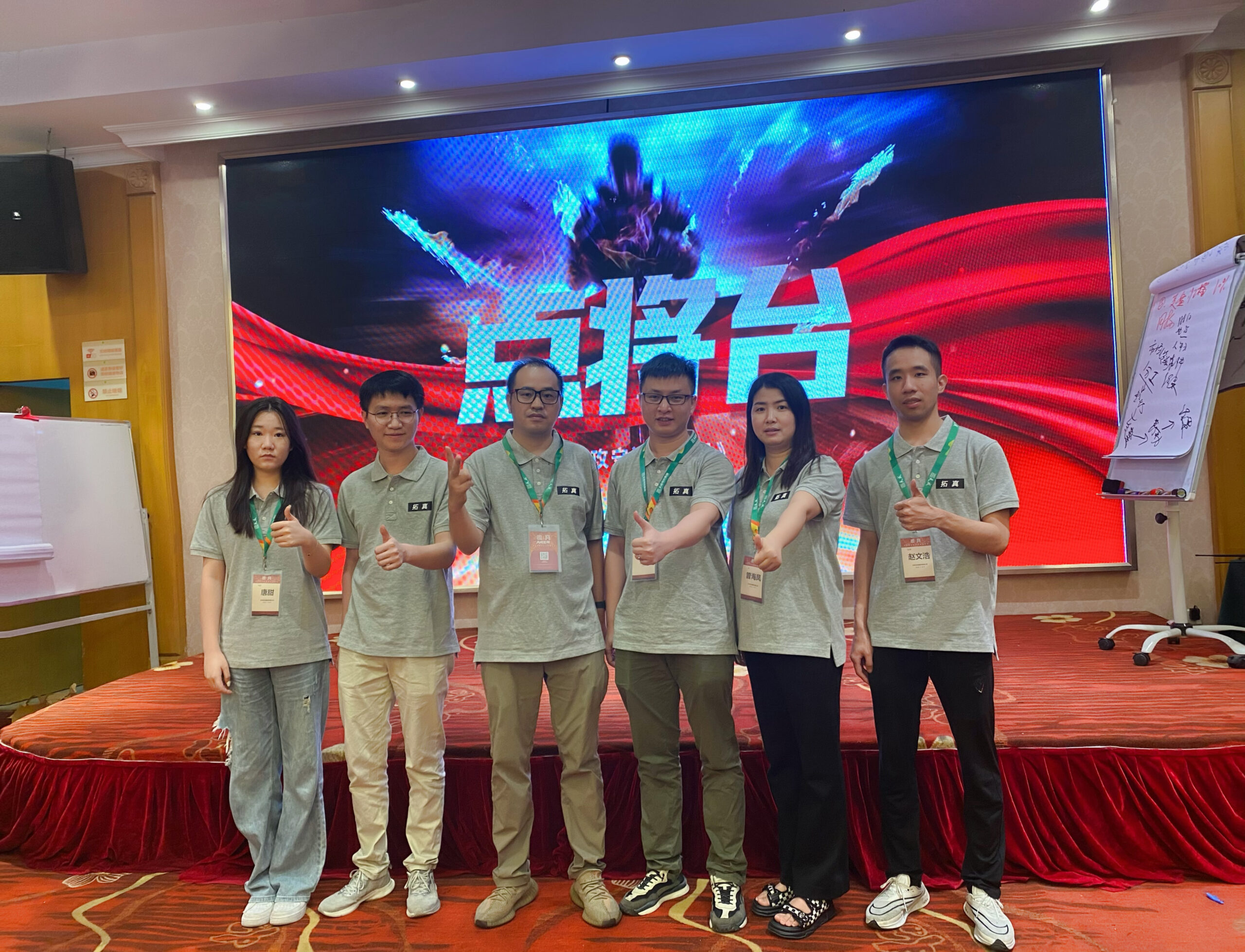
Construction and Decoration Compatibility
Seams, reinforcements, ribs, linings, embroidery, prints, and labels must work with the selected wool fabric rather than compromise its appearance or performance. EDVORIN reviews these interactions during development so the approved design can move into bulk production with clearer standards.
- Match seam and reinforcement choices to fabric behavior
- Assess decoration placement and base-fabric compatibility
- Specify labels, hardware, and finishing details early
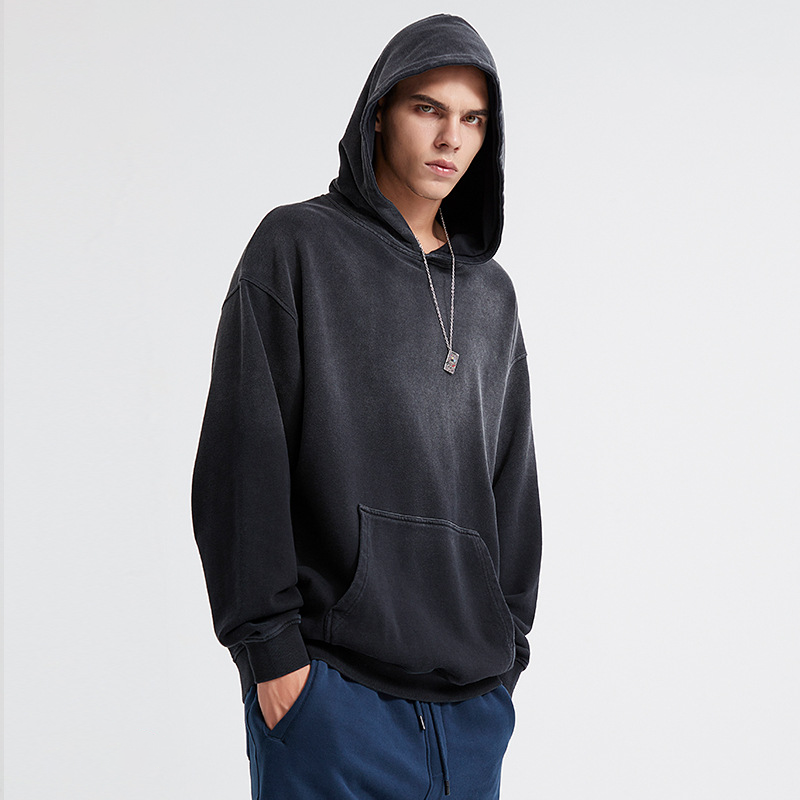
Approved Standards Through Bulk
The approved sample becomes the reference for production, but dependable repeat orders require that approval to be visible throughout the workflow. EDVORIN coordinates material checks, measurement control, artwork placement, in-line inspection, and final review before packing.
- Use approved samples as bulk production references
- Check measurements and workmanship during production
- Confirm finished goods before labeling and packing
Wool Clothing Manufacturer vs. Merino Knitwear Programs
Choose a production path that matches your category, performance targets, decoration plan and repeat-order needs.
← Swipe left or right to view →
Start Your Wool Apparel Program
A controlled wool apparel process that turns approved specifications into repeatable private-label production.
Review Product Requirements
We review your tech pack, sketches or reference garment, confirming fit, construction, wool content, target market, measurements, trims and decoration requirements before development begins.
Source Materials and Trims
Our team coordinates suitable wool or wool-blend fabrics, linings, ribs, labels, hardware and packaging, documenting selections against the intended garment performance and finish.
Build Patterns and Samples
Patterns, grading and sample construction translate the concept into a physical standard, allowing your team to assess fit, handfeel, detailing, color and decoration placement.
Approve Production Standards
Approved samples, measurement charts, artwork positions, material references and revision notes are consolidated into clear production standards for consistent wool clothing manufacturer execution.
Control Bulk Production
During cutting, sewing, decoration and finishing, in-line inspections check key measurements, construction and appearance against approved standards before variation can spread across the order.
Inspect Pack and Deliver
Final checks verify finished garments, labels, size assortments and packing details before shipment, helping ensure your wool collection arrives aligned with the approved production standard.
Start Your Wool Clothing Manufacturer Program
Move from an initial concept to an approved, repeatable bulk standard with one coordinated development and production workflow.
Share Your Product Direction
Send a tech pack, sketch, reference garment or collection brief, including target category, intended customer, quantities and the performance or styling goals behind the design.
Confirm Materials and Specifications
Review wool blend options, fit blocks, measurement charts, color references, trims, decoration, washing, labels and packaging requirements before sampling begins.
Approve the Development Sample
Assess the sample for construction, hand feel, fit, artwork placement and finishing, then document revisions until the approved garment becomes the production standard.
Launch Controlled Bulk Production
Release the confirmed wool clothing manufacturer specification for bulk production, with material coordination, in-line quality checks, final inspection and packing aligned to approved requirements.
What Buyers Achieved with Our Wool Clothing Manufacturer Program
EDVORIN translated our wool overshirt references into a production-ready specification and held the approved chest and sleeve measurements across 1,200 pieces. The second colorway followed the same fit block, which made our repeat order far easier to manage.
For our private-label merino blend program, EDVORIN coordinated the woven labels, size labels, hangtags and carton markings without the usual last-minute corrections. All 640 units arrived with the approved branding details ready for our wholesale allocation.
We needed a wool-blend varsity jacket that retained its intended proportions from sample through bulk. EDVORIN documented the rib, patch placement and snap details clearly; our 300-piece launch passed our incoming inspection with only two minor issues.
The Complete Buyer’s Guide to Wool Apparel Manufacturing
Practical answers on wool-blend development, decoration, sampling, minimums and production preparation.
What garment types can a wool clothing manufacturer develop?
What wool blends work best for private-label apparel?
Can a wool clothing manufacturer add embroidery, patches, or printing?
How should wool garments be washed and cared for?
EDVORIN’s MOQ starts at 200 pieces per style. What is the minimum order quantity for a wool clothing manufacturer?
Do I need a complete tech pack to start a wool clothing project?
What files should I send for a custom wool clothing quote?
How long do wool samples and bulk orders take?
Request a Quote for Your Wool Apparel Program
Use this decision framework to compare wool product capabilities, fiber and construction choices, customization options, supplier qualifications, and realistic costs—while avoiding sourcing mistakes that delay launches or compromise quality.
1. What Is a Wool Clothing Manufacturer?
200 pieces is a practical starting point for a wool clothing manufacturer that converts buyer specifications into finished garments. Its scope can include sourcing wool or wool-blend materials, developing patterns and samples, coordinating trims and decoration, managing bulk cutting and sewing, inspecting output, then labeling, packing and arranging delivery.
4 supplier types are often confused: a yarn spinner makes yarn; a fabric mill knits or weaves fabric; a trading company coordinates suppliers; and a finished-garment factory may only sew approved components. A full-service partner connects those stages and records the approved sample, measurements, materials and packing requirements as production standards.
1 complete tech pack may only require a specialist factory with proven wool construction. Brands building first collections, private-label buyers, schools and teams needing coordinated sizing, or wholesalers requiring repeatable programs usually benefit from a partner such as EDVORIN that can manage development through final inspection.
2. How Wool Apparel Manufacturing Evolved
19th-century wool production centered on scouring, carding, spinning, weaving or knitting, then milling and finishing; those steps still determine handle, shrinkage and stability. Modern buyers need the mill and garment factory to translate that legacy into measurable specifications, not subjective sample comments.
100% Merino is now joined by wool-nylon blends for abrasion resistance, elastane blends for recovery, and washable treatments for easier care. A wool clothing manufacturer should test the chosen construction for pilling, dimensional change and color consistency before approving a private-label size run.
200-piece programs make documentation especially valuable: fiber-content records, lot identification, approved shade bands and responsible-sourcing evidence should follow the order. EDVORIN can coordinate development from material sourcing through patterns, samples, decoration, bulk production and final packing, helping buyers convert an approved wool concept into a repeatable production standard.
3. Types of Wool Clothing Manufacturer Partners
Six factory models cover most wool programs, but their machinery and development scope differ sharply. Match the product architecture—not just a wool clothing manufacturer’s catalog—to the production partner.
Knitwear And Socks
EDVORIN’s MOQ starts at 200 pieces per style. Flat-bed knitwear specialists suit sweaters, cardigans, and knit polos; ask about gauge range, linking capacity, and yarn MOQ.
Sock factories suit ribbed, terry-loop, and compression socks; confirm cylinder count, heel construction, and color-change limits.
Cut And Sew Outerwear
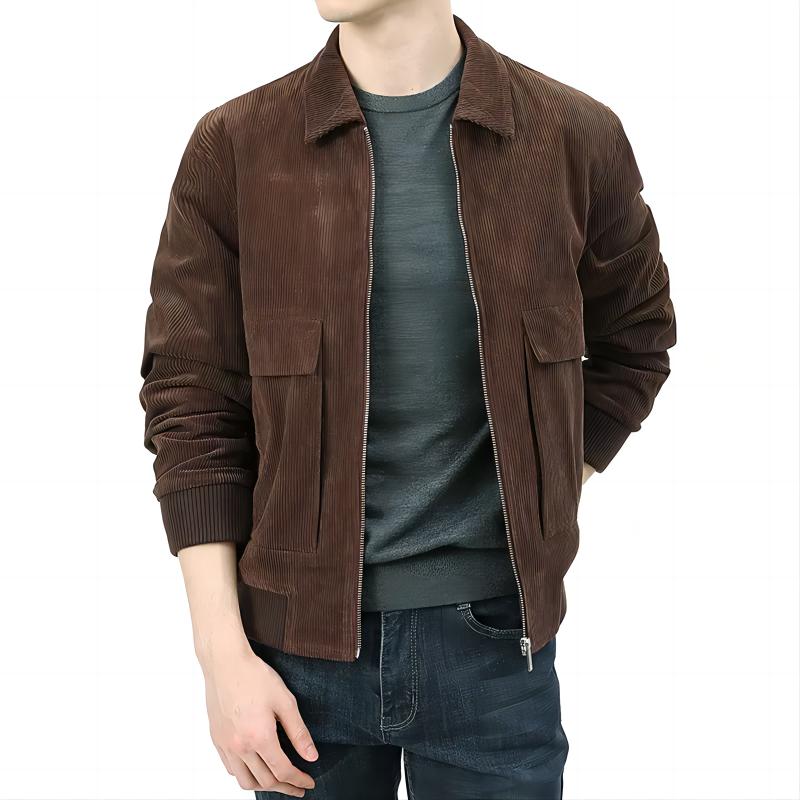
Cut-and-sew factories develop wool-blend jerseys, trousers, and overshirts from patterns; verify marker-making and shrinkage testing.
Outerwear makers fit lined coats and varsity jackets; ask about fusing, insulation handling, hardware sourcing, and sample pattern expertise.
Performance And Full Package
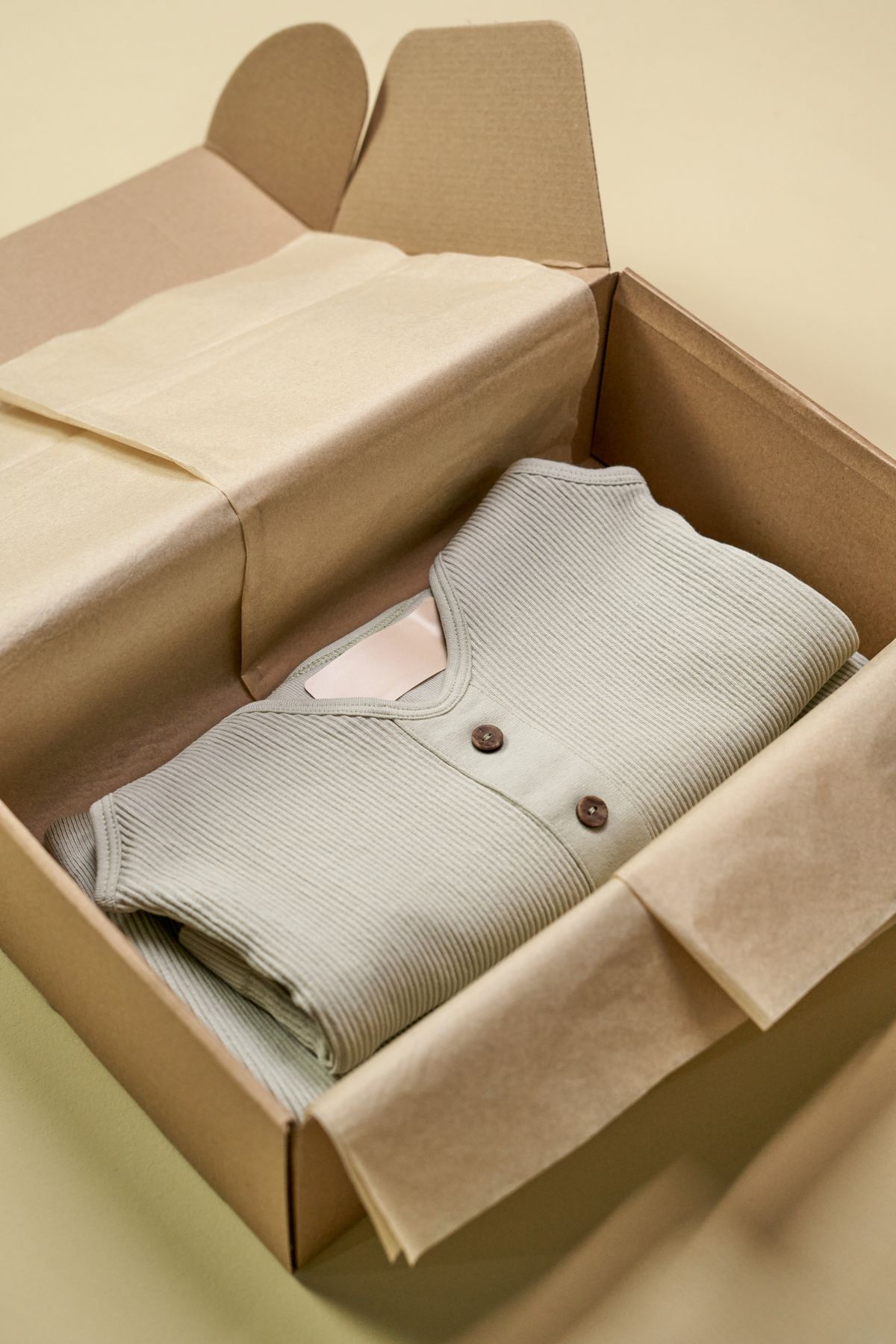
EDVORIN’s MOQ starts at 200 pieces per style. Performance suppliers fit merino base layers with flatlock seams; confirm fabric testing and stretch-recovery control.
Full-package private-label partners coordinate sourcing, patterns, labels, and packing, but buyers should clarify MOQ ownership and approved-material control.
4. Wool Fabrics a Manufacturer Can Source
A wool clothing manufacturer should specify fiber percentage, knit gauge or GSM, and finishing before sampling. These choices determine warmth, recovery, pilling exposure, and care expectations.
| Material | Performance | Suitable Products | Trade-Off |
|---|---|---|---|
| Merino jersey | Soft, stretch, 150–220 GSM | Base layers, socks | Delicate care |
| Lambswool | Lofty, warm | Sweaters | Coarser hand |
| Recycled wool | Warm, lower-impact input | Outerwear | Pilling variation |
| Wool blend | Durable, recoverable | Uniforms, sweaters | Less pure-wool hand |
| Boiled wool | Dense, warm, low stretch | Outerwear | Limited drape |
| Woven wool | Structured, wind resistant | Uniforms, jackets | Needs lining |
| Wool-cashmere | Very soft, warm | Premium sweaters | Higher pilling |
Fine Knits And Base Layers
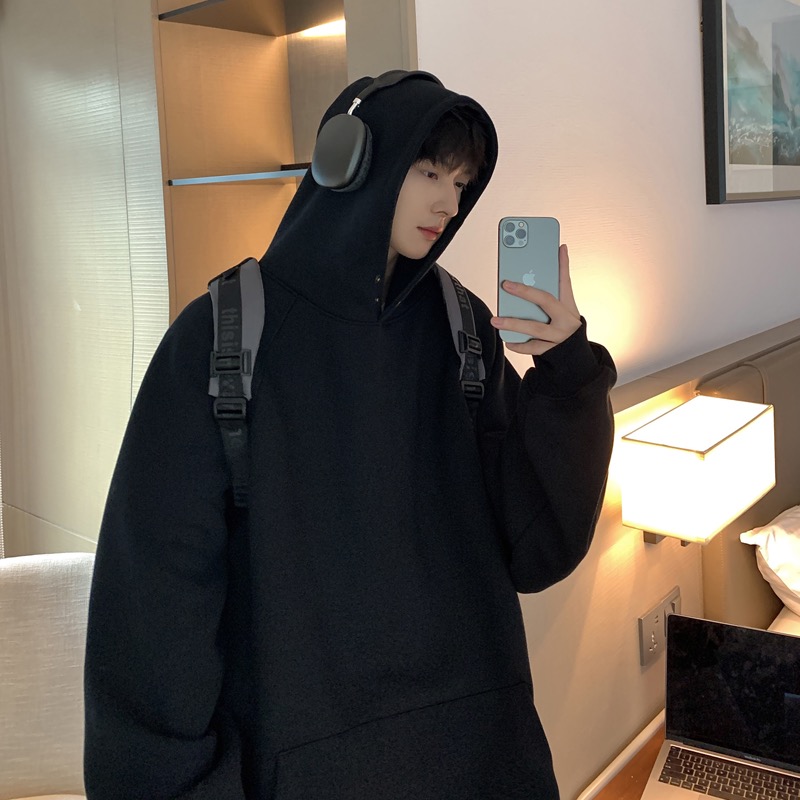
17.5–21.5 micron Merino in 150–220 GSM jersey is soft, breathable, and naturally stretchy for base layers and socks. Finer yarns need abrasion testing and gentle laundering.
7–12 gauge Merino or wool-cashmere suits sweaters with a smoother hand and high warmth. Cashmere improves softness but raises pilling and dry-cleaning risk.
Structured Wool Options
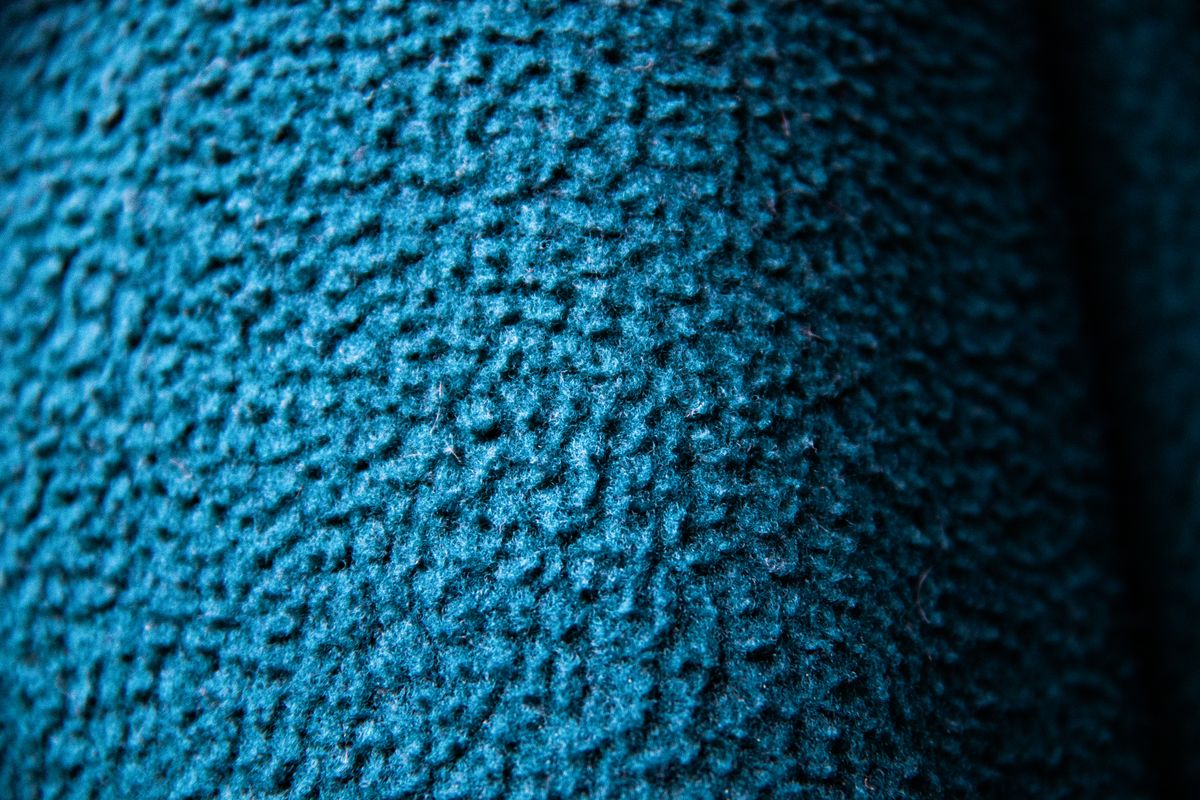
280–450 GSM boiled wool is dense, warm, and low-stretch for overshirts and outerwear. Woven wool adds shape for uniforms and jackets, but requires lining and seam planning.
60–80% lambswool provides loft and warmth in sweaters. Its coarser hand can suit midlayers better than next-to-skin programs.
Blend Selection
20–50% recycled wool can support heavier knits and outerwear, but fiber length variation may increase pilling. Nylon or polyester blends improve durability; elastane improves recovery.
5. Custom Options from a Wool Clothing Manufacturer
At a 200-piece starting order, EDVORIN can translate a private-label wool concept into approved patterns, colors, trims, and packing standards. Lock each choice in the sample record before bulk production.
| Route | Brand Impact | Durability | Setup And MOQ |
|---|---|---|---|
| Custom knit and color | High | Garment-life | Yarn development; higher commitment |
| Embroidery or patch | High | High | Digitizing; moderate increase |
| Limited print | Medium | Fabric-dependent | Artwork testing; moderate increase |
| Labels and packaging | Medium | Use-life | Low setup; flexible quantities |
Silhouette And Knit Development
200-piece programs can use custom fit blocks, grading, yarn colors, and knit structures such as jersey, rib, or cable.
1 approved size set prevents sleeve, body-length, and neckline changes from reaching bulk production.
Branding And Decoration
2 decoration samples should be tested on the actual production fabric before approval.
Textured knits and heat-sensitive wool can distort under embroidery, appliqué backing, or heat transfers; labels, hangtags, and packaging avoid that risk.
Customization Trade-Offs
3 common routes differ in visibility, wear life, setup, and order implications.
Pantone approvals and placement measurements should accompany every branded component.
6. Construction Details That Define Wool Quality
A wool clothing manufacturer should approve construction against a physical standard, not fiber content alone. Review prototypes and pre-production samples after controlled laundering, because knit structure determines durability, recovery, and size stability.
Knit Structure And Seams
One even stitch field should show consistent yarn twist, gauge, and stitch density across panels. Reject barre, dropped stitches, loose linking, or seam puckering; inspect shoulder joins and armholes under tension.
Wear Points And Recovery
Two high-stress areas—cuffs and hems—need firm rib recovery after repeated stretching. Ask: does the rib return flat, do elbows bag, and are pockets, plackets, or side seams reinforced where wear is expected?
Sample Approval Tests
Three checkpoints catch bulk-risk early: measure before wash, wash to the approved care method, then remeasure and compare appearance. Pass only when shrinkage, spirality, pilling, handfeel, and finished measurements remain within the buyer-approved tolerances.
- Measure chest, length, sleeve, and opening points
- Check shape on a hanger and worn body
- Record wash method and sample results
7. Choosing a Wool Clothing Manufacturer
EDVORIN’s MOQ starts at 200 pieces per style. A 200-piece MOQ makes early supplier screening especially important for a wool clothing manufacturer. Compare proven wool-garment experience with a documented path from tech pack through approved sample, bulk checks, packing, and shipment.
Vetting Checklist
Five records reveal whether a supplier can repeat an approved standard. Request them before paying for development.
- Comparable wool styles and buyer references
- Sample revisions, measurement tolerances, and approval record
- Fabric, lining, trim, and color sourcing options
- Capacity plan, in-line inspection, and final QC process
- Compliance documents, export support, and shipping terms
Weight Criteria By Buyer
Fashion labels should prioritize development depth, handfeel, and decoration accuracy. Teams and schools need color, numbering, size-set control, and delivery dates; wholesalers prioritize repeat capacity, while corporate buyers need compliance, packaging, and dependable logistics.
Questions For Initial Outreach
Three questions expose operational fit before sampling begins. Send a tech pack, target quantity, destination, and required delivery date.
- Which comparable wool garments have you produced?
- What is the sample-to-bulk lead-time plan?
- Which certifications and inspection reports can you provide?
8. Mistakes When Hiring a Wool Clothing Manufacturer
A 200-piece wool order can fail long before cutting begins when approvals leave key variables open. Treat the quote, sample, test results, production capability, and delivery terms as one pre-bulk decision set.
Chasing The Lowest Quote
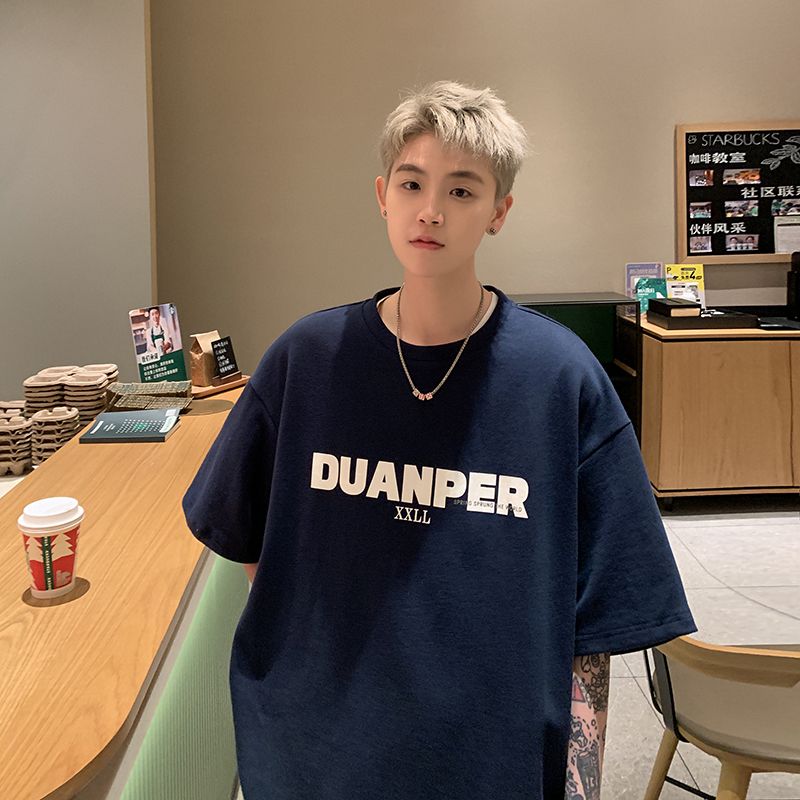
One low quote may exclude fabric testing, stable trims, inspection, or export packaging. Compare like-for-like specifications and request a line-item quotation before awarding bulk.
Two swatches with the same wool percentage can differ sharply in fiber length, yarn count, knit density, and finishing. Approve the actual fabric standard, not the percentage alone.
Approving An Incomplete Sample
One unwash-tested sample cannot confirm shrinkage, twisting, color change, or pilling. Require wash instructions and documented wash-test results against agreed measurement tolerances.
Two vague references—a sketch and a photo—do not replace a tech pack. Lock measurements, grading, stitch construction, Pantone references, labels, and decoration placement before production.
Skipping Production Readiness
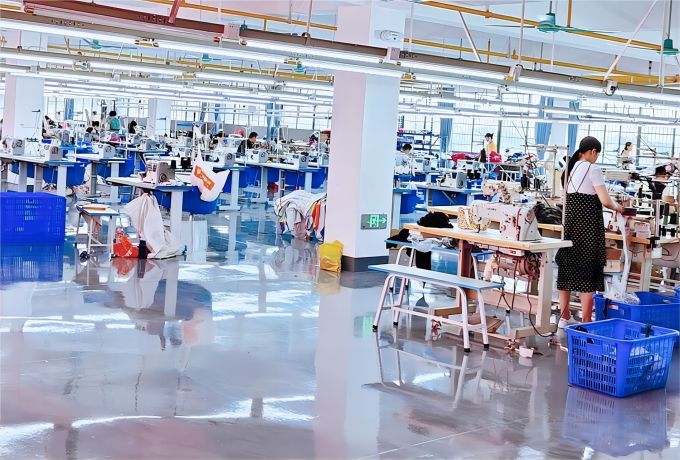
Three capability checks matter: relevant wool construction experience, sampling capacity, and quality-control checkpoints. Review comparable samples and confirm the factory can reproduce the approved construction at bulk scale.
Four commercial details need written confirmation: sample calendar, bulk lead time, packing method, and delivery terms. Build revision time into sampling and define carton marks, quantities, Incoterms, and shipment handoff before placing the PO.
9. Launching with a Wool Clothing Manufacturer
A 200-piece launch needs one owner for every decision before purchase orders begin. Build revision time into the calendar; prototype, fit, wash and pre-production approvals should never be compressed into one gate.
Define The Production Brief
Week 1 starts with the target wearer, price position, size range and sales channel. The buyer owns the tech pack, Pantone artwork, label copy, care content and packaging specifications.
Two approvals matter before quoting: measurement tolerances and an approved material direction. EDVORIN can translate sketches or reference garments into production-ready construction details.
Approve Samples And Testing
Weeks 2–6 should allow a prototype, fit review and revised sample, with each change logged against the tech pack. Confirm knit gauge, yarn blend, handfeel, shrinkage expectations and decoration placement.
Before bulk release, approve wash and lab-test requirements appropriate to the market. The signed pre-production sample becomes the factory’s visual and measurement standard.
Control Bulk And Shipment
Weeks 7–12 require a confirmed production calendar, in-line inspection points and a final inspection standard. EDVORIN coordinates material, pattern, decoration, labeling, packing and quality-control decisions through one accountable path.
Two weeks before shipment, confirm carton marks, destination, freight booking and final quantity. The buyer gives final sign-off only after inspection results and packing details match approval.
10. Wool Clothing Manufacturer Pricing and MOQ
200 pieces is a practical starting MOQ for a wool program, but it is not a universal unit price. Merino versus wool-blend yarn, fiber specification, knit gauge, and fully fashioned versus cut-and-sew construction set the material and labor base.
2 quotations can look comparable while including different sampling, trims, decoration, packaging, freight, or duties. Request an itemized quote and confirm included services, approval stages, Incoterms, and delivery destination before comparing a wool clothing manufacturer.
| Order volume | Primary cost drivers | Relative unit cost | Lead-time effect |
|---|---|---|---|
| 200–499 units | Yarn choice, sample development, gauge setup | Highest | Sampling and setup weigh heavily |
| 500–999 units | Construction, labels, embroidery or print | Moderate | Material booking improves planning |
| 1,000+ units | Colorways, packaging, freight consolidation | Lowest relative | Bulk capacity and shipping scheduling matter |
Start Your Wool Clothing Manufacturer Review
Send your artwork, tech pack, reference garment or collection brief for development guidance and a production quote from EDVORIN.