
Contract Clothing Manufacturer for Apparel Built to Repeat
EDVORIN is a contract clothing manufacturer for fashion, streetwear, teamwear and private-label programs, with OEM development and MOQs from 200 pieces per style.
Featured Products for Contract Clothing Development
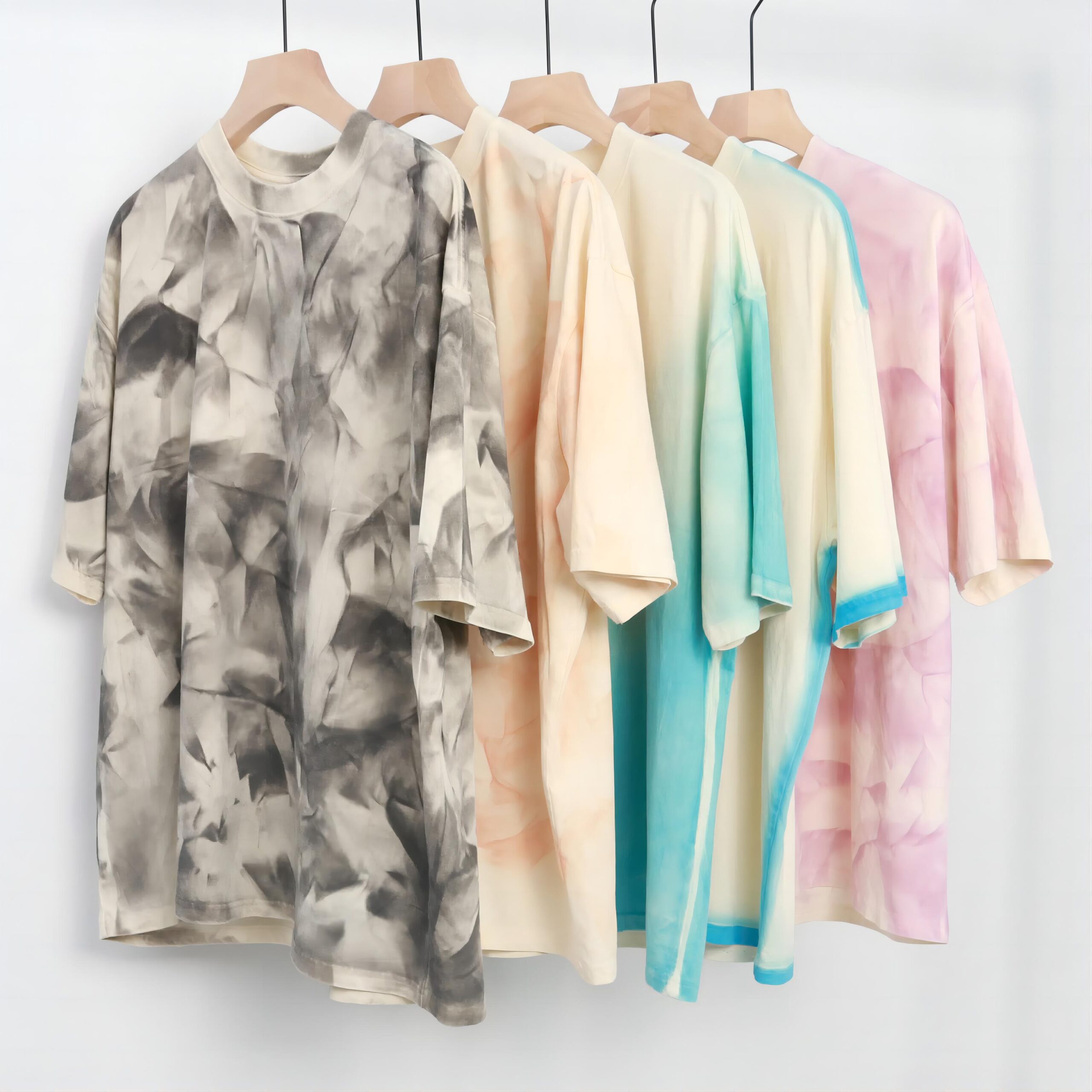
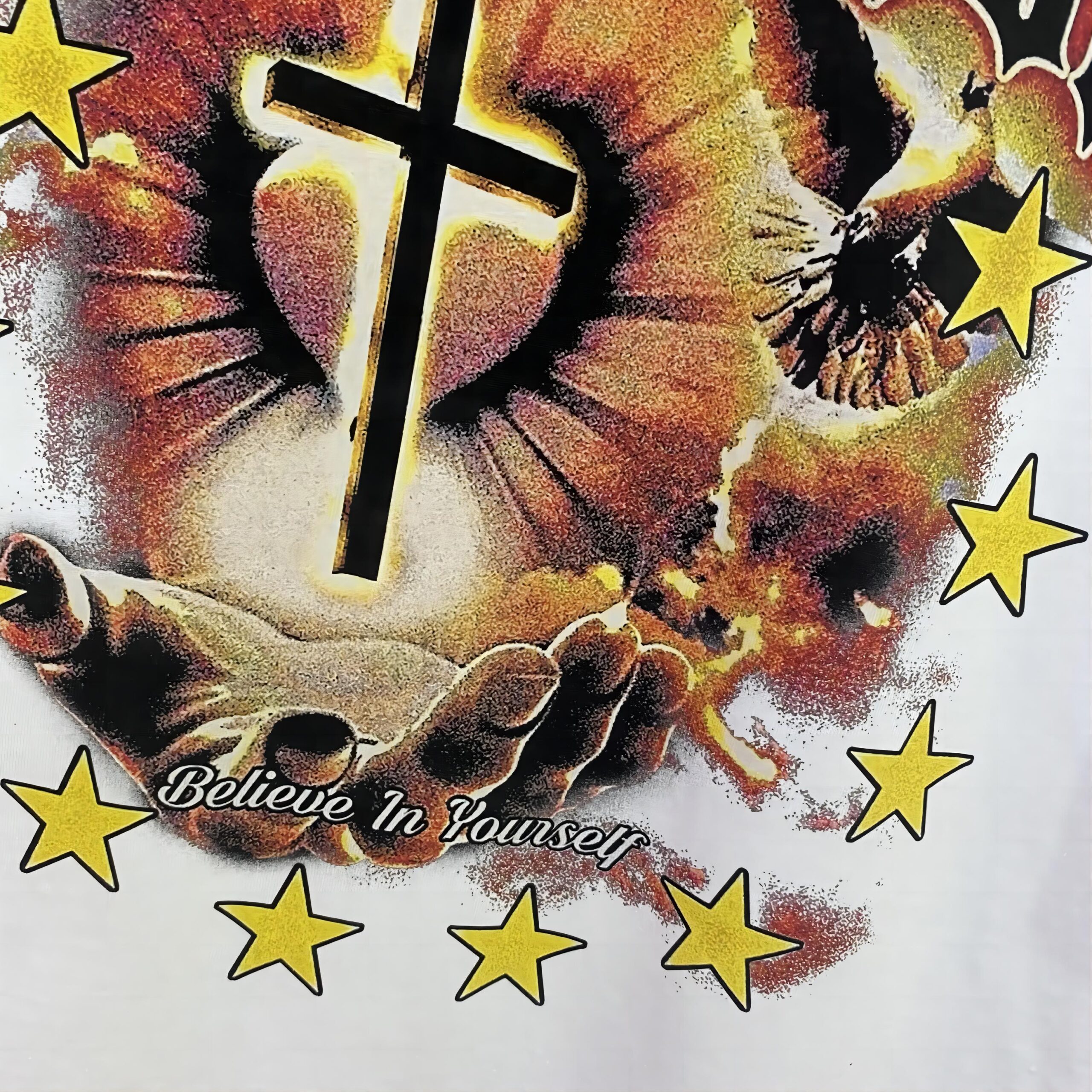
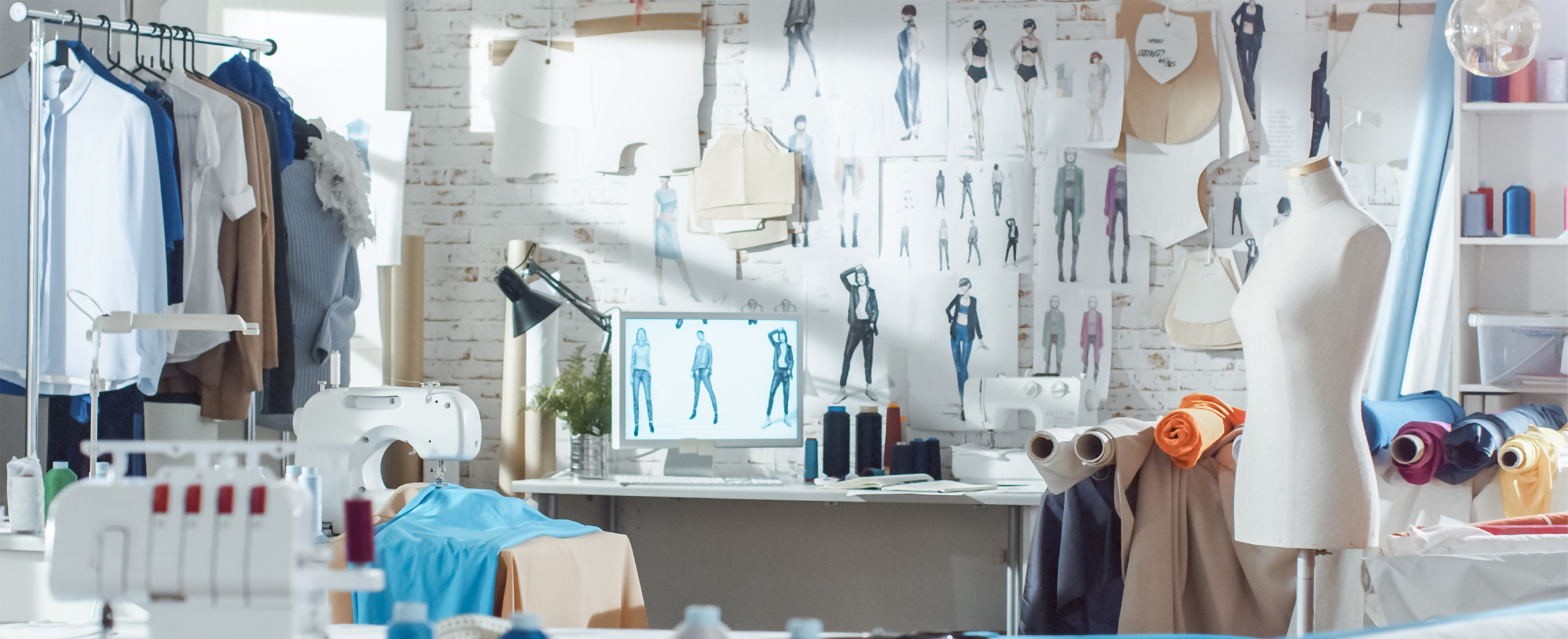




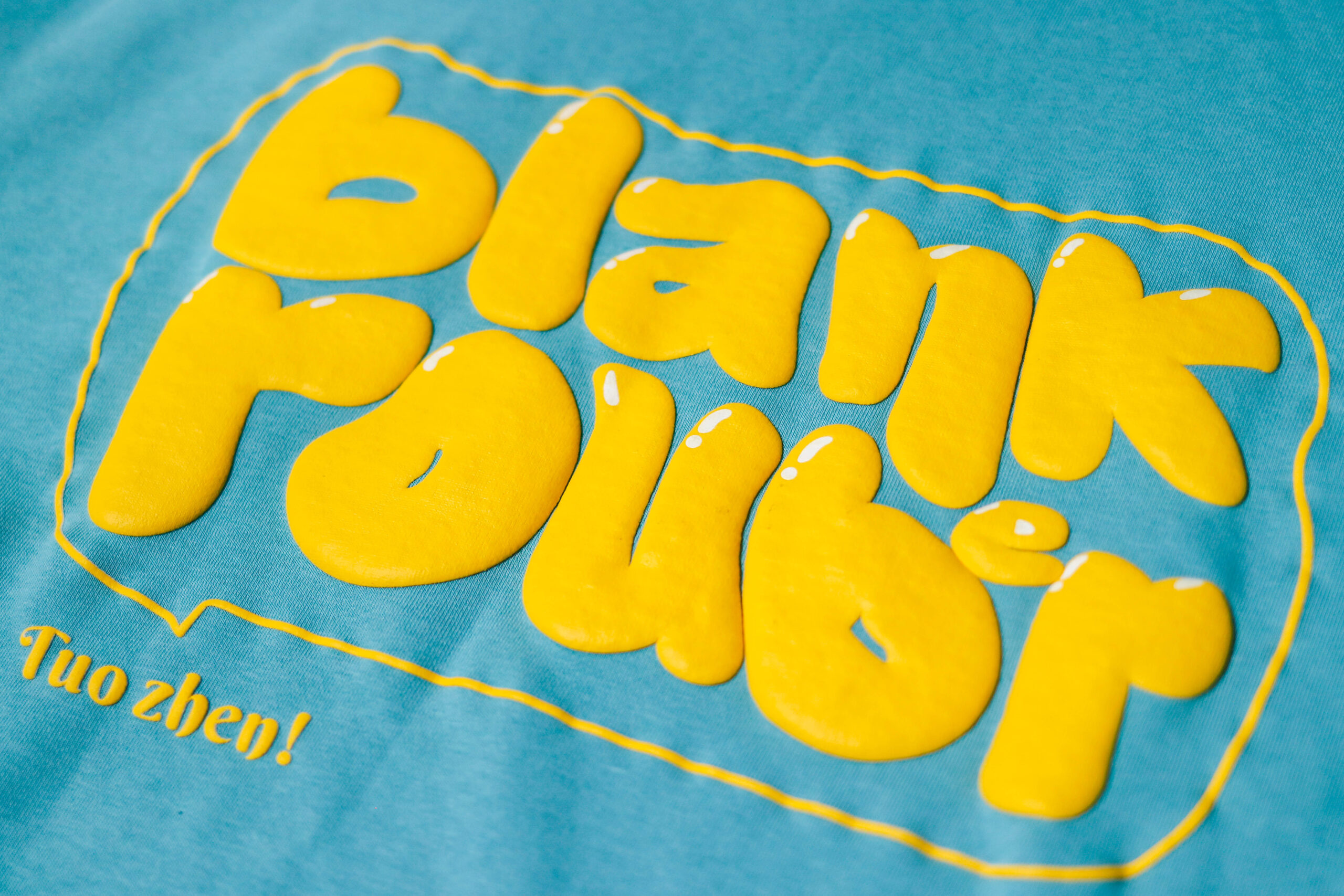
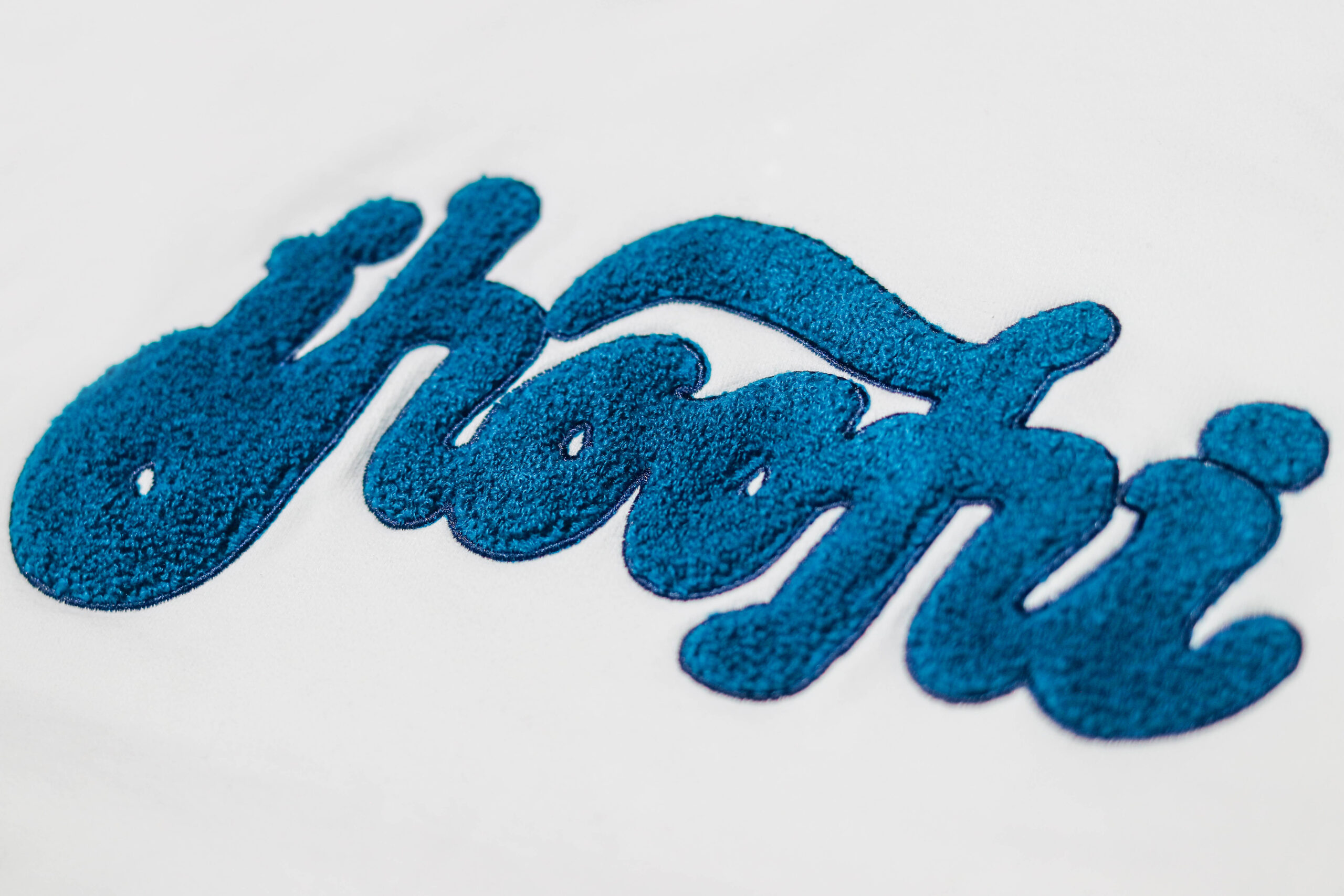
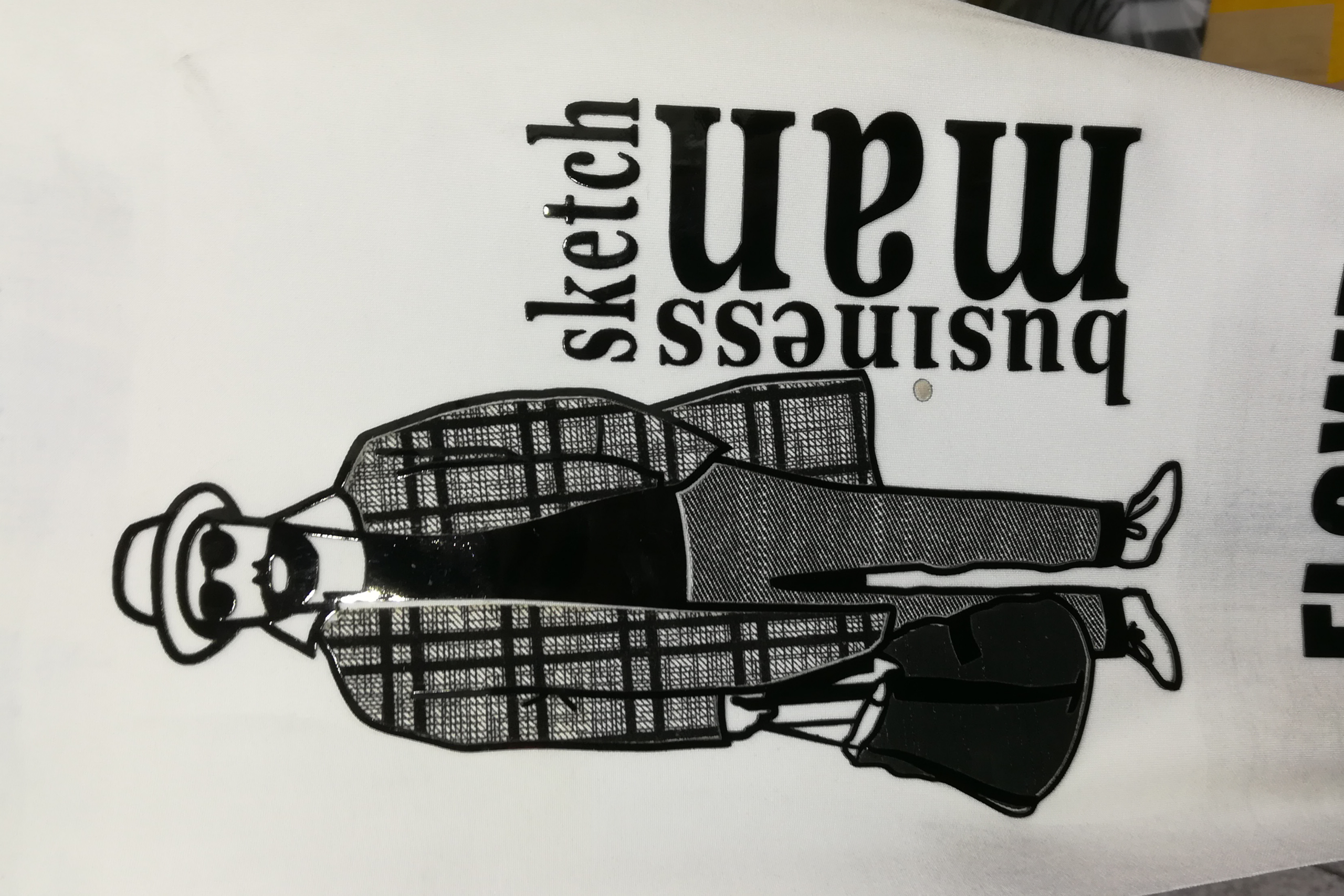
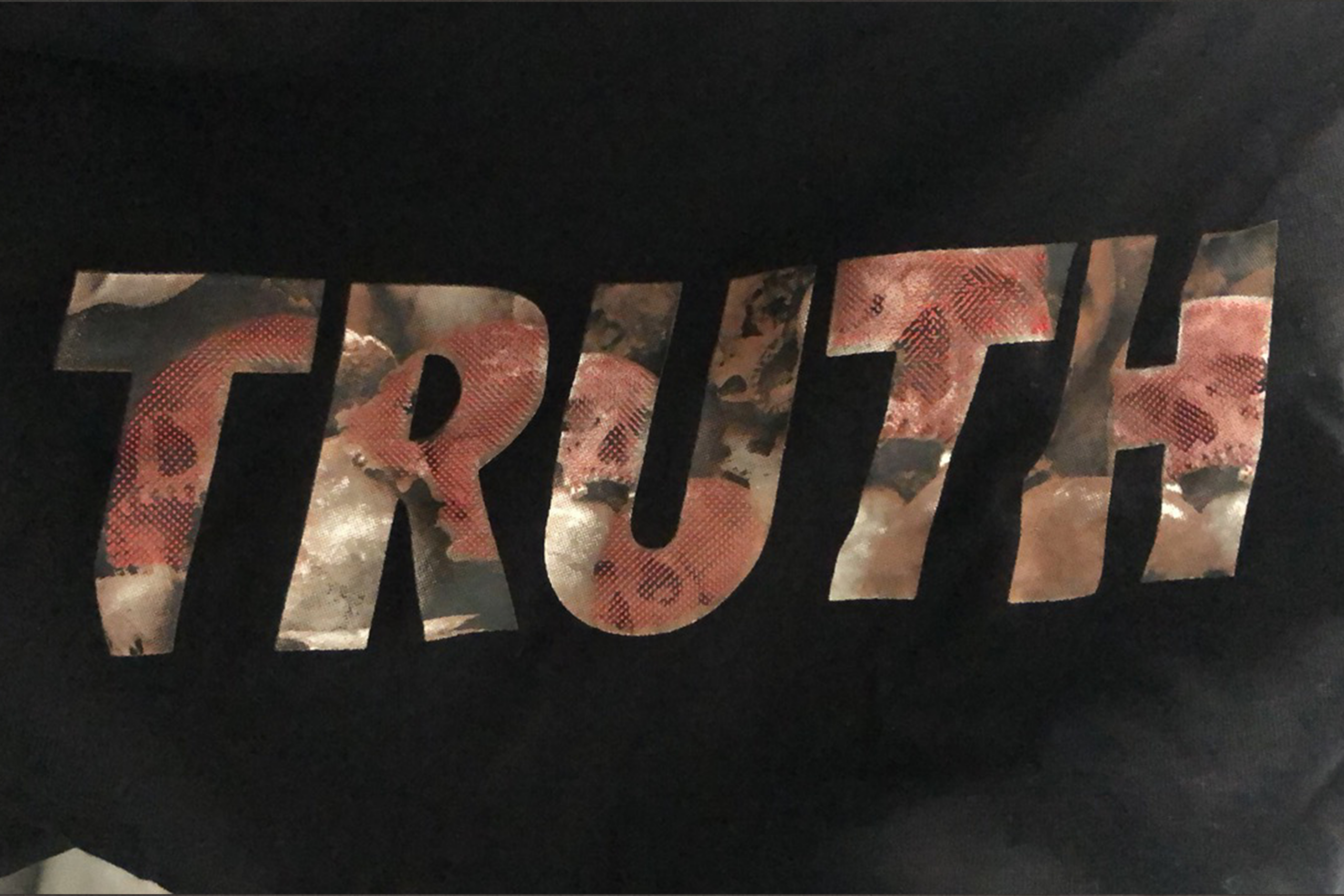

Contract Clothing Manufacturer Built to Repeat
EDVORIN connects development, construction, decoration and quality control into one accountable path from concept to packed order.
Founder-Led Accountability
Since 2000, founder-led oversight keeps development decisions, approvals and production responsibility connected from first discussion through final packing.
OEM and ODM Development
Bring a complete tech pack, sketch or reference garment; EDVORIN develops patterns, materials, samples and specifications for repeatable production.
Category-Specific Construction
Hoodies, jackets, jerseys and more receive construction, fit, material and performance choices matched to the intended wearer and market.
Coordinated Decoration
Printing, embroidery, washing, labels and packaging are coordinated with the base garment so details remain aligned with the approved standard.
Approved Sample Controls
Approved samples become the reference for measurements, artwork placement, trims and inspections, helping bulk orders reproduce the intended result.
Apparel Categories Built for Your Market
From first development to repeat bulk orders, EDVORIN builds category-specific apparel programs with coordinated materials, construction, decoration and quality control.
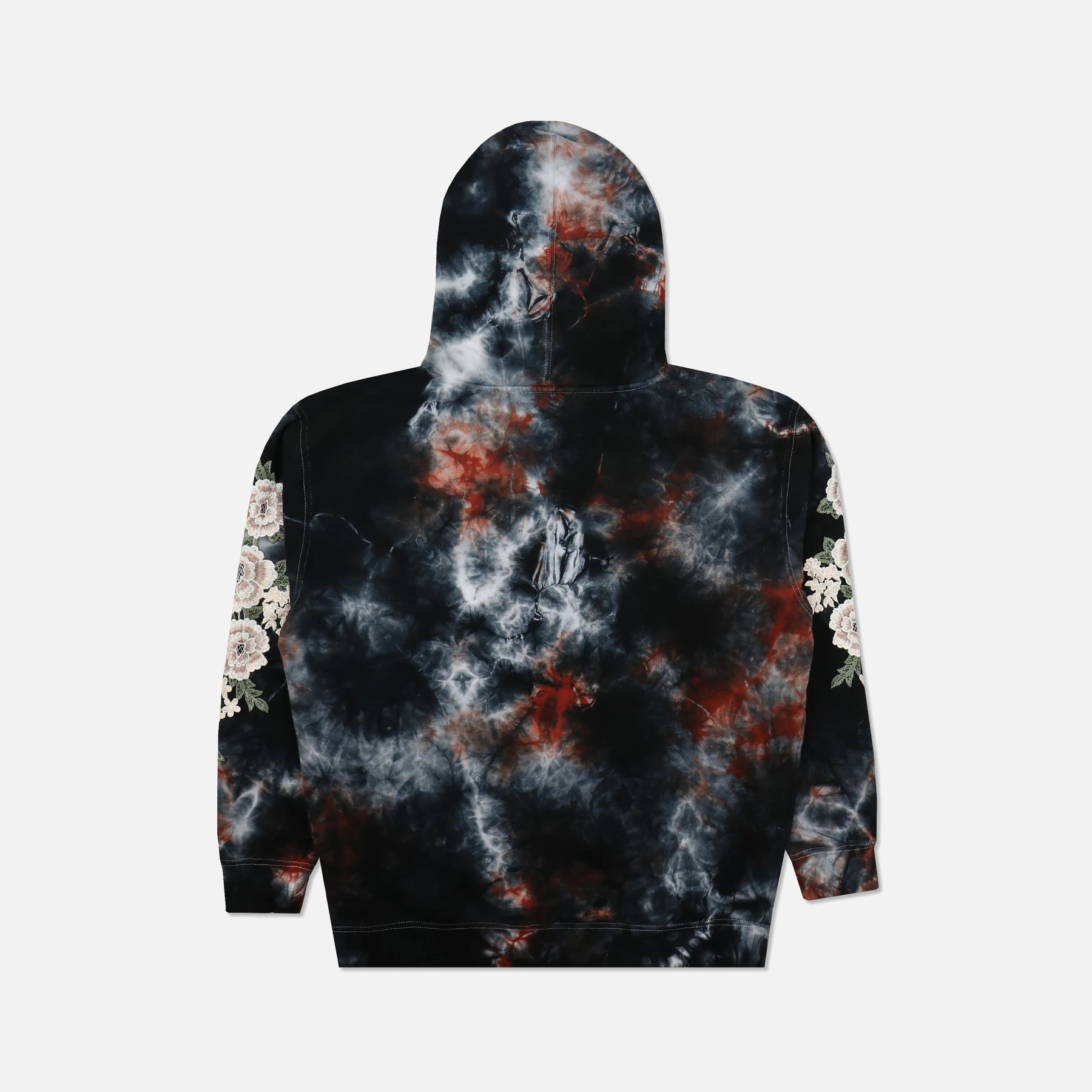
Custom Hoodies
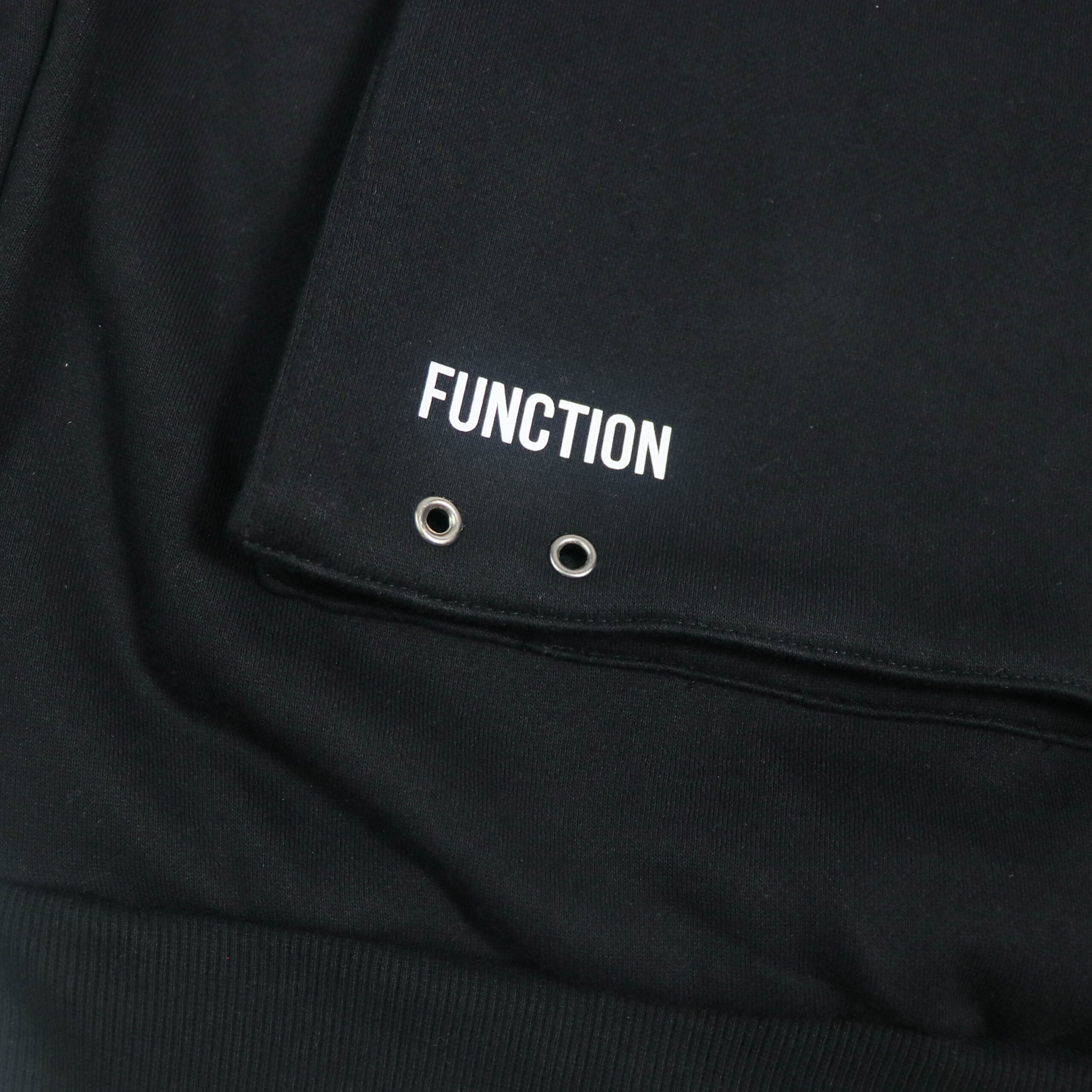
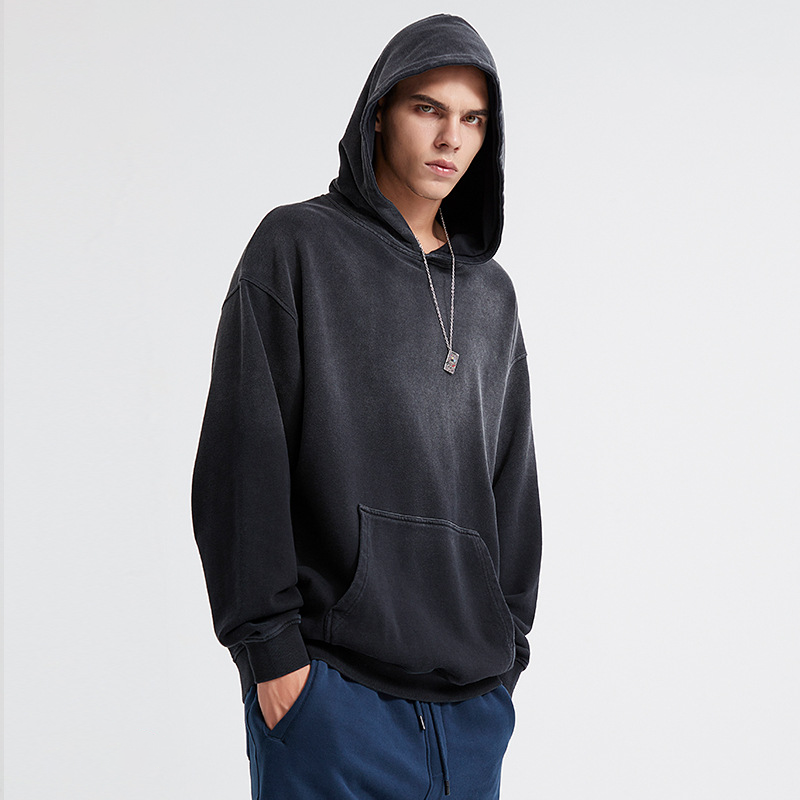
Custom hoodie manufacturer support covering fleece selection, fit blocks, hoods, ribbing, drawcords, pockets, labels and print or embroidery placement. Approved samples establish the standard for repeatable bulk production across men’s and women’s programs.
Get a Quote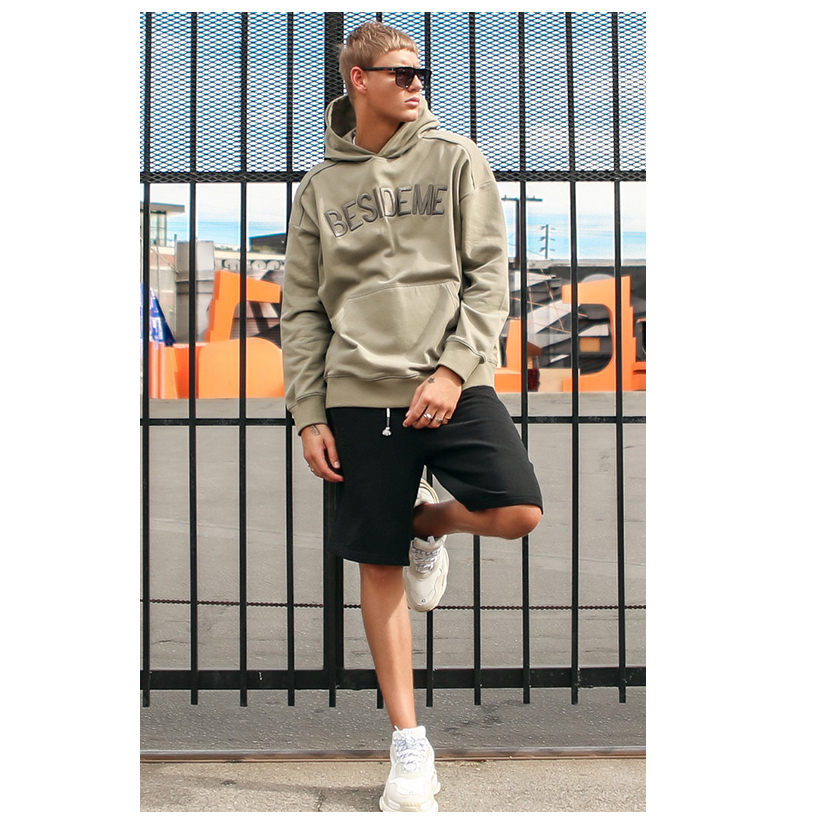
Pullover Sweatshirts
As a sweatshirt manufacturer, EDVORIN develops pullover styles around fabric weight, neck rib recovery, seam construction, fit and decoration compatibility. Suitable for branded basics, retail capsules and private-label programs requiring consistent repeat orders.
Get a Quote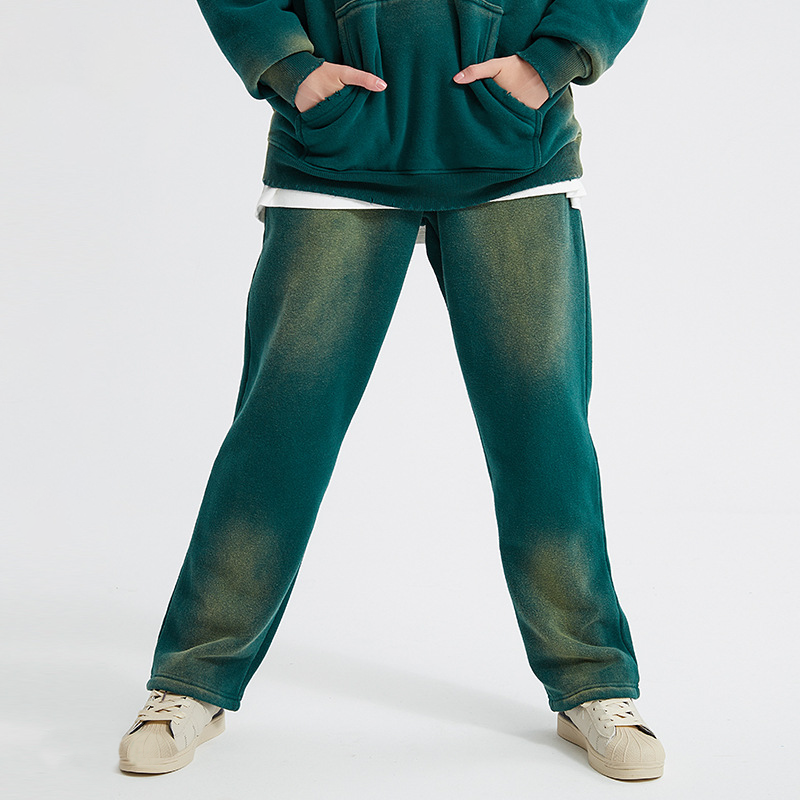
Sweatpants & Joggers
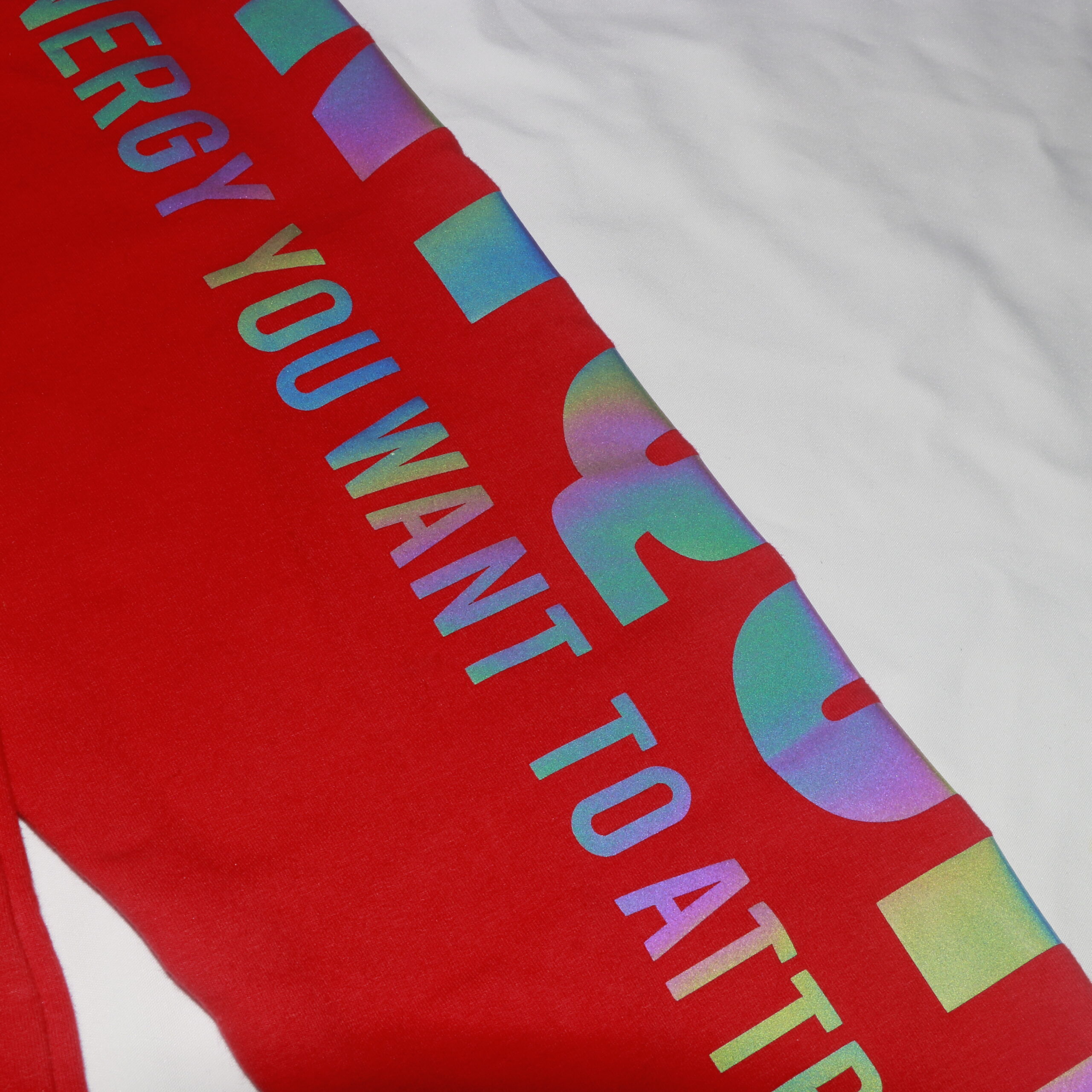
EDVORIN works as a sweatpants manufacturer for joggers and relaxed bottoms, coordinating fabric, waistband construction, elastic, drawcords, cuffs, pockets and grading. Development is tailored to the intended silhouette, wearer and matching collection pieces.
Get a Quote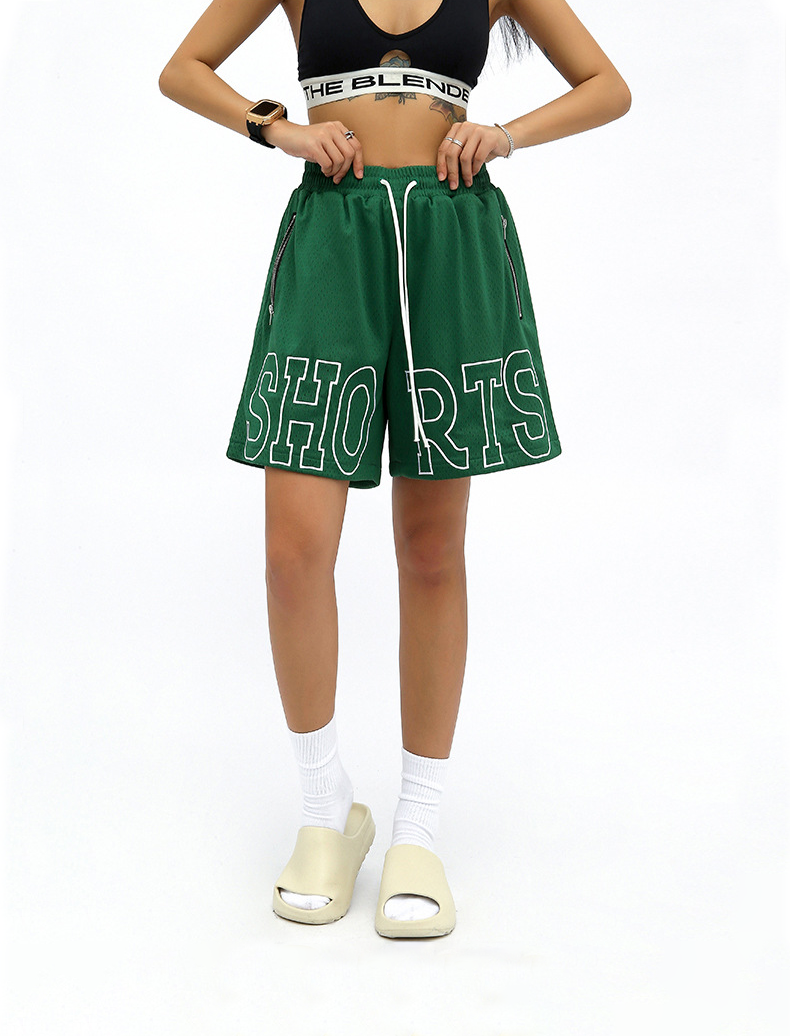
Custom Shorts
Custom shorts manufacturer services include fleece, jersey, woven and performance short programs. Specifications can cover inseam, rise, waistband, pocket layout, liners, prints, embroidery and labels, with samples used to confirm fit and construction before bulk.
Get a Quote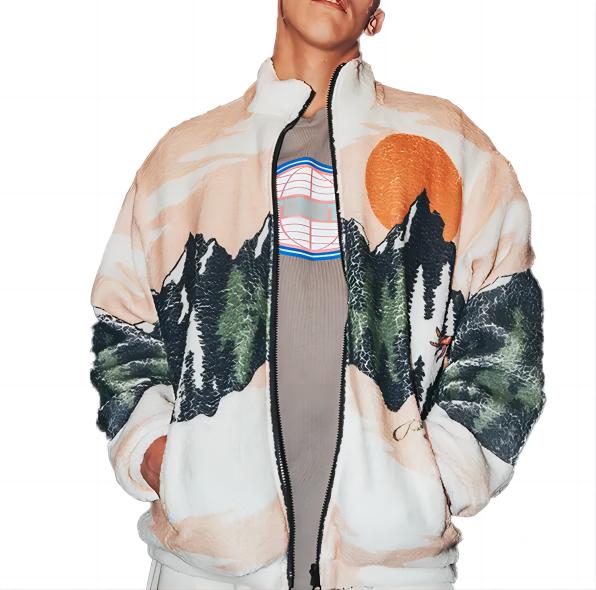
Varsity & Baseball Jackets
As a varsity jacket manufacturer, EDVORIN coordinates body and sleeve materials, lining, ribbing, snaps, chenille patches, embroidery and appliqué. Each jacket is developed as a balanced construction rather than a set of unrelated components.
Get a Quote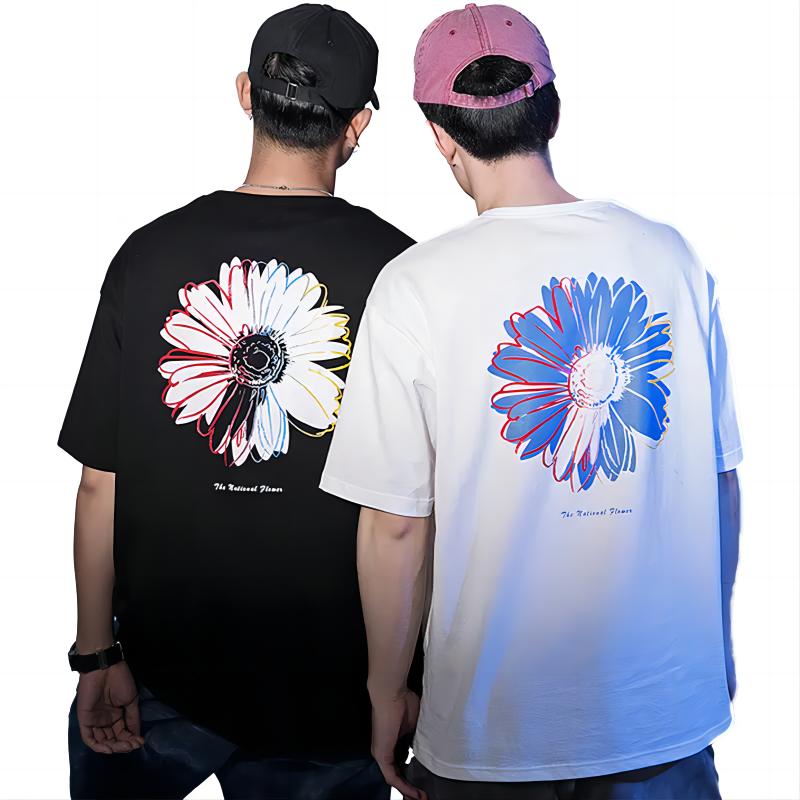
Custom T-Shirts
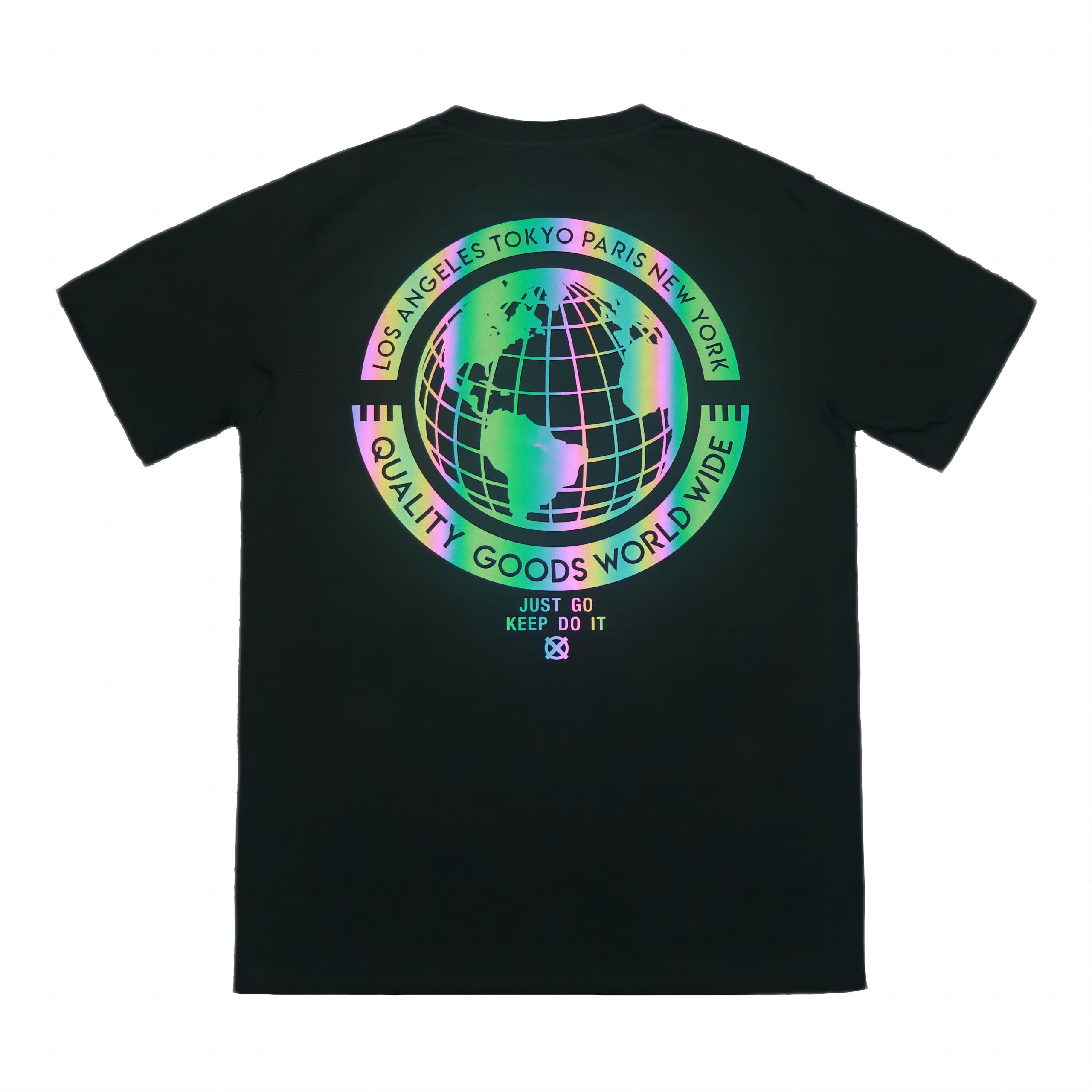
Custom T-shirt manufacturer support includes jersey selection, collar construction, fit, grading, washing, labels and screen print or embroidery planning. Programs can range from promotional basics to heavier streetwear silhouettes for men’s and women’s markets.
Get a Quote
Custom Polo Shirts
As a polo shirt manufacturer, EDVORIN develops knit and woven polo programs with collar structure, plackets, buttons, cuffs, logo placement and color control. Suitable for corporate uniforms, team apparel, wholesale and private-label collections.
Get a Quote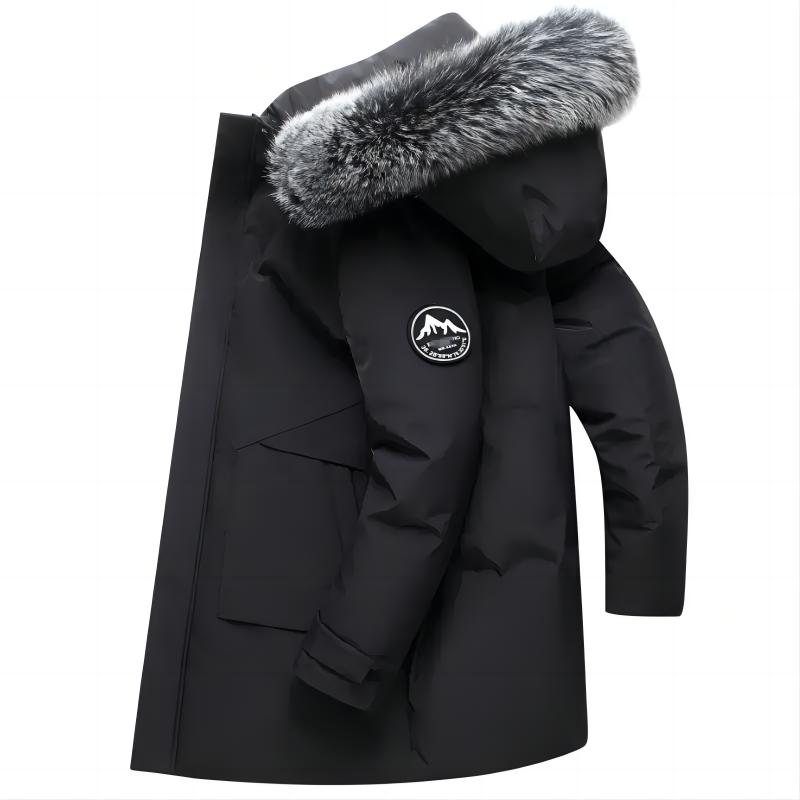
Windbreaker Jackets
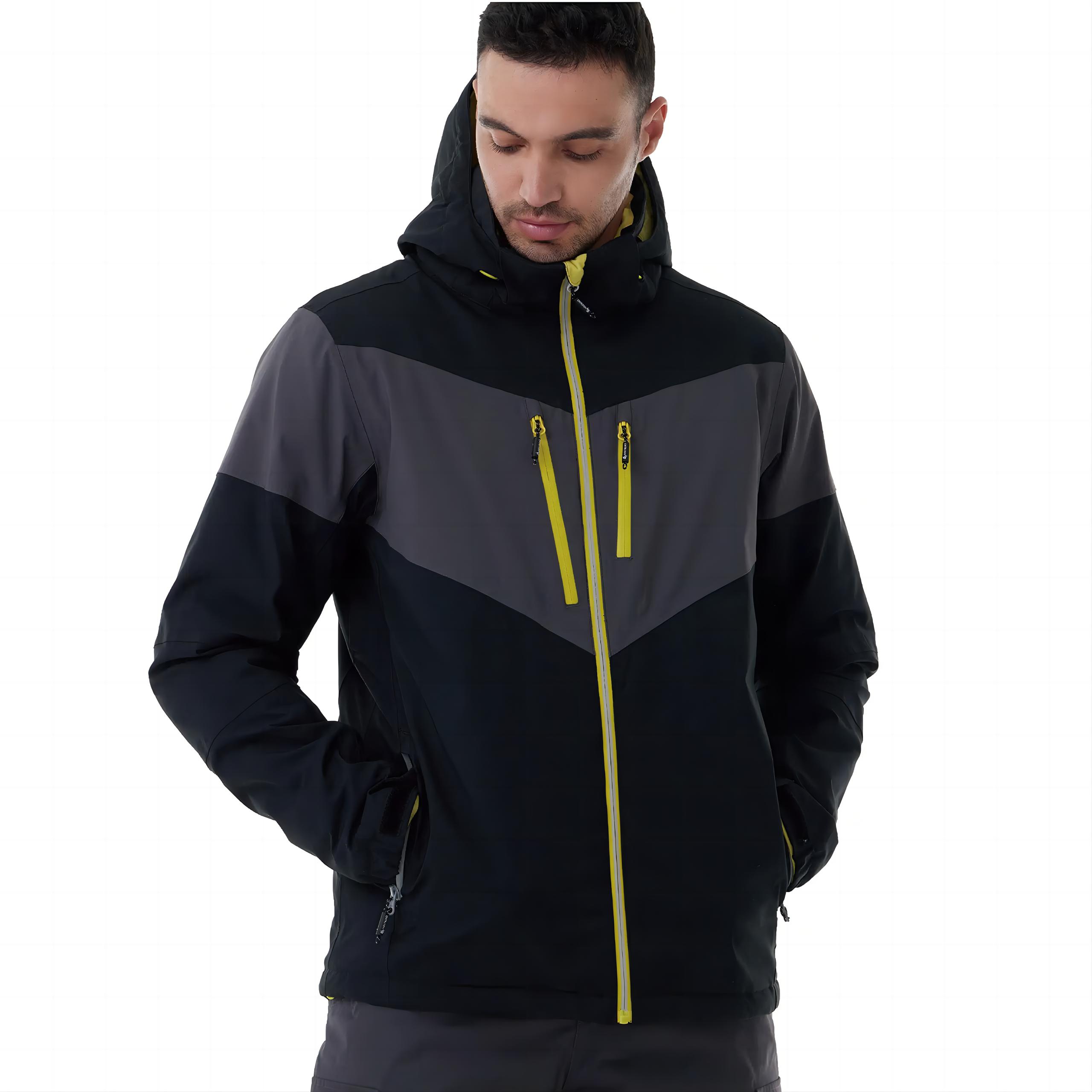
Windbreaker manufacturer capabilities include lightweight shell fabrics, linings, mesh, zippers, hood systems, elastic details, reflective trims and print or embroidery options. Construction is aligned with intended weather protection, packability and brand presentation.
Get a Quote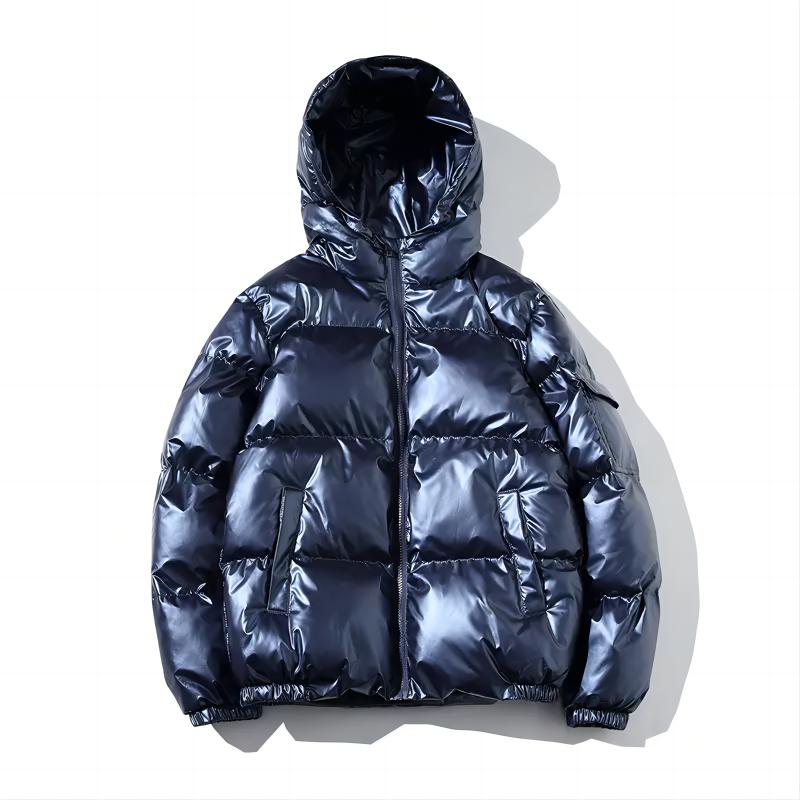
Quilted Jackets
As a quilted jacket manufacturer, EDVORIN coordinates shell fabric, lining, insulation, quilting patterns, pocket construction, closures and labeling. Sampling verifies warmth, bulk, movement and finish before production is released.
Get a Quote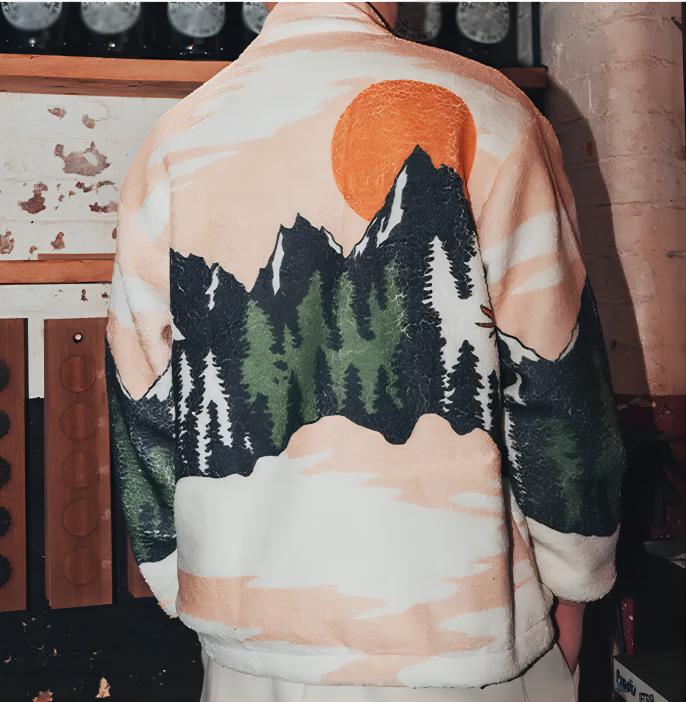
Bomber Jackets
Bomber jacket manufacturer development covers shell and lining materials, rib trim, zippers, pockets, padding, embroidery and patches. EDVORIN records approved construction and placement details to protect the style through repeat production.
Get a Quote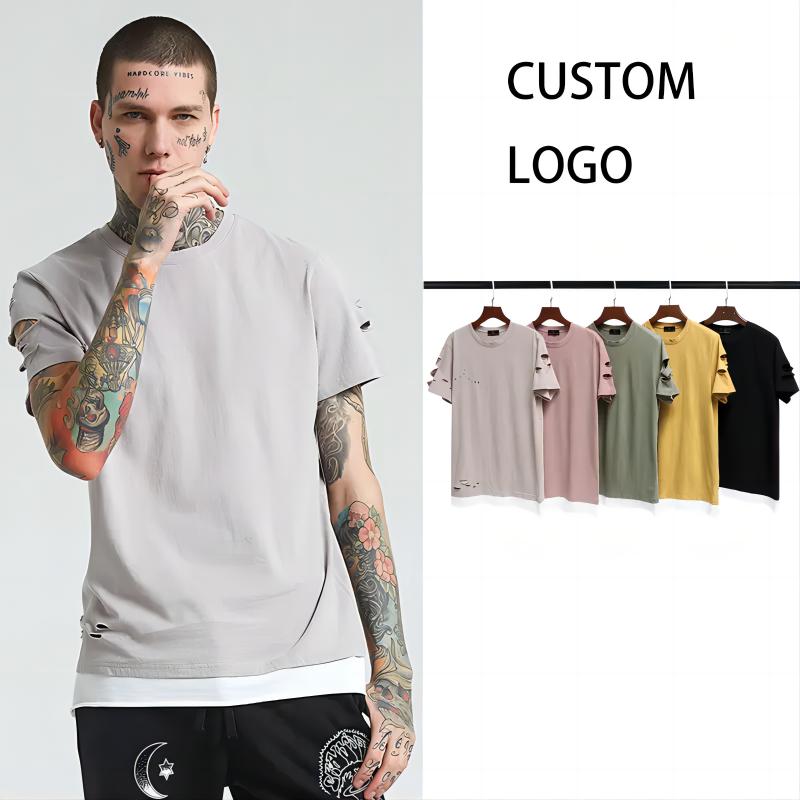
Custom Shirts
Custom woven shirt manufacturer services cover fabric sourcing, collar and cuff construction, plackets, buttons, pocket details, fit and labeling. Styles can be developed for casual, workwear, uniform and private-label programs across men’s and women’s sizing.
Get a Quote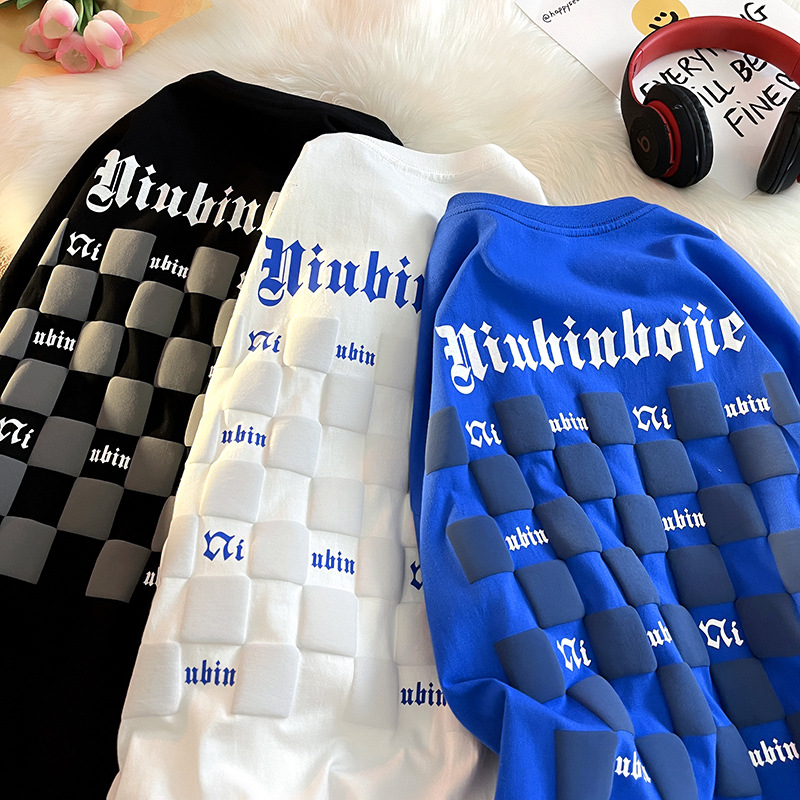
Custom Jerseys
As a custom jersey manufacturer, EDVORIN develops team and branded jersey styles with breathable fabrics, panel construction, color matching, decoration methods, names and numbers. Size sets and placement standards are controlled for organized repeat orders.
Get a Quote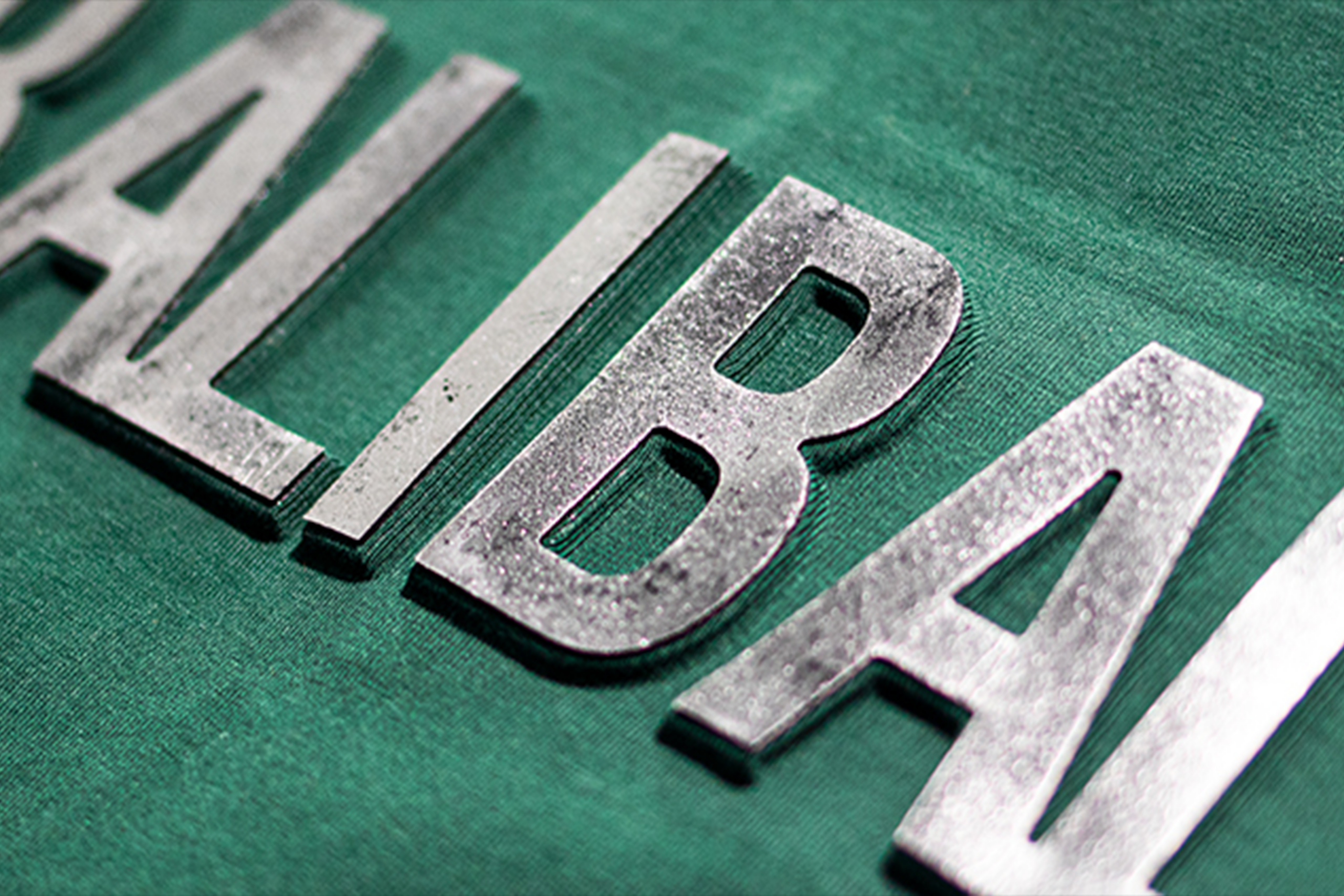
Tank Tops
Custom tank top manufacturer support includes jersey and performance fabrics, armhole and neckline finishing, fit, binding, mesh panels and decoration. Development can address training wear, casual basics, event merchandise and coordinated collections.
Get a Quote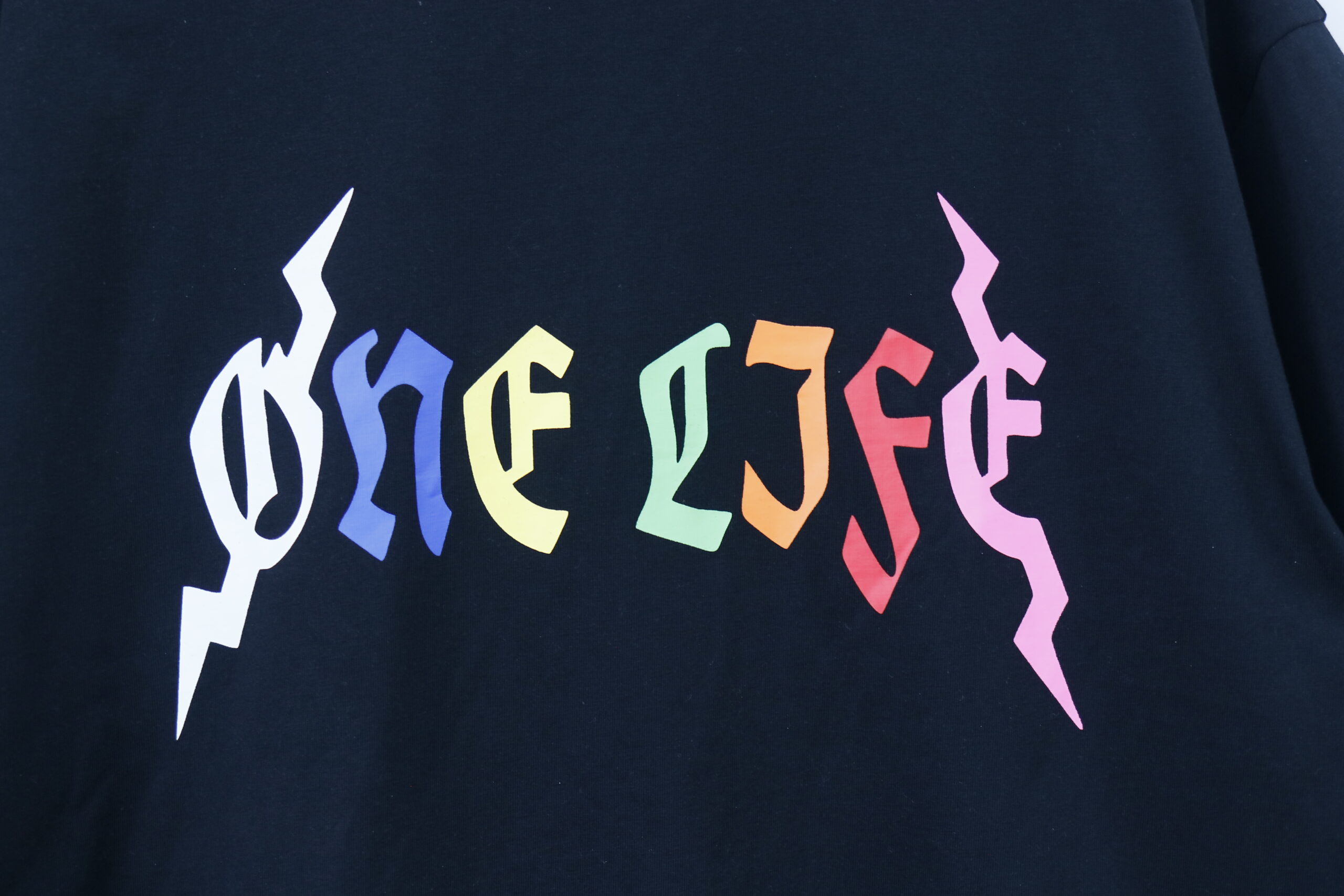
Soccer Uniforms
As a soccer uniform manufacturer, EDVORIN coordinates jerseys, shorts and optional socks around breathable materials, color control, crest application, player names, numbers and size grading. Approved artwork and placement standards guide bulk execution.
Get a Quote
Basketball Uniforms
As a basketball uniform manufacturer, EDVORIN develops jerseys and shorts with performance fabrics, mobility-focused cuts, mesh options, contrast panels, team colors and number application. Programs are organized for clubs, schools, academies and repeat seasonal orders.
Get a Quote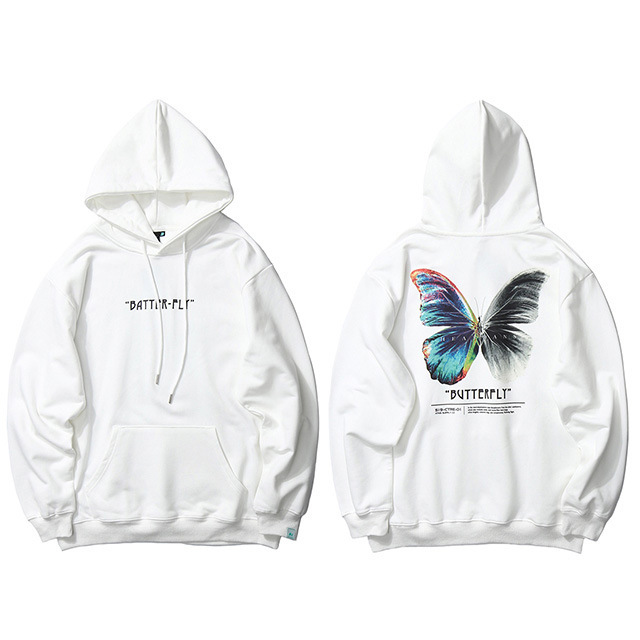
Streetwear Collections
EDVORIN operates as a streetwear clothing manufacturer for coordinated hoodies, tees, bottoms, jackets and accessories. Product development connects fabric, silhouettes, washes, trims and decoration so the collection can move from concept to repeatable production.
Get a QuoteMaterials for Contract Clothing Manufacturer Programs
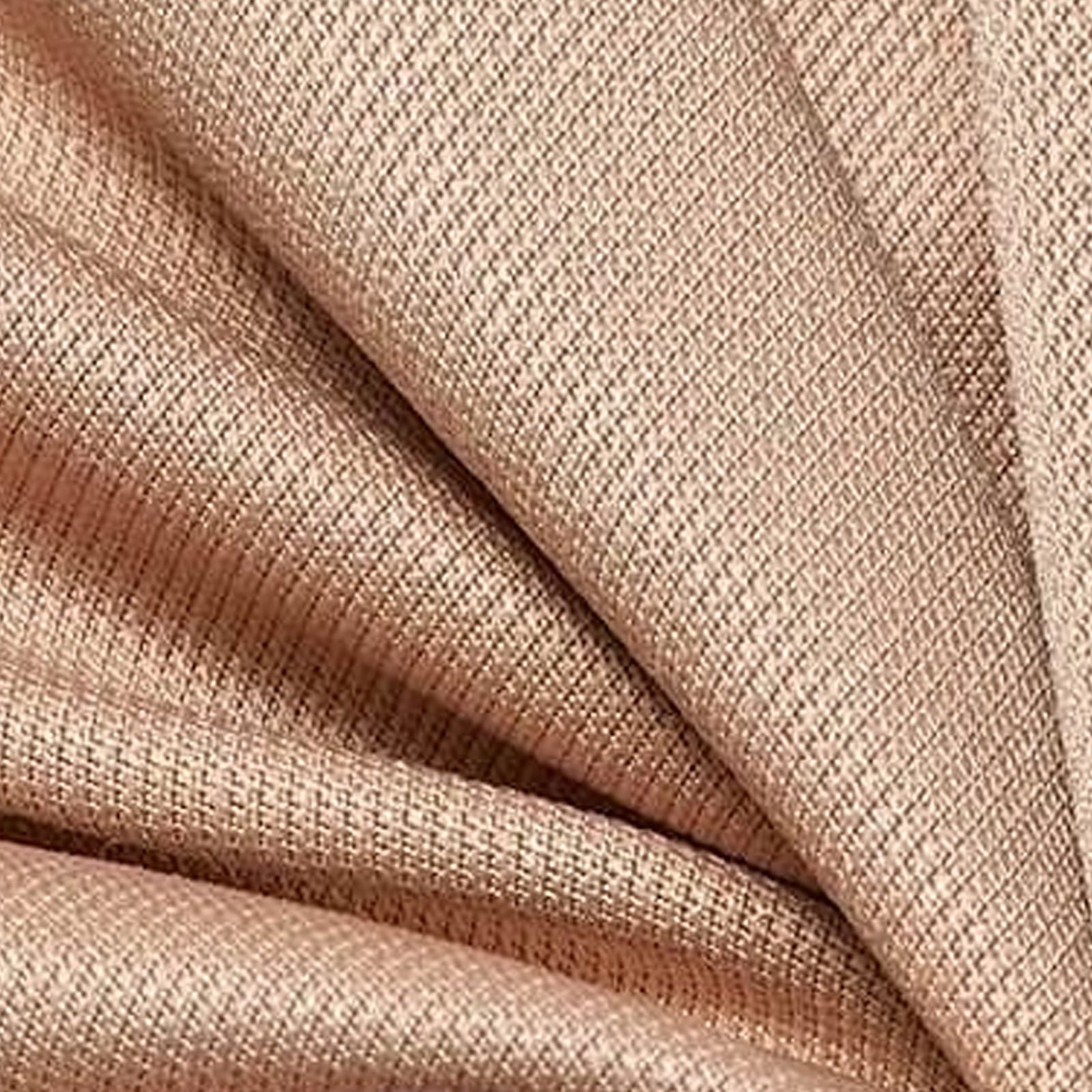
Cotton Jersey
A soft, breathable knit for T-shirts, polos and lightweight layers. Cotton jersey offers a familiar natural hand-feel and can be specified in different weights to suit everyday basics or more substantial branded tees.
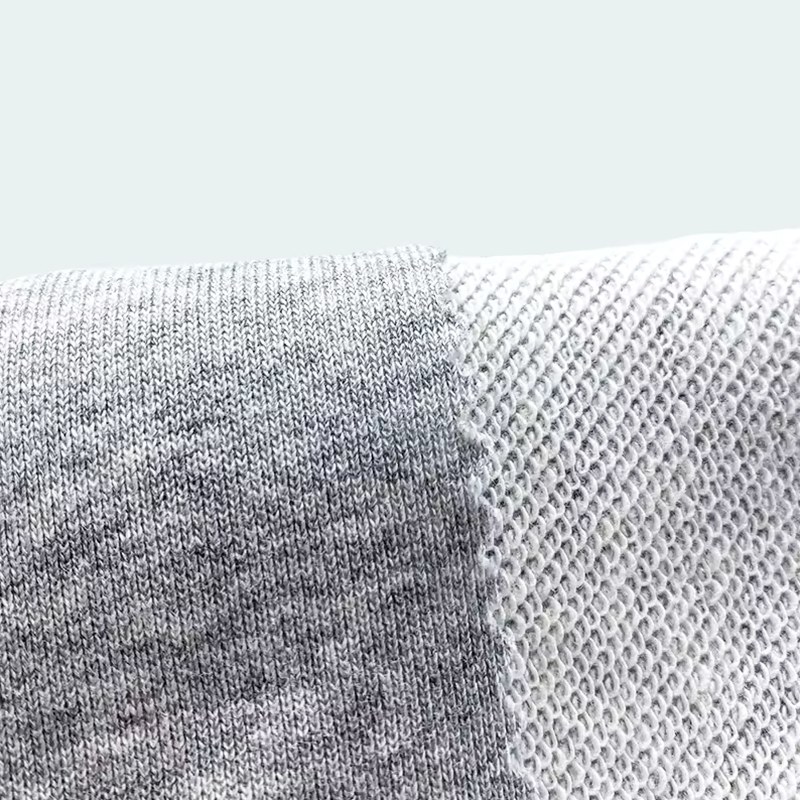
French Terry
A loopback knit with a smooth face and textured interior, suited to hoodies, sweatshirts, joggers and shorts. Its midweight structure provides comfortable warmth while remaining breathable for casualwear and streetwear programs.
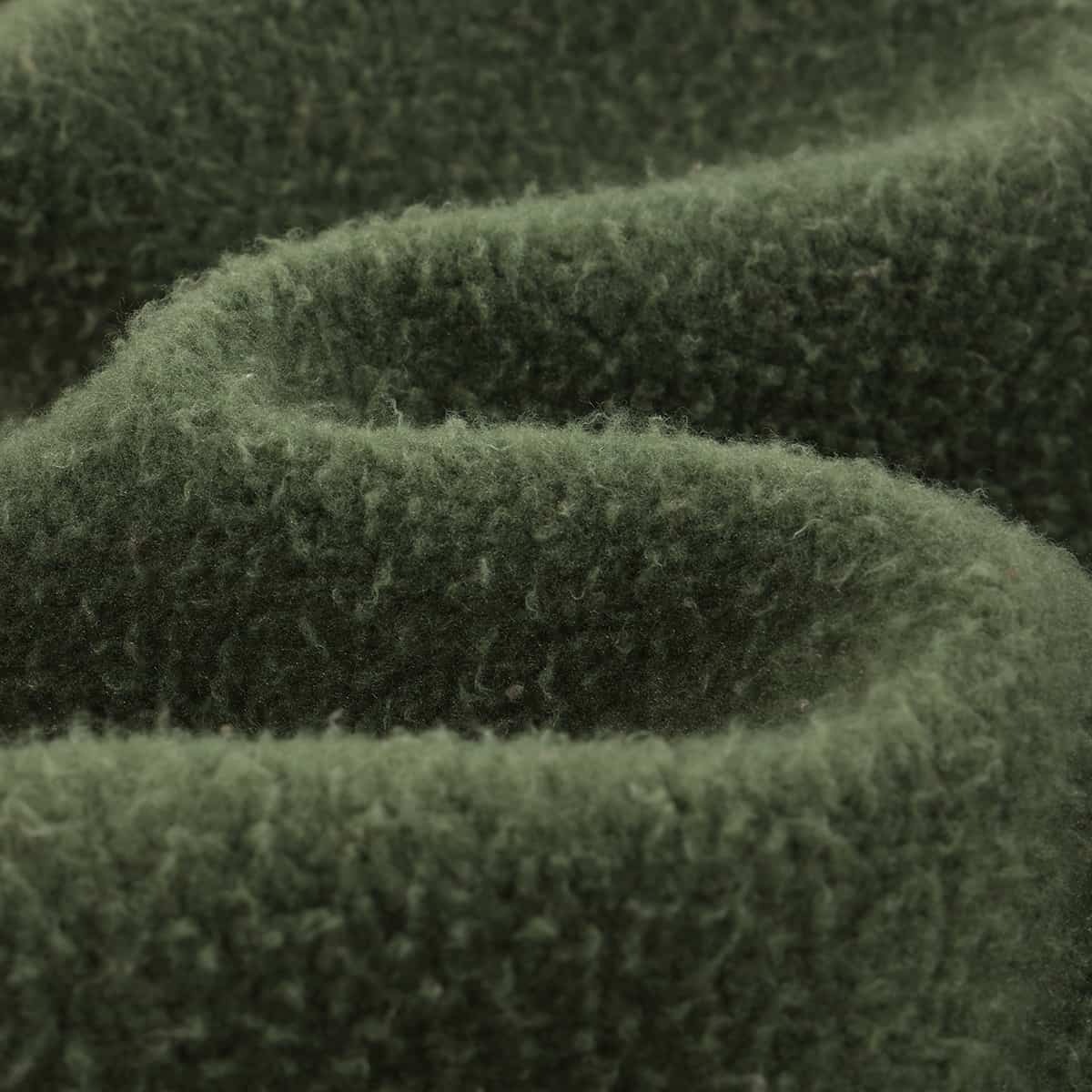
Brushed Fleece
A warm knit with a brushed inner surface for a soft, insulating feel. Brushed fleece is commonly used for heavier hoodies, pullover sweatshirts and sweatpants, with weight and rib specifications coordinated to the desired silhouette.
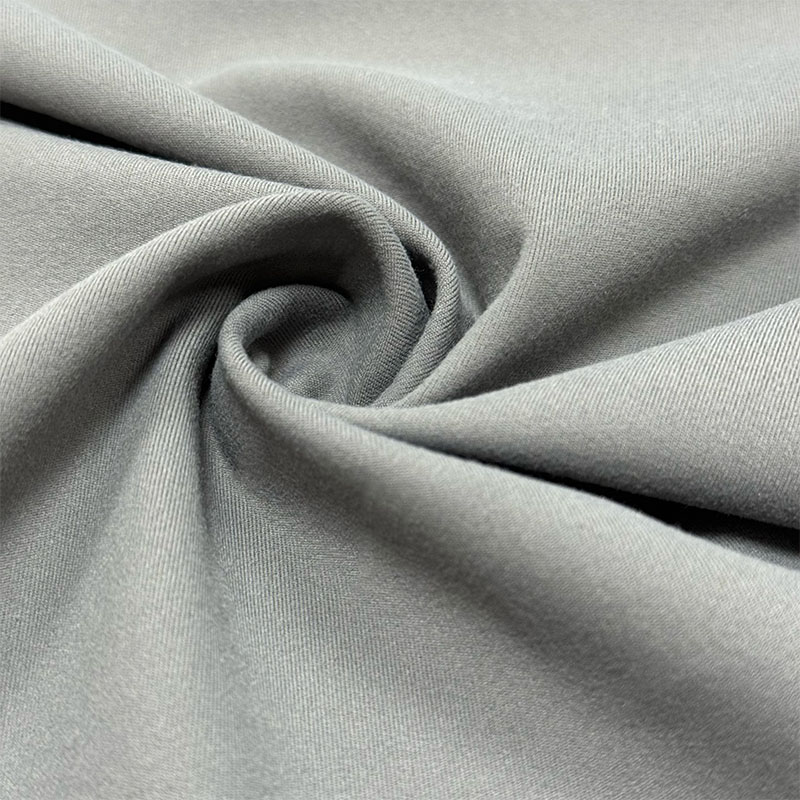
Performance Polyester
A durable synthetic fabric for jerseys, training tops and teamwear where moisture management and easy movement matter. Polyester can be developed in breathable knit constructions, with stretch and weight selected for the sport or activity.
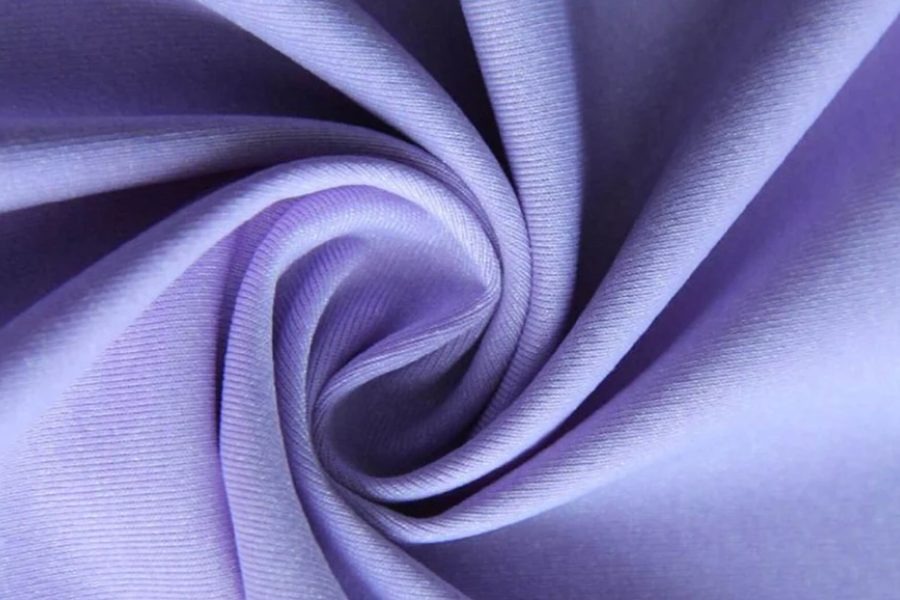
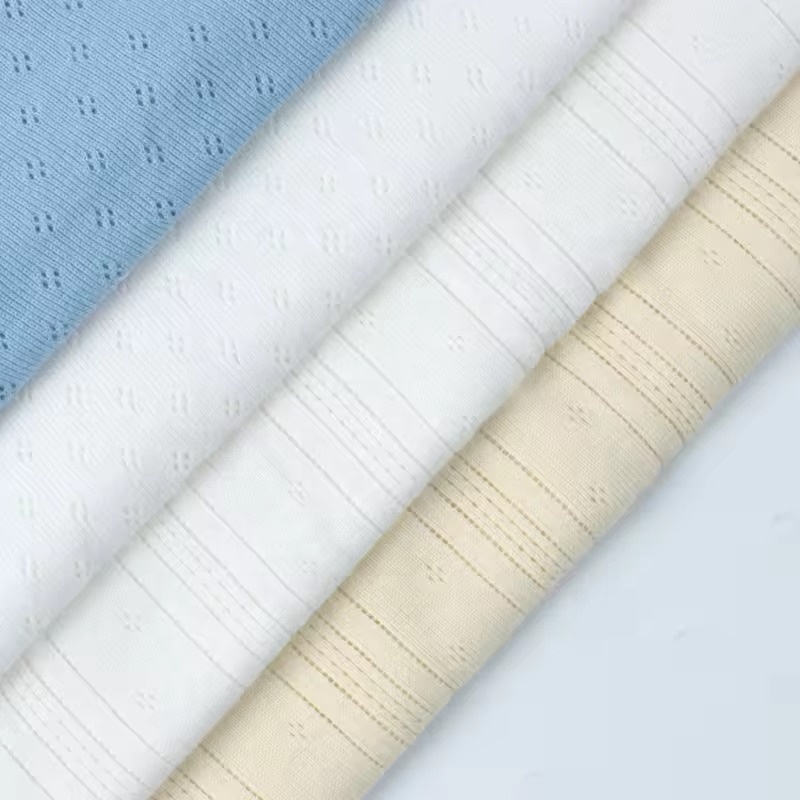
Recycled Cotton Blends
A flexible option for collections seeking recycled-content material choices without losing practical wearability. Recycled cotton blends can support jersey, fleece and woven programs, with composition and hand-feel reviewed during sampling before bulk approval.
Custom Apparel Printing, Embroidery and Garment Wash Services
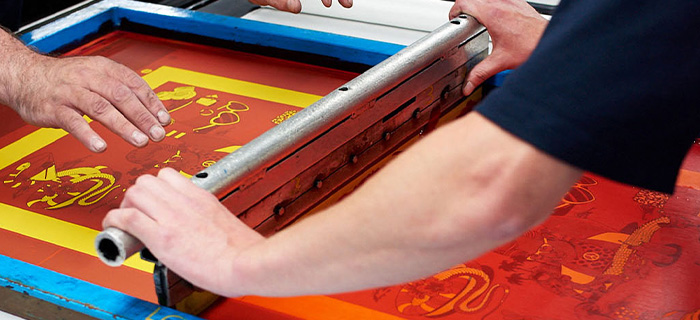
Screen Printing
Screen printing delivers bold, consistent artwork across T-shirts, hoodies, sweatshirts and teamwear. Ink selection, color separations and placement specifications are aligned with the fabric and design for durable visual impact.
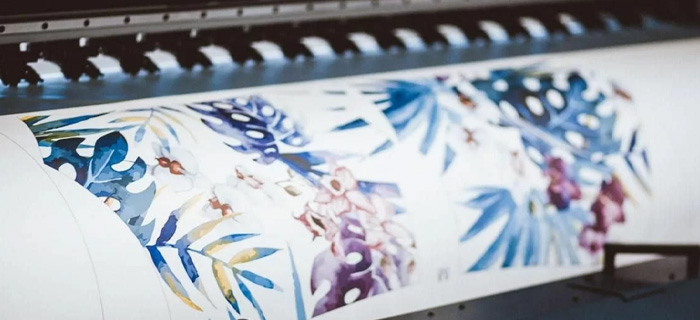
Sublimation Printing
Sublimation integrates full-color graphics into suitable polyester fabrics, making it well suited to jerseys and performance teamwear. The result supports lightweight, breathable decoration without adding a raised print layer.
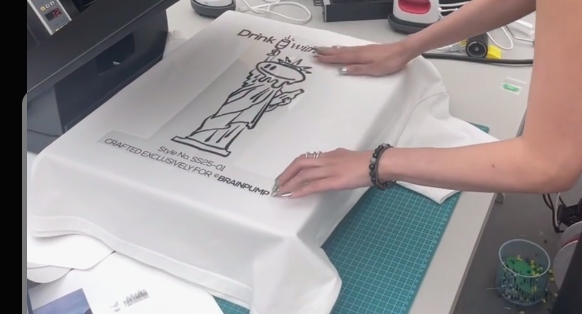
Heat Transfer
Heat transfer supports precise names, numbers, small logos and detailed graphics where clean edges matter. EDVORIN coordinates film, adhesive and application settings to suit the garment fabric and expected use.
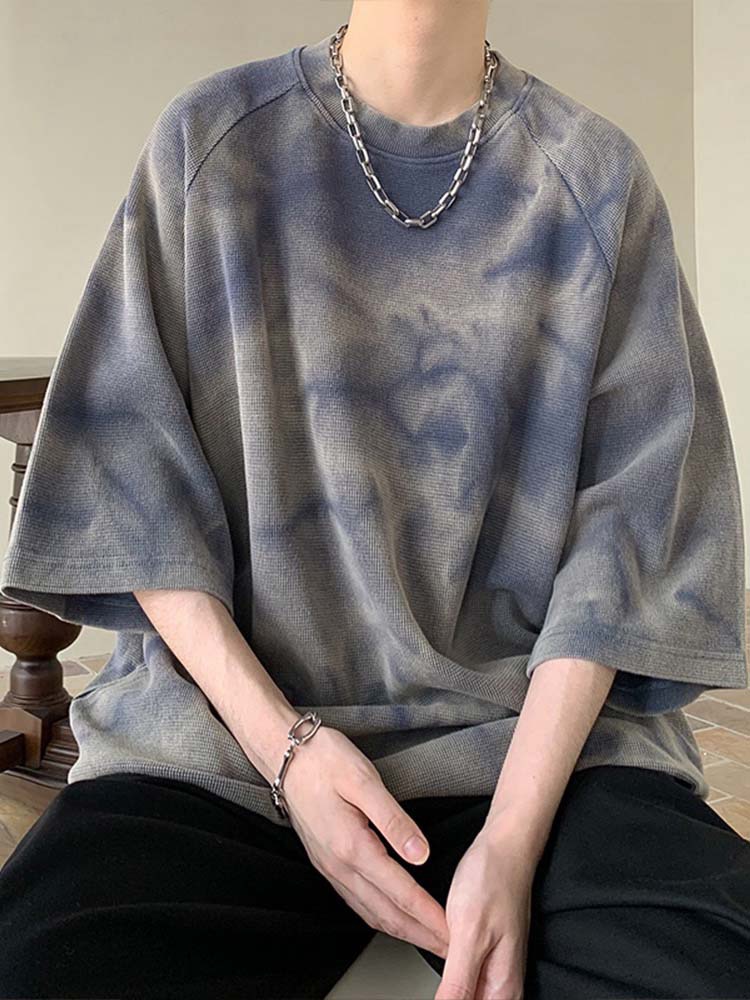
Custom Clothing Labels and Packaging, Trims and Accessories
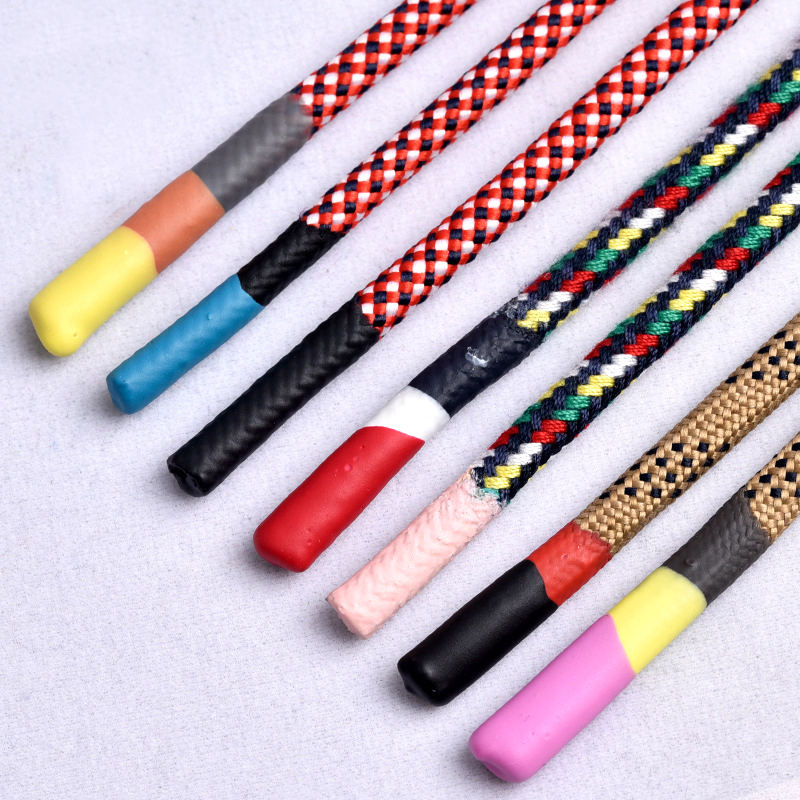
Drawcords and Tipping
Specify drawcord material, thickness, length, aglet finish and contrast tipping for hoodies, joggers and outerwear. These details help balance garment function with a recognizable collection-level look.
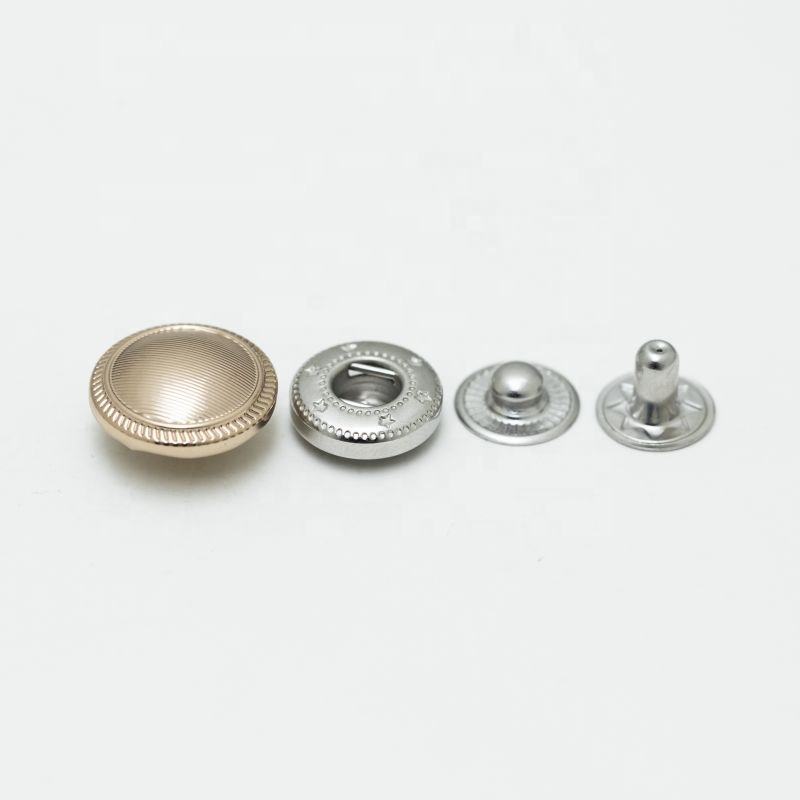
Snap Buttons
Select snap finishes, colors, logos and holding strength for varsity jackets, outerwear and workwear-inspired styles. EDVORIN coordinates the hardware with shell fabric, lining and reinforcement requirements.
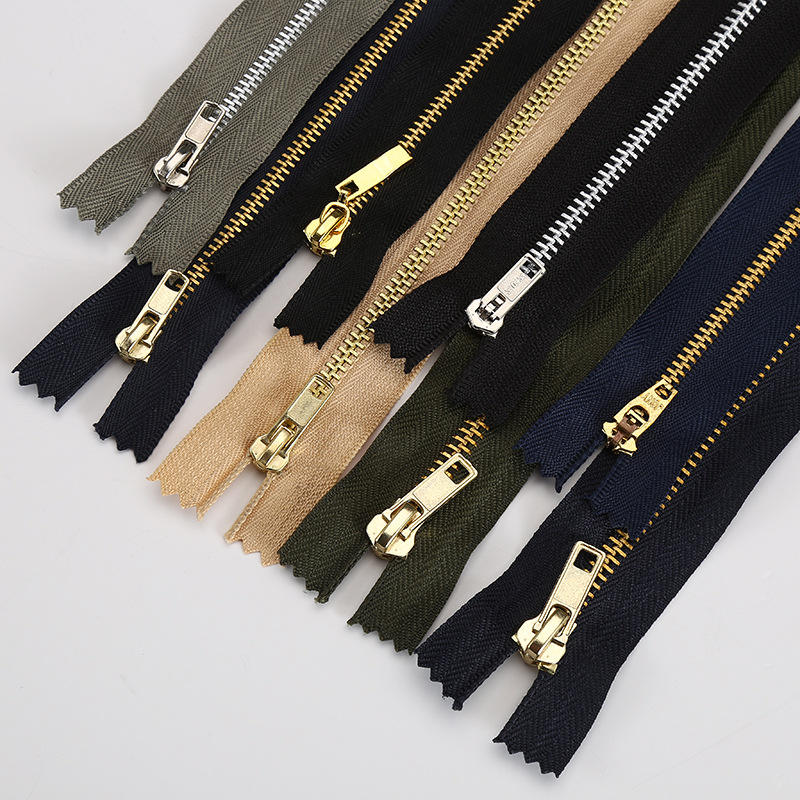
Custom Zippers
Choose zipper type, puller shape, tape color and finish for jackets, windbreakers and pockets. Coordinated zipper specifications support smooth operation while reinforcing the garment’s intended visual direction.
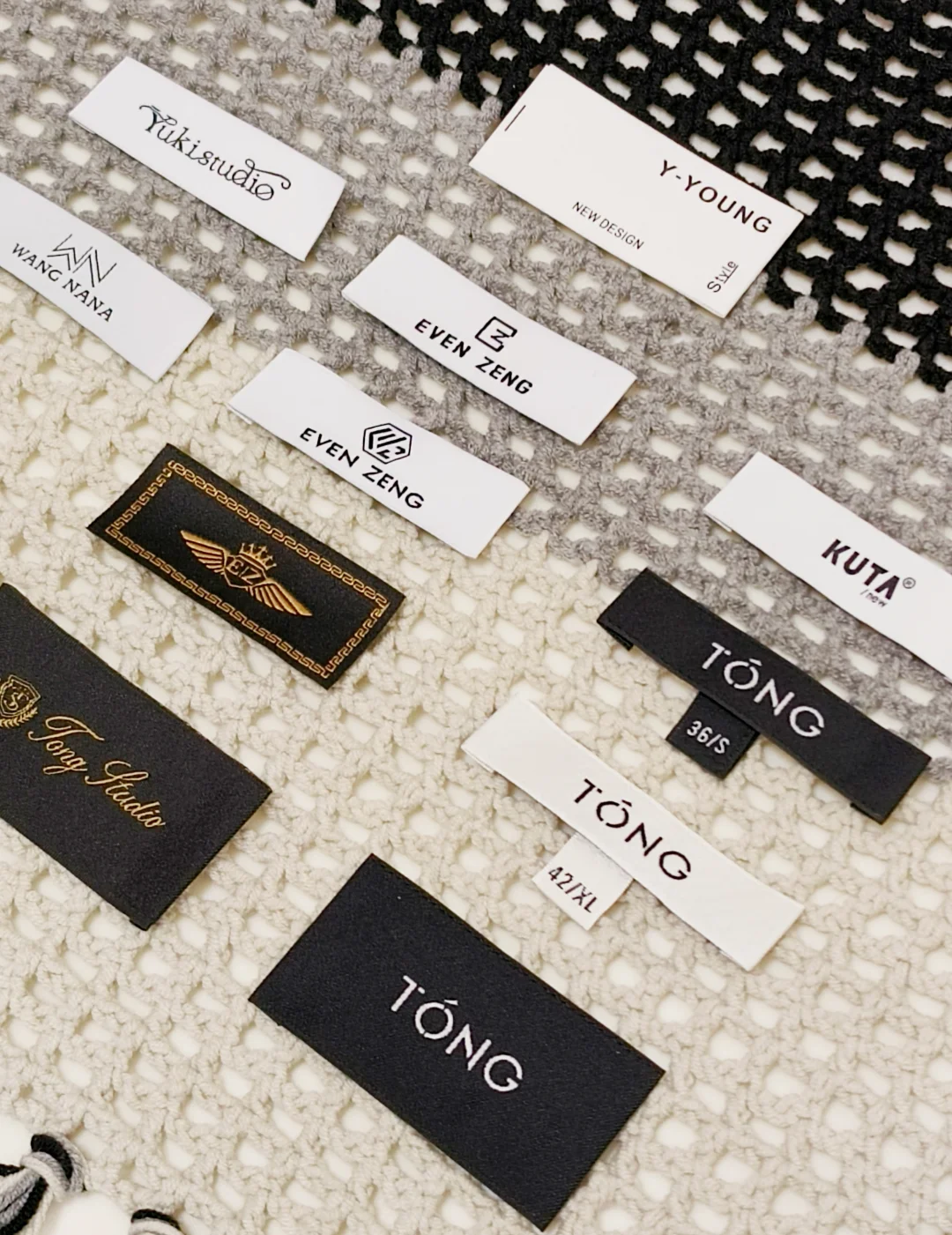
Woven Labels
Develop neck labels, hem labels, size labels and care labels with clear artwork, dimensions and placement references. Consistent labeling gives each garment a finished private-label identity and simplifies production control.
About EDVORIN, Contract Clothing Manufacturer
Founded in 2000 by Edvorin Zeng, EDVORIN was built around a practical mission: help apparel ideas survive the transition from concept to reliable production. As a founder-led contract clothing manufacturer, we turn sketches, reference garments and complete tech packs into clear standards that can be reviewed, approved and reproduced.
Our connected OEM, ODM and private-label workflow brings product development, fabric and trim sourcing, patterns, sampling, printing, embroidery, washing, bulk production, labeling and packaging under one accountable path. We develop casualwear, streetwear, outerwear and teamwear for men’s and women’s programs, with MOQ starting at 200 pieces per style.
What makes EDVORIN different is the discipline after sample approval. We document measurements, materials, artwork placement, trims and finishing requirements so production teams work from a visible standard. In-line checks and final inspection help protect the approved result from first sample through packed order—and support the repeat orders growing brands depend on.
Contract Clothing Manufacturer Capabilities That Protect Approved Standards
Technical Development, Fully Documented
Bring a complete tech pack, a reference garment or an early concept. EDVORIN translates fit, construction, grading and styling decisions into clear specifications that sampling and bulk teams can follow, helping protect the intended result across repeat production.
- Men’s and women’s fit blocks tailored by category
- Patterns, measurements and construction details aligned
- Sample revisions recorded before bulk approval
- OEM, ODM and private-label development support
Materials and Trims in Sync
Fabric, rib, lining, drawcords, labels, hardware and packaging are coordinated as one production specification. This connected approach helps a hoodie retain its hand feel, a jacket balance its components and a finished order arrive ready for your sales channel.
- Fabric selection matched to garment construction
- Trims specified for function and visual consistency
- Labels and packaging coordinated with the program
- Material decisions reviewed before production release
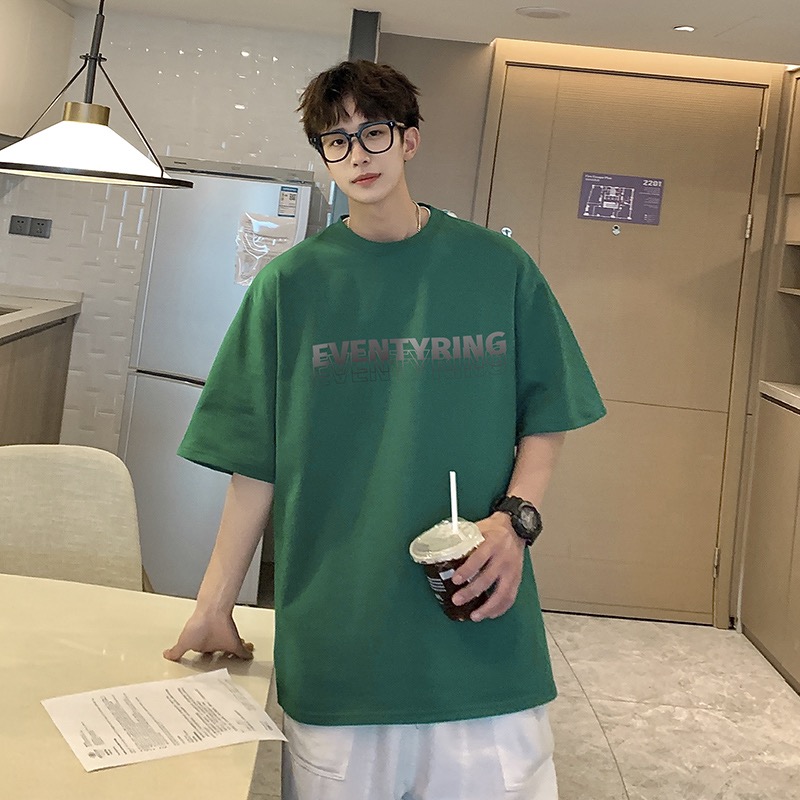
Decoration Built for Each Category
EDVORIN plans printing, embroidery and washing around the base garment rather than treating decoration as a final add-on. Placement, artwork, fabric behavior and finish requirements are reviewed together for streetwear graphics, branded uniforms and teamwear identification.
- Print methods considered alongside fabric composition
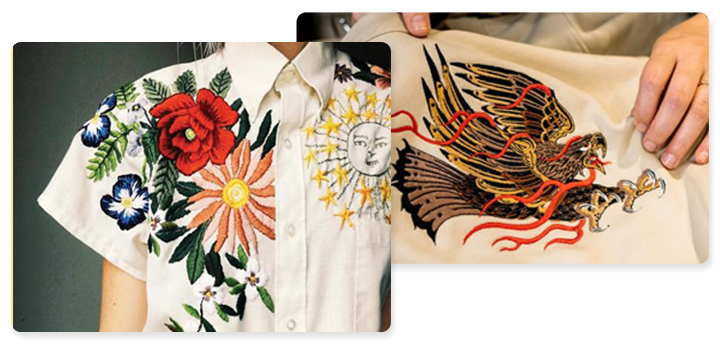
- Embroidery placement documented for repeatability
- Washes and finishes evaluated during development
- Names, numbers and graphics controlled for teamwear
Approved Samples Guide Bulk
A good sample becomes useful when its standards are carried through bulk production. EDVORIN uses approved materials, measurements, artwork placement and trim details as production references, with in-line and final checks designed to catch variation before packing.
- Approved samples establish the bulk reference
- In-line checks address variation during production
- Final inspection occurs before packing
- MOQ starts at 200 pieces per style
Why Buyers Choose EDVORIN as Their Contract Clothing Manufacturer
A connected development-to-bulk system built to preserve approved standards across repeat orders.
← Swipe left or right to view →
Contract Clothing Manufacturer Production Process
A documented path that turns approved apparel concepts into consistent, pack-ready bulk orders.
Review Specifications and Source
We review your tech pack, sketch or reference garment, then align fabrics, trims, fit requirements, decoration and packaging before development begins.
Develop Patterns and Samples
Patterns, grading and samples translate the concept into a physical standard, with construction, measurements, materials and artwork placement refined through approval.
Lock Bulk Production Details
After sample approval, we document the approved standard and coordinate materials, labels, decoration files, wash requirements and production-ready specifications for repeatable execution.
Cut, Decorate and Assemble
Production teams cut, sew, print, embroider and finish each style according to the approved specification, coordinating category-specific construction across the production path.
Inspect, Pack and Dispatch
In-line checks and final inspection compare bulk garments with approved standards before labeling, packing and shipment preparation for your next retail, teamwear or wholesale delivery.
How to Work With Your Contract Clothing Manufacturer
Move from concept or tech pack to a repeatable, approved production standard with one accountable EDVORIN workflow.
Submit Your Brief
Share your tech pack, sketch, reference garment, target quantity, and timeline. Our team reviews construction, fit, materials, decoration, and feasibility for your market.
Review Quote and Sample
EDVORIN’s MOQ starts at 200 pieces per style. Confirm the proposed specifications, MOQ, pricing, and development plan. We coordinate patterns, sourcing, trims, and a sample that turns the concept into a reviewable garment.
Approve Production Standards
Approve the sample, measurements, materials, colors, artwork placement, wash, labels, and packaging. Each decision becomes a documented standard for consistent bulk production.
Launch Managed Bulk Production
EDVORIN coordinates cutting, sewing, decoration, finishing, in-line checks, final inspection, and packing, keeping the approved standard visible through every production stage.
Certified Standards for Responsible Apparel Production



What B2B Apparel Buyers Say About EDVORIN, Their Contract Clothing Manufacturer
Approved customer testimonial pending publication. This card will feature a documented production outcome, including the relevant order volume, approval milestones, and repeat-order result.
Approved customer testimonial pending publication. This card will feature a documented outcome from a streetwear program, such as sample revisions, specification control, or repeat production performance.
Approved customer testimonial pending publication. This card will feature a documented teamwear or private-label outcome, including size-set coordination, decoration accuracy, or delivery performance.
Contract Clothing Manufacturer FAQs
Clear answers for brands planning custom apparel development, sampling and repeat production with EDVORIN.
What is the MOQ for a contract clothing manufacturer?
Can a contract clothing manufacturer make samples before bulk production?
How long does contract clothing manufacturing take?
Do I need a tech pack to start a custom clothing order?
What should I send a contract clothing manufacturer for a quote?
Can EDVORIN add private labels, hangtags and custom packaging?
How does a contract clothing manufacturer protect my designs and specifications?
Which certification programs can EDVORIN support?
The Complete Contract Clothing Manufacturer Buyer’s Guide
Use this decision framework to compare production models, materials, quality controls, pricing, and supplier capabilities—while avoiding the costly sourcing, specification, and contract mistakes that derail apparel launches.
1. What Is a Contract Clothing Manufacturer?
200-piece OEM programs typically begin with a buyer’s concept, tech pack, reference garment, or measurement and artwork specifications. A contract clothing manufacturer translates that input into production standards, then coordinates development, patterns, materials, samples, cutting, sewing, decoration, quality checks, labeling, and packing.
A manufacturer differs from a wholesaler, which sells ready-made stock, and from print-on-demand, which decorates garments after an order. A trading company may source and coordinate factories; the manufacturer is responsible for making the garment. A private-label supplier may offer editable existing styles, while contract production can build a buyer’s own specification.
Two service models are common. Full-package support includes sourcing and development through finished goods; cut-and-sew support uses buyer-supplied fabric, trims, patterns, or specifications and focuses on assembly and finishing.
2. How Contract Clothing Manufacturing Evolved
EDVORIN’s MOQ starts at 200 pieces per style. Before the 1990s, many apparel programs relied on local workshops that kept patternmaking, cutting and sewing close to the buyer. That model offered direct oversight, but limited fabric choice, capacity and price leverage.
By the 2000s, global supply chains separated development, fabric mills, decoration and assembly across specialist partners. OEM produced to a buyer’s specification; ODM added development input, making a contract clothing manufacturer a coordinator as well as a sewing resource.
Today, digital patterns, 3D reviews and faster sample communication can reduce revision cycles before bulk cutting, while lower-MOQ programs let brands test demand. Buyers should still weigh speed against freight, choose nearshoring when replenishment or visits matter, and retain control through approved samples, measurement tolerances, material references and documented change approvals.
3. Types of Contract Clothing Manufacturer Services
Six service models cover different ownership and workload splits. A contract clothing manufacturer should document design ownership, approved specifications, and revision authority before sampling begins.
| Service | Design Owner | Development Included | Best Fit | Trade-Off |
|---|---|---|---|---|
| Cut-and-sew | Buyer | Patterns from buyer specs | Design-led brands | Maximum control; more coordination |
| Full-package | Buyer | Sourcing, patterns, samples, bulk | Growing labels | Convenience; approve every standard |
| OEM | Buyer | Production to buyer specification | Established programs | Control; technical pack required |
| ODM | Manufacturer | Adaptable existing designs | Fast launches | Speed; less originality |
| Private label | Manufacturer base | Branding and packaging | Wholesale buyers | Lowest effort; limited differentiation |
| Uniform/teamwear | Buyer or shared | Sizing, personalization, repeats | Clubs and schools | Operational complexity; dependable records |
Choose By Control Level
Cut-and-sew gives brands the most control because they supply the technical direction. Full-package, OEM, ODM, and private label progressively reduce development work but require tighter approval of materials, fit, artwork, and labeling.
Uniform and teamwear programs add roster, number, color, and repeat-order controls. Sports clubs and schools benefit when size sets and personalization files are locked before bulk production.
4. Fabrics for Contract Clothing Manufacturer Projects
Fabric specification turns a design into a repeatable production standard. For each contract clothing manufacturer project, define fiber content, construction, GSM, stretch, hand feel, shrinkage target, and intended wear conditions before sampling.
| End Use | Recommended Fabric | Key Specification |
|---|---|---|
| Streetwear | French terry or fleece | 280–450 GSM; low shrinkage |
| Sportswear | Polyester interlock or mesh | 140–180 GSM; moisture management |
| Uniforms | Cotton-poly piqué | 200–240 GSM; colorfastness |
| Promotional | Cotton jersey | 150–180 GSM; smooth print face |
Match Fabric To Use
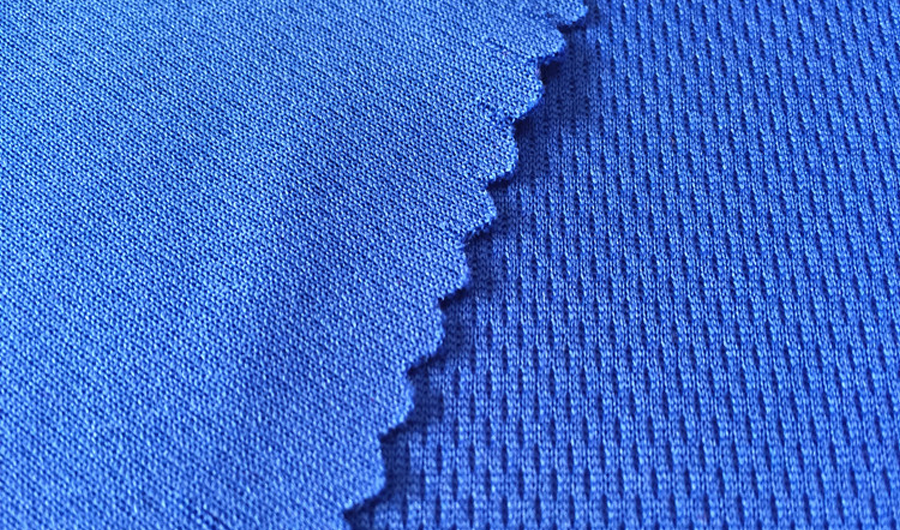
280–450 GSM cotton-rich French terry or brushed fleece suits heavyweight streetwear; specify ring-spun yarn and rib recovery.
140–180 GSM polyester interlock or mesh suits teamwear when moisture management and abrasion resistance matter.
Compare Practical Options
200–240 GSM cotton-poly piqué gives uniforms and school polos structure, wash durability, and a cleaner hand.
150–180 GSM cotton jersey is practical for promotional T-shirts where print surface and budget drive the brief.
Approve Before Bulk
3 approvals reduce preventable fabric variation: a cutting swatch, a washed sample, and a signed bulk-standard shade band.
Request fiber-content evidence, GSM tolerance, dimensional-change results, colorfastness results, and stretch-recovery testing where relevant.
5. Customization and Decoration Options
Three variables—artwork, wear exposure, and order size—should drive decoration selection. A contract clothing manufacturer should approve strike-offs or sew-outs before bulk release.
| Method | Best Use | Artwork Limits | Wear And Setup |
|---|---|---|---|
| Embroidery | Polos, caps, jackets | Stitch detail limits | Durable; digitizing required |
| Screen Print | Tees, hoodies | Color separations | Durable; screens per color |
| DTF Or Heat Transfer | Names, detailed graphics | Film-based finish | Flexible setup; test stretch |
| Sublimation | Polyester jerseys | Polyester only | Embedded color; no hand feel |
Match Method To Garment
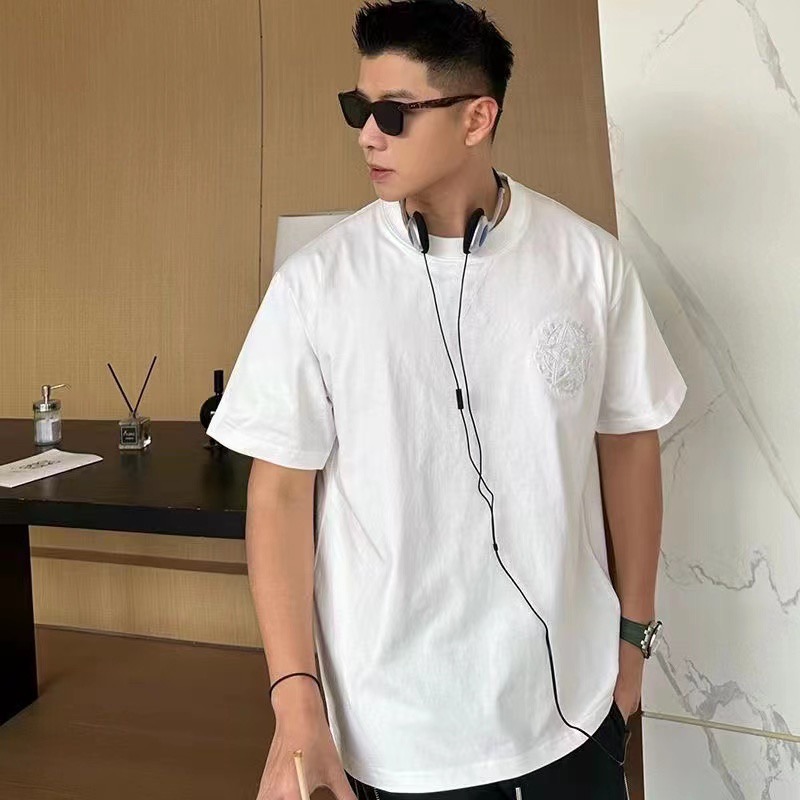
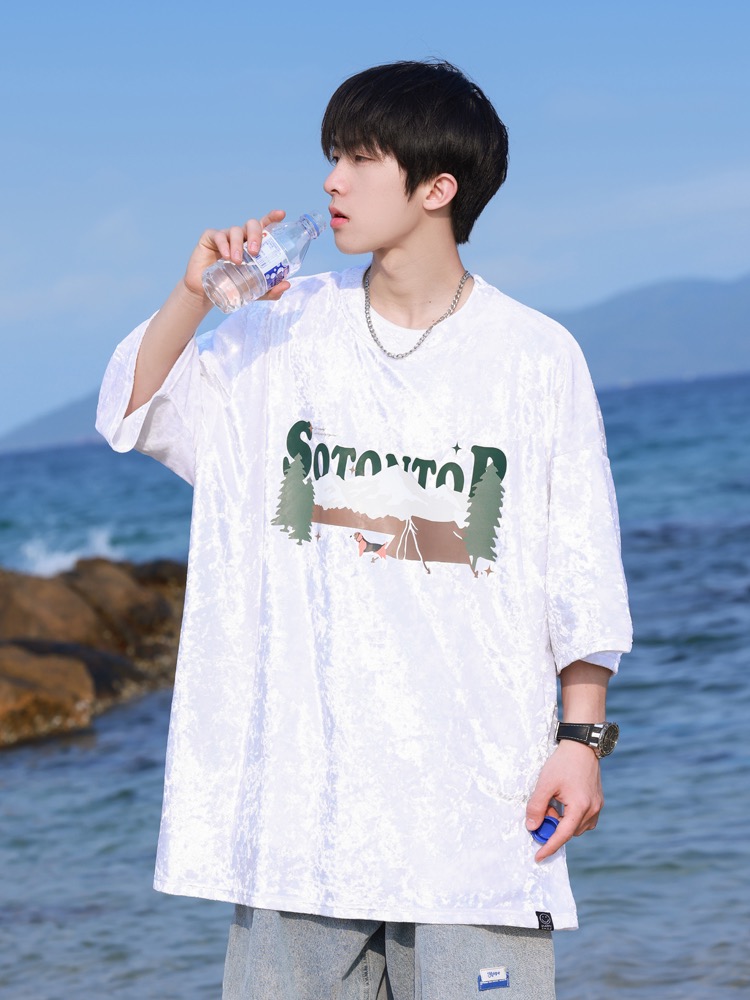
Screen print suits bold cotton tees and fleece; embroidery suits caps, polos, varsity jackets, and heavier hoodies.
DTG handles detailed cotton artwork, DTF transfers complex multicolor graphics, heat transfer suits names and numbers, and sublimation requires polyester.
Compare Production Trade-Offs
1-color screen prints have lower per-unit cost at volume but require screen setup. DTG and DTF reduce setup for detailed, small-run art, while embroidery adds stitch-count cost.
Specify Brand Components
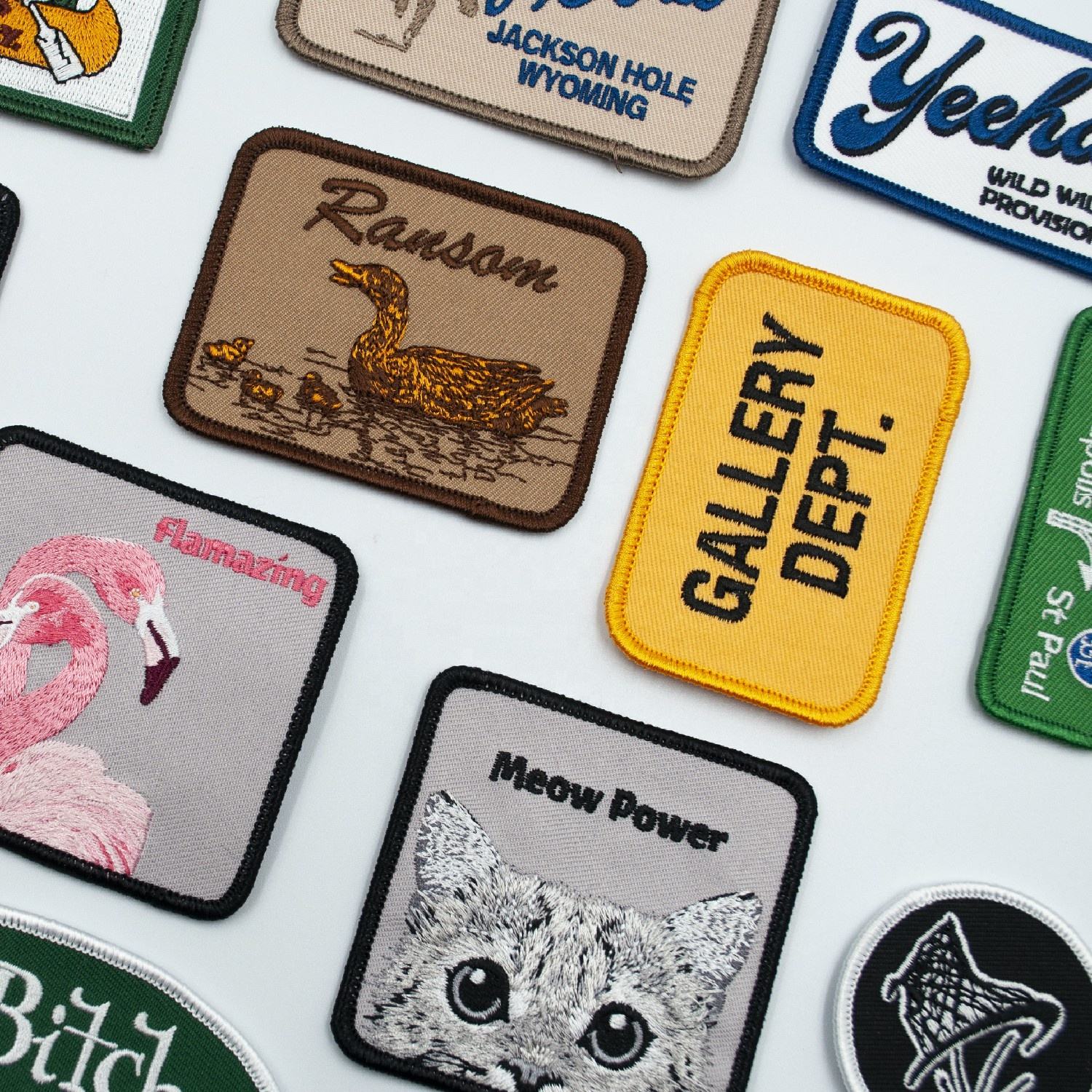
3 components—woven labels, printed neck labels, and patches—need approved placement, dimensions, color references, and attachment method.
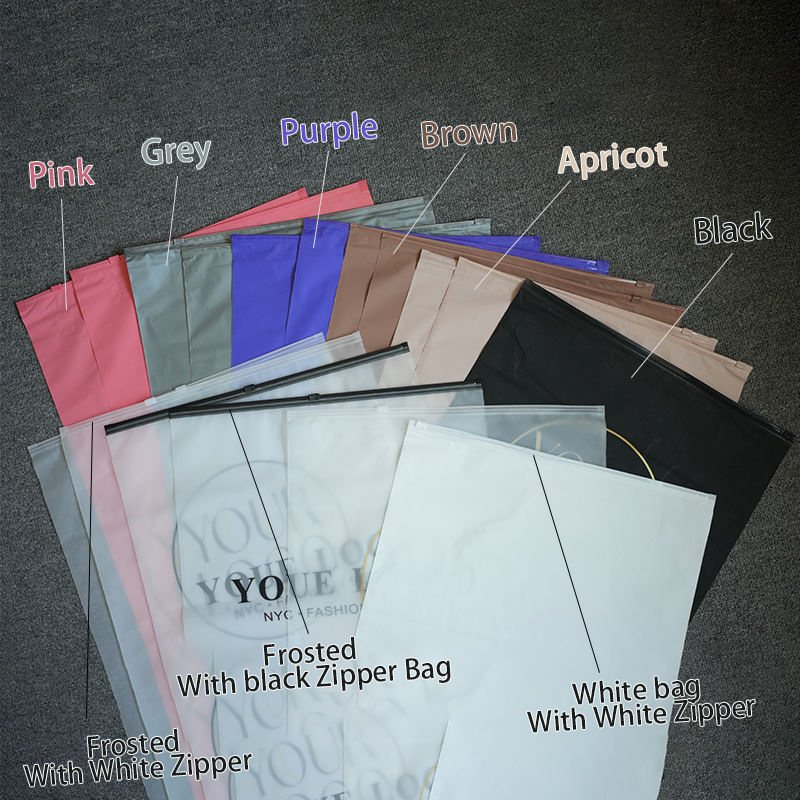
1 packing spec should define hangtags, polybags, size stickers, folding, cartons, and barcode requirements before production.
6. Construction Quality to Specify
10–12 stitches per inch may suit a standard seam, but the required density must be written by seam and fabric. EDVORIN can convert approved construction decisions into production controls.
Seams And Reinforcement
3-thread overlock, 4-thread overlock, and flatlock seams serve different stretch and bulk requirements.
Bar tacks at pocket corners, crotch junctions, and zipper ends should be shown on the tech pack, not assumed.
Fit And Measurement Control

1 approved sample should anchor pattern shape, grading rules, and workmanship.
±0.5 cm or ±1.0 cm tolerances should be assigned by measurement point; chest, inseam, and neck opening may need different limits.
Testing And Final Inspection
1 wash test should check shrinkage, twisting, color change, print durability, and trim performance before bulk release.
100% final inspection is not always the agreed method, so define the sampling plan, acceptable defects, Pantone reference, labeling, and packing criteria in writing.
7. Choosing a Contract Clothing Manufacturer
Choose a contract clothing manufacturer against the actual style, order volume, and launch date—not a generic capability list. EDVORIN can translate a sketch or a complete tech pack into a documented production standard.
| Criterion | Evidence | Weight |
|---|---|---|
| Product match | Comparable samples | 30% |
| Volume and MOQ | Capacity plan | 25% |
| Launch readiness | Timeline and shipping plan | 25% |
| Control | QC records and visibility | 20% |
Verify Product Fit
Ask for comparable hoodie, outerwear, or teamwear samples. Request construction photos, measurement reports, and relevant buyer references.
- Match category experience
- Confirm MOQ by style
- Check available capacity
Test The Development Path
Ask who owns patterns, revisions, and approvals. Request a sample timeline, bill of materials, Pantone references, and placement specifications.
- Name one technical contact
- Set approval checkpoints
- Record every revision
Audit Production Control
Ask how in-line and final inspections are recorded. Request factory visibility, quality checklists, packing standards, and shipping support options.
- Confirm lead-time milestones
- Review sourcing alternatives
- Define defect escalation
8. Common Contract Clothing Manufacturer Mistakes
Eight recurring errors turn a workable apparel order into delay, excess cost, or unusable inventory. A contract clothing manufacturer needs written standards before cutting begins, not assumptions after samples arrive.
Price Is Not Total Cost
EDVORIN’s MOQ starts at 200 pieces per style. One low quote can exclude fabric, labels, testing, freight, or rework. Compare a landed-cost sheet and confirm MOQ, allowed overage, payment milestones, and every included component.
Samples Need Real Validation
One approved sample is not enough when fit, wash shrinkage, colorfastness, print adhesion, or seam strength remain untested. Approve a size set and test the intended fabric, decoration, and wash method before bulk release.
Specifications Must Stay Controlled
Three missing items—measurement tolerances, Pantone references, and placement dimensions—can create conflicting interpretations on the line. Issue a version-controlled tech pack, record every revision, and require written approval before changes proceed.
Supply And Rights Require Terms
Four-week fabric availability can become substantially longer for custom dyeing, special trims, or replenishment. Confirm material lead times, ownership of patterns and artwork, approved production locations, and written consent for subcontracting.
9. Launching With a Contract Clothing Manufacturer
A 12-to-20-week launch window is more realistic when development, approvals, production, and freight are planned separately. A contract clothing manufacturer should receive a written standard before any bulk commitment.
Define The Market Brief
Week 1: define customer, retail price, channel, target margin, and launch date before designing.
Week 2: issue a tech pack with flats, graded measurements, bill of materials, Pantone references, artwork placement, labels, and packaging.
Approve Materials And Samples
Week 3: compare fabric swatches for weight, handfeel, shrinkage, color, and decoration compatibility; record the selected composition and GSM.
Week 4-8: approve quotation, prototype, fit sample, and revised pre-production sample in writing. Do not release a purchase order while fit, measurements, or artwork remain open.
Control Bulk And Reorders
Week 9: send the purchase order, approved sample reference, inspection standard, shipping marks, and deposit only after all approvals match.
Week 10 onward: request in-line updates, final inspection records, carton counts, and freight documents. After launch, use sales, returns, and defect data to set replenishment quantities.
10. Contract Clothing Manufacturer Pricing and Costs
200 units usually carry more pattern, sampling, and setup cost per garment than 1,000 units. Fabric weight and yield, trims such as zippers or woven labels, construction complexity, colorways, and screen print or embroidery all change the quote.
30–50% deposits are common payment structures, but terms should state the balance trigger, approved sample, and change-order costs. Budget separately for pattern development, samples, packaging, testing, freight, insurance, duties, and destination taxes; compare landed cost, not only FOB unit price.
| Planning guidance only — not an EDVORIN quote | Illustrative hoodie unit price | Typical production lead time |
|---|---|---|
| 200–499 units | US$18–35 | 45–70 days |
| 500–999 units | US$14–28 | 40–65 days |
| 1,000+ units | US$11–23 | 35–60 days |
Ready to Start With a Contract Clothing Manufacturer?
Send your tech pack, sketch or reference garment to discuss development, sampling and a production quote for your next collection.