
Full Package Clothing Manufacturer for Repeatable Apparel
EDVORIN develops, sources, samples and produces OEM/ODM apparel from 200 pieces per style, with one accountable path to packed order.
Featured Products for Full-Package Apparel Development
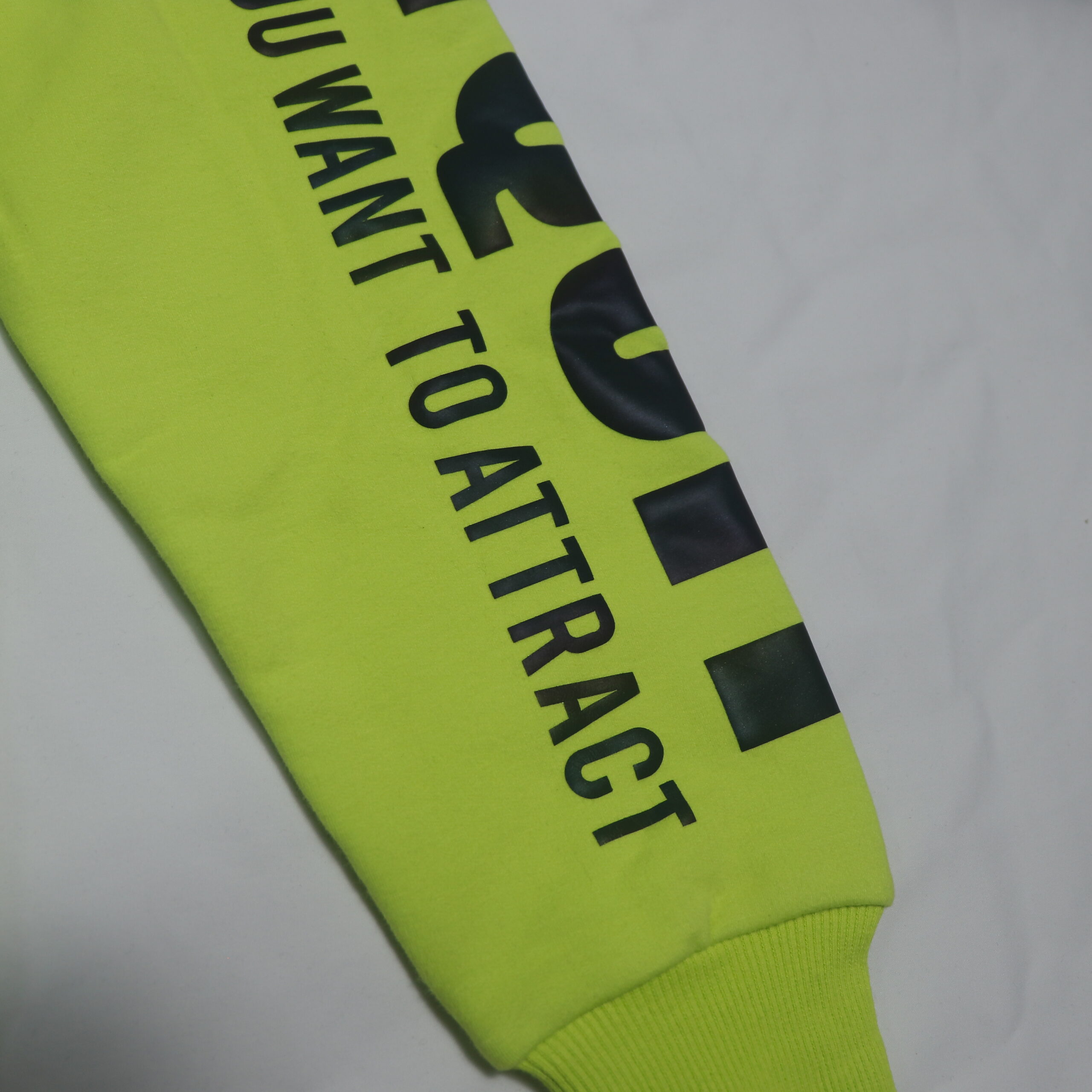
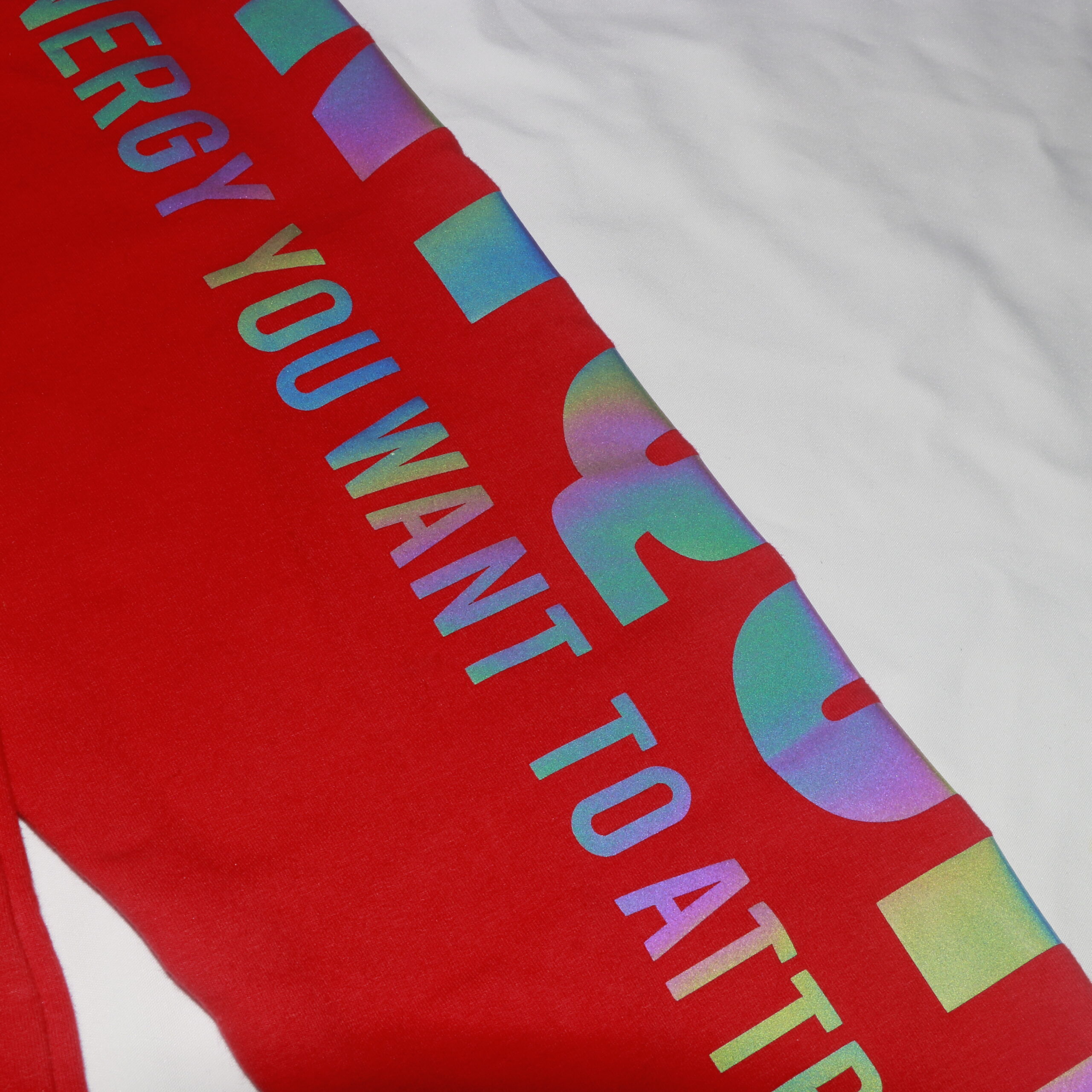
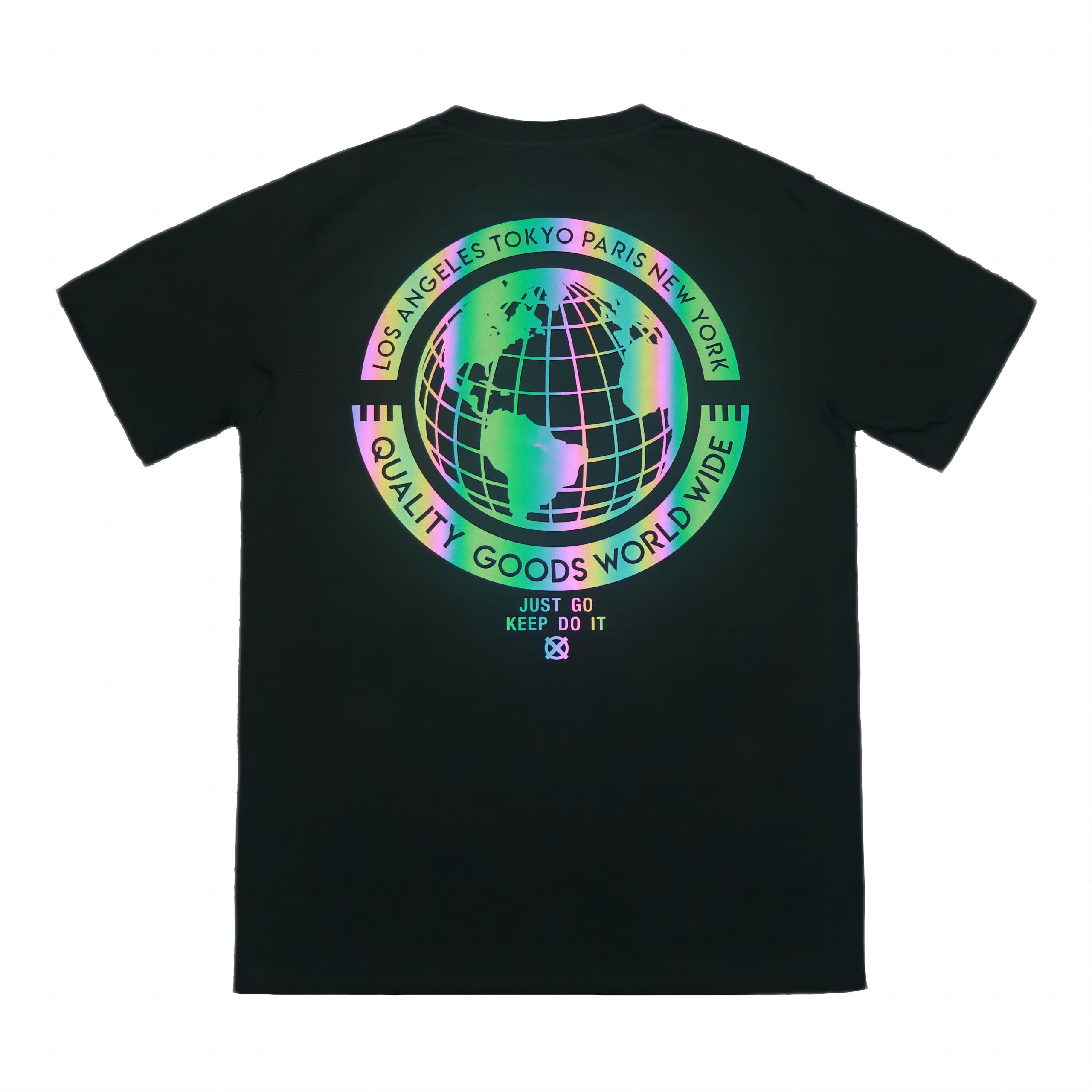
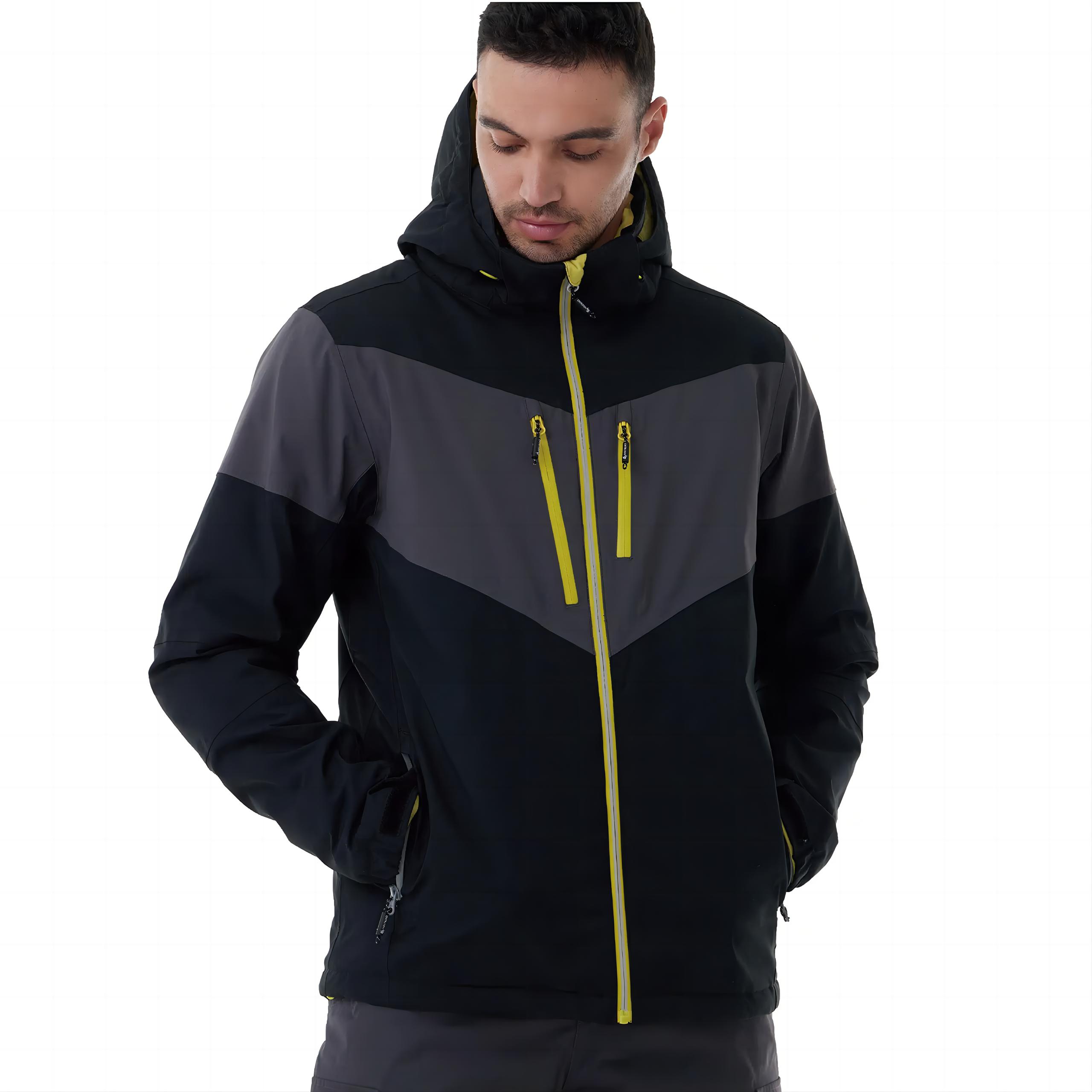
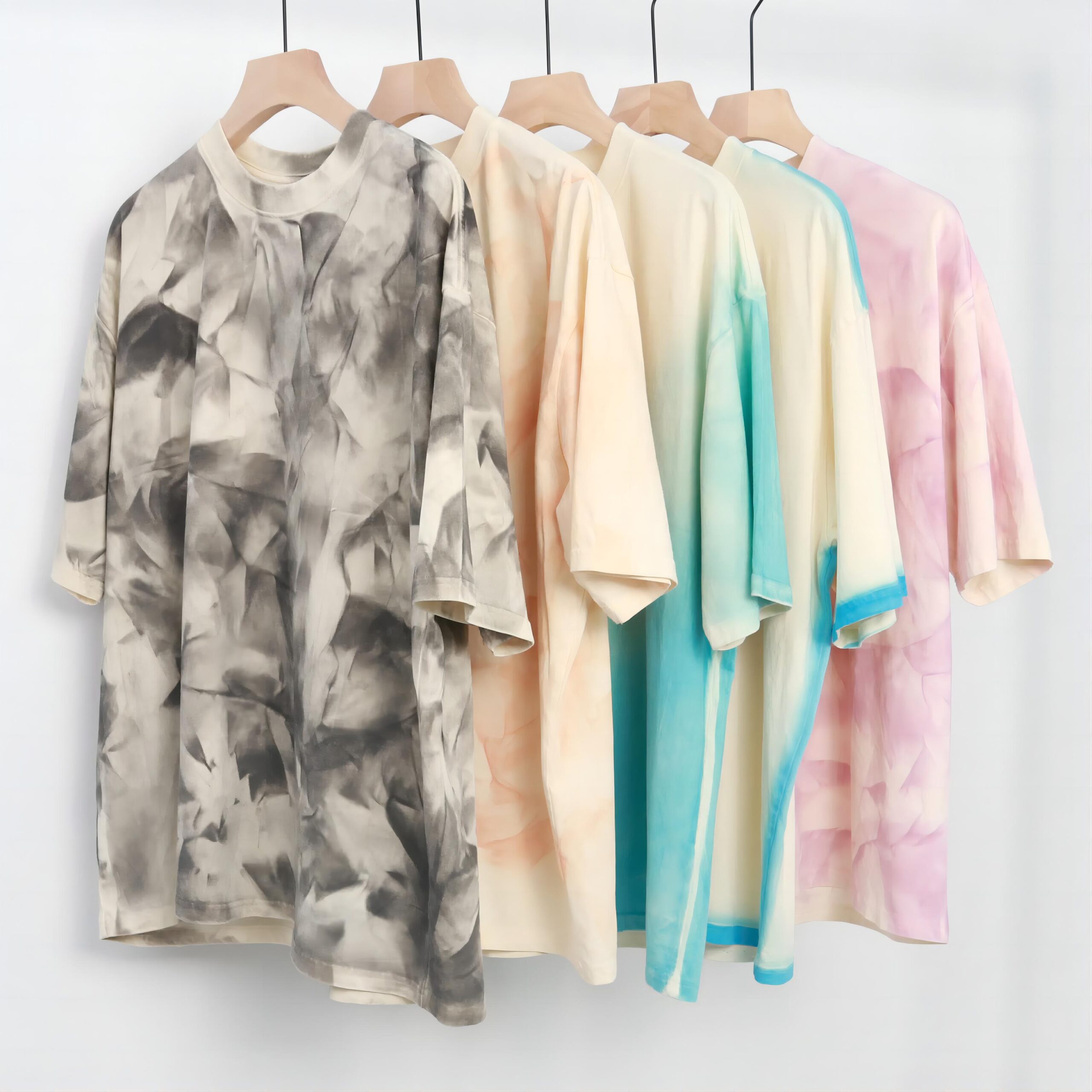
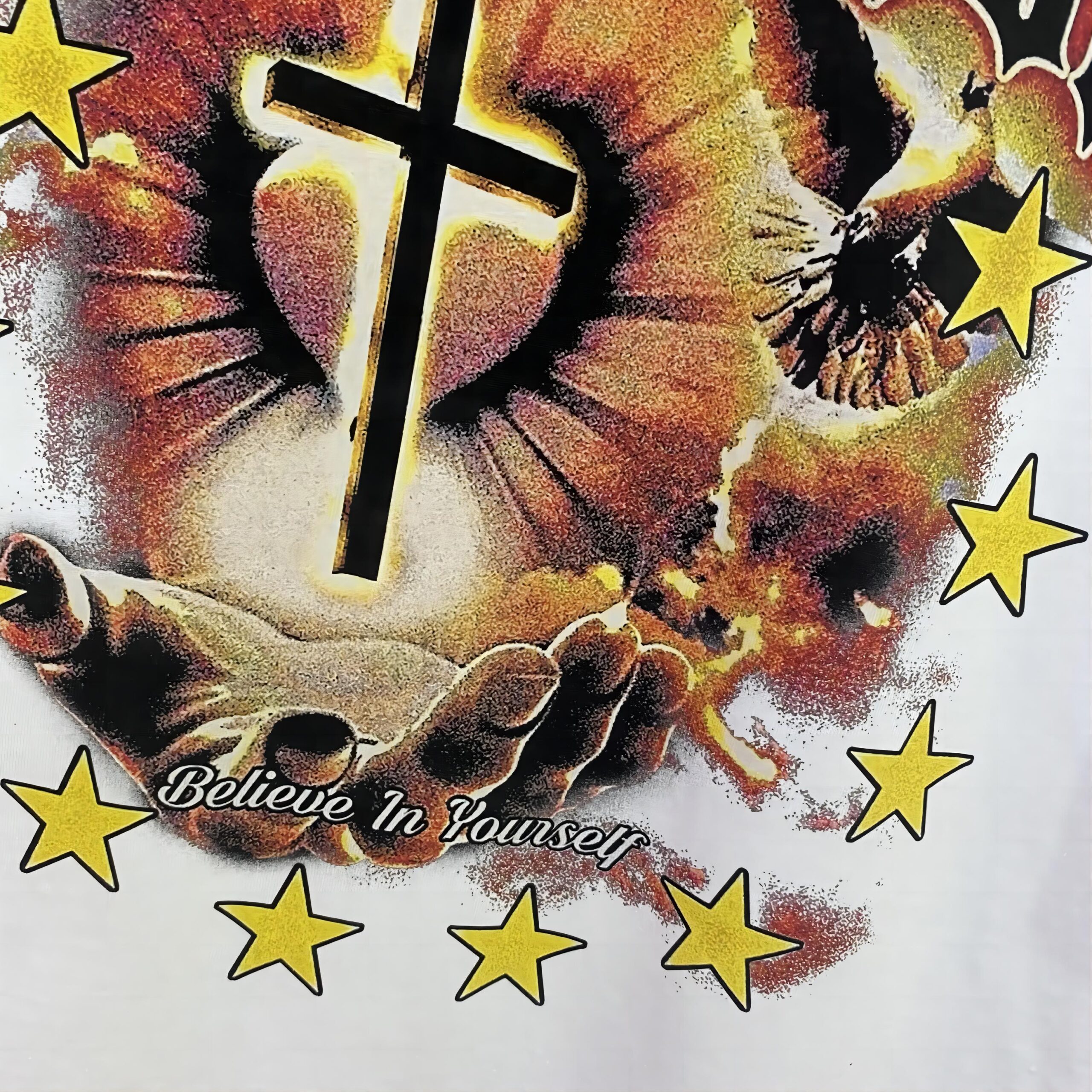




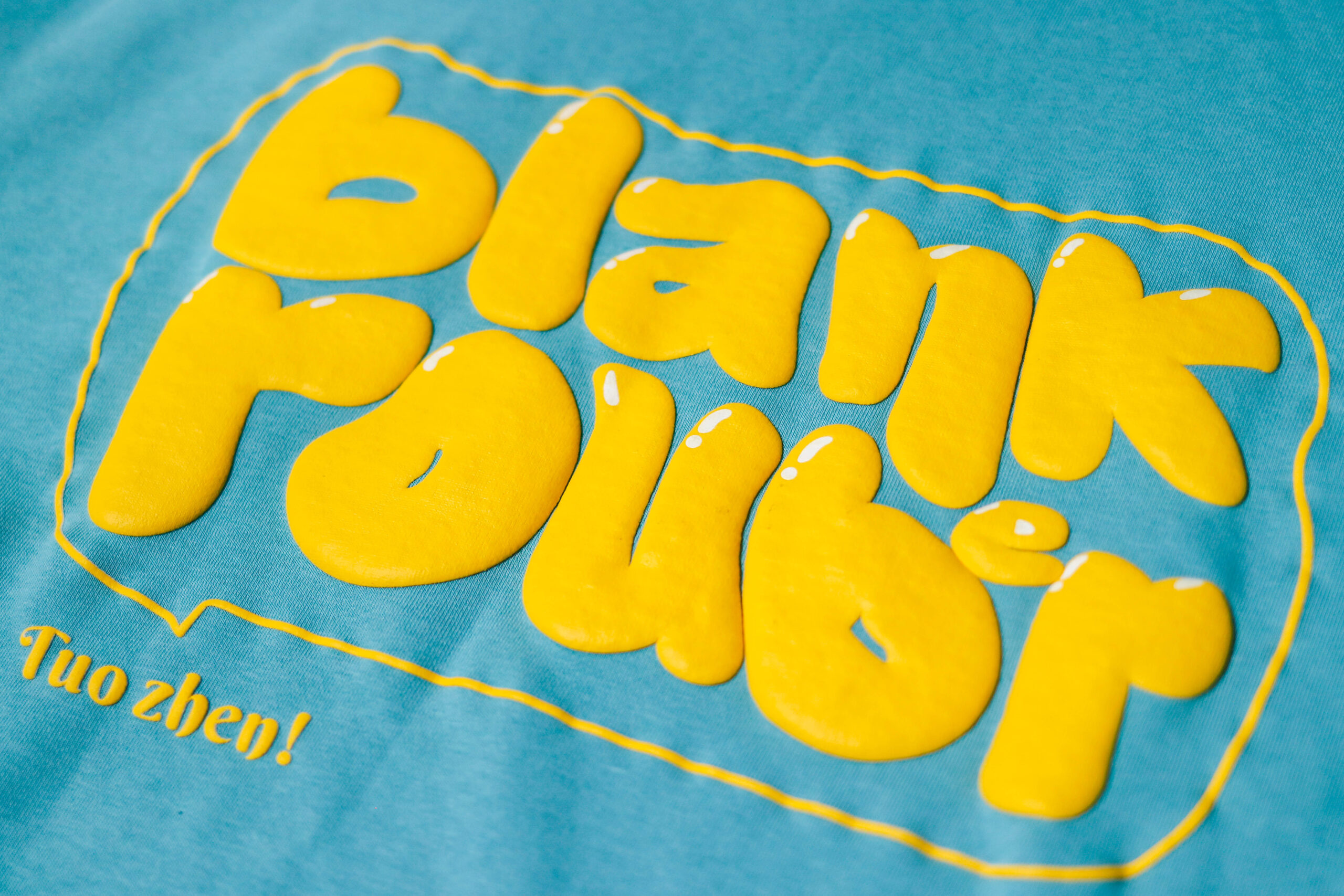
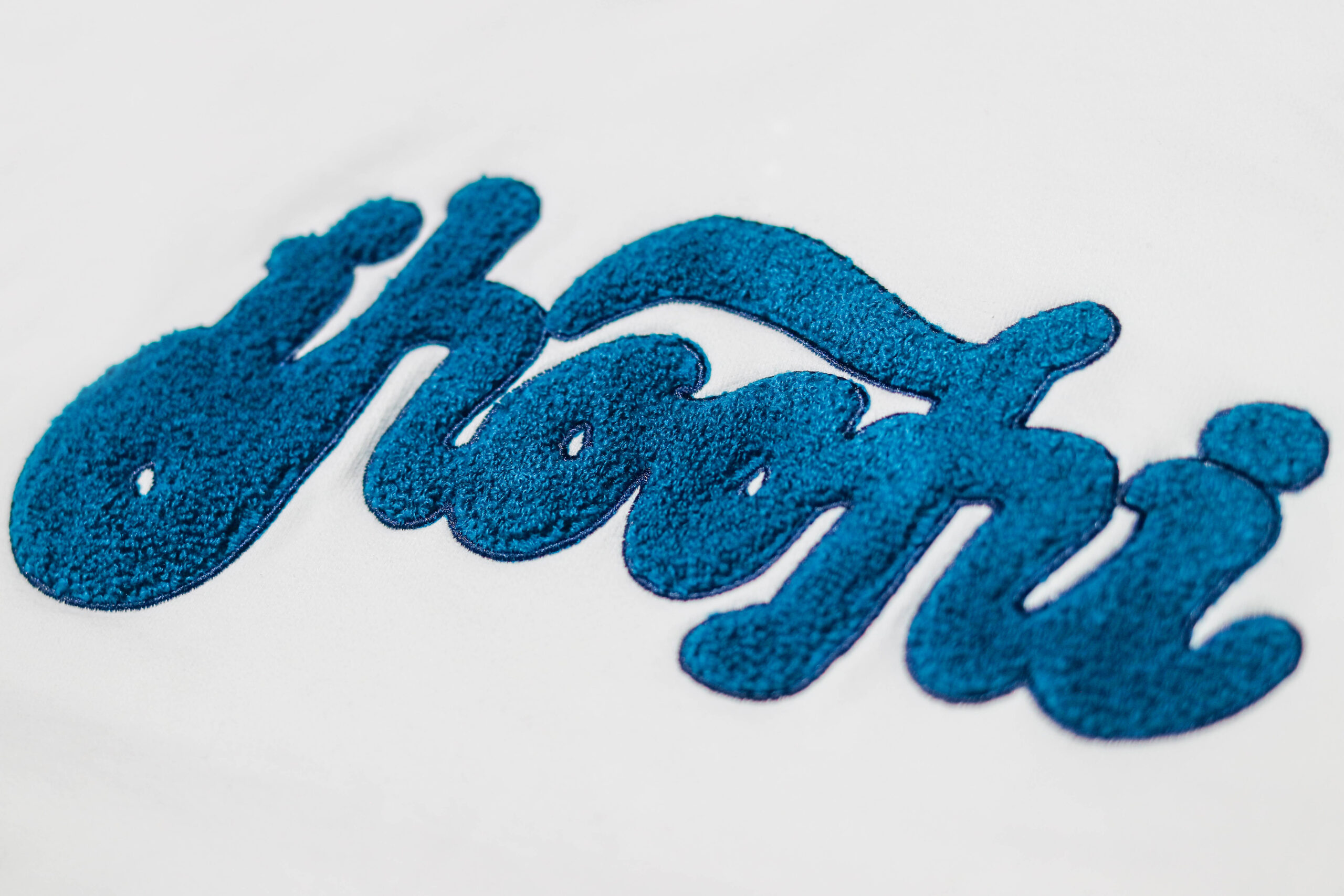
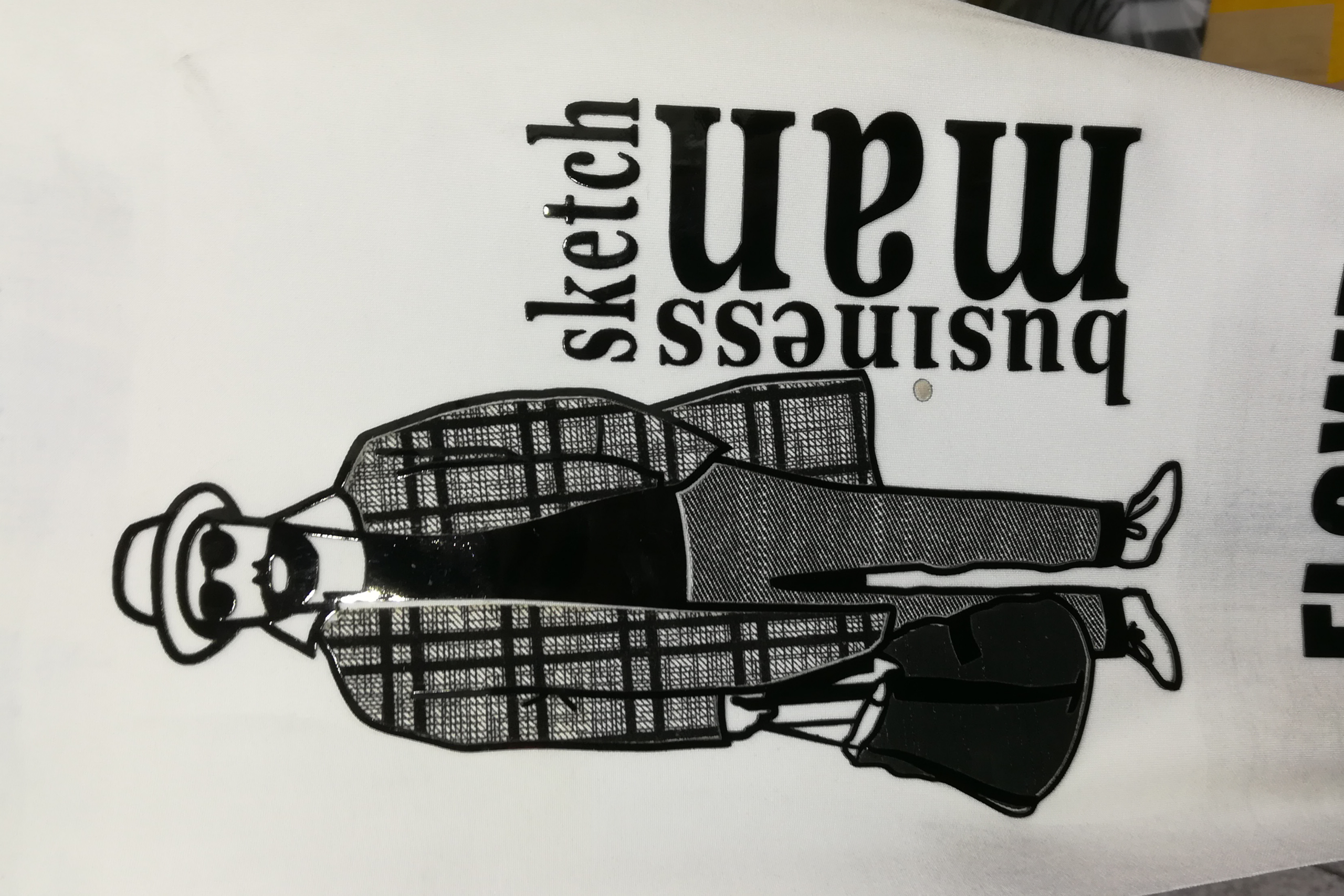
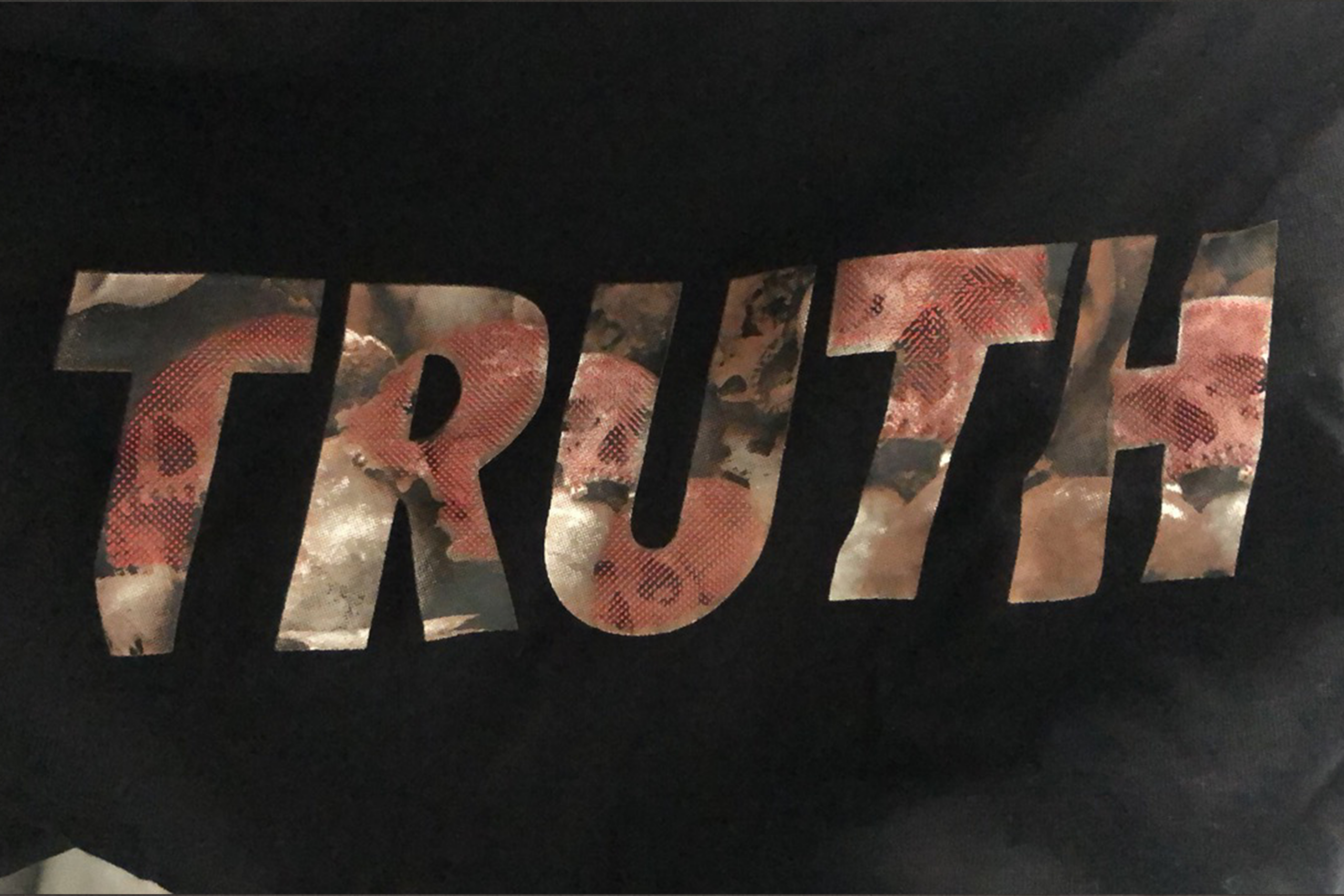
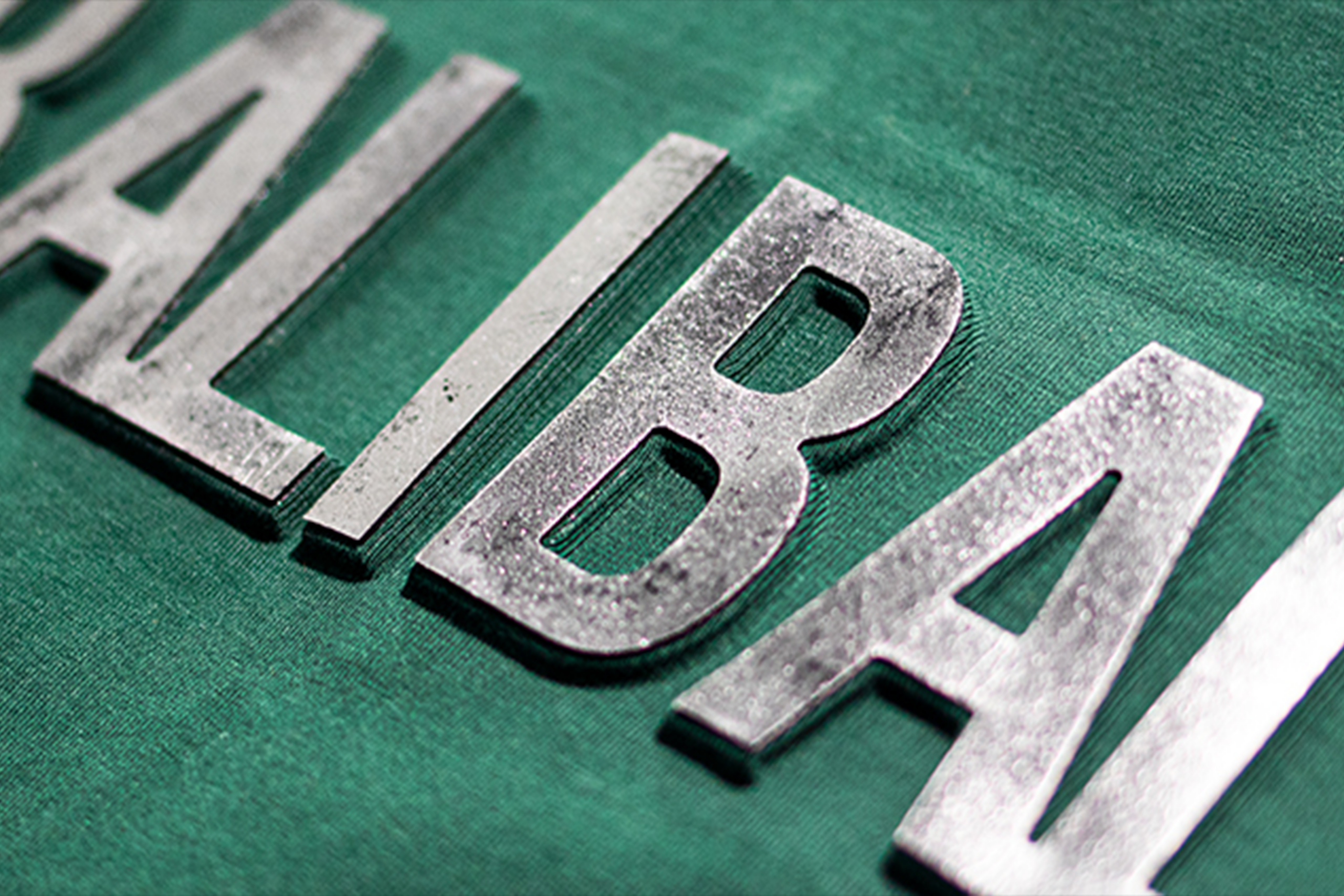
Full Package Clothing Manufacturer, From Concept to Packed Order
EDVORIN brings development, sourcing, decoration and production control into one accountable workflow for repeatable apparel programs.
Founder-Led Since 2000
Work with a manufacturing partner shaped by production-floor experience, direct accountability and long-term attention to repeatable garment standards.
Flexible OEM and ODM
Bring a complete tech pack or an early concept; EDVORIN helps develop clear specifications for private-label production.
Coordinated Material Sourcing
Fabric, trims, labels and packaging are aligned with your construction, fit, performance and target market requirements.
Category-Specific Decoration
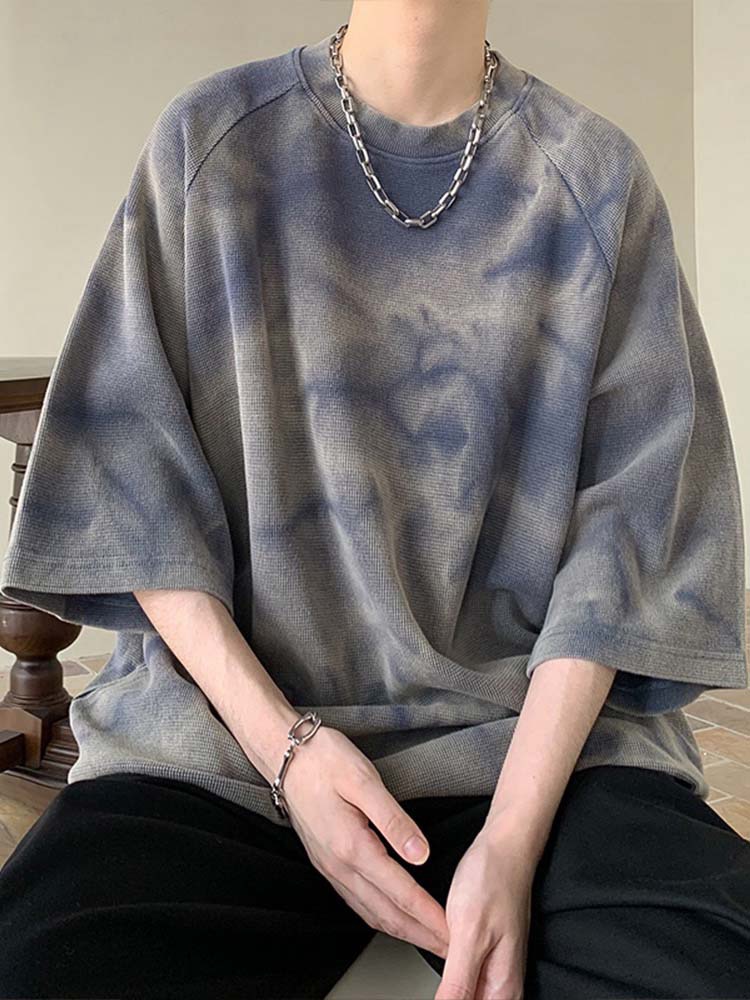
Printing, embroidery and washing are selected around the garment fabric, intended look and wear demands of each category.
Approved-Standard Quality Control
Samples, measurements, artwork placement and finishing details become visible production references for in-line checks and final inspection.
Apparel Categories Built for Repeatable Brand Programs
From first development through bulk delivery, each category is engineered around its construction, decoration, fit, and performance requirements.
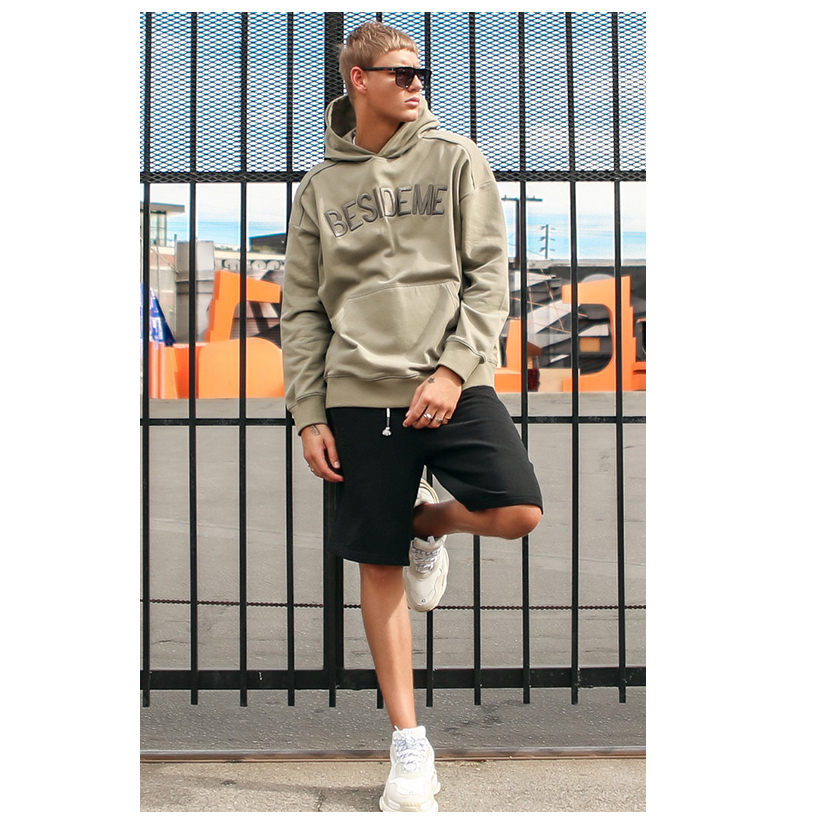
Custom Hoodies
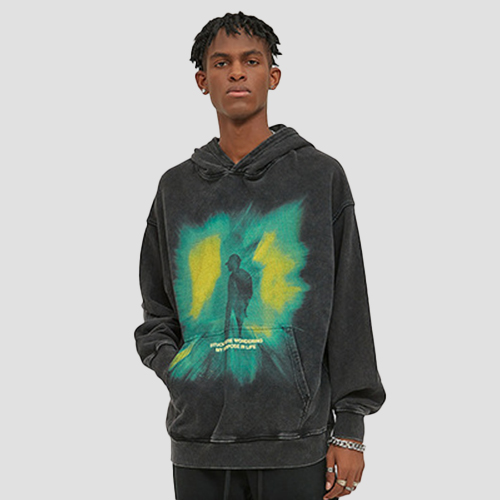
Custom hoodies developed with specified fleece weight, rib recovery, hood shape, drawcord construction, pockets, labels, and decoration placement. We convert approved samples into documented standards for repeatable men’s and women’s production.
Get a Quote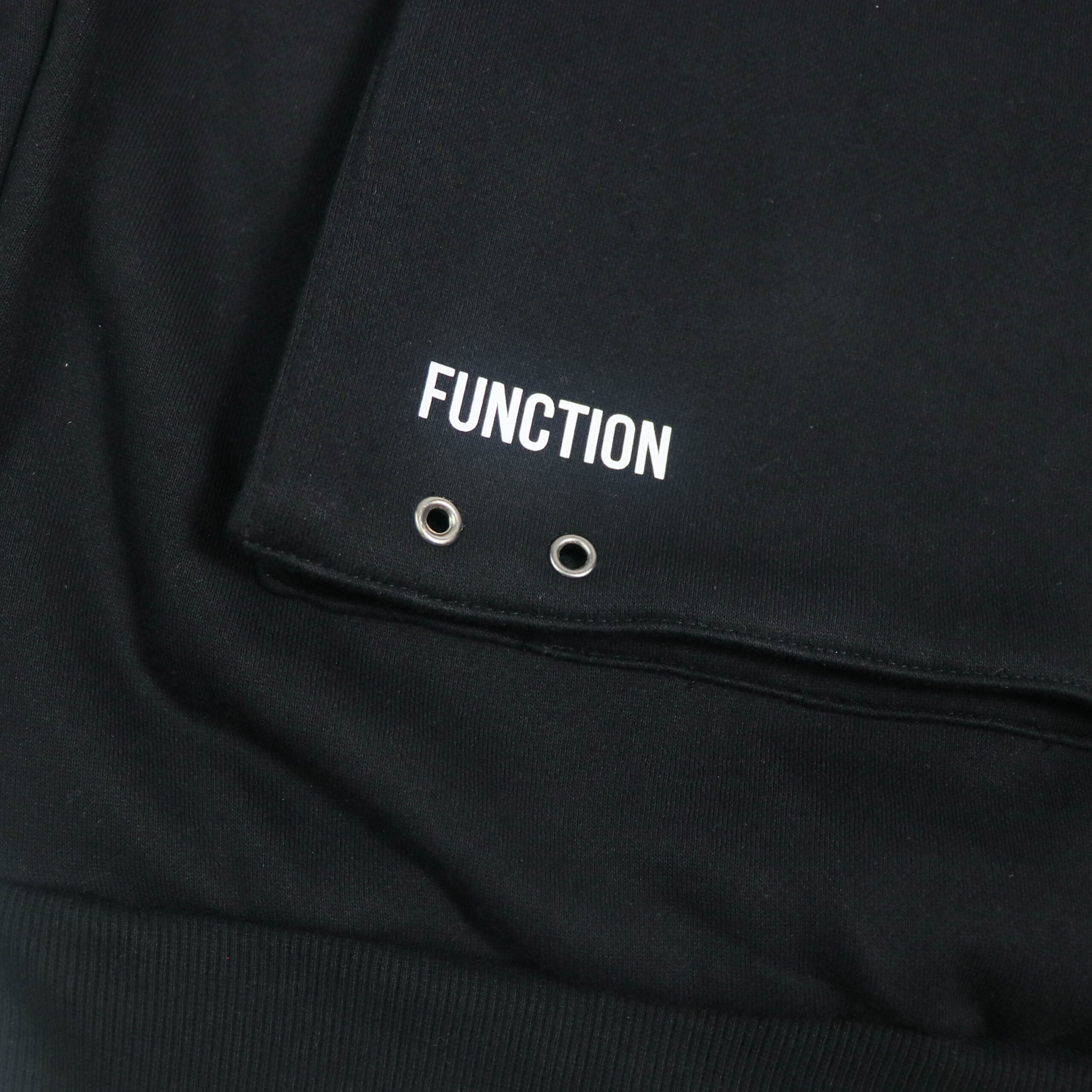
Pullover Sweatshirts
Pullover sweatshirts manufactured around fabric weight, neckline, rib specifications, fit block, seam construction, washing, and print or embroidery requirements. Suitable for branded casualwear, merchandise programs, and coordinated seasonal collections.
Get a Quote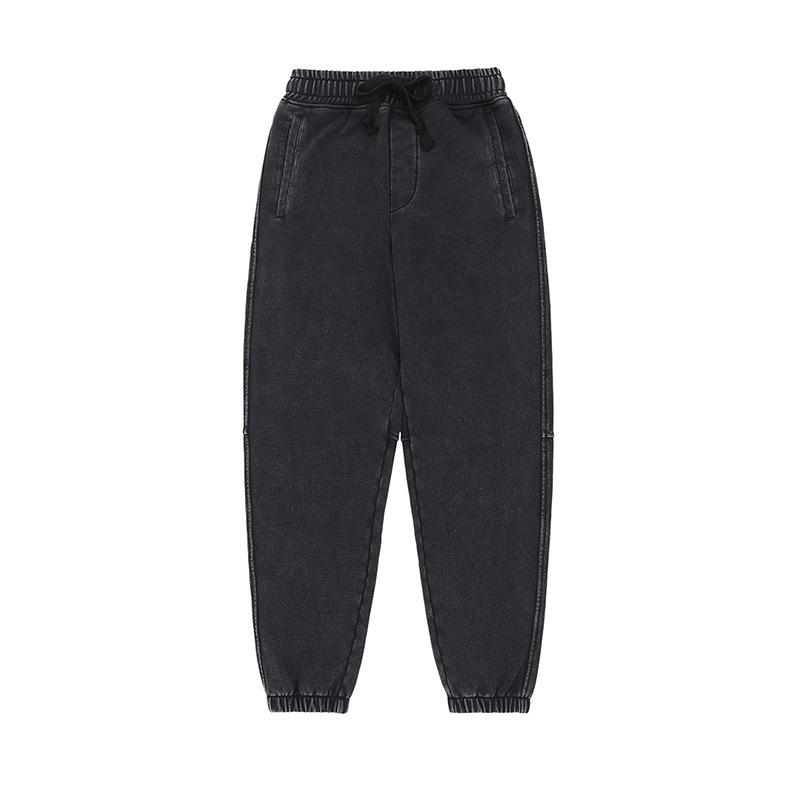
Sweatpants & Joggers
Sweatpants and joggers developed with controlled fit, waistband construction, pocket details, cuff options, fabric weight, and decoration placement. Men’s and women’s specifications can be graded separately to support consistent program development.
Get a Quote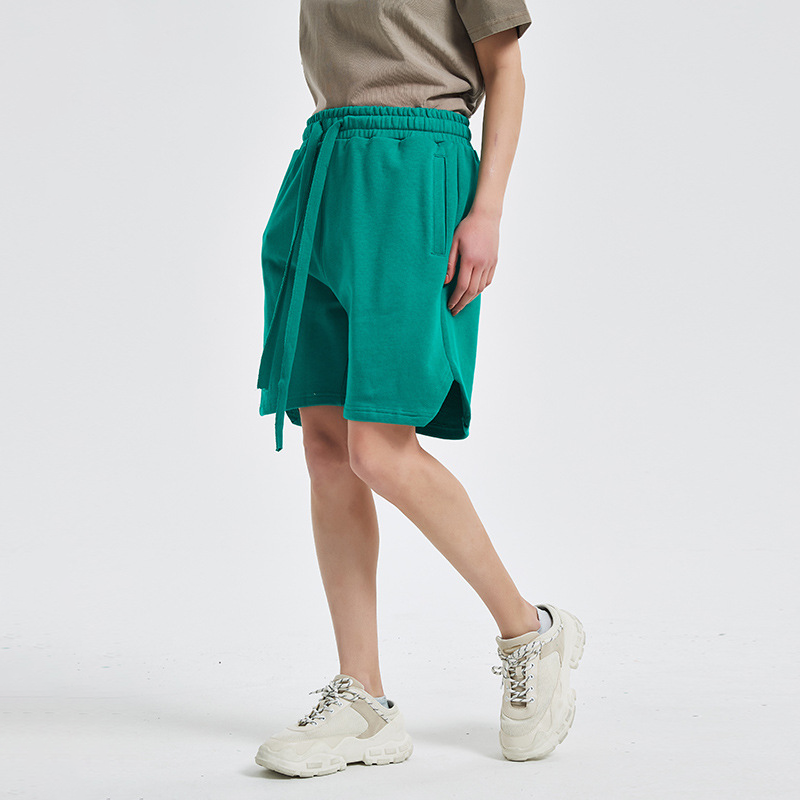
Custom Shorts
Custom shorts produced for casualwear, sport, and streetwear programs with defined inseam, rise, waistband, pockets, lining, fabric performance, and branding details. Samples establish the construction and measurement standard before bulk production.
Get a Quote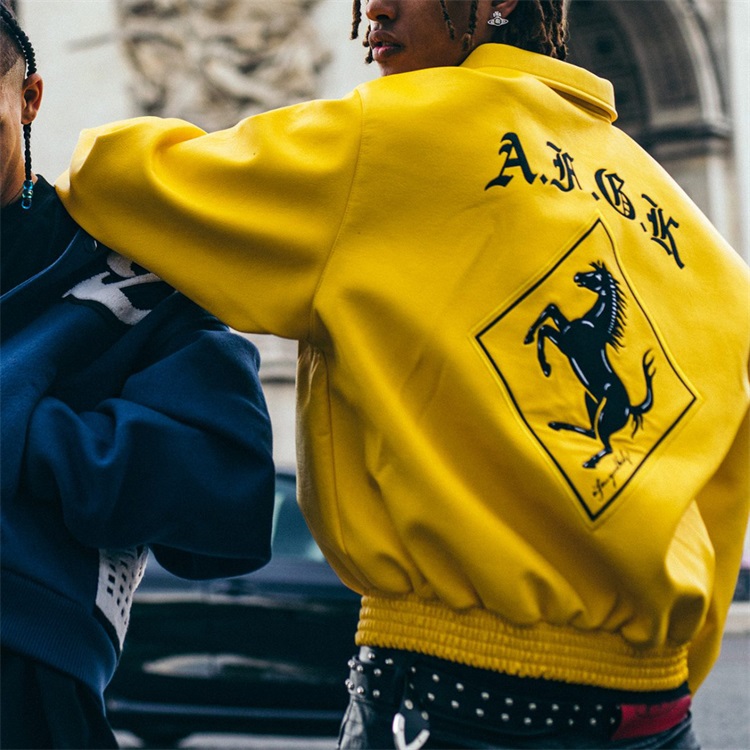
Varsity & Baseball Jackets
Varsity and baseball jackets coordinated across body fabric, sleeves, ribbing, lining, snaps, patches, embroidery, and decoration. Development focuses on balancing materials and construction so the approved jacket can be reproduced consistently.
Get a Quote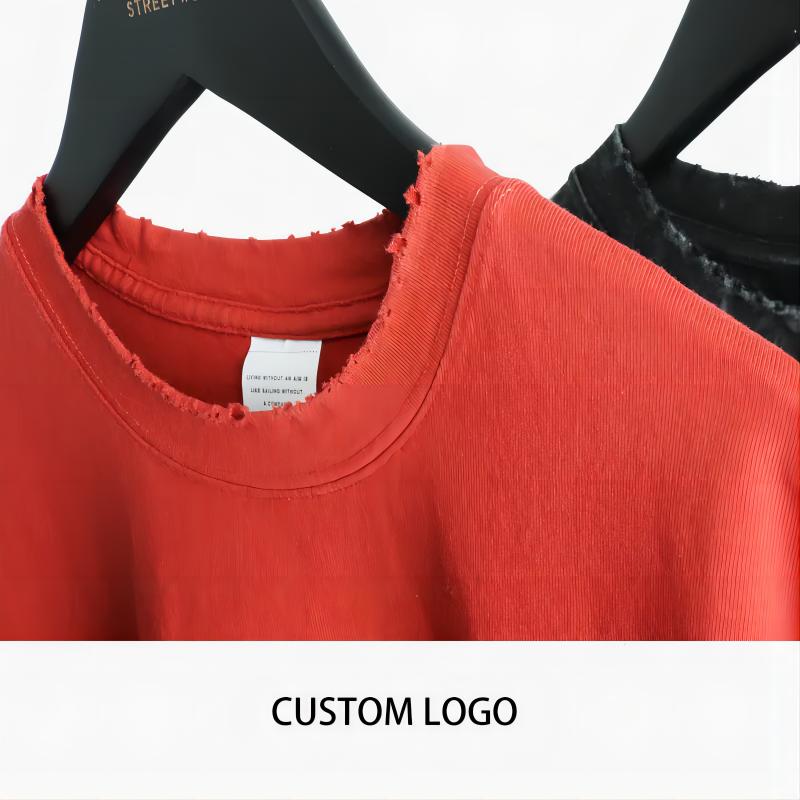
Custom T-Shirts
Custom T-shirts developed around fabric composition, GSM, fit, collar construction, stitching, wash treatment, and print method. Available for men’s and women’s programs, from core blanks to fully specified private-label styles.
Get a Quote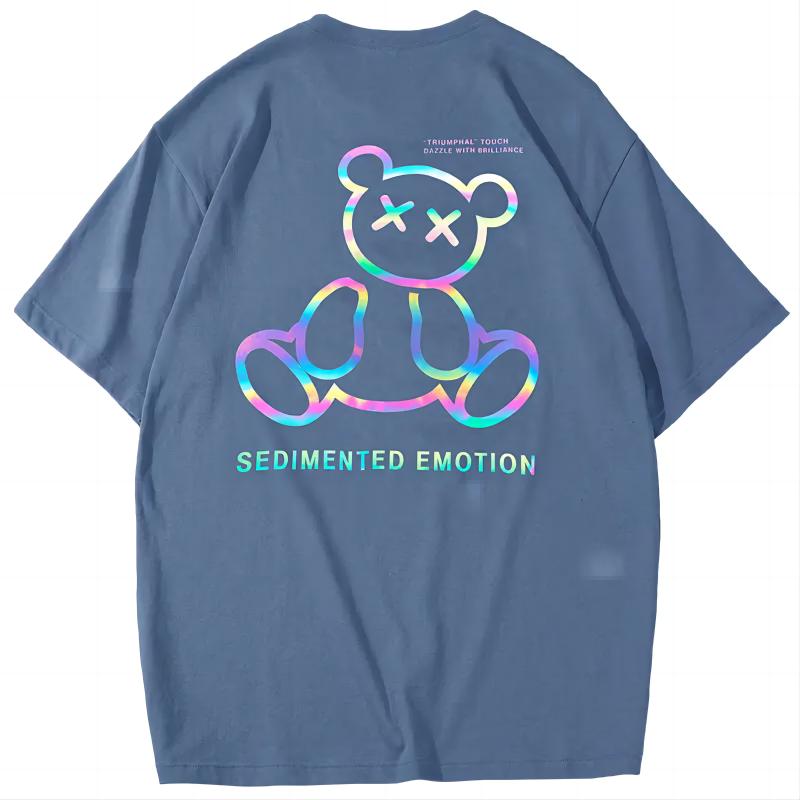
Custom Polo Shirts
Custom polo shirts manufactured with defined pique or jersey fabric, collar and placket construction, sleeve finish, fit, embroidery placement, and labeling. Suitable for uniforms, corporate programs, clubs, and branded retail collections.
Get a Quote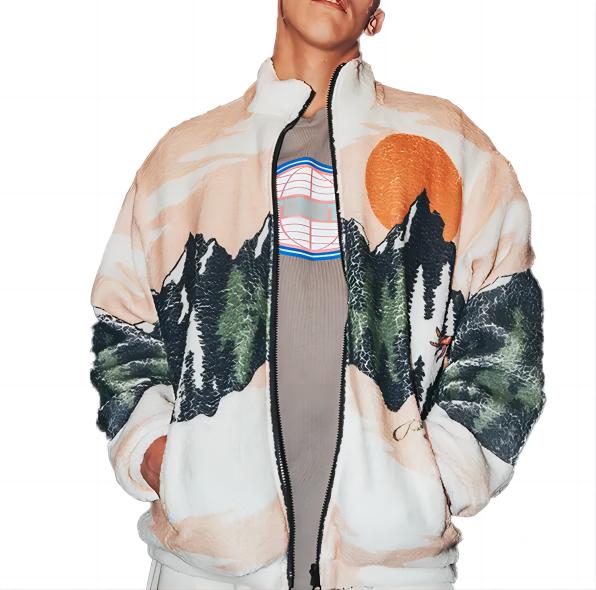
Windbreaker Jackets
Windbreaker jackets developed with shell fabric, lining, water resistance, ventilation, zipper and pocket construction, hood details, and print or embroidery requirements. Specifications are documented to support consistent seasonal or team programs.
Get a Quote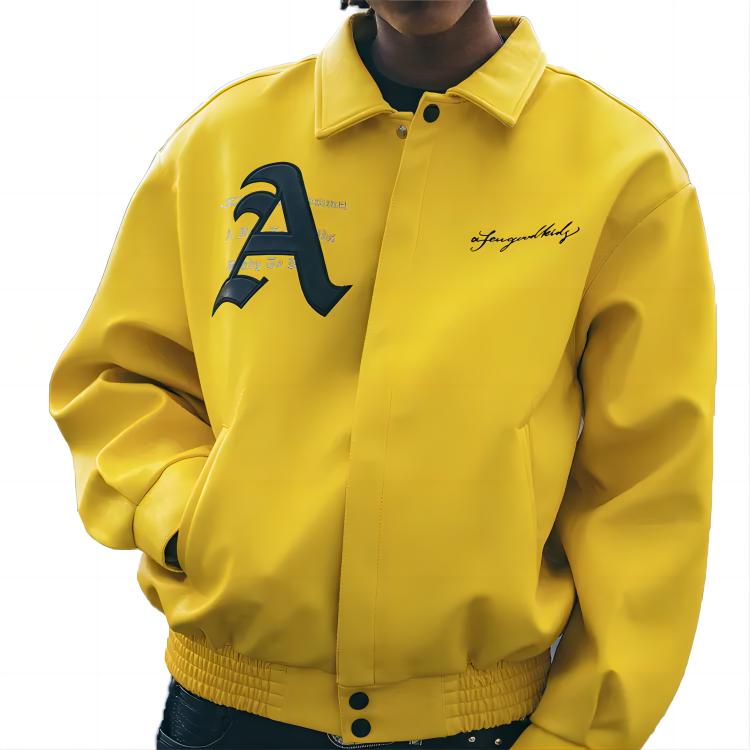
Quilted Jackets
Quilted jackets coordinated across shell, lining, insulation, quilting pattern, hardware, pocket construction, and finishing. Sampling verifies warmth, bulk, movement, and appearance before the style moves into production.
Get a Quote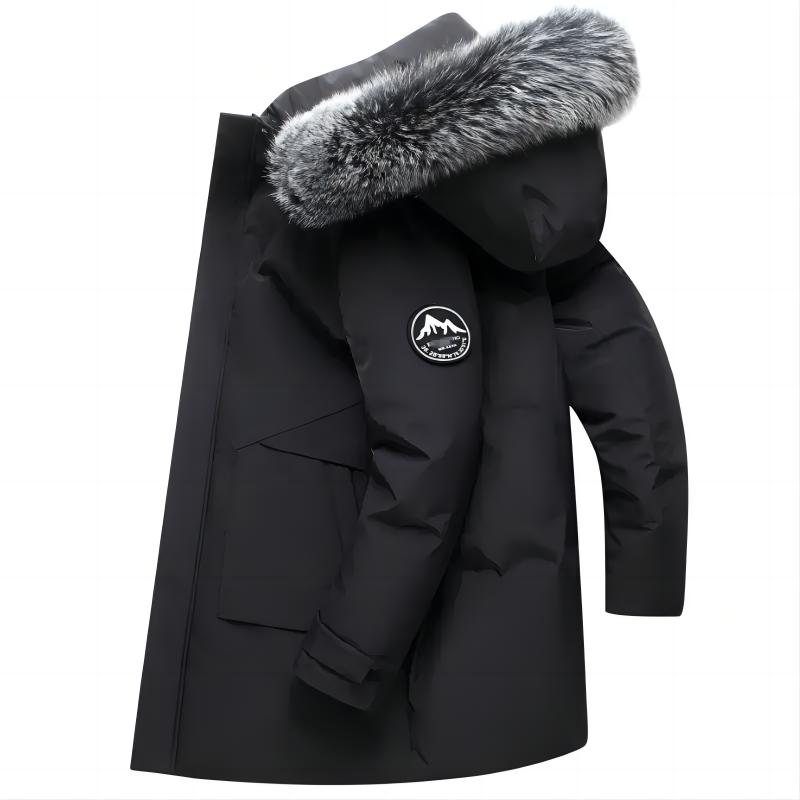
Bomber Jackets
Bomber jackets developed with defined shell and lining fabrics, ribbing, zipper or snap hardware, pocket construction, insulation, embroidery, and patches. Each approved detail is recorded for reliable repeat orders.
Get a Quote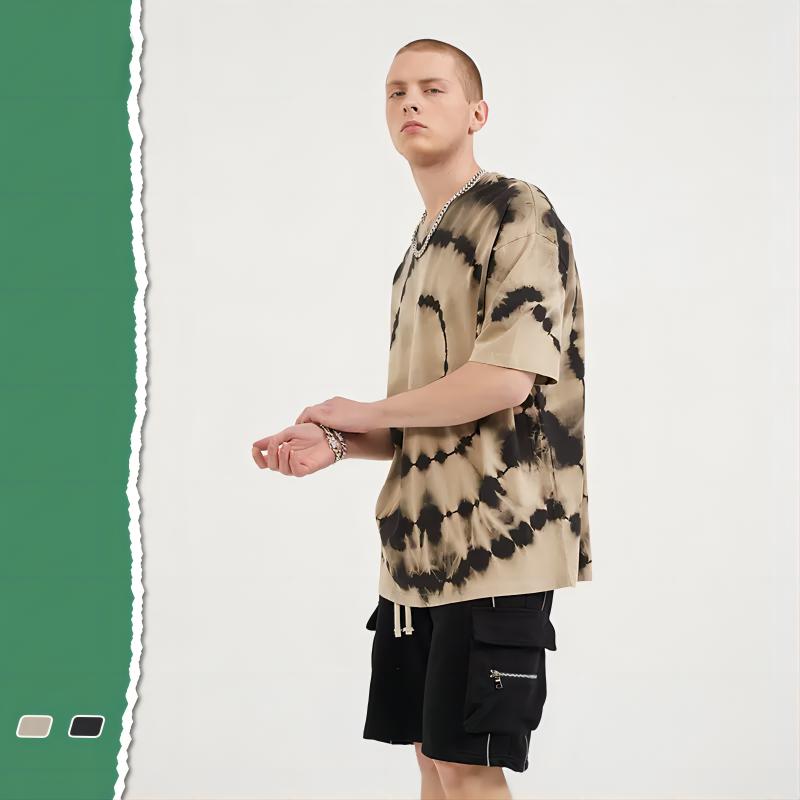
Custom Shirts
Custom woven shirts manufactured with selected fabric, collar, placket, cuff, yoke, pocket, fit, and label specifications. Development supports retail, uniform, hospitality, and private-label programs for men and women.
Get a Quote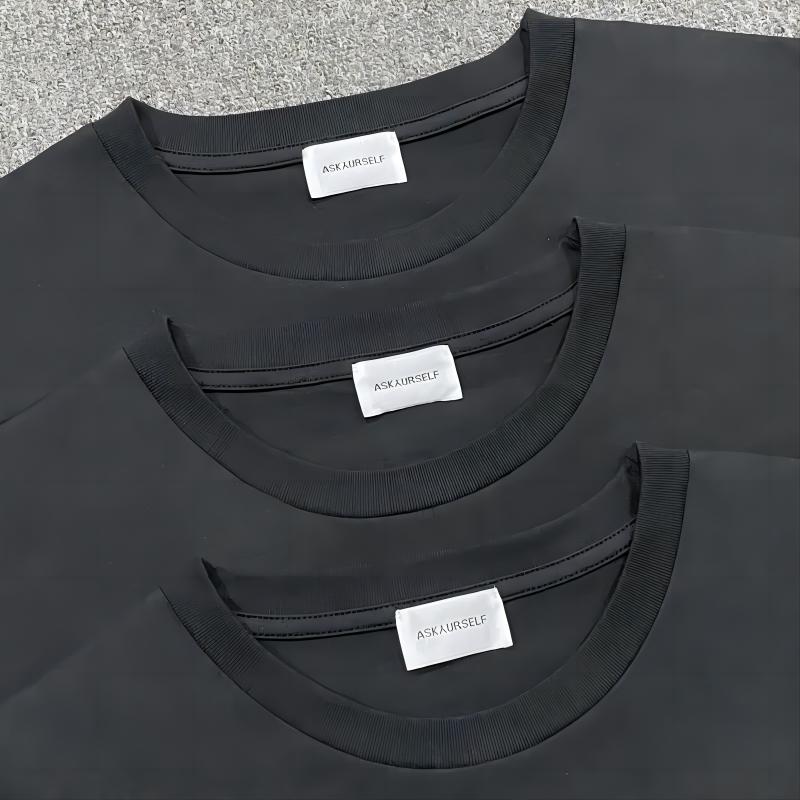
Custom Jerseys
Custom jerseys built around breathable fabrics, color control, panel construction, name and number application, fit, and size grading. Production standards help teams, clubs, and brands maintain consistency across complete orders.
Get a Quote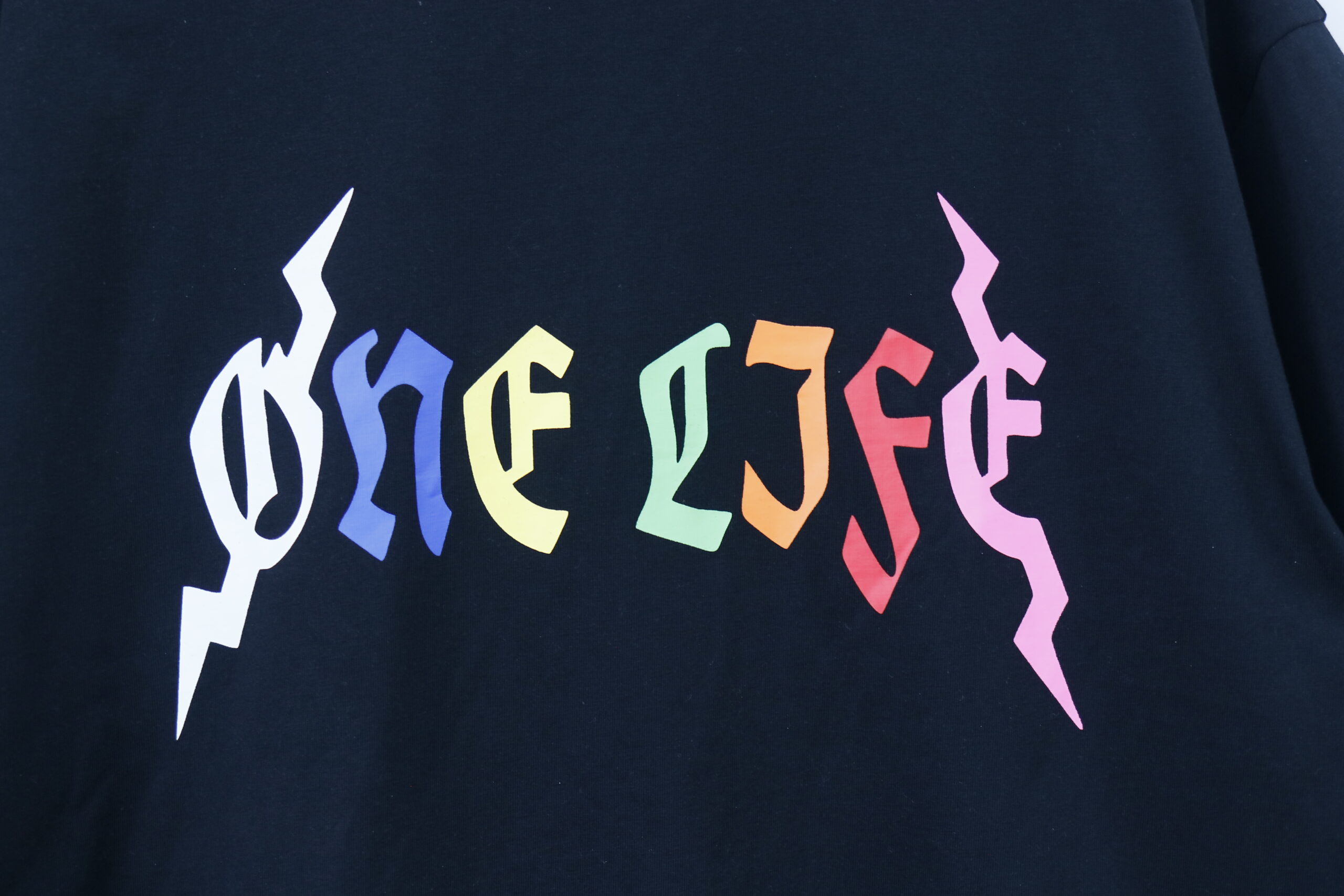
Tank Tops
Tank tops developed with fabric weight, armhole shape, neckline finish, fit block, binding, and decoration requirements. Available for casualwear, gymwear, teamwear, and women’s or men’s private-label assortments.
Get a Quote
Soccer Uniforms
Soccer uniforms coordinated as complete kits with performance fabrics, jerseys, shorts, socks, club colors, crests, player names, numbers, and size sets. Approved references guide repeatable team and academy production.
Get a Quote
Basketball Uniforms
Basketball uniforms developed with breathable fabric, jersey and short proportions, side panels, trim, player numbering, logo placement, and coordinated size grading. Suitable for clubs, schools, academies, and wholesale teamwear programs.
Get a Quote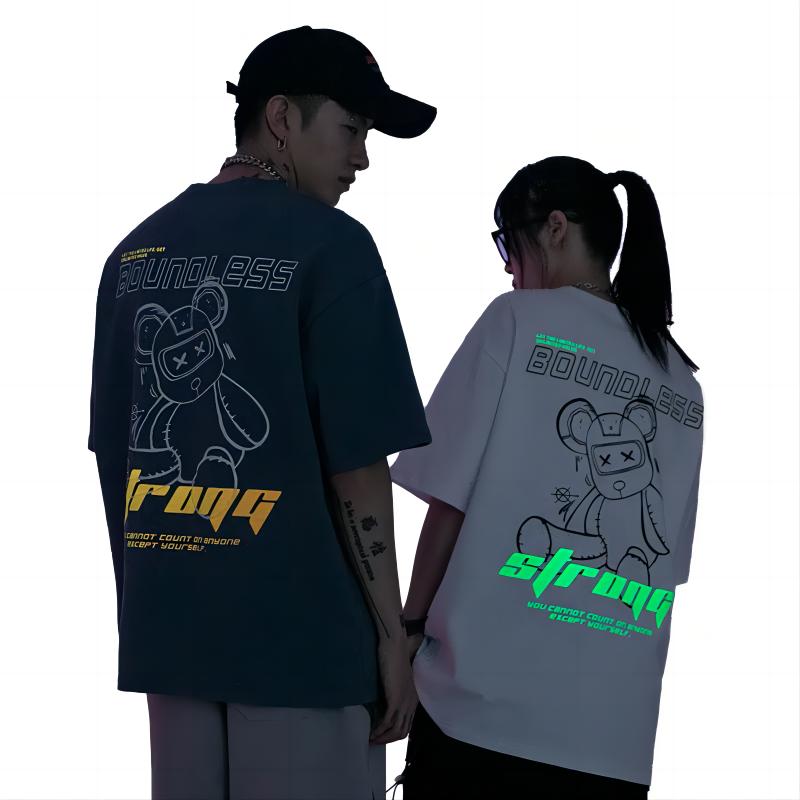
Streetwear Collections
Streetwear collections developed as connected product programs across hoodies, tees, sweats, jackets, bottoms, washes, trims, labels, and packaging. EDVORIN aligns each style to one production standard from concept through bulk delivery.
Get a QuoteMaterials for Full-Package Apparel Programs
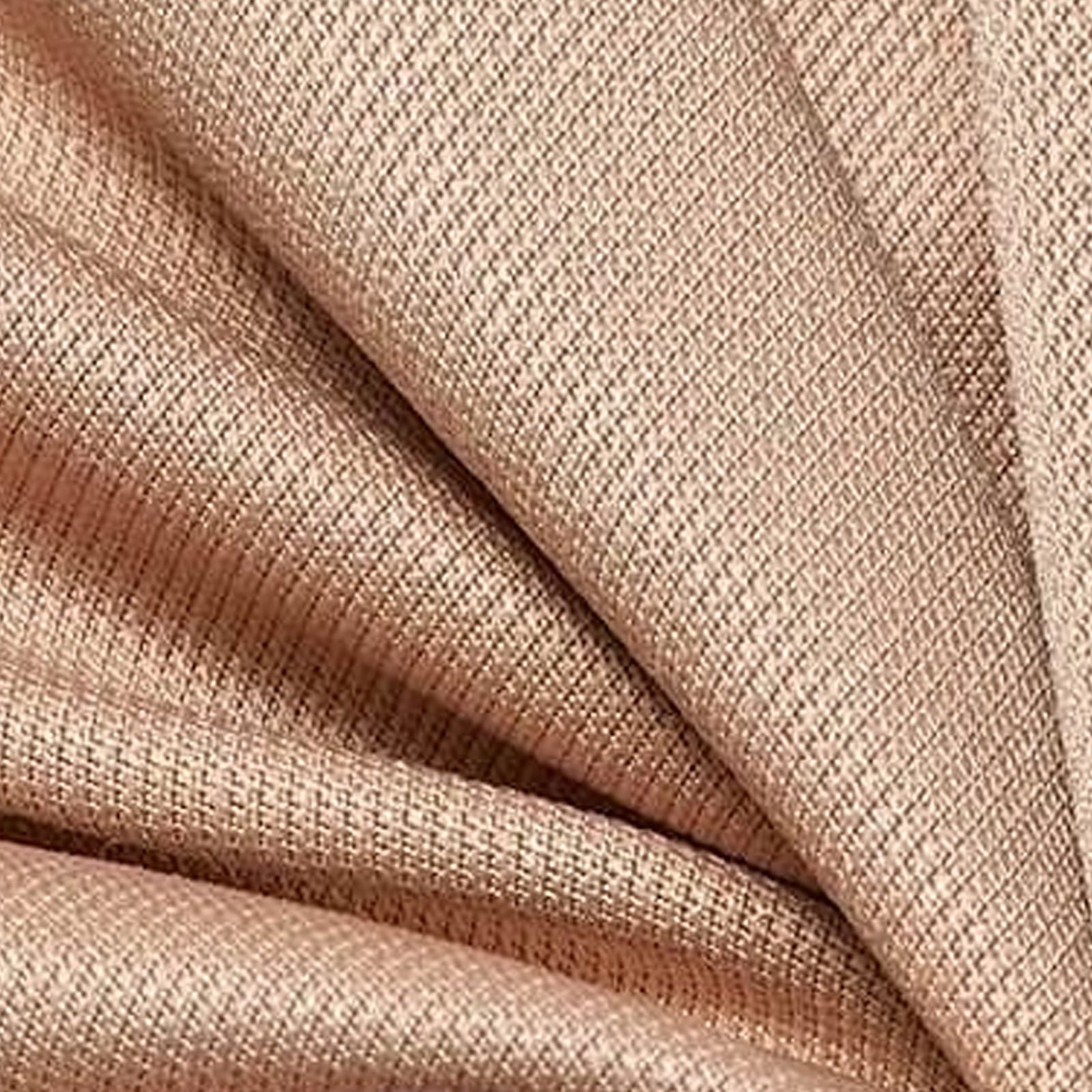
Cotton Jersey
Soft, breathable knit for T-shirts, polos and lightweight layering pieces. Cotton jersey offers a familiar natural hand-feel and can be specified in different weights to balance drape, coverage and everyday durability.
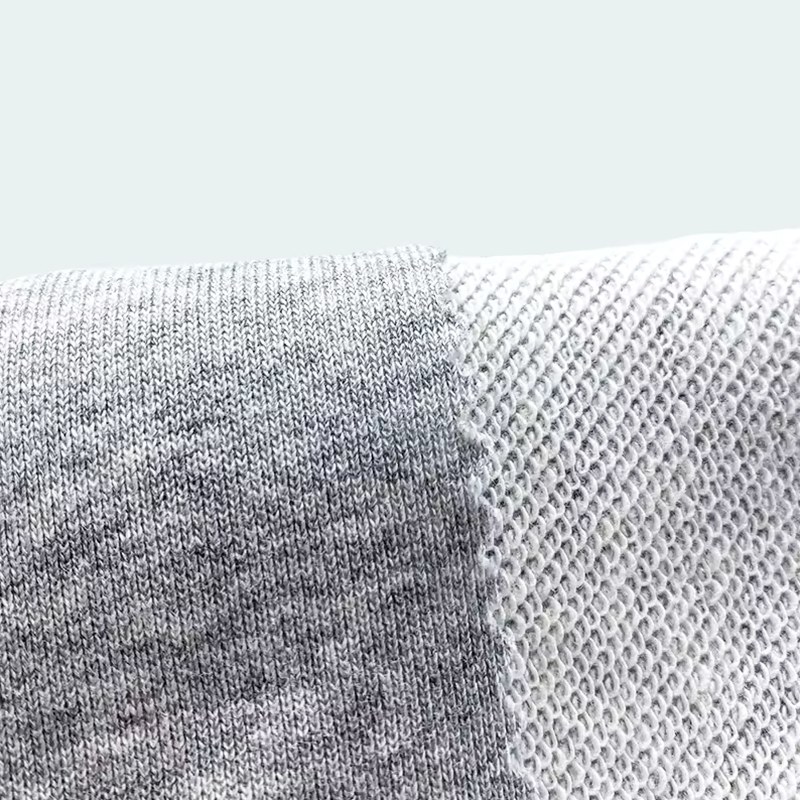
French Terry
A loop-backed knit suited to hoodies, sweatshirts, joggers and coordinated streetwear. It provides a substantial yet breathable hand-feel, with fabric weight selected to support the desired structure, comfort and decoration.
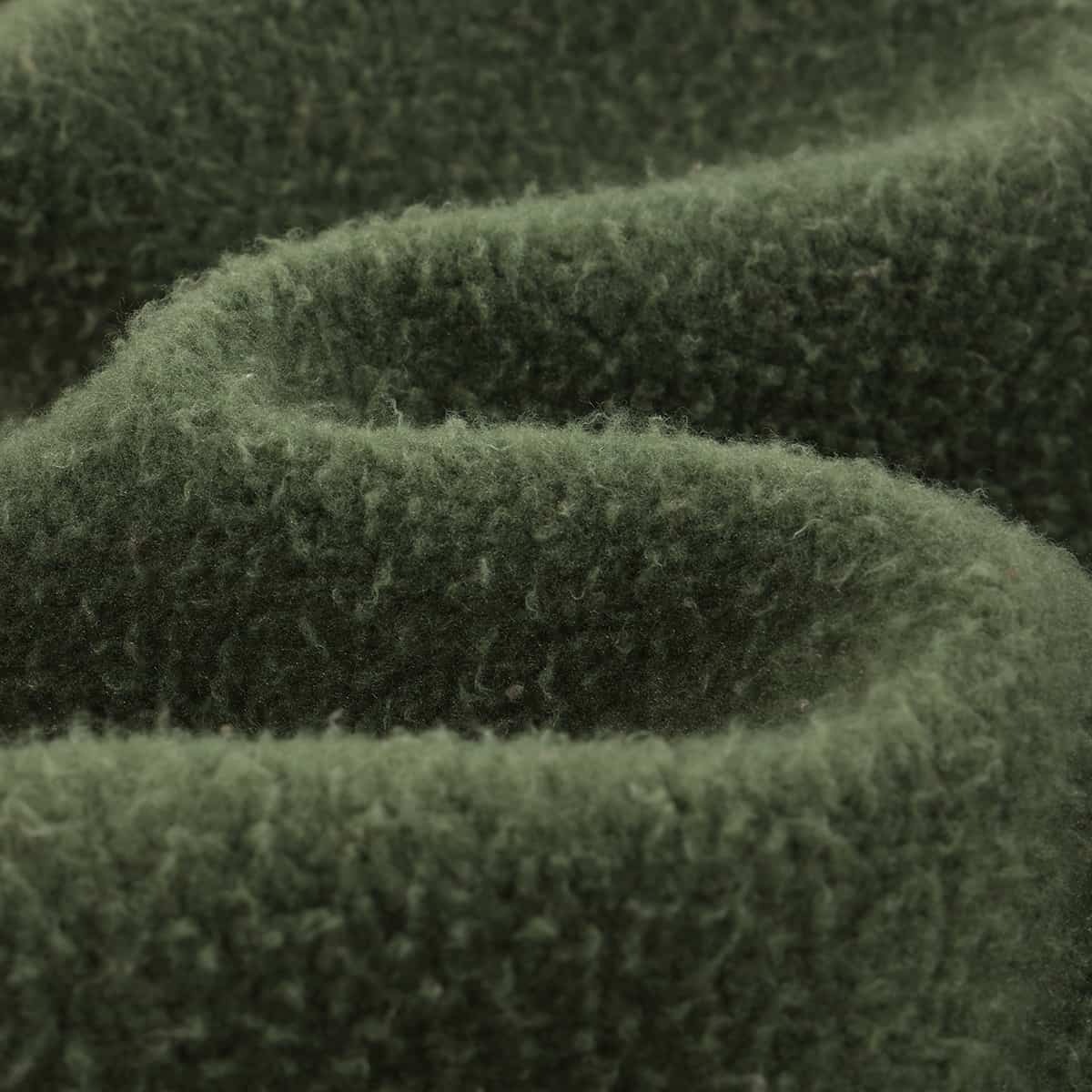
Brushed Fleece
Warm, soft-backed fabric for cold-weather hoodies, pullovers and sweatpants. Brushed fleece delivers a plush interior hand-feel, while weight and rib pairing can be developed to maintain shape through repeat wear.
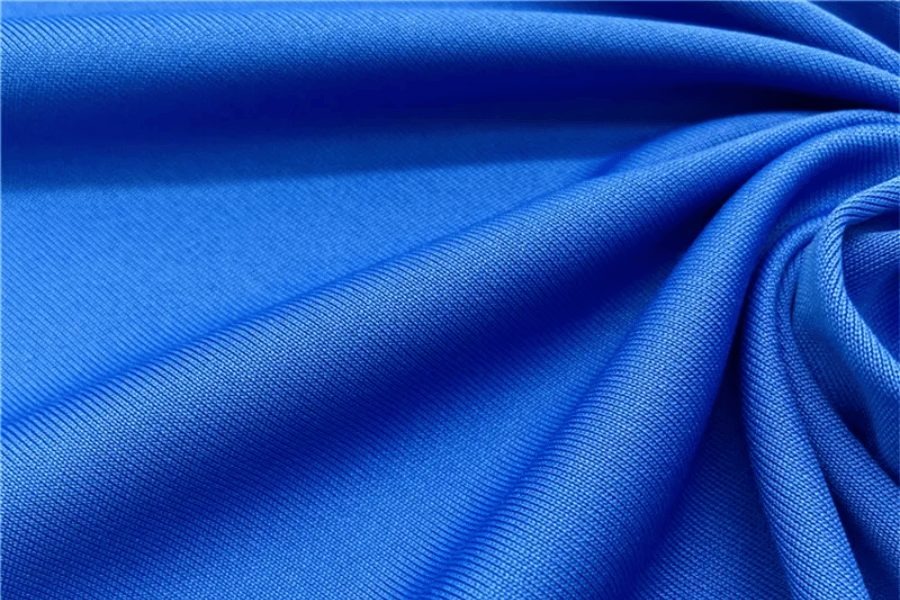
Polyester Interlock
Smooth, durable performance knit for jerseys, soccer uniforms, basketball uniforms and training pieces. Polyester interlock has a clean face for numbers and graphics, with stable construction suited to active movement and repeated washing.
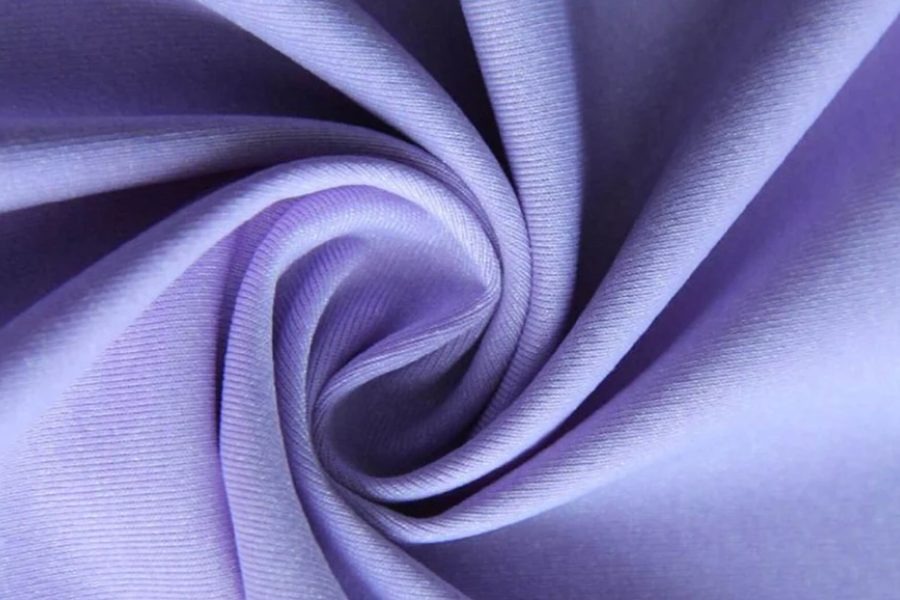
Woven Nylon
Lightweight technical fabric for windbreakers, bomber jackets and outerwear shells. Woven nylon provides a crisp hand-feel and can be specified with lining, coatings or insulation systems based on weather protection and garment structure.
Decoration and Finishing for Full-Package Apparel
Sublimation Printing
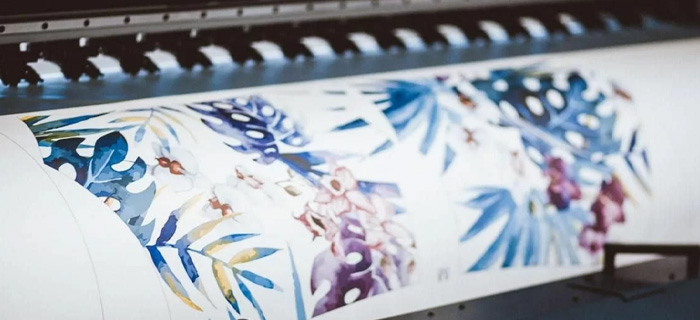
Sublimation printing supports vivid, all-over graphics on compatible performance fabrics, making it well suited to jerseys and active teamwear. Artwork is developed around panel construction so colors, names and numbers align through production.
Heat Applied Graphics
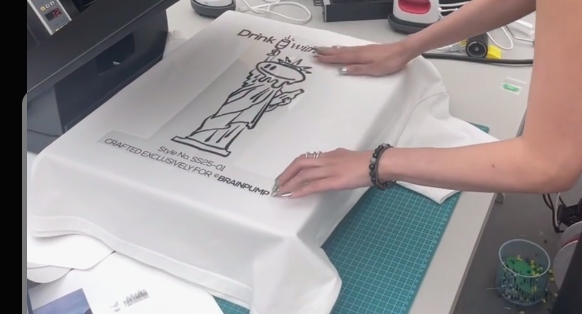
Heat-applied graphics provide precise logos, names, numbers and special-detail applications across selected apparel programs. EDVORIN evaluates the material, graphic size and application area to support a smooth finish suited to the garment’s use.
Trims and Accessories That Complete the Specification
Drawcords and Tipping
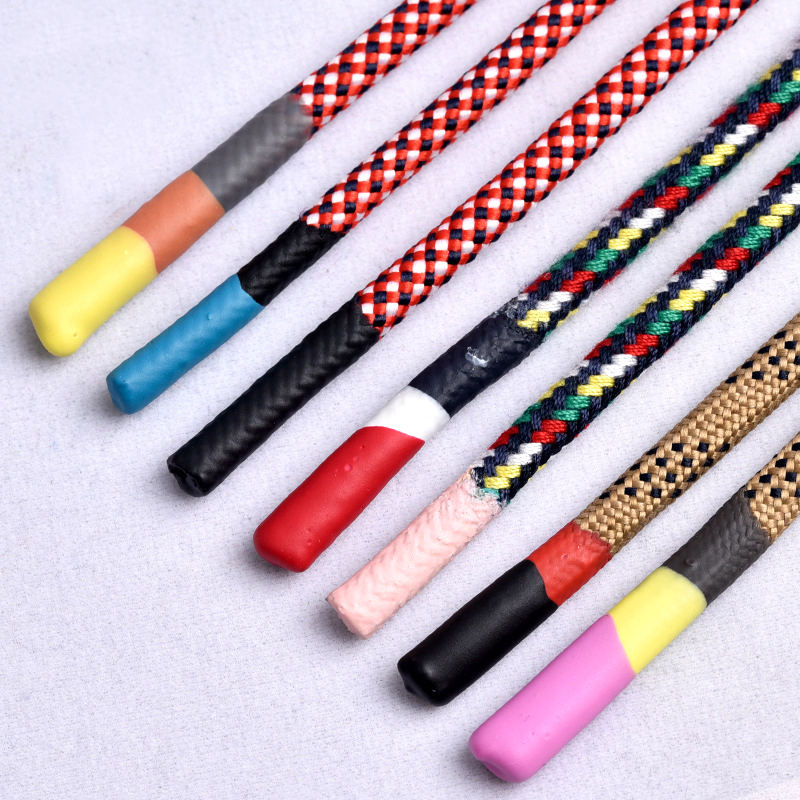
Select drawcord material, length, aglet finish and contrast tipping for hoodies, sweatpants and shorts. These details support a consistent silhouette while reinforcing a collection’s color story and intended price point.
Snap Buttons
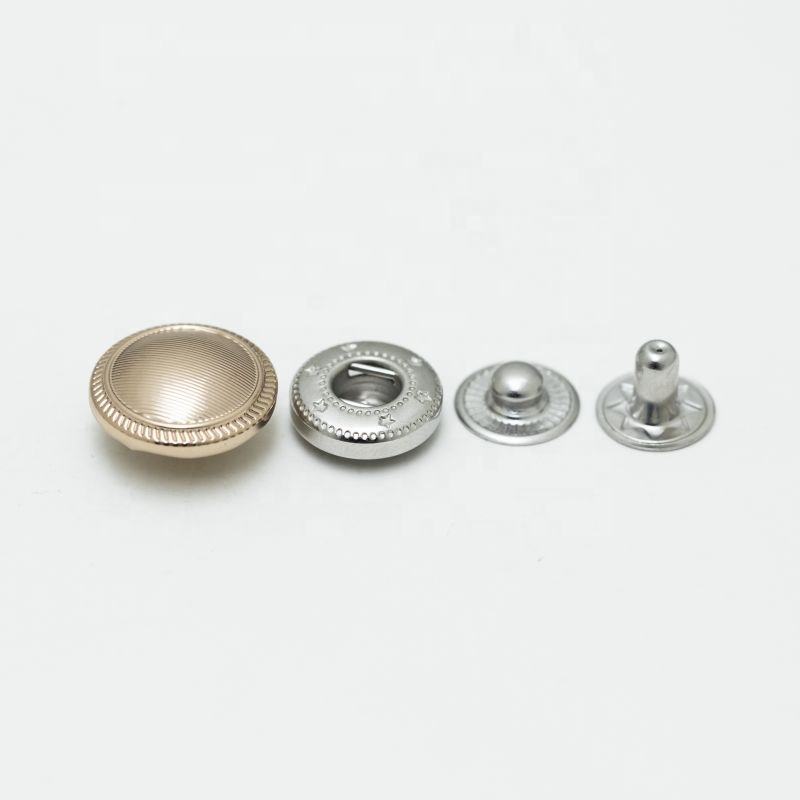
Specify snap finish, size, color and placement for varsity jackets, outerwear and workwear-inspired styles. Coordinated hardware helps balance function, durability and the visual character established in the approved sample.
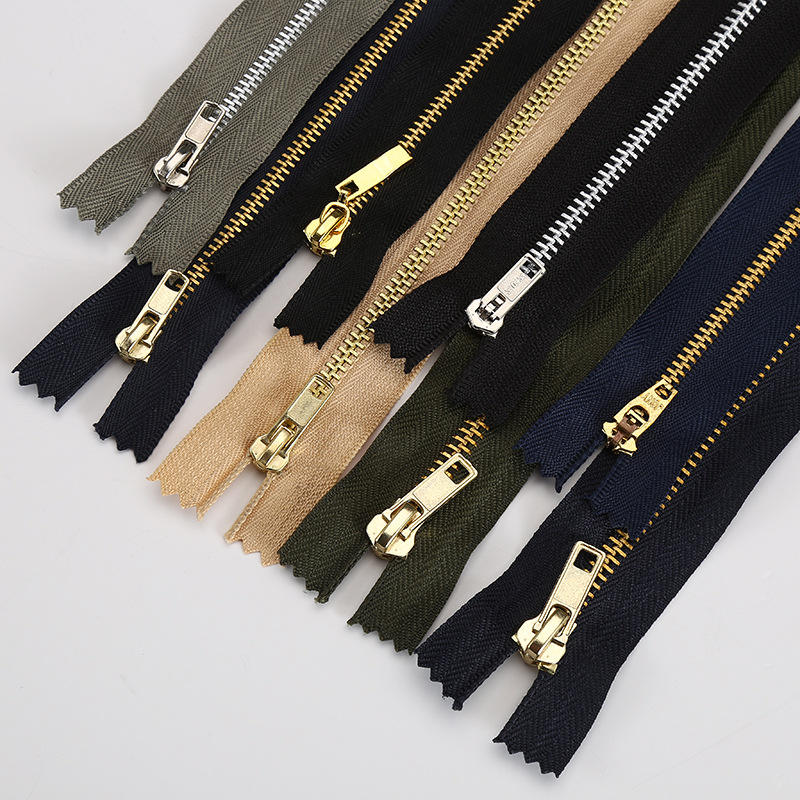
YKK Zippers
Match zipper type, puller, tape color and placement to jackets, windbreakers, hoodies and pockets. EDVORIN coordinates zipper specifications with garment construction so the closure performs cleanly through production.
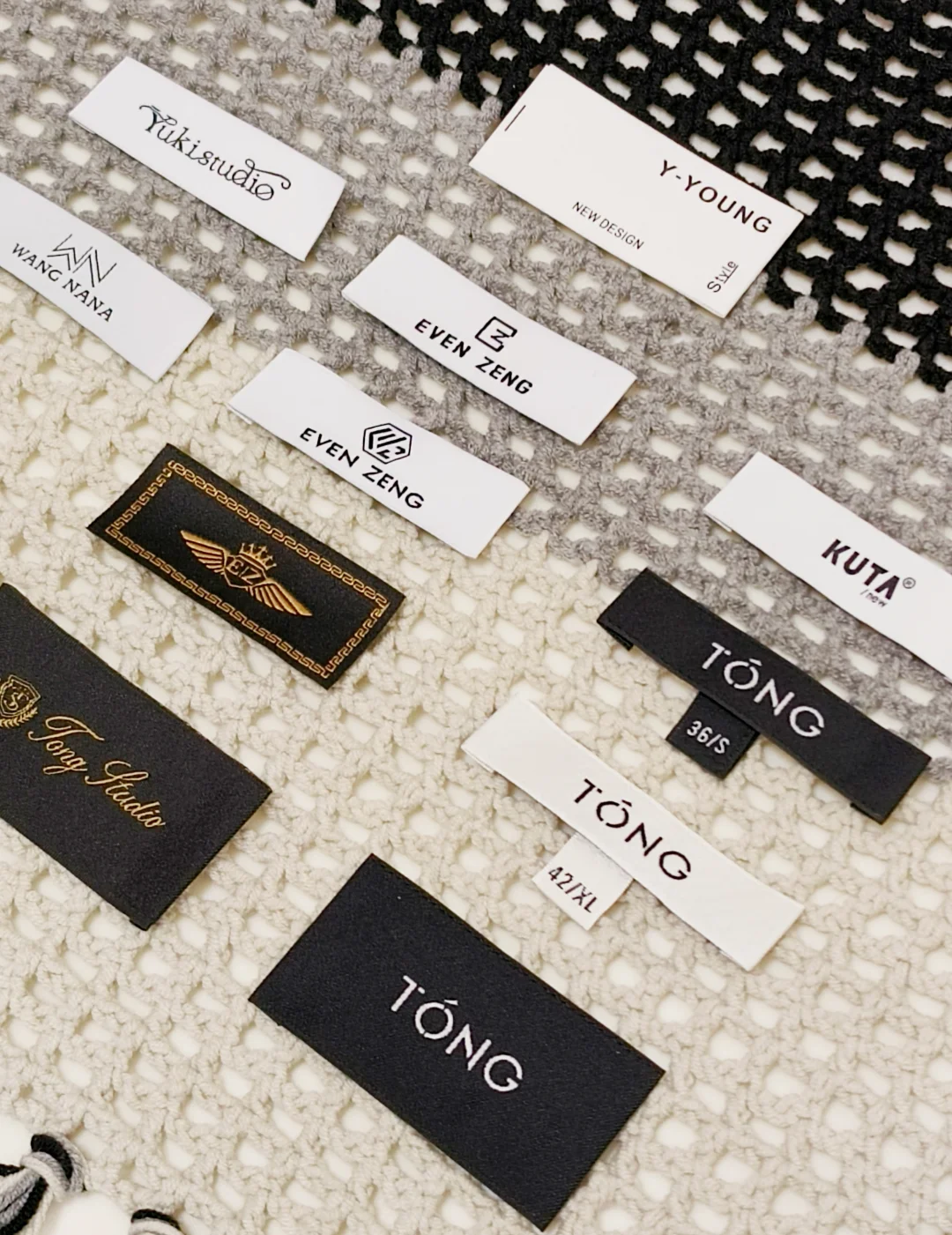
Woven Neck Labels
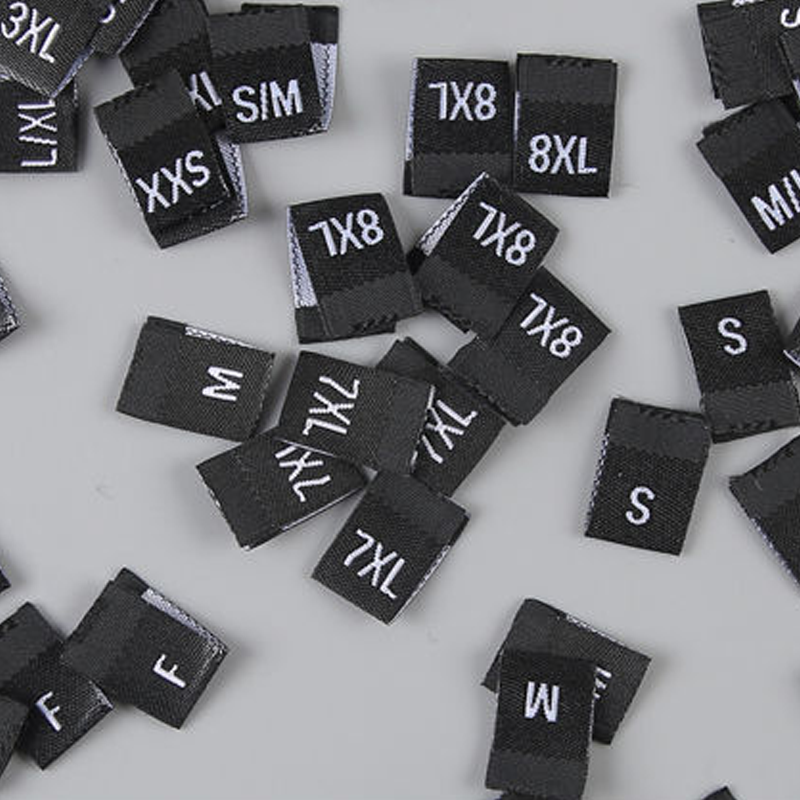
Create woven neck labels with your brand name, size information and required care content for private-label apparel. Labels are specified alongside placement and sewing method to keep branding consistent across men’s and women’s programs.
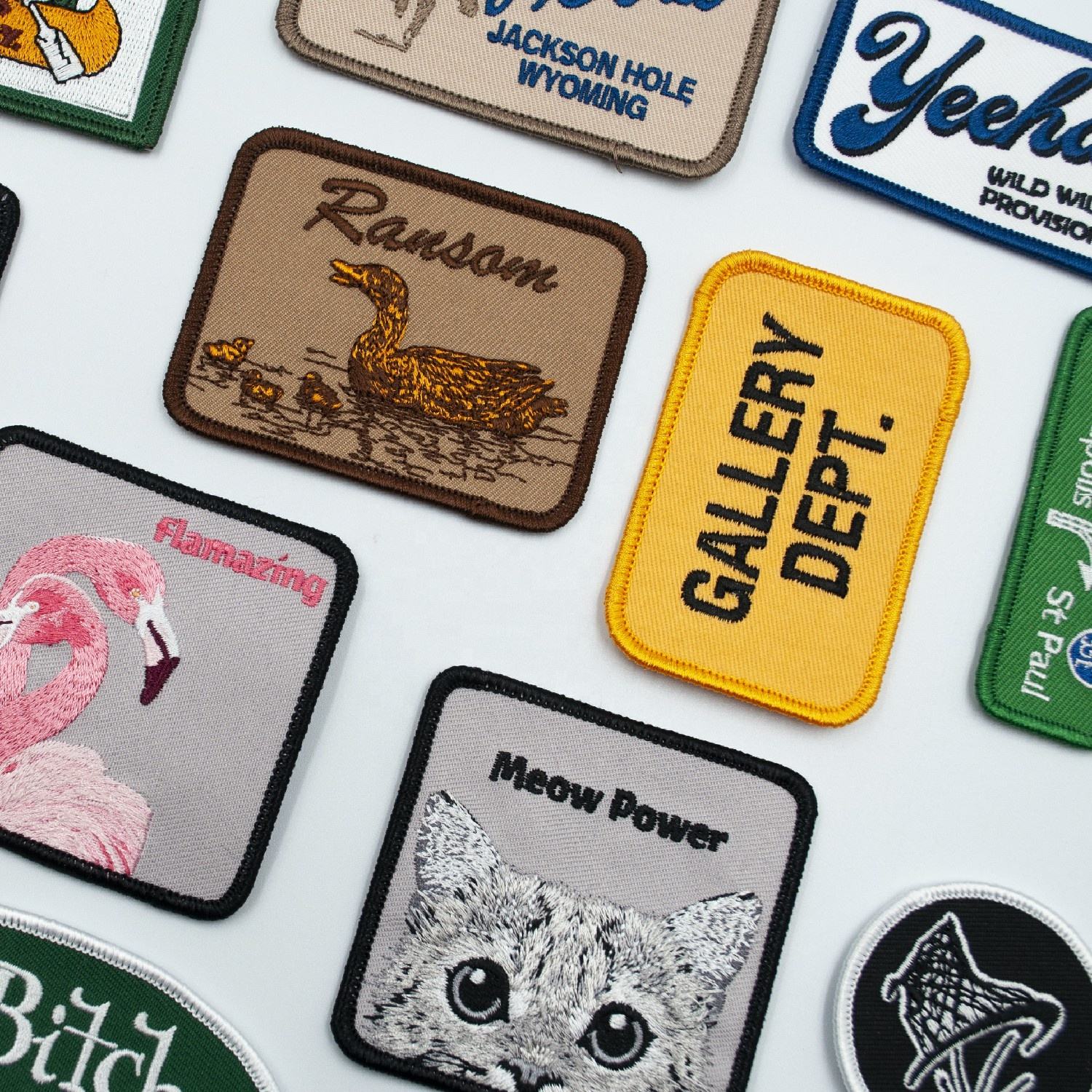
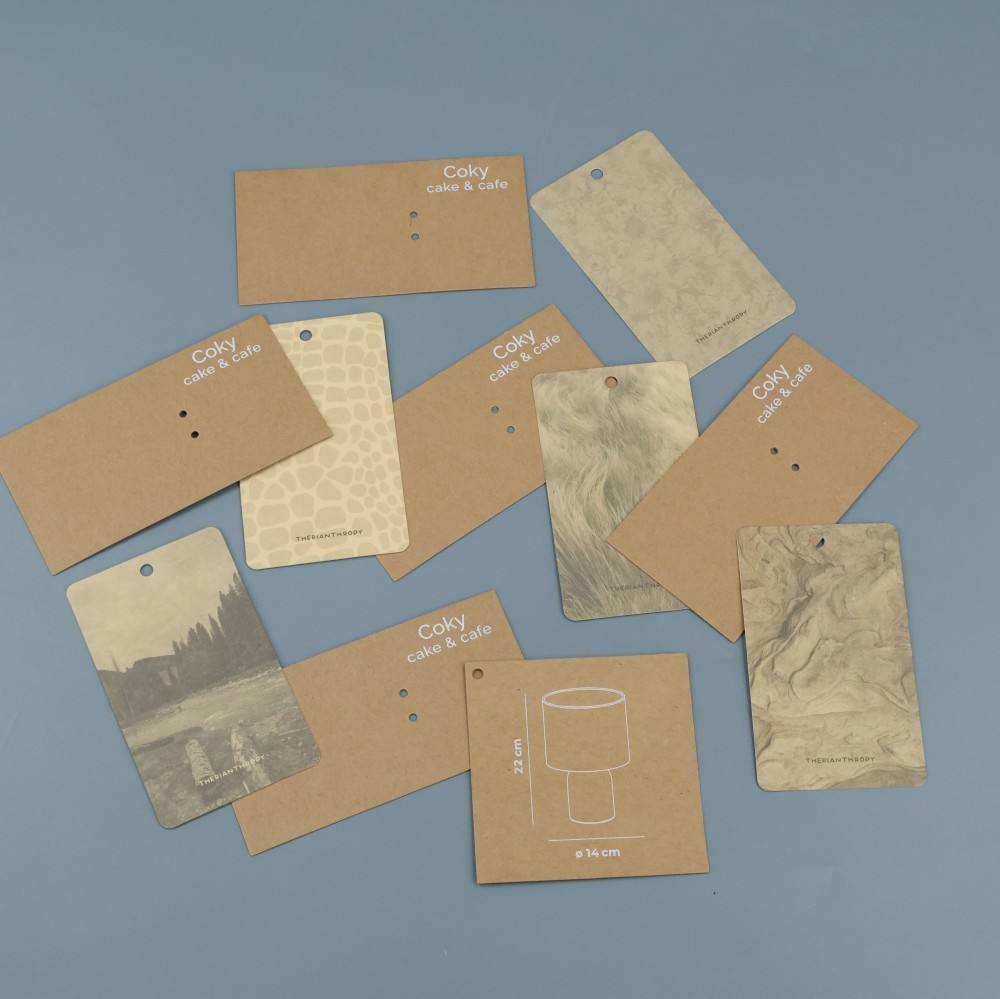
Hangtags and Packaging
Complete the retail presentation with custom hangtags, polybags, size stickers, folding instructions and carton marks. EDVORIN coordinates these packing details with labeling and final inspection before orders are prepared for shipment.
About EDVORIN, Your Full Package Clothing Manufacturer
Founded in 2000 by Edvorin Zeng, EDVORIN was built around a practical purpose: help brands turn apparel ideas into standards that can be produced consistently. As a full package clothing manufacturer, we connect technical development, sourcing and sampling before production decisions become costly problems.
From hoodies and streetwear to outerwear and team uniforms, EDVORIN coordinates fabrics, trims, patterns, printing, embroidery, washing, labeling and packaging in one accountable workflow. Men’s and women’s programs are developed around the fit, construction and performance needs of the intended wearer, with MOQ starting at 200 pieces per style.
Our difference is what happens after a sample looks right. Approved measurements, materials, artwork placement and finishing details become visible production references, supported by in-line and final quality checks. That discipline helps fashion brands, teams and private-label buyers protect their design across repeat orders.

Full Package Clothing Manufacturer Controls for Repeatable Collections
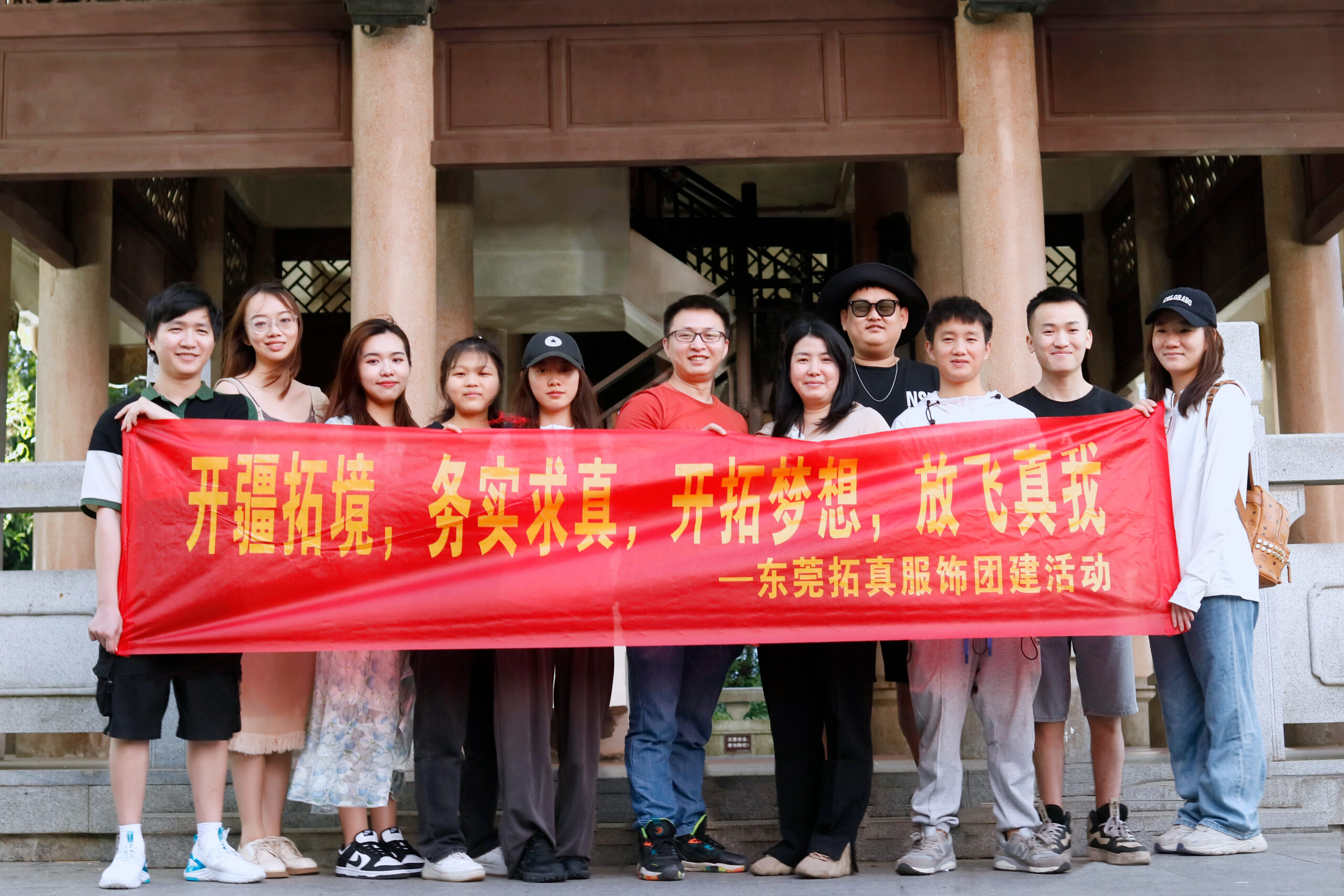
Technical Development That Holds
EDVORIN turns sketches, references, or complete tech packs into clear production standards. Patterns, fit blocks, grading, measurements, and construction details are reviewed during development so men’s and women’s apparel programs can move forward with fewer assumptions.
- Pattern and measurement development
- Fit, grading, and construction review
- Production-ready specifications
- Support from concept or tech pack
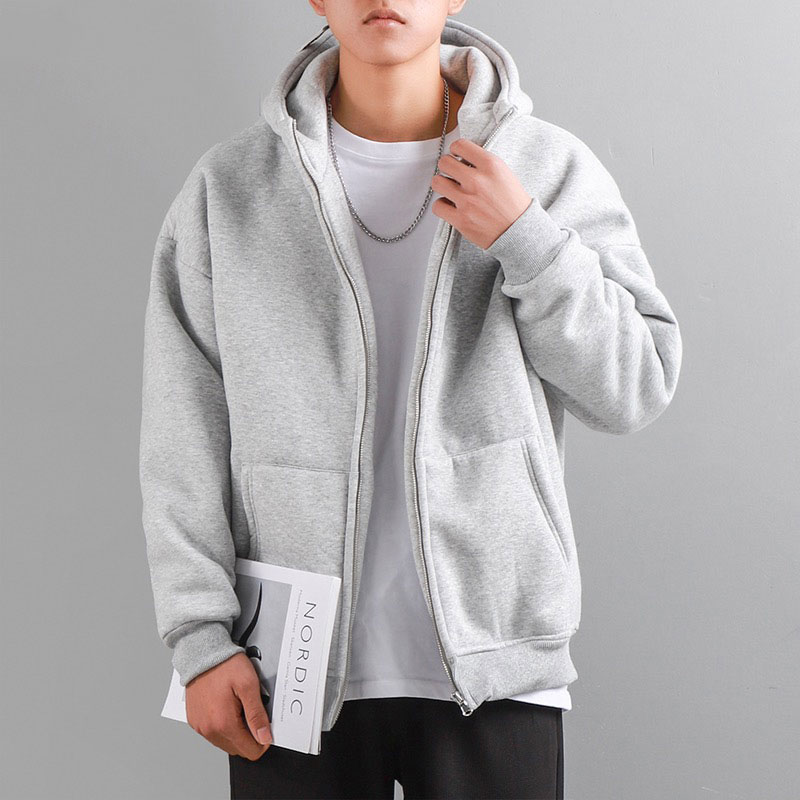
Materials and Trims Aligned
Fabric, rib, lining, hardware, labels, drawcords, and packaging are coordinated as one specification. This connected approach helps protect the intended hand feel, function, and visual character across casualwear, streetwear, outerwear, and teamwear programs.
- Fabric and component sourcing
- Trim specifications and approval details
- Category-specific material coordination
- Labels and packaging planned together
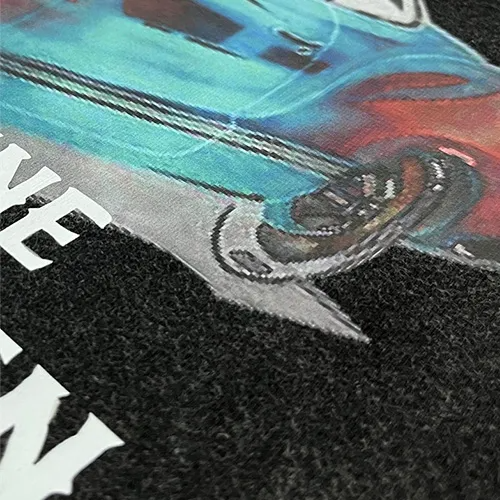
Decoration Matched to Garment
Printing, embroidery, washing, and other finishing choices are considered alongside the base fabric and garment construction. EDVORIN helps document placement, artwork requirements, and decoration details before bulk production, giving each application a clearer standard to follow.
- Print and embroidery coordination
- Artwork placement specifications
- Wash and finishing considerations
- Fabric-compatible decoration planning
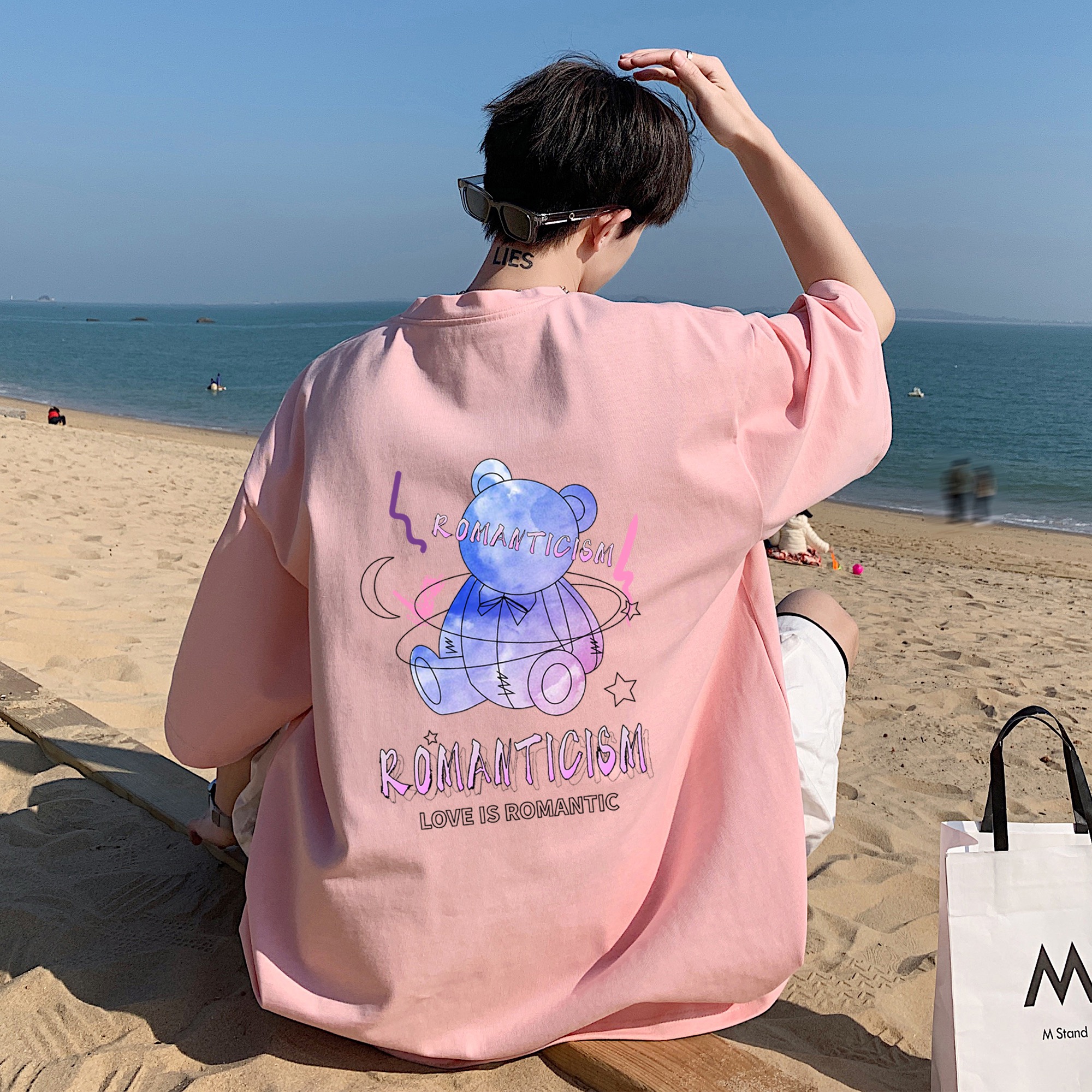
Approved Standards Guide Bulk
A full package clothing manufacturer must carry approved decisions beyond sampling. EDVORIN uses the approved sample and documented requirements to guide material checks, in-line inspection, final quality control, labeling, and packing before an order is released.
- Approved sample as bulk reference
- In-line quality checks
- Final inspection before packing
- Labeling and packing verification
Why Choose EDVORIN as Your Full Package Clothing Manufacturer
One accountable workflow keeps development, sourcing, decoration and quality control aligned from concept through packed order.
← Swipe left or right to view →
Full Package Clothing Manufacturer Process: From Concept to Shipment
EDVORIN connects development, sourcing, production and quality control in one accountable workflow built for repeatable apparel programs.
Review Your Product Brief
We review your tech pack, sketch or reference garment, intended market, fit requirements, target quantity and category-specific construction details before development begins.
Source Materials and Trims
Our team coordinates fabrics, rib, labels, hardware, packaging and decoration options, aligning feel, performance, color and availability with your approved product direction.
Build Patterns and Samples
Patterns, grading and prototypes translate the concept into measurable standards. You review fit, materials, construction, artwork placement and finishing before bulk approval.
Confirm Production Specifications
Approved samples become the production reference, supported by measurement charts, trim specifications, color references, decoration details and documented revisions for clear execution.
Produce and Inspect Bulk
Cutting, sewing, printing, embroidery, washing and finishing are coordinated under in-line quality checks to identify variation before it affects the completed order.
Pack and Prepare Shipment
Final inspection verifies garments against approved standards before labeling, folding, packing and shipment preparation, giving your team a production-ready order for delivery.
Start Your Full Package Clothing Manufacturer Program
Move from a finished tech pack or early concept to an approved, repeatable apparel order through one coordinated EDVORIN workflow.
Share Your Concept
Send your tech pack, sketch, reference garment, measurements or collection brief so our team can review category, construction, materials and decoration requirements.
Confirm Your Production Plan
Review the proposed specification, MOQ, pricing, materials and sampling path. EDVORIN supports OEM, ODM and private-label programs starting at 200 pieces per style.
Approve Your Sample
Assess fit, fabric, artwork placement, trims, wash and finishing on the developed sample. Record approved revisions as the standard for bulk production.
Begin Bulk Production
Move into coordinated sourcing, cutting, sewing, decoration, inspection, labeling and packing, with quality checks aligned to the approved sample and documented specifications.
Certified Standards for Responsible Apparel Production



Full Package Clothing Manufacturer Buyer Results
Approved customer story pending verification: this card will document the buyer’s product-development outcome, including sample revisions, timeline, and the approved production standard.
Approved customer story pending verification: this card will document a repeat-order result, including measurement consistency, decoration control, and the order quantity reviewed.
Approved customer story pending verification: this card will document a teamwear or private-label delivery outcome, including size-set control, artwork placement, and fulfillment performance.
The Complete Guide to Full-Package Clothing Manufacturing
Clear answers for brands planning development, sampling and repeatable bulk production with EDVORIN.
What is the MOQ for a full package clothing manufacturer?
Can a full package clothing manufacturer work from my sketch or reference garment?
What does a full package clothing manufacturer handle?
How long do apparel development and bulk production take?
Do I need a tech pack before contacting EDVORIN?
How are samples approved before bulk production?
Can EDVORIN protect my designs and brand information?
How do payment and shipping work for a custom apparel order?
The Complete Guide to a full package clothing manufacturer
Use this practical framework to compare supplier models, evaluate development and quality controls, understand pricing drivers, and avoid the sourcing mistakes that delay launches or compromise your apparel program.
1. What Is a full package clothing manufacturer?
One full package clothing manufacturer coordinates the chain from product development and fabric and trim sourcing through patternmaking, samples, bulk cutting and sewing, quality control, labeling, packing and delivery. At EDVORIN, this connected workflow turns either a finished tech pack or an early concept into a reviewable, repeatable production standard.
CMT—cut, make and trim—has a narrower scope: the buyer normally supplies approved fabrics, trims, patterns and specifications, while the factory executes cutting, sewing and finishing. Full-package accountability reduces handoffs, but it does not transfer brand ownership of the product.
200-piece programs can suit emerging labels, teams, schools, wholesalers and private-label buyers needing coordination across multiple decisions. The brand still must approve fit, materials, colors, artwork, size grading, target cost, samples and final production standards.
2. How Full-Package Apparel Production Evolved
Before the 1990s, many brands kept development close to home and used separate contractors for patterns, cutting, sewing, trims, and packing. That model could work for stable assortments, but handoffs made specification changes and accountability harder to track.
By the 2000s, global sourcing and private-label programs connected mills, factories, decorators, and logistics across more borders. Digital tech packs, graded measurement charts, Pantone references, BOMs, and placement files made those handoffs faster, while shorter collection calendars raised the cost of unclear revisions.
In 2026, a full package clothing manufacturer is valuable when it converts each approved decision into a production record. Buyers need one traceable path from material and sample approval through bulk inspection, labels, packaging, and repeat orders.
3. Types of full package clothing manufacturer
Six operating models appear in apparel sourcing. The key distinction is whether the company owns production control or coordinates independent factories.
Domestic And Overseas Factories
1 practical advantage of domestic factories is easier visit scheduling and faster sample feedback; they suit short runs and complex approvals. Overseas factories fit repeatable hoodies, jerseys, and outerwear when a detailed tech pack anchors remote communication.
Integrated And Specialist Partners
2 production paths differ: vertically integrated suppliers coordinate fabric through packing, while specialist cut-and-sew partners concentrate on construction. Integrated programs suit multi-step collections; specialists suit demanding jackets, performance uniforms, or fit-sensitive silhouettes.
Private Label And Agencies
3 questions expose the model: Who owns the factory, approves materials, and performs in-line QC? Private-label programs accelerate stock-based basics; sourcing-led agencies match factories, but buyers should confirm their fee, factory access, and accountability.
4. Fabrics for Full-Package Clothing Production
180–500 GSM fabric choices set a garment’s hand, drape, opacity, and wear life. A full package clothing manufacturer should lock fabric before pattern, decoration, and target cost are finalized.
| Fabric | Typical Weight | Strength | Best Use |
|---|---|---|---|
| Cotton jersey | 160–220 GSM | Soft, breathable | Fashion tees |
| French terry | 280–360 GSM | Structured comfort | Hoodies, joggers |
| Brushed fleece | 320–500 GSM | Warm, durable | Heavy sweats |
| Poly interlock | 140–200 GSM | Drying, colorfast | Team uniforms |
Knits For Everyday Programs
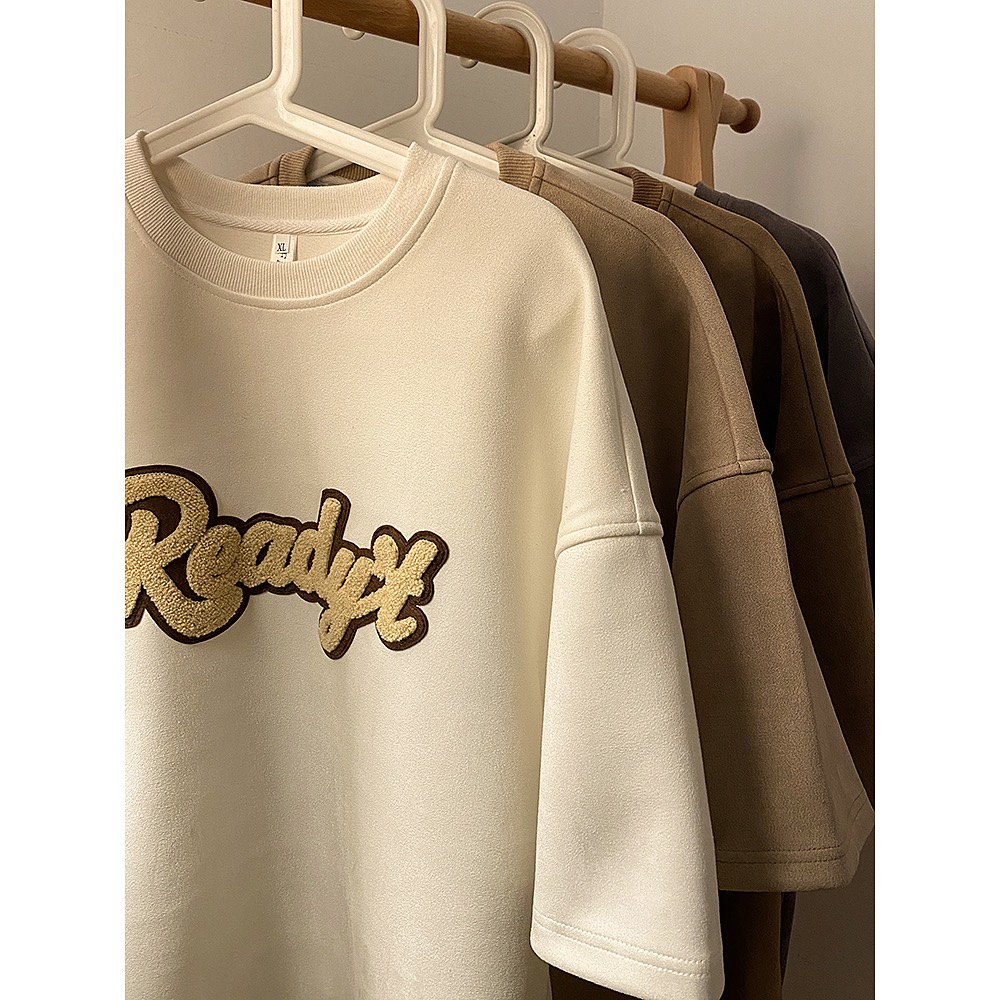
160–220 GSM cotton jersey suits tees; 280–420 GSM French terry or brushed fleece suits premium sweats. Ring-spun cotton feels smoother, while rib requires recovery testing at cuffs and necklines.
Performance And Uniform Fabrics
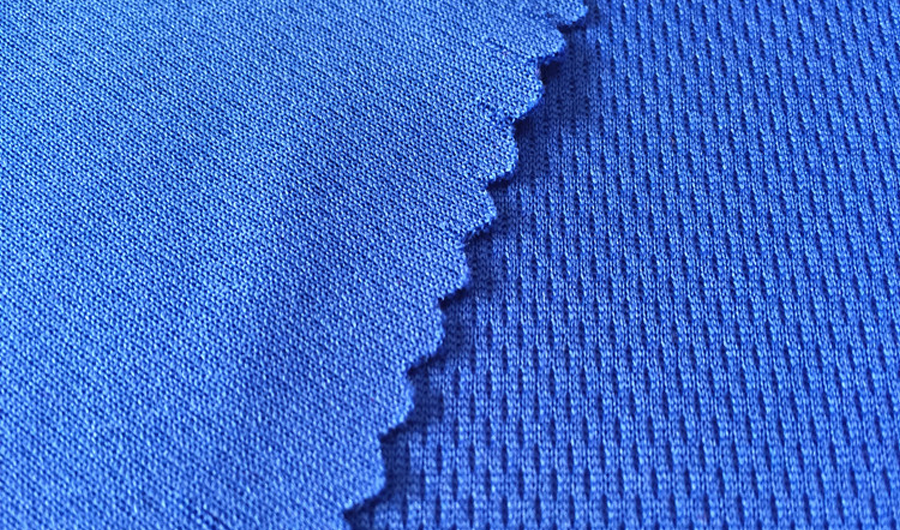
140–200 GSM polyester interlock supports jerseys, sublimation, and faster drying; cotton-poly blends balance comfort and durability. Recycled polyester requires traceable documentation when sustainability claims or buyer compliance programs apply.
Cost And Supply Implications
EDVORIN’s MOQ starts at 200 pieces per style. 200-piece programs can often use stocked colors faster than custom-milled fabric. Custom color, recycled content, specialty finishes, and higher weights can raise mill MOQ, lead time, and finished cost; confirm decoration compatibility before sampling.
5. Customization Options From a full package clothing manufacturer
EDVORIN’s MOQ starts at 200 pieces per style. A full package clothing manufacturer can coordinate the decisions that turn a silhouette into a recognizable product: fit, color, panels, trims, branding, decoration, and packing. EDVORIN records these choices against an approval sample before bulk release.
| Method | Best Use | Feel And Cost |
|---|---|---|
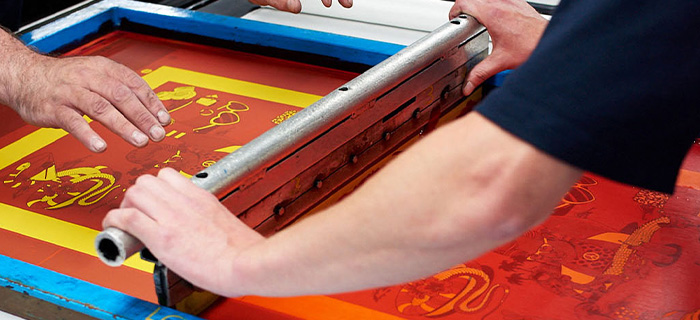
| Screen print | Bold cotton graphics; higher volumes | Soft options; efficient per unit |
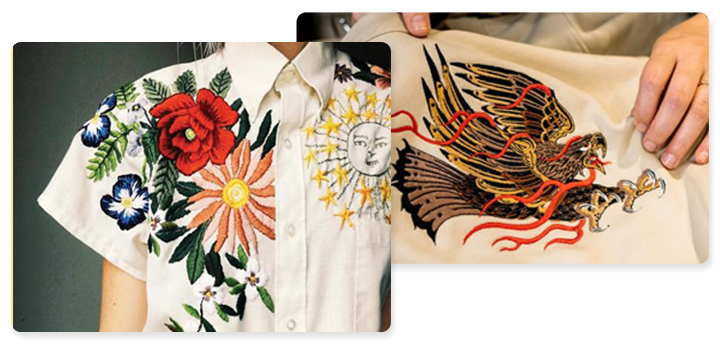
| Embroidery | Logos on fleece, polos, jackets | Textured; durable; higher cost |
| Heat transfer | Detailed, variable short runs | Lightweight; film affects feel |
| Sublimation | Polyester jerseys, all-over artwork | No added hand; colorfast process |
Build the Garment Identity
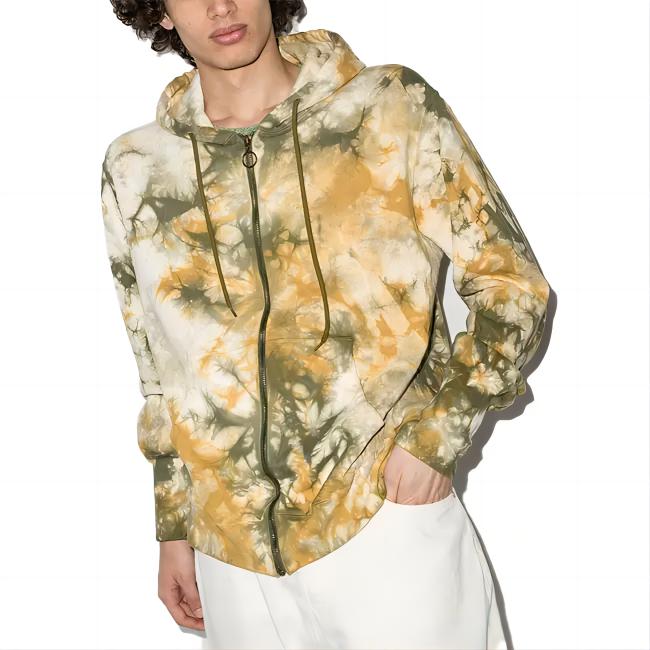
1 approved fit block should define body length, grading, panel seams, pockets, rib, zippers, drawcords, labels, hangtags, and packaging. Pantone references help align color expectations across components.
Match Decoration to Product
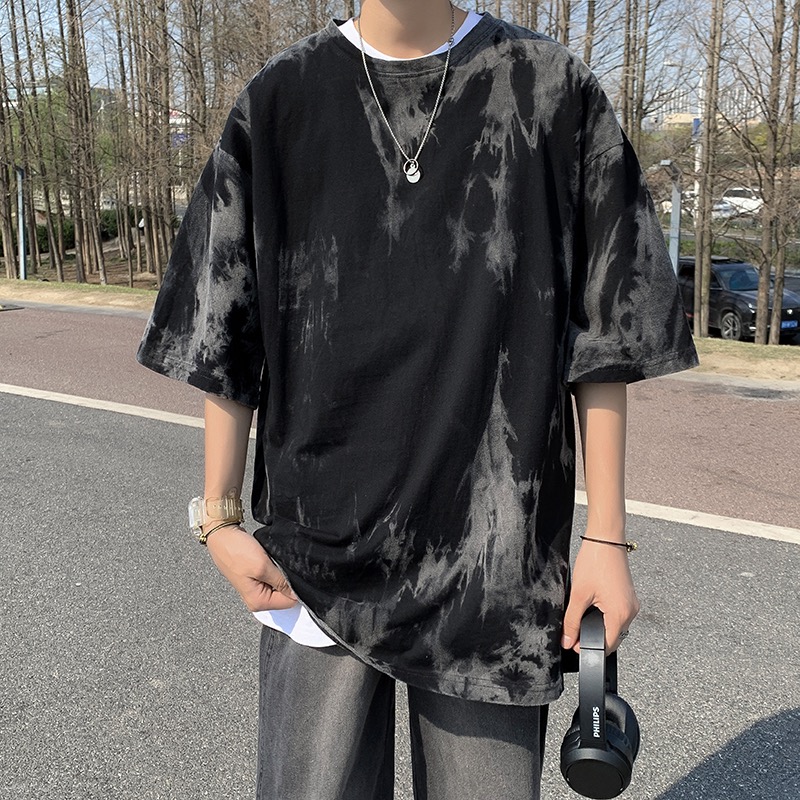
4 decoration routes serve different artwork and fabric needs. Screen print suits bold, high-volume graphics; embroidery adds texture to caps, polos, and heavyweight fleece; heat transfer supports detailed short runs; sublimation suits polyester jerseys and all-over color.
Approve Before Bulk
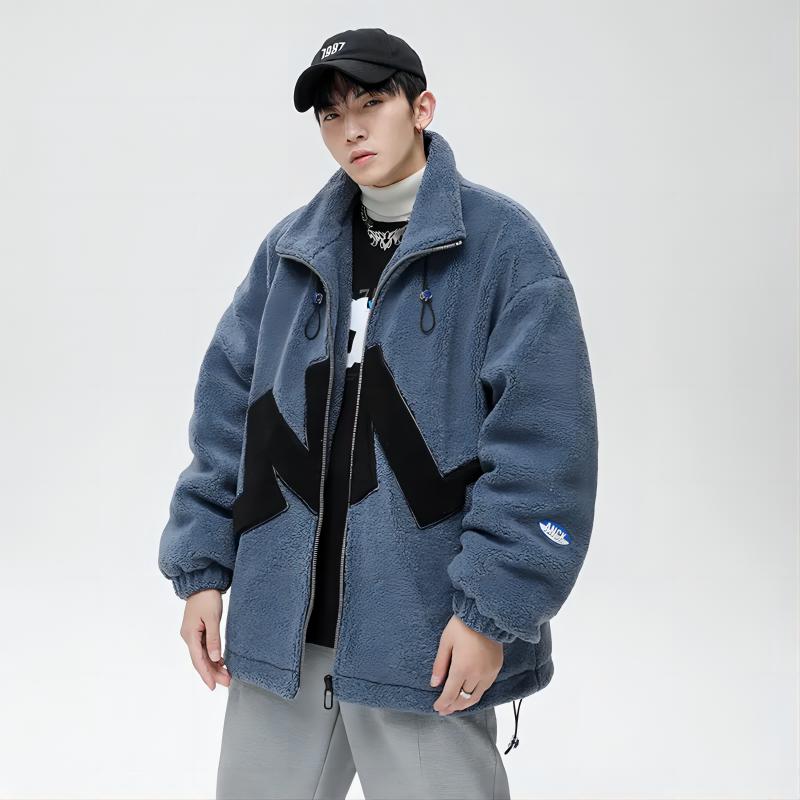
1 pre-production sample should confirm artwork placement, thread or ink color, hand feel, wash response, trim function, label copy, and packing before cutting the full order. Specialty washes or finishes need the same physical approval standard.
6. Construction Details That Define Garment Quality
A garment can look correct yet fail at the points buyers do not photograph: fit, repeatability, and durability. An approved tech pack and pre-production sample turn those points into measurable production standards.
Pattern And Grading

One base size should match the approved measurement chart; compare chest, body length, rise, and sleeve points across suppliers.
Each graded size should preserve intended proportions, not merely add width. Check measurement tolerances before approving bulk.
Seams And Components
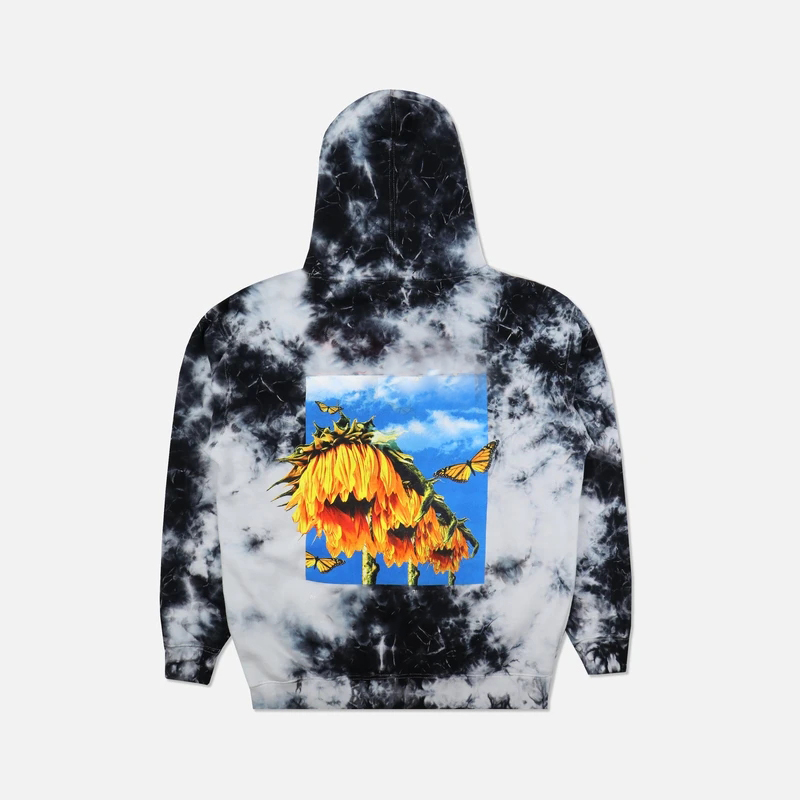
Two samples may share fabric but differ in seam construction. Inspect stitch density, seam type, bartacks at stress points, and clean trim attachment.
One wash test should reveal shrinkage, twisting, puckering, loose snaps, or poor rib recovery before production.
Approval And Inspection
A pre-production sample should record fabric GSM tolerance, print placement, color reference, labels, finishing, and packing details.
Final inspection should compare bulk garments against that approved sample, including measurements, decoration alignment, stains, and workmanship.
7. Choosing a full package clothing manufacturer
Two comparable quotes can conceal different development, control, and delivery responsibilities. Evaluate a full package clothing manufacturer against product risk and repeat-order needs, not unit price alone.
Match Category Experience
1 product-specific work sample reveals more than a general capability list. Ask for comparable hoodies, outerwear, jerseys, or graded women’s and men’s programs.
2 development checkpoints should cover pattern review, material approval, fit samples, and a pre-production sample. Confirm who records revisions and approves artwork placement.
- Request comparable samples and references
- Review tech-pack feedback
- Confirm decoration compatibility
Verify Production Controls
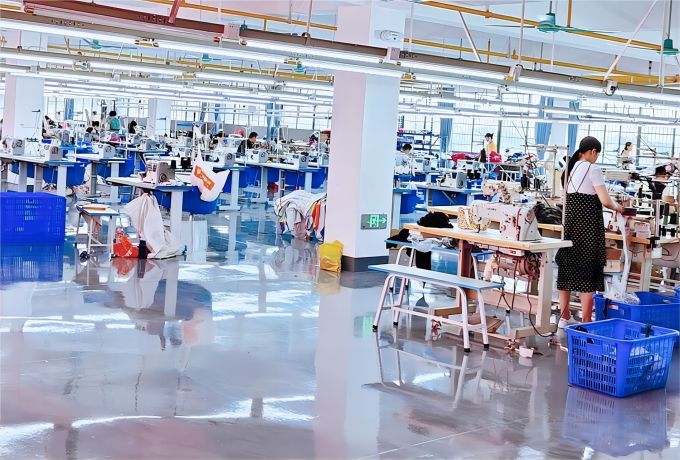
EDVORIN’s MOQ starts at 200 pieces per style. 200-piece MOQ may suit a launch, but fabric mill minimums, colorways, and size splits can change feasibility. Ask for capacity, realistic lead times, sourcing options, in-line checks, final inspection, and shipping support.
3 named material options make sourcing easier to compare. Require composition, weight, color standard, trim specification, and substitution approval before bulk cutting.
- MOQ by style and color
- Sample and bulk timelines
- Inspection and defect handling
Compare Total Value
3 quote lines—development, unit cost, and freight—should be separated. Confirm payment milestones, packing requirements, export documents, communication cadence, and responsibility for delays or approved changes.
1 lower unit price can cost more when sampling, trims, rework, or freight are excluded. Compare proposals against the same tech pack, quantity, Incoterm, quality standard, and delivery date.
- List inclusions and exclusions
- Confirm payment terms
- Check communication ownership
8. Common Full-Package Sourcing Mistakes
Two approval gates—development and pre-production—should expose uncertainty before bulk cutting. Emerging labels, teams, schools, and private-label programs lose time when assumptions replace written standards.
Incomplete Technical Packages
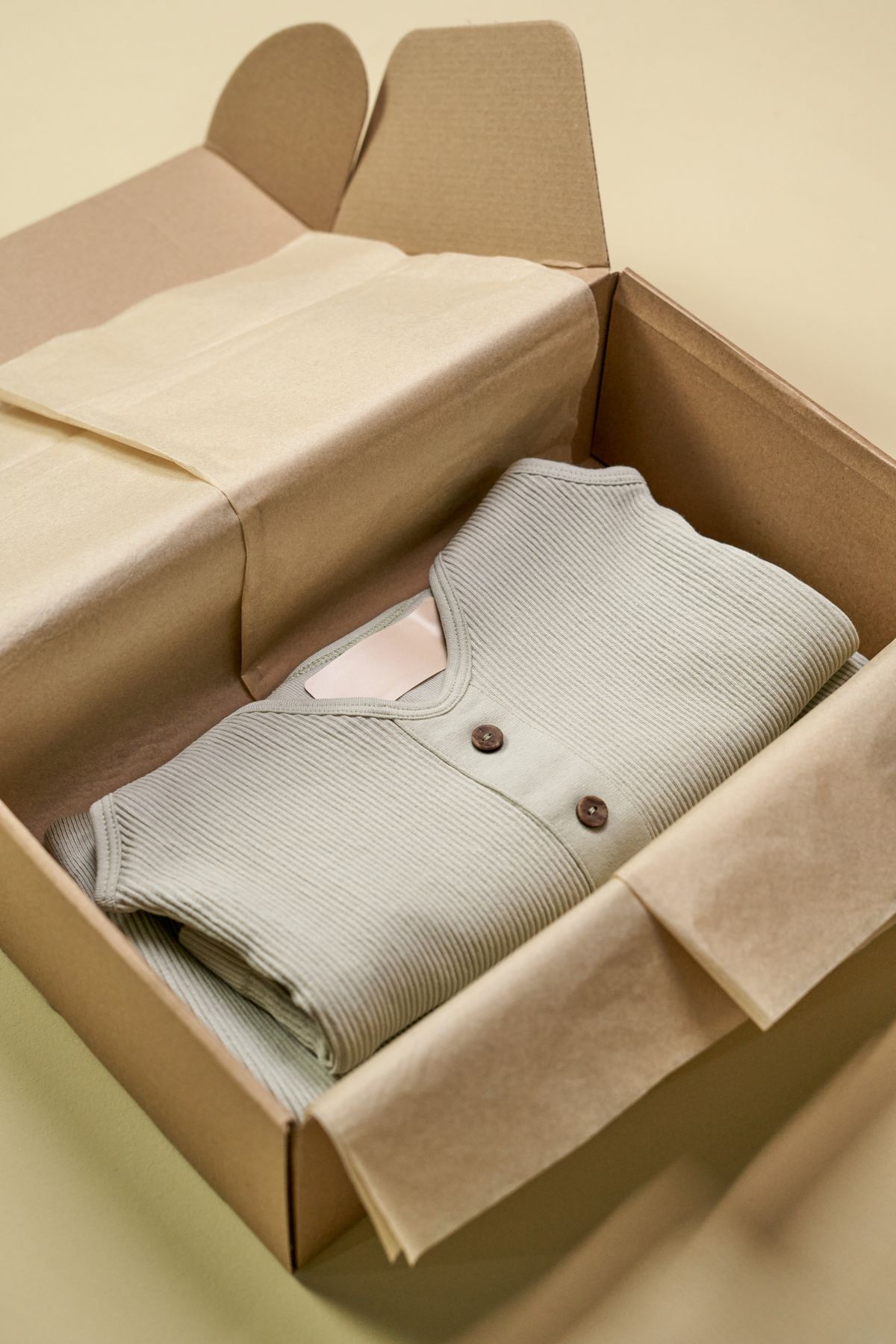
One missing BOM, measurement point, or artwork-placement dimension creates factory interpretation and inconsistent repeats. Prevent it with version-controlled tech packs, graded size charts, Pantone references, and signed revision dates.
Unclear Costs And Minimums
A 200-piece plan can fail when custom fabric, dyeing, labels, or hardware require higher mill minimums. Set a target ex-factory cost, quantity by color and size, and approved stock-material alternatives before sampling.
Rushed Sample Approval
One approved sample without wash, fit, decoration, and measurement checks can lock defects into bulk production. Run wearer tests, record tolerances, and approve a sealed pre-production sample before cutting.
Late Changes And Price Decisions
Zero change-control discipline turns mid-production fabric, trim, or logo revisions into delays, excess materials, and rework; choosing solely on price compounds the risk. Freeze specifications after approval, document every change order, and compare suppliers on process, quality tolerances, and repeatability.
9. Steps to Launch Your Apparel Line
EDVORIN’s MOQ starts at 200 pieces per style. A 200-piece MOQ makes early decisions unusually consequential. Treat each approval as a production gate: changes after bulk cutting cost more and delay delivery.
Define The Product Brief
Week 1: confirm style count, target retail price, wearer, size range and delivery date.
One tech pack per style should lock flats, measurements, bill of materials, Pantone references and artwork placement.
Develop And Approve Samples
Weeks 2–5: select fabric, build the pattern and review a prototype for silhouette and construction.
One fit revision is common; record every correction before approving the pre-production sample as the bulk standard.
Produce, Ship, And Review
Week 6 onward: issue the purchase order only after price, quantities, packing and approved sample align.
100% final checks should cover measurements, decoration, labels and cartons before freight; post-launch returns reveal priorities for the next run.
10. Full-Package Manufacturing Pricing and Costs
200 pieces is EDVORIN’s published starting MOQ, but total project cost begins before bulk: development, pattern work, fit samples, fabric, trims, decoration, labor, labels, packaging, testing, freight, and import duties all need a budget line.
1 approved sample should become the production reference; revisions, custom washes, embroidery digitizing, screen setup, and multi-color artwork add non-recurring cost before units ship.
500-piece and 1,000-piece runs usually spread those fixed costs across more garments, while fabric-mill minimums can force excess yardage or make stock fabric the more economical choice. Buyers should request an itemized quotation by style, color, size range, Incoterm, and destination.
| Order quantity | Unit-cost direction | Setup-cost impact | Typical lead-time effect |
|---|---|---|---|
| 200 pieces | Highest | Spread across few units | More development-sensitive |
| 500 pieces | Lower | Better absorption | More efficient bulk planning |
| 1,000+ pieces | Lowest directionally | Best fixed-cost spread | Capacity and material booking matter |
Start Your Full Package Clothing Manufacturer Project
Send your tech pack, reference garment or concept for an EDVORIN quote and a clear path from development to repeatable bulk production.